Author: Jinfiniti Science

A woman with stylish short blonde-gray hair is smiling broadly while looking to the side on a plain background

5 Promising Benefits of NAD Supplements (and Side Effects)

NAD supplements are often sold with claims of reversing aging, boosting energy, and improving mental clarity. Many of these sound too good to be true.

Your body’s NAD+ levels drop byabout 50% between ages 40 and 60[1]. NAD is a coenzyme that metabolizes food, repairs damaged DNA, and converts nutrients into energy for your cells. Supplements like NMN or NR (nicotinamide mononucleotide or nicotinamide riboside) can boost your levels if you’re deficient.

Benefits are most apparent in people over 40 or with metabolic issues. A baseline test can also help you determine if you need them or not.

What You Should Know

  • NAD supplements show the most benefits in people with existing deficiencies or metabolic dysfunction
  • Studies suggest benefits for blood sugar control, heart health, brain function, physical performance, and DNA repair
  • Side effects are generally mild (nausea, bloating, headache) and resolve quickly in most people
  • Testing your NAD+ levels before and after supplementing removes all guesswork about effectiveness

What Are NAD Supplements?

NAD supplements supply precursors, or building blocks, that your cells can use to make NAD+ (nicotinamide adenine dinucleotide).

NAD+ is the energy source for all the cells in your body. You can think of it as a rechargeable battery used for hundreds of different processes within your cells.

Your cells use NAD+ for two main jobs:

  • Turning food into ATP, the fuel your cells run on
  • Powering sirtuins and PARPs, enzymes that play key roles in DNA repair, stress response, and aging

An enzyme called CD38, which literally nibbles away at NAD+, increases as you age. This, along with a decline in your body’s own production of NAD+, results in a drop in levels as we get older[2].

The two most studied forms of NAD supplements are NMN and NR, which take slightly different paths to boosting your levels.

CLIA-Certified NAD Test Kit

Test your NAD+ levels from home.
Jinfiniti Intracellular NAD Test on purple background

5 Promising Benefits of NAD Supplements

Supplementing with NAD precursors can help replenish your body’s NAD levels when they’re low. Here are the 5 benefits of NAD supplements that have the most clinical support.

Infographic showing 5 benefits of NAD supplements supported by research.

1. Better Blood Sugar Control and Insulin Sensitivity

Your muscle cells need to react to insulin so they can remove sugar from your blood. If this process stops working well, prediabetes or type 2 diabetes can develop.

A 2021 clinical trial published in Science gave 250 mg of NMN daily to postmenopausal women with prediabetes for 10 weeks. Using a standard test for insulin sensitivity, researchers saw clear improvements in how muscle responded to insulin[3].

Muscle samples showed that the cells were better at processing insulin signals. Genes related to muscle function were more active. These changes happened even though there was no weight loss.

NAD+ helps by turning on a protein called SIRT1, which helps cells respond to insulin and burn fat in the mitochondria. When NAD+ levels fall, this process weakens, and fat can build up in muscles and the liver, making it harder for insulin to work.

One thing to note: Studies in healthy young adults show little effect on blood sugar. The benefits seem to be greater when you already have problems with your metabolism[4].

2. Improved Heart Health and Blood Pressure

Stiff arteries and high blood pressure increase the risk of heart disease. When blood vessels become less flexible, the heart has to work harder to move blood through the body.

In a pilot study with 1000 mg of NR daily for 6 weeks, middle-aged adults with high blood pressure saw their systolic readings drop by an average of 8 mmHg[5]. This drop is similar to what some people get from blood pressure medications or major diet changes like sodium restriction.

The reason is that NR activates SIRT1 in the cells lining blood vessels. SIRT1 increases nitric oxide, which helps blood vessels relax. More NAD+ means more SIRT1 activity and better blood flow.

Other research shows NAD+ can lower inflammation markers like IL-6 and TNF-alpha in people with heart failure. These markers are linked to stiffer arteries[6].

3. Brain Function and Memory Support

Your brain uses about 20% of your body’s energy, even though it only makes up 2% of your body weight. Brain cells need a steady supply of energy and are easily affected by damage from oxidation.

NAD+ helps protect brain cells in several ways. SIRT1 and SIRT3, proteins activated by NAD+, help reduce oxidative stress and affect how certain brain proteins are processed, which may lower the risk of forming plaques linked to Alzheimer’s disease.

In animal studies on Alzheimer’s, NR supplements lowered brain inflammation, DNA damage, and tau tangles, while helping restore memory[7]. Early human studies show similar effects, with better cognitive scores and improved brain metabolism on scans[8].

A Phase I trial in people with Parkinson’s gave 3000 mg of NR daily for 4 weeks. Brain scans showed higher NAD+ levels in the brain[9].

NAD+ also regulates your sleep-wake cycle by helping control circadian rhythm. Studies in older adults found that NMN improved sleep quality and reduced daytime sleepiness, especially when taken in the afternoon[10].

4. Increased Energy and Physical Performance

As people get older, they often lose muscle, which can lead to weakness. NAD+ precursors may help the body in ways similar to exercise.

NAD+ turns on SIRT1, which then activates PGC-1alpha. This process helps the body make more mitochondria. It also changes muscle fibers from fast-twitch (which tire quickly) to slow-twitch (which last longer and burn fat better).

One study with amateur runners found that taking up to 1200 mg of NMN daily helped increase VO2 max (aerobic fitness) and the point where breathing becomes hard during exercise[11]. This happened because muscles used oxygen more efficiently, not because the heart pumped more.

For older adults, NMN supplements helped them walk faster and stand up from a chair more easily[10]. These improvements are linked to autonomy and longevity with age.

“We’ve seen that restoring NAD+ can help people feel more energetic,” says Dr. Jin-Xiong She, founder of Jinfiniti Precision Medicine. “How well it works depends on your baseline levels and overall health.”

5. DNA Repair and Cellular Protection

Your DNA is constantly getting damaged by things like sunlight, stress, and normal cell activity. To fix this damage, your cells need NAD+ to power their repair systems[12].

One of these repair helpers, PARP1, acts quickly when DNA strands break. It uses NAD+ to send out signals for other repair tools to come help. If your cells run low on NAD+, PARP1 can’t work properly, and DNA errors start to build up.

Research shows that when cells have less NAD+, they’re more easily harmed by radiation, but restoring NAD+ helps them fix DNA damage faster. This helps protect cells from stressors like environmental stress and medical scans[13].

Another enzyme, SIRT6, also relies on NAD+ to keep chromosome ends (telomeres) stable and to help fix serious DNA breaks. Sirtuins like SIRT6 also help keep the cell’s genetic instructions in order, which helps cells stay healthy as you get older.

Supplement Safety Note

NAD Supplement Side Effects: What to Watch For

Clinical trials have shown that NAD supplements generally have a strong safety record. Most side effects tend to be mild and depend on the dose you take.

The most common side effects reported with NMN and NR supplements are:

  • Nausea
  • Bloating
  • Loose stools or diarrhea
  • Mild headache
  • Stomach discomfort

These symptoms usually show up at higher doses and often fade within a few days as your body gets used to the supplement. Unlike niacin, NMN and NR do not cause the skin flushing reaction that many find uncomfortable.

Clinical studies have tested NR in amounts up to 3000 mg daily for four weeks and NMN up to 1250 mg daily for twelve weeks. Even at these higher doses, participants did not experience serious adverse events. Liver enzyme levels and kidney function remained normal throughout the studies[14].

Before starting NAD supplements, we recommend talking with your healthcare provider if you:

  • Take medications for diabetes or blood sugar management
  • Use blood thinners
  • Have active cancer or a history of cancer
  • Are pregnant or breastfeeding
  • Have liver or kidney disease

NAD supplements can interact with certain medications, so it’s wise to share your full supplement list with your doctor to help prevent any unwanted interactions.

Some individuals with MTHFR genetic variants choose to combine NMN with TMG (trimethylglycine) to support methylation pathways. However, research using 1000 mg of NR daily found no significant change in homocysteine levels among healthy adults.

NMN vs NR: Which NAD Supplement Should You Choose?

Both NMN and NR will help you boost NAD levels, though they follow different pathways to reach that goal.

NR enters your cells using certain transporters. Once inside, it first becomes NMN and then converts to NAD+. NR research points to benefits for heart health, blood pressure regulation, and brain function.

NMN may enter cells directly thanks to a newly discovered transporter in the gut. Clinical studies here suggest especially strong outcomes for muscle health, physical performance, and sleep quality.

FeatureNRNMN
Human Safety DataExtensive (multiple Phase I/II trials)Growing (several recent RCTs)
StabilityGood as chloride saltModerate (heat sensitive, requires stabilization)
Best Clinical EvidenceBlood pressure, inflammation, neuroprotectionInsulin sensitivity, aerobic performance, sleep quality
Cell EntrySpecific transportersSlc12a8 transporter plus conversion pathway
CostHighHigh (variable purity)

NR has been studied in humans for a longer period. NMN offers some unique benefits for metabolism, but it needs to be stored carefully so it doesn’t break down into plain nicotinamide, which can actually block the enzymes you want to support.

When looking for the best NAD supplement, think about your health goals and which benefits are most important to you.

Should You Take NAD Supplements?

Whether you should take NAD+ supplements really depends on your current NAD+ levels. Clinical trials consistently show that the most significant benefits appear in individuals who already have a deficiency.

People with prediabetes, high blood pressure, older adults, or those with impaired metabolic function notice the greatest improvements. Healthy young adults tend to see minor changes.

Testing your NAD+ levels transforms supplementation from guesswork into precision health optimization:

  • Test your baseline NAD+ levelsto see if you actually have a deficiency. The optimal range is 40-100 basedon our clinical research. Many people over 40 fall into suboptimal or deficient ranges.
  • Supplement based on your resultswith targeted dosing if needed. Your NAD dosageshouldbe personalized based on your levels rather than following one-size-fits-all approaches.
  • Retest after 4-8 weeksto see if the intervention is working. This removes all uncertainty about whether your supplement is effective or if you need to adjust your approach.

As Dr. She notes, “Testing transforms supplementation from hope to data. We process 90% of the world’s NAD+ tests because people finally have access to this information. You can see exactly how your body responds.”

If you supplement without testing, you’re left relying on marketing claims, never truly knowing whether your NAD+ levels are increasing. You might end up spending money on supplements that have no effect — or taking doses too low to matter.

Testing gives you clear, objective data. You know where you started. You know if your supplement works. You know when you’ve reached optimal levels.

Understanding what to expect before and after helps you set realistic goals and track meaningful changes as your NAD+ levels improve.

Frequently Asked Questions About NAD Supplements

Can I boost NAD levels naturally without supplements?

Exercise, calorie restriction, and not overindulging in alcohol are some of the ways to preserve NAD+ levels. Consuming B vitamins (found in foods such as chicken, fish, and mushrooms) can also support your body’s natural NAD+ production.

Are NAD supplements better than NAD injections?

Oral supplements are the better choice for most people. NAD injections cost 3-10x more with less research supporting them.

What forms do NAD supplements come in?

NAD precursor supplements are available as:

  • Powder (mix with water or take sublingually)
  • Capsules (convenient for consistent dosing)
  • Lozenges (dissolve under tongue for sublingual absorption)
  • Liposomal formulas (claim better absorption but not well supported)

Powder and capsule forms have the most clinical research behind them. Sublingual NMN may offer some benefits but hasn’t been proven in head-to-head studies.

What happens if you take NAD supplements every day?

Daily NAD supplementation has been found to be safe in trials up to several months in duration. You will likely begin to plateau on benefits at 4-8 weeks as you enter your optimal level. Some people cycle their supplementation or lessen their dosage once their levels have been optimized. Repeat testing will allow you to know when you are in your desired range.

Who should avoid NAD supplements?

Do not take NAD supplements if you have active cancer, are pregnant or breastfeeding, or have severe liver or kidney disease. Consult with your doctor first if you take diabetes medications, blood thinners, or chemotherapy. Those with a personal or family history of cancer should consult their oncologist before supplementing.

Does NAD reverse aging?

NAD+ won’t make you 20 again. However, it may help restore some cellular functions that tend to decline with age. You might notice improvements in your energy levels, sleep quality, cognitive function and metabolic health.

Referenced Sources

  1. McReynolds MR, Chellappa K, Baur JA. Age-related NAD+ decline. Elsevier BV; 2020. https://doi.org/10.1016/j.exger.2020.110888
  2. Alegre GFS, Pastore GM. NAD+ precursors nicotinamide mononucleotide (NMN) and nicotinamide riboside (NR): potential dietary contribution to health. Springer Science and Business Media LLC; 2023. https://doi.org/10.1007/s13668-023-00475-y
  3. Yoshino M, Yoshino J, Kayser BD, Patti GJ, Franczyk MP, Mills KF, et al. Nicotinamide mononucleotide increases muscle insulin sensitivity in prediabetic women. American Association for the Advancement of Science (AAAS); 2021. https://doi.org/10.1126/science.abe9985
  4. Kuerec AH, Wang W, Yi L, Tao R, Lin Z, Vaidya A, et al. Towards personalized nicotinamide mononucleotide (NMN) supplementation: nicotinamide adenine dinucleotide (NAD) concentration. Elsevier BV; 2024. https://doi.org/10.1016/j.mad.2024.111917
  5. Freeberg KA, Craighead DH, Martens CR, You Z, Chonchol M, Seals DR. Nicotinamide riboside supplementation for treating elevated systolic blood pressure and arterial stiffness in midlife and older adults. Frontiers Media SA; 2022. https://doi.org/10.3389/fcvm.2022.881703
  6. Abdellatif M, Sedej S, Kroemer G. NAD+ metabolism in cardiac health, aging, and disease. Ovid Technologies (Wolters Kluwer Health); 2021. https://doi.org/10.1161/circulationaha.121.056589
  7. Hou Y, Lautrup S, Cordonnier S, Wang Y, Croteau DL, Zavala E, et al. NAD+ supplementation normalizes key Alzheimer’s features and DNA damage responses in a new AD mouse model with introduced DNA repair deficiency. Proceedings of the National Academy of Sciences; 2018. https://doi.org/10.1073/pnas.1718819115
  8. Alghamdi M, Braidy N. Supplementation with NAD+ precursors for treating Alzheimer’s disease: a metabolic approach. SAGE Publications; 2024. https://doi.org/10.3233/jad-231277
  9. Berven H, Kverneng S, Sheard E, Søgnen M, Af Geijerstam SA, Haugarvoll K, et al. NR-SAFE: a randomized, double-blind safety trial of high dose nicotinamide riboside in Parkinson’s disease. Springer Science and Business Media LLC; 2023. https://doi.org/10.1038/s41467-023-43514-6
  10. Kim M, Seol J, Sato T, Fukamizu Y, Sakurai T, Okura T. Effect of 12-week intake of nicotinamide mononucleotide on sleep quality, fatigue, and physical performance in older Japanese adults: a randomized, double-blind placebo-controlled study. MDPI AG; 2022. https://doi.org/10.3390/nu14040755
  11. Benjamin C, Crews R. Nicotinamide mononucleotide supplementation: understanding metabolic variability and clinical implications. MDPI AG; 2024. https://doi.org/10.3390/metabo14060341
  12. Croteau DL, Fang EF, Nilsen H, Bohr VA. NAD+ in DNA repair and mitochondrial maintenance. Informa UK Limited; 2017. https://doi.org/10.1080/15384101.2017.1285631
  13. Svetlova M, Solovjeva L, Kropotov A, Nikiforov A. The impact of NAD bioavailability on DNA double-strand break repair capacity in human dermal fibroblasts after ionizing radiation. MDPI AG; 2023. https://doi.org/10.3390/cells12111518
  14. Yamaguchi S, Irie J, Mitsuishi M, Uchino Y, Nakaya H, Takemura R, et al. Safety and efficacy of long-term nicotinamide mononucleotide supplementation on metabolism, sleep, and nicotinamide adenine dinucleotide biosynthesis in healthy, middle-aged Japanese men. Japan Endocrine Society; 2024. https://doi.org/10.1507/endocrj.ej23-0431
Creatine pills vs powder: a hand holds creatine capsules and a scoop of creatine

Creatine Pills vs Powder: Cost and Effectiveness Breakdown

When you shop for creatine, you’ll see it in both powder and pill form. Some people think pills might work better or absorb faster, but that isn’t true.

The main difference is how you take them. Both pills and powder give your muscles the same creatine monohydrate.

Studies show there’s no real difference in how much creatine your muscles get or how well it works. The real choice is about price, convenience, and whether you want to swallow several pills or mix up a drink each day.

What You Should Know

  • Creatine supplements in capsule and powder form deliver the same muscle mass and performance benefits when you match the dosage.
  • You’ll pay 50-70% more per serving for the pill form compared to powder.
  • Standard 5-gram dose requires swallowing 4-7 capsules daily vs. one scoop of powder.
  • The powder form contains zero additives while capsules need gelatin shells and flow agents.

Do Creatine Pills Work As Well As Powder?

Creatine pills work the same way as powder. Your muscles don’t care whether the creatine supplement arrived in a capsule or a shake.

When you take creatine regularly, both forms deliver the same benefits of creatine for muscle mass, strength, and performance.

Creatine monohydrate powder shows approximately 99% bioavailability. Capsules typically show similar numbers at 90-95% bioavailability, with the only delay coming from the time it takes for the gelatin or vegetable shell to dissolve.

The Absorption Rate Reality

“Differences in bioavailability are thought to be unlikely since absorption of [creatine monohydrate] is already close to 100%,” according to a pharmacokinetic study examining various creatine forms[1].

This makes sense when you understand how creatine supplementation works. It doesn’t need precise timing like pre-workout stimulants. Creatine builds up in your muscles over weeks of daily supplementation (a process called saturation), not from any single dose.

What About Bioavailability?

The slight absorption speed difference between pills and powder means nothing for your results. Creatine works through gradual muscle saturation, not acute timing.

If powder dissolves 15 minutes faster than a capsule, that’s irrelevant. Your creatine stores build over 3-4 weeks regardless of which form you take.

Dr. She’s Creatine Formula

Pure creatine with ATP for total body performance.

Try Creatine + ATP
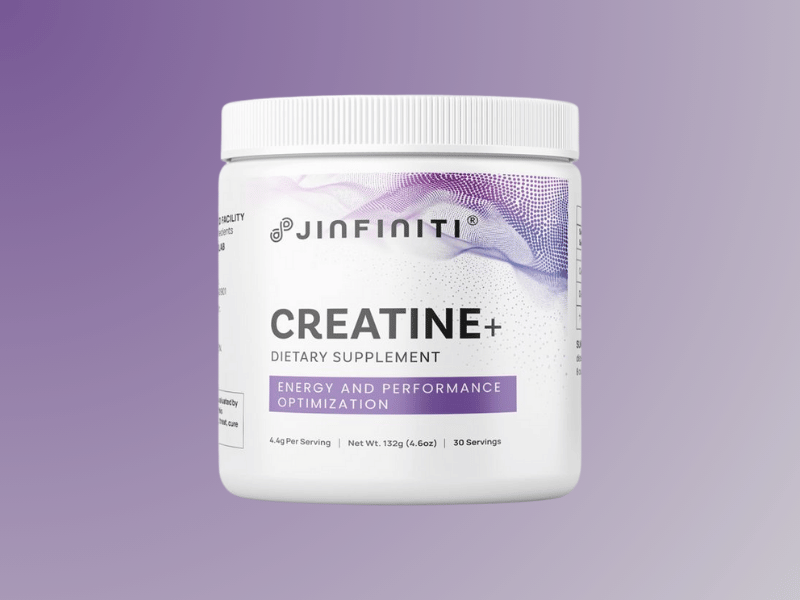
Creatine+ by Jinfiniti

How Much Does Creatine Cost in Pills vs Powder?

This is where the forms actually differ. Powder costs substantially less.

Market analysis shows generic micronized creatine powder retails for around $0.33 per serving, while popular branded capsules range from $0.66 to over $1.00 per serving for the same 5-gram dose.

FeatureCreatine PowderCreatine Capsules
Price Per Serving (5g)$0.30 – $0.45$0.70 – $1.20
Monthly Cost$10 – $15$25 – $40
ValueHigh (bulk commodity)Low (paying for manufacturing)
PurityOften 100% pureContains fillers/binders
Serving Size1 scoop (5g)4-7 pills (for 5g)
TasteChalky/neutralTasteless
Vegan-FriendlyUsually yesUsually no (gelatin)
Best ForDaily home use, budget-consciousTravel, gym bag, texture-sensitive

You’re paying double or triple for the convenience of not mixing a powder. That might be worth it if you travel constantly. For daily home use, you’re essentially paying a “laziness tax.”

The Hidden Downside of Creatine Capsules

Most people don’t realize how many pills they need to swallow. This catches users off guard after their first purchase.

How Many Pills Equal One Scoop?

A standard effective dose when you take creatine is 5 grams daily. Most capsules contain only 750mg to 1.25g of creatine.

Do the math: you need 4 to 7 pills daily to equal one teaspoon of the powder form.

That’s a lot of swallowing. If you have trouble with pills, or you’re already taking other supplements, this becomes a real inconvenience.

Micronized creatine powder measures approximately 1.4 teaspoons for 5 grams. One scoop, done. You can mix it into your morning coffee, protein shake, or just water.

What’s Actually Inside Your Capsules

Capsules require manufacturing aids to hold their shape and flow through production machinery.

Common additives in creatine capsules include:

  • Magnesium stearate: A “flow agent” that prevents ingredients from sticking to manufacturing equipment
  • Gelatin: The capsule shell itself, typically derived from bovine or porcine sources (making standard capsules non-vegan)
  • Silicon dioxide: An anti-caking agent that keeps the powder inside the pill dry

If you want zero additives, micronized powder wins every time.

Which Form Causes Less Stomach Issues?

This depends on your specific digestive sensitivity and personal preference.

The powder form can cause bloating or cramping if you don’t dissolve it completely or take it with too little water. Undissolved creatine can draw water into the intestines, causing digestive distress[2].

The pill form often feels easier on the stomach because it prevents gritty powder from sitting in your mouth or throat. The downside? Swallowing 5+ large pills can cause esophageal discomfort or a feeling of heaviness in your stomach.

Mix your powder thoroughly and drink it immediately. This solves most digestive issues without the pill burden.

Are Creatine Pills Vegan-Friendly?

Usually not. This surprises many users who assume pills are more “pure” than powder.

Standard gelatin capsules come from animal products (cow or pig sources). You can find vegetarian capsules, which are fairly common.

Pure creatine monohydrate powder is almost always vegan by default. It’s a simple crystalline compound with no animal derivatives.

If you follow a plant-based diet, the powder form makes your life easier. Vegans who supplement with creatine often see bigger gains in muscle mass than meat-eaters because they start with lower baseline stores.

🧬 MORE CREATINE INSIGHTS

When Capsules Make More Sense Than Powder

Despite the downsides, capsules have legitimate use cases.

Capsules excel for travel and convenience. You can throw a bottle in your gym bag without worrying about spills, measuring, or having clean water nearby. They’re tasteless and require zero preparation.

If you have severe texture issues with powder, capsules eliminate that completely. Some people gag on even perfectly dissolved creatine powder. For them, the extra cost is worth it.

Short trips and business travel make capsules sensible. Pack what you need in a small bottle. No mess, no mixing, no questions at airport security.

For daily home use, powder wins. But keep a bottle of capsules for travel.

What Experts Recommend for Most People

The supplement industry consensus strongly favors simple creatine monohydrate powder as the best form of creatine supplementation.

The International Society of Sports Nutrition states: “Creatine monohydrate continues to be the only source of creatine that has substantial evidence to support bioavailability, efficacy, and safety.”[3]

“After 30 years of research, creatine monohydrate remains the gold standard,” says Dr. Jin-Xiong She, founder of Jinfiniti Precision Medicine. “The form doesn’t change the science. Whether it’s powder, capsules, or gummies, you’re getting the same molecule. I tell people to choose based on budget, convenience or formulation.”

The research backs this up. Studies comparing different creatine forms consistently show that monohydrate performs as well or better than expensive alternatives[4]. Personal preference matters, but the benefits of creatine remain consistent regardless of format.

Save your money. Buy plain creatine monohydrate powder unless you have a specific reason to choose capsules.

Referenced Sources

  1. Jäger R, Harris RC, Purpura M, Francaux M. Comparison of new forms of creatine in raising plasma creatine levels. Informa UK Limited; 2007. https://doi.org/10.1186/1550-2783-4-17
  2. Ostojic SM, Ahmetovic Z. Gastrointestinal Distress After Creatine Supplementation in Athletes: Are Side Effects Dose Dependent? Informa UK Limited; 2008. https://doi.org/10.1080/15438620701693280
  3. Kreider RB, Jäger R, Purpura M. Bioavailability, Efficacy, Safety, and Regulatory Status of Creatine and Related Compounds: A Critical Review. MDPI AG; 2022. https://doi.org/10.3390/nu14051035
  4. Kreider RB, Kalman DS, Antonio J, Ziegenfuss TN, Wildman R, Collins R, et al. International Society of Sports Nutrition position stand: safety and efficacy of creatine supplementation in exercise, sport, and medicine. Informa UK Limited; 2017. https://doi.org/10.1186/s12970-017-0173-z
A woman receiving her D-dimer test results at a clinic

D-Dimer Test: Normal Levels and What Your Results Mean

D-dimer is a protein fragment that shows up when your body is breaking down fibrin (the scaffolding that forms clots). That means elevated levels can signal everything from a life-threatening pulmonary embolism to routine post-surgical healing.

The test works best as a “rule-out” tool. A negative result means you almost certainly don’t have a dangerous clot forming. A positive result? That’s where things get tricky.

What You Should Know

  • D-dimer measures breakdown products from blood clots, not the clots themselves
  • Normal levels are typically under 0.50 mg/L, but this changes with age
  • Negative results reliably exclude blood clots in low-risk patients
  • Elevated levels have many causes beyond clotting, from pregnancy to cancer

What is D-Dimer?

When you cut yourself, your body springs into action. Blood cells called platelets rush to the site. A protein called fibrinogen converts into fibrin, which forms a mesh to trap blood cells and seal the wound.

D-dimer gets its name because it contains two D fragments of the fibrin protein joined by a cross-link. You can think of it as the leftover debris after your body cleans up a clot.

The measurement tells doctors about ongoing coagulation (blood clotting) and fibrinolysis (clot breakdown). When blood vessels are injured, thrombin (a clotting enzyme) triggers a cascade that creates fibrin nets to stabilize clots. Factor XIII, activated by thrombin, binds these units together.

Your body naturally breaks down these clots through a process called fibrinolysis. That’s when D-dimer fragments enter your bloodstream where they can be measured.

CLIA-Certified Longevity Testing

Measure D-dimer with 27 other key biomarkers.

Get AgingSOS®
Jinfiniti AgingSOS green gradient background

When Do Doctors Order a D-Dimer Test?

Your doctor might order D-dimer testing if you show symptoms that could indicate dangerous clotting or other serious conditions. Here are the most common situations:

Suspected Blood Clots

  • Leg swelling, pain, warmth, or skin color changes (deep vein thrombosis)
  • Sudden chest pain, trouble breathing, or rapid heartbeat (pulmonary embolism)
  • Research confirms D-dimer reliably rules out clots when combined with clinical assessment[1]
  • A negative result with low suspicion means no further testing needed

Life-Threatening Clotting Disorder (DIC)

  • Disseminated intravascular coagulation causes abnormal clotting throughout your body[2]
  • Markedly elevated D-dimer appears in diagnostic scoring systems
  • Normal D-dimer essentially rules out this emergency condition

COVID-19 Severity Assessment

  • Elevated D-dimer predicts worse outcomes in hospitalized COVID-19 patients[3]
  • Levels rise from 0.26-0.30 mg/L in mild cases to 2.66 mg/L in critical cases
  • About 76% of patients with high D-dimer developed critical illness

Heart and Blood Vessel Emergencies

  • Suspected aortic dissection (tear in your main artery)
  • A negative test within 24 hours makes aortic dissection highly unlikely[4]
  • Helps doctors decide if you need emergency imaging

Understand Your D-Dimer Test Results

Your D-dimer level appears as a number on your lab report, but interpreting that number requires understanding normal ranges, age adjustments, and what different elevations mean.

Normal D-Dimer Levels

The standard threshold for normal D-dimer sits at 0.50 mg/L when measured in fibrinogen equivalent units (FEU). Laboratory sources report that levels under 250 ng/mL in D-dimer units (DDU) or under 0.50 mcg/mL FEU are normal.

The conversion is straightforward: one FEU equals approximately twice one DDU. For example, 0.5 µg/mL FEU equals 0.25 µg/mL DDU. About 70% of labs use the FEU method.

A reading of 0.50 or higher suggests the presence of clots or increased clot breakdown. But there’s a catch: many conditions raise D-dimer without any clotting disorder.

Age-Adjusted Thresholds

Standard cutoff values don’t work well for everyone. Research shows that using an age-adjusted D-dimer for evaluating acute pulmonary embolism has been validated and recommended by major medical societies[5].

The commonly used formula: your age multiplied by 10 ng/mL for patients over 50. A 70-year-old would have a threshold of 700 ng/mL instead of the standard 500 ng/mL.

A meta-analysis found that age-adjustment maintained sensitivity at 0.97 (comparable to the standard cutoff) while improving specificity. This means fewer false positives and fewer unnecessary imaging tests in older adults[6].

What Different Levels Indicate

Interpretation depends on how far above normal your results fall:

Slightly elevated (500-1000 ng/mL)

  • Mild infections
  • Early pregnancy
  • Small clots
  • Recent surgery
  • Normal recovery processes

Moderately elevated (1000-5000 ng/mL)

  • More serious conditions requiring investigation
  • Active clotting disorders
  • Larger clot formations

Markedly elevated (>5000 ng/mL)

  • DIC
  • Major thrombosis
  • Severe infections
  • Advanced cancer

Research on surgical patients found that D-dimer levels of 2 μg/mL had high sensitivity for DVT, though the highest level achieving 100% sensitivity was 1.4 μg/mL[7].

How the Blood Test Works

The D-dimer test is straightforward: a healthcare provider draws blood from your arm, just like any routine blood test. No fasting or special preparation required.

The sample goes to a lab where technicians use antibody-based methods to measure D-dimer levels. Most labs use ELISA testing, which is highly accurate[8].

You’ll typically get results within hours to a day. Some emergency departments have point-of-care tests that deliver results in 14 minutes, helping doctors make faster decisions about your care.

The test itself is simple. The interpretation is where things get complex.

🧬 MORE BIOMARKER TESTING

Test Accuracy: What the Numbers Really Tell You

Understanding D-dimer accuracy means knowing why negative results are so reliable and why positive results require further investigation.

Why Negative Results Matter Most

D-dimer is really goodat ruling out blood clots, not as much at confirming them. The high negative predictive value means studies following patients after a negative D-dimer for 3 months proved the test’s reliability[9].

In elderly populations, research showed that the negative predictive values of D-dimer combined with clinical scoring were 100% in ruling out pulmonary embolism[10].

The American Academy of Family Physicians confirms that a negative D-dimer result with low pretest probability suffices to rule out VTE. No further workup is needed[11].

The False Positive Problem

While negative results reliably exclude clots, positive results need careful interpretation. The test has high sensitivity but low specificity in diagnosing acute VTE[12].

This means frequent “false positive” results. A positive D-dimer may indicate the presence of abnormally high fibrin degradation products but doesn’t tell you the location or cause.

A comprehensive study identified multiple predictive factors for D-dimer positivity including female sex, increasing age, black race, immobility, hemoptysis, active malignancy, rheumatoid arthritis, lupus, sickle cell disease, pregnancy, and surgery[13].

The Cleveland Clinic emphasizes that elevated results should be combined with other diagnostic parameters rather than used alone.

What Else Raises D-Dimer Besides Clots?

A 3D image of a blood clot

Many factors elevate D-dimer levels without any dangerous blood clots present, making interpretation complex but important.

Age and Natural Changes

Your D-dimer levels increase naturally as you age. Research shows older age is highly associated with positive D-dimer, with an adjusted relative risk of 1.19 per 10 years after age 30[13].

This happens because aging affects your coagulation system. Inflammatory markers like C-reactive protein levels also rise with age, contributing to a prothrombotic state (increased clotting tendency).

Pregnancy Considerations

Pregnancy presents unique challenges for D-dimer interpretation. The conventional threshold of 0.5 mg/L has limited value in pregnant women because D-dimer increases with gestational age[14].

Research found that by weeks 13-20, more than 25% of pregnant women had D-dimer levels at or above 0.5 mg/L. By weeks 36-42, practically all pregnant women exceeded this threshold[15].

Mean D-dimer levels by trimester:

  • Early pregnancy: 0.56 mg/L
  • Mid-pregnancy: 1.08 mg/L
  • Late pregnancy: 1.48 mg/L
  • End of pregnancy: 1.89 mg/L

Studies conclude that a gestational age-specific reference interval is required, and even then values should be interpreted cautiously.

Recent Surgery or Hospital Stays

Surgery and hospitalization dramatically affect D-dimer levels. Research on hospitalized patients found that D-dimer testing has limited clinical utility in unselected inpatients because of poor specificity[16].

Specificity decreased with:

  • Increasing duration of hospitalization
  • Increasing age
  • Elevated C-reactive protein levels

One study found that 19 patients (42%) with thrombosis had false-negative D-dimer tests by at least one assay method[16].

Cancer and Chronic Illness

Multiple conditions elevate D-dimer without active clotting. Clinical reviews note that D-dimer may be high due to physiologic conditions like aging and strenuous physical activity, plus disorders ranging from infections to cancers[17].

Dr. Jin-Xiong She, founder of Jinfiniti Precision Medicine, notes: “Understanding your baseline biomarkers, including inflammatory and coagulation markers, allows you to track changes over time and intervene before problems escalate. This is the foundation of our Test, Act, Optimize philosophy.”

Predictive factors for elevated D-dimer include:

  • Active malignancy
  • Rheumatoid arthritis
  • Systemic lupus
  • Sickle cell disease
  • Chronic kidney disease requiring hemodialysis
  • Recent orthopedic, chest, or abdominal surgery

D-Dimer and Clinical Decision Rules

Doctors don’t interpret D-dimer results in isolation. They combine the test with clinical scoring systems to make better diagnostic decisions.

The Wells Score

The Wells score helps doctors assess your pre-test probability of having a blood clot. This validated prediction rule includes factors like previous PE or DVT, rapid heart rate, recent surgery or immobilization, hemoptysis, active cancer, and clinical signs of DVT[9].

When combined with D-dimer, the negative predictive values of Wells score ≤4 plus normal D-dimer were 100% in both elderly and non-elderly patients[10].

Clinical guidelines are clear: with high PE pre-test probability (Wells score > 4.5), there’s no role for ordering D-dimer because clinical likelihood of PE remains high regardless of the result[18].

The American Academy of Family Physicians recommends that patients in the low-risk category (Wells score <2) with a concurrent negative D-dimer can be effectively ruled out from having DVT. High-risk patients should advance straight to imaging.

How Doctors Combine Test Results

Clinical decision rules work in conjunction with imaging studies. Imaging is required when a clinical decision rule indicates PE is likely or an elevated D-dimer test appears[19].

The diagnostic process follows a sequence: D-dimer test, followed by imaging tests including CT pulmonary angiography (CTPA) or ventilation-perfusion (V/Q) scintigraphy if needed.

Compression ultrasonography should be the initial test for patients with intermediate to high pretest probability of DVT in lower extremities. Its sensitivity for suspected PE is limited to 23-29%[11].

D-Dimer as a Cancer Biomarker

Research has established connections between D-dimer levels and malignancy. A literature review concluded that research established a direct link between plasma D-dimer and underlying malignancy, with strong associations for detection and prognosis of several cancers[20].

A large cohort study reported that high D-dimer levels are associated with poor prognosis in the general cancer population. The poor prognosis was independent of metastases, suggesting D-dimer might be a clinically important prognostic marker[21].

The relationship involves multiple mechanisms. Systemic activation of hemostasis and thrombosis has been implicated in tumor progression and metastasis. Specific thrombin inhibitors significantly limit metastasis, confirming that tumor progression and hypercoagulability are mutually reinforcing[22].

Cancer-Specific Applications

  • Lung Cancer: Meta-analysis enrolling 8,452 patients found that overall survival and progression-free survival in the high D-dimer group were significantly lower than those in the low D-dimer group. High plasma D-dimer level leads to lower survival[23].
  • Gastric Cancer: Research showed that D-dimer can serve as a prognostic and predictive biomarker for metastatic gastric cancer treated by chemotherapy[24]. Cox multivariate analysis indicated D-dimer level was an independent risk factor for survival[25].
  • Colorectal Cancer: A 2024 study assessed D-dimer’s diagnostic efficacy for distant metastasis in colorectal cancer[26]. Previous studies showed plasma D-dimer levels correlate with tumor markers like carcinoembryonic antigen.

Important Limitations to Understand

D-dimer testing faces several key limitations you should know about:

  • Assay Variability Different D-dimer tests can produce varying results. Several distributors use different methods resulting in two distinct reference intervals reported in DDUs and FEUs. Clinicians should be aware of their specific test’s performance characteristics.
  • Hospital Setting Challenges In unselected inpatients, D-dimer testing has limited clinical utility because of poor specificity[16]. This is particularly true for older patients, those with prolonged hospitalization, and those with markedly elevated inflammatory markers like cytokines.
  • Not a Standalone Test A positive D-dimer alone doesn’t confirm any particular illness. You need to combine D-dimer results with other diagnostic parameters including clinical assessment, imaging studies, and additional biomarkers.
  • Standardization Needs The International Society on Thrombosis and Hemostasis notes that consistent reporting of D-dimer tests will be welcomed by clinicians and research units[27]. Efforts continue to improve uniformity of different detection systems.

The key takeaway: D-dimer is a powerful tool when used appropriately. A negative result in a low-risk patient reliably rules out dangerous clots. A positive result requires clinical context, additional testing, and sometimes imaging to determine the cause.

Understanding your D-dimer results means recognizing both what the test can tell you and what it can’t. It’s one piece of your health puzzle, best interpreted alongside other biomarkers like homocysteine and apolipoprotein B for a complete cardiovascular risk assessment.

Referenced Sources

  1. Wauthier L, Favresse J, Hardy M, Douxfils J, Le Gal G, Roy PM, et al. D-dimer Testing in Pulmonary Embolism with a Focus on Potential Pitfalls: A Narrative Review. MDPI AG; 2022. https://doi.org/10.3390/diagnostics12112770
  2. Costello R, Nehring S. Disseminated Intravascular Coagulation (DIC). 2019.
  3. Auditeau C, Khider L, Planquette B, Sanchez O, Smadja DM, Gendron N. D-dimer testing in clinical practice in the era of COVID-19. Elsevier BV; 2022. https://doi.org/10.1002/rth2.12730
  4. Suzuki T, Distante A, Zizza A, Trimarchi S, Villani M, Salerno Uriarte JA, et al. Diagnosis of Acute Aortic Dissection by D-Dimer. Ovid Technologies (Wolters Kluwer Health); 2009. https://doi.org/10.1161/circulationaha.108.833004
  5. Parks C, Bounds R, Davis B, Caplan R, Laughery T, Zeserson E. Investigation of age-adjusted D-dimer using an uncommon assay. Elsevier BV; 2019. https://doi.org/10.1016/j.ajem.2018.09.035
  6. Gerber JL, Messmer AS, Krebs T, Müller M, Hofer DM, Pfortmueller CA. Utility and limitations of patient-adjusted D-dimer cut-off levels for diagnosis of venous thromboembolism – A systematic review and meta-analysis. Wiley; 2023. https://doi.org/10.1111/joim.13650
  7. Kitamura F, Shiraishi Y, Sakata K, Takata N, Harada K, Yoshinaka I, et al. Screening for Deep Vein Thrombosis Using D-dimer Levels Based on Surgical Patients’ Characteristics. Springer Science and Business Media LLC; 2024. https://doi.org/10.7759/cureus.75565
  8. Riley RS, Gilbert AR, Dalton JB, Pai S, McPherson RA. Widely Used Types and Clinical Applications of D-Dimer Assay. Oxford University Press (OUP); 2016. https://doi.org/10.1093/labmed/lmw001
  9. Guo DJ, Zhao C, Zou YD, Huang XH, Hu JM, Guo L. Values of the Wells and Revised Geneva Scores Combined with D-dimer in Diagnosing Elderly Pulmonary Embolism Patients. Ovid Technologies (Wolters Kluwer Health); 2015. https://doi.org/10.4103/0366-6999.155085
  10. Zhao Y, Cheng Y, Wang H, Du H, Sun J, Xu M, et al. The Legend score synthesizes Wells, PERC, Geneva, D-dimer and predicts acute pulmonary embolism prior to imaging tests. Informa UK Limited; 2024. https://doi.org/10.1016/j.pulmoe.2023.10.002
  11. Wilbur J, Shian B. Diagnosis of deep venous thrombosis and pulmonary embolism. American Family Physician. 2012;86(10):913–9.
  12. Siragusa S. D-dimer testing: advantages and limitations in emergency medicine for managing acute venous thromboembolism. Springer Science and Business Media LLC; 2006. https://doi.org/10.1007/bf02934724
  13. Kabrhel C, Mark Courtney D, Camargo CA, Plewa MC, Nordenholz KE, Moore CL, et al. Factors Associated With Positive D-dimer Results in Patients Evaluated for Pulmonary Embolism. Wiley; 2010. https://doi.org/10.1111/j.1553-2712.2010.00765.x
  14. Hedengran KK, Andersen MR, Stender S, Szecsi PB. Large D-Dimer Fluctuation in Normal Pregnancy: A Longitudinal Cohort Study of 4,117 Samples from 714 Healthy Danish Women. Hindawi Limited; 2016. https://doi.org/10.1155/2016/3561675
  15. Wang W, Dai Q, Pan L, Zhang H, Wang Y. Reference Levels of Plasma D-dimer for Normal Pregnant and Their Association with Pregnancy Complications: A Single-center Retrospective Analysis. IMR Press; 2024. https://doi.org/10.31083/j.ceog5111256
  16. Brotman DJ, Segal JB, Jani JT, Petty BG, Kickler TS. Limitations of D-dimer testing in unselected inpatients with suspected venous thromboembolism. Elsevier BV; 2003. https://doi.org/10.1016/s0002-9343(02)01520-6
  17. Franchini M, Focosi D, Pezzo MP, Mannucci PM. How we manage a high D-dimer. Ferrata Storti Foundation (Haematologica); 2023. https://doi.org/10.3324/haematol.2023.283966
  18. Perelas A, Kirincich J, Yadav R, Ennala S, Wang X, Sadana D, et al. Diagnostic Yield, Radiation Exposure, and the Role of Clinical Decision Rules to Limit Computed Tomographic Pulmonary Angiography–Associated Complications. Ovid Technologies (Wolters Kluwer Health); 2023. https://doi.org/10.1097/pts.0000000000001167
  19. Mos I, Klok F, Kroft L, de Roos A, Huisman M. Imaging Tests in the Diagnosis of Pulmonary Embolism. Georg Thieme Verlag KG; 2012. https://doi.org/10.1055/s-0032-1311792
  20. Siddiqui NA, Malik M, Wijeratne Fernando R, Sreekantan Nair A, Illango J, Gor R, et al. D-Dimer: A Potential Solution to Problems of Cancer Screening, Surveillance, and Prognosis Assessment. Springer Science and Business Media LLC; 2021. https://doi.org/10.7759/cureus.15064
  21. Ay C, Dunkler D, Pirker R, Thaler J, Quehenberger P, Wagner O, et al. High D-dimer levels are associated with poor prognosis in cancer patients. Ferrata Storti Foundation (Haematologica); 2012. https://doi.org/10.3324/haematol.2011.054718
  22. Zhang X, Wang X, Li W, Sun T, Dang C, Diao D. D-dimer, a predictor of bad outcome in gastric cancer patients undergoing radical resection. Springer Science and Business Media LLC; 2022. https://doi.org/10.1038/s41598-022-16582-9
  23. Ma M, Cao R, Wang W, Wang B, Yang Y, Huang Y, et al. The D-dimer level predicts the prognosis in patients with lung cancer: a systematic review and meta-analysis. Springer Science and Business Media LLC; 2021. https://doi.org/10.1186/s13019-021-01618-4
  24. Go SI, Lee MJ, Lee WS, Choi HJ, Lee US, Kim RB, et al. D-Dimer Can Serve as a Prognostic and Predictive Biomarker for Metastatic Gastric Cancer Treated by Chemotherapy. Ovid Technologies (Wolters Kluwer Health); 2015. https://doi.org/10.1097/md.0000000000000951
  25. Zhang X, Wang W, Tian B, Wang Y, Jing J. The Relationship Between D-dimer and Prognosis in the Patients with Serum Alpha-Fetoprotein-Positive Gastric Cancer: A Retrospective Cohort Study. SAGE Publications; 2022. https://doi.org/10.1177/11795549221120158
  26. Zhang X, Li W, Wang X, Lin J, Dang C, Diao D. Effectiveness of D-dimer in predicting distant metastasis in colorectal cancer. Public Library of Science (PLoS); 2024. https://doi.org/10.1371/journal.pone.0306909
  27. Zhang L, Zhang Z. Standardization of D-dimer reporting in the COVID-19 era. Elsevier BV; 2022. https://doi.org/10.1002/rth2.12772
Turmeric and Erectile Dysfunction

Turmeric and Erectile Dysfunction: A Look at the Science

If you’re researching turmeric for erectile dysfunction, you’ve probably seen some promising claims. Maybe you’re hoping to skip the prescription medications and their side effects. Or maybe you’re already taking ED drugs and looking for something that addresses the root cause instead of just treating symptoms.

That’s not an unreasonable hope. Turmeric has legitimate science backing its cardiovascular benefits. But when it comes to erectile function specifically, the picture gets more complicated.

Turmeric doesn’t work like Viagra or Cialis. You can’t take it an hour before sex and expect results. What it does do is repair damaged blood vessels over time, which could improve erectile function if vascular problems are your issue.

But (and this is the part most articles skip) there’s a potential hormonal downside that could make things worse for some men.

What You Should Know

  • Turmeric improves blood vessel function by increasing nitric oxide, the same chemical pathway that prescription ED drugs use
  • No direct human trials prove that turmeric treats ED, but vascular studies show promising indirect benefits
  • There is a potential DHT-lowering effect, though human evidence is lacking
  • Combining turmeric with ginger may provide better results than using turmeric alone

Can Turmeric Help With Male Sexual Health?

The honest answer on whether turmeric can help with ED is: maybe, but it depends entirely on what’s causing your erectile issues in the first place.

ED isn’t one problem with one cause. You could be dealing with:

  • Damaged or stiff arteries (the most common culprit after 40)
  • Psychological factors like stress, anxiety, or relationship issues
  • Hormonal imbalances (low testosterone, thyroid problems)
  • Medication side effects (blood pressure meds, antidepressants)
  • Nerve damage from diabetes or surgery
  • A combination of several of these

Turmeric works primarily on that first category: vascular problems. If your arteries are damaged, inflamed, or just not functioning the way they did when you were younger, turmeric’s effects on blood vessel health could potentially help. But we’re talking weeks to months, not minutes to hours.

The active compound doing the heavy lifting is curcumin. It increases nitric oxide availability in your blood vessels[1]

Prescription drugs like Viagra block an enzyme called PDE5, which normally breaks down a molecule called cGMP. Think of cGMP as the “relax and let blood flow” signal[2].

Turmeric works much earlier in the chain. It reduces the oxidative stress that destroys nitric oxide before it can even start the cascade. Different mechanism, much slower timeline.

Think of it like this: your garden hose has kinks, cracks, and buildup inside. Viagra cranks up the water pressure to force water through the damaged hose. Turmeric slowly repairs the hose itself.

One approach works immediately but doesn’t fix anything long-term. The other takes consistent use over weeks or months but could provide lasting improvement by addressing the underlying damage.

The catch? If your ED isn’t primarily vascular (psychological causes, nerve damage, hormonal issues), turmeric may not move the needle as much.

Vascular Support Formula

Extra strength Turmeric + Ginger for better blood flow.

Shop Turmeric+
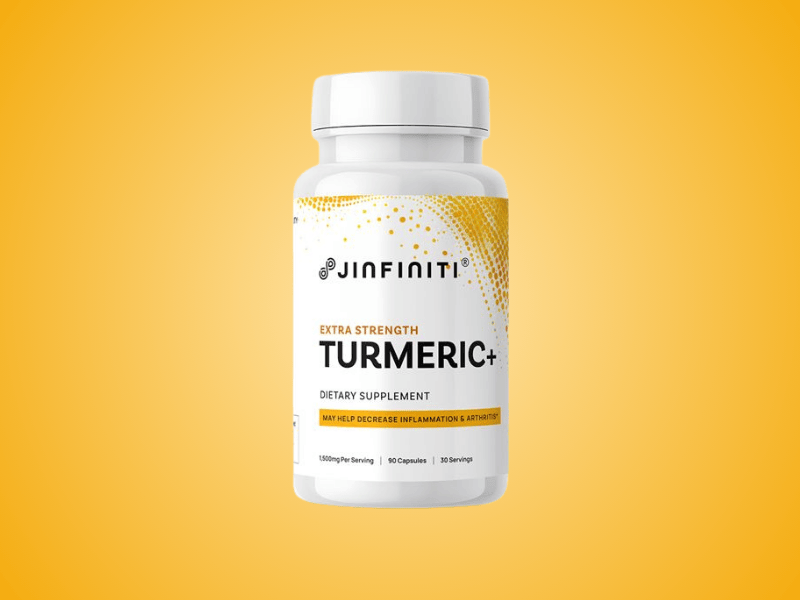
Jinfiniti Turmeric Supplement

What the Research Actually Shows

Let’s be honest about the evidence. There are no clinical trials where men with ED took turmeric and measured whether their erections improved.

The closest we have are indirect hints from vascular studies in humans and a collection of animal studies that suggest we should look further in that direction.

Vascular Function Studies

The strongest human evidence comes from cardiovascular research, not sexual health studies directly.

A 2017 study published in the journal Aging tested the effects of curcumin supplementation in middle-aged and older adults. In this 12-week trial, the men took 2,000mg per day of Longvida curcumin extract[1].

After 12 weeks, the treatment group’s resistance artery endothelial function was restored to the level of healthy young control subjects.

The researchers measured something called flow-mediated dilation in resistance arteries. This is a measure of how well a person’s blood vessels can dilate or widen in response to increased blood flow. When they can’t relax and expand efficiently, blood flow to the penis suffers.

The mechanism was clear: curcumin increased nitric oxide bioavailability by reducing vascular oxidative stress. Oxidative stress is like rust building up in your pipes. It damages the inner lining of blood vessels and destroys nitric oxide before it can signal blood vessels to relax.

Another human trial using curcumin nanomicelles found improvements in sperm count, motility, and sexual hormone profiles in infertile men. The researchers didn’t measure erectile function directly, but the fertility improvements suggest better reproductive health overall[3].

Animal Studies on Erectile Tissue

Research in diabetic rats provides more direct evidence for erectile function, though we can’t assume the same results translate perfectly to humans.

Diabetic rats given curcumin showed improved intracavernosal pressure, which is basically a measure of erection strength. The treatment also reduced fibrosis (scarring) in penile tissue[4].

The protective mechanism involved activation of the Nrf2/HO-1 pathway. This cellular defense system protects penile tissue from oxidative damage and a type of cell death called ferroptosis[5].

Rats with nerve damage to the penis (similar to what happens after prostate surgery in humans) showed improved erectile function after curcumin treatment. The compound seemed to help nerves regenerate[6].

The Evidence Gap

The jump from “improves blood vessel function” to “cures ED” requires assumptions we can’t fully support yet.

Healthy blood vessels are necessary for erections, but they’re not always sufficient. ED can stem from psychological factors, hormonal imbalances, medication side effects, or nerve damage. Turmeric addresses the vascular component, but that’s only part of the picture for many men.

We need human clinical trials specifically testing turmeric supplementation in men with diagnosed ED, measuring actual erectile function outcomes. Until those studies exist, we’re extrapolating from related research.

Join Our 50,000 Strong Health Community

Access research-backed health optimization strategies used by longevity experts. Weekly insights, exclusive discounts, member pricing.

The DHT Problem Most Articles Won’t Tell You About

Now things get interesting. And potentially problematic for some men.

Turmeric contains compounds that may inhibit an enzyme called 5-alpha reductase. This enzyme converts testosterone into DHT (dihydrotestosterone), a more potent androgen.

Curcumin and 5-Alpha Reductase Inhibition

DHT is the hormone responsible for several things men care about: libido, mental drive, that feeling of vitality and motivation.

Some studies suggest curcumin can reduce DHT levels[7]. This is why researchers are studying it for prostate cancer, where lowering androgens can slow tumor growth.

Dr. Kyle Gillett, a dual board-certified physician, discussed this concern on the Huberman Lab podcast.

The Libido Paradox

This creates a paradox: turmeric might improve your blood flow while simultaneously reducing your desire to use it.

But you need to know this: Human studies specifically measuring DHT changes from turmeric supplementation don’t exist. The theoretical concern comes from animal studies and isolated cell research.

This means we’re talking about a possibility, not a proven effect. Many men take turmeric supplements without any libido issues whatsoever.

If you’re already dealing with low testosterone or low DHT, you might want to start with a lower dose and see how you feel. But for most men, the vascular health benefits likely outweigh any theoretical hormonal concerns.

🧬 MORE TURMERIC INSIGHTS

Ginger and Turmeric: A Spicier Combination?

Ginger has compounds that act in different ways than turmeric does, so this combination is especially intriguing. The research on ginger and male sexual health is actually pretty good.

How Ginger Supports Erectile Function

Studies on Zingiber officinale (common ginger) show it reduces oxidative stress in penile tissue and protects the testis from damage caused by high blood sugar. Like turmeric, it helps preserve nitric oxide availability.

But ginger does something turmeric doesn’t: it directly supports testosterone production.

A randomized trial showed that ginger supplementation improved sperm count, motility, and DNA integrity in men. The researchers found it protected Leydig cells, which are the cells in your testicles that produce testosterone[8].

The Combination Approach

Combining turmeric and ginger gives you coverage from multiple angles:

  • Turmeric handles vascular health and inflammation reduction
  • Ginger protects testosterone-producing cells and supports hormone balance
  • Both reduce oxidative stress and improve nitric oxide availability

This combination addresses both the plumbing (blood flow) and the hormonal drive that makes you want to use that plumbing.

Our Extra Strength Turmeric+ contains both turmeric and ginger along with other complementary ingredients like Boswellia and quercetin. The formula includes black pepper extract, which increases absorption by 2,000%.

How to Take Turmeric for Erectile Dysfunction

Raw turmeric powder is about 1% bioavailable. Your body simply can’t absorb it efficiently.

You could eat a tablespoon of turmeric with every meal and get less benefit than a single high-quality supplement capsule.

The studies showing vascular benefits used specially formulated curcumin:

  • Longvida: Lipid-bound particles that cross cell membranes easily
  • Nanomicelles: Microscopic droplets that dissolve in water
  • Piperine combinations: Black pepper extract that inhibits curcumin breakdown

Without one of these absorption enhancers, you’re mostly just creating expensive yellow urine.

A quality turmeric supplement should contain:

  • At least 1,000mg of turmeric extract standardized to 95% curcuminoids
  • Black pepper extract (piperine) or another absorption enhancer
  • Complementary anti-inflammatory compounds like ginger or Boswellia
  • Third-party testing for purity and potency

The cheapest turmeric supplement is a waste of money if your body can’t absorb it. You’re better off spending more on a product that actually delivers the compounds to your bloodstream.

Safety and Drug Interactions

Turmeric has an excellent safety profile for most people. But it’s not risk-free, especially if you’re taking certain medications.

The biggest concern is bleeding risk. Turmeric has antiplatelet properties similar to aspirin. If you’re taking blood thinners like Warfarin, Plavix, or aspirin, adding turmeric can increase bleeding risk to dangerous levels[9].

Talk to your doctor before combining turmeric with:

  • Any anticoagulant or antiplatelet medication
  • NSAIDs like ibuprofen (which also increase bleeding risk)
  • Diabetes medications (turmeric can lower blood sugar)

There’s also a theoretical interaction with PDE5 inhibitors like Viagra or Cialis. Some research suggests curcumin might enhance the effects of these drugs, which could be good or bad depending on the dose[10].

Start with lower doses if you’re taking prescription ED medications, and monitor how you respond.

The Bottom Line on Turmeric for ED

Turmeric isn’t a quick fix for erectile dysfunction. It’s a long-term investment in vascular health.

If your ED is due to damaged blood vessels (which it often does, especially in men over 40), turmeric’s ability to reduce oxidative stress and improve nitric oxide availability could help. The research on vascular function is solid.

But it works slowly, over weeks to months. And it works best as part of a broader strategy that includes exercise, stress management, and addressing any underlying health issues like diabetes or high blood pressure.

The DHT concern is real in theory but unproven in humans. Most men won’t experience any libido issues. If you do feel flat or low-energy after starting turmeric, try reducing your dose or cycling it rather than taking it daily.

Combining turmeric with ginger gives you a more complete approach to male sexual health. You get the vascular benefits of turmeric plus the testosterone-protective effects of ginger.

Just make sure you’re taking a bioavailable form. Otherwise, you’re just adding flavor to your food with no therapeutic benefit.

Frequently Asked Questions

How much turmeric should I take for erectile dysfunction?

The human studies showing vascular improvements used 2,000mg daily dosage of turmeric. Raw turmeric powder won’t get you there because your body barely absorbs it. Look for supplements with black pepper extract (piperine) or specialized delivery systems like Longvida or nanomicelles. Start with 1,000mg daily and increase if needed.

How long does it take to see results?

If it’s going to help, expect 8-12 weeks minimum. The vascular studies showed measurable improvements at 12 weeks. This isn’t an acute fix. You’re repairing blood vessel damage, not triggering an immediate response.

Can I take turmeric with Viagra or Cialis?

Possibly, but talk to your doctor first. Some research suggests curcumin might enhance the effects of PDE5 inhibitors. That could be good or problematic depending on your cardiovascular health and dose. Don’t experiment with this combination on your own.

Is turmeric safe for daily use?

For most people, yes. The main concern is bleeding risk if you’re on blood thinners (Warfarin, Plavix, aspirin). Turmeric has antiplatelet properties similar to aspirin. High doses can also cause digestive upset in some people. If you’re on any medications, check with your doctor.

Should I eat turmeric or take a supplement?

Supplements, hands down. You’d need to eat unrealistic amounts of turmeric powder to match the doses used in research. Plus, raw turmeric is about 1% bioavailable. Save the powder for your cooking. For therapeutic effects, use a properly formulated supplement with absorption enhancers.

Will turmeric lower my testosterone?

The DHT concern is real in theory but unproven in human studies. Most men don’t experience libido issues from turmeric. If you feel flat or low-energy after starting supplementation, try reducing your dose or cycling it (5 days on, 2 days off). If you already know you have low DHT, start cautiously.

Referenced Sources

  1. Santos-Parker JR, Strahler TR, Bassett CJ, Bispham NZ, Chonchol MB, Seals DR. Curcumin supplementation improves vascular endothelial function in healthy middle-aged and older adults by increasing nitric oxide bioavailability and reducing oxidative stress. Impact Journals, LLC; 2017. https://doi.org/10.18632/aging.101149
  2. Sandberg M, Natarajan V. Phosphodiesterase 5 – the enzyme inhibited by sildenafil (Viagra). Tidsskrift for Den Norske Laegeforening. 1999;119(7):945–9.
  3. Alizadeh F, Javadi M, Karami AA, Gholaminejad F, Kavianpour M, Haghighian HK. Curcumin nanomicelle improves semen parameters, oxidative stress, inflammatory biomarkers, and reproductive hormones in infertile men: A randomized clinical trial. Wiley; 2017. https://doi.org/10.1002/ptr.5998
  4. Draganski A, Tar MT, Villegas G, Friedman JM, Davies KP. Topically Applied Curcumin-Loaded Nanoparticles Treat Erectile Dysfunction in a Rat Model of Type-2 Diabetes. Oxford University Press (OUP); 2018. https://doi.org/10.1016/j.jsxm.2018.03.009
  5. Jiang Y, Xing S, Ni D, Yang B, Kai J, Wang T, et al. Curcumin Attenuates Ferroptosis and Ameliorates Erectile Function in Diabetic Rats by Activating Nrf2/HO‐1 Pathway. Wiley; 2023. https://doi.org/10.1155/2023/7236816
  6. Yang L, Ren Z, Liu Z, Peng Z, Song P, Zhou J, et al. Curcumin slow‐release membrane promotes erectile function and penile rehabilitation in a rat model of cavernous nerve injury. Wiley; 2022. https://doi.org/10.1002/term.3334
  7. Ide H, Lu Y, Noguchi T, Muto S, Okada H, Kawato S, et al. Modulation of AKR1C2 by curcumin decreases testosterone production in prostate cancer. Wiley; 2018. https://doi.org/10.1111/cas.13517
  8. Hosseini J, Mardi Mamaghani A, Hosseinifar H, et al. The influence of ginger (Zingiber officinale) on human sperm quality and DNA fragmentation: A double-blind randomized clinical trial. Knowledge E DMCC; 2016. https://doi.org/10.29252/ijrm.14.8.533
  9. Talasaz AH, McGonagle B, HajiQasemi M, Ghelichkhan ZA, Sadeghipour P, Rashedi S, et al. Pharmacokinetic and Pharmacodynamic Interactions between Food or Herbal Products and Oral Anticoagulants: Evidence Review, Practical Recommendations, and Knowledge Gaps. Georg Thieme Verlag KG; 2024. https://doi.org/10.1055/s-0044-1790258
  10. Roberts JL, Poklepovic A, Booth L. Curcumin interacts with sildenafil to kill GI tumor cells via endoplasmic reticulum stress and reactive oxygen/nitrogen species. Impact Journals, LLC; 2017. https://doi.org/10.18632/oncotarget.19807
A doctor examines her patient's vitamin B3 test results.

Vitamin B3 Test: Measuring Niacin Metabolites and Ranges

You asked your doctor for a blood test for Vitamin B3. Finally, you thought, some answers as to why you were feeling so out of energy

The issue: blood tests for niacin (vitamin B3) can miss the mark. Levels can change dramatically based on what you ate for breakfast that morning. This is why they are the least reliable marker for assessing your nutritional status.

Want to know what your Vitamin B3 status is really saying about your health? Learn which test to request and what the numbers mean.

What You Should Know

  • Vitamin B3 blood tests measure current levels but miss long-term nutritional status
  • Urine metabolite tests give the most accurate picture of your B3 stores
  • Testing makes sense only for specific symptoms or high-dose supplementation
  • Your NAD+ levels matter more than isolated niacin measurements for cellular health

What Does a Vitamin B3 Test Measure?

Testing for Vitamin B3 isn’t as straightforward as checking cholesterol or blood sugar. You’re actually measuring different forms and breakdown products that tell different stories about your health.

The main challenge? Your body processes niacin so quickly that a snapshot measurement rarely tells the full story.

Blood Testing Methods

Blood tests look for two forms of B3 in your plasma or serum: nicotinic acid (the form that causes flushing) and nicotinamide (the non-flushing form).

These tests work well for one thing: catching toxicity in people taking high-dose niacin therapy for cholesterol. A cardiologist might use them to check if your therapeutic dose is pushing into dangerous territory.

But for everyday nutritional status? They’re nearly useless. According to the National Institutes of Health, “levels of niacin in the blood are not reliable indicators of niacin status.”

Your blood niacin levels jump after eating anything with B3 or after taking niacin supplements. Two hours later, they’ve dropped again.

Urine Metabolite Analysis (The Gold Standard)

Your body breaks down niacin into specific compounds that end up in your urine. These metabolites paint a much clearer picture than blood tests ever could.

Labs look for two key metabolites:

  • N1-methylnicotinamide (NMN): Not to be confused with the NAD+ precursor, this methylated form shows how much niacin your body processed recently.
  • 2-pyridone (2-Pyr): Another breakdown product that, when measured alongside NMN, reveals your true niacin stores.

Why does urine work better? Your kidneys excrete these metabolites consistently over 24 hours, smoothing out the spikes and drops you see in blood. Low levels of both metabolites directly signal depleted body stores.

Research published in the Journal of Nutrition confirms that urinary metabolites are “the most sensitive and reliable measure of niacin status[1].”

You’ll need either a 24-hour urine collection (the gold standard) or a spot urine test with creatinine correction. The 24-hour test gives the most accurate reading but requires you to collect every drop of urine for a full day.

CLIA-Certified NAD Test Kit

Test your NAD+ levels from home.

Get the NAD+ Test
Jinfiniti Intracellular NAD Test on purple background

Normal Vitamin B3 Reference Ranges

Lab ranges vary depending on the testing method and laboratory, so always check your specific lab report first. These are typical ranges you’ll encounter.

Blood Test Ranges

AnalyteNormal RangeWhat High Levels Mean
Nicotinic Acid< 5.0 – 20 ng/mLTaking supplements or therapeutic doses
Nicotinamide5.0 – 48.0 ng/mLRecent niacin intake
Therapeutic LevelsCan exceed 1,000 ng/mLUsed for cholesterol management

Source: Mayo Clinic Laboratories

Urine Test Ranges

Metabolite LevelsStatusWhat It Means
Combined (NMN + 2-Pyr) > 17.5 micromol/dayAdequateBody stores are healthy
Combined 5.8 – 17.5 micromol/dayLowHeading toward deficiency
Combined < 5.8 micromol/dayDeficientSerious depletion
NMN < 0.5 mg/g creatinineDeficientSpot test showing depletion

Source: Principles of Nutritional Assessment

These cutoffs come from population studies tracking niacin status against pellagra symptoms. If your combined metabolites drop below 5.8 micromol per day, your body is running on fumes.

Infographic showing Vitamin B3 blood test ranges

When Should You Get Tested?

Most people never need a niacin test. The vitamin is so widespread in foods that deficiency is rare in developed countries. Testing makes sense only in specific situations.

Signs of Deficiency (Pellagra)

Pellagra presents with “the 4 Ds,” a collection of symptoms that get worse without treatment:

  • Dermatitis: Thick, scaly rashes appear on sun-exposed skin, often called “Casal’s necklace” when it circles your neck. The skin darkens and becomes rough.
  • Diarrhea: Chronic digestive issues, including a bright red, swollen tongue (glossitis). Your GI tract basically shuts down properly processing nutrients.
  • Dementia: Mental confusion, memory loss, depression, or even hallucinations. Your brain needs niacin to function.
  • Death: Without treatment, pellagra kills. That’s how serious severe deficiency becomes.

You’re at higher risk if you’re an alcoholic, have malabsorption disorders like Crohn’s disease, or rely heavily on corn as a dietary staple without proper preparation. Carcinoid syndrome also depletes niacin because tumor cells hijack tryptophan (which normally converts to niacin) for their own purposes.

If you see these symptoms, your doctor will likely test urinary metabolites to confirm pellagra before starting treatment. Treatment is straightforward: high-dose niacin supplementation reverses symptoms quickly.

Symptoms of Niacin Toxicity

On the flip side, taking too much niacin causes its own set of problems. This usually happens from supplements, not food.

The most common issue? Niacin flushing. Your skin turns red, burns, and itches intensely minutes after taking nicotinic acid supplements over 50 mg. This happens because niacin triggers prostaglandin release, dilating your blood vessels.

More serious toxicity symptoms include:

  • Hepatotoxicity (liver damage showing up as jaundice or elevated liver enzymes)
  • Hyperglycemia (high blood sugar, a problem for diabetics)
  • Elevated uric acid (triggering gout attacks)
  • Gastrointestinal distress (nausea, vomiting, stomach pain)

People taking therapeutic doses of 1-3 grams daily for cholesterol need regular monitoring. Blood tests every few months check liver function and blood sugar alongside niacin levels.

According to Mayo Clinic Laboratories, “testing of nonfasting specimens can result in elevated plasma vitamin B3 concentrations, particularly in patients with dietary supplement use.”

🧬 MORE VITAMIN B3 INSIGHTS

Why Blood Tests Can Mislead You

Blood niacin levels are like checking your bank account five minutes after depositing your paycheck. Sure, it looks great right now, but that snapshot doesn’t show how you’ve managed money all month.

You take a vitamin B complex with breakfast. Two hours later, your blood test shows elevated niacin. Your doctor might think you’re taking too much or have excellent status.

Fast forward six hours. Those same blood levels have dropped dramatically because your kidneys filtered out the excess and your cells grabbed what they needed. That morning spike meant nothing for your long-term nutritional status.

This is why the NIH specifically calls out blood tests as unreliable. The transient nature of blood measurements creates false positives and false negatives constantly.

Urine tests average your niacin processing over many hours, smoothing out these fluctuations. That 24-hour collection captures your body’s actual handling of niacin rather than a random moment in time.

The NAD+ Connection: Why Testing Matters When Supplementing

Here’s where things get interesting for anyone taking niacin supplements: the goal isn’t just having enough Vitamin B3. You want optimal NAD+ levels.

Niacin is a precursor to NAD+ (nicotinamide adenine dinucleotide), a coenzyme every cell in your body needs for energy production, DNA repair, and healthy aging. To convert niacin to NAD+, your cells use several biochemical pathways.

Some people take niacin specifically to drive up their NAD+. However, you can take too much.

“The only way to know if your NAD+ is at an ideal level or if you are overdoing it with niacin supplements is to test,” says Dr. Jin-Xiong She, the founder of Jinfiniti Precision Medicine. “We see people who are taking high-dose niacin and getting NAD+ levels over 100 μM. At that level, you’re not necessarily adding any benefits. You may also be causing problems.”

Jinfiniti’s proprietary research has found that the optimal range of NAD+ is 40-100 μM. Too little and your cells have limited energy. Too much and you run into problems similar to niacin toxicity.

The answer is to test your NAD+ levels directly. This way, you don’t have to guess if your niacin supplement is turning into the coenzyme you want at the cellular level.

Jinfiniti’s CLIA-Certified Intracellular NAD+ Test measures the actual NAD+ level in your cells. It gives you the real data you need to adjust your supplementation. Testing niacin metabolites tells you if you’re deficient. Testing NAD+ tells you if your cells are actually using that niacin effectively.

How to Prepare for Your Test

Preparation depends on the test ordered by your doctor.

If your doctor has ordered a blood test, you will need to fast for 8-12 hours for the most accurate baseline. This ensures no recent food or supplement spike will skew the results. 

Stop taking niacin supplements 24 hours before your blood draw unless your doctor specifically wants to measure therapeutic levels.

For urine metabolite testing, you’ll need special collection containers from your lab. The 24-hour collection starts with discarding your first morning urine, then collecting everything after that for exactly 24 hours.

Keep the collection container in a cool, dark place (some labs provide refrigeration instructions). Don’t add anything to your urine sample, and make sure the container stays sealed between uses.

Maintain your normal diet and medication schedule unless your doctor says otherwise. The goal is measuring your typical niacin status, not creating an artificial situation.

If you’re testing for toxicity and are on high-dose niacin therapy, your doctor will want to see what your normal therapeutic levels look like. Take all medications as directed before the test.

Interpreting Your Results

Your test results come back with numbers, but understanding what they mean for your health takes some context.

  • Deficient ranges: If your combined urinary metabolites are below 5.8 micromol/day or your blood NMN is under 0.5 mg/g creatinine, you have confirmed niacin deficiency. Treatment starts immediately with therapeutic niacin doses, typically 100-500 mg daily until symptoms resolve.
  • Low normal ranges: Metabolites between 5.8-17.5 micromol/day suggest your stores are declining. You’re not pellagra-level deficient, but you’re heading that direction. Increasing dietary niacin or adding modest supplementation (15-35 mg daily) prevents further decline.
  • Optimal ranges: Combined metabolites above 17.5 micromol/day indicate healthy niacin status. Your diet provides enough, or your supplementation is working. No changes needed.
  • High ranges: Blood levels above 48 ng/mL for nicotinamide or very high urinary metabolites. You may be over-supplementing, and this is where testing can be useful in people taking therapeutic niacin doses for cholesterol management.

One lesser-known marker they sometimes check is the Niacin Number, which is the NAD/NADP ratio in red blood cells. If it is less than 1.0, the body is headed towards developing a deficiency even before there are signs or symptoms. It’s an early warning system for pellagra, so you can address it before it happens.

Bear in mind, though, that testing B3 in isolation does not give you the full picture. A homocysteine test can be a helpful companion to niacin testing, because B3 is one of the methyl group metabolizers.

If you’re supplementing to boost NAD+ levels, niacin testing alone won’t tell you if your approach is working. You’ll need direct NAD+ testing to be certain that those precursors are being absorbed and utilized. 

Think of niacin testing as determining if you’re putting gas in your tank. NAD+ testing is to see if your engine is actually running, and if it’s running efficiently.

Referenced Sources

  1. Jacob RA, Swendseid ME, McKee RW, Fu CS, Clemens RA. Biochemical Markers for Assessment of Niacin Status in Young Men: Urinary and Blood Levels of Niacin Metabolites. Elsevier BV; 1989. https://doi.org/10.1093/jn/119.4.591
Two friends in the gym, one wearing a shirt that says Creatine and the other a shirt that says Taurine.

Taurine vs Creatine for Energy, Longevity and Performance

Scroll any fitness subreddit or hang around the locker room long enough and you’ll hear it: “Creatine, taurine… it’s all the same stuff.” They’re both in pre-workouts and energy drinks, so they must work the same way, right?

Not even close.

These two supplements work through completely different mechanisms in your body. Creatine functions as an energy battery, rapidly regenerating ATP (adenosine triphosphate) during high-intensity efforts. Taurine acts more like a cellular bodyguard, protecting cell membranes, regulating calcium, and reducing oxidative stress. One powers your cells. The other protects them.

This creatine and taurine guide will help you understand which supplement matches your goals and get the results you’re hoping for. Let’s break down what each one actually does.

What You Should Know

  • Creatine increases muscle strength by roughly 8% and excels at powering short, intense activities like lifting weights or sprinting.
  • Taurine supports cardiovascular health and endurance performance but has more modest effects on pure strength and power.
  • A 2023 study sparked excitement about taurine for longevity, but 2025 research challenged those findings and experts now urge caution.
  • Both supplements have excellent safety profiles at recommended doses: 3-5 grams daily for creatine, 1.5-3 grams for taurine.

What Creatine and Taurine Do in Your Body

If you took biology in high school, you might remember learning about ATP, the molecule that works like a rechargeable battery for your cells. Both creatine and taurine interact with cellular energy, but through radically different pathways.

How Creatine Works

Your muscles store creatine in two forms: regular creatine and phosphocreatine (PCr)[1]. When you lift something heavy or sprint up stairs, your muscles burn through ATP in seconds.

That’s where phosphocreatine saves the day. The enzyme creatine kinase quickly transfers a phosphate group from PCr to ADP (adenosine diphosphate), instantly regenerating ATP. This process lets your muscles sustain brief, explosive efforts before your slower oxidative systems take over[2].

Think of creatine like a surge protector that kicks in during power spikes. Your body needs those extra energy reserves whenever demand suddenly jumps.

Creatine does more than just recycle ATP. Research shows it works through multiple pathways:

  • Activates the mTOR pathway, promoting protein synthesis and muscle growth[3]
  • Reduces reactive oxygen species in mitochondria, protecting cells from oxidative damage[1]
  • Enhances glucose uptake through GLUT-4 translocation, potentially improving insulin sensitivity[4]

How Taurine Works

Taurine operates through a completely different playbook. This sulfur-containing amino acid manages osmotic pressure (the balance of fluids inside and outside cells), stabilizes cell membranes, and modulates intracellular calcium concentrations[5].

When neurons get overexcited, too much calcium floods in and causes damage. Taurine inhibits calcium influx through voltage-gated channels, protecting brain cells from this excitotoxicity[6].

Taurine also activates SIRT1, a protein associated with longevity, through a unique binding site different from other SIRT1 activators like resveratrol[7]. Research reveals that taurine increases expression of ND6, a mitochondrial complex-1 subunit, improving energy production at the cellular level[6].

The amino acid demonstrates anti-inflammatory effects by modulating cytokine production and reducing markers like TNF-α and IL-6[8]. It also conjugates with bile acids to help your digestive system break down and absorb dietary fats[9].

Taurine’s protective mechanisms include:

  • Stabilizing cell membranes under stress
  • Regulating calcium to prevent cellular damage
  • Supporting mitochondrial energy production
  • Reducing systemic inflammation
  • Protecting neurons from excitotoxicity

Dr. She’s Creatine Formula

Pure creatine with ATP for total body performance.

Try Creatine + ATP
Creatine+ by Jinfiniti

Performance Benefits: Strength vs Endurance

Your training goals should heavily influence which supplement makes sense for you. Creatine and taurine shine in different athletic domains.

Creatine for Power and Muscle

Hundreds of studies confirm creatine’s effectiveness for strength and power. A meta-analysis found that creatine supplementation during resistance training increased relative muscle strength by approximately 8% more than training alone[10].

When collegiate athletes combined creatine with resistance training, researchers documented a 23% increase in available ATP and phosphocreatine for male participants after the loading phase[2].

Short-term supplementation (5-7 days at 20 grams daily) increases intramuscular total creatine content by 20-50%, with the phosphocreatine fraction rising 20-40%[2]. This translates to real performance gains in the weight room.

What you can expect from creatine:

  • Significant improvements in bench press, squat, and power clean exercises
  • Strength and power gains that occur even without concurrent training after just 10 days
  • Enhanced work capacity during repeated high-intensity intervals
  • Better performance in explosive movements like sprinting and jumping

Results for endurance performance are more mixed. Some research shows enhanced work capacity during repeated high-intensity intervals, but continuous aerobic exercise may not benefit as much, especially if the weight gain from increased muscle water becomes a disadvantage.

Taurine for Endurance and Recovery

Taurine shows different performance characteristics. A systematic review found that taurine supplementation at 1-3 grams taken 1-3 hours before activity improved aerobic performance (time to exhaustion) and anaerobic performance (strength and power) while reducing metabolic stress markers[11].

An 8-week study with triathletes showed taurine supplementation decreased malondialdehyde by 19.4%, suggesting reduced oxidative stress, though aerobic parameters remained unchanged[12].

Research on elite speed skaters using a double-blind design found taurine enhanced anaerobic power during Wingate tests[13].

A recent study examining repeated sprint performance found that taurine combined with creatine improved time to exhaustion by 11.8-12.9% in hot, humid conditions, though neither supplement alone significantly improved repeated sprint performance after exhaustion compared to placebo[14].

What taurine offers athletes:

  • Improved time to exhaustion in aerobic activities
  • Reduced metabolic stress markers like creatine kinase and lactate
  • Enhanced anaerobic power in some studies
  • Better performance in hot, humid conditions
  • Faster recovery from oxidative stress

The takeaway? If you’re pushing heavy weight or doing explosive movements, creatine wins. If you’re running long distances or need help managing exercise-induced stress, taurine offers more targeted support.

Brain Function and Cognitive Support

Two bottles of Creatine and Taurine on a bench in a busy gym.

Both supplements cross into brain territory, but they support cognitive function through different mechanisms.

Creatine’s Effects on Memory and Focus

Your brain burns massive amounts of energy. Like muscle, brain tissue stores creatine and uses the phosphocreatine system to maintain ATP levels during intense mental work.

A 2024 meta-analysis of randomized controlled trials found creatine monohydrate supplementation significantly improved memory and attention time in adults[15]. The memory improvements align with research showing creatine enhances performance in complex memory tasks.

A 2024 study found that a single dose of creatine boosts cognitive performance and processing speed, especially during sleep deprivation or mental stress[16].

Vegans and vegetarians typically have lower baseline creatine stores since meat is the primary dietary source. Studies show vegetarians respond better than meat-eaters in memory tasks following supplementation[17].

Taurine’s Neuroprotective Benefits

Taurine demonstrates cognitive-enhancing properties through different pathways. Research shows taurine improves cognitive function by reducing oxidative stress, modulating neurotransmitters, and activating the Akt-CREB-PGC1α pathway[18].

In a Parkinson’s disease mouse model, taurine alleviated cognitive impairments by reducing hippocampal microglial activation, suggesting it protects the brain[19].

Studies show taurine boosts BDNF, promotes neurogenesis, and enhances synaptic plasticity[20]. A meta-analysis found it improves cognitive function but calls for more robust human research[21].

Animal research shows particularly robust effects. Aging mice supplemented with taurine showed improved memory and learning, with mechanisms involving enhanced mitochondrial function and reduced cellular senescence (damaged cells that refuse to die)[22].

The Longevity Question: What Recent Research Reveals

This is where things get interesting and a bit controversial. One supplement generated massive hype about anti-aging, then faced scientific scrutiny that complicated the story.

The Taurine Aging Study Controversy

A 2023 Science study by Dr. Vijay Yadav’s group at Columbia University found that taurine levels drop sharply with age in mice, monkeys, and humans; 60-year-olds have about one-third the taurine of 5-year-olds[23].

In middle-aged mice (14 months, ~45 human years), daily taurine supplementation increased median lifespan by 10–12% and life expectancy at 28 months by ~18–25% — that’s about three to four extra mouse months, or roughly seven to eight human years. 

At the cellular level, it reduced senescence, protected against telomerase deficiency, limited mitochondrial dysfunction and DNA damage, and lowered chronic inflammation.

Dr. Yadav stated at the time: “For the last 25 years, scientists have been trying to find factors that not only let us live longer, but also increase healthspan, the time we remain healthy in our old age. This study suggests that taurine could be an elixir of life within us that helps us live longer and healthier lives.”

Then came the plot twist.

A 2025 longitudinal study of three human cohorts found that circulating taurine levels increased or stayed stable with age in healthy people, contradicting the 2023 report of age-related decline[24]. Individual differences in taurine were larger than any lifespan changes.

After these results, Dr. Yadav said he “would not recommend people to start taking taurine supplements to try to preserve health or slow aging” until human trials are finished. His team is running a randomized, placebo-controlled trial in middle-aged adults, scheduled to end in 2025.

Commenting on the conflict, Dr. Peter Abadir of Johns Hopkins said: “That doesn’t mean one is right and one is wrong,” highlighting the need for more studies.

Creatine for Healthy Aging

Creatine shows modest but solid benefits in older adults. When combined with resistance training in people over 50, supplementation reduces body fat more than training alone[1]

A systematic review found creatine increases lean mass and strength in aging adults, though effects depend on dosing[25].

Newer data suggests additional benefits for bone, cognition, and metabolic health, all important yardsticks of longevity. Safety remains excellent, even at up to 30 g daily for 5 years.

Heart Health and Metabolic Effects

A woman sprinter getting in position before sprinting.

If cardiovascular health is your priority, the research clearly favors one supplement over the other.

Taurine’s Cardiovascular Benefits

A 2024 review of 20 clinical trials (over 800 people) found that taurine supplements modestly improve heart health. On average, taurine lowered resting heart rate by about 3–4 beats per minute, reduced both top and bottom blood pressure, and improved how well the heart pumps blood in people with heart failure[26].

The higher the dose, the stronger the effect on heart rate and blood pressure. In people with metabolic issues, taurine also lowered blood pressure by a few points[27].

Taurine seems to help the heart by calming overactive stress systems in the body, relaxing blood vessels, and protecting heart cells from damage over time[28].

For metabolic health, an 8-week study in people with type 2 diabetes found that 3 grams of taurine per day improved antioxidant defenses and reduced several markers of inflammation[29].

A larger 2024 analysis also showed small but meaningful drops in fasting blood sugar and triglycerides, with better results at higher doses[27].

Creatine’s Metabolic Support

Creatine seems to help metabolism in a different but complementary way to taurine. 

Studies show that creatine can help the body handle blood sugar better and may lower HbA1c (a long-term marker of blood sugar control) in people with type 2 diabetes, likely by improving how cells use and move glucose[1].

There’s less research on creatine and heart health, but current studies suggest it does not harm the heart and may even protect it by improving energy production in heart muscle.

🧬 MORE CREATINE INSIGHTS

Safety Profile and Recommended Doses

Both supplements have excellent safety records, but you need to know the right amounts.

How Much Creatine Should You Take?

Creatine is one of the most studied and safest supplements ever tested. Hundreds of clinical trials, some lasting up to 14 years, show no increase in side effects compared with placebo and no harm to kidney function, even at relatively high or long-term doses[30]. Fears about kidney damage, dehydration, or cramping are not supported by the evidence; in fact, creatine may reduce cramping by helping the body hold more water.

For most people, simple dosing works best:

  • Standard dose: 3–5 grams per day, taken long term.
  • Optional loading: 20 grams per day (split into 4–5 doses) for 5–7 days, then 3–5 grams per day. This just gets you to “full” muscle levels faster.
  • Bodyweight-based (if you want to be precise): about 0.3 g/kg/day for loading, then 0.03 g/kg/day for maintenance.

Newer research suggests that higher daily doses (around 8–10 grams) may be useful if you’re specifically targeting benefits for the brain, bones, or inflammation, not just muscle.

You don’t need to train hard for creatine to matter: many of its brain, metabolic, and cellular benefits show up even in people who aren’t exercising intensely.

Taurine Dosing Guidelines

Taurine appears to be very safe in humans. The European Food Safety Authority considers up to 6 grams per day, and most studies use 500–3,000 mg per day, with trials up to 6 grams showing no major side effects.

In practice, typical doses look like this:

  • Heart / metabolic health: most trials use 1.5–3 grams per day, often split into two or three doses
  • Diabetes / metabolic studies:3 grams per day
  • Exercise performance:1–3 grams taken 1–3 hours before activity
  • Conservative routine dose:500 mg three times per day (1.5 grams total)

For anti-aging, the 2023 Science study in animals used a dose roughly equal to 6 grams per day in humans, but this is still speculative and not proven in people. Some experts suggest staying around 1.5 grams per day if you choose to supplement at all.

Dr. Vijay Yadav, who led the taurine aging study, specifically warns against high-dose self-experimentation. He notes that some people have taken doses as high as 14 grams per day, which he does not recommend. His group advises waiting for proper human clinical trials before using taurine as an anti-aging therapy.

Which Supplement Is Right for You?

Taurine and creatine represent different supplements with distinct mechanisms and applications. Your goals determine which makes sense.

FeatureCreatineTaurine
How It WorksRapid ATP regeneration via phosphocreatine systemCell membrane protection, calcium regulation, antioxidant activity
Best ForStrength, power, muscle building, cognitive performanceCardiovascular health, endurance, metabolic support
Performance TypeHigh-intensity, explosive activitiesSustained endurance, recovery from stress
Cognitive BenefitsMemory and attention (especially under stress)Neuroprotection, reduced inflammation
Cardiovascular EffectsMinimal direct effectsStrong blood pressure and heart rate reduction
Longevity ResearchSupports healthy aging in older adultsPromising animal data, human trials pending
Standard Daily Dose3-5g maintenance (after optional 20g loading)1.5-3g (up to 6g considered safe)
Safety ProfileExcellent (30+ years of data)Excellent (safe up to 6g daily)
Typical Response Time5-7 days with loading, 3-4 weeks without1-3 hours before activity for performance

Choose creatine if your main goals are building muscle, gaining strength and power, or supporting thinking during hard mental work. The evidence for these benefits is very strong, and long-term use looks safe.

Choose taurine if you care most about heart health, endurance and recovery, or issues like high blood pressure, blood sugar, or inflammation. In these areas, taurine appears to have the edge over creatine.

You can also take both. They work through different pathways and don’t clash. In at least one study, combining taurine and creatine improved repeated sprint performance more than either alone, suggesting they may be complementary.

In simple terms:

  • Muscle & strength: creatine is best supported
  • Heart health & blood pressure: taurine looks stronger
  • Brain/cognition: more data for creatine
  • Endurance: taurine seems more helpful
  • Metabolic health: both help, taurine has stronger blood sugar and blood pressure data
  • Anti-aging: creatine clearly helps older adults with muscle and function; taurine’s longevity effects in humans are still unproven

Human trials finishing in 2025 should clarify taurine’s true anti-aging impact. For now, both are evidence-based for specific goals, with creatine having the longer and broader human track record.

Whatever you choose, we at Jinfinitialways recommend following the principle of T-A-O. Test your key labs, Act with targeted dosing, and Optimize based on how your numbers and symptoms change.

Referenced Sources

  1. Kreider RB, Stout JR. Creatine in Health and Disease. MDPI AG; 2021. https://doi.org/10.3390/nu13020447
  2. Wax B, Kerksick CM, Jagim AR, Mayo JJ, Lyons BC, Kreider RB. Creatine for Exercise and Sports Performance, with Recovery Considerations for Healthy Populations. MDPI AG; 2021. https://doi.org/10.3390/nu13061915
  3. Farshidfar F, Pinder MA, Myrie SB. Creatine Supplementation and Skeletal Muscle Metabolism for Building Muscle Mass – Review of the Potential Mechanisms of Action. Bentham Science Publishers Ltd.; 2017. https://doi.org/10.2174/1389203718666170606105108
  4. Ribeiro F, Forbes SC, Candow DG, Perim P, Lira FS, Lancha AH, et al. Creatine supplementation and muscle-brain axis: a new possible mechanism? Frontiers Media SA; 2025. https://doi.org/10.3389/fnut.2025.1579204
  5. Chen WQ, Jin H, Nguyen M, Carr J, Lee YJ, Hsu CC, et al. Role of taurine in regulation of intracellular calcium level and neuroprotective function in cultured neurons. Wiley; 2001. https://doi.org/10.1002/jnr.10027
  6. Schaffer S, Kim HW. Effects and Mechanisms of Taurine as a Therapeutic Agent. The Korean Society of Applied Pharmacology; 2018. https://doi.org/10.4062/biomolther.2017.251
  7. Santulli G, Kansakar U, Varzideh F, Mone P, Jankauskas SS, Lombardi A. Functional Role of Taurine in Aging and Cardiovascular Health: An Updated Overview. MDPI AG; 2023. https://doi.org/10.3390/nu15194236
  8. Keshavarzi M, Razavi BM, Naraki K, Hosseinzadeh H. Protective effects of taurine against chemical and natural compound-induced toxicity: mechanistic insights and therapeutic potential. Springer Science and Business Media LLC; 2025. https://doi.org/10.1007/s00210-025-04513-0
  9. Qian W, Li M, Yu L, Tian F, Zhao J, Zhai Q. Effects of Taurine on Gut Microbiota Homeostasis: An Evaluation Based on Two Models of Gut Dysbiosis. MDPI AG; 2023. https://doi.org/10.3390/biomedicines11041048
  10. Rawson E, Volek J. Effects of creatine supplementation and resistance training on muscle strength and weightlifting performance. Journal of Strength and Conditioning Research. 2003;17(4):822–31.
  11. Kurtz JA, VanDusseldorp TA, Doyle JA, Otis JS. Taurine in sports and exercise. Informa UK Limited; 2021. https://doi.org/10.1186/s12970-021-00438-0
  12. De Carvalho FG, Galan BSM, Santos PC, Pritchett K, Pfrimer K, Ferriolli E, et al. Taurine: A Potential Ergogenic Aid for Preventing Muscle Damage and Protein Catabolism and Decreasing Oxidative Stress Produced by Endurance Exercise. Frontiers Media SA; 2017. https://doi.org/10.3389/fphys.2017.00710
  13. Yu P, Fan Y, Wang X, Wu H. Effect of Taurine Combined With Creatine on Repeated Sprinting Ability After Exhaustive Exercise Under Hot and Humid Conditions. SAGE Publications; 2025. https://doi.org/10.1177/19417381251320095
  14. Buzdağlı Y, Eyipınar C, Öget F, Şıktar E, Forbes S, Tekin A. Taurine supplementation enhances anaerobic power in elite speed skaters: A double-blind, randomized, placebo-controlled, crossover study. Termedia Sp. z.o.o.; 2023. https://doi.org/10.5114/biolsport.2023.119990
  15. Xu C, Bi S, Zhang W, Luo L. The effects of creatine supplementation on cognitive function in adults: a systematic review and meta-analysis. Frontiers Media SA; 2024. https://doi.org/10.3389/fnut.2024.1424972
  16. Gordji-Nejad A, Matusch A, Kleedörfer S, Jayeshkumar Patel H, Drzezga A, Elmenhorst D, et al. Single dose creatine improves cognitive performance and induces changes in cerebral high energy phosphates during sleep deprivation. Springer Science and Business Media LLC; 2024. https://doi.org/10.1038/s41598-024-54249-9
  17. Avgerinos KI, Spyrou N, Bougioukas KI, Kapogiannis D. Effects of creatine supplementation on cognitive function of healthy individuals: A systematic review of randomized controlled trials. Elsevier BV; 2018. https://doi.org/10.1016/j.exger.2018.04.013
  18. Jia N, Sun Q, Su Q, Dang S, Chen G. Taurine promotes cognitive function in prenatally stressed juvenile rats via activating the Akt-CREB-PGC1α pathway. Elsevier BV; 2016. https://doi.org/10.1016/j.redox.2016.10.004
  19. Chen C, Xia S, He J, Lu G, Xie Z, Han H. Roles of taurine in cognitive function of physiology, pathologies and toxication. Elsevier BV; 2019. https://doi.org/10.1016/j.lfs.2019.116584
  20. Roysommuti S, Wyss JM. Brain-Derived Neurotrophic Factor Potentiates Entorhinal-Dentate but not Hippocampus CA1 Pathway in Adult Male Rats: A Mechanism of Taurine-Modulated BDNF on Learning and Memory. Springer International Publishing; 2022. https://doi.org/10.1007/978-3-030-93337-1_35
  21. Cao Q, Nie Z, Liu Y, Xu J, Chen L, Han S. Effects of taurine supplementation on cognitive function: a systematic review and meta-analysis of randomised controlled trials. Informa UK Limited; 2025. https://doi.org/10.1080/09637486.2025.2499044
  22. Gawryluk A, Cybulska-Klosowicz A, Charzynska A, Zakrzewska R, Sobolewska A, Kossut M, et al. Mitigation of aging-related plasticity decline through taurine supplementation and environmental enrichment. Springer Science and Business Media LLC; 2024. https://doi.org/10.1038/s41598-024-70261-5
  23. Singh P, Gollapalli K, Mangiola S, Schranner D, Yusuf MA, Chamoli M, et al. Taurine deficiency as a driver of aging. American Association for the Advancement of Science (AAAS); 2023. https://doi.org/10.1126/science.abn9257
  24. Fernandez ME, Bernier M, Price NL, Camandola S, Aon MA, Vaughan K, et al. Is taurine an aging biomarker? American Association for the Advancement of Science (AAAS); 2025. https://doi.org/10.1126/science.adl2116
  25. Antonio J, Candow DG, Forbes SC, Gualano B, Jagim AR, Kreider RB, et al. Common questions and misconceptions about creatine supplementation: what does the scientific evidence really show? Informa UK Limited; 2021. https://doi.org/10.1186/s12970-021-00412-w
  26. Tzang CC, Lin WC, Lin LH, Lin TY, Chang KV, Wu WT, et al. Insights into the cardiovascular benefits of taurine: a systematic review and meta-analysis. Springer Science and Business Media LLC; 2024. https://doi.org/10.1186/s12937-024-00995-5
  27. Tzang CC, Chi LY, Lin LH, Lin TY, Chang KV, Wu WT, et al. Taurine reduces the risk for metabolic syndrome: a systematic review and meta-analysis of randomized controlled trials. Springer Science and Business Media LLC; 2024. https://doi.org/10.1038/s41387-024-00289-z
  28. Jangra A, Gola P, Singh J, Gond P, Ghosh S, Rachamalla M, et al. Emergence of taurine as a therapeutic agent for neurological disorders. Medknow; 2024. https://doi.org/10.4103/1673-5374.374139
  29. Moludi J, Qaisar SA, Kadhim MM, Ahmadi Y, Davari M. Protective and therapeutic effectiveness of taurine supplementation plus low calorie diet on metabolic parameters and endothelial markers in patients with diabetes mellitus: a randomized, clinical trial. Springer Science and Business Media LLC; 2022. https://doi.org/10.1186/s12986-022-00684-2
  30. Kreider RB, Gonzalez DE, Hines K, Gil A, Bonilla DA. Safety of creatine supplementation: analysis of the prevalence of reported side effects in clinical trials and adverse event reports. Informa UK Limited; 2025. https://doi.org/10.1080/15502783.2025.2488937
The Best Fisetin Supplements of 2025

The 6 Best Fisetin Supplements of 2025, Reviewed by Experts

Disclaimer: This article is for informational purposes only and does not constitute medical advice. The products reviewed have not been evaluated by the FDA and are not intended to diagnose, treat, cure, or prevent any disease. Always consult a qualified healthcare professional before starting any new supplement regimen.

If you feel like your energy is lower than it used to be, it takes longer for you to bounce back from workouts or stress, or you just aren’t as mentally sharp as you were 10 years ago, it could be that your cells are accumulating damage more quickly than your body can repair it and get rid of it.

Dead and dying cells that aren’t cleared from your body efficiently (known as senescent cells) are clogging up your body and hastening your rate of aging right now.

Fisetin is a natural plant molecule that helps your body recognize and remove these “zombie cells” before they produce inflammation, exhaustion, and brain fog that make you feel ancient.

The top fisetin supplement can enhance your body’s natural cellular renewal process to help you feel like the younger, stronger, more vibrant version of yourself that you once were.

We’ve evaluated and researched the best fisetin supplements of 2025 so you don’t have to. We used criteria like dosage, absorption technology, ingredient synergy, and third-party testing to determine which fisetin supplements provide the most potent support for your cells.

Top 6 Fisetin Supplements at a Glance

Best Overall: Jinfiniti SenoAid™ Senolytic Complex
Best High-Absorption Formula: Life Extension Bio-Fisetin
Best Pure Fisetin: Doctor’s Best Fisetin with Novusetin
Best Budget Option: Swanson Ultra Fisetin
Best Value Per Serving: Double Wood Fisetin
Best Combination Formula: Dr. Mercola Fisetin and Spermidine

🧬About our reviewer

This guide was reviewed by Dr. Jin-Xiong She, PhD, genomic medicine researcher. Dr. She has published 400+ papers and leads the CLIA-certified laboratory at Jinfiniti Precision Medicine.

Best Fisetin Supplements in 2025 Reviewed

Best Overall: Jinfiniti SenoAid™ Senolytic Complex

Jinfiniti SenoAid, the best overall fisetin supplement of 2025

Fisetin per serving: 170 mg
Additional ingredients: Quercetin (1000 mg), Bromelain, Green Tea Extract, Piperine
Form: Capsules
Certifications: Third-party tested, GMP-certified

Shop SenoAid™

Jinfiniti SenoAid™ earns our top pick because it combines clinically-dosed fisetin with quercetin, creating a powerful senolytic formula that addresses cellular aging through multiple pathways.

SenoAid’s 170 mg dose of high-quality fisetin per capsule falls within the studied dosing window, and its 1000 mg quercetin is backed by its own body of senolytic research. Studies have demonstrated that quercetin supports the clearance of senescent cells, and in clinical trials, quercetin and fisetin have been shown to boost each other’s effects[1][2].

SenoAid boosts the absorption of fisetin and quercetin with piperine (extract of black pepper). Bromelain is added to improve the formula’s anti-inflammatory properties, while green tea extract provides additional antioxidant support.

SenoAid is formulated by genomic scientist and professor Dr. Jin-Xiong She, who has published over 400 research papers. The precision of the formula is the result of years of scientific experience and knowledge in the industry. The supplement is manufactured in a CLIA-certified lab and subject to third-party testing to verify purity and potency.

“The problem of cellular senescence is multi-faceted and requires a multi-pathway approach,” says Dr. She. “Pairing fisetin with quercetin and absorption enhancers results in a more complete formula for cellular renewal than single-ingredient supplements.”

✓ Pros✗ Cons
Combines fisetin with quercetin for multi-pathway supportPremium pricing compared to single-ingredient options
Includes piperine for potential absorption benefitsRequires 2 capsules per serving
Bromelain may provide additional inflammation supportSome users may experience mild digestive adjustment initially
Formulated by genomic scientist with extensive research background
Third-party tested for purity
May support multiple health aspects (cellular health, inflammation management, healthy uric acid levels)

Best for: People seeking a comprehensive approach to cellular health who want a research-informed formula that combines multiple beneficial compounds in one supplement.

Best High-Absorption Formula: Life Extension Bio-Fisetin

best high-absorption fisetin

Fisetin per serving: 8 mg (enhanced with galactomannan fibers)
Form: 1 vegetarian capsule
Certifications: Non-GMO, Vegetarian, Gluten-free

Check Current Price →

Life Extension Bio-Fisetin takes a unique approach with a lower fisetin dose enhanced by fenugreek-derived galactomannan fibers that the company states may increase bioavailability up to 25 times compared to standard fisetin.

The proprietary coating is designed to protect fisetin through the digestive system, potentially allowing more of the active compound to reach the bloodstream. This absorption technology suggests the 8 mg dose may provide benefits comparable to higher doses of unformulated fisetin, according to the manufacturer.

Research published in the Journal of Nutritional Science examined this galactomannan-enhanced formula and reported improved fisetin absorption and circulation time in human subjects[3].

The one-capsule serving makes this convenient to add to any supplement routine. Life Extension’s long-standing reputation and commitment to third-party testing support their product quality claims.

✓ Pros✗ Cons
Proprietary technology designed for enhanced bioavailabilityLower fisetin milligram amount per dose
Budget-friendly optionSingle-ingredient formula without additional compounds
Convenient one-capsule servingCost per milligram of fisetin may be higher due to absorption technology
Absorption technology supported by published research
Established brand with quality testing protocols

Best for: People who prioritize absorption technology and prefer a simple, single-ingredient formula at an accessible price point.

Best Pure Fisetin: Doctor’s Best Fisetin with Novusetin

Best Pure Fisetin

Fisetin per serving: 100 mg
Form: 1 veggie capsule
Certifications: Non-GMO, Gluten-Free, Soy-Free, Vegan

Check Current Price →

Doctor’s Best provides pure fisetin as Novusetin®, a standardized extract from Rhus succedanea (wax tree) designed to provide consistent potency in every capsule.

The 100 mg dose aligns with amounts used in human clinical trials examining fisetin’s effects on cellular health markers. This straightforward formula contains no unnecessary additives or fillers.

According to the product information, Doctor’s Best emphasizes fisetin’s role in supporting glutathione levels (an important cellular antioxidant) and cellular function. These mechanisms are areas of ongoing research in the healthy aging field.

The brand’s vegan-friendly formulation and allergen-free approach make this suitable for people with dietary restrictions or sensitivities.

✓ Pros✗ Cons
Research-supported fisetin doseDoes not include absorption enhancers
Standardized Novusetin® extract for consistencySingle-ingredient formula
Suitable for vegan and allergen-restricted dietsModerate pricing for a pure fisetin product
Simple, minimal-ingredient formula
Well-established supplement brand

Best for: People who prefer single-ingredient supplements and want a clean, vegan-friendly fisetin formula from an established brand.

Best Budget Option: Swanson Ultra Fisetin

Best Budget Fisetin

Fisetin per serving: 100 mg
Form: 1 vegan capsule
Certifications: Vegan, Non-GMO

Check Current Price →

Swanson Ultra Fisetin offers the same Novusetin® extract used in premium brands at a competitive price point, making it an accessible way to try fisetin supplementation.

The formula is straightforward—pure fisetin extract in a vegan capsule. Swanson’s 100% Money Back Guarantee removes financial risk for those wanting to explore fisetin supplements without a large commitment.

With a 4.4-star rating from customer reviews, this product has built a track record among users seeking senolytic support. Customer feedback suggests satisfaction with the product quality and value.

Swanson has operated in the supplement industry since 1969, bringing decades of manufacturing experience and quality protocols to their product line.

✓ Pros✗ Cons
Competitive pricing for 100 mg fisetinDoes not include absorption enhancers
Uses same Novusetin® extract as premium optionsBasic single-ingredient formulation
100% Money Back GuaranteeStandard 30-capsule bottle size
Vegan and Non-GMO certified
Decades of industry experience

Best for: Budget-conscious consumers who want quality fisetin at a competitive price, or those new to fisetin supplements wanting to try it affordably.

Best Value Per Serving: Double Wood Fisetin

Best Value Per Serving Fisetin

Fisetin per serving: 100 mg
Form: 1 capsule
Certifications: Soy-Free, Gluten-Free, Non-GMO, Vegan

Check Current Price →

Double Wood Fisetin stands out for offering 60 capsules per bottle (compared to 30 for most competitors), providing better long-term value for consistent supplementation.

Multi-bottle purchasing options can reduce the per-serving cost even further for those committed to ongoing cellular health support. This pricing structure makes sense given that fisetin’s research suggests benefits may accumulate over time with consistent use.

Double Wood sources their fisetin from Cotinus coggygria (smoke tree) and publishes both Certificates of Analysis and third-party test results on their website. This transparency around testing builds confidence in product quality and purity.

The company recommends starting with 100 mg daily with meals and suggests not exceeding 300 mg per day, which aligns with current research on studied fisetin doses.

✓ Pros✗ Cons
60 capsules per bottle (double most competitors)Does not include absorption enhancers
Volume purchasing options availableBest results when taken with food
Publicly available COA and third-party test resultsSingle-ingredient formulation
Clean, minimal-ingredient formula
Clear dosing guidance based on research

Best for: People planning consistent long-term supplementation who want transparent third-party testing and good value for extended use.

Best Combination Formula: Dr. Mercola Fisetin and Spermidine

Best Combination Fisetin

Fisetin per serving: 125 mg
Spermidine per serving: 1.2 mg
Form: 1 capsule
Certifications: Non-GMO, Gluten-Free, Soy-Free

Check Current Price →

Dr. Mercola Fisetin and Spermidine combines two longevity-focused compounds in one formula, with fisetin supporting cellular health and spermidine supporting autophagy (the body’s natural cellular maintenance process).

The 125 mg fisetin dose is higher than many single-ingredient supplements, while the 1.2 mg spermidine comes from rice germ extract rather than wheat sources. This makes it suitable for those avoiding gluten or preferring rice-derived ingredients.

According to the product description, spermidine’s role in supporting autophagy may complement fisetin’s cellular effects. Together, these compounds address aspects of cellular aging through distinct but potentially related pathways.

The formulation emphasizes ingredients that may cross the blood-brain barrier, which may be of interest to those focused on cognitive health aspects of aging.

✓ Pros✗ Cons
Combines two longevity-focused compoundsPremium price point
Higher fisetin dose (125 mg) per servingSpermidine dose is lower than dedicated spermidine supplements
Rice-derived spermidine suitable for gluten-sensitive individualsDoes not include absorption enhancers
Formulated with brain health focusCombination approach may not suit those wanting only fisetin
Clean formulation without unnecessary fillers

Best for: People interested in both cellular health and autophagy support who want a combination formula with an emphasis on cognitive health aspects.

Top Fisetin Supplements Comparison Table

ProductFisetin DoseAdditional IngredientsPriceKey FeatureThird-Party Tested
Jinfiniti SenoAid170 mgQuercetin (1000mg), Bromelain, Green Tea, PiperineCheck PriceMulti-compound formula with absorption enhancerYes
Life Extension Bio-Fisetin8 mgGalactomannan fibersCheck PriceProprietary absorption technologyYes
Doctor’s Best Fisetin100 mgNoneCheck PricePure Novusetin® standardized extractYes
Swanson Ultra Fisetin100 mgNoneCheck PriceBudget-friendly optionYes
Double Wood Fisetin100 mgNoneCheck Price60 capsules per bottle for better valueYes
Dr. Mercola Fisetin + Spermidine125 mgSpermidine (1.2mg)Check PriceDual-compound longevity formulaYes

Pricing subject to change. Click links for current pricing and availability.

What is Fisetin?

Fisetin is a natural flavonoid (plant-based compound) found in strawberries, apples, grapes, onions, and cucumbers. The body does not make it, so it must come from food or supplements.

The problem with getting fisetin from food is that you would have to eat hundreds of strawberries every day to achieve the fisetin doses used in studies. One cup of strawberries has less than 0.2 mg of fisetin, while study protocols have used between 100 and 500 mg of fisetin.

This has been why supplementation is the most reasonable approach for those looking to study fisetin’s potential for supporting cellular health.

Fisetin is one of a group of compounds that are known as senolytics, which are believed by researchers to potentially support the body’s natural ability to manage senescent cells. Senescent cells are those that have stopped dividing and don’t go through the normal process of cell death, so they can accumulate.

In a study published in The Lancet’s EBioMedicine, researchers reported that fisetin showed senolytic activity in laboratory experiments, with effects in senescent cells under research conditions[4].

Science-Backed Fisetin Complex

Powerful senolytic support with fisetin and quercetin.

Get SenoAid™
Jinfiniti SenoAid mockup with gradient background

How Does Fisetin Work?

Fisetin works at the cellular level through several key mechanisms that researchers believe may support healthy aging. Laboratory and animal studies suggest it acts as both a senolytic compound (supporting the body’s management of senescent cells) and a cellular protector.

The main mechanisms of action are:

  • Senolytic activity: May support the body’s natural processes for managing damaged cells that accumulate with age[4]
  • Antioxidant properties: Studies show potential to support glutathione levels and protect against oxidative stress[5]
  • Crosses the blood-brain barrier: Can reach brain tissue directly, unlike many other compounds[6]
  • Multiple pathway effects: Research indicates fisetin influences inflammatory signaling, cellular stress responses, and metabolic pathways simultaneously[7]

Health Benefits of Fisetin

Research into fisetin’s health effects is ongoing, with most studies conducted in animals or laboratory settings. More human trials are needed to confirm these potential benefits.

Cellular Aging Support

Research in animal models suggests fisetin may help extend both lifespan and healthspan. In one notable study, older mice given fisetin lived longer and showed improved health markers compared to untreated mice[4].

  • Human longevity studies are currently underway
  • Cellular mechanisms observed in animals are being studied for potential human relevance

Cognitive and Brain Health

Animal research has shown associations between fisetin supplementation and improved memory and learning performance. Studies found maintained cognitive function in older animal subjects[6].

  • Human clinical trials examining cognitive benefits are in progress
  • May support brain health through reduced neuroinflammation and cellular protection

Inflammation Management

Laboratory studies indicate fisetin may influence inflammatory signaling molecules through multiple cellular pathways, including effects on NF-κB activation[8].

  • May support healthy inflammatory responses
  • Observed effects in cell studies need confirmation in human trials

Cardiovascular Health

Animal research has examined fisetin’s potential effects on blood vessel health and circulation markers, likely related to its antioxidant properties[9].

  • Studies show potential benefits for maintaining healthy blood vessels
  • Human cardiovascular research is currently limited

Metabolic Function

Preliminary research suggests fisetin might influence blood sugar metabolism and insulin sensitivity[10].

  • Studies examined effects on insulin-producing cells[11]
  • More research needed to determine practical applications for human metabolic health

How to Choose a Fisetin Supplement

When comparing fisetin supplements, several factors may help you identify products that align with current research and quality standards.

Fisetin Dosage

Research in humans has examined doses ranging from 100 mg to 500 mg daily. Most clinical trials studying fisetin’s cellular effects use doses in the 100-300 mg range.

Lower doses (under 50 mg) may not provide the levels studied in senolytic research, while very high doses (over 500 mg) haven’t been extensively studied in humans for long-term safety.

Research protocols have commonly used 100-200 mg daily for consistent supplementation, with some studies examining higher doses for shorter periods (a few days per month) rather than continuous daily intake.

Absorption Enhancement

Fisetin has relatively poor bioavailability on its own in standard supplement form. Some formulas address this through:

  • Piperine (black pepper extract): Research suggests this may enhance absorption of various plant compounds
  • Galactomannan fibers: Designed to protect compounds through digestion
  • Liposomal delivery: Encapsulates compounds in lipid molecules
  • Taking with fats: Consuming with meals containing healthy fats may improve uptake

Synergistic Ingredients

While pure fisetin has been studied independently, some research examines it in combination with other compounds.

Quercetin is frequently studied alongside fisetin in senolytic research. Studies have examined these two flavonoids together, suggesting they may work through complementary pathways.

Other compounds sometimes combined with fisetin include:

  • Bromelain: May support absorption and has been studied for inflammatory responses
  • Spermidine: Studied for its potential effects on autophagy processes
  • Green tea extract: Provides additional antioxidant compounds
  • Resveratrol: Another compound studied in longevity research

Third-Party Testing

Because supplements are not pre-approved by the FDA, independent verification can help verify product quality. Consider brands that:

  • Test batches for purity and potency
  • Publish Certificates of Analysis (COAs) showing test results
  • Use GMP-certified manufacturing facilities
  • Screen for heavy metals, pesticides, and contaminants

Reputable brands typically make this testing information accessible on their website or available upon request.

Source and Standardization

Fisetin supplements typically use one of two plant sources:

  • Cotinus coggygria (smoke tree): Most common source
  • Rhus succedanea (wax tree): Used in Novusetin® standardized extract

Standardized extracts (like Novusetin) guarantee a specific percentage of active fisetin in every batch, ensuring consistency from bottle to bottle.

Form and Convenience

Consider your preferences around:

  • Capsule count per serving: Some require 1 capsule daily, others need 2-3
  • Capsule size: Larger doses may mean bigger pills
  • Vegan options: Look for plant-based capsules if this matters to you
  • Serving frequency: Daily dosing versus pulse dosing (a few days per month)

How We Tested

Independent Evaluation Disclaimer: The products reviewed in this article were evaluated independently based on publicly available information, published research, and product specifications. We have no affiliation with any of the brands mentioned except Jinfiniti, and product inclusion does not constitute endorsement by any manufacturer. Our evaluations represent our analysis only.

We evaluated these fisetin supplements using a systematic methodology designed to identify formulas that align with current research on cellular health compounds.

Formula Analysis

We examined each product’s ingredient list, focusing on:

  • Fisetin dosage: Does it fall within research-studied ranges?
  • Absorption support: What technologies or ingredients may enhance bioavailability?
  • Additional compounds: Are combination ingredients supported by research?
  • Ingredient quality: Are there unnecessary additives or common allergens?

We compared formulations against published research to verify that doses and combinations align with studied protocols.

Quality Verification

We checked each brand’s commitment to quality through:

  • Third-party testing status: Do they test batches independently?
  • COA availability: Can customers access test results?
  • Manufacturing standards: Are facilities GMP-certified?
  • Contamination screening: Do they test for heavy metals and impurities?

We gave preference to brands that make their testing data readily accessible.

Value Assessment

We considered the cost-effectiveness of each product, accounting for:

  • Absorption enhancement technologies that may affect effective dosing
  • Additional beneficial ingredients beyond fisetin alone
  • Capsule count and actual supply duration
  • Available discounts for bulk or subscription purchases

Brand Reputation

We considered:

  • Years in business and company track record
  • Customer reviews and ratings across platforms
  • Scientific expertise in formulation
  • Transparency around sourcing and manufacturing
  • Return policies and customer satisfaction guarantees

Research Alignment

We evaluated whether each formula’s approach reflects current longevity research, including:

  • Single-ingredient versus combination formulas
  • Dosing strategies studied in research
  • Mechanisms of action examined in studies
  • Supporting evidence for formula design choices

The TAO Standard

At Jinfiniti, our TAO philosophy emphasizes Test, Act, Optimize as the most effective approach to healthy aging.

While we couldn’t conduct biomarker testing on every product (that would require extensive controlled trials), we evaluated how well each formula’s design might support measurable cellular health improvements based on existing research literature.

We believe effective supplementation works best as part of a comprehensive approach that includes biomarker testing to verify whether supplements are supporting your individual health goals.

Frequently Asked Questions

What is the optimal fisetin dosage?

Most clinical trials use 100-300 mg daily. Starting with 100 mg is common, with adjustments based on your healthcare provider’s guidance.

Should I take fisetin daily or use pulse dosing?

Both approaches have been studied. Daily dosing provides consistent supplementation, while pulse dosing (300-500 mg for 2-3 days monthly) reflects some research protocols. Consult your healthcare provider about which suits your situation.

How long does it take to see benefits from fisetin?

Individual responses vary. Some report changes within 2-4 weeks, but cellular effects likely develop over longer periods. Biomarker testing can provide objective data on your individual response.

Can I take fisetin with other supplements?

Yes, fisetin has been studied alongside other compounds, particularly quercetin. Always check with your healthcare provider before combining supplements, especially if you take prescription medications.

Are there any side effects of fisetin?

Fisetin appears well-tolerated with few reported side effects at studied doses. Some may experience mild digestive discomfort initially. Consult your doctor if you take blood thinners. Pregnant or nursing women should avoid fisetin.

Does fisetin need to be taken with food?

Taking fisetin with a meal containing healthy fats may improve absorption since it’s fat-soluble. This is particularly relevant for formulas without absorption enhancers.

How does fisetin compare to quercetin?

Both are flavonoids studied for effects on senescent cells through different mechanisms. Fisetin may have stronger senolytic activity in lab tests, while quercetin has more extensive research for allergic responses. Research often examines them together—this is why SenoAid includes both.

Will fisetin interact with medications?

Fisetin may interact with blood thinners and medications metabolized by certain liver enzymes. Consult your healthcare provider before adding fisetin if you take prescription medications, especially before surgery.

Can I get enough fisetin from food?

No. You’d need several pounds of strawberries daily to reach research doses of 100-500 mg. Supplementation is the only practical way to reach studied levels.

Is fisetin safe for long-term use?

Animal research shows good tolerance, but human studies beyond several months are limited. Current evidence suggests 100-200 mg daily appears well-tolerated for studied durations. Work with a healthcare provider if planning extended use.

Important Medical Disclaimer

This article is intended for informational and educational purposes only and should not be construed as medical advice. The information provided is based on currently available research and product specifications, but individual results may vary.

Consult Your Healthcare Provider: Always consult with a qualified healthcare professional before starting any new supplement regimen, especially if you:

  • Have existing medical conditions
  • Take prescription medications
  • Are pregnant, nursing, or planning pregnancy
  • Are scheduled for surgery
  • Have bleeding disorders or take blood thinners

Not FDA Evaluated: The dietary supplements discussed in this article have not been evaluated by the Food and Drug Administration. These products are not intended to diagnose, treat, cure, or prevent any disease.

Research Limitations: Much of the fisetin research referenced involves animal studies or laboratory research. Human clinical trials are ongoing, and results from animal studies may not translate directly to human health outcomes. More research is needed to fully understand fisetin’s effects in humans.

Brand Independence: This article provides independent product analysis based on publicly available information. Except for Jinfiniti products, we have no affiliation with the manufacturers mentioned. Product inclusion does not constitute brand endorsement or medical recommendation. The companies mentioned have not paid for inclusion in this review.

Individual Results Vary: Responses to supplementation can vary significantly based on individual factors including age, health status, genetics, diet, lifestyle, and other variables. Results mentioned in research studies represent group averages and may not reflect your personal experience.

Testing Recommended: We recommend working with a healthcare provider and considering appropriate biomarker testing before and during supplementation to monitor your individual response and ensure supplements are appropriate for your health situation.

Pricing and Availability: Prices and product availability are subject to change. Please verify current pricing and product specifications on manufacturer websites before purchasing.

For personalized health advice and supplement recommendations tailored to your individual needs, please consult a licensed healthcare professional.

Referenced Sources

  1. Hwang HV, Tran DT, Rebuffatti MN, Li CS, Knowlton AA. Investigation of quercetin and hyperoside as senolytics in adult human endothelial cells. Public Library of Science (PLoS); 2018. https://doi.org/10.1371/journal.pone.0190374
  2. Kashyap D, Garg VK, Tuli HS, Yerer MB, Sak K, Sharma AK, et al. Fisetin and Quercetin: Promising Flavonoids with Chemopreventive Potential. MDPI AG; 2019. https://doi.org/10.3390/biom9050174
  3. Krishnakumar IM, Jaja-Chimedza A, Joseph A, Balakrishnan A, Maliakel B, Swick A. Enhanced bioavailability and pharmacokinetics of a novel hybrid-hydrogel formulation of fisetin orally administered in healthy individuals: a randomised double-blinded comparative crossover study. Cambridge University Press (CUP); 2022. https://doi.org/10.1017/jns.2022.72
  4. Yousefzadeh MJ, Zhu Y, McGowan SJ, Angelini L, Fuhrmann-Stroissnigg H, Xu M, et al. Fisetin is a senotherapeutic that extends health and lifespan. Elsevier BV; 2018. https://doi.org/10.1016/j.ebiom.2018.09.015
  5. Maher P. How fisetin reduces the impact of age and disease on CNS function. IMR Press; 2015. https://doi.org/10.2741/s425
  6. Zamanian MY, Khachatryan LG, Heidari M, Darabi R, Golmohammadi M, Al‐Aouadi RFA, et al. The Therapeutic Potential of Flavonols in Alzheimer’s Disease: Inhibiting Amyloid‐β, Oxidative Stress, and Neuroinflammation. Wiley; 2025. https://doi.org/10.1002/biof.70047
  7. Zhong R, Farag MA, Chen M, He C, Xiao J. Recent advances in the biosynthesis, structure–activity relationships, formulations, pharmacology, and clinical trials of fisetin. Wiley; 2022. https://doi.org/10.1002/efd2.3
  8. Cordaro M, D’Amico R, Fusco R, Peritore AF, Genovese T, Interdonato L, et al. Discovering the Effects of Fisetin on NF-κB/NLRP-3/NRF-2 Molecular Pathways in a Mouse Model of Vascular Dementia Induced by Repeated Bilateral Carotid Occlusion. MDPI AG; 2022. https://doi.org/10.3390/biomedicines10061448
  9. Mahoney SA, Venkatasubramanian R, Darrah MA, Ludwig KR, VanDongen NS, Greenberg NT, et al. Intermittent supplementation with fisetin improves arterial function in old mice by decreasing cellular senescence. Wiley; 2023. https://doi.org/10.1111/acel.14060
  10. Prasath GS, Subramanian SP. Antihyperlipidemic Effect of Fisetin, a Bioflavonoid of Strawberries, Studied in Streptozotocin‐Induced Diabetic Rats. Wiley; 2014. https://doi.org/10.1002/jbt.21583
  11. Ji X, Dong X, Li J, Tai G, Qiu S, Wei W, et al. Fisetin Clears Senescent Cells Through the Pi3k‐Akt‐Bcl‐2/Bcl‐xl Pathway to Alleviate Diabetic Aortic Aging. Wiley; 2025. https://doi.org/10.1002/ptr.8507
NAD vs Glutathione molecules

NAD+ vs Glutathione: What’s the Difference?

NAD+ and glutathione are two different molecules that both decrease as we age and have unique but supporting roles in cellular health. 

NAD+ is your cellular fuel system. It helps produce ATP (the energy currency your cells run on) and activates repair proteins called sirtuins. Glutathione is your detox system. It binds to toxins and neutralizes free radicals before they damage your DNA.

Here’s what confuses people: they sound similar, they both decrease as you age, and they’re both promoted for longevity. But they work through entirely different mechanisms.

What You Should Know

  • NAD+ functions as a coenzyme for energy metabolism and activates repair proteins called sirtuins
  • Glutathione neutralizes free radicals and supports detoxification as your primary antioxidant defense
  • From ages 20 to 60, NAD+ drops by 50%, while glutathione synthesis decreases by 45%
  • The molecules support one another through NADPH production pathways that regenerate active glutathione.

What Are NAD+ and Glutathione?

NAD+ and glutathione are molecules that perform distinct functions in your cells — one generates energy while the other protects against oxidative damage.

NAD+: Your Cellular Energy Molecule

NAD+ (nicotinamide adenine dinucleotide) is a coenzyme that carries electrons during chemical reactions that produce ATP (adenosine triphosphate), your cells’ energy currency[1].

Your mitochondria — the cellular “powerhouses” — contain two to four times more NAD+ than other cellular areas. This concentration makes sense because energy production happens primarily in mitochondria[2].

NAD+ also fuels proteins called sirtuins that regulate DNA repair, inflammation, and metabolism. When NAD+ levels drop, these repair mechanisms slow down.

Glutathione: The Master Antioxidant

Glutathione is a tripeptide made from three amino acids: glutamic acid, cysteine, and glycine.

Your body produces glutathione naturally in your cells. It directly neutralizes reactive oxygen species (free radicals) before they damage DNA, proteins, and cell membranes. This protection prevents oxidative stress that accelerates aging.

Dr. John P. Richie Jr., professor at Penn State University College of Medicine, describes glutathione as “one of the most important molecules in all of biology.”

Glutathione also acts as a cofactor for detoxification enzymes that eliminate toxins and heavy metals[3].

How Do NAD+ and Glutathione Decline with Age?

Both molecules decrease as you age through different mechanisms and at different rates, with NAD+ dropping by approximately 50% and glutathione synthesis slowing by 45% between ages 20 and 60.

NAD+ Levels Drop by Half After 50

Muscle tissue experiences 15-65% NAD+ reductions with aging, while brain NAD+ decreases 10-25% between young adulthood and old age[4].

Studies on whole blood show approximately 40-50% reduction by age 50. Some research on plasma found steeper declines of 80-90% between young adults and elderly individuals, though that represents an extreme finding.

Dr. Shin-Ichiro Imai, NAD+ researcher at Washington University, notes that “NAD+ levels decline during the aging process and may be an Achilles’ heel, causing defects in nuclear and mitochondrial functions and resulting in many age-associated pathologies.”[5]

Glutathione Synthesis Slows Down Over Time

Glutathione doesn’t just decrease — your body loses the ability to make it efficiently.

A 2011 study found that elderly subjects had 44.9% slower glutathione synthesis rates compared to young adults[6]. The ratio of reduced glutathione (GSH) to its oxidized form (GSSG) dropped from 18.9 in young adults to 7.4 in elderly subjects. A lower ratio indicates more oxidative stress.

Liver glutathione declines 35-50% in aged animals[7], while brain glutathione drops by at least 50% over adult aging[8]. Red blood cells also show lower glutathione concentrations in older individuals.

CLIA-Certified NAD Test Kit

Test your NAD+ levels from home.

Get the NAD+ Test
Jinfiniti Intracellular NAD Test on purple background

Do NAD+ and Glutathione Work Together?

NAD+ and glutathione support each other through interconnected biochemical pathways, with NAD+ metabolism producing NADPH that regenerates active glutathione from its oxidized form.

The NADPH Connection

The most direct link involves NADPH (the phosphorylated version of NAD+). An enzyme called glutathione reductase needs NADPH to regenerate active glutathione from its oxidized form.

The reaction works like this: NADPH + GSSG → NADP+ + 2GSH.

Without enough NADPH, your cells can’t keep glutathione in its active, protective form.

NAD+ metabolism supports NADPH production through several pathways. The pentose phosphate pathway generates NADPH from glucose, while mitochondrial enzymes produce NADPH to support glutathione recycling inside mitochondria[9].

The mitochondrial sirtuin SIRT3, which requires NAD+ to function, activates enzymes that generate NADPH for glutathione regeneration[10]. This creates a direct pathway from NAD+ availability to antioxidant defense.

Why You Need Both for Cellular Protection

The synergy operates bidirectionally—glutathione protects NAD+ by reducing oxidative DNA damage, which limits activation of PARP enzymes that are major consumers of NAD+.

When cells experience oxidative stress, PARPs consume NAD+ for DNA repair[11]. By preventing this damage, glutathione preserves cellular NAD+ pools.

A 2023 clinical trial demonstrated this relationship: high-dose nicotinamide riboside supplementation at 3,000 mg daily increased blood NAD+ levels five-fold while maintaining stable glutathione and GSSG levels[12]. This suggests that robust NAD+ repletion helps preserve antioxidant capacity.

Dr. Jin-Xiong She, founder of Jinfiniti Precision Medicine, explains: “When we optimize NAD+ levels through targeted supplementation, we’re not just supporting energy production but also enabling the entire antioxidant defense system to function properly. This is why our Vitality NAD+ Booster includes multiple pathway activators rather than just a single precursor.”

What Are the Big Differences Between NAD+ and Glutathione?

NAD+ and glutathione have different cellular functions, locations, mechanisms of action, and therapeutic applications, though both decline substantially with age.

CharacteristicNAD+Glutathione
FunctionEnergy metabolism, DNA repair, cellular signalingAntioxidant defense, detoxification
Main Cellular LocationHighest in mitochondria; also in nucleus and cytoplasmThroughout cytosol, mitochondria, nucleus, endoplasmic reticulum
Mechanism of ActionCofactor for redox reactions; substrate for sirtuins, PARPs, and CD38Direct free radical scavenging; cofactor for detox enzymes; protein modification
Age-Related Decline40-50% by age 5035-50% in tissues with reduced synthesis capacity
What Depletes ThemChronic inflammation, DNA damage, high PARP activity, poor dietOxidative stress, toxin exposure, poor nutrition, alcohol consumption
Therapeutic FocusEnergy enhancement, cognitive function, metabolic health, anti-agingDetoxification, immune support, skin health, liver protection

Should You Supplement NAD+ or Glutathione?

NAD+ precursor supplements (NR or NMN) and direct glutathione supplementation both increase their respective molecules, with clinical trials showing 40-90% increases in blood levels at appropriate doses.

NAD+ Precursor Supplements

You can’t effectively take NAD+ directly because it breaks down in your digestive system. Supplements use precursors like nicotinamide riboside (NR) or nicotinamide mononucleotide (NMN) that your cells convert into NAD+.

Clinical trials show NR at doses up to 2,000 mg daily is safe for up to 20 weeks and consistently increases blood NAD+ by 40-90%[13]. NMN supplementation at 250-1,000 mg daily increased whole blood NAD+ by 75% to six-fold in various trials[13].

Dr. Charles Brenner, who discovered nicotinamide riboside as an NAD+ precursor, conducted a 2016 clinical trial showing oral NR supplementation safely increased human blood NAD+ levels up to 2.7-fold[14].

Test your levels first for the most effective approach. Jinfiniti’s Intracellular NAD+ Test measures your actual cellular NAD+ so you know exactly where you stand and can track progress. This proves especially helpful if you’re experiencing chronic fatigue or other symptoms of NAD+ deficiency.

Glutathione Supplements

Oral glutathione absorption is now supported by recent evidence when using appropriate formulations.

Dr. Richie’s 2015 randomized controlled trial found that daily oral glutathione supplementation at 250 mg or 1,000 mg for six months increased GSH levels by 30-35% in red blood cells, plasma, and immune cells[15]. Natural killer cell function increased more than two-fold in the high-dose group.

Liposomal glutathione shows 40% increases in whole blood GSH after two weeks[16]. Sublingual administration achieves superior absorption — over 80% direct entry versus less than 10% via oral routes[17].

You can also support glutathione production with precursors. GlyNAC (glycine plus N-acetylcysteine) supplementation improved multiple aging markers in elderly adults including oxidative stress and mitochondrial function[18].

What About NAD+ and Glutathione IV Therapies?

Both NAD+ and glutathione are available as intravenous (IV) treatments at wellness clinics, delivering molecules directly into your bloodstream and bypassing digestion.

NAD IV therapy coststypically range from $400-1,500 per session. Most protocols recommend weekly sessions for 4-8 weeks, then monthly maintenance. That adds up to $2,000-6,000+ annually.

Glutathione IV therapy usually runs $75-300 per session. Like NAD+, it requires regular visits to maintain levels.

Research on IV versus oral NAD+ precursors shows similar blood NAD+ increases. Some studies show NAD IV benefits for energy and cognitive function, but clinical trials comparing IV to oral NAD+ precursors found comparable results.

Glutathione IV therapy shows better absorption than standard oral capsules. The molecule breaks down in stomach acid, which is why liposomal or sublingual forms work better for oral supplementation.

The practical reality: IV therapy requires clinic visits, carries needle stick risks, and costs far more than oral options. Jinfiniti’s Vitality NAD+ Booster costs under $150 monthly and clinical trials show 85% of users reach optimal NAD+ levels in four weeks.

Test your NAD+ levels first, try oral supplementation, then retest to confirm it’s working. Save IV therapy for situations where oral options haven’t moved the needle.

🧬 RELATED INSIGHTS

Can You Take NAD+ and Glutathione Together?

Taking NAD+ and glutathione together creates a reinforcing cycle of cellular protection because NAD+ metabolism generates NADPH for glutathione recycling while glutathione protects against oxidative damage that depletes NAD+.

Since NAD+ metabolism generates NADPH for glutathione recycling, and glutathione protects against oxidative damage that depletes NAD+, maintaining both creates a reinforcing cycle of cellular protection.

Dr. She recommends practical strategies: consume sulfur-rich foods (cruciferous vegetables, onions, garlic), supplement with quality whey protein containing glutathione precursors, engage in regular exercise that boosts both NAD+ and glutathione, and consider targeted supplementation based on your individual needs.

Jinfiniti’s multi-pathway approach addresses this synergy directly. The Vitality NAD+ supplement combines NMN, niacinamide, creatine, and D-ribose to support NAD+ through multiple pathways while enabling your antioxidant systems to function optimally.

The scientific consensus recognizes that both NAD+ and glutathione decline are core aspects of the aging process. Understanding their distinct yet complementary roles gives you a roadmap for evidence-based interventions to support healthspan and longevity. The question isn’t NAD+ versus glutathione — it’s how to support both for maximum cellular resilience.

Referenced Sources

  1. Ames BN. Prolonging healthy aging: Longevity vitamins and proteins. Proceedings of the National Academy of Sciences; 2018. https://doi.org/10.1073/pnas.1809045115
  2. Carrara JE, Lehotay SJ, Lightfield AR, Sun D, Richie JP, Smith AH, et al. Linking soil health to human health: Arbuscular mycorrhizae play a key role in plant uptake of the antioxidant ergothioneine from soils. Wiley; 2023. https://doi.org/10.1002/ppp3.10365
  3. Gründemann D, Harlfinger S, Golz S, Geerts A, Lazar A, Berkels R, et al. Discovery of the ergothioneine transporter. Proceedings of the National Academy of Sciences; 2005. https://doi.org/10.1073/pnas.0408624102
  4. Sprenger HG, Mittenbühler MJ, Sun Y, Van Vranken JG, Schindler S, Jayaraj A, et al. Ergothioneine controls mitochondrial function and exercise performance via direct activation of MPST. Elsevier BV; 2025. https://doi.org/10.1016/j.cmet.2025.01.024
  5. Petrovic D, Slade L, Paikopoulos Y, D’Andrea D, Savic N, Stancic A, et al. Ergothioneine improves healthspan of aged animals by enhancing cGPDH activity through CSE-dependent persulfidation. Elsevier BV; 2025. https://doi.org/10.1016/j.cmet.2024.12.008
  6. Smith E, Ottosson F, Hellstrand S, Ericson U, Orho-Melander M, Fernandez C, et al. Ergothioneine is associated with reduced mortality and decreased risk of cardiovascular disease. BMJ; 2019. https://doi.org/10.1136/heartjnl-2019-315485
  7. Wu LY, Kan CN, Cheah IK, Chong JR, Xu X, Vrooman H, et al. Low Plasma Ergothioneine Predicts Cognitive and Functional Decline in an Elderly Cohort Attending Memory Clinics. MDPI AG; 2022. https://doi.org/10.3390/antiox11091717
  8. Shi C, Asaba S, Nakamura S, Matsui T. Ergothioneine Stimulates Ca2+-Mediated Brain-Derived Neurotrophic Factor Expression in NE-4C Nerve Cells. American Chemical Society (ACS); 2025. https://doi.org/10.1021/acsomega.4c09920
  9. Fovet T, Guilhot C, Delobel P, Chopard A, Py G, Brioche T. Ergothioneine Improves Aerobic Performance Without Any Negative Effect on Early Muscle Recovery Signaling in Response to Acute Exercise. Frontiers Media SA; 2022. https://doi.org/10.3389/fphys.2022.834597
  10. Okumura H, Araragi Y, Nishioka K, Yamashita R, Suzuki T, Watanabe H, et al. Estimation and Validation of an Effective Ergothioneine Dose for Improved Sleep Quality Using Physiologically Based Pharmacokinetic Model. Wiley; 2025. https://doi.org/10.1002/fsn3.70382
  11. Hseu YC, Vudhya Gowrisankar Y, Chen XZ, Yang YC, Yang HL. The Antiaging Activity of Ergothioneine in UVA-Irradiated Human Dermal Fibroblasts via the Inhibition of the AP-1 Pathway and the Activation of Nrf2-Mediated Antioxidant Genes. Wiley; 2020. https://doi.org/10.1155/2020/2576823
  12. D’Onofrio N, Servillo L, Giovane A, Casale R, Vitiello M, Marfella R, et al. Ergothioneine oxidation in the protection against high-glucose induced endothelial senescence: Involvement of SIRT1 and SIRT6. Elsevier BV; 2016. https://doi.org/10.1016/j.freeradbiomed.2016.04.013
  13. Samuel P, Tsapekos M, de Pedro N, Liu AG, Casey Lippmeier J, Chen S. Ergothioneine Mitigates Telomere Shortening under Oxidative Stress Conditions. Informa UK Limited; 2020. https://doi.org/10.1080/19390211.2020.1854919
  14. Hanayama M, Mori K, Ishimoto T, Kato Y, Kawai J. Effects of an ergothioneine-rich Pleurotus sp. on skin moisturizing functions and facial conditions: a randomized, double-blind, placebo-controlled trial. Frontiers Media SA; 2024. https://doi.org/10.3389/fmed.2024.1396783
  15. Liu HM, Tang W, Wang XY, Jiang JJ, Zhang W, Wang W. Safe and Effective Antioxidant: The Biological Mechanism and Potential Pathways of Ergothioneine in the Skin. MDPI AG; 2023. https://doi.org/10.3390/molecules28041648
  16. Kameda M, Teruya T, Yanagida M, Kondoh H. Frailty markers comprise blood metabolites involved in antioxidation, cognition, and mobility. Proceedings of the National Academy of Sciences; 2020. https://doi.org/10.1073/pnas.1920795117
  17. Roda E, De Luca F, Ratto D, Priori EC, Savino E, Bottone MG, et al. Cognitive Healthy Aging in Mice: Boosting Memory by an Ergothioneine-Rich Hericium erinaceus Primordium Extract. MDPI AG; 2023. https://doi.org/10.3390/biology12020196
  18. Tian X, Thorne JL, Moore JB. Ergothioneine: an underrecognised dietary micronutrient required for healthy ageing? Cambridge University Press (CUP); 2023. https://doi.org/10.1017/s0007114522003592
Featured image of homocysteine amino acid in the blood

Homocysteine Testing Guide: Ranges, Results and When It Matters

The homocysteine test measures a specific marker that reflects how well your body processes B vitamins and manages a cycle called one-carbon metabolism. When this system works efficiently, homocysteine levels stay low. When it doesn’t, levels rise and signal potential problems with nutrition, genetics, or underlying health conditions.

Here’s what makes this test interesting: elevated homocysteine doesn’t just point to one issue. It can reveal B vitamin deficiencies, kidney problems, genetic variations, or increased risk for cognitive decline.

What You Should Know

  • Homocysteine is a sulfur-containing amino acid that reflects how efficiently your body uses B vitamins
  • Normal levels typically fall below 15 μmol/L, while elevated levels are classified into moderate, intermediate, and severe categories
  • High levels most often result from deficiencies in folate (B9), B12, or B6 rather than serious disease
  • Testing makes the most sense for diagnosing nutritional deficiencies, evaluating cognitive concerns, or managing chronic kidney disease

What is Homocysteine?

Homocysteine is an amino acid, but not one that gets built into proteins like the amino acids you eat in food. It is a metabolic intermediate. This means it forms when your body breaks down methionine(an essential amino acid from your diet). After that, it is quickly converted into other substances that your body needs.

Think of it as a temporary product in an assembly line. Your body doesn’t want homocysteine hanging around. When everything works correctly, enzymes rapidly transform it into either methionine or cysteine, keeping blood levels low.

The entire process depends on B vitamins serving as cofactors (helper molecules that make reactions happen). Without enough folate, B12, and B6, the conversion slows down and homocysteine accumulates.

Why Homocysteine Levels Matter for Cellular Health

The real issue with elevated homocysteine isn’t the molecule itself but what it signals about cellular methylation. Methylation is how your cells add small chemical groups to DNA, proteins, hormones, and neurotransmitters to control their function.

When homocysteine builds up, it creates a compound called S-adenosylhomocysteine (SAH) that blocks methylation enzymes. Cells can’t properly maintain DNA, produce neurotransmitters, or regulate inflammation[1].

This methylation failure, not homocysteine toxicity itself, appears to drive many of the health problems associated with high levels. Brain function suffers particularly hard since neurons rely heavily on methylation for neurotransmitter production and membrane maintenance.

What Does a Homocysteine Blood Test Measure?

The test measures total homocysteine (tHcy) concentration in your blood, reported in micromoles per liter (μmol/L). A lab technician draws blood from your arm, usually after you’ve fasted for 8-12 hours, since eating can temporarily affect results.

Most labs use a technique called immunoassay or liquid chromatography to quantify the exact amount present. The test itself is straightforward, but interpreting what the number means requires understanding your individual health context.

Who Should Get Tested?

Testing makes sense in specific situations, not as routine screening for everyone. You might benefit from a homocysteine test if you’re experiencing symptoms that suggest B vitamin deficiency:

  • Unusual fatigue or weakness
  • Memory problems or difficulty concentrating
  • Numbness or tingling in hands and feet
  • Balance issues or unsteady gait
  • Changes in mood or cognitive function

Doctors also order the test when evaluating newborns for homocystinuria, a rare genetic disorder causing extremely high levels. If you have chronic kidney disease, your physician might monitor homocysteine since kidney function directly affects how well your body clears it.

People with unexplained cognitive decline often get tested. Research shows that elderly individuals with mild cognitive impairment and elevated homocysteine may benefit from specific interventions that those with normal levels don’t need.

When Testing Doesn’t Make Sense

Major medical organizations, including the American Heart Association, advise against routine homocysteine screening for cardiovascular disease prevention in healthy people[2]. Large clinical trials found that lowering homocysteine with B vitamins didn’t reduce heart attack or stroke risk in unselected populations.

The test works best as a diagnostic tool for specific conditions, not as a general wellness metric. If you’re healthy, eating a balanced diet, and have no symptoms suggesting B vitamin problems, testing likely won’t change your health management.

CLIA-Certified Longevity Testing

Measure Homocysteine with 27 other longevity biomarkers.

Get AgingSOS®
Jinfiniti AgingSOS green gradient background

Understand Your Homocysteine Test Results

Labs typically consider levels below 15 μmol/L normal for adults. That threshold reflects the point where most healthy people with adequate B vitamin status fall.

Your results get classified into categories that help doctors determine what’s causing elevation and how aggressively to treat it.

Normal Homocysteine Levels

If your result comes back under 15 μmol/L, your body is efficiently converting homocysteine through the remethylation and transsulfuration pathways. This suggests:

  • You’re getting enough B vitamins from food or supplements
  • Your liver and kidneys are functioning well enough to process homocysteine properly
  • Your methylation cycle is working as designed

Normal levels don’t guarantee you’re free from other health issues. They simply indicate this particular metabolic cycle is working efficiently.

What High Homocysteine Levels Mean

Doctors classify elevated homocysteine into three severity levels based on concentration:

  • Moderate elevation (15-30 μmol/L): This range most often signals nutritional deficiencies in folate, B12, or B6. It can also occur in people with the MTHFR C677T genetic variant, which reduces the efficiency of folate metabolism by about 35%.
  • Intermediate elevation (30-100 μmol/L): You’ll see levels this high with more serious B vitamin depletion, chronic kidney disease, or certain medications like methotrexate and anti-seizure drugs. About 70% of homocysteine gets metabolized by the kidneys, so any kidney impairment can push levels into this range[2].
  • Severe elevation (>100 μmol/L): Levels above 100 μmol/L strongly suggest homocystinuria or another inborn error of metabolism. These rare genetic conditions prevent enzymes from working at all, causing homocysteine to accumulate to toxic concentrations.

Dr. Jin-Xiong She explains it this way: “Homocysteine testing functions as a window into cellular methylation efficiency. When we see elevated levels, we’re not just looking at one molecule, we’re seeing evidence that thousands of methylation reactions throughout the body may be impaired. That’s why the test is valuable for precision health optimization, even though it’s fallen out of favor for routine heart health screening.”

What Causes Elevated Homocysteine?

Several factors can push homocysteine above normal ranges. Understanding the cause determines the right intervention.

B Vitamin Deficiencies

Insufficient folate (B9) has the strongest impact on homocysteine levels. Research shows folate status contributes more to elevated homocysteine than other factors. The MTHFR enzyme needs activated folate to convert homocysteine back to methionine.

Vitamin B12 deficiency contributes almost as much. A 2017 study in Yunnan Province, China examined over 500 adults and found that folate status had the greatest impact on homocysteine levels, followed by MTHFR genotype, and then B12 status[3].

B6 plays a different role. It’s needed for the transsulfuration pathway that converts homocysteine to cysteine. Deficiency here matters less for most people than folate or B12 shortfalls.

Other Contributing Factors

Several conditions and lifestyle factors can raise the level of homocysteine beyond normal ranges:

Age: Levels rise progressively after age 50 due to declining kidney function, reduced enzyme activity, and changes in hormone status. This age-related increase explains why older adults show higher baseline readings even when otherwise healthy.

Chronic kidney disease: Damaged kidneys can’t metabolize and clear homocysteine effectively. Patients with moderate to severe kidney impairment often show intermediate elevation (30-100 μmol/L) regardless of vitamin status.

Medications: Several drugs interfere with B vitamin metabolism:

  • Methotrexate blocks folate processing
  • Anti-epileptic drugs increase breakdown of B vitamins
  • Proton pump inhibitors reduce B12 absorption over time

High methionine intake: Since methionine converts to homocysteine during metabolism, eating excessive amounts of methionine-rich foods (mostly animal proteins) without adequate B vitamins creates a metabolic bottleneck.

Homocysteine and Heart Health: What Research Shows

The relationship between homocysteine and cardiovascular disease has generated decades of research and considerable debate.

The Cardiovascular Connection Explained

People with the rare genetic condition homocystinuria develop severe atherosclerosis and blood clots in their teens and twenties when homocysteine levels exceed 100 μmol/L. This observation led researchers to hypothesize that even moderately elevated levels might damage blood vessels[2].

Studies show that high homocysteine concentrations can damage blood vessels through several mechanisms[2]:

  • Damaging endothelial cells lining blood vessels
  • Promoting oxidative stress and inflammation
  • Creating a pro-thrombotic environment that encourages inappropriate clotting

The mechanisms are real and reproducible in test tubes and animal models.

Observational studies in humans found associations between elevated homocysteine and increased risk of cardiovascular disease. A meta-analysis of multiple cohort studies suggested that each 5 μmol/L increase in homocysteine correlated with about a 20% increase in coronary heart disease risk[4].

That sounds concerning. But observational data can’t prove causation, only correlation.

Why Experts Don’t Recommend Routine Screening

The critical test came from randomized controlled trials. Researchers gave thousands of people B vitamin supplements (folic acid, B12, and B6) to lower their homocysteine by 25-33%. If elevated homocysteine caused cardiovascular disease, reducing it should prevent heart attacks and strokes.

It didn’t work. A comprehensive meta-analysis of 56,000 participants across multiple trials found[5]:

  • Major cardiovascular events: Risk ratio 0.98 (no reduction)
  • Myocardial infarction: Risk ratio 0.99 (no reduction)
  • Stroke: Risk ratio 0.94 (no significant reduction)
  • Total mortality: Risk ratio 1.01 (no reduction)

B vitamins successfully lowered homocysteine. They failed to reduce cardiovascular outcomes.

This disconnect suggests homocysteine functions as a marker of underlying metabolic dysfunction rather than a direct cause of heart disease. Animal research supports this interpretation: mice fed high-methionine diets developed atherosclerosis even when their homocysteine stayed normal, while mice with severe B vitamin deficiency and very high homocysteine showed no increased vascular disease[6].

The real culprit may be toxic byproducts of methionine metabolism that B vitamins don’t address. That’s why the American Heart Association now advises against routine homocysteine screening for cardiovascular prevention[7].

Homocysteine and Brain Health

While cardiovascular benefits remain questionable, the connection between homocysteine and cognitive function appears more promising.

The Link to Cognitive Decline

Elevated homocysteine correlates with increased risk of dementia, Alzheimer’s disease, and general cognitive impairment in older adults. A study of Parkinson’s disease patients found those with cognitive impairment had significantly higher homocysteine levels (21.8 ± 7.9 μmol/L) compared to those without cognitive decline (17.5 ± 6.3 μmol/L)[8].

The mechanism likely involves the methylation failure discussed earlier. Brain tissue requires constant methylation for:

  • Neurotransmitter synthesis (serotonin, dopamine)
  • Myelin maintenance around nerve fibers
  • DNA repair in neurons
  • Membrane lipid regulation

When elevated homocysteine levels accumulate and SAH blocks methylation enzymes, neurons can’t maintain normal function.

Low B vitamin status also reduces production of tetrahydrobiopterin, a cofactor needed to make serotonin and dopamine. This double hit, impaired methylation plus reduced neurotransmitter synthesis, may explain why B vitamin deficiency affects mood and cognition so profoundly.

When Testing Helps with Memory Concerns

Here’s where homocysteine testing becomes clinically valuable. Intervention trials in elderly people with mild cognitive impairment and elevated homocysteine showed that high-dose B vitamin supplementation (folic acid, B6, and B12) significantly slowed brain atrophy and cognitive decline[9].

The same intervention doesn’t work in people with normal homocysteine levels. Testing identifies who might benefit from targeted supplementation.

If you’re over 65 and experiencing memory problems, checking homocysteine alongside other biomarkers for cognitive health makes sense. Elevated levels suggest a potentially treatable contributor to your symptoms.

An international consensus statement published by leading researchers argued that if larger trials confirm homocysteine lowering slows dementia progression, screening should expand to all adults over 65, the age when cognitive decline accelerates[10].

🧬 MORE BIOMARKER TESTING

How to Lower High Homocysteine Levels

If testing reveals elevated homocysteine, the treatment approach depends on what’s causing the increase.

B Vitamin Supplementation That Works

The most effective protocol combines folic acid (0.5-5 mg daily) with vitamin B12 (0.5 mg daily). This combination reduces homocysteine by 25-33% in most people who aren’t getting folic acid from fortified foods[11].

B12 provides about a 7% additional reduction beyond what folate achieves alone. B6 supplementation (typically 16.5 mg daily) doesn’t add further benefit when combined with folate and B12[11].

What to expect from supplementation:

  • Results visible within 4-6 weeks of starting
  • Retest at 8-12 weeks to confirm effectiveness
  • People with MTHFR 677TT genotype respond particularly well
  • Adequate supplementation overcomes genetic limitations

Dietary Changes That Help

Food sources rich in B vitamins can support healthy homocysteine metabolism:

Folate-rich foods:

  • Dark leafy greens (spinach, kale, romaine lettuce)
  • A cup of cooked spinach delivers about 260 mcg of folate
  • Asparagus, broccoli, and Brussels sprouts

B12 sources:

  • Meat, fish, eggs, and dairy products
  • Animal products provide B12 in forms your body readily absorbs
  • Plant-based eaters need fortified foods or supplements

B6 and folate sources:

  • Chickpeas, lentils, and beans
  • Bananas, potatoes, and poultry
  • Fortified whole grains

The catch: if you have genuine B vitamin deficiency, dietary changes alone often can’t normalize elevated homocysteine levels quickly enough. Supplements work faster and more reliably for correction, after which food sources help maintain healthy levels.

Should You Get MTHFR Genetic Testing?

You might have heard about testing for MTHFR gene variants. The question is whether knowing your genotype changes what you should do.

The answer for most people is no. The American College of Medical Genetics and Genomics and the American Heart Association both advise against routine MTHFR testing in clinical practice[7].

Here’s why genetic testing adds little value:

  • Common variants occur in 30-40% of some populations
  • They represent normal genetic variation, not disease
  • Treatment remains the same regardless of genotype (B vitamin supplementation)
  • Testing homocysteine directly shows if your methylation works properly

Testing the level of homocysteine tells you if your genetic variant is causing problems. If levels are normal, your genes aren’t an issue. If levels are high, you need B vitamins whether the elevation comes from genetics, diet, or both.

Save the genetic testing cost. Test the actual metabolite (homocysteine) that matters for your health.

The rare exception is diagnosing severe genetic conditions like homocystinuria in newborns, where genetic confirmation guides specific enzyme replacement therapies.

Test Your Homocysteine with Jinfiniti’s AgingSOS

At Jinfiniti, we include homocysteine as one of 28 biomarkers in the AgingSOS Advanced Panel because it provides insight into metabolic efficiency that other standard tests miss.

What makes comprehensive testing valuable:

  • Homocysteine measured alongside NAD+ levels, inflammatory markers, and oxidative stress indicators
  • See how multiple metabolic systems interact, not just isolated data points
  • Identify patterns that single biomarkers can’t reveal
  • Context for interpreting what’s driving any elevations

The test follows our Test, Act, Optimize (TAO) philosophy. First, measure your baseline through CLIA-certified laboratory testing. Second, act on results with targeted nutrition or supplementation. Third, optimize by retesting after 3-4 months to confirm your interventions worked.

Homocysteine fits particularly well into this framework. It responds reliably to B vitamin supplementation, so you can track objective improvement. That’s different from some biomarkers where intervention effects remain unclear or take years to manifest.

The AgingSOS panel also includes markers for kidney function and inflammation, which helps interpret what’s driving elevated homocysteine if levels come back high. You get context, not just an isolated number.

Final Thoughts

Homocysteine testing works best as a precision tool for specific situations, not as routine screening. The evidence shows distinct clinical applications:

When testing provides value:

  • Diagnosing B vitamin deficiencies causing symptoms
  • Evaluating cognitive changes in older adults
  • Managing chronic kidney disease
  • Monitoring metabolic health in high-risk populations

When testing isn’t recommended:

  • Routine cardiovascular screening in healthy people
  • General wellness checks without specific symptoms
  • Replacing direct measurement of other risk factors

The cardiovascular story turned out more complicated than researchers initially hoped. Lowering elevated homocysteine levels doesn’t prevent heart attacks in most people. But for brain health in older adults with high levels, intervention may slow cognitive decline.

Your homocysteine level reflects how efficiently your cells perform thousands of methylation reactions every second. When the number rises, it signals metabolic stress that targeted nutrition can often correct.

Test strategically, interpret results in context, and act on findings with evidence-based interventions. That’s how you turn a simple blood test into meaningful health optimization.

Referenced Sources

  1. Shen W, Gao C, Cueto R, Liu L, Fu H, Shao Y, et al. Homocysteine-methionine cycle is a metabolic sensor system controlling methylation-regulated pathological signaling. Elsevier BV; 2020. https://doi.org/10.1016/j.redox.2019.101322
  2. Varga EA, Sturm AC, Misita CP, Moll S. Homocysteine and MTHFR Mutations. Ovid Technologies (Wolters Kluwer Health); 2005. https://doi.org/10.1161/01.cir.0000165142.37711.e7
  3. Ni J, Zhang L, Zhou T, Xu WJ, Xue JL, Cao N, et al. Association between the MTHFR C677T polymorphism, blood folate and vitamin B12 deficiency, and elevated serum total homocysteine in healthy individuals in Yunnan Province, China. Ovid Technologies (Wolters Kluwer Health); 2017. https://doi.org/10.1016/j.jcma.2016.07.005
  4. Clarke R, Collins R, Lewington S, Donald A, Alfthan G, Tuomilehto J, et al. Homocysteine and risk of ischemic heart disease and stroke: a meta-analysis. Journal of the American Medical Association (JAMA). 2002;288(16):2015–22.
  5. Zhang C, Wang ZY, Qin YY, Yu FF, Zhou YH. Association between B Vitamins Supplementation and Risk of Cardiovascular Outcomes: A Cumulative Meta-Analysis of Randomized Controlled Trials. Public Library of Science (PLoS); 2014. https://doi.org/10.1371/journal.pone.0107060
  6. Troen AM, Lutgens E, Smith DE, Rosenberg IH, Selhub J. The atherogenic effect of excess methionine intake. Proceedings of the National Academy of Sciences; 2003. https://doi.org/10.1073/pnas.2436385100
  7. D’Elia S, Morello M, Titolo G, Caso VM, Solimene A, Luisi E, et al. Homocysteine in the Cardiovascular Setting: What to Know, What to Do, and What Not to Do. MDPI AG; 2025. https://doi.org/10.3390/jcdd12100383
  8. Periñán MT, Macías-García D, Jesús S, Martín-Rodríguez JF, Muñoz-Delgado L, Jimenez-Jaraba MV, et al. Homocysteine levels, genetic background, and cognitive impairment in Parkinson’s disease. Springer Science and Business Media LLC; 2022. https://doi.org/10.1007/s00415-022-11361-y
  9. Miller JW, McCaddon A, Yu JT, Hooshmand B, Refsum H, Smith AD. Concerning the debate about homocysteine, B vitamins, and dementia. SAGE Publications; 2025. https://doi.org/10.1177/13872877251350297
  10. Smith AD, Refsum H, Bottiglieri T, Fenech M, Hooshmand B, McCaddon A, et al. Homocysteine and Dementia: An International Consensus Statement. SAGE Publications; 2018. https://doi.org/10.3233/jad-171042
  11. Clarke R, Armitage J. Vitamin Supplements and Cardiovascular Risk: Review of the Randomized Trials of Homocysteine-Lowering Vitamin Supplements. Georg Thieme Verlag KG; 2000. https://doi.org/10.1055/s-2000-8101
A nurse preparing a woman for an ApoB blood test.

Apolipoprotein B (ApoB) Test: What It Means for Heart Health

Your doctor orders a standard cholesterol panel. Your LDL cholesterol comes back normal. You’re told your heart disease risk is low.

But what if that blood test missed something?

Growing evidence shows that traditional cholesterol tests can underestimate risk of heart disease in a significant number of people. The test that many cardiologists now consider more accurate? Apolipoprotein B, or ApoB.

What You Should Know

  • ApoB testing measures the total number of atherogenic particles in your blood, not just cholesterol content.
  • When ApoB and LDL cholesterol disagree, your cardiovascular risk follows the ApoB level.
  • Up to 17.5% of people have dangerously high ApoB levels despite normal cholesterol tests.
  • Optimal ApoB levels vary by risk category, with targets as low as <65 mg/dL for high-risk individuals.

What is Apolipoprotein B?

Apolipoprotein B (ApoB-100) is a protein found on the surface of atherogenic lipoproteins. These particles lead to plaque buildup in your arteries.

Each harmful lipoprotein particle carries one ApoB molecule. This includes VLDL (very low-density lipoprotein), IDL (intermediate-density lipoprotein), LDL (low-density lipoprotein), and Lp(a).

You can think of ApoB as a particle counter. Instead of measuring how much cholesterol is in your blood, it counts how many cholesterol-carrying particles are present.

That difference is important because the number of particles predicts heart disease risk better than the amount of cholesterol they hold[1].

How ApoB Differs from LDL Cholesterol

Standard lipid panels measure LDL cholesterol (LDL-C), which reflects the mass of cholesterol in LDL particles. However, this measurement has a drawback: the makeup of these particles can vary significantly among individuals[2].

Some people have large, fluffy LDL particles that hold more cholesterol. Others have small, dense particles that carry less cholesterol but are more likely to cause plaque buildup.

Two individuals can have the same LDL cholesterol levels yet have very different particle counts.

ApoB testing addresses this issue with a straightforward 1:1 relationship. Each atherogenic particle has one ApoB molecule attached to it. When you measure ApoB concentration, you directly count the total number of particles that can penetrate and get stuck in your artery walls.

Research published in the European Heart Journal shows that ApoB gives a better evaluation of the risk for atherosclerotic cardiovascular disease compared to traditional cholesterol tests[3].

Comprehensive Lipid Testing

Test ApoB with 27 other key longevity biomarkers.

Get AgingSOS®
Jinfiniti AgingSOS green gradient background

Why ApoB Is More Accurate Than LDL Cholesterol

The scientific evidence for ApoB’s superiority is substantial. Multiple meta-analyses comparing cardiovascular risk markers consistently rank ApoB as superior to non-HDL cholesterol, which in turn outperforms LDL cholesterol[4].

The problem with LDL-C becomes especially pronounced in people with metabolic syndrome, diabetes, obesity, or elevated triglycerides. These conditions create smaller, denser particles that carry less cholesterol per particle[5].

Your LDL cholesterol might look normal, but you could have a dangerously high number of small particles. ApoB catches this discrepancy.

“ApoB concentration provides a direct measurement of the total number of circulating atherogenic lipoprotein particles,” explains research from the Indian Heart Journal[1]. “This direct count measures the causal factor of atherosclerosis.”

When LDL and ApoB Disagree

What happens when your LDL cholesterol and ApoB levels tell different stories? The answer is clear: your cardiovascular risk follows the ApoB number.

Data from the CARDIA study tracked young adults for 25 years. Those with high ApoB but normal LDL cholesterol had a 55% higher risk of developing coronary artery calcification compared to those with both markers in normal range[6].

The reverse wasn’t true. People with high LDL-C but normal ApoB showed no increased risk.

Analysis published in Circulation reinforces this finding across multiple clinical trials. When cholesterol levels and ApoB are discordant, clinical outcomes align with particle count, not cholesterol mass[7].

Understand Your ApoB Test Results

ApoB testing measures the amount of apolipoprotein B in your blood. It is reported in milligrams per deciliter (mg/dL). The test involves a simple blood draw and provides results using standardized immunoassay methods.

To understand your results, you need to consider two factors: general reference ranges and personal treatment goals based on your cardiovascular risk profile.

Normal ApoB Levels

Laboratory reference ranges reflect the average distribution in the general population, not necessarily optimal levels for heart health.

General Reference Ranges:

  • Men: 66-133 mg/dL
  • Women: 60-117 mg/dL

Most experts consider levels above 100 mg/dL to be the upper limit of normal for low-risk adults. Levels over 110 mg/dL indicate a high risk of cardiovascular disease, while anything above 130 mg/dL signals a significantly higher risk.

Remember that pregnancy, kidney disease (nephrotic syndrome), and existing high cholesterol can raise ApoB results.

Optimal ApoB Targets by Risk Level

Optimal ApoB levels depend on your individual cardiovascular risk. International guidelines establish aggressive targets, especially for high-risk patients.

ApoB Treatment Targets by Risk Category:

Risk LevelClinical ProfileTarget ApoB (mg/dL)
Very High RiskEstablished heart disease, recent heart attack, severe diabetes<65 (ESC/EAS) to <80 (NLA)
High RiskType 2 diabetes, multiple major risk factors<80 (ESC/EAS) to <90 (NLA)
Moderate Risk1-2 risk factors, primary prevention<100

The 2019 ESC/EAS Guidelines recommend the most aggressive targets, particularly the <65 mg/dL goal for very high-risk patients. 

Preventive cardiologists often aim even lower; some specialists target <60 mg/dL for optimal heart protection in high-risk individuals. 

These aggressive targets reflect current understanding. The relationship between particle count and atherosclerosis is nearly linear. Lower particle exposure over time leads to less plaque accumulation and better long-term outcomes.

What High ApoB Means for Your Heart

Elevated ApoB directly increases your risk of atherosclerotic cardiovascular disease (ASCVD). The mechanism is simple: more particles create more chances for them to penetrate arteries and form plaque.

When ApoB particles get into the artery wall and become trapped, they cause inflammation and lead to plaque development. A higher level of circulating particles raises the likelihood of this harmful process happening.

The risk can be measured. A meta-analysis of 29 randomized trials with over 330,000 patients showed that every 10 mg/dL drop in ApoB reduces major adverse cardiovascular events by 7%[8].

For those who have already had a heart attack, high ApoB levels afterward indicate both the seriousness of coronary artery blockages and the chance of future heart issues, more accurately than LDL cholesterol[9].

The risk goes beyond just LDL particles. Since ApoB counts all harmful particles—including triglyceride-rich VLDL and remnants—it captures cardiovascular risk that standard cholesterol tests completely miss.

Who Should Get an ApoB Test?

Current U.S. guidelines primarily recommend ApoB testing for people with triglyceride levels ≥200 mg/dL. But many cardiologists argue this restriction misses too many at-risk individuals.

You should consider ApoB testing if you have:

  • Metabolic syndrome, prediabetes, or type 2 diabetes
  • Family history of early heart disease
  • High triglycerides or low HDL cholesterol
  • Obesity or excess abdominal fat
  • Normal LDL cholesterol despite other risk factors
  • Existing cardiovascular disease

Research shows that up to 17.5% of people have isolated high ApoB, which means they have elevated particle counts even though their cholesterol panels appear normal. This group would not be detected without directly measuring ApoB[10].

“Restricting testing of apoB to those with metabolic risk factors will miss a substantial minority of individuals with discordantly elevated levels,” notes a study in JAMA Cardiology analyzing population-wide ApoB screening[11].

The argument for regular ApoB testing becomes more convincing as we see that discrepancies in particle numbers aren’t just found in those with obvious metabolic issues. Even healthy individuals can have hidden particle burdens that standard tests fail to detect.

🧬 MORE BIOMARKER TESTING

How ApoB Testing Guides Treatment

ApoB serves two critical functions in cardiovascular care: identifying high-risk patients who need treatment and monitoring how well therapies work[7].

The marker is particularly valuable for assessing residual risk in people already taking cholesterol-lowering medications. You might have reached your LDL cholesterol target on a statin, but if your ApoB remains elevated, you still carry significant cardiovascular risk.

Studies of major drug trials confirm that ApoB is the most accurate predictor of treatment benefit across all lipid-lowering therapies, including statins, ezetimibe, and PCSK9 inhibitors[7].

When treatments lower ApoB by enhancing LDL receptor function (the mechanism used by statins and most modern therapies), cardiovascular events decrease proportionally. Every 10 mg/dL reduction in ApoB through receptor-mediated clearance reduces heart attack and stroke risk by approximately 7-12%.

If your ApoB remains high after starting therapy, your doctor has clear justification to intensify treatment—perhaps adding ezetimibe or a PCSK9 inhibitor to your statin.

The European Society of Cardiology and Canadian Cardiovascular Society already endorse ApoB for treatment monitoring. U.S. adoption lags behind, but the scientific consensus is clear: ApoB provides superior guidance for therapeutic decisions.

ApoB Testing with AgingSOS

While individual ApoB tests provide valuable cardiovascular risk information, they work best as part of comprehensive health assessment.

Jinfiniti’s AgingSOS Advanced Panel includes ApoB measurement alongside 27 other biomarkers that influence longevity and cardiovascular health. The panel measures inflammation markers, oxidative stress markersNAD+ levels, and the longevity protein Klotho.

This integrated approach allows you to see how particle burden interacts with other aging processes. High ApoB combined with elevated inflammatory markers, for instance, suggests particularly aggressive atherosclerosis risk.

The AgingSOS panel includes a free consultation to help interpret results and develop targeted intervention strategies based on your unique biomarker profile.

Frequently Asked Questions

Is ApoB testing covered by insurance?

Coverage varies by insurance provider and medical necessity. Testing is more likely to be covered if you have diabetes, metabolic syndrome, high triglycerides, or established cardiovascular disease. Check with your insurance provider about specific coverage for preventive testing.

How often should I test ApoB?

For people at high cardiovascular risk or those on lipid-lowering therapy, testing every 3-6 months helps track treatment effectiveness. Once you’ve achieved target levels, annual monitoring is typically appropriate. Your doctor can provide personalized recommendations based on your risk profile.

Can I lower high ApoB naturally?

Diet and lifestyle changes can reduce ApoB levels. Weight loss, particularly reducing abdominal fat, helps lower particle count. Reducing saturated fat and refined carbohydrates while increasing fiber intake supports better lipoprotein profiles. Regular exercise and adequate sleep also contribute. For many people with significantly elevated ApoB, medications like statins provide necessary additional particle reduction.

What’s the difference between ApoB and Lp(a)?

Lipoprotein(a), or Lp(a), is a specific type of LDL particle that carries ApoB plus an additional protein called apolipoprotein(a). ApoB counts all atherogenic particles, including Lp(a). Lp(a) is largely genetically determined and doesn’t respond well to standard therapies, while ApoB includes modifiable lipoproteins that decrease with treatment.

Referenced Sources

  1. Singh K, Prabhakaran D. Apolipoprotein B – An ideal biomarker for atherosclerosis? Elsevier BV; 2024. https://doi.org/10.1016/j.ihj.2023.12.001
  2. Sniderman AD, Thanassoulis G, Glavinovic T, Navar AM, Pencina M, Catapano A, et al. Apolipoprotein B Particles and Cardiovascular Disease. American Medical Association (AMA); 2019. https://doi.org/10.1001/jamacardio.2019.3780
  3. Sniderman AD, Dufresne L, Pencina KM, Bilgic S, Thanassoulis G, Pencina MJ. Discordance among apoB, non–high-density lipoprotein cholesterol, and triglycerides: implications for cardiovascular prevention. Oxford University Press (OUP); 2024. https://doi.org/10.1093/eurheartj/ehae258
  4. Sniderman AD, Williams K, Contois JH, Monroe HM, McQueen MJ, de Graaf J, et al. A Meta-Analysis of Low-Density Lipoprotein Cholesterol, Non-High-Density Lipoprotein Cholesterol, and Apolipoprotein B as Markers of Cardiovascular Risk. Ovid Technologies (Wolters Kluwer Health); 2011. https://doi.org/10.1161/circoutcomes.110.959247
  5. Behbodikhah J, Ahmed S, Elyasi A, Kasselman LJ, De Leon J, Glass AD, et al. Apolipoprotein B and Cardiovascular Disease: Biomarker and Potential Therapeutic Target. MDPI AG; 2021. https://doi.org/10.3390/metabo11100690
  6. Liu K, Daviglus ML, Loria CM, Colangelo LA, Spring B, Moller AC, et al. Healthy Lifestyle Through Young Adulthood and the Presence of Low Cardiovascular Disease Risk Profile in Middle Age. Ovid Technologies (Wolters Kluwer Health); 2012. https://doi.org/10.1161/circulationaha.111.060681
  7. De Oliveira-Gomes D, Joshi PH, Peterson ED, Rohatgi A, Khera A, Navar AM. Apolipoprotein B: Bridging the Gap Between Evidence and Clinical Practice. Ovid Technologies (Wolters Kluwer Health); 2024. https://doi.org/10.1161/circulationaha.124.068885
  8. Khan SU, Khan MU, Valavoor S, Khan MS, Okunrintemi V, Mamas MA, et al. Association of lowering apolipoprotein B with cardiovascular outcomes across various lipid-lowering therapies: Systematic review and meta-analysis of trials. Oxford University Press (OUP); 2019. https://doi.org/10.1177/2047487319871733
  9. Wang Y, Guo D, Wang Y, Yang J, Li P. Correlation analysis of ApoB and TyG index levels with residual cardiovascular risk in patients with acute myocardial infarction. Frontiers Media SA; 2025. https://doi.org/10.3389/fendo.2025.1542190
  10. Choi R, Lee SG, Lee EH. Effect of Adding Apolipoprotein B Testing on the Prevalence of Dyslipidemia and Risk of Cardiovascular Disease in the Korean Adult Population. MDPI AG; 2024. https://doi.org/10.3390/metabo14030169
  11. Sayed A, Peterson ED, Virani SS, Sniderman AD, Navar AM. Individual Variation in the Distribution of Apolipoprotein B Levels Across the Spectrum of LDL-C or Non–HDL-C Levels. American Medical Association (AMA); 2024. https://doi.org/10.1001/jamacardio.2024.1310