Secure • Private • Science-backed
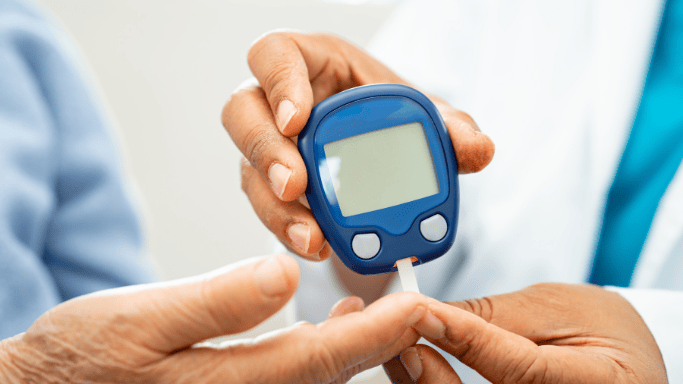
A doctor examines her patient's vitamin B3 test results.

Vitamin B3 Test: Measuring Niacin Metabolites and Ranges

You asked your doctor for a blood test for Vitamin B3. Finally, you thought, some answers as to why you were feeling so out of energy

The issue: blood tests for niacin (vitamin B3) can miss the mark. Levels can change dramatically based on what you ate for breakfast that morning. This is why they are the least reliable marker for assessing your nutritional status.

Want to know what your Vitamin B3 status is really saying about your health? Learn which test to request and what the numbers mean.

What You Should Know

  • Vitamin B3 blood tests measure current levels but miss long-term nutritional status
  • Urine metabolite tests give the most accurate picture of your B3 stores
  • Testing makes sense only for specific symptoms or high-dose supplementation
  • Your NAD+ levels matter more than isolated niacin measurements for cellular health

What Does a Vitamin B3 Test Measure?

Testing for Vitamin B3 isn’t as straightforward as checking cholesterol or blood sugar. You’re actually measuring different forms and breakdown products that tell different stories about your health.

The main challenge? Your body processes niacin so quickly that a snapshot measurement rarely tells the full story.

Blood Testing Methods

Blood tests look for two forms of B3 in your plasma or serum: nicotinic acid (the form that causes flushing) and nicotinamide (the non-flushing form).

These tests work well for one thing: catching toxicity in people taking high-dose niacin therapy for cholesterol. A cardiologist might use them to check if your therapeutic dose is pushing into dangerous territory.

But for everyday nutritional status? They’re nearly useless. According to the National Institutes of Health, “levels of niacin in the blood are not reliable indicators of niacin status.”

Your blood niacin levels jump after eating anything with B3 or after taking niacin supplements. Two hours later, they’ve dropped again.

Urine Metabolite Analysis (The Gold Standard)

Your body breaks down niacin into specific compounds that end up in your urine. These metabolites paint a much clearer picture than blood tests ever could.

Labs look for two key metabolites:

  • N1-methylnicotinamide (NMN): Not to be confused with the NAD+ precursor, this methylated form shows how much niacin your body processed recently.
  • 2-pyridone (2-Pyr): Another breakdown product that, when measured alongside NMN, reveals your true niacin stores.

Why does urine work better? Your kidneys excrete these metabolites consistently over 24 hours, smoothing out the spikes and drops you see in blood. Low levels of both metabolites directly signal depleted body stores.

Research published in the Journal of Nutrition confirms that urinary metabolites are “the most sensitive and reliable measure of niacin status[1].”

You’ll need either a 24-hour urine collection (the gold standard) or a spot urine test with creatinine correction. The 24-hour test gives the most accurate reading but requires you to collect every drop of urine for a full day.

CLIA-Certified NAD Test Kit

Test your NAD+ levels from home.

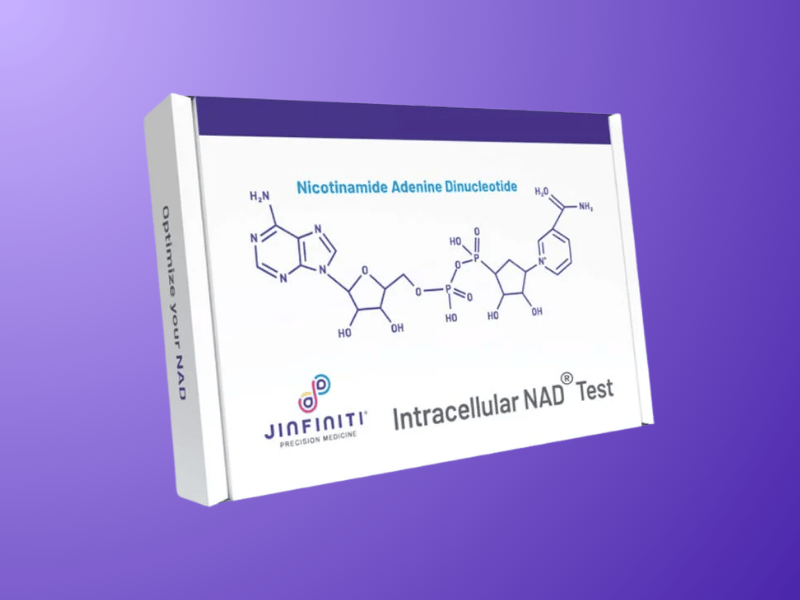
Jinfiniti Intracellular NAD Test on purple background

Normal Vitamin B3 Reference Ranges

Lab ranges vary depending on the testing method and laboratory, so always check your specific lab report first. These are typical ranges you’ll encounter.

Blood Test Ranges

AnalyteNormal RangeWhat High Levels Mean
Nicotinic Acid< 5.0 – 20 ng/mLTaking supplements or therapeutic doses
Nicotinamide5.0 – 48.0 ng/mLRecent niacin intake
Therapeutic LevelsCan exceed 1,000 ng/mLUsed for cholesterol management

Source: Mayo Clinic Laboratories

Urine Test Ranges

Metabolite LevelsStatusWhat It Means
Combined (NMN + 2-Pyr) > 17.5 micromol/dayAdequateBody stores are healthy
Combined 5.8 – 17.5 micromol/dayLowHeading toward deficiency
Combined < 5.8 micromol/dayDeficientSerious depletion
NMN < 0.5 mg/g creatinineDeficientSpot test showing depletion

Source: Principles of Nutritional Assessment

These cutoffs come from population studies tracking niacin status against pellagra symptoms. If your combined metabolites drop below 5.8 micromol per day, your body is running on fumes.

Infographic showing Vitamin B3 blood test ranges

When Should You Get Tested?

Most people never need a niacin test. The vitamin is so widespread in foods that deficiency is rare in developed countries. Testing makes sense only in specific situations.

Signs of Deficiency (Pellagra)

Pellagra presents with “the 4 Ds,” a collection of symptoms that get worse without treatment:

  • Dermatitis: Thick, scaly rashes appear on sun-exposed skin, often called “Casal’s necklace” when it circles your neck. The skin darkens and becomes rough.
  • Diarrhea: Chronic digestive issues, including a bright red, swollen tongue (glossitis). Your GI tract basically shuts down properly processing nutrients.
  • Dementia: Mental confusion, memory loss, depression, or even hallucinations. Your brain needs niacin to function.
  • Death: Without treatment, pellagra kills. That’s how serious severe deficiency becomes.

You’re at higher risk if you’re an alcoholic, have malabsorption disorders like Crohn’s disease, or rely heavily on corn as a dietary staple without proper preparation. Carcinoid syndrome also depletes niacin because tumor cells hijack tryptophan (which normally converts to niacin) for their own purposes.

If you see these symptoms, your doctor will likely test urinary metabolites to confirm pellagra before starting treatment. Treatment is straightforward: high-dose niacin supplementation reverses symptoms quickly.

Symptoms of Niacin Toxicity

On the flip side, taking too much niacin causes its own set of problems. This usually happens from supplements, not food.

The most common issue? Niacin flushing. Your skin turns red, burns, and itches intensely minutes after taking nicotinic acid supplements over 50 mg. This happens because niacin triggers prostaglandin release, dilating your blood vessels.

More serious toxicity symptoms include:

  • Hepatotoxicity (liver damage showing up as jaundice or elevated liver enzymes)
  • Hyperglycemia (high blood sugar, a problem for diabetics)
  • Elevated uric acid (triggering gout attacks)
  • Gastrointestinal distress (nausea, vomiting, stomach pain)

People taking therapeutic doses of 1-3 grams daily for cholesterol need regular monitoring. Blood tests every few months check liver function and blood sugar alongside niacin levels.

According to Mayo Clinic Laboratories, “testing of nonfasting specimens can result in elevated plasma vitamin B3 concentrations, particularly in patients with dietary supplement use.”

🧬 MORE VITAMIN B3 INSIGHTS

Why Blood Tests Can Mislead You

Blood niacin levels are like checking your bank account five minutes after depositing your paycheck. Sure, it looks great right now, but that snapshot doesn’t show how you’ve managed money all month.

You take a vitamin B complex with breakfast. Two hours later, your blood test shows elevated niacin. Your doctor might think you’re taking too much or have excellent status.

Fast forward six hours. Those same blood levels have dropped dramatically because your kidneys filtered out the excess and your cells grabbed what they needed. That morning spike meant nothing for your long-term nutritional status.

This is why the NIH specifically calls out blood tests as unreliable. The transient nature of blood measurements creates false positives and false negatives constantly.

Urine tests average your niacin processing over many hours, smoothing out these fluctuations. That 24-hour collection captures your body’s actual handling of niacin rather than a random moment in time.

The NAD+ Connection: Why Testing Matters When Supplementing

Here’s where things get interesting for anyone taking niacin supplements: the goal isn’t just having enough Vitamin B3. You want optimal NAD+ levels.

Niacin is a precursor to NAD+ (nicotinamide adenine dinucleotide), a coenzyme every cell in your body needs for energy production, DNA repair, and healthy aging. To convert niacin to NAD+, your cells use several biochemical pathways.

Some people take niacin specifically to drive up their NAD+. However, you can take too much.

“The only way to know if your NAD+ is at an ideal level or if you are overdoing it with niacin supplements is to test,” says Dr. Jin-Xiong She, the founder of Jinfiniti Precision Medicine. “We see people who are taking high-dose niacin and getting NAD+ levels over 100 μM. At that level, you’re not necessarily adding any benefits. You may also be causing problems.”

Jinfiniti’s proprietary research has found that the optimal range of NAD+ is 40-100 μM. Too little and your cells have limited energy. Too much and you run into problems similar to niacin toxicity.

The answer is to test your NAD+ levels directly. This way, you don’t have to guess if your niacin supplement is turning into the coenzyme you want at the cellular level.

Jinfiniti’s CLIA-Certified Intracellular NAD+ Test measures the actual NAD+ level in your cells. It gives you the real data you need to adjust your supplementation. Testing niacin metabolites tells you if you’re deficient. Testing NAD+ tells you if your cells are actually using that niacin effectively.

How to Prepare for Your Test

Preparation depends on the test ordered by your doctor.

If your doctor has ordered a blood test, you will need to fast for 8-12 hours for the most accurate baseline. This ensures no recent food or supplement spike will skew the results. 

Stop taking niacin supplements 24 hours before your blood draw unless your doctor specifically wants to measure therapeutic levels.

For urine metabolite testing, you’ll need special collection containers from your lab. The 24-hour collection starts with discarding your first morning urine, then collecting everything after that for exactly 24 hours.

Keep the collection container in a cool, dark place (some labs provide refrigeration instructions). Don’t add anything to your urine sample, and make sure the container stays sealed between uses.

Maintain your normal diet and medication schedule unless your doctor says otherwise. The goal is measuring your typical niacin status, not creating an artificial situation.

If you’re testing for toxicity and are on high-dose niacin therapy, your doctor will want to see what your normal therapeutic levels look like. Take all medications as directed before the test.

Interpreting Your Results

Your test results come back with numbers, but understanding what they mean for your health takes some context.

  • Deficient ranges: If your combined urinary metabolites are below 5.8 micromol/day or your blood NMN is under 0.5 mg/g creatinine, you have confirmed niacin deficiency. Treatment starts immediately with therapeutic niacin doses, typically 100-500 mg daily until symptoms resolve.
  • Low normal ranges: Metabolites between 5.8-17.5 micromol/day suggest your stores are declining. You’re not pellagra-level deficient, but you’re heading that direction. Increasing dietary niacin or adding modest supplementation (15-35 mg daily) prevents further decline.
  • Optimal ranges: Combined metabolites above 17.5 micromol/day indicate healthy niacin status. Your diet provides enough, or your supplementation is working. No changes needed.
  • High ranges: Blood levels above 48 ng/mL for nicotinamide or very high urinary metabolites. You may be over-supplementing, and this is where testing can be useful in people taking therapeutic niacin doses for cholesterol management.

One lesser-known marker they sometimes check is the Niacin Number, which is the NAD/NADP ratio in red blood cells. If it is less than 1.0, the body is headed towards developing a deficiency even before there are signs or symptoms. It’s an early warning system for pellagra, so you can address it before it happens.

Bear in mind, though, that testing B3 in isolation does not give you the full picture. A homocysteine test can be a helpful companion to niacin testing, because B3 is one of the methyl group metabolizers.

If you’re supplementing to boost NAD+ levels, niacin testing alone won’t tell you if your approach is working. You’ll need direct NAD+ testing to be certain that those precursors are being absorbed and utilized. 

Think of niacin testing as determining if you’re putting gas in your tank. NAD+ testing is to see if your engine is actually running, and if it’s running efficiently.

Referenced Sources

  1. Jacob RA, Swendseid ME, McKee RW, Fu CS, Clemens RA. Biochemical Markers for Assessment of Niacin Status in Young Men: Urinary and Blood Levels of Niacin Metabolites. Elsevier BV; 1989. https://doi.org/10.1093/jn/119.4.591
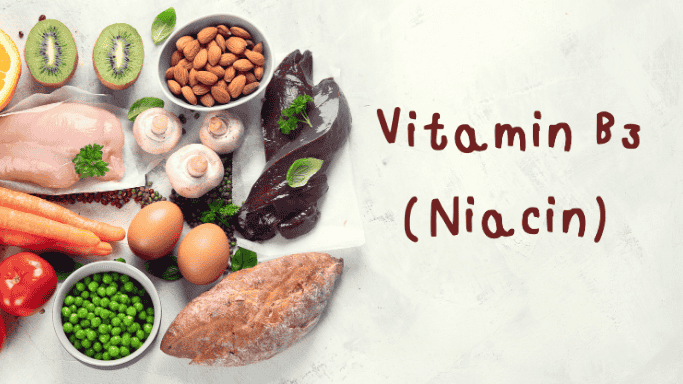
AN image of B3 food sources

Niacin Dosage Guide: Optimal Amounts, Timing and Safety

Niacin, also known as vitamin B3 or nicotinic acid, supports energy metabolism and cellular health. While this important vitamin offers valuable benefits, getting the dosage right is important for both safety and effectiveness.

Understanding proper niacin dosage becomes especially important when you consider its complex effects on the body. Too little won’t provide therapeutic benefits, while too much can cause serious adverse effects.

Key Takeaways

  • Adults need only 14-16 mg daily, while therapeutic doses range between 1,500-3,000 mg
  • Above 35 mg daily can cause flushing, liver damage, and blood sugar problems
  • Niacin may raise NAD+ beyond optimal ranges, requiring testing to avoid side effects
  • Studies show niacin may increase stroke risk despite improving cholesterol

Recommended Daily Amounts for Niacin (Vitamin B3)

The basic nutritional requirements for niacin vary depending on your age, sex, and life stage. These amounts ensure you meet your body’s basic needs for this important vitamin.

Adults need different amounts based on their circumstances:

  • Men: 16 mg per day
  • Women: 14 mg per day
  • Pregnant women: 18 mg per day
  • Breastfeeding women: 17 mg per day

Children have lower requirements that increase with age. Infants need only 2-4 mg daily, while teenagers require up to 12 mg per day.

Most people can easily meet these recommended dietary allowances through food sources. However, therapeutic uses require much higher doses1.

Therapeutic Niacin Dosages

An image of a blackboard with 'B3' written on it, surrounded by various foods that are sources of vitamin B3.

Doctors sometimes prescribe niacin to treat high cholesterol or other cardiovascular conditions. In these cases, the dosage requirements jump dramatically above basic nutritional needs.

The standard therapeutic range varies from 1,500 to 3,000 mg per day. This represents a 100-fold increase over basic nutritional requirements.

Starting Protocol for Taking Niacin Supplements

Healthcare providers typically begin with conservative dosing to minimize side effects. The standard approach involves2:

  • Starting dose: 250 mg at bedtime
  • Increase by 250 mg every 4-7 days
  • Target: 2,000 mg per day initially
  • Maximum: Up to 6,000 mg per day (rarely needed)

This gradual escalation helps your body adjust to higher doses of niacin while reducing the risk of uncomfortable flushing reactions.

Maintenance Niacin Dosage

Most patients achieve the best lipid benefits at maintenance doses between 1,000-2,000 mg daily. Research shows that 1 gram per day produces modest HDL cholesterol increases, while 2 grams per day delivers substantial LDL cholesterol reduction of approximately 25%3.

The key is finding the lowest effective dose that provides the desired cardiovascular benefits while minimizing adverse effects.

Optimal Niacin Dose Timing and Administration

An image of a woman on a bed taking supplement

When and how you take niacin impacts both its effectiveness and the severity of side effects you might experience.

Best Times to Take Niacin

Extended-release niacin works best when taken once daily at bedtime after a low-fat snack. This timing strategy helps minimize the notorious niacin flush while maintaining therapeutic effectiveness.

Immediate-release formulations require different timing, typically taken 2-3 times daily with meals.

Food Interactions and Dietary Considerations

Taking niacin with food dramatically reduces side effects, particularly flushing and stomach upset. A low-fat snack proves best because high-fat meals can interfere with absorption of extended-release formulations.

Foods and substances to avoid near dosing time:

  • Alcohol
  • Hot beverages
  • Spicy foods
  • Large, fatty meals

These items can intensify flushing reactions and make the experience more uncomfortable.

Understanding Niacin Formulations

Not all niacin supplements are created equal. The different formulations have distinct safety profiles and effectiveness levels.

Formulation TypeFlushing RateLiver RiskRecommended Use
Immediate-ReleaseNearly 100%LowestSafest option
Extended-Release50-70%ModerateMost prescribed
Sustained-ReleaseVariableHighestAvoid completely

Sustained-release formulations should be avoided entirely due to greatly increased liver toxicity risk. Studies show 52% of patients develop liver problems with sustained-release niacin compared to 0% with immediate-release forms4.

Safety Considerations and Niacin Adverse Effects

An image of a man facing his laptop with supplements

Understanding niacin’s safety profile helps you make informed decisions about supplementation and recognize when doses might be too high.

Tolerable Upper Intake Levels

For healthy adults, the Tolerable Upper Intake Level stands at 35 mg per day. This represents the maximum daily intake unlikely to cause adverse health effects from dietary sources.

Above this level, flushing reactions become increasingly common and uncomfortable.

Managing Niacin Flush

The common niacin flush typically occurs within 30 minutes of taking the supplement and lasts about 60 minutes. While harmless, this reaction causes many people to discontinue treatment.

Effective strategies to reduce flushing include:

  • Taking 325 mg aspirin 30 minutes before niacin
  • Starting with low doses and increasing slowly
  • Taking niacin with food or a light snack
  • Eating an apple before dosing (pectin may help reduce flushing)

Serious Adverse Effects from High Doses

High-dose niacin therapy (above 2-3 grams daily) can cause serious health problems that require medical monitoring.

Potential complications include:

  • Liver damage with potential liver failure
  • Blood sugar problems and glucose intolerance
  • Elevated uric acid levels leading to gout attacks
  • Increased bleeding risk due to reduced platelet function
  • Vision problems including macular edema

These risks underscore why therapeutic doses should only be used under medical supervision.

The Hidden Risk: Niacin May Raise NAD+ Levels Too High

An image of blood testing conducted through finger pricking.

Here’s something most people don’t know about high-dose niacin supplementation. While niacin can boost NAD+ levels, it may actually raise them beyond the healthy range.

This creates a concerning situation where more isn’t necessarily better. Excessive NAD+ levels can disrupt cellular processes and cause unexpected health issues.

Why Testing Your NAD+ Matters

Unlike basic nutritional uses, taking niacin to boost NAD+ requires precise monitoring. Your body’s response to niacin varies dramatically based on genetics, metabolism, and other factors.

Some people achieve the best NAD+ levels with modest niacin doses, while others see levels spike dangerously high. Without testing, you’re essentially flying blind.

Our Intracellular NAD® Test provides the precise measurements needed to improve your approach safely and effectively.

Recent Research Findings Challenge Niacin’s Heart Benefits

An image of a doctor holding a heart and a stethoscope

New research has dramatically shifted our understanding of niacin’s role in cardiovascular health, revealing some concerning findings.

Cardiovascular Efficacy Questions

Large-scale trials including AIM-HIGH and HPS2-THRIVE showed that niacin therapy doesn’t reduce cardiovascular events despite improving cholesterol numbers. Even more concerning, the HPS2-THRIVE study found niacin increased stroke risk by 78%5 6.

The 4PY Discovery

Groundbreaking 2024 research from Cleveland Clinic uncovered why niacin often fails despite improving cholesterol profiles. When your body breaks down excess niacin, it produces a metabolite called 4PY that triggers vascular inflammation7.

Approximately 25% of Americans have excess niacin levels that double their cardiovascular disease risk. This discovery helps explain the disconnect between improved cholesterol numbers and unchanged heart disease outcomes.

Dietary vs Supplemental Niacin

Interestingly, dietary niacin intake shows protective cardiovascular effects in population studies. Higher dietary intake correlates with lower mortality risk, with the best intake appearing around 22-25 mg per day from food sources.

This suggests getting niacin from NAD+ foods rather than high-dose supplements may offer better long-term benefits.

Current Medical Recommendations

Most cardiovascular specialists no longer recommend niacin as first-line therapy for treating high cholesterol. Statins and other medications are preferred due to superior safety profiles and proven cardiovascular benefits.

For patients who do use therapeutic doses, careful monitoring becomes important:

  • Baseline and periodic liver function tests
  • Blood glucose monitoring, especially for diabetic patients
  • Platelet counts and bleeding assessments
  • Patient education about flushing and warning signs

Testing: The Key to Safe NAD+ Boosting

If you’re considering niacin for NAD+ benefits rather than cholesterol management, testing becomes absolutely important for safety and effectiveness.

Our precision approach involves:

Initial Assessment:

  • Personalized dosing recommendations based on your unique biology

Ongoing Monitoring:

  • Follow-up testing at 2-4 weeks to assess response
  • Dose adjustments based on results
  • Periodic monitoring to maintain the right levels safely

This data-driven approach helps you achieve the benefits of improved NAD+ levels while avoiding the pitfalls of excessive supplementation.

Bottom Line

Understanding proper niacin dosage requires balancing potential benefits against real risks. For basic nutritional needs, dietary sources typically provide adequate amounts safely.

For therapeutic uses, medical supervision becomes important due to the noteworthy risk profile at higher doses. Recent research questioning niacin’s cardiovascular benefits makes this supervision even more important.

If you’re interested in NAD+ supplements for longevity purposes, consider safer alternatives like our Vitality↑® NAD+ Booster, which provides effective NAD+ support without the risks associated with high-dose niacin.

Remember, when it comes to niacin and NAD+ boosting, precision testing isn’t just helpful—it’s important for both safety and effectiveness.

Reference Sources:

  1. https://ods.od.nih.gov/factsheets/Niacin-HealthProfessional/ ↩︎
  2. https://www.ncbi.nlm.nih.gov/books/NBK541036/ ↩︎
  3. https://jamanetwork.com/journals/jamainternalmedicine/fullarticle/216937 ↩︎
  4. https://pubmed.ncbi.nlm.nih.gov/8309029/ ↩︎
  5. https://pmc.ncbi.nlm.nih.gov/articles/PMC4829575/ ↩︎
  6. https://www.ncbi.nlm.nih.gov/books/NBK559137/ ↩︎
  7. https://newsroom.clevelandclinic.org/2024/02/19/cleveland-clinic-led-study-discovers-link-between-high-levels-of-niacin-a-common-b-vitamin-and-heart-disease ↩︎
A cross-sectional view of a red blood vessel shows arterial blockage with yellow plaque buildup and dark clots inside.

Niacin for Cholesterol: More Harm Than Good?

For decades, niacin (vitamin B3) held a prestigious position as one of the first treatments for high cholesterol. Doctors prescribed it confidently, knowing that niacin may help lower cholesterol levels while raising good HDL.

But new findings suggest this B vitamin might be doing more harm than good.

Key Takeaways

  • Major medical organizations no longer recommend niacin for cholesterol treatment due to safety concerns
  • Recent research shows niacin creates a harmful compound called 4PY that doubles heart attack and stroke risk
  • Niacin causes uncomfortable flushing and can lead to serious side effects including liver damage
  • Safer alternatives like statins, lifestyle changes, and natural approaches are more effective for heart health

The Rise and Fall of Niacin for Cholesterol

Niacin became popular for cholesterol management because it seemed to address multiple lipid problems at once.

Unlike other treatments that focused on just one aspect of cholesterol, niacin could:

  • Lower LDL (bad) cholesterol by 15-25%
  • Raise HDL (good) cholesterol by 20-35%
  • Reduce triglycerides by 20-50%
  • Decrease lipoprotein(a), another cardiovascular risk factor

This comprehensive lipid profile improvement made niacin appear ideal for managing hyperlipidemia. Clinical trials in the 1970s showed promise, leading to widespread adoption in cardiology practices1.

The Niacin Paradox Emerges

Something puzzling began emerging in later studies. Despite niacin’s impressive ability to improve cholesterol numbers, patients weren’t experiencing the expected reductions in heart attacks and strokes.

Large-scale trials like AIM-HIGH and HPS2-THRIVE found that adding niacin to statin therapy provided no additional cardiovascular benefits. Even worse, some studies suggested increased mortality rates among niacin users2.

This disconnect between cholesterol improvement and clinical outcomes became known as the “niacin paradox.” Scientists suspected niacin was causing some unknown adverse effect that counteracted its cholesterol benefits.

Recent studies have revealed hidden cardiovascular risks that explain why niacin failed to deliver the expected heart protection despite improving cholesterol numbers.

2024 Research: The 4PY Discovery

A cross-sectional view of a red blood vessel shows arterial blockage with yellow plaque buildup and dark clots inside.

Cleveland Clinic researchers finally solved the niacin mystery with a landmark study published in Nature Medicine3.

Dr. Stanley Hazen and his team discovered that when your body processes excess niacin, it creates a harmful compound called 4PY (N1-methyl-4-pyridone-3-carboxamide). This metabolite directly promotes vascular inflammation, which damages blood vessels and accelerates atherosclerosis.

Niacin, also known as nicotinic acid, was originally thought to reduce the risk of cardiovascular events through its cholesterol-lowering properties. However, the 4PY pathway reveals why this didn’t translate to clinical benefits.

The Inflammatory Pathway

The 4PY metabolite triggers inflammation by increasing VCAM-1, a protein that helps inflammatory cells stick to blood vessel walls. This process contributes to plaque formation and increases cardiovascular disease risk.

People with 4PY levels in the top 25% had double the risk of major cardiac events over three years compared to those with the lowest levels. The inflammation was so severe that researchers could see it with the naked eye in laboratory studies.

This harmful effect appears to be dose-dependent, meaning the amount of niacin consumed directly influences 4PY production and cardiovascular risk.

One in Four Americans Affected

Perhaps most alarming, the study found that 25% of Americans have elevated 4PY levels, suggesting widespread overconsumption of niacin4.

This occurs because niacin is added to many fortified foods like cereals, flour, and oats. Combined with supplement use, many people consume far more than the recommended 14-18 mg daily amount.

How Much Niacin Becomes Dangerous?

Colorful capsules and pills in pink, blue, and white spill from a clear glass container onto a white surface.

The safe upper limit for niacin from supplements is just 35 mg daily for adults.

Therapeutic doses used for cholesterol management typically range from 1,500-2,000 mg daily – roughly 100 times higher than recommended dietary amounts. These massive doses overwhelm your body’s ability to process niacin safely.

Sources of Excess Niacin

Common sources contributing to niacin overload include:

  • Fortified breakfast cereals
  • Enriched flour products
  • Over-the-counter niacin supplements
  • Foods like meat, fish, and nuts
  • Energy drinks and vitamin waters

The body treats excess niacin like water overflowing from a bucket. Once saturated, it must process the overflow, creating potentially harmful metabolites like 4PY.

Current Medical Guidelines

Major medical organizations have quietly moved away from recommending niacin for cholesterol management.

American Heart Association Position

The 2018 AHA/ACC cholesterol guidelines state that randomized controlled trials “do not support the use of triglyceride-lowering drugs [including niacin] as add-on drugs to statin therapy.5

Statin-First Approach

Current guidelines now recommend statins as the first-line treatment for managing blood cholesterol. If statins alone aren’t sufficient, doctors typically add:

  • Ezetimibe (Zetia)
  • PCSK9 inhibitors like alirocumab (Praluent) or evolocumab (Repatha)
  • Bempedoic acid (Nexletol) for statin-intolerant patients

Niacin is rarely prescribed anymore except in very specific circumstances where other treatments have failed.

Possible Side Effects of Niacin

Beyond the newly discovered 4PY pathway, niacin can cause numerous uncomfortable and potentially serious side effects.

The Niacin Flush

Most people experience intense skin flushing within 15-30 minutes of taking niacin. This reaction includes:

  • Red, warm face and neck
  • Tingling or burning sensation
  • Itching and skin irritation

While the niacin flush typically subsides within a week of regular use, it causes many people to stop treatment.

Serious Side Effects

Higher doses can cause more concerning reactions:

  • Liver damage and elevated liver enzymes
  • Stomach ulcers and gastrointestinal bleeding
  • Blood sugar changes that can worsen diabetes
  • Low blood pressure and heart rhythm abnormalities
  • Muscle damage similar to statin-related problems

Drug Interactions

Niacin can interact dangerously with diabetes medications, blood thinners, and blood pressure drugs. Never take high-dose niacin without medical supervision.

Better Alternatives for Cholesterol Management

Orange spherical fat cells and cholesterol particles float in various sizes against a soft blue background.

Modern medicine offers safer, more effective options for managing high cholesterol.

Lifestyle Interventions

Diet and exercise remain the foundation of cholesterol management:

  • Mediterranean-style eating patterns rich in fiber, healthy fats, and plant sterols
  • Regular aerobic exercise (aim for 150 minutes weekly)
  • Weight management and smoking cessation

Proven Medications

When lifestyle changes aren’t enough, evidence-based medications include:

  • Statins – First-line treatment that reduces LDL cholesterol by 30-50% and significantly lowers cardiovascular disease risk
  • Ezetimibe – Blocks cholesterol absorption and can reduce LDL by 15-25% when added to statins
  • PCSK9 inhibitors – Injectable medications that can lower LDL by 50-60% in high-risk patients

Natural Ways to Support Heart Health

Rather than risking niacin’s potential dangers, consider these science-backed natural approaches.

Diet and Exercise

The foundation of heart health remains proper nutrition and regular physical activity. These lifestyle interventions can significantly impact cholesterol levels without medication risks.

Heart-healthy eating patterns include:

  • Mediterranean-style diets rich in olive oil, nuts, and fish
  • Plenty of soluble fiber from oats, beans, and vegetables
  • Limited saturated fats and zero trans fats
  • Plant-based proteins and lean meats

Exercise recommendations for cardiovascular health:

  • At least 150 minutes of moderate aerobic activity weekly
  • Strength training exercises twice per week
  • Even brisk walking for 30 minutes daily can lower LDL cholesterol by 5-10%

Evidence-Based Natural Options

Several natural approaches show promise for cholesterol management:

  • Plant sterols and stanols – Can reduce LDL cholesterol by 6-12%
  • Soluble fiber from oats, beans, and psyllium
  • Omega-3 fatty acids from fatty fish or quality supplements
  • Green tea extract with EGCG antioxidants

Cellular Energy Support

NAD+ levels decline with age, potentially affecting cardiovascular health. Unlike high-dose niacin, NAD+ supplementation may support heart health without the inflammatory risks6.

However, niacin can elevate NAD+ levels too high, which may not provide additional benefits and could potentially be harmful. If you’re currently taking niacin, consider getting an intracellular NAD test to verify your levels are within the optimal range.

Anti-Inflammatory Support

Since inflammation plays a central role in cardiovascular disease, you may consider natural anti-inflammatory compounds:

Turmeric with enhanced bioavailability may help reduce systemic inflammation that contributes to heart disease. The combination of curcumin, boswellia, and ginger found in our Turmeric+ provides comprehensive anti-inflammatory support.

Quercetin and other flavonoids also show promise for supporting cardiovascular health through their antioxidant and anti-inflammatory properties.

Bottom Line: Should You Take Niacin for High Cholesterol?

The evidence is clear: niacin for cholesterol management carries significant risks that outweigh any potential benefits.

The discovery of the 4PY metabolite explains why niacin failed to deliver on its cholesterol-lowering promise. This harmful compound promotes the very inflammation and vascular damage that leads to heart attacks and strokes.

A Safer Path Forward

If you’re currently taking niacin for cholesterol, don’t stop abruptly. Work with your healthcare provider to transition to safer, more effective treatments.

Focus on proven strategies like lifestyle modifications, appropriate medication when needed, and targeted nutritional support that addresses the root causes of cardiovascular disease.

Rather than forcing your cholesterol numbers down with potentially harmful compounds, consider supporting your body’s natural cellular energy production and inflammatory response. Testing your NAD levels and addressing any deficiencies may provide cardiovascular benefits without the risks associated with high-dose niacin.

The goal isn’t just better cholesterol numbers – it’s genuine cardiovascular health and longevity. Modern medicine offers us that opportunity through safer, more effective approaches than the niacin protocols of the past.

  1. https://www.nejm.org/doi/full/10.1056/NEJMoa1107579 ↩︎
  2. https://www.sciencedaily.com/releases/2013/03/130311101827.htm ↩︎
  3. https://www.nature.com/articles/s41591-023-02793-8 ↩︎
  4. https://www.nih.gov/news-events/nih-research-matters/how-excess-niacin-may-promote-cardiovascular-disease ↩︎
  5. https://www.ahajournals.org/doi/10.1161/cir.0000000000000625 ↩︎
  6. https://pmc.ncbi.nlm.nih.gov/articles/PMC5966770/ ↩︎
Pink and white capsules spill from a dark circular container onto a matching pink surface.

Can Niacin Help You Lose Weight?

Niacin produces minimal weight loss of 1-2 pounds after months of supplementation but increases diabetes risk by 34% and causes liver toxicity.

Research shows niacin supplements cause tiny changes in body weight while creating substantial health risks. Taking niacin for weight loss harms your health in ways that make losing weight harder.

The science reveals why niacin fails as a weight loss solution.

Key Takeaways

  • Niacin supplements cause only 1-2 pounds of weight loss after months of use
  • Taking niacin increases your risk of developing diabetes by 34%
  • The vitamin can damage your liver and cause serious heart problems
  • Safer weight loss methods like proper diet and exercise work better without health risks

Benefits of Niacin and Overview

An image of an energetic matured woman

Niacin is vitamin B3, an essential nutrient that converts food into energy and powers over 500 cellular processes.

This water-soluble vitamin, also called nicotinic acid, plays a key role in energy production. Your body uses niacin to create NAD+ and NADP+, two compounds that drive fat breakdown and energy metabolism.

You can get niacin from foods like meat, fish, nuts, and enriched grains. The recommended daily amount is 16 mg for men and 14 mg for women.

The Science Behind Niacin and Metabolism

Niacin affects your metabolism in several ways. It can temporarily reduce the breakdown of fat cells, which lowers free fatty acids in your bloodstream. This might sound good for weight loss, but it’s actually more complicated than it seems.

The vitamin also influences hormone levels, particularly adiponectin. This hormone helps regulate blood sugar and fat burning. Some studies show niacin can increase adiponectin levels, which theoretically could support healthy metabolism.

However, niacin also impacts insulin sensitivity. This is where things get problematic for weight management.

Research on Niacin for Weight Loss

An image of health professionals conducting medical research

A 2023 systematic review analyzing 5,144 participants found niacin supplementation produces 0.19 kg/m² BMI reduction with no significant body weight change.1

Researchers analyzed 22 studies to determine if NAD+ precursors (including niacin) help people lose weight. The results show minimal real-world impact despite statistical significance.

The BMI Studies: What They Really Show

The research found that niacin supplementation led to a small reduction in BMI of 0.19 kg/m². To put this in perspective, if you’re 5’8″ tall, this translates to losing just 1-2 pounds.

That’s barely noticeable weight loss after weeks or months of supplementation.

The studies also revealed some important details:

  • Higher doses of niacin (2g or more daily) showed slightly better results
  • Longer treatment periods (over 12 weeks) were more effective
  • Pure nicotinic acid worked better than other forms like niacinamide

Despite the BMI changes, researchers found no significant effect on actual body weight in most participants.

Effects on Body Fat Distribution

Some studies showed more promising results for specific types of fat loss. Research in people with high triglyceride levels found that niacin treatment resulted in:2

  • 47.2% reduction in liver fat content
  • 6.3% reduction in visceral fat around organs
  • Mean body weight decrease of 1.46% (about 2.6 pounds for a 180-pound person)

Higher dietary niacin intake was also associated with greater liver fat reduction during lifestyle interventions.3

While these changes in fat distribution could be beneficial for health, they’re still quite modest compared to what you’d achieve through proper diet and exercise.

Study TypeWeight Loss ResultClinical Significance
Meta-analysis (5,144 people)1-2 pound BMI reductionMinimal
Liver fat studies47% liver fat reductionModerate
Visceral fat studies6.3% reductionModerate
Overall body weightNo significant changeNone

The Dark Side: Serious Risks and Side Effects

Close-up of a woman’s abdomen during an insulin test.

Niacin supplementation creates substantial health risks that make weight management harder long-term.

The documented dangers include diabetes development, liver damage, and cardiovascular complications that outweigh minimal weight loss benefits.

Diabetes Risk and Insulin Problems

Taking niacin supplements significantly increases your risk of developing type 2 diabetes. A comprehensive analysis found that niacin therapy increases diabetes risk by 34%.4

This means for every 43 people who take niacin for 5 years, one additional person will develop diabetes who wouldn’t have otherwise.

The vitamin can also:

  • Increase fasting insulin levels by up to 61.8%
  • Reduce insulin sensitivity significantly
  • Elevate blood glucose levels

When your body becomes less sensitive to insulin, it becomes much harder to lose weight and keep it off. This is the opposite of what you want when trying to manage your weight.

Liver Damage Concerns

Niacin carries substantial liver toxicity risks, especially with sustained-release formulations. The liver damage can be serious enough to require emergency medical treatment.

Key liver risks include:

  • Liver toxicity can occur at doses as low as 500-750mg daily5
  • Extended-release forms have higher risk due to sustained toxic metabolite production
  • Cases of acute liver failure requiring emergency liver transplantation have been reported
  • Up to 52% of people taking sustained-release niacin may develop elevated liver enzymes

Cardiovascular Risks

Despite niacin’s reputation for improving cholesterol, recent research reveals concerning cardiovascular risks. A 2024 study published in Nature Medicine found that excess niacin gets converted into a compound called 4PY, which:

  • Promotes inflammation in blood vessels and arterial damage
  • Doubles the risk of major cardiovascular events in people with high niacin levels6
  • May explain why niacin’s clinical benefits have been less than expected based on cholesterol improvements

Multiple large clinical trials have failed to show cardiovascular benefits when niacin is added to modern treatments.

The Niacin Flush and Other Side Effects

The most common side effect is the “niacin flush” – a warm, tingling sensation with skin redness that can be quite uncomfortable. Other common side effects include:

  • Gastrointestinal issues like nausea, vomiting, and diarrhea
  • Increased uric acid levels that can trigger gout attacks
  • Vision problems including blurred vision and macular edema
  • Skin irritation and warmth

These side effects can make it difficult to stick with supplementation, which undermines any potential weight loss benefits.

Why Niacin Isn’t Effective Long-Term

A group of foods with the label ‘Niacin B3’ displayed on the side.

The body develops tolerance to niacin within weeks, eliminating weight loss effects and creating rebound problems.

Sustained niacin exposure leads to complete adaptation, with fatty acid levels returning to pre-treatment levels despite continued supplementation.7

Tolerance Development

One of niacin’s major limitations is that your body adapts to it quickly. While niacin initially suppresses fat breakdown and reduces free fatty acid levels, sustained exposure leads to complete adaptation.8

Within weeks, your fatty acid levels return to pre-treatment levels despite continued supplementation. This tolerance effect undermines any long-term weight loss benefits.

The FFA Rebound Effect

When you stop taking niacin, something called the “FFA rebound” occurs. This means your free fatty acid levels can actually go higher than they were before you started taking niacin.

This rebound effect can promote insulin resistance and metabolic dysfunction, making it even harder to lose weight after you stop the supplement.

Better Alternatives for Weight Loss

An image of a matured woman exercising

Evidence-based weight management strategies provide greater benefits than niacin supplementation without health risks.

Safe alternatives include targeted supplements with better risk profiles and proven lifestyle interventions that address root causes of weight gain.

Evidence-Based Supplements

If you’re interested in supplements that may support weight management, consider options with better safety profiles and stronger evidence:

NAD+ Support: Rather than taking high-dose niacin, consider NAD+ supplements that can support cellular energy production without the same risks. These may help optimize your metabolism more safely.

Mitochondrial Support: Since healthy mitochondria are key for fat burning, focus on mitochondrial health supplements like CoQ10, PQQ, and alpha-lipoic acid.

Cellular Health: Supporting overall cellular nutrition with antioxidants and key nutrients may help your body function optimally during weight loss efforts.

Natural Approaches That Work

The most effective and sustainable approach to weight loss remains:

  • Creating a moderate calorie deficit through portion control
  • Eating nutrient-dense whole foods that naturally contain niacin
  • Regular physical exercise that includes both cardio and strength training
  • Getting adequate sleep and managing stress levels
  • Staying hydrated and maintaining consistent meal timing

These strategies address the root causes of weight gain while supporting your overall health.

Should You Take Niacin Supplements?

A close-up image of a hand holding supplements

Niacin supplementation for weight loss is not recommended due to minimal benefits (1-2 pounds) and significant health risks including diabetes, liver damage, and cardiovascular problems.

Balanced diets containing meat, fish, nuts, and enriched grains provide adequate niacin without supplementation risks.

When to Consult a Professional

Before considering any supplement for weight loss, it’s wise to consult with a healthcare expert who can assess your individual situation. They can help you identify the underlying factors affecting your weight and recommend safe, effective strategies.

If you have high cholesterol or other cardiovascular risk factors, your doctor may prescribe niacin for specific medical reasons. In these cases, the potential benefits may outweigh the risks, but this requires careful medical supervision.

The Bottom Line

Niacin supplementation fails as a weight loss strategy due to minimal efficacy and substantial health risks that worsen weight management outcomes.

The 1-2 pounds of potential weight loss comes with 34% increased diabetes risk, liver toxicity, and cardiovascular complications. Proven weight loss strategies like healthy eating, regular exercise, and cellular health optimization provide superior results without health risks.

Sustainable weight loss requires evidence-based approaches that support long-term health rather than supplements that create more problems than they solve.

Referenced Sources:

  1. https://www.frontiersin.org/journals/nutrition/articles/10.3389/fnut.2023.1208734/full ↩︎
  2. http://www.jlr.org/content/53/4/802.full.pdf ↩︎
  3. https://pmc.ncbi.nlm.nih.gov/articles/PMC6362104/ ↩︎
  4. https://heart.bmj.com/content/102/3/198 ↩︎
  5. https://lpi.oregonstate.edu/mic/vitamins/niacin ↩︎
  6. https://www.nih.gov/news-events/nih-research-matters/how-excess-niacin-may-promote-cardiovascular-disease ↩︎
  7. https://pmc.ncbi.nlm.nih.gov/articles/PMC5424002/ ↩︎
  8. https://pmc.ncbi.nlm.nih.gov/articles/PMC5424002/ ↩︎
Close-up of a woman’s face showing redness on the cheeks and nose, resembling a niacin skin flush.

Niacin Flushing: Causes, Sensitivity, Is It Dangerous?

If you’ve ever taken a niacin supplement and suddenly felt like your skin was on fire, you’re not alone. Up to 90% of people experience this uncomfortable reaction called niacin flush when taking high doses of this vitamin B3 form.

Niacin flushing isn’t dangerous, though it can be quite uncomfortable. Understanding why it happens and how to manage it can help you make informed decisions about niacin supplementation.

Key Takeaways

  • Niacin flush is harmless but uncomfortable, affecting up to 90% of people taking high-dose niacin
  • Most people adapt quickly and tolerance develops within just one week of consistent use
  • Aspirin and omega-3 fatty acids may prevent flushing symptoms
  • High doses carry risks of liver damage and other serious side effects

What Causes Niacin Flush?

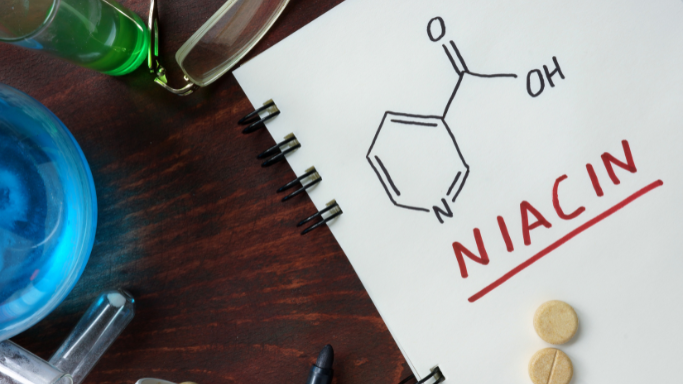
An image of a notebook written with "Niacin"

Niacin flush occurs through a specific chain reaction in your body. When you take niacin (nicotinic acid), it binds to specialized receptors called GPR109A in your skin cells.

This binding may cause a cascade of events:

  • Calcium levels increase inside skin cells
  • An enzyme called phospholipase A₂ gets activated
  • Arachidonic acid is released from cellular stores
  • Your body converts this acid into prostaglandins (PGD₂ and PGE₂)
  • These prostaglandins cause blood vessels to dilate and increase blood flow

The result is the characteristic flushing, warmth, and redness you feel across your face, neck, and chest.

Why Different Types of Niacin Cause Flushing Symptoms

Understanding the different types of niacin helps explain why some forms cause more intense flushing. Immediate-release niacin gets absorbed quickly, reaching peak blood levels within 30-60 minutes.1

This rapid absorption creates a sudden surge in prostaglandin production. That’s why immediate-release niacin typically causes more intense flushing compared to extended-release formulations.

Common Symptoms of Niacin Flush

A close-up image of a woman face with red flushed skin

Niacin flush occurs typically within 15-30 minutes of taking the supplement. This temporary side effect causes most people to experience:

  • Intense warmth and burning sensation
  • Red, flushed skin on face, neck, and chest
  • Tingling or itching sensations
  • Mild headache in some cases

These symptoms usually last 30 minutes to 2 hours. The intensity is often strongest after your first few doses, then gradually decreases as your body develops tolerance.

Who Gets Hit Hardest?

Data reveals that niacin sensitivity varies substantially between individuals. Women typically experience stronger flush responses than men.2

Genetic factors influence sensitivity, with about 47-54% of variation in niacin flush response within families attributed to inherited traits.3

Certain populations show altered sensitivity:

  • People with schizophrenia often have reduced flush responses
  • Family members of affected individuals also show modified reactions

Niacin deficiency is relatively rare in developed countries, so most people taking niacin do so for therapeutic rather than deficiency-related reasons.

Is Niacin Flush Dangerous?

A graphic image about NIACIN

The flush itself poses no direct health risks and represents a temporary, non-allergic response to normal blood vessel dilation.

Here’s the short answer: the flush itself isn’t dangerous. The flushing represents normal blood vessel dilation in response to prostaglandins.

When Large Doses of Niacin Become Risky

While flushing is harmless, niacin can cause serious problems at therapeutic doses. Doses of 1,000-3,000 mg daily can damage your liver, particularly with sustained-release formulations.4

High doses of niacin may trigger concerning side effects that healthcare providers monitor carefully:

  • Low blood pressure (hypotension)
  • Blood sugar problems
  • Vision issues
  • Increased bleeding risk
  • Muscle damage (especially when combined with statins)

Many people turn to niacin hoping to boost their NAD+ levels for longevity benefits. However, evidence demonstrates this approach can backfire.

Niacin may also push NAD levels dangerously high, causing insomnia and other health issues. Rather than guessing with high-dose niacin, consider testing your baseline NAD levels before supplementation.

Your Body Builds Tolerance Fast

An image of a matured woman taking supplement

One of the most important things to understand about niacin flushing is that it doesn’t last forever. Your body develops tolerance very quickly.

Clinical trials demonstrate that substantial reduction in flushing occurs within just one week of consistent dosing. This happens because your body decreases prostaglandin production with repeated niacin exposure.5

The tolerance mechanism involves:

  • Reduced prostaglandin D₂ production over time
  • Depletion of prostaglandin precursors in skin cells
  • Maintained niacin blood levels without increased prostaglandin response

This means that short-term discomfort leads to long-term tolerance for most people.

Proven Ways to Prevent Niacin Flush

A close-up image of a woman's hand pouring out supplements from a cannister

Multiple strategies can achieve effective reduction of niacin-induced flushing. These approaches range from simple timing adjustments to pharmaceutical interventions.

Aspirin Prevents Niacin Flush Symptoms

Taking 325 mg of aspirin 30 minutes before niacin is the most effective prevention method. Clinical data reveals 90% effectiveness in reducing flush symptoms.6

Aspirin works by blocking cyclooxygenase enzymes that produce prostaglandins. The flushing-specific discontinuation rate drops from 9.4% to just 1.8% with aspirin pretreatment.

Choose the Right Form of Niacin Supplement

Different niacin formulations produce varying levels of flushing intensity:

Niacin TypeFlush IntensityDurationTherapeutic Effect
Immediate-ReleaseHigh30-60 minutesFull
Extended-ReleaseModerate15-30 minutesFull
No-Flush (Inositol)NoneNoneMinimal

Extended-release niacin (like Niaspan®) reduces flushing substantially compared to immediate-release forms. Clinical trials reveal 42% reduction in flush intensity and 43% reduction in duration.7

Start Low and Go Slow

Gradual dose escalation helps your body adjust. Start with 500 mg daily for the first week, increase to 1,000 mg for week two, then advance to 2,000 mg from weeks three through six.

Smart Timing and Food Strategies

Simple adjustments can reduce symptoms:

  • Take niacin with food or at bedtime
  • Eating an apple with niacin provides flush reduction comparable to aspirin
  • Avoid hot beverages, spicy foods, and hot showers around dosing time

For those seeking NAD+ optimization benefits without niacin’s risks, oral NAD supplements like NMN or NR offer a safer alternative.

Omega-3s May Help Too

Emerging data suggests omega-3 fatty acids may reduce niacin-induced flushing by reducing arachidonic acid availability and decreasing receptor expression.8

While more research is needed, adding omega-3s to your regimen might provide additional protection.

Bottom Line: Is Niacin Flush Harmful?

Niacin flush is uncomfortable but harmless. The real concern lies with high-dose niacin’s potential for serious side effects, particularly liver damage.

Niacin may provide cholesterol benefits, but the risks often outweigh advantages for most people. If you’re considering niacin for health benefits, especially NAD+ optimization, safer alternatives exist.

Instead of guessing with high-dose niacin, testing your current NAD levels with Jinfiniti’s precision NAD testing provides a safer starting point.

When to See a Doctor

Contact your healthcare provider if you experience:

  • Persistent nausea or fatigue
  • Abdominal pain
  • Yellowing of skin or eyes
  • Unusual muscle pain

These could indicate liver problems or other serious complications.

Making Smart Supplement Choices

Understanding niacin flush helps you make informed decisions about vitamin B3 supplementation. While the flush itself won’t harm you, the high doses needed for therapeutic effects carry real risks.

Modern NAD precursor supplements offer a more targeted approach to cellular health without the uncomfortable side effects or safety concerns of traditional niacin therapy.

Referenced Sources:

  1. https://pmc.ncbi.nlm.nih.gov/articles/PMC2779993/ ↩︎
  2. https://www.sciencedirect.com/science/article/abs/pii/S0022395604000238 ↩︎
  3. https://pmc.ncbi.nlm.nih.gov/articles/PMC2632299/ ↩︎
  4. https://www.ncbi.nlm.nih.gov/books/NBK559137/ ↩︎
  5. https://pubmed.ncbi.nlm.nih.gov/19691622/ ↩︎
  6. https://onlinelibrary.wiley.com/doi/10.1111/j.1742-1241.2009.02099.x ↩︎
  7. https://nypep.nysdoh.suny.edu/wp-content/uploads/2021/09/DIResponse_NicotinicacidERvsIR_final_6-26-18-FIN-201810171121.pdf ↩︎
  8. https://pmc.ncbi.nlm.nih.gov/articles/PMC3308705/ ↩︎
A stylized pink anatomical heart with geometric facets sits on a soft pink background surface.

Is Niacin Good for Your Heart? New Studies Show Hidden Risks

For decades, doctors recommended niacin supplements to patients struggling with high cholesterol. This B vitamin seemed like a perfect solution for heart health.

Recent research tells a different story. Scientists now know that excess niacin may increase cardiovascular disease risk. It works through hidden inflammatory pathways.

Key Takeaways

  • 1 in 4 Americans has excess niacin levels that double their heart disease risk
  • Excess niacin creates toxic metabolites that trigger dangerous blood vessel inflammation
  • Food fortification and supplements often cause niacin overload without people realizing it
  • High-dose niacin therapy failed in trials because inflammatory effects canceled cholesterol benefits

The Surprising Discovery About Niacin and Heart Disease

A woman holding her chest with pale lips, appearing to be in discomfort, possibly indicating symptoms of heart disease.

A 2024 study published in Nature Medicine revealed shocking news about vitamin B3. About one in four Americans has excess niacin levels that double their risk of heart attack and stroke.1

This puts their risk of heart disease at levels similar to people with diabetes.

The problem isn’t niacin itself. The issue lies in what happens when your body processes too much of this vitamin.

When Good Vitamins Go Bad

Your body only needs small amounts of niacin to function properly. When you consume more than needed, your system breaks down the excess into compounds called 4PY and 2PY.

These metabolites are where the real danger begins.

People with the highest levels of these breakdown products had a 1.6 to 2 times higher risk of major cardiac events over three years. That’s compared to those with the lowest levels.

How Excess Niacin Triggers Cardiovascular Problems

A young woman in a white t-shirt checks her fitness tracker while sitting outdoors in nature.

The primary way that too much niacin harms your heart involves something called 4PY-mediated vascular inflammation.

Here’s what happens in your blood vessels when 4PY levels get too high:

  • 4PY triggers production of VCAM-1 on blood vessel walls
  • VCAM-1 helps white blood cells stick to your arteries
  • These immune cells then infiltrate arterial tissue
  • This process contributes to plaque formation
  • Chronic vascular inflammation damages blood vessels over time

Research shows that 4PY directly causes inflammatory cells to stick to blood vessel walls in laboratory studies.2

Your Genes Matter Too

Some people face a higher risk based on their genetics. Scientists found variants in the ACMSD gene that affect how your body processes niacin.

More than half the population carries these genetic variants. If you have them, you produce more of the harmful 4PY metabolites when consuming excess niacin.

The Cleveland Clinic Study Results

An image showing bar chart with pen, eyeglasses, and calculator on a desk, shown in blue tone.

Cleveland Clinic researchers led this important discovery about niacin and inflammation. Dr. Stanley Hazen and his team analyzed blood samples from over 3,000 people.3

They tracked participants for three years to see who developed heart problems.

The results were clear. People with the highest 4PY levels had double the risk of heart attack, stroke, or death compared to those with the lowest levels.

The Numbers Don’t Lie

The study found that 25% of Americans have excess niacin levels. These individuals face significantly higher cardiovascular disease risk without knowing it.

This research helps explain why niacin therapy often failed in clinical trials, despite improving cholesterol numbers.

Why High Cholesterol Treatments With Niacin Failed

A person fills out a health examination form with a pen, showing cholesterol test results and data.

For years, doctors prescribed high-dose niacin to lower LDL cholesterol and raise HDL levels. The results looked promising on paper.

But major clinical trials told a different story4:

  • The AIM-HIGH trial showed no cardiovascular benefit4
  • The HPS2-THRIVE study found niacin increased stroke risk by 78%4
  • Patients experienced more diabetes, infections, and stomach problems
  • Despite better cholesterol profiles, people didn’t live longer

These studies puzzled researchers for years. Now we understand why.

The Hidden Inflammation Problem

While niacin was lowering cholesterol, it was simultaneously creating inflammatory metabolites. The 4PY compounds were triggering vascular inflammation that counteracted any cholesterol benefits.

This explains the “niacin paradox” that confused doctors for decades.

Hidden Sources of Vitamin B3 Overload

Different forms of oats displayed in neat vertical sections.

Most Americans get excess niacin without realizing it. The problem comes from multiple sources working together.

Food Fortification Since the 1940s

The United States mandates niacin fortification in common foods like flour, cereals, rice, and oats. This policy successfully eliminated pellagra, a niacin deficiency disease.

But now this mandatory fortification may contribute to excess intake in many people.

Supplement Overuse

Many Americans take niacin-containing supplements, believing more vitamins equal better health. Over-the-counter niacin supplements often contain 100 to 1,000mg per dose.

Your daily requirement is only 14-16mg.

Dr. Hazen compares niacin intake to “multiple taps pouring water into a bucket.” Once your body’s needs are met, the excess “spills over” into harmful metabolites.

Inflammation and Cellular Health

A woman with curly hair in a white shirt holds her lower back while sitting at a home office desk.

Chronic inflammation damages your cardiovascular system at the cellular level. When 4PY triggers inflammatory pathways, it accelerates the aging process in your blood vessels.

This type of cellular damage affects your overall healthspan, not just your heart.

Supporting your body’s natural anti-inflammatory processes becomes even more important when facing hidden inflammatory triggers like excess niacin.

Testing Your Inflammatory Status

Understanding your body’s inflammatory burden can help guide better health decisions. Advanced biomarker testing can reveal hidden inflammation before it causes obvious symptoms.

Jinfiniti’s AgingSOS Advanced Panel measures 22 biomarkers, including inflammatory markers that affect cardiovascular health.

What This Means for Your Heart Health

ChatGPT said:

The image shows a doctor explaining heart health, emphasizing the importance of understanding your heart to make informed decisions for better care.

This research changes how we think about B vitamin supplementation. More isn’t always better, especially with widespread food fortification.

Practical Steps You Can Take

Avoid unnecessary niacin supplements unless your doctor specifically recommends them. Most people get adequate niacin from diet alone.

Focus on supporting your body’s natural cellular repair processes instead of adding more vitamins.

Consider testing your inflammatory status to understand your current cardiovascular risk profile.

The Role of NAD+ in Heart Health

Interestingly, while excess niacin may increase heart disease risk, your body still needs adequate levels to produce NAD+, a crucial cellular energy molecule. 

NAD+ levels decline with age, affecting cellular function throughout your body.

The key is balance. You want sufficient niacin for NAD+ production without the excess that creates harmful metabolites.

Supporting Cardiovascular Health Naturally

Instead of relying on high-dose niacin for cholesterol management, consider natural approaches that support heart health without inflammatory side effects.

Anti-inflammatory herbs and compounds like curcumin and quercetin can help reduce cardiovascular inflammation.

Quality omega-3 fatty acids support heart health through multiple pathways without the risks associated with excess niacin.

The Bottom Line on Niacin and Your Heart

This groundbreaking research reveals that even essential nutrients can cause problems in excess amounts.

While niacin remains important for basic cellular function, excess amounts may cause problems. Too much increases cardiovascular disease risk through previously unknown inflammatory pathways.

The discovery of 4PY as a cardiovascular risk factor opens exciting possibilities.

Doctors might soon use personalized medicine approaches based on this research. In the future, doctors might test your 4PY levels and genetic variants to determine your optimal niacin intake.

The message is clear: avoid unnecessary niacin supplements. Focus on supporting your body’s natural inflammatory balance instead.

When it comes to vitamins, more isn’t always better for your heart health.

Referenced Sources:

  1. https://www.nature.com/articles/s41591-023-02793-8 ↩︎
  2. https://www.nhlbi.nih.gov/news/2024/excess-levels-vitamin-b3-linked-increased-heart-disease-risk ↩︎
  3. https://newsroom.clevelandclinic.org/2024/02/19/cleveland-clinic-led-study-discovers-link-between-high-levels-of-niacin-a-common-b-vitamin-and-heart-disease ↩︎
  4. https://pmc.ncbi.nlm.nih.gov/articles/PMC4352676/ ↩︎
Colorful red, blue and white capsule pills are scattered randomly across a light blue background.

Niacin (B3): Side Effects, Reactions, Overdose Risks Explained

You probably know niacin as vitamin B3, a nutrient that helps convert food into energy. But what happens when you take too much?

Recent research reveals a troubling truth about high-dose niacin supplementation. While this B vitamin plays important roles in your body, excess amounts can trigger serious side effects and may actually harm your heart health.

Key Takeaways

  • High-dose niacin can cause liver damage at doses as low as 500 mg daily
  • Excess niacin creates a harmful compound (4PY) that increases heart disease risk
  • The common niacin flush is uncomfortable but harmless and fades within a week
  • Safe daily limits are just 35 mg from supplements, far below therapeutic doses

Common Side Effects of Niacin You Should Know

An image showing a woman with visible facial redness.

Most people who take niacin supplements experience some form of side effects, ranging from mild discomfort to more concerning reactions.

The Infamous Niacin Flush

When you take niacin supplements, your face might turn red and feel warm within 15 to 30 minutes. This reaction happens because niacin activates special cells in your skin that release compounds called prostaglandins.1

These compounds make your blood vessels widen, creating that characteristic “niacin flush“. You might experience:

  • Redness on your face, arms, and chest
  • Itching or tingling sensations
  • A warm, burning feeling
  • Mild discomfort that lasts about an hour

The good news is your body adapts to this reaction within a week of regular use. Starting with smaller doses and gradually increasing them can help minimize this uncomfortable side effect.

Digestive Problems

Your stomach might not appreciate high amounts of niacin either. Common digestive issues include nausea, vomiting, diarrhea, and heartburn.

These problems typically improve as your body adjusts to the supplement. Persistent stomach pain could signal more serious complications that need medical attention.

Serious Risks When You Take Too Much Niacin

An image showing a healthcare professional in blue scrubs holding a pill bottle and writing on a clipboard, with medicine bottles on the table.

While mild side effects are manageable, high-dose niacin can cause life-threatening complications that require immediate medical attention.

Liver Damage Warning

Here’s where things get concerning. Doses as low as 500 mg daily can damage your liver, especially with sustained-release formulations. The amount of niacin that causes toxicity varies between individuals, but prescription niacin therapy requires careful liver monitoring.2

Watch for these warning signs:

  • Yellowing of your skin or eyes
  • Dark urine or light-colored stools
  • Unusual fatigue or weakness
  • Stomach pain in your upper right area

Severe cases can lead to liver failure requiring transplantation. This risk makes medical supervision crucial for anyone considering high-dose niacin therapy.

Blood Sugar Disruption

If you have diabetes or prediabetes, niacin may worsen your condition. High doses may increase your blood glucose levels by 6 to 9 mg/dL and reduce insulin sensitivity.3

Some people even develop diabetes after taking large amounts of niacin. This effect makes careful monitoring vital for anyone with blood sugar concerns.

Muscle Problems with Statins

Combining niacin with statin medications creates a dangerous combination. This pairing may increase the risk of rhabdomyolysis, a potentially fatal condition where muscle tissue breaks down.4

Symptoms include unexplained muscle pain, weakness, dark urine, and fever. This combination requires immediate medical attention.

The Cholesterol Paradox: Why Niacin May Harm Heart Health

An image showing two hands forming a heart shape against a purple background, with the person wearing a bright pink long-sleeve shirt.

People often take niacin to lower cholesterol levels and improve their lipid profiles. Traditional thinking suggested this approach benefits cardiovascular health by raising HDL cholesterol and reducing LDL levels along with triglyceride concentrations.

New research paints a different picture entirely.

The 4PY Problem

A 2024 Cleveland Clinic study published in Nature made a startling discovery about excess niacin. When your body processes too much of this vitamin, it creates a harmful compound called 4PY.5

This metabolite directly triggers inflammation in your blood vessels. About 25% of people have high enough 4PY levels to double their risk of heart attacks and stroke.6

The compound works by increasing a protein called VCAM-1, which helps inflammatory cells stick to blood vessel walls. This process accelerates the development of cardiovascular disease and contributes to oxidative stress throughout your system.

Clinical Trial Results

Large studies like HPS2-THRIVE and AIM-HIGH found that adding niacin to statin therapy provided no cardiovascular benefits. Some participants actually experienced higher mortality rates and more heart attacks than expected.7

These findings explain why many cardiologists no longer recommend niacin for managing high cholesterol. The risks now appear to outweigh potential benefits for most people.

Dangerous Drug Interactions to Avoid

an image showing a person politely refusing an offer of alcohol, using a hand gesture to signal refusal.

Niacin can interfere with many prescription medications, creating potentially dangerous combinations that require careful medical oversight.

Blood Thinners

Taking niacin with anticoagulant medications may increase the risk of bleeding complications significantly.8

Diabetes Medications

Niacin can reduce the effectiveness of diabetes drugs by raising blood sugar levels.

Gout Treatments

This B vitamin can trigger gout attacks and interfere with medications designed to treat this condition.

Alcohol

Drinking alcohol while taking niacin increases both flushing reactions and liver damage risk.

Safe Dosage Guidelines and Niacin Overdose Signs

An image showing an older woman in a light purple shirt holding her head and face with a pained expression, possibly experiencing a headache or discomfort.

High levels of niacin can be dangerous. The recommended daily allowance for adults is only 14 to 16 mg. The upper safe limit from supplements is 35 mg daily.

Therapeutic doses prescribed by doctors range from 1,500 to 3,000 mg daily, but these require careful medical supervision and regular monitoring.

Overdose Warning Signs

Doses between 2,000 to 6,000 mg can cause severe toxicity. Watch for:9

  • Rapid heartbeat or palpitations
  • Severe dizziness with flushing
  • Persistent vomiting
  • Severe stomach pain
  • Vision problems
  • Gout attacks

Seek immediate medical attention if you experience these symptoms.

Better Alternatives for High Cholesterol Management

A stethoscope and red heart sit on medical papers at a doctor's desk with a blurred person behind.

High cholesterol requires professional medical evaluation and monitoring. Work with your healthcare provider to develop a comprehensive treatment plan.

Some people need prescription medications like statins to reach target cholesterol levels safely. Your doctor can determine the best approach based on your individual risk factors and health history.

Never stop prescribed cholesterol medications without medical supervision, even if you’re making lifestyle changes.

Lifestyle Changes That Work

Diet modifications offer the most powerful cholesterol-lowering effects. Focus on foods rich in soluble fiber like oats, beans, and apples.

Replace saturated fats with healthy options like olive oil, nuts, and fatty fish. These changes can reduce LDL cholesterol by 10-15% within weeks.

Regular exercise provides another major benefit. Just 30 minutes of moderate activity most days can raise HDL cholesterol and lower triglycerides.

Weight loss also improves your lipid profile significantly. Losing even 5-10 pounds can make a meaningful difference in your cholesterol numbers.

When to Consider NAD+ Support

NAD+ precursors work through different pathways than high-dose niacin. These compounds support cellular energy production without the inflammatory risks associated with niacin excess.

Testing your NAD levels can help you understand your cellular energy status without relying on potentially harmful vitamin B3 mega-doses.

The best longevity supplements focus on cellular health optimization rather than attempting to manipulate cholesterol through potentially harmful pathways. Cellular health supplements offer targeted support for your body’s energy systems.

Additional Support Options

Some people find success with:

  • Plant sterols and stanols (2 grams daily)
  • Omega-3 fatty acids from fish or supplements
  • Psyllium husk fiber supplements
  • Green tea extract

Special Considerations for Different Groups

An elderly hand holding various colorful pills and capsules.

Certain populations need extra caution when considering niacin supplementation due to increased sensitivity or higher risk of complications.

Pregnancy and Nursing

Pregnant women should avoid high-dose niacin unless specifically prescribed by their healthcare provider. While no birth defects have been directly linked to niacin, the safety profile during pregnancy remains unclear.

Older Adults

Seniors may experience more intense side effects and require lower doses or more frequent monitoring.

People with Existing Conditions

Those with liver disease, peptic ulcers, diabetes, or kidney problems should avoid niacin supplementation entirely or use it only under strict medical supervision.

The Bottom Line on Niacin Safety

While niacin plays important roles in converting food into energy and supporting cellular function, the risks of high-dose supplementation now appear to outweigh the benefits for most people.

The discovery that excess niacin may increase cardiovascular disease risk through the 4PY pathway has fundamentally changed how we view this supplement.

Current practices that fortify foods with niacin may even exceed optimal intake levels for heart health.

If you’re currently taking high-dose niacin or considering it for cholesterol management, discuss safer alternatives with your healthcare provider.

Referenced Sources:

  1. https://www.sciencedirect.com/science/article/abs/pii/S0003986124002856 ↩︎
  2. https://lpi.oregonstate.edu/mic/vitamins/niacin ↩︎
  3. https://jamanetwork.com/journals/jama/fullarticle/193064 ↩︎
  4. https://www.mayoclinic.org/drugs-supplements/simvastatin-and-niacin-oral-route/description/drg-20071610 ↩︎
  5. https://www.nature.com/articles/s41591-023-02793-8 ↩︎
  6. https://www.nih.gov/news-events/nih-research-matters/how-excess-niacin-may-promote-cardiovascular-disease ↩︎
  7. https://www.nejm.org/doi/full/10.1056/NEJMoa1300955 ↩︎
  8. https://www.drugs.com/drug-interactions/niacin.html ↩︎
  9. https://www.webmd.com/diet/supplement-guide-niacin ↩︎

Two supplement bottles of NMN and Niacin side by side comparison in dramatic lighting

NMN vs. Niacin: Safety and Efficacy for Longevity

Inside your cells, there’s a fascinating molecule called NAD+ that plays a key role in how you age. This coenzyme isn’t just important – it’s essential for hundreds of processes that keep your cells healthy. 

The catch? Your NAD+ levels drop as you age, which speeds up aging and can trigger various health problems.

With aging and longevity supplements such hot topics, it’s not surprising that NAD+ boosters have taken off. Two of the most talked-about options are NMN and niacin.  While they both help your body make NAD+, they work through different pathways.

So what’s the real story with these two supplements? 

We need to look at their safety profiles, how well they boost NAD+ levels, and their effects on longevity. Which one works better? Can you take them long-term? And most importantly – which one might be right for you?

Key Takeaways

  • NMN offers a more direct path to NAD+ with fewer side effects than niacin, though it costs more
  • NMN supports cellular energy and brain health, while niacin may help manage cholesterol and skin conditions
  • Niacin commonly causes flushing and potential liver issues, while NMN shows minimal side effects in current research
  • Testing your NAD+ levels before taking NMN or niacin ensures you get the right dose and avoids potential negative effects of excessive intake

What’s the Difference Between Niacin and NMN?

NAD+ boosters have come a long way since their early days. One of the first was niacin, which is just another name for nicotinic acid. It’s a form of vitamin B3 that helps with basic body functions like metabolism and energy production, and it keeps your skin healthy too. Doctors have been using it for years, especially to help people manage their cholesterol.1

NMN (nicotinamide mononucleotide) is the new kid on the block. It’s getting a lot of attention because it can boost NAD+ levels in a more direct way. While it’s related to vitamin B3 chemically, it’s mainly sold as a supplement for longevity, energy, and keeping your cells healthy.

Here’s how niacin works in your body – it’s not exactly straightforward. Before it can turn into NAD+, it has to go through multiple steps.

It first changes into nicotinamide, and then that turns into NAD+. Each time it transforms, the process becomes less efficient and burns up some of your cell’s energy.

NMN takes a more direct route. Your body can absorb it easily and turn it straight into NAD+, skipping some of the steps that niacin has to go through.2 That’s why it’s faster and more effective at boosting NAD+ levels.

Looking at cost, niacin’s definitely the more budget-friendly choice. You can find it pretty much anywhere that sells supplements, and it’s in lots of everyday foods like nuts, dairy products, and leafy greens. That makes it an easy choice for most people.

NMN costs quite a bit more, mainly because it works more efficiently and it’s still relatively new to the market. The NMN supplement price tag reflects its position as a premium NAD+ precursor. Even though it’s more expensive, lots of people pick NMN because they’re specifically looking for those benefits to energy, longevity, and cellular health.

Infographic showing the differences between NMN and Niacin

Benefits of NMN vs. Niacin

Both NMN and niacin help boost NAD+ levels as we age, but they work differently in the body. Let’s look at how they stack up:

Benefits of NMN

Since NMN is a direct NAD+ precursor, it effectively raises NAD+ levels, which can result in:

  • Increased Cellular Energy – NMN kicks SIRT1 proteins into action, as shown in the Journal of Advanced Research.3 These proteins of the sirtuin family keep the mitochondria and nucleus talking to each other, which is critical for your cells to produce energy efficiently.
  • Improved Brain Health – A study in Brain Research shows that NMN helps keep neurons healthy and reduces oxidative stress in the brain.4 This matters because oxidative stress can lead to cognitive problems as we age.
  • Metabolic Health Boost – NMN has been shown to support healthy blood sugar levels and improve insulin sensitivity in a study published in the Journal of Translational Medicine.5
  • Cardiovascular Support – NMN also promotes healthy blood vessel function, improves circulation, and supports cardiovascular health as we age.6

Want to learn more? Check out our full article on what makes NMN supplements so promising.

Benefits of Niacin

Niacin’s been around for a while, and there’s good reason for that. Here are some research-backed benefits:

  • Cholesterol Management – In a study published in JAMA Internal Medicine,  niacin helped raise HDL (good cholesterol) and lower LDL (bad cholesterol) and triglycerides in patients with difficult-to-treat dyslipidemias, reducing the risk of heart disease and stroke.7
  • Skin and DNA Repair – A study published in the British Journal of Nutrition showed that niacin may help protect against cumulative DNA damage, lowering the risk of premature aging and skin conditions.8
  • Support for Brain Health – A study published in Neurotherapeutics shows that niacin fights neurodegeneration and supports brain function, possibly reducing the risk of neurodegenerative conditions.9
  • Improved Blood Flow – Scientists discovered that niacin helps keep the endothelium (that’s the thin layer lining your blood vessels) healthy, which means better blood flow throughout your body.10

Side Effects of Niacin vs. NMN

An image of a matured woman suffering from the side effects of NMN and Niacin.

The research we have so far shows that NMN is safe and well-tolerated, even when people take higher doses.11 Users don’t typically report any significant side effects or discomfort. However, since NMN is relatively new, data on long-term safety is still being researched.

Niacin, on the other hand, has been studied for decades, so we know a lot more about its safety profile. While it’s effective at increasing NAD+ and improving cholesterol levels, it can cause some serious side effects, particularly at high doses:

  • First, there’s the niacin flush – your face and upper body might feel warm and tingly, and turn red. It’s usually harmless but can be pretty uncomfortable
  • It can also upset your stomach, leading to nausea and vomiting. If you have peptic ulcers, niacin might make them worse. 12
  • High doses can be toxic to the liver, especially if you’re taking the sustained-release form. This means you’ll need regular monitoring if you’re using it long-term.13
  • There’s also a link to diabetes – studies show that people taking niacin have a 34% higher chance of developing diabetes compared to those who don’t.14

If you have liver problems, you’ll want to check with your doctor before taking niacin. It can raise your liver enzymes over time, so they’ll need to monitor your liver function.

People with diabetes or insulin resistance should be extra careful since niacin can affect blood sugar levels. If you have gout, keep in mind that niacin can increase uric acid levels, which might trigger a flare-up.15

If you have low blood pressure, niacin might lower it further, especially if you’re taking other medications. It’s definitely worth having a conversation with your healthcare provider before considering supplementation.

Last but not least – we’ve also had users report extremely high NAD+ levels when taking our intracellular NAD+ test while using niacin supplements. This isn’t ideal – it’s different from what we see with NMN, which raises NAD+ levels more gradually.

Why Does Niacin Cause Flushing but NMN Doesn’t?

An image of a flushing matured woman.

When someone takes niacin, it triggers a specific receptor called GPR109A on their skin cells. This kicks off a chain reaction where the cells release two types of prostaglandins – PGD2 and PGE2. These molecules make blood vessels widen, and that’s what causes the characteristic warm, red flush.16

There’s also a serotonin connection – niacin bumps up serotonin levels, which can make some people feel itchy along with the flush. Most people start feeling these effects about 15-30 minutes after taking niacin, and it can stick around for up to an hour.17

NMN works differently. It doesn’t set off that GPR109A receptor or cause any prostaglandin release.

Instead, it goes straight into making NAD+. That’s why people don’t get that flushing reaction with NMN – there’s no redness or tingling because it bypasses all those steps that cause the flush. You just get the NAD+ boost without the side effects.

Can You Take Niacin and NMN Together?

An image of a matured woman deciding which pills to take.

You can take both niacin and NMN—but do you need to? That depends on your goals.

Niacin is found in plenty of foods like meat, fish, nuts, and whole grains. Most people get enough from their diet, so unless you’re taking it for a specific reason (like cholesterol support), there’s no real need to supplement.

Some suggest the combination may have synergistic effects for longevity and metabolic health.

However, as we mentioned before, there is a risk that niacin could push NAD+ levels too high, and we don’t fully understand the long-term effects of increasing NAD+ beyond the healthy range.

If you decide to take both, start small – try low doses of niacin (50-250 mg) along with NMN to support your NAD+ levels without overwhelming your system.

Timing matters too. Many people take their niacin at night to avoid the flushing effect during the day, while they’ll take NMN in the morning.

NMN is more commonly combined with nicotinamide riboside (NR), another NAD+ precursor that converts into NAD+ through a different pathway than niacin.

How Do You Know if Your Supplement is Working?

An image of supplements.

Many people assume higher NAD+ is always better, but that’s not necessarily true. If your NAD+ levels are already optimal, adding high doses of niacin or NMN may not provide extra benefits and could even backfire.

If your levels get too high, you might experience fatigue, headaches, or other subtle changes. In contrast, if your NAD+ is too low, you may still struggle with low energy, brain fog, or sluggish recovery. 

This is why getting a baseline test before supplementing (or adjusting doses) is a smart move. The key is listening to your body and finding a level that works for you.

So how can you tell if your supplement is actually working?

The best way is to test your NAD+ levels. To make sure you’re not taking too much or too little, the Intracellular NAD+ Test offers a first-of-its-kind, reliable at-home solution to measure your NAD+ levels. This comprehensive test identifies deficiencies and provides actionable insights to optimize your NAD+ intake. 

Intracellular NAD Test promotional image

Making the Right Choice for Longevity

An image of matured man and woman enjoying longevity.

When choosing between NMN and niacin, consider both your health goals and budget. If you’re after a simple, flush-free way to boost NAD+, NMN works well. But if you’re focusing on heart health or cholesterol management, low-dose niacin might offer extra benefits. Cost-wise, niacin is typically cheaper, while NMN tends to be more expensive.

Quality matters when finding the right supplement. Not all NAD+ boosters are created equal, so look for pure, third-party tested products to ensure reliability.

Watch out for side effects too. Start with low doses and adjust gradually to find what suits your body best. Niacin in particular can come with serious risks, especially at higher doses.

For a complete approach to NAD+ enhacement, Vitality ↑® NAD+ Booster offers a science-backed option. This premium supplement combines four synergistic ingredients—Niacinamide, Creatine Monohydrate, D-Ribose, and NMN—to boost NAD+ levels more effectively than single-ingredient alternatives.

What sets Vitality ↑® NAD+ Booster apart?

  • Clinically formulated to efficiently restore and sustain optimal NAD+ levels. 
  • No unnecessary fillers—just premium, natural compounds for optimal cellular health.
  • Independently verified to ensure purity, potency, and effectiveness.
  • Backed by 5+ years of research and real-world use, delivering consistent, reliable results.

With Vitality ↑®, you’re not just taking another supplement—you’re giving your body the fuel it needs to thrive, stay energized, and support long-term health.

Frequently Asked Questions

An image of a cork board depicting questions.

How do NMN and niacin supplements interact with common medications?

Both NMN and niacin can interact with certain medications. Niacin can affect how well blood pressure medications, statins, and diabetes drugs work. NMN has fewer known drug interactions, but it’s still important to check with your doctor before starting either supplement, especially if you’re taking medications for chronic conditions.

Are there age-specific recommendations for NMN vs. niacin supplementation?

While everyone’s NAD+ levels drop with age, the best timing and dosage can vary. Research suggests NMN might work better for people over 40, when NAD+ levels typically start declining more quickly. Younger people might do fine with lower doses or just dietary sources of niacin unless they have specific health concerns.

How do lifestyle factors like exercise, diet, and sleep impact the effectiveness of NMN and niacin?

Lifestyle factors strongly affect how your body responds to NAD+ precursors. Regular exercise naturally boosts NAD+ levels, which might enhance the supplements’ effects. Intermittent fasting and caloric restriction have also been shown to increase NAD+ levels. Poor sleep, too much alcohol, and chronic stress can drain NAD+ reserves, potentially making the supplements less effective.

Can NMN or niacin supplementation benefit athletic performance and recovery?

Research is starting to show that NAD+ precursors might boost athletic performance and recovery by improving how mitochondria work and how energy is produced. Some athletes say they’ve noticed faster recovery times and better endurance when taking NMN specifically, though we need more clinical studies to confirm these effects across different types of physical activities.

What biomarkers beyond NAD+ levels should I monitor when taking these supplements?

Beyond NAD+ levels, it’s worth keeping an eye on inflammation markers (like CRP or IL-6), blood glucose and insulin levels, liver function tests (especially with niacin), and oxidative stress markers. For a complete picture of how these supplements are affecting your health, also track things like energy levels, sleep quality, and how well you’re thinking and focusing.

Referenced Sources:

  1. https://pubmed.ncbi.nlm.nih.gov/12873710/ ↩︎
  2. https://pubmed.ncbi.nlm.nih.gov/12873710/ ↩︎
  3. https://www.sciencedirect.com/science/article/pii/S2090123221001491 ↩︎
  4. https://www.sciencedirect.com/science/article/abs/pii/S0006899316303018?via%3Dihub ↩︎
  5. https://translational-medicine.biomedcentral.com/articles/10.1186/s12967-024-05614-9 ↩︎
  6. https://www.mdpi.com/1422-0067/25/17/9526 ↩︎
  7. https://jamanetwork.com/journals/jamainternalmedicine/fullarticle/216937 ↩︎
  8. https://www.cambridge.org/core/journals/british-journal-of-nutrition/article/high-dietary-niacin-intake-is-associated-with-decreased-chromosome-translocation-frequency-in-airline-pilots/D69D0AB9C39BFFC04B5BB55A67BFFDFC ↩︎
  9. https://www.sciencedirect.com/science/article/pii/S1878747923019104 ↩︎
  10. https://journals.lww.com/cocardiology/abstract/2011/01000/effects_of_niacin_on_atherosclerosis_and_vascular.13.aspx ↩︎
  11. https://pmc.ncbi.nlm.nih.gov/articles/PMC9735188/ ↩︎
  12. https://www.ajconline.org/article/S0002-9149(06)02236-3/abstract ↩︎
  13. https://www.amjmed.com/article/0002-9343(92)90018-7/abstract ↩︎
  14. https://www.nejm.org/doi/10.1056/NEJMoa1300955 ↩︎
  15. https://pmc.ncbi.nlm.nih.gov/articles/PMC3770072/ ↩︎
  16. https://www.sciencedirect.com/science/article/abs/pii/S0171298511001124 ↩︎
  17. https://journals.sagepub.com/doi/pdf/10.1177/2156587211399579 ↩︎
A picture of two healthy matured women running

15 Best Longevity Supplements in 2025 (Ranked by Evidence)

We’re living in an exciting time for longevity research. Scientists have moved beyond basic theories about aging to understanding exactly how certain molecules can influence how our cells age.

Today’s advanced supplements aren’t just about filling nutritional gaps. They’re designed to work with your body’s own systems—supporting cellular health and natural regeneration at a deeper level.

But with so many products making bold claims, how do you know what actually works?

That’s why we’ve done the heavy lifting for you. We examined each supplement based on three important factors: the strength of its research backing, its proven safety record, and its measurable impact on health. 

What follows is a clear-eyed look at which supplements truly deliver on their anti-aging promises.

What are Longevity Supplements?

Image of a mature healthy woman jogging.

Longevity supplements are dietary products designed to optimize both lifespan and healthspan, focusing on maintaining vitality as we grow older. 

These supplements support the body’s natural defenses against age-related decline by providing specific nutrients that protect and nourish cells, tissues, and vital systems. They work by targeting key mechanisms of aging, such as reducing inflammation and combating oxidative stress.

As people grow older, certain nutrient gaps can emerge; longevity supplements help fill these gaps while strengthening the body’s resilience, ultimately promoting both physical and mental wellbeing throughout the aging process.

The best supplements are backed by peer-reviewed research, clinical trials, and most importantly, measurable biomarker changes that prove they’re doing what they claim. This is why testing is so critical. 

To help you navigate these choices, we’ve ranked 15 of the most popular longevity supplements based on scientific evidence.

Our Evidence-Based Ranking System

Image of a doctor conducting scientific research.

To separate real results from marketing hype, we’ve developed a rigorous, evidence-based ranking system. Each recommendation is carefully assessed based on:

  • Scientific Backing: The quality and depth of clinical trials and mechanistic studies.
  • Safety Profile: Comprehensive research ensuring long-term safety.
  • Effectiveness: Proven bioavailability to deliver real results.

Rating Criteria:

Overall Evidence Rating:

  • 5/5: Extensive human clinical trials with consistent results
  • 4/5: Multiple human trials with strong mechanistic understanding
  • 3/5: Limited human trials but strong preclinical evidence
  • 2/5: Primarily animal studies
  • 1/5: Limited scientific evidence

Safety Profile:

  • 5/5: Extensive long-term safety data with minimal concerns
  • 4/5: Good safety profile with some considerations
  • 3/5: Moderate safety profile with known interactions
  • 2/5: Limited safety data or significant interactions
  • 1/5: Safety concerns present

Bioavailability Score:

  • 5/5: Excellent absorption with proven delivery mechanisms
  • 4/5: Good absorption with established uptake
  • 3/5: Moderate absorption with some limitations
  • 2/5: Poor absorption requiring specific formulations
  • 1/5: Very poor absorption with significant limitations

The 15 Best Longevity Supplements Ranked

Woman scientist staring at model genome

Each longevity supplement is rated based on research quality and measurable cellular impact to help you make an informed decision.

Here is our full list of the best longevity supplements in 2025:

  1. Omega-3 Fatty Acids
  2. Magnesium
  3. Creatine
  4. Vitamin C
  5. NMN (Nicotinamide Mononucleotide)
  6. Nicotinamide Riboside (NR)
  7. Vitamin D
  8. Curcumin
  9. Fisetin
  10. Quercetin
  11. CoQ10
  12. Taurine
  13. Resveratrol
  14. Green Tea Extract (EGCG)
  15. GlyNAC (Glycine and N-Acetylcysteine)

1. Omega-3 Fatty Acids

Overall Evidence Rating: 5/5

Safety Profile: 4/5

Bioavailability Score: 4/5

Omega-3 fatty acids have been extensively studied for their potential impact on longevity and overall health. Research suggests that these fatty acids, particularly those derived from fish oils such as eicosapentaenoic acid (EPA) and docosahexaenoic acid (DHA), may contribute to a longer lifespan by influencing various health factors.

  • A 2021 study published in the American Journal of Clinical Nutrition found that higher blood levels of omega-3s were associated with a remarkable 4.7-year increase in life expectancy. This wasn’t just a minor statistical blip, as the study revealed that omega-3 levels in the blood were as potent a predictor of mortality risk as smoking.1
  • Omega-3s combat chronic inflammation, a major driver of age-related diseases. They also help maintain the integrity of cell membranes, particularly in the brain and retina.2
  • These fatty acids don’t just add years to life – they add life to years. Higher omega-3 levels correlate with improved cognitive function and a lower risk of dementia in older adults.3
  • The cardiovascular benefits of omega-3s are well-established. They reduce the risk of heart disease, stroke, and other cardiovascular events.4
  • But perhaps most intriguingly, omega-3s may influence the very markers of cellular aging. One meta analysis revealed an overall beneficial effect of omega-3 fatty acids on the length of telomeres – protective structures at the ends of chromosomes that naturally shrink as we age.5

Supplementation tips:

  • The research suggests aiming for an Omega-3 Index (a measure of omega-3s in red blood cells) above 8%.6
  • The best approach to obtaining omega-3s is through whole food sources.
  • Fatty fish are the ultimate source, with the American Heart Association recommending at least two 3-ounce servings per week.7
  • If choosing a supplement, aim for the highest quality available, as up to 50% of fish oil supplements exceed recommended oxidation limits.8

2. Magnesium

Overall Evidence Rating: 4/5

Safety Profile: 5/5

Bioavailability Score: 3/5

Known for its involvement in over 300 enzymatic reactions9, magnesium supports important processes like energy production, nerve function, and muscle contraction. Beyond these well-known roles, magnesium directly impacts cellular function and resilience.

  • A meta-analysis of 19 prospective cohort studies (1,168,756 participants) investigating total, dietary, and supplemental magnesium intake found that greater dietary magnesium was linked to reduced all-cause mortality.10
  • Another meta-analysis found that magnesium supplementation significantly lowers blood pressure in people with hypertension11, with effects comparable to or exceeding many standard treatments, making it a valuable tool for cardiovascular health.
  • A 2024 review in Nutrients shows magnesium to be a critical factor in mitigating age-related physiological decline by targeting multiple pathways involved in aging, from genomic instability to cellular senescence.12
  • Higher magnesium levels are linked to improved bone mineral density.13 In fact, maintaining adequate magnesium is as important as calcium in preventing age-related bone loss.
  • Magnesium supports metabolic health14 by boosting insulin sensitivity and regulating blood sugar levels. 
  • It can also improve sleep quality15 by reducing the time it takes to fall asleep and promoting more restorative rest.

Supplementation tips: 

  • While the RDA ranges from 310-420 mg daily for adults16, individual needs vary based on lifestyle factors and health status.
  • Though whole foods like nuts, seeds, and leafy greens provide bioavailable forms, supplementation is often necessary for achieving optimal levels. 
  • The most bioavailable forms of magnesium include glycinate, chloride, bicarbonate, malate, and citrate.

3. Creatine

Overall Evidence Rating: 4/5

Safety Profile: 5/5

Bioavailability Score: 5/5

Creatine is a naturally occurring compound found in small amounts in certain foods and synthesized in the body from amino acids.17 It supports energy production, particularly during high-intensity exercise, making it one of the most popular supplements among athletes and gym-goers. 

  • Over 500 peer-reviewed studies confirm creatine’s direct impact on strength and power output. Athletes consistently show 5-15% improvements in high-intensity performance18, making it the most reliable supplement for athletic capacity.
  • In studies with aging mice, creatine reduced markers of aging like lipofuscin accumulation and increased lifespan by approximately 9%19.
  • Creatine also helps reduce muscle damage markers20 after intense training, decreases inflammation, and significantly shortens recovery time.
  • Brain function improves measurably with creatine supplementation. Studies demonstrate 15% faster reaction times and improved memory21 in individuals supplementing with creatine, particularly those starting with lower baseline levels.
  • This nutrient also increases ATP availability in neurons22, potentially slowing the progression of various neurodegenerative conditions.
  • Metabolic benefits stand out clearly: creatine improves glucose uptake when combined with exercise23. It supports insulin sensitivity even in sedentary individuals.

Our Scientific Formulation: Our pharmaceutical-grade Creatine ATP powder delivers a precise 4-gram daily serving that research has shown optimal for both performance and longevity benefits. Each batch undergoes rigorous purity testing to ensure you receive the highest quality supplement for your health optimization journey.

4. Vitamin C

Overall Evidence Rating: 4/5

Safety Profile: 5/5

Bioavailability Score: 4/5

Vitamin C, also known as ascorbic acid, is a water-soluble vitamin that orchestrates numerous essential processes in your body.24 Research continues to uncover new ways this vitamin supports optimal health at the cellular level.

  • Observational data from 11,348 U.S. adults followed for a median of 10 years showed that men in the highest quartile of total vitamin C intake had notably lower all-cause mortality compared to those in the lowest quartile.25
  • The latest research in Nutrition Reviews revealed that Vitamin C systematically neutralizes harmful free radicals26, creating a powerful defense network throughout your body.
  • Vitamin C is also essential for immune function27. Data shows it boosts white blood cell production and improves their effectiveness, strengthening your body’s natural defenses.
  • Cardiovascular research reveals vitamin C’s direct impact on heart health. This nutrient helps maintain arterial flexibility and supports healthy blood pressure28 important for cardiovascular wellness.
  • Vitamin C plays a crucial part in skin health, too. It supports collagen production, promoting skin strength and regeneration29, and contributing to your body’s natural renewal process.
  • Additionally, vitamin C can triple iron uptake from plant sources30, making your nutrition more effective.

Supplementation tips:

  • For optimal health, adults should aim for 75-90mg of vitamin C daily31, with some evidence suggesting that higher amounts may provide additional benefits. 
  • The tolerable upper intake level is set at 2,000 mg per day to prevent potential side effects.
  • Consuming a range of vitamin C-rich foods ensures you meet these recommendations and support your overall health.

5. NMN (Nicotinamide Mononucleotide)

Overall Evidence Rating: 4/5

Safety Profile: 4/5

Bioavailability Score: 4/5

Nicotinamide mononucleotide (NMN) is a naturally occurring nucleotide that serves as a precursor to NAD+, an essential coenzyme involved in hundreds of cellular processes. As NAD+ levels decline with age, this depletion is tied to mitochondrial dysfunction, oxidative stress, and other hallmarks of aging. 

  • A 2022 randomized clinical trial found that daily NMN supplementation significantly increased blood NAD+ levels in middle-aged adults within 30 days. Participants also demonstrated improved physical performance in a six-minute walking test and maintained stable biological age markers compared to a placebo group, which showed signs of aging progression.32
  • Long-term NMN supplementation has been shown to delay frailty, improve gut health by enhancing intestinal barrier function, and extend lifespan in aging mice.33 These benefits were linked to increased expression of proteins like SIRT1 and reduced inflammation.
  • A 12-week study involving older adults revealed that NMN supplementation reduced arterial stiffness and improved muscle performance metrics like gait speed and grip strength34, suggesting its potential for combating age-related vascular and muscular decline.
  • In a study involving prediabetic women, NMN supplementation improved insulin sensitivity by 25% after just 10 weeks35. Participants also experienced improvements in muscle glucose uptake and overall glucose regulation.
  • Brain imaging studies show that NMN supplementation increases cerebral blood flow36 in regions related to memory and cognitive function.

Supplementation tips:

  • Typical NMN dosages range from 250 to 900 mg per day, depending on individual goals and health status.
  • Clinical trials have demonstrated that NMN supplements are safe and well-tolerated at doses up to 900 mg daily.
  • For optimal absorption, powder or capsule forms are often recommended.

Our Scientific Formulation: Vitality ↑® NAD+ Booster combines pharmaceutical-grade NMN with synergistic ingredients like D-ribose and creatine monohydrate in a clinically validated formula. For best results, pair it with our Intracellular NAD® Test to measure your baseline levels and track your progress. Experience the difference that scientifically optimized NAD+ levels can make in your energy, metabolism, and cellular health.

6. Nicotinamide Riboside (NR)

Overall Evidence Rating: 4/5

Safety Profile: 4/5

Bioavailability Score: 4/5

NR is a derivative of vitamin B3 and another well-studied NAD+ precursor that supports cellular energy production and repair.

  • A study in Nature Communications showed that NR supplementation increased NAD+ levels by 60% in humans37, with the elevated levels sustained throughout supplementation. 
  • Research in Nature found that NR supplementation reduced arterial stiffness and lowered blood pressure38 in adults, independent of lifestyle changes.
  • A 21-day study on older adults demonstrated that NR supplementation lowered markers of inflammation, suggesting its potential to mitigate age-related chronic diseases.39
  • Preclinical research suggests that NR may help protect against neurodegenerative diseases like Alzheimer’s by enhancing NAD+-dependent processes.40
  • NR influences metabolic health as well. Studies show it improves insulin sensitivity and body composition41, supporting metabolic efficiency in aging individuals.

Supplementation tips:

  • Typical doses range from 250–1,000 mg per day, with 1,000 mg/day being well-tolerated in clinical studies.
  • NR is available as a standalone supplement or combined with other NAD+ precursors.

7. Vitamin D

Overall Evidence Rating: 4/5

Safety Profile: 4/5

Bioavailability Score: 3/5

Often called the “sunshine vitamin,” vitamin D plays an important role in calcium absorption, bone health, and immune function. Recent research has unveiled its potential impact on longevity and healthy aging.

  • A meta-analysis of 52 trials with 75,454 participants found that vitamin D supplementation was associated with a significant 16% reduction in cancer mortality.42
  • A systematic review of 25 randomized controlled trials (11,321 participants) demonstrated that vitamin D supplementation reduced the risk of acute respiratory tract infections.43
  • A study at the Buck Institute for Research on Aging revealed that vitamin D activation of longevity genes led to a 33% increase in median lifespan44 in C. elegans. Vitamin D actively prevented protein misfolding associated with neurodegenerative diseases like Alzheimer’s and Parkinson’s.
  • Vitamin D also acts as a master regulator of immune function, modulating inflammatory responses throughout the body.45
  • A systematic review shows that Vitamin D supplementation improves muscle performance and reduces fall risk in older adults.46

Supplementation tips: 

  • Vitamin D3 (cholecalciferol) is the preferred form for supplementation.
  • The RDA for adults 19-70 years is 600 IU (15 mcg) daily, increasing to 800 IU (20 mcg) for those over 70.
  • Many experts recommend higher doses, particularly for older adults or those at risk of deficiency. The Endocrine Society suggests 1,500-2,000 IU daily for adults over 19 years.47
  • Combining vitamin D with vitamin K2 may enhance its benefits for bone and cardiovascular health.
  • Regular monitoring of blood levels is recommended, as individual needs can vary widely based on factors like sun exposure, skin pigmentation, and age.

8. Curcumin

Overall Evidence Rating: 4/5

Safety Profile: 4/5

Bioavailability Score: 2/5

Curcumin, the vibrant yellow compound in turmeric, has been studied as a potent anti-aging agent with wide-ranging benefits for longevity and health. This golden spice, long used in traditional medicine, is backed by compelling scientific evidence for its role in promoting healthy aging.

  • A randomized, double-blind study found that curcumin supplementation (400 mg/day for 4 weeks) significantly enhanced sustained attention, working memory, and mood in healthy older adults aged 60-85.48
  • A 2023 study demonstrated curcumin’s ability to extend the lifespan of aging postmitotic cells, with maximal effects observed at lower concentrations, suggesting a hormetic response.49
  • Clinical trials demonstrate that curcumin can reduce inflammatory markers in arthritis patients50, showing comparable effectiveness to several anti-inflammatory medications. 
  • Curcumin has been shown to boost antioxidant enzyme activity by up to 300%51, creating a robust defense against oxidative damage and helping to reduce markers of cellular aging and stress.
  • A 12-week randomized controlled trial showed curcumin supplementation (2000 mg/day) improved vascular endothelial function in middle-aged and older adults52, potentially reducing the risk of age-related cardiovascular diseases.
  • An 18-month study revealed that curcumin supplementation (180 mg/day) significantly improved visual memory and attention in adults aged 51-84.53

Supplementation tips:

  • Effective doses in studies range from 80-2000 mg daily, with benefits observed even at lower doses.
  • Curcumin is poorly absorbed on its own. Look for formulations that enhance bioavailability, such as those combined with piperine or using liposomal delivery systems.
  • While generally safe, consult a healthcare provider before starting supplementation, especially if you have pre-existing conditions or are on medication.

Our Scientific Formulation: Our Extra Strength turmeric curcumin supplement combines 95% curcuminoids, Boswellia, ginger root, and quercetin—enhanced with piperine for maximum bioavailability. This research-backed combination provides comprehensive support for healthy aging and inflammation management.

9. Fisetin

Overall Evidence Rating: 4/5

Safety Profile: 4/5

Bioavailability Score: 3/5

Fisetin is a naturally occurring flavonoid found in various fruits and vegetables, particularly strawberries, apples, and onions. Fisetin has increasing interest in longevity research for its ability to eliminate senescent cells, or aging cells that contribute to tissue dysfunction and chronic inflammation.

  • A 2018 study published in EBioMedicine identified fisetin as the most potent senolytic among 10 flavonoids tested. The research demonstrated that fisetin treatment reduced senescence markers in multiple tissues and extended median and maximum lifespan.54
  • A 2023 study in Aging Cell revealed that intermittent fisetin supplementation improved arterial function in old mice by decreasing vascular cell senescence.55 
  • Laboratory studies show that fisetin boosts cellular antioxidant levels, enhancing glutathione production and activating the Nrf2 pathway.56
  • Studies on mice with Huntington’s Disease showed that fisetin administration delayed the onset of motor defects and increased lifespan by 30%.57
  • In a 2024 pilot study on healthy adults over 50 years old, 4 out of 10 participants experienced a reduction in biological age after fisetin supplementation.58
  • Brain imaging studies indicate that fisetin raises brain-derived neurotrophic factor (BDNF) levels by up to 40%59, supporting neuronal growth and survival.
  • Fisetin also reduces inflammatory markers through the inhibition of the NF-κB pathway.60
  • Cardiovascular studies also show that fisetin improves arterial flexibility by up to 25% and reduces oxidative stress markers in blood vessels by 30%.61

Supplementation tips:

  • Studies have used doses equivalent to 200-500mg daily for one week per month.
  • Look for high-quality supplements that ensure bioavailability, as fisetin’s absorption can be limited.
  • When considering supplementation, consult with a healthcare professional.

Our Scientific Formulation: The SenoAid™ senolytic supplement complex combines optimal-dose fisetin with synergistic compounds like quercetin and bromelain, enhanced with piperine for maximum bioavailability.

10. Quercetin

Overall Evidence Rating: 3/5

Safety Profile: 4/5

Bioavailability Score: 2/5

Quercetin is a flavonoid found abundantly in fruits and vegetables, known for its powerful antioxidant and anti-inflammatory properties. Research shows it is a promising candidate for supporting longevity and mitigating age-related diseases.

  • A systematic review highlighted that quercetin supplementation significantly increases total antioxidant capacity and decreases markers of oxidative stress.62
  • A meta-analysis indicated that quercetin supplementation could lead to significant reductions in systolic and diastolic blood pressure, supporting its role in preventing cardiovascular diseases.63
  • In another systematic review, quercetin has been shown to lower inflammatory markers, contributing to reduced joint pain and faster recovery in athletes.64
  • Long-term quercetin use has been associated with increased telomere length in elderly patients, indicating a potential geroprotective effect.65

Supplementation tips:

  • The typical dosage for quercetin supplementation ranges from 500 mg to 1,000 mg daily.
  • While dietary sources such as onions, apples, and berries are beneficial, achieving therapeutic levels through diet alone can be challenging; thus, supplementation may be necessary.
  • Quercetin’s bioavailability can be enhanced when taken with vitamin C or other compounds that support its absorption.

11. CoQ10

Overall Evidence Rating: 3/5

Safety Profile: 4/5

Bioavailability Score: 3/5

CoQ10 (Coenzyme Q10) is a naturally occurring compound found in every cell of the human body. The body produces CoQ10 naturally, but levels tend to decrease with age. It’s particularly concentrated in organs with high energy demands like the heart, liver, kidneys, and muscles.

  • A meta-analysis of 14 randomized controlled trials (2,149 participants) found that CoQ10 supplementation significantly reduced markers of inflammation and oxidative stress66, key factors in the aging process.
  • A landmark study published in JACC: Heart Failure demonstrated that long-term CoQ10 supplementation reduced major adverse cardiovascular events by 43% and all-cause mortality by 42% in patients with chronic heart failure.67
  • A 2018 review in Frontiers in Physiology revealed that CoQ10 supplementation can improve mitochondrial function and alleviate symptoms of aging.68
  • A randomized controlled trial demonstrated that CoQ10 supplementation improved insulin sensitivity and glycemic control in patients with type 2 diabetes.69
  • A double-blind, placebo-controlled study found that CoQ10 supplementation improved exercise capacity and reduced fatigue in elderly individuals.70

Supplementation tips:

  • Typical dosages range from 100-200 mg daily.
  • CoQ10 is fat-soluble, so taking it with a meal containing healthy fats can enhance absorption.
  • The reduced form, ubiquinol, may be more bioavailable than ubiquinone, especially in older adults.

12. Taurine

Overall Evidence Rating: 3/5

Safety Profile: 4/5

Bioavailability Score: 4/5

Taurine is an amino sulfonic acid that occurs naturally in the body, particularly in the brain, heart, and muscles. Unlike many nutrients, taurine’s impact on health extends far beyond its basic physiological roles, with mounting evidence suggesting it could slow the aging process and protect against chronic diseases.

  • A groundbreaking study published in Science revealed that taurine supplementation can dramatically slow aging in mice, increasing their lifespan by up to 12%.71 This translates to a potential 7-8 year extension in human terms.
  • Taurine’s most profound impact appears to be its ability to combat chronic inflammation and oxidative stress72 – two primary drivers of age-related decline.
  • A review in the journal Atherosclerosis found that Taurine reduces cholesterol levels and inflammatory markers73, potentially lowering the risk of heart disease. 
  • Neurologically, taurine can help reduce brain inflammation and oxidative stress74, potentially lowering the risk of neurodegenerative conditions like Alzheimer’s.
  • Large-scale studies have shown it can improve glycemic control, with participants experiencing significant reductions in fasting blood glucose and insulin levels.75

Supplement tips:

  • Taurine is generally considered safe, with the European Food Safety Authority setting an upper limit of 6g per day.
  • Taurine can be taken with or without food, with some studies suggesting improved bioavailability on an empty stomach.

13. Resveratrol

Overall Evidence Rating: 3/5

Safety Profile: 4/5

Bioavailability Score: 2/5

Resveratrol is a natural compound found in several plants, most notably in the skin of red grapes, red wine, peanuts, and some berries. It belongs to a class of compounds called polyphenols and functions as an antioxidant.

  • Research shows that resveratrol can lower blood pressure and improve endothelial function76, which is essential for maintaining healthy blood vessels.
  • Resveratrol exhibits strong anti-inflammatory properties77, which can help mitigate chronic inflammation linked to various diseases. 
  • It may also have anti-cancer properties by inhibiting cancer cell growth and promoting apoptosis (programmed cell death).78
  • Resveratrol can also protect against neurodegenerative diseases79 such as Alzheimer’s by reducing neuroinflammation and oxidative stress in the brain. 
  • Resveratrol supplementation could help manage blood glucose levels in individuals with type 2 diabetes.80

Supplementation tips:

  • The optimal dosage of resveratrol is not yet established, but most studies use doses ranging from 150 mg to 1000 mg per day.
  • Resveratrol has low bioavailability when taken orally, so look for supplements that enhance absorption, such as those combined with piperine.
  • Time-release formulations may provide more consistent blood levels throughout the day.

14. Green Tea Extract (EGCG)

Overall Evidence Rating: 3/5

Safety Profile: 3/5

Bioavailability Score: 3/5

EGCG or epigallocatechin gallate is the most abundant and potent catechin found in green tea extract, accounting for about 50-80% of the total catechins in green tea. It’s a natural polyphenol compound that acts as a powerful antioxidant, helping to protect cells from damage caused by free radicals.

  • A study published in 2023 revealed that EGCG supplementation over 18 months increased median lifespan by approximately 25% in mice. This remarkable extension was accompanied by a 46.96% average lowered risk of death.81
  • EGCG has shown numerous cardiovascular health promoting activities and has therapeutic properties such as anti-atherosclerosis, anti-cardiac hypertrophy, anti-myocardial infarction, anti-diabetes, anti-inflammatory, and antioxidant.82
  • Green tea’s components, EGCG and its degradation products, promote neuronal differentiation and reduce stress, which may help suppress brain aging.83
  • EGCG consumption during aging strengthens systemic immunity, potentially alleviating age-associated issues in immunity and immunosenescence.84
  • There is also growing evidence that EGCG may inhibit cancer cell growth and induce apoptosis (programmed cell death)85 in various cancer types.

Supplementation tips:

  • For supplements: 200-400mg per day is generally considered safe for most healthy adults.
  • When consuming via green tea: 3-5 cups per day (providing roughly 200-500mg EGCG).
  • Avoid if you have liver problems or take medications affecting the liver.
  • Don’t exceed 800mg EGCG per day from all sources combined.

15. GlyNAC (Glycine and N-Acetylcysteine)

Overall Evidence Rating: 2/5

Safety Profile: 4/5

Bioavailability Score: 3/5

GlyNAC is a combination supplement containing glycine and N-acetylcysteine (NAC), two amino acids that play important roles in the body’s production of master antioxidant glutathione,. Research has shown that GlyNAC supplementation may help address age-related decline in glutathione levels and improve multiple hallmarks of aging.

  • GlyNAC supplementation in mice increases lifespan and improves age-associated defects, warranting further investigation.86
  • A randomized control trial found that older adults taking GlyNAC for 24 weeks experienced a marked increase in glutathione87, which is essential for combating oxidative stress and maintaining cellular health.
  • A 2021 study published in the Journal of Nutrition showed that GlyNAC supplementation corrected mitochondrial dysfunction in older participants, leading to improvements in energy production and overall cellular function.88
  • GlyNAC supplementation can improve brain health and cognitive decline in older adults and aged mice, potentially reversing cognitive decline and Alzheimer’s disease.89

Supplementation tips:

  • Taking glycine and NAC separately may not provide the same benefits as taking them together in the form of GlyNAC.
  • The optimal ratio of glycine to NAC is typically 1:1.
  • Most studies recommend starting with 600mg-1,200mg daily of GlyNAC.
  • Consult a healthcare provider before starting GlyNAC, especially if you have existing medical conditions or are taking medications.

How to Safely Choose an Anti-Aging Supplement

Picture of a woman holding anti-aging supplement.

Navigating the world of anti-aging supplements can feel like walking through a maze – there are so many options, each promising miraculous results. Choosing wisely is critical to protecting your health and seeing benefits.

First things first, do your homework. Look for supplements with ingredients backed by real scientific research. Think of it like choosing a personal trainer. You want someone (or in this case, something) with credentials and a track record of delivering results.

When you’re just starting out, go slow. Start with lower doses to see how your body responds. This approach helps you avoid potential side effects and gives you a chance to understand what works for your unique body.

Most importantly, be extra cautious if you’re taking other medications. Some supplements can interact in surprising ways with prescription drugs. A vitamin that seems harmless could potentially interfere with your heart medication or blood thinners. This is why consulting with a healthcare provider isn’t just a suggestion – it’s a necessity.

Your healthcare provider is your best support in this journey. They can provide personalized guidance based on your specific health history, current medications, and individual needs. They’ll help you navigate potential interactions and find the right supplement for you.

Lifestyle Factors for Better Aging

Picture of an old couple jogging.

While anti-aging supplements can be valuable tools in supporting your health, they’re most effective when integrated into a comprehensive wellness strategy. These targeted nutritional supports work best alongside a balanced diet, regular exercise, quality sleep, and mindful lifestyle choices. 

  • Regular Exercise: Both cardio and strength training improve muscle strength, endurance, and heart health while reducing the risk of chronic diseases.
  • Sleep Quality: Quality sleep is essential for the body’s repair processes, and cognitive function, and for reducing the risk of age-related diseases.
  • Stress Management: Techniques like meditation and deep breathing lower stress hormones, improve emotional well-being, and improve resilience.
  • Strong Social Connections: Maintaining close relationships and social networks is linked to longer life and better mental health.
  • Mental Challenges: Lifelong learning and intellectually stimulating activities help maintain cognitive function and reduce dementia risk.
  • Whole Food Diet: A nutrient-rich diet of whole foods supports overall health, reduces inflammation, and supports supplement effectiveness.

By approaching supplements as one piece of a holistic health puzzle, you can optimize their potential benefits and support your body’s natural aging process more effectively.

Your Personal Longevity Equation: Testing and Optimization

Image of a matured woman looking in the mirror.

Your biological age isn’t always the same as your chronological age. Modern science has revealed that genetic variations, lifestyle choices, and environmental exposures combine to create distinct patterns of cellular aging in each person. 

Understanding your personal biomarkers isn’t just helpful – it’s fundamental for optimization.

The AgingSOS® Advanced Panel provides deep insights through 22 critical cellular markers:

  • NAD+ metabolism: Essential for cellular energy production, DNA repair, and healthy aging mechanisms
  • Senescence markers: Identifying the accumulation of aging cells that affect tissue function
  • Inflammatory cytokines: Measuring cellular stress and immune system balance Discover our inflammation testing

These markers, combined with the AgeRate Epigenetic Age Test of DNA methylation patterns, create a comprehensive map of your biological age. This precise data reveals which areas of your cellular health need attention and allows for targeted interventions.

Rather than following generic health protocols, your test results enable the creation of a personalized optimization strategy. Each supplement, lifestyle modification, and intervention is chosen based on your unique biological data.

Transform your health journey from guesswork to science.

Reference Sources:

  1. https://www.sciencedaily.com/releases/2021/07/210722113004.htm ↩︎
  2. https://www.ncbi.nlm.nih.gov/books/NBK564314/ ↩︎
  3. https://www.mdpi.com/1422-0067/23/7/3472 ↩︎
  4. https://www.thelancet.com/journals/eclinm/article/PIIS2589-5370(21)00277-7/fulltext ↩︎
  5. https://www.degruyter.com/document/doi/10.1515/bmc-2021-0024/html ↩︎
  6. https://www.sciencedirect.com/science/article/abs/pii/S0091743504000878?via%3Dihub ↩︎
  7. https://www.heart.org/en/healthy-living/healthy-eating/eat-smart/fats/fish-and-omega-3-fatty-acids ↩︎
  8. https://pmc.ncbi.nlm.nih.gov/articles/PMC4681158/ ↩︎
  9. https://ods.od.nih.gov/factsheets/Magnesium-HealthProfessional/ ↩︎
  10. https://pubmed.ncbi.nlm.nih.gov/33684200/ ↩︎
  11. https://pubmed.ncbi.nlm.nih.gov/27402922/ ↩︎
  12. https://pmc.ncbi.nlm.nih.gov/articles/PMC10892939/ ↩︎
  13. https://pmc.ncbi.nlm.nih.gov/articles/PMC3775240/ ↩︎
  14. https://pmc.ncbi.nlm.nih.gov/articles/PMC7478262/ ↩︎
  15. https://www.sciencedirect.com/science/article/pii/S2590142724000193 ↩︎
  16. https://ods.od.nih.gov/factsheets/Magnesium-HealthProfessional/ ↩︎
  17. https://www.mountsinai.org/health-library/supplement/creatine ↩︎
  18. https://pmc.ncbi.nlm.nih.gov/articles/PMC8228369/ ↩︎
  19. https://pubmed.ncbi.nlm.nih.gov/21390530/ ↩︎
  20. https://pmc.ncbi.nlm.nih.gov/articles/PMC8228369/ ↩︎
  21. https://pmc.ncbi.nlm.nih.gov/articles/PMC6093191/ ↩︎
  22. https://pmc.ncbi.nlm.nih.gov/articles/PMC9533032/ ↩︎
  23. https://pmc.ncbi.nlm.nih.gov/articles/PMC7915263/ ↩︎
  24. https://www.ncbi.nlm.nih.gov/books/NBK499877/ ↩︎
  25. https://pubmed.ncbi.nlm.nih.gov/1591317/ ↩︎
  26. https://pmc.ncbi.nlm.nih.gov/articles/PMC3783921/ ↩︎
  27. https://pmc.ncbi.nlm.nih.gov/articles/PMC5707683/ ↩︎
  28. https://pmc.ncbi.nlm.nih.gov/articles/PMC5000725/ ↩︎
  29. https://lpi.oregonstate.edu/mic/health-disease/skin-health/vitamin-C ↩︎
  30. https://nutritionsource.hsph.harvard.edu/vitamin-c/ ↩︎
  31. https://www.mayoclinic.org/healthy-lifestyle/nutrition-and-healthy-eating/expert-answers/vitamin-c/faq-20058030 ↩︎
  32. https://pubmed.ncbi.nlm.nih.gov/36482258/ ↩︎
  33. https://pubs.rsc.org/en/content/articlehtml/2024/fo/d3fo05221d ↩︎
  34. https://www.nature.com/articles/s41598-023-29787-3 ↩︎
  35. https://www.science.org/doi/10.1126/science.abj1696 ↩︎
  36. https://www.sciencedirect.com/science/article/pii/S221323171930240X ↩︎
  37. https://www.nature.com/articles/s41467-018-03421-7 ↩︎
  38. https://www.nature.com/articles/s41467-018-03421-7 ↩︎
  39. https://pmc.ncbi.nlm.nih.gov/articles/PMC6702140/ ↩︎
  40. https://www.mdpi.com/1420-3049/28/16/6078 ↩︎
  41. https://pmc.ncbi.nlm.nih.gov/articles/PMC7398770/ ↩︎
  42. https://pmc.ncbi.nlm.nih.gov/articles/PMC10975458/ ↩︎
  43. https://pmc.ncbi.nlm.nih.gov/articles/PMC10002864/ ↩︎
  44. https://www.sciencedaily.com/releases/2016/10/161025125102.htm ↩︎
  45. https://www.frontiersin.org/journals/nutrition/articles/10.3389/fnut.2022.1005786/full ↩︎
  46. https://www.ncbi.nlm.nih.gov/books/NBK69624/ ↩︎
  47. https://www.endocrine.org/news-and-advocacy/news-room/2024/endocrine-society-recommends-healthy-adults-take-the-recommended-daily-allowance-of-vitamin-d ↩︎
  48. https://www.mdpi.com/2072-6643/16/16/2721 ↩︎
  49. https://www.biorxiv.org/content/10.1101/2023.09.06.556469v1.full ↩︎
  50. https://pmc.ncbi.nlm.nih.gov/articles/PMC10264675/ ↩︎
  51. https://pmc.ncbi.nlm.nih.gov/articles/PMC10525612/ ↩︎
  52. https://www.aging-us.com/article/101149/text ↩︎
  53. https://pubmed.ncbi.nlm.nih.gov/39203857/ ↩︎
  54. https://mayoclinic.elsevierpure.com/en/publications/fisetin-is-a-senotherapeutic-that-extends-health-and-lifespan ↩︎
  55. https://onlinelibrary.wiley.com/doi/10.1111/acel.14060 ↩︎
  56. https://pmc.ncbi.nlm.nih.gov/articles/PMC6413105/ ↩︎
  57. https://academic.oup.com/hmg/article/20/2/261/653439?login=false ↩︎
  58. https://pubmed.ncbi.nlm.nih.gov/39269340/ ↩︎
  59. https://pmc.ncbi.nlm.nih.gov/articles/PMC9589363/ ↩︎
  60. https://onlinelibrary.wiley.com/doi/full/10.1002/ame2.12476 ↩︎
  61. https://pmc.ncbi.nlm.nih.gov/articles/PMC10928570/ ↩︎
  62. https://pmc.ncbi.nlm.nih.gov/articles/PMC10384403/ ↩︎
  63. https://pmc.ncbi.nlm.nih.gov/articles/PMC10694509/ ↩︎
  64. https://pmc.ncbi.nlm.nih.gov/articles/PMC10824311/ ↩︎
  65. https://aging-longevity.org.ua/index.php/journal-description/article/view/49 ↩︎
  66. https://www.frontiersin.org/journals/physiology/articles/10.3389/fphys.2018.00044/full ↩︎
  67. https://www.jacc.org/doi/10.1016/j.jacc.2020.12.009 ↩︎
  68. https://pmc.ncbi.nlm.nih.gov/articles/PMC5807419/ ↩︎
  69. https://pmc.ncbi.nlm.nih.gov/articles/PMC6131403/ ↩︎
  70. https://pubmed.ncbi.nlm.nih.gov/18272335/ ↩︎
  71. https://www.science.org/doi/10.1126/science.abn9257 ↩︎
  72. https://pmc.ncbi.nlm.nih.gov/articles/PMC8240184/ ↩︎
  73. https://pmc.ncbi.nlm.nih.gov/articles/PMC2813349/ ↩︎
  74. https://pmc.ncbi.nlm.nih.gov/articles/PMC6172387/ ↩︎
  75. https://www.sciencedirect.com/science/article/pii/S266656622200034X ↩︎
  76. https://www.ahajournals.org/doi/10.1161/hypertensionaha.111.01009 ↩︎
  77. https://pmc.ncbi.nlm.nih.gov/articles/PMC7796143/ ↩︎
  78. https://pmc.ncbi.nlm.nih.gov/articles/PMC10740678/ ↩︎
  79. https://pmc.ncbi.nlm.nih.gov/articles/PMC3076208/ ↩︎
  80. https://pmc.ncbi.nlm.nih.gov/articles/PMC5610395/ ↩︎
  81. https://pubmed.ncbi.nlm.nih.gov/35618244/ ↩︎
  82. https://www.sciencedirect.com/science/article/abs/pii/S0378874117309893?via%3Dihub ↩︎
  83. https://www.semanticscholar.org/paper/Green-Tea-Suppresses-Brain-Aging-Unno-Nakamura/789899fefbd7b79cc804107a1086ff78caf30411 ↩︎
  84. https://link.springer.com/article/10.1007/s10522-017-9696-6 ↩︎
  85. https://pmc.ncbi.nlm.nih.gov/articles/PMC9181147/ ↩︎
  86. https://www.mdpi.com/2072-6643/14/5/1114 ↩︎
  87. https://pmc.ncbi.nlm.nih.gov/articles/PMC9261343/ ↩︎
  88. https://www.sciencedirect.com/science/article/pii/S0022316622004552 ↩︎
  89. https://www.semanticscholar.org/paper/Reversing-Cognitive-Decline-in-Aging%3A-Reversible-a-Sekhar-Taffet/174584acf296fb1c2cf1e1fde53240d9c04bf97e ↩︎
Bottle of Niacin Beside a Jar of Niacinamide Cream

NAD vs Niacin vs Niacinamide: Vitamin B3 Differences Decoded

The vitamin B3 on your supplement label hides a deeper truth.

What appears as a single nutrient actually represents a family of compounds—each following its own path through your cellular machinery.

Understanding the difference between NAD, niacin, niacinamide, and nicotinamide isn’t just biochemistry—it’s the key to unlocking specific health benefits while avoiding unwanted effects.

Let’s decode what your supplement label doesn’t tell you about the forms of vitamin B3.

Vitamin B3: A Short History

In 1937, Conrad Elvehjem made an accidental discovery that would reshape our understanding of human health. While studying black tongue disease in dogs, he isolated a compound that not only cured the canine condition but also proved to be the key to solving pellagra—a devastating human disease that had claimed thousands of lives across the American South.

That compound was niacin, but it was just the beginning. What started as a single vitamin has evolved into a complex family of molecules. Modern longevity researchers have transformed B3 from a simple nutritional supplement into a cornerstone of aging research, with different forms of the vitamin showing distinct effects on cellular health, energy production, and DNA repair.

Is NAD More Than Just Another B3?

NAD or nicotinamide adenine dinucleotide stands apart from other B3 vitamins—it’s not a form of B3, but rather a critical coenzyme your cells use as currency in energy transactions. We can think of NAD as cellular currency: every metabolic purchase your cells make requires NAD+, from breaking down glucose1 to repairing damaged DNA2.

A single red capsule sits apart from a large pile of various colorful pills and supplements.

But here’s where it gets interesting: despite NAD+’s fundamental role, you can’t simply swallow it as a supplement. The molecule is too large and unstable to survive digestion3. Your body must build its NAD+ supply from smaller B3 building blocks—each with its own efficiency rating in the conversion process.

The connection between NAD+ and aging emerged when scientists discovered that our NAD+ levels plummet as we get older. This decline correlates with many hallmarks of aging: decreased energy production, impaired DNA repair, and reduced cellular resilience. Restoring NAD+ levels has become a central focus in longevity research.

Let’s break down the family of B3 compounds and their relationship to NAD+:

B3 FormConversion to NAD+Key BenefitsSources
Niacin (Nicotinic Acid)3-step process, moderate efficiencyCardiovascular health, cholesterol managementFood sources, immediate-release supplements
Niacinamide (Nicotinamide)2-step process, good efficiencySkin health, joint functionSupplements, fortified foods, skincare products
Nicotinamide Riboside (NR)2-step process, high efficiencyNAD+ boosting, cellular energySpecialized supplements

What is Niacin? The Original B3

Niacin—known chemically as nicotinic acid—remains the most thoroughly studied form of vitamin B3. Its simple molecular structure belies its power: a six-member ring with a carboxylic acid group that gives this compound its distinctive properties.

You’ll find niacin throughout the natural world. It’s abundant in meat, fish, and nuts, with mushrooms and avocados providing substantial plant-based sources. Unlike other B3 forms, it announces its presence in your body with an unmistakable sensation.

The infamous “niacin flush” stands as both blessing and curse. Within 30 minutes of taking higher doses, your skin turns red and warm—a temporary but often intense experience that feels like a sunburn. This flush isn’t dangerous—it’s actually a sign of niacin expanding your blood vessels, the same mechanism behind its cardiovascular benefits4.

Beyond circulation, niacin shows remarkable effects on blood lipids that other B3 forms can’t match. It’s the only B3 variant proven to both lower harmful LDL cholesterol and raise beneficial HDL cholesterol5. This unique property has kept niacin relevant in an era of more exotic B3 derivatives.

Niacinamide vs Nicotinamide

The supplement industry’s cleverest marketing trick lies in making two identical molecules seem different. Niacinamide and nicotinamide are perfect chemical twins—same structure, same effects, same molecule.

This dual naming stems from historical quirks in scientific nomenclature. While researchers prefer “nicotinamide,” the cosmetics industry adopted “niacinamide”—creating an illusion of distinction that persists in marketing materials and product labels.

The truth? Both names describe a modified form of B3 where the carboxylic acid group of niacin has been replaced with an amide group. This small change eliminates the flush reaction while opening new therapeutic doors. Your skin cells particularly love this form of B3—they readily absorb it and use it to repair UV damage, reduce inflammation, and regulate oil production6.

The benefits extend beyond skincare. Whether labeled niacinamide or nicotinamide, this form of B3 supports joint health, aids cellular repair, and helps maintain DNA integrity—all without the circulation-related effects of standard niacin.

Nicotinamide Riboside and Nicotinamide Mononucleotide

A common misconception clouds the NAD+ precursor landscape: while Nicotinamide Riboside (NR) belongs to the B3 family, Nicotinamide Mononucleotide (NMN) does not. NMN represents the next step in the NAD+ production pathway—a larger, more complex molecule that sits between B3 vitamins and NAD+ itself.

When comparing NMN and NR, both compounds share a singular purpose: boosting NAD+ levels. But they take different routes to this destination. NR enters cells directly through specialized transporters, while NMN must either convert to NR before absorption or use recently discovered transport mechanisms. This distinction has sparked intense debate in the research community about their relative effectiveness.

The scientific evidence paints a nuanced picture. Clinical trials show both molecules can increase NAD+ levels, with participants reporting improved energy, better sleep quality, and enhanced exercise performance. Studies on safety and side effects for both compounds are encouraging—NR has demonstrated a strong safety profile across multiple long-term trials7, while NMN has shown excellent tolerability in human studies8, with research continuing to expand our understanding of both molecules.

Recent research has uncovered tissue-specific preferences for these molecules9. Some organs appear to utilize NR more efficiently, while others show stronger responses to NMN. This finding suggests that the “best” NAD+ precursor might depend on your specific health goals and target tissues.

Choosing a B3 Supplement

Woman's perspective, hands holding a glass of water with a B3 supplement

Selecting the right B3 supplement demands a strategic approach based on your health objectives and biochemical needs. The form you choose defines not just the benefits you’ll receive, but also how your body will respond to the supplement.

Your supplementation strategy should align with specific health goals:

  • For cardiovascular health and lipid management: Standard niacin remains the gold standard, though the flush reaction requires careful dose titration. Start with 100mg and gradually increase to assess tolerance.
  • For skin health and inflammation: Choose products containing niacinamide (nicotinamide), particularly in concentrations between 2-10% for topical applications. Look for formulations free of potential irritants.
  • For cellular energy and longevity support: NAD+ precursors offer the most direct path. Modern research points to combination approaches that support multiple aspects of cellular energy production.

When evaluating NAD+ precursor supplements, look beyond basic formulations. The most effective products combine precursors with synergistic compounds that support cellular energy metabolism—a strategy backed by emerging research.

The Vitality ↑® NAD+ Booster exemplifies this advanced approach. Combining NAD precursors NMN and nicotinamide with cellular energy enhancers Creatine monohydrate and D-Ribose, our NAD precursor powder supports both NAD production and overall energy metabolism. This clinically-validated formulation addresses the complex nature of cellular energy production.

Vitality NAD+ Booster promotional image

Before starting any B3 supplementation:

  • Consult healthcare providers if you take medications, particularly diabetes drugs or statins
  • Choose morning supplementation for most forms, except when using niacin (which some prefer at night to sleep through the flush)
  • Store your supplements in cool, dry places—NAD precursors particularly benefit from proper storage
  • Look for third-party testing certification and clear ingredient labeling
  • Consider cost per effective dose rather than just price per bottle

The right B3 supplement can transform your cellular health—but only when chosen with purpose and used with understanding. Your investment in B3 supplementation should match your health goals, backed by science and quality manufacturing.

Referenced Sources

  1. https://www.mdpi.com/2073-4409/8/8/890 ↩︎
  2. https://www.tandfonline.com/doi/full/10.1080/15384101.2017.1285631 ↩︎
  3. https://www.mdpi.com/2076-3921/11/9/1637 ↩︎
  4. https://www.ahajournals.org/doi/10.1161/atvbaha.111.236315 ↩︎
  5. https://jamanetwork.com/journals/jamainternalmedicine/fullarticle/216937 ↩︎
  6. https://www.mdpi.com/2076-3921/13/4/425 ↩︎
  7. https://pmc.ncbi.nlm.nih.gov/articles/PMC7352172/ ↩︎
  8. https://pubmed.ncbi.nlm.nih.gov/36482258/ ↩︎
  9. https://www.biospace.com/preclinical-study-builds-on-growing-body-of-evidence-showcasing-exogenous-nicotinamide-mononucleotide-nmn-must-be-converted-to-nicotinamide-riboside-nr-making-nr-a-more-efficient-nicotinamide-adenine-dinucleotide-nad-precursor-to-nmn ↩︎

Account Access

Welcome back

Continue your health journey with a secure login.