
Secure • Private • Science-backed
A woman holding her head on a foggy day, representing brain fog during menopause

The Best Supplements for Brain Fog During Menopause

What You Should Know

  • Menopause brain fog has two converging drivers: hormonal disruption and cellular energy depletion. Addressing one without the other often produces inconsistent results.
  • NAD+ levels decline with age and estrogen withdrawal, reducing the fuel available to brain cells for energy production, repair, and signaling.
  • Creatine has credible clinical data for memory improvement in adults, with the strongest effects in older age groups.
  • Testing your NAD+ levels before supplementing gives you a measurable baseline and removes the guesswork from dosing.

You’re mid-sentence and the word just isn’t there. You walk into a room and stand there for a moment, waiting for your brain to catch up. You’ve slept, more or less, and everything still feels slower, hazier, slightly out of reach.

Menopause brain fog is widely framed as a hormone problem. That’s part of the picture. There’s a second factor that gets considerably less attention: a measurable decline in cellular energy that runs alongside the hormonal shift and compounds it. Understanding both matters, because the right supplement depends on which root cause is actually driving the fog for you.

CLIA-Certified NAD Blood Test

Find out if your NAD+ level is contributing to brain fog.
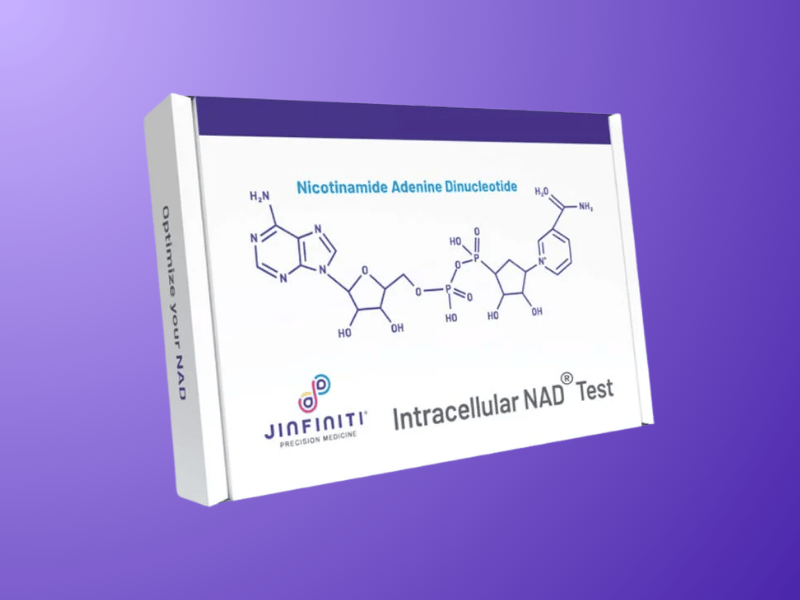
Jinfiniti Intracellular NAD Test on purple background

Menopause Brain Fog Has Two Causes, Not One

The standard explanation for menopause brain fog begins and ends with estrogen. Estrogen drops, cognition changes, here are some adaptogens and B vitamins. Take something, see if it helps.

That approach works for some women. For others, the results are inconsistent — and the reason is usually that only one of two distinct mechanisms is being addressed.

What Estrogen Does for Your Brain

Estrogen isn’t just a reproductive hormone. It regulates neurotransmitter activity (serotonin, dopamine, acetylcholine), supports synaptic density in the hippocampus, and helps maintain glucose transport into neurons. A 2023 review in Therapeutic Advances in Endocrinology and Metabolism found that the menopause-related decline in circulating estrogen may significantly reduce brain bioenergetics, contributing to increased risk of cognitive decline and late-onset Alzheimer’s disease in postmenopausal women.

This explains why women frequently report trouble with word recall, focus, and processing speed during perimenopause, even when standard bloodwork looks completely normal.

Why Cellular Energy Is the Missing Piece

Estrogen also plays a supporting role in mitochondrial function and NAD+ metabolism within brain tissue. NAD+ (nicotinamide adenine dinucleotide) is the coenzyme your cells use to produce energy. Your brain consumes roughly 20% of your body’s total energy output, even at rest. When NAD+ levels drop, brain cells have less fuel for signal transmission, cellular repair, and clearing metabolic waste.

NAD+ levels decline naturally with age, typically beginning in the 30s. A 2024 review in Frontiers in Endocrinology found that estrogen’s decline during menopause drives measurable changes in brain structure, connectivity, and energy metabolism. The hormonal and cellular energy declines aren’t separate events. They’re compounding each other.

Your brain ends up running on less fuel, with less hormonal support, at the same time.

Why Standard Bloodwork Won’t Catch This

A standard metabolic panel won’t detect NAD+ deficiency. Neither will a basic hormone panel. Women experiencing real cognitive symptoms in perimenopause are frequently told their tests look fine, because the biomarkers driving the problem aren’t on the panel. If you’ve been in that situation, our article on the causes of fatigue that blood tests miss covers this directly. Normal bloodwork and cellular dysfunction are not mutually exclusive.

What Makes a Supplement Worth Taking for Brain Fog?

The supplement market for menopause is large, and as Harvard Health has noted, not always well-regulated. Many products make claims that outpace the evidence.

Before choosing a supplement, consider what you’re actually trying to address. Some target the hormonal pathway (B vitamins, vitamin D, adaptogens). Some target the cellular energy pathway (NAD+ precursors, creatine). Some work on both. Which matters most depends on what’s actually depleted.

Targeting the Root Cause, Not the Symptom

A sleep-disrupting progesterone drop is a different problem than a NAD+ shortfall, and the supplement that addresses one won’t fix the other. Identify what’s actually low, then address it precisely. That’s harder than following a generic supplement list, but considerably more likely to produce results you can feel.

One Overlooked Reason Supplements Don’t Work

NAD+ precursor supplements are typically dosed based on population averages, not individual baseline levels. Someone with severely depleted NAD+ needs a very different dose than someone in the suboptimal range. Without a starting measurement, you’re supplementing blind and often under-dosing the specific problem driving your symptoms.

The Best Supplements for Menopause Brain Fog

The supplements below are ranked by the strength of evidence relevant to cognitive function in midlife women. Evidence quality varies across the list; we’re explicit about where it’s strong and where it’s preliminary.

1. NAD+ Precursors: NMN and NR

If the cellular energy component is a meaningful driver of your brain fog, this is the most targeted intervention available.

NMN and NR supply the raw materials your cells use to synthesize NAD+. Researchers have measured age-dependent NAD+ reductions in intact human brain tissue directly, and clinical trials of NR at 1,000 mg/day have produced up to a 2.7-fold increase in blood NAD+ within a week. On the mechanistic side, NAD+ activates Sirt1, which regulates the mitochondrial biogenesis and antioxidant systems neurons depend on for energy. A preclinical study in Journal of Neuroinflammation found that NAD+ repletion improved learning and memory in a cognitive impairment model by restoring this pathway. Animal data shouldn’t be read as a direct prediction of human outcomes, but the mechanism is well-characterized. Human trials on brain-specific outcomes in menopause are still underway.

A multi-pathway formula outperforms single-precursor supplements. Jinfiniti’s Vitality↑® NAD+ Booster combines NMN with Niacinamide, Creatine Monohydrate, and D-Ribose. In a clinical trial of 26 adults aged 35–65, 85% reached optimal NAD+ levels within four weeks, with average levels roughly doubling. No single-ingredient precursor has matched those results in the same population.

2. Creatine

Creatine is most associated with muscle performance. The cognitive research is newer, but the mechanism is straightforward.

The brain runs largely on phosphocreatine, a fast-acting energy reserve neurons draw on for focus, working memory, and processing speed. When stores are depleted, cognitive performance drops measurably. A 2023 systematic review and meta-analysis in Nutrition Reviews, covering 10 randomized controlled trials, found that creatine supplementation improved memory in healthy adults compared to placebo. The effect was most pronounced in older adults (ages 66–76), where the benefit was more than three times larger than in younger participants.

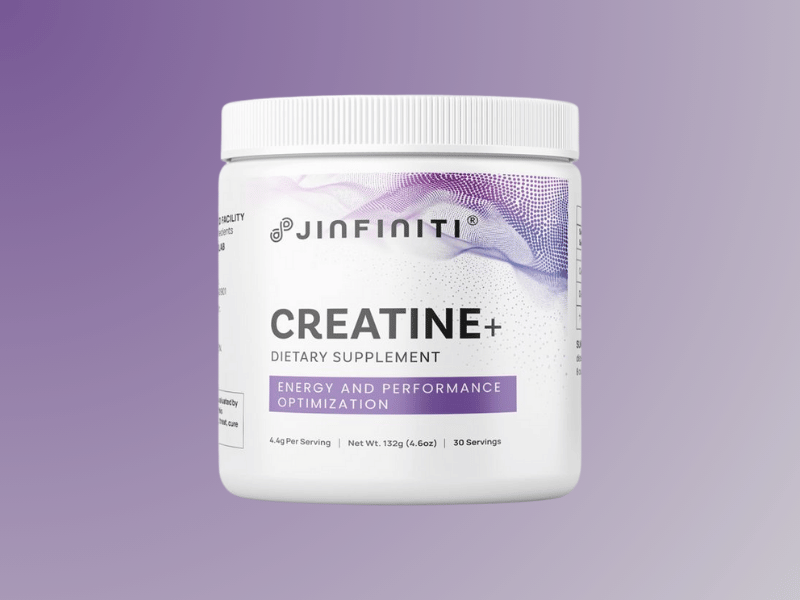
Creatine is also one of the four ingredients in the Vitality NAD+ Booster formula, so it doesn’t require a separate supplement if you’re already addressing the NAD+ side of the equation.

3. Magnesium Glycinate

Magnesium doesn’t target NAD+ or hormonal brain function directly, but it addresses something that significantly amplifies brain fog when it’s dysregulated: sleep.

Night sweats and insomnia are among the most common perimenopause complaints, and poor sleep will compound cognitive symptoms regardless of what else you’re doing. Magnesium glycinate has a calming effect on the nervous system that makes it the most relevant form for sleep support. It’s also more absorbable than oxide or citrate forms and less likely to cause gastrointestinal side effects.

If disrupted sleep is part of your picture, magnesium glycinate deserves a place in the protocol. See The Best Magnesium Supplements for Sleep for a breakdown of forms and dosing.

4. Vitamin D3 + K2

Vitamin D receptors are distributed throughout the brain, including in areas involved with memory and mood regulation. Low vitamin D is extremely common in postmenopausal women, and deficiency is associated with poorer cognitive performance. It’s not the most targeted intervention for brain fog specifically, but it’s a foundational micronutrient gap that’s easy to miss and worth ruling out.

The K2 pairing matters. Vitamin D3 taken without K2 can direct calcium into arteries rather than bone. MK-7, the form used in Jinfiniti’s Vitamin D3 + K2, stays active in the body for approximately 72 hours compared to 8 hours for other K2 forms, making it the more effective option for sustained calcium direction.

5. B Vitamins (B12, B6, Folate)

B vitamins support nerve function and help regulate homocysteine, an amino acid that, when elevated, is independently associated with cognitive decline. B12 deficiency is particularly common as women age, since lower stomach acid production reduces absorption over time. If you haven’t had B12 levels checked recently, it’s a reasonable baseline to establish.

These aren’t specifically targeted at the cellular energy decline of menopause, but the evidence for homocysteine reduction is solid and deficiencies are common enough to address.

How to Know If Your Supplements Are Working

For most supplements, there’s no way to verify they’re working. You take them, wait a few weeks, and try to notice whether you feel different.

Sleep, stress, hormonal fluctuation, and placebo effect all shape how you perceive your own cognition. Without a baseline, you can’t know whether the supplement changed anything.

Testing Your NAD+ Levels Before and After

For the cellular energy piece, this is solvable. Jinfiniti’s Intracellular NAD® Test is an at-home finger-prick blood spot test that measures intracellular NAD+ levels with CLIA-certified accuracy. Results arrive within a week. Optimal range is 40–100 μM; most people presenting with fatigue and brain fog are measurably below it.

Testing before you start supplementing tells you exactly where your levels sit. Testing again at four to six weeks tells you whether the intervention worked and whether the dose needs adjusting.

As Dr. Jin-Xiong She, founder of Jinfiniti and the scientist behind the Vitality NAD+ Booster formula, explains: “Most people assume their NAD+ is fine because nothing in their standard panel flagged it. But intracellular NAD+ isn’t on a standard panel. The only way to know is to measure it — and the number changes how you interpret everything else.”

When to Retest and Adjust

If your four-week post-supplementation test shows levels in the optimal range (40–100 μM), your dose is working. If you’re still suboptimal, dose adjustment is likely needed. Some people require more than the standard serving to reach target levels, particularly when baseline levels were severely deficient. Retesting every three to four months while optimizing is a reasonable cadence.

RELATED READING

Frequently Asked Questions

What is the best supplement for menopause brain fog?

There’s no single best supplement. The most effective intervention depends on which root cause is driving the fog. For cellular energy deficiency, which is measurable via NAD+ testing, a multi-pathway NAD+ booster that includes creatine is the most targeted option. For sleep disruption amplifying cognitive symptoms, magnesium glycinate addresses a different part of the picture. A baseline test is the most efficient starting point before committing to a specific protocol.

Can NAD+ supplements help with menopause brain fog?

Research suggests that NAD+ precursors like NMN and NR may support cognitive function by restoring the cellular energy reserves that estrogen previously helped maintain in brain tissue. Human clinical data on brain-specific outcomes is still developing, but the mechanism is well-characterized and consistent with the broader evidence base on NAD+ and aging. Testing your baseline NAD+ levels before supplementing helps determine whether this is a meaningful factor for you.

Does creatine help with brain fog during perimenopause?

Evidence is growing. A 2023 meta-analysis found creatine supplementation improved memory in healthy adults, with the most pronounced effects in older age groups. The brain relies on phosphocreatine for high-demand cognitive tasks, and low stores correspond to the kind of processing lag many perimenopausal women describe. Creatine is also safe, well-studied, and among the more evidence-backed supplements available for cognitive support in midlife.

How long does it take for supplements to help with menopause brain fog?

It varies by supplement and by how depleted you are at baseline. For NAD+ precursors, Jinfiniti’s clinical trial found that 85% of participants reached optimal NAD+ levels within four weeks. Creatine loading protocols can produce measurable effects faster; maintenance dosing takes longer. Magnesium and vitamin D3 changes tend to become apparent over four to eight weeks. Testing at baseline and again after four to six weeks of consistent supplementation is the most reliable way to track actual progress.

  1. Zhu J, Zhou Y, Jin B, Shu J. Role of estrogen in the regulation of central and peripheral energy homeostasis: from a menopausal perspective. Therapeutic Advances in Endocrinology and Metabolism. 2023;14. https://doi.org/10.1177/20420188231199359
  2. Zhang C, Feng X, Zhang X, et al. Research progress on the correlation between estrogen and estrogen receptor on postmenopausal sarcopenia. Frontiers in Endocrinology. 2024;15:1494972. https://doi.org/10.3389/fendo.2024.1494972
  3. Hou Y, Lautrup S, Cordonnier S, et al. NAD+ in brain aging and neurodegenerative disorders. Cell Metabolism. 2019;30(4):630-655. https://doi.org/10.1016/j.cmet.2019.09.001
  4. Liang Y, Wan X, Qin W, et al. NAD+ improves cognitive function and reduces neuroinflammation by ameliorating mitochondrial damage and decreasing ROS production in chronic cerebral hypoperfusion models through Sirt1/PGC-1α pathway. Journal of Neuroinflammation. 2021;18(1):207. https://doi.org/10.1186/s12974-021-02250-8
  5. Prokopidis K, Giannos P, Triantafyllidis KK, et al. Effects of creatine supplementation on memory in healthy individuals: a systematic review and meta-analysis of randomized controlled trials. Nutrition Reviews. 2023;81(4):416-427. https://doi.org/10.1093/nutrit/nuac064
A woman with brain fog after eating holds her head

Brain Fog After Eating: Why Meals Can Leave You Mentally Drained

What You Should Know

  • Brain fog after eating is distinct from ordinary post-meal tiredness — it involves slowed thinking, difficulty concentrating, and reduced processing speed, not just drowsiness.
  • Blood sugar spikes and crashes are a common trigger, but don’t explain why fog persists in people who already eat low-glycemic, balanced meals.
  • Mitochondria require NAD+ to convert glucose into usable brain energy — when NAD+ is depleted, that conversion stalls regardless of what you ate.
  • Persistent post-meal fog is worth measuring, not just eating around.

You ate a reasonable meal — maybe some pasta, a sandwich, a normal lunch. Thirty minutes later, you’re at your desk and your thinking has turned to mud. Words are slower, concentration is gone, and a task that should take 10 minutes is taking 45.

Post-meal brain fog — sometimes called postprandial cognitive impairment — is a real and measurable phenomenon, and the causes are more layered than most explanations acknowledge. Blood sugar gets most of the attention. For many people, though, the bottleneck is happening deeper, at the level of cellular energy conversion itself.

CLIA-Certified NAD Blood Test

Find out if your NAD+ is in the healthy range.

Jinfiniti Intracellular NAD Test on purple background

What Is Post-Meal Brain Fog, Exactly?

Post-meal fatigue and post-meal brain fog are not the same thing, and conflating them points toward the wrong fixes.

Post-meal fatigue is largely physical: heaviness, drowsiness, the pull toward a couch. That’s normal to a degree, driven by blood flow shifting toward digestion and certain amino acids (like tryptophan from protein) crossing into the brain.

Post-meal brain fog is cognitive. A 2007 study tracking postprandial glycemia and cognitive function in healthy middle-aged adults found measurable declines in processing speed, attention, and working memory after meals — with sharper glucose drops producing worse cognitive outcomes. And a 2025 study in Medicina found that gastrointestinal symptom severity was positively correlated with brain fog scores, with gut health serving as a significant predictor of cognitive symptoms after meals.

If you’re losing your train of thought mid-sentence or feel like you’re thinking through wet cement for an hour or two after eating, that pattern is the one worth understanding.

How Long Does Post-Meal Brain Fog Last?

Typically 1–3 hours, depending on the trigger and your baseline metabolic health. Blood sugar-driven fog tends to peak 30–60 minutes after eating and clears as glucose restabilizes. Inflammation-driven fog — from food sensitivities — can persist several hours longer.

If it’s happening consistently after most meals, that frequency is itself a data point. It means something in the energy conversion process isn’t keeping pace with demand.

Why Does Blood Sugar Only Tell Part of the Story?

Blood sugar is the most frequently cited cause of post-meal brain fog, and the mechanism is real.

When you eat refined carbohydrates — white bread, pasta, processed foods, added sugar — glucose enters the bloodstream rapidly. The pancreas releases insulin to clear it. If that response overshoots, blood glucose drops sharply, and the brain — which consumes roughly 20% of the body’s total energy and runs almost exclusively on glucose — finds itself temporarily underfueled. That’s what produces the fog.

The problem is that this explanation doesn’t account for people who still experience post-meal fog after cleaning up their diet. The issue in those cases isn’t just upstream (what they’re eating) — it’s downstream: what cells can do with the glucose once it arrives.

Insulin Resistance as an Underlying Cause

When insulin resistance is present, cells become less responsive to insulin’s signals. Glucose circulates in the bloodstream but can’t enter cells effectively — including neurons. The fuel is available but can’t be used.

A 2023 review published in Frontiers in Endocrinology showed that insulin resistance combined with chronic low-grade inflammation disrupts brain function in ways consistent with brain fog symptoms. This matters because according to the CDC, roughly 80% of people with prediabetes don’t know they have it. Post-meal cognitive symptoms can be one of the earliest signs.

Why Doesn’t Low-GI Eating Always Fix It?

The standard advice — lower-glycemic meals, protein and fat to slow glucose absorption, less refined sugar — is sound and does reduce fog frequency for people whose primary issue is blood sugar reactivity. For those whose fog persists despite those changes, the bottleneck is usually cellular, not dietary.

What Role Do Your Mitochondria Play?

Getting glucose into the bloodstream is only the first step. The brain doesn’t run on glucose directly — it runs on ATP, the molecule cells use to power virtually every function. The conversion from glucose to ATP happens inside mitochondria, through a chain of reactions that requires a specific coenzyme at multiple steps: NAD+.

NAD+ and the Mitochondrial Energy Chain

NAD+ (nicotinamide adenine dinucleotide) is an essential electron carrier in mitochondrial energy production. During oxidative phosphorylation — the process by which mitochondria generate the bulk of cellular ATP — NAD+ accepts and transfers electrons down the respiratory chain. When NAD+ is insufficient, that chain slows, ATP output drops, and the brain is among the first organs to register the deficit.

The implication: even after a reasonable meal, if NAD+ levels are too low to support efficient energy conversion, cognitive performance suffers in the postprandial window. The glucose is present. The machinery to process it is underperforming.

What Is NAD and Why Does It Matter for Your Energy? covers the full mechanism in more detail.

Who NAD+ Depletion Hits Hardest

NAD+ declines naturally with age, with levels typically becoming clinically relevant in the 30s and 40s. Metabolic stress, chronic inflammation, poor sleep, and high caloric load all accelerate the decline — conditions that also, predictably, make post-meal brain fog worse.

A 2022 review in Nutrients found that NAD+ depletion is a consistent factor in cognitive decline across multiple conditions, including diabetes and age-related impairment. A separate preclinical study found that restoring NAD+ levels via NMN in diabetic models preserved mitochondrial oxidative phosphorylation function, prevented hippocampal neuron loss, and maintained cognitive performance. These are animal models — human data on NAD+ and post-meal cognition specifically remains limited — but the mechanism is well-established.

“When people tell me they feel mentally sluggish after eating and dietary changes haven’t resolved it, the first question I ask is what their intracellular NAD+ levels look like,” says Dr. Jin-Xiong She, founder of Jinfiniti Precision Medicine. “Glucose metabolism and NAD+ availability are deeply linked. You can’t separate post-meal cognitive energy from what’s happening in the mitochondria.”

What Else Worsens Post-Meal Brain Fog?

The cellular energy bottleneck rarely operates alone. Several common factors compound it, and identifying which ones are active matters for choosing the right response.

CauseTypical PatternWho It Affects Most
Blood sugar crashFog 30–60 min after high-carb meals; clears within an hourAnyone eating refined carbohydrates regularly
Insulin resistanceFog even after moderate meals; worsens over timeAdults 35+, sedentary, metabolically stressed
NAD+ depletionFog despite clean eating; worsens with age or chronic fatigueAdults 40+, anyone with known metabolic decline
Food sensitivityFog 1–4 hours post-meal; tied to specific trigger foodsPeople with gut symptoms or autoimmune history
Cortisol dysregulationFog worse on high-stress days, independent of food choiceChronic stress, poor sleep, shift workers

Food Sensitivities and the Gut-Brain Axis

For people with gluten sensitivity, certain FODMAPs, or lactose intolerance, eating a trigger food initiates an immune response that sends inflammatory signals through the gut-brain axis to the brain. The cognitive effect can outlast blood sugar-related fog by several hours.

An estimated 6% of the population has non-celiac gluten sensitivity, and celiac disease prevalence has risen five-fold over the past 50 years — though many cases go undiagnosed. Identifying sensitivities requires systematic elimination, not intuition.

Chronic inflammatory burden also amplifies the cellular energy problem. The Best Anti-Inflammatory Supplements for Calming Inflammation covers how inflammatory load affects energy and cognition.

How Does Stress Make Post-Meal Fog Worse?

Cortisol, the body’s primary stress hormone, directly regulates blood sugar. When cortisol levels are chronically elevated or following an abnormal diurnal rhythm, glucose management after meals becomes less stable — spikes are more pronounced, and the subsequent drop is steeper.

If post-meal fog reliably worsens on high-stress days regardless of what you eat, cortisol dysregulation may be a primary contributor rather than a secondary one. How to Test Cortisol Levels: Methods, Timing, and Next Steps explains what testing looks like and how to interpret it.

Meal Size and Blood Flow Redistribution

Large meals trigger a significant increase in blood flow to the gastrointestinal tract to support digestion. This transient redistribution can mildly reduce cerebral perfusion at exactly the moment mitochondria are being asked to ramp up ATP production. The effect is minor on its own but amplifies all other causes.

What Actually Helps With Post-Meal Brain Fog?

The right intervention depends on which cause is active. For most people, at least two or three of these factors are overlapping.

Food and Lifestyle Changes to Try First

These apply broadly and carry low risk. Start here before testing or supplementing.

  • Lower the glycemic load of your meals. Replacing refined carbohydrates with whole grains, legumes, and fiber-rich vegetables reduces glucose spikes and smooths the insulin response. This is the most effective starting point for people whose fog correlates with high-carb meals.
  • Add protein and fat to every meal. Both slow gastric emptying and moderate glucose absorption. If your meals are primarily carbohydrate-based, this is an easy adjustment with a measurable effect.
  • Eat smaller portions. This reduces the blood flow redistribution effect and lessens the simultaneous demand on mitochondrial energy systems.
  • Walk for 10 minutes after eating. Postprandial movement significantly improves glucose clearance — a finding that has replicated consistently across studies and requires no equipment.
  • Identify food triggers systematically. If fog follows certain foods reliably, eliminate one at a time and reintroduce after two to three weeks. Avoid eliminating broad food groups simultaneously.

Talk with your clinician before making significant dietary changes, especially if you’re managing a metabolic condition or taking medications that affect blood sugar.

What Should You Do If Diet Changes Don’t Fix It?

If fog persists after a few weeks of dietary adjustment, the problem is most likely cellular rather than dietary — and the appropriate response is measurement, not more elimination.

Intracellular NAD+ levels are measurable through an at-home finger-prick test, the Intracellular NAD panel. Optimal levels fall between 40–100 μM; below that range, mitochondrial energy conversion is likely compromised. This is distinct from what standard blood panels measure — conventional tests don’t assess NAD+ or cellular energy status, which is why post-meal fog so often persists despite “normal” results.

Our article on being tired all the time despite normal blood tests covers why conventional testing misses cellular-level dysfunction, and what to look for instead.

NAD+ supplementation isn’t a solution for everyone with post-meal fog. For people whose fog is primarily driven by food sensitivities or cortisol dysregulation, it won’t be the primary lever. But for those with cellular energy bottlenecks — especially adults over 40 with persistent fog despite a clean diet — measuring NAD+ is the most direct way to know whether mitochondrial function is a limiting factor.

Frequently Asked Questions

Why Do I Get Brain Fog After Eating Carbs?

Refined carbohydrates cause rapid glucose spikes followed by an insulin-driven drop that temporarily cuts the brain’s fuel supply. This is the blood sugar mechanism — the most common explanation and often a real contributing factor. It’s compounded when insulin resistance is present, or when NAD+ levels are too low to efficiently convert the glucose that does make it into cells.

How Long Does Brain Fog After Eating Last?

Typically 1–3 hours. Blood sugar-related fog often resolves within an hour as glucose stabilizes. Inflammation-driven fog from food sensitivities can persist for several hours. Fog lasting consistently beyond 2–3 hours suggests something other than a simple glucose response.

Can Brain Fog After Eating Be a Sign of Something Serious?

Persistent post-meal fog can be an early signal of insulin resistance or prediabetes, conditions most people aren’t aware of until they’re further along. It can also indicate significant NAD+ depletion, thyroid dysfunction, or celiac disease. Consistent symptoms after meals — especially if they don’t improve with dietary changes — are worth evaluating with biomarker testing.

Does Intermittent Fasting Help With Post-Meal Brain Fog?

For some people, yes. Fasting periods allow insulin to reset and may improve insulin sensitivity over time, reducing the severity of post-meal crashes. People who report sharper thinking in a fasted state than after eating are often experiencing a glucose-dependency issue rather than a true cellular energy ceiling — a meaningful distinction for choosing the right intervention.

What Foods Cause the Most Post-Meal Brain Fog?

Refined carbohydrates and added sugar are the most consistent triggers, with cognitive effects peaking 30–60 minutes after eating. Gluten (in people with sensitivity), dairy, and high-FODMAP foods are the next most common culprits. The specific pattern — which foods, how soon afterward, and how long it lasts — is useful diagnostic information worth tracking.

Featured image of homocysteine amino acid in the blood

Homocysteine Testing Guide: Ranges, Results and When It Matters

The homocysteine test measures a specific marker that reflects how well your body processes B vitamins and manages a cycle called one-carbon metabolism. When this system works efficiently, homocysteine levels stay low. When it doesn’t, levels rise and signal potential problems with nutrition, genetics, or underlying health conditions.

Here’s what makes this test interesting: elevated homocysteine doesn’t just point to one issue. It can reveal B vitamin deficiencies, kidney problems, genetic variations, or increased risk for cognitive decline.

What You Should Know

  • Homocysteine is a sulfur-containing amino acid that reflects how efficiently your body uses B vitamins
  • Normal levels typically fall below 15 μmol/L, while elevated levels are classified into moderate, intermediate, and severe categories
  • High levels most often result from deficiencies in folate (B9), B12, or B6 rather than serious disease
  • Testing makes the most sense for diagnosing nutritional deficiencies, evaluating cognitive concerns, or managing chronic kidney disease

What is Homocysteine?

Homocysteine is an amino acid, but not one that gets built into proteins like the amino acids you eat in food. It is a metabolic intermediate. This means it forms when your body breaks down methionine(an essential amino acid from your diet). After that, it is quickly converted into other substances that your body needs.

Think of it as a temporary product in an assembly line. Your body doesn’t want homocysteine hanging around. When everything works correctly, enzymes rapidly transform it into either methionine or cysteine, keeping blood levels low.

The entire process depends on B vitamins serving as cofactors (helper molecules that make reactions happen). Without enough folate, B12, and B6, the conversion slows down and homocysteine accumulates.

Why Homocysteine Levels Matter for Cellular Health

The real issue with elevated homocysteine isn’t the molecule itself but what it signals about cellular methylation. Methylation is how your cells add small chemical groups to DNA, proteins, hormones, and neurotransmitters to control their function.

When homocysteine builds up, it creates a compound called S-adenosylhomocysteine (SAH) that blocks methylation enzymes. Cells can’t properly maintain DNA, produce neurotransmitters, or regulate inflammation[1].

This methylation failure, not homocysteine toxicity itself, appears to drive many of the health problems associated with high levels. Brain function suffers particularly hard since neurons rely heavily on methylation for neurotransmitter production and membrane maintenance.

What Does a Homocysteine Blood Test Measure?

The test measures total homocysteine (tHcy) concentration in your blood, reported in micromoles per liter (μmol/L). A lab technician draws blood from your arm, usually after you’ve fasted for 8-12 hours, since eating can temporarily affect results.

Most labs use a technique called immunoassay or liquid chromatography to quantify the exact amount present. The test itself is straightforward, but interpreting what the number means requires understanding your individual health context.

Who Should Get Tested?

Testing makes sense in specific situations, not as routine screening for everyone. You might benefit from a homocysteine test if you’re experiencing symptoms that suggest B vitamin deficiency:

  • Unusual fatigue or weakness
  • Memory problems or difficulty concentrating
  • Numbness or tingling in hands and feet
  • Balance issues or unsteady gait
  • Changes in mood or cognitive function

Doctors also order the test when evaluating newborns for homocystinuria, a rare genetic disorder causing extremely high levels. If you have chronic kidney disease, your physician might monitor homocysteine since kidney function directly affects how well your body clears it.

People with unexplained cognitive decline often get tested. Research shows that elderly individuals with mild cognitive impairment and elevated homocysteine may benefit from specific interventions that those with normal levels don’t need.

When Testing Doesn’t Make Sense

Major medical organizations, including the American Heart Association, advise against routine homocysteine screening for cardiovascular disease prevention in healthy people[2]. Large clinical trials found that lowering homocysteine with B vitamins didn’t reduce heart attack or stroke risk in unselected populations.

The test works best as a diagnostic tool for specific conditions, not as a general wellness metric. If you’re healthy, eating a balanced diet, and have no symptoms suggesting B vitamin problems, testing likely won’t change your health management.

CLIA-Certified Longevity Testing

Measure Homocysteine with 27 other longevity biomarkers.

Jinfiniti AgingSOS green gradient background

Understand Your Homocysteine Test Results

Labs typically consider levels below 15 μmol/L normal for adults. That threshold reflects the point where most healthy people with adequate B vitamin status fall.

Your results get classified into categories that help doctors determine what’s causing elevation and how aggressively to treat it.

Normal Homocysteine Levels

If your result comes back under 15 μmol/L, your body is efficiently converting homocysteine through the remethylation and transsulfuration pathways. This suggests:

  • You’re getting enough B vitamins from food or supplements
  • Your liver and kidneys are functioning well enough to process homocysteine properly
  • Your methylation cycle is working as designed

Normal levels don’t guarantee you’re free from other health issues. They simply indicate this particular metabolic cycle is working efficiently.

What High Homocysteine Levels Mean

Doctors classify elevated homocysteine into three severity levels based on concentration:

  • Moderate elevation (15-30 μmol/L): This range most often signals nutritional deficiencies in folate, B12, or B6. It can also occur in people with the MTHFR C677T genetic variant, which reduces the efficiency of folate metabolism by about 35%.
  • Intermediate elevation (30-100 μmol/L): You’ll see levels this high with more serious B vitamin depletion, chronic kidney disease, or certain medications like methotrexate and anti-seizure drugs. About 70% of homocysteine gets metabolized by the kidneys, so any kidney impairment can push levels into this range[2].
  • Severe elevation (>100 μmol/L): Levels above 100 μmol/L strongly suggest homocystinuria or another inborn error of metabolism. These rare genetic conditions prevent enzymes from working at all, causing homocysteine to accumulate to toxic concentrations.

Dr. Jin-Xiong She explains it this way: “Homocysteine testing functions as a window into cellular methylation efficiency. When we see elevated levels, we’re not just looking at one molecule, we’re seeing evidence that thousands of methylation reactions throughout the body may be impaired. That’s why the test is valuable for precision health optimization, even though it’s fallen out of favor for routine heart health screening.”

What Causes Elevated Homocysteine?

Several factors can push homocysteine above normal ranges. Understanding the cause determines the right intervention.

B Vitamin Deficiencies

Insufficient folate (B9) has the strongest impact on homocysteine levels. Research shows folate status contributes more to elevated homocysteine than other factors. The MTHFR enzyme needs activated folate to convert homocysteine back to methionine.

Vitamin B12 deficiency contributes almost as much. A 2017 study in Yunnan Province, China examined over 500 adults and found that folate status had the greatest impact on homocysteine levels, followed by MTHFR genotype, and then B12 status[3].

B6 plays a different role. It’s needed for the transsulfuration pathway that converts homocysteine to cysteine. Deficiency here matters less for most people than folate or B12 shortfalls.

Other Contributing Factors

Several conditions and lifestyle factors can raise the level of homocysteine beyond normal ranges:

Age: Levels rise progressively after age 50 due to declining kidney function, reduced enzyme activity, and changes in hormone status. This age-related increase explains why older adults show higher baseline readings even when otherwise healthy.

Chronic kidney disease: Damaged kidneys can’t metabolize and clear homocysteine effectively. Patients with moderate to severe kidney impairment often show intermediate elevation (30-100 μmol/L) regardless of vitamin status.

Medications: Several drugs interfere with B vitamin metabolism:

  • Methotrexate blocks folate processing
  • Anti-epileptic drugs increase breakdown of B vitamins
  • Proton pump inhibitors reduce B12 absorption over time

High methionine intake: Since methionine converts to homocysteine during metabolism, eating excessive amounts of methionine-rich foods (mostly animal proteins) without adequate B vitamins creates a metabolic bottleneck.

Homocysteine and Heart Health: What Research Shows

The relationship between homocysteine and cardiovascular disease has generated decades of research and considerable debate.

The Cardiovascular Connection Explained

People with the rare genetic condition homocystinuria develop severe atherosclerosis and blood clots in their teens and twenties when homocysteine levels exceed 100 μmol/L. This observation led researchers to hypothesize that even moderately elevated levels might damage blood vessels[2].

Studies show that high homocysteine concentrations can damage blood vessels through several mechanisms[2]:

  • Damaging endothelial cells lining blood vessels
  • Promoting oxidative stress and inflammation
  • Creating a pro-thrombotic environment that encourages inappropriate clotting

The mechanisms are real and reproducible in test tubes and animal models.

Observational studies in humans found associations between elevated homocysteine and increased risk of cardiovascular disease. A meta-analysis of multiple cohort studies suggested that each 5 μmol/L increase in homocysteine correlated with about a 20% increase in coronary heart disease risk[4].

That sounds concerning. But observational data can’t prove causation, only correlation.

Why Experts Don’t Recommend Routine Screening

The critical test came from randomized controlled trials. Researchers gave thousands of people B vitamin supplements (folic acid, B12, and B6) to lower their homocysteine by 25-33%. If elevated homocysteine caused cardiovascular disease, reducing it should prevent heart attacks and strokes.

It didn’t work. A comprehensive meta-analysis of 56,000 participants across multiple trials found[5]:

  • Major cardiovascular events: Risk ratio 0.98 (no reduction)
  • Myocardial infarction: Risk ratio 0.99 (no reduction)
  • Stroke: Risk ratio 0.94 (no significant reduction)
  • Total mortality: Risk ratio 1.01 (no reduction)

B vitamins successfully lowered homocysteine. They failed to reduce cardiovascular outcomes.

This disconnect suggests homocysteine functions as a marker of underlying metabolic dysfunction rather than a direct cause of heart disease. Animal research supports this interpretation: mice fed high-methionine diets developed atherosclerosis even when their homocysteine stayed normal, while mice with severe B vitamin deficiency and very high homocysteine showed no increased vascular disease[6].

The real culprit may be toxic byproducts of methionine metabolism that B vitamins don’t address. That’s why the American Heart Association now advises against routine homocysteine screening for cardiovascular prevention[7].

Homocysteine and Brain Health

While cardiovascular benefits remain questionable, the connection between homocysteine and cognitive function appears more promising.

The Link to Cognitive Decline

Elevated homocysteine correlates with increased risk of dementia, Alzheimer’s disease, and general cognitive impairment in older adults. A study of Parkinson’s disease patients found those with cognitive impairment had significantly higher homocysteine levels (21.8 ± 7.9 μmol/L) compared to those without cognitive decline (17.5 ± 6.3 μmol/L)[8].

The mechanism likely involves the methylation failure discussed earlier. Brain tissue requires constant methylation for:

  • Neurotransmitter synthesis (serotonin, dopamine)
  • Myelin maintenance around nerve fibers
  • DNA repair in neurons
  • Membrane lipid regulation

When elevated homocysteine levels accumulate and SAH blocks methylation enzymes, neurons can’t maintain normal function.

Low B vitamin status also reduces production of tetrahydrobiopterin, a cofactor needed to make serotonin and dopamine. This double hit, impaired methylation plus reduced neurotransmitter synthesis, may explain why B vitamin deficiency affects mood and cognition so profoundly.

When Testing Helps with Memory Concerns

Here’s where homocysteine testing becomes clinically valuable. Intervention trials in elderly people with mild cognitive impairment and elevated homocysteine showed that high-dose B vitamin supplementation (folic acid, B6, and B12) significantly slowed brain atrophy and cognitive decline[9].

The same intervention doesn’t work in people with normal homocysteine levels. Testing identifies who might benefit from targeted supplementation.

If you’re over 65 and experiencing memory problems, checking homocysteine alongside other biomarkers for cognitive health makes sense. Elevated levels suggest a potentially treatable contributor to your symptoms.

An international consensus statement published by leading researchers argued that if larger trials confirm homocysteine lowering slows dementia progression, screening should expand to all adults over 65, the age when cognitive decline accelerates[10].

🧬 MORE BIOMARKER TESTING

How to Lower High Homocysteine Levels

If testing reveals elevated homocysteine, the treatment approach depends on what’s causing the increase.

B Vitamin Supplementation That Works

The most effective protocol combines folic acid (0.5-5 mg daily) with vitamin B12 (0.5 mg daily). This combination reduces homocysteine by 25-33% in most people who aren’t getting folic acid from fortified foods[11].

B12 provides about a 7% additional reduction beyond what folate achieves alone. B6 supplementation (typically 16.5 mg daily) doesn’t add further benefit when combined with folate and B12[11].

What to expect from supplementation:

  • Results visible within 4-6 weeks of starting
  • Retest at 8-12 weeks to confirm effectiveness
  • People with MTHFR 677TT genotype respond particularly well
  • Adequate supplementation overcomes genetic limitations

Dietary Changes That Help

Food sources rich in B vitamins can support healthy homocysteine metabolism:

Folate-rich foods:

  • Dark leafy greens (spinach, kale, romaine lettuce)
  • A cup of cooked spinach delivers about 260 mcg of folate
  • Asparagus, broccoli, and Brussels sprouts

B12 sources:

  • Meat, fish, eggs, and dairy products
  • Animal products provide B12 in forms your body readily absorbs
  • Plant-based eaters need fortified foods or supplements

B6 and folate sources:

  • Chickpeas, lentils, and beans
  • Bananas, potatoes, and poultry
  • Fortified whole grains

The catch: if you have genuine B vitamin deficiency, dietary changes alone often can’t normalize elevated homocysteine levels quickly enough. Supplements work faster and more reliably for correction, after which food sources help maintain healthy levels.

Should You Get MTHFR Genetic Testing?

You might have heard about testing for MTHFR gene variants. The question is whether knowing your genotype changes what you should do.

The answer for most people is no. The American College of Medical Genetics and Genomics and the American Heart Association both advise against routine MTHFR testing in clinical practice[7].

Here’s why genetic testing adds little value:

  • Common variants occur in 30-40% of some populations
  • They represent normal genetic variation, not disease
  • Treatment remains the same regardless of genotype (B vitamin supplementation)
  • Testing homocysteine directly shows if your methylation works properly

Testing the level of homocysteine tells you if your genetic variant is causing problems. If levels are normal, your genes aren’t an issue. If levels are high, you need B vitamins whether the elevation comes from genetics, diet, or both.

Save the genetic testing cost. Test the actual metabolite (homocysteine) that matters for your health.

The rare exception is diagnosing severe genetic conditions like homocystinuria in newborns, where genetic confirmation guides specific enzyme replacement therapies.

Test Your Homocysteine with Jinfiniti’s AgingSOS

At Jinfiniti, we include homocysteine as one of 28 biomarkers in the AgingSOS Advanced Panel because it provides insight into metabolic efficiency that other standard tests miss.

What makes comprehensive testing valuable:

  • Homocysteine measured alongside NAD+ levels, inflammatory markers, and oxidative stress indicators
  • See how multiple metabolic systems interact, not just isolated data points
  • Identify patterns that single biomarkers can’t reveal
  • Context for interpreting what’s driving any elevations

The test follows our Test, Act, Optimize (TAO) philosophy. First, measure your baseline through CLIA-certified laboratory testing. Second, act on results with targeted nutrition or supplementation. Third, optimize by retesting after 3-4 months to confirm your interventions worked.

Homocysteine fits particularly well into this framework. It responds reliably to B vitamin supplementation, so you can track objective improvement. That’s different from some biomarkers where intervention effects remain unclear or take years to manifest.

The AgingSOS panel also includes markers for kidney function and inflammation, which helps interpret what’s driving elevated homocysteine if levels come back high. You get context, not just an isolated number.

Final Thoughts

Homocysteine testing works best as a precision tool for specific situations, not as routine screening. The evidence shows distinct clinical applications:

When testing provides value:

  • Diagnosing B vitamin deficiencies causing symptoms
  • Evaluating cognitive changes in older adults
  • Managing chronic kidney disease
  • Monitoring metabolic health in high-risk populations

When testing isn’t recommended:

  • Routine cardiovascular screening in healthy people
  • General wellness checks without specific symptoms
  • Replacing direct measurement of other risk factors

The cardiovascular story turned out more complicated than researchers initially hoped. Lowering elevated homocysteine levels doesn’t prevent heart attacks in most people. But for brain health in older adults with high levels, intervention may slow cognitive decline.

Your homocysteine level reflects how efficiently your cells perform thousands of methylation reactions every second. When the number rises, it signals metabolic stress that targeted nutrition can often correct.

Test strategically, interpret results in context, and act on findings with evidence-based interventions. That’s how you turn a simple blood test into meaningful health optimization.

Referenced Sources

  1. Shen W, Gao C, Cueto R, Liu L, Fu H, Shao Y, et al. Homocysteine-methionine cycle is a metabolic sensor system controlling methylation-regulated pathological signaling. Elsevier BV; 2020. https://doi.org/10.1016/j.redox.2019.101322
  2. Varga EA, Sturm AC, Misita CP, Moll S. Homocysteine and MTHFR Mutations. Ovid Technologies (Wolters Kluwer Health); 2005. https://doi.org/10.1161/01.cir.0000165142.37711.e7
  3. Ni J, Zhang L, Zhou T, Xu WJ, Xue JL, Cao N, et al. Association between the MTHFR C677T polymorphism, blood folate and vitamin B12 deficiency, and elevated serum total homocysteine in healthy individuals in Yunnan Province, China. Ovid Technologies (Wolters Kluwer Health); 2017. https://doi.org/10.1016/j.jcma.2016.07.005
  4. Clarke R, Collins R, Lewington S, Donald A, Alfthan G, Tuomilehto J, et al. Homocysteine and risk of ischemic heart disease and stroke: a meta-analysis. Journal of the American Medical Association (JAMA). 2002;288(16):2015–22.
  5. Zhang C, Wang ZY, Qin YY, Yu FF, Zhou YH. Association between B Vitamins Supplementation and Risk of Cardiovascular Outcomes: A Cumulative Meta-Analysis of Randomized Controlled Trials. Public Library of Science (PLoS); 2014. https://doi.org/10.1371/journal.pone.0107060
  6. Troen AM, Lutgens E, Smith DE, Rosenberg IH, Selhub J. The atherogenic effect of excess methionine intake. Proceedings of the National Academy of Sciences; 2003. https://doi.org/10.1073/pnas.2436385100
  7. D’Elia S, Morello M, Titolo G, Caso VM, Solimene A, Luisi E, et al. Homocysteine in the Cardiovascular Setting: What to Know, What to Do, and What Not to Do. MDPI AG; 2025. https://doi.org/10.3390/jcdd12100383
  8. Periñán MT, Macías-García D, Jesús S, Martín-Rodríguez JF, Muñoz-Delgado L, Jimenez-Jaraba MV, et al. Homocysteine levels, genetic background, and cognitive impairment in Parkinson’s disease. Springer Science and Business Media LLC; 2022. https://doi.org/10.1007/s00415-022-11361-y
  9. Miller JW, McCaddon A, Yu JT, Hooshmand B, Refsum H, Smith AD. Concerning the debate about homocysteine, B vitamins, and dementia. SAGE Publications; 2025. https://doi.org/10.1177/13872877251350297
  10. Smith AD, Refsum H, Bottiglieri T, Fenech M, Hooshmand B, McCaddon A, et al. Homocysteine and Dementia: An International Consensus Statement. SAGE Publications; 2018. https://doi.org/10.3233/jad-171042
  11. Clarke R, Armitage J. Vitamin Supplements and Cardiovascular Risk: Review of the Randomized Trials of Homocysteine-Lowering Vitamin Supplements. Georg Thieme Verlag KG; 2000. https://doi.org/10.1055/s-2000-8101
Man holding two supplement bottles

Glutamine vs Creatine: Science-Based Comparison

Choosing between supplements can feel overwhelming when you’re trying to reach your fitness goals. Two of the most popular options are creatine and glutamine, but they work in completely different ways.

While creatine focuses on boosting your power and strength during workouts, glutamine concentrates on helping your body recover afterward. Understanding the glutamine vs creatine debate can help you make the right choice for your specific needs.

Key Takeaways

  • Creatine boosts workout performance and delivers 10-20% improvements in high-intensity exercise and strength gains
  • Glutamine speeds up recovery, reduces muscle damage, supports immune function, and accelerates post-workout healing
  • Different timing, different benefits – creatine works during exercise while glutamine works after exercise
  • Safe to combine – stacking both supplements provides complete performance and recovery support

Glutamine vs Creatine: Understanding the Key Differences

An image of two supplements beside a cannister

Creatine and glutamine operate through completely different mechanisms in your body. These supplements target distinct aspects of athletic performance and recovery.

Creatine is a naturally occurring compound that acts as an energy buffer. It rapidly regenerates ATP during high-intensity exercise by donating phosphate groups from phosphocreatine stores. This makes it highly effective for explosive movements, strength training, and power sports where you need quick energy bursts.

Glutamine takes a different approach as a recovery catalyst. As the most abundant amino acid in your body, glutamine plays important roles in protein synthesis, immune cell function, and gut health maintenance. During periods of intense training, glutamine levels can become depleted, making supplementation beneficial for better recovery.

The main distinction lies in their timing effects:

  • Creatine improves what you can do during exercise
  • Glutamine optimizes what happens after your workout
  • Creatine allows you to train harder and lift heavier weights
  • Glutamine helps ensure effective recovery from increased training stress

Benefits of Creatine: The Performance Enhancer

Athletic woman flexing her bicep outdoors, representing the muscle-building and strength-enhancing benefits of creatine supplementation.

Creatine works by increasing intramuscular phosphocreatine stores, which serve as a rapid energy reserve for ATP regeneration. When muscles contract during high-intensity exercise, ATP is quickly depleted within seconds.

The phosphocreatine system provides the fastest method for ATP resynthesis, allowing sustained power output during repeated explosive efforts. This proves highly beneficial for activities like weightlifting, sprint intervals, and other high-intensity workouts1.

Research consistently shows that creatine supplementation produces 10-20% improvements in high-intensity exercise performance. These benefits extend beyond immediate power output to include increased training volume, better muscle mass gains, and improved recovery between sets Research consistently shows that creatine supplementation produces 10-20% improvements in high-intensity exercise performance. These benefits extend beyond immediate power output to include increased training volume, better muscle mass gains, and improved recovery between sets2.

Cognitive and Brain Health Benefits

Emerging research reveals creatine’s major impact on brain function. Your brain has high energy demands, and creatine supplementation can increase brain creatine and phosphocreatine levels by 5-15%3.

Studies show that creatine as a nootropic improves cognitive processing speed, working memory, and mental fatigue resistance. These neurological benefits stem from better cellular energy availability and neuroprotective effects.

Muscle Building and Strength Gains

A detailed meta-analysis found that creatine supplementation combined with resistance training promotes measurable increases in muscle hypertrophy. Effect sizes ranged from 0.11 to 0.42 depending on the measurement method4.

Creatine helps you:

  • Lift heavier weights during workouts
  • Complete more repetitions before fatigue
  • Recover faster between training sets
  • Build lean muscle mass more effectively
  • Support muscle strength gains over time

Benefits of Glutamine: Recovery and Immune Support

Joyful woman standing outdoors with open arms, symbolizing the recovery, gut health, and immune system benefits of glutamine.

L-glutamine supports recovery through multiple pathways, primarily by maintaining positive nitrogen balance and supporting protein synthesis. During intense exercise, glutamine stores can be depleted by up to 50%, potentially compromising immune function and recovery capacity5.

This conditionally essential amino acid becomes important during periods of intense training when your body’s demand for glutamine exceeds its natural production. Glutamine supports muscle recovery by serving as the primary energy source for rapidly dividing cells.

How L-Glutamine Supports Recovery

Research demonstrates several important benefits when you take glutamine regularly:

  • Reduced markers of muscle damage (creatine kinase, lactate dehydrogenase)
  • Decreased delayed-onset muscle soreness (DOMS)
  • Better glycogen resynthesis after workouts
  • Improved immune function during heavy training periods
  • Faster recovery between training sessions

Glutamine plays an important role in muscle recovery by helping prevent muscle breakdown and supporting protein synthesis. Its role in muscle recovery becomes critical after intense workouts when muscle stores need replenishment and athletes need to support muscle recovery effectively.

Immune and Gut Health Support

Glutamine serves as the primary energy source for immune cells, mainly during periods of physiological stress. Supplementation helps maintain immune function during heavy training periods when athletes typically become more susceptible to illness6.

Also, glutamine supports intestinal barrier function, which proves important for nutrient absorption and preventing gastrointestinal distress common in endurance athletes. This abundant amino acid also supports gut health by maintaining the intestinal lining.

Differences Between Glutamine and Creatine: Complete Comparison

Close-up of a hand scooping white powder from a supplement container with overlaid text 'Glutamine vs. Creatine', representing a complete side-by-side comparison.

Here’s how these supplements stack up across different aspects of performance and recovery:

AspectCreatineGlutamine
Primary FunctionEnergy production and muscle performanceRecovery, immune support, gut health
MechanismIncreases phosphocreatine stores, boosts ATP regenerationSupports protein synthesis, reduces muscle breakdown
Main BenefitsIncreased strength, power, muscle mass, cognitive functionBetter recovery, immune function, reduced muscle soreness
Best ForStrength athletes, power sports, high-intensity trainingEndurance athletes, cutting phases, immune support
Primary Effects10-20% improvement in high-intensity exercise performanceReduced muscle damage markers, faster recovery
Energy RoleProvides immediate ATP for high-intensity effortsServes as primary energy for immune and gut cells

Glutamine and Creatine Together: The Perfect Stack

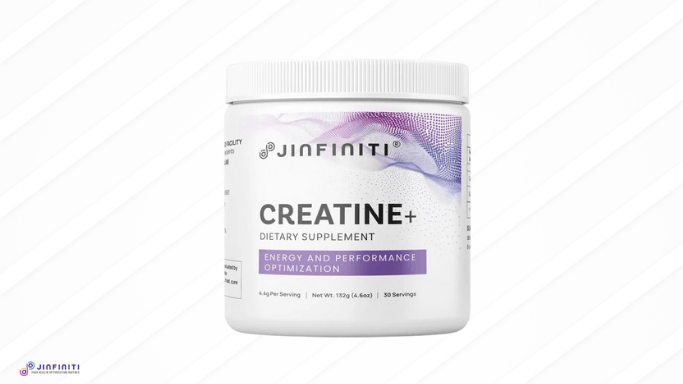
An image of Jinfiniti creatine product

Combining glutamine and creatine provides complete support for both performance improvement and recovery optimization. Creatine boosts your ability to train harder, while glutamine ensures you recover more effectively from that increased training stress.

Research on combined supplementation shows promising results. A study with military police officers found both creatine and glutamine groups experienced major improvements in body composition and performance measures compared to placebo7.

Should You Take Glutamine and Creatine Supplements Together?

The combination proves highly beneficial for athletes engaged in high-volume training or competing in demanding sports requiring both power and endurance. Here’s why they work well together:

  • Creatine boosts your training capacity during workouts
  • Glutamine optimizes recovery between training sessions
  • No negative interactions exist between the supplements
  • Both have strong safety profiles with minimal side effects
  • The combination may offer additive benefits for muscle building

This approach allows you to support muscle growth while ensuring proper recovery, making it ideal for those pursuing serious fitness goals.

Choosing the Right Form of Creatine and Supplement Options

An image of Jinfiniti creatine product

For creatine, creatine monohydrate remains the gold standard with the most research support and proven efficacy. Other forms offer no real advantages over monohydrate and typically cost more.

The form of creatine you choose matters less than consistency in supplementation. Creatine monohydrate has decades of research backing its safety and effectiveness.

Understanding how different supplement formulations work can help you make better choices. Some products combine multiple ingredients to target various aspects of performance and recovery simultaneously.

Why Creatine + ATP Makes a Difference

Jinfiniti’s Creatine + ATP supplement takes this approach by combining 4g of creatine monohydrate with 400mg of disodium ATP. This formulation addresses both immediate energy needs and long-term energy storage:

  • Provides the proven benefits of creatine monohydrate for muscle saturation
  • Adds direct ATP support for immediate cellular energy
  • Offers potential cognitive benefits beyond traditional creatine supplements

The ATP component helps bridge the gap between creatine’s energy storage benefits and immediate energy needs during intense workouts. This dual approach means creatine can be taken with ATP support to maximize both storage and immediate energy availability.

Who Should Use What Based on Fitness Goals

Fit woman jogging outdoors in athletic gear.

Your specific fitness goals should guide your supplement choice between creatine and glutamine, though many people benefit from both.

For Strength and Power Athletes

Creatine should be your primary supplement choice if you focus on maximal strength, power output, and muscle building. The research base supporting creatine’s effectiveness in high-intensity, short-duration activities makes it important for powerlifters, sprint athletes, and team sport competitors8.

These athletes benefit most from creatine because their sports demand explosive power and strength, areas where creatine helps most effectively.

For Endurance Athletes

Glutamine becomes more valuable for endurance athletes who experience prolonged training stress and increased susceptibility to immune suppression. The anti-catabolic effects and immune support provided by glutamine prove highly beneficial during high-volume training phases.

Glutamine supports these athletes by helping maintain immune function during periods of intense training when the body’s natural defenses become compromised.

For Muscle Building Goals

Those focused on muscle growth should prioritize creatine for its direct effects on training performance and muscle hypertrophy. During cutting phases, glutamine becomes valuable for preserving muscle mass and maintaining immune function while in a caloric deficit.

The combination works synergistically to support muscle development while preventing muscle breakdown during challenging training periods.

For General Health and Aging

Both supplements offer benefits for older adults. Creatine supports cognitive function, bone health, and muscle mass preservation, while glutamine maintains immune function and gut health. The combination may provide synergistic benefits for healthy aging.

Understanding creatine for older adults can help guide supplementation decisions for this population.

Dosage and Timing Recommendations

Prescription form labeled 'Dose/Strength' with red and white capsules spilled over it, representing supplement dosage and timing recommendations.

Proper dosing varies based on your goals and training intensity.

Creatine Supplements Protocol

Loading Phase Approach:

  • 20-25g daily for 5-7 days, split into 4-5 doses
  • Follow with 3-5g daily maintenance dose
  • Achieves muscle saturation quickly

Steady-State Approach:

  • 3-5g daily from the start
  • Takes 3-4 weeks to reach full muscle saturation
  • More convenient for most people

Learn more about creatine loading and timing strategies to optimize your supplementation approach. The loading phase can help you reach peak muscle stores faster, though both approaches ultimately achieve similar results.

L-Glutamine Protocols

Standard Dosing:

  • 5-10g daily for general health and moderate training
  • Best taken post-workout when muscle glutamine stores are depleted

Intense Training Periods:

  • 15-30g daily, divided into multiple doses throughout the day
  • Research indicates doses up to 30g are well-tolerated

When you take glutamine matters for best absorption and effectiveness. Post-workout timing helps replenish depleted stores when your body needs recovery support most.

Best Stacking Timing

GoalCreatine DoseGlutamine DoseBest Timing
Strength & Power5g daily5g post-workoutCreatine anytime, Glutamine post-workout
Muscle Building5g daily10g dailyBoth post-workout with protein
Recovery & Endurance3g daily15-20g dailyGlutamine multiple times daily
Cutting/Fat Loss3g daily10-15g dailyMorning glutamine, creatine post-workout

Creatine can be taken at any time since it works by saturating muscle stores over time rather than providing immediate effects. Glutamine proves most beneficial post-workout when muscle glutamine stores are depleted and protein synthesis is elevated.

Making the Right Choice for Your Goals

Woman looking up and touching her chin, symbolizing decision-making about supplement choices based on personal health and fitness goals.

Both creatine and glutamine represent evidence-based supplements that can greatly improve athletic performance and recovery when used appropriately. While they serve different primary functions, their combination provides complete support for serious athletes.

Creatine excels at boosting immediate power and strength through better ATP regeneration, making it ideal for high-intensity training. Glutamine focuses on supporting recovery, immune function, and muscle preservation, proving valuable during intense training periods.

The key lies in understanding your specific fitness goals and implementing the appropriate dosing and timing strategies. Whether you choose one or both supplements, proper implementation will help you maximize their benefits for improved performance and recovery.

For those interested in optimizing cellular energy production beyond supplementation, consider exploring mitochondrial health supplements that work synergistically with both creatine and glutamine for complete performance improvement.

Referenced Sources:

  1. https://royalsocietypublishing.org/doi/10.1098/rsif.2020.0976 ↩︎
  2. https://pmc.ncbi.nlm.nih.gov/articles/PMC7910963/ ↩︎
  3. https://www.nature.com/articles/s41598-024-54249-9 ↩︎
  4. https://pmc.ncbi.nlm.nih.gov/articles/PMC10180745/ ↩︎
  5. https://pmc.ncbi.nlm.nih.gov/articles/PMC8234492/ ↩︎
  6. https://pmc.ncbi.nlm.nih.gov/articles/PMC6520936/ ↩︎
  7. https://pubmed.ncbi.nlm.nih.gov/12930166/ ↩︎
  8. https://pmc.ncbi.nlm.nih.gov/articles/PMC3407788/ ↩︎
An image of an aging woman

Spermidine Benefits for Longevity, Side Effects and Limitations

Spermidine has caught the eye of longevity researchers as one of nature’s most promising anti-aging compounds. This naturally occurring polyamine shows up in foods like wheat germ and aged cheese. It shows real potential for extending healthspan and protecting against age-related diseases.

Research suggests that spermidine may hold the key to cellular renewal, heart protection, and even cognitive improvement. But like any supplement, it comes with important considerations about safety, dosage, and limitations that you need to understand before adding it to your routine.

Key Takeaways

  • Spermidine boosts autophagy, helping cells clear damage and potentially extending lifespan
  • Studies show 40% reduction in heart failure risk with higher dietary intake
  • Oral supplements may convert to spermine rather than increasing spermidine levels directly
  • Natural dietary sources offer better safety profiles than synthetic supplements

What is Spermidine and How Does It Work?

Spermidine is a naturally occurring polyamine that your body produces and obtains from food sources. This cellular compound plays a key role in cell growth, DNA stability, and protein synthesis throughout your body.

The magic happens through a process called autophagy. Spermidine boosts autophagy by blocking certain enzymes that normally suppress this cellular housekeeping mechanism. When autophagy works properly, your cells can clear out damaged proteins and broken organelles that build up with age.

Recent studies reveal that spermidine is essential for fasting-mediated autophagy and longevity. The compound works through the polyamine-hypusination axis. This allows processes that extend lifespan across multiple species.1

Your body naturally produces polyamines, but levels drop as you age. This decline contributes to reduced cellular function and increased susceptibility to age-related diseases.

Benefits of Spermidine for Longevity and Anti-Aging

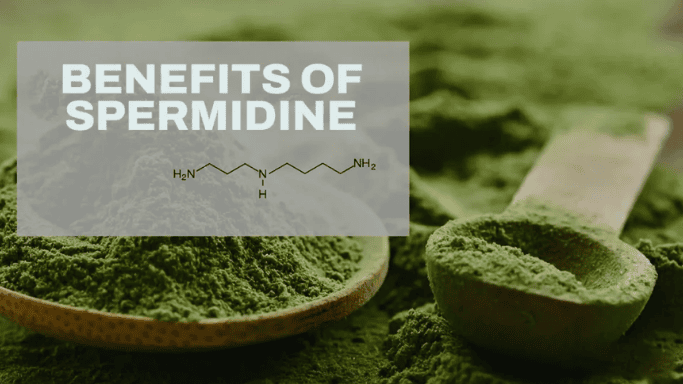
Graphic with the text 'Benefits of Spermidine' overlaid on green plant powder and a wooden spoon, featuring spermidine’s molecular structure, representing its natural origins and role in longevity and anti-aging

The health benefits of spermidine extend far beyond basic cellular maintenance. Research shows notable anti-aging effects that could change how we approach healthy aging.

Cellular Renewal and DNA Protection

Spermidine helps maintain cellular health by:

  • Improving the removal of damaged cellular components
  • Protecting DNA integrity and preventing mutations
  • Supporting mitochondrial function and energy production

A study showed that spermidine has been shown to extend lifespan in different organisms, from yeast to mice, by improving cellular quality control mechanisms.2

Anti-Inflammatory Effects

Spermidine can also help reduce inflammation linked with cellular aging. By boosting autophagy and removing damaged cellular components, the compound helps minimize chronic inflammatory processes that contribute to age-related diseases.

Metabolic Health Support

The compound supports healthy metabolism by improving energy production at the cellular level. This translates to better overall health and reduced risk of metabolic disorders commonly associated with aging.

Research suggests that spermidine may help maintain healthy blood sugar levels and support optimal metabolic function as you age.

Heart Health and Cardiovascular Protection

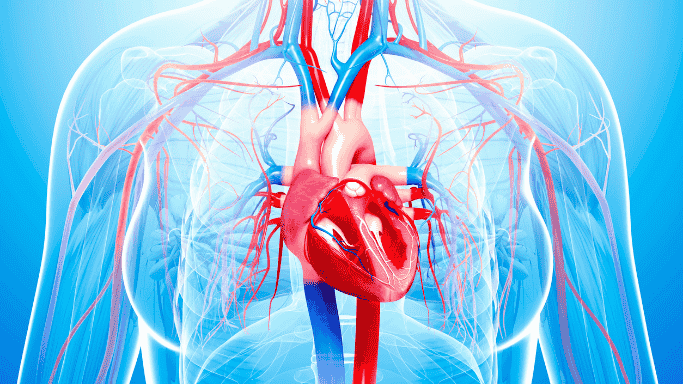
Illustration of the human cardiovascular system highlighting the heart, arteries, and veins, symbolizing heart health and circulatory function.

Heart health represents one of spermidine’s most impressive benefits. The compound shows major cardioprotective effects that contribute directly to longevity.

Blood Pressure and Heart Function

Human studies from the Bruneck cohort reveal that higher dietary spermidine intake correlates with:3

  • Approximately 40% reduction in fatal heart failure risk
  • Much lower systolic and diastolic blood pressures
  • Improved cardiac biomarker profiles

In aged mice, spermidine supplementation improves cardiac diastolic function. It also reduces cardiac hypertrophy and improves the mechanical properties of heart muscle cells.

Vascular Health Benefits

The cardiovascular disease protection extends beyond the heart muscle to include improved blood vessel function. Spermidine can improve arterial flexibility and support healthy blood flow throughout your body.

These heart health benefits make spermidine particularly valuable for individuals concerned about heart disease risk as they age.

Brain Function and Cognitive Benefits

Spermidine provides neuroprotective benefits through multiple pathways that support long-term brain health and cognitive function.

Memory and Learning Enhancement

Studies in aged mice show that spermidine supplementation restores levels of key autophagy proteins in the brain. The compound protects against age-related changes in hippocampal regions needed for memory formation.4

Research suggests that spermidine:

  • Improves clearance of brain cellular debris
  • Protects synaptic connections between neurons
  • Supports long-term potentiation for memory formation
  • May delay neurodegeneration processes

Cognitive Decline Protection

While animal studies show promising results, human clinical trials present mixed findings. Some studies show modest memory improvements. Others found no notable cognitive benefits in healthy older adults.

The potential for brain health support remains an active area of research, particularly for individuals experiencing early cognitive changes.

Hair Growth and Aesthetic Benefits

Close-up of a woman parting her hair to reveal thinning at the scalp, representing hair loss and the potential benefits of treatments for hair growth and aesthetics.

Emerging research suggests spermidine may offer unexpected benefits for hair growth and overall appearance. This area needs more investigation.

Hair Follicle Health

Preliminary studies indicate that spermidine’s role in cellular regeneration may extend to hair follicles. The compound’s ability to promote autophagy and cellular renewal could theoretically support healthy hair growth cycles.

Strong clinical evidence for hair growth benefits remains limited. Most current research focuses on spermidine’s internal health benefits rather than cosmetic applications.

Skin Health Considerations

The cellular renewal properties of spermidine may contribute to healthier skin aging. Research on dermatological benefits is still developing.

Foods High in Spermidine: Natural Sources

A collection of natural foods rich in spermidine, including wheat stalks, a wooden spoon and bowl filled with soybeans, a wedge of blue cheese, fresh green pea pods, and several white mushrooms arranged on a light background

Food sources provide the safest way to increase spermidine intake. Spermidine-rich foods provide additional nutrients and polyamines that work synergistically.

Top Dietary Sources

Food SourceSpermidine Content (per 100g)
Wheat germ2-5 mg
Aged cheese1.5-3 mg
Soybeans1-2 mg
Mushrooms0.5-1 mg
Green peas0.3-0.8 mg

Other Rich Sources Include:

  • Fermented foods like miso and kimchi
  • Certain fruits and vegetables including broccoli
  • Legumes and whole grains
  • Different mushroom varieties

Foods like aged cheeses and fermented products naturally provide the highest concentrations. The Mediterranean diet pattern naturally provides higher spermidine intake and has been associated with improved longevity outcomes.

Gut Health and Spermidine Production

Your gut bacteria also contribute to spermidine production. This makes gut health important for maintaining optimal levels. A healthy microbiome supports natural polyamine synthesis, which complements dietary sources of spermidine.

Food vs. Supplement Considerations

Food-derived spermidine has undergone more wide-ranging safety testing compared to synthetic forms. Natural sources also provide accompanying polyamines that create a beneficial recycling loop within your body.

Spermidine Intake: Dosage and Recommendations

A collection of medication containers and pills on a pink surface. There are two blister packs with pink tablets, a blue weekly pill organizer, two white medicine bottles, a brown pill bottle, and a glass of water partially visible on the left side.

Determining optimal spermidine intake requires understanding current research guidelines. You also need to know the safety parameters established by health authorities.

Established Safety Limits

The European Food Safety Authority (EFSA) has established a safe upper intake limit of 6 mg per day for food-derived spermidine. This guideline reflects findings from human clinical trials using daily doses of 1-1.2 mg.

Most effective research dosages range from 1-6 mg daily. Some studies suggest 10 mg may provide optimal benefits for certain health outcomes.

Clinical Trial Dosages

Human studies have primarily used:

  • 1-1.2 mg daily in combination with other polyamines
  • Up to 40 mg daily in short-term safety studies
  • 6 mg as the established upper safe limit for regular use

Research suggests that spermidine doses below 15 mg/day are unlikely to produce short-term effects based on pharmacokinetic studies.5

Timing and Administration

Most studies give spermidine with meals to minimize potential gastrointestinal effects. Starting with lower doses allows you to assess individual tolerance before increasing intake.

Side Effects and Safety Profile

An image shows a person sitting on a bed, clutching their stomach with both hands, which suggests they might be experiencing mild gastrointestinal discomfort or abdominal pain.

Spermidine supplementation shows an excellent safety profile in human studies. Most adverse effects are mild and temporary.

Common Side Effects

When side effects occur, they typically include:

  • Mild gastrointestinal symptoms (nausea, digestive discomfort)
  • Occasional diarrhea, particularly at higher doses
  • Rare allergic reactions in sensitive individuals

A detailed 12-month Phase II trial involving 100 healthy older adults found comparable rates of adverse events between spermidine and placebo groups.6

Laboratory Parameter Considerations

Animal studies at extremely high doses (600 mg/kg body weight) showed changes in kidney function markers. These included creatinine, calcium, and phosphate levels. These effects occurred at doses far exceeding typical human supplementation.

Special Population Considerations

Limited safety data exists for:

  • Pregnant and nursing women
  • Children and adolescents
  • Individuals with certain medical conditions

Healthcare provider consultation is needed before starting any new supplement regimen. This is especially important for these populations.

Limitations and Important Considerations

Despite promising research, several important limitations affect spermidine’s practical application for longevity and health benefits.

Recent pharmacokinetic research reveals that oral spermidine supplementation may not meaningfully increase circulating spermidine levels. Instead, supplemented spermidine appears to convert to spermine before entering systemic circulation.7

This finding suggests spermidine could function as a “prodrug” for spermine. The beneficial effects may be attributable to increased spermine concentrations rather than spermidine itself.

Research Gaps and Long-term Effects

Several important research gaps remain:

  • Most clinical trials have been relatively short-term (3-12 months)
  • Optimal dosing for different health conditions needs clarification
  • Individual variability in response requires better characterization
  • Long-term safety data beyond one year is limited

Cancer and Fertility Considerations

While spermidine may have anticancer effects through autophagy improvement, elevated polyamine levels are also found in many cancer types. Spermidine could potentially stimulate cellular proliferation in existing tumors.

Some research suggests that spermidine may support fertility through cellular health mechanisms. This area requires more thorough study before drawing definitive conclusions.

This dual nature requires careful consideration, particularly for individuals with cancer history or active disease.

Drug Interactions and Contraindications

An image of a woman taking supplements

Potential drug interactions with spermidine are not well-characterized. This necessitates caution when combining with certain medications.

Spermidine plays a role in cellular metabolism. It may interact with:

  • Medications influencing cellular metabolism
  • Drugs affecting autophagy pathways
  • Blood pressure medications
  • Immune-modulating therapies

One observational study identified a potential link between higher blood spermidine levels and increased stroke risk. This finding requires careful interpretation. The study was observational and cannot establish causation.

The association may reflect elevated spermidine levels as a biomarker of underlying pathology rather than direct causation.

NAD+ and Cellular Health: A More Proven Approach

While spermidine shows promise, NAD+ optimization offers a more established path to cellular health and longevity benefits. NAD+ (nicotinamide adenine dinucleotide) is needed for over 500 cellular processes and declines meaningfully with age.

Why NAD+ May Be Superior

NAD+ provides several advantages over spermidine supplementation:

  • More extensive human research and safety data
  • Direct involvement in cellular energy production
  • Proven bioavailability through proper precursor supplementation
  • Measurable results through intracellular testing

Our Vitality NAD+ Booster contains clinically validated NAD+ precursors that actually work. Unlike spermidine supplements with questionable bioavailability, our formula includes:

  • NMN (nicotinamide mononucleotide) for direct NAD+ conversion
  • Creatine monohydrate for improved cellular energy
  • D-ribose for ATP synthesis support
  • Niacinamide for additional NAD+ pathway support

The key difference is measurability. With our NAD+ test, you can actually verify whether your intervention is working. This precision approach removes guesswork and ensures you’re getting real benefits from your investment in longevity supplements.

Making the Right Choice for Your Health

Spermidine represents an interesting compound with potential longevity benefits. Notable limitations and unknowns remain. The safest approach currently involves obtaining spermidine through food sources rather than supplements.

If you’re interested in spermidine’s potential benefits:

  • Focus on incorporating spermidine-rich foods into your diet
  • Consult healthcare providers before supplementation
  • Start with lower doses if choosing supplements
  • Monitor for any adverse reactions
  • Consider food-derived sources over synthetic alternatives

Bottom Line

While spermidine research continues to evolve, the compound’s role in healthy aging appears promising. It needs more long-term human studies. The excellent safety profile makes dietary sources a reasonable addition to a complete longevity strategy.

For proven cellular health benefits with measurable results, NAD+ optimization through proper testing and supplementation offers a more reliable path to extending your healthspan and supporting healthy aging.

Referenced Sources:

  1. https://www.nature.com/articles/s41556-024-01468-x ↩︎
  2. https://pubmed.ncbi.nlm.nih.gov/28118075/ ↩︎
  3. https://www.ncbi.nlm.nih.gov/pmc/articles/PMC5806691/ ↩︎
  4. https://www.nature.com/articles/s41598-019-56133-3 ↩︎
  5. https://www.ncbi.nlm.nih.gov/pmc/articles/PMC10143675/ ↩︎
  6. https://jamanetwork.com/journals/jamanetworkopen/fullarticle/2792725 ↩︎
  7. https://www.ncbi.nlm.nih.gov/pmc/articles/PMC10143675/ ↩︎
An image of creatine and a barbell on the background

Pros and Cons of Taking Creatine Without Working Out

Dr. She’s Creatine Formula

Pure creatine with ATP for total body performance.

Creatine+ by Jinfiniti

Most people think creatine is just for gym rats and athletes. That’s not the whole story.

This naturally occurring compound found in your muscles and brain does way more than boost workout performance. You might be surprised by what happens when you take creatine without working out at all.

Key Takeaways

  • Even sedentary adults can maintain better muscle mass as they age with creatine supplementation
  • Creatine improves memory, processing speed, and mental stamina by increasing brain energy by up to 15%
  • Simple dosing of 3-5 grams daily with food works better than complicated loading phases and reduces side effects
  • Decades of research show minimal risks for healthy people at normal doses, making it one of the safest supplements available

What is Creatine and Why Does It Matter?

An image of a creatine

Creatine is a naturally occurring substance your body makes every day. Your liver and kidneys produce about 1 gram from amino acids you eat.

You also get creatine from meat and fish. But here’s the thing – most people only fill their creatine stores to about 70% capacity.

That’s where supplements come in.

When you take creatine, it travels through your bloodstream to high-energy tissues. About 95% ends up in your muscles. The rest goes to your brain and other organs.

Creatine plays a huge role in cellular energy. It gets converted to phosphocreatine, which acts like a backup generator for your cells.

Think of it this way. Your cells use ATP for energy. When ATP runs low, phosphocreatine steps in to recharge it instantly.

This system works whether you’re lifting weights or solving math problems.

Benefits of Creatine Without Exercise

Let’s bust a myth right away. You don’t need to hit the gym to benefit from creatine supplementation.

Your brain and body are constantly working. They can use the extra energy support.

Brain and Memory Benefits

A woman playing a game of chess at the park.

Your brain is an energy hog. It uses about 20% of your daily calories despite being only 2% of your body weight.

That makes it vulnerable when energy runs short.

Studies suggest that creatine boosts brain creatine levels by up to 15%.1 Research shows this translates to real cognitive improvements.2

Memory gets the biggest boost. Multiple studies find improvements in working memory and short-term recall.3

Processing speed also increases. You might notice faster thinking and better focus during mentally demanding tasks.

The effects of creatine show up most when your brain is stressed. Sleep deprivation, high-pressure situations, and intense mental work all benefit from supplementation.

Some groups see bigger improvements:

  • Vegetarians and vegans (lower baseline levels)
  • People over 50 (declining brain energy)
  • Anyone under high mental stress

Creatine’s role as a nootropic is gaining scientific recognition for good reason.

Muscle Preservation Benefits

An older man with gray hair and beard does sit-up exercises in a modern gym.

Here’s something interesting. Creatine may help preserve muscle mass even without exercise.

Studies in older adults show that creatine supplementation alone can increase lean body mass.4 We’re talking about people who didn’t change their activity levels at all.

How does this work?

Creatine helps reduce muscle protein breakdown. It also promotes protein synthesis through something called cell swelling.

When creatine enters muscle cells, it pulls water in with it. This swelling sends growth signals to the muscle.

Your muscle’s stem cells also respond to creatine. These satellite cells help repair and maintain muscle tissue.

The supplement might even support bone health. Creatine appears to boost the activity of bone-building cells called osteoblasts.5

For older adults, this could mean less age-related muscle and bone loss.

Other Potential Benefits

Research hints at broader health effects from creatine use.

Blood sugar control might improve. Creatine appears to help muscles take up glucose more efficiently.6

The supplement also shows anti-inflammatory properties.7 This could help combat the chronic inflammation that drives aging.

Some studies even suggest cardiovascular benefits.8 But more research is needed here.

What Happens If You Take Creatine Without Working Out

A person in a white towel steps onto a digital bathroom scale with bare feet.

Let’s talk about what you can realistically expect.

Weight Gain from Creatine

You’ll probably gain 2-6 pounds in your first week. Don’t panic – this isn’t fat.

Creatine pulls water into your muscle cells. This is actually a good sign that the supplement is working.

The water weight serves a purpose. Cell swelling from increased hydration triggers muscle-building signals.

This happens even without exercise. Your muscles become more hydrated and potentially more resistant to breakdown.

WeekWhat HappensWhy
1Gain 2-6 lbsWater moves into muscles
2-3Weight stabilizesStores reach capacity
OngoingMaintain hydrationSteady cellular benefits

The effects of taking creatine without exercise are subtle but measurable. You won’t suddenly get jacked. But your cells will function better.

How Your Body Processes Extra Creatine

Your creatine stores can only hold so much. Once they’re full, excess gets broken down and removed through urine.

This happens naturally and safely. Your kidneys handle the waste product (creatinine) just fine.

The whole process takes about 3-4 weeks to reach steady state with daily dosing.

Side Effects of Taking Creatine

Most people tolerate creatine well. But some issues can pop up.

Stomach problems are the main concern. About 10-15% of users experience bloating, cramps, or diarrhea.

These effects depend heavily on dose. Taking 10 grams at once increases diarrhea risk by 56%. Smaller doses rarely cause problems.

You can avoid most digestive issues by:

  • Starting with 3-5 grams daily
  • Taking it with food
  • Splitting larger doses throughout the day
  • Drinking plenty of water

Debunked Creatine Myths

Several scary stories about creatine don’t hold up to science.

Dehydration on creatine isn’t a serious risk. Creatine actually improves cellular hydration.9

Kidney damage doesn’t happen at normal doses. Numerous studies find no evidence of harm in healthy people.10

Creatine doesn’t cause acne. This myth probably comes from sweaty gym sessions, not the supplement itself.

These common creatine myths have been thoroughly debunked by research.

Is It Safe to Take Creatine Without Exercise?

The safety record for creatine is excellent. We’re talking about one of the most studied supplements ever.

Long-term studies lasting up to 5 years show no health problems in healthy adults.

The Kidney Question

Some people worry about kidney damage. This concern stems from elevated creatinine levels in blood tests.

Here’s what’s really happening. Creatine breaks down into creatinine naturally. More creatine in your system means more creatinine waste.

This elevation is harmless. It’s like having more exhaust from a bigger engine – totally normal.

Systematic reviews consistently find no kidney damage from creatine supplementation.11

One animal study did find problems in sedentary rats given massive doses. But exercised rats taking the same amount stayed healthy.

This suggests physical activity might provide some protection. For sedentary people, sticking to normal doses (3-5 grams) appears safest.

Who Should Be Careful

  • People with existing kidney or liver disease should get medical clearance first.
  • Anyone taking medications that affect these organs should also check with their doctor.
  • Pregnant and breastfeeding women should avoid creatine due to limited safety data.

How to Use Creatine When Not Working Out

An image of a cannister and a supplement held by a woman

Getting the most benefit requires the right approach.

Choosing a Safe Creatine Supplement

Creatine monohydrate is your best bet. It’s the most studied form and usually the cheapest.

Despite fancy marketing claims, newer forms don’t work better than basic monohydrate.

Look for products that are:

  • Third-party tested for purity
  • Free from unnecessary additives
  • Made by reputable companies

The amount of creatine you need stays simple:

  • General health: 3-5 grams daily
  • Cognitive support: 3-5 grams daily
  • Older adults: 5-10 grams daily (with medical guidance)

Jinfiniti’s Creatine + ATP combines pure creatine monohydrate with disodium ATP for total cellular energy support.

Smart Dosing Without Working Out

Forget loading phases if you’re not exercising. Taking 20+ grams daily just increases side effect risk without meaningful benefits.

Start with 3-5 grams daily and stick with it. You’ll reach full saturation in about a month.

Proper creatine timing matters less than consistency when you’re not training.

Take it with food to improve absorption and reduce stomach upset.

Creatine Benefits Even Without Regular Workouts

The supplement works on a cellular level. Every tissue that uses energy can benefit.

Your brain gets consistent fuel for better mental performance. Your muscles maintain better hydration and potentially less breakdown.

Even light daily activities become easier. Walking, climbing stairs, and carrying groceries all use the energy systems creatine supports.

Pairing creatine with other cellular health strategies can amplify results. Jinfiniti’s Vitality↑® NAD+ Booster works through different pathways alongside creatine to support energy production.

Should You Consider Creatine Even Without Exercise?

The research makes a compelling case for sedentary creatine use.

Cognitive benefits alone justify supplementation for many people. Better memory, faster thinking, and reduced mental fatigue have real-world value.

The risk-reward ratio strongly favors trying it. Side effects are minimal and usually avoidable with proper dosing.

Older adults have even more reason to consider creatine. The potential for preserving muscle mass and bone density could impact quality of life significantly.

Cost is reasonable too. Quality creatine monohydrate costs less than most daily vitamins.

The Final Scoop

You don’t need to be an athlete to benefit from creatine. This naturally occurring compound supports cellular energy in all tissues.

Your brain will likely respond first with improved memory and mental stamina. Your muscles might maintain better hydration and resist age-related breakdown.

The main downside is temporary water weight gain. Most other supposed risks have been debunked by research.

Start simple with 3-5 grams of creatine monohydrate daily. Take it with food and give it a month to work.

Monitor how you feel mentally and physically. Many people notice the cognitive benefits before anything else.

Remember that adding any physical activity amplifies creatine’s effects. Even daily walks provide metabolic benefits that complement supplementation.

For people over 40, combining creatine with comprehensive health testing helps optimize the approach.

Talk to your doctor before starting if you have health conditions or take medications. But for most healthy adults, creatine offers a safe way to support cellular energy and brain function.

Referenced Sources:

  1. https://bmcmedicine.biomedcentral.com/articles/10.1186/s12916-023-03146-5 ↩︎
  2. https://www.jneurosci.org/content/35/4/1773 ↩︎
  3. https://academic.oup.com/nutritionreviews/article/81/4/416/6671817 ↩︎
  4. https://pubmed.ncbi.nlm.nih.gov/11880821/ ↩︎
  5. https://www.gssiweb.org/sports-science-exchange/article/creatine-supplementation-new-insights-and-perspectives-on-bone-and-brain-health ↩︎
  6. https://www.mdpi.com/2072-6643/13/2/570 ↩︎
  7. https://pmc.ncbi.nlm.nih.gov/articles/PMC8839648/ ↩︎
  8. https://www.sciencedirect.com/science/article/abs/pii/S2405457724002146 ↩︎
  9. https://www.mdpi.com/2072-6643/17/1/95 ↩︎
  10. https://link.springer.com/article/10.1007/s00726-011-0878-2 ↩︎
  11. https://pubmed.ncbi.nlm.nih.gov/31375416/ ↩︎
Woman staring at wooden chess board, contemplating her next move

Science Backs These 11 Brain Health Supplements

Struggling to find brain supplements that actually work? We’ve been there too.

We wanted to know which supplements are worth your money and which are just expensive placebos.

So we rolled up our sleeves, dove into the research, and separated scientific fact from brain booster fiction. Here’s what actually works for your memory and brain, according to rigorous studies.

Key Takeaways

  • Scientific studies support several brain health supplements with notable evidence, including omega-3s, creatine, bioavailable curcumin and berry polyphenols.
  • Supplements work best when complementing healthy lifestyle foundations rather than as standalone solutions.
  • Testing biomarkers before supplementing creates a personalized approach that’s more effective than taking multiple supplements without direction.

Why Brain Health Matters

Have you noticed the gap between how long people live and how well they live?

Most of us will live to about 80 years, but many only enjoy good health until around 60. Those extra 20 years often include cognitive struggles that nobody wants to experience.

Your brain influences everything that makes life worth living. Good memory helps you treasure experiences. Mental clarity lets you solve problems. Focus keeps you productive. Mood stability maintains your relationships.

Taking care of your brain isn’t just about avoiding dementia. It’s about living fully right now and maintaining your independence and personality as you age.

The growing body of evidence suggests certain supplements might help you take a proactive stance toward brain health, though they’re most effective as companions to a brain-friendly lifestyle.

How We Evaluated These Supplements

We prioritized scientific evidence when analyzing these brain health and memory supplements. Our team examined peer-reviewed research including clinical trials, systematic reviews, and meta-analyses to determine which compounds truly support cognitive function.

Each supplement was evaluated based on strength of clinical evidence, safety profile, and mechanism of action. We considered both immediate cognitive effects and long-term potential for healthy brain function.

Supplement Safety Note

Top 11 Supplements for Brain Health

Here are the 11 best supplements for brain health supported by scientific studies.

Jump to section:

  1. Omega-3 Fatty Acids (EPA & DHA)
  2. Bacopa Monnieri
  3. Phosphatidylserine (PS)
  4. Creatine
  5. Curcumin (from Turmeric)
  6. Ginkgo Biloba
  7. Lion’s Mane Mushroom
  8. B Vitamins (Folate, B6, B12)
  9. Vitamin D
  10. NAD+ Precursors (NMN and NR)
  11. Berry Polyphenols

1. Omega-3 Fatty Acids (EPA & DHA)

A bottle of fish oil capsules

Omega-3 fatty acids are essential nutrients your body cannot produce on its own. The most important types for brain health are EPA and DHA, found in fatty fish, fish oil supplements, and algal oil supplements.

How it Works: DHA forms a major part of neuronal membranes, influencing their fluidity and the function of embedded proteins. Omega-3s have anti-inflammatory properties, creating compounds called resolvins and protectins that reduce brain inflammation. They also affect neurotransmitter systems, cerebral blood flow, and genes involved in brain cell growth.

The Science:

  • Observational studies link higher fish/omega-3 intake with lower risk of cognitive decline and dementia[1]
  • Supplementation helps individuals with Mild Cognitive Impairment (MCI) slow further decline[2]
  • Meta-analysis found benefits for executive function in adults without dementia[3]
  • High-dose EPA+DHA (3.36 g/day) slowed cognitive aging in people with coronary artery disease[2]

Typical Dosage:

  • Benefits for executive function seen with >500 mg combined EPA+DHA daily
  • Cardiovascular patient study used 3.36 grams per day
  • MCI trials used 1-2 grams daily
  • General health recommendations (250-500 mg/day) may be too low for brain benefits

Side Effects and Safety:

  • Generally safe at typical doses
  • May cause fishy aftertaste or mild digestive issues
  • Higher doses (>3 grams/day) can have blood-thinning effects
  • May increase bleeding risk with anticoagulant medications
  • Consult healthcare provider if on medications or have bleeding disorders

2. Bacopa Monnieri

Bacopa Monnieri (or Brahmi) is a perennial herb that holds a prominent place in Ayurvedic medicine, where it’s been used for centuries as a memory enhancer and nerve tonic. Its medicinal properties come from compounds in the leaves called bacosides, which are the primary active constituents responsible for its cognitive effects.

How it Works: Bacopa modulates the cholinergic system, which is crucial for learning and memory, by affecting acetylcholine release and receptor binding. It offers neuroprotective effects in the hippocampus (the brain’s memory center) and has adaptogenic properties that help the brain manage stress.

The Science:

  • Meta-analysis of nine randomized controlled trials found significant improvements in cognitive performance[4]
  • Studies show shortened completion time on the Trail Making Test Part B (executive function)[4]
  • Research demonstrates decreased choice reaction time (improved processing speed)[4]
  • Systematic review of six RCTs highlighted consistent improvements in memory free recall[5]
  • Beneficial effects observed in 9 out of 17 memory tests across reviewed studies[5]

Typical Dosage:

  • Standardized extracts: 300-450 mg per day, often in divided doses
  • Study in medical students used 150 mg twice daily of Bacognize® extract
  • Acute studies tested single doses of 320 mg or 640 mg of CDRI 08 extract
  • Most studies showing benefits involved dosing periods of at least 12 weeks

Side Effects and Safety:

  • Generally well-tolerated with a high therapeutic index
  • Most common side effects are mild and gastrointestinal
  • May cause nausea, abdominal cramps, bloating
  • Potential theoretical interactions with sedative medications
  • Possible interactions with thyroid hormones or drugs affecting the cholinergic system

3. Phosphatidylserine (PS)

Phosphatidylserine is a natural phospholipid highly concentrated in brain cell membranes, especially in the cerebral cortex. Your body produces some PS, but you also get small amounts from foods like fish and organ meats.

How it Works: PS maintains the fluidity and structure of neuronal cell membranes, which is essential for proper signaling between brain cells. This supports neurotransmitter release and receptor function, processes crucial for learning and memory.

The Science:

  • Systematic reviews and meta-analyses show PS improves memory performance in elderly individuals with cognitive decline[6]
  • A recent clinical trial with 190 older adults with MCI found significant improvements in short-term memory, arithmetic ability, and abstract reasoningl[7]
  • The FDA has authorized a qualified health claim that PS may reduce the risk of cognitive dysfunction in the elderly (though noting evidence is limited)[6]
  • Research using PS for subjective memory complaints shows promising results for memory abilities[8]
  • Studies suggest PS may help with symptoms of inattention in children with ADHD[9]

Typical Dosage:

  • For cognitive support in older adults: 100-300 mg daily
  • For children with ADHD: 200-300 mg daily
  • Most studies showing benefits used at least 6-12 weeks of consistent supplementation

Side Effects and Safety:

  • Generally well-tolerated with few reported adverse effects
  • Mild digestive discomfort possible but uncommon
  • Theoretical interaction with blood-thinning medications (due to effects on cell membranes)
  • Possible interaction with medications affecting the cholinergic system

4. Creatine

Creatine powder and scoop

Creatine is a naturally occurring compound formed from amino acids that your body produces and you get from meat and fish. Your brain contains significant amounts of creatine and depends on it for optimal energy production.

How it Works: Creatine functions as a cellular energy buffer in your brain, rapidly regenerating ATP during periods of high mental demand. This helps maintain optimal brain energy levels when you’re mentally fatigued, sleep-deprived, or performing challenging cognitive tasks.

The Science:

  • Meta-analyses show creatine supplementation enhances memory, particularly in older adults (aged 66-76 years)[10]
  • Clinical studies demonstrate that creatine significantly reduces cognitive decline during sleep deprivation[11]
  • A single high dose of creatine improved cognitive processing speed during sleep deprivation[11]
  • Creatine supplementation lessened declines in psychomotor skills, reaction time, and balance during 24 hours without sleep[12]
  • Creatine’s brain benefits appear most pronounced for tasks requiring prefrontal cortex resources[12]
  • Higher baseline brain creatine levels correlate with better recognition memory[13]

Typical Dosage:

  • Maintenance dose: 3-5 grams daily (standard for general health)
  • For cognitive benefits: 5-20 grams daily (higher end for acute situations)
  • Some studies used loading phases (20 grams daily for 5-7 days, often divided into 4 doses)
  • For brain effects, higher daily doses may be necessary (5+ grams) as the brain shows less efficient uptake than muscle

Side Effects and Safety:

  • Generally considered safe for healthy individuals
  • Most common side effect is water retention, causing slight weight gain
  • Higher doses may cause gastrointestinal discomfort, bloating, or diarrhea
  • Dividing the daily dose into smaller portions may reduce digestive issues
  • Pre-existing kidney disease, high blood pressure, or liver disease warrants caution
  • May interact with caffeine, NSAIDs, or diuretics

5. Curcumin (from Turmeric)

Curcumin is the primary active compound in turmeric, the bright yellow-orange spice common in curries. While turmeric contains multiple beneficial components, curcumin appears responsible for many of the cognitive benefits.

How it Works: Curcumin reduces neuroinflammation by blocking inflammatory pathways and neutralizing harmful free radicals that damage brain cells. Some research suggests it may also help clear amyloid-beta plaques and boost levels of brain-derived neurotrophic factor.

The Science:

  • Meta-analysis found significant improvement in working memory across various populations[14]
  • Showed borderline significant benefit for processing speed[14]
  • A trial using a highly bioavailable curcumin complex at 400mg twice daily for six months improved cognitive function in moderate Alzheimer’s disease patients[15]
  • Benefits primarily found with enhanced bioavailable formulations (standard curcumin has very poor absorption)[16]
  • Multiple systematic reviews confirm curcumin’s improvement of working memory across diverse adult groups[17]

Typical Dosage:

  • Highly dependent on the specific formulation used
  • Special formulations: 80-160mg (Longvida®), 180-360mg (Theracumin®), or 800mg daily (CurQfen®)
  • Standard curcumin extracts: Often need 1+ gram daily but with questionable bioavailability
  • Taking with a meal containing fat slightly enhances curcumin absorption
  • Black pepper extract increases curcumin bioavailability by blocking its breakdown

Side Effects and Safety:

  • Generally recognized as safe (GRAS) by the FDA
  • Gastrointestinal effects most common (stomach upset, nausea, diarrhea)
  • May have mild blood-thinning properties (caution with anticoagulants)
  • Allergic reactions possible in sensitive individuals
  • Potential drug interactions through effects on drug-metabolizing enzymes

Turmeric mini

6. Ginkgo Biloba

Ginkgo biloba extract comes from the leaves of one of the oldest living tree species on earth, used in traditional Chinese medicine for thousands of years. In modern times, it’s become one of the most researched herbal medicines for cognitive health.

How it Works: Ginkgo improves cerebral blood flow and has potent antioxidant properties that protect brain cells from damage. It may also influence neurotransmitter systems and block inflammatory factors affecting brain function.

The Science:

  • Meta-analysis of nine randomized controlled trials found moderate but significant cognitive benefits in Alzheimer’s, vascular, and mixed dementia patients[18]
  • Another systematic review showed significant improvements in cognition and activities of daily living[19]
  • Benefits primarily associated with the standardized extract EGb 761® at 240mg daily[19]
  • Particularly effective for patients with both cognitive decline and neuropsychiatric symptoms like depression or agitation[19]
  • Results distinguish between standardized extracts and generic preparations[20]

Typical Dosage:

  • 240mg daily of the standardized extract EGb 761® (the most consistently studied form)
  • Studies typically lasted 12-52 weeks
  • Results specifically tied to this standardized extract and dosage
  • Consistency in using a standardized product is important for potential benefits

Side Effects and Safety:

  • Generally well-tolerated with side effect rates similar to placebo in clinical trials
  • Blood-thinning properties may increase bleeding risk
  • May interact with anticoagulant medications (warfarin), antiplatelet drugs (aspirin), and NSAIDs
  • Potential interactions with antidepressants, anticonvulsants, or drugs metabolized by cytochrome P450 enzymes
  • Consultation with a healthcare provider recommended, especially if taking other medications

7. Lion’s Mane Mushroom

Lion's mane mushrooms

Lion’s Mane is an edible medicinal mushroom recognizable by its white, shaggy appearance resembling a lion’s mane. This unique fungus has a long history in traditional Chinese medicine for supporting nervous system health.

How it Works: Lion’s Mane contains compounds that stimulate Nerve Growth Factor production, supporting the survival and function of brain cells. It also has antioxidant and anti-inflammatory properties that may protect against neuroinflammation.

The Science:

  • Strong preclinical evidence shows NGF-stimulating activity and neuroprotective effects[21]
  • Study in older adults with Mild Cognitive Impairment (MCI) found significant cognitive improvements after 16 weeks of taking 250mg Lion’s Mane powder daily[22]
  • Another trial showed cognitive enhancements in participants consuming 2.4g daily for 12 weeks[22]
  • Acute study in young, healthy adults found improved performance on the Stroop task (measuring executive function) with a single 1.8g dose[22]
  • Research shows potential mood benefits – one study found improvements in anxiety and depression measures after 8 weeks[22]
  • High-dose acute study found improvements in fine motor skills but no significant global cognitive effects[22]

Typical Dosage:

  • Studies in MCI used 250mg of powder daily or 2.4g daily
  • Acute cognitive studies used single doses of 1.8g or 3g of a 10:1 extract
  • The distinction between raw mushroom powder and extracts is important (extracts are more concentrated)
  • Fruiting body extracts (high in hericenones) vs. mycelium extracts (high in erinacines) may have different effects
  • Optimal dosage not fully established – ranges from 250mg to 3g daily depending on form and concentration

Side Effects and Safety:

  • Generally considered safe as an edible mushroom with a history of culinary use
  • Clinical studies report minimal adverse effects
  • Mild digestive discomfort possible in sensitive individuals
  • Allergic reactions (such as skin rash) may occur rarely
  • Limited data on interactions with medications

8. B Vitamins (Folate, B6, B12)

Folate, B6, and B12 are essential water-soluble vitamins critical for brain function. These vitamins work together in crucial biochemical pathways affecting everything from DNA synthesis to neurotransmitter production.

How it Works: These B vitamins serve as vital cofactors in homocysteine metabolism, with elevated homocysteine strongly linked to cognitive decline. They also support neurotransmitter synthesis, myelin formation, and methylation reactions essential for neuronal health.

The Science:

  • Strong, consistent evidence shows B vitamin supplementation effectively lowers homocysteine levels[23]
  • Despite successfully reducing homocysteine, meta-analyses of RCTs show predominantly neutral results for cognitive function[24]
  • Several large reviews found no significant benefit on cognitive decline, global cognition, or specific cognitive domains[25]
  • A more recent 2021 meta-analysis found significant benefits for slowing cognitive decline with interventions longer than 12 months and in non-dementia populations with early intervention[26]
  • Strong observational link between lower folate levels (more than B12 or B6) and increased dementia risk[26]
  • Higher dietary folate intake associated with decreased dementia risk in cohort studies[26]

Typical Dosage:

  • Folic acid: 400 mcg to 2.5 mg daily
  • Vitamin B12: 20 mcg to 1000 mcg daily
  • Vitamin B6: 20 mg to 50 mg daily
  • Dosages for correcting deficiency may differ from cognitive enhancement goals
  • Higher doses may be necessary for those with absorption issues

Side Effects and Safety:

  • Generally safe at recommended doses
  • Very high B6 intake over prolonged periods can cause peripheral neuropathy
  • High folic acid can mask B12 deficiency, potentially delaying diagnosis of this serious condition
  • Important to assess B12 status before starting high-dose folic acid supplementation
  • Excess B vitamins typically excreted in urine

9. Vitamin D

Bright blue sunlit sky

Vitamin D is a unique nutrient that functions more like a hormone than a typical vitamin, produced when skin is exposed to sunlight. Your brain has extensive vitamin D receptors, suggesting important neurological functions beyond its well-known role in bone health.

How it Works: Vitamin D binds to receptors in brain cells and regulates hundreds of genes affecting neurotransmitter synthesis, neurotrophic factors, and inflammation. It also modulates calcium levels in neurons and may improve cerebral blood flow.

The Science:

  • Robust observational evidence consistently links lower vitamin D levels to poorer cognitive function[27]
  • Prospective studies show vitamin D deficiency (<50 nmol/L or <20 ng/mL) significantly increases risk of cognitive impairment, dementia, and Alzheimer’s disease[28]
  • A dose-response relationship exists – dementia risk increases as vitamin D levels fall[28]
  • Despite strong observational associations, intervention trials have been disappointing[29]
  • Meta-analysis of supplementation studies found no significant benefit on cognitive outcomes in adults without dementia[30]

Typical Dosage:

  • Targets based on blood levels rather than fixed dosing
  • Aim for levels associated with lower dementia risk: 77.5-100 nmol/L (31-40 ng/mL)
  • Supplementation needs vary dramatically based on baseline levels, age, weight, location, and genetics
  • Dosing should ideally be guided by blood testing and healthcare provider recommendations
  • Vitamin D3 (cholecalciferol) typically more effective than D2 (ergocalciferol)

Side Effects and Safety:

  • Generally safe at recommended doses
  • Toxicity possible but rare with typical supplements (usually requires >10,000 IU/day for extended periods)
  • Symptoms of toxicity include nausea, vomiting, weakness, frequent urination, and kidney problems
  • May interact with certain medications, including steroids and some weight-loss drugs
  • Regular blood level monitoring recommended with higher-dose supplementation

10. NAD+ Precursors (NMN and NR)

Nicotinamide mononucleotide (NMN) and nicotinamide riboside (NR) are naturally occurring molecules that convert to NAD+, a critical coenzyme involved in hundreds of metabolic reactions. While found in small amounts in foods like broccoli and avocado, supplemental NMN and NR aim to boost declining NAD+ levels that naturally fall with age.

How They Work: Both NMN and NR increase cellular NAD+ levels through slightly different pathways, powering mitochondrial health and activating enzymes like sirtuins that regulate metabolism and cellular repair. This supports cellular resilience against age-related damage and enhances brain energy metabolism.

The Science:

  • Animal studies show NMN effectively increases NAD+ levels in various tissues, including the brain[31]
  • In mouse models, NMN prevented cognitive impairment caused by chemotherapy drugs (“chemo brain”)[32]
  • NMN restored mitochondrial function in Alzheimer’s disease models and improved neurovascular coupling[33]
  • Protected against traumatic brain injury and improved outcomes in rodent models[34]
  • Multiple animal studies show that NR supplementation improves learning, memory, and overall cognitive function[35]
  • NR supplementation consistently reduced markers of neuroinflammation in animal studies[36]

Typical Dosage:

  • NMN: Human studies reporting increased blood NAD+ levels used NMN doses ranging from 250 mg to 900 mg daily
    NR: Clinical trials have used doses between 100mg and 2000mg daily, with 250-1000mg being most common
  • Optimal dosage for cognitive effects cannot be determined from current evidence

Side Effects and Safety:

  • Both compounds are generally well-tolerated in short-term human studies
  • Reported adverse events typically mild (abdominal discomfort, diarrhea, gas)
  • Long-term safety data from large populations is lacking

Vitality Mini CTA

11. Polyphenols and Berry-Based Supplements

Berry polyphenols are powerful plant compounds found abundantly in blueberries, strawberries, blackcurrants, and other berries.

How They Work: Berry polyphenols can cross the blood-brain barrier, fight harmful free radicals, reduce brain inflammation, and boost BDNF, a protein that helps brain cells form new connections. They also improve blood flow to your brain and help brain cells produce more energy.

The Science:

  • Controlled trials show freeze-dried blueberry or strawberry supplements improve executive function and memory in older adults[37]
  • Grape and blueberry polyphenol extracts enhance episodic memory in elderly with lower baseline memory performance[38]
  • Research in healthy young adults found berry polyphenol extracts improve working memory and attention during sustained cognitive effort[39]
  • Standardized grape-blueberry extracts improve processing speed and visuospatial learning in those with mild cognitive impairment[40]
  • Supplementation increases levels of BDNF and CREB proteins critical for neuroprotection[41]

Typical Dosage:

  • Studies typically use 400-600mg daily of standardized berry polyphenol extracts
  • Blueberry trials often use 12-24g of freeze-dried powder (equivalent to 1-2 cups of fresh berries)
  • Benefits observed with consistent supplementation for 3-6 months
  • Acute cognitive effects noted with single doses of 300-500mg in some studies
  • Combining multiple berry types may provide synergistic benefits through diverse polyphenol profiles

Side Effects and Safety:

  • Generally recognized as safe with minimal reported adverse effects
  • Mild digestive discomfort possible but uncommon at typical doses
  • Theoretical interaction with blood-thinning medications due to mild antiplatelet effects
  • May affect blood sugar levels slightly in sensitive individuals
  • Potential interaction with medications metabolized by cytochrome P450 enzymes

Building Your Brain Health Supplement Plan

Woman staring at wooden chess board, contemplating her next move

Brain health is personal. Your unique biology means what works for others might not work for you. This is where Jinfiniti’s precision approach makes all the difference.

Before adding supplements to your routine:

  • Establish healthy foundations – quality sleep, physical activity, and brain-supportive nutrition
  • Test your biomarkers with Jinfiniti’s AgingSOS and NAD+ Test kits to establish a baseline
  • Target specific concerns with evidence-based supplements rather than taking everything at once

Our science-backed formulations include key ingredients from our top 10 list:

  • Vitality↑® NAD+ Booster combines NMN and creatine in a formulation that supports both long-term cellular repair and immediate brain energy needs
  • Extra Strength Turmeric+ delivers curcumin with maximum bioavailability for working memory support

A Good Place to Start: Start with our NAD Optimization® Starter Package that includes two Intracellular NAD+ Tests plus Vitality↑® NAD+ Booster. This allows you to measure your baseline and track your progress.

Remember, extending your healthspan means keeping your brain vibrant and your mind sharp as you age. Testing first leads to better results.

Bottom Line on Brain Supplements

Evidence for brain health supplements varies widely, with some showing promising results for specific cognitive domains. The strongest science supports omega-3s, phosphatidylserine, bacopa, and properly formulated curcumin.

Testing your cellular biomarkers first, like NAD+ levels, creates a personalized approach that’s more likely to deliver meaningful results. Jinfiniti’s testing solutions paired with targeted supplements like Vitality↑® NAD+ Booster offer a comprehensive strategy for extending your cognitive healthspan.

Remember that supplements complement but don’t replace brain-healthy lifestyle fundamentals.

Referenced Sources

  1. https://pmc.ncbi.nlm.nih.gov/articles/PMC10498982/
  2. https://pubmed.ncbi.nlm.nih.gov/36637075/
  3. https://pubmed.ncbi.nlm.nih.gov/38468309/
  4. https://www.ncbi.nlm.nih.gov/books/NBK174753/
  5. https://pubmed.ncbi.nlm.nih.gov/22747190/
  6. https://www.researchgate.net/publication/359209165_Effect_of_phosphatidylserine_on_cognitive_function_in_the_elderly_A_systematic_review_and_meta-analysis
  7. https://pubmed.ncbi.nlm.nih.gov/39317299/
  8. https://koreascience.kr/article/JAKO202210261444695.page
  9. https://pmc.ncbi.nlm.nih.gov/articles/PMC9208377/
  10. https://pubmed.ncbi.nlm.nih.gov/35984306/
  11. https://pubmed.ncbi.nlm.nih.gov/38418482/
  12. https://pubmed.ncbi.nlm.nih.gov/16416332/
  13. https://pmc.ncbi.nlm.nih.gov/articles/PMC6093191/
  14. https://pmc.ncbi.nlm.nih.gov/articles/PMC8708668/
  15. https://www.frontiersin.org/journals/dementia/articles/10.3389/frdem.2023.1222708/full
  16. https://pmc.ncbi.nlm.nih.gov/articles/PMC5664031/
  17. https://pmc.ncbi.nlm.nih.gov/articles/PMC11421876/
  18. https://www.ncbi.nlm.nih.gov/books/NBK78804/
  19. https://pubmed.ncbi.nlm.nih.gov/25114079/
  20. https://pmc.ncbi.nlm.nih.gov/articles/PMC2846949/
  21. https://www.mdpi.com/2072-6643/17/8/1307
  22. https://pmc.ncbi.nlm.nih.gov/articles/PMC12018234/
  23. https://pmc.ncbi.nlm.nih.gov/articles/PMC4095663/
  24. https://pubmed.ncbi.nlm.nih.gov/30949983/
  25. https://pubmed.ncbi.nlm.nih.gov/32414424/
  26. https://pubmed.ncbi.nlm.nih.gov/34432056/
  27. https://pmc.ncbi.nlm.nih.gov/articles/PMC3448747/
  28. https://pubmed.ncbi.nlm.nih.gov/38461506/
  29. https://pubmed.ncbi.nlm.nih.gov/23008220/
  30. https://pubmed.ncbi.nlm.nih.gov/28758188/
  31. https://pmc.ncbi.nlm.nih.gov/articles/PMC7238909/
  32. https://pubmed.ncbi.nlm.nih.gov/33771896/
  33. https://pmc.ncbi.nlm.nih.gov/articles/PMC4358858/
  34. https://www.alzdiscovery.org/uploads/cognitive_vitality_media/Nicotinamide_Mononucleotide_(drug_in_development).pdf
  35. https://journals.lww.com/co-clinicalnutrition/abstract/2020/11000/can_nicotinamide_riboside_protect_against.8.aspx
  36. https://www.mdpi.com/1422-0067/20/17/4196
  37. https://cdn.nutrition.org/article/S2475-2991(23)11439-9/pdf
  38. https://academic.oup.com/biomedgerontology/article-abstract/74/7/996/5056005
  39. https://www.mdpi.com/2076-3921/8/12/650
  40. https://www.frontiersin.org/journals/psychology/articles/10.3389/fpsyg.2023.1144231/full
  41. https://www.mdpi.com/2077-0383/9/5/1598
Woman with brain fog wearing a coral pink shirt and apron stands with eyes closed and hand on forehead, appearing tired or stressed

NMN for Brain Fog: Exploring its Role in Cognitive Function

Ever felt like your brain is moving in slow motion? That mental cloudiness where simple tasks seem difficult? This is brain fog – a common cognitive problem that affects many people.

Recently, scientists have been studying Nicotinamide Mononucleotide (NMN) as a supplement that might help clear this mental fog and improve brain function.

Let’s look at what science actually says about NMN and brain fog. Is this supplement truly the cognitive breakthrough some claim, or is there more to the story?

Key Takeaways

  • “Brain fog” refers to symptoms like trouble focusing or remembering, not a specific disease. These issues can interfere with your day-to-day activities.
  • NMN helps boost NAD+, a crucial molecule for producing energy within your cells. Since NAD+ levels drop with age, increasing them may support brain health.
  • Research in animals suggests NMN offers cognitive benefits. Studies in humans are still developing, but the basic science (the mechanism) showing how NMN could help is solid.
  • To best tackle brain fog, consider a well-rounded approach: NMN supplements combined with diet improvements, exercise, managing stress, and quality sleep.

Understanding Brain Fog: More Than Just a Fuzzy Feeling

A pink brain-shaped object that appears to be a candle, with a visible wick at the top, placed against a solid light blue background

While “brain fog” isn’t an official medical diagnosis, it describes a group of cognitive symptoms that can seriously impact your day-to-day life.

People with brain fog often experience:

  • Trouble concentrating or staying focused
  • Memory issues and forgetfulness
  • Slower thinking
  • Mental tiredness and lack of clarity
  • Feeling confused or disoriented
  • Difficulty finding the right words
  • Struggling to complete simple tasks

These problems can range from small annoyances to major disruptions affecting work, relationships, and overall happiness. A key challenge is that brain fog can come from many different sources and affect anyone, not just people with long-term health conditions.

Research shows brain fog is especially common in people with long COVID.1 Many women also experience it during menopause.2 It’s particularly prevalent in neurological conditions like narcolepsy and idiopathic hypersomnia, affecting more than 75% of patients with these disorders.3

What is NMN? The Cellular Energy Connection

NMN (Nicotinamide Mononucleotide) is a natural compound in the human body. It acts as a precursor – basically, a starting material – for making another molecule called NAD+ (Nicotinamide Adenine Dinucleotide).

So, what makes NAD+ so important? It’s a coenzyme, meaning it helps other enzymes do their jobs inside our cells – specifically, jobs related to energy and health.

NAD+ plays a part in over 500 processes that keep our cells working properly. Some key functions include:

  • Turning food into cellular fuel (energy metabolism, ATP production)
  • Repairing our genetic code (DNA repair mechanisms)
  • Sending signals within and between cells (cellular signaling)
  • Controlling sleep/wake cycles (regulation of circadian rhythms)
  • Keeping the immune system strong (immune function)
  • Supporting mental sharpness (cognitive processes)

Why does this matter for aging and brain health? Your natural supply of NAD+ goes down as you age. 

It’s estimated that by the time we reach middle-age, NAD+ levels could be 50% lower than in our youth.4 Scientists believe this drop is connected to aspects of aging, including reduced energy and declines in cognitive abilities.

The theory behind using NMN supplements follows directly from this. By providing more NMN, the body gets more raw material to produce NAD+. The hope is that increasing NAD+ levels could help slow down or even reverse some age-related issues, potentially boosting cognitive function along the way.

Vitality NAD+ Booster promotional image

NMN and Brain Function: The Science

Research suggests that NMN supports brain health through four key mechanisms:

  1. NAD+ Boost: NMN easily turns into NAD+ inside your body. This raises NAD+ levels in the brain, which is the essential first step for all its other brain benefits.
  2. Supporting Mitochondria: NMN helps the mitochondria, the ‘power plants’ inside brain cells, work better. Since your brain uses a huge amount of energy (around 20% of your body’s total!), efficient mitochondria lead to better brain cell performance and clearer thinking.
  3. Activating Sirtuins: By increasing NAD+, NMN activates sirtuin proteins. These proteins protect neurons from damage and support cognitive processes. Studies show NMN raises NAD+ and SIRT1 in the hippocampus (memory center) of mice, correlating with better learning.5
  4. Improving Brain Blood Flow: NMN can improve neurovascular coupling. This is the important link between brain activity and the blood flow needed to support it. Studies found that NMN treatment in older mice helped restore this brain-blood flow connection, which was linked to better memory and coordination.6

What Does the Research Say?

The research on NMN and cognitive function includes both animal and human studies, though animal studies currently show stronger results.

A woman with dark hair and pearl earrings sits at a chessboard, concentrating deeply with her hand on her forehead

Animal Studies Show Promise

Animal research has found several cognitive benefits from NMN:

  • Rats with Alzheimer’s-like symptoms showed improved cognitive function after 10 days of NMN treatment (500 mg/kg) when tested in water mazes.7
  • In rats with vascular cognitive problems, NMN prevented mental decline and protected brain tissue while reducing inflammation markers.8
  • The previously mentioned study in aged mice6 showed improved spatial working memory after just two weeks of NMN treatment.

Human Research is Limited

Human studies on NMN and brain function are just beginning:

  • A controlled trial with 20 healthy older men (65+) showed that taking NMN (250 mg daily) for 12 weeks successfully raised blood NAD+ levels.9 However, the study didn’t find significant improvements in cognitive function tests. Researchers believe the study may have been too small and brief to detect cognitive changes.

This highlights a key point: while the biological evidence and animal research look promising, we need more human studies to confirm NMN’s cognitive benefits in people.

How NMN Supplements May Help Combat Brain Fog

Based on the available evidence, NMN might reduce brain fog through these pathways:

1. Boosting Cellular Energy Production

NMN raises NAD+ levels, which improves mitochondrial function (your cells’ energy generators). This may boost mental energy and clear foggy thinking. Since your brain is an energy-hungry organ, this effect is particularly relevant.

2. Reducing Brain Inflammation

Neuroinflammation contributes to cognitive problems. NMN activates SIRT1, which helps fight inflammation and oxidative stress. Mouse studies show NMN can counter inflammatory responses in the brain, potentially improving clarity of thought.

3. Supporting DNA Repair and Cellular Maintenance

NAD+ activates PARPs, which repair damaged DNA.10 By supporting cellular health and repair processes in neurons, NMN may help maintain healthy brain function and prevent cognitive impairment.

4. Improving Cerebral Blood Flow

Your brain needs good circulation to deliver oxygen and nutrients. Studies in older mice showed that NMN improved cerebrovascular function11, which could help with brain fog by ensuring brain cells get enough resources.

Getting Started with NMN Supplementation

Multiple supplement capsules scattered on a white surface.

Thinking about trying NMN to clear brain fog? Here’s what you need to know:

How to Take NMN

NMN dosages vary based on your age and health:

  • Ages 18-30: 250 mg daily
  • Ages 31-50: 500 mg daily
  • Ages 50+: 1000 mg daily
  • Athletes: Higher doses (500-1000 mg depending on age)

Remember, these are general guidelines. Your needs may be different. Most experts suggest starting with a lower dose (250-500 mg daily) and slowly increasing if needed.

Safety and Side Effects

NMN is generally safe when taken as recommended. Research shows most people tolerate daily doses up to 1,000-1,200 mg.

You might experience mild side effects when beginning NMN or at higher doses:

  • Nausea
  • Fatigue
  • Headaches
  • Stomach discomfort

Keep in mind that we don’t have many long-term studies on NMN in humans yet. Check with your doctor before starting NMN, particularly if you have health conditions or take other medications.

Natural Sources of NMN

NMN can also be found in small amounts in various foods:

  • Broccoli
  • Cabbage
  • Edamame
  • Avocado
  • Tomatoes

However, the concentrations in these foods are generally too low to make much of a difference for NAD+ levels, which is why supplementation is often used for therapeutic reasons.

Cognitive Benefits of NMN for Specific Conditions

Brain fog presents differently depending on its cause. Here’s how NMN might help in various conditions:

Menopause and Brain Fog

  • When estrogen levels change during menopause, thinking clearly becomes harder
  • NMN helps cells produce more energy when hormonal shifts affect brain function
  • Specialized products like Jinfiniti’s Vitality NAD+ Booster combine NMN with creatine to support cognitive health during menopause

Long COVID and Brain Fog

  • Scientific reviews confirm many long COVID sufferers experience brain fog
  • NMN may help by reducing brain inflammation and boosting cell energy production

ADHD and Brain Fog

  • ADHD often involves problems with concentration, memory, and mental stamina
  • These issues may be linked to dopamine imbalances
  • NMN could help with mental fatigue by supporting how cells make energy

Age-Related Cognitive Decline

  • As we grow older, NAD+ levels fall, which can impair thinking abilities
  • NMN supplements work to replenish NAD+ and support brain cell health

Beyond Supplements: Fighting Brain Fog on Multiple Fronts

A woman in a coral t-shirt sitting at a desk with their head in their hands, appearing stressed or frustrated

NMN supplements can help with brain fog, but adding these lifestyle changes can have an even stronger impact:

Smart Diet Strategies

  • Time-Restricted Eating: Triggers ketone production, helps insulin work better, and reduces inflammation
  • Low-Carb Approach: Balances blood sugar levels by cutting out sugary and processed foods. Choose healthy fats, proteins, and non-starchy vegetables instead

Daily Habits for a Clearer Mind

  • Consistent Sleep: 7-8 hours on a regular schedule helps brain recovery
  • Moving Your Body: Exercise increases blood flow to the brain, boosting mental function
  • Managing Stress: Use meditation, yoga, or nature time to clear stress-related fog
  • Controlling Screen Time: Take breaks during the day and avoid screens before bed
  • Proper Hydration: Stay well-hydrated to prevent thinking difficulties

Can NMN Help Reduce Brain Fog? Promise and Limitations

NMN shows real promise for fighting brain fog and boosting brain function. It works by increasing NAD+ levels, improving cellular energy, reducing inflammation, and protecting brain cells – all good reasons to consider it for mental clarity issues.

Animal studies strongly support NMN’s brain benefits. While we need more human studies, we understand how NMN works in the body, which explains why it might help with brain fog.

Keep your expectations realistic though. Brain fog usually has multiple causes, so you might need to change your diet, adjust your lifestyle, or try other treatments alongside NMN depending on what’s causing your symptoms.

Research on NMN is still growing, and we’ll learn more about its benefits over time. For now, it offers a promising way to fight brain fog and improve thinking in our busy world.

Talk to your doctor before starting NMN, especially if you have health conditions or take medications. They can help determine if it’s safe for your situation.

Referenced Sources

  1. https://pubmed.ncbi.nlm.nih.gov/38447388/ ↩︎
  2. https://pubmed.ncbi.nlm.nih.gov/36178170/ ↩︎
  3. https://pubmed.ncbi.nlm.nih.gov/38217475/ ↩︎
  4. https://pmc.ncbi.nlm.nih.gov/articles/PMC7442590/ ↩︎
  5. https://www.sciencedirect.com/science/article/pii/S2213231723001465 ↩︎
  6. https://pubmed.ncbi.nlm.nih.gov/31015147/ ↩︎
  7. https://pubmed.ncbi.nlm.nih.gov/27130898/ ↩︎
  8. https://pubmed.ncbi.nlm.nih.gov/35769369/ ↩︎
  9. https://pmc.ncbi.nlm.nih.gov/articles/PMC9158788/ ↩︎
  10. https://pmc.ncbi.nlm.nih.gov/articles/PMC6740200/ ↩︎
  11. https://www.sciencedirect.com/science/article/pii/S221323171930240X ↩︎
nad and alzheimer's

Can NAD+ Help Treat Alzheimer’s Disease and Dementia?

Alzheimer’s disease is affecting more people than ever, with 6.7 million Americans aged 65 and older living with it today. By 2050, that number is expected to more than double. Globally, over 55 million people are dealing with Alzheimer’s or other forms of dementia, creating challenges not just for them, but for their families too.

Right now, most treatments focus on managing symptoms, not fixing the root of the problem. That’s why there’s a growing push for new, more effective solutions—and nicotinamide adenine dinucleotide (NAD+) might be one of them.

NAD+ is the coenzyme behind every cell’s ability to thrive – it drives energy production, repairs DNA, and governs how your genes are expressed. As we age, NAD+ levels naturally decline, and this decrease is associated with neurodegeneration and cognitive impairment—hallmarks of conditions like Alzheimer’s disease.

A growing body of research is examining the relationship between NAD+ and neurodegenerative conditions, with studies suggesting that maintaining healthy NAD+ levels could help shield against the devastating effects of Alzheimer’s and dementia. 

So, what makes this coenzyme so compelling for keeping our minds sharp as we age?


In this article, you will discover:

  • The critical relationship between NAD+ and neurodegeneration, exploring how this essential coenzyme impacts brain health at the cellular level

  • Clinical evidence supporting NAD+ supplementation in Alzheimer’s disease, including detailed research on nicotinamide, NMN, and nicotinamide riboside

  • Practical NAD+ treatment approaches, from IV therapy to scientifically-validated precursor compounds like Vitality ↑® NAD+ Booster

  • The importance of testing and monitoring NAD+ levels to proactively support cognitive health and prevent decline

The Link Between NAD+ and Neurodegeneration

An image of a man with Alzheimer

Your cells rely on NAD+ like a conductor relies on their baton – the coenzyme coordinates numerous biological processes with precision that determines how well your body functions at its most fundamental level.

As we age, NAD+ levels in various tissues, including the brain, significantly decrease1. This decline has been linked to the development of various age-related conditions, including neurodegenerative diseases like Alzheimer’s and Parkinson’s.2

NAD+ is essential for mitochondrial function and energy production. In neurodegenerative diseases, decreased NAD+ levels leads to multiple factors that contribute to neuronal death and axonal degeneration, hallmarks of these diseases:

  • Impaired mitochondrial function3
  • Increased reactive oxygen species (ROS) production4
  • Compromised cellular energy metabolism5
  • Impaired DNA repair mechanisms and reduced sirtuin activity6

The decline in NAD+ levels during aging and neurodegeneration is primarily due to:

  • Increased NAD+ consumption by enzymes such as CD38 and PARPs
  • Reduced expression of NAMPT, a key enzyme in the NAD+ salvage pathway
  • Activation of SARM1, a recently discovered NAD+ hydrolase that can rapidly deplete neuronal NAD+ levels7

Perhaps most intriguingly, reduction in NAD+ levels occurs before the onset of neurodegenerative symptoms, suggesting it may contribute to disease progression rather than being merely a consequence8.

Clinical Evidence for NAD+ in Alzheimer’s Disease

An image of doctors finding clinical evidence for NAD+ in Alzheimer's Disease

As Alzheimer’s disease (AD) becomes increasingly prevalent, researchers are exploring innovative therapies like NAD+ precursors to combat this devastating condition. But is NAD+ a potential treament for Alzheimer’s or just another overhyped trend? Let’s look at the evidence. 

Nicotinamide (NAM) vs Placebo

A 2021 review published in Frontiers in Cell and Developmental Biology9 provides a comprehensive overview of the systematic therapeutic evidence for NAD+ and its precursors in Alzheimer’s disease models.

NAM, the amide form of vitamin B3, showed significant potential in seven preclinical trials for Alzheimer’s disease treatment:

  • NAM treatment improved spine density in neurons from AD mice, suggesting a neuroprotective role.10

  • A controlled delivery system of NAM reduced cognitive impairment and decreased phosphorylated tau in early-stage AD rats.11

  • NAM pretreatment reduced expression of genes associated with AD and increased SIRT1 in brain tissues.12

  • NAM supplementation protected against Aβ-induced oxidative stress and reduced markers of cell death in rat AD models.13

  • Long-term NAM treatment improved cognitive performance, preserved mitochondrial integrity, and reduced AD pathology in mice.14

  • NAM reduced phosphorylated tau and prevented cognitive deficits in a mouse model of AD.15

More recently, a phase 2a proof-of-concept trial16 investigated the use of nicotinamide (a form of vitamin B3 and NAD+ precursor) in early Alzheimer’s disease:

  • 47 participants received either 1500 mg of nicotinamide twice daily or placebo for 12 months.

  • Treatment resulted in significantly less change on the Clinical Dementia Rating-Sum of Boxes (CDR-SB) compared to placebo.

  • While not statistically significant, changes in cerebrospinal fluid (CSF) biomarkers favored nicotinamide.

  • The therapy showed a safe profile with balanced adverse events.

Nicotinamide Mononucleotide (NMN) vs Placebo

Outlined in the same 2021 review as above, NMN, a direct precursor to NAD+, has demonstrated efficacy in four AD models:

  • NMN improved memory in transgenic nematode AD models through a mechanism dependent on mitophagy.17

  • NMN treatment decreased Aβ production, synaptic loss, and inflammation in transgenic AD mice by inhibiting JNK activity.18

  • In Aβ-injected rats, NMN improved cognitive function, reduced neuronal cell death, and decreased oxidative stress.19

  • NMN reversed deficiencies in oxygen consumption and reduced levels of mutant APP in AD mice20.

The most recent study, conducted by Fang et al. in 201921, investigated the effects of NAD+ repletion on AD pathology using both animal models and human cell cultures.

The study found that NAD+ levels were significantly reduced in both the hippocampus and cerebral cortex of AD model mice. This depletion was associated with decreased activity of SIRT3, a NAD+-dependent deacetylase.

Restoring NAD+ levels through nicotinamide mononucleotide (NMN) administration:

  • Normalized NAD+ levels
  • Restored mitochondrial function
  • Reduced reactive oxygen species (ROS)
  • Decreased DNA damage
  • Improved neuroplasticity
  • Enhanced cognitive function in AD model mice

Nicotinamide Riboside (NR) vs Placebo

A study by Xie et al. published in Metabolic Brain Disease in 201922 provides important evidence for the potential benefits of NR supplementation in Alzheimer’s disease and aging.

  • NR supplementation improved short-term spatial memory in aged mice and enhanced contextual fear memory in AD model mice.

  • NR inhibited the accumulation of amyloid-β (Aβ) in AD model mice and reduced the migration of astrocytes to Aβ plaques.

  • NR supplementation inhibited the activation of astrocytes in aged mice.

  • NR decreased the elevation of serum nicotinamide phosphoribosyltransferase (NAMPT) in aged mice, potentially indicating reduced inflammation.

Moreover, a 2020 review of the protective effects of NR against cognitive impairment23 found that NR has shown the ability to:

  • Inhibit the accumulation of pathological hallmarks of Alzheimer’s disease

  • Improve learning and memory in various murine models for dementia

  • Reduce DNA damage, neuroinflammation, and apoptosis

  • Improve hippocampal synaptic plasticity in diabetic mice and an Alzheimer’s disease mouse model

The evidence paints an intriguing picture: declining NAD+ levels in brain cells appear to be a hallmark of aging and contribute significantly to the pathology of Alzheimer’s disease. Perhaps most exciting is the prospect that a simple, safe vitamin-based intervention could help protect our aging brains. 

While more research is needed, the possibility of an accessible and affordable approach to neuroprotection offers hope in our ongoing fight against Alzheimer’s disease.

NAD Treatment Approaches

An image of NAD treatment approach

As we age and face increasing cognitive challenges, maintaining optimal NAD+ levels becomes an important piece of the puzzle for supporting brain health and potentially reducing the risk of Alzheimer’s and dementia. Here’s a look at two primary treatment approaches to optimizing your NAD+ levels for cognitive function and neuroprotection.

NAD IV Therapy

While NAD+ IV therapy has gained popularity in recent years, its efficacy in treating Alzheimer’s disease remains largely unproven. Current evidence is limited to a single case report where one patient showed subjective improvements in memory and overall attitude. It’s important to understand that NAD+ IV infusion primarily increases extracellular NAD+ levels, without necessarily improving intracellular concentrations where the molecule’s beneficial effects primarily occur.

Moreover, patients should be aware of potential side effects associated with NAD+ IV therapy. The invasive nature of IV administration and the lack of comprehensive clinical studies make this approach less favorable compared to other available options for supporting cognitive health.

NAD+ Precursor Compounds

In contrast to IV therapy, NAD+ precursor compounds have demonstrated substantial promise in scientific research, as detailed in our previous section. These compounds work by providing the building blocks your body needs to naturally increase cellular NAD+ levels, potentially supporting cognitive function and neurological health.

For those seeking an evidence-based solution to optimize their NAD+ levels, our NAD boosting supplement Vitality ↑® offers a clinically validated formulation that combines proven NAD precursors NMN and nicotinamide with D-ribose and creatine monohydrate.

This synergistic blend represents a significant advancement in NAD+ supplementation. The carefully selected ingredients work together to:

  • Enhance cellular NAD+ production
  • Support comprehensive cellular regeneration
  • Optimize energy metabolism
  • Promote cellular repair mechanisms

What sets Vitality ↑® NAD+ Booster apart is its superior efficacy compared to individual NAD+ precursors. Users consistently report notable improvements in their overall health and performance after achieving optimized NAD+ levels through this comprehensive formulation.

The clinical validation behind this unique combination of ingredients makes Vitality ↑® NAD+ Booster an excellent choice for individuals looking to support their cognitive health and potentially reduce their risk of age-related cognitive decline.

Testing NAD+ Levels to Prevent Cognitive Decline

An image of an old woman exercising her cognitive ability to prevent decline

Just as regular health screenings help detect various medical conditions early, monitoring your NAD+ levels provides valuable insights into your cellular health—particularly in regions critical for cognitive function.

Research has established that declining NAD+ levels correlate strongly with cognitive deterioration and increased risk of neurodegenerative conditions. Think of NAD+ as your cells’ essential energy currency—when levels drop, cellular functions begin to falter, potentially contributing to:

  • Reduced neural repair and maintenance
  • Decreased energy production in brain cells
  • Compromised DNA repair mechanisms
  • Impaired cellular stress response

Our Intracellular NAD® Test offers a precise measurement of NAD+ levels where it matters most—inside your cells. Unlike conventional testing methods that may only capture extracellular NAD+, our innovative approach provides:

  • Accurate measurement of cellular NAD+ concentrations
  • Comprehensive analysis of your metabolic health
  • Early detection of potential NAD+ deficiencies
  • Personalized insights for optimization strategies

Don’t wait until cognitive changes become apparent. Understanding and optimizing your NAD+ levels today could play a role in maintaining your cognitive health tomorrow. Begin your journey toward optimal brain health with the Intracellular NAD Test—your window into cellular wellness and cognitive longevity.

Referenced Sources:

  1. https://pmc.ncbi.nlm.nih.gov/articles/PMC7442590/ ↩︎
  2. https://pmc.ncbi.nlm.nih.gov/articles/PMC6787556/ ↩︎
  3. https://pmc.ncbi.nlm.nih.gov/articles/PMC4963347/ ↩︎
  4.  https://pmc.ncbi.nlm.nih.gov/articles/PMC7408119/ ↩︎
  5. https://pmc.ncbi.nlm.nih.gov/articles/PMC7973386/ ↩︎
  6. https://www.science.org/doi/10.1126/science.aac4854 ↩︎
  7. https://pubmed.ncbi.nlm.nih.gov/37253984/ ↩︎
  8. https://link.springer.com/article/10.1007/s12264-023-01072-3 ↩︎
  9. https://www.frontiersin.org/journals/cell-and-developmental-biology/articles/10.3389/fcell.2021.668491/full ↩︎
  10. https://molecularbrain.biomedcentral.com/articles/10.1186/s13041-020-0565-x ↩︎
  11. https://link.springer.com/article/10.1007/s40199-018-0221-5 ↩︎
  12.  https://e-cnr.org/DOIx.php?id=10.7762/cnr.2017.6.2.130 ↩︎
  13. https://analyticalsciencejournals.onlinelibrary.wiley.com/doi/10.1002/cbf.3049 ↩︎
  14. https://www.sciencedirect.com/science/article/abs/pii/S0197458012005970?via%3Dihub ↩︎
  15. https://www.jneurosci.org/content/28/45/11500 ↩︎
  16. https://www.neurologylive.com/view/potential-benefit-nicotinamide-observed-in-proof-of-concept-trial-alzheimers ↩︎
  17. https://www.nature.com/articles/s41593-018-0332-9 ↩︎
  18. https://www.sciencedirect.com/science/article/abs/pii/S030439401730246X?via%3Dihub ↩︎
  19. https://www.sciencedirect.com/science/article/abs/pii/S0006899316303018?via%3Dihub ↩︎
  20. https://bmcneurol.biomedcentral.com/articles/10.1186/s12883-015-0272-x ↩︎
  21. https://pmc.ncbi.nlm.nih.gov/articles/PMC6693625/ ↩︎
  22. https://link.springer.com/article/10.1007/s11011-018-0346-8 ↩︎
  23. https://journals.lww.com/co-clinicalnutrition/abstract/2020/11000/can_nicotinamide_riboside_protect_against.8.aspx ↩︎
nad deficiency symptoms

NAD Deficiency Symptoms: 6 Common Signs of Low NAD Levels

Feeling sluggish, mentally foggy, or struggling to keep up with your routine lately?

While it’s quite normal to feel this way from time to time, you shouldn’t take these frustrating signs for granted.

What seems like just another bad day could be a telltale sign that your NAD+ levels are running low.

Nicotinamide adenine dinucleotide (NAD+) is an essential coenzyme that plays a critical role in energy production, DNA repair, and overall health.

Unfortunately, NAD+ levels naturally decline with age and can be further affected by lifestyle factors, leading to a range of symptoms that are often overlooked.

So, what are these warning signs, and how can you optimize your NAD+ levels to stay healthy and active as you age?


In this article, we discuss:

  • Why your NAD levels are dropping faster than you think—and it’s not just because you’re getting older.
  • 7 subtle signs of NAD deficiency that many people dismiss as “just part of aging,” but shouldn’t.
  • The red flags of severe NAD deficiency you can’t afford to ignore.
  • How to accurately detect low NAD levels in your body and the easiest, most effective ways to boost them naturally.

Understanding NAD+ and Why It Declines

p1 2

Nicotinamide adenine dinucleotide, or NAD+, is an essential coenzyme found in every cell of our body. It plays a key role in several critical processes, including energy metabolism, DNA repair, and cellular signaling.1

Essentially, NAD+ acts like a shuttle for electrons during metabolic reactions, helping to transform the food we consume into usable energy and supporting the production of ATP, which is the main energy currency for our cells.

Beyond just energy production, NAD+ also maintains the integrity of our DNA and regulates various cellular functions that keep us healthy.

Unfortunately, by the time we reach our 30s, our NAD+ levels start to decline. In fact, NAD+ can decrease by up to 50% as we age,2 with noticeable reductions in the skin and other tissues.

This decline can be accelerated by factors like oxidative stress,3 unhealthy diets, and lifestyle choices, leading to symptoms that are often mistaken for the typical signs of aging.

But in reality, these may be early signs of low NAD+ levels, indicating that it’s time to take action and make necessary lifestyle changes to support your health and longevity.

Vitality NAD+ Booster promotional image

Common Symptoms of NAD+ Deficiency

Below are six common health symptoms that indicate you may be deficient in NAD.

Fatigue and Low Energy

NAD is essential for energy metabolism. Think of it as the engine that powers your body, helping convert the food you eat into usable energy. However, when your NAD+ levels drop, it can disrupt your metabolism and may result in fatigue and low energy.

Your body might also struggle to produce ATP (adenosine triphosphate), which is your main source of energy. The result? You might feel sluggish and worn out. NAD+ also supports the proper functioning of enzymes that protect against oxidative damage.

When these protective enzymes can’t do their job because of low NAD levels, it creates an imbalance between harmful reactive oxygen species and protective antioxidants4 that can further drain your energy and leave you feeling even more fatigued.

Moreover, NAD+ is important in metabolizing carbohydrates, fats, and proteins. When your NAD+ levels are low, these metabolic pathways can become inefficient, leading to even more tiredness. For instance, if your body can’t break down fatty acids properly, it can accumulate unused substrates that sap your energy.

Not to mention, during physical activity, your muscles depend heavily on NAD+ for energy.5 If you’re low on NAD+, you might experience muscle weakness and decreased endurance, making even simple tasks feel much more challenging.

Cognitive Symptoms

NAD is also important for maintaining healthy cognitive function. When your levels drop, you might start to notice some cognitive symptoms, such as mental fog, memory lapses, and a general decline in sharpness.

This is because NAD+ is crucial for energy metabolism and mitochondrial function, both of which are essential for your brain to perform at its best. When NAD+ levels are low, the brain struggles to produce adenosine triphosphate (ATP)6—the energy that powers our cells—leading to sluggish thinking and that frustrating feeling of mental cloudiness or fatigue.

Research shows that a deficiency in NAD+ can worsen neuroinflammation and oxidative stress, both of which are harmful to cognitive health, potentially leading to increased neuronal damage and cognitive issues,7 such as forgetfulness and decreased mental agility.

Skin and Appearance Changes

Is your skin looking dry and dull despite your diligent skincare routine and healthy lifestyle? One hidden culprit could be low NAD+ levels.

Research shows that low NAD+ levels can hinder your skin’s ability to repair itself, particularly from damage caused by sun exposure. This impairment can result in more visible signs of aging, such as wrinkles and loss of elasticity.

Additionally, because NAD+ plays a key role in supporting mitochondrial function—the process that provides the energy your skin cells need to regenerate and stay vibrant8—low NAD+ levels can impede cell renewal. This leaves your skin looking tired, dull, and less radiant.

Poor Sleep Quality

Having trouble getting a restful night’s sleep? It could be more than just stress or a racing mind—it might actually be a deficiency in NAD+ levels.

As a coenzyme, NAD+ supports energy production and maintains healthy cells, including those involved in regulating your sleep cycle. When NAD+ levels decline, especially as we age, this drop can disrupt your sleep patterns.

Since NAD+ helps regulate key “clock” genes that control your sleep-wake cycle, it can throw off your body’s internal clock, or circadian rhythm,9 making it harder to fall asleep or stay asleep through the night.

Research also reported that NAD+ is essential for the synthesis of serotonin from tryptophan, a precursor amino acid.10 If NAD+ levels drop, this metabolic pathway can become inefficient, potentially leading to reduced serotonin and subsequently lower melatonin levels.

Therefore, you may experience sleep disturbances and increased fatigue due to inadequate melatonin production.

Mental Health and Mood Swings

Low NAD+ levels can significantly affect your mood and mental health, often manifesting as mood swings, irritability, anxiety, or even depression.

This occurs because NAD+ deficiency disrupts the balance of crucial neurotransmitters like serotonin, dopamine, and norepinephrine,11 which are essential for regulating mood and emotional responses. As a result, you may experience persistent feelings of anxiety or sadness.

NAD+ is also important in activating sirtuins—proteins that help cells manage stress.12 When NAD+ levels are low, sirtuins become less effective, which can contribute to mental health challenges like anxiety and irritability.

This makes it harder for your brain to cope with stress, intensifying emotional imbalances.

Metabolic Health Issues

NAD+ deficiency can lead to various metabolic problems,13 including weight gain, insulin resistance, and a higher risk of metabolic disorders.

NAD+ underpins key metabolic processes like glycolysis, the TCA cycle, and oxidative phosphorylation. When NAD+ levels drop, these processes become less efficient, disrupting energy metabolism and contributing to issues such as weight gain and insulin resistance.

Low NAD+ also affects enzymes involved in energy production, leading to reduced ATP synthesis and increased fat storage, particularly in the liver and fat tissue. This buildup of fat triggers inflammation, further worsening insulin resistance.

Moreover, NAD+ activates sirtuins, proteins that help regulate glucose and fat metabolism. When NAD+ levels are low, sirtuin activity declines, making it harder for the body to control blood sugar and insulin sensitivity,14 which raises the risk of type 2 diabetes.

People with low NAD+ levels are also more prone to developing metabolic conditions like diabetes and non-alcoholic fatty liver disease (NAFLD).

Severe NAD+ Deficiency Symptoms

an image of a man holding his arm

People with NAD+ deficiency may also experience severe symptoms similar to pellagra, a condition caused by niacin deficiency.15

These symptoms indicate a critical lack of NAD+.

Dermatitis typically manifests as a scaly rash that worsens with sun exposure, indicating the body’s diminished capacity for healing due to low NAD+ levels. Diarrhea stems from impaired gut function and disrupted metabolism, which can lead to dehydration and poor nutrient absorption. Cognitive issues like memory loss and confusion arise because NAD+ is integral for brain cell energy production and neuronal health.

If left untreated, NAD+ deficiency can result in severe metabolic dysfunction,16 increasing the risk of serious conditions such as cardiovascular disease, diabetes, neurodegenerative disorders, and even death.

Cardiovascular Impact of NAD+ Deficiency

nad deficiency symptoms

Low NAD+ levels can greatly increase the risk of cardiovascular diseases,17 hypertension, and reduced heart function. When NAD+ levels decline, vital processes like energy metabolism, DNA repair, and oxidative stress management become compromised, leading to a range of cardiovascular issues, especially hypertension.

Research published in the Signal Transduction and Targeted Therapy shows that hypertensive patients have a 44% lower NAD+ level in their peripheral blood mononuclear cells18 compared to those with normal blood pressure. This reduction is closely linked to impaired vascular function and elevated arterial pressure.

Additionally, NAD+ deficiency can cause mitochondrial dysfunction, which is crucial for maintaining cardiac energy metabolism.19 This leads to reduced ATP production and increased oxidative stress, both of which contribute to heart failure and other cardiovascular problems.

The enzyme CD38, which depletes NAD+, is often overactive in hypertensive individuals, further draining NAD+ levels and negatively affecting vascular health and heart function.

Beyond hypertension and weakened heart function, chronically low NAD+ levels can increase the risk of severe cardiovascular diseases like atherosclerosis and coronary artery disease,20 which, if not addressed, can result in life-threatening events such as heart attacks and strokes.

NAD+ Deficiency in Specific Populations

nad deficiency symptoms

While it’s common knowledge that NAD+ levels decline after the age of 30, certain groups are at a higher risk of experiencing a deficiency.

Obese individuals, for example, tend to have significantly lower NAD+ levels21 than those with a healthy weight. This is because excess fat triggers chronic inflammation and metabolic imbalances, which further deplete NAD+ levels.

Obesity is also associated with impaired NAD+ metabolism, increasing insulin resistance,22 and elevating the risk of type 2 diabetes and related conditions.

Genetic disorders also contribute to NAD+ deficiency risk. Individuals with conditions like congenital NAD deficiency disorder (CNDD)23 experience inadequate NAD+ production, leading to developmental abnormalities and other health complications.

Genetic mutations that interfere with enzymes responsible for NAD+ synthesis reduce the availability of this vital coenzyme, contributing to congenital defects and increased health risks.

Given all these factors, the important question is: Are you NAD+ deficient? The only way to find out is to test.

How to Test if Your NAD Levels Are Low

Now that you understand the signs of NAD deficiency, how do you find out if your NAD levels are truly suboptimal?

At Jinfiniti, we prioritize precision over guesswork. That’s why we recommend the most reliable approach: testing your NAD+ levels directly.

Our Intracellular NAD Test gives you a clear picture of what’s happening inside your cells. We measure your actual NAD+ levels to help you see where you stand – whether they’re running low, sitting at a healthy baseline, or higher than average. With these insights, you can make smarter decisions about your NAD+ supplements and know if they’re really working for you.

How to Treat Low NAD Levels

An image of a man and woman exercising

If you suspect your NAD+ levels are low or have confirmed a deficiency through testing, there are several evidence-based approaches to increase your NAD+ levels naturally and through supplementation. The key is finding the right combination of lifestyle modifications and targeted support for your individual needs.

Research shows that regular exercise, particularly high-intensity training, naturally boosts NAD+ production. Combining this with a diet rich in B3 vitamins and stress management techniques can help optimize your body’s NAD+ levels while preventing excessive depletion of existing stores.

For those seeking intensive support, medical NAD+ therapies like IV infusions are available at specialized clinics. While these treatments can rapidly elevate extracellular NAD+ levels, they are costly and may cause side effects like flushing and headaches, requiring close medical supervision.

A more accessible and scientifically-validated approach is supplementation with NAD+ precursors.

Our High Purity NAD+ Precursor powder offers a premium-grade, pure form of NAD+ as a building block that your body can efficiently convert into active NAD+. 

For those seeking enhanced results, our breakthrough Vitality ↑® NAD+ Booster takes supplementation to the next level by combining a clinically proven NAD+ precursor with synergistic ingredients. The strategic inclusion of creatine monohydrate helps stabilize cellular energy systems, while D-ribose and nicotinamide work together to optimize NAD+ synthesis pathways.

This unique formulation has been shown to increase NAD+ levels more effectively than single-ingredient supplements, providing total support for your cellular health and energy production.

With these strategies in hand, you’ll be on the right track to treating NAD deficiency and promoting longevity.

Referenced Sources:

  1. https://pmc.ncbi.nlm.nih.gov/articles/PMC7963035/ ↩︎
  2. https://pmc.ncbi.nlm.nih.gov/articles/PMC7442590/ ↩︎
  3. https://www.nature.com/articles/s41598-019-46120-z ↩︎
  4. https://www.nature.com/articles/s41392-023-01577-3 ↩︎
  5. https://onlinelibrary.wiley.com/doi/10.1155/2020/8819627 ↩︎
  6. https://pmc.ncbi.nlm.nih.gov/articles/PMC8444613/ ↩︎
  7. https://pmc.ncbi.nlm.nih.gov/articles/PMC9370773/ ↩︎
  8. https://pmc.ncbi.nlm.nih.gov/articles/PMC9512238/ ↩︎
  9. https://pmc.ncbi.nlm.nih.gov/articles/PMC10665902/ ↩︎
  10. https://www.wikipathways.org/pathways/WP4210.html ↩︎
  11. https://pmc.ncbi.nlm.nih.gov/articles/PMC2612120/ ↩︎
  12. https://pmc.ncbi.nlm.nih.gov/articles/PMC9437461/ ↩︎
  13. https://www.nature.com/articles/s41392-020-00311-7 ↩︎
  14. https://pmc.ncbi.nlm.nih.gov/articles/PMC5686634/ ↩︎
  15. https://www.ncbi.nlm.nih.gov/books/NBK557728/ ↩︎
  16. https://www.frontiersin.org/journals/cardiovascular-medicine/articles/10.3389/fcvm.2021.716989/full ↩︎
  17. https://www.ahajournals.org/doi/full/10.1161/CIRCULATIONAHA.121.056589 ↩︎
  18. https://www.ncbi.nlm.nih.gov/pmc/articles/PMC10505611/ ↩︎
  19. https://elifesciences.org/articles/59828 ↩︎
  20. https://www.sciencedirect.com/science/article/pii/S2667089524000142 ↩︎
  21. https://academic.oup.com/jcem/article/101/1/275/2806840?login=false ↩︎
  22. https://pmc.ncbi.nlm.nih.gov/articles/PMC5469033/ ↩︎
  23. https://www.ncbi.nlm.nih.gov/books/NBK593504/ ↩︎

Account Access

Welcome back

Continue your health journey with a secure login.