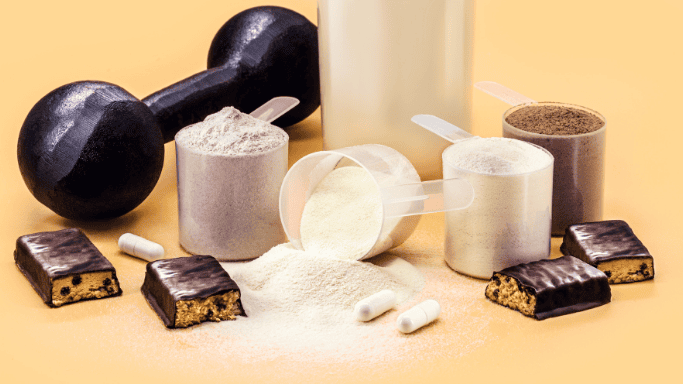
Menopause brain fog has two converging drivers: hormonal disruption and cellular energy depletion. Addressing one without the other often produces inconsistent results.
NAD+ levels decline with age and estrogen withdrawal, reducing the fuel available to brain cells for energy production, repair, and signaling.
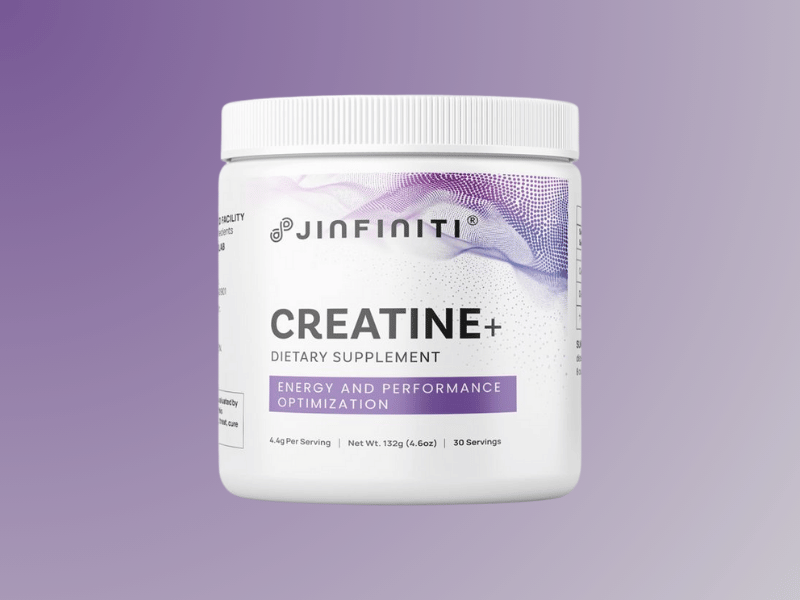
Creatine has credible clinical data for memory improvement in adults, with the strongest effects in older age groups.
Testing your NAD+ levels before supplementing gives you a measurable baseline and removes the guesswork from dosing.
You’re mid-sentence and the word just isn’t there. You walk into a room and stand there for a moment, waiting for your brain to catch up. You’ve slept, more or less, and everything still feels slower, hazier, slightly out of reach.
Menopause brain fog is widely framed as a hormone problem. That’s part of the picture. There’s a second factor that gets considerably less attention: a measurable decline in cellular energy that runs alongside the hormonal shift and compounds it. Understanding both matters, because the right supplement depends on which root cause is actually driving the fog for you.
CLIA-Certified NAD Blood Test
Find out if your NAD+ level is contributing to brain fog.
Menopause Brain Fog Has Two Causes, Not One
The standard explanation for menopause brain fog begins and ends with estrogen. Estrogen drops, cognition changes, here are some adaptogens and B vitamins. Take something, see if it helps.
That approach works for some women. For others, the results are inconsistent — and the reason is usually that only one of two distinct mechanisms is being addressed.
What Estrogen Does for Your Brain
Estrogen isn’t just a reproductive hormone. It regulates neurotransmitter activity (serotonin, dopamine, acetylcholine), supports synaptic density in the hippocampus, and helps maintain glucose transport into neurons. A 2023 review in Therapeutic Advances in Endocrinology and Metabolism found that the menopause-related decline in circulating estrogen may significantly reduce brain bioenergetics, contributing to increased risk of cognitive decline and late-onset Alzheimer’s disease in postmenopausal women.
This explains why women frequently report trouble with word recall, focus, and processing speed during perimenopause, even when standard bloodwork looks completely normal.
Why Cellular Energy Is the Missing Piece
Estrogen also plays a supporting role in mitochondrial function and NAD+ metabolism within brain tissue. NAD+ (nicotinamide adenine dinucleotide) is the coenzyme your cells use to produce energy. Your brain consumes roughly 20% of your body’s total energy output, even at rest. When NAD+ levels drop, brain cells have less fuel for signal transmission, cellular repair, and clearing metabolic waste.
NAD+ levels decline naturally with age, typically beginning in the 30s. A 2024 review in Frontiers in Endocrinology found that estrogen’s decline during menopause drives measurable changes in brain structure, connectivity, and energy metabolism. The hormonal and cellular energy declines aren’t separate events. They’re compounding each other.
Your brain ends up running on less fuel, with less hormonal support, at the same time.
Why Standard Bloodwork Won’t Catch This
A standard metabolic panel won’t detect NAD+ deficiency. Neither will a basic hormone panel. Women experiencing real cognitive symptoms in perimenopause are frequently told their tests look fine, because the biomarkers driving the problem aren’t on the panel. If you’ve been in that situation, our article on the causes of fatigue that blood tests miss covers this directly. Normal bloodwork and cellular dysfunction are not mutually exclusive.
What Makes a Supplement Worth Taking for Brain Fog?
The supplement market for menopause is large, and as Harvard Health has noted, not always well-regulated. Many products make claims that outpace the evidence.
Before choosing a supplement, consider what you’re actually trying to address. Some target the hormonal pathway (B vitamins, vitamin D, adaptogens). Some target the cellular energy pathway (NAD+ precursors, creatine). Some work on both. Which matters most depends on what’s actually depleted.
Targeting the Root Cause, Not the Symptom
A sleep-disrupting progesterone drop is a different problem than a NAD+ shortfall, and the supplement that addresses one won’t fix the other. Identify what’s actually low, then address it precisely. That’s harder than following a generic supplement list, but considerably more likely to produce results you can feel.
One Overlooked Reason Supplements Don’t Work
NAD+ precursor supplements are typically dosed based on population averages, not individual baseline levels. Someone with severely depleted NAD+ needs a very different dose than someone in the suboptimal range. Without a starting measurement, you’re supplementing blind and often under-dosing the specific problem driving your symptoms.
The Best Supplements for Menopause Brain Fog
The supplements below are ranked by the strength of evidence relevant to cognitive function in midlife women. Evidence quality varies across the list; we’re explicit about where it’s strong and where it’s preliminary.
1. NAD+ Precursors: NMN and NR
If the cellular energy component is a meaningful driver of your brain fog, this is the most targeted intervention available.
NMN and NR supply the raw materials your cells use to synthesize NAD+. Researchers have measured age-dependent NAD+ reductions in intact human brain tissue directly, and clinical trials of NR at 1,000 mg/day have produced up to a 2.7-fold increase in blood NAD+ within a week. On the mechanistic side, NAD+ activates Sirt1, which regulates the mitochondrial biogenesis and antioxidant systems neurons depend on for energy. A preclinical study in Journal of Neuroinflammation found that NAD+ repletion improved learning and memory in a cognitive impairment model by restoring this pathway. Animal data shouldn’t be read as a direct prediction of human outcomes, but the mechanism is well-characterized. Human trials on brain-specific outcomes in menopause are still underway.
A multi-pathway formula outperforms single-precursor supplements. Jinfiniti’s Vitality↑® NAD+ Booster combines NMN with Niacinamide, Creatine Monohydrate, and D-Ribose. In a clinical trial of 26 adults aged 35–65, 85% reached optimal NAD+ levels within four weeks, with average levels roughly doubling. No single-ingredient precursor has matched those results in the same population.
2. Creatine
Creatine is most associated with muscle performance. The cognitive research is newer, but the mechanism is straightforward.
The brain runs largely on phosphocreatine, a fast-acting energy reserve neurons draw on for focus, working memory, and processing speed. When stores are depleted, cognitive performance drops measurably. A 2023 systematic review and meta-analysis in Nutrition Reviews, covering 10 randomized controlled trials, found that creatine supplementation improved memory in healthy adults compared to placebo. The effect was most pronounced in older adults (ages 66–76), where the benefit was more than three times larger than in younger participants.
Creatine is also one of the four ingredients in the Vitality NAD+ Booster formula, so it doesn’t require a separate supplement if you’re already addressing the NAD+ side of the equation.
3. Magnesium Glycinate
Magnesium doesn’t target NAD+ or hormonal brain function directly, but it addresses something that significantly amplifies brain fog when it’s dysregulated: sleep.
Night sweats and insomnia are among the most common perimenopause complaints, and poor sleep will compound cognitive symptoms regardless of what else you’re doing. Magnesium glycinate has a calming effect on the nervous system that makes it the most relevant form for sleep support. It’s also more absorbable than oxide or citrate forms and less likely to cause gastrointestinal side effects.
If disrupted sleep is part of your picture, magnesium glycinate deserves a place in the protocol. See The Best Magnesium Supplements for Sleep for a breakdown of forms and dosing.
4. Vitamin D3 + K2
Vitamin D receptors are distributed throughout the brain, including in areas involved with memory and mood regulation. Low vitamin D is extremely common in postmenopausal women, and deficiency is associated with poorer cognitive performance. It’s not the most targeted intervention for brain fog specifically, but it’s a foundational micronutrient gap that’s easy to miss and worth ruling out.
The K2 pairing matters. Vitamin D3 taken without K2 can direct calcium into arteries rather than bone. MK-7, the form used in Jinfiniti’s Vitamin D3 + K2, stays active in the body for approximately 72 hours compared to 8 hours for other K2 forms, making it the more effective option for sustained calcium direction.
5. B Vitamins (B12, B6, Folate)
B vitamins support nerve function and help regulate homocysteine, an amino acid that, when elevated, is independently associated with cognitive decline. B12 deficiency is particularly common as women age, since lower stomach acid production reduces absorption over time. If you haven’t had B12 levels checked recently, it’s a reasonable baseline to establish.
These aren’t specifically targeted at the cellular energy decline of menopause, but the evidence for homocysteine reduction is solid and deficiencies are common enough to address.
How to Know If Your Supplements Are Working
For most supplements, there’s no way to verify they’re working. You take them, wait a few weeks, and try to notice whether you feel different.
Sleep, stress, hormonal fluctuation, and placebo effect all shape how you perceive your own cognition. Without a baseline, you can’t know whether the supplement changed anything.
Testing Your NAD+ Levels Before and After
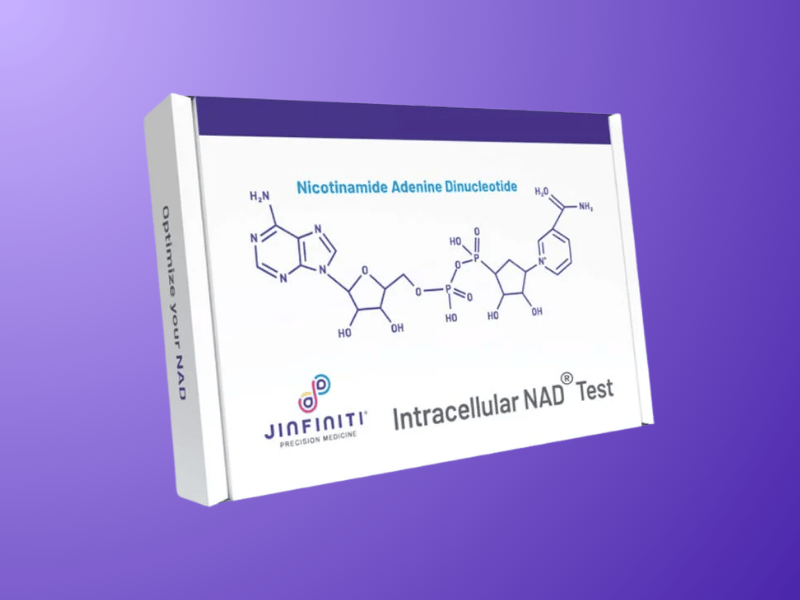
For the cellular energy piece, this is solvable. Jinfiniti’s Intracellular NAD® Test is an at-home finger-prick blood spot test that measures intracellular NAD+ levels with CLIA-certified accuracy. Results arrive within a week. Optimal range is 40–100 μM; most people presenting with fatigue and brain fog are measurably below it.
Testing before you start supplementing tells you exactly where your levels sit. Testing again at four to six weeks tells you whether the intervention worked and whether the dose needs adjusting.
As Dr. Jin-Xiong She, founder of Jinfiniti and the scientist behind the Vitality NAD+ Booster formula, explains: “Most people assume their NAD+ is fine because nothing in their standard panel flagged it. But intracellular NAD+ isn’t on a standard panel. The only way to know is to measure it — and the number changes how you interpret everything else.”
When to Retest and Adjust
If your four-week post-supplementation test shows levels in the optimal range (40–100 μM), your dose is working. If you’re still suboptimal, dose adjustment is likely needed. Some people require more than the standard serving to reach target levels, particularly when baseline levels were severely deficient. Retesting every three to four months while optimizing is a reasonable cadence.
What is the best supplement for menopause brain fog?
There’s no single best supplement. The most effective intervention depends on which root cause is driving the fog. For cellular energy deficiency, which is measurable via NAD+ testing, a multi-pathway NAD+ booster that includes creatine is the most targeted option. For sleep disruption amplifying cognitive symptoms, magnesium glycinate addresses a different part of the picture. A baseline test is the most efficient starting point before committing to a specific protocol.
Can NAD+ supplements help with menopause brain fog?
Research suggests that NAD+ precursors like NMN and NR may support cognitive function by restoring the cellular energy reserves that estrogen previously helped maintain in brain tissue. Human clinical data on brain-specific outcomes is still developing, but the mechanism is well-characterized and consistent with the broader evidence base on NAD+ and aging. Testing your baseline NAD+ levels before supplementing helps determine whether this is a meaningful factor for you.
Does creatine help with brain fog during perimenopause?
Evidence is growing. A 2023 meta-analysis found creatine supplementation improved memory in healthy adults, with the most pronounced effects in older age groups. The brain relies on phosphocreatine for high-demand cognitive tasks, and low stores correspond to the kind of processing lag many perimenopausal women describe. Creatine is also safe, well-studied, and among the more evidence-backed supplements available for cognitive support in midlife.
How long does it take for supplements to help with menopause brain fog?
It varies by supplement and by how depleted you are at baseline. For NAD+ precursors, Jinfiniti’s clinical trial found that 85% of participants reached optimal NAD+ levels within four weeks. Creatine loading protocols can produce measurable effects faster; maintenance dosing takes longer. Magnesium and vitamin D3 changes tend to become apparent over four to eight weeks. Testing at baseline and again after four to six weeks of consistent supplementation is the most reliable way to track actual progress.
Zhu J, Zhou Y, Jin B, Shu J. Role of estrogen in the regulation of central and peripheral energy homeostasis: from a menopausal perspective. Therapeutic Advances in Endocrinology and Metabolism. 2023;14. https://doi.org/10.1177/20420188231199359
Zhang C, Feng X, Zhang X, et al. Research progress on the correlation between estrogen and estrogen receptor on postmenopausal sarcopenia. Frontiers in Endocrinology. 2024;15:1494972. https://doi.org/10.3389/fendo.2024.1494972
Hou Y, Lautrup S, Cordonnier S, et al. NAD+ in brain aging and neurodegenerative disorders. Cell Metabolism. 2019;30(4):630-655. https://doi.org/10.1016/j.cmet.2019.09.001
Liang Y, Wan X, Qin W, et al. NAD+ improves cognitive function and reduces neuroinflammation by ameliorating mitochondrial damage and decreasing ROS production in chronic cerebral hypoperfusion models through Sirt1/PGC-1α pathway. Journal of Neuroinflammation. 2021;18(1):207. https://doi.org/10.1186/s12974-021-02250-8
Prokopidis K, Giannos P, Triantafyllidis KK, et al. Effects of creatine supplementation on memory in healthy individuals: a systematic review and meta-analysis of randomized controlled trials. Nutrition Reviews. 2023;81(4):416-427. https://doi.org/10.1093/nutrit/nuac064
Joe Rogan’s supplement stack is less a fixed “shopping list” and more a living organism. It shifts with training blocks, travel, guests, and whatever topic is lighting up his curiosity that month.
This guide is a definitive review of the supplements Rogan has discussed using on The Joe Rogan Experience, plus a safety-first sidebar on the non-supplement performance tools he’s mentioned publicly.
Below, each supplement is broken down the same way: what it’s best for, what to watch out for, and who should skip it.
A clear pattern emerges: the most useful supplements Joe Rogan uses tend to fall into two buckets:
Foundational basics (nutrients and performance staples that correct common gaps).
Your needs are not Joe’s needs. Use this Joe Rogan supplement stack like a menu, not a mandate. The best results come from matching supplements to your goals, your baseline, and real feedback like labs, symptoms, and performance markers.
What to Know Before Copying Any Celebrity Stack
More pills doesn’t equal better outcomes. Supplements are most useful when they’re correcting a measurable gap or supporting a specific goal.
Dose and form matter as much as the ingredient. Magnesium oxide and magnesium glycinate are very different experiences.
Testing beats guessing. If you’re using longevity or metabolic supplements, consider biomarker-based decisions instead of vibes.
Supplements can interact with medications and health conditions. If you’re pregnant, immunocompromised, managing kidney disease, or on blood thinners, talk to a clinician.
CLIA-Certified Health Panel
Complete biomarker profile to guide your supplement stack.
The “Confidence Tiers” We Use in This Review
To keep this grounded, each item is labeled by evidence strength and real-world usefulness:
Tier 1 (Strong): Consistent benefits across multiple studies and real-world use.
Tier 2 (Good but contextual): Helpful in the right person, the right dose, the right situation.
Tier 3 (Promising but early): Some human evidence, but outcomes are inconsistent or limited.
Tier 4 (Mostly anecdote/marketing): Benefits are plausible, but evidence is thin.
Clinician territory: Not really a supplement; medical supervision recommended.
Joe Rogan Supplement List (2026)
Supplement
Category
Best for
Evidence tier
Typical dose range
Who should be cautious
Vitamin D (often paired with K2)
Foundation
Correcting deficiency, bone/immune support
Tier 1–2
600–2000 IU/day (higher if deficient per clinician)
High-dose without labs; hypercalcemia risk
Omega‑3 (EPA/DHA)
Foundation
Triglycerides, heart/brain support
Tier 1–2
~1–4 g/day EPA+DHA depending on goal
Blood thinners, surgery planning
Creatine
Performance
Strength, power, training volume
Tier 1
3–5 g/day
Kidney disease requires clinician input
Magnesium
Recovery/sleep
Sleep quality, cramps, stress support
Tier 2
100–400 mg elemental/day
Kidney disease, GI sensitivity
Probiotics
Gut
Targeted digestive support
Tier 2
Strain-specific
Immunocompromised (case-by-case)
Greens powder (AG1)
Convenience
“Nutrition insurance” (sometimes)
Tier 3–4
Product-specific
Substituting for whole food
NMN / NR
Longevity
NAD support (personalized)
Tier 1–2
Product-specific
Complex medical history; clinician input
Resveratrol
Longevity
Metabolic/inflammatory endpoints (mixed)
Tier 3
100–500 mg/day in many trials
Blood thinners
Alpha BRAIN (Onnit)
Cognition
Short-term focus experiments
Tier 3
Product-specific
Sensitive to stimulants/herbs
L‑theanine
Sleep/calm
Calm focus, sleep support
Tier 2–3
100–400 mg
Low BP, sedatives
Lion’s mane
Cognition
Early evidence for mood/cognition
Tier 3
500–3000 mg/day (varies)
Allergy to mushrooms
Zinc / Vitamin C
Immune
Cold duration support (contextual)
Tier 2–3
Zinc 50–100 mg/day short-term
Nausea; copper depletion if chronic
Curcumin / Turmeric
Inflammation
Joint discomfort, soreness
Tier 2–3
500–1500 mg curcuminoids
Blood thinners
Berberine
Metabolic
Glucose/lipids support
Tier 2–3
500 mg 2–3x/day
Med interactions, pregnancy
Note: This list is based on Joe’s own on-air comments and recurring JRE discussions. Like any routine, details can change over time.
The Foundation: Where Most People Actually Benefit
If you’re going to borrow anything from this supplement routine, borrow the basics. These aren’t flashy, but they tend to offer the best return on effort.
Vitamin D (and why K2 is often mentioned)
Best for: People with low vitamin D status, limited sun exposure, darker skin tones, winter months, or bone health goals.
Vitamin D is one of those “silent gap” nutrients: many people don’t realize they’re low until a lab shows it. Correcting deficiency can meaningfully support bone health and normal immune function. But higher and higher doses aren’t automatically better.
Pros: Strong rationale for deficiency correction; common gap.
Cons: Over-supplementation without labs can cause problems.
Not for / caution: High-dose vitamin D without monitoring; conditions affecting calcium metabolism.
If you’d rather not play “supplement label detective,” pick one simple, well-formulated D3+K2 and stick with it.
Jinfiniti’s Vitamin D3 + K2 combines D3 with MK‑7 K2 in an oil base, which is a practical setup when you’re correcting low levels under clinician guidance.
Omega‑3 fish oil (EPA/DHA)
Best for: Triglyceride support, people who rarely eat fatty fish, and those building a cardio-metabolic foundation.
Omega‑3s are one of the most researched supplement categories. The biggest “slam dunk” outcome is triglyceride reduction, while other outcomes depend on dose, population, and baseline diet.
Pros: Good evidence for triglycerides; supports overall dietary pattern.
Cons: Product quality varies; “fish oil” on a label doesn’t tell you the EPA+DHA content.
Not for / caution: High doses around surgery, or with blood thinners unless guided.
Best for: Strength and power training, higher training volume, and anyone who wants a well-supported performance staple.
Creatine has earned its reputation. In sports nutrition circles, it’s one of the most consistently effective supplements for improving strength and high-intensity performance.
If you’re already sold on creatine and want an easy “one scoop” option, Creatine + ATP pairs the gold-standard creatine monohydrate with disodium ATP for a research-backed performance boost.
If you prefer to keep it simple with plain creatine, that’s fine too. The biggest performance win is consistency.
Best for: People with low dietary magnesium intake, frequent cramps, sleep disruption, or higher training stress.
Magnesium is foundational, but it’s also a category where form matters. Some forms are more likely to cause digestive upset, while others are better tolerated.
Pros: Supports normal muscle and nerve function; often under-consumed.
Cons: Too much can cause GI distress.
Not for / caution: Kidney disease; high-dose supplementation without guidance.
This is where stacks can get noisy. The goal is to match the tool to the problem.
Probiotics
Best for: Specific, targeted digestive goals where the strain and dose match the evidence.
The probiotic story is not “take any probiotic and become a new person.” It’s more like: certain strains can help in certain contexts, and many products aren’t specific enough.
Pros: Can be useful when matched to the right use case.
Cons: Hard to evaluate quality; strain specificity is often missing.
Not for / caution: Immunocompromised individuals should consult a clinician.
Greens powders (AG1 and the “nutrition insurance” idea)
Best for: People who want convenience and understand what it can’t replace.
Greens powders can be a “better than nothing” habit for some people. The trap is thinking they replace fiber-rich whole foods, protein, or a diet with adequate micronutrients.
McGill University published a grounded critique that helps calibrate expectations.
You can also check out our comparisons of AG1 vs IM8 and Grüns vs AG1 for more detailed breakdowns.
Pros: Convenient, may help some people be more consistent.
Cons: Marketing often implies benefits that aren’t directly proven.
Not for / caution: Anyone using it as a substitute for meals.
Greens powder vs real-food alternatives (quick comparison)
Option
Fiber
Protein
Micronutrients
Best use
Greens powder
Low–moderate
Low
Variable
Convenience add-on
Fruits + veggies
High
Low–moderate
Strong
Foundation
Greek yogurt + berries
Moderate
High
Strong
Recovery + gut support
Beans/lentils
Very high
Moderate
Strong
Metabolic + gut support
Longevity and Cellular Energy Supplements
This is the most tempting part of Rogan-style stacks: the promise of more energy, better aging, sharper output. It’s also where personalization matters most.
NMN and NR (NAD precursors)
Best for: People exploring cellular energy support, especially if they plan to measure response.
NAD precursors such as NMN and NR have human studies, but outcomes depend on context and study design. NMN has randomized trial data in specific endpoints like fatigue and sleep quality in certain populations. NR also has human trial data in specific research settings.
Pros: Promising research area; plausible mechanism.
Cons: Not everyone responds the same; product quality matters.
Not for / caution: Pregnancy/breastfeeding; complex medical conditions without clinician input.
Here’s the move that keeps this category grounded: choose one NAD strategy, then verify you’re responding.
Jinfiniti’s Intracellular NAD® Test measures NAD inside your cells, so you can see whether you’re low to start and whether NMN/NR is actually moving the needle. Jinfiniti founder Dr. Jin-Xiong She considers 40–100 μM an optimized intracellular NAD range.
If you want an NAD approach that’s built as a system instead of a single-ingredient experiment, Vitality ↑® NAD+ Booster combines NMN with niacinamide, creatine, and D‑ribose to support multiple pathways involved in NAD metabolism.
If you’re specifically considering NMN, these guides can help you set expectations on dosing and safety: NMN dosage and what NMN is.
Resveratrol
Best for: People interested in cardiometabolic and inflammatory endpoints, with realistic expectations.
Resveratrol research is mixed. Some meta-analyses show modest improvements in certain markers depending on population, baseline health, and dose, while others show limited impact.
Pros: Some signals in metabolic/inflammatory pathways.
Cons: Effects aren’t consistently strong across populations.
Not for / caution: People on anticoagulants/antiplatelet medications should get clinician input.
Brain, Focus, and Sleep: Joe’s Nootropics Stack
Cognitive supplements are where expectations get dramatic and results get subtle. The best approach: treat them like a personal experiment with clear metrics.
Alpha BRAIN (Onnit)
Best for: People who want to test a finished-product nootropic for short-term focus.
There is a randomized, placebo-controlled trial on the finished product in healthy adults (not the same as proving each ingredient individually).
Pros: Some evidence exists for the finished-product category.
Cons: Results can be modest; individuals vary widely.
Not for / caution: Anyone sensitive to herbal blends or stimulants.
L‑theanine
Best for: Calm focus, smoothing caffeine edges, and sleep support for some people.
Pros: Generally well tolerated; fits well with caffeine routines.
Cons: Not a universal sleep fix.
Not for / caution: Low blood pressure or sedative medications (ask a clinician).
Lion’s mane
Best for: People exploring early evidence for cognition/mood support.
Lion’s mane has growing interest and some RCT evidence, but it’s still early and not definitive.
Pros: Interesting early human data.
Cons: Not a guaranteed cognitive upgrade.
Not for / caution: Mushroom allergy.
If you like the “brain” category but want something more comprehensive than a single ingredient, RejuvenAid® layers cognitive support (like Alpha‑GPC) with cellular defense nutrients (like ergothioneine and carnosine).
It’s a good fit if your goal is steady clarity plus long-term cellular protection, not a short-lived nootropic spike.
🧬IF YOU LIKE THIS, YOU’LL LOVE THESE
If you found this guide helpful, you’ll also like:
Best for: Short-term use when you feel a cold coming on.
The most consistent zinc story is about potentially shortening cold duration in some contexts. A Cochrane review summarizes the evidence and limitations.
Pros: Can be useful short-term.
Cons: Nausea and taste issues are common.
Not for / caution: Long-term high-dose zinc can contribute to copper imbalance.
Vitamin C
Best for: People who want modest, short-term support, not miracle prevention.
This is a powerful category when it’s matched to the right goal: joint comfort, soreness, metabolic health, and systemic inflammation.
Curcumin / Turmeric
Best for: Joint discomfort and soreness support, especially in osteoarthritis contexts.
Curcumin research includes multiple trials and meta-analyses, particularly in joint-related outcomes.
Pros: Good evidence in some joint discomfort contexts.
Cons: Absorption varies widely by formulation.
Not for / caution: Blood thinners; GI sensitivity.
If you want a joint-and-recovery option that’s more than “just curcumin,” Extra Strength Turmeric+ stacks turmeric with boswellia, ginger, and quercetin.
It also includes black pepper extract, which is often used to support curcumin bioavailability.
Berberine
Best for: Metabolic support (glucose and lipid markers), especially when paired with diet changes.
Cons: GI side effects and interactions are possible.
Not for / caution: Pregnancy; people on glucose-lowering medications should consult a clinician.
If berberine fits your metabolic goals, formulation details matter more than most people realize.
Natural Berberine+ pairs high-potency berberine with a botanical blend and black pepper extract, which is useful if you want one product instead of layering five.
Best for: People interested in emerging longevity pathways who understand evidence is early.
Senolytics are an exciting longevity concept, but most of the strong data is still preclinical or early-stage human work. It’s a “promising but early” bucket.
If you want a broader inflammation context that includes these compounds, start here with our guide to the best supplements for inflammation.
If you’re curious about senolytics but not interested in building a DIY stack, SenoAid™ Senolytic Complex combines quercetin and fisetin in one formula, with supportive ingredients like bromelain and piperine.
This category works best when you treat it like an experiment with a clear goal and timeframe, not a forever-daily habit.
Other Non-Supplement Compounds (Clinician Territory)
Rogan has openly talked about TRT (including why he started and how much difference it makes) in official JRE clips, and he’s also discussed peptides like BPC‑157 in the context of recovery and regulation (see JRE #2079).
These aren’t over-the-counter supplements in the normal sense, and their risk/benefit profile depends heavily on medical context. If you’re considering anything in this lane, treat it as a clinician-led decision, not a podcast-inspired impulse.
The Smarter Way to Borrow from Joe’s Stack
Instead of asking “What does Joe take?” ask:
What’s my goal?
What’s my baseline?
What’s the smallest set of changes that moves the needle?
Goal-based mini-stacks (examples)
Goal
Starter stack (3–5 items)
Best biomarker to check first
Training performance
Creatine, magnesium (if low), omega‑3 (if low fish intake)
Omega‑3 fish oil: Joe says he takes Carlson’s liquid fish oil in JRE #1178, also with Rhonda Patrick
Beyond that foundation, the show repeatedly circles back to performance staples (like creatine and magnesium), gut support (probiotics), immune-season add-ons (vitamin C and zinc), and longevity compounds (NMN/NR, resveratrol).
Does Joe Rogan take NMN or NR?
On JRE, NMN and NR are the NAD boosters Joe investigates most deeply, especially in his longevity conversations with researchers like David Sinclair in JRE #1234.
The practical takeaway for readers is simple: if you’re going to experiment with NAD precursors, treat it like an experiment you can verify. Measure your baseline, run a plan, then retest.
Is Alpha BRAIN actually studied?
There is a randomized, placebo-controlled trial of the finished product in healthy adults.
Are greens powders worth it?
They can be a convenience tool, but they shouldn’t replace whole food foundations.
What are the safest “first three” supplements for most people?
It depends on diet and labs, but common “foundation” candidates include vitamin D (if deficient), omega‑3 (if low fish intake), and creatine (if training). Magnesium is also common if intake is low.
Final Takeaway
Joe Rogan’s stack is a useful mirror, not a map. The best use of it is to notice which categories keep showing up and then make them personal:
Foundation first (nutrients and performance staples).
If you want the “precision” version of the longevity category, start with Intracellular NAD® testing and consider the NAD optimization approach instead of blind copying.
You’ve probably seen the warnings online: creatine causes acne, triggers breakouts, or wrecks your skin. The claims spread fast through fitness forums and social media, leaving many people second-guessing one of the most studied supplements on the market.
Here’s what the science actually shows: no direct link between creatine and acne exists in the research. Not a single study has documented that taking creatine supplements causes breakouts.
If you’re experiencing skin issues while you use creatine, the real culprits are likely whey protein (which does have strong evidence for triggering acne breakouts), increased sweating from harder workouts, or changes to your overall diet.
What You Should Know
Creatine clears from your bloodstream within 24 hours but remains stored in muscles for 4 to 8 weeks after you stop
Your muscle stores decline gradually, not immediately, so performance benefits persist for weeks
Individual factors like muscle mass and training intensity affect how long creatine stays active in your system
You don’t need to cycle off creatine for safety reasons since continuous use is well-tolerated
Does Creatine Cause Breakouts or Pimples?
The short answer is no. Decades of research on creatine supplementation have found no connection to acne development.
Creatine is a naturally occurring compound your body produces in the liver, kidneys, and pancreas. It’s stored in your muscles and brain, where it helps regenerate ATP (adenosine triphosphate), your cells’ primary energy source. When you supplement with creatine, you’re simply adding more of what your body already makes and uses daily.
This matters because people often confuse creatine with anabolic steroids. Steroids are synthetic hormones that can absolutely cause acne by increasing oil production and clogging pores. Creatine works through completely different mechanisms related to energy metabolism, not hormonal manipulation.
More than 30 years of safety research backs this up. There’s no evidence that creatine use causes acne across hundreds of studies involving thousands of participants.
The timing creates confusion. People start taking creatine when they ramp up their workout routines, change their diets, and add other supplements to their regimen. When acne breakouts appear, creatine gets blamed by association rather than evidence.
The DHT Study Everyone Talks About
One study keeps appearing in these discussions. In 2009, researchers at Stellenbosch University studied 20 college rugby players who took creatine for three weeks.[1]
The team found that DHT (dihydrotestosterone, a hormone that can increase oil production) rose by 56% during the loading phase and remained 40% above baseline during maintenance.
That sounds concerning until you look closer. The study had just 20 participants and lasted only three weeks. The researchers measured hormone levels in blood, not actual acne breakouts or skin changes. Nobody in the study developed acne or reported skin problems.
Most telling: no other study has replicated these findings. Twelve subsequent studies examining the effects of creatine on testosterone found no hormonal changes.
A 2025 randomized controlled trial specifically measured DHT levels, testosterone, and actual hair follicle health over 12 weeks. The results showed no differences between creatine and placebo groups.[2]
The scientific consensus is clear. Creatine supplementation does not increase DHT or testosterone in ways that would trigger skin problems.
Dr. She’s Creatine Formula
Pure creatine with ATP for total body performance.
Can Creatine Cause Acne on Your Face or Body?
Based on current research, creatine doesn’t cause facial or body acne through any known biological mechanism.
Acne forms when four things happen together: excess sebum (oil) production, dead skin cells building up, pores getting clogged, and bacteria multiplying in those clogged pores. Hormones like testosterone and DHT can increase oil production, which is why the DHT study got so much attention.
But here’s the thing: even if creatine did affect DHT levels (which research shows it doesn’t consistently), those changes would need to be large enough and sustained enough to alter your skin’s oil production significantly.
The 2009 study showed temporary hormone fluctuations within normal clinical ranges, not the dramatic shifts seen with actual acne-causing substances like anabolic steroids.
Creatine helps your muscles store energy by increasing phosphocreatine availability. Your skin doesn’t even rank among the top tissues for creatine storage. The compound concentrates in muscles and brain tissue, where energy demands run highest.
Some research suggests topical creatine might actually benefit your skin. We’ll get to that in a moment.
What About Eczema and Other Skin Conditions?
Zero evidence connects creatine to eczema flare-ups or other inflammatory skin conditions. Eczema stems from immune system dysfunction and skin barrier problems, not the energy metabolism pathways that creatine affects.
If you notice skin changes after starting creatine, look at what else changed. Many creatine products contain additives, artificial sweeteners, or fillers that could trigger sensitivities. Some people mix creatine with drinks containing ingredients they’re actually reacting to.
Consider getting tested for specific allergens if you’re experiencing persistent skin issues. The problem likely isn’t the creatine molecule itself.
What Actually Causes Breakouts in Gym-Goers?
If creatine isn’t causing acne, what is? The answer usually involves factors that have nothing to do with your supplement choice.
Whey Protein Is the Real Problem
Unlike creatine, whey protein has solid scientific evidence linking it to acne development. Multiple studies document this connection clearly.
Research published in Health Promotion Perspectives followed six male patients who developed trunk acne after starting whey protein supplements.[3]
A case-control study in Jordan examined 201 male teenagers and young adults, finding strong associations between whey consumption and acne risk.[4]
A study in João Pessoa tracked 30 gym-goers for two months. Every single participant developed or worsened acne while using protein-calorie supplements containing whey.[5]
The mechanism is well understood. Whey protein increases levels of IGF-1 (insulin-like growth factor 1), a hormone that stimulates sebum production and accelerates skin cell growth. This combination clogs pores and creates perfect conditions for acne-causing bacteria.[6]
Most people mix creatine with whey protein shakes. When breakouts appear, they blame the creatine instead of the whey. If you’re using both supplements and experiencing skin problems, the whey is almost certainly the culprit.
Plant-based proteins don’t trigger the same IGF-1 response. Switching from whey to pea, rice, or hemp protein often clears up skin issues completely.
Sweat, Bacteria, and Poor Hygiene
Creatine helps you train harder and longer. That means more sweating. When sweat sits on your skin mixed with oil and bacteria, you’re setting up ideal conditions for breakouts.
The problem isn’t the sweat itself. It’s what happens when you don’t shower promptly after your workout. Bacteria multiply in the warm, moist environment. Dead skin cells accumulate. Pores get clogged.
Common mistakes that trigger gym acne:
Waiting hours to shower after working out
Touching your face with unwashed hands during sets
Using gym equipment without wiping it down first
Wearing the same workout clothes multiple times between washes
Sleeping in your gym clothes (yes, people do this)
Your creatine supplement doesn’t cause any of these problems. Your hygiene habits do.
Creatine helps you push harder during workouts, which can improve energy and performance. That increased training intensity means more sweating, but the sweat itself isn’t the issue.
Dietary Changes That Come with Supplementation
When people start taking creatine seriously, their entire eating pattern often shifts. They consume more dairy, eat more protein bars loaded with sugar, drink more milk-based shakes, and generally increase their intake of processed foods.
These dietary changes affect your skin more than creatine ever could. Dairy consumption is linked to acne through multiple pathways. High-glycemic foods spike insulin levels, which triggers a cascade of hormonal changes that increase oil production. Even the timing of meals can affect skin health through circadian rhythm disruptions.
Track what you’re eating, not just what supplements you’re taking. The answer to your skin problems probably sits on your plate, not in your supplement stack.
While people worry about creatine causing acne, research shows it might actually help your skin when applied topically.
A study published in the Journal of Cosmetic Dermatology followed 43 men who applied a creatine-containing face cream for six weeks. The results showed reduced sagging in the jowl area, fewer crow’s feet wrinkles, and less pronounced under-eye wrinkles compared to baseline measurements.[7]
Research shows topical creatine can:
Rapidly penetrate the dermis and boost collagen
Reduce wrinkle depth and improve overall skin texture
Boost production of glycosaminoglycans (molecules that keep skin hydrated)
Support ceramide synthesis (lipids that protect your skin barrier)
Provide photoprotection against UV damage
The mechanism makes sense. Your skin cells need energy to function properly, repair damage, and synthesize proteins like collagen. Creatine provides that cellular energy by supporting ATP production. As you age, your skin’s natural creatine levels decline, which may contribute to visible aging signs.
Dr. Jin-Xiong She, founder of Jinfiniti Precision Medicine, notes: “Cellular energy is the foundation of healthy tissue function throughout the body. When we optimize energy metabolism at the cellular level through compounds like creatine and NAD+ precursors, we often see beneficial effects that extend far beyond the muscles. Skin health is no exception.”
Here’s the irony: people avoid creatine supplements because they fear acne, when topical creatine formulations are being studied for anti-aging skincare benefits.
How to Prevent Acne While Taking Creatine
If you want clear skin while you use creatine supplements, focus on the factors that actually matter.
Post-workout hygiene is non-negotiable:
Shower within 30 minutes after finishing your workout
Use a gentle, non-comedogenic cleanser on your face and body
Pay extra attention to areas where you sweat heavily (back, chest, shoulders)
Change out of sweaty clothes immediately after training
Wash gym clothes after every single use
Evaluate your protein source:
Switch from whey to plant-based proteins if you’re experiencing breakouts
Read labels carefully. Many “creatine” products contain whey or dairy additives
Consider using pure creatine monohydrate without added ingredients
Track your dairy intake separately from supplement use
Optimize your training environment:
Wipe down equipment before and after use
Avoid touching your face during workouts
Use a clean towel for wiping sweat
Consider bringing face wipes to the gym for quick cleaning between exercises
Support skin health through nutrition:
Stay well-hydrated (at least 8-10 glasses of water daily)
Reduce high-glycemic foods that spike insulin
Get enough sleep (poor sleep affects skin healing and oil production)
Consider getting your NAD+ levels tested to optimize cellular energy metabolism
Eat foods rich in omega-3 fatty acids for skin barrier support
Consider products that combine creatine with ATP for enhanced cellular energy
Track changes systematically:
Take photos of your skin before starting any new supplement
Keep a food and supplement journal
If problems develop, remove one variable at a time (don’t stop everything at once)
Give each change at least 2-3 weeks before evaluating results
When to Be Concerned About Skin Changes
Most skin changes aren’t related to creatine directly. If you experience any of these symptoms, they may point to additives or contaminants in low-quality products rather than creatine itself:
Sudden severe acne appearing within days of starting a new supplement
Hives, rashes, or other allergic reactions
Skin changes combined with digestive issues or other symptoms
Check your product labels for artificial sweeteners, dyes, or flavoring agents that can trigger sensitivities. If you’re experiencing persistent problems, stop all supplements for two weeks and reintroduce them one at a time.
A dermatologist can help determine whether you’re dealing with acne, folliculitis, contact dermatitis, or another condition that requires specific treatment.
The Final Scoop
Three decades of research involving thousands of participants show no link between creatine and acne. If you’re experiencing breakouts while you take creatine supplements, the real causes are whey protein, poor post-workout hygiene, or dietary changes that came with your new fitness routine.
Creatine remains one of the safest and most studied supplements available. Don’t let unfounded myths prevent you from using an effective performance enhancer. Focus on what actually matters: showering after workouts, choosing quality supplements without unnecessary additives, and paying attention to your overall diet and cellular health.
Referenced Sources
van der Merwe J, Brooks NE, Myburgh KH. Three Weeks of Creatine Monohydrate Supplementation Affects Dihydrotestosterone to Testosterone Ratio in College-Aged Rugby Players. Ovid Technologies (Wolters Kluwer Health); 2009. https://doi.org/10.1097/jsm.0b013e3181b8b52f
Lak M, Forbes SC, Ashtary-Larky D, Dadkhahfar S, Robati RM, Nezakati F, et al. Does creatine cause hair loss? A 12-week randomized controlled trial. Informa UK Limited; 2025. https://doi.org/10.1080/15502783.2025.2495229
Cengiz FP, Cevirgen Cemil B, Emiroglu N, Gulsel Bahali A, Onsun N. Acne located on the trunk, whey protein supplementation: Is there any association? Maad Rayan Publishing Company; 2017. https://doi.org/10.15171/hpp.2017.19
Muhaidat J, Qablan A, Gharaibeh F, Albataineh GH, Abdo N, Alshiyab D, et al. The Effect of Whey Protein Supplements on Acne Vulgaris among Male Adolescents and Young Adults: A Case-Control Study from North of Jordan. Wiley; 2024. https://doi.org/10.1155/2024/2158229
Pontes T de C, Fernandes Filho GMC, Trindade A de SP, Sobral Filho JF. Incidence of acne vulgaris in young adult users of protein-calorie supplements in the city of João Pessoa – PB. FapUNIFESP (SciELO); 2013. https://doi.org/10.1590/abd1806-4841.20132024
Kim H, Moon SY, Sohn MY, Lee WJ. Insulin-Like Growth Factor-1 Increases the Expression of Inflammatory Biomarkers and Sebum Production in Cultured Sebocytes. Korean Dermatological Association and The Korean Society for Investigative Dermatology; 2017. https://doi.org/10.5021/ad.2017.29.1.20
Peirano RI, Achterberg V, Düsing HJ, Akhiani M, Koop U, Jaspers S, et al. Dermal penetration of creatine from a face-care formulation containing creatine, guarana and glycerol is linked to effective antiwrinkle and antisagging efficacy in male subjects. Wiley; 2011. https://doi.org/10.1111/j.1473-2165.2011.00579.x
Reports on how long it takes to clear creatine out of your system range from hours to months. Both are correct. But they’re referring to two entirely different processes.
The problem is that people confuse blood clearance with muscle stores. And blood plasma and muscles work on different time scales.
Creatine clears your blood stream in less than 24 hours. But it takes your muscles 4-8 weeks to fully deplete. And that’s why your strength doesn’t immediately vanish when you go off creatine.
What You Should Know
Creatine clears from your bloodstream within 24 hours but remains stored in muscles for 4 to 8 weeks after you stop
Your muscle stores decline gradually, not immediately, so performance benefits persist for weeks
Individual factors like muscle mass and training intensity affect how long creatine stays active in your system
You don’t need to cycle off creatine for safety reasons since continuous use is well-tolerated
How Long Creatine Stays in Your System
Creatine clearance in your blood is completely different from creatine clearance in your muscles.
Blood Clearance Happens Fast
When you take creatine, it enters your bloodstream within an hour. Peak blood concentration hits around 1 to 2 hours after you swallow it.
From there, clearance is quick:
Half-life: 2.5 to 3 hours in your plasma (the time it takes for half the amount to clear)
Complete blood clearance: 12 to 24 hours after your last dose
Urinary excretion: About 46% of ingested creatine exits through urine within 24 hours[1]
Creatinine clearance: Around 21 hours (creatinine is the waste product your body converts creatine into)
This rapid blood clearance matters for blood work timing and knowing when creatine stops circulating through your system.
Muscle Storage Lasts Much Longer
What happens in your muscles is completely different and far more relevant to your performance.
About 95% of creatine in your body gets stored in skeletal muscle tissue as phosphocreatine (creatine bound to phosphate). This stored form acts as a quick energy reserve during high-intensity activity, helping regenerate ATP when your muscles need rapid bursts of power.[2]
Your muscles hold onto this creatine tightly. When you stop supplementing, muscle stores decline slowly over 4 to 8 weeks before returning to your natural baseline.
This extended retention explains why you don’t suddenly lose strength or size the day after your last dose. The performance benefits you’ve built persist for weeks as your muscles gradually use up their elevated stores.
Dr. She’s Creatine Formula
Pure creatine with ATP for total body performance.
The Creatine Washout Period: What Science Shows
A 2004 study from the University of Massachusetts tracked exactly what happens during a creatine washout period.
The 30-Day Washout Study
The 2004 study published in the Journal of Strength and Conditioning Research examined a male athlete who took 20 grams per day for 5 days (a typical loading phase), then stopped completely for 30 days.[3]
Here’s what the study found:
Muscle phosphocreatine jumped 45% above baseline during loading
After 30 days without creatine, levels only dropped 22%
Muscle stores remained 23% higher than pre-supplementation after a full month
Plasma and urine creatine returned to normal within 30 days
Body weight stayed elevated (+2.0 kg throughout the washout period)
The researchers noted that “the washout period for muscle creatine to return to baseline levels may be longer than 30 days in some individuals.”
What This Means for You
If you stop taking creatine after regular use, you’re looking at a minimum of 4 to 6 weeks before muscle stores normalize. Many people need closer to 8 weeks.
The longer you’ve been supplementing, the more muscle saturation you achieve, which can extend retention time even further.
Your performance benefits decline gradually during this period, not overnight. You might notice a small drop in your ability to push through the last rep of a heavy set, but the change happens slowly.
Your body continues producing creatine naturally at about 1 to 2 grams of creatine per day, so you never fully deplete. You just return to pre-supplementation levels.
Why Does Creatine Stay Longer in Some People?
People clear creatine at different rates. Several factors determine how long elevated muscle stores persist after you stop.
Muscle Mass Makes a Big Difference
People with more muscle tissue can store significantly more creatine. A 200-pound bodybuilder has substantially higher storage capacity than a 150-pound recreational athlete.[2]
Higher muscle mass typically extends retention time because there’s simply more creatine to clear. Someone with 180 pounds of lean body mass might maintain elevated levels for 8 weeks, while someone with 140 pounds might return to baseline in 5 to 6 weeks.
This storage capacity explains why athletes and people who lift regularly see longer-lasting effects after stopping supplementation.
Your Activity Level Matters
High-intensity training depletes creatine stores faster than moderate exercise. Sprinters, powerlifters, and CrossFit athletes burn through phosphocreatine rapidly during training.[4]
If you stop supplementing with creatine but keep training hard, your muscles use up stored creatine more quickly. Someone doing heavy squats three times per week will deplete stores faster than someone training at lower intensity.
On the flip side, if you reduce training volume or stop exercising entirely, your muscles use less creatine per day. This slower depletion can actually extend how long elevated levels persist.
How Long You’ve Been Supplementing
First-time users often see faster initial clearance compared to people who’ve been supplementing for months or years.
Long-term supplementation allows your muscle cells to adapt and maintain higher saturation levels. When you stop after extended use, these cellular adaptations (changes in how your muscles store and use creatine) can keep levels elevated longer.
Someone who’s been taking creatine supplements for 6 months will likely retain elevated stores longer than someone who only supplemented for 3 weeks.
What Happens to Your Body When You Stop Taking Creatine
The changes after stopping creatine happen gradually over several weeks, not suddenly. Here’s the typical timeline:
Weeks 1-2:
Minimal noticeable changes in strength or performance
Muscle stores remain substantially elevated
Training feels normal
Weeks 3-4:
Slight decreases in strength and power output for high-intensity efforts
Most noticeable during heavy lifting or sprinting
The difference is detectable but not dramatic
Weeks 5-8:
Muscle creatine levels approach your natural baseline
Performance on explosive movements may drop 5 to 10% compared to fully-saturated state
Water weight normalizes (you’ll likely lose 2 to 5 pounds)
There’s no “crash” or withdrawal symptoms. Your body handles the transition seamlessly since it never stopped producing its own creatine.
Any muscle mass you gained from training remains, assuming you keep working out. The size you built from increased training volume doesn’t disappear just because creatine levels drop.
The idea that you need to cycle off creatine comes from old bodybuilding forums that confused creatine protocols with steroid cycles. They’re not remotely similar.
The International Society of Sports Nutrition reviewed decades of research and concluded that creatine monohydrate is safe for continuous use. Their position stand confirms that supplementation at doses up to 30 grams per day for 5 years shows no adverse effects in healthy individuals.[2]
Your body doesn’t become “dependent” on supplemental creatine. Natural production continues even when you’re taking supplements daily.
Continuous supplementation at 3 to 5 grams per day keeps muscle saturation at optimal levels, which maximizes the performance benefits you’re taking it for in the first place.
The only valid reason to stop is personal preference or if you want to experience what your baseline performance feels like without it. If you’re looking for effective creatine options, choose products with proven absorption and purity.
Does Creatine Show Up on Blood Tests?
Creatine supplementation can affect certain blood test results, though it’s not harmful.
The main concern is creatinine levels on a metabolic panel. Since creatine monohydrate (the most common supplement form) converts to creatinine in your body, supplementation naturally increases this marker on kidney function tests.
This elevation is normal in healthy individuals taking creatine. It doesn’t indicate kidney problems.
If you’re getting blood work:
Mention your creatine use to your doctor
They can interpret elevated creatinine in context
Prevents false assumptions about kidney dysfunction
For athletic drug testing:
Creatine itself isn’t banned by any major sports organization
It’s a legal, naturally-occurring compound
Some programs check for creatinine dilution (to detect masking of other substances)
Normal creatine use with proper hydration won’t trigger dilution flags
“Your individual baseline reveals what works for your body,” says Dr. Jin-Xiong She, founder of Jinfiniti Precision Medicine. “There’s no cookie-cutter value for creatine clearance and retention. Everybody does it differently, depending on muscle mass, activity, and genetics. Testing takes the guesswork out.”
The Final Scoop
Two timelines matter when creatine leaves your system: blood clearance takes 24 hours, muscle washout takes 4 to 8 weeks.
The muscle timeline is what affects your performance. Benefits don’t vanish overnight because your muscles hold onto stored phosphocreatine for weeks after you stop.
Individual factors create significant variation in clearance rates. More muscle mass, higher training intensity, and longer supplementation history all extend retention time.
You don’t need to cycle off creatine for health or effectiveness reasons. Continuous supplementation is safe and keeps your muscles fully saturated.
When you do stop, expect gradual changes over several weeks, not a sudden performance drop. Your body returns to its natural baseline smoothly, and any muscle you built through training stays with you.
Referenced Sources
Burke D, Smith-Palmer T, Holt LE, Head B, Chilibeck P. The Effect of 7 Days of Creatine Supplementation on 24‐Hour Urinary Creatine Excretion. Journal of Strength and Conditioning Research 2001;15:59–62.
Kreider RB, Kalman DS, Antonio J, Ziegenfuss TN, Wildman R, Collins R, et al. International Society of Sports Nutrition position stand: safety and efficacy of creatine supplementation in exercise, sport, and medicine. Informa UK Limited; 2017. https://doi.org/10.1186/s12970-017-0173-z
RAWSON ES, PERSKY AM, PRICE TB, CLARKSON PM. EFFECTS OF REPEATED CREATINE SUPPLEMENTATION ON MUSCLE, PLASMA, AND URINE CREATINE LEVELS. Ovid Technologies (Wolters Kluwer Health); 2004. https://doi.org/10.1519/00124278-200402000-00024
Graef JL, Smith AE, Kendall KL, Fukuda DH, Moon JR, Beck TW, et al. The effects of four weeks of creatine supplementation and high-intensity interval training on cardiorespiratory fitness: a randomized controlled trial. Informa UK Limited; 2009. https://doi.org/10.1186/1550-2783-6-18
You’re taking creatine to build strength and improve recovery. But what happens when you want to grab drinks with friends after a workout?
The internet offers conflicting advice. Some sources warn of liver damage. Others say it’s fine.
Here’s what you need to know: Alcohol and creatine don’t create a dangerous direct interaction. But consuming alcohol affects your body in ways that can work against your fitness goals.
What You Should Know
Alcohol doesn’t block creatine absorption, but both substances require liver processing
Drinking after exercise can reduce muscle protein synthesis by up to 37%, undermining the recovery benefits creatine supports
Moderate drinking (2-3 drinks) appears less problematic than heavy consumption (8+ drinks)
The 24-hour post-workout window is when alcohol has its biggest impact on muscle gains
How Creatine and Alcohol Each Affect Your Body
To understand why mixing creatine and alcohol matters, you need to know what each does on its own.
What Creatine Does
Creatine increases your muscle’s phosphocreatine stores. These stores regenerate ATP (adenosine triphosphate), the energy currency that powers your cells.
Think of it as keeping your muscles fully charged.
The benefits are well-documented: enhanced strength, improved power output, faster recovery. The International Society of Sports Nutrition considers creatine monohydrate “the most effective ergogenic nutritional supplement currently available to athletes.”[1]
Typical dosing runs 3-5 grams daily. You maintain consistent supplementation to saturate your muscles over time.
What Alcohol Does
Your liver converts alcohol into acetaldehyde, then acetate. This process demands metabolic resources.
Alcohol also acts as a diuretic, increasing fluid loss through urination. That’s where dehydration concerns come in.
But the real problem for anyone training seriously? Alcohol disrupts protein synthesis, hormone levels, and recovery processes.
A 2018 Lancet study analyzing data from 195 countries found no safe level of alcohol consumption when considering overall health impacts. The research linked alcohol to nearly 3 million deaths globally in 2016.[2]
Dr. She’s Creatine Formula
Pure creatine with ATP for total body performance.
Is There a Direct Interaction Between Creatine and Alcohol?
No evidence suggests they chemically interact or that alcohol blocks creatine absorption.
The concern isn’t a direct interaction. It’s competing demands on your body.
Both substances are processed by the liver, though through different pathways. One 2019 mouse study showed that combining creatine with chronic alcohol use worsened liver damage in mice over 14-28 days.[3]
The key context: This involved chronic heavy alcohol exposure in animals, not the occasional drink a human might have.
The main takeaway? Creatine and alcohol don’t cancel each other out directly. But they do work against the same performance and recovery goals.
How Alcohol Consumption Impacts Training and Recovery
The effects of alcohol go beyond just feeling tired the next day.
Protein Synthesis Gets Hit Hard
Research published in PLOS ONE examined what happens when active men drink after strenuous exercise.[4]
The study used 1.5g of alcohol per kilogram of body weight—about 8 drinks for a 160-pound person. Results showed muscle protein synthesis dropped by:
37% when alcohol was combined with carbohydrates
24% even when combined with optimal protein intake
Why does this matter for creatine users? Creatine helps you train harder and lift heavier. But if alcohol prevents your muscles from rebuilding properly, you’re undermining the entire point of supplementation.
Hormones Shift in the Wrong Direction
Alcohol consumption decreases testosterone while increasing cortisol.
This creates a catabolic environment where your body breaks down muscle rather than building it. That works directly against creatine’s anabolic benefits.
A 2020 systematic review examining alcohol’s effects on resistance exercise recovery confirmed these hormonal shifts consistently appear across studies.[5]
Dehydration Concerns
Alcohol is a diuretic that increases fluid loss. Creatine pulls water into your muscles, which is beneficial for performance.
The combined effect could potentially increase dehydration risk if you’re not managing fluid intake properly.
That said, this isn’t a major issue as long as you’re staying hydrated. Drink water before, during, and after alcohol consumption.
How Much Alcohol Actually Matters?
The dose makes the difference.
Research shows a clear dose-response relationship:
0.5g/kg or less (about 2-3 drinks for a 150-pound person): Minimal impact on muscle recovery
1.5g/kg (about 8 drinks for a 150-pound person): Significant impairment with 24-37% reduction in protein synthesis
Occasional moderate drinking looks very different from heavy or binge drinking.
Some studies suggest men experience more negative effects than women. One 2022 review noted alcohol affects muscle protein metabolism more profoundly in males across both animal and human studies.[6]
Context matters too. The 24-hour post-workout window is when alcohol has its biggest impact on recovery.
When Timing Matters Most
Your muscles are primed for recovery in the 24 hours after training.
This is when muscle protein synthesis runs elevated. It’s also when alcohol consumption does the most damage to your gains.
A recent 2024 study on downhill runners found that alcohol after exercise didn’t affect muscle strength recovery but did prolong pain perception. The timing of consumption matters.[7]
Pre-workout drinking: Not recommended. You’ll face performance issues, dehydration risk, and safety concerns.
Immediately post-workout: Most problematic for recovery when your muscles need nutrients most.
Several hours later or on rest days: Less impact on the acute recovery window.
If you’re going to drink, rest days are your better option.
Creatine supplements work through muscle saturation. You need regular intake to keep your stores elevated.
Skipping doses reduces your muscle creatine levels over time. Taking your creatine won’t make alcohol’s effects worse.
The better strategy? Focus on when and how much you drink, not whether to take your supplement.
Practical Guidelines for Active People
Here’s how to approach the situation based on your training goals.
If You’re Serious About Training:
Limit alcohol to 2-3 drinks on occasion. Avoid drinking in the 24 hours after hard training.
Prioritize hydration with water before, during, and after any alcohol consumption. Maintain consistent creatine supplementation at 3-5 grams daily.
Don’t expect creatine to offset alcohol’s negative effects on recovery.
The Reality Check:
One night out won’t ruin your progress completely. But consistent heavy drinking will undermine your training whether you’re taking creatine or not.
The 2018 Lancet study serves as a reminder that from a pure health standpoint, less alcohol is always better for overall wellbeing.
Balance your personal choices with your fitness priorities.
The Final Scoop on Combining Creatine and Alcohol
Creatine and alcohol don’t have a dangerous direct interaction that will harm you.
The real issue is that alcohol undermines the recovery and muscle-building benefits you’re taking creatine to support. That happens through reduced protein synthesis, hormonal changes, and impaired recovery.
Moderate, occasional drinking (2-3 drinks, not immediately after workouts) is unlikely to significantly impact your results. Heavy or frequent drinking will work against your training goals, whether you’re supplementing with creatine or not.
Make informed choices based on what matters most to you.
Referenced Sources
Kreider RB, Kalman DS, Antonio J, Ziegenfuss TN, Wildman R, Collins R, et al. International Society of Sports Nutrition position stand: safety and efficacy of creatine supplementation in exercise, sport, and medicine. Informa UK Limited; 2017. https://doi.org/10.1186/s12970-017-0173-z
Griswold MG, Fullman N, Hawley C, Arian N, Zimsen SRM, Tymeson HD, et al. Alcohol use and burden for 195 countries and territories, 1990–2016: a systematic analysis for the Global Burden of Disease Study 2016. Elsevier BV; 2018. https://doi.org/10.1016/s0140-6736(18)31310-2
Marinello PC, Cella PS, Testa MTJ, Guirro PB, Brito WAS, Borges FH, et al. Creatine supplementation exacerbates ethanol-induced hepatic damage in mice. Elsevier BV; 2019. https://doi.org/10.1016/j.nut.2019.05.004
Parr EB, Camera DM, Areta JL, Burke LM, Phillips SM, Hawley JA, et al. Alcohol ingestion impairs maximal post-exercise rates of myofibrillar protein synthesis following a single bout of concurrent training. Public Library of Science (PLoS); 2014. https://doi.org/10.1371/journal.pone.0088384
Riachy R, McKinney K, Tuvdendorj DR. Various factors may modulate the effect of exercise on testosterone levels in men. MDPI AG; 2020. https://doi.org/10.3390/jfmk5040081
Caceres-Ayala C, Pautassi RM, Acuña MJ, Cerpa W, Rebolledo DL. The functional and molecular effects of problematic alcohol consumption on skeletal muscle: a focus on athletic performance. Informa UK Limited; 2022. https://doi.org/10.1080/00952990.2022.2041025
Hayashi K, Tanaka H. Alcohol consumption after downhill running does not affect muscle recovery but prolongs pain perception in East Asian men. Korea Society for Exercise Nutrition; 2024. https://doi.org/10.20463/pan.2024.0029
Disclaimer: This article is for informational purposes only and does not constitute medical advice. The products reviewed have not been evaluated by the FDA and are not intended to diagnose, treat, cure, or prevent any disease. Always consult a qualified healthcare professional before starting any new supplement regimen.
Creatine is the most researched performance supplement in existence, with over 1,000 studies documenting its effects on muscle strength, cognitive function, and cellular energy production. The right creatine supplement can restore your ATP levels, helping you train harder, think clearer, and recover faster.
We’ve evaluated the top creatine supplements of 2026 based on formulation quality, absorption technology, third-party testing, and research alignment. Whether you’re an athlete requiring drug-test compliance or someone seeking better energy and mental clarity, this guide identifies the best option for your goals.
This guide was reviewed by Dr. Jin-Xiong She, PhD, genomic medicine researcher. Dr. She has published 400+ papers and leads the CLIA-certified laboratory at Jinfiniti Precision Medicine.
Best Creatine Supplements in 2026 Reviewed
Best Overall & For Athletes: Jinfiniti Creatine + ATP
Creatine per serving: 4g Pure Creatine Monohydrate Additional ingredients: 400mg Disodium ATP Form: Powder Certifications: Third-party tested, GMP-certified
Jinfiniti Creatine + ATP earns our top pick by combining creatine monohydrate with disodium ATP, creating a dual-pathway approach to cellular energy that outperforms single-ingredient formulas.
The 4g creatine dose falls within the clinically validated 3-5g daily range established by decades of research. What sets this formula apart is the addition of 400mg disodium ATP—a form of adenosine triphosphate that your body can absorb directly.
Disodium ATP reduces fatigue during training by providing immediate energy substrates to working muscles. Studies show ATP supplementation increases strength and power output while supporting lean muscle mass gains. The compound also improves recovery through enhanced blood flow, better nutrient delivery to muscle tissue, and increased muscle cell excitability.[1]
Think of creatine as your energy reserve tank and ATP as the immediate fuel supply. Creatine helps regenerate ATP between high-intensity efforts, while supplemental ATP provides direct energy molecules your muscles can use right now. This combination supports both immediate performance and sustained energy output.
The formula is developed by Dr. Jin-Xiong She, a genomic scientist with over 400 published papers and extensive experience in cellular metabolism research. Manufacturing takes place in GMP-certified facilities with third-party testing to verify purity and potency.
“Cellular energy production isn’t a single pathway, but a network of interconnected systems,” says Dr. She. “Combining creatine with ATP addresses both the regeneration of energy and the immediate availability of ATP, creating a more complete approach to performance enhancement.”
✓ Pros
✗ Cons
Dual-pathway energy support (creatine + direct ATP)
Higher price point than basic monohydrate
Research-backed doses for both ingredients
Requires daily mixing (powder form)
Supports immediate and sustained performance
May take 2-4 weeks for full creatine saturation
Enhanced recovery through improved blood flow
Third-party tested for purity
Created by scientist with metabolic expertise
Best for: Athletes seeking maximum performance gains, anyone wanting to both build muscle and support exercise endurance, those willing to invest in a scientifically advanced formula.
Best for Energy: Vitality NAD+ Booster
Creatine per serving: Creatine Monohydrate (as part of 4-ingredient synergistic formula) Additional ingredients: NMN, Niacinamide, D-Ribose Form: Powder and Lozenge Certifications: Clinically validated, third-party tested, GMP-certified
Vitality NAD+ Booster takes a different approach to cellular energy by combining creatine with NAD+ precursors, targeting the fundamental energy production systems in your mitochondria.
This formula addresses energy depletion at multiple levels. NAD+ (nicotinamide adenine dinucleotide) is a coenzyme required for cellular energy production, DNA repair, and mitochondrial function. Your NAD+ levels decline by roughly 50% between ages 40 and 60, directly impacting energy, recovery, and cognitive function.
Clinical trials on Vitality NAD+ Booster showed that 85% of participants reached optimal NAD+ levels within 4 weeks. The average NAD+ increase was 100%, with participants reporting improvements in energy, sleep quality, mental clarity, and recovery time.
The inclusion of creatine alongside NMN (nicotinamide mononucleotide), niacinamide, and D-ribose creates what the research team calls a “multi-pathway energy protocol.” While creatine supports the ATP-phosphocreatine system for rapid energy regeneration, the NAD+ precursors fuel the mitochondrial production of ATP itself.
This makes Vitality particularly effective for people experiencing age-related energy decline, not just workout fatigue. If you struggle with afternoon crashes, slow recovery, or mental fog alongside physical fatigue, addressing NAD+ levels alongside creatine stores may provide more complete results.
The formula is available in both powder and lozenge forms, with the lozenge designed for sublingual absorption that may bypass some digestive degradation of NAD+ precursors.
✓ Pros
✗ Cons
Clinical trial data showing 85% reach optimal NAD+ in 4 weeks
Premium pricing reflects multi-ingredient formula
Addresses cellular energy at mitochondrial and ATP-PCr levels
More ingredients means more variables to track
Average 100% increase in NAD+ levels
Best results require consistent daily use
Improves energy, sleep, recovery, and cognitive function
2 scoops/lozenges daily (not single-serving)
Available in powder and lozenge forms
Formulated by longevity research scientist
Best for: People experiencing age-related energy decline (especially over 40), those seeking comprehensive cellular health support beyond muscle performance, anyone dealing with fatigue, poor recovery, and cognitive symptoms together.
Best Creatine HCl: CON-CRĒT® Creatine HCl Powder
Creatine per serving: 750mg Form: Powder (unflavored) Certifications: NSF Certified for Sport®, GMP, SQF, Vegan
CON-CRĒT uses creatine hydrochloride instead of the standard monohydrate form, creating a more soluble compound that the company claims allows for lower effective doses.
The 750mg serving size is substantially smaller than the 3-5g monohydrate standard. CON-CRĒT’s rationale centers on solubility—creatine HCl dissolves more easily in water, which theoretically could improve absorption and reduce the total amount needed for results.
The manufacturer suggests a micro-dosing protocol based on body weight: one serving per 100 pounds for normal training, or 1-2 servings per 100 pounds for intense sessions. This would mean a 150-pound person takes about 1.1g daily, compared to the 3-5g backed by monohydrate research.
CON-CRĒT earned NSF Certified for Sport® designation in July 2024, making it suitable for professional and collegiate athletes subject to drug testing. The certification involves testing for 280+ banned substances, heavy metals, and contaminants, with ongoing batch verification and facility audits.
The product is manufactured in the first and only commercial creatine production facility in the United States, located in Plattsmouth, Nebraska. It holds GMP certification, SQF certification from NSF, and Vegan Action certification.
The company emphasizes benefits like no loading phase required, no bloating or water retention, and no cramping when used as directed. They claim users can feel benefits within 1-3 workouts due to rapid absorption.
✓ Pros
✗ Cons
NSF Certified for Sport (verified for athletes)
750mg dose well below research-backed 3-5g range
Made in USA (only US creatine manufacturing facility)
May require multiple servings to match clinical protocols
No reported bloating or water retention
Higher cost per gram of actual creatine
Vegan certified
Limited long-term research on HCl vs monohydrate efficacy
Claims no loading phase needed
Micro-dosing approach contradicts most research
GMP and SQF certified
Best for: Athletes requiring NSF certification for competition, people who experience water retention with monohydrate (though this is often beneficial), those who prefer smaller doses and are willing to try an alternative form.
Myprotein Creapure® delivers pure pharmaceutical-grade creatine monohydrate manufactured in Germany under the strictest quality standards in the supplement industry.
Creapure® represents the gold standard for creatine purity at 99.9%+. Each batch undergoes testing before leaving the AlzChem facility in Trostberg, Germany. The manufacturing process includes daily internal quality controls and regular external audits by independent laboratories.
What sets Creapure apart is rigorous screening for synthesis byproducts that can contaminate lower-quality creatine. The testing protocol identifies dicyandiamide (DCD), dihydrotriazine (DHT), and creatinine—compounds that indicate poor manufacturing or degradation. Creapure maintains undetectable levels of harmful byproducts that have been found at concerning levels in some competitor products.
The 5g serving delivers the exact dose used in hundreds of clinical trials over 25+ years of creatine research. This is the amount proven to saturate muscle creatine stores and improve strength, power output, muscle growth, and recovery.
Creapure holds FSSC 22000 certification (Food Safety System Certification), Cologne List® registration (tested for doping substances), and both Kosher and Halal certifications. The creatine is micronized into smaller particles for improved dissolution and mixing.
The unflavored format allows for versatile use—mix into protein shakes, pre-workout drinks, smoothies, or even plain water without altering taste.
✓ Pros
✗ Cons
99.9%+ pharmaceutical-grade purity
No added absorption enhancers
German manufacturing with strictest standards
Standard creatine powder form (not gummies or capsules)
Screened for harmful synthesis byproducts
Requires measuring and mixing
5g dose matches decades of research
May cause mild water retention (this is normal)
Cologne List registered for athlete safety
Micronized for better mixing
FSSC 22000 food safety certified
Best for: Purity-focused consumers, people wanting the most researched and validated form of creatine, those seeking German pharmaceutical-grade manufacturing, anyone prioritizing proven efficacy over novel delivery systems.
Best Micronized Creatine: Thorne Creatine
Creatine per serving: 5g Form: Micronized powder (unflavored) Certifications: NSF Certified for Sport®, Gluten-free, Dairy-free, Soy-free
Thorne Creatine combines the research-backed 5g monohydrate dose with NSF Certified for Sport® verification and micronized processing for improved solubility.
The NSF Certified for Sport designation means every batch undergoes testing for 280+ banned substances according to World Anti-Doping Agency (WADA) standards. This includes screening for anabolic agents, stimulants, hormones, and heavy metals like lead, arsenic, cadmium, and mercury.
Professional leagues including MLB, NHL, NBA, NFL, and UFC recommend NSF Certified for Sport products to their athletes. For competitive athletes who risk scholarships, contracts, or eligibility through contaminated supplements, this certification provides essential protection.
Thorne’s manufacturing facilities hold NSF certification, TGA certification (Australia’s regulatory agency, considered among the world’s strictest), and GMP compliance. The company conducts four rounds of testing on every supplement to verify quality standards.
The micronization process breaks creatine particles into smaller sizes, improving how well the powder dissolves in liquid. While not as critical as the 5g dose or third-party testing, better solubility means less grittiness and easier consumption.
Thorne recommends taking 5g micronized creatine monohydrate in the morning to support cognitive function or near workouts to enhance muscle performance.
✓ Pros
✗ Cons
NSF Certified for Sport (essential for tested athletes)
Premium price point for monohydrate
5g dose matches clinical research exactly
Powder form requires mixing
Micronized for improved mixing and solubility
Some users report reformulated version differs from original
Four rounds of testing per batch
Suitable for gluten, dairy, soy restrictions
TGA certified (Australia’s strict standards)
Recommended by professional sports leagues
Best for: Competitive athletes requiring verified drug-test compliance, people with dietary restrictions (gluten/dairy/soy), those wanting maximum transparency in third-party testing, consumers willing to pay premium for regulatory assurance.
Bloom Nutrition Creatine Gummies deliver the research-backed 5g creatine dose in a convenient, pre-portioned format that eliminates measuring, mixing, and the taste of unflavored powder.
Each serving consists of 3 gummies providing 5g of creatine monohydrate—the same form and dose used in clinical trials. The gummy format addresses the main barriers many women report when considering creatine: the inconvenience of powder, concerns about taste, and uncertainty about proper dosing.
Co-founder Mari Llewellyn designed these specifically for women entering strength training who want creatine’s benefits without powder protocols. The messaging emphasizes “lean muscle without bulk or bloat”—addressing common misconceptions that creatine causes excessive muscle gain or water retention in women.
Research shows women have 70-80% lower baseline creatine stores than men, potentially making supplementation even more impactful for female athletes and fitness enthusiasts. The 5g dose is identical for both sexes—there’s no physiological reason for women to take less creatine than men.
The gummies use sugar alcohols (maltitol, isomalt, xylitol) to achieve zero-sugar status while maintaining gummy texture. Each serving contains 25 calories and 9g total carbohydrates, primarily from these polyols. Some people may experience mild digestive adjustment when first introducing sugar alcohols into their diet.
The product is manufactured in GMP-certified facilities and tested to meet FDA standards. Bloom states all products are “rigorously tested for safety and quality,” though the gummies don’t carry NSF Certified for Sport or Informed Sport designation.
The convenience premium is significant—gummies cost roughly 8X more per serving than powder forms. You’re paying for grab-and-go portability and taste, not superior absorption or enhanced efficacy.
✓ Pros
✗ Cons
5g dose matches research protocols
Significantly higher cost than powder (about 8X)
Convenient grab-and-go format (no mixing)
Contains sugar alcohols that may cause digestive discomfort
Pre-portioned servings eliminate measuring
No NSF or Informed Sport certification
Flavored gummy taste vs unflavored powder
Industry-wide quality concerns with creatine gummies
Sugar-free, gluten-free, vegan-friendly
Limited long-term stability data for gummy format
Addresses barriers specific to women starting creatine
12 servings per bottle (shorter supply)
Best for: Women new to strength training who prioritize convenience, people who struggle with powder consumption, those willing to pay premium for taste and portability, anyone who finds gummy format more approachable than traditional supplements.
Creatine is a compound your body makes naturally from three amino acids: glycine, arginine, and methionine. About 95% of your body’s creatine is stored in skeletal muscle, with the remaining 5% in your brain, kidneys, and liver.
Your muscles use creatine to regenerate ATP (adenosine triphosphate), the energy currency that powers every cellular process in your body. Think of ATP as a rechargeable battery—creatine is what allows that battery to recharge quickly during high-intensity activity.
You can get small amounts of creatine from food. Red meat contains about 1-2g per pound, and fish provides similar amounts. Your body also synthesizes roughly 1-2g daily in the liver and kidneys.
The problem is that food sources and natural production don’t provide enough creatine to saturate your muscle stores. You’d need to eat several pounds of meat daily to reach the levels shown to improve performance and recovery.
Supplementation allows you to maintain elevated muscle creatine levels that exceed what diet and natural synthesis can achieve. Research shows this increases the phosphocreatine stored in your muscles by up to 40%.
Dr. She’s Creatine Formula
Pure creatine with ATP for total body performance.
How Does Creatine Work?
Your cells store energy in the form of ATP—a molecule with three phosphate groups. When your muscles need energy, they break one phosphate group off ATP, creating ADP (adenosine diphosphate) and releasing energy for muscle contraction.
This process happens constantly during exercise. The problem is that your muscles only store enough ATP for about 3-10 seconds of maximum effort. You’d run out almost immediately without a system to regenerate ATP from ADP.
That’s where the phosphocreatine system comes in. Phosphocreatine stores an extra phosphate group that can be donated to ADP, quickly converting it back to ATP. This regeneration happens within milliseconds, allowing you to sustain high-intensity effort for longer periods.
Creatine supplementation increases your muscle phosphocreatine stores, giving you a larger reserve of these phosphate groups. More phosphocreatine means you can regenerate ATP faster and for longer during intense activity.
This mechanism explains why creatine improves performance in exercises lasting 3-30 seconds (sprints, weightlifting sets, high-intensity intervals). It also supports recovery between sets—higher phosphocreatine levels mean faster ATP restoration between efforts.
Your brain also uses the ATP-phosphocreatine system, particularly in regions requiring high energy like the prefrontal cortex. This is why creatine supplementation can improve cognitive function, especially during sleep deprivation or mentally demanding tasks.
Health Benefits of Creatine
Muscle Performance and Growth
Research published in Nutrients found that creatine supplementation with resistance training significantly increased upper-body strength (average 4.43 kg gain) and lower-body strength (average 11.35 kg gain) compared to placebo in adults under 50 years old.[2]
The mechanism works through multiple pathways. Better ATP regeneration means you can complete more repetitions at a given weight or lift heavier loads. This increased training volume leads to greater muscle growth over time.
A 2025 meta-analysis in the European Review of Aging and Physical Activity showed that creatine combined with resistance training significantly improved lower limb strength and increased lean tissue mass in older adults, particularly in interventions lasting up to 32 weeks.[3]
Cognitive Function and Brain Health
Your brain consumes roughly 20% of your body’s total energy despite representing only 2% of body weight. This high energy demand makes brain function particularly sensitive to ATP availability.
According to research published in Molecular Neurobiology, creatine supplementation supports hippocampal neurogenesis and cognitive function, with potential benefits for spatial learning, memory consolidation, and emotional regulation in aging populations.[4]
A systematic review in Psychiatry Research examining lifestyle interventions for cognitive function in bipolar disorder found that creatine supplementation was associated with improved verbal fluency in clinical trials.[5]
Creatine may protect brain cells from oxidative stress and support mitochondrial function in neurons. Research is examining potential applications for traumatic brain injury recovery, neurodegenerative diseases, and age-related cognitive decline.
Recovery and Reduced Fatigue
Creatine supplementation reduces markers of muscle damage and inflammation following intense exercise. Studies show lower levels of creatine kinase (a marker of muscle damage) and faster recovery of strength between training sessions.[6]
The faster ATP regeneration between sets means shorter rest periods needed for the same performance. Athletes report being able to maintain higher training volume when supplementing with creatine.
This enhanced recovery isn’t limited to muscles. People report reduced mental fatigue and better sustained attention during cognitively demanding work when taking creatine.
Bone Density and Metabolic Health
Evidence on bone health effects is mixed. A 2-year randomized controlled trial published in Medicine and Science in Sports and Exercise found that creatine supplementation (0.14 g/kg/day) combined with resistance training improved some bone geometric properties at the proximal femur in postmenopausal women, though it did not significantly affect overall bone mineral density.[7]
Research on metabolic effects is ongoing. Some studies suggest creatine may influence glucose metabolism, though more research is needed to establish clear clinical benefits for metabolic health.
Current evidence supports creatine primarily for muscle performance, cognitive function, and recovery rather than bone or metabolic outcomes. The longevity benefits of creatine appear to stem from maintaining muscle mass, cognitive function, and cellular energy as you age.
How to Choose a Creatine Supplement
Creatine Form: What Actually Matters
Creatine monohydrate remains the gold standard with 25+ years of safety data and hundreds of clinical trials. It’s the form used in nearly all research showing benefits for muscle, brain, and performance.
Creatine HCl (hydrochloride) offers higher solubility in water, which manufacturers claim allows for lower effective doses. Research comparing HCl to monohydrate shows similar performance outcomes when both reach equivalent total creatine intake.
Formulas combining creatine with ATP provide both the phosphate donor system (creatine) and direct ATP molecules. This dual approach may offer benefits for immediate energy and sustained performance that single-ingredient products can’t match.
Multi-ingredient formulas pairing creatine with NAD+ precursors target cellular energy production at multiple levels. These combinations make sense for people addressing age-related energy decline, not just workout performance.
Buffered creatine, ethyl ester, and other novel forms have limited research showing advantages over standard monohydrate. Most comparison studies find no significant differences in absorption or results.
Dosage: Clinical Range vs Marketing Claims
Research consistently supports 3-5g daily as the maintenance dose for creatine monohydrate. This amount increases muscle creatine stores to near-saturation levels in most people.
The loading protocol involves 20g daily (split into 4 doses of 5g) for 5-7 days, followed by 3-5g daily maintenance. This saturates muscle stores faster—about 1 week versus 3-4 weeks with standard dosing. Loading is optional, not required.
Some creatine HCl products suggest much lower doses (750mg-1g), claiming enhanced absorption allows for smaller amounts. You need to consider whether these doses approach the 3-5g range established by research, or if you’d need multiple servings to match clinical protocols.
Body weight can influence ideal dosing—larger individuals may benefit from doses at the higher end of the 3-5g range or slightly above it. But the difference isn’t dramatic; a 250-pound athlete doesn’t need twice the dose of a 125-pound person.
Absorption Enhancement: What Works
Micronization reduces creatine particle size, improving how well it dissolves in liquid. This makes consumption easier but doesn’t change absorption once the creatine reaches your digestive system. Standard and micronized monohydrate have similar bioavailability.
Taking creatine with carbohydrates may improve muscle uptake through insulin-mediated transport. A study found 5g creatine with 93g carbohydrates increased muscle creatine accumulation compared to creatine alone. Simple carbs like dextrose or fruit juice work for this purpose.
Combining creatine with protein after training may provide similar benefits, as protein intake also stimulates insulin release. Many people mix creatine into post-workout protein shakes for convenience and potential synergy.
Timing appears less critical than consistency. Research shows similar results whether you take creatine before workouts, after workouts, or at completely different times of day. What matters is daily intake, not precise timing.
Quality Markers That Actually Protect You
Third-party testing certifications like NSF Certified for Sport or Informed Sport verify products are tested for banned substances and contaminants. These are non-negotiable for competitive athletes but provide peace of mind for anyone concerned about product purity.
Creapure® designation indicates German pharmaceutical-grade manufacturing with 99.9%+ purity and rigorous testing for synthesis byproducts. This brand of creatine monohydrate represents the highest purity standard available.
GMP (Good Manufacturing Practice) certification means facilities follow FDA guidelines for quality control, though this doesn’t verify the finished product itself undergoes third-party testing.
Certificates of Analysis (COA) published by manufacturers show batch-specific testing results. Companies that make these readily available demonstrate transparency about product quality.
Form and Convenience Factors
Powder offers the best value per serving and allows flexible dosing. You can adjust amounts easily and mix into beverages of your choice. The main downside is needing to measure and mix daily.
Capsules and tablets provide pre-measured doses and travel convenience. You’ll pay more per gram of creatine, and some people dislike swallowing multiple large pills daily (5g requires several capsules).
Gummies eliminate mixing and offer palatability but cost significantly more than powder. Quality control can be more challenging with gummy formats, as creatine stability in water-based matrices isn’t as well-established as in powders.
Combination formulas with additional ingredients (ATP, NAD+ precursors, etc.) make sense if you want comprehensive cellular support and are willing to pay premium pricing. Single-ingredient products work better for people who want to control each supplement separately.
How We Tested
Independent Evaluation Disclaimer: The products reviewed in this article were evaluated independently based on publicly available information, published research, and product specifications. We have no affiliation with any of the brands mentioned except Jinfiniti, and product inclusion does not constitute endorsement by any manufacturer. Our evaluations represent our analysis only.
We used a systematic methodology to evaluate these creatine supplements based on research alignment, quality verification, and practical considerations for different user needs.
Formula Analysis
We examined each product’s ingredients and dosing:
Creatine dose: Does it match research-supported ranges (3-5g monohydrate) or provide justification for alternative dosing?
Form selection: Is the creatine form backed by research, or does it rely primarily on marketing claims?
Additional ingredients: Do combination ingredients have evidence supporting synergistic benefits, or are they unnecessary additions?
Purity and fillers: Are there excessive additives, artificial ingredients, or common allergens that limit who can use the product?
We prioritized formulas that align with clinical research protocols and provide clear rationale for any deviations from standard 3-5g monohydrate dosing.
Quality Verification
We assessed each brand’s commitment to transparency and testing:
Third-party testing: Does the product carry NSF Certified for Sport, Informed Sport, or equivalent verification?
Published testing results: Can consumers access Certificates of Analysis showing batch-specific purity testing?
Manufacturing standards: Are facilities GMP-certified with documented quality control procedures?
Purity standards: For monohydrate products, does the creatine meet pharmaceutical-grade specifications like Creapure®?
Products with publicly verifiable quality testing scored higher than those relying solely on manufacturer claims.
Value Assessment
We considered cost-effectiveness across multiple factors:
Price per effective dose: What does it cost to get the research-backed amount of creatine daily?
Additional beneficial ingredients: If combination formulas cost more, do the added ingredients provide meaningful value?
Convenience premium: For higher-priced formats like gummies, is the convenience worth the cost differential?
Supply duration: How long does one container last at recommended dosing?
We calculated true per-dose costs accounting for absorption claims and dosing requirements, not just the price on the label.
Research Alignment
We evaluated whether each product’s approach reflects current scientific evidence:
Form selection: Is there research supporting claimed advantages of alternative forms over monohydrate?
Dosing protocols: Do recommendations match clinical trial dosing or diverge from established protocols?
Claimed benefits: Are the advertised benefits supported by research on the specific form and dose provided?
Novel ingredients: If combining creatine with other compounds, is there evidence these combinations enhance results?
Products that stay closest to proven protocols scored higher than those emphasizing unproven approaches.
The TAO Standard
At Jinfiniti, our TAO philosophy (Test, Act, Optimize) emphasizes data-driven approaches to supplementation. While we couldn’t conduct biomarker testing on every product, we evaluated how well each formula’s design might support measurable improvements based on existing research.
The most effective supplementation includes baseline testing, targeted intervention, and follow-up assessment to verify whether your individual response matches expected outcomes. None of these products can guarantee results without that verification step.
Frequently Asked Questions
What is the recommended creatine dosage?
Research supports 3-5g daily for maintenance. You can reach saturation faster with a loading phase (20g daily for 5-7 days, then 3-5g maintenance), but it’s optional—standard dosing achieves the same saturation in 3-4 weeks versus 1 week with loading.
Should I take creatine daily or cycle it?
Daily intake works best. Research shows creatine benefits continue with consistent use, and cycling off leads to gradual decline in muscle creatine stores over 4-6 weeks. There’s no evidence that cycling prevents tolerance or enhances results.
How long does creatine take to work?
With loading, you’ll likely notice performance improvements within 5-7 days. Without loading, expect 3-4 weeks of consistent daily intake before muscle stores saturate. Individual responses vary based on baseline creatine levels, diet, and muscle mass.
Does creatine cause water retention?
Creatine increases water content inside muscle cells (intracellular water), which contributes to the lean mass gains seen in research. This is different from the bloating or puffiness associated with subcutaneous water retention. The intracellular water is part of creatine’s performance benefits. Some people do report increased urination as their body adjusts to hydration changes.
Can women take creatine?
Women benefit identically from creatine supplementation at the same 3-5g daily dose. Research shows no gender-specific differences in safety or results. Women may actually have more room for improvement, as female baseline creatine stores are 70-80% lower than male stores.
Is creatine safe for long-term use?
Studies show creatine monohydrate is safe for up to 5 years of continuous use at 3-10g daily. Research in healthy individuals finds no adverse effects on kidney or liver function. People with pre-existing kidney conditions should consult their healthcare provider before supplementing.
Can I combine creatine with other supplements?
Creatine combines well with protein, pre-workouts, and other performance supplements. Combining creatine with ATP provides dual-pathway energy support. Adding NAD+ precursors addresses cellular energy at multiple levels.
Creatine and caffeine can be taken together, though some early research suggested potential interaction—current evidence shows no significant issues. Check with your healthcare provider if you take medications or have health conditions.
Does creatine help with brain function?
Research shows creatine improves working memory, processing speed, and cognitive performance under stress (sleep deprivation, mental fatigue). Your brain uses the ATP-phosphocreatine system like muscles do, and supplementation increases brain phosphocreatine levels.
Do I need to take creatine with food?
Creatine absorbs effectively with or without food. Taking it with carbohydrates or protein may enhance muscle uptake through insulin response, but the difference is modest. Consistency matters more than timing or food pairing.
What’s the difference between creatine monohydrate and HCl?
Monohydrate has 25+ years of research backing and 100% bioavailability. HCl dissolves more easily in water, which manufacturers claim allows for lower doses. Research shows similar performance outcomes when both forms reach equivalent creatine intake. Monohydrate remains the gold standard with vastly more evidence.
Can I take creatine if I’m vegan?
Yes. Creatine supplements are typically synthetic (not animal-derived) and suitable for vegans. Vegans and vegetarians often have lower baseline creatine levels than meat-eaters, making supplementation potentially more impactful for plant-based diets.
Will creatine keep me awake at night?
Creatine doesn’t contain stimulants and shouldn’t directly interfere with sleep. Some people report sleep changes when starting supplementation, but this is uncommon. If you experience sleep disruption, try taking creatine earlier in the day.
Can I take creatine while cutting or dieting?
Yes. Creatine helps preserve muscle mass during calorie restriction, making it valuable during fat loss phases. The slight water retention is intramuscular (inside muscle cells), not subcutaneous bloating, and helps maintain performance during training on reduced calories.
Important Medical Disclaimer
This article is intended for informational and educational purposes only and should not be construed as medical advice. The information provided is based on currently available research and product specifications, but individual results may vary.
Consult Your Healthcare Provider: Always consult with a qualified healthcare professional before starting any new supplement regimen, especially if you:
Have existing medical conditions (particularly kidney or liver disease)
Take prescription medications
Are pregnant, nursing, or planning pregnancy
Have a history of kidney stones
Are under 18 years old
Not FDA Evaluated: The dietary supplements discussed in this article have not been evaluated by the Food and Drug Administration. These products are not intended to diagnose, treat, cure, or prevent any disease.
Research Limitations: Much of the creatine research involves healthy adults engaging in resistance training or high-intensity exercise. Results from these studies may not directly translate to all populations. Individual responses to supplementation vary based on baseline creatine levels, diet, genetics, training status, and other factors.
Brand Independence: This article provides independent product analysis based on publicly available information. Except for Jinfiniti products, we have no affiliation with the manufacturers mentioned. Product inclusion does not constitute brand endorsement or medical recommendation.
Individual Results Vary: Responses to creatine supplementation depend on factors including baseline muscle creatine stores (influenced by meat intake), muscle mass, training intensity, and genetic variations in creatine transporters. Not everyone experiences the same degree of benefit.
Testing Recommended: We recommend working with a healthcare provider and considering appropriate biomarker testing before and during supplementation to monitor your individual response and ensure supplements are supporting your health goals.
Pricing and Availability: Prices and product availability are subject to change. Formulations may be updated by manufacturers. Please verify current product specifications before purchasing.
For personalized supplement recommendations and health advice tailored to your individual needs, please consult a licensed healthcare professional.
Referenced Sources
Wilson JM, Joy JM, Lowery RP, Roberts MD, Lockwood CM, Manninen AH, et al. Effects of oral adenosine-5′-triphosphate supplementation on athletic performance, skeletal muscle hypertrophy and recovery in resistance-trained men. Springer Science and Business Media LLC; 2013. https://doi.org/10.1186/1743-7075-10-57
Wang Z, Qiu B, Li R, Han Y, Petersen C, Liu S, et al. Effects of Creatine Supplementation and Resistance Training on Muscle Strength Gains in Adults <50 Years of Age: A Systematic Review and Meta-Analysis. MDPI AG; 2024. https://doi.org/10.3390/nu16213665
Liu S, Huang N, Wu W, OuYang X, Luo Y, Zhong Y, et al. The impact of creatine supplementation associated with resistance training on muscular strength and lean tissue mass in the aged: a systematic review and meta-analysis. Springer Science and Business Media LLC; 2025. https://doi.org/10.1186/s11556-025-00392-9
Zhang Y, Peng Y, Pu J. The Emerging Role of L-Arginine and Creatine Supplementation Combined with Exercise on Hippocampal Neurogenesis, Spatial Learning, and Cognitive Flexibility in Aging and Neurodegenerative Diseases. Springer Science and Business Media LLC; 2026. https://doi.org/10.1007/s12035-025-05586-x
Balanzá-Martínez V, Galdámez-Huertas A, Sánchez-Ortí JV, Kapczinski F, De Boni RB, Pomarol-Clotet E, et al. Lifestyle-based interventions targeting neurocognition in bipolar disorders – a systematic review of randomized controlled trials. Elsevier BV; 2025. https://doi.org/10.1016/j.psychres.2025.116618
Wax B, Kerksick CM, Jagim AR, Mayo JJ, Lyons BC, Kreider RB. Creatine for Exercise and Sports Performance, with Recovery Considerations for Healthy Populations. MDPI AG; 2021. https://doi.org/10.3390/nu13061915
CHILIBECK PD, CANDOW DG, GORDON JJ, DUFF WRD, MASON R, SHAW K, et al. A 2-yr Randomized Controlled Trial on Creatine Supplementation during Exercise for Postmenopausal Bone Health. Ovid Technologies (Wolters Kluwer Health); 2023. https://doi.org/10.1249/mss.0000000000003202
You started taking creatine. Now you have a headache. Could this side effect of creatine force you to choose between muscle growth and your wellness?
Here’s the reality: creatine doesn’t cause headaches. Studies show that dehydration and incorrect dosage are to blame.
A few simple adjustments can prevent the headaches while keeping all the benefits of creatine. Even better, studies reveal that when you supplement with creatine correctly, it may actually prevent certain types of headaches.
What You Should Know
Creatine doesn’t directly cause headaches in most people when used properly.
Dehydration from increased water needs is the most common headache trigger.
Starting with high doses can overwhelm your system and lead to headaches.
Research shows creatine may actually help prevent traumatic brain injury-related headaches.
Do Creatine Supplements Cause Headaches?
Creatine does not inherently cause headaches.
Clinical research published in Frontiers in Nutrition shows creatine is generally well-tolerated with no serious side effects when used correctly. The safety review found no link between standard creatine use and headaches.[1]
A long-term study of 71 female athletes tracked creatine use for an entire 32-week season. Zero adverse effects on any health markers. All blood work remained normal.[2]
The confusion comes from indirect effects, not from creatine itself. When headaches do occur, they’re usually a sign that something in your supplementation approach needs adjustment.
Dr. She’s Creatine Formula
Pure creatine with ATP for total body performance.
Why Some People Get Headaches With Creatine
Understanding potential side effects helps you avoid problems before they start. Three main factors explain most creatine-related headaches.
Dehydration Is the Main Culprit
Creatine pulls water into your muscle cells. That’s how it works to boost performance and strength.
Your body needs more water than usual to compensate. Brain tissue is sensitive to even mild dehydration, which triggers headaches quickly.
Dehydration headaches feel dull and throbbing. They get worse with movement and often come with fatigue.
The fix is simple: add 16-20 ounces of water daily for every 5 grams of creatine you take. Spread this throughout your day, not just around when you take the supplement.
A study of Boston Marathon runners found that proper hydration prevented organ stress even during extreme physical exertion. The athletes who stayed hydrated avoided complications despite pushing their bodies to the limit.[3]
Similar to why creatine makes you pee more, the increased water movement through your system is a natural part of how creatine works.
Loading Phase Overload
Many people start with 20 grams of creatine daily during a “loading phase.” This can be too much too fast for some people.
Your body needs time to adjust to increased cellular activity. Rapid changes in water distribution can trigger headaches as your system adapts.
The loading phase is completely optional. A steady dose of 3-5 grams daily works just as well. It takes 3-4 weeks to saturate your muscles instead of 5-7 days, but the end result is identical.
The slower approach is much gentler on your system. This is the range that appears consistently in research as both safe and effective.
Pre-Existing Factors
Some people are more likely to experience headaches than others. Chronic headache sufferers may need to take extra care to reduce their risk of headaches.
Many pre-workout supplements combine creatine with high caffeine. This combination can amplify headache risk, especially if you’re sensitive to stimulants.
A case study published in Cureus documented severe complications from unregulated supplement abuse. The patient took excessive doses without medical guidance and ended up in the hospital.[4]
Taking creatine on an empty stomach can cause digestive distress that triggers headaches. The simple fix: take it with food.
🧬 MORE CREATINE INSIGHTS
Many people confuse creatine with creatinine when reviewing blood work. Understanding the difference helps avoid unnecessary concern.
The Surprising Truth: Creatine May Actually Help Headaches
Here’s the plot twist that most people don’t know about.
A 2008 study published in Acta Paediatrica gave creatine to 39 children recovering from traumatic brain injuries.[5]
In the control group, 93.8% suffered from headaches six months after injury. In the creatine group? Only 11.1% had headaches.
That’s an 88% reduction in headache occurrence.
The study also showed dramatic improvements in dizziness (from 56.3% down to 11.1%) and fatigue (from 82.4% down to 11.1%). Zero side effects from the creatine itself.
Why does creatine help prevent these headaches? Brain cells need constant ATP (adenosine triphosphate, the cellular energy currency) to function properly.
The supplement protects your mitochondria, the energy factories inside every cell. When your brain needs extra energy support, creatine steps in to keep everything running smoothly.
Dr. Jin-Xiong She, founder of Jinfiniti Precision Medicine, explains: “Creatine isn’t just for muscles. It supports cellular energy production throughout your entire body, even your brain. When taken properly with good hydration, creatine helps cells function at their best.”
This neuroprotective effect is why taking creatine without working out still provides cognitive and energy benefits. Your brain cells are working hard whether you’re at the gym or not.
The headaches some people experience with creatine supplements come from how they take it, not from the supplement itself.
How to Prevent Creatine-Related Headaches
These proven strategies keep headaches at bay while you get all of creatine’s benefits.
1. Increase Your Water Intake
Add 16-20 ounces of water per 5 grams of creatine you take. This isn’t optional if you want to avoid headaches.
Spread your water intake throughout the day. Don’t try to chug it all at once around supplement time.
Monitor your urine color as a hydration check. Pale yellow means you’re well-hydrated. Dark yellow or amber means you need more water.
Don’t wait until you’re thirsty. By the time you feel thirsty, you’re already mildly dehydrated.
This becomes even more important during exercise or in hot weather. Your water needs go up when you’re sweating.
2. Start Low and Build Slowly
Skip the loading phase entirely. Start with 3-5 grams daily and stick with that dose.
Your muscles will reach full saturation in 3-4 weeks instead of one week. The wait is worth avoiding the headaches that often come with aggressive loading.
This dosing range is backed by the International Society of Sports Nutrition, which has extensively reviewed creatine’s safety profile. Your body adapts gradually to the increased cellular activity.
This gentler approach lets your system adjust without triggering side effects. Proper creatine timing and dosing can make the difference between a smooth experience and unnecessary headaches.
3. Take Creatine With Food
Never take creatine on a completely empty stomach. This reduces the chance of digestive discomfort that can trigger headaches.
Taking it with a meal helps with absorption too. Carbohydrates help shuttle creatine into your muscle cells more efficiently.
Morning or post-workout timing works well for most people. Find what fits your schedule and stick with it consistently.
4. Time It Right
Some people are sensitive to taking creatine before bed. If you notice sleep disruption or morning headaches, move your dose earlier in the day.
Split doses can work better than one large serving. Try 2.5 grams twice daily instead of 5 grams once.
Pay attention to what works for your body. Everyone responds slightly differently.
When to Be Concerned
Most creatine-related headaches resolve quickly with proper hydration and dosing adjustments.
Red flags that require medical attention:
Severe headaches that don’t improve with increased water intake
Headaches accompanied by nausea, confusion, or vision changes
Dark urine that persists despite drinking more water (potential sign of rhabdomyolysis)
Headaches that continue after stopping creatine temporarily
If you experience any of these symptoms, stop taking creatine and consult your healthcare provider. You may need kidney function testing to rule out other issues.
The good news: serious complications are rare when following proper dosing guidelines. The vast majority of people use creatine safely for years without problems.
The Final Scoop
Creatine doesn’t inherently cause headaches. Dehydration and improper dosing are the usual suspects.
Simple fixes work for most people: drink more water, start with a lower dose, and take it with food. These adjustments solve the problem while keeping all of creatine’s performance and cognitive benefits.
The research actually shows that creatine can help prevent certain types of headaches when used correctly. It supports brain energy metabolism and protects cellular function.
Millions of people use creatine safely every day. Listen to your body and adjust your approach accordingly.
Testing your baseline cellular energy levels helps you optimize your dosing. When you know where you’re starting from, you can make informed decisions about supplementation.
Referenced Sources
1. Longobardi I, Solis MY, Roschel H, Gualano B. A short review of the most common safety concerns regarding creatine ingestion. Frontiers Media SA; 2025. https://doi.org/10.3389/fnut.2025.1682746
2. Garcia MP, Longobardi I, Saito T, Miranda MS, Roschel H, Gualano B. Safety of long-term creatine supplementation in women’s football players: a real-world in-season study. Informa UK Limited; 2025. https://doi.org/10.1080/15502783.2025.2591782
3. McKenna ZJ, Atkins WC, Butts CL, Zhao X, Morris AK, Perez R, et al. Biomarkers of organ stress and injury following the Boston Marathon. American Physiological Society; 2025. https://doi.org/10.1152/japplphysiol.00775.2025
4. Altaf F, Bhatt V, Venkatram S, Diaz-fuentes G. Crushing Muscles: A Case Study on Rhabdomyolysis, Renal Failure, and Compartment Syndrome Triggered by Pre-Workout Supplement Abuse. Springer Science and Business Media LLC; 2024. https://doi.org/10.7759/cureus.58775
5. Sakellaris G, Nasis G, Kotsiou M, Tamiolaki M, Charissis G, Evangeliou A. Prevention of traumatic headache, dizziness and fatigue with creatine administration. A pilot study. Wiley; 2007. https://doi.org/10.1111/j.1651-2227.2007.00529.x
You take your creatine scoop and suddenly worry: will this keep me up all night? It’s a common concern, especially if you’ve been told creatine is a “pre-workout” supplement.
Creatine is not a stimulant. It will not rev up your nervous system or raise your heart rate. Recent studies suggest creatine may even improve sleep quality and support recovery overnight.
The misconception that creatine could keep you awake typically comes from it getting lumped together with caffeinated pre-workouts. But the way creatine works in your body has nothing to do with keeping you alert.
What You Should Know
Creatine contains zero stimulants and won’t prevent you from falling asleep.
Recent clinical trials show it improves subjective sleep quality, not disrupts it.
Taking it before bed is safe and may support muscle recovery while you rest.
The sleep concerns usually stem from mixing creatine with caffeinated supplements.
Does Creatine Affect Your Sleep?
Creatine does affect sleep, but in a positive way. A 2025 clinical trial tested this directly in 14 physically active men over seven days.[1]
Participants took 20 grams of creatine monohydrate daily (split into four servings). Sleep quality scores improved significantly compared to placebo. The effect size was 0.81, which researchers consider large.
What’s interesting: participants naturally went to bed earlier. They weren’t forced to change their sleep schedule. Their bodies simply felt ready for rest sooner.
The study found zero negative effects on sleep latency (time to fall asleep), sleep efficiency, or total sleep time. Your body gets the same amount of quality rest, potentially even better.
The mechanism makes sense. Creatine supports ATP production in the brain without stimulating your nervous system. Think of it as charging a battery, not flipping a light switch.
Dr. She’s Creatine Formula
Pure creatine with ATP for muscle and brain health.
Will Creatine Keep You Awake?
No. Creatine is not a stimulant. It doesn’t contain caffeine, doesn’t block adenosine receptors, and doesn’t trigger adrenaline release.
The confusion comes from supplement marketing. Many pre-workout formulas combine creatine with 200-300mg of caffeine. When people feel wired after taking these products, they blame the creatine.
How creatine actually works: it regenerates ATP (adenosine triphosphate), your cells’ energy currency. This happens at the cellular level, not through your nervous system. Your muscles and brain get better energy availability without any stimulant effect.
Creatine vs. Caffeine: What’s the Confusion?
Caffeine blocks adenosine receptors in your brain. Adenosine builds up during the day and makes you sleepy. Block it, and you feel alert. This effect lasts 6-8 hours and directly interferes with sleep.
Creatine supports phosphocreatine stores in your muscles and brain. It helps recycle ATP faster during high-energy demands. This has zero impact on sleep-wake signals.
Timing matters for caffeine. Taking it after 2 PM can disrupt sleep that night. Combining creatine and caffeine works fine for morning workouts, but the caffeine needs to clear your system by evening.
Creatine timing doesn’t matter for sleep. You can take it morning, noon, or night without any wakefulness issues.
Can You Have Creatine Before Bed?
Creatine is completely safe before bed. You won’t lie awake staring at the ceiling.
The same 2025 study that showed improved sleep quality had participants taking creatine throughout the day, including evening doses. No sleep disruptions occurred.[1]
Nighttime dosing actually offers benefits. Your body does serious recovery work while you sleep. Muscle protein synthesis peaks during deep sleep. Brain cleanup processes remove metabolic waste.
Creatine supports all of this. It provides the energy substrate your cells need for repair and regeneration. You’re essentially fueling overnight recovery.
“Creatine acts as a temporal and spatial energy buffer,” explains Dr. Jin-Xiong She, founder of Jinfiniti Precision Medicine. “It helps maintain ATP availability when cells face high metabolic demands, including during sleep’s intensive restorative processes.”
Some people prefer taking creatine before bed because they forget morning supplements. That’s fine. Consistency matters more than timing.
Best Times to Take Creatine
Any time works. Your creatine stores build up gradually over weeks, not hours. The specific timing of each dose matters far less than taking it every single day.
Morning works well if you want it with breakfast. Post-workout makes sense if you’re already making a protein shake. Before bed is convenient for nighttime routine builders.
The “best” time is whenever you’ll remember to take it consistently. Creatine needs to reach saturation levels in your muscles (typically after 4-6 weeks of daily use). Missing doses slows this process more than any timing optimization helps.
No credible research links creatine monohydrate to insomnia. The clinical data shows the opposite.
Sleep deprivation research from 2025 found something surprising: when people went 24 hours without sleep, their serum creatine levels increased (note this is different from creatinine). Your body naturally mobilizes more creatine as a protective mechanism during sleep loss.[2]
This suggests creatine helps buffer against the metabolic stress of insufficient sleep, rather than causing it.
When people do report sleep issues after starting creatine, the culprit is usually other ingredients. Beta-alanine causes tingling sensations that some find uncomfortable at night. Caffeine from pre-workout mixes is the obvious sleep disruptor.
Pure creatine monohydrate, taken alone, does not interfere with sleep architecture or cause insomnia.
What About Vivid Dreams?
Some users report more vivid or memorable dreams after starting creatine. There’s no published research confirming this effect.
The possible mechanism, if real, relates to brain energy metabolism. Creatine crosses the blood-brain barrier and supports neural ATP production. Enhanced brain metabolism during REM sleep could theoretically affect dream intensity or recall.
How Creatine Actually Improves Sleep Quality
Your brain uses massive amounts of energy during sleep. That sounds backwards, but sleep isn’t passive rest. Your brain actively consolidates memories, clears metabolic waste, and performs cellular repairs.
All of this requires ATP. Lots of it.
Creatine helps maintain ATP availability throughout the night. Research on high-energy phosphate consumption during sleep deprivation shows creatine balances hemispheric brain activity. When people stayed awake 21 hours, their right hemisphere showed greater ATP depletion. Creatine supplementation (0.35g/kg) helped restore balance.[3]
This energy support translates to better neurotransmitter synthesis. Serotonin and dopamine production require ATP. These neurotransmitters regulate mood, stress response, and sleep-wake cycles.
The 2025 clinical trial also found creatine reduced muscle soreness. Less physical discomfort means fewer sleep disruptions from tossing and turning. You rest more comfortably.[1]
These benefits extend to cognitive function the next day. The same study showed improved performance on the digit cancellation test, which measures attention and processing speed. Better sleep quality plus enhanced brain energy metabolism equals sharper thinking.
“The brain has limited storage capacity for creatine compared to skeletal muscle,” notes Dr. She. “But the creatine that does accumulate in neural tissue plays an important role in maintaining cognitive function, especially when sleep quality is compromised.”
Taking creatine won’t replace the need for adequate sleep. But it may help your brain and body make the most of the rest you do get, particularly for older adults who experience natural declines in both sleep quality and creatine synthesis.
Referenced Sources
1. Ben Maaoui K, Delleli S, Mahdi N, Jebabli A, Del Coso J, Chtourou H, et al. Effects of Creatine Monohydrate Loading on Sleep Metrics, Physical Performance, Cognitive Function, and Recovery in Physically Active Men: A Randomized, Double-Blind, Placebo-Controlled, Crossover Trial. MDPI AG; 2025. https://doi.org/10.3390/nu17243831
2. Todorovic N, Nedeljkovic D, Panic J, Ostojic SM. Sleep deprivation elevates circulating creatine levels in healthy adults: a pilot study. Springer Science and Business Media LLC; 2025. https://doi.org/10.1007/s41105-025-00587-8
3. Gordji-Nejad A, Matusch A, Kleedörfer S, Patel HJ, Drzezga A, Elmenhorst D, et al. Hemispheric asymmetry in high-energy phosphate consumption during sleep-deprivation is balanced by creatine. Frontiers Media SA; 2025. https://doi.org/10.3389/fnins.2025.1515761
You started taking creatine to lift heavier weights, and now you’re sprinting to the bathroom between sets. So why is creatine causing increased urination? You wonder.
Short answer: Creatine is not a diuretic, and it does not make you “use up” water in your body by making you urinate more.
Here’s why you are peeing more, distilled down to two main points: You are drinking more water, since creatine makes you thirstier, and your kidneys are filtering out creatinine (creatine’s natural metabolic byproduct).
What You Should Know
Creatine doesn’t act as a diuretic or trigger water loss from your body
The extra bathroom trips come from increased water intake, not from the supplement forcing fluid out
Creatine pulls water into your muscle cells, which is beneficial for cellular energy and performance
Your kidneys safely process creatinine through normal urine production without causing problems
Is Creatine a Diuretic?
No, creatine is not a diuretic. Diuretics (sometimes called “water pills”) work by forcing your kidneys to release sodium and water into your urine. They’re prescribed to reduce fluid buildup in conditions like high blood pressure or heart failure.
A 2009 systematic review examined whether creatine negatively affects hydration or heat tolerance. The researchers found zero evidence that creatine acts like a diuretic or harms fluid balance during exercise[1].
“Creatine works at the cellular level to support ATP regeneration,” says Dr. Jin-Xiong She, founder of Jinfiniti Precision Medicine. “The water retention people experience is actually intracellular — it’s stored inside muscle cells along with creatine phosphate, not floating around causing bloating.”
Why Taking Creatine Makes You Pee More
The increased trips to the bathroom have nothing to do with diuretic effects.
Increased Thirst Leads to More Water Intake
When creatine enters your muscle cells, it pulls water along with it through osmosis (water following the concentration of molecules). This process slightly reduces the water available in your bloodstream.
Your body detects this change and triggers your thirst mechanism. You naturally drink more water to compensate.
The math is simple: more water in equals more water out. If you’re drinking 10-12 glasses daily instead of your usual 6-8, you’ll have more frequent urination.
Creatinine Excretion Can Increase Urine Volume
Your body converts about 1.6-1.7% of your total creatine stores into creatinine every single day. This happens naturally whether you supplement or not.
Creatinine is a waste product that your kidneys filter out through urine. When you supplement with creatine, you have more creatine in your body, which means slightly more creatinine to excrete.
Your kidneys handle this increase easily. A 2018 study on creatine metabolism tracked how the body processes oral creatine and found that increased creatinine excretion is a normal, expected response[2].
This is a bit different from creatinine levels that your doctor would test you for to look at kidney function. The increase from supplementation does not mean you have a problem with your kidneys — you just have more creatine for your kidneys to process.
Dr. She’s Creatine Formula
Pure creatine with ATP for total body performance.
Creatine and Water Retention
The water retention from creatine is actually part of how it works.
Your body contains two types of water: intracellular (inside cells) and extracellular (outside cells in tissues and bloodstream). When people talk about “water weight” or bloating, they usually mean extracellular water.
Creatine increases intracellular water — specifically in your muscle cells. This is functional, not problematic.
A 2020 study published in the International Journal of Sport Nutrition and Exercise Metabolism measured body composition in men taking creatine during resistance training. The researchers found that the ratio of skeletal muscle mass to intracellular water stayed the same[3].
Water and muscle increased together proportionally. This means the water retention is happening inside growing muscle tissue, not accumulating as bloat.
This Isn’t “Water Weight” You Need to Lose
Many people worry about the initial 2-5 pound weight gain when starting creatine. That’s your muscle cells holding more creatine phosphate and water — exactly what should happen.
This stored creatine and water helps your muscles regenerate ATP (adenosine triphosphate, the cellular energy molecule) faster during high-intensity exercise. It’s a feature, not a bug.
This creatine myth probably started because creatine pulls water into muscle cells. Some people worried this would “steal” water from the rest of your body.
The 2009 systematic review on creatine and heat tolerance specifically addressed this concern. The researchers reviewed multiple studies of athletes exercising in hot conditions while taking creatine[1].
They concluded no adverse effects on the body’s ability to regulate temperature or maintain hydration. If anything, the increased water intake that comes with creatine supplementation may help you stay better hydrated.
The key is drinking enough water to match your body’s increased needs. Most people should aim for 8-10 glasses daily when taking creatine, and more if you’re exercising intensely or in hot weather.
What About Kidney Function?
Creatine is safe for healthy kidneys at recommended doses.
People worry about kidneys because creatinine levels are used as a kidney function marker in blood tests. When doctors see elevated creatinine, it can signal kidney problems.
But creatinine elevation from creatine supplementation is completely different. A 2021 review examined common questions about creatine safety, including kidney concerns[4].
The research team found no evidence of kidney damage from creatine supplementation at standard doses (3-5 grams daily). The elevated creatinine you might see in blood work is expected and doesn’t indicate kidney dysfunction—it just means you’re taking creatine.
That said, if you have existing kidney disease, you should talk with your doctor before starting any new supplement. For everyone else, your kidneys will handle creatine and creatinine processing without issues.
How Much Water Should You Drink With Creatine?
Aim for 8-10 glasses of water daily as a baseline, with more depending on your activity level.
When you start taking creatine, your muscles are storing more of it along with water. This increases your body’s total water needs.
Signs you’re drinking enough: Your urine should be pale yellow (not completely clear, which can indicate overhydration). You shouldn’t feel constantly thirsty.
If you’re exercising, especially in hot weather, you’ll need more than the baseline 8-10 glasses. Listen to your thirst signals — they’re your body’s way of telling you what it needs.
Proper hydration helps creatine work better. Water is the medium for all the cellular reactions that creatine supports, from ATP regeneration to protein synthesis.
The Bottom Line
You’re not peeing more because creatine is a diuretic or forcing water out of your body.
The real explanation: Creatine triggers your thirst response, you drink more water, and you naturally produce more urine. Your kidneys are also processing slightly more creatinine (creatine’s breakdown product) through normal excretion.
The water retention from creatine is intracellular — stored inside muscle cells where it belongs. This is part of how creatine enhances cellular energy production and muscle performance.
Keep drinking enough water, ignore the extra bathroom trips, and let creatine do what it does best: support your cellular energy, muscle function, and overall longevity goals.
Referenced Sources
Lopez RM, Casa DJ, McDermott BP, Ganio MS, Armstrong LE, Maresh CM. Does Creatine Supplementation Hinder Exercise Heat Tolerance or Hydration Status? A Systematic Review With Meta-Analyses. National Athletic Trainers’ Association; 2009. https://doi.org/10.4085/1062-6050-44.2.215
Shankaran M, Czerwieniec G, Fessler C, Wong PA, Killion S, Turner SM, et al. Dilution of oral D3‐Creatine to measure creatine pool size and estimate skeletal muscle mass: development of a correction algorithm. Wiley; 2018. https://doi.org/10.1002/jcsm.12278
Ribeiro AS, Avelar A, Kassiano W, Nunes JP, Schoenfeld BJ, Aguiar AF, et al. Creatine Supplementation Does Not Influence the Ratio Between Intracellular Water and Skeletal Muscle Mass in Resistance-Trained Men. Human Kinetics; 2020. https://doi.org/10.1123/ijsnem.2020-0080
Antonio J, Candow DG, Forbes SC, Gualano B, Jagim AR, Kreider RB, et al. Common questions and misconceptions about creatine supplementation: what does the scientific evidence really show?. Informa UK Limited; 2021. https://doi.org/10.1186/s12970-021-00412-w
Creatine gets muscles bigger. Caffeine helps you perform. Combine them in a supplement stack and double your gains, right?
Not so fast. While supplement companies would like you to think otherwise, the two most popular ergogenic aids of all time can actually antagonize one another at the muscular level.
Creatine and caffeine aren’t the BFFs most people think they are. The timing matters. The form matters. And what you think you know just might not translate to real world results.
Let’s get down to the science on what mixing these two supplements is really all about.
What You Should Know
Creatine shortens muscle relaxation time while caffeine lengthens it, creating opposing effects
Taking caffeine acutely after creatine loading appears safer than using both daily during the loading phase
Studies show mixed results, with some finding no interaction and others showing caffeine interferes with creatine’s benefits
Coffee and caffeine pills may behave differently in your body due to other compounds in coffee
How Creatine Works in Your Body
To understand why mixing creatine with caffeine gets complicated, you need to know what each one does in your muscles.
Creatine Speeds Up Energy Production
Creatine helps regenerate ATP (adenosine triphosphate), the molecule your cells use for energy. Think of ATP as a rechargeable battery for your muscles.
When you supplement with creatine, you increase the creatine phosphate stores in your muscles. This allows for faster ATP regeneration during high-intensity efforts like sprinting or lifting weights.
What does this mean? Better exercise performance in activities that require quick bursts of power. Most people see improvements in strength, power output, and muscle mass gains when they supplement with creatine consistently.
The benefits of creatine extend beyond muscle, supporting brain health and potentially increasing lifespan through cellular energy optimization.
The Muscle Relaxation Factor
Studies have found creatine shortens the time it takes for muscles to relax after contracting by about 5% (Hespel et al., 2002)[1]. This faster relaxation time means your muscles can contract again more quickly.
This is just one of the ways creatine is so effective for repeated bouts of high-intensity work. Your muscles are able to fire, relax, and fire again quicker than they normally would be.
This benefit applies to both athletes and older adults, where faster muscle function equals better performance and reduced injury risk.
Dr. She’s Creatine Formula
Pure creatine with ATP for total body performance.
How Caffeine Affects Performance
Caffeine has earned its reputation as a performance booster, but it works differently than creatine.
Caffeine Boosts Endurance and Alertness
Caffeine stimulates your central nervous system, making you feel more alert and focused. The performance benefits are well-documented for endurance activities.
Studies consistently show caffeine improves endurance performance. But the results for strength and sprint performance? Much more mixed.
Some athletes see benefits. Others don’t notice much difference in their power output or lifting capacity. It’s more of an individual response compared to other performance supplements.
But Caffeine Slows Muscle Relaxation
Now there’s a problem. While creatine speeds up muscle relaxation, caffeine does the opposite.
The same research that measured creatine’s effects found that caffeine increases muscle relaxation time by about 10%. Your muscles take longer to reset between contractions[1].
This happens because caffeine affects calcium handling in muscle cells. The delayed calcium reuptake means your muscles stay in a semi-contracted state slightly longer.
That’s the exact opposite of what creatine does. And it sets up a physiological conflict.
What Happens When You Mix Creatine and Caffeine?
When you combine supplements that pull your muscles in opposite directions, something has to give. The interaction between caffeine and creatine creates a physiological conflict.
They Create Opposing Effects at the Muscle Level
The landmark study by Hespel and colleagues tested exactly this scenario. They gave subjects creatine alone, caffeine alone, both together, or placebo in a randomized crossover design.
The findings were striking. Creatine supplementation shortened muscle relaxation time by 5%. Caffeine extended it by 10%. But when subjects took both together, caffeine’s effect won out[1].
Caffeine counteracts the beneficial effect on relaxation time. Your muscles ended up behaving more like they were on caffeine alone, not like they were on creatine.
This study, published in the Journal of Applied Physiology, remains one of the clearest demonstrations of why these two supplements might not play well together.
Other Possible Mechanisms
The muscle relaxation issue isn’t the only concern. Some studies have noted gastrointestinal side effects when people take creatine and caffeine together.
In one trial, 4 out of 54 subjects reported mild GI discomfort with the creatine plus caffeine combination. No one in the other groups had issues[2].
There’s also some evidence that caffeine might affect the creatine transporter, the protein that moves creatine into muscle cells (Persky et al., 2003)[3]. If caffeine reduces creatine uptake, that would explain why the combination doesn’t work as well as creatine alone.
The mechanisms aren’t fully mapped out yet. But multiple pathways suggest these supplements interfere with each other.
Can You Take Creatine and Caffeine Together?
The research on concurrent use shows mixed results. Not every study found problems, but enough did to warrant caution.
Some Studies Found No Interaction
A 2022 systematic review examined all available research on the effects of creatine and caffeine used together. Three of the included studies found no interaction between the supplements[4].
One six-week training study compared groups taking creatine alone, caffeine alone, both together, or placebo. The creatine-only group showed improvements in knee extensor muscle thickness. The other groups, including the combination group, didn’t see the same gains[5].
But the combination didn’t actively harm performance either. It just didn’t provide added benefits.
Others Found Caffeine Interfered with Creatine
The systematic review also found two studies where caffeine clearly interfered with creatine’s effects. Subjects taking both supplements together saw less benefit than those taking creatine alone.
The 2016 study by Trexler and colleagues tested creatine loading with and without caffeine. They found no performance advantages from the combination compared to placebo[2].
When caffeine blocks creatine’s benefits, you’re essentially wasting the creatine supplementation. You’re spending money and effort on something that isn’t working.
One Study Suggested Benefits Together
In the systematic review, one study did report beneficial effects from the combination. Both supplements together worked better than either alone[4].
This appears to be the exception rather than the rule. Most evidence points toward either no interaction or negative interaction.
The conflicting results suggest individual responses vary. But the preponderance of evidence leans toward caution.
🧬 MORE CREATINE INSIGHTS
Understanding the difference between creatine and creatinine helps you interpret blood test results accurately.
Here’s where the research gets more interesting. When you take these supplements matters as much as whether you take them.
Acute Caffeine After Creatine Loading Appears Safe
The systematic review authors noticed a pattern. Studies where subjects completed creatine loading first, then used caffeine acutely before performance testing, showed no interference.
“Creatine loading does not seem to interfere in the acute effect of caffeine,” the researchers concluded. If your muscles are already saturated with creatine, a single dose of caffeine before competition doesn’t undo those benefits.
This timing strategy makes sense. You get the long-term benefits of elevated muscle creatine stores. Then you add the acute mental and potential endurance boost from caffeine when you need it.
Chronic Caffeine During Creatine Loading May Backfire
The problems start when you take both supplements daily during the loading phase. That’s when studies found interference.
Daily caffeine consumption while trying to saturate your muscles with creatine appears to reduce creatine’s effectiveness. The exact mechanism isn’t clear, but the pattern in the research is consistent.
If you’re doing a traditional creatine monohydrate loading protocol (20 grams daily for 5-7 days), save the caffeine for after. Let your muscles fill up with creatine first.
Can You Put Creatine in Your Coffee?
Many people wonder if they can just stir creatine powder into their morning coffee.
Coffee isn’t just caffeine. It contains hundreds of other compounds, including antioxidants and various polyphenols.
One study specifically compared creatine plus coffee versus creatine plus caffeine pills. Interestingly, neither combination produced better results than placebo. But the coffee and caffeine pill groups showed slightly different patterns in some measures[2].
The other compounds in coffee might buffer some of caffeine’s effects. Or they might have their own interactions with creatine. More research is needed to say for sure.
What we do know is that coffee appears no better or worse than caffeine pills when combined with creatine. Both combinations failed to enhance performance beyond what you’d expect from either supplement alone.
If you’re concerned about absorption or effectiveness, choosing the right form of creatine matters more than whether you mix it with coffee.
Who Should Be Cautious?
Most of the research focuses on athletic performance. But there are other considerations, especially for certain populations.
Special Populations May Need Extra Care
A large study in Parkinson’s disease patients found something concerning. Among subjects taking creatine, higher caffeine intake correlated with faster disease progression[6].
This 1,741-person trial wasn’t looking at athletic performance. It was measuring clinical outcomes in a neurological condition. The interaction between creatine and caffeine showed up in an unexpected place.
If you have any health conditions, especially neurological ones, talk to your doctor before combining these supplements. The GI side effects some people experience are usually mild. But they’re another reason to approach the combination carefully.
Bottom Line: Should You Mix Them?
After reviewing all the evidence, the recommendation is clear.
The Evidence Doesn’t Support Combining Them
Most research shows no added benefit from combining creatine with caffeine. Some studies show outright interference. Only one study suggested synergy.
The risk-benefit ratio doesn’t favor combination. You might get lucky and respond well. Or you might waste money on creatine that isn’t working.
As Dr. Jin-Xiong She, founder of Jinfiniti Precision Medicine, emphasizes: “The goal isn’t to take more supplements. The goal is to understand what your body actually needs and respond with precision.”
If You Do Use Both, Here’s How
Some people will choose to use both supplements regardless. If that’s you, here’s how to minimize potential interference and keep it safe to take:
Complete a full creatine loading phase (5 grams, 4 times daily for 5-7 days) without caffeine
Switch to a maintenance dose of creatine (3-5 grams daily)
Add caffeine only on training days, 30-60 minutes before your workout
Consider using coffee instead of caffeine pills (anecdotally, some people tolerate this better)
Separate them by at least 3-4 hours if you take both on the same day
Monitor how you feel and perform. If you don’t notice benefits from creatine after 4-6 weeks, taking caffeine with creatine might be interfering.
Better Strategy: Test Your Cellular Energy Status
Taking creatine and caffeine together is a shot in the dark at improving cellular energy production. You’re just guessing what your body may or may not need.
NAD+ testing provides you with hard data on your intracellular energy status. NAD+ (nicotinamide adenine dinucleotide) is the master control mechanism for energy metabolism within every cell.
Armed with knowledge of your NAD+ levels, you can make smart decisions about supplementation. You might find out that neither creatine nor caffeine is relevant to your true energy deficiency.
This is the difference between precision supplementation and shotgun approaches. One is individualized to your biochemistry. The other is individualized to marketing.
Referenced Sources
Hespel P, ’t Eijnde BO, Van Leemputte M. Opposite actions of caffeine and creatine on muscle relaxation time in humans. American Physiological Society; 2002. https://doi.org/10.1152/japplphysiol.00255.2001
Trexler ET, Smith-Ryan AE, Roelofs EJ, Hirsch KR, Persky AM, Mock MG. Effects of coffee and caffeine anhydrous intake during creatine loading. Ovid Technologies (Wolters Kluwer Health); 2016. https://doi.org/10.1519/jsc.0000000000001223
Elosegui S, López-Seoane J, Martínez-Ferrán M, Pareja-Galeano H. Interaction between caffeine and creatine when used as concurrent ergogenic supplements: a systematic review. Human Kinetics; 2022. https://doi.org/10.1123/ijsnem.2021-0262
Pakulak A, Candow DG, Totosy de Zepetnek J, Forbes SC, Basta D. Effects of creatine and caffeine supplementation during resistance training on body composition, strength, endurance, rating of perceived exertion and fatigue in trained young adults. Informa UK Limited; 2021. https://doi.org/10.1080/19390211.2021.1904085
Simon DK, Swearingen CJ, Hauser RA, Trugman JM, Aminoff MJ, Singer C, et al. Caffeine and progression of Parkinson disease. Ovid Technologies (Wolters Kluwer Health); 2008. https://doi.org/10.1097/wnf.0b013e31815a3f03