
Secure • Private • Science-backed
Hematocrit blood platelets image

How to Increase Low Hematocrit Levels Naturally

What You Should Know

  • To raise hematocrit naturally, start by identifying the cause: iron and B12 if deficiency is confirmed, aerobic exercise and adequate sleep for ongoing support, and inflammation reduction when that’s the driver.
  • Normal hematocrit is approximately 41–50% for men and 36–44% for women; levels consistently below this range with symptoms warrant investigation.
  • Low hematocrit has two distinct root causes (nutrient deficiency and chronic inflammation) requiring different interventions, and the standard dietary advice only applies to one of them.
  • Standard blood tests show that hematocrit is low but often don’t reveal which mechanism is responsible; that distinction is what determines which approach will work.

To raise low hematocrit levels naturally, the approach depends on the root cause. Iron, B12, and folate-rich foods are effective when deficiency is confirmed. Aerobic exercise, consistent sleep, and stress reduction support red blood cell production over time. When chronic inflammation is the underlying driver, those dietary strategies often fall short, and reducing the inflammatory burden is what’s actually needed.

That last scenario is where most advice on this topic stops short. A low hematocrit number tells you that red blood cell production has fallen short. It doesn’t tell you why. The “why” determines what works.

CLIA-Certified Blood Panel

Find out what’s actually behind your low hematocrit.

Jinfiniti AgingSOS green gradient background

What is Hematocrit and Why Does it Matter?

Hematocrit is the percentage of your total blood volume made up of red blood cells. A reading of 42% means 42 out of every 100 units of blood are red blood cells; the rest is plasma, white blood cells, and platelets.

Red blood cells carry hemoglobin, the iron-rich protein that binds to oxygen in the lungs and delivers it to tissues throughout the body. When hematocrit falls, oxygen delivery falls with it. Less oxygen reaching your cells means less ATP, the molecule your cells use for fuel. Translation: less energy available for everything from muscle contraction to clear thinking.

Low hematocrit is fundamentally an oxygen delivery problem, and the fatigue, mental fog, and breathlessness that follow are the same mechanism expressing itself across different systems.

What Are Normal Hematocrit Levels?

The Cleveland Clinic reports that normal hematocrit is approximately 41–50% for men and 36–44% for women, though reference ranges vary by lab. Pregnancy, altitude, hydration status, and age all influence where an individual’s numbers naturally land.

Common symptoms of low hematocrit include:

  • Persistent fatigue that doesn’t improve with rest
  • Shortness of breath during activity that wouldn’t normally cause it
  • Brain fog or difficulty concentrating
  • Pale skin, cold hands and feet
  • Rapid or irregular heartbeat
  • Dizziness or lightheadedness

Mildly low readings don’t always indicate a serious problem. But levels consistently below the normal range, especially when paired with symptoms, warrant investigation rather than monitoring alone.

High hematocrit (generally above 55% in adults) also carries risks. Thicker blood increases cardiovascular strain and clotting risk. Causes range from dehydration to polycythemia vera. If you are tracking your levels over time, both directions matter.

Why Is Your Hematocrit Low?

Most advice on raising hematocrit treats it as a single problem with a single solution: add iron, add B12, eat better. The clinical reality is more specific than that.

Low hematocrit has two meaningfully different causes. Identifying which one applies changes everything about how to address it.

When the Problem Is a Nutrient Shortage

The body needs specific raw materials to produce healthy red blood cells: iron, vitamin B12, folate, and copper, among others. When any of these is deficient, erythropoiesis (red blood cell production) slows. Iron deficiency is the most common cause of anemia worldwide. B12 and folate deficiency produce a different pattern: large, structurally abnormal red blood cells that can’t carry oxygen effectively.

In these cases, the standard dietary and supplementation guidance works because it addresses the actual problem.

When the Problem Is Chronic Inflammation

This is where most advice falls short. Anemia of inflammation, also called anemia of chronic disease, is estimated to be the second most common form of anemia worldwide, yet it receives almost no coverage in consumer health content.

The mechanism differs from nutrient deficiency in a meaningful way. In anemia of inflammation, inflammatory cytokines (signaling proteins produced during chronic low-grade inflammation) actively suppress red blood cell production in the bone marrow. They also trigger the release of hepcidin, a peptide hormone that sequesters iron in storage cells, making it unavailable for erythropoiesis even when iron stores are adequate.

In this scenario, iron supplementation doesn’t help because iron availability isn’t the problem. The body has iron. Inflammatory signaling is preventing it from being used.

Research published in Advances in Hematology describes how anemia of inflammation involves impaired erythropoietin production, blunted bone marrow responsiveness to erythropoietin, and impaired iron metabolism driven by inflammatory cytokines. The underlying triggers include chronic infections, autoimmune conditions, kidney disease, and persistent low-grade inflammation that doesn’t always produce obvious outward symptoms.

This is why some people follow all the correct dietary advice and see little improvement: the barrier to higher hematocrit isn’t what they’re supplementing for. If inflammation is the root cause, reducing it is the intervention, not adding more iron. Understanding which supplements have evidence behind them for chronic inflammation is a useful next step for anyone in this pattern.

How to Increase Low Hematocrit Levels Naturally: The Nutrient Approach

If deficiency is the confirmed cause of low hematocrit, the nutrient-based approach is well-supported by evidence. These interventions work when they’re targeting the right problem.

Iron: Effective When Deficiency Is Confirmed

Dietary iron comes in two forms. Heme iron, found in animal products like red meat, poultry, and seafood, absorbs at rates of roughly 15–35%. Non-heme iron, found in plant sources like lentils, spinach, and fortified grains, absorbs at 2–20% depending on what else is consumed alongside it.

A few practical points on optimizing iron absorption:

  • Vitamin C significantly increases non-heme iron absorption. Combining citrus with plant-based iron sources (lemon juice on a spinach salad, orange juice with fortified cereal) makes a measurable difference.
  • Tannins in tea and coffee, calcium in dairy, and phytates in whole grains reduce iron absorption when consumed at the same meal.
  • Cooking in cast iron transfers small amounts of dietary iron to food, particularly with acidic ingredients like tomato-based dishes.

One important caveat: do not supplement with iron without first confirming deficiency through testing, specifically ferritin and serum iron, not hematocrit alone. Iron supplementation in someone who doesn’t need it promotes oxidative stress and may worsen conditions where inflammation is already elevated. Work with your clinician before adding iron supplements.

Vitamin B12 and Folate

Both are required for normal red blood cell maturation. Deficiency of either produces megaloblastic anemia, a pattern where red blood cells are abnormally large and structurally unable to carry oxygen effectively.

B12 is found almost exclusively in animal products: meat, fish, eggs, and dairy. Vegans and vegetarians are at meaningfully higher risk of deficiency. Folate is more widely distributed in leafy greens, legumes, and fortified foods, but malabsorption, certain medications, and genetic variants affecting folate metabolism (particularly MTHFR variants) can produce inadequate levels even with sufficient dietary intake.

If your hematocrit is low and B12 or folate status hasn’t been tested, it should be. Understanding your actual folate levels matters. High folate on a blood test isn’t always straightforward to interpret, and context changes what the number means.

Hydration and What It Does to Your Reading

Hematocrit is a ratio, not an absolute cell count. Dehydration concentrates blood plasma, making the red blood cell ratio appear higher than it is. Overhydration has the opposite effect: a temporary dilutional drop in the reading with no actual change in red blood cell count.

If you are tracking hematocrit over time, consistent hydration in the 24 hours before a blood draw produces more reliable data points for comparison.

What Lifestyle Changes Raise Hematocrit Naturally?

Diet addresses supply. These factors support the conditions under which the body produces and maintains healthy red blood cell levels over time.

Aerobic Exercise

Moderate, regular aerobic training stimulates erythropoietin (EPO) production, the kidney-produced hormone that signals bone marrow to generate more red blood cells. A narrative review in Frontiers in Physiology documents this erythropoietic response as a well-established adaptation to sustained endurance training.

The effect is dose-dependent. Three to five moderate-intensity aerobic sessions per week supports healthy erythropoiesis over time. Very intense training without adequate recovery can temporarily lower hematocrit through plasma volume expansion, a known pattern in endurance athletes sometimes called dilutional pseudoanemia. Consistency at a sustainable intensity is more effective than occasional high-output sessions.

Sleep and Stress Reduction

Chronic stress elevates cortisol and promotes the release of pro-inflammatory cytokines. This connects directly to the anemia of inflammation pathway described above. Stress sustained over weeks or months can meaningfully suppress erythropoiesis through the same inflammatory mechanisms. Sleep is also when the body performs significant cellular repair, including in the bone marrow where red blood cells originate.

For people whose energy hasn’t improved despite dietary changes, fatigue that persists even when standard blood tests look normal often has sleep and chronic stress as overlooked contributors, and both are measurably addressable.

Why Isn’t Your Hematocrit Responding to Diet Changes?

If your hematocrit has been consistently low despite adequate iron, B12, and folate intake, the root cause almost certainly lies elsewhere.

Chronic inflammation is the most clinically significant alternative explanation, and it’s one a standard CBC does not reveal. A complete blood count tells you that hematocrit is low. It does not measure inflammatory cytokines, oxidative stress markers, or the biological patterns that drive anemia of inflammation.

“When hematocrit doesn’t respond to the expected interventions, that’s a signal to look upstream,” says Dr. Jin-Xiong She, founder of Jinfiniti Precision Medicine. “At the inflammatory environment, at nutrient absorption, at the full biological picture, not just a single number. Treating a number without understanding its cause is how people spend months supplementing things they don’t need.”

The same hematocrit reading (say, 34%) can reflect iron deficiency anemia, B12 deficiency, chronic kidney disease, or anemia of inflammation. Each requires a meaningfully different response. The intervention that fixes one can be ineffective or actively counterproductive in another.

For women, hematocrit also fluctuates across the menstrual cycle, and blood loss from heavy periods is one of the most common and undertreated contributors to chronically low levels. Understanding how your menstrual cycle affects blood test results is worth doing before drawing conclusions from any single data point.

A broader biomarker panel, one that includes inflammatory cytokines, oxidative stress markers, and micronutrient status, produces the picture that allows for precise intervention rather than repeated guesswork.

Frequently Asked Questions

What is a dangerously low hematocrit level?

Most clinicians consider a hematocrit below 30% in adults to be clinically significant and a threshold that warrants prompt medical evaluation. Levels this low indicate severely reduced oxygen-carrying capacity and may require intervention beyond dietary changes. Symptoms like severe shortness of breath, chest pain, or fainting require immediate medical attention regardless of where your specific numbers fall.

How quickly can hematocrit levels increase naturally?

It depends on the cause. When iron deficiency is treated with supplementation, hematocrit typically begins improving within two to three weeks, with full recovery taking three to six months. B12 and folate deficiencies respond within a similar timeframe. Anemia of inflammation resolves more slowly, and only when the underlying inflammatory condition is adequately addressed. Testing before and after any intervention is the only reliable way to confirm whether the change is working.

Can dehydration cause low hematocrit?

Dehydration actually raises hematocrit, not lowers it. By reducing plasma volume, it concentrates the red blood cell ratio. Overhydration can temporarily lower the reading through dilution, without any actual change in red blood cell count. This is one reason consistent hydration before blood draws matters for accurate tracking over time.

What is anemia of inflammation and how is it different from iron deficiency?

Iron deficiency anemia occurs when the body lacks enough iron to produce sufficient hemoglobin. Anemia of inflammation occurs when chronic inflammatory signaling disrupts red blood cell production even when iron stores are adequate. Hepcidin, released in response to inflammation, sequesters iron in storage cells and makes it unavailable for erythropoiesis. Iron supplementation does not address this mechanism. Treatment requires identifying and reducing the underlying inflammatory burden.

Should I take iron supplements if my hematocrit is low?

Only if iron deficiency has been confirmed through testing, specifically ferritin and serum iron levels. Taking iron without a confirmed deficiency is not a neutral intervention. Excess iron can promote oxidative stress and may worsen conditions where inflammation is already a factor. Always work with your clinician before starting iron supplementation.
  • Ganz, T., & Nemeth, E. (2014). Anemia of inflammation. PLOS Medicine, 11(4). https://pmc.ncbi.nlm.nih.gov/articles/PMC4115203/
  • Price, E. A., & Schrier, S. L. (2010). Unexplained aspects of anemia of inflammation. Advances in Hematology. https://doi.org/10.1155/2010/508739
  • Millet, G. P., et al. (2018). The effects of altitude training on erythropoietic response and hematological variables in adult athletes. Frontiers in Physiology. https://doi.org/10.3389/fphys.2018.00375
  • Lacourt, T. E., et al. (2018). The high costs of low-grade inflammation: Persistent fatigue as a consequence of reduced cellular-energy availability. Frontiers in Behavioral Neuroscience. https://doi.org/10.3389/fnbeh.2018.00078
  • Cleveland Clinic. (2024). Hematocrit test: What it is, levels, and high & low range. https://my.clevelandclinic.org/health/diagnostics/17683-hematocrit
  • MedlinePlus. (2024). Hematocrit test. https://medlineplus.gov/lab-tests/hematocrit-test/
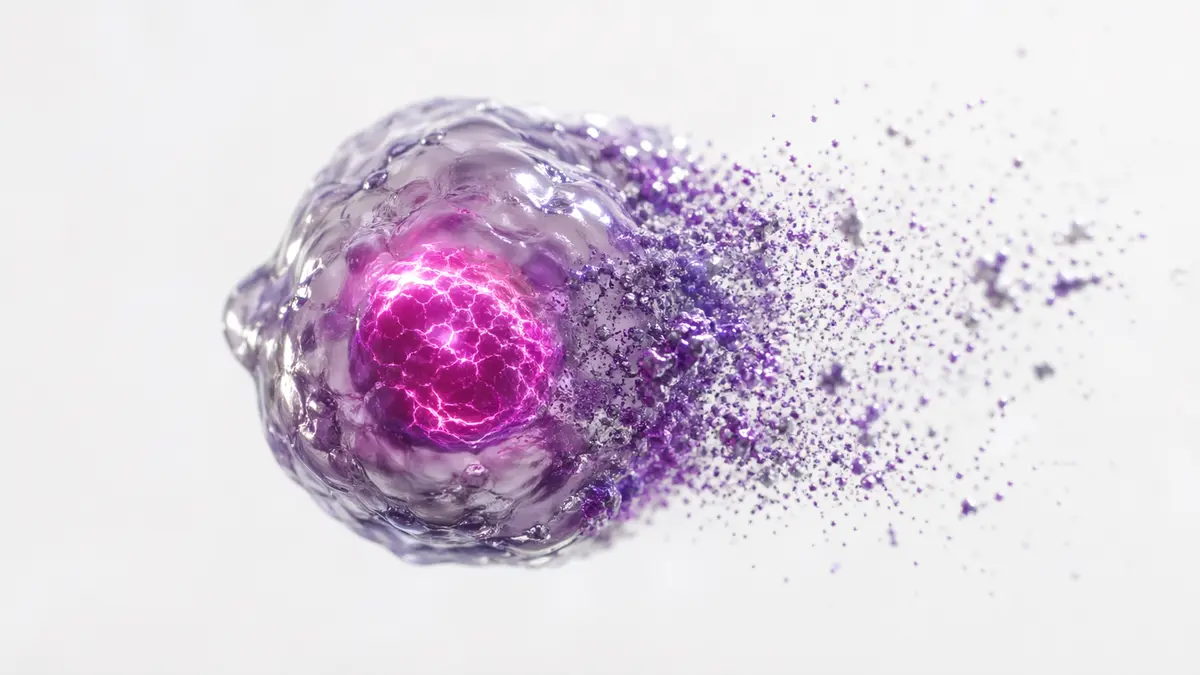
Image of a senescent 'zombie cell'

‘Zombie Cells’ Are Quietly Aging You Faster

What You Should Know

  • Zombie cells are aging cells that stop dividing but don’t die, continuously releasing inflammatory compounds that damage the tissue around them.
  • They accumulate naturally with age because the immune system becomes less efficient at clearing them over time.
  • Not all zombie cells are harmful; some serve short-term repair roles, but chronic buildup is linked to a range of age-related conditions.
  • Fisetin and quercetin are the best-studied natural compounds for targeting zombie cells, with early human trial data supporting their use.

Right now, somewhere in your body, there are cells that have stopped working but haven’t died. They’ve dropped out of the cell cycle completely, sitting inert in your tissues while continuously leaking toxic signals into everything around them.

Scientists call them senescent cells. Most people call them zombie cells. And the older you get, the more of them you collect.

What makes this worth understanding is that the process runs silently, with no obvious symptoms, for years before it shows up as something recognizable. The good news is that this mechanism is well understood, and the science of addressing it has moved faster than most people realize.

Fisetin + Quercetin Complex

Target senescent cells naturally.

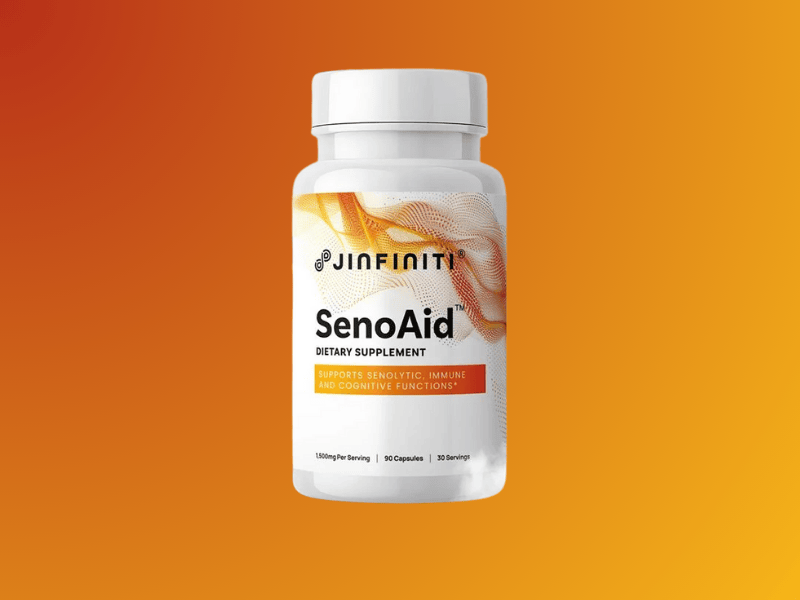
Jinfiniti SenoAid mockup with gradient background

What Are Zombie Cells?

In a healthy cell cycle, cells divide, wear out, and eventually self-destruct through a process called apoptosis, the body’s built-in cleanup mechanism. Old cells die. New cells replace them. The system works.

Zombie cells skip the last step. They stop dividing, but they don’t die. Instead, they enter a kind of permanent standby mode and start releasing a steady stream of inflammatory proteins and enzymes. Researchers call this the senescence-associated secretory phenotype, or SASP. Think of it as a slow chemical leak that doesn’t stop.

One or two zombie cells aren’t a serious problem. The issue is accumulation: thousands or millions of them building up across your tissues over years, generating chronic low-grade inflammation that gradually impairs the cells and organs around them.

Healthy Aging CellZombie (Senescent) Cell
Divides normally?Yes, until worn outNo
Dies via apoptosis?YesNo, resists death
Releases inflammatory signals?MinimalYes, continuously
Cleared by immune system?Generally yesLess so, especially with age

Why They Pile Up With Age

When you’re young, your immune system is reasonably good at identifying and clearing senescent cells before they cause lasting problems. Short-term senescence actually serves a purpose — it plays a role in wound healing and in suppressing abnormal cell growth. The cells form, do their job, and get cleared out.

With age, that clearance becomes less efficient. Zombie cells start accumulating faster than your body removes them. Several things accelerate this process:

  • DNA damage from UV exposure, environmental toxins, or replication errors over time
  • Chronic oxidative stress from poor diet, inactivity, or prolonged illness
  • Ongoing low-grade inflammation, which itself triggers more cellular senescence, creating a feedback loop that compounds over time
  • Past illness or injury that left unresolved cellular damage behind

The result is a gradual accumulation that builds over decades, not weeks. By the time most people notice something is wrong — persistent fatigue, joint pain, slower recovery from illness — the buildup has been underway for years.

What Zombie Cells Are Linked To

Senescent cell accumulation doesn’t cause one specific disease. It appears to accelerate whatever your biology is already predisposed to. That’s part of what makes it hard to study and easy to miss.

The conditions consistently linked to high zombie cell burden include:

  • Alzheimer’s disease and cognitive decline
  • Osteoarthritis and chronic joint inflammation
  • Cardiovascular disease and arterial stiffness
  • Type 2 diabetes and insulin resistance
  • Pulmonary fibrosis (progressive lung tissue scarring)
  • Osteoporosis and bone loss
  • Muscle loss with aging (sarcopenia)
  • Chronic inflammatory conditions across multiple organ systems

The pattern is consistent across both animal models and early human research: zombie cells don’t cause disease from scratch. They speed up the diseases you were already heading toward.

Some Zombie Cells Actually Help Your Body Heal

The “destroy all zombie cells” narrative is an oversimplification — and a fairly important one to get right.

A 2022 study published in Science from UC San Francisco found that some senescent cells are embedded in healthy young tissue, particularly in the lungs, intestines, and skin, where they function as repair sentinels. When researchers used senolytic drugs to eliminate all senescent cells in these tissues, healing from injury actually slowed down.

This finding actually sharpens the case for addressing zombie cells. The research community’s approach is increasingly focused on intermittent, targeted interventions that reduce chronic accumulation rather than aggressively wiping out every senescent cell in the body. This is sometimes called “hit-and-run” dosing: brief senolytic treatment with rest periods in between.

The goal is burden reduction, not total elimination. That distinction matters if you’re considering any senolytic supplement or protocol.

Can You Measure Your Zombie Cell Burden?

There’s no simple test that directly counts your senescent cells. But that doesn’t mean you’re flying blind.

Senescence markers, the proteins zombie cells produce at elevated levels, can be measured as reliable indicators of cellular aging. One of the most established is beta-galactosidase (β-gal), an enzyme that accumulates in senescent cells and is used in research settings as a standard marker of cellular senescence. These markers are included in Jinfiniti’s AgingSOS Advanced Panel, alongside other biological aging biomarkers.

This is where biological age testing becomes practically useful. Chronological age tells you how many years you’ve lived. Biological age, tracked through markers like these, tells you more about how your cells are actually holding up. That gap is often where the clearest opportunities for intervention are.

The Natural Senolytics With the Most Evidence

A senolytic is any compound that selectively targets and promotes the death of senescent cells, by disabling the survival pathways those cells rely on to persist. Several pharmaceutical senolytics exist, including dasatinib, a cancer drug used in research settings. For most people exploring natural approaches, two compounds have the most evidence behind them.

They’re both plant-derived flavonoids, each studied specifically for senolytic activity. They work on different mechanisms, which is why research supports using them together rather than choosing one.

Fisetin

Among 10 flavonoids screened in a major study at the Mayo Clinic, fisetin ranked as the most potent natural senolytic. In aged mice, intermittent fisetin treatment reduced senescence markers across multiple tissues, restored tissue homeostasis, and extended both median and maximum lifespan. The effects persisted after fisetin cleared the body, consistent with how a hit-and-run mechanism works, rather than a drug effect that requires continuous presence.

Human tissue studies, using adipose (fat) tissue samples, showed fisetin reduced senescent cell burden in a cell-type-specific way, meaning it didn’t indiscriminately eliminate every senescent cell, only certain populations. That selectivity matters clinically.

Fisetin is found in small amounts in strawberries, apples, and onions. The doses used in research are significantly higher than what diet alone provides.

Quercetin

Quercetin was the first flavonoid identified as senolytic, and it has more human data behind it than any other natural compound in this category.

In a first-in-human pilot study published in EBioMedicine, three days of dasatinib plus quercetin (1000mg daily) significantly reduced senescent cell burden in fat tissue and skin within 11 days, with measurable drops in circulating SASP inflammatory markers. This was the first peer-reviewed evidence that senolytics can directly clear senescent cells in humans, not just in animal models.

Quercetin and fisetin target different types of senescent cells through different pathways. Combined, they cover a broader range than either one alone.

“Targeting cellular senescence is one of the eight root causes of biological aging we look at clinically,” says Dr. Jin-Xiong She, founder of Jinfiniti Precision Medicine. “Quercetin and fisetin have the strongest evidence among natural senolytic compounds, which is why combining them made sense as a formulation approach.”

What the Evidence Actually Says

The animal data is strong and has been replicated across multiple independent labs. The early human data, particularly from the dasatinib and quercetin trials, is genuinely promising. But most human trials are still small and pilot-stage, and large randomized controlled trials are ongoing. This is a young field.

A few practical things to understand:

  • Bioavailability varies. Fisetin has relatively low bioavailability in standard form. Compounds like bromelain and piperine can improve absorption, which is a real consideration in any senolytic formulation.
  • Dosing approach matters. The hit-and-run method appears more consistent with the research than continuous daily use. Most protocols use short dosing windows with periods off.
  • The safety profile is favorable. For the natural flavonoids, there is little evidence of adverse effects at the doses studied. This is distinct from pharmaceutical senolytics like dasatinib, which have well-documented side effects from their primary clinical use.

To summarize where the science stands: solid mechanism, encouraging early human evidence, good safety profile for natural senolytics, and an evidence base that’s still being built out. If you have underlying health conditions or take medications, talk with your clinician before starting any senolytic protocol.

Chronic low-grade inflammation and cellular senescence reinforce each other, so looking at both together gives a more complete picture of what’s driving cellular aging.

Frequently Asked Questions

What are zombie cells?

Zombie cells — or senescent cells — are aging cells that have stopped dividing and resist normal cell death. Instead of clearing out of the body, they stay in your tissues and continuously release inflammatory compounds that can impair surrounding healthy cells over time.

What causes zombie cells to accumulate?

They accumulate naturally with age as the immune system becomes less efficient at clearing them. DNA damage, chronic oxidative stress, ongoing low-grade inflammation, and past illness can all accelerate the process.

Can you get rid of zombie cells naturally?

Fisetin and quercetin are the best-studied natural compounds for reducing zombie cell burden. They are senolytics — compounds that selectively promote the death of senescent cells by disabling the survival pathways those cells depend on. Early human data and extensive animal research support their use. Large-scale human trials are ongoing.

What are senolytics?

Senolytics are compounds that selectively eliminate senescent cells. Unlike general anti-inflammatory agents, which suppress symptoms, senolytics target the cells themselves by exploiting their dependence on specific pro-survival pathways. Both pharmaceutical and natural senolytics exist.

Is fisetin or quercetin better for senescent cells?

Both are backed by solid evidence. Fisetin is the more potent natural senolytic in head-to-head flavonoid comparisons. Quercetin has more human trial data. Because they work on different mechanisms and target different types of senescent cells, the research supports using them together rather than choosing one over the other.

How do I know if zombie cells are a problem for me?

There is no direct consumer test that counts senescent cells. However, senescence markers like beta-galactosidase can be measured as part of a comprehensive biological aging panel. Jinfiniti’s AgingSOS Advanced Panel includes these markers alongside other cellular health indicators, giving a more complete picture of how your biology is actually aging.

  • Reyes, N. S., Krasilnikov, M., Allen, N. C., Lee, J. Y., Hyams, B., Zhou, M., Ravishankar, S., Cassandras, M., Wang, C., Khan, I., Matatia, P., Johmura, Y., Molofsky, A., Matthay, M., Nakanishi, M., Sheppard, D., Campisi, J., & Peng, T. (2022). Sentinel p16INK4a+ cells in the basement membrane form a reparative niche in the lung. Science, 378(6616), 192–201. https://doi.org/10.1126/science.abf3326
  • Yousefzadeh, M. J., Zhu, Y., McGowan, S. J., Angelini, L., Fuhrmann-Stroissnigg, H., Xu, M., Ling, Y. Y., Melos, K. I., Pirtskhalava, T., Inman, C. L., McGuckian, C., Wade, E. A., Kato, J. I., Grassi, D., Wentworth, M., Burd, C. E., Arriaga, E. A., Ladiges, W. L., Tchkonia, T., Kirkland, J. L., Robbins, P. D., & Niedernhofer, L. J. (2018). Fisetin is a senotherapeutic that extends health and lifespan. EBioMedicine, 36, 18–28. https://doi.org/10.1016/j.ebiom.2018.09.015
  • Hickson, L. J., Langhi Prata, L. G. P., Bobart, S. A., Evans, T. K., Giorgadze, N., Hashmi, S. K., Herrmann, S. M., Jensen, M. D., Jia, Q., Jordan, K. L., Kellogg, T. A., Khosla, S., Koerber, D. M., Lagnado, A. B., Lawson, D. K., LeBrasseur, N. K., Lerman, L. O., McDonald, K. M., McKenzie, T. J., Passos, J. F., Tchkonia, T., & Kirkland, J. L. (2019). Senolytics decrease senescent cells in humans: Preliminary report from a clinical trial of Dasatinib plus Quercetin in individuals with diabetic kidney disease. EBioMedicine, 47, 446–456. https://doi.org/10.1016/j.ebiom.2019.08.069
The Best Supplements for Inflammation

The Best Anti-Inflammatory Supplements for Calming Inflammation

Inflammation is your body’s built-in fire alarm. It’s useful when you cut your finger or fight off a virus. It’s less useful when the alarm keeps chirping all night with no clear emergency.

That “low-grade, always-on” inflammation is linked with common modern issues like joint stiffness, metabolic slowdown, brain fog, and cardiovascular risk.

If you’re searching for anti-inflammatory supplements or natural anti-inflammatory options, the goal is not to “turn off” immunity. It’s to support a balanced inflammatory response, then measure whether it’s actually moving in the right direction.

What You Should Know

  • The best supplement for inflammation depends on the source, because gut, joints, and metabolic inflammation respond to different tools.
  • Curcumin, omega-3s, vitamin D, and magnesium are some of the supplements with the best evidence.
  • Look for standardized extracts and absorption support, because many popular ingredients are poorly absorbed in basic forms.
  • If you can, track a marker like high-sensitivity CRP, because “I feel better” and “my inflammation is lower” are not always the same thing.

CLIA-Certified Biomarker Panel

Test your inflammation markers before supplementing.

Jinfiniti AgingSOS green gradient background

What Counts as “Anti-Inflammatory” in a Supplement?

A supplement is “anti-inflammatory” when it helps your body dial down excessive inflammatory signaling or oxidative stress while maintaining normal immune system function.

Most evidence-backed supplements work through a few repeatable pathways to reduce inflammation:

  • Modulating inflammatory messengers (like NF-κB, COX enzymes, and certain cytokines)
  • Supporting antioxidant defenses
  • Improving gut barrier function and microbiome balance
  • Correcting nutrient gaps that push inflammation higher over time

If you want a simple starting point, learn your baseline. High-sensitivity C-reactive protein (hs-CRP) is one of the most common blood markers used to estimate systemic inflammation.

“In primary prevention of ASCVD, an hsCRP ≥2 mg/L is considered a risk-enhancing factor.” (American College of Cardiology)

You can read what typical hs-CRP ranges look like in our guide on C-reactive protein levels.

The Best Anti-Inflammatory Supplements, Based on Studies

The list below is a practical “short shelf” of supplements that show up repeatedly in human research, clinical practice, or guideline discussions. The best option for you depends on the pattern you’re dealing with.

SupplementBest ForWhat to Look ForTypical Dosage Range in StudiesCautions
Curcumin (turmeric extract)Joint discomfort, exercise recovery, general inflammatory toneStandardized curcuminoids + absorption enhancer (piperine, phospholipids, etc.)Often 500–1,500 mg/day of extract (varies by formula)May interact with anticoagulants; can upset stomach in some people
Omega-3s (EPA/DHA)Cardiometabolic inflammation, triglycerides, recoveryLabel shows EPA + DHA amounts (not just “fish oil”)~1 g/day EPA+DHA in some heart guidance; higher doses used under medical careHigher doses can increase bleeding tendency; some trials note atrial fibrillation risk at 4 g/day
BerberineMetabolic inflammation (insulin resistance, fatty liver patterns)95% standardized extract; split dosesCommonly 1,000–1,500 mg/day split with mealsCan lower glucose; interacts with meds; avoid in pregnancy unless clinician approves
Magnesium (glycinate, malate)Stress-related inflammation, sleep, muscle recoveryWell-absorbed forms; dose that fits your gut toleranceOften 100–400 mg/day elemental (depends on diet and needs)Too much may cause loose stools; caution with kidney disease
Vitamin D (with K2)Immune balance when levels are lowD3 dose matched to labs; K2 MK-7 for calcium routingVaries widely; monitor 25(OH)D with labsToo much D can raise calcium; monitor if using high doses
Ginger extractDigestive inflammation, soreness, recoveryStandardized gingerols; concentrated extractOften 500–2,000 mg/day equivalentBlood-thinner caution in high doses; heartburn in some people
Boswellia serrataJoint-focused inflammation and stiffnessStandardized boswellic acids (check % on label)Trials use a wide range, sometimes up to ~1,000 mg/dayGI upset possible; quality varies a lot
Senolytics (fisetin, quercetin)“Inflammaging” support (emerging)Cautious dosing strategy + quality sourcingHuman evidence is still developing; many trials use intermittent “pulse” dosingNot a substitute for medical care; avoid if pregnant/breastfeeding; review meds with a clinician

How We Ranked “Best Supplement for Inflammation”

“Best” means different things to different bodies. We used criteria that reflect both research quality and real-world practicality.

  1. Evidence: human trials and meta-analyses matter more than mechanistic hype
  2. Bioavailability: does the formula actually absorb at meaningful levels
  3. Fit: does it match the inflammation pattern you’re trying to support
  4. Safety: interactions, tolerability, and dose realism
  5. Transparency: standardized extracts and clear Supplement Facts

If you are shopping for supplements to fight inflammation, these five rules remove a surprising amount of noise.

1. Curcumin

Curcumin is the best-known active compound in turmeric, Its anti-inflammatory properties are among the strongest of any nutraceutical. An umbrella meta-analysis of 10 systematic reviews across 5,870 participants found curcumin produced consistent reductions in CRP, IL-6, and TNF-α.[1]

A 2024 review of 19 meta-analyses confirmed protective effects across chronic inflammatory and metabolic conditions. Its primary mechanisms include NF-κB inhibition, COX-2 suppression, and NLRP3 inflammasome modulation.[2]

The catch is absorption. Many low-cost turmeric powders are the nutritional version of tossing confetti in the wind. Two things tend to separate stronger curcumin supplements from weaker ones:

  • Standardization (extracts standardized to high curcuminoid content)
  • An absorption strategy (piperine, liposomal/phospholipid forms, or thoughtful ingredient pairing)

If you want a deeper guide on dosing and timing, see our breakdown on how to take turmeric.

Curcumin Formulas You’ll See Most Often

FormulaProsConsWho It Fits
Plain turmeric powderCheap, easy to findLow curcumin content, weak absorptionMostly culinary use
Standardized curcumin extractMore potent than powderStill needs absorption supportPeople targeting joint and recovery support
Curcumin + piperineBetter absorptionNot ideal for everyone (drug interactions)Most people wanting a straightforward “upgrade”
Curcumin + synergistic botanicalsMultiple pathways covered (joint + gut + oxidative stress)More complex, higher costPeople who prefer a “stack” in one formula

2. Ginger

Ginger is one of those rare “natural anti-inflammatory” ingredients that is both kitchen-friendly and research-friendly. Its bioactive compounds, gingerols and shogaols, inhibit COX-2, 5-LOX, and NF-κB, giving it a mechanism similar to both NSAIDs and Boswellia.

Across randomized trials, ginger supplementation has been evaluated for effects on CRP, hs-CRP, TNF-α, and IL-6, with pooled data suggesting meaningful improvements when baseline inflammation is elevated.[3]

What to look for: a standardized ginger extract (often labeled by % gingerols), not just generic “ginger root powder.”

Where it fits best: digestive irritation, post-exercise soreness, and as a complementary add-on when you’re already using foundational tools like curcumin or omega-3s.

3. Boswellia

Boswellia serrata has a uniquely specific mechanism. Its active compound, AKBA (3-O-acetyl-11-keto-β-boswellic acid), is a selective inhibitor of 5-lipoxygenase (5-LOX), a pathway that NSAIDs don’t target. This makes it particularly effective for joint pain and inflammation driven by leukotriene signaling, including in conditions like osteoarthritis and rheumatoid arthritis.[4]

A 2024 double-blind, placebo-controlled RCT in 105 osteoarthritis patients showed reductions in TNF-α and hs-CRP within just five days of treatment.[4]

What to look for: a standardized extract listing boswellic acids. The 30% AKBA extracts (5-Loxin® and Aflapin®) have the most RCT data behind them, and two bottles labeled “Boswellia” can behave like entirely different products if the standardization isn’t there.

Senolytics

If chronic inflammation is the background static, senescent cells are one potential source of the noise. Senescent cells are aged or damaged cells that stop dividing but keep secreting inflammatory signals, a process researchers call the senescence-associated secretory phenotype (SASP).[5]

If you’re curious which compounds fall into this category, see our overview of natural senolytic supplements.

Human data is still early but promising. A first-in-human pilot study using a senolytic strategy showed reductions in senescent cell burden and SASP markers.[5]

Fisetin is currently being studied in a Phase II RCT (TROFFi trial) targeting frailty and physical decline, and other protocols are examining it in high-inflammation settings in older adults.[6][7]

Two important clarifications:

  • A prescription-drug senolytic combo is not the same thing as a dietary supplement. The best-supported human studies often involve prescription agents, so supplement claims need to stay in the lane of supporting healthy aging and inflammatory balance.
  • The goal is smarter experimentation, not hype. Intermittent “pulse dosing” (a few days per week rather than daily) is a distinguishing feature of how this category is used in trials.

If you’re interested in a senolytic-support supplement approach, our SenoAid™ Senolytic Complex combines quercetin + fisetin with supportive co-ingredients, designed for a more practical “stack in one” approach.

4. Omega-3s (Fish Oil)

Omega-3s (EPA and DHA) are partly a supplement story and partly a diet story. Their mechanism goes beyond simple cytokine suppression: EPA and DHA drive the production of resolvins and protectins, specialized molecules that actively resolve inflammation rather than just dampen it.[8]

Meta-analyses including tens of thousands of participants confirm that omega-3 fatty acids reduce levels of IL-1β, IL-6, TNF-α, and CRP across cardiometabolic, autoimmune, and joint contexts, including rheumatoid arthritis.[9]

For people with established coronary heart disease, the AHA recommends about 1 g/day of EPA + DHA, preferably from oily fish, with supplements considered under clinician direction.[10]

What to look for: products that list EPA and DHA amounts clearly (not just “fish oil”), plus freshness and third-party testing to reduce oxidation concerns.

Where it fits best: cardiometabolic inflammation patterns, triglyceride support, and recovery when your diet is light on fatty fish.

5. Berberine

If inflammation is traveling with insulin resistance, belly fat gain, or blood sugar swings, berberine is worth a serious look. Mechanistically, it directly inhibits IKKα at its ligand binding site, blocking NF-κB from translocating to the nucleus.

A meta-analysis of 17 clinical trials covering 1,670 patients found berberine reduced hs-CRP, IL-6, and macrophage migration inhibitory factor alongside improvements in glycemic control. It also modulates gut microbiota, suppressing intestinal pro-inflammatory cytokines including IL-1β and TNF-α, which makes it particularly relevant when metabolic inflammation overlaps with gut or digestive issues like inflammatory bowel disease.[11]

Berberine tends to work best when taken with meals and when sleep, protein intake, and movement are not being ignored.

Our Natural Berberine+ provides 1,200 mg of 95% berberine extract per serving, paired with complementary botanicals for improved absorption.

6. Vitamin D and Minerals

Not every inflammation plan needs another exotic botanical. Sometimes the lever is boring.

Vitamin D exerts anti-inflammatory properties via VDR (vitamin D receptor) receptors on immune cells, reducing pro-inflammatory mediators like IL-6, TNF-α, and IL-17 while increasing anti-inflammatory cytokines. Research also suggests it can help lower inflammation related to immune dysregulation, particularly when deficiency is the root issue.[12]

A 2025 study found that even small regular doses effectively corrected deficiency and produced measurable decreases in pro-inflammatory cytokine concentrations. Like magnesium, the effects are strongest when baseline levels are actually low.[13]

Optimal mineral status is also associated with anti-inflammatory effects. A meta-analysis confirmed that dietary magnesium intake is inversely associated with serum CRP. Selenium supports antioxidant enzymes that keep inflammatory stress from escalating.[14][15]

If you suspect a deficiency pattern, bloodwork can help identify them. A complete panel like AgingSOS Advanced can track vitamin D status alongside other cardiometabolic markers that tend to move alongside inflammation.

Evidence Strength at a Glance

CompoundMechanismStrongest Evidence LevelBiomarkers Reduced
CurcuminNF-κB, COX-2, NLRP3Umbrella meta-analysis (5,870 pts)CRP, IL-6, TNF-α
Omega-3Resolvins/protectins, cytokine suppressionMultiple large RCTs & meta-analysesCRP, IL-6, LTB4
Boswellia5-LOX, NF-κB, NLRP3Multiple RCTs (OA, IBD, asthma)TNF-α, CRP, LTB4
BerberineNF-κB (IKKα), gut microbiotaMeta-analysis (17 trials, 1,670 pts)hs-CRP, IL-6, MIF
MagnesiumInnate immune cytokine suppressionMeta-analysis (CRP inverse association)CRP, TNF-α, IL-6
Vitamin DVDR, Treg, macrophage polarizationMultiple RCTs & meta-analysesCRP, IL-6, TNF-α
GingerCOX-2, 5-LOX, NF-κBMechanistic + small RCTsIL-6, PGE2, LTB4
Senolytics (Q/F)SASP clearance, apoptosis in senescent cellsEarly pilot trials + Phase II ongoingp16, SASP factors

Choosing the Right Supplement for Your Goal

Here are three simple “if this, then that” matchups that work for most people.

If Your Main Issue Is Joints and Stiffness

Start with a curcumin strategy. Prioritize standardized extract plus absorption support. Consider adding omega-3s if recovery is slow or if diet is low in fatty fish.

If Your Main Issue Is Metabolic Inflammation

Berberine can be a strong fit, especially alongside protein-forward meals and daily walking. Omega-3s often pair well here too.

If Your Main Issue Is “General Inflammation” With No Clear Target

Start with the basics: omega-3s, vitamin D status, magnesium adequacy, sleep, and stress load. Then add curcumin if joint discomfort, soreness, or gut irritability is part of the picture.

If Your Main Issue Is “Inflammaging” (Age-Related Inflammation)

If your inflammation feels tied to aging patterns (slower recovery, rising hs-CRP over time, more aches with less provocation), the emerging category to watch is senolytics.

The evidence is still developing and many human studies involve prescription combinations, but the premise is compelling: reducing senescent-cell burden may help reduce inflammatory signaling.

If you explore this category, consider an intermittent approach and pair it with measurement, like baseline and follow-up hs-CRP, and broader cardiometabolic markers through a panel such as AgingSOS Advanced.

Safety, Side Effects, and Interactions to Respect

Supplements can be powerful. That also means they can be interactive. Here is what to watch out for:

  • If you take anticoagulants or antiplatelet medications, talk to your clinician before using high-dose curcumin, fish oil, ginger, or combination products with piperine.
  • If you use glucose-lowering medications, berberine can compound the effect. Monitor.
  • If you are pregnant, breastfeeding, or managing a chronic condition, get medical guidance before starting a new supplement stack.

A Practical 30-Day Plan to Try

This is the simplest “clean test” approach. Change as few variables as possible so you can learn what is actually helping.

  • Week 1: Choose one primary supplement based on your main goal
  • Week 2: Add only one supporting supplement if needed (often omega-3s or magnesium)
  • Weeks 3–4: Keep the plan steady, then reassess symptoms and consider a lab marker (like hs-CRP) if you want objective feedback

Dr. Jin-Xiong She, PhD, puts it like this: “Inflammation is measurable. When you track it, you stop guessing and start adjusting with purpose.”

FAQs

These are the most common questions we hear when people compare supplements for inflammation.

What is the best anti-inflammatory supplement overall?

Curcumin and omega-3s are the most common “first picks,” but the best choice depends on whether your inflammation is joint, gut, or metabolically driven.

How long do supplements for inflammation take to work?

Some people notice changes in soreness or digestion within a week or two. Biomarker shifts often take 4–8 weeks, especially for omega-3s and vitamin D.

Can I take multiple anti-inflammatory supplements together?

Often yes, but stack intentionally. Choose ingredients that cover different pathways, and avoid doubling up on blood-thinning effects if you take related medications.

What should I avoid when buying anti-inflammatory supplements?

Avoid products with unclear dosing, no standardization, and no absorption strategy for poorly absorbed ingredients like curcumin.

Should I test inflammation before supplementing?

If you can, yes. Even one baseline hs-CRP result makes your plan more grounded and helps you see whether your changes are working.

Referenced Sources

  1. Naghsh N, Musazadeh V, Nikpayam O, Kavyani Z, Moridpour AH, Golandam F, et al. Profiling Inflammatory Biomarkers following Curcumin Supplementation: An Umbrella Meta‐Analysis of Randomized Clinical Trials. Wiley; 2023. https://doi.org/10.1155/2023/4875636
  2. Lee YM, Kim Y. Is Curcumin Intake Really Effective for Chronic Inflammatory Metabolic Disease? A Review of Meta-Analyses of Randomized Controlled Trials. MDPI AG; 2024. https://doi.org/10.3390/nu16111728
  3. Sonkusare SG, Bhure BS. A Review of Herbal Gel with Anti-Inflammatory Action Using Aloe Vera, Turmeric, Ginger, Onion, Omega-3 Fatty Acids and Green Tea. International Journal of Innovative Science and Research Technology; 2026. https://doi.org/10.38124/ijisrt/26jan987
  4. Majeed A, Majeed S, Satish G, Manjunatha R, Rabbani SN, Patil NVP, et al. A standardized Boswellia serrata extract shows improvements in knee osteoarthritis within five days-a double-blind, randomized, three-arm, parallel-group, multi-center, placebo-controlled trial. Frontiers Media SA; 2024. https://doi.org/10.3389/fphar.2024.1428440
  5. Kirkland JL, Tchkonia T. Senolytic drugs: from discovery to translation. Wiley; 2020. https://doi.org/10.1111/joim.13141
  6. Ji J, Lipsyc-Sharf MD, Baclig NV, Zektser YA, Al Saleem A, Olivera JD, et al. Abstract CT238: Treatment of frailty with fisetin (TROFFi) in postmenopausal breast cancer survivors: A phase II randomized double-blind placebo-controlled study. American Association for Cancer Research (AACR); 2025. https://doi.org/10.1158/1538-7445.am2025-ct238
  7. Zhu Y, Doornebal EJ, Pirtskhalava T, Giorgadze N, Wentworth M, Fuhrmann-Stroissnigg H, et al. New agents that target senescent cells: the flavone, fisetin, and the BCL-XL inhibitors, A1331852 and A1155463. Impact Journals, LLC; 2017. https://doi.org/10.18632/aging.101202
  8. Duvall MG, Levy BD. DHA- and EPA-derived resolvins, protectins, and maresins in airway inflammation. Elsevier BV; 2016. https://doi.org/10.1016/j.ejphar.2015.11.001
  9. Kavyani Z, Musazadeh V, Fathi S, Hossein Faghfouri A, Dehghan P, Sarmadi B. Efficacy of the omega-3 fatty acids supplementation on inflammatory biomarkers: An umbrella meta-analysis. Elsevier BV; 2022. https://doi.org/10.1016/j.intimp.2022.109104
  10. Kris-Etherton PM, Harris WS, Appel LJ. Omega-3 Fatty Acids and Cardiovascular Disease. Ovid Technologies (Wolters Kluwer Health); 2003. https://doi.org/10.1161/01.atv.0000057393.97337.ae
  11. Luo D, Yu B, Sun S, Chen B, Harkare HV, Wang L, et al. Effects of adjuvant berberine therapy on acute ischemic stroke: A meta‐analysis. Wiley; 2023. https://doi.org/10.1002/ptr.7920
  12. Su ST, Shih PC, Wu MC. High-dose Vitamin D supplementation for immune recalibration in autoimmune diseases. Frontiers Media SA; 2025. https://doi.org/10.3389/fimmu.2025.1625769
  13. Walawska-Hrycek A, Hrycek E, Galus W, Jędrzejowska-Szypułka H, Krzystanek E. Does Systematic Use of Small Doses of Vitamin D Have Anti-Inflammatory Effects and Effectively Correct Deficiency Among Healthy Adults? MDPI AG; 2025. https://doi.org/10.3390/nu17020352
  14. Dibaba DT, Xun P, He K. Dietary magnesium intake is inversely associated with serum C-reactive protein levels: meta-analysis and systematic review. Springer Science and Business Media LLC; 2014. https://doi.org/10.1038/ejcn.2014.7
  15. Huang Z, Rose AH, Hoffmann PR. The Role of Selenium in Inflammation and Immunity: From Molecular Mechanisms to Therapeutic Opportunities. SAGE Publications; 2012. https://doi.org/10.1089/ars.2011.4145
Turmeric and Erectile Dysfunction

Turmeric and Erectile Dysfunction: A Look at the Science

If you’re researching turmeric for erectile dysfunction, you’ve probably seen some promising claims. Maybe you’re hoping to skip the prescription medications and their side effects. Or maybe you’re already taking ED drugs and looking for something that addresses the root cause instead of just treating symptoms.

That’s not an unreasonable hope. Turmeric has legitimate science backing its cardiovascular benefits. But when it comes to erectile function specifically, the picture gets more complicated.

Turmeric doesn’t work like Viagra or Cialis. You can’t take it an hour before sex and expect results. What it does do is repair damaged blood vessels over time, which could improve erectile function if vascular problems are your issue.

But (and this is the part most articles skip) there’s a potential hormonal downside that could make things worse for some men.

What You Should Know

  • Turmeric improves blood vessel function by increasing nitric oxide, the same chemical pathway that prescription ED drugs use
  • No direct human trials prove that turmeric treats ED, but vascular studies show promising indirect benefits
  • There is a potential DHT-lowering effect, though human evidence is lacking
  • Combining turmeric with ginger may provide better results than using turmeric alone

Can Turmeric Help With Male Sexual Health?

The honest answer on whether turmeric can help with ED is: maybe, but it depends entirely on what’s causing your erectile issues in the first place.

ED isn’t one problem with one cause. You could be dealing with:

  • Damaged or stiff arteries (the most common culprit after 40)
  • Psychological factors like stress, anxiety, or relationship issues
  • Hormonal imbalances (low testosterone, thyroid problems)
  • Medication side effects (blood pressure meds, antidepressants)
  • Nerve damage from diabetes or surgery
  • A combination of several of these

Turmeric works primarily on that first category: vascular problems. If your arteries are damaged, inflamed, or just not functioning the way they did when you were younger, turmeric’s effects on blood vessel health could potentially help. But we’re talking weeks to months, not minutes to hours.

The active compound doing the heavy lifting is curcumin. It increases nitric oxide availability in your blood vessels[1]

Prescription drugs like Viagra block an enzyme called PDE5, which normally breaks down a molecule called cGMP. Think of cGMP as the “relax and let blood flow” signal[2].

Turmeric works much earlier in the chain. It reduces the oxidative stress that destroys nitric oxide before it can even start the cascade. Different mechanism, much slower timeline.

Think of it like this: your garden hose has kinks, cracks, and buildup inside. Viagra cranks up the water pressure to force water through the damaged hose. Turmeric slowly repairs the hose itself.

One approach works immediately but doesn’t fix anything long-term. The other takes consistent use over weeks or months but could provide lasting improvement by addressing the underlying damage.

The catch? If your ED isn’t primarily vascular (psychological causes, nerve damage, hormonal issues), turmeric may not move the needle as much.

Vascular Support Formula

Extra strength Turmeric + Ginger for better blood flow.

Jinfiniti Turmeric Supplement

What the Research Actually Shows

Let’s be honest about the evidence. There are no clinical trials where men with ED took turmeric and measured whether their erections improved.

The closest we have are indirect hints from vascular studies in humans and a collection of animal studies that suggest we should look further in that direction.

Vascular Function Studies

The strongest human evidence comes from cardiovascular research, not sexual health studies directly.

A 2017 study published in the journal Aging tested the effects of curcumin supplementation in middle-aged and older adults. In this 12-week trial, the men took 2,000mg per day of Longvida curcumin extract[1].

After 12 weeks, the treatment group’s resistance artery endothelial function was restored to the level of healthy young control subjects.

The researchers measured something called flow-mediated dilation in resistance arteries. This is a measure of how well a person’s blood vessels can dilate or widen in response to increased blood flow. When they can’t relax and expand efficiently, blood flow to the penis suffers.

The mechanism was clear: curcumin increased nitric oxide bioavailability by reducing vascular oxidative stress. Oxidative stress is like rust building up in your pipes. It damages the inner lining of blood vessels and destroys nitric oxide before it can signal blood vessels to relax.

Another human trial using curcumin nanomicelles found improvements in sperm count, motility, and sexual hormone profiles in infertile men. The researchers didn’t measure erectile function directly, but the fertility improvements suggest better reproductive health overall[3].

Animal Studies on Erectile Tissue

Research in diabetic rats provides more direct evidence for erectile function, though we can’t assume the same results translate perfectly to humans.

Diabetic rats given curcumin showed improved intracavernosal pressure, which is basically a measure of erection strength. The treatment also reduced fibrosis (scarring) in penile tissue[4].

The protective mechanism involved activation of the Nrf2/HO-1 pathway. This cellular defense system protects penile tissue from oxidative damage and a type of cell death called ferroptosis[5].

Rats with nerve damage to the penis (similar to what happens after prostate surgery in humans) showed improved erectile function after curcumin treatment. The compound seemed to help nerves regenerate[6].

The Evidence Gap

The jump from “improves blood vessel function” to “cures ED” requires assumptions we can’t fully support yet.

Healthy blood vessels are necessary for erections, but they’re not always sufficient. ED can stem from psychological factors, hormonal imbalances, medication side effects, or nerve damage. Turmeric addresses the vascular component, but that’s only part of the picture for many men.

We need human clinical trials specifically testing turmeric supplementation in men with diagnosed ED, measuring actual erectile function outcomes. Until those studies exist, we’re extrapolating from related research.

The DHT Problem Most Articles Won’t Tell You About

Now things get interesting. And potentially problematic for some men.

Turmeric contains compounds that may inhibit an enzyme called 5-alpha reductase. This enzyme converts testosterone into DHT (dihydrotestosterone), a more potent androgen.

Curcumin and 5-Alpha Reductase Inhibition

DHT is the hormone responsible for several things men care about: libido, mental drive, that feeling of vitality and motivation.

Some studies suggest curcumin can reduce DHT levels[7]. This is why researchers are studying it for prostate cancer, where lowering androgens can slow tumor growth.

Dr. Kyle Gillett, a dual board-certified physician, discussed this concern on the Huberman Lab podcast.

The Libido Paradox

This creates a paradox: turmeric might improve your blood flow while simultaneously reducing your desire to use it.

But you need to know this: Human studies specifically measuring DHT changes from turmeric supplementation don’t exist. The theoretical concern comes from animal studies and isolated cell research.

This means we’re talking about a possibility, not a proven effect. Many men take turmeric supplements without any libido issues whatsoever.

If you’re already dealing with low testosterone or low DHT, you might want to start with a lower dose and see how you feel. But for most men, the vascular health benefits likely outweigh any theoretical hormonal concerns.

🧬 MORE TURMERIC INSIGHTS

Ginger and Turmeric: A Spicier Combination?

Ginger has compounds that act in different ways than turmeric does, so this combination is especially intriguing. The research on ginger and male sexual health is actually pretty good.

How Ginger Supports Erectile Function

Studies on Zingiber officinale (common ginger) show it reduces oxidative stress in penile tissue and protects the testis from damage caused by high blood sugar. Like turmeric, it helps preserve nitric oxide availability.

But ginger does something turmeric doesn’t: it directly supports testosterone production.

A randomized trial showed that ginger supplementation improved sperm count, motility, and DNA integrity in men. The researchers found it protected Leydig cells, which are the cells in your testicles that produce testosterone[8].

The Combination Approach

Combining turmeric and ginger gives you coverage from multiple angles:

  • Turmeric handles vascular health and inflammation reduction
  • Ginger protects testosterone-producing cells and supports hormone balance
  • Both reduce oxidative stress and improve nitric oxide availability

This combination addresses both the plumbing (blood flow) and the hormonal drive that makes you want to use that plumbing.

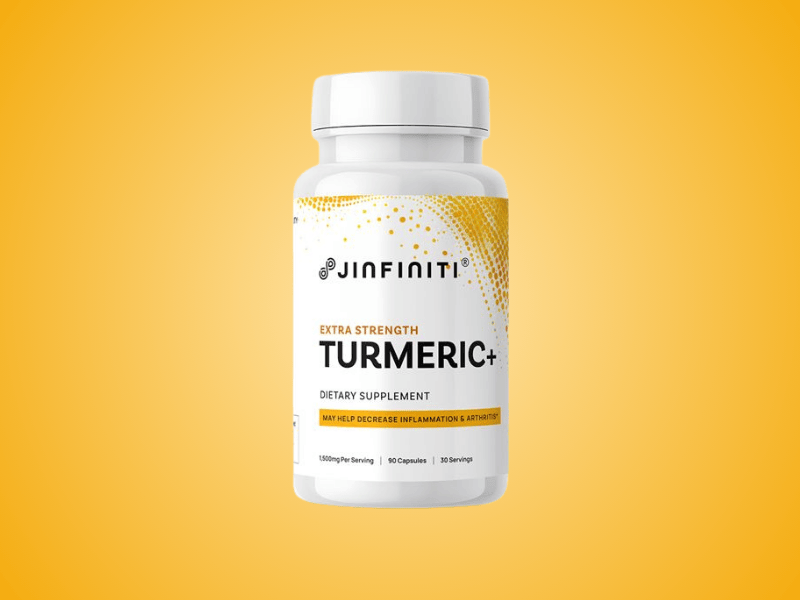
Our Extra Strength Turmeric+ contains both turmeric and ginger along with other complementary ingredients like Boswellia and quercetin. The formula includes black pepper extract, which increases absorption by 2,000%.

How to Take Turmeric for Erectile Dysfunction

Raw turmeric powder is about 1% bioavailable. Your body simply can’t absorb it efficiently.

You could eat a tablespoon of turmeric with every meal and get less benefit than a single high-quality supplement capsule.

The studies showing vascular benefits used specially formulated curcumin:

  • Longvida: Lipid-bound particles that cross cell membranes easily
  • Nanomicelles: Microscopic droplets that dissolve in water
  • Piperine combinations: Black pepper extract that inhibits curcumin breakdown

Without one of these absorption enhancers, you’re mostly just creating expensive yellow urine.

A quality turmeric supplement should contain:

  • At least 1,000mg of turmeric extract standardized to 95% curcuminoids
  • Black pepper extract (piperine) or another absorption enhancer
  • Complementary anti-inflammatory compounds like ginger or Boswellia
  • Third-party testing for purity and potency

The cheapest turmeric supplement is a waste of money if your body can’t absorb it. You’re better off spending more on a product that actually delivers the compounds to your bloodstream.

Safety and Drug Interactions

Turmeric has an excellent safety profile for most people. But it’s not risk-free, especially if you’re taking certain medications.

The biggest concern is bleeding risk. Turmeric has antiplatelet properties similar to aspirin. If you’re taking blood thinners like Warfarin, Plavix, or aspirin, adding turmeric can increase bleeding risk to dangerous levels[9].

Talk to your doctor before combining turmeric with:

  • Any anticoagulant or antiplatelet medication
  • NSAIDs like ibuprofen (which also increase bleeding risk)
  • Diabetes medications (turmeric can lower blood sugar)

There’s also a theoretical interaction with PDE5 inhibitors like Viagra or Cialis. Some research suggests curcumin might enhance the effects of these drugs, which could be good or bad depending on the dose[10].

Start with lower doses if you’re taking prescription ED medications, and monitor how you respond.

The Bottom Line on Turmeric for ED

Turmeric isn’t a quick fix for erectile dysfunction. It’s a long-term investment in vascular health.

If your ED is due to damaged blood vessels (which it often does, especially in men over 40), turmeric’s ability to reduce oxidative stress and improve nitric oxide availability could help. The research on vascular function is solid.

But it works slowly, over weeks to months. And it works best as part of a broader strategy that includes exercise, stress management, and addressing any underlying health issues like diabetes or high blood pressure.

The DHT concern is real in theory but unproven in humans. Most men won’t experience any libido issues. If you do feel flat or low-energy after starting turmeric, try reducing your dose or cycling it rather than taking it daily.

Combining turmeric with ginger gives you a more complete approach to male sexual health. You get the vascular benefits of turmeric plus the testosterone-protective effects of ginger.

Just make sure you’re taking a bioavailable form. Otherwise, you’re just adding flavor to your food with no therapeutic benefit.

Frequently Asked Questions

How much turmeric should I take for erectile dysfunction?

The human studies showing vascular improvements used 2,000mg daily dosage of turmeric. Raw turmeric powder won’t get you there because your body barely absorbs it. Look for supplements with black pepper extract (piperine) or specialized delivery systems like Longvida or nanomicelles. Start with 1,000mg daily and increase if needed.

How long does it take to see results?

If it’s going to help, expect 8-12 weeks minimum. The vascular studies showed measurable improvements at 12 weeks. This isn’t an acute fix. You’re repairing blood vessel damage, not triggering an immediate response.

Can I take turmeric with Viagra or Cialis?

Possibly, but talk to your doctor first. Some research suggests curcumin might enhance the effects of PDE5 inhibitors. That could be good or problematic depending on your cardiovascular health and dose. Don’t experiment with this combination on your own.

Is turmeric safe for daily use?

For most people, yes. The main concern is bleeding risk if you’re on blood thinners (Warfarin, Plavix, aspirin). Turmeric has antiplatelet properties similar to aspirin. High doses can also cause digestive upset in some people. If you’re on any medications, check with your doctor.

Should I eat turmeric or take a supplement?

Supplements, hands down. You’d need to eat unrealistic amounts of turmeric powder to match the doses used in research. Plus, raw turmeric is about 1% bioavailable. Save the powder for your cooking. For therapeutic effects, use a properly formulated supplement with absorption enhancers.

Will turmeric lower my testosterone?

The DHT concern is real in theory but unproven in human studies. Most men don’t experience libido issues from turmeric. If you feel flat or low-energy after starting supplementation, try reducing your dose or cycling it (5 days on, 2 days off). If you already know you have low DHT, start cautiously.

Referenced Sources

  1. Santos-Parker JR, Strahler TR, Bassett CJ, Bispham NZ, Chonchol MB, Seals DR. Curcumin supplementation improves vascular endothelial function in healthy middle-aged and older adults by increasing nitric oxide bioavailability and reducing oxidative stress. Impact Journals, LLC; 2017. https://doi.org/10.18632/aging.101149
  2. Sandberg M, Natarajan V. Phosphodiesterase 5 – the enzyme inhibited by sildenafil (Viagra). Tidsskrift for Den Norske Laegeforening. 1999;119(7):945–9.
  3. Alizadeh F, Javadi M, Karami AA, Gholaminejad F, Kavianpour M, Haghighian HK. Curcumin nanomicelle improves semen parameters, oxidative stress, inflammatory biomarkers, and reproductive hormones in infertile men: A randomized clinical trial. Wiley; 2017. https://doi.org/10.1002/ptr.5998
  4. Draganski A, Tar MT, Villegas G, Friedman JM, Davies KP. Topically Applied Curcumin-Loaded Nanoparticles Treat Erectile Dysfunction in a Rat Model of Type-2 Diabetes. Oxford University Press (OUP); 2018. https://doi.org/10.1016/j.jsxm.2018.03.009
  5. Jiang Y, Xing S, Ni D, Yang B, Kai J, Wang T, et al. Curcumin Attenuates Ferroptosis and Ameliorates Erectile Function in Diabetic Rats by Activating Nrf2/HO‐1 Pathway. Wiley; 2023. https://doi.org/10.1155/2023/7236816
  6. Yang L, Ren Z, Liu Z, Peng Z, Song P, Zhou J, et al. Curcumin slow‐release membrane promotes erectile function and penile rehabilitation in a rat model of cavernous nerve injury. Wiley; 2022. https://doi.org/10.1002/term.3334
  7. Ide H, Lu Y, Noguchi T, Muto S, Okada H, Kawato S, et al. Modulation of AKR1C2 by curcumin decreases testosterone production in prostate cancer. Wiley; 2018. https://doi.org/10.1111/cas.13517
  8. Hosseini J, Mardi Mamaghani A, Hosseinifar H, et al. The influence of ginger (Zingiber officinale) on human sperm quality and DNA fragmentation: A double-blind randomized clinical trial. Knowledge E DMCC; 2016. https://doi.org/10.29252/ijrm.14.8.533
  9. Talasaz AH, McGonagle B, HajiQasemi M, Ghelichkhan ZA, Sadeghipour P, Rashedi S, et al. Pharmacokinetic and Pharmacodynamic Interactions between Food or Herbal Products and Oral Anticoagulants: Evidence Review, Practical Recommendations, and Knowledge Gaps. Georg Thieme Verlag KG; 2024. https://doi.org/10.1055/s-0044-1790258
  10. Roberts JL, Poklepovic A, Booth L. Curcumin interacts with sildenafil to kill GI tumor cells via endoplasmic reticulum stress and reactive oxygen/nitrogen species. Impact Journals, LLC; 2017. https://doi.org/10.18632/oncotarget.19807
A nurse preparing an older man for a CRP blood test.

C-Reactive Protein (CRP) Levels: Normal, High and When to Test

C-reactive protein is produced by your body whenever there is inflammation. It’s an acute phase protein, which means it increases quickly in response to a problem and then subsides once the issue is resolved.

By knowing your CRP, you get an idea of sub-clinical inflammation that’s silently undermining your cardiovascular system. The difference between 0.5 mg/L and 3.5 mg/L could be years of healthy life.

What You Should Know

  • CRP below 1.0 mg/L indicates low cardiovascular risk, while levels above 3.0 mg/L signal high risk
  • Your liver produces CRP within 6 to 8 hours of detecting inflammation anywhere in your body
  • Diet changes and weight loss can reduce CRP levels by 30-40% in just weeks
  • Testing CRP alongside cholesterol provides a more complete picture of heart disease risk than cholesterol alone

What is C-Reactive Protein?

C-reactive protein is a ring-shaped molecule your liver manufactures in response to inflammatory signals. When cells detect injury, infection, or chronic stress, they release chemical messengers called cytokines.

Interleukin-6 (IL-6) is the primary trigger for CRP production. Your liver can ramp up CRP synthesis up to 1,000-fold within 48 hours of receiving these distress signals.

CRP binds to damaged cells and certain bacteria, marking them for removal by your immune system. This tagging process activates the complement system, a cascade of proteins that destroys invaders and clears cellular debris.

Why CRP Levels Matter for Your Health

Research over three decades has shown that atherosclerosis (the plaque buildup behind most heart attacks and strokes) is fundamentally an inflammatory disease. CRP doesn’t just reflect this inflammation; it actively participates in the disease process.

High CRP levels correlate with increased risk of heart attacks, strokes, and early death from cardiovascular causes. A 30-year study following nearly 28,000 initially healthy women found that CRP was the strongest predictor of cardiovascular events[1].

Women with the highest CRP levels had a 70% increased risk of major cardiovascular events compared to those with the lowest levels. This surpassed the predictive value of both LDL cholesterol (36% increased risk) and lipoprotein(a) (33% increased risk).

Large-scale meta-analyses confirm that each three-fold higher CRP concentration associates with significantly increased risks for coronary heart disease, ischemic stroke, and vascular mortality[2].

The Inflammation Connection

Dr. Paul Ridker, director of the Center for Cardiovascular Disease Prevention at Brigham and Women’s Hospital, explains the significance: “We’ve known for 30 years that inflammation and hyperlipidemia conspire with each other to really drive atherosclerotic disease. What’s changed is, we now have both a reliable biomarker and therapeutic proof of principle that we can target inflammation per se and lower cardiovascular event rates.”

CRP directly harms blood vessels by reducing nitric oxide availability[3]. This impairs normal vessel dilation and increases arterial stiffness, creating conditions where oxidative stress and plaque instability flourish.

Your body produces CRP through a complex signaling pathway. Fat tissue (adipocytes) releases IL-6, which travels to your liver and activates transcription factors that switch on CRP gene expression.

Comprehensive Health Assessment

Test your hs-CRP with 27 other longevity markers.

Jinfiniti AgingSOS green gradient background

Normal CRP Ranges (What the Numbers Mean)

The American Heart Association and CDC established standardized risk categories for interpreting CRP results:

  • Low risk: Less than 1.0 mg/L
  • Average risk: 1.0 to 3.0 mg/L
  • High risk: Above 3.0 mg/L

Most healthy adults have CRP concentrations between 0.8 and 3.0 mg/L. Women typically show slightly higher baseline levels than men.

Values above 10 mg/L usually indicate acute infection or illness rather than chronic cardiovascular inflammation. If your test shows CRP above 10 mg/L, your doctor should retest after two weeks to rule out temporary spikes from infections.

The difference between standard CRP and high-sensitivity CRP (hs-CRP) testing matters. Standard CRP measures levels from 8 to 1,000 mg/L for detecting acute infections. High-sensitivity CRP detects much lower concentrations (0.3 to 10 mg/L), making it suitable for cardiovascular risk assessment.

What Causes High CRP Levels?

Your CRP levels reflect the total inflammatory burden your body carries. Multiple factors can push these numbers higher, from extra body weight to chronic infections.

Understanding what drives your CRP up helps you target interventions effectively.

Lifestyle Factors That Raise CRP

Several modifiable lifestyle factors push CRP higher:

  • Excess body weight: People with obesity show 3 to 4 times higher odds of having CRP above 2 mg/L compared to those at healthy weights[4]. Every pound of excess fat tissue produces IL-6, creating a feedback loop where inflammation promotes fat storage and fat storage amplifies inflammation.
  • Smoking: Current smokers have about 2 to 2.5 times higher odds of elevated CRP compared to nonsmokers, with the effect being strongest in people with lower body weight[5].
  • Physical inactivity: Sedentary individuals consistently show higher CRP than those who exercise regularly, even after accounting for body weight differences[6]. Movement matters for keeping inflammation in check.

Health Conditions Linked to Elevated CRP

Various health conditions drive CRP higher:

  • Metabolic dysfunction: High triglycerides, elevated LDL cholesterol, diabetes, and hypertension all associate with increased CRP concentrations[7].
  • Chronic inflammatory conditions: Rheumatoid arthritis, inflammatory bowel disease, and psoriasis naturally elevate CRP as part of the disease process. Autoimmune disorders create persistent immune activation that keeps CRP chronically high[8].
  • Infections: Both acute and chronic infections trigger CRP production as your body fights off pathogens[9]. This is why doctors often order CRP tests to monitor bacterial infections and their response to antibiotics.
  • Cellular aging: Damaged cells that should die accumulate instead, releasing inflammatory chemicals that stimulate CRP production.

When Should You Get a CRP Blood Test?

The 2019 ACC/AHA guidelines recommend considering hs-CRP testing in people at intermediate cardiovascular risk (7.5% to 20% 10-year risk). When hs-CRP measures 2 mg/L or higher, it supports more intensive preventive interventions.

Two measurements taken about two weeks apart provide more reliable results than a single test. Your CRP can fluctuate based on recent infections, injuries, or stress, so averaging two readings captures your true baseline.

Testing makes the most sense when results will actually change your treatment plan. If you’re already taking statins and following heart-healthy habits, knowing your CRP may not alter your approach.

Who Benefits Most from Testing

Certain groups gain the most actionable information from CRP testing:

  • People with intermediate cardiovascular risk: If traditional risk calculators place you in a gray zone where treatment decisions feel uncertain, CRP can tip the scales.
  • Those with metabolic syndrome or prediabetes: CRP predicts progression from prediabetes to full diabetes and helps identify who needs more aggressive lifestyle intervention.
  • Anyone with unexplained symptoms: Chronic fatigue, joint pain, or other signs suggesting hidden inflammation benefit from baseline CRP measurement. This establishes a starting point for tracking whether interventions work.

Dr. Jin-Xiong She, founder of Jinfiniti Precision Medicine, emphasizes the importance of comprehensive testing: “Measuring CRP alongside other biomarkers like NAD+ levels and oxidative stress markers gives us a complete picture of cellular health. When we see elevated CRP, we’re not just treating a number. We’re addressing the root causes of accelerated aging at the cellular level.”

🧬 MORE BIOMARKERS

How to Lower Your CRP Levels

Reducing CRP requires addressing its upstream causes. Multiple approaches work, often more powerfully in combination than alone.

The beauty of CRP as a marker is that you can retest after interventions to see if your efforts are working.

Diet Changes That Work

Mediterranean-style eating patterns show the most consistent anti-inflammatory effects. A randomized trial in people with newly diagnosed type 2 diabetes found CRP fell by 37% after one year on a Mediterranean diet, while remaining unchanged on a low-fat diet[10].

The components that produce the strongest effects include:

  • Daily vegetables: At least 2 servings per day
  • Fresh fruit: 3 pieces daily
  • Fish and seafood: At least 3 times weekly
  • Olive oil: Your primary fat source provides anti-inflammatory polyphenols
  • Whole food fiber: Lowers CRP more effectively than fiber supplements
  • Omega-3 fatty acids: From fish, these reduce inflammatory signaling through multiple pathways

Limiting refined carbohydrates and added sugars helps. These foods spike blood sugar and insulin, which activates inflammatory pathways and increases fat accumulation.

🧬 Learn more about anti-aging foods that fight inflammation.

Exercise and Weight Management

Regular physical activity reduces CRP even without weight loss, though the combination works best. Research shows meaningful results:

  • Fitness improvements of 5 to 15% in VO₂max: Produced nearly 30% CRP reduction in a year-long study of previously sedentary postmenopausal women[11]
  • Exercising more than 195 minutes per week: Achieved significantly greater CRP reductions than exercising less
  • Weight loss through caloric restriction: People who lost more than 2% body fat showed significant CRP decreases, with greater fat loss producing larger reductions

The combination of exercise plus caloric restriction works better than either alone. Studies show this combined approach effectively decreased CRP, IL-6, and TNF-α in overweight adults with active lifestyles[12].

Getting Your CRP Tested

Your doctor can order either standard CRP or high-sensitivity CRP (hs-CRP) through routine blood work. For cardiovascular risk assessment, request hs-CRP specifically since it measures the lower concentrations relevant for heart disease prediction.

Testing details:

  • No preparation needed: Fasting or non-fasting states both work fine for hs-CRP measurement
  • Quick results: Typically return within a few days
  • Context matters: Your doctor will interpret them alongside your other risk factors, not in isolation

Recommended testing frequency depends on your cardiovascular risk profile:

  • Average-risk individuals: Every 3 to 5 years starting at age 20
  • High-risk people: Annual or more frequent monitoring

Comprehensive biomarker panels like AgingSOS measure CRP alongside other aging biomarkers including NAD+ levels, senescence markers, and oxidative stress indicators. This approach identifies multiple targets for intervention rather than focusing on inflammation alone.

Referenced Sources

  1. Ridker PM, Moorthy MV, Cook NR, Rifai N, Lee IM, Buring JE. Inflammation, Cholesterol, Lipoprotein(a), and 30-Year Cardiovascular Outcomes in Women. Massachusetts Medical Society; 2024. https://doi.org/10.1056/nejmoa2405182
  2. C-reactive protein concentration and risk of coronary heart disease, stroke, and mortality: an individual participant meta-analysis. Elsevier BV; 2010. https://doi.org/10.1016/s0140-6736(09)61717-7
  3. Kirkgöz K. C-Reactive Protein in Atherosclerosis—More than a Biomarker, but not Just a Culprit. IMR Press; 2023. https://doi.org/10.31083/j.rcm2410297
  4. Ray KK, Reuter SB, Dalbeler A, Faurby MD, Letnar G, Mathisen J, et al. Factors associated with elevated high-sensitivity C-reactive protein levels in individuals with atherosclerotic cardiovascular disease in the USA and the UK. Oxford University Press (OUP); 2025. https://doi.org/10.1093/eurjpc/zwaf609
  5. O’Loughlin J, Lambert M, Karp I, McGrath J, Gray-Donald K, Barnett T, et al. Association between cigarette smoking and C-reactive protein in a representative, population-based sample of adolescents. Oxford University Press (OUP); 2008. https://doi.org/10.1080/14622200801901997
  6. Esteghamati A, Morteza A, Khalilzadeh O, Anvari M, Noshad S, Zandieh A, et al. Physical Inactivity Is Correlated with Levels of Quantitative C-reactive Protein in Serum, Independent of Obesity: Results of the National Surveillance of Risk Factors of Non-communicable Diseases in Iran. Springer Science and Business Media LLC; 2012. https://doi.org/10.3329/jhpn.v30i1.11278
  7. Miller M, Zhan M, Havas S. High Attributable Risk of Elevated C-Reactive Protein Level to Conventional Coronary Heart Disease Risk Factors. American Medical Association (AMA); 2005. https://doi.org/10.1001/archinte.165.18.2063
  8. Banait T, Wanjari A, Danade V, Banait S, Jain J. Role of High-Sensitivity C-reactive Protein (Hs-CRP) in Non-communicable Diseases: A Review. Springer Science and Business Media LLC; 2022. https://doi.org/10.7759/cureus.30225
  9. Sproston NR, Ashworth JJ. Role of C-Reactive Protein at Sites of Inflammation and Infection. Frontiers Media SA; 2018. https://doi.org/10.3389/fimmu.2018.00754
  10. Maiorino MI, Bellastella G, Petrizzo M, Scappaticcio L, Giugliano D, Esposito K. Anti-inflammatory Effect of Mediterranean Diet in Type 2 Diabetes Is Durable: 8-Year Follow-up of a Controlled Trial. American Diabetes Association; 2016. https://doi.org/10.2337/dc15-2356
  11. Campbell PT, Campbell KL, Wener MH, Wood BL, Potter JD, McTiernan A, et al. A Yearlong Exercise Intervention Decreases CRP among Obese Postmenopausal Women. Ovid Technologies (Wolters Kluwer Health); 2009. https://doi.org/10.1249/mss.0b013e31819c7feb
  12. Liu Y, Hong F, Lebaka VR, Mohammed A, Ji L, Zhang Y, et al. Calorie Restriction With Exercise Intervention Improves Inflammatory Response in Overweight and Obese Adults: A Systematic Review and Meta-Analysis. Frontiers Media SA; 2021. https://doi.org/10.3389/fphys.2021.754731
Closeup of three blood test vials with red and blue caps.

Cytokine Testing: Markers Measured and What They Reveal

When your immune system responds, it doesn’t roar. It whispers using tiny protein messengers called cytokines. Cytokine testing quantifies those messages in your blood, so you can understand how inflamed or balanced your immune system really is.

What You Should Know

  • Cytokine testing measures small immune messenger proteins in your blood.
  • It helps reveal hidden inflammation, infection and immune imbalance.
  • Key markers include interleukins, interferons, TNF alpha and chemokines.
  • Results can guide next steps for healthy aging and disease prevention.

What is Cytokine Testing?

Cytokine testing is a blood test that measures groups of immune signaling proteins at the same time.

A small blood sample is sent to a lab. There, panels of antibodies are used to quantify many cytokines in a single run. Instead of looking at a single marker, the lab creates a profile that reflects how active and inflamed your immune system is.

Doctors and researchers use these profiles to understand infection, autoimmune disease, treatment response and overall inflammatory load, often alongside other inflammatory biomarkers.

What Are Cytokines?

Cytokines are small proteins that immune and tissue cells release to coordinate defense, repair and healing.

You can think of them as text messages between cells. Some call other cells into action, some calm things down and others tell tissues to grow or remodel.

Major cytokine families include:

  • Interleukins such as IL-1, IL-6 and IL-10
  • Interferons that enhance antiviral defenses
  • Tumor necrosis factors such as TNF alpha
  • Chemokines that guide immune cells to where they are needed
  • Growth factors that influence tissue repair

Because they act quickly and in tiny amounts, even small shifts can signal meaningful changes in health, sometimes long before standard labs become abnormal.

Cytokines and Inflammation

Short term inflammation helps you fight infections and heal injuries. Problems start when inflammatory cytokines stay elevated for weeks or months.

Too many pro-inflammatory signals, such as interleukin 6 or tumor necrosis factor alpha, can damage blood vessels, joints and brain cells over time[1]. Anti-inflammatory cytokines like interleukin 10 try to keep that response in check.

A cytokine panel shows how well this balance is working inside your body and complements tests that look at oxidative stress markers.

Comprehensive Health Assessment

Test your cytokines with key longevity markers.

Jinfiniti AgingSOS green gradient background

When to Consider Cytokine Testing

Most people do not need cytokine testing for routine checkups. It becomes useful when there is a specific concern or complex picture.

Cytokine testing may be considered when:

  • You have unexplained inflammation that does not show clearly on standard labs.
  • You are living with autoimmune disease and symptoms do not match usual tests.
  • You are recovering from severe infection or sepsis and doctors need more detail.
  • You have long lasting fatigue or post viral symptoms.
  • You are building a longevity or precision health plan and want deeper immune insight.

Researchers also use cytokine testing to monitor responses to advanced treatments such as immunotherapy.

The Key Cytokines Measured

A typical cytokine panel measures a mix of pro-inflammatory, anti-inflammatory and regulatory markers.

Common interleukins include IL-1 beta, IL 2, IL-4, IL-6, IL 8, IL-10 and IL-18. Many labs also report tumor necrosis factor alpha, interferon gamma and chemokines such as MCP 1 or MIP 1 alpha.

Some advanced panels include growth factors like hepatocyte growth factor or granulocyte macrophage colony stimulating factor. The exact list varies by laboratory, so it is important to review which markers are included when you order a test or panel.

Pro-Inflammatory Cytokines

Pro-inflammatory cytokines drive the redness, heat, pain and swelling you feel during illness or injury.

Key examples include:

  • IL-1 beta which helps start fever and local inflammation
  • IL-6 which rises quickly in infection and tissue damage
  • TNF-alpha which can increase blood vessel leakiness and shock in severe infection
  • IL-17 which promotes certain autoimmune and joint responses

In healthy people, these markers sit at very low levels. During serious infection, they can rise many fold and help predict severity.

Persistently high levels at rest suggest chronic inflammation that may contribute to joint pain, cardiovascular risk, insulin resistance or brain fog.

Anti-Inflammatory Cytokines

Anti-inflammatory cytokines act like the brakes on the immune system.

Important examples are:

  • IL-10 which calms down immune cells once a threat is controlled
  • Transforming growth factor beta which limits tissue damage and supports repair

Low levels in the setting of high pro-inflammatory cytokines may point to poor immune regulation. In contrast, very high anti-inflammatory signals can appear later in severe infections when the immune system becomes exhausted.

Reading both sides of this equation is key when deciding whether the body needs support or simply more time to recover.

Immune Signaling Cytokines

Other cytokines coordinate whereimmune cells go and how they behave.

Examples include:

  • Chemokinessuchas MCP-1 and MIP-1 alpha that act as homing signals for white blood cells
  • Interferon gammawhich boosts antiviral defenses and shapes T-cell responses
  • Colony stimulating factorssuch as GM-CSF that tell the bone marrow to produce more immune cells

Abnormal patterns in these markers may help explain why some people develop lingering symptoms after infections or respond differently to vaccines and immunotherapies.

🧬 MORE BIOMARKERS

Interpreting Cytokine Test Results

There is no single perfect cytokine number. Your health professional will look at patterns across the panel and compare them with your symptoms, history and other tests.

For example:

  • A cluster of high IL-6, IL 8 and TNF alpha may suggest an active inflammatory process.
  • Mildly elevated IL-6 with normal anti-inflammatory cytokines could reflect a recent workout or minor stress.
  • In severe situations, such as sepsis or cytokine storm, levels can be markedly higher and are interpreted alongside vital signs and organ function tests.

Over time, repeat testing with the same lab method can show whether inflammation is rising, stable or improving.

Why “Normal” Levels Vary

Cytokine reference ranges are guides, not rigid pass or fail cutoffs.

Levels differ between people because of:

  • Age, sex and genetics
  • Body weight and metabolic health
  • Recent infections, vaccines or intense exercise
  • Time of day the sample is taken
  • How quickly and carefully the blood is processed

Healthy adults can have IL-6 levels below about 5 picograms per milliliter, while critically ill patients may show values in the hundreds[2][3].

Different labs also use different methods and panels, so a result from one laboratory cannot always be compared directly with another. Trends over time within the same testing system often matter more than a single number.

Cytokines, Aging and Chronic Disease

Over time, small but steady increases in inflammatory cytokines can feed a state sometimes called inflammaging. In this state, the immune system is slightly activated even without infection[4].

Higher baseline levels of IL-6 and TNF alpha have been linked with frailty, cardiovascular disease and cognitive decline in multiple studies. Dysregulated cytokine patterns also appear in conditions such as diabetes, autoimmune disease and chronic fatigue.

Dr. Jose Montoya, who led major cytokine research at Stanford, stated regarding chronic fatigue syndrome: “Chronic fatigue syndrome is by no means a figment of the imagination. This is real.”

Today, careful cytokine profiling is often paired with markers of cellular senescence and aging to give a fuller picture of biological age and resilience.

Should You Test Your Cytokine Levels?

Cytokine testing is most helpful when there is a clear question to answer.

It may be worth discussing with your clinician if:

  • You are recovering from severe infection and progress is slower than expected.
  • You live with autoimmune or inflammatory disease and symptoms are hard to control.
  • You have long lasting, unexplained fatigue or brain fog.
  • You are building a prevention focused longevity plan and want deeper immune data.

Dr Jin Xiong She, founder of Jinfiniti Precision Medicine, explains it this way: “When we measure cytokines together with other biomarkers, we often see early warning signs years before symptoms become obvious.”

For many people, combining cytokine testing with broader biomarker assays such as our AgingSOS Advanced Panel gives a clearer picture of cellular health and supports targeted action instead of guesswork.

Referenced Sources

  1. Chen L, Deng H, Cui H, Fang J, Zuo Z, Deng J, et al. Inflammatory responses and inflammation-associated diseases in organs. Impact Journals, LLC; 2017.
  2. Ma L, Zhang H, Yin Y ling, Guo W zhi, Ma Y qun, Wang Y bo, et al. Role of interleukin-6 to differentiate sepsis from non-infectious systemic inflammatory response syndrome. Elsevier BV; 2016.
  3. Gamarra-Morales Y, Molina-López J, Santiago-Ruiz FC, Herrera-Quintana L, Vázquez-Lorente H, Gascón-Luna F, et al. Efficiency of IL-6 in Early Prognosis and Follow-Up in Critically Ill Patients with Septic Shock. MDPI AG; 2024.
  4. Ferrucci L, Fabbri E. Inflammageing: chronic inflammation in ageing, cardiovascular disease, and frailty. Springer Science and Business Media LLC; 2018.
Yellow and white turmeric capsules falling against a light blue background.

How to Take Turmeric: Dosage, Timing & Absorption Tips

Turmeric has become one of the most popular supplements for people seeking natural support for inflammation and overall wellness. But knowing how to take turmeric properly makes all the difference between seeing real benefits and wasting your money on a supplement that your body barely absorbs.

The bright yellow spice contains curcumin, a bioactive compound that has been studied in over 22,000 peer-reviewed research papers. Getting the dosage right, choosing the best form of turmeric, and using strategies to boost absorption can help you experience the potential benefits this ancient remedy offers.

Key Takeaways

  • Most adults benefit from 500 to 1,000 mg daily of standardized turmeric extract containing 95% curcuminoids for general wellness.
  • Taking turmeric with black pepper (containing piperine) can increase absorption by up to 2,000%.
  • The best time to consume turmeric is with a meal containing healthy fats to enhance bioavailability.
  • High doses of turmeric (above 2,000 mg per day) should only be used under medical supervision to avoid potential side effects.

Understanding Turmeric and Curcumin

Turmeric comes from the root of the Curcuma longa plant. While turmeric powder contains only 3 to 8% curcumin by weight, most research focuses on curcumin supplements that concentrate this active ingredient.

Curcumin works by blocking inflammatory pathways in your body. It inhibits COX-2 enzymes (similar to how NSAIDs work) and reduces inflammatory markers like TNF-α and IL-6. These anti-inflammatory effects may support joint health, brain health, metabolic function, and more.

The challenge with turmeric and curcumin is poor absorption. Your body breaks down and eliminates most standard curcumin quickly, meaning little reaches your bloodstream. This explains why taking the right dose and form matters so much.

How Much Turmeric Should You Take Per Day?

The recommended dosage of turmeric depends on your health goals and the form you choose. Most clinical trials use standardized extracts rather than turmeric powder to ensure consistent curcuminoid content.

General Dosage Guidelines

For general wellness and prevention, 500 to 1,000 mg of turmeric extract (standardized to 95% curcuminoids) works well for most people. This provides approximately 475 to 950 mg of curcumin daily.

Cooking with turmeric spice gives you far less curcumin. The average Indian diet includes 2 to 2.5 grams of turmeric daily, delivering only 60 to 100 mg of curcumin. While this amount may offer some health benefits, therapeutic doses require concentrated extracts.

The World Health Organization sets an acceptable daily intake at 0 to 3 mg per kilogram of body weight. For a 150-pound person, this equals roughly 0 to 200 mg of curcumin per day, though many studies safely use higher amounts.

Turmeric Dosage by Health Goal

Research shows different conditions respond to specific dose ranges. The table below outlines typical effective doses based on published studies.

Health GoalDaily DosageDuration
General wellness500-1,000 mg extractOngoing
Osteoarthritis and rheumatoid arthritis500-1,500 mg extract twice daily4-12 weeks
Cognitive function800-1,500 mg extract24+ weeks
Metabolic health500-1,500 mg extract8-12 weeks
Digestive support140-3,000 mg extract4-24 weeks

Studies on osteoarthritis patients found that doses around 500 mg taken twice daily reduced pain and stiffness as well as some pharmaceutical options. For metabolic conditions, doses between 500 and 1,500 mg per day showed improvements in cholesterol and blood sugar markers. Some research also suggests turmeric may help with neuropathy and nerve pain at similar dosage ranges.

High doses above 3,600 mg daily have been tested in cancer research but should only be used under medical supervision. Most people should stay below 2,000 mg per day unless a healthcare provider recommends otherwise.

Advanced Turmeric Formulation

Maximum absorption. Minimum hassle.

Yellow and white turmeric capsules falling against a light blue background.

What Form of Turmeric Works Best?

Different forms of turmeric offer varying levels of absorption and convenience. Your choice affects how much curcumin actually enters your bloodstream. Understanding whether curcumin or turmeric root works best for inflammation depends on your specific health goals and how you plan to use it.

Comparing Turmeric Options

  • Turmeric powder is the whole ground root. You can add turmeric to food, make turmeric tea, or mix it into smoothies. One teaspoon contains about 200 mg of curcumin, but absorption remains quite low without enhancement.
  • Turmeric extract capsules provide standardized amounts of curcuminoids (usually 95%). This supplement form makes it easier to track your dose of turmeric and ensures consistency. Most research uses these extracts.
  • Liquid and liposomal formulations wrap curcumin in fat molecules to improve absorption. Some products claim up to 50 times better bioavailability than standard powder.
  • Enhanced formulations combine curcumin with other compounds. BCM-95 pairs curcumin with turmeric essential oil for improved absorption. Meriva uses phospholipid complexes to boost bioavailability.

Enhanced Bioavailable Formulations

Several patented formulations address curcumin’s poor absorption. Products containing curcumin with turmeric essential oil, phospholipid complexes, or nanoemulsions can deliver significantly higher blood levels than basic turmeric powder.

Dr. Ajay Goel, Professor and Chairman at City of Hope Medical Center, notes: “In my mind, curcumin is probably the best-known natural anti-inflammatory. There is not any modern drug or spice for which we have that many studies. And I’ve yet to find a single human disease for which curcumin has not been studied because it works every time.”

If you choose a basic turmeric supplement, combining it with absorption enhancers becomes critical to see the effects of turmeric on your health.

How to Boost Turmeric Absorption

Getting curcumin into your bloodstream requires specific strategies. Without these steps, most of what you take gets eliminated before it can work.

The Black Pepper Connection

Black pepper contains piperine, a compound that dramatically improves curcumin absorption. Combining turmeric and black pepper can increase bioavailability by up to 2,000% when taking curcumin with just 20 mg of piperine.

Piperine works by slowing how quickly your liver metabolizes curcumin. This allows more to circulate in your bloodstream for longer periods. Many turmeric products now include black pepper extract for this reason.

You can also add freshly ground black pepper when you use turmeric in cooking. A pinch is enough to enhance absorption.

Fat and Timing Strategies

Curcumin dissolves in fat rather than water. Taking your turmeric supplement with a meal containing healthy fats boosts absorption significantly.

Good options include:

  • Olive oil or coconut oil
  • Avocado
  • Nuts and seeds
  • Full-fat yogurt
  • Fatty fish

The best time to take turmeric is with breakfast or dinner. Splitting your dose helps maintain steadier blood levels throughout the day. If you take 1,000 mg daily, try 500 mg with breakfast and 500 mg with dinner.

Some people prefer taking turmeric with quercetin or other flavonoid-rich foods to support their anti-inflammatory goals. Combining natural compounds may offer complementary benefits.

Who Should Be Careful with Turmeric Supplements?

While turmeric is generally safe, certain groups need to exercise caution or avoid high doses.

Safety Considerations

The following groups should be particularly careful with turmeric supplements:

  • Pregnant and breastfeeding women: Stick to dietary amounts in food, as the safety of high-dose supplements has not been established
  • People with gallstones or gallbladder disease: Curcumin can stimulate gallbladder contractions and potentially worsen symptoms
  • Those scheduled for surgery: Stop supplements at least two weeks beforehand due to effects on blood clotting
  • Anyone with liver conditions: Monitor liver enzymes if taking high doses, though moderate amounts appear safe for most people

Potential Drug Interactions

Turmeric may interact with several medications:

  • Blood thinners (warfarin, aspirin): Curcumin affects clotting and may increase bleeding risk
  • Diabetes medications: May lower blood sugar too much when combined with diabetes drugs
  • Chemotherapy drugs: Effects vary by drug type, so consult your oncologist before taking containing turmeric supplements

Practical Tips for Taking Turmeric Daily

Making turmeric part of your routine becomes easier with a few simple strategies.

Start with a lower dose (500 mg daily) for the first week or two. This lets you assess how your body responds. You can gradually increase to your target dose based on your health goals.

Look for products tested by third-party organizations like USP or NSF. These certifications verify that the supplement contains what the label claims and checks for contaminants.

Store your turmeric supplements in a cool, dry place away from direct sunlight. Heat and light can degrade curcuminoids over time.

If you experience digestive upset, take your supplement with food or try dividing your dose. Some people tolerate turmeric better when spread throughout the day.

Track your response over at least 8 to 12 weeks. The health benefits of turmeric often take time to become noticeable. Keep notes on changes in energy levels, joint comfort, or other markers relevant to your goals.

Some choose to pair turmeric with other longevity supplements that support cellular health, like NAD boosters. These compounds work through different pathways and may complement each other.

Bottom Line

Taking turmeric correctly means choosing a quality turmeric extract, using the right dose for your needs, and pairing it with black pepper or healthy fats. Most people do well with 500 to 1,000 mg daily of a standardized extract, taken with meals.

The effects of turmeric on inflammation, joint health, and metabolic function have strong support from research. But absorption remains key. Without proper formulation or enhancement strategies, you may not experience the potential benefits this golden spice offers.

A young woman holds a small flower while covering her face, appearing to have an allergic reaction outdoors.

NAD: A New Cure for Seasonal Allergies?

Spring arrives with blooming flowers and chirping birds. But for millions of people, it also brings red, watery eyes, constant sneezing, and that all-too-familiar stuffy nose.

Could a molecule already inside your cells hold the key to better allergy seasons? New research suggests that NAD+ (nicotinamide adenine dinucleotide) might offer a fresh approach to managing seasonal allergies.

Let’s explore what science tells us about this cellular powerhouse and its potential to help you breathe easier when pollen counts soar.

Key Takeaways

  • NAD+ is a molecule inside your cells that helps control immune responses and the cells that trigger allergy symptoms.
  • Research shows NAD+ can prevent mast cells from dumping histamine when they encounter allergens like pollen.
  • Pollen attacks your airways through both oxidative stress and immune recognition, and NAD+ helps counter both pathways.
  • Testing your NAD+ levels and boosting them through supplementation might offer a new way to manage seasonal allergies.

Common Seasonal Allergy Symptoms

Your immune system treats harmless pollen like a dangerous invader. When pollen enters your body, immune cells called mast cells release histamine and other inflammatory compounds.

This creates the cascade of symptoms you know all too well:

  • Runny or stuffy nose
  • Sneezing fits
  • Itchy, watery eyes
  • Scratchy throat
  • Fatigue from poor sleep

How NAD+ Controls Your Immune Response to Allergens

A young woman holds a small flower while covering her face, appearing to have an allergic reaction outdoors.

NAD+ acts like a master switch in your immune cells. This molecule helps coordinate how different immune cells develop, activate, and communicate with each other.

When NAD+ levels drop—which happens naturally as you age and during inflammatory conditions—your immune cells can become unbalanced. Research shows that declining NAD+ levels lead to immune dysfunction and increased inflammatory responses1.

Your body contains trillions of immune cells, and they all depend on NAD+ to function properly. Think of it as the fuel that keeps your immune system running smoothly rather than going haywire.

NAD+ and Mast Cells

Scientists made an exciting discovery about mast cells and NAD+. These are the cells that dump histamine into your system when they encounter allergens.

Laboratory studies found that NAD+ boosting molecules can stop mast cells from releasing their inflammatory contents. This happened in both severe allergic reaction models and human-derived mast cells2.

The protective effect worked through multiple pathways:

  • Blocking the cellular signals that trigger degranulation
  • Preventing histamine release
  • Reducing inflammatory compound production

Another study confirmed that NAD+ precursors like NMN and nicotinamide riboside significantly suppressed allergic responses3. This suggests that boosting your NAD+ levels might help stabilize these reactive cells.

Pollen’s Hidden Attack on Your Airways

Pollen doesn’t just trigger your adaptive immune system. Research shows that pollen grains contain enzymes that create oxidative stress in your airways completely independent of your immune response4.

This creates a “double hit” scenario:

Attack PhaseWhat HappensResult
Signal 1Pollen enzymes create oxidative stressAirways become primed for inflammation
Signal 2Immune system recognizes pollen proteinsFull allergic response triggers

Studies show that blocking this oxidative signal with antioxidants significantly reduces allergic airway inflammation5. NAD+ supports your body’s natural antioxidant systems through pathways like sirtuins, potentially helping counter this hidden attack.

NAD+ and Immune Balance

A person in a red sleeve pulls a tissue from a white tissue box against green foliage background.

Your immune system relies on different types of T cells to maintain balance. Some promote inflammation while others keep it in check.

NAD+ plays important roles in regulating these cell populations. Research indicates it influences T cell calcium signaling, growth, and the messages they send to other immune cells6.

Regulatory T cells (Tregs) are particularly important for preventing overreactions to harmless substances like pollen. By supporting proper T cell function, adequate NAD+ levels may help maintain the immune balance needed to prevent excessive responses to environmental allergens.

The molecule also appears to influence IL-13, a key signaling compound in allergic responses. Emerging evidence suggests that increasing NAD+ levels might help reduce IL-13-mediated inflammation7.

Clinical Evidence: What Studies Show

While most research has been conducted in laboratory settings, some human clinical evidence is emerging.

A study in patients with COPD found that nicotinamide riboside supplementation significantly reduced inflammatory markers in the airways8. The treatment decreased IL-8 levels by over 50% and showed persistent benefits even weeks after stopping supplementation.

Other trials have demonstrated that NAD+ precursors can reduce various inflammatory markers including TNF-α, IL-1β, and IL-6 in different disease contexts9.

Key findings from current research:

  • Mast cell stabilization effects in laboratory models
  • Reduced airway inflammation in human respiratory studies
  • Decreased inflammatory markers across multiple conditions
  • Persistent benefits lasting weeks after treatment

How to Boost Your NAD+ for Allergy Season

A white supplement container labeled "Vitality NAD+ Booster" sits among colorful wildflowers against a blue sky background.

Testing your NAD+ levels provides the foundation for any supplementation approach. Without knowing your baseline, you’re essentially guessing at the right strategy.

The Intracellular NAD+ Test measures your cellular NAD+ levels and provides personalized dosage recommendations. This takes the guesswork out of supplementation.

Based on research, optimal NAD+ levels range from 40-100 μM. Many people fall below this range, especially as they age or during periods of inflammation.

Supplementation Options

Several NAD+ boosters show promise for allergy support:

Vitality↑® NAD+ Booster combines multiple pathways to support cellular NAD+ production. This scientifically formulated powder contains NAD+ precursors, creatine, D-ribose, and niacinamide in precise ratios that work together across different metabolic pathways.

The comprehensive formula may help with:

  • Energy production in immune cells
  • Cellular repair processes
  • Antioxidant system support
  • Overall inflammatory balance

Pure NMN offers a direct precursor approach. NMN supplementation has shown promise in laboratory studies for mast cell stabilization and inflammatory control.

Complementary Approaches

Consider pairing NAD+ support with other natural antihistamines for a complete approach. SenoAid™, which contains quercetin and other natural compounds, may provide additional mast cell stabilizing effects.

The combination approach addresses multiple pathways involved in allergic responses rather than relying on a single intervention.

The Bottom Line

The science behind NAD+ and seasonal allergies is promising but still developing. Current research suggests this cellular molecule influences multiple aspects of allergic responses, from mast cell stability to immune balance.

Key takeaways from the evidence:

  • NAD+ helps regulate immune cell function and inflammatory responses
  • Laboratory studies show mast cell stabilizing effects
  • Human trials demonstrate reduced airway inflammation
  • Testing provides personalized guidance for supplementation

While we need more human clinical trials specifically examining NAD+ for seasonal allergies, the existing research offers hope for a new approach to managing spring misery.

The beauty of supporting NAD+ levels lies in addressing root cellular processes rather than just masking symptoms. By helping your immune system maintain proper balance, you might find yourself enjoying spring blooms instead of hiding from them.

Consider getting your NAD+ levels tested before allergy season peaks. With personalized data, you can make informed decisions about whether NAD+ support might help you breathe easier when pollen counts soar.

References

  1. https://pmc.ncbi.nlm.nih.gov/articles/PMC9292562/ ↩︎
  2. https://pmc.ncbi.nlm.nih.gov/articles/PMC9065190/ ↩︎
  3. https://www.thno.org/v12p3316.htm ↩︎
  4. https://pmc.ncbi.nlm.nih.gov/articles/PMC3079523/ ↩︎
  5. https://pmc.ncbi.nlm.nih.gov/articles/PMC3042252/ ↩︎
  6. https://pmc.ncbi.nlm.nih.gov/articles/PMC4772111/ ↩︎
  7. https://pmc.ncbi.nlm.nih.gov/articles/PMC10893221/ ↩︎
  8. https://www.nature.com/articles/s43587-024-00758-1 ↩︎
  9. https://pmc.ncbi.nlm.nih.gov/articles/PMC9194293/ ↩︎
Close-up of a woman’s face showing redness on the cheeks and nose, resembling a niacin skin flush.

Niacin Flushing: Causes, Sensitivity, Is It Dangerous?

If you’ve ever taken a niacin supplement and suddenly felt like your skin was on fire, you’re not alone. Up to 90% of people experience this uncomfortable reaction called niacin flush when taking high doses of this vitamin B3 form.

Niacin flushing isn’t dangerous, though it can be quite uncomfortable. Understanding why it happens and how to manage it can help you make informed decisions about niacin supplementation.

Key Takeaways

  • Niacin flush is harmless but uncomfortable, affecting up to 90% of people taking high-dose niacin
  • Most people adapt quickly and tolerance develops within just one week of consistent use
  • Aspirin and omega-3 fatty acids may prevent flushing symptoms
  • High doses carry risks of liver damage and other serious side effects

What Causes Niacin Flush?

An image of a notebook written with "Niacin"

Niacin flush occurs through a specific chain reaction in your body. When you take niacin (nicotinic acid), it binds to specialized receptors called GPR109A in your skin cells.

This binding may cause a cascade of events:

  • Calcium levels increase inside skin cells
  • An enzyme called phospholipase A₂ gets activated
  • Arachidonic acid is released from cellular stores
  • Your body converts this acid into prostaglandins (PGD₂ and PGE₂)
  • These prostaglandins cause blood vessels to dilate and increase blood flow

The result is the characteristic flushing, warmth, and redness you feel across your face, neck, and chest.

Why Different Types of Niacin Cause Flushing Symptoms

Understanding the different types of niacin helps explain why some forms cause more intense flushing. Immediate-release niacin gets absorbed quickly, reaching peak blood levels within 30-60 minutes.1

This rapid absorption creates a sudden surge in prostaglandin production. That’s why immediate-release niacin typically causes more intense flushing compared to extended-release formulations.

Common Symptoms of Niacin Flush

A close-up image of a woman face with red flushed skin

Niacin flush occurs typically within 15-30 minutes of taking the supplement. This temporary side effect causes most people to experience:

  • Intense warmth and burning sensation
  • Red, flushed skin on face, neck, and chest
  • Tingling or itching sensations
  • Mild headache in some cases

These symptoms usually last 30 minutes to 2 hours. The intensity is often strongest after your first few doses, then gradually decreases as your body develops tolerance.

Who Gets Hit Hardest?

Data reveals that niacin sensitivity varies substantially between individuals. Women typically experience stronger flush responses than men.2

Genetic factors influence sensitivity, with about 47-54% of variation in niacin flush response within families attributed to inherited traits.3

Certain populations show altered sensitivity:

  • People with schizophrenia often have reduced flush responses
  • Family members of affected individuals also show modified reactions

Niacin deficiency is relatively rare in developed countries, so most people taking niacin do so for therapeutic rather than deficiency-related reasons.

Is Niacin Flush Dangerous?

A graphic image about NIACIN

The flush itself poses no direct health risks and represents a temporary, non-allergic response to normal blood vessel dilation.

Here’s the short answer: the flush itself isn’t dangerous. The flushing represents normal blood vessel dilation in response to prostaglandins.

When Large Doses of Niacin Become Risky

While flushing is harmless, niacin can cause serious problems at therapeutic doses. Doses of 1,000-3,000 mg daily can damage your liver, particularly with sustained-release formulations.4

High doses of niacin may trigger concerning side effects that healthcare providers monitor carefully:

  • Low blood pressure (hypotension)
  • Blood sugar problems
  • Vision issues
  • Increased bleeding risk
  • Muscle damage (especially when combined with statins)

Many people turn to niacin hoping to boost their NAD+ levels for longevity benefits. However, evidence demonstrates this approach can backfire.

Niacin may also push NAD levels dangerously high, causing insomnia and other health issues. Rather than guessing with high-dose niacin, consider testing your baseline NAD levels before supplementation.

Your Body Builds Tolerance Fast

An image of a matured woman taking supplement

One of the most important things to understand about niacin flushing is that it doesn’t last forever. Your body develops tolerance very quickly.

Clinical trials demonstrate that substantial reduction in flushing occurs within just one week of consistent dosing. This happens because your body decreases prostaglandin production with repeated niacin exposure.5

The tolerance mechanism involves:

  • Reduced prostaglandin D₂ production over time
  • Depletion of prostaglandin precursors in skin cells
  • Maintained niacin blood levels without increased prostaglandin response

This means that short-term discomfort leads to long-term tolerance for most people.

Proven Ways to Prevent Niacin Flush

A close-up image of a woman's hand pouring out supplements from a cannister

Multiple strategies can achieve effective reduction of niacin-induced flushing. These approaches range from simple timing adjustments to pharmaceutical interventions.

Aspirin Prevents Niacin Flush Symptoms

Taking 325 mg of aspirin 30 minutes before niacin is the most effective prevention method. Clinical data reveals 90% effectiveness in reducing flush symptoms.6

Aspirin works by blocking cyclooxygenase enzymes that produce prostaglandins. The flushing-specific discontinuation rate drops from 9.4% to just 1.8% with aspirin pretreatment.

Choose the Right Form of Niacin Supplement

Different niacin formulations produce varying levels of flushing intensity:

Niacin TypeFlush IntensityDurationTherapeutic Effect
Immediate-ReleaseHigh30-60 minutesFull
Extended-ReleaseModerate15-30 minutesFull
No-Flush (Inositol)NoneNoneMinimal

Extended-release niacin (like Niaspan®) reduces flushing substantially compared to immediate-release forms. Clinical trials reveal 42% reduction in flush intensity and 43% reduction in duration.7

Start Low and Go Slow

Gradual dose escalation helps your body adjust. Start with 500 mg daily for the first week, increase to 1,000 mg for week two, then advance to 2,000 mg from weeks three through six.

Smart Timing and Food Strategies

Simple adjustments can reduce symptoms:

  • Take niacin with food or at bedtime
  • Eating an apple with niacin provides flush reduction comparable to aspirin
  • Avoid hot beverages, spicy foods, and hot showers around dosing time

For those seeking NAD+ optimization benefits without niacin’s risks, oral NAD supplements like NMN or NR offer a safer alternative.

Omega-3s May Help Too

Emerging data suggests omega-3 fatty acids may reduce niacin-induced flushing by reducing arachidonic acid availability and decreasing receptor expression.8

While more research is needed, adding omega-3s to your regimen might provide additional protection.

Bottom Line: Is Niacin Flush Harmful?

Niacin flush is uncomfortable but harmless. The real concern lies with high-dose niacin’s potential for serious side effects, particularly liver damage.

Niacin may provide cholesterol benefits, but the risks often outweigh advantages for most people. If you’re considering niacin for health benefits, especially NAD+ optimization, safer alternatives exist.

Instead of guessing with high-dose niacin, testing your current NAD levels with Jinfiniti’s precision NAD testing provides a safer starting point.

When to See a Doctor

Contact your healthcare provider if you experience:

  • Persistent nausea or fatigue
  • Abdominal pain
  • Yellowing of skin or eyes
  • Unusual muscle pain

These could indicate liver problems or other serious complications.

Making Smart Supplement Choices

Understanding niacin flush helps you make informed decisions about vitamin B3 supplementation. While the flush itself won’t harm you, the high doses needed for therapeutic effects carry real risks.

Modern NAD precursor supplements offer a more targeted approach to cellular health without the uncomfortable side effects or safety concerns of traditional niacin therapy.

Referenced Sources:

  1. https://pmc.ncbi.nlm.nih.gov/articles/PMC2779993/ ↩︎
  2. https://www.sciencedirect.com/science/article/abs/pii/S0022395604000238 ↩︎
  3. https://pmc.ncbi.nlm.nih.gov/articles/PMC2632299/ ↩︎
  4. https://www.ncbi.nlm.nih.gov/books/NBK559137/ ↩︎
  5. https://pubmed.ncbi.nlm.nih.gov/19691622/ ↩︎
  6. https://onlinelibrary.wiley.com/doi/10.1111/j.1742-1241.2009.02099.x ↩︎
  7. https://nypep.nysdoh.suny.edu/wp-content/uploads/2021/09/DIResponse_NicotinicacidERvsIR_final_6-26-18-FIN-201810171121.pdf ↩︎
  8. https://pmc.ncbi.nlm.nih.gov/articles/PMC3308705/ ↩︎
A stylized pink anatomical heart with geometric facets sits on a soft pink background surface.

Is Niacin Good for Your Heart? New Studies Show Hidden Risks

For decades, doctors recommended niacin supplements to patients struggling with high cholesterol. This B vitamin seemed like a perfect solution for heart health.

Recent research tells a different story. Scientists now know that excess niacin may increase cardiovascular disease risk. It works through hidden inflammatory pathways.

Key Takeaways

  • 1 in 4 Americans has excess niacin levels that double their heart disease risk
  • Excess niacin creates toxic metabolites that trigger dangerous blood vessel inflammation
  • Food fortification and supplements often cause niacin overload without people realizing it
  • High-dose niacin therapy failed in trials because inflammatory effects canceled cholesterol benefits

The Surprising Discovery About Niacin and Heart Disease

A woman holding her chest with pale lips, appearing to be in discomfort, possibly indicating symptoms of heart disease.

A 2024 study published in Nature Medicine revealed shocking news about vitamin B3. About one in four Americans has excess niacin levels that double their risk of heart attack and stroke.1

This puts their risk of heart disease at levels similar to people with diabetes.

The problem isn’t niacin itself. The issue lies in what happens when your body processes too much of this vitamin.

When Good Vitamins Go Bad

Your body only needs small amounts of niacin to function properly. When you consume more than needed, your system breaks down the excess into compounds called 4PY and 2PY.

These metabolites are where the real danger begins.

People with the highest levels of these breakdown products had a 1.6 to 2 times higher risk of major cardiac events over three years. That’s compared to those with the lowest levels.

How Excess Niacin Triggers Cardiovascular Problems

A young woman in a white t-shirt checks her fitness tracker while sitting outdoors in nature.

The primary way that too much niacin harms your heart involves something called 4PY-mediated vascular inflammation.

Here’s what happens in your blood vessels when 4PY levels get too high:

  • 4PY triggers production of VCAM-1 on blood vessel walls
  • VCAM-1 helps white blood cells stick to your arteries
  • These immune cells then infiltrate arterial tissue
  • This process contributes to plaque formation
  • Chronic vascular inflammation damages blood vessels over time

Research shows that 4PY directly causes inflammatory cells to stick to blood vessel walls in laboratory studies.2

Your Genes Matter Too

Some people face a higher risk based on their genetics. Scientists found variants in the ACMSD gene that affect how your body processes niacin.

More than half the population carries these genetic variants. If you have them, you produce more of the harmful 4PY metabolites when consuming excess niacin.

The Cleveland Clinic Study Results

An image showing bar chart with pen, eyeglasses, and calculator on a desk, shown in blue tone.

Cleveland Clinic researchers led this important discovery about niacin and inflammation. Dr. Stanley Hazen and his team analyzed blood samples from over 3,000 people.3

They tracked participants for three years to see who developed heart problems.

The results were clear. People with the highest 4PY levels had double the risk of heart attack, stroke, or death compared to those with the lowest levels.

The Numbers Don’t Lie

The study found that 25% of Americans have excess niacin levels. These individuals face significantly higher cardiovascular disease risk without knowing it.

This research helps explain why niacin therapy often failed in clinical trials, despite improving cholesterol numbers.

Why High Cholesterol Treatments With Niacin Failed

A person fills out a health examination form with a pen, showing cholesterol test results and data.

For years, doctors prescribed high-dose niacin to lower LDL cholesterol and raise HDL levels. The results looked promising on paper.

But major clinical trials told a different story4:

  • The AIM-HIGH trial showed no cardiovascular benefit4
  • The HPS2-THRIVE study found niacin increased stroke risk by 78%4
  • Patients experienced more diabetes, infections, and stomach problems
  • Despite better cholesterol profiles, people didn’t live longer

These studies puzzled researchers for years. Now we understand why.

The Hidden Inflammation Problem

While niacin was lowering cholesterol, it was simultaneously creating inflammatory metabolites. The 4PY compounds were triggering vascular inflammation that counteracted any cholesterol benefits.

This explains the “niacin paradox” that confused doctors for decades.

Hidden Sources of Vitamin B3 Overload

Different forms of oats displayed in neat vertical sections.

Most Americans get excess niacin without realizing it. The problem comes from multiple sources working together.

Food Fortification Since the 1940s

The United States mandates niacin fortification in common foods like flour, cereals, rice, and oats. This policy successfully eliminated pellagra, a niacin deficiency disease.

But now this mandatory fortification may contribute to excess intake in many people.

Supplement Overuse

Many Americans take niacin-containing supplements, believing more vitamins equal better health. Over-the-counter niacin supplements often contain 100 to 1,000mg per dose.

Your daily requirement is only 14-16mg.

Dr. Hazen compares niacin intake to “multiple taps pouring water into a bucket.” Once your body’s needs are met, the excess “spills over” into harmful metabolites.

Inflammation and Cellular Health

A woman with curly hair in a white shirt holds her lower back while sitting at a home office desk.

Chronic inflammation damages your cardiovascular system at the cellular level. When 4PY triggers inflammatory pathways, it accelerates the aging process in your blood vessels.

This type of cellular damage affects your overall healthspan, not just your heart.

Supporting your body’s natural anti-inflammatory processes becomes even more important when facing hidden inflammatory triggers like excess niacin.

Testing Your Inflammatory Status

Understanding your body’s inflammatory burden can help guide better health decisions. Advanced biomarker testing can reveal hidden inflammation before it causes obvious symptoms.

Jinfiniti’s AgingSOS Advanced Panel measures 22 biomarkers, including inflammatory markers that affect cardiovascular health.

What This Means for Your Heart Health

ChatGPT said:

The image shows a doctor explaining heart health, emphasizing the importance of understanding your heart to make informed decisions for better care.

This research changes how we think about B vitamin supplementation. More isn’t always better, especially with widespread food fortification.
Practical Steps You Can Take

Avoid unnecessary niacin supplements unless your doctor specifically recommends them. Most people get adequate niacin from diet alone.

Focus on supporting your body’s natural cellular repair processes instead of adding more vitamins.

Consider testing your inflammatory status to understand your current cardiovascular risk profile.

The Role of NAD+ in Heart Health

Interestingly, while excess niacin may increase heart disease risk, your body still needs adequate levels to produce NAD+, a crucial cellular energy molecule. 

NAD+ levels decline with age, affecting cellular function throughout your body.

The key is balance. You want sufficient niacin for NAD+ production without the excess that creates harmful metabolites.

Supporting Cardiovascular Health Naturally

Instead of relying on high-dose niacin for cholesterol management, consider natural approaches that support heart health without inflammatory side effects.

Anti-inflammatory herbs and compounds like curcumin and quercetin can help reduce cardiovascular inflammation.

Quality omega-3 fatty acids support heart health through multiple pathways without the risks associated with excess niacin.

The Bottom Line on Niacin and Your Heart

This groundbreaking research reveals that even essential nutrients can cause problems in excess amounts.

While niacin remains important for basic cellular function, excess amounts may cause problems. Too much increases cardiovascular disease risk through previously unknown inflammatory pathways.

The discovery of 4PY as a cardiovascular risk factor opens exciting possibilities.

Doctors might soon use personalized medicine approaches based on this research. In the future, doctors might test your 4PY levels and genetic variants to determine your optimal niacin intake.

The message is clear: avoid unnecessary niacin supplements. Focus on supporting your body’s natural inflammatory balance instead.

When it comes to vitamins, more isn’t always better for your heart health.

Referenced Sources:

  1. https://www.nature.com/articles/s41591-023-02793-8 ↩︎
  2. https://www.nhlbi.nih.gov/news/2024/excess-levels-vitamin-b3-linked-increased-heart-disease-risk ↩︎
  3. https://newsroom.clevelandclinic.org/2024/02/19/cleveland-clinic-led-study-discovers-link-between-high-levels-of-niacin-a-common-b-vitamin-and-heart-disease ↩︎
  4. https://pmc.ncbi.nlm.nih.gov/articles/PMC4352676/ ↩︎

Account Access

Welcome back

Continue your health journey with a secure login.