Author: Jinfiniti Science

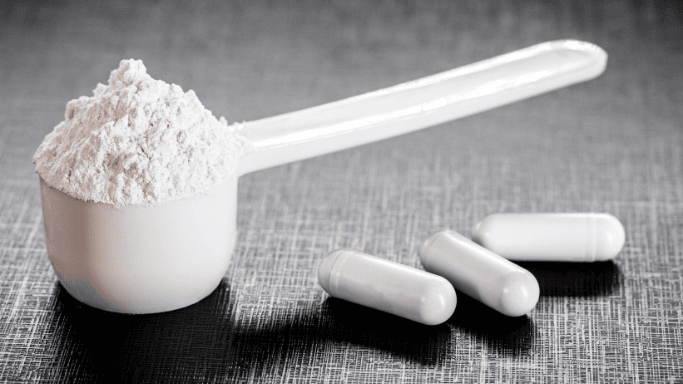
An image of creatine and a barbell on the background

Pros and Cons of Taking Creatine Without Working Out

Dr. She’s Creatine Formula

Pure creatine with ATP for total body performance.
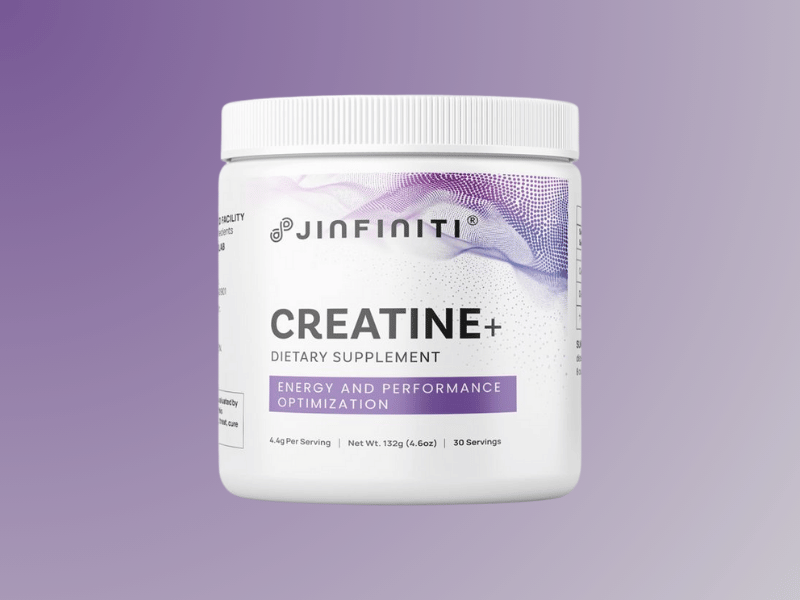
Creatine+ by Jinfiniti

Most people think creatine is just for gym rats and athletes. That’s not the whole story.

This naturally occurring compound found in your muscles and brain does way more than boost workout performance. You might be surprised by what happens when you take creatine without working out at all.

Key Takeaways

  • Even sedentary adults can maintain better muscle mass as they age with creatine supplementation
  • Creatine improves memory, processing speed, and mental stamina by increasing brain energy by up to 15%
  • Simple dosing of 3-5 grams daily with food works better than complicated loading phases and reduces side effects
  • Decades of research show minimal risks for healthy people at normal doses, making it one of the safest supplements available

What is Creatine and Why Does It Matter?
An image of a creatine

Creatine is a naturally occurring substance your body makes every day. Your liver and kidneys produce about 1 gram from amino acids you eat.

You also get creatine from meat and fish. But here’s the thing – most people only fill their creatine stores to about 70% capacity.

That’s where supplements come in.

When you take creatine, it travels through your bloodstream to high-energy tissues. About 95% ends up in your muscles. The rest goes to your brain and other organs.

Creatine plays a huge role in cellular energy. It gets converted to phosphocreatine, which acts like a backup generator for your cells.

Think of it this way. Your cells use ATP for energy. When ATP runs low, phosphocreatine steps in to recharge it instantly.

This system works whether you’re lifting weights or solving math problems.

Benefits of Creatine Without Exercise

Let’s bust a myth right away. You don’t need to hit the gym to benefit from creatine supplementation.

Your brain and body are constantly working. They can use the extra energy support.

Brain and Memory Benefits

A woman playing a game of chess at the park.

Your brain is an energy hog. It uses about 20% of your daily calories despite being only 2% of your body weight.

That makes it vulnerable when energy runs short.

Studies suggest that creatine boosts brain creatine levels by up to 15%.1 Research shows this translates to real cognitive improvements.2

Memory gets the biggest boost. Multiple studies find improvements in working memory and short-term recall.3

Processing speed also increases. You might notice faster thinking and better focus during mentally demanding tasks.

The effects of creatine show up most when your brain is stressed. Sleep deprivation, high-pressure situations, and intense mental work all benefit from supplementation.

Some groups see bigger improvements:

  • Vegetarians and vegans (lower baseline levels)
  • People over 50 (declining brain energy)
  • Anyone under high mental stress

Creatine’s role as a nootropic is gaining scientific recognition for good reason.

Muscle Preservation Benefits

An older man with gray hair and beard does sit-up exercises in a modern gym.

Here’s something interesting. Creatine may help preserve muscle mass even without exercise.

Studies in older adults show that creatine supplementation alone can increase lean body mass.4 We’re talking about people who didn’t change their activity levels at all.

How does this work?

Creatine helps reduce muscle protein breakdown. It also promotes protein synthesis through something called cell swelling.

When creatine enters muscle cells, it pulls water in with it. This swelling sends growth signals to the muscle.

Your muscle’s stem cells also respond to creatine. These satellite cells help repair and maintain muscle tissue.

The supplement might even support bone health. Creatine appears to boost the activity of bone-building cells called osteoblasts.5

For older adults, this could mean less age-related muscle and bone loss.

Other Potential Benefits

Research hints at broader health effects from creatine use.

Blood sugar control might improve. Creatine appears to help muscles take up glucose more efficiently.6

The supplement also shows anti-inflammatory properties.7 This could help combat the chronic inflammation that drives aging.

Some studies even suggest cardiovascular benefits.8 But more research is needed here.

What Happens If You Take Creatine Without Working Out
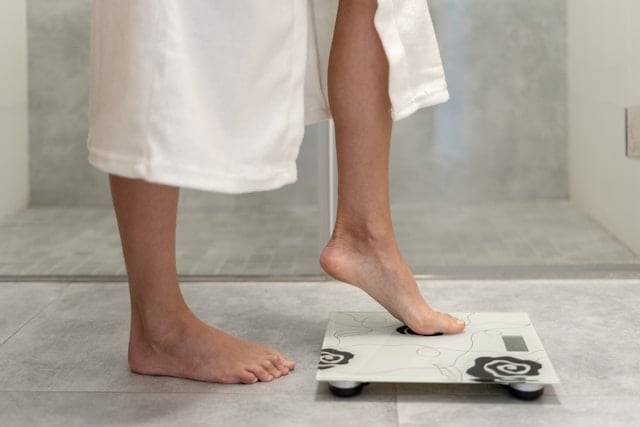
A person in a white towel steps onto a digital bathroom scale with bare feet.

Let’s talk about what you can realistically expect.

Weight Gain from Creatine

You’ll probably gain 2-6 pounds in your first week. Don’t panic – this isn’t fat.

Creatine pulls water into your muscle cells. This is actually a good sign that the supplement is working.

The water weight serves a purpose. Cell swelling from increased hydration triggers muscle-building signals.

This happens even without exercise. Your muscles become more hydrated and potentially more resistant to breakdown.

WeekWhat HappensWhy
1Gain 2-6 lbsWater moves into muscles
2-3Weight stabilizesStores reach capacity
OngoingMaintain hydrationSteady cellular benefits

The effects of taking creatine without exercise are subtle but measurable. You won’t suddenly get jacked. But your cells will function better.

How Your Body Processes Extra Creatine

Your creatine stores can only hold so much. Once they’re full, excess gets broken down and removed through urine.

This happens naturally and safely. Your kidneys handle the waste product (creatinine) just fine.

The whole process takes about 3-4 weeks to reach steady state with daily dosing.

Side Effects of Taking Creatine

Most people tolerate creatine well. But some issues can pop up.

Stomach problems are the main concern. About 10-15% of users experience bloating, cramps, or diarrhea.

These effects depend heavily on dose. Taking 10 grams at once increases diarrhea risk by 56%. Smaller doses rarely cause problems.

You can avoid most digestive issues by:

  • Starting with 3-5 grams daily
  • Taking it with food
  • Splitting larger doses throughout the day
  • Drinking plenty of water

Debunked Creatine Myths

Several scary stories about creatine don’t hold up to science.

Dehydration on creatine isn’t a serious risk. Creatine actually improves cellular hydration.9

Kidney damage doesn’t happen at normal doses. Numerous studies find no evidence of harm in healthy people.10

Creatine doesn’t cause acne. This myth probably comes from sweaty gym sessions, not the supplement itself.

These common creatine myths have been thoroughly debunked by research.

Is It Safe to Take Creatine Without Exercise?

The safety record for creatine is excellent. We’re talking about one of the most studied supplements ever.

Long-term studies lasting up to 5 years show no health problems in healthy adults.

The Kidney Question

Some people worry about kidney damage. This concern stems from elevated creatinine levels in blood tests.

Here’s what’s really happening. Creatine breaks down into creatinine naturally. More creatine in your system means more creatinine waste.

This elevation is harmless. It’s like having more exhaust from a bigger engine – totally normal.

Systematic reviews consistently find no kidney damage from creatine supplementation.11

One animal study did find problems in sedentary rats given massive doses. But exercised rats taking the same amount stayed healthy.

This suggests physical activity might provide some protection. For sedentary people, sticking to normal doses (3-5 grams) appears safest.

Who Should Be Careful

  • People with existing kidney or liver disease should get medical clearance first.
  • Anyone taking medications that affect these organs should also check with their doctor.
  • Pregnant and breastfeeding women should avoid creatine due to limited safety data.

How to Use Creatine When Not Working Out

An image of a cannister and a supplement held by a woman

Getting the most benefit requires the right approach.

Choosing a Safe Creatine Supplement

Creatine monohydrate is your best bet. It’s the most studied form and usually the cheapest.

Despite fancy marketing claims, newer forms don’t work better than basic monohydrate.

Look for products that are:

  • Third-party tested for purity
  • Free from unnecessary additives
  • Made by reputable companies

The amount of creatine you need stays simple:

  • General health: 3-5 grams daily
  • Cognitive support: 3-5 grams daily
  • Older adults: 5-10 grams daily (with medical guidance)

Jinfiniti’s Creatine + ATP combines pure creatine monohydrate with disodium ATP for total cellular energy support.

Smart Dosing Without Working Out

Forget loading phases if you’re not exercising. Taking 20+ grams daily just increases side effect risk without meaningful benefits.

Start with 3-5 grams daily and stick with it. You’ll reach full saturation in about a month.

Proper creatine timing matters less than consistency when you’re not training.

Take it with food to improve absorption and reduce stomach upset.

Creatine Benefits Even Without Regular Workouts

The supplement works on a cellular level. Every tissue that uses energy can benefit.

Your brain gets consistent fuel for better mental performance. Your muscles maintain better hydration and potentially less breakdown.

Even light daily activities become easier. Walking, climbing stairs, and carrying groceries all use the energy systems creatine supports.

Pairing creatine with other cellular health strategies can amplify results. Jinfiniti’s Vitality↑® NAD+ Booster works through different pathways alongside creatine to support energy production.

Should You Consider Creatine Even Without Exercise?

The research makes a compelling case for sedentary creatine use.

Cognitive benefits alone justify supplementation for many people. Better memory, faster thinking, and reduced mental fatigue have real-world value.

The risk-reward ratio strongly favors trying it. Side effects are minimal and usually avoidable with proper dosing.

Older adults have even more reason to consider creatine. The potential for preserving muscle mass and bone density could impact quality of life significantly.

Cost is reasonable too. Quality creatine monohydrate costs less than most daily vitamins.

The Final Scoop

You don’t need to be an athlete to benefit from creatine. This naturally occurring compound supports cellular energy in all tissues.

Your brain will likely respond first with improved memory and mental stamina. Your muscles might maintain better hydration and resist age-related breakdown.

The main downside is temporary water weight gain. Most other supposed risks have been debunked by research.

Start simple with 3-5 grams of creatine monohydrate daily. Take it with food and give it a month to work.

Monitor how you feel mentally and physically. Many people notice the cognitive benefits before anything else.

Remember that adding any physical activity amplifies creatine’s effects. Even daily walks provide metabolic benefits that complement supplementation.

For people over 40, combining creatine with comprehensive health testing helps optimize the approach.

Talk to your doctor before starting if you have health conditions or take medications. But for most healthy adults, creatine offers a safe way to support cellular energy and brain function.

Referenced Sources:

  1. https://bmcmedicine.biomedcentral.com/articles/10.1186/s12916-023-03146-5 ↩︎
  2. https://www.jneurosci.org/content/35/4/1773 ↩︎
  3. https://academic.oup.com/nutritionreviews/article/81/4/416/6671817 ↩︎
  4. https://pubmed.ncbi.nlm.nih.gov/11880821/ ↩︎
  5. https://www.gssiweb.org/sports-science-exchange/article/creatine-supplementation-new-insights-and-perspectives-on-bone-and-brain-health ↩︎
  6. https://www.mdpi.com/2072-6643/13/2/570 ↩︎
  7. https://pmc.ncbi.nlm.nih.gov/articles/PMC8839648/ ↩︎
  8. https://www.sciencedirect.com/science/article/abs/pii/S2405457724002146 ↩︎
  9. https://www.mdpi.com/2072-6643/17/1/95 ↩︎
  10. https://link.springer.com/article/10.1007/s00726-011-0878-2 ↩︎
  11. https://pubmed.ncbi.nlm.nih.gov/31375416/ ↩︎

A healthy older woman in a gray top performs arm exercises with dumbbells at home.

What to Expect Before and After Taking NMN Supplements

You’re curious about NMN supplements and wondering what changes you might see. Smart thinking.

NMN has gained tons of attention as a promising anti-aging supplement. But what should you realistically expect before and after taking it?

This guide walks you through everything. From getting ready to start to tracking the real changes over time.

Key Takeaways

  • Consult your doctor before starting NMN, especially if you take medications or have health conditions.
  • Most people notice meaningful changes around 4-8 weeks.
  • Quality matters enormously – choose NMN supplements with 98%+ purity and third-party testing.
  • Individual results vary based on age, NAD+ status, and lifestyle factors.

What is Nicotinamide Mononucleotide?

Before diving into expectations, let’s cover the basics.

NMN is a molecule your body uses to make NAD+. Think of it as fuel for your cellular power plants.

NAD+ is vital for over 500 cellular activities1. Energy production, DNA repair, and activating longevity proteins called sirtuins.

Your NAD levels naturally drop as you age. By your 50s, you have about half the NAD+ you had in your 20s2.

This decline connects to many age-related health issues. That’s why NAD boosters like NMN have become popular.

When you understand what NAD+ does in your body, it’s easy to see why this molecule matters so much.

Before You Take NMN

Getting ready matters for the best results.

Health Assessment and Safety

Talk to your doctor first. This is especially important if you take medications or have health conditions.

NMN might not play nice with certain drugs:

  • Blood sugar medications (insulin, metformin)
  • Blood pressure medications
  • Blood thinners
  • Cancer treatments

Some people should be extra careful:

  • Those with kidney disease
  • People with cancer history
  • Anyone with known allergies

Clinical studies show NMN is generally safe3. But individual responses vary.

Choosing the Best NMN Supplement

Quality makes all the difference with NMN supplements.

Here’s what to look for:

  • At least 98% purity
  • Third-party testing certificates
  • GMP certified manufacturing
  • Clear ingredient lists

Skip supplements without proper testing. The market is flooded with low-quality options. Our guide on how to choose the best NMN supplement covers quality factors in detail.

“We’ve tested NMN products from different manufacturers, and the purity differences are frankly concerning,” says Dr. She. “Some products contained less than 70% real NMN. When you’re investing in your health, you want to know exactly what you’re taking.”

Looking for Research-Grade NMN?

Jinfiniti’s Vitality↑® NAD+ Booster contains over 99% pure NMN with cellular energy-boosting ingredients like creatine and D-ribose. Instead of hoping your supplement works, you get a formula created by scientists who test NAD levels on a daily basis.

NMN Dosage Guidelines

Clinical trials have tested various doses safely4. Here’s what research shows:

Dosage LevelAmountBest For
Beginner250mg dailyFirst-time users
Standard300-600mg dailyMost adults
Higher900-1200mg dailyAs studied in trials

Start low and work your way up. This gives your body time to adjust.

Most people take NMN first thing in the morning on an empty stomach. This timing works with your body’s natural rhythm. For detailed guidance, check our NMN dosage guide on optimal amounts and timing.

What to Expect When Starting NMN

Your journey begins with realistic expectations.

Timeline for NMN Results

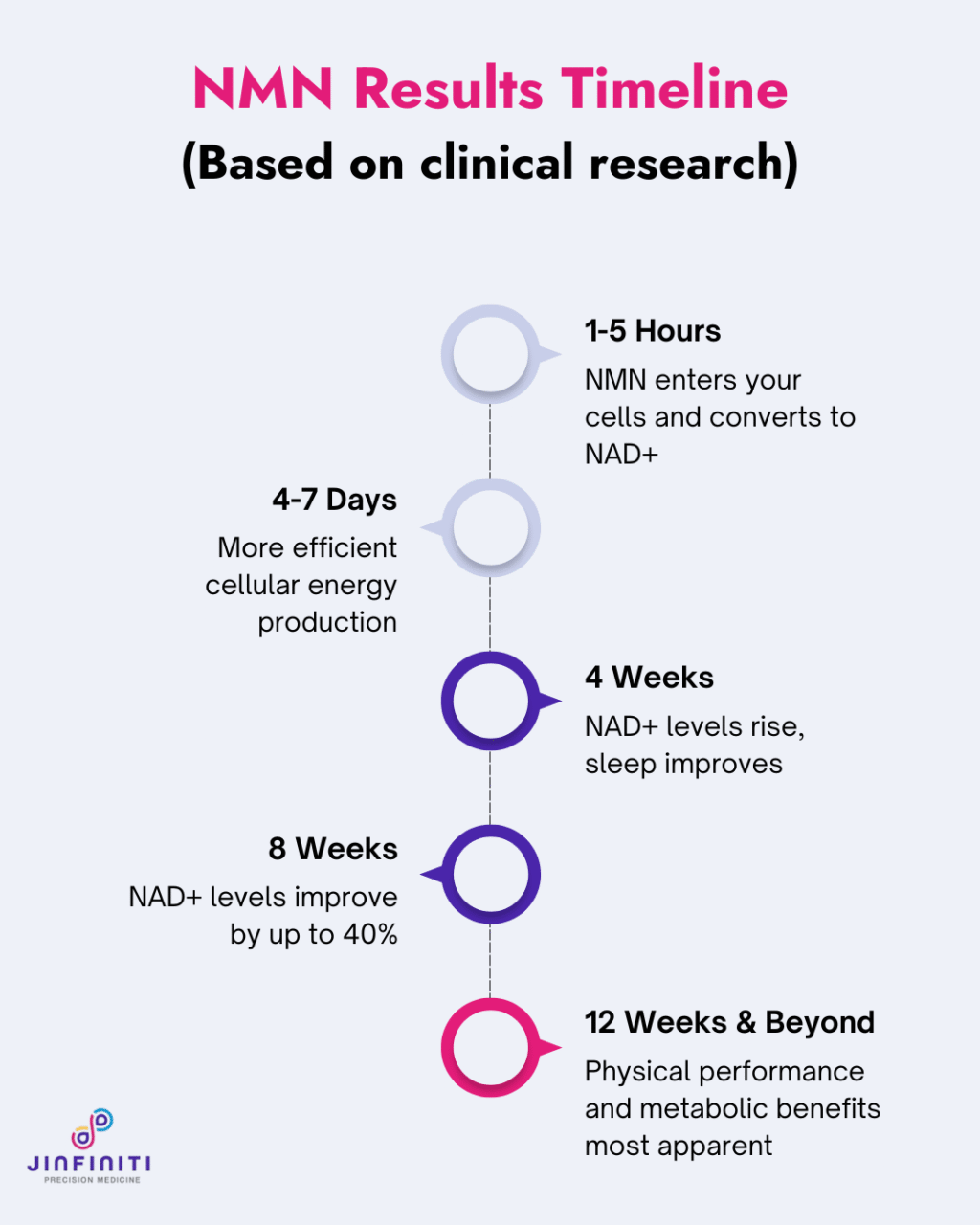
NMN work happens gradually, not instantly. Here’s what typically happens based on the latest research:

  • Hour 1: NMN gets to work converting to NAD+ in your cells
  • 4-7 Days: Your cells start producing energy more efficiently5
  • 4 Weeks: NAD+ levels start to rise in your system. You might notice better endurance and sleep quality6
  • 8 Weeks: NAD+ levels jump by about 40% compared to where you started7. Health scores improve across multiple measures8
  • 12 Weeks: Physical performance and metabolism continue improving with faster walking speed and better muscle function9

This timeline varies between individuals. Your age, current health, and lifestyle all play roles.

Don’t worry if your experience looks different. Everyone responds uniquely.

“In our clinical research, we’ve observed that people typically need 4-6 weeks of consistent supplementation before they notice meaningful changes,” notes Dr. Jin-Xiong She, founder of Jinfiniti. “The timeline really depends on your starting NAD levels and baseline health.”

Graphic showing timeline of expected results after taking NMN supplements based on clinical studies

Early Effects of NMN Supplements

Those first few weeks often bring subtle but noticeable changes.

Here’s what many people experience:

  • More energy when you wake up
  • Clearer thinking during the day
  • Feeling more motivated to do things
  • Bouncing back faster from workouts

Some people notice changes within days. Others need several weeks. Athletes and fitness enthusiasts may find our guide on NMN for athletic performance particularly helpful.

Don’t get discouraged if results take time. Your cells are doing important work behind the scenes.

NMN Before and After Results

Real results develop over months, not days.

Short-Term Benefits of NMN

During your first 1-3 months, research suggests several potential improvements.

Energy and Performance

  • Improved walking distance and endurance
  • Better overall energy throughout the day
  • Faster recovery from physical activities

Metabolic Changes

  • Better insulin sensitivity in some individuals10
  • Improved quality of life scores in studies
  • More stable energy levels without crashes

Many people report feeling more like their younger selves. The changes might be subtle, but they feel meaningful.

Learn more about the most promising benefits of NMN supplementation backed by research.

An older couple with walking poles exercises together on a modern bridge walkway.

Long-Term Health Benefits

Consistent use over 3+ months may bring more significant benefits.

Research shows potential improvements in:

  • Muscle strength, particularly grip strength
  • Walking speed and overall mobility
  • Cardiovascular health markers11

The key word is “potential.” Individual results vary significantly.

Your genetics, lifestyle, and starting health all influence outcomes. Some people see dramatic changes. Others notice subtle improvements.

“What I find interesting from our testing data is how much individual responses vary,” explains Dr. She. “Two people taking the same dose might have completely different NAD increases. That’s why we always recommend testing before and after supplementation.”

Anti-Aging Effects

NMN’s anti-aging potential comes from supporting cellular health.

The supplement may help with:

  • Maintaining cellular energy production
  • Supporting DNA repair processes
  • Activating longevity-related proteins

These cellular changes might translate to feeling more energetic and resilient over time.

Remember, NMN isn’t a fountain of youth. It’s one tool in a broader healthy aging approach.

For more context on supplement benefits, explore our guide on NAD+ supplement benefits and safety considerations.

A smiling woman with wet hair poses with arms raised outdoors looking into the horizon.

Tips for Maximizing NMN Benefits

Smart strategies can boost your results.

Take NMN in the morning for best results. Evening doses might interfere with sleep.

Daily use works better than sporadic supplementation. Your cells need steady NAD+ support.

Lifestyle Support

  • Eat a balanced diet rich in whole foods
  • Exercise regularly (both cardio and strength training)
  • Prioritize 7-9 hours of quality sleep
  • Manage stress through relaxation techniques

These habits work together with NMN. There are also many ways to increase NAD+ levels naturally through lifestyle changes. You can also include natural food sources of NMN in your diet.

Using NMN with Other Supplements

Some researchers like Harvard’s Dr. David Sinclair combine NMN with complementary supplements.

Popular Combinations:

  • NMN and resveratrol for better sirtuin activation
  • NAD+ precursors in rotation
  • Antioxidants for additional cellular support

Always research interactions before combining supplements. Start with one at a time. Understanding NAD vs NMN differences can help you choose the right approach.

NMN and Resveratrol Combination

This pairing has gained popularity in longevity circles.

Resveratrol may activate sirtuins more effectively when NAD+ levels are higher. The combination could provide synergistic benefits.

Some studies suggest taking them together improves both supplements’ effects. But more research is needed.

If you’re considering other NAD+ precursors, our NMN vs NR comparison explains the differences between these popular options.

NMN Supplement Benefits You Can Track

Monitoring your progress helps assess effectiveness.

Energy Levels and Performance

Track these markers:

  • Morning energy upon waking
  • Afternoon energy stability
  • Exercise performance and recovery
  • Mental clarity throughout the day

Keep a simple daily log. Rate each area on a 1-10 scale.

Recommended Testing Consider testing your actual NAD levels before and after supplementation. This provides objective data about NMN’s effects.

Jinfiniti offers the first-of-its-kind at-home intracellular NAD+ test to measure your baseline and track improvements.

NMN Skin Benefits

Some people report skin improvements with NMN use.

Potential changes include:

  • Better skin texture and appearance
  • Improved healing from minor cuts or irritation
  • More youthful-looking skin over time

These effects likely relate to improved cellular repair and energy production. Your skin cells need NAD+ for optimal function.

Document skin changes with photos if you’re tracking this benefit.

A smiling Asian woman with closed eyes touches her neck with yellow flowers by her face.

Potential Side Effects of Taking NMN Supplements

NMN is well-tolerated by most people. But some experience mild side effects.

Common Initial Side Effects:

  • Mild stomach discomfort
  • Temporary headaches
  • Increased alertness (if taken late)
  • Minor digestive adjustments

These usually resolve within a few days to weeks.

When to Contact Your Doctor:

  • Persistent digestive issues
  • Severe headaches
  • Allergic reactions
  • Significant changes in blood sugar or pressure

Studies show excellent safety profiles for NMN. But individual responses vary.

Stop use and consult your healthcare provider if you experience concerning symptoms.

NMN Powder vs Other Forms

Most people wonder about the best form of NMN supplementation.

NMN Powder Advantages:

  • Often more cost-effective per dose
  • Flexible dosing options
  • Fast absorption when taken sublingually
  • No unnecessary fillers or binders

Other Forms:

  • Capsules offer convenience
  • Lozenges provide sublingual delivery
  • Liquid forms may absorb quickly

Pure NMN powder gives you the most control over your dosing. You can start small and adjust based on your response.

Choose the form that fits your routine best. Consistency matters more than the specific format.

Making the Most of Your NMN Supplementation

Success with NMN supplementation requires the right approach.

Invest in properly tested, pure NMN supplements. Poor quality products won’t deliver expected results.

For those seeking a complete approach, consider products like Vitality↑® NAD+ Booster. This clinically validated formula combines NMN with complementary ingredients like creatine and D-ribose for better cellular energy support.

Real cellular changes take time. Most people need 6-12 weeks to see meaningful benefits.

Monitor energy levels, sleep quality, exercise performance, and overall well-being. This helps you assess whether NMN is working.

NMN could support healthy aging, but it’s not magic. Combine it with proven lifestyle strategies for best results.

Starting NMN: Your Next Steps

Ready to begin your NMN journey? Here’s what to do:

  1. Consult your healthcare provider
  2. Choose a high-quality supplement
  3. Start with a lower dose
  4. Track your baseline energy and performance
  5. Be patient with results

The research on NMN continues expanding. Current studies show promise for supporting cellular health and energy production.

Your experience with NMN will be unique. Some people see dramatic improvements. Others notice subtle but meaningful changes.

The key is approaching NMN supplementation thoughtfully. Choose quality products, start slowly, and track your response over time.

Remember that NAD+ deficiency symptoms can include fatigue, brain fog, and reduced physical performance. If you experience these issues, NMN might help restore optimal cellular function.

Whether you’re just starting to research NMN benefits and basics or ready to begin supplementation, understanding realistic expectations sets you up for success.

Take time to prepare properly. Choose quality supplements. Track your progress consistently. And remember that the best anti-aging approach combines smart supplementation with healthy lifestyle choices.

Referenced Sources

  1. https://pmc.ncbi.nlm.nih.gov/articles/PMC9735188/ ↩︎
  2. https://pmc.ncbi.nlm.nih.gov/articles/PMC7442590/ ↩︎
  3. https://pmc.ncbi.nlm.nih.gov/articles/PMC9400576/ ↩︎
  4. https://pubmed.ncbi.nlm.nih.gov/36482258/ ↩︎

  5. https://pmc.ncbi.nlm.nih.gov/articles/PMC8328278/ ↩︎
  6. https://www.frontiersin.org/journals/nutrition/articles/10.3389/fnut.2021.756243/full ↩︎

  7. https://pmc.ncbi.nlm.nih.gov/articles/PMC9261366/ ↩︎

  8. https://www.mdpi.com/1422-0067/25/5/2594 ↩︎
  9. https://pmc.ncbi.nlm.nih.gov/articles/PMC9158788/ ↩︎
  10. https://pmc.ncbi.nlm.nih.gov/articles/PMC11336149/ ↩︎
  11. https://www.mdpi.com/1422-0067/25/17/9526 ↩︎
A blonde woman in white clothing checks her smartwatch against a blue cloudy sky.

What to Know About Creatine and Cholesterol Levels

Most people associate creatine with gains in muscle mass and better sports performance. Yet, could this common supplement also be good for your heart? 

Fresh research uncovers surprising ties between creatine and how your body handles cholesterol. The outcomes aren’t what many anticipate, but the data indicates creatine might indeed deliver true heart and blood vessel benefits.

Let’s see what current findings say regarding creatine and your cholesterol numbers.

Key Takeaways

  • Creatine consistently lowers triglycerides by 16-23% but has minimal effects on total cholesterol
  • It’s safe for most people and provides cardiovascular benefits beyond lipid improvements
  • 3-5g daily works best for heart health without needing a loading phase
  • May help people who experience muscle problems from statin medications

What Is Creatine and How Does It Work?

Creatine is a naturally occurring compound your body makes from three amino acids. About 95% gets stored in your muscles, where it helps regenerate ATP during high-intensity activities.

Creatine is like your cellular energy backup system. When your muscles need quick bursts of power, the creatine-phosphocreatine system kicks in to maintain energy production.1

This energy system doesn’t just work in muscles. It acts as what researchers call a “dynamic biosensor” throughout your cells, connecting energy production sites with areas that need fuel most.

An image of creatine powder scoops

How Does Creatine Affect Cholesterol?

The effects of creatine on cholesterol aren’t quite what you might expect.

Several clinical studies show creatine’s most consistent benefit targets triglycerides, not cholesterol directly. Research involving older adults found four weeks of creatine monohydrate supplementation reduced fasting triglycerides by about 16%.2

A study by Earnest and colleagues examined 34 people with elevated cholesterol levels. They found major reductions in plasma triglycerides and VLDL cholesterol by 23% and 22% respectively.3

Key Research Findings

StudyParticipantsTriglyceride ChangeTotal Cholesterol Change
Clarke et al.Older adults-16%No significant change
Earnest et al.Elevated cholesterol-23%-6%
Gualano et al.With exerciseImproved+13% HDL

The studies show how creatine affects your lipid profile depends on which markers you measure. Total cholesterol and LDL often remain unchanged, while triglycerides consistently improve.

How Creatine May Improve Your Lipid Profile

Creatine affects your cardiovascular system beyond simple cholesterol numbers in several ways.

Enhanced Cellular Energy

Creatine boosts cellular energy production, which may improve overall metabolic efficiency. Better energy metabolism can support more effective lipid processing and fatty acid breakdown.4

Antioxidant Properties

Creatine demonstrates both direct and indirect antioxidant effects. It helps maintain mitochondrial function and reduces harmful reactive oxygen species formation.

This antioxidant action may protect lipoproteins from oxidation. That’s a key step in preventing atherosclerosis development.

Glucose Metabolism Benefits

Creatine supplementation has been linked to improved glucose metabolism. The same Clarke study that showed triglyceride improvements also found major reductions in fasting glucose levels.5

Since glucose and lipid metabolism are closely connected, this dual benefit suggests broader metabolic improvements.

An image of a heart model in a hand

Is Creatine Safe for Heart Health?

You might wonder about safety, especially given some widespread myths about creatine and it’s effects on the heart.

One common misconception is that creatine poses cardiovascular risks. The reality is quite different, and science consistently shows otherwise.

Extensive research spanning over 20 years shows creatine’s safety in healthy individuals.6 A comprehensive 2021 review of 1,322 articles found creatine may actually help lower blood lipid markers while providing antioxidant benefits.

Common Side Effects to Expect

  • Initial water retention (1-3 kg weight gain in first week)
  • Possible stomach upset with higher doses
  • Mild muscle cramps if inadequately hydrated

Is It Safe to Take Creatine Every Day?

You should consult a healthcare provider before starting creatine if you have:

  • Kidney disease
  • Diabetes
  • Take medications affecting kidney function

Pregnant and breastfeeding women should avoid creatine due to insufficient safety data.

Creatine Effects on Kidneys and Liver

Long-term studies show creatine supplementation doesn’t harm healthy kidneys or liver function. Research tracking people taking creatine for up to five years found no negative effects on kidney markers or liver enzymes.

The key is staying properly hydrated and following recommended dosages.

Join 50,000+ Longevity Optimizers

Access the same health optimization strategies used by longevity experts. Weekly insights, exclusive products, member pricing.

Creatine Dosage: How to Take Creatine Supplements

So how should you approach dosing when your goal is heart health rather than athletic performance?

Studies showing lipid benefits used 3-10g daily for extended periods. The International Society of Sports Nutrition recommends 3-5g daily for general health benefits.7

You don’t need a loading phase for cardiovascular benefits. Starting with 3-5g daily minimizes side effects while providing therapeutic benefits.

For a detailed breakdown of different approaches, check out our complete creatine starter guide that covers timing and dosing strategies.

Timing and Hydration

Take creatine at any time of day, but stay well-hydrated. Adequate water intake with creatine prevents most side effects and supports proper kidney function.

Which Form Works Best?

Creatine monohydrate remains the most studied and effective form of creatine. It’s also the most affordable option with the strongest research backing.

Bonus Read: Coffee lovers often ask about mixing creatine with caffeine. Our creatine and caffeine guide has the answers.

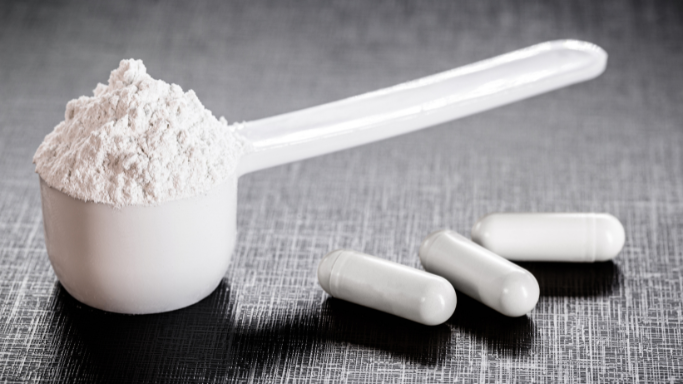
An image of a creatine powder and capsules

Jinfiniti’s Creatine + ATP

Jinfiniti’s Creatine ATP combines creatine monohydrate with ATP to support both cellular energy production and overall metabolic health. Our unique formulation provides 4g of creatine per serving, perfect for cardiovascular applications.

The addition of ATP enhances the energy-supporting benefits that make creatine effective for lipid metabolism improvements.

For total cellular energy support, Vitality↑® NAD Booster includes creatine alongside NAD+ precursors. This advanced formulation targets multiple pathways involved in cellular energy production and metabolic health.

Both options provide pharmaceutical-grade, third party-tested creatine monohydrate in forms designed for optimal absorption and effectiveness.

Adding Creatine Supplementation for Cholesterol Management

Some groups may benefit most from creatine’s cardiovascular effects.

Older Adults

Studies suggest older adults may be particularly responsive to creatine’s metabolic benefits. Age-related declines in muscle creatine content and mitochondrial function make supplementation potentially more beneficial in this population.

Our guide on creatine for older adults explores these age-specific benefits in detail.

People with Metabolic Syndrome

If you have elevated triglycerides, low HDL cholesterol, and insulin resistance, creatine’s dual benefits on glucose and lipid metabolism align well with therapeutic targets for metabolic syndrome.

Statin Users

New research suggests creatine may help prevent statin-induced muscle problems. Clinical evidence shows creatine supplementation can prevent statin-induced muscle symptoms in some patients.8

This could allow continued cholesterol-lowering treatment in people who otherwise couldn’t tolerate statins.

Beyond Lipids: Other Heart Health Benefits

What makes creatine so interesting is how it supports cardiovascular health through multiple pathways.

Recent research from Florida State University found that creatine promotes arterial dilation and improves microvasculature function.9 These effects matter for reducing cardiovascular disease risk independent of cholesterol levels.

Studies in heart failure patients also show creatine supplementation can improve exercise capacity and quality of life.10 

While these studies focused on functional outcomes rather than lipid effects, they support creatine’s broader cardiovascular benefits.

How Creatine Can Improve Athletic Performance and Endurance

While this article focuses on heart health, it’s worth restating that creatine’s benefits may also improve athletic performance. Better energy metabolism and reduced oxidative stress can enhance both power output and endurance capacity.

Athletes often see improvements in repeated high-intensity efforts, which translates to better training adaptations and overall fitness gains.

Bonus Read: Our guide on creatine as a nootropic covers the research on creatine for brain health and mental performance.

The Final Scoop

The relationship between creatine and cholesterol isn’t straightforward, but it’s promising.

While creatine may not dramatically lower total cholesterol or LDL, it consistently reduces triglycerides and supports overall cardiovascular health through multiple mechanisms.

The supplement’s excellent safety profile, combined with potential heart health benefits, makes it worth considering as part of a comprehensive approach to cardiovascular wellness.

Remember that creatine works best alongside other heart-healthy habits like regular exercise, proper nutrition, and stress management.

For more insights on supporting your cellular health naturally, explore our guides on how creatine works with ATP and creatine for climbers.

If you’re interested in testing your baseline metabolic health markers, consider Jinfiniti’s full biomarker testing to establish your starting point and track improvements over time.

Referenced Sources:

  1. https://pmc.ncbi.nlm.nih.gov/articles/PMC8070484/ ↩︎
  2. https://linkinghub.elsevier.com/retrieve/pii/S247529912313023X ↩︎
  3. https://pubmed.ncbi.nlm.nih.gov/8774269/ ↩︎
  4. https://pmc.ncbi.nlm.nih.gov/articles/PMC7910963/ ↩︎
  5. https://pmc.ncbi.nlm.nih.gov/articles/PMC9193312/ ↩︎
  6. https://pmc.ncbi.nlm.nih.gov/articles/PMC7871530/ ↩︎
  7. https://pmc.ncbi.nlm.nih.gov/articles/PMC7910963/ ↩︎
  8. https://pmc.ncbi.nlm.nih.gov/articles/PMC6770148/ ↩︎
  9. https://www.mdpi.com/2072-6643/17/1/58 ↩︎
  10. https://pmc.ncbi.nlm.nih.gov/articles/PMC8067763/ ↩︎
A woman in red athletic wear checks her smartwatch while sitting on concrete steps.

Top Benefits of D-Ribose Supplements, According to Experts

Your body uses a sugar called D-ribose to make energy. This isn’t the same sugar you find in candy.

D-ribose is a five-carbon sugar that goes straight to work building ATP. ATP is like your body’s battery – it powers everything you do.

While regular sugar burns up fast for quick energy, ribose helps make the long-term energy your cells need.

While more research is needed, early studies suggest it might help when your cells struggle to produce energy.

Key Takeaways

  • D-ribose is a simple sugar that helps your cells rebuild ATP, their main energy source, faster than normal.
  • Research shows the most benefits for people with heart disease, chronic fatigue syndrome and fibromyalgia.
  • Ribose works best when combined with other nutrients like nicotinamide to support multiple energy pathways in your cells.
  • Most people can take 3-15 grams daily depending on their goals, but people with diabetes should use caution.

What is D-Ribose and How Does It Support Energy Production?

D-ribose is a sugar consisting of five carbons. It provides the building blocks for ATP, which is your cells’ preferred source of energy. Your body synthesizes ribose as part of the process known as the pentose phosphate pathway. Unfortunately, this process is somewhat slow.

If your cells need an energy providing substrate quickly, they can’t wait for your body to build up enough ribose. Research indicates that ribose supplements greatly reduce this limitation1, allowing your cells to have the substrates for ATP production readily available.

The ATP Connection

Adenosine triphosphate (ATP) contains three parts: adenine, ribose, and three phosphate groups. Cells break off phosphate groups to release energy. They need fresh ribose to rebuild ATP.

Research shows d-ribose supplements boost ATP recovery by up to 340%2. High-energy tissues like the heart and muscles benefit most from this boost.

Three women in athletic wear jog together outdoors against a blue cloudy sky.

NAD+ Metabolism Support

Recent research shows d-ribose works with nicotinamide to boost NAD+ levels. Clinical studies show that combining these two compounds can increase NADP+ by 27% compared to placebo, while also improving glucose tolerance and reducing stress hormones3.

This connection makes perfect sense. Both ribose and NAD+ are essential for making energy in your cells. NAD+ acts as a helper molecule in energy production, while ribose provides the building blocks for ATP synthesis.

Dr. Jin-Xiong She, who founded Jinfiniti Precision Medicine, explains it simply: “People with chronic fatigue or heart issues usually have cells that struggle to produce energy. D-ribose supplies the raw materials for ATP, while NAD+ cofactors help those energy systems function properly.”

Interested in D-Ribose?

Jinfiniti’s Vitality↑® NAD+ Booster contains d-ribose with nicotinamide and creatine in one research-backed formula. Instead of taking separate supplements, you get the benefits of the combination studies use in the correct amounts.

Key Health Benefits of D-Ribose

The research on ribose supplements shows some promising benefits, especially for people dealing with specific health challenges.

1. Heart Health and Support for People with Heart Disease

Your heart never stops working. It beats over 100,000 times per day, requiring massive amounts of cellular energy. When heart disease limits blood flow, cardiac muscle cells become energy-starved.

Clinical research shows that d-ribose may improve heart function in people with ischemic heart disease4. Patients taking ribose could exercise longer before experiencing chest pain or shortness of breath.

Benefits for Heart Function:

  • Improved exercise tolerance in cardiac patients
  • Better diastolic function in heart failure
  • Increased “ischemic threshold” during physical activity
  • Support for overall cardiovascular energy metabolism

A six-month study combined d-ribose with creatine and B vitamins5. Participants with ischemic heart disease showed measurable improvements in exercise capacity and quality of life.

People with congestive heart failure may also benefit. Research indicates that ribose supplementation can improve heart muscle function by replenishing depleted ATP levels in cardiac tissue6.

A stylized pink anatomical heart with geometric facets rendered against a pink background.

2. Chronic Fatigue and Fibromyalgia Relief

Chronic fatigue syndrome and fibromyalgia share a common thread: cellular energy dysfunction. Your mitochondria can’t produce enough ATP to meet your body’s needs, leaving you exhausted and in pain.

A study tested d-ribose in 41 patients with fibromyalgia and chronic fatigue7. The results were encouraging:

Improvement AreaPercentage Increase
Energy levels61.3%
Overall well-being37%
Sleep quality29.3%
Mental clarity30%
Pain reduction15.6%

About 66% of participants experienced significant improvement within the first week of taking 5 grams of ribose three times daily.

These benefits make sense when you understand that chronic fatigue often involves mitochondrial dysfunction. D-ribose provides the building blocks your cells need to restore normal energy production.

3. Athletic Performance and Exercise Recovery

The effects of ribose on athletic performance are mixed, but certain populations see clear benefits. Your fitness level appears to play a key role in how much ribose helps.

Research shows that people with lower fitness levels benefit more from ribose supplementation8. They maintained exercise performance and reported less fatigue when taking ribose compared to placebo.

“The stress of high intensity exercise has the potential to be benefited with supplementation of DR”

— Seifert, John G et al., Journal of the International Society of Sports Nutrition

However, multiple studies found no significant improvement in peak power or overall performance in highly trained athletes9. Ribose seems more valuable for recovery than immediate performance enhancements.

Recovery Benefits:

  • Faster ATP regeneration after intense exercise
  • Reduced muscle soreness in some individuals
  • Improved energy stores following training sessions
  • Better exercise tolerance in people with lower fitness levels

The key appears to be that ribose helps restore your cellular energy after it’s been depleted, rather than boosting performance in already well-trained individuals.

Concentrated African American female weightlifter holding the loaded barbell with both hands

D-Ribose Dosage and How to Take Ribose Supplements

Getting your dose right is important for seeing benefits while avoiding side effects. Research provides clear guidance on effective amounts.

Recommended Ribose Supplementation Amounts

Different health goals require different dosing strategies:

  • General energy support: 3-5 grams daily, split into 2-3 doses
  • Chronic fatigue and fibromyalgia: 5 grams three times daily (15 grams total)
  • Heart conditions: 5-10 grams daily, often combined with other heart-supporting nutrients
  • Exercise recovery: 5-10 grams daily, timed around workout sessions

The European Food Safety Authority has established a safe upper limit of 36 mg per kg of body weight daily10. For a 70kg adult, this equals about 2.5 grams. However, clinical studies have safely used much higher amounts.

Best Practices for Taking Ribose Supplements

D-ribose powder dissolves easily in water and tastes mildly sweet. For optimal absorption:

  • Take on an empty stomach when possible
  • Wait at least one hour between meals and supplementation
  • Mix with water, juice, or other beverages
  • Divide your daily dose throughout the day for sustained benefits

Some people prefer to take ribose before or after exercise to support energy recovery. Others find taking it between meals helps maintain steady energy levels throughout the day.

Potential Side Effects and Safety Considerations

D-ribose has a good safety profile when used appropriately, but you should be aware of possible side effects and contraindications.

Common Side Effects of Ribose

Most people tolerate ribose well, but some experience mild digestive issues, especially at higher doses:

  • Nausea or stomach discomfort
  • Diarrhea and bloating
  • Headache
  • Temporary blood sugar changes

These effects are usually dose-related and improve when you reduce the amount or take ribose with food.

Important Safety Warnings

Blood sugar effects: D-ribose can lower blood glucose levels. Research shows this might benefit some people, but it could be problematic for others3.

Diabetes concerns: People with diabetes should use caution. Some studies suggest that ribose might accelerate certain diabetic complications11, though more research is needed.

Hypoglycemia risk: If you have low blood sugar, ribose could worsen this condition. Monitor your glucose levels when starting supplementation.

Pregnancy and nursing: Safety data is limited for pregnant and breastfeeding women. Consult your healthcare provider before using ribose during these times.

Join Our 50,000+ Longevity Newsletter

Access the same health optimization strategies used by longevity experts. Weekly insights, exclusive products, member pricing.

Food Sources and Natural Intake

D-ribose occurs naturally in small amounts in various foods, though dietary intake is not sufficient to provide therapeutic levels.

Natural sources include:

  • Brewer’s yeast (a notable RNA-rich source)
  • Meat products like beef, fish, chicken and pork
  • Dairy products like milk, yogurt, cheddar cheese, and cream cheese
  • Some ripe fruits and vegetables
  • Soy-containing products

The amounts found in food are minimal compared to supplemental doses.

Choosing Quality Ribose Supplements

Not all ribose supplements are created equal. Quality matters when you’re investing in your cellular health.

What to Look for in D-Ribose Products

Purity standards: High-quality ribose should be 98-102% pure on a dry basis with less than 0.5% moisture content.

Manufacturing quality: Look for products that meet pharmaceutical standards, often labeled as “Bioenergy Ribose” or meeting AJI92 quality standards.

Form options: Pure powder offers the most versatility and value. Capsules are convenient but typically cost more per gram. Combination formulas like Jinfiniti’s NAD Booster supplement provide supportive compounds in precise ratios for a complete cellular energy support.

Who Should Consider D-Ribose Supplementation?

Based on current research, certain groups are most likely to benefit from ribose supplements:

  • People with cardiovascular conditions: Those with heart failure, ischemic heart disease, or reduced exercise tolerance may see significant improvements.
  • Chronic fatigue and fibromyalgia patients: The evidence is particularly strong for these conditions, with many people experiencing substantial symptom relief.
  • Individuals with mitochondrial dysfunction: Anyone dealing with cellular energy problems might benefit from ribose’s ATP-supporting effects.
  • Older adults: Age-related declines in cellular energy production may respond well to ribose supplementation.
  • People recovering from illness: When your body’s energy systems are depleted, ribose can help speed recovery.

Integrating Ribose with Other Longevity Strategies

D-ribose works best as part of a more complete approach to cellular health. Consider how it fits with other longevity supplements and lifestyle practices.

  • Exercise: Regular physical activity naturally stimulates ATP production. Ribose can support your recovery between sessions.
  • Nutrition: A diet rich in NAD+ boosting foods complements ribose supplementation by supporting multiple energy pathways.
  • Sleep: Quality rest allows your cells to naturally replenish energy stores. Ribose may help when sleep is inadequate.
  • Stress management: Chronic stress depletes cellular energy. Ribose can provide support while you work on stress reduction techniques.

Understanding your baseline health markers can also help you track progress and identify areas where ribose might be beneficial.

Jinfiniti’s AgingSOS® Longevity Panel measures 22 biomarkers including cellular senescence, oxidative stress, inflammation, and energy metabolism markers, giving you insights into your cellular health status.

AgingSOS Mini Promo

Where the Science of D-Ribose is Headed

Scientists are making new discoveries about d-ribose that could improve how we use this supplement.

Recent research highlights:

  • New tools can measure ribose levels inside living cells in real time12
  • Better ways to produce ribose could make supplements cheaper and higher quality13
  • Scientists can now convert ribose into NMN more efficiently for NAD+ support14
  • Studies of how cells process ribose explain why it works better for some people15

These advances could lead to better dosing guidelines and more effective combination supplements in the future.

Making an Informed Decision About D-Ribose

D-ribose supplements really help with specific health issues, mainly when your cells can’t make enough energy. The best research shows it works for heart problems, chronic fatigue, and fibromyalgia.

If you’re healthy, you might not see big changes.  But if you deal with constant tiredness, trouble exercising, or recovering from illness, ribose could make a difference.

Begin with low doses. Find a healthcare provider who understands nutritional supplements. Watch how your body responds and adjust accordingly.

Supplements need healthy habits to work well. D-ribose supports your cellular energy systems, but you still need proper nutrition, regular exercise, good sleep, and stress control.

As we understand cellular energy metabolism better, we discover more ways to support health and longevity. D-ribose is one valuable tool in this expanding toolkit for your body’s basic energy processes.

Referenced Sources

  1. https://pmc.ncbi.nlm.nih.gov/articles/PMC5959283/ ↩︎
  2. https://iopscience.iop.org/article/10.1088/1755-1315/441/1/012175 ↩︎
  3. https://www.mdpi.com/2072-6643/14/11/2219 ↩︎
  4. https://www.cureus.com/articles/10915-potential-clinical-benefits-of-d-ribose-in-ischemic-cardiovascular-disease ↩︎
  5. https://www.mdpi.com/2072-6643/11/12/3075 ↩︎
  6. https://pmc.ncbi.nlm.nih.gov/articles/PMC2716264/ ↩︎
  7. https://pubmed.ncbi.nlm.nih.gov/17109576/ ↩︎
  8. https://pmc.ncbi.nlm.nih.gov/articles/PMC5738882/ ↩︎
  9. https://pubmed.ncbi.nlm.nih.gov/16937963/ ↩︎
  10. https://pmc.ncbi.nlm.nih.gov/articles/PMC7009567/ ↩︎
  11. https://pmc.ncbi.nlm.nih.gov/articles/PMC10822815/ ↩︎
  12. https://pubs.rsc.org/en/content/articlelanding/2025/sc/d5sc00244c ↩︎
  13. https://www.jmb.or.kr/journal/view.html?doi=10.4014/jmb.2504.04021 ↩︎
  14. https://analyticalsciencejournals.onlinelibrary.wiley.com/doi/10.1002/biot.202400707 ↩︎
  15. https://www.sciencedirect.com/science/article/pii/S0141813025006580 ↩︎
Young sportive woman in black clothes doing abs in the gym

Should You Use Creatine While Dieting or Cutting?

Many people wonder if they should continue taking their creatine supplement when trying to lose weight. The short answer is yes, but there are important considerations to keep in mind.

Creatine monohydrate remains one of the most researched supplements for muscle building and performance. When you’re cutting or dieting, this supplement becomes even more valuable for preserving muscle mass and maintaining workout intensity.

Key Takeaways

  • Creatine helps preserve muscle mass and strength during calorie restriction.
  • Water weight gain is temporary, beneficial, and occurs inside muscle cells.
  • 3-5g daily provides optimal results without dramatic scale fluctuations.
  • Focus on measurements and photos rather than scale weight when tracking progress.

What Happens When You Use Creatine While Cutting

Cutting involves creating a calorie deficit to reduce body fat while keeping as much muscle as possible. This process naturally challenges your energy levels and training performance.

Your body requires adequate energy to maintain muscle tissue during weight loss. Without proper support, you may lose both fat and muscle mass together.

Studies indicate that creatine supplementation helps preserve muscle creatine stores during energy restriction.1 This preservation supports better performance and muscle retention compared to placebo groups.

Young sportive woman in black clothes doing abs in the gym

How Creatine Works During Fat Loss

Creatine increases phosphocreatine stores in your muscles. These stores help rapidly regenerate ATP, which provides energy for muscle contractions during high-intensity exercise.

This mechanism offers several key advantages when you’re in a calorie deficit:

  • Energy substrate availability: Maintains power output when calories are restricted
  • Performance preservation: Keeps workout intensity high despite lower energy intake
  • Recovery support: Reduces muscle damage and inflammation between training sessions

The energy production benefits become particularly important when your dietary calories are limited. Your muscles can still perform at higher intensities with adequate creatine stores.

Benefits of Creatine for Weight Loss

Here are some of the potential benefits of creatine when it comes to weight loss.

Strength Preservation

Maintaining strength during a caloric deficit can be tough for most people. Creatine supplementation helps preserve power output and training intensity throughout your cutting phase.

Higher training intensity directly supports muscle mass retention. When you can lift heavier weights for more reps, you send stronger signals to maintain muscle tissue.

Enhanced Muscle Fullness

Reduced carbohydrate intake often makes muscles appear flat due to lower glycogen stores. Creatine helps maintain muscle volume and fullness by increasing intracellular water content.2

This water retention occurs inside muscle cells, not under the skin. The result is better muscle definition rather than a bloated appearance.

Improved Recovery

Faster recovery between workouts allows you to maintain higher training volumes. This increased volume can enhance both fat loss and muscle retention during your cutting phase.

For more insights on optimizing your cellular energy during weight loss, read our guide on NAD for Weight Loss.

BenefitHow It Helps During Cutting
Strength preservationMaintains workout intensity
Muscle fullnessImproves muscle definition
Better recoveryAllows higher training volume
Energy productionSupports performance on fewer calories

Does Creatine Cause Water Weight Gain?

The water weight concern represents the biggest hesitation people have about using creatine while cutting. Understanding what type of weight gain occurs helps address this worry.

Closeup of woman's feet weighing herself on a scale

Intramuscular vs. Subcutaneous Water

Creatine draws water into muscle cells, not under the skin. This intramuscular water retention actually enhances muscle appearance and definition.

Subcutaneous water retention creates a soft, bloated look. Intramuscular water retention creates fuller, more defined muscles.

Timeline and Amount

Water retention from creatine typically occurs within the first week and stabilizes afterward. Evidence suggests creatine can increase total body water by approximately 2-4%.3

Most people experience a 2–4-pound weight increase during the first week. This represents increased muscle water content, not fat gain.

Scale Weight vs. Body Composition

Many individuals report weight stagnation when starting creatine during a cut. The scale may not move for several weeks while body composition continues improving.

Focus on measurements, progress photos, and how clothes fit rather than relying solely on scale weight. These methods better reflect your actual fat loss progress.

How to Take Creatine Supplements When Dieting

The right dosing strategy can minimize water weight concerns while maximizing performance benefits.

Maintenance Dosing Approach

Rather than using a traditional creatine loading phase, many cutting athletes prefer starting with 3-5g daily. This approach reduces rapid water weight gain while still saturating muscle stores over 3-4 weeks.

A maintenance dose provides the same long-term benefits without the initial weight fluctuation that can discourage dieters.

A smiling blonde woman in athletic wear stands in a bright kitchen with vegetables.

Creatine Loading Considerations

If you choose to load with 20-25g daily for 5-7 days, expect an initial weight increase of 2-4 pounds. This weight gain is temporary and represents beneficial muscle water content.

The loading phase saturates muscle creatine stores faster but isn’t necessary for effectiveness. Choose based on your comfort level with initial weight changes.

Timing Flexibility

Creatine timing remains flexible during cutting. You can take it pre-workout, post-workout, or at any consistent time daily.

Some evidence suggests post-workout consumption with carbohydrates may enhance uptake. However, this isn’t critical for overall effectiveness.4

For optimal results, consider combining creatine with other performance-supporting compounds. Jinfiniti’s Creatine + ATP provides 4g of creatine monohydrate plus 400mg of disodium ATP for enhanced energy production.

Who Can Benefit from Creatine While Cutting?

Certain groups see more dramatic results from creatine supplementation during weight loss phases.

Athletes and Active Individuals

People engaged in resistance training or high-intensity activities see the most dramatic benefits. Creatine helps maintain performance when energy intake is restricted.

Your muscles naturally produce creatine, and you also get small amounts from meat and fish in your diet. However, these sources don’t provide enough to maximize muscle stores during intense training.

An image of a woman on a bike

People Seeking Additional Fat Loss Support

Emerging research suggests creatine may provide direct fat loss benefits. Some studies indicate it might increase thermogenesis in fat cells and reduce triglyceride storage.5 6

While more research is needed, these potential metabolic advantages add to creatine’s value during cutting phases.

High-Volume Trainers

Higher training volumes during cutting can enhance both fat loss and muscle retention. Creatine supports this by improving energy production and recovery capacity.

Maintaining workout intensity becomes easier when your muscles have adequate energy substrates available.

For comprehensive cellular health support during your cutting phase, explore our cellular health supplements guide.

Understanding Creatine and Weight Loss Effects

Not everyone responds to creatine the same way, and several factors influence its effectiveness.

Individual Response Variation

Approximately 20-30% of people may be “non-responders” to creatine supplementation. These individuals typically have naturally high muscle creatine stores.7

If you don’t notice benefits after 4-6 weeks of consistent use, you may fall into this category. Most people, however, experience clear improvements in performance and muscle fullness.

Muscle Mass Preservation

Resistance training combined with adequate protein intake helps preserve muscle during weight loss. Creatine enhances this process by supporting training intensity and muscle protein synthesis.

Better workout performance leads to stronger muscle-building signals. This helps maintain lean body mass while losing fat mass.

Competition Preparation

Competition preparation can continue with creatine supplementation. The intramuscular water often enhances muscle fullness and vascularity for physique athletes.

Many competitors worry about looking “smooth” but find that creatine actually improves their stage appearance.

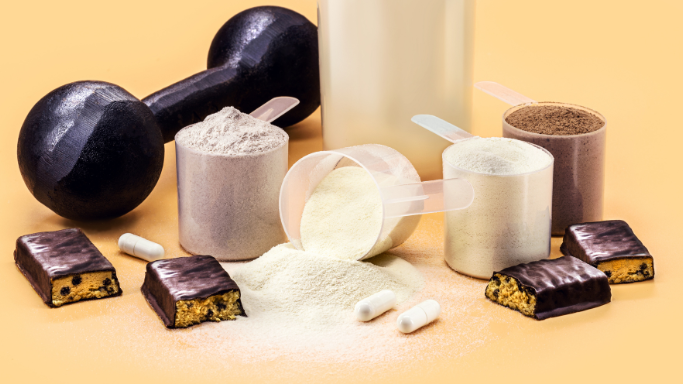
An image of creatine, snack, milk and dumbbell

Effects of Creatine on Body Composition

Creatine’s impact on body composition extends beyond simple water retention effects.

Long-term Composition Changes

Consistent creatine use during cutting phases typically results in better muscle retention and improved body composition outcomes.

The preserved muscle mass helps maintain metabolic rate, making it easier to sustain weight loss long-term.

How Creatine May Help You Burn Fat

While creatine doesn’t directly burn fat, it supports the conditions that make fat loss more effective. Higher training intensity, better recovery, and preserved muscle mass all contribute to successful cutting.

The ability to maintain strength and muscle mass during a calorie deficit sets you up for better long-term results.

Water Retention Patterns

The water retention from creatine occurs primarily in muscle tissue. This creates a more muscular, defined appearance rather than causing bloating.

Understanding this difference helps you stay consistent with supplementation even when the scale doesn’t move immediately.

An image of a woman drinking water and holding a supplement

Practical Tips for Using Creatine When Trying to Lose Weight

Smart supplementation strategies help you get the most from creatine while cutting.

Choosing the Right Form

Creatine monohydrate remains the gold standard due to extensive research and proven effectiveness. Other forms may cause less water retention but don’t offer superior results.

Stick with the most researched form unless you have specific reasons to try alternatives. Learn more about the different types of creatine in our comprehensive guide.

The Importance of Hydration

Adequate water intake becomes essential when using creatine, especially during cutting when fluid intake may be monitored closely. Proper hydration supports creatine uptake and prevents side effects.

Aim for at least 3-4 liters of water daily when supplementing with creatine.

Being Consistent

Daily supplementation maintains elevated muscle creatine stores. Missing doses can lead to gradual depletion and reduced benefits.

Set a consistent time each day to take your supplement, whether with meals or around workouts.

Consider supporting your cutting goals with comprehensive cellular energy optimization. Jinfiniti’s Vitality↑® NAD+ Booster contains creatine monohydrate along with NAD+ precursors to support cellular energy production during caloric restriction.

Vitality Mini CTA

Addressing Common Concerns

True bloating from creatine is rare and typically occurs only with excessive doses. The water retention should enhance rather than detract from muscle definition.

Most people who experience negative effects are taking too much or not drinking enough water. Start with 3-5g daily and maintain adequate hydration.

Check out our article debunking creatine myths for more information about common misconceptions.

Monitoring Your Progress

Track your progress through multiple methods when using creatine during cutting:

  • Body measurements (waist, arms, chest)
  • Progress photos in consistent lighting
  • How clothes fit and feel
  • Strength and performance metrics
  • Energy levels throughout the day

The scale alone doesn’t tell the complete story when you’re gaining muscle water while losing body fat.

For women specifically concerned about creatine use, our creatine for women FAQ addresses common questions about weight gain, hormones, and safety.

Join Our 50,000+ Longevity Newsletter

Access the same health optimization strategies used by longevity experts. Weekly insights, exclusive products, member pricing.

The Final Scoop

You can absolutely use creatine while cutting or dieting. The initial water weight gain represents beneficial muscle hydration, not fat storage.

Focus on the bigger picture: better workouts, preserved muscle mass, and improved recovery. These benefits support your long-term body composition goals far more than temporary scale fluctuations hurt them.

Start with 3-5g of creatine monohydrate daily, drink plenty of water, and track progress through multiple methods. Your muscles will thank you, and your cutting results will likely improve compared to going without this valuable supplement.

Remember that successful weight loss requires patience and consistency. Creatine serves as a powerful tool to help you maintain the training intensity and muscle mass that make cutting both more effective and sustainable long-term.

Referenced Sources:

  1. https://pubmed.ncbi.nlm.nih.gov/11194113/ ↩︎
  2. https://pmc.ncbi.nlm.nih.gov/articles/PMC155510/ ↩︎
  3. https://pmc.ncbi.nlm.nih.gov/articles/PMC155510/ ↩︎
  4. https://pmc.ncbi.nlm.nih.gov/articles/PMC5424457/ ↩︎
  5. https://pmc.ncbi.nlm.nih.gov/articles/PMC8308802/ ↩︎
  6. https://www.sciencedirect.com/science/article/abs/pii/S0300908423000408 ↩︎
  7. https://pmc.ncbi.nlm.nih.gov/articles/PMC7996722/ ↩︎
Two cupped hands protectively hold an orange multiple sclerosis awareness ribbon against a light background.

Is Creatine Safe for MS Patients?

Living with multiple sclerosis and thinking about creatine? Your biggest concern is probably safety. It’s a common question: can this popular supplement help, or will it hurt? 

Good news: present research points to creatine being safe for most MS patients, as long as it’s used properly. Still, you need to consider important things before starting any supplement routine.

Key Takeaways

  • Creatine appears safe for most MS patients at 3-5 grams daily with no serious side effects reported in clinical studies.
  • MS patients may have altered creatine metabolism, potentially limiting effectiveness compared to healthy individuals.
  • Kidney function monitoring is recommended, especially for those with pre-existing kidney issues.
  • Medical supervision is important before starting any creatine supplementation with MS.

What Is Multiple Sclerosis?

What if your body accidentally declared war on itself? That’s a bit what it’s like with Multiple Sclerosis. It’s a pretty complex autoimmune disease that affects your central nervous system.

Essentially, your immune system, which is supposed to protect you, gets confused and starts attacking the “insulation” around your nerve fibers, called myelin.

This attack leads to inflammation and scarring, which can make it hard for your brain to send messages clearly to the rest of your body. Symptoms can range from fatigue and mobility issues to cognitive changes. Supporting brain health becomes an important consideration for many patients.

MS is a real individual journey. You might know someone with MS who has mild symptoms, while someone else could be facing much bigger challenges every single day. It’s a reminder that everyone’s experience is unique.

A smiling Black woman in a denim shirt holds an orange awareness ribbon outdoors.

Understanding Creatine Metabolism in MS Patients

Creatine metabolism presents a critical area of focus for people with MS. Evidence indicates a frequent occurrence of dysfunctional creatine processing in this population. Simply put, their bodies might not manage or use creatine the way healthy individuals do.1

Studies show that creatine levels are notably altered in the brains and other tissues of MS patients. This metabolic disruption could very well explain the profound energy drain so common in MS.

To power themselves, cells depend on creatine to produce ATP, their primary energy source. When creatine metabolism goes awry, the consequences can cascade, affecting everything from how muscles work to brain performance.

This isn’t a small detail, the research implies. The extent of this metabolic impairment appears substantial enough to play a role in the fatigue and other debilitating symptoms linked to MS.

Current Research on Creatine Safety for MS

The safety profile of creatine supplementation has been extensively studied across many populations. Multiple clinical trials demonstrate that creatine monohydrate is safe and well-tolerated.

Research shows that both short and long-term supplementation (up to 30 grams per day for 5 years) poses no serious health risks in healthy individuals and various patient populations.2

The International Society of Sports Nutrition confirms that creatine supplementation appears to pose no serious health risks when taken at appropriate doses. Multiple systematic reviews have found no evidence of adverse effects on major organ systems.

But what about MS patients specifically? The research here is more limited but still reassuring.

getty images Izw 9Grpio8 unsplash

Clinical Studies in MS Patients

Several important studies have examined creatine use specifically in people with MS. The results provide valuable insights into both safety and effectiveness.

Primary Clinical Trial Evidence

The most significant study was a randomized, double-blind, placebo-controlled trial involving 16 individuals with relapsing-remitting MS. Researchers used a high-dose protocol of 20 grams per day for 5 days.3

The study found no adverse effects or safety concerns during the intervention period. While the supplement didn’t significantly improve muscle creatine stores or exercise capacity, it didn’t cause harm either.

A follow-up study using a longer intervention period (14 days) also reported no safety concerns.4 This crossover trial with 11 MS subjects used 5 grams four times daily for one week, then 2.5 grams twice daily for the second week.

Key Safety Findings

Study DurationDose UsedParticipantsSafety Concerns
5 days20g/day16 MS patientsNone reported
14 days5g 4x daily, then 2.5g 2x daily11 MS patientsNone reported

The research suggests that impaired creatine transport mechanisms in MS patients might explain the limited efficacy rather than any safety issues.

Potential Benefits for MS Patients

While safety appears good, could creatine actually help MS patients? Preclinical research suggests some promising possibilities.

Laboratory studies show that creatine enhances oligodendrocyte survival and promotes remyelination after demyelinating injury. This matters because oligodendrocyte loss is a hallmark of MS.

Research indicates that creatine supplementation increases mitochondrial ATP production and protects against oxidative damage.5 Given the energy metabolism is dysfunctional in MS, this could theoretically provide benefit.

Some studies suggest creatine may have anti-inflammatory properties. Since MS involves chronic inflammation, this could potentially help manage the disease process.

It’s important to note that these benefits remain theoretical for MS patients. The clinical studies haven’t demonstrated clear improvements in MS symptoms or disease progression.

An image of a woman receiving physical therapy by a nurse

Safety Considerations and Contraindications

While creatine appears safe for most MS patients, certain factors require careful consideration.

Kidney Function Monitoring

The primary safety concern with any creatine supplement relates to kidney function. Extensive research shows that creatine doesn’t impair kidney function in healthy individuals.

Still, creatine might be unsafe for people with pre-existing kidney problems. This is important for MS patients to consider.6

Regular monitoring of kidney function may be advisable for long-term use. Most MS patients without kidney complications should be able to safely use creatine supplements.

Drug Interactions

MS patients typically take various disease-modifying therapies (DMTs). The good news? No specific interactions have been documented between creatine and common MS medications.

This includes interferons, glatiramer acetate, or newer oral DMTs. Creatine doesn’t appear to interact with caffeine or other common supplements, though caution is always wise.

Still, it’s important to discuss any new supplement with your healthcare team before starting.

getty images WyM1F3nyMCc unsplash

Recommended Dosing Guidelines for MS Patients

Based on available research and general safety guidelines, here are the recommended approaches for MS patients considering creatine.

Standard Maintenance Dose

The European Food Safety Authority supports 3-5 grams per day of creatine monohydrate as safe for healthy adults. This provides up to 3 grams of pure creatine daily.

For MS patients, starting with the lower end of this range (3 grams daily) makes sense. This approach allows you to assess tolerance before increasing the dose.

Loading Phase Considerations

Some studies used loading doses of 20 grams per day for 5-7 days. However, this approach showed limited benefits in MS patients and may not be necessary.

The research suggests that MS patients may not respond to creatine the same way healthy individuals do. A gradual approach with maintenance dosing might be more appropriate.

Long-Term Use

Studies suggest that doses up to 5-10 grams per day have shown no harmful effects in long-term studies. However, more research is needed specifically in MS populations.

If you’re considering long-term supplementation, regular monitoring and healthcare supervision become even more important.

Who Should Avoid Creatine Supplements?

Certain MS patients should avoid creatine or use it with extreme caution. These contraindications are important to understand before starting supplementation.

Absolute Contraindications

  • Pre-existing kidney disease or dysfunction
  • History of kidney stones
  • Concurrent use of medications that can harm the kidneys
  • Severe dehydration or electrolyte imbalances

Relative Contraindications

  • Pregnancy or breastfeeding
  • Children and adolescents (unless under medical supervision)
  • Anyone taking multiple medications without physician approval

If any of these apply to you, discuss alternatives with your healthcare provider before considering creatine supplementation.

An image of a woman and a doctor

Monitoring and Best Practices for MS Patients

If you and your healthcare team decide creatine supplementation is appropriate, proper monitoring helps ensure safety.

Before Starting Supplementation

1.Consult with your neurologist or healthcare provider

2. Undergo kidney function testing to establish baseline values

3. Review current medications for potential interactions

4. Start with lower doses (3-5 grams daily) rather than loading protocols

During Supplementation

Regular monitoring should include periodic kidney function tests, especially serum creatinine and estimated glomerular filtration rate. Pay attention to any new symptoms or side effects.

Evaluate whether you’re experiencing any benefits or if the supplementation seems ineffective. Given the research showing limited efficacy in MS patients, this assessment is particularly important. Many people experience chronic fatigue symptoms that might benefit from a broader approach to energy support.

Supporting Your Cellular Energy Naturally

While you’re exploring creatine options for energy support, consider that cellular energy production involves multiple pathways. Jinfiniti’s Creatine + ATP provides both creatine monohydrate and additional ATP support in one formula.

Many MS patients also find that supporting NAD+ levels helps with overall energy. Our Vitality↑® NAD+ Booster targets cellular energy at a different level. Since NAD+ levels naturally decline with age, this approach may complement other energy-focused strategies.

A doctor in a white coat with stethoscope displays an orange awareness ribbon.

The Final Scoop

Based on current clinical evidence, creatine appears safe for most MS patients when used at recommended doses of 3-5 grams daily. The limited studies conducted specifically in this population show no significant safety concerns.

However, the research also suggests that creatine may be less effective in MS patients due to altered metabolism. This raises important questions about the cost-benefit ratio of supplementation.

The extensive safety database from studies in other populations, combined with specific research in MS patients, suggests minimal risk for most individuals with MS. Still, the limited efficacy observed means realistic expectations are important.

The key recommendation? Work closely with your healthcare providers to determine if creatine supplementation is appropriate for your individual situation. Pay particular attention to kidney function monitoring and maintain realistic expectations about potential benefits.

MS affects everyone differently, and what works for one person may not work for another. A personalized, medically supervised approach gives you the best chance of making an informed decision about creatine supplementation.

Remember, managing MS effectively often involves multiple strategies. Whether or not you choose creatine, focus on evidence-based treatments, healthy lifestyle choices, and regular medical care as your foundation for optimal health outcomes.

Referenced Sources:

  1. https://pubmed.ncbi.nlm.nih.gov/32912105/ ↩︎
  2. https://www.tandfonline.com/doi/full/10.1186/s12970-021-00412-w ↩︎
  3. https://pubmed.ncbi.nlm.nih.gov/12917861/ ↩︎
  4. https://pmc.ncbi.nlm.nih.gov/articles/PMC5469049/ ↩︎
  5. https://pmc.ncbi.nlm.nih.gov/articles/PMC5299567/ ↩︎
  6. https://www.mayoclinic.org/drugs-supplements-creatine/art-20347591 ↩︎
Woman with fibromyalgia neck pain sitting on her couch

Can Creatine Help with Fibromyalgia Symptoms?

Fibromyalgia hits hard: widespread pain, bone-deep fatigue, a host of other symptoms that turn ordinary living into a struggle.

If you’re searching for new ways to manage your symptoms, you might be wondering about creatine supplements. 

New research suggests creatine shows real promise for folks with fibromyalgia. No, it’s not a cure, but the evidence leans toward tangible improvements in muscle strength and possibly more.

Key Takeaways

  • Muscle strength improved by 80% in fibromyalgia patients taking creatine supplements
  • Cellular energy problems are a root cause of many fibromyalgia symptoms
  • Safe and well-tolerated with minimal side effects in clinical studies
  • Works best as part of a comprehensive fibromyalgia management plan

Understanding Fibromyalgia and Energy Problems

To understand why creatine might help, you need to know what’s happening inside your cells when you have fibromyalgia.

What Makes Fibromyalgia Different

Fibromyalgia changes how your cells turn fuel into power. It’s a deeper exhaustion than everyday weariness. 

Studies reveal serious faults in the energy processing of fibromyalgia patients. Their cells literally can’t crank out the juice they need to keep things running.

Researchers found less ATP and phosphorylcreatine in their muscles compared to people without the condition.1 ATP is the cell’s main power unit; phosphorylcreatine is the backup that recharges it.

A senior woman doing physical therapy classes

The Energy Crisis in Your Cells

Brain scans from magnetic resonance spectroscopy tell us something vital about fibromyalgia: people with it have less phosphorylcreatine compared to total creatine in critical brain regions.2

We’re talking about areas like the anterior cingulate cortex and the right insula, places key to how we handle pain and our feelings.

And it’s not just the brain. The body’s energy problem runs deeper. Even blood platelets show much lower ATP, signaling that this cellular energy shortfall affects you from head to toe.

Energy Markers in FibromyalgiaCompared to Healthy People
Muscle ATP levelsSignificantly reduced
Muscle phosphorylcreatineSignificantly reduced
Platelet ATP levelsSignificantly lower
Brain phosphorylcreatineLower in key regions

How Creatine Helps Fibromyalgia

An image of supplements in a hand

The research shows creatine can address some of the core energy problems that drive fibromyalgia symptoms.

Muscle Function Improvements

The best evidence for creatine in fibromyalgia points to muscle performance. A 16-week randomized trial involving  patients with fibromyalgia showed impressive findings.3

Participants who took creatine supplements showed an 80.3% increase in their intramuscular phosphorylcreatine. The group on placebo actually experienced a 2.7% decrease.

More importantly, these energy improvements translated into real-world benefits:

  • Muscle strength increased in both lower and upper body exercises
  • Isometric strength improved by 6.4% compared to a 3.2% decrease in the placebo group
  • No significant side effects were reported during the study period

No notable side effects were reported during the study. This is vital. Muscle weakness and poor physical function plague fibromyalgia patients.

Bonus Read: Understanding how creatine and ATP work together can help explain why these improvements occur.

Beyond Muscle Strength

While the controlled trial focused mainly on muscle function in fibromyalgia, other research suggests broader benefits. An earlier study with 30 fibromyalgia patients showed more comprehensive improvements.4

After 8 weeks of creatine supplementation, participants experienced significant improvements in:

  • Parameters reflecting overall fibromyalgia severity
  • Quality of life measures
  • Sleep quality scores
  • Disability ratings
  • Pain levels

The catch? These improvements faded 4 weeks after stopping creatine therapy. This suggests that continuous supplementation may be necessary for sustained benefits.

What the Research Shows

A therapist's hands work on a woman's neck and shoulder during a massage treatment.

Several studies have examined how creatine affects fibromyalgia symptoms, with encouraging results.

Clinical Trial Results

The evidence base for creatine in fibromyalgia is still growing, but the results are encouraging. The randomized, double-blind, placebo-controlled studies represent the gold standard of medical research.

In the most rigorous study, researchers found that while muscle function improved significantly, changes in other fibromyalgia features like pain and cognitive function were minimal. This suggests creatine may be most helpful for the physical aspects of the condition.

A case report involving a patient with PTSD, depression, and fibromyalgia showed improvement in both mood and fibromyalgia symptoms after taking creatine monohydrate.5

Real-World Benefits

The research suggests that creatine works through several mechanisms to help fibromyalgia symptoms:

  • Energy Production Support: Creatine serves as an alternative energy source for your mitochondria. It helps recycle ADP back into ATP, giving your cells more usable energy for both anaerobic and aerobic activities.
  • Muscle Function Enhancement: By increasing phosphorylcreatine stores in muscles, creatine supplementation can improve muscle strength and endurance.
  • Potential Pain Relief: Research indicates that creatine has analgesic potential and may affect inflammation-based pain perception.6

Taking Creatine Monohydrate for Fibromyalgia

An image of a mature woman taking supplement

If you’re ready to try creatine, here’s what the research tells us about effective dosing and safety.

Dosing Guidelines

Based on the available research, effective dosing protocols typically follow this pattern:

PhaseDosageDurationNotes
Loading20g daily1 weekDivide into 4 equal doses
Maintenance3-5g dailyOngoingSingle daily dose

Some studies have used variations of this protocol, with doses ranging from 4-20 grams per day. Higher doses generally appear to produce better results, though individual responses vary significantly.

If you’re new to creatine supplementation, our creatine starter guide provides detailed information about loading phases and timing.

Safety Considerations

Creatine has an excellent safety profile, particularly in women. A comprehensive systematic review found no mortality or serious adverse events associated with creatine monohydrate supplementation.

The most commonly reported side effects are mild gastrointestinal symptoms. You can often manage these by:

  • Taking doses with food
  • Splitting larger doses throughout the day
  • Staying well hydrated
  • Starting with lower doses and gradually increasing

People with kidney disease should consult their healthcare provider before using creatine supplements, as they can temporarily increase serum creatinine levels.

For those over 40, our guide on creatine for older adults addresses specific safety considerations for this age group.

Getting Started with Creatine

An image of a woman taking supplements

If you’re considering creatine for fibromyalgia management, it’s important to have realistic expectations. The research shows it may help with muscle function and potentially some other symptoms, but it’s not a complete solution.

Consider creatine as part of a complete approach that includes regular exercise, stress management, and other evidence-based treatments. Many people find that combining creatine with other energy-supporting supplements provides better results.

Jinfiniti’s Creatine + ATP offers a targeted approach by combining creatine monohydrate with disodium ATP. This formulation provides both the building blocks and the end product your cells need for ideal energy production.

For broader cellular energy support, consider Jinfiniti’s Vitality NAD+ Booster. Since fibromyalgia involves widespread cellular energy dysfunction, supporting multiple energy pathways may provide more complete benefits.

If you’re dealing with chronic fatigue alongside fibromyalgia, our article on chronic fatigue supplements explores additional options that may work well with creatine.

The mitochondrial dysfunction seen in fibromyalgia suggests that full mitochondrial support might be beneficial. Our guide to mitochondrial health supplements can help you understand how different nutrients work together to support cellular energy production.

While the research on creatine for fibromyalgia is promising, remember that individual responses can vary a lot. What works well for one person may not work the same way for another. 

Working with a healthcare provider familiar with both fibromyalgia and nutritional supplementation can help you develop the most effective approach for your specific situation.

The key is patience and consistency. The benefits of creatine supplementation often take several weeks to become apparent, and stopping supplementation may cause improvements to fade.

If you decide to try creatine, give it at least 8-12 weeks to assess its effects on your symptoms.

Referenced Sources:

  1. https://pubmed.ncbi.nlm.nih.gov/23554283/ ↩︎
  2. https://journals.sagepub.com/doi/10.1177/17448069211012833 ↩︎
  3. https://pubmed.ncbi.nlm.nih.gov/23554283/ ↩︎
  4. https://pubmed.ncbi.nlm.nih.gov/19758235/ ↩︎
  5. https://psychiatryonline.org/doi/10.1176/ajp.2006.163.10.1840b ↩︎
  6. https://journals.sagepub.com/doi/10.1177/17448069211012833 ↩︎
A woman in a green sweater holds fresh oranges and orange juice in a glass bottle.

Vitamin C Benefits for Digestion and Gut Health

Day and night, your digestive machinery is active. It processes what you eat, pulls out the good stuff, and shields you from threats.

Consider if just one plain vitamin could make this whole elaborate process smoother. The answer, vitamin C, might catch you off guard.

When folks think vitamin C, they often think cold prevention and immune support. New science reveals this robust antioxidant does a lot more for your stomach than you’d guess.

Key Takeaways

  • Vitamin C supplementation reduces digestive cancer risk by up to 19% according to research on 1.6 million people.
  • Taking 1000mg of vitamin C daily for just two weeks significantly improves beneficial gut bacteria.
  • Vitamin C gets absorbed directly into your stomach and intestinal tissues for local protection.
  • Research shows gut health benefits require higher doses than basic daily requirements (75-90mg).

Why Your Gut Health Matters More Than You Think

What goes on in your gut impacts much more than just how you digest. Researchers now call your gut your “second brain.” 

A healthy gut means your body fights sickness better, your thoughts are clearer, and you have more get-up-and-go. When your gut struggles, it affects your whole body.

Trillions of tiny helpers in your gut break down food. They also create needed vitamins, fight bad bugs, and talk to your body’s defenses.

“People often don’t grasp how much their gut health touches everything else,” says Dr. Jin-Xiong She. “When patients come to me tired or inflamed, we often see their gut needs help first.”

Abstract floating spheres in pink and yellow gradients create a dreamy bubble composition.

Vitamin C May Reduce Cancer Risk in Your Digestive System

Scientists have studied how vitamin C affects your digestive system. The results might surprise you.

A massive study looked at over 1.6 million people[1]. Researchers found that people who ate more vitamin C had lower cancer risk in their digestive systems.

Research shows vitamin C works as a powerful antioxidant that fights oxidative stress throughout your digestive system.

Cancer Protection Numbers from Research

The research shows impressive cancer protection numbers[1]. People with higher vitamin C intake had these risk reductions:

Cancer Risk Reductions:

  • Oral, throat, and esophageal cancers: 19% lower risk
  • Stomach cancer: 19% lower risk
  • Colon cancer: 13% lower risk
  • Colorectal cancer overall: 11% lower risk

The sweet spot for protection varies by cancer type[1]. For throat and mouth cancers, 250mg daily worked best. For stomach cancer, just 65mg daily showed the strongest effect.

Your body needs consistent vitamin C intake to maintain these protective benefits.

How Vitamin C Changes Your Gut Microbiota

Your gut microbiota contains trillions of bacteria. Some help you stay healthy, while others can cause problems.

Vitamin C acts like a gardener for your gut bacteria. It helps good bacteria grow while reducing harmful ones.

When healthy adults took 1000mg of vitamin C daily for two weeks, their gut bacteria changed dramatically[2].

Beneficial Changes Observed:

  • Lachnospiraceae bacteria grew significantly (fight inflammation and protect gut lining)
  • Beneficial Blautia bacteria increased (help break down fiber and make helpful compounds)
  • Harmful bacteria decreased: Bacteroidetes and Enterococci both dropped substantially

This shift toward anti-inflammatory bacteria may help reduce chronic inflammation throughout your body.

The relative abundance of bacteria shifted toward a healthier pattern. This change happened in just two weeks of supplementation.

Natural Vitamin C + Zinc Mini CTA

Vitamin C and the Gut: Getting Into Your Tissues

Taking vitamin C by mouth raises levels throughout your digestive system. This gives your gut tissues direct antioxidant protection.

When people took 500mg twice daily for two weeks, their vitamin C levels increased everywhere[4]. Plasma levels rose significantly compared to people who didn’t supplement.

More importantly, vitamin C concentrations increased in stomach acid and gut tissue samples.

Vitamin C Intake and Absorption

The human gut absorbs and uses vitamin C efficiently when you supplement regularly. Higher tissue levels mean better local protection.

When people took 500mg twice daily for two weeks, their vitamin C levels increased everywhere[4]:

Tissue Concentration Increases:

  • Plasma levels rose significantly vs. unsupplemented controls
  • Stomach acid showed higher vitamin C concentrations
  • All gut tissue samples contained more vitamin C

Vitamin C also helps your body absorb iron from food better[5]. Iron deficiency can affect gut health, so this benefit supports your digestive system indirectly.

People with stomach inflammation had lower vitamin C levels even after supplementing[4]. This suggests that existing gut problems might increase your vitamin C needs.

A woman with glasses smiles while drinking orange juice in a cafe window.

Vitamin C and Gut Health: The Takeaway

The beneficial effects of vitamin C on digestion work through several pathways. It protects against cancer, feeds good bacteria, and strengthens gut tissues.

Research shows vitamin C supplementation may increase the diversity of gut bacteria[3]. This modulation of the gut microbiome toward higher diversity usually means better gut health.

While much of this research is promising, most studies involve small groups of participants. Larger clinical trials will help confirm these gut health benefits.

The evidence so far suggests vitamin C supplementation works quickly. Most positive changes occurred within two weeks.

Finding the Right Vitamin C Dosage for Gut Health

Research shows different doses work for different benefits. The amounts that improve gut health often exceed standard dietary recommendations.

Research-Based Dosage Findings:

  • 65mg daily: Optimal for stomach cancer protection[1]
  • 250mg daily: Best for throat and mouth cancer protection[1]
  • 1000mg daily: Showed positive gut bacteria changes in studies[2]

Standard Daily Requirements: The recommended dietary allowance is 75mg for women and 90mg for men. However, gut health benefits appear at higher doses than these basic requirements.

The effect of vitamin C supplementation appears safe even at higher doses. No studies reported digestive problems or side effects up to 2000mg daily.

This follows our precision medicine approach: optimal health sometimes requires more than minimum daily requirements. Your individual needs may vary based on your current gut health status.

Changes in gut microbiota continue as long as you keep taking vitamin C. The benefits don’t seem to build up permanently.

A woman sits cross-legged on a white couch taking supplement with a glass of water.

Getting Enough Vitamin C for Good Gut Function

Most people can meet their basic vitamin C needs through food. However, the amounts shown to benefit gut bacteria in research require more strategic planning.

The studies showing gut microbiome improvements used 1000mg daily[2]. This amount is challenging to achieve through food alone without careful meal planning.

Food Sources vs. Supplementation for Gut Health

While fruits and vegetables provide vitamin C, the therapeutic doses used in gut health research exceed typical dietary intake.

Consider that you’d need to eat about 14 oranges daily to match the 1000mg dose that improved gut bacteria diversity in clinical studies.

A balanced approach combines vitamin C-rich foods with targeted supplementation. This ensures you get the higher amounts research shows benefit gut health.

Choosing the right form of vitamin C can also make a difference for gut tolerance and absorption.

Precision Nutrition for Your Gut Health

Our Natural Vitamin C + Zinc combines whole food vitamin C with bioavailable zinc. This formula supports both gut health and immune function.

The vitamin C comes from amla extract, a natural source that’s gentle on your stomach. Zinc helps maintain the gut barrier and supports beneficial bacteria growth.

Quality matters when choosing vitamin C supplements. Look for whole food sources that won’t irritate your digestive system.

Start with moderate doses and pay attention to how your body responds. Most people notice improved energy and better digestion within a few weeks.

Your gut bacteria work hard to keep you healthy. Give them the vitamin C support they need to thrive.


References:

  1. J. Zhong et al., “Association between dietary vitamin C intake/blood level and risk of digestive system cancer: a systematic review and meta-analysis of prospective studies,” Food & Function, vol. 15, no. 16, pp. 8217-8237, 2024.
  2. A. T. Otten et al., “Vitamin C Supplementation in Healthy Individuals Leads to Shifts of Bacterial Populations in the Gut—A Pilot Study,” Antioxidants, vol. 10, no. 8, p. 1278, 2021.
  3. V. T. Pham et al., “Effects of colon-targeted vitamins on the composition and metabolic activity of the human gut microbiome—a pilot study,” Gut Microbes, vol. 13, no. 1, 2021.
  4. A. J. Waring et al., “Ascorbic acid and total vitamin C concentrations in plasma, gastric juice, and gastrointestinal mucosa: effects of gastritis and oral supplementation,” Gut, vol. 38, no. 2, pp. 171-176, 1996.
  5. S. N. Gershoff, “Vitamin C (Ascorbic Acid): New Roles, New Requirements?,” Nutrition Reviews, vol. 51, no. 11, pp. 313-326, 2009.

NAD and Diabetes: What Should You Know?

Millions live with diabetes every day, but new studies have uncovered a fascinating tie to a molecule called NAD. This could shake up the way we manage blood sugar and keep diabetic complications at bay.

Grasping this link might guide smarter health choices. Here’s what the science says about NAD and its role in diabetes.

Key Takeaways

  • NAD depletion plays a central role in diabetes complications like nerve damage and heart problems
  • Both type 1 and type 2 diabetes drain NAD stores but through different mechanisms
  • NAD precursors like NMN show promise for improving insulin sensitivity and glucose control
  • Testing your NAD levels can help guide personalized treatment decisions

What is NAD and Why Does it Matter for Diabetics?

Nicotinamide adenine dinucleotide, or NAD, is a coenzyme present in every cell of the body. It fuels energy creation, mends broken DNA, and keeps metabolism steady.

NAD comes in two forms your body juggles. There’s NAD+, the oxidized version, and NADH, its reduced twin. Together, they power cellular tasks. When their harmony breaks, things go wrong.

As a helper, NAD teams up with countless enzymes. These enzymes tackle everything—breaking down glucose, lipid metabolism, or mending damaged DNA. If NAD runs low, cells lose their way.

A healthcare worker with a stethoscope taking a bloog sugar test for an elderly woman.

How NAD Metabolism Changes in Diabetes

Diabetes creates a perfect storm that disrupts your body’s NAD balance. High blood glucose levels trigger a cascade of problems that drain your NAD stores1.

The Pseudohypoxia Problem

When glucose levels stay high, your cells produce too much NADH2. This creates what scientists call “pseudohypoxia” – a state where cells act like they’re starving for oxygen even when they’re not.

This imbalance affects how your body processes both sugar and fat. Your cellular machinery starts working less efficiently, making diabetes symptoms worse.

Increased NAD Consumption

Diabetes also increases oxidative stress throughout your body. This damage activates repair enzymes called PARPs3, which consume large amounts of NAD to fix DNA damage.

The result? Your cells run out of NAD just when they need it most. This creates a vicious cycle where cellular damage leads to more NAD depletion.

A blue digital blood glucose meter displaying 9.6 with a drop of blood nearby.

Type 1 vs Type 2: Different NAD Problems

The way diabetes affects NAD depends on which type you have. Both conditions drain NAD stores, but through different mechanisms.

Type 1 Diabetes and NAD Depletion

In type 1 diabetes, your immune system attacks insulin-producing cells. This creates massive oxidative stress that activates PARP enzymes.

These enzymes rapidly consume NAD to repair DNA damage. The result is energy failure in pancreatic cells and other tissues throughout your body.

Type 2 Diabetes: A Complex Web

Type 2 diabetes mellitus involves a more complex mechanism. High glucose levels activate protein kinase pathways that reduce NAD production.

This happens because key enzymes like NAMPT become less active. Your body literally loses its ability to make enough NAD to meet cellular demands.

The resulting NAD depletion contributes to insulin resistance and worsening blood sugar control.

A woman in a gray tank top wearing a continuous glucose monitor.

The Role of NAD in Diabetic Complications

Research shows that NAD depletion contributes to many serious diabetic complications. Understanding these connections could lead to better treatments.

Diabetic Neuropathy

Nerve damage is one of the most common diabetic complications. Studies show that NAD deficiency in nerve cells leads to mitochondrial dysfunction and eventual nerve death4.

When NAD levels drop, protective proteins called sirtuins become less active. This leaves nerve fibers vulnerable to damage from high glucose levels.

Research shows that NAD deficiency symptoms often include nerve problems, fatigue, and reduced cognitive function. Studies demonstrate that NAD precursors can reverse experimental diabetic neuropathy5.

Kidney Disease in Diabetics

Diabetic nephropathy involves complex changes in kidney NAD metabolism6. Research reveals decreased NAD levels in diabetic kidneys, leading to inflammation and tissue damage.

The kidney’s ability to make new NAD becomes impaired. This creates a cycle where kidney function declines as NAD levels drop.

Heart Complications

Diabetic cardiomyopathy is closely linked to NAD imbalance in heart muscle7. The NAD+/NADH ratio becomes disrupted, impairing energy production in cardiac cells.

This leads to progressive heart dysfunction and increased risk of heart failure. Restoring NAD balance could protect heart health in diabetic patients.

Heart problems in diabetes often involve mitochondrial dysfunction, which NAD helps address at the cellular level.

NAD Precursors: A New Hope for Diabetics?

Scientists have discovered that boosting NAD levels might help treat diabetes and its complications. Special molecules called NAD precursors can increase cellular NAD stores.

Nicotinamide Mononucleotide (NMN)

NMN is a direct precursor that your body converts into NAD. Research shows remarkable results in diabetic animal models.

Studies found that NMN completely normalized glucose tolerance in diabetic female mice8. It also improved insulin sensitivity in male diabetic mice and restored NAD levels in key tissues.

Human clinical trials are showing promise too. In postmenopausal women, 250mg daily of NMN improved muscle insulin sensitivity by about 25%9.

Nicotinamide Riboside (NR)

NR is another NAD precursor that has shown benefits in metabolic disorders10. Animal studies demonstrate improved glucose tolerance and reduced liver damage.

But human trials with NR have shown mixed results. Some studies report no meaningful improvement in insulin sensitivity in healthy individuals.

Testing Your NAD Levels: Why It Matters

Understanding your personal NAD status could be key to managing diabetes effectively. NAD levels vary significantly between individuals, and this variation affects treatment response.

Dr. Jin-Xiong She, who led groundbreaking diabetes research at the University of Florida’s Diabetes Center, has pioneered methods to measure cellular NAD levels. His research contributed to major studies like TEDDY (The Environmental Determinants of Diabetes in the Young), which screened over 424,000 newborns11.

Optimal NAD Ranges

Research has established specific NAD level ranges that indicate optimal cellular function:

NAD Level RangeStatusHealth Implications
40-100 μMOptimalNormal cellular function
30-40 μMSuboptimalMild energy deficiency
20-30 μMDeficientIncreased disease risk
0-20 μMSeverely deficientSignificant health problems

Levels above 100 μM may not provide additional benefits and could potentially be harmful.

The Intracellular NAD+ Test offers a way to measure your cellular NAD levels accurately. This information can help guide supplement decisions and monitor treatment progress.

For those interested in learning more about the testing process, our guide on how to test your NAD levels provides detailed information.

NAD Supplementation Strategies for Diabetics

If you’re considering NAD supplementation for diabetes, several factors should guide your decision. Individual response varies widely, so personalized approaches work best.

Choosing the right supplement requires understanding what to look for in NAD supplements and potential safety considerations.

A hand holds a small green and white capsule between thumb and finger.

Dosage Considerations

Research suggests effective NMN doses range from 250-500mg daily. For NR, studies have used 300-1000mg daily with varying results.

Starting with lower doses and gradually increasing allows you to assess your response. Some people notice improvements in energy and glucose control within weeks.

Timing and Combination Therapy

Taking NAD precursors on an empty stomach may improve absorption. Some people prefer splitting doses throughout the day.

Combining NAD precursors with other supportive nutrients might boost benefits. Antioxidants can reduce oxidative stress, while exercise naturally boosts NAD production.

The Vitality↑® NAD+ Booster combines NMN with complementary compounds like creatine and D-ribose. This formulation addresses multiple pathways that support cellular energy production.

Lifestyle Factors That Boost NAD Naturally

While supplements can help, lifestyle changes also influence your NAD levels. These approaches work synergistically with supplementation.

Caloric Restriction and Fasting

Limiting calories naturally increases NAD levels and activates protective sirtuin proteins. Intermittent fasting can boost NAD production while improving insulin sensitivity.

Even modest calorie reduction can make a difference. Focus on reducing refined carbohydrates and processed foods rather than drastically cutting calories.

Exercise and NAD Production

Regular physical activity improves your body’s ability to make NAD. Both aerobic exercise and resistance training stimulate NAD biosynthesis pathways.

Exercise also improves insulin sensitivity independent of NAD effects. Physical activity enhances energy metabolism and creates powerful benefits for diabetes management.

A group of people participate in an indoor cycling class on stationary bikes.

The Future of NAD-Based Diabetes Treatment

Research into NAD and diabetes is rapidly advancing. New therapeutic approaches are being developed that target specific aspects of NAD metabolism.

Personalized Medicine Approaches

Future treatments may be tailored based on individual NAD metabolism patterns. Genetic testing could identify people most likely to benefit from specific interventions.

Biomarker development is advancing rapidly. Soon, doctors might routinely test NAD levels alongside traditional diabetes markers like HbA1c.

Combination Therapies

The most promising approaches combine NAD precursors with other interventions. This might include traditional diabetes medications, antioxidants, and lifestyle modifications.

Research is exploring how to optimize these combinations for maximum benefit. The goal is creating complete treatment plans that address multiple pathways simultaneously.

Safety and Considerations for Patients with Diabetes

While NAD precursors appear generally safe, people with diabetes should take certain precautions. Individual responses vary, and some people may experience side effects.

Monitoring and Interactions

Start with professional guidance, especially if you take diabetes medications. NAD precursors might affect blood sugar control and could interact with certain drugs.

Regular monitoring becomes even more important when adding new supplements. Track your blood glucose patterns and watch for any changes.

Who Should Be Cautious

People with advanced diabetic complications should be particularly careful. High doses of NAD precursors may cause adverse effects in some populations.

Pregnant women and people with certain genetic conditions should avoid NAD supplementation until more research is available.

Taking Action: Your Next Steps

Understanding the connection between NAD and diabetes opens new possibilities for managing your health. The research clearly shows that NAD depletion plays a central role in diabetic complications.

Consider starting with NAD level testing to understand your current status. The NAD Optimization® Starter Package includes testing and supplementation to help you get started.

Remember that NAD optimization works best as part of a complete approach. Combine testing, targeted supplementation, and lifestyle changes for the best results.

The future of diabetes care may well include NAD metabolism as a primary therapeutic target. By understanding and addressing NAD deficiency, we might be able to prevent complications and improve quality of life for millions of people with diabetes.

Your journey to better health starts with understanding your body’s unique needs. NAD testing and optimization could be the missing piece in your diabetes management puzzle.

  1. https://pmc.ncbi.nlm.nih.gov/articles/PMC7610120/ ↩︎
  2. https://www.dovepress.com/sources-and-implications-of-nadhnad-redox-imbalance-in-diabetes-and-it-peer-reviewed-article-DMSO ↩︎
  3. https://pmc.ncbi.nlm.nih.gov/articles/PMC2228261/ ↩︎
  4. https://www.nature.com/articles/s44324-025-00067-0 ↩︎
  5. https://www.mdpi.com/1422-0067/25/2/1102 ↩︎
  6. https://pmc.ncbi.nlm.nih.gov/articles/PMC8333862/ ↩︎
  7. https://www.ahajournals.org/doi/10.1161/CIRCHEARTFAILURE.120.008170 ↩︎
  8. https://pmc.ncbi.nlm.nih.gov/articles/PMC3204926/ ↩︎
  9. https://www.science.org/doi/10.1126/science.abe9985 ↩︎
  10. https://pmc.ncbi.nlm.nih.gov/articles/PMC4882590/ ↩︎
  11. https://link.springer.com/article/10.1007/s00125-015-3514-y ↩︎
A woman in gray clothing sits on a couch holding her shoulder in apparent pain.

Is Creatine Safe for People with Joint Pain?

Joint pain affects millions of people worldwide, making everyday activities feel like uphill battles. You might wonder if adding creatine to your wellness routine could help or hurt your already aching joints.

Research shows creatine can actually benefit people dealing with joint discomfort. This naturally occurring compound may support joint health while being remarkably safe for most individuals.

Key Takeaways

  • Creatine is safe for people with joint pain, with decades of research showing minimal side effects
  • Studies show improved physical function and reduced stiffness in people with osteoarthritis
  • Works by building stronger muscles around joints for better support and stability
  • Best results occur when combined with resistance training and proper hydration

What Is Creatine and How Does It Work?

Creatine is a compound your body produces naturally in your liver, kidneys, and pancreas. You also get small amounts from dietary sources like meat and fish.

Your muscles use creatine to create energy during high-intensity activities. When you take creatine as a supplement, you’re essentially giving your cells more fuel to work with.

Key Facts About Creatine:

  • Your body makes 1-2 grams daily
  • Creatine monohydrate is the most researched form
  • It helps supply energy to cells throughout your body
  • About 95% of your body’s creatine is stored in muscles

The supplement form most people use is creatine monohydrate. This version has decades of research backing its safety and effectiveness.

An image of creatine powder in a scoop next to supplement capsules

How Creatine May Support Joint Health

The connection between creatine and joint wellness isn’t immediately obvious. But several mechanisms explain why this supplement might help people with joint pain.

Building Stronger Muscle Support

One of the primary ways creatine helps joint health is by increasing muscle mass around affected joints. Research involving postmenopausal women with knee osteoarthritis showed significant improvements when participants combined creatine supplementation with resistance training.1

Stronger muscles provide better support for your joints. This can reduce the load and stress on cartilage and other joint structures.

Reducing Inflammation

Emerging studies suggest creatine may possess anti-inflammatory properties2. This could create a more favorable environment for joint health and potentially slow the progression of inflammatory conditions.

While more research is needed, these anti-inflammatory effects might help reduce discomfort and support better joint function over time.

Improving Physical Function

Clinical trials have demonstrated that creatine supplementation can significantly improve physical function in people with joint pain. The same study of women with knee osteoarthritis showed enhanced performance in functional tests1.

Participants taking creatine performed better on timed-stands tests. This indicates improved lower body strength and mobility.

Bonus Read: For additional insights on natural approaches to joint health, you might find it helpful to explore how NAD+ influences arthritis and joint wellness.

Creatine Safety Profile for People with Joint Pain

A woman in gray clothing sits on a couch holding her shoulder in apparent joint pain.

Concerns about supplement safety are completely understandable, especially when you’re already dealing with health challenges. The research on creatine safety is reassuring.

General Safety Record

Creatine has one of the strongest safety profiles among sports supplements. Extensive research spanning decades shows no significant health risks in healthy populations.3

The International Society of Sports Nutrition considers creatine safe and calls it one of the most beneficial sports supplements available.4

Safety for Joint Pain Populations

Studies specifically involving people with osteoarthritis and rheumatoid arthritis haven’t identified unique safety concerns. Clinical trials with osteoarthritis patients reported good tolerance with no significant adverse effects.5

Common Side Effects:

  • Weight gain from water retention
  • Mild gastrointestinal discomfort

The weight gain from creatine is actually beneficial for joint health. Increased muscle mass provides better joint support and stability.

Kidney and Liver Function

One persistent myth claims creatine harms kidney or liver function. Multiple studies have debunked this concern, showing that creatine doesn’t negatively impact these organs in healthy individuals.

Even in people with various medical conditions, including joint disorders, creatine supplementation appears safe for kidney and liver function.

Factors Influencing Creatine’s Effect on Joint Health

An image of two older women walking

Some variables can impact the effects of creatine on joint health and how well it works for your specific situation.

Age and Gender Considerations

Older adults may experience greater benefits from creatine supplements. This could be due to naturally lower baseline creatine levels as we age.

Some research suggests men might experience slightly different effects compared to women. However, benefits have been observed in both genders, including postmenopausal women with knee osteoarthritis.

For those over 40, specific considerations around creatine safety and dosing for older adults can help ensure the best results while minimizing any concerns.

Exercise Combination

The most impressive results occur when people combine creatine with resistance training. The supplement enhances energy availability during workouts, allowing for greater training intensity.

This creates a positive cycle where better workouts lead to stronger muscles, which provide better joint support.

Type of Joint Condition

The strongest evidence exists for creatine helping with osteoarthritis, particularly knee osteoarthritis. Research on rheumatoid arthritis shows potential benefits but is more limited.

ConditionEvidence LevelKey Benefits
Knee OsteoarthritisStrongImproved function, reduced stiffness
Rheumatoid ArthritisModerateIncreased muscle strength
General Joint PainLimitedPotential anti-inflammatory effects

How to Take Creatine for Joint Pain Relief

Getting the dosage and timing right can make a difference in your results. Most research uses a specific protocol that’s become the standard approach.

Loading vs. Maintenance Dosing

The traditional method involves a loading phase followed by maintenance dosing:

Loading Phase (5-7 days):

  • 20 grams daily (split into 4 doses of 5 grams)
  • Rapidly increases muscle creatine stores
  • May cause temporary water retention

Maintenance Phase (ongoing):

  • 3-5 grams daily
  • Maintains elevated creatine levels
  • Fewer side effects than loading phase

You can skip the loading phase and take 3-5 grams daily from the start. This approach takes 3-4 weeks to reach maximum muscle saturation but may cause fewer side effects.

Timing and Administration

Research shows creatine works regardless of when you take it. Some evidence suggests taking it close to workout times might be slightly more beneficial.

Mix creatine powder with water or juice. Taking it with carbohydrates may enhance muscle uptake, though this isn’t essential.

For those interested in optimizing their cellular energy beyond just creatine, Jinfiniti’s Creatine + ATP supplement combines creatine monohydrate with disodium ATP for enhanced energy support. Learn more about how creatine and ATP work together to fuel your cells.

Creatine+ mini promo

Ways to Minimize the Risk of Joint Issues While Using Creatine

While creatine is generally safe, taking a few precautions can help ensure the best possible experience with supplementation.

Stay Properly Hydrated

Creatine draws water into your muscle cells. This is beneficial for muscle function but means you need adequate hydration.

Drink plenty of water throughout the day, especially during your first few weeks of supplementation. This helps prevent any potential cramping or discomfort.

Start with Lower Doses

If you’re concerned about side effects, start with smaller amounts. Begin with 3-5 grams daily instead of jumping into a full loading phase.

This gradual approach lets your body adjust while still providing benefits over time.

Combine with Appropriate Exercise

An image of a woman exercising her foot joints

The best results come from pairing creatine with resistance training. However, don’t jump into intense workouts if your joints aren’t ready.

Work with a physical therapist or qualified trainer to develop an exercise regimen that supports your joint health without causing additional strain.

Monitor Your Response

Pay attention to how your body responds to creatine supplementation. Keep track of:

  • Changes in joint pain or stiffness
  • Energy levels during activities
  • Any side effects or concerns
  • Improvements in physical function

When Creatine and Joint Pain Don’t Mix

An image of a woman with joint pain

While most people can safely use creatine, certain situations require extra caution or medical supervision.

Pre-existing Kidney Issues

If you have kidney disease or impaired kidney function, consult your healthcare provider before starting creatine. While research doesn’t show creatine worsens kidney function, monitoring may be prudent.

Medication Interactions

There’s limited research on interactions between creatine and medications commonly used for joint pain. No significant adverse interactions have been reported in clinical studies.

However, if you take multiple medications for your joint condition, discuss creatine supplementation with your doctor first.

Digestive Sensitivities

Some people experience mild digestive upset when starting creatine. If you have a sensitive stomach or existing digestive issues, start with smaller doses.

Taking creatine with food might help reduce any gastrointestinal discomfort.

Supporting Your Joint Health Journey Beyond Creatine

An image of a woman with joint pain

Creatine works best as part of a well-rounded approach to joint wellness. Consider how it fits into your broader health strategy.

Anti-Inflammatory Support

Combining creatine with other anti-inflammatory approaches may help maintain joint health. Jinfiniti’s Extra Strength Turmeric+ provides powerful anti-inflammatory support with enhanced bioavailability.

The curcumin in turmeric has well-documented anti-inflammatory properties that complement creatine’s muscle-building effects.

Cellular Health Testing

Understanding your body’s specific needs can help personalize your supplementation regimen. Consider getting baseline measurements of key health markers before starting any new supplement routine.

Exercise and Movement

Remember that the most impressive results in research came from combining creatine with resistance training. Work with healthcare providers to develop a safe, effective exercise program for your joint condition.

Even gentle resistance exercises can provide significant benefits when combined with creatine supplementation.

The Final Scoop

Research strongly supports creatine as a safe and potentially beneficial supplement for people with joint pain. The evidence is particularly strong for those with osteoarthritis.

When combined with appropriate exercise, creatine may help improve physical function, reduce stiffness, and enhance quality of life. The safety profile is excellent, with minimal side effects reported across numerous studies.

Start with standard dosing protocols: either a loading phase of 20 grams daily for 5-7 days followed by 3-5 grams daily, or simply 3-5 grams daily from the beginning. Stay well-hydrated and consider combining with resistance training for best results.

As with any supplement, consult your healthcare provider before starting creatine, especially if you take medications or have pre-existing medical conditions. With proper use, creatine could become a valuable tool in your joint health toolkit.

Referenced Sources:

  1. https://pubmed.ncbi.nlm.nih.gov/21311365/ ↩︎
  2. https://pmc.ncbi.nlm.nih.gov/articles/PMC8839648/ ↩︎
  3. https://pmc.ncbi.nlm.nih.gov/articles/PMC7871530/ ↩︎
  4. https://jissn.biomedcentral.com/articles/10.1186/s12970-017-0173-z ↩︎
  5. https://journals.lww.com/acsm-msse/fulltext/2011/08000/beneficial_effect_of_creatine_supplementation_in.20.aspx ↩︎