
Author: Jinfiniti Science

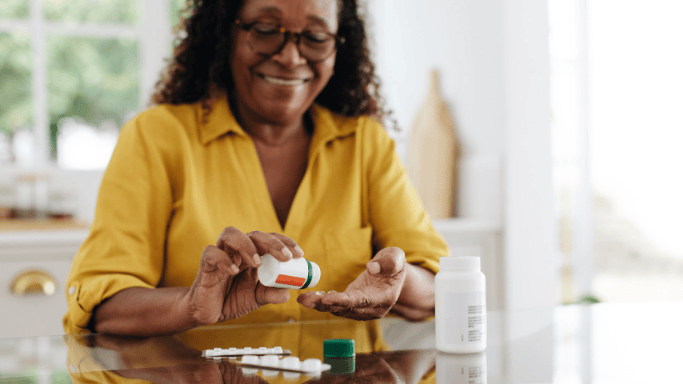
A woman with daytime fatigue at her laptop while her kids play in the background

How Does NAD Help with Chronic Fatigue?

Feeling exhausted despite getting enough sleep? Your cells might be running on empty.

Chronic fatigue syndrome (CFS) goes far beyond ordinary tiredness. It’s an intense, ongoing exhaustion that doesn’t improve with rest.

Even simple tasks become major hurdles. These symptoms can debilitate daily functioning for months or years.

That’s where NAD+ comes into play. NAD+ (nicotinamide adenine dinucleotide) is your body’s natural cellular fuel. This vital coenzyme is found in every cell.

Research suggests people with CFS may have compromised NAD+ levels. This potentially explains why their cellular energy production falters.

In this guide, you will discover how NAD+ works at the cellular level. You’ll learn the specific mechanisms by which it may help combat chronic fatigue. You’ll also see what clinical evidence reveals about its therapeutic potential.

Key Takeaways

  • NAD+ is a key player in how your body creates energy every day.
  • Chronic fatigue may be linked to low NAD+ levels inside your cells.
  • Your NAD+ needs are unique. Testing can reveal what’s happening beneath the surface.
  • There are science-backed ways to support your NAD+ levels.

The Role of NAD+ in Cellular Energy

Think of NAD+ as the spark plug that ignites cellular engines. It powers everything from basic metabolism to DNA repair.

This vital coenzyme acts as a primary electron donor. It powers the mitochondria (your cellular batteries).

NAD+ is crucial for oxidative phosphorylation. This process converts nutrients from food into ATP. ATP is the energy currency your cells need to thrive.

Essentially, NAD+ helps turn what you eat into usable power for every cell.

The balance between NAD+ and NADH is also critical. This NAD+/NADH ratio acts like a cellular health gauge.

It influences major metabolic pathways like glycolysis. It also affects the citric acid cycle. Maintaining this balance helps your cells efficiently produce energy.

When NAD+ levels drop, problems arise. This can happen due to various factors. The natural aging process is one major cause1.

Your cell’s ability to generate energy becomes affected. This may lead to reduced ATP supply. Your overall vitality could be impacted as a result.

NAD+ Metabolism in Chronic Fatigue Conditions

An image of a woman suffering from fatigue

Learning about NAD+ metabolism disruptions helps explain chronic fatigue. It shows why standard treatments often don’t solve the underlying exhaustion.

ME/CFS and Post-Viral Fatigue

Studies show that NAD+ levels drop in people with ME/CFS2. This reduction causes severe fatigue.

Viral infections may trigger this NAD+ depletion. They do this by activating inflammation.

Inflammation diverts tryptophan into the kynurenine pathway. This ultimately lowers NAD+ availability. The result is an ongoing energy shortage.

Traditional treatments frequently fail because they focus only on symptoms. They overlook the deeper issue. Compromised NAD+ metabolism perpetuates fatigue.

The Mitochondrial Connection

Mitochondria serve as ground zero for fatigue development. NAD+ deficiency impairs mitochondrial function.

This leads to reduced ATP synthesis. It also decreases cellular energy overall.

This creates a fatigue spiral effect. Compromised energy production further depletes NAD+ stores. The cycle of exhaustion perpetuates itself.

Recovery becomes increasingly difficult without targeted intervention.

How NAD+ Fights Fatigue

A graphical illustration showing how NAD+ fights fatigue

Boosting your NAD+ activates special proteins called sirtuins3. These proteins are essential for repairing and protecting your cells.

Sirtuins help your cells recover quickly from daily stress. They also help repair damage. This enhances overall energy and resilience.

Beyond energy, NAD+ supports your immune system’s function.4 It reduces inflammation and restores balance.

By easing inflammation, NAD+ breaks the fatigue-inflammation loop. This helps your body return to healthier energy levels.

Addressing fatigue effectively requires tackling multiple connected pathways simultaneously. Restoring NAD+ offers comprehensive support.

It supports energy metabolism, immune function, and inflammation control. This makes recovery more achievable and sustainable.

NAD+ optimization may also support cardiovascular disease prevention. Healthy NAD+ levels promote overall cellular function throughout your body.

Clinical Evidence for NAD+ Supplementation

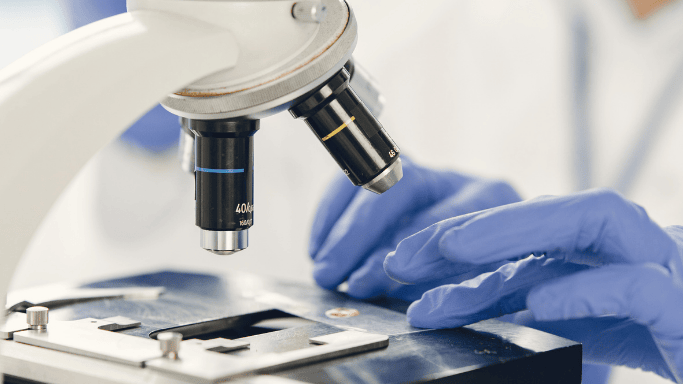
An image of a laboratory experimentation about the clinical evidence for NAD+ supplementation

The research supporting NAD+ supplementation for fatigue conditions continues to grow. Several key studies demonstrate meaningful improvements in patient outcomes.

A landmark 12-week study involved 207 ME/CFS patients. The trial was randomized, double-blind, and placebo-controlled.

Participants received 200mg CoQ10 plus 20mg NADH daily. They experienced significant reductions in cognitive fatigue perception.5

Overall fatigue scores improved compared to placebo groups. The study also showed notable improvements in health-related quality of life.

Benefits persisted throughout the treatment period.

Emerging research suggests NAD+ supplementation may help alleviate persistent symptoms. This includes symptoms of Long COVID.

Studies indicate that NAD+ could support cellular function. It may promote recovery by addressing underlying mitochondrial dysfunction.

Research also shows NAD+ supplementation improves muscle function. It protects against muscle damage and enhances running capacity.

Athletes with optimal NAD+ levels show reduced fatigue. They also demonstrate improved endurance performance.

Recognizing NAD+ Deficiency

An image of a woman suffering from fatigue

The hallmark of NAD+ deficiency is persistent fatigue. Even adequate sleep or rest doesn’t fix this exhaustion.

Unlike normal tiredness, this exhaustion stems from your cells’ inability to produce sufficient ATP energy. You feel drained regardless of how much you sleep.

Low NAD levels frequently manifest as mental fog and memory lapses. When NAD+ levels drop, your brain struggles to produce energy.

Your brain needs this energy for optimal cognitive function. Low levels lead to sluggish thinking and mental cloudiness.

Research shows this deficiency can worsen neuroinflammation. It also increases oxidative stress. Both are harmful to cognitive health.

You might notice that everyday tasks leave you unusually exhausted. You may need much longer to recover from activities.

Activities that previously felt manageable now seem overwhelming. This poor recovery indicates compromised cellular energy production.

It suggests your mitochondria aren’t functioning at optimal capacity.

Rather than making assumptions about your NAD+ status, you can test them precisely. This allows you to track your progress with real data.

You can adjust your approach based on actual measurements. This is better than just relying on how you feel.

The Path Forward: Testing and Boosting NAD Levels

An image of a woman taking supplement

Personalized NAD+ support works best because everyone’s needs are unique. NAD+ levels vary significantly based on several factors.

Age, genetics, lifestyle, and health status all play roles.

Instead of guessing, the Intracellular NAD Test provides accurate measurement. This convenient at-home test measures NAD+ levels directly within your cells.

It provides precise data about your current status. The test establishes a baseline for optimization.

Unlike blood tests that only show circulating levels, this test reveals what’s actually happening inside your cells. This is where NAD+ does its work.

Once you know your NAD+ status, you can then supplement effectively. Jinfiniti’s Vitality NAD+ Booster takes a synergistic approach by combining four clinically-validated compounds.

These compounds work together to increase NAD levels.

The most effective strategy follows a test-supplement-retest cycle. Begin with baseline testing, then start supplementation with appropriate dosing.

Retest after 2-3 months to verify results. Adjust dosage if needed based on your results.

This data-driven approach ensures you achieve optimal NAD+ levels. It also helps you maintain them for sustained energy and vitality.

Vitality Mini CTA

Quick Review

NAD+ is essential for cellular energy production. When levels drop, chronic fatigue can result.

Clinical studies show NAD+ supplementation can improve energy and reduce fatigue symptoms. Testing reveals your personal NAD+ status.

Targeted supplementation based on your results offers a potential approach to restoring energy.

Referenced Sources:

  1. https://pmc.ncbi.nlm.nih.gov/articles/PMC4963347/ ↩︎
  2. https://www.aginganddisease.org/EN/10.14336/AD.2021.0824 ↩︎
  3. https://pmc.ncbi.nlm.nih.gov/articles/PMC4112140/ ↩︎
  4. https://www.ncbi.nlm.nih.gov/pmc/articles/PMC7322475/ ↩︎
  5. https://pubmed.ncbi.nlm.nih.gov/34444817/ ↩︎
Woman with inflammation in doctor's office

Inflammatory Biomarkers: What Do They Reveal?

Your body speaks through inflammation, but subtle signals like persistent fatigue, brain fog, and unexplained aches are easily dismissed.

These seemingly minor symptoms could reveal something deeper—chronic inflammation building beneath the surface.

Inflammatory biomarkers act as health detectives, decoding your body’s silent messages before serious problems develop.

Understanding what these markers reveal empowers you to address root causes and protect your long-term health.

Key Takeaways

  • Inflammation speeds up cellular aging through a harmful cycle. Senescent cells release toxic signals (SASP) that damage nearby healthy cells and create more inflammation.
  • Your inflammatory markers can predict future health problems years before symptoms appear. Advanced biomarkers detect cellular damage when intervention is most effective.
  • Comprehensive testing enables targeted interventions instead of guesswork. You can address root causes rather than just managing symptoms.

What Are Inflammatory Biomarkers?

Inflammatory biomarkers are measurable substances in your blood. They appear when your body responds to stress, damage, or infection.

Think of them as health detectives. They give clues about what’s happening inside your body before symptoms appear.

Your immune system produces these markers during inflammation.1 Some reflect short-term issues like infections or injuries. Others point to systemic inflammation that builds slowly over time.

Unfortunately, testing a single biomarker tells you very little. It’s like reading one page of a book and trying to guess the whole story.

A full panel of markers gives you the bigger picture. It shows patterns and connections that a single result can’t explain. It helps identify the type and source of inflammation you’re experiencing.

This matters more as you get older. Inflammation changes with age and becomes harder to detect with just one test.

As cells age, many become senescent. These cells stop dividing but don’t disappear. Instead, they release harmful substances that cause ongoing inflammation and harm the surrounding tissue. This is known as inflammaging.2

By testing multiple biomarkers, you can spot these changes early. That gives you a chance to act before more serious problems develop. You can address root causes instead of just managing symptoms.

Traditional Markers of Inflammation

An older woman with hip inflammation

Inflammation shows up in different ways depending on what your body is facing.3 Traditional biomarkers are often the first signals doctors check in clinical practice to understand your immune response.

C-Reactive Protein (CRP)

CRP is the gold standard inflammatory marker. Your liver produces this protein whenever inflammation occurs anywhere in your body.4

Normal levels range from 0.8 to 3.0 mg/L in healthy adults. Levels above 3.0 suggest mild inflammation. Levels above 10.0 indicate significant inflammatory activity.

High CRP can signal infections, autoimmune diseases, cardiovascular disease, or tissue damage. The test shows that inflammation exists. But it does not reveal the specific cause.

CRP works best when combined with other markers.5 A single test provides limited information about your overall status.

Erythrocyte Sedimentation Rate (ESR)

ESR is the “old reliable” of inflammatory testing. This simple test measures how fast red blood cells settle in a tube.6

Inflammatory proteins make blood cells clump together. Clumped cells settle faster than normal cells. Higher values indicate more inflammation throughout your body.

ESR helps doctors screen for inflammatory conditions like inflammatory bowel disease and track treatment effectiveness over time.

Common Cytokines (IL-6, TNF-α)

Cytokines are chemical messengers that coordinate immune responses throughout your body.

IL-6 plays a dual role in inflammation. It can both promote and reduce inflammatory responses. TNF-α drives inflammatory responses forward and recruits immune cells to damage sites.7

Both cytokines become elevated during normal aging processes.8 They contribute to inflammaging and cellular senescence. Understanding these patterns helps assess biological aging beyond your chronological age.

Advanced Inflammatory Markers

Woman holding her wrist

Advanced markers provide deeper insights into infection and inflammation in the body.9 These indicators target precise molecular processes involved in immune responses and tissue damage, including markers of oxidative stress.

Here are some of the most promising:

  • Procalcitonin: Rises specifically during bacterial infections. It helps detect sepsis and guides the safe use of antibiotics.10
  • suPAR: Reflects immune system activity. Higher levels signal more severe illness and help track chronic conditions over time.
  • sTREM-1: Released during bacterial infections. It helps distinguish between infectious and non-infectious inflammation.
  • Prdx5: An enzyme that responds to oxidative stress. It serves as an early warning sign of tissue damage in acute injuries.
  • Plin1: Produced by fat cells and increases when inflammation is present. It may help assess damage to muscle and fat tissue.

Advanced biomarkers also reveal how your body ages at the cellular level. Aging cells, called senescent cells, release harmful substances called SASP factors.11 These cause inflammation and spread toxicity to neighboring cells.

SASP factors include specific cytokines, growth factors, and enzymes.12 Common examples include IL-1β, IL-8, and matrix metalloproteinases. Each factor contributes to tissue damage and inflammation.

Measuring SASP factors reveals your cellular aging burden. High levels indicate more senescent cells throughout your body. This information helps predict age-related disease risk.

Senescent cells accumulate naturally as you age.13 Stress, toxins, and infections speed up this process.

The cycle continues and spreads throughout your tissues. This explains why systemic inflammatory disease becomes more common with age.

Modern biomarker panels can assess both pro-inflammatory and anti-inflammatory responses simultaneously.14 This comprehensive approach provides a complete picture of your immune system’s activity.

What Inflammatory Profiles Reveal About Your Health

Woman holding her chest

Your inflammatory profile acts like a window into your body’s hidden health status. These patterns reveal crucial information that standard health checkups often miss.

Comprehensive inflammatory testing goes beyond detecting obvious disease.15 It uncovers subtle changes that occur long before the damage becomes noticeable.

Hidden Health Issues

Many health problems start deep in your cells long before any symptoms appear. This early stage is often called subhealth. The damage is not yet severe enough to be diagnosed as a disease.

Inflammatory biomarkers can detect these early warning signs.16 Elevated levels of cytokines and acute-phase proteins show that your cells are being damaged. Your immune system is already working harder to maintain balance.

One key factor in this hidden damage is cellular senescence. Over time, damaged cells stop dividing and become senescent. These cells trigger inflammation and disrupt the cellular function of nearby healthy cells.

Testing reveals this cellular aging process before it becomes widespread. Early detection allows you to intervene while your body can still recover effectively.

Aging Rate Assessment

Systemic inflammation can make your body age faster than your actual years. Chronic inflammatory signals damage cells and tissues throughout the body.17

This creates a cycle. Inflammation causes more senescent cells.18 These cells release more inflammatory signals. The process repeats and spreads.

Over time, this shortens your healthspan. That means fewer years living in good health without disease.

Testing your inflammatory profile shows how fast your body is aging on the inside. With early insight, you can take steps to slow the process and protect your long-term health.

Disease Risk Prediction

Chronic inflammation acts as a major risk factor for most age-related diseases.19 Cardiovascular disease, diabetes, cancer, and neurodegenerative conditions all involve inflammatory processes.

Your inflammatory patterns predict future disease risk years in advance. This early warning system creates powerful prevention opportunities.

Understanding your specific inflammatory profile enables personalized health strategies.20 You can target the exact pathways driving your inflammation. This precision approach maximizes your intervention effectiveness.

The Limitations of Single-Marker Testing

An image of a woman consulting a doctor

Inflammatory processes are complex and involve multiple pathways simultaneously.21 A single marker captures just one piece of this puzzle.

Low concentrations often lead to misclassification. Doctors might miss bacterial infections or dismiss early inflammatory changes. These errors delay appropriate treatment.

Consider chronic fatigue with normal CRP results. Other inflammatory pathways could remain highly active while standard tests appear normal. You continue suffering without answers.

Inflammation changes over time with varying patterns.22 Static measurements miss these dynamics.

Multiple markers show patterns invisible to individual tests. This approach identifies specific inflammation types and sources. You get targeted solutions instead of guesswork.

Taking Control with Comprehensive Testing

An image of measuring baseline inflammatory markers

Understanding your inflammatory profile lets you act before symptoms appear. Single markers miss the bigger picture.

At Jinfiniti, we use the TAO approach to guide your health journey:

  • Test – Measure baseline inflammatory markers inside your body
  • Act – Choose targeted supplements and lifestyle changes
  • Optimize – Track progress and fine-tune your plan

This systematic approach transforms guesswork into precision health management.

Beyond Traditional Testing

Our AgingSOS Senescence & Inflammation Panel measures 22 specialized biomarkers. These assess cellular senescence, oxidative stress, inflammation, and tissue damage.

You get access to innovative biomarkers unavailable anywhere else. They reveal cellular aging years before conventional tests show problems.

The panel identifies toxic substances released by aged cells. These drive inflammation and accelerate aging throughout your body.

Your Personal Health Roadmap

You discover which inflammatory pathways need attention. You understand your biological aging rate compared to your actual age.

This data guides personalized strategies. You target exact mechanisms driving inflammation instead of generic approaches.

Simple Testing Process

Collect a small blood sample at home using our finger-prick kit. Mail it to our CLIA-certified laboratory in Georgia.

Within weeks, you receive detailed results with personalized recommendations. Your results become your roadmap for optimization.

AgingSOS Mini Promo

Quick Review

Inflammatory biomarkers have evolved into sophisticated health detectives that reveal what single tests miss.

Comprehensive panels show the complete inflammatory picture, predicting disease risk years before symptoms appear and revealing your biological aging rate. 

Understanding these patterns empowers you to address root causes, slow cellular aging, and extend your healthspan.

Your inflammatory profile reveals your body’s hidden messages—use comprehensive testing as your roadmap to optimal health.

Referenced Sources:

  1. https://pmc.ncbi.nlm.nih.gov/articles/PMC4856796/ ↩︎
  2. https://pmc.ncbi.nlm.nih.gov/articles/PMC8001241/ ↩︎
  3. https://pmc.ncbi.nlm.nih.gov/articles/PMC11576606/ ↩︎
  4. https://pmc.ncbi.nlm.nih.gov/articles/PMC4155060/ ↩︎
  5. https://pmc.ncbi.nlm.nih.gov/articles/PMC11569793/ ↩︎

  6. https://www.ncbi.nlm.nih.gov/books/NBK333366/ ↩︎
  7. https://pmc.ncbi.nlm.nih.gov/articles/PMC6387098/ ↩︎
  8. https://www.nature.com/articles/s41598-025-86309-z ↩︎
  9. https://www.sciencedirect.com/science/article/pii/S0883944123001090 ↩︎
  10. https://pmc.ncbi.nlm.nih.gov/articles/PMC5543591/ ↩︎
  11. https://pmc.ncbi.nlm.nih.gov/articles/PMC9362342/ ↩︎
  12. https://pmc.ncbi.nlm.nih.gov/articles/PMC8001241/ ↩︎
  13. https://pmc.ncbi.nlm.nih.gov/articles/PMC5748990/ ↩︎
  14. https://pmc.ncbi.nlm.nih.gov/articles/PMC2206456/ ↩︎
  15. https://pmc.ncbi.nlm.nih.gov/articles/PMC10515765/ ↩︎
  16. https://www.mdpi.com/1422-0067/25/22/11989 ↩︎
  17. https://www.neurology.org/doi/10.1212/WNL.0000000000201489 ↩︎
  18. https://www.nature.com/articles/s41392-023-01502-8 ↩︎
  19. https://www.ncbi.nlm.nih.gov/books/NBK493173/ ↩︎
  20. https://www.nature.com/articles/s41598-025-86309-z ↩︎
  21. https://pmc.ncbi.nlm.nih.gov/articles/PMC5805548/ ↩︎
  22. https://link.springer.com/chapter/10.1007/978-3-319-06112-2_4 ↩︎

Is NAD IV Therapy Really Worth Your Time?

You’ve probably heard the buzz about NAD IV therapy at your local wellness clinic. Maybe a friend swears by their weekly drip sessions, or you’ve seen social media posts about instant energy boosts.

But before you book that expensive appointment, let’s cut through the hype and examine what science actually tells us about this trendy treatment.

Key Takeaways

  • NAD+ IV therapy costs $500-2,000 per session but lacks strong scientific evidence for most wellness claims
  • Oral NAD+ supplements are more affordable, convenient, and backed by solid research showing 22-142% increases in cellular levels
  • Testing your baseline NAD+ levels first allows for data-driven optimization rather than expensive guesswork
  • The limited evidence supporting IV therapy doesn’t justify the significant time and financial investment for most people

What is NAD and Why Does Everyone Want More?

Nicotinamide adenine dinucleotide (NAD) is a coenzyme found in every cell of your body. This cellular powerhouse plays a key role in energy production and DNA repair processes.

Think of NAD as your cellular batteries. As you age, these batteries naturally drain. By your 40s, you might have half the NAD+ levels you had in your 20s.

This decline has sparked a massive interest in NAD-boosting therapies. Some people turn to IV clinics for what they hope will be a quick fix.

The Appeal of NAD IV Therapy

A man receiving NAD IV therapy on a couch in a clinic

NAD IV therapy involves getting nicotinamide adenine dinucleotide delivered directly into your bloodstream through an infusion. Sessions typically last 2-6 hours at specialized wellness centers.

Proponents claim this method bypasses your digestive system for maximum absorption. The theory sounds compelling on paper.

Here’s what clinics commonly promise:

  • Enhanced energy levels within hours
  • Improved mental clarity and focus
  • Anti-aging benefits at the cellular level
  • Better athletic performance and recovery
  • Support for addiction recovery

The Promise vs. Reality of Immediate Benefits

A woman sits in an IV lounge wellness clinic

Many people report feeling energized after their first drip session. But here’s where things get complicated.

These immediate benefits might not be what they seem. The research supporting NAD+ IV therapy for most wellness applications remains surprisingly thin.

A 2020 comprehensive review1 noted that while IV NAD therapy may help with addiction disorders, more longitudinal studies are necessary to establish its role in other areas.

Most evidence comes from small case studies and patient reports rather than rigorous clinical trials.

Limited Scientific Evidence for NAD IV Therapy

Here’s the reality check: NAD IV therapy isn’t FDA-approved for treating any specific condition. This doesn’t make it illegal, but it does signal a lack of robust clinical validation.

Recent research has focused more on oral NAD+ precursors than IV administration. A 2024 clinical study2 found that intravenous nicotinamide riboside (NR) was safe and well-tolerated.

Interestingly, this same study showed that IV NR appeared to boost NAD levels more effectively than direct NAD+ infusions. Peak levels increased by 20.7% compared to baseline.

Treatment TypeEvidence LevelFDA Status
NAD+ IV TherapyLimited case studiesNot approved
Oral NAD PrecursorsMultiple clinical trialsGRAS status for some
Lifestyle interventionsExtensive researchRecommended

Potential Side Effects and Safety Concerns

IV therapy may cause several uncomfortable side effects that oral supplements typically avoid.

Common reactions include nausea, headaches, dizziness, and fatigue. Some people experience facial flushing or chest tightness during the infusion.

The infusion speed matters too. Experienced practitioners start with slower rates to minimize adverse reactions, but this extends already lengthy session times.

The Cost Factor: Is IV Therapy Worth the Investment?

Let’s talk money. A single NAD IV session typically costs $500-2,000, depending on your location and clinic reputation.

As for NAD IV frequency, most protocols require multiple sessions for optimal results. You might need weekly treatments initially, followed by monthly maintenance sessions.

Session FrequencyCost RangeAnnual Investment
Weekly (12 weeks)$6,000-24,000$26,000-52,000
Bi-weekly maintenance$3,000-12,000$13,000-26,000
Monthly maintenance$6,000-24,000$6,000-24,000

These numbers add up fast. For many people, this represents a significant portion of their healthcare budget.

Why Oral Supplements May Be a Better Choice

Oral supplements offer several advantages over IV therapy for most people seeking to increase NAD levels.

Recent research shows that oral NAD precursors like nicotinamide riboside and NMN can effectively raise intracellular NAD+ levels. One study found increases of 22% to 142% after just two weeks of supplementation3.

The convenience factor is huge. You can take supplements at home without scheduling lengthy clinic visits or dealing with needle insertions.

Quality oral supplements cost a fraction of IV therapy while providing measurable results over time. You can actually test your NAD+ levels to track your progress objectively.

Who Might Actually Benefit from NAD Infusions?

A man receiving IV treatment in a clinic

Despite the limitations, some people might find value in NAD IV therapy under specific circumstances.

The strongest evidence exists for addiction recovery support. Some clinics report success using IV NAD+ to reduce withdrawal symptoms and cravings, though more research is needed.

People with severe chronic fatigue who haven’t found relief through other methods might consider it as part of a comprehensive treatment plan. Athletes looking for recovery support represent another potential group, though evidence remains limited.

If you’re considering IV therapy, work with a knowledgeable healthcare provider who can assess your individual situation and monitor for potential complications.

A Smarter Approach to Wellness Investment

Instead of rushing to expensive IV clinics, consider starting with proven alternatives that won’t break your budget.

A high-quality NAD+ booster like Jinfiniti’s Vitality containing precursors like NMN and nicotinamide can support healthy NAD+ levels when taken consistently. These supplements work gradually but provide sustainable results.

The key is measuring your baseline NAD+ levels first, then tracking your progress over time. This data-driven approach helps you optimize your dosage and confirm that your chosen intervention is actually working.

You can also support your natural NAD+ production through lifestyle changes like regular exercise, intermittent fasting, and adequate sleep.

Vitality Mini CTA

Bottom Line for Health and Wellness

NAD IV therapy might sound appealing, especially when you’re feeling tired or looking for an edge in your longevity efforts.

But the current evidence doesn’t support the high costs and time investment for most people. The potential benefits rarely justify the significant expense and inconvenience.

NAD supplements offer a more practical, affordable, and research-backed approach to supporting healthy NAD+ levels. They provide gradual but sustainable improvements without the risks and costs of IV treatments.

If you’re serious about optimizing your cellular health, start with testing, choose quality supplements, and focus on proven lifestyle interventions. Save the experimental treatments for when you have solid evidence they’re worth your time and money.

Your wallet and your body will thank you for taking a more measured approach to this trendy wellness treatment.

Referenced Sources

  1. https://pmc.ncbi.nlm.nih.gov/articles/PMC7278809/ ↩︎
  2. https://www.medrxiv.org/content/10.1101/2024.06.06.24308565v1.full-text ↩︎
  3. https://pubmed.ncbi.nlm.nih.gov/31278280/ ↩︎
An image of a capsule with a blurry woman in the background

What’s the Difference Between NMN vs NAD?

You’ve probably heard about NAD and NMN in health circles. Both molecules get mentioned together often. This sometimes creates confusion about their relationship.

Both molecules work closely together in your cells. But they have different roles and characteristics.

Let’s break down what each molecule does. You’ll learn how NMN and NAD work and why it matters for your health.

Key Takeaways

  • NMN offers superior bioavailability compared to direct NAD supplementation for oral use.
  • NMN converts directly to NAD through the enzyme NMN adenylyltransferase in your cells.
  • Testing your baseline NAD levels helps personalize supplementation for optimal results.
  • Both molecules support cellular energy, DNA repair, and healthy aging processes.

How NMN and NAD Work at the Cellular Level

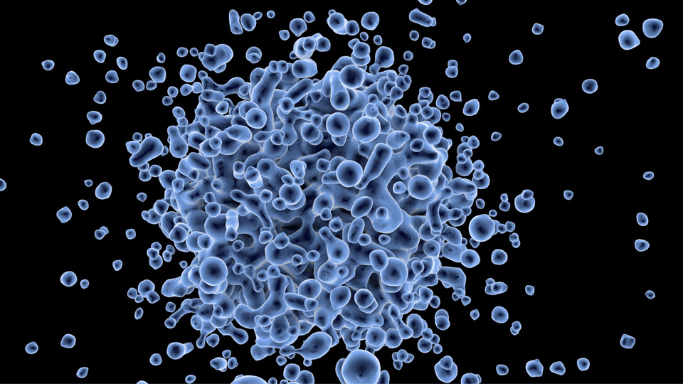
DNA helix strands in blue and white

These molecules play connected but distinct roles in cellular function.

What is NMN?

NMN stands for nicotinamide mononucleotide. It’s a precursor to NAD that your body uses to make the essential coenzyme.

You can find tiny amounts in foods like broccoli and avocados. The concentrations are too low to provide therapeutic benefits through diet alone.

NMN has three main parts: phosphate, ribose sugar, and nicotinamide1. This structure allows easy cell entry and conversion into NAD.

What is NAD?

NAD is short for nicotinamide adenine dinucleotide. It’s a coenzyme that powers over 500 cellular reactions.

Your mitochondria (cellular powerhouses) depend on NAD for energy production. It acts like a shuttle that carries electrons between reactions.

NAD exists in two forms. NAD+ accepts electrons. NADH donates them back to fuel cellular processes.

This electron transfer system powers your cells. It supports DNA repair, gene expression, and cellular signaling pathways.

The Differences Between NMN and NAD

The main distinctions affect how your body processes and uses them.

Size and Structure

NMN is significantly smaller than NAD. It weighs about 334 grams per mole2. NAD weighs approximately 663 grams per mole.

This size difference matters. Smaller molecules typically cross cell membranes more easily.

NAD’s larger structure makes direct cell absorption harder.

How Your Body Absorbs Them

Your digestive system handles these molecules differently:

NMN Absorption:

  • Enters bloodstream within minutes3
  • Uses specific intestinal transporters
  • Reaches tissues in 10-30 minutes
  • Stays intact during transport

NAD Absorption:

  • Cannot cross cell membranes intact4
  • Gets broken down before absorption
  • Requires cellular reassembly
  • Less efficient for oral use
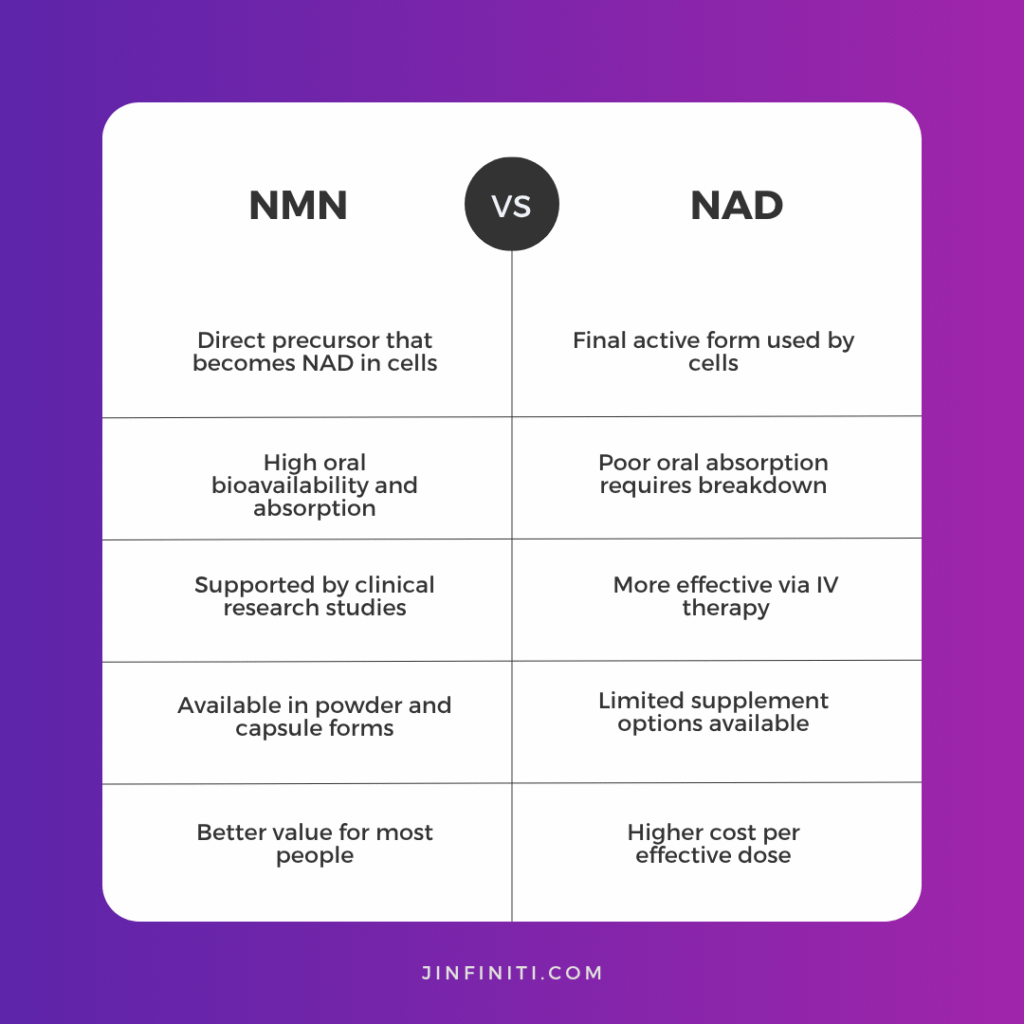
Infographic showing the differences between NMN and NAD

How NMN Converts Into NAD

NMN is converted to NAD through a direct cellular pathway.

The Conversion Process

Once NMN enters cells, the enzyme NMN adenylyltransferase converts it directly into NAD1. This happens through the “salvage pathway.”

Your cells prefer this efficient route. It requires fewer steps than other NAD precursors.

The process maintains steady NAD levels in your cellular environment.

Why Cellular NAD Levels Decline

Your NAD naturally decreases with age. By age 50, you typically have half the levels of NAD you had at 20.

Several factors contribute to this decline:

  • Increased cellular repair demands
  • Reduced precursor production
  • Higher enzyme activity that consumes NAD
  • Accumulated cellular damage

NAD deficiency symptoms become more common as levels drop.

Benefits of NAD and NMN Supplements

An older man looking at his watch on a jog outdoors

Both support similar outcomes because NMN becomes NAD in your cells.

Shared Health Benefits

Research shows that boosting NAD levels may support:

Energy and Metabolism:

Cellular Health and Longevity:

  • DNA repair processes
  • Better cellular signaling
  • Protection against oxidative stress
  • Support for overall cellular health and aging

Benefits of NMN Supplementation

Clinical studies show promising results. Participants taking 300-900mg daily for 60 days increased blood NAD levels5.

They also showed improved physical performance. Research indicates NMN may help insulin sensitivity in prediabetic individuals6.

Animal studies suggest NMN supports healthy aging. It improves energy metabolism and mitochondrial function.

Athletes taking NMN have also shown improved aerobic exercise capacity7 and recovery. NMN acts to support mitochondrial efficiency which is important for athletic performance.

People over 40 typically see the most benefits from NAD supplementation. Supporting cellular function becomes more important as natural production declines.

NMN vs NAD: Which Should You Choose?

Middle aged woman taking a supplement

Evidence suggests NMN offers advantages for oral supplementation compared to taking NAD directly.

Bioavailability Comparison

FactorNMNNAD
AbsorptionHighLimited
Cell transportDirectRequires breakdown
Conversion efficiencyExcellentVariable
Oral effectivenessStrongModerate

Cost and Practical Considerations

An NMN supplement typically costs less than direct NAD products. Manufacturing stable, bioavailable NAD requires more complex processes.

You’ll also find more NMN supplement options available. Quality varies between brands, so choosing products with third-party testing matters.

For optimal results, consider Jinfiniti’s Vitality NAD+ Booster. Our science-backed formulation combines NMN with energy-boosting compounds that work together to replenish NAD stores.

Should You Take NMN and NAD Together?

Women crossing a bridge in the forest

Taking both simultaneously usually isn’t necessary. NMN converts into NAD naturally.

Most people benefit more from quality supplements like NMN for health and well-being. Your cells will convert the NMN into the NAD they need for optimal health.

Some practitioners recommend NAD supplements for specific purposes. These are often administered through IV therapy rather than oral supplements.

Before starting any new supplement regimen, consult healthcare providers familiar with NAD metabolism.

Vitality Mini CTA

Choosing Quality NAD Supplements

Quality matters significantly when selecting products. Here’s what to look for:

Purity Standards:

  • Third-party contamination testing
  • Available certificates of analysis
  • Certified manufacturing facilities
  • Proper storage protocols

Formulation Quality:

  • Pharmaceutical-grade ingredients
  • Appropriate dosing per serving
  • Complementary absorption compounds
  • Stable, bioavailable forms

Testing Your Progress

The most accurate evaluation method is direct testing. Testing your NAD levels provides objective data about cellular function.

Our at-home Intracellular NAD Test measures actual cellular NAD concentrations. This is the world’s first test of its kind that can be conveniently taken wherever you are.

This follows Jinfiniti founder Dr. Jin-Xiong She’s “Test, Act, Optimize” methodology. Establish baseline levels. Implement targeted supplementation. Retest to confirm improvements.

Natural Ways to Boost NAD Levels

A woman doing dumbbell curls in her living room

Lifestyle strategies can also support raising NAD levels naturally alongside supplementation.

Dietary Approaches

Foods rich in NAD precursors help support baseline levels:

Lifestyle Factors

  • Exercise: Regular activity stimulates NAD-producing enzymes. It also supports mitochondrial health.
  • Sleep: Quality sleep allows cellular repair. It helps regenerate NAD stores effectively.
  • Stress Management: Chronic stress depletes NAD reserves. Managing stress supports healthy levels.
  • Intermittent Fasting: Research suggests fasting periods may naturally boost NAD levels through metabolic pathways.

Effects of NMN Supplementation: What to Expect

Image of an analog clock

NMN typically produces gradual improvements over several weeks.

Timeline of Benefits

Week 1-2:

  • Possible mild digestive adjustment
  • Subtle energy improvements
  • Better sleep quality for some

Week 3-4:

  • More noticeable energy increases
  • Improved exercise recovery
  • Enhanced mental clarity

Month 2-3:

  • Sustained energy improvements
  • Better metabolic function
  • Improved physical performance markers

Individual responses vary based on baseline NAD levels and overall health status.

Safety Profile: NAD vs NMN

An image of an older man consulting with his doctor

Both molecules appear safe for healthy adults at recommended doses.

Common Side Effects

Use of NMN supplementation may cause mild, temporary effects:

  • Slight digestive upset when starting
  • Occasional headaches during first week
  • Mild fatigue as cellular processes adjust

Research shows NMN may be safe at doses up to 900mg daily3 for extended periods.

Special Considerations

  • Cancer History: Consult oncologists before beginning supplementation.
  • Medication Interactions: NAD supplements may interact with blood sugar medications.
  • Pregnancy: Limited safety data exists. Avoiding supplementation is recommended.

Dosing Guidelines for Effective Results

Research supports specific dosing ranges for NMN supplementation.

Recommended Doses

GoalNMN Dose RangeTiming
General health250-500mg dailyMorning
Performance support500-750mg dailyPre-workout
Aging support500-900mg dailySplit doses

Start with lower doses. Gradually increase based on tolerance.

Clinical studies show benefits beginning around 250mg daily3. Higher doses may provide additional benefits for some people.

Timing Strategies

Take NMN supplements in the morning to align with natural rhythms. Your body’s NAD metabolism follows daily cycles.

Peak activity occurs during daylight hours. Some people benefit from splitting larger doses throughout the day.

Monitor your energy and sleep patterns. This helps find optimal timing for your needs.

Making Your Decision: A Summary

A contemplative young man looking out a window

For most people seeking cellular health support, NMN offers practical advantages.

NMN provides superior bioavailability and research support. Its ability to cross cell membranes efficiently makes it preferred for oral use.

Cost-effectiveness also favors NMN over direct NAD products. You get more value for your investment.

Direct NAD administration through IV therapy may benefit severe deficiency cases. Some medical conditions requiring rapid replenishment might warrant this approach.

Work with qualified healthcare providers for IV treatments.

Your Path to Better Cellular Health

NMN offers practical advantages for most people due to superior absorption. The research supporting NMN provides compelling evidence for maintaining cellular energy.

Whether you choose supplementation, lifestyle interventions, or both, supporting cellular energy systems can maintain vitality and optimal health as you age.

Work with knowledgeable healthcare providers who understand NAD metabolism. They can guide your strategy based on your individual health profile.

Testing your current NAD levels provides the best starting point. This data-driven approach ensures you’re addressing your actual needs rather than guessing.

Referenced Sources

  1. https://pmc.ncbi.nlm.nih.gov/articles/PMC7238909/ ↩︎
  2. https://pmc.ncbi.nlm.nih.gov/articles/PMC7198709/ ↩︎
  3. https://pmc.ncbi.nlm.nih.gov/articles/PMC5668137/ ↩︎
  4. https://pmc.ncbi.nlm.nih.gov/articles/PMC8612620/ ↩︎
  5. https://link.springer.com/article/10.1007/s11357-022-00705-1 ↩︎
  6. https://pmc.ncbi.nlm.nih.gov/articles/PMC10240123/ ↩︎
  7. https://www.tandfonline.com/doi/10.1186/s12970-021-00442-4 ↩︎
An older woman in a yoga pose outside

What is Healthspan and Why Does it Matter?

Living longer doesn’t automatically mean living better. While medical advances have extended the total number of years we live, older adults now spend nearly a decade on average dealing with chronic illness and declining function.

This gap between how long we live (lifespan) and how long we stay healthy (healthspan) is why focusing solely on longevity misses the bigger picture.

Here’s what healthspan really means and how to maximize your healthy, active years.

Key Takeaways

  • While we’re living longer than ever before, there’s a surprising 9-year gap between how long we live and how many of those years we actually spend in good health.
  • Simple daily choices like what you eat, how you move, and who you connect with can dramatically influence whether you spend your later years thriving or just surviving.
  • Scientists are discovering breakthrough tools and strategies to measure and extend healthy years, but the most powerful interventions might already be within your reach.

What is Healthspan?

An image showing what is health span

Healthspan is the period of life you spend in good health, free from serious chronic conditions and major disabilities. 

It’s not just about how many years you live. It is about how well you live those years, focusing on your overall quality of life and ability to enjoy daily activities. 

Unlike traditional health metrics that focus on treating disease or simply tracking how long you live, healthspan emphasizes the quality of those years.

There’s a growing focus on healthspan in science. For instance, the medical database PubMed saw mentions of “healthspan” jump from just 14 before the year 2000 to over 900 by mid-2018.1 This shows a clear shift towards understanding how to improve the quality of our years.

Healthspan vs. Lifespan: Understanding the Difference

An image of a woman with a good healthspan

Lifespan is the total length of a person’s life, from birth until death. Healthspan, however, describes the part of that life spent in good health, free from major illness or disability.

Simply put, lifespan measures how long you live, whereas healthspan measures how many of those years are healthy and active.

Here’s why this distinction matters. You could live to 100 but spend your last 30 years managing diabetes, heart disease, and mobility issues. Your lifespan would be impressive, but your healthspan tells a different story.

Medical perspectives are shifting because of this gap. Healthcare professionals now recognize that simply extending life isn’t enough. The goal is adding life to years, not just years to life.

This change reflects a growing understanding that successful aging means maintaining vitality and independence, not just reaching advanced age.

The Growing Gap Between Healthspan and Lifespan

An image of a couple with a good health span

The numbers tell a concerning story. Globally, the healthspan-lifespan gap has grown from 8.5 years in 2000 to 9.6 years in 2019.2 This represents a 13% increase over just two decades.

We’re living longer than ever before, with life expectancy having doubled over the last two centuries around the world.3 However, our healthy years haven’t kept pace. Globally, the average health-adjusted life expectancy is 63.3 years, significantly less than the mean life expectancy of 72.5 years.4

This creates real challenges. At a personal level, it means spending more years managing chronic diseases and disabilities. You might live to 80 but struggle with health issues for your final decade.

For society, this gap strains healthcare systems and economies. More people need long-term care and medical management. The burden falls on families, communities, and healthcare resources.

The United States faces the largest healthspan-lifespan gap at 12.4 years, driven by high rates of chronic diseases.5 Women experience an even wider gap than men, averaging 2.4 additional years with health challenges.

Why Healthspan Matters More Than Lifespan

An image of an old woman with a good health span

The difference between living longer and living better becomes clear when you consider what truly matters in your later years.

Personal Benefits

A longer healthspan means more years of independence, allowing you to engage fully in life’s activities. This might mean playing with grandchildren, pursuing hobbies, or staying socially connected with friends and family.

The beauty of healthspan is that it’s personal. For some people, it means maintaining the ability to travel independently at 85. For others, it’s continuing to read books or play musical instruments. The key is maintaining your ability to function and enjoy daily activities, not just adding years to your life. 

This personalized approach to health goals makes healthspan both meaningful and achievable. Rather than focusing solely on reaching a certain age, you can work toward maintaining the specific functions that matter most to you.

Economic and Social Benefits

The economic implications are substantial. Poor health costs U.S. employers more than $530 billion annually in lost productivity. By extending healthspan, we can reduce healthcare costs and increase economic productivity.

A longer healthspan means people can contribute to society longer through work, volunteering, and caregiving. This reduces the burden on healthcare systems and families while strengthening communities.

Research shows that targeting aging itself offers potentially larger economic gains than treating individual diseases. A slowdown in aging that increases life expectancy by just one year is worth $38 trillion globally.

Factors That Influence Your Healthspan

An image of a woman with a good health span

Multiple factors work together to influence how many healthy years you’ll enjoy. While genetics plays a role, lifestyle choices have the most significant impact on your health trajectory.

Diet and Nutrition

Research shows that choosing low-carbohydrate diets or diets rich in vegetables, fruits, nuts, cereals, fish, and unsaturated fats can decrease cardiovascular disease and obesity risk.6 These foods contain antioxidants, potassium, and omega-3 fatty acids that protect your brain from aging and reduce the risk of telomere shortening.

Plant-based diets providing bioactive phytonutrients may help offset hallmarks of aging and reduce chronic disease risk.7 Key nutritional factors include polyphenols like resveratrol and quercetin, which can modulate cellular pathways critical for longevity.

Physical Activity

Regular physical activity bolsters cardiovascular health, strengthens muscles and bones, enhances mood, and boosts overall energy levels.

The four pillars of fitness for longevity include cardio exercise, strength training, balance and mobility work, and proper recovery. Cardio improves heart health and endurance. Strength training maintains muscle mass that naturally declines with age. Balance exercises reduce fall risk.

Even modest increases in activity yield significant benefits. Adults should aim for at least 150 minutes of movement per week, with studies suggesting even greater benefits at 300 minutes weekly.

Sleep and Recovery

Sleep functions as a restorative process, providing time for your brain and body to recover from daily activities. Poor sleep increases cortisol levels, contributing to inflammation and accelerated aging.

Recovery needs become more important as you age. Sleep disturbances can increase DNA damage and cellular senescence, key drivers of aging.8

Social Connection and Mental Health

Strong relationships support emotional resilience, lower stress, and are linked to longer, healthier lives. According to the study published in The Royal Society, people with robust social ties have a 50% higher survival rate compared to those with weaker connections.9 

Mental health also plays an equally important role. Depression, chronic stress, and anxiety contribute to inflammation and accelerated aging processes.10

Practical Steps to Extend Your Healthspan

An image of a woman with a good sleep

Taking control of your healthspan starts with evidence-based strategies you can implement today.

  • Move Your Body Daily: Aim for moderate physical activity daily, including strength training, cardiovascular exercise, and balance work. This includes cardio, strength training, and balance work. Even brief, regular sessions significantly benefit overall health.
  • Prioritize Quality Sleep: Maintain a consistent sleep schedule with 7-8 hours of restful sleep nightly to promote cellular repair and rejuvenation.
  • Eat Nutrient-Dense Foods: Focus on whole foods rich in antioxidants, healthy fats, and fiber. Include nuts, which can reduce premature death risk by 39% when consumed three times weekly.11
  • Stay Hydrated: Proper hydration supports organ function and helps regulate body temperature, contributing to slower biological aging.
  • Build Strong Social Connections: Maintain meaningful relationships, as strong social ties can increase survival rates by 50%.

These steps work together to compress the period of illness and extend your healthy years.

AgingSOS Mini Promo

The Science of Extending Healthy Years: Research Frontiers

Scientists are making exciting discoveries in healthspan research. One promising area focuses on geroprotectors, which are substances that slow aging and extend healthy years.12 Well-known natural geroprotectors include metformin, resveratrol, aspirin, and spermidine.

Researchers are using advanced technology to accelerate discovery. Scientists recently developed AgeXtend, an AI platform that screened over 1.1 billion compounds to identify new anti-aging candidates.13 This technology accurately identified known geroprotectors like metformin and taurine, even when excluded from training data.

Another breakthrough involves genetic rewiring. University of California researchers extended yeast cell lifespan by 82% by manipulating aging pathways.14 While this is early-stage research, it demonstrates potential for genetic approaches to healthspan extension.

Challenges remain significant. Translating findings from simple organisms to humans takes decades. Many promising interventions work in laboratory animals but may not benefit humans. Additionally, measuring healthspan consistently across studies proves difficult, as it encompasses multiple health dimensions rather than a single metric.

Despite these hurdles, the field is advancing rapidly with new tools and approaches.

Your Healthspan Journey Starts Now

An image showing a healthy couple

Healthspan is about more than just living longer, it’s about making the most of every year by staying healthy, active, and independent. By focusing on factors affecting it, like nutrition, movement, sleep, and social connection, you can help close the gap between how long you live and how well you live.

The science of healthy aging is advancing every year, offering new tools and insights to support your journey. While no one can predict the future, your daily choices play a powerful role in shaping it.

Start today by taking small, evidence-based steps to support your healthspan. Your proactive choices are your most powerful tool.

Referenced Sources:

  1. https://pmc.ncbi.nlm.nih.gov/articles/PMC6136295/ ↩︎
  2. https://pmc.ncbi.nlm.nih.gov/articles/PMC11635540/ ↩︎
  3. https://ourworldindata.org/life-expectancy-globally ↩︎
  4. https://jamanetwork.com/journals/jamanetworkopen/fullarticle/2827753 ↩︎
  5. https://pmc.ncbi.nlm.nih.gov/articles/PMC11635540/ ↩︎
  6. https://pmc.ncbi.nlm.nih.gov/articles/PMC8838212/ ↩︎
  7. https://www.frontiersin.org/journals/nutrition/articles/10.3389/fnut.2024.1409339/full ↩︎
  8. https://pmc.ncbi.nlm.nih.gov/articles/PMC8658028/ ↩︎
  9. https://royalsocietypublishing.org/doi/10.1098/ ↩︎
  10. https://pmc.ncbi.nlm.nih.gov/articles/PMC7400286/ ↩︎
  11. https://www.sciencedaily.com/releases/2013/07/130715202458.htm ↩︎
  12. https://pmc.ncbi.nlm.nih.gov/articles/PMC5440114/ ↩︎
  13. https://indiaai.gov.in/article/indian-scientists-develop-ai-based-agextend-platform-for-anti-ageing-research ↩︎
  14. https://www.medicalnewstoday.com/articles/longevity-scientists-use-genetic-wiring-to-increase-cells-lifespan#Lifespan-almost-doubled-after-genetic-rewiring ↩︎
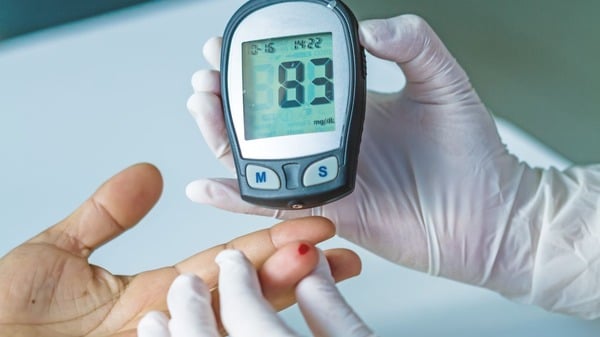
A person taking a blood sugar test

Glycation vs. Glycosylation: A Beginner’s Guide

Proteins are the workhorses of your body. But their job doesn’t end once they’re built. Many of them go through changes after they’re made.

One of the most common changes is the addition of sugars. At first glance, that might sound harmless. But not all sugar attachments are the same.

Your body carefully controls some. These are part of normal, healthy cell function. This process is called glycosylation.

Others happen randomly. They’re not regulated and can cause harm over time. This is known as glycation.

Understanding the difference between these two processes can help you take better care of your health. It sheds light on how aging works, how blood sugar fluctuation affects your body, and why sugar control matters.

Key Takeaways

  • Glycosylation is your body’s smart sugar system. This process is essential for health and life.
  • Glycation is a harmful sugar reaction that happens by chance. It creates damaging compounds called AGEs that contribute to aging and diseases.
  • You can take control by managing your blood sugar and lifestyle. This helps protect your proteins from damage and supports healthy aging.

What is Glycosylation? Your Body’s Precise Sugar Strategy

Abstract 3D render of sugar molecules

Glycosylation is your body’s way of adding sugar molecules to proteins and fats.1 These sugars are called glycans.

But this isn’t random. Your body controls every step of this process.

Think of it like a master chef following a precise recipe. Every ingredient gets added at exactly the right time and the right amount.

Your body uses special enzymes called glycosyltransferases to do this. These enzymes attach glycans to specific parts of proteins and fats. This creates new compounds called glycoproteins and glycolipids.2

Why does your body do this?

These sugar-modified proteins have important jobs. They help with:

  • Cell communication
  • Proper protein folding
  • Healthy immune system function

Without protein glycosylation, your cells couldn’t function normally.

What is Glycation? An Uncontrolled Sugar Mishap

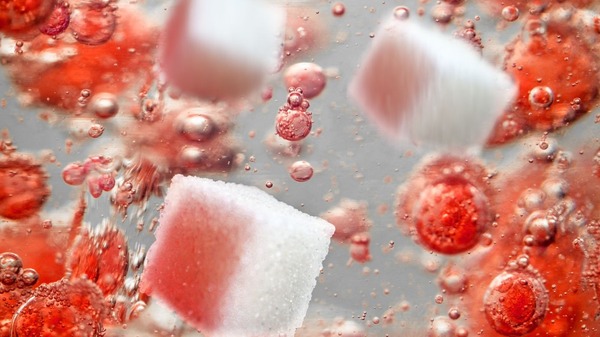
Sugar cubes and red blood cells

Glycation is completely different from glycosylation.

This process happens randomly. No enzymes control it.3 No careful timing guides it.

This usually takes place in your bloodstream. Sugars like glucose or fructose react with the building blocks of your body’s molecules. Sometimes they bump into proteins, fats, or DNA.4

When this happens, the sugar can stick to these molecules. Over time, this reaction can damage those molecules by:

  • Changing how proteins fold
  • Altering how enzymes function
  • Making your tissues less flexible

Unlike glycosylation, glycation isn’t helpful. It’s a form of wear and tear at the molecular level.

Glycation and Glycosylation: Key Differences

Hands holding a blood sugar monitor

Both glycation and glycosylation involve sugars attaching to other molecules. But their impact on your body couldn’t be more different.

Here’s a quick side-by-side comparison to help you see how they differ:

AspectGlycosylationGlycation
Enzymatic ControlRequires specific enzymes (e.g., glycosyltransferases)Occurs spontaneously, without enzymatic help
PrecisionAdds sugars to specific, predetermined sitesRandom and unpredictable attachment of sugars
Cellular LocationMainly in the endoplasmic reticulum and Golgi apparatusPrimarily in the bloodstream and extracellular spaces
Biological RoleEssential for normal cellular functionsGenerally a harmful process with no biological benefits
Health ImpactNecessary for health and normal bodily functionsAssociated with aging and various diseases, like diabetes5

A Deeper Look at Glycosylation: The “Good” Sugar Coating

A woman receiving a blood sugar test

Your body has two main ways to attach sugars to proteins. Specialized enzymes carefully control both.

Here are the two types:

N-linked glycosylation

This type of glycosylation begins as the protein is being made. Sugars attach to the nitrogen atom on an amino acid called asparagine. The process starts in the endoplasmic reticulum and continues in the Golgi apparatus.6

O-linked glycosylation

This happens after the protein is fully built. Sugars attach to specific amino acids called serine or threonine. 7This process takes place only in the Golgi apparatus.

Both types start with one carbohydrate molecule. Then, more sugar molecules are added in a step-by-step process involving glycosyltransferases.

Sometimes these sugar chains branch out like tree limbs. This creates more complex structures that give proteins special abilities.

Why Glycosylation Matters for Your Health

Glycosylation isn’t just a random process. It’s essential for keeping you healthy.

Here’s what those sugar attachments actually do for you:

They help proteins work properly.

Many proteins need their sugar coating to fold into the right shape. Without it, they become unstable and break down too quickly. The sugars also protect proteins from getting destroyed by other molecules in your body.

They let your cells communicate with each other.

Your cells use these sugar-coated proteins like name tags. They help cells recognize friends from foes.

This is especially important for your immune system.8 It needs to know which cells belong in your body and which don’t.

They determine your blood type.

Your ABO blood group depends on specific sugars attached to your red blood cells.9 Different sugar patterns create different blood types.

They act as quality control.

When your body makes new proteins, the attached sugars act like inspection tags. They tell your cells whether the protein was made correctly. If a protein is damaged or misfolded, your cells can spot the issue and take action.

This post-translational modification is crucial for proper cellular function.

Understanding Glycation: The “Bad” Sugar Reaction

An image depicting the bad sugar reaction

Glycation happens in steps. And with each step, the damage gets worse.

Step one: The initial meeting

A reducing sugar molecule bumps into a protein. They stick together and form a chemical bond called a Schiff base.10 But this connection is unstable and doesn’t last long.

Step two: The rearrangement.

The unstable connection quickly changes into something more stable. This is called an Amadori product. Once it hardens, it’s much harder to remove.

Step three: The real trouble

Over time, these Amadori products keep changing through complex reactions. They eventually become Advanced Glycation End Products (AGEs).11

AGEs can cross-link with other proteins. They create stiff, damaged tissue that doesn’t work properly.12

Surprisingly, not all sugars cause glycation at the same rate.

Did you know that fructose is about ten times more active than glucose at creating these harmful compounds? This means the sugar in many processed foods can do even more damage to your proteins.

This process is also known as the Maillard reaction when it happens during cooking.

Health Impacts: The Good, The Bad, and The Ugly

A blood sugar monitor, apple and pill container on a pink background

The effects of glycosylation vs glycation on your health are very different. Here’s how:

Glycosylation: Essential for Your Well-being

Your body depends on glycosylation for basic survival. Without it, critical systems would fail.

First, it keeps your proteins working. Many proteins simply can’t function without their sugar coating. The sugars help them maintain the right shape and stability.

Your immune system also depends on glycosylation.13 It helps your immune cells talk to each other and recognize what’s a friend or foe.

If this communication breaks down, your body can become more vulnerable to infection or start attacking itself, as seen in autoimmune diseases.

It’s also essential for processes like brain development. It helps nerve cells connect properly and form the right networks.14 This process continues throughout your life as your brain adapts and learns.

Even some medicines rely on it. Protein-based drugs like monoclonal antibodies must be properly glycosylated to be effective. These treatments might not work at all if glycosylation is missing.

In short, glycosylation keeps a lot of critical systems running smoothly.

Glycation and AGEs: The Troublemakers

Advanced glycation end-products aren’t just harmless sugar attachments. They actively damage your body in multiple ways. Here’s what they do:

They drive diabetes complications.

If you have diabetes, AGEs are behind many serious health risks. They damage the small blood vessels in your eyes. This can lead to vision problems. They also harm your kidneys and nerves.15

This is why doctors track your HbA1c levels. It measures how much sugar has stuck to your red blood cells over time.

They accelerate aging.

AGEs love to attack long-lived proteins in your body. Collagen in your blood vessels is a prime target.16 As AGEs accumulate, your blood vessels become stiff and inflexible. This contributes to high blood pressure and heart disease.

They damage your skin.

AGEs also build up in your skin’s collagen over time. This leads to wrinkles, sagging, and loss of elasticity.17 UV radiation makes this process even worse. It’s like adding fuel to a fire.

They may contribute to brain diseases.

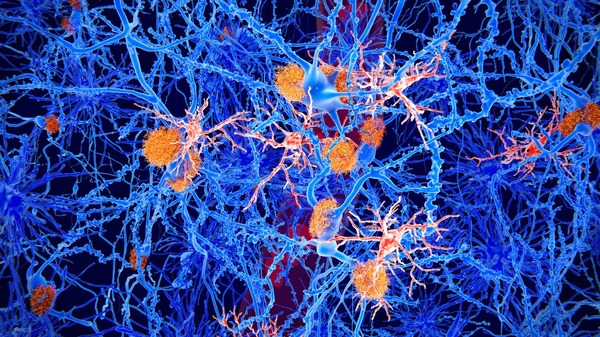
Research published in Springer Nature found that AGEs may contribute to Alzheimer’s disease.18 They interact with the harmful protein clumps that form in the brain. This connection helps explain why diabetic patients have an increased risk of dementia.

The AGE-RAGE Connection: A Vicious Cycle of Damage

AGEs do not just sit quietly in your body. They bind to special receptors on your cells called RAGE.19

This triggers the release of harmful molecules that damage tissue and increase inflammation. It also raises oxidative stress and throws off how your body handles insulin.20

As the damage builds up, your cells begin to ignore insulin signals. That makes blood sugar even harder to control.

RAGE activation can also destroy the beta cells in your pancreas.21 These are the cells that make insulin. As more of them die, diabetes becomes harder to manage. This interaction can even affect which genes are turned on or off. That creates lasting changes that promote disease.

AGE formation is not just passive damage. It speeds up the very problems that caused it in the first place.

Measuring Glycation: What Your Doctor Looks For

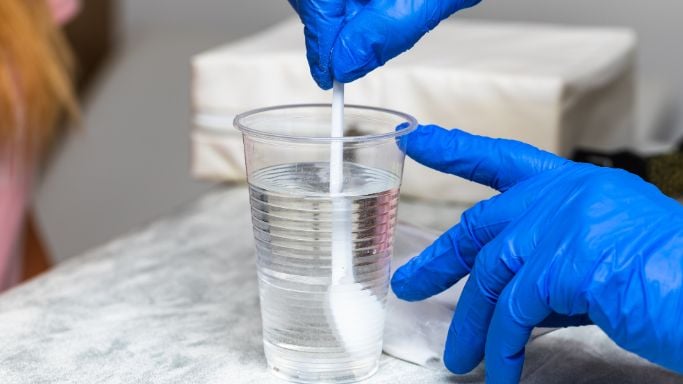
An doctor stirring a solution

Your doctor has a few ways to check how much glycation is happening in your body. These tests help diagnose diabetes and also track how well your treatment is working.

The most common test is called HbA1c (Glycated Hemoglobin).22 It measures how much sugar is stuck to your hemoglobin. Since red blood cells live around 120 days, the result shows your 3-month average.

Doctors use this test to both diagnose diabetes and see how well you are managing it. A higher number means more sugar has been attached to your hemoglobin proteins.

Your doctor might also order a test for glycated albumin (GA) or serum fructosamine.23 These tests come in handy when the HbA1c test is not giving a clear picture. They offer another way to look at your blood sugar control.

Researchers are also working on more advanced tests to measure specific AGE biomarkers. These may help identify early signs of diabetes complications, arthritis, and other age-related conditions.

At Jinfiniti, we include HbA1c and albumin in our AgingSOS panels. These markers give you deeper insights into how glycation might be affecting your health and how fast you are aging.

AgingSOS Mini Promo

Taking Control: Strategies to Manage Glycation

You are not powerless against glycation. Here are proven ways to slow it down and protect your proteins from damage.

Keep blood sugar in check.

When glucose stays within a healthy range, less of it sticks to your proteins. This matters even more if you have diabetes or prediabetes.

Make smarter food choices.

Foods cooked at high heat often have a lot of AGEs.24 Examples include grilled meat and fried snacks. Cutting back on these foods lowers the AGE burden on your body.

Stay physically active.

Regular physical exercise provides another strong defense. Moving your body makes it easier to process sugar. Even something simple like brisk walking can reduce AGE buildup over time.25

Scientists are also studying compounds that might block glycation at different steps or even break down existing AGEs. This research is promising but still in early stages.

The best part is that you do not need to wait. Small daily choices like balanced meals and regular movement can greatly reduce glycation damage over time.

Understanding Sugars for Better Health

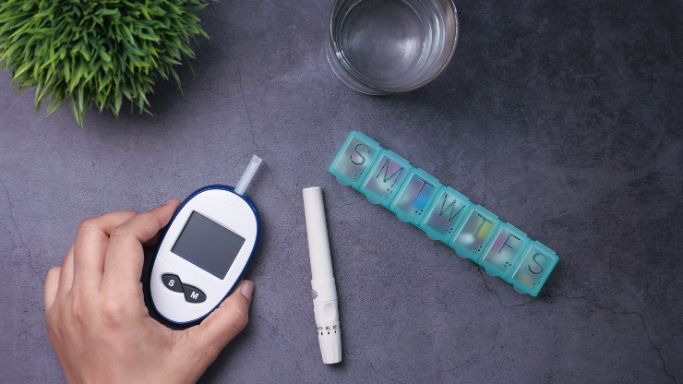
A blood sugar monitor and pill box on a table

Now you know the key difference between these two sugar processes. Glycosylation is your body’s careful and helpful way of using sugars.26 It’s vital for keeping you healthy.

Glycation is the opposite. It happens by chance and creates harmful AGEs. These damage your body and speed up aging and disease.27

Understanding this gives you real control over your health. Knowing how sugar affects your proteins helps you make smarter choices to manage blood sugar and daily habits. This awareness helps you age well and stay strong longer.

Whether you’re concerned about lipid modification or protein damage, the principles remain the same. Managing your sugar intake and staying active are your best defenses against harmful glycation.

Referenced Sources:

  1. https://www.ncbi.nlm.nih.gov/books/NBK579926/ ↩︎
  2. https://www.nature.com/articles/s41392-024-01886-1 ↩︎
  3. https://pmc.ncbi.nlm.nih.gov/articles/PMC9521189/ ↩︎
  4. https://pmc.ncbi.nlm.nih.gov/articles/PMC11078917/ ↩︎
  5. https://pmc.ncbi.nlm.nih.gov/articles/PMC5643203/ ↩︎
  6. https://pmc.ncbi.nlm.nih.gov/articles/PMC4151994/ ↩︎
  7. https://academic.oup.com/bioinformatics/article/40/11/btae643/7840257 ↩︎
  8. https://pmc.ncbi.nlm.nih.gov/articles/PMC6590709/ ↩︎
  9. https://www.ncbi.nlm.nih.gov/books/NBK2267/ ↩︎
  10. https://pmc.ncbi.nlm.nih.gov/articles/PMC8839460/ ↩︎
  11. https://pmc.ncbi.nlm.nih.gov/articles/PMC9030615/ ↩︎
  12. https://pmc.ncbi.nlm.nih.gov/articles/PMC9370094/ ↩︎
  13. https://pubmed.ncbi.nlm.nih.gov/11269318/ ↩︎
  14. https://pmc.ncbi.nlm.nih.gov/articles/PMC8589112/ ↩︎
  15. https://pmc.ncbi.nlm.nih.gov/articles/PMC9268915/ ↩︎
  16. https://pubmed.ncbi.nlm.nih.gov/20620757/ ↩︎
  17. https://pmc.ncbi.nlm.nih.gov/articles/PMC9655929/ ↩︎
  18. https://link.springer.com/article/10.1007/s10719-016-9690-2 ↩︎
  19. https://pmc.ncbi.nlm.nih.gov/articles/PMC8539574/ ↩︎
  20. https://pmc.ncbi.nlm.nih.gov/articles/PMC9029922/ ↩︎
  21. https://pmc.ncbi.nlm.nih.gov/articles/PMC4868774/ ↩︎
  22. https://pmc.ncbi.nlm.nih.gov/articles/PMC8113047/ ↩︎
  23. https://www.ncbi.nlm.nih.gov/books/NBK470185/ ↩︎
  24. https://www.healthline.com/nutrition/advanced-glycation-end-products ↩︎
  25. https://pmc.ncbi.nlm.nih.gov/articles/PMC10643563/ ↩︎
  26. https://pmc.ncbi.nlm.nih.gov/articles/PMC4955935/ ↩︎
  27. https://pmc.ncbi.nlm.nih.gov/articles/PMC5643203/ ↩︎
Endurance cyclist dripping sweat against a smoky background

Does Creatine Help Boost Cardio Endurance?

You’ve probably heard about creatine for building muscle and boosting strength training performance. But what about cardio?

Many endurance athletes wonder if creatine can give them an edge in their cardiovascular workouts. The answer isn’t straightforward.

Research shows mixed results when it comes to creatine and endurance performance. Some studies show benefits, while others show little to no improvement for traditional cardio activities.

Let’s explore what science tells us about creatine supplementation and cardiovascular exercise.

Key Takeaways

  • Creatine shows mixed results for traditional steady-state cardio
  • More beneficial for interval training and high-intensity cardiovascular work
  • May improve recovery between training sessions
  • Safe for heart health with no adverse cardiovascular effects

What is Creatine and How Does It Work?

Creatine is a natural compound found in your muscles. It plays a crucial role in energy production during exercise.

Your body uses creatine to regenerate adenosine triphosphate (ATP). ATP is the primary energy currency your cells use for all activities.

The Role of Creatine in Energy Production

When you exercise intensely, your muscles burn through ATP quickly. Creatine help comes from the phosphocreatine system.

This system rapidly regenerates ATP during high-intensity efforts. Studies show that creatine supplementation consistently increases intracellular creatine stores1.

More creatine stores mean better ability to resynthesize ATP when you need it most. This process works best during short bursts of intense activity.

Here’s how creatine functions in your muscles:

SystemDurationPrimary Fuel
Phosphocreatine0-10 secondsCreatine phosphate
Glycolytic10 seconds-2 minutesGlucose/glycogen
Oxidative2+ minutesOxygen + various fuels

Interestingly, research indicates that endurance athletes have significantly higher mitochondrial creatine kinase activity than non-athletes2. This suggests creatine may play a bigger role in endurance than previously thought.

Effects of Creatine on Cardiovascular Performance

Woman doing HIIT on assault bike

The relationship between creatine and cardio performance is complex. Results vary depending on the type of cardiovascular exercise you’re doing.

Mixed Results for Traditional Endurance Exercise

Traditional steady-state cardio shows inconsistent benefits from creatine. Comprehensive reviews indicate that creatine works best for short-duration, high-intensity activities1.

The effects diminish as exercise duration increases. One study on endurance cycling found no significant effects on oxidative capacity or time-trial performance3.

Similarly, research on treadmill running showed no measurable effect on respiratory gas exchange during steady-state exercise4.

However, some studies paint a different picture. Research with 60 male athletes found that four weeks of creatine monohydrate supplementation significantly decreased heart rates during submaximal exercise5.

This contradicts some common misconceptions about creatine’s universal benefits across all exercise types. For more clarity on what creatine can and can’t do, check out our guide on creatine myths debunked by science.

Benefits for High-Intensity Interval Training

Creatine shows more promise for intermittent cardio activities. This makes sense given how the phosphocreatine system works.

Research on high-intensity interval training found significant improvements in ventilatory threshold6. The creatine group improved by 16% compared to 10% for placebo.

Both groups improved maximal oxygen consumption. But only the creatine group significantly enhanced submaximal exercise performance.

Key benefits for interval training include:

  • Enhanced recovery between high-intensity bouts
  • Improved power output during intense intervals
  • Better maintenance of performance across multiple sets
  • Reduced fatigue accumulation

Studies with firefighters demonstrated that creatine supplementation improved occupational performance tasks involving intermittent high-intensity activities7.

How Creatine Supplements Impact Different Exercise Types

Runner tying his shoes before a run

The type of cardiovascular exercise you do matters when considering creatine supplementation. Different activities rely on different energy systems.

Creatine and Running Performance

Running research shows limited benefits for continuous endurance running. One study on supramaximal running found that creatine improved phosphagen energy pathway contribution8.

However, it didn’t significantly affect anaerobic capacity or time to exhaustion. This suggests creatine may help with the initial burst but not sustained running performance.

For runners who incorporate speed work and intervals, creatine may offer more benefits. The supplement could help maintain power during track workouts or hill repeats.

Cycling and Rowing Results

Cycling studies show mixed results for endurance exercise performance. Some research demonstrates no benefit for time-trial performance3.

Other studies suggest benefits for repeated sprint performance and recovery between high-intensity cycling bouts.

Elite rowers appear to respond well to creatine. Research with competitive rowers showed improvements in both lactate threshold and anaerobic performance9.

The lactate threshold increased significantly from 314.3 W to 335.6 W after creatine treatment. The placebo group showed no significant change.

When to Take Creatine for Endurance Benefits

739675a807b4256c479a5c134b52d53673d549a879e966e0f83d1a91be265af2?ts=1749907456

Timing matters less for endurance benefits compared to strength training applications. Most successful studies used standard loading protocols.

How Much Creatine Should I Take?

Most research uses typical creatine dosing protocols. The standard approach involves two phases:

Loading Phase: 20 grams of creatine daily for 5 days

Maintenance Phase: 2-5 grams daily thereafter

You can skip the loading phase and take 3-5 grams daily from the start. This approach takes longer to saturate your muscles but avoids potential digestive issues.

ProtocolDoseDurationTime to Saturation
Loading20g/day5 days5-7 days
No Loading3-5g/dayOngoing3-4 weeks

For endurance athletes, consistency matters more than timing. Take creatine at the same time each day to maintain elevated muscle stores.

Some athletes prefer taking creatine post-workout when combined with carbohydrates. This may enhance uptake, though the evidence is mixed for endurance benefits.

Side Effects of Creatine and Safety

Understanding potential side effects helps you make informed decisions about supplementation. The good news is that creatine has an excellent safety profile.

Is Creatine Monohydrate Safe to Take?

Creatine monohydrate is safe to take for most healthy individuals. Research consistently shows that creatine supplementation appears safe from a cardiovascular perspective10.

Studies with resistance-trained women found that creatine improved muscular performance without any significant effects on cardiovascular variables.

Research examining cardiovascular responses to exhaustive cycling found no effects of creatine on heart rate or oxygen uptake responses11.

Common side effects are mild and temporary:

  • Initial weight gain from water retention
  • Mild digestive upset during loading phase
  • Occasional muscle cramping if under-hydrated

The weight gain isn’t fat gain. It’s water being pulled into your muscles along with creatine. This effect typically levels off after the first week.

Stay well-hydrated when using creatine. The supplement draws water into muscle cells, so adequate fluid intake is important.

Women often have specific questions about creatine use. For detailed answers about weight gain, hormonal effects, and safety considerations, read our creatine FAQs for women.

Benefits of Creatine Beyond Strength and Power

Woman stretching on the beach in yoga outfit

While creatine is famous for strength and power benefits, it offers other advantages that may help endurance athletes.

Recovery and Muscle Protection

Creatine may enhance recovery between exercise bouts. This indirect benefit can improve your ability to maintain training volume and intensity.

Studies indicate that creatine can mitigate muscle damage and promote faster recovery of force-production potential1.

Research shows that creatine supplementation significantly reduced muscle inosine monophosphate accumulation during intense endurance exercise12. This suggests improved muscle energy balance during aerobic activities.

Additional benefits for take creatine supplements include:

  • Reduced markers of muscle damage
  • Improved recovery following intense exercise
  • Better maintenance of muscle mass during high-volume training
  • Enhanced cellular hydration

Animal studies suggest that creatine combined with exercise training enhances myocardial energy reserves and cardiac function13.

Some endurance athletes find that creatine helps them recover faster between training sessions. This allows for more consistent high-quality workouts.

Better recovery often means improved sleep quality and reduced fatigue. Learn more about how creatine may help reduce sleep deprivation effects on performance.

Should Endurance Athletes Take Creatine Supplements?

Woman at the top of mountain after a trail run

The decision to take creatine depends on your specific training and competition demands. Pure endurance running may see limited benefits.

Athletes who combine endurance training with strength training, weight training, or interval work may benefit more. The supplement can help maintain power during the intense portions of training.

Consider creatine if your sport involves:

  • Repeated sprints or surges
  • Mix of endurance and power demands
  • High training volumes requiring better recovery
  • Combination of cardiovascular and strength training

Research suggests that creatine supplementation improved time to exhaustion in heat conditions, particularly in individuals who were “responders” to creatine14.

Not everyone responds the same way to creatine. Some people are “responders” while others see minimal benefits. You won’t know which group you’re in until you try it.

If you decide to try creatine, consider pairing it with other performance-supporting supplements. Our Creatine + ATP supplement combines creatine monohydrate with disodium ATP for enhanced cellular energy support.

For a comprehensive approach to optimizing your cellular energy, consider our Vitality↑® NAD+ Booster. This formula includes creatine alongside NAD+ precursors to support multiple energy pathways.

You might also benefit from understanding how creatine works with ATP or learning about different types of creatine supplements.

Creatine+ mini promo

The Final Scoop on Creatine for Cardio

Creatine offers mixed benefits for cardiovascular exercise performance. The supplement works best for activities involving repeated high-intensity efforts rather than sustained moderate-intensity exercise.

If your cardio includes interval training, hill repeats, or sports requiring both endurance and power, creatine may help. Pure steady-state endurance activities show less consistent benefits.

The creatine may improve your recovery between training sessions. Better recovery can lead to improved performance over time, even if individual workout benefits are modest.

Creatine supplementation appears safe for cardiovascular exercise. Studies show no adverse effects on heart function or blood pressure in healthy populations.

Consider trying creatine for 4-6 weeks to see if you’re a responder. Start with 3-5 grams daily and monitor your performance and recovery.

Remember that no supplement replaces consistent training, proper nutrition, and adequate recovery. Creatine works best as part of a comprehensive approach to endurance performance optimization.

Referenced Sources

  1. https://www.mdpi.com/2072-6643/13/6/1915 ↩︎
  2. https://www.physiology.org/doi/10.1152/jappl.1986.61.2.482 ↩︎
  3. http://cs.portlandpress.com/cs/104/cs1040153.htm ↩︎
  4. https://portlandpress.com/clinsci/article/87/6/707/76300/Effect-of-Oral-Creatine-Supplementation-on ↩︎
  5. https://www.omicsonline.org/open-access/supplementary-effect-of-creatine-on-cardiovascular-adaptation-and-endurance-performance-in-athletes-2473-6449-1000106.php?aid=70775 ↩︎
  6. https://www.tandfonline.com/doi/full/10.1186/1550-2783-6-18 ↩︎
  7. https://www.mdpi.com/2072-6643/15/24/5134 ↩︎
  8. https://www.frontiersin.org/article/10.3389/fphys.2019.00352/full ↩︎
  9. https://journals.humankinetics.com/view/journals/ijsnem/13/2/article-p173.xml ↩︎
  10. https://www.mdpi.com/2813-0413/1/3/13 ↩︎
  11. https://onlinelibrary.wiley.com/doi/10.4161/oxim.2.4.9415 ↩︎
  12. http://journals.lww.com/00005768-200512000-00006 ↩︎
  13. https://www.sciendo.com/article/10.2478/sjecr-2019-0066 ↩︎
  14. https://journals.humankinetics.com/view/journals/ijsnem/14/4/article-p443.xml ↩︎
An image of supplements for long covid

Which Supplements Have Been Studied for Long COVID?

If you’ve experienced a SARS-CoV-2 infection, you might be one of the millions facing symptoms that linger long after, a condition known as Long COVID, or Post-COVID Condition.

This can mean months of dealing with debilitating fatigue, “brain fog” that clouds thinking, shortness of breath, and ongoing inflammation, all of which can affect your quality of life.

In the search for ways to help, researchers are turning their attention to nutritional supplements. They want to look at how supplements could help reduce inflammation, protect cells from damage, and fill gaps in nutrition that might cause ongoing symptoms.

While the science is still evolving, and evidence is often preliminary, some studies offer early insights into which supplements might hold promise, though results can be mixed. In this guide, you will discover the key supplements under investigation for Long COVID and what current research indicates about their potential.

Key Takeaways

  • Long COVID affects millions, and some supplements are emerging as possible ways to manage persistent symptoms. 
  • Researchers are exploring supplements targeting inflammation, oxidative stress, and mitochondrial function. Find out which ones show the most promise.
  • Not all supplements studied for Long COVID have strong evidence behind them.
  • Personalizing your approach could be crucial to managing Long COVID symptoms effectively.

Long COVID and Nutritional Interventions

An image of a woman with long covid and her nutritional intervention

Long COVID, also called Post-Acute Sequelae of SARS-CoV-2 infection (PASC), affects approximately 6% of people following COVID-19 condition.1 This condition presents with over 200 documented symptoms that can persist for months beyond the acute infection phase.2

Scientists are exploring nutritional supplements as a possible way to manage Long COVID. This is because studies show that Long COVID may be linked to long-term inflammation, stress on cells, and problems with how the body’s cells produce energy.

Supplements offer potential benefits through their ability to support the body’s natural processes, including modulating inflammatory responses, providing antioxidant support against cellular stress, and addressing nutritional deficiencies that may contribute to persistent COVID-19 symptoms.

However, research in this area is still limited. Most of the research is still in the early stages. The results so far are mixed. Different study methods also make it hard to compare findings. Additionally, 92% of Long COVID treatment research has been conducted in high-income countries.3 Since most didn’t include people from different backgrounds, the results may not reflect what works for all groups of people.

Long COVID Symptoms

An image of a woman with symptoms of long covid

Long COVID can affect nearly every system in the body. The most reported symptoms include fatigue, shortness of breath, brain fog, sleep disturbances, chest pain, and joint or muscle aches. Some people also experience anxiety, depression, or changes in taste and smell.

These symptoms may appear weeks after recovery and can persist for months, sometimes in waves. The wide range of effects makes Long COVID difficult to define and even harder to manage.

10 Supplements Studied for Long COVID

An image of supplements

Researchers are investigating a range of supplements to support overall health and address common challenges seen in Long COVID. Here’s what current science says about the most studied options:

1. Vitamin D

Vitamin D is one of the most studied nutrients in relation to both acute and Long COVID. Regular supplementation has been associated with improved quality of life and reduced fatigue. Several studies have noted that maintaining optimal vitamin D levels may support immune regulation and help the body respond to ongoing challenges after COVID infection.

In a randomized controlled trial, participants receiving vitamin D3 and K2 reported fewer symptoms and improvements in markers related to inflammation and gut health compared to those receiving standard care.4 While not all studies agree, and no supplement is proven to treat Long COVID, vitamin D’s role in immune health makes it a central focus for ongoing research.

2. Vitamin C

Vitamin C is widely known for its antioxidant effects, which can help counteract oxidative stress, a condition that may play a central role in Long COVID symptoms. Some clinical trials and meta-analyses have shown modest benefits for all-cause mortality, although the results are mixed and vary by population and dosage.5

It is often used in multi-component formulations designed to support immune health. For example, an oral supplement combining vitamin C with polyphenols showed improvements in fatigue and inflammation. The inclusion of vitamin C in such blends is largely due to its accessibility, favorable safety profile, and antioxidant potential.

If you’re looking for a reliable source, check out our Vitamin C and Zinc supplement, designed to help support immune balance and oxidative defense.

3. Melatonin

Known for antioxidant, anti-inflammatory, and immune-support properties, melatonin helps manage cognitive issues (“brain fog”) and pain, also improving sleep regulation in Long COVID.6

Melatonin may help regulate circadian rhythms, reduce oxidative damage, and modulate immune cell responses—factors believed to contribute to the persistence of symptoms in Long COVID. Early research suggests that melatonin’s potential as a neuroprotective agent could support brain health in conditions resembling ME/CFS, which overlap with Long COVID presentations.7

Although early studies are promising, they tend to be small, and more clinical trials are needed to confirm the long-term safety and effectiveness of melatonin supplementation in this population.

4. N-Acetylcysteine (NAC)

NAC acts as a precursor to glutathione, a key antioxidant in the body. Research indicates that NAC supplementation may help normalize blood clotting factors in some individuals.8 

Meta-analyses show NAC is associated with lower inflammation markers and improved oxygenation in COVID-19 patients, and ongoing trials are investigating its role in Long COVID specifically.9 NAC’s ability to help maintain antioxidant defenses and respiratory health is why it remains under active investigation.

NAC’s support of respiratory function and oxidative balance makes it a compound of interest. 

5. NAD+ Boosters (NR & NMN)

Long COVID is linked to disruptions in cellular energy production. NAD+ boosters like nicotinamide riboside (NR) and nicotinamide mononucleotide (NMN) are being studied for their ability to support energy metabolism and potentially ease fatigue. 

Early clinical trials suggest these supplements can safely increase NAD+ levels in humans, with some evidence pointing to improved metabolic function and reduced fatigue.10 11 As research continues, NAD+ boosters remain a focus for those seeking to optimize cellular energy and resilience.

6. Combination Natural Supplements

Several studies have examined blends of natural ingredients such as echinacea, rosehip, propolis, and royal jelly for their potential to support immune health and reduce fatigue.12

Clinical trials have found that these combinations may help modulate inflammation and improve quality of life in people with Long COVID. For example, one randomized trial found that a botanical blend led to reductions in inflammatory markers and improved fatigue scores.13 

7. Hydrogen-Rich Water

This is an innovative approach that has shown promise in small clinical trials. Drinking hydrogen-rich water for two weeks was associated with significant reductions in fatigue and improved exercise tolerance in people with Long COVID.14 

Its antioxidant and anti-inflammatory properties may help support cellular health and reduce the impact of oxidative stress.15 While study sizes remain small, hydrogen-rich water is generally considered safe and is being further explored for its potential benefits.

8. Essential Minerals (Zinc, Selenium, Magnesium)

Zinc, selenium, and magnesium are vital minerals for immune function and cellular processes. Studies have shown that patients with COVID-19 often have lower levels of these minerals, and supplementation may help support recovery, especially when included in combination formulas.16 

Zinc, for example, is important for immune cell function, while magnesium and selenium play roles in antioxidant defense. However, excessive intake of these minerals may have adverse effects, so it’s important to use them as directed and consult with a healthcare provider.

9. Creatine

People with Long COVID have been found to have lower creatine levels in the brain and muscles.17 A clinical trial published by Food Science & Nutrition showed fatigue reduction after 3 months of supplementation in patients with post‐COVID‐19 fatigue syndrome.18 

Creatine helps support cellular energy production and may be useful for those experiencing post-exertional malaise.

10. Quercetin

Quercetin, a plant flavonoid, has been studied in several clinical trials for COVID-19 and early Long COVID symptoms.19 Doses between 500–1500 mg daily have been associated with faster recovery, reduced inflammation, and improved viral clearance. 

Its anti-inflammatory and antioxidant properties are of particular interest for ongoing inflammation in Long COVID. These supplements are being actively researched, but most evidence is early, and not all findings are consistent. 

Always consult a healthcare professional before starting any new supplement, especially if you have underlying health conditions or are taking other medications.

Research Limitations and What They Mean

An image of medical experimentation

While interest in nutritional supplements for Long COVID is growing, several important research limitations shape what we know and what we don’t. Most studies have been conducted in high-income countries, with over 90% of research coming from these regions. 

This geographic bias means findings may not apply to people in lower-income settings, where health profiles, access to care, and even nutritional status can differ widely. Furthermore, participant diversity is limited. 

Many studies didn’t include enough children, pregnant women, older adults, and ethnic minorities. This makes it hard to know if results are relevant for everyone experiencing Long COVID.

Another major challenge is inconsistent study protocols. Researchers use different definitions for Long COVID, varied symptom checklists, and a wide range of supplement dosages and treatment durations.

These differences make it difficult to compare results or combine data across studies. Many trials also have small sample sizes and rely on observational designs, which are more prone to bias and less able to establish clear cause-and-effect relationships.

Some reviews don’t explain their methods well or meet quality standards, which makes the findings harder to interpret. That’s why we need more large, well-designed studies that include different kinds of people and use the same ways to measure results. Only then can we know if any supplements really help those with Long COVID.

Takeaways for Long COVID Patients

An image of long covid patients with the front liners

If you’re navigating recovery from Long COVID, it’s understandable to look for tools that may support your body along the way. While no supplement is approved to treat, cure, or prevent Long COVID, several nutrients and compounds are under active investigation for their potential role in symptom support.

Among the most studied are vitamin D, melatonin, N-acetylcysteine (NAC), creatine, and NAD+ precursors like NR and NMN. Early research suggests these supplements may help support energy metabolism, sleep regulation, immune balance, or general wellness in those experiencing lingering symptoms.

However, current evidence is preliminary, and supplements aren’t replacements for medical care. Always consult a healthcare provider before starting new supplements. 

Your provider can help determine what’s safe and effective based on your unique health needs and symptoms. It’s important to have realistic expectations—supplements might offer symptom relief, but are not cures.

Consider NAD+ testing to identify if cellular energy support could benefit your recovery, making supplementation more targeted and effective. Personalized approaches, guided by reliable testing, are key to managing Long COVID effectively.

Referenced Sources:

  1. https://www.who.int/news-room/fact-sheets/detail/post-covid-19-condition-(long-covid) ↩︎
  2. https://www.ncbi.nlm.nih.gov/books/NBK605678/ ↩︎
  3. https://wellcomeopenresearch.org/articles/9-358 ↩︎
  4. https://pubmed.ncbi.nlm.nih.gov/39861434/ ↩︎
  5. https://pmc.ncbi.nlm.nih.gov/articles/PMC10146309/ ↩︎
  6. https://pmc.ncbi.nlm.nih.gov/articles/PMC9687267/ ↩︎
  7. https://pubmed.ncbi.nlm.nih.gov/36358996/ ↩︎
  8. https://pubmed.ncbi.nlm.nih.gov/38126172/ ↩︎
  9. https://pmc.ncbi.nlm.nih.gov/articles/PMC10390689/ ↩︎
  10. https://pmc.ncbi.nlm.nih.gov/articles/PMC10692436/ ↩︎
  11. https://pmc.ncbi.nlm.nih.gov/articles/PMC10692436/ ↩︎
  12. https://pmc.ncbi.nlm.nih.gov/articles/PMC11053797/ ↩︎
  13. https://www.frontiersin.org/journals/nutrition/articles/10.3389/fnut.2021.658630/full ↩︎
  14. https://pmc.ncbi.nlm.nih.gov/articles/PMC11123997/ ↩︎
  15. https://pmc.ncbi.nlm.nih.gov/articles/PMC11123997/ ↩︎
  16. https://pmc.ncbi.nlm.nih.gov/articles/PMC10215594/ ↩︎
  17. https://pmc.ncbi.nlm.nih.gov/articles/PMC10394531/ ↩︎
  18. https://pmc.ncbi.nlm.nih.gov/articles/PMC10630839/ ↩︎
  19. https://www.sciencedirect.com/science/article/pii/S2405844024061115 ↩︎
Athletic woman doing knee stretches on her run

Creatine FAQs for Women: Weight Gain, Menopause, Pregnancy

You’ve probably heard mixed messages about creatine supplementation. Some say it’s just for bodybuilders. Others worry about bloating and weight gain.

The truth is far more interesting. Recent research shows that creatine for women offers unique advantages that extend well beyond the gym. Women actually have 70-80% lower natural creatine stores than men, making supplementation potentially more beneficial.

This guide answers your most pressing questions about creatine. We’ll explore weight concerns, pregnancy safety, and how hormones affect your results.

Key Takeaways

  • Weight gain from creatine is water in your muscles, not fat – The 1-2 pounds you might gain in the first week comes from beneficial muscle hydration that creates definition, not bloating.
  • Women may benefit more than men from creatine – You naturally store 70-80% less creatine than men, creating greater opportunity for improvements in energy and performance.
  • Benefits extend far beyond the gym – Research links adequate creatine intake to better reproductive health, reduced irregular periods, and enhanced brain function during hormonal changes.
  • Safe across most life stages – Studies show excellent safety profiles for healthy women, though pregnancy requires healthcare provider consultation.
  • Simple dosing works best – Start with 3-5 grams daily, or use a 5-day loading phase at 0.3g per kg body weight, then maintain with daily consistent use.

Does Creatine Cause Unwanted Weight Gain in Women?

Let’s address the elephant in the room first. You’re worried about the scale going up, right?

Here’s what actually happens when you start taking creatine. Your muscles store more water1, which shows up as weight gain initially. This isn’t fat gain or bloating under your skin, despite common creatine myths.

The water goes directly into your muscle cells. This creates a fuller, more defined look rather than puffiness. Think of it like inflating a balloon inside your muscles.

The Real Numbers Behind Weight Changes

Most women see 1-2 pounds of water weight within the first week. This stabilizes quickly as your body adapts to higher creatine levels.

TimelineWhat HappensWhy It Matters
Week 11-2 lbs water weight gainNormal muscle hydration response
Week 2-4Weight stabilizesBody adapts to new creatine levels
Month 2+Possible lean mass gainsEnhanced muscle protein synthesis

Long-term weight changes reflect something entirely different. Studies show increased lean muscle mass2 rather than fat accumulation. Elite female handball players gained weight but decreased body fat percentage after 12 weeks of creatine use.

Your clothes might fit better even if the scale shows higher numbers. More muscle tissue burns more calories at rest, supporting your metabolism.

How Does Creatine for Women Differ from Men’s Needs?

Athletic woman wearing black sports bra

Women’s bodies handle creatine differently than men’s. This isn’t just about size differences.

Your natural creatine stores sit at about 70-80% lower3 than men’s baseline levels. Your liver, kidneys, and brain produce creatine from amino acids, but women make less overall.

Hormones play a huge role too. Estrogen directly influences how your body uses creatine and rebuilds energy stores. During your menstrual cycle, creatine levels rise and fall with estrogen.

Why This Matters for Your Results

Lower starting levels mean you have more room for improvement. When you supplement with creatine, you’re filling a bigger gap than men typically experience.

Your hormonal fluctuations create additional opportunities. The effects of creatine may be more noticeable during certain cycle phases when your natural stores dip lowest.

This explains why some women see dramatic improvements in energy and performance. You’re not just adding to already high stores – you’re correcting a significant deficit.

Benefits of Creatine for Women Beyond Exercise

A woman making a shake with creatine powder

The benefits of creatine extend far beyond your workout routine. Recent research reveals surprising advantages for women’s health.

Reproductive Health Support

A large study of 4,522 women4 found fascinating connections between dietary creatine intake and reproductive health. Women consuming adequate creatine showed 25% lower risk of irregular periods.

The same study linked proper creatine intake to fewer pregnancy complications. Women meeting recommended levels faced reduced risks of fetal growth issues and pelvic infections.

Brain Health and Cognitive Function

Your brain demands enormous amounts of energy. It relies heavily on the creatine system for rapid energy production during intense mental tasks.

Research suggests5 that creatine supplementation may help with “brain fog” many women experience. This could be especially relevant during hormonal changes when cognitive complaints often increase.

The supplement may support neurotransmitter production and protect brain cells from oxidative stress. Some studies indicate creatine might be even more effective for brain health in women than men.

Can Women Take Creatine During Their Menstrual Cycle?

A woman holding a silicone menstrual cup

Yes, and timing might actually matter more than you think. Your menstrual cycle affects how your body responds to creatine supplementation.

Estrogen influences creatine metabolism6 throughout your cycle. Creatine levels naturally fluctuate, reaching their lowest points when estrogen drops during the early follicular and luteal phases.

Performance Benefits Across Cycle Phases

Research shows creatine may provide the greatest benefits during your luteal phase. This is when progesterone peaks and performance typically declines.

One study found a 5.8% improvement in fatigue resistance when women used creatine during the high hormone phase. The placebo group showed minimal changes during the same period.

Your energy levels and sleep quality often dip during certain cycle phases. Creatine supplementation may help counteract declines in energy and even sleep deprivation.

Practical Cycle Considerations

You don’t need to time your creatine perfectly with your cycle. Daily consistent use appears most practical for long-term benefits.

However, starting supplementation during your luteal phase might help you notice benefits more quickly. This is when your natural energy systems face the most stress.

Is Creatine Safe During Pregnancy?

A pregnant woman cradling her belly outdoors

Pregnancy safety represents an evolving area of research. Current evidence suggests creatine appears well-tolerated in healthy adults7, but pregnancy-specific data remains limited.

Your developing baby depends entirely on your creatine supply. The placenta transfers creatine from your bloodstream to support fetal brain development and energy metabolism.

What the Research Shows

Animal studies and preliminary human research suggest maternal creatine supplementation may provide neuroprotective benefits for developing brains8. This could be especially important for pregnancies at risk of complications.

A survey9 found that 95% of pregnant women would consider creatine supplementation if their healthcare provider recommended it. Most indicated that potential weight gain wouldn’t deter them.

Important Safety Considerations

The osmotic properties of creatine warrant consideration during pregnancy. Your body naturally retains more fluid during pregnancy, and creatine increases water retention in muscles.

Always consult your healthcare provider before starting any supplement during pregnancy. They can assess your individual risk factors and monitor your progress.

Should Women Take Creatine During Menopause?

Middle-aged woman in a white shirt with a gray scarf

Menopause creates unique challenges where creatine supplementation may provide substantial benefits. You face increased risk of muscle loss, bone density decline, and cognitive changes.

Research in postmenopausal women shows that high-dose creatine supplementation combined with resistance training produces significant improvements in muscle size and function10.

The Muscle Loss Challenge

You can lose up to 20% of your muscle mass within five years after your final period. This accelerated loss impacts your strength, metabolism, and independence.

Creatine supplementation may help offset this decline. Studies show improvements in skeletal muscle when women use approximately 10 grams daily alongside resistance training.

Bone Health Benefits

While creatine doesn’t significantly improve bone density, it enhances bone quality. Women receiving creatine showed improvements in bone’s resistance to bending and compression11.

These quality improvements may translate to reduced fracture risk. This offers a complementary approach to traditional bone health strategies.

Menopause ChallengeHow Creatine May Help
Muscle lossEnhanced protein synthesis
Bone fragilityImproved bone quality markers
Cognitive changesBetter brain energy metabolism
Mood fluctuationsSupport for neurotransmitter function

How Do Creatine Supplements Support Brain Health?

Portrait of a woman wearing eyeglasses

Your brain consumes about 20% of your daily calories despite being only 2% of your body weight. It needs constant energy to maintain neural function and cognitive performance.

The creatine-phosphocreatine system provides rapid energy bursts when your brain cells fire intensely. This becomes especially important during challenging mental tasks.

Cognitive Performance Benefits

Studies suggest that creatine supplementation may improve working memory, processing speed, and overall cognitive function12. These effects appear particularly pronounced in women.

Your lower baseline creatine stores create more opportunity for cognitive enhancement. When you supplement with creatine, you’re providing your brain with more energy reserves.

Mood and Mental Health

Creatine may support mood stability by maintaining optimal brain energy levels. This could be especially relevant during hormonal transitions when mood changes often occur.

The supplement supports neurotransmitter synthesis and protects brain cells from oxidative damage. These mechanisms may contribute to better emotional regulation and stress resilience.

What’s the Right Creatine Dose for Women?

Creatine powder and scoop against a black background

Effective creatine dosing follows established protocols while considering your typically lower body weight and muscle mass compared to men.

Loading Phase Protocol

The traditional approach involves a loading phase of 0.3 grams per kilogram of body weight daily for five days. For a 130-pound woman, this equals about 18 grams daily.

Split this into 3-4 doses throughout the day. Take each dose with meals to optimize absorption and minimize any stomach discomfort.

Maintenance Dosing

After loading, switch to maintenance dosing of 3-5 grams daily. This represents about 0.03 grams per kilogram of body weight for most women.

Body WeightLoading Phase (5 days)Maintenance Phase
110 lbs (50 kg)15g daily3-4g daily
130 lbs (60 kg)18g daily4-5g daily
150 lbs (70 kg)21g daily5-6g daily

Alternative Approach

You can skip the loading phase entirely. Use the maintenance dose consistently for 4-6 weeks to achieve muscle saturation more gradually.

This approach may prove more practical if you’re concerned about rapid weight changes. The end result is the same – just takes longer to reach optimal levels.

For a more detailed breakdown, check out our beginner’s guide to creatine.

How Should Women Take Creatine for Best Results?

Timing and combining creatine with other nutrients can optimize your results. Simple strategies make a significant difference in absorption and effectiveness.

Optimal Timing Strategies

Take creatine with carbohydrates or a carbohydrate-protein combination. Insulin helps transport creatine into your muscle cells more efficiently.

Post-workout timing may offer slight advantages. Your muscles are primed to absorb nutrients during the recovery window after exercise.

Hydration Considerations

Maintain adequate hydration during creatine supplementation. The supplement increases water retention in muscle cells, so your overall fluid needs increase slightly.

Aim for at least 8-10 glasses of water daily. This supports optimal cellular function and minimizes any temporary discomfort from initial water retention.

Cycle Timing Considerations

While daily consistency matters most, some research suggests greater benefits when starting during your luteal phase. This coincides with when your natural creatine levels typically dip.

Don’t stress about perfect timing. Regular daily use provides the foundation for long-term benefits regardless of cycle phase.

What Type of Creatine Supplement Should Women Choose?

Jinfiniti's Creatine ATP supplement jar on a kitchen island

Creatine monohydrate represents the gold standard for supplementation. It’s the most extensively researched form with the strongest safety profile.

Why Creatine Monohydrate Wins

Regulatory authorities worldwide find insufficient evidence of adverse effects to warrant dosage restrictions for creatine monohydrate5. Decades of research support its safety and effectiveness.

Other forms of creatine often cost more but don’t provide superior benefits. Marketing claims about “better absorption” rarely hold up under scientific scrutiny.

Quality Considerations

Choose third-party tested products to ensure purity and potency. Look for NSF or USP certification on the label.

Avoid products with unnecessary additives or proprietary blends. Pure creatine monohydrate powder offers the best value and flexibility for dosing.

The powder form allows you to adjust your gram of creatine intake precisely. You can mix it with water, juice, or add it to smoothies.

Enhanced Formulations for Women

Some companies recognize that women may benefit from enhanced creatine formulations. Jinfiniti’s Creatine + ATP combines 4g of creatine monohydrate with 400mg of disodium ATP to support both physical and mental performance.

This approach acknowledges that women often seek cognitive benefits alongside physical improvements. The addition of ATP may provide extra support for cellular energy production throughout the body and brain.

Creatine+ mini promo

Quick Review

Creatine supplementation in women offers remarkable benefits across multiple life stages. Your naturally lower creatine stores create unique opportunities for improvement in energy, performance, and overall health.

The weight gain concerns that deter many women reflect beneficial adaptations rather than unwanted fat storage. Initial water retention stabilizes quickly, while long-term changes support lean muscle development.

From reproductive health to cognitive function, the effects of creatine extend well beyond athletic performance. Whether you’re managing menstrual cycle fluctuations, considering pregnancy, or navigating menopause, creatine may provide valuable support.

The safety profile remains excellent when you choose quality creatine monohydrate and follow proper dosing guidelines. Start with the standard protocols and adjust based on your individual response and goals.

Consider creatine supplementation as an investment in your long-term health and vitality. The science supports its use across the female lifespan, offering benefits that compound over time with consistent use.

Referenced Sources

  1. https://pmc.ncbi.nlm.nih.gov/articles/PMC7871530/ ↩︎
  2. https://www.mdpi.com/1660-4601/19/1/393 ↩︎
  3. https://www.mdpi.com/2072-6643/13/3/877 ↩︎
  4. https://onlinelibrary.wiley.com/doi/10.1002/fsn3.4135 ↩︎
  5. https://www.mdpi.com/2072-6643/17/1/95 ↩︎
  6. https://www.mdpi.com/2072-6643/15/16/3567 ↩︎
  7. https://pmc.ncbi.nlm.nih.gov/articles/PMC4007139/ ↩︎
  8. https://pmc.ncbi.nlm.nih.gov/articles/PMC10657457/ ↩︎
  9. https://onlinelibrary.wiley.com/doi/10.1111/jpc.14410_52 ↩︎
  10. https://pubmed.ncbi.nlm.nih.gov/33800439/ ↩︎
  11. https://pmc.ncbi.nlm.nih.gov/articles/PMC10487398/ ↩︎
  12. https://pmc.ncbi.nlm.nih.gov/articles/PMC7998865/ ↩︎
A tired woman with long covid fatigue

NAD+ and Long COVID: What You Need to Know

Millions of people who’ve “recovered” from COVID-19 are still dealing with lingering symptoms. This condition, called Long COVID, can affect energy, focus, and overall quality of life.

For a long time, no one knew why the symptoms just wouldn’t go away. But recent studies are starting to reveal some answers.

One clue points to NAD+, a molecule that helps your cells make energy and stay healthy. COVID-19 seems to mess with NAD+ levels, which may trigger inflammation and fatigue.

When NAD+ drops, your body struggles to repair itself and fight off stress. That’s why researchers are exploring ways to boost NAD+ to relieve Long COVID symptoms.

Key Takeaways

  • COVID-19 can wipe out your NAD+ levels, which your cells need for energy, leaving you drained, foggy, and running on empty.
  • Checking your NAD+ levels helps you know exactly what your body needs instead of just trying random supplements.
  • Taking the right supplements like NMN or NR can give your energy a lift and calm inflammation. It takes time, but it’s a solid step toward feeling better.

What is Long COVID? (Quick Overview)

Visualization of a coronavirus

Long COVID is when symptoms stick around long after you’ve recovered from the initial COVID-19 infection.1 Doctors also call it Post-Acute Sequelae of SARS-CoV-2 infection, or PASC for short. This simply means “long-lasting effects of COVID.”

The most common complaints are fatigue, brain fog, shortness of breath, and trouble sleeping.2 Some people also experience:

  • Body aches
  • Headaches
  • Low exercise tolerance
  • Issues with the nervous system

NAD+ Basics: Your Cellular Energy Currency

NAD+ is a vital molecule found in every cell of your body. It acts as a helper that keeps your cells energized and functioning properly. 

Its main job is to carry electrons during energy production. One of the key steps it supports is glycolysis, which takes place in the cytosol (the fluid inside your cells).3

It also powers the TCA cycle (also called the Krebs cycle) and oxidative phosphorylation, both of which occur in the mitochondria.4 Simply put, NAD+ is central to turning food into usable energy.

But energy production is just part of the story. NAD+ also activates important enzymes like sirtuins, PARPs, and CD38.5 These enzymes help with DNA repair, gene regulation, and stress response.

One interesting fact is that NAD+ is compartmentalized inside cells. Different parts like the mitochondria, nucleus, and cytosol have their own NAD+ pools. 

Each part of the cell uses NAD⁺ a little differently. This setup allows the molecule to multitask and support several vital functions at once.

In the mitochondria (your cell’s energy center), NAD⁺ helps convert food into usable energy. In the nucleus, where your DNA is stored, it helps repair damage and regulates gene activity.

Unfortunately, your NAD+ levels naturally decline as you age or if you become ill. When this happens, your body struggles to make energy, fix damage, and respond to stress.

Because of this, low NAD+ has been linked to many chronic diseases. This may explain why some people feel wiped out long after a COVID infection.

How COVID-19 Disrupts Your NAD+

An image of covid-19 patient receiving a swab

When you get hit with COVID-19, your NAD+ levels can drop quickly. The virus hijacks your NAD+ system to help itself replicate.6 It activates enzymes like PARPs, especially PARP1, which use up NAD+ while trying to fight the infection.7

Other enzymes such as PARP9, PARP10, and PARP14 also ramp up. This drains even more NAD+ from your cells and adds extra stress on your supply.

Among these enzymes, CD38 is a major NAD+ consumer whose activity increases during inflammation.8 When inflammation rises, CD38 goes into overdrive, making the problem worse.

As NAD+ gets used up, your cells start running low on energy (ATP). This makes it harder for them to do basic jobs, like keeping you healthy.

COVID also disrupts your NAD+ recycling system.9 It overstimulates some pathways while shutting down others. As a result, your body can’t make NAD+ fast enough to keep up with the demand.

At the same time, helpful enzymes like SIRT1 get suppressed. This makes it harder for your body to control inflammation and recover from stress.

The more severe the infection, the more your NAD+ levels tend to crash. This creates a vicious cycle. Low energy and high inflammation feed off each other, making recovery feel like an uphill battle.

NAD+ Deficiency in Long COVID Patients

A woman in a face mask outdoors

Studies show that people with Long COVID often have low levels of NAD+.10 That drop could explain a lot of the lingering symptoms.

NAD+ is what your cells use to make energy. When you don’t have enough, your cells, especially in the brain, muscles, and blood vessels, can’t work like they should.

Here’s how low NAD+ connects to common Long COVID symptoms:

  • Fatigue – Without enough NAD+, your cells can’t make enough ATP (energy), so you feel exhausted all the time even after rest. This kind of fatigue is one of the most common and frustrating symptoms people report.
  • Brain fog – Your brain runs on energy, and it needs a lot to think clearly and stay sharp. When NAD+ is low, brain cells don’t get enough fuel, and they’re more likely to get inflamed. That mix can leave you foggy, forgetful, and mentally drained.
  • Exercise intolerance – Muscles rely on NAD+ to produce energy during activity. When it’s not there, your body can’t keep up. Even light exercise can leave you wiped out or make your symptoms worse afterward.

Low NAD+ doesn’t just drain energy. It weakens your blood vessels, too. 

The cells lining your blood vessels (endothelium) depend on NAD+ to stay healthy.11 Without it, circulation and oxygen delivery suffer, which only makes energy problems worse throughout the body.

Because NAD+ supports every cell in your body, this shortage helps explain why Long COVID symptoms can feel so widespread. It’s not “just in your head”—your cells really are struggling to keep up.

Therapeutic Potential of NAD+ Supplementation

An image of supplement capsules next to a lemon

Long COVID drains your NAD+ levels. That messes with your cells’ ability to make energy and repair themselves. So it makes sense that raising NAD+ levels could help fix the problem at its root.

Early research backs this up. NAD+ precursors like nicotinamide riboside (NR), nicotinamide mononucleotide (NMN), and nicotinamide (NAM) have shown promise in lab and animal studies. They help protect cells, support mitochondria, and reduce oxidative stress—some of the same issues seen in Long COVID.

These compounds give your body the raw materials it needs to make more NAD+. That helps your cells recover, produce more energy, and work better overall. You can take them as supplements or consider NAD IV therapy if you want faster effects.12

One small study published in Elsevier tested a combo of low-dose naltrexone (LDN) and NAD+ patches in people with Long COVID. About half the participants reported better energy and quality of life, with few side effects.13

It’s not a cure, and bigger studies are still needed. But it’s a promising lead, especially when few other options are available.

Restoring NAD+ won’t fix everything overnight. Still, it targets one of the root problems behind Long COVID symptoms, and that makes it worth exploring.

Testing and Treatment: A Solution-Oriented Approach

An image of blood test results and blood vials

When symptoms show up, guessing isn’t good enough. The right tests and targeted treatments can finally give you answers and a real path forward.

Why Test NAD+ Levels?

NAD+ naturally drops as you get older.14 But how much it drops depends on your lifestyle, health, and stress levels. 

Testing takes the guesswork out. It shows if what you’re doing is actually helping or if you’re just spinning your wheels.

That’s where a simple at-home test can really help. Jinfiniti’s Intracellular NAD® Test measures how much NAD⁺ is actually inside your cells, so you can see what your body needs.

It’s also the first clinically certified test of its kind. That means the results are reliable and useful, not just vague numbers.

If you’re always tired, recovering from illness, or trying to stay sharp, this test gives you a solid baseline. You’ll know what your body actually needs, instead of guessing.

No more blindly taking NAD supplements and hoping for the best. The test helps you take a targeted approach, not a “more is better” one. That means no more wasted time, money, or effort on treatments that don’t move the needle.

Boosting NAD+ Levels

Once you know your NAD+ levels are low, the next step is to raise them back up. Supplements like NMN and NR help your body make more NAD+ naturally.15

But not everyone reacts the same to NAD+ supplements. That’s why testing first is key. Jinfiniti calls this approach “Test, Act, Optimize” (TAO):

  • Test: Check your NAD+ levels and related markers to understand your starting point.
  • Act: Take the right type and dose of supplements based on your test results and personal factors.
  • Optimize: Retest regularly to see how you’re responding and adjust your plan as needed.

It’s not an instant fix. Most people start feeling more energy, focus, and quicker recovery after about 6 to 8 weeks. Your body needs time to rebuild from the inside out.

The goal isn’t just higher NAD+ numbers. It’s about feeling more like yourself, or even better. With the right plan, you stop guessing and start seeing real results.

Supporting Your Recovery

An image of long covid patient recovering

NAD+ supplements work best when they’re part of a bigger recovery plan, not a stand-alone fix.16 That means looking at the full picture: your energy systems, immune health, and how your body’s responding day to day.

Simple lifestyle changes can boost your NAD+ levels naturally and help your cells recover faster. Here are some key strategies:

  • Balanced nutrition: Eating a variety of whole foods gives your cells the nutrients they need to produce NAD+ and stay healthy.
  • Regular, paced movement: Gentle exercise improves mitochondrial function without wearing you out. It helps your body rebuild energy efficiently.17
  • Stress management: Keeping stress in check lowers inflammation and supports your cells’ ability to recover and function well.18

And while restoring NAD+ can help, it’s not a silver bullet. Most people will need a combination of therapies, like mitochondrial support, inflammation control, and lifestyle changes, to really move the needle. But tackling NAD+ deficiency is a smart place to start.

Since no two cases of Long COVID look exactly the same, there’s no one-size-fits-all solution. That’s why a personalized approach based on your health history, age, and how your symptoms show up can lead to better outcomes.

As research evolves, we’ll likely see more ways to match the right NAD+ strategy to the right person. Until then, tuning in to how your body responds and working with a provider who can guide adjustments can make a huge difference.

Takeaway

An image of woman in a face mask outdoors

Still feeling drained long after COVID? That lingering fatigue, brain fog, and low stamina could be your body’s way of signaling low NAD+ levels, a vital molecule your cells need for energy and repair.

When NAD+ runs low, your body can’t make enough energy or bounce back from stress. It’s like trying to run on a dead battery.

That’s why testing your NAD+ levels is gaining traction. It gives you a clear picture of what’s happening inside your cells. If your levels are low, targeted supplements might help get you back on track.

This isn’t some overnight fix, but it’s a solid, science-backed step. For a lot of people, it’s been a game-changer.

If you’re tired of feeling stuck, it might be time to stop guessing. A quick at-home test can point you in the right direction, so you can start feeling more like yourself again.

And remember, it’s important to talk with a healthcare provider about your results and the best next steps. They can help tailor your plan so you’re not just guessing and start feeling more like yourself again.

Remember, recovery is a journey. Small, consistent steps based on your unique biology can help you regain energy and clarity, one day at a time.

Referenced Sources:

  1. https://www.nature.com/articles/s41591-024-03173-6 ↩︎
  2. https://www.sciencedirect.com/science/article/pii/S2589537021002996 ↩︎
  3. https://www.nature.com/articles/s41392-020-00311-7 ↩︎
  4. https://www.sciencedirect.com/topics/biochemistry-genetics-and-molecular-biology/krebs-cycle ↩︎
  5. https://pmc.ncbi.nlm.nih.gov/articles/PMC8261484/ ↩︎
  6. https://pmc.ncbi.nlm.nih.gov/articles/PMC10899445/ ↩︎
  7. https://www.sciencedirect.com/science/article/pii/S1471490622000254 ↩︎
  8. https://pmc.ncbi.nlm.nih.gov/articles/PMC8917930/ ↩︎
  9. https://pmc.ncbi.nlm.nih.gov/articles/PMC11768799/ ↩︎
  10. https://www.cell.com/trends/immunology/fulltext/S1471-4906(22)00025-4 ↩︎
  11. https://pmc.ncbi.nlm.nih.gov/articles/PMC9952603/ ↩︎
  12. https://pmc.ncbi.nlm.nih.gov/articles/PMC9234841/ ↩︎
  13. https://pmc.ncbi.nlm.nih.gov/articles/PMC10862402/ ↩︎
  14. https://www.ahajournals.org/doi/10.1161/CIRCULATIONAHA.121.056589 ↩︎
  15. https://www.sciencedirect.com/science/article/pii/S2090123221001491 ↩︎
  16. https://pmc.ncbi.nlm.nih.gov/articles/PMC10692436/ ↩︎
  17. https://www.frontiersin.org/journals/physiology/articles/10.3389/fphys.2021.660068/full ↩︎
  18. https://pmc.ncbi.nlm.nih.gov/articles/PMC5476783/ ↩︎