
Secure • Private • Science-backed
A top-down view of foods that increase ferritin levels

How to Increase Ferritin Quickly: 7 Evidence-Based Strategies

You’re exhausted. Your hair is thinning. You can’t get through a workout without hitting a wall. Standard bloodwork comes back normal, your doctor says everything looks fine, and you leave with no answers and the same symptoms.

That story is common enough to have a clinical name: iron deficiency without anemia. And the marker your labs probably didn’t highlight is ferritin.

Ferritin is the protein your body uses to store iron inside cells. When stores run low, your body starts pulling from that reserve to keep hemoglobin production going, which means ferritin drops first, often months or years before your red blood cell count shows anything unusual. By the time anemia appears on a standard CBC, iron depletion has usually been affecting cellular function for a while.

If your ferritin is low and you’re trying to raise it, the process takes longer than most people expect, but the steps are specific and actionable. This article covers what the research actually shows.

What You Should Know

  • Ferritin is your body’s iron reserve protein, and it drops before anemia develops, which means you can have real symptoms with “normal” bloodwork.
  • The fastest reliable way to raise ferritin involves combining dietary iron, absorption enhancers, and removing blockers, not just taking more iron.
  • Iron deficiency disrupts mitochondrial function and energy production even before hemoglobin falls, which is why fatigue is often the first sign and why a normal hemoglobin reading can still miss the problem.
  • Most people who are actively replenishing ferritin see measurable increases within 8–12 weeks; consistent monitoring is the only way to know if what you’re doing is working.

What Ferritin Does in Your Body

Ferritin does more than hold iron in reserve. It’s part of how your body regulates the entire iron economy.

Here’s how the system works: iron circulates in your blood bound to a carrier protein called transferrin. When cells need iron, they pull it from transferrin. When supply exceeds immediate demand, the excess is packed into ferritin for storage. When demand exceeds what’s circulating, the body draws down ferritin reserves.

The problem is that ferritin isn’t just a storage depot. Iron stored in ferritin is also required by the mitochondria. Iron is a cofactor for three of the four enzyme complexes in the mitochondrial electron transport chain, the system that converts oxygen and nutrients into ATP, the molecule your cells use for energy. A 2017 clinical review found that iron deficiency can profoundly disturb mitochondrial function, disrupting the biosynthesis of hemoglobin, myoglobin, and cytochromes. Translation: even before you’re technically anemic, low ferritin can mean your cells are generating less ATP than they should, and that’s why the fatigue from low ferritin often feels deeper than ordinary tiredness.

Iron is also required for DNA replication and immune cell function. Low ferritin touches more systems than most people realize.

Why Standard Lab Reference Ranges Miss the Problem

The conventional lower threshold for ferritin varies by lab, but it often sits around 12–15 ng/mL for adults. Many functional medicine providers target 50–100 ng/mL or higher, particularly for women with fatigue or hair loss. That gap matters because you can have measurable mitochondrial energy deficits and significant hair shedding at levels that conventional panels mark as “normal.”

Hair follicles are among the most metabolically active structures in the body, and they’re among the first to be rationed when iron stores fall below a functional threshold. A 2022 observational study in Dermatology Practical & Conceptual of 250 women with telogen effluvium (the clinical term for diffuse stress-related hair shedding) found that ferritin levels were significantly lower in those patients compared to healthy controls. Hair loss associated with iron deficiency often begins before ferritin drops into the flagged “deficient” range.

Take this as a reason to test specifically for ferritin, not just hemoglobin, rather than a reason to self-treat without data.

The 7 Strategies for Raising Ferritin Quickly

Raising ferritin requires the right combination of inputs and a consistent approach. No single change gets you there on its own.

Prioritize Heme Iron Sources

Dietary iron comes in two forms: heme and non-heme. Heme iron is found only in animal protein and is significantly more bioavailable. A foundational analysis in the American Journal of Clinical Nutrition modeling iron absorption from 24 complete meals found that the type and source of dietary iron explained the largest portion of variability in absorption, with heme iron consistently outperforming plant sources across conditions.

The best dietary sources of heme iron:

  • Beef liver (approximately 6–7 mg per 3 oz serving)
  • Oysters and clams (among the highest iron-per-serving seafood)
  • Lean red meat: beef, lamb, venison
  • Dark poultry: legs and thighs over breast
  • Tuna and other dark-fleshed fish

For vegetarians and vegans, plant sources of iron (lentils, beans, tofu, fortified grains, dark leafy greens) are important, but the absorption rate from non-heme sources is lower. Pairing them with vitamin C consistently improves the yield.

Use Vitamin C at the Right Time

Vitamin C enhances the conversion of non-heme iron into a form the intestine can absorb more readily. The benefit applies specifically to non-heme iron and is most relevant for people relying heavily on plant-based sources.

That said, a well-designed 2020 randomized clinical trial published in JAMA Network Open compared iron supplementation plus 200 mg of vitamin C against iron supplementation alone in 440 patients with iron deficiency anemia. At the 8-week mark, ferritin increased by 35.75 ng/mL in the vitamin C group versus 34.48 ng/mL in the iron-only group, not a statistically significant difference. In patients already taking supplemental iron in an adequate dose, the additional vitamin C didn’t change the outcome.

The practical takeaway: vitamin C matters most when you’re relying on food sources and non-heme iron. It’s less critical as an add-on to a properly dosed iron supplement. Talk with your clinician about whether adding vitamin C to your iron supplement makes sense for your specific situation.

Remove the Absorption Blockers

Some common foods and drinks significantly reduce iron absorption when consumed alongside iron-rich meals or supplements. The same model that quantified absorption from dietary sources also documented how much individual factors could lower it.

  • Tea and coffee: polyphenols in both bind to iron and reduce absorption substantially. The effect is dose-dependent and occurs even with moderate consumption around meals.
  • Calcium: a glass of milk or calcium supplement taken with an iron-rich meal can measurably reduce absorption.
  • Phytates: found in unsoaked legumes, whole grains, and seeds. Soaking or fermenting these foods reduces the phytate content and improves iron yield.
  • Excess fiber taken immediately with iron.

The fix is timing. Iron-rich meals and iron supplements work best taken separately from coffee, tea, and high-calcium foods, ideally by at least an hour on either side. You don’t need to eliminate these foods; you need to create a window.

Consider Taking Supplements on Alternate Days

This one surprises most people. Research into iron absorption regulation has found that after the intestine absorbs a dose of iron, it temporarily increases production of hepcidin, a hormone that signals the gut to absorb less iron. Translation: taking iron daily can cause the body to absorb each subsequent dose less efficiently than if you spaced doses out.

A meta-analysis of 129 randomized controlled trials of iron supplementation in children, published in BMJ Global Health, found that intermittent (1–2 times per week) and frequent (3–7 times per week) regimens were similarly effective at reducing iron deficiency anemia, though ferritin levels increased more with higher-frequency supplementation. Talk with your clinician about what dosing interval is appropriate for your specific situation — but every-other-day is worth asking about if you’re experiencing GI side effects from daily iron.

Choose the Right Form of Iron Supplement

Not all oral iron supplements are the same. The most common prescription form is ferrous sulfate, which is effective but can cause significant GI side effects (constipation, nausea, stomach cramping) that lead people to stop taking it.

Alternative forms include:

  • Iron bisglycinate (glycinate chelate): generally better tolerated than ferrous sulfate, with comparable absorption in most people
  • Ferric maltol: a newer formulation with good evidence in IBD patients where absorption is compromised
  • Heme iron (from liver concentrate): bypasses the hepcidin-regulated pathway entirely, which may offer absorption advantages, particularly for people with gut issues

If you’ve tried and stopped iron supplements because of side effects, the issue may be the form rather than the supplement category. Talk with your clinician about switching formulations before concluding that oral supplementation doesn’t work for you.

Address Underlying Root Causes

This is the step most ferritin articles skip entirely.

Ferritin doesn’t stay low without a reason. The most common root causes include:

  • Heavy menstrual bleeding: the single most common driver in premenopausal women, and often underestimated. Monthly blood loss can outpace dietary and supplemental iron intake, particularly if periods are heavy or prolonged.
  • Poor gut absorption: conditions including celiac disease, Crohn’s disease, SIBO, and low stomach acid all reduce the amount of iron your intestine can take up. Taking more iron doesn’t resolve the problem if absorption is impaired.
  • Chronic inflammation: ferritin is an acute-phase reactant, meaning it rises in response to inflammation. This can make ferritin levels harder to interpret: someone can have elevated ferritin and still be functionally iron-deficient if chronic inflammatory signaling is sequestering iron inside cells. Context and additional markers matter.
  • Insufficient dietary intake: common in vegetarian and vegan diets, during pregnancy, and in endurance athletes whose demand exceeds typical dietary supply.

“Low ferritin is almost always the downstream sign of something specific,” says Dr. Jin-Xiong She, founder of Jinfiniti Precision Medicine. “Identifying whether the problem is supply, absorption, or blood loss determines which intervention actually moves ferritin in the right direction. Supplementing without that answer often produces slow or inconsistent results.”

If you’ve been supplementing for more than 8–12 weeks with limited progress, the root cause investigation is the next step, not a higher dose.

Track It, Don’t Guess

Ferritin responds slowly. Unlike some markers that shift in days or weeks, rebuilding iron stores takes time, typically 3 to 6 months of consistent supplementation before ferritin returns to a functional range from a significantly depleted starting point.

That timeline makes retesting essential. A meta-analysis of 21 randomized controlled trials in adults with non-anaemic iron deficiency found that IV iron (the fastest intervention available) improved physical function and fatigue compared to placebo, with ferritin rising by an average of 245 µg/L. Oral iron works slower but remains effective for most people when combined with the strategies above. The only way to know whether it’s working for you, and at what dose, is to retest at 8–12 weeks.

The AgingSOS® at-home health panels from Jinfiniti include comprehensive biomarker assessment, giving you a full picture of iron status alongside inflammation markers, micronutrient levels, and other factors that influence how your ferritin actually responds to intervention.

What About IV Iron?

For people with severely depleted stores, a significant absorption problem, or a condition like heart failure or chronic kidney disease where oral supplementation isn’t viable, intravenous iron is an option. A randomized controlled trial comparing IV iron against oral iron in pregnant women with IDA found that IV iron significantly reduced rates of anemia at delivery compared to oral supplementation, though both approaches have appropriate contexts.

IV iron is not a shortcut for otherwise healthy people with mild-to-moderate ferritin deficiency. It carries its own risks, requires clinical monitoring, and the evidence for its use in non-anemic populations, while growing, is still rated “low” quality by systematic review standards. For most people, the combination of dietary optimization, the right supplement form, and consistent dosing over several months produces results that don’t require an infusion.

Frequently Asked Questions

How quickly can you raise ferritin levels?

With consistent oral supplementation and dietary changes, most people see measurable ferritin increases within 4–8 weeks. Returning to a functional range from a significantly depleted starting point typically takes 3–6 months. The timeline depends on how low you’re starting from, your root cause, how well you absorb iron, and whether you’re actively losing it through bleeding or a gut condition.

What ferritin level should I be targeting?

Conventional lab reference ranges mark levels as low as 12 ng/mL as “normal” for women, but many clinicians working in functional or integrative medicine target 50–100 ng/mL as an optimal range for women, particularly those with fatigue or hair loss. There is no single universally agreed threshold. Talk with your clinician about what target makes sense given your symptoms and overall health picture.

Should I take iron supplements every day or every other day?

Either can be appropriate depending on your starting level, your GI tolerance, and the form of iron you’re taking. Some research suggests that alternate-day dosing can maintain absorption efficiency because it allows hepcidin levels to return to baseline between doses. Talk with your clinician about which schedule fits your situation.

What foods should I avoid when trying to increase ferritin?

Avoid consuming tea, coffee, and high-calcium foods within an hour of an iron-rich meal or an iron supplement. You don’t need to eliminate these from your diet; the timing window is the key variable.

Can I test my ferritin at home?

Not via a finger-prick test, but comprehensive at-home biomarker panels are available. For a complete picture of what’s driving low ferritin and how your iron status connects to other markers like inflammation, the AgingSOS® panels are worth exploring.

What does low ferritin feel like?

The most common presentation includes persistent fatigue that doesn’t fully resolve with sleep, reduced exercise tolerance, difficulty concentrating or brain fog, increased hair shedding, brittle nails, cold hands and feet, and restless legs, particularly at night. These symptoms often appear before ferritin drops into the flagged “deficient” range on standard labs, which is why testing specifically for ferritin matters.

🧬 Related Reading

References

  1. Musallam KM, Taher AT. Iron deficiency beyond erythropoiesis: should we be concerned? Curr Med Res Opin. 2018;34(1):81–93. doi:10.1080/03007995.2017.1394833
  2. İbiş S, Aksoy Saraç G, Akdağ T. Evaluation of MCV/RDW Ratio and Correlations With Ferritin in Telogen Effluvium Patients. Dermatol Pract Concept. 2022;12(3):e2022151. doi:10.5826/dpc.1203a151
  3. Li N, Zhao G, Wu W, et al. The Efficacy and Safety of Vitamin C for Iron Supplementation in Adult Patients With Iron Deficiency Anemia: A Randomized Clinical Trial. JAMA Netw Open. 2020;3(11):e2023644. doi:10.1001/jamanetworkopen.2020.23644
  4. Hallberg L, Hulthén L. Prediction of dietary iron absorption: an algorithm for calculating absorption and bioavailability of dietary iron. Am J Clin Nutr. 2000;71(5):1147–60. doi:10.1093/ajcn/71.5.1147
  5. Andersen CT, Marsden DM, Duggan CP, et al. Oral iron supplementation and anaemia in children according to schedule, duration, dose and cosupplementation: a systematic review and meta-analysis of 129 randomised trials. BMJ Glob Health. 2023;8(2). doi:10.1136/bmjgh-2022-010745
  6. Dugan C, Cabolis K, Miles LF, Richards T. Systematic review and meta-analysis of intravenous iron therapy for adults with non-anaemic iron deficiency: An abridged Cochrane review. J Cachexia Sarcopenia Muscle. 2022;13(6):2637–2649. doi:10.1002/jcsm.13114
  7. Lewkowitz AK, Stout MJ, Cooke E, et al. Intravenous versus Oral Iron for Iron-Deficiency Anemia in Pregnancy (IVIDA): A Randomized Controlled Trial. Am J Perinatol. 2021;39(8):808–815. doi:10.1055/s-0041-1740003
A woman dressed for winter in a white tuque outdoors.

The 5 Best Vitamins and Supplements for Winter Immune Support

Winter is more than just a change in weather and fewer hours of daylight. It’s a perfect storm of circumstances that put stress on your immune system, including less sunshine, time spent indoors in close quarters, seasonal viruses and less activity. Add in the winter blues that many people experience, a general feeling of tiredness and malaise, and winter can feel like an uphill battle for your immune health.

That’s where a few key supplements can help. A strategic approach to winter vitamins can fill in gaps in your immune defenses. The dietary supplements we cover below are all backed by clinical evidence of effectiveness to help your immune system when it needs it most.

Highlights

  • Winter brings a Vitamin D deficiency in 40% of people which directly impairs immune cell function and increases susceptibility to cold and flu infections
  • Zinc lozenges (80-92 mg/day) halve the length of a cold if taken when first symptoms appear
  • The mixture of vitamin C with quercetin has stronger antiviral effects than either on its own
  • Vitamins and minerals such as magnesium and selenium support basic immune functions, but require fine-tuning of dose to prevent immune suppression

Five Science-Backed Supplements to Strengthen Winter Immunity

Crowding indoors, limited sun exposure, seasonal stress. There’s a reason colds and flus go around during winter. Studies suggest immune function changes with the seasons, with some inflammatory markers peaking in the winter months[1].

You can’t control the weather or the calendar. You can support your immune system with science-backed supplements.

The 5 supplements below aren’t just trendy. They’re backed by clinical studies that show a meaningful effect on immune function when you need it.

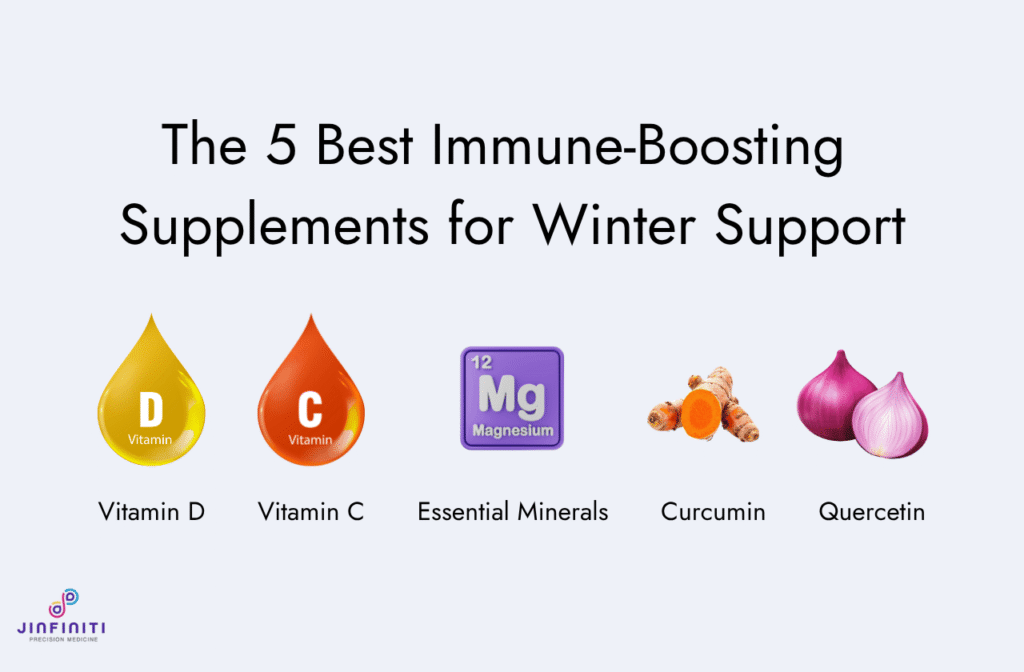
Infographic showing the 5 best immune-boosting supplements for winter

1. Vitamin D

Your skin produces vitamin D when exposed to sunlight. During winter months at latitudes above 30°N, the sun’s angle makes this nearly impossible.

The numbers tell the story. About 40% of Canadians fall below adequate vitamin D levels during winter, compared to 25% in summer. In northern Poland, researchers found 84.4% of adults were deficient in winter months[2].

How vitamin D protects your immune system

Virtually all immune cells have vitamin D receptors. This tells you something important—your immune system depends on this nutrient.

The active form of vitamin D influences both innate and adaptive immune responses through multiple mechanisms[3]:

  • Creates antimicrobial peptides that inhibit viral replication
  • Prevents the cytokine storm that makes infections severe
  • Supports immune cell training and maturation
  • Regulates inflammatory responses to prevent tissue damage

Dr. John White’s research at McGill University revealed that vitamin D deficiency causes the thymus (the organ training your immune cells) to age faster. This creates a “leaky” immune system less effective at protecting you.

What the research shows

A 2017 study in The BMJ analyzed data from over 11,000 participants. The conclusion? Vitamin D supplementation protects against acute respiratory infections[4].

The protective effects were strongest in people with severe deficiency (below 10 mg/dL), whose infection risk was cut in half. Daily or weekly supplementation worked better than large occasional doses.

A 2022 analysis found vitamin D reduced influenza infections by 22%[5]. Not all studies agree on the magnitude of benefit, but the pattern is clear—adequate vitamin D matters for immune defense.

How much you need

Current recommendations suggest maintaining serum levels above 50 ng/mL for optimal immune function. This is higher than the 30 ng/mL typically recommended for bone health.

Taking a vitamin D supplement during winter months is one of the most practical steps for overall health:

  • NHS recommendation: 400 IU (10 mcg) daily for autumn and winter
  • Expert recommendations: 1,500-2,000 IU daily for most adults
  • Therapeutic doses for deficiency: 5,000 IU daily (requires 3-5 months to reach optimal levels)
  • Tolerable upper limit: 4,000 IU daily for long-term use

The tolerable upper limit is 4,000 IU daily for long-term use. Toxicity is rare but can occur above 150 ng/mL blood levels.

2. Vitamin C

A vitamin C supplement taken regularly does not prevent colds in most people[6]. The persistent belief stems from 1970s advocacy that wasn’t supported by later research.

That doesn’t mean vitamin C is useless for fighting the common cold.

Vitamin C is water-soluble and builds up in immune cells at concentrations 50-100 times higher than in the blood plasma[7]. During infections, these levels drop rapidly—your immune system is using it up.

Vitamin C supports multiple immune functions:

  • Boosts production and function of neutrophils, lymphocytes, and phagocytes (first-line defenders)
  • Supports T-cells and B-cells needed for adaptive immunity
  • Acts as a powerful antioxidant protecting immune cells from oxidative damage
  • Reduces cold duration by approximately 2 days when taken after symptom onset
  • Lowers risk of severe cold symptoms in some studies

When taken after cold onset, vitamin C can reduce symptoms. One analysis found it reduced symptoms by approximately 2 days with an 87% lower risk of severe symptoms[8].

The exception? Studies of athletes under extreme physical stress showed vitamin C reduced cold incidence by up to 50%[7]. If you’re training hard or under significant physical stress, the benefits increase.

How much to take

The recommended daily dosage of vitamin C is 90 mg for men and 75 mg for women. Most people can get adequate amounts from fruits and vegetables.

Supplementation of 1-2 grams daily is generally safe. Vitamin C is water-soluble, so excess amounts are excreted rather than stored.

Pairing vitamin C with quercetin

There is some evidence that pairing vitamin C with quercetin could have an increased antiviral effect. One function of vitamin C is to prevent quercetin from breaking down so it can do its job[9].

Bioavailable Vitamin C

Natural, whole-food vitamin C from Amla fruit.

Jinfiniti Natural Vitamin C + Zinc on green background

3. Essential Minerals: Zinc, Magnesium, and Selenium

Three essential minerals deserve your attention for winter immune support. Each plays distinct but complementary roles.

Zinc: The immune gatekeeper

Your body cannot produce or store large amounts of zinc, making consistent intake necessary.

Dr. Daren Knoell’s research at Ohio State showed zinc acts as a feedback regulator, preventing immune overreaction. Zinc enters immune cells during infection and slows the inflammatory response, preventing collateral damage.

Research shows zinc supports multiple immune functions:

  • Boosts natural killer cell activity
  • Increases neutrophil function and mobility
  • Activates T-cell proliferation
  • Supports antibody production by B-cells
  • Regulates cytokine production to prevent inflammatory damage

For treating colds, zinc shows promise. A 2024 Cochrane review found zinc lozenges may reduce cold duration by about 2 days[10]. The effect appears specific to zinc acetate lozenges at 80-92 mg/day.

The RDA is 11 mg/day for men and 8 mg/day for women. For cold treatment, studies used 75-100 mg/day divided into multiple lozenges. The upper limit for long-term use is 40 mg/day.

Zinc supplements in lozenge form work best for treating colds because the zinc needs direct contact with throat tissues where viruses replicate.

Both deficiency and excess impair immunity. Zinc intake of 100 mg/d suppresses immune responses[11].

Magnesium: The overlooked regulator

Magnesium rarely gets attention in immune discussions, but it shouldn’t be ignored.

A 2022 study in Cell found T-cells need sufficient magnesium to operate efficiently. Adequate magnesium maintains the active conformation of proteins that help T-cells recognize and attack threats[12].

Magnesium deficiency creates several immune problems:

  • Triggers inflammation by increasing neutrophils and inflammatory gene expression
  • Elevates pro-inflammatory cytokines (TNF-α, IL-1β, IL-10)
  • Impairs T-cell activation and function
  • Disrupts gut microbiome balance, which affects immune health

A 2024 study found supplementation (15 mmol/day) substantially lowered inflammatory capacity of T-cells in people with type 2 diabetes[13].

Adults need 310-420 mg daily. Food sources include:

  • Nuts (especially almonds: 80 mg per 30g serving)
  • Seeds (pumpkin seeds, sunflower seeds)
  • Dark leafy greens (spinach, Swiss chard)
  • Beans and legumes (black beans, lentils)
  • Whole grains (brown rice, quinoa)
  • Avocados and bananas

Selenium: Small amounts, big impact

Selenium is a component of at least 25 selenoproteins, including antioxidant enzymes that protect immune cells from oxidative damage[14].

Research shows adequate selenium supports immune cell activation and differentiation. Evidence for supplementation is mixed, though some studies show benefits for people with low baseline levels.

The RDA is 55 μg/day for adults. The upper limit is 400 μg/day. Most people consuming varied diets get adequate amounts without supplementation—Brazil nuts alone are extremely high in selenium (1-2 nuts meet daily needs).

4. Curcumin

Curcumin, extracted from turmeric, possesses remarkable anti-inflammatory and immune-modulating properties.

It inhibits key inflammatory pathways including NF-κB, MAPK, and JAK/STAT[15]. In various studies, curcumin showed multiple beneficial effects:

  • Decreased pro-inflammatory cytokines (IL-1β, IL-6, TNF-α)
  • Increased anti-inflammatory cytokines (IL-10, IL-4)
  • Reduced inflammatory enzyme expression (COX-2, iNOS)
  • Shifted immune cell polarization toward anti-inflammatory phenotypes
  • Protected against oxidative stress in immune cells

Over 300 clinical trials have explored curcumin’s effects on respiratory diseases, inflammatory conditions, and immune function.

The bioavailability problem

The challenge with curcumin is absorption. Very little reaches your bloodstream unchanged when taken orally.

Black pepper extract (piperine) is the solution. Studies show it increases curcumin absorption by up to 2000%[16]. Look for supplements combining these ingredients.

Dosing and safety

Clinical studies typically use 500-2,000 mg daily. Most turmeric and curcumin supplements contain 1,000-1,500 mg daily with piperine.

Curcumin is generally well-tolerated. High doses may cause digestive upset. People taking blood thinners should consult healthcare providers first.

5. Quercetin

Quercetin is a phytonutrient in onions, apples, berries, and tea. Though it’s not as well-known as vitamin C, researchers have discovered this flavonoid has direct antiviral activity against respiratory viruses.

How quercetin fights respiratory viruses

Lab studies have found that quercetin works against the viruses that cause most winter illnesses. Research shows it inhibits replication of rhinovirus, influenza, respiratory syncytial virus, and adenovirus in cell cultures[17].

The mechanisms are fascinating. Quercetin attacks viruses at multiple stages:

  • Blocks viral entry into cells by interfering with membrane fusion
  • Disrupts viral replication once inside cells
  • Prevents assembly and release of new viral particles
  • Reduces inflammatory response that causes respiratory symptoms
  • Increases production of antiviral interferons

Animal studies back this up. Mice given quercetin before influenza infection showed reduced viral load, less lung inflammation, and lower mortality rates compared to untreated mice[18].

What human studies show

The human research picture is mixed but intriguing. A large community trial with over 1,000 participants found no overall benefit from quercetin (500 or 1,000 mg/day) for preventing upper respiratory infections. The surprise came in subgroup analysis—subjects over 40 who rated themselves physically fit experienced significantly fewer sick days and less severe symptoms[19].

Studies in athletes tell a different story. Cyclists taking 1,000 mg/day quercetin for three weeks showed markedly lower infection rates (1 of 20 subjects infected versus 9 of 20 in the placebo group) during the two weeks following intense training[20].

Why the inconsistent results? Quercetin appears most beneficial for people under physical stress or at higher baseline risk. It may work better for preventing infections during vulnerable periods than for general prevention.

The vitamin C connection

Quercetin alone has poor stability and bioavailability. Research suggests vitamin C prevents quercetin degradation, maintaining its antiviral activity[9]. The two compounds work synergistically—vitamin C stabilizes quercetin while quercetin enhances vitamin C’s immune effects.

A 2021 systematic review of animal studies found that quercetin-type flavonoids significantly reduced mortality rates and viral loads in infected animals[21].

Practical use

Studies examining quercetin for respiratory health typically use 500-1,000 mg daily. The compound is generally safe, though very high doses may cause headaches or digestive discomfort in some people.

Food sources include:

  • Red onions (highest quercetin content among onions)
  • Apples (especially with skin)
  • Berries (blueberries, cranberries, blackberries)
  • Grapes (especially dark varieties)
  • Broccoli and kale
  • Green tea and black tea
  • Capers (extremely high concentration)

Cooking doesn’t significantly reduce quercetin content.

Look for supplements that combine quercetin with bromelain (from pineapple) or vitamin C to improve absorption. Some formulations use quercetin bound to other compounds for better bioavailability.

Other Supplements Worth Considering

The five supplements covered above have the strongest research backing for winter immune support. Several others show promise but need more study or work best for specific situations:

  • Elderberry: May shorten illness duration by 2-4 days when taken at symptom onset by preventing viral attachment to cells[22]
  • Omega-3 fatty acids: Help resolve inflammation after infection (aim for 1-2 grams daily of combined EPA and DHA)
  • Vitamin E: Improves T-cell function in older adults at 200 IU daily[23], though most people get enough from nuts and seeds
  • B vitamins: Support immune cell production but only help if you’re deficient (B6, B9, and B12 are most relevant)

These supplements may fill specific gaps in your nutrition. They don’t replace the core five covered earlier, which target the most common winter immune challenges.

A Note on Supplement Quality

Not all supplements are created equal. Quality varies dramatically between brands, and poor-quality products waste your money while potentially harming your health.

  • Look for third-party testing from USP, NSF International, or ConsumerLab to verify contents and purity
  • Choose forms with better bioavailability (magnesium glycinate over oxide, vitamin D3 over D2, curcumin with piperine)
  • Avoid products with excessive fillers, artificial colors, or proprietary blends that hide ingredient amounts
  • Seek cGMP-certified manufacturing for strict quality control during production
  • Be wary of prices far below competitors—corners get cut somewhere

Price reflects quality to some extent. You don’t need the most expensive option, but extremely cheap supplements raise red flags.

Your Winter Immune Strategy

These 5 supplements are a good blend of different approaches for immune support. Vitamin D helps with the winter deficit. Minerals are important cofactors for immune cells. Vitamin C helps the immune system and might shorten a cold. Curcumin and quercetin provide anti-inflammatory effects. 

Test your nutrient levels before jumping into supplements. Especially for vitamin D, where people need such different doses, blood testing is the only way to be sure of your status.

Jinfiniti Precision Medicine founder Dr. Jin-Xiong She is a genomic scientist with over 400 peer-reviewed publications who shares the same sentiment: “Winter immune support is not about popping every supplement in the store. It’s about identifying your specific deficiencies with testing and then addressing those gaps with targeted, evidence-based interventions. The same dose of a supplement that’s just right for one person could be too little or too much for someone else.”

Of course, supplements are just one part of the equation. The cornerstones of health are still sleep, exercise, stress reduction, and a whole-foods-based diet.

Referenced Sources

  1. Calton EK, Keane KN, Raizel R, Rowlands J, Soares MJ, Newsholme P. Winter to summer change in vitamin D status reduces systemic inflammation and bioenergetic activity of human peripheral blood mononuclear cells. Elsevier BV; 2017. https://doi.org/10.1016/j.redox.2017.04.009
  2. Kmieć P, Żmijewski M, Waszak P, Sworczak K, Lizakowska-Kmieć M. Niedobór witaminy D w przeważająco miejskiej populacji dorosłych z Województwa Pomorskiego w miesiącach zimowych. VM Media SP. zo.o VM Group SK; 2014. https://doi.org/10.5603/ep.2014.0015
  3. Ao T, Kikuta J, Ishii M. The Effects of Vitamin D on Immune System and Inflammatory Diseases. MDPI AG; 2021. https://doi.org/10.3390/biom11111624
  4. Martineau AR, Jolliffe DA, Hooper RL, Greenberg L, Aloia JF, Bergman P, et al. Vitamin D supplementation to prevent acute respiratory tract infections: systematic review and meta-analysis of individual participant data. BMJ; 2017. https://doi.org/10.1136/bmj.i6583
  5. Zhu Z, Zhu X, Gu L, Zhan Y, Chen L, Li X. Association Between Vitamin D and Influenza: Meta-Analysis and Systematic Review of Randomized Controlled Trials. Frontiers Media SA; 2022. https://doi.org/10.3389/fnut.2021.799709
  6. Ran L, Zhao W, Wang H, Zhao Y, Bu H. Vitamin C as a Supplementary Therapy in Relieving Symptoms of the Common Cold: A Meta‐Analysis of 10 Randomized Controlled Trials. Wiley; 2020. https://doi.org/10.1155/2020/8573742
  7. Carr A, Maggini S. Vitamin C and Immune Function. MDPI AG; 2017. https://doi.org/10.3390/nu9111211
  8. Ran L, Zhao W, Wang J, Wang H, Zhao Y, Tseng Y, et al. Extra Dose of Vitamin C Based on a Daily Supplementation Shortens the Common Cold: A Meta-Analysis of 9 Randomized Controlled Trials. Wiley; 2018. https://doi.org/10.1155/2018/1837634
  9. Colunga Biancatelli RML, Berrill M, Catravas JD, Marik PE. Quercetin and Vitamin C: An Experimental, Synergistic Therapy for the Prevention and Treatment of SARS-CoV-2 Related Disease (COVID-19). Frontiers Media SA; 2020. https://doi.org/10.3389/fimmu.2020.01451
  10. Nault D, Machingo TA, Shipper AG, Antiporta DA, Hamel C, Nourouzpour S, et al. Zinc for prevention and treatment of the common cold. Wiley; 2024. https://doi.org/10.1002/14651858.cd014914.pub2
  11. Ibs KH, Rink L. Zinc-Altered Immune function. Elsevier BV; 2003. https://doi.org/10.1093/jn/133.5.1452s
  12. Lötscher J, Martí i Líndez AA, Kirchhammer N, Cribioli E, Giordano Attianese GMP, Trefny MP, et al. Magnesium sensing via LFA-1 regulates CD8+ T cell effector function. Elsevier BV; 2022. https://doi.org/10.1016/j.cell.2021.12.039
  13. Drenthen LCA, Ajie M, de Baaij JHF, Tack CJ, de Galan BE, Stienstra R. Magnesium Supplementation Modulates T-cell Function in People with Type 2 Diabetes and Low Serum Magnesium Levels. The Endocrine Society; 2024. https://doi.org/10.1210/clinem/dgae097
  14. Huang Z, Rose AH, Hoffmann PR. The Role of Selenium in Inflammation and Immunity: From Molecular Mechanisms to Therapeutic Opportunities. Mary Ann Liebert Inc; 2012. https://doi.org/10.1089/ars.2011.4145
  15. Peng Y, Ao M, Dong B, Jiang Y, Yu L, Chen Z, et al. Anti-Inflammatory Effects of Curcumin in the Inflammatory Diseases: Status, Limitations and Countermeasures. Informa UK Limited; 2021. https://doi.org/10.2147/dddt.s327378
  16. Gupta SC, Patchva S, Aggarwal BB. Therapeutic Roles of Curcumin: Lessons Learned from Clinical Trials. Springer Science and Business Media LLC; 2012. https://doi.org/10.1208/s12248-012-9432-8
  17. Ganesan S, Faris AN, Comstock AT, Wang Q, Nanua S, Hershenson MB, et al. Quercetin inhibits rhinovirus replication in vitro and in vivo. Elsevier BV; 2012. https://doi.org/10.1016/j.antiviral.2012.03.005
  18. Davis JM, Murphy EA, McClellan JL, Carmichael MD, Gangemi JD. Quercetin reduces susceptibility to influenza infection following stressful exercise. American Physiological Society; 2008. https://doi.org/10.1152/ajpregu.90319.2008
  19. Heinz SA, Henson DA, Austin MD, Jin F, Nieman DC. Quercetin supplementation and upper respiratory tract infection: A randomized community clinical trial. Elsevier BV; 2010. https://doi.org/10.1016/j.phrs.2010.05.001
  20. Li Y, Yao J, Han C, Yang J, Chaudhry M, Wang S, et al. Quercetin, Inflammation and Immunity. MDPI AG; 2016. https://doi.org/10.3390/nu8030167
  21. Brito JCM, Lima WG, Cordeiro LPB, da Cruz Nizer WS. Effectiveness of supplementation with quercetin‐type flavonols for treatment of viral lower respiratory tract infections: Systematic review and meta‐analysis of preclinical studies. Wiley; 2021. https://doi.org/10.1002/ptr.7122
  22. Tiralongo E, Wee S, Lea R. Elderberry Supplementation Reduces Cold Duration and Symptoms in Air-Travellers: A Randomized, Double-Blind Placebo-Controlled Clinical Trial. MDPI AG; 2016. https://doi.org/10.3390/nu8040182
  23. Meydani SN, Lewis ED, Wu D. Perspective: Should Vitamin E Recommendations for Older Adults Be Increased?. Elsevier BV; 2018. https://doi.org/10.1093/advances/nmy035
A child pours a glass of milk while her mother cuts oranges in the background.

Vitamin C and Calcium: Differences and Interactions

The letter C shows up in both, but vitamin C and calcium couldn’t be more different. One’s a water-soluble vitamin that your body urinates out every day. The other’s a mineral that it stores in your bones for decades. 

The letter of the alphabet is the only thing the two have in common, and yet people confuse them all the time. Calcium is what forms the mineral lattice of your skeleton. Vitamin C is what builds the soft scaffolding that holds it all together.

In order to appreciate how the two nutrients work together, it helps to understand how they work separately.

Highlights

  • Calcium is a mineral that is stored in our bones and teeth. Vitamin C is a water-soluble vitamin, and must be taken every day because it is not stored in the body.
  • Vitamin C has been shown to increase absorption of calcium, and is also required for the production of collagen. Collagen forms the matrix in which calcium minerals are deposited in the bones.
  • If you have a deficiency of either nutrient, you can develop some serious health problems, such as scurvy, or osteoporosis.
  • The two nutrients are synergistic, and studies have shown that the bone-protective effects of vitamin C are greatest when at least 500 mg of calcium is taken daily.

Vitamin C and Calcium Differences

Vitamin C (ascorbic acid) is a water-soluble vitamin that your body excretes every day in the urine. As such, you must consume it daily, as the body does not produce or store it.

Calcium is a mineral that works in a completely different way from vitamin C. Your body keeps 99% of its calcium in bones and teeth as a reserve to draw from when dietary intake is insufficient to maintain blood levels. Calcium is crucial for hundreds of cell functions. It also makes up 1-2% of your body weight.

Calcium vs. Vitamin C: Functions in the Body

Calcium is the building block of your bones. In fact, it makes up hydroxyapatite crystals in bone and teeth that provide the hardness in them. In addition to helping build and maintain bone, it also helps regulate muscle contraction, nerve impulses, blood vessel health, and hormone release.

Calcium levels are strictly controlled in the body by the parathyroid glands. When blood calcium levels are low, the parathyroid hormone (PTH) is released.

PTH stimulates cells in the bones called osteoclasts to release the calcium they store into the blood. It also signals the kidneys to retain more calcium and activate vitamin D to increase the absorption of calcium in the intestines[1].

On the other hand, vitamin C mainly acts as an antioxidant and cofactor for many enzymes. One of the most important functions of vitamin C is collagen synthesis.

Vitamin C activates two enzymes that are essential for modifying the amino acids that build collagen (prolyl hydroxylase and lysyl hydroxylase). Without this modification, collagen becomes brittle.

The brittleness manifests in the body. Blood vessels begin to leak, wounds do not heal, bones weaken despite normal calcium intake, etc. These are the symptoms of scurvy, a disease caused by vitamin C deficiency[2].

Bioavailable Vitamin C

Natural, whole-food vitamin C from Amla fruit.

Jinfiniti Natural Vitamin C + Zinc on green background

How Do Vitamin C and Calcium Work Together?

Vitamin C’s Role in Calcium Absorption

Vitamin C could also have a positive effect on the retention and utilization of calcium in the body. The detailed mechanisms for this are not well understood. Leichsenring et al. showed an increase in calcium retention from baseline with supplementation of either orange juice or crystalline ascorbic acid[3].

A more recent animal study has confirmed that vitamin C supplementation, in a formulation with calcium from eggshell powder, “significantly increased” the serum calcium levels[4]. Vitamin C is thought to stabilize the calcium and increase its solubility, leading to the improved bioavailability.

The connection between vitamin C and calcium is important for overall bone health as well. Vitamin C-deficient animals have shown to have consistently inhibited bone formation and enhanced bone resorption, while restoration of vitamin C returns markers of bone formation to baseline[5].

The Collagen Connection for Bone Health

Here’s what many people miss: bones aren’t just calcium. They’re composite material combining minerals with an organic protein matrix made almost entirely of collagen.

Vitamin C creates that matrix. Calcium mineralizes it.

Think of bone like reinforced concrete. Calcium provides the hard mineral (like concrete). Collagen provides the flexible framework (like steel rebar). You need both for structural integrity.

“Vitamin C is necessary for proper collagen folding and stability,” explains Dr. Jin-Xiong She, founder of Jinfiniti Precision Medicine. “When vitamin C levels drop, collagen becomes deficient regardless of calcium intake. The organic scaffold weakens, and bones lose their resilience even when mineral content appears adequate on standard tests.”

This explains why vitamin C deficiency causes bone pain and fractures despite normal calcium levels. The mineral foundation crumbles without its protein scaffolding.

Do You Need Both for Strong Bones?

The answer is yes, and the science shows why.

Why Collagen Matters as Much as Minerals

Your bones constantly remodel themselves, breaking down old tissue and building new. Two cell types handle this: osteoclasts dissolve old bone, while osteoblasts build new bone matrix.

Osteoblasts can’t do their job without vitamin C. Studies show that when vitamin C is deficient, osteoblast activity plummets and osteoclast activity increases. The balance tips toward bone loss[6].

One study examining vitamin C concentrations and fracture risk followed adults for 15-17 years[7]. Those with higher total vitamin C intake (around 300 mg daily) showed significantly lower risk of hip and non-vertebral fractures compared to low intake (around 95 mg daily).

Research on Combined Intake

The protective effects of vitamin C on bone appear strongest when calcium intake is adequate. Research on postmenopausal women found that higher dietary vitamin C intake associated with increased bone mineral density at the hip and femoral neck—but only in women consuming at least 500 mg daily of calcium[8].

This highlights how these two nutrients work together. Vitamin C requires sufficient calcium to exert its bone-protective effects. Calcium needs vitamin C to build the organic matrix where minerals deposit.

Pullquote image explaining how vitamin C and calcium interact.

A unique formulation called calcium ascorbate combines both nutrients. Studies comparing calcium ascorbate to standard ascorbic acid show the calcium component may offer superior gastrointestinal tolerability while providing enhanced immune benefits[9].

One preliminary study found 500 mg of calcium ascorbate promoted greater increases in white blood cell vitamin C concentrations compared to 500 mg of ascorbic acid alone[10]. The calcium appears to buffer ascorbic acid’s acidity, reducing stomach irritation.

What Are the Signs of Deficiency?

Early recognition of deficiency symptoms can prevent serious health problems.

Vitamin C Deficiency Symptoms

About 7% of adults in the United States have vitamin C deficiency. Risk increases with poor diet, alcohol use, smoking, severe mental illness, or dialysis treatment.

Early symptoms emerge after 4-12 weeks of insufficient intake:

  • Fatigue and irritability
  • Easy bruising and bleeding gums
  • Rough, bumpy skin (keratosis pilaris)
  • Joint pain and muscle aches
  • Slow wound healing

Severe deficiency causes scurvy. Distinctive signs include corkscrew-shaped body hairs, tiny hemorrhages around hair follicles, bleeding gums, and loose teeth. Children may refuse to walk due to bone pain. Left untreated, scurvy can be fatal.

Dr. Harri Hemilä, a leading vitamin C researcher, notes that “given such strong evidence that in certain contexts vitamin C is beneficial against colds, it is baffling that in mainstream medicine the effects of the vitamin are largely ignored.”[11]

Calcium Deficiency Symptoms

Approximately half the world’s population doesn’t get enough calcium from their diet. The global disease burden from low calcium was estimated at 3.14 million disability-adjusted life years in 2019.

Early calcium deficiency may produce no symptoms. Over time, watch for:

  • Muscle cramps and spasms
  • Numbness and tingling in extremities
  • Brittle nails that break easily
  • Confusion or memory problems
  • Bone fractures from minor trauma

Severe hypocalcemia can cause seizures, abnormal heart rhythms, and death. Long-term deficiency leads to osteopenia and osteoporosis—conditions where bones become porous and fracture easily.

Daily Vitamin C and Calcium Intake

Adults need 75-90 mg daily of vitamin C according to standard recommendations. Women require 75 mg, men 90 mg. Pregnancy increases needs to 85 mg, breastfeeding to 120 mg. Smokers need an extra 35 mg daily due to increased oxidative stress.

The Linus Pauling Institute recommends 400 mg daily for disease prevention in healthy adults. This recommendation accounts for research showing reduced cardiovascular disease risk at this intake level. Plasma vitamin C concentrations become fully saturated at intakes around 400 mg daily.

For calcium, most adults need 1,000-1,200 mg daily. Requirements increase with age, particularly for postmenopausal women. Adolescents need adequate calcium during peak bone formation years to maximize lifelong bone strength.

📋 RELATED READING

Can You Take Vitamin C and Calcium Together?

Yes, it is perfectly safe and potentially advantageous to take vitamin c with calcium. Read below for more info on timing and what the research shows about the two nutrients and bone health:

On an empty stomach (30 minutes before eating or 2 hours after) is when your body will absorb vitamin C the most effectively. With that being said, it is perfectly fine (and lessens the chance of stomach upset) to take with food, especially at higher doses.

Calcium carbonate needs stomach acid to be absorbed, so be sure to take with food. Calcium citrate is fine with or without food. Calcium is best absorbed in doses of 500-600 mg or less. So, if you are taking more than this, take 2 or more separate doses throughout the day.

You can get near 100% absorption with up to a 200 mg dose of vitamin C. Above that, it tapers down but the total amount absorbed continues to go up.

Calcium Ascorbate: A Two-in-One Option

Calcium ascorbate provides vitamin C buffered with calcium. This form offers several advantages for people sensitive to ascorbic acid’s acidity.

Research using surface-engineered liposomal calcium ascorbate formulations demonstrated over 7-fold enhancement in oral bioavailability compared to unformulated calcium ascorbate. The formulation significantly improved maximum concentration, time to peak concentration, half-life, and area under the curve[12].

One consideration: calcium ascorbate provides relatively small amounts of calcium. You’d need about 9 grams of calcium ascorbate to get 1,000 mg of calcium (an impractically large dose). Use it primarily as a vitamin C source with some calcium bonus, not as your primary calcium supplement.

Best Food Sources

Obtaining vitamin C and calcium from foods has benefits beyond supplementation with the isolated nutrient.

Top Vitamin C Sources

Citrus fruits get all the attention, but other foods blow them away. The Kakadu plum from Australia tops the list with up to 2,907 mg per 100g (that’s about 30 times more than an orange). Just one plum provides around 480 mg.

Other exceptional sources per serving:

  • Acerola cherries: 1,650 mg per half cup
  • Amla fruit (indian gooseberry): 300mg per half cup
  • Guava: 125 mg per fruit
  • Red bell peppers: 95 mg per half cup
  • Kiwifruit: 64 mg per fruit
  • Strawberries: 49 mg per half cup
  • Oranges: 70 mg per medium fruit
  • Broccoli (cooked): 51 mg per half cup

Heat degrades vitamin C during cooking. Eat fruits and vegetables raw or lightly steamed to preserve vitamin C content.

Best Calcium-Rich Foods

Dairy products provide highly absorbable calcium efficiently. One cup of milk delivers approximately 300 mg. Yogurt and cheese offer similar amounts.

Non-dairy sources include:

  • Fortified plant-based milk alternatives
  • Canned sardines or salmon with bones
  • Calcium-set tofu
  • Fortified orange juice
  • Leafy greens (though absorption is lower)
  • Fortified cereals

Calcium bioavailability varies dramatically between foods, ranging from less than 10% to over 50%. Dairy products typically provide superior absorption due to casein phosphopeptides, whey proteins, lactose, and other components that work together to enhance passive calcium uptake.

The combination of fortified orange juice gives you both calcium and vitamin C in one glass—a practical way to get both nutrients together.

Do You Need Calcium and Vitamin C Supplements?

Consider supplements when you can’t get enough through diet or you are showing signs of deficiency. However, don’t rely on a guess. 

Rule out guesswork with testing. Biomarker tests show your true nutrient levels and reveal if you are low and by how much.

Jinfiniti’s AgingSOS® panels test multiple biomarkers of nutritional status, inflammation, oxidative stress and cellular aging to give you the big picture and address issues before they become clinical disease.

Blood tests can check for serum calcium and vitamin C. Note that serum calcium levels are tightly regulated and may be normal even if you are depleting your bone reserves. Bone mineral density scans are more directly reflective of skeletal calcium.

Optimizing Your Intake

Jinfiniti’s TAO approach—Test, Act, Optimize—applies perfectly to nutrient optimization:

  • Test: Measure baseline levels through blood work or comprehensive biomarker panels. Identify specific deficiencies rather than supplementing blindly.
  • Act: Implement targeted interventions based on test results. This might include dietary changes, supplementation with specific forms of vitamin C, or addressing absorption issues.
  • Optimize: Retest after 3-4 months to verify interventions work. Adjust dosages or approaches based on follow-up results.

Jinfiniti’s Natural Vitamin C + Zinc provides whole food vitamin C from amla extract combined with bioavailable zinc chelate for immune support and antioxidant benefits. Our Vital Minerals Complex offers chelated minerals with enhanced absorption, including calcium citrate in an optimal 2:1 calcium-magnesium ratio.

For comprehensive health assessment, the AgingSOS® Advanced Panel measures 28 biomarkers including rare ones like intracellular NAD+ and Klotho protein. This testing identifies issues years before symptoms appear, allowing early intervention when changes are easiest to make.

Bottom Line

Calcium and vitamin C are different, but complementary vitamins for health. Calcium is the mineral basis for our bones and teeth, with regulating functions in cells. Vitamin C helps produce collagen (the organic matrix where calcium is deposited).

Calcium and vitamin C work better together for skeletal health than individually. Testing your levels, following up, and optimizing based on results means you get what your body needs, rather than guessing.

Referenced Sources

  1. Khan M, Jose A, Sharma S. Physiology, Parathyroid Hormone. 2020.
  2. Maxfield L, Crane J. Vitamin C Deficiency. 2020.
  3. Leichsenring JM, Norris LM, Halbert ML. Effect of Ascorbic Acid and of Orange Juice on Calcium and Phosphorus Metabolism of Women. Elsevier BV; 1957. https://doi.org/10.1093/jn/63.3.425
  4. Godwin Afiukwa Oche, Osonwa Eke Uduma, Innocent Mary Ifedibaluchukwu Ejiofor. Improvement in bioavailability of ascorbic acid and calcium using eggshell powder. GSC Online Press; 2025. https://doi.org/10.30574/gscbps.2025.30.2.0033
  5. Blouin S, Khani F, Messmer P, Roschger P, Hartmann MA, van Wijnen AJ, et al. Vitamin C Deficiency Deteriorates Bone Microarchitecture and Mineralization in a Sex-Specific Manner in Adult Mice. Oxford University Press (OUP); 2023. https://doi.org/10.1002/jbmr.4889
  6. Chin KY, Ima-Nirwana S. Vitamin C and Bone Health: Evidence from Cell, Animal and Human Studies. Bentham Science Publishers Ltd.; 2018. https://doi.org/10.2174/1389450116666150907100838
  7. Aghajanian P, Hall S, Wongworawat MD, Mohan S. The Roles and Mechanisms of Actions of Vitamin C in Bone: New Developments. Oxford University Press (OUP); 2015. https://doi.org/10.1002/jbmr.2709
  8. Alabadi B, Civera M, Moreno-Errasquin B, Cruz-Jentoft A. Nutrition-Based Support for Osteoporosis in Postmenopausal Women: A Review of Recent Evidence. Informa UK Limited; 2024. https://doi.org/10.2147/ijwh.s409897
  9. Calder PC, Kreider RB, McKay DL. Enhanced Vitamin C Delivery: A Systematic Literature Review Assessing the Efficacy and Safety of Alternative Supplement Forms in Healthy Adults. MDPI AG; 2025. https://doi.org/10.3390/nu17020279
  10. Dickerson B, Gonzalez DE, Sowinski R, Xing D, Leonard M, Kendra J, et al. Comparative Effectiveness of Ascorbic Acid vs. Calcium Ascorbate Ingestion on Pharmacokinetic Profiles and Immune Biomarkers in Healthy Adults: A Preliminary Study. MDPI AG; 2024. https://doi.org/10.3390/nu16193358
  11. Hemilä H, Chalker E. Bias against Vitamin C in Mainstream Medicine: Examples from Trials of Vitamin C for Infections. MDPI AG; 2022. https://doi.org/10.3390/life12010062
  12. Joseph A, Kumar D, Balakrishnan A, Shanmughan P, Maliakel B, IM K. Surface-engineered liposomal particles of calcium ascorbate with fenugreek galactomannan enhanced the oral bioavailability of ascorbic acid: a randomized, double-blinded, 3-sequence, crossover study. Royal Society of Chemistry (RSC); 2021. https://doi.org/10.1039/d1ra06483e
Woman with glasses in white shirt sits at cafe table sipping orange juice.

7 Health Benefits of Vitamin C for Women

Vitamin C does far more than fight off colds. For women, this water-soluble vitamin supports hormonal balance, protects heart health, and addresses unique physiological needs across different life stages.

While most people know vitamin C as an immune booster, research reveals that women may need this antioxidant for reasons that go beyond basic wellness. From reproductive health to bone density, the benefits of vitamin C extend into nearly every system in the female body.

Key Takeaways

  • Women may need 90 mg of vitamin C daily, not the currently recommended 75 mg, based on new research from Vanderbilt University and the National Institutes of Health.
  • Vitamin C supplementation at 750 mg daily increases progesterone levels by 77%, supporting fertility and hormonal balance.
  • Taking vitamin C with iron-rich foods or supplements can double your iron absorption, helping prevent anemia that affects women disproportionately.
  • Higher vitamin C intake reduces heart disease risk by 28% in women who consume at least 400 mg daily from supplements.

1. Supports Hormonal Balance and Fertility

Vitamin C plays a direct role in female hormone production. Women face unique hormonal challenges throughout their lives, and this vitamin helps regulate several reproductive processes.

Research shows that women who supplement with 750 mg of vitamin C daily see progesterone levels jump by 77% compared to women not taking the vitamin1. Progesterone matters for women experiencing luteal phase defects, where the second half of the menstrual cycle produces insufficient progesterone.

This hormonal support can make the difference for women trying to conceive. Low progesterone levels often lead to difficulty getting pregnant or maintaining early pregnancy.

The ovaries face constant oxidative stress from free radicals. Vitamin C concentrates in follicular fluid, the substance surrounding developing eggs.

Studies on fertility find that higher vitamin C concentrations in this fluid correlate with better egg and embryo quality2. This becomes increasingly important as women age and egg quality naturally declines.

For women undergoing fertility treatments, adequate vitamin C intake may improve outcomes. The vitamin protects eggs from oxidative damage that can impair their development.

2. Reduces Heart Disease Risk

Heart disease kills more women than any other condition. Vitamin C offers measurable protection for cardiovascular health in women.

A 16-year study following 85,118 female nurses found something striking. Women using vitamin C supplements showed a 28% lower risk of nonfatal heart attack and fatal coronary heart disease compared to non-users3.

The protective effect peaked at 400 mg daily. Beyond this amount, benefits plateaued because the body can only absorb so much vitamin C at once.

This antioxidant protects blood vessels from damage, reduces inflammation in arterial walls, and helps maintain healthy cholesterol levels. Women concerned about cardiovascular health should pay attention to their vitamin C supplementation.

3. Boosts Iron Absorption and Prevents Anemia

Women lose iron through menstruation each month. This makes iron deficiency anemia far more common in women than men.

Monthly blood loss isn’t the only factor. Pregnancy depletes iron stores, and many women eat less red meat than men, reducing dietary iron intake.

Symptoms of iron deficiency include fatigue, weakness, pale skin, and difficulty concentrating. These symptoms can significantly impact daily life and work performance.

Ascorbic acid converts iron from plant sources into a form your body can absorb more easily. Taking vitamin C with iron-rich meals or supplements can double iron absorption rates4.

Research confirms that combining vitamin C with iron supplementation works better than iron alone for raising hemoglobin levels in anemic women5. This simple pairing makes a real difference for women struggling with low iron.

If you take iron supplements, pair them with a glass of orange juice or a vitamin C supplement for maximum absorption.

Bioavailable Vitamin C

Natural, whole-food vitamin C from Amla fruit.

Jinfiniti Natural Vitamin C + Zinc on green background

4. Supports Bone Health During and After Menopause

Bone loss accelerates when estrogen levels drop during menopause. Vitamin C offers protection that many women don’t know about.

Studies on postmenopausal women show that adequate plasma vitamin C levels (at least 50 μmol/L) link to higher hip bone mineral density6. This effect appears strongest in women not using hormone replacement therapy.

One clinical trial found that adding just 250 mg of vitamin C daily to standard osteoporosis treatment significantly improved bone density outcomes. The vitamin doesn’t replace other bone health strategies, but it supports them.

Vitamin C plays a direct role in collagen formation. Since collagen forms the structural framework of bones, getting enough vitamin C matters for maintaining bone strength as you age.

Research involving 259 healthy women found that higher vitamin C levels correlated with better hormonal markers during menopause, including elevated progesterone and lower follicle-stimulating hormone7.

5. Promotes Healthy Skin and Slows Aging

The visible signs of aging often appear first in skin. Vitamin C helps maintain skin health through multiple mechanisms.

Vitamin C acts as a cofactor for enzymes that build and stabilize collagen structure. Without enough vitamin C, your body simply cannot produce collagen properly.

Clinical studies show that daily vitamin C use for at least three months improves fine and coarse wrinkles, skin texture, and overall appearance8. The changes aren’t dramatic overnight, but they accumulate over time.

Beyond collagen, vitamin C plays a role in protecting skin from sun damage. While it doesn’t replace sunscreen, the vitamin helps neutralize free radicals generated by UV exposure.

Women concerned about skin aging should know that both oral vitamin C supplementation and topical application can benefit skin health. The two approaches work through different mechanisms and can complement each other.

Dr. Ailsa Welch from the University of East Anglia notes that “vitamin C is almost never measured in the skin” and calls for more research to understand optimal intake levels for various health outcomes. This points to how much we still have to learn about vitamin C’s full impact on women’s health.

6. Strengthens Immune Defense

Women show higher plasma vitamin C concentrations than men, suggesting their bodies may have greater vitamin C needs for immune function.

The vitamin accumulates in immune cells at concentrations up to 100 times higher than plasma levels9. This concentration pattern tells us something about how important vitamin C is for immune system operation.

Vitamin C supports several immune functions:

  • White blood cell production and function
  • Antibody formation
  • Protection of immune cells from oxidative damage
  • Skin barrier integrity

For women experiencing chronic stress, vitamin C provides protection against the immune suppression that stress can cause. The vitamin supports adrenal glands during demanding periods.

While vitamin C supplementation won’t prevent every cold, adequate levels help your immune system respond effectively when you do encounter pathogens.

7. Protects Against Oxidative Stress

Free radicals damage cells throughout your body. This oxidative stress contributes to aging and disease development.

Vitamin C serves as one of your body’s primary antioxidants. The vitamin donates electrons to neutralize free radicals before they can damage cellular structures.

Women face particular oxidative stress during certain life stages. Pregnancy, intense exercise, chronic stress, and environmental pollution all increase free radical production.

Research on women shows that vitamin C reduces biomarkers of oxidative stress and inflammation10. This protective effect matters for long-term health outcomes.

Dr. Maret Traber from Oregon State University’s Linus Pauling Institute points out that “the protection we get from proper diet or supplements often comes from combinations of nutrients working together.” Vitamin C works alongside other antioxidants like vitamin E for comprehensive protection.

How Much Vitamin C Do Women Need?

Woman with curly dark hair in gray sweater drinking from yellow glass while standing by window in bright indoor setting.

Getting the right amount of vitamin C matters. Too little leaves you deficient, while excessive amounts offer no extra benefit.

Daily Requirements and New Research

Current recommendations set the RDA at 75 mg daily for women. New research suggests this amount falls short.

A landmark study from Vanderbilt University and the National Institutes of Health involving 15 young women found that 90 mg daily should be the target, matching men’s requirements11.

The research revealed that meaningful increases in vitamin C levels only occurred above 100 mg daily. Plasma and cellular saturation happened between 200 and 400 mg daily. Higher doses simply got excreted in urine.

Life StageRecommended Daily Intake
Adult women90 mg (new research) / 75 mg (current RDA)
Pregnant women85 mg
Breastfeeding women120 mg
Women who smokeAdd 35 mg to base recommendation

Special Circumstances

Some women need higher amounts of vitamin C:

  • Smokers require an additional 35 mg daily due to increased oxidative stress from tobacco
  • Women under chronic stress may benefit from higher intakes to support adrenal function
  • Athletes and physically active women have elevated needs from exercise-related oxidative stress
  • Women with inflammatory conditions may need therapeutic doses

Whether vitamin C supplementation makes sense for you depends on your diet, health status, and life circumstances.

🍊 MORE VITAMIN C INSIGHTS

Best Sources of Vitamin C

You can get vitamin C from food, supplements, or both. Each approach has advantages.

Top Food Sources

Fruits and vegetables provide vitamin C alongside other beneficial nutrients. The top sources of vitamin C include:

  • Guava (376 mg per cup)
  • Yellow bell peppers (342 mg per large pepper)
  • Strawberries (89 mg per cup)
  • Kiwi fruit (high bioavailability)
  • Cruciferous vegetables like kale, broccoli, and Brussels sprouts
  • Citrus fruits including oranges, lemons, and grapefruit

Food sources offer the advantage of providing complementary nutrients that work with vitamin C. The vitamin doesn’t work in isolation.

When to Consider Supplements

Studies showing cardiovascular protection and hormonal benefits typically used supplement doses of 500 to 1000 mg daily. You cannot easily get these amounts from diet alone.

If you want therapeutic effects beyond basic nutrition, a vitamin C supplement makes sense. Many women find that taking vitamin C supplements helps them reach optimal levels without eating enormous amounts of fruits and vegetables.

Natural vitamin C supplements derived from whole food sources like amla (Indian gooseberry) may offer better absorption than synthetic ascorbic acid. Some people also tolerate food-based forms better.

You can take too much vitamin C, though serious problems are rare. High doses of vitamin C (above 2000 mg daily) can cause digestive upset in some women. If you experience stomach discomfort, reduce your dose.

For women with recurrent urinary tract infections, buffered forms of vitamin C minimize potential bladder irritation.

Bottom Line

Vitamin C does far more for women’s health than most people realize. The vitamin supports hormonal balance, protects your heart, strengthens bones, and helps maintain healthy skin as you age.

Most women should aim for at least 90 mg daily from food sources, with higher amounts potentially beneficial for specific health goals like cardiovascular protection or fertility support. If you’re not getting enough vitamin C from your diet, supplementation offers a safe way to reach optimal levels. The evidence clearly shows that adequate vitamin C intake throughout life supports better health outcomes for women at every stage.

Referenced Sources

  1. https://www.fertstert.org/article/S0015-0282(03)00657-5/pdf ↩︎
  2. https://ijwhr.net/text.php?id=173 ↩︎
  3. https://www.jacc.org/doi/10.1016/S0735-1097(03)00575-8 ↩︎
  4. https://sjm-fk.ejournal.unsri.ac.id/index.php/UnsriMedJ/article/view/125 ↩︎
  5. https://pubmed.ncbi.nlm.nih.gov/36231177/ ↩︎
  6. https://pubmed.ncbi.nlm.nih.gov/34510185/ ↩︎
  7. https://pubmed.ncbi.nlm.nih.gov/26581679/ ↩︎
  8. https://pmc.ncbi.nlm.nih.gov/articles/PMC5579659/ ↩︎
  9. https://pmc.ncbi.nlm.nih.gov/articles/PMC5707683/ ↩︎
  10. https://www.mdpi.com/2072-6643/16/21/3775 ↩︎
  11. https://news.vumc.org/reporter-archive/study-young-women-need-more-vitamin-c/ ↩︎
Yellow vitamin C capsules against a soft yellow background.

Vitamin C Dosage Guide: How Much and When to Take It

You’ve probably heard countless recommendations about how much vitamin C to take. Some experts suggest the bare minimum while others advocate for megadoses. This confusion leaves many people wondering what’s right for their unique situation.

The truth is that vitamin C requirements vary widely based on your age, lifestyle, and health status. Getting the dosage right matters because too little leaves you vulnerable to deficiency while excessive amounts can cause unwanted side effects.

Key Takeaways

  • Most healthy adults need 90 mg daily for men and 75 mg for women, though smokers require an additional 35 mg beyond these baseline amounts.
  • Your body absorbs 100% of vitamin C at doses up to 200 mg, but absorption efficiency drops at higher amounts.
  • Splitting your daily dose into two servings improves absorption compared to taking large amounts at once.
  • The upper safety limit is 2,000 mg daily, above which you may experience digestive discomfort and other side effects.

How Much Vitamin C Do You Need Daily?

The Recommended Dietary Allowance (RDA) provides baseline guidance for preventing deficiency1. Adult men should aim for 90 mg daily while women need 75 mg. These numbers represent the minimum intake to maintain health in the general population.

Certain groups require more than the standard recommended daily intake. Smokers face increased oxidative stress that depletes vitamin C faster than normal. This means they need 125 mg daily for men and 110 mg for women2.

Pregnancy and breastfeeding also increase your vitamin C needs. Pregnant women require 85 mg daily while breastfeeding women need 120 mg. Children’s requirements range from 15 mg for toddlers up to 75 mg for teenage boys.

Does Body Weight Affect Vitamin C Needs?

Research analyzing over 16,000 adults found that body weight plays a role in vitamin C requirements3. Heavier individuals weighing over 100 kg may need around 155 mg daily to reach adequate blood concentrations.

Males generally require 1.2 times more vitamin C than females to achieve the same serum levels. This difference relates to body composition and metabolic factors.

What is the Optimal Vitamin C Intake?

Orange oval-shaped vitamin C tablets spilling from white bottle container against a vibrant turquoise blue background.

Scientists debate whether current RDA values are sufficient for true health optimization. Dr. Mark Levine’s research at the National Institutes of Health suggests women should receive 90 mg daily rather than the current 75 mg recommendation4.

His team found this higher amount achieves 80% saturation of neutrophils (immune cells) with minimal urinary loss. This represents a more complete approach to meeting your body’s needs.

Population studies indicate the general population should consume approximately 110 mg daily to maintain adequate serum concentrations. This recommendation goes beyond just preventing scurvy and aims for true cellular health optimization.

How Well Does Your Body Absorb Vitamin C?

Your body doesn’t absorb Vitamin C equally at all dose levels. You achieve 100% absorption when ingesting amounts up to 200 mg at a time. Beyond this threshold, absorption efficiency is reduced.

Plasma concentrations plateau between 60 and 80 micromoles per liter5. This ceiling occurs at daily doses between 200 and 400 mg because your kidneys start excreting the excess.

The amount of Vitamin C your body retains depends on how you split your doses. Taking 200 mg twice daily results in nearly complete absorption compared to 400 mg taken once. This split dosing approach maximizes the benefit you get from Vitamin C supplements.

🍈 Try Our Natural, High-Absorption Vitamin C

Jinfiniti’s Natural Vitamin C + Zinc uses whole food vitamin C from amla extract rather than synthetic ascorbic acid. Our formula pairs bioavailable vitamin C with zinc chelate for immune support and superior nutrient uptake.

When Should You Take Vitamin C?

The time of day you take vitamin C matters less than you might think. Your body absorbs it equally well whether you take it morning, afternoon, or evening.

Taking vitamin C with or after meals is smart if you have a sensitive stomach. Food buffers the acidity and reduces the chance of digestive discomfort.

Best Timing Strategies for Maximum Benefit

Combining vitamin C with iron-rich plant foods boosts iron absorption. This makes meal timing valuable for vegetarians and vegans looking to maximize nutrient uptake from their diet.

Empty stomach dosing may offer slightly better absorption for some people. Try taking vitamin C 30 minutes before meals or two hours after eating if you don’t experience stomach upset.

The most important timing factor involves splitting large doses. Two servings of 200 mg each beats one serving of 400 mg for total absorption and utilization.

Can You Take Too Much Vitamin C?

Yellow and white vitamin C capsules scattered on a light marble surface with soft, diffused lighting creating gentle shadows.

The Tolerable Upper Intake Level sits at 2,000 mg daily for adults6. This represents the maximum amount unlikely to cause problems in most people.

Vitamin C ranks as one of the safest nutrients even at high doses. Your body simply excretes excess amounts through urine rather than storing them.

Common Side Effects of Excessive Intake

Exceeding 2,000 mg daily may trigger these digestive symptoms:

  • Diarrhea and loose stools
  • Nausea and stomach upset
  • Cramping and bloating
  • Increased kidney stone risk from oxalate buildup

Taking more than the recommended amount of Vitamin C doesn’t provide added protection against the common cold despite popular belief. Research shows only modest benefits for reducing cold duration in most people.

High-risk groups who should avoid megadoses:

  • People with hemochromatosis (iron overload disorder)
  • Those with G6PD deficiency (risk of hemolytic anemia)
  • Anyone with kidney disease or kidney stones
  • Individuals undergoing certain cancer treatments
  • Pregnant women taking over 400 mg daily (may cause rapid Vitamin C metabolism in newborns, leading to rebound deficiency)

Rebound scurvy warning: Extremely high doses taken long-term can create dependency. Sudden discontinuation may trigger deficiency symptoms even when your body has adequate stores.

Do Megadoses Really Work?

Linus Pauling’s promotion of megadose Vitamin C (equivalent to 12-24 oranges daily) for preventing colds and treating cancer created lasting myths7. Mayo Clinic studies repeatedly failed to confirm his claims, finding no difference in patient comfort or survival with 10-gram daily doses.

The confusion persists because high-dose intravenous Vitamin C (25-100 grams) does show promise in cancer treatment and critical care settings8. Your body cannot achieve these therapeutic blood levels through oral supplementation alone, no matter how much you take.

🧬 MORE PRECISION HEALTH INSIGHTS

Recognizing Vitamin C Deficiency Symptoms

Severe Vitamin C deficiency leads to scurvy, though this is rare in developed countries. Early warning signs include:

  • Fatigue and weakness that doesn’t improve with rest
  • Irritability and mood changes
  • Easy bruising and slow wound healing
  • Bleeding gums and loose teeth
  • Joint pain and muscle aches

Getting at least 10 mg of Vitamin C daily prevents scurvy. Vitamin C also supports wound healing, collagen production, and immune function throughout your body.

Which Foods Contain the Most Vitamin C?

Natural food sources provide vitamin C alongside other beneficial compounds. Fruits and vegetables consistently deliver the highest concentrations.

The best food sources of vitamin C include:

Food SourceVitamin C Content
Kakadu plums2,907 mg per 100g
Acerola cherries1,650 mg per ½ cup
Rose hips426 mg per 100g
Guava125 mg per fruit
Red bell peppers126 mg per 100g
Kiwi fruit134 mg per cup
Oranges70-90 mg per fruit

Getting enough vitamin C from your diet alone is possible with the right food choices. A single guava or cup of strawberries provides more than the daily requirement for most adults.

Should You Take Vitamin C Supplements?

Whole foods offer vitamin C along with fiber, antioxidants, and other phytonutrients. This combination may provide benefits beyond isolated vitamin C alone.

Liposomal vitamin C shows greater bioavailability than standard ascorbic acid9. The phospholipid coating protects the vitamin during digestion and enhances cellular uptake.

Buffered forms containing minerals like calcium or magnesium reduce stomach irritation. This makes them better tolerated for people taking higher doses.

For a natural option, Jinfiniti’s Natural Vitamin C + Zinc combines whole food vitamin C from amla extract with bioavailable zinc. This formulation supports immune function while providing antioxidant benefits.

Who Needs Extra Vitamin C?

Elderly people living in institutions often have lower dietary intake and chronic illnesses. These factors increase their vitamin C requirements beyond standard recommendations.

Individuals experiencing chronic stress or inflammatory conditions burn through vitamin C faster. Their bodies use more for antioxidant defense and immune function.

People with malabsorption disorders may not extract enough vitamin C from food. Supplementation becomes more important for maintaining adequate levels.

Those undergoing chemotherapy or other intensive treatments often need extra vitamin C. Their bodies face increased oxidative stress and metabolic demands.

Does Vitamin C Interact with Medications?

Some medications interact with high-dose vitamin C supplementation. Aluminum-containing antacids combined with vitamin C increase aluminum absorption to potentially toxic levels.

Warfarin users should monitor their dosing carefully10. Large amounts of vitamin C may reduce anticoagulant effectiveness.

Certain chemotherapy drugs may have reduced efficacy with antioxidant supplementation. The vitamin could protect cancer cells from treatment.

Vitamin C enhances iron absorption from supplements. This benefits people with iron deficiency but harms those with hemochromatosis.

Estrogen medications may reach higher blood levels when combined with vitamin C. Women on hormone therapy should discuss this with their healthcare provider.

The Bottom Line

The optimal amount of vitamin C per day depends on multiple factors including age, smoking status, body weight, and health conditions. Most healthy adults do well with 90 to 120 mg daily from food sources and targeted supplementation.

Splitting larger doses into two servings maximizes absorption while staying under 2,000 mg daily keeps you within safe limits. Focus on vitamin C-rich foods first, then add high-quality supplements to fill any gaps in your diet.

Referenced Sources

  1. https://ods.od.nih.gov/factsheets/VitaminC-HealthProfessional/ ↩︎
  2. https://lpi.oregonstate.edu/mic/vitamins/vitamin-C ↩︎
  3. https://pmc.ncbi.nlm.nih.gov/articles/PMC10096887/ ↩︎
  4. https://www.pnas.org/doi/10.1073/pnas.171318198 ↩︎
  5. https://nutritionsource.hsph.harvard.edu/vitamin-c/ ↩︎
  6. https://www.mayoclinic.org/drugs-supplements-vitamin-c/art-20363932 ↩︎
  7. https://www.sciencehistory.org/stories/magazine/linus-paulings-vitamin-c-crusade/ ↩︎
  8. https://journals.sagepub.com/doi/10.1177/1534735415622010 ↩︎
  9. https://pmc.ncbi.nlm.nih.gov/articles/PMC11519160/ ↩︎
  10. https://www.drugs.com/drug-interactions/ascorbic-acid,vitamin-c.html ↩︎
Adult men and women doing breathing exercise.

11 Supplements to Support Lungs and Respiratory Health

When your respiratory system faces challenges from pollution, infections, or chronic conditions like COPD and asthma, the right nutritional support can make a real difference. Research reveals that certain vitamins and supplements may help strengthen lung function and reduce inflammation.

This guide examines 11 science-backed supplements that support respiratory health. We’ll explore how each one works and what the clinical evidence tells us about their benefits.

Key Takeaways

  • The strongest evidence exists for vitamin D, omega-3 fatty acids, NAC, and curcumin for respiratory support
  • Most supplements work by reducing inflammation and oxidative stress in lung tissues
  • Benefits include improved lung function, fewer infections, and reduced exacerbations in chronic conditions
  • Consult healthcare providers before starting any supplement regimen, especially with existing lung conditions – stacking both supplements provides complete performance and recovery support

Best Supplements for Lung Health and Respiratory Support

Assorted supplements in different forms—capsules, tablets, powders—arranged in ceramic spoons on a dark surface.

Each of these supplements offers unique mechanisms that may help protect and strengthen your lungs through different pathways.

1. Vitamin D

Vitamin D plays an important role in immune function and inflammation control throughout your respiratory system. Research shows this vitamin modulates immune responses in ways that directly benefit lung health1.

People with lung diseases often show low vitamin D levels in their blood, which links to impaired lung function and increased risk of respiratory infections.

COPD Benefits:

  • Improves forced expiratory volume (FEV1)
  • Reduces acute exacerbations
  • Decreases inflammation markers
  • Slows lung function decline

A systematic review of 15 studies involving 1,598 patients with chronic conditions found that vitamin D supplementation improved breathing capacity. Meanwhile, a large clinical trial with 442 adults showed benefits for people who had smoked, with improvements reaching 160 mL in those with asthma or COPD2.

If you have low vitamin levels, taking vitamin d supplements may help strengthen your respiratory defenses, especially if you have an existing lung condition.

2. Vitamin C

This powerful antioxidant accumulates in immune cells to support your body’s defense systems. During respiratory infections, vitamin c levels naturally drop while your body’s demand increases.

Clinical trials indicate that oral vitamin C at 2-8 grams daily may reduce both the frequency and duration of respiratory infections. Higher intravenous doses have shown benefits for severe respiratory conditions3.

Respiratory Benefits:

  • Protects cells from oxidative damage
  • Improves antiviral immune responses
  • Reduces inflammation in airways
  • Supports stress response during infections

Beyond these effects, vitamin C may also help relax airway smooth muscle and prevent respiratory complications through its antioxidant and antiinflammatory actions. Some studies suggest vitamin c may help reduce the risk of lung cancer by protecting respiratory cells from damage.

Jinfiniti’s Natural Vitamin C + Zinc combines whole food vitamin C from amla extract with bioavailable zinc for improved immune support. This natural formula works more effectively than synthetic alternatives because your body recognizes and uses it better.

For more details about different options, check out our guide on forms of vitamin C in supplements.

3. Curcumin (From Turmeric)

Curcumin, the active compound in turmeric, offers remarkable antiinflammatory properties that benefit respiratory health. Studies reveal it modulates multiple inflammatory pathways while protecting against oxidative stress4.

This compound works by inhibiting NF-κB signaling and other inflammatory cascades. It also helps restore corticosteroid sensitivity, which is often impaired in chronic respiratory diseases.

COPD Research:

  • Reduces cigarette smoke-induced inflammation
  • Improves small airway reconstruction
  • Improves corticosteroid effectiveness
  • Decreases inflammatory markers

A randomized trial with 60 asthma patients found that nano-curcumin improved lung function and quality of life compared to placebo. Taking vitamin supplements alongside curcumin can improve respiratory function in patients with chronic lung conditions5.

Jinfiniti’s Extra Strength Turmeric+ provides potent curcumin with black pepper extract to improve absorption by up to 2000%. This formula also includes complementary compounds like boswellia and ginger for complete anti-inflammatory support.

Our turmeric buyer’s guide can help you select the highest quality supplements.

4. Omega-3 Fatty Acids

EPA and DHA omega-3 fatty acids provide powerful anti-inflammatory benefits that directly support lung health. These healthy fats help produce specialized compounds called resolvins that actively resolve inflammation without suppressing immune function.

A large longitudinal study following over 15,000 participants found that higher omega-3 concentrations were associated with slower lung function decline. The benefits were most pronounced for DHA, showing improved lung capacity over time6.

Lung Function Benefits:

  • Slows age-related lung function decline
  • Reduces inflammatory cytokines
  • Improves protein synthesis in respiratory muscles
  • Decreases exacerbation risk in COPD

Clinical trials with people with copd show that omega-3 supplementation can improve muscle health and protein balance. This helps address the muscle wasting commonly seen in chronic obstructive pulmonary disease.

Animal studies show that resolvin D1, derived from DHA, reduces lung inflammation while improving the clearance of inflammatory cells7.

5. Probiotics (Lactobacillus Strains)

Your gut microbiome influences lung health through what scientists call the gut-lung axis. Beneficial bacteria produce compounds that circulate throughout your body and affect respiratory immune responses.

A multicenter trial with 112 COPD patients found that Lactobacillus rhamnosus GG delayed the onset of moderate-to-severe exacerbations compared to standard treatment alone8.

Immune Support:

  • Modulates respiratory microbiome
  • Reduces exacerbation frequency
  • Improves natural killer cell activity
  • Decreases inflammatory markers

Certain Lactobacillus strains can reduce the duration and severity of upper respiratory tract infections. These effects work by strengthening your body’s natural defense mechanisms, and supplements may reduce the risk of respiratory infection complications.

This approach addresses the underlying immune imbalances that contribute to both respiratory infections and chronic inflammatory conditions.

6. N-acetylcysteine (NAC)

N-acetylcysteine serves a dual purpose as both a mucolytic agent and glutathione precursor. It helps thin mucus while boosting your body’s primary antioxidant defense system.

Multiple analyses confirm NAC’s effectiveness in preventing COPD exacerbations. Higher doses of 1200-1800 mg daily show superior results compared to standard amounts9.

Respiratory Benefits:

  • Breaks down thick mucus
  • Restores glutathione levels
  • Reduces inflammatory cytokines
  • Prevents acute exacerbations

NAC works by breaking disulfide bonds in mucus proteins, making secretions easier to clear. This mechanical effect combines with its antioxidant properties to provide complete respiratory support and improve respiratory function.

The supplement maintains an excellent safety profile with decades of clinical use, though most side effects are mild and stomach-related.

7. Resveratrol

Found in red wine and grapes, resveratrol offers anti-inflammatory and antioxidant properties helpful for respiratory health. Studies indicate it suppresses pathogen-induced inflammation through multiple pathways10.

Animal studies consistently show decreased lung inflammation and improved small airway reconstruction following resveratrol treatment in COPD models. The compound works by modulating SIRT1 and other longevity pathways.

Protective Mechanisms:

  • Inhibits inflammatory signaling pathways
  • Provides antioxidant protection
  • Prevents cell death in lung tissues
  • Reduces oxidative stress markers

While human trials for respiratory conditions remain limited, resveratrol’s ability to modulate inflammation and oxidative stress shows promise as supportive therapy. Some research suggests it may help reduce the risk of lung cancer through its protective antioxidant properties.

The compound’s favorable safety profile and multiple health benefits make it an interesting option for natural anti-inflammatory approaches to respiratory wellness.

8. Tiger Milk Mushroom

Tiger Milk Mushroom has been traditionally used by Southeast Asian communities for respiratory conditions including cough and asthma. Modern research is now beginning to validate these traditional applications.

Studies with isolated airway tissue show that water-soluble extracts can promote airway relaxation, supporting traditional uses for breathing difficulties11.

Traditional Applications:

  • Treatment of chronic cough
  • Asthma symptom relief
  • Respiratory stamina improvement
  • General lung support

The mushroom contains bioactive proteins, polysaccharides, and other compounds with documented anti-inflammatory and antioxidant properties. Research reveals anti-neuroinflammatory activity through cellular protective pathways.

While clinical data remains limited, the combination of traditional use and emerging scientific evidence suggests promising benefits for respiratory health.

9. Myo-Inositol

Myo-inositol offers respiratory benefits through multiple mechanisms that directly support lung function. This naturally occurring compound works as a key component of pulmonary surfactant, the substance that prevents your lungs from collapsing.

Research shows myo-inositol helps mature surfactant phospholipids and reduces surface tension in your airways. The compound also reduces interleukin-6 (IL-6), a major inflammatory protein that drives chronic respiratory disease.12

Respiratory Benefits:

  • Improves pulmonary surfactant function
  • Reduces inflammatory markers (IL-6)
  • Improves mucociliary clearance
  • Reduces mucus thickness and improves hydration
  • Supports lung cancer prevention

A study with 19 bronchiectasis patients found that myo-inositol treatment improved lung function scores and reduced mucus problems. Another trial with various respiratory conditions showed 67% complete symptom recovery and improved blood oxygen levels.

Studies in heavy smokers found supplementation induced regression of pulmonary dysplastic lesions in 91% of participants compared to 48% with placebo.

10. Mullein

Mullein has extensive traditional use for respiratory conditions, with modern research beginning to validate its anti-inflammatory and antimicrobial properties.

The plant contains diverse bioactive compounds including flavonoids like quercetin, along with vitamin C and other healing constituents. Computer modeling studies suggest the traditional uses rely on anti-inflammatory actions13.

Traditional Uses:

  • Bronchitis treatment
  • Asthma support
  • Respiratory infection relief
  • Cough suppression

Recent trials show antimicrobial activity against respiratory pathogens including Klebsiella pneumoniae strains. Yet some research raises safety concerns about preparation methods.

While traditional use suggests efficacy, careful attention to preparation and dosing considerations is recommended based on emerging safety data.

11. Vitamin E

Vitamin E serves as a major antioxidant that protects lung tissues from oxidative damage. Your lungs face constant exposure to high oxygen levels and environmental toxins, making antioxidant protection particularly important for respiratory health.

A meta-analysis of 11 studies with 4,434 lung cancer cases found that higher vitamin E intake was associated with a 14% reduction in lung cancer risk. The protective effects were strongest in American populations and prospective studies14.

Respiratory Benefits:

  • Reduces lung cancer risk by 14%
  • Protects against oxidative stress damage
  • Supports lung function in smokers
  • Reduces respiratory symptoms in high-risk groups
  • Neutralizes harmful free radicals in lung tissues

Research shows that different forms of vitamin E have varying effects on respiratory health. A large study of over 34,000 adults found that α-tocopherol (the most common form) helps reduce respiratory problems in smokers, while γ-tocopherol shows different patterns of benefit15.

Studies suggest that maintaining adequate vitamin E status through dietary sources may provide optimal respiratory protection, particularly for people exposed to cigarette smoke or environmental pollutants.

How These Supplements May Help Prevent Respiratory Diseases

A medical model of human lungs placed next to a variety of supplement capsules on a dark background.

These supplements work through several key mechanisms to support lung health and help prevent respiratory diseases from developing or worsening.

Many target the inflammatory pathways that underlie conditions like asthma, COPD, and chronic obstructive pulmonary disease. By reducing inflammation, they may help prevent the tissue damage that leads to breathing difficulties.

Others support immune function, helping your body fight off respiratory infections before they become serious. This is important for people with copd or other chronic lung conditions who face higher infection risks.

Some supplements work by addressing oxidative stress, the cellular damage that accumulates over time and contributes to lung aging. Antioxidant compounds help neutralize harmful free radicals that can damage delicate lung tissues.

Supplements may also help reduce the risk of serious complications including lung cancer in high-risk populations. Taking supplements should complement, not replace, other healthy lifestyle choices.

A registered dietitian can help you determine which dietary supplement options might benefit your respiratory needs while ensuring they won’t interact with your current medications.

Supporting Your Respiratory Health Journey

A female doctor holding a supplement bottle and explaining it to a patient during a consultation.

Your lungs face daily challenges from pollution, infections, and age-related changes. These 11 supplements offer science-backed ways to support respiratory function through anti-inflammatory and antioxidant mechanisms.

The research shows that targeted nutritional support can make a meaningful difference in lung health. From vitamin D’s immune support to omega-3s’ inflammation reduction, these supplements provide multiple pathways to better breathing.

Since many respiratory issues stem from chronic inflammation, tracking your inflammatory markers can help guide your supplement choices. Jinfiniti’s AgingSOS Advanced Longevity Panel measures 22 biomarkers including inflammation, oxidative stress, and cellular health indicators that affect respiratory function.

Consider working with a healthcare provider to develop a personalized respiratory support plan. They can help you choose the right supplements and monitor your progress over time.

Referenced Sources:

  1. https://respiratory-research.biomedcentral.com/articles/10.1186/1465-9921-12-31 ↩︎
  2. https://www.mdpi.com/2072-6643/9/12/1353 ↩︎
  3. https://pmc.ncbi.nlm.nih.gov/articles/PMC7762433/ ↩︎
  4. https://karger.com/article/doi/10.1159/000324358 ↩︎
  5. https://pmc.ncbi.nlm.nih.gov/articles/PMC11221763/ ↩︎
  6. https://www.atsjournals.org/doi/10.1164/rccm.202301-0074OC ↩︎
  7. https://journals.aai.org/jimmunol/article/188/1_Supplement/120.31/49986/Resolvins-attenuate-cigarette-smoke-induced-lung ↩︎
  8. https://www.frontiersin.org/articles/10.3389/fmed.2023.1265544/full ↩︎
  9. https://pmc.ncbi.nlm.nih.gov/articles/PMC2706612/ ↩︎
  10. https://www.nature.com/articles/srep34445 ↩︎
  11. https://pmc.ncbi.nlm.nih.gov/articles/PMC5949369/ ↩︎
  12. https://www.mdpi.com/2079-7737/13/11/936 ↩︎
  13. https://www.mdpi.com/2079-7741/10/7/618 ↩︎
  14. https://pmc.ncbi.nlm.nih.gov/articles/PMC4483938/ ↩︎
  15. https://pmc.ncbi.nlm.nih.gov/articles/PMC9178544/ ↩︎
A woman with voluminous curly hair tilts her head back with eyes closed, appearing peaceful in bright natural lighting.Retry

10 Supplements Studies Show Reduce Cortisol Levels

Cortisol levels that stay high for weeks or months can negatively impact your body in multiple ways. This stress hormone triggers weight gain, disrupts sleep, and leaves you feeling anxious and exhausted.

Clinical research shows that specific supplements can help regulate cortisol levels naturally. We’ll examine the 10 best supplements to reduce cortisol with solid scientific backing from human trials.

Why High Cortisol Levels Matter for Your Health

Cortisol serves an important role in your body’s stress response. It helps you handle immediate threats by increasing blood sugar and sharpening focus.

But cortisol isn’t just a “stress hormone.” This vital hormone follows a natural daily rhythm, peaking in the morning to promote wakefulness and gradually declining at night.

Your body relies on cortisol to maintain blood glucose levels, regulate blood pressure, and provide anti-inflammatory effects. Problems arise when these levels stay chronically elevated.

High cortisol contributes to:

  • Weight gain around your midsection
  • Disrupted sleep patterns and insomnia
  • Weakened immune system function
  • Increased inflammation throughout your body
  • Memory problems and brain fog

How These Supplements Help Lower Cortisol

A stressed young woman with glasses chews on a pencil while working at a laptop.

Each of the 10 cortisol-lowering supplements below work by a slightly different mechanism to help lower elevated cortisol levels in your body.

Some supplements act directly on the hypothalamic-pituitary-adrenal axis. This is the part of your brain that regulates your body’s production and release of cortisol when it is under stress.

Other supplements help your body metabolize and clear cortisol from the body more quickly. A few supplements work by calming your nervous system down, which decreases the signals that are sent out in the first place to start cortisol production.

And, since the gut is so intimately connected with the brain, oxidative stress and inflammation can also work to keep cortisol levels elevated, so any supplement that helps decrease oxidative stress and inflammation also helps bring your body’s stress response system back into balance.

10 Evidence-Based Supplements That Lower Cortisol Levels

Based on clinical research, these 10 supplements may help reduce cortisol through different mechanisms and with varying levels of scientific support.

1. Ashwagandha

Ashwagandha is by far the most researched supplement for lowering cortisol. It’s an adaptogen that directly influences your stress response.

In several randomized controlled trials, ashwagandha decreased serum cortisol levels by up to 33% in people with stress. In a 2012 study, 64 adults were given 600 mg per day for 60 days, which significantly reduced cortisol levels compared to placebo.

The secret is standardized extracts such as KSM-66. This particular ashwagandha contains key compounds called withanolides. These active components help regulate stress-induced proteins and normalize cortisol production.

Clinical dosage: 225-600 mg daily of standardized extract

Study duration: 30-90 days for best results

2. Magnesium

A periodic table element card showing magnesium with its symbol "Mg", atomic number 12, and atomic weight 24.305.

Magnesium works differently than other supplements to lower cortisol. Instead of blocking production, it helps your body clear cortisol more efficiently.

Magnesium has been found to activate 11β-HSD2, an enzyme that converts active cortisol into inactive cortisone. In a 24-week clinical trial, taking 350 mg per day significantly reduced 24-hour urinary cortisol excretion.

Magnesium also promotes activity in your parasympathetic nervous system, the “rest and digest” mode that counters the stress response responsible for cortisol production.

Clinical dosage: 350 mg elemental magnesium daily

Best forms: Magnesium citrate or glycinate for better absorption

3. Omega-3 Fatty Acids

Omega-3s help manage cortisol in a variety of ways. For one, they have anti-inflammatory and anti-stress effects on your central nervous system.

Omega-3 supplementation has been shown in trials to decrease both baseline cortisol and cortisol responses to stressors. For instance, 7.2 g of fish oil per day was shown to blunt cortisol release during mental stress tasks.

Inflammation plays a role here as well. Omega-3s are often used in brain health formulas because stress in the brain (via inflammation) can trigger cortisol release. This can cause a feedback loop of stress -> inflammation -> more stress.

Clinical dosage: 300 mg to 7.2 g daily (EPA + DHA combined)

Context: Effective for both chronic elevation and acute stress response

4. Probiotics

White capsules are scattered around blue 3D letters spelling "Probiotics" with a bottle nearby.

Your gut microbiome talks directly to your stress response system. Probiotics lower cortisol by supporting the intestinal barrier and decreasing inflammatory signals.

A 2024 meta-analysis of 46 studies found that probiotic supplementation markedly decreased cortisol levels. The results varied widely between different strains and populations though.

Single-strain probiotics were more effective than multi-strain products. The effect was stronger in healthy adults than in patients with diagnosed conditions.

Key consideration: Strain-specific effects mean not all probiotics work equally well

5. L-Theanine

L-Theanine is an amino acid found in green tea that promotes relaxed alertness. It works by blocking glutamate receptors in your brain, reducing neuronal excitement.

Studies show L-theanine works well for reducing immediate reactions to stress. In one crossover study, 200 mg of theanine was found to significantly blunt cortisol levels after a mental stress challenge.

But L-theanine appears less effective for chronically elevated cortisol levels. It works best when taken before anticipated stressful situations. This amino acid naturally found in green tea promotes calm focus without drowsiness.

Clinical dosage: 200 mg as a single dose

Best timing: 30-60 minutes before stressful events

🧬 MORE INSIGHTS

6. Bacopa Monnieri

Bacopa monnieri combines nootropic and adaptogenic properties. This Ayurvedic herb helps reduce cortisol while supporting memory and cognitive function.

Clinical trials show bacopa can reduce cortisol in both acute and chronic stress situations. A 12-week study found that 300 mg daily substantially lowered serum cortisol while improving memory and reducing anxiety.

The active compounds called bacosides provide antioxidant and anti-inflammatory effects in the brain. This may explain why bacopa helps with both stress and cognitive performance at the same time.

Clinical dosage: 300-640 mg daily of standardized extract

Study duration: 8-12 weeks for optimal benefits

7. Vitamin C

Ripe orange citrus fruits hang abundantly from green leafy branches in a sunny orchard setting.

Your adrenal glands contain some of the highest concentrations of vitamin C in your body. This essential nutrient serves as a cofactor for cortisol synthesis and regulation.

Research shows vitamin C supplementation can help lower cortisol levels. One clinical trial found that 1,000 mg daily for two months reduced cortisol by 35% compared to just 10% in the control group.

Vitamin C also helps combat oxidative stress markers that can keep cortisol elevated. The antioxidant effects support overall adrenal gland health and proper stress hormone regulation.

Clinical dosage: 1,000 mg daily

Duration: At least 8 weeks for measurable effects

Interested in Vitamin C Support?

Jinfiniti’s Natural Vitamin C combines whole food vitamin C from amla extract with bioavailable zinc chelate in one targeted formula. Instead of synthetic vitamin C that causes issues for some, you get 100% natural vitamin C with enhanced bioavailability plus immune-supporting zinc.

8. Nicotinamide and D-Ribose Combo

The NAD+ enhancer, nicotinamide, paired with the monosaccharide D-ribose can help lower cortisol by increasing energy production in cells.

This nicotinamide/ribose stack was shown in a clinical study at the University of Washington to significantly lower salivary cortisol in healthy middle-aged adults. Participants in the study were given a supplement called RiaGev that contained 1280 mg D-ribose, 240 mg nicotinamide, and 480 mg palm oil twice per day.

The supplementation protocol lasted 8 days, during which time NAD+ levels were found to be elevated by 10.4% and NADP+ was elevated by 27.6%. NAD+ and NADP+ are major cellular energy currency, which also play a direct role in how your cells regulate stress responses.

The cortisol reduction likely stems from improved cellular energy status. When your cells have adequate energy resources, they don’t trigger the same stress signals that lead to cortisol release.

This combination also increased glutathione antioxidant levels by 11.6%, which helps combat the oxidative stress that can keep cortisol elevated. The benefits of NAD extend beyond just energy production to include stress regulation.

Clinical dosage: 1280 mg D-ribose + 240 mg nicotinamide twice daily

Study duration: 8 days for measurable effects

Want to Lower Cortisol AND Boost NAD+?

Jinfiniti’s Vitality↑® NAD+ Booster contains d-ribose with nicotinamide, creatine, and niacinamide in a clinically validated formulation. Rather than guessing with individual ingredients, you get a research-backed combination designed to work across multiple energy pathways.

9. Creatine

Creatine shows specific promise for reducing cortisol spikes triggered by high-intensity exercise. This supplement works by maintaining cellular energy stores during physical stress.

A study in competitive swimmers found that six days of creatine loading significantly suppressed post-exercise cortisol response. Swimmers taking 20 g daily had cortisol levels of 15.5 μg/dL after intense training compared to 18.33 μg/dL in the control group.

The mechanism relates to energy preservation. During intense exercise, your body normally breaks down muscle protein to fuel ongoing activity, triggering cortisol release. Creatine and ATP work together to maintain energy stores, reducing the need for this catabolic response.

This makes creatine particularly valuable for athletes and anyone doing high-intensity training. By preventing energy depletion, creatine helps maintain anabolic conditions even during demanding workouts.

Clinical dosage: 20 g daily for 6 days (loading protocol), then 3-5 g daily for maintenance

Best for: Exercise-induced cortisol spikes and athletic performance

Ready for Next-Level Creatine?

Jinfiniti’s Creatine ATP supplement provides 4g creatine monohydrate with 400mg disodium ATP in each serving. Beyond basic creatine, you get the cognitive and stress-response benefits of creatine plus direct ATP for immediate cellular energy support.

10. Phosphatidylserine

Phosphatidylserine (PS) shows promise for reducing exercise-induced cortisol, but research results depend heavily on the source material.

Early studies using PS derived from cow brain tissue showed impressive results. Athletes taking 800 mg daily experienced a 20% reduction in exercise-induced cortisol spikes.

But modern supplements use plant-based sources due to safety concerns. Studies with soy or cabbage-derived PS show little to no effect on cortisol levels.

The issue: Plant-based PS appears to lack the molecular structure needed for cortisol reduction

Clinical dosage: 400-800 mg daily (though effectiveness questionable with current sources)

Comparison Table: Supplements to Lower Cortisol

SupplementEvidence LevelDosage RangePrimary MechanismBest For
AshwagandhaStrong225-600 mg/dayHPA axis modulationChronic stress
MagnesiumStrong350 mg/dayCortisol clearanceBaseline regulation
Omega-3sStrong300 mg-7.2 g/dayAnti-inflammatoryAcute + chronic stress
ProbioticsPromisingStrain-dependentGut-brain axisInflammation-related stress
L-TheaninePromising200 mg/doseNeurotransmitter balanceSituational stress
Bacopa MonnieriPromising300-640 mg/dayAdaptogenic effectsCognitive stress
Vitamin CPromising1,000 mg/dayAdrenal supportGeneral stress support
Nicotinamide + D-RibosePromising1280mg + 240mg twice dailyNAD+ enhancementCellular energy stress
CreatinePromising20g loading/3-5g maintenanceEnergy preservationExercise-induced stress
PhosphatidylserineConflicting400-800 mg/dayHPA axis bluntingExercise stress (limited)

Natural Ways to Reduce Cortisol

Supplements work best when combined with lifestyle changes that address the root causes of elevated cortisol.

  • Sleep plays a major role in cortisol regulation. Getting 7-9 hours of quality sleep helps reset your stress hormone cycles. Going to bed and waking up at consistent times strengthens this natural rhythm.
  • Regular exercise reduces cortisol, but avoid overtraining. Moderate activities like walking, yoga, or swimming work better than intense daily workouts that can spike stress hormones.
  • Deep breathing exercises activate your parasympathetic nervous system. Try the 4-7-8 technique: inhale for 4 counts, hold for 7, exhale for 8. Practice this for 5 minutes daily.
  • Social connections buffer stress responses. Spending time with supportive friends and family members naturally lowers cortisol levels.
  • Time in nature also helps. Even 20 minutes outdoors can reduce stress hormones and improve your mood.

Consider meditation or mindfulness practices. Research shows these techniques can lower both acute stress responses and baseline cortisol levels over time.

Safety Considerations and Professional Guidance

Most cortisol-reducing supplements are well-tolerated, but some important safety notes apply.

Ashwagandha may interact with thyroid medications and can cause liver issues in rare cases. Avoid during pregnancy due to potential effects on fetal development.

High-dose omega-3 supplementation can increase bleeding risk if you take blood-thinning medications. Start with lower doses and monitor for any unusual bruising.

Magnesium can cause digestive upset at higher doses. Chelated forms like magnesium glycinate tend to be gentler on your stomach.

Important: Consult your healthcare provider before starting any new supplement regimen, especially if you take medications or have health conditions.

Supporting Your Body’s Natural Stress Response

Supplements are most effective when used as part of a holistic approach to stress management. Exercise, good sleep, and stress management techniques can help the body deal with cortisol better.

Try measuring your cortisol levels before and after to see if the supplement is working for you. Many people find the most relief when they use targeted supplements with lifestyle changes.

Cortisol is not all bad and has important functions in the body. We don’t want to completely suppress it, but rather reset the body’s patterns and prevent long-term elevation.

The above 10 supplements are the most evidence-based ways to manage cortisol naturally. Begin with those with the best evidence, such as ashwagandha and magnesium. Then, consider adding a few others that make sense for you and that you respond well to.

An image of a Woman enjoying a bowl of vegetables surrounded by fresh, leafy greens, boosting her glutathione levels naturally.

8 Ways to Boost Your Glutathione Levels Naturally

Your body produces an incredible molecule that acts like a shield against damage and disease. This powerhouse antioxidant works around the clock to protect your cells and keep you healthy.

But here’s the problem: your glutathione levels naturally decline as you age. Environmental toxins, stress, and poor diet can speed up this decline even more.

You can take simple steps to boost your body’s glutathione production naturally.

Key Takeaways

  • Glutathione levels drop with age, but natural strategies can restore them effectively
  • Sulfur-rich foods and whey protein provide the building blocks your body needs most
  • Vitamin C and regular exercise can boost levels by 30-64%
  • Combining multiple approaches works better than relying on single interventions

What is Glutathione?

An image showing chemical structure of glutathione.

Glutathione is often called the “master antioxidant” for good reason. This small but mighty molecule consists of three amino acids. These are glutamine, glycine, and cysteine.

Your liver produces most of your glutathione. Every cell in your body depends on it for protection and proper function.

Think of glutathione as your cellular cleanup crew. It neutralizes harmful free radicals, removes toxins, and helps your immune system work properly.

Benefits of Glutathione

An illustration showing a magnifying glass focusing on a red keyboard key labeled “BENEFITS".

Understanding why glutathione matters can motivate you to take action. This master antioxidant provides several key benefits:

Free Radical Protection

Glutathione shields your cells from oxidative stress and free radical damage. This protection helps prevent premature aging and supports healthy cellular function.1

Detoxification Support

Your liver uses glutathione to neutralize and remove toxins from your body. Higher glutathione levels mean better detoxification capacity.2

Immune Function

A strong immune system depends on having enough glutathione levels. This antioxidant helps your white blood cells function properly and fight off infections.3

Energy Production

Your mitochondria need glutathione to produce energy efficiently. Low levels can leave you feeling tired and sluggish.4

8 Ways to Boost Glutathione Levels Naturally

Fresh broccoli florets are arranged on a wooden cutting board with black bowls and kitchen utensils nearby.

Ready to give your body’s antioxidant defenses a natural boost? These eight strategies can help increase levels of glutathione without relying solely on supplements.

1. Eat Sulfur-Rich Foods

Sulfur-containing foods provide one of the best natural ways to increase glutathione production. Cysteine, one of the three amino acids in glutathione, contains sulfur and often becomes the limiting factor in production.

Cruciferous vegetables top the list of glutathione-boosting foods. Research shows that eating sulfur-rich vegetables can greatly reduce oxidative stress by increasing glutathione levels.5

Best sulfur-rich choices:

  • Broccoli and Brussels sprouts
  • Cauliflower and kale
  • Watercress and mustard greens
  • Garlic and onions
  • Shallots and leeks

Studies demonstrate that allium vegetables like garlic and onions work particularly well. Their unique sulfur compounds can boost glutathione levels substantially.6

Try to include at least one serving of sulfur-rich vegetables with each meal. Raw or lightly cooked versions retain the most beneficial compounds.

2. Add Glutathione-Rich Foods to Your Diet

Some foods naturally contain glutathione or compounds that support its function. Including these in your daily meals provides direct glutathione support.

Asparagus stands out as one of the richest dietary sources. Research reveals that proper cooking methods like steaming or baking can actually increase glutathione levels in asparagus.7

Top glutathione-containing foods:

  • Fresh asparagus
  • Avocados
  • Spinach and leafy greens
  • Watermelon and grapefruit
  • Fresh citrus fruits

Avocados deserve special mention. They contain both glutathione and healthy fats that support overall antioxidant function throughout your body.

Keep these foods fresh and consume them regularly. Frozen options work well too, especially for smoothies and cooked dishes.

3. Get Enough Vitamin C

Vitamin C plays a critical role in maintaining and recycling glutathione in your cells. This water-soluble vitamin works hand-in-hand with glutathione to provide powerful antioxidant protection.

Clinical studies show that vitamin C can significantly increase glutathione levels in red blood cells and lymphocytes. The research demonstrates that vitamin C supplementation helps regenerate glutathione from its oxidized form back to its active state.8

Your body uses vitamin C to keep glutathione working effectively. When glutathione neutralizes free radicals, it becomes oxidized and temporarily inactive. Research confirms that vitamin C helps restore glutathione to its reduced, active form.9

Best vitamin C sources:

  • Citrus fruits like oranges and grapefruits
  • Bell peppers and broccoli
  • Strawberries and kiwi fruit
  • Brussels sprouts and cauliflower
  • Fresh herbs like parsley and cilantro

For consistent support, consider a high-quality vitamin C supplement.

Jinfiniti’s Natural Vitamin C + Zinc combines whole food vitamin C from amla extract with bioavailable zinc for enhanced antioxidant support. Studies show zinc can also play a role in supporting glutathione levels in the body.10

Aim for 200-500mg of vitamin C daily from food sources or supplements. This amount provides optimal support for glutathione recycling without excess.

4. Include High-Quality Whey Protein

Whey protein stands out as one of the most effective dietary ways to increase glutathione levels. This complete protein is exceptionally rich in cysteine and other glutathione precursors.

Multiple clinical studies confirm that whey protein supplementation can greatly boost glutathione in healthy people and those with various health conditions.11

The research is impressive. Whey protein can increase intracellular glutathione by up to 64% while providing protection against oxidative stress.12

Choose grass-fed whey protein when possible. These sources contain higher concentrations of beneficial compounds compared to conventional options.

Ways to use whey protein:

  • Post-workout smoothies
  • Morning protein shakes
  • Added to oatmeal or yogurt

Start with 20-25 grams daily. This amount provides perfect amino acid support for glutathione production without overwhelming your system.

5. Try N-Acetylcysteine (NAC) Supplements

NAC represents one of the most well-researched glutathione precursors available. As a derivative of cysteine, NAC readily converts to glutathione in your body.

Clinical trials demonstrate NAC’s effectiveness in increasing glutathione levels and providing antioxidant protection across various health conditions.13

NAC works by supplying your cells with the cysteine they need for glutathione synthesis. Since cysteine often becomes the rate-limiting amino acid, NAC supplementation can dramatically boost production.

NAC benefits include:

  • Direct glutathione precursor support
  • Improved antioxidant status
  • Better detoxification capacity
  • Better respiratory health

Most studies use doses between 600-1800mg daily. Start with a lower dose and work up gradually to assess your tolerance.

Curious how NAC compares to other longevity supplements? Check out our article on the differences between NAD and NAC.

6. Exercise Regularly

Regular physical activity provides one of the most powerful natural ways to boost glutathione production. Your muscles produce more glutathione in response to exercise-induced oxidative stress.

Research demonstrates that both aerobic exercise and resistance training can greatly increase glutathione levels. They also improve the ratio of active to oxidized glutathione.14

The key lies in finding the sweet spot. Moderate exercise boosts antioxidant defenses, while excessive training can temporarily deplete glutathione stores.

Best exercise approaches:

  • 30-45 minutes of moderate cardio 3-4 times weekly
  • Resistance training 2-3 times per week
  • Combined aerobic and strength training programs
  • Activities you enjoy and can maintain long-term

Studies show that well-trained individuals have higher baseline glutathione levels and better antioxidant defenses overall.15

Start slowly if you’re new to exercise. Your glutathione production will improve as your fitness level increases.

7. Drink Green Tea Daily

Green tea consumption can greatly boost your glutathione levels through multiple pathways. The polyphenols in green tea work together with glutathione to provide stronger antioxidant protection.

Clinical studies reveal that both green tea beverages and extracts can increase whole blood glutathione by approximately 30-40%. This happens within eight weeks of regular consumption.16

The magic happens through green tea’s unique compounds, particularly EGCG (epigallocatechin gallate). These antioxidants support glutathione recycling and help maintain higher levels in your cells.

Green tea tips:

  • Aim for 2-3 cups daily
  • Steep for 3-5 minutes for best extraction
  • Drink between meals for best absorption
  • Choose organic varieties when possible

Green tea also provides other health benefits, including improved brain health and cognitive function support.

Avoid adding milk to your green tea, as it can interfere with antioxidant absorption. Lemon actually strengthens the beneficial compounds.

8. Use Turmeric and Curcumin

Turmeric and its active compound curcumin are powerful glutathione boosters. Curcumin stimulates glutathione synthesis by activating key enzymes your body needs for production.

Research demonstrates that curcumin can increase glutathione levels while providing both antioxidant and anti-inflammatory benefits.17

Curcumin works by upregulating γ-glutamylcysteine ligase. This is the rate-limiting enzyme in glutathione synthesis. Your cells can produce more glutathione when curcumin is present.

How to use turmeric effectively:

  • Add fresh turmeric to smoothies and curries
  • Take standardized curcumin supplements
  • Combine with black pepper for better absorption
  • Use with healthy fats like coconut oil

For those dealing with inflammation, turmeric’s dual action of boosting glutathione while reducing inflammatory markers makes it particularly valuable.

Jinfiniti’s Extra Strength Turmeric+ combines curcumin with other anti-inflammatory compounds and includes black pepper extract for better bioavailability.

Signs of Low Glutathione

An image showing tired woman yawning while reading, wrapped in a blanket—illustrating fatigue, a common sign of low glutathione levels.

Recognizing glutathione deficiency can help you take action before problems become serious. Your body gives you clues when glutathione levels drop too low.

Common signs include:

  • Frequent infections or illness
  • Chronic fatigue and low energy
  • Poor exercise recovery
  • Difficulty detoxifying
  • Increased sensitivity to toxins

Low glutathione levels may also contribute to premature aging, poor sleep quality, and reduced mental clarity.

Many people don’t realize that declining energy and frequent illness can stem from poor antioxidant defenses. Supporting glutathione production naturally can address these issues at their root.

If you experience multiple symptoms, consider working with a healthcare provider to assess your antioxidant status and overall health.

Supplementing with Glutathione: What You Need to Know

An image of a woman receiving intravenous glutathione therapy.

While natural approaches work well, some people benefit from direct glutathione supplementation. Understanding your options helps you make informed decisions.

Traditional oral glutathione supplements have limited effectiveness because digestive enzymes break down glutathione before it reaches your cells. This is why precursors like NAC often work better than direct supplementation.

More effective options include:

  • Liposomal glutathione formulations
  • Sublingual (under-the-tongue) preparations
  • IV glutathione therapy
  • Glutathione precursor combinations

Liposomal delivery systems wrap glutathione in protective lipid layers. This greatly improves absorption and bioavailability compared to standard capsules.

Remember that supporting your body’s natural glutathione production provides sustained benefits. The eight strategies above work best when combined with lifestyle approaches. Supplements work well as additional support.

For comprehensive health optimization, consider testing key biomarkers that work alongside glutathione, such as NAD+ levels, which play crucial roles in cellular energy and repair processes.

Taking Action for Better Health

An image showing a woman standing outdoors with arms outstretched, symbolizing taking proactive steps toward better health and well-being.

Boosting glutathione levels naturally doesn’t require complicated protocols or expensive treatments. The eight strategies outlined above provide practical, evidence-based ways to strengthen your body’s master antioxidant.

Start with one or two approaches that appeal to you most. Adding sulfur-rich foods and incorporating regular exercise provide excellent foundations for glutathione support.

Remember that consistency matters more than perfection. Small changes compound over time to create big improvements in your antioxidant defenses.

Your cellular health depends on having enough glutathione. By taking proactive steps now, you’re investing in better energy, stronger immunity, and healthier aging for years to come.

Consider testing your current health status to establish baseline measurements and track your progress. Understanding where you stand helps you make targeted improvements that deliver real results.

Referenced Sources:

  1. https://link.springer.com/article/10.1007/BF02434082 ↩︎
  2. https://pmc.ncbi.nlm.nih.gov/articles/PMC5549431/ ↩︎
  3. https://pmc.ncbi.nlm.nih.gov/articles/PMC3048347/ ↩︎
  4. https://pmc.ncbi.nlm.nih.gov/articles/PMC2821140/ ↩︎
  5. https://pmc.ncbi.nlm.nih.gov/articles/PMC5524320/ ↩︎
  6. https://www.cambridge.org/core/product/identifier/S1752756200013764/type/journal_article ↩︎
  7. https://www.goodrx.com/well-being/diet-nutrition/foods-with-l-glutathione ↩︎
  8. https://pubmed.ncbi.nlm.nih.gov/12499341/ ↩︎
  9. https://pubmed.ncbi.nlm.nih.gov/8317379/ ↩︎
  10. https://www.sciencedirect.com/science/article/abs/pii/S0022316623238456 ↩︎
  11. https://pmc.ncbi.nlm.nih.gov/articles/PMC10215789/ ↩︎
  12. http://www.liebertpub.com/doi/10.1089/jmf.2000.3.1 ↩︎
  13. https://pmc.ncbi.nlm.nih.gov/articles/PMC4540061/ ↩︎
  14. https://www.nature.com/articles/s41598-019-51377-5 ↩︎
  15. https://pubmed.ncbi.nlm.nih.gov/17925621/ ↩︎
  16. https://pmc.ncbi.nlm.nih.gov/articles/PMC3603270/ ↩︎
  17. https://pubmed.ncbi.nlm.nih.gov/15650394/ ↩︎
A healthcare professional consults with a patient about diet and health. A bowl of vitamin C-rich fruits sits prominently on the desk, symbolizing the role of nutrition in weight management.

Can Vitamin C Help You Lose Weight?

You might know vitamin C as the nutrient that fights off colds. But recent research suggests this water-soluble vitamin could play a bigger role in weight management than most people realize.

The connection between vitamin C and weight loss isn’t about miracle claims or quick fixes. Instead, science shows that having adequate vitamin C levels may help your body burn fat more effectively during exercise.

What does the research actually show about vitamin C and weight loss?

Key Takeaways

  • People with adequate vitamin C burn 30% more fat during exercise than those with low levels
  • Vitamin C helps make carnitine, the molecule that shuttles fat into cells for burning
  • Studies consistently show that higher vitamin C intake is linked to lower body weight and smaller waist size
  • Fat-burning benefits require 500mg daily, much higher than standard recommendations

The Science Behind Vitamin C and Weight Loss

A woman wearing a white top demonstrates significant weight loss by pulling out the waistband of loose-fitting jeans to show the gap between her waist and the pants.

Multiple studies now show that your vitamin C status directly affects how well your body burns fat during physical activity.

How Vitamin C Affects Fat Oxidation

Research from Arizona State University found something remarkable about vitamin C and fat burning. People with adequate vitamin C levels oxidize 30% more fat during moderate exercise compared to those with low vitamin C.1

This isn’t a small difference. In one controlled study, vitamin C repletion raised fat energy expenditure during exercise 4-fold compared to people with depleted levels.2

The study involved 20 participants walking on treadmills for 60 minutes. Those with marginal vitamin C status oxidized 25% less fat per kilogram of body weight compared to those with healthy levels.

The Role of Carnitine in Fat Burning

This is where things get interesting. Vitamin C plays a vital role in making carnitine, a molecule that transports fat into your cells’ powerhouses, where it gets burned for energy.

Without enough vitamin C, your body can’t produce enough carnitine. Studies in vitamin C-deficient animals showed 30-40% lower carnitine levels in muscle tissues compared to healthy controls.3

This creates a cycle where low vitamin C leads to less carnitine, which means less efficient fat burning during exercise.

What Research Shows About Vitamin C and Body Weight

Large population studies consistently show that people with higher vitamin C intake tend to weigh less.

Studies on Vitamin C Intake and BMI

A thorough 2023 analysis looked at multiple studies involving thousands of people. The results showed that higher dietary vitamin C intake was associated with lower BMI.4

The relationship becomes even stronger when researchers measured actual blood levels of vitamin C:

MeasurementBMI DifferenceWaist Circumference Difference
Higher vitamin C intake-0.5 kg/m² lowerNot measured
Higher blood vitamin C-1.4 kg/m² lower-4.5 cm smaller

Population studies from different countries support these findings:

  • The EPIC-Norfolk study of 19,068 adults found higher plasma vitamin C was linked to smaller waist-to-hip ratios
  • Canadian survey data from 1,615 adults showed obese individuals had lower vitamin C levels
  • Analysis of 22,671 Korean adults found that high vitamin C intake is connected to a smaller waist circumference

Clinical Evidence for Weight Management

Controlled studies specifically testing vitamin C for weight loss remain limited. But one notable study found that daily vitamin C supplementation (500 mg) for 12 weeks resulted in meaningful BMI reduction.5

Other research shows vitamin C may support weight management by reducing inflammation and improving exercise performance. People with adequate vitamin C report less fatigue during moderate exercise. This makes it easier to stay active and maintain consistent workout routines.6

How Much Vitamin C Do You Need for Weight Loss?

An image of assorted cut fruits placed on a kitchen weighing scale, symbolizing healthy eating, portion control, or balanced nutrition.

Getting enough vitamin C for fat burning requires more than the basic daily recommendations.

Best Vitamin C Levels for Fat Burning

Most studies showing improved fat oxidation used 500 mg daily of vitamin C. That’s much higher than the standard recommendation of 65-90 mg per day for adults.

Interestingly, people with higher body weight or obesity may need even more vitamin C. Research suggests you might need an additional 10 mg of vitamin C per day for every 10 kg of extra body weight to maintain healthy blood levels.7

This creates a challenging situation where excess weight increases vitamin C needs while low vitamin C makes fat burning harder.

Getting Enough Vitamin C for Weight Management

You can get vitamin C from food or supplements. Both approaches can help maintain adequate vitamin C levels for fat burning.

The upper safe limit for vitamin C is 2,000 mg per day, so the 500 mg used in fat oxidation studies falls well within safe ranges.

For people focused on healthy weight loss, ensuring adequate vitamin C becomes part of a broader nutrition strategy.

🧬 READ MORE PRECISION HEALTH INSIGHTS

  • Looking to support your digestive system? Vitamin C plays a surprising role in gut health and digestion that most people don’t know about.
  • Confused by all the vitamin C options? Not all forms are created equal. Discover which forms of vitamin C offer the best absorption and benefits.
  • Dealing with cellular damage from daily stress? Vitamin C works with other compounds to fight free radicals. See the top antioxidant supplements for oxidative stress that work together.

Vitamin C Supplements vs. Food Sources

Both vitamin C supplements and vitamin C-rich foods can support your weight management goals.

When Vitamin C Supplements Make Sense

Supplements become useful when you can’t consistently get enough vitamin C from food alone. This often happens with restrictive diets or limited access to fresh produce.

Research shows that vitamin C from supplements works just as well as ascorbic acid from food for supporting fat oxidation during exercise. Vitamin C can help boost your body’s fat-burning processes when combined with physical activity.

Our Natural Vitamin C + Zinc delivers 500mg of vitamin C from whole food amla extract. This natural source provides the same amount used in fat oxidation studies, plus bioavailable zinc to support your immune system during increased physical activity.

Unlike synthetic ascorbic acid, amla extract delivers vitamin C alongside natural cofactors that your body recognizes. The zinc helps your body absorb iron more efficiently, supporting energy levels during workouts focused on weight management.

Best Sources of Vitamin C for Weight Loss

Many vitamin C-rich foods are naturally low in calories and high in fiber, making them perfect for weight management. Getting vitamin C from fruits and vegetables provides additional nutrients that support overall health:

High Vitamin C Foods (mg per serving):

FoodServing SizeVitamin C Content
Red bell pepper1 cup chopped190 mg
Orange1 medium92 mg
Strawberries1 cup89 mg
Broccoli1 cup cooked81 mg
Brussels sprouts1 cup cooked75 mg

These foods also provide fiber, water, and other nutrients that support a balanced diet for sustainable weight management.

Can Vitamin C Help You Lose Weight Effectively?

An image featuring a variety of healthy foods placed alongside a dumbbell and a measuring tape, symbolizing a balanced approach to effective weight loss.

The research shows vitamin C can support weight loss, but it’s not a magic solution on its own.

Realistic Expectations for Healthy Weight Loss

Vitamin C appears to work by making your body more efficient at burning fat during moderate exercise. This means you’ll likely see the biggest benefits when you combine adequate vitamin C with regular physical activity.

The 30% improvement in fat during moderate exercise could translate to meaningful differences over time. But vitamin C won’t cause weight loss if you’re not in a calorie deficit through diet and exercise.

Think of vitamin C as helping your body work more efficiently rather than doing the work for you.

Combining Vitamin C with Exercise and Diet

The most promising research shows vitamin C benefits during moderate exercise. This includes activities like:

  • Brisk walking
  • Light jogging
  • Cycling at moderate intensity
  • Swimming at steady pace

Vitamin C may also help reduce exercise fatigue, making it easier to maintain consistent physical activity. Some studies suggest it helps the body absorb iron, supporting energy levels during workouts. People with chronic fatigue may find this particularly beneficial for maintaining consistent exercise routines.

For complete support, consider how vitamin C fits into your broader approach to cellular health and energy metabolism.

Bottom Line

Current research suggests that vitamin C plays a supportive role in weight management by improving fat oxidation during exercise. People with low vitamin C status appear to burn much less fat during physical activity.

While vitamin C isn’t a weight loss miracle, maintaining proper levels supports your body’s natural fat-burning processes. This becomes particularly important if you’re increasing exercise as part of your weight management plan.

The evidence points to 500 mg daily as the amount that supports the best fat burning. This exceeds standard dietary recommendations but falls well within safe ranges.

Whether you get this from supplements or vitamin C-rich foods, ensuring proper intake helps your body work more efficiently.

Remember that sustainable weight loss comes from consistent habits around nutrition, exercise, and overall lifestyle. Vitamin C can help improve these efforts, but it works best as part of a complete approach to healthy living.

If you’re considering vitamin C supplementation for weight management support, discuss your individual needs with a healthcare provider to determine the right approach for your situation.

Referenced Sources:

  1. https://pubmed.ncbi.nlm.nih.gov/15930480/ ↩︎
  2. https://pmc.ncbi.nlm.nih.gov/articles/PMC1564400/ ↩︎
  3. https://drkumardiscovery.com/posts/vitamin-c-carnitine-biosynthesis/ ↩︎
  4. https://pmc.ncbi.nlm.nih.gov/articles/PMC11276620/ ↩︎
  5. https://www.sciencedirect.com/science/article/pii/S2352939319300260 ↩︎
  6. https://www.sciencedirect.com/science/article/abs/pii/S0899900712000809 ↩︎
  7. https://pmc.ncbi.nlm.nih.gov/articles/PMC9003354/ ↩︎
A woman in a green sweater holds fresh oranges and orange juice in a glass bottle.

Vitamin C Benefits for Digestion and Gut Health

Day and night, your digestive machinery is active. It processes what you eat, pulls out the good stuff, and shields you from threats.

Consider if just one plain vitamin could make this whole elaborate process smoother. The answer, vitamin C, might catch you off guard.

When folks think vitamin C, they often think cold prevention and immune support. New science reveals this robust antioxidant does a lot more for your stomach than you’d guess.

Key Takeaways

  • Vitamin C supplementation reduces digestive cancer risk by up to 19% according to research on 1.6 million people.
  • Taking 1000mg of vitamin C daily for just two weeks significantly improves beneficial gut bacteria.
  • Vitamin C gets absorbed directly into your stomach and intestinal tissues for local protection.
  • Research shows gut health benefits require higher doses than basic daily requirements (75-90mg).

Why Your Gut Health Matters More Than You Think

What goes on in your gut impacts much more than just how you digest. Researchers now call your gut your “second brain.” 

A healthy gut means your body fights sickness better, your thoughts are clearer, and you have more get-up-and-go. When your gut struggles, it affects your whole body.

Trillions of tiny helpers in your gut break down food. They also create needed vitamins, fight bad bugs, and talk to your body’s defenses.

“People often don’t grasp how much their gut health touches everything else,” says Dr. Jin-Xiong She. “When patients come to me tired or inflamed, we often see their gut needs help first.”

Abstract floating spheres in pink and yellow gradients create a dreamy bubble composition.

Vitamin C May Reduce Cancer Risk in Your Digestive System

Scientists have studied how vitamin C affects your digestive system. The results might surprise you.

A massive study looked at over 1.6 million people[1]. Researchers found that people who ate more vitamin C had lower cancer risk in their digestive systems.

Research shows vitamin C works as a powerful antioxidant that fights oxidative stress throughout your digestive system.

Cancer Protection Numbers from Research

The research shows impressive cancer protection numbers[1]. People with higher vitamin C intake had these risk reductions:

Cancer Risk Reductions:

  • Oral, throat, and esophageal cancers: 19% lower risk
  • Stomach cancer: 19% lower risk
  • Colon cancer: 13% lower risk
  • Colorectal cancer overall: 11% lower risk

The sweet spot for protection varies by cancer type[1]. For throat and mouth cancers, 250mg daily worked best. For stomach cancer, just 65mg daily showed the strongest effect.

Your body needs consistent vitamin C intake to maintain these protective benefits.

How Vitamin C Changes Your Gut Microbiota

Your gut microbiota contains trillions of bacteria. Some help you stay healthy, while others can cause problems.

Vitamin C acts like a gardener for your gut bacteria. It helps good bacteria grow while reducing harmful ones.

When healthy adults took 1000mg of vitamin C daily for two weeks, their gut bacteria changed dramatically[2].

Beneficial Changes Observed:

  • Lachnospiraceae bacteria grew significantly (fight inflammation and protect gut lining)
  • Beneficial Blautia bacteria increased (help break down fiber and make helpful compounds)
  • Harmful bacteria decreased: Bacteroidetes and Enterococci both dropped substantially

This shift toward anti-inflammatory bacteria may help reduce chronic inflammation throughout your body.

The relative abundance of bacteria shifted toward a healthier pattern. This change happened in just two weeks of supplementation.

Natural Vitamin C + Zinc Mini CTA

Vitamin C and the Gut: Getting Into Your Tissues

Taking vitamin C by mouth raises levels throughout your digestive system. This gives your gut tissues direct antioxidant protection.

When people took 500mg twice daily for two weeks, their vitamin C levels increased everywhere[4]. Plasma levels rose significantly compared to people who didn’t supplement.

More importantly, vitamin C concentrations increased in stomach acid and gut tissue samples.

Vitamin C Intake and Absorption

The human gut absorbs and uses vitamin C efficiently when you supplement regularly. Higher tissue levels mean better local protection.

When people took 500mg twice daily for two weeks, their vitamin C levels increased everywhere[4]:

Tissue Concentration Increases:

  • Plasma levels rose significantly vs. unsupplemented controls
  • Stomach acid showed higher vitamin C concentrations
  • All gut tissue samples contained more vitamin C

Vitamin C also helps your body absorb iron from food better[5]. Iron deficiency can affect gut health, so this benefit supports your digestive system indirectly.

People with stomach inflammation had lower vitamin C levels even after supplementing[4]. This suggests that existing gut problems might increase your vitamin C needs.

A woman with glasses smiles while drinking orange juice in a cafe window.

Vitamin C and Gut Health: The Takeaway

The beneficial effects of vitamin C on digestion work through several pathways. It protects against cancer, feeds good bacteria, and strengthens gut tissues.

Research shows vitamin C supplementation may increase the diversity of gut bacteria[3]. This modulation of the gut microbiome toward higher diversity usually means better gut health.

While much of this research is promising, most studies involve small groups of participants. Larger clinical trials will help confirm these gut health benefits.

The evidence so far suggests vitamin C supplementation works quickly. Most positive changes occurred within two weeks.

Finding the Right Vitamin C Dosage for Gut Health

Research shows different doses work for different benefits. The amounts that improve gut health often exceed standard dietary recommendations.

Research-Based Dosage Findings:

  • 65mg daily: Optimal for stomach cancer protection[1]
  • 250mg daily: Best for throat and mouth cancer protection[1]
  • 1000mg daily: Showed positive gut bacteria changes in studies[2]

Standard Daily Requirements: The recommended dietary allowance is 75mg for women and 90mg for men. However, gut health benefits appear at higher doses than these basic requirements.

The effect of vitamin C supplementation appears safe even at higher doses. No studies reported digestive problems or side effects up to 2000mg daily.

This follows our precision medicine approach: optimal health sometimes requires more than minimum daily requirements. Your individual needs may vary based on your current gut health status.

Changes in gut microbiota continue as long as you keep taking vitamin C. The benefits don’t seem to build up permanently.

A woman sits cross-legged on a white couch taking supplement with a glass of water.

Getting Enough Vitamin C for Good Gut Function

Most people can meet their basic vitamin C needs through food. However, the amounts shown to benefit gut bacteria in research require more strategic planning.

The studies showing gut microbiome improvements used 1000mg daily[2]. This amount is challenging to achieve through food alone without careful meal planning.

Food Sources vs. Supplementation for Gut Health

While fruits and vegetables provide vitamin C, the therapeutic doses used in gut health research exceed typical dietary intake.

Consider that you’d need to eat about 14 oranges daily to match the 1000mg dose that improved gut bacteria diversity in clinical studies.

A balanced approach combines vitamin C-rich foods with targeted supplementation. This ensures you get the higher amounts research shows benefit gut health.

Choosing the right form of vitamin C can also make a difference for gut tolerance and absorption.

Precision Nutrition for Your Gut Health

Our Natural Vitamin C + Zinc combines whole food vitamin C with bioavailable zinc. This formula supports both gut health and immune function.

The vitamin C comes from amla extract, a natural source that’s gentle on your stomach. Zinc helps maintain the gut barrier and supports beneficial bacteria growth.

Quality matters when choosing vitamin C supplements. Look for whole food sources that won’t irritate your digestive system.

Start with moderate doses and pay attention to how your body responds. Most people notice improved energy and better digestion within a few weeks.

Your gut bacteria work hard to keep you healthy. Give them the vitamin C support they need to thrive.


References:

  1. J. Zhong et al., “Association between dietary vitamin C intake/blood level and risk of digestive system cancer: a systematic review and meta-analysis of prospective studies,” Food & Function, vol. 15, no. 16, pp. 8217-8237, 2024.
  2. A. T. Otten et al., “Vitamin C Supplementation in Healthy Individuals Leads to Shifts of Bacterial Populations in the Gut—A Pilot Study,” Antioxidants, vol. 10, no. 8, p. 1278, 2021.
  3. V. T. Pham et al., “Effects of colon-targeted vitamins on the composition and metabolic activity of the human gut microbiome—a pilot study,” Gut Microbes, vol. 13, no. 1, 2021.
  4. A. J. Waring et al., “Ascorbic acid and total vitamin C concentrations in plasma, gastric juice, and gastrointestinal mucosa: effects of gastritis and oral supplementation,” Gut, vol. 38, no. 2, pp. 171-176, 1996.
  5. S. N. Gershoff, “Vitamin C (Ascorbic Acid): New Roles, New Requirements?,” Nutrition Reviews, vol. 51, no. 11, pp. 313-326, 2009.

Account Access

Welcome back

Continue your health journey with a secure login.