
Secure • Private • Science-backed
Best joint supplements for knees

Best Joint Supplements for Knees: What Actually Works

Glucosamine is likely the first supplement people think of when it comes to knee pain. For years it’s been the gold standard, found on every drugstore shelf and written about in every article on joint health.

Here’s the issue: clinical research supporting glucosamine is much weaker than you’ve been led to believe — and there are far better alternatives backed by consistent research.

In this guide, we cover the best supplements for joint pain that actually have research supporting them, what the research says for each supplement, and the importance of absorption.

What You Should Know

  • Curcumin combined with Boswellia has the strongest clinical backing of any natural joint supplement, with multiple meta-analyses showing it outperforms NSAIDs for knee osteoarthritis pain.
  • Glucosamine and chondroitin remain the most popular knee supplements, but the evidence is mixed, and the American College of Rheumatology no longer recommends them for knee or hip osteoarthritis.
  • Results with joint supplements take time; curcumin may show effects within weeks, while structural-support compounds like collagen typically need 2 to 4 months of consistent use.

Joint Health Support Formula

Extra strength Turmeric + Boswellia for joint health.
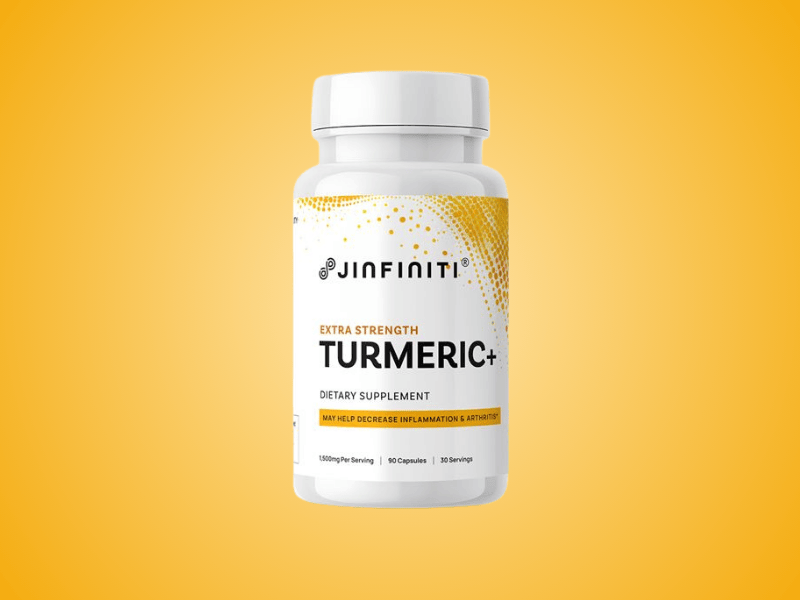
Jinfiniti Turmeric Supplement

What Causes Knee Pain and Inflammation?

Your knees are the most load-bearing joints in the body. Every pound of body weight translates to roughly 3 to 4 pounds of force across the knee joint when you walk, and up to 8 times your body weight when you run or climb stairs. That mechanical stress, layered on top of age-related decline in cartilage repair and increasing systemic inflammation, is why knee pain is the most common joint complaint in adults over 40.

Cartilage has no blood supply of its own, which makes it slow to repair and especially vulnerable to cumulative damage. Supplements that target inflammation, support cartilage structure, or slow degradation work best as a consistent, long-term strategy — not a quick fix.

The Best Supplements for Knee Joint Pain — Ranked

The supplements below are ranked by the quality and consistency of clinical evidence. Research strength matters more than popularity here.

1. Curcumin and Boswellia

Curcumin — the active compound in turmeric — has more peer-reviewed research behind it for knee osteoarthritis than any other natural supplement. A 2021 meta-analysis of 11 randomized controlled trials involving 1,258 participants found curcuminoids were more effective than comparators on both pain and function scores — and produced fewer GI side effects than ibuprofen.[1]

Boswellia serrata (Indian frankincense) adds a different mechanism. It directly inhibits 5-LOX, an enzyme that produces a class of inflammatory molecules called leukotrienes. A 2025 meta-analysis of 21 studies confirmed curcumin lowered CRP and TNF-alpha — two key inflammation markers — at statistically significant levels compared to placebo.[2]

The combination matters. One randomized trial involving 210 osteoarthritis patients found curcumin alone produced a 3.6-fold improvement in WOMAC joint scores compared to placebo — and the curcumin-plus-Boswellia group produced a 2.7-fold improvement through a different but complementary anti-inflammatory pathway.[3]

The catch with curcumin is absorption. Standard curcumin has poor bioavailability — less than 1% gets absorbed without help. Piperine, the active compound in black pepper, increases curcumin absorption by up to 2,000%.

Learn more about turmeric dosage and absorption strategies that actually make a difference.

2. Methylsulfonylmethane (MSM)

Methylsulfonylmethane (MSM) is a sulfur compound found naturally in plants, animals, and humans. Sulfur is a building block of connective tissue, including the collagen and proteoglycans that make up cartilage. Research on MSM for knee osteoarthritis shows consistent reductions in pain and swelling, typically at doses of 1,000 to 3,000 mg daily.[4]

Unlike curcumin, MSM doesn’t need a bioavailability enhancer — it absorbs reasonably well on its own. It’s also well-tolerated, with side effects limited to mild GI discomfort at higher doses. It pairs well with other anti-inflammatory compounds and is often included in combination joint formulas.

3. Type II Collagen

Collagen is the primary structural protein in cartilage. Type II collagen specifically comes from cartilage tissue, making it more targeted for joint health than the more common Type I found in skin supplements. Clinical studies show it can reduce joint stiffness and improve function, with benefits typically appearing after 2 to 3 months of consistent use.[5]

The mechanism is somewhat counterintuitive. Oral collagen undergoes digestion, but research suggests that small peptides reach the joint tissue and may stimulate chondrocytes (the cells that maintain cartilage) to increase their own collagen production. The evidence is modest but consistent, particularly in people with early-to-moderate osteoarthritis.

4. Glucosamine and Chondroitin

These two are the most widely sold joint supplements in the world — and arguably the most misrepresented. Glucosamine is a cartilage-building molecule; chondroitin helps maintain its structure and retain water. The theory is sound. The clinical results are inconsistent.

The American College of Rheumatology now recommends against glucosamine and chondroitin for knee or hip osteoarthritis, citing the quality of available evidence.[6]

Some studies do show modest benefit for moderate-to-severe pain specifically, and the combination may slow cartilage breakdown over periods longer than 3 years. But as a first-line recommendation, the evidence doesn’t support their widespread use.[7]

If you’ve been taking glucosamine for years and feel it helps, there’s no strong reason to stop. But if you’re starting fresh, the options above have clearer clinical support.

5. Omega-3 Fatty Acids

EPA and DHA from fish oil don’t target cartilage directly, but they address the systemic inflammation that accelerates joint breakdown. Omega-3s reduce the production of prostaglandins and cytokines — the upstream inflammatory messengers that drive joint pain and stiffness.[8]

For knee pain specifically, fish oil works better as a foundation than a primary treatment. It reduces morning stiffness and may lower NSAID requirements over time. Doses of 2 to 3 grams of combined EPA + DHA daily appear in most positive trials.[9]

It’s worth noting that the ACR does not recommend fish oil as a standalone treatment for knee osteoarthritis — but as part of a broader anti-inflammatory strategy, it adds meaningful support.

Knee Joint Health Supplement Comparison

Here’s how these supplements compare on the factors that matter most.

SupplementPrimary BenefitEvidence LevelTime to Effect
Curcumin + BoswelliaReduces inflammation and painStrong (multiple meta-analyses)2-6 weeks
MSMReduces pain and swellingModerate4-6 weeks
Type II CollagenSupports cartilage structureModerate2-3 months
Glucosamine + ChondroitinMay slow cartilage breakdownMixed2-4 months
Omega-3 Fatty AcidsReduces systemic inflammationModerate (indirect)4-8 weeks

The Supplement Absorption Problem

The best ingredients on paper can still fail in practice if your body can’t absorb them. This is especially true for curcumin, which has notoriously poor standalone bioavailability. It metabolizes and gets eliminated quickly, meaning a high-dose supplement without a delivery system may produce very little effect at the tissue level.

Piperine (black pepper extract) is the most well-studied solution, shown to increase curcumin absorption by up to 2,000% by slowing liver metabolism. Fat co-ingestion also helps, since curcumin is fat-soluble. The same principle applies across joint supplements — formulas designed with absorption in mind outperform equivalent-dose single ingredients. You can read more about what drives this at the cellular level in our overview of supplements for inflammation.

“Getting the dose right is only half the equation,” says Dr. Jin-Xiong She, founder of Jinfiniti Precision Medicine and professor of genomic medicine. “A joint supplement that your body can’t absorb doesn’t matter how good the ingredients are on paper — bioavailability is the bridge between the research and the actual result you feel.”

🧬 MORE JOINT HEALTH

  • Curcumin gets most of the attention for joint pain, but creatine and joint health is a connection worth understanding — especially if you’re also dealing with muscle weakness around the knee.
  • Knee pain rarely lives in isolation. Explore natural remedies for muscle pain that work alongside a joint supplement routine.
  • If you’re trying to reduce reliance on ibuprofen or naproxen, see how the supplements in this article stack up against other NSAID alternatives backed by research.

How Long Before You Notice Results?

Anti-inflammatory supplements like curcumin and MSM tend to work faster — many people notice a difference within 2 to 6 weeks. Structural-support supplements that work on cartilage, like Type II collagen or glucosamine, require at least 2 to 4 months before you’re likely to see meaningful change.

This is one of the more common reasons people quit joint supplements too soon. Consistent daily use at an adequate dose matters more than high-dose occasional use. If you’ve been at a consistent dose for 3 months without any improvement, that’s a reasonable point to reassess.

Frequently Asked Questions

Here are answers to the questions that come up most often about joint supplements for knees.

Can you take multiple joint supplements together?

Yes, and combination approaches often work better than single ingredients. Curcumin + Boswellia is a well-studied pairing. Adding MSM or collagen doesn’t create known interactions. The main thing to watch is blood-thinning effects — both curcumin and omega-3s have mild anticoagulant properties, so those taking warfarin or other blood thinners should check with their doctor first.

Are joint supplements safe for long-term use?

The supplements listed here have good long-term safety profiles. Curcumin studies extend beyond 12 months without significant adverse events. MSM, collagen, and omega-3s are considered safe for ongoing use at standard doses. Glucosamine may affect blood sugar in some people with diabetes. As with any supplement, start at a lower dose and work up gradually.

Do joint supplements work for knee osteoarthritis?

Most of the strongest research is specifically in knee osteoarthritis populations. For general exercise-related knee discomfort or inflammation without structural damage, anti-inflammatory supplements like curcumin and omega-3s likely still help through the same pathways. Understanding the difference between acute inflammation and chronic joint degeneration can help you choose the right approach — read more about the mechanisms in our piece on turmeric vs ginger.

Referenced Sources

  1. Hsiao AF, Lien YC, Tzeng IS, Liu CT, Chou SH, Horng YS. The efficacy of high- and low-dose curcumin in knee osteoarthritis: A systematic review and meta-analysis. Elsevier BV; 2021. https://doi.org/10.1016/j.ctim.2021.102775
  2. Hsueh HC, Ho GR, Tzeng SI, Liang KH, Horng YS. Effects of curcumin on serum inflammatory biomarkers in patients with knee osteoarthritis: a systematic review and meta-analysis of randomized controlled trials. Springer Science and Business Media LLC; 2025. https://doi.org/10.1186/s12906-025-04951-6
  3. Ameyde MV, Hodgden J. In patients with osteoarthritis, is curcumin, compared to placebo, effective in reducing pain? The Journal of the Oklahoma State Medical Association. 2022;115(1):28–30.
  4. Toguchi A, Noguchi N, Kanno T, Yamada A. Methylsulfonylmethane Improves Knee Quality of Life in Participants with Mild Knee Pain: A Randomized, Double-Blind, Placebo-Controlled Trial. MDPI AG; 2023. https://doi.org/10.3390/nu15132995
  5. Carrillo-Norte JA, Gervasini-Rodríguez G, Santiago-Triviño MÁ, García-López V, Guerrero-Bonmatty R. Oral administration of hydrolyzed collagen alleviates pain and enhances functionality in knee osteoarthritis: Results from a randomized, double-blind, placebo-controlled study. Elsevier BV; 2025. https://doi.org/10.1016/j.conctc.2024.101424
  6. Kolasinski SL, Neogi T, Hochberg MC, Oatis C, Guyatt G, Block J, et al. 2019 American College of Rheumatology/Arthritis Foundation Guideline for the Management of Osteoarthritis of the Hand, Hip, and Knee. Wiley; 2020. https://doi.org/10.1002/art.41142
  7. Reginster JY, Neuprez A, Lecart MP, Sarlet N, Bruyere O. Role of glucosamine in the treatment for osteoarthritis. Springer Science and Business Media LLC; 2012. https://doi.org/10.1007/s00296-012-2416-2
  8. Kar A, Ghosh P, Patra P, Chini DS, Nath AK, Saha JK, et al. Omega-3 fatty acids mediated Cellular signaling and its regulation in Human Health. Elsevier BV; 2023. https://doi.org/10.1016/j.nutos.2023.10.004
  9. Rajaei E, Mowla K, Ghorbani A, Bahadoram S, Bahadoram M, Dargahi-Malamir M. The Effect of Omega-3 Fatty Acids in Patients With Active Rheumatoid Arthritis Receiving DMARDs Therapy: Double-Blind Randomized Controlled Trial. Canadian Center of Science and Education; 2015. https://doi.org/10.5539/gjhs.v8n7p18
Yellow and white turmeric capsules falling against a light blue background.

How to Take Turmeric: Dosage, Timing & Absorption Tips

Turmeric has become one of the most popular supplements for people seeking natural support for inflammation and overall wellness. But knowing how to take turmeric properly makes all the difference between seeing real benefits and wasting your money on a supplement that your body barely absorbs.

The bright yellow spice contains curcumin, a bioactive compound that has been studied in over 22,000 peer-reviewed research papers. Getting the dosage right, choosing the best form of turmeric, and using strategies to boost absorption can help you experience the potential benefits this ancient remedy offers.

Key Takeaways

  • Most adults benefit from 500 to 1,000 mg daily of standardized turmeric extract containing 95% curcuminoids for general wellness.
  • Taking turmeric with black pepper (containing piperine) can increase absorption by up to 2,000%.
  • The best time to consume turmeric is with a meal containing healthy fats to enhance bioavailability.
  • High doses of turmeric (above 2,000 mg per day) should only be used under medical supervision to avoid potential side effects.

Understanding Turmeric and Curcumin

Turmeric comes from the root of the Curcuma longa plant. While turmeric powder contains only 3 to 8% curcumin by weight, most research focuses on curcumin supplements that concentrate this active ingredient.

Curcumin works by blocking inflammatory pathways in your body. It inhibits COX-2 enzymes (similar to how NSAIDs work) and reduces inflammatory markers like TNF-α and IL-6. These anti-inflammatory effects may support joint health, brain health, metabolic function, and more.

The challenge with turmeric and curcumin is poor absorption. Your body breaks down and eliminates most standard curcumin quickly, meaning little reaches your bloodstream. This explains why taking the right dose and form matters so much.

How Much Turmeric Should You Take Per Day?

The recommended dosage of turmeric depends on your health goals and the form you choose. Most clinical trials use standardized extracts rather than turmeric powder to ensure consistent curcuminoid content.

General Dosage Guidelines

For general wellness and prevention, 500 to 1,000 mg of turmeric extract (standardized to 95% curcuminoids) works well for most people. This provides approximately 475 to 950 mg of curcumin daily.

Cooking with turmeric spice gives you far less curcumin. The average Indian diet includes 2 to 2.5 grams of turmeric daily, delivering only 60 to 100 mg of curcumin. While this amount may offer some health benefits, therapeutic doses require concentrated extracts.

The World Health Organization sets an acceptable daily intake at 0 to 3 mg per kilogram of body weight. For a 150-pound person, this equals roughly 0 to 200 mg of curcumin per day, though many studies safely use higher amounts.

Turmeric Dosage by Health Goal

Research shows different conditions respond to specific dose ranges. The table below outlines typical effective doses based on published studies.

Health GoalDaily DosageDuration
General wellness500-1,000 mg extractOngoing
Osteoarthritis and rheumatoid arthritis500-1,500 mg extract twice daily4-12 weeks
Cognitive function800-1,500 mg extract24+ weeks
Metabolic health500-1,500 mg extract8-12 weeks
Digestive support140-3,000 mg extract4-24 weeks

Studies on osteoarthritis patients found that doses around 500 mg taken twice daily reduced pain and stiffness as well as some pharmaceutical options. For metabolic conditions, doses between 500 and 1,500 mg per day showed improvements in cholesterol and blood sugar markers. Some research also suggests turmeric may help with neuropathy and nerve pain at similar dosage ranges.

High doses above 3,600 mg daily have been tested in cancer research but should only be used under medical supervision. Most people should stay below 2,000 mg per day unless a healthcare provider recommends otherwise.

Advanced Turmeric Formulation

Maximum absorption. Minimum hassle.

Yellow and white turmeric capsules falling against a light blue background.

What Form of Turmeric Works Best?

Different forms of turmeric offer varying levels of absorption and convenience. Your choice affects how much curcumin actually enters your bloodstream. Understanding whether curcumin or turmeric root works best for inflammation depends on your specific health goals and how you plan to use it.

Comparing Turmeric Options

  • Turmeric powder is the whole ground root. You can add turmeric to food, make turmeric tea, or mix it into smoothies. One teaspoon contains about 200 mg of curcumin, but absorption remains quite low without enhancement.
  • Turmeric extract capsules provide standardized amounts of curcuminoids (usually 95%). This supplement form makes it easier to track your dose of turmeric and ensures consistency. Most research uses these extracts.
  • Liquid and liposomal formulations wrap curcumin in fat molecules to improve absorption. Some products claim up to 50 times better bioavailability than standard powder.
  • Enhanced formulations combine curcumin with other compounds. BCM-95 pairs curcumin with turmeric essential oil for improved absorption. Meriva uses phospholipid complexes to boost bioavailability.

Enhanced Bioavailable Formulations

Several patented formulations address curcumin’s poor absorption. Products containing curcumin with turmeric essential oil, phospholipid complexes, or nanoemulsions can deliver significantly higher blood levels than basic turmeric powder.

Dr. Ajay Goel, Professor and Chairman at City of Hope Medical Center, notes: “In my mind, curcumin is probably the best-known natural anti-inflammatory. There is not any modern drug or spice for which we have that many studies. And I’ve yet to find a single human disease for which curcumin has not been studied because it works every time.”

If you choose a basic turmeric supplement, combining it with absorption enhancers becomes critical to see the effects of turmeric on your health.

How to Boost Turmeric Absorption

Getting curcumin into your bloodstream requires specific strategies. Without these steps, most of what you take gets eliminated before it can work.

The Black Pepper Connection

Black pepper contains piperine, a compound that dramatically improves curcumin absorption. Combining turmeric and black pepper can increase bioavailability by up to 2,000% when taking curcumin with just 20 mg of piperine.

Piperine works by slowing how quickly your liver metabolizes curcumin. This allows more to circulate in your bloodstream for longer periods. Many turmeric products now include black pepper extract for this reason.

You can also add freshly ground black pepper when you use turmeric in cooking. A pinch is enough to enhance absorption.

Fat and Timing Strategies

Curcumin dissolves in fat rather than water. Taking your turmeric supplement with a meal containing healthy fats boosts absorption significantly.

Good options include:

  • Olive oil or coconut oil
  • Avocado
  • Nuts and seeds
  • Full-fat yogurt
  • Fatty fish

The best time to take turmeric is with breakfast or dinner. Splitting your dose helps maintain steadier blood levels throughout the day. If you take 1,000 mg daily, try 500 mg with breakfast and 500 mg with dinner.

Some people prefer taking turmeric with quercetin or other flavonoid-rich foods to support their anti-inflammatory goals. Combining natural compounds may offer complementary benefits.

Who Should Be Careful with Turmeric Supplements?

While turmeric is generally safe, certain groups need to exercise caution or avoid high doses.

Safety Considerations

The following groups should be particularly careful with turmeric supplements:

  • Pregnant and breastfeeding women: Stick to dietary amounts in food, as the safety of high-dose supplements has not been established
  • People with gallstones or gallbladder disease: Curcumin can stimulate gallbladder contractions and potentially worsen symptoms
  • Those scheduled for surgery: Stop supplements at least two weeks beforehand due to effects on blood clotting
  • Anyone with liver conditions: Monitor liver enzymes if taking high doses, though moderate amounts appear safe for most people

Potential Drug Interactions

Turmeric may interact with several medications:

  • Blood thinners (warfarin, aspirin): Curcumin affects clotting and may increase bleeding risk
  • Diabetes medications: May lower blood sugar too much when combined with diabetes drugs
  • Chemotherapy drugs: Effects vary by drug type, so consult your oncologist before taking containing turmeric supplements

Practical Tips for Taking Turmeric Daily

Making turmeric part of your routine becomes easier with a few simple strategies.

Start with a lower dose (500 mg daily) for the first week or two. This lets you assess how your body responds. You can gradually increase to your target dose based on your health goals.

Look for products tested by third-party organizations like USP or NSF. These certifications verify that the supplement contains what the label claims and checks for contaminants.

Store your turmeric supplements in a cool, dry place away from direct sunlight. Heat and light can degrade curcuminoids over time.

If you experience digestive upset, take your supplement with food or try dividing your dose. Some people tolerate turmeric better when spread throughout the day.

Track your response over at least 8 to 12 weeks. The health benefits of turmeric often take time to become noticeable. Keep notes on changes in energy levels, joint comfort, or other markers relevant to your goals.

Some choose to pair turmeric with other longevity supplements that support cellular health, like NAD boosters. These compounds work through different pathways and may complement each other.

Bottom Line

Taking turmeric correctly means choosing a quality turmeric extract, using the right dose for your needs, and pairing it with black pepper or healthy fats. Most people do well with 500 to 1,000 mg daily of a standardized extract, taken with meals.

The effects of turmeric on inflammation, joint health, and metabolic function have strong support from research. But absorption remains key. Without proper formulation or enhancement strategies, you may not experience the potential benefits this golden spice offers.

Woman in yellow sweater holding her temples with both hands, eyes closed, experiencing neuropathy and nerve pain.

How Turmeric May Help with Neuropathy and Nerve Pain

If you’re dealing with nerve pain, you’ve probably seen turmeric mentioned as a natural option. This golden spice has been used for thousands of years in traditional medicine, and modern science is now revealing why it might help with neuropathy.

The active compound in turmeric, called curcumin, targets the biological processes that drive nerve pain at its source. Clinical trials show real benefits but early intervention matters most. How you take it makes a big difference.

Key Takeaways

  • Clinical trials show curcumin reduced neuropathy risk by 30.6 percentage points in 141 patients.
  • The active compound in turmeric calms neuroinflammation, fights oxidative damage, and supports nerve cell energy production.
  • Bioavailability matters: turmeric with black pepper and healthy fats absorbs better than most isolated supplements.
  • Safe doses in human trials were 3 mg/kg twice daily, with over 94% of patients completing treatment without serious side effects.

Understanding Turmeric and Curcumin

Turmeric comes from the root of the Curcuma longa plant. The bright yellow color comes from curcumin, which is also the therapeutic compound researchers study.

But there’s a catch. Curcumin makes up only 3% of turmeric root by weight. This explains why sprinkling curry powder on your dinner probably won’t provide therapeutic doses.

Your body also processes curcumin quickly. Most of it gets broken down before reaching your bloodstream. This is where choosing a high quality turmeric supplement becomes important.

How Curcumin Alleviates Nerve Pain

A woman with nerve pain holds her head and neck

Curcumin doesn’t just mask pain like over-the-counter medications. It addresses what’s happening inside your nerve cells.

Reducing Inflammation in Nerves

Your nerves hurt partly because they’re inflamed. Think of inflammation as your immune system overreacting to damage.

Research shows curcumin blocks two specific inflammatory pathways1. It stops the NALP1 inflammasome from forming and prevents the JAK2-STAT3 cascade from activating in your nerve support cells (called astrocytes).

What does this mean? Curcumin turns down your body’s inflammatory response at two control points instead of one.

Dr. Shailendra Kapoor, MD, explains the mechanism: “Curcumin has a mitigating effect on diabetic neuropathic pain. This is clearly evident since it inhibits TNF-α, thereby ameliorating thermal hyperalgesia when co-administered with insulin.” He further notes that curcumin has “a dose dependent attenuating effect on the release of nitric oxide, which further decreases the strength of the nociceptive stimuli.”

People with chronic oxidative stress often experience worse nerve symptoms. Curcumin helps break that cycle by targeting these inflammatory pathways.

Protecting Nerve Cells

Your nerve cells need energy to function properly. That energy comes from tiny structures called mitochondria (the power plants of your cells).

Studies reveal that curcumin improves how these mitochondria work in your spinal cord and brain regions that process pain2. When mitochondria malfunction, they leak harmful molecules called reactive oxygen species.

This creates a vicious cycle:

  • Damaged mitochondria produce harmful molecules
  • These molecules damage more cell structures
  • Nerve signals become distorted
  • Pain increases

Curcumin helps protect your mitochondria and reduces those harmful molecules.

Improving Nerve Conduction

Pain isn’t the only problem with neuropathy. Your nerves may stop transmitting signals properly.

Clinical testing shows that curcumin can improve nerve conduction velocity (how fast signals travel through your nerves)3. This means potential recovery of function, not just less pain.

Nerve conduction studies measure both motor nerves (which control movement) and sensory nerves (which sense touch, temperature, and pain). Curcumin improved both types.

Advanced Turmeric Formulation

Get relief from joint pain.

Jinfiniti Turmeric Supplement

What the Research Shows

Human studies provide the most reliable information about whether curcumin actually helps people with neuropathy.

Clinical Trial Results

The most compelling trial involved children receiving chemotherapy. Chemotherapy often damages nerves as a side effect.

This randomized, double-blind study gave half the patients curcumin and half a placebo3. The outcomes are shown in this table:

OutcomeCurcumin GroupPlacebo GroupDifference
Developed neuropathy39.4%70.0%30.6% reduction (P < 0.001)
Motor nerve abnormalities10.5%19.2%8.7% reduction (P = 0.012)
Treatment complianceOver 94%SimilarHigh safety profile

The P values (those numbers in parentheses) show these differences were statistically significant. They likely didn’t happen by chance.

Preclinical Efficacy Data

Animal research lets scientists test specific mechanisms and doses. Rat studies showed dose-dependent pain relief1.

At 60 mg/kg of body weight, curcumin reduced hypersensitivity to touch from day 5 to 7 after nerve injury. At 120 mg/kg, benefits appeared earlier (day 3 to 7).

Diabetic neuropathy models used doses between 50 and 200 mg/kg. These improved both heat sensitivity and mechanical pain thresholds4.

One important finding? Very low doses (12.5 to 25 mg/kg) actually increased pain sensitivity. This underscores why appropriate dosing matters.

The Bioavailability Challenge

Wooden spoons with turmeric powder surrounded by black peppercorns on a dark table

Getting curcumin into your bloodstream is trickier than you might think. Your body treats it like a foreign substance to remove quickly.

Absorption Issues

Research confirms that oral curcumin gets absorbed poorly5. Your liver and intestines break it down rapidly.

Even when you absorb it, your body converts it to other forms and flushes it out fast. This is called low bioavailability.

Eating curry once a week probably won’t provide therapeutic levels. Regular consumption of herbs and spices for inflammation supports general health, but targeted relief requires higher, consistent doses.

Enhancing Absorption

You can improve curcumin absorption with a few simple strategies.

  • Add black pepper. Piperine (the active compound in black pepper) dramatically increases curcumin bioavailability by slowing down your liver’s breakdown process.
  • Eat it with fat. Curcumin dissolves in fat, not water. Taking it with a meal containing olive oil, avocado, or nuts helps absorption.
  • Choose powdered over fresh. Powdered turmeric shows better bioavailability than fresh root for therapeutic compounds.
  • Consider enhanced formulations. Products like Jinfiniti’s Extra Strength Turmeric+ increase absorption compared to standard curcumin taken on an empty stomach.

The debate over curcumin versus turmeric root partly comes down to these absorption factors.

Comparing to Standard Treatments

You might wonder if curcumin works as well as prescription drugs. Research provides some perspective.

Efficacy Comparisons

Studies show curcumin performed better than vitamin E (α-tocopherol) for reducing symptoms of alcohol-induced neuropathy4.

It matched the antioxidant activity of apocynin, a compound researchers use as a standard in diabetic neuropathy studies.

When added to conventional treatments, curcumin reduced the time patients needed other medications by about 3 weeks6. This suggests it may let you use less of drugs that come with more side effects.

Combination Approaches

Low-dose curcumin combined with other natural compounds often works better than high doses alone. This team approach reduces the risk of side effects from any single compound.

Ginger and turmeric complement each other for inflammatory conditions. Some research looks at combining turmeric with quercetin, another anti-inflammatory plant compound.

Think of it like a team sport. Each player contributes, and together they achieve more than any individual could alone.

Curcumin Dosage for Neuropathic Pain

Turmeric capsules on a yellow background

Translating research doses to your kitchen or medicine cabinet requires some interpretation. Animal studies use different amounts than human trials.

Research-Based Doses

The pediatric trial that showed clear benefits used 3 mg/kg twice daily. For a 70 kg person (about 154 pounds), that equals roughly 420 mg per day total.

This dose proved both safe and effective. Over 94% of patients completed the full treatment course.

Supplement Considerations

If you’re considering curcumin supplementation:

  • Begin low and go slow. Start with smaller doses and increase gradually over weeks.
  • Take it with food. Choose meals that contain healthy fats for better absorption.
  • Add black pepper. Either consume black pepper with your meal or choose a supplement that includes piperine.
  • Be patient. Allow at least 4 to 6 weeks to assess whether it’s helping. Nerve healing takes time.
  • Track your symptoms. Keep simple notes on pain levels, function, and any side effects.

Quality varies widely between supplement brands. This protects both your health and your budget.

Safety Profile and Side Effects

Curcumin has an excellent safety profile in research studies. That doesn’t mean it’s risk-free for everyone.

General Safety Profile

Clinical trials report minimal adverse effects. In the 141-patient study, over 94% maintained treatment compliance with no serious adverse reactions in the curcumin group3.

Some people experience mild gastrointestinal symptoms. These typically resolve without stopping treatment.

Important Warnings

Certain people should avoid curcumin or use it cautiously:

  • Pregnant and breastfeeding women (due to emmenagogue effects)
  • People with gallstones or bile duct obstruction
  • Those taking anticoagulants (curcumin may increase bleeding risk)
  • Individuals on medications metabolized by CYP enzymes

One case report documented sensory neuropathy from vitamin B6 toxicity associated with long-term high-dose turmeric use (1,000 mg daily for 5 years)7. This serves as a reminder that more isn’t always better.

Talk with your healthcare provider before starting any new supplement, especially if you take medications or have health conditions.

Tracking Your Progress

If you try curcumin for neuropathy, measuring results helps you make informed decisions about continuing.

Subjective Measures

Keep a basic journal recording:

  • Pain intensity (rate 0 to 10 each day)
  • Activities you can or can’t do comfortably
  • Sleep quality (how often pain wakes you)
  • Mood and energy levels
  • Any side effects you notice

Look for patterns over several weeks rather than day to day. Nerve healing happens slowly.

Clinical Testing

Nerve conduction studies provide objective measurements. These tests measure how fast and effectively your nerves transmit electrical signals3.

Your doctor can order tests measuring:

  • Motor nerve conduction velocity (nerves controlling movement)
  • Sensory nerve conduction velocity (nerves sensing touch and pain)
  • Compound muscle action potential amplitudes (strength of nerve signals)
  • Overall neuropathy severity scores

These objective measures distinguish between feeling better and actual nerve healing. Not everyone needs repeated testing, but it can help track progress in cases where symptoms are unclear.

What Else Should You Know?

Scientists have discovered some unexpected benefits of curcumin for nerve health beyond basic pain relief.

Timing Matters

Studies suggest curcumin works best when started early in the neuropathy process8. It may prevent chronic neuropathic pain from developing if you begin treatment during early stages.

This preventive effect differs from most pain medications, which only work while you’re taking them.

Gender Independence

Unlike some medications that work differently in men and women, research shows no difference in curcumin effectiveness between sexes for neuropathy treatment3.

Nerve Regeneration

Beyond pain relief, curcumin appears to promote actual nerve fiber regeneration6. Improved nerve conduction velocities and better nerve architecture on microscopic examination suggest genuine healing, not just symptom masking.

Supporting Your Nerve Health

Curcumin works best as part of a broader health strategy. Single interventions rarely solve complex problems.

Lifestyle Factors

Your lifestyle choices directly affect nerve health:

  • Blood sugar control is necessary for anyone with diabetes. High blood sugar damages nerves progressively.
  • Regular physical activity supports nerve function. Movement increases blood flow to nerves and may stimulate repair processes.
  • Quality sleep gives your body time to repair. Nerve regeneration happens primarily during deep sleep stages.
  • Stress management reduces inflammatory signals. Chronic stress keeps your inflammation levels elevated.
  • Avoid alcohol and smoking. Both directly damage nerve cells and interfere with healing.
  • Testing your inflammatory biomarkers can help you and your doctor assess whether your anti-inflammatory strategies are working.

Complementary Approaches

Consider combining turmeric with other supportive approaches:

  • Boswellia provides additional anti-inflammatory effects through different mechanisms than curcumin
  • Alpha-lipoic acid has research support specifically for diabetic neuropathy. It’s an antioxidant that helps regenerate other antioxidants
  • B vitamins support nerve health. Just avoid excessive B6, which can cause neuropathy itself at very high doses
  • Physical therapy maintains function and prevents complications from reduced nerve sensation or muscle weakness
  • Mind-body techniques like meditation or gentle yoga may help manage the emotional impact of chronic pain

Some people find success with Jinfiniti’s Extra Strength Turmeric+, which combines turmeric with compounds designed for better absorption and inflammation support.

What We Still Don’t Know

Promising research doesn’t mean we have all the answers. Several important questions remain.

Most studies lasted only 3 to 8 weeks. We need longer trials to understand sustained effects and optimal maintenance approaches.

Genetic factors influence how your body metabolizes curcumin. They also affect your susceptibility to neuropathy. Future research might identify who responds best to curcumin treatment.

Different types of neuropathy may respond differently. More studies comparing diabetic neuropathy, chemotherapy-induced neuropathy, and other forms would help guide specific recommendations.

Researchers acknowledge that more clinical trials with improved curcumin formulations are needed before doctors can routinely recommend it alongside standard treatments4.

Quick Review

The research supports curcumin as a useful addition to neuropathy management. Clinical trials show it can reduce neuropathy development by up to 30 percentage points when started early. The compound works by reducing inflammation, protecting nerve cells, and potentially promoting regeneration.

Curcumin shows a strong safety profile in studies. Work with your healthcare provider to determine if it makes sense for your specific situation and how to incorporate it into a comprehensive treatment plan.

Referenced Sources

  1. https://www.nature.com/articles/srep28956 ↩︎
  2. https://pmc.ncbi.nlm.nih.gov/articles/PMC10610406/ ↩︎
  3. https://pmc.ncbi.nlm.nih.gov/articles/PMC11853498/ ↩︎
  4. https://pmc.ncbi.nlm.nih.gov/articles/PMC8125634/ ↩︎
  5. https://pmc.ncbi.nlm.nih.gov/articles/PMC3918523/ ↩︎
  6. https://pmc.ncbi.nlm.nih.gov/articles/PMC7600446/ ↩︎
  7. https://www.thaijoneuro.com/files/2022/6e226944dbd545da975149501dfb3cae.pdf ↩︎
  8. https://www.sciencedirect.com/science/article/pii/S0011393X12000999 ↩︎
An image of ginger and turmeric powder with ginger roots on the background

Turmeric vs Ginger: What’s the Difference and Which is Best?

You’ve probably seen turmeric and ginger sitting side by side in the spice aisle. Their golden hues promise powerful health benefits. But which one should be in your daily routine?

Both medicinal roots belong to the same plant family. They pack serious therapeutic punch. But they work completely differently in your body.

The truth is, there’s no universal “winner” between turmeric and ginger. Each herb is better in certain areas. Your choice depends on your health goals.

Key Takeaways

  • Ginger wins for stomach issues – Works in 30-60 minutes for nausea and upset stomach
  • Turmeric wins for chronic pain – Better for arthritis, joint pain, and long-term health
  • Combination beats either alone – Using both together creates stronger anti-inflammatory effects

What Makes Turmeric and Ginger Different?

An image of ginger and turmeric with tea on the background

Despite their similar appearance, these roots contain very different healing compounds. This creates unique therapeutic profiles for each.

Turmeric contains curcumin as its main active compound. Curcumin makes up 2-8% of dried turmeric root. This compound gives turmeric its golden color and most of its anti-inflammatory properties.1 Scientists have found curcumin has over 100 healing compounds.

Ginger gets its power from gingerol and shogaol compounds. Fresh ginger root has higher levels of gingerols. Dried ginger develops more shogaols through the drying process. These compounds in ginger provide the spicy flavor and healing effects.

Differences at a Glance:

AspectTurmericGinger
Main compoundCurcumin (2-8%)Gingerol/Shogaol
Natural absorption<1%~2%
Primary strengthChronic inflammationStomach problems
Onset timeSlow, sustainedFast (30-60 minutes)

The absorption difference is huge. Ginger works much better naturally. Its compounds reach peak blood levels within 45-60 minutes. Meanwhile, turmeric has poor absorption. Studies show less than 1% gets absorbed when eaten alone.2

Health Benefits of Turmeric vs Ginger

An image of turmeric vs. ginger

Both herbs deliver powerful healing effects. But they use completely different methods. This makes each suited for specific health concerns.

Anti-Inflammatory Properties

Turmeric provides stronger overall anti-inflammatory power. It blocks multiple inflammatory pathways at once.3 This includes cyclooxygenase and lipoxygenase enzymes. Its curcumin targets nuclear factor-kappa B. This regulates inflammatory gene expression.

Ginger’s anti-inflammatory effects work differently. They operate mainly through gingerol and shogaol compounds. This offers more targeted relief for acute inflammatory conditions. While less comprehensive than turmeric, ginger may help with immediate inflammation needs.

Here’s something fascinating. A study found that both herbs work better together.4 The optimal ratio is 5:2 (ginger to turmeric). This combination creates stronger anti-inflammatory activity than either herb alone.

Reduced Inflammation and Antioxidant Support

Both herbs work as powerful antioxidant compounds. They help reduce inflammation throughout your body. Turmeric’s curcumin provides broad-spectrum antioxidant activity. Ginger’s gingerol compounds offer targeted antioxidant benefits.

Think of turmeric as your long-term inflammation fighter. Ginger acts as your quick-relief option.

Digestive Health Benefits

Ginger clearly wins for stomach problems. It excels at digestive applications, especially nausea relief. Clinical studies show it works for pregnancy morning sickness. It also helps chemotherapy nausea and motion sickness. The recommended dose ranges from 1-2 grams of ginger daily for nausea prevention.

Turmeric helps digestion differently. It provides benefits mainly through anti-inflammatory effects on your gut tract. It shows promise for inflammatory bowel disease and chronic gut inflammation.

Managing Inflammatory Bowel Disease Symptoms

For those dealing with inflammatory bowel disease, turmeric works well long-term. Its sustained anti-inflammatory action may help manage chronic digestive inflammation. The curcumin content works on multiple pathways that contribute to intestinal inflammation.

Digestive Benefits Comparison:

  • Ginger: Immediate nausea relief, morning sickness, motion sickness
  • Turmeric: Long-term gut inflammation, inflammatory bowel conditions

Turmeric vs Ginger for Specific Conditions

An image of a ginger with tea and turmeric powder

Understanding which herb works best for your health concerns helps you choose wisely.

Joint Health and Arthritis

For arthritis and joint pain, turmeric works better long-term. It provides sustained anti-inflammatory action and cartilage protection. Clinical trials show that 500-1000mg of bioavailable curcumin daily works as well as NSAIDs. But with fewer side effects.5

Ginger offers quick pain relief. It works particularly well for exercise-induced muscle soreness. It also helps short-term joint discomfort. A study found ginger’s effects work faster. But they don’t last as long as turmeric’s sustained relief.

Both herbs target osteoarthritis pain. But they use different methods that can work together beautifully.

Ginger Shots for Gut Health and Nausea

Ginger shots and ginger extract have become popular for good reason. Ginger works clearly better for digestive issues. You can detect it in your blood within 30-60 minutes of drinking it.

The gingerol compounds in fresh ginger root work directly on your digestive system’s receptors. This makes it super effective for:

  • Morning sickness (safe up to 1 gram daily during pregnancy)
  • Chemotherapy-induced nausea
  • Motion sickness
  • General stomach upset

Turmeric works more slowly. But it provides sustained support for chronic digestive inflammation. It may help with long-term gut health maintenance.

Benefits of Turmeric and Ginger Used Together

An image of turmeric juice and ginger

The most exciting discovery from recent research is how ginger and turmeric work together.

Studies show that using both herbs together creates stronger anti-inflammatory activity. This goes beyond either herb used alone. The optimal ratio appears to be 5:2 (ginger to turmeric). This comes from clinical research showing enhanced effects.6

This combination significantly cuts inflammatory markers. This includes nitric oxide, tumor necrosis factor, and interleukin-6. You get ginger’s rapid onset combined with turmeric’s sustained action.

Benefits of Combined Use:

  • Stronger anti-inflammatory power
  • Better digestive tolerance
  • Improved overall absorption
  • Complementary healing effects

The herbs also complement each other nutritionally. Ginger’s natural bioavailability helps offset turmeric’s absorption challenges. Meanwhile, turmeric’s sustained action extends ginger’s shorter-term effects.

This is why many people find success with combination supplements. Or recipes that include both herbs together.

Turmeric Supplements vs Fresh Options

An image of turmeric powder and supplements

The absorption challenge makes choosing the right form of turmeric particularly important. This is where testing becomes valuable.

Fresh turmeric root provides the full spectrum of curcuminoids. But it suffers from the same poor absorption issues as powder forms. You’d need to consume large amounts to achieve therapeutic levels.

Turmeric supplements can dramatically improve absorption through several strategies:

  • Fat-soluble preparations: Improve curcumin uptake
  • Specialized formulations: Liposomal or phytosome complexes

For optimal results, look for turmeric supplements that include bioavailability enhancers. Jinfiniti’s Extra Strength Turmeric+ combines turmeric extract with black pepper extract. It also includes ginger extract and quercetin for better absorption and even more anti-inflammatory benefits.

Fresh vs Supplement Comparison:

  • Fresh root: Full spectrum compounds, poor absorption
  • Basic powder: Convenient, still poor absorption
  • Enhanced supplements: Better bioavailability, standardized dosing
  • Combination formulas: Synergistic effects, optimal ratios

Safety and Side Effects

Both herbs are generally well-tolerated. But they do have different safety profiles to consider.

Ginger has a better safety profile with fewer warnings. The main concerns involve its mild blood-thinning properties. Pregnant women can safely consume moderate amounts (up to 1 gram daily). This makes it preferable for pregnancy-related nausea.

Side effects from ginger are usually limited to mild stomach irritation. This happens when you consume excessive amounts (>5 grams daily).

Turmeric carries more moderate risks with several important considerations:8

  • Can interact with blood-thinning medications
  • May increase bleeding risk
  • Should be avoided by people with gallbladder disease
  • Can interfere with iron absorption
  • May interact with chemotherapy drugs

Safety Guidelines:

  • Start with small amounts of either herb
  • Consult your healthcare provider if taking medications
  • Avoid high doses during pregnancy (especially turmeric)
  • Monitor for any digestive upset

The effects of turmeric on medication interactions make professional guidance important. This is especially true if you’re taking blood thinners or have scheduled surgery.

Which Should You Choose?

An image of turmeric vs. ginger

Your optimal choice depends on your specific health goals and current needs.

Choose Turmeric For:

  • Chronic inflammatory conditions
  • Joint pain and arthritis
  • Long-term antioxidant support
  • Heart health
  • Cancer prevention research interest

Choose Ginger For:

  • Digestive issues and nausea
  • Quick pain relief
  • Exercise recovery
  • Pregnancy-related discomfort
  • Immediate anti-inflammatory needs

When to Use Turmeric and Ginger Together

Many people find the greatest success using both herbs strategically. You might use ginger for immediate digestive relief. While incorporating turmeric for long-term inflammatory support.

For those interested in natural herbs and spices that fight inflammation, both turmeric and ginger rank among the most researched options available.

Ginger and Turmeric: Which is Best?

An image of turmeric vs. ginger

Instead of turmeric vs ginger, think about how each herb’s strengths can support your health goals.

Turmeric is great for chronic inflammatory conditions and long term health. Ginger is great for digestive issues and acute discomfort. They work differently and are absorbed differently so they are complementary not competitive.

The research shows you should use both herbs together for maximum benefit. Whether through food, teas or high quality supplements with enhanced bioavailability, using both turmeric and ginger in your daily routine gives you the best of both worlds.

When choosing supplements, look for formulations that address bioavailability. Consider combination products that combine the power of both herbs working together.

Remember the TAO approach: Test which works best for you, Act on what you learn, and Optimize over time.

Referenced Sources:

  1. https://journals.lww.com/10.1097/HNP.0000000000000649 ↩︎
  2. https://linkinghub.elsevier.com/retrieve/pii/B9780128224489000066 ↩︎
  3. https://safer.uct.cl/index.php/SAFER/article/view/81 ↩︎
  4. http://ijarsct.co.in/Paper14273.pdf ↩︎
  5. https://www.frontiersin.org/articles/10.3389/fphar.2021.779352/pdf ↩︎
  6. https://pmc.ncbi.nlm.nih.gov/articles/PMC9229778/ ↩︎
  7. https://pmc.ncbi.nlm.nih.gov/articles/PMC3535097/ ↩︎
  8. https://www.nccih.nih.gov/health/turmeric ↩︎
Woman with fibromyalgia neck pain sitting on her couch

Can Creatine Help with Fibromyalgia Symptoms?

Fibromyalgia hits hard: widespread pain, bone-deep fatigue, a host of other symptoms that turn ordinary living into a struggle.

If you’re searching for new ways to manage your symptoms, you might be wondering about creatine supplements. 

New research suggests creatine shows real promise for folks with fibromyalgia. No, it’s not a cure, but the evidence leans toward tangible improvements in muscle strength and possibly more.

Key Takeaways

  • Muscle strength improved by 80% in fibromyalgia patients taking creatine supplements
  • Cellular energy problems are a root cause of many fibromyalgia symptoms
  • Safe and well-tolerated with minimal side effects in clinical studies
  • Works best as part of a comprehensive fibromyalgia management plan

Understanding Fibromyalgia and Energy Problems

To understand why creatine might help, you need to know what’s happening inside your cells when you have fibromyalgia.

What Makes Fibromyalgia Different

Fibromyalgia changes how your cells turn fuel into power. It’s a deeper exhaustion than everyday weariness. 

Studies reveal serious faults in the energy processing of fibromyalgia patients. Their cells literally can’t crank out the juice they need to keep things running.

Researchers found less ATP and phosphorylcreatine in their muscles compared to people without the condition.1 ATP is the cell’s main power unit; phosphorylcreatine is the backup that recharges it.

A senior woman doing physical therapy classes

The Energy Crisis in Your Cells

Brain scans from magnetic resonance spectroscopy tell us something vital about fibromyalgia: people with it have less phosphorylcreatine compared to total creatine in critical brain regions.2

We’re talking about areas like the anterior cingulate cortex and the right insula, places key to how we handle pain and our feelings.

And it’s not just the brain. The body’s energy problem runs deeper. Even blood platelets show much lower ATP, signaling that this cellular energy shortfall affects you from head to toe.

Energy Markers in FibromyalgiaCompared to Healthy People
Muscle ATP levelsSignificantly reduced
Muscle phosphorylcreatineSignificantly reduced
Platelet ATP levelsSignificantly lower
Brain phosphorylcreatineLower in key regions

How Creatine Helps Fibromyalgia

An image of supplements in a hand

The research shows creatine can address some of the core energy problems that drive fibromyalgia symptoms.

Muscle Function Improvements

The best evidence for creatine in fibromyalgia points to muscle performance. A 16-week randomized trial involving  patients with fibromyalgia showed impressive findings.3

Participants who took creatine supplements showed an 80.3% increase in their intramuscular phosphorylcreatine. The group on placebo actually experienced a 2.7% decrease.

More importantly, these energy improvements translated into real-world benefits:

  • Muscle strength increased in both lower and upper body exercises
  • Isometric strength improved by 6.4% compared to a 3.2% decrease in the placebo group
  • No significant side effects were reported during the study period

No notable side effects were reported during the study. This is vital. Muscle weakness and poor physical function plague fibromyalgia patients.

Bonus Read: Understanding how creatine and ATP work together can help explain why these improvements occur.

Beyond Muscle Strength

While the controlled trial focused mainly on muscle function in fibromyalgia, other research suggests broader benefits. An earlier study with 30 fibromyalgia patients showed more comprehensive improvements.4

After 8 weeks of creatine supplementation, participants experienced significant improvements in:

  • Parameters reflecting overall fibromyalgia severity
  • Quality of life measures
  • Sleep quality scores
  • Disability ratings
  • Pain levels

The catch? These improvements faded 4 weeks after stopping creatine therapy. This suggests that continuous supplementation may be necessary for sustained benefits.

What the Research Shows

A therapist's hands work on a woman's neck and shoulder during a massage treatment.

Several studies have examined how creatine affects fibromyalgia symptoms, with encouraging results.

Clinical Trial Results

The evidence base for creatine in fibromyalgia is still growing, but the results are encouraging. The randomized, double-blind, placebo-controlled studies represent the gold standard of medical research.

In the most rigorous study, researchers found that while muscle function improved significantly, changes in other fibromyalgia features like pain and cognitive function were minimal. This suggests creatine may be most helpful for the physical aspects of the condition.

A case report involving a patient with PTSD, depression, and fibromyalgia showed improvement in both mood and fibromyalgia symptoms after taking creatine monohydrate.5

Real-World Benefits

The research suggests that creatine works through several mechanisms to help fibromyalgia symptoms:

  • Energy Production Support: Creatine serves as an alternative energy source for your mitochondria. It helps recycle ADP back into ATP, giving your cells more usable energy for both anaerobic and aerobic activities.
  • Muscle Function Enhancement: By increasing phosphorylcreatine stores in muscles, creatine supplementation can improve muscle strength and endurance.
  • Potential Pain Relief: Research indicates that creatine has analgesic potential and may affect inflammation-based pain perception.6

Taking Creatine Monohydrate for Fibromyalgia

An image of a mature woman taking supplement

If you’re ready to try creatine, here’s what the research tells us about effective dosing and safety.

Dosing Guidelines

Based on the available research, effective dosing protocols typically follow this pattern:

PhaseDosageDurationNotes
Loading20g daily1 weekDivide into 4 equal doses
Maintenance3-5g dailyOngoingSingle daily dose

Some studies have used variations of this protocol, with doses ranging from 4-20 grams per day. Higher doses generally appear to produce better results, though individual responses vary significantly.

If you’re new to creatine supplementation, our creatine starter guide provides detailed information about loading phases and timing.

Safety Considerations

Creatine has an excellent safety profile, particularly in women. A comprehensive systematic review found no mortality or serious adverse events associated with creatine monohydrate supplementation.

The most commonly reported side effects are mild gastrointestinal symptoms. You can often manage these by:

  • Taking doses with food
  • Splitting larger doses throughout the day
  • Staying well hydrated
  • Starting with lower doses and gradually increasing

People with kidney disease should consult their healthcare provider before using creatine supplements, as they can temporarily increase serum creatinine levels.

For those over 40, our guide on creatine for older adults addresses specific safety considerations for this age group.

Getting Started with Creatine

An image of a woman taking supplements

If you’re considering creatine for fibromyalgia management, it’s important to have realistic expectations. The research shows it may help with muscle function and potentially some other symptoms, but it’s not a complete solution.

Consider creatine as part of a complete approach that includes regular exercise, stress management, and other evidence-based treatments. Many people find that combining creatine with other energy-supporting supplements provides better results.

Jinfiniti’s Creatine + ATP offers a targeted approach by combining creatine monohydrate with disodium ATP. This formulation provides both the building blocks and the end product your cells need for ideal energy production.

For broader cellular energy support, consider Jinfiniti’s Vitality NAD+ Booster. Since fibromyalgia involves widespread cellular energy dysfunction, supporting multiple energy pathways may provide more complete benefits.

If you’re dealing with chronic fatigue alongside fibromyalgia, our article on chronic fatigue supplements explores additional options that may work well with creatine.

The mitochondrial dysfunction seen in fibromyalgia suggests that full mitochondrial support might be beneficial. Our guide to mitochondrial health supplements can help you understand how different nutrients work together to support cellular energy production.

While the research on creatine for fibromyalgia is promising, remember that individual responses can vary a lot. What works well for one person may not work the same way for another. 

Working with a healthcare provider familiar with both fibromyalgia and nutritional supplementation can help you develop the most effective approach for your specific situation.

The key is patience and consistency. The benefits of creatine supplementation often take several weeks to become apparent, and stopping supplementation may cause improvements to fade.

If you decide to try creatine, give it at least 8-12 weeks to assess its effects on your symptoms.

Referenced Sources:

  1. https://pubmed.ncbi.nlm.nih.gov/23554283/ ↩︎
  2. https://journals.sagepub.com/doi/10.1177/17448069211012833 ↩︎
  3. https://pubmed.ncbi.nlm.nih.gov/23554283/ ↩︎
  4. https://pubmed.ncbi.nlm.nih.gov/19758235/ ↩︎
  5. https://psychiatryonline.org/doi/10.1176/ajp.2006.163.10.1840b ↩︎
  6. https://journals.sagepub.com/doi/10.1177/17448069211012833 ↩︎
A woman in gray clothing sits on a couch holding her shoulder in apparent pain.

Is Creatine Safe for People with Joint Pain?

Joint pain affects millions of people worldwide, making everyday activities feel like uphill battles. You might wonder if adding creatine to your wellness routine could help or hurt your already aching joints.

Research shows creatine can actually benefit people dealing with joint discomfort. This naturally occurring compound may support joint health while being remarkably safe for most individuals.

Key Takeaways

  • Creatine is safe for people with joint pain, with decades of research showing minimal side effects
  • Studies show improved physical function and reduced stiffness in people with osteoarthritis
  • Works by building stronger muscles around joints for better support and stability
  • Best results occur when combined with resistance training and proper hydration

What Is Creatine and How Does It Work?

Creatine is a compound your body produces naturally in your liver, kidneys, and pancreas. You also get small amounts from dietary sources like meat and fish.

Your muscles use creatine to create energy during high-intensity activities. When you take creatine as a supplement, you’re essentially giving your cells more fuel to work with.

Key Facts About Creatine:

  • Your body makes 1-2 grams daily
  • Creatine monohydrate is the most researched form
  • It helps supply energy to cells throughout your body
  • About 95% of your body’s creatine is stored in muscles

The supplement form most people use is creatine monohydrate. This version has decades of research backing its safety and effectiveness.

An image of creatine powder in a scoop next to supplement capsules

How Creatine May Support Joint Health

The connection between creatine and joint wellness isn’t immediately obvious. But several mechanisms explain why this supplement might help people with joint pain.

Building Stronger Muscle Support

One of the primary ways creatine helps joint health is by increasing muscle mass around affected joints. Research involving postmenopausal women with knee osteoarthritis showed significant improvements when participants combined creatine supplementation with resistance training.1

Stronger muscles provide better support for your joints. This can reduce the load and stress on cartilage and other joint structures.

Reducing Inflammation

Emerging studies suggest creatine may possess anti-inflammatory properties2. This could create a more favorable environment for joint health and potentially slow the progression of inflammatory conditions.

While more research is needed, these anti-inflammatory effects might help reduce discomfort and support better joint function over time.

Improving Physical Function

Clinical trials have demonstrated that creatine supplementation can significantly improve physical function in people with joint pain. The same study of women with knee osteoarthritis showed enhanced performance in functional tests1.

Participants taking creatine performed better on timed-stands tests. This indicates improved lower body strength and mobility.

Bonus Read: For additional insights on natural approaches to joint health, you might find it helpful to explore how NAD+ influences arthritis and joint wellness.

Creatine Safety Profile for People with Joint Pain

A woman in gray clothing sits on a couch holding her shoulder in apparent joint pain.

Concerns about supplement safety are completely understandable, especially when you’re already dealing with health challenges. The research on creatine safety is reassuring.

General Safety Record

Creatine has one of the strongest safety profiles among sports supplements. Extensive research spanning decades shows no significant health risks in healthy populations.3

The International Society of Sports Nutrition considers creatine safe and calls it one of the most beneficial sports supplements available.4

Safety for Joint Pain Populations

Studies specifically involving people with osteoarthritis and rheumatoid arthritis haven’t identified unique safety concerns. Clinical trials with osteoarthritis patients reported good tolerance with no significant adverse effects.5

Common Side Effects:

  • Weight gain from water retention
  • Mild gastrointestinal discomfort

The weight gain from creatine is actually beneficial for joint health. Increased muscle mass provides better joint support and stability.

Kidney and Liver Function

One persistent myth claims creatine harms kidney or liver function. Multiple studies have debunked this concern, showing that creatine doesn’t negatively impact these organs in healthy individuals.

Even in people with various medical conditions, including joint disorders, creatine supplementation appears safe for kidney and liver function.

Factors Influencing Creatine’s Effect on Joint Health

An image of two older women walking

Some variables can impact the effects of creatine on joint health and how well it works for your specific situation.

Age and Gender Considerations

Older adults may experience greater benefits from creatine supplements. This could be due to naturally lower baseline creatine levels as we age.

Some research suggests men might experience slightly different effects compared to women. However, benefits have been observed in both genders, including postmenopausal women with knee osteoarthritis.

For those over 40, specific considerations around creatine safety and dosing for older adults can help ensure the best results while minimizing any concerns.

Exercise Combination

The most impressive results occur when people combine creatine with resistance training. The supplement enhances energy availability during workouts, allowing for greater training intensity.

This creates a positive cycle where better workouts lead to stronger muscles, which provide better joint support.

Type of Joint Condition

The strongest evidence exists for creatine helping with osteoarthritis, particularly knee osteoarthritis. Research on rheumatoid arthritis shows potential benefits but is more limited.

ConditionEvidence LevelKey Benefits
Knee OsteoarthritisStrongImproved function, reduced stiffness
Rheumatoid ArthritisModerateIncreased muscle strength
General Joint PainLimitedPotential anti-inflammatory effects

How to Take Creatine for Joint Pain Relief

Getting the dosage and timing right can make a difference in your results. Most research uses a specific protocol that’s become the standard approach.

Loading vs. Maintenance Dosing

The traditional method involves a loading phase followed by maintenance dosing:

Loading Phase (5-7 days):

  • 20 grams daily (split into 4 doses of 5 grams)
  • Rapidly increases muscle creatine stores
  • May cause temporary water retention

Maintenance Phase (ongoing):

  • 3-5 grams daily
  • Maintains elevated creatine levels
  • Fewer side effects than loading phase

You can skip the loading phase and take 3-5 grams daily from the start. This approach takes 3-4 weeks to reach maximum muscle saturation but may cause fewer side effects.

Timing and Administration

Research shows creatine works regardless of when you take it. Some evidence suggests taking it close to workout times might be slightly more beneficial.

Mix creatine powder with water or juice. Taking it with carbohydrates may enhance muscle uptake, though this isn’t essential.

For those interested in optimizing their cellular energy beyond just creatine, Jinfiniti’s Creatine + ATP supplement combines creatine monohydrate with disodium ATP for enhanced energy support. Learn more about how creatine and ATP work together to fuel your cells.

Creatine+ mini promo

Ways to Minimize the Risk of Joint Issues While Using Creatine

While creatine is generally safe, taking a few precautions can help ensure the best possible experience with supplementation.

Stay Properly Hydrated

Creatine draws water into your muscle cells. This is beneficial for muscle function but means you need adequate hydration.

Drink plenty of water throughout the day, especially during your first few weeks of supplementation. This helps prevent any potential cramping or discomfort.

Start with Lower Doses

If you’re concerned about side effects, start with smaller amounts. Begin with 3-5 grams daily instead of jumping into a full loading phase.

This gradual approach lets your body adjust while still providing benefits over time.

Combine with Appropriate Exercise

An image of a woman exercising her foot joints

The best results come from pairing creatine with resistance training. However, don’t jump into intense workouts if your joints aren’t ready.

Work with a physical therapist or qualified trainer to develop an exercise regimen that supports your joint health without causing additional strain.

Monitor Your Response

Pay attention to how your body responds to creatine supplementation. Keep track of:

  • Changes in joint pain or stiffness
  • Energy levels during activities
  • Any side effects or concerns
  • Improvements in physical function

When Creatine and Joint Pain Don’t Mix

An image of a woman with joint pain

While most people can safely use creatine, certain situations require extra caution or medical supervision.

Pre-existing Kidney Issues

If you have kidney disease or impaired kidney function, consult your healthcare provider before starting creatine. While research doesn’t show creatine worsens kidney function, monitoring may be prudent.

Medication Interactions

There’s limited research on interactions between creatine and medications commonly used for joint pain. No significant adverse interactions have been reported in clinical studies.

However, if you take multiple medications for your joint condition, discuss creatine supplementation with your doctor first.

Digestive Sensitivities

Some people experience mild digestive upset when starting creatine. If you have a sensitive stomach or existing digestive issues, start with smaller doses.

Taking creatine with food might help reduce any gastrointestinal discomfort.

Supporting Your Joint Health Journey Beyond Creatine

An image of a woman with joint pain

Creatine works best as part of a well-rounded approach to joint wellness. Consider how it fits into your broader health strategy.

Anti-Inflammatory Support

Combining creatine with other anti-inflammatory approaches may help maintain joint health. Jinfiniti’s Extra Strength Turmeric+ provides powerful anti-inflammatory support with enhanced bioavailability.

The curcumin in turmeric has well-documented anti-inflammatory properties that complement creatine’s muscle-building effects.

Cellular Health Testing

Understanding your body’s specific needs can help personalize your supplementation regimen. Consider getting baseline measurements of key health markers before starting any new supplement routine.

Exercise and Movement

Remember that the most impressive results in research came from combining creatine with resistance training. Work with healthcare providers to develop a safe, effective exercise program for your joint condition.

Even gentle resistance exercises can provide significant benefits when combined with creatine supplementation.

The Final Scoop

Research strongly supports creatine as a safe and potentially beneficial supplement for people with joint pain. The evidence is particularly strong for those with osteoarthritis.

When combined with appropriate exercise, creatine may help improve physical function, reduce stiffness, and enhance quality of life. The safety profile is excellent, with minimal side effects reported across numerous studies.

Start with standard dosing protocols: either a loading phase of 20 grams daily for 5-7 days followed by 3-5 grams daily, or simply 3-5 grams daily from the beginning. Stay well-hydrated and consider combining with resistance training for best results.

As with any supplement, consult your healthcare provider before starting creatine, especially if you take medications or have pre-existing medical conditions. With proper use, creatine could become a valuable tool in your joint health toolkit.

Referenced Sources:

  1. https://pubmed.ncbi.nlm.nih.gov/21311365/ ↩︎
  2. https://pmc.ncbi.nlm.nih.gov/articles/PMC8839648/ ↩︎
  3. https://pmc.ncbi.nlm.nih.gov/articles/PMC7871530/ ↩︎
  4. https://jissn.biomedcentral.com/articles/10.1186/s12970-017-0173-z ↩︎
  5. https://journals.lww.com/acsm-msse/fulltext/2011/08000/beneficial_effect_of_creatine_supplementation_in.20.aspx ↩︎

How NAD+ Can Influence Arthritis and Support Joint Health

Recent research has uncovered fascinating connections between a molecule called NAD+ and joint health.

For the millions who struggle with arthritis, this emerging area of study offers new insights into managing joint discomfort and supporting overall joint function.

Key Takeaways

  • Multiple studies show people with arthritis have lower NAD+ levels, which may contribute to joint inflammation and damage
  • NAD+ powers key proteins that regulate inflammation pathways and help maintain joint health
  • NAD+ precursors have shown benefits in reducing arthritis symptoms and supporting joint function in research models
  • Individual responses to NAD+ supplementation vary widely, making testing and personalized dosing essential
  • Understanding your current NAD+ status helps determine the right approach for you

What Is NAD+ and Why Does It Matter for Joint Health?

NAD+ (nicotinamide adenine dinucleotide) is a vital molecule found in every cell of your body. Think of it as a cellular fuel that helps your cells:

  • Create energy from the food you eat
  • Fight off harmful oxidative stress
  • Repair damaged DNA
  • Support your immune system
  • Keep cells young and healthy

These functions are especially important for your joints, which need constant maintenance and protection.

Research shows that many factors can lower your NAD+ levels1, including:

  • Poor diet choices
  • Infections
  • Chronic diseases
  • Aging

When NAD+ levels drop, inflammation often increases – which can be a problem for arthritis sufferers.

NAD+ Levels in Arthritis: What Science Tells Us

A senior checking their hand for arthritis symptoms

Several studies have documented alterations in NAD+ metabolism in patients with various forms of arthritis. Rheumatoid arthritis (RA) patients show significantly reduced plasma NAD+ levels compared to healthy individuals.

This NAD+ deficiency appears driven by multiple factors.

Research shows that genes involved in NAD+ consumption—including PARPs (poly-ADP-ribose polymerases), sirtuins (SIRTs), and CD38—are upregulated in rheumatoid arthritis.2 Meanwhile, genes responsible for NAD+ biosynthesis are downregulated.

A multi-omics profiling study of collagen-induced arthritis in mice identified early metabolic changes characterized by oxidative stress and a significant drop in NAD+ levels. 3

This suggests that NAD+ depletion may precede and potentially contribute to the inflammatory cascade in arthritis, rather than merely being a consequence of inflammation.

How NAD+ Influences Inflammation and Joint Function

NAD+ impacts joint health through three key pathways:

The Sirtuin Anti-Inflammation Pathway

NAD+ powers proteins called sirtuins, which act as inflammation regulators in your body.

One sirtuin in particular, called SIRT1, works like a volume control for inflammation. When NAD+ levels are healthy, SIRT1 can help:

  • Turn down excessive inflammation
  • Regulate an important inflammation controller called NF-κB
  • Restore balance to your immune response

Studies show that when NAD+ levels drop in arthritis, SIRT1 can’t do its job properly.4 This leads to unchecked inflammation and ongoing joint damage.

The CD38 Consumer Problem

CD38 is like a hungry enzyme that eats up NAD+ in your body. People with rheumatoid arthritis often have too much CD38 activity, which means:

  • Less NAD+ available for important cellular functions
  • More inflammation signals being produced
  • Faster progression of joint damage

Research in mice shows that when CD38 is removed or blocked, arthritis symptoms improve significantly.5 A new compound called NTX-748 that blocks CD38 has shown promising results in reducing joint inflammation.

The Cellular Compartment Issue

NAD+ needs to be in the right place, not just at the right levels in your body.

Scientists discovered that in rheumatoid arthritis, NAD+ can build up abnormally in certain parts of cells due to a deficiency in an enzyme called QPRT.6 This leads to the release of harmful proteins that damage joints.

This finding shows that balancing NAD+ throughout all cellular compartments may be just as important as increasing NAD+ levels.

NAD+ Precursors: Promising Results in Arthritis Models

A woman being checked by her doctor for joint pain

NAD+ precursors are compounds that the body can use to create NAD+. Several of these have shown promising effects in arthritis research:

Nicotinamide Riboside (NR) in Osteoarthritis

Nicotinamide riboside (NR), a potent NAD+ precursor, has shown promising effects in multiple animal models of osteoarthritis.

In a murine model of monoiodoacetate-induced knee osteoarthritis, NR treatment decreased blood and serum levels of oxidative stress biomarkers. It also reduced histological lesions in a manner comparable to hydrolyzed collagen, a commonly prescribed supplement.7

Another study investigating the mitochondrial unfolded protein response (UPRmt) in osteoarthritis found that enhancement of UPRmt with NR significantly improved mitochondrial function and reduced chondrocyte death. It also attenuated osteoarthritis pain and ameliorated disease progression.8

Dihydronicotinamide Riboside and Post-Traumatic Osteoarthritis

Research shows that dihydronicotinamide riboside (NRH), another orally bioavailable NAD+ precursor, significantly inhibited post-traumatic osteoarthritis development and associated pain in mice.9

Similarly, nicotinamide riboside supplementation has been found to modulate pro-fibrotic gene expression in a murine model of post-traumatic osteoarthritis, as has CD38 loss of function.

NAD+ Boosters in Rheumatoid Arthritis

In rheumatoid arthritis models, NAD+ boosters have shown potential as novel anti-inflammatory tools.

When peripheral blood mononuclear cells from active RA patients were treated ex vivo with NAD+ boosters—including nicotinamide (NAM) and NR—anti-inflammatory effects were observed.2

Interestingly, estrogen’s protective effects against rheumatoid arthritis may be partially mediated through alterations in nicotinamide metabolism.

A study investigating the impact of 17β-estradiol (E2) on the metabolome of synovial fibroblasts from RA patients found that nicotinate and nicotinamide metabolism was highly correlated with E2 treatment.10

Vitality Mini CTA

Clinical Evidence: What We Know So Far

Despite promising preclinical findings, clinical evidence for the efficacy of NAD+ precursors in treating arthritis or supporting joint health in humans remains limited.

A comprehensive review of 25 published research articles on human nicotinamide riboside supplementation found that oral NR supplementation has displayed few clinically relevant effects overall.11

However, the review noted that nicotinamide riboside may play a role in reducing inflammatory states and has shown some potential in the treatment of diverse severe diseases.

A twin study investigating long-term NR supplementation found that NR improved systemic NAD+ metabolism, muscle mitochondrial number, myoblast differentiation, and gut microbiota composition.12

While this study did not specifically evaluate joint health, the improvements in mitochondrial function and systemic inflammation markers could indirectly benefit joint tissues.

Practical Considerations for NAD+ Supplementation

Currently, there are no official guidelines for NAD+ supplementation. The recommendations we have for vitamin B3 (a basic NAD+ building block) only focus on preventing deficiency diseases – not optimizing cellular health.

Scientists believe that NAD+ precursors like NR could become recommended supplements in the future13, but we more research will be helpful to determine:

  • The most effective NAD+ dosages
  • Who would benefit most
  • The best timing and delivery methods
  • Longer-term safety

Why might your response to NAD+ supplements differ from someone else’s? Several factors affect how your body uses these supplements:

  • Your current NAD+ levels (which most people don’t know without testing)
  • Your age and overall metabolic health
  • Other health conditions you may have
  • Medications you’re taking that might interact with NAD+ metabolism

If you have arthritis and are considering NAD+ supplementation, it’s best to:

  • Work with a healthcare provider familiar with NAD+ science
  • Consider testing your NAD+ levels before and after supplementation
  • Monitor your symptoms and inflammation markers to see if the approach is working for you

The Jinfiniti Approach to NAD+ Optimization

At Jinfiniti Precision Medicine, we follow our TAO philosophy—Test, Act, Optimize—to support healthy NAD+ levels:

Test

Our Intracellular NAD® Test is the first step to understanding your personal NAD+ status:

  • Simple finger-prick blood collection you can do at home
  • Clinical-grade testing of your actual cellular NAD+ levels
  • Personalized dosage recommendations based on your results

This test solves a critical problem: the same NAD+ dose that helps one person could be ineffective or even harmful for another.

Act

Based on your test results, you can choose from our science-backed NAD+ support options:

  • Vitality↑® NAD Booster: Our premier supplement containing a precise blend of NAD+ precursors, creatine monohydrate, D-ribose, and niacinamide in a patent-pending formulation.
  • Pure NMN Powder: A high-purity (99.5% verified) Nicotinamide Mononucleotide supplement for those who prefer a single-ingredient approach.

Optimize

To complete the cycle and ensure your supplementation is effective:

  • NAD Optimization® Starter Package: This complete solution includes two NAD+ tests (before and after supplementation), our Vitality↑® NAD Booster, and a personalized consultation to help interpret your results.

The Future of NAD+ in Joint Health

The relationship between NAD+ metabolism and joint health is complex but increasingly well-understood. Dysregulation of NAD+ levels, often characterized by systemic depletion and altered expression of NAD+-synthesizing and -consuming enzymes, appears to be a feature of arthritis conditions.

NAD+ precursors and inhibitors of NAD+-consuming enzymes have shown promise in preclinical models of arthritis, suggesting potential therapeutic applications. However, clinical evidence in humans is still limited, indicating a need for further research to translate these findings into effective treatments.

By taking a personalized, data-driven approach to NAD+ optimization, individuals may be able to support their joint health and overall cellular function.

The Jinfiniti TAO methodology—Test, Act, Optimize—provides a framework for this personalized approach, allowing for targeted interventions based on individual biomarker results.

As research in this field continues to evolve, we remain committed to staying at the forefront of NAD+ science and bringing evidence-based solutions to those seeking to optimize their healthspan.

Referenced Citations:

  1. https://www.ncbi.nlm.nih.gov/pmc/articles/PMC11176364/ ↩︎
  2. https://ard.eular.org/article/S0003-4967(24)64585-1/abstract ↩︎
  3. https://pmc.ncbi.nlm.nih.gov/articles/PMC9276706/ ↩︎
  4. https://pubmed.ncbi.nlm.nih.gov/38638042/ ↩︎
  5. https://ard.eular.org/article/S0003-4967(24)64574-7/abstract ↩︎
  6. https://www.medrxiv.org/content/10.1101/2024.10.27.24316032v1 ↩︎
  7. https://pmc.ncbi.nlm.nih.gov/articles/PMC10650314/ ↩︎
  8. https://pmc.ncbi.nlm.nih.gov/articles/PMC9723171/ ↩︎
  9. https://www.oarsijournal.com/article/S1063-4584(22)00474-5/fulltext ↩︎
  10. https://pmc.ncbi.nlm.nih.gov/articles/PMC11052502/ ↩︎
  11. https://pmc.ncbi.nlm.nih.gov/articles/PMC10361580/ ↩︎
  12. https://pmc.ncbi.nlm.nih.gov/articles/PMC9839336/ ↩︎
  13. https://cdn.nutrition.org/article/S2475-2991(23)11845-2/pdf ↩︎

Account Access

Welcome back

Continue your health journey with a secure login.