Author: Jinfiniti Science

An image of a man undergoing therapy for addiction

NAD Therapy for Addiction Recovery: Benefits and Risks

Addiction affects millions of people worldwide, leaving individuals and families searching for effective treatment options. NAD therapy has gained attention as a potential complementary approach to traditional addiction recovery methods.

This treatment involves administering nicotinamide adenine dinucleotide (NAD+), a coenzyme that plays a vital role in cellular energy production and brain chemistry. While some people report positive results, the therapy remains experimental and carries both promise and risks.

Key Takeaways

  • NAD therapy may help reduce cravings and withdrawal symptoms, but research is limited and the treatment isn’t FDA-approved
  • Oral NAD precursors like NMN appear safer than IV therapy while still supporting cellular NAD+ levels
  • The therapy should never replace proven addiction treatments but may complement complete recovery plans
  • Medical supervision is important since withdrawal from certain substances can be dangerous without proper protocols

What Is NAD Therapy for Addiction?

An image of a man undergoing therapy for addiction

NAD therapy for addiction involves administering NAD+ through IV infusion or oral supplementation to support recovery from substance abuse. The treatment aims to restore depleted NAD levels in people struggling with alcohol addiction, opioid dependency, and other forms of addiction.

Your body naturally produces NAD+, but chronic substance use can deplete these stores. This depletion affects cellular function and brain chemistry, potentially making withdrawal symptoms more severe and recovery more challenging.

How NAD Levels Impact Brain Function

Substance abuse disrupts the delicate balance of neurotransmitters in your brain, including dopamine pathways that control reward and motivation. When NAD in the body becomes depleted, neurons struggle to produce energy efficiently.

This cellular dysfunction can worsen withdrawal symptoms and make it harder to maintain sobriety. Understanding how NAD+ functions in your body helps explain why some practitioners believe this therapy may improve brain function and support addiction recovery.

Low NAD levels can impact DNA repair mechanisms and cellular regeneration processes that are vital for healing from the damage caused by long-term substance use.

Benefits of NAD Therapy for Addiction Recovery

An image of a woman undergoing therapy for addiction

Proponents of nad therapy claim it offers many benefits for people in addiction recovery. Research suggests several potential advantages, though more studies are needed to confirm these effects.

Reduce Cravings and Withdrawal Symptoms

A 2022 study of 50 patients with substance use disorder showed promising results. Participants who received NAD+ infusions experienced significant reductions in craving scores, anxiety, and depression.1

The study reported that 100% of urine samples from 40 patients tested negative for substances midway through treatment. This suggests nad therapy may help alleviate withdrawal symptoms during the detox process.

Participants reported improved mental clarity and reduced intensity of withdrawal discomfort. These effects could make the early stages of recovery more manageable for some individuals.

Symptom CategoryImprovement Reported
CravingsSignificant reduction
AnxietyNotable decrease
DepressionMeasurable improvement
Mental clarityEnhanced focus

Supporting Cellular Repair

NAD therapy may help replenish cellular energy stores that substance abuse has damaged. The therapy helps restore normal brain function by supporting cellular repair mechanisms and energy production.

When you receive nad therapy, it may help flush toxins from your system while supporting your body’s natural healing processes. This cellular support could alleviate some of the physical challenges experienced during recovery.

The treatment may also help restore normal energy levels, which often remain low during early recovery periods. Better energy can support your motivation to engage in other aspects of your treatment plan.

NAD Therapy and Addiction Treatment Research

An image of a woman lying on a sofa with a health professional beside her

The scientific evidence for NAD therapy in addiction treatment comes from small studies and historical case reports. While early results show promise, larger controlled trials are needed.

Clinical Evidence

Dr. Paul O’Hollaren’s early research documented treatment of 104 addiction cases using intravenous NAD+. His retrospective case series used doses of 500-1000 mg daily for specific treatment periods.2

More recent animal studies have shown that NAD+ pathways are involved in cocaine reward mechanisms in the brain. This research suggests targeting these pathways might provide therapeutic benefits against addiction.3

Most current research has significant limitations:

  • Small sample sizes
  • Lack of proper control groups
  • Limited long-term follow-up data
  • No FDA approval for addiction treatment

Risks and Side Effects of NAD Therapy

A matured woman vomitting

Like any medical treatment, NAD therapy carries potential risks and side effects. Understanding these concerns helps you make informed decisions about your addiction recovery approach.

Common Side Effects During Treatment

NAD IV therapy side effects can occur during and after infusion. Most people experience mild symptoms that resolve within 24 hours.

During infusion, you might experience:

  • Nausea and vomiting
  • Flushing of face and body
  • Dizziness and lightheadedness
  • Headaches
  • Muscle cramps
  • Chest pressure

Injection site reactions can include redness, swelling, or bruising. Serious complications like infection or phlebitis are rare but possible.

Safety Concerns for Addiction Recovery

A concerning investigation documented cases where individuals receiving NAD therapy experienced seizures during withdrawal. This occurred when people were required to stop substances abruptly without proper medical supervision.

This highlights a critical safety issue: nad therapy should never replace established medical protocols for withdrawal management. Sudden cessation of alcohol use or benzodiazepines can be fatal without proper medical tapering.

The therapy is not regulated by the FDA, leading to variable quality and safety standards across different providers. Always seek treatment from qualified healthcare professionals experienced in addiction medicine who offer nad therapy as part of complete care.

🧬 READ MORE HEALTH INSIGHTS

  • Weighing your treatment options? NAD IV therapy benefits sound impressive, but understanding what science actually supports is key to making smart decisions.
  • Wondering if the investment makes sense? Is NAD IV therapy really worth your time? We break down the cost-benefit analysis and help you decide if it fits your health goals.

NAD Levels Testing and Treatment Planning

Before starting any NAD-based treatment, testing your current NAD levels provides valuable baseline information. This follows Jinfiniti’s proven “Test, Act, Optimize” approach to personalized health.

Jinfiniti’s Intracellular NAD+ Test measures your cellular NAD+ levels through a simple at-home blood test. This information helps healthcare providers develop targeted treatment approaches based on your individual needs.

Understanding your specific nad levels allows for more precise interventions. Some people may benefit more from supplementation than others based on their baseline measurements.

The test takes the guesswork out of treatment planning. You can establish your starting point, implement interventions, then retest to measure progress and adjust your approach as needed.

Natural Ways to Increase NAD Levels

Beyond IV therapy, several natural approaches can help boost NAD+ levels safely. These methods may provide gentler support for your recovery journey.

Lifestyle changes that support NAD+ production include:

  • Regular exercise
  • Intermittent fasting,
  • Adequate sleep. 

These habits also support overall recovery by improving physical and mental health.

Foods that naturally boost NAD levels include fish, chicken, mushrooms, and green vegetables. Adding these to your diet provides nutrients your body needs to produce NAD+ naturally.

A Safer Alternative to IV Treatment

APRIL JF Blogs1 2025 08 13T111555.286

Oral NAD precursors like nicotinamide riboside (NR) and nicotinamide mononucleotide (NMN) may offer advantages over direct IV infusion. Choosing the best NAD supplements requires understanding your individual needs and goals.

Recent research shows that NR infusion was better tolerated than direct NAD+ IV therapy. Participants experienced 75% shorter infusion times and fewer inflammatory responses.4

Oral supplementation avoids injection-related risks while still supporting cellular NAD+ levels. NMN supplementation has shown promise in raising intracellular NAD+ by up to 70% in some studies.

Jinfiniti’s Vitality NAD+ Booster combines NAD+ precursors with supporting nutrients in a convenient powder form. This scientifically formulated blend provides cellular support without the risks associated with IV treatments.

The powder includes creatine monohydrate, D-ribose, and niacinamide alongside NAD+ precursors. This combination works across multiple pathways to support energy production and cellular repair.

Treatment MethodBenefitsConsiderations
IV NAD+Direct deliveryHigher side effects
Oral precursorsSafer profileSlower absorption
Combined approachBalanced benefitsRequires monitoring

Understanding NAD Dosage for Recovery

The right NAD dosage varies significantly between individuals. Factors like body weight, addiction severity, and baseline NAD levels all influence optimal dosing.

Starting with lower doses and gradually increasing allows you to assess tolerance and effectiveness. Working with healthcare providers experienced in NAD therapy helps ensure safe and effective dosing.

Regular testing helps track your response and adjust dosing as needed. This personalized approach maximizes benefits while minimizing potential side effects.

Making Informed Decisions About NAD Therapy

An image of a doctor explaining to a patient

NAD therapy remains an experimental treatment option that should complement, not replace, evidence-based addiction treatments. The FDA has approved specific medications for opioid and alcohol use disorders with extensive safety data.

If you’re considering NAD therapy for addiction recovery, work with healthcare providers experienced in both addiction medicine and NAD treatments. They can help you evaluate whether this therapy makes sense as part of your complete treatment plan.

Successful addiction recovery typically requires multiple approaches, including counseling, behavioral therapy, peer support, and sometimes medication-assisted treatment. NAD therapy, if appropriate for your situation, should be one component of a broader recovery strategy.

The therapy helps some people manage withdrawal symptoms and support cellular repair, but it’s not a cure for addiction. Long-term recovery success depends on addressing the psychological, social, and behavioral aspects of addiction alongside any biological interventions.

Testing your NAD levels before starting treatment provides valuable information for personalizing your approach. Consider starting with safer oral precursors rather than IV therapy, especially during the vulnerable early stages of recovery.

By following the “Test, Act, Optimize” methodology, you can make data-driven decisions about your recovery approach. This scientific method helps ensure you’re getting the most benefit from any interventions you choose to pursue.
Referenced Sources:

  1. https://pmc.ncbi.nlm.nih.gov/articles/PMC9474872/ ↩︎
  2. https://pmc.ncbi.nlm.nih.gov/articles/PMC7278809/ ↩︎
  3. https://pmc.ncbi.nlm.nih.gov/articles/PMC6971506/ ↩︎
  4. https://www.medrxiv.org/content/10.1101/2024.06.06.24308565v1.full-text ↩︎
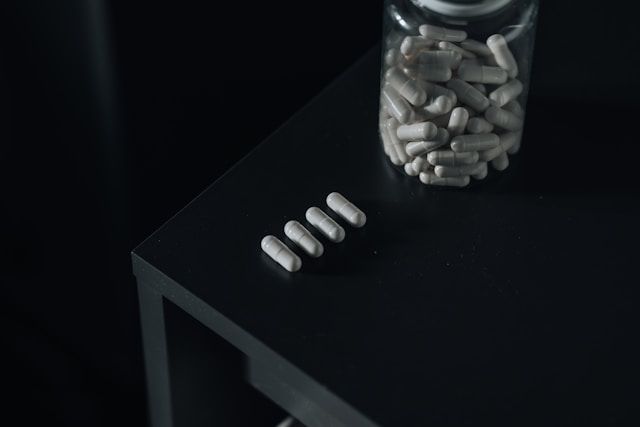
A bottle of supplement capsules on a black table

Should You Take NAD with Resveratrol?

The combination of NAD precursors and resveratrol has become one of the most talked-about supplement pairings in longevity circles. You’ve probably seen this duo marketed as the ultimate anti-aging stack.

But does the science actually support taking these two together? The answer is more complicated than most people realize.

Key Takeaways

  • The NAD and resveratrol combination theory sounds compelling but human clinical trials show no synergistic benefits
  • Mouse studies revealed concerning brain NAD reductions with the combination
  • NAD precursors alone reliably boost NAD levels with modest health benefits
  • Resveratrol has significant drug interactions and poor bioavailability issues

The Science Behind NAD and Resveratrol

The fascination with combining these molecules stems from their individual roles in cellular health and their theorized synergy.

What Makes NAD So Important for Cellular Health

Nicotinamide adenine dinucleotide (NAD) serves as a coenzyme in every cell of your body. This molecule plays a central role in energy production, helping convert the food you eat into useable cellular fuel.

NAD levels decline significantly with age, dropping by roughly 50% between ages 20 and 60.1 This decline affects everything from mitochondrial function to DNA repair processes.

The problem is that NAD gets consumed by several families of enzymes. Sirtuins use NAD as a cosubstrate for their deacetylase activity. PARPs burn through NAD when repairing DNA damage. CD38, an enzyme that increases with age, acts like a drain on your NAD pool.

This creates what researchers call an “NAD sink.” As we age, more NAD gets consumed while less gets produced.

Resveratrol’s Role in Healthy Aging

Resveratrol is a stilbenoid compound found naturally in grape skins, red wine, and other plants. It’s produced when plants face stress or pathogenic attack.

This molecule from red wine gained fame for its potential cardiovascular benefits. Lab studies show resveratrol can act as an antioxidant, reduce inflammation, and may influence longevity pathways.

The most cited mechanism involves sirtuin activation. Sirtuins are NAD-dependent enzymes that help regulate metabolism, DNA repair, and cellular stress responses.

Here’s where things get interesting. If resveratrol can activate sirtuins, and sirtuins need NAD to function, could combining them create a synergistic effect?

Join Our 50,000+ Longevity Newsletter

Access the same health optimization strategies used by longevity experts. Weekly insights, exclusive products, member pricing.

The “Fuel and Accelerator” Theory

This combination theory is often explained through a simple car analogy that’s become popular in longevity research circles.

How These Molecules Work Together

Think of NAD as the fuel and resveratrol as the accelerator pedal. Sirtuins are the engine that drives many anti-aging processes in your cells.

NAD precursors like NMN or nicotinamide riboside provide the “fuel” by increasing your cellular NAD levels. This gives sirtuins the substrate they need to function.

Resveratrol acts as the “accelerator” by potentially increasing the activity of sirtuins, particularly SIRT1. This means the enzymes work more efficiently when both molecules are present.

The logic seems sound. Having fuel without pressing the accelerator limits your speed. Pressing the accelerator without fuel gets you nowhere.

Sirtuin Activity and Metabolism

Sirtuins control many processes linked to healthy aging. SIRT1 helps regulate glucose metabolism and insulin sensitivity. SIRT3 supports mitochondrial function and energy production.

When sirtuins work properly, they can enhance DNA repair, reduce cellular inflammation, and promote efficient metabolism. These are exactly the benefits people seek from anti-aging supplements.

Research shows that combining NMN with resveratrol in mice significantly boosted NAD levels in heart and muscle tissue compared to NMN alone.2 The combination increased NAD by 1.6-fold in heart tissue and 1.7-fold in skeletal muscle.

But there’s a major caveat that few people discuss.

What Human Trials Really Show Us

The transition from promising mouse studies to human clinical trials reveals a significant gap in our understanding.

The Gap Between Mouse Studies and People

While the mouse data looks impressive, the same study that showed benefits in heart and muscle tissue revealed something troubling. In the brain, the combination actually decreased NAD levels compared to untreated animals.

This finding raises serious questions about using this combination for cognitive health or neuroprotection. Your brain is arguably the organ where you’d least want to reduce NAD levels.

The only direct human trial testing this combination studied older patients with peripheral artery disease.3 Participants received either nicotinamide riboside alone or combined with resveratrol.

The combination offered no additional benefit over NMN alone for improving walking performance. After adjusting for adherence issues, researchers concluded that resveratrol neither blocked nor enhanced the effects of the NAD precursor.

NMN and NR Supplementation Results

Looking at NAD precursors alone, the human data shows mixed results. Clinical trials consistently demonstrate that both NMN and nicotinamide mononucleotide can raise blood NAD levels safely.4

Some studies show benefits like improved insulin sensitivity in prediabetic women and enhanced muscle performance in older adults. Others find no significant effects on mitochondrial function or glucose metabolism.

A 2024 meta-analysis of NMN trials concluded that while the precursor effectively raises NAD levels, most clinical outcomes weren’t significantly improved.5 The researchers suggested the benefits might be exaggerated.

For resveratrol alone, the track record is even weaker. Despite thousands of preclinical studies, clinical reviews conclude there’s currently no solid evidence to recommend it in healthcare settings.6

Study TypeNAD PrecursorsResveratrolCombination
Animal StudiesStrong evidence for NAD boostingMixed lifespan resultsSynergistic tissue effects
Human TrialsReliable NAD increase, modest health benefitsWeak evidence for health benefitsNo superior effects vs. precursor alone
Safety ProfileGenerally well-toleratedSafe at lower dosesHigher risk of drug interactions

Dosage and Bioavailability Challenges

Even if you decide to try this combination, getting effective doses into your system presents real challenges.

Getting Resveratrol Into Your System

Standard resveratrol has terrible bioavailability. Less than 1% of what you swallow reaches your bloodstream unchanged. Your liver rapidly converts it into inactive metabolites.

Advanced formulations try to solve this problem. Micronized powders increase surface area.7 Liposomal encapsulation protects the molecule from breakdown.

Some products include piperine from black pepper, which can increase resveratrol blood levels by over 1,500% in animal studies. However, this dramatic boost hasn’t been confirmed in humans.

Clinical trials have used resveratrol doses ranging from 100-1,000 mg daily. Higher doses increase the risk of digestive upset.

Optimizing NAD Precursor Absorption

NAD precursors have better bioavailability than resveratrol, but formulation still matters. Studies suggest doses of 250-1,200 mg daily are safe and effective for raising NAD levels.8

If you want to boost NAD without the resveratrol headaches, Jinfiniti’s Vitality NAD+ Booster takes a different approach. You get reliable NAD precursors combined with creatine and D-ribose that your cells can actually use. No drug interactions to worry about. No bioavailability lottery. Just proven ingredients that work.

Vitality NAD+ Booster promotional image

Safety Considerations and Drug Interactions

The safety profile of this combination deserves serious attention, especially regarding drug interactions.

Who Should Avoid This Combination

Resveratrol can interfere with blood clotting and interact with many common medications. It inhibits several liver enzymes responsible for drug metabolism.

People taking blood thinners, including warfarin or even daily aspirin, face increased bleeding risk. The combination can also affect blood pressure medications and diabetes drugs.

Anyone with hormone-sensitive conditions should be cautious, as resveratrol may have mild estrogenic effects. Pregnant women and children should avoid these supplements entirely due to lack of safety data.

Potential Side Effects to Watch For

NAD precursors are generally well-tolerated. When side effects occur, they’re usually mild: nausea, fatigue, or headaches. High-dose resveratrol (over 1,000 mg daily) commonly causes digestive issues.

The combination creates a complex interaction profile. Multiple studies on resveratrol document significant drug interactions with:9

  • Anticoagulant medications
  • Blood pressure treatments
  • Diabetes medications
  • Drugs metabolized by liver CYP450 enzymes

Before starting this combination, consult with a healthcare provider who can review your complete medication list and health history.

Making the Right Choice for You

The evidence for combining NAD precursors with resveratrol falls short of the marketing promises. While the mechanistic rationale sounds compelling, human trials don’t support the synergistic benefits seen in mice.

For most people, focusing on proven NAD boosting strategies makes more sense. This includes choosing high-quality NAD precursors, maintaining good cellular nutrition, and supporting your body’s natural NAD production through lifestyle factors.

If you’re interested in targeting multiple longevity pathways, consider combinations with stronger evidence. Pairing NAD precursors with senolytic compounds like quercetin or fisetin may offer more logical synergy.

The most important step is knowing your baseline NAD levels. Jinfiniti’s Intracellular NAD Test measures your actual cellular NAD status, allowing you to make informed decisions about supplementation.

Remember that supplements work best as part of a comprehensive approach to healthy aging. Regular exercise, quality sleep, stress management, and a nutrient-dense dietary pattern remain the foundation of longevity.

Rather than chasing the latest supplement trend, focus on strategies with solid evidence behind them. Your future self will thank you for making decisions based on science, not hype.

Referenced Sources:

  1. https://pmc.ncbi.nlm.nih.gov/articles/PMC7963035/ ↩︎
  2. https://pmc.ncbi.nlm.nih.gov/articles/PMC9289528/ ↩︎
  3. https://www.nature.com/articles/s41467-024-49092-5 ↩︎
  4. https://pmc.ncbi.nlm.nih.gov/articles/PMC9036060/ ↩︎
  5. https://www.tandfonline.com/doi/full/10.1080/10408398.2024.2387324 ↩︎
  6. https://www.mdpi.com/1422-0067/25/2/747 ↩︎
  7. https://pmc.ncbi.nlm.nih.gov/articles/PMC8470508/ ↩︎
  8. https://pmc.ncbi.nlm.nih.gov/articles/PMC9036060/ ↩︎
  9. https://www.mdlinx.com/article/4-longevity-supplements-that-actually-do-more-harm-than-good/66NVziUTEPcXaGXgmEncwJ ↩︎
A runner sprints on a blue athletic track during golden hour with trees and sky visible.

What is Cellular Energy? A Simple Guide to Your Body’s Power Source

Have you ever wondered where you get the energy to think, move, or even breathe? The answer lies deep within your body, inside trillions of tiny powerhouses. This is where cellular energy is created, and it’s the fuel that powers every single thing you do.

Understanding how your body creates and uses this energy is a big step toward improving your health. Let’s break down what cellular energy is and why it’s so important for your vitality.

Key Takeaways

  • ATP is your body’s energy currency – it powers every cell function from thinking to breathing
  • Mitochondria are cellular powerhouses – these tiny structures inside your cells make the energy you need
  • Energy production naturally declines with age – leading to fatigue and slower recovery
  • You can support cellular energy – through proper nutrition, exercise, sleep, and targeted supplements

The Basics of Cellular Energy

Think of your body as a bustling city. For the city to run, it needs a constant power supply. Cellular energy is that power. It’s created when your body breaks down the food you eat, a primary energy source, into smaller components that your cells use.

This process keeps every part of your body fueled and ready to work. From your brain processing thoughts to your heart pumping blood, it all runs on this amazing internal power source.

What is ATP?

The center of cellular energy is a special molecule called adenosine triphosphate, or ATP. This molecule is made of adenine, a ribose sugar, and three phosphate groups.

If cellular energy is the power for your city, then ATP is the energy currency that pays for everything. The potential energy stored in the bonds of these phosphate groups is immense.

When a cell needs to do a task, it breaks one phosphate group off an ATP molecule, releasing energy. This burst of free energy is how ATP is used to power reactions. The spent molecule, now ADP, is quickly recharged back into ATP. The energy stored in ATP is what provides immediate power energy for cells1.

The Role of Mitochondria

The production of this needed chemical energy happens inside specialized parts of your cells called mitochondria. Often called the “powerhouses of the cell,” these tiny structures are where the magic of energy production happens.

Your cells can have hundreds or even thousands of mitochondria, especially in areas that require energy constantly, like your brain, heart, and muscles2. The health of your mitochondria is directly linked to your body’s ability to generate energy well.

How Your Body Makes Energy

A female athlete runs around the curve of a red athletic track.

Your body is incredibly skilled at converting food into usable energy through a process called cellular respiration. It’s how one molecule of glucose from your lunch becomes the power for your afternoon workout. This complex pathway is the cornerstone of your energy metabolism.

This intricate system demonstrates the importance of energy homeostasis in maintaining your body’s balance.

The Three Stages of Cellular Respiration

Cellular respiration can be broken down into three main stages3. Each step is a necessary part of the energy-making assembly line.

  1. Glycolysis: This first step happens in the cell’s cytoplasm, outside the mitochondria. Here, a glucose molecule is split into two smaller pyruvate molecules, creating a small amount of ATP.
  2. The Citric Acid Cycle: Also known as the Krebs cycle, this stage takes place inside the mitochondria. It uses the pyruvate molecules to generate electron carriers, NADH and FADH2, which are needed for the next step.
  3. The Electron Transport Chain: This is the main event for energy production. It occurs on the inner mitochondrial membrane and is a form of cycle and oxidative phosphorylation. The transfer of electrons from NADH and FADH2 powers the pumping of hydrogen ions across the inner membrane. This process, which requires oxygen as the final electron acceptor, creates a gradient that the enzyme ATP synthase uses to produce a large amount of ATP.

Here is a simple breakdown of the major energy produced per glucose molecule:

StageLocationATP Produced (Approx.)
GlycolysisCytoplasm2 ATP
Citric Acid CycleMitochondria2 ATP
Electron Transport ChainMitochondria26-28 ATP

Why Cellular Energy is Central to Your Health

A man and woman in athletic wear run up concrete stairs outdoors together.

Having a steady energy supply is about more than just feeling awake. It affects every aspect of your well-being, from how clearly you think to how well you fight off sickness. A strong immune system, for example, requires plenty of energy in the form of ATP to protect you from pathogens.

When your energy production is running smoothly, you feel it. Your mind is sharp, your body feels strong, and you have the resilience to handle stress. This is because your cells have the power they need energy for repair, regeneration, and defense.

The Link Between Energy and Aging

As we get older, our mitochondrial function can decline. Studies show that this slowdown in energy production is a major factor in the aging process4. When cells can’t produce energy as well, it can lead to common signs of aging like fatigue, muscle weakness, and slower recovery.

This decline is partly due to a decrease in necessary compounds like Coenzyme Q10 and the coenzyme NAD+ (Nicotinamide Adenine Dinucleotide). These molecules are needed for the energy-making process, and lower levels of ATP can affect your overall healthspan.

Understanding mitochondrial decline can help you recognize the importance of supporting these cellular powerhouses. The 12 hallmarks of aging include mitochondrial dysfunction as a key factor in how we age.

When Energy Production Falters

Sometimes, the process of making cellular energy doesn’t work as well as it should. This can be due to genetics, lifestyle, or environmental factors.

Conditions like chronic fatigue and certain metabolic disorders are linked to problems with mitochondrial function. Research shows that impaired energy metabolism is also connected to cardiovascular and neurodegenerative diseases5. This demonstrates just how central cellular energy is to preventing illness and maintaining long-term health.

When cellular processes break down, it can lead to cellular degeneration, which affects your overall health and vitality.

How to Support Your Cellular Energy

A person in a yellow sweater prepares healthy breakfast with yogurt, berries and nuts.

The good news is that you can take steps to support your body’s natural ability to produce ATP. By making smart choices, you can help your mitochondria flourish and keep your energy levels high.

Nutrition for Your Cells

A diet rich in nutrients is the foundation for healthy energy metabolism. Your cells need the right building blocks to work their best.

  • Eat Whole Foods: Focus on a diet full of high-quality proteins, healthy fats, and complex carbohydrates.
  • Limit Processed Sugars: Foods high in refined sugar can interfere with mitochondrial function.
  • Stay Hydrated: Water is needed for every metabolic process in your body, including energy production.
  • Get Your Micronutrients: B vitamins, magnesium, and antioxidants are all needed for the energy-making pathway.

Having a good understanding of cellular nutrition can help you make better food choices for energy production.

Lifestyle Habits for Better Energy

How you live your life also has a big impact on your cellular health. Regular physical activity is one of the best ways to boost your mitochondria. Exercise can even encourage your body to create new mitochondria.

Managing stress and getting enough quality sleep are also major factors. Chronic stress can damage mitochondria, while sleep is when your body does much of its repair work. For more ideas, you can explore daily practices to support mitochondrial health.

Targeted Support with Supplements

A muscular man in a white shirt holds a supplement bottle with others on the table.

For those looking for an extra edge, targeted supplements can help support the body’s energy currency system. As we age, our natural production of energy-related molecules declines, and supplementation can help fill the gap.

Jinfiniti’s Creatine + ATP is designed to directly support your body’s energy cycle. It provides both creatine, which helps recycle ADP back into ATP, and a direct source of ATP. This combination supports both physical performance and cognitive function, making it a great choice for anyone looking to boost their daily energy. Learn more about creatine and ATP and their powerful connection.

Another powerful option is supporting your NAD+ levels. Jinfiniti’s Vitality↑® NAD+ Booster is formulated to increase this needed coenzyme, which is involved in over 500 cellular activities, including energy production.

Boosting your NAD+ helps support your body’s ability to create the ATP it needs to flourish. Not sure what your levels are? You can easily find out with an at-home NAD test or learn more about how to test your NAD levels.

For broader cellular support, consider exploring the best mitochondrial health supplements or chronic fatigue supplements if you’re dealing with persistent tiredness.

Final Thoughts

Cellular energy is the very foundation of your health. It’s the power that drives every breath, heartbeat, and thought. By understanding how your body creates this energy, you can take proactive steps to support your vitality for years to come.

Focusing on a healthy diet, an active lifestyle, and smart supplementation can help keep your cellular powerhouses running at their best. When you take care of your cells, you are truly taking care of your entire body.

If you’re curious about other ways to support your cells, you might want to learn about the best supplements to support cellular repair.

  1. https://www.ncbi.nlm.nih.gov/books/NBK553175/ ↩︎
  2. https://www.nih.gov/news-events/nih-research-matters/mitochondria-health ↩︎
  3. https://online.ucpress.edu/abt/article-abstract/71/3/164/17983/Teaching-Cellular-Respiration-amp-Alternate-Energy ↩︎
  4. https://www.oncotarget.com/article/7645/text/ ↩︎
  5. https://www.nature.com/articles/s41392-024-01839-8 ↩︎
A woman in a white robe sits in a clinic chair receiving NAD IV therapy while scrolling on her phone.

NAD IV Therapy Benefits: Pros and Cons, Risks Explained

NAD IV therapy has become the latest wellness trend, promising everything from increased energy to anti-aging benefits.

But before you book that expensive treatment, you need to understand both the potential benefits and serious risks involved.

This guide examines what science actually says about NAD infusions, helping you make an informed decision about this controversial treatment.

Key Takeaways

  • NAD IV therapy lacks FDA approval and has limited scientific evidence supporting its claims
  • Common side effects include nausea, headaches, and muscle pain during lengthy infusions
  • Oral NAD precursors may be more effective and safer than direct IV administration
  • Testing your current NAD levels before treatment helps avoid unnecessary risks and costs

What is NAD IV Therapy?

NAD stands for nicotinamide adenine dinucleotide, an important coenzyme found in every cell of your body. This enzyme helps with cellular energy production, DNA repair, and metabolism.

As you age, your NAD levels naturally decline. This drop affects your cellular function and may contribute to age-related health issues.

NAD IV therapy involves receiving this coenzyme directly into the bloodstream through intravenous infusion. The treatment bypasses your digestive system, where oral NAD supplements would typically break down before reaching your cells.

Sessions typically last 2-6 hours and can cost hundreds to thousands of dollars per treatment. Practitioners claim IV delivery provides 100% bioavailability compared to oral supplements.

Benefits of NAD Therapy: What Supporters Claim

A woman in a white robe relaxes on a medical chair while receiving NAD IV therapy.

Wellness clinics make bold claims about NAD therapy benefits. Here’s what they promise:

Cellular Energy and Metabolism

Supporters say NAD infusions can boost your energy levels by improving mitochondrial function. Your mitochondria are the powerhouses of your cells, producing the energy you need for daily activities.

The therapy may enhance metabolism, helping with weight management and metabolic function. Some claim it improves physical performance and speeds up recovery after exercise.

Energy Claims Include:

  • Increased cellular energy production
  • Better ATP synthesis
  • Enhanced physical stamina
  • Faster workout recovery

Brain Function and Mental Clarity

NAD therapy supporters claim significant cognitive benefits. They say the treatment can improve mental clarity, focus, and memory.

Some practitioners suggest it offers neuroprotection against age-related brain decline. Others claim it helps with mood improvement, reducing depression and anxiety symptoms that can impact your overall quality of life.

Cognitive Claims Include:

  • Sharper mental focus
  • Better memory retention
  • Improved mood stability
  • Protection against brain aging

Anti-Aging and DNA Repair

Perhaps the most appealing claims center on anti-aging effects. Supporters say NAD can help slow down the aging process at the cellular level.

They claim the coenzyme activates genes that combat aging and helps repair damaged DNA. Some even suggest it can improve skin appearance by reducing fine lines and wrinkles.

Anti-Aging Claims Include:

  • DNA repair activation
  • Cellular regeneration
  • Improved skin quality
  • Extended healthspan

Types of NAD Treatment Options

You have several options if you’re considering NAD therapy:

Treatment TypeDurationCost RangeBioavailability Claim
IV Infusions2-6 hours$500-$1,500100%
Injections15-30 minutes$200-$50090-95%
Oral SupplementsDaily pills$30-$200/month10-30%
Nasal SpraysFew minutes$100-$30040-60%

IV infusions remain the most popular option at wellness centers. However, other delivery methods may offer similar benefits with fewer risks and lower costs.

NAD Therapy Side Effects and Risks

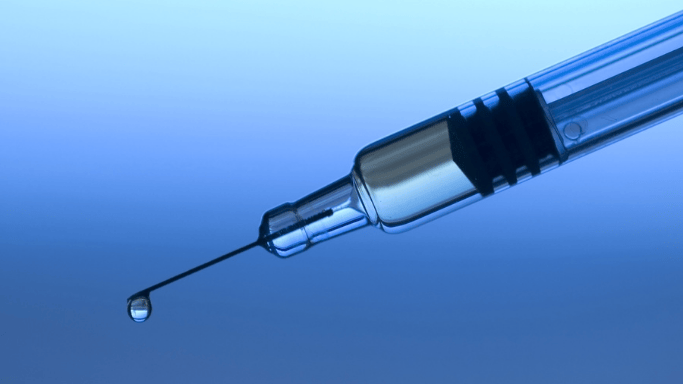
A close-up image of a medical syringe, filled and ready for use.

Despite marketing claims, NAD IV therapy carries significant risks that you should understand.

Common IV Infusions Side Effects

Most people experience some discomfort during NAD infusions. The slow vitamin therapy process often causes unpleasant symptoms.

During Treatment:

  • Nausea and vomiting
  • Headaches and dizziness
  • Muscle cramping and pain
  • Brain fog and fatigue
  • Tingling sensations throughout your body

At Injection Site:

  • Redness and swelling
  • Pain and tenderness
  • Risk of infection (rare but serious)

Serious Safety Concerns

The FDA has issued warnings about contamination risks with NAD injectables. Some compounders use food-grade rather than pharmaceutical-grade ingredients.

Severe adverse events have been reported, including:1

  • Uncontrollable chills and shaking
  • Severe vomiting requiring medical attention
  • Extreme fatigue lasting days
  • Endotoxin contamination from inappropriate ingredients

Drug Interactions

NAD IV treatments can interact dangerously with medications:

  • Diabetes drugs (blood sugar control issues)
  • Cancer treatments (may interfere with chemotherapy)
  • Blood thinners (altered clotting risk)
  • Antidepressants (mood medication interactions)

What the Science Actually Shows

Despite enthusiastic marketing, scientific evidence supporting NAD IV therapy remains surprisingly weak.

A 2020 systematic review found that only a small number of randomized clinical trials of NAD therapy have taken place.2 Most evidence comes from small case studies rather than rigorous research.

The results are described as “promising, yet still speculative” with more trials needed. Recent studies show that oral NAD precursors may actually be more effective than direct IV infusions.3

Dr. Michael Sagner of King’s College London has called direct NAD injection “completely idiotic from a biochemistry point of view” since NAD cannot easily cross cell membranes.4

NAD IV therapy is not FDA-approved for any medical condition. The treatment exists in a regulatory gray area, offered under “wellness” frameworks rather than medical approval.

NAD Infusion vs Other NAD Treatment Methods

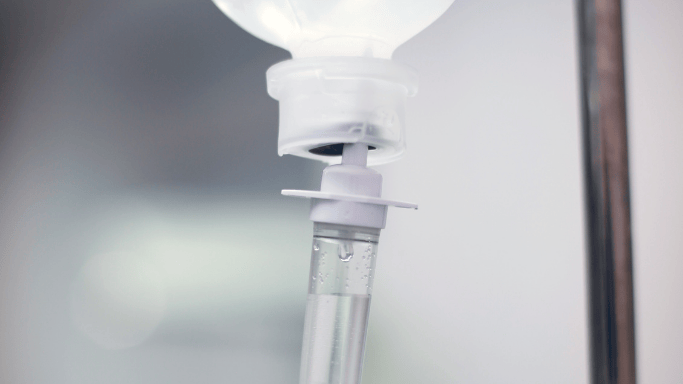
A close-up view of an intravenous (IV) drip chamber with fluid flowing through the tube.

Before choosing expensive IV therapy, consider these alternatives:

Oral NAD Precursors

  • Lower risk of contamination
  • More convenient administration
  • Better studied in clinical trials
  • Significantly more affordable

Lifestyle Interventions

  • Regular exercise naturally supports NAD levels
  • Quality sleep supports cellular repair
  • Stress management reduces oxidative stress
  • Caloric restriction (the only proven longevity intervention)

Testing Your Levels First

Before spending thousands on IV therapy, shouldn’t you know if you actually need it?

The Intracellular NAD+ Test measures your baseline NAD status, giving you real data instead of guesswork.

This finger-prick test provides personalized dosage recommendations and lets you track your progress over time. It’s the smart way to approach NAD optimization using Jinfiniti’s proven “Test, Act, Optimize” methodology.

Intracellular NAD Test promotional image

Learn More About NAD: Making an Informed Decision

If you’re considering if NAD therapy is worth it, take time to understand your options fully. 

The science shows that NAD supplements vs IV therapy comparison isn’t as straightforward as clinics suggest.

Start with testing to understand your current NAD status. Many people assume they’re deficient without any actual data to support that assumption.

Consider safer oral alternatives first. The Vitality↑® NAD+ Booster provides a clinically validated formula with NAD precursors, creatine, and supporting compounds.

A Smarter Approach

Why guess when you can know for sure? The NAD Optimization® Starter Package combines testing with supplementation, following Jinfiniti’s proven “Test, Act, Optimize” methodology.

You’ll measure your baseline, supplement appropriately, then retest to confirm improvement. This data-driven approach eliminates guesswork and provides measurable results without the risks of IV therapy.

Questions to Ask Your Provider

If you’re still considering IV therapy, ask these questions:

  • What’s your training and experience with NAD infusions?
  • Where do you source your NAD, and is it pharmaceutical grade?
  • What’s your protocol for managing adverse reactions?
  • Can you provide peer-reviewed studies supporting your treatment claims?
  • What follow-up testing do you recommend?
  • How do you customize the treatment plan for individual patients?

The Bottom Line

An image of a hand holding a supplement

NAD plays real roles in cellular function, and levels do decline with age. But the evidence supporting IV therapy isn’t strong enough to justify the health claims and costs.

The therapy might improve as research progresses. Right now though, the risks and costs outweigh the unproven benefits for most people.

Quality oral supplements, combined with lifestyle changes and proper testing, offer a safer path to NAD optimization.

Anyone considering NAD IV therapy should consult qualified healthcare providers, understand you’re trying an experimental treatment, and carefully weigh potential risks against uncertain benefits.

Your health deserves evidence-based decisions, not expensive experiments.

Referenced Sources:

  1. https://www.fda.gov/drugs/human-drug-compounding/fda-reminds-compounders-use-ingredients-suitable-sterile-compounding ↩︎
  2. https://www.mdpi.com/1424-8247/13/9/247 ↩︎
  3. https://www.medrxiv.org/content/10.1101/2024.06.06.24308565v1.full-text ↩︎
  4. https://www.theguardian.com/society/2025/feb/23/its-not-ethical-and-its-not-medical-how-uk-rehab-clinics-are-cashing-in-on-nad ↩︎
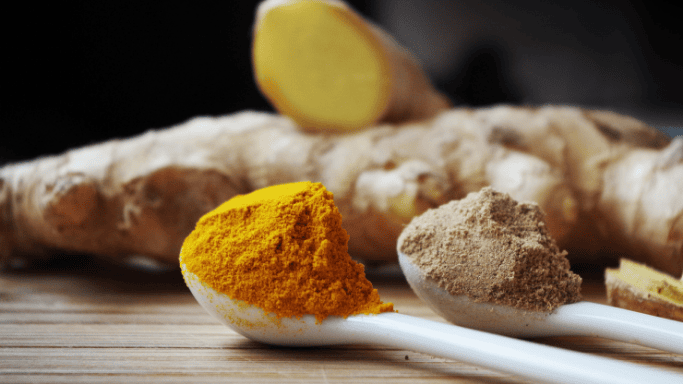
An image of ginger and turmeric powder with ginger roots on the background

Turmeric vs Ginger: What’s the Difference and Which is Best?

You’ve probably seen turmeric and ginger sitting side by side in the spice aisle. Their golden hues promise powerful health benefits. But which one should be in your daily routine?

Both medicinal roots belong to the same plant family. They pack serious therapeutic punch. But they work completely differently in your body.

The truth is, there’s no universal “winner” between turmeric and ginger. Each herb is better in certain areas. Your choice depends on your health goals.

Key Takeaways

  • Ginger wins for stomach issues – Works in 30-60 minutes for nausea and upset stomach
  • Turmeric wins for chronic pain – Better for arthritis, joint pain, and long-term health
  • Combination beats either alone – Using both together creates stronger anti-inflammatory effects

What Makes Turmeric and Ginger Different?

An image of ginger and turmeric with tea on the background

Despite their similar appearance, these roots contain very different healing compounds. This creates unique therapeutic profiles for each.

Turmeric contains curcumin as its main active compound. Curcumin makes up 2-8% of dried turmeric root. This compound gives turmeric its golden color and most of its anti-inflammatory properties.1 Scientists have found curcumin has over 100 healing compounds.

Ginger gets its power from gingerol and shogaol compounds. Fresh ginger root has higher levels of gingerols. Dried ginger develops more shogaols through the drying process. These compounds in ginger provide the spicy flavor and healing effects.

Differences at a Glance:

AspectTurmericGinger
Main compoundCurcumin (2-8%)Gingerol/Shogaol
Natural absorption<1%~2%
Primary strengthChronic inflammationStomach problems
Onset timeSlow, sustainedFast (30-60 minutes)

The absorption difference is huge. Ginger works much better naturally. Its compounds reach peak blood levels within 45-60 minutes. Meanwhile, turmeric has poor absorption. Studies show less than 1% gets absorbed when eaten alone.2

Health Benefits of Turmeric vs Ginger

An image of turmeric vs. ginger

Both herbs deliver powerful healing effects. But they use completely different methods. This makes each suited for specific health concerns.

Anti-Inflammatory Properties

Turmeric provides stronger overall anti-inflammatory power. It blocks multiple inflammatory pathways at once.3 This includes cyclooxygenase and lipoxygenase enzymes. Its curcumin targets nuclear factor-kappa B. This regulates inflammatory gene expression.

Ginger’s anti-inflammatory effects work differently. They operate mainly through gingerol and shogaol compounds. This offers more targeted relief for acute inflammatory conditions. While less comprehensive than turmeric, ginger may help with immediate inflammation needs.

Here’s something fascinating. A study found that both herbs work better together.4 The optimal ratio is 5:2 (ginger to turmeric). This combination creates stronger anti-inflammatory activity than either herb alone.

Reduced Inflammation and Antioxidant Support

Both herbs work as powerful antioxidant compounds. They help reduce inflammation throughout your body. Turmeric’s curcumin provides broad-spectrum antioxidant activity. Ginger’s gingerol compounds offer targeted antioxidant benefits.

Think of turmeric as your long-term inflammation fighter. Ginger acts as your quick-relief option.

Digestive Health Benefits

Ginger clearly wins for stomach problems. It excels at digestive applications, especially nausea relief. Clinical studies show it works for pregnancy morning sickness. It also helps chemotherapy nausea and motion sickness. The recommended dose ranges from 1-2 grams of ginger daily for nausea prevention.

Turmeric helps digestion differently. It provides benefits mainly through anti-inflammatory effects on your gut tract. It shows promise for inflammatory bowel disease and chronic gut inflammation.

Managing Inflammatory Bowel Disease Symptoms

For those dealing with inflammatory bowel disease, turmeric works well long-term. Its sustained anti-inflammatory action may help manage chronic digestive inflammation. The curcumin content works on multiple pathways that contribute to intestinal inflammation.

Digestive Benefits Comparison:

  • Ginger: Immediate nausea relief, morning sickness, motion sickness
  • Turmeric: Long-term gut inflammation, inflammatory bowel conditions

Turmeric vs Ginger for Specific Conditions

An image of a ginger with tea and turmeric powder

Understanding which herb works best for your health concerns helps you choose wisely.

Joint Health and Arthritis

For arthritis and joint pain, turmeric works better long-term. It provides sustained anti-inflammatory action and cartilage protection. Clinical trials show that 500-1000mg of bioavailable curcumin daily works as well as NSAIDs. But with fewer side effects.5

Ginger offers quick pain relief. It works particularly well for exercise-induced muscle soreness. It also helps short-term joint discomfort. A study found ginger’s effects work faster. But they don’t last as long as turmeric’s sustained relief.

Both herbs target osteoarthritis pain. But they use different methods that can work together beautifully.

Ginger Shots for Gut Health and Nausea

Ginger shots and ginger extract have become popular for good reason. Ginger works clearly better for digestive issues. You can detect it in your blood within 30-60 minutes of drinking it.

The gingerol compounds in fresh ginger root work directly on your digestive system’s receptors. This makes it super effective for:

  • Morning sickness (safe up to 1 gram daily during pregnancy)
  • Chemotherapy-induced nausea
  • Motion sickness
  • General stomach upset

Turmeric works more slowly. But it provides sustained support for chronic digestive inflammation. It may help with long-term gut health maintenance.

Benefits of Turmeric and Ginger Used Together

An image of turmeric juice and ginger

The most exciting discovery from recent research is how ginger and turmeric work together.

Studies show that using both herbs together creates stronger anti-inflammatory activity. This goes beyond either herb used alone. The optimal ratio appears to be 5:2 (ginger to turmeric). This comes from clinical research showing enhanced effects.6

This combination significantly cuts inflammatory markers. This includes nitric oxide, tumor necrosis factor, and interleukin-6. You get ginger’s rapid onset combined with turmeric’s sustained action.

Benefits of Combined Use:

  • Stronger anti-inflammatory power
  • Better digestive tolerance
  • Improved overall absorption
  • Complementary healing effects

The herbs also complement each other nutritionally. Ginger’s natural bioavailability helps offset turmeric’s absorption challenges. Meanwhile, turmeric’s sustained action extends ginger’s shorter-term effects.

This is why many people find success with combination supplements. Or recipes that include both herbs together.

Turmeric Supplements vs Fresh Options

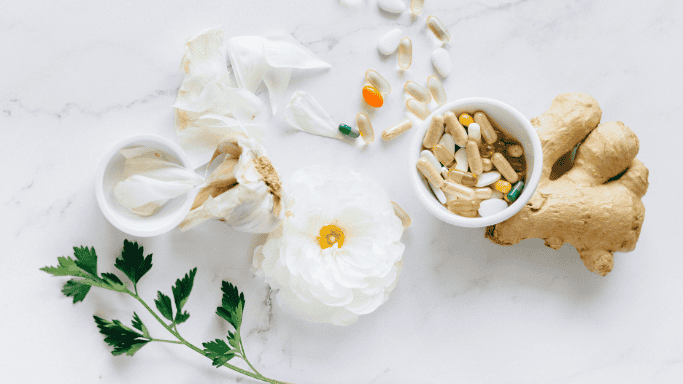
An image of turmeric powder and supplements

The absorption challenge makes choosing the right form of turmeric particularly important. This is where testing becomes valuable.

Fresh turmeric root provides the full spectrum of curcuminoids. But it suffers from the same poor absorption issues as powder forms. You’d need to consume large amounts to achieve therapeutic levels.

Turmeric supplements can dramatically improve absorption through several strategies:

  • Fat-soluble preparations: Improve curcumin uptake
  • Specialized formulations: Liposomal or phytosome complexes

For optimal results, look for turmeric supplements that include bioavailability enhancers. Jinfiniti’s Extra Strength Turmeric+ combines turmeric extract with black pepper extract. It also includes ginger extract and quercetin for better absorption and even more anti-inflammatory benefits.

Fresh vs Supplement Comparison:

  • Fresh root: Full spectrum compounds, poor absorption
  • Basic powder: Convenient, still poor absorption
  • Enhanced supplements: Better bioavailability, standardized dosing
  • Combination formulas: Synergistic effects, optimal ratios

Safety and Side Effects

Both herbs are generally well-tolerated. But they do have different safety profiles to consider.

Ginger has a better safety profile with fewer warnings. The main concerns involve its mild blood-thinning properties. Pregnant women can safely consume moderate amounts (up to 1 gram daily). This makes it preferable for pregnancy-related nausea.

Side effects from ginger are usually limited to mild stomach irritation. This happens when you consume excessive amounts (>5 grams daily).

Turmeric carries more moderate risks with several important considerations:8

  • Can interact with blood-thinning medications
  • May increase bleeding risk
  • Should be avoided by people with gallbladder disease
  • Can interfere with iron absorption
  • May interact with chemotherapy drugs

Safety Guidelines:

  • Start with small amounts of either herb
  • Consult your healthcare provider if taking medications
  • Avoid high doses during pregnancy (especially turmeric)
  • Monitor for any digestive upset

The effects of turmeric on medication interactions make professional guidance important. This is especially true if you’re taking blood thinners or have scheduled surgery.

Which Should You Choose?

An image of turmeric vs. ginger

Your optimal choice depends on your specific health goals and current needs.

Choose Turmeric For:

  • Chronic inflammatory conditions
  • Joint pain and arthritis
  • Long-term antioxidant support
  • Heart health
  • Cancer prevention research interest

Choose Ginger For:

  • Digestive issues and nausea
  • Quick pain relief
  • Exercise recovery
  • Pregnancy-related discomfort
  • Immediate anti-inflammatory needs

When to Use Turmeric and Ginger Together

Many people find the greatest success using both herbs strategically. You might use ginger for immediate digestive relief. While incorporating turmeric for long-term inflammatory support.

For those interested in natural herbs and spices that fight inflammation, both turmeric and ginger rank among the most researched options available.

Ginger and Turmeric: Which is Best?

An image of turmeric vs. ginger

Instead of turmeric vs ginger, think about how each herb’s strengths can support your health goals.

Turmeric is great for chronic inflammatory conditions and long term health. Ginger is great for digestive issues and acute discomfort. They work differently and are absorbed differently so they are complementary not competitive.

The research shows you should use both herbs together for maximum benefit. Whether through food, teas or high quality supplements with enhanced bioavailability, using both turmeric and ginger in your daily routine gives you the best of both worlds.

When choosing supplements, look for formulations that address bioavailability. Consider combination products that combine the power of both herbs working together.

Remember the TAO approach: Test which works best for you, Act on what you learn, and Optimize over time.

Referenced Sources:

  1. https://journals.lww.com/10.1097/HNP.0000000000000649 ↩︎
  2. https://linkinghub.elsevier.com/retrieve/pii/B9780128224489000066 ↩︎
  3. https://safer.uct.cl/index.php/SAFER/article/view/81 ↩︎
  4. http://ijarsct.co.in/Paper14273.pdf ↩︎
  5. https://www.frontiersin.org/articles/10.3389/fphar.2021.779352/pdf ↩︎
  6. https://pmc.ncbi.nlm.nih.gov/articles/PMC9229778/ ↩︎
  7. https://pmc.ncbi.nlm.nih.gov/articles/PMC3535097/ ↩︎
  8. https://www.nccih.nih.gov/health/turmeric ↩︎
A yellow mug sits beside fresh ginger root and a lemon half on wood.

5 Anti-Inflammatory Health Benefits of Ginger Root

Ginger root has been treasured for thousands of years as both a culinary spice and natural remedy. Modern science now confirms what traditional healers have long known.

This powerful plant offers remarkable anti-inflammatory properties that can transform your health. Research reveals that ginger contains potent compounds that target inflammation throughout your body.

Key Takeaways

  • Ginger reduces exercise-induced muscle pain by 25% when taken daily for 11 days
  • 63% of arthritis patients experienced pain relief with ginger extract in clinical trials
  • Daily ginger intake helps control autoimmune inflammation by modulating immune cells
  • Ginger protects heart and brain health through powerful anti-inflammatory pathways

Health Benefits of Ginger: 5 Anti-Inflammatory Powers

An image of ginger and ginger powder

The health benefits of ginger extend far beyond soothing stomach upset. Scientific studies reveal five primary ways this root reduces inflammation in your body.

Each benefit targets different inflammatory pathways. This makes ginger a versatile tool for managing various health conditions naturally.

Fresh Ginger vs Other Forms for Maximum Benefits

Fresh ginger contains the highest concentration of active compounds. These include gingerols, shogaols, and zingerones that drive anti-inflammatory effects.

Ginger FormActive CompoundsBest Uses
Fresh rootHighest gingerolsCooking, tea
Dried powderConcentrated shogaolsSupplements
ExtractStandardized potencyTherapeutic doses

Ginger contains over 400 different chemical compounds. The most studied are 6-gingerol, 8-gingerol, and 6-shogaol for their anti-inflammatory properties.

Benefit 1: Exercise Recovery and Muscle Pain Relief

A woman sitting on a yoga mat, holding pink dumbbells in both hands.

Athletes and fitness enthusiasts can benefit tremendously from ginger’s muscle-healing properties. A University of Georgia study found that ginger supplementation reduced exercise-induced pain by 25%.1

The research involved 74 volunteers who took 2 grams of ginger daily. Participants experienced notable pain reduction after inducing muscle injury through exercise.

How Ginger May Help Athletes Recover Faster

Ginger may help your muscles recover by inhibiting prostaglandin and leukotriene biosynthesis.2 This process reduces the inflammatory cascade that causes post-workout soreness.

The compound 6-gingerol targets the same pathways as anti-inflammatory drugs. This makes ginger valuable for people seeking natural pain relief.

Ginger can help reduce muscle inflammation without medication side effects. Learn more about supporting recovery with our guide on NAD+ for athletic performance.

Benefit 2: Joint Pain and Arthritis Management

A woman holding her inflamed knee, showing signs of pain or discomfort.

People with arthritis often struggle to find effective natural solutions. Ginger offers hope for both osteoarthritis and rheumatoid arthritis sufferers.

A controlled study involving 261 patients with knee osteoarthritis revealed impressive results.3 About 63% experienced pain reduction when taking ginger extract compared to 50% in the placebo group.

Benefits of Ginger for Rheumatoid Arthritis

Ginger compounds reduce inflammatory mediators effectively. These include prostaglandin E2, tumor necrosis factor-α, and interleukin-1β.

Research shows that aromatherapy massage with ginger oil provides superior results. It improved joint stiffness compared to other oils tested.4

Ginger works by inhibiting COX-1 and COX-2 enzymes. These are key players in inflammatory processes that cause joint pain.

For more natural approaches, explore our article on NAD+ and arthritis support.

Benefit 3: Autoimmune Disease Support

Research from 2023 reveals how ginger could help control autoimmune inflammation. The study, published in JCI Insight, examined ginger’s effects on neutrophil activity.5

Neutrophils are white blood cells that contribute to autoimmune inflammation when overactive. Daily ginger supplementation made these cells more resistant to harmful responses.

Helps Reduce Autoimmune Inflammation Naturally

Ginger consumption boosted cyclic AMP levels in neutrophils. This then inhibited excessive inflammatory responses throughout the body.

The study found that ginger helped control neutrophil extracellular trap formation. NETs contribute to inflammation in lupus, rheumatoid arthritis, and antiphospholipid syndrome.

This discovery provides scientific evidence for ginger’s biological mechanism. It shows how ginger could benefit people with autoimmune conditions.

Benefit 4: Nausea Relief and Digestive Health

A woman holding her stomach with her left hand and covering her mouth with her right hand, appearing to vomit.

Your digestive system can experience notable inflammation from stress, poor diet, and bacterial imbalances. Ginger offers targeted protection for gut health and nausea relief.

University of Toronto researchers identified furanodienone (FDN) in ginger.6 This compound activates the pregnane X receptor, which regulates gut inflammation.

How Ginger Supports Gut Health

Studies show that ginger extract decreases inflammatory markers in intestinal cells.7 These include interleukin-6, interleukin-8, and nuclear factor-κB.

Ginger also improved intestinal barrier function by:

  • Increasing transepithelial electrical resistance
  • Reducing intestinal permeability
  • Strengthening tight junctions between cells
  • Supporting beneficial gut bacteria growth

This dual action helps manage inflammatory bowel disease and leaky gut syndrome. For more cellular support, check out our guide to cellular nutrition.

Benefit 5: Blood Sugar and Heart Protection

An older woman checking her blood sugar with a glucometer.

Ginger’s anti-inflammatory effects extend to cardiovascular and metabolic systems. A 2025 review in Cureus found that ginger helps reduce blood pressure and cholesterol.8

The phenolic compounds in ginger work by inhibiting inflammatory pathways. They also provide antioxidant protection to blood vessels.

May Help Reduce Cardiovascular Risk Factors

Research shows ginger may help protect against neurodegenerative diseases. The compound 6-gingerol enhances cognitive function through nerve growth factor pathways.9

Blood sugar control improves with regular ginger consumption. Studies indicate ginger enhances insulin sensitivity and glucose metabolism.

Cardiovascular BenefitMechanismResearch Finding
Lower blood pressureVasodilation8-12 mmHg reduction
Reduced cholesterolEnzyme inhibition15-20% LDL decrease
Better blood sugarEnhanced insulin sensitivity10-15% glucose improvement

Learn more about supporting brain health with our brain health supplements guide.

Ginger Supplement Options and Dosing

An image of a ginger and supplements

You can access ginger’s benefits through several forms. Each option offers unique advantages depending on your needs and preferences.

A randomized controlled trial found that taking ginger with meals improves absorption. It also reduces potential stomach irritation from higher doses.

Health Benefits of Ginger Tea and Other Forms

Ginger tea offers gentle benefits with good absorption and hydration. The warm liquid helps extract beneficial compounds and makes them easier to absorb.

  • Fresh ginger root: 1-2 grams daily for cooking and tea
  • Ginger powder: 250-1000mg daily in capsules or smoothies
  • Ginger tea: 2-3 cups daily for gentle ongoing support
  • Standardized extract: Follow manufacturer dosing for therapeutic use

To maximize ginger tea benefits, simmer fresh slices for 10-15 minutes. This extraction method releases more active compounds than quick steeping.

You can enhance absorption by adding black pepper or coconut oil. These help your body utilize ginger’s fat-soluble compounds better.

Combining Ginger with Turmeric for Enhanced Benefits

An image of turmeric and turmeric powder in a bowl

While ginger provides impressive benefits alone, combining it with turmeric creates even more powerful healing. These two roots work synergistically through different anti-inflammatory pathways.

Our Extra Strength Turmeric+ contains both turmeric and ginger extracts. This formula provides multiple anti-inflammatory herbs in one convenient supplement.

The combination includes quercetin and boswellia extract alongside ginger. Black pepper extract enhances bioavailability of all active compounds by up to 2000%.

Learn how these powerful roots work together in our guide to the benefits of turmeric and ginger.

Turmeric curcumin supplement promo

Safety and How to Take Ginger Properly

An image of ginger tea, lemon, and a ginger

Ginger has an excellent safety profile for most people when used reasonably. However, some individuals should exercise caution with supplementation.

When you take ginger for the first time, start with small amounts. This helps you assess your body’s response before increasing doses.

People taking blood-thinning medications should consult their healthcare provider first. Ginger may enhance anticoagulant drug effects.

Those scheduled for surgery should stop ginger supplements two weeks beforehand. The blood-thinning effects could increase bleeding risk during procedures.

Ginger helps with nausea and vomiting from various causes safely. Pregnant women can use small amounts for morning sickness under medical guidance.

Common side effects include:

  • Mild heartburn (take with food)
  • Stomach upset (reduce dose)
  • Increased bleeding risk (stop before surgery)
  • Drug interactions (consult doctor)

Testing Your Inflammatory Status

A woman in a white dress holding her inflamed stomach, appearing to be in pain.

Understanding your inflammatory burden helps guide ginger use effectively. Chronic inflammation often develops silently before symptoms appear.

Consider testing key inflammatory markers to establish your baseline. Our AgingSOS Advanced Panel measures 22 biomarkers including inflammatory proteins.

This testing approach aligns with precision health principles. You can make informed decisions about ginger when you understand your individual status.

Find out more about inflammatory testing in our guide to inflammatory biomarkers.

Bottom Line on Ginger for Reducing Inflammation

An image of ginger and turmeric for inflammation

Scientific research consistently demonstrates ginger’s remarkable anti-inflammatory benefits across multiple body systems. From reducing exercise pain to supporting joint health, this root provides wide-ranging healing support.

The key compounds—gingerols, shogaols, and zingerones—work through multiple pathways. They reduce inflammatory mediators and protect against chronic inflammation effectively.

With excellent safety and minimal side effects, ginger represents valuable natural medicine. Whether you choose fresh ginger, tea, or supplements, this herb supports your journey toward better health.

For more natural inflammation-fighting approaches, explore our herbs and spices that fight inflammation guide.

Referenced Sources:

  1. https://news.uga.edu/uga-researchers-find-daily-ginger-consumption-eases-muscle-pain/ ↩︎
  2. https://pmc.ncbi.nlm.nih.gov/articles/PMC3665023/ ↩︎
  3. https://pubmed.ncbi.nlm.nih.gov/11710709/ ↩︎
  4. https://informaticsjournals.co.in/index.php/jnr/article/view/32206 ↩︎
  5. https://insight.jci.org/articles/view/172011 ↩︎
  6. https://www.utoronto.ca/news/compound-found-ginger-could-help-treat-inflammatory-bowel-disease-study ↩︎
  7. https://pubmed.ncbi.nlm.nih.gov/28369951/ ↩︎
  8. https://pmc.ncbi.nlm.nih.gov/articles/PMC12007927/ ↩︎
  9. https://pubmed.ncbi.nlm.nih.gov/25049196/ ↩︎
A couple embraces lovingly while sitting together on a couch in bright sunlight.

What to Know About Creatine and Sexual Health

You’ve probably heard conflicting stories about creatine and sexual health. Some people claim this popular supplement harms sexual function, while others say it has no effect at all.

Let’s cut through the confusion with science-backed facts. The real connection between creatine and sexual health is much simpler than you might think.

Key Takeaways

  • Research shows creatine does not cause erectile dysfunction or harm sexual function
  • Studies find no negative effects on libido, testosterone levels, or fertility
  • Creatine may actually support reproductive health through cellular energy metabolism
  • The supplement is safe for both men and women without sexual health concerns

Does Creatine Affect Sexual Function?

An image of a couple consulting a doctor

Research shows that creatine does not directly harm sexual function or performance. Multiple clinical studies have examined this relationship. They found no negative effects.

The confusion often comes from people mixing up creatine with anabolic steroids. While steroids can suppress testosterone and cause sexual problems, creatine works through completely different pathways.

Your body naturally produces creatine and you get it from foods like meat and fish. The supplement form simply helps increase your muscle stores of this compound.

How Creatine Works in the Body

A 3D image of a brain with hands and feet holding a barbell

Creatine serves as a rapid energy source for your muscles and brain. When you need quick bursts of power, creatine helps regenerate ATP (adenosine triphosphate), your body’s primary energy currency.

This process happens within seconds during high-intensity activities. Whether you’re lifting weights or thinking hard, creatine provides the energy your cells need to function optimally.

The supplement doesn’t directly interact with sexual hormones or reproductive organs. Instead, it focuses on cellular energy production throughout your body.

Understanding Cellular Energy Production

Better cellular energy can indirectly support many bodily functions. When your cells have adequate energy, they perform their jobs more efficiently.

This improved cellular function may contribute to better overall health. It includes cardiovascular wellness that supports healthy blood flow.

Can Creatine Cause Erectile Dysfunction?

An image of a man in long sleeves looking downwards

No scientific evidence supports claims that creatine can cause erectile dysfunction. Clinical trials examining creatine’s safety profile have found no link between the supplement and erectile problems.1

Studies monitoring athletes taking creatine for extended periods report no adverse effects on sexual function. In fact, research specifically designed to test sexual health parameters shows creatine is generally safe in this regard.

The myth linking creatine to erectile dysfunction likely stems from confusion with other substances. Some people mistakenly believe creatine works like anabolic steroids, which can indeed cause sexual problems.

Clinical Research on Erectile Function

A review of studies found no evidence that creatine negatively impacts erectile function.2

Scientists have looked at both short-term and long-term creatine use. Neither duration of supplementation showed any connection to erectile problems.

Effects of Creatine on Sexual Performance

An image of a man and a woman on bed

While creatine doesn’t directly boost sexual performance, it may offer some indirect benefits. Better physical fitness and energy levels can positively impact your overall confidence and stamina.

Creatine’s primary effects include improved muscle strength, power output, and exercise recovery. These benefits can translate to better overall physical health and athletic performance.

Some users report feeling more energetic and confident after starting creatine supplementation. This increased vitality might indirectly support a healthy sex life.

Connection to Cardiovascular Health

Creatine can improve exercise performance, which supports cardiovascular fitness. Since healthy blood flow is needed for proper erectile function, better cardiovascular health could theoretically benefit sexual performance.

Regular exercise supported by creatine use may help maintain the vascular health needed for sexual function. This represents an indirect rather than direct benefit.3

Benefits of Creatine for Overall Health

Creatine is one of the most researched supplements available. It has benefits extending beyond muscle building. Studies show it may support brain function, reduce mental fatigue, and improve cognitive performance.

Research suggests creatine may help reduce symptoms of depression and cognitive fatigue.4 Mental health impacts sexual desire and function. These mood benefits could indirectly support sexual well-being.

The supplement also supports muscle growth and better body composition. Better physical fitness and body image can boost self-confidence. This positively affects sexual satisfaction.

Bonus Read: Want to learn more about creatine’s cognitive benefits? Research shows this supplement can support brain health in multiple ways.

Creatine Benefits Summary

Creatine BenefitsPotential Sexual Health Impact
Improved energy levelsMay increase overall vitality
Better exercise performanceSupports cardiovascular health
Enhanced moodCould support healthy libido
Increased muscle massMay boost confidence

Should You Take Creatine for Sexual Health?

An image of a man and a woman in bed

While you shouldn’t take creatine specifically for sexual health benefits, it won’t harm your sexual function either. The supplement’s primary benefits relate to muscle performance and cognitive function.

If you’re interested in creatine for its proven benefits like increased strength and power, you can use creatine without worrying about negative sexual effects. Creatine is generally safe for both men and women.

For targeted sexual health support, focus on proven strategies like regular exercise, stress management, and maintaining a healthy lifestyle. Creatine can be part of an active lifestyle that supports overall wellness.

Choosing Quality Creatine Supplement Options

When selecting a creatine supplement, quality matters. Creatine monohydrate is the most studied and effective form of creatine available.

Looking for superior cellular energy support? Jinfiniti’s Creatine + ATP combines 4g of creatine monohydrate with 400mg of disodium ATP. This pharmaceutical-grade formula supports both physical and mental performance. Best of all, it won’t affect your sexual health.

Side Effects of Creatine to Consider

An image of a woman with an upset stomach

The side effects of creatine are minimal and well-documented. The most common effect is temporary water retention during the first few days of use.

Some people experience mild digestive upset if they take large doses on an empty stomach. Starting with smaller amounts and taking creatine with food can minimize this issue.

Studies examining creatine use for up to 5 years at doses up to 30 grams daily have found no significant adverse effects. Sexual dysfunction is not among the reported side effects.5

Safety for Different Groups

Women can safely use creatine without concerns about sexual or reproductive health. Research on creatine in women shows no adverse effects on hormonal or sexual function.

Older adults can also use creatine safely. The supplement may be particularly beneficial for maintaining muscle mass and cognitive function with aging.

The Relationship Between Creatine and Hormones

An image of a matured woman holding a water while stretching her other hand

Most research indicates that creatine does not significantly increase testosterone levels. A review of 13 studies found mixed results. Most showed no meaningful hormonal changes.

One widely-cited 2009 study reported increased DHT (dihydrotestosterone) levels.6 However, this finding hasn’t been consistently replicated in subsequent research.

A recent 2025 study specifically designed to test creatine’s effects on DHT found no significant differences between creatine and placebo groups.7 The current evidence suggests creatine is unlikely to meaningfully affect hormone levels.

Creatine and Testosterone Connection

Since creatine doesn’t significantly impact testosterone production, it won’t cause the hormonal disruption associated with sexual dysfunction. This differentiates it from anabolic steroids, which can suppress natural testosterone production.

Men with normal testosterone levels who use creatine can expect their hormone levels to remain stable. This hormonal stability supports normal sexual function.

What Research Says About Creatine and Sex Drive

An image of a man and woman in bed

Scientific studies have found no evidence that creatine negatively affects sex drive or sexual desire. The research shows that sexual function remains normal during creatine supplementation.

Some users report increased energy and improved mood while taking creatine. These positive effects could theoretically support a healthy libido. However, this represents an indirect rather than a direct benefit.

The link between creatine and reduced libido appears to be purely anecdotal. No controlled studies have documented this effect.

Energy and Sexual Wellness

Sexual health involves multiple factors. These include energy levels, mood, and overall physical health. While creatine may support some of these areas indirectly, it’s not a targeted sexual health supplement.

Want to support cellular energy at a deeper level? Jinfiniti’s Vitality↑® NAD+ Booster targets energy production in your mitochondria. This approach to cellular health may provide broader benefits for overall vitality and wellness.

Vitality NAD+ Booster promotional CTA - mini version

Creatine’s Role in Sexual Health

Interestingly, research suggests creatine may actually support reproductive health. Studies show that creatine plays important roles in sperm energy metabolism and female reproductive physiology.

Research on male fertility found that men taking creatine supplements had higher sperm concentration and total sperm count compared to non-users.8 This suggests creatine may support male fertility.

Female Reproductive Health

Creatine plays important roles in female reproductive physiology. This includes energy metabolism in the uterus and ovaries. The compound’s levels naturally fluctuate throughout the menstrual cycle.

Research indicates that creatine metabolism is important for successful fertilization and reproductive health in women.9 This evidence contradicts concerns about creatine harming female fertility.

How Creatine May Indirectly Help Sexual Function

An image of a woman in bed drinking a cup of tea

While creatine doesn’t directly improve sexual performance, several indirect pathways could provide benefits. Better physical fitness, supported by creatine use, can improve overall health and confidence.

Athletic performance improvements from creatine may translate to better cardiovascular health. Since blood flow is needed for sexual function, improved cardiovascular fitness could theoretically support sexual health.

The mood and cognitive benefits of creatine might also indirectly support sexual wellness. Better mental health and reduced fatigue can positively impact sexual desire and satisfaction.

Common Myths About Creatine Use

An image of a doctor explaining to her patient

Many myths persist about creatine and sexual health. Separating fact from fiction can help you make informed decisions about supplementation.

Myth: Creatine causes erectile dysfunction
Reality: No scientific evidence supports this claim

Myth: Creatine reduces libido
Reality: Studies show no negative effects on sex drive

Myth: Creatine harms fertility
Reality: Research suggests creatine may actually support reproductive health

Myth: Creatine works like steroids
Reality: Creatine is a natural substance with completely different mechanisms

Understanding the Facts

The disconnect between myths and reality often comes from misinformation online. Social media and forums can spread unverified claims about supplements.

Always look for peer-reviewed research when evaluating supplement safety. Scientific studies provide the most reliable information about potential benefits and risks.

The Final Scoop

The scientific evidence shows that creatine supplementation is safe and doesn’t negatively impact sexual health. In fact, emerging research suggests it may support reproductive health through its role in cellular energy.

If you’re considering creatine for its proven benefits like increased strength, power, and cognitive function, sexual health concerns shouldn’t stop you. The supplement has an excellent safety profile across multiple health parameters.

For those with specific health conditions, consulting with healthcare providers before starting any new supplement remains wise. However, sexual dysfunction is not a documented risk of creatine supplementation.

Quality matters when choosing supplements. Jinfiniti’s Creatine + ATP provides pharmaceutical-grade creatine monohydrate with added ATP for superior cellular energy support, backed by rigorous testing and quality standards.

Referenced Sources:

  1. https://pmc.ncbi.nlm.nih.gov/articles/PMC5469049/ ↩︎
  2. https://www.tandfonline.com/doi/full/10.1186/s12970-021-00412-w ↩︎
  3. https://www.sciencedirect.com/science/article/abs/pii/S2405457724002146 ↩︎
  4. https://pmc.ncbi.nlm.nih.gov/articles/PMC8348220/ ↩︎
  5. https://www.tandfonline.com/doi/full/10.1186/s12970-017-0173-z ↩︎
  6. https://journals.lww.com/cjsportsmed/abstract/2009/09000/three_weeks_of_creatine_monohydrate.9.aspx ↩︎
  7. https://pmc.ncbi.nlm.nih.gov/articles/PMC12020143/ ↩︎
  8. https://pmc.ncbi.nlm.nih.gov/articles/PMC8839819/ ↩︎
  9. https://pmc.ncbi.nlm.nih.gov/articles/PMC7998865/ ↩︎
An image of creatine and a barbell on the background

Pros and Cons of Taking Creatine Without Working Out

Dr. She’s Creatine Formula

Pure creatine with ATP for total body performance.

Creatine+ by Jinfiniti

Most people think creatine is just for gym rats and athletes. That’s not the whole story.

This naturally occurring compound found in your muscles and brain does way more than boost workout performance. You might be surprised by what happens when you take creatine without working out at all.

Key Takeaways

  • Even sedentary adults can maintain better muscle mass as they age with creatine supplementation
  • Creatine improves memory, processing speed, and mental stamina by increasing brain energy by up to 15%
  • Simple dosing of 3-5 grams daily with food works better than complicated loading phases and reduces side effects
  • Decades of research show minimal risks for healthy people at normal doses, making it one of the safest supplements available

What is Creatine and Why Does It Matter?

An image of a creatine

Creatine is a naturally occurring substance your body makes every day. Your liver and kidneys produce about 1 gram from amino acids you eat.

You also get creatine from meat and fish. But here’s the thing – most people only fill their creatine stores to about 70% capacity.

That’s where supplements come in.

When you take creatine, it travels through your bloodstream to high-energy tissues. About 95% ends up in your muscles. The rest goes to your brain and other organs.

Creatine plays a huge role in cellular energy. It gets converted to phosphocreatine, which acts like a backup generator for your cells.

Think of it this way. Your cells use ATP for energy. When ATP runs low, phosphocreatine steps in to recharge it instantly.

This system works whether you’re lifting weights or solving math problems.

Benefits of Creatine Without Exercise

Let’s bust a myth right away. You don’t need to hit the gym to benefit from creatine supplementation.

Your brain and body are constantly working. They can use the extra energy support.

Brain and Memory Benefits

A woman playing a game of chess at the park.

Your brain is an energy hog. It uses about 20% of your daily calories despite being only 2% of your body weight.

That makes it vulnerable when energy runs short.

Studies suggest that creatine boosts brain creatine levels by up to 15%.1 Research shows this translates to real cognitive improvements.2

Memory gets the biggest boost. Multiple studies find improvements in working memory and short-term recall.3

Processing speed also increases. You might notice faster thinking and better focus during mentally demanding tasks.

The effects of creatine show up most when your brain is stressed. Sleep deprivation, high-pressure situations, and intense mental work all benefit from supplementation.

Some groups see bigger improvements:

  • Vegetarians and vegans (lower baseline levels)
  • People over 50 (declining brain energy)
  • Anyone under high mental stress

Creatine’s role as a nootropic is gaining scientific recognition for good reason.

Muscle Preservation Benefits

An older man with gray hair and beard does sit-up exercises in a modern gym.

Here’s something interesting. Creatine may help preserve muscle mass even without exercise.

Studies in older adults show that creatine supplementation alone can increase lean body mass.4 We’re talking about people who didn’t change their activity levels at all.

How does this work?

Creatine helps reduce muscle protein breakdown. It also promotes protein synthesis through something called cell swelling.

When creatine enters muscle cells, it pulls water in with it. This swelling sends growth signals to the muscle.

Your muscle’s stem cells also respond to creatine. These satellite cells help repair and maintain muscle tissue.

The supplement might even support bone health. Creatine appears to boost the activity of bone-building cells called osteoblasts.5

For older adults, this could mean less age-related muscle and bone loss.

Other Potential Benefits

Research hints at broader health effects from creatine use.

Blood sugar control might improve. Creatine appears to help muscles take up glucose more efficiently.6

The supplement also shows anti-inflammatory properties.7 This could help combat the chronic inflammation that drives aging.

Some studies even suggest cardiovascular benefits.8 But more research is needed here.

What Happens If You Take Creatine Without Working Out

A person in a white towel steps onto a digital bathroom scale with bare feet.

Let’s talk about what you can realistically expect.

Weight Gain from Creatine

You’ll probably gain 2-6 pounds in your first week. Don’t panic – this isn’t fat.

Creatine pulls water into your muscle cells. This is actually a good sign that the supplement is working.

The water weight serves a purpose. Cell swelling from increased hydration triggers muscle-building signals.

This happens even without exercise. Your muscles become more hydrated and potentially more resistant to breakdown.

WeekWhat HappensWhy
1Gain 2-6 lbsWater moves into muscles
2-3Weight stabilizesStores reach capacity
OngoingMaintain hydrationSteady cellular benefits

The effects of taking creatine without exercise are subtle but measurable. You won’t suddenly get jacked. But your cells will function better.

How Your Body Processes Extra Creatine

Your creatine stores can only hold so much. Once they’re full, excess gets broken down and removed through urine.

This happens naturally and safely. Your kidneys handle the waste product (creatinine) just fine.

The whole process takes about 3-4 weeks to reach steady state with daily dosing.

Side Effects of Taking Creatine

Most people tolerate creatine well. But some issues can pop up.

Stomach problems are the main concern. About 10-15% of users experience bloating, cramps, or diarrhea.

These effects depend heavily on dose. Taking 10 grams at once increases diarrhea risk by 56%. Smaller doses rarely cause problems.

You can avoid most digestive issues by:

  • Starting with 3-5 grams daily
  • Taking it with food
  • Splitting larger doses throughout the day
  • Drinking plenty of water

Debunked Creatine Myths

Several scary stories about creatine don’t hold up to science.

Dehydration on creatine isn’t a serious risk. Creatine actually improves cellular hydration.9

Kidney damage doesn’t happen at normal doses. Numerous studies find no evidence of harm in healthy people.10

Creatine doesn’t cause acne. This myth probably comes from sweaty gym sessions, not the supplement itself.

These common creatine myths have been thoroughly debunked by research.

Is It Safe to Take Creatine Without Exercise?

The safety record for creatine is excellent. We’re talking about one of the most studied supplements ever.

Long-term studies lasting up to 5 years show no health problems in healthy adults.

The Kidney Question

Some people worry about kidney damage. This concern stems from elevated creatinine levels in blood tests.

Here’s what’s really happening. Creatine breaks down into creatinine naturally. More creatine in your system means more creatinine waste.

This elevation is harmless. It’s like having more exhaust from a bigger engine – totally normal.

Systematic reviews consistently find no kidney damage from creatine supplementation.11

One animal study did find problems in sedentary rats given massive doses. But exercised rats taking the same amount stayed healthy.

This suggests physical activity might provide some protection. For sedentary people, sticking to normal doses (3-5 grams) appears safest.

Who Should Be Careful

  • People with existing kidney or liver disease should get medical clearance first.
  • Anyone taking medications that affect these organs should also check with their doctor.
  • Pregnant and breastfeeding women should avoid creatine due to limited safety data.

How to Use Creatine When Not Working Out

An image of a cannister and a supplement held by a woman

Getting the most benefit requires the right approach.

Choosing a Safe Creatine Supplement

Creatine monohydrate is your best bet. It’s the most studied form and usually the cheapest.

Despite fancy marketing claims, newer forms don’t work better than basic monohydrate.

Look for products that are:

  • Third-party tested for purity
  • Free from unnecessary additives
  • Made by reputable companies

The amount of creatine you need stays simple:

  • General health: 3-5 grams daily
  • Cognitive support: 3-5 grams daily
  • Older adults: 5-10 grams daily (with medical guidance)

Jinfiniti’s Creatine + ATP combines pure creatine monohydrate with disodium ATP for total cellular energy support.

Smart Dosing Without Working Out

Forget loading phases if you’re not exercising. Taking 20+ grams daily just increases side effect risk without meaningful benefits.

Start with 3-5 grams daily and stick with it. You’ll reach full saturation in about a month.

Proper creatine timing matters less than consistency when you’re not training.

Take it with food to improve absorption and reduce stomach upset.

Creatine Benefits Even Without Regular Workouts

The supplement works on a cellular level. Every tissue that uses energy can benefit.

Your brain gets consistent fuel for better mental performance. Your muscles maintain better hydration and potentially less breakdown.

Even light daily activities become easier. Walking, climbing stairs, and carrying groceries all use the energy systems creatine supports.

Pairing creatine with other cellular health strategies can amplify results. Jinfiniti’s Vitality↑® NAD+ Booster works through different pathways alongside creatine to support energy production.

Should You Consider Creatine Even Without Exercise?

The research makes a compelling case for sedentary creatine use.

Cognitive benefits alone justify supplementation for many people. Better memory, faster thinking, and reduced mental fatigue have real-world value.

The risk-reward ratio strongly favors trying it. Side effects are minimal and usually avoidable with proper dosing.

Older adults have even more reason to consider creatine. The potential for preserving muscle mass and bone density could impact quality of life significantly.

Cost is reasonable too. Quality creatine monohydrate costs less than most daily vitamins.

The Final Scoop

You don’t need to be an athlete to benefit from creatine. This naturally occurring compound supports cellular energy in all tissues.

Your brain will likely respond first with improved memory and mental stamina. Your muscles might maintain better hydration and resist age-related breakdown.

The main downside is temporary water weight gain. Most other supposed risks have been debunked by research.

Start simple with 3-5 grams of creatine monohydrate daily. Take it with food and give it a month to work.

Monitor how you feel mentally and physically. Many people notice the cognitive benefits before anything else.

Remember that adding any physical activity amplifies creatine’s effects. Even daily walks provide metabolic benefits that complement supplementation.

For people over 40, combining creatine with comprehensive health testing helps optimize the approach.

Talk to your doctor before starting if you have health conditions or take medications. But for most healthy adults, creatine offers a safe way to support cellular energy and brain function.

Referenced Sources:

  1. https://bmcmedicine.biomedcentral.com/articles/10.1186/s12916-023-03146-5 ↩︎
  2. https://www.jneurosci.org/content/35/4/1773 ↩︎
  3. https://academic.oup.com/nutritionreviews/article/81/4/416/6671817 ↩︎
  4. https://pubmed.ncbi.nlm.nih.gov/11880821/ ↩︎
  5. https://www.gssiweb.org/sports-science-exchange/article/creatine-supplementation-new-insights-and-perspectives-on-bone-and-brain-health ↩︎
  6. https://www.mdpi.com/2072-6643/13/2/570 ↩︎
  7. https://pmc.ncbi.nlm.nih.gov/articles/PMC8839648/ ↩︎
  8. https://www.sciencedirect.com/science/article/abs/pii/S2405457724002146 ↩︎
  9. https://www.mdpi.com/2072-6643/17/1/95 ↩︎
  10. https://link.springer.com/article/10.1007/s00726-011-0878-2 ↩︎
  11. https://pubmed.ncbi.nlm.nih.gov/31375416/ ↩︎
A healthy older woman in a gray top performs arm exercises with dumbbells at home.

What to Expect Before and After Taking NMN Supplements

You’re curious about NMN supplements and wondering what changes you might see. Smart thinking.

NMN has gained tons of attention as a promising anti-aging supplement. But what should you realistically expect before and after taking it?

This guide walks you through everything. From getting ready to start to tracking the real changes over time.

Key Takeaways

  • Consult your doctor before starting NMN, especially if you take medications or have health conditions.
  • Most people notice meaningful changes around 4-8 weeks.
  • Quality matters enormously – choose NMN supplements with 98%+ purity and third-party testing.
  • Individual results vary based on age, NAD+ status, and lifestyle factors.

What is Nicotinamide Mononucleotide?

Before diving into expectations, let’s cover the basics.

NMN is a molecule your body uses to make NAD+. Think of it as fuel for your cellular power plants.

NAD+ is vital for over 500 cellular activities1. Energy production, DNA repair, and activating longevity proteins called sirtuins.

Your NAD levels naturally drop as you age. By your 50s, you have about half the NAD+ you had in your 20s2.

This decline connects to many age-related health issues. That’s why NAD boosters like NMN have become popular.

When you understand what NAD+ does in your body, it’s easy to see why this molecule matters so much.

Before You Take NMN

Getting ready matters for the best results.

Health Assessment and Safety

Talk to your doctor first. This is especially important if you take medications or have health conditions.

NMN might not play nice with certain drugs:

  • Blood sugar medications (insulin, metformin)
  • Blood pressure medications
  • Blood thinners
  • Cancer treatments

Some people should be extra careful:

  • Those with kidney disease
  • People with cancer history
  • Anyone with known allergies

Clinical studies show NMN is generally safe3. But individual responses vary.

Choosing the Best NMN Supplement

Quality makes all the difference with NMN supplements.

Here’s what to look for:

  • At least 98% purity
  • Third-party testing certificates
  • GMP certified manufacturing
  • Clear ingredient lists

Skip supplements without proper testing. The market is flooded with low-quality options. Our guide on how to choose the best NMN supplement covers quality factors in detail.

“We’ve tested NMN products from different manufacturers, and the purity differences are frankly concerning,” says Dr. She. “Some products contained less than 70% real NMN. When you’re investing in your health, you want to know exactly what you’re taking.”

Looking for Research-Grade NMN?

Jinfiniti’s Vitality↑® NAD+ Booster contains over 99% pure NMN with cellular energy-boosting ingredients like creatine and D-ribose. Instead of hoping your supplement works, you get a formula created by scientists who test NAD levels on a daily basis.

NMN Dosage Guidelines

Clinical trials have tested various doses safely4. Here’s what research shows:

Dosage LevelAmountBest For
Beginner250mg dailyFirst-time users
Standard300-600mg dailyMost adults
Higher900-1200mg dailyAs studied in trials

Start low and work your way up. This gives your body time to adjust.

Most people take NMN first thing in the morning on an empty stomach. This timing works with your body’s natural rhythm. For detailed guidance, check our NMN dosage guide on optimal amounts and timing.

What to Expect When Starting NMN

Your journey begins with realistic expectations.

Timeline for NMN Results

NMN work happens gradually, not instantly. Here’s what typically happens based on the latest research:

  • Hour 1: NMN gets to work converting to NAD+ in your cells
  • 4-7 Days: Your cells start producing energy more efficiently5
  • 4 Weeks: NAD+ levels start to rise in your system. You might notice better endurance and sleep quality6
  • 8 Weeks: NAD+ levels jump by about 40% compared to where you started7. Health scores improve across multiple measures8
  • 12 Weeks: Physical performance and metabolism continue improving with faster walking speed and better muscle function9

This timeline varies between individuals. Your age, current health, and lifestyle all play roles.

Don’t worry if your experience looks different. Everyone responds uniquely.

“In our clinical research, we’ve observed that people typically need 4-6 weeks of consistent supplementation before they notice meaningful changes,” notes Dr. Jin-Xiong She, founder of Jinfiniti. “The timeline really depends on your starting NAD levels and baseline health.”

Graphic showing timeline of expected results after taking NMN supplements based on clinical studies

Early Effects of NMN Supplements

Those first few weeks often bring subtle but noticeable changes.

Here’s what many people experience:

  • More energy when you wake up
  • Clearer thinking during the day
  • Feeling more motivated to do things
  • Bouncing back faster from workouts

Some people notice changes within days. Others need several weeks. Athletes and fitness enthusiasts may find our guide on NMN for athletic performance particularly helpful.

Don’t get discouraged if results take time. Your cells are doing important work behind the scenes.

NMN Before and After Results

Real results develop over months, not days.

Short-Term Benefits of NMN

During your first 1-3 months, research suggests several potential improvements.

Energy and Performance

  • Improved walking distance and endurance
  • Better overall energy throughout the day
  • Faster recovery from physical activities

Metabolic Changes

  • Better insulin sensitivity in some individuals10
  • Improved quality of life scores in studies
  • More stable energy levels without crashes

Many people report feeling more like their younger selves. The changes might be subtle, but they feel meaningful.

Learn more about the most promising benefits of NMN supplementation backed by research.

An older couple with walking poles exercises together on a modern bridge walkway.

Long-Term Health Benefits

Consistent use over 3+ months may bring more significant benefits.

Research shows potential improvements in:

  • Muscle strength, particularly grip strength
  • Walking speed and overall mobility
  • Cardiovascular health markers11

The key word is “potential.” Individual results vary significantly.

Your genetics, lifestyle, and starting health all influence outcomes. Some people see dramatic changes. Others notice subtle improvements.

“What I find interesting from our testing data is how much individual responses vary,” explains Dr. She. “Two people taking the same dose might have completely different NAD increases. That’s why we always recommend testing before and after supplementation.”

Anti-Aging Effects

NMN’s anti-aging potential comes from supporting cellular health.

The supplement may help with:

  • Maintaining cellular energy production
  • Supporting DNA repair processes
  • Activating longevity-related proteins

These cellular changes might translate to feeling more energetic and resilient over time.

Remember, NMN isn’t a fountain of youth. It’s one tool in a broader healthy aging approach.

For more context on supplement benefits, explore our guide on NAD+ supplement benefits and safety considerations.

A smiling woman with wet hair poses with arms raised outdoors looking into the horizon.

Tips for Maximizing NMN Benefits

Smart strategies can boost your results.

Take NMN in the morning for best results. Evening doses might interfere with sleep.

Daily use works better than sporadic supplementation. Your cells need steady NAD+ support.

Lifestyle Support

  • Eat a balanced diet rich in whole foods
  • Exercise regularly (both cardio and strength training)
  • Prioritize 7-9 hours of quality sleep
  • Manage stress through relaxation techniques

These habits work together with NMN. There are also many ways to increase NAD+ levels naturally through lifestyle changes. You can also include natural food sources of NMN in your diet.

Using NMN with Other Supplements

Some researchers like Harvard’s Dr. David Sinclair combine NMN with complementary supplements.

Popular Combinations:

  • NMN and resveratrol for better sirtuin activation
  • NAD+ precursors in rotation
  • Antioxidants for additional cellular support

Always research interactions before combining supplements. Start with one at a time. Understanding NAD vs NMN differences can help you choose the right approach.

NMN and Resveratrol Combination

This pairing has gained popularity in longevity circles.

Resveratrol may activate sirtuins more effectively when NAD+ levels are higher. The combination could provide synergistic benefits.

Some studies suggest taking them together improves both supplements’ effects. But more research is needed.

If you’re considering other NAD+ precursors, our NMN vs NR comparison explains the differences between these popular options.

NMN Supplement Benefits You Can Track

Monitoring your progress helps assess effectiveness.

Energy Levels and Performance

Track these markers:

  • Morning energy upon waking
  • Afternoon energy stability
  • Exercise performance and recovery
  • Mental clarity throughout the day

Keep a simple daily log. Rate each area on a 1-10 scale.

Recommended Testing Consider testing your actual NAD levels before and after supplementation. This provides objective data about NMN’s effects.

Jinfiniti offers the first-of-its-kind at-home intracellular NAD+ test to measure your baseline and track improvements.

NMN Skin Benefits

Some people report skin improvements with NMN use.

Potential changes include:

  • Better skin texture and appearance
  • Improved healing from minor cuts or irritation
  • More youthful-looking skin over time

These effects likely relate to improved cellular repair and energy production. Your skin cells need NAD+ for optimal function.

Document skin changes with photos if you’re tracking this benefit.

A smiling Asian woman with closed eyes touches her neck with yellow flowers by her face.

Potential Side Effects of Taking NMN Supplements

NMN is well-tolerated by most people. But some experience mild side effects.

Common Initial Side Effects:

  • Mild stomach discomfort
  • Temporary headaches
  • Increased alertness (if taken late)
  • Minor digestive adjustments

These usually resolve within a few days to weeks.

When to Contact Your Doctor:

  • Persistent digestive issues
  • Severe headaches
  • Allergic reactions
  • Significant changes in blood sugar or pressure

Studies show excellent safety profiles for NMN. But individual responses vary.

Stop use and consult your healthcare provider if you experience concerning symptoms.

NMN Powder vs Other Forms

Most people wonder about the best form of NMN supplementation.

NMN Powder Advantages:

  • Often more cost-effective per dose
  • Flexible dosing options
  • Fast absorption when taken sublingually
  • No unnecessary fillers or binders

Other Forms:

  • Capsules offer convenience
  • Lozenges provide sublingual delivery
  • Liquid forms may absorb quickly

Pure NMN powder gives you the most control over your dosing. You can start small and adjust based on your response.

Choose the form that fits your routine best. Consistency matters more than the specific format.

Making the Most of Your NMN Supplementation

Success with NMN supplementation requires the right approach.

Invest in properly tested, pure NMN supplements. Poor quality products won’t deliver expected results.

For those seeking a complete approach, consider products like Vitality↑® NAD+ Booster. This clinically validated formula combines NMN with complementary ingredients like creatine and D-ribose for better cellular energy support.

Real cellular changes take time. Most people need 6-12 weeks to see meaningful benefits.

Monitor energy levels, sleep quality, exercise performance, and overall well-being. This helps you assess whether NMN is working.

NMN could support healthy aging, but it’s not magic. Combine it with proven lifestyle strategies for best results.

Starting NMN: Your Next Steps

Ready to begin your NMN journey? Here’s what to do:

  1. Consult your healthcare provider
  2. Choose a high-quality supplement
  3. Start with a lower dose
  4. Track your baseline energy and performance
  5. Be patient with results

The research on NMN continues expanding. Current studies show promise for supporting cellular health and energy production.

Your experience with NMN will be unique. Some people see dramatic improvements. Others notice subtle but meaningful changes.

The key is approaching NMN supplementation thoughtfully. Choose quality products, start slowly, and track your response over time.

Remember that NAD+ deficiency symptoms can include fatigue, brain fog, and reduced physical performance. If you experience these issues, NMN might help restore optimal cellular function.

Whether you’re just starting to research NMN benefits and basics or ready to begin supplementation, understanding realistic expectations sets you up for success.

Take time to prepare properly. Choose quality supplements. Track your progress consistently. And remember that the best anti-aging approach combines smart supplementation with healthy lifestyle choices.

Referenced Sources

  1. https://pmc.ncbi.nlm.nih.gov/articles/PMC9735188/ ↩︎
  2. https://pmc.ncbi.nlm.nih.gov/articles/PMC7442590/ ↩︎
  3. https://pmc.ncbi.nlm.nih.gov/articles/PMC9400576/ ↩︎
  4. https://pubmed.ncbi.nlm.nih.gov/36482258/ ↩︎
  5. https://pmc.ncbi.nlm.nih.gov/articles/PMC8328278/ ↩︎
  6. https://www.frontiersin.org/journals/nutrition/articles/10.3389/fnut.2021.756243/full ↩︎
  7. https://pmc.ncbi.nlm.nih.gov/articles/PMC9261366/ ↩︎
  8. https://www.mdpi.com/1422-0067/25/5/2594 ↩︎
  9. https://pmc.ncbi.nlm.nih.gov/articles/PMC9158788/ ↩︎
  10. https://pmc.ncbi.nlm.nih.gov/articles/PMC11336149/ ↩︎
  11. https://www.mdpi.com/1422-0067/25/17/9526 ↩︎
A blonde woman in white clothing checks her smartwatch against a blue cloudy sky.

What to Know About Creatine and Cholesterol Levels

Most people associate creatine with gains in muscle mass and better sports performance. Yet, could this common supplement also be good for your heart? 

Fresh research uncovers surprising ties between creatine and how your body handles cholesterol. The outcomes aren’t what many anticipate, but the data indicates creatine might indeed deliver true heart and blood vessel benefits.

Let’s see what current findings say regarding creatine and your cholesterol numbers.

Key Takeaways

  • Creatine consistently lowers triglycerides by 16-23% but has minimal effects on total cholesterol
  • It’s safe for most people and provides cardiovascular benefits beyond lipid improvements
  • 3-5g daily works best for heart health without needing a loading phase
  • May help people who experience muscle problems from statin medications

What Is Creatine and How Does It Work?

Creatine is a naturally occurring compound your body makes from three amino acids. About 95% gets stored in your muscles, where it helps regenerate ATP during high-intensity activities.

Creatine is like your cellular energy backup system. When your muscles need quick bursts of power, the creatine-phosphocreatine system kicks in to maintain energy production.1

This energy system doesn’t just work in muscles. It acts as what researchers call a “dynamic biosensor” throughout your cells, connecting energy production sites with areas that need fuel most.

An image of creatine powder scoops

How Does Creatine Affect Cholesterol?

The effects of creatine on cholesterol aren’t quite what you might expect.

Several clinical studies show creatine’s most consistent benefit targets triglycerides, not cholesterol directly. Research involving older adults found four weeks of creatine monohydrate supplementation reduced fasting triglycerides by about 16%.2

A study by Earnest and colleagues examined 34 people with elevated cholesterol levels. They found major reductions in plasma triglycerides and VLDL cholesterol by 23% and 22% respectively.3

Key Research Findings

StudyParticipantsTriglyceride ChangeTotal Cholesterol Change
Clarke et al.Older adults-16%No significant change
Earnest et al.Elevated cholesterol-23%-6%
Gualano et al.With exerciseImproved+13% HDL

The studies show how creatine affects your lipid profile depends on which markers you measure. Total cholesterol and LDL often remain unchanged, while triglycerides consistently improve.

How Creatine May Improve Your Lipid Profile

Creatine affects your cardiovascular system beyond simple cholesterol numbers in several ways.

Enhanced Cellular Energy

Creatine boosts cellular energy production, which may improve overall metabolic efficiency. Better energy metabolism can support more effective lipid processing and fatty acid breakdown.4

Antioxidant Properties

Creatine demonstrates both direct and indirect antioxidant effects. It helps maintain mitochondrial function and reduces harmful reactive oxygen species formation.

This antioxidant action may protect lipoproteins from oxidation. That’s a key step in preventing atherosclerosis development.

Glucose Metabolism Benefits

Creatine supplementation has been linked to improved glucose metabolism. The same Clarke study that showed triglyceride improvements also found major reductions in fasting glucose levels.5

Since glucose and lipid metabolism are closely connected, this dual benefit suggests broader metabolic improvements.

An image of a heart model in a hand

Is Creatine Safe for Heart Health?

You might wonder about safety, especially given some widespread myths about creatine and it’s effects on the heart.

One common misconception is that creatine poses cardiovascular risks. The reality is quite different, and science consistently shows otherwise.

Extensive research spanning over 20 years shows creatine’s safety in healthy individuals.6 A comprehensive 2021 review of 1,322 articles found creatine may actually help lower blood lipid markers while providing antioxidant benefits.

Common Side Effects to Expect

  • Initial water retention (1-3 kg weight gain in first week)
  • Possible stomach upset with higher doses
  • Mild muscle cramps if inadequately hydrated

Is It Safe to Take Creatine Every Day?

You should consult a healthcare provider before starting creatine if you have:

  • Kidney disease
  • Diabetes
  • Take medications affecting kidney function

Pregnant and breastfeeding women should avoid creatine due to insufficient safety data.

Creatine Effects on Kidneys and Liver

Long-term studies show creatine supplementation doesn’t harm healthy kidneys or liver function. Research tracking people taking creatine for up to five years found no negative effects on kidney markers or liver enzymes.

The key is staying properly hydrated and following recommended dosages.

Join 50,000+ Longevity Optimizers

Access the same health optimization strategies used by longevity experts. Weekly insights, exclusive products, member pricing.

Creatine Dosage: How to Take Creatine Supplements

So how should you approach dosing when your goal is heart health rather than athletic performance?

Studies showing lipid benefits used 3-10g daily for extended periods. The International Society of Sports Nutrition recommends 3-5g daily for general health benefits.7

You don’t need a loading phase for cardiovascular benefits. Starting with 3-5g daily minimizes side effects while providing therapeutic benefits.

For a detailed breakdown of different approaches, check out our complete creatine starter guide that covers timing and dosing strategies.

Timing and Hydration

Take creatine at any time of day, but stay well-hydrated. Adequate water intake with creatine prevents most side effects and supports proper kidney function.

Which Form Works Best?

Creatine monohydrate remains the most studied and effective form of creatine. It’s also the most affordable option with the strongest research backing.

Bonus Read: Coffee lovers often ask about mixing creatine with caffeine. Our creatine and caffeine guide has the answers.

An image of a creatine powder and capsules

Jinfiniti’s Creatine + ATP

Jinfiniti’s Creatine ATP combines creatine monohydrate with ATP to support both cellular energy production and overall metabolic health. Our unique formulation provides 4g of creatine per serving, perfect for cardiovascular applications.

The addition of ATP enhances the energy-supporting benefits that make creatine effective for lipid metabolism improvements.

For total cellular energy support, Vitality↑® NAD Booster includes creatine alongside NAD+ precursors. This advanced formulation targets multiple pathways involved in cellular energy production and metabolic health.

Both options provide pharmaceutical-grade, third party-tested creatine monohydrate in forms designed for optimal absorption and effectiveness.

Adding Creatine Supplementation for Cholesterol Management

Some groups may benefit most from creatine’s cardiovascular effects.

Older Adults

Studies suggest older adults may be particularly responsive to creatine’s metabolic benefits. Age-related declines in muscle creatine content and mitochondrial function make supplementation potentially more beneficial in this population.

Our guide on creatine for older adults explores these age-specific benefits in detail.

People with Metabolic Syndrome

If you have elevated triglycerides, low HDL cholesterol, and insulin resistance, creatine’s dual benefits on glucose and lipid metabolism align well with therapeutic targets for metabolic syndrome.

Statin Users

New research suggests creatine may help prevent statin-induced muscle problems. Clinical evidence shows creatine supplementation can prevent statin-induced muscle symptoms in some patients.8

This could allow continued cholesterol-lowering treatment in people who otherwise couldn’t tolerate statins.

Beyond Lipids: Other Heart Health Benefits

What makes creatine so interesting is how it supports cardiovascular health through multiple pathways.

Recent research from Florida State University found that creatine promotes arterial dilation and improves microvasculature function.9 These effects matter for reducing cardiovascular disease risk independent of cholesterol levels.

Studies in heart failure patients also show creatine supplementation can improve exercise capacity and quality of life.10 

While these studies focused on functional outcomes rather than lipid effects, they support creatine’s broader cardiovascular benefits.

How Creatine Can Improve Athletic Performance and Endurance

While this article focuses on heart health, it’s worth restating that creatine’s benefits may also improve athletic performance. Better energy metabolism and reduced oxidative stress can enhance both power output and endurance capacity.

Athletes often see improvements in repeated high-intensity efforts, which translates to better training adaptations and overall fitness gains.

Bonus Read: Our guide on creatine as a nootropic covers the research on creatine for brain health and mental performance.

The Final Scoop

The relationship between creatine and cholesterol isn’t straightforward, but it’s promising.

While creatine may not dramatically lower total cholesterol or LDL, it consistently reduces triglycerides and supports overall cardiovascular health through multiple mechanisms.

The supplement’s excellent safety profile, combined with potential heart health benefits, makes it worth considering as part of a comprehensive approach to cardiovascular wellness.

Remember that creatine works best alongside other heart-healthy habits like regular exercise, proper nutrition, and stress management.

For more insights on supporting your cellular health naturally, explore our guides on how creatine works with ATP and creatine for climbers.

If you’re interested in testing your baseline metabolic health markers, consider Jinfiniti’s full biomarker testing to establish your starting point and track improvements over time.

Referenced Sources:

  1. https://pmc.ncbi.nlm.nih.gov/articles/PMC8070484/ ↩︎
  2. https://linkinghub.elsevier.com/retrieve/pii/S247529912313023X ↩︎
  3. https://pubmed.ncbi.nlm.nih.gov/8774269/ ↩︎
  4. https://pmc.ncbi.nlm.nih.gov/articles/PMC7910963/ ↩︎
  5. https://pmc.ncbi.nlm.nih.gov/articles/PMC9193312/ ↩︎
  6. https://pmc.ncbi.nlm.nih.gov/articles/PMC7871530/ ↩︎
  7. https://pmc.ncbi.nlm.nih.gov/articles/PMC7910963/ ↩︎
  8. https://pmc.ncbi.nlm.nih.gov/articles/PMC6770148/ ↩︎
  9. https://www.mdpi.com/2072-6643/17/1/58 ↩︎
  10. https://pmc.ncbi.nlm.nih.gov/articles/PMC8067763/ ↩︎