
Secure • Private • Science-backed
Hand holding small white supplement capsule between thumb and index finger against bright blue sky with white clouds.

Urolithin A: Benefits, Dosage and Risks You Should Know

Your gut microbiome may be the secret to healthy aging. And it’s not a new probiotic you’re paying a small fortune for at the grocery store.

Meet Urolithin A, a compound that forms an important link between dietary intake, gut bacteria activity, and cellular aging processes. It’s made by gut bacteria when they metabolize something found in pomegranates, walnuts and berries.

Why should you care? Because it turns on a cellular recycling process that gets rid of damaged mitochondria and replaces them with new, healthy ones.

Highlights

  • Only about 40% of people can naturally produce enough Urolithin A from food, making supplementation valuable for many
  • Clinical studies show 500-1000 mg daily improves muscle strength by 12% and increases exercise endurance by 15% within four months
  • Urolithin A works by activating mitophagy, the process that removes damaged mitochondria and builds new ones
  • Research has shown excellent safety with no serious side effects in trials lasting up to four months

What is Urolithin A?

Urolithin A is a metabolite formed when certain gut bacteria break down ellagitannins and ellagic acid. These polyphenols are found in foods such as pomegranates, walnuts, raspberries, and strawberries.

The body can’t directly absorb ellagitannins. Instead, when you eat foods containing them, certain bacteria in your gut modify these compounds through multiple steps until they’re converted to Urolithin A.

The issue here? Studies suggest that only about 40% of people have the right gut bacteria to efficiently convert these compounds[1]. Aging also affects this. The proportion of people able to produce Urolithin A falls from 61% in younger adults to just 39% in those over 60 years old.

How Does Urolithin A Work in Your Body?

Mitochondria (your cells’ energy factories) are damaged over time and they stop working as well as they should. Urolithin A activates mitophagy, a cleanup process that removes broken mitochondria and triggers new ones to replace them[2].

Here’s how that works:

  • Activates AMPK (the cellular energy sensor that kickstarts cleanup)
  • Blocks mTOR (the “brakes” on this cleanup process)
  • Boosts PINK1/Parkin pathway (tags damaged mitochondria for removal)
  • Triggers PGC-1α (master switch for building new mitochondria)

Note that this is a much more complicated and potent approach than simply acting as an antioxidant. Urolithin A removes damaged mitochondria AND stimulates the creation of new ones–a two pronged approach to cellular energy.

5 Benefits of Urolithin A
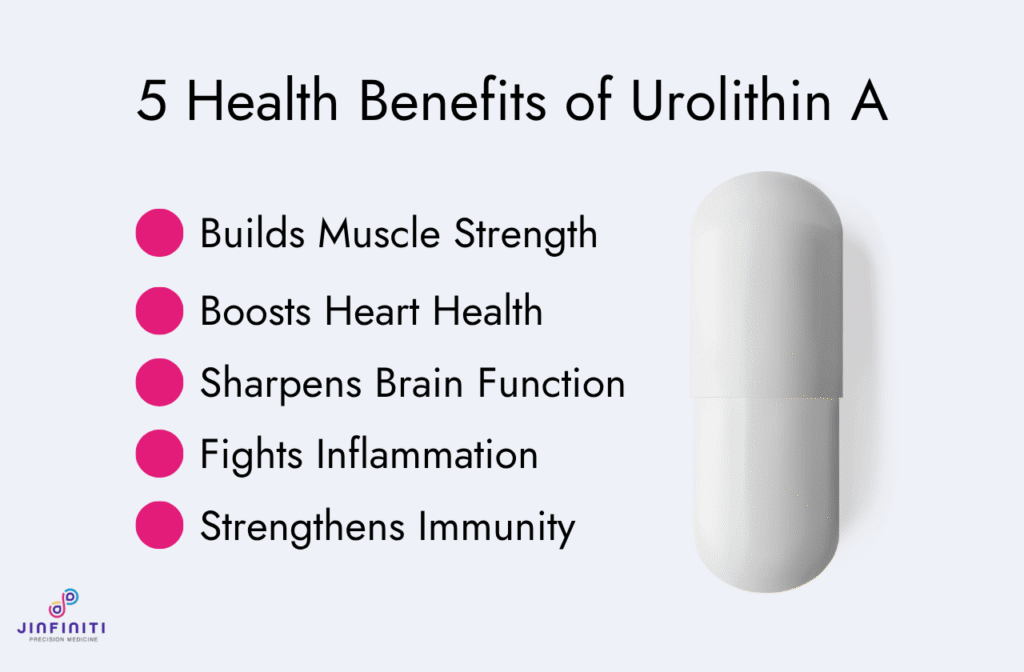
Infographic showing 5 health benefits of Urolithin A

1. Supports Muscle Strength and Endurance

A study published in Cell Metabolism found that middle-aged adults taking 500 mg of Urolithin A daily experienced a 12% increase in hamstring muscle strength after four months[3]. Those taking 1000 mg saw similar improvements plus a 15% increase in total cycling distance.

In older adults aged 65 to 90, researchers tested 1000 mg daily for four months. Participants showed significant improvements in muscle endurance, with an average increase of 95.3 contractions in hand muscles and 41.4 contractions in leg muscles compared to minimal changes in the placebo group.

The researchers noted that improvements came from enhanced mitochondrial efficiency. Better mitochondria mean more energy available for muscle contractions.

These aren’t just lab numbers. Participants demonstrated real improvements in physical tasks, with enhanced aerobic endurance measured by peak oxygen consumption.

2. Supports Heart Health

New studies continue to emerge on Urolithin A and cardiovascular health. In models of heart failure in preclinical trials, two months of supplementation led to improvements in multiple measures of cardiac health[4].

UA improved ejection fraction, which is a measure of your heart’s ability to pump blood. It also improved diastolic function, which is the relaxation phase between heartbeats that allows your heart’s chambers to fill with blood.

There was also a notable finding with ceramides, which are lipids that have been validated as predictors of cardiovascular disease risk. Urolithin A supplementation was shown to significantly lower plasma ceramide levels in the subjects.

In aged mice, supplementation was shown to preserve ejection fraction and maintain skeletal muscle strength, while mice on control diets of standard fare lost muscle capacity. This is thought to be related to its effects on mitochondria and support healthy heart aging.

3. Enhances Brain Function and Memory

A 2024 study in Alzheimer’s & Dementia demonstrated that long-term Urolithin A treatment significantly enhanced learning, memory, and olfactory function in mice modeling the disease[5]. After five months of treatment, mice showed improved spatial learning, better working memory, and enhanced recognition memory.

The research revealed approximately 50% reduction in amyloid beta plaques in the prefrontal cortex. These plaques are a hallmark of the disease. The treatment also decreased levels of phosphorylated tau proteins and reduced neuroinflammation markers.

“Urolithin A can act as a potent anti-inflammatory and antioxidant agent to help clear amyloid beta, which prevents the onset of cognitive deficits associated with pathological amyloid beta deposition,” explained Dr. Thomas M. Holland from the RUSH Institute for Healthy Aging.

The cognitive benefits persisted even after stopping treatment, demonstrating lasting neuroprotective effects. The researchers noted that Urolithin A promotes lysosomal acidification and improves lysosomal function, helping restore cellular clearance mechanisms.

4. Reduces Inflammation Throughout the Body

In middle-aged adults taking 500 mg daily, IL-1β levels decreased significantly. Those taking 1000 mg experienced reductions in three inflammatory markers: C-reactive protein, interferon-gamma, and tumor necrosis factor-alpha.

Chronic inflammation contributes to nearly every age-related disease, from heart disease to cognitive decline. Plasma levels of acylcarnitines and ceramides, biomarkers associated with inflammation and metabolic dysfunction, were also significantly reduced.

Dr. Jin-Xiong She, founder of Jinfiniti Precision Medicine, notes that “cellular inflammation often stems from mitochondrial dysfunction. When your cellular powerhouses aren’t working efficiently, they generate inflammatory signals. Compounds that support mitochondrial quality control address inflammation at its source.”

5. Strengthens Immune System Response

Urolithin A increased circulating naïve CD8+ T cells in a recent study[2]. These cells naturally decline in number with age and the ones observed after taking Urolithin A also exhibited less signs of exhaustion.

Immune cells were directly challenged with E. coli particles in test tubes. Cells from those supplementing with Urolithin A were able to clear the bacteria more effectively. Again this shows a real functional improvement in immune health.

Cellular energy is a requirement for a robust immune system. T cells and other immune cells need healthy mitochondria in order to fight back against pathogens. Urolithin A is helping you preserve immune function as you age by supporting healthy mitochondrial function.

At-Home Longevity Blood Test

Measure what matters for healthy aging and longevity.

Jinfiniti AgingSOS green gradient background

Can You Get Urolithin A from Food?

This is where it gets complicated. The short answer is that you can’t directly obtain Urolithin A from food.

There are foods that contain its precursor compounds called ellagitannins. But your body needs to metabolize the ellagitannins into Urolithin A using your gut bacteria in a multi-step process.

The richest dietary sources of ellagitannin precursors are:

  • pomegranates (250 to 900 mg per serving)
  • walnuts (750 mg per 100g),
  • raspberries (65 mg per 100g),
  • strawberries (22.3 mg per 100g)
  • almonds (54.7 mg per 100g)

Research has identified three distinct urolithin metabotypes in the population[6].

  • Metabotype A (25 to 80% of people) produces Urolithin A conjugates as the final metabolite
  • Metabotype B (10 to 50%) produces additional urolithins alongside Urolithin A
  • Metabotype 0 (5 to 25%) cannot produce urolithins at all

A revealing study of 100 volunteers in Chicago found that only 12 produced detectable Urolithin A at baseline[1]. Even after consuming pomegranate juice rich in ellagitannin precursors, only 40% had significant Urolithin A levels in their blood within 24 hours.

The efficiency of conversion depends entirely on having the right bacteria, particularly species from the Gordonibacter and Enterocloster families[7]

Direct Urolithin A supplementation provides approximately six times better absorption compared to dietary sources.

How Much Urolithin A Should You Take?
Hand holding small white supplement capsule between thumb and index finger against bright blue sky with white clouds.

Clinical studies found benefits for 250 to 500 mg daily for general cellular health, including muscle strength.

The 500 mg daily dose improved hamstring muscle strength by 12% and lowered IL-1β inflammation markers in middle-aged adults[3].

The higher 1000 mg daily doses have improved a more comprehensive panel of inflammatory markers, muscle endurance, immune and cardiovascular support. A study of older adults (65 to 90 years) saw improved muscle endurance at 1000 mg after two months[8].

Clinical research supports a safe range of 250 to 1000 mg daily for adults. The right amount for you depends on your goals.

If you’re only looking for mitochondrial health benefits, then 250 to 500 mg is likely sufficient. If you’re targeting improvements in specific muscle function, endurance, inflammation, and immune benefits, a dose in the 500 to 1000 mg range is more effective.

Regulatory agencies have also recognized the safety of Urolithin A products within this range, as the FDA has granted Generally Recognized As Safe status to the product formulation[9].

Clinical studies haven’t addressed timing. Study participants have received daily doses, but they’re not limited to a specific time. In addition, food does not impact bioavailability, so it is fine to take it with or without meals.

Is Urolithin A Safe?

Urolithin A is well-tolerated. One randomized, double-blind, placebo-controlled trial published in JAMA Network Open gave 1000 mg per day for four months to healthy older adults without any serious adverse events[8].

The small number of adverse events reported (16 in Urolithin A group and 15 in the placebo group) were not statistically different between groups. Extensive safety testing of vital signs, blood chemistry, and organ function revealed no significant changes.

Side effects are generally mild and transient. At high doses, some people have experienced bloating, nausea, or diarrhea. Mild muscle discomfort is the most common reported side effect. Headaches are very rare.

In preclinical research at doses hundreds of times higher than would ever be consumed by humans, no adverse effects were noted.

Who Should Avoid Urolithin A?

Skip Urolithin A if you fall into these categories:

  • Pregnant or breastfeeding — insufficient safety data
  • Children and adolescents — not studied in younger populations
  • Liver or kidney conditions — consult a healthcare provider first
  • On medications affecting cellular pathways — may interact; seek medical advice
  • Considering long-term use — safety data only extends to four months

How Does Urolithin A Compare to Other Longevity Supplements?

SupplementPrimary MechanismBioavailabilityHow It Differs from Urolithin A
ResveratrolSirtuin activation, antioxidantPoor (20%)No mitophagy activation
PterostilbeneSirtuin activation, antioxidantGood (80%)No mitophagy activation
NAD+ PrecursorsBoosts NAD+ levelsGoodFocuses on energy production, not mitochondrial cleanup

A 2024 study found Urolithin A and nicotinamide riboside improve mitochondrial function through distinct mechanisms, suggesting they may work complementarily rather than as substitutes[10].

Dr. Brian Kennedy noted on Dr. Peter Attia’s podcast: “The mouse data is really good on Urolithin A. We have targets we haven’t published yet,” suggesting additional mechanisms beyond mitophagy.

🧬 MORE LONGEVITY

Bottom Line

Urolithin A is one of the few longevity compounds with more than one randomized, placebo-controlled trial in humans. The studies show actual functional benefits: 12% increases in muscle strength, improved endurance, less inflammation, and very encouraging neuroprotective effects.

As it activates mitophagy, Urolithin A targets a fundamental mechanism of aging. If you’re looking for evidence-based interventions to support healthy aging, Urolithin A is one of the most promising around.

The trick is getting a good quality product, taking it consistently for months on end, and working with your doctor to include it in your overall health plan.

Referenced Sources

  1. Singh A, D’Amico D, Andreux PA, Dunngalvin G, Kern T, Blanco-Bose W, et al. Direct supplementation with Urolithin A overcomes limitations of dietary exposure and gut microbiome variability in healthy adults to achieve consistent levels across the population. Springer Science and Business Media LLC; 2021. https://doi.org/10.1038/s41430-021-00950-1
  2. Denk D, Singh A, Kasler H, Alcober Boquet L, D’Amico D, Gorol J, et al. Impact of urolithin A supplementation, a mitophagy activator on mitochondrial health of immune cells (MitoIMMUNE): A randomized, double-blind, placebo-controlled trial in healthy adults.. American Society of Clinical Oncology (ASCO); 2024. https://doi.org/10.1200/jco.2024.42.16_suppl.e14562
  3. Singh A, D’Amico D, Andreux PA, Fouassier AM, Blanco-Bose W, Evans M, et al. Urolithin A improves muscle strength, exercise performance, and biomarkers of mitochondrial health in a randomized trial in middle-aged adults. Elsevier BV; 2022. https://doi.org/10.1016/j.xcrm.2022.100633
  4. Liu S, Faitg J, Tissot C, Konstantopoulos D, Laws R, Bourdier G, et al. Urolithin A provides cardioprotection and mitochondrial quality enhancement preclinically and improves human cardiovascular health biomarkers. Elsevier BV; 2025. https://doi.org/10.1016/j.isci.2025.111814
  5. Hou Y, Chu X, Park J, Zhu Q, Hussain M, Li Z, et al. Urolithin A improves Alzheimer’s disease cognition and restores mitophagy and lysosomal functions. Wiley; 2024. https://doi.org/10.1002/alz.13847
  6. García‐Villalba R, Giménez‐Bastida JA, Cortés‐Martín A, Ávila‐Gálvez MÁ, Tomás‐Barberán FA, Selma MV, et al. Urolithins: a Comprehensive Update on their Metabolism, Bioactivity, and Associated Gut Microbiota. Wiley; 2022. https://doi.org/10.1002/mnfr.202101019
  7. Pidgeon R, Mitchell S, Shamash M, Suleiman L, Dridi L, Maurice CF, et al. Diet-derived urolithin A is produced by a dehydroxylase encoded by human gut Enterocloster species. Springer Science and Business Media LLC; 2025. https://doi.org/10.1038/s41467-025-56266-2
  8. Liu S, D’Amico D, Shankland E, Bhayana S, Garcia JM, Aebischer P, et al. Effect of Urolithin A Supplementation on Muscle Endurance and Mitochondrial Health in Older Adults. American Medical Association (AMA); 2022. https://doi.org/10.1001/jamanetworkopen.2021.44279
  9. Vini R, Azeez JM, Remadevi V, Susmi TR, Ayswarya RS, Sujatha AS, et al. Urolithins: The Colon Microbiota Metabolites as Endocrine Modulators: Prospects and Perspectives. Frontiers Media SA; 2022. https://doi.org/10.3389/fnut.2021.800990
  10. Madsen HB, Navarro C, Gasparini E, Park JH, Li Z, Croteau DL, et al. Urolithin A and nicotinamide riboside differentially regulate innate immune defenses and metabolism in human microglial cells. Frontiers Media SA; 2024. https://doi.org/10.3389/fnagi.2024.1503336

Woman wearing pink heart-shaped sunglasses takes bite of cream-filled pastry against vibrant purple background in playful portrait.

The 10 Longevity Diet Myths That Could Be Shortening Your Life

You’ve read at least a dozen headlines about the key to living to be 100. You may have jumped on the keto bandwagon, eliminated seed oils from your diet, or purchased overpriced organic groceries after reading claims that certain foods can help you live longer.

The issue is that a lot of what passes for longevity nutrition is based on flimsy science, misinterpreted research, or is just plain pseudoscience. And some of these trendy diet myths are actually shortening your life rather than extending it.

New research is debunking some of the biggest beliefs about what helps people live longer. You might be surprised by the findings.

Highlights

  • Blue Zones, long promoted as longevity hotspots, are largely based on poor record-keeping and pension fraud rather than dietary wisdom
  • Long-term ketogenic diets may accelerate cellular aging in heart and kidney tissues despite short-term benefits
  • Antioxidant supplements in high doses increase mortality risk rather than extending lifespan
  • The alkaline diet’s central claim—that food changes blood pH—is physiologically impossible

 The Blue Zone Fairy Tale: When Bad Data Meets Good Marketing

For years, “Blue Zones” have dominated conversations about longevity. You’ve seen the books, the Netflix documentaries, the diet plans based on what people in Sardinia and Okinawa supposedly eat.

Dr. Saul Justin Newman at University College London uncovered an uncomfortable truth. His research, which won an Ig Nobel Prize in 2024, revealed that these longevity hotspots are predicted by high poverty, lack of birth certificates, and pension fraud[1]—not healthy diet patterns.

The analysis found something striking: many centenarians existed in government records but were actually deceased. Even more telling, Okinawans eat the least vegetables and sweet potatoes in Japan and have the highest body mass index.

This doesn’t mean Mediterranean-style eating patterns lack value. They have been linked with cardiovascular health and longevity.

But the romanticized idea that certain geographic regions hold secret dietary keys to extreme lifespan? That’s fiction wrapped in marketing.

Protein Confusion: Too Much, Too Little, or Just Right?

The “protein paradox” has confused health-conscious people for years. High protein activates mTOR pathways linked to accelerated aging in lab animals, yet adequate protein prevents muscle loss in older adults.

A 30-year study of over 48,000 people found that those who prioritized protein experienced healthier aging[2]. They had 46% less incidence of major chronic diseases and better cognitive function.

Here’s what matters: the mTOR-activating effects of dietary protein are temporary. They return to baseline between meals rather than creating chronic activation.

Age changes everything. Among people aged 50-65, lower protein intake was linked to reduced cancer mortality. Among those 66 and older, higher protein consumption reduced all-cause mortality by 28%[3].

The source trumps the amount. Plant-based proteins showed the strongest benefits for extending lifespan, while excessive red and processed meat consumption consistently correlates with shortened life expectancy.

Dr. Jin-Xiong She, founder of Jinfiniti Precision Medicine, notes: “The longevity myths around protein often miss the bigger picture. Cellular health depends on maintaining adequate NAD+ levels and supporting mitochondrial function. Protein is just one piece of a complex metabolic puzzle.”

At-Home Longevity Blood Test

Measure what matters for healthy aging and longevity.

Jinfiniti AgingSOS green gradient background

Intermittent Fasting: Conflicting Evidence on Mortality

Intermittent fasting has been wildly popularized as a simple way to gain longevity. The truth, however, is both more disputed and perhaps more ominous.

It’s been established that fasting for a few days in a row yields impressive metabolic improvements, including better insulin sensitivity, reduced inflammation, and weight loss[4]. A preliminary 2019 study of cardiac patients indicated a possible survival benefit for those fasting for at least five years, but not for recent adopters of the practice[5].

Troublingly, a 2024 study of over 20,000 US adults indicated people eating for less than 8 hours per day had 91% greater risk of cardiovascular death[6]. Restricting eating to 8-10 hours per day was associated with a 66% greater risk among those with existing cardiovascular disease.

The study was limited by only using 2 days of dietary recall and not assessing the quality of nutrients consumed. Critics also pointed out that people adhering to extreme time-restricted eating may have other health problems that are the cause of the mortality risk.

A 2024 study in Nature on nearly 1,000 mice showed that the mice who were resilient to stress-induced weight loss were the ones who reaped the benefits of calorie restriction, while those that could not maintain the necessary protective factors saw no improvement in lifespan[7].

Finally, a study of people fasting for religious purposes for one day per month had associations with greater longevity[8]. This may indicate that intermittent but infrequent fasting is safer than the aggressive daily fasting people have adopted en masse.

If you choose to fast, the less aggressive methods, such as 12 hour overnight fasts, seem to be safer than the trendy 16:8 approach.

The Keto Diet Reality Check

The ketogenic diet gets promoted for everything from fat loss to brain health to longevity. Recent evidence suggests caution is warranted.

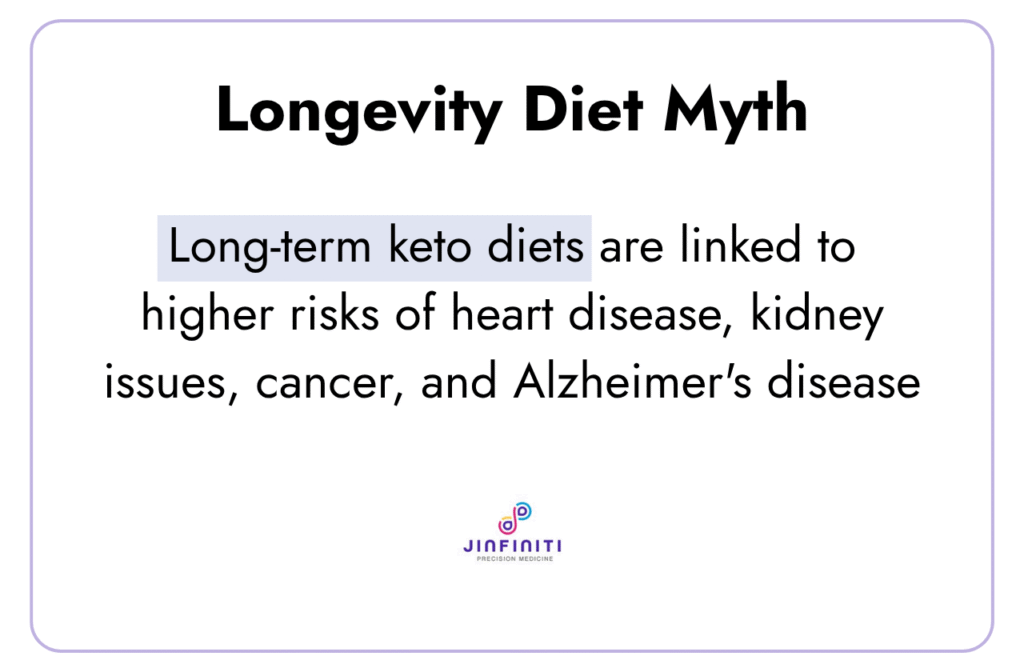
While a cyclic ketogenic diet reduced mid-life mortality in mice, it didn’t affect maximum lifespan. A 2024 meta-analysis found that long-term keto diets link to higher risks of heart disease, kidney issues, cancer, and Alzheimer’s disease[9].

Informational quote titled "Longevity Diet Myth" stating long-term keto diets increase health risks.

Research from the University of Texas Health Science Center revealed that continuous long-term ketogenic diets may induce cellular senescence (damaged cells that refuse to die) in normal tissues[10]. This particularly affects heart and kidney function.

An intermittent ketogenic diet with planned breaks didn’t show these pro-inflammatory effects. If you’re going to use keto, cycle it rather than maintain it continuously.

The study authors urged taking “keto-breaks” as a preventative measure. 13 million Americans follow ketogenic diets without awareness of potential long-term consequences.

The Antioxidant Trap: When More Isn’t Better

For decades, antioxidant supplements were promoted as anti-aging essentials. The reality has proven disappointing and sometimes dangerous.

A major Cochrane Review analyzing 78 trials concluded that antioxidant supplements not only failed to prolong life but were linked to higher mortality in some groups[11]. High doses of beta-carotene, vitamin A, and vitamin E were particularly problematic.

The Alpha-Tocopherol, Beta-Carotene Cancer Prevention Study found that beta-carotene supplements increased lung cancer risk among smokers[12]. This reflects the “antioxidant paradox”—while oxidative stress contributes to disease, low to moderate levels of reactive oxygen species actually improve biological outcomes through hormesis.

Excess antioxidants can interfere with cellular cleanup processes like autophagy that are essential for the aging process[13]. Free radicals serve as important signaling molecules for physiological adaptations, including the beneficial effects of physical activity.

Flooding your system with synthetic antioxidants disrupts these finely tuned processes.

Fish vs. Fish Oil: A Critical Distinction

Fish consumption has strong evidence linking it to longevity. People with the highest blood levels of omega-3 fatty acids had 34% lower risk of death from any cause and lived an average of 2.2 years longer[14].

Low omega-3 levels were as harmful to lifespan as smoking, reducing life expectancy by 4.74 years.

When it comes to supplements, the picture gets murky. A 2024 BMJ Medicine study found that fish oil supplementation was linked to 5% increased risk of stroke and 13% increased risk of atrial fibrillation in people without cardiovascular disease[15].

The discrepancy may lie in the difference between whole food sources (which include other beneficial compounds) versus isolated supplements in high doses. Getting omega-3s from actual fish appears superior to popping pills.

The Seed Oil Scare: The Truth Is More Complex

Social media has demonized seed oils as inflammatory toxins. The scientific evidence is conflicting.

A massive 2025 JAMA study following over 220,000 people for 33 years found that those consuming high amounts of plant-based oils had lower risk of dying from any cause. People replacing butter with plant oils had 17% lower mortality risk[16].

But there’s a catch. Professor Tom Sanders from King’s College London points out this is an observational study that can only show associations, not causation. Professor George Davey Smith from the University of Bristol notes that people with the highest butter consumption had more than double the rate of cigarette smoking—lifestyle differences that statistical models can’t fully account for.

The biochemistry raises concerns too. Polyunsaturated fats are susceptible to lipid peroxidation, particularly during high-temperature cooking[17]. These oxidation products can form DNA and protein adducts that alter cellular function[18].

The real issue may be context. Ultra-processed foods containing oxidized seed oils are problematic. Fresh, cold-pressed seed oils used in whole food cooking may be fine. We need randomized controlled trials to know for sure.

Three More Myths Worth Mentioning

The Organic Food Premium

While organic food consumption links to reduced cardiometabolic risk factors including obesity and diabetes, the evidence for superior nutritional content is mixed[19]. The primary documented benefit is lower pesticide exposure.

Organic foods aren’t inherently more nutritious in terms of vitamins and minerals. People who buy organic also tend to have healthier overall lifestyle choices, higher incomes, more exercise, and better baseline diets.

For longevity, eating more whole plant foods—organic or not—matters far more than the label.

The Gluten-Free Trend

Despite 30% of Americans avoiding gluten, only about 1% have celiac disease requiring strict avoidance. For the remaining 99%, going gluten-free offers minimal health benefits and may cause nutrient deficiencies in fiber, iron, calcium, and B vitamins.

Research shows people eating more whole grains (2-3 servings daily) had lower risk of heart disease, stroke, and type 2 diabetes[20]. Gluten-free products are often higher in saturated fat, sugar, and salt while being lower in fiber.

The perceived benefits likely stem from eliminating processed foods and refined carbohydrates rather than gluten itself.

The Alkaline Diet Fantasy

The alkaline diet claims that eating “acidic” foods like meat and grains makes your blood acidic, leading to disease. This is scientifically false.

The body tightly regulates blood pH between 7.35-7.45, and diet cannot change blood pH[21]. If blood pH were to shift significantly, it would be a medical emergency requiring immediate treatment.

The kidneys and lungs work continuously to maintain pH balance regardless of diet. While you can change the pH of urine and saliva with food, blood pH remains constant. The myth is likely based on the fact that acid-forming foods have a high potential renal acid load (PRAL), causing the kidneys to excrete more acid in the urine.

The alkaline diet accidentally promotes health by encouraging more fruits and vegetables and fewer processed foods—but this has nothing to do with changing body pH.

What Science Actually Says About Longevity Nutrition

After reviewing all these longevity myths, what does evidence actually support?

Moderate caloric restriction without malnutrition shows the most robust evidence for lifespan extension across species. In humans, even starting at age 60, sustained dietary improvements can add 8-10 years to life expectancy[22]. The key is preventing obesity while maintaining adequate nutrition.

Whole food, predominantly plant-based diets rich in fruits, vegetables, whole grains, legumes, and nuts consistently correlate with reduced all-cause mortality. A high-quality plant-based dietary pattern was linked to slowed biological aging across multiple epigenetic clocks[23].

Limiting ultra-processed foods is critical. People consuming significant amounts of ultra-processed foods were 10% more likely to die during long-term follow-up, especially from heart disease and diabetes.

Adequate protein, especially from plant sources, becomes increasingly important with age to prevent sarcopenia and frailty. The source matters more than the amount.

Time-restricted eating aligned with circadian rhythms may offer benefits when done properly, though more research is needed.

At the cellular level, maintaining optimal NAD+ levels becomes increasingly important for healthspan. NAD+ (a critical coenzyme involved in over 500 cellular reactions) naturally declines by about 50% between ages 40 and 60. This decline impacts energy production, DNA repair, and cellular resilience—all factors that influence how well you age.

Jinfiniti’s approach combines precision testing with targeted supplementation. Our Intracellular NAD+ Test allows you to measure your baseline levels and track improvements over time. When paired with our Vitality NAD+ Booster—a clinically validated formula that works through multiple metabolic pathways—85% of users reached optimal NAD+ levels within four weeks.

Our Test, Act, Optimize approach removes the guesswork from supplementation. You’re not following generic advice or chasing the latest trend—you’re using data to make informed decisions about your cellular health.

The Bottom Line

The longevity diet landscape is cluttered with myths that could shorten your life if followed blindly. Blue Zones are largely fiction. Extreme low-protein or long-term ketogenic diets carry risks. Antioxidant megadoses can be harmful. Gluten-free and alkaline diets are unnecessary pseudoscience for most people.

Instead, the boring truth: eat a lot of whole plant foods. Live healthier through mid-life with healthy weight. Consume enough protein (especially as you age). Avoid ultra-processed foods. Optimize cellular function with evidence-based interventions. The longevity diet isn’t about exotic superfoods or strict rules, it’s about your daily lifestyle choices. Making sure your body is nourished with real food in sensible portions.

Referenced Sources

  1. Echeverry Raad J, Sturmberg JP. Red zones: the true color behind the myth of blue zones geographic longevity. Universidad Nacional de Colombia; 2025. https://doi.org/10.15446/rsap.v27n3.119673
  2. Ardisson Korat AV, Shea MK, Jacques PF, Sebastiani P, Wang M, Eliassen AH, et al. Dietary protein intake in midlife in relation to healthy aging – results from the prospective Nurses’ Health Study cohort. Elsevier BV; 2024. https://doi.org/10.1016/j.ajcnut.2023.11.010
  3. Kitada M, Ogura Y, Monno I, Koya D. The impact of dietary protein intake on longevity and metabolic health. Elsevier BV; 2019. https://doi.org/10.1016/j.ebiom.2019.04.005
  4. Mattson MP, Longo VD, Harvie M. Impact of intermittent fasting on health and disease processes. Elsevier BV; 2017. https://doi.org/10.1016/j.arr.2016.10.005
  5. Horne B, Bartholomew CL, Anderson JL, May H, Knowlton K, Bair T, et al. Abstract 11123: Intermittent Fasting Lifestyle and Human Longevity in Cardiac Catheterization Populations. Circulation 2019;
  6. Chen M, Zhong VW. Abstract P192: Association Between Time-Restricted Eating and All-Cause and Cause-Specific Mortality. Ovid Technologies (Wolters Kluwer Health); 2024. https://doi.org/10.1161/circ.149.suppl_1.p192
  7. 7. Di Francesco A, Deighan AG, Litichevskiy L, Chen Z, Luciano A, Robinson L, et al. Dietary restriction impacts health and lifespan of genetically diverse mice. Springer Science and Business Media LLC; 2024. https://doi.org/10.1038/s41586-024-08026-3
  8. 8. Horne BD, Knowlton KU, May HT, Le VT, Bair TL, Anderson JL. ROUTINE PERIODIC FASTING IS ASSOCIATED WITH A LOWER RISK OF INPATIENT HOSPITALIZATION FOR THE PRIMARY DIAGNOSIS OF HEART FAILURE FOLLOWING COVID-19 DIAGNOSIS. Elsevier BV; 2023. https://doi.org/10.1016/s0735-1097(23)02332-x
  9. 9. Crosby L, Davis B, Joshi S, Jardine M, Paul J, Neola M, et al. Ketogenic Diets and Chronic Disease: Weighing the Benefits Against the Risks. Frontiers Media SA; 2021. https://doi.org/10.3389/fnut.2021.702802
  10. 10. Wei SJ, Schell JR, Chocron ES, Varmazyad M, Xu G, Chen WH, et al. Ketogenic diet induces p53-dependent cellular senescence in multiple organs. American Association for the Advancement of Science (AAAS); 2024. https://doi.org/10.1126/sciadv.ado1463
  11. 11. Bjelakovic G, Nikolova D, Gluud LL, Simonetti RG, Gluud C. Antioxidant supplements for prevention of mortality in healthy participants and patients with various diseases. John Wiley & Sons, Ltd; 2008. https://doi.org/10.1002/14651858.cd007176
  12. 12. Halliwell B. The antioxidant paradox: less paradoxical now?. Wiley; 2013. https://doi.org/10.1111/j.1365-2125.2012.04272.x
  13. 13. Viña J, Borras C, Abdelaziz KM, Garcia-Valles R, Gomez-Cabrera MC. The Free Radical Theory of Aging Revisited: The Cell Signaling Disruption Theory of Aging. Mary Ann Liebert Inc; 2013. https://doi.org/10.1089/ars.2012.5111
  14. 14. Harris WS, Tintle NL, Etherton MR, Vasan RS. Erythrocyte long-chain omega-3 fatty acid levels are inversely associated with mortality and with incident cardiovascular disease: The Framingham Heart Study. Elsevier BV; 2018. https://doi.org/10.1016/j.jacl.2018.02.010
  15. 15. Chen G, Qian Z (Min), Zhang J, Zhang S, Zhang Z, Vaughn MG, et al. Regular use of fish oil supplements and course of cardiovascular diseases: prospective cohort study. BMJ; 2024. https://doi.org/10.1136/bmjmed-2022-000451
  16. 16. Zhang Y, Chadaideh KS, Li Y, Li Y, Gu X, Liu Y, et al. Butter and Plant-Based Oils Intake and Mortality. American Medical Association (AMA); 2025. https://doi.org/10.1001/jamainternmed.2025.0205
  17. 17. Grootveld M, Percival BC, Leenders J, Wilson PB. Potential Adverse Public Health Effects Afforded by the Ingestion of Dietary Lipid Oxidation Product Toxins: Significance of Fried Food Sources. MDPI AG; 2020. https://doi.org/10.3390/nu12040974
  18. 18. Nam TG. Lipid Peroxidation and Its Toxicological Implications. Springer Science and Business Media LLC; 2011. https://doi.org/10.5487/tr.2011.27.1.001
  19. 19. Mie A, Andersen HR, Gunnarsson S, Kahl J, Kesse-Guyot E, Rembiałkowska E, et al. Human health implications of organic food and organic agriculture: a comprehensive review. Springer Science and Business Media LLC; 2017. https://doi.org/10.1186/s12940-017-0315-4
  20. 20. Sawicki CM, Jacques PF, Lichtenstein AH, Rogers GT, Ma J, Saltzman E, et al. Whole- and Refined-Grain Consumption and Longitudinal Changes in Cardiometabolic Risk Factors in the Framingham Offspring Cohort. Elsevier BV; 2021. https://doi.org/10.1093/jn/nxab177
  21. 21. Hopkins E, Sharma S. Physiology, Acid Base Balance. 2019.
  22. 22. Fadnes LT, Celis-Morales C, Økland JM, Parra-Soto S, Livingstone KM, Ho FK, et al. Life expectancy can increase by up to 10 years following sustained shifts towards healthier diets in the United Kingdom. Springer Science and Business Media LLC; 2023. https://doi.org/10.1038/s43016-023-00868-w
  23. 23. Rattan SIS, Kaur G. Nutrition, Food and Diet in Health and Longevity: We Eat What We Are. MDPI AG; 2022. https://doi.org/10.3390/nu14245376
An image of a doctor having a medical experiment

Micronized Creatine vs Monohydrate: Science-Based Review

Choosing the right creatine supplement can feel overwhelming with so many options available. Two popular forms that often create confusion are regular creatine monohydrate and its micronized counterpart.

While both contain identical active ingredients, they differ in one key aspect: particle size. This difference affects how easily they mix with liquids and may impact digestive comfort, but does it change their effectiveness?

Let’s examine what science tells us about these two forms of creatine to help you make an informed decision for your fitness goals.

Key Takeaways

  • Both forms provide identical muscle-building and performance benefits
  • Micronized has 20x smaller particles for better mixing and solubility
  • Research shows no proven bioavailability differences between forms
  • Choice depends on mixing preferences and digestive tolerance, not superior results

What is Micronized Creatine?

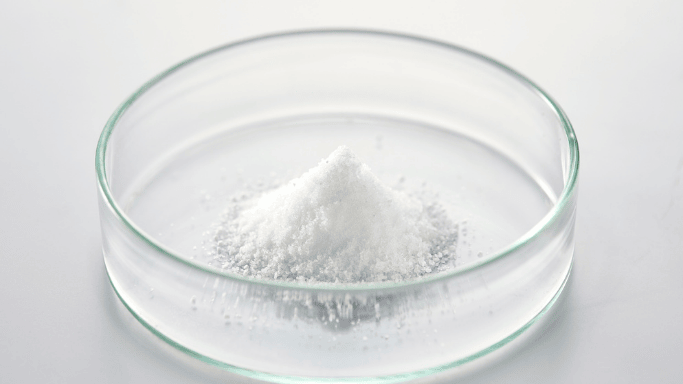
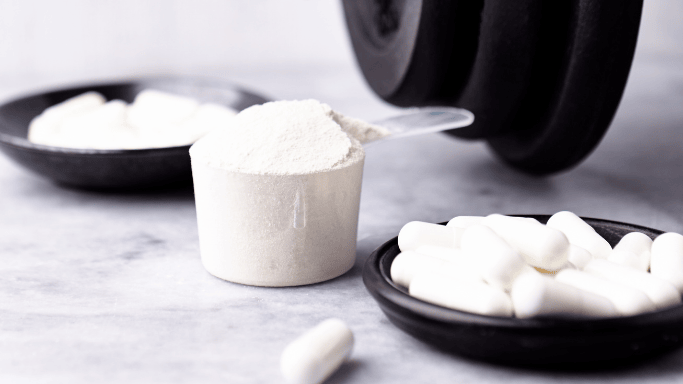
An image of creatine powder

Micronized creatine is simply regular creatine monohydrate that has been mechanically processed into smaller particles. The micronization process breaks down standard creatine particles into pieces that are typically 20 times smaller than regular creatine1.

This processing doesn’t alter the chemical structure or composition of the creatine molecule itself. Think of it like grinding coffee beans into a finer powder – the coffee remains the same, but the smaller particle size changes how it behaves when mixed with water.

Key characteristics of micronized creatine:

  • Same chemical formula as regular creatine monohydrate
  • Significantly smaller particle size
  • Enhanced mixing properties
  • Smoother texture when dissolved

Key Differences Between Micronized Creatine and Creatine Monohydrate

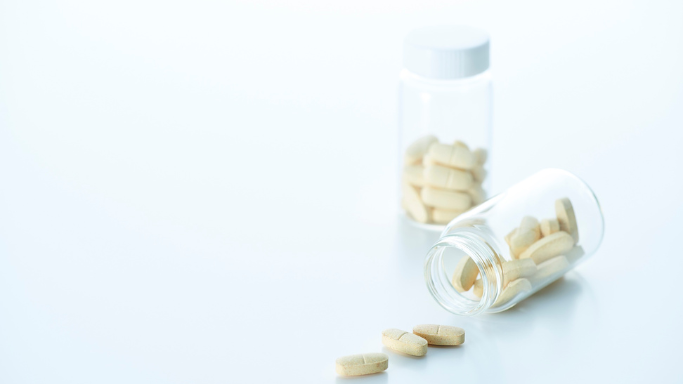
An image of two supplements and a canister on the side

The primary distinction lies in physical properties rather than chemical composition. Here’s how these two forms of creatine compare:

FactorRegular Creatine MonohydrateMicronized Creatine
Particle SizeStandard size20x smaller particles
SolubilityGood, may leave residueEnhanced dissolution
MixingRequires more stirringMixes more easily
TextureSlightly grittySmoother consistency
BioavailabilityWell-establishedNo proven advantage
CostLowerSlightly higher

Both forms provide identical muscle-building and performance benefits since they contain the same active compound. The differences are purely practical rather than functional.

Micronized Creatine vs Regular: Absorption and Solubility Differences

An image of two supplements

Enhanced solubility represents the main advantage of micronized creatine. The smaller particle size increases surface area, allowing the powder to dissolve more completely in liquids.

Regular creatine monohydrate often settles at the bottom of glasses and requires vigorous stirring to mix properly. Users frequently notice a gritty texture that some find unpleasant.

What Research Shows About Absorption:

Recent studies present mixed findings about absorption differences. One clinical trial found that a specific enhanced micronized formulation showed 38.97% higher bioavailability compared to regular micronized creatine2.

However, authoritative research indicates there’s no evidence that micronized versions are more bioavailable than standard creatine monohydrate. The International Society of Sports Nutrition states that different forms of creatine don’t demonstrate superior muscle creatine uptake3.

Bioavailability Limitations:

Studies using isotope-labeled creatine found that oral bioavailability was dose-dependent: 53% for low doses and only 16% for high doses. This suggests that solubility improvements may have a limited impact since absorption is constrained by transport mechanisms and creatine transporter saturation4.

For more details on how creatine works in your body, check out our guide on creatine and ATP.

Benefits of Creatine: Performance Comparison

An image of women exercising

Both forms provide identical performance benefits since they contain the same active compound. Research consistently shows no difference in:

  • Muscle creatine storage capacity
  • Strength and power improvements
  • Exercise performance enhancement
  • Muscle growth support

The effectiveness depends on the total amount of creatine reaching muscle tissue, not the particle size of the supplement. Whether you choose regular or micronized creatine monohydrate, you can expect the same results for athletic performance and muscle mass gains.

Energy Production Benefits:

Creatine functions by helping regenerate adenosine triphosphate (ATP), your body’s primary energy currency. This process offers several benefits:

  • Enhanced energy for high-intensity exercise
  • Improved power output during training
  • Faster recovery between workout sets

For athletes focused on strength and power activities like weightlifting, both forms equally support short-duration, high-intensity performance.

Learn more about different types of creatine to understand which might suit your specific needs.

Digestive Tolerance and Side Effects

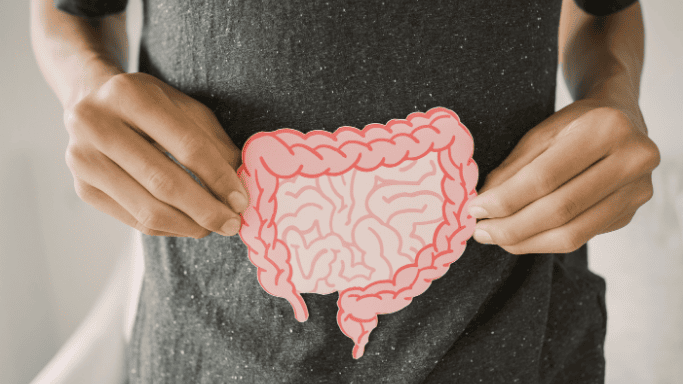
An image of a man holding a model of an intestine depicting gut health

Micronized creatine may offer advantages for individuals with sensitive stomachs. The improved solubility can reduce gastrointestinal discomfort, bloating, and stomach upset that some people experience with regular creatine monohydrate.

This benefit becomes particularly important during loading phases when higher doses are consumed. Users may experience less water retention-related discomfort with the micronized form.

Safety Profile:

Both forms have identical safety profiles since they contain the same active ingredient. Analysis of 685 clinical trials found that creatine supplementation is generally well-tolerated with minimal side effects5.

Common concerns about creatine, such as kidney damage or excessive weight gain, have been thoroughly debunked by research. Read our article on creatine myths to separate fact from fiction.

Cost and Practical Considerations

Wooden blocks arranged like a ladder spelling the word 'COST' downward on a yellow background.

Regular creatine monohydrate typically costs less than micronized versions due to the additional processing required. However, the price difference is usually minimal, and both forms remain affordable compared to other popular supplements.

Availability and Forms:

  • Micronized creatine: Only available in powder form
  • Regular creatine monohydrate: Available in powder, capsule, and tablet options

For those seeking convenience and enhanced benefits, consider trying our Creatine + ATP formula, which combines high-quality creatine with additional ATP support for optimal energy production.

Creatine Monohydrate vs Micronized: Which Creatine Supplement to Choose?

An image of creatine powder and creatine supplements

The choice between micronized and regular creatine monohydrate comes down to personal preference and tolerance rather than effectiveness.

Choose Micronized Creatine If:

  • You prefer smoother-mixing supplements
  • You experience digestive issues with regular creatine
  • You dislike gritty textures in drinks
  • You’re willing to pay slightly more for convenience

Choose Regular Creatine Monohydrate If:

  • Budget is your primary concern
  • You prefer capsule or tablet forms
  • You have no issues with standard creatine
  • You want the most studied form of creatine

For beginners unsure about dosing protocols, our creatine starter guide provides information about loading phases and timing strategies.

Frequently Asked Questions

A graphic illustration of "FAQ" which mean frequently asked questions

Does micronized creatine work faster than regular creatine monohydrate?

No scientific evidence supports faster results with micronized creatine. Both forms take the same time to saturate muscle creatine stores, typically 3-4 weeks with daily supplementation.

Can I switch between micronized and standard creatine?

Yes, you can switch between forms without any issues since they contain identical active ingredients. Maintain your regular dosing schedule regardless of which form you choose.

Is micronized creatine better for women?

Neither form offers gender-specific advantages. Women can use either type safely and effectively. For specific guidance on female supplementation, read our article about creatine for women.

Does particle size affect creatine absorption in older adults?

Research doesn’t show age-related differences in absorption between the two forms. Older adults can benefit equally from either option. Learn more about creatine for older adults for age-specific considerations.

The scientific consensus supports creatine monohydrate as the gold standard regardless of particle size.

Both forms provide proven benefits for strength, power, endurance, and muscle growth when used consistently at appropriate doses.

Referenced Sources:

  1. https://www.cureus.com/articles/339073-enhanced-absorption-and-safety-of-muscleblaze-creamp-a-comparative-analysis-with-regular-micronized-creatine-monohydrate-in-healthy-male-adults ↩︎
  2. https://www.cureus.com/articles/339073-enhanced-absorption-and-safety-of-muscleblaze-creamp-a-comparative-analysis-with-regular-micronized-creatine-monohydrate-in-healthy-male-adults ↩︎
  3. https://pmc.ncbi.nlm.nih.gov/articles/PMC8912867/ ↩︎
  4. https://pmc.ncbi.nlm.nih.gov/articles/PMC5874844/ ↩︎
  5. https://www.tandfonline.com/doi/full/10.1080/15502783.2025.2533688 ↩︎
An image of matured couple eating healthy foods

Healthiest Diet for a Long Life: 8 Simple Choices for Longevity

What if the secret to a longer, healthier life wasn’t hidden in some exotic superfood or complicated fasting protocol? Recent groundbreaking research reveals that the path to longevity lies in surprisingly simple dietary choices that anyone can follow.

A landmark 30-year Harvard study tracking over 105,000 adults discovered something remarkable. Those who followed specific eating patterns had an 86% greater likelihood of reaching age 70 in good health and were 2.24 times more likely to maintain their vitality at age 75.

The winning approach? The Alternative Healthy Eating Index (AHEI), which outperformed even the famous Mediterranean diet in promoting healthy aging.

Key Takeaways

  • The Alternative Healthy Eating Index (AHEI) beats the Mediterranean diet for healthy aging
  • Plant-forward eating with minimal processing delivers the strongest longevity benefits
  • Blue Zones have been debunked due to poor record-keeping and age fraud
  • Simple, gradual changes work better than extreme dietary restrictions

The Science Behind Dietary Patterns for Longevity

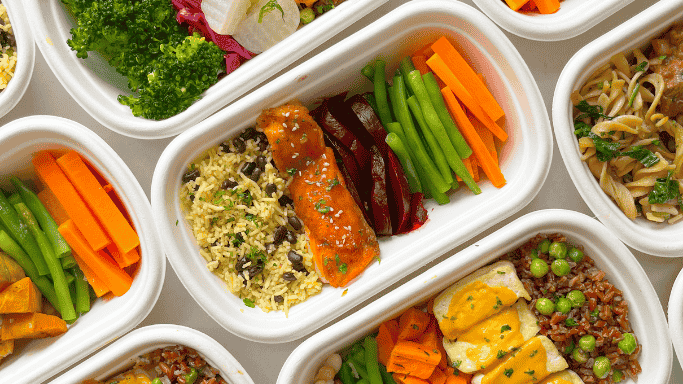
Image of healthy meal prepped

The research foundation for healthy aging through diet has never been stronger. Unlike trendy approaches that come and go, these findings represent one of the most thorough investigations into diet and longevity to date.

Interestingly, the popular Blue Zones concept has been largely debunked by recent research. Dr. Saul Newman of Oxford University, who won an Ig Nobel Prize for his work, found that many Blue Zones regions suffered from poor record-keeping and pension fraud1.

As Newman noted, “42% of the centenarians in Costa Rica turned out to be lying about their age after the study was conducted.”

This makes the Harvard research even more valuable. It relied on rigorous data collection and verified health outcomes over three decades.

8 Evidence-Based Choices for a Healthy Diet to Live Longer

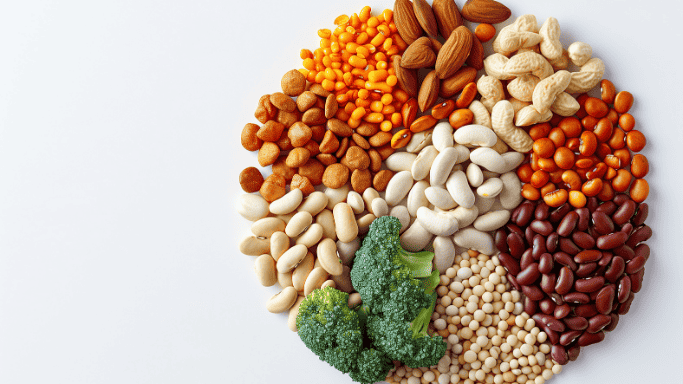
Image of healthy plant-based protein rich foods

The following dietary choices emerge from decades of research into what actually works for extending healthy lifespan. Each recommendation is backed by large-scale studies and real-world evidence.

1. Choose Plant Proteins Over Animal Sources

Plant-based proteins from legumes, nuts, seeds, and whole grains should anchor your meals. Research shows women who consume more plant protein in midlife were 46% more likely to age healthily, while those eating more animal protein were 6% less likely to maintain good health2.

A global study found that countries with higher plant-based protein consumption had longer adult life expectancy rates, with findings associated with lower rates of chronic disease across populations3.

Simple action: Replace one serving of animal protein daily with plant options like lentils, chickpeas, tofu, or quinoa.

2. Embrace Healthy Fats for Brain Health

Omega-3 fatty acids play an important role in healthy aging by reducing inflammation and supporting brain function. Research indicates an optimal intake threshold of approximately 1.1 grams per day, beyond which additional benefits plateau4.

These healthy fats improve mitochondrial function, which ties directly to cellular health supplements that support your body’s energy production systems.

Top sources include:

  • Fatty fish twice weekly
  • Ground flaxseeds or chia seeds
  • Walnuts as regular snacks
  • Extra virgin olive oil

3. Boost Fiber Intake for Gut Health and Longevity

Dietary fiber promotes healthy aging by supporting beneficial gut bacteria that produce protective short-chain fatty acids. Long-term high fiber intake from infancy is associated with improved gut microbiome composition in young adults5.

Most adults should target 25-35 grams of fiber daily from diverse plant sources. This whole-grain and vegetable-rich approach naturally supports the healthy eating patterns that research links to extended lifespan. Focus on getting fiber from each major food group to increase diversity.

Fiber-rich choices:

  • Vegetables and fruits with every meal
  • Whole grains instead of refined options
  • Daily servings of legumes
  • Mixed nuts and seeds

4. Avoid Ultra-Processed Foods

Ultra-processed foods accelerate biological aging beyond what poor nutrition alone would predict. Adults with higher ultra-processed food consumption showed 0.86 years of accelerated biological aging compared to those with lower intake6.

These foods promote inflammation and oxidative stress, contributing to the oxidative stress that damages cells and accelerates aging. Studies consistently show patterns associated with lower life expectancy in populations consuming more ultra-processed options.

Red flags to watch for:

  • More than 5 ingredients on labels
  • Unfamiliar chemical additives
  • Foods that don’t resemble their original form
  • Items with long shelf lives due to preservatives

5. Balance Protein Intake Based on Your Age

Protein needs change as we age, and getting this balance right affects how well we maintain muscle mass and overall health. For adults under 65, moderate protein intake (10-19% of calories) supports longevity goals.

Yet older adults benefit from higher protein intake (1.2-2.0g/kg body weight) to prevent muscle loss and frailty. This aligns with research on longevity supplements that support healthy aging at different life stages. Maintaining adequate protein intake also helps regulate body mass index as we age.

Age GroupProtein TargetFocus
Under 6510-19% of caloriesPlant-based sources
Over 651.2-2.0g/kg body weight25-30g per meal

6. Include Anti-Inflammatory Polyphenols Daily

Polyphenols are powerful antioxidants that combat cellular aging by reducing oxidative stress and preventing cellular senescence. These compounds are abundant in colorful fruits, vegetables, herbs, and spices.

Turmeric deserves special mention here. This golden spice contains curcumin, one of the most potent anti-inflammatory compounds found in nature. For maximum benefit, our Extra Strength Turmeric+ combines curcumin with black pepper extract, Boswellia, ginger and quercetin to increase absorption by up to 2000%.

Daily polyphenol sources:

  • Mixed berries
  • Dark leafy greens
  • Green tea
  • Extra virgin olive oil
  • Herbs like turmeric and oregano

7. Practice Moderate Caloric Awareness

Recent research confirms that genetic resilience matters more than extreme caloric restriction for longevity. The mice that lived longest on restricted diets were those that maintained their weight and immune function despite eating less7.

This suggests moderate caloric awareness (10-20% reduction) may be more beneficial than severe restriction for most people. This approach helps maintain healthy body mass index ranges without the metabolic stress of extreme dieting.

Focus on nutrient density rather than extreme calorie cutting. Listen to your body’s hunger and satiety signals while choosing foods that deliver maximum nutrition per calorie.

8. Consider Timing Your Eating Windows

While extreme time-restricted eating (under 8 hours) may increase cardiovascular disease risk, moderate approaches can provide metabolic benefits when combined with a healthy diet.

Research suggests 10-12 hour eating windows offer the best balance of benefits without negative health impacts. The key lies in consistency and ensuring adequate nutrition within your chosen timeframe.

If you try time-restricted eating:

  • Maintain 10-12 hour eating windows
  • Prioritize food quality over timing restrictions
  • Focus on getting all important nutrients
  • Monitor how you feel and adjust accordingly

The Mediterranean Diet Connection

Image of Mediterranean diet

Both the AHEI and Mediterranean approaches share similar foundations for promoting longevity. The Mediterranean diet remains one of the most studied dietary patterns for longevity, though the AHEI approach edges it out in recent research.

Both dietary patterns emphasize whole foods, healthy fats, and moderate portions while limiting processed foods and excessive red meat consumption. The Mediterranean approach offers a time-tested method that many find easier to follow long-term.

These dietary patterns work together with lifestyle factors that support healthy aging, including stress management and maintaining NAD levels by age for optimal cellular function.

Public Health Impact of Longevity Nutrition

Hands protecting a red heart with a paper-cutout silhouette of a family, symbolizing healthcare, family protection, or insurance.

The implications for public health are notable. If more people adopted these evidence-based dietary patterns, we could see important reductions in chronic disease rates and healthcare costs.

Research consistently shows that populations following these principles have a lower risk of heart disease, type 2 diabetes, and all-cause mortality. This creates a powerful case for promoting these dietary approaches at the community level.

The focus on whole foods and plant-forward eating also supports environmental health, creating benefits that extend beyond individual longevity.

Putting This Into Practice

An image of a woman holding a glass of fruit smoothie

Making lasting changes doesn’t require dramatic overhauls. Start with one change per week rather than overhauling your entire diet overnight. The research shows that dietary patterns matter more than individual nutrients, so aim for gradual, sustainable improvements.

Week-by-week approach:

  • Week 1: Add one plant protein meal daily
  • Week 2: Include healthy fats with each meal
  • Week 3: Boost fiber with whole grains and vegetables
  • Week 4: Eliminate one ultra-processed food

This gradual approach helps create lasting habits that support long-term health goals.

Beyond Diet: The Complete Longevity Picture

APRIL JF Blogs1 34

While diet forms the foundation of healthy aging, it works best as part of a complete approach. Regular physical activity, stress management, quality sleep, and maintaining social connections all contribute to longevity.

Supporting your body’s natural aging processes with anti-aging vitamins and minerals can complement these dietary choices for optimal results.

The evidence is clear: a plant-forward, minimally processed dietary pattern rich in fiber, healthy fats, and polyphenols provides the strongest foundation for healthy aging. These choices, backed by decades of rigorous research, offer a practical pathway to not just living longer, but living better.

By focusing on these eight simple choices, you’re not just adding years to your life – you’re adding life to your years. The research shows that it’s never too early or too late to start making these changes that can transform how you age.

Referenced Sources:

  1. https://www.aljazeera.com/news/2024/9/26/the-secret-of-blue-zones-where-people-reach-100-fake-data-says-academic ↩︎
  2. https://hsph.harvard.edu/news/plant-protein-women-healthy-aging/ ↩︎
  3. https://www.sciencedaily.com/releases/2025/04/250415144002.htm ↩︎
  4. https://www.asbmb.org/asbmb-today/science/080125/omega-3-fats-linked-healthy-aging-metabolism ↩︎
  5. https://www.medicalnewstoday.com/articles/short-term-increase-in-fiber-alters-gut-microbiome ↩︎
  6. https://www.medicalnewstoday.com/articles/ultra-processed-foods-may-accelerate-biological-aging-2 ↩︎
  7. https://www.jax.org/news-and-insights/2024/october/study-probes-how-eating-less-can-extend-lifespan ↩︎
Man holding two supplement bottles

Glutamine vs Creatine: Science-Based Comparison

Choosing between supplements can feel overwhelming when you’re trying to reach your fitness goals. Two of the most popular options are creatine and glutamine, but they work in completely different ways.

While creatine focuses on boosting your power and strength during workouts, glutamine concentrates on helping your body recover afterward. Understanding the glutamine vs creatine debate can help you make the right choice for your specific needs.

Key Takeaways

  • Creatine boosts workout performance and delivers 10-20% improvements in high-intensity exercise and strength gains
  • Glutamine speeds up recovery, reduces muscle damage, supports immune function, and accelerates post-workout healing
  • Different timing, different benefits – creatine works during exercise while glutamine works after exercise
  • Safe to combine – stacking both supplements provides complete performance and recovery support

Glutamine vs Creatine: Understanding the Key Differences

An image of two supplements beside a cannister

Creatine and glutamine operate through completely different mechanisms in your body. These supplements target distinct aspects of athletic performance and recovery.

Creatine is a naturally occurring compound that acts as an energy buffer. It rapidly regenerates ATP during high-intensity exercise by donating phosphate groups from phosphocreatine stores. This makes it highly effective for explosive movements, strength training, and power sports where you need quick energy bursts.

Glutamine takes a different approach as a recovery catalyst. As the most abundant amino acid in your body, glutamine plays important roles in protein synthesis, immune cell function, and gut health maintenance. During periods of intense training, glutamine levels can become depleted, making supplementation beneficial for better recovery.

The main distinction lies in their timing effects:

  • Creatine improves what you can do during exercise
  • Glutamine optimizes what happens after your workout
  • Creatine allows you to train harder and lift heavier weights
  • Glutamine helps ensure effective recovery from increased training stress

Benefits of Creatine: The Performance Enhancer

Athletic woman flexing her bicep outdoors, representing the muscle-building and strength-enhancing benefits of creatine supplementation.

Creatine works by increasing intramuscular phosphocreatine stores, which serve as a rapid energy reserve for ATP regeneration. When muscles contract during high-intensity exercise, ATP is quickly depleted within seconds.

The phosphocreatine system provides the fastest method for ATP resynthesis, allowing sustained power output during repeated explosive efforts. This proves highly beneficial for activities like weightlifting, sprint intervals, and other high-intensity workouts1.

Research consistently shows that creatine supplementation produces 10-20% improvements in high-intensity exercise performance. These benefits extend beyond immediate power output to include increased training volume, better muscle mass gains, and improved recovery between sets Research consistently shows that creatine supplementation produces 10-20% improvements in high-intensity exercise performance. These benefits extend beyond immediate power output to include increased training volume, better muscle mass gains, and improved recovery between sets2.

Cognitive and Brain Health Benefits

Emerging research reveals creatine’s major impact on brain function. Your brain has high energy demands, and creatine supplementation can increase brain creatine and phosphocreatine levels by 5-15%3.

Studies show that creatine as a nootropic improves cognitive processing speed, working memory, and mental fatigue resistance. These neurological benefits stem from better cellular energy availability and neuroprotective effects.

Muscle Building and Strength Gains

A detailed meta-analysis found that creatine supplementation combined with resistance training promotes measurable increases in muscle hypertrophy. Effect sizes ranged from 0.11 to 0.42 depending on the measurement method4.

Creatine helps you:

  • Lift heavier weights during workouts
  • Complete more repetitions before fatigue
  • Recover faster between training sets
  • Build lean muscle mass more effectively
  • Support muscle strength gains over time

Benefits of Glutamine: Recovery and Immune Support

Joyful woman standing outdoors with open arms, symbolizing the recovery, gut health, and immune system benefits of glutamine.

L-glutamine supports recovery through multiple pathways, primarily by maintaining positive nitrogen balance and supporting protein synthesis. During intense exercise, glutamine stores can be depleted by up to 50%, potentially compromising immune function and recovery capacity5.

This conditionally essential amino acid becomes important during periods of intense training when your body’s demand for glutamine exceeds its natural production. Glutamine supports muscle recovery by serving as the primary energy source for rapidly dividing cells.

How L-Glutamine Supports Recovery

Research demonstrates several important benefits when you take glutamine regularly:

  • Reduced markers of muscle damage (creatine kinase, lactate dehydrogenase)
  • Decreased delayed-onset muscle soreness (DOMS)
  • Better glycogen resynthesis after workouts
  • Improved immune function during heavy training periods
  • Faster recovery between training sessions

Glutamine plays an important role in muscle recovery by helping prevent muscle breakdown and supporting protein synthesis. Its role in muscle recovery becomes critical after intense workouts when muscle stores need replenishment and athletes need to support muscle recovery effectively.

Immune and Gut Health Support

Glutamine serves as the primary energy source for immune cells, mainly during periods of physiological stress. Supplementation helps maintain immune function during heavy training periods when athletes typically become more susceptible to illness6.

Also, glutamine supports intestinal barrier function, which proves important for nutrient absorption and preventing gastrointestinal distress common in endurance athletes. This abundant amino acid also supports gut health by maintaining the intestinal lining.

Differences Between Glutamine and Creatine: Complete Comparison

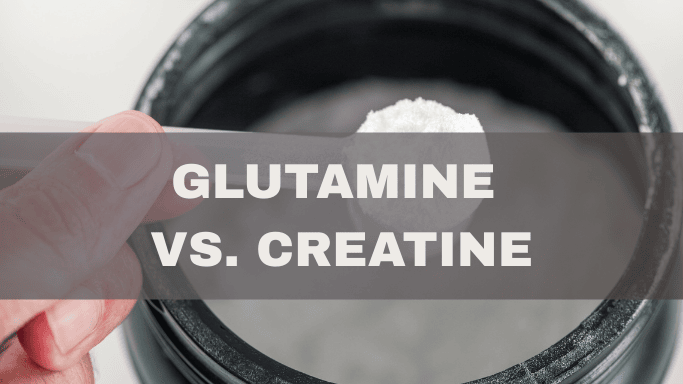
Close-up of a hand scooping white powder from a supplement container with overlaid text 'Glutamine vs. Creatine', representing a complete side-by-side comparison.

Here’s how these supplements stack up across different aspects of performance and recovery:

AspectCreatineGlutamine
Primary FunctionEnergy production and muscle performanceRecovery, immune support, gut health
MechanismIncreases phosphocreatine stores, boosts ATP regenerationSupports protein synthesis, reduces muscle breakdown
Main BenefitsIncreased strength, power, muscle mass, cognitive functionBetter recovery, immune function, reduced muscle soreness
Best ForStrength athletes, power sports, high-intensity trainingEndurance athletes, cutting phases, immune support
Primary Effects10-20% improvement in high-intensity exercise performanceReduced muscle damage markers, faster recovery
Energy RoleProvides immediate ATP for high-intensity effortsServes as primary energy for immune and gut cells

Glutamine and Creatine Together: The Perfect Stack

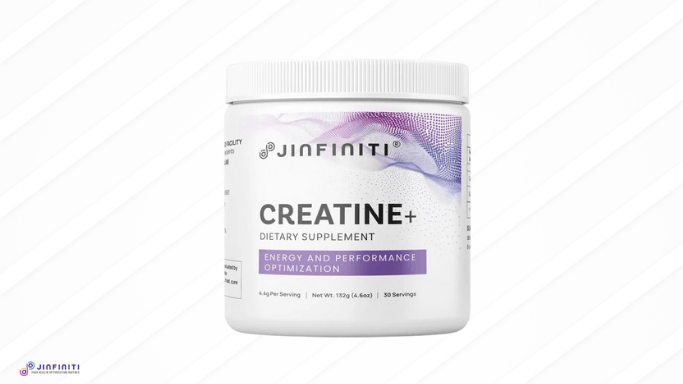
An image of Jinfiniti creatine product

Combining glutamine and creatine provides complete support for both performance improvement and recovery optimization. Creatine boosts your ability to train harder, while glutamine ensures you recover more effectively from that increased training stress.

Research on combined supplementation shows promising results. A study with military police officers found both creatine and glutamine groups experienced major improvements in body composition and performance measures compared to placebo7.

Should You Take Glutamine and Creatine Supplements Together?

The combination proves highly beneficial for athletes engaged in high-volume training or competing in demanding sports requiring both power and endurance. Here’s why they work well together:

  • Creatine boosts your training capacity during workouts
  • Glutamine optimizes recovery between training sessions
  • No negative interactions exist between the supplements
  • Both have strong safety profiles with minimal side effects
  • The combination may offer additive benefits for muscle building

This approach allows you to support muscle growth while ensuring proper recovery, making it ideal for those pursuing serious fitness goals.

Choosing the Right Form of Creatine and Supplement Options

An image of Jinfiniti creatine product

For creatine, creatine monohydrate remains the gold standard with the most research support and proven efficacy. Other forms offer no real advantages over monohydrate and typically cost more.

The form of creatine you choose matters less than consistency in supplementation. Creatine monohydrate has decades of research backing its safety and effectiveness.

Understanding how different supplement formulations work can help you make better choices. Some products combine multiple ingredients to target various aspects of performance and recovery simultaneously.

Why Creatine + ATP Makes a Difference

Jinfiniti’s Creatine + ATP supplement takes this approach by combining 4g of creatine monohydrate with 400mg of disodium ATP. This formulation addresses both immediate energy needs and long-term energy storage:

  • Provides the proven benefits of creatine monohydrate for muscle saturation
  • Adds direct ATP support for immediate cellular energy
  • Offers potential cognitive benefits beyond traditional creatine supplements

The ATP component helps bridge the gap between creatine’s energy storage benefits and immediate energy needs during intense workouts. This dual approach means creatine can be taken with ATP support to maximize both storage and immediate energy availability.

Who Should Use What Based on Fitness Goals

Fit woman jogging outdoors in athletic gear.

Your specific fitness goals should guide your supplement choice between creatine and glutamine, though many people benefit from both.

For Strength and Power Athletes

Creatine should be your primary supplement choice if you focus on maximal strength, power output, and muscle building. The research base supporting creatine’s effectiveness in high-intensity, short-duration activities makes it important for powerlifters, sprint athletes, and team sport competitors8.

These athletes benefit most from creatine because their sports demand explosive power and strength, areas where creatine helps most effectively.

For Endurance Athletes

Glutamine becomes more valuable for endurance athletes who experience prolonged training stress and increased susceptibility to immune suppression. The anti-catabolic effects and immune support provided by glutamine prove highly beneficial during high-volume training phases.

Glutamine supports these athletes by helping maintain immune function during periods of intense training when the body’s natural defenses become compromised.

For Muscle Building Goals

Those focused on muscle growth should prioritize creatine for its direct effects on training performance and muscle hypertrophy. During cutting phases, glutamine becomes valuable for preserving muscle mass and maintaining immune function while in a caloric deficit.

The combination works synergistically to support muscle development while preventing muscle breakdown during challenging training periods.

For General Health and Aging

Both supplements offer benefits for older adults. Creatine supports cognitive function, bone health, and muscle mass preservation, while glutamine maintains immune function and gut health. The combination may provide synergistic benefits for healthy aging.

Understanding creatine for older adults can help guide supplementation decisions for this population.

Dosage and Timing Recommendations

Prescription form labeled 'Dose/Strength' with red and white capsules spilled over it, representing supplement dosage and timing recommendations.

Proper dosing varies based on your goals and training intensity.

Creatine Supplements Protocol

Loading Phase Approach:

  • 20-25g daily for 5-7 days, split into 4-5 doses
  • Follow with 3-5g daily maintenance dose
  • Achieves muscle saturation quickly

Steady-State Approach:

  • 3-5g daily from the start
  • Takes 3-4 weeks to reach full muscle saturation
  • More convenient for most people

Learn more about creatine loading and timing strategies to optimize your supplementation approach. The loading phase can help you reach peak muscle stores faster, though both approaches ultimately achieve similar results.

L-Glutamine Protocols

Standard Dosing:

  • 5-10g daily for general health and moderate training
  • Best taken post-workout when muscle glutamine stores are depleted

Intense Training Periods:

  • 15-30g daily, divided into multiple doses throughout the day
  • Research indicates doses up to 30g are well-tolerated

When you take glutamine matters for best absorption and effectiveness. Post-workout timing helps replenish depleted stores when your body needs recovery support most.

Best Stacking Timing

GoalCreatine DoseGlutamine DoseBest Timing
Strength & Power5g daily5g post-workoutCreatine anytime, Glutamine post-workout
Muscle Building5g daily10g dailyBoth post-workout with protein
Recovery & Endurance3g daily15-20g dailyGlutamine multiple times daily
Cutting/Fat Loss3g daily10-15g dailyMorning glutamine, creatine post-workout

Creatine can be taken at any time since it works by saturating muscle stores over time rather than providing immediate effects. Glutamine proves most beneficial post-workout when muscle glutamine stores are depleted and protein synthesis is elevated.

Making the Right Choice for Your Goals

Woman looking up and touching her chin, symbolizing decision-making about supplement choices based on personal health and fitness goals.

Both creatine and glutamine represent evidence-based supplements that can greatly improve athletic performance and recovery when used appropriately. While they serve different primary functions, their combination provides complete support for serious athletes.

Creatine excels at boosting immediate power and strength through better ATP regeneration, making it ideal for high-intensity training. Glutamine focuses on supporting recovery, immune function, and muscle preservation, proving valuable during intense training periods.

The key lies in understanding your specific fitness goals and implementing the appropriate dosing and timing strategies. Whether you choose one or both supplements, proper implementation will help you maximize their benefits for improved performance and recovery.

For those interested in optimizing cellular energy production beyond supplementation, consider exploring mitochondrial health supplements that work synergistically with both creatine and glutamine for complete performance improvement.

Referenced Sources:

  1. https://royalsocietypublishing.org/doi/10.1098/rsif.2020.0976 ↩︎
  2. https://pmc.ncbi.nlm.nih.gov/articles/PMC7910963/ ↩︎
  3. https://www.nature.com/articles/s41598-024-54249-9 ↩︎
  4. https://pmc.ncbi.nlm.nih.gov/articles/PMC10180745/ ↩︎
  5. https://pmc.ncbi.nlm.nih.gov/articles/PMC8234492/ ↩︎
  6. https://pmc.ncbi.nlm.nih.gov/articles/PMC6520936/ ↩︎
  7. https://pubmed.ncbi.nlm.nih.gov/12930166/ ↩︎
  8. https://pmc.ncbi.nlm.nih.gov/articles/PMC3407788/ ↩︎
An image of an aging woman

Spermidine Benefits for Longevity, Side Effects and Limitations

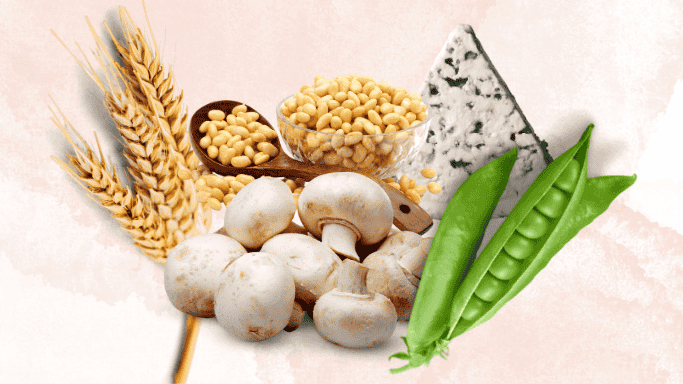
Spermidine has caught the eye of longevity researchers as one of nature’s most promising anti-aging compounds. This naturally occurring polyamine shows up in foods like wheat germ and aged cheese. It shows real potential for extending healthspan and protecting against age-related diseases.

Research suggests that spermidine may hold the key to cellular renewal, heart protection, and even cognitive improvement. But like any supplement, it comes with important considerations about safety, dosage, and limitations that you need to understand before adding it to your routine.

Key Takeaways

  • Spermidine boosts autophagy, helping cells clear damage and potentially extending lifespan
  • Studies show 40% reduction in heart failure risk with higher dietary intake
  • Oral supplements may convert to spermine rather than increasing spermidine levels directly
  • Natural dietary sources offer better safety profiles than synthetic supplements

What is Spermidine and How Does It Work?

Spermidine is a naturally occurring polyamine that your body produces and obtains from food sources. This cellular compound plays a key role in cell growth, DNA stability, and protein synthesis throughout your body.

The magic happens through a process called autophagy. Spermidine boosts autophagy by blocking certain enzymes that normally suppress this cellular housekeeping mechanism. When autophagy works properly, your cells can clear out damaged proteins and broken organelles that build up with age.

Recent studies reveal that spermidine is essential for fasting-mediated autophagy and longevity. The compound works through the polyamine-hypusination axis. This allows processes that extend lifespan across multiple species.1

Your body naturally produces polyamines, but levels drop as you age. This decline contributes to reduced cellular function and increased susceptibility to age-related diseases.

Benefits of Spermidine for Longevity and Anti-Aging

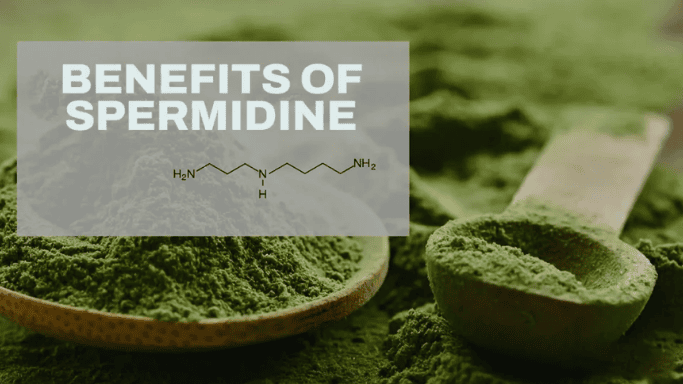
Graphic with the text 'Benefits of Spermidine' overlaid on green plant powder and a wooden spoon, featuring spermidine’s molecular structure, representing its natural origins and role in longevity and anti-aging

The health benefits of spermidine extend far beyond basic cellular maintenance. Research shows notable anti-aging effects that could change how we approach healthy aging.

Cellular Renewal and DNA Protection

Spermidine helps maintain cellular health by:

  • Improving the removal of damaged cellular components
  • Protecting DNA integrity and preventing mutations
  • Supporting mitochondrial function and energy production

A study showed that spermidine has been shown to extend lifespan in different organisms, from yeast to mice, by improving cellular quality control mechanisms.2

Anti-Inflammatory Effects

Spermidine can also help reduce inflammation linked with cellular aging. By boosting autophagy and removing damaged cellular components, the compound helps minimize chronic inflammatory processes that contribute to age-related diseases.

Metabolic Health Support

The compound supports healthy metabolism by improving energy production at the cellular level. This translates to better overall health and reduced risk of metabolic disorders commonly associated with aging.

Research suggests that spermidine may help maintain healthy blood sugar levels and support optimal metabolic function as you age.

Heart Health and Cardiovascular Protection

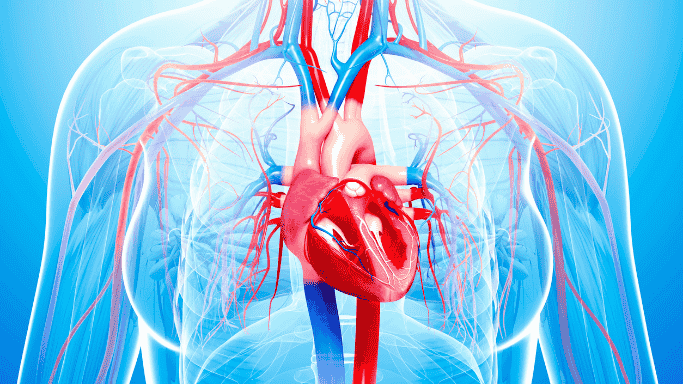
Illustration of the human cardiovascular system highlighting the heart, arteries, and veins, symbolizing heart health and circulatory function.

Heart health represents one of spermidine’s most impressive benefits. The compound shows major cardioprotective effects that contribute directly to longevity.

Blood Pressure and Heart Function

Human studies from the Bruneck cohort reveal that higher dietary spermidine intake correlates with:3

  • Approximately 40% reduction in fatal heart failure risk
  • Much lower systolic and diastolic blood pressures
  • Improved cardiac biomarker profiles

In aged mice, spermidine supplementation improves cardiac diastolic function. It also reduces cardiac hypertrophy and improves the mechanical properties of heart muscle cells.

Vascular Health Benefits

The cardiovascular disease protection extends beyond the heart muscle to include improved blood vessel function. Spermidine can improve arterial flexibility and support healthy blood flow throughout your body.

These heart health benefits make spermidine particularly valuable for individuals concerned about heart disease risk as they age.

Brain Function and Cognitive Benefits

Spermidine provides neuroprotective benefits through multiple pathways that support long-term brain health and cognitive function.

Memory and Learning Enhancement

Studies in aged mice show that spermidine supplementation restores levels of key autophagy proteins in the brain. The compound protects against age-related changes in hippocampal regions needed for memory formation.4

Research suggests that spermidine:

  • Improves clearance of brain cellular debris
  • Protects synaptic connections between neurons
  • Supports long-term potentiation for memory formation
  • May delay neurodegeneration processes

Cognitive Decline Protection

While animal studies show promising results, human clinical trials present mixed findings. Some studies show modest memory improvements. Others found no notable cognitive benefits in healthy older adults.

The potential for brain health support remains an active area of research, particularly for individuals experiencing early cognitive changes.

Hair Growth and Aesthetic Benefits

Close-up of a woman parting her hair to reveal thinning at the scalp, representing hair loss and the potential benefits of treatments for hair growth and aesthetics.

Emerging research suggests spermidine may offer unexpected benefits for hair growth and overall appearance. This area needs more investigation.

Hair Follicle Health

Preliminary studies indicate that spermidine’s role in cellular regeneration may extend to hair follicles. The compound’s ability to promote autophagy and cellular renewal could theoretically support healthy hair growth cycles.

Strong clinical evidence for hair growth benefits remains limited. Most current research focuses on spermidine’s internal health benefits rather than cosmetic applications.

Skin Health Considerations

The cellular renewal properties of spermidine may contribute to healthier skin aging. Research on dermatological benefits is still developing.

Foods High in Spermidine: Natural Sources

A collection of natural foods rich in spermidine, including wheat stalks, a wooden spoon and bowl filled with soybeans, a wedge of blue cheese, fresh green pea pods, and several white mushrooms arranged on a light background

Food sources provide the safest way to increase spermidine intake. Spermidine-rich foods provide additional nutrients and polyamines that work synergistically.

Top Dietary Sources

Food SourceSpermidine Content (per 100g)
Wheat germ2-5 mg
Aged cheese1.5-3 mg
Soybeans1-2 mg
Mushrooms0.5-1 mg
Green peas0.3-0.8 mg

Other Rich Sources Include:

  • Fermented foods like miso and kimchi
  • Certain fruits and vegetables including broccoli
  • Legumes and whole grains
  • Different mushroom varieties

Foods like aged cheeses and fermented products naturally provide the highest concentrations. The Mediterranean diet pattern naturally provides higher spermidine intake and has been associated with improved longevity outcomes.

Gut Health and Spermidine Production

Your gut bacteria also contribute to spermidine production. This makes gut health important for maintaining optimal levels. A healthy microbiome supports natural polyamine synthesis, which complements dietary sources of spermidine.

Food vs. Supplement Considerations

Food-derived spermidine has undergone more wide-ranging safety testing compared to synthetic forms. Natural sources also provide accompanying polyamines that create a beneficial recycling loop within your body.

Spermidine Intake: Dosage and Recommendations

A collection of medication containers and pills on a pink surface. There are two blister packs with pink tablets, a blue weekly pill organizer, two white medicine bottles, a brown pill bottle, and a glass of water partially visible on the left side.

Determining optimal spermidine intake requires understanding current research guidelines. You also need to know the safety parameters established by health authorities.

Established Safety Limits

The European Food Safety Authority (EFSA) has established a safe upper intake limit of 6 mg per day for food-derived spermidine. This guideline reflects findings from human clinical trials using daily doses of 1-1.2 mg.

Most effective research dosages range from 1-6 mg daily. Some studies suggest 10 mg may provide optimal benefits for certain health outcomes.

Clinical Trial Dosages

Human studies have primarily used:

  • 1-1.2 mg daily in combination with other polyamines
  • Up to 40 mg daily in short-term safety studies
  • 6 mg as the established upper safe limit for regular use

Research suggests that spermidine doses below 15 mg/day are unlikely to produce short-term effects based on pharmacokinetic studies.5

Timing and Administration

Most studies give spermidine with meals to minimize potential gastrointestinal effects. Starting with lower doses allows you to assess individual tolerance before increasing intake.

Side Effects and Safety Profile

An image shows a person sitting on a bed, clutching their stomach with both hands, which suggests they might be experiencing mild gastrointestinal discomfort or abdominal pain.

Spermidine supplementation shows an excellent safety profile in human studies. Most adverse effects are mild and temporary.

Common Side Effects

When side effects occur, they typically include:

  • Mild gastrointestinal symptoms (nausea, digestive discomfort)
  • Occasional diarrhea, particularly at higher doses
  • Rare allergic reactions in sensitive individuals

A detailed 12-month Phase II trial involving 100 healthy older adults found comparable rates of adverse events between spermidine and placebo groups.6

Laboratory Parameter Considerations

Animal studies at extremely high doses (600 mg/kg body weight) showed changes in kidney function markers. These included creatinine, calcium, and phosphate levels. These effects occurred at doses far exceeding typical human supplementation.

Special Population Considerations

Limited safety data exists for:

  • Pregnant and nursing women
  • Children and adolescents
  • Individuals with certain medical conditions

Healthcare provider consultation is needed before starting any new supplement regimen. This is especially important for these populations.

Limitations and Important Considerations

Despite promising research, several important limitations affect spermidine’s practical application for longevity and health benefits.

Recent pharmacokinetic research reveals that oral spermidine supplementation may not meaningfully increase circulating spermidine levels. Instead, supplemented spermidine appears to convert to spermine before entering systemic circulation.7

This finding suggests spermidine could function as a “prodrug” for spermine. The beneficial effects may be attributable to increased spermine concentrations rather than spermidine itself.

Research Gaps and Long-term Effects

Several important research gaps remain:

  • Most clinical trials have been relatively short-term (3-12 months)
  • Optimal dosing for different health conditions needs clarification
  • Individual variability in response requires better characterization
  • Long-term safety data beyond one year is limited

Cancer and Fertility Considerations

While spermidine may have anticancer effects through autophagy improvement, elevated polyamine levels are also found in many cancer types. Spermidine could potentially stimulate cellular proliferation in existing tumors.

Some research suggests that spermidine may support fertility through cellular health mechanisms. This area requires more thorough study before drawing definitive conclusions.

This dual nature requires careful consideration, particularly for individuals with cancer history or active disease.

Drug Interactions and Contraindications

An image of a woman taking supplements

Potential drug interactions with spermidine are not well-characterized. This necessitates caution when combining with certain medications.

Spermidine plays a role in cellular metabolism. It may interact with:

  • Medications influencing cellular metabolism
  • Drugs affecting autophagy pathways
  • Blood pressure medications
  • Immune-modulating therapies

One observational study identified a potential link between higher blood spermidine levels and increased stroke risk. This finding requires careful interpretation. The study was observational and cannot establish causation.

The association may reflect elevated spermidine levels as a biomarker of underlying pathology rather than direct causation.

NAD+ and Cellular Health: A More Proven Approach

While spermidine shows promise, NAD+ optimization offers a more established path to cellular health and longevity benefits. NAD+ (nicotinamide adenine dinucleotide) is needed for over 500 cellular processes and declines meaningfully with age.

Why NAD+ May Be Superior

NAD+ provides several advantages over spermidine supplementation:

  • More extensive human research and safety data
  • Direct involvement in cellular energy production
  • Proven bioavailability through proper precursor supplementation
  • Measurable results through intracellular testing

Our Vitality NAD+ Booster contains clinically validated NAD+ precursors that actually work. Unlike spermidine supplements with questionable bioavailability, our formula includes:

  • NMN (nicotinamide mononucleotide) for direct NAD+ conversion
  • Creatine monohydrate for improved cellular energy
  • D-ribose for ATP synthesis support
  • Niacinamide for additional NAD+ pathway support

The key difference is measurability. With our NAD+ test, you can actually verify whether your intervention is working. This precision approach removes guesswork and ensures you’re getting real benefits from your investment in longevity supplements.

Making the Right Choice for Your Health

Spermidine represents an interesting compound with potential longevity benefits. Notable limitations and unknowns remain. The safest approach currently involves obtaining spermidine through food sources rather than supplements.

If you’re interested in spermidine’s potential benefits:

  • Focus on incorporating spermidine-rich foods into your diet
  • Consult healthcare providers before supplementation
  • Start with lower doses if choosing supplements
  • Monitor for any adverse reactions
  • Consider food-derived sources over synthetic alternatives

Bottom Line

While spermidine research continues to evolve, the compound’s role in healthy aging appears promising. It needs more long-term human studies. The excellent safety profile makes dietary sources a reasonable addition to a complete longevity strategy.

For proven cellular health benefits with measurable results, NAD+ optimization through proper testing and supplementation offers a more reliable path to extending your healthspan and supporting healthy aging.

Referenced Sources:

  1. https://www.nature.com/articles/s41556-024-01468-x ↩︎
  2. https://pubmed.ncbi.nlm.nih.gov/28118075/ ↩︎
  3. https://www.ncbi.nlm.nih.gov/pmc/articles/PMC5806691/ ↩︎
  4. https://www.nature.com/articles/s41598-019-56133-3 ↩︎
  5. https://www.ncbi.nlm.nih.gov/pmc/articles/PMC10143675/ ↩︎
  6. https://jamanetwork.com/journals/jamanetworkopen/fullarticle/2792725 ↩︎
  7. https://www.ncbi.nlm.nih.gov/pmc/articles/PMC10143675/ ↩︎
White and yellow capsules are arranged in a perfect circle pattern on a soft blue background.

Sirtuin Supplements: Types, Benefits and Risks

Sirtuin supplements are compounds designed to activate specific cellular proteins that regulate aging and metabolism. NAD precursors like NMN show proven benefits in human trials, while direct activators like resveratrol fail due to poor bioavailability.

The supplement market promotes sirtuins as anti-aging solutions, but clinical evidence reveals significant differences between compound types. NAD precursors reliably increase cellular fuel for sirtuins, while direct activators struggle to reach therapeutic levels in human studies.

Key Takeaways

  • Sirtuins are proteins that use NAD to repair cells and fight aging
  • Two main supplement categories exist: direct activators (like resveratrol) and indirect activators (like NMN)
  • NAD precursor supplements work better than direct activators because they have superior bioavailability
  • Exercise, caloric restriction, and quality sleep naturally activate sirtuins

What are Sirtuins?

Sirtuins are NAD-dependent proteins (SIRT1 through SIRT7) that function as cellular guardians regulating DNA repair, metabolism, and inflammation. These longevity proteins require NAD as fuel and become less active with age, contributing to cellular dysfunction.

Your body contains 7 different sirtuins with specific cellular locations:

  • Nuclear sirtuins (SIRT1, SIRT6, SIRT7) protect DNA and regulate gene expression
  • Mitochondrial sirtuins (SIRT3, SIRT4, SIRT5) control energy production and metabolism
  • Cytoplasmic sirtuin (SIRT2) manages cell division and cellular processes

Research shows that sirtuins handle critical jobs like DNA repair, inflammation control, metabolic homeostasis, and protection against oxidative damage1. They’re like quality control managers for your cells.

These enzyme systems become less active as you age. This decline has been linked to many age-related diseases and metabolic disorders.

How Sirtuins and NAD Work Together

A 3D DNA double helix structure glows with orange light against a dark background with particles.

Sirtuins consume one NAD molecule for every enzymatic reaction they perform, making NAD the required fuel for sirtuin function. NAD levels decline by approximately 50% between ages 20 and 50, creating insufficient fuel for optimal sirtuin activity.

NAD functions as both fuel and metabolic sensor for sirtuins. When NAD levels are high, sirtuins activate to promote cellular repair and stress resistance.

The cellular relationship operates through this mechanism:

  • Healthy NAD levels = Active sirtuins = Better cellular health
  • Low NAD levels = Reduced sirtuin activity = Accelerated aging

Your NAD levels drop with age, explaining why many people experience increased energy when they restore NAD through supplementation.

Want to Know Your NAD Levels?

You can’t fix what you don’t measure. Since NAD levels vary between people, the same supplement dose might work perfectly for your friend but do nothing for you.

Jinfiniti’s Intracellular NAD® test measures your actual cellular NAD levels with a simple finger-prick blood test at home. You’ll discover whether your levels fall in the optimal range (40-100 μM) and get personalized dosage recommendations.

Can Supplements Activate Sirtuins?

Scientists have used two strategies to boost sirtuin function: direct allosteric activators that bind to sirtuin enzymes, and indirect NAD precursors that increase cellular fuel supply. NAD precursors show superior results in human trials compared to direct activators.

Direct Activators

Direct activators physically bind to sirtuin proteins and increase their enzymatic activity. Resveratrol represents the most studied direct activator, isolated from red wine and grape skin.

Animal studies reveal impressive benefits from direct activators, but human clinical trials produce inconsistent results due to bioavailability limitations2.

Indirect Activators

Indirect activators increase NAD supply, providing more fuel for natural sirtuin function. This approach works with your body’s regulatory systems rather than overriding them.

Methods to increase NAD levels include:

  • Nicotinamide riboside (NR)
  • Nicotinamide mononucleotide (NMN)
  • Regular exercise and caloric restriction

Clinical evidence favors the indirect approach because it supports physiological sirtuin regulation.

Sirtuin Supplementation for Longevity

A glowing red DNA double helix structure with visible base pairs floats against a dark background.

The longevity supplement market promotes sirtuins as fountain-of-youth molecules. But what does the actual research show?

The Promise

Laboratory studies reveal that activating sirtuins can:

  • Extend lifespan in yeast, worms, and mice
  • Improve stress resistance and DNA repair
  • Enhance metabolic health and energy production
  • Reduce inflammation and oxidative stress

The Reality

Human studies show mixed results. Clinical trials often fail to reproduce the dramatic benefits seen in lab animals3.

Several factors explain this gap:

  • Poor bioavailability of some compounds
  • Short study durations for age-related outcomes
  • Differences between healthy people and those with health problems

The supplements that boost NAD levels show more consistent human benefits than direct sirtuin activators.

Types of Sirtuin Supplements

There are four main sirtuin supplements available: resveratrol (20% bioavailability), pterostilbene (80% bioavailability), nicotinamide riboside, and nicotinamide mononucleotide. NAD precursors show superior human clinical outcomes compared to direct activators.

Resveratrol

Resveratrol is a polyphenol compound extracted from grape skin that was the first discovered sirtuin activator. Extensive human studies consistently show disappointing results despite resveratrol’s proven antioxidant properties, due to extremely poor bioavailability4.

Oral resveratrol achieves only 20% bioavailability because liver enzymes rapidly break down the compound before it reaches target tissues. This major pharmacological limitation prevents therapeutic blood concentrations in human subjects.

Pterostilbene

Pterostilbene is a resveratrol analog also found in blueberries with improved lipophilicity that achieves 80% bioavailability and 105-minute half-life compared to resveratrol’s 14-minute half-life.

The primary human safety trial revealed that pterostilbene markedly increases LDL cholesterol levels, creating safety concerns for cardiovascular health5. Limited human efficacy data exists for pterostilbene.

NAD Precursors

NMN and NR are the most scientifically validated approach to sirtuin support through NAD improvement.

Human clinical trials confirm that NR safely and reliably increases blood NAD+ levels. Some studies found benefits like reduced blood pressure and decreased inflammatory markers in older adults6.

Human studies with NMN show more consistent results7. A recent meta-analysis concluded that NMN has positive effects on muscle function and insulin resistance in middle-aged and elderly adults8.

Sirtuin Supplements Compared

CompoundBioavailabilityNAD BoostHuman StudiesSafety Profile
NRHighProvenMixed resultsExcellent
NMNHighProvenPromisingExcellent
ResveratrolVery lowUncertainDisappointingGood
PterostilbeneHighUncertainLimitedConcerning

SIRT1: The Most Studied Sirtuin

SIRT1 gets the most attention from researchers and supplement companies. This nuclear sirtuin regulates metabolism, inflammation, and stress responses.

SIRT1 activation provides several cellular benefits9:

  • Improves insulin sensitivity and glucose metabolism
  • Reduces inflammatory signaling pathways
  • Supports DNA repair mechanisms
  • Supports mitochondrial function

Most sirtuin supplements target SIRT1 specifically. However, the other 6 sirtuins also play important roles in cellular health.

A broader approach focuses on boosting NAD levels to support all sirtuins simultaneously. This strategy may provide wider benefits than targeting SIRT1 alone.

Do Sirtuin Supplements Slow the Aging Process?

Two elderly men playfully compete for a football in a park, with one in blue and one in gray athletic wear.

The aging process involves multiple cellular pathways, not just sirtuins. While sirtuin activation can help, it’s not a magic bullet for aging.

What Works

Lifestyle habits that support sirtuin activation remain the gold standard:

  • Caloric restriction or intermittent fasting
  • Regular physical exercise
  • Adequate sleep and stress management

These approaches naturally boost NAD levels and activate sirtuins without supplements.

Supplement Reality

For people who can’t or won’t make lifestyle changes, NAD precursors offer a reasonable alternative. Clinical studies show these supplements can:

  • Safely increase blood NAD levels
  • Improve some markers of metabolic health
  • Support physical performance in older adults

However, the benefits are usually modest compared to diet and exercise changes.

The Science Behind Sirtuin Activity

Sirtuins function as metabolic sensors. When your cellular energy runs low (high NAD+/NADH ratio), sirtuins activate to help your cells adapt to stress.

This explains why caloric restriction and exercise are so effective. These interventions naturally create the metabolic conditions that activate sirtuins.

Direct activator supplements try to bypass this natural regulation. They force sirtuins to work even when cellular conditions don’t call for activation. This approach often backfires or produces inconsistent results.

NAD precursor supplements work more gently. They provide the raw materials your cells need to make NAD when required. This allows your natural regulatory systems to control sirtuin activity appropriately.

Choosing the Right Approach

If you’re considering sirtuin supplementation, focus on NAD precursors rather than direct activators.

Our Recommendation: Vitality NAD+ Booster

Jinfiniti’s Vitality NAD+ Booster combines NMN with synergistic compounds:

  • NMN as the primary NAD precursor
  • Creatine for cellular energy support
  • D-ribose for energy metabolism
  • Niacinamide for additional NAD synthesis

This formulation addresses the root cause of declining sirtuin activity – insufficient NAD levels. By supporting your cellular fuel supply, you allow natural sirtuin function to occur.

Testing Your NAD Levels

Before starting any NAD supplement, consider testing your NAD levels to establish your baseline. Jinfiniti’s Intracellular NAD Test can help you:

  • Establish your baseline NAD status
  • Determine if supplementation is needed
  • Monitor your response to interventions

Safety and Side Effects

Sirtuin supplements generally show good safety profiles in human studies.

NAD Precursors (NR and NMN)

  • Well-tolerated at doses up to 1,000-2,000 mg daily
  • No serious adverse effects reported in clinical trials10
  • May cause mild digestive upset in some people

Direct Activators

  • Resveratrol is safe at typical doses (up to 1,000 mg daily)
  • Pterostilbene may increase LDL cholesterol levels
  • Long-term effects of high-dose direct activators remain unknown

The Bottom Line

NAD precursors like NMN show proven safety and biochemical efficacy in human trials, while direct sirtuin activators like resveratrol fail due to poor bioavailability. Lifestyle interventions including exercise and caloric restriction remain the most effective methods for sirtuin activation.

NAD precursors like NMN provide the best combination of safety, proven mechanism, and emerging clinical efficacy data. These compounds address the root cause of declining sirtuin function: insufficient cellular NAD levels.

Sirtuin supplements work most effectively when combined with healthy lifestyle practices. Regular exercise, proper nutrition, and adequate sleep provide the foundation for sirtuin activation and healthy aging processes.

Quick Review:

  • Sirtuins require NAD as fuel for enzymatic function
  • NAD levels decline 50% between ages 20 and 50
  • NAD precursors outperform direct sirtuin activators in human studies
  • Lifestyle interventions activate sirtuins most effectively
  • NAD testing allows personalized supplementation approaches

Combining NAD level testing with targeted supplementation offers the most scientific approach to cellular health improvement.

References

  1. Michan S, Sinclair D. Sirtuins in mammals: insights into their biological function. Portland Press Ltd.; 2007. p. 1–13. https://doi.org/10.1042/bj20070140. doi:10.1042/bj20070140
  2. Dai H, Sinclair DA, Ellis JL, Steegborn C. Sirtuin activators and inhibitors: Promises, achievements, and challenges. Elsevier BV; 2018. p. 140–154. https://doi.org/10.1016/j.pharmthera.2018.03.004. doi:10.1016/j.pharmthera.2018.03.004
  3. Brown K, Theofanous D, Britton RG, Aburido G, Pepper C, Sri Undru S, Howells L. Resveratrol for the Management of Human Health: How Far Have We Come? A Systematic Review of Resveratrol Clinical Trials to Highlight Gaps and Opportunities. MDPI AG; 2024. p. 747. https://doi.org/10.3390/ijms25020747. doi:10.3390/ijms25020747
  4. Cucuz V, Cvejic J, Gojkovic-Bukarica L. Clinical trials of resveratrol efficacy and safety. National Library of Serbia; 2022. p. 613–618. https://doi.org/10.2298/vsp201126006c. doi:10.2298/vsp201126006c
  5. Riche DM, McEwen CL, Riche KD, Sherman JJ, Wofford MR, Deschamp D, Griswold M. Analysis of Safety from a Human Clinical Trial with Pterostilbene. Hindawi Limited; 2013. p. 1–5. https://doi.org/10.1155/2013/463595. doi:10.1155/2013/463595
  6. Mehmel M, Jovanović N, Spitz U. Nicotinamide Riboside—The Current State of Research and Therapeutic Uses. MDPI AG; 2020. p. 1616. https://doi.org/10.3390/nu12061616. doi:10.3390/nu12061616
  7. Okabe K, Yaku K, Uchida Y, Fukamizu Y, Sato T, Sakurai T, Tobe K, Nakagawa T. Oral Administration of Nicotinamide Mononucleotide Is Safe and Efficiently Increases Blood Nicotinamide Adenine Dinucleotide Levels in Healthy Subjects. Frontiers Media SA; 2022. https://doi.org/10.3389/fnut.2022.868640. doi:10.3389/fnut.2022.868640
  8. Wang J, Wang L, Wang T, Zhang Y, Zhou A, Wang Z, Xiong Z. Effects of Nicotinamide Mononucleotide Supplementation on Muscle and Liver Functions Among the Middle-aged and Elderly: A Systematic Review and Meta-analysis of Randomized Controlled Trials. Bentham Science Publishers Ltd.; 2025. p. 2141–2152. https://doi.org/10.2174/0113892010306242240808094303. doi:10.2174/0113892010306242240808094303
  9. Nakagawa T, Guarente L. Sirtuins at a glance. The Company of Biologists; 2011. p. 833–838. https://doi.org/10.1242/jcs.081067. doi:10.1242/jcs.081067
  10. Song Q, Zhou X, Xu K, Liu S, Zhu X, Yang J. The Safety and Antiaging Effects of Nicotinamide Mononucleotide in Human Clinical Trials: an Update. Elsevier BV; 2023. p. 1416–1435. https://doi.org/10.1016/j.advnut.2023.08.008. doi:10.1016/j.advnut.2023.08.008
A beautiful spread of anti-aging foods on a blue picnic table: salmon, avocado, blueberries, dark chocolate.

The Best Anti-Aging Foods for Women Over 40

The best anti-aging foods for women over 40 target cellular mechanisms that drive aging, including NAD+ decline, cellular senescence, and mitochondrial dysfunction.

Your body changes dramatically after 40. Hormones shift, cellular energy drops, and your skin needs different support than it did in your twenties.

The good news? Science has identified specific foods that target the cellular mechanisms behind aging. These aren’t your typical “eat more berries” recommendations. We’re talking about foods with compounds that actually reverse cellular damage at the source.

Why is Food Important for the Aging Process?

An image showing a variety of anti-aging foods, including fruits, dark chocolate, nuts, avocado, fish, and tea.

Women over 40 face unique aging challenges that require targeted nutrition strategies due to hormonal changes and cellular decline.

Estrogen levels start declining, which affects collagen production and skin elasticity. Your NAD+ levels drop by 50% between ages 40-60, leaving cells struggling to produce energy. Cellular cleanup processes slow down, allowing damaged cells to accumulate.

Standard antioxidants aren’t enough anymore. You need foods that:

  • Restore cellular energy production
  • Support hormonal balance
  • Activate your body’s natural cleanup systems
  • Protect against free radical damage and environmental stress

Let’s explore the science-backed foods that target these specific mechanisms in the aging process.

Top 10 Anti-Aging Foods to Live Longer

An image showing 'Top 10' spelled out using multicolored stones.

These 10 scientifically proven foods target the specific cellular mechanisms that drive aging in women after 40.

1. Wild-Caught Salmon and Astaxanthin-Rich Seafood

Wild salmon delivers astaxanthin, a powerful antioxidant carotenoid that provides 6,000 times more antioxidant power than vitamin C.1

This potent compound directly targets mitochondrial dysfunction and photoaging damage. Clinical trials show that just 6mg daily for 6-8 weeks reduces wrinkles and improves skin elasticity.2

Other astaxanthin-rich options include arctic shrimp, microalgae supplements, and rainbow trout.

The fat in salmon also provides omega-3 fatty acids that help reduce inflammation throughout your body.

2. Blueberries and Pterostilbene Power

Blueberries provide pterostilbene, resveratrol’s superior cousin with 4 times higher bioavailability.3

A 2025 study found that pterostilbene improved skin elasticity and firmness in just 28 days. Unlike regular resveratrol, pterostilbene penetrates cells more effectively.4

You’ll also find pterostilbene in red grapes, peanuts, and cranberries.

These foods help reduce the risk of cellular senescence, the process where cells stop functioning properly but don’t die.

3. Green Tea for Cellular Protection

Green tea polyphenols protect your skin from UV damage while supporting cellular repair mechanisms.

The EGCG in green tea activates pathways that help protect your skin from environmental damage. Regular consumption improves skin texture and reduces signs of aging.

For maximum benefits:

  • Drink 2-3 cups daily
  • Choose organic varieties
  • Steep for 3-5 minutes for optimal extraction

Green tea works even better when combined with other antioxidant supplements that target oxidative stress.

4. Broccoli and Cruciferous Vegetables

Broccoli sprouts deliver up to 100 times more sulforaphane than mature broccoli.5

These vegetables provide indole-3-carbinol (I3C) and diindolylmethane (DIM), which are potent estrogen metabolizers. Research shows that 150mg of I3C daily reduces oxidative stress and inflammation.6

For women over 40, cruciferous vegetables help:

  • Balance hormone metabolism
  • Reduce cellular inflammation
  • Support detoxification pathways
  • Protect against environmental toxins

Include Brussels sprouts, cauliflower, and kale for variety. A diet rich in these anti-inflammatory vegetables helps keep your skin healthy from within.

5. Avocado and Healthy Fats

Avocado provides monounsaturated fat that helps your body absorb fat-soluble vitamins and supports skin barrier function.

The healthy fats in avocado help reduce inflammation and support collagen production. These nutrients also improve the absorption of carotenoids from other foods.

Avocados contain:

  • Vitamin E for skin protection
  • Glutathione for cellular detox
  • Folate for DNA repair
  • Potassium for cellular function

Pair avocado with vitamin C-rich foods to increase anti-aging benefits.

6. Dark Chocolate

High-quality dark chocolate (70% cacao or higher) contains flavonoids that improve skin hydration and protect against UV damage.

Studies show that regular dark chocolate consumption can improve skin texture and reduce inflammation. The key is choosing varieties with minimal sugar and maximum cacao content.

Look for chocolate that provides:

  • Flavonoids for blood flow
  • Antioxidants for cellular protection
  • Magnesium for stress management
  • Iron for oxygen transport

Limit portions to 1-2 squares daily to avoid excess sugar.

7. Fermented Foods for Gut Health

Kimchi, kefir, and aged miso support the gut-skin axis through beneficial bacteria and metabolites.

Research shows that daily fermented food consumption increases microbiome diversity and reduces inflammatory markers. The postbiotic compounds produced during fermentation have direct anti-aging effects on skin cells.7

Top fermented choices include:

  • Kimchi for vitamin K2
  • Kefir for probiotics
  • Miso for isoflavones
  • Sauerkraut for vitamin C

A diverse microbiome supports healthy aging throughout your body.

8. Bone Broth and Collagen Support

Bone broth provides glycine, which comprises one-third of collagen’s amino acid content.

Studies show that 3g of glycine before bed improves sleep quality by 30%. Since poor sleep accelerates skin aging, glycine’s dual role in collagen synthesis and sleep optimization makes it particularly valuable.8

Bone broth also contains:

  • Type II collagen for joint and skin health
  • Glucosamine for tissue repair
  • Chondroitin for hydration
  • Minerals for cellular function

Make your own or choose high-quality commercial versions without additives.

9. NAD+ Boosting Foods

Turkey, tuna, and mushrooms naturally contain compounds that boost NAD+ levels in your cells.

As NAD+ declines by 50% between ages 40-60, restoring levels becomes critical. Studies show that NAD+ precursors can increase skin regeneration and protect against UV damage.9 10

While foods provide some NAD+ support, targeted supplementation often proves more effective. Jinfiniti’s Vitality↑® NAD+ Booster combines NAD+ precursors with supporting compounds for optimal cellular energy restoration.

Consider getting an Intracellular NAD+ Test to measure your current levels and track improvement.

10. Spermidine-Rich Foods for Cellular Cleanup

Aged cheese, wheat germ, and soybeans contain spermidine, which activates autophagy—your body’s cellular cleanup process.

Compelling research shows that spermidine treatment increases collagen and elastin expression in aged skin. It’s the only compound known to extend lifespan across multiple species, helping people live longer.11

Best spermidine sources include aged cheddar cheese, wheat germ, shiitake mushrooms, and tempeh.

Regular consumption supports your body’s natural ability to clear damaged cellular components.

Bottom Line: Certain Foods Fight Signs of Aging

An showing a woman eating a salmon salad with mixed greens, olives, and mushrooms.

This practical guide shows you exactly how to incorporate these anti-aging foods into your daily routine.

Food CategoryKey CompoundPrimary BenefitDaily Target
Wild SalmonAstaxanthinUV protection, wrinkle reduction3-4 oz serving
BlueberriesPterostilbeneCellular repair, skin elasticity1/2 cup
Broccoli SproutsSulforaphaneHormone balance, detox1 oz
Bone BrothGlycineCollagen support, sleep quality8 oz
Fermented FoodsProbioticsGut health, inflammation reduction1 serving

Remember that consistency matters more than perfection. Focus on including these anti-aging foods regularly rather than trying to eat them all at once.

The combination of targeted nutrition and quality supplements like Jinfiniti’s longevity-focused products helps you maintain energy, skin health, and vitality well beyond your 40s.

Your body has remarkable repair capabilities when given the right nutritional tools. These science-backed foods provide the building blocks your cells need to stay young from the inside out.

Referenced Sources:

  1. https://academic.oup.com/bbb/article/89/4/612/7933336 ↩︎
  2. https://pmc.ncbi.nlm.nih.gov/articles/PMC9655540/ ↩︎
  3. https://www.mdpi.com/2076-3921/10/10/1552 ↩︎
  4. https://www.sciencedirect.com/science/article/pii/S2950306X25000160 ↩︎
  5. https://pmc.ncbi.nlm.nih.gov/articles/PMC6106845/ ↩︎
  6. https://www.nature.com/articles/s41598-024-53636-6 ↩︎
  7. https://decodeage.com/blogs/gut-microbiome/fermented-foods-and-ageing-gut-health ↩︎
  8. https://www.bulknutrients.com.au/info/6-benefits-of-glycine:-sleep-strength-&-cellular-power ↩︎
  9. https://chemrxiv.org/engage/chemrxiv/article-details/688078a6728bf9025ec4197d ↩︎
  10. https://www.nmn.com/news/new-study-finds-nad-precursors-promote-wound-healing-by-leveraging-skin-regeneration ↩︎
  11. https://www.nature.com/articles/s42003-020-01619-4 ↩︎
A woman holding her elbow with a pained expression, indicating muscle discomfort.

Sore Muscles? Try These 10 Natural Remedies for Muscle Pain

Muscle pain strikes everyone at some point. Whether you pushed too hard at the gym, spent hours hunched over your computer, or woke up with that familiar stiffness, dealing with sore muscles is part of life.

The good news? You don’t always need to reach for over-the-counter pain relievers. Natural remedies can provide effective relief while supporting your body’s healing process.

Key Takeaways

  • Turmeric and cherry juice offer powerful anti-inflammatory benefits backed by research
  • Cold therapy works best for new injuries, while heat helps chronic muscle tension
  • Magnesium deficiency often contributes to muscle pain and cramping
  • Natural remedies take longer to work than medications but provide lasting relief with fewer side effects

Understanding the Causes of Muscle Aches

Woman holding her leg in pain after exercise, showing muscle ache

Before diving into solutions, let’s look at why muscles hurt in the first place.

Your muscles can ache from various triggers. Exercise creates tiny tears in muscle fibers, leading to delayed onset muscle soreness. Poor posture strains muscles over time. Stress causes tension that builds up in your shoulders and neck.

Viral infections can also cause widespread body aches and pains. Even dehydration or nutrient deficiencies can leave you feeling stiff and uncomfortable. When you experience muscle pain regularly, identifying the root cause helps you choose the most effective natural approach.

The key is understanding what’s triggering your discomfort so you can target the right remedy to feel better.

1. Turmeric: Powerful Anti-Inflammatory Pain Relief

An image showing fresh turmeric roots and turmeric powder in wooden bowl.

Turmeric deserves the top spot on any list of natural muscle pain fighters.

This golden spice contains curcumin, a compound that reduces exercise-induced muscle damage and delayed onset muscle soreness. Research shows curcumin works by blocking inflammatory pathways in your body.1

Studies demonstrate that taking 150-1500 mg of curcumin daily can significantly reduce muscle pain and inflammation. The compound may work as effectively as ibuprofen but with fewer gastrointestinal side effects.2

For maximum benefit, look for turmeric supplements that include black pepper extract. This combination increases absorption dramatically. Many people find that curcumin or turmeric root provides better results than synthetic alternatives.

Jinfiniti’s Extra Strength Turmeric+ combines 95% curcuminoids with boswellia, ginger, and black pepper extract for enhanced bioavailability and comprehensive anti-inflammatory support.

2. Epsom Salt Baths: Simple Home Remedies for Muscle Aches

An image showing a wooden spoon and bowl filled with Epsom salt on a marble surface, with white flowers placed nearby.

Sometimes the best home remedies are the simplest ones.

Epsom salt baths have been soothing sore muscles for generations. The magnesium sulfate in these salts helps draw excess fluid from tissues. This action reduces pain and swelling naturally.

Magnesium plays an important role in muscle function by regulating the balance between contraction and relaxation. While scientists debate how much magnesium actually absorbs through your skin, the warm water and mineral combination provides real therapeutic benefits.3

Add 1-2 cups of Epsom salt to a warm bath and soak for 15-20 minutes. The heat increases blood flow while the minerals help your muscles relax naturally.

3. Hot and Cold Therapy for Acute Pain Relief

Split image showing hot therapy on the left side with a heating pad and cold therapy on the right side with an ice pack.

Temperature therapy is one of the most effective natural ways to manage muscle discomfort.

Cold therapy works best for new injuries or acute pain. Apply ice packs for 15-20 minutes several times daily, especially within the first 48 hours. Cold reduces inflammation by constricting blood vessels and numbing pain signals.4

Heat therapy shines for chronic tension and stiffness. Warming muscles increases blood flow and helps remove waste products like lactic acid. This process can reduce muscle soreness over time.5

Here’s when to use each approach:

  • Ice: Fresh injuries, swelling, sharp pain
  • Heat: Chronic tension, stiffness, tight muscles
  • Avoid heat on acute inflammation

4. Cherry Juice: Sweet Relief for Body Aches

An image showing a glass of cherry juice placed in front, with fresh cherries in a basket slightly behind and to the side.

Tart cherry juice isn’t just delicious. It’s also a powerful natural remedy for muscle soreness.

Studies show that drinking tart cherry juice before and after exercise significantly reduces post-workout muscle pain. The anthocyanins in cherries combat exercise-induced muscle damage and reduce inflammation naturally.6

Tart cherries contain high levels of antioxidants that help your body recover faster from physical stress. You can drink the juice straight or mix it into smoothies for added nutrition.

Just watch the sugar content if you’re monitoring your intake. Look for 100% tart cherry juice without added sweeteners for the best results.

5. Essential Oils: Natural Pain and Inflammation Relief

An image showing Bottles of essential oils arranged on a surface.

Essential oils offer targeted relief when applied topically to sore areas.

Several oils have proven antiinflammatory and pain-relieving properties:

  • Peppermint oil: Improves circulation and provides cooling relief7
  • Eucalyptus oil: Contains compounds that reduce muscle tension and swelling
  • Lavender oil: Offers anti-inflammatory benefits and promotes relaxation
  • Rosemary oil: Has stimulating properties that help various muscular conditions

Never apply essential oils directly to your skin. Mix a few drops with a carrier oil like coconut or olive oil first. Start with a patch test to make sure you don’t react to the oil.

For people seeking broader approaches to managing inflammation, exploring natural herbs and spices that fight inflammation can provide additional options beyond topical treatments.

6. Magnesium Supplementation for Musculoskeletal Pain

An image showing multiple magnesium supplement pills scattered on a surface.

Your muscles need magnesium to function properly. When levels drop, you experience muscle pain and stiffness more easily.

Research shows that taking 350-500 mg of magnesium daily can reduce delayed onset muscle soreness and improve recovery. This mineral regulates calcium transport in muscle cells. It controls contraction and relaxation patterns.8

Many people don’t get enough magnesium from food alone. Supplementation can fill the gap and provide noticeable relief from chronic muscle tension. The right dosage can reduce pain effectively when taken consistently.

Foods high in magnesium include:

  • Leafy green vegetables
  • Nuts and seeds
  • Whole grains
  • Dark chocolate

If you experience muscle pain regularly, consider getting your magnesium levels tested to see if deficiency plays a role in your discomfort.

7. Ginger: Warming Relief for Aches and Pains

An image showing a fresh ginger root with sliced and julienned ginger pieces in a wooden bowl.

Ginger brings more than flavor to your kitchen. This warming root contains powerful compounds that reduce muscle pain naturally.

The active compound gingerol gives ginger its anti-inflammatory properties. Multiple studies show that ginger supplementation provides relief from exercise-induced muscle soreness.9

You can use ginger in several ways:

  • Brew fresh ginger tea
  • Add it to cooking
  • Take ginger supplements after consulting your healthcare provider

The warming properties of ginger also help improve circulation. This brings healing nutrients to sore muscles while removing waste products. Research shows that turmeric and ginger work better together than either herb alone.

8. Massage Therapy: Proven Remedies for Body Aches

A woman lying face down on a massage table, receiving a relaxing back massage.

Touch has healing power, and massage proves this beautifully.

Research demonstrates that massage can reduce delayed onset muscle soreness by approximately 30%. It works by improving blood circulation and enhancing oxygen and nutrient delivery to muscles.10

A recent Harvard study found that mechanical pressure from massage helps clear inflammatory cells from injured tissue. This promotes faster and stronger healing compared to rest alone.

You don’t need a professional massage therapist to get benefits. Self-massage with a foam roller or massage ball can provide significant relief for tight, sore muscles.

The key is consistent pressure that helps break up adhesions and improve blood flow to affected areas.

9. Bromelain: Pineapple’s Natural Pain Fighter

An image showing a sliced pipeapple.

Pineapple contains a secret weapon against muscle soreness called bromelain.

This enzyme has shown impressive results in reducing post-exercise muscle pain. Studies show that bromelain supplementation significantly reduces pain intensity at 24, 48, and 72 hours after exercise.11

Bromelain works by reducing inflammatory markers like C-reactive protein and IL-6 levels. It also improves muscle stiffness, strength, and flexibility naturally.

You can get bromelain by eating fresh pineapple or taking it as a supplement. This natural enzyme offers a promising alternative to synthetic recovery aids.

For people dealing with chronic inflammation that contributes to muscle pain, understanding your oxidative stress markers can help you address underlying causes of persistent discomfort.

10. Willow Bark: Nature’s Original Pain Reliever

An image showing willow bark placed in a wooden bowl.

Long before aspirin existed, people used willow bark to reduce pain and inflammation.

Willow bark contains salicin, which has similar properties to aspirin but works more gently. Studies show that willow bark extract effectively reduces headaches, back pain, and joint discomfort.12

Unlike synthetic aspirin, willow bark contains a complex mix of beneficial compounds including antioxidant flavonoids and antibacterial compounds. This makes it potentially more effective than isolated salicin alone.

Research shows that doses containing 120-240 mg of salicin provide meaningful pain relief. You can take willow bark as tea, tincture, or supplement form.

When Natural Remedies for Muscle Pain Aren’t Enough

Comparison image showing natural remedies for muscle pain, including herbal tea and fresh herbs, on the left, and a woman being examined by a doctor on the right, highlighting the need for medical attention when home remedies are insufficient.

Natural remedies work well for most muscle aches, but some situations need medical attention.

See your healthcare provider if you experience muscle pain that doesn’t improve with natural approaches:

  • Severe or persistent muscle pain
  • Pain accompanied by fever
  • Muscle weakness or loss of function
  • Pain from a significant injury
  • Symptoms that worsen despite treatment

These natural approaches work best as part of a complete muscle health strategy. This includes proper hydration, adequate rest, and gentle movement. Sometimes addressing chronic fatigue can also help with persistent muscle discomfort.

Supporting Your Body’s Natural Healing

An image showing a woman stretching outdoors with herbal tea nearby, symbolizing natural healing and wellness.

Your body has remarkable healing abilities when given the right support.

These natural remedies work with your body’s systems rather than simply masking symptoms. They help reduce inflammation, improve circulation, and provide the nutrients your muscles need to recover.

For people interested in optimizing their recovery and performance, testing key biomarkers can provide valuable insights. Jinfiniti’s AgingSOS panels measure inflammation markers, oxidative stress, and cellular health indicators that affect muscle function and recovery.

Remember that consistency matters with natural remedies. Unlike pharmaceutical options that provide immediate relief, natural approaches often take time to show their full effects. The benefit is lasting relief with fewer side effects.

By incorporating these evidence-based natural remedies into your routine, you can effectively manage muscle discomfort while supporting your overall health and wellness.

Referenced Sources:

  1. https://revistaretos.org/index.php/retos/article/view/98671 ↩︎
  2. https://www.hopkinsmedicine.org/health/wellness-and-prevention/turmeric-benefits ↩︎
  3. https://organika.com/blogs/the-o-life/why-is-magnesium-good-for-sore-muscles ↩︎
  4. https://www.hopkinsmedicine.org/health/treatment-tests-and-therapies/ice-packs-vs-warm-compresses-for-pain ↩︎
  5. https://medicaljournalssweden.se/jrm/article/view/331 ↩︎
  6. https://www.healthline.com/health/pain-relief/best-natural-muscle-relaxers ↩︎
  7. https://food.ndtv.com/health/4-essential-oils-you-can-use-to-treat-muscle-soreness-and-pain-1721209 ↩︎
  8. https://www.nutraingredients.com/Article/2024/08/21/Magnesium-may-mitigate-muscle-soreness/ ↩︎
  9. https://www.ijisrt.com/Article/2024/08/21/Magnesium-may-mitigate-muscle-soreness/ ↩︎
  10. https://news.harvard.edu/gazette/story/2021/10/massage-helps-injured-muscles-heal-faster-and-stronger/ ↩︎
  11. https://www.ajol.info/index.php/dujopas/article/view/287347 ↩︎
  12. https://draxe.com/nutrition/white-willow-bark/ ↩︎
An image showing a sick woman lying in bed with lemon tea on bedside table for cold relief.

Can Vitamin C and Zinc Prevent or Shorten Your Cold?

You’ve probably heard it countless times: “Take some vitamin C and zinc when you feel a cold coming on.” But does this age-old advice actually work?

The relationship between these nutrients and the common cold has been studied for decades. The research tells a more nuanced story than most people realize.

Key Takeaways

  • Neither vitamin C nor zinc prevents colds in healthy adults
  • Zinc lozenges may shorten cold duration by 2-3 days if started within 24 hours
  • Vitamin C helps prevent colds in athletes under extreme physical stress
  • Both nutrients provide modest treatment benefits but aren’t miracle cures

What Mayo Clinic and Research Tell Us About Fighting Colds

The Mayo Clinic and major research institutions have spent years examining whether vitamin C and zinc can prevent or treat colds. A systematic review of the evidence reveals their findings might surprise youThe Mayo Clinic and major research institutions have spent years examining whether vitamin C and zinc can prevent or treat colds. A systematic review of the evidence reveals their findings might surprise you1.

The short answer? These nutrients won’t prevent colds in most people. But they may offer some help once you’re already sick.

Does Vitamin C Actually Fight Colds?

An image showing vitamin C-rich foods displayed on a table, including oranges, banana, kiwi, bell peppers, and leafy greens.

Cold Prevention

Here’s what the science shows: vitamin C doesn’t prevent colds in the general population. A massive Cochrane review looked at 29 trials with over 11,000 people. Regular vitamin C supplementation showed virtually no difference in cold prevention compared to placebo2.

Athletes and people under extreme physical stress saw their cold risk cut in half when taking vitamin C. This benefit applied to marathon runners, skiers, and soldiers in harsh conditions.

Cold Duration and Recovery

When taken regularly before getting sick, vitamin C can shorten cold duration by about 8% in adults and 14% in children. That translates to roughly 13 fewer hours of misery during a week-long cold.

Research suggests vitamin C may work by helping reduce illness duration. It’s not a guaranteed remedy for everyone, though.

Recent research shows vitamin C works better on severe cold symptoms than mild ones. It reduced severe symptom intensity by 15%, with the biggest impact on the worst symptoms3.

Starting Vitamin C After Symptoms Begin

Unfortunately, waiting until you feel sick to start taking vitamin C shows little benefit. Seven studies found no consistent effect when people began supplementation after cold symptoms started4.

Can You Take Zinc for Colds?

An image showing a variety of zinc-rich foods arranged on a table, including avocado, lobster, meet, pumpkin seeds, chickpeas, mushroom, and almonds.

Let’s take a look at the evidence for zinc.

Cold Prevention

Like vitamin C, zinc doesn’t prevent colds in healthy adults. The 2024 Cochrane review concluded there’s insufficient evidence to recommend zinc for cold prevention5.

How Zinc May Reduce Cold Duration

Here’s where zinc gets interesting. When taken as lozenges within 24 hours of symptom onset, zinc can reduce cold duration by approximately 2.25 days6.

Zinc acetate lozenges work best, reducing cold duration by 37% in adults when properly formulated. Research suggests zinc may inhibit viral replication in the nose and throat area. The key factors include:

  • High zinc content (at least 75mg elemental zinc daily)
  • Zinc acetate rather than zinc gluconate
  • Starting within 24 hours of first symptoms
  • Avoiding additives like citric acid that bind the zinc

Zinc Side Effects to Consider

Zinc lozenges commonly cause unpleasant side effects. These include bad taste, nausea, and mouth irritation. More concerning, intranasal zinc products have been linked to permanent loss of smell and should be avoided completely.7

NutrientPreventionTreatmentSide Effects
Vitamin CBenefit for athletesModest duration reductionGenerally safe
ZincNo effect2-3 day reductionBad taste, nausea

Taking Vitamin C and Zinc Together

An image showing vitamin C on the left side and zinc on the right side.

Limited research exists on combining these nutrients for cold treatment. Two small studies found that 1000mg of vitamin C plus 10mg of zinc daily reduced runny nose duration, with one showing 27% faster symptom relief.8

A larger study of 360 people examined a combination product containing echinacea, zinc, and vitamin C. Participants recovered 1.39 days faster with 17% lower symptom severity scores compared to placebo.

While promising, this evidence remains insufficient for firm recommendations about vitamin C and zinc combinations.

Natural Support for Your Immune System

Your immune system needs consistent support year-round, not just when you’re fighting off a virus. Oxidative stress from free radicals can weaken your body’s natural defenses, making you more susceptible to infections.

Jinfiniti’s Natural Vitamin C + Zinc provides whole food vitamin C from amla extract plus bioavailable zinc chelate. This combination supports antioxidant activity and immune function without the synthetic additives found in many supplements.

Unlike isolated nutrients, whole food sources provide cofactors that enhance absorption and utilization. The amla-derived vitamin C in our formula delivers powerful antioxidant support while the chelated zinc ensures better bioavailability.

Consider pairing immune support with cellular health supplements that address the root causes of weakened immunity. When your cells function well, your entire immune system performs better.

The Science on Flu vs Cold

The research focuses primarily on common colds rather than influenza. There’s currently no strong scientific evidence that vitamin C or zinc helps against the flu virus.

Vaccination remains your best protection against influenza. Natural antihistamines may help with seasonal allergy symptoms that people sometimes mistake for cold symptoms.

Dosage and Safety Guidelines

An image of a close-up of liquid medicine being carefully poured from a bottle into a measuring spoon.

Vitamin C:

  • Generally safe up to 2000mg daily
  • Higher doses may cause digestive upset
  • Best absorbed in divided doses throughout the day

Zinc:

  • Don’t exceed 40mg daily for long-term use
  • Take with food to reduce stomach irritation
  • Avoid nasal zinc products

Important Considerations:

People with chronic fatigue or compromised immune systems should consult healthcare providers before starting any supplement regimen. What works for healthy adults may not apply to those with underlying health conditions.

🧬 MORE INSIGHTS ON VITAMIN C

Bottom Line

The evidence shows vitamin C and zinc have modest benefits for cold management. They’re not miracle cures, though. Here’s what you can reasonably expect:

  • Prevention: Neither nutrient prevents colds in most people. Athletes under extreme stress may benefit from vitamin C.
  • Treatment: Zinc lozenges started within 24 hours may reduce cold duration by 2-3 days. Regular vitamin C supplementation provides minor duration reduction.
  • Combination: Limited evidence suggests potential benefits, but more research is needed.

The effects are modest and must be weighed against potential side effects and costs. For better immune support, focus on proven strategies like adequate sleep, regular exercise, stress management, and a nutrient-dense diet.

When you do supplement, choose high-quality products with bioavailable forms and avoid the hype around mega-doses. Your immune system works best when supported consistently, not just when you’re already sick.

Remember, if cold symptoms persist beyond 10 days or get noticeably worse, consult a healthcare provider. This helps rule out bacterial infections or other complications that may require medical treatment.

Referenced Sources:

  1. https://newsnetwork.mayoclinic.org/discussion/mayo-clinic-minute-can-vitamin-c-keep-the-common-cold-away/ ↩︎
  2. https://doi.wiley.com/10.1002/14651858.CD000980.pub3 ↩︎
  3. https://pubmed.ncbi.nlm.nih.gov/38082300/ ↩︎
  4. https://www.cochranelibrary.com/cdsr/doi/10.1002/14651858.CD000980.pub2/full ↩︎
  5. https://www.cochrane.org/about-us/news/inconclusive-evidence-suggests-zinc-may-slightly-shorten-common-cold ↩︎
  6. https://pmc.ncbi.nlm.nih.gov/articles/PMC7356429/ ↩︎
  7. https://www.nccih.nih.gov/health/tips/tips-natural-products-for-the-flu-and-colds-what-does-the-science-say ↩︎
  8. https://journals.sagepub.com/doi/10.1177/147323001204000104 ↩︎

Account Access

Welcome back

Continue your health journey with a secure login.