Author: Jinfiniti Science

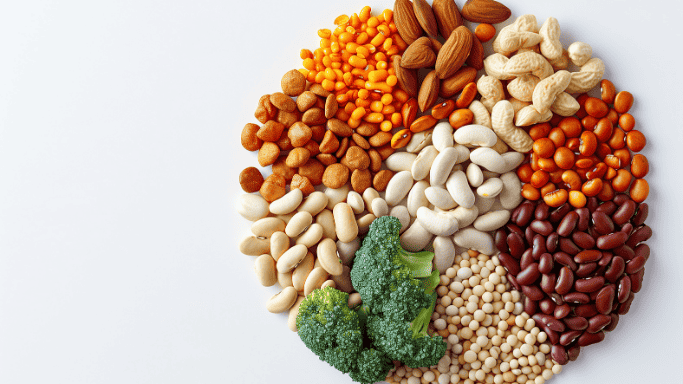
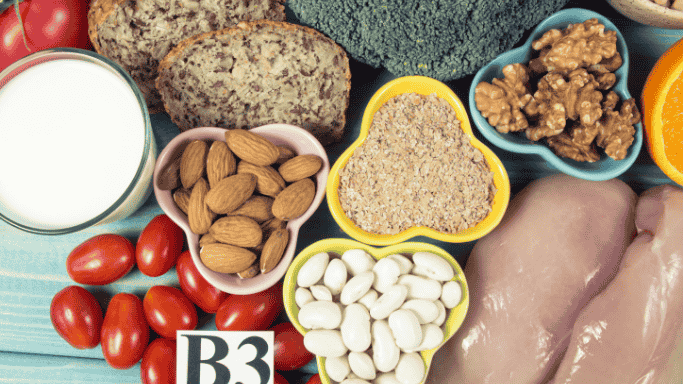
AN image of B3 food sources

Niacin Dosage Guide: Optimal Amounts, Timing and Safety

Niacin, also known as vitamin B3 or nicotinic acid, supports energy metabolism and cellular health. While this important vitamin offers valuable benefits, getting the dosage right is important for both safety and effectiveness.

Understanding proper niacin dosage becomes especially important when you consider its complex effects on the body. Too little won’t provide therapeutic benefits, while too much can cause serious adverse effects.

Key Takeaways

  • Adults need only 14-16 mg daily, while therapeutic doses range between 1,500-3,000 mg
  • Above 35 mg daily can cause flushing, liver damage, and blood sugar problems
  • Niacin may raise NAD+ beyond optimal ranges, requiring testing to avoid side effects
  • Studies show niacin may increase stroke risk despite improving cholesterol

Recommended Daily Amounts for Niacin (Vitamin B3)

The basic nutritional requirements for niacin vary depending on your age, sex, and life stage. These amounts ensure you meet your body’s basic needs for this important vitamin.

Adults need different amounts based on their circumstances:

  • Men: 16 mg per day
  • Women: 14 mg per day
  • Pregnant women: 18 mg per day
  • Breastfeeding women: 17 mg per day

Children have lower requirements that increase with age. Infants need only 2-4 mg daily, while teenagers require up to 12 mg per day.

Most people can easily meet these recommended dietary allowances through food sources. However, therapeutic uses require much higher doses1.

Therapeutic Niacin Dosages

An image of a blackboard with 'B3' written on it, surrounded by various foods that are sources of vitamin B3.

Doctors sometimes prescribe niacin to treat high cholesterol or other cardiovascular conditions. In these cases, the dosage requirements jump dramatically above basic nutritional needs.

The standard therapeutic range varies from 1,500 to 3,000 mg per day. This represents a 100-fold increase over basic nutritional requirements.

Starting Protocol for Taking Niacin Supplements

Healthcare providers typically begin with conservative dosing to minimize side effects. The standard approach involves2:

  • Starting dose: 250 mg at bedtime
  • Increase by 250 mg every 4-7 days
  • Target: 2,000 mg per day initially
  • Maximum: Up to 6,000 mg per day (rarely needed)

This gradual escalation helps your body adjust to higher doses of niacin while reducing the risk of uncomfortable flushing reactions.

Maintenance Niacin Dosage

Most patients achieve the best lipid benefits at maintenance doses between 1,000-2,000 mg daily. Research shows that 1 gram per day produces modest HDL cholesterol increases, while 2 grams per day delivers substantial LDL cholesterol reduction of approximately 25%3.

The key is finding the lowest effective dose that provides the desired cardiovascular benefits while minimizing adverse effects.

Optimal Niacin Dose Timing and Administration

An image of a woman on a bed taking supplement

When and how you take niacin impacts both its effectiveness and the severity of side effects you might experience.

Best Times to Take Niacin

Extended-release niacin works best when taken once daily at bedtime after a low-fat snack. This timing strategy helps minimize the notorious niacin flush while maintaining therapeutic effectiveness.

Immediate-release formulations require different timing, typically taken 2-3 times daily with meals.

Food Interactions and Dietary Considerations

Taking niacin with food dramatically reduces side effects, particularly flushing and stomach upset. A low-fat snack proves best because high-fat meals can interfere with absorption of extended-release formulations.

Foods and substances to avoid near dosing time:

  • Alcohol
  • Hot beverages
  • Spicy foods
  • Large, fatty meals

These items can intensify flushing reactions and make the experience more uncomfortable.

Understanding Niacin Formulations

Not all niacin supplements are created equal. The different formulations have distinct safety profiles and effectiveness levels.

Formulation TypeFlushing RateLiver RiskRecommended Use
Immediate-ReleaseNearly 100%LowestSafest option
Extended-Release50-70%ModerateMost prescribed
Sustained-ReleaseVariableHighestAvoid completely

Sustained-release formulations should be avoided entirely due to greatly increased liver toxicity risk. Studies show 52% of patients develop liver problems with sustained-release niacin compared to 0% with immediate-release forms4.

Safety Considerations and Niacin Adverse Effects

An image of a man facing his laptop with supplements

Understanding niacin’s safety profile helps you make informed decisions about supplementation and recognize when doses might be too high.

Tolerable Upper Intake Levels

For healthy adults, the Tolerable Upper Intake Level stands at 35 mg per day. This represents the maximum daily intake unlikely to cause adverse health effects from dietary sources.

Above this level, flushing reactions become increasingly common and uncomfortable.

Managing Niacin Flush

The common niacin flush typically occurs within 30 minutes of taking the supplement and lasts about 60 minutes. While harmless, this reaction causes many people to discontinue treatment.

Effective strategies to reduce flushing include:

  • Taking 325 mg aspirin 30 minutes before niacin
  • Starting with low doses and increasing slowly
  • Taking niacin with food or a light snack
  • Eating an apple before dosing (pectin may help reduce flushing)

Serious Adverse Effects from High Doses

High-dose niacin therapy (above 2-3 grams daily) can cause serious health problems that require medical monitoring.

Potential complications include:

  • Liver damage with potential liver failure
  • Blood sugar problems and glucose intolerance
  • Elevated uric acid levels leading to gout attacks
  • Increased bleeding risk due to reduced platelet function
  • Vision problems including macular edema

These risks underscore why therapeutic doses should only be used under medical supervision.

The Hidden Risk: Niacin May Raise NAD+ Levels Too High
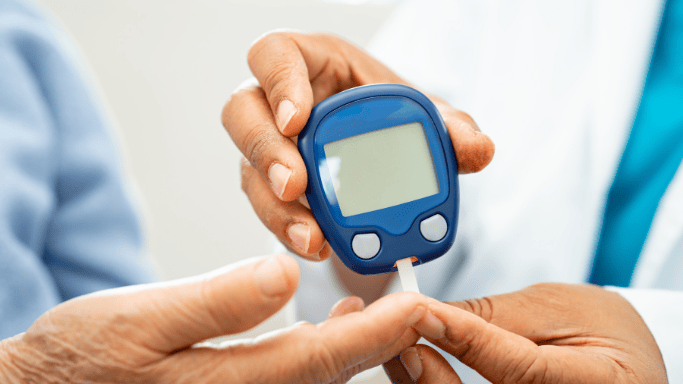
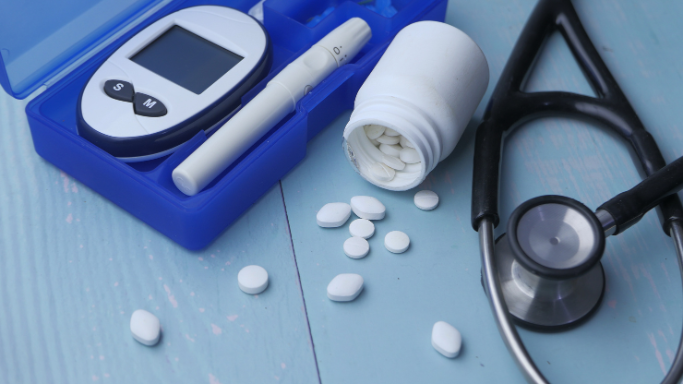
An image of blood testing conducted through finger pricking.

Here’s something most people don’t know about high-dose niacin supplementation. While niacin can boost NAD+ levels, it may actually raise them beyond the healthy range.

This creates a concerning situation where more isn’t necessarily better. Excessive NAD+ levels can disrupt cellular processes and cause unexpected health issues.

Why Testing Your NAD+ Matters

Unlike basic nutritional uses, taking niacin to boost NAD+ requires precise monitoring. Your body’s response to niacin varies dramatically based on genetics, metabolism, and other factors.

Some people achieve the best NAD+ levels with modest niacin doses, while others see levels spike dangerously high. Without testing, you’re essentially flying blind.

Our Intracellular NAD® Test provides the precise measurements needed to improve your approach safely and effectively.

Recent Research Findings Challenge Niacin’s Heart Benefits

An image of a doctor holding a heart and a stethoscope

New research has dramatically shifted our understanding of niacin’s role in cardiovascular health, revealing some concerning findings.

Cardiovascular Efficacy Questions

Large-scale trials including AIM-HIGH and HPS2-THRIVE showed that niacin therapy doesn’t reduce cardiovascular events despite improving cholesterol numbers. Even more concerning, the HPS2-THRIVE study found niacin increased stroke risk by 78%5 6.

The 4PY Discovery

Groundbreaking 2024 research from Cleveland Clinic uncovered why niacin often fails despite improving cholesterol profiles. When your body breaks down excess niacin, it produces a metabolite called 4PY that triggers vascular inflammation7.

Approximately 25% of Americans have excess niacin levels that double their cardiovascular disease risk. This discovery helps explain the disconnect between improved cholesterol numbers and unchanged heart disease outcomes.

Dietary vs Supplemental Niacin

Interestingly, dietary niacin intake shows protective cardiovascular effects in population studies. Higher dietary intake correlates with lower mortality risk, with the best intake appearing around 22-25 mg per day from food sources.

This suggests getting niacin from NAD+ foods rather than high-dose supplements may offer better long-term benefits.

Current Medical Recommendations

Most cardiovascular specialists no longer recommend niacin as first-line therapy for treating high cholesterol. Statins and other medications are preferred due to superior safety profiles and proven cardiovascular benefits.

For patients who do use therapeutic doses, careful monitoring becomes important:

  • Baseline and periodic liver function tests
  • Blood glucose monitoring, especially for diabetic patients
  • Platelet counts and bleeding assessments
  • Patient education about flushing and warning signs

Testing: The Key to Safe NAD+ Boosting

If you’re considering niacin for NAD+ benefits rather than cholesterol management, testing becomes absolutely important for safety and effectiveness.

Our precision approach involves:

Initial Assessment:

  • Personalized dosing recommendations based on your unique biology

Ongoing Monitoring:

  • Follow-up testing at 2-4 weeks to assess response
  • Dose adjustments based on results
  • Periodic monitoring to maintain the right levels safely

This data-driven approach helps you achieve the benefits of improved NAD+ levels while avoiding the pitfalls of excessive supplementation.

Bottom Line

Understanding proper niacin dosage requires balancing potential benefits against real risks. For basic nutritional needs, dietary sources typically provide adequate amounts safely.

For therapeutic uses, medical supervision becomes important due to the noteworthy risk profile at higher doses. Recent research questioning niacin’s cardiovascular benefits makes this supervision even more important.

If you’re interested in NAD+ supplements for longevity purposes, consider safer alternatives like our Vitality↑® NAD+ Booster, which provides effective NAD+ support without the risks associated with high-dose niacin.

Remember, when it comes to niacin and NAD+ boosting, precision testing isn’t just helpful—it’s important for both safety and effectiveness.

Join Our 50,000+ Health Community

Access research-backed health optimization strategies used by longevity experts. Weekly insights, exclusive discounts, member pricing.

Reference Sources:

  1. https://ods.od.nih.gov/factsheets/Niacin-HealthProfessional/ ↩︎
  2. https://www.ncbi.nlm.nih.gov/books/NBK541036/ ↩︎
  3. https://jamanetwork.com/journals/jamainternalmedicine/fullarticle/216937 ↩︎
  4. https://pubmed.ncbi.nlm.nih.gov/8309029/ ↩︎
  5. https://pmc.ncbi.nlm.nih.gov/articles/PMC4829575/ ↩︎
  6. https://www.ncbi.nlm.nih.gov/books/NBK559137/ ↩︎
  7. https://newsroom.clevelandclinic.org/2024/02/19/cleveland-clinic-led-study-discovers-link-between-high-levels-of-niacin-a-common-b-vitamin-and-heart-disease ↩︎

An image of a doctor having a medical experiment

Micronized Creatine vs Monohydrate: Science-Based Review

Choosing the right creatine supplement can feel overwhelming with so many options available. Two popular forms that often create confusion are regular creatine monohydrate and its micronized counterpart.

While both contain identical active ingredients, they differ in one key aspect: particle size. This difference affects how easily they mix with liquids and may impact digestive comfort, but does it change their effectiveness?

Let’s examine what science tells us about these two forms of creatine to help you make an informed decision for your fitness goals.

Key Takeaways

  • Both forms provide identical muscle-building and performance benefits
  • Micronized has 20x smaller particles for better mixing and solubility
  • Research shows no proven bioavailability differences between forms
  • Choice depends on mixing preferences and digestive tolerance, not superior results

What is Micronized Creatine?

An image of creatine powder

Micronized creatine is simply regular creatine monohydrate that has been mechanically processed into smaller particles. The micronization process breaks down standard creatine particles into pieces that are typically 20 times smaller than regular creatine1.

This processing doesn’t alter the chemical structure or composition of the creatine molecule itself. Think of it like grinding coffee beans into a finer powder – the coffee remains the same, but the smaller particle size changes how it behaves when mixed with water.

Key characteristics of micronized creatine:

  • Same chemical formula as regular creatine monohydrate
  • Significantly smaller particle size
  • Enhanced mixing properties
  • Smoother texture when dissolved

Key Differences Between Micronized Creatine and Creatine Monohydrate

An image of two supplements and a canister on the side

The primary distinction lies in physical properties rather than chemical composition. Here’s how these two forms of creatine compare:

FactorRegular Creatine MonohydrateMicronized Creatine
Particle SizeStandard size20x smaller particles
SolubilityGood, may leave residueEnhanced dissolution
MixingRequires more stirringMixes more easily
TextureSlightly grittySmoother consistency
BioavailabilityWell-establishedNo proven advantage
CostLowerSlightly higher

Both forms provide identical muscle-building and performance benefits since they contain the same active compound. The differences are purely practical rather than functional.

Micronized Creatine vs Regular: Absorption and Solubility Differences

An image of two supplements

Enhanced solubility represents the main advantage of micronized creatine. The smaller particle size increases surface area, allowing the powder to dissolve more completely in liquids.

Regular creatine monohydrate often settles at the bottom of glasses and requires vigorous stirring to mix properly. Users frequently notice a gritty texture that some find unpleasant.

What Research Shows About Absorption:

Recent studies present mixed findings about absorption differences. One clinical trial found that a specific enhanced micronized formulation showed 38.97% higher bioavailability compared to regular micronized creatine2.

However, authoritative research indicates there’s no evidence that micronized versions are more bioavailable than standard creatine monohydrate. The International Society of Sports Nutrition states that different forms of creatine don’t demonstrate superior muscle creatine uptake3.

Bioavailability Limitations:

Studies using isotope-labeled creatine found that oral bioavailability was dose-dependent: 53% for low doses and only 16% for high doses. This suggests that solubility improvements may have a limited impact since absorption is constrained by transport mechanisms and creatine transporter saturation4.

For more details on how creatine works in your body, check out our guide on creatine and ATP.

Benefits of Creatine: Performance Comparison

An image of women exercising

Both forms provide identical performance benefits since they contain the same active compound. Research consistently shows no difference in:

  • Muscle creatine storage capacity
  • Strength and power improvements
  • Exercise performance enhancement
  • Muscle growth support

The effectiveness depends on the total amount of creatine reaching muscle tissue, not the particle size of the supplement. Whether you choose regular or micronized creatine monohydrate, you can expect the same results for athletic performance and muscle mass gains.

Energy Production Benefits:

Creatine functions by helping regenerate adenosine triphosphate (ATP), your body’s primary energy currency. This process offers several benefits:

  • Enhanced energy for high-intensity exercise
  • Improved power output during training
  • Faster recovery between workout sets

For athletes focused on strength and power activities like weightlifting, both forms equally support short-duration, high-intensity performance.

Learn more about different types of creatine to understand which might suit your specific needs.

Digestive Tolerance and Side Effects

An image of a man holding a model of an intestine depicting gut health

Micronized creatine may offer advantages for individuals with sensitive stomachs. The improved solubility can reduce gastrointestinal discomfort, bloating, and stomach upset that some people experience with regular creatine monohydrate.

This benefit becomes particularly important during loading phases when higher doses are consumed. Users may experience less water retention-related discomfort with the micronized form.

Safety Profile:

Both forms have identical safety profiles since they contain the same active ingredient. Analysis of 685 clinical trials found that creatine supplementation is generally well-tolerated with minimal side effects5.

Common concerns about creatine, such as kidney damage or excessive weight gain, have been thoroughly debunked by research. Read our article on creatine myths to separate fact from fiction.

Cost and Practical Considerations

Wooden blocks arranged like a ladder spelling the word 'COST' downward on a yellow background.

Regular creatine monohydrate typically costs less than micronized versions due to the additional processing required. However, the price difference is usually minimal, and both forms remain affordable compared to other popular supplements.

Availability and Forms:

  • Micronized creatine: Only available in powder form
  • Regular creatine monohydrate: Available in powder, capsule, and tablet options

For those seeking convenience and enhanced benefits, consider trying our Creatine + ATP formula, which combines high-quality creatine with additional ATP support for optimal energy production.

Creatine Monohydrate vs Micronized: Which Creatine Supplement to Choose?

An image of creatine powder and creatine supplements

The choice between micronized and regular creatine monohydrate comes down to personal preference and tolerance rather than effectiveness.

Choose Micronized Creatine If:

  • You prefer smoother-mixing supplements
  • You experience digestive issues with regular creatine
  • You dislike gritty textures in drinks
  • You’re willing to pay slightly more for convenience

Choose Regular Creatine Monohydrate If:

  • Budget is your primary concern
  • You prefer capsule or tablet forms
  • You have no issues with standard creatine
  • You want the most studied form of creatine

For beginners unsure about dosing protocols, our creatine starter guide provides information about loading phases and timing strategies.

Frequently Asked Questions

A graphic illustration of "FAQ" which mean frequently asked questions

Does micronized creatine work faster than regular creatine monohydrate?

No scientific evidence supports faster results with micronized creatine. Both forms take the same time to saturate muscle creatine stores, typically 3-4 weeks with daily supplementation.

Can I switch between micronized and standard creatine?

Yes, you can switch between forms without any issues since they contain identical active ingredients. Maintain your regular dosing schedule regardless of which form you choose.

Is micronized creatine better for women?

Neither form offers gender-specific advantages. Women can use either type safely and effectively. For specific guidance on female supplementation, read our article about creatine for women.

Does particle size affect creatine absorption in older adults?

Research doesn’t show age-related differences in absorption between the two forms. Older adults can benefit equally from either option. Learn more about creatine for older adults for age-specific considerations.

The scientific consensus supports creatine monohydrate as the gold standard regardless of particle size.

Both forms provide proven benefits for strength, power, endurance, and muscle growth when used consistently at appropriate doses.

Referenced Sources:

  1. https://www.cureus.com/articles/339073-enhanced-absorption-and-safety-of-muscleblaze-creamp-a-comparative-analysis-with-regular-micronized-creatine-monohydrate-in-healthy-male-adults ↩︎
  2. https://www.cureus.com/articles/339073-enhanced-absorption-and-safety-of-muscleblaze-creamp-a-comparative-analysis-with-regular-micronized-creatine-monohydrate-in-healthy-male-adults ↩︎
  3. https://pmc.ncbi.nlm.nih.gov/articles/PMC8912867/ ↩︎
  4. https://pmc.ncbi.nlm.nih.gov/articles/PMC5874844/ ↩︎
  5. https://www.tandfonline.com/doi/full/10.1080/15502783.2025.2533688 ↩︎
An image of a cannister beside a supplement

Kre-Alkalyn vs Creatine Monohydrate: Fact-Based Comparison

When choosing a creatine supplement, you’ll likely encounter two popular options: traditional creatine monohydrate and the newer Kre-Alkalyn. Both promise to boost your strength and muscle growth, but which one actually delivers?

The supplement industry loves creating “improved” versions of proven compounds. Kre-Alkalyn represents one such attempt to enhance creatine’s effectiveness. But do the marketing claims hold up under scientific scrutiny?

This comparison examines the research to help you make an informed decision based on facts, not hype.

Key Takeaways

  • Independent studies show no performance difference between Kre-Alkalyn and creatine monohydrate
  • Kre-Alkalyn costs 10-15 times more with no proven benefits over regular creatine
  • Claims about fewer side effects aren’t supported by clinical research
  • Creatine monohydrate remains the best choice for most people due to proven results and cost-effectiveness

What is Kre-Alkalyn?

An image of creatine powder

Kre-Alkalyn is a patented, pH-buffered form of creatine monohydrate. The manufacturers created this buffered creatine to address perceived problems with regular creatine.

The theory behind Kre-Alkalyn centers on pH stability. Regular creatine can degrade into creatinine (a waste product) in your stomach’s acidic environment. This alkaline-buffered version maintains a pH of around 12 to prevent this breakdown.

The company claims this buffer leads to:

  • Better bioavailability and absorption in muscle cells
  • Reduced side effects like bloat and cramp
  • No need for a loading phase
  • Smaller effective doses

Creatine Monohydrate: The Gold Standard

An image of creatine powder

Creatine monohydrate remains the most researched form of creatine available. It consists of one creatine molecule bound to one water molecule.

Creatine is one of the most studied supplements in sports nutrition. This type of creatine has demonstrated consistent benefits across hundreds of studies. Research shows it effectively increases muscle creatine stores and enhances performance during high-intensity exercise.

Your body naturally produces creatine from three amino acids: arginine, glycine, and methionine. Creatine works by replenishing ATP, your muscles’ primary energy source. When you perform explosive movements, creatine phosphate donates phosphate groups to regenerate adenosine triphosphate rapidly1.

The supplement works particularly well for:

  • Strength training
  • Sprinting and jumping
  • Any anaerobic, high-intensity activity lasting under 30 seconds

The Science: Kre-Alkalyn vs Creatine Monohydrate

Person in black workout leggings preparing a protein shake, holding a shaker bottle and scooping protein powder, with raw chicken breast, avocado, and a bowl of powder on a wooden table.

Independent research provides the clearest picture of how these supplements compare. The most comprehensive study came from Jagim et al., published in the Journal of the International Society of Sports Nutrition2.

This double-blind study compared creatine monohydrate to two different doses of Kre-Alkalyn over 28 days. Researchers measured muscle creatine content, strength gains, and body composition changes.

Strength and Power Output

Both groups showed marked improvements in strength. Yet researchers found no notable differences between creatine monohydrate and Kre-Alkalyn groups in:

  • One-repetition maximum bench press
  • One-repetition maximum leg press
  • Wingate anaerobic capacity tests

The widely used creatine monohydrate performed just as well as the more expensive alternative when comparing vs creatine options.

Muscle Creatine Saturation

The study measured actual muscle creatine levels using muscle biopsies. Both supplements increased muscle creatine content over time, but neither showed superiority over the other.

Interestingly, creatine monohydrate showed a trend toward higher muscle creatine increases compared to the lower-dose Kre-Alkalyn group.

MetricCreatine MonohydrateKre-Alkalyn
Strength gainsSubstantial increasesSubstantial increases
Power outputImprovedImproved
Muscle creatineIncreasedIncreased
Statistical differenceNone foundNone found

Side Effects: Does Buffered Creatine Kre-Alkalyn Reduce Bloat?

An image of a sideview bloated woman

Kre-Alkalyn’s main selling point involves claims of fewer side effects. Users often report less gastrointestinal distress and reduced bloating compared to monohydrate.

These anecdotal reports seem compelling. Many people share positive experiences about Kre-Alkalyn being “gentler on the stomach.”

Yet the clinical evidence tells a different story. The Jagim study specifically tested the “fewer side effects” claim and found no meaningful difference in reported side effects between groups.

The Dose-Dependent Reality

The key insight involves dosing rather than the supplement type. Research shows that GI distress correlates more with dose size than the specific form of creatine used.

A study found that gastrointestinal issues were more frequent with single 10-gram doses compared to 5-gram doses3.

Since Kre-Alkalyn recommends much smaller daily doses (1.5-3 grams), users naturally avoid the high doses that can cause stomach upset. The perceived benefit likely comes from lower dosing, not the pH buffer.

Dosing Protocols: Do Kre-Alkalyn and Monohydrate Require Different Approaches?

The supplements differ greatly in their recommended dosing approaches.

Traditional Creatine Monohydrate Protocol

Most research supports a specific loading pattern for creatine monohydrate that doesn’t require a cycle:

  • Loading phase: 20 grams daily for 5-7 days
  • Maintenance: 3-5 grams daily thereafter

Traditional creatine protocols require a loading phase to rapidly saturate muscle creatine stores. This loading protocol helps increase muscle growth and strength gains. Without loading, it can take 3-4 weeks to reach peak muscle creatine levels.

Kre-Alkalyn Protocol

Kre-Alkalyn manufacturers claim their product doesn’t require a loading phase. They recommend:

  • 1.5-3 grams daily from day one
  • No cycling needed
  • Smaller total doses

While this sounds convenient, recent research questions whether such small doses provide ideal benefits to increase muscle strength and lean muscle mass.

Cost Analysis: Value Comparison

Illustration of a hand drawing a balance scale on a chalkboard, with the word 'Benefit' on one side and 'Cost' on the other.

When performance shows no meaningful difference, cost becomes the deciding factor. The price gap between these supplements is substantial.

SupplementCost Per DoseMonthly CostPrice Difference
Creatine Monohydrate$0.05-$0.10$1.50-$3.00Baseline
Kre-Alkalyn$0.70-$1.20$21.00-$36.0010-15x more expensive

Kre-Alkalyn costs roughly 10-15 times more than creatine monohydrate per dose. This represents a massive premium for a product that shows no performance advantage in independent studies.

Which Form of Creatine Should You Choose?

An image of creatine powder and supplement

For most people, creatine monohydrate remains the best choice. The scientific evidence strongly supports this conclusion based on:

  • Extensive research backing its effectiveness
  • Proven safety profile
  • Excellent cost-effectiveness
  • Reliable muscle saturation when properly dosed

When Kre-Alkalyn Might Make Sense

A small subset of users might consider Kre-Alkalyn despite the cost premium:

  • People with persistent GI issues from monohydrate (even at low doses)
  • Those who prefer avoiding loading phases
  • Users where cost isn’t a primary concern

Still, these individuals might first try different types of creatine or adjust their dosing protocol with regular monohydrate.

Creatine and ATP: Maximizing Your Results

Regardless of which form you choose, understanding how creatine works helps you get better results. Creatine supports the phosphocreatine system that rapidly regenerates adenosine triphosphate (ATP) during intense exercise.

For enhanced results, consider Jinfiniti’s Creatine + ATP supplement. Our unique formula combines creatine monohydrate with direct ATP supplementation to support your muscles’ energy systems more thoroughly.

This approach targets both the phosphocreatine system and provides additional ATP directly to muscle cells. The combination may offer benefits beyond what either compound provides alone for those looking to increase muscle mass and power output.

Supporting Your Creatine Protocol

Proper supplementation involves more than just choosing the right form. Consider these factors for top results:

  • Consistent daily timing
  • Adequate hydration (creatine pulls water into muscles)
  • Post-workout timing for enhanced uptake
  • Combining with simple carbohydrates for better absorption

Many myths about creatine persist, so staying informed helps you avoid common mistakes.

The Bottom Line: Monohydrate Wins

The scientific evidence strongly favors creatine monohydrate over Kre-Alkalyn. Independent research shows no performance advantages for the more expensive buffered version.

The theoretical benefits of pH buffering don’t translate to measurable improvements in:

  • Muscle strength gains
  • Power output increases
  • Lean muscle development
  • Training endurance

Meanwhile, the cost difference makes this comparison even more clear-cut. Paying 10-15 times more for equivalent results doesn’t make financial sense for most users.

Special Considerations for Different Populations

An image of four persons from different age group

Certain groups might have specific considerations when choosing between these supplements.

Creatine for Women

Women using creatine often worry about water retention and bloating. Both forms can cause initial water weight gain as muscles store more creatine and associated water.

The lower doses typically used with Kre-Alkalyn might reduce this effect slightly, but the difference isn’t substantial enough to justify the cost premium for building lean muscle.

Older Adults and Creatine

Adults over 40 can benefit tremendously from creatine supplementation. Age-related muscle loss (sarcopenia) may respond well to creatine’s muscle-building and strength-preserving effects.

For older adults, the proven track record of creatine monohydrate makes it the safer, more economical choice to maintain muscle mass and strength.

Final Recommendation

Choose creatine monohydrate unless you have specific, documented issues with it. The research consistently shows it provides equal or superior results at a fraction of the cost.

If you experience genuine GI problems with monohydrate, try adjusting your dose or timing before switching to expensive alternatives. Many people find that taking smaller, more frequent doses eliminates stomach issues.

The supplement industry will continue creating new versions of proven compounds. But sometimes the original really is the best option available.

Referenced Sources:

  1. https://www.jinfiniti.com/creatine-and-atp/ ↩︎
  2. https://pmc.ncbi.nlm.nih.gov/articles/PMC3500725/ ↩︎
  3. https://www.researchgate.net/publication/5479908_Gastrointestinal_Distress_After_Creatine_Supplementation_in_Athletes_Are_Side_Effects_Dose_Dependent ↩︎
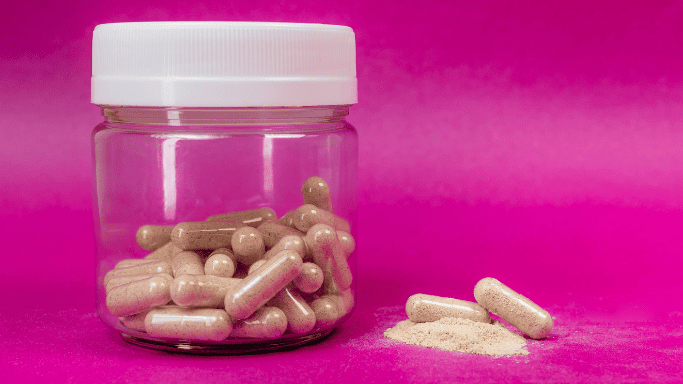
Clear jar of supplements beside capsules and powder on a pink background.

Creatine vs L-Carnitine: Which Supplement Fits Your Goals?

When you walk into any nutrition store, the supplement aisle can feel overwhelming. Two popular options that often catch attention are creatine and L-carnitine. Both promise to boost your performance, but they work in completely different ways.

Understanding which supplement aligns with your fitness goals can save you money and help you achieve better results. Let’s break down everything you need to know about these two powerhouse supplements.

Key Takeaways

  • Creatine powers short bursts of high-intensity activity, while L-carnitine supports fat burning during longer exercise
  • Creatine has superior safety with no major side effects, but L-carnitine may increase cardiovascular risk through TMAO production
  • Choose creatine for strength, power, and muscle growth – choose L-carnitine for endurance and fat loss goals
  • Creatine offers cognitive benefits beyond physical performance, making it more versatile for overall health

What are Creatine and L-Carnitine?

An image of creatine powder in a scoop with supplements in front

Both creatine and L-carnitine are naturally occurring compounds found in your body. But they serve entirely different purposes.

Creatine acts like a cellular battery charger. It helps regenerate ATP (your body’s energy currency) during intense, short bursts of activity. You’ll find creatine naturally in red meat and fish, though supplementation can boost your levels substantially.

L-carnitine works as a cellular transport system. It shuttles long-chain fatty acids into your mitochondria, where they get burned for energy. Your body produces some L-carnitine naturally, but levels can vary based on diet and genetics.

The key difference lies in their energy targets. Creatine focuses on immediate power output, while L-carnitine supports fat burning during longer activities.

Creatine vs Carnitine: How They Work

Clear jar filled with supplements against a pink backdrop

Understanding how these supplements function helps explain why they produce different results.

Creatine’s Power System

Creatine operates through the phosphocreatine energy system. When you perform high-intensity exercise, your skeletal muscle rapidly depletes ATP stores. Creatine steps in by donating phosphate groups to regenerate ATP almost instantly1.

This process happens during the first 10-15 seconds of intense activity. Think weightlifting, sprinting, or jumping. Creatine also stimulates muscle protein synthesis through the Akt/mTOR pathway, supporting muscle growth beyond just energy production2.

L-Carnitine’s Fat Transport Role

L-carnitine helps with a completely different process. This amino acid derivative transports long-chain fatty acids across the inner mitochondrial membrane for beta-oxidation. This mechanism becomes important during prolonged exercise when your body shifts toward fat as a primary fuel source3.

L-carnitine also helps regulate the acetyl-CoA/CoA ratio, which controls various metabolic pathways. This dual role makes it valuable for both energy production and cellular cleanup.

Benefits of Creatine for Muscle and Performance

Man exercising indoors

Research consistently shows creatine delivers impressive results across multiple areas of physical performance.

Physical Performance and Body Mass Gains

Studies demonstrate that creatine supplementation increases lean body mass by 0.9-2.2 kg over 4-6 weeks when combined with resistance training. The supplement excels for activities lasting 10 seconds to 2 minutes and increases body mass through improved muscle protein synthesis4.

Key performance benefits include:

  • Better power output during repeated high-intensity exercise
  • Improved recovery between training sessions
  • Increased muscle strength and mass
  • Better performance in explosive movements

Cognitive and Brain Health Benefits

One of creatine’s most underappreciated benefits involves brain function. Research shows creatine can improve memory and cognitive performance, particularly in older adults5.

Your brain uses about 20% of your daily energy despite being only 3% of your body weight. When NAD levels drop with age, your brain becomes especially vulnerable to energy deficits. Creatine as a nootropic provides cognitive support by maintaining cellular energy reserves.

For the best brain health benefits, our Creatine + ATP supplement combines 4g of creatine monohydrate with 400mg of disodium ATP, supporting both physical and mental performance.

Benefits of L-Carnitine and Supplement Considerations

L-carnitine offers different advantages, though the research shows mixed results for this dietary supplement.

Fat Oxidation and Endurance Benefits

L-carnitine shines during prolonged exercise, where fat oxidation becomes important. Studies show better fat burning during endurance activities and improved exercise tolerance in some populations6.

Benefits of l-carnitine supplementation include:

  • Better fat oxidation during prolonged exercise
  • Reduced exercise-induced muscle damage markers
  • Improved recovery from high-intensity training
  • Better exercise tolerance in specific populations

L-carnitine supplementation proves particularly valuable for vegetarians who consume less meat and fish, the primary dietary sources of this compound. Dairy products contain minimal amounts compared to red meat.

The TMAO Concern

But taking carnitine comes with an important caveat. Gut bacteria can convert L-carnitine into trimethylamine (TMA), which your liver then transforms into TMAO (trimethylamine N-oxide).

Elevated TMAO levels are linked to increased cardiovascular risk, including atherosclerosis and heart attacks. Studies show TMAO increases major cardiovascular event risk by 23-33%, particularly in people with existing heart conditions7.

Creatine and Carnitine: Safety and Side Effects

Blue pill organizer labeled noon, eve, and bed with several pills placed in front of it.

Safety profiles differ substantially between these two nutritional supplements.

Creatine’s Excellent Safety Record

Creatine has an outstanding safety profile when used at recommended doses of 3-5g daily. Long-term studies show no adverse effects on kidney function in healthy individuals8.

Common myths include water retention causing bloating (actually supports muscle growth) and hair loss concerns (no scientific evidence). Many creatine myths have been thoroughly debunked by research.

L-Carnitine Safety Considerations

L-carnitine is generally safe at doses up to 6000mg daily. But the TMAO production creates potential cardiovascular risks that require careful consideration, especially for long-term use.

Individual responses vary substantially based on gut microbiome composition. Some people produce more TMAO than others from the same L-carnitine dose.

Choosing Between Creatine and L-Carnitine Based on Your Goals

An image of a woman taking supplement

Your specific goals should guide your supplement choice when deciding between these options.

Choose Creatine For:Choose L-Carnitine For:
Strength and power sportsEndurance and fat oxidation
Muscle mass gainWeight management goals
High-intensity exerciseVegetarian diets
Cognitive function supportAge-related energy decline
Recovery between workoutsMetabolic stress recovery

Creatine Protocol

Getting started with creatine typically involves a loading phase of 20g daily for 5-7 days, followed by 3-5g daily maintenance. You can take creatine with meals or post-workout for better absorption.

This amino acid works particularly well for activities requiring short bursts of maximal effort, supporting both muscle performance and cognitive function.

L-Carnitine Protocol

The recommended protocol involves 2-3g daily, preferably with meals. Consider cycling on and off to minimize TMAO accumulation.

L-carnitine proves most beneficial for endurance athletes and those focused on fat loss during physical activity.

Creatine vs L-Carnitine: Dosage and Timing Considerations

Supplement powder with scoops, capsules, a measuring tape, and gym equipment on a dark surface.

Understanding proper dosage becomes critical for maximizing benefits while minimizing risks.

Creatine Supplementation Protocol

For muscle performance and athletic performance improvement, creatine monohydrate remains the gold standard. The typical dosage involves:

  • Loading phase: 20g daily for 5-7 days (split into 4 doses)
  • Maintenance: 3-5g daily or 0.1g per kg of body weight
  • Timing: Post-workout or with carbohydrates for better uptake

Creatine supplements work best when taken consistently. The compound accumulates in skeletal muscle over time, so missing occasional doses won’t impact results substantially.

L-Carnitine Supplementation Guidelines

L-carnitine supplementation requires different considerations due to absorption challenges and the TMAO concern:

  • Standard dosage: 2-3g daily with meals
  • Higher doses (up to 6g) may be used short-term under supervision
  • Take with dietary fat to improve bioavailability
  • Consider cycling periods to minimize cardiovascular risks

Can You Take Creatine and L-Carnitine Together?

Some research suggests combining creatine and carnitine may boost muscle protein synthesis beyond either supplement alone for improved exercise performance9.

But this combination requires careful consideration of:

  • Cumulative cardiovascular effects from TMAO production
  • Individual response variations based on gut microbiome
  • Monitoring of cardiovascular risk factors during physical activity

Choosing the best creatine form becomes important when combining supplements to avoid unnecessary additives.

Timing Considerations for Combined Use

Creatine absorption improves when taken with carbohydrates or after a workout. L-carnitine bioavailability increases with lipid-based formulations and when taken with meals containing fat.

For age-related considerations, creatine for older adults may require adjusted dosing and timing strategies to support energy metabolism.

Creatine vs L-Carnitine for Special Populations

A group of athletes

Different groups may benefit more from one supplement over the other.

Vegetarian Athletes

Vegetarians typically have lower creatine stores since meat and fish provide the primary dietary sources. They may see greater benefits from creatine supplementation compared to omnivores.

L-carnitine levels may also be lower in vegetarians, though the cardiovascular risks from supplementation remain the same regardless of dietary pattern.

Women and Hormonal Considerations

Women may have specific considerations regarding both supplements. Creatine appears safe and effective across menstrual cycles, while L-carnitine’s effects may vary with hormonal fluctuations.

Body composition changes from creatine often favor lean muscle gain rather than overall weight increase, which many women prefer for their fitness goals.

Final Recommendations

Choose creatine if your primary goals involve power, strength, muscle mass, or cognitive function. Its safety profile is excellent, effects are well-documented, and benefits extend beyond physical performance.

Choose L-carnitine if you focus on fat oxidation, endurance performance, or metabolic health, but carefully consider cardiovascular risk factors and monitor TMAO levels for long-term use.

The decision depends on your specific goals, health status, and risk tolerance. Both supplements can be valuable tools when used appropriately, but understanding their mechanisms and limitations helps you make the best choice for your fitness journey.

For many people seeking complete support, creatine’s broader benefits and superior safety profile make it the more practical choice among these nutritional supplements. Creatine also provides better value as a dietary supplement that supports multiple aspects of health and performance.

References:

  1. https://pmc.ncbi.nlm.nih.gov/articles/PMC2517207/ ↩︎
  2. https://www.sportsmedoa.com/journals/jsmt/jsmt-aid1068.php ↩︎
  3. https://pmc.ncbi.nlm.nih.gov/articles/PMC6982879/ ↩︎
  4. https://pmc.ncbi.nlm.nih.gov/articles/PMC3750511/ ↩︎
  5. https://pmc.ncbi.nlm.nih.gov/articles/PMC10721691/ ↩︎
  6. https://www.mdpi.com/2072-6643/13/12/4359/pdf ↩︎
  7. https://pmc.ncbi.nlm.nih.gov/articles/PMC5586261/ ↩︎
  8. https://pmc.ncbi.nlm.nih.gov/articles/PMC7871530/ ↩︎
  9. https://pmc.ncbi.nlm.nih.gov/articles/PMC8625796/ ↩︎
An image of matured couple eating healthy foods

Healthiest Diet for a Long Life: 8 Simple Choices for Longevity

What if the secret to a longer, healthier life wasn’t hidden in some exotic superfood or complicated fasting protocol? Recent groundbreaking research reveals that the path to longevity lies in surprisingly simple dietary choices that anyone can follow.

A landmark 30-year Harvard study tracking over 105,000 adults discovered something remarkable. Those who followed specific eating patterns had an 86% greater likelihood of reaching age 70 in good health and were 2.24 times more likely to maintain their vitality at age 75.

The winning approach? The Alternative Healthy Eating Index (AHEI), which outperformed even the famous Mediterranean diet in promoting healthy aging.

Key Takeaways

  • The Alternative Healthy Eating Index (AHEI) beats the Mediterranean diet for healthy aging
  • Plant-forward eating with minimal processing delivers the strongest longevity benefits
  • Blue Zones have been debunked due to poor record-keeping and age fraud
  • Simple, gradual changes work better than extreme dietary restrictions

The Science Behind Dietary Patterns for Longevity

Image of healthy meal prepped

The research foundation for healthy aging through diet has never been stronger. Unlike trendy approaches that come and go, these findings represent one of the most thorough investigations into diet and longevity to date.

Interestingly, the popular Blue Zones concept has been largely debunked by recent research. Dr. Saul Newman of Oxford University, who won an Ig Nobel Prize for his work, found that many Blue Zones regions suffered from poor record-keeping and pension fraud1.

As Newman noted, “42% of the centenarians in Costa Rica turned out to be lying about their age after the study was conducted.”

This makes the Harvard research even more valuable. It relied on rigorous data collection and verified health outcomes over three decades.

8 Evidence-Based Choices for a Healthy Diet to Live Longer

Image of healthy plant-based protein rich foods

The following dietary choices emerge from decades of research into what actually works for extending healthy lifespan. Each recommendation is backed by large-scale studies and real-world evidence.

1. Choose Plant Proteins Over Animal Sources

Plant-based proteins from legumes, nuts, seeds, and whole grains should anchor your meals. Research shows women who consume more plant protein in midlife were 46% more likely to age healthily, while those eating more animal protein were 6% less likely to maintain good health2.

A global study found that countries with higher plant-based protein consumption had longer adult life expectancy rates, with findings associated with lower rates of chronic disease across populations3.

Simple action: Replace one serving of animal protein daily with plant options like lentils, chickpeas, tofu, or quinoa.

2. Embrace Healthy Fats for Brain Health

Omega-3 fatty acids play an important role in healthy aging by reducing inflammation and supporting brain function. Research indicates an optimal intake threshold of approximately 1.1 grams per day, beyond which additional benefits plateau4.

These healthy fats improve mitochondrial function, which ties directly to cellular health supplements that support your body’s energy production systems.

Top sources include:

  • Fatty fish twice weekly
  • Ground flaxseeds or chia seeds
  • Walnuts as regular snacks
  • Extra virgin olive oil

3. Boost Fiber Intake for Gut Health and Longevity

Dietary fiber promotes healthy aging by supporting beneficial gut bacteria that produce protective short-chain fatty acids. Long-term high fiber intake from infancy is associated with improved gut microbiome composition in young adults5.

Most adults should target 25-35 grams of fiber daily from diverse plant sources. This whole-grain and vegetable-rich approach naturally supports the healthy eating patterns that research links to extended lifespan. Focus on getting fiber from each major food group to increase diversity.

Fiber-rich choices:

  • Vegetables and fruits with every meal
  • Whole grains instead of refined options
  • Daily servings of legumes
  • Mixed nuts and seeds

4. Avoid Ultra-Processed Foods

Ultra-processed foods accelerate biological aging beyond what poor nutrition alone would predict. Adults with higher ultra-processed food consumption showed 0.86 years of accelerated biological aging compared to those with lower intake6.

These foods promote inflammation and oxidative stress, contributing to the oxidative stress that damages cells and accelerates aging. Studies consistently show patterns associated with lower life expectancy in populations consuming more ultra-processed options.

Red flags to watch for:

  • More than 5 ingredients on labels
  • Unfamiliar chemical additives
  • Foods that don’t resemble their original form
  • Items with long shelf lives due to preservatives

5. Balance Protein Intake Based on Your Age

Protein needs change as we age, and getting this balance right affects how well we maintain muscle mass and overall health. For adults under 65, moderate protein intake (10-19% of calories) supports longevity goals.

Yet older adults benefit from higher protein intake (1.2-2.0g/kg body weight) to prevent muscle loss and frailty. This aligns with research on longevity supplements that support healthy aging at different life stages. Maintaining adequate protein intake also helps regulate body mass index as we age.

Age GroupProtein TargetFocus
Under 6510-19% of caloriesPlant-based sources
Over 651.2-2.0g/kg body weight25-30g per meal

6. Include Anti-Inflammatory Polyphenols Daily

Polyphenols are powerful antioxidants that combat cellular aging by reducing oxidative stress and preventing cellular senescence. These compounds are abundant in colorful fruits, vegetables, herbs, and spices.

Turmeric deserves special mention here. This golden spice contains curcumin, one of the most potent anti-inflammatory compounds found in nature. For maximum benefit, our Extra Strength Turmeric+ combines curcumin with black pepper extract, Boswellia, ginger and quercetin to increase absorption by up to 2000%.

Daily polyphenol sources:

  • Mixed berries
  • Dark leafy greens
  • Green tea
  • Extra virgin olive oil
  • Herbs like turmeric and oregano

7. Practice Moderate Caloric Awareness

Recent research confirms that genetic resilience matters more than extreme caloric restriction for longevity. The mice that lived longest on restricted diets were those that maintained their weight and immune function despite eating less7.

This suggests moderate caloric awareness (10-20% reduction) may be more beneficial than severe restriction for most people. This approach helps maintain healthy body mass index ranges without the metabolic stress of extreme dieting.

Focus on nutrient density rather than extreme calorie cutting. Listen to your body’s hunger and satiety signals while choosing foods that deliver maximum nutrition per calorie.

8. Consider Timing Your Eating Windows

While extreme time-restricted eating (under 8 hours) may increase cardiovascular disease risk, moderate approaches can provide metabolic benefits when combined with a healthy diet.

Research suggests 10-12 hour eating windows offer the best balance of benefits without negative health impacts. The key lies in consistency and ensuring adequate nutrition within your chosen timeframe.

If you try time-restricted eating:

  • Maintain 10-12 hour eating windows
  • Prioritize food quality over timing restrictions
  • Focus on getting all important nutrients
  • Monitor how you feel and adjust accordingly

The Mediterranean Diet Connection

Image of Mediterranean diet

Both the AHEI and Mediterranean approaches share similar foundations for promoting longevity. The Mediterranean diet remains one of the most studied dietary patterns for longevity, though the AHEI approach edges it out in recent research.

Both dietary patterns emphasize whole foods, healthy fats, and moderate portions while limiting processed foods and excessive red meat consumption. The Mediterranean approach offers a time-tested method that many find easier to follow long-term.

These dietary patterns work together with lifestyle factors that support healthy aging, including stress management and maintaining NAD levels by age for optimal cellular function.

Public Health Impact of Longevity Nutrition

Hands protecting a red heart with a paper-cutout silhouette of a family, symbolizing healthcare, family protection, or insurance.

The implications for public health are notable. If more people adopted these evidence-based dietary patterns, we could see important reductions in chronic disease rates and healthcare costs.

Research consistently shows that populations following these principles have a lower risk of heart disease, type 2 diabetes, and all-cause mortality. This creates a powerful case for promoting these dietary approaches at the community level.

The focus on whole foods and plant-forward eating also supports environmental health, creating benefits that extend beyond individual longevity.

Putting This Into Practice

An image of a woman holding a glass of fruit smoothie

Making lasting changes doesn’t require dramatic overhauls. Start with one change per week rather than overhauling your entire diet overnight. The research shows that dietary patterns matter more than individual nutrients, so aim for gradual, sustainable improvements.

Week-by-week approach:

  • Week 1: Add one plant protein meal daily
  • Week 2: Include healthy fats with each meal
  • Week 3: Boost fiber with whole grains and vegetables
  • Week 4: Eliminate one ultra-processed food

This gradual approach helps create lasting habits that support long-term health goals.

Beyond Diet: The Complete Longevity Picture

APRIL JF Blogs1 34

While diet forms the foundation of healthy aging, it works best as part of a complete approach. Regular physical activity, stress management, quality sleep, and maintaining social connections all contribute to longevity.

Supporting your body’s natural aging processes with anti-aging vitamins and minerals can complement these dietary choices for optimal results.

The evidence is clear: a plant-forward, minimally processed dietary pattern rich in fiber, healthy fats, and polyphenols provides the strongest foundation for healthy aging. These choices, backed by decades of rigorous research, offer a practical pathway to not just living longer, but living better.

By focusing on these eight simple choices, you’re not just adding years to your life – you’re adding life to your years. The research shows that it’s never too early or too late to start making these changes that can transform how you age.

Referenced Sources:

  1. https://www.aljazeera.com/news/2024/9/26/the-secret-of-blue-zones-where-people-reach-100-fake-data-says-academic ↩︎
  2. https://hsph.harvard.edu/news/plant-protein-women-healthy-aging/ ↩︎
  3. https://www.sciencedaily.com/releases/2025/04/250415144002.htm ↩︎
  4. https://www.asbmb.org/asbmb-today/science/080125/omega-3-fats-linked-healthy-aging-metabolism ↩︎
  5. https://www.medicalnewstoday.com/articles/short-term-increase-in-fiber-alters-gut-microbiome ↩︎
  6. https://www.medicalnewstoday.com/articles/ultra-processed-foods-may-accelerate-biological-aging-2 ↩︎
  7. https://www.jax.org/news-and-insights/2024/october/study-probes-how-eating-less-can-extend-lifespan ↩︎
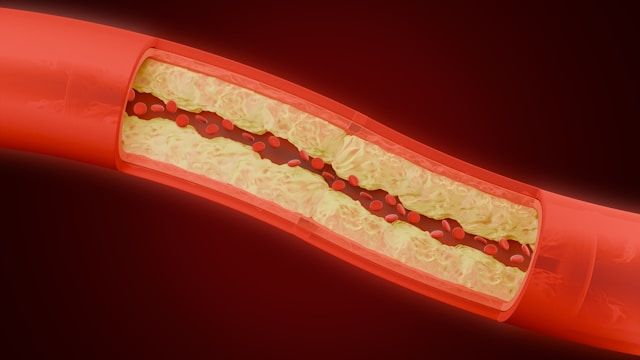
A cross-sectional view of a red blood vessel shows arterial blockage with yellow plaque buildup and dark clots inside.

Niacin for Cholesterol: More Harm Than Good?

For decades, niacin (vitamin B3) held a prestigious position as one of the first treatments for high cholesterol. Doctors prescribed it confidently, knowing that niacin may help lower cholesterol levels while raising good HDL.

But new findings suggest this B vitamin might be doing more harm than good.

Key Takeaways

  • Major medical organizations no longer recommend niacin for cholesterol treatment due to safety concerns
  • Recent research shows niacin creates a harmful compound called 4PY that doubles heart attack and stroke risk
  • Niacin causes uncomfortable flushing and can lead to serious side effects including liver damage
  • Safer alternatives like statins, lifestyle changes, and natural approaches are more effective for heart health

The Rise and Fall of Niacin for Cholesterol

Niacin became popular for cholesterol management because it seemed to address multiple lipid problems at once.

Unlike other treatments that focused on just one aspect of cholesterol, niacin could:

  • Lower LDL (bad) cholesterol by 15-25%
  • Raise HDL (good) cholesterol by 20-35%
  • Reduce triglycerides by 20-50%
  • Decrease lipoprotein(a), another cardiovascular risk factor

This comprehensive lipid profile improvement made niacin appear ideal for managing hyperlipidemia. Clinical trials in the 1970s showed promise, leading to widespread adoption in cardiology practices1.

The Niacin Paradox Emerges

Something puzzling began emerging in later studies. Despite niacin’s impressive ability to improve cholesterol numbers, patients weren’t experiencing the expected reductions in heart attacks and strokes.

Large-scale trials like AIM-HIGH and HPS2-THRIVE found that adding niacin to statin therapy provided no additional cardiovascular benefits. Even worse, some studies suggested increased mortality rates among niacin users2.

This disconnect between cholesterol improvement and clinical outcomes became known as the “niacin paradox.” Scientists suspected niacin was causing some unknown adverse effect that counteracted its cholesterol benefits.

Recent studies have revealed hidden cardiovascular risks that explain why niacin failed to deliver the expected heart protection despite improving cholesterol numbers.

2024 Research: The 4PY Discovery

A cross-sectional view of a red blood vessel shows arterial blockage with yellow plaque buildup and dark clots inside.

Cleveland Clinic researchers finally solved the niacin mystery with a landmark study published in Nature Medicine3.

Dr. Stanley Hazen and his team discovered that when your body processes excess niacin, it creates a harmful compound called 4PY (N1-methyl-4-pyridone-3-carboxamide). This metabolite directly promotes vascular inflammation, which damages blood vessels and accelerates atherosclerosis.

Niacin, also known as nicotinic acid, was originally thought to reduce the risk of cardiovascular events through its cholesterol-lowering properties. However, the 4PY pathway reveals why this didn’t translate to clinical benefits.

The Inflammatory Pathway

The 4PY metabolite triggers inflammation by increasing VCAM-1, a protein that helps inflammatory cells stick to blood vessel walls. This process contributes to plaque formation and increases cardiovascular disease risk.

People with 4PY levels in the top 25% had double the risk of major cardiac events over three years compared to those with the lowest levels. The inflammation was so severe that researchers could see it with the naked eye in laboratory studies.

This harmful effect appears to be dose-dependent, meaning the amount of niacin consumed directly influences 4PY production and cardiovascular risk.

One in Four Americans Affected

Perhaps most alarming, the study found that 25% of Americans have elevated 4PY levels, suggesting widespread overconsumption of niacin4.

This occurs because niacin is added to many fortified foods like cereals, flour, and oats. Combined with supplement use, many people consume far more than the recommended 14-18 mg daily amount.

How Much Niacin Becomes Dangerous?

Colorful capsules and pills in pink, blue, and white spill from a clear glass container onto a white surface.

The safe upper limit for niacin from supplements is just 35 mg daily for adults.

Therapeutic doses used for cholesterol management typically range from 1,500-2,000 mg daily – roughly 100 times higher than recommended dietary amounts. These massive doses overwhelm your body’s ability to process niacin safely.

Sources of Excess Niacin

Common sources contributing to niacin overload include:

  • Fortified breakfast cereals
  • Enriched flour products
  • Over-the-counter niacin supplements
  • Foods like meat, fish, and nuts
  • Energy drinks and vitamin waters

The body treats excess niacin like water overflowing from a bucket. Once saturated, it must process the overflow, creating potentially harmful metabolites like 4PY.

Current Medical Guidelines

Major medical organizations have quietly moved away from recommending niacin for cholesterol management.

American Heart Association Position

The 2018 AHA/ACC cholesterol guidelines state that randomized controlled trials “do not support the use of triglyceride-lowering drugs [including niacin] as add-on drugs to statin therapy.5

Statin-First Approach

Current guidelines now recommend statins as the first-line treatment for managing blood cholesterol. If statins alone aren’t sufficient, doctors typically add:

  • Ezetimibe (Zetia)
  • PCSK9 inhibitors like alirocumab (Praluent) or evolocumab (Repatha)
  • Bempedoic acid (Nexletol) for statin-intolerant patients

Niacin is rarely prescribed anymore except in very specific circumstances where other treatments have failed.

Possible Side Effects of Niacin

Beyond the newly discovered 4PY pathway, niacin can cause numerous uncomfortable and potentially serious side effects.

The Niacin Flush

Most people experience intense skin flushing within 15-30 minutes of taking niacin. This reaction includes:

  • Red, warm face and neck
  • Tingling or burning sensation
  • Itching and skin irritation

While the niacin flush typically subsides within a week of regular use, it causes many people to stop treatment.

Serious Side Effects

Higher doses can cause more concerning reactions:

  • Liver damage and elevated liver enzymes
  • Stomach ulcers and gastrointestinal bleeding
  • Blood sugar changes that can worsen diabetes
  • Low blood pressure and heart rhythm abnormalities
  • Muscle damage similar to statin-related problems

Drug Interactions

Niacin can interact dangerously with diabetes medications, blood thinners, and blood pressure drugs. Never take high-dose niacin without medical supervision.

Better Alternatives for Cholesterol Management

Orange spherical fat cells and cholesterol particles float in various sizes against a soft blue background.

Modern medicine offers safer, more effective options for managing high cholesterol.

Lifestyle Interventions

Diet and exercise remain the foundation of cholesterol management:

  • Mediterranean-style eating patterns rich in fiber, healthy fats, and plant sterols
  • Regular aerobic exercise (aim for 150 minutes weekly)
  • Weight management and smoking cessation

Proven Medications

When lifestyle changes aren’t enough, evidence-based medications include:

  • Statins – First-line treatment that reduces LDL cholesterol by 30-50% and significantly lowers cardiovascular disease risk
  • Ezetimibe – Blocks cholesterol absorption and can reduce LDL by 15-25% when added to statins
  • PCSK9 inhibitors – Injectable medications that can lower LDL by 50-60% in high-risk patients

Natural Ways to Support Heart Health

Rather than risking niacin’s potential dangers, consider these science-backed natural approaches.

Diet and Exercise

The foundation of heart health remains proper nutrition and regular physical activity. These lifestyle interventions can significantly impact cholesterol levels without medication risks.

Heart-healthy eating patterns include:

  • Mediterranean-style diets rich in olive oil, nuts, and fish
  • Plenty of soluble fiber from oats, beans, and vegetables
  • Limited saturated fats and zero trans fats
  • Plant-based proteins and lean meats

Exercise recommendations for cardiovascular health:

  • At least 150 minutes of moderate aerobic activity weekly
  • Strength training exercises twice per week
  • Even brisk walking for 30 minutes daily can lower LDL cholesterol by 5-10%

Evidence-Based Natural Options

Several natural approaches show promise for cholesterol management:

  • Plant sterols and stanols – Can reduce LDL cholesterol by 6-12%
  • Soluble fiber from oats, beans, and psyllium
  • Omega-3 fatty acids from fatty fish or quality supplements
  • Green tea extract with EGCG antioxidants

Cellular Energy Support

NAD+ levels decline with age, potentially affecting cardiovascular health. Unlike high-dose niacin, NAD+ supplementation may support heart health without the inflammatory risks6.

However, niacin can elevate NAD+ levels too high, which may not provide additional benefits and could potentially be harmful. If you’re currently taking niacin, consider getting an intracellular NAD test to verify your levels are within the optimal range.

Anti-Inflammatory Support

Since inflammation plays a central role in cardiovascular disease, you may consider natural anti-inflammatory compounds:

Turmeric with enhanced bioavailability may help reduce systemic inflammation that contributes to heart disease. The combination of curcumin, boswellia, and ginger found in our Turmeric+ provides comprehensive anti-inflammatory support.

Quercetin and other flavonoids also show promise for supporting cardiovascular health through their antioxidant and anti-inflammatory properties.

Bottom Line: Should You Take Niacin for High Cholesterol?

The evidence is clear: niacin for cholesterol management carries significant risks that outweigh any potential benefits.

The discovery of the 4PY metabolite explains why niacin failed to deliver on its cholesterol-lowering promise. This harmful compound promotes the very inflammation and vascular damage that leads to heart attacks and strokes.

A Safer Path Forward

If you’re currently taking niacin for cholesterol, don’t stop abruptly. Work with your healthcare provider to transition to safer, more effective treatments.

Focus on proven strategies like lifestyle modifications, appropriate medication when needed, and targeted nutritional support that addresses the root causes of cardiovascular disease.

Rather than forcing your cholesterol numbers down with potentially harmful compounds, consider supporting your body’s natural cellular energy production and inflammatory response. Testing your NAD levels and addressing any deficiencies may provide cardiovascular benefits without the risks associated with high-dose niacin.

The goal isn’t just better cholesterol numbers – it’s genuine cardiovascular health and longevity. Modern medicine offers us that opportunity through safer, more effective approaches than the niacin protocols of the past.

  1. https://www.nejm.org/doi/full/10.1056/NEJMoa1107579 ↩︎
  2. https://www.sciencedaily.com/releases/2013/03/130311101827.htm ↩︎
  3. https://www.nature.com/articles/s41591-023-02793-8 ↩︎
  4. https://www.nih.gov/news-events/nih-research-matters/how-excess-niacin-may-promote-cardiovascular-disease ↩︎

  5. https://www.ahajournals.org/doi/10.1161/cir.0000000000000625 ↩︎
  6. https://pmc.ncbi.nlm.nih.gov/articles/PMC5966770/ ↩︎

A close up image of a woman taking supplement

Creatine Nitrate vs Monohydrate: What Science Actually Says

Creatine monohydrate has dominated the supplement world for decades. It’s the gold standard that most people reach for when they want to boost their workout performance.

But you might have noticed creatine nitrate appearing on supplement labels lately. This newer form promises better absorption and claims to work just as well as the classic version.

Is it worth switching from the tried-and-true monohydrate? We dug into the research to find out which form actually delivers better results.

Key Takeaways

  • Creatine nitrate showed 38% better absorption and nearly 4x faster muscle creatine uptake in a small study
  • Nitrate form has fewer non-responders (20% vs 30%) but costs 2-3x more than monohydrate
  • Creatine monohydrate has decades of safety research, while nitrate has limited long-term data
  • Both forms improve exercise performance, but monohydrate remains the gold standard for most users

What Makes These Types of Creatine Different?

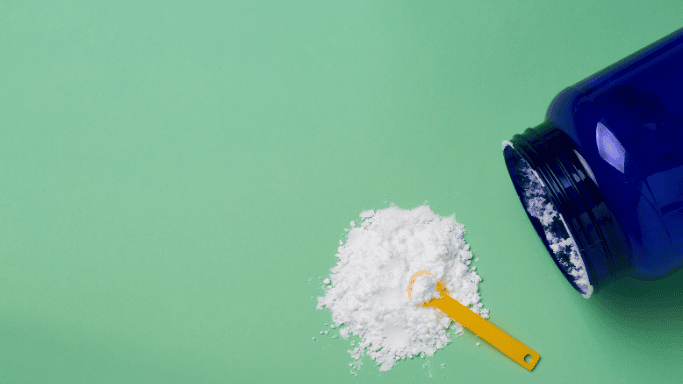
An open blue container of white powder, spilled onto a green surface with a yellow scoop resting in the powder.

The key difference between monohydrate and nitrate lies in what’s attached to the creatine molecule.

Creatine monohydrate binds creatine to a simple water molecule, creating the most basic and well-researched form available.

Creatine nitrate represents a modern creatine derivative which bonds creatine to nitrate molecules. The new formula provides enhanced water solubility which enables it to dissolve more effectively in stomach acid. The effects of creatine nitrate stem largely from this enhanced bioavailability.

The improved solubility should result in better absorption through the intestinal wall. People who have poor responses to standard creatine monohydrate supplements might experience improved results when using the nitrate form according to this evidence.

Creatine Monohydrate: The Gold Standard

A woman in workout attire scooping protein powder into a shaker bottle from a large black container, suggesting supplement preparation post-workout.

Creatine monohydrate remains the gold standard in sports nutrition for good reason. With over 685 clinical trials involving 12,839 participants, it’s the most extensively studied supplement for muscle performance1.

This well-researched form helps your muscles regenerate ATP (adenosine triphosphate) during high-intensity exercise. When you lift weights or sprint, your muscles quickly burn through their ATP stores. Creatine helps replenish these energy stores by donating phosphate groups to create phosphocreatine.

Creatine monohydrate may also support muscle growth through several mechanisms. It enhances protein synthesis by providing the energy needed for amino acids to build new muscle tissue. Many products use micronized creatine monohydrate for improved mixing and absorption.

The typical dosing protocol involves either:

  • Loading phase: 20 grams daily for 5-7 days, then 3-5 grams daily
  • No loading: 3-5 grams per day from the start

Research shows both approaches work equally well over time. The loading method just gets you to peak muscle creatine levels faster.

Creatine Nitrate vs Monohydrate: Absorption and Bioavailability

A hand is holding a gold spoon filled with white powdered supplement over a glass of water.

A controlled study with 10 healthy men revealed striking differences in how well each form gets absorbed. The results show creatine nitrate’s clear advantage in bioavailability2.

Absorption MetricCreatine MonohydrateCreatine Nitrate
Peak serum levels (60 min)118.6 ± 12.9 µmol/L163.8 ± 12.9 µmol/L
Area under curve466.3 ± 47.9 (µmol/L) × min622.7 ± 62.9 (µmol/L) × min
5-day muscle creatine increase2.1%8.0%

The nitrate group achieved nearly four times greater muscle creatine uptake after just five days. This suggests creatine nitrate may offer faster results for building your body’s creatine stores.

Even more interesting, creatine nitrate showed a lower non-responder rate. About 30% of people don’t respond to creatine monohydrate, but only 20% failed to respond to the nitrate form.

Both creatine monohydrate and creatine nitrate share similar absorption pathways. Yet the nitrate version’s enhanced solubility gives it a significant advantage in reaching muscle tissue.

Which Form of Creatine is Best for Performance?

A fit woman performing a lunge exercise indoors while holding small dumbbells, wearing athletic clothes and standing in front of a large window with greenery outside.

Both forms improve exercise performance, but the research on direct comparisons remains limited. One 28-day study found that 3 grams daily of creatine nitrate produced better bench press improvements compared to the same dose of creatine monohydrate3.

For power output and strength gains, both forms show similar benefits:

  • Increased peak power during short bursts
  • Better performance in repeated high-intensity efforts
  • Enhanced recovery between sets

The nitrate component theoretically provides additional benefits through nitric oxide enhancement. This may enhance exercise capacity by improving blood flow and nutrient delivery to working muscles.

For endurance activities, both forms show modest benefits. Still, creatine’s primary advantage remains in high-intensity, short-duration efforts. The better blood flow from creatine nitrate could theoretically help with sustained activities.

Creatine monohydrate has established cognitive benefits that extend beyond muscle performance. It can improve working memory and reduce mental fatigue, making it valuable for creatine as a nootropic.

Safety: Nitrate and Monohydrate Compared

White creatine powder spilled from a container onto a stone surface.

Both forms show acceptable safety profiles, but with different considerations based on research depth.

Creatine monohydrate safety studies show side effects occur in only 13.7% of studies, similar to placebo groups at 13.2%. The most common issues are minor digestive upset and temporary water retention4.

For those concerned about creatine myths like kidney damage, extensive research shows no causal relationship in healthy individuals.

Creatine nitrate has much less safety data, with only one 28-day safety study in 58 participants. This study found no significant adverse effects on liver or kidney function markers. People with low blood pressure should exercise caution due to nitrate’s potential vasodilatory effects5.

One notable issue: 80% of creatine nitrate users reported an unpleasant odor with the supplement. This palatability problem could affect long-term compliance.

Nitrate or Monohydrate: Dosage Requirements

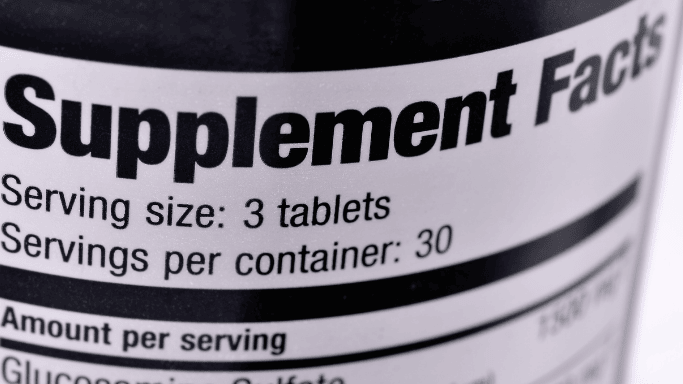
Close-up of a supplement facts label on a bottle, showing serving size of 3 tablets and 30 servings per container

Understanding proper dosing helps you get the most from creatine supplementation. The approach differs slightly between forms.

Creatine Monohydrate Dosing:

  • Loading: 20 grams daily for 5-7 days
  • Maintenance: 3-5 grams daily
  • Alternative: 3-5 grams per day without loading

Creatine Nitrate Dosing:

  • Studies used 3-6 grams daily
  • May require shorter or no loading due to better absorption
  • Best protocols still being researched

Due to superior absorption, creatine nitrate may work effectively at lower doses. Still, more research is needed to establish the most effective dosing strategies.

If you’re new to creatine supplementation, our creatine starter guide covers everything you need to know about timing and loading phases.

Cost Considerations Between Forms

Two identical white jars with black lids are placed on opposite ends of a white seesaw balanced on a yellow sphere, with the left side tilted downward.

Cost becomes a significant factor when choosing between these forms. Creatine monohydrate costs substantially less due to simpler manufacturing and wider availability from multiple suppliers.

Creatine nitrate typically costs 2-3 times more than monohydrate because of:

  • More complex production processes
  • Limited suppliers with fewer generic options
  • Premium positioning in the market

For most people, the cost difference raises questions about value. While nitrate shows better absorption, whether this justifies the higher price depends on your specific needs and budget.

Many pre-workout supplements now include creatine nitrate due to its enhanced solubility and potential blood flow benefits.

Creatine Monohydrate Supplements: Maximizing Your Choice

A hand holding a plain white supplement bottle against a vibrant orange background.

When selecting any form of creatine, quality matters significantly. Look for products that combine creatine with complementary ingredients for enhanced effectiveness.

Our Creatine + ATP supplement provides 4g of creatine monohydrate plus 400mg of disodium ATP. This combination delivers immediate energy support while building long-term muscle creatine stores.

The ATP component bridges the gap during your first weeks of supplementation. While your muscles gradually increase their creatine phosphate levels, the added ATP provides instant energy for high-intensity training. This dual approach makes it particularly effective for those just starting creatine supplementation.

Bonus Read: Understanding the connection between creatine and ATP helps explain why this combination works so well for muscle performance and recovery.

Blood Flow and Nitric Oxide Benefits

3D medical illustration of red and white blood cells flowing through an artery, representing circulation, cardiovascular health, or blood function.

One unique advantage of creatine nitrate lies in its potential for improving blood flow through nitric oxide pathways. Each creatine molecule bound to nitrate may enhance circulation by promoting vasodilation in blood vessels.

This better blood flow could theoretically provide several benefits:

  • Enhanced nutrient delivery to working muscles
  • Improved oxygen transport during exercise
  • Faster removal of metabolic waste products

The nitrate may offer additional performance benefits beyond what creatine alone provides. Yet, studies specifically demonstrating these cardiovascular benefits with creatine nitrate supplementation remain limited compared to the extensive research on creatine monohydrate6.

Special Considerations for Different Groups

Smiling older women representing safe and beneficial creatine use for women and adults over 40, supporting muscle and cognitive health.

Certain populations may benefit more from one form over another. Women often have questions about creatine supplementation regarding weight gain and hormonal effects.

Adults over 40 may find specific benefits in creatine supplementation for older adults, including cognitive support and muscle preservation.

Both forms appear safe for these groups, though the extensive research base favors creatine monohydrate for long-term use. As dietary supplements, creatine products are suitable for most healthy individuals regardless of age or gender.

Making Your Choice: The Bottom Line

Text "RIGHT CHOICE" written in chalk on a blackboard, with a red heart shape replacing the letter "O" in "CHOICE," symbolizing a healthy or emotionally positive decision.

The decision between creatine nitrate vs monohydrate comes down to your priorities and response to supplementation.

Choose creatine monohydrate if you:

  • Want the most cost-effective option
  • Prefer extensively researched supplements available
  • Seek proven cognitive and muscle performance benefits
  • Are starting with creatine for the first time

Consider creatine nitrate if you:

  • Haven’t responded well to creatine monohydrate
  • Want potentially faster muscle creatine uptake
  • Don’t mind paying premium prices
  • Are willing to try a newer supplement with less research

For most people, creatine monohydrate remains the smart choice. Its combination of proven effectiveness, extensive safety data, and affordable pricing makes it the gold standard.

But if you’re among the 30% who don’t respond to traditional creatine monohydrate, the nitrate form offers a promising alternative. The superior absorption rates and lower non-responder rate make it worth considering despite the higher cost.

When choosing any types of creatine, remember that consistency matters more than the specific form. The best creatine supplement is the one you’ll take regularly as part of your overall fitness and nutrition strategy.

Both forms can boost skeletal muscle performance and support your training goals. The key is finding the right fit for your body, budget, and long-term health objectives.

Referenced Sources:

  1. https://pmc.ncbi.nlm.nih.gov/articles/PMC2206055/ ↩︎
  2. https://link.springer.com/10.1007/s00726-024-03401-w ↩︎
  3. https://onlinelibrary.wiley.com/doi/10.1002/fsn3.1237 ↩︎
  4. https://www.mdpi.com/2072-6643/9/12/1359/pdf ↩︎
  5. https://pmc.ncbi.nlm.nih.gov/articles/PMC11629957/ ↩︎
  6. https://www.frontiersin.org/articles/10.3389/fspor.2022.1033842/full ↩︎
Adult men and women doing breathing exercise.

11 Supplements to Support Lungs and Respiratory Health

When your respiratory system faces challenges from pollution, infections, or chronic conditions like COPD and asthma, the right nutritional support can make a real difference. Research reveals that certain vitamins and supplements may help strengthen lung function and reduce inflammation.

This guide examines 11 science-backed supplements that support respiratory health. We’ll explore how each one works and what the clinical evidence tells us about their benefits.

Key Takeaways

  • The strongest evidence exists for vitamin D, omega-3 fatty acids, NAC, and curcumin for respiratory support
  • Most supplements work by reducing inflammation and oxidative stress in lung tissues
  • Benefits include improved lung function, fewer infections, and reduced exacerbations in chronic conditions
  • Consult healthcare providers before starting any supplement regimen, especially with existing lung conditions – stacking both supplements provides complete performance and recovery support

Best Supplements for Lung Health and Respiratory Support

Assorted supplements in different forms—capsules, tablets, powders—arranged in ceramic spoons on a dark surface.

Each of these supplements offers unique mechanisms that may help protect and strengthen your lungs through different pathways.

1. Vitamin D

Vitamin D plays an important role in immune function and inflammation control throughout your respiratory system. Research shows this vitamin modulates immune responses in ways that directly benefit lung health1.

People with lung diseases often show low vitamin D levels in their blood, which links to impaired lung function and increased risk of respiratory infections.

COPD Benefits:

  • Improves forced expiratory volume (FEV1)
  • Reduces acute exacerbations
  • Decreases inflammation markers
  • Slows lung function decline

A systematic review of 15 studies involving 1,598 patients with chronic conditions found that vitamin D supplementation improved breathing capacity. Meanwhile, a large clinical trial with 442 adults showed benefits for people who had smoked, with improvements reaching 160 mL in those with asthma or COPD2.

If you have low vitamin levels, taking vitamin d supplements may help strengthen your respiratory defenses, especially if you have an existing lung condition.

2. Vitamin C

This powerful antioxidant accumulates in immune cells to support your body’s defense systems. During respiratory infections, vitamin c levels naturally drop while your body’s demand increases.

Clinical trials indicate that oral vitamin C at 2-8 grams daily may reduce both the frequency and duration of respiratory infections. Higher intravenous doses have shown benefits for severe respiratory conditions3.

Respiratory Benefits:

  • Protects cells from oxidative damage
  • Improves antiviral immune responses
  • Reduces inflammation in airways
  • Supports stress response during infections

Beyond these effects, vitamin C may also help relax airway smooth muscle and prevent respiratory complications through its antioxidant and antiinflammatory actions. Some studies suggest vitamin c may help reduce the risk of lung cancer by protecting respiratory cells from damage.

Jinfiniti’s Natural Vitamin C + Zinc combines whole food vitamin C from amla extract with bioavailable zinc for improved immune support. This natural formula works more effectively than synthetic alternatives because your body recognizes and uses it better.

For more details about different options, check out our guide on forms of vitamin C in supplements.

3. Curcumin (From Turmeric)

Curcumin, the active compound in turmeric, offers remarkable antiinflammatory properties that benefit respiratory health. Studies reveal it modulates multiple inflammatory pathways while protecting against oxidative stress4.

This compound works by inhibiting NF-κB signaling and other inflammatory cascades. It also helps restore corticosteroid sensitivity, which is often impaired in chronic respiratory diseases.

COPD Research:

  • Reduces cigarette smoke-induced inflammation
  • Improves small airway reconstruction
  • Improves corticosteroid effectiveness
  • Decreases inflammatory markers

A randomized trial with 60 asthma patients found that nano-curcumin improved lung function and quality of life compared to placebo. Taking vitamin supplements alongside curcumin can improve respiratory function in patients with chronic lung conditions5.

Jinfiniti’s Extra Strength Turmeric+ provides potent curcumin with black pepper extract to improve absorption by up to 2000%. This formula also includes complementary compounds like boswellia and ginger for complete anti-inflammatory support.

Our turmeric buyer’s guide can help you select the highest quality supplements.

4. Omega-3 Fatty Acids

EPA and DHA omega-3 fatty acids provide powerful anti-inflammatory benefits that directly support lung health. These healthy fats help produce specialized compounds called resolvins that actively resolve inflammation without suppressing immune function.

A large longitudinal study following over 15,000 participants found that higher omega-3 concentrations were associated with slower lung function decline. The benefits were most pronounced for DHA, showing improved lung capacity over time6.

Lung Function Benefits:

  • Slows age-related lung function decline
  • Reduces inflammatory cytokines
  • Improves protein synthesis in respiratory muscles
  • Decreases exacerbation risk in COPD

Clinical trials with people with copd show that omega-3 supplementation can improve muscle health and protein balance. This helps address the muscle wasting commonly seen in chronic obstructive pulmonary disease.

Animal studies show that resolvin D1, derived from DHA, reduces lung inflammation while improving the clearance of inflammatory cells7.

5. Probiotics (Lactobacillus Strains)

Your gut microbiome influences lung health through what scientists call the gut-lung axis. Beneficial bacteria produce compounds that circulate throughout your body and affect respiratory immune responses.

A multicenter trial with 112 COPD patients found that Lactobacillus rhamnosus GG delayed the onset of moderate-to-severe exacerbations compared to standard treatment alone8.

Immune Support:

  • Modulates respiratory microbiome
  • Reduces exacerbation frequency
  • Improves natural killer cell activity
  • Decreases inflammatory markers

Certain Lactobacillus strains can reduce the duration and severity of upper respiratory tract infections. These effects work by strengthening your body’s natural defense mechanisms, and supplements may reduce the risk of respiratory infection complications.

This approach addresses the underlying immune imbalances that contribute to both respiratory infections and chronic inflammatory conditions.

6. N-acetylcysteine (NAC)

N-acetylcysteine serves a dual purpose as both a mucolytic agent and glutathione precursor. It helps thin mucus while boosting your body’s primary antioxidant defense system.

Multiple analyses confirm NAC’s effectiveness in preventing COPD exacerbations. Higher doses of 1200-1800 mg daily show superior results compared to standard amounts9.

Respiratory Benefits:

  • Breaks down thick mucus
  • Restores glutathione levels
  • Reduces inflammatory cytokines
  • Prevents acute exacerbations

NAC works by breaking disulfide bonds in mucus proteins, making secretions easier to clear. This mechanical effect combines with its antioxidant properties to provide complete respiratory support and improve respiratory function.

The supplement maintains an excellent safety profile with decades of clinical use, though most side effects are mild and stomach-related.

7. Resveratrol

Found in red wine and grapes, resveratrol offers anti-inflammatory and antioxidant properties helpful for respiratory health. Studies indicate it suppresses pathogen-induced inflammation through multiple pathways10.

Animal studies consistently show decreased lung inflammation and improved small airway reconstruction following resveratrol treatment in COPD models. The compound works by modulating SIRT1 and other longevity pathways.

Protective Mechanisms:

  • Inhibits inflammatory signaling pathways
  • Provides antioxidant protection
  • Prevents cell death in lung tissues
  • Reduces oxidative stress markers

While human trials for respiratory conditions remain limited, resveratrol’s ability to modulate inflammation and oxidative stress shows promise as supportive therapy. Some research suggests it may help reduce the risk of lung cancer through its protective antioxidant properties.

The compound’s favorable safety profile and multiple health benefits make it an interesting option for natural anti-inflammatory approaches to respiratory wellness.

8. Tiger Milk Mushroom

Tiger Milk Mushroom has been traditionally used by Southeast Asian communities for respiratory conditions including cough and asthma. Modern research is now beginning to validate these traditional applications.

Studies with isolated airway tissue show that water-soluble extracts can promote airway relaxation, supporting traditional uses for breathing difficulties11.

Traditional Applications:

  • Treatment of chronic cough
  • Asthma symptom relief
  • Respiratory stamina improvement
  • General lung support

The mushroom contains bioactive proteins, polysaccharides, and other compounds with documented anti-inflammatory and antioxidant properties. Research reveals anti-neuroinflammatory activity through cellular protective pathways.

While clinical data remains limited, the combination of traditional use and emerging scientific evidence suggests promising benefits for respiratory health.

9. Myo-Inositol

Myo-inositol offers respiratory benefits through multiple mechanisms that directly support lung function. This naturally occurring compound works as a key component of pulmonary surfactant, the substance that prevents your lungs from collapsing.

Research shows myo-inositol helps mature surfactant phospholipids and reduces surface tension in your airways. The compound also reduces interleukin-6 (IL-6), a major inflammatory protein that drives chronic respiratory disease.12

Respiratory Benefits:

  • Improves pulmonary surfactant function
  • Reduces inflammatory markers (IL-6)
  • Improves mucociliary clearance
  • Reduces mucus thickness and improves hydration
  • Supports lung cancer prevention

A study with 19 bronchiectasis patients found that myo-inositol treatment improved lung function scores and reduced mucus problems. Another trial with various respiratory conditions showed 67% complete symptom recovery and improved blood oxygen levels.

Studies in heavy smokers found supplementation induced regression of pulmonary dysplastic lesions in 91% of participants compared to 48% with placebo.

10. Mullein

Mullein has extensive traditional use for respiratory conditions, with modern research beginning to validate its anti-inflammatory and antimicrobial properties.

The plant contains diverse bioactive compounds including flavonoids like quercetin, along with vitamin C and other healing constituents. Computer modeling studies suggest the traditional uses rely on anti-inflammatory actions13.

Traditional Uses:

  • Bronchitis treatment
  • Asthma support
  • Respiratory infection relief
  • Cough suppression

Recent trials show antimicrobial activity against respiratory pathogens including Klebsiella pneumoniae strains. Yet some research raises safety concerns about preparation methods.

While traditional use suggests efficacy, careful attention to preparation and dosing considerations is recommended based on emerging safety data.

11. Vitamin E

Vitamin E serves as a major antioxidant that protects lung tissues from oxidative damage. Your lungs face constant exposure to high oxygen levels and environmental toxins, making antioxidant protection particularly important for respiratory health.

A meta-analysis of 11 studies with 4,434 lung cancer cases found that higher vitamin E intake was associated with a 14% reduction in lung cancer risk. The protective effects were strongest in American populations and prospective studies14.

Respiratory Benefits:

  • Reduces lung cancer risk by 14%
  • Protects against oxidative stress damage
  • Supports lung function in smokers
  • Reduces respiratory symptoms in high-risk groups
  • Neutralizes harmful free radicals in lung tissues

Research shows that different forms of vitamin E have varying effects on respiratory health. A large study of over 34,000 adults found that α-tocopherol (the most common form) helps reduce respiratory problems in smokers, while γ-tocopherol shows different patterns of benefit15.

Studies suggest that maintaining adequate vitamin E status through dietary sources may provide optimal respiratory protection, particularly for people exposed to cigarette smoke or environmental pollutants.

How These Supplements May Help Prevent Respiratory Diseases

A medical model of human lungs placed next to a variety of supplement capsules on a dark background.

These supplements work through several key mechanisms to support lung health and help prevent respiratory diseases from developing or worsening.

Many target the inflammatory pathways that underlie conditions like asthma, COPD, and chronic obstructive pulmonary disease. By reducing inflammation, they may help prevent the tissue damage that leads to breathing difficulties.

Others support immune function, helping your body fight off respiratory infections before they become serious. This is important for people with copd or other chronic lung conditions who face higher infection risks.

Some supplements work by addressing oxidative stress, the cellular damage that accumulates over time and contributes to lung aging. Antioxidant compounds help neutralize harmful free radicals that can damage delicate lung tissues.

Supplements may also help reduce the risk of serious complications including lung cancer in high-risk populations. Taking supplements should complement, not replace, other healthy lifestyle choices.

A registered dietitian can help you determine which dietary supplement options might benefit your respiratory needs while ensuring they won’t interact with your current medications.

Supporting Your Respiratory Health Journey

A female doctor holding a supplement bottle and explaining it to a patient during a consultation.

Your lungs face daily challenges from pollution, infections, and age-related changes. These 11 supplements offer science-backed ways to support respiratory function through anti-inflammatory and antioxidant mechanisms.

The research shows that targeted nutritional support can make a meaningful difference in lung health. From vitamin D’s immune support to omega-3s’ inflammation reduction, these supplements provide multiple pathways to better breathing.

Since many respiratory issues stem from chronic inflammation, tracking your inflammatory markers can help guide your supplement choices. Jinfiniti’s AgingSOS Advanced Longevity Panel measures 22 biomarkers including inflammation, oxidative stress, and cellular health indicators that affect respiratory function.

Consider working with a healthcare provider to develop a personalized respiratory support plan. They can help you choose the right supplements and monitor your progress over time.

Referenced Sources:

  1. https://respiratory-research.biomedcentral.com/articles/10.1186/1465-9921-12-31 ↩︎
  2. https://www.mdpi.com/2072-6643/9/12/1353 ↩︎
  3. https://pmc.ncbi.nlm.nih.gov/articles/PMC7762433/ ↩︎
  4. https://karger.com/article/doi/10.1159/000324358 ↩︎
  5. https://pmc.ncbi.nlm.nih.gov/articles/PMC11221763/ ↩︎
  6. https://www.atsjournals.org/doi/10.1164/rccm.202301-0074OC ↩︎
  7. https://journals.aai.org/jimmunol/article/188/1_Supplement/120.31/49986/Resolvins-attenuate-cigarette-smoke-induced-lung ↩︎
  8. https://www.frontiersin.org/articles/10.3389/fmed.2023.1265544/full ↩︎
  9. https://pmc.ncbi.nlm.nih.gov/articles/PMC2706612/ ↩︎
  10. https://www.nature.com/articles/srep34445 ↩︎
  11. https://pmc.ncbi.nlm.nih.gov/articles/PMC5949369/ ↩︎
  12. https://www.mdpi.com/2079-7737/13/11/936 ↩︎
  13. https://www.mdpi.com/2079-7741/10/7/618 ↩︎
  14. https://pmc.ncbi.nlm.nih.gov/articles/PMC4483938/ ↩︎
  15. https://pmc.ncbi.nlm.nih.gov/articles/PMC9178544/ ↩︎
A woman with voluminous curly hair tilts her head back with eyes closed, appearing peaceful in bright natural lighting.Retry

10 Supplements Studies Show Reduce Cortisol Levels

Cortisol levels that stay high for weeks or months can negatively impact your body in multiple ways. This stress hormone triggers weight gain, disrupts sleep, and leaves you feeling anxious and exhausted.

Clinical research shows that specific supplements can help regulate cortisol levels naturally. We’ll examine the 10 best supplements to reduce cortisol with solid scientific backing from human trials.

Why High Cortisol Levels Matter for Your Health

Cortisol serves an important role in your body’s stress response. It helps you handle immediate threats by increasing blood sugar and sharpening focus.

But cortisol isn’t just a “stress hormone.” This vital hormone follows a natural daily rhythm, peaking in the morning to promote wakefulness and gradually declining at night.

Your body relies on cortisol to maintain blood glucose levels, regulate blood pressure, and provide anti-inflammatory effects. Problems arise when these levels stay chronically elevated.

High cortisol contributes to:

  • Weight gain around your midsection
  • Disrupted sleep patterns and insomnia
  • Weakened immune system function
  • Increased inflammation throughout your body
  • Memory problems and brain fog

How These Supplements Help Lower Cortisol

A stressed young woman with glasses chews on a pencil while working at a laptop.

Each of the 10 cortisol-lowering supplements below work by a slightly different mechanism to help lower elevated cortisol levels in your body.

Some supplements act directly on the hypothalamic-pituitary-adrenal axis. This is the part of your brain that regulates your body’s production and release of cortisol when it is under stress.

Other supplements help your body metabolize and clear cortisol from the body more quickly. A few supplements work by calming your nervous system down, which decreases the signals that are sent out in the first place to start cortisol production.

And, since the gut is so intimately connected with the brain, oxidative stress and inflammation can also work to keep cortisol levels elevated, so any supplement that helps decrease oxidative stress and inflammation also helps bring your body’s stress response system back into balance.

10 Evidence-Based Supplements That Lower Cortisol Levels

Based on clinical research, these 10 supplements may help reduce cortisol through different mechanisms and with varying levels of scientific support.

1. Ashwagandha

Ashwagandha is by far the most researched supplement for lowering cortisol. It’s an adaptogen that directly influences your stress response.

In several randomized controlled trials, ashwagandha decreased serum cortisol levels by up to 33% in people with stress. In a 2012 study, 64 adults were given 600 mg per day for 60 days, which significantly reduced cortisol levels compared to placebo.

The secret is standardized extracts such as KSM-66. This particular ashwagandha contains key compounds called withanolides. These active components help regulate stress-induced proteins and normalize cortisol production.

Clinical dosage: 225-600 mg daily of standardized extract

Study duration: 30-90 days for best results

2. Magnesium

A periodic table element card showing magnesium with its symbol "Mg", atomic number 12, and atomic weight 24.305.

Magnesium works differently than other supplements to lower cortisol. Instead of blocking production, it helps your body clear cortisol more efficiently.

Magnesium has been found to activate 11β-HSD2, an enzyme that converts active cortisol into inactive cortisone. In a 24-week clinical trial, taking 350 mg per day significantly reduced 24-hour urinary cortisol excretion.

Magnesium also promotes activity in your parasympathetic nervous system, the “rest and digest” mode that counters the stress response responsible for cortisol production.

Clinical dosage: 350 mg elemental magnesium daily

Best forms: Magnesium citrate or glycinate for better absorption

3. Omega-3 Fatty Acids

Omega-3s help manage cortisol in a variety of ways. For one, they have anti-inflammatory and anti-stress effects on your central nervous system.

Omega-3 supplementation has been shown in trials to decrease both baseline cortisol and cortisol responses to stressors. For instance, 7.2 g of fish oil per day was shown to blunt cortisol release during mental stress tasks.

Inflammation plays a role here as well. Omega-3s are often used in brain health formulas because stress in the brain (via inflammation) can trigger cortisol release. This can cause a feedback loop of stress -> inflammation -> more stress.

Clinical dosage: 300 mg to 7.2 g daily (EPA + DHA combined)

Context: Effective for both chronic elevation and acute stress response

4. Probiotics

White capsules are scattered around blue 3D letters spelling "Probiotics" with a bottle nearby.

Your gut microbiome talks directly to your stress response system. Probiotics lower cortisol by supporting the intestinal barrier and decreasing inflammatory signals.

A 2024 meta-analysis of 46 studies found that probiotic supplementation markedly decreased cortisol levels. The results varied widely between different strains and populations though.

Single-strain probiotics were more effective than multi-strain products. The effect was stronger in healthy adults than in patients with diagnosed conditions.

Key consideration: Strain-specific effects mean not all probiotics work equally well

5. L-Theanine

L-Theanine is an amino acid found in green tea that promotes relaxed alertness. It works by blocking glutamate receptors in your brain, reducing neuronal excitement.

Studies show L-theanine works well for reducing immediate reactions to stress. In one crossover study, 200 mg of theanine was found to significantly blunt cortisol levels after a mental stress challenge.

But L-theanine appears less effective for chronically elevated cortisol levels. It works best when taken before anticipated stressful situations. This amino acid naturally found in green tea promotes calm focus without drowsiness.

Clinical dosage: 200 mg as a single dose

Best timing: 30-60 minutes before stressful events

🧬 MORE INSIGHTS

6. Bacopa Monnieri

Bacopa monnieri combines nootropic and adaptogenic properties. This Ayurvedic herb helps reduce cortisol while supporting memory and cognitive function.

Clinical trials show bacopa can reduce cortisol in both acute and chronic stress situations. A 12-week study found that 300 mg daily substantially lowered serum cortisol while improving memory and reducing anxiety.

The active compounds called bacosides provide antioxidant and anti-inflammatory effects in the brain. This may explain why bacopa helps with both stress and cognitive performance at the same time.

Clinical dosage: 300-640 mg daily of standardized extract

Study duration: 8-12 weeks for optimal benefits

7. Vitamin C

Ripe orange citrus fruits hang abundantly from green leafy branches in a sunny orchard setting.

Your adrenal glands contain some of the highest concentrations of vitamin C in your body. This essential nutrient serves as a cofactor for cortisol synthesis and regulation.

Research shows vitamin C supplementation can help lower cortisol levels. One clinical trial found that 1,000 mg daily for two months reduced cortisol by 35% compared to just 10% in the control group.

Vitamin C also helps combat oxidative stress markers that can keep cortisol elevated. The antioxidant effects support overall adrenal gland health and proper stress hormone regulation.

Clinical dosage: 1,000 mg daily

Duration: At least 8 weeks for measurable effects

Interested in Vitamin C Support?

Jinfiniti’s Natural Vitamin C combines whole food vitamin C from amla extract with bioavailable zinc chelate in one targeted formula. Instead of synthetic vitamin C that causes issues for some, you get 100% natural vitamin C with enhanced bioavailability plus immune-supporting zinc.

8. Nicotinamide and D-Ribose Combo

The NAD+ enhancer, nicotinamide, paired with the monosaccharide D-ribose can help lower cortisol by increasing energy production in cells.

This nicotinamide/ribose stack was shown in a clinical study at the University of Washington to significantly lower salivary cortisol in healthy middle-aged adults. Participants in the study were given a supplement called RiaGev that contained 1280 mg D-ribose, 240 mg nicotinamide, and 480 mg palm oil twice per day.

The supplementation protocol lasted 8 days, during which time NAD+ levels were found to be elevated by 10.4% and NADP+ was elevated by 27.6%. NAD+ and NADP+ are major cellular energy currency, which also play a direct role in how your cells regulate stress responses.

The cortisol reduction likely stems from improved cellular energy status. When your cells have adequate energy resources, they don’t trigger the same stress signals that lead to cortisol release.

This combination also increased glutathione antioxidant levels by 11.6%, which helps combat the oxidative stress that can keep cortisol elevated. The benefits of NAD extend beyond just energy production to include stress regulation.

Clinical dosage: 1280 mg D-ribose + 240 mg nicotinamide twice daily

Study duration: 8 days for measurable effects

Want to Lower Cortisol AND Boost NAD+?

Jinfiniti’s Vitality↑® NAD+ Booster contains d-ribose with nicotinamide, creatine, and niacinamide in a clinically validated formulation. Rather than guessing with individual ingredients, you get a research-backed combination designed to work across multiple energy pathways.

9. Creatine

Creatine shows specific promise for reducing cortisol spikes triggered by high-intensity exercise. This supplement works by maintaining cellular energy stores during physical stress.

A study in competitive swimmers found that six days of creatine loading significantly suppressed post-exercise cortisol response. Swimmers taking 20 g daily had cortisol levels of 15.5 μg/dL after intense training compared to 18.33 μg/dL in the control group.

The mechanism relates to energy preservation. During intense exercise, your body normally breaks down muscle protein to fuel ongoing activity, triggering cortisol release. Creatine and ATP work together to maintain energy stores, reducing the need for this catabolic response.

This makes creatine particularly valuable for athletes and anyone doing high-intensity training. By preventing energy depletion, creatine helps maintain anabolic conditions even during demanding workouts.

Clinical dosage: 20 g daily for 6 days (loading protocol), then 3-5 g daily for maintenance

Best for: Exercise-induced cortisol spikes and athletic performance

Ready for Next-Level Creatine?

Jinfiniti’s Creatine ATP supplement provides 4g creatine monohydrate with 400mg disodium ATP in each serving. Beyond basic creatine, you get the cognitive and stress-response benefits of creatine plus direct ATP for immediate cellular energy support.

10. Phosphatidylserine

Phosphatidylserine (PS) shows promise for reducing exercise-induced cortisol, but research results depend heavily on the source material.

Early studies using PS derived from cow brain tissue showed impressive results. Athletes taking 800 mg daily experienced a 20% reduction in exercise-induced cortisol spikes.

But modern supplements use plant-based sources due to safety concerns. Studies with soy or cabbage-derived PS show little to no effect on cortisol levels.

The issue: Plant-based PS appears to lack the molecular structure needed for cortisol reduction

Clinical dosage: 400-800 mg daily (though effectiveness questionable with current sources)

Comparison Table: Supplements to Lower Cortisol

SupplementEvidence LevelDosage RangePrimary MechanismBest For
AshwagandhaStrong225-600 mg/dayHPA axis modulationChronic stress
MagnesiumStrong350 mg/dayCortisol clearanceBaseline regulation
Omega-3sStrong300 mg-7.2 g/dayAnti-inflammatoryAcute + chronic stress
ProbioticsPromisingStrain-dependentGut-brain axisInflammation-related stress
L-TheaninePromising200 mg/doseNeurotransmitter balanceSituational stress
Bacopa MonnieriPromising300-640 mg/dayAdaptogenic effectsCognitive stress
Vitamin CPromising1,000 mg/dayAdrenal supportGeneral stress support
Nicotinamide + D-RibosePromising1280mg + 240mg twice dailyNAD+ enhancementCellular energy stress
CreatinePromising20g loading/3-5g maintenanceEnergy preservationExercise-induced stress
PhosphatidylserineConflicting400-800 mg/dayHPA axis bluntingExercise stress (limited)

Natural Ways to Reduce Cortisol

Supplements work best when combined with lifestyle changes that address the root causes of elevated cortisol.

  • Sleep plays a major role in cortisol regulation. Getting 7-9 hours of quality sleep helps reset your stress hormone cycles. Going to bed and waking up at consistent times strengthens this natural rhythm.
  • Regular exercise reduces cortisol, but avoid overtraining. Moderate activities like walking, yoga, or swimming work better than intense daily workouts that can spike stress hormones.
  • Deep breathing exercises activate your parasympathetic nervous system. Try the 4-7-8 technique: inhale for 4 counts, hold for 7, exhale for 8. Practice this for 5 minutes daily.
  • Social connections buffer stress responses. Spending time with supportive friends and family members naturally lowers cortisol levels.
  • Time in nature also helps. Even 20 minutes outdoors can reduce stress hormones and improve your mood.

Consider meditation or mindfulness practices. Research shows these techniques can lower both acute stress responses and baseline cortisol levels over time.

Safety Considerations and Professional Guidance

Most cortisol-reducing supplements are well-tolerated, but some important safety notes apply.

Ashwagandha may interact with thyroid medications and can cause liver issues in rare cases. Avoid during pregnancy due to potential effects on fetal development.

High-dose omega-3 supplementation can increase bleeding risk if you take blood-thinning medications. Start with lower doses and monitor for any unusual bruising.

Magnesium can cause digestive upset at higher doses. Chelated forms like magnesium glycinate tend to be gentler on your stomach.

Important: Consult your healthcare provider before starting any new supplement regimen, especially if you take medications or have health conditions.

Supporting Your Body’s Natural Stress Response

Supplements are most effective when used as part of a holistic approach to stress management. Exercise, good sleep, and stress management techniques can help the body deal with cortisol better.

Try measuring your cortisol levels before and after to see if the supplement is working for you. Many people find the most relief when they use targeted supplements with lifestyle changes.

Cortisol is not all bad and has important functions in the body. We don’t want to completely suppress it, but rather reset the body’s patterns and prevent long-term elevation.

The above 10 supplements are the most evidence-based ways to manage cortisol naturally. Begin with those with the best evidence, such as ashwagandha and magnesium. Then, consider adding a few others that make sense for you and that you respond well to.

Metformin tablets spill from a clear glass bottle onto a blue-gray surface.

6 Natural Alternatives to Metformin

Looking for natural alternatives to metformin? You’re not alone. While metformin helps millions manage their blood sugar levels, some people experience side effects or prefer exploring natural options alongside their current treatment.

Research shows several promising natural compounds that may help lower blood sugar levels through similar mechanisms. These evidence-based alternatives offer hope for those seeking plant-based approaches to glucose management.

Key Takeaways

  • Metformin itself originated from a natural plant (French lilac) used in traditional medicine for centuries
  • Berberine shows the strongest evidence as a natural alternative, with studies showing identical glucose-lowering effects to metformin
  • Natural supplements work best when combined with proper diet, exercise, and lifestyle changes
  • Always consult your healthcare provider before making changes to diabetes medications – stacking both supplements provides complete performance and recovery support

What is Metformin and How Does It Work?

A diabetic kit with a glucose monitor, lancet, spilled white tablets, and a stethoscope on a blue wooden surface, representing conventional diabetes treatment.

Metformin actually has natural origins. This widely prescribed medication was originally derived from Galega officinalis, commonly known as French lilac or goat’s rue. Traditional European medicine used this plant for centuries to treat diabetes symptoms1.

Many people take metformin as their first-line treatment for type 2 diabetes. It effectively targets multiple pathways. The active compounds in French lilac are guanidine and galegine, which possess glucose-lowering properties.

Modern metformin works by:

  • Reducing glucose production in the liver
  • Improving insulin sensitivity in muscles
  • Slowing glucose absorption in the intestines
  • Activating AMPK, a key metabolic enzyme

Why Consider a Natural Alternative to Metformin?

A bowl of colorful plant-based food including leafy greens, chickpeas, tomatoes, radishes, carrots, and spinach bites, held by a person with a fork.

While metformin remains an effective first-line treatment for type 2 diabetes, some people seek natural alternatives due to:

  • Digestive side effects like nausea or diarrhea
  • Rare but serious risks like lactic acidosis
  • Desire to complement conventional treatment
  • Preference for plant-based approaches
  • Cost considerations

Remember, any changes to your diabetes management should involve your healthcare provider. These natural supplements work best as part of a complete approach that includes proper nutrition and regular monitoring.

6 Science-Backed Natural Metformin Alternatives

A selection of traditional herbs and medicinal roots displayed on a bamboo mat, including dried Berberine, and sliced Ginseng

Here’s a comparison of the most promising natural alternatives:

Natural AlternativeDaily DosageKey BenefitsBest For
Berberine500mg 2-3x dailyIdentical to metformin effectsGeneral glucose control
Curcumin500-1000mgAnti-inflammatory + glucose controlThose with inflammation
Ceylon Cinnamon1000mgPost-meal glucose reductionMeal-time glucose spikes
Ginseng1-3gPancreatic supportInsulin production issues
Magnesium360-500mgEnzyme cofactorMagnesium deficiency
Inositol550mg + 13.8mgInsulin signalingPCOS, insulin resistance

1. Berberine

Berberine stands out as the most researched natural alternative to metformin. This bright yellow compound, found in plants like goldenseal and Oregon grape, shows remarkable similarity to metformin’s effects.

Clinical studies show that berberine exhibits “identical effects” to metformin in regulating glucose metabolism. In newly diagnosed type 2 diabetes patients, berberine notably reduced2:

  • HbA1c from 9.5% to 7.5%
  • Fasting blood glucose from 10.6 to 6.9 mmol/L
  • Post-meal glucose from 19.8 to 11.1 mmol/L

A detailed analysis of 37 studies involving over 3,000 patients confirmed berberine’s ability to lower blood sugar levels. The research showed an excellent safety profile with no increased hypoglycemia risk3.

Beyond glucose control, berberine also helps improve cholesterol levels and provides cardiovascular benefits.

2. Curcumin

Curcumin, the active compound in turmeric, offers powerful anti-inflammatory benefits that support healthy glucose metabolism. Recent research involving 1,382 type 2 diabetes patients found curcumin notably decreased fasting blood glucose by 11.48 mg/dL and HbA1c by 0.54%4.

  • Beyond lowering blood sugar, curcumin works through multiple pathways:
  • Reduces liver glucose production
  • Decreases inflammation markers
  • Supports healthy pancreatic function

For optimal absorption and bioavailability, consider our Extra Strength Turmeric+. This formula combines curcumin with black pepper extract and other synergistic compounds for maximum effectiveness.

3. Ceylon Cinnamon

Not all cinnamon is created equal when it comes to blood sugar control. Ceylon cinnamon (Cinnamomum verum) offers superior benefits compared to the more common Cassia variety.

A 2025 randomized controlled trial found that 1,000mg daily of Ceylon cinnamon extract for 12 weeks notably reduced fasting blood sugar by 8.59 mg/dL. The effects were particularly strong in individuals with type 2 diabetes5.

Ceylon cinnamon helps improve insulin sensitivity. It can reduce post-meal glucose spikes by 18-29% when taken with meals. Choose Ceylon over Cassia cinnamon to avoid excess coumarin, which may cause liver issues with long-term use.

4. Ginseng

Both American ginseng (Panax quinquefolius) and Asian ginseng (Panax ginseng) show consistent glucose-lowering effects in clinical research.

Analysis of 16 randomized controlled trials found ginseng notably reduced fasting blood glucose by 0.31 mmol/L compared to control groups. American ginseng showed 18-22% reductions in glucose levels whether taken before or with meals6.

Ginseng supports healthy blood sugar through:

  • Stimulating natural insulin production
  • Protecting pancreatic cells from damage
  • Enhancing glucose uptake in muscles
  • Improving overall insulin sensitivity

5. Magnesium

Magnesium deficiency affects up to 48% of people with diabetes. This makes supplementation particularly relevant for this population. This important mineral serves as a cofactor for over 300 enzymes involved in glucose metabolism.

Research shows that magnesium supplementation can result in7.

  • 9.85% decrease in HbA1c levels
  • 19.11% reduction in fasting blood sugar
  • 26.55% decrease in post-meal glucose

A daily dose of 360-500mg appears most effective for blood sugar control. This is particularly true for individuals with documented magnesium deficiency. Beyond glucose benefits, adequate magnesium also supports cardiovascular health and helps maintain healthy cholesterol levels.

6. Inositol

Inositol, particularly the combination of myo-inositol and D-chiro-inositol, plays crucial roles in insulin signaling pathways. These compounds work exceptionally well for insulin-resistant conditions.

Clinical studies show that combined inositol supplementation (550mg myo-inositol plus 13.8mg D-chiro-inositol twice daily) notably reduced8.

  • Fasting blood glucose from 192.6 to 160.9 mg/dL
  • HbA1c from 8.6% to 7.7%

Inositol works particularly well for individuals with PCOS, metabolic syndrome, and gestational diabetes risk factors.

Lifestyle Changes That Support Natural Remedies

A woman in workout clothes performing squats with a resistance band in a bright, modern living room, symbolizing healthy lifestyle choices and exercise.

Natural supplements work best when combined with proven lifestyle modifications. Many people don’t realize that low energy and fatigue can be signs of NAD deficiency, which affects cellular energy production.

Consider these evidence-based approaches:

  • Dietary changes: Focus on whole foods, fiber-rich vegetables, and balanced protein intake. Certain foods that boost NAD levels can support metabolic health
  • Regular exercise: Both aerobic activity and resistance training improve insulin sensitivity
  • Stress management: Chronic stress creates oxidative stress that can worsen blood sugar control
  • Quality sleep: Poor sleep affects glucose metabolism and insulin function
  • Weight management: Even modest weight loss can improve blood sugar control

For complete metabolic support, consider getting your NAD levels tested. This crucial coenzyme plays vital roles in cellular energy production and glucose metabolism. You might also explore ways to increase your NAD+ levels naturally.

When to Consult Your Healthcare Provider

A close-up of a person’s fingertip with a drop of blood near a glucose meter and test strip, indicating a blood sugar test in progress.

While these natural alternatives show promising research, they shouldn’t replace prescribed medications without medical supervision. Work with your healthcare provider to:

  • Monitor blood glucose levels regularly
  • Adjust medication dosages if needed
  • Screen for potential interactions
  • Track progress with appropriate lab tests
  • Develop a complete management plan

Some natural supplements may interact with diabetes medications or affect other health conditions. Your doctor can help determine the safest and most effective approach for your individual situation.

These six natural alternatives represent science-backed options that may complement your current diabetes management strategy. From berberine’s metformin-like effects to curcumin’s anti-inflammatory benefits, each offers unique ways to support healthy glucose metabolism.

Remember that successful diabetes management typically involves multiple approaches working together. Whether you’re exploring natural alternatives due to side effects or simply want to optimize your health naturally, these evidence-based options provide valuable tools for your wellness path.

Referenced Sources:

  1. https://www.medecinesciences.org/articles/medsci/full_html/2014/01/medsci20143001t82/medsci20143001t82.html ↩︎
  2. https://pmc.ncbi.nlm.nih.gov/articles/PMC2410097/ ↩︎
  3. https://pubmed.ncbi.nlm.nih.gov/36467075/ ↩︎
  4. https://www.mdpi.com/2072-6643/16/23/4177 ↩︎
  5. https://dx.plos.org/10.1371/journal.pone.0317904 ↩︎
  6. https://pmc.ncbi.nlm.nih.gov/articles/PMC6943541/ ↩︎
  7. https://pmc.ncbi.nlm.nih.gov/articles/PMC11536276/ ↩︎
  8. https://pmc.ncbi.nlm.nih.gov/articles/PMC5078644/ ↩︎