Author: Jinfiniti Science

Woman wearing pink heart-shaped sunglasses takes bite of cream-filled pastry against vibrant purple background in playful portrait.

The 10 Longevity Diet Myths That Could Be Shortening Your Life

You’ve read at least a dozen headlines about the key to living to be 100. You may have jumped on the keto bandwagon, eliminated seed oils from your diet, or purchased overpriced organic groceries after reading claims that certain foods can help you live longer.

The issue is that a lot of what passes for longevity nutrition is based on flimsy science, misinterpreted research, or is just plain pseudoscience. And some of these trendy diet myths are actually shortening your life rather than extending it.

New research is debunking some of the biggest beliefs about what helps people live longer. You might be surprised by the findings.

Highlights

  • Blue Zones, long promoted as longevity hotspots, are largely based on poor record-keeping and pension fraud rather than dietary wisdom
  • Long-term ketogenic diets may accelerate cellular aging in heart and kidney tissues despite short-term benefits
  • Antioxidant supplements in high doses increase mortality risk rather than extending lifespan
  • The alkaline diet’s central claim—that food changes blood pH—is physiologically impossible

 The Blue Zone Fairy Tale: When Bad Data Meets Good Marketing

For years, “Blue Zones” have dominated conversations about longevity. You’ve seen the books, the Netflix documentaries, the diet plans based on what people in Sardinia and Okinawa supposedly eat.

Dr. Saul Justin Newman at University College London uncovered an uncomfortable truth. His research, which won an Ig Nobel Prize in 2024, revealed that these longevity hotspots are predicted by high poverty, lack of birth certificates, and pension fraud[1]—not healthy diet patterns.

The analysis found something striking: many centenarians existed in government records but were actually deceased. Even more telling, Okinawans eat the least vegetables and sweet potatoes in Japan and have the highest body mass index.

This doesn’t mean Mediterranean-style eating patterns lack value. They have been linked with cardiovascular health and longevity.

But the romanticized idea that certain geographic regions hold secret dietary keys to extreme lifespan? That’s fiction wrapped in marketing.

Protein Confusion: Too Much, Too Little, or Just Right?

The “protein paradox” has confused health-conscious people for years. High protein activates mTOR pathways linked to accelerated aging in lab animals, yet adequate protein prevents muscle loss in older adults.

A 30-year study of over 48,000 people found that those who prioritized protein experienced healthier aging[2]. They had 46% less incidence of major chronic diseases and better cognitive function.

Here’s what matters: the mTOR-activating effects of dietary protein are temporary. They return to baseline between meals rather than creating chronic activation.

Age changes everything. Among people aged 50-65, lower protein intake was linked to reduced cancer mortality. Among those 66 and older, higher protein consumption reduced all-cause mortality by 28%[3].

The source trumps the amount. Plant-based proteins showed the strongest benefits for extending lifespan, while excessive red and processed meat consumption consistently correlates with shortened life expectancy.

Dr. Jin-Xiong She, founder of Jinfiniti Precision Medicine, notes: “The longevity myths around protein often miss the bigger picture. Cellular health depends on maintaining adequate NAD+ levels and supporting mitochondrial function. Protein is just one piece of a complex metabolic puzzle.”

At-Home Longevity Blood Test

Measure what matters for healthy aging and longevity.

Jinfiniti AgingSOS green gradient background

Intermittent Fasting: Conflicting Evidence on Mortality

Intermittent fasting has been wildly popularized as a simple way to gain longevity. The truth, however, is both more disputed and perhaps more ominous.

It’s been established that fasting for a few days in a row yields impressive metabolic improvements, including better insulin sensitivity, reduced inflammation, and weight loss[4]. A preliminary 2019 study of cardiac patients indicated a possible survival benefit for those fasting for at least five years, but not for recent adopters of the practice[5].

Troublingly, a 2024 study of over 20,000 US adults indicated people eating for less than 8 hours per day had 91% greater risk of cardiovascular death[6]. Restricting eating to 8-10 hours per day was associated with a 66% greater risk among those with existing cardiovascular disease.

The study was limited by only using 2 days of dietary recall and not assessing the quality of nutrients consumed. Critics also pointed out that people adhering to extreme time-restricted eating may have other health problems that are the cause of the mortality risk.

A 2024 study in Nature on nearly 1,000 mice showed that the mice who were resilient to stress-induced weight loss were the ones who reaped the benefits of calorie restriction, while those that could not maintain the necessary protective factors saw no improvement in lifespan[7].

Finally, a study of people fasting for religious purposes for one day per month had associations with greater longevity[8]. This may indicate that intermittent but infrequent fasting is safer than the aggressive daily fasting people have adopted en masse.

If you choose to fast, the less aggressive methods, such as 12 hour overnight fasts, seem to be safer than the trendy 16:8 approach.

The Keto Diet Reality Check

The ketogenic diet gets promoted for everything from fat loss to brain health to longevity. Recent evidence suggests caution is warranted.

While a cyclic ketogenic diet reduced mid-life mortality in mice, it didn’t affect maximum lifespan. A 2024 meta-analysis found that long-term keto diets link to higher risks of heart disease, kidney issues, cancer, and Alzheimer’s disease[9].
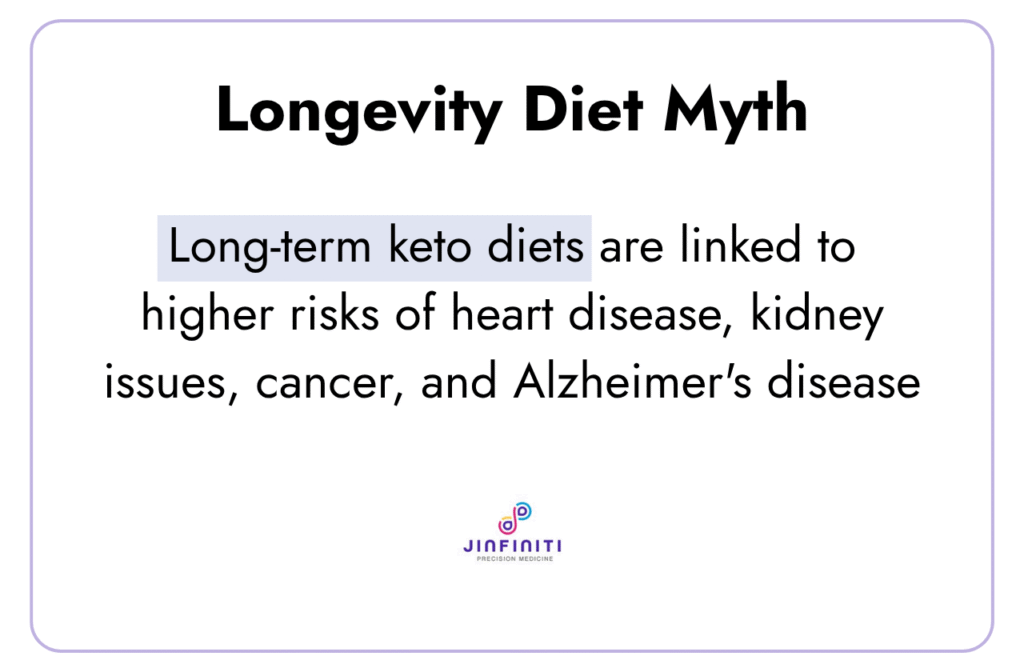
Informational quote titled "Longevity Diet Myth" stating long-term keto diets increase health risks.

Research from the University of Texas Health Science Center revealed that continuous long-term ketogenic diets may induce cellular senescence (damaged cells that refuse to die) in normal tissues[10]. This particularly affects heart and kidney function.

An intermittent ketogenic diet with planned breaks didn’t show these pro-inflammatory effects. If you’re going to use keto, cycle it rather than maintain it continuously.

The study authors urged taking “keto-breaks” as a preventative measure. 13 million Americans follow ketogenic diets without awareness of potential long-term consequences.

The Antioxidant Trap: When More Isn’t Better

For decades, antioxidant supplements were promoted as anti-aging essentials. The reality has proven disappointing and sometimes dangerous.

A major Cochrane Review analyzing 78 trials concluded that antioxidant supplements not only failed to prolong life but were linked to higher mortality in some groups[11]. High doses of beta-carotene, vitamin A, and vitamin E were particularly problematic.

The Alpha-Tocopherol, Beta-Carotene Cancer Prevention Study found that beta-carotene supplements increased lung cancer risk among smokers[12]. This reflects the “antioxidant paradox”—while oxidative stress contributes to disease, low to moderate levels of reactive oxygen species actually improve biological outcomes through hormesis.

Excess antioxidants can interfere with cellular cleanup processes like autophagy that are essential for the aging process[13]. Free radicals serve as important signaling molecules for physiological adaptations, including the beneficial effects of physical activity.

Flooding your system with synthetic antioxidants disrupts these finely tuned processes.

Fish vs. Fish Oil: A Critical Distinction

Fish consumption has strong evidence linking it to longevity. People with the highest blood levels of omega-3 fatty acids had 34% lower risk of death from any cause and lived an average of 2.2 years longer[14].

Low omega-3 levels were as harmful to lifespan as smoking, reducing life expectancy by 4.74 years.

When it comes to supplements, the picture gets murky. A 2024 BMJ Medicine study found that fish oil supplementation was linked to 5% increased risk of stroke and 13% increased risk of atrial fibrillation in people without cardiovascular disease[15].

The discrepancy may lie in the difference between whole food sources (which include other beneficial compounds) versus isolated supplements in high doses. Getting omega-3s from actual fish appears superior to popping pills.

The Seed Oil Scare: The Truth Is More Complex

Social media has demonized seed oils as inflammatory toxins. The scientific evidence is conflicting.

A massive 2025 JAMA study following over 220,000 people for 33 years found that those consuming high amounts of plant-based oils had lower risk of dying from any cause. People replacing butter with plant oils had 17% lower mortality risk[16].

But there’s a catch. Professor Tom Sanders from King’s College London points out this is an observational study that can only show associations, not causation. Professor George Davey Smith from the University of Bristol notes that people with the highest butter consumption had more than double the rate of cigarette smoking—lifestyle differences that statistical models can’t fully account for.

The biochemistry raises concerns too. Polyunsaturated fats are susceptible to lipid peroxidation, particularly during high-temperature cooking[17]. These oxidation products can form DNA and protein adducts that alter cellular function[18].

The real issue may be context. Ultra-processed foods containing oxidized seed oils are problematic. Fresh, cold-pressed seed oils used in whole food cooking may be fine. We need randomized controlled trials to know for sure.

Three More Myths Worth Mentioning

The Organic Food Premium

While organic food consumption links to reduced cardiometabolic risk factors including obesity and diabetes, the evidence for superior nutritional content is mixed[19]. The primary documented benefit is lower pesticide exposure.

Organic foods aren’t inherently more nutritious in terms of vitamins and minerals. People who buy organic also tend to have healthier overall lifestyle choices, higher incomes, more exercise, and better baseline diets.

For longevity, eating more whole plant foods—organic or not—matters far more than the label.

The Gluten-Free Trend

Despite 30% of Americans avoiding gluten, only about 1% have celiac disease requiring strict avoidance. For the remaining 99%, going gluten-free offers minimal health benefits and may cause nutrient deficiencies in fiber, iron, calcium, and B vitamins.

Research shows people eating more whole grains (2-3 servings daily) had lower risk of heart disease, stroke, and type 2 diabetes[20]. Gluten-free products are often higher in saturated fat, sugar, and salt while being lower in fiber.

The perceived benefits likely stem from eliminating processed foods and refined carbohydrates rather than gluten itself.

The Alkaline Diet Fantasy

The alkaline diet claims that eating “acidic” foods like meat and grains makes your blood acidic, leading to disease. This is scientifically false.

The body tightly regulates blood pH between 7.35-7.45, and diet cannot change blood pH[21]. If blood pH were to shift significantly, it would be a medical emergency requiring immediate treatment.

The kidneys and lungs work continuously to maintain pH balance regardless of diet. While you can change the pH of urine and saliva with food, blood pH remains constant. The myth is likely based on the fact that acid-forming foods have a high potential renal acid load (PRAL), causing the kidneys to excrete more acid in the urine.

The alkaline diet accidentally promotes health by encouraging more fruits and vegetables and fewer processed foods—but this has nothing to do with changing body pH.

What Science Actually Says About Longevity Nutrition

After reviewing all these longevity myths, what does evidence actually support?

Moderate caloric restriction without malnutrition shows the most robust evidence for lifespan extension across species. In humans, even starting at age 60, sustained dietary improvements can add 8-10 years to life expectancy[22]. The key is preventing obesity while maintaining adequate nutrition.

Whole food, predominantly plant-based diets rich in fruits, vegetables, whole grains, legumes, and nuts consistently correlate with reduced all-cause mortality. A high-quality plant-based dietary pattern was linked to slowed biological aging across multiple epigenetic clocks[23].

Limiting ultra-processed foods is critical. People consuming significant amounts of ultra-processed foods were 10% more likely to die during long-term follow-up, especially from heart disease and diabetes.

Adequate protein, especially from plant sources, becomes increasingly important with age to prevent sarcopenia and frailty. The source matters more than the amount.

Time-restricted eating aligned with circadian rhythms may offer benefits when done properly, though more research is needed.

At the cellular level, maintaining optimal NAD+ levels becomes increasingly important for healthspan. NAD+ (a critical coenzyme involved in over 500 cellular reactions) naturally declines by about 50% between ages 40 and 60. This decline impacts energy production, DNA repair, and cellular resilience—all factors that influence how well you age.

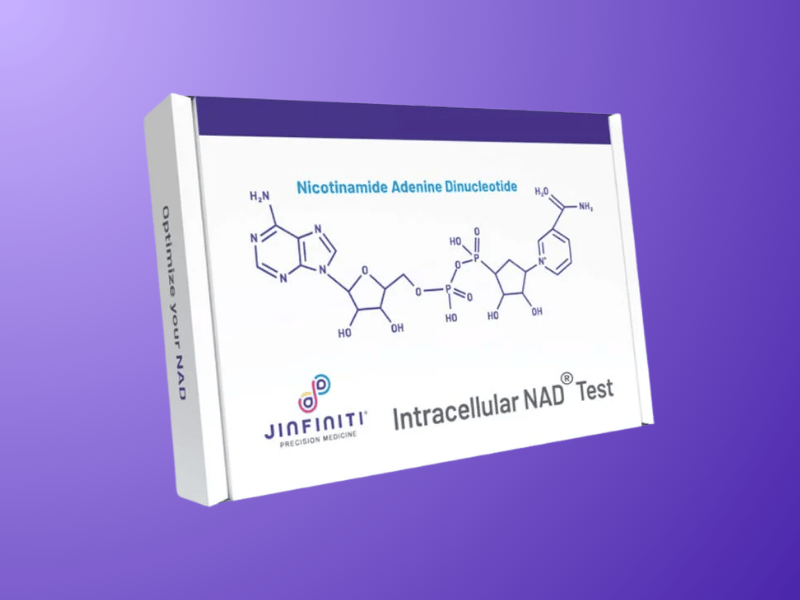
Jinfiniti’s approach combines precision testing with targeted supplementation. Our Intracellular NAD+ Test allows you to measure your baseline levels and track improvements over time. When paired with our Vitality NAD+ Booster—a clinically validated formula that works through multiple metabolic pathways—85% of users reached optimal NAD+ levels within four weeks.

Our Test, Act, Optimize approach removes the guesswork from supplementation. You’re not following generic advice or chasing the latest trend—you’re using data to make informed decisions about your cellular health.

The Bottom Line

The longevity diet landscape is cluttered with myths that could shorten your life if followed blindly. Blue Zones are largely fiction. Extreme low-protein or long-term ketogenic diets carry risks. Antioxidant megadoses can be harmful. Gluten-free and alkaline diets are unnecessary pseudoscience for most people.

Instead, the boring truth: eat a lot of whole plant foods. Live healthier through mid-life with healthy weight. Consume enough protein (especially as you age). Avoid ultra-processed foods. Optimize cellular function with evidence-based interventions. The longevity diet isn’t about exotic superfoods or strict rules, it’s about your daily lifestyle choices. Making sure your body is nourished with real food in sensible portions.

Referenced Sources

  1. Echeverry Raad J, Sturmberg JP. Red zones: the true color behind the myth of blue zones geographic longevity. Universidad Nacional de Colombia; 2025. https://doi.org/10.15446/rsap.v27n3.119673
  2. Ardisson Korat AV, Shea MK, Jacques PF, Sebastiani P, Wang M, Eliassen AH, et al. Dietary protein intake in midlife in relation to healthy aging – results from the prospective Nurses’ Health Study cohort. Elsevier BV; 2024. https://doi.org/10.1016/j.ajcnut.2023.11.010
  3. Kitada M, Ogura Y, Monno I, Koya D. The impact of dietary protein intake on longevity and metabolic health. Elsevier BV; 2019. https://doi.org/10.1016/j.ebiom.2019.04.005
  4. Mattson MP, Longo VD, Harvie M. Impact of intermittent fasting on health and disease processes. Elsevier BV; 2017. https://doi.org/10.1016/j.arr.2016.10.005
  5. Horne B, Bartholomew CL, Anderson JL, May H, Knowlton K, Bair T, et al. Abstract 11123: Intermittent Fasting Lifestyle and Human Longevity in Cardiac Catheterization Populations. Circulation 2019;
  6. Chen M, Zhong VW. Abstract P192: Association Between Time-Restricted Eating and All-Cause and Cause-Specific Mortality. Ovid Technologies (Wolters Kluwer Health); 2024. https://doi.org/10.1161/circ.149.suppl_1.p192
  7. 7. Di Francesco A, Deighan AG, Litichevskiy L, Chen Z, Luciano A, Robinson L, et al. Dietary restriction impacts health and lifespan of genetically diverse mice. Springer Science and Business Media LLC; 2024. https://doi.org/10.1038/s41586-024-08026-3
  8. 8. Horne BD, Knowlton KU, May HT, Le VT, Bair TL, Anderson JL. ROUTINE PERIODIC FASTING IS ASSOCIATED WITH A LOWER RISK OF INPATIENT HOSPITALIZATION FOR THE PRIMARY DIAGNOSIS OF HEART FAILURE FOLLOWING COVID-19 DIAGNOSIS. Elsevier BV; 2023. https://doi.org/10.1016/s0735-1097(23)02332-x
  9. 9. Crosby L, Davis B, Joshi S, Jardine M, Paul J, Neola M, et al. Ketogenic Diets and Chronic Disease: Weighing the Benefits Against the Risks. Frontiers Media SA; 2021. https://doi.org/10.3389/fnut.2021.702802
  10. 10. Wei SJ, Schell JR, Chocron ES, Varmazyad M, Xu G, Chen WH, et al. Ketogenic diet induces p53-dependent cellular senescence in multiple organs. American Association for the Advancement of Science (AAAS); 2024. https://doi.org/10.1126/sciadv.ado1463
  11. 11. Bjelakovic G, Nikolova D, Gluud LL, Simonetti RG, Gluud C. Antioxidant supplements for prevention of mortality in healthy participants and patients with various diseases. John Wiley & Sons, Ltd; 2008. https://doi.org/10.1002/14651858.cd007176
  12. 12. Halliwell B. The antioxidant paradox: less paradoxical now?. Wiley; 2013. https://doi.org/10.1111/j.1365-2125.2012.04272.x
  13. 13. Viña J, Borras C, Abdelaziz KM, Garcia-Valles R, Gomez-Cabrera MC. The Free Radical Theory of Aging Revisited: The Cell Signaling Disruption Theory of Aging. Mary Ann Liebert Inc; 2013. https://doi.org/10.1089/ars.2012.5111
  14. 14. Harris WS, Tintle NL, Etherton MR, Vasan RS. Erythrocyte long-chain omega-3 fatty acid levels are inversely associated with mortality and with incident cardiovascular disease: The Framingham Heart Study. Elsevier BV; 2018. https://doi.org/10.1016/j.jacl.2018.02.010
  15. 15. Chen G, Qian Z (Min), Zhang J, Zhang S, Zhang Z, Vaughn MG, et al. Regular use of fish oil supplements and course of cardiovascular diseases: prospective cohort study. BMJ; 2024. https://doi.org/10.1136/bmjmed-2022-000451
  16. 16. Zhang Y, Chadaideh KS, Li Y, Li Y, Gu X, Liu Y, et al. Butter and Plant-Based Oils Intake and Mortality. American Medical Association (AMA); 2025. https://doi.org/10.1001/jamainternmed.2025.0205
  17. 17. Grootveld M, Percival BC, Leenders J, Wilson PB. Potential Adverse Public Health Effects Afforded by the Ingestion of Dietary Lipid Oxidation Product Toxins: Significance of Fried Food Sources. MDPI AG; 2020. https://doi.org/10.3390/nu12040974
  18. 18. Nam TG. Lipid Peroxidation and Its Toxicological Implications. Springer Science and Business Media LLC; 2011. https://doi.org/10.5487/tr.2011.27.1.001
  19. 19. Mie A, Andersen HR, Gunnarsson S, Kahl J, Kesse-Guyot E, Rembiałkowska E, et al. Human health implications of organic food and organic agriculture: a comprehensive review. Springer Science and Business Media LLC; 2017. https://doi.org/10.1186/s12940-017-0315-4
  20. 20. Sawicki CM, Jacques PF, Lichtenstein AH, Rogers GT, Ma J, Saltzman E, et al. Whole- and Refined-Grain Consumption and Longitudinal Changes in Cardiometabolic Risk Factors in the Framingham Offspring Cohort. Elsevier BV; 2021. https://doi.org/10.1093/jn/nxab177
  21. 21. Hopkins E, Sharma S. Physiology, Acid Base Balance. 2019.
  22. 22. Fadnes LT, Celis-Morales C, Økland JM, Parra-Soto S, Livingstone KM, Ho FK, et al. Life expectancy can increase by up to 10 years following sustained shifts towards healthier diets in the United Kingdom. Springer Science and Business Media LLC; 2023. https://doi.org/10.1038/s43016-023-00868-w
  23. 23. Rattan SIS, Kaur G. Nutrition, Food and Diet in Health and Longevity: We Eat What We Are. MDPI AG; 2022. https://doi.org/10.3390/nu14245376

A woman dressed for winter in a white tuque outdoors.

The 5 Best Vitamins and Supplements for Winter Immune Support

Winter is more than just a change in weather and fewer hours of daylight. It’s a perfect storm of circumstances that put stress on your immune system, including less sunshine, time spent indoors in close quarters, seasonal viruses and less activity. Add in the winter blues that many people experience, a general feeling of tiredness and malaise, and winter can feel like an uphill battle for your immune health.

That’s where a few key supplements can help. A strategic approach to winter vitamins can fill in gaps in your immune defenses. The dietary supplements we cover below are all backed by clinical evidence of effectiveness to help your immune system when it needs it most.

Highlights

  • Winter brings a Vitamin D deficiency in 40% of people which directly impairs immune cell function and increases susceptibility to cold and flu infections
  • Zinc lozenges (80-92 mg/day) halve the length of a cold if taken when first symptoms appear
  • The mixture of vitamin C with quercetin has stronger antiviral effects than either on its own
  • Vitamins and minerals such as magnesium and selenium support basic immune functions, but require fine-tuning of dose to prevent immune suppression

Five Science-Backed Supplements to Strengthen Winter Immunity

Crowding indoors, limited sun exposure, seasonal stress. There’s a reason colds and flus go around during winter. Studies suggest immune function changes with the seasons, with some inflammatory markers peaking in the winter months[1].

You can’t control the weather or the calendar. You can support your immune system with science-backed supplements.

The 5 supplements below aren’t just trendy. They’re backed by clinical studies that show a meaningful effect on immune function when you need it.

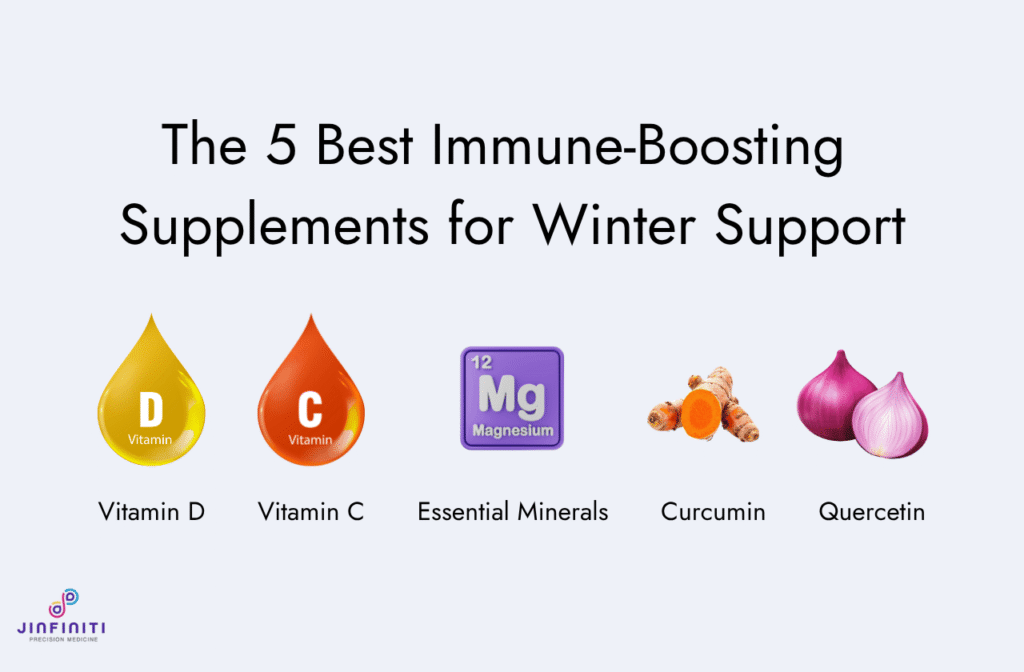
Infographic showing the 5 best immune-boosting supplements for winter

1. Vitamin D

Your skin produces vitamin D when exposed to sunlight. During winter months at latitudes above 30°N, the sun’s angle makes this nearly impossible.

The numbers tell the story. About 40% of Canadians fall below adequate vitamin D levels during winter, compared to 25% in summer. In northern Poland, researchers found 84.4% of adults were deficient in winter months[2].

How vitamin D protects your immune system

Virtually all immune cells have vitamin D receptors. This tells you something important—your immune system depends on this nutrient.

The active form of vitamin D influences both innate and adaptive immune responses through multiple mechanisms[3]:

  • Creates antimicrobial peptides that inhibit viral replication
  • Prevents the cytokine storm that makes infections severe
  • Supports immune cell training and maturation
  • Regulates inflammatory responses to prevent tissue damage

Dr. John White’s research at McGill University revealed that vitamin D deficiency causes the thymus (the organ training your immune cells) to age faster. This creates a “leaky” immune system less effective at protecting you.

What the research shows

A 2017 study in The BMJ analyzed data from over 11,000 participants. The conclusion? Vitamin D supplementation protects against acute respiratory infections[4].

The protective effects were strongest in people with severe deficiency (below 10 mg/dL), whose infection risk was cut in half. Daily or weekly supplementation worked better than large occasional doses.

A 2022 analysis found vitamin D reduced influenza infections by 22%[5]. Not all studies agree on the magnitude of benefit, but the pattern is clear—adequate vitamin D matters for immune defense.

How much you need

Current recommendations suggest maintaining serum levels above 50 ng/mL for optimal immune function. This is higher than the 30 ng/mL typically recommended for bone health.

Taking a vitamin D supplement during winter months is one of the most practical steps for overall health:

  • NHS recommendation: 400 IU (10 mcg) daily for autumn and winter
  • Expert recommendations: 1,500-2,000 IU daily for most adults
  • Therapeutic doses for deficiency: 5,000 IU daily (requires 3-5 months to reach optimal levels)
  • Tolerable upper limit: 4,000 IU daily for long-term use

The tolerable upper limit is 4,000 IU daily for long-term use. Toxicity is rare but can occur above 150 ng/mL blood levels.

2. Vitamin C

A vitamin C supplement taken regularly does not prevent colds in most people[6]. The persistent belief stems from 1970s advocacy that wasn’t supported by later research.

That doesn’t mean vitamin C is useless for fighting the common cold.

Vitamin C is water-soluble and builds up in immune cells at concentrations 50-100 times higher than in the blood plasma[7]. During infections, these levels drop rapidly—your immune system is using it up.

Vitamin C supports multiple immune functions:

  • Boosts production and function of neutrophils, lymphocytes, and phagocytes (first-line defenders)
  • Supports T-cells and B-cells needed for adaptive immunity
  • Acts as a powerful antioxidant protecting immune cells from oxidative damage
  • Reduces cold duration by approximately 2 days when taken after symptom onset
  • Lowers risk of severe cold symptoms in some studies

When taken after cold onset, vitamin C can reduce symptoms. One analysis found it reduced symptoms by approximately 2 days with an 87% lower risk of severe symptoms[8].

The exception? Studies of athletes under extreme physical stress showed vitamin C reduced cold incidence by up to 50%[7]. If you’re training hard or under significant physical stress, the benefits increase.

How much to take

The recommended daily dosage of vitamin C is 90 mg for men and 75 mg for women. Most people can get adequate amounts from fruits and vegetables.

Supplementation of 1-2 grams daily is generally safe. Vitamin C is water-soluble, so excess amounts are excreted rather than stored.

Pairing vitamin C with quercetin

There is some evidence that pairing vitamin C with quercetin could have an increased antiviral effect. One function of vitamin C is to prevent quercetin from breaking down so it can do its job[9].

Bioavailable Vitamin C

Natural, whole-food vitamin C from Amla fruit.

Jinfiniti Natural Vitamin C + Zinc on green background

3. Essential Minerals: Zinc, Magnesium, and Selenium

Three essential minerals deserve your attention for winter immune support. Each plays distinct but complementary roles.

Zinc: The immune gatekeeper

Your body cannot produce or store large amounts of zinc, making consistent intake necessary.

Dr. Daren Knoell’s research at Ohio State showed zinc acts as a feedback regulator, preventing immune overreaction. Zinc enters immune cells during infection and slows the inflammatory response, preventing collateral damage.

Research shows zinc supports multiple immune functions:

  • Boosts natural killer cell activity
  • Increases neutrophil function and mobility
  • Activates T-cell proliferation
  • Supports antibody production by B-cells
  • Regulates cytokine production to prevent inflammatory damage

For treating colds, zinc shows promise. A 2024 Cochrane review found zinc lozenges may reduce cold duration by about 2 days[10]. The effect appears specific to zinc acetate lozenges at 80-92 mg/day.

The RDA is 11 mg/day for men and 8 mg/day for women. For cold treatment, studies used 75-100 mg/day divided into multiple lozenges. The upper limit for long-term use is 40 mg/day.

Zinc supplements in lozenge form work best for treating colds because the zinc needs direct contact with throat tissues where viruses replicate.

Both deficiency and excess impair immunity. Zinc intake of 100 mg/d suppresses immune responses[11].

Magnesium: The overlooked regulator

Magnesium rarely gets attention in immune discussions, but it shouldn’t be ignored.

A 2022 study in Cell found T-cells need sufficient magnesium to operate efficiently. Adequate magnesium maintains the active conformation of proteins that help T-cells recognize and attack threats[12].

Magnesium deficiency creates several immune problems:

  • Triggers inflammation by increasing neutrophils and inflammatory gene expression
  • Elevates pro-inflammatory cytokines (TNF-α, IL-1β, IL-10)
  • Impairs T-cell activation and function
  • Disrupts gut microbiome balance, which affects immune health

A 2024 study found supplementation (15 mmol/day) substantially lowered inflammatory capacity of T-cells in people with type 2 diabetes[13].

Adults need 310-420 mg daily. Food sources include:

  • Nuts (especially almonds: 80 mg per 30g serving)
  • Seeds (pumpkin seeds, sunflower seeds)
  • Dark leafy greens (spinach, Swiss chard)
  • Beans and legumes (black beans, lentils)
  • Whole grains (brown rice, quinoa)
  • Avocados and bananas

Selenium: Small amounts, big impact

Selenium is a component of at least 25 selenoproteins, including antioxidant enzymes that protect immune cells from oxidative damage[14].

Research shows adequate selenium supports immune cell activation and differentiation. Evidence for supplementation is mixed, though some studies show benefits for people with low baseline levels.

The RDA is 55 μg/day for adults. The upper limit is 400 μg/day. Most people consuming varied diets get adequate amounts without supplementation—Brazil nuts alone are extremely high in selenium (1-2 nuts meet daily needs).

4. Curcumin

Curcumin, extracted from turmeric, possesses remarkable anti-inflammatory and immune-modulating properties.

It inhibits key inflammatory pathways including NF-κB, MAPK, and JAK/STAT[15]. In various studies, curcumin showed multiple beneficial effects:

  • Decreased pro-inflammatory cytokines (IL-1β, IL-6, TNF-α)
  • Increased anti-inflammatory cytokines (IL-10, IL-4)
  • Reduced inflammatory enzyme expression (COX-2, iNOS)
  • Shifted immune cell polarization toward anti-inflammatory phenotypes
  • Protected against oxidative stress in immune cells

Over 300 clinical trials have explored curcumin’s effects on respiratory diseases, inflammatory conditions, and immune function.

The bioavailability problem

The challenge with curcumin is absorption. Very little reaches your bloodstream unchanged when taken orally.

Black pepper extract (piperine) is the solution. Studies show it increases curcumin absorption by up to 2000%[16]. Look for supplements combining these ingredients.

Dosing and safety

Clinical studies typically use 500-2,000 mg daily. Most turmeric and curcumin supplements contain 1,000-1,500 mg daily with piperine.

Curcumin is generally well-tolerated. High doses may cause digestive upset. People taking blood thinners should consult healthcare providers first.

5. Quercetin

Quercetin is a phytonutrient in onions, apples, berries, and tea. Though it’s not as well-known as vitamin C, researchers have discovered this flavonoid has direct antiviral activity against respiratory viruses.

How quercetin fights respiratory viruses

Lab studies have found that quercetin works against the viruses that cause most winter illnesses. Research shows it inhibits replication of rhinovirus, influenza, respiratory syncytial virus, and adenovirus in cell cultures[17].

The mechanisms are fascinating. Quercetin attacks viruses at multiple stages:

  • Blocks viral entry into cells by interfering with membrane fusion
  • Disrupts viral replication once inside cells
  • Prevents assembly and release of new viral particles
  • Reduces inflammatory response that causes respiratory symptoms
  • Increases production of antiviral interferons

Animal studies back this up. Mice given quercetin before influenza infection showed reduced viral load, less lung inflammation, and lower mortality rates compared to untreated mice[18].

What human studies show

The human research picture is mixed but intriguing. A large community trial with over 1,000 participants found no overall benefit from quercetin (500 or 1,000 mg/day) for preventing upper respiratory infections. The surprise came in subgroup analysis—subjects over 40 who rated themselves physically fit experienced significantly fewer sick days and less severe symptoms[19].

Studies in athletes tell a different story. Cyclists taking 1,000 mg/day quercetin for three weeks showed markedly lower infection rates (1 of 20 subjects infected versus 9 of 20 in the placebo group) during the two weeks following intense training[20].

Why the inconsistent results? Quercetin appears most beneficial for people under physical stress or at higher baseline risk. It may work better for preventing infections during vulnerable periods than for general prevention.

The vitamin C connection

Quercetin alone has poor stability and bioavailability. Research suggests vitamin C prevents quercetin degradation, maintaining its antiviral activity[9]. The two compounds work synergistically—vitamin C stabilizes quercetin while quercetin enhances vitamin C’s immune effects.

A 2021 systematic review of animal studies found that quercetin-type flavonoids significantly reduced mortality rates and viral loads in infected animals[21].

Practical use

Studies examining quercetin for respiratory health typically use 500-1,000 mg daily. The compound is generally safe, though very high doses may cause headaches or digestive discomfort in some people.

Food sources include:

  • Red onions (highest quercetin content among onions)
  • Apples (especially with skin)
  • Berries (blueberries, cranberries, blackberries)
  • Grapes (especially dark varieties)
  • Broccoli and kale
  • Green tea and black tea
  • Capers (extremely high concentration)

Cooking doesn’t significantly reduce quercetin content.

Look for supplements that combine quercetin with bromelain (from pineapple) or vitamin C to improve absorption. Some formulations use quercetin bound to other compounds for better bioavailability.

Other Supplements Worth Considering

The five supplements covered above have the strongest research backing for winter immune support. Several others show promise but need more study or work best for specific situations:

  • Elderberry: May shorten illness duration by 2-4 days when taken at symptom onset by preventing viral attachment to cells[22]
  • Omega-3 fatty acids: Help resolve inflammation after infection (aim for 1-2 grams daily of combined EPA and DHA)
  • Vitamin E: Improves T-cell function in older adults at 200 IU daily[23], though most people get enough from nuts and seeds
  • B vitamins: Support immune cell production but only help if you’re deficient (B6, B9, and B12 are most relevant)

These supplements may fill specific gaps in your nutrition. They don’t replace the core five covered earlier, which target the most common winter immune challenges.

A Note on Supplement Quality

Not all supplements are created equal. Quality varies dramatically between brands, and poor-quality products waste your money while potentially harming your health.

  • Look for third-party testing from USP, NSF International, or ConsumerLab to verify contents and purity
  • Choose forms with better bioavailability (magnesium glycinate over oxide, vitamin D3 over D2, curcumin with piperine)
  • Avoid products with excessive fillers, artificial colors, or proprietary blends that hide ingredient amounts
  • Seek cGMP-certified manufacturing for strict quality control during production
  • Be wary of prices far below competitors—corners get cut somewhere

Price reflects quality to some extent. You don’t need the most expensive option, but extremely cheap supplements raise red flags.

Your Winter Immune Strategy

These 5 supplements are a good blend of different approaches for immune support. Vitamin D helps with the winter deficit. Minerals are important cofactors for immune cells. Vitamin C helps the immune system and might shorten a cold. Curcumin and quercetin provide anti-inflammatory effects. 

Test your nutrient levels before jumping into supplements. Especially for vitamin D, where people need such different doses, blood testing is the only way to be sure of your status.

Jinfiniti Precision Medicine founder Dr. Jin-Xiong She is a genomic scientist with over 400 peer-reviewed publications who shares the same sentiment: “Winter immune support is not about popping every supplement in the store. It’s about identifying your specific deficiencies with testing and then addressing those gaps with targeted, evidence-based interventions. The same dose of a supplement that’s just right for one person could be too little or too much for someone else.”

Of course, supplements are just one part of the equation. The cornerstones of health are still sleep, exercise, stress reduction, and a whole-foods-based diet.

Referenced Sources

  1. Calton EK, Keane KN, Raizel R, Rowlands J, Soares MJ, Newsholme P. Winter to summer change in vitamin D status reduces systemic inflammation and bioenergetic activity of human peripheral blood mononuclear cells. Elsevier BV; 2017. https://doi.org/10.1016/j.redox.2017.04.009
  2. Kmieć P, Żmijewski M, Waszak P, Sworczak K, Lizakowska-Kmieć M. Niedobór witaminy D w przeważająco miejskiej populacji dorosłych z Województwa Pomorskiego w miesiącach zimowych. VM Media SP. zo.o VM Group SK; 2014. https://doi.org/10.5603/ep.2014.0015
  3. Ao T, Kikuta J, Ishii M. The Effects of Vitamin D on Immune System and Inflammatory Diseases. MDPI AG; 2021. https://doi.org/10.3390/biom11111624
  4. Martineau AR, Jolliffe DA, Hooper RL, Greenberg L, Aloia JF, Bergman P, et al. Vitamin D supplementation to prevent acute respiratory tract infections: systematic review and meta-analysis of individual participant data. BMJ; 2017. https://doi.org/10.1136/bmj.i6583
  5. Zhu Z, Zhu X, Gu L, Zhan Y, Chen L, Li X. Association Between Vitamin D and Influenza: Meta-Analysis and Systematic Review of Randomized Controlled Trials. Frontiers Media SA; 2022. https://doi.org/10.3389/fnut.2021.799709
  6. Ran L, Zhao W, Wang H, Zhao Y, Bu H. Vitamin C as a Supplementary Therapy in Relieving Symptoms of the Common Cold: A Meta‐Analysis of 10 Randomized Controlled Trials. Wiley; 2020. https://doi.org/10.1155/2020/8573742
  7. Carr A, Maggini S. Vitamin C and Immune Function. MDPI AG; 2017. https://doi.org/10.3390/nu9111211
  8. Ran L, Zhao W, Wang J, Wang H, Zhao Y, Tseng Y, et al. Extra Dose of Vitamin C Based on a Daily Supplementation Shortens the Common Cold: A Meta-Analysis of 9 Randomized Controlled Trials. Wiley; 2018. https://doi.org/10.1155/2018/1837634
  9. Colunga Biancatelli RML, Berrill M, Catravas JD, Marik PE. Quercetin and Vitamin C: An Experimental, Synergistic Therapy for the Prevention and Treatment of SARS-CoV-2 Related Disease (COVID-19). Frontiers Media SA; 2020. https://doi.org/10.3389/fimmu.2020.01451
  10. Nault D, Machingo TA, Shipper AG, Antiporta DA, Hamel C, Nourouzpour S, et al. Zinc for prevention and treatment of the common cold. Wiley; 2024. https://doi.org/10.1002/14651858.cd014914.pub2
  11. Ibs KH, Rink L. Zinc-Altered Immune function. Elsevier BV; 2003. https://doi.org/10.1093/jn/133.5.1452s
  12. Lötscher J, Martí i Líndez AA, Kirchhammer N, Cribioli E, Giordano Attianese GMP, Trefny MP, et al. Magnesium sensing via LFA-1 regulates CD8+ T cell effector function. Elsevier BV; 2022. https://doi.org/10.1016/j.cell.2021.12.039
  13. Drenthen LCA, Ajie M, de Baaij JHF, Tack CJ, de Galan BE, Stienstra R. Magnesium Supplementation Modulates T-cell Function in People with Type 2 Diabetes and Low Serum Magnesium Levels. The Endocrine Society; 2024. https://doi.org/10.1210/clinem/dgae097
  14. Huang Z, Rose AH, Hoffmann PR. The Role of Selenium in Inflammation and Immunity: From Molecular Mechanisms to Therapeutic Opportunities. Mary Ann Liebert Inc; 2012. https://doi.org/10.1089/ars.2011.4145
  15. Peng Y, Ao M, Dong B, Jiang Y, Yu L, Chen Z, et al. Anti-Inflammatory Effects of Curcumin in the Inflammatory Diseases: Status, Limitations and Countermeasures. Informa UK Limited; 2021. https://doi.org/10.2147/dddt.s327378
  16. Gupta SC, Patchva S, Aggarwal BB. Therapeutic Roles of Curcumin: Lessons Learned from Clinical Trials. Springer Science and Business Media LLC; 2012. https://doi.org/10.1208/s12248-012-9432-8
  17. Ganesan S, Faris AN, Comstock AT, Wang Q, Nanua S, Hershenson MB, et al. Quercetin inhibits rhinovirus replication in vitro and in vivo. Elsevier BV; 2012. https://doi.org/10.1016/j.antiviral.2012.03.005
  18. Davis JM, Murphy EA, McClellan JL, Carmichael MD, Gangemi JD. Quercetin reduces susceptibility to influenza infection following stressful exercise. American Physiological Society; 2008. https://doi.org/10.1152/ajpregu.90319.2008
  19. Heinz SA, Henson DA, Austin MD, Jin F, Nieman DC. Quercetin supplementation and upper respiratory tract infection: A randomized community clinical trial. Elsevier BV; 2010. https://doi.org/10.1016/j.phrs.2010.05.001
  20. Li Y, Yao J, Han C, Yang J, Chaudhry M, Wang S, et al. Quercetin, Inflammation and Immunity. MDPI AG; 2016. https://doi.org/10.3390/nu8030167
  21. Brito JCM, Lima WG, Cordeiro LPB, da Cruz Nizer WS. Effectiveness of supplementation with quercetin‐type flavonols for treatment of viral lower respiratory tract infections: Systematic review and meta‐analysis of preclinical studies. Wiley; 2021. https://doi.org/10.1002/ptr.7122
  22. Tiralongo E, Wee S, Lea R. Elderberry Supplementation Reduces Cold Duration and Symptoms in Air-Travellers: A Randomized, Double-Blind Placebo-Controlled Clinical Trial. MDPI AG; 2016. https://doi.org/10.3390/nu8040182
  23. Meydani SN, Lewis ED, Wu D. Perspective: Should Vitamin E Recommendations for Older Adults Be Increased?. Elsevier BV; 2018. https://doi.org/10.1093/advances/nmy035
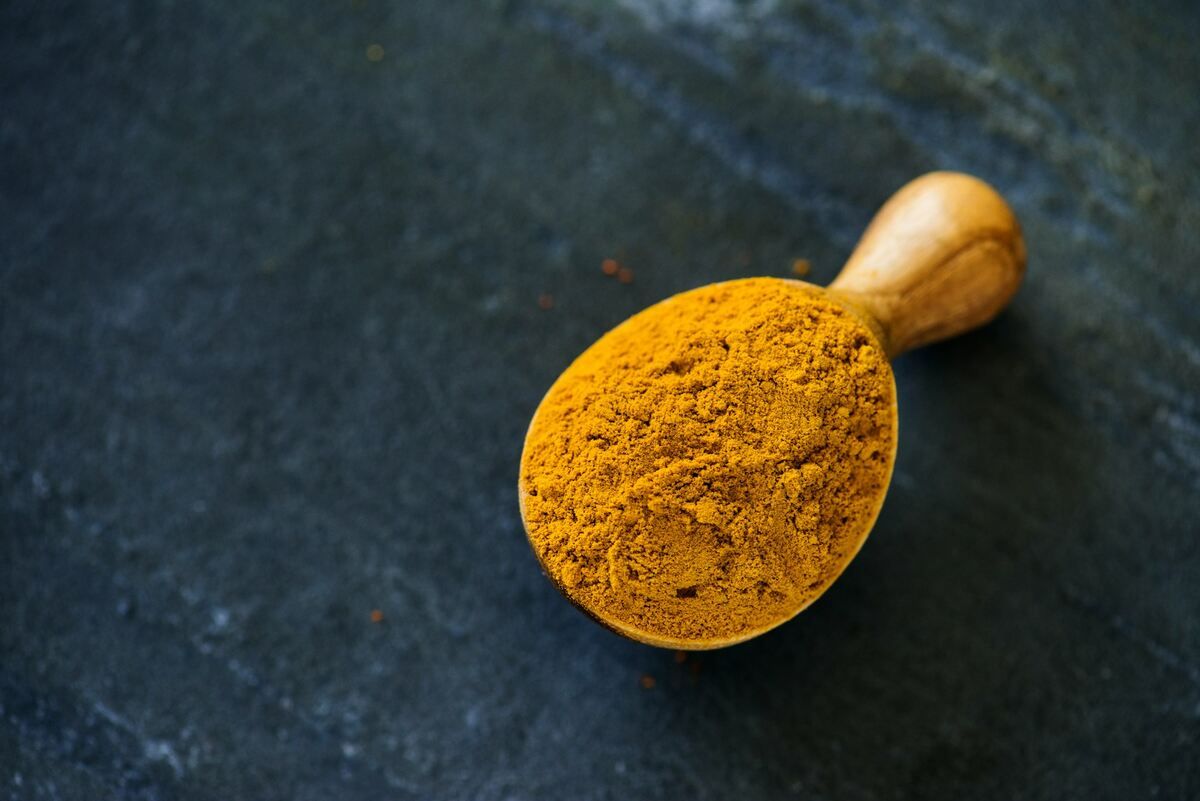
A wooden scoop of turmeric powder on a marble counter.

Turmeric Toxicity: Is It Possible to Overdose on Turmeric?

Yes, you can overdose on turmeric or curcumin. While rare when using the spice in food, high-dose turmeric and curcumin supplements can cause serious side effects. Liver damage, digestive problems, and increased bleeding risk top the list.

Highlights

  • Cooking with turmeric is safe, but dietary supplements above 2,000 mg daily can cause liver damage and other serious effects.
  • The WHO recommends roughly 200 mg of curcumin per day for a 150-pound person.
  • Black pepper extract increases curcumin absorption by 2,000%, making overdose more likely with enhanced supplements.
  • Most safe turmeric supplementation studies use 500-2,000 mg daily for short periods (up to 8 weeks).

What is a Turmeric Overdose?

The World Health Organization defines safe daily intake as 0-3 mg of curcumin per kilogram of body weight. For a 150-pound person, that’s roughly 200 mg per day.

Research shows doses up to 8,000 mg of curcumin daily are generally tolerated for short periods[1]. That’s about 40 times the WHO recommendation.

But “tolerated” doesn’t mean “safe.” Recent cases tell a different story.

Real Cases of Turmeric Toxicity

A New Jersey woman nearly lost her liver to a high-dose dietary supplement of turmeric.

The 57-year-old started taking 2,250 mg daily after seeing an Instagram doctor tout health benefits for joint pain. Within weeks, she developed stomach pain, nausea, and dark urine. Her liver enzyme levels spiked to 60 times the normal limit.

Doctors said she was one step away from needing a transplant.

Dr. Dina Halegoua-De Marzio from Jefferson Health explains that cooking with turmeric poses no problem. But supplements at 2,000 mg-plus represent very high doses. When combined with black pepper (added to boost absorption), your liver can’t break down these amounts fast enough.

This isn’t an isolated case.

The National Institutes of Health’s LiverTox database now documents several dozen cases of liver injury from turmeric products. Most involve high-dose supplements but not culinary use. The pattern is clear and concerning.

Why High-Dose Turmeric Can Be Dangerous

Your liver processes curcumin (the active compound in turmeric responsible for its yellow color and therapeutic effects) through a series of chemical reactions. At normal doses, this system handles the workload just fine.

At extremely high doses, the system gets overwhelmed.

Think of it like a water filter. Pour a glass through and it works perfectly. Dump a bucket at once and it can’t keep up.

A 90-day study in rats found that overdose intake of curcumin triggered oxidative stress, inflammation, and metabolic disorders[2]. These changes induced liver injury. The researchers recommended intermittent dosing rather than continuous high-dose administration.

Your liver doesn’t have unlimited processing capacity. Push it too hard and it starts to fail.

Clinical-Grade Formula

Your daily safe dose of turmeric.

Jinfiniti Turmeric Supplement

What Are the Side Effects of Too Much Turmeric?

The side effects of turmeric at large doses may include stomach upset, acid reflux, diarrhea, constipation, and dizziness. These are your body’s early alert system telling you to back off.

More serious adverse effects include:

1. Liver Stress or Damage

A 55-year-old woman developed progressive jaundice and elevated liver enzymes after taking high-dose turmeric supplements[3]. Her liver function took two full months to normalize after stopping the supplement.

2. Increased Bleeding Risk

Turmeric acts as a blood thinner. This becomes problematic if you’re taking anticoagulant medications or need surgery soon.

The combination can lead to excessive bleeding that’s difficult to control.

3. Kidney Stone Formation

Turmeric is high in oxalates, compounds that can increase urinary oxalate secretion in susceptible people. Calcium oxalate stones make up nearly 80% of all kidney stones.

If you’ve had kidney stones before, high-dose turmeric raises your risk of recurrence.

4. Blood Sugar Drops

If you’re diabetic and taking medication, high-dose turmeric can lower blood sugar too much. The combination might drop your levels into dangerous territory.

5. Heart Rhythm Issues

One case report documented a person experiencing atrioventricular block (a serious heart rhythm disorder) after taking 1,500-2,250 mg of a curcumin-containing supplement[4]. Symptoms resolved within three days of stopping.

They started again when the person resumed the supplement.

How Much Turmeric Is Safe Daily?

For cooking? Use as much as tastes good.

Up to 3 grams (1½ teaspoons) of turmeric powder per day appears to be safefor most adults who consume turmeric in food amounts. You’ll have a hard time eating dangerous amounts of turmeric. It’s simply too dilute. 

The daily dose of turmeric supplements gets more complicated.

Most studies suggest that500-2,000 mg of curcumin per day is safe for short-term use(up to 8 weeks). Turmeric products delivering up to 8 grams of curcumin per day appear safe when used for up to 2 months.

The catch is that these high doses of turmeric are well-tolerated in the short term, but may cause some gastrointestinal side effects. Safety of long-term high-dose use is not yet well-established.

No one has conducted studies to prove that it’s safe for years.

🫚 MORE TURMERIC INSIGHTS

The Bioavailability Problem Makes Overdose More Likely

Curcumin has notoriously poor absorption. Your body doesn’t naturally take it up well. Most of what you swallow gets metabolized and eliminated before reaching your bloodstream.

So supplement makers add enhancers like piperine (black pepper extract).

Black pepper can increase curcumin absorption by 2,000%. That sounds great for getting benefits. But it also means you’re absorbing far more curcumin than your liver might handle safely at already-high doses.

Compounds like piperine added to enhance bioavailability may be contributing to turmeric’s toxicity. The combination creates a perfect storm: high doses plus dramatically increased absorption.

This is where testing becomes important. You can’t know if your supplementation is helping or hurting without measuring your body’s response.

Who Should Avoid High-Dose Turmeric?

Certain people face higher risks from turmeric supplements.

  1. Pregnant women. Culinary amounts are fine. High-dose supplements during pregnancy haven’t been adequately studied. Don’t gamble with unknowns while growing a baby.
  2. People taking blood thinners. Turmeric amplifies these effects, raising bleeding risk. The combination can be dangerous.
  3. Anyone with gallbladder issues. Turmeric stimulates gallbladder contractions. This can worsen symptoms if you have gallstones or bile duct obstruction.
  4. People with iron deficiency. High doses can interfere with iron absorption. This makes existing deficiency worse.
  5. Diabetics on medication. The combination might drop blood sugar too low. Monitor closely if you use both.
  6. Anyone taking multiple medications. Turmeric may affect how your body processes certain medications. This includes drugs for heart disease, blood pressure, diabetes, and liver conditions.

If any of these apply to you, talk with your doctor before starting turmeric supplements. The risks outweigh potential benefits for many people.

How to Use Turmeric Safely

Smart supplementation starts with a conservative approach.

  • Start low and go slow. Begin with 500 mg of curcumin daily (or ¼ teaspoon of turmeric powder in food). See how your body responds over 2-3 weeks before increasing.
  • Take it with meals. Food improves absorption and reduces stomach upset. Never take turmeric supplements on an empty stomach.
  • Pair strategically. If your supplement doesn’t already include piperine, you can combine turmeric with black pepper and healthy fats (olive oil, avocado, nuts). This improves absorption. But remember this also means you’re getting more curcumin into your system.
  • Split your dose. Taking turmeric twice daily (morning and evening) helps maintain steady levels. This approach may reduce side effects compared to one large dose.
  • Choose quality products. Look for third-party testing from USP, NSF International, or Informed Choice. Some cheap turmeric powders contain undisclosed fillers like cassava starch or wheat flour. These adulterants can cause problems for people with gluten sensitivity.
  • Listen to your body. Digestive discomfort, nausea, or unusual fatigue are signs to reduce your dose or stop temporarily. Don’t push through warning signals.

What Makes Jinfiniti’s Turmeric Different?

Our turmeric supplement Extra Strength Turmeric+ combines 1,000 mg of turmeric extract (95% curcuminoids) with synergistic compounds. You get Boswellia extract, ginger extract, quercetin, and black pepper extract working together.

The formulation emphasizes balance over mega-dosing. Each capsule contains 333mg of turmeric extract, making it easy to control dosage.

Each ingredient amplifies the others’ anti-inflammatory effects. This allows therapeutic benefits at moderate doses rather than requiring amounts that stress your liver.

The black pepper extract increases bioavailability, but the overall dose stays in the safe, well-studied range. You get effectiveness without excess.

Should You Test Your Response to Turmeric?

Here’s something most supplement users never consider. You’re taking turmeric for a reason—probably to reduce inflammation or support joint health.

But how do you know it’s working?

You might feel better. Or you might be experiencing a placebo effect while inflammation quietly continues.

Jinfiniti’s AgingSOS® longevity panels measure inflammatory markers like C-reactive protein (CRP) and senescence-associated proteins (damaged cells that drive chronic inflammation). These biomarkers tell you whether your anti-inflammatory approach is actually moving the needle.

You can establish a baseline, supplement for 2-3 months, then retest. Real data beats guesswork every time.

Bottom Line on Turmeric Side Effects

Turmeric overdose is rare but real. It happens almost exclusively with high-dose supplements (2,000 mg and above), not from cooking with the spice. Your liver can handle moderate amounts just fine.

But when you combine high doses with bioavailability enhancers, you can overwhelm your body’s processing capacity. The liver gets flooded with more curcumin than it can safely metabolize.

The sweet spot for most people sits between 500-1,500 mg of curcumin daily, taken with food. Stay in this range, choose quality products, and pay attention to your body’s signals.

If you have underlying health conditions or take medications, get medical guidance before supplementing. Some people develop serious complications even at commonly recommended doses.

Natural doesn’t always mean safe at any dose. Even beneficial compounds have limits your liver must respect. Talk to your healthcare provider to know if supplements are safe to take for you.

Referenced Sources

  1. Howells LM, Iwuji COO, Irving GRB, Barber S, Walter H, Sidat Z, et al. Curcumin Combined with FOLFOX Chemotherapy Is Safe and Tolerable in Patients with Metastatic Colorectal Cancer in a Randomized Phase IIa Trial. Elsevier BV; 2019. https://doi.org/10.1093/jn/nxz029
  2. Qiu P, Man S, Li J, Liu J, Zhang L, Yu P, et al. Overdose Intake of Curcumin Initiates the Unbalanced State of Bodies. American Chemical Society (ACS); 2016. https://doi.org/10.1021/acs.jafc.6b00053
  3. Ashika Ajitkumar AA, Mohan G, Ghose M, Yarrarapu S, Afiniwala S. Drug-induced liver injury secondary to turmeric use. SMC Media; 2023. https://doi.org/10.12890/2023_003845
  4. Lee SW, Nah SS, Byon JS, Ko HJ, Park SH, Lee SJ, et al. Transient complete atrioventricular block associated with curcumin intake. Elsevier BV; 2011. https://doi.org/10.1016/j.ijcard.2009.09.530
A child pours a glass of milk while her mother cuts oranges in the background.

Vitamin C and Calcium: Differences and Interactions

The letter C shows up in both, but vitamin C and calcium couldn’t be more different. One’s a water-soluble vitamin that your body urinates out every day. The other’s a mineral that it stores in your bones for decades. 

The letter of the alphabet is the only thing the two have in common, and yet people confuse them all the time. Calcium is what forms the mineral lattice of your skeleton. Vitamin C is what builds the soft scaffolding that holds it all together.

In order to appreciate how the two nutrients work together, it helps to understand how they work separately.

Highlights

  • Calcium is a mineral that is stored in our bones and teeth. Vitamin C is a water-soluble vitamin, and must be taken every day because it is not stored in the body.
  • Vitamin C has been shown to increase absorption of calcium, and is also required for the production of collagen. Collagen forms the matrix in which calcium minerals are deposited in the bones.
  • If you have a deficiency of either nutrient, you can develop some serious health problems, such as scurvy, or osteoporosis.
  • The two nutrients are synergistic, and studies have shown that the bone-protective effects of vitamin C are greatest when at least 500 mg of calcium is taken daily.

Vitamin C and Calcium Differences

Vitamin C (ascorbic acid) is a water-soluble vitamin that your body excretes every day in the urine. As such, you must consume it daily, as the body does not produce or store it.

Calcium is a mineral that works in a completely different way from vitamin C. Your body keeps 99% of its calcium in bones and teeth as a reserve to draw from when dietary intake is insufficient to maintain blood levels. Calcium is crucial for hundreds of cell functions. It also makes up 1-2% of your body weight.

Calcium vs. Vitamin C: Functions in the Body

Calcium is the building block of your bones. In fact, it makes up hydroxyapatite crystals in bone and teeth that provide the hardness in them. In addition to helping build and maintain bone, it also helps regulate muscle contraction, nerve impulses, blood vessel health, and hormone release.

Calcium levels are strictly controlled in the body by the parathyroid glands. When blood calcium levels are low, the parathyroid hormone (PTH) is released.

PTH stimulates cells in the bones called osteoclasts to release the calcium they store into the blood. It also signals the kidneys to retain more calcium and activate vitamin D to increase the absorption of calcium in the intestines[1].

On the other hand, vitamin C mainly acts as an antioxidant and cofactor for many enzymes. One of the most important functions of vitamin C is collagen synthesis.

Vitamin C activates two enzymes that are essential for modifying the amino acids that build collagen (prolyl hydroxylase and lysyl hydroxylase). Without this modification, collagen becomes brittle.

The brittleness manifests in the body. Blood vessels begin to leak, wounds do not heal, bones weaken despite normal calcium intake, etc. These are the symptoms of scurvy, a disease caused by vitamin C deficiency[2].

Bioavailable Vitamin C

Natural, whole-food vitamin C from Amla fruit.

Jinfiniti Natural Vitamin C + Zinc on green background

How Do Vitamin C and Calcium Work Together?

Vitamin C’s Role in Calcium Absorption

Vitamin C could also have a positive effect on the retention and utilization of calcium in the body. The detailed mechanisms for this are not well understood. Leichsenring et al. showed an increase in calcium retention from baseline with supplementation of either orange juice or crystalline ascorbic acid[3].

A more recent animal study has confirmed that vitamin C supplementation, in a formulation with calcium from eggshell powder, “significantly increased” the serum calcium levels[4]. Vitamin C is thought to stabilize the calcium and increase its solubility, leading to the improved bioavailability.

The connection between vitamin C and calcium is important for overall bone health as well. Vitamin C-deficient animals have shown to have consistently inhibited bone formation and enhanced bone resorption, while restoration of vitamin C returns markers of bone formation to baseline[5].

The Collagen Connection for Bone Health

Here’s what many people miss: bones aren’t just calcium. They’re composite material combining minerals with an organic protein matrix made almost entirely of collagen.

Vitamin C creates that matrix. Calcium mineralizes it.

Think of bone like reinforced concrete. Calcium provides the hard mineral (like concrete). Collagen provides the flexible framework (like steel rebar). You need both for structural integrity.

“Vitamin C is necessary for proper collagen folding and stability,” explains Dr. Jin-Xiong She, founder of Jinfiniti Precision Medicine. “When vitamin C levels drop, collagen becomes deficient regardless of calcium intake. The organic scaffold weakens, and bones lose their resilience even when mineral content appears adequate on standard tests.”

This explains why vitamin C deficiency causes bone pain and fractures despite normal calcium levels. The mineral foundation crumbles without its protein scaffolding.

Do You Need Both for Strong Bones?

The answer is yes, and the science shows why.

Why Collagen Matters as Much as Minerals

Your bones constantly remodel themselves, breaking down old tissue and building new. Two cell types handle this: osteoclasts dissolve old bone, while osteoblasts build new bone matrix.

Osteoblasts can’t do their job without vitamin C. Studies show that when vitamin C is deficient, osteoblast activity plummets and osteoclast activity increases. The balance tips toward bone loss[6].

One study examining vitamin C concentrations and fracture risk followed adults for 15-17 years[7]. Those with higher total vitamin C intake (around 300 mg daily) showed significantly lower risk of hip and non-vertebral fractures compared to low intake (around 95 mg daily).

Research on Combined Intake

The protective effects of vitamin C on bone appear strongest when calcium intake is adequate. Research on postmenopausal women found that higher dietary vitamin C intake associated with increased bone mineral density at the hip and femoral neck—but only in women consuming at least 500 mg daily of calcium[8].

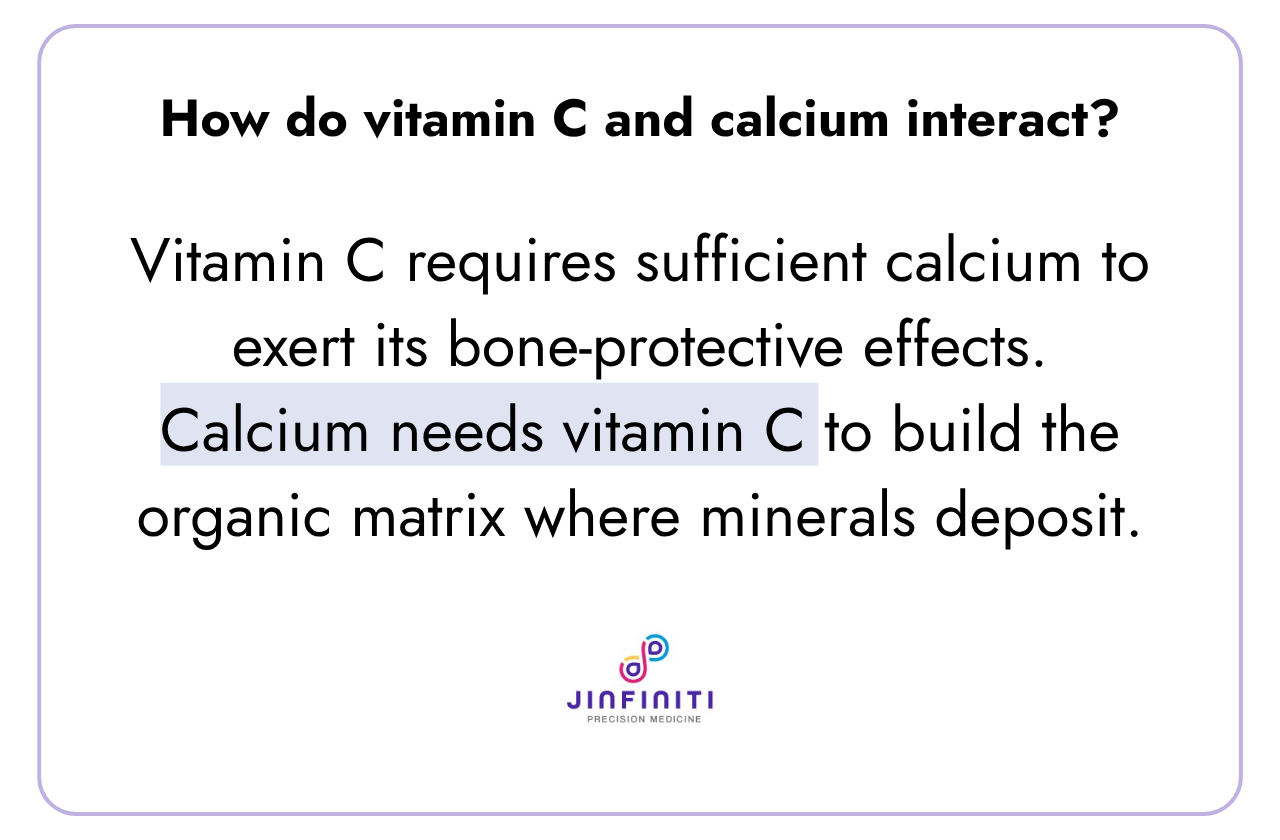
This highlights how these two nutrients work together. Vitamin C requires sufficient calcium to exert its bone-protective effects. Calcium needs vitamin C to build the organic matrix where minerals deposit.

Pullquote image explaining how vitamin C and calcium interact.

A unique formulation called calcium ascorbate combines both nutrients. Studies comparing calcium ascorbate to standard ascorbic acid show the calcium component may offer superior gastrointestinal tolerability while providing enhanced immune benefits[9].

One preliminary study found 500 mg of calcium ascorbate promoted greater increases in white blood cell vitamin C concentrations compared to 500 mg of ascorbic acid alone[10]. The calcium appears to buffer ascorbic acid’s acidity, reducing stomach irritation.

What Are the Signs of Deficiency?

Early recognition of deficiency symptoms can prevent serious health problems.

Vitamin C Deficiency Symptoms

About 7% of adults in the United States have vitamin C deficiency. Risk increases with poor diet, alcohol use, smoking, severe mental illness, or dialysis treatment.

Early symptoms emerge after 4-12 weeks of insufficient intake:

  • Fatigue and irritability
  • Easy bruising and bleeding gums
  • Rough, bumpy skin (keratosis pilaris)
  • Joint pain and muscle aches
  • Slow wound healing

Severe deficiency causes scurvy. Distinctive signs include corkscrew-shaped body hairs, tiny hemorrhages around hair follicles, bleeding gums, and loose teeth. Children may refuse to walk due to bone pain. Left untreated, scurvy can be fatal.

Dr. Harri Hemilä, a leading vitamin C researcher, notes that “given such strong evidence that in certain contexts vitamin C is beneficial against colds, it is baffling that in mainstream medicine the effects of the vitamin are largely ignored.”[11]

Calcium Deficiency Symptoms

Approximately half the world’s population doesn’t get enough calcium from their diet. The global disease burden from low calcium was estimated at 3.14 million disability-adjusted life years in 2019.

Early calcium deficiency may produce no symptoms. Over time, watch for:

  • Muscle cramps and spasms
  • Numbness and tingling in extremities
  • Brittle nails that break easily
  • Confusion or memory problems
  • Bone fractures from minor trauma

Severe hypocalcemia can cause seizures, abnormal heart rhythms, and death. Long-term deficiency leads to osteopenia and osteoporosis—conditions where bones become porous and fracture easily.

Daily Vitamin C and Calcium Intake

Adults need 75-90 mg daily of vitamin C according to standard recommendations. Women require 75 mg, men 90 mg. Pregnancy increases needs to 85 mg, breastfeeding to 120 mg. Smokers need an extra 35 mg daily due to increased oxidative stress.

The Linus Pauling Institute recommends 400 mg daily for disease prevention in healthy adults. This recommendation accounts for research showing reduced cardiovascular disease risk at this intake level. Plasma vitamin C concentrations become fully saturated at intakes around 400 mg daily.

For calcium, most adults need 1,000-1,200 mg daily. Requirements increase with age, particularly for postmenopausal women. Adolescents need adequate calcium during peak bone formation years to maximize lifelong bone strength.

📋 RELATED READING

Can You Take Vitamin C and Calcium Together?

Yes, it is perfectly safe and potentially advantageous to take vitamin c with calcium. Read below for more info on timing and what the research shows about the two nutrients and bone health:

On an empty stomach (30 minutes before eating or 2 hours after) is when your body will absorb vitamin C the most effectively. With that being said, it is perfectly fine (and lessens the chance of stomach upset) to take with food, especially at higher doses.

Calcium carbonate needs stomach acid to be absorbed, so be sure to take with food. Calcium citrate is fine with or without food. Calcium is best absorbed in doses of 500-600 mg or less. So, if you are taking more than this, take 2 or more separate doses throughout the day.

You can get near 100% absorption with up to a 200 mg dose of vitamin C. Above that, it tapers down but the total amount absorbed continues to go up.

Calcium Ascorbate: A Two-in-One Option

Calcium ascorbate provides vitamin C buffered with calcium. This form offers several advantages for people sensitive to ascorbic acid’s acidity.

Research using surface-engineered liposomal calcium ascorbate formulations demonstrated over 7-fold enhancement in oral bioavailability compared to unformulated calcium ascorbate. The formulation significantly improved maximum concentration, time to peak concentration, half-life, and area under the curve[12].

One consideration: calcium ascorbate provides relatively small amounts of calcium. You’d need about 9 grams of calcium ascorbate to get 1,000 mg of calcium (an impractically large dose). Use it primarily as a vitamin C source with some calcium bonus, not as your primary calcium supplement.

Best Food Sources

Obtaining vitamin C and calcium from foods has benefits beyond supplementation with the isolated nutrient.

Top Vitamin C Sources

Citrus fruits get all the attention, but other foods blow them away. The Kakadu plum from Australia tops the list with up to 2,907 mg per 100g (that’s about 30 times more than an orange). Just one plum provides around 480 mg.

Other exceptional sources per serving:

  • Acerola cherries: 1,650 mg per half cup
  • Amla fruit (indian gooseberry): 300mg per half cup
  • Guava: 125 mg per fruit
  • Red bell peppers: 95 mg per half cup
  • Kiwifruit: 64 mg per fruit
  • Strawberries: 49 mg per half cup
  • Oranges: 70 mg per medium fruit
  • Broccoli (cooked): 51 mg per half cup

Heat degrades vitamin C during cooking. Eat fruits and vegetables raw or lightly steamed to preserve vitamin C content.

Best Calcium-Rich Foods

Dairy products provide highly absorbable calcium efficiently. One cup of milk delivers approximately 300 mg. Yogurt and cheese offer similar amounts.

Non-dairy sources include:

  • Fortified plant-based milk alternatives
  • Canned sardines or salmon with bones
  • Calcium-set tofu
  • Fortified orange juice
  • Leafy greens (though absorption is lower)
  • Fortified cereals

Calcium bioavailability varies dramatically between foods, ranging from less than 10% to over 50%. Dairy products typically provide superior absorption due to casein phosphopeptides, whey proteins, lactose, and other components that work together to enhance passive calcium uptake.

The combination of fortified orange juice gives you both calcium and vitamin C in one glass—a practical way to get both nutrients together.

Do You Need Calcium and Vitamin C Supplements?

Consider supplements when you can’t get enough through diet or you are showing signs of deficiency. However, don’t rely on a guess. 

Rule out guesswork with testing. Biomarker tests show your true nutrient levels and reveal if you are low and by how much.

Jinfiniti’s AgingSOS® panels test multiple biomarkers of nutritional status, inflammation, oxidative stress and cellular aging to give you the big picture and address issues before they become clinical disease.

Blood tests can check for serum calcium and vitamin C. Note that serum calcium levels are tightly regulated and may be normal even if you are depleting your bone reserves. Bone mineral density scans are more directly reflective of skeletal calcium.

Optimizing Your Intake

Jinfiniti’s TAO approach—Test, Act, Optimize—applies perfectly to nutrient optimization:

  • Test: Measure baseline levels through blood work or comprehensive biomarker panels. Identify specific deficiencies rather than supplementing blindly.
  • Act: Implement targeted interventions based on test results. This might include dietary changes, supplementation with specific forms of vitamin C, or addressing absorption issues.
  • Optimize: Retest after 3-4 months to verify interventions work. Adjust dosages or approaches based on follow-up results.

Jinfiniti’s Natural Vitamin C + Zinc provides whole food vitamin C from amla extract combined with bioavailable zinc chelate for immune support and antioxidant benefits. Our Vital Minerals Complex offers chelated minerals with enhanced absorption, including calcium citrate in an optimal 2:1 calcium-magnesium ratio.

For comprehensive health assessment, the AgingSOS® Advanced Panel measures 28 biomarkers including rare ones like intracellular NAD+ and Klotho protein. This testing identifies issues years before symptoms appear, allowing early intervention when changes are easiest to make.

Bottom Line

Calcium and vitamin C are different, but complementary vitamins for health. Calcium is the mineral basis for our bones and teeth, with regulating functions in cells. Vitamin C helps produce collagen (the organic matrix where calcium is deposited).

Calcium and vitamin C work better together for skeletal health than individually. Testing your levels, following up, and optimizing based on results means you get what your body needs, rather than guessing.

Referenced Sources

  1. Khan M, Jose A, Sharma S. Physiology, Parathyroid Hormone. 2020.
  2. Maxfield L, Crane J. Vitamin C Deficiency. 2020.
  3. Leichsenring JM, Norris LM, Halbert ML. Effect of Ascorbic Acid and of Orange Juice on Calcium and Phosphorus Metabolism of Women. Elsevier BV; 1957. https://doi.org/10.1093/jn/63.3.425
  4. Godwin Afiukwa Oche, Osonwa Eke Uduma, Innocent Mary Ifedibaluchukwu Ejiofor. Improvement in bioavailability of ascorbic acid and calcium using eggshell powder. GSC Online Press; 2025. https://doi.org/10.30574/gscbps.2025.30.2.0033
  5. Blouin S, Khani F, Messmer P, Roschger P, Hartmann MA, van Wijnen AJ, et al. Vitamin C Deficiency Deteriorates Bone Microarchitecture and Mineralization in a Sex-Specific Manner in Adult Mice. Oxford University Press (OUP); 2023. https://doi.org/10.1002/jbmr.4889
  6. Chin KY, Ima-Nirwana S. Vitamin C and Bone Health: Evidence from Cell, Animal and Human Studies. Bentham Science Publishers Ltd.; 2018. https://doi.org/10.2174/1389450116666150907100838
  7. Aghajanian P, Hall S, Wongworawat MD, Mohan S. The Roles and Mechanisms of Actions of Vitamin C in Bone: New Developments. Oxford University Press (OUP); 2015. https://doi.org/10.1002/jbmr.2709
  8. Alabadi B, Civera M, Moreno-Errasquin B, Cruz-Jentoft A. Nutrition-Based Support for Osteoporosis in Postmenopausal Women: A Review of Recent Evidence. Informa UK Limited; 2024. https://doi.org/10.2147/ijwh.s409897
  9. Calder PC, Kreider RB, McKay DL. Enhanced Vitamin C Delivery: A Systematic Literature Review Assessing the Efficacy and Safety of Alternative Supplement Forms in Healthy Adults. MDPI AG; 2025. https://doi.org/10.3390/nu17020279
  10. Dickerson B, Gonzalez DE, Sowinski R, Xing D, Leonard M, Kendra J, et al. Comparative Effectiveness of Ascorbic Acid vs. Calcium Ascorbate Ingestion on Pharmacokinetic Profiles and Immune Biomarkers in Healthy Adults: A Preliminary Study. MDPI AG; 2024. https://doi.org/10.3390/nu16193358
  11. Hemilä H, Chalker E. Bias against Vitamin C in Mainstream Medicine: Examples from Trials of Vitamin C for Infections. MDPI AG; 2022. https://doi.org/10.3390/life12010062
  12. Joseph A, Kumar D, Balakrishnan A, Shanmughan P, Maliakel B, IM K. Surface-engineered liposomal particles of calcium ascorbate with fenugreek galactomannan enhanced the oral bioavailability of ascorbic acid: a randomized, double-blinded, 3-sequence, crossover study. Royal Society of Chemistry (RSC); 2021. https://doi.org/10.1039/d1ra06483e
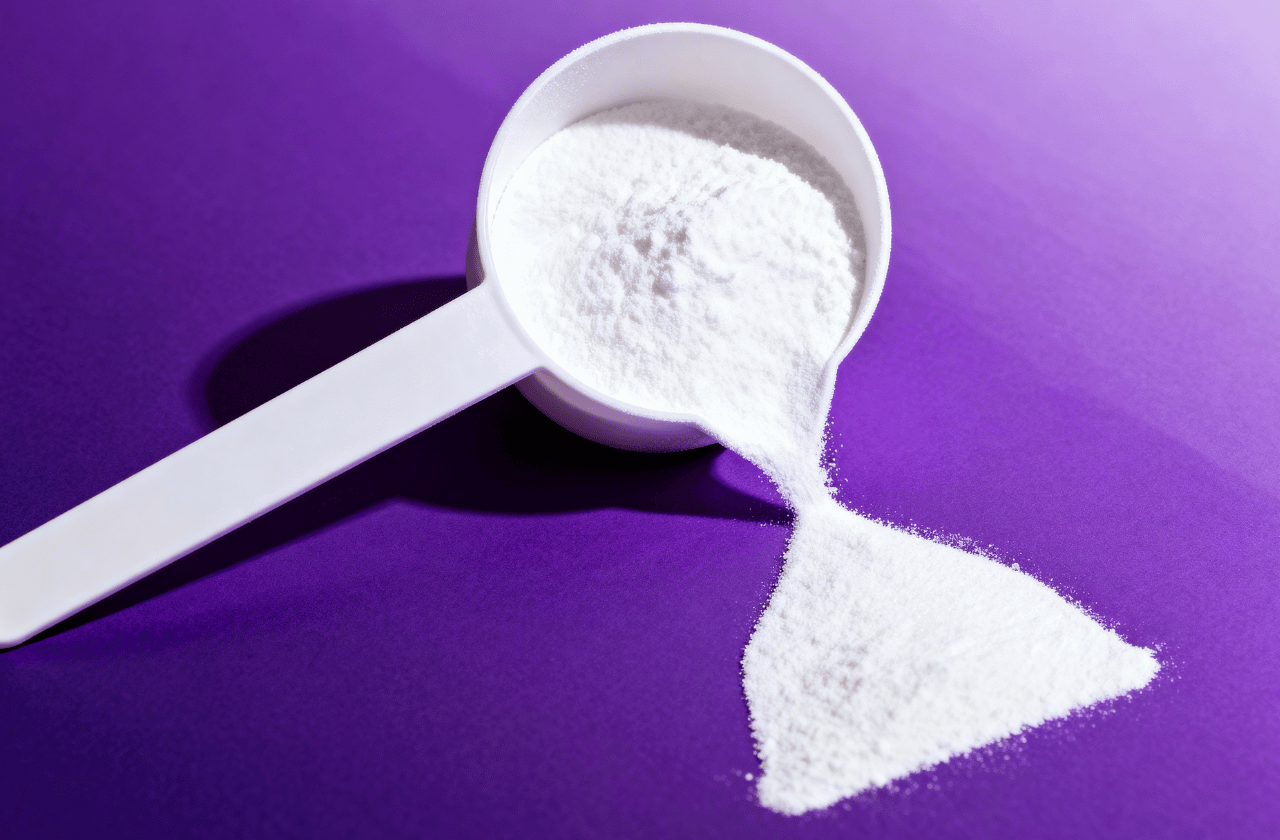
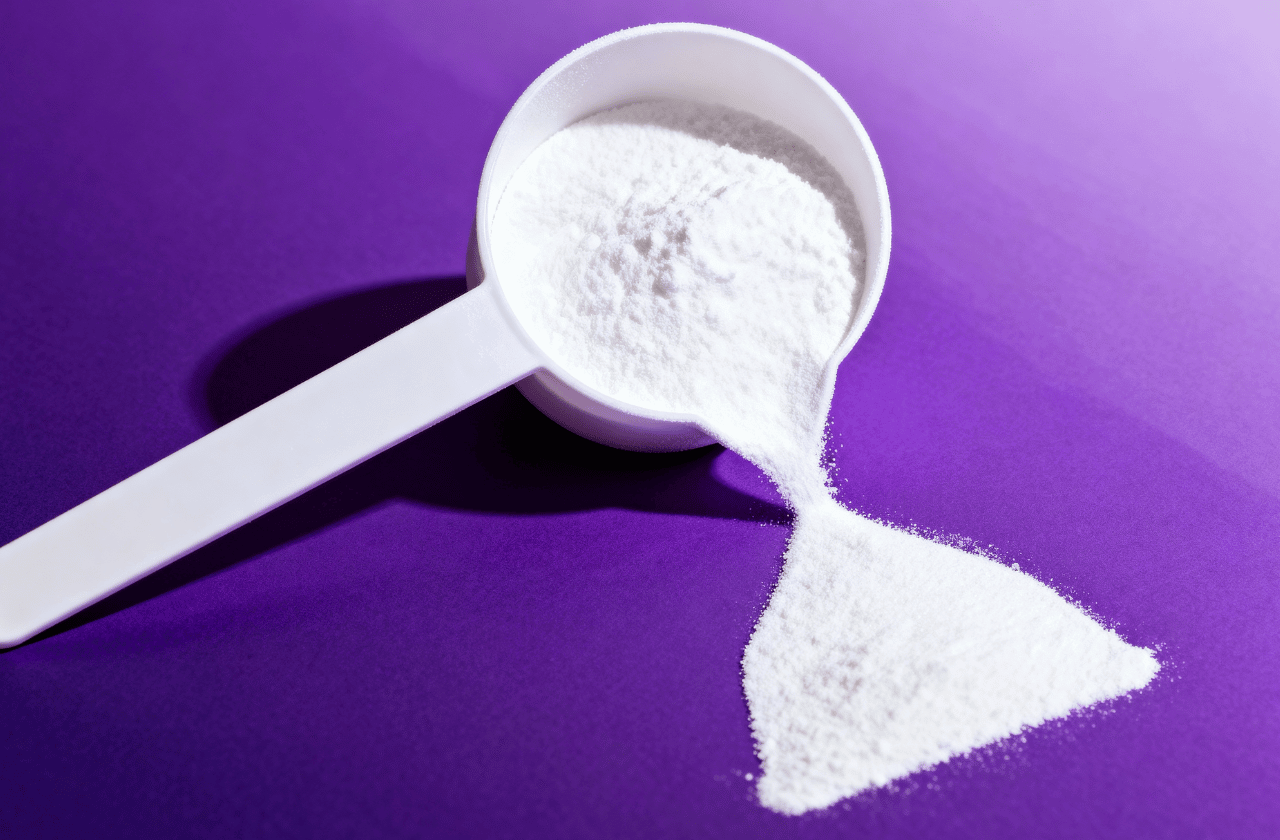
A white measuring scoop filled with creatine powder being poured into the shape of an hourglass symbolizing longevity.

How Creatine Became an Anti-Aging and Longevity Essential

A white measuring scoop filled with creatine powder being poured into the shape of an hourglass symbolizing longevity.

Creatine monohydrate has moved well beyond the bodybuilding aisle. A compound that scientists labelled a muscle-builder just a few years ago is now a healthy aging hero, with everyone from Rhonda Patrick to Andrew Huberman touting its benefits.

Studies on animals have shown creatine extended healthy lifespan by 9% which is over seven human years. But the benefits extend beyond simple longevity[1].

A 2025 study showed that synthesis and dietary intake of creatine progressively decline with age, which may interfere with the DNA-methylation patterns that predict biological aging and mortality risk[2].

Highlights

  • A 2025 study links declining creatine levels with age to DNA methylation changes that predict mortality risk.
  • When combined with resistance training, creatine helps older adults gain 3 pounds more lean muscle than exercise alone.
  • Brain creatine can increase 11% with supplementation, supporting memory and executive function.
  • At 3-5 grams daily, creatine monohydrate offers one of the most affordable, well-studied interventions for healthy aging.

Creatine and Biological Aging

The latest research directly links creatine to how we age at the cellular level.

DNA methylation patterns serve as biomarkers of biological aging. These “epigenetic clocks” like GrimAgeMort predict mortality risk more accurately than chronological age alone.

The 2025 research examining NHANES data showed that endogenous creatine production and dietary intake decrease with advancing age[2]. Older adults, specifically those aged 65 and above, seem most impacted.

In earlier research studies, it was discovered that the daily intake of 1 gram of creatine decreases deaths from all causes[3]. The longevity benefit appears real.

Creatine synthesis uses approximately 40% of the methyl groups from S-adenosylmethionine (SAM)[4]. SAM is a methyl donor which regulates gene expression through methylation of DNA. Over the years, the production of creatine lessens which could affect biological aging itself.

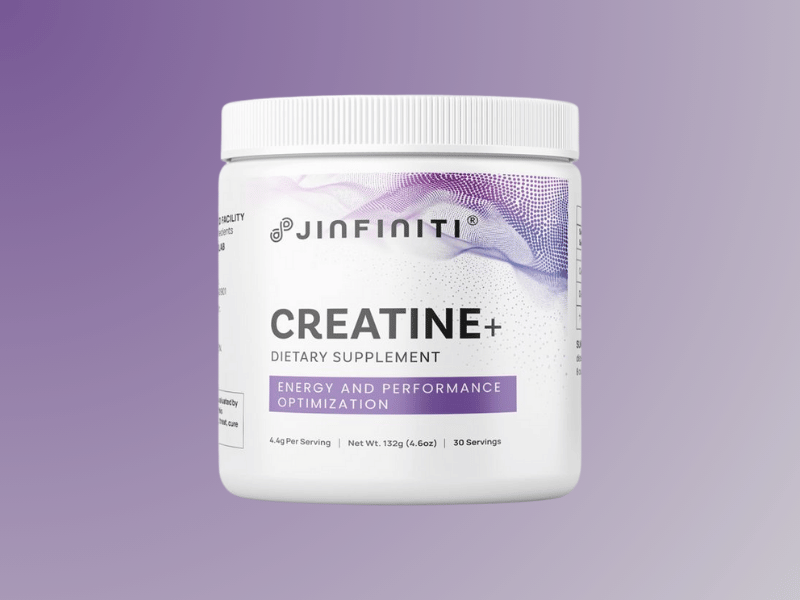
Dr. She’s Creatine Formula

Pure creatine with ATP for healthy aging support.

Creatine+ by Jinfiniti

Energy Metabolism and Mitochondrial Function

Your cells run on ATP. Creatine and ATP work hand-in-hand to rapidly buffer energy in muscle, heart, and brain.

As you age, mitochondrial function declines. Energy production drops. Oxidative stress increases.

The mitochondrial creatine-kinesis system takes ATP synthesis to work. As we get older, metabolic efficiency starts dipping.

With creatine supplementation, mitochondrial DNA is enhanced[5], as well as the genes involved in oxidative phosphorylation that improve your respiratory capacity.

Reducing Lipofuscin Accumulation

Lipofuscin accumulates when cellular cleanup systems fail. This “aging pigment” increases oxidative stress and cell death.

A 2008 study found creatine-fed mice showed significantly lower brain lipofuscin compared to controls[1]. This correlated with improved behavior and extended healthy lifespan.

The mice also showed upregulation of genes tied to neuronal growth and neuroprotection.

Combating Muscle Loss

Sarcopenia affects 30% of people over 60 and 50% over 80[6]. On average, humans lose 30% of muscle mass by age 80.

The consequences include increased fall risk, reduced metabolic rate, and insulin resistance. Loss of skeletal muscle strength declines faster than mass itself.

A 2017 meta-analysis found adults over 50 who combined a creatine supplement with strength training gained three pounds more lean muscle than those taking placebo[7]. They also showed greater improvements in muscle strength on chest press and leg press exercises.

PopulationLean Mass GainDuration
Males 50+ with training1.1-1.5 kg8-12 weeks
Females 50+ with training0.5-0.6 kg8-12 weeks
Without exerciseNo change8-12 weeks

Creatine and ATP work together to enhance capacity for higher-intensity exercise. It may also promote cell swelling that signals protein synthesis, helping to increase muscle mass over time.

“It’s not enough to just take creatine. You need to take creatine and exercise. You need to lift heavy.” — Dana Angelo White, Registered Dietitian

Read our article on the benefits of creatine without working outtofindoutifcreatineis still beneficial without exercise.

Brain Health and Cognitive Function

The brain consumes 20% of total body energy at rest. Creatine’s brain benefits include donating phosphate groups to regenerate ATP.

One 2025 pilot study in Alzheimer’s patients using 20 grams daily showed an 11% increase in brain creatine levels[8].

A 2024 meta-analysis revealed cognitive effects vary by population[9]:

  • Adults aged 18-60 showed significant improvements
  • Effects were not significant over age 60
  • People with diseases showed particular benefits
  • Women may benefit more, as they naturally store less creatine

Working memory and executive function improved most consistently. Both decline with age and Alzheimer’s.

Neuroprotection Research

Animal models show remarkable results. A 2004 study found 83% reduction in brain lesion volume after just two weeks[10].

Mechanisms include:

  • Reducing caspase-3 activation (cell death enzyme)
  • Preventing cytochrome c release from mitochondria
  • Preserving ATP during stress

In Huntington’s disease models, creatine slowed brain tissue loss and improved survival when given early[11].

Translating animal success to humans has proven challenging. Large trials in Parkinson’s disease showed no clinical benefit[12]. ALS trials were similarly disappointing.

Creatine for Women and Menopause

Women naturally produce 70-80% less creatine than men. They also consume less animal protein, meaning lower dietary creatine.

Hormonal changes during menopause affect both creatine production and utilization. This makes creatine particularly valuable during this transition.

“Creatine stands poised to assist with several common midlife health symptoms.” — Dr. Hannah Cabré, Pennington Biomedical Research Center

Post-menopausal women who combined creatine with strength training gained more lean muscle than placebo, though effects on muscle strength and mass were more modest than in men (0.5-0.6 kg vs 1.1-1.5 kg).

A two-year study showed positive impacts on bone properties and lean mass when combined with resistance exercise[13].

Dosage and Forms

For older adults, two approaches work:

ProtocolDosageDurationNotes
Loading20g/day (4x5g doses)5-7 daysThen 3-5g daily
Maintenance3-5g/dayOngoingTakes 4 weeks to saturate
Brain benefits10-20g/dayOngoingHigher doses may be needed

Creatine monohydrate remains the gold standard. It’s the most researched creatine supplement form with proven efficacy and safety.

Micronized creatine improves solubility but provides no performance advantage. Creatine HCl claims better absorption at lower doses, but far less research supports it. Other forms haven’t shown superiority in controlled studies.

Safety Profile

The FDA classified creatine as Generally Recognized as Safe (GRAS) in 2020.

  • Kidney concerns: Research shows no kidney damage in healthy individuals, even at 20 grams daily for 24 months[14]. Creatine increases blood creatinine (a metabolite), but this represents a benign increase, not dysfunction. Creatine should be avoided by those who are suffering from kidney disease or should only use it under supervision by medical professionals.
  • Common side effects: Minor GI issues (bloating, cramping, diarrhea) during loading phases. These typically resolve with continued use.
  • No evidence: Research finds no support for creatine myths about hair loss, dehydration, or muscle cramping.

Dietary Sources of Creatine

Creatine comes primarily from animal products:

FoodCreatineServing
Herring1.25g4 oz
Beef0.41-0.5g3-4 oz
Pork0.5-0.57g4 oz
Salmon0.5g4 oz
Tuna0.45g4 oz
Chicken0.3-0.45g4-6 oz

Plant-based foods contain essentially no creatine. This explains why vegans and vegetarians usually have lower muscle stores.

The body is capable of making 1-2 grams of it daily using glycine, arginine and methionine. Another 1-2 grams comes from diet in omnivores.

A 2025 study found endogenous synthesis (41.9 mg/kg/day) was 2.7 times higher than dietary intake (15.5 mg/kg/day)[15]. Creatine precursor availability declined with age, lowest in people 65 and older.

Expert Perspectives on Creatine for Longevity

Despite decades of research, expert opinions remain nuanced. The beneficial effect of creatine supplementation appears strongest when combined with resistance training in older adults.

Dr. Andreas Bender, who conducted the landmark mouse longevity study, concluded “creatine may be a promising food supplement to promote healthy human aging.”[1]

But translating animal success to humans has proven difficult. Reviewing clinical trials, Dr. Bender noted in 2016 that “the use of creatine supplementation has so far proved disappointing in clinical studies with a number of symptomatic neurodegenerative diseases.”[12]

The International Society of Sports Nutrition emphasizes that creatine’s benefits manifest most clearly in the context of training adaptations[16].

“At Jinfiniti, we recognize that supporting cellular energy becomes increasingly important as we age. While creatine shows promise for maintaining muscle mass and cognitive function, it works best as part of a comprehensive approach to healthy aging that includes proper nutrition, regular exercise, and monitoring key biomarkers like NAD+ levels.” — Dr. Jin-Xiong She, Founder of Jinfiniti Precision Medicine

Dr. Richard Kreider argues that “creatine supplementation is safe, beneficial throughout the lifespan, and should not be restricted.”[17]

Who Should Consider Creatine?

Based on current evidence:

  • Older adults engaged in resistance training
  • Post-menopausal women experiencing accelerated muscle and bone loss
  • People with physically demanding jobs
  • Those concerned about cognitive decline
  • Vegetarians and vegans with lower stores

Who Should Exercise Caution?

  • People with pre-existing kidney disease (avoid or use under supervision)
  • Those taking medications affecting kidney function
  • Older adults with very low kidney function may need monitoring

Maximizing Benefits

  1. Combine with resistance training 2-3 times per week
  2. Be consistent with daily supplementation
  3. Ensure adequate protein intake
  4. Stay hydrated
  5. Give it time (3-4 weeks for saturation, months for adaptations)

Do Anti-Aging Benefits Signal Market Growth?

The global market for creatine was $1.11 billion in 2024 and is projected to reach $4.21 billion by 2030. That’s 25% annual growth.

Creatine for cognition and healthy aging represented just 6.4% of the market in 2025, but this niche is expanding rapidly.

Bloomberg reported that creatine sales surged 75% from 2020. Women and older adults represent the fastest-growing demographic.

Bottom Line: A Supplement Comes of Age

Creatine’s journey from a bodybuilding supplement to longevity tool mirrors evolving science and transition to evidence-based healthy aging.

The 2025 study correlating dietary creatine to epigenetic markers of biological aging takes things deeper. Both synthesis and intake reduce with age, especially over the age of 65, leading to a widening gap between need and availability in seniors. 

Combating sarcopenia is where the evidence is strongest when it is combined with resistance exercise. Aging adults must consider this since muscle loss greatly impacts one’s lifestyle and can cause loss of independence.

Creatine is not a magic bullet. The advantages will be effective as long as you have an active lifestyle, eat well, and supplement regularly. For those who are ready to make lifestyle changes while taking creatine, it can be a well-tolerated, affordable, and science-backed tool for improving lifespan and healthspan.

With the aging of the global population, approaches that can impact multiple aspects of aging are increasingly relevant. Creatine has had a 190 year history as a laboratory curiosity through to a longevity essential. It may finally have its most important use yet.

Ready to take control of your cellular health? You can try our Creatine + ATP or test your NAD+ levels to see where your cellular energy stands.

Referenced Sources

  1. Bender A, Beckers J, Schneider I, Hölter SM, Haack T, Ruthsatz T, et al. Creatine improves health and survival of mice. Elsevier BV; 2008. https://doi.org/10.1016/j.neurobiolaging.2007.03.001
  2. Ostojic SM, Kavecan I. Linking dietary creatine to DNA methylation-based predictors of mortality in individuals aged 50 and above. S. Karger AG; 2025. https://doi.org/10.1159/000547260
  3. Ostojic SM. Dietary creatine intake and all-cause mortality among U.S. adults: a linked mortality analysis from the NHANES study. Canadian Science Publishing; 2025. https://doi.org/10.1139/apnm-2025-0001
  4. Broca-Brisson L, Disdier C, Harati R, Hamoudi R, Mabondzo A. Epigenetic alterations in creatine transporter deficiency: a new marker for dodecyl creatine ester therapeutic efficacy monitoring. Frontiers Media SA; 2024. https://doi.org/10.3389/fnins.2024.1362497
  5. Gowayed M, Mahmoud S, El‑Sayed Y, Abu‑Samra N, Kamel M. Enhanced mitochondrial biogenesis is associated with the ameliorative action of creatine supplementation in rat soleus and cardiac muscles. Spandidos Publications; 2019. https://doi.org/10.3892/etm.2019.8173
  6. Smith RN, Agharkar AS, Gonzales EB. A review of creatine supplementation in age-related diseases: more than a supplement for athletes. F1000 Research Ltd; 2014. https://doi.org/10.12688/f1000research.5218.1
  7. Chilibeck P, Kaviani M, Candow D, Zello GA. Effect of creatine supplementation during resistance training on lean tissue mass and muscular strength in older adults: a meta-analysis. Informa UK Limited; 2017. https://doi.org/10.2147/oajsm.s123529
  8. Smith AN, Choi I, Lee P, Sullivan DK, Burns JM, Swerdlow RH, et al. Creatine monohydrate pilot in Alzheimer’s: Feasibility, brain creatine, and cognition. Wiley; 2025. https://doi.org/10.1002/trc2.70101
  9. Xu C, Bi S, Zhang W, Luo L. The effects of creatine supplementation on cognitive function in adults: a systematic review and meta-analysis. Frontiers Media SA; 2024. https://doi.org/10.3389/fnut.2024.1424972
  10. Zhu S, Li M, Figueroa BE, Liu A, Stavrovskaya IG, Pasinelli P, et al. Prophylactic Creatine Administration Mediates Neuroprotection in Cerebral Ischemia in Mice. Society for Neuroscience; 2004. https://doi.org/10.1523/jneurosci.1278-04.2004
  11. Andreassen O, Dedeoglu A, Ferrante R, Jenkins B, Ferrante K, Thomas M, et al. Creatine increase survival and delays motor symptoms in a transgenic animal model of Huntington’s disease. Neurobiology of Disease 2001;8 3:479–91.
  12. Bender A, Klopstock T. Creatine for neuroprotection in neurodegenerative disease: end of story?. Springer Science and Business Media LLC; 2016. https://doi.org/10.1007/s00726-015-2165-0
  13. Smith-Ryan AE, DelBiondo GM, Brown AF, Kleiner SM, Tran NT, Ellery SJ. Creatine in women’s health: bridging the gap from menstruation through pregnancy to menopause. Informa UK Limited; 2025. https://doi.org/10.1080/15502783.2025.2502094
  14. Longobardi I, Gualano B, Seguro AC, Roschel H. Is It Time for a Requiem for Creatine Supplementation-Induced Kidney Failure? A Narrative Review. MDPI AG; 2023. https://doi.org/10.3390/nu15061466
  15. Nedeljkovic D, Ostojic SM. Dietary exposure to creatine-precursor amino acids in the general population. Springer Science and Business Media LLC; 2025. https://doi.org/10.1007/s00726-025-03460-7
  16. Kreider RB, Kalman DS, Antonio J, Ziegenfuss TN, Wildman R, Collins R, et al. International Society of Sports Nutrition position stand: safety and efficacy of creatine supplementation in exercise, sport, and medicine. Informa UK Limited; 2017. https://doi.org/10.1186/s12970-017-0173-z
  17. Kreider RB, Jagim AR, Antonio J, Kalman DS, Kerksick CM, Stout JR, et al. Creatine supplementation is safe, beneficial throughout the lifespan, and should not be restricted. Frontiers Media SA; 2025. https://doi.org/10.3389/fnut.2025.1578564

NAD Injections vs. Oral NAD Supplements: How Do They Compare?

When it comes to NAD injections vs oral supplements, the research is in. The clinical trials showing NMN and NR are safe and can boost intracellular NAD+ levels are quite robust.

Even if injectable NAD+ has superior bioavailability claims, leading researchers are skeptical, asking if it enters the cells or breaks down into other compounds.

Quick Takeaways

  • Oral NMN and NR supplements are backed by multiple randomized controlled trials showing they safely increase NAD levels inside cells
  • Leading longevity researchers question whether injectable NAD+ actually enters cells, as the molecule may be too large and breaks down before reaching cellular targets
  • Injectable NAD+ costs 3-10x more than oral supplements ($100-700 monthly vs. $30-80 monthly) with less scientific evidence
  • Testing your NAD levels before and after supplementation is the only way to know if your chosen method actually works for your body

Understanding NAD+ and Why It Matters

NAD+ (Nicotinamide Adenine Dinucleotide) serves as a coenzyme in every cell of your body. It powers hundreds of metabolic reactions, from energy production to DNA repair.

Your NAD levels decline dramatically with age. Research shows levels drop in a number of tissues as a function of aging and overnutrition[1].

This decline contributes to the symptoms many people associate with aging: fatigue, brain fog, and reduced physical recovery. You can see why NAD+ supplementation has become a focal point in longevity medicine.

A Critical Difference: NAD+ vs. NAD+ Precursors

Before comparing delivery methods, you need to understand what you’re actually taking.

This distinction matters more than most marketing materials let on.

What Researchers Say About NAD Injections vs Pills

Dr. Eric Verdin, President of the Buck Institute for Research on Aging, stated clearly: “My opinion is that NAD+ intravenously is not something that should be done… NAD+ is too big to enter cells and is mostly broken down into nicotinamide when injected. Oral precursors like NMN or NR are a better bet for most people.”

This isn’t a minor technical detail. If injected NAD+ can’t enter your cells, it doesn’t matter how high the bioavailability appears on paper.

This challenges a common assumption that injectable NAD+ is automatically more effective than oral forms simply because absorption rates look better.

Dr. Amanda Kahn, a board-certified internist, offers a different perspective. She notes that NAD+ injections “give you back a molecule that you had when you were younger, which is responsible for keeping the cells optimized, particularly the mitochondria.”

The disagreement among experts reveals the current state of the science: promising anecdotal reports but limited rigorous research.

CLIA-Certified NAD Test Kit

Test your NAD+ levels from home.

Jinfiniti Intracellular NAD Test on purple background

Comparing Absorption and Bioavailability

Let’s look at what actually happens when you take NAD+ through different routes.

Delivery MethodAbsorption RateTime to EffectClinical Evidence Level
Oral NR/NMN10-20% average2-4 weeksHigh (multiple RCTs)
IM/SubQ Injection70-80% claimedDaysLow (case reports)
IV TherapyUp to 100% claimedImmediateLow (observational)

Clinical trials with oral NR have demonstrated 22-142% increases in blood NAD+ levels after 2-4 weeks of supplementation[2]. These studies followed rigorous protocols with placebo controls.

Injectable NAD+ shows higher absorption rates in theory. But here’s the catch: higher blood levels don’t automatically mean higher intracellular levels where NAD+ actually does its work.

It’s worth noting that no FDA-approved protocols exist for NAD+ injections. Current dosage regimens are based on clinical experience and expert consensus, not large-scale trials.

Full Comparison: Injections vs. IV vs. Oral NAD Supplements

Looking at all three NAD therapy delivery methods side by side reveals important practical differences.

FeatureOral Supplements (NMN/NR)Injections (IM/SubQ)NAD IV Therapy (Infusion)
AbsorptionLow-Moderate (2-60%)Very High (70-80%)Maximum (~100%)
Time to EffectWeeksHours-DaysMinutes-Hours
ConvenienceMost convenientSelf-administered, quickRequires clinic visit
CostLow ($30-80/month)Mid-High ($100-500/month)High ($250-700/session)
Use CaseLong-term maintenanceRegular support, faster resultsAcute needs, medical protocols
Expert ConsensusSufficient for most, safestHigh blood levels, cellular uptake unclearMost potent delivery, limited evidence

The myth that “more is always better” doesn’t hold up. Exceeding recommended doses can risk adverse effects, and higher doses don’t guarantee better long-term results. Your body has limits on how much NAD+ it can use at once.

The Evidence for Oral NAD+ Precursors

Multiple peer-reviewed studies support oral NMN and NR supplementation.

Research published in Nature Communications showed that oral NR safely increased NAD+ metabolites in humans[2]. Another study in NPJ Aging found NMN was well-tolerated up to 2,000 mg daily[3].

These aren’t small pilot studies. They’re randomized, double-blind, placebo-controlled trials with measurable outcomes.

The clinical benefits documented include:

  • Improved cardiovascular markers[4]
  • Better metabolic function[5]
  • Enhanced cellular energy production[6]
  • Support for healthy aging processes[7]

The Evidence Gap for NAD+ Injections

A woman preparing to receive a NAD injection.

Injectable NAD+ therapy has a different evidence profile. Most supporting data comes from case reports and observational studies, not controlled trials.

One systematic review noted that most evidence focuses on raising NAD+ levels, not long-term disease outcomes[8].

While injections may increase blood NAD+ measurements, proven reductions in disease rates or significant anti-aging effects in humans remain less robust.

The research that does exist for injectable NAD+ centers on addiction treatment. Studies suggest high-dose IV NAD+ may help with withdrawal symptoms[9], but these protocols differ significantly from wellness applications and should only be used under medical supervision.

No large-scale clinical trials have demonstrated that NAD+ injections increase intracellular NAD+ levels more than oral precursors.

Safety Profiles and Side Effects

Oral Supplements

Clinical trials show oral NMN and NR are remarkably safe[6]. Side effects are rare and mild, typically limited to:

  • Mild nausea (uncommon)
  • Flushing (rare)
  • Digestive discomfort (minimal)

Doses up to 2,000 mg daily have been tested without serious adverse events[3].

Injectable NAD+

Injections carry different risks:

  • Injection site reactions (pain, bruising)
  • Lightheadedness during or after administration
  • Nausea if administered too quickly
  • Rare allergic reactions
  • Risk of infection with improper technique

Standard operating procedures for NAD+ injections emphasize medical supervision precisely because of these concerns.

Cost Comparison

Money matters when you’re making a long-term health investment.

  • Oral NMN/NR Supplements: $30-80 per month for quality products
  • NAD+ Injections: $100-500 per month depending on frequency
  • IV Therapy: $250-700 per session

If you’re planning to supplement long-term (which makes sense for age-related NAD+ decline), oral supplements offer better value.

Testing: The Missing Piece Most People Ignore

Dr. Jin-Xiong She, founder of Jinfiniti Precision Medicine and a genomic scientist with over 400 peer-reviewed publications, emphasizes a point most people overlook.

“You cannot optimize what you don’t measure. NAD+ levels vary dramatically between individuals, and the same dose of any supplement could be optimal for one person, ineffective for another, or even excessive for a third. Testing is the only way to know if your intervention is working.”

This applies whether you choose injections or oral supplements.

Jinfiniti’s Intracellular NAD+ Test measures your actual cellular NAD+ levels, not just blood markers. According to Dr. She’s clinical research, optimal levels fall between 40-100 μM.

Without testing, you’re making expensive guesses about what your body needs.

When Injections Might Make Sense

To be fair, injectable NAD+ isn’t without its uses.

Some situations where injections may be considered:

  • Severe malabsorption issues preventing oral supplement absorption
  • Acute situations requiring rapid intervention (under medical supervision)
  • As part of addiction treatment protocols in clinical settings
  • When oral supplementation has been tried and tested without results

Even in these cases, medical supervision is recommended.

It’s a common misconception that only older adults benefit from NAD+ support. While age-related decline is well-documented, younger individuals under chronic stress, in recovery from illness, or with low baseline NAD+ levels may also see benefits. The magnitude of effect may differ, but NAD+ optimization isn’t exclusively for aging populations.

Natural Ways to Support NAD+ Production

Supplements aren’t your only option. Lifestyle factors significantly impact NAD+ levels.

  • Exercise stimulates NAD+ production through metabolic stress[10]. Both aerobic and resistance training show benefits.
  • Intermittent fasting activates cellular pathways that preserve NAD+. Research suggests fasting periods trigger NAD+ conservation mechanisms[11].
  • Sleep quality affects NAD+ metabolism. Poor sleep disrupts circadian rhythms that regulate NAD+ synthesis[12].

Foods high in NAD+ precursors include fish, turkey, mushrooms, and green vegetables. While diet alone won’t fully compensate for age-related decline, it provides foundational support.

The Bottom Line

The scientific consensus leans toward oral NAD+ precursors for most people.

NMN and NR have robust clinical evidence showing they safely increase NAD+ levels. They’re convenient, cost-effective, and well-studied.

Injectable NAD+ may deliver higher blood concentrations, but leading researchers question whether it effectively enters cells. The lack of controlled trials comparing intracellular NAD+ levels after injection versus oral supplementation leaves a significant evidence gap.

For addiction treatment under medical supervision, high-dose IV protocols may have a role. For general wellness and longevity, the data supports oral precursors.

Which Should You Choose?

Consider these factors:

Choose oral supplements if you:

  • Want the best-researched option
  • Prefer convenience and lower cost
  • Are focused on long-term wellness
  • Can commit to consistent daily use

Consider injections if you:

  • Have documented severe malabsorption
  • Are working with a qualified physician on acute issues
  • Have tried oral supplements with testing confirmation of no response
  • Accept higher costs for potentially faster results

How to Safely Start Taking NAD

Start with testing your baseline NAD levels to remove the guesswork from supplementation.

If you choose oral supplements, select high-quality NMN or NR from reputable manufacturers. Look for third-party testing and pharmaceutical-grade production.

Retest after 4-6 weeks to confirm your protocol is working. Adjust dosing based on results, not marketing promises.

If you’re considering injections, work with a licensed healthcare provider who can monitor your response and watch for adverse effects.

Remember that NAD+ optimization works best as part of a comprehensive approach including exercise, nutrition, sleep, and stress management.

The goal isn’t just to raise a number on a test. It’s to support your body’s cellular function so you can maintain energy, mental clarity, and physical vitality as you age.

Ready to measure your NAD+ levels and start optimizing? Jinfiniti’s NAD Optimization® Starter Package includes testing and our scientifically formulated Vitality NAD+ Booster to help you achieve optimal cellular health.

Referenced Sources

  1. Verdin E. NAD+ in aging, metabolism, and neurodegeneration. American Association for the Advancement of Science (AAAS); 2015. https://doi.org/10.1126/science.aac4854
  2. Martens CR, Denman BA, Mazzo MR, Armstrong ML, Reisdorph N, McQueen MB, et al. Chronic nicotinamide riboside supplementation is well-tolerated and elevates NAD+ in healthy middle-aged and older adults. Springer Science and Business Media LLC; 2018. https://doi.org/10.1038/s41467-018-03421-7
  3. Henderson JD, Quigley SNZ, Chachra SS, Conlon N, Ford D. The use of a systems approach to increase NAD+ in human participants. Springer Science and Business Media LLC; 2024. https://doi.org/10.1038/s41514-023-00134-0
  4. Vreones M, Mustapic M, Moaddel R, Pucha KA, Lovett J, Seals DR, et al. Oral nicotinamide riboside raises NAD+ and lowers biomarkers of neurodegenerative pathology in plasma extracellular vesicles enriched for neuronal origin. Wiley; 2022. https://doi.org/10.1111/acel.13754
  5. She J, Sheng R, Qin ZH. Pharmacology and Potential Implications of Nicotinamide Adenine Dinucleotide Precursors. Aging and Disease; 2021. https://doi.org/10.14336/ad.2021.0523
  6. Yi L, Maier AB, Tao R, Lin Z, Vaidya A, Pendse S, et al. The efficacy and safety of β-nicotinamide mononucleotide (NMN) supplementation in healthy middle-aged adults: a randomized, multicenter, double-blind, placebo-controlled, parallel-group, dose-dependent clinical trial. Springer Science and Business Media LLC; 2022. https://doi.org/10.1007/s11357-022-00705-1
  7. Conlon NJ. The Role of NAD+ in Regenerative Medicine. Ovid Technologies (Wolters Kluwer Health); 2021. https://doi.org/10.1097/prs.0000000000009673
  8. Freeberg KA, Udovich CC, Martens CR, Seals DR, Craighead DH. Dietary Supplementation With NAD+-Boosting Compounds in Humans: Current Knowledge and Future Directions. Oxford University Press (OUP); 2023. https://doi.org/10.1093/gerona/glad106
  9. Braidy N, Villalva MD, Eeden S van. Sobriety and Satiety: Is NAD+ the Answer?. MDPI AG; 2020. https://doi.org/10.3390/antiox9050425
  10. Walzik D, Joisten N, Schenk A, Trebing S, Schaaf K, Metcalfe AJ, et al. Acute exercise boosts NAD+ metabolism of human peripheral blood mononuclear cells. Elsevier BV; 2025. https://doi.org/10.1016/j.bbi.2024.11.004
  11. Poljsak B, Kovač V, Milisav I. Healthy Lifestyle Recommendations: Do the Beneficial Effects Originate from NAD+ Amount at the Cellular Level?. Wiley; 2020. https://doi.org/10.1155/2020/8819627
  12. Cuenoud B, Huang Z, Hartweg M, Widmaier M, Lim SongI, Wenz D, et al. Effect of circadian rhythm on NAD and other metabolites in human brain. Frontiers Media SA; 2023. https://doi.org/10.3389/fphys.2023.1285776
A man doing shoulder presses in the gym.

ATP Supplements: Benefits, Dosage and Side Effects

Your cells produce trillions of ATP molecules every day, yet this energy currency can run low when you push your body hard.

Athletes and fitness lovers now turn to ATP supplements to support their training, but the science behind these products raises important questions about how they work and who really benefits.

Quick Takeaways

  • ATP supplements at 400 mg daily have been shown to improve maximal strength in resistance-trained individuals by an average of 8 kg compared to placebo.
  • Oral ATP supplementation improves blood flow and oxygen delivery to working muscles during and after exercise through vasodilation mechanisms.
  • The bioavailability of oral ATP remains debated, with some studies showing ATP itself may not reach circulation but its metabolites might provide benefits.
  • Combining ATP with creatine creates a synergistic approach to supporting both immediate and sustained energy production in muscle cells.

What Is ATP?

Adenosine triphosphate (ATP) serves as your body’s primary energy currency at the cellular level. Every movement, thought, and biological process you experience depends on ATP breaking down to release energy.

Your body stores only small amounts of ATP at any given time. This limited supply gets constantly depleted and regenerated through mitochondrial energy production pathways.

How ATP Powers Your Cells

ATP consists of an adenosine molecule bonded to three phosphate groups. When your cells need energy, they break the bond between the second and third phosphate groups, releasing power for biological work.

This breakdown converts ATP into ADP (adenosine diphosphate) and a free phosphate molecule. Your mitochondria then work to reattach that phosphate group, regenerating ATP for continuous use.

During high-intensity exercise, your muscles can deplete ATP faster than your body can regenerate it. This energy deficit contributes to fatigue and reduced performance.

What Are ATP Supplements?

ATP supplementation involves taking adenosine-5′-triphosphate orally to support cellular energy levels during demanding physical activity. These supplements typically contain ATP as a disodium salt in powder or capsule form.

The sports nutrition industry has developed ATP supplements primarily for athletes engaged in resistance training and high-intensity exercise. Most research studies have examined doses around 400 mg taken daily or before training sessions[1].

Different Forms of ATP Supplements

ATP supplements come in several formats designed for different preferences and needs:

  • Powder forms allow flexible dosing and mix easily into pre-workout drinks
  • Capsules offer convenience and precise measurement for consistent dosing
  • Enteric-coated versions protect ATP from stomach acid degradation before reaching the intestines

Disodium ATP is the most studied form in clinical research. This trademarked ingredient appears in many commercial supplements targeting athletic performance.

Lab-Tested Creatine + ATP

Pure creatine with disodium ATP for superior gains.

Creatine+ by Jinfiniti

The Bioavailability Question

The ability of oral ATP to reach your bloodstream remains a contentious topic in sports science. A 2012 study published in the Journal of the International Society of Sports Nutrition found that single doses of oral ATP did not increase plasma ATP concentrations in healthy volunteers[2].

The researchers noted that ATP gets broken down in the digestive system before entering circulation. Yet the same study observed increased uric acid levels, suggesting ATP or its metabolites were absorbed and metabolized.

Other research has shown that chronic ATP supplementation can increase post-exercise ATP levels in blood[3]. This apparent contradiction may reflect differences between acute and chronic dosing protocols[3].

Benefits of ATP Supplements

Research on ATP supplementation shows measurable improvements in strength and blood flow, though results vary based on dosing protocols and training status. The three main benefits appear in strength gains, circulation, and fatigue resistance.

Strength and Power Improvements

A 2024 meta-analysis examining five randomized controlled trials found that oral ATP supplementation produced meaningful gains in maximal strength compared to placebo. The pooled data showed an average improvement of 8.13 kg in strength measures[1].

The same analysis found that 400 mg doses of ATP improved anaerobic exercise performance regardless of whether taken acutely or chronically. These improvements occurred without notable changes in maximum repetitions or anaerobic power output.

A 2017 study in the Journal of the American College of Nutrition demonstrated that two weeks of ATP supplementation prevented declines in muscle excitability during repeated sprint bouts. Peak power increased by 18.3% in later sprint repetitions for the ATP group[3].

StudyDurationDoseKey Finding
González-Marenco et al., 2024Varies400 mg+8.13 kg strength improvement
Purpura et al., 20172 weeks400 mg+18.3% peak power in later sprints
Rathmacher et al., 201215 days400 mgReduced torque fatigue

Blood Flow and Oxygen Delivery Improvements

One of the most consistent findings in ATP research involves its effects on blood flow. Studies show that oral ATP increases blood flow following exercise in both animal models and humans[4].

ATP works as a signaling molecule by binding to P2Y2 receptors on endothelial cells. This binding triggers vasodilation through nitric oxide and prostacyclin pathways, expanding blood vessels to improve circulation[5].

Improved blood flow delivers more oxygen and nutrients to working muscles while removing metabolic waste products faster. This better circulation may explain why ATP helps reduce fatigue during successive exercise sets.

The vasodilatory effects appear particularly strong during recovery periods. Research in rats showed elevated blood flow persisting 20 to 90 minutes after exercise with ATP supplementation[4].

Reduced Muscle Fatigue During Training

ATP supplementation helps you maintain higher force output as exercise sessions progress. A 2012 study found that 15 days of ATP supplementation improved low peak torque and reduced torque fatigue during repeated high-intensity exercise sets[6].

The fatigue-fighting effects become most apparent in later sets when energy depletion typically hampers performance. Athletes taking ATP maintained stronger contractions through exhaustive exercise compared to placebo groups.

This sustained performance may result from ATP’s dual role as both an energy substrate and a signaling molecule. The improved blood flow works together with better cellular energy availability to support continued muscle function.

How Much ATP Should You Take?

A man rests with a water bottle in the gym.

The ideal ATP dose is 400 mg daily based on the most extensive research in athletic populations. Research provides clear guidance based on studies examining strength and performance outcomes.

Recommended ATP Dose Guidelines

The most extensively studied and effective ATP dose is 400 mg daily. Multiple clinical trials have validated this amount for improving strength and reducing fatigue in resistance-trained individuals[1].

Some studies have examined acute doses of 400 mg taken 30 minutes before training sessions. Others investigated chronic supplementation protocols dividing the daily dose into two 200 mg servings.

Higher doses up to 5000 mg have been tested but showed no additional benefits and did not improve bioavailability[2]. Lower doses under 400 mg have produced less consistent results in research settings.

Start with 400 mg daily if you’re new to ATP supplementation. You can take this amount as a single dose or split it between morning and evening.

When Should You Take ATP?

Timing your ATP supplement depends on whether you’re using an acute or chronic protocol. For acute supplementation, take 400 mg approximately 30 minutes before your training session.

This pre-workout timing allows the supplement to be absorbed and begin affecting blood flow and muscle function during exercise. The peak effects on circulation occur during and immediately after physical activity.

For chronic supplementation, consistency matters more than precise timing. Taking 200 mg twice daily maintains steadier levels and has shown benefits in 12-week training studies[7].

Some athletes combine both approaches by taking a daily maintenance dose plus an extra serving before particularly demanding workouts. This strategy hasn’t been formally studied but follows the logic of research protocols.

Are There Side Effects of ATP Supplements?

ATP supplementation appears safe and well-tolerated based on available research. Clinical trials lasting up to 12 weeks found no statistically or clinically meaningful changes in blood chemistry or hematology markers[7].

Most studies report no adverse effects from 400 mg daily doses. Some individuals may experience mild digestive discomfort when first starting supplementation, though this is uncommon.

The lack of reported side effects may relate to ATP being a naturally occurring molecule in your body. Your cells already produce and use ATP constantly, so external supplementation simply adds to existing pools.

You should consult with a healthcare provider before starting ATP supplementation if you have cardiovascular conditions. While ATP’s vasodilatory effects are generally beneficial, those with blood pressure concerns should seek medical guidance.

🫙 MORE SUPPLEMENT GUIDES

Should You Consider ATP Supplementation?

Resistance-trained individuals performing high-intensity exercise show the clearest benefits from ATP supplementation. Research has focused primarily on people with strength training experience rather than untrained populations[1].

Athletes engaged in sports requiring repeated high-intensity efforts may gain advantages from ATP’s effects on power output and fatigue resistance. This includes sprinters, CrossFit athletes, and team sport players.

You might consider ATP supplementation if you:

  • Train with weights regularly and want to improve strength gains
  • Perform repeated high-intensity intervals or sprints
  • Experience notable fatigue in later training sets
  • Want to support recovery between workout sessions
  • Engage in sports requiring sustained power output

Those performing primarily endurance exercise at moderate intensities may see fewer benefits. The research has produced mixed results for sustained athletic performance compared to anaerobic activities.

Can You Combine Creatine with ATP?

Pairing ATP with creatine creates a complementary approach to supporting muscle energy systems. These two compounds work through different but related pathways to support performance.

Creatine increases phosphocreatine stores in your muscles, which rapidly regenerates ATP during the first few seconds of intense exercise. ATP supplementation may support sustained energy availability as exercises continue beyond this initial period.

Jinfiniti’s Creatine and ATP supplement combines 4 grams of pure creatine monohydrate with the well-studied 400 mg dose of disodium ATP per serving.

This formulation provides both immediate energy system support through creatine and sustained circulation benefits through ATP.

Creatine also offers brain health benefits beyond physical performance, supporting brain energy metabolism and mental clarity. When combined with ATP’s blood flow effects, you get comprehensive support for both body and mind.

Getting started with creatine supplementation becomes easier when combined with ATP in a single formula. The research shows consistent benefits for strength, power, and muscle growth from creatine, while ATP adds circulation and fatigue-fighting properties.

Bottom Line

ATP supplements are gaining popularity in sports nutrition with growing research support. The evidence shows 400 mg daily can improve strength gains and reduce fatigue in resistance-trained individuals, primarily through improved blood flow and energy signaling rather than direct ATP delivery to muscles.

The combination of creatine and ATP offers a science-backed approach to supporting your training adaptations. Whether you choose standalone ATP supplementation or a combined formula, consistent dosing matters more than perfect timing for seeing results.

Referenced Sources

  1. González-Marenco R, Estrada-Sánchez IA, Medina-Escobedo M, Chim-Aké R, Lugo R. The Effect of Oral Adenosine Triphosphate (ATP) Supplementation on Anaerobic Exercise in Healthy Resistance-Trained Individuals: A Systematic Review and Meta-Analysis. MDPI AG; 2024. https://doi.org/10.3390/sports12030082
  2. Arts IC, Coolen EJ, Bours MJ, Huyghebaert N, Stuart MAC, Bast A, et al. Adenosine 5′-triphosphate (ATP) supplements are not orally bioavailable: a randomized, placebo-controlled cross-over trial in healthy humans. Informa UK Limited; 2012. https://doi.org/10.1186/1550-2783-9-16
  3. Purpura M, Rathmacher JA, Sharp MH, Lowery RP, Shields KA, Partl JM, et al. Oral Adenosine-5′-triphosphate (ATP) Administration Increases Postexercise ATP Levels, Muscle Excitability, and Athletic Performance Following a Repeated Sprint Bout. Informa UK Limited; 2017. https://doi.org/10.1080/07315724.2016.1246989
  4. Jäger R, Roberts MD, Lowery RP, Joy JM, Cruthirds CL, Lockwood CM, et al. Oral adenosine-5’-triphosphate (ATP) administration increases blood flow following exercise in animals and humans. Informa UK Limited; 2014. https://doi.org/10.1186/1550-2783-11-28
  5. Nyberg M, Al-Khazraji BK, Mortensen SP, Jackson DN, Ellis CG, Hellsten Y. Effect of extraluminal ATP application on vascular tone and blood flow in skeletal muscle: implications for exercise hyperemia. American Physiological Society; 2013. https://doi.org/10.1152/ajpregu.00189.2013
  6. Rathmacher JA, Fuller JC, Baier SM, Abumrad NN, Angus HF, Sharp RL. Adenosine-5’-triphosphate (ATP) supplementation improves low peak muscle torque and torque fatigue during repeated high intensity exercise sets. Informa UK Limited; 2012. https://doi.org/10.1186/1550-2783-9-48
  7. Wilson JM, Joy JM, Lowery RP, Roberts MD, Lockwood CM, Manninen AH, et al. Effects of oral adenosine-5′-triphosphate supplementation on athletic performance, skeletal muscle hypertrophy and recovery in resistance-trained men. Springer Science and Business Media LLC; 2013. https://doi.org/10.1186/1743-7075-10-57
nad shots

NAD Injections Guide: Benefits, Risks and Costs

Nicotinamide adenine dinucleotide (NAD+) injections give cells extra fuel without the long wait of an IV drip. A shot into muscle or under the skin puts NAD+ building blocks straight into tissue before the gut has a chance to break them down first.

People choose NAD shots for many reasons. Some want more energy and better mental clarity. Others want support during addiction recovery or help with chronic fatigue.

However most research on NAD+ benefits comes from studies using oral NMN and NR supplements, not injections. Clinical trials that examine NAD+ injections in humans remain limited.

Quick Takeaways

  • NAD+ injections deliver the coenzyme directly into fat or muscle tissue.
  • Most evidence for NAD+ benefits comes from oral NMN and NR supplementation studies, which show improvements in energy levels, cognitive function, and metabolic health markers.
  • Common side effects include injection site soreness, headache, and nausea, but serious reactions are rare when administered properly under medical supervision.
  • Costs range from $25 to $205 per injection depending on location and provider, making them more affordable than IV therapy sessions that run $250 to $1,500.

What Are NAD Injections?

NAD+ injections deliver nicotinamide adenine dinucleotide directly into muscle or fat tissue. This coenzyme exists in every living cell and is a driving force for hundreds of metabolic reactions.

Your body uses NAD+ for:

  • Converting food into cellular energy (ATP)
  • Repairing damaged DNA
  • Activating sirtuins (proteins that regulate cellular health)
  • Controlling circadian rhythms and gene expression

Research shows NAD levels decline with age across the pancreas, skeletal muscle, liver, skin, and brain[1]. Studies link this decline to mitochondrial decline, reduced cognitive performance, and metabolic diseases[2].

How NAD+ Injections Work in Your Body

NAD+ molecules are too large to cross cell membranes intact. Here’s how NAD injections work:

  • Enzymes (CD38 and CD157) break down NAD+ into smaller molecules like nicotinamide
  • Cells absorb these smaller molecules
  • Your cells rebuild them into NAD+ through biosynthetic pathways
  • Some specialized tissues like heart muscle can absorb NAD+ directly

A pilot study found urine NAD+ levels jumped 538% during IV infusion, showing substantial amounts pass through unabsorbed[3].

Whether you use injections or oral supplements, NAD+ precursors convert to NAD+ through the same pathways.

CLIA-Certified NAD Test Kit

Test your NAD+ levels from home.

Jinfiniti Intracellular NAD Test on purple background

Types of NAD+ Injections: SubQ vs. IM

You can receive NAD injection through subcutaneous (SubQ) or intramuscular (IM) routes.

Subcutaneous Injection (SubQ)

  • Injection site: Fatty tissue under skin (abdomen, thigh, upper arm)
  • Needle: Short (25-27 gauge, half inch or less)
  • Absorption: Slow over several hours
  • Comfort: Less soreness, easier self-administration

Intramuscular Injection (IM)

  • Injection site: Muscle tissue (thigh, glute, shoulder)
  • Needle: Longer (one to one and a half inches), 90-degree angle
  • Absorption: Faster (effects within 1-2 hours)
  • Comfort: More potential soreness

Both routes bypass digestive metabolism and deliver NAD+ precursors into circulation. Clinical research comparing SubQ versus IM for NAD+ is limited.

What Are the Benefits of NAD+ Injections?

NAD injection needle

Though the benefits of NAD+ are extensively documented, it is important to consider that the majority of studies analyzing the benefits of NAD+ therapy are based on oral supplementation studies done with NMN and NR.

There is a lack of clinical trials investigating NAD+ injections in human subjects. The benefits outlined in the following sections are primarily from research on oral NAD+ precursors and studies involving animals.

1. Increased Energy and Cellular Function

Multiple preclinical studies show that NAD+ restoration improves mitochondrial health and ATP production. Research in mice found NAD+ treatment reversed age-related decline, boosted muscle function and endurance, and improved muscle stem cell quality[4].

A 12-week randomized trial of healthy middle-aged adults taking oral NR showed it increased blood NAD+ levels by 60% in a dose-dependent manner[5].

Another study confirmed that oral NR supplementation is well-tolerated and efficiently stimulates NAD+ metabolism in middle-aged and older adults[6].

A trial of 207 patients with chronic fatigue syndrome found that 200 mg CoQ10 plus 20 mg NADH daily reduced cognitive fatigue and improved quality of life[7].

Researchers suggest ME/CFS patients have compromised NAD+ levels, which may explain their cellular energy production failures.

2. Brain Health and Mental Clarity

NAD+ plays an important role in keeping neurons healthy.

Early evidence suggests NAD+ may support cognitive function in people with neurodegenerative conditions[8].

A study on oral NR supplementation (500 mg twice daily for 6 weeks) raised NAD+ levels in plasma and decreased Alzheimer’s biomarkers including Aβ42 and phosphorylated proteins[9].

Clinical research shows oral NAD+ precursors can cross the blood-brain barrier and increase neuronal NAD+ levels[10].

A 2025 trial in patients with Werner syndrome found that 1,000 mg daily oral NR improved arterial stiffness and showed trends toward better cognitive markers[11].

Dr. Sapna Patel at the University of Colorado cautions that more research is needed to confirm whether supplements deliver on anti-aging and disease prevention claims.

3. Support for Addiction Recovery

NAD+ therapy has been used in addiction treatment since 2001. A Louisiana clinic developed protocols using IV NAD+ for patients with acute withdrawal symptoms from chronic opioid and alcohol abuse.

A 2022 study of 50 patients receiving NAD+ infusions found reductions in craving scores, anxiety, and depression. The results showed strong statistical significance across all three measures[12].

Dr. Mark Collins, who works in addiction medicine, states: “I have now witnessed its use in many patients and am very impressed with the short-term results.” He adds that longer-term outcome studies are needed.

Patient testimonials suggest NAD+ helps reduce withdrawal symptoms and cravings. Experts stress it must combine with therapy and other treatments, not serve as a standalone solution.

4. DNA Repair and Cellular Health

Your cells need NAD+ for DNA repair through multiple pathways. The enzyme PARP1 handles about 90% of total repair activity and consumes large amounts of cellular NAD+ when fixing DNA damage.

Proteins called sirtuins (especially SIRT1, SIRT6, and SIRT7) require NAD+ to maintain genomic stability. Research in Nature shows that restoring NAD+ improves cellular antioxidant capacity and reduces oxidative stress markers[13].

This repair work happens constantly in your body. NAD+ gives your cells the fuel they need to fix damage before it accumulates. Studies suggest that maintaining NAD+ levels through supplementation may help preserve these protective mechanisms[14].

💉 MORE ON NAD THERAPY

What Are the Risks and Side Effects?

NAD+ injections are generally well-tolerated, but you should know the possible reactions before starting therapy.

Common Side Effects

Most side effects are mild and temporary. The injection site may feel sore, burn, or look red. Some people develop firm lumps where the NAD+ fluid hasn’t dispersed properly or a sterile abscess (a non-infectious fluid pocket).

Systemic reactions include:

  • Headache (pressure or throbbing)
  • Nausea or stomach upset
  • Facial flushing or warmth
  • Dizziness or lightheadedness
  • Tiredness

A systematic review examining NAD+ supplementation safety found the most common side effects were muscle pain, nervous system issues, fatigue, sleep problems, and headaches. Adverse events did not create serious health risks for participants[15].

Rare but serious reactions include heart palpitations, blood pressure changes, and allergic reactions ranging from rashes to anaphylaxis in extreme cases. Infection at the injection site happens rarely with proper sterile technique.

High doses can potentially disrupt metabolic balance. Some research suggests decreased insulin sensitivity, raising concerns for people with prediabetes or diabetes. Potential liver strain with excessive dosing remains under investigation.

Who Should Avoid NAD+ Injections?

Several groups should not receive NAD+ therapy or need medical clearance first.

Absolute contraindications:

  • Known allergy to NAD+ or its components
  • Severe liver or kidney disease
  • History of cancer (including skin cancer)
  • Pregnancy or breastfeeding

Relative contraindications (require doctor consultation):

  • Heart disease or bleeding disorders
  • Autoimmune conditions
  • Liver or kidney problems
  • Children and teens (insufficient safety data)

NAD+ supplements may interact with several medication classes. Diabetes medications might have altered effects due to insulin sensitivity changes. Blood pressure drugs could combine with NAD+ to lower pressure too much. Anticoagulants like warfarin may have affected metabolism. Cancer treatments might be less effective, and antidepressants could interact with NAD+ production pathways.

Always discuss your medications and health conditions with a doctor before starting NAD injection therapy.

How Much Do NAD+ Injections Cost?

Pricing varies widely based on where you get treatment and whether you choose online or in-person options.

Online vs. In-Person Pricing

The most affordable route is through online telehealth clinics. Monthly costs typically range from $105 to $350.

Provider TypeCost RangeDetails
Online Telehealth$105-$350/monthIncludes prescription and supplies shipped to you
Single IM/SubQ Injection (clinic)$25-$190One-time or pay-per-visit pricing
IV Therapy Session$250-$1,500Requires 1-4 hours at clinic
Loading Phase Packages$1,500-$6,000Typically 4-6 sessions over weeks

Location affects pricing. Major cities like Chicago charge $600 to $1,000 per IV session. Smaller towns offer more budget-friendly options at $300 to $500.

NAD injection costs less than IV therapy while offering a different delivery method than oral supplements. You can self-administer after proper training, saving both time and money compared to clinic visits.

NAD+ Injections vs. Other Delivery Methods

Different NAD+ delivery methods have distinct advantages and limitations. Keep in mind that clinical evidence varies significantly by delivery route.

How Do Injections Compare to IV Therapy?

IV therapy delivers higher doses (typically 500-1,000 mg) directly into your bloodstream with immediate availability. Sessions last 1 to 4 hours but provide rapid delivery for people needing fast intervention.

Injections offer several practical advantages:

  • Takes minutes instead of hours
  • Costs much less per treatment
  • You can do it yourself at home after training
  • Fewer side effects from lower peak blood concentrations
  • Regular smaller doses provide steadier NAD+ levels

The main benefit of IV therapy is the higher dose and immediate bloodstream access. Some people prefer that intensity for acute situations like severe fatigue or addiction recovery support.

Both IV and injection methods share a limitation: minimal published clinical research compared to oral supplementation studies.

How Do Injections Compare to Oral Supplements?

Oral NAD+ precursors like NR and NMN have been extensively studied in human clinical trials. Research shows that oral administration of these precursors effectively raises NAD+ levels in a dose-dependent manner[16].

Clinical trials demonstrate that oral NR supplementation significantly increases blood NAD+ within 2 weeks, with effects maintained throughout multi-week studies[6]. A randomized trial found that 1,000 mg of oral NR raised NAD+ levels by approximately 60% in healthy adults[17].

Dr. Charles Brenner discovered NR as a NAD+ precursor and led the first human trial showing safe oral availability[18]. His work at City of Hope focuses on NAD+ metabolism in metabolic diseases.

Oral supplements have the most extensive clinical evidence base. Injections may appeal to those seeking alternatives to pills or IV therapy, though research on injections remains limited.

What’s the Recommended Dosage?

Clinical protocols for injections vary based on what you’re trying to achieve, though these recommendations are adapted largely from IV therapy protocols and oral supplementation research rather than injection-specific studies.

Health GoalDosage RangeFrequencyDuration
General Wellness50-100 mg2-3x per weekOngoing
Loading Phase100-200 mgDaily7-10 days
Athletic Recovery200-500 mg2-3x per week2-4 weeks
Cognitive Support100-250 mg1-2x per week4-6 weeks

For subcutaneous injections, most protocols start conservatively. Begin with 0.1 mL (20 mg) to check your tolerance. Gradually increase to 0.25 mL up to three times weekly. The target dose is usually 0.5 mL (100 mg), typically 2-3 times weekly.

Never exceed 0.5 mL within any 24-hour period.

Some intensive protocols involve 500-1,000 mg daily for four consecutive days, followed by twice-weekly injections for one month. After that, you transition to a maintenance schedule.

Dose needs differ between people based on age, weight, metabolism, and baseline NAD+ levels. Working with a healthcare provider helps you find the right amount for your health goals.

See our NAD injection dosage chart for a more detailed breakdown.

The Bottom Line

NAD+ injections offer an alternative delivery method for boosting cellular NAD+ levels, though most clinical evidence comes from oral supplementation studies rather than injection research. Before starting any NAD+ therapy, test your baseline levels to understand where you stand.

Jinfiniti’s CLIA-Certified Intracellular NAD+ Test measures your cellular NAD+ and provides personalized dosage recommendations. This data-driven approach helps you avoid guessing and ensures your intervention matches your actual needs.

Work with a healthcare provider to interpret results and choose the right therapy for your health goals.

Referenced Sources

  1. Xie N, Zhang L, Gao W, Huang C, Huber PE, Zhou X, et al. NAD+ metabolism: pathophysiologic mechanisms and therapeutic potential. Springer Science and Business Media LLC; 2020. https://doi.org/10.1038/s41392-020-00311-7
  2. Mills KF, Yoshida S, Stein LR, Grozio A, Kubota S, Sasaki Y, et al. Long-Term Administration of Nicotinamide Mononucleotide Mitigates Age-Associated Physiological Decline in Mice. Elsevier BV; 2016. https://doi.org/10.1016/j.cmet.2016.09.013
  3. Grant R, Berg J, Mestayer R, Braidy N, Bennett J, Broom S, et al. A Pilot Study Investigating Changes in the Human Plasma and Urine NAD+ Metabolome During a 6 Hour Intravenous Infusion of NAD+. Frontiers Media SA; 2019. https://doi.org/10.3389/fnagi.2019.00257
  4. Zhang H, Ryu D, Wu Y, Gariani K, Wang X, Luan P, et al. NAD+ repletion improves mitochondrial and stem cell function and enhances life span in mice. American Association for the Advancement of Science (AAAS); 2016. https://doi.org/10.1126/science.aaf2693
  5. Dellinger RW, Santos SR, Morris M, Evans M, Alminana D, Guarente L, et al. Repeat dose NRPT (nicotinamide riboside and pterostilbene) increases NAD+ levels in humans safely and sustainably: a randomized, double-blind, placebo-controlled study. Springer Science and Business Media LLC; 2017. https://doi.org/10.1038/s41514-017-0016-9
  6. Tannous C, Booz GW, Altara R, Muhieddine DH, Mericskay M, Refaat MM, et al. Nicotinamide adenine dinucleotide: Biosynthesis, consumption and therapeutic role in cardiac diseases. Wiley; 2020. https://doi.org/10.1111/apha.13551
  7. Castro-Marrero J, Segundo MJ, Lacasa M, Martinez-Martinez A, Sentañes RS, Alegre-Martin J. Effect of Dietary Coenzyme Q10 Plus NADH Supplementation on Fatigue Perception and Health-Related Quality of Life in Individuals with Myalgic Encephalomyelitis/Chronic Fatigue Syndrome: A Prospective, Randomized, Double-Blind, Placebo-Controlled Trial. MDPI AG; 2021. https://doi.org/10.3390/nu13082658
  8. Zhao Y, Zhang J, Zheng Y, Zhang Y, Zhang XJ, Wang H, et al. NAD+ improves cognitive function and reduces neuroinflammation by ameliorating mitochondrial damage and decreasing ROS production in chronic cerebral hypoperfusion models through Sirt1/PGC-1α pathway. Springer Science and Business Media LLC; 2021. https://doi.org/10.1186/s12974-021-02250-8
  9. Vreones M, Mustapic M, Moaddel R, Pucha KA, Lovett J, Seals DR, et al. Oral nicotinamide riboside raises NAD+ and lowers biomarkers of neurodegenerative pathology in plasma extracellular vesicles enriched for neuronal origin. Wiley; 2022. https://doi.org/10.1111/acel.13754
  10. Palmer RD, Elnashar MM, Vaccarezza M. Precursor comparisons for the upregulation of nicotinamide adenine dinucleotide. Novel approaches for better aging. Wiley; 2021. https://doi.org/10.1002/agm2.12170
  11. Shoji M, Kato H, Koshizaka M, Kaneko H, Baba Y, Ishikawa T, et al. Nicotinamide Riboside Supplementation Benefits in Patients With Werner Syndrome: A Double‐Blind Randomized Crossover Placebo‐Controlled Trial. Wiley; 2025. https://doi.org/10.1111/acel.70093
  12. Badgaiyan RD, Blum K, Han D, Baron D, Kazmi S, Elman I, et al. Nicotinamide Adenine Dinucleotide (NAD+) and Enkephalinase Inhibition (IV1114589NAD) Infusions Significantly Attenuate Psychiatric Burden Sequalae in Substance Use Disorder (SUD) in Fifty Cases. Bentham Science Publishers Ltd.; 2022. https://doi.org/10.2174/2666082218666220527114427
  13. Ryu D, Zhang H, Ropelle ER, Sorrentino V, Mázala DAG, Mouchiroud L, et al. NAD+ repletion improves muscle function in muscular dystrophy and counters global PARylation. American Association for the Advancement of Science (AAAS); 2016. https://doi.org/10.1126/scitranslmed.aaf5504
  14. Kang BE, Choi J, Stein S, Ryu D. Implications of NAD+ boosters in translational medicine. Wiley; 2020. https://doi.org/10.1111/eci.13334
  15. Gindri I de M, Ferrari G, Pinto LPS, Bicca J, dos Santos IK, Dallacosta D, et al. Evaluation of safety and effectiveness of NAD in different clinical conditions: a systematic review. American Physiological Society; 2024. https://doi.org/10.1152/ajpendo.00242.2023
  16. Yang X, Lu A, Guan X, Ying T, Pan J, Tan M, et al. An Updated Review on the Mechanisms, Pre‐Clinical and Clinical Comparisons of Nicotinamide Mononucleotide (NMN) and Nicotinamide Riboside (NR). Wiley; 2024. https://doi.org/10.1002/fft2.511
  17. Martens CR, Denman BA, Mazzo MR, Armstrong ML, Reisdorph N, McQueen MB, et al. Chronic nicotinamide riboside supplementation is well-tolerated and elevates NAD+ in healthy middle-aged and older adults. Springer Science and Business Media LLC; 2018. https://doi.org/10.1038/s41467-018-03421-7
  18. Belenky P, Bogan KL, Brenner C. NAD+ metabolism in health and disease. Elsevier BV; 2007. https://doi.org/10.1016/j.tibs.2006.11.006
Vegan athlete doing high-intensity sprints.

Should Vegan Athletes Take Creatine Supplements?

If you’re a plant-based athlete who trains hard, you’ve probably had questions about creatine supplementation. Is it diet-friendly? Does it make sense to take? The short answer to both questions is “yes” – and the research is very clear.

Creatine is one of the most studied supplements in sports nutrition. The evidence is even more compelling for vegan athletes when you understand how the body makes and stores this compound.

Quick Summary

  • Vegans and vegetarians typically have 20-30% lower muscle creatine stores compared to meat eaters due to lack of dietary sources
  • Research shows that vegan athletes often respond better to creatine monohydrate supplementation than omnivores
  • A standard dose of 3-5 grams of creatine per day can help plant-based athletes match or exceed the muscle creatine levels of meat eaters
  • Creatine monohydrate is naturally vegan and offers benefits for both physical and mental performance

What is Creatine?

Creatine is a naturally occurring compound your body makes from three amino acids: glycine, arginine, and methionine. About 95% of your body’s creatine lives in skeletal muscle tissue, where it drives energy production.

Your liver, kidneys, and pancreas handle creatine synthesis on their own. But here’s the catch: your body can only produce about 1 gram per day.

The rest comes from food, primarily animal products like red meat and fish. This is where vegan athletes face a gap.

How Creatine Supports Athletic Performance

Inside your muscles, creatine converts to phosphocreatine. This stored form helps regenerate adenosine triphosphate (ATP), the molecule that powers muscle contractions.

When you lift weights or sprint, your muscles burn through ATP quickly. Phosphocreatine steps in to recharge ATP within seconds, letting you maintain power output during intense bursts of activity.

Higher creatine stores mean you can perform more reps, lift heavier weights, or sustain high-intensity efforts longer. Over time, this translates to greater training adaptations and improved athletic performance.

Do Vegan Athletes Have Lower Creatine Levels?

Vegan triathlete jogging on the side of the road

Research consistently shows that people following a vegan diet have lower muscle creatine concentrations than omnivores. One study published in the Journal of the International Society of Sports Nutrition found vegetarians and vegans had muscle creatine levels roughly 20-30% below those of meat eaters1.

This makes sense when you look at dietary intake. An omnivore consuming meat and fish might get 1-2 grams of creatine per day from food alone. Add that to the body’s natural production, and you’re looking at total creatine availability of 2-3 grams daily.

Plant-based eaters get zero dietary creatine. Your body still manufactures that 1 gram per day through creatine synthesis, but without food sources to supplement this amount, your creatine stores never reach the same levels as someone eating animal products.

The difference becomes more pronounced during periods of heavy training. When you push your muscles hard through resistance training or high-intensity exercise, creatine demands increase. Your baseline production may not keep pace.

Benefits of Creatine Supplementation for Vegans

Studies suggest that people with lower baseline creatine stores see greater improvements when they start supplementing. Vegans and vegetarians often experience more dramatic benefits than omnivores.

Performance Benefits for Plant-Based Athletes

A 2020 review compared creatine supplementation responses between vegetarians and meat eaters. The vegetarian groups showed larger increases in muscle creatine content and greater improvements in lean tissue mass2.

Performance can be seen across multiple domains:

  • Greater increases in strength during weight training programs
  • Improved power output during repeated sprint efforts
  • Better capacity to increase muscle mass when combined with resistance training
  • Faster recovery between high-intensity exercise bouts

When your creatine stores start lower, you have more room to improve. Taking 3-5 grams of creatine per day can bring your levels up to or even above those of non-vegetarian athletes.

The connection between creatine and ATP goes beyond just filling a dietary gap. You’re giving your body the raw materials to perform at your peak.

Cognitive Benefits Beyond the Gym

Your brain uses creatine too. It needs ATP for neurotransmitter production, maintaining cell membrane potentials, and supporting overall cognitive function. Lower dietary intake means your brain may be running below optimal levels.

Research published in Proceedings of the Royal Society B found that vegetarians taking creatine supplements showed improvements in working memory and cognitive processing speed3.

Creatine as a nootropic can help you stay sharper during training, work, and daily activities. This becomes particularly relevant during periods of sleep deprivation or mental stress.

Lab-Tested Creatine + ATP

Vegan-friendly creatine with ATP for superior muscle gains.

Creatine+ by Jinfiniti

How Should Vegan Athletes Take Creatine?

Getting started with creatine supplementation is straightforward. The approach for vegan athletes doesn’t differ much from standard protocols.

Recommended Dosage for Vegans

You have two main options for starting creatine monohydrate supplementation:

Loading Phase Approach

Take 20 grams per day split into 4 doses of 5 grams each for 5-7 days. This saturates your muscle creatine stores quickly. After loading, drop to a maintenance dose of 3-5 grams daily.

Steady Dose Approach

Skip the loading phase and take 3-5 grams of creatine per day from the start. Your stores will reach the same saturation point after about 3-4 weeks. This method causes fewer digestive issues for some people.

Both approaches work equally well long term. The loading phase just gets you to peak levels faster. Most vegan athletes do fine with the steady approach of 3-5 grams daily.

Some evidence suggests vegans and vegetarians might benefit from the higher end of this range (4-5 grams) since they’re starting from lower baseline levels.

ApproachDaily DoseDurationTime to Saturation
Loading Phase20g (4 x 5g)5-7 days1 week
Maintenance (after loading)3-5gOngoingImmediate
Steady Dose3-5gOngoing3-4 weeks

Best Vegan Creatine Supplements

Creatine monohydrate is naturally vegan. The manufacturing process synthesizes it from non-animal sources.

Monohydrate remains the most studied form with the strongest evidence base. Other types of creatine like creatine ethyl ester or buffered creatine don’t offer proven advantages.

Look for products that display third-party testing certifications. This confirms purity and accurate dosing. 

Some vegan athletes may benefit from formulas that combine creatine with disodium ATP. Research shows that 400mg of oral ATP daily alongside resistance training produces greater gains in muscle mass, strength, and power compared to training alone4.

ATP supplementation works by increasing blood flow to working muscles and reducing fatigue during repeated high-intensity efforts5. When combined with creatine, you address energy production from two angles: creatine helps regenerate ATP stores, while disodium ATP supports blood flow and reduces performance declines during tough training sessions.

For vegan athletes pushing hard in the gym or competing in sports requiring repeated sprint efforts, Jinfiniti’s creatine and ATP supplement is the only formulation available to consumers.

Vegans focused on sustained high-intensity efforts (800m running, CrossFit workouts, martial arts) may also want to consider beta-alanine supplementation at 4-6 grams daily to complement creatine’s benefits. 

🫙 MORE CREATINE

Are There Concerns About Creatine for Vegan Athletes?

Creatine monohydrate has an excellent safety profile backed by decades of research. The main concerns tend to be myths rather than legitimate issues.

  • Water Retention: You might notice a small increase in body weight during the first week of supplementation. This comes from increased water storage in muscle cells, not fat gain. For most athletes, this actually improves performance by keeping muscles well hydrated.
  • Kidney Health: Multiple studies have found no evidence that creatine is bad for kidney function in healthy people6. If you have pre-existing kidney problems, check with your doctor before starting any supplement.
  • Digestive Issues: Some people experience mild stomach upset, especially during a loading phase. Taking smaller doses with food usually prevents this. The steady dose approach of 3-5 grams daily rarely causes problems.
  • Interactions with Plant-Based Diets: Creatine works best with adequate protein intake. Make sure you’re getting enough protein from legumes, tofu, tempeh, seitan, and other plant sources to support muscle growth and recovery.

One consideration worth noting: if you’re following a keto diet, creatine still works effectively regardless of your carbohydrate intake.

Bottom Line

Vegan athletes should seriously consider creatine supplementation. The evidence clearly shows that plant-based eaters start with lower muscle creatine stores and tend to see greater improvements from supplementing compared to omnivores.

Taking 3-5 grams of vegan creatine daily gives you a safe, affordable way to level the playing field and potentially surpass the performance of athletes eating animal products. You’ll support both your physical training goals and cognitive function with one simple supplement that fits perfectly into a plant-based lifestyle.

Frequently Asked Questions

Is creatine vegan?

Creatine monohydrate supplements are vegan. The manufacturing process synthesizes creatine from non-animal chemical sources in laboratories.

What are natural sources of creatine in a vegan diet?

There are no natural plant-based sources of creatine. Your body must rely entirely on internal production when following a vegan diet.

How much creatine do vegans need per day?

Vegans need 3-5 grams of creatine per day to match the muscle creatine levels of meat eaters. Some research suggests aiming for the higher end of this range (4-5 grams) may work better for those starting with lower baseline stores.

Is creatine monohydrate the best form for vegans?

Creatine monohydrate is the best choice for vegan athletes. It has the most scientific backing with hundreds of studies confirming safety and effectiveness.

Do vegans and vegetarians need the same amount of creatine?

Vegans and vegetarians can use the same supplementation protocol of 3-5 grams daily. Both groups typically have lower muscle creatine stores than omnivores, though vegetarians who eat eggs and dairy may have slightly higher baseline levels.

Referenced Sources

  1. Souza-Junior, T. P., Willardson, J. M., Bloomer, R., Leite, R. D., Fleck, S. J., Oliveira, P. R., & Simão, R. (2011). Strength and hypertrophy responses to constant and decreasing rest intervals in trained men using creatine supplementation. In Journal of the International Society of Sports Nutrition (Vol. 8, Issue 1). Informa UK Limited. https://doi.org/10.1186/1550-2783-8-17
  2. Kaviani, M., Shaw, K., & Chilibeck, P. D. (2020). Benefits of Creatine Supplementation for Vegetarians Compared to Omnivorous Athletes: A Systematic Review. In International Journal of Environmental Research and Public Health (Vol. 17, Issue 9, p. 3041). MDPI AG. https://doi.org/10.3390/ijerph17093041
  3. Rae, C., Digney, A. L., McEwan, S. R., & Bates, T. C. (2003). Oral creatine monohydrate supplementation improves brain performance: a double–blind, placebo–controlled, cross–over trial. In Proceedings of the Royal Society of London. Series B: Biological Sciences (Vol. 270, Issue 1529, pp. 2147–2150). The Royal Society. https://doi.org/10.1098/rspb.2003.2492
  4. Wilson, J. M., Joy, J. M., Lowery, R. P., Roberts, M. D., Lockwood, C. M., Manninen, A. H., Fuller, J. C., De Souza, E. O., Baier, S. M., Wilson, S. M., & Rathmacher, J. A. (2013). Effects of oral adenosine-5′-triphosphate supplementation on athletic performance, skeletal muscle hypertrophy and recovery in resistance-trained men. In Nutrition & Metabolism (Vol. 10, Issue 1). Springer Science and Business Media LLC. https://doi.org/10.1186/1743-7075-10-57
  5. Rathmacher, J. A., Fuller, J. C., Baier, S. M., Abumrad, N. N., Angus, H. F., & Sharp, R. L. (2012). Adenosine-5’-triphosphate (ATP) supplementation improves low peak muscle torque and torque fatigue during repeated high intensity exercise sets. In Journal of the International Society of Sports Nutrition (Vol. 9, Issue 1). Informa UK Limited. https://doi.org/10.1186/1550-2783-9-48
  6. Kreider, R. B., Kalman, D. S., Antonio, J., Ziegenfuss, T. N., Wildman, R., Collins, R., Candow, D. G., Kleiner, S. M., Almada, A. L., & Lopez, H. L. (2017). International Society of Sports Nutrition position stand: safety and efficacy of creatine supplementation in exercise, sport, and medicine. In Journal of the International Society of Sports Nutrition (Vol. 14, Issue 1). Informa UK Limited. https://doi.org/10.1186/s12970-017-0173-z
Man in white tank top lifting a black dumbbell.

Does Creatine Increase Testosterone Levels?

Creatine’s effects on testosterone is one of the most talked about supplement topics. There are claims everywhere that creatine boosts testosterone levels or affects hormone levels in other ways.

The short answer is that creatine does not raise testosterone for most people. We know this from several decades of research on hundreds of participants in multiple studies.

Key Takeaways

  • Creatine supplementation does not meaningfully increase testosterone levels in 10 of 13 studies examining this relationship.
  • A single 2009 study found changes in dihydrotestosterone (DHT), but no subsequent research has replicated these findings.
  • Creatine works through energy metabolism and cell signaling, not hormonal manipulation.
  • Resistance training itself produces small testosterone increases, while creatine may be able to support better training performance.

The 2009 Study That Started the Debate

A single study from 2009 sparked ongoing speculation about creatine and testosterone.

What Did the Research Find?

Researchers examined 20 college-aged rugby players during a 21-day supplementation period. Participants took 25 grams daily of creatine monohydrate for 7 days, then 5 grams daily for 14 days1.

While serum testosterone levels stayed unchanged, DHT levels jumped 56% after the loading phase. The DHT-to-testosterone ratio also increased by 36% after loading and remained 22% elevated during maintenance.

Dihydrotestosterone is a more potent androgen formed when an enzyme converts testosterone to DHT in your body.

Why These Results Need Context

This study has several limitations that get overlooked in fitness discussions.

The sample size included only 16 participants who completed the protocol. DHT levels, while increased, remained within normal clinical ranges for healthy adult males throughout the study.

The creatine group started with DHT levels 23% lower than the placebo group before supplementation even began. This baseline difference raises questions about group comparability.

Most tellingly, no study since has successfully replicated these DHT findings. The research also measured hormones in blood, not in hair follicles where DHT would affect hair growth. No actual hair loss was measured or reported.

What Does Creatine and Testosterone Research Show?

Rugby players on a field.

The weight of scientific evidence tells a different story about creatine and testosterone.

The Numbers Don’t Support a Testosterone Boost

Thirteen studies involving 278 participants have investigated the effects of creatine on testosterone levels. Only 3 studies with 60 total participants reported small increases in testosterone. The remaining 10 studies with 218 participants showed no change in testosterone levels2.

A comprehensive 2021 review stated clearly: “The current body of evidence does not indicate that creatine supplementation increases total testosterone, free testosterone, DHT or causes hair loss.”

The most definitive research came in 2025 when researchers conducted a 12-week study of 38 resistance-trained males taking 5 grams per day of creatine. They found no differences in DHT levels, DHT-to-testosterone ratio, or hair health markers between creatine and placebo groups3.

Total testosterone increased in both groups, likely from resistance training alone. This study provided “strong evidence against the claim that creatine contributes to hair loss” and hormonal changes.

Research OverviewCreatine GroupPlacebo Group
Studies showing no testosterone change10 studies (218 participants)Baseline comparison
Studies showing testosterone increase3 studies (60 participants)Baseline comparison
2025 DHT study resultsNo significant DHT changesNo significant DHT changes
Testosterone change in 2025 studyIncreased (from training)Increased (from training)

Dr. Richard Kreider, one of the world’s foremost creatine researchers who has spent over 30 years studying the supplement, emphasizes that creatine’s benefits stem from its role in cellular energy metabolism. The International Society of Sports Nutrition also states that creatine is not an anabolic steroid, nor does it increase testosterone levels.

How Does Creatine Actually Work?

Taking creatine supplements produces measurable benefits through mechanisms unrelated to testosterone production.

Creatine increases phosphocreatine stores in muscles by 10-40%. This provides more immediate energy for high-intensity exercise by supporting adenosine triphosphate (ATP) production, the primary energy currency of your cells.

The supplement draws water into muscle cells, creating an anabolic signaling environment. This cell volumization may stimulate protein synthesis without changing hormonal levels.

There is evidence that creatine supplementation, when combined with resistance exercise, significantly increases the quantity of satellite cells in muscle fibers. Creatine in one study increased the quantity of satellite cells by 36% in week 4 of training, enabling muscle growth through cellular mechanisms4.

The supplement also has an influence on IGF-1 expression and mTOR pathway activation. These are key elements in muscle protein synthesis that do not depend on testosterone.

A 2024 review found that creatine supplementation combined with resistance training increased lean body mass by 1.14 kg and reduced body fat mass by 0.73 kg more than training alone5. This change in body composition is through energy metabolism, not endocrine manipulation.

Beyond muscle, creatine offers cognitive benefits like improved memory and processing speed. These effects stem from enhanced brain energy metabolism.

Lab-Tested Creatine + ATP

Pure creatine with added ATP for superior muscle gains.

Creatine+ by Jinfiniti

Can Creatine Affect DHT Levels?

The DHT question deserves separate attention given the 2009 study’s influence.

Current evidence suggests creatine does not meaningfully affect DHT in most people. Multiple systematic reviews have examined this relationship and found no consistent pattern of DHT elevation.

The 2025 hair loss study directly measured both DHT and hair follicle health markers over 12 weeks. Researchers found no statistically significant differences between groups taking creatine versus placebo3.

If you’re concerned about hair loss, the science shows this worry lacks support. The effect of creatine on hair remains one of the most persistent myths despite contrary evidence.

What Really Boosts Testosterone?

If you’re looking to increase testosterone naturally, different strategies show more promise than creatine supplementation.

Resistance Training’s Role

Resistance exercise produces acute hormonal responses that creatine does not. A single weightlifting session can increase testosterone by about 21% in young men, though these spikes return to baseline within 30 minutes6.

The magnitude of testosterone response depends on several training variables:

  • Larger muscle groups produce greater hormonal changes
  • Higher total work volume correlates with bigger testosterone increases
  • Training intensity and rest periods between sets affect the response
  • Consistent training over time may help maintain testosterone levels that would otherwise decline with age

Long-term resistance training shows more variable effects on baseline testosterone7. Some studies report small increases in resting levels with regular training, while effects appear more pronounced in younger men.

The relationship may work indirectly. Increased muscle mass from training can support healthier hormone profiles over time.

Lifestyle Factors That Matter

Several non-supplemental approaches affect testosterone production more reliably than taking creatine:

  • Getting 7-9 hours of quality sleep each night
  • Managing stress through relaxation techniques
  • Maintaining healthy body weight and composition
  • Eating sufficient dietary fat and micronutrients
  • Avoiding excessive alcohol consumption

For those with clinically low testosterone levels, testosterone replacement therapy (TRT) under medical supervision remains the most direct option. Testosterone production involves complex biological pathways that supplemental creatine doesn’t directly influence.

🫙 MORE CREATINE

Should You Take Creatine Supplements?

Creatine remains valuable for specific goals unrelated to hormonal effects.

You might benefit from creatine if you’re engaged in resistance training for muscle growth. Athletes seeking improved high-intensity exercise performance often see measurable gains. The supplement helps reduce fatigue during repeated bouts of intense activity.

Adults over 40 may find creatine useful for combating age-related muscle loss. The supplement’s ability to support training performance becomes particularly relevant as natural muscle mass declines.

Vegetarians and vegans have lower baseline creatine stores since the compound comes primarily from meat. Women can safely take creatine and often see benefits for both physical and cognitive performance.

The benefits of creatine extend beyond muscle. Research shows improvements in memory, processing speed, and mental performance during stress or sleep deprivation.

If you decide to start taking creatine, a typical protocol involves either 3-5 grams daily or a loading phase of 20-25 grams daily for 5-7 days followed by 3-5 grams daily. Both approaches saturate muscle stores, though loading works faster.

A massive 2025 safety analysis examined 685 studies involving over 26,000 participants. Side effects occurred at the same rate in creatine and placebo groups, with no significant differences in any of the 49 side effects evaluated8.

Bottom Line

Creatine does not boost testosterone levels based on the current body of research. Ten of 13 studies show no testosterone changes, and the single DHT study from 2009 has never been replicated.

The supplement works through well-understood mechanisms involving cellular energy, not hormonal manipulation. If you want to increase testosterone naturally, focus on resistance training, sleep quality, and stress management rather than expecting creatine to affect testosterone production.

Creatine remains one of the most effective supplements for strength, muscle mass, and cognitive function through its role as a key component of ATP production.

Referenced Sources

  1. van der Merwe, J., Brooks, N. E., & Myburgh, K. H. (2009). Three Weeks of Creatine Monohydrate Supplementation Affects Dihydrotestosterone to Testosterone Ratio in College-Aged Rugby Players. In Clinical Journal of Sport Medicine (Vol. 19, Issue 5, pp. 399–404). Ovid Technologies (Wolters Kluwer Health). https://doi.org/10.1097/jsm.0b013e3181b8b52f
  2. Antonio, J., Candow, D. G., Forbes, S. C., Gualano, B., Jagim, A. R., Kreider, R. B., Rawson, E. S., Smith-Ryan, A. E., VanDusseldorp, T. A., Willoughby, D. S., & Ziegenfuss, T. N. (2021). Common questions and misconceptions about creatine supplementation: what does the scientific evidence really show? In Journal of the International Society of Sports Nutrition (Vol. 18, Issue 1). Informa UK Limited. https://doi.org/10.1186/s12970-021-00412-w
  3. Lak, M., Forbes, S. C., Ashtary-Larky, D., Dadkhahfar, S., Robati, R. M., Nezakati, F., Khajevandi, M., Naseri, S., Gerafiani, A., Haghighat, N., Antonio, J., & Tinsley, G. M. (2025). Does creatine cause hair loss? A 12-week randomized controlled trial. In Journal of the International Society of Sports Nutrition (Vol. 22, Issue sup1). Informa UK Limited. https://doi.org/10.1080/15502783.2025.2495229
  4. Olsen, S., Aagaard, P., Kadi, F., Tufekovic, G., Verney, J., Olesen, J. L., Suetta, C., & Kjær, M. (2006). Creatine supplementation augments the increase in satellite cell and myonuclei number in human skeletal muscle induced by strength training. In The Journal of Physiology (Vol. 573, Issue 2, pp. 525–534). Wiley. https://doi.org/10.1113/jphysiol.2006.107359
  5. Desai, I., Wewege, M. A., Jones, M. D., Clifford, B. K., Pandit, A., Kaakoush, N. O., Simar, D., & Hagstrom, A. D. (2024). The Effect of Creatine Supplementation on Resistance Training–Based Changes to Body Composition: A Systematic Review and Meta-analysis. In Journal of Strength & Conditioning Research (Vol. 38, Issue 10, pp. 1813–1821). Ovid Technologies (Wolters Kluwer Health). https://doi.org/10.1519/jsc.0000000000004862
  6. Weiss, L. W., Cureton, K. J., & Thompson, F. N. (1983). Comparison of serum testosterone and androstenedione responses to weight lifting in men and women. In European Journal of Applied Physiology and Occupational Physiology (Vol. 50, Issue 3, pp. 413–419). Springer Science and Business Media LLC. https://doi.org/10.1007/bf00423247
  7. Riachy, R., McKinney, K., & Tuvdendorj, D. R. (2020). Various Factors May Modulate the Effect of Exercise on Testosterone Levels in Men. In Journal of Functional Morphology and Kinesiology (Vol. 5, Issue 4, p. 81). MDPI AG. https://doi.org/10.3390/jfmk5040081
  8. Kreider, R. B., Gonzalez, D. E., Hines, K., Gil, A., & Bonilla, D. A. (2025). Safety of creatine supplementation: analysis of the prevalence of reported side effects in clinical trials and adverse event reports. In Journal of the International Society of Sports Nutrition (Vol. 22, Issue sup1). Informa UK Limited. https://doi.org/10.1080/15502783.2025.2488937