
Secure • Private • Science-backed
The Best Vitamin D3 Supplements: Image with four D3 supplement bottles in a sunlit forest.

The Best Vitamin D3 Supplements in 2026 for Every Need

What You Should Know

  • Vitamin D3 (cholecalciferol) raises and sustains blood levels significantly more effectively than D2, the form found in most fortified foods.
  • D3 is fat-soluble, so oil-based delivery (such as softgels with coconut oil) meaningfully improves absorption compared to dry tablet forms.
  • Pairing D3 with vitamin K2 as MK-7 matters more than most supplement labels communicate: K2 directs calcium to bones rather than arteries.
  • The only way to confirm a vitamin D supplement is working is to test blood levels before and after.

Most people know they should probably be taking vitamin D. Fewer know which form, how much, or whether the one they’ve been buying is actually doing anything.

More than 40% of U.S. adults have insufficient vitamin D levels. That number has been climbing for decades, even as the supplement aisle has expanded. The gap persists because deficiency is largely invisible until it isn’t. No dramatic symptoms. Just a slow background decline in energy, bone density, immune function, and mood that standard bloodwork often misses until levels have been low for a long time.

The good news is that D3 supplementation works. The less good news is that most people pick a supplement based on price or brand name, take it without knowing their baseline, and never verify that their levels actually improved.

This guide covers what actually matters in a D3 supplement, four picks organized by use case, and why adding a baseline test changes the entire equation.

PickProductD3 DoseK2 FormCarrier OilFormat
Best with K2Jinfiniti Vitamin D3 + K25,000 IUMK-7 (100mcg)Coconut oilSoftgel
Best softgel without K2Doctor’s Best Vitamin D32,000 IUNoneOlive oilSoftgel
Best for vegansNaturelo Vegan Vitamin D32,500 IUNoneCapsule
Best liquidThorne Vitamin D-3AdjustableNoneLiquid drops

What to Look for in a Vitamin D3 Supplement

There are dozens of D3 supplements on the market, and most of them look nearly identical on the label. A few distinctions actually matter.

Knowing what separates a well-designed formula from a commodity product makes it easier to evaluate any product you’re considering, including the ones not on this list.

D3, Not D2

Vitamin D comes in two supplemental forms. D2 (ergocalciferol) is derived from plants and found in many fortified foods. D3 (cholecalciferol) is the form your skin produces when exposed to sunlight. Studies consistently show that D3 raises and sustains blood levels of 25-hydroxyvitamin D, the main circulating form, more effectively than D2. For a supplement you’re taking specifically to improve your status, that distinction matters.

Whether K2 Is in the Formula

Vitamin D3 increases calcium absorption from the digestive tract. That’s the mechanism behind its bone health benefits. The issue is that pulling more calcium into circulation doesn’t automatically mean that calcium ends up in your bones.

Without vitamin K2, it can deposit in soft tissues and arterial walls instead. K2 activates two key proteins: osteocalcin, which binds calcium to bone tissue, and matrix Gla protein (MGP), which keeps calcium out of arteries. Think of them as calcium traffic controllers.

The most effective supplemental form of K2 is MK-7 (menaquinone-7), which stays active in the body for roughly 72 hours, compared to about 8 hours for MK-4. One daily dose of MK-7 provides consistent coverage throughout the day. If you’re taking a higher-dose D3 supplement without K2 in some form, it’s worth considering whether you’re getting the full bone benefit you’re aiming for.

Delivery Format and Fat Absorption

D3 is fat-soluble. Your intestines need dietary fat present to absorb it properly. Oil-based softgels, particularly those using coconut oil as a carrier, address this at the formulation level rather than relying on you to always take it with a fatty meal.

Dry tablets and capsules without an oil base have a meaningful absorption disadvantage. Liquid drops offer a different benefit: precise, flexible dosing. If you’re working with a clinician to reach a specific blood level, drops make it straightforward to titrate.

The Best Vitamin D3 Supplements for Every Need

Here’s what each pick does well and who it’s best suited for.

Best With K2: Jinfiniti Vitamin D3 + K2
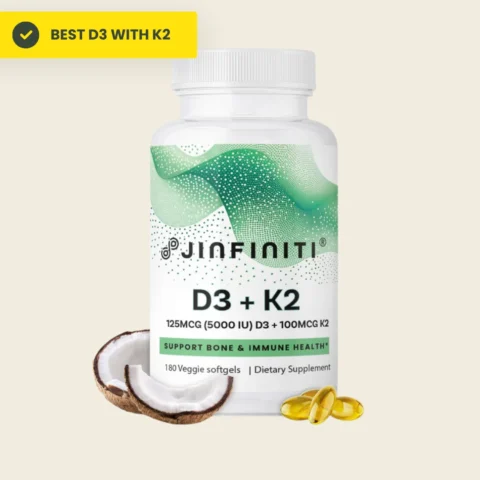
Best With K2: Jinfiniti Vitamin D3 + K2

Best for: Adults supplementing for bone health, cardiovascular protection, or immune support who want a complete formula without managing multiple pills.

Jinfiniti Vitamin D3 + K2 delivers 5,000 IU of D3 alongside 100mcg of K2 as MK-7, suspended in a coconut oil base. It’s the only product on this list designed within a broader precision medicine ecosystem that includes biomarker testing to measure whether your levels actually respond.

The dose is appropriate for most adults addressing deficiency or maintaining optimal levels. The MK-7 form means one softgel per day provides a sustained active window, unlike MK-4 formulas that require multiple doses to maintain coverage throughout the day. The coconut oil carrier addresses the fat-soluble absorption issue at the formulation level.

The distinction worth flagging: most D3+K2 products use MK-4 because it’s less expensive to source. MK-7 has a substantially longer half-life. If your formula doesn’t specify which form of K2 it contains, it’s likely MK-4.

Available from: Jinfiniti

Best Softgel Without K2: Doctor’s Best Vitamin D3
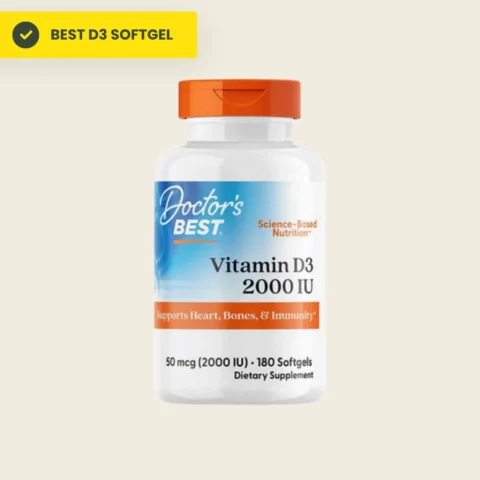
Best Softgel Without K2: Doctor's Best Vitamin D3

Best for: People maintaining adequate levels who already have K2 covered and prefer a standalone D3 at a moderate dose.

Doctor’s Best Vitamin D3 (2,000 IU / 50mcg) is a clean, widely third-party tested softgel for people who get K2 through dietary sources (fermented foods, natto, aged cheeses) or a separate supplement, and prefer a standalone, lower-dose D3 option.

At 2,000 IU, it’s appropriate for maintenance supplementation in adults without severe deficiency who eat a diet with reasonable K2 exposure. One of the better value-per-dose options in this category.

Available from: Doctor’s Best

Best for Vegans: Naturelo Vegan Vitamin D3
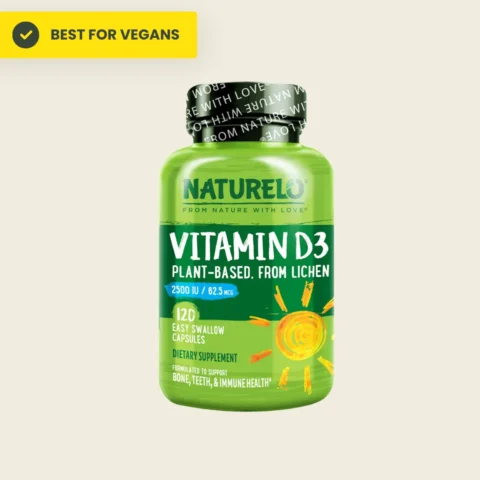
Best for Vegans: Naturelo Vegan Vitamin D3

Best for: Vegans and fully plant-based eaters who want D3 without animal-derived ingredients.

Standard D3 supplements are derived from lanolin, a wax extracted from sheep’s wool. Most people don’t think much about this, but for vegans it matters. Naturelo’s Vegan Vitamin D3 uses cholecalciferol sourced from lichen, a plant-based source that produces the same D3 molecule your skin synthesizes from sunlight.

At 2,500 IU, it’s a solid maintenance or mild correction dose for adults without severe deficiency. Lichen-derived D3 has the same bioavailability as lanolin-derived D3, which makes this a genuine equivalent rather than a compromise.

Available from: Naturelo

Best Liquid Form: Thorne Vitamin D-3
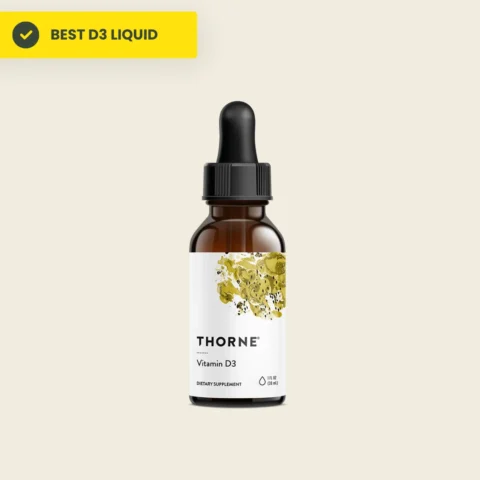
Best Liquid Form: Thorne Vitamin D-3

Best for: People who prefer not to swallow capsules, those titrating dose under clinical guidance, or anyone prioritizing NSF Sport certification.

Thorne’s Vitamin D-3 drops are NSF Certified for Sport, meaning they’ve been independently tested for label accuracy, purity, and the absence of banned substances. The liquid format allows precise, incremental dose adjustments.

That’s particularly useful when working with a clinician to bring deficient levels into range. You might start at a higher corrective dose for several weeks, then step down to a maintenance level. Fixed-dose capsules don’t accommodate that easily. Drops do.

Available from: Thorne

Dosing D3 and Why Testing Changes the Equation

The standard recommended daily intake for vitamin D is 600 to 800 IU, with most regulatory bodies setting a tolerable upper limit around 4,000 IU. But individual needs vary considerably based on starting levels, sun exposure, body composition, and how well a particular person absorbs fat-soluble nutrients.

Someone with severely deficient levels may need 5,000 IU or more per day to reach the sufficient range. Someone already in range may maintain on much less. The dose that’s right for you is not something a label can tell you.

As Dr. Jin-Xiong She, founder of Jinfiniti Precision Medicine, explains: “Vitamin D is one of the most consistently deficient micronutrients we see across patient populations. But the important question isn’t just whether you’re deficient. It’s whether your supplement is actually closing that gap. A blood test tells you both, and it’s the only way to dose with any real precision.”

If you’ve been dealing with fatigue that doesn’t respond to obvious fixes, vitamin D status is one of the first micronutrients worth checking. It’s also worth knowing that D3 doesn’t work in isolation. Magnesium is required to convert vitamin D to its active form, and low magnesium can blunt the effect of D3 supplementation even when doses are adequate.

Standard vitamin D blood tests measure serum 25-hydroxyvitamin D (25(OH)D), the main circulating storage form. Most clinicians consider 30 ng/mL the lower threshold of sufficiency. Many longevity-focused researchers suggest optimal function sits closer to 40 to 60 ng/mL. Testing before you start and again after 8 to 12 weeks of supplementation is the straightforward way to find out where you land.

Frequently Asked Questions

What is the best form of vitamin D3?

D3 (cholecalciferol) is the most bioavailable supplemental form of vitamin D and consistently outperforms D2 in raising and maintaining blood levels. Within D3 supplements, oil-based delivery (such as softgels with a coconut oil carrier) improves absorption compared to dry tablet or capsule forms.

Do I need K2 with vitamin D3?

It depends on your dose and diet. At 2,000 IU and above, pairing D3 with K2 (as MK-7) helps ensure that the calcium D3 mobilizes gets directed to bone tissue rather than soft tissue and arterial walls. If your D3 supplement doesn’t include K2, look for it in fermented foods like natto or consider a separate K2 supplement. If you eat very few fermented foods, a combined D3+K2 formula is the more reliable approach.

Can I take too much vitamin D3?

Yes, though toxicity requires sustained supplementation at very high doses, generally well above 10,000 IU daily over extended periods. Symptoms of excess include elevated blood calcium, nausea, and kidney stress. Testing your blood levels is the most reliable way to stay in the sufficient range without overdoing it.

What’s the difference between MK-4 and MK-7?

Both are forms of vitamin K2, but their activity windows differ significantly. MK-4 has a half-life of roughly 6 to 8 hours, which means multiple daily doses are needed for sustained effect. MK-7 remains active for approximately 72 hours, making once-daily dosing genuinely effective. Most clinical research supporting K2 for bone and cardiovascular health uses the MK-7 form.

How do I know if my vitamin D3 supplement is working?

Test. A serum 25-hydroxyvitamin D test measures your current blood level and, when repeated after 8 to 12 weeks of supplementation, confirms whether your dose is having the intended effect. Without that feedback, you’re making decisions based on what the label says rather than what your body is actually doing.

Joe Rogan Supplement List 2026 - featured image

Reviewing Joe Rogan’s Supplement List in 2026

Joe Rogan’s supplement stack is less a fixed “shopping list” and more a living organism. It shifts with training blocks, travel, guests, and whatever topic is lighting up his curiosity that month.

This guide is a definitive review of the supplements Rogan has discussed using on The Joe Rogan Experience, plus a safety-first sidebar on the non-supplement performance tools he’s mentioned publicly.

Below, each supplement is broken down the same way: what it’s best for, what to watch out for, and who should skip it.

A clear pattern emerges: the most useful supplements Joe Rogan uses tend to fall into two buckets:

  1. Foundational basics (nutrients and performance staples that correct common gaps).
  2. Goal-driven add-ons (sleep, cognition, longevity, recovery).

Your needs are not Joe’s needs. Use this Joe Rogan supplement stack like a menu, not a mandate. The best results come from matching supplements to your goals, your baseline, and real feedback like labs, symptoms, and performance markers.

What to Know Before Copying Any Celebrity Stack

  • More pills doesn’t equal better outcomes. Supplements are most useful when they’re correcting a measurable gap or supporting a specific goal.
  • Dose and form matter as much as the ingredient. Magnesium oxide and magnesium glycinate are very different experiences.
  • Testing beats guessing. If you’re using longevity or metabolic supplements, consider biomarker-based decisions instead of vibes.
  • Supplements can interact with medications and health conditions. If you’re pregnant, immunocompromised, managing kidney disease, or on blood thinners, talk to a clinician.

CLIA-Certified Health Panel

Complete biomarker profile to guide your supplement stack.

Jinfiniti AgingSOS green gradient background

The “Confidence Tiers” We Use in This Review

To keep this grounded, each item is labeled by evidence strength and real-world usefulness:

  • Tier 1 (Strong): Consistent benefits across multiple studies and real-world use.
  • Tier 2 (Good but contextual): Helpful in the right person, the right dose, the right situation.
  • Tier 3 (Promising but early): Some human evidence, but outcomes are inconsistent or limited.
  • Tier 4 (Mostly anecdote/marketing): Benefits are plausible, but evidence is thin.
  • Clinician territory: Not really a supplement; medical supervision recommended.

Joe Rogan Supplement List (2026)

SupplementCategoryBest forEvidence tierTypical dose rangeWho should be cautious
Vitamin D (often paired with K2)FoundationCorrecting deficiency, bone/immune supportTier 1–2600–2000 IU/day (higher if deficient per clinician)High-dose without labs; hypercalcemia risk
Omega‑3 (EPA/DHA)FoundationTriglycerides, heart/brain supportTier 1–2~1–4 g/day EPA+DHA depending on goalBlood thinners, surgery planning
CreatinePerformanceStrength, power, training volumeTier 13–5 g/dayKidney disease requires clinician input
MagnesiumRecovery/sleepSleep quality, cramps, stress supportTier 2100–400 mg elemental/dayKidney disease, GI sensitivity
ProbioticsGutTargeted digestive supportTier 2Strain-specificImmunocompromised (case-by-case)
Greens powder (AG1)Convenience“Nutrition insurance” (sometimes)Tier 3–4Product-specificSubstituting for whole food
NMN / NRLongevityNAD support (personalized)Tier 1–2Product-specificComplex medical history; clinician input
ResveratrolLongevityMetabolic/inflammatory endpoints (mixed)Tier 3100–500 mg/day in many trialsBlood thinners
Alpha BRAIN (Onnit)CognitionShort-term focus experimentsTier 3Product-specificSensitive to stimulants/herbs
L‑theanineSleep/calmCalm focus, sleep supportTier 2–3100–400 mgLow BP, sedatives
Lion’s maneCognitionEarly evidence for mood/cognitionTier 3500–3000 mg/day (varies)Allergy to mushrooms
Zinc / Vitamin CImmuneCold duration support (contextual)Tier 2–3Zinc 50–100 mg/day short-termNausea; copper depletion if chronic
Curcumin / TurmericInflammationJoint discomfort, sorenessTier 2–3500–1500 mg curcuminoidsBlood thinners
BerberineMetabolicGlucose/lipids supportTier 2–3500 mg 2–3x/dayMed interactions, pregnancy

Note: This list is based on Joe’s own on-air comments and recurring JRE discussions. Like any routine, details can change over time.

The Foundation: Where Most People Actually Benefit

If you’re going to borrow anything from this supplement routine, borrow the basics. These aren’t flashy, but they tend to offer the best return on effort.

Vitamin D (and why K2 is often mentioned)

Best for: People with low vitamin D status, limited sun exposure, darker skin tones, winter months, or bone health goals.

Vitamin D is one of those “silent gap” nutrients: many people don’t realize they’re low until a lab shows it. Correcting deficiency can meaningfully support bone health and normal immune function. But higher and higher doses aren’t automatically better.

  • Pros: Strong rationale for deficiency correction; common gap.
  • Cons: Over-supplementation without labs can cause problems.
  • Not for / caution: High-dose vitamin D without monitoring; conditions affecting calcium metabolism.

For a clinician-friendly overview of dosing, deficiency, and safety, see the NIH Office of Dietary Supplements vitamin D fact sheet.

If you’d rather not play “supplement label detective,” pick one simple, well-formulated D3+K2 and stick with it.

Jinfiniti’s Vitamin D3 + K2 combines D3 with MK‑7 K2 in an oil base, which is a practical setup when you’re correcting low levels under clinician guidance.

Omega‑3 fish oil (EPA/DHA)

Best for: Triglyceride support, people who rarely eat fatty fish, and those building a cardio-metabolic foundation.

Omega‑3s are one of the most researched supplement categories. The biggest “slam dunk” outcome is triglyceride reduction, while other outcomes depend on dose, population, and baseline diet.

  • Pros: Good evidence for triglycerides; supports overall dietary pattern.
  • Cons: Product quality varies; “fish oil” on a label doesn’t tell you the EPA+DHA content.
  • Not for / caution: High doses around surgery, or with blood thinners unless guided.

NIH’s omega‑3 overview is useful for evidence and dosing context: omega‑3 fatty acids.

Creatine

Best for: Strength and power training, higher training volume, and anyone who wants a well-supported performance staple.

Creatine has earned its reputation. In sports nutrition circles, it’s one of the most consistently effective supplements for improving strength and high-intensity performance.

  • Pros: Strong evidence, relatively low cost, widely studied.
  • Cons: Some people experience mild water retention.
  • Not for / caution: People with kidney disease should consult a clinician.

A widely cited consensus view comes from the International Society of Sports Nutrition position stand.

If you’re already sold on creatine and want an easy “one scoop” option, Creatine + ATP pairs the gold-standard creatine monohydrate with disodium ATP for a research-backed performance boost.

If you prefer to keep it simple with plain creatine, that’s fine too. The biggest performance win is consistency.

If you want the deeper biology behind why this works, see our breakdowns on creatine and ATP and ATP supplements.

Magnesium (sleep, stress, and muscle support)

Best for: People with low dietary magnesium intake, frequent cramps, sleep disruption, or higher training stress.

Magnesium is foundational, but it’s also a category where form matters. Some forms are more likely to cause digestive upset, while others are better tolerated.

  • Pros: Supports normal muscle and nerve function; often under-consumed.
  • Cons: Too much can cause GI distress.
  • Not for / caution: Kidney disease; high-dose supplementation without guidance.

Here’s the NIH magnesium fact sheet for safety and context.

Gut Health + Daily Convenience Supplements

This is where stacks can get noisy. The goal is to match the tool to the problem.

Probiotics

Best for: Specific, targeted digestive goals where the strain and dose match the evidence.

The probiotic story is not “take any probiotic and become a new person.” It’s more like: certain strains can help in certain contexts, and many products aren’t specific enough.

A helpful clinical stance comes from the American Gastroenterological Association’s guidance.

  • Pros: Can be useful when matched to the right use case.
  • Cons: Hard to evaluate quality; strain specificity is often missing.
  • Not for / caution: Immunocompromised individuals should consult a clinician.

Greens powders (AG1 and the “nutrition insurance” idea)

Best for: People who want convenience and understand what it can’t replace.

Greens powders can be a “better than nothing” habit for some people. The trap is thinking they replace fiber-rich whole foods, protein, or a diet with adequate micronutrients.

McGill University published a grounded critique that helps calibrate expectations.

You can also check out our comparisons of AG1 vs IM8 and Grüns vs AG1 for more detailed breakdowns.

  • Pros: Convenient, may help some people be more consistent.
  • Cons: Marketing often implies benefits that aren’t directly proven.
  • Not for / caution: Anyone using it as a substitute for meals.

Greens powder vs real-food alternatives (quick comparison)

OptionFiberProteinMicronutrientsBest use
Greens powderLow–moderateLowVariableConvenience add-on
Fruits + veggiesHighLow–moderateStrongFoundation
Greek yogurt + berriesModerateHighStrongRecovery + gut support
Beans/lentilsVery highModerateStrongMetabolic + gut support

Longevity and Cellular Energy Supplements

This is the most tempting part of Rogan-style stacks: the promise of more energy, better aging, sharper output. It’s also where personalization matters most.

NMN and NR (NAD precursors)

Best for: People exploring cellular energy support, especially if they plan to measure response.

NAD precursors such as NMN and NR have human studies, but outcomes depend on context and study design. NMN has randomized trial data in specific endpoints like fatigue and sleep quality in certain populations. NR also has human trial data in specific research settings.

  • Pros: Promising research area; plausible mechanism.
  • Cons: Not everyone responds the same; product quality matters.
  • Not for / caution: Pregnancy/breastfeeding; complex medical conditions without clinician input.

Here’s the move that keeps this category grounded: choose one NAD strategy, then verify you’re responding.

Jinfiniti’s Intracellular NAD® Test measures NAD inside your cells, so you can see whether you’re low to start and whether NMN/NR is actually moving the needle. Jinfiniti founder Dr. Jin-Xiong She considers 40–100 μM an optimized intracellular NAD range.

If you want an NAD approach that’s built as a system instead of a single-ingredient experiment, Vitality ↑® NAD+ Booster combines NMN with niacinamide, creatine, and D‑ribose to support multiple pathways involved in NAD metabolism.

If you’re specifically considering NMN, these guides can help you set expectations on dosing and safety: NMN dosage and what NMN is.

Resveratrol

Best for: People interested in cardiometabolic and inflammatory endpoints, with realistic expectations.

Resveratrol research is mixed. Some meta-analyses show modest improvements in certain markers depending on population, baseline health, and dose, while others show limited impact.

A recent meta-analysis found no clinical improvements in metabolic outcomes.

  • Pros: Some signals in metabolic/inflammatory pathways.
  • Cons: Effects aren’t consistently strong across populations.
  • Not for / caution: People on anticoagulants/antiplatelet medications should get clinician input.

Brain, Focus, and Sleep: Joe’s Nootropics Stack

Cognitive supplements are where expectations get dramatic and results get subtle. The best approach: treat them like a personal experiment with clear metrics.

Alpha BRAIN (Onnit)

Best for: People who want to test a finished-product nootropic for short-term focus.

There is a randomized, placebo-controlled trial on the finished product in healthy adults (not the same as proving each ingredient individually).

  • Pros: Some evidence exists for the finished-product category.
  • Cons: Results can be modest; individuals vary widely.
  • Not for / caution: Anyone sensitive to herbal blends or stimulants.

L‑theanine

Best for: Calm focus, smoothing caffeine edges, and sleep support for some people.

A newer systematic review/meta-analysis reports potential sleep-related benefits in some populations.

  • Pros: Generally well tolerated; fits well with caffeine routines.
  • Cons: Not a universal sleep fix.
  • Not for / caution: Low blood pressure or sedative medications (ask a clinician).

Lion’s mane

Best for: People exploring early evidence for cognition/mood support.

Lion’s mane has growing interest and some RCT evidence, but it’s still early and not definitive.

  • Pros: Interesting early human data.
  • Cons: Not a guaranteed cognitive upgrade.
  • Not for / caution: Mushroom allergy.

If you like the “brain” category but want something more comprehensive than a single ingredient, RejuvenAid® layers cognitive support (like Alpha‑GPC) with cellular defense nutrients (like ergothioneine and carnosine).

It’s a good fit if your goal is steady clarity plus long-term cellular protection, not a short-lived nootropic spike.

🧬 IF YOU LIKE THIS, YOU’LL LOVE THESE

If you found this guide helpful, you’ll also like:

Immune + Antioxidant Picks

Zinc (colds)

Best for: Short-term use when you feel a cold coming on.

The most consistent zinc story is about potentially shortening cold duration in some contexts. A Cochrane review summarizes the evidence and limitations.

  • Pros: Can be useful short-term.
  • Cons: Nausea and taste issues are common.
  • Not for / caution: Long-term high-dose zinc can contribute to copper imbalance.

Vitamin C

Best for: People who want modest, short-term support, not miracle prevention.

Vitamin C doesn’t reliably prevent colds for most people, but it may modestly shorten duration in some cases. NIH’s overview is a good reference.

Inflammation and Recovery Support

This is a powerful category when it’s matched to the right goal: joint comfort, soreness, metabolic health, and systemic inflammation.

Curcumin / Turmeric

Best for: Joint discomfort and soreness support, especially in osteoarthritis contexts.

Curcumin research includes multiple trials and meta-analyses, particularly in joint-related outcomes.

  • Pros: Good evidence in some joint discomfort contexts.
  • Cons: Absorption varies widely by formulation.
  • Not for / caution: Blood thinners; GI sensitivity.

If you want a joint-and-recovery option that’s more than “just curcumin,” Extra Strength Turmeric+ stacks turmeric with boswellia, ginger, and quercetin.

It also includes black pepper extract, which is often used to support curcumin bioavailability.

Berberine

Best for: Metabolic support (glucose and lipid markers), especially when paired with diet changes.

Berberine has a growing body of evidence, including meta-analyses in type 2 diabetes markers.

  • Pros: Useful metabolic signals in some studies.
  • Cons: GI side effects and interactions are possible.
  • Not for / caution: Pregnancy; people on glucose-lowering medications should consult a clinician.

If berberine fits your metabolic goals, formulation details matter more than most people realize.

Natural Berberine+ pairs high-potency berberine with a botanical blend and black pepper extract, which is useful if you want one product instead of layering five.

For a bigger-picture overview of where berberine sits in the metabolic conversation, read about natural alternatives to metformin.

Senolytics (fisetin/quercetin category)

Best for: People interested in emerging longevity pathways who understand evidence is early.

Senolytics are an exciting longevity concept, but most of the strong data is still preclinical or early-stage human work. It’s a “promising but early” bucket.

If you want a broader inflammation context that includes these compounds, start here with our guide to the best supplements for inflammation.

If you’re curious about senolytics but not interested in building a DIY stack, SenoAid™ Senolytic Complex combines quercetin and fisetin in one formula, with supportive ingredients like bromelain and piperine.

This category works best when you treat it like an experiment with a clear goal and timeframe, not a forever-daily habit.

Other Non-Supplement Compounds (Clinician Territory)

Rogan has openly talked about TRT (including why he started and how much difference it makes) in official JRE clips, and he’s also discussed peptides like BPC‑157 in the context of recovery and regulation (see JRE #2079).

These aren’t over-the-counter supplements in the normal sense, and their risk/benefit profile depends heavily on medical context. If you’re considering anything in this lane, treat it as a clinician-led decision, not a podcast-inspired impulse.

The Smarter Way to Borrow from Joe’s Stack

Instead of asking “What does Joe take?” ask:

  1. What’s my goal?
  2. What’s my baseline?
  3. What’s the smallest set of changes that moves the needle?

Goal-based mini-stacks (examples)

GoalStarter stack (3–5 items)Best biomarker to check first
Training performanceCreatine, magnesium (if low), omega‑3 (if low fish intake)Lipids, diet quality; hydration
Sleep + stressMagnesium (form matters), L‑theanine, targeted routineSleep tracking, stress + caffeine timing
Longevity focusNAD support (if testing), omega‑3, lifestyle foundationIntracellular NAD® + metabolic markers
Metabolic supportBerberine (contextual), omega‑3, fiber-rich dietA1c, fasting glucose, triglycerides

If longevity is a priority, you’ll get far more clarity by measuring first. Start with testing your NAD levels and learn the context of normal NAD levels by age.

FAQ

What supplements does Joe Rogan take in 2026?

Here’s the core stack Joe has personally described on-air, plus the add-ons he returns to again and again in health-focused episodes.

  • Vitamin D (often paired with K2): Joe explicitly says he takes 5,000 IU daily in JRE #1474 with Rhonda Patrick
  • Omega‑3 fish oil: Joe says he takes Carlson’s liquid fish oil in JRE #1178, also with Rhonda Patrick

Beyond that foundation, the show repeatedly circles back to performance staples (like creatine and magnesium), gut support (probiotics), immune-season add-ons (vitamin C and zinc), and longevity compounds (NMN/NR, resveratrol).

Does Joe Rogan take NMN or NR?

On JRE, NMN and NR are the NAD boosters Joe investigates most deeply, especially in his longevity conversations with researchers like David Sinclair in JRE #1234.

The practical takeaway for readers is simple: if you’re going to experiment with NAD precursors, treat it like an experiment you can verify. Measure your baseline, run a plan, then retest.

Is Alpha BRAIN actually studied?

There is a randomized, placebo-controlled trial of the finished product in healthy adults.

Are greens powders worth it?

They can be a convenience tool, but they shouldn’t replace whole food foundations.

What are the safest “first three” supplements for most people?

It depends on diet and labs, but common “foundation” candidates include vitamin D (if deficient), omega‑3 (if low fish intake), and creatine (if training). Magnesium is also common if intake is low.

Final Takeaway

Joe Rogan’s stack is a useful mirror, not a map. The best use of it is to notice which categories keep showing up and then make them personal:

  • Foundation first (nutrients and performance staples).
  • Goal-driven add-ons (sleep, cognition, longevity).
  • Test and iterate rather than stacking endlessly.

If you want the “precision” version of the longevity category, start with Intracellular NAD® testing and consider the NAD optimization approach instead of blind copying.

The Best Supplements for Inflammation

The Best Anti-Inflammatory Supplements for Calming Inflammation

Inflammation is your body’s built-in fire alarm. It’s useful when you cut your finger or fight off a virus. It’s less useful when the alarm keeps chirping all night with no clear emergency.

That “low-grade, always-on” inflammation is linked with common modern issues like joint stiffness, metabolic slowdown, brain fog, and cardiovascular risk.

If you’re searching for anti-inflammatory supplements or natural anti-inflammatory options, the goal is not to “turn off” immunity. It’s to support a balanced inflammatory response, then measure whether it’s actually moving in the right direction.

What You Should Know

  • The best supplement for inflammation depends on the source, because gut, joints, and metabolic inflammation respond to different tools.
  • Curcumin, omega-3s, vitamin D, and magnesium are some of the supplements with the best evidence.
  • Look for standardized extracts and absorption support, because many popular ingredients are poorly absorbed in basic forms.
  • If you can, track a marker like high-sensitivity CRP, because “I feel better” and “my inflammation is lower” are not always the same thing.

CLIA-Certified Biomarker Panel

Test your inflammation markers before supplementing.

Jinfiniti AgingSOS green gradient background

What Counts as “Anti-Inflammatory” in a Supplement?

A supplement is “anti-inflammatory” when it helps your body dial down excessive inflammatory signaling or oxidative stress while maintaining normal immune system function.

Most evidence-backed supplements work through a few repeatable pathways to reduce inflammation:

  • Modulating inflammatory messengers (like NF-κB, COX enzymes, and certain cytokines)
  • Supporting antioxidant defenses
  • Improving gut barrier function and microbiome balance
  • Correcting nutrient gaps that push inflammation higher over time

If you want a simple starting point, learn your baseline. High-sensitivity C-reactive protein (hs-CRP) is one of the most common blood markers used to estimate systemic inflammation.

“In primary prevention of ASCVD, an hsCRP ≥2 mg/L is considered a risk-enhancing factor.” (American College of Cardiology)

You can read what typical hs-CRP ranges look like in our guide on C-reactive protein levels.

The Best Anti-Inflammatory Supplements, Based on Studies

The list below is a practical “short shelf” of supplements that show up repeatedly in human research, clinical practice, or guideline discussions. The best option for you depends on the pattern you’re dealing with.

SupplementBest ForWhat to Look ForTypical Dosage Range in StudiesCautions
Curcumin (turmeric extract)Joint discomfort, exercise recovery, general inflammatory toneStandardized curcuminoids + absorption enhancer (piperine, phospholipids, etc.)Often 500–1,500 mg/day of extract (varies by formula)May interact with anticoagulants; can upset stomach in some people
Omega-3s (EPA/DHA)Cardiometabolic inflammation, triglycerides, recoveryLabel shows EPA + DHA amounts (not just “fish oil”)~1 g/day EPA+DHA in some heart guidance; higher doses used under medical careHigher doses can increase bleeding tendency; some trials note atrial fibrillation risk at 4 g/day
BerberineMetabolic inflammation (insulin resistance, fatty liver patterns)95% standardized extract; split dosesCommonly 1,000–1,500 mg/day split with mealsCan lower glucose; interacts with meds; avoid in pregnancy unless clinician approves
Magnesium (glycinate, malate)Stress-related inflammation, sleep, muscle recoveryWell-absorbed forms; dose that fits your gut toleranceOften 100–400 mg/day elemental (depends on diet and needs)Too much may cause loose stools; caution with kidney disease
Vitamin D (with K2)Immune balance when levels are lowD3 dose matched to labs; K2 MK-7 for calcium routingVaries widely; monitor 25(OH)D with labsToo much D can raise calcium; monitor if using high doses
Ginger extractDigestive inflammation, soreness, recoveryStandardized gingerols; concentrated extractOften 500–2,000 mg/day equivalentBlood-thinner caution in high doses; heartburn in some people
Boswellia serrataJoint-focused inflammation and stiffnessStandardized boswellic acids (check % on label)Trials use a wide range, sometimes up to ~1,000 mg/dayGI upset possible; quality varies a lot
Senolytics (fisetin, quercetin)“Inflammaging” support (emerging)Cautious dosing strategy + quality sourcingHuman evidence is still developing; many trials use intermittent “pulse” dosingNot a substitute for medical care; avoid if pregnant/breastfeeding; review meds with a clinician

How We Ranked “Best Supplement for Inflammation”

“Best” means different things to different bodies. We used criteria that reflect both research quality and real-world practicality.

  1. Evidence: human trials and meta-analyses matter more than mechanistic hype
  2. Bioavailability: does the formula actually absorb at meaningful levels
  3. Fit: does it match the inflammation pattern you’re trying to support
  4. Safety: interactions, tolerability, and dose realism
  5. Transparency: standardized extracts and clear Supplement Facts

If you are shopping for supplements to fight inflammation, these five rules remove a surprising amount of noise.

1. Curcumin

Curcumin is the best-known active compound in turmeric, Its anti-inflammatory properties are among the strongest of any nutraceutical. An umbrella meta-analysis of 10 systematic reviews across 5,870 participants found curcumin produced consistent reductions in CRP, IL-6, and TNF-α.[1]

A 2024 review of 19 meta-analyses confirmed protective effects across chronic inflammatory and metabolic conditions. Its primary mechanisms include NF-κB inhibition, COX-2 suppression, and NLRP3 inflammasome modulation.[2]

The catch is absorption. Many low-cost turmeric powders are the nutritional version of tossing confetti in the wind. Two things tend to separate stronger curcumin supplements from weaker ones:

  • Standardization (extracts standardized to high curcuminoid content)
  • An absorption strategy (piperine, liposomal/phospholipid forms, or thoughtful ingredient pairing)

If you want a deeper guide on dosing and timing, see our breakdown on how to take turmeric.

Curcumin Formulas You’ll See Most Often

FormulaProsConsWho It Fits
Plain turmeric powderCheap, easy to findLow curcumin content, weak absorptionMostly culinary use
Standardized curcumin extractMore potent than powderStill needs absorption supportPeople targeting joint and recovery support
Curcumin + piperineBetter absorptionNot ideal for everyone (drug interactions)Most people wanting a straightforward “upgrade”
Curcumin + synergistic botanicalsMultiple pathways covered (joint + gut + oxidative stress)More complex, higher costPeople who prefer a “stack” in one formula

2. Ginger

Ginger is one of those rare “natural anti-inflammatory” ingredients that is both kitchen-friendly and research-friendly. Its bioactive compounds, gingerols and shogaols, inhibit COX-2, 5-LOX, and NF-κB, giving it a mechanism similar to both NSAIDs and Boswellia.

Across randomized trials, ginger supplementation has been evaluated for effects on CRP, hs-CRP, TNF-α, and IL-6, with pooled data suggesting meaningful improvements when baseline inflammation is elevated.[3]

What to look for: a standardized ginger extract (often labeled by % gingerols), not just generic “ginger root powder.”

Where it fits best: digestive irritation, post-exercise soreness, and as a complementary add-on when you’re already using foundational tools like curcumin or omega-3s.

3. Boswellia

Boswellia serrata has a uniquely specific mechanism. Its active compound, AKBA (3-O-acetyl-11-keto-β-boswellic acid), is a selective inhibitor of 5-lipoxygenase (5-LOX), a pathway that NSAIDs don’t target. This makes it particularly effective for joint pain and inflammation driven by leukotriene signaling, including in conditions like osteoarthritis and rheumatoid arthritis.[4]

A 2024 double-blind, placebo-controlled RCT in 105 osteoarthritis patients showed reductions in TNF-α and hs-CRP within just five days of treatment.[4]

What to look for: a standardized extract listing boswellic acids. The 30% AKBA extracts (5-Loxin® and Aflapin®) have the most RCT data behind them, and two bottles labeled “Boswellia” can behave like entirely different products if the standardization isn’t there.

Senolytics

If chronic inflammation is the background static, senescent cells are one potential source of the noise. Senescent cells are aged or damaged cells that stop dividing but keep secreting inflammatory signals, a process researchers call the senescence-associated secretory phenotype (SASP).[5]

If you’re curious which compounds fall into this category, see our overview of natural senolytic supplements.

Human data is still early but promising. A first-in-human pilot study using a senolytic strategy showed reductions in senescent cell burden and SASP markers.[5]

Fisetin is currently being studied in a Phase II RCT (TROFFi trial) targeting frailty and physical decline, and other protocols are examining it in high-inflammation settings in older adults.[6][7]

Two important clarifications:

  • A prescription-drug senolytic combo is not the same thing as a dietary supplement. The best-supported human studies often involve prescription agents, so supplement claims need to stay in the lane of supporting healthy aging and inflammatory balance.
  • The goal is smarter experimentation, not hype. Intermittent “pulse dosing” (a few days per week rather than daily) is a distinguishing feature of how this category is used in trials.

If you’re interested in a senolytic-support supplement approach, our SenoAid™ Senolytic Complex combines quercetin + fisetin with supportive co-ingredients, designed for a more practical “stack in one” approach.

4. Omega-3s (Fish Oil)

Omega-3s (EPA and DHA) are partly a supplement story and partly a diet story. Their mechanism goes beyond simple cytokine suppression: EPA and DHA drive the production of resolvins and protectins, specialized molecules that actively resolve inflammation rather than just dampen it.[8]

Meta-analyses including tens of thousands of participants confirm that omega-3 fatty acids reduce levels of IL-1β, IL-6, TNF-α, and CRP across cardiometabolic, autoimmune, and joint contexts, including rheumatoid arthritis.[9]

For people with established coronary heart disease, the AHA recommends about 1 g/day of EPA + DHA, preferably from oily fish, with supplements considered under clinician direction.[10]

What to look for: products that list EPA and DHA amounts clearly (not just “fish oil”), plus freshness and third-party testing to reduce oxidation concerns.

Where it fits best: cardiometabolic inflammation patterns, triglyceride support, and recovery when your diet is light on fatty fish.

5. Berberine

If inflammation is traveling with insulin resistance, belly fat gain, or blood sugar swings, berberine is worth a serious look. Mechanistically, it directly inhibits IKKα at its ligand binding site, blocking NF-κB from translocating to the nucleus.

A meta-analysis of 17 clinical trials covering 1,670 patients found berberine reduced hs-CRP, IL-6, and macrophage migration inhibitory factor alongside improvements in glycemic control. It also modulates gut microbiota, suppressing intestinal pro-inflammatory cytokines including IL-1β and TNF-α, which makes it particularly relevant when metabolic inflammation overlaps with gut or digestive issues like inflammatory bowel disease.[11]

Berberine tends to work best when taken with meals and when sleep, protein intake, and movement are not being ignored.

Our Natural Berberine+ provides 1,200 mg of 95% berberine extract per serving, paired with complementary botanicals for improved absorption.

6. Vitamin D and Minerals

Not every inflammation plan needs another exotic botanical. Sometimes the lever is boring.

Vitamin D exerts anti-inflammatory properties via VDR (vitamin D receptor) receptors on immune cells, reducing pro-inflammatory mediators like IL-6, TNF-α, and IL-17 while increasing anti-inflammatory cytokines. Research also suggests it can help lower inflammation related to immune dysregulation, particularly when deficiency is the root issue.[12]

A 2025 study found that even small regular doses effectively corrected deficiency and produced measurable decreases in pro-inflammatory cytokine concentrations. Like magnesium, the effects are strongest when baseline levels are actually low.[13]

Optimal mineral status is also associated with anti-inflammatory effects. A meta-analysis confirmed that dietary magnesium intake is inversely associated with serum CRP. Selenium supports antioxidant enzymes that keep inflammatory stress from escalating.[14][15]

If you suspect a deficiency pattern, bloodwork can help identify them. A complete panel like AgingSOS Advanced can track vitamin D status alongside other cardiometabolic markers that tend to move alongside inflammation.

Evidence Strength at a Glance

CompoundMechanismStrongest Evidence LevelBiomarkers Reduced
CurcuminNF-κB, COX-2, NLRP3Umbrella meta-analysis (5,870 pts)CRP, IL-6, TNF-α
Omega-3Resolvins/protectins, cytokine suppressionMultiple large RCTs & meta-analysesCRP, IL-6, LTB4
Boswellia5-LOX, NF-κB, NLRP3Multiple RCTs (OA, IBD, asthma)TNF-α, CRP, LTB4
BerberineNF-κB (IKKα), gut microbiotaMeta-analysis (17 trials, 1,670 pts)hs-CRP, IL-6, MIF
MagnesiumInnate immune cytokine suppressionMeta-analysis (CRP inverse association)CRP, TNF-α, IL-6
Vitamin DVDR, Treg, macrophage polarizationMultiple RCTs & meta-analysesCRP, IL-6, TNF-α
GingerCOX-2, 5-LOX, NF-κBMechanistic + small RCTsIL-6, PGE2, LTB4
Senolytics (Q/F)SASP clearance, apoptosis in senescent cellsEarly pilot trials + Phase II ongoingp16, SASP factors

Choosing the Right Supplement for Your Goal

Here are three simple “if this, then that” matchups that work for most people.

If Your Main Issue Is Joints and Stiffness

Start with a curcumin strategy. Prioritize standardized extract plus absorption support. Consider adding omega-3s if recovery is slow or if diet is low in fatty fish.

If Your Main Issue Is Metabolic Inflammation

Berberine can be a strong fit, especially alongside protein-forward meals and daily walking. Omega-3s often pair well here too.

If Your Main Issue Is “General Inflammation” With No Clear Target

Start with the basics: omega-3s, vitamin D status, magnesium adequacy, sleep, and stress load. Then add curcumin if joint discomfort, soreness, or gut irritability is part of the picture.

If Your Main Issue Is “Inflammaging” (Age-Related Inflammation)

If your inflammation feels tied to aging patterns (slower recovery, rising hs-CRP over time, more aches with less provocation), the emerging category to watch is senolytics.

The evidence is still developing and many human studies involve prescription combinations, but the premise is compelling: reducing senescent-cell burden may help reduce inflammatory signaling.

If you explore this category, consider an intermittent approach and pair it with measurement, like baseline and follow-up hs-CRP, and broader cardiometabolic markers through a panel such as AgingSOS Advanced.

Safety, Side Effects, and Interactions to Respect

Supplements can be powerful. That also means they can be interactive. Here is what to watch out for:

  • If you take anticoagulants or antiplatelet medications, talk to your clinician before using high-dose curcumin, fish oil, ginger, or combination products with piperine.
  • If you use glucose-lowering medications, berberine can compound the effect. Monitor.
  • If you are pregnant, breastfeeding, or managing a chronic condition, get medical guidance before starting a new supplement stack.

A Practical 30-Day Plan to Try

This is the simplest “clean test” approach. Change as few variables as possible so you can learn what is actually helping.

  • Week 1: Choose one primary supplement based on your main goal
  • Week 2: Add only one supporting supplement if needed (often omega-3s or magnesium)
  • Weeks 3–4: Keep the plan steady, then reassess symptoms and consider a lab marker (like hs-CRP) if you want objective feedback

Dr. Jin-Xiong She, PhD, puts it like this: “Inflammation is measurable. When you track it, you stop guessing and start adjusting with purpose.”

FAQs

These are the most common questions we hear when people compare supplements for inflammation.

What is the best anti-inflammatory supplement overall?

Curcumin and omega-3s are the most common “first picks,” but the best choice depends on whether your inflammation is joint, gut, or metabolically driven.

How long do supplements for inflammation take to work?

Some people notice changes in soreness or digestion within a week or two. Biomarker shifts often take 4–8 weeks, especially for omega-3s and vitamin D.

Can I take multiple anti-inflammatory supplements together?

Often yes, but stack intentionally. Choose ingredients that cover different pathways, and avoid doubling up on blood-thinning effects if you take related medications.

What should I avoid when buying anti-inflammatory supplements?

Avoid products with unclear dosing, no standardization, and no absorption strategy for poorly absorbed ingredients like curcumin.

Should I test inflammation before supplementing?

If you can, yes. Even one baseline hs-CRP result makes your plan more grounded and helps you see whether your changes are working.

Referenced Sources

  1. Naghsh N, Musazadeh V, Nikpayam O, Kavyani Z, Moridpour AH, Golandam F, et al. Profiling Inflammatory Biomarkers following Curcumin Supplementation: An Umbrella Meta‐Analysis of Randomized Clinical Trials. Wiley; 2023. https://doi.org/10.1155/2023/4875636
  2. Lee YM, Kim Y. Is Curcumin Intake Really Effective for Chronic Inflammatory Metabolic Disease? A Review of Meta-Analyses of Randomized Controlled Trials. MDPI AG; 2024. https://doi.org/10.3390/nu16111728
  3. Sonkusare SG, Bhure BS. A Review of Herbal Gel with Anti-Inflammatory Action Using Aloe Vera, Turmeric, Ginger, Onion, Omega-3 Fatty Acids and Green Tea. International Journal of Innovative Science and Research Technology; 2026. https://doi.org/10.38124/ijisrt/26jan987
  4. Majeed A, Majeed S, Satish G, Manjunatha R, Rabbani SN, Patil NVP, et al. A standardized Boswellia serrata extract shows improvements in knee osteoarthritis within five days-a double-blind, randomized, three-arm, parallel-group, multi-center, placebo-controlled trial. Frontiers Media SA; 2024. https://doi.org/10.3389/fphar.2024.1428440
  5. Kirkland JL, Tchkonia T. Senolytic drugs: from discovery to translation. Wiley; 2020. https://doi.org/10.1111/joim.13141
  6. Ji J, Lipsyc-Sharf MD, Baclig NV, Zektser YA, Al Saleem A, Olivera JD, et al. Abstract CT238: Treatment of frailty with fisetin (TROFFi) in postmenopausal breast cancer survivors: A phase II randomized double-blind placebo-controlled study. American Association for Cancer Research (AACR); 2025. https://doi.org/10.1158/1538-7445.am2025-ct238
  7. Zhu Y, Doornebal EJ, Pirtskhalava T, Giorgadze N, Wentworth M, Fuhrmann-Stroissnigg H, et al. New agents that target senescent cells: the flavone, fisetin, and the BCL-XL inhibitors, A1331852 and A1155463. Impact Journals, LLC; 2017. https://doi.org/10.18632/aging.101202
  8. Duvall MG, Levy BD. DHA- and EPA-derived resolvins, protectins, and maresins in airway inflammation. Elsevier BV; 2016. https://doi.org/10.1016/j.ejphar.2015.11.001
  9. Kavyani Z, Musazadeh V, Fathi S, Hossein Faghfouri A, Dehghan P, Sarmadi B. Efficacy of the omega-3 fatty acids supplementation on inflammatory biomarkers: An umbrella meta-analysis. Elsevier BV; 2022. https://doi.org/10.1016/j.intimp.2022.109104
  10. Kris-Etherton PM, Harris WS, Appel LJ. Omega-3 Fatty Acids and Cardiovascular Disease. Ovid Technologies (Wolters Kluwer Health); 2003. https://doi.org/10.1161/01.atv.0000057393.97337.ae
  11. Luo D, Yu B, Sun S, Chen B, Harkare HV, Wang L, et al. Effects of adjuvant berberine therapy on acute ischemic stroke: A meta‐analysis. Wiley; 2023. https://doi.org/10.1002/ptr.7920
  12. Su ST, Shih PC, Wu MC. High-dose Vitamin D supplementation for immune recalibration in autoimmune diseases. Frontiers Media SA; 2025. https://doi.org/10.3389/fimmu.2025.1625769
  13. Walawska-Hrycek A, Hrycek E, Galus W, Jędrzejowska-Szypułka H, Krzystanek E. Does Systematic Use of Small Doses of Vitamin D Have Anti-Inflammatory Effects and Effectively Correct Deficiency Among Healthy Adults? MDPI AG; 2025. https://doi.org/10.3390/nu17020352
  14. Dibaba DT, Xun P, He K. Dietary magnesium intake is inversely associated with serum C-reactive protein levels: meta-analysis and systematic review. Springer Science and Business Media LLC; 2014. https://doi.org/10.1038/ejcn.2014.7
  15. Huang Z, Rose AH, Hoffmann PR. The Role of Selenium in Inflammation and Immunity: From Molecular Mechanisms to Therapeutic Opportunities. SAGE Publications; 2012. https://doi.org/10.1089/ars.2011.4145
A woman dressed for winter in a white tuque outdoors.

The 5 Best Vitamins and Supplements for Winter Immune Support

Winter is more than just a change in weather and fewer hours of daylight. It’s a perfect storm of circumstances that put stress on your immune system, including less sunshine, time spent indoors in close quarters, seasonal viruses and less activity. Add in the winter blues that many people experience, a general feeling of tiredness and malaise, and winter can feel like an uphill battle for your immune health.

That’s where a few key supplements can help. A strategic approach to winter vitamins can fill in gaps in your immune defenses. The dietary supplements we cover below are all backed by clinical evidence of effectiveness to help your immune system when it needs it most.

Highlights

  • Winter brings a Vitamin D deficiency in 40% of people which directly impairs immune cell function and increases susceptibility to cold and flu infections
  • Zinc lozenges (80-92 mg/day) halve the length of a cold if taken when first symptoms appear
  • The mixture of vitamin C with quercetin has stronger antiviral effects than either on its own
  • Vitamins and minerals such as magnesium and selenium support basic immune functions, but require fine-tuning of dose to prevent immune suppression

Five Science-Backed Supplements to Strengthen Winter Immunity

Crowding indoors, limited sun exposure, seasonal stress. There’s a reason colds and flus go around during winter. Studies suggest immune function changes with the seasons, with some inflammatory markers peaking in the winter months[1].

You can’t control the weather or the calendar. You can support your immune system with science-backed supplements.

The 5 supplements below aren’t just trendy. They’re backed by clinical studies that show a meaningful effect on immune function when you need it.

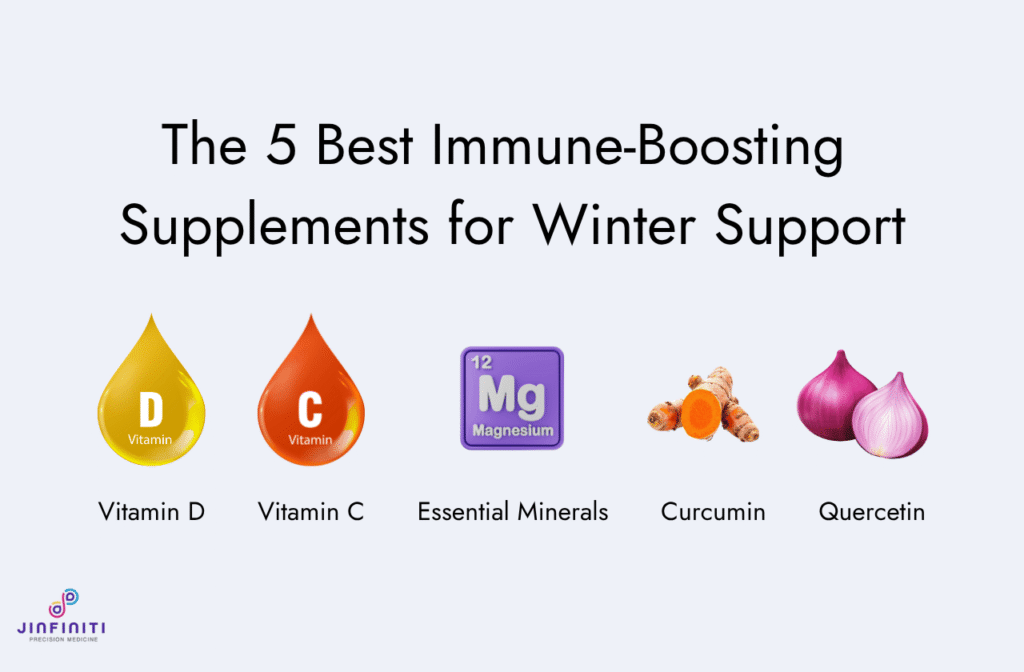
Infographic showing the 5 best immune-boosting supplements for winter

1. Vitamin D

Your skin produces vitamin D when exposed to sunlight. During winter months at latitudes above 30°N, the sun’s angle makes this nearly impossible.

The numbers tell the story. About 40% of Canadians fall below adequate vitamin D levels during winter, compared to 25% in summer. In northern Poland, researchers found 84.4% of adults were deficient in winter months[2].

How vitamin D protects your immune system

Virtually all immune cells have vitamin D receptors. This tells you something important—your immune system depends on this nutrient.

The active form of vitamin D influences both innate and adaptive immune responses through multiple mechanisms[3]:

  • Creates antimicrobial peptides that inhibit viral replication
  • Prevents the cytokine storm that makes infections severe
  • Supports immune cell training and maturation
  • Regulates inflammatory responses to prevent tissue damage

Dr. John White’s research at McGill University revealed that vitamin D deficiency causes the thymus (the organ training your immune cells) to age faster. This creates a “leaky” immune system less effective at protecting you.

What the research shows

A 2017 study in The BMJ analyzed data from over 11,000 participants. The conclusion? Vitamin D supplementation protects against acute respiratory infections[4].

The protective effects were strongest in people with severe deficiency (below 10 mg/dL), whose infection risk was cut in half. Daily or weekly supplementation worked better than large occasional doses.

A 2022 analysis found vitamin D reduced influenza infections by 22%[5]. Not all studies agree on the magnitude of benefit, but the pattern is clear—adequate vitamin D matters for immune defense.

How much you need

Current recommendations suggest maintaining serum levels above 50 ng/mL for optimal immune function. This is higher than the 30 ng/mL typically recommended for bone health.

Taking a vitamin D supplement during winter months is one of the most practical steps for overall health:

  • NHS recommendation: 400 IU (10 mcg) daily for autumn and winter
  • Expert recommendations: 1,500-2,000 IU daily for most adults
  • Therapeutic doses for deficiency: 5,000 IU daily (requires 3-5 months to reach optimal levels)
  • Tolerable upper limit: 4,000 IU daily for long-term use

The tolerable upper limit is 4,000 IU daily for long-term use. Toxicity is rare but can occur above 150 ng/mL blood levels.

2. Vitamin C

A vitamin C supplement taken regularly does not prevent colds in most people[6]. The persistent belief stems from 1970s advocacy that wasn’t supported by later research.

That doesn’t mean vitamin C is useless for fighting the common cold.

Vitamin C is water-soluble and builds up in immune cells at concentrations 50-100 times higher than in the blood plasma[7]. During infections, these levels drop rapidly—your immune system is using it up.

Vitamin C supports multiple immune functions:

  • Boosts production and function of neutrophils, lymphocytes, and phagocytes (first-line defenders)
  • Supports T-cells and B-cells needed for adaptive immunity
  • Acts as a powerful antioxidant protecting immune cells from oxidative damage
  • Reduces cold duration by approximately 2 days when taken after symptom onset
  • Lowers risk of severe cold symptoms in some studies

When taken after cold onset, vitamin C can reduce symptoms. One analysis found it reduced symptoms by approximately 2 days with an 87% lower risk of severe symptoms[8].

The exception? Studies of athletes under extreme physical stress showed vitamin C reduced cold incidence by up to 50%[7]. If you’re training hard or under significant physical stress, the benefits increase.

How much to take

The recommended daily dosage of vitamin C is 90 mg for men and 75 mg for women. Most people can get adequate amounts from fruits and vegetables.

Supplementation of 1-2 grams daily is generally safe. Vitamin C is water-soluble, so excess amounts are excreted rather than stored.

Pairing vitamin C with quercetin

There is some evidence that pairing vitamin C with quercetin could have an increased antiviral effect. One function of vitamin C is to prevent quercetin from breaking down so it can do its job[9].

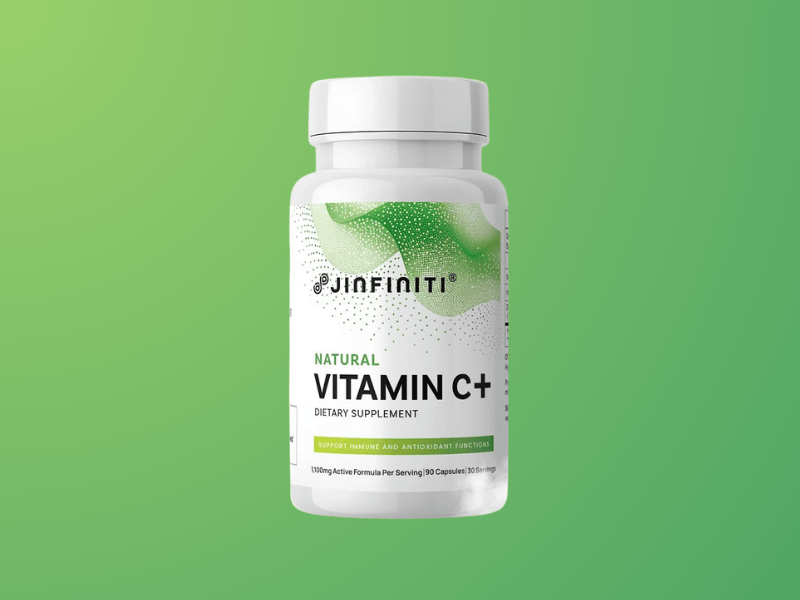
Bioavailable Vitamin C

Natural, whole-food vitamin C from Amla fruit.

Jinfiniti Natural Vitamin C + Zinc on green background

3. Essential Minerals: Zinc, Magnesium, and Selenium

Three essential minerals deserve your attention for winter immune support. Each plays distinct but complementary roles.

Zinc: The immune gatekeeper

Your body cannot produce or store large amounts of zinc, making consistent intake necessary.

Dr. Daren Knoell’s research at Ohio State showed zinc acts as a feedback regulator, preventing immune overreaction. Zinc enters immune cells during infection and slows the inflammatory response, preventing collateral damage.

Research shows zinc supports multiple immune functions:

  • Boosts natural killer cell activity
  • Increases neutrophil function and mobility
  • Activates T-cell proliferation
  • Supports antibody production by B-cells
  • Regulates cytokine production to prevent inflammatory damage

For treating colds, zinc shows promise. A 2024 Cochrane review found zinc lozenges may reduce cold duration by about 2 days[10]. The effect appears specific to zinc acetate lozenges at 80-92 mg/day.

The RDA is 11 mg/day for men and 8 mg/day for women. For cold treatment, studies used 75-100 mg/day divided into multiple lozenges. The upper limit for long-term use is 40 mg/day.

Zinc supplements in lozenge form work best for treating colds because the zinc needs direct contact with throat tissues where viruses replicate.

Both deficiency and excess impair immunity. Zinc intake of 100 mg/d suppresses immune responses[11].

Magnesium: The overlooked regulator

Magnesium rarely gets attention in immune discussions, but it shouldn’t be ignored.

A 2022 study in Cell found T-cells need sufficient magnesium to operate efficiently. Adequate magnesium maintains the active conformation of proteins that help T-cells recognize and attack threats[12].

Magnesium deficiency creates several immune problems:

  • Triggers inflammation by increasing neutrophils and inflammatory gene expression
  • Elevates pro-inflammatory cytokines (TNF-α, IL-1β, IL-10)
  • Impairs T-cell activation and function
  • Disrupts gut microbiome balance, which affects immune health

A 2024 study found supplementation (15 mmol/day) substantially lowered inflammatory capacity of T-cells in people with type 2 diabetes[13].

Adults need 310-420 mg daily. Food sources include:

  • Nuts (especially almonds: 80 mg per 30g serving)
  • Seeds (pumpkin seeds, sunflower seeds)
  • Dark leafy greens (spinach, Swiss chard)
  • Beans and legumes (black beans, lentils)
  • Whole grains (brown rice, quinoa)
  • Avocados and bananas

Selenium: Small amounts, big impact

Selenium is a component of at least 25 selenoproteins, including antioxidant enzymes that protect immune cells from oxidative damage[14].

Research shows adequate selenium supports immune cell activation and differentiation. Evidence for supplementation is mixed, though some studies show benefits for people with low baseline levels.

The RDA is 55 μg/day for adults. The upper limit is 400 μg/day. Most people consuming varied diets get adequate amounts without supplementation—Brazil nuts alone are extremely high in selenium (1-2 nuts meet daily needs).

4. Curcumin

Curcumin, extracted from turmeric, possesses remarkable anti-inflammatory and immune-modulating properties.

It inhibits key inflammatory pathways including NF-κB, MAPK, and JAK/STAT[15]. In various studies, curcumin showed multiple beneficial effects:

  • Decreased pro-inflammatory cytokines (IL-1β, IL-6, TNF-α)
  • Increased anti-inflammatory cytokines (IL-10, IL-4)
  • Reduced inflammatory enzyme expression (COX-2, iNOS)
  • Shifted immune cell polarization toward anti-inflammatory phenotypes
  • Protected against oxidative stress in immune cells

Over 300 clinical trials have explored curcumin’s effects on respiratory diseases, inflammatory conditions, and immune function.

The bioavailability problem

The challenge with curcumin is absorption. Very little reaches your bloodstream unchanged when taken orally.

Black pepper extract (piperine) is the solution. Studies show it increases curcumin absorption by up to 2000%[16]. Look for supplements combining these ingredients.

Dosing and safety

Clinical studies typically use 500-2,000 mg daily. Most turmeric and curcumin supplements contain 1,000-1,500 mg daily with piperine.

Curcumin is generally well-tolerated. High doses may cause digestive upset. People taking blood thinners should consult healthcare providers first.

5. Quercetin

Quercetin is a phytonutrient in onions, apples, berries, and tea. Though it’s not as well-known as vitamin C, researchers have discovered this flavonoid has direct antiviral activity against respiratory viruses.

How quercetin fights respiratory viruses

Lab studies have found that quercetin works against the viruses that cause most winter illnesses. Research shows it inhibits replication of rhinovirus, influenza, respiratory syncytial virus, and adenovirus in cell cultures[17].

The mechanisms are fascinating. Quercetin attacks viruses at multiple stages:

  • Blocks viral entry into cells by interfering with membrane fusion
  • Disrupts viral replication once inside cells
  • Prevents assembly and release of new viral particles
  • Reduces inflammatory response that causes respiratory symptoms
  • Increases production of antiviral interferons

Animal studies back this up. Mice given quercetin before influenza infection showed reduced viral load, less lung inflammation, and lower mortality rates compared to untreated mice[18].

What human studies show

The human research picture is mixed but intriguing. A large community trial with over 1,000 participants found no overall benefit from quercetin (500 or 1,000 mg/day) for preventing upper respiratory infections. The surprise came in subgroup analysis—subjects over 40 who rated themselves physically fit experienced significantly fewer sick days and less severe symptoms[19].

Studies in athletes tell a different story. Cyclists taking 1,000 mg/day quercetin for three weeks showed markedly lower infection rates (1 of 20 subjects infected versus 9 of 20 in the placebo group) during the two weeks following intense training[20].

Why the inconsistent results? Quercetin appears most beneficial for people under physical stress or at higher baseline risk. It may work better for preventing infections during vulnerable periods than for general prevention.

The vitamin C connection

Quercetin alone has poor stability and bioavailability. Research suggests vitamin C prevents quercetin degradation, maintaining its antiviral activity[9]. The two compounds work synergistically—vitamin C stabilizes quercetin while quercetin enhances vitamin C’s immune effects.

A 2021 systematic review of animal studies found that quercetin-type flavonoids significantly reduced mortality rates and viral loads in infected animals[21].

Practical use

Studies examining quercetin for respiratory health typically use 500-1,000 mg daily. The compound is generally safe, though very high doses may cause headaches or digestive discomfort in some people.

Food sources include:

  • Red onions (highest quercetin content among onions)
  • Apples (especially with skin)
  • Berries (blueberries, cranberries, blackberries)
  • Grapes (especially dark varieties)
  • Broccoli and kale
  • Green tea and black tea
  • Capers (extremely high concentration)

Cooking doesn’t significantly reduce quercetin content.

Look for supplements that combine quercetin with bromelain (from pineapple) or vitamin C to improve absorption. Some formulations use quercetin bound to other compounds for better bioavailability.

Other Supplements Worth Considering

The five supplements covered above have the strongest research backing for winter immune support. Several others show promise but need more study or work best for specific situations:

  • Elderberry: May shorten illness duration by 2-4 days when taken at symptom onset by preventing viral attachment to cells[22]
  • Omega-3 fatty acids: Help resolve inflammation after infection (aim for 1-2 grams daily of combined EPA and DHA)
  • Vitamin E: Improves T-cell function in older adults at 200 IU daily[23], though most people get enough from nuts and seeds
  • B vitamins: Support immune cell production but only help if you’re deficient (B6, B9, and B12 are most relevant)

These supplements may fill specific gaps in your nutrition. They don’t replace the core five covered earlier, which target the most common winter immune challenges.

A Note on Supplement Quality

Not all supplements are created equal. Quality varies dramatically between brands, and poor-quality products waste your money while potentially harming your health.

  • Look for third-party testing from USP, NSF International, or ConsumerLab to verify contents and purity
  • Choose forms with better bioavailability (magnesium glycinate over oxide, vitamin D3 over D2, curcumin with piperine)
  • Avoid products with excessive fillers, artificial colors, or proprietary blends that hide ingredient amounts
  • Seek cGMP-certified manufacturing for strict quality control during production
  • Be wary of prices far below competitors—corners get cut somewhere

Price reflects quality to some extent. You don’t need the most expensive option, but extremely cheap supplements raise red flags.

Your Winter Immune Strategy

These 5 supplements are a good blend of different approaches for immune support. Vitamin D helps with the winter deficit. Minerals are important cofactors for immune cells. Vitamin C helps the immune system and might shorten a cold. Curcumin and quercetin provide anti-inflammatory effects. 

Test your nutrient levels before jumping into supplements. Especially for vitamin D, where people need such different doses, blood testing is the only way to be sure of your status.

Jinfiniti Precision Medicine founder Dr. Jin-Xiong She is a genomic scientist with over 400 peer-reviewed publications who shares the same sentiment: “Winter immune support is not about popping every supplement in the store. It’s about identifying your specific deficiencies with testing and then addressing those gaps with targeted, evidence-based interventions. The same dose of a supplement that’s just right for one person could be too little or too much for someone else.”

Of course, supplements are just one part of the equation. The cornerstones of health are still sleep, exercise, stress reduction, and a whole-foods-based diet.

Referenced Sources

  1. Calton EK, Keane KN, Raizel R, Rowlands J, Soares MJ, Newsholme P. Winter to summer change in vitamin D status reduces systemic inflammation and bioenergetic activity of human peripheral blood mononuclear cells. Elsevier BV; 2017. https://doi.org/10.1016/j.redox.2017.04.009
  2. Kmieć P, Żmijewski M, Waszak P, Sworczak K, Lizakowska-Kmieć M. Niedobór witaminy D w przeważająco miejskiej populacji dorosłych z Województwa Pomorskiego w miesiącach zimowych. VM Media SP. zo.o VM Group SK; 2014. https://doi.org/10.5603/ep.2014.0015
  3. Ao T, Kikuta J, Ishii M. The Effects of Vitamin D on Immune System and Inflammatory Diseases. MDPI AG; 2021. https://doi.org/10.3390/biom11111624
  4. Martineau AR, Jolliffe DA, Hooper RL, Greenberg L, Aloia JF, Bergman P, et al. Vitamin D supplementation to prevent acute respiratory tract infections: systematic review and meta-analysis of individual participant data. BMJ; 2017. https://doi.org/10.1136/bmj.i6583
  5. Zhu Z, Zhu X, Gu L, Zhan Y, Chen L, Li X. Association Between Vitamin D and Influenza: Meta-Analysis and Systematic Review of Randomized Controlled Trials. Frontiers Media SA; 2022. https://doi.org/10.3389/fnut.2021.799709
  6. Ran L, Zhao W, Wang H, Zhao Y, Bu H. Vitamin C as a Supplementary Therapy in Relieving Symptoms of the Common Cold: A Meta‐Analysis of 10 Randomized Controlled Trials. Wiley; 2020. https://doi.org/10.1155/2020/8573742
  7. Carr A, Maggini S. Vitamin C and Immune Function. MDPI AG; 2017. https://doi.org/10.3390/nu9111211
  8. Ran L, Zhao W, Wang J, Wang H, Zhao Y, Tseng Y, et al. Extra Dose of Vitamin C Based on a Daily Supplementation Shortens the Common Cold: A Meta-Analysis of 9 Randomized Controlled Trials. Wiley; 2018. https://doi.org/10.1155/2018/1837634
  9. Colunga Biancatelli RML, Berrill M, Catravas JD, Marik PE. Quercetin and Vitamin C: An Experimental, Synergistic Therapy for the Prevention and Treatment of SARS-CoV-2 Related Disease (COVID-19). Frontiers Media SA; 2020. https://doi.org/10.3389/fimmu.2020.01451
  10. Nault D, Machingo TA, Shipper AG, Antiporta DA, Hamel C, Nourouzpour S, et al. Zinc for prevention and treatment of the common cold. Wiley; 2024. https://doi.org/10.1002/14651858.cd014914.pub2
  11. Ibs KH, Rink L. Zinc-Altered Immune function. Elsevier BV; 2003. https://doi.org/10.1093/jn/133.5.1452s
  12. Lötscher J, Martí i Líndez AA, Kirchhammer N, Cribioli E, Giordano Attianese GMP, Trefny MP, et al. Magnesium sensing via LFA-1 regulates CD8+ T cell effector function. Elsevier BV; 2022. https://doi.org/10.1016/j.cell.2021.12.039
  13. Drenthen LCA, Ajie M, de Baaij JHF, Tack CJ, de Galan BE, Stienstra R. Magnesium Supplementation Modulates T-cell Function in People with Type 2 Diabetes and Low Serum Magnesium Levels. The Endocrine Society; 2024. https://doi.org/10.1210/clinem/dgae097
  14. Huang Z, Rose AH, Hoffmann PR. The Role of Selenium in Inflammation and Immunity: From Molecular Mechanisms to Therapeutic Opportunities. Mary Ann Liebert Inc; 2012. https://doi.org/10.1089/ars.2011.4145
  15. Peng Y, Ao M, Dong B, Jiang Y, Yu L, Chen Z, et al. Anti-Inflammatory Effects of Curcumin in the Inflammatory Diseases: Status, Limitations and Countermeasures. Informa UK Limited; 2021. https://doi.org/10.2147/dddt.s327378
  16. Gupta SC, Patchva S, Aggarwal BB. Therapeutic Roles of Curcumin: Lessons Learned from Clinical Trials. Springer Science and Business Media LLC; 2012. https://doi.org/10.1208/s12248-012-9432-8
  17. Ganesan S, Faris AN, Comstock AT, Wang Q, Nanua S, Hershenson MB, et al. Quercetin inhibits rhinovirus replication in vitro and in vivo. Elsevier BV; 2012. https://doi.org/10.1016/j.antiviral.2012.03.005
  18. Davis JM, Murphy EA, McClellan JL, Carmichael MD, Gangemi JD. Quercetin reduces susceptibility to influenza infection following stressful exercise. American Physiological Society; 2008. https://doi.org/10.1152/ajpregu.90319.2008
  19. Heinz SA, Henson DA, Austin MD, Jin F, Nieman DC. Quercetin supplementation and upper respiratory tract infection: A randomized community clinical trial. Elsevier BV; 2010. https://doi.org/10.1016/j.phrs.2010.05.001
  20. Li Y, Yao J, Han C, Yang J, Chaudhry M, Wang S, et al. Quercetin, Inflammation and Immunity. MDPI AG; 2016. https://doi.org/10.3390/nu8030167
  21. Brito JCM, Lima WG, Cordeiro LPB, da Cruz Nizer WS. Effectiveness of supplementation with quercetin‐type flavonols for treatment of viral lower respiratory tract infections: Systematic review and meta‐analysis of preclinical studies. Wiley; 2021. https://doi.org/10.1002/ptr.7122
  22. Tiralongo E, Wee S, Lea R. Elderberry Supplementation Reduces Cold Duration and Symptoms in Air-Travellers: A Randomized, Double-Blind Placebo-Controlled Clinical Trial. MDPI AG; 2016. https://doi.org/10.3390/nu8040182
  23. Meydani SN, Lewis ED, Wu D. Perspective: Should Vitamin E Recommendations for Older Adults Be Increased?. Elsevier BV; 2018. https://doi.org/10.1093/advances/nmy035
Intersecting pink textured lines with rough edges form angular geometric patterns and triangular shapes against a gray background.

Klotho: Everything to Know About the Longevity Protein

Your body produces a remarkable protein that scientists have named after Clotho, the Greek goddess who spun the thread of life. This protein, called Klotho, may hold the key to healthier aging and longer life.

Research shows that people with higher Klotho levels live longer and maintain better cognitive function as they age. This guide explains what Klotho does, why it matters for your health, and practical ways you can support its production naturally.

Key Takeaways

  • Klotho is a protein that declines with age and people with higher levels live longer and experience less age-related disease.
  • Regular exercise (around 150 minutes weekly) is the most reliable way to naturally boost your Klotho levels.
  • Klotho protects your brain, improves memory, and reduces your risk of heart disease, kidney problems, and metabolic issues.
  • You can measure your Klotho levels at home through specialized blood tests like AgingSOS from Jinfiniti.

What is Klotho Protein?

Klotho exists in two main forms in your body. The first is a membrane-bound protein found primarily in your kidneys and brain. The second is a soluble form (s-Klotho) that circulates in your blood like a hormone1.

Scientists measure the circulating form when they want to assess your biological age and longevity potential. This makes Klotho one of the most valuable biomarkers for tracking healthy aging.

How Klotho Works

The protein serves two key roles. First, it acts as a co-receptor for fibroblast growth factor 23 (FGF23), helping regulate mineral balance in your body. Second, it functions as an independent hormone that affects multiple aging pathways2.

What makes Klotho unique is its ability to target several cellular processes at once. It influences everything from energy production to inflammation control.

How Klotho Extends Lifespan

Intersecting pink textured lines with rough edges form angular geometric patterns and triangular shapes against a gray background.

Animal research provides compelling evidence for Klotho’s life-extending effects. Studies show that mice with increased Klotho production live 15-30% longer than normal mice3.

The opposite holds true as well. Mice lacking adequate Klotho age rapidly and develop multiple age-related diseases before dying early.

Human Longevity Evidence

Large human studies reveal similar patterns. Research involving over 10,000 Americans found that people with low Klotho levels faced a 31% higher risk of death from all causes compared to those with higher levels4.

Studies of elderly Italians confirmed these findings. People with naturally higher Klotho levels consistently outlived those with lower levels.

The Aging Decline

Your Klotho levels naturally decrease as you get older. This decline begins around age 40 and continues throughout your life5.

Lower Klotho correlates with increased frailty, cognitive problems, and higher disease risk. Understanding this connection helps explain why some people age better than others.

🧬 Our At-Home Klotho Test

Jinfiniti’s Klotho Blood Test Kit provides accurate measurement of your circulating Klotho levels from the comfort of home. This simple blood test reveals your α-Klotho (alpha-Klotho) status and gives you a baseline to track improvements as you implement the lifestyle strategies outlined in this article.

Klotho’s Anti-Aging Mechanisms

Klotho works through multiple pathways to slow aging. This multi-pronged approach makes it one of the most powerful anti-aging factors scientists have discovered.

Cellular Protection

The protein activates your body’s natural antioxidant systems. It stimulates Nrf2 and FoxO pathways while blocking harmful reactive oxygen species6.

Klotho also improves mitochondrial function, the energy-producing structures in your cells that decline with age. Better mitochondrial health means more energy and less cellular damage.

Fighting Inflammation

Chronic low-grade inflammation drives many age-related diseases. Klotho inhibits pro-inflammatory pathways like NF-κB while promoting anti-inflammatory responses2.

This inflammation-fighting ability helps protect against conditions ranging from heart disease to arthritis.

Growth Factor Regulation

Klotho modulates several key aging pathways:

  • Insulin/IGF-1 signaling
  • TGF-β pathway
  • Wnt/β-catenin signaling

By influencing these systems, Klotho helps maintain cellular health and function throughout your body.

Brain Health and Cognitive Benefits

Recent studies with aged rhesus monkeys revealed exciting findings about Klotho and brain function. A single injection of Klotho improved working memory and spatial cognition for weeks2.

These monkeys share 93% of their DNA with humans. The results suggest similar benefits may be possible in humans.

How Klotho Protects Your Brain

Klotho enhances brain health through several mechanisms:

  • Increases synaptic plasticity in the hippocampus7
  • Boosts platelet factor 4 (PF4) that crosses into the brain
  • Reduces brain inflammation and oxidative stress
  • Protects against neurodegenerative diseases

Cognitive Enhancement

People with higher Klotho levels show better cognitive performance as they age. The protein appears to protect against conditions like Alzheimer’s disease and Parkinson’s.

Studies found that Klotho helps maintain the connections between brain cells. These connections are what allow you to think, remember, and learn new information.

Protection Against Disease

Higher Klotho levels are associated with reduced risk across multiple health conditions. This broad protective effect makes Klotho a valuable marker of overall health status.

Health AreaKlotho Benefits
CardiovascularReduced disease risk, better vessel function
KidneysImproved function, better mineral balance
MetabolismBetter glucose control, diabetes protection
CancerLower mortality risk

Heart Health

Research links Klotho to better cardiovascular function by promoting autophagy. The protein improves blood vessel health and protects against atherosclerosis8.

Klotho also enhances nitric oxide production. This helps your blood vessels relax and maintain healthy blood flow.

Kidney Function

Your kidneys produce most of your body’s Klotho. The protein plays a key role in maintaining kidney health and regulating phosphate metabolism4.

People with kidney disease often have low Klotho levels. Boosting these levels may help protect kidney function.

Metabolic Health

Studies show Klotho helps regulate blood sugar levels. It may protect against diabetes complications and improve insulin sensitivity9.

Research also suggests that adequate Klotho levels support healthy metabolism and weight management.

Natural Ways to Boost Klotho Levels

Woman in blue shirt and green shorts jogging through arid coastal landscape with low shrubs under clear blue sky.

You can support your body’s Klotho production through lifestyle choices. These natural approaches work best when combined for maximum benefit.

Exercise

Physical activity stands out as the most reliable way to increase Klotho. A comprehensive analysis found that chronic exercise training significantly raised circulating Klotho levels10.

The sweet spot appears to be around 150 minutes of moderate exercise weekly. This matches general exercise recommendations for longevity.

Both aerobic exercise and resistance training show benefits. You don’t need to train like an athlete to see improvements in your Klotho levels.

Nutritional Strategies

Certain foods and nutrients support Klotho production. Your diet choices can make a real difference over time.

Folate-Rich Foods

Higher folate intake correlates with increased Klotho levels. Each additional unit of dietary folate associates with 0.11 pg/mL higher Klotho11.

Good sources include:

  • Leafy green vegetables
  • Legumes and beans
  • Fortified grains
  • Citrus fruits

Vitamin D

While research results vary, adequate vitamin D status appears to support Klotho expression. Some studies show vitamin D supplementation increases Klotho in people with low levels12.

Get vitamin D from sun exposure, fatty fish, and quality supplements when needed.

🧬 Support Your Klotho Levels with Vitamin D3

Jinfiniti’s Vitamin D3+K2 with Coconut Oil delivers optimal doses of both vitamins in a highly absorbable formula. Vitamin D3 supports Klotho expression while K2 directs calcium to your bones where it belongs. The coconut oil base enhances absorption so you get maximum benefits from every dose.

Other Beneficial Foods

  • Nuts (positive associations with Klotho levels)
  • Leafy greens rich in antioxidants
  • Foods high in natural antioxidants

Consider supporting your cellular nutrition with whole food rather than relying solely on supplements.

Lifestyle Factors That Matter

Several lifestyle choices affect your Klotho levels beyond diet and exercise.

Stress Management

Chronic stress appears to suppress Klotho production13. Finding ways to manage stress may help maintain healthy levels.

Try meditation, yoga, time in nature, or other relaxation practices that work for you.

Sleep Quality

Getting enough quality sleep supports healthy Klotho production. Poor sleep patterns may interfere with the body’s ability to maintain adequate levels14.

Aim for 7-9 hours of sleep per night in a dark, cool room.

Limit Alcohol

Even moderate drinking reduces Klotho levels. Heavy alcohol consumption can decrease Klotho by up to 8%15.

If you drink, keep it minimal. Your Klotho levels will thank you.

Gut Health Connection

Emerging research suggests that your gut microbiome influences Klotho production. Probiotics and prebiotic foods may support Klotho through the gut-brain-kidney axis16.

Focus on fermented foods, fiber-rich vegetables, and probiotic supplements to support gut health.

Therapeutic Approaches

Scientists are developing several ways to increase Klotho levels therapeutically. These cutting-edge treatments may become available in the coming years.

Gene Therapy

The most promising approach involves gene therapy to boost Klotho production. Recent studies using AAV vectors showed that a single treatment extended mouse lifespan by nearly 20%17.

Clinical trials in humans are planned for 2025-2026. This represents one of the most exciting developments in longevity medicine.

Protein Supplementation

Direct Klotho protein administration has shown promise in animal research. The challenge lies in protein stability and effective delivery methods.

Researchers continue working on ways to deliver Klotho protein that maintains its biological activity.

Existing Medications

Some currently available medications may boost Klotho levels:

  • ACE inhibitors (blood pressure medications)
  • Certain statin drugs
  • Vitamin D receptor agonists

Talk to your doctor if you’re interested in medications that might support Klotho production.

Testing and Measurement

You can measure your Klotho levels through blood testing. While not yet standard in all healthcare settings, specialized labs like Jinfiniti offer this service.

Understanding Your Results

Research has identified optimal ranges for Klotho levels. Higher levels within the healthy range generally indicate better longevity potential18.

Keep in mind that both very low and extremely high levels may be problematic. There appears to be an optimal range rather than a “more is always better” relationship.

Comprehensive Testing Options

Companies like Jinfiniti offer comprehensive longevity panels that include Klotho measurement alongside other important biomarkers.

Testing multiple biomarkers gives you a complete picture of your biological age and health status. This includes markers like NAD+ levels, which also decline with age and affect cellular function.

Individual Variation

Genetic variations in the Klotho gene affect your baseline levels. The KL-VS variant, for example, provides survival advantages up to age 9018.

Your genetics influence how your body produces and uses Klotho. Testing helps you understand your personal baseline.

The Bottom Line

Klotho stands out as one of the most exciting discoveries in longevity science. This protein affects multiple aging pathways, from brain health to cardiovascular function.

You can support your natural Klotho production starting today through:

  • Regular exercise (150 minutes weekly of moderate activity)
  • Folate-rich foods like leafy greens, legumes, and citrus fruits
  • Adequate vitamin D from sun exposure and quality supplements
  • Stress management through meditation, yoga, or relaxation practices
  • Quality sleep (7-9 hours nightly)
  • Limited alcohol consumption

Consider testing your Klotho levels as part of a comprehensive longevity assessment. Knowing your numbers helps you track progress and adjust your approach.

The research reveals you have more control over your aging process than you might think. Small consistent actions add up over time to support healthy Klotho levels and better aging outcomes.

References Sourced

  1. Schnicker NJ, Xu Z, Amir M, Gakhar L, Huang C-L. Conformational landscape of soluble α-klotho revealed by cryogenic electron microscopy. Cold Spring Harbor Laboratory; 2024. https://doi.org/10.1101/2024.03.02.583144. doi:10.1101/2024.03.02.583144
  2. Shen J, Bin W, Lin X, Lai Y, Lin X, Guan T, Liu H. Klotho Protein: A Multifaceted Guardian of Healthy Aging and Its Therapeutic Potential. Informa UK Limited; 2025. p. 7251–7270. https://doi.org/10.2147/ijn.s514516. doi:10.2147/ijn.s514516
  3. Wang Y, Sun Z. Current understanding of klotho. Elsevier BV; 2009. p. 43–51. https://doi.org/10.1016/j.arr.2008.10.002. doi:10.1016/j.arr.2008.10.002
  4. Kanbay M, Copur S, Ozbek L, Mutlu A, Cejka D, Ciceri P, Cozzolino M, Haarhaus ML. Klotho: a potential therapeutic target in aging and neurodegeneration beyond chronic kidney disease—a comprehensive review from the ERA CKD-MBD working group. Oxford University Press (OUP); 2023. https://doi.org/10.1093/ckj/sfad276. doi:10.1093/ckj/sfad276
  5. Arroyo E, Leber CA, Burney HN, Narayanan G, Moorthi R, Avin KG, Warden SJ, Moe SM, Lim K. Relationship between klotho and physical function in healthy aging. Springer Science and Business Media LLC; 2023. https://doi.org/10.1038/s41598-023-47791-5. doi:10.1038/s41598-023-47791-5
  6. Paquette J-S, Rhéaume C, Cordeau P, Moulin J-A, Audet-Walsh E, Blanchette V, Drouin-Chartier J-P, Toi A-K, Tremblay A. The Longevity Protein Klotho: A Promising Tool to Monitor Lifestyle Improvements. MDPI AG; 2023. p. 1157. https://doi.org/10.3390/metabo13111157. doi:10.3390/metabo13111157
  7. Park C, Hahn O, Gupta S, Moreno AJ, Marino F, Kedir B, Wang D, Villeda SA, Wyss-Coray T, Dubal DB. Platelet factors are induced by longevity factor klotho and enhance cognition in young and aging mice. Springer Science and Business Media LLC; 2023. p. 1067–1078. https://doi.org/10.1038/s43587-023-00468-0. doi:10.1038/s43587-023-00468-0
  8. Li L, Liu W, Mao Q, Zhou D, Ai K, Zheng W, Zhang J, Huang L, Xu S, Zhao X. Klotho Ameliorates Vascular Calcification via Promoting Autophagy. Gambini J, editor. Wiley; 2022. https://doi.org/10.1155/2022/7192507. doi:10.1155/2022/7192507
  9. Liu X, Li Y, Chen X, Yin H, Li F, Chen N, Cui J, Li W. Revisiting the mechanisms linking blood glucose to cognitive impairment: new evidence for the potential important role of klotho. Frontiers Media SA; 2024. https://doi.org/10.3389/fendo.2024.1323407. doi:10.3389/fendo.2024.1323407
  10. Corrêa H de L, Raab ATO, Araújo TM, Deus LA, Reis AL, Honorato FS, Rodrigues-Silva PL, Neves RVP, Brunetta HS, Mori MA da S, et al. A systematic review and meta-analysis demonstrating Klotho as an emerging exerkine. Springer Science and Business Media LLC; 2022. https://doi.org/10.1038/s41598-022-22123-1. doi:10.1038/s41598-022-22123-1
  11. Liu Y, Zhou C, Shen R, Wang A, Zhang T, Cao Z. Dietary folate intake and serum klotho levels in adults aged 40–79 years: a cross-sectional study from the national health and nutrition examination survey 2007–2016. Frontiers Media SA; 2024. https://doi.org/10.3389/fnut.2024.1420087. doi:10.3389/fnut.2024.1420087
  12. Jebreal Azimzadeh M, Shidfar F, Jazayeri S, Hosseini AF, Ranjbaran F. Effect of vitamin D supplementation on klotho protein, antioxidant status and nitric oxide in the elderly: A randomized, double-blinded, placebo-controlled clinical trial. Elsevier BV; 2020. p. 101089. https://doi.org/10.1016/j.eujim.2020.101089. doi:10.1016/j.eujim.2020.101089
  13. Prather AA, Epel ES, Arenander J, Broestl L, Garay BI, Wang D, Dubal DB. Longevity factor klotho and chronic psychological stress. Springer Science and Business Media LLC; 2015. p. e585–e585. https://doi.org/10.1038/tp.2015.81. doi:10.1038/tp.2015.81
  14. Mochón-Benguigui S, Carneiro-Barrera A, Castillo MJ, Amaro-Gahete FJ. Is Sleep Associated with the S-Klotho Anti-Aging Protein in Sedentary Middle-Aged Adults? The FIT-AGEING Study. MDPI AG; 2020. p. 738. https://doi.org/10.3390/antiox9080738. doi:10.3390/antiox9080738
  15. Fromm D, Zhu J, Kim W, Wei Y. ALCOHOL CONSUMPTION AND DECREASED SERUM Α-KLOTHO, AN ANTI-AGING HORMONE, LEVELS AMONG US ADULT PARTICIPANTS. Oxford University Press (OUP); 2023. p. 988–988. https://doi.org/10.1093/geroni/igad104.3175. doi:10.1093/geroni/igad104.3175
  16. Liu S, Wu M, Wang Y, Xiang L, Luo G, Lin Q, Xiao L. The Association between Dietary Fiber Intake and Serum Klotho Levels in Americans: A Cross-Sectional Study from the National Health and Nutrition Examination Survey. MDPI AG; 2023. p. 3147. https://doi.org/10.3390/nu15143147. doi:10.3390/nu15143147
  17. Roig-Soriano J, Edo Á, Verdés S, Martín-Alonso C, Sánchez-de-Diego C, Rodriguez-Estevez L, Serrano AL, Abraham CR, Bosch A, Ventura F, et al. Long-term effects of s-KL treatment in wild-type mice: Enhancing longevity, physical well-being, and neurological resilience. Elsevier BV; 2025. p. 1449–1465. https://doi.org/10.1016/j.ymthe.2025.02.030. doi:10.1016/j.ymthe.2025.02.030
  18. Cheikhi A, Barchowsky A, Sahu A, Shinde SN, Pius A, Clemens ZJ, Li H, Kennedy CA, Hoeck JD, Franti M, et al. Klotho: An Elephant in Aging Research. Oxford University Press (OUP); 2019. p. 1031–1042. https://doi.org/10.1093/gerona/glz061. doi:10.1093/gerona/glz061
Adult men and women doing breathing exercise.

11 Supplements to Support Lungs and Respiratory Health

When your respiratory system faces challenges from pollution, infections, or chronic conditions like COPD and asthma, the right nutritional support can make a real difference. Research reveals that certain vitamins and supplements may help strengthen lung function and reduce inflammation.

This guide examines 11 science-backed supplements that support respiratory health. We’ll explore how each one works and what the clinical evidence tells us about their benefits.

Key Takeaways

  • The strongest evidence exists for vitamin D, omega-3 fatty acids, NAC, and curcumin for respiratory support
  • Most supplements work by reducing inflammation and oxidative stress in lung tissues
  • Benefits include improved lung function, fewer infections, and reduced exacerbations in chronic conditions
  • Consult healthcare providers before starting any supplement regimen, especially with existing lung conditions – stacking both supplements provides complete performance and recovery support

Best Supplements for Lung Health and Respiratory Support

Assorted supplements in different forms—capsules, tablets, powders—arranged in ceramic spoons on a dark surface.

Each of these supplements offers unique mechanisms that may help protect and strengthen your lungs through different pathways.

1. Vitamin D

Vitamin D plays an important role in immune function and inflammation control throughout your respiratory system. Research shows this vitamin modulates immune responses in ways that directly benefit lung health1.

People with lung diseases often show low vitamin D levels in their blood, which links to impaired lung function and increased risk of respiratory infections.

COPD Benefits:

  • Improves forced expiratory volume (FEV1)
  • Reduces acute exacerbations
  • Decreases inflammation markers
  • Slows lung function decline

A systematic review of 15 studies involving 1,598 patients with chronic conditions found that vitamin D supplementation improved breathing capacity. Meanwhile, a large clinical trial with 442 adults showed benefits for people who had smoked, with improvements reaching 160 mL in those with asthma or COPD2.

If you have low vitamin levels, taking vitamin d supplements may help strengthen your respiratory defenses, especially if you have an existing lung condition.

2. Vitamin C

This powerful antioxidant accumulates in immune cells to support your body’s defense systems. During respiratory infections, vitamin c levels naturally drop while your body’s demand increases.

Clinical trials indicate that oral vitamin C at 2-8 grams daily may reduce both the frequency and duration of respiratory infections. Higher intravenous doses have shown benefits for severe respiratory conditions3.

Respiratory Benefits:

  • Protects cells from oxidative damage
  • Improves antiviral immune responses
  • Reduces inflammation in airways
  • Supports stress response during infections

Beyond these effects, vitamin C may also help relax airway smooth muscle and prevent respiratory complications through its antioxidant and antiinflammatory actions. Some studies suggest vitamin c may help reduce the risk of lung cancer by protecting respiratory cells from damage.

Jinfiniti’s Natural Vitamin C + Zinc combines whole food vitamin C from amla extract with bioavailable zinc for improved immune support. This natural formula works more effectively than synthetic alternatives because your body recognizes and uses it better.

For more details about different options, check out our guide on forms of vitamin C in supplements.

3. Curcumin (From Turmeric)

Curcumin, the active compound in turmeric, offers remarkable antiinflammatory properties that benefit respiratory health. Studies reveal it modulates multiple inflammatory pathways while protecting against oxidative stress4.

This compound works by inhibiting NF-κB signaling and other inflammatory cascades. It also helps restore corticosteroid sensitivity, which is often impaired in chronic respiratory diseases.

COPD Research:

  • Reduces cigarette smoke-induced inflammation
  • Improves small airway reconstruction
  • Improves corticosteroid effectiveness
  • Decreases inflammatory markers

A randomized trial with 60 asthma patients found that nano-curcumin improved lung function and quality of life compared to placebo. Taking vitamin supplements alongside curcumin can improve respiratory function in patients with chronic lung conditions5.

Jinfiniti’s Extra Strength Turmeric+ provides potent curcumin with black pepper extract to improve absorption by up to 2000%. This formula also includes complementary compounds like boswellia and ginger for complete anti-inflammatory support.

Our turmeric buyer’s guide can help you select the highest quality supplements.

4. Omega-3 Fatty Acids

EPA and DHA omega-3 fatty acids provide powerful anti-inflammatory benefits that directly support lung health. These healthy fats help produce specialized compounds called resolvins that actively resolve inflammation without suppressing immune function.

A large longitudinal study following over 15,000 participants found that higher omega-3 concentrations were associated with slower lung function decline. The benefits were most pronounced for DHA, showing improved lung capacity over time6.

Lung Function Benefits:

  • Slows age-related lung function decline
  • Reduces inflammatory cytokines
  • Improves protein synthesis in respiratory muscles
  • Decreases exacerbation risk in COPD

Clinical trials with people with copd show that omega-3 supplementation can improve muscle health and protein balance. This helps address the muscle wasting commonly seen in chronic obstructive pulmonary disease.

Animal studies show that resolvin D1, derived from DHA, reduces lung inflammation while improving the clearance of inflammatory cells7.

5. Probiotics (Lactobacillus Strains)

Your gut microbiome influences lung health through what scientists call the gut-lung axis. Beneficial bacteria produce compounds that circulate throughout your body and affect respiratory immune responses.

A multicenter trial with 112 COPD patients found that Lactobacillus rhamnosus GG delayed the onset of moderate-to-severe exacerbations compared to standard treatment alone8.

Immune Support:

  • Modulates respiratory microbiome
  • Reduces exacerbation frequency
  • Improves natural killer cell activity
  • Decreases inflammatory markers

Certain Lactobacillus strains can reduce the duration and severity of upper respiratory tract infections. These effects work by strengthening your body’s natural defense mechanisms, and supplements may reduce the risk of respiratory infection complications.

This approach addresses the underlying immune imbalances that contribute to both respiratory infections and chronic inflammatory conditions.

6. N-acetylcysteine (NAC)

N-acetylcysteine serves a dual purpose as both a mucolytic agent and glutathione precursor. It helps thin mucus while boosting your body’s primary antioxidant defense system.

Multiple analyses confirm NAC’s effectiveness in preventing COPD exacerbations. Higher doses of 1200-1800 mg daily show superior results compared to standard amounts9.

Respiratory Benefits:

  • Breaks down thick mucus
  • Restores glutathione levels
  • Reduces inflammatory cytokines
  • Prevents acute exacerbations

NAC works by breaking disulfide bonds in mucus proteins, making secretions easier to clear. This mechanical effect combines with its antioxidant properties to provide complete respiratory support and improve respiratory function.

The supplement maintains an excellent safety profile with decades of clinical use, though most side effects are mild and stomach-related.

7. Resveratrol

Found in red wine and grapes, resveratrol offers anti-inflammatory and antioxidant properties helpful for respiratory health. Studies indicate it suppresses pathogen-induced inflammation through multiple pathways10.

Animal studies consistently show decreased lung inflammation and improved small airway reconstruction following resveratrol treatment in COPD models. The compound works by modulating SIRT1 and other longevity pathways.

Protective Mechanisms:

  • Inhibits inflammatory signaling pathways
  • Provides antioxidant protection
  • Prevents cell death in lung tissues
  • Reduces oxidative stress markers

While human trials for respiratory conditions remain limited, resveratrol’s ability to modulate inflammation and oxidative stress shows promise as supportive therapy. Some research suggests it may help reduce the risk of lung cancer through its protective antioxidant properties.

The compound’s favorable safety profile and multiple health benefits make it an interesting option for natural anti-inflammatory approaches to respiratory wellness.

8. Tiger Milk Mushroom

Tiger Milk Mushroom has been traditionally used by Southeast Asian communities for respiratory conditions including cough and asthma. Modern research is now beginning to validate these traditional applications.

Studies with isolated airway tissue show that water-soluble extracts can promote airway relaxation, supporting traditional uses for breathing difficulties11.

Traditional Applications:

  • Treatment of chronic cough
  • Asthma symptom relief
  • Respiratory stamina improvement
  • General lung support

The mushroom contains bioactive proteins, polysaccharides, and other compounds with documented anti-inflammatory and antioxidant properties. Research reveals anti-neuroinflammatory activity through cellular protective pathways.

While clinical data remains limited, the combination of traditional use and emerging scientific evidence suggests promising benefits for respiratory health.

9. Myo-Inositol

Myo-inositol offers respiratory benefits through multiple mechanisms that directly support lung function. This naturally occurring compound works as a key component of pulmonary surfactant, the substance that prevents your lungs from collapsing.

Research shows myo-inositol helps mature surfactant phospholipids and reduces surface tension in your airways. The compound also reduces interleukin-6 (IL-6), a major inflammatory protein that drives chronic respiratory disease.12

Respiratory Benefits:

  • Improves pulmonary surfactant function
  • Reduces inflammatory markers (IL-6)
  • Improves mucociliary clearance
  • Reduces mucus thickness and improves hydration
  • Supports lung cancer prevention

A study with 19 bronchiectasis patients found that myo-inositol treatment improved lung function scores and reduced mucus problems. Another trial with various respiratory conditions showed 67% complete symptom recovery and improved blood oxygen levels.

Studies in heavy smokers found supplementation induced regression of pulmonary dysplastic lesions in 91% of participants compared to 48% with placebo.

10. Mullein

Mullein has extensive traditional use for respiratory conditions, with modern research beginning to validate its anti-inflammatory and antimicrobial properties.

The plant contains diverse bioactive compounds including flavonoids like quercetin, along with vitamin C and other healing constituents. Computer modeling studies suggest the traditional uses rely on anti-inflammatory actions13.

Traditional Uses:

  • Bronchitis treatment
  • Asthma support
  • Respiratory infection relief
  • Cough suppression

Recent trials show antimicrobial activity against respiratory pathogens including Klebsiella pneumoniae strains. Yet some research raises safety concerns about preparation methods.

While traditional use suggests efficacy, careful attention to preparation and dosing considerations is recommended based on emerging safety data.

11. Vitamin E

Vitamin E serves as a major antioxidant that protects lung tissues from oxidative damage. Your lungs face constant exposure to high oxygen levels and environmental toxins, making antioxidant protection particularly important for respiratory health.

A meta-analysis of 11 studies with 4,434 lung cancer cases found that higher vitamin E intake was associated with a 14% reduction in lung cancer risk. The protective effects were strongest in American populations and prospective studies14.

Respiratory Benefits:

  • Reduces lung cancer risk by 14%
  • Protects against oxidative stress damage
  • Supports lung function in smokers
  • Reduces respiratory symptoms in high-risk groups
  • Neutralizes harmful free radicals in lung tissues

Research shows that different forms of vitamin E have varying effects on respiratory health. A large study of over 34,000 adults found that α-tocopherol (the most common form) helps reduce respiratory problems in smokers, while γ-tocopherol shows different patterns of benefit15.

Studies suggest that maintaining adequate vitamin E status through dietary sources may provide optimal respiratory protection, particularly for people exposed to cigarette smoke or environmental pollutants.

How These Supplements May Help Prevent Respiratory Diseases

A medical model of human lungs placed next to a variety of supplement capsules on a dark background.

These supplements work through several key mechanisms to support lung health and help prevent respiratory diseases from developing or worsening.

Many target the inflammatory pathways that underlie conditions like asthma, COPD, and chronic obstructive pulmonary disease. By reducing inflammation, they may help prevent the tissue damage that leads to breathing difficulties.

Others support immune function, helping your body fight off respiratory infections before they become serious. This is important for people with copd or other chronic lung conditions who face higher infection risks.

Some supplements work by addressing oxidative stress, the cellular damage that accumulates over time and contributes to lung aging. Antioxidant compounds help neutralize harmful free radicals that can damage delicate lung tissues.

Supplements may also help reduce the risk of serious complications including lung cancer in high-risk populations. Taking supplements should complement, not replace, other healthy lifestyle choices.

A registered dietitian can help you determine which dietary supplement options might benefit your respiratory needs while ensuring they won’t interact with your current medications.

Supporting Your Respiratory Health Journey

A female doctor holding a supplement bottle and explaining it to a patient during a consultation.

Your lungs face daily challenges from pollution, infections, and age-related changes. These 11 supplements offer science-backed ways to support respiratory function through anti-inflammatory and antioxidant mechanisms.

The research shows that targeted nutritional support can make a meaningful difference in lung health. From vitamin D’s immune support to omega-3s’ inflammation reduction, these supplements provide multiple pathways to better breathing.

Since many respiratory issues stem from chronic inflammation, tracking your inflammatory markers can help guide your supplement choices. Jinfiniti’s AgingSOS Advanced Longevity Panel measures 22 biomarkers including inflammation, oxidative stress, and cellular health indicators that affect respiratory function.

Consider working with a healthcare provider to develop a personalized respiratory support plan. They can help you choose the right supplements and monitor your progress over time.

Referenced Sources:

  1. https://respiratory-research.biomedcentral.com/articles/10.1186/1465-9921-12-31 ↩︎
  2. https://www.mdpi.com/2072-6643/9/12/1353 ↩︎
  3. https://pmc.ncbi.nlm.nih.gov/articles/PMC7762433/ ↩︎
  4. https://karger.com/article/doi/10.1159/000324358 ↩︎
  5. https://pmc.ncbi.nlm.nih.gov/articles/PMC11221763/ ↩︎
  6. https://www.atsjournals.org/doi/10.1164/rccm.202301-0074OC ↩︎
  7. https://journals.aai.org/jimmunol/article/188/1_Supplement/120.31/49986/Resolvins-attenuate-cigarette-smoke-induced-lung ↩︎
  8. https://www.frontiersin.org/articles/10.3389/fmed.2023.1265544/full ↩︎
  9. https://pmc.ncbi.nlm.nih.gov/articles/PMC2706612/ ↩︎
  10. https://www.nature.com/articles/srep34445 ↩︎
  11. https://pmc.ncbi.nlm.nih.gov/articles/PMC5949369/ ↩︎
  12. https://www.mdpi.com/2079-7737/13/11/936 ↩︎
  13. https://www.mdpi.com/2079-7741/10/7/618 ↩︎
  14. https://pmc.ncbi.nlm.nih.gov/articles/PMC4483938/ ↩︎
  15. https://pmc.ncbi.nlm.nih.gov/articles/PMC9178544/ ↩︎
A picture of two healthy matured women running

15 Best Longevity Supplements in 2025 (Ranked by Evidence)

We’re living in an exciting time for longevity research. Scientists have moved beyond basic theories about aging to understanding exactly how certain molecules can influence how our cells age.

Today’s advanced supplements aren’t just about filling nutritional gaps. They’re designed to work with your body’s own systems—supporting cellular health and natural regeneration at a deeper level.

But with so many products making bold claims, how do you know what actually works?

That’s why we’ve done the heavy lifting for you. We examined each supplement based on three important factors: the strength of its research backing, its proven safety record, and its measurable impact on health. 

What follows is a clear-eyed look at which supplements truly deliver on their anti-aging promises.

What are Longevity Supplements?

Image of a mature healthy woman jogging.

Longevity supplements are dietary products designed to optimize both lifespan and healthspan, focusing on maintaining vitality as we grow older. 

These supplements support the body’s natural defenses against age-related decline by providing specific nutrients that protect and nourish cells, tissues, and vital systems. They work by targeting key mechanisms of aging, such as reducing inflammation and combating oxidative stress.

As people grow older, certain nutrient gaps can emerge; longevity supplements help fill these gaps while strengthening the body’s resilience, ultimately promoting both physical and mental wellbeing throughout the aging process.

The best supplements are backed by peer-reviewed research, clinical trials, and most importantly, measurable biomarker changes that prove they’re doing what they claim. This is why testing is so critical. 

To help you navigate these choices, we’ve ranked 15 of the most popular longevity supplements based on scientific evidence.

Our Evidence-Based Ranking System

Image of a doctor conducting scientific research.

To separate real results from marketing hype, we’ve developed a rigorous, evidence-based ranking system. Each recommendation is carefully assessed based on:

  • Scientific Backing: The quality and depth of clinical trials and mechanistic studies.
  • Safety Profile: Comprehensive research ensuring long-term safety.
  • Effectiveness: Proven bioavailability to deliver real results.

Rating Criteria:

Overall Evidence Rating:

  • 5/5: Extensive human clinical trials with consistent results
  • 4/5: Multiple human trials with strong mechanistic understanding
  • 3/5: Limited human trials but strong preclinical evidence
  • 2/5: Primarily animal studies
  • 1/5: Limited scientific evidence

Safety Profile:

  • 5/5: Extensive long-term safety data with minimal concerns
  • 4/5: Good safety profile with some considerations
  • 3/5: Moderate safety profile with known interactions
  • 2/5: Limited safety data or significant interactions
  • 1/5: Safety concerns present

Bioavailability Score:

  • 5/5: Excellent absorption with proven delivery mechanisms
  • 4/5: Good absorption with established uptake
  • 3/5: Moderate absorption with some limitations
  • 2/5: Poor absorption requiring specific formulations
  • 1/5: Very poor absorption with significant limitations

The 15 Best Longevity Supplements Ranked

Woman scientist staring at model genome

Each longevity supplement is rated based on research quality and measurable cellular impact to help you make an informed decision.

Here is our full list of the best longevity supplements in 2025:

  1. Omega-3 Fatty Acids
  2. Magnesium
  3. Creatine
  4. Vitamin C
  5. NMN (Nicotinamide Mononucleotide)
  6. Nicotinamide Riboside (NR)
  7. Vitamin D
  8. Curcumin
  9. Fisetin
  10. Quercetin
  11. CoQ10
  12. Taurine
  13. Resveratrol
  14. Green Tea Extract (EGCG)
  15. GlyNAC (Glycine and N-Acetylcysteine)

1. Omega-3 Fatty Acids

Overall Evidence Rating: 5/5

Safety Profile: 4/5

Bioavailability Score: 4/5

Omega-3 fatty acids have been extensively studied for their potential impact on longevity and overall health. Research suggests that these fatty acids, particularly those derived from fish oils such as eicosapentaenoic acid (EPA) and docosahexaenoic acid (DHA), may contribute to a longer lifespan by influencing various health factors.

  • A 2021 study published in the American Journal of Clinical Nutrition found that higher blood levels of omega-3s were associated with a remarkable 4.7-year increase in life expectancy. This wasn’t just a minor statistical blip, as the study revealed that omega-3 levels in the blood were as potent a predictor of mortality risk as smoking.1
  • Omega-3s combat chronic inflammation, a major driver of age-related diseases. They also help maintain the integrity of cell membranes, particularly in the brain and retina.2
  • These fatty acids don’t just add years to life – they add life to years. Higher omega-3 levels correlate with improved cognitive function and a lower risk of dementia in older adults.3
  • The cardiovascular benefits of omega-3s are well-established. They reduce the risk of heart disease, stroke, and other cardiovascular events.4
  • But perhaps most intriguingly, omega-3s may influence the very markers of cellular aging. One meta analysis revealed an overall beneficial effect of omega-3 fatty acids on the length of telomeres – protective structures at the ends of chromosomes that naturally shrink as we age.5

Supplementation tips:

  • The research suggests aiming for an Omega-3 Index (a measure of omega-3s in red blood cells) above 8%.6
  • The best approach to obtaining omega-3s is through whole food sources.
  • Fatty fish are the ultimate source, with the American Heart Association recommending at least two 3-ounce servings per week.7
  • If choosing a supplement, aim for the highest quality available, as up to 50% of fish oil supplements exceed recommended oxidation limits.8

2. Magnesium

Overall Evidence Rating: 4/5

Safety Profile: 5/5

Bioavailability Score: 3/5

Known for its involvement in over 300 enzymatic reactions9, magnesium supports important processes like energy production, nerve function, and muscle contraction. Beyond these well-known roles, magnesium directly impacts cellular function and resilience.

  • A meta-analysis of 19 prospective cohort studies (1,168,756 participants) investigating total, dietary, and supplemental magnesium intake found that greater dietary magnesium was linked to reduced all-cause mortality.10
  • Another meta-analysis found that magnesium supplementation significantly lowers blood pressure in people with hypertension11, with effects comparable to or exceeding many standard treatments, making it a valuable tool for cardiovascular health.
  • A 2024 review in Nutrients shows magnesium to be a critical factor in mitigating age-related physiological decline by targeting multiple pathways involved in aging, from genomic instability to cellular senescence.12
  • Higher magnesium levels are linked to improved bone mineral density.13 In fact, maintaining adequate magnesium is as important as calcium in preventing age-related bone loss.
  • Magnesium supports metabolic health14 by boosting insulin sensitivity and regulating blood sugar levels. 
  • It can also improve sleep quality15 by reducing the time it takes to fall asleep and promoting more restorative rest.

Supplementation tips: 

  • While the RDA ranges from 310-420 mg daily for adults16, individual needs vary based on lifestyle factors and health status.
  • Though whole foods like nuts, seeds, and leafy greens provide bioavailable forms, supplementation is often necessary for achieving optimal levels. 
  • The most bioavailable forms of magnesium include glycinate, chloride, bicarbonate, malate, and citrate.

3. Creatine

Overall Evidence Rating: 4/5

Safety Profile: 5/5

Bioavailability Score: 5/5

Creatine is a naturally occurring compound found in small amounts in certain foods and synthesized in the body from amino acids.17 It supports energy production, particularly during high-intensity exercise, making it one of the most popular supplements among athletes and gym-goers. 

  • Over 500 peer-reviewed studies confirm creatine’s direct impact on strength and power output. Athletes consistently show 5-15% improvements in high-intensity performance18, making it the most reliable supplement for athletic capacity.
  • In studies with aging mice, creatine reduced markers of aging like lipofuscin accumulation and increased lifespan by approximately 9%19.
  • Creatine also helps reduce muscle damage markers20 after intense training, decreases inflammation, and significantly shortens recovery time.
  • Brain function improves measurably with creatine supplementation. Studies demonstrate 15% faster reaction times and improved memory21 in individuals supplementing with creatine, particularly those starting with lower baseline levels.
  • This nutrient also increases ATP availability in neurons22, potentially slowing the progression of various neurodegenerative conditions.
  • Metabolic benefits stand out clearly: creatine improves glucose uptake when combined with exercise23. It supports insulin sensitivity even in sedentary individuals.

Our Scientific Formulation: Our pharmaceutical-grade Creatine ATP powder delivers a precise 4-gram daily serving that research has shown optimal for both performance and longevity benefits. Each batch undergoes rigorous purity testing to ensure you receive the highest quality supplement for your health optimization journey.

4. Vitamin C

Overall Evidence Rating: 4/5

Safety Profile: 5/5

Bioavailability Score: 4/5

Vitamin C, also known as ascorbic acid, is a water-soluble vitamin that orchestrates numerous essential processes in your body.24 Research continues to uncover new ways this vitamin supports optimal health at the cellular level.

  • Observational data from 11,348 U.S. adults followed for a median of 10 years showed that men in the highest quartile of total vitamin C intake had notably lower all-cause mortality compared to those in the lowest quartile.25
  • The latest research in Nutrition Reviews revealed that Vitamin C systematically neutralizes harmful free radicals26, creating a powerful defense network throughout your body.
  • Vitamin C is also essential for immune function27. Data shows it boosts white blood cell production and improves their effectiveness, strengthening your body’s natural defenses.
  • Cardiovascular research reveals vitamin C’s direct impact on heart health. This nutrient helps maintain arterial flexibility and supports healthy blood pressure28 important for cardiovascular wellness.
  • Vitamin C plays a crucial part in skin health, too. It supports collagen production, promoting skin strength and regeneration29, and contributing to your body’s natural renewal process.
  • Additionally, vitamin C can triple iron uptake from plant sources30, making your nutrition more effective.

Supplementation tips:

  • For optimal health, adults should aim for 75-90mg of vitamin C daily31, with some evidence suggesting that higher amounts may provide additional benefits. 
  • The tolerable upper intake level is set at 2,000 mg per day to prevent potential side effects.
  • Consuming a range of vitamin C-rich foods ensures you meet these recommendations and support your overall health.

5. NMN (Nicotinamide Mononucleotide)

Overall Evidence Rating: 4/5

Safety Profile: 4/5

Bioavailability Score: 4/5

Nicotinamide mononucleotide (NMN) is a naturally occurring nucleotide that serves as a precursor to NAD+, an essential coenzyme involved in hundreds of cellular processes. As NAD+ levels decline with age, this depletion is tied to mitochondrial dysfunction, oxidative stress, and other hallmarks of aging. 

  • A 2022 randomized clinical trial found that daily NMN supplementation significantly increased blood NAD+ levels in middle-aged adults within 30 days. Participants also demonstrated improved physical performance in a six-minute walking test and maintained stable biological age markers compared to a placebo group, which showed signs of aging progression.32
  • Long-term NMN supplementation has been shown to delay frailty, improve gut health by enhancing intestinal barrier function, and extend lifespan in aging mice.33 These benefits were linked to increased expression of proteins like SIRT1 and reduced inflammation.
  • A 12-week study involving older adults revealed that NMN supplementation reduced arterial stiffness and improved muscle performance metrics like gait speed and grip strength34, suggesting its potential for combating age-related vascular and muscular decline.
  • In a study involving prediabetic women, NMN supplementation improved insulin sensitivity by 25% after just 10 weeks35. Participants also experienced improvements in muscle glucose uptake and overall glucose regulation.
  • Brain imaging studies show that NMN supplementation increases cerebral blood flow36 in regions related to memory and cognitive function.

Supplementation tips:

  • Typical NMN dosages range from 250 to 900 mg per day, depending on individual goals and health status.
  • Clinical trials have demonstrated that NMN supplements are safe and well-tolerated at doses up to 900 mg daily.
  • For optimal absorption, powder or capsule forms are often recommended.

Our Scientific Formulation: Vitality ↑® NAD+ Booster combines pharmaceutical-grade NMN with synergistic ingredients like D-ribose and creatine monohydrate in a clinically validated formula. For best results, pair it with our Intracellular NAD® Test to measure your baseline levels and track your progress. Experience the difference that scientifically optimized NAD+ levels can make in your energy, metabolism, and cellular health.

6. Nicotinamide Riboside (NR)

Overall Evidence Rating: 4/5

Safety Profile: 4/5

Bioavailability Score: 4/5

NR is a derivative of vitamin B3 and another well-studied NAD+ precursor that supports cellular energy production and repair.

  • A study in Nature Communications showed that NR supplementation increased NAD+ levels by 60% in humans37, with the elevated levels sustained throughout supplementation. 
  • Research in Nature found that NR supplementation reduced arterial stiffness and lowered blood pressure38 in adults, independent of lifestyle changes.
  • A 21-day study on older adults demonstrated that NR supplementation lowered markers of inflammation, suggesting its potential to mitigate age-related chronic diseases.39
  • Preclinical research suggests that NR may help protect against neurodegenerative diseases like Alzheimer’s by enhancing NAD+-dependent processes.40
  • NR influences metabolic health as well. Studies show it improves insulin sensitivity and body composition41, supporting metabolic efficiency in aging individuals.

Supplementation tips:

  • Typical doses range from 250–1,000 mg per day, with 1,000 mg/day being well-tolerated in clinical studies.
  • NR is available as a standalone supplement or combined with other NAD+ precursors.

7. Vitamin D

Overall Evidence Rating: 4/5

Safety Profile: 4/5

Bioavailability Score: 3/5

Often called the “sunshine vitamin,” vitamin D plays an important role in calcium absorption, bone health, and immune function. Recent research has unveiled its potential impact on longevity and healthy aging.

  • A meta-analysis of 52 trials with 75,454 participants found that vitamin D supplementation was associated with a significant 16% reduction in cancer mortality.42
  • A systematic review of 25 randomized controlled trials (11,321 participants) demonstrated that vitamin D supplementation reduced the risk of acute respiratory tract infections.43
  • A study at the Buck Institute for Research on Aging revealed that vitamin D activation of longevity genes led to a 33% increase in median lifespan44 in C. elegans. Vitamin D actively prevented protein misfolding associated with neurodegenerative diseases like Alzheimer’s and Parkinson’s.
  • Vitamin D also acts as a master regulator of immune function, modulating inflammatory responses throughout the body.45
  • A systematic review shows that Vitamin D supplementation improves muscle performance and reduces fall risk in older adults.46

Supplementation tips: 

  • Vitamin D3 (cholecalciferol) is the preferred form for supplementation.
  • The RDA for adults 19-70 years is 600 IU (15 mcg) daily, increasing to 800 IU (20 mcg) for those over 70.
  • Many experts recommend higher doses, particularly for older adults or those at risk of deficiency. The Endocrine Society suggests 1,500-2,000 IU daily for adults over 19 years.47
  • Combining vitamin D with vitamin K2 may enhance its benefits for bone and cardiovascular health.
  • Regular monitoring of blood levels is recommended, as individual needs can vary widely based on factors like sun exposure, skin pigmentation, and age.

8. Curcumin

Overall Evidence Rating: 4/5

Safety Profile: 4/5

Bioavailability Score: 2/5

Curcumin, the vibrant yellow compound in turmeric, has been studied as a potent anti-aging agent with wide-ranging benefits for longevity and health. This golden spice, long used in traditional medicine, is backed by compelling scientific evidence for its role in promoting healthy aging.

  • A randomized, double-blind study found that curcumin supplementation (400 mg/day for 4 weeks) significantly enhanced sustained attention, working memory, and mood in healthy older adults aged 60-85.48
  • A 2023 study demonstrated curcumin’s ability to extend the lifespan of aging postmitotic cells, with maximal effects observed at lower concentrations, suggesting a hormetic response.49
  • Clinical trials demonstrate that curcumin can reduce inflammatory markers in arthritis patients50, showing comparable effectiveness to several anti-inflammatory medications. 
  • Curcumin has been shown to boost antioxidant enzyme activity by up to 300%51, creating a robust defense against oxidative damage and helping to reduce markers of cellular aging and stress.
  • A 12-week randomized controlled trial showed curcumin supplementation (2000 mg/day) improved vascular endothelial function in middle-aged and older adults52, potentially reducing the risk of age-related cardiovascular diseases.
  • An 18-month study revealed that curcumin supplementation (180 mg/day) significantly improved visual memory and attention in adults aged 51-84.53

Supplementation tips:

  • Effective doses in studies range from 80-2000 mg daily, with benefits observed even at lower doses.
  • Curcumin is poorly absorbed on its own. Look for formulations that enhance bioavailability, such as those combined with piperine or using liposomal delivery systems.
  • While generally safe, consult a healthcare provider before starting supplementation, especially if you have pre-existing conditions or are on medication.

Our Scientific Formulation: Our Extra Strength turmeric curcumin supplement combines 95% curcuminoids, Boswellia, ginger root, and quercetin—enhanced with piperine for maximum bioavailability. This research-backed combination provides comprehensive support for healthy aging and inflammation management.

9. Fisetin

Overall Evidence Rating: 4/5

Safety Profile: 4/5

Bioavailability Score: 3/5

Fisetin is a naturally occurring flavonoid found in various fruits and vegetables, particularly strawberries, apples, and onions. Fisetin has increasing interest in longevity research for its ability to eliminate senescent cells, or aging cells that contribute to tissue dysfunction and chronic inflammation.

  • A 2018 study published in EBioMedicine identified fisetin as the most potent senolytic among 10 flavonoids tested. The research demonstrated that fisetin treatment reduced senescence markers in multiple tissues and extended median and maximum lifespan.54
  • A 2023 study in Aging Cell revealed that intermittent fisetin supplementation improved arterial function in old mice by decreasing vascular cell senescence.55 
  • Laboratory studies show that fisetin boosts cellular antioxidant levels, enhancing glutathione production and activating the Nrf2 pathway.56
  • Studies on mice with Huntington’s Disease showed that fisetin administration delayed the onset of motor defects and increased lifespan by 30%.57
  • In a 2024 pilot study on healthy adults over 50 years old, 4 out of 10 participants experienced a reduction in biological age after fisetin supplementation.58
  • Brain imaging studies indicate that fisetin raises brain-derived neurotrophic factor (BDNF) levels by up to 40%59, supporting neuronal growth and survival.
  • Fisetin also reduces inflammatory markers through the inhibition of the NF-κB pathway.60
  • Cardiovascular studies also show that fisetin improves arterial flexibility by up to 25% and reduces oxidative stress markers in blood vessels by 30%.61

Supplementation tips:

  • Studies have used doses equivalent to 200-500mg daily for one week per month.
  • Look for high-quality supplements that ensure bioavailability, as fisetin’s absorption can be limited.
  • When considering supplementation, consult with a healthcare professional.

Our Scientific Formulation: The SenoAid™ senolytic supplement complex combines optimal-dose fisetin with synergistic compounds like quercetin and bromelain, enhanced with piperine for maximum bioavailability.

10. Quercetin

Overall Evidence Rating: 3/5

Safety Profile: 4/5

Bioavailability Score: 2/5

Quercetin is a flavonoid found abundantly in fruits and vegetables, known for its powerful antioxidant and anti-inflammatory properties. Research shows it is a promising candidate for supporting longevity and mitigating age-related diseases.

  • A systematic review highlighted that quercetin supplementation significantly increases total antioxidant capacity and decreases markers of oxidative stress.62
  • A meta-analysis indicated that quercetin supplementation could lead to significant reductions in systolic and diastolic blood pressure, supporting its role in preventing cardiovascular diseases.63
  • In another systematic review, quercetin has been shown to lower inflammatory markers, contributing to reduced joint pain and faster recovery in athletes.64
  • Long-term quercetin use has been associated with increased telomere length in elderly patients, indicating a potential geroprotective effect.65

Supplementation tips:

  • The typical dosage for quercetin supplementation ranges from 500 mg to 1,000 mg daily.
  • While dietary sources such as onions, apples, and berries are beneficial, achieving therapeutic levels through diet alone can be challenging; thus, supplementation may be necessary.
  • Quercetin’s bioavailability can be enhanced when taken with vitamin C or other compounds that support its absorption.

11. CoQ10

Overall Evidence Rating: 3/5

Safety Profile: 4/5

Bioavailability Score: 3/5

CoQ10 (Coenzyme Q10) is a naturally occurring compound found in every cell of the human body. The body produces CoQ10 naturally, but levels tend to decrease with age. It’s particularly concentrated in organs with high energy demands like the heart, liver, kidneys, and muscles.

  • A meta-analysis of 14 randomized controlled trials (2,149 participants) found that CoQ10 supplementation significantly reduced markers of inflammation and oxidative stress66, key factors in the aging process.
  • A landmark study published in JACC: Heart Failure demonstrated that long-term CoQ10 supplementation reduced major adverse cardiovascular events by 43% and all-cause mortality by 42% in patients with chronic heart failure.67
  • A 2018 review in Frontiers in Physiology revealed that CoQ10 supplementation can improve mitochondrial function and alleviate symptoms of aging.68
  • A randomized controlled trial demonstrated that CoQ10 supplementation improved insulin sensitivity and glycemic control in patients with type 2 diabetes.69
  • A double-blind, placebo-controlled study found that CoQ10 supplementation improved exercise capacity and reduced fatigue in elderly individuals.70

Supplementation tips:

  • Typical dosages range from 100-200 mg daily.
  • CoQ10 is fat-soluble, so taking it with a meal containing healthy fats can enhance absorption.
  • The reduced form, ubiquinol, may be more bioavailable than ubiquinone, especially in older adults.

12. Taurine

Overall Evidence Rating: 3/5

Safety Profile: 4/5

Bioavailability Score: 4/5

Taurine is an amino sulfonic acid that occurs naturally in the body, particularly in the brain, heart, and muscles. Unlike many nutrients, taurine’s impact on health extends far beyond its basic physiological roles, with mounting evidence suggesting it could slow the aging process and protect against chronic diseases.

  • A groundbreaking study published in Science revealed that taurine supplementation can dramatically slow aging in mice, increasing their lifespan by up to 12%.71 This translates to a potential 7-8 year extension in human terms.
  • Taurine’s most profound impact appears to be its ability to combat chronic inflammation and oxidative stress72 – two primary drivers of age-related decline.
  • A review in the journal Atherosclerosis found that Taurine reduces cholesterol levels and inflammatory markers73, potentially lowering the risk of heart disease. 
  • Neurologically, taurine can help reduce brain inflammation and oxidative stress74, potentially lowering the risk of neurodegenerative conditions like Alzheimer’s.
  • Large-scale studies have shown it can improve glycemic control, with participants experiencing significant reductions in fasting blood glucose and insulin levels.75

Supplement tips:

  • Taurine is generally considered safe, with the European Food Safety Authority setting an upper limit of 6g per day.
  • Taurine can be taken with or without food, with some studies suggesting improved bioavailability on an empty stomach.

13. Resveratrol

Overall Evidence Rating: 3/5

Safety Profile: 4/5

Bioavailability Score: 2/5

Resveratrol is a natural compound found in several plants, most notably in the skin of red grapes, red wine, peanuts, and some berries. It belongs to a class of compounds called polyphenols and functions as an antioxidant.

  • Research shows that resveratrol can lower blood pressure and improve endothelial function76, which is essential for maintaining healthy blood vessels.
  • Resveratrol exhibits strong anti-inflammatory properties77, which can help mitigate chronic inflammation linked to various diseases. 
  • It may also have anti-cancer properties by inhibiting cancer cell growth and promoting apoptosis (programmed cell death).78
  • Resveratrol can also protect against neurodegenerative diseases79 such as Alzheimer’s by reducing neuroinflammation and oxidative stress in the brain. 
  • Resveratrol supplementation could help manage blood glucose levels in individuals with type 2 diabetes.80

Supplementation tips:

  • The optimal dosage of resveratrol is not yet established, but most studies use doses ranging from 150 mg to 1000 mg per day.
  • Resveratrol has low bioavailability when taken orally, so look for supplements that enhance absorption, such as those combined with piperine.
  • Time-release formulations may provide more consistent blood levels throughout the day.

14. Green Tea Extract (EGCG)

Overall Evidence Rating: 3/5

Safety Profile: 3/5

Bioavailability Score: 3/5

EGCG or epigallocatechin gallate is the most abundant and potent catechin found in green tea extract, accounting for about 50-80% of the total catechins in green tea. It’s a natural polyphenol compound that acts as a powerful antioxidant, helping to protect cells from damage caused by free radicals.

  • A study published in 2023 revealed that EGCG supplementation over 18 months increased median lifespan by approximately 25% in mice. This remarkable extension was accompanied by a 46.96% average lowered risk of death.81
  • EGCG has shown numerous cardiovascular health promoting activities and has therapeutic properties such as anti-atherosclerosis, anti-cardiac hypertrophy, anti-myocardial infarction, anti-diabetes, anti-inflammatory, and antioxidant.82
  • Green tea’s components, EGCG and its degradation products, promote neuronal differentiation and reduce stress, which may help suppress brain aging.83
  • EGCG consumption during aging strengthens systemic immunity, potentially alleviating age-associated issues in immunity and immunosenescence.84
  • There is also growing evidence that EGCG may inhibit cancer cell growth and induce apoptosis (programmed cell death)85 in various cancer types.

Supplementation tips:

  • For supplements: 200-400mg per day is generally considered safe for most healthy adults.
  • When consuming via green tea: 3-5 cups per day (providing roughly 200-500mg EGCG).
  • Avoid if you have liver problems or take medications affecting the liver.
  • Don’t exceed 800mg EGCG per day from all sources combined.

15. GlyNAC (Glycine and N-Acetylcysteine)

Overall Evidence Rating: 2/5

Safety Profile: 4/5

Bioavailability Score: 3/5

GlyNAC is a combination supplement containing glycine and N-acetylcysteine (NAC), two amino acids that play important roles in the body’s production of master antioxidant glutathione,. Research has shown that GlyNAC supplementation may help address age-related decline in glutathione levels and improve multiple hallmarks of aging.

  • GlyNAC supplementation in mice increases lifespan and improves age-associated defects, warranting further investigation.86
  • A randomized control trial found that older adults taking GlyNAC for 24 weeks experienced a marked increase in glutathione87, which is essential for combating oxidative stress and maintaining cellular health.
  • A 2021 study published in the Journal of Nutrition showed that GlyNAC supplementation corrected mitochondrial dysfunction in older participants, leading to improvements in energy production and overall cellular function.88
  • GlyNAC supplementation can improve brain health and cognitive decline in older adults and aged mice, potentially reversing cognitive decline and Alzheimer’s disease.89

Supplementation tips:

  • Taking glycine and NAC separately may not provide the same benefits as taking them together in the form of GlyNAC.
  • The optimal ratio of glycine to NAC is typically 1:1.
  • Most studies recommend starting with 600mg-1,200mg daily of GlyNAC.
  • Consult a healthcare provider before starting GlyNAC, especially if you have existing medical conditions or are taking medications.

How to Safely Choose an Anti-Aging Supplement

Picture of a woman holding anti-aging supplement.

Navigating the world of anti-aging supplements can feel like walking through a maze – there are so many options, each promising miraculous results. Choosing wisely is critical to protecting your health and seeing benefits.

First things first, do your homework. Look for supplements with ingredients backed by real scientific research. Think of it like choosing a personal trainer. You want someone (or in this case, something) with credentials and a track record of delivering results.

When you’re just starting out, go slow. Start with lower doses to see how your body responds. This approach helps you avoid potential side effects and gives you a chance to understand what works for your unique body.

Most importantly, be extra cautious if you’re taking other medications. Some supplements can interact in surprising ways with prescription drugs. A vitamin that seems harmless could potentially interfere with your heart medication or blood thinners. This is why consulting with a healthcare provider isn’t just a suggestion – it’s a necessity.

Your healthcare provider is your best support in this journey. They can provide personalized guidance based on your specific health history, current medications, and individual needs. They’ll help you navigate potential interactions and find the right supplement for you.

Lifestyle Factors for Better Aging

Picture of an old couple jogging.

While anti-aging supplements can be valuable tools in supporting your health, they’re most effective when integrated into a comprehensive wellness strategy. These targeted nutritional supports work best alongside a balanced diet, regular exercise, quality sleep, and mindful lifestyle choices. 

  • Regular Exercise: Both cardio and strength training improve muscle strength, endurance, and heart health while reducing the risk of chronic diseases.
  • Sleep Quality: Quality sleep is essential for the body’s repair processes, and cognitive function, and for reducing the risk of age-related diseases.
  • Stress Management: Techniques like meditation and deep breathing lower stress hormones, improve emotional well-being, and improve resilience.
  • Strong Social Connections: Maintaining close relationships and social networks is linked to longer life and better mental health.
  • Mental Challenges: Lifelong learning and intellectually stimulating activities help maintain cognitive function and reduce dementia risk.
  • Whole Food Diet: A nutrient-rich diet of whole foods supports overall health, reduces inflammation, and supports supplement effectiveness.

By approaching supplements as one piece of a holistic health puzzle, you can optimize their potential benefits and support your body’s natural aging process more effectively.

Your Personal Longevity Equation: Testing and Optimization

Image of a matured woman looking in the mirror.

Your biological age isn’t always the same as your chronological age. Modern science has revealed that genetic variations, lifestyle choices, and environmental exposures combine to create distinct patterns of cellular aging in each person. 

Understanding your personal biomarkers isn’t just helpful – it’s fundamental for optimization.

The AgingSOS® Advanced Panel provides deep insights through 22 critical cellular markers:

  • NAD+ metabolism: Essential for cellular energy production, DNA repair, and healthy aging mechanisms
  • Senescence markers: Identifying the accumulation of aging cells that affect tissue function
  • Inflammatory cytokines: Measuring cellular stress and immune system balance Discover our inflammation testing

These markers, combined with the AgeRate Epigenetic Age Test of DNA methylation patterns, create a comprehensive map of your biological age. This precise data reveals which areas of your cellular health need attention and allows for targeted interventions.

Rather than following generic health protocols, your test results enable the creation of a personalized optimization strategy. Each supplement, lifestyle modification, and intervention is chosen based on your unique biological data.

Transform your health journey from guesswork to science.

Reference Sources:

  1. https://www.sciencedaily.com/releases/2021/07/210722113004.htm ↩︎
  2. https://www.ncbi.nlm.nih.gov/books/NBK564314/ ↩︎
  3. https://www.mdpi.com/1422-0067/23/7/3472 ↩︎
  4. https://www.thelancet.com/journals/eclinm/article/PIIS2589-5370(21)00277-7/fulltext ↩︎
  5. https://www.degruyter.com/document/doi/10.1515/bmc-2021-0024/html ↩︎
  6. https://www.sciencedirect.com/science/article/abs/pii/S0091743504000878?via%3Dihub ↩︎
  7. https://www.heart.org/en/healthy-living/healthy-eating/eat-smart/fats/fish-and-omega-3-fatty-acids ↩︎
  8. https://pmc.ncbi.nlm.nih.gov/articles/PMC4681158/ ↩︎
  9. https://ods.od.nih.gov/factsheets/Magnesium-HealthProfessional/ ↩︎
  10. https://pubmed.ncbi.nlm.nih.gov/33684200/ ↩︎
  11. https://pubmed.ncbi.nlm.nih.gov/27402922/ ↩︎
  12. https://pmc.ncbi.nlm.nih.gov/articles/PMC10892939/ ↩︎
  13. https://pmc.ncbi.nlm.nih.gov/articles/PMC3775240/ ↩︎
  14. https://pmc.ncbi.nlm.nih.gov/articles/PMC7478262/ ↩︎
  15. https://www.sciencedirect.com/science/article/pii/S2590142724000193 ↩︎
  16. https://ods.od.nih.gov/factsheets/Magnesium-HealthProfessional/ ↩︎
  17. https://www.mountsinai.org/health-library/supplement/creatine ↩︎
  18. https://pmc.ncbi.nlm.nih.gov/articles/PMC8228369/ ↩︎
  19. https://pubmed.ncbi.nlm.nih.gov/21390530/ ↩︎
  20. https://pmc.ncbi.nlm.nih.gov/articles/PMC8228369/ ↩︎
  21. https://pmc.ncbi.nlm.nih.gov/articles/PMC6093191/ ↩︎
  22. https://pmc.ncbi.nlm.nih.gov/articles/PMC9533032/ ↩︎
  23. https://pmc.ncbi.nlm.nih.gov/articles/PMC7915263/ ↩︎
  24. https://www.ncbi.nlm.nih.gov/books/NBK499877/ ↩︎
  25. https://pubmed.ncbi.nlm.nih.gov/1591317/ ↩︎
  26. https://pmc.ncbi.nlm.nih.gov/articles/PMC3783921/ ↩︎
  27. https://pmc.ncbi.nlm.nih.gov/articles/PMC5707683/ ↩︎
  28. https://pmc.ncbi.nlm.nih.gov/articles/PMC5000725/ ↩︎
  29. https://lpi.oregonstate.edu/mic/health-disease/skin-health/vitamin-C ↩︎
  30. https://nutritionsource.hsph.harvard.edu/vitamin-c/ ↩︎
  31. https://www.mayoclinic.org/healthy-lifestyle/nutrition-and-healthy-eating/expert-answers/vitamin-c/faq-20058030 ↩︎
  32. https://pubmed.ncbi.nlm.nih.gov/36482258/ ↩︎
  33. https://pubs.rsc.org/en/content/articlehtml/2024/fo/d3fo05221d ↩︎
  34. https://www.nature.com/articles/s41598-023-29787-3 ↩︎
  35. https://www.science.org/doi/10.1126/science.abj1696 ↩︎
  36. https://www.sciencedirect.com/science/article/pii/S221323171930240X ↩︎
  37. https://www.nature.com/articles/s41467-018-03421-7 ↩︎
  38. https://www.nature.com/articles/s41467-018-03421-7 ↩︎
  39. https://pmc.ncbi.nlm.nih.gov/articles/PMC6702140/ ↩︎
  40. https://www.mdpi.com/1420-3049/28/16/6078 ↩︎
  41. https://pmc.ncbi.nlm.nih.gov/articles/PMC7398770/ ↩︎
  42. https://pmc.ncbi.nlm.nih.gov/articles/PMC10975458/ ↩︎
  43. https://pmc.ncbi.nlm.nih.gov/articles/PMC10002864/ ↩︎
  44. https://www.sciencedaily.com/releases/2016/10/161025125102.htm ↩︎
  45. https://www.frontiersin.org/journals/nutrition/articles/10.3389/fnut.2022.1005786/full ↩︎
  46. https://www.ncbi.nlm.nih.gov/books/NBK69624/ ↩︎
  47. https://www.endocrine.org/news-and-advocacy/news-room/2024/endocrine-society-recommends-healthy-adults-take-the-recommended-daily-allowance-of-vitamin-d ↩︎
  48. https://www.mdpi.com/2072-6643/16/16/2721 ↩︎
  49. https://www.biorxiv.org/content/10.1101/2023.09.06.556469v1.full ↩︎
  50. https://pmc.ncbi.nlm.nih.gov/articles/PMC10264675/ ↩︎
  51. https://pmc.ncbi.nlm.nih.gov/articles/PMC10525612/ ↩︎
  52. https://www.aging-us.com/article/101149/text ↩︎
  53. https://pubmed.ncbi.nlm.nih.gov/39203857/ ↩︎
  54. https://mayoclinic.elsevierpure.com/en/publications/fisetin-is-a-senotherapeutic-that-extends-health-and-lifespan ↩︎
  55. https://onlinelibrary.wiley.com/doi/10.1111/acel.14060 ↩︎
  56. https://pmc.ncbi.nlm.nih.gov/articles/PMC6413105/ ↩︎
  57. https://academic.oup.com/hmg/article/20/2/261/653439?login=false ↩︎
  58. https://pubmed.ncbi.nlm.nih.gov/39269340/ ↩︎
  59. https://pmc.ncbi.nlm.nih.gov/articles/PMC9589363/ ↩︎
  60. https://onlinelibrary.wiley.com/doi/full/10.1002/ame2.12476 ↩︎
  61. https://pmc.ncbi.nlm.nih.gov/articles/PMC10928570/ ↩︎
  62. https://pmc.ncbi.nlm.nih.gov/articles/PMC10384403/ ↩︎
  63. https://pmc.ncbi.nlm.nih.gov/articles/PMC10694509/ ↩︎
  64. https://pmc.ncbi.nlm.nih.gov/articles/PMC10824311/ ↩︎
  65. https://aging-longevity.org.ua/index.php/journal-description/article/view/49 ↩︎
  66. https://www.frontiersin.org/journals/physiology/articles/10.3389/fphys.2018.00044/full ↩︎
  67. https://www.jacc.org/doi/10.1016/j.jacc.2020.12.009 ↩︎
  68. https://pmc.ncbi.nlm.nih.gov/articles/PMC5807419/ ↩︎
  69. https://pmc.ncbi.nlm.nih.gov/articles/PMC6131403/ ↩︎
  70. https://pubmed.ncbi.nlm.nih.gov/18272335/ ↩︎
  71. https://www.science.org/doi/10.1126/science.abn9257 ↩︎
  72. https://pmc.ncbi.nlm.nih.gov/articles/PMC8240184/ ↩︎
  73. https://pmc.ncbi.nlm.nih.gov/articles/PMC2813349/ ↩︎
  74. https://pmc.ncbi.nlm.nih.gov/articles/PMC6172387/ ↩︎
  75. https://www.sciencedirect.com/science/article/pii/S266656622200034X ↩︎
  76. https://www.ahajournals.org/doi/10.1161/hypertensionaha.111.01009 ↩︎
  77. https://pmc.ncbi.nlm.nih.gov/articles/PMC7796143/ ↩︎
  78. https://pmc.ncbi.nlm.nih.gov/articles/PMC10740678/ ↩︎
  79. https://pmc.ncbi.nlm.nih.gov/articles/PMC3076208/ ↩︎
  80. https://pmc.ncbi.nlm.nih.gov/articles/PMC5610395/ ↩︎
  81. https://pubmed.ncbi.nlm.nih.gov/35618244/ ↩︎
  82. https://www.sciencedirect.com/science/article/abs/pii/S0378874117309893?via%3Dihub ↩︎
  83. https://www.semanticscholar.org/paper/Green-Tea-Suppresses-Brain-Aging-Unno-Nakamura/789899fefbd7b79cc804107a1086ff78caf30411 ↩︎
  84. https://link.springer.com/article/10.1007/s10522-017-9696-6 ↩︎
  85. https://pmc.ncbi.nlm.nih.gov/articles/PMC9181147/ ↩︎
  86. https://www.mdpi.com/2072-6643/14/5/1114 ↩︎
  87. https://pmc.ncbi.nlm.nih.gov/articles/PMC9261343/ ↩︎
  88. https://www.sciencedirect.com/science/article/pii/S0022316622004552 ↩︎
  89. https://www.semanticscholar.org/paper/Reversing-Cognitive-Decline-in-Aging%3A-Reversible-a-Sekhar-Taffet/174584acf296fb1c2cf1e1fde53240d9c04bf97e ↩︎

Account Access

Welcome back

Continue your health journey with a secure login.