Author: Jinfiniti Science

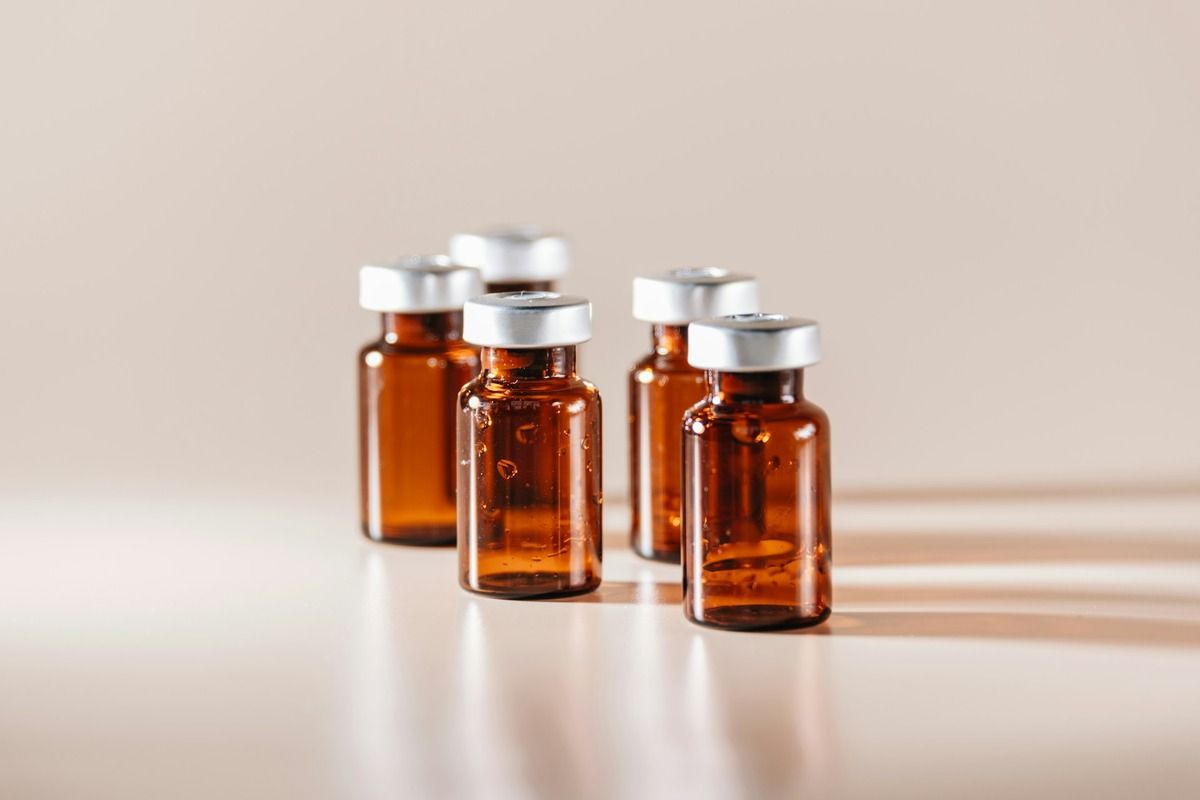
An image of methylene blue in a liquid solution

NAD vs Methylene Blue: What the Evidence Shows

What You Should Know

  • NAD and methylene blue are fundamentally different types of compounds — one is a natural coenzyme, the other is a synthetic dye with prescription drug status.
  • Methylene blue’s longevity and aging benefits are primarily preclinical; NAD+ precursor supplementation has human clinical trial data behind it.
  • Methylene blue carries a serious drug interaction risk with SSRIs and SNRIs that warrants careful consideration before use.
  • NAD+ levels can be measured with a CLIA-certified intracellular test; no equivalent consumer test exists for methylene blue.

Methylene blue has been making the rounds. If you follow longevity podcasts or biohacking circles, you’ve almost certainly heard it mentioned alongside NAD+ as the next compound worth paying attention to for cellular energy and brain performance.

The interest isn’t unfounded. Both substances interact with mitochondria, both are being studied for cognitive and aging-related outcomes, and both have more scientific backing than most supplements you’d find at a drugstore. But treating them as interchangeable — or even directly comparable — glosses over some significant differences in evidence, safety, and one factor most comparisons skip entirely: whether you can actually measure if it’s working.

CLIA-Certified NAD Blood Test

Find out if your NAD+ is in the healthy range.
Jinfiniti Intracellular NAD Test on purple background

Two Compounds, One Mitochondria

Both NAD+ and methylene blue ultimately affect the mitochondria — the structures inside your cells responsible for converting food into usable energy. But they do it through different mechanisms, at different stages of the process, with different histories of human use. Understanding those differences is what makes the comparison worth having.

What is Methylene Blue?

Methylene blue is a synthetic compound first synthesized in 1876 as a textile dye. It became the first synthetic drug used in medicine, originally deployed against malaria. Today, hospitals use it to treat methemoglobinemia, a blood disorder where red blood cells lose the ability to carry oxygen. It also serves as a surgical marker dye. In longevity clinics and biohacking communities, it’s attracting interest for its potential effects on mitochondrial efficiency and cognitive performance.

One important detail that often gets overlooked in supplement discussions: methylene blue is classified as a prescription drug, not an over-the-counter supplement. The regulatory status matters, both for sourcing and for safety.

What NAD+ Is and Why It Declines

NAD+ — nicotinamide adenine dinucleotide — is a coenzyme found in every living cell. It serves as the primary electron carrier in cellular energy metabolism, participates in more than 500 cellular processes, and acts as a required cofactor for sirtuins, the proteins involved in DNA repair and cellular stress response.

NAD+ levels decline measurably with age, often beginning in the 30s. That decline tracks closely with changes in energy, cognitive performance, metabolic function, and recovery capacity. It isn’t a slow, barely detectable shift — by the time most people are in their 50s, cellular NAD+ can be a fraction of what it was in early adulthood.

How Each Works in the Cell

Understanding where these compounds overlap — and where they don’t — means looking at what they actually do at the cellular level.

Methylene Blue and the Electron Transport Chain

Methylene blue works inside the electron transport chain (ETC) as an alternative electron carrier. It can accept electrons at Complex I and donate them directly to cytochrome c near Complex IV. Translation: it may allow the cell to produce ATP even when parts of the ETC are impaired or sluggish.

It also behaves differently from conventional antioxidants. Most antioxidants neutralize a single free radical and are consumed in the process. Methylene blue oscillates between oxidized and reduced forms, cycling through antioxidant activity repeatedly without being depleted. This auto-recycling behavior is mechanistically interesting, though whether it translates to meaningful clinical benefit in humans at low oral doses is still an open question.

NAD+ and Energy at Every Stage

NAD+ operates upstream and throughout the energy production process. It’s the molecule that accepts electrons from nutrients during metabolism and delivers them into the ETC. It’s also the fuel source for sirtuins — proteins that regulate gene expression, manage cellular stress, and support DNA repair. And it participates directly in circadian rhythm regulation, inflammation control, and mitochondrial biogenesis.

Its role isn’t limited to one step in one pathway. That breadth is part of why NAD+ depletion affects so many systems simultaneously, and why restoring it tends to produce effects across energy, cognition, sleep, and recovery rather than in just one area.

Where the Evidence Diverges

The mechanisms are interesting for both compounds. The more relevant question — especially for someone deciding what to take — is what the human evidence actually shows.

Methylene Blue: Promising but Largely Preclinical

The honest summary: most of methylene blue’s longevity and aging evidence comes from animal models and cell studies. The Alzheimer’s Disease Research Foundation’s cognitive vitality review notes explicitly that no clinical trials have tested the effects of methylene blue on aging and age-related disorders in humans.

There are some human data points. A randomized, double-blind, placebo-controlled pilot study found that a single low dose of methylene blue modulated resting-state brain networks in 26 adults, as measured by fMRI. But that study didn’t measure cognitive performance outcomes directly — it laid neuroimaging groundwork for future trials. A 2023 review in Cureus looked at RCTs of methylene blue derivatives in Alzheimer’s disease and found mixed results, with some improvements in cognitive markers but no definitive conclusions.

The Alzheimer’s space is where the most rigorous human trial work on methylene blue has been done. Outside of that context, the evidence base is thinner. If someone tells you methylene blue is clinically proven for longevity or healthy aging, that claim is running ahead of the data.

NAD+ Precursors: Human Trial Data Exists

NAD+ supplementation has a more developed body of human evidence. A randomized, multicenter, double-blind, placebo-controlled trial of NMN supplementation in 80 healthy middle-aged adults found significant, dose-dependent increases in blood NAD+ levels at both 30 and 60 days, with no safety issues and improved physical performance across all treated groups.

Jinfiniti’s own clinical trial produced direct intracellular data. Twenty-six participants ages 35–65 supplemented with Vitality NAD+ Booster daily; at four weeks, 85% had reached optimal intracellular NAD+ levels (40–100 μM), with NAD+ levels doubling on average. Real-world data from a functional medicine clinic using the Jinfiniti NAD test showed a similar pattern: pure NAD+ precursors from other brands elevated levels in most patients but failed to bring any of them into the optimal range. The multi-pathway formula outperformed single-ingredient precursors across the same patients.

This doesn’t mean NAD+ supplementation works the same way for everyone. Response varies by baseline levels, age, and formula. But unlike methylene blue, there’s enough human data to have a useful conversation about what to expect.

The Risks Are Not Symmetrical

Both compounds carry some risk. The nature and severity of those risks are quite different.

Methylene Blue’s SSRI Interaction Is Serious

Methylene blue is a reversible inhibitor of monoamine oxidase A (MAO-A), the enzyme that breaks down serotonin in the brain. When combined with SSRIs or SNRIs — medications taken by tens of millions of people — this interaction can cause serotonin syndrome.

Serotonin syndrome is not a mild side effect. Research published in the British Journal of Pharmacology confirmed methylene blue’s MAO-A inhibition and its potential to cause serious serotonin toxicity when combined with serotonin reuptake inhibitors. The FDA issued formal safety warnings after reviewing adverse event reports. The Anesthesia Patient Safety Foundation has flagged it as a significant clinical concern.

Most of the documented cases involved IV administration at relatively high doses. Oral, low-dose methylene blue likely carries a different risk profile — but the pharmacological basis for the interaction is real regardless of route. Anyone taking an antidepressant, SNRI, or any serotonergic medication should not use methylene blue without explicit guidance from a clinician who knows their full medication list.

NAD+ Supplementation: A Different Risk Profile

NAD+ precursors — NMN, NR, and niacinamide-based formulas — are generally well-tolerated in human studies. Jinfiniti’s Vitality NAD+ Booster has over five years of safety data from clinical use. Side effects across NAD+ supplementation research have typically been mild and transient.

One boundary worth knowing: NAD+ levels above 100 μM may not confer additional benefit, and very high levels are worth monitoring. This is one concrete argument for testing. When you know your intracellular levels, you can avoid over-supplementing — rather than guessing at a dose and hoping it lands in the right range.

The Question Neither Compound Escapes

There’s a factor most NAD vs methylene blue comparisons don’t address. It matters more than mechanism.

When you take a supplement — any supplement — how do you know it’s working? Most people rely entirely on how they feel. Subjective energy, clarity, recovery. These signals are real, but they’re also unreliable. Sleep, stress, hydration, and a dozen other variables affect how you feel on any given day.

NAD+ is the only mitochondria-targeting compound in this conversation that comes with an accessible, validated biomarker test.

NAD+ Is the Only One You Can Test

Jinfiniti’s Intracellular NAD+ Test measures actual NAD+ concentration inside cells — not just blood levels, but intracellular, where NAD+ actually functions. The test uses a simple at-home finger-prick collection, processed in a CLIA-certified lab, with results in about a week.

The optimal intracellular NAD+ range, based on Dr. She’s clinical research, is 40–100 μM. Most adults who haven’t been supplementing fall well below that. Testing before you start gives you a real baseline. Testing after — typically at four to eight weeks — tells you whether your formula and dose are actually working.

“The only thing worse than not supplementing is supplementing and having no idea whether your levels have changed,” says Dr. Jin-Xiong She, founder of Jinfiniti and the scientist behind the Intracellular NAD® Test. “Testing converts a hope into a fact.”

No equivalent consumer test exists for methylene blue. There’s no standard biomarker, no validated range, no CLIA-certified panel that tells you how it’s affecting your mitochondria. You’re working without a readout.

What That Means for Your Protocol

Precision medicine is built on measurement. You identify a baseline, apply an intervention, and verify the result. That loop is what separates a data-driven health approach from an optimistic one. With NAD+ supplementation, that loop is complete. You can run the test before supplementing, confirm your levels with a repeat test, and adjust dose or formula based on real numbers.

With methylene blue, that loop is open-ended. The intervention may be doing something useful — the mechanisms are real — but there’s currently no accessible way to confirm it in your own biology. That’s not a reason to dismiss it. It is a reason to be clear-eyed about what you know versus what you’re assuming.

Compared to other longevity-adjacent comparisons, the measurability gap between these two compounds is one of the starker ones.

So Who Is Each For?

This isn’t a ranking. It’s an honest characterization based on what the current evidence supports.

Methylene BlueNAD+ (via NMN/NR)
Evidence in humansLimited; mostly pilot studiesMultiple human trials
Longevity/aging evidencePreclinicalMore developed
Measurable via testNoYes (intracellular test)
Drug interaction riskSerious (SSRIs/SNRIs/MAOIs)Generally well-tolerated
Regulatory statusPrescription drugDietary supplement
Optimal dose guidanceNo test to guide itTest-based personalization

Methylene blue may be worth investigating in specific clinical contexts — particularly for people with neurological concerns working closely with a knowledgeable clinician. For anyone on serotonergic medications, the safety concern is serious enough that it needs to be the first conversation, not an afterthought.

For people whose primary concern is energy, cognitive clarity, and healthy aging — and who want something they can verify is working — NAD+ optimization is the better-supported starting point. Especially when approached with testing, which is the only way to know whether your baseline was the problem and whether your intervention fixed it.

It’s also worth noting that nothing in the evidence suggests these compounds are mutually exclusive. They target overlapping but distinct mechanisms. Someone deeply invested in mitochondrial health optimization may eventually explore both — but the case for sequencing NAD+ first, and measuring it, is strong.

If you’re comparing other mitochondria-targeting approaches alongside this one, Urolithin A vs. NAD+ covers another common pairing with a similar evidence-depth comparison.

Frequently Asked Questions

Can you take NAD+ and methylene blue together?

There is no known pharmacological reason why NAD+ precursor supplementation would conflict with methylene blue. The two compounds work through different mechanisms. However, the more important question is methylene blue’s interaction with other medications — particularly SSRIs, SNRIs, and MAOIs. If you’re on any serotonergic medication, that interaction must be addressed with a clinician before adding methylene blue to any stack, regardless of what else you’re taking.

Is methylene blue safe to take daily?

At the low doses used in most supplement contexts, methylene blue appears reasonably well-tolerated in people who are not on serotonergic medications. The safety data for long-term daily low-dose use in healthy adults is still limited compared to NAD+ precursors, which have a more established track record. Anyone with concerns about drug interactions, kidney impairment, or G6PD deficiency should consult a clinician before daily use.

How do I know if my NAD+ levels are low?

The most reliable way is to test. Symptoms like persistent fatigue, brain fog, poor recovery from exercise, and disrupted sleep can point toward low NAD+, but those symptoms have many possible causes. A CLIA-certified intracellular NAD+ test measures your actual cellular levels and tells you whether your levels fall in the deficient, suboptimal, or optimal range. That’s the starting point for any meaningful intervention.

Does methylene blue raise NAD+ levels?

No. Methylene blue and NAD+ work through completely different mechanisms. Methylene blue acts as an electron carrier in the ETC; it doesn’t increase NAD+ synthesis or restore depleted NAD+ levels. If NAD+ deficiency is what’s driving your fatigue or cognitive symptoms, methylene blue won’t address it.

Which is better for brain fog — NAD+ or methylene blue?

Both have mechanisms relevant to cognitive performance, but the human evidence is stronger for NAD+. Methylene blue has shown interesting results in neuroimaging studies and some Alzheimer’s research, but the evidence for general cognitive enhancement in healthy adults is early. NAD+ depletion is a documented contributor to brain fog and cognitive slowdown, and intracellular testing can confirm whether it’s actually the issue for you. That diagnostic clarity is a meaningful advantage.
  • Rodriguez, P., Singh, A. P., Malloy, K. E., Zhou, W., Barrett, D. W., Franklin, C. G., Altmeyer, W. B., Gutierrez, J. E., Li, J., Heyl, B. L., Lancaster, J. L., Gonzalez-Lima, F., & Duong, T. Q. (2017). Methylene blue modulates functional connectivity in the human brain. Brain Imaging and Behavior, 11(3), 640–648. https://doi.org/10.1007/s11682-016-9541-6
  • Hashmi, M. U., Ahmed, R., Mahmoud, S., Ahmed, K., Bushra, N. M., Ahmed, A., Elwadie, B., Madni, A., Saad, A. B., & Abdelrahman, N. (2023). Exploring methylene blue and its derivatives in Alzheimer’s treatment: A comprehensive review of randomized control trials. Cureus, 15(10), e46732. https://doi.org/10.7759/cureus.46732
  • Yi, L., Maier, A. B., Tao, R., Lin, Z., Vaidya, A., Pendse, S., Thasma, S., Andhalkar, N., Avhad, G., & Kumbhar, V. (2022). The efficacy and safety of β-nicotinamide mononucleotide (NMN) supplementation in healthy middle-aged adults: a randomized, multicenter, double-blind, placebo-controlled, parallel-group, dose-dependent clinical trial. GeroScience, 45(1), 29–43. https://doi.org/10.1007/s11357-022-00705-1
  • Ramsay, R. R., Dunford, C., & Gillman, P. K. (2007). Methylene blue and serotonin toxicity: inhibition of monoamine oxidase A (MAO A) confirms a theoretical prediction. British Journal of Pharmacology, 152(6), 946–951. https://doi.org/10.1038/sj.bjp.0707430
  • Ng, B. K. W., & Cameron, A. J. D. (2010). The role of methylene blue in serotonin syndrome: a systematic review. Psychosomatics, 51(3), 194–200. https://doi.org/10.1176/appi.psy.51.3.194
Hematocrit blood platelets image

How to Increase Low Hematocrit Levels Naturally

What You Should Know

  • To raise hematocrit naturally, start by identifying the cause: iron and B12 if deficiency is confirmed, aerobic exercise and adequate sleep for ongoing support, and inflammation reduction when that’s the driver.
  • Normal hematocrit is approximately 41–50% for men and 36–44% for women; levels consistently below this range with symptoms warrant investigation.
  • Low hematocrit has two distinct root causes (nutrient deficiency and chronic inflammation) requiring different interventions, and the standard dietary advice only applies to one of them.
  • Standard blood tests show that hematocrit is low but often don’t reveal which mechanism is responsible; that distinction is what determines which approach will work.

To raise low hematocrit levels naturally, the approach depends on the root cause. Iron, B12, and folate-rich foods are effective when deficiency is confirmed. Aerobic exercise, consistent sleep, and stress reduction support red blood cell production over time. When chronic inflammation is the underlying driver, those dietary strategies often fall short, and reducing the inflammatory burden is what’s actually needed.

That last scenario is where most advice on this topic stops short. A low hematocrit number tells you that red blood cell production has fallen short. It doesn’t tell you why. The “why” determines what works.

CLIA-Certified Blood Panel

Find out what’s actually behind your low hematocrit.

Jinfiniti AgingSOS green gradient background

What is Hematocrit and Why Does it Matter?

Hematocrit is the percentage of your total blood volume made up of red blood cells. A reading of 42% means 42 out of every 100 units of blood are red blood cells; the rest is plasma, white blood cells, and platelets.

Red blood cells carry hemoglobin, the iron-rich protein that binds to oxygen in the lungs and delivers it to tissues throughout the body. When hematocrit falls, oxygen delivery falls with it. Less oxygen reaching your cells means less ATP, the molecule your cells use for fuel. Translation: less energy available for everything from muscle contraction to clear thinking.

Low hematocrit is fundamentally an oxygen delivery problem, and the fatigue, mental fog, and breathlessness that follow are the same mechanism expressing itself across different systems.

What Are Normal Hematocrit Levels?

The Cleveland Clinic reports that normal hematocrit is approximately 41–50% for men and 36–44% for women, though reference ranges vary by lab. Pregnancy, altitude, hydration status, and age all influence where an individual’s numbers naturally land.

Common symptoms of low hematocrit include:

  • Persistent fatigue that doesn’t improve with rest
  • Shortness of breath during activity that wouldn’t normally cause it
  • Brain fog or difficulty concentrating
  • Pale skin, cold hands and feet
  • Rapid or irregular heartbeat
  • Dizziness or lightheadedness

Mildly low readings don’t always indicate a serious problem. But levels consistently below the normal range, especially when paired with symptoms, warrant investigation rather than monitoring alone.

High hematocrit (generally above 55% in adults) also carries risks. Thicker blood increases cardiovascular strain and clotting risk. Causes range from dehydration to polycythemia vera. If you are tracking your levels over time, both directions matter.

Why Is Your Hematocrit Low?

Most advice on raising hematocrit treats it as a single problem with a single solution: add iron, add B12, eat better. The clinical reality is more specific than that.

Low hematocrit has two meaningfully different causes. Identifying which one applies changes everything about how to address it.

When the Problem Is a Nutrient Shortage

The body needs specific raw materials to produce healthy red blood cells: iron, vitamin B12, folate, and copper, among others. When any of these is deficient, erythropoiesis (red blood cell production) slows. Iron deficiency is the most common cause of anemia worldwide. B12 and folate deficiency produce a different pattern: large, structurally abnormal red blood cells that can’t carry oxygen effectively.

In these cases, the standard dietary and supplementation guidance works because it addresses the actual problem.

When the Problem Is Chronic Inflammation

This is where most advice falls short. Anemia of inflammation, also called anemia of chronic disease, is estimated to be the second most common form of anemia worldwide, yet it receives almost no coverage in consumer health content.

The mechanism differs from nutrient deficiency in a meaningful way. In anemia of inflammation, inflammatory cytokines (signaling proteins produced during chronic low-grade inflammation) actively suppress red blood cell production in the bone marrow. They also trigger the release of hepcidin, a peptide hormone that sequesters iron in storage cells, making it unavailable for erythropoiesis even when iron stores are adequate.

In this scenario, iron supplementation doesn’t help because iron availability isn’t the problem. The body has iron. Inflammatory signaling is preventing it from being used.

Research published in Advances in Hematology describes how anemia of inflammation involves impaired erythropoietin production, blunted bone marrow responsiveness to erythropoietin, and impaired iron metabolism driven by inflammatory cytokines. The underlying triggers include chronic infections, autoimmune conditions, kidney disease, and persistent low-grade inflammation that doesn’t always produce obvious outward symptoms.

This is why some people follow all the correct dietary advice and see little improvement: the barrier to higher hematocrit isn’t what they’re supplementing for. If inflammation is the root cause, reducing it is the intervention, not adding more iron. Understanding which supplements have evidence behind them for chronic inflammation is a useful next step for anyone in this pattern.

How to Increase Low Hematocrit Levels Naturally: The Nutrient Approach

If deficiency is the confirmed cause of low hematocrit, the nutrient-based approach is well-supported by evidence. These interventions work when they’re targeting the right problem.

Iron: Effective When Deficiency Is Confirmed

Dietary iron comes in two forms. Heme iron, found in animal products like red meat, poultry, and seafood, absorbs at rates of roughly 15–35%. Non-heme iron, found in plant sources like lentils, spinach, and fortified grains, absorbs at 2–20% depending on what else is consumed alongside it.

A few practical points on optimizing iron absorption:

  • Vitamin C significantly increases non-heme iron absorption. Combining citrus with plant-based iron sources (lemon juice on a spinach salad, orange juice with fortified cereal) makes a measurable difference.
  • Tannins in tea and coffee, calcium in dairy, and phytates in whole grains reduce iron absorption when consumed at the same meal.
  • Cooking in cast iron transfers small amounts of dietary iron to food, particularly with acidic ingredients like tomato-based dishes.

One important caveat: do not supplement with iron without first confirming deficiency through testing, specifically ferritin and serum iron, not hematocrit alone. Iron supplementation in someone who doesn’t need it promotes oxidative stress and may worsen conditions where inflammation is already elevated. Work with your clinician before adding iron supplements.

Vitamin B12 and Folate

Both are required for normal red blood cell maturation. Deficiency of either produces megaloblastic anemia, a pattern where red blood cells are abnormally large and structurally unable to carry oxygen effectively.

B12 is found almost exclusively in animal products: meat, fish, eggs, and dairy. Vegans and vegetarians are at meaningfully higher risk of deficiency. Folate is more widely distributed in leafy greens, legumes, and fortified foods, but malabsorption, certain medications, and genetic variants affecting folate metabolism (particularly MTHFR variants) can produce inadequate levels even with sufficient dietary intake.

If your hematocrit is low and B12 or folate status hasn’t been tested, it should be. Understanding your actual folate levels matters. High folate on a blood test isn’t always straightforward to interpret, and context changes what the number means.

Hydration and What It Does to Your Reading

Hematocrit is a ratio, not an absolute cell count. Dehydration concentrates blood plasma, making the red blood cell ratio appear higher than it is. Overhydration has the opposite effect: a temporary dilutional drop in the reading with no actual change in red blood cell count.

If you are tracking hematocrit over time, consistent hydration in the 24 hours before a blood draw produces more reliable data points for comparison.

What Lifestyle Changes Raise Hematocrit Naturally?

Diet addresses supply. These factors support the conditions under which the body produces and maintains healthy red blood cell levels over time.

Aerobic Exercise

Moderate, regular aerobic training stimulates erythropoietin (EPO) production, the kidney-produced hormone that signals bone marrow to generate more red blood cells. A narrative review in Frontiers in Physiology documents this erythropoietic response as a well-established adaptation to sustained endurance training.

The effect is dose-dependent. Three to five moderate-intensity aerobic sessions per week supports healthy erythropoiesis over time. Very intense training without adequate recovery can temporarily lower hematocrit through plasma volume expansion, a known pattern in endurance athletes sometimes called dilutional pseudoanemia. Consistency at a sustainable intensity is more effective than occasional high-output sessions.

Sleep and Stress Reduction

Chronic stress elevates cortisol and promotes the release of pro-inflammatory cytokines. This connects directly to the anemia of inflammation pathway described above. Stress sustained over weeks or months can meaningfully suppress erythropoiesis through the same inflammatory mechanisms. Sleep is also when the body performs significant cellular repair, including in the bone marrow where red blood cells originate.

For people whose energy hasn’t improved despite dietary changes, fatigue that persists even when standard blood tests look normal often has sleep and chronic stress as overlooked contributors, and both are measurably addressable.

Why Isn’t Your Hematocrit Responding to Diet Changes?

If your hematocrit has been consistently low despite adequate iron, B12, and folate intake, the root cause almost certainly lies elsewhere.

Chronic inflammation is the most clinically significant alternative explanation, and it’s one a standard CBC does not reveal. A complete blood count tells you that hematocrit is low. It does not measure inflammatory cytokines, oxidative stress markers, or the biological patterns that drive anemia of inflammation.

“When hematocrit doesn’t respond to the expected interventions, that’s a signal to look upstream,” says Dr. Jin-Xiong She, founder of Jinfiniti Precision Medicine. “At the inflammatory environment, at nutrient absorption, at the full biological picture, not just a single number. Treating a number without understanding its cause is how people spend months supplementing things they don’t need.”

The same hematocrit reading (say, 34%) can reflect iron deficiency anemia, B12 deficiency, chronic kidney disease, or anemia of inflammation. Each requires a meaningfully different response. The intervention that fixes one can be ineffective or actively counterproductive in another.

For women, hematocrit also fluctuates across the menstrual cycle, and blood loss from heavy periods is one of the most common and undertreated contributors to chronically low levels. Understanding how your menstrual cycle affects blood test results is worth doing before drawing conclusions from any single data point.

A broader biomarker panel, one that includes inflammatory cytokines, oxidative stress markers, and micronutrient status, produces the picture that allows for precise intervention rather than repeated guesswork.

Frequently Asked Questions

What is a dangerously low hematocrit level?

Most clinicians consider a hematocrit below 30% in adults to be clinically significant and a threshold that warrants prompt medical evaluation. Levels this low indicate severely reduced oxygen-carrying capacity and may require intervention beyond dietary changes. Symptoms like severe shortness of breath, chest pain, or fainting require immediate medical attention regardless of where your specific numbers fall.

How quickly can hematocrit levels increase naturally?

It depends on the cause. When iron deficiency is treated with supplementation, hematocrit typically begins improving within two to three weeks, with full recovery taking three to six months. B12 and folate deficiencies respond within a similar timeframe. Anemia of inflammation resolves more slowly, and only when the underlying inflammatory condition is adequately addressed. Testing before and after any intervention is the only reliable way to confirm whether the change is working.

Can dehydration cause low hematocrit?

Dehydration actually raises hematocrit, not lowers it. By reducing plasma volume, it concentrates the red blood cell ratio. Overhydration can temporarily lower the reading through dilution, without any actual change in red blood cell count. This is one reason consistent hydration before blood draws matters for accurate tracking over time.

What is anemia of inflammation and how is it different from iron deficiency?

Iron deficiency anemia occurs when the body lacks enough iron to produce sufficient hemoglobin. Anemia of inflammation occurs when chronic inflammatory signaling disrupts red blood cell production even when iron stores are adequate. Hepcidin, released in response to inflammation, sequesters iron in storage cells and makes it unavailable for erythropoiesis. Iron supplementation does not address this mechanism. Treatment requires identifying and reducing the underlying inflammatory burden.

Should I take iron supplements if my hematocrit is low?

Only if iron deficiency has been confirmed through testing, specifically ferritin and serum iron levels. Taking iron without a confirmed deficiency is not a neutral intervention. Excess iron can promote oxidative stress and may worsen conditions where inflammation is already a factor. Always work with your clinician before starting iron supplementation.

  • Ganz, T., & Nemeth, E. (2014). Anemia of inflammation. PLOS Medicine, 11(4). https://pmc.ncbi.nlm.nih.gov/articles/PMC4115203/
  • Price, E. A., & Schrier, S. L. (2010). Unexplained aspects of anemia of inflammation. Advances in Hematology. https://doi.org/10.1155/2010/508739
  • Millet, G. P., et al. (2018). The effects of altitude training on erythropoietic response and hematological variables in adult athletes. Frontiers in Physiology. https://doi.org/10.3389/fphys.2018.00375
  • Lacourt, T. E., et al. (2018). The high costs of low-grade inflammation: Persistent fatigue as a consequence of reduced cellular-energy availability. Frontiers in Behavioral Neuroscience. https://doi.org/10.3389/fnbeh.2018.00078
  • Cleveland Clinic. (2024). Hematocrit test: What it is, levels, and high & low range. https://my.clevelandclinic.org/health/diagnostics/17683-hematocrit
  • MedlinePlus. (2024). Hematocrit test. https://medlineplus.gov/lab-tests/hematocrit-test/
A GLP-1 supplement capsule against a green wavy background.

7 Supplements That Naturally Increase GLP-1 Levels

What You Should Know

  • GLP-1 is a gut hormone that regulates blood sugar, slows digestion, and signals fullness to the brain — and your body makes it naturally after eating.
  • Berberine has the most human trial evidence for supporting GLP-1 activity among natural supplements, though results vary by dose and formulation.
  • Curcumin, psyllium, cinnamon, and ginseng each have human RCT evidence supporting their metabolic effects.
  • Natural GLP-1 support works best as part of a broader metabolic approach, not as a standalone substitute for prescription therapy or root-cause investigation.

By now, most people have heard of Ozempic. Whether you’re on it, curious about it, or actively trying to avoid it, you’ve probably wondered the same thing: if GLP-1 is a hormone your body already makes, is there a way to produce more of it without a prescription?

The short answer is yes — with meaningful caveats. Certain supplements do appear to influence GLP-1 secretion. But the evidence is uneven, the effects are modest compared to pharmaceutical GLP-1 receptor agonists, and a lot of what gets marketed as a “natural Ozempic” alternative doesn’t hold up to scrutiny.

Here’s what the research actually supports.

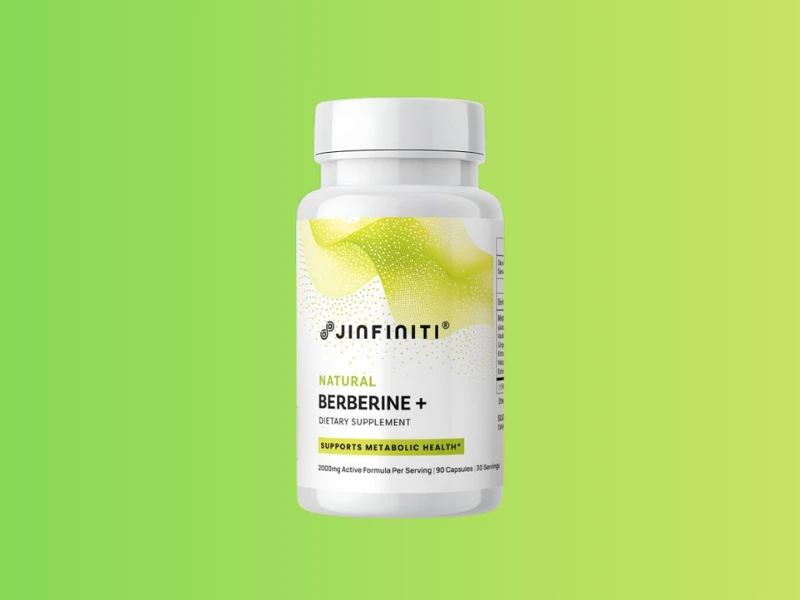
Metabolic Support

Enhanced absorption Berberine with GLP-activating metabolic blend.

Natural Berberine+ product mockup

What Is GLP-1 and Why Does It Matter?

GLP-1 — glucagon-like peptide-1 — is a hormone released by specialized cells in the gut lining called L-cells, primarily in response to food. A landmark review in Cell Metabolism found that GLP-1 boosts insulin secretion, inhibits glucagon, slows gastric emptying, and reduces food intake. Together, these effects regulate blood sugar, reduce appetite, and support metabolic balance.

This is exactly why GLP-1 receptor agonist drugs became a cultural phenomenon. The STEP 1 clinical trial, published in the New England Journal of Medicine, found that once-weekly semaglutide produced an average body weight reduction of 14.9% over 68 weeks. That reflects just how powerful this hormonal pathway is when pharmacologically activated.

But the underlying biology isn’t synthetic. GLP-1 is something your gut produces every time you eat. The question is whether targeted supplements can meaningfully support that natural output.

Can Supplements Actually Raise GLP-1?

The honest answer: modestly, and in ways that differ meaningfully from what pharmaceutical GLP-1 agonists do.

Natural approaches — fiber, certain plant compounds, probiotics — act upstream. They stimulate L-cells to secrete more GLP-1, or they improve the gut environment that supports GLP-1 secretion. Prescription drugs directly bind to GLP-1 receptors throughout the body at concentrations far beyond what natural production achieves. The mechanisms overlap, but the magnitudes don’t.

That said, meaningful metabolic support doesn’t require pharmaceutical-level effects. For people managing blood sugar, working on weight, or supporting a GLP-1 medication they’re already on, these supplements can contribute — when chosen based on actual evidence.

“The goal isn’t to replace one pathway with a supplement. It’s to understand what your metabolic system actually needs, measure it, and then act. GLP-1 is one signal in a much larger picture.”

— Dr. Jin-Xiong She, Founder, Jinfiniti Precision Medicine

Which Supplements Have the Strongest Evidence for Raising GLP-1?

Not all candidates are equal. Here’s what the research actually says about the most-studied options.

1. Berberine

Berberine is the most evidence-backed natural compound in this category. It’s the one most often called “nature’s Ozempic” — a comparison that’s both instructive and overstated.

A 2023 review in Archives of Physiology and Biochemistry found that berberine stimulates GLP-1 secretion by modulating gut microbiota and influencing insulin signaling pathways. The mechanism involves AMPK activation — the same cellular energy-sensing pathway metformin uses. It also involves bitter taste receptors expressed on gut enteroendocrine cells. Research in Biochemical Pharmacology showed that berberine triggers GLP-1 release specifically through this bitter taste receptor pathway. This explains why gut-expressed receptors respond to the compound even before it’s absorbed systemically.

The clinical evidence is substantial. A 2022 meta-analysis of 37 RCTs involving 3,048 patients, published in Frontiers in Pharmacology, found that berberine significantly reduced fasting plasma glucose by an average of 0.82 mmol/L and HbA1c by 0.63% — without significantly increasing hypoglycemia risk.

Dose matters. Studies showing meaningful effects generally used 1,000mg or more per day. Absorption is also a genuine issue with standard berberine formulations.

Berberine also pairs naturally with alpha-lipoic acid for metabolic support.

2. Curcumin (Turmeric)

Curcumin has more human evidence than most GLP-1 supplement articles give it credit for.

A study in Biochimie found that curcumin stimulates GLP-1 secretion from intestinal L-cells through an oxidation-dependent mechanism. Importantly, the bioactive metabolites of curcumin — not curcumin itself — are responsible for the effect. This matters practically: the form and stability of curcumin in a supplement determines whether you get the relevant metabolites at all. A 2023 study in Molecular Nutrition & Food Research found that curcumin increased GLP-1 secretion in obese mice by expanding the L-cell population in the gut via the microbiota-bile acid axis.

On the human side, a 12-month RCT in Nutrition Journal — 272 subjects with type 2 diabetes receiving 1,500mg curcumin daily — found that curcumin extract significantly reduced fasting blood glucose, HbA1c, and insulin resistance while improving beta-cell function. GLP-1 wasn’t the primary endpoint, but improved beta-cell function is consistent with incretin pathway involvement.

Worth including in a metabolic stack. The direct GLP-1 evidence in humans is still emerging, but the broader metabolic data is solid.

3. Soluble Fiber (Psyllium)

Soluble fiber — particularly from psyllium husk — may not be glamorous, but its metabolic effects are among the better-supported in the literature.

The mechanism is well-defined. Fermentation of soluble fiber in the colon produces short-chain fatty acids (SCFAs). These SCFAs activate G-protein-coupled receptors on L-cells to trigger GLP-1 release. Research published in Diabetes confirmed that SCFAs stimulate GLP-1 secretion via the receptor FFAR2. Mice lacking this receptor showed impaired glucose tolerance — establishing the chain from fiber to GLP-1 to blood sugar control.

A 2024 meta-analysis in BMC Endocrine Disorders confirmed that psyllium produces measurable improvements in fasting blood sugar, HbA1c, and insulin resistance across randomized controlled trials. Psyllium also slows gastric emptying, which prolongs the GLP-1 response to meals independently of the SCFA pathway.

If you’re building a supplement stack for metabolic support, fiber is often the most underrated piece.

4. Probiotics

Certain probiotic strains have real, mechanistically grounded evidence for supporting GLP-1 secretion — and it’s stronger than the typical “gut health” framing suggests.

Research in the Journal of Biological Chemistry demonstrated that the probiotic VSL#3 promotes GLP-1 release from intestinal L-cells via butyrate, a short-chain fatty acid produced when gut bacteria ferment fiber. This established the gut flora → SCFA → GLP-1 chain in preclinical models. Human data followed: a prospective, double-blind RCT in Diabetes Care found that daily administration of Lactobacillus reuteri SD5865 increased glucose-stimulated GLP-1 release by 76% compared to placebo, with corresponding increases in insulin secretion.

Strain specificity remains the practical caveat. Look for documented strains over generic blends if metabolic support is your intent.

5. Cinnamon

Cinnamon’s GLP-1 evidence is stronger than its reputation suggests. A randomized crossover trial in The American Journal of Clinical Nutrition found that 3g of cinnamon significantly increased the postprandial GLP-1 response in 15 healthy subjects. It also reduced the insulin area under the curve — meaning better glucose handling with less insulin demand. That’s controlled human data, not an animal model.

The effect was dose-dependent: 1g produced no significant change, but 3g did. The mechanism likely involves slowed gastric emptying plus incretin stimulation. Cinnamon appears in Jinfiniti’s Natural Berberine+ formula specifically because of these complementary metabolic effects.

6. Ginseng

Red ginseng has moved from traditional use into rigorous clinical research. A 12-week, double-blind, placebo-controlled trial published in Medicine found that red ginseng extract powder improved glycemic control in prediabetic Korean adults, with effects on blood glucose and insulin response consistent with incretin pathway involvement. This is one of the better-designed human studies in this category — and the prediabetic population makes it directly relevant to the metabolic support use case.

Ginseng appears in Jinfiniti’s Natural Berberine+ formula as part of the MetabolicAid blend for this reason.

7. Resveratrol

Resveratrol — found in red wine, grapes, and certain berries — has a plausible mechanism for supporting GLP-1 and a growing evidence base. A study in Metabolism Open found that resveratrol and probiotic supplementation both increased GLP-1 levels and reduced oxidative stress in the intestines of diabetic rats. The combination produced additive effects. Worth flagging: this was animal data. Human trial evidence for resveratrol’s GLP-1 effects specifically remains limited.

Bioavailability is a known limitation of standard resveratrol supplements, which constrains real-world translation without enhanced delivery forms. Treat it as a supporting compound in a broader metabolic stack rather than a primary intervention.

Is GLP-1 Support Enough on Its Own?

Here’s what often gets lost in the supplement conversation: GLP-1 is one hormonal signal in a complex metabolic system. Supporting it in isolation — without addressing blood sugar stability, cellular energy production, inflammation load, or gut health — leaves most of the leverage on the table.

This is especially relevant for people who are on GLP-1 medications and want to support their results, or who have stopped them and are trying to maintain outcomes. The medication addresses GLP-1 receptor activation. It doesn’t address NAD+ levels, mitochondrial function, inflammatory burden, or any of the other cellular factors that shape metabolic health over time.

If you’re curious about how NAD+ and GLP-1 interact metabolically, that overlap is covered in detail. And if you’re experiencing brain fog after eating — a common sign of post-meal blood sugar dysregulation — that article walks through the mechanisms worth investigating.

What Should You Look for in a Berberine Supplement?

If berberine is your primary choice — and based on the evidence, it’s a reasonable one — formulation details matter more than most people realize.

A review in Drug Metabolism Reviews found that berberine undergoes extensive first-pass metabolism after oral administration, resulting in very low plasma exposure. Studies showing meaningful metabolic effects typically used doses at or above 1,000mg daily. Standalone berberine also works through a single pathway. Multi-ingredient formulas that address AMPK activation, absorption, and complementary metabolic mechanisms tend to produce more consistent results.

If you’re comparing options, our berberine supplement guide covers what to look for across the market. Jinfiniti’s Natural Berberine+ contains 1,200mg of high-potency berberine combined with a MetabolicAid blend — including Panax ginseng, cinnamon bark, and astragalus root — with black pepper extract for enhanced absorption. It addresses both the dose and the bioavailability problem simultaneously.

As always: talk with your clinician before starting berberine, particularly if you’re managing blood sugar or taking medications that affect glucose metabolism. The NIH Office of Dietary Supplements maintains current safety profiles for many of these compounds.

Frequently Asked Questions

What is the best supplement to increase GLP-1 naturally?

Berberine has the strongest human evidence for supporting GLP-1 secretion among natural supplements. It works through multiple mechanisms — AMPK activation and bitter taste receptor pathways in the gut — and a meta-analysis of 37 RCTs confirms meaningful glucose-lowering effects. Soluble fiber (psyllium) is a close second, with the SCFA → GLP-1 pathway well-established in the literature. Cinnamon and probiotics also have human RCT support that most articles overlook.

Can berberine replace Ozempic?

No. Pharmaceutical GLP-1 receptor agonists work by directly binding to GLP-1 receptors throughout the body at sustained concentrations far beyond what natural production achieves. The STEP 1 trial showed nearly 15% average weight reduction with semaglutide — effects that natural supplements cannot replicate. Berberine supports GLP-1 secretion upstream and has meaningful metabolic benefits, but the mechanisms and magnitudes are categorically different. It’s a useful complement, not a substitute.

How long does it take for natural GLP-1 supplements to work?

There’s no clean universal answer. Berberine studies showing blood sugar effects typically run 8–12 weeks. The curcumin RCT showing significant HbA1c improvements ran 12 months. Gut microbiome changes from probiotics and fiber take several weeks to develop. The realistic expectation is gradual metabolic support over months, not acute effects within days. Testing relevant biomarkers before and after gives you actual data rather than guesswork.

Are natural GLP-1 boosters safe?

The supplements covered here — berberine, curcumin, psyllium, probiotics, cinnamon — are generally well-tolerated at studied doses. Berberine warrants a clinician conversation if you’re on blood sugar medications, since additive glucose-lowering effects are possible. “Natural” doesn’t mean without consideration, especially at therapeutic doses.

Does fiber really affect GLP-1 levels?

Yes — and the mechanism is one of the most clearly established in this category. When soluble fiber is fermented by gut bacteria, the resulting short-chain fatty acids bind to FFAR2 receptors on intestinal L-cells and directly trigger GLP-1 release. Research in Diabetes confirmed that mice lacking these receptors show both reduced SCFA-triggered GLP-1 secretion and impaired glucose tolerance, demonstrating the pathway’s significance for blood sugar control.

  • Araj-Khodaei, M., Ayati, M. H., Azizi Zeinalhajlou, A., Novinbahador, T., Yousefi, M., Shiri, M., Mahmoodpoor, A., Shamekh, A., Namazi, N., & Sanaie, S. (2023). Berberine-induced glucagon-like peptide-1 and its mechanism for controlling type 2 diabetes mellitus: A comprehensive pathway review. Archives of Physiology and Biochemistry, 130(6), 678–685. https://doi.org/10.1080/13813455.2023.2258559
  • Alli-Oluwafuyi, A.-M., Luis, P. B., Nakashima, F., Giménez-Bastida, J. A., Presley, S. H., Duvernay, M. T., Iwalewa, E. O., & Schneider, C. (2019). Curcumin induces secretion of glucagon-like peptide-1 through an oxidation-dependent mechanism. Biochimie, 165, 250–257. https://doi.org/10.1016/j.biochi.2019.08.013
  • Drucker, D. J. (2018). Mechanisms of action and therapeutic application of glucagon-like peptide-1. Cell Metabolism, 27(4), 740–756. https://doi.org/10.1016/j.cmet.2018.03.001
  • Gholami, Z., Clark, C. C. T., & Paknahad, Z. (2024). The effect of psyllium on fasting blood sugar, HbA1c, HOMA IR, and insulin control: A GRADE-assessed systematic review and meta-analysis of randomized controlled trials. BMC Endocrine Disorders, 24(1), 82. https://doi.org/10.1186/s12902-024-01608-2
  • Hlebowicz, J., Hlebowicz, A., Lindstedt, S., Björgell, O., Höglund, P., Holst, J. J., Darwiche, G., & Almér, L.-O. (2009). Effects of 1 and 3 g cinnamon on gastric emptying, satiety, and postprandial blood glucose, insulin, glucose-dependent insulinotropic polypeptide, glucagon-like peptide 1, and ghrelin concentrations in healthy subjects. The American Journal of Clinical Nutrition, 89(3), 815–821. https://doi.org/10.3945/ajcn.2008.26807
  • Jeong, Y., Lee, S. H., Shim, S. L., Jang, K. H., & Kim, J. H. (2024). Efficacy and safety of red ginseng extract powder (KGC05pg) in achieving glycemic control in prediabetic Korean adults: A 12-week, single-center, randomized, double-blind, parallel-group, placebo-controlled study. Medicine, 103(52), e41130. https://doi.org/10.1097/MD.0000000000041130
  • Pegah, A., Abbasi-Oshaghi, E., Khodadadi, I., Mirzaei, F., & Tayebinai, H. (2021). Probiotic and resveratrol normalize GLP-1 levels and oxidative stress in the intestine of diabetic rats. Metabolism Open, 10, 100093. https://doi.org/10.1016/j.metop.2021.100093
  • Simon, M.-C., Strassburger, K., Nowotny, B., Kolb, H., Nowotny, P., Burkart, V., Zivehe, F., Hwang, J.-H., Stehle, P., Pacini, G., Hartmann, B., Holst, J. J., MacKenzie, C., Bindels, L. B., Martinez, I., Walter, J., Henrich, B., Schloot, N. C., & Roden, M. (2015). Intake of Lactobacillus reuteri improves incretin and insulin secretion in glucose-tolerant humans: A proof of concept. Diabetes Care, 38(10), 1827–1834. https://doi.org/10.2337/dc14-2690
  • Tian, F., Chen, T., Xu, W., Fan, Y., Feng, X., Huang, Q., & Chen, J. (2023). Curcumin compensates GLP-1 deficiency via the microbiota-bile acids axis and modulation in functional crosstalk between TGR5 and FXR in ob/ob mice. Molecular Nutrition & Food Research, 67(22), e2300195. https://doi.org/10.1002/mnfr.202300195
  • Tolhurst, G., Heffron, H., Lam, Y. S., Parker, H. E., Habib, A. M., Diakogiannaki, E., Cameron, J., Grosse, J., Reimann, F., & Gribble, F. M. (2012). Short-chain fatty acids stimulate glucagon-like peptide-1 secretion via the G-protein-coupled receptor FFAR2. Diabetes, 61(2), 364–371. https://doi.org/10.2337/db11-1019
  • Wang, K., Feng, X., Chai, L., Cao, S., & Qiu, F. (2017). The metabolism of berberine and its contribution to the pharmacological effects. Drug Metabolism Reviews, 49(2), 139–157. https://doi.org/10.1080/03602532.2017.1306544
  • Wilding, J. P. H., Batterham, R. L., Calanna, S., Davies, M., Van Gaal, L. F., Lingvay, I., McGowan, B. M., Rosenstock, J., Tran, M. T. D., Wadden, T. A., Wharton, S., Yokote, K., Zeuthen, N., & Kushner, R. F. (2021). Once-weekly semaglutide in adults with overweight or obesity. New England Journal of Medicine, 384(11), 989–1002. https://doi.org/10.1056/NEJMoa2032183
  • Xie, W., Su, F., Wang, G., Peng, Z., Xu, Y., Zhang, Y., Xu, N., Hou, K., Hu, Z., Chen, Y., & Chen, R. (2022). Glucose-lowering effect of berberine on type 2 diabetes: A systematic review and meta-analysis. Frontiers in Pharmacology, 13, 1015045. https://doi.org/10.3389/fphar.2022.1015045
  • Yadav, H., Lee, J.-H., Lloyd, J., Walter, P., & Rane, S. G. (2013). Beneficial metabolic effects of a probiotic via butyrate-induced GLP-1 hormone secretion. Journal of Biological Chemistry, 288(35), 25088–25097. https://doi.org/10.1074/jbc.M113.452516
  • Yaikwawong, M., Jansarikit, L., Jirawatnotai, S., & Chuengsamarn, S. (2024). Curcumin extract improves beta cell functions in obese patients with type 2 diabetes: A randomized controlled trial. Nutrition Journal, 23(1), 119. https://doi.org/10.1186/s12937-024-01022-3
  • Yu, Y., Hao, G., Zhang, Q., Hua, W., Wang, M., Zhou, W., Zong, S., Huang, M., & Wen, X. (2015). Berberine induces GLP-1 secretion through activation of bitter taste receptor pathways. Biochemical Pharmacology, 97(2), 173–177. https://doi.org/10.1016/j.bcp.2015.07.012
A woman gets a blood test during her period

Can You Get a Blood Test During Your Period?

What You Should Know

  • You can usually get routine blood work done during your period.
  • Hormone tests may need to be timed to a specific cycle day.
  • Heavy bleeding can affect iron-related markers.
  • Tell your provider what cycle day you’re on.

Your blood test appointment is tomorrow. Your period started today. Now you’re wondering if the results will be “off,” whether you should reschedule, or whether the lab will care.

The practical answer is yes, you can usually get a blood test during your period. For most routine blood work, menstruation doesn’t make the test invalid. But for certain hormone tests, iron-related markers, or situations where bleeding is unusually heavy, timing and context matter.

The goal isn’t to panic-cancel the appointment. It’s to know what your test is measuring and tell your clinician where you are in your cycle.

CLIA-Certified Blood Panel

Measure what standard blood tests miss.

Jinfiniti AgingSOS green gradient background

Can You Get a Blood Test During Your Period?

Yes, in most cases you can get a blood test during your period.

A standard blood draw takes blood from a vein in your arm, usually from the inside of your elbow or wrist. According to NHS inform’s blood test guidance, only a small amount of blood is taken during most tests, and the sample is sent to a lab for analysis.

Your period does not contaminate a blood sample taken from your arm. The needle is not going anywhere near menstrual blood. The sample reflects what is circulating in your bloodstream at that moment.

That last phrase matters: at that moment.

A blood test is a snapshot. Menstruation, fasting, sleep, stress, medications, supplements, time of day, and where you are in your menstrual cycle can all add useful context. The World Health Organization’s phlebotomy guidance also emphasizes that safe blood collection and specimen quality depend on good procedure, planning, and clear patient information.

So the better question is not, “Can I get blood work on my period?”

It’s, “Will my period affect the specific result my clinician is trying to interpret?”

Which Blood Tests Are Usually Fine During Your Period?

Many common blood tests can still be useful during your period, especially when they are checking general health, metabolism, organ function, or longer-term trends.

For example, a complete blood count measures red blood cells, white blood cells, hemoglobin, and platelets. A comprehensive metabolic panel checks markers related to blood sugar, liver function, kidney function, electrolytes, and proteins.

Those tests are not automatically ruined because you’re menstruating.

Blood test typeUsually okay during your period?What to keep in mind
CBCYesHeavy bleeding can help explain low hemoglobin or hematocrit.
CMP or basic metabolic panelYesFollow fasting or medication instructions if given.
HbA1cYesHbA1c reflects blood sugar trends over roughly 2 to 3 months, not one period day.
Thyroid testsUsually yesTime of day and medications may matter more than menstruation.
Lipid panelUsually yesFasting instructions vary by clinician and lab.
Many nutrient markersUsually yesSupplements and recent intake may affect some results.
Longevity or biomarker panelsUsually yes, with contextTell your clinician if bleeding is heavy or if the panel includes hormones.

If you’re using broader health testing, like Jinfiniti’s AgingSOS® Advanced Panel or AgingSOS® Ultimate Panel, the same principle applies. The blood draw itself is usually fine. The interpretation should include cycle timing when relevant.

That’s the quiet little hinge in this whole topic.

Which Blood Tests Can Your Period Affect?

Your period doesn’t usually prevent blood testing, but it can affect how certain results are interpreted.

The two areas that deserve the most context are hormones and iron-related markers.

Hormone Tests Depend on Timing

Hormones are not meant to stay flat. They rise, fall, and trade places across your cycle like a very organized backstage crew.

The NHS explains that day 1 of the menstrual cycle is the first day of your period. From there, hormone levels shift through the follicular phase, ovulation, and luteal phase.

Translation: a hormone result may be “normal” for one cycle day and confusing on another.

This is especially true for:

  • Estradiol (E2)
  • Follicle-stimulating hormone (FSH)
  • Luteinizing hormone (LH)
  • Progesterone
  • Some fertility-related hormone panels

The American Society for Reproductive Medicine describes ovarian reserve testing as including early-follicular-phase measurements such as FSH and estradiol, while AMH is less dependent on cycle day.

Progesterone is the classic timing-sensitive test. The NICE fertility guideline recommends measuring serum progesterone in the mid-luteal phase, such as day 21 of a 28-day cycle, to confirm ovulation. For longer cycles, testing may need to happen later. A newer WHO infertility guideline summary on NCBI Bookshelf also notes that mid-luteal progesterone is generally assessed about 7 days before the next expected period, because the “right” day changes with cycle length.

MedlinePlus makes the same practical point: progesterone results depend on why you were tested, whether you are pregnant, and where you were in your menstrual cycle when the blood sample was taken.

If you’re reading hormone results later, these Jinfiniti guides may help you connect the dots:

Iron and CBC Results Need Context if You Bleed Heavily

A CBC during your period is not “wrong.”

But if your period is heavy, prolonged, or unusually different from your normal pattern, that information can help explain certain results.

The CDC defines heavy menstrual bleeding as bleeding that lasts more than 7 days, requires changing a pad or tampon after less than 2 hours, or includes large clots. The CDC also notes that heavy or prolonged bleeding can cause anemia, which may leave you feeling tired or weak.

ACOG also notes that heavy menstrual bleeding can lead to iron-deficiency anemia. Mayo Clinic explains that heavy menstrual bleeding can make iron levels too low because the body uses iron stores to replace lost red blood cells.

That’s why your clinician may pay closer attention to:

  • Hemoglobin
  • Hematocrit
  • Red blood cell count
  • Ferritin
  • Iron
  • Transferrin saturation

Ferritin is a measure of iron storage. Think of it as the pantry, not the dinner plate. You can have enough iron circulating today while your stored iron is running low behind the cupboard door.

If you have heavy periods and symptoms like fatigue, dizziness, shortness of breath, feeling unusually cold, or reduced exercise tolerance, don’t just blame the calendar. Bring it up.

Should You Reschedule Your Blood Test?

You usually don’t need to reschedule just because your period started. But there are a few situations where asking first, or waiting, may give you cleaner data.

Here’s a practical way to decide.

SituationWhat to doWhy
Routine annual labsUsually goMost general markers are still useful.
CBC during a normal-flow periodUsually goTell your clinician you were menstruating.
Metabolic panel, thyroid, HbA1c, lipidsUsually goMenstruation is not usually the main timing issue.
Hormone testing for fertility or cycle concernsAsk firstSome hormones need specific cycle-day timing.
Progesterone to confirm ovulationAsk firstTesting is usually timed after ovulation, not during your period.
Heavy bleeding, dizziness, or fainting riskConsider reschedulingComfort and safety matter.
Your clinician ordered a specific cycle-day testFollow that timingThe result may be interpreted against that cycle window.

If you have a history of fainting during blood draws, tell the person collecting your sample before they start. NHS inform specifically advises telling the healthcare professional if you don’t like needles or blood so they can help you feel more comfortable.

You don’t get bonus points for toughing it out while crampy, lightheaded, underfed, and holding a tiny paper cup of lab anxiety. Data quality matters. So does the human attached to the arm.

What to Tell the Lab or Your Clinician

You don’t need to give a dramatic monologue. Just bring the useful details.

Tell your clinician or lab team:

  • The first day of your last period
  • Your current cycle day, if you know it
  • Whether your flow is light, moderate, or heavy
  • Whether this period is unusual for you
  • Any hormonal birth control, hormone therapy, or fertility medications
  • Any iron supplements, anticoagulants, or medications that affect bleeding
  • Whether you fasted, if fasting was required
  • Any history of fainting, dizziness, or difficult blood draws

For hormone testing, cycle day is especially useful. Day 1 is the first day of menstrual bleeding, according to the NHS. So if your period started Monday and your blood draw is Wednesday, you’re around cycle day 3.

If you’re already tracking hormones, thyroid, or adrenal markers, it may also be helpful to read:

Hormones rarely act alone. A cycle-timed result makes more sense when it’s interpreted with symptoms, other biomarkers, and your health history.

Is Blood Donation Different From a Blood Test?

Yes. Blood donation and a routine blood test are not the same thing.

A routine blood test usually takes a small sample for lab analysis. A whole blood donation removes much more blood. Mayo Clinic describes whole blood donation as donating about a pint, or about half a liter, of blood.

Menstruation alone does not usually disqualify someone from donating blood. Our Blood Institute says people can donate during their period if they meet standard donation requirements, feel well, and have acceptable hemoglobin levels. Donor centers commonly check hemoglobin before donation.

Still, use common sense. If your period is heavy, you feel lightheaded, or you know you run low in iron, donation day may not be the day to audition for the role of Most Stoic Person in the Room.

For lab testing, the blood volume is usually much smaller. For donation, the iron and volume questions matter more.

The Bigger Picture: Your Blood Test Is a Snapshot

A blood test is useful because it captures a measurable signal. But a single number rarely explains everything by itself.

Context turns a number into information.

That context might include:

  • Cycle day
  • Flow level
  • Sleep
  • Stress
  • Fasting status
  • Exercise
  • Supplements
  • Medications
  • Pregnancy status
  • Recent illness
  • Prior results

This is where Jinfiniti’s Test, Act, Optimize approach is especially relevant. Testing gives you a baseline. Acting too quickly on a number without context can send you chasing shadows. Retesting and tracking patterns over time are often more useful than reacting to one isolated result.

Dr. Jin-Xiong She, founder of Jinfiniti Precision Medicine, puts it this way:

“A blood test is most powerful when we know the context behind it. Cycle timing, symptoms, medications, and baseline history can turn a number into a meaningful health signal.”

That doesn’t mean every person needs a giant panel every month. Restraint is part of good testing.

But if you’re measuring your health to make real decisions, the details matter. Your period is not a reason to feel embarrassed. It’s simply part of the biological map.

FAQs

Can you get routine blood work done while on your period?

Yes. Routine blood work is usually fine during your period. This includes many CBC, metabolic, thyroid, blood sugar, lipid, and general wellness tests. Tell your clinician if your bleeding is heavy or unusual.

Does being on your period affect hormone blood tests?

It can. Estradiol, FSH, LH, and progesterone change across the menstrual cycle. Some hormone tests are meant to be done on specific cycle days, so ask your clinician before rescheduling or going in.

Can your period affect a CBC?

A normal period usually doesn’t make a CBC unusable. Heavy or prolonged bleeding can help explain low hemoglobin, hematocrit, or red blood cell markers, especially if you have symptoms of anemia.

Should you get iron or ferritin tested during your period?

You can, but the result should be interpreted with your bleeding pattern. If your periods are heavy, ferritin and iron markers can help show whether blood loss is affecting your iron stores.

Is day 1 of your cycle the first day of bleeding or the day after?

Day 1 is the first day of menstrual bleeding. If your provider asks for a cycle-day test, count from the first day your period starts.

Can you donate blood while on your period?

Usually yes, if you meet donation requirements, feel well, and pass the hemoglobin screen. If your bleeding is heavy or you feel lightheaded, it may be better to wait.

Should you tell the lab you’re menstruating?

Yes, especially if the test involves hormones, iron, CBC markers, or cycle-related symptoms. You don’t need to overexplain. Your cycle day and flow level are usually enough.

A woman with brain fog after eating holds her head

Brain Fog After Eating: Why Meals Can Leave You Mentally Drained

What You Should Know

  • Brain fog after eating is distinct from ordinary post-meal tiredness — it involves slowed thinking, difficulty concentrating, and reduced processing speed, not just drowsiness.
  • Blood sugar spikes and crashes are a common trigger, but don’t explain why fog persists in people who already eat low-glycemic, balanced meals.
  • Mitochondria require NAD+ to convert glucose into usable brain energy — when NAD+ is depleted, that conversion stalls regardless of what you ate.
  • Persistent post-meal fog is worth measuring, not just eating around.

You ate a reasonable meal — maybe some pasta, a sandwich, a normal lunch. Thirty minutes later, you’re at your desk and your thinking has turned to mud. Words are slower, concentration is gone, and a task that should take 10 minutes is taking 45.

Post-meal brain fog — sometimes called postprandial cognitive impairment — is a real and measurable phenomenon, and the causes are more layered than most explanations acknowledge. Blood sugar gets most of the attention. For many people, though, the bottleneck is happening deeper, at the level of cellular energy conversion itself.

CLIA-Certified NAD Blood Test

Find out if your NAD+ is in the healthy range.

Jinfiniti Intracellular NAD Test on purple background

What Is Post-Meal Brain Fog, Exactly?

Post-meal fatigue and post-meal brain fog are not the same thing, and conflating them points toward the wrong fixes.

Post-meal fatigue is largely physical: heaviness, drowsiness, the pull toward a couch. That’s normal to a degree, driven by blood flow shifting toward digestion and certain amino acids (like tryptophan from protein) crossing into the brain.

Post-meal brain fog is cognitive. A 2007 study tracking postprandial glycemia and cognitive function in healthy middle-aged adults found measurable declines in processing speed, attention, and working memory after meals — with sharper glucose drops producing worse cognitive outcomes. And a 2025 study in Medicina found that gastrointestinal symptom severity was positively correlated with brain fog scores, with gut health serving as a significant predictor of cognitive symptoms after meals.

If you’re losing your train of thought mid-sentence or feel like you’re thinking through wet cement for an hour or two after eating, that pattern is the one worth understanding.

How Long Does Post-Meal Brain Fog Last?

Typically 1–3 hours, depending on the trigger and your baseline metabolic health. Blood sugar-driven fog tends to peak 30–60 minutes after eating and clears as glucose restabilizes. Inflammation-driven fog — from food sensitivities — can persist several hours longer.

If it’s happening consistently after most meals, that frequency is itself a data point. It means something in the energy conversion process isn’t keeping pace with demand.

Why Does Blood Sugar Only Tell Part of the Story?

Blood sugar is the most frequently cited cause of post-meal brain fog, and the mechanism is real.

When you eat refined carbohydrates — white bread, pasta, processed foods, added sugar — glucose enters the bloodstream rapidly. The pancreas releases insulin to clear it. If that response overshoots, blood glucose drops sharply, and the brain — which consumes roughly 20% of the body’s total energy and runs almost exclusively on glucose — finds itself temporarily underfueled. That’s what produces the fog.

The problem is that this explanation doesn’t account for people who still experience post-meal fog after cleaning up their diet. The issue in those cases isn’t just upstream (what they’re eating) — it’s downstream: what cells can do with the glucose once it arrives.

Insulin Resistance as an Underlying Cause

When insulin resistance is present, cells become less responsive to insulin’s signals. Glucose circulates in the bloodstream but can’t enter cells effectively — including neurons. The fuel is available but can’t be used.

A 2023 review published in Frontiers in Endocrinology showed that insulin resistance combined with chronic low-grade inflammation disrupts brain function in ways consistent with brain fog symptoms. This matters because according to the CDC, roughly 80% of people with prediabetes don’t know they have it. Post-meal cognitive symptoms can be one of the earliest signs.

Why Doesn’t Low-GI Eating Always Fix It?

The standard advice — lower-glycemic meals, protein and fat to slow glucose absorption, less refined sugar — is sound and does reduce fog frequency for people whose primary issue is blood sugar reactivity. For those whose fog persists despite those changes, the bottleneck is usually cellular, not dietary.

What Role Do Your Mitochondria Play?

Getting glucose into the bloodstream is only the first step. The brain doesn’t run on glucose directly — it runs on ATP, the molecule cells use to power virtually every function. The conversion from glucose to ATP happens inside mitochondria, through a chain of reactions that requires a specific coenzyme at multiple steps: NAD+.

NAD+ and the Mitochondrial Energy Chain

NAD+ (nicotinamide adenine dinucleotide) is an essential electron carrier in mitochondrial energy production. During oxidative phosphorylation — the process by which mitochondria generate the bulk of cellular ATP — NAD+ accepts and transfers electrons down the respiratory chain. When NAD+ is insufficient, that chain slows, ATP output drops, and the brain is among the first organs to register the deficit.

The implication: even after a reasonable meal, if NAD+ levels are too low to support efficient energy conversion, cognitive performance suffers in the postprandial window. The glucose is present. The machinery to process it is underperforming.

What Is NAD and Why Does It Matter for Your Energy? covers the full mechanism in more detail.

Who NAD+ Depletion Hits Hardest

NAD+ declines naturally with age, with levels typically becoming clinically relevant in the 30s and 40s. Metabolic stress, chronic inflammation, poor sleep, and high caloric load all accelerate the decline — conditions that also, predictably, make post-meal brain fog worse.

A 2022 review in Nutrients found that NAD+ depletion is a consistent factor in cognitive decline across multiple conditions, including diabetes and age-related impairment. A separate preclinical study found that restoring NAD+ levels via NMN in diabetic models preserved mitochondrial oxidative phosphorylation function, prevented hippocampal neuron loss, and maintained cognitive performance. These are animal models — human data on NAD+ and post-meal cognition specifically remains limited — but the mechanism is well-established.

“When people tell me they feel mentally sluggish after eating and dietary changes haven’t resolved it, the first question I ask is what their intracellular NAD+ levels look like,” says Dr. Jin-Xiong She, founder of Jinfiniti Precision Medicine. “Glucose metabolism and NAD+ availability are deeply linked. You can’t separate post-meal cognitive energy from what’s happening in the mitochondria.”

What Else Worsens Post-Meal Brain Fog?

The cellular energy bottleneck rarely operates alone. Several common factors compound it, and identifying which ones are active matters for choosing the right response.

CauseTypical PatternWho It Affects Most
Blood sugar crashFog 30–60 min after high-carb meals; clears within an hourAnyone eating refined carbohydrates regularly
Insulin resistanceFog even after moderate meals; worsens over timeAdults 35+, sedentary, metabolically stressed
NAD+ depletionFog despite clean eating; worsens with age or chronic fatigueAdults 40+, anyone with known metabolic decline
Food sensitivityFog 1–4 hours post-meal; tied to specific trigger foodsPeople with gut symptoms or autoimmune history
Cortisol dysregulationFog worse on high-stress days, independent of food choiceChronic stress, poor sleep, shift workers

Food Sensitivities and the Gut-Brain Axis

For people with gluten sensitivity, certain FODMAPs, or lactose intolerance, eating a trigger food initiates an immune response that sends inflammatory signals through the gut-brain axis to the brain. The cognitive effect can outlast blood sugar-related fog by several hours.

An estimated 6% of the population has non-celiac gluten sensitivity, and celiac disease prevalence has risen five-fold over the past 50 years — though many cases go undiagnosed. Identifying sensitivities requires systematic elimination, not intuition.

Chronic inflammatory burden also amplifies the cellular energy problem. The Best Anti-Inflammatory Supplements for Calming Inflammation covers how inflammatory load affects energy and cognition.

How Does Stress Make Post-Meal Fog Worse?

Cortisol, the body’s primary stress hormone, directly regulates blood sugar. When cortisol levels are chronically elevated or following an abnormal diurnal rhythm, glucose management after meals becomes less stable — spikes are more pronounced, and the subsequent drop is steeper.

If post-meal fog reliably worsens on high-stress days regardless of what you eat, cortisol dysregulation may be a primary contributor rather than a secondary one. How to Test Cortisol Levels: Methods, Timing, and Next Steps explains what testing looks like and how to interpret it.

Meal Size and Blood Flow Redistribution

Large meals trigger a significant increase in blood flow to the gastrointestinal tract to support digestion. This transient redistribution can mildly reduce cerebral perfusion at exactly the moment mitochondria are being asked to ramp up ATP production. The effect is minor on its own but amplifies all other causes.

What Actually Helps With Post-Meal Brain Fog?

The right intervention depends on which cause is active. For most people, at least two or three of these factors are overlapping.

Food and Lifestyle Changes to Try First

These apply broadly and carry low risk. Start here before testing or supplementing.

  • Lower the glycemic load of your meals. Replacing refined carbohydrates with whole grains, legumes, and fiber-rich vegetables reduces glucose spikes and smooths the insulin response. This is the most effective starting point for people whose fog correlates with high-carb meals.
  • Add protein and fat to every meal. Both slow gastric emptying and moderate glucose absorption. If your meals are primarily carbohydrate-based, this is an easy adjustment with a measurable effect.
  • Eat smaller portions. This reduces the blood flow redistribution effect and lessens the simultaneous demand on mitochondrial energy systems.
  • Walk for 10 minutes after eating. Postprandial movement significantly improves glucose clearance — a finding that has replicated consistently across studies and requires no equipment.
  • Identify food triggers systematically. If fog follows certain foods reliably, eliminate one at a time and reintroduce after two to three weeks. Avoid eliminating broad food groups simultaneously.

Talk with your clinician before making significant dietary changes, especially if you’re managing a metabolic condition or taking medications that affect blood sugar.

What Should You Do If Diet Changes Don’t Fix It?

If fog persists after a few weeks of dietary adjustment, the problem is most likely cellular rather than dietary — and the appropriate response is measurement, not more elimination.

Intracellular NAD+ levels are measurable through an at-home finger-prick test, the Intracellular NAD panel. Optimal levels fall between 40–100 μM; below that range, mitochondrial energy conversion is likely compromised. This is distinct from what standard blood panels measure — conventional tests don’t assess NAD+ or cellular energy status, which is why post-meal fog so often persists despite “normal” results.

Our article on being tired all the time despite normal blood tests covers why conventional testing misses cellular-level dysfunction, and what to look for instead.

NAD+ supplementation isn’t a solution for everyone with post-meal fog. For people whose fog is primarily driven by food sensitivities or cortisol dysregulation, it won’t be the primary lever. But for those with cellular energy bottlenecks — especially adults over 40 with persistent fog despite a clean diet — measuring NAD+ is the most direct way to know whether mitochondrial function is a limiting factor.

Frequently Asked Questions

Why Do I Get Brain Fog After Eating Carbs?

Refined carbohydrates cause rapid glucose spikes followed by an insulin-driven drop that temporarily cuts the brain’s fuel supply. This is the blood sugar mechanism — the most common explanation and often a real contributing factor. It’s compounded when insulin resistance is present, or when NAD+ levels are too low to efficiently convert the glucose that does make it into cells.

How Long Does Brain Fog After Eating Last?

Typically 1–3 hours. Blood sugar-related fog often resolves within an hour as glucose stabilizes. Inflammation-driven fog from food sensitivities can persist for several hours. Fog lasting consistently beyond 2–3 hours suggests something other than a simple glucose response.

Can Brain Fog After Eating Be a Sign of Something Serious?

Persistent post-meal fog can be an early signal of insulin resistance or prediabetes, conditions most people aren’t aware of until they’re further along. It can also indicate significant NAD+ depletion, thyroid dysfunction, or celiac disease. Consistent symptoms after meals — especially if they don’t improve with dietary changes — are worth evaluating with biomarker testing.

Does Intermittent Fasting Help With Post-Meal Brain Fog?

For some people, yes. Fasting periods allow insulin to reset and may improve insulin sensitivity over time, reducing the severity of post-meal crashes. People who report sharper thinking in a fasted state than after eating are often experiencing a glucose-dependency issue rather than a true cellular energy ceiling — a meaningful distinction for choosing the right intervention.

What Foods Cause the Most Post-Meal Brain Fog?

Refined carbohydrates and added sugar are the most consistent triggers, with cognitive effects peaking 30–60 minutes after eating. Gluten (in people with sensitivity), dairy, and high-FODMAP foods are the next most common culprits. The specific pattern — which foods, how soon afterward, and how long it lasts — is useful diagnostic information worth tracking.

A barberry branch in soft natural lighting

Berberine and Alpha Lipoic Acid: Do They Work Better Together?

What You Should Know

  • Berberine activates AMPK, signaling cells to absorb glucose and burn fat. Human trials show reductions in fasting blood sugar, HbA1c, and LDL cholesterol.
  • ALA helps cells turn glucose into usable energy. That’s separate from its antioxidant role, and the main reason it pairs well with berberine.
  • The combination makes biological sense, but trials studying it directly are limited. Individual compound research is the real foundation.
  • Both interact with blood sugar medications. Anyone on metformin, insulin, or similar drugs should consult their clinician first.

Berberine and alpha lipoic acid target blood sugar and metabolic health through different but sequential mechanisms — and that’s exactly why the combination has a stronger scientific rationale than most supplement pairings.

Berberine drives glucose into cells by activating AMPK. ALA supplies the mitochondrial cofactor that helps cells convert that glucose into usable energy. Used together for the right reasons, they address the same metabolic problem at two distinct points in the chain.

The more useful question isn’t whether they work together. It’s whether this stack makes sense for your specific situation — and how you’d know if it’s doing anything.


Metabolic Support

Natural Berberine+ with 626% better absorption.

Natural Berberine+ product mockup

What Berberine Does

Berberine is a natural plant compound found in barberry, goldenseal, and Oregon grape — and it’s been studied in humans, not just petri dishes. That distinction matters in a supplement market where most “research-backed” claims trace back to rodent models or cell cultures.

The AMPK Connection

Berberine’s main mechanism is AMPK activation. AMPK (AMP-activated protein kinase) is the enzyme your cells use to gauge energy availability. When it’s turned on, it shifts cellular behavior toward glucose uptake and fat oxidation — meaning your cells become more responsive to insulin, pull more glucose out of the bloodstream, and burn fuel more efficiently.

A 2024 mechanistic review in Pharmaceuticals summarized berberine’s effects across multiple cellular, animal, and clinical studies: significant reductions in fasting blood glucose and HbA1c (average blood sugar over 2–3 months), improved insulin resistance, and reduced inflammatory signaling — through several complementary cellular pathways.

This is also why berberine gets compared to metformin. Both activate AMPK. Both improve how well cells respond to insulin. A 2008 randomized controlled trial published in Metabolism directly compared the two in newly diagnosed type 2 diabetes patients and found berberine produced comparable blood sugar reductions at the same dose. Berberine is not a pharmaceutical and shouldn’t be treated as one, but the biological parallel is real and clinically documented.

What Does the Human Trial Data Show?

Human trial data on berberine is more solid than most supplement categories. Reductions in fasting blood glucose, HbA1c, LDL cholesterol, and triglycerides have shown up across multiple randomized trials. A 2024 review in International Journal of Molecular Sciences found berberine among the natural compounds with the most consistent clinical evidence for obesity-related metabolic markers, including blood sugar control and cholesterol levels.

For anyone evaluating specific berberine products, form and absorption matter considerably. See our guide to choosing a berberine supplement for what to look for in a formula.

What Alpha Lipoic Acid Does

Alpha lipoic acid tends to get lumped into the general antioxidant category, which undersells what it actually does. Yes, it neutralizes free radicals. But its more precise role is as a mitochondrial enzyme cofactor — and that’s where the berberine connection becomes interesting.

Why Is ALA More Than Just an Antioxidant?

ALA helps your cells finish the job that glucose absorption starts. When glucose enters a cell, it gets broken down into a simpler molecule called pyruvate. The next step — converting that pyruvate into usable energy (ATP, the fuel your cells run on) — requires ALA. Without it, pyruvate can back up, lactic acid accumulates, and you end up with cellular fatigue rather than energy.

Most people know ALA as an antioxidant. That part is real. But its role inside the mitochondria — your cells’ power generators — is what makes it relevant alongside berberine specifically.

A 2015 review in the Canadian Journal of Physiology and Pharmacology described ALA as having antioxidant, anti-inflammatory, and insulin-like activity, with a particular role in supporting how cells produce energy — which is distinct from its antioxidant function and why it’s been studied in both metabolic and neurological conditions.

ALA and Insulin Sensitivity

ALA also has its own, separate effects on how well cells respond to insulin. A 2023 comprehensive review in Nutrients found that ALA helps move glucose transporters to the cell surface — the same mechanism berberine also activates — through insulin signaling pathways that work partly independently of AMPK.

In plain terms: the two compounds drive glucose uptake through overlapping but distinct routes, which is part of why combining them is appealing. ALA is also well-established for reducing symptoms of diabetic neuropathy, a type of nerve damage caused by prolonged high blood sugar. That’s one of ALA’s strongest evidence bases, and worth knowing if nerve symptoms are part of the picture.

One caution flagged in that review: in some predisposed individuals, ALA has been associated with Insulin Autoimmune Syndrome (IAS) — a rare condition where the body develops antibodies against its own insulin. It’s not a reason to avoid ALA for most people, but worth knowing if autoimmune conditions run in your history.

Berberine vs. Alpha Lipoic Acid: How They Compare

Both compounds target metabolic health, but through different entry points. This table summarizes the key differences before getting into why combining them makes sense.

BerberineAlpha Lipoic Acid (ALA)
Primary mechanismActivates AMPK — signals cells to absorb glucose and burn fatHelps cells convert glucose into energy; also a direct antioxidant
Main metabolic effectImproves glucose absorption and insulin responseSupports energy production inside cells; reduces oxidative stress
Helps insulin work betterYes — through multiple cellular signaling pathwaysYes — through overlapping but distinct pathways from berberine
Anti-inflammatoryYes — blocks proteins that trigger inflammationYes — neutralizes free radicals; replenishes vitamins C and E
Strongest clinical evidenceBlood sugar, HbA1c, cholesterol, insulin resistanceDiabetic nerve damage (neuropathy), insulin response, oxidative stress
Typical research dose1,000–1,500mg/day in divided doses300–600mg/day
Preferred formBerberine HCl (most human trial data uses this form)R-ALA (the biologically active form)
Key cautionCan amplify blood sugar-lowering medicationsRare: Insulin Autoimmune Syndrome in predisposed individuals
GI toleranceModerate — take with meals; start low and build upGenerally well-tolerated

Why Are Berberine and ALA Often Taken Together?

The case for combining berberine and ALA comes down to a single biochemical sequence: berberine gets glucose into cells, and ALA helps those cells do something useful with it.

Berberine drives glucose into cells — by activating AMPK and improving how cells respond to insulin. ALA ensures those cells can efficiently turn that glucose into energy, by acting as an essential cofactor in the step where pyruvate becomes ATP — the fuel your cells actually run on.

Without adequate ALA, increased glucose uptake can stall mid-process — pyruvate backs up rather than becoming energy. The two compounds cover back-to-back steps in the same sequence.

Both compounds also reduce inflammation, but through different routes. Research published in Inflammation Research found that AMPK activation — berberine’s primary mechanism — blocks key proteins that trigger chronic inflammation, and may protect against diabetes-related nerve damage. ALA, meanwhile, directly neutralizes free radicals and helps replenish other antioxidants like vitamins C and E that get depleted in the process.

The overlap isn’t redundancy. It’s coverage from different angles.

What the Research Says About the Combination

The mechanistic argument for combining berberine and ALA is solid. The individual compound evidence is solid. What’s limited is direct clinical trial data studying this specific combination — most available data comes from multi-ingredient products, which makes it difficult to isolate the pairing’s contribution.

This is worth being honest about. The pairing has a clear biological rationale and appears in multi-ingredient clinical protocols, but anyone expecting large-scale head-to-head trials specifically on this combination will be disappointed. The individual compound research is the real evidence base. The combination is reasonable extrapolation from that foundation.

Who Is This Stack Most Likely to Help?

The people with the clearest potential benefit from combining berberine and ALA tend to share a common metabolic picture: elevated fasting blood sugar, poor insulin response, high triglycerides, or the cluster of issues known as metabolic syndrome.

ALA has its strongest independent evidence in diabetic neuropathy — nerve damage caused by prolonged high blood sugar — so anyone dealing with those symptoms alongside metabolic concerns has a specific reason to consider it.

Other groups that come up in the clinical literature:

  • People with pre-diabetes trying to prevent progression through lifestyle changes and supplementation
  • Those managing blood sugar without medication who want to support insulin response from multiple angles
  • People using GLP-1 medications (like Ozempic or Wegovy) who have lost weight but still have underlying metabolic issues unresolved
  • People with PCOS, where poor insulin response is a central driver — ALA has been studied specifically in this population as part of a broader review of supplements in PCOS

For a broader look at how berberine sits within the metabolic supplement conversation, see our article on natural alternatives to metformin.

Dosing, Forms, and Cautions

What Are the Research-Based Doses for Each Compound?

Most clinical trials showing meaningful berberine outcomes used 1,000–1,500mg daily, split across two or three doses taken with meals. Berberine HCl is the specific form used in the vast majority of published human trials. Newer forms like dihydroberberine or phytosome-bound berberine exist and may absorb differently, but they carry far less clinical data to support them.

For ALA, 300–600mg daily is the range most commonly used in clinical research. Most commercial products contain a mix of the active and inactive forms of ALA (often labeled as “R/S-ALA” or just “ALA”). Products that specify “R-ALA” contain only the biologically active form — meaning the same milligram dose delivers more of what your body can actually use. If a product specifies R-ALA, the dosing math changes accordingly.

What Safety Considerations Apply to This Stack?

  • Berberine compounds the blood sugar-lowering effects of metformin, insulin, and other glucose-lowering medications. If you’re on any of those, monitor glucose levels and loop in your clinician.
  • ALA’s association with Insulin Autoimmune Syndrome is rare but documented, particularly in people with a specific genetic predisposition. The risk appears low in the general population but is worth flagging if autoimmune conditions run in your family or medical history.
  • Both compounds are generally well-tolerated. Across clinical trials, gastrointestinal discomfort is the most commonly reported berberine side effect — affecting roughly a third of participants in some studies — and typically resolves when doses are taken with meals or titrated up gradually.

Talk with your clinician before starting this combination, especially if you’re managing a chronic condition or taking prescription medications.

Which Biomarkers Should Move If Berberine and ALA Are Working?

If you’re taking berberine and ALA for a specific metabolic reason — blood sugar control, cardiovascular risk reduction, or insulin resistance — measurable biomarkers should shift within 8–12 weeks at therapeutic doses.

Fasting glucose and HbA1c (average blood sugar over 2–3 months) are the clearest signals for blood sugar effects. Fasting insulin and HOMA-IR (a calculated score that estimates insulin resistance from fasting glucose and insulin levels) give you the insulin response picture directly. Triglycerides and ApoB (a more precise measure of cardiovascular particle risk than standard LDL) are the cardiovascular markers berberine acts on most consistently. hs-CRP (a blood marker for chronic inflammation) is worth tracking if inflammation is part of the concern.

Without a baseline, you have no way to know which direction you started from — or whether anything changed. That’s the same problem with most supplementation: people take something for three months and try to remember whether they feel different. Feeling better is real data, but it’s not the only kind available.

As Dr. Jin-Xiong She, founder of Jinfiniti and researcher behind our supplement formulations, puts it: “The patients who get the most out of targeted supplementation are the ones who measure before they start. You’re not guessing at what needs to move — you know. And when you retest, you know if it moved.”

If you’re using berberine for cardiovascular support specifically, our guide to reducing ApoB levels covers which markers matter and what interventions the research supports.

Frequently Asked Questions

Can You Take Berberine and Alpha Lipoic Acid Together?

Yes. They work through different mechanisms — berberine primarily by activating AMPK to improve how cells absorb glucose, ALA by helping cells convert that glucose into usable energy and reducing oxidative stress — and there’s a sound biological rationale for pairing them. If you’re on medications that affect blood sugar, talk with your clinician before adding either compound.

What Does Alpha Lipoic Acid Do Alongside Berberine?

Berberine improves how much glucose gets into cells. ALA helps those cells convert that glucose into energy efficiently, by acting as a required step in the cellular energy-making process. ALA also adds independent effects on insulin response and free radical protection through pathways that don’t fully overlap with berberine’s.

Is There Direct Clinical Evidence for the Berberine and ALA Combination?

Not much, if you’re looking for trials studying this specific combination head-to-head. The evidence for each compound individually is solid, particularly around blood sugar and metabolic markers. The combination is backed by clear biological logic and used in clinical settings, but the direct combination trial data is limited — something any honest assessment of this stack should acknowledge.

How Long Before Berberine and ALA Produce Measurable Results?

Berberine trials have shown meaningful effects on fasting glucose and HbA1c within 4–12 weeks at standard doses. ALA’s effects on insulin response and nerve-related symptoms in clinical trials typically appear within 4–8 weeks at 300–600mg. Individual response varies depending on starting values, diet, and consistency.

Are There Any Risks to Combining Berberine and ALA?

Both compounds are generally safe for healthy adults at typical doses. The main cautions: berberine can amplify the effects of blood sugar medications, so monitor glucose if you’re on metformin or insulin. ALA has a rare association with Insulin Autoimmune Syndrome in people with a specific genetic predisposition. Digestive discomfort is the most common berberine side effect, usually manageable by starting at a lower dose or taking it with food. If you have any chronic conditions or take prescription medications, get medical guidance before starting.

  • Askari VR et al. A Mechanistic Review on How Berberine Use Combats Diabetes and Related Complications. Pharmaceuticals. 2024. https://doi.org/10.3390/ph17010007
  • Hidalgo-Lozada GM et al. Clinically Effective Molecules of Natural Origin for Obesity Prevention or Treatment. Int J Mol Sci. 2024. https://doi.org/10.3390/ijms25052671
  • Rochette L et al. Alpha-lipoic acid: molecular mechanisms and therapeutic potential in diabetes. Can J Physiol Pharmacol. 2015. https://doi.org/10.1139/cjpp-2014-0353
  • Capece U et al. Alpha-Lipoic Acid and Glucose Metabolism: A Comprehensive Update. Nutrients. 2023. https://doi.org/10.3390/nu15010018
  • Behl T et al. A spotlight on underlying the mechanism of AMPK in diabetes complications. Inflamm Res. 2021. https://doi.org/10.1007/s00011-021-01488-5
  • Yin J et al. Efficacy of berberine in patients with type 2 diabetes mellitus. Metabolism. 2008. https://doi.org/10.1016/j.metabol.2008.01.013
  • Alesi S et al. Nutritional Supplements and Complementary Therapies in Polycystic Ovary Syndrome. Adv Nutr. 2022. https://doi.org/10.1093/advances/nmab141
The Best Vitamin D3 Supplements: Image with four D3 supplement bottles in a sunlit forest.

The Best Vitamin D3 Supplements in 2026 for Every Need

What You Should Know

  • Vitamin D3 (cholecalciferol) raises and sustains blood levels significantly more effectively than D2, the form found in most fortified foods.
  • D3 is fat-soluble, so oil-based delivery (such as softgels with coconut oil) meaningfully improves absorption compared to dry tablet forms.
  • Pairing D3 with vitamin K2 as MK-7 matters more than most supplement labels communicate: K2 directs calcium to bones rather than arteries.
  • The only way to confirm a vitamin D supplement is working is to test blood levels before and after.

Most people know they should probably be taking vitamin D. Fewer know which form, how much, or whether the one they’ve been buying is actually doing anything.

More than 40% of U.S. adults have insufficient vitamin D levels. That number has been climbing for decades, even as the supplement aisle has expanded. The gap persists because deficiency is largely invisible until it isn’t. No dramatic symptoms. Just a slow background decline in energy, bone density, immune function, and mood that standard bloodwork often misses until levels have been low for a long time.

The good news is that D3 supplementation works. The less good news is that most people pick a supplement based on price or brand name, take it without knowing their baseline, and never verify that their levels actually improved.

This guide covers what actually matters in a D3 supplement, four picks organized by use case, and why adding a baseline test changes the entire equation.

PickProductD3 DoseK2 FormCarrier OilFormat
Best with K2Jinfiniti Vitamin D3 + K25,000 IUMK-7 (100mcg)Coconut oilSoftgel
Best softgel without K2Doctor’s Best Vitamin D32,000 IUNoneOlive oilSoftgel
Best for vegansNaturelo Vegan Vitamin D32,500 IUNoneCapsule
Best liquidThorne Vitamin D-3AdjustableNoneLiquid drops

What to Look for in a Vitamin D3 Supplement

There are dozens of D3 supplements on the market, and most of them look nearly identical on the label. A few distinctions actually matter.

Knowing what separates a well-designed formula from a commodity product makes it easier to evaluate any product you’re considering, including the ones not on this list.

D3, Not D2

Vitamin D comes in two supplemental forms. D2 (ergocalciferol) is derived from plants and found in many fortified foods. D3 (cholecalciferol) is the form your skin produces when exposed to sunlight. Studies consistently show that D3 raises and sustains blood levels of 25-hydroxyvitamin D, the main circulating form, more effectively than D2. For a supplement you’re taking specifically to improve your status, that distinction matters.

Whether K2 Is in the Formula

Vitamin D3 increases calcium absorption from the digestive tract. That’s the mechanism behind its bone health benefits. The issue is that pulling more calcium into circulation doesn’t automatically mean that calcium ends up in your bones.

Without vitamin K2, it can deposit in soft tissues and arterial walls instead. K2 activates two key proteins: osteocalcin, which binds calcium to bone tissue, and matrix Gla protein (MGP), which keeps calcium out of arteries. Think of them as calcium traffic controllers.

The most effective supplemental form of K2 is MK-7 (menaquinone-7), which stays active in the body for roughly 72 hours, compared to about 8 hours for MK-4. One daily dose of MK-7 provides consistent coverage throughout the day. If you’re taking a higher-dose D3 supplement without K2 in some form, it’s worth considering whether you’re getting the full bone benefit you’re aiming for.

Delivery Format and Fat Absorption

D3 is fat-soluble. Your intestines need dietary fat present to absorb it properly. Oil-based softgels, particularly those using coconut oil as a carrier, address this at the formulation level rather than relying on you to always take it with a fatty meal.

Dry tablets and capsules without an oil base have a meaningful absorption disadvantage. Liquid drops offer a different benefit: precise, flexible dosing. If you’re working with a clinician to reach a specific blood level, drops make it straightforward to titrate.

The Best Vitamin D3 Supplements for Every Need

Here’s what each pick does well and who it’s best suited for.

Best With K2: Jinfiniti Vitamin D3 + K2

Best With K2: Jinfiniti Vitamin D3 + K2

Best for: Adults supplementing for bone health, cardiovascular protection, or immune support who want a complete formula without managing multiple pills.

Jinfiniti Vitamin D3 + K2 delivers 5,000 IU of D3 alongside 100mcg of K2 as MK-7, suspended in a coconut oil base. It’s the only product on this list designed within a broader precision medicine ecosystem that includes biomarker testing to measure whether your levels actually respond.

The dose is appropriate for most adults addressing deficiency or maintaining optimal levels. The MK-7 form means one softgel per day provides a sustained active window, unlike MK-4 formulas that require multiple doses to maintain coverage throughout the day. The coconut oil carrier addresses the fat-soluble absorption issue at the formulation level.

The distinction worth flagging: most D3+K2 products use MK-4 because it’s less expensive to source. MK-7 has a substantially longer half-life. If your formula doesn’t specify which form of K2 it contains, it’s likely MK-4.

Available from: Jinfiniti

Best Softgel Without K2: Doctor’s Best Vitamin D3

Best Softgel Without K2: Doctor's Best Vitamin D3

Best for: People maintaining adequate levels who already have K2 covered and prefer a standalone D3 at a moderate dose.

Doctor’s Best Vitamin D3 (2,000 IU / 50mcg) is a clean, widely third-party tested softgel for people who get K2 through dietary sources (fermented foods, natto, aged cheeses) or a separate supplement, and prefer a standalone, lower-dose D3 option.

At 2,000 IU, it’s appropriate for maintenance supplementation in adults without severe deficiency who eat a diet with reasonable K2 exposure. One of the better value-per-dose options in this category.

Available from: Doctor’s Best

Best for Vegans: Naturelo Vegan Vitamin D3

Best for Vegans: Naturelo Vegan Vitamin D3

Best for: Vegans and fully plant-based eaters who want D3 without animal-derived ingredients.

Standard D3 supplements are derived from lanolin, a wax extracted from sheep’s wool. Most people don’t think much about this, but for vegans it matters. Naturelo’s Vegan Vitamin D3 uses cholecalciferol sourced from lichen, a plant-based source that produces the same D3 molecule your skin synthesizes from sunlight.

At 2,500 IU, it’s a solid maintenance or mild correction dose for adults without severe deficiency. Lichen-derived D3 has the same bioavailability as lanolin-derived D3, which makes this a genuine equivalent rather than a compromise.

Available from: Naturelo

Best Liquid Form: Thorne Vitamin D-3

Best Liquid Form: Thorne Vitamin D-3

Best for: People who prefer not to swallow capsules, those titrating dose under clinical guidance, or anyone prioritizing NSF Sport certification.

Thorne’s Vitamin D-3 drops are NSF Certified for Sport, meaning they’ve been independently tested for label accuracy, purity, and the absence of banned substances. The liquid format allows precise, incremental dose adjustments.

That’s particularly useful when working with a clinician to bring deficient levels into range. You might start at a higher corrective dose for several weeks, then step down to a maintenance level. Fixed-dose capsules don’t accommodate that easily. Drops do.

Available from: Thorne

Dosing D3 and Why Testing Changes the Equation

The standard recommended daily intake for vitamin D is 600 to 800 IU, with most regulatory bodies setting a tolerable upper limit around 4,000 IU. But individual needs vary considerably based on starting levels, sun exposure, body composition, and how well a particular person absorbs fat-soluble nutrients.

Someone with severely deficient levels may need 5,000 IU or more per day to reach the sufficient range. Someone already in range may maintain on much less. The dose that’s right for you is not something a label can tell you.

As Dr. Jin-Xiong She, founder of Jinfiniti Precision Medicine, explains: “Vitamin D is one of the most consistently deficient micronutrients we see across patient populations. But the important question isn’t just whether you’re deficient. It’s whether your supplement is actually closing that gap. A blood test tells you both, and it’s the only way to dose with any real precision.”

If you’ve been dealing with fatigue that doesn’t respond to obvious fixes, vitamin D status is one of the first micronutrients worth checking. It’s also worth knowing that D3 doesn’t work in isolation. Magnesium is required to convert vitamin D to its active form, and low magnesium can blunt the effect of D3 supplementation even when doses are adequate.

Standard vitamin D blood tests measure serum 25-hydroxyvitamin D (25(OH)D), the main circulating storage form. Most clinicians consider 30 ng/mL the lower threshold of sufficiency. Many longevity-focused researchers suggest optimal function sits closer to 40 to 60 ng/mL. Testing before you start and again after 8 to 12 weeks of supplementation is the straightforward way to find out where you land.

Frequently Asked Questions

What is the best form of vitamin D3?

D3 (cholecalciferol) is the most bioavailable supplemental form of vitamin D and consistently outperforms D2 in raising and maintaining blood levels. Within D3 supplements, oil-based delivery (such as softgels with a coconut oil carrier) improves absorption compared to dry tablet or capsule forms.

Do I need K2 with vitamin D3?

It depends on your dose and diet. At 2,000 IU and above, pairing D3 with K2 (as MK-7) helps ensure that the calcium D3 mobilizes gets directed to bone tissue rather than soft tissue and arterial walls. If your D3 supplement doesn’t include K2, look for it in fermented foods like natto or consider a separate K2 supplement. If you eat very few fermented foods, a combined D3+K2 formula is the more reliable approach.

Can I take too much vitamin D3?

Yes, though toxicity requires sustained supplementation at very high doses, generally well above 10,000 IU daily over extended periods. Symptoms of excess include elevated blood calcium, nausea, and kidney stress. Testing your blood levels is the most reliable way to stay in the sufficient range without overdoing it.

What’s the difference between MK-4 and MK-7?

Both are forms of vitamin K2, but their activity windows differ significantly. MK-4 has a half-life of roughly 6 to 8 hours, which means multiple daily doses are needed for sustained effect. MK-7 remains active for approximately 72 hours, making once-daily dosing genuinely effective. Most clinical research supporting K2 for bone and cardiovascular health uses the MK-7 form.

How do I know if my vitamin D3 supplement is working?

Test. A serum 25-hydroxyvitamin D test measures your current blood level and, when repeated after 8 to 12 weeks of supplementation, confirms whether your dose is having the intended effect. Without that feedback, you’re making decisions based on what the label says rather than what your body is actually doing.

Image of a senescent 'zombie cell'

‘Zombie Cells’ Are Quietly Aging You Faster

What You Should Know

  • Zombie cells are aging cells that stop dividing but don’t die, continuously releasing inflammatory compounds that damage the tissue around them.
  • They accumulate naturally with age because the immune system becomes less efficient at clearing them over time.
  • Not all zombie cells are harmful; some serve short-term repair roles, but chronic buildup is linked to a range of age-related conditions.
  • Fisetin and quercetin are the best-studied natural compounds for targeting zombie cells, with early human trial data supporting their use.

Right now, somewhere in your body, there are cells that have stopped working but haven’t died. They’ve dropped out of the cell cycle completely, sitting inert in your tissues while continuously leaking toxic signals into everything around them.

Scientists call them senescent cells. Most people call them zombie cells. And the older you get, the more of them you collect.

What makes this worth understanding is that the process runs silently, with no obvious symptoms, for years before it shows up as something recognizable. The good news is that this mechanism is well understood, and the science of addressing it has moved faster than most people realize.

Fisetin + Quercetin Complex

Target senescent cells naturally.

Jinfiniti SenoAid mockup with gradient background

What Are Zombie Cells?

In a healthy cell cycle, cells divide, wear out, and eventually self-destruct through a process called apoptosis, the body’s built-in cleanup mechanism. Old cells die. New cells replace them. The system works.

Zombie cells skip the last step. They stop dividing, but they don’t die. Instead, they enter a kind of permanent standby mode and start releasing a steady stream of inflammatory proteins and enzymes. Researchers call this the senescence-associated secretory phenotype, or SASP. Think of it as a slow chemical leak that doesn’t stop.

One or two zombie cells aren’t a serious problem. The issue is accumulation: thousands or millions of them building up across your tissues over years, generating chronic low-grade inflammation that gradually impairs the cells and organs around them.

Healthy Aging CellZombie (Senescent) Cell
Divides normally?Yes, until worn outNo
Dies via apoptosis?YesNo, resists death
Releases inflammatory signals?MinimalYes, continuously
Cleared by immune system?Generally yesLess so, especially with age

Why They Pile Up With Age

When you’re young, your immune system is reasonably good at identifying and clearing senescent cells before they cause lasting problems. Short-term senescence actually serves a purpose — it plays a role in wound healing and in suppressing abnormal cell growth. The cells form, do their job, and get cleared out.

With age, that clearance becomes less efficient. Zombie cells start accumulating faster than your body removes them. Several things accelerate this process:

  • DNA damage from UV exposure, environmental toxins, or replication errors over time
  • Chronic oxidative stress from poor diet, inactivity, or prolonged illness
  • Ongoing low-grade inflammation, which itself triggers more cellular senescence, creating a feedback loop that compounds over time
  • Past illness or injury that left unresolved cellular damage behind

The result is a gradual accumulation that builds over decades, not weeks. By the time most people notice something is wrong — persistent fatigue, joint pain, slower recovery from illness — the buildup has been underway for years.

What Zombie Cells Are Linked To

Senescent cell accumulation doesn’t cause one specific disease. It appears to accelerate whatever your biology is already predisposed to. That’s part of what makes it hard to study and easy to miss.

The conditions consistently linked to high zombie cell burden include:

  • Alzheimer’s disease and cognitive decline
  • Osteoarthritis and chronic joint inflammation
  • Cardiovascular disease and arterial stiffness
  • Type 2 diabetes and insulin resistance
  • Pulmonary fibrosis (progressive lung tissue scarring)
  • Osteoporosis and bone loss
  • Muscle loss with aging (sarcopenia)
  • Chronic inflammatory conditions across multiple organ systems

The pattern is consistent across both animal models and early human research: zombie cells don’t cause disease from scratch. They speed up the diseases you were already heading toward.

Some Zombie Cells Actually Help Your Body Heal

The “destroy all zombie cells” narrative is an oversimplification — and a fairly important one to get right.

A 2022 study published in Science from UC San Francisco found that some senescent cells are embedded in healthy young tissue, particularly in the lungs, intestines, and skin, where they function as repair sentinels. When researchers used senolytic drugs to eliminate all senescent cells in these tissues, healing from injury actually slowed down.

This finding actually sharpens the case for addressing zombie cells. The research community’s approach is increasingly focused on intermittent, targeted interventions that reduce chronic accumulation rather than aggressively wiping out every senescent cell in the body. This is sometimes called “hit-and-run” dosing: brief senolytic treatment with rest periods in between.

The goal is burden reduction, not total elimination. That distinction matters if you’re considering any senolytic supplement or protocol.

Can You Measure Your Zombie Cell Burden?

There’s no simple test that directly counts your senescent cells. But that doesn’t mean you’re flying blind.

Senescence markers, the proteins zombie cells produce at elevated levels, can be measured as reliable indicators of cellular aging. One of the most established is beta-galactosidase (β-gal), an enzyme that accumulates in senescent cells and is used in research settings as a standard marker of cellular senescence. These markers are included in Jinfiniti’s AgingSOS Advanced Panel, alongside other biological aging biomarkers.

This is where biological age testing becomes practically useful. Chronological age tells you how many years you’ve lived. Biological age, tracked through markers like these, tells you more about how your cells are actually holding up. That gap is often where the clearest opportunities for intervention are.

The Natural Senolytics With the Most Evidence

A senolytic is any compound that selectively targets and promotes the death of senescent cells, by disabling the survival pathways those cells rely on to persist. Several pharmaceutical senolytics exist, including dasatinib, a cancer drug used in research settings. For most people exploring natural approaches, two compounds have the most evidence behind them.

They’re both plant-derived flavonoids, each studied specifically for senolytic activity. They work on different mechanisms, which is why research supports using them together rather than choosing one.

Fisetin

Among 10 flavonoids screened in a major study at the Mayo Clinic, fisetin ranked as the most potent natural senolytic. In aged mice, intermittent fisetin treatment reduced senescence markers across multiple tissues, restored tissue homeostasis, and extended both median and maximum lifespan. The effects persisted after fisetin cleared the body, consistent with how a hit-and-run mechanism works, rather than a drug effect that requires continuous presence.

Human tissue studies, using adipose (fat) tissue samples, showed fisetin reduced senescent cell burden in a cell-type-specific way, meaning it didn’t indiscriminately eliminate every senescent cell, only certain populations. That selectivity matters clinically.

Fisetin is found in small amounts in strawberries, apples, and onions. The doses used in research are significantly higher than what diet alone provides.

Quercetin

Quercetin was the first flavonoid identified as senolytic, and it has more human data behind it than any other natural compound in this category.

In a first-in-human pilot study published in EBioMedicine, three days of dasatinib plus quercetin (1000mg daily) significantly reduced senescent cell burden in fat tissue and skin within 11 days, with measurable drops in circulating SASP inflammatory markers. This was the first peer-reviewed evidence that senolytics can directly clear senescent cells in humans, not just in animal models.

Quercetin and fisetin target different types of senescent cells through different pathways. Combined, they cover a broader range than either one alone.

“Targeting cellular senescence is one of the eight root causes of biological aging we look at clinically,” says Dr. Jin-Xiong She, founder of Jinfiniti Precision Medicine. “Quercetin and fisetin have the strongest evidence among natural senolytic compounds, which is why combining them made sense as a formulation approach.”

What the Evidence Actually Says

The animal data is strong and has been replicated across multiple independent labs. The early human data, particularly from the dasatinib and quercetin trials, is genuinely promising. But most human trials are still small and pilot-stage, and large randomized controlled trials are ongoing. This is a young field.

A few practical things to understand:

  • Bioavailability varies. Fisetin has relatively low bioavailability in standard form. Compounds like bromelain and piperine can improve absorption, which is a real consideration in any senolytic formulation.
  • Dosing approach matters. The hit-and-run method appears more consistent with the research than continuous daily use. Most protocols use short dosing windows with periods off.
  • The safety profile is favorable. For the natural flavonoids, there is little evidence of adverse effects at the doses studied. This is distinct from pharmaceutical senolytics like dasatinib, which have well-documented side effects from their primary clinical use.

To summarize where the science stands: solid mechanism, encouraging early human evidence, good safety profile for natural senolytics, and an evidence base that’s still being built out. If you have underlying health conditions or take medications, talk with your clinician before starting any senolytic protocol.

Chronic low-grade inflammation and cellular senescence reinforce each other, so looking at both together gives a more complete picture of what’s driving cellular aging.

Frequently Asked Questions

What are zombie cells?

Zombie cells — or senescent cells — are aging cells that have stopped dividing and resist normal cell death. Instead of clearing out of the body, they stay in your tissues and continuously release inflammatory compounds that can impair surrounding healthy cells over time.

What causes zombie cells to accumulate?

They accumulate naturally with age as the immune system becomes less efficient at clearing them. DNA damage, chronic oxidative stress, ongoing low-grade inflammation, and past illness can all accelerate the process.

Can you get rid of zombie cells naturally?

Fisetin and quercetin are the best-studied natural compounds for reducing zombie cell burden. They are senolytics — compounds that selectively promote the death of senescent cells by disabling the survival pathways those cells depend on. Early human data and extensive animal research support their use. Large-scale human trials are ongoing.

What are senolytics?

Senolytics are compounds that selectively eliminate senescent cells. Unlike general anti-inflammatory agents, which suppress symptoms, senolytics target the cells themselves by exploiting their dependence on specific pro-survival pathways. Both pharmaceutical and natural senolytics exist.

Is fisetin or quercetin better for senescent cells?

Both are backed by solid evidence. Fisetin is the more potent natural senolytic in head-to-head flavonoid comparisons. Quercetin has more human trial data. Because they work on different mechanisms and target different types of senescent cells, the research supports using them together rather than choosing one over the other.

How do I know if zombie cells are a problem for me?

There is no direct consumer test that counts senescent cells. However, senescence markers like beta-galactosidase can be measured as part of a comprehensive biological aging panel. Jinfiniti’s AgingSOS Advanced Panel includes these markers alongside other cellular health indicators, giving a more complete picture of how your biology is actually aging.

  • Reyes, N. S., Krasilnikov, M., Allen, N. C., Lee, J. Y., Hyams, B., Zhou, M., Ravishankar, S., Cassandras, M., Wang, C., Khan, I., Matatia, P., Johmura, Y., Molofsky, A., Matthay, M., Nakanishi, M., Sheppard, D., Campisi, J., & Peng, T. (2022). Sentinel p16INK4a+ cells in the basement membrane form a reparative niche in the lung. Science, 378(6616), 192–201. https://doi.org/10.1126/science.abf3326
  • Yousefzadeh, M. J., Zhu, Y., McGowan, S. J., Angelini, L., Fuhrmann-Stroissnigg, H., Xu, M., Ling, Y. Y., Melos, K. I., Pirtskhalava, T., Inman, C. L., McGuckian, C., Wade, E. A., Kato, J. I., Grassi, D., Wentworth, M., Burd, C. E., Arriaga, E. A., Ladiges, W. L., Tchkonia, T., Kirkland, J. L., Robbins, P. D., & Niedernhofer, L. J. (2018). Fisetin is a senotherapeutic that extends health and lifespan. EBioMedicine, 36, 18–28. https://doi.org/10.1016/j.ebiom.2018.09.015
  • Hickson, L. J., Langhi Prata, L. G. P., Bobart, S. A., Evans, T. K., Giorgadze, N., Hashmi, S. K., Herrmann, S. M., Jensen, M. D., Jia, Q., Jordan, K. L., Kellogg, T. A., Khosla, S., Koerber, D. M., Lagnado, A. B., Lawson, D. K., LeBrasseur, N. K., Lerman, L. O., McDonald, K. M., McKenzie, T. J., Passos, J. F., Tchkonia, T., & Kirkland, J. L. (2019). Senolytics decrease senescent cells in humans: Preliminary report from a clinical trial of Dasatinib plus Quercetin in individuals with diabetic kidney disease. EBioMedicine, 47, 446–456. https://doi.org/10.1016/j.ebiom.2019.08.069
NAD vs peptides featured image showing peptide vials on a counter in dramatic lighting

NAD+ vs Peptides: The Differences, Explained

What You Should Know

  • NAD+ is not a peptide. They work through completely different mechanisms in the body.
  • Most longevity peptides (BPC-157, MOTS-c, GHK-Cu) have been studied mainly in animals, not humans. NAD+ has multiple human clinical studies behind it.
  • Some compounds frequently compared to NAD+ (MOTS-c, 5-amino-1MQ) actually depend on NAD+ to do their job, making them complementary rather than competing options.
  • You can measure your NAD+ levels with a blood test and confirm whether they change after treatment. You cannot do that with most peptides.

Walk into any longevity clinic or scroll through enough biohacking content, and you’ll find NAD+ and peptides listed in the same breath. Sermorelin. BPC-157. GHK-Cu. MOTS-c. NAD+ injections. They appear together on clinic menus, in wellness stacks, on podcasts. The implication is that they’re roughly the same kind of thing and you’re choosing between them.

They’re not the same kind of thing. NAD+ is a molecule your cells use to make energy. It’s inside every cell in your body right now. Peptides are short chains of amino acids that act like biological text messages, sending specific instructions to specific parts of the body. These two things work differently, have different amounts of research behind them, and solve different problems.

Grouping them together causes real confusion about what each does and when, or whether, either is worth pursuing. This article untangles the distinction and walks through six specific comparisons to help you think clearly about each one.

CLIA-Certified NAD Blood Test

Find out if your NAD+ is in the healthy range.

Jinfiniti Intracellular NAD Test on purple background

NAD+ Is Not a Peptide

The confusion makes sense. Both NAD+ and peptides come up constantly in anti-aging and longevity conversations, and some clinics sell them side by side. But they are chemically different things that do different jobs.

NAD+ (nicotinamide adenine dinucleotide) is a helper molecule your cells rely on to convert food into usable energy. Think of it as the fuel gauge for your cells. Every cell in your body needs it, all the time, to repair DNA, produce energy, and keep basic functions running. It is not built from amino acids and is not a peptide.

Peptides are different. They’re short chains of amino acids (the same building blocks that make up proteins) that carry targeted instructions. A peptide might tell your pituitary gland to release more growth hormone, or signal skin cells to produce more collagen. The scope is narrow by design. That is both their strength and their limitation.

As Eric Verdin documented in a 2015 review, NAD+ is involved in energy production, DNA repair, and activating proteins called sirtuins (which help regulate how cells age) in virtually every cell in the body. No single peptide does that. Each peptide has one job. NAD+ has hundreds.[1]

NAD+ also declines with age. By midlife, many adults have 40 to 50% less NAD+ than they did in their 20s. That drop tracks closely with the kind of fatigue, brain fog, and slower recovery that most people write off as just getting older. The good news is that NAD+ levels can be tested and raised.

How Peptides Work and Why the Evidence Varies

The word “peptide” just describes a molecular structure: a short chain of amino acids. It does not tell you what the peptide does. Your body makes thousands of them, and they serve completely different purposes. Insulin is a peptide. So are endorphins. The GLP-1 medications used for weight loss, like Ozempic, are also peptides, and they have some of the most rigorous human research of any drug in recent memory.

The peptides that come up in longevity clinics are a different category. Most of them are experimental. Many are sold as research compounds rather than regulated supplements, and their evidence comes almost entirely from animal studies, not human trials. That does not mean they do nothing. It means we do not yet know what they do in people, at what dose, or over what time frame.

The Regulatory Picture

Not all peptides have the same legal status, and that matters when you’re deciding what to put in your body.

Regulatory CategoryExamples
FDA-approved medicationsSemaglutide (Wegovy), tirzepatide (Zepbound)
Prescription-only compounded drugsSermorelin, ipamorelin, CJC-1295
FDA-flagged substances (safety concerns raised)BPC-157, MOTS-c
Unregulated research compounds5-amino-1MQ

BPC-157 and MOTS-c have both been flagged by the FDA for potential safety concerns, and both appear on WADA’s list of banned substances (the organization that oversees drug testing in competitive sports). This does not automatically make them dangerous. But it is information that most influencers leave out entirely.

NAD+ vs. Specific Peptides: A Side-by-Side Breakdown

Each peptide targets something different. The right question is not which one wins against NAD, but what problem you are actually trying to solve.

Here is an overview before the detailed comparisons:

CompoundWhat It IsWhat It TargetsHuman ResearchCan You Test It?
NAD+Energy molecule found in all cellsEnergy, cell repair, metabolism, cognitionMultiple controlled human trialsYes, via blood test
BPC-157Synthetic peptideTissue repair, gut healing, injury recoveryAlmost none (mainly animal studies)No
SermorelinSynthetic peptideGrowth hormone productionModerate (growth hormone studies)Yes, via IGF-1 blood test
GHK-CuNaturally occurring copper peptideSkin, collagen, wound healingModerate (mostly topical studies)No
MOTS-cPeptide from mitochondrial DNABlood sugar regulation, metabolismEarly stage (mainly animal studies)No
5-amino-1MQSmall synthetic moleculeSlowing NAD+ breakdown, fat metabolismAnimal studies onlyNo

BPC-157 vs. NAD+

BPC-157 is a synthetic peptide originally derived from a protein found in stomach juice. In animal studies, it has shown the ability to speed up healing in tendons, ligaments, and the gut lining, likely by encouraging the growth of new blood vessels and stimulating the cells that build connective tissue.[2]

The problem is that those results are almost entirely from animals. There are a handful of small human case reports, but no proper clinical trials. The FDA does not recognize BPC-157 as a legal supplement, and it cannot be sold as one.[3]

NAD+ does not repair a torn tendon the way BPC-157 is supposed to. What it does is keep the energy supply running in the cells doing the repair work. These are different tools:

  • BPC-157 may be worth a conversation with a doctor if you are dealing with a specific injury or chronic gut issues, with realistic expectations about the limited evidence
  • NAD+ is the stronger choice for energy, mental clarity, metabolic health, and overall cellular function, with human data to back it up

Sermorelin vs. NAD+

Sermorelin is a synthetic peptide that tells your pituitary gland (a small gland at the base of your brain) to release more growth hormone. Growth hormone naturally declines with age, which can contribute to muscle loss, fat gain, poor sleep, and slower recovery. Sermorelin works by mimicking the body’s own signal for growth hormone release rather than replacing the hormone directly.

The evidence for sermorelin is stronger than for most longevity peptides. Studies on growth hormone restoration in older adults have shown real improvements in muscle mass, body fat, and sleep quality. It requires a prescription and is administered through a compounding pharmacy.[4]

NAD+ and sermorelin work at different levels of the body:

  • Sermorelin works in the hormonal system, addressing growth hormone decline
  • NAD+ works inside individual cells, maintaining the energy supply that all hormones and repair processes depend on

Someone with both low and declining growth hormone might benefit from addressing both, but in the right order. They are not alternatives to each other.

GHK-Cu vs. NAD+

GHK-Cu is a small copper-containing peptide that naturally exists in your blood, saliva, and urine. Levels drop significantly as you age, and research has found that this decline is connected to things like thinning skin, slower wound healing, and hair loss. GHK-Cu works by activating the cells that produce collagen and elastin (the proteins that keep skin firm and elastic) and by helping regulate genes involved in tissue repair.

One analysis identified more than 4,000 human genes that GHK-Cu appears to influence. Among the peptides in this article, it has some of the more credible evidence, particularly for skin health.[5]

GHK-Cu and NAD+ are not competitors:

  • GHK-Cu targets structural repair in the skin and connective tissue
  • NAD+ targets energy production and cell maintenance across the entire body

Using both makes sense if both goals are relevant. They address different things.

MOTS-c vs. NAD+

MOTS-c is a small peptide produced inside your mitochondria (the parts of your cells that generate energy). Most peptides are encoded in the DNA inside your cell’s nucleus. MOTS-c is unusual because it comes from the DNA inside the mitochondria itself.

A 2015 study in Cell Metabolism found that it plays a role in regulating blood sugar and metabolism, and that it can mimic some of the metabolic benefits of exercise in animal models.[6]

MOTS-c works inside mitochondria. Mitochondria need NAD+ to function. The two are not alternatives. MOTS-c depends on adequate NAD+ to do its job. Low NAD+ undermines the very system MOTS-c is trying to support.

MOTS-c is also banned by WADA, has no published human clinical trials, and is sold as an unregulated research compound. For anyone interested in metabolic health, building a foundation with NAD+ first is the more sensible and evidence-backed approach.

For more context on how NAD+ compares to other mitochondrial health compounds, see Urolithin A vs. NAD+.

5-Amino-1MQ vs. NAD+

One clarification upfront: 5-amino-1MQ is not a peptide. It is a small synthetic molecule, and it shows up in longevity content because of its relationship to NAD+, not because it belongs in the same category as BPC-157 or sermorelin.

Here is what it does. Your body has an enzyme called NNMT that breaks down a building block your cells use to make NAD+. When NNMT is overactive, your NAD+ gets depleted faster than your body can replenish it. 5-amino-1MQ blocks that enzyme, slowing the breakdown.

In fat cell studies published on PubMed, it raised intracellular NAD+ levels by 1.2 to 1.6 times. Most interest has focused on fat loss and blood sugar regulation.[7]

There are no published human trials. It is sold as a research compound.

The relationship with NAD+ is synergistic:

  • 5-amino-1MQ slows how fast NAD+ gets used up
  • NAD+ precursors like NMN and NR increase how much NAD+ your body produces

These two approaches work on the same problem from different angles. Direct NAD+ supplementation has considerably more human research behind it.

Peptide Therapy vs. NAD Injections

Someone comparing peptide therapy to NAD+ injections is usually weighing two clinical options: a full peptide protocol from a longevity or regenerative medicine clinic, versus NAD+ delivered by injection (either directly into a vein or under the skin).

Peptide therapy protocols at clinics typically combine several different peptides at once. A common stack might include one peptide to raise growth hormone, another to help with injury recovery, and another to support skin or collagen. Each peptide delivers a targeted message to one specific system. That specificity is the appeal. But it also means that the protocol as a whole has almost never been studied, and the evidence for each individual component varies from moderate to essentially nonexistent.

NAD+ injections deliver one molecule that every cell in your body uses. The effect is broad rather than targeted. When your NAD+ levels are low, cells across multiple systems are running below capacity. An injection addresses that deficit everywhere at once, not just in one tissue or organ.

Peptide TherapyNAD+ Injections
How it worksEach peptide sends a signal to one specific systemRestores a molecule that all cells need to function
ScopeNarrow and targeted per peptideBroad effect across the whole body
ProtocolMultiple compounds, each with a different purposeOne molecule, one mechanism
Research qualityVaries widely; many compounds have no human trialsGrowing body of human clinical data
Can you test outcomes?Rarely, for most peptidesYes, via intracellular NAD+ blood test
Legal statusRanges from prescription to FDA-flaggedAdministered clinically; not FDA-approved as a drug

Peptide therapy protocols can run several hundred to over a thousand dollars a month depending on what is included. NAD+ injections carry their own clinic-dependent cost. Before committing to either, knowing your baseline NAD+ level tells you whether NAD+ deficiency is part of what you’re dealing with, which changes how any protocol should be sequenced.

For a closer look at what NAD+ injections involve clinically, see NAD injection side effects and what they mean.

How to Choose What to Address First

There is no single right answer, but starting with your goal, then looking at what the evidence actually supports, gets you further than starting with whichever treatment sounds most interesting.

Your GoalWhere to StartWhat to Know
Recovering from an injury, tendon damage, or gut issuesBPC-157 (with a doctor)Human evidence is very limited; manage expectations
Improving growth hormone, body composition, or sleepSermorelin (prescription required)Better evidence than most longevity peptides
Skin health, collagen production, wound healingGHK-CuModerate evidence, particularly for topical use
Energy, mental clarity, metabolic healthNAD+Strongest human evidence; results can be verified with a test
Not sure what is causing your symptomsTest your NAD+ firstEstablishes a baseline before spending money on any protocol

As Dr. Jin-Xiong She, founder of Jinfiniti Precision Medicine, explains: “Most people assume their NAD+ is fine until they test it. The data tells a different story. Intracellular NAD+ is deficient in the majority of adults we see, and that deficiency is affecting energy, recovery, and cellular function in ways they’ve learned to accept as normal aging.”

One thing that separates NAD+ from every peptide on this list: you can measure it. A simple NAD blood test shows your intracellular NAD+ level before you start and again after treatment, so you know whether anything actually changed.

There is no equivalent test for most peptides. You cannot measure whether BPC-157 rebuilt your tendon or whether MOTS-c improved your blood sugar at the cellular level. That difference matters when you are deciding where to put your money and your trust.

Frequently Asked Questions

Is NAD a Peptide?

No. NAD+ is a molecule your cells use to make energy and repair themselves. Peptides are short chains of amino acids that carry targeted signals to specific parts of the body. These are different structures that work in completely different ways. The confusion comes from both being discussed in longevity medicine, not from any real similarity between them.

Can You Take NAD+ and Peptides at the Same Time?

In most cases, yes. NAD+ and the compounds discussed in this article target different systems, so they generally do not interfere with each other. Some of them (MOTS-c, 5-amino-1MQ) actually depend on NAD+ to work properly. That said, any protocol that combines multiple compounds should be supervised by a clinician who can look at your full health picture and flag anything that might interact.

Which Has More Clinical Evidence: NAD+ or Peptide Therapy?

NAD+ has meaningfully more human clinical evidence. Multiple controlled trials in people have looked at NAD+ supplementation, including studies that measured actual intracellular levels before and after. BPC-157 and MOTS-c have almost no human trial data. Sermorelin has more than most, because growth hormone research is more developed. GHK-Cu has moderate evidence, primarily from topical skin studies.

Is 5-Amino-1MQ a Peptide?

No. Despite often being grouped with peptides in longevity content, 5-amino-1MQ is a small synthetic molecule that works by blocking an enzyme that breaks down a building block of NAD+. It is not made of amino acids and does not work the way peptides do.

Do I Need a Prescription for NAD+ Supplementation?

No. NAD+ boosters like NMN and NR are available as supplements without a prescription. NAD+ therapy by injection requires a clinical setting. Most people start with supplements, which have strong clinical trial support and can be taken at home.

  1. Verdin E. NAD+ in aging, metabolism, and neurodegeneration. American Association for the Advancement of Science (AAAS); 2015. https://doi.org/10.1126/science.aac4854
  2. McGuire FP, Martinez R, Lenz A, Skinner L, Cushman DM. Regeneration or Risk? A Narrative Review of BPC-157 for Musculoskeletal Healing. Springer Science and Business Media LLC; 2025. https://doi.org/10.1007/s12178-025-09990-7
  3. Lee E, Burgess K. Safety of Intravenous Infusion of BPC157 in Humans: A Pilot Study. Alternative Therapies in Health and Medicine. 2025.
  4. Sinha DK, Balasubramanian A, Tatem AJ, Rivera-Mirabal J, Yu J, Kovac J, et al. Beyond the androgen receptor: the role of growth hormone secretagogues in the modern management of body composition in hypogonadal males. AME Publishing Company; 2020. https://doi.org/10.21037/tau.2019.11.30
  5. Pickart L, Margolina A. Regenerative and Protective Actions of the GHK-Cu Peptide in the Light of the New Gene Data. MDPI AG; 2018. https://doi.org/10.3390/ijms19071987
  6. Lee C, Zeng J, Drew BG, Sallam T, Martin-Montalvo A, Wan J, et al. The Mitochondrial-Derived Peptide MOTS-c Promotes Metabolic Homeostasis and Reduces Obesity and Insulin Resistance. Elsevier BV; 2015. https://doi.org/10.1016/j.cmet.2015.02.009
  7. Neelakantan H, Vance V, Wetzel MD, Wang HYL, McHardy SF, Finnerty CC, et al. Selective and membrane-permeable small molecule inhibitors of nicotinamide N-methyltransferase reverse high fat diet-induced obesity in mice. Elsevier BV; 2018. https://doi.org/10.1016/j.bcp.2017.11.007
A woman pours magnesium powder into her water bottle

Magnesium Malate vs. Glycinate: Which Form Is Right for You?

Vital Minerals Complex

Dual-form magnesium for sleep and cellular energy.

Jinfiniti Vital Minerals Small CTA

Spend five minutes in any supplement aisle and you’ll find a dozen forms of magnesium, each with a label implying it’s the one you should be taking. Most of us eventually narrow it down to two: malate and glycinate. Both are well-absorbed and widely recommended. And both claim to help with fatigue — so which one actually works for you?

The answer isn’t about which form is “better.” It’s about what your health goals actually are.

What You Should Know

  • Magnesium malate is bonded with malic acid, a compound involved in ATP production; it’s typically better suited for energy and muscle recovery
  • Magnesium bisglycinate is bonded with two glycine molecules that help calm the nervous system; it’s better suited for sleep and stress
  • Both forms are well-absorbed; the meaningful difference is what the bonded compound adds beyond the magnesium itself
  • Using both forms at different times of day is a valid approach, and some supplements are formulated to include both

Magnesium Malate and Glycinate: The Differences

Both malate and glycinate (often appearing on labels as bisglycinate) are organic, chelated forms of magnesium — meaning the mineral is bonded to another compound to improve absorption and reduce digestive side effects. That’s where the similarity ends. What they’re bonded to shapes how they work.

Infographic showing the difference between magnesium malate and glyicnate

Magnesium Malate: The Energy Form

Magnesium malate pairs magnesium with malic acid, a naturally occurring compound found in apples and most fruits. Malic acid is a substrate in the Krebs cycle — the chain of reactions your mitochondria use to generate ATP, the form of energy your cells actually run on. When malate is absorbed alongside magnesium, both compounds become available to support energy production from different angles simultaneously.

That mechanism is part of why magnesium malate has been studied in the context of fibromyalgia, a condition linked to impaired cellular energy and muscle pain. A 1992 study by Abraham and Flechas treated 15 fibromyalgia patients with combined magnesium malate supplementation for 8 weeks and saw meaningful reductions in tender point scores, with some participants reporting improvement within 48 hours. A subsequent double-blind crossover trial by Russell et al. produced more mixed results, showing no significant improvement in the blinded phase. The fibromyalgia evidence isn’t settled.

What is consistent across the research: malate supports ATP-related processes, and people who experience low daytime energy, persistent muscle soreness, or post-exertional fatigue tend to respond better to this form. It’s energizing enough that most practitioners recommend taking it in the morning or early afternoon.

Magnesium Glycinate: The Calm Form

Magnesium glycinate bonds magnesium to two glycine molecules. Glycine is an inhibitory neurotransmitter — it interacts with NMDA receptors in the brain in a way that reduces neural excitability, and research suggests it may lower core body temperature, which is part of what initiates healthy sleep onset.

A 2025 randomized controlled trial in 153 participants with poor sleep quality found that magnesium bisglycinate improved insomnia symptoms compared to placebo, though the effect was modest. A broader systematic review of 15 interventional trials concluded that the majority showed improvement in at least one sleep or anxiety parameter with magnesium supplementation.

The glycine component also appears to have some tissue-specific effects. Animal data suggest bisglycinate may increase brain magnesium concentrations more than other forms — which may explain why it tends to have a more pronounced effect on mood and nervous system symptoms even at comparable doses.

Digestively, bisglycinate is one of the gentlest forms available. It bypasses the osmotic mechanism that makes forms like oxide or citrate laxative at higher doses.

Absorption: Is One Form More Bioavailable?

Magnesium marketing often implies that one form is dramatically more bioavailable than another. The reality is more nuanced.

Both malate and glycinate are chelated organic forms, and research on magnesium bioavailability suggests most organic salts are absorbed at similar rates in the small intestine. Bisglycinate’s edge, if any, appears tissue-specific: it may deliver magnesium to brain tissue more efficiently, whereas its effect on muscle magnesium levels is minimal.

Malate’s advantage isn’t absorption — it’s the malic acid itself. Malic acid contributes to energy metabolism independently of the magnesium it carries. You’re effectively getting two functional compounds in one, which is why malate tends to be the preferred form for people dealing with fatigue or muscle-related symptoms.

For most people, the absorption difference between these two forms isn’t the deciding factor. What matters more is matching the form to the goal.

Magnesium Malate vs. Bisglycinate: Quick Comparison

Magnesium malateMagnesium bisglycinate
Bonded withMalic acidTwo glycine molecules
Primary mechanismKrebs cycle / ATP synthesisNMDA/GABA nervous system support
Best timingMorning or early afternoonEvening
Best forEnergy, muscle fatigue, recoverySleep, stress, anxiety
Digestive toleranceGoodVery gentle
Research baseFibromyalgia, exercise recoverySleep quality, anxiety reduction

Which Magnesium Form Should You Take?

Most comparison guides end here: pick based on your goal. That advice isn’t wrong, but it skips a step.

Around 48% of Americans don’t meet the RDA for magnesium through diet alone. But magnesium deficiency produces symptoms that overlap with a lot of other things — thyroid dysfunction, low NAD+, chronic stress, poor sleep hygiene. Supplementing the right form helps. Supplementing when something else is driving the symptoms doesn’t move the needle.

So: what’s the most likely driver?

⚡Choose Magnesium Malate If You’re Dealing With…

  • Low daytime energy that sleep doesn’t fix
  • Muscle soreness that lingers longer than it should after exercise
  • Fatigue without a clear cause, especially mid-afternoon
  • Fibromyalgia or chronic muscle pain (with the caveat that the evidence here is promising but mixed)

💤Choose Magnesium Glycinate If You’re Dealing With…

  • Trouble falling or staying asleep
  • An overactive mind at night
  • Stress or anxiety that feels like a background hum you can’t quiet
  • Digestive sensitivity to other magnesium forms

Consider Using Both Forms

Taking malate in the morning and bisglycinate in the evening is a strategy some practitioners recommend, and it makes biological sense. You’re supporting energy production during the day and nervous system recovery at night.

This is actually how Jinfiniti’s Vital Minerals Complex is formulated: 240mg of dual-form magnesium combining malate and glycinate in a single supplement. Rather than treating malate and bisglycinate as competing options, the formula treats them as complementary. If you’re not sure which you need — or suspect you need both — that’s the more practical starting point.

For a closer look at how magnesium forms compare across other common pairings, see our guide on magnesium glycinate vs. citrate.

The Magnesium-Energy Connection Most People Miss

Persistent fatigue is one of the most common reasons people turn to magnesium in the first place. But magnesium doesn’t work in isolation.

Magnesium is a cofactor in over 300 enzymatic reactions — including several involved in NAD+ metabolism. NAD+ (nicotinamide adenine dinucleotide) is the molecule your mitochondria depend on to generate ATP that powers cellular function. When magnesium levels are low and NAD+ levels are low at the same time, the energy shortfall comes from two directions. No amount of malate will fully compensate for depleted NAD+.

“Magnesium and NAD+ work hand in hand at the mitochondrial level,” says Dr. Jin-Xiong She, founder of Jinfiniti Precision Medicine. “Addressing one without the other is like fixing one flat tire on a car that has two.”

That’s part of why some people try magnesium, feel a modest improvement, and plateau. Magnesium may be contributing — but it may not be the whole picture. If energy doesn’t recover meaningfully with supplementation, NAD+ deficiency is often the next variable to investigate. It’s also one of the few intracellular deficiencies you can actually test for before supplementing.

For a fuller picture of what supports mitochondrial energy production, see: The Best Mitochondrial Supplements.

Frequently Asked Questions

Is Magnesium Bisglycinate the Same as Magnesium Glycinate?

Yes. The terms are used interchangeably. Both refer to magnesium chelated with two glycine molecules. “Bisglycinate” specifies that there are two glycine molecules bonded to the magnesium (bi = two); “glycinate” is the shorthand most commonly used in supplement marketing. Same compound, different label conventions.

Can I Take Magnesium Malate and Bisglycinate Together?

Yes, and for many people it makes practical sense. Taking malate in the morning and bisglycinate in the evening aligns each form with its primary function — energy support during the day, nervous system recovery at night. Some supplements, including Jinfiniti’s Vital Minerals Complex, combine both forms in a single daily formula.

When Should I Take Magnesium Malate vs. Bisglycinate?

Malate is best taken in the morning or early afternoon. Its energizing properties can interfere with sleep if taken close to bedtime. Bisglycinate is best taken in the evening, where it supports the nervous system wind-down and sleep onset. If you’re using a combined supplement, taking it with dinner is a reasonable middle ground.

Which Form Is Easiest on the Stomach?

Bisglycinate. It bypasses the osmotic laxative effect that makes magnesium oxide and magnesium citrate problematic at higher doses. Malate is also well-tolerated for most people, but bisglycinate is generally the first recommendation for anyone with a sensitive digestive system.

Can Magnesium Supplements Cause Side Effects?

At normal doses (under 350mg of supplemental magnesium per day, per the National Institutes of Health’s tolerable upper intake level), magnesium supplements are well-tolerated for most adults. High doses of oxide and citrate can cause loose stools or cramping. Both malate and bisglycinate are considerably gentler. Anyone with kidney disease should talk with a clinician before supplementing, as impaired kidneys can’t clear excess magnesium efficiently.

  • Abraham, G. E., & Flechas, J. D. (1992). Management of fibromyalgia: Rationale for the use of magnesium and malic acid. Journal of Nutritional Medicine, 3(1), 49–59. https://doi.org/10.3109/13590849208997961
  • Arab, A., Rafie, N., Amani, R., & Shirani, F. (2022). The role of magnesium in sleep health: A systematic review of available literature. Biological Trace Element Research, 201(1), 121–128. https://doi.org/10.1007/s12011-022-03162-1
  • National Institutes of Health, Office of Dietary Supplements. (2022). Magnesium: Fact sheet for health professionals. https://ods.od.nih.gov/factsheets/Magnesium-HealthProfessional/
  • Rawji, A., Peltier, M. R., Mourtzanakis, K., Awan, S., Rana, J., Pothen, N. J., & Afzal, S. (2024). Examining the effects of supplemental magnesium on self-reported anxiety and sleep quality: A systematic review. Cureus, 16(4), e59317. https://doi.org/10.7759/cureus.59317
  • Russell, I. J., Michalek, J. E., Flechas, J. D., & Abraham, G. E. (1995). Treatment of fibromyalgia syndrome with Super Malic: A randomized, double blind, placebo controlled, crossover pilot study. The Journal of Rheumatology, 22(5), 953–958. https://pubmed.ncbi.nlm.nih.gov/8587088/
  • Schuster, J., Cycelskij, I., Lopresti, A., & Hahn, A. (2025). Magnesium bisglycinate supplementation in healthy adults reporting poor sleep: A randomized, placebo-controlled trial. Nature and Science of Sleep, 17, 2027–2040. https://doi.org/10.2147/NSS.S524348