Zombie cells are aging cells that stop dividing but don’t die, continuously releasing inflammatory compounds that damage the tissue around them.
They accumulate naturally with age because the immune system becomes less efficient at clearing them over time.
Not all zombie cells are harmful; some serve short-term repair roles, but chronic buildup is linked to a range of age-related conditions.
Fisetin and quercetin are the best-studied natural compounds for targeting zombie cells, with early human trial data supporting their use.
Right now, somewhere in your body, there are cells that have stopped working but haven’t died. They’ve dropped out of the cell cycle completely, sitting inert in your tissues while continuously leaking toxic signals into everything around them.
Scientists call them senescent cells. Most people call them zombie cells. And the older you get, the more of them you collect.
What makes this worth understanding is that the process runs silently, with no obvious symptoms, for years before it shows up as something recognizable. The good news is that this mechanism is well understood, and the science of addressing it has moved faster than most people realize.
Fisetin + Quercetin Complex
Target senescent cells naturally.
What Are Zombie Cells?
In a healthy cell cycle, cells divide, wear out, and eventually self-destruct through a process called apoptosis, the body’s built-in cleanup mechanism. Old cells die. New cells replace them. The system works.
Zombie cells skip the last step. They stop dividing, but they don’t die. Instead, they enter a kind of permanent standby mode and start releasing a steady stream of inflammatory proteins and enzymes. Researchers call this the senescence-associated secretory phenotype, or SASP. Think of it as a slow chemical leak that doesn’t stop.
One or two zombie cells aren’t a serious problem. The issue is accumulation: thousands or millions of them building up across your tissues over years, generating chronic low-grade inflammation that gradually impairs the cells and organs around them.
Healthy Aging Cell
Zombie (Senescent) Cell
Divides normally?
Yes, until worn out
No
Dies via apoptosis?
Yes
No, resists death
Releases inflammatory signals?
Minimal
Yes, continuously
Cleared by immune system?
Generally yes
Less so, especially with age
Why They Pile Up With Age
When you’re young, your immune system is reasonably good at identifying and clearing senescent cells before they cause lasting problems. Short-term senescence actually serves a purpose — it plays a role in wound healing and in suppressing abnormal cell growth. The cells form, do their job, and get cleared out.
With age, that clearance becomes less efficient. Zombie cells start accumulating faster than your body removes them. Several things accelerate this process:
DNA damage from UV exposure, environmental toxins, or replication errors over time
Chronic oxidative stress from poor diet, inactivity, or prolonged illness
Ongoing low-grade inflammation, which itself triggers more cellular senescence, creating a feedback loop that compounds over time
Past illness or injury that left unresolved cellular damage behind
The result is a gradual accumulation that builds over decades, not weeks. By the time most people notice something is wrong — persistent fatigue, joint pain, slower recovery from illness — the buildup has been underway for years.
What Zombie Cells Are Linked To
Senescent cell accumulation doesn’t cause one specific disease. It appears to accelerate whatever your biology is already predisposed to. That’s part of what makes it hard to study and easy to miss.
The conditions consistently linked to high zombie cell burden include:
Chronic inflammatory conditions across multiple organ systems
The pattern is consistent across both animal models and early human research: zombie cells don’t cause disease from scratch. They speed up the diseases you were already heading toward.
Some Zombie Cells Actually Help Your Body Heal
The “destroy all zombie cells” narrative is an oversimplification — and a fairly important one to get right.
A 2022 study published in Science from UC San Francisco found that some senescent cells are embedded in healthy young tissue, particularly in the lungs, intestines, and skin, where they function as repair sentinels. When researchers used senolytic drugs to eliminate all senescent cells in these tissues, healing from injury actually slowed down.
This finding actually sharpens the case for addressing zombie cells. The research community’s approach is increasingly focused on intermittent, targeted interventions that reduce chronic accumulation rather than aggressively wiping out every senescent cell in the body. This is sometimes called “hit-and-run” dosing: brief senolytic treatment with rest periods in between.
The goal is burden reduction, not total elimination. That distinction matters if you’re considering any senolytic supplement or protocol.
Can You Measure Your Zombie Cell Burden?
There’s no simple test that directly counts your senescent cells. But that doesn’t mean you’re flying blind.
Senescence markers, the proteins zombie cells produce at elevated levels, can be measured as reliable indicators of cellular aging. One of the most established is beta-galactosidase (β-gal), an enzyme that accumulates in senescent cells and is used in research settings as a standard marker of cellular senescence. These markers are included in Jinfiniti’s AgingSOS Advanced Panel, alongside other biological aging biomarkers.
This is where biological age testing becomes practically useful. Chronological age tells you how many years you’ve lived. Biological age, tracked through markers like these, tells you more about how your cells are actually holding up. That gap is often where the clearest opportunities for intervention are.
The Natural Senolytics With the Most Evidence
A senolytic is any compound that selectively targets and promotes the death of senescent cells, by disabling the survival pathways those cells rely on to persist. Several pharmaceutical senolytics exist, including dasatinib, a cancer drug used in research settings. For most people exploring natural approaches, two compounds have the most evidence behind them.
They’re both plant-derived flavonoids, each studied specifically for senolytic activity. They work on different mechanisms, which is why research supports using them together rather than choosing one.
Fisetin
Among 10 flavonoids screened in a major study at the Mayo Clinic, fisetin ranked as the most potent natural senolytic. In aged mice, intermittent fisetin treatment reduced senescence markers across multiple tissues, restored tissue homeostasis, and extended both median and maximum lifespan. The effects persisted after fisetin cleared the body, consistent with how a hit-and-run mechanism works, rather than a drug effect that requires continuous presence.
Human tissue studies, using adipose (fat) tissue samples, showed fisetin reduced senescent cell burden in a cell-type-specific way, meaning it didn’t indiscriminately eliminate every senescent cell, only certain populations. That selectivity matters clinically.
Fisetin is found in small amounts in strawberries, apples, and onions. The doses used in research are significantly higher than what diet alone provides.
Quercetin
Quercetin was the first flavonoid identified as senolytic, and it has more human data behind it than any other natural compound in this category.
In a first-in-human pilot study published in EBioMedicine, three days of dasatinib plus quercetin (1000mg daily) significantly reduced senescent cell burden in fat tissue and skin within 11 days, with measurable drops in circulating SASP inflammatory markers. This was the first peer-reviewed evidence that senolytics can directly clear senescent cells in humans, not just in animal models.
Quercetin and fisetin target different types of senescent cells through different pathways. Combined, they cover a broader range than either one alone.
“Targeting cellular senescence is one of the eight root causes of biological aging we look at clinically,” says Dr. Jin-Xiong She, founder of Jinfiniti Precision Medicine. “Quercetin and fisetin have the strongest evidence among natural senolytic compounds, which is why combining them made sense as a formulation approach.”
What the Evidence Actually Says
The animal data is strong and has been replicated across multiple independent labs. The early human data, particularly from the dasatinib and quercetin trials, is genuinely promising. But most human trials are still small and pilot-stage, and large randomized controlled trials are ongoing. This is a young field.
A few practical things to understand:
Bioavailability varies. Fisetin has relatively low bioavailability in standard form. Compounds like bromelain and piperine can improve absorption, which is a real consideration in any senolytic formulation.
Dosing approach matters. The hit-and-run method appears more consistent with the research than continuous daily use. Most protocols use short dosing windows with periods off.
The safety profile is favorable. For the natural flavonoids, there is little evidence of adverse effects at the doses studied. This is distinct from pharmaceutical senolytics like dasatinib, which have well-documented side effects from their primary clinical use.
To summarize where the science stands: solid mechanism, encouraging early human evidence, good safety profile for natural senolytics, and an evidence base that’s still being built out. If you have underlying health conditions or take medications, talk with your clinician before starting any senolytic protocol.
Chronic low-grade inflammation and cellular senescence reinforce each other, so looking at both together gives a more complete picture of what’s driving cellular aging.
Frequently Asked Questions
What are zombie cells?
Zombie cells — or senescent cells — are aging cells that have stopped dividing and resist normal cell death. Instead of clearing out of the body, they stay in your tissues and continuously release inflammatory compounds that can impair surrounding healthy cells over time.
What causes zombie cells to accumulate?
They accumulate naturally with age as the immune system becomes less efficient at clearing them. DNA damage, chronic oxidative stress, ongoing low-grade inflammation, and past illness can all accelerate the process.
Can you get rid of zombie cells naturally?
Fisetin and quercetin are the best-studied natural compounds for reducing zombie cell burden. They are senolytics — compounds that selectively promote the death of senescent cells by disabling the survival pathways those cells depend on. Early human data and extensive animal research support their use. Large-scale human trials are ongoing.
What are senolytics?
Senolytics are compounds that selectively eliminate senescent cells. Unlike general anti-inflammatory agents, which suppress symptoms, senolytics target the cells themselves by exploiting their dependence on specific pro-survival pathways. Both pharmaceutical and natural senolytics exist.
Is fisetin or quercetin better for senescent cells?
Both are backed by solid evidence. Fisetin is the more potent natural senolytic in head-to-head flavonoid comparisons. Quercetin has more human trial data. Because they work on different mechanisms and target different types of senescent cells, the research supports using them together rather than choosing one over the other.
How do I know if zombie cells are a problem for me?
There is no direct consumer test that counts senescent cells. However, senescence markers like beta-galactosidase can be measured as part of a comprehensive biological aging panel. Jinfiniti’s AgingSOS Advanced Panel includes these markers alongside other cellular health indicators, giving a more complete picture of how your biology is actually aging.
Reyes, N. S., Krasilnikov, M., Allen, N. C., Lee, J. Y., Hyams, B., Zhou, M., Ravishankar, S., Cassandras, M., Wang, C., Khan, I., Matatia, P., Johmura, Y., Molofsky, A., Matthay, M., Nakanishi, M., Sheppard, D., Campisi, J., & Peng, T. (2022). Sentinel p16INK4a+ cells in the basement membrane form a reparative niche in the lung. Science, 378(6616), 192–201. https://doi.org/10.1126/science.abf3326
Yousefzadeh, M. J., Zhu, Y., McGowan, S. J., Angelini, L., Fuhrmann-Stroissnigg, H., Xu, M., Ling, Y. Y., Melos, K. I., Pirtskhalava, T., Inman, C. L., McGuckian, C., Wade, E. A., Kato, J. I., Grassi, D., Wentworth, M., Burd, C. E., Arriaga, E. A., Ladiges, W. L., Tchkonia, T., Kirkland, J. L., Robbins, P. D., & Niedernhofer, L. J. (2018). Fisetin is a senotherapeutic that extends health and lifespan. EBioMedicine, 36, 18–28. https://doi.org/10.1016/j.ebiom.2018.09.015
Hickson, L. J., Langhi Prata, L. G. P., Bobart, S. A., Evans, T. K., Giorgadze, N., Hashmi, S. K., Herrmann, S. M., Jensen, M. D., Jia, Q., Jordan, K. L., Kellogg, T. A., Khosla, S., Koerber, D. M., Lagnado, A. B., Lawson, D. K., LeBrasseur, N. K., Lerman, L. O., McDonald, K. M., McKenzie, T. J., Passos, J. F., Tchkonia, T., & Kirkland, J. L. (2019). Senolytics decrease senescent cells in humans: Preliminary report from a clinical trial of Dasatinib plus Quercetin in individuals with diabetic kidney disease. EBioMedicine, 47, 446–456. https://doi.org/10.1016/j.ebiom.2019.08.069
Disclaimer: This article is for informational purposes only and does not constitute medical advice. The products reviewed have not been evaluated by the FDA and are not intended to diagnose, treat, cure, or prevent any disease. Always consult a qualified healthcare professional before starting any new supplement regimen.
If you’ve tried quercetin before and didn’t notice much difference, you weren’t imagining things. Standard quercetin has terrible absorption, with your body only taking in about 2% of what you swallow.
Your seasonal allergies keep flaring up, inflammation persists, and you wonder why this “powerful antioxidant” everyone raves about isn’t working for you.
The problem isn’t quercetin itself. The problem is bioavailability (how much actually reaches your bloodstream and cells where it can work). Without absorption enhancers or specialized delivery systems, you’re essentially flushing money down the drain.
The right quercetin supplement solves this with proven technologies that increase absorption up to 62 times compared to standard forms. We’ve evaluated the top quercetin supplements of 2026 to identify which formulas actually deliver results.
This guide was reviewed by Dr. Jin-Xiong She, PhD, genomic medicine researcher. Dr. She has published 400+ papers and leads the CLIA-certified laboratory at Jinfiniti Precision Medicine.
Best Quercetin Supplements in 2026 Reviewed
Best Overall: Jinfiniti SenoAid™ Senolytic Complex
Quercetin per serving: 1000 mg Fisetin per serving: 170 mg Additional ingredients: Bromelain, Green Tea Extract, Piperine Form: Capsules Certifications: Third-party tested, GMP-certified
Jinfiniti SenoAid™ takes our top spot because it pairs 1000 mg of quercetin with 170 mg of fisetin, creating a dual senolytic formula that addresses cellular aging through complementary pathways.
Most quercetin supplements give you just one tool. SenoAid gives you two of the most researched senolytic compounds (substances that support the body’s clearance of senescent “zombie” cells) in clinically relevant doses. Research shows quercetin and fisetin work through different mechanisms, supporting each other’s effects when taken together.
The formula includes piperine (black pepper extract) to boost absorption of both active compounds. Bromelain adds anti-inflammatory support while potentially improving quercetin uptake. Green tea extract provides additional antioxidant protection through polyphenols (plant compounds with protective properties).
SenoAid is formulated by Dr. Jin-Xiong She, a genomic scientist with over 400 published research papers. The supplement is manufactured in a CLIA-certified laboratory and undergoes third-party testing for purity and potency.
“Cellular senescence requires a multi-pathway approach,” says Dr. She. “Combining quercetin with fisetin creates a more complete formula for cellular renewal than single-ingredient supplements.”
✓ Pros
✗ Cons
Dual senolytic formula with quercetin and fisetin
Premium pricing compared to single-ingredient options
Clinically relevant 1000 mg quercetin dose
Requires 2 capsules per serving
Piperine for enhanced absorption
Some users may experience mild digestive adjustment initially
Bromelain provides additional anti-inflammatory support
Formulated by genomic scientist with extensive research background
Third-party tested for purity and potency
Supports multiple health aspects (cellular health, inflammation, uric acid balance)
Best for: People seeking comprehensive cellular health support who want a research-backed formula combining multiple beneficial compounds in one supplement.
Best High-Absorption Formula: Life Extension Bio-Quercetin
Quercetin per serving: 10 mg (enhanced with galactomannan fibers) Form: 1 vegetarian capsule Certifications: Non-GMO, Vegetarian, Gluten-free
Life Extension Bio-Quercetin uses FENUMAT™ technology, a patented delivery system that combines quercetin with fenugreek-derived galactomannan fibers to create a hydrogel scaffold in your digestive system.
The approach is counterintuitive. Instead of loading you up with 500 mg of quercetin that mostly passes through unabsorbed, this formula provides just 10 mg wrapped in a fiber matrix that protects it through digestion and facilitates absorption across the intestinal barrier.
Clinical trials have demonstrated this technology delivers up to 62 times better total bioavailability compared to standard quercetin. The galactomannan fibers create a sustained-release hydrogel that shields quercetin from degradation and helps it reach your bloodstream intact.
A 2022 study in the Journal of Nutritional Science examined this galactomannan-enhanced formula in healthy human subjects. Researchers found improved quercetin absorption and extended circulation time compared to standard quercetin supplements.
The single-capsule serving makes this convenient to add to any supplement routine without swallowing multiple pills. Life Extension’s reputation for rigorous testing and their commitment to publishing research data supports their bioavailability claims.
✓ Pros
✗ Cons
Proprietary FENUMAT™ technology with 62x bioavailability
Lower quercetin milligram amount per dose
Clinically studied absorption enhancement
Single-ingredient formula without additional compounds
Convenient one-capsule serving
Cost per milligram of quercetin may be higher
Absorption technology supported by published human research
Established brand with quality testing protocols
Non-GMO and allergen-friendly
Best for: People who prioritize absorption technology over high-dose formulas and want clinically validated bioavailability enhancement.
Best with Bromelain: Doctor’s Best Quercetin Bromelain
Doctor’s Best combines 500 mg of quercetin with 250 mg of bromelain, a proteolytic enzyme (protein-digesting enzyme) from pineapple stem that serves dual purposes in this formula.
Bromelain enhances protein digestion on its own. But when paired with quercetin, it may also improve absorption and bioavailability of the flavonoid. The 2400 GDU (Gelatin Digesting Units) per gram indicates high enzyme activity, meaning you’re getting potent bromelain that actually works.
The quercetin comes from Dimorphandra mollis seed pods, a standardized source that ensures consistent potency. This combination supports immune function, cardiovascular health, joint comfort, and digestive wellness through complementary mechanisms.
This formula takes a straightforward approach without advanced delivery technology like phytosomes or galactomannan fibers. You get quercetin and bromelain in their basic forms. For people who respond well to bromelain, this traditional pairing offers solid value.
✓ Pros
✗ Cons
500 mg quercetin plus 250 mg high-potency bromelain
Does not use advanced absorption technology
Bromelain may enhance quercetin absorption
Moderate bioavailability compared to specialized formulas
High enzyme activity (2400 GDU/gram)
Some concern about maltodextrin as filler ingredient
Supports both digestive and immune health
Requires 2 capsules per serving
Vegan-friendly and allergen-free
90 servings per bottle (good value for consistent use)
Best for: People who want the classic quercetin-bromelain combination for both immune and digestive support without advanced delivery systems.
Best for Athletes: Thorne Quercetin Phytosome
Quercetin per serving: 250 mg Form: 1 capsule Certifications: NSF Certified for Sport®, Gluten-Free, Dairy-Free, Soy-Free
Thorne Quercetin Phytosome uses patented phytosome technology that binds quercetin to sunflower-derived phospholipids (fatty compounds that make up cell membranes).
This lipid-compatible complex can easily cross cell membranes and the gut barrier because it’s essentially disguised as something your body naturally recognizes and absorbs. Clinical studies show up to 20 times greater bioavailability compared to standard quercetin.
The key differentiator is NSF Certified for Sport® certification. NSF International tests each batch for over 270 banned substances, making this safe for competitive athletes who can’t risk failed drug tests from contaminated supplements.
Thorne’s manufacturing facilities are certified by NSF International and the Therapeutic Goods Administration (TGA). The company has built a reputation among professional athletes, trainers, and sports medicine practitioners for rigorous quality control.
Research shows quercetin may support exercise recovery, reduce exercise-induced inflammation, and help maintain immune function during intensive training periods when immune systems often become compromised.
✓ Pros
✗ Cons
Up to 20x greater bioavailability via phytosome technology
Lower dose (250 mg) compared to some alternatives
NSF Certified for Sport® for athlete safety
Premium pricing for specialized testing
Phospholipid encapsulation protects quercetin from degradation
Single-ingredient formula without synergistic compounds
One-capsule serving
Recommended 2-3 times daily (multiple servings needed)
Rigorous third-party testing for banned substances
Suitable for athletes and highly active individuals
Best for: Athletes and highly active individuals who need verified clean supplements and want proven absorption enhancement for exercise recovery support.
Best Liquid Formula: MaryRuth’s Quercetin Liquid Drops
MaryRuth’s stands out as the only liquid quercetin formula on our list, offering distinct advantages for people who struggle with pills or prefer flexible dosing.
The pump mechanism allows precise dose adjustment. You can start with a smaller amount and gradually increase based on your response. Parents appreciate this flexibility for adjusting doses for older children or teens (always consult your pediatrician first).
The formula combines quercetin with MCT oil (medium-chain triglycerides) and sunflower lecithin to create a self-emulsifying delivery system. Quercetin is fat-soluble, so the lipid-based liquid format may improve absorption compared to dry capsules taken without food.
Acacia gum acts as both an emulsifier to keep the formula mixed and provides prebiotic fiber that may support gut health. Natural lemon flavor makes it palatable, though some users report it can stain if spilled.
The liquid format means no gelatin capsules, making it suitable for strict vegans. All ingredients are plant-derived and the formula avoids common allergens including gluten, dairy, nuts, and soy.
✓ Pros
✗ Cons
Liquid format for those who struggle with capsules
Does not use advanced phytosome or galactomannan technology
Flexible dosing via pump mechanism
Some users report consistency issues and staining
MCT oil and lecithin may enhance absorption
Must avoid dropper contact with mouth for hygiene
Natural lemon flavor improves palatability
Moderate absorption enhancement compared to specialized formulas
Extensive allergen-free certifications
30 servings per bottle (less than some competitors)
Non-GMO Project Verified
Suitable for vegans and people with dietary restrictions
Best for: People who prefer liquid supplements, those with difficulty swallowing capsules, or anyone wanting flexible dosing options with clean ingredient standards.
Quercetin is a flavonoid (plant-based antioxidant compound) found naturally in apples, onions, berries, citrus fruits, and leafy greens. Your body cannot make quercetin, so you must get it from food or supplements.
The challenge with dietary sources is that you’d need to eat enormous quantities to reach doses used in research. One medium apple contains roughly 4-5 mg of quercetin. Studies examining health benefits often use 500-1000 mg daily, meaning you’d need to eat 100-200 apples every day.
This massive food-to-supplement gap is why supplementation is the only practical way to reach therapeutic doses. Even people who eat plenty of fruits and vegetables typically consume only 10-30 mg of quercetin daily from food.
Quercetin is one of the most researched flavonoids, with thousands of published studies examining its effects on everything from immune function to cellular aging. Its poor natural bioavailability (only about 2% absorption rate) has driven development of enhanced delivery technologies like phytosomes, galactomannan complexes, and combination formulas with absorption boosters.
Dr. She’s Quercetin Complex
Dual-action formula with quercetin and fisetin.
How Does Quercetin Work?
Quercetin works through multiple cellular pathways, which is why research has examined it for such diverse health applications.
The primary mechanisms include stabilizing mast cells (immune cells that release histamine during allergic responses), providing antioxidant protection by neutralizing free radicals, and supporting the body’s management of senescent cells that accumulate with aging. It also influences inflammatory signaling molecules like NF-κB (a master regulator of inflammatory responses).
Quercetin can cross the blood-brain barrier, meaning it reaches brain tissue directly. This is unusual for flavonoids and explains research interest in cognitive and neuroprotective applications.
The bioavailability challenge is real. Standard quercetin undergoes extensive metabolism in your gut and liver before reaching circulation, with most of it getting broken down or excreted. This is why the supplements we’ve reviewed use various technologies to protect quercetin through digestion and improve absorption across intestinal walls into your bloodstream where it can actually work.
Health Benefits of Quercetin
Research into quercetin’s health effects spans decades, with most human studies using doses between 500-1000 mg daily.
Allergy and Histamine Response
Quercetin stabilizes mast cells and reduces histamine release during allergic reactions. Multiple studies have examined quercetin for seasonal allergies, with research showing reduced nasal symptoms and improved quality of life during allergy season.
One study found quercetin supplementation reduced nasal congestion, sneezing, and itchy eyes in people with seasonal allergies compared to placebo.
Inflammation Management
Research shows quercetin influences multiple inflammatory pathways, including inhibition of NF-κB activation. Studies have found reduced inflammatory markers (C-reactive protein, interleukin-6) in people supplementing with quercetin.
Athletes taking quercetin show lower post-exercise inflammation and faster recovery in some trials.
Cellular Health Support
Quercetin acts as a senolytic compound, supporting the body’s natural processes for managing senescent cells that accumulate with aging. Lab studies show quercetin can help clear these “zombie cells” that contribute to age-related inflammation and tissue dysfunction.
Research published in EBioMedicine demonstrated senolytic activity of quercetin in combination with other flavonoids in human subjects.
Cardiovascular Function
Studies indicate quercetin may support healthy blood pressure, improve endothelial function (the health of blood vessel linings), and reduce LDL cholesterol oxidation. A meta-analysis of controlled trials found quercetin supplementation reduced systolic blood pressure by an average of 3-4 mmHg.
Exercise Recovery
Research in athletes shows quercetin may reduce exercise-induced oxidative stress and support immune function during heavy training. Some studies found reduced upper respiratory infections in athletes taking quercetin during intensive training periods.
How to Choose a Quercetin Supplement
Selecting an effective quercetin supplement requires understanding the key factors that determine whether you’ll actually absorb and benefit from what you’re taking.
Quercetin Dosage
Most clinical research uses 500-1000 mg daily of standard quercetin. Studies examining allergy relief typically use 500 mg twice daily, while research on cellular health and longevity often uses 1000 mg daily.
Lower doses under 250 mg may not provide therapeutic levels unless enhanced with absorption technology. Very high doses above 1500 mg haven’t been extensively studied for long-term safety in humans.
For formulas using advanced delivery systems (phytosomes, galactomannan), effective doses are lower. Life Extension’s formula uses only 10 mg but achieves blood levels comparable to much higher doses of standard quercetin due to 62x enhanced bioavailability.
Absorption Enhancement
Standard quercetin has terrible bioavailability. Look for formulas that address this through:
Phytosome technology: Binds quercetin to phospholipids for up to 20x better absorption
FENUMAT™ galactomannan complex: Creates protective hydrogel for up to 62x bioavailability improvement
Bromelain: Enzyme that may enhance quercetin absorption while providing anti-inflammatory benefits
Piperine (black pepper extract): Research suggests 20-30% absorption improvement for various compounds
Lipid-based delivery: MCT oil or other fats that help dissolve fat-soluble quercetin
Taking standard quercetin with a meal containing healthy fats can improve absorption somewhat, but it won’t match specialized delivery technologies.
Synergistic Ingredients
Some research examines quercetin in combination with other beneficial compounds:
Fisetin is frequently studied alongside quercetin in senolytic research. These two flavonoids work through complementary pathways to support cellular health.
Bromelain appears in many quercetin formulas both for potential absorption benefits and its own anti-inflammatory properties.
Vitamin C is commonly paired with quercetin because both are antioxidants that may support each other’s activity.
Green tea extract provides additional polyphenols (epigallocatechin gallate or EGCG) that complement quercetin’s antioxidant effects.
Third-Party Testing
Since supplements aren’t pre-approved by the FDA, independent verification matters. Look for brands that:
Test batches for purity and potency
Publish Certificates of Analysis showing test results
Use GMP-certified manufacturing facilities
Screen for heavy metals, pesticides, and contaminants
For athletes: NSF Certified for Sport® testing for banned substances
Reputable brands make testing information accessible on their website or available upon request.
Source and Quality
Quercetin supplements typically extract the compound from:
Standardized extracts guarantee a specific percentage of active quercetin in every batch, ensuring consistency. Look for products specifying the quercetin content and source plant.
Form and Convenience
Consider your preferences:
Capsule count per serving: 1 capsule is more convenient than 2-3
Capsule size: Higher doses mean larger pills
Liquid options: Better for people who struggle with capsules, allow flexible dosing
Allergen status: Vegan, gluten-free, soy-free certifications if relevant to you
Serving frequency: Once daily versus multiple times per day
How We Tested
Independent Evaluation Disclaimer: The products reviewed in this article were evaluated independently based on publicly available information, published research, and product specifications. We have no affiliation with any of the brands mentioned except Jinfiniti, and product inclusion does not constitute endorsement by any manufacturer. Our evaluations represent our analysis only.
We evaluated these quercetin supplements using a systematic methodology designed to identify formulas that align with current research on flavonoid supplementation and cellular health.
Formula Analysis
We examined each product’s ingredient list for quercetin dosage (does it fall within research-studied ranges?), absorption enhancement technologies (what methods improve bioavailability?), synergistic compounds (are combination ingredients supported by research?), and ingredient quality (unnecessary additives or common allergens?).
We compared formulations against published research to verify that doses and combinations align with studied protocols.
Quality Verification
We checked each brand’s commitment to quality through third-party testing status, Certificate of Analysis availability, GMP manufacturing certification, and contamination screening for heavy metals and impurities.
We gave preference to brands that make their testing data readily accessible to consumers.
Value Assessment
We considered cost-effectiveness accounting for absorption enhancement technologies that affect effective dosing, additional beneficial ingredients beyond quercetin alone, actual supply duration based on recommended dosing, and available discounts for bulk or subscription purchases.
Research Alignment
We evaluated whether each formula’s approach reflects current longevity and cellular health research, including single-ingredient versus combination formulas, dosing strategies studied in research, mechanisms of action examined in studies, and supporting evidence for formula design choices.
The TAO Standard
At Jinfiniti, our TAO philosophy emphasizes Test, Act, Optimize as the most effective approach to healthy aging.
While we couldn’t conduct biomarker testing on every product (that would require extensive controlled trials), we evaluated how well each formula’s design might support measurable cellular health improvements based on existing research literature.
We believe effective supplementation works best as part of a comprehensive approach that includes biomarker testing to verify whether supplements are supporting your individual health goals.
Frequently Asked Questions
What is the optimal quercetin dosage?
Most clinical research uses 500-1000 mg daily of standard quercetin. Starting with 500 mg is common, with adjustments based on your healthcare provider’s guidance. Formulas with enhanced absorption technology require lower doses to achieve similar blood levels.
Should I take quercetin daily or seasonally?
Both approaches have merit. For seasonal allergies, many people take quercetin daily during allergy season and stop when symptoms resolve. For cellular health and longevity benefits, consistent daily use may be more appropriate. Consult your healthcare provider about which approach suits your goals.
When is the best time to take quercetin?
Taking quercetin with a meal containing healthy fats can improve absorption since it’s fat-soluble. This is particularly relevant for formulas without absorption enhancers. Some people prefer splitting higher doses (taking half in morning, half in evening) to maintain steadier blood levels throughout the day.
Can quercetin help with allergies?
Yes, multiple studies show quercetin reduces allergy symptoms by stabilizing mast cells and reducing histamine release. Research typically uses 500-1000 mg daily, with many people starting supplementation 4-6 weeks before allergy season for best results. It works differently than antihistamine drugs, so effects may be more gradual.
Does quercetin need to be taken with food?
Standard quercetin absorbs better when taken with meals containing healthy fats. However, formulas using phytosome technology or galactomannan delivery systems are less dependent on food for absorption. Check your specific product’s recommendations, but taking with food is generally safe and may improve uptake.
How does quercetin compare to fisetin?
Both are flavonoids studied for effects on senescent cells, but they work through different mechanisms. Quercetin has more extensive research for allergic responses and cardiovascular health. Fisetin shows particularly strong senolytic activity in lab studies. Many researchers believe combining them provides complementary benefits, which is why SenoAid includes both.
Will quercetin interact with medications?
Quercetin may interact with blood thinners, antibiotics (fluoroquinolones), and medications metabolized by certain liver enzymes. Consult your healthcare provider before adding quercetin if you take prescription medications, especially anticoagulants or if you’re scheduled for surgery.
Can I get enough quercetin from food?
No. While eating quercetin-rich foods is healthy, dietary intake typically ranges from 10-30 mg daily. Research examining health benefits uses 500-1000 mg daily. You’d need to eat 50-100 apples or 20-40 cups of berries daily to reach therapeutic doses. Supplementation is the only practical way to reach studied levels.
How long does it take to notice benefits from quercetin?
Individual responses vary by health goal. For allergies, some people notice reduced symptoms within 1-2 weeks, though starting 4-6 weeks before allergy season may provide better results. For cellular health benefits, effects develop over longer periods (months rather than weeks). Biomarker testing can provide objective data on your individual response.
Is quercetin safe for long-term use?
Research shows good safety profiles for doses up to 1000 mg daily for periods of several months. Some studies have examined use for up to 12 weeks without significant adverse effects. Very long-term safety data (multiple years) in humans is more limited. Work with a healthcare provider if planning extended use, particularly at higher doses.
Referenced Sources
Kashyap D, Garg VK, Tuli HS, Yerer MB, Sak K, Sharma AK, et al. Fisetin and Quercetin: Promising Flavonoids with Chemopreventive Potential. MDPI AG; 2019. https://doi.org/10.3390/biom9050174
Hwang HV, Tran DT, Rebuffatti MN, Li CS, Knowlton AA. Investigation of quercetin and hyperoside as senolytics in adult human endothelial cells. Public Library of Science (PLoS); 2018. https://doi.org/10.1371/journal.pone.0190374
Krishnakumar IM, Jaja-Chimedza A, Joseph A, Balakrishnan A, Maliakel B, Swick A. Enhanced bioavailability and pharmacokinetics of a novel hybrid-hydrogel formulation of fisetin orally administered in healthy individuals: a randomised double-blinded comparative crossover study. Cambridge University Press (CUP); 2022. https://doi.org/10.1017/jns.2022.72
Bischoff SC. Quercetin: potentials in the prevention and therapy of disease. Current Opinion in Clinical Nutrition & Metabolic Care; 2008.
Mlcek J, Jurikova T, Skrovankova S, Sochor J. Quercetin and Its Anti-Allergic Immune Response. Molecules; 2016. https://doi.org/10.3390/molecules21050623
Serban MC, Sahebkar A, Zanchetti A, et al. Effects of Quercetin on Blood Pressure: A Systematic Review and Meta-Analysis of Randomized Controlled Trials. Journal of the American Heart Association; 2016. https://doi.org/10.1161/JAHA.115.002713
Nieman DC, Henson DA, Davis JM, et al. Quercetin’s influence on exercise performance and muscle mitochondrial biogenesis. Medicine & Science in Sports & Exercise; 2010.
Cordaro M, D’Amico R, Fusco R, Peritore AF, Genovese T, Interdonato L, et al. Discovering the Effects of Fisetin on NF-κB/NLRP-3/NRF-2 Molecular Pathways in a Mouse Model of Vascular Dementia Induced by Repeated Bilateral Carotid Occlusion. MDPI AG; 2022. https://doi.org/10.3390/biomedicines10061448
Winter is more than just a change in weather and fewer hours of daylight. It’s a perfect storm of circumstances that put stress on your immune system, including less sunshine, time spent indoors in close quarters, seasonal viruses and less activity. Add in the winter blues that many people experience, a general feeling of tiredness and malaise, and winter can feel like an uphill battle for your immune health.
That’s where a few key supplements can help. A strategic approach to winter vitamins can fill in gaps in your immune defenses. The dietary supplements we cover below are all backed by clinical evidence of effectiveness to help your immune system when it needs it most.
Highlights
Winter brings a Vitamin D deficiency in 40% of people which directly impairs immune cell function and increases susceptibility to cold and flu infections
Zinc lozenges (80-92 mg/day) halve the length of a cold if taken when first symptoms appear
The mixture of vitamin C with quercetin has stronger antiviral effects than either on its own
Vitamins and minerals such as magnesium and selenium support basic immune functions, but require fine-tuning of dose to prevent immune suppression
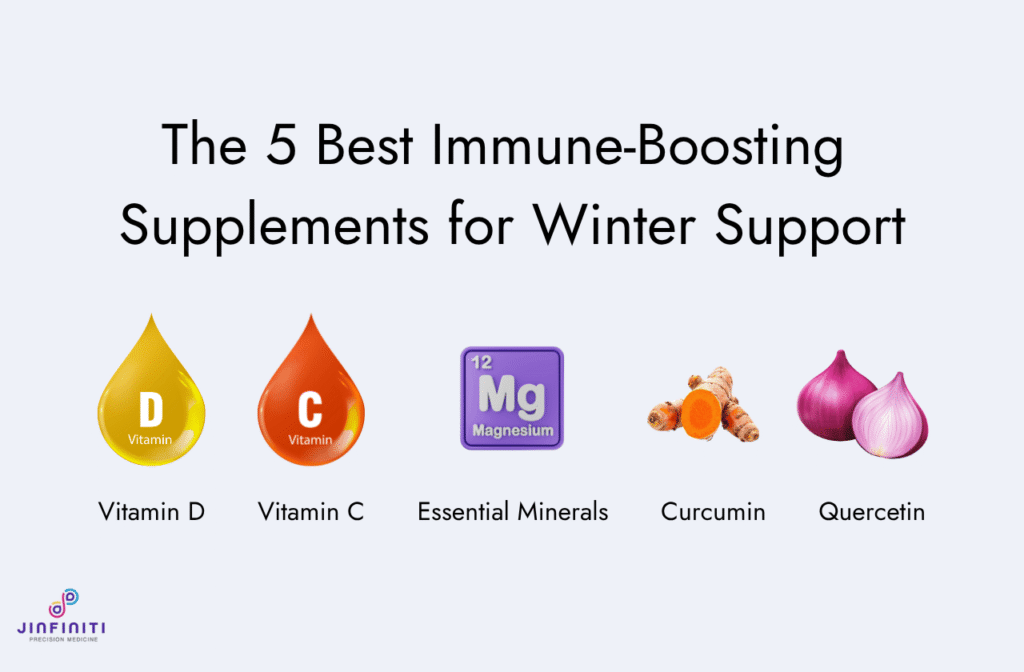
Five Science-Backed Supplements to Strengthen Winter Immunity
Crowding indoors, limited sun exposure, seasonal stress. There’s a reason colds and flus go around during winter. Studies suggest immune function changes with the seasons, with some inflammatory markers peaking in the winter months[1].
You can’t control the weather or the calendar. You can support your immune system with science-backed supplements.
The 5 supplements below aren’t just trendy. They’re backed by clinical studies that show a meaningful effect on immune function when you need it.
1. Vitamin D
Your skin produces vitamin D when exposed to sunlight. During winter months at latitudes above 30°N, the sun’s angle makes this nearly impossible.
The numbers tell the story. About 40% of Canadians fall below adequate vitamin D levels during winter, compared to 25% in summer. In northern Poland, researchers found 84.4% of adults were deficient in winter months[2].
How vitamin D protects your immune system
Virtually all immune cells have vitamin D receptors. This tells you something important—your immune system depends on this nutrient.
The active form of vitamin D influences both innate and adaptive immune responses through multiple mechanisms[3]:
Creates antimicrobial peptides that inhibit viral replication
Prevents the cytokine storm that makes infections severe
Supports immune cell training and maturation
Regulates inflammatory responses to prevent tissue damage
Dr. John White’s research at McGill University revealed that vitamin D deficiency causes the thymus (the organ training your immune cells) to age faster. This creates a “leaky” immune system less effective at protecting you.
What the research shows
A 2017 study in The BMJ analyzed data from over 11,000 participants. The conclusion? Vitamin D supplementation protects against acute respiratory infections[4].
The protective effects were strongest in people with severe deficiency (below 10 mg/dL), whose infection risk was cut in half. Daily or weekly supplementation worked better than large occasional doses.
A 2022 analysis found vitamin D reduced influenza infections by 22%[5]. Not all studies agree on the magnitude of benefit, but the pattern is clear—adequate vitamin D matters for immune defense.
How much you need
Current recommendations suggest maintaining serum levels above 50 ng/mL for optimal immune function. This is higher than the 30 ng/mL typically recommended for bone health.
Taking a vitamin D supplement during winter months is one of the most practical steps for overall health:
NHS recommendation: 400 IU (10 mcg) daily for autumn and winter
Expert recommendations: 1,500-2,000 IU daily for most adults
Therapeutic doses for deficiency: 5,000 IU daily (requires 3-5 months to reach optimal levels)
Tolerable upper limit: 4,000 IU daily for long-term use
The tolerable upper limit is 4,000 IU daily for long-term use. Toxicity is rare but can occur above 150 ng/mL blood levels.
2. Vitamin C
A vitamin C supplement taken regularly does not prevent colds in most people[6]. The persistent belief stems from 1970s advocacy that wasn’t supported by later research.
That doesn’t mean vitamin C is useless for fighting the common cold.
Vitamin C is water-soluble and builds up in immune cells at concentrations 50-100 times higher than in the blood plasma[7]. During infections, these levels drop rapidly—your immune system is using it up.
Vitamin C supports multiple immune functions:
Boosts production and function of neutrophils, lymphocytes, and phagocytes (first-line defenders)
Supports T-cells and B-cells needed for adaptive immunity
Acts as a powerful antioxidant protecting immune cells from oxidative damage
Reduces cold duration by approximately 2 days when taken after symptom onset
Lowers risk of severe cold symptoms in some studies
When taken after cold onset, vitamin C can reduce symptoms. One analysis found it reduced symptoms by approximately 2 days with an 87% lower risk of severe symptoms[8].
The exception? Studies of athletes under extreme physical stress showed vitamin C reduced cold incidence by up to 50%[7]. If you’re training hard or under significant physical stress, the benefits increase.
Supplementation of 1-2 grams daily is generally safe. Vitamin C is water-soluble, so excess amounts are excreted rather than stored.
Pairing vitamin C with quercetin
There is some evidence that pairing vitamin C with quercetin could have an increased antiviral effect. One function of vitamin C is to prevent quercetin from breaking down so it can do its job[9].
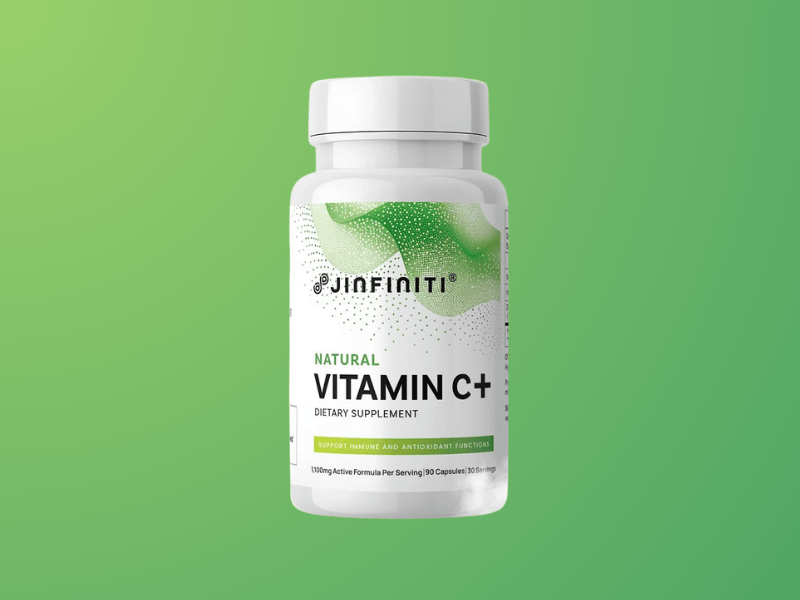
Bioavailable Vitamin C
Natural, whole-food vitamin C from Amla fruit.
3. Essential Minerals: Zinc, Magnesium, and Selenium
Three essential minerals deserve your attention for winter immune support. Each plays distinct but complementary roles.
Zinc: The immune gatekeeper
Your body cannot produce or store large amounts of zinc, making consistent intake necessary.
Dr. Daren Knoell’s research at Ohio State showed zinc acts as a feedback regulator, preventing immune overreaction. Zinc enters immune cells during infection and slows the inflammatory response, preventing collateral damage.
Research shows zinc supports multiple immune functions:
Boosts natural killer cell activity
Increases neutrophil function and mobility
Activates T-cell proliferation
Supports antibody production by B-cells
Regulates cytokine production to prevent inflammatory damage
For treating colds, zinc shows promise. A 2024 Cochrane review found zinc lozenges may reduce cold duration by about 2 days[10]. The effect appears specific to zinc acetate lozenges at 80-92 mg/day.
The RDA is 11 mg/day for men and 8 mg/day for women. For cold treatment, studies used 75-100 mg/day divided into multiple lozenges. The upper limit for long-term use is 40 mg/day.
Zinc supplements in lozenge form work best for treating colds because the zinc needs direct contact with throat tissues where viruses replicate.
Both deficiency and excess impair immunity. Zinc intake of 100 mg/d suppresses immune responses[11].
Magnesium: The overlooked regulator
Magnesium rarely gets attention in immune discussions, but it shouldn’t be ignored.
A 2022 study in Cell found T-cells need sufficient magnesium to operate efficiently. Adequate magnesium maintains the active conformation of proteins that help T-cells recognize and attack threats[12].
Magnesium deficiency creates several immune problems:
Triggers inflammation by increasing neutrophils and inflammatory gene expression
Disrupts gut microbiome balance, which affects immune health
A 2024 study found supplementation (15 mmol/day) substantially lowered inflammatory capacity of T-cells in people with type 2 diabetes[13].
Adults need 310-420 mg daily. Food sources include:
Nuts (especially almonds: 80 mg per 30g serving)
Seeds (pumpkin seeds, sunflower seeds)
Dark leafy greens (spinach, Swiss chard)
Beans and legumes (black beans, lentils)
Whole grains (brown rice, quinoa)
Avocados and bananas
Selenium: Small amounts, big impact
Selenium is a component of at least 25 selenoproteins, including antioxidant enzymes that protect immune cells from oxidative damage[14].
Research shows adequate selenium supports immune cell activation and differentiation. Evidence for supplementation is mixed, though some studies show benefits for people with low baseline levels.
The RDA is 55 μg/day for adults. The upper limit is 400 μg/day. Most people consuming varied diets get adequate amounts without supplementation—Brazil nuts alone are extremely high in selenium (1-2 nuts meet daily needs).
4. Curcumin
Curcumin, extracted from turmeric, possesses remarkable anti-inflammatory and immune-modulating properties.
It inhibits key inflammatory pathways including NF-κB, MAPK, and JAK/STAT[15]. In various studies, curcumin showed multiple beneficial effects:
Protected against oxidative stress in immune cells
Over 300 clinical trials have explored curcumin’s effects on respiratory diseases, inflammatory conditions, and immune function.
The bioavailability problem
The challenge with curcumin is absorption. Very little reaches your bloodstream unchanged when taken orally.
Black pepper extract (piperine) is the solution. Studies show it increases curcumin absorption by up to 2000%[16]. Look for supplements combining these ingredients.
Dosing and safety
Clinical studies typically use 500-2,000 mg daily. Most turmeric and curcumin supplements contain 1,000-1,500 mg daily with piperine.
Curcumin is generally well-tolerated. High doses may cause digestive upset. People taking blood thinners should consult healthcare providers first.
5. Quercetin
Quercetin is a phytonutrient in onions, apples, berries, and tea. Though it’s not as well-known as vitamin C, researchers have discovered this flavonoid has direct antiviral activity against respiratory viruses.
How quercetin fights respiratory viruses
Lab studies have found that quercetin works against the viruses that cause most winter illnesses. Research shows it inhibits replication of rhinovirus, influenza, respiratory syncytial virus, and adenovirus in cell cultures[17].
The mechanisms are fascinating. Quercetin attacks viruses at multiple stages:
Blocks viral entry into cells by interfering with membrane fusion
Disrupts viral replication once inside cells
Prevents assembly and release of new viral particles
Reduces inflammatory response that causes respiratory symptoms
Increases production of antiviral interferons
Animal studies back this up. Mice given quercetin before influenza infection showed reduced viral load, less lung inflammation, and lower mortality rates compared to untreated mice[18].
What human studies show
The human research picture is mixed but intriguing. A large community trial with over 1,000 participants found no overall benefit from quercetin (500 or 1,000 mg/day) for preventing upper respiratory infections. The surprise came in subgroup analysis—subjects over 40 who rated themselves physically fit experienced significantly fewer sick days and less severe symptoms[19].
Studies in athletes tell a different story. Cyclists taking 1,000 mg/day quercetin for three weeks showed markedly lower infection rates (1 of 20 subjects infected versus 9 of 20 in the placebo group) during the two weeks following intense training[20].
Why the inconsistent results? Quercetin appears most beneficial for people under physical stress or at higher baseline risk. It may work better for preventing infections during vulnerable periods than for general prevention.
The vitamin C connection
Quercetin alone has poor stability and bioavailability. Research suggests vitamin C prevents quercetin degradation, maintaining its antiviral activity[9]. The two compounds work synergistically—vitamin C stabilizes quercetin while quercetin enhances vitamin C’s immune effects.
A 2021 systematic review of animal studies found that quercetin-type flavonoids significantly reduced mortality rates and viral loads in infected animals[21].
Practical use
Studies examining quercetin for respiratory health typically use 500-1,000 mg daily. The compound is generally safe, though very high doses may cause headaches or digestive discomfort in some people.
Food sources include:
Red onions (highest quercetin content among onions)
Look for supplements that combine quercetin with bromelain (from pineapple) or vitamin C to improve absorption. Some formulations use quercetin bound to other compounds for better bioavailability.
Other Supplements Worth Considering
The five supplements covered above have the strongest research backing for winter immune support. Several others show promise but need more study or work best for specific situations:
Elderberry: May shorten illness duration by 2-4 days when taken at symptom onset by preventing viral attachment to cells[22]
Omega-3 fatty acids: Help resolve inflammation after infection (aim for 1-2 grams daily of combined EPA and DHA)
Vitamin E: Improves T-cell function in older adults at 200 IU daily[23], though most people get enough from nuts and seeds
B vitamins: Support immune cell production but only help if you’re deficient (B6, B9, and B12 are most relevant)
These supplements may fill specific gaps in your nutrition. They don’t replace the core five covered earlier, which target the most common winter immune challenges.
A Note on Supplement Quality
Not all supplements are created equal. Quality varies dramatically between brands, and poor-quality products waste your money while potentially harming your health.
Look for third-party testing from USP, NSF International, or ConsumerLab to verify contents and purity
Choose forms with better bioavailability (magnesium glycinate over oxide, vitamin D3 over D2, curcumin with piperine)
Avoid products with excessive fillers, artificial colors, or proprietary blends that hide ingredient amounts
Seek cGMP-certified manufacturing for strict quality control during production
Be wary of prices far below competitors—corners get cut somewhere
Price reflects quality to some extent. You don’t need the most expensive option, but extremely cheap supplements raise red flags.
Your Winter Immune Strategy
These 5 supplements are a good blend of different approaches for immune support. Vitamin D helps with the winter deficit. Minerals are important cofactors for immune cells. Vitamin C helps the immune system and might shorten a cold. Curcumin and quercetin provide anti-inflammatory effects.
Test your nutrient levels before jumping into supplements. Especially for vitamin D, where people need such different doses, blood testing is the only way to be sure of your status.
Jinfiniti Precision Medicine founder Dr. Jin-Xiong She is a genomic scientist with over 400 peer-reviewed publications who shares the same sentiment: “Winter immune support is not about popping every supplement in the store. It’s about identifying your specific deficiencies with testing and then addressing those gaps with targeted, evidence-based interventions. The same dose of a supplement that’s just right for one person could be too little or too much for someone else.”
Of course, supplements are just one part of the equation. The cornerstones of health are still sleep, exercise, stress reduction, and a whole-foods-based diet.
Referenced Sources
Calton EK, Keane KN, Raizel R, Rowlands J, Soares MJ, Newsholme P. Winter to summer change in vitamin D status reduces systemic inflammation and bioenergetic activity of human peripheral blood mononuclear cells. Elsevier BV; 2017. https://doi.org/10.1016/j.redox.2017.04.009
Kmieć P, Żmijewski M, Waszak P, Sworczak K, Lizakowska-Kmieć M. Niedobór witaminy D w przeważająco miejskiej populacji dorosłych z Województwa Pomorskiego w miesiącach zimowych. VM Media SP. zo.o VM Group SK; 2014. https://doi.org/10.5603/ep.2014.0015
Ao T, Kikuta J, Ishii M. The Effects of Vitamin D on Immune System and Inflammatory Diseases. MDPI AG; 2021. https://doi.org/10.3390/biom11111624
Martineau AR, Jolliffe DA, Hooper RL, Greenberg L, Aloia JF, Bergman P, et al. Vitamin D supplementation to prevent acute respiratory tract infections: systematic review and meta-analysis of individual participant data. BMJ; 2017. https://doi.org/10.1136/bmj.i6583
Zhu Z, Zhu X, Gu L, Zhan Y, Chen L, Li X. Association Between Vitamin D and Influenza: Meta-Analysis and Systematic Review of Randomized Controlled Trials. Frontiers Media SA; 2022. https://doi.org/10.3389/fnut.2021.799709
Ran L, Zhao W, Wang H, Zhao Y, Bu H. Vitamin C as a Supplementary Therapy in Relieving Symptoms of the Common Cold: A Meta‐Analysis of 10 Randomized Controlled Trials. Wiley; 2020. https://doi.org/10.1155/2020/8573742
Ran L, Zhao W, Wang J, Wang H, Zhao Y, Tseng Y, et al. Extra Dose of Vitamin C Based on a Daily Supplementation Shortens the Common Cold: A Meta-Analysis of 9 Randomized Controlled Trials. Wiley; 2018. https://doi.org/10.1155/2018/1837634
Colunga Biancatelli RML, Berrill M, Catravas JD, Marik PE. Quercetin and Vitamin C: An Experimental, Synergistic Therapy for the Prevention and Treatment of SARS-CoV-2 Related Disease (COVID-19). Frontiers Media SA; 2020. https://doi.org/10.3389/fimmu.2020.01451
Nault D, Machingo TA, Shipper AG, Antiporta DA, Hamel C, Nourouzpour S, et al. Zinc for prevention and treatment of the common cold. Wiley; 2024. https://doi.org/10.1002/14651858.cd014914.pub2
Lötscher J, Martí i Líndez AA, Kirchhammer N, Cribioli E, Giordano Attianese GMP, Trefny MP, et al. Magnesium sensing via LFA-1 regulates CD8+ T cell effector function. Elsevier BV; 2022. https://doi.org/10.1016/j.cell.2021.12.039
Drenthen LCA, Ajie M, de Baaij JHF, Tack CJ, de Galan BE, Stienstra R. Magnesium Supplementation Modulates T-cell Function in People with Type 2 Diabetes and Low Serum Magnesium Levels. The Endocrine Society; 2024. https://doi.org/10.1210/clinem/dgae097
Huang Z, Rose AH, Hoffmann PR. The Role of Selenium in Inflammation and Immunity: From Molecular Mechanisms to Therapeutic Opportunities. Mary Ann Liebert Inc; 2012. https://doi.org/10.1089/ars.2011.4145
Peng Y, Ao M, Dong B, Jiang Y, Yu L, Chen Z, et al. Anti-Inflammatory Effects of Curcumin in the Inflammatory Diseases: Status, Limitations and Countermeasures. Informa UK Limited; 2021. https://doi.org/10.2147/dddt.s327378
Gupta SC, Patchva S, Aggarwal BB. Therapeutic Roles of Curcumin: Lessons Learned from Clinical Trials. Springer Science and Business Media LLC; 2012. https://doi.org/10.1208/s12248-012-9432-8
Ganesan S, Faris AN, Comstock AT, Wang Q, Nanua S, Hershenson MB, et al. Quercetin inhibits rhinovirus replication in vitro and in vivo. Elsevier BV; 2012. https://doi.org/10.1016/j.antiviral.2012.03.005
Davis JM, Murphy EA, McClellan JL, Carmichael MD, Gangemi JD. Quercetin reduces susceptibility to influenza infection following stressful exercise. American Physiological Society; 2008. https://doi.org/10.1152/ajpregu.90319.2008
Heinz SA, Henson DA, Austin MD, Jin F, Nieman DC. Quercetin supplementation and upper respiratory tract infection: A randomized community clinical trial. Elsevier BV; 2010. https://doi.org/10.1016/j.phrs.2010.05.001
Li Y, Yao J, Han C, Yang J, Chaudhry M, Wang S, et al. Quercetin, Inflammation and Immunity. MDPI AG; 2016. https://doi.org/10.3390/nu8030167
Brito JCM, Lima WG, Cordeiro LPB, da Cruz Nizer WS. Effectiveness of supplementation with quercetin‐type flavonols for treatment of viral lower respiratory tract infections: Systematic review and meta‐analysis of preclinical studies. Wiley; 2021. https://doi.org/10.1002/ptr.7122
Tiralongo E, Wee S, Lea R. Elderberry Supplementation Reduces Cold Duration and Symptoms in Air-Travellers: A Randomized, Double-Blind Placebo-Controlled Clinical Trial. MDPI AG; 2016. https://doi.org/10.3390/nu8040182
Meydani SN, Lewis ED, Wu D. Perspective: Should Vitamin E Recommendations for Older Adults Be Increased?. Elsevier BV; 2018. https://doi.org/10.1093/advances/nmy035
Your cells face attack every single day. Every breath creates cellular waste products. These byproducts can damage your body from the inside out.
This damage is called oxidative stress. It drives aging and chronic disease. You might feel it as unexplained fatigue or brain fog. These could be early signs that oxidative stress is winning.
If you’re experiencing persistent chronic fatigue, addressing oxidative stress may be an important piece of the puzzle.
Most people accept these changes as normal aging. What if they’re not normal at all? What if you can prevent them?
You can fight back with the right antioxidant approach.
Key Takeaways
Oxidative stress speeds up aging. Free radicals damage your DNA and cell membranes faster than your body can repair them.
Multiple antioxidants work better together. The most effective approach combines several antioxidants that support each other.
Quality matters more than quantity. Look for supplements designed for maximum absorption.
Testing shows your specific needs. Understanding your current stress levels helps you target what matters most.
What Is Oxidative Stress?
Reactive oxygen species are unstable molecules missing an electron. Think of them as cellular bullies stealing from healthy cells.
Your body makes free radicals naturally during energy production. External factors create even more.
Pollution, UV rays, processed foods, and stress all increase free radical production.
When free radicals outnumber your natural defenses, damage builds up. This imbalance is oxidative stress.
Over time, this damage affects everything.
Your DNA takes hits that can cause mutations. Cell membranes become leaky. Proteins lose their shape and stop working.
The result? Faster aging and higher risk of cardiovascular disease, diabetes, and brain disorders.
Your body has natural defenses. Antioxidant enzymes work around the clock to limit damage.
But these systems decline with age. Today’s world creates more oxidative stress than ever before.
Diet alone often falls short. Even perfect nutrition may not provide enough antioxidants for today’s demands.
This is where a targeted dietary supplement approach becomes valuable. They give your body extra support to restore balance.
Top 5 Antioxidant Supplements
Different antioxidants work in unique ways. Each targets specific types of damage.
The best approach combines multiple antioxidants. This creates complete protection against free radical damage.
Supplement
Primary Benefits
Key Considerations
Quercetin
Antioxidant protection, clears aging cells, supports cardiovascular health
Poor absorption alone – needs enhancers
Curcumin
Dual antioxidant/anti-inflammatory action, DNA protection
Requires piperine for bioavailability
Vitamin C
Master antioxidant, regenerates other antioxidants, collagen support
Natural forms with cofactors work better
CoQ10
Energy production, mitochondrial protection, heart support
Ubiquinol form absorbs better than ubiquinone
Vitamin E
Cell membrane protection, works with vitamin C
Mixed tocopherols provide broader benefits
1. Quercetin
Quercetin is a flavonoid found in onions, apples, and berries. It’s one of nature’s strongest antioxidants.
This compound donates electrons to free radicals. This antioxidant effect stops them from damaging your cells.
Quercetin does more than basic antioxidant activity. It also helps clear out damaged, aging cells.
These “zombie cells” build up with age. They pump out inflammatory signals throughout your body. Clearing them reduces chronic inflammation.
Research shows quercetin can lower oxidative stress markers.1 It also provides beneficial effects for immune function and cardiovascular health.2
Studies show quercetin crosses the blood-brain barrier. This makes it valuable for protecting brain cells too.3
The challenge with quercetin is absorption. Your body doesn’t absorb it well alone.
This is why complete formulations matter. Jinfiniti’s SenoAid combines quercetin with other compounds and absorption boosters.
2. Curcumin
Curcumin gives turmeric its golden color. People have used it medicinally for thousands of years.
This compound provides dual action. It neutralizes free radicals directly while boosting your body’s own antioxidant enzymes. These unique antioxidant properties make it especially effective against inflammation.
These actions make curcumin powerful against aging and chronic disease. It’s especially effective against the low-grade inflammation that drives aging.
The main challenge is bioavailability. Your liver breaks down curcumin quickly.
Black pepper extract changes everything. Its active compound, piperine, can increase curcumin absorption by up to 2000%.
This is why quality matters in curcumin supplements. Formulations with piperine deliver much better results.
Extra Strength Turmeric+ from Jinfiniti combines curcumin with black pepper. It also includes boswellia, ginger, and quercetin for enhanced anti-inflammatory action.
3. Vitamin C
Most people think vitamin C only boosts immunity. But it’s one of your body’s primary antioxidant defenders.
Vitamin C is water-soluble. It works throughout your body’s fluid systems to neutralize free radicals.
This vitamin also regenerates other antioxidants.7 It recycles vitamin E and helps maintain glutathione levels.
Vitamin C supports collagen production too. This protein needs vitamin C to form properly.
The source of vitamin C matters. Synthetic ascorbic acid provides basic vitamin activity. But it lacks supporting compounds found in whole foods.
Natural vitamin C from sources like amla extract comes with bioflavonoids. These enhance absorption and effectiveness. Different forms of vitamin C in supplements offer varying levels of bioavailability and benefits.
Vitamin C works best with complementary nutrients. One effective partner is zinc.
Together, they provide enhanced antioxidant protection and immune support. That’s why combinations like Natural Vitamin C + Zinc often work better than either nutrient alone.
4. CoQ10 (Coenzyme Q10)
CoQ10 plays a unique dual role in cells. It’s needed for energy production and serves as a powerful antioxidant.
This compound exists in every cell. It concentrates in your heart, brain, and liver – organs with high energy needs.
CoQ10 works inside your mitochondria to help make ATP, your cellular energy currency. It also protects mitochondrial membranes from damage.
Supporting overall mitochondrial health becomes increasingly important as we age and face more oxidative stress.
Research shows CoQ10 levels drop with age.8 By age 60, you may have 50% less CoQ10 than at age 20.
This decline reduces energy production and increases oxidative damage. Supplementation can help restore optimal levels.
Studies show CoQ10 benefits heart health. Supplements may improve exercise capacity and reduce oxidative stress in heart patients.9
CoQ10 also supports brain function. It may help protect against neurodegenerative diseases by reducing brain oxidative stress.
The ubiquinol form of CoQ10 absorbs better than ubiquinone. This is especially important for older adults.
5. Vitamin E
Vitamin E is your body’s primary fat-soluble antioxidant. It protects cell membranes from oxidative damage.
Cell membranes contain fats that are vulnerable to free radical attacks. Vitamin E embeds in these membranes and neutralizes threats.
This vitamin works with vitamin C. When vitamin E neutralizes a free radical, it becomes oxidized. Vitamin C then regenerates vitamin E back to its protective form.
There are eight forms of vitamin E. Alpha-tocopherol gets the most attention. But gamma-tocopherol may be just as important.
Mixed tocopherols provide broader protection than alpha-tocopherol alone.10 They work together to protect different parts of cells.
Natural vitamin E absorbs better than synthetic forms. It also stays in tissues longer.
Good food sources include nuts, seeds, and olive oil. But getting therapeutic amounts through diet alone can be challenging.
Lifestyle Support for Antioxidant Protection
Antioxidant supplements work best with healthy lifestyle habits. Your daily choices impact oxidative stress levels.
Eat colorful foods: Choose fruits and vegetables rich in natural antioxidants. Berries, leafy greens, and deeply colored vegetables offer the highest amounts.
Move regularly: Engage in moderate physical activity daily. Intense exercise can temporarily increase free radicals. Consistent moderate activity boosts your body’s antioxidant defenses.
Prioritize sleep: Aim for 7-9 hours of quality sleep nightly. Deep sleep is when your body repairs oxidative damage. Quality sleep supports natural cellular repair processes that help counteract daily oxidative stress.
Manage stress: Practice stress-reduction techniques like meditation. Chronic stress raises cortisol, which increases free radical production.
Consider thermal therapy: Use saunas or cold exposure to activate your body’s adaptive antioxidant responses.
Together, these habits create a powerful daily routine. They help your body stay resilient and protected from oxidative damage.
Your Personal Antioxidant Plan
The best antioxidant strategies combine multiple compounds. Single antioxidants work better when supported by others.
This is called the antioxidant network. Vitamins C and E, CoQ10, and other antioxidants work together for complete protection.
Quality matters in antioxidant supplements. Look for products that include absorption enhancers and supporting compounds.
Third-party testing ensures purity and potency. Avoid products without certificates of analysis.
Bioavailability can make or break supplement effectiveness. Enhanced formulations provide better results than basic versions.
Testing helps you understand your current oxidative stress levels. Biomarker panels measure specific indicators of oxidative damage.
This data lets you create a personalized antioxidant strategy. You can target your specific needs rather than guessing.
Our AgingSOS panels measure multiple markers of oxidative stress, inflammation, and cellular damage. This complete picture guides your supplementation choices.
Regular testing also lets you track progress. You can see whether your antioxidant strategy is working.
Your antioxidant needs may change over time. Age, health status, and lifestyle factors all influence requirements.
A personalized approach ensures you get the right antioxidants in the right amounts. This maximizes benefits while avoiding unnecessary supplementation.
Bottom Line
Oxidative stress speeds up aging and increases disease risk. Your natural antioxidant defenses decline with age while oxidative stress increases.
Smart supplementation can restore balance and protect cells from damage. The five most effective antioxidant supplements work through different mechanisms.
Quercetin provides antioxidant and cellular cleanup benefits. Curcumin offers dual antioxidant and anti-inflammatory action. Vitamin C serves as a master antioxidant that regenerates other protective compounds.
CoQ10 supports both energy production and antioxidant protection. Vitamin E protects cell membranes from damage.
Lifestyle factors greatly impact oxidative stress levels. Supplements work best as part of a complete approach including proper diet, exercise, sleep, and stress management.
Testing helps you understand your current oxidative stress levels and track progress. This allows for personalized supplementation strategies.
The most effective approach combines multiple antioxidants that work together. Quality formulations with enhanced bioavailability provide superior results.
Your antioxidant strategy should align with your broader longevity goals. Reducing oxidative stress is one key component of healthy aging and disease prevention.
Did you know a powerful plant compound is working silently in many foods you eat daily?
Quercetin gives fruits and vegetables their vibrant colors and offers remarkable health benefits. Research shows this flavonoid does far more than just add color to your plate.
You’ve likely consumed quercetin throughout your life without realizing its potential. Science now reveals it helps fight inflammation and may even support longevity.
Let’s explore five surprising benefits of quercetin that might change how you view your daily nutrition choices and wellness routine.
Key Takeaways
Quercetin is more than an antioxidant—it helps with allergies, heart health, skin aging, gut support, and post-workout recovery.
You get it from red onions, apples, berries, and tea, but supplements (usually 500–1000 mg) can help if you want a therapeutic dose.
Quercetin is generally safe, but taking it in high doses may cause mild side effects or interact with certain medications.
What is Quercetin and Where Can I Find It?
Quercetin is a naturally occurring plant pigment. It is part of a larger group of compounds known as flavonoids—specifically, flavonols.
Your body values quercetin primarily for its antioxidant properties. This means it helps protect your cells from damage caused by harmful molecules called free radicals.
While it’s present in many plants, it’s usually not in its pure form. Instead, it’s commonly bound to sugars, forming compounds called glycosides, which your body breaks down during digestion to absorb the active form.
Top Food Sources of Quercetin
The average daily intake of quercetin can vary quite a bit. In typical Western diets, people consume around 4–40 mg daily, but those eating a produce-rich diet may reach 100 mg or more.
Interestingly, factors like food variety and how it’s grown can impact how much quercetin is actually present. For instance, one study showed that organic tomatoes had 79% more quercetin than conventional ones.1
Here’s a quick look at some top sources:
Food
Quercetin Content (mg/100g)
Red onions
32-42
Capers
70-90
Apples
2-10
Berries
5-8
Kale
7-12
Broccoli
3-5
Red grapes
3-4
Buckwheat
2-3
Green/black tea
2-3 per cup, brewed
Red wine
1-2 (per 5 oz glass)
Other good sources include citrus fruits, tomatoes, asparagus, cauliflower, cabbage, and herbs like dill, cilantro, and lovage.
Top 5 Overlooked Health Benefits of Quercetin
Quercetin is known for its antioxidant punch, but there’s more to it than that. Here are five lesser-known ways it may support your health, from gut health to faster recovery after workouts.
Natural Allergy Relief and Antihistamine Effects
Quercetin is gaining attention as one of the more promising natural antihistamines. If you deal with seasonal allergies, itchy eyes, or sinus pressure, quercetin might help calm your body’s reaction.
Research published in Nutrients found that quercetin works by stabilizing mast cells.2 These release histamine, which triggers sneezing, swelling, and all those annoying allergy symptoms.3 Keep histamine in check can help reduce the intensity of allergic responses.
Beyond histamine control, quercetin helps reduce other inflammatory compounds like cytokines and leukotrienes.4 These play a significant role in persistent allergy symptoms that just won’t quit.
Scientists are currently studying quercetin for hay fever, asthma, and skin conditions like eczema. While research is still early, findings suggest regular use might ease congestion and reduce allergic flare-ups.
Heart Health and Blood Pressure Support
Quercetin does more than just fight allergies. It’s also a heart helper.
This natural flavonoid shows promising benefits for blood pressure regulation and overall cardiovascular health.
A study in the Journal of the American Heart Association found that quercetin can support healthy systolic and diastolic blood pressure levels, especially at doses of 500 mg or more per day. It seems to work in a few ways:5
Possibly mimicking how ACE inhibitors (drugs used for hypertension) work
Quercetin protects your blood vessels. It keeps the endothelium, the inner lining of your arteries, more flexible and less inflamed.
It lowers the activity of VCAM-1 molecules. This prevents immune cells from attaching to artery walls and causing plaque buildup that leads to atherosclerosis.6
Quercetin prevents LDL cholesterol oxidation.7 This oxidation triggers artery inflammation and damage.
It helps maintain healthier blood vessels as you age.8 It may clear out damaged cells that accelerate vascular aging.
Quercetin may also support healthy LDL levels and improve blood sugar control. Research in Nutrients showed it improves insulin sensitivity through multiple pathways, including gut health.9
Skin Protection and Anti-Aging Properties
Quercetin is also great for your skin. Its antioxidant and anti-inflammatory effects target common concerns like wrinkles and sun damage.
UVB radiation accelerates skin aging through oxidative stress and collagen breakdown. Quercetin helps counter this by blocking collagen-degrading enzymes like MMP-1 and COX-2.10
It inhibits key aging pathways including AP-1 and NF-κB. Your skin cells and their mitochondria may even gain protection from UV damage when quercetin is present.11
For issues like eczema or atopic dermatitis, quercetin helps calm overactive immune responses. It helps reduce inflammatory signals like IL-1β and IL-6 while boosting anti-inflammatory ones like IL-10.12
Research in Springer Nature showed that topical quercetin helps ease inflammation and itch, sometimes as well as standard meds like tacrolimus.13
Quercetin supports wound healing by boosting collagen, skin regeneration, and blood vessel growth. It may also help fade dark spots by blocking tyrosinase, the enzyme that makes skin pigment.14
Moreover, research in Medicina found that it could help reduce the risks of DNA damage and protect against skin cancer.15
Exercise Recovery and Reduced Muscle Soreness
Quercetin might not make you faster overnight, but it could help you recover better after a tough workout.
It supports energy metabolism by activating AMPK, a key cellular switch that boosts mitochondrial function and fat burning—important for endurance and recovery.16
Quercetin also helps reduce post-exercise inflammation, oxidative stress, and muscle soreness (DOMS).
Researchers found that at around 1000 mg/day, quercetin can help lower markers like creatine kinase and LDH within 24–48 hours after intense training.17 It also protects against oxidative damage by boosting antioxidant defenses and lowering markers like malondialdehyde.
On top of that, it supports neuromuscular recovery, helping restore muscle strength and function more quickly.18
If your goal is to bounce back faster and train consistently, quercetin could be a solid addition to your recovery stack.19
Gut Microbiome and Intestinal Barrier Support
Finally, quercetin may also help shape a healthier gut microbiome.
Research shows it encourages beneficial bacteria growth while reducing potentially harmful strains.20 These changes improve microbial balance and support your digestive health.21
Quercetin reinforces your gut barrier. It promotes the production of tight junction proteins that act as gatekeepers in your intestinal lining.22
These proteins prevent endotoxins and pathogens from leaking through into your bloodstream. A stronger gut lining helps reduce inflammation, especially in conditions like IBD.23
The combined effects support both your microbial environment and gut structure. This improved gut health enhances communication between your digestive system and the rest of your body.
Together, these effects may support both your microbial environment and gut structure.
How to Add More Quercetin to Your Diet
Getting more quercetin into your meals is actually quite simple. Just focus on colorful foods that are naturally rich in flavonoids.24
Grab an apple with the skin on, toss some red onions in your salad, or add kale to your smoothie. Berries, broccoli, and even capers are excellent sources too.
Try to enjoy some of these foods raw when you can. Cooking is fine, but it might reduce some of the quercetin content. A crisp apple with almond butter makes a perfect afternoon snack.
Here’s a helpful tip: pair quercetin-rich foods with healthy fats. Your body absorbs quercetin better this way.25 Try sautéing those red onions in olive oil or adding avocado to your berry smoothie.
Adding vitamin C foods like bell peppers or oranges to your quercetin-rich meals can also boost absorption. It’s a simple way to get more benefits from the foods you’re already enjoying.
Should I Take Quercetin as a Supplement?
Quercetin supplements offer impressive health benefits beyond what you get from food alone. Before adding any new supplement, here’s what you should know.
Research shows effective doses are much higher than what’s in your diet:
Most studies use 500-1000 mg daily dosage (usually split into two doses)
Average dietary intake is typically under 100 mg per day
Supplements can help bridge this gap
Supplements are often paired other ingredients to enhance the effects of quercetin:
Jinfiniti’s senolytic complex SenoAid combines all these ingredients in one formula, making it easier to support your health goals with a single supplement.
Supplement Safety Note
Supplements receive minimal FDA regulation and may not be safe for everyone. They can interact with medications and other supplements. Always consult your doctor before starting any supplement regimen.
Side Effects and Safety of Quercetin
Quercetin is generally safe in both foods and supplements. Potential mild side effects include:
Occasional headaches
Mild stomach discomfort
Tingling sensations
These typically resolve by reducing your dose or taking a short break.
Long-term safety at high doses (over 1 gram daily) hasn’t been thoroughly studied. Some theoretical concerns exist about kidney effects at very high doses, but these remain unproven.
Important medication interactions to consider:
May affect medications processed by your liver
Could change how quickly your body absorbs or eliminates certain drugs
Might enhance or reduce the effects of some medications
Always consult your doctor before starting quercetin if you take regular medications to ensure it’s safe for your specific situation.
Quick Recap
Quercetin does more than just fight oxidative stress. This powerful plant compound supports healthy inflammation, boosts immunity, and protects your cells from damage.
It helps your gut, heart, and even exercise recovery. Adding quercetin-rich foods to your daily meals brings multiple health benefits with minimal effort.
Onions, apples, berries, and leafy greens are all excellent sources. Simply including these foods regularly can make a real difference in how you feel.
If you’re thinking about taking a quercetin supplement, it’s best to talk with your healthcare provider first, especially if you’re on medication or have any health conditions. They can help you decide if it’s right for you and how to use it safely.
Nature’s dynamic duo might be hiding in plain sight. When quercetin from apples and onions joins forces with pineapple’s bromelain, something remarkable happens.
The combination of these two natural substances is only just being discovered by health enthusiasts and researchers.
What makes this pairing so special? And why are more people adding this combination to their daily wellness routines?
Highlights
Bromelain enhances quercetin absorption by up to 80%, creating a powerful synergistic effect.
Together they provide anti-inflammatory benefits, immune support, and natural allergy relief.
The combination supports heart health through improved circulation and blood pressure regulation.
Most supplements recommend 500-1,000mg quercetin and 240-960mg bromelain daily.
Consult your healthcare provider before taking either supplement, especially if taking blood thinners or antibiotics.
What Are Quercetin and Bromelain?
Quercetin and bromelain are two well-studied natural compounds often taken together for their combined health benefits. Before we get into why they work so well as a pair, let’s take a closer look at each one on its own.
Quercetin: The Powerful Plant Flavonoid
Ever wonder what gives red onions or blueberries their color? Often, it’s quercetin! This natural pigment is packed into many delicious plant foods.
It’s a type of flavonoid, a fancy word for beneficial compounds made by plants. Eating foods rich in quercetin, like apples (skin on!), grapes, leafy greens, and broccoli, is an easy way to consume it.
Quercetin supplements are known for their antioxidant properties. They help neutralize unstable molecules called free radicals.1
The protective effects of quercetin are most evident during oxidative stress, when your body needs extra help fighting those pesky free radicals.
Bromelain: The Pineapple Enzyme
Bromelain is a powerful mix of enzymes, mainly found in the stem and juicy parts of pineapples. These enzymes are nature’s protein pros, expertly breaking down proteins.2
Why should you care? It means Bromelain can help your digestion run smoothly. Plus, it’s known for helping soothe puffiness and discomfort, especially after you’ve been active.
Nowadays, many people use Bromelain supplements to tackle swelling and achiness, speed up healing, and keep their gut happy.
Advanced Cellular Support
Quercetin, fisetin and bromelain for healthy cell renewal.
Why Quercetin and Bromelain Work Better Together
Quercetin and bromelain may enhance each other’s positive effects when taken together.
Bromelain dramatically improves quercetin’s absorption by up to 80% according to research in the Turkish Journal of Biology.3
Beyond just better absorption, they also work together for stronger results. This pair offers more potent anti-inflammatory and anti-allergic support combined than either could manage alone.4
And that’s just scratching the surface of how this duo may support your health goals.
Supplement Safety Note
Supplements receive minimal FDA regulation and may not be safe for everyone. They can interact with medications and other supplements. Always consult your doctor before starting any supplement regimen.
7 Health Benefits of Quercetin with Bromelain
Quercetin and bromelain offer a powerful combination for improving your health in several ways. Here are seven key benefits of taking these two natural compounds together.
1. Anti-inflammatory Effects
Quercetin and bromelain may powerfully reduce inflammation. Studies show the duo helps maintain healthy inflammatory response during tissue damage or injury.
Quercetin acts as a natural senolytic, targeting aging cells that cause chronic inflammation. It also blocks leukotriene formation in inflammatory processes.5
Bromelain breaks down inflammatory proteins and improves circulation to affected areas.6
Animal research shows the combo normalizes inflammatory markers like CRP and ESR and reduces gut inflammation.7
2. Immune System Support
Quercetin and bromelain may support immune function. A 2020 medRxiv study found a supplement with quercetin, bromelain, zinc, and vitamin C safe for COVID-19 patients.8
Research in Open Health showed these compounds target viral components, including SARS-CoV-2 spike proteins, potentially preventing replication.9
Another study indicated their anti-inflammatory effects may help manage cytokine storms (when the immune system overreacts) in COVID-19. 10
While research is promising, more studies are needed to fully establish benefits for immunity.
3. Allergy Relief
For those struggling with seasonal allergies, the quercetin bromelain combination may provide natural relief.
Quercetin blocks allergens and acts as a natural antihistamine by stabilizing mast cells, preventing histamine release.11 This reduces runny nose, itchy eyes, and congestion symptoms.
Bromelain reduces inflammation in nasal passages and respiratory system, easing breathing difficulties.12 It also improves the absorption of quercetin and enhances its antihistamine effects.
4. Heart Health
Research suggests Quercetin helps maintain healthy blood pressure levels. It protects blood vessels from oxidative damage, contributing to better cardiovascular function.13
A Nutrition Research study found quercetin may help regulate cholesterol, supporting its conversion into bile acids and encouraging liver clearance.14
Bromelain boosts circulation and helps prevent excessive platelet clumping, which lowers blood clot risks.15 Its anti-inflammatory properties also help keep blood vessel walls healthy.
5. Digestive Health Support
Bromelain’s enzymes help break down proteins found in food.16 This helps make digestion easier and can reduce feelings like bloating or discomfort after meals.
Meanwhile, quercetin contributes by helping soothe inflammation within the digestive tract.17 This action can be beneficial for managing conditions like irritable bowel syndrome (IBS).
Quercetin’s antioxidant properties play a part by protecting the intestinal lining, helping maintain gut integrity.
Animal studies also suggest that quercetin increases microbial diversity, enriching health-promoting bacteria in the gut.18
6. Joint and Muscle Recovery
For those with joint pain, or athletes looking for quicker recovery, combining quercetin and bromelain provides natural support.
Quercetin helps mainly through its anti-inflammatory effects. Research indicates it can reduce joint pain and swelling.19 This is beneficial for conditions like arthritis or simple discomfort from physical activity.
Bromelain contributes by breaking down proteins associated with post-exercise muscle soreness and stiffness.20 It also supports better circulation to speed recovery and ease muscle tightness.
Animal research also found the combination reduced arthritis symptoms and inflammatory markers, suggesting additive effects.21
7. Uric Acid Reduction
A study in the Journal of Food and Nutrition Research found a supplement with quercetin, bromelain, rutin, and L-carnosine effectively reduced uric acid levels after three months.22
Bromelain also appears helpful here, as studies show it can break down painful urate crystals that cause gout flare-ups.23
How to Take Quercetin with Bromelain
To get the most out of quercetin and bromelain benefits, you can include them in your diet through food sources or supplements.
Foods like apples, onions, and green tea are rich in quercetin, while bromelain is primarily found in pineapple.
For a more targeted approach, supplements that combine quercetin and bromelain are available. Look for products with bioavailability enhancers like piperine (black pepper extract).
Jinfiniti’s SenoAid™ is formulated with this in mind. It blends quercetin dihydrate and bromelain with green tea extract and piperine for maximum absorption. Our senolytic complex is crafted to help clear aged cells and support cellular rejuvenation.
Recommended Dosages
The right dosage of quercetin and bromelain depends on the specific health issue you’re addressing. Here’s a helpful table:
Use/Condition
Quercetin Dosage
Bromelain Dosage
Administration Notes
General supplementation
500-1,000 mg daily (divided doses)
240-960 mg daily (80-320 mg, 2-3 times daily)
For bromelain: take on empty stomach unless for digestion
Optimal doses for quercetin have not been established for any specific condition by health authorities
Do not exceed 1,000 mg daily of quercetin to avoid potential side effects
Quercetin absorption is improved when taken with fatty meals, vitamin C, or bromelain
Bromelain dosage may also be measured in GDU (gelatin digesting units) – approximately 1,500 mg should supply around 6,000 GDU
Consult a healthcare professional before starting any supplement, especially if you have existing medical conditions or are taking medications
Potential Side Effects
🟢 Low-risk side effects: Stomach discomfort, headaches, and diarrhea occur occasionally. Most people tolerate standard doses well.
🟠 Moderate concerns: These supplements may interact with certain medications like blood thinners or antibiotics.
🔴 Serious cautions: Very high quercetin doses may stress the kidneys. Medical literature documents one case of elevated liver enzymes from combined use.24
The following groups should exercise caution:
Pregnant/nursing women
People with compromised kidney/liver function
Anyone taking prescription medications
Bottom line: Schedule a quick doctor’s visit before starting. Stop immediately if unusual symptoms develop.
How to Choose Quercetin and Bromelain Supplements
Quercetin and bromelain supplements come in several forms:
Capsules and tablets: Most common and convenient for consistent dosing
Powders: Offer flexible dosing and can be mixed into drinks or foods
Liquid extracts: Potentially faster absorption for some individuals
Combined formulations: Often include vitamin C, zinc, or other complementary nutrients
Bioavailability
For quercetin, look for dihydrate, phytosome or with added phospholipids for absorption
For bromelain, check that potency is measured in GDU (Gelatin Digesting Units) or MCU (Milk Clotting Units)
Some formulations include piperine (black pepper extract) to improve absorption
Quality Assurance
Choose products that have been third-party tested for purity and potency
Look for certifications like NSF, USP, or Informed Choice
Check for GMP (Good Manufacturing Practices) certification
Check for unnecessary fillers, artificial colors, or allergens
Always follow the manufacturer’s recommended dosage and consult with a healthcare provider before starting any new supplement regimen.
Takeaway: Should You Take Bromelain and Quercetin?
The combination of quercetin and bromelain offers promise for various health conditions including inflammation, arthritis, digestive issues, and allergies.
Both compounds are generally safe, but consult a healthcare provider before starting any new supplement, especially with existing health conditions or medications.
As research continues, we may discover more benefits of this dynamic duo. If you’re looking for a natural way to support your health on multiple fronts, this combo is worth considering.
When it comes to longevity and cellular health, two compounds found in fruits and vegetables have been making waves: quercetin and fisetin. Both offer potent antioxidant and anti-inflammatory action, yet possess unique strengths.
Quercetin is known for boosting immune function and cardiovascular health. Fisetin earns distinction for its superior senolytic ability, clearing aged cells linked to inflammation.
Which should you choose, or is there advantage in combining them?
In this Jinfiniti article, we’ll break down the key differences between quercetin and fisetin, explore their individual benefits, and uncover how they may work even better together.
Key Takeaways
Quercetin and fisetin are powerful natural senolytics that work in different ways—quercetin shines with its anti-inflammatory effects, while fisetin excels at clearing out harmful senescent cells (the “zombie” cells that age us).
When taken together, quercetin and fisetin provide stronger anti-cancer effects and more protection against age-related decline than if taken separately.
The right approach for each differs—quercetin benefits from daily doses (500-1,000mg), while fisetin may be most effective with an intermittent “pulse” (500-1,000mg over 2-3 days a month).
What Are Quercetin and Fisetin?
Quercetin and fisetin are flavonoid compounds that function as natural senolytics, compounds capable of selectively eliminating senescent cells from the body.
Although related as flavonoids, they function differently inside the body. Both act as powerful antioxidants, meaning they neutralize destructive free radicals. These free radicals can damage cells and accelerate the aging process.
Quercetin is much more common in our diet, found easily in foods like apples and onions. Fisetin is less common; it’s mainly found in strawberries, with smaller amounts also in apples and cucumbers.
Differences Between Quercetin and Fisetin
As related flavonoids, quercetin and fisetin share some similarities but differ in their structures and how they benefit the body. Quercetin works best as an antioxidant and inflammation fighter, while fisetin’s specialty is its senolytic effect—removing aging cells that can cause problems in the body.
See the table below for a detailed comparison:
Property
Quercetin
Fisetin
Chemical Structure
Flavonol with 5 hydroxyl groups
Flavonol with 4 hydroxyl groups
Natural Sources
Abundant in onions, apples, berries, tea, red wine, broccoli, citrus fruits
Found in strawberries, apples, persimmons, cucumbers, onions, grapes
Has senolytic properties but appears less potent compared to fisetin
Strong senolytic effect
Supplement Usage
Often combined with vitamin C or bromelain to enhance absorption
Often taken in liposomal form to improve bioavailability
Common Dosage
500-1000 mg daily
100-500 mg daily
Side Effects
Generally well-tolerated; possible headache, tingling, nausea at high doses
Generally well-tolerated; fewer reported side effects
Quercetin’s Primary Health Benefits
Quercetin’s antioxidant, anti-inflammatory, allergy-relieving, and immune-supporting properties have made it a popular supplement.
1. Antioxidant Defense and Anti-Inflammatory Action
Quercetin acts as a strong antioxidant, defending your cells against damage from unstable molecules called free radicals.1 This reduction in oxidative stress is crucial for important parts of your cells:
DNA: Your genetic blueprint
Proteins: The building blocks and workers within cells
Mitochondria: The cell’s power generators; damage here can speed up aging
Quercetin also has powerful anti-inflammatory effects. Research highlighted in journals like Biomolecules shows that it works deep within cells to:
Inhibit key inflammatory enzymes: Blocking the molecules that kickstart the inflammation process
Reduce pro-inflammatory cytokines: Lowering the levels of chemical messengers that signal and spread inflammation2
Stabilizing mast cells that normally release histamine during allergies
Reducing common symptoms like itchy eyes and stuffy nose
Controlling inflammation without causing drowsiness
Research published in Allergy, Asthma & Clinical Immunology found that quercetin helps manage allergy symptoms by changing how the body responds to triggers, unlike conventional antihistamines that often make you sleepy.3
3. Heart Health
Research shows quercetin supports your heart through these mechanisms:
Blood vessel support: Improves how your blood vessels function and helps them relax, which supports normal blood pressure4
Cholesterol protection: Reduces oxidation of LDL cholesterol, addressing a major factor in artery blockage5
Improved circulation: Helps prevent excessive blood platelet sticking, promoting better blood flow without some of the drawbacks of conventional medications6
Fisetin’s Benefits for Longevity
Fisetin supplements stand out due to targeted effects on key cellular processes associated with aging.
1. Senolytic Properties
Fisetin is a notable longevity supplement for its powerful senolytic action. This means it helps your body get rid of old, non-functioning cells often called “zombie cells.”
What are zombie cells? These are aged cells that have stopped dividing but haven’t died off
Why are they bad? They release inflammatory compounds that can harm healthy cells nearby
Fisetin’s Role: Research, including a study in eBioMedicine, found that fisetin is very effective at clearing out these troublesome senescent cells compared to many other natural compounds, helping address a key part of the aging process7
2. Support for Cognitive Health
Fisetin stands out because it readily passes through the blood-brain barrier, delivering neuroprotective benefits directly to brain tissue – something many supplements can’t do.8 A study in Neurochemistry International highlighted this effectiveness.
Key brain-supporting functions of fisetin include:
Direct neuroprotection: Acts inside the brain to safeguard neurons
Boosts mitochondrial health: Supports the energy production centers within brain cells
Maintains neuroplasticity: Helps preserve the brain’s ability to rewire itself and form new neural pathways
Disrupts harmful protein aggregation: Helps prevent the accumulation of tangled tau proteins – a hallmark of many neurodegenerative conditions.9
Together, these properties contribute to fisetin’s role in cognitive support and protecting against age-related mental decline.
3. Anti-Aging Effects
Fisetin is gaining attention for its potential role in promoting a longer healthspan – the period of life spent in good health. It appears to achieve this by impacting the biology of aging in several ways:
Promoting autophagy: Helping your cells perform essential “housekeeping” by recycling old or damaged components10
Balancing cell signals: Influencing the activity of pathways like mTOR (related to growth) and AMPK (related to energy sensing)
Calming inflammation: Working to decrease persistent, low-grade inflammation that contributes to the aging process
These effects on the core processes of aging make fisetin a top contender for anyone looking to age well.
Combined Benefits of Quercetin and Fisetin
While Quercetin and Fisetin are beneficial on their own, they might pack an even bigger punch when working as a team.
Here’s a quick look at their combined power:
Stronger Antioxidant Protection: Provides increased anti-inflammatory and antioxidant action, fighting the damaging oxidative stress linked to many chronic diseases.11
Cancer Research Synergy: Studies suggest a potentially greater effect when combined in slowing the growth and spread of specific cancer cells (like breast cancer). Animal research also shows promise for shrinking tumors.12
Nerve Pain Medication Support: May improve the effectiveness of certain drugs for neuropathic pain (like pregabalin), potentially allowing patients to use lower doses.13
Combined Antiviral Effects: The combination shows potential for working together to inhibit certain viruses (e.g., dengue virus) and decrease related inflammation.14
Think of them as a dynamic duo. Working in tandem, Quercetin and Fisetin show potential for amplified health benefits in several key areas.
Quercetin vs. Fisetin: Which Flavonoid is Better?
Rather than seeing quercetin and fisetin as rivals, think of them as flavonoids that work well together.
Quercetin stands out for its strong anti-inflammatory properties and is generally more easily absorbed by the body than similar compounds. It helps protect cells and is found in common foods like onions and apples.
Fisetin excels at targeting senescent cells (aging cells), which is especially important for brain health.
Instead of choosing one over the other, using both may be most effective. Together, they can address multiple aspects of aging.
Should You Take Fisetin and Quercetin Together?
Combining fisetin and quercetin is backed by research that shows they work better together than alone.
Studies indicate this pair more effectively fights major aging factors like senescent cells, inflammation, and oxidative stress. Together, they have a stronger impact on cell health.
Jinfiniti’s Senolytic Supplement Complex SenoAid™ is formulated based on this synergy. It includes carefully selected doses of both fisetin and quercetin.
To optimize their potential, the formula also incorporates bromelain, green tea extract, and piperine, ingredients known to support the absorption and bioavailability of flavonoids.
This aligns with Jinfiniti’s focus on creating evidence-based supplements for measurable health outcomes.
Recommended Dosages
The right dosages for fisetin and quercetin depend on your goals and individual health needs.
Quercetin Dosage Guidelines
For general health, quercetin is usually safe in doses up to 1,000mg daily for up to 12 weeks.15
How well your body absorbs quercetin depends on the form used, with the dihydrate form showing the best bioavailability, followed by glycosides, aglycone, and rutinoside forms.
Fisetin Dosage Guidelines
For fisetin, a typical daily dose for general wellness is 100–500mg, based on human studies.16
But for senolytic (anti-aging) benefits, intermittent “pulse” dosing is recommended—around 1,400mg (20mg per kg of body weight) taken 1–2 times a month.17
This approach is thought to work better at clearing senescent cells without continuous dosing.
Combined Supplementation
Jinfiniti’s SenoAid™ supplement combines the two flavonoids in just the right amounts to maximize their benefits. The formula makes it easy to get the right doses without any extra hassle.
Understanding Side Effects and Safety Profiles
Both quercetin and fisetin are generally safe for most people, but there are a few precautions to keep in mind.
For quercetin, it’s considered safe for short-term use, with studies showing minimal side effects at doses up to 1 gram daily for 12 weeks.18
However, long-term safety at higher doses isn’t fully established. Some things to watch out for:
Pregnancy and breastfeeding: Prenatal exposure to quercetin may impact fetal iron metabolism, so it’s best to avoid quercetin during these times.19
Kidney conditions: If you have kidney disease, quercetin could make things worse, so avoid it.
Medication interactions: Quercetin may interact with antibiotics (like quinolones) and immunosuppressants, potentially altering their effects.
As for fisetin, while animal studies show promise, there are fewer human trials, so we don’t know as much about its long-term safety.
A few things to note:
Bioavailability: Fisetin doesn’t absorb well on its own, but taking it with fats can help boost absorption.20
Special populations: Pregnant or breastfeeding women, and children, should be cautious due to limited research on these groups.
As with any supplement, it’s always smart to check with a healthcare provider, especially if you have health conditions or are on medication.
The Future of Senolytic Research
Research on quercetin and fisetin is advancing quickly with several promising directions.
AI tools like the Segment Anything Model now provide more accurate data on quercetin’s role in healing diabetic wounds.21
Current studies explore these compounds’ effects on DNA methylation, epigenetic age, and immune cell function.
Researchers are solving bioavailability problems through innovative delivery systems. These include quercetin-rosemary oil nanoemulsions for wound healing and photothermal nanodrugs for cancer treatment.22
Scientists are also studying how these flavonoids interact with other compounds to enhance their anti-aging and disease-fighting potential.
With all the progress in quercetin and fisetin research, it’s clear these compounds could help us age gracefully and improve our health, offering a hopeful outlook for the future.
Those bright fruits and vegetables on your plate aren’t just pretty—they’re packed with health-boosting compounds called flavonoids.
These natural substances in fruits, vegetables, and supplements work as antioxidants that support your health when eaten as part of a balanced diet.
Whether you’re focusing on immune health or simply wanting more nutritious foods in your daily routine, flavonoids are important nutrients to know about.
This guide covers what flavonoids are, which common foods contain them, and how to select supplements if you’re looking for extra benefits.
Key Takeaways
Flavonoids are plant-based antioxidants that neutralize harmful free radicals and reduce oxidative stress.
Richest sources include berries, citrus, tea, dark chocolate, and leafy greens, with 5-9 daily servings recommended.
Supplements can provide additional benefits but should complement a diverse diet and be used with awareness of potential medication interactions.
What are Flavonoids?
Flavonoids are natural plant compounds that work as antioxidants in your body.1 They help neutralize harmful free radicals that can accumulate over time. When too many free radicals build up, it creates oxidative stress that may impact your health.
Your body naturally fights oxidative stress, but eating flavonoid-rich foods provides extra protection.2 Good sources include berries, citrus fruits, onions, and dark chocolate.
Flavonoid supplements are available for those wanting higher amounts, but check with your doctor first to ensure they’re appropriate for you.
Potential Health Benefits of Flavonoids
Flavonoids show promising health benefits, backed by both observational studies and controlled experiments:
Antioxidant Activity: Flavonoids, especially flavonols and flavan-3-ols, shield cells from harmful free radicals that contribute to aging and disease.
Anti-Inflammatory Effects: Bioflavonoids help regulate inflammatory responses, potentially easing conditions like arthritis and inflammatory bowel disease.3
Heart Protection: Research indicates flavanones and anthocyanidins help lower blood pressure and improve blood vessel health, potentially reducing heart disease risk.4
Cancer-Fighting Properties: Studies suggest anthocyanidins and isoflavones may inhibit cancer cell growth, though results vary and more human research is needed.5
Brain Health: Flavonols such as quercetin may improve brain function and protect against Alzheimer’s. People who consume more flavonoids show lower dementia rates, though direct cause and effect remains unproven.6
These benefits show the value of dietary flavonoids, though individual responses vary because each person’s genetics and gut bacteria affect how well these compounds are absorbed.
Best Food Sources of Flavonoids
The best way to obtain flavonoids is through a diverse diet rich in fruits, vegetables, and plant-based beverages.
Here’s a breakdown by type of flavonoid, using information from the USDA Database for the Flavonoid Content of Selected Foods and other studies.7
1. Flavonols: Nature’s Heart Protectors
Top Sources:
Onions (particularly rich in quercetin)
Kale and broccoli
Apples and grapes
Capers and dill
Dark chocolate and tea
Health Benefits: Known for their cardiovascular benefits and cancer-prevention properties, particularly in reducing prostate cancer risk.8
2. Flavanones: Citrus Champions
Top Sources:
Oranges, grapefruits, and tangerines
Lemons and limes
Rich in compounds like hesperetin and naringenin
Health Benefits: Associated with improved vascular health and powerful anti-inflammatory effects.
3. Flavan-3-ols: Tea’s Secret Weapon
Top Sources:
Green tea and black tea (providing about 83.5% of total flavonoids in the average U.S. diet)
Cocoa and dark chocolate
Apples, grapes, and various berries
Health Benefits: Strong evidence supports their cardiovascular benefits, including improved blood flow and reduced cholesterol levels.9
Did you know? Some varieties of blackberries and cherries contain over 300 mg of anthocyanidins per 100g!
Health Benefits: Associated with reduced risk of diabetes and age-related cognitive decline, thanks to their potent antioxidant properties.10
5. Flavones: The Lesser-Known Allies
Top Sources:
Parsley (rich in apigenin and luteolin)
Celery and hot peppers
Chamomile tea and lemon verbena
Health Benefits: Emerging research suggests potential anti-cancer and anti-inflammatory effects.
6. Isoflavones: Soy’s Superpower
Top Sources:
Soybeans and edamame
Tofu and tempeh
Soy milk and other soy products
Health Benefits: Linked to hormone balance, particularly beneficial for menopausal symptoms and possibly reducing breast cancer risk in postmenopausal women.11
The 10 Highest Food Sources of Flavonoids by Content
Food
Flavonoid Type
Content (mg/100g)
Dried Parsley
Flavones
13,525.9
Blueberries
Anthocyanidins
1100
Elderberries
Anthocyanidins
769
European Black Currants
Anthocyanidins
272
Raw Parsley
Flavonols
227.17
Green Tea
Flavan-3-ols
128
Red Onion
Flavones
111
Yellow Wax Peppers
Flavonols
51
Oolong Tea
Flavan-3-ols
50
Ancho Peppers
Flavonols
28
Adding Flavonoids to Your Daily Diet
Creating a “flavonoid-rich plate” is simpler than you might think:
Start your day with berries on breakfast cereal or yogurt
Enjoy citrus fruits as mid-day snacks
Add onions and leafy greens to salads and main dishes
Sip green tea throughout the day
Incorporate soy products into your weekly meal rotation
According to experts from the USDA and Harvard Health, consuming 5-9 servings of fruits and vegetables daily provides approximately 190-300 mg of flavonoids—the amount consistently associated with significant health benefits.1213
Top 6 Best Flavonoid Supplements
Adding flavonoid supplements to your routine can be a great way to boost your antioxidant intake. Here are six popular options that offer a range of potential benefits:
1. Quercetin
Quercetin is widely studied for its antioxidant, anti-inflammatory, and immune-supporting properties. It is found in fruits and vegetables such as apples, onions, and berries. It has been shown to reduce inflammation, support exercise recovery, and improve blood pressure.
2. Green Tea Extract
Green tea extract contains catechins, such as epigallocatechin gallate (EGCG), which exhibit strong antioxidant properties and anti-inflammatory effects.14 These compounds support heart health, brain function, and energy levels.
3. Fisetin
Fisetin is a lesser-known flavonoid found in strawberries and apples. It has been studied for its role in promoting healthy aging, cognitive function, and reducing oxidative stress.15
For a powerful blend, consider Jinfiniti’s SenoAid, which combines Quercetin, Fisetin, and Green Tea Extract in one supplement.
4. Grape Seed Extract (OPC)
Grape seed extract is rich in oligomeric proanthocyanidins (OPCs), which are powerful antioxidants. It supports cardiovascular health, improves circulation, and protects against oxidative stress.16
5. Curcumin
Curcumin, the active compound in turmeric, is known for its antioxidant and anti-inflammatory properties. It has been shown to support joint health, brain function, and overall wellness by reducing oxidative stress and inflammation.
For a highly potent option, consider Jinfiniti’s Turmeric+ curcumin supplement, a powerful blend designed to maximize curcumin’s bioavailability.
6. Apigenin
Apigenin is a flavonoid found in parsley, chamomile, and celery. It may help promote muscle relaxation, supports heart health, and has neuroprotective effects due to its antioxidant and anti-inflammatory properties.17
Precautions and Considerations
Despite their benefits, flavonoids require careful consideration in certain situations.
Research in Author Manuscript shows quercetin might temporarily protect cancer cells from chemotherapy agents19
Could potentially interfere with cancer treatment effectiveness
People who should exercise caution:
Pregnant or breastfeeding women
Individuals with hormone sensitive conditions
People receiving medical treatments
A systematic literature review highlights a lack of research on flavonoid safety during pregnancy.20
Balancing supplements and diet:
Supplements should support rather than replace healthy eating
Whole foods provide flavonoids naturally plus additional nutrients
Berries, citrus fruits, and leafy greens are excellent natural sources
Combining a nutrient rich diet with appropriate supplements allows you to benefit from flavonoids while safeguarding your health.
Takeaway
Flavonoids offer numerous health benefits and are readily available in common foods such as berries, citrus fruits, and dark chocolate. Adding these to your meals provides your body with natural antioxidants and other valuable compounds.
Supplements like quercetin, green tea extract, or curcumin can provide extra support. Remember that supplements complement a healthy diet rather than replace it.
Consult with your healthcare provider before starting any supplement to determine what works best for your individual requirements.
The goal is balance. Eating diverse nutrient rich foods and selecting appropriate supplements allows you to harness the full potential of flavonoids in a sustainable manner.
As spring blooms, millions grapple with seasonal allergies – those uncomfortable symptoms of runny nose, itchy eyes, and persistent sneezing that can derail daily life.
While conventional antihistamines offer relief, they often bring unwanted side effects like drowsiness and dry mouth.
People are becoming more interested in natural alternatives that adjust the body’s histamine response without these drawbacks.
These natural compounds work in different ways – blocking histamine release, reducing inflammation, or boosting the body’s resistance to allergens.
In this guide, we’ll look at ten research-backed natural antihistamines that show promise for allergy relief.
From plant-based flavonoids to traditional home remedies, these alternatives give you practical ways to breathe easier this spring, whether you use them alongside or instead of over-the-counter medications.
The Most Powerful Natural Antihistamines (Quick Reference)
Finding relief from seasonal allergies doesn’t always require a trip to the pharmacy. Nature provides several compounds with antihistamine properties that can help manage symptoms effectively.
Below is a quick reference guide to the most potent natural options, their primary benefits, and how to use them.
For best results, begin these remedies 2-4 weeks before allergy season starts.
Many work better together – like how quercetin with vitamin C can improve absorption and effectiveness.
Everyone responds differently, so use remedies consistently and track your symptoms to discover which ones work best for your specific allergies.
What are Natural Antihistamines?
Natural antihistamines help fight allergy symptoms and come from foods, herbs, and plants. When you have allergies, your body releases histamine, which causes sneezing, itching, and other symptoms.
These natural substances work against histamine in different ways—some stop your cells from releasing histamine, some block histamine’s effects, some reduce swelling, and others help your body get rid of histamine faster.
These natural remedies have been used for centuries in traditional healing practices, and scientists now confirm many of their benefits.
People often choose natural antihistamines because they typically have fewer side effects than regular allergy medicines, though they may take longer to work. You can use natural antihistamines by eating certain foods, brewing herbal teas, or taking supplements.
10 Allergy-Busting Natural Histamines
Here’s a detailed look at the 10 best natural antihistamines that can help tame your seasonal allergy symptoms based on research-backed evidence.
Quercetin
Quercetin is a powerful flavonoid found in apples, onions, and citrus fruits that works as a natural mast cell stabilizer1, preventing the release of histamine and other inflammatory compounds.
Randomized, placebo-controlled studies show quercetin can significantly reduce the intensity of itching, sneezing, and runny nose (rhinorrhea) in people with allergies2.
It can improve immune responses and block inflammatory mediators, which makes it promising for helping with allergic conditions like asthma, allergic rhinitis, and atopic dermatitis3.
Quercetin works best when you take it before allergy season starts – ideally 2-3 weeks ahead. Most people take between 500-1000mg daily, split into two doses.
To help your body absorb it better, look for quercetin products that include bromelain or vitamin C. If you have liver issues, check with your doctor before taking it, since your liver processes quercetin.
If you are interested in supplementing Quercetin, Jinfiniti’s SenoAid™ Senolytic Complex offers a precision-formulated blend that pairs quercetin with fisetin, bromelain, and other synergistic compounds that not only tackle allergies but also target cellular senescence at its root.
Vitamin C
Vitamin C isn’t just for fighting colds—it’s also a powerful ally against allergies. Similar to quercetin, scientists have discovered that it can prevent mast cells from releasing histamine.
Research shows that vitamin C reduces both IgE levels and histamine release, which directly fights the causes of allergic reactions4.
One study found that people taking high doses of vitamin C experienced significant relief from both breathing and skin allergy symptoms without weakening their immune systems5.
Vitamin C also appears to help balance the immune system’s TH1 and TH2 responses—important for people with allergies—and can strengthen epinephrine, which fights against histamine reactions6.
Studies of children with allergic rhinitis show that more vitamin C means fewer symptoms7, suggesting it helps both kids and adults.
For seasonal allergy sufferers, taking 1000-2000mg of vitamin C each day seems to work best, especially when taken in smaller amounts throughout the day.
While foods like citrus fruits, strawberries, kiwi, and bell peppers contain vitamin C, supplements offer more precise amounts for treating allergies.
Stinging Nettle
Despite its painful sting when touched in the wild, stinging nettle (Urtica dioica) becomes a powerful ally against seasonal allergies when properly processed.
This perennial flowering plant has compounds that naturally block histamine receptors and stop several key inflammatory pathways involved in allergic reactions.
A randomized, double-blind clinical trial that measured stinging nettle’s effects on allergic rhinitis found it significantly improved nasal symptoms using the Sino-Nasal Outcome Test 22 (SNOT-22)8.
The herb seems to work in multiple ways, including stopping the release of histamine and other inflammatory molecules from mast cells9.
You can take stinging nettle as a freeze-dried leaf capsule (300-500mg twice daily), a liquid extract (2-4ml three times daily), or as a tea made from dried leaves (steep 1-2 teaspoons for 5-10 minutes, drinking 2-3 cups daily).
The freeze-dried form keeps more of the antihistamine compounds than tea, making it likely more effective for allergy symptoms.
For best results, start taking stinging nettle before allergy season begins and keep taking it throughout exposure periods.
If you have kidney issues, diabetes, or take blood thinners, check with your healthcare provider before using stinging nettle supplements, as it can interact with certain medications and conditions.
Ginger
That spicy root in your kitchen cabinet might be a natural way to fight allergies. Ginger contains active compounds, especially one called 6-gingerol, that directly fight allergic reactions.
Studies show ginger blocks mast cells and reduces IgE production, which are major triggers for allergy symptoms. In research with animals, ginger significantly reduced allergy symptoms like sneezing by stopping histamine release10.
Researchers also compared ginger extract to a common allergy medicine (loratadine/Claritin) and found something surprising: ginger worked just as well for nasal allergy symptoms but caused fewer side effects like sleepiness11.
To get allergy relief, you can take 1000mg of ginger extract daily, enjoy fresh ginger tea, or add fresh ginger to your cooking.
For the best results, start taking ginger 2-3 weeks before your allergies usually begin. If you take blood thinners, ask your doctor before taking ginger supplements.
Butterbur
Butterbur (Petasites hybridus) is one of the best-proven herbal remedies for allergies, with research showing it’s about as effective as standard antihistamines.
This plant contains active ingredients called petasins that fight allergies in two ways – blocking histamines and leukotrienes.
Studies show butterbur can work as well as cetirizine (Zyrtec) for seasonal allergies without causing drowsiness12. It works by protecting mast cells from allergen activation and reducing leukotriene production that leads to nasal congestion.
Always choose butterbur products labeled “PA-free,” since natural butterbur contains substances that can harm the liver13.
The typical dose is 50-75mg of standardized extract twice daily during allergy season. You’ll likely notice improvement after taking it consistently for 1-2 weeks.
If you’re allergic to ragweed, be careful with butterbur since they’re related plants and may cause similar reactions. Pregnant women and people with liver conditions should talk to their doctor before using butterbur.
Bromelain
Bromelain from pineapple stems offers powerful allergy relief beyond digestive benefits. This enzyme breaks down inflammatory proteins and reduces nasal swelling, helping those with respiratory allergies.
Research shows it thins mucus, reduces swelling, and modifies how your immune system responds to allergens14. Bromelain also makes other antihistamines like quercetin work better when taken together.
For the best results, take 500mg between meals when your stomach is empty so it works throughout your body. Choose supplements labeled with GDU (gelatin digesting units), aiming for about 2,000 GDU daily.
While pineapple contains some bromelain, supplements provide stronger benefits. Most people notice improvements after taking it regularly for 1-2 weeks.
Spirulina
Spirulina, a nutrient-dense blue-green algae, works as a natural antihistamine, particularly for hay fever. Rather than just blocking histamine receptors like most antihistamines, this superfood adjusts how your immune system responds.
Studies show spirulina reduces symptoms like runny nose, sneezing, stuffiness, and itching15. Some research finds it works better than common antihistamines like cetirizine for nasal congestion16.
Spirulina works by inhibiting mast cell degranulation and reducing inflammatory cytokines like IL-4, which drives allergic responses17.
Take 2-3 grams daily as powder in smoothies or as tablets. Choose quality spirulina that’s organic and tested for heavy metals.
While generally safe, spirulina may interact with immune-suppressing medications. If you have an autoimmune condition, check with your doctor first. Start with a small dose to make sure you don’t have a sensitivity to it.
Turmeric (Curcumin)
Studies have found that curcumin prevents mast cells from releasing histamine and inflammatory substances. It maintains balance between immune cell types (Th1/Th2), which helps control allergic responses. Animal research demonstrates that curcumin reduces IgE levels and airway inflammation, making it effective for seasonal allergies.
The main problem with curcumin is poor absorption. For therapeutic benefits, select supplements containing black pepper extract (piperine), which boosts absorption by up to 2000%.
Jinfiniti’s Extra Strength Turmeric+ curcumin supplement provides this optimal combination with added Boswellia, ginger, and piperine for complete allergy support.
For everyday cooking, you can add black pepper and healthy fats to improve absorption, though supplements provide more reliable amounts for fighting allergies.
Holy Basil (Tulsi)
Holy Basil combats allergies through multiple pathways. It blocks inflammation-causing COX-2 enzymes and contains antioxidants that help calm an overactive immune system18.
As an adaptogen, Holy Basil also helps the body manage stress—a known trigger that can worsen allergy symptoms19.
Unlike many remedies, Holy Basil balances the immune system instead of just suppressing it. Research shows it may reduce oxidative stress commonly associated with allergic reactions and histamine release20.
For relief, try drinking 2-3 cups of Holy Basil tea daily or taking 300-500mg in supplement form. The tea provides immediate comfort for irritated airways, while consistent use offers increasing benefits during allergy season.
Probiotics
Probiotics offer a new way to tackle allergies through the gut-allergy connection. These good bacteria help restore balance to the gut microbiome, which controls immune responses that drive allergic reactions.
Studies show specific probiotic strains can regulate how the immune system responds to allergens.
Clinical trials of people with allergic rhinitis found that certain combinations, like Bifidobacterium lactis BB12 and Enterococcus faecium, reduced nasal symptoms and reduced the need for traditional antihistamines21.
For people suffering from itchy, watery eyes during allergy season, the strain Lactobacillus paracasei LP-33 works particularly well22.
Look for products with multiple research-backed strains at 10-20 billion CFUs daily. Start taking them at least a month before allergy season starts, since probiotics work by gradually shifting immune responses rather than providing quick relief.
How to Use Natural Antihistamines
Getting the most from natural antihistamines requires more than just taking them when symptoms appear:
Start early – Begin supplementation 3-4 weeks before allergy season to build up protective effects before pollen counts rise.
Combine strategically – Pair complementary remedies for enhanced effects (quercetin with bromelain, turmeric with black pepper and ginger).
Be consistent – Regular daily intake works better than occasional larger doses. Natural remedies need time to modulate immune responses.
Track your results – Use an allergy journal or app to monitor which remedies help your specific symptoms most effectively.
Adjust as needed – Based on your tracking, fine-tune your regimen, increasing or decreasing doses of what works best for your body.
When to Seek Medical Help
Natural antihistamines can be effective for many people, but knowing when to consult a healthcare provider is important:
Severe symptoms – If you experience wheezing, severe congestion, or difficulty breathing, seek immediate medical attention.
Limited relief – When natural remedies don’t provide sufficient relief after 2-3 weeks of consistent use.
Taking medications – Consult your doctor before using natural antihistamines if you take prescription medications, as interactions may occur.
Pregnant or nursing – Many natural remedies haven’t been studied in pregnancy or lactation; medical guidance is essential.
Underlying conditions – People with autoimmune disorders, liver disease, or bleeding disorders should get medical clearance before using certain natural antihistamines.
Children – Always consult a pediatrician before giving children natural supplements, as dosing and safety profiles may differ.
Daily Habits to Minimize Allergy Symptoms
Beyond supplements, these practices can significantly reduce your allergy burden:
Control your environment – HEPA air purifiers in bedrooms and high-use areas can remove up to 99.97% of airborne allergens.
Shower before bed – Rinse pollen from your hair and skin to prevent transferring allergens to your pillow and prolonging exposure overnight.
Nasal irrigation – Using a neti pot with sterile saline solution can physically flush allergens from nasal passages, reducing symptoms by up to 40%.
Anti-inflammatory diet – Get enough omega-3 rich foods (fatty fish, walnuts) and colorful fruits and vegetables while reducing processed foods and sugar.
Stress management – Practice meditation or deep breathing daily since stress hormones can worsen allergic responses23 by increasing inflammatory markers.
Local honey – Consuming small amounts of local, raw honey may help desensitize your system to local pollens (though evidence remains anecdotal).
Nature’s Pharmacy: Your Seasonal Allergy Relief Strategy
Natural antihistamines for allergies can be a great alternative to standard medications, especially for people who want relief without the drowsiness or dry mouth.
Research shows the most effective options—quercetin, butterbur, and turmeric—work just as well as over-the-counter medications for many sufferers.
For the best results, try a comprehensive approach that combines several natural antihistamines targeting different aspects of the allergic response.
It’s helpful to start treatment before your symptoms appear, use remedies consistently, and complement them with environmental controls and anti-inflammatory food choices.
Just remember that “natural” doesn’t automatically mean “safe”—quality matters when selecting supplements, and some remedies might interact with medications or certain health conditions.
Keeping track of your symptoms can help you figure out which remedies work best for your specific body and allergy type.
We’re living in an exciting time for longevity research. Scientists have moved beyond basic theories about aging to understanding exactly how certain molecules can influence how our cells age.
Today’s advanced supplements aren’t just about filling nutritional gaps. They’re designed to work with your body’s own systems—supporting cellular health and natural regeneration at a deeper level.
But with so many products making bold claims, how do you know what actually works?
That’s why we’ve done the heavy lifting for you. We examined each supplement based on three important factors: the strength of its research backing, its proven safety record, and its measurable impact on health.
What follows is a clear-eyed look at which supplements truly deliver on their anti-aging promises.
What are Longevity Supplements?
Longevity supplements are dietary products designed to optimize both lifespan and healthspan, focusing on maintaining vitality as we grow older.
These supplements support the body’s natural defenses against age-related decline by providing specific nutrients that protect and nourish cells, tissues, and vital systems. They work by targeting key mechanisms of aging, such as reducing inflammation and combating oxidative stress.
As people grow older, certain nutrient gaps can emerge; longevity supplements help fill these gaps while strengthening the body’s resilience, ultimately promoting both physical and mental wellbeing throughout the aging process.
The best supplements are backed by peer-reviewed research, clinical trials, and most importantly, measurable biomarker changes that prove they’re doing what they claim. This is why testing is so critical.
To help you navigate these choices, we’ve ranked 15 of the most popular longevity supplements based on scientific evidence.
Our Evidence-Based Ranking System
To separate real results from marketing hype, we’ve developed a rigorous, evidence-based ranking system. Each recommendation is carefully assessed based on:
Scientific Backing: The quality and depth of clinical trials and mechanistic studies.
Safety Profile: Comprehensive research ensuring long-term safety.
Effectiveness: Proven bioavailability to deliver real results.
Rating Criteria:
Overall Evidence Rating:
5/5: Extensive human clinical trials with consistent results
4/5: Multiple human trials with strong mechanistic understanding
3/5: Limited human trials but strong preclinical evidence
2/5: Primarily animal studies
1/5: Limited scientific evidence
Safety Profile:
5/5: Extensive long-term safety data with minimal concerns
4/5: Good safety profile with some considerations
3/5: Moderate safety profile with known interactions
2/5: Limited safety data or significant interactions
1/5: Safety concerns present
Bioavailability Score:
5/5: Excellent absorption with proven delivery mechanisms
4/5: Good absorption with established uptake
3/5: Moderate absorption with some limitations
2/5: Poor absorption requiring specific formulations
1/5: Very poor absorption with significant limitations
The 15 Best Longevity Supplements Ranked
Each longevity supplement is rated based on research quality and measurable cellular impact to help you make an informed decision.
Here is our full list of the best longevity supplements in 2025:
Omega-3 fatty acids have been extensively studied for their potential impact on longevity and overall health. Research suggests that these fatty acids, particularly those derived from fish oils such as eicosapentaenoic acid (EPA) and docosahexaenoic acid (DHA), may contribute to a longer lifespan by influencing various health factors.
A 2021 study published in the American Journal of Clinical Nutrition found that higher blood levels of omega-3s were associated with a remarkable 4.7-year increase in life expectancy. This wasn’t just a minor statistical blip, as the study revealed that omega-3 levels in the blood were as potent a predictor of mortality risk as smoking.1
Omega-3s combat chronic inflammation, a major driver of age-related diseases. They also help maintain the integrity of cell membranes, particularly in the brain and retina.2
These fatty acids don’t just add years to life – they add life to years. Higher omega-3 levels correlate with improved cognitive function and a lower risk of dementia in older adults.3
The cardiovascular benefits of omega-3s are well-established. They reduce the risk of heart disease, stroke, and other cardiovascular events.4
But perhaps most intriguingly, omega-3s may influence the very markers of cellular aging. One meta analysis revealed an overall beneficial effect of omega-3 fatty acids on the length of telomeres – protective structures at the ends of chromosomes that naturally shrink as we age.5
Supplementation tips:
The research suggests aiming for an Omega-3 Index (a measure of omega-3s in red blood cells) above 8%.6
The best approach to obtaining omega-3s is through whole food sources.
Fatty fish are the ultimate source, with the American Heart Association recommending at least two 3-ounce servings per week.7
If choosing a supplement, aim for the highest quality available, as up to 50% of fish oil supplements exceed recommended oxidation limits.8
2. Magnesium
Overall Evidence Rating: 4/5
Safety Profile: 5/5
Bioavailability Score: 3/5
Known for its involvement in over 300 enzymatic reactions9, magnesium supports important processes like energy production, nerve function, and muscle contraction. Beyond these well-known roles, magnesium directly impacts cellular function and resilience.
A meta-analysis of 19 prospective cohort studies (1,168,756 participants) investigating total, dietary, and supplemental magnesium intake found that greater dietary magnesium was linked to reduced all-cause mortality.10
Another meta-analysis found that magnesium supplementation significantly lowers blood pressure in people with hypertension11, with effects comparable to or exceeding many standard treatments, making it a valuable tool for cardiovascular health.
A 2024 review in Nutrients shows magnesium to be a critical factor in mitigating age-related physiological decline by targeting multiple pathways involved in aging, from genomic instability to cellular senescence.12
Higher magnesium levels are linked to improved bone mineral density.13 In fact, maintaining adequate magnesium is as important as calcium in preventing age-related bone loss.
Magnesium supports metabolic health14 by boosting insulin sensitivity and regulating blood sugar levels.
It can also improve sleep quality15 by reducing the time it takes to fall asleep and promoting more restorative rest.
Supplementation tips:
While the RDA ranges from 310-420 mg daily for adults16, individual needs vary based on lifestyle factors and health status.
Though whole foods like nuts, seeds, and leafy greens provide bioavailable forms, supplementation is often necessary for achieving optimal levels.
The most bioavailable forms of magnesium include glycinate, chloride, bicarbonate, malate, and citrate.
3. Creatine
Overall Evidence Rating: 4/5
Safety Profile: 5/5
Bioavailability Score: 5/5
Creatine is a naturally occurring compound found in small amounts in certain foods and synthesized in the body from amino acids.17 It supports energy production, particularly during high-intensity exercise, making it one of the most popular supplements among athletes and gym-goers.
Over 500 peer-reviewed studies confirm creatine’s direct impact on strength and power output. Athletes consistently show 5-15% improvements in high-intensity performance18, making it the most reliable supplement for athletic capacity.
In studies with aging mice, creatine reduced markers of aging like lipofuscin accumulation and increased lifespan by approximately 9%19.
Creatine also helps reduce muscle damage markers20 after intense training, decreases inflammation, and significantly shortens recovery time.
Brain function improves measurably with creatine supplementation. Studies demonstrate 15% faster reaction times and improved memory21 in individuals supplementing with creatine, particularly those starting with lower baseline levels.
This nutrient also increases ATP availability in neurons22, potentially slowing the progression of various neurodegenerative conditions.
Metabolic benefits stand out clearly: creatine improves glucose uptake when combined with exercise23. It supports insulin sensitivity even in sedentary individuals.
Our Scientific Formulation: Our pharmaceutical-grade Creatine ATP powder delivers a precise 4-gram daily serving that research has shown optimal for both performance and longevity benefits. Each batch undergoes rigorous purity testing to ensure you receive the highest quality supplement for your health optimization journey.
4. Vitamin C
Overall Evidence Rating: 4/5
Safety Profile: 5/5
Bioavailability Score: 4/5
Vitamin C, also known as ascorbic acid, is a water-soluble vitamin that orchestrates numerous essential processes in your body.24 Research continues to uncover new ways this vitamin supports optimal health at the cellular level.
Observational data from 11,348 U.S. adults followed for a median of 10 years showed that men in the highest quartile of total vitamin C intake had notably lower all-cause mortality compared to those in the lowest quartile.25
The latest research in Nutrition Reviews revealed that Vitamin C systematically neutralizes harmful free radicals26, creating a powerful defense network throughout your body.
Vitamin C is also essential for immune function27. Data shows it boosts white blood cell production and improves their effectiveness, strengthening your body’s natural defenses.
Cardiovascular research reveals vitamin C’s direct impact on heart health. This nutrient helps maintain arterial flexibility and supports healthy blood pressure28 important for cardiovascular wellness.
Vitamin C plays a crucial part in skin health, too. It supports collagen production, promoting skin strength and regeneration29, and contributing to your body’s natural renewal process.
Additionally, vitamin C can triple iron uptake from plant sources30, making your nutrition more effective.
Supplementation tips:
For optimal health, adults should aim for 75-90mg of vitamin C daily31, with some evidence suggesting that higher amounts may provide additional benefits.
The tolerable upper intake level is set at 2,000 mg per day to prevent potential side effects.
Consuming a range of vitamin C-rich foods ensures you meet these recommendations and support your overall health.
5. NMN (Nicotinamide Mononucleotide)
Overall Evidence Rating: 4/5
Safety Profile: 4/5
Bioavailability Score: 4/5
Nicotinamide mononucleotide (NMN) is a naturally occurring nucleotide that serves as a precursor to NAD+, an essential coenzyme involved in hundreds of cellular processes. As NAD+ levels decline with age, this depletion is tied to mitochondrial dysfunction, oxidative stress, and other hallmarks of aging.
A 2022 randomized clinical trial found that daily NMN supplementation significantly increased blood NAD+ levels in middle-aged adults within 30 days. Participants also demonstrated improved physical performance in a six-minute walking test and maintained stable biological age markers compared to a placebo group, which showed signs of aging progression.32
Long-term NMN supplementation has been shown to delay frailty, improve gut health by enhancing intestinal barrier function, and extend lifespan in aging mice.33 These benefits were linked to increased expression of proteins like SIRT1 and reduced inflammation.
A 12-week study involving older adults revealed that NMN supplementation reduced arterial stiffness and improved muscle performance metrics like gait speed and grip strength34, suggesting its potential for combating age-related vascular and muscular decline.
In a study involving prediabetic women, NMN supplementation improved insulin sensitivity by 25% after just 10 weeks35. Participants also experienced improvements in muscle glucose uptake and overall glucose regulation.
Brain imaging studies show that NMN supplementation increases cerebral blood flow36 in regions related to memory and cognitive function.
Supplementation tips:
Typical NMN dosages range from 250 to 900 mg per day, depending on individual goals and health status.
Clinical trials have demonstrated that NMN supplements are safe and well-tolerated at doses up to 900 mg daily.
For optimal absorption, powder or capsule forms are often recommended.
Our Scientific Formulation: Vitality ↑® NAD+ Booster combines pharmaceutical-grade NMN with synergistic ingredients like D-ribose and creatine monohydrate in a clinically validated formula. For best results, pair it with our Intracellular NAD® Test to measure your baseline levels and track your progress. Experience the difference that scientifically optimized NAD+ levels can make in your energy, metabolism, and cellular health.
6. Nicotinamide Riboside (NR)
Overall Evidence Rating: 4/5
Safety Profile: 4/5
Bioavailability Score: 4/5
NR is a derivative of vitamin B3 and another well-studied NAD+ precursor that supports cellular energy production and repair.
A study in Nature Communications showed that NR supplementation increased NAD+ levels by 60% in humans37, with the elevated levels sustained throughout supplementation.
Research in Nature found that NR supplementation reduced arterial stiffness and lowered blood pressure38 in adults, independent of lifestyle changes.
A 21-day study on older adults demonstrated that NR supplementation lowered markers of inflammation, suggesting its potential to mitigate age-related chronic diseases.39
Preclinical research suggests that NR may help protect against neurodegenerative diseases like Alzheimer’s by enhancing NAD+-dependent processes.40
NR influences metabolic health as well. Studies show it improves insulin sensitivity and body composition41, supporting metabolic efficiency in aging individuals.
Supplementation tips:
Typical doses range from 250–1,000 mg per day, with 1,000 mg/day being well-tolerated in clinical studies.
NR is available as a standalone supplement or combined with other NAD+ precursors.
7. Vitamin D
Overall Evidence Rating: 4/5
Safety Profile: 4/5
Bioavailability Score: 3/5
Often called the “sunshine vitamin,” vitamin D plays an important role in calcium absorption, bone health, and immune function. Recent research has unveiled its potential impact on longevity and healthy aging.
A meta-analysis of 52 trials with 75,454 participants found that vitamin D supplementation was associated with a significant 16% reduction in cancer mortality.42
A systematic review of 25 randomized controlled trials (11,321 participants) demonstrated that vitamin D supplementation reduced the risk of acute respiratory tract infections.43
A study at the Buck Institute for Research on Aging revealed that vitamin D activation of longevity genes led to a 33% increase in median lifespan44 in C. elegans. Vitamin D actively prevented protein misfolding associated with neurodegenerative diseases like Alzheimer’s and Parkinson’s.
Vitamin D also acts as a master regulator of immune function, modulating inflammatory responses throughout the body.45
A systematic review shows that Vitamin D supplementation improves muscle performance and reduces fall risk in older adults.46
Supplementation tips:
Vitamin D3 (cholecalciferol) is the preferred form for supplementation.
The RDA for adults 19-70 years is 600 IU (15 mcg) daily, increasing to 800 IU (20 mcg) for those over 70.
Many experts recommend higher doses, particularly for older adults or those at risk of deficiency. The Endocrine Society suggests 1,500-2,000 IU daily for adults over 19 years.47
Combining vitamin D with vitamin K2 may enhance its benefits for bone and cardiovascular health.
Regular monitoring of blood levels is recommended, as individual needs can vary widely based on factors like sun exposure, skin pigmentation, and age.
8. Curcumin
Overall Evidence Rating: 4/5
Safety Profile: 4/5
Bioavailability Score: 2/5
Curcumin, the vibrant yellow compound in turmeric, has been studied as a potent anti-aging agent with wide-ranging benefits for longevity and health. This golden spice, long used in traditional medicine, is backed by compelling scientific evidence for its role in promoting healthy aging.
A randomized, double-blind study found that curcumin supplementation (400 mg/day for 4 weeks) significantly enhanced sustained attention, working memory, and mood in healthy older adults aged 60-85.48
A 2023 study demonstrated curcumin’s ability to extend the lifespan of aging postmitotic cells, with maximal effects observed at lower concentrations, suggesting a hormetic response.49
Clinical trials demonstrate that curcumin can reduce inflammatory markers in arthritis patients50, showing comparable effectiveness to several anti-inflammatory medications.
Curcumin has been shown to boost antioxidant enzyme activity by up to 300%51, creating a robust defense against oxidative damage and helping to reduce markers of cellular aging and stress.
A 12-week randomized controlled trial showed curcumin supplementation (2000 mg/day) improved vascular endothelial function in middle-aged and older adults52, potentially reducing the risk of age-related cardiovascular diseases.
An 18-month study revealed that curcumin supplementation (180 mg/day) significantly improved visual memory and attention in adults aged 51-84.53
Supplementation tips:
Effective doses in studies range from 80-2000 mg daily, with benefits observed even at lower doses.
Curcumin is poorly absorbed on its own. Look for formulations that enhance bioavailability, such as those combined with piperine or using liposomal delivery systems.
While generally safe, consult a healthcare provider before starting supplementation, especially if you have pre-existing conditions or are on medication.
Our Scientific Formulation: Our Extra Strength turmeric curcumin supplement combines 95% curcuminoids, Boswellia, ginger root, and quercetin—enhanced with piperine for maximum bioavailability. This research-backed combination provides comprehensive support for healthy aging and inflammation management.
9. Fisetin
Overall Evidence Rating: 4/5
Safety Profile: 4/5
Bioavailability Score: 3/5
Fisetin is a naturally occurring flavonoid found in various fruits and vegetables, particularly strawberries, apples, and onions. Fisetin has increasing interest in longevity research for its ability to eliminate senescent cells, or aging cells that contribute to tissue dysfunction and chronic inflammation.
A 2018 study published in EBioMedicine identified fisetin as the most potent senolytic among 10 flavonoids tested. The research demonstrated that fisetin treatment reduced senescence markers in multiple tissues and extended median and maximum lifespan.54
A 2023 study in Aging Cell revealed that intermittent fisetin supplementation improved arterial function in old mice by decreasing vascular cell senescence.55
Laboratory studies show that fisetin boosts cellular antioxidant levels, enhancing glutathione production and activating the Nrf2 pathway.56
Studies on mice with Huntington’s Disease showed that fisetin administration delayed the onset of motor defects and increased lifespan by 30%.57
In a 2024 pilot study on healthy adults over 50 years old, 4 out of 10 participants experienced a reduction in biological age after fisetin supplementation.58
Brain imaging studies indicate that fisetin raises brain-derived neurotrophic factor (BDNF) levels by up to 40%59, supporting neuronal growth and survival.
Fisetin also reduces inflammatory markers through the inhibition of the NF-κB pathway.60
Cardiovascular studies also show that fisetin improves arterial flexibility by up to 25% and reduces oxidative stress markers in blood vessels by 30%.61
Supplementation tips:
Studies have used doses equivalent to 200-500mg daily for one week per month.
Look for high-quality supplements that ensure bioavailability, as fisetin’s absorption can be limited.
When considering supplementation, consult with a healthcare professional.
Our Scientific Formulation: The SenoAid™ senolytic supplement complex combines optimal-dose fisetin with synergistic compounds like quercetin and bromelain, enhanced with piperine for maximum bioavailability.
10. Quercetin
Overall Evidence Rating: 3/5
Safety Profile: 4/5
Bioavailability Score: 2/5
Quercetin is a flavonoid found abundantly in fruits and vegetables, known for its powerful antioxidant and anti-inflammatory properties. Research shows it is a promising candidate for supporting longevity and mitigating age-related diseases.
A systematic review highlighted that quercetin supplementation significantly increases total antioxidant capacity and decreases markers of oxidative stress.62
A meta-analysis indicated that quercetin supplementation could lead to significant reductions in systolic and diastolic blood pressure, supporting its role in preventing cardiovascular diseases.63
In another systematic review, quercetin has been shown to lower inflammatory markers, contributing to reduced joint pain and faster recovery in athletes.64
Long-term quercetin use has been associated with increased telomere length in elderly patients, indicating a potential geroprotective effect.65
Supplementation tips:
The typical dosage for quercetin supplementation ranges from 500 mg to 1,000 mg daily.
While dietary sources such as onions, apples, and berries are beneficial, achieving therapeutic levels through diet alone can be challenging; thus, supplementation may be necessary.
Quercetin’s bioavailability can be enhanced when taken with vitamin C or other compounds that support its absorption.
11. CoQ10
Overall Evidence Rating: 3/5
Safety Profile: 4/5
Bioavailability Score: 3/5
CoQ10 (Coenzyme Q10) is a naturally occurring compound found in every cell of the human body. The body produces CoQ10 naturally, but levels tend to decrease with age. It’s particularly concentrated in organs with high energy demands like the heart, liver, kidneys, and muscles.
A meta-analysis of 14 randomized controlled trials (2,149 participants) found that CoQ10 supplementation significantly reduced markers of inflammation and oxidative stress66, key factors in the aging process.
A landmark study published in JACC: Heart Failure demonstrated that long-term CoQ10 supplementation reduced major adverse cardiovascular events by 43% and all-cause mortality by 42% in patients with chronic heart failure.67
A 2018 review in Frontiers in Physiology revealed that CoQ10 supplementation can improve mitochondrial function and alleviate symptoms of aging.68
A randomized controlled trial demonstrated that CoQ10 supplementation improved insulin sensitivity and glycemic control in patients with type 2 diabetes.69
A double-blind, placebo-controlled study found that CoQ10 supplementation improved exercise capacity and reduced fatigue in elderly individuals.70
Supplementation tips:
Typical dosages range from 100-200 mg daily.
CoQ10 is fat-soluble, so taking it with a meal containing healthy fats can enhance absorption.
The reduced form, ubiquinol, may be more bioavailable than ubiquinone, especially in older adults.
12. Taurine
Overall Evidence Rating: 3/5
Safety Profile: 4/5
Bioavailability Score: 4/5
Taurine is an amino sulfonic acid that occurs naturally in the body, particularly in the brain, heart, and muscles. Unlike many nutrients, taurine’s impact on health extends far beyond its basic physiological roles, with mounting evidence suggesting it could slow the aging process and protect against chronic diseases.
A groundbreaking study published in Science revealed that taurine supplementation can dramatically slow aging in mice, increasing their lifespan by up to 12%.71 This translates to a potential 7-8 year extension in human terms.
Taurine’s most profound impact appears to be its ability to combat chronic inflammation and oxidative stress72 – two primary drivers of age-related decline.
A review in the journal Atherosclerosis found that Taurine reduces cholesterol levels and inflammatory markers73, potentially lowering the risk of heart disease.
Neurologically, taurine can help reduce brain inflammation and oxidative stress74, potentially lowering the risk of neurodegenerative conditions like Alzheimer’s.
Large-scale studies have shown it can improve glycemic control, with participants experiencing significant reductions in fasting blood glucose and insulin levels.75
Supplement tips:
Taurine is generally considered safe, with the European Food Safety Authority setting an upper limit of 6g per day.
Taurine can be taken with or without food, with some studies suggesting improved bioavailability on an empty stomach.
13. Resveratrol
Overall Evidence Rating: 3/5
Safety Profile: 4/5
Bioavailability Score: 2/5
Resveratrol is a natural compound found in several plants, most notably in the skin of red grapes, red wine, peanuts, and some berries. It belongs to a class of compounds called polyphenols and functions as an antioxidant.
Research shows that resveratrol can lower blood pressure and improve endothelial function76, which is essential for maintaining healthy blood vessels.
Resveratrol exhibits strong anti-inflammatory properties77, which can help mitigate chronic inflammation linked to various diseases.
It may also have anti-cancer properties by inhibiting cancer cell growth and promoting apoptosis (programmed cell death).78
Resveratrol can also protect against neurodegenerative diseases79 such as Alzheimer’s by reducing neuroinflammation and oxidative stress in the brain.
Resveratrol supplementation could help manage blood glucose levels in individuals with type 2 diabetes.80
Supplementation tips:
The optimal dosage of resveratrol is not yet established, but most studies use doses ranging from 150 mg to 1000 mg per day.
Resveratrol has low bioavailability when taken orally, so look for supplements that enhance absorption, such as those combined with piperine.
Time-release formulations may provide more consistent blood levels throughout the day.
14. Green Tea Extract (EGCG)
Overall Evidence Rating: 3/5
Safety Profile: 3/5
Bioavailability Score: 3/5
EGCG or epigallocatechin gallate is the most abundant and potent catechin found in green tea extract, accounting for about 50-80% of the total catechins in green tea. It’s a natural polyphenol compound that acts as a powerful antioxidant, helping to protect cells from damage caused by free radicals.
A study published in 2023 revealed that EGCG supplementation over 18 months increased median lifespan by approximately 25% in mice. This remarkable extension was accompanied by a 46.96% average lowered risk of death.81
EGCG has shown numerous cardiovascular health promoting activities and has therapeutic properties such as anti-atherosclerosis, anti-cardiac hypertrophy, anti-myocardial infarction, anti-diabetes, anti-inflammatory, and antioxidant.82
Green tea’s components, EGCG and its degradation products, promote neuronal differentiation and reduce stress, which may help suppress brain aging.83
EGCG consumption during aging strengthens systemic immunity, potentially alleviating age-associated issues in immunity and immunosenescence.84
There is also growing evidence that EGCG may inhibit cancer cell growth and induce apoptosis (programmed cell death)85 in various cancer types.
Supplementation tips:
For supplements: 200-400mg per day is generally considered safe for most healthy adults.
When consuming via green tea: 3-5 cups per day (providing roughly 200-500mg EGCG).
Avoid if you have liver problems or take medications affecting the liver.
Don’t exceed 800mg EGCG per day from all sources combined.
15. GlyNAC (Glycine and N-Acetylcysteine)
Overall Evidence Rating: 2/5
Safety Profile: 4/5
Bioavailability Score: 3/5
GlyNAC is a combination supplement containing glycine and N-acetylcysteine (NAC), two amino acids that play important roles in the body’s production of master antioxidant glutathione,. Research has shown that GlyNAC supplementation may help address age-related decline in glutathione levels and improve multiple hallmarks of aging.
GlyNAC supplementation in mice increases lifespan and improves age-associated defects, warranting further investigation.86
A randomized control trial found that older adults taking GlyNAC for 24 weeks experienced a marked increase in glutathione87, which is essential for combating oxidative stress and maintaining cellular health.
A 2021 study published in the Journal of Nutrition showed that GlyNAC supplementation corrected mitochondrial dysfunction in older participants, leading to improvements in energy production and overall cellular function.88
GlyNAC supplementation can improve brain health and cognitive decline in older adults and aged mice, potentially reversing cognitive decline and Alzheimer’s disease.89
Supplementation tips:
Taking glycine and NAC separately may not provide the same benefits as taking them together in the form of GlyNAC.
The optimal ratio of glycine to NAC is typically 1:1.
Most studies recommend starting with 600mg-1,200mg daily of GlyNAC.
Consult a healthcare provider before starting GlyNAC, especially if you have existing medical conditions or are taking medications.
How to Safely Choose an Anti-Aging Supplement
Navigating the world of anti-aging supplements can feel like walking through a maze – there are so many options, each promising miraculous results. Choosing wisely is critical to protecting your health and seeing benefits.
First things first, do your homework. Look for supplements with ingredients backed by real scientific research. Think of it like choosing a personal trainer. You want someone (or in this case, something) with credentials and a track record of delivering results.
When you’re just starting out, go slow. Start with lower doses to see how your body responds. This approach helps you avoid potential side effects and gives you a chance to understand what works for your unique body.
Most importantly, be extra cautious if you’re taking other medications. Some supplements can interact in surprising ways with prescription drugs. A vitamin that seems harmless could potentially interfere with your heart medication or blood thinners. This is why consulting with a healthcare provider isn’t just a suggestion – it’s a necessity.
Your healthcare provider is your best support in this journey. They can provide personalized guidance based on your specific health history, current medications, and individual needs. They’ll help you navigate potential interactions and find the right supplement for you.
Lifestyle Factors for Better Aging
While anti-aging supplements can be valuable tools in supporting your health, they’re most effective when integrated into a comprehensive wellness strategy. These targeted nutritional supports work best alongside a balanced diet, regular exercise, quality sleep, and mindful lifestyle choices.
Regular Exercise: Both cardio and strength training improve muscle strength, endurance, and heart health while reducing the risk of chronic diseases.
Sleep Quality: Quality sleep is essential for the body’s repair processes, and cognitive function, and for reducing the risk of age-related diseases.
Stress Management: Techniques like meditation and deep breathing lower stress hormones, improve emotional well-being, and improve resilience.
Strong Social Connections: Maintaining close relationships and social networks is linked to longer life and better mental health.
Mental Challenges: Lifelong learning and intellectually stimulating activities help maintain cognitive function and reduce dementia risk.
Whole Food Diet: A nutrient-rich diet of whole foods supports overall health, reduces inflammation, and supports supplement effectiveness.
By approaching supplements as one piece of a holistic health puzzle, you can optimize their potential benefits and support your body’s natural aging process more effectively.
Your Personal Longevity Equation: Testing and Optimization
NAD+ metabolism: Essential for cellular energy production, DNA repair, and healthy aging mechanisms
Senescence markers: Identifying the accumulation of aging cells that affect tissue function
Inflammatory cytokines: Measuring cellular stress and immune system balance Discover our inflammation testing
These markers, combined with the AgeRate Epigenetic Age Test of DNA methylation patterns, create a comprehensive map of your biological age. This precise data reveals which areas of your cellular health need attention and allows for targeted interventions.
Rather than following generic health protocols, your test results enable the creation of a personalized optimization strategy. Each supplement, lifestyle modification, and intervention is chosen based on your unique biological data.
Transform your health journey from guesswork to science.