



What You Should Know
- Zombie cells are aging cells that stop dividing but don’t die, continuously releasing inflammatory compounds that damage the tissue around them.
- They accumulate naturally with age because the immune system becomes less efficient at clearing them over time.
- Not all zombie cells are harmful; some serve short-term repair roles, but chronic buildup is linked to a range of age-related conditions.
- Fisetin and quercetin are the best-studied natural compounds for targeting zombie cells, with early human trial data supporting their use.
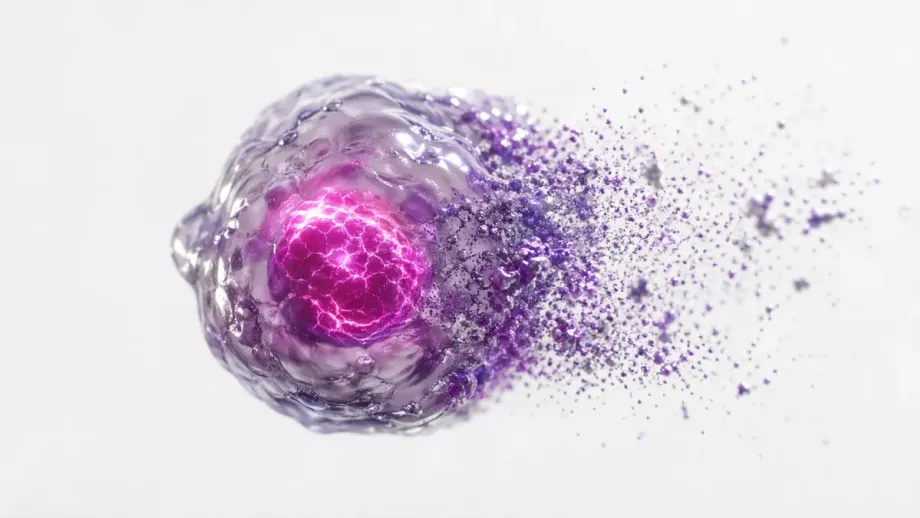
Right now, somewhere in your body, there are cells that have stopped working but haven’t died. They’ve dropped out of the cell cycle completely, sitting inert in your tissues while continuously leaking toxic signals into everything around them.
Scientists call them senescent cells. Most people call them zombie cells. And the older you get, the more of them you collect.
What makes this worth understanding is that the process runs silently, with no obvious symptoms, for years before it shows up as something recognizable. The good news is that this mechanism is well understood, and the science of addressing it has moved faster than most people realize.
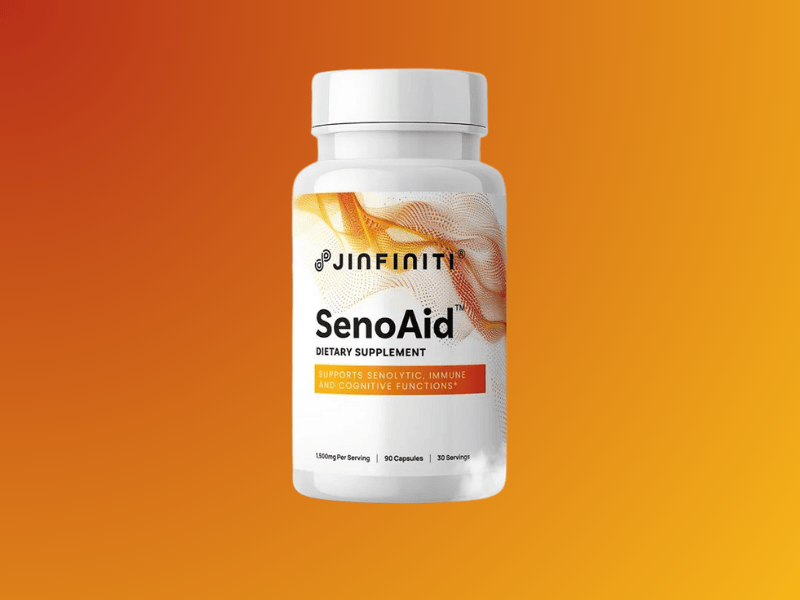
Fisetin + Quercetin Complex
Target senescent cells naturally.
What Are Zombie Cells?
In a healthy cell cycle, cells divide, wear out, and eventually self-destruct through a process called apoptosis, the body’s built-in cleanup mechanism. Old cells die. New cells replace them. The system works.
Zombie cells skip the last step. They stop dividing, but they don’t die. Instead, they enter a kind of permanent standby mode and start releasing a steady stream of inflammatory proteins and enzymes. Researchers call this the senescence-associated secretory phenotype, or SASP. Think of it as a slow chemical leak that doesn’t stop.
One or two zombie cells aren’t a serious problem. The issue is accumulation: thousands or millions of them building up across your tissues over years, generating chronic low-grade inflammation that gradually impairs the cells and organs around them.
| Healthy Aging Cell | Zombie (Senescent) Cell | |
|---|---|---|
| Divides normally? | Yes, until worn out | No |
| Dies via apoptosis? | Yes | No, resists death |
| Releases inflammatory signals? | Minimal | Yes, continuously |
| Cleared by immune system? | Generally yes | Less so, especially with age |
Why They Pile Up With Age
When you’re young, your immune system is reasonably good at identifying and clearing senescent cells before they cause lasting problems. Short-term senescence actually serves a purpose — it plays a role in wound healing and in suppressing abnormal cell growth. The cells form, do their job, and get cleared out.
With age, that clearance becomes less efficient. Zombie cells start accumulating faster than your body removes them. Several things accelerate this process:
- DNA damage from UV exposure, environmental toxins, or replication errors over time
- Chronic oxidative stress from poor diet, inactivity, or prolonged illness
- Ongoing low-grade inflammation, which itself triggers more cellular senescence, creating a feedback loop that compounds over time
- Past illness or injury that left unresolved cellular damage behind
The result is a gradual accumulation that builds over decades, not weeks. By the time most people notice something is wrong — persistent fatigue, joint pain, slower recovery from illness — the buildup has been underway for years.
What Zombie Cells Are Linked To
Senescent cell accumulation doesn’t cause one specific disease. It appears to accelerate whatever your biology is already predisposed to. That’s part of what makes it hard to study and easy to miss.
The conditions consistently linked to high zombie cell burden include:
- Alzheimer’s disease and cognitive decline
- Osteoarthritis and chronic joint inflammation
- Cardiovascular disease and arterial stiffness
- Type 2 diabetes and insulin resistance
- Pulmonary fibrosis (progressive lung tissue scarring)
- Osteoporosis and bone loss
- Muscle loss with aging (sarcopenia)
- Chronic inflammatory conditions across multiple organ systems
The pattern is consistent across both animal models and early human research: zombie cells don’t cause disease from scratch. They speed up the diseases you were already heading toward.
Some Zombie Cells Actually Help Your Body Heal
The “destroy all zombie cells” narrative is an oversimplification — and a fairly important one to get right.
A 2022 study published in Science from UC San Francisco found that some senescent cells are embedded in healthy young tissue, particularly in the lungs, intestines, and skin, where they function as repair sentinels. When researchers used senolytic drugs to eliminate all senescent cells in these tissues, healing from injury actually slowed down.
This finding actually sharpens the case for addressing zombie cells. The research community’s approach is increasingly focused on intermittent, targeted interventions that reduce chronic accumulation rather than aggressively wiping out every senescent cell in the body. This is sometimes called “hit-and-run” dosing: brief senolytic treatment with rest periods in between.
The goal is burden reduction, not total elimination. That distinction matters if you’re considering any senolytic supplement or protocol.
Can You Measure Your Zombie Cell Burden?
There’s no simple test that directly counts your senescent cells. But that doesn’t mean you’re flying blind.
Senescence markers, the proteins zombie cells produce at elevated levels, can be measured as reliable indicators of cellular aging. One of the most established is beta-galactosidase (β-gal), an enzyme that accumulates in senescent cells and is used in research settings as a standard marker of cellular senescence. These markers are included in Jinfiniti’s AgingSOS Advanced Panel, alongside other biological aging biomarkers.
This is where biological age testing becomes practically useful. Chronological age tells you how many years you’ve lived. Biological age, tracked through markers like these, tells you more about how your cells are actually holding up. That gap is often where the clearest opportunities for intervention are.
The Natural Senolytics With the Most Evidence
A senolytic is any compound that selectively targets and promotes the death of senescent cells, by disabling the survival pathways those cells rely on to persist. Several pharmaceutical senolytics exist, including dasatinib, a cancer drug used in research settings. For most people exploring natural approaches, two compounds have the most evidence behind them.
They’re both plant-derived flavonoids, each studied specifically for senolytic activity. They work on different mechanisms, which is why research supports using them together rather than choosing one.
Fisetin
Among 10 flavonoids screened in a major study at the Mayo Clinic, fisetin ranked as the most potent natural senolytic. In aged mice, intermittent fisetin treatment reduced senescence markers across multiple tissues, restored tissue homeostasis, and extended both median and maximum lifespan. The effects persisted after fisetin cleared the body, consistent with how a hit-and-run mechanism works, rather than a drug effect that requires continuous presence.
Human tissue studies, using adipose (fat) tissue samples, showed fisetin reduced senescent cell burden in a cell-type-specific way, meaning it didn’t indiscriminately eliminate every senescent cell, only certain populations. That selectivity matters clinically.
Fisetin is found in small amounts in strawberries, apples, and onions. The doses used in research are significantly higher than what diet alone provides.
Quercetin
Quercetin was the first flavonoid identified as senolytic, and it has more human data behind it than any other natural compound in this category.
In a first-in-human pilot study published in EBioMedicine, three days of dasatinib plus quercetin (1000mg daily) significantly reduced senescent cell burden in fat tissue and skin within 11 days, with measurable drops in circulating SASP inflammatory markers. This was the first peer-reviewed evidence that senolytics can directly clear senescent cells in humans, not just in animal models.
Quercetin and fisetin target different types of senescent cells through different pathways. Combined, they cover a broader range than either one alone.
“Targeting cellular senescence is one of the eight root causes of biological aging we look at clinically,” says Dr. Jin-Xiong She, founder of Jinfiniti Precision Medicine. “Quercetin and fisetin have the strongest evidence among natural senolytic compounds, which is why combining them made sense as a formulation approach.”
What the Evidence Actually Says
The animal data is strong and has been replicated across multiple independent labs. The early human data, particularly from the dasatinib and quercetin trials, is genuinely promising. But most human trials are still small and pilot-stage, and large randomized controlled trials are ongoing. This is a young field.
A few practical things to understand:
- Bioavailability varies. Fisetin has relatively low bioavailability in standard form. Compounds like bromelain and piperine can improve absorption, which is a real consideration in any senolytic formulation.
- Dosing approach matters. The hit-and-run method appears more consistent with the research than continuous daily use. Most protocols use short dosing windows with periods off.
- The safety profile is favorable. For the natural flavonoids, there is little evidence of adverse effects at the doses studied. This is distinct from pharmaceutical senolytics like dasatinib, which have well-documented side effects from their primary clinical use.
To summarize where the science stands: solid mechanism, encouraging early human evidence, good safety profile for natural senolytics, and an evidence base that’s still being built out. If you have underlying health conditions or take medications, talk with your clinician before starting any senolytic protocol.
Chronic low-grade inflammation and cellular senescence reinforce each other, so looking at both together gives a more complete picture of what’s driving cellular aging.
Frequently Asked Questions
What are zombie cells?
Zombie cells — or senescent cells — are aging cells that have stopped dividing and resist normal cell death. Instead of clearing out of the body, they stay in your tissues and continuously release inflammatory compounds that can impair surrounding healthy cells over time.
What causes zombie cells to accumulate?
They accumulate naturally with age as the immune system becomes less efficient at clearing them. DNA damage, chronic oxidative stress, ongoing low-grade inflammation, and past illness can all accelerate the process.
Can you get rid of zombie cells naturally?
Fisetin and quercetin are the best-studied natural compounds for reducing zombie cell burden. They are senolytics — compounds that selectively promote the death of senescent cells by disabling the survival pathways those cells depend on. Early human data and extensive animal research support their use. Large-scale human trials are ongoing.
What are senolytics?
Senolytics are compounds that selectively eliminate senescent cells. Unlike general anti-inflammatory agents, which suppress symptoms, senolytics target the cells themselves by exploiting their dependence on specific pro-survival pathways. Both pharmaceutical and natural senolytics exist.
Is fisetin or quercetin better for senescent cells?
Both are backed by solid evidence. Fisetin is the more potent natural senolytic in head-to-head flavonoid comparisons. Quercetin has more human trial data. Because they work on different mechanisms and target different types of senescent cells, the research supports using them together rather than choosing one over the other.
How do I know if zombie cells are a problem for me?
There is no direct consumer test that counts senescent cells. However, senescence markers like beta-galactosidase can be measured as part of a comprehensive biological aging panel. Jinfiniti’s AgingSOS Advanced Panel includes these markers alongside other cellular health indicators, giving a more complete picture of how your biology is actually aging.