Secure • Private • Science-backed
Niacinamide benefits - featured image showing serum dropper

8 Niacinamide Benefits Beyond the Serum Bottle

Niacinamide has become the go-to ingredient for sensitive skin, and for good reason. Clinical trials show real improvements in skin conditions ranging from acne to hyperpigmentation to signs of aging. What most people don’t realize is that niacinamide benefits extend far beyond healthy skin maintenance — all the way down to how your cells produce energy and repair DNA.

What You Should Know

  • Niacinamide is one of the direct precursors to NAD+, which your cells use to create energy, repair DNA damage, and regulate metabolism.
  • When applied topically at a concentration of 4–5%, it has clinical efficacy at improving fine lines, dark spots, and acne.
  • It doesn’t cause flushing like niacin, which makes niacinamide one of the most well-tolerated forms of vitamin B3
  • Supplementation can increase blood levels of NAD+, but less efficiently than NMN or NR if your goal is long-term NAD+ optimization.

NMN + Niacinamide Formula

Four ingredients. One formula. Clinically validated.

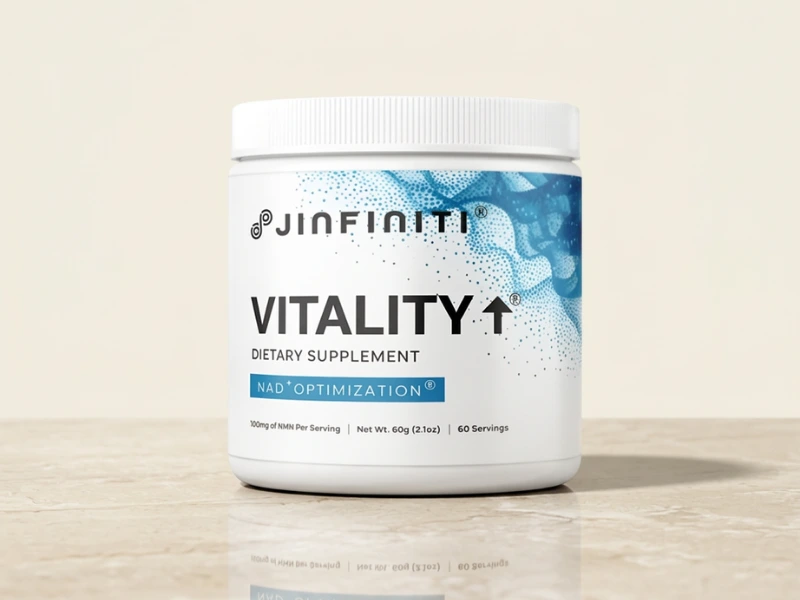
Jinfiniti Vitality small CTA

What Is Niacinamide? A Type of Vitamin B3, Explained

Niacinamide — also called nicotinamide — is the amide form of vitamin B3. Your body creates it when it converts excess niacin or metabolizes tryptophan. It’s well tolerated by most people because, unlike niacin, it doesn’t cause flushing.

At the cellular level, it serves as a direct precursor to NAD+ (nicotinamide adenine dinucleotide), the coenzyme every cell depends on for energy production, DNA repair, and metabolic regulation.

Niacinamide Benefits for Skin

Niacinamide is one of the most studied ingredients in clinical dermatology, with evidence going back decades. Here are the four skin benefits with the strongest research behind them.

1. Stronger Skin Barrier

Your skin’s outermost layer holds together through a combination of proteins and lipids called ceramides. When this barrier weakens, moisture escapes and environmental irritants get in.

Research published in the Journal of Cosmetic Dermatologyconfirmed that topical niacinamide stimulates ceramide synthesis, reduces transepidermal water loss (TEWL), and increases moisture in the stratum corneum (the skin’s outer surface). It also accelerates keratinocyte differentiation, the process by which your skin continuously renews healthy cells.[1]

Skin that gets regular niacinamide holds onto moisture better and handles cold air, harsh cleansers, and pollution with less reactivity.

2. Less Hyperpigmentation

Dark spots and uneven skin tone are among the most common reasons people reach for niacinamide, and the clinical data supports this use at concentrations of 4–5%.

A 12-week double-blind, placebo-controlled trial published in Dermatologic Surgeryapplied 5% niacinamide to half the face in 50 women with signs of facial photoaging. Niacinamide produced measurable reductions in hyperpigmented spots, red blotchiness, and skin sallowness (yellowing) compared to the untreated side. It works by blocking the transfer of melanin from pigment-producing cells to the skin surface, cutting off the process that creates visible dark spots.[2]

A 2025 review published in Medicina confirmed these findings across multiple clinical settings, including melasma and post-inflammatory dark spots, at concentrations of 2–5%.[3]

3. Fewer Breakouts

Niacinamide does not kill acne-causing bacteria. It reduces the inflammation that makes breakouts angrier and slower to heal.

A 2017 review of 10 clinical studies found that 6 of 8 topical niacinamide studies showed a meaningful reduction in acne versus baseline, and both oral supplement studies did too. Niacinamide calms inflammation by suppressing the release of pro-inflammatory signaling molecules, which helps with inflammatory acne, rosacea, and contact dermatitis.[4]

Two open-label studies with 198 and 235 patients respectively found that oral niacinamide produced visible improvement in inflammatory acne, with results comparable to concurrent antibiotic treatment.

4. Reduced Fine Lines and Photoaging

The same Bissett trial found improvements in fine lines, wrinkles, and skin elasticity over the 12-week period, making it easy to compare the treated side of the face directly to the untreated side.

Research in Skin Pharmacology and Physiologyconfirmed that topical niacinamide also helps protect against the DNA damage that accumulates in skin from repeated UV exposure. These protective properties, combined with barrier strengthening and collagen support, explain why niacinamide turns up in so many anti-aging formulations.[5]

Niacinamide Benefits Beyond Skin

The four benefits above come primarily from topical use. Oral niacinamide products work differently, with effects that extend well beyond what you can see or feel at the surface.

5. NAD+ Precursor Activity

Every cell in your body depends on NAD+ (nicotinamide adenine dinucleotide) to produce energy, carry out metabolic reactions, and repair DNA damage. NAD+ levels drop steadily with age, and that decline tracks closely with the functional changes most people associate with getting older.

Niacinamide feeds into what researchers call the salvage pathway, the main route by which cells recycle and replenish their NAD+ supply. Once absorbed, it converts to NMN (nicotinamide mononucleotide) via the enzyme NAMPT, then to NAD+.

A 2021 clinical trial found that a single oral dose of 500mg niacinamide raised blood NAD+ levels measurably within 12 to 48 hours in healthy adults.[6]

As a standalone, niacinamide is less efficient than NMN or NR at raising NAD+. Both of those precursors are structurally closer to NAD+ and require fewer conversion steps. Niacinamide still contributes, and it works especially well when paired with other precursors and cofactors that support the same pathways.

6. DNA Repair Support

One of NAD+’s most important jobs is fueling the enzymes that repair damaged DNA. PARP-1, for example, responds to breaks in your DNA by calling in the cellular repair team. Every cycle of that repair process uses up NAD+, which means your cells’ ability to fix DNA damage is only as good as the NAD+ available to power it.

By contributing to NAD+ levels, niacinamide helps keep that repair capacity running. A landmark randomized controlled trial found that 500mg daily oral niacinamide significantly reduced the incidence of new non-melanoma skin cancers and actinic keratoses (precancerous skin lesions) in high-risk patients.[7]

A separate study by Drago et al. found that 88% of patients on 500mg daily niacinamide saw a reduction in actinic keratosis size, 42% experienced complete regression, and no new lesions developed during the study period. In the placebo group, 91% saw their lesions worsen.[8]

Research in this area is still early, and not every trial has shown the same results across populations. The consistent thread is that niacinamide’s contribution to NAD+ shows up in measurable reductions in UV-related skin damage over time.

7. Anti-Inflammatory Effects

The same anti-inflammatory action that makes niacinamide useful for acne and rosacea operates throughout the body when taken orally. It dials down activity in a key inflammatory signaling pathway, reducing the output of pro-inflammatory molecules across multiple tissues, not just the skin.

The 2025 review in Medicina compiled research showing niacinamide supplementation reduced brain inflammation in animal models of diabetes and Alzheimer’s disease.[3]

In separate human research, oral NR supplementation (another vitamin B3 form) reduced circulating inflammatory markers alongside improved muscle NAD+ levels in older men, pointing to the anti-inflammatory effects of B3 compounds as a class when they raise NAD+.[9]

At 250–500mg daily, niacinamide is well-tolerated. Doses up to 3g/day show a strong safety record, with occasional nausea or mild digestive effects that typically resolve when taken with food.

8. Joint Health Support

Most people taking niacinamide for joint health are doing it for osteoarthritis, and there is a small but notable clinical trial worth knowing.

A double-blind, placebo-controlled trial published in Inflammation Research (Jonas et al., 1996) randomized 72 osteoarthritis patients to niacinamide or placebo for 12 weeks. The niacinamide group showed a 29% improvement in global arthritis impact, compared to a 10% worsening in the placebo group. Joint mobility improved by 4.5 degrees over controls. The niacinamide group also reduced erythrocyte sedimentation rate (an inflammation marker) by 22% and cut their use of standard anti-inflammatory medications by 13%.[10]

The same mechanism at work in skin appears to be at work in joints, with niacinamide reducing inflammatory signaling at the cellular level wherever it lands.

Niacinamide vs. Other NAD+ Precursors

Niacinamide is one of several routes to raising NAD+, but it is not the most direct. It has a longer history, a lower cost, and stronger clinical evidence for skin health than most other NAD+ precursor forms.

NMN and NR raise NAD+ more efficiently because they sit closer to the end of the biosynthesis chain and require fewer steps to get there.

The most practical approach is using them together. Jinfiniti’s Vitality NAD+ Booster combines niacinamide with NMN, creatine monohydrate, and D-ribose, a four-ingredient formula working through multiple metabolic pathways at once. In a clinical setting, 85% of participants reached optimal NAD+ levels (40–100 μM) within four weeks, with an average doubling of baseline NAD+ levels.

“Niacinamide is one of the four ingredients in our Vitality formula for a reason,” says Dr. Jin-Xiong She, founder of Jinfiniti Precision Medicine. “It feeds the salvage pathway, which is how most of your cells replenish NAD+. But whether that actually translates to optimal intracellular levels — that’s something you can only confirm by testing.”

How to Use Niacinamide

For topical use, look for formulas with 4–5% niacinamide. That concentration has the best clinical backing for hyperpigmentation, barrier repair, and anti-aging. It pairs well with retinol, hyaluronic acid, and vitamin C, and is generally well-tolerated for daily morning and evening use.

For oral use, niacinamide is found naturally in meat, fish, eggs, legumes, and whole grains. Clinical studies have used doses from 250mg to 3g/day depending on the application. Because it skips the flushing reaction that comes with niacin, it is one of the easier B3 forms to take consistently.

If you are taking niacinamide supplements to raise NAD+ specifically, niacinamide alone is unlikely to get you to optimal intracellular levels (40–100 μM). The Intracellular NAD+ Test is the only way to know where you stand.

Frequently Asked Questions

Can you use niacinamide every day?

Yes. It is one of the few actives that tolerates daily use without irritating the skin barrier, which is why most clinical trials testing it for skin conditions like acne and hyperpigmentation used it twice daily for 8–12 weeks straight.

Is niacinamide a B vitamin?

Niacinamide is a form of vitamin B3, one of eight water-soluble B vitamins. Because it is water-soluble, excess amounts are excreted rather than stored, which contributes to its strong safety profile at typical doses.

Does niacinamide work for all skin types?

Clinical research has tested it across oily, acne-prone, dry, and aging skin, and it performs consistently across all of them. People with very sensitive skin should patch test first, but niacinamide is better tolerated than most actives with comparable benefits.

Does niacinamide help with fine lines and wrinkles?

Yes, with topical use at 4–5%. A 12-week clinical trial found measurable reductions in fine lines and wrinkles, improved elasticity, and reduced skin yellowing. It works more gradually than retinol but causes far less irritation.[2]

Can you add niacinamide to an existing skin care routine?

It layers cleanly with hyaluronic acid, vitamin C, retinol, SPF, and peptides. Apply it after lighter serums and before moisturizer. The older concern about combining it with vitamin C has not held up in more recent research.

Are there risks to taking niacinamide at high doses?

At 250–500mg/day, the safety record is strong. Doses up to 3g/day are generally well-tolerated, with occasional mild digestive effects. Above 3.5g/day, some studies have documented liver enzyme elevation and headache. If you are considering higher therapeutic doses, monitor liver health with a healthcare provider.[11]

Can niacinamide affect liver health?

At standard doses it poses no known risk to liver health. The concern arises above 3.5g/day, where elevated liver enzymes have been documented in some research. This is well above typical supplementation levels, and unlike niacin, niacinamide does not carry liver risk within its normal therapeutic range.

Does niacinamide affect blood sugar or help with diabetes?

Early research explored niacinamide for protecting insulin-producing cells in type 1 diabetes, with mixed results. For type 2 diabetes, animal studies have shown improved blood sugar markers, but human evidence at meaningful doses is still limited. It is not a substitute for any prescribed diabetes treatment.

Referenced Sources

  1. Gehring W. Nicotinic acid/niacinamide and the skin. Wiley; 2004. https://doi.org/10.1111/j.1473-2130.2004.00115.x
  2. Bissett DL, Oblong JE, Berge CA. Niacinamide. Ovid Technologies (Wolters Kluwer Health); 2005. https://doi.org/10.1111/j.1524-4725.2005.31732
  3. Camillo L, Zavattaro E, Savoia P. Nicotinamide: A Multifaceted Molecule in Skin Health and Beyond. MDPI AG; 2025. https://doi.org/10.3390/medicina61020254
  4. Walocko FM, Eber AE, Keri JE, AL-Harbi MA, Nouri K. The role of nicotinamide in acne treatment. Wiley; 2017. https://doi.org/10.1111/dth.12481
  5. Wohlrab J, Kreft D. Niacinamide – Mechanisms of Action and Its Topical Use in Dermatology. S. Karger AG; 2014. https://doi.org/10.1159/000359974
  6. Ito TK, Sato T, Takanashi Y, Tamannaa Z, Kitamoto T, Odagiri K, et al. A single oral supplementation of nicotinamide within the daily tolerable upper level increases blood NAD+ levels in healthy subjects. Elsevier BV; 2021. https://doi.org/10.1016/j.tma.2021.09.001
  7. Chen AC, Martin AJ, Choy B, Fernández-Peñas P, Dalziell RA, McKenzie CA, et al. A Phase 3 Randomized Trial of Nicotinamide for Skin-Cancer Chemoprevention. Massachusetts Medical Society; 2015. https://doi.org/10.1056/nejmoa1506197
  8. Drago F, Ciccarese G, Cogorno L, Calvi C, Marsano LA, Parodi A. Prevention of non-melanoma skin cancers with nicotinamide in transplant recipients: a case-control study. JLE; 2017. https://doi.org/10.1684/ejd.2017.3025
  9. Biţă A, Scorei IR, Ciocîlteu MV, Nicolaescu OE, Pîrvu AS, Bejenaru LE, et al. Nicotinamide Riboside, a Promising Vitamin B3 Derivative for Healthy Aging and Longevity: Current Research and Perspectives. MDPI AG; 2023. https://doi.org/10.3390/molecules28166078
  10. Jonas WB, Rapoza CP, Blair WF. The effect of niacinamide on osteoarthritis: A pilot study. Springer Science and Business Media LLC; 1996. https://doi.org/10.1007/bf02252945
  11. Knip M, Douek IF, Moore WPT, Gillmor HA, McLean AEM, Bingley PJ, et al. Safety of high-dose nicotinamide: a review. Springer Science and Business Media LLC; 2000. https://doi.org/10.1007/s001250051536
A photo of Dr. Jin-Xiong She, genomic medicine expert, seated outdoors with his hands clasped

Is NAD+ Worth It? Here’s What a Genomic Medicine Expert Says

The wellness world seems obsessed with NAD these days. Social media influencers tout it as the fountain of youth. Biohackers swear by its energy-boosting effects. Even celebrities credit NAD treatments for their youthful appearance.

But are NAD-boosting supplements really worth all this attention? As someone who has spent decades in genomic medicine research, Dr. Jin-Xiong She wanted to separate fact from fiction. The answer is more nuanced than most people realize.

Key Takeaways

  • NAD supplementation has solid scientific support for multiple health benefits
  • Individual testing provides the foundation for safe, effective use
  • Realistic expectations lead to better outcomes than hype-driven approaches

What is NAD and Why Does It Matter as We Age?

A headshot of Dr. Jin-Xiong She, PhD

Nicotinamide adenine dinucleotide (NAD) is a coenzyme found in every cell of your body. Think of it as cellular fuel that powers over 500 different biochemical reactions.

“NAD is absolutely important to cellular function,” explains Dr. Jin-Xiong She, founder of Jinfiniti Precision Medicine and genomic medicine researcher with over 400 peer-reviewed papers. “Without adequate NAD levels, your cells can’t make energy properly, fix DNA damage, or keep up with all the repair work they need to do.”

The problem starts around middle age. Research shows NAD levels decline by up to 50% by age 501. This decline contributes to mitochondrial dysfunction, impaired DNA repair, and reduced cellular energy production.

The NADH Connection

NADH is the reduced form of NAD. While both molecules play important roles, they serve different cellular functions. NAD acts as an electron acceptor in metabolic reactions, while NADH carries electrons to the mitochondria for energy production.

Your body maintains a delicate balance between these two forms. When this balance shifts, cellular metabolism suffers.

The Science Behind NAD Supplements Actually Working

Pink DNA helix spirals sharply in foreground with clear base pair rungs, while blurred blue and purple helixes float dreamily in soft background mist.

The research supporting NAD supplementation is genuinely impressive. A systematic review of six major clinical studies involving over 400 participants found consistent increases in blood NAD concentrations ranging from 10% to 150%2.

These weren’t small, poorly designed trials. Most studies used dosages between 250-900 mg daily over 8-12 week periods with proper placebo controls.

“What’s most encouraging is the consistency across different study populations,” notes Dr. She. “We’re seeing reproducible results in healthy adults and also those with age-related health concerns.”

Clinical Trial Results

Study TypeParticipantsNAD IncreaseDurationSafety Profile
NMN Studies200+10-150%8-12 weeksExcellent
NR Studies200+25-140%4-52 weeksExcellent
Combined Analysis400+SignificantVariableMinimal side effects

How NAD Supplement Benefits Compare to the Hype

A photo of Dr. Jin-Xiong She playing tennis

The most compelling evidence comes from physical performance studies3. NMN supplementation significantly improved aerobic capacity in amateur runners, with measurable increases in VO2 max and oxygen utilization efficiency.

But here’s where we need to be realistic about expectations.

“People expect immediate, dramatic changes,” observes Dr. She. “The reality is that NAD supplementation works at the cellular level. Benefits accumulate gradually over weeks and months, not days.”

What Research Actually Shows

Physical Performance:

  • Improved exercise capacity and muscle oxygen utilization
  • Enhanced grip strength and walking speed in older adults
  • Better recovery times in trained athletes

Metabolic Health:

  • Improved insulin sensitivity and glucose tolerance4
  • Reduced cholesterol and triglyceride levels
  • Enhanced mitochondrial health and cellular repair

Cognitive Function:

  • Faster brain penetration5 (NMN crosses blood-brain barrier in 15 minutes)
  • Improved spatial memory in animal studies
  • Preliminary human studies suggest better mental clarity

Do NAD Supplements Work for Longevity?

Image of Dr. Jin-Xiong She being interviewed

The longevity question is where the science becomes both exciting and complicated. The most significant breakthrough came from a recent 2025 clinical trial treating Werner syndrome6, a rare genetic disorder causing premature aging.

Patients receiving 500mg daily nicotinamide riboside (NR) for 52 weeks showed remarkable improvements. NAD levels increased by 140%, skin ulcers healed, arterial stiffness decreased, and kidney function markers improved.

“This trial really excited me because it shows NAD actually reversing aging damage in real people,” says Dr. She. “We’ve all been working toward this for years, but these researchers were the first to get clear proof that fixing NAD deficiency can actually turn back the clock on aging.”

Benefits of NAD: What Research Shows

The mechanisms behind these benefits involve several interconnected pathways:

  • Sirtuin Activation: NAD serves as fuel for sirtuins, enzymes that regulate metabolism and longevity signaling7
  • DNA Repair Enhancement: Adequate NAD levels support PARP enzymes responsible for fixing DNA damage8
  • Mitochondrial Biogenesis: NAD helps create new, healthy mitochondria9
  • Cellular Senescence Regulation: NAD may help clear dysfunctional “zombie” cells10

Should You Take NAD? A Genomic Medicine Perspective

Dr. Jin-Xiong She holding an intracellular NAD test kit

This is where individual testing becomes essential. NAD metabolism varies significantly between people due to genetic differences, age, lifestyle, and health status.

“I’ve seen two people of the same age have dramatically different baseline NAD levels,” notes Dr. She. “Without testing, you’re really just guessing at the right approach.”

NAD Precursors vs Direct Supplementation

Most supplements contain NAD precursors rather than NAD itself:

Nicotinamide Mononucleotide (NMN):

  • Direct precursor to NAD
  • Excellent safety profile up to 1250mg daily11
  • Rapid absorption and conversion

Nicotinamide Riboside (NR):

  • Alternative precursor pathway
  • Shown to be safe up to 2000mg daily12
  • Longer clinical trial history

NAD injections are another option, though the research supporting oral supplementation is more extensive for long-term use.

Who Should Consider NAD Supplementation?

The research suggests these groups may benefit most:

  • Adults over 40 experiencing age-related energy decline
  • Athletes seeking improved performance and recovery
  • Individuals with metabolic health concerns
  • Those interested in science-based anti-aging approaches

However, Dr. She emphasizes caution: “Supplementation should always be based on the actual need, not assumptions. Testing provides the roadmap for safe optimization.”

How to Boost NAD Safely and Effectively

Current evidence suggests optimal NAD dosing varies by individual goals:

General Health Support:

  • NMN: 250-500mg daily
  • NR: 250-500mg daily

Athletic Performance:

  • NMN: 300-600mg daily
  • NR: 300-500mg daily

Metabolic Health:

  • NMN: 300-900mg daily
  • NR: 500-1000mg daily

But these are general guidelines. Individual optimization requires knowing your starting point.

The Testing-First Approach

Jinfiniti’s Intracellular NAD Test measures actual cellular NAD levels through a simple finger-prick blood test. This provides the baseline data needed for personalized supplementation.

“The Test, Act, Optimize philosophy isn’t just our company motto,” explains Dr. She. “It’s the most scientifically correct approach to any intervention. You need data to make informed decisions about your health.”

Safety Considerations

The safety profile for NAD precursors is favorable across all published human studies. Side effects are typically mild and limited to occasional gastrointestinal discomfort11.

However, certain populations should exercise extra caution:

  • Pregnant or breastfeeding women
  • Individuals with active cancer (theoretical concerns about tumor cell NAD usage)
  • Those taking multiple medications (potential interactions)

The Verdict: Cautious Optimism Based on Science

Dr. Jin-Xiong She holding a jar of Vitality NAD+ Booster

After reviewing hundreds of studies and working with thousands of patients, Dr. She’s perspective on NAD supplementation is cautiously optimistic.

The research foundation is solid. Clinical trials consistently demonstrate safety and efficacy13. The mechanisms make biological sense. The Werner syndrome breakthrough provides compelling proof-of-concept.

But NAD isn’t a magic pill. It’s one tool in a comprehensive approach to healthy aging that should include proper nutrition, exercise, stress management and sleep.

“NAD supplementation really works – the science is solid,” says Dr. She. “But like anything that actually works, you need to be smart about how you use it. One size definitely doesn’t fit all.”

The NAD hype has some substance but the real value is in the details. Testing your levels, choosing good supplements and having realistic expectations will help you use this tool safely and effectively.

If you want to try NAD optimization start with baseline NAD+ testing to know your individual needs. The science supports NAD but personal data makes all the difference in getting results.

Want to learn more about NAD and longevity? Check out our comprehensive guides on NAD+ fundamentals and how to test your NAD levels for additional insights.

Referenced Sources

  1. https://pmc.ncbi.nlm.nih.gov/articles/PMC4112140/ ↩︎
  2. https://nnpub.org/index.php/MHS/article/view/2075 ↩︎
  3. https://www.tandfonline.com/doi/full/10.1186/s12970-021-00442-4 ↩︎
  4. https://pmc.ncbi.nlm.nih.gov/articles/PMC10692436/ ↩︎
  5. https://pubmed.ncbi.nlm.nih.gov/31015147/ ↩︎
  6. https://www.sciencedaily.com/releases/2025/06/250609020625.htm ↩︎
  7. https://www.sciencedirect.com/science/article/pii/S0092867413007551 ↩︎
  8. https://www.molbiolcell.org/doi/10.1091/mbc.E18-10-0650 ↩︎
  9. https://www.science.org/doi/10.1126/science.aaf2693 ↩︎
  10. https://onlinelibrary.wiley.com/doi/10.1111/acel.13920 ↩︎
  11. https://www.mdpi.com/2076-3921/11/9/1637 ↩︎
  12. https://pmc.ncbi.nlm.nih.gov/articles/PMC9495723/ ↩︎
  13. https://www.liebertpub.com/doi/10.1089/ars.2023.0354 ↩︎
Healthcare practitioner offering choice between two supplements in his office

Best NAD Supplement in 2025: What to Know Before You Buy

Step into the world of longevity supplements and you’ll quickly encounter NAD+, a molecule touted for its role in energy production and cellular repair throughout your body.

Consequently, the market is now flooded with NAD supplements, each claiming to be the most effective. This makes choosing the right one a confusing task for even the most health-conscious consumer.

To help you make sense of it all, this expert guide breaks down the science of NAD boosters and provides clear advice on what experts recommend to help you select the best NAD supplement in 2025.

Key Takeaways

  • NMN and NR supplements effectively boost NAD+ levels, with numerous studies supporting their benefits
  • Standard oral supplements (capsules, tablets, powders) are the forms most used in clinical research
  • Measuring your baseline NAD+ levels before supplementing allows you to track effectiveness and make informed dosage decisions
  • A combination approach with multiple NAD precursors and supporting compounds may boost NAD+ levels more effectively than single-ingredient formulations

NAD+: The Coenzyme That Declines With Age

Your body relies on nicotinamide adenine dinucleotide, or NAD+, for cellular energy metabolism and hundreds of vital processes like DNA repair. The molecule helps power your mitochondria and activates sirtuins, proteins that help regulate how your cells age.

NAD+ levels start declining with age. By middle age, you might have lost 50-80% of what you had in youth. DNA damage, chronic inflammation and cellular aging all contribute to this phenomenon.

When NAD+ drops, your cellular engines sputter. Maintenance slows down. Your body’s ability to bounce back from stress diminishes. These changes contribute to many familiar signs of aging, from decreased energy to cognitive changes.

Supplementation with NAD+ precursors (the raw materials your body uses to make NAD+) offers a potential strategy to fight back against this natural decline.

Benefits of Boosting NAD

Young Asian woman using devices for fitness in park

The benefits of NAD supplements appear strongest in people with specific conditions or naturally low NAD levels. This is why we recommend testing your NAD+ status as a first step.

So what specific benefits can you expect when you restore your NAD+ levels? The evidence is compelling.

Studies show that increasing NAD may improve metabolic health. One study of prediabetic women found that taking just 250 mg of NMN daily for 10 weeks improved muscle insulin sensitivity.1

For active individuals, NAD+ supplementation can improve aerobic capacity, with research showing performance benefits that increase with dosage.2

Your heart stands to gain significant protection too. Clinical research demonstrates that raising NAD+ levels helps combat various heart conditions, from atherosclerosis to cardiomyopathy and heart failure.

Brain health benefits are equally compelling. NAD+ supplementation reduces neuroinflammation, protects neurons, and improves cognitive function by supporting mitochondrial health in brain cells.3

Boosting NAD+ can also reduce chronic oxidative stress and inflammation, both of which are linked to aging and degenerative diseases.4

Supplement Safety Note

Types of NAD Precursors

NAD+ itself is too large to enter cells efficiently when taken orally. Instead, supplements use precursor molecules that your body converts into NAD+.

Nicotinamide Mononucleotide (NMN)

What is it? NMN is a direct precursor that’s just one step away from becoming NAD+. It’s found naturally in very small amounts in foods like broccoli, avocado, and edamame.

What does research say? Research shows NMN supplements safely improve physical performance, muscle function, and metabolic health, particularly in middle-aged and older adults.5

Is it effective? Several human trials show that taking NMN significantly boosts blood NAD levels in healthy adults over 4-12 weeks compared to placebo.6

Any downsides? Supplements tend to be more expensive. Despite strong safety data, most comes from small, short-duration studies.

Nicotinamide Riboside (NR)

What is it? NR is a form of vitamin B3 that efficiently converts to NMN and then to NAD+. It bypasses a rate-limiting enzyme called NAMPT that can slow down NAD+ production.

What does research say? Clinical trials show thatNR supplementation is safe and may offer benefits for inflammation7, body composition, and possibly neuroprotection.8

Is it effective? Multiple human trials show that oral NR supplements significantly raise NAD concentrations in blood and tissues.9

Any downsides? NR may be slightly less potent than NMN as a precursor to NAD that is one step further.

Nicotinamide (NAM)

What is it? Also called niacinamide, NAM is the most common form of vitamin B3 in both diet and supplements. It’s found in foods like fish, poultry, eggs, grains, meat, milk, and green vegetables.

What does research say? Clinical studies show nicotinamide helps prevent skin cancer10, improves skin health, and  reduces risk of heart failure.11

Is it effective? Evidence suggests NAM can increase NAD levels, but its effectiveness may vary by tissue type and context.12

Any downsides? NAM is generally considered less effective than NMN and NR. It may also come with more side effects in some people.

Niacin (Nicotinic Acid, NA)

What is it? Niacin is the original form of vitamin B3 that can be converted to NAD+ through the “salvage pathway.” It’s the most affordable NAD+ precursor and has been used medically for decades to manage cholesterol.

What does research say? Research shows niacin has well-documented benefits for improving cholesterol profiles by increasing HDL (“good” cholesterol) and lowering LDL (“bad” cholesterol).13

Is it effective? High-dose niacin has been shown to increase NAD levels up to 8-fold, which raises questions about optimal dosing for balanced cellular health.14

Any downsides? Niacin often causes an uncomfortable “flush” effect (temporary skin redness, warmth, and itching) and some users experience stomach issues. 

Tryptophan

What is it? Tryptophan is an essential amino acid found in protein-rich foods that can be converted to NAD+ through a lengthy process known as the “de novo pathway.”

What does research say? Studies indicate it may support mood regulation, sleep quality, and neurotransmitter balance due to its role in serotonin production.

Is it effective? As an NAD+ precursor, tryptophan requires multiple conversion steps and is less efficient than direct precursors like NMN.

Any downsides? The conversion rate from tryptophan to NAD+ is relatively low, requiring larger amounts to achieve meaningful NAD+ increases.

Comparison of NAD Precursors

PrecursorWhat is it?EffectivenessDownsides
NMNDirect NAD+ precursor found in small amounts in vegetablesSignificantly boosts NAD+ levels in clinical trialsMost expensive option
NRB3 form that bypasses rate-limiting enzymeWell-proven to raise NAD+ in blood and tissuesSlightly less potent than NMN
NAMCommon B3 form in everyday foodsVariable effectiveness by tissue typeLess effective, possible side effects
NiacinOriginal B3 form, most affordableCan increase NAD+ up to 8-foldCauses “flush” effect, GI discomfort
TryptophanEssential amino acid in protein foodsInefficient, requires multiple conversion stepsVery low conversion rate to NAD+

Forms of NAD Supplements

The effectiveness of your NAD+ supplement might depend on how well it’s absorbed and taken up by your cells.

Standard Oral Capsules/Tablets/Powders

Research consistently shows oral supplements are most reliable, with clinical studies preferring them for their consistent dosing, proven NAD+ elevation, and easy integration into daily routines.

Sublingual Delivery

Tablets or drops placed under the tongue claim to bypass digestion, but minimal independent research confirms superior bioavailability compared to quality oral supplements.

Liposomal Formulations

These encase precursors in microscopic lipid bubbles that protect them from digestive enzymes and potentially enhance cellular uptake. Manufacturer data suggests better bioavailability, but independent research is limited.

Other Forms

  • Nasal sprays provide rapid delivery through the nasal mucosa
  • Transdermal patches deliver precursors through the skin
  • IV administration delivers NAD+ directly into the bloodstream (clinical settings only)

While advanced delivery systems offer potential advantages, standard oral formulations still have the most extensive clinical research supporting their effectiveness.

Delivery MethodEffectivenessResearch Support
Oral Capsules/Tablets/PowdersReliable cellular uptake with consistent dosingExtensive clinical research support
Sublingual DeliveryClaims improved absorption by bypassing digestionLimited independent verification
Liposomal FormulationsEnhanced protection from digestive enzymesMostly manufacturer data, limited independent studies
Nasal SpraysRapid delivery through nasal mucosaMinimal clinical research
Transdermal PatchesGradual delivery through skinFew published studies
IV AdministrationDirect bloodstream delivery (clinical settings only)Used in specific therapeutic contexts

Dosages: How Much Should You Take?

Finding the right NAD+ precursor dosage means balancing research with your personal needs.

For NR, studies typically use 300-1000 mg daily. Higher doses (1000+ mg) may keep NAD+ levels elevated longer and are sometimes used for specific health conditions.

Research has tested daily NMN doses between 250-1200 mg. Some evidence suggests the higher end of this range (600-1200 mg) may work better for things like aerobic capacity.

Start low (250-500 mg daily of either NR or NMN) to check how your body responds before trying higher amounts.

For specific health concerns, talk to a healthcare professional who can guide you based on your health and goals.

PrecursorTypical NAD-Boosting Dosage
NMN250-1000 mg/day
NR300-1000 mg/day
NAM (Niacinamide)100-500 mg/day
Niacin15-50 mg/day
Tryptophan1000+ mg from dietary sources

Side Effects and Safety

NAD+ precursors have shown good safety records in human studies at common doses.

NR has been tested at up to 2000 mg daily for several months, with a recent study using even 3000 mg daily for 4 weeks in Parkinson’s patients without serious side effects.

NMN appears safe at doses up to 1250 mg daily in studies lasting several weeks to months.

Unlike niacin, neither NR nor NMN typically cause flushing, making them more comfortable for most people.

Mild side effects sometimes reported include:

  • Stomach discomfort
  • Headaches
  • Fatigue

These occur about as often as in placebo groups.

Safety data beyond several months is still limited. If you take medications, especially for metabolism-related conditions, check with your doctor before starting dietary supplements.

Choosing the Best NAD Supplement

Healthcare practitioner offering choice between two supplements in his office

To pick the best NAD supplement for your needs, focus on these core considerations:

  • Match to Your Goals: Align your choice with your health goals. NMN and NR are popular for longevity, with NMN often noted for metabolic support and NR for neurological aspects. NAM can be considered for skin health, while niacin has known cholesterol benefits.
  • Prioritize Quality: Don’t compromise on quality. Look for products with third-party testing seals (e.g., USP, NSF), GMP (Good Manufacturing Practices) certification, and transparency from established brands. 
  • Sensible Starting Doses: For NR or NMN, consider starting with 250-500 mg daily. For NAM, 100-250mg is a common initial range, and for niacin, lower doses like 15-50 mg are safer.
  • Consider Testing: For a personalized approach, testing your NAD+ levels before and after supplementation can help verify effectiveness and optimize your regimen.
  • Remember the Bigger Picture: Supplements achieve the best results as part of an overall healthy lifestyle, including good nutrition, regular exercise, and quality sleep.

Focusing on these elements will help you confidently select a high-quality NAD+ supplement that aligns with your individual health objectives.

A Science-Based Approach to NAD Supplementation

At Jinfiniti Precision Medicine, we approach NAD+ optimization through our unique “Test, Act, Optimize” (TAO) philosophy.

Our approach begins with measuring your actual NAD+ levels using our proprietary Intracellular NAD® Test. This clinical-grade test provides a precise baseline of your current NAD+ status through a simple finger-prick blood collection.

With this data, we can recommend personalized supplementation using our flagship product:

  • Vitality↑® NAD Booster – Our patent-pending, clinically validated formulation combines precursors NMN and niacinamide with creatine monohydrate and D-ribose in precise ratios that work synergistically across multiple metabolic pathways

Vitality↑® stands apart from generic supplements by targeting comprehensive cellular health. Its unique formula supports energy production, recovery, sleep quality, mental clarity, and reduced inflammation – all from a single, science-backed supplement.

Our complete system comes together in our NAD Optimization® Starter Package, which includes before-and-after testing plus Vitality↑® supplementation. This embodies our philosophy of continuous monitoring and adjustment for optimal results.

“The one-size-fits-all approach to NAD supplementation simply doesn’t work,” explains Dr. Jin-Xiong She, Jinfiniti founder and Chief Scientist. “People vary dramatically in their baseline levels and response to supplements. Without testing, you’re just guessing. Our Vitality↑® works through three distinct pathways to make NAD, making it more effective than single-ingredient options like NMN or NR alone. This approach leads to NAD+ increases you can actually measure and feel.”

Vitality Mini CTA

A Few More Practical Tips

Getting the most from your NAD+ supplementation might benefit from a holistic approach:

What Time to Take NAD Supplements

  • NAD+ metabolism follows circadian rhythms
  • Morning supplementation may align better with natural cycles
  • Consistency is key for maintaining levels

Lifestyle Factors

  • Regular exercise increases NAMPT enzyme activity, supporting NAD production
  • Intermittent fasting activates pathways that help boost NAD+ levels naturally
  • Quality sleep supports optimal NAD+ metabolism

Complementary Supplements

Remember that individual responses can be different based on genetics, age, activity level and overall health status.

Recap: What to Know Before You Buy

Finding your ideal NAD+ supplement requires balancing scientific research with your personal factors. Both NMN and NR effectively raise NAD+ levels, each with advantages for different situations.

Quality is crucial. Select products with independent verification and clear manufacturing practices to ensure you receive what’s advertised.

Keep in mind that NAD+ supplements perform best as part of a complete health strategy. No pill can substitute for quality sleep, regular physical activity, stress reduction, and nutritious eating.

For a truly personalized strategy, Jinfiniti’s system offers a way to test, supplement, and track your NAD+ optimization journey based on your unique biological response.

When you select products based on quality, evidence, and your specific needs, NAD+ supplementation provides a promising way to support cellular function throughout aging.

Referenced Sources

  1. https://www.science.org/doi/10.1126/science.abe9985 ↩︎
  2. https://pmc.ncbi.nlm.nih.gov/articles/PMC8265078/ ↩︎
  3. https://www.ahajournals.org/doi/10.1161/CIRCULATIONAHA.121.056589 ↩︎
  4. https://www.sciencedirect.com/science/article/abs/pii/S0531556519307582 ↩︎
  5. https://www.eurekaselect.com/article/142482 ↩︎
  6. https://link.springer.com/article/10.1007/s11357-024-01204-1 ↩︎
  7. https://www.cell.com/cell-reports/fulltext/S2211-1247(19)30940-4 ↩︎
  8. https://www.cell.com/cell-metabolism/fulltext/S1550-4131(22)00045-6 ↩︎
  9. https://www.nature.com/articles/s41467-018-03421-7 ↩︎
  10. https://www.mdpi.com/1422-0067/20/23/5946 ↩︎
  11. https://www.science.org/doi/10.1126/scitranslmed.abd7064 ↩︎
  12. https://www.sciencedirect.com/science/article/abs/pii/S0891584923004732 ↩︎
  13. https://link.springer.com/article/10.1007/s11883-001-0014-y ↩︎
  14. https://www.cell.com/cell-metabolism/fulltext/S1550-4131(20)30190-X ↩︎
A picture of two healthy matured women running

15 Best Longevity Supplements in 2025 (Ranked by Evidence)

We’re living in an exciting time for longevity research. Scientists have moved beyond basic theories about aging to understanding exactly how certain molecules can influence how our cells age.

Today’s advanced supplements aren’t just about filling nutritional gaps. They’re designed to work with your body’s own systems—supporting cellular health and natural regeneration at a deeper level.

But with so many products making bold claims, how do you know what actually works?

That’s why we’ve done the heavy lifting for you. We examined each supplement based on three important factors: the strength of its research backing, its proven safety record, and its measurable impact on health. 

What follows is a clear-eyed look at which supplements truly deliver on their anti-aging promises.

What are Longevity Supplements?

Image of a mature healthy woman jogging.

Longevity supplements are dietary products designed to optimize both lifespan and healthspan, focusing on maintaining vitality as we grow older. 

These supplements support the body’s natural defenses against age-related decline by providing specific nutrients that protect and nourish cells, tissues, and vital systems. They work by targeting key mechanisms of aging, such as reducing inflammation and combating oxidative stress.

As people grow older, certain nutrient gaps can emerge; longevity supplements help fill these gaps while strengthening the body’s resilience, ultimately promoting both physical and mental wellbeing throughout the aging process.

The best supplements are backed by peer-reviewed research, clinical trials, and most importantly, measurable biomarker changes that prove they’re doing what they claim. This is why testing is so critical. 

To help you navigate these choices, we’ve ranked 15 of the most popular longevity supplements based on scientific evidence.

Our Evidence-Based Ranking System

Image of a doctor conducting scientific research.

To separate real results from marketing hype, we’ve developed a rigorous, evidence-based ranking system. Each recommendation is carefully assessed based on:

  • Scientific Backing: The quality and depth of clinical trials and mechanistic studies.
  • Safety Profile: Comprehensive research ensuring long-term safety.
  • Effectiveness: Proven bioavailability to deliver real results.

Rating Criteria:

Overall Evidence Rating:

  • 5/5: Extensive human clinical trials with consistent results
  • 4/5: Multiple human trials with strong mechanistic understanding
  • 3/5: Limited human trials but strong preclinical evidence
  • 2/5: Primarily animal studies
  • 1/5: Limited scientific evidence

Safety Profile:

  • 5/5: Extensive long-term safety data with minimal concerns
  • 4/5: Good safety profile with some considerations
  • 3/5: Moderate safety profile with known interactions
  • 2/5: Limited safety data or significant interactions
  • 1/5: Safety concerns present

Bioavailability Score:

  • 5/5: Excellent absorption with proven delivery mechanisms
  • 4/5: Good absorption with established uptake
  • 3/5: Moderate absorption with some limitations
  • 2/5: Poor absorption requiring specific formulations
  • 1/5: Very poor absorption with significant limitations

The 15 Best Longevity Supplements Ranked

Woman scientist staring at model genome

Each longevity supplement is rated based on research quality and measurable cellular impact to help you make an informed decision.

Here is our full list of the best longevity supplements in 2025:

  1. Omega-3 Fatty Acids
  2. Magnesium
  3. Creatine
  4. Vitamin C
  5. NMN (Nicotinamide Mononucleotide)
  6. Nicotinamide Riboside (NR)
  7. Vitamin D
  8. Curcumin
  9. Fisetin
  10. Quercetin
  11. CoQ10
  12. Taurine
  13. Resveratrol
  14. Green Tea Extract (EGCG)
  15. GlyNAC (Glycine and N-Acetylcysteine)

1. Omega-3 Fatty Acids

Overall Evidence Rating: 5/5

Safety Profile: 4/5

Bioavailability Score: 4/5

Omega-3 fatty acids have been extensively studied for their potential impact on longevity and overall health. Research suggests that these fatty acids, particularly those derived from fish oils such as eicosapentaenoic acid (EPA) and docosahexaenoic acid (DHA), may contribute to a longer lifespan by influencing various health factors.

  • A 2021 study published in the American Journal of Clinical Nutrition found that higher blood levels of omega-3s were associated with a remarkable 4.7-year increase in life expectancy. This wasn’t just a minor statistical blip, as the study revealed that omega-3 levels in the blood were as potent a predictor of mortality risk as smoking.1
  • Omega-3s combat chronic inflammation, a major driver of age-related diseases. They also help maintain the integrity of cell membranes, particularly in the brain and retina.2
  • These fatty acids don’t just add years to life – they add life to years. Higher omega-3 levels correlate with improved cognitive function and a lower risk of dementia in older adults.3
  • The cardiovascular benefits of omega-3s are well-established. They reduce the risk of heart disease, stroke, and other cardiovascular events.4
  • But perhaps most intriguingly, omega-3s may influence the very markers of cellular aging. One meta analysis revealed an overall beneficial effect of omega-3 fatty acids on the length of telomeres – protective structures at the ends of chromosomes that naturally shrink as we age.5

Supplementation tips:

  • The research suggests aiming for an Omega-3 Index (a measure of omega-3s in red blood cells) above 8%.6
  • The best approach to obtaining omega-3s is through whole food sources.
  • Fatty fish are the ultimate source, with the American Heart Association recommending at least two 3-ounce servings per week.7
  • If choosing a supplement, aim for the highest quality available, as up to 50% of fish oil supplements exceed recommended oxidation limits.8

2. Magnesium

Overall Evidence Rating: 4/5

Safety Profile: 5/5

Bioavailability Score: 3/5

Known for its involvement in over 300 enzymatic reactions9, magnesium supports important processes like energy production, nerve function, and muscle contraction. Beyond these well-known roles, magnesium directly impacts cellular function and resilience.

  • A meta-analysis of 19 prospective cohort studies (1,168,756 participants) investigating total, dietary, and supplemental magnesium intake found that greater dietary magnesium was linked to reduced all-cause mortality.10
  • Another meta-analysis found that magnesium supplementation significantly lowers blood pressure in people with hypertension11, with effects comparable to or exceeding many standard treatments, making it a valuable tool for cardiovascular health.
  • A 2024 review in Nutrients shows magnesium to be a critical factor in mitigating age-related physiological decline by targeting multiple pathways involved in aging, from genomic instability to cellular senescence.12
  • Higher magnesium levels are linked to improved bone mineral density.13 In fact, maintaining adequate magnesium is as important as calcium in preventing age-related bone loss.
  • Magnesium supports metabolic health14 by boosting insulin sensitivity and regulating blood sugar levels. 
  • It can also improve sleep quality15 by reducing the time it takes to fall asleep and promoting more restorative rest.

Supplementation tips: 

  • While the RDA ranges from 310-420 mg daily for adults16, individual needs vary based on lifestyle factors and health status.
  • Though whole foods like nuts, seeds, and leafy greens provide bioavailable forms, supplementation is often necessary for achieving optimal levels. 
  • The most bioavailable forms of magnesium include glycinate, chloride, bicarbonate, malate, and citrate.

3. Creatine

Overall Evidence Rating: 4/5

Safety Profile: 5/5

Bioavailability Score: 5/5

Creatine is a naturally occurring compound found in small amounts in certain foods and synthesized in the body from amino acids.17 It supports energy production, particularly during high-intensity exercise, making it one of the most popular supplements among athletes and gym-goers. 

  • Over 500 peer-reviewed studies confirm creatine’s direct impact on strength and power output. Athletes consistently show 5-15% improvements in high-intensity performance18, making it the most reliable supplement for athletic capacity.
  • In studies with aging mice, creatine reduced markers of aging like lipofuscin accumulation and increased lifespan by approximately 9%19.
  • Creatine also helps reduce muscle damage markers20 after intense training, decreases inflammation, and significantly shortens recovery time.
  • Brain function improves measurably with creatine supplementation. Studies demonstrate 15% faster reaction times and improved memory21 in individuals supplementing with creatine, particularly those starting with lower baseline levels.
  • This nutrient also increases ATP availability in neurons22, potentially slowing the progression of various neurodegenerative conditions.
  • Metabolic benefits stand out clearly: creatine improves glucose uptake when combined with exercise23. It supports insulin sensitivity even in sedentary individuals.

Our Scientific Formulation: Our pharmaceutical-grade Creatine ATP powder delivers a precise 4-gram daily serving that research has shown optimal for both performance and longevity benefits. Each batch undergoes rigorous purity testing to ensure you receive the highest quality supplement for your health optimization journey.

4. Vitamin C

Overall Evidence Rating: 4/5

Safety Profile: 5/5

Bioavailability Score: 4/5

Vitamin C, also known as ascorbic acid, is a water-soluble vitamin that orchestrates numerous essential processes in your body.24 Research continues to uncover new ways this vitamin supports optimal health at the cellular level.

  • Observational data from 11,348 U.S. adults followed for a median of 10 years showed that men in the highest quartile of total vitamin C intake had notably lower all-cause mortality compared to those in the lowest quartile.25
  • The latest research in Nutrition Reviews revealed that Vitamin C systematically neutralizes harmful free radicals26, creating a powerful defense network throughout your body.
  • Vitamin C is also essential for immune function27. Data shows it boosts white blood cell production and improves their effectiveness, strengthening your body’s natural defenses.
  • Cardiovascular research reveals vitamin C’s direct impact on heart health. This nutrient helps maintain arterial flexibility and supports healthy blood pressure28 important for cardiovascular wellness.
  • Vitamin C plays a crucial part in skin health, too. It supports collagen production, promoting skin strength and regeneration29, and contributing to your body’s natural renewal process.
  • Additionally, vitamin C can triple iron uptake from plant sources30, making your nutrition more effective.

Supplementation tips:

  • For optimal health, adults should aim for 75-90mg of vitamin C daily31, with some evidence suggesting that higher amounts may provide additional benefits. 
  • The tolerable upper intake level is set at 2,000 mg per day to prevent potential side effects.
  • Consuming a range of vitamin C-rich foods ensures you meet these recommendations and support your overall health.

5. NMN (Nicotinamide Mononucleotide)

Overall Evidence Rating: 4/5

Safety Profile: 4/5

Bioavailability Score: 4/5

Nicotinamide mononucleotide (NMN) is a naturally occurring nucleotide that serves as a precursor to NAD+, an essential coenzyme involved in hundreds of cellular processes. As NAD+ levels decline with age, this depletion is tied to mitochondrial dysfunction, oxidative stress, and other hallmarks of aging. 

  • A 2022 randomized clinical trial found that daily NMN supplementation significantly increased blood NAD+ levels in middle-aged adults within 30 days. Participants also demonstrated improved physical performance in a six-minute walking test and maintained stable biological age markers compared to a placebo group, which showed signs of aging progression.32
  • Long-term NMN supplementation has been shown to delay frailty, improve gut health by enhancing intestinal barrier function, and extend lifespan in aging mice.33 These benefits were linked to increased expression of proteins like SIRT1 and reduced inflammation.
  • A 12-week study involving older adults revealed that NMN supplementation reduced arterial stiffness and improved muscle performance metrics like gait speed and grip strength34, suggesting its potential for combating age-related vascular and muscular decline.
  • In a study involving prediabetic women, NMN supplementation improved insulin sensitivity by 25% after just 10 weeks35. Participants also experienced improvements in muscle glucose uptake and overall glucose regulation.
  • Brain imaging studies show that NMN supplementation increases cerebral blood flow36 in regions related to memory and cognitive function.

Supplementation tips:

  • Typical NMN dosages range from 250 to 900 mg per day, depending on individual goals and health status.
  • Clinical trials have demonstrated that NMN supplements are safe and well-tolerated at doses up to 900 mg daily.
  • For optimal absorption, powder or capsule forms are often recommended.

Our Scientific Formulation: Vitality ↑® NAD+ Booster combines pharmaceutical-grade NMN with synergistic ingredients like D-ribose and creatine monohydrate in a clinically validated formula. For best results, pair it with our Intracellular NAD® Test to measure your baseline levels and track your progress. Experience the difference that scientifically optimized NAD+ levels can make in your energy, metabolism, and cellular health.

6. Nicotinamide Riboside (NR)

Overall Evidence Rating: 4/5

Safety Profile: 4/5

Bioavailability Score: 4/5

NR is a derivative of vitamin B3 and another well-studied NAD+ precursor that supports cellular energy production and repair.

  • A study in Nature Communications showed that NR supplementation increased NAD+ levels by 60% in humans37, with the elevated levels sustained throughout supplementation. 
  • Research in Nature found that NR supplementation reduced arterial stiffness and lowered blood pressure38 in adults, independent of lifestyle changes.
  • A 21-day study on older adults demonstrated that NR supplementation lowered markers of inflammation, suggesting its potential to mitigate age-related chronic diseases.39
  • Preclinical research suggests that NR may help protect against neurodegenerative diseases like Alzheimer’s by enhancing NAD+-dependent processes.40
  • NR influences metabolic health as well. Studies show it improves insulin sensitivity and body composition41, supporting metabolic efficiency in aging individuals.

Supplementation tips:

  • Typical doses range from 250–1,000 mg per day, with 1,000 mg/day being well-tolerated in clinical studies.
  • NR is available as a standalone supplement or combined with other NAD+ precursors.

7. Vitamin D

Overall Evidence Rating: 4/5

Safety Profile: 4/5

Bioavailability Score: 3/5

Often called the “sunshine vitamin,” vitamin D plays an important role in calcium absorption, bone health, and immune function. Recent research has unveiled its potential impact on longevity and healthy aging.

  • A meta-analysis of 52 trials with 75,454 participants found that vitamin D supplementation was associated with a significant 16% reduction in cancer mortality.42
  • A systematic review of 25 randomized controlled trials (11,321 participants) demonstrated that vitamin D supplementation reduced the risk of acute respiratory tract infections.43
  • A study at the Buck Institute for Research on Aging revealed that vitamin D activation of longevity genes led to a 33% increase in median lifespan44 in C. elegans. Vitamin D actively prevented protein misfolding associated with neurodegenerative diseases like Alzheimer’s and Parkinson’s.
  • Vitamin D also acts as a master regulator of immune function, modulating inflammatory responses throughout the body.45
  • A systematic review shows that Vitamin D supplementation improves muscle performance and reduces fall risk in older adults.46

Supplementation tips: 

  • Vitamin D3 (cholecalciferol) is the preferred form for supplementation.
  • The RDA for adults 19-70 years is 600 IU (15 mcg) daily, increasing to 800 IU (20 mcg) for those over 70.
  • Many experts recommend higher doses, particularly for older adults or those at risk of deficiency. The Endocrine Society suggests 1,500-2,000 IU daily for adults over 19 years.47
  • Combining vitamin D with vitamin K2 may enhance its benefits for bone and cardiovascular health.
  • Regular monitoring of blood levels is recommended, as individual needs can vary widely based on factors like sun exposure, skin pigmentation, and age.

8. Curcumin

Overall Evidence Rating: 4/5

Safety Profile: 4/5

Bioavailability Score: 2/5

Curcumin, the vibrant yellow compound in turmeric, has been studied as a potent anti-aging agent with wide-ranging benefits for longevity and health. This golden spice, long used in traditional medicine, is backed by compelling scientific evidence for its role in promoting healthy aging.

  • A randomized, double-blind study found that curcumin supplementation (400 mg/day for 4 weeks) significantly enhanced sustained attention, working memory, and mood in healthy older adults aged 60-85.48
  • A 2023 study demonstrated curcumin’s ability to extend the lifespan of aging postmitotic cells, with maximal effects observed at lower concentrations, suggesting a hormetic response.49
  • Clinical trials demonstrate that curcumin can reduce inflammatory markers in arthritis patients50, showing comparable effectiveness to several anti-inflammatory medications. 
  • Curcumin has been shown to boost antioxidant enzyme activity by up to 300%51, creating a robust defense against oxidative damage and helping to reduce markers of cellular aging and stress.
  • A 12-week randomized controlled trial showed curcumin supplementation (2000 mg/day) improved vascular endothelial function in middle-aged and older adults52, potentially reducing the risk of age-related cardiovascular diseases.
  • An 18-month study revealed that curcumin supplementation (180 mg/day) significantly improved visual memory and attention in adults aged 51-84.53

Supplementation tips:

  • Effective doses in studies range from 80-2000 mg daily, with benefits observed even at lower doses.
  • Curcumin is poorly absorbed on its own. Look for formulations that enhance bioavailability, such as those combined with piperine or using liposomal delivery systems.
  • While generally safe, consult a healthcare provider before starting supplementation, especially if you have pre-existing conditions or are on medication.

Our Scientific Formulation: Our Extra Strength turmeric curcumin supplement combines 95% curcuminoids, Boswellia, ginger root, and quercetin—enhanced with piperine for maximum bioavailability. This research-backed combination provides comprehensive support for healthy aging and inflammation management.

9. Fisetin

Overall Evidence Rating: 4/5

Safety Profile: 4/5

Bioavailability Score: 3/5

Fisetin is a naturally occurring flavonoid found in various fruits and vegetables, particularly strawberries, apples, and onions. Fisetin has increasing interest in longevity research for its ability to eliminate senescent cells, or aging cells that contribute to tissue dysfunction and chronic inflammation.

  • A 2018 study published in EBioMedicine identified fisetin as the most potent senolytic among 10 flavonoids tested. The research demonstrated that fisetin treatment reduced senescence markers in multiple tissues and extended median and maximum lifespan.54
  • A 2023 study in Aging Cell revealed that intermittent fisetin supplementation improved arterial function in old mice by decreasing vascular cell senescence.55 
  • Laboratory studies show that fisetin boosts cellular antioxidant levels, enhancing glutathione production and activating the Nrf2 pathway.56
  • Studies on mice with Huntington’s Disease showed that fisetin administration delayed the onset of motor defects and increased lifespan by 30%.57
  • In a 2024 pilot study on healthy adults over 50 years old, 4 out of 10 participants experienced a reduction in biological age after fisetin supplementation.58
  • Brain imaging studies indicate that fisetin raises brain-derived neurotrophic factor (BDNF) levels by up to 40%59, supporting neuronal growth and survival.
  • Fisetin also reduces inflammatory markers through the inhibition of the NF-κB pathway.60
  • Cardiovascular studies also show that fisetin improves arterial flexibility by up to 25% and reduces oxidative stress markers in blood vessels by 30%.61

Supplementation tips:

  • Studies have used doses equivalent to 200-500mg daily for one week per month.
  • Look for high-quality supplements that ensure bioavailability, as fisetin’s absorption can be limited.
  • When considering supplementation, consult with a healthcare professional.

Our Scientific Formulation: The SenoAid™ senolytic supplement complex combines optimal-dose fisetin with synergistic compounds like quercetin and bromelain, enhanced with piperine for maximum bioavailability.

10. Quercetin

Overall Evidence Rating: 3/5

Safety Profile: 4/5

Bioavailability Score: 2/5

Quercetin is a flavonoid found abundantly in fruits and vegetables, known for its powerful antioxidant and anti-inflammatory properties. Research shows it is a promising candidate for supporting longevity and mitigating age-related diseases.

  • A systematic review highlighted that quercetin supplementation significantly increases total antioxidant capacity and decreases markers of oxidative stress.62
  • A meta-analysis indicated that quercetin supplementation could lead to significant reductions in systolic and diastolic blood pressure, supporting its role in preventing cardiovascular diseases.63
  • In another systematic review, quercetin has been shown to lower inflammatory markers, contributing to reduced joint pain and faster recovery in athletes.64
  • Long-term quercetin use has been associated with increased telomere length in elderly patients, indicating a potential geroprotective effect.65

Supplementation tips:

  • The typical dosage for quercetin supplementation ranges from 500 mg to 1,000 mg daily.
  • While dietary sources such as onions, apples, and berries are beneficial, achieving therapeutic levels through diet alone can be challenging; thus, supplementation may be necessary.
  • Quercetin’s bioavailability can be enhanced when taken with vitamin C or other compounds that support its absorption.

11. CoQ10

Overall Evidence Rating: 3/5

Safety Profile: 4/5

Bioavailability Score: 3/5

CoQ10 (Coenzyme Q10) is a naturally occurring compound found in every cell of the human body. The body produces CoQ10 naturally, but levels tend to decrease with age. It’s particularly concentrated in organs with high energy demands like the heart, liver, kidneys, and muscles.

  • A meta-analysis of 14 randomized controlled trials (2,149 participants) found that CoQ10 supplementation significantly reduced markers of inflammation and oxidative stress66, key factors in the aging process.
  • A landmark study published in JACC: Heart Failure demonstrated that long-term CoQ10 supplementation reduced major adverse cardiovascular events by 43% and all-cause mortality by 42% in patients with chronic heart failure.67
  • A 2018 review in Frontiers in Physiology revealed that CoQ10 supplementation can improve mitochondrial function and alleviate symptoms of aging.68
  • A randomized controlled trial demonstrated that CoQ10 supplementation improved insulin sensitivity and glycemic control in patients with type 2 diabetes.69
  • A double-blind, placebo-controlled study found that CoQ10 supplementation improved exercise capacity and reduced fatigue in elderly individuals.70

Supplementation tips:

  • Typical dosages range from 100-200 mg daily.
  • CoQ10 is fat-soluble, so taking it with a meal containing healthy fats can enhance absorption.
  • The reduced form, ubiquinol, may be more bioavailable than ubiquinone, especially in older adults.

12. Taurine

Overall Evidence Rating: 3/5

Safety Profile: 4/5

Bioavailability Score: 4/5

Taurine is an amino sulfonic acid that occurs naturally in the body, particularly in the brain, heart, and muscles. Unlike many nutrients, taurine’s impact on health extends far beyond its basic physiological roles, with mounting evidence suggesting it could slow the aging process and protect against chronic diseases.

  • A groundbreaking study published in Science revealed that taurine supplementation can dramatically slow aging in mice, increasing their lifespan by up to 12%.71 This translates to a potential 7-8 year extension in human terms.
  • Taurine’s most profound impact appears to be its ability to combat chronic inflammation and oxidative stress72 – two primary drivers of age-related decline.
  • A review in the journal Atherosclerosis found that Taurine reduces cholesterol levels and inflammatory markers73, potentially lowering the risk of heart disease. 
  • Neurologically, taurine can help reduce brain inflammation and oxidative stress74, potentially lowering the risk of neurodegenerative conditions like Alzheimer’s.
  • Large-scale studies have shown it can improve glycemic control, with participants experiencing significant reductions in fasting blood glucose and insulin levels.75

Supplement tips:

  • Taurine is generally considered safe, with the European Food Safety Authority setting an upper limit of 6g per day.
  • Taurine can be taken with or without food, with some studies suggesting improved bioavailability on an empty stomach.

13. Resveratrol

Overall Evidence Rating: 3/5

Safety Profile: 4/5

Bioavailability Score: 2/5

Resveratrol is a natural compound found in several plants, most notably in the skin of red grapes, red wine, peanuts, and some berries. It belongs to a class of compounds called polyphenols and functions as an antioxidant.

  • Research shows that resveratrol can lower blood pressure and improve endothelial function76, which is essential for maintaining healthy blood vessels.
  • Resveratrol exhibits strong anti-inflammatory properties77, which can help mitigate chronic inflammation linked to various diseases. 
  • It may also have anti-cancer properties by inhibiting cancer cell growth and promoting apoptosis (programmed cell death).78
  • Resveratrol can also protect against neurodegenerative diseases79 such as Alzheimer’s by reducing neuroinflammation and oxidative stress in the brain. 
  • Resveratrol supplementation could help manage blood glucose levels in individuals with type 2 diabetes.80

Supplementation tips:

  • The optimal dosage of resveratrol is not yet established, but most studies use doses ranging from 150 mg to 1000 mg per day.
  • Resveratrol has low bioavailability when taken orally, so look for supplements that enhance absorption, such as those combined with piperine.
  • Time-release formulations may provide more consistent blood levels throughout the day.

14. Green Tea Extract (EGCG)

Overall Evidence Rating: 3/5

Safety Profile: 3/5

Bioavailability Score: 3/5

EGCG or epigallocatechin gallate is the most abundant and potent catechin found in green tea extract, accounting for about 50-80% of the total catechins in green tea. It’s a natural polyphenol compound that acts as a powerful antioxidant, helping to protect cells from damage caused by free radicals.

  • A study published in 2023 revealed that EGCG supplementation over 18 months increased median lifespan by approximately 25% in mice. This remarkable extension was accompanied by a 46.96% average lowered risk of death.81
  • EGCG has shown numerous cardiovascular health promoting activities and has therapeutic properties such as anti-atherosclerosis, anti-cardiac hypertrophy, anti-myocardial infarction, anti-diabetes, anti-inflammatory, and antioxidant.82
  • Green tea’s components, EGCG and its degradation products, promote neuronal differentiation and reduce stress, which may help suppress brain aging.83
  • EGCG consumption during aging strengthens systemic immunity, potentially alleviating age-associated issues in immunity and immunosenescence.84
  • There is also growing evidence that EGCG may inhibit cancer cell growth and induce apoptosis (programmed cell death)85 in various cancer types.

Supplementation tips:

  • For supplements: 200-400mg per day is generally considered safe for most healthy adults.
  • When consuming via green tea: 3-5 cups per day (providing roughly 200-500mg EGCG).
  • Avoid if you have liver problems or take medications affecting the liver.
  • Don’t exceed 800mg EGCG per day from all sources combined.

15. GlyNAC (Glycine and N-Acetylcysteine)

Overall Evidence Rating: 2/5

Safety Profile: 4/5

Bioavailability Score: 3/5

GlyNAC is a combination supplement containing glycine and N-acetylcysteine (NAC), two amino acids that play important roles in the body’s production of master antioxidant glutathione,. Research has shown that GlyNAC supplementation may help address age-related decline in glutathione levels and improve multiple hallmarks of aging.

  • GlyNAC supplementation in mice increases lifespan and improves age-associated defects, warranting further investigation.86
  • A randomized control trial found that older adults taking GlyNAC for 24 weeks experienced a marked increase in glutathione87, which is essential for combating oxidative stress and maintaining cellular health.
  • A 2021 study published in the Journal of Nutrition showed that GlyNAC supplementation corrected mitochondrial dysfunction in older participants, leading to improvements in energy production and overall cellular function.88
  • GlyNAC supplementation can improve brain health and cognitive decline in older adults and aged mice, potentially reversing cognitive decline and Alzheimer’s disease.89

Supplementation tips:

  • Taking glycine and NAC separately may not provide the same benefits as taking them together in the form of GlyNAC.
  • The optimal ratio of glycine to NAC is typically 1:1.
  • Most studies recommend starting with 600mg-1,200mg daily of GlyNAC.
  • Consult a healthcare provider before starting GlyNAC, especially if you have existing medical conditions or are taking medications.

How to Safely Choose an Anti-Aging Supplement

Picture of a woman holding anti-aging supplement.

Navigating the world of anti-aging supplements can feel like walking through a maze – there are so many options, each promising miraculous results. Choosing wisely is critical to protecting your health and seeing benefits.

First things first, do your homework. Look for supplements with ingredients backed by real scientific research. Think of it like choosing a personal trainer. You want someone (or in this case, something) with credentials and a track record of delivering results.

When you’re just starting out, go slow. Start with lower doses to see how your body responds. This approach helps you avoid potential side effects and gives you a chance to understand what works for your unique body.

Most importantly, be extra cautious if you’re taking other medications. Some supplements can interact in surprising ways with prescription drugs. A vitamin that seems harmless could potentially interfere with your heart medication or blood thinners. This is why consulting with a healthcare provider isn’t just a suggestion – it’s a necessity.

Your healthcare provider is your best support in this journey. They can provide personalized guidance based on your specific health history, current medications, and individual needs. They’ll help you navigate potential interactions and find the right supplement for you.

Lifestyle Factors for Better Aging

Picture of an old couple jogging.

While anti-aging supplements can be valuable tools in supporting your health, they’re most effective when integrated into a comprehensive wellness strategy. These targeted nutritional supports work best alongside a balanced diet, regular exercise, quality sleep, and mindful lifestyle choices. 

  • Regular Exercise: Both cardio and strength training improve muscle strength, endurance, and heart health while reducing the risk of chronic diseases.
  • Sleep Quality: Quality sleep is essential for the body’s repair processes, and cognitive function, and for reducing the risk of age-related diseases.
  • Stress Management: Techniques like meditation and deep breathing lower stress hormones, improve emotional well-being, and improve resilience.
  • Strong Social Connections: Maintaining close relationships and social networks is linked to longer life and better mental health.
  • Mental Challenges: Lifelong learning and intellectually stimulating activities help maintain cognitive function and reduce dementia risk.
  • Whole Food Diet: A nutrient-rich diet of whole foods supports overall health, reduces inflammation, and supports supplement effectiveness.

By approaching supplements as one piece of a holistic health puzzle, you can optimize their potential benefits and support your body’s natural aging process more effectively.

Your Personal Longevity Equation: Testing and Optimization

Image of a matured woman looking in the mirror.

Your biological age isn’t always the same as your chronological age. Modern science has revealed that genetic variations, lifestyle choices, and environmental exposures combine to create distinct patterns of cellular aging in each person. 

Understanding your personal biomarkers isn’t just helpful – it’s fundamental for optimization.

The AgingSOS® Advanced Panel provides deep insights through 22 critical cellular markers:

  • NAD+ metabolism: Essential for cellular energy production, DNA repair, and healthy aging mechanisms
  • Senescence markers: Identifying the accumulation of aging cells that affect tissue function
  • Inflammatory cytokines: Measuring cellular stress and immune system balance Discover our inflammation testing

These markers, combined with the AgeRate Epigenetic Age Test of DNA methylation patterns, create a comprehensive map of your biological age. This precise data reveals which areas of your cellular health need attention and allows for targeted interventions.

Rather than following generic health protocols, your test results enable the creation of a personalized optimization strategy. Each supplement, lifestyle modification, and intervention is chosen based on your unique biological data.

Transform your health journey from guesswork to science.

Reference Sources:

  1. https://www.sciencedaily.com/releases/2021/07/210722113004.htm ↩︎
  2. https://www.ncbi.nlm.nih.gov/books/NBK564314/ ↩︎
  3. https://www.mdpi.com/1422-0067/23/7/3472 ↩︎
  4. https://www.thelancet.com/journals/eclinm/article/PIIS2589-5370(21)00277-7/fulltext ↩︎
  5. https://www.degruyter.com/document/doi/10.1515/bmc-2021-0024/html ↩︎
  6. https://www.sciencedirect.com/science/article/abs/pii/S0091743504000878?via%3Dihub ↩︎
  7. https://www.heart.org/en/healthy-living/healthy-eating/eat-smart/fats/fish-and-omega-3-fatty-acids ↩︎
  8. https://pmc.ncbi.nlm.nih.gov/articles/PMC4681158/ ↩︎
  9. https://ods.od.nih.gov/factsheets/Magnesium-HealthProfessional/ ↩︎
  10. https://pubmed.ncbi.nlm.nih.gov/33684200/ ↩︎
  11. https://pubmed.ncbi.nlm.nih.gov/27402922/ ↩︎
  12. https://pmc.ncbi.nlm.nih.gov/articles/PMC10892939/ ↩︎
  13. https://pmc.ncbi.nlm.nih.gov/articles/PMC3775240/ ↩︎
  14. https://pmc.ncbi.nlm.nih.gov/articles/PMC7478262/ ↩︎
  15. https://www.sciencedirect.com/science/article/pii/S2590142724000193 ↩︎
  16. https://ods.od.nih.gov/factsheets/Magnesium-HealthProfessional/ ↩︎
  17. https://www.mountsinai.org/health-library/supplement/creatine ↩︎
  18. https://pmc.ncbi.nlm.nih.gov/articles/PMC8228369/ ↩︎
  19. https://pubmed.ncbi.nlm.nih.gov/21390530/ ↩︎
  20. https://pmc.ncbi.nlm.nih.gov/articles/PMC8228369/ ↩︎
  21. https://pmc.ncbi.nlm.nih.gov/articles/PMC6093191/ ↩︎
  22. https://pmc.ncbi.nlm.nih.gov/articles/PMC9533032/ ↩︎
  23. https://pmc.ncbi.nlm.nih.gov/articles/PMC7915263/ ↩︎
  24. https://www.ncbi.nlm.nih.gov/books/NBK499877/ ↩︎
  25. https://pubmed.ncbi.nlm.nih.gov/1591317/ ↩︎
  26. https://pmc.ncbi.nlm.nih.gov/articles/PMC3783921/ ↩︎
  27. https://pmc.ncbi.nlm.nih.gov/articles/PMC5707683/ ↩︎
  28. https://pmc.ncbi.nlm.nih.gov/articles/PMC5000725/ ↩︎
  29. https://lpi.oregonstate.edu/mic/health-disease/skin-health/vitamin-C ↩︎
  30. https://nutritionsource.hsph.harvard.edu/vitamin-c/ ↩︎
  31. https://www.mayoclinic.org/healthy-lifestyle/nutrition-and-healthy-eating/expert-answers/vitamin-c/faq-20058030 ↩︎
  32. https://pubmed.ncbi.nlm.nih.gov/36482258/ ↩︎
  33. https://pubs.rsc.org/en/content/articlehtml/2024/fo/d3fo05221d ↩︎
  34. https://www.nature.com/articles/s41598-023-29787-3 ↩︎
  35. https://www.science.org/doi/10.1126/science.abj1696 ↩︎
  36. https://www.sciencedirect.com/science/article/pii/S221323171930240X ↩︎
  37. https://www.nature.com/articles/s41467-018-03421-7 ↩︎
  38. https://www.nature.com/articles/s41467-018-03421-7 ↩︎
  39. https://pmc.ncbi.nlm.nih.gov/articles/PMC6702140/ ↩︎
  40. https://www.mdpi.com/1420-3049/28/16/6078 ↩︎
  41. https://pmc.ncbi.nlm.nih.gov/articles/PMC7398770/ ↩︎
  42. https://pmc.ncbi.nlm.nih.gov/articles/PMC10975458/ ↩︎
  43. https://pmc.ncbi.nlm.nih.gov/articles/PMC10002864/ ↩︎
  44. https://www.sciencedaily.com/releases/2016/10/161025125102.htm ↩︎
  45. https://www.frontiersin.org/journals/nutrition/articles/10.3389/fnut.2022.1005786/full ↩︎
  46. https://www.ncbi.nlm.nih.gov/books/NBK69624/ ↩︎
  47. https://www.endocrine.org/news-and-advocacy/news-room/2024/endocrine-society-recommends-healthy-adults-take-the-recommended-daily-allowance-of-vitamin-d ↩︎
  48. https://www.mdpi.com/2072-6643/16/16/2721 ↩︎
  49. https://www.biorxiv.org/content/10.1101/2023.09.06.556469v1.full ↩︎
  50. https://pmc.ncbi.nlm.nih.gov/articles/PMC10264675/ ↩︎
  51. https://pmc.ncbi.nlm.nih.gov/articles/PMC10525612/ ↩︎
  52. https://www.aging-us.com/article/101149/text ↩︎
  53. https://pubmed.ncbi.nlm.nih.gov/39203857/ ↩︎
  54. https://mayoclinic.elsevierpure.com/en/publications/fisetin-is-a-senotherapeutic-that-extends-health-and-lifespan ↩︎
  55. https://onlinelibrary.wiley.com/doi/10.1111/acel.14060 ↩︎
  56. https://pmc.ncbi.nlm.nih.gov/articles/PMC6413105/ ↩︎
  57. https://academic.oup.com/hmg/article/20/2/261/653439?login=false ↩︎
  58. https://pubmed.ncbi.nlm.nih.gov/39269340/ ↩︎
  59. https://pmc.ncbi.nlm.nih.gov/articles/PMC9589363/ ↩︎
  60. https://onlinelibrary.wiley.com/doi/full/10.1002/ame2.12476 ↩︎
  61. https://pmc.ncbi.nlm.nih.gov/articles/PMC10928570/ ↩︎
  62. https://pmc.ncbi.nlm.nih.gov/articles/PMC10384403/ ↩︎
  63. https://pmc.ncbi.nlm.nih.gov/articles/PMC10694509/ ↩︎
  64. https://pmc.ncbi.nlm.nih.gov/articles/PMC10824311/ ↩︎
  65. https://aging-longevity.org.ua/index.php/journal-description/article/view/49 ↩︎
  66. https://www.frontiersin.org/journals/physiology/articles/10.3389/fphys.2018.00044/full ↩︎
  67. https://www.jacc.org/doi/10.1016/j.jacc.2020.12.009 ↩︎
  68. https://pmc.ncbi.nlm.nih.gov/articles/PMC5807419/ ↩︎
  69. https://pmc.ncbi.nlm.nih.gov/articles/PMC6131403/ ↩︎
  70. https://pubmed.ncbi.nlm.nih.gov/18272335/ ↩︎
  71. https://www.science.org/doi/10.1126/science.abn9257 ↩︎
  72. https://pmc.ncbi.nlm.nih.gov/articles/PMC8240184/ ↩︎
  73. https://pmc.ncbi.nlm.nih.gov/articles/PMC2813349/ ↩︎
  74. https://pmc.ncbi.nlm.nih.gov/articles/PMC6172387/ ↩︎
  75. https://www.sciencedirect.com/science/article/pii/S266656622200034X ↩︎
  76. https://www.ahajournals.org/doi/10.1161/hypertensionaha.111.01009 ↩︎
  77. https://pmc.ncbi.nlm.nih.gov/articles/PMC7796143/ ↩︎
  78. https://pmc.ncbi.nlm.nih.gov/articles/PMC10740678/ ↩︎
  79. https://pmc.ncbi.nlm.nih.gov/articles/PMC3076208/ ↩︎
  80. https://pmc.ncbi.nlm.nih.gov/articles/PMC5610395/ ↩︎
  81. https://pubmed.ncbi.nlm.nih.gov/35618244/ ↩︎
  82. https://www.sciencedirect.com/science/article/abs/pii/S0378874117309893?via%3Dihub ↩︎
  83. https://www.semanticscholar.org/paper/Green-Tea-Suppresses-Brain-Aging-Unno-Nakamura/789899fefbd7b79cc804107a1086ff78caf30411 ↩︎
  84. https://link.springer.com/article/10.1007/s10522-017-9696-6 ↩︎
  85. https://pmc.ncbi.nlm.nih.gov/articles/PMC9181147/ ↩︎
  86. https://www.mdpi.com/2072-6643/14/5/1114 ↩︎
  87. https://pmc.ncbi.nlm.nih.gov/articles/PMC9261343/ ↩︎
  88. https://www.sciencedirect.com/science/article/pii/S0022316622004552 ↩︎
  89. https://www.semanticscholar.org/paper/Reversing-Cognitive-Decline-in-Aging%3A-Reversible-a-Sekhar-Taffet/174584acf296fb1c2cf1e1fde53240d9c04bf97e ↩︎
does nad help with sleep

Can NAD+ Supplementation Improve Your Sleep Quality?

Getting a good night’s sleep shouldn’t feel like chasing an impossible dream. Yet for many people, quality sleep remains frustratingly elusive, despite following all the standard advice about blue light, bedtime routines, and bedroom temperature.

The solution might lie not in your bedroom, but in your cells.

Among the many molecules involved in sleep regulation is NAD+ (Nicotinamide Adenine Dinucleotide), which plays an important role in your body’s circadian rhythms – the internal clock that helps regulate sleep and wake cycles. This molecule works alongside other important factors like hormones and neurotransmitters to influence sleep patterns.

Let’s explore what science tells us about the role of NAD+ in sleep quality and whether boosting NAD+ levels could help you get better rest.


Key Takeaways:

  • NAD+ plays a fundamental role in regulating your body’s circadian rhythms and sleep-wake cycles, with research showing its levels directly impact sleep quality and duration
  • Scientific studies have demonstrated that maintaining optimal NAD+ levels can improve sleep efficiency and may even reduce the amount of sleep needed to feel restored
  • Your body’s NAD+ levels naturally decline with age, but can be boosted through physical activity, diet, and targeted supplementation to support better sleep patterns

What is NAD+?

NAD+ is a coenzyme involved in hundreds of biological processes, including the regulation of circadian rhythms and mitochondrial function that directly influence sleep-wake cycles, making it a fundamental molecule for maintaining healthy sleep patterns and cellular repair during rest1. Researchers are actively exploring NAD+’s potential benefits across multiple areas where declining levels impact aging including sleep quality, athletic performance, and skin health.

Does NAD+ Improve Sleep Quality? A Look at the Evidence

A woman in a sleep mask

Wonder why some nights you sleep better than others? Beyond the usual suspects like late-night coffee or racing thoughts, your cellular NAD+ levels help regulate your sleep quality at the molecular level.

Here’s an overview of the latest research on how your body’s NAD+ status can shape your nightly rest.

Circadian Rhythm Regulation

Your body isn’t just randomly waking up and going to sleep. It runs on an exquisitely precise internal clock. This biological timekeeper is known as your circadian rhythm and tells your body when it’s time to be awake and when it’s time to start winding down. 

Research in Molecular Cell has shown that NAD+ controls circadian reprogramming and decreases in total NAD levels are associated with circadian and sleep–wake disruptions2. This drop directly impacts quality of sleep, often leaving you feeling unrested, even when following a normal sleep schedule.

Sleep-Wake Metabolism

Your brain doesn’t just power down when you sleep – it actually shifts into a different kind of energy mode. During deep sleep, your brain uses about half as much glucose as it does when you’re awake. This major metabolic shift involves NAD+, which helps convert nutrients into energy your cells can use. 

During your waking hours, your brain accumulates some natural wear and tear from all its activity. When you sleep, NAD+ helps coordinate the complex chemistry that cleans up this cellular stress. 

A recent study found that supplementation with NAD+ precursor nicotinamide riboside resulted in subjects requiring less sleep to get the same restorative benefits – about 17% less deep sleep, to be exact3. This would be equivalent to reducing human sleep from 8 to 6.6 hours.

Sleep Duration and Efficiency

Recent research suggests that NAD+ and its reduced form NADH play important roles in sleep regulation, particularly in people with chronic fatigue syndrome (ME/CFS). When ME/CFS patients were given a combination of NADH and CoQ10 daily, researchers observed several improvements in sleep-related measures4:

  • Sleep duration showed significant improvement at 4 weeks into treatment
  • Habitual sleep efficiency improved at 8 weeks
  • These improvements were observed within the treatment group, suggesting the supplements may help optimize sleep patterns

Apigenin and NAD+ Levels

Apigenin is a flavonoid found abundantly in parsley and chamomile and known for its ability to enhance sleep quality. Research has demonstrated that apigenin acts as an inhibitor of CD38, an enzyme that continuously breaks down NAD+ in the body5.

Through this protective mechanism of CD38 inhibition and NAD+ preservation, apigenin has been shown to improve multiple aspects of sleep, including reducing time to fall asleep and increasing the duration of deep, restorative sleep phases6.

Quality of Sleep in Parkinson’s Disease

Sleep disturbances are a hallmark of neurodegenerative diseases like Parkinson’s, where disrupted NAD+ metabolism plays a significant role. Research suggests that cellular energy deficits in these conditions correlate with declining NAD+ levels, which can further impact sleep quality. 

One study examining niacin supplementation reported modest but meaningful improvements in sleep patterns – including a 10% reduction in nighttime awakenings7. While not dramatic, maintaining stable sleep patterns in progressive neurological conditions represents an important outcome.

Reduced Daytime Sleepiness

Research has shown that NMN (nicotinamide mononucleotide) reduces afternoon drowsiness in older adults by converting directly into NAD+ in your cells, helping maintain healthy sleep-wake patterns without disrupting nighttime rest8.

This suggests that taking NMN strategically in the afternoon can help reset your daily rhythm—eliminating post-lunch fatigue while preparing your body for deeper, more restorative sleep at night.

How to Improve NAD+ Levels for Healthier Sleep

does nad help with sleep

NAD+ levels decline dramatically as you age, dropping by about 50% between your 20s and 80s. This reduction directly impacts your sleep cycles and cellular repair processes.

When NAD+ levels fall, you spend less time in deep sleep phases. These stages are where your body conducts essential maintenance: repairing cells, restoring energy, and regulating vital functions. Without sufficient deep sleep, fatigue and reduced resilience become daily challenges.

The great news? Scientific research confirms that optimizing your NAD+ levels can provide relief from common sleep issues. When your NAD+ levels are balanced, your body is better equipped to enter the deep, restorative sleep phases essential for repair, recovery, and overall rejuvenation.

Three primary strategies can help maintain and boost your NAD+ levels:

  • Physical Activity: Regular exercise naturally stimulates NAD+ production in your cells. Research shows that consistent physical activity helps maintain NAD+ at levels typically seen in younger adults, supporting both sleep quality and cellular energy production9.
  • Diet and Nutrition: Several foods naturally support NAD+ levels through precursor molecules. Wild-caught fish, mushrooms, and leafy greens provide building blocks for NAD+ synthesis. However, dietary sources alone rarely provide sufficient NAD+ precursors to counter age-related decline.
  • Targeted Supplementation: Direct supplementation with NAD+ precursors provides the most efficient way to boost cellular NAD+ levels. Modern supplement formulations can deliver precise dosages of compounds that your body converts directly into NAD+.

Vitality ↑® NAD+ Booster offers a comprehensive approach to NAD+ optimization. Our clinically-validated NAD powder formulation combines precursors NMN and niacinamide with synergistic ingredients D-ribose and creatine monohydrate. This precise combination supports both NAD+ production and cellular energy systems.

With consistent NAD+ supplementation at the right dosage, you can increase NAD levels and create a positive cycle where better sleep supports cellular repair, and optimized cellular function promotes higher quality rest.

Frequently Asked Questions

does nad help with sleep

Can NAD+ Help for Insomnia?

NAD+ directly influences your sleep-wake cycles at the molecular level, making it particularly relevant for sleep quality and insomnia. The coenzyme regulates your internal clock while powering the cellular processes that enable deep, restorative sleep.

Science shows that optimal NAD+ levels support sleep cycle regulation, cellular energy production during rest, nighttime repair processes, and stress response systems. These benefits become more important with age, as NAD+ levels naturally decline. Testing and maintaining proper NAD+ levels through targeted supplementation can help restore natural sleep patterns, especially for those experiencing age-related insomnia.

Does NAD Make You Sleepy?

NAD+ doesn’t induce drowsiness. Instead, it optimizes your body’s natural energy cycles. NAD+ actually does the opposite of making you sleepy – it can help improve sleep quality and reduce fatigue while potentially decreasing overall sleep time.

Should NAD+ Be Taken in the Morning or at Night?

Most people benefit from taking NAD+ supplements in the morning to support daytime energy production. Some research suggests afternoon supplementation can help reduce evening fatigue while supporting nighttime sleep quality. The key is consistency—regular supplementation maintains steady NAD+ levels for optimal results.

How Long Does it Take NAD+ to Start Working?

While individual responses vary, many people notice improvements in energy levels within the first few weeks of consistent NAD+ supplementation. The full spectrum of benefits, including improvements in poor sleep quality and cellular repair—typically develop over continued use as your body’s NAD+ levels stabilize at optimal ranges.

Reference Sources:

  1. https://pmc.ncbi.nlm.nih.gov/articles/PMC7963035/ ↩︎
  2. https://www.cell.com/molecular-cell/fulltext/S1097-2765(20)30236-7 ↩︎
  3. https://academic.oup.com/sleepadvances/article/4/1/zpad044/7484434 ↩︎
  4. https://www.mdpi.com/2072-6643/13/8/2658 ↩︎
  5. https://pubmed.ncbi.nlm.nih.gov/23172919/ ↩︎
  6. https://www.frontiersin.org/journals/nutrition/articles/10.3389/fnut.2024.1359176/full ↩︎
  7. https://pmc.ncbi.nlm.nih.gov/articles/PMC8245760/#B3 ↩︎
  8. https://www.mdpi.com/2072-6643/14/4/755 ↩︎
  9. https://www.sciencedirect.com/science/article/pii/S0889159124006871 ↩︎

Bottle of Niacin Beside a Jar of Niacinamide Cream

NAD vs Niacin vs Niacinamide: Vitamin B3 Differences Decoded

The vitamin B3 on your supplement label hides a deeper truth.

What appears as a single nutrient actually represents a family of compounds—each following its own path through your cellular machinery.

Understanding the difference between NAD, niacin, niacinamide, and nicotinamide isn’t just biochemistry—it’s the key to unlocking specific health benefits while avoiding unwanted effects.

Let’s decode what your supplement label doesn’t tell you about the forms of vitamin B3.

Vitamin B3: A Short History

In 1937, Conrad Elvehjem made an accidental discovery that would reshape our understanding of human health. While studying black tongue disease in dogs, he isolated a compound that not only cured the canine condition but also proved to be the key to solving pellagra—a devastating human disease that had claimed thousands of lives across the American South.

That compound was niacin, but it was just the beginning. What started as a single vitamin has evolved into a complex family of molecules. Modern longevity researchers have transformed B3 from a simple nutritional supplement into a cornerstone of aging research, with different forms of the vitamin showing distinct effects on cellular health, energy production, and DNA repair.

Is NAD More Than Just Another B3?

NAD or nicotinamide adenine dinucleotide stands apart from other B3 vitamins—it’s not a form of B3, but rather a critical coenzyme your cells use as currency in energy transactions. We can think of NAD as cellular currency: every metabolic purchase your cells make requires NAD+, from breaking down glucose1 to repairing damaged DNA2.

A single red capsule sits apart from a large pile of various colorful pills and supplements.

But here’s where it gets interesting: despite NAD+’s fundamental role, you can’t simply swallow it as a supplement. The molecule is too large and unstable to survive digestion3. Your body must build its NAD+ supply from smaller B3 building blocks—each with its own efficiency rating in the conversion process.

The connection between NAD+ and aging emerged when scientists discovered that our NAD+ levels plummet as we get older. This decline correlates with many hallmarks of aging: decreased energy production, impaired DNA repair, and reduced cellular resilience. Restoring NAD+ levels has become a central focus in longevity research.

Let’s break down the family of B3 compounds and their relationship to NAD+:

B3 FormConversion to NAD+Key BenefitsSources
Niacin (Nicotinic Acid)3-step process, moderate efficiencyCardiovascular health, cholesterol managementFood sources, immediate-release supplements
Niacinamide (Nicotinamide)2-step process, good efficiencySkin health, joint functionSupplements, fortified foods, skincare products
Nicotinamide Riboside (NR)2-step process, high efficiencyNAD+ boosting, cellular energySpecialized supplements

What is Niacin? The Original B3

Niacin—known chemically as nicotinic acid—remains the most thoroughly studied form of vitamin B3. Its simple molecular structure belies its power: a six-member ring with a carboxylic acid group that gives this compound its distinctive properties.

You’ll find niacin throughout the natural world. It’s abundant in meat, fish, and nuts, with mushrooms and avocados providing substantial plant-based sources. Unlike other B3 forms, it announces its presence in your body with an unmistakable sensation.

The infamous “niacin flush” stands as both blessing and curse. Within 30 minutes of taking higher doses, your skin turns red and warm—a temporary but often intense experience that feels like a sunburn. This flush isn’t dangerous—it’s actually a sign of niacin expanding your blood vessels, the same mechanism behind its cardiovascular benefits4.

Beyond circulation, niacin shows remarkable effects on blood lipids that other B3 forms can’t match. It’s the only B3 variant proven to both lower harmful LDL cholesterol and raise beneficial HDL cholesterol5. This unique property has kept niacin relevant in an era of more exotic B3 derivatives.

Niacinamide vs Nicotinamide

The supplement industry’s cleverest marketing trick lies in making two identical molecules seem different. Niacinamide and nicotinamide are perfect chemical twins—same structure, same effects, same molecule.

This dual naming stems from historical quirks in scientific nomenclature. While researchers prefer “nicotinamide,” the cosmetics industry adopted “niacinamide”—creating an illusion of distinction that persists in marketing materials and product labels.

The truth? Both names describe a modified form of B3 where the carboxylic acid group of niacin has been replaced with an amide group. This small change eliminates the flush reaction while opening new therapeutic doors. Your skin cells particularly love this form of B3—they readily absorb it and use it to repair UV damage, reduce inflammation, and regulate oil production6.

The benefits extend beyond skincare. Whether labeled niacinamide or nicotinamide, this form of B3 supports joint health, aids cellular repair, and helps maintain DNA integrity—all without the circulation-related effects of standard niacin.

Nicotinamide Riboside and Nicotinamide Mononucleotide

A common misconception clouds the NAD+ precursor landscape: while Nicotinamide Riboside (NR) belongs to the B3 family, Nicotinamide Mononucleotide (NMN) does not. NMN represents the next step in the NAD+ production pathway—a larger, more complex molecule that sits between B3 vitamins and NAD+ itself.

When comparing NMN and NR, both compounds share a singular purpose: boosting NAD+ levels. But they take different routes to this destination. NR enters cells directly through specialized transporters, while NMN must either convert to NR before absorption or use recently discovered transport mechanisms. This distinction has sparked intense debate in the research community about their relative effectiveness.

The scientific evidence paints a nuanced picture. Clinical trials show both molecules can increase NAD+ levels, with participants reporting improved energy, better sleep quality, and enhanced exercise performance. Studies on safety and side effects for both compounds are encouraging—NR has demonstrated a strong safety profile across multiple long-term trials7, while NMN has shown excellent tolerability in human studies8, with research continuing to expand our understanding of both molecules.

Recent research has uncovered tissue-specific preferences for these molecules9. Some organs appear to utilize NR more efficiently, while others show stronger responses to NMN. This finding suggests that the “best” NAD+ precursor might depend on your specific health goals and target tissues.

Choosing a B3 Supplement

Woman's perspective, hands holding a glass of water with a B3 supplement

Selecting the right B3 supplement demands a strategic approach based on your health objectives and biochemical needs. The form you choose defines not just the benefits you’ll receive, but also how your body will respond to the supplement.

Your supplementation strategy should align with specific health goals:

  • For cardiovascular health and lipid management: Standard niacin remains the gold standard, though the flush reaction requires careful dose titration. Start with 100mg and gradually increase to assess tolerance.
  • For skin health and inflammation: Choose products containing niacinamide (nicotinamide), particularly in concentrations between 2-10% for topical applications. Look for formulations free of potential irritants.
  • For cellular energy and longevity support: NAD+ precursors offer the most direct path. Modern research points to combination approaches that support multiple aspects of cellular energy production.

When evaluating NAD+ precursor supplements, look beyond basic formulations. The most effective products combine precursors with synergistic compounds that support cellular energy metabolism—a strategy backed by emerging research.

The Vitality ↑® NAD+ Booster exemplifies this advanced approach. Combining NAD precursors NMN and nicotinamide with cellular energy enhancers Creatine monohydrate and D-Ribose, our NAD precursor powder supports both NAD production and overall energy metabolism. This clinically-validated formulation addresses the complex nature of cellular energy production.

Vitality NAD+ Booster promotional image

Before starting any B3 supplementation:

  • Consult healthcare providers if you take medications, particularly diabetes drugs or statins
  • Choose morning supplementation for most forms, except when using niacin (which some prefer at night to sleep through the flush)
  • Store your supplements in cool, dry places—NAD precursors particularly benefit from proper storage
  • Look for third-party testing certification and clear ingredient labeling
  • Consider cost per effective dose rather than just price per bottle

The right B3 supplement can transform your cellular health—but only when chosen with purpose and used with understanding. Your investment in B3 supplementation should match your health goals, backed by science and quality manufacturing.

Referenced Sources

  1. https://www.mdpi.com/2073-4409/8/8/890 ↩︎
  2. https://www.tandfonline.com/doi/full/10.1080/15384101.2017.1285631 ↩︎
  3. https://www.mdpi.com/2076-3921/11/9/1637 ↩︎
  4. https://www.ahajournals.org/doi/10.1161/atvbaha.111.236315 ↩︎
  5. https://jamanetwork.com/journals/jamainternalmedicine/fullarticle/216937 ↩︎
  6. https://www.mdpi.com/2076-3921/13/4/425 ↩︎
  7. https://pmc.ncbi.nlm.nih.gov/articles/PMC7352172/ ↩︎
  8. https://pubmed.ncbi.nlm.nih.gov/36482258/ ↩︎
  9. https://www.biospace.com/preclinical-study-builds-on-growing-body-of-evidence-showcasing-exogenous-nicotinamide-mononucleotide-nmn-must-be-converted-to-nicotinamide-riboside-nr-making-nr-a-more-efficient-nicotinamide-adenine-dinucleotide-nad-precursor-to-nmn ↩︎
brain health

Understanding Andrew Huberman’s Perspective on NAD+ Usage and Its Benefits

The Brain

There has been growing interest in the potential benefits of NAD+ precursor as a supplement for health and longevity. Andrew Huberman, a prominent neuroscientist and professor at Stanford University, has been at the forefront of researching NAD+ precursor and its effects on the body. This article will explore Huberman’s background, his role in neuroscience research, and his views on NAD+ precursor. It will also delve into the science behind NAD+ precursor, its potential benefits, and the criticisms and controversies surrounding its use.

Who is Andrew Huberman?

Andrew Huberman1 is a well-respected neuroscientist known for his groundbreaking research in the field of neuroscience. He completed his undergraduate studies at Columbia University and received his Ph.D. in Neurobiology from the University of California, Los Angeles. Currently, he is a professor in the Department of Neurobiology at Stanford University School of Medicine.

brain 6498039 640 1

Huberman’s Background and Expertise

With a strong foundation in neurobiology2, Huberman specializes in studying the visual system and how it interacts with the brain. His research focuses on understanding the mechanisms that regulate neural plasticity and vision restoration. Andrew Huberman’s journey in the field of neuroscience began during his undergraduate years at Columbia University. Fascinated by the complexities of the brain and its connection to human behavior, he delved into the world of neurobiology. His insatiable curiosity and passion for understanding the inner workings of the brain led him to pursue a Ph.D. in Neurobiology at the University of California, Los Angeles.

During his graduate studies, Huberman’s research focused on the visual system, a complex network of neurons responsible for processing visual information. He explored the intricate connections between the eyes and the brain, unraveling the mechanisms that enable us to perceive the world around us. His work shed light on the remarkable plasticity of the visual system and its potential for restoration after injury or disease.

Huberman’s Role in Neuroscience Research

Huberman is highly regarded in the field of neuroscience for his groundbreaking contributions. His research has paved the way for significant advancements in our understanding of the brain and its intricate workings. One of Huberman’s notable achievements is his extensive research on neural plasticity. Neural plasticity refers to the brain’s ability to reorganize and adapt in response to new experiences or changes in the environment. Through his studies, Huberman has uncovered the underlying mechanisms that drive neural plasticity, providing valuable insights into how the brain can recover and adapt after injury or disease.

Furthermore, Huberman’s research has focused on vision restoration, a field with immense potential for improving the lives of individuals with visual impairments. By investigating the neural circuits involved in vision, he has made significant strides in understanding how to restore vision in those who have lost it. His findings have opened up new possibilities for developing innovative therapies and treatments for various visual disorders.

Huberman’s groundbreaking research has been published in numerous prestigious scientific journals, garnering widespread recognition and acclaim. His studies have not only expanded our knowledge of the brain but also provided a foundation for future research in the field of neuroscience.

As a respected professor in the Department of Neurobiology at Stanford University School of Medicine, Huberman continues to inspire and mentor the next generation of neuroscientists. His dedication to advancing our understanding of the brain and his passion for scientific discovery makes him a leading figure in the field of neuroscience.

The Science Behind NAD+ Precursor

In this podcast, “Supplementation for Health and Performance3”, Huberman recommends supplements for mental health, physical health, relaxation, and sleep. 

Now, let’s delve into the science behind NAD+ and how it functions in the body.

NAD+ precursor, is a key precursor of nicotinamide adenine dinucleotide (NAD+), which is a coenzyme found in all living cells. NAD+ plays a crucial role in cellular metabolism, energy production, and DNA repair.

When taken as a supplement, NAD+ precursor is converted into NAD+ in the body. This conversion is essential as NAD+ provides crucial support to various cellular processes. Research suggests that NAD+ precursor supplementation may help increase NAD+ levels, which tend to decline with age. By replenishing NAD+ stores, NAD+ precursor has the potential to support cellular processes and overall well-being.

Understanding the Role of NAD+

To truly appreciate the significance of NAD+ precursor, it is important to understand the role of NAD+ in the body. NAD+ is involved in numerous cellular processes, including energy metabolism, DNA repair, and gene expression. One of the key functions of NAD+ is its role as a coenzyme in energy production. It is a vital component in the process of converting food into usable energy, allowing our cells to function optimally. Without sufficient NAD+, our cells would struggle to produce the energy needed for everyday activities.

In addition to energy metabolism, NAD+ also plays a critical role in DNA repair. Our DNA is constantly exposed to various damaging agents, such as radiation and toxins. NAD+ helps activate enzymes that repair damaged DNA, ensuring the integrity of our genetic material.

Furthermore, NAD+ is involved in regulating gene expression. It acts as a signaling molecule, influencing the activity of certain genes and proteins. This regulation of gene expression is essential for maintaining cellular homeostasis and adapting to changes in the environment.

The Link Between NAD+ precursor and NAD+ Levels

As we age, our NAD+ levels naturally decline. This decline is thought to contribute to the aging process and the development of age-related diseases. Therefore, finding ways to boost NAD+ levels has become a topic of great interest in the field of anti-aging research. One potential strategy is NAD+ precursor supplementation. By providing the body with NAD+ precursor, which is readily converted into NAD+, we can potentially increase NAD+ levels and support its various functions.

Studies have shown that NAD+ precursor supplementation can effectively raise NAD+ levels in different tissues and organs. This increase in NAD+ has been associated with numerous health benefits, including improved mitochondrial function, enhanced metabolism, and increased lifespan in animal studies.

Furthermore, NAD+ precursor has been found to activate certain enzymes involved in DNA repair, promoting cellular health and longevity. By supporting DNA repair mechanisms, NAD+ precursor may help prevent the accumulation of DNA damage, which can lead to cellular dysfunction and age-related diseases.

The Future of NAD+ Precursor Research

While the science behind NAD+ precursor is promising, it is important to note that research in this field is still ongoing. Many studies have been conducted in animal models, and more research is needed to understand the effects of NAD+ precursor supplementation in humans fully.

Scientists are actively investigating the potential benefits and risks of NAD+ precursor supplementation, as well as the optimal dosage and long-term effects. Clinical trials are underway to evaluate the safety and efficacy of NAD+ precursor in humans, which will provide valuable insights into its potential as an anti-aging intervention.

As the field of aging research continues to advance, NAD+ precursor remains a topic of great interest. Its ability to boost NAD+ levels and potentially promote cellular health and longevity makes it a promising avenue for further exploration.

In conclusion, NAD+ precursor holds great potential in supporting various cellular processes and overall well-being. By understanding the science behind NAD+ precursor and its role in the body, we can better appreciate its potential as an anti-aging intervention and eagerly await further research in this exciting field.

The brain

Andrew Huberman’s Views on NAD+

As a leading neuroscientist, Andrew Huberman has extensively researched the effects of NAD+ precursor on the body and brain. Let’s take a closer look at his research and personal views on NAD+ precursor.

Neuroscientist Andrew Huberman’s fascination with NAD+ precursor, or Nicotinamide Mononucleotide, has led him down a path of groundbreaking research and personal experimentation. NAD+ precursor, a naturally occurring compound found in the human body, has captured the attention of scientists and health enthusiasts alike due to its potential anti-aging properties.

Huberman’s Research on NAD+ Precursor

Huberman’s research on NAD+ precursor has focused on understanding its impact on brain function, especially in the context of aging. His studies have demonstrated that NAD+ precursor supplementation may have positive effects on neural plasticity and cognitive function.

In one of his notable studies, Huberman and his team delved into the intricate mechanisms of NAD+ precursor and its influence on energy metabolism in the brain. Through meticulous experimentation, they found that NAD+ precursor supplementation could enhance mitochondrial function and overall energy production in the brain. This discovery has significant implications for combating age-related cognitive decline and neurodegenerative diseases.

Furthermore, Huberman’s research has also shed light on the potential of NAD+ precursor to promote healthy aging. By studying the effects of NAD+ precursor on cellular senescence, he has uncovered promising evidence suggesting that NAD+ precursor supplementation could slow down the aging process at a cellular level.

Huberman’s Usage and Experience with NAD+

Aside from his research, Huberman has also personally experimented with NAD+ precursor supplementation. In interviews, he has mentioned that he takes NAD+ precursor as part of his health regimen and has reported improvements in his energy levels and cognitive function.

Huberman’s personal experience with NAD+ precursor has not only fueled his passion for studying its effects but has also provided him with valuable insights into its potential benefits. His firsthand accounts of increased energy levels and enhanced cognitive function serve as a testament to the potential of NAD+ precursor as a powerful tool in the pursuit of optimal brain health.

However, it is important to note that personal experiences may vary, and further research is needed to validate these claims. Huberman himself acknowledges the need for rigorous scientific investigation to fully understand the mechanisms and long-term effects of NAD+ precursor supplementation.

With each research endeavor and personal experience, Andrew Huberman continues to contribute to the growing body of knowledge surrounding NAD+ precursor. His dedication to unraveling the mysteries of this fascinating compound paves the way for a future where age-related cognitive decline may be mitigated, and brain health can be optimized.

The Potential Benefits of NAD+ Precursor

Now, let’s explore the potential benefits that NAD+ precursor may offer.

NAD+ Precursor and Aging

One of the most intriguing aspects of NAD+ precursor is its potential role in slowing down the aging process. Research suggests that NAD+ precursor supplementation may help combat age-related decline by supporting cellular function and DNA repair. Although more studies are needed to fully understand the anti-aging effects of NAD+ precursor, initial findings are promising and warrant further investigation.

NAD+ Precursor and Energy Levels

Energy levels naturally decline as we age, impacting our overall vitality and well-being. NAD+ precursor has been reported to enhance cellular energy production by boosting NAD+ levels, potentially improving energy levels and overall stamina. While current research supports the potential of NAD+ precursor to enhance energy metabolism, it is crucial to approach these findings with caution, as more research is needed to establish its efficacy.

NAD+ Precursor and Cognitive Function

Cognitive decline is a common concern as we age, and many individuals are interested in interventions that can support brain health. Preliminary research suggests that NAD+ precursor may have positive effects on cognitive function, including memory and attention. However, it is important to note that more studies are needed to establish the efficacy of NAD+ precursor in promoting cognitive function, particularly in humans.

Criticisms and Controversies Surrounding NAD+ Precursor

While NAD+ precursor shows promise as a potential supplement for health and longevity, certain criticisms and controversies surround its use.

The Debate on NAD+ Precursor’s Effectiveness

Some skeptics argue that the evidence supporting NAD+ precursor’s effectiveness is limited and inconsistent. They highlight the need for more robust clinical trials to validate the claims surrounding the supplement. It is essential to acknowledge that scientific consensus on NAD+ precursor’s effectiveness is still evolving, and more research is needed to draw definitive conclusions.

Safety Concerns and Side Effects of NAD+ Precursor

Like any supplement, NAD+ precursor comes with potential risks and side effects. While NAD+ precursor is generally considered safe when taken in recommended doses, long-term safety data is limited.

Individuals considering NAD+ precursor supplementation should consult with a healthcare professional to understand potential interactions with existing medications or underlying health conditions.

Conclusion

In conclusion, Andrew Huberman’s perspective on NAD+ precursor usage and its benefits provides valuable insights into the role of NAD+ precursor in supporting health and longevity. While more research is needed to fully understand NAD+ precursor’s potential benefits and drawbacks, Huberman’s research contributes to the growing body of knowledge in this field.
As with any supplement, it is important to approach NAD+ precursor supplementation with caution and consult with a healthcare professional. By staying informed and keeping up with the latest research, individuals can make well-informed decisions regarding their health and well-being. Elevate your NAD+ levels with Jinfiniti® Vitality ↑® NAD+ Booster to get better sleep and have more energy throughout the day.

Lastly, if you’re interested in going deeper on health-related content, here are a few of our recent posts that you may want to read:

  1. Unlocking the Secrets: Effective Strategies to Slow Aging
  2. The 24 Hottest Biohacking Trends in 2024
  3. 9 Powerful Benefits of Optimizing Your NAD
  4. Why Muscle Is Your Biggest Alley in the Anti-Aging Strategy

Referenced Sources:

  1. https://www.hubermanlab.com/ ↩︎
  2. https://mbb.harvard.edu/pages/undergraduate-tracks-neurobiology ↩︎
  3. https://www.hubermanlab.com/topics/supplementation-for-health-and-performance ↩︎

NAD Optimization: Real People, Real Results

Over the last 30 days we’ve received amazing messages, reviews, and conversations with customers over text, social media, email and comments added to our website from real customers. In their words,  and for a variety of health conditions, here’s what people are saying about how it feels to be NAD optimized.

a1 3

Covid

“Just minutes ago, I was standing at my kitchen counter and could barely hold my head up. After two scoops of Vitality ↑® NAD+ Booster, I was online looking at tile at Home Depot and about to bolt out the door. Wildest thing.”

-Kathyrn, best selling author, mom, and speaker who was two days into having Covid at the time.

Parkinson’s Disease

“I’m extremely happy with my latest nad test done January 18. Current levels are 58.9
Here is the progress starting with April 16, 2022: 24.9, 23.4, 34, 33.6, 42, 58.9
.

Your NAD+ precursor and testing works. Even with Parkinson’s my energy levels are good.”

-David, retired professor and noted health expert.

Running and Exercise

“I recently purchased the Vitality ↑® NAD+ Booster in October of 2023 and have used it since…I didn’t know that it could increase energy and improve performance, and being in the Military while on deployment has given me that extra boost to get me through my long days. 

…This product couldn’t have come at a better time since I was preparing for the Athens Marathon in Greece on November 12th, 2023. I finished 608th of 21,598, averaging a pace of 7:30 seconds for a distance of 26.2 miles. For proof, check out my Instagram @ _mas_oficial, which shows my race results! This was my first marathon, and being a 31-year-old male, I felt like I was in my early 20s. I feel more energized and focused throughout the day while in the field. Regarding gym exercise, I’ve been improving my bench, squat, and deadlift.” 

—Emmanuel C. 

a2 11

Chasing Kids

“I’m almost done with my first jar and I can’t believe how my energy levels have improved. I’m finding myself smiling more often and feeling overall much more relaxed. My boyfriend’s nieces and nephew roped me into playing a basketball game with them over Christmas and despite having done no cardio or regular workout sessions for a few years now, I had plenty of energy even after running back and forth across the gym for probably a solid half hour before the kids finally got bored. The energy improvement is very tangible. The mood improvement is subtle but still noteworthy”

—Emily P. 

Walking, Stamina, Drive

“I have used other NAD products but at 75 years old, I was still testing just low normal, and not feeling able to complete my normal day and workouts with vigor. After six weeks using Jinfiniti’s Accuri Vitality ↑® NAD+ Booster I am back living like I was 25 years ago… 5 -10 mile hikes, full days of meetings and studying… and having fun again!. My wife is also back to our expected normal activity levels…” thank you Dr. She from both of us! “

—Bruce Ross

a3 4

Anxiety & Mental Health

“I felt like my brain was broken. I was so tired. I battled high levels of anxiety, having panic attacks three times a week, I felt fatigued all the time and needed 400 mg of caffeine and 2 naps per day just to function. It felt like a single setback could slide me off the cliff.

Initially, I did a big round of NAD IV, which was $4000, but I was desperate. It gave me a lot of energy and mental lift, but it wasn’t sustainable. A few months later, I was feeling the same. And then I discovered Jinfiniti. My NAD levels were sorely deficient. 

Within several months of taking the Vitality ↑® NAD+ Booster, my energy is much higher, my mental health and anxiety is so much better, and I’ve even lost some of the unwanted stubborn weight that wouldn’t go away. And my NAD levels are now optimal at 55.4 thanks to Vitality ↑® NAD+ Booster.

My husband and I feel we have our lives back and I know Jinfinti’s been a huge part of that.”

—Sarah W., one of our monthly subscribers of Vitality ↑® NAD+ Booster.

a4 1

Mental Clarity, Postpartum, Recovery

“After Dante was born, I still regularly experienced higher than normal levels of fatigue (like my cells were tired). I didn’t wake up as energized as I used to and my recovery wasn’t as good after a workout. I had some lingering brain fog and lack of mental clarity. Metabolism seemed to be lower. 

After two weeks of taking Vitality ↑® NAD+ Booster, my brain fog has lifted, my metabolism is coming back and I’ve even felt some of that postpartum baby fat shedding faster. I feel better, happier, and more alert when I wake up. I am bouncing back faster and better from workouts. I am back to myself, which feels amazing.”

—Dr. Jennifer Fraboni (Doc Jen)

Severe Fatigue

“Over the last year, I started experiencing really debilitating fatigue in the afternoon. About six months ago, I did the NAD test and got shockingly low results coming in deficient. I’m perfectly healthy. I don’t have any diagnosed medical conditions. I exercise regularly, I eat well, and I’m not overweight. 

I was so appalled and determined to start taking the supplements regularly. 

Two weeks into taking the NAD supplement, the fatigue disappeared. I was absolutely astonished. I’m not going to stop taking the supplements to see if the fatigue comes back. I’d recommend the Vitality ↑® NAD+ Booster to anyone who needs extra energy.”

—Dr. James Goodwin, Director of Brain Health Network, London, UK.

a5 1

Movement

“I have been using the supplement for the last 2 months. During this time I have increased my movement and feel strong and energized over the whole day. I’m a full time working mum and love all kinds of exercise. The best thing is the even energy all day so I can train/exercise/move whenever.”

—Louise N.

Overall Vitality

When my friend gifted me Vitality ↑® NAD+ Booster I was skeptical however this skepticism has turned into gratitude for Jinfiniti. Vitality ↑® NAD+ Booster has exceeded my expectations as a comprehensive wellness supplement. The promised benefits of increased energy, enhanced performance, improved sleep quality, and reduced inflammation have been noticeable in my daily life. 

I’ve experienced a significant reduction in muscle and joint pains, and the positive impact on allergic and asthmatic symptoms is truly remarkable. The supplement’s influence on mental clarity and dementia symptoms adds an extra layer of appeal. The promise of improved health functions, including the liver, kidney, heart, and thyroid, provides a sense of overall well-being. Vitality ↑® NAD+ Booster lives up to its claims, making it a valuable addition to my wellness routine.”

—Shannon O.

Research news: NAD is showing significant promise in treatment neurodegenerative diseases, traumatic brain injury, diabetes, stroke and other health challenges from this research paper1

“The preservation of cognitive ability by increasing nicotinamide adenine dinucleotide(NAD+) levels through supplementation with NAD+precursors has been identified as a promising treatment strategy for a number of conditions; principally, age-related cognitive decline (includingAlzheimer’s disease and vascular dementia), but also diabetes, stroke, and traumatic brain injury.”


Reading these reviews warms our hearts and reignites our passion for what we’re doing here at Jinfiniti with our groundbreaking NAD tests, biomarker panels and Vitality ↑® NAD+ Booster (which we back with a 60-day Money Back Guarantee).

Do you have results to share? You can leave us a review by going to the product page here, scrolling down and clicking the “Write a review button.”

We’re always thrilled to hear how Jinfiniti has helped you optimize your life or any questions you may have.

Citations:

-Supplementation with NAD+ and Its Precursors to Prevent Cognitive Decline across Disease Contexts with NAD+ and it’s Precursors to Prevent Cognitive Decline across Disease Context2

-Importance of NAD Anabolism in Metabolic, Cardiovascular, and Neurodegenerative Disorders.3

Referenced Sources:

  1. https://pubmed.ncbi.nlm.nih.gov/36510042/ ↩︎
  2. https://pubmed.ncbi.nlm.nih.gov/35956406/ ↩︎
  3. https://pubmed.ncbi.nlm.nih.gov/36510042/ ↩︎

Slowing aging may be possible with recent discoveries with sirtuins.

4 Ways to Have a Fantastic, Energy-Rich 2024

Who wants to have a fantastic 2024 with energy to spare? Who wants to feel energized and empowered without reaching for a second cup of coffee during your afternoon lull—or maybe without reaching for a first? 

Picture11 1

If you’re anything like me, much of the quality of your year depends on your energy levels. If your energy levels are low, it’s hard to have a productive year, but if you feel amazing and your energy levels are soaring, it’s hard not to have an incredible year. 

So today I want to focus on some simple—but attainable—steps to having a great cellular-energy year. 

Here’s one of my favorite stories from a recent customer who submitted a review on our site: 

“Within two weeks of taking Accuri I noticed my energy levels increasing. Additionally, I have always been a walker, but this past summer I was often fatigued after 3 or 4 miles. After taking Accuri for a month or so, I’d walk 10-15 miles without fatigue.”

Dawn

Regarding testimonials, we’re giving away 1 free bottle of Vitality ↑® NAD+ Booster to our favorite review every week for the next several weeks!

But back to the steps for your best cellular-energy year yet. Let’s begin: 

1. Eat energy rich foods and avoid energy depleting foods.

Energy-rich foods are the powerhouse fuel that our bodies crave to keep us going throughout the day. These foods are packed with macronutrients like complex carbohydrates, healthy fats and clean proteins. So, whether you’re reaching for a handful of nuts, a bowl of roasted purple sweet potatoes, a piece of salmon or a delicious avocado, choose energy-rich foods that fuel your body with the power it needs to meet the demands of the day. 

And while eating all of these good foods, make sure you are avoiding foods that kill your energy, foods such as: processed foods, refined sugars, excessive caffeine, and alcohol. Eating any of these things regularly is a sure way to feel like a tired zombie in 2024. 

Picture12 1

2. Take energy enhancing supplements like Vitamin Bs and creatine.

Vitamin B and creatine are a dynamic duo when it comes to boosting your physical energy. The B-vitamins—especially B12 and B6, play a pivotal role in converting the food we eat into usable energy. They assist in the production of red blood cells, which transport oxygen to muscles, enhancing overall stamina. 

Creatine, for its part, is like a power-up button for your muscles. It helps generate ATP, the primary energy currency in cells, allowing for quick bursts of energy during intense physical activities. 

Together, these two work in synergy to optimize energy production at the cellular level.

3. Exercise 3-4 times per week. 

Picture13 1

Did you know that exercise is the only thing that causes our mitochondria to reproduce on its own? 

Exercising 3-4 times a week can be a game-changer when it comes to boosting your physical energy levels. Regular physical activity is like a shot of adrenaline for your entire system. Not only does it improve cardiovascular health, enhancing blood flow and oxygen delivery, but it also stimulates the release of endorphins—those feel-good hormones that act as natural energy boosters. 

Regular exercise promotes better sleep quality, allowing your body to recharge and rejuvenate, which becomes a positive cycle—the more you move, the more energy you have, and the better you sleep, and the more energy you have to move again! 

4. Take Vitality ↑® NAD+ Booster

NAD is the body’s most important powerhouse when it comes to influencing its energy levels. It is a key player in cellular respiration, the process that converts nutrients into energy. NAD is linked closely to mitochondrial health, the energy producing hubs within our cells. But as we age, of course, NAD levels tend to decline, which impacts overall energy metabolism, and thus—our overall physical energy. 

If you want peak energy in 2024, we recommend starting an NAD supplement. 

And as far as NAD supplements go, look no further than our Vitality Blend, the best NAD optimization product in the world. It optimizes—not just improves—intracellular NAD for 90% of people alone, which no other NAD supplement can come close to promising. 

While other brands increase NAD levels by 20-40% at best, we often see levels increase by 200-300% like we did with Doc Jen, a prominent doctor of physical therapy who loves the Vitality ↑® NAD+ Booster. We even back it with a 60-day Money Back and Efficacy Guarantee. And that’s because we back up the Vitality ↑® NAD+ Booster with real testing, where all of the proof lies! 

Picture14 1

Some bonus suggestions for the most energy-rich 2024 yet? 

  • Protect your energy like it’s your job.
  • Get outside. 
  • Pay attention to your cellular energy like your quality of life depends on it (here’s a hint: it does) 
  • Test your NAD levels. There’s nothing better and more accurate for knowing where your cellular energy is currently at and where it can go. 

Remember, an energy-rich year is a great year. 

Lastly, if you’re interested in going deeper on health-related content, here are a few of our recent posts that you may want to read:

  1. What Does Peak Performance Look Like? 
  2. Andrew Huberman is Wrong About NAD, NAD+ precursor & Longevity
  3. Why Optimized, Precision Medicine is the Future
  4. 9 Powerful Benefits of Optimizing Your NAD

What Does Peak Performance Aging Look Like? Is Cognitive Aging Really a Fact of Life?

Peak performance aging is a radical concept that throws a pie in the face of traditional aging. The traditional theory of aging is that there is little that we can do to stop the slide. 

We’ve all heard accepted-aging statements: “Well, there’s nothing you can do about it. I guess we’re just getting old.” “Can’t teach an old dog new tricks.” “Aches and pains are all part of getting old.” “Aging comes for us all.” 

One leading thinker, Steven Kotler, a noted expert in the field of peak performance begs to differ.

Aging is a fact of life, but old is all a mindset.”

A NY Times bestselling author, journalist and flow researcher, Kotler explains further about the myth of uncontrollable aging in his research and his recent book, Gnar Country: Growing Old, Staying Rad.

“Ageism is the most socially acceptable stereotype1 in the world,” he said. “But it has radical consequences.”  He further explains, aging is a mindset,”A proper mindset towards aging is also a growth mindset. If you have a fixed mindset around aging, everything about lifelong learning is going to be worthless.”

When psychologist Mihaly Cskiszentmihalyi coined the term Flow in the 70s to explain the peak performance zone he discovered people could tap into, he discovered a unique psychological state like any other and inadvertently helped catalyze the positive psychology movement. 

When it comes to aging, the latest research indicates that not only is regularly activating flow state a key factor in long-term life satisfaction, it is also neuro-protective against cognitive decline (see George Valliant’s research at Harvard-citations will be on our blog). 

You may be wondering what all this may have to do with Jinfiniti, and we’ll get to that in a second. 

But first, here are a few things that happen when your body is in Flow State: 

  1. All six positive neurochemical cocktails are released.
  2. Life satisfaction goes up. 
  3. Cognitive decline slows and even reverses. 

The long slow route theory of aging states that skills decline as you age, therefore cognitive decline is inevitable. But new research that supports peak performance aging flys in the face of that with practical guidance on how to achieve peak performance aging. 

To avoid cognitive decline, the research says that you need to:  

  1. Solve the crisis of identity by the time you’re 30.

  2. Have match/fit quality by the time you’re in your 40s.

  3. In your 50s, you need to combat two things:

    1. Risk aversion. If you are risk averse, you are fearful which releases norephedrine, which then blocks . You need challenging, creative social experiences and should remain open, curious and explorative. 

    2. Physical fragility. According to Kotler, you do this through “challenging social activities that involve deliberate dynamic play in novel outdoor environments.” To protect against cognitive decline, you need neurogenesis, the birth of new neurons. You have 700 new neurons being made daily, with the majority of them being made in the hippocampus. 

So why is this important? In the hippocampus, your brain remembers novel outdoor experience as that is what your brain has been trained to do for thousands of years. 

What does a positive, even a growth mindset around aging look like?

Six neurochemical cocktails released in flow:

1. DOPAMINE

Drives desire, excitement, enthusiasm, sexual desire, curiosity, to test your limits

2. NOREPINEPHRINE

Brain’s version of adrenaline. Produces a huge increase in energy and alertness. When you’re obsessed with an idea, can’t stop thinking about the person you just met, then it’s activated

3. OXYTOCIN

Produces love, trust, friendship. It’s pro social. Underpins everything from long term bliss to cooperative businesses and relationships.

4. SEROTONIN

Calming, peaceful. Gives a mood lift. Shows up post meal with the desire to take a nap. Important for satisfaction and contentment

5 & 6. ENDORPHINS & ANANDAMIDE

Heavy duty stress & pain relievers. Replaces the weight of the day with euphoric happiness.

Kotler identifies five categories of functional fitness that need to be trained2 and maintained: strength, stamina, agility, balance and flexibility.

“These are all use it or lose it skills, if we want to retain our physical abilities late in life3,” he said.

He noted a study about aging conducted by Yale professor Becca Levy4 that proved there was a significant correlation in how people thought about aging and viewed themselves when exposed to negative stereotypes.

“This could be people saying, ‘You’re too old for this s- -t,’ or you telling yourself ‘You’re too old for this s- -t,’” he explained. “By the time they were 60, we see a 30% greater memory decline in people who have been exposed to negative stereotypes around aging. Literally, we’re killing each other with these ideas.”

So here’s how peak performance aging ties into what we’re about at Jinfiniti:

If you are suffering in one of the vital biomarkers that can precipitate and accelerate aging, then it dramatically diminishes your potential longevity and healthspan.

Just this week, I met a 35-year-old with significant health issues whom we may be able to help pre-empt by testing and more precisely diagnosing while also optimizing NAD levels, so it can happen at almost any age.

NAD deficiency affects your energy, which in turn, affects your drive and motivation to engage in peak-performance, anti-aging related activities. The sooner you start ensuring your NAD is optimized, the sooner you throttle back aging, thereby extending your healthspan immediately. 

If you happen to be 50+ years old, your NAD levels are likely not optimal unless you’ve been taking our Vitality ↑® NAD+ Booster for quite some time. According to extensive research, the average healthy 50-year-old has already lost 50% of their NAD levels. 

Here at Jinfiniti, our flagship NAD supplement, the Accuri® Vitality ↑® NAD+ Booster, is a patent-pending formulation that has been extensively tested in clinical studies by  hundreds of clinics and by thousands of consumers. It allows optimization of NAD in approximately 90% of users, a figure incomparable to any other NAD supplementation on the market. 

No other molecule comes close to helping your cells function optimally as much as NAD. 

This means that pain, inflammation, fatigue, brain function (obstacles to Flow State & peak performance aging) all decrease while mental clarity, stamina, recovery, energy, and youthfulness (ingredients of Flow State) all increase when NAD is optimized.

Hence why NAD optimization plays an inextricable link in achieving peak performance aging at the molecular level.

Whether you’re a pro athlete or you’re working in the corporate world, building a business, or raising a family, taking care of your cellular vitality is paramount to how you feel, how you perform but also how and whether or not you age.

That’s why NAD is  arguably the foundational molecule for all of life. Plus, if you are over 40 years old your NAD levels are essentially guaranteed to be deficient. So get one of our NAD tests and a bottle of Vitality ↑® NAD+ Booster to tune up your NAD levels. Better, yet, our NAD starter kit is a terrific value as it’s 2 tests and 2 Vitality ↑® NAD+ Boosters, so within two months we can verify that your NAD levels are up to optimal levels.

Lastly, if you’re interested in going deeper on health-related content, here are a few of our recent posts that you may want to read:

  1. Andrew Huberman is Wrong About NAD, NAD+ precursor & Longevity
  2. What Does Peak Performance Look Like? 
  3. 9 Powerful Benefits of Optimizing Your NAD
  4. Why Optimized, Precision Medicine is the Future

Citations:

Referenced Sources:

  1. https://nypost.com/2023/02/20/im-63-but-have-a-biological-age-of-43-heres-how-i-do-it/ ↩︎
  2. https://nypost.com/2017/01/19/you-office-job-is-literally-aging-you/ ↩︎
  3. https://nypost.com/2022/03/02/aging-faster-in-adulthood-linked-to-health-conditions-in-adolescence/ ↩︎
  4. https://medicine.yale.edu/news-article/harmful-effects-of-ageism-on-older-persons-health-found-in-45-countries/ ↩︎

Account Access

Welcome back

Continue your health journey with a secure login.