
Secure • Private • Science-backed
A cross-sectional view of a red blood vessel shows arterial blockage with yellow plaque buildup and dark clots inside.

Niacin for Cholesterol: More Harm Than Good?

For decades, niacin (vitamin B3) held a prestigious position as one of the first treatments for high cholesterol. Doctors prescribed it confidently, knowing that niacin may help lower cholesterol levels while raising good HDL.

But new findings suggest this B vitamin might be doing more harm than good.

Key Takeaways

  • Major medical organizations no longer recommend niacin for cholesterol treatment due to safety concerns
  • Recent research shows niacin creates a harmful compound called 4PY that doubles heart attack and stroke risk
  • Niacin causes uncomfortable flushing and can lead to serious side effects including liver damage
  • Safer alternatives like statins, lifestyle changes, and natural approaches are more effective for heart health

The Rise and Fall of Niacin for Cholesterol

Niacin became popular for cholesterol management because it seemed to address multiple lipid problems at once.

Unlike other treatments that focused on just one aspect of cholesterol, niacin could:

  • Lower LDL (bad) cholesterol by 15-25%
  • Raise HDL (good) cholesterol by 20-35%
  • Reduce triglycerides by 20-50%
  • Decrease lipoprotein(a), another cardiovascular risk factor

This comprehensive lipid profile improvement made niacin appear ideal for managing hyperlipidemia. Clinical trials in the 1970s showed promise, leading to widespread adoption in cardiology practices1.

The Niacin Paradox Emerges

Something puzzling began emerging in later studies. Despite niacin’s impressive ability to improve cholesterol numbers, patients weren’t experiencing the expected reductions in heart attacks and strokes.

Large-scale trials like AIM-HIGH and HPS2-THRIVE found that adding niacin to statin therapy provided no additional cardiovascular benefits. Even worse, some studies suggested increased mortality rates among niacin users2.

This disconnect between cholesterol improvement and clinical outcomes became known as the “niacin paradox.” Scientists suspected niacin was causing some unknown adverse effect that counteracted its cholesterol benefits.

Recent studies have revealed hidden cardiovascular risks that explain why niacin failed to deliver the expected heart protection despite improving cholesterol numbers.

2024 Research: The 4PY Discovery

A cross-sectional view of a red blood vessel shows arterial blockage with yellow plaque buildup and dark clots inside.

Cleveland Clinic researchers finally solved the niacin mystery with a landmark study published in Nature Medicine3.

Dr. Stanley Hazen and his team discovered that when your body processes excess niacin, it creates a harmful compound called 4PY (N1-methyl-4-pyridone-3-carboxamide). This metabolite directly promotes vascular inflammation, which damages blood vessels and accelerates atherosclerosis.

Niacin, also known as nicotinic acid, was originally thought to reduce the risk of cardiovascular events through its cholesterol-lowering properties. However, the 4PY pathway reveals why this didn’t translate to clinical benefits.

The Inflammatory Pathway

The 4PY metabolite triggers inflammation by increasing VCAM-1, a protein that helps inflammatory cells stick to blood vessel walls. This process contributes to plaque formation and increases cardiovascular disease risk.

People with 4PY levels in the top 25% had double the risk of major cardiac events over three years compared to those with the lowest levels. The inflammation was so severe that researchers could see it with the naked eye in laboratory studies.

This harmful effect appears to be dose-dependent, meaning the amount of niacin consumed directly influences 4PY production and cardiovascular risk.

One in Four Americans Affected

Perhaps most alarming, the study found that 25% of Americans have elevated 4PY levels, suggesting widespread overconsumption of niacin4.

This occurs because niacin is added to many fortified foods like cereals, flour, and oats. Combined with supplement use, many people consume far more than the recommended 14-18 mg daily amount.

How Much Niacin Becomes Dangerous?

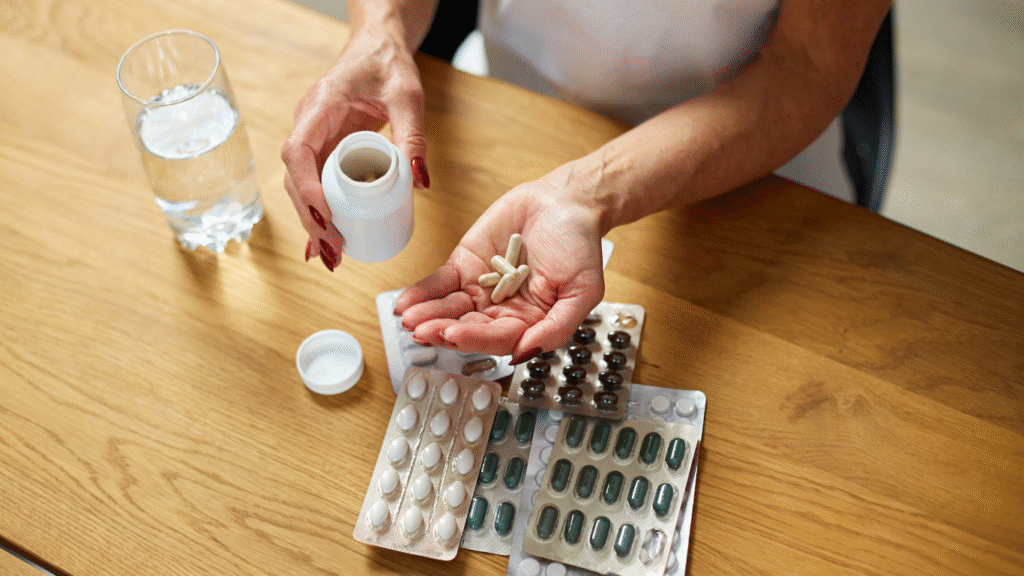
Colorful capsules and pills in pink, blue, and white spill from a clear glass container onto a white surface.

The safe upper limit for niacin from supplements is just 35 mg daily for adults.

Therapeutic doses used for cholesterol management typically range from 1,500-2,000 mg daily – roughly 100 times higher than recommended dietary amounts. These massive doses overwhelm your body’s ability to process niacin safely.

Sources of Excess Niacin

Common sources contributing to niacin overload include:

  • Fortified breakfast cereals
  • Enriched flour products
  • Over-the-counter niacin supplements
  • Foods like meat, fish, and nuts
  • Energy drinks and vitamin waters

The body treats excess niacin like water overflowing from a bucket. Once saturated, it must process the overflow, creating potentially harmful metabolites like 4PY.

Current Medical Guidelines

Major medical organizations have quietly moved away from recommending niacin for cholesterol management.

American Heart Association Position

The 2018 AHA/ACC cholesterol guidelines state that randomized controlled trials “do not support the use of triglyceride-lowering drugs [including niacin] as add-on drugs to statin therapy.5

Statin-First Approach

Current guidelines now recommend statins as the first-line treatment for managing blood cholesterol. If statins alone aren’t sufficient, doctors typically add:

  • Ezetimibe (Zetia)
  • PCSK9 inhibitors like alirocumab (Praluent) or evolocumab (Repatha)
  • Bempedoic acid (Nexletol) for statin-intolerant patients

Niacin is rarely prescribed anymore except in very specific circumstances where other treatments have failed.

Possible Side Effects of Niacin

Beyond the newly discovered 4PY pathway, niacin can cause numerous uncomfortable and potentially serious side effects.

The Niacin Flush

Most people experience intense skin flushing within 15-30 minutes of taking niacin. This reaction includes:

  • Red, warm face and neck
  • Tingling or burning sensation
  • Itching and skin irritation

While the niacin flush typically subsides within a week of regular use, it causes many people to stop treatment.

Serious Side Effects

Higher doses can cause more concerning reactions:

  • Liver damage and elevated liver enzymes
  • Stomach ulcers and gastrointestinal bleeding
  • Blood sugar changes that can worsen diabetes
  • Low blood pressure and heart rhythm abnormalities
  • Muscle damage similar to statin-related problems

Drug Interactions

Niacin can interact dangerously with diabetes medications, blood thinners, and blood pressure drugs. Never take high-dose niacin without medical supervision.

Better Alternatives for Cholesterol Management

Orange spherical fat cells and cholesterol particles float in various sizes against a soft blue background.

Modern medicine offers safer, more effective options for managing high cholesterol.

Lifestyle Interventions

Diet and exercise remain the foundation of cholesterol management:

  • Mediterranean-style eating patterns rich in fiber, healthy fats, and plant sterols
  • Regular aerobic exercise (aim for 150 minutes weekly)
  • Weight management and smoking cessation

Proven Medications

When lifestyle changes aren’t enough, evidence-based medications include:

  • Statins – First-line treatment that reduces LDL cholesterol by 30-50% and significantly lowers cardiovascular disease risk
  • Ezetimibe – Blocks cholesterol absorption and can reduce LDL by 15-25% when added to statins
  • PCSK9 inhibitors – Injectable medications that can lower LDL by 50-60% in high-risk patients

Natural Ways to Support Heart Health

Rather than risking niacin’s potential dangers, consider these science-backed natural approaches.

Diet and Exercise

The foundation of heart health remains proper nutrition and regular physical activity. These lifestyle interventions can significantly impact cholesterol levels without medication risks.

Heart-healthy eating patterns include:

  • Mediterranean-style diets rich in olive oil, nuts, and fish
  • Plenty of soluble fiber from oats, beans, and vegetables
  • Limited saturated fats and zero trans fats
  • Plant-based proteins and lean meats

Exercise recommendations for cardiovascular health:

  • At least 150 minutes of moderate aerobic activity weekly
  • Strength training exercises twice per week
  • Even brisk walking for 30 minutes daily can lower LDL cholesterol by 5-10%

Evidence-Based Natural Options

Several natural approaches show promise for cholesterol management:

  • Plant sterols and stanols – Can reduce LDL cholesterol by 6-12%
  • Soluble fiber from oats, beans, and psyllium
  • Omega-3 fatty acids from fatty fish or quality supplements
  • Green tea extract with EGCG antioxidants

Cellular Energy Support

NAD+ levels decline with age, potentially affecting cardiovascular health. Unlike high-dose niacin, NAD+ supplementation may support heart health without the inflammatory risks6.

However, niacin can elevate NAD+ levels too high, which may not provide additional benefits and could potentially be harmful. If you’re currently taking niacin, consider getting an intracellular NAD test to verify your levels are within the optimal range.

Anti-Inflammatory Support

Since inflammation plays a central role in cardiovascular disease, you may consider natural anti-inflammatory compounds:

Turmeric with enhanced bioavailability may help reduce systemic inflammation that contributes to heart disease. The combination of curcumin, boswellia, and ginger found in our Turmeric+ provides comprehensive anti-inflammatory support.

Quercetin and other flavonoids also show promise for supporting cardiovascular health through their antioxidant and anti-inflammatory properties.

Bottom Line: Should You Take Niacin for High Cholesterol?

The evidence is clear: niacin for cholesterol management carries significant risks that outweigh any potential benefits.

The discovery of the 4PY metabolite explains why niacin failed to deliver on its cholesterol-lowering promise. This harmful compound promotes the very inflammation and vascular damage that leads to heart attacks and strokes.

A Safer Path Forward

If you’re currently taking niacin for cholesterol, don’t stop abruptly. Work with your healthcare provider to transition to safer, more effective treatments.

Focus on proven strategies like lifestyle modifications, appropriate medication when needed, and targeted nutritional support that addresses the root causes of cardiovascular disease.

Rather than forcing your cholesterol numbers down with potentially harmful compounds, consider supporting your body’s natural cellular energy production and inflammatory response. Testing your NAD levels and addressing any deficiencies may provide cardiovascular benefits without the risks associated with high-dose niacin.

The goal isn’t just better cholesterol numbers – it’s genuine cardiovascular health and longevity. Modern medicine offers us that opportunity through safer, more effective approaches than the niacin protocols of the past.

  1. https://www.nejm.org/doi/full/10.1056/NEJMoa1107579 ↩︎
  2. https://www.sciencedaily.com/releases/2013/03/130311101827.htm ↩︎
  3. https://www.nature.com/articles/s41591-023-02793-8 ↩︎
  4. https://www.nih.gov/news-events/nih-research-matters/how-excess-niacin-may-promote-cardiovascular-disease ↩︎
  5. https://www.ahajournals.org/doi/10.1161/cir.0000000000000625 ↩︎
  6. https://pmc.ncbi.nlm.nih.gov/articles/PMC5966770/ ↩︎
An image of an aging woman

Spermidine Benefits for Longevity, Side Effects and Limitations

Spermidine has caught the eye of longevity researchers as one of nature’s most promising anti-aging compounds. This naturally occurring polyamine shows up in foods like wheat germ and aged cheese. It shows real potential for extending healthspan and protecting against age-related diseases.

Research suggests that spermidine may hold the key to cellular renewal, heart protection, and even cognitive improvement. But like any supplement, it comes with important considerations about safety, dosage, and limitations that you need to understand before adding it to your routine.

Key Takeaways

  • Spermidine boosts autophagy, helping cells clear damage and potentially extending lifespan
  • Studies show 40% reduction in heart failure risk with higher dietary intake
  • Oral supplements may convert to spermine rather than increasing spermidine levels directly
  • Natural dietary sources offer better safety profiles than synthetic supplements

What is Spermidine and How Does It Work?

Spermidine is a naturally occurring polyamine that your body produces and obtains from food sources. This cellular compound plays a key role in cell growth, DNA stability, and protein synthesis throughout your body.

The magic happens through a process called autophagy. Spermidine boosts autophagy by blocking certain enzymes that normally suppress this cellular housekeeping mechanism. When autophagy works properly, your cells can clear out damaged proteins and broken organelles that build up with age.

Recent studies reveal that spermidine is essential for fasting-mediated autophagy and longevity. The compound works through the polyamine-hypusination axis. This allows processes that extend lifespan across multiple species.1

Your body naturally produces polyamines, but levels drop as you age. This decline contributes to reduced cellular function and increased susceptibility to age-related diseases.

Benefits of Spermidine for Longevity and Anti-Aging

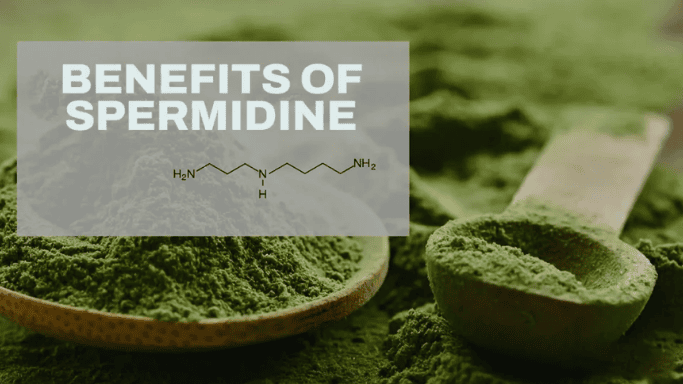
Graphic with the text 'Benefits of Spermidine' overlaid on green plant powder and a wooden spoon, featuring spermidine’s molecular structure, representing its natural origins and role in longevity and anti-aging

The health benefits of spermidine extend far beyond basic cellular maintenance. Research shows notable anti-aging effects that could change how we approach healthy aging.

Cellular Renewal and DNA Protection

Spermidine helps maintain cellular health by:

  • Improving the removal of damaged cellular components
  • Protecting DNA integrity and preventing mutations
  • Supporting mitochondrial function and energy production

A study showed that spermidine has been shown to extend lifespan in different organisms, from yeast to mice, by improving cellular quality control mechanisms.2

Anti-Inflammatory Effects

Spermidine can also help reduce inflammation linked with cellular aging. By boosting autophagy and removing damaged cellular components, the compound helps minimize chronic inflammatory processes that contribute to age-related diseases.

Metabolic Health Support

The compound supports healthy metabolism by improving energy production at the cellular level. This translates to better overall health and reduced risk of metabolic disorders commonly associated with aging.

Research suggests that spermidine may help maintain healthy blood sugar levels and support optimal metabolic function as you age.

Heart Health and Cardiovascular Protection

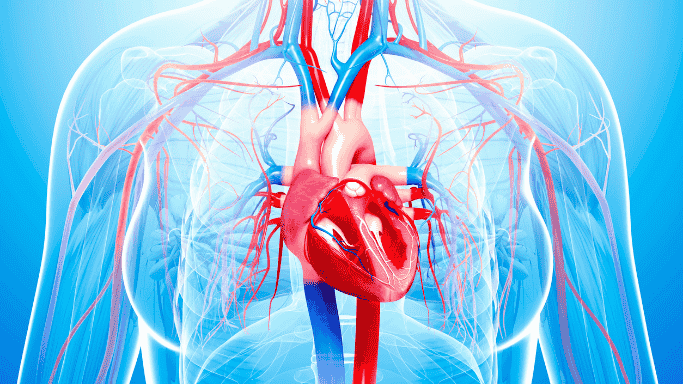
Illustration of the human cardiovascular system highlighting the heart, arteries, and veins, symbolizing heart health and circulatory function.

Heart health represents one of spermidine’s most impressive benefits. The compound shows major cardioprotective effects that contribute directly to longevity.

Blood Pressure and Heart Function

Human studies from the Bruneck cohort reveal that higher dietary spermidine intake correlates with:3

  • Approximately 40% reduction in fatal heart failure risk
  • Much lower systolic and diastolic blood pressures
  • Improved cardiac biomarker profiles

In aged mice, spermidine supplementation improves cardiac diastolic function. It also reduces cardiac hypertrophy and improves the mechanical properties of heart muscle cells.

Vascular Health Benefits

The cardiovascular disease protection extends beyond the heart muscle to include improved blood vessel function. Spermidine can improve arterial flexibility and support healthy blood flow throughout your body.

These heart health benefits make spermidine particularly valuable for individuals concerned about heart disease risk as they age.

Brain Function and Cognitive Benefits

Spermidine provides neuroprotective benefits through multiple pathways that support long-term brain health and cognitive function.

Memory and Learning Enhancement

Studies in aged mice show that spermidine supplementation restores levels of key autophagy proteins in the brain. The compound protects against age-related changes in hippocampal regions needed for memory formation.4

Research suggests that spermidine:

  • Improves clearance of brain cellular debris
  • Protects synaptic connections between neurons
  • Supports long-term potentiation for memory formation
  • May delay neurodegeneration processes

Cognitive Decline Protection

While animal studies show promising results, human clinical trials present mixed findings. Some studies show modest memory improvements. Others found no notable cognitive benefits in healthy older adults.

The potential for brain health support remains an active area of research, particularly for individuals experiencing early cognitive changes.

Hair Growth and Aesthetic Benefits

Close-up of a woman parting her hair to reveal thinning at the scalp, representing hair loss and the potential benefits of treatments for hair growth and aesthetics.

Emerging research suggests spermidine may offer unexpected benefits for hair growth and overall appearance. This area needs more investigation.

Hair Follicle Health

Preliminary studies indicate that spermidine’s role in cellular regeneration may extend to hair follicles. The compound’s ability to promote autophagy and cellular renewal could theoretically support healthy hair growth cycles.

Strong clinical evidence for hair growth benefits remains limited. Most current research focuses on spermidine’s internal health benefits rather than cosmetic applications.

Skin Health Considerations

The cellular renewal properties of spermidine may contribute to healthier skin aging. Research on dermatological benefits is still developing.

Foods High in Spermidine: Natural Sources

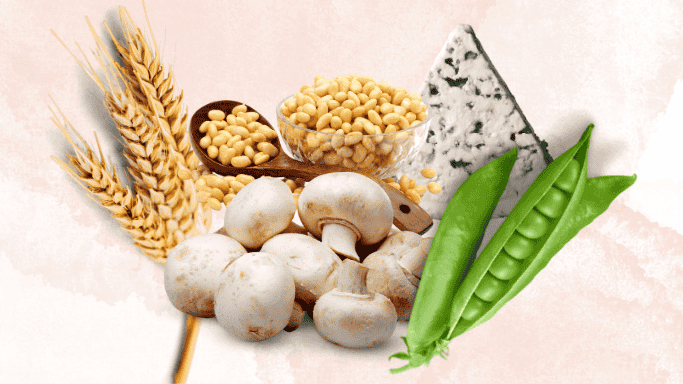
A collection of natural foods rich in spermidine, including wheat stalks, a wooden spoon and bowl filled with soybeans, a wedge of blue cheese, fresh green pea pods, and several white mushrooms arranged on a light background

Food sources provide the safest way to increase spermidine intake. Spermidine-rich foods provide additional nutrients and polyamines that work synergistically.

Top Dietary Sources

Food SourceSpermidine Content (per 100g)
Wheat germ2-5 mg
Aged cheese1.5-3 mg
Soybeans1-2 mg
Mushrooms0.5-1 mg
Green peas0.3-0.8 mg

Other Rich Sources Include:

  • Fermented foods like miso and kimchi
  • Certain fruits and vegetables including broccoli
  • Legumes and whole grains
  • Different mushroom varieties

Foods like aged cheeses and fermented products naturally provide the highest concentrations. The Mediterranean diet pattern naturally provides higher spermidine intake and has been associated with improved longevity outcomes.

Gut Health and Spermidine Production

Your gut bacteria also contribute to spermidine production. This makes gut health important for maintaining optimal levels. A healthy microbiome supports natural polyamine synthesis, which complements dietary sources of spermidine.

Food vs. Supplement Considerations

Food-derived spermidine has undergone more wide-ranging safety testing compared to synthetic forms. Natural sources also provide accompanying polyamines that create a beneficial recycling loop within your body.

Spermidine Intake: Dosage and Recommendations

A collection of medication containers and pills on a pink surface. There are two blister packs with pink tablets, a blue weekly pill organizer, two white medicine bottles, a brown pill bottle, and a glass of water partially visible on the left side.

Determining optimal spermidine intake requires understanding current research guidelines. You also need to know the safety parameters established by health authorities.

Established Safety Limits

The European Food Safety Authority (EFSA) has established a safe upper intake limit of 6 mg per day for food-derived spermidine. This guideline reflects findings from human clinical trials using daily doses of 1-1.2 mg.

Most effective research dosages range from 1-6 mg daily. Some studies suggest 10 mg may provide optimal benefits for certain health outcomes.

Clinical Trial Dosages

Human studies have primarily used:

  • 1-1.2 mg daily in combination with other polyamines
  • Up to 40 mg daily in short-term safety studies
  • 6 mg as the established upper safe limit for regular use

Research suggests that spermidine doses below 15 mg/day are unlikely to produce short-term effects based on pharmacokinetic studies.5

Timing and Administration

Most studies give spermidine with meals to minimize potential gastrointestinal effects. Starting with lower doses allows you to assess individual tolerance before increasing intake.

Side Effects and Safety Profile

An image shows a person sitting on a bed, clutching their stomach with both hands, which suggests they might be experiencing mild gastrointestinal discomfort or abdominal pain.

Spermidine supplementation shows an excellent safety profile in human studies. Most adverse effects are mild and temporary.

Common Side Effects

When side effects occur, they typically include:

  • Mild gastrointestinal symptoms (nausea, digestive discomfort)
  • Occasional diarrhea, particularly at higher doses
  • Rare allergic reactions in sensitive individuals

A detailed 12-month Phase II trial involving 100 healthy older adults found comparable rates of adverse events between spermidine and placebo groups.6

Laboratory Parameter Considerations

Animal studies at extremely high doses (600 mg/kg body weight) showed changes in kidney function markers. These included creatinine, calcium, and phosphate levels. These effects occurred at doses far exceeding typical human supplementation.

Special Population Considerations

Limited safety data exists for:

  • Pregnant and nursing women
  • Children and adolescents
  • Individuals with certain medical conditions

Healthcare provider consultation is needed before starting any new supplement regimen. This is especially important for these populations.

Limitations and Important Considerations

Despite promising research, several important limitations affect spermidine’s practical application for longevity and health benefits.

Recent pharmacokinetic research reveals that oral spermidine supplementation may not meaningfully increase circulating spermidine levels. Instead, supplemented spermidine appears to convert to spermine before entering systemic circulation.7

This finding suggests spermidine could function as a “prodrug” for spermine. The beneficial effects may be attributable to increased spermine concentrations rather than spermidine itself.

Research Gaps and Long-term Effects

Several important research gaps remain:

  • Most clinical trials have been relatively short-term (3-12 months)
  • Optimal dosing for different health conditions needs clarification
  • Individual variability in response requires better characterization
  • Long-term safety data beyond one year is limited

Cancer and Fertility Considerations

While spermidine may have anticancer effects through autophagy improvement, elevated polyamine levels are also found in many cancer types. Spermidine could potentially stimulate cellular proliferation in existing tumors.

Some research suggests that spermidine may support fertility through cellular health mechanisms. This area requires more thorough study before drawing definitive conclusions.

This dual nature requires careful consideration, particularly for individuals with cancer history or active disease.

Drug Interactions and Contraindications

An image of a woman taking supplements

Potential drug interactions with spermidine are not well-characterized. This necessitates caution when combining with certain medications.

Spermidine plays a role in cellular metabolism. It may interact with:

  • Medications influencing cellular metabolism
  • Drugs affecting autophagy pathways
  • Blood pressure medications
  • Immune-modulating therapies

One observational study identified a potential link between higher blood spermidine levels and increased stroke risk. This finding requires careful interpretation. The study was observational and cannot establish causation.

The association may reflect elevated spermidine levels as a biomarker of underlying pathology rather than direct causation.

NAD+ and Cellular Health: A More Proven Approach

While spermidine shows promise, NAD+ optimization offers a more established path to cellular health and longevity benefits. NAD+ (nicotinamide adenine dinucleotide) is needed for over 500 cellular processes and declines meaningfully with age.

Why NAD+ May Be Superior

NAD+ provides several advantages over spermidine supplementation:

  • More extensive human research and safety data
  • Direct involvement in cellular energy production
  • Proven bioavailability through proper precursor supplementation
  • Measurable results through intracellular testing

Our Vitality NAD+ Booster contains clinically validated NAD+ precursors that actually work. Unlike spermidine supplements with questionable bioavailability, our formula includes:

  • NMN (nicotinamide mononucleotide) for direct NAD+ conversion
  • Creatine monohydrate for improved cellular energy
  • D-ribose for ATP synthesis support
  • Niacinamide for additional NAD+ pathway support

The key difference is measurability. With our NAD+ test, you can actually verify whether your intervention is working. This precision approach removes guesswork and ensures you’re getting real benefits from your investment in longevity supplements.

Making the Right Choice for Your Health

Spermidine represents an interesting compound with potential longevity benefits. Notable limitations and unknowns remain. The safest approach currently involves obtaining spermidine through food sources rather than supplements.

If you’re interested in spermidine’s potential benefits:

  • Focus on incorporating spermidine-rich foods into your diet
  • Consult healthcare providers before supplementation
  • Start with lower doses if choosing supplements
  • Monitor for any adverse reactions
  • Consider food-derived sources over synthetic alternatives

Bottom Line

While spermidine research continues to evolve, the compound’s role in healthy aging appears promising. It needs more long-term human studies. The excellent safety profile makes dietary sources a reasonable addition to a complete longevity strategy.

For proven cellular health benefits with measurable results, NAD+ optimization through proper testing and supplementation offers a more reliable path to extending your healthspan and supporting healthy aging.

Referenced Sources:

  1. https://www.nature.com/articles/s41556-024-01468-x ↩︎
  2. https://pubmed.ncbi.nlm.nih.gov/28118075/ ↩︎
  3. https://www.ncbi.nlm.nih.gov/pmc/articles/PMC5806691/ ↩︎
  4. https://www.nature.com/articles/s41598-019-56133-3 ↩︎
  5. https://www.ncbi.nlm.nih.gov/pmc/articles/PMC10143675/ ↩︎
  6. https://jamanetwork.com/journals/jamanetworkopen/fullarticle/2792725 ↩︎
  7. https://www.ncbi.nlm.nih.gov/pmc/articles/PMC10143675/ ↩︎
A stylized pink anatomical heart with geometric facets sits on a soft pink background surface.

Is Niacin Good for Your Heart? New Studies Show Hidden Risks

For decades, doctors recommended niacin supplements to patients struggling with high cholesterol. This B vitamin seemed like a perfect solution for heart health.

Recent research tells a different story. Scientists now know that excess niacin may increase cardiovascular disease risk. It works through hidden inflammatory pathways.

Key Takeaways

  • 1 in 4 Americans has excess niacin levels that double their heart disease risk
  • Excess niacin creates toxic metabolites that trigger dangerous blood vessel inflammation
  • Food fortification and supplements often cause niacin overload without people realizing it
  • High-dose niacin therapy failed in trials because inflammatory effects canceled cholesterol benefits

The Surprising Discovery About Niacin and Heart Disease

A woman holding her chest with pale lips, appearing to be in discomfort, possibly indicating symptoms of heart disease.

A 2024 study published in Nature Medicine revealed shocking news about vitamin B3. About one in four Americans has excess niacin levels that double their risk of heart attack and stroke.1

This puts their risk of heart disease at levels similar to people with diabetes.

The problem isn’t niacin itself. The issue lies in what happens when your body processes too much of this vitamin.

When Good Vitamins Go Bad

Your body only needs small amounts of niacin to function properly. When you consume more than needed, your system breaks down the excess into compounds called 4PY and 2PY.

These metabolites are where the real danger begins.

People with the highest levels of these breakdown products had a 1.6 to 2 times higher risk of major cardiac events over three years. That’s compared to those with the lowest levels.

How Excess Niacin Triggers Cardiovascular Problems

A young woman in a white t-shirt checks her fitness tracker while sitting outdoors in nature.

The primary way that too much niacin harms your heart involves something called 4PY-mediated vascular inflammation.

Here’s what happens in your blood vessels when 4PY levels get too high:

  • 4PY triggers production of VCAM-1 on blood vessel walls
  • VCAM-1 helps white blood cells stick to your arteries
  • These immune cells then infiltrate arterial tissue
  • This process contributes to plaque formation
  • Chronic vascular inflammation damages blood vessels over time

Research shows that 4PY directly causes inflammatory cells to stick to blood vessel walls in laboratory studies.2

Your Genes Matter Too

Some people face a higher risk based on their genetics. Scientists found variants in the ACMSD gene that affect how your body processes niacin.

More than half the population carries these genetic variants. If you have them, you produce more of the harmful 4PY metabolites when consuming excess niacin.

The Cleveland Clinic Study Results

An image showing bar chart with pen, eyeglasses, and calculator on a desk, shown in blue tone.

Cleveland Clinic researchers led this important discovery about niacin and inflammation. Dr. Stanley Hazen and his team analyzed blood samples from over 3,000 people.3

They tracked participants for three years to see who developed heart problems.

The results were clear. People with the highest 4PY levels had double the risk of heart attack, stroke, or death compared to those with the lowest levels.

The Numbers Don’t Lie

The study found that 25% of Americans have excess niacin levels. These individuals face significantly higher cardiovascular disease risk without knowing it.

This research helps explain why niacin therapy often failed in clinical trials, despite improving cholesterol numbers.

Why High Cholesterol Treatments With Niacin Failed

A person fills out a health examination form with a pen, showing cholesterol test results and data.

For years, doctors prescribed high-dose niacin to lower LDL cholesterol and raise HDL levels. The results looked promising on paper.

But major clinical trials told a different story4:

  • The AIM-HIGH trial showed no cardiovascular benefit4
  • The HPS2-THRIVE study found niacin increased stroke risk by 78%4
  • Patients experienced more diabetes, infections, and stomach problems
  • Despite better cholesterol profiles, people didn’t live longer

These studies puzzled researchers for years. Now we understand why.

The Hidden Inflammation Problem

While niacin was lowering cholesterol, it was simultaneously creating inflammatory metabolites. The 4PY compounds were triggering vascular inflammation that counteracted any cholesterol benefits.

This explains the “niacin paradox” that confused doctors for decades.

Hidden Sources of Vitamin B3 Overload

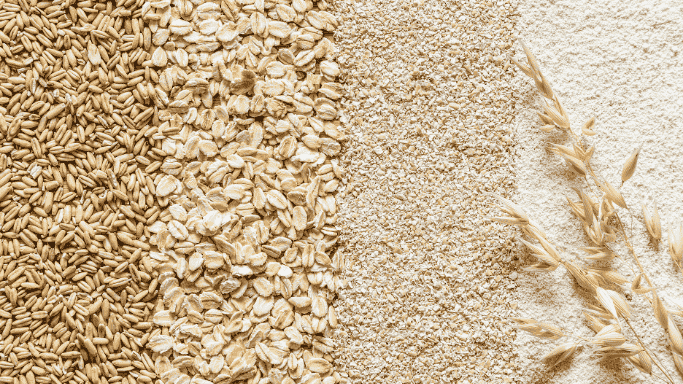
Different forms of oats displayed in neat vertical sections.

Most Americans get excess niacin without realizing it. The problem comes from multiple sources working together.

Food Fortification Since the 1940s

The United States mandates niacin fortification in common foods like flour, cereals, rice, and oats. This policy successfully eliminated pellagra, a niacin deficiency disease.

But now this mandatory fortification may contribute to excess intake in many people.

Supplement Overuse

Many Americans take niacin-containing supplements, believing more vitamins equal better health. Over-the-counter niacin supplements often contain 100 to 1,000mg per dose.

Your daily requirement is only 14-16mg.

Dr. Hazen compares niacin intake to “multiple taps pouring water into a bucket.” Once your body’s needs are met, the excess “spills over” into harmful metabolites.

Inflammation and Cellular Health

A woman with curly hair in a white shirt holds her lower back while sitting at a home office desk.

Chronic inflammation damages your cardiovascular system at the cellular level. When 4PY triggers inflammatory pathways, it accelerates the aging process in your blood vessels.

This type of cellular damage affects your overall healthspan, not just your heart.

Supporting your body’s natural anti-inflammatory processes becomes even more important when facing hidden inflammatory triggers like excess niacin.

Testing Your Inflammatory Status

Understanding your body’s inflammatory burden can help guide better health decisions. Advanced biomarker testing can reveal hidden inflammation before it causes obvious symptoms.

Jinfiniti’s AgingSOS Advanced Panel measures 22 biomarkers, including inflammatory markers that affect cardiovascular health.

What This Means for Your Heart Health

ChatGPT said:

The image shows a doctor explaining heart health, emphasizing the importance of understanding your heart to make informed decisions for better care.

This research changes how we think about B vitamin supplementation. More isn’t always better, especially with widespread food fortification.

Practical Steps You Can Take

Avoid unnecessary niacin supplements unless your doctor specifically recommends them. Most people get adequate niacin from diet alone.

Focus on supporting your body’s natural cellular repair processes instead of adding more vitamins.

Consider testing your inflammatory status to understand your current cardiovascular risk profile.

The Role of NAD+ in Heart Health

Interestingly, while excess niacin may increase heart disease risk, your body still needs adequate levels to produce NAD+, a crucial cellular energy molecule. 

NAD+ levels decline with age, affecting cellular function throughout your body.

The key is balance. You want sufficient niacin for NAD+ production without the excess that creates harmful metabolites.

Supporting Cardiovascular Health Naturally

Instead of relying on high-dose niacin for cholesterol management, consider natural approaches that support heart health without inflammatory side effects.

Anti-inflammatory herbs and compounds like curcumin and quercetin can help reduce cardiovascular inflammation.

Quality omega-3 fatty acids support heart health through multiple pathways without the risks associated with excess niacin.

The Bottom Line on Niacin and Your Heart

This groundbreaking research reveals that even essential nutrients can cause problems in excess amounts.

While niacin remains important for basic cellular function, excess amounts may cause problems. Too much increases cardiovascular disease risk through previously unknown inflammatory pathways.

The discovery of 4PY as a cardiovascular risk factor opens exciting possibilities.

Doctors might soon use personalized medicine approaches based on this research. In the future, doctors might test your 4PY levels and genetic variants to determine your optimal niacin intake.

The message is clear: avoid unnecessary niacin supplements. Focus on supporting your body’s natural inflammatory balance instead.

When it comes to vitamins, more isn’t always better for your heart health.

Referenced Sources:

  1. https://www.nature.com/articles/s41591-023-02793-8 ↩︎
  2. https://www.nhlbi.nih.gov/news/2024/excess-levels-vitamin-b3-linked-increased-heart-disease-risk ↩︎
  3. https://newsroom.clevelandclinic.org/2024/02/19/cleveland-clinic-led-study-discovers-link-between-high-levels-of-niacin-a-common-b-vitamin-and-heart-disease ↩︎
  4. https://pmc.ncbi.nlm.nih.gov/articles/PMC4352676/ ↩︎
Assorted blister packs of various pills in different colors and shapes, representing a variety of non-NSAID pain relief medications.

NSAID Alternatives: 11 Non-NSAID Pain Relievers to Consider

NSAID alternatives provide effective pain relief without the cardiovascular and gastrointestinal risks associated with traditional anti-inflammatory drugs. These 11 evidence-based options include natural compounds, pharmaceutical alternatives, and medical procedures.

Over 16 million Americans take NSAIDs regularly, yet 30% experience serious side effects including stomach ulcers, kidney damage, and increased heart disease risk. People with existing health conditions, those over 65, and individuals taking blood thinners face even greater dangers.

This guide examines 11 proven alternatives to NSAIDs that deliver pain relief through safer mechanisms. Natural options like curcumin and boswellia, pharmaceutical alternatives such as acetaminophen, and targeted medical interventions offer effective solutions without long-term health risks.

Key Takeaways

  • NSAIDs increase heart disease risk by 20-50% with long-term use and cause 16,500 deaths annually from stomach bleeding
  • Natural compounds like curcumin reduce arthritis pain by 58% compared to placebo, matching ibuprofen effectiveness
  • Acetaminophen provides pain relief without gastrointestinal or cardiovascular side effects when used under 4,000mg daily
  • Topical treatments deliver targeted relief with less than 5% systemic absorption compared to oral medications

Why People Seek Alternatives to NSAIDs

An image of a woman holding a medicine bottle, pouring pills into her hand.

Nonsteroidal anti-inflammatory drugs (NSAIDs) work well for many people, but they come with major drawbacks. Understanding these limitations helps explain why alternatives matter.

The Hidden Effects of NSAID Use

Regular NSAID use carries more risks than most people realize. These medications can cause serious health problems over time.

Stomach ulcers rank among the most common complications. NSAIDs irritate the stomach lining, leading to bleeding and pain.1

Kidney damage is another serious concern. People who take NSAIDs long-term face an increased risk of kidney problems and cardiovascular disease.

Side Effects of NSAIDs and Heart Failure Risk

Heart disease risk increases by 20-50% with regular NSAID use. These medications elevate blood pressure and strain the cardiovascular system through multiple pathways.2

Heart failure risk doubles in adults over 65 who use NSAIDs regularly. The combination of kidney strain and cardiovascular effects creates compounding dangers for older populations.

Bleeding complications occur in 1-4% of NSAID users annually. This risk becomes life-threatening for people taking blood thinners or those with bleeding disorders.

Who Should Avoid NSAIDs

5 specific groups of people face elevated risks with NSAID use and require alternative pain management strategies:

  • Adults with kidney disease or heart failure (22-208% increased mortality risk depending on specific NSAID)3
  • Individuals taking blood thinners (2x higher overall bleeding risk)4
  • People with stomach ulcer history (31% five-year recurrence rate)5
  • Pregnant women in the third trimester (9% increased preterm birth risk)6
  • Adults over 65 (2x higher acute kidney injury risk within 30 days)7

If you fall into any of these categories, NSAID alternatives become especially important for your health.

11 NSAID Alternatives: Quick Comparison

AlternativeTypePain Relief TimelineBest ForSafety Rating
AcetaminophenPharmaceutical30-60 minutesGeneral pain, feverHigh
Topical treatmentsPharmaceutical15-30 minutesLocalized painVery High
CurcuminNatural1-2 weeksArthritis, inflammationHigh
BoswelliaNatural7-28 daysJoint painHigh
White willow barkNatural2-4 hoursBack painModerate
BromelainNatural enzyme3-7 daysPost-surgery, injuriesHigh
GingerNatural1-3 daysMuscle sorenessHigh
QuercetinNatural2-4 weeksChronic painHigh
Nerve blocksMedical procedureImmediateTargeted painModerate
Physical therapyNon-pharmaceutical2-8 weeksChronic conditionsVery High
Mind-body therapyNon-pharmaceutical4-12 weeksChronic painVery High

Over-the-Counter Pharmaceutical Alternatives

An image showing various over-the-counter medications displayed on pharmacy shelves.

Several prescription and over-the-counter medications can give pain relief without the inflammatory action of NSAIDs.

1. Acetaminophen

Acetaminophen provides effective pain relief without the cardiovascular and gastrointestinal risks of NSAIDs. This medication works differently from NSAIDs by blocking pain signals in the brain rather than reducing inflammation.8

Acetaminophen reduces pain intensity by 13-22% compared to placebo in clinical trials. It eliminates stomach bleeding risk and does not increase cardiovascular events, making it safer for long-term use than NSAIDs.

Doctors recommend acetaminophen as first-line treatment for osteoarthritis, back pain, headaches, and muscle aches. Studies show 650mg doses provide pain relief equivalent to 400mg ibuprofen without gastrointestinal side effects.

The primary safety concern involves liver toxicity at doses exceeding 4,000mg daily. Staying below 3,000mg daily provides maximum safety margins for most adults.

2. Topical Pain Relievers

Topical treatments offer another excellent alternative to oral NSAIDs. These medications work directly at the pain site with minimal absorption into your bloodstream.

Lidocaine patches give numbing relief for nerve pain. The 5% patches work especially well for post-shingles pain and other nerve conditions.9

Topical NSAIDs like diclofenac gel can reduce inflammation locally. This approach gives you anti-inflammatory benefits while avoiding systemic side effects that come with oral NSAIDs.

Capsaicin cream offers another option by depleting pain-transmitting chemicals from nerve endings. It takes time to work but can deliver lasting relief for arthritis and nerve pain.

Natural Anti-Inflammatory NSAID Alternatives

An image showcasing natural anti-inflammatory ingredients such as turmeric, ginger, and cardamom.

Nature gives us several compounds that can match the pain-relieving power of conventional medications. These natural options often come with fewer side effects and additional health benefits.

3. Curcumin

Curcumin reduces arthritis pain by 45-58% in clinical trials, matching the effectiveness of prescription NSAIDs. This active compound from turmeric has impressive anti-inflammatory properties that block inflammatory pathways without cardiovascular risks.10

Clinical trials show that daily curcumin reduces osteoarthritis pain as effectively as ibuprofen. Participants experienced significant improvements within 4-6 weeks with fewer side effects than NSAID users.11

Curcumin blocks 5 major inflammatory pathways including COX-2 enzymes and nuclear factor-kappa B (NF-κB). This multi-target approach provides broader anti-inflammatory effects than single-pathway medications.

Raw turmeric contains only 2-6% curcumin, requiring concentrated supplements for therapeutic effects. Jinfiniti’s Extra Strength Turmeric+ addresses bioavailability with black pepper extract, which increases curcumin or turmeric absorption by 2,000%.

4. Boswellia

Boswellia serrata has shown remarkable pain-relieving properties in multiple clinical trials. This herb works through different inflammatory pathways than NSAIDs, making it a true alternative.

Clinical trials reveal that Boswellia cuts osteoarthritis pain within just 7 days. Participants saw 12.18% improvements in pain scores.12

The herb gives pain relief comparable to conventional treatments. Researchers suggest treating for at least 4 weeks for best results.13

A 2025 study found that 60mg of standardized Boswellia extract for 10 days cut muscle soreness after intense exercise. The effects lasted up to 72 hours post-exercise.14

Boswellia works by blocking inflammatory enzymes called 5-lipoxygenase. This mechanism differs from NSAIDs, making it valuable for people who can’t tolerate traditional anti-inflammatory medications.

For more detailed information about dosing and safety, read our guide on Boswellia benefits for inflammation.

5. White Willow Bark

White willow bark contains salicin, which your body converts to salicylic acid. This makes it similar to aspirin but with a gentler profile and fewer side effects.

Testing shows that willow bark reduces lower back pain more effectively than placebo. Higher doses prove more effective for chronic pain relief.15

The bark contains at least 13 active compounds including flavonoids and polyphenols. These work together to give anti-inflammatory effects beyond just salicin.16

Trials using combination formulas show 37% pain reduction compared to 16% with placebo. This suggests willow bark works best when combined with other natural compounds.17

A pilot study found that 798mg salicin daily for 5 days after exercise showed lower muscle soreness scores. While promising, more testing is needed to confirm these benefits.18

6. Bromelain

Bromelain offers a unique approach to pain relief through its enzyme activity. This protein-digesting enzyme from pineapples gives both anti-inflammatory and pain-relieving effects.

Clinical evidence shows that bromelain cuts post-operative inflammation and pain. Taking it before and after surgery gives the best results.19

The enzyme reduces inflammatory markers like C-reactive protein by 32% compared to placebo. This shows real measurable effects on inflammation throughout the body.

Trials using 90mg bromelain combined with other enzymes showed major pain improvements within 3 days. The combination approach appears more effective than bromelain alone.20

Bromelain works by reducing inflammatory cytokines and modulating immune responses. This makes it valuable for acute injuries and post-surgical healing.

For the best results, take bromelain on an empty stomach between meals. This allows the enzyme to work systemically rather than just helping with digestion.

7. Ginger

Ginger contains powerful compounds called gingerols and shogaols that give natural pain relief. These substances work by inhibiting prostaglandin synthesis, similar to how NSAIDs function.

Evidence shows that ginger reduces muscle pain after intense physical activity. The anti-inflammatory mechanisms help speed recovery from exercise.21

Trials show moderate to large reductions in muscle pain when people consume 2g daily for 11 days. This suggests consistent use gives better results than occasional dosing.

Ginger inhibits pro-inflammatory cytokines including TNF-α, IL-1β, and IL-8. These are the same inflammatory markers targeted by prescription medications.

The active compounds work by suppressing 5-lipoxygenase and prostaglandin synthetase. This gives natural anti-inflammatory effects similar to conventional medications.22

Ginger pairs well with turmeric for better benefits. Learn more about this powerful combination in our article about ginger and turmeric working better together.

8. Quercetin

Quercetin stands out as one of the most promising natural alternatives for chronic pain management. This flavonoid works through multiple mechanisms that target both inflammation and pain signals.

Lab studies show that quercetin gives pain relief superior to gabapentin and morphine in some nerve pain models. This suggests powerful potential for human applications.23

The compound suppresses glial cell activation in the spinal cord and nerve roots. This action helps reduce the amplification of pain signals that occurs in chronic conditions.

Quercetin reduces pro-inflammatory cytokines including TNF-α, IL-1β, and IL-6. It also modulates brain chemistry involved in chronic pain processing.

While clinical trials in humans are still needed, the extensive lab evidence and established safety profile make quercetin promising for pain management.

Here’s what makes quercetin even better. It works well when combined with bromelain. The enzyme boosts quercetin absorption while giving its own anti-inflammatory benefits. Read our detailed guide on quercetin with bromelain benefits to learn more.

Jinfiniti’s SenoAid™ senolytic supplement contains quercetin along with other natural compounds for inflammatory support. This formula targets cellular senescence while giving pain relief benefits.

Medical Interventions for Musculoskeletal Pain

An image showing a healthcare professional examining a patient's back and shoulder, assessing musculoskeletal pain during a physical evaluation.

When natural alternatives aren’t enough, several medical procedures can give targeted pain relief without the systemic effects of oral medications.

9. Nerve Blocks for Targeted Pain Relief

Nerve blocks offer a sophisticated approach to pain management. These procedures involve injecting medication near specific nerves to interrupt pain signals.

Common applications include epidural injections for spinal conditions and facet joint injections for arthritis-related back pain. Peripheral nerve blocks work well for localized pain conditions.

The benefits include immediate pain relief and diagnostic capability. These procedures can help identify the source of pain while giving treatment.

When combined with other therapies like physical therapy, nerve blocks can deliver relief for pain associated with various conditions. This makes them valuable tools in pain management.

Non-Pharmaceutical Approaches to Reduce Pain

An image showing a woman undergoing physical therapy

Sometimes the best pain relief comes from approaches that don’t involve any medications at all. These methods address pain at its source rather than just masking symptoms.

10. Physical Therapy

Physical therapy addresses pain through targeted movement and exercise. Evidence shows that movement-based therapies become more effective with practice.24

The benefits include improved strength, flexibility, and function. Unlike medications, physical therapy gives long-term improvements that last beyond treatment.

Key advantages include addressing root causes rather than just symptoms. This approach helps prevent future pain episodes.25

Physical therapy works well when combined with other treatments. The movement helps improve healing while other interventions manage acute symptoms.

11. Mind-Body Therapies for Chronic Pain

Mind-body interventions have shown effectiveness for chronic pain conditions. Multiple reviews support their use as evidence-based treatments.26

Meditation, hypnosis, and cognitive behavioral therapy show the strongest evidence base. These approaches help change how the brain processes pain signals.27

The benefits include reduced pain intensity and improved quality of life. Many people also experience better sleep and reduced anxiety related to chronic pain.

These techniques work best with consistent practice over time. Like physical therapy, the benefits increase with regular use rather than occasional application.

Combining Treatments to Reduce Inflammation and Provide Relief

A woman smiling, showing visible relief from pain.

Multimodal pain management strategies provide 30-50% better outcomes than single-intervention approaches. Combining complementary mechanisms targets pain through different pathways for superior relief.

Possible combinations include:

  • Curcumin with physical therapy for joint pain and stiffness
  • Topical analgesics combined with nerve blocks for localized pain
  • Natural compounds paired with mind-body techniques for complete care

This multimodal approach allows you to use lower doses of each intervention. It also gives backup options when one treatment becomes less effective.

Many people find that natural herbs and spices that fight inflammation work well together. The compounds often boost each other’s effects while giving complementary benefits.

Studies have shown that combining natural anti-inflammatory compounds can reduce pain more effectively than using any single treatment. This approach also helps minimize the risk of heart problems associated with long-term pharmaceutical use.

Finding Your Best Pain Management Strategy

A close-up of a medical clipboard with a form labeled “Pain Management,” surrounded by a stethoscope, syringe, pen, and blister packs of pills, representing approaches to managing pain.

Choosing the right alternative depends on your specific pain condition, health status, and personal preferences. Start with safer options like acetaminophen or topical treatments before moving to more complex interventions.

Natural anti-inflammatory compounds like curcumin and quercetin offer excellent safety profiles with multiple health benefits. They work well for chronic inflammatory conditions without kidney damage risk.

For acute pain, combinations of acetaminophen with natural compounds often deliver effective relief. Chronic pain may require more approaches including mind-body techniques.

Always work with healthcare professionals when developing your pain management strategy. They can help you avoid interactions and monitor for side effects while improving your results.

Consider starting with a single approach and adding others as needed. This allows you to identify which treatments work best for your specific situation.

Discover the Root Causes of Your Chronic Pain

Chronic pain often stems from hidden inflammatory processes and cellular dysfunction that standard blood tests miss. Jinfiniti’s AgingSOS® Biomarker Panel measures 22 key markers including inflammatory cytokines, oxidative stress, and cellular senescence—the underlying factors that drive persistent pain.

Bottom Line

These 11 NSAID alternatives deliver effective pain relief without the 20-50% increased cardiovascular risk and 16,500 annual deaths associated with traditional anti-inflammatory drugs.

Natural compounds like curcumin, boswellia, and quercetin provide 45-58% pain reduction in clinical trials with superior safety profiles. Pharmaceutical alternatives including acetaminophen and topical treatments offer targeted relief with minimal systemic effects.

Start with the safest options: acetaminophen for general pain, topical treatments for localized discomfort, and curcumin for inflammatory conditions. Add complementary therapies like physical therapy or mind-body techniques for comprehensive pain management.

Work with healthcare professionals to develop personalized strategies that address your specific pain conditions while protecting long-term health. These evidence-based alternatives provide effective relief without compromising cardiovascular or gastrointestinal safety.

Referenced Sources:

  1. https://www.mayoclinic.org/chronic-pain-medication-decisions/art-20360371 ↩︎
  2. https://www.bmj.com/content/357/bmj.j1909 ↩︎
  3. https://pubmed.ncbi.nlm.nih.gov/19171810/ ↩︎
  4. https://www.escardio.org/The-ESC/Press-Office/Press-releases/risk-of-internal-bleeding-doubles-when-people-on-anticoagulants-take-nsaid-paink ↩︎
  5. https://pmc.ncbi.nlm.nih.gov/articles/PMC8907029/ ↩︎
  6. https://pmc.ncbi.nlm.nih.gov/articles/PMC8451913/ ↩︎
  7. https://bjgp.org/content/66/645/172 ↩︎
  8. https://arthritis.ca/treatment/medication/medication-reference-guide/medications/acetaminophen ↩︎
  9. https://pubmed.ncbi.nlm.nih.gov/31900074/ ↩︎
  10. https://pmc.ncbi.nlm.nih.gov/articles/PMC10264675/ ↩︎
  11. https://journal.ppcr.org/index.php/ppcrjournal/article/view/103 ↩︎
  12. https://pmc.ncbi.nlm.nih.gov/articles/PMC7368679/ ↩︎
  13. https://pmc.ncbi.nlm.nih.gov/articles/PMC4175880/ ↩︎
  14. https://www.frontiersin.org/journals/sports-and-active-living/articles/10.3389/fspor.2025.1488821/full ↩︎
  15. https://www.webmd.com/vitamins/ai/ingredientmono-955/willow-bark ↩︎
  16. https://pmc.ncbi.nlm.nih.gov/articles/PMC10607963/ ↩︎
  17. http://nutritionj.biomedcentral.com/articles/10.1186/1475-2891-12-154 ↩︎
  18. http://ajkinesiol.org/journal/view.php?doi=10.15758/ajk.2021.23.4.40 ↩︎
  19. https://journals.sagepub.com/doi/10.1177/1759720X231186875 ↩︎
  20. https://ijoro.org/index.php/ijoro/article/view/2388 ↩︎
  21. https://pmc.ncbi.nlm.nih.gov/articles/PMC3665023/ ↩︎
  22. https://www.mdpi.com/2223-7747/11/17/2296 ↩︎
  23. https://pubmed.ncbi.nlm.nih.gov/35959909/ ↩︎
  24. https://healthcare.utah.edu/healthfeed/2025/01/pain-relief-through-physical-therapy ↩︎
  25. https://www.cascadeortho.net/blog-post-base/8-key-benefits-of-physical-therapy-for-pain-management ↩︎
  26. https://jamanetwork.com/journals/jamainternalmedicine/fullarticle/2753680 ↩︎
  27. https://pubmed.ncbi.nlm.nih.gov/31682676/ ↩︎

A blonde woman in white clothing checks her smartwatch against a blue cloudy sky.

What to Know About Creatine and Cholesterol Levels

Most people associate creatine with gains in muscle mass and better sports performance. Yet, could this common supplement also be good for your heart? 

Fresh research uncovers surprising ties between creatine and how your body handles cholesterol. The outcomes aren’t what many anticipate, but the data indicates creatine might indeed deliver true heart and blood vessel benefits.

Let’s see what current findings say regarding creatine and your cholesterol numbers.

Key Takeaways

  • Creatine consistently lowers triglycerides by 16-23% but has minimal effects on total cholesterol
  • It’s safe for most people and provides cardiovascular benefits beyond lipid improvements
  • 3-5g daily works best for heart health without needing a loading phase
  • May help people who experience muscle problems from statin medications

What Is Creatine and How Does It Work?

Creatine is a naturally occurring compound your body makes from three amino acids. About 95% gets stored in your muscles, where it helps regenerate ATP during high-intensity activities.

Creatine is like your cellular energy backup system. When your muscles need quick bursts of power, the creatine-phosphocreatine system kicks in to maintain energy production.1

This energy system doesn’t just work in muscles. It acts as what researchers call a “dynamic biosensor” throughout your cells, connecting energy production sites with areas that need fuel most.

An image of creatine powder scoops

How Does Creatine Affect Cholesterol?

The effects of creatine on cholesterol aren’t quite what you might expect.

Several clinical studies show creatine’s most consistent benefit targets triglycerides, not cholesterol directly. Research involving older adults found four weeks of creatine monohydrate supplementation reduced fasting triglycerides by about 16%.2

A study by Earnest and colleagues examined 34 people with elevated cholesterol levels. They found major reductions in plasma triglycerides and VLDL cholesterol by 23% and 22% respectively.3

Key Research Findings

StudyParticipantsTriglyceride ChangeTotal Cholesterol Change
Clarke et al.Older adults-16%No significant change
Earnest et al.Elevated cholesterol-23%-6%
Gualano et al.With exerciseImproved+13% HDL

The studies show how creatine affects your lipid profile depends on which markers you measure. Total cholesterol and LDL often remain unchanged, while triglycerides consistently improve.

How Creatine May Improve Your Lipid Profile

Creatine affects your cardiovascular system beyond simple cholesterol numbers in several ways.

Enhanced Cellular Energy

Creatine boosts cellular energy production, which may improve overall metabolic efficiency. Better energy metabolism can support more effective lipid processing and fatty acid breakdown.4

Antioxidant Properties

Creatine demonstrates both direct and indirect antioxidant effects. It helps maintain mitochondrial function and reduces harmful reactive oxygen species formation.

This antioxidant action may protect lipoproteins from oxidation. That’s a key step in preventing atherosclerosis development.

Glucose Metabolism Benefits

Creatine supplementation has been linked to improved glucose metabolism. The same Clarke study that showed triglyceride improvements also found major reductions in fasting glucose levels.5

Since glucose and lipid metabolism are closely connected, this dual benefit suggests broader metabolic improvements.

An image of a heart model in a hand

Is Creatine Safe for Heart Health?

You might wonder about safety, especially given some widespread myths about creatine and it’s effects on the heart.

One common misconception is that creatine poses cardiovascular risks. The reality is quite different, and science consistently shows otherwise.

Extensive research spanning over 20 years shows creatine’s safety in healthy individuals.6 A comprehensive 2021 review of 1,322 articles found creatine may actually help lower blood lipid markers while providing antioxidant benefits.

Common Side Effects to Expect

  • Initial water retention (1-3 kg weight gain in first week)
  • Possible stomach upset with higher doses
  • Mild muscle cramps if inadequately hydrated

Is It Safe to Take Creatine Every Day?

You should consult a healthcare provider before starting creatine if you have:

  • Kidney disease
  • Diabetes
  • Take medications affecting kidney function

Pregnant and breastfeeding women should avoid creatine due to insufficient safety data.

Creatine Effects on Kidneys and Liver

Long-term studies show creatine supplementation doesn’t harm healthy kidneys or liver function. Research tracking people taking creatine for up to five years found no negative effects on kidney markers or liver enzymes.

The key is staying properly hydrated and following recommended dosages.

Creatine Dosage: How to Take Creatine Supplements

So how should you approach dosing when your goal is heart health rather than athletic performance?

Studies showing lipid benefits used 3-10g daily for extended periods. The International Society of Sports Nutrition recommends 3-5g daily for general health benefits.7

You don’t need a loading phase for cardiovascular benefits. Starting with 3-5g daily minimizes side effects while providing therapeutic benefits.

For a detailed breakdown of different approaches, check out our complete creatine starter guide that covers timing and dosing strategies.

Timing and Hydration

Take creatine at any time of day, but stay well-hydrated. Adequate water intake with creatine prevents most side effects and supports proper kidney function.

Which Form Works Best?

Creatine monohydrate remains the most studied and effective form of creatine. It’s also the most affordable option with the strongest research backing.

Bonus Read: Coffee lovers often ask about mixing creatine with caffeine. Our creatine and caffeine guide has the answers.

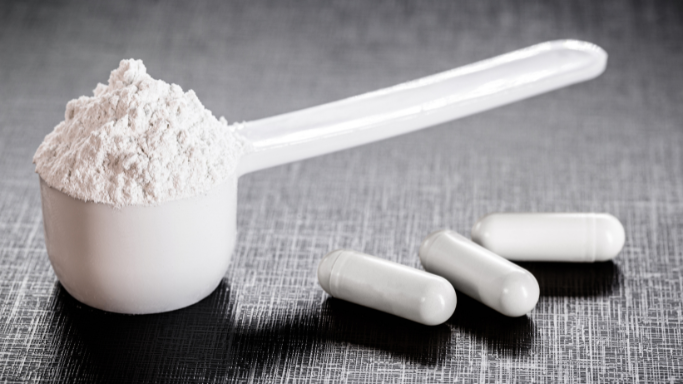
An image of a creatine powder and capsules

Jinfiniti’s Creatine + ATP

Jinfiniti’s Creatine ATP combines creatine monohydrate with ATP to support both cellular energy production and overall metabolic health. Our unique formulation provides 4g of creatine per serving, perfect for cardiovascular applications.

The addition of ATP enhances the energy-supporting benefits that make creatine effective for lipid metabolism improvements.

For total cellular energy support, Vitality↑® NAD Booster includes creatine alongside NAD+ precursors. This advanced formulation targets multiple pathways involved in cellular energy production and metabolic health.

Both options provide pharmaceutical-grade, third party-tested creatine monohydrate in forms designed for optimal absorption and effectiveness.

Adding Creatine Supplementation for Cholesterol Management

Some groups may benefit most from creatine’s cardiovascular effects.

Older Adults

Studies suggest older adults may be particularly responsive to creatine’s metabolic benefits. Age-related declines in muscle creatine content and mitochondrial function make supplementation potentially more beneficial in this population.

Our guide on creatine for older adults explores these age-specific benefits in detail.

People with Metabolic Syndrome

If you have elevated triglycerides, low HDL cholesterol, and insulin resistance, creatine’s dual benefits on glucose and lipid metabolism align well with therapeutic targets for metabolic syndrome.

Statin Users

New research suggests creatine may help prevent statin-induced muscle problems. Clinical evidence shows creatine supplementation can prevent statin-induced muscle symptoms in some patients.8

This could allow continued cholesterol-lowering treatment in people who otherwise couldn’t tolerate statins.

Beyond Lipids: Other Heart Health Benefits

What makes creatine so interesting is how it supports cardiovascular health through multiple pathways.

Recent research from Florida State University found that creatine promotes arterial dilation and improves microvasculature function.9 These effects matter for reducing cardiovascular disease risk independent of cholesterol levels.

Studies in heart failure patients also show creatine supplementation can improve exercise capacity and quality of life.10 

While these studies focused on functional outcomes rather than lipid effects, they support creatine’s broader cardiovascular benefits.

How Creatine Can Improve Athletic Performance and Endurance

While this article focuses on heart health, it’s worth restating that creatine’s benefits may also improve athletic performance. Better energy metabolism and reduced oxidative stress can enhance both power output and endurance capacity.

Athletes often see improvements in repeated high-intensity efforts, which translates to better training adaptations and overall fitness gains.

Bonus Read: Our guide on creatine as a nootropic covers the research on creatine for brain health and mental performance.

The Final Scoop

The relationship between creatine and cholesterol isn’t straightforward, but it’s promising.

While creatine may not dramatically lower total cholesterol or LDL, it consistently reduces triglycerides and supports overall cardiovascular health through multiple mechanisms.

The supplement’s excellent safety profile, combined with potential heart health benefits, makes it worth considering as part of a comprehensive approach to cardiovascular wellness.

Remember that creatine works best alongside other heart-healthy habits like regular exercise, proper nutrition, and stress management.

For more insights on supporting your cellular health naturally, explore our guides on how creatine works with ATP and creatine for climbers.

If you’re interested in testing your baseline metabolic health markers, consider Jinfiniti’s full biomarker testing to establish your starting point and track improvements over time.

Referenced Sources:

  1. https://pmc.ncbi.nlm.nih.gov/articles/PMC8070484/ ↩︎
  2. https://linkinghub.elsevier.com/retrieve/pii/S247529912313023X ↩︎
  3. https://pubmed.ncbi.nlm.nih.gov/8774269/ ↩︎
  4. https://pmc.ncbi.nlm.nih.gov/articles/PMC7910963/ ↩︎
  5. https://pmc.ncbi.nlm.nih.gov/articles/PMC9193312/ ↩︎
  6. https://pmc.ncbi.nlm.nih.gov/articles/PMC7871530/ ↩︎
  7. https://pmc.ncbi.nlm.nih.gov/articles/PMC7910963/ ↩︎
  8. https://pmc.ncbi.nlm.nih.gov/articles/PMC6770148/ ↩︎
  9. https://www.mdpi.com/2072-6643/17/1/58 ↩︎
  10. https://pmc.ncbi.nlm.nih.gov/articles/PMC8067763/ ↩︎
A woman in red athletic wear checks her smartwatch while sitting on concrete steps.

Top Benefits of D-Ribose Supplements, According to Experts

Your body uses a sugar called D-ribose to make energy. This isn’t the same sugar you find in candy.

D-ribose is a five-carbon sugar that goes straight to work building ATP. ATP is like your body’s battery – it powers everything you do.

While regular sugar burns up fast for quick energy, ribose helps make the long-term energy your cells need.

While more research is needed, early studies suggest it might help when your cells struggle to produce energy.

Key Takeaways

  • D-ribose is a simple sugar that helps your cells rebuild ATP, their main energy source, faster than normal.
  • Research shows the most benefits for people with heart disease, chronic fatigue syndrome and fibromyalgia.
  • Ribose works best when combined with other nutrients like nicotinamide to support multiple energy pathways in your cells.
  • Most people can take 3-15 grams daily depending on their goals, but people with diabetes should use caution.

What is D-Ribose and How Does It Support Energy Production?

D-ribose is a sugar consisting of five carbons. It provides the building blocks for ATP, which is your cells’ preferred source of energy. Your body synthesizes ribose as part of the process known as the pentose phosphate pathway. Unfortunately, this process is somewhat slow.

If your cells need an energy providing substrate quickly, they can’t wait for your body to build up enough ribose. Research indicates that ribose supplements greatly reduce this limitation1, allowing your cells to have the substrates for ATP production readily available.

The ATP Connection

Adenosine triphosphate (ATP) contains three parts: adenine, ribose, and three phosphate groups. Cells break off phosphate groups to release energy. They need fresh ribose to rebuild ATP.

Research shows d-ribose supplements boost ATP recovery by up to 340%2. High-energy tissues like the heart and muscles benefit most from this boost.

Three women in athletic wear jog together outdoors against a blue cloudy sky.

NAD+ Metabolism Support

Recent research shows d-ribose works with nicotinamide to boost NAD+ levels. Clinical studies show that combining these two compounds can increase NADP+ by 27% compared to placebo, while also improving glucose tolerance and reducing stress hormones3.

This connection makes perfect sense. Both ribose and NAD+ are essential for making energy in your cells. NAD+ acts as a helper molecule in energy production, while ribose provides the building blocks for ATP synthesis.

Dr. Jin-Xiong She, who founded Jinfiniti Precision Medicine, explains it simply: “People with chronic fatigue or heart issues usually have cells that struggle to produce energy. D-ribose supplies the raw materials for ATP, while NAD+ cofactors help those energy systems function properly.”

Interested in D-Ribose?

Jinfiniti’s Vitality↑® NAD+ Booster contains d-ribose with nicotinamide and creatine in one research-backed formula. Instead of taking separate supplements, you get the benefits of the combination studies use in the correct amounts.

Key Health Benefits of D-Ribose

The research on ribose supplements shows some promising benefits, especially for people dealing with specific health challenges.

1. Heart Health and Support for People with Heart Disease

Your heart never stops working. It beats over 100,000 times per day, requiring massive amounts of cellular energy. When heart disease limits blood flow, cardiac muscle cells become energy-starved.

Clinical research shows that d-ribose may improve heart function in people with ischemic heart disease4. Patients taking ribose could exercise longer before experiencing chest pain or shortness of breath.

Benefits for Heart Function:

  • Improved exercise tolerance in cardiac patients
  • Better diastolic function in heart failure
  • Increased “ischemic threshold” during physical activity
  • Support for overall cardiovascular energy metabolism

A six-month study combined d-ribose with creatine and B vitamins5. Participants with ischemic heart disease showed measurable improvements in exercise capacity and quality of life.

People with congestive heart failure may also benefit. Research indicates that ribose supplementation can improve heart muscle function by replenishing depleted ATP levels in cardiac tissue6.

A stylized pink anatomical heart with geometric facets rendered against a pink background.

2. Chronic Fatigue and Fibromyalgia Relief

Chronic fatigue syndrome and fibromyalgia share a common thread: cellular energy dysfunction. Your mitochondria can’t produce enough ATP to meet your body’s needs, leaving you exhausted and in pain.

A study tested d-ribose in 41 patients with fibromyalgia and chronic fatigue7. The results were encouraging:

Improvement AreaPercentage Increase
Energy levels61.3%
Overall well-being37%
Sleep quality29.3%
Mental clarity30%
Pain reduction15.6%

About 66% of participants experienced significant improvement within the first week of taking 5 grams of ribose three times daily.

These benefits make sense when you understand that chronic fatigue often involves mitochondrial dysfunction. D-ribose provides the building blocks your cells need to restore normal energy production.

3. Athletic Performance and Exercise Recovery

The effects of ribose on athletic performance are mixed, but certain populations see clear benefits. Your fitness level appears to play a key role in how much ribose helps.

Research shows that people with lower fitness levels benefit more from ribose supplementation8. They maintained exercise performance and reported less fatigue when taking ribose compared to placebo.

“The stress of high intensity exercise has the potential to be benefited with supplementation of DR”

— Seifert, John G et al., Journal of the International Society of Sports Nutrition

However, multiple studies found no significant improvement in peak power or overall performance in highly trained athletes9. Ribose seems more valuable for recovery than immediate performance enhancements.

Recovery Benefits:

  • Faster ATP regeneration after intense exercise
  • Reduced muscle soreness in some individuals
  • Improved energy stores following training sessions
  • Better exercise tolerance in people with lower fitness levels

The key appears to be that ribose helps restore your cellular energy after it’s been depleted, rather than boosting performance in already well-trained individuals.

Concentrated African American female weightlifter holding the loaded barbell with both hands

D-Ribose Dosage and How to Take Ribose Supplements

Getting your dose right is important for seeing benefits while avoiding side effects. Research provides clear guidance on effective amounts.

Recommended Ribose Supplementation Amounts

Different health goals require different dosing strategies:

  • General energy support: 3-5 grams daily, split into 2-3 doses
  • Chronic fatigue and fibromyalgia: 5 grams three times daily (15 grams total)
  • Heart conditions: 5-10 grams daily, often combined with other heart-supporting nutrients
  • Exercise recovery: 5-10 grams daily, timed around workout sessions

The European Food Safety Authority has established a safe upper limit of 36 mg per kg of body weight daily10. For a 70kg adult, this equals about 2.5 grams. However, clinical studies have safely used much higher amounts.

Best Practices for Taking Ribose Supplements

D-ribose powder dissolves easily in water and tastes mildly sweet. For optimal absorption:

  • Take on an empty stomach when possible
  • Wait at least one hour between meals and supplementation
  • Mix with water, juice, or other beverages
  • Divide your daily dose throughout the day for sustained benefits

Some people prefer to take ribose before or after exercise to support energy recovery. Others find taking it between meals helps maintain steady energy levels throughout the day.

Potential Side Effects and Safety Considerations

D-ribose has a good safety profile when used appropriately, but you should be aware of possible side effects and contraindications.

Common Side Effects of Ribose

Most people tolerate ribose well, but some experience mild digestive issues, especially at higher doses:

  • Nausea or stomach discomfort
  • Diarrhea and bloating
  • Headache
  • Temporary blood sugar changes

These effects are usually dose-related and improve when you reduce the amount or take ribose with food.

Important Safety Warnings

Blood sugar effects: D-ribose can lower blood glucose levels. Research shows this might benefit some people, but it could be problematic for others3.

Diabetes concerns: People with diabetes should use caution. Some studies suggest that ribose might accelerate certain diabetic complications11, though more research is needed.

Hypoglycemia risk: If you have low blood sugar, ribose could worsen this condition. Monitor your glucose levels when starting supplementation.

Pregnancy and nursing: Safety data is limited for pregnant and breastfeeding women. Consult your healthcare provider before using ribose during these times.

Food Sources and Natural Intake

D-ribose occurs naturally in small amounts in various foods, though dietary intake is not sufficient to provide therapeutic levels.

Natural sources include:

  • Brewer’s yeast (a notable RNA-rich source)
  • Meat products like beef, fish, chicken and pork
  • Dairy products like milk, yogurt, cheddar cheese, and cream cheese
  • Some ripe fruits and vegetables
  • Soy-containing products

The amounts found in food are minimal compared to supplemental doses.

Choosing Quality Ribose Supplements

Not all ribose supplements are created equal. Quality matters when you’re investing in your cellular health.

What to Look for in D-Ribose Products

Purity standards: High-quality ribose should be 98-102% pure on a dry basis with less than 0.5% moisture content.

Manufacturing quality: Look for products that meet pharmaceutical standards, often labeled as “Bioenergy Ribose” or meeting AJI92 quality standards.

Form options: Pure powder offers the most versatility and value. Capsules are convenient but typically cost more per gram. Combination formulas like Jinfiniti’s NAD Booster supplement provide supportive compounds in precise ratios for a complete cellular energy support.

Who Should Consider D-Ribose Supplementation?

Based on current research, certain groups are most likely to benefit from ribose supplements:

  • People with cardiovascular conditions: Those with heart failure, ischemic heart disease, or reduced exercise tolerance may see significant improvements.
  • Chronic fatigue and fibromyalgia patients: The evidence is particularly strong for these conditions, with many people experiencing substantial symptom relief.
  • Individuals with mitochondrial dysfunction: Anyone dealing with cellular energy problems might benefit from ribose’s ATP-supporting effects.
  • Older adults: Age-related declines in cellular energy production may respond well to ribose supplementation.
  • People recovering from illness: When your body’s energy systems are depleted, ribose can help speed recovery.

Integrating Ribose with Other Longevity Strategies

D-ribose works best as part of a more complete approach to cellular health. Consider how it fits with other longevity supplements and lifestyle practices.

  • Exercise: Regular physical activity naturally stimulates ATP production. Ribose can support your recovery between sessions.
  • Nutrition: A diet rich in NAD+ boosting foods complements ribose supplementation by supporting multiple energy pathways.
  • Sleep: Quality rest allows your cells to naturally replenish energy stores. Ribose may help when sleep is inadequate.
  • Stress management: Chronic stress depletes cellular energy. Ribose can provide support while you work on stress reduction techniques.

Understanding your baseline health markers can also help you track progress and identify areas where ribose might be beneficial.

Jinfiniti’s AgingSOS® Longevity Panel measures 22 biomarkers including cellular senescence, oxidative stress, inflammation, and energy metabolism markers, giving you insights into your cellular health status.

AgingSOS Mini Promo

Where the Science of D-Ribose is Headed

Scientists are making new discoveries about d-ribose that could improve how we use this supplement.

Recent research highlights:

  • New tools can measure ribose levels inside living cells in real time12
  • Better ways to produce ribose could make supplements cheaper and higher quality13
  • Scientists can now convert ribose into NMN more efficiently for NAD+ support14
  • Studies of how cells process ribose explain why it works better for some people15

These advances could lead to better dosing guidelines and more effective combination supplements in the future.

Making an Informed Decision About D-Ribose

D-ribose supplements really help with specific health issues, mainly when your cells can’t make enough energy. The best research shows it works for heart problems, chronic fatigue, and fibromyalgia.

If you’re healthy, you might not see big changes.  But if you deal with constant tiredness, trouble exercising, or recovering from illness, ribose could make a difference.

Begin with low doses. Find a healthcare provider who understands nutritional supplements. Watch how your body responds and adjust accordingly.

Supplements need healthy habits to work well. D-ribose supports your cellular energy systems, but you still need proper nutrition, regular exercise, good sleep, and stress control.

As we understand cellular energy metabolism better, we discover more ways to support health and longevity. D-ribose is one valuable tool in this expanding toolkit for your body’s basic energy processes.

Referenced Sources

  1. https://pmc.ncbi.nlm.nih.gov/articles/PMC5959283/ ↩︎
  2. https://iopscience.iop.org/article/10.1088/1755-1315/441/1/012175 ↩︎
  3. https://www.mdpi.com/2072-6643/14/11/2219 ↩︎
  4. https://www.cureus.com/articles/10915-potential-clinical-benefits-of-d-ribose-in-ischemic-cardiovascular-disease ↩︎
  5. https://www.mdpi.com/2072-6643/11/12/3075 ↩︎
  6. https://pmc.ncbi.nlm.nih.gov/articles/PMC2716264/ ↩︎
  7. https://pubmed.ncbi.nlm.nih.gov/17109576/ ↩︎
  8. https://pmc.ncbi.nlm.nih.gov/articles/PMC5738882/ ↩︎
  9. https://pubmed.ncbi.nlm.nih.gov/16937963/ ↩︎
  10. https://pmc.ncbi.nlm.nih.gov/articles/PMC7009567/ ↩︎
  11. https://pmc.ncbi.nlm.nih.gov/articles/PMC10822815/ ↩︎
  12. https://pubs.rsc.org/en/content/articlelanding/2025/sc/d5sc00244c ↩︎
  13. https://www.jmb.or.kr/journal/view.html?doi=10.4014/jmb.2504.04021 ↩︎
  14. https://analyticalsciencejournals.onlinelibrary.wiley.com/doi/10.1002/biot.202400707 ↩︎
  15. https://www.sciencedirect.com/science/article/pii/S0141813025006580 ↩︎
A wooden bowl of indian gooseberries (amla fruit) on a kitchen island

Indian Gooseberry (Amla): Benefits, Nutrition & Side Effects

Indian Gooseberry, known as Amla, has earned its reputation as nature’s vitamin C powerhouse. This small, tart fruit contains more vitamin C than 20 oranges combined.

For thousands of years, Ayurvedic medicine has called Amla a “Rasayana” or rejuvenator. Modern science is now proving what ancient healers always knew. The health benefits of Amla fruit extend far beyond basic nutrition.

You’ll discover how Amla can support your immune system, heart health, and blood sugar control. We’ll also explore the practical ways to add this superfruit to your daily routine.

Key Takeaways

  • Amla contains 300-900mg of vitamin C per 100g (3-10 times daily needs), with unique compounds that keep it stable during processing
  • Scientific studies show Amla supports immune function, heart health, blood sugar control, and may improve cholesterol by 15-25%
  • Available as fresh fruit, juice, powder, or supplements and best taken on empty stomach in morning for optimal absorption
  • Well-tolerated by most people, but can interact with blood thinners and diabetes medications – consult healthcare providers before use

The Science Behind the Superfruit

Amla (Emblica officinalis or Phyllanthus emblica) grows naturally across India and Southeast Asia. The small, round fruit has a distinctive sour and astringent taste that many find challenging at first.

What makes Amla special isn’t just its taste. The fruit contains unique compounds called tannins that actually protect its vitamin C from breaking down. This means Amla retains its nutritional power even after processing.

Different varieties of Amla trees produce fruits with varying sizes, colors, and nutrient levels. This natural diversity contributes to the wide range of health benefits researchers continue to discover.

Amla Fruit Nutritional Value

Amla’s impressive nutritional profile helps explain why this small fruit delivers such powerful health benefits.

Vitamin C Content That Rivals Citrus

Fresh Amla contains an extraordinary 300-900 mg of vitamin C per 100 grams. That’s 3-10 times your daily needs in just half a cup of fruit.

Unlike synthetic forms of vitamin C, Amla’s vitamin C comes packaged with protective compounds. These natural partners help your body absorb and use the vitamin more effectively.

The vitamin C in Amla remains stable even when the fruit is dried or processed. This stability makes Amla powder and juice reliable sources of this essential nutrient.

Essential Minerals for Daily Health

MineralAmount per 100gBenefits
Calcium17-28 mgBone and teeth health
Iron1.7-3.1 mgOxygen transport, energy
Potassium44-64 mgHeart health, blood pressure
PhosphorusPresentBone health, energy metabolism

Powerful Plant Compounds

Amla contains over 30 different beneficial plant compounds. The most important include:

  • Tannins like emblicanin A and B that provide antioxidant protection
  • Flavonoids such as quercetin and kaempferol that fight inflammation
  • Phenolic acids including gallic acid and ellagic acid for cellular protection
  • Alkaloids that contribute to immune system support

These compounds work together to create effects that no single nutrient could achieve alone.

Health Benefits of Amla (Indian Gooseberry)

Scientific research has validated many of Amla’s traditional uses, revealing impressive benefits for multiple body systems.

Infographhic showing five benefits of Indian gooseberry (Amla fruit)

1. Immune System Support

Amla works as an immunomodulator1, helping regulate your immune system rather than simply boosting it. This balanced approach supports optimal immune function without overstimulation.

The fruit’s rich vitamin C content2 combines with polyphenols like gallic acid and ellagic acid to provide antioxidant protection. These compounds help reduce oxidative stress, which directly supports healthy immune function.

The high vitamin C content in Amla supports your immune system during challenging seasons. Regular consumption may help reduce the duration and severity of common colds.

Animals given 5 grams of Amla powder daily3 showed improved antioxidant capacity and better resistance to infections. Another study4 found similar benefits with Amla extract enhancing immune markers and disease resistance.

Traditional Ayurvedic medicine has long used Amla to treat colds, fevers, and infections. Modern research confirms these antimicrobial and anti-inflammatory properties work through multiple pathways5.

Natural Vitamin C + Zinc Mini CTA

2. Heart Health and Cholesterol Management

Multiple clinical studies demonstrate Amla’s ability to improve cholesterol profiles. Participants taking 500-1000 mg daily for 12 weeks6 showed significant improvements.

The research revealed impressive results:

  • LDL (“bad”) cholesterol decreased by 15-25%
  • Total cholesterol dropped significantly
  • HDL (“good”) cholesterol increased
  • Triglyceride levels improved

One study found Amla extract worked as effectively as the prescription drug simvastatin7 for improving lipid profiles.

Amla’s potassium content helps regulate blood pressure naturally. The fruit also contains compounds that support healthy blood vessel function and may help prevent arterial damage over time.

3. Blood Sugar Control and Diabetes Support

A person looking at blood sugar results

Amla’s soluble fiber content helps slow down how quickly your body absorbs sugar from meals. This leads to smaller blood sugar spikes after eating.

The chromium naturally present in Indian gooseberry may enhance insulin sensitivity. Better insulin function means your cells can use glucose more effectively.

Studies show both fasting and post-meal blood sugar levels improve8 with regular Amla consumption.

Amla helps prevent the formation of advanced glycation end-products (AGEs)9. These harmful compounds contribute to diabetic complications like nerve damage and eye problems.

4. Digestive Health and Gut Support

Traditional medicine has long used Amla as a digestive tonic. The fruit stimulates digestive enzyme production10, helping your body break down food more efficiently.

Amla’s fiber content supports healthy bowel movements. This can help relieve constipation and support overall digestive regularity.

The fruit also has gastroprotective properties. Studies show Amla extracts can help heal gastric ulcers11 and protect the stomach lining from damage.

The prebiotic fiber in Amla feeds beneficial gut bacteria. A healthy gut microbiome supports both digestive health and overall immunity.

5. Brain and Liver Protection

Amla’s vitamin C content supports neurotransmitter production, particularly norepinephrine12. This brain chemical is essential for cognitive function and mood regulation.

The antioxidants in Amla help protect brain cells from free radical damage. This protection may help maintain memory and cognitive function as you age.

Traditional medicine recognizes Amla as a liver tonic. Modern research confirms its hepatoprotective properties by helping protect liver cells from toxin damage13.

Studies show Amla extracts can help reverse certain types of liver damage in animal models.

6. Hair and Skin Health

Woman with healthy hair wearing white scoop-neck top showing left shoulder

Amla has a centuries-old reputation for supporting skin and hair health. Recent clinical research supports these traditional claims.

A 2024 study14 found that women with hair loss who took Amla syrup daily showed significant improvement in hair growth and thickness.

Amla oil applied topically may help:

  • Strengthen hair follicles
  • Reduce premature graying
  • Add natural shine and luster
  • Minimize hair loss

Amla’s vitamin C content supports collagen production. Collagen keeps your skin firm, elastic, and youthful-looking. The antioxidants help protect skin cells from UV damage and environmental toxins.

Potential Side Effects and Precautions

While Amla is generally safe for most people, understanding potential side effects and interactions helps you use it responsibly.

Common Side Effects to Know

Most people tolerate Amla well, but some may experience mild digestive upset. Starting with smaller amounts can help your body adjust.

Possible side effects include:

  • Mild stomach irritation
  • Loose stools (due to fiber content)
  • Skin dryness with very high doses
  • Rare allergic reactions

Important Drug Interactions

Amla can enhance the effects of blood-thinning medications like warfarin or aspirin. This increases bleeding risk, especially during surgery.

If you take diabetes medications, monitor your blood sugar closely when adding Amla. The fruit may enhance your medication’s effects.

People taking chemotherapy or radiation should consult their oncologist before using Amla supplements. High-dose antioxidants might interfere with certain cancer treatments.

Special Population Considerations

GroupRecommendation
Pregnant womenAvoid medicinal doses; food amounts likely safe
Breastfeeding mothersInsufficient safety data; consult healthcare provider
ChildrenFood amounts safe; supplement use requires guidance
Surgery patientsStop 2 weeks before scheduled procedures
Bleeding disordersUse with extreme caution or avoid

How to Add Amla to Your Daily Routine

A bowl of Indian gooseberries on a kitchen counter

Adding Amla to your wellness routine is easier than you might think, with multiple forms and timing options to fit your lifestyle.

Available Forms and Their Uses

  • Fresh Fruit: The most natural option, though the taste can be challenging. Try adding a pinch of salt or honey to make it more palatable.
  • Amla Juice: Mix 1-2 tablespoons with water daily. Morning consumption on an empty stomach is traditionally recommended.
  • Amla Powder: Versatile and convenient. Mix ¼ to ½ teaspoon with warm water, honey, or add to smoothies.
  • Capsules and Tablets: Standardized doses ranging from 500-1000 mg daily. Follow manufacturer recommendations.

Optimal Timing for Maximum Benefits

Morning consumption on an empty stomach allows for optimal nutrient absorption. This timing also supports natural detoxification processes.

Taking Amla before meals may help with digestion and blood sugar control. The fiber content helps slow sugar absorption from your meal.

Some people prefer splitting their daily dose between morning and evening for sustained benefits throughout the day.

Dosage Guidelines by Form

FormTypical Daily AmountBest Timing
Fresh fruit1-2 fruitsMorning or before meals
Juice15-20 ml (diluted)Empty stomach, morning
Powder¼-½ teaspoonMixed with water/honey
Capsules500-1000 mgAs directed on label

Choosing Quality Amla Supplements

Not all Amla supplements are created equal, so knowing what to look for ensures you get a product that delivers real benefits.

What to Look for on Labels

Look for products that verify their vitamin C content through analytical testing like HPLC (High-Performance Liquid Chromatography). This ensures you’re getting the stated amount of active nutrients.

Quality supplements will clearly state the amount of vitamin C per serving and may mention additional beneficial compounds from Amla, such as flavonoids and antioxidants.

Third-party testing certifications from organizations like NSF, USP, or ConsumerLab provide additional quality assurance.

Jinfiniti’s Natural Vitamin C + Zinc provides 1000mg of vitamin C sourced from Amla fruit extract, with HPLC verification ensuring accurate potency.

Avoiding Common Quality Issues

The supplement industry isn’t as strictly regulated as pharmaceuticals. This means product quality can vary significantly between manufacturers.

Choose reputable companies that follow Good Manufacturing Practices (GMP). These companies are more likely to produce consistent, pure products.

Avoid products with excessive fillers, artificial colors, or unnecessary additives. The ingredient list should be simple and focused.

Working with Healthcare Providers

Always inform your healthcare provider about any supplements you’re taking. This is especially important if you take prescription medications.

Your doctor can help determine if Amla is appropriate for your specific health situation. They can also monitor for potential interactions or side effects.

Consider working with a qualified nutritionist or integrative medicine practitioner for personalized guidance on supplement use.

Supplement Safety Note

The Promising Future of Amla

Researchers continue studying Amla’s potential anti-cancer properties15. While early results are promising, more human studies are needed to confirm these effects.

Scientists are also investigating Amla’s role in protecting against neurodegenerative diseases. The fruit’s antioxidant properties show particular promise for brain health.

Future research may help identify which Amla varieties provide the most potent health benefits for specific conditions.

Making Amla Part of Your Wellness Journey

Amla represents a bridge between ancient wisdom and modern science. Thousands of years of traditional use, combined with growing scientific evidence, support its role in promoting health and longevity.

The fruit’s unique combination of vitamin C, antioxidants, and bioactive compounds offers benefits that extend far beyond basic nutrition. From immune support to heart health, Amla provides a natural approach to wellness.

Remember that Amla works best as part of a comprehensive approach to health. Combine it with a balanced diet, regular exercise, adequate sleep, and stress management for optimal results.

Start slowly with small amounts to allow your body to adjust. Pay attention to how you feel and adjust your intake accordingly. With patience and consistency, you may discover why this ancient “wonder berry” has maintained its reputation for thousands of years.

Always consult with a qualified healthcare provider before starting any new supplement regimen, especially if you have existing health conditions or take medications.

Referenced Sources

  1. https://pmc.ncbi.nlm.nih.gov/articles/PMC3733846/ ↩︎
  2. https://www.mdpi.com/2223-7747/13/5/574 ↩︎
  3. https://www.mdpi.com/2079-7737/11/12/1753 ↩︎
  4. https://www.sciencedirect.com/science/article/pii/S2352513421003707 ↩︎
  5. https://pubmed.ncbi.nlm.nih.gov/27320046/ ↩︎
  6. https://bmccomplementmedtherapies.biomedcentral.com/articles/10.1186/s12906-019-2430-y ↩︎
  7. https://pmc.ncbi.nlm.nih.gov/articles/PMC3326920/ ↩︎
  8. https://www.mdpi.com/1661-3821/3/3/26 ↩︎
  9. https://www.mdpi.com/2076-3417/11/19/8819 ↩︎
  10. https://pmc.ncbi.nlm.nih.gov/articles/PMC9137578/ ↩︎
  11. https://pubmed.ncbi.nlm.nih.gov/12169398/ ↩︎
  12. https://pmc.ncbi.nlm.nih.gov/articles/PMC10934303/ ↩︎
  13. https://pubs.rsc.org/en/content/articlelanding/2013/fo/c3fo60237k ↩︎
  14. https://onlinelibrary.wiley.com/doi/10.1155/2017/4395638 ↩︎
  15. https://journals.lww.com/eurjcancerprev/abstract/2011/05000/amla__emblica_officinalis_gaertn_,_a_wonder_berry.11.aspx ↩︎
An image of a woman with one half of her face youthful and the other half aged.

Making Sense of Oxidative Stress Markers: A Guide

Oxidative stress occurs when your body has an imbalance of free radicals and antioxidants. In this state, free radicals outnumber antioxidants and can damage cells, proteins, and even your DNA.

This damage accumulates over time and contributes to aging and several common health conditions.

Why is this important?

Managing oxidative stress isn’t just about preventing damage. It’s also about supporting your body’s natural systems for better energy, recovery, and longevity.

In this guide, you’ll learn the causes of oxidative stress, key markers that indicate your body’s oxidative state, and the links between oxidative stress and various health issues.

We’ll also explore practical strategies to support your body’s antioxidant defenses.

Key Takeaways

  • Oxidative stress occurs when free radicals overwhelm your antioxidant defenses, potentially damaging DNA, proteins, and cell membranes.
  • Key biomarkers like 8-OHdG, ROM, and TAC provide valuable insights into your cellular health before visible symptoms appear.
  • This cellular imbalance contributes to aging and many chronic conditions, making it important to monitor even when you feel healthy.

What Is Oxidative Stress? Breaking Down the Science

An image of an apple with one half fresh and the other is getting rotten.

Think of oxidative stress like rust forming on metal or an apple turning brown after being sliced. Both are visible signs of oxygen reacting with molecules, causing gradual damage. 

In your body, oxidative stress happens when unstable molecules called free radicals outnumber protective antioxidants. Free radicals are missing an electron, making them highly reactive.1 

To stabilize, they “steal” electrons from healthy cells, which can damage cell membranes, proteins, and even DNA.2

Antioxidants such as vitamin C, vitamin E, and glutathione help by donating electrons to free radicals, neutralizing them without becoming unstable themselves.3

This balancing act between free radicals and antioxidants is ongoing in your cells and is vital for maintaining cellular health.

When antioxidants can’t keep up, oxidative stress builds, which may contribute to cellular wear, aging and impact overall wellness. 

Sources of Oxidative Stress

An image of a smoking woman.

Oxidative stress arises from both internal and external sources. 

  • Internally, your body generates free radicals naturally through normal metabolism, especially in the mitochondria (powerhouses of the cells), as they produce energy (ATP).4 The immune system also produces free radicals as part of its defense against infections, a process that, if prolonged, can contribute to cellular stress.5 
  • Externally, oxidative stress can increase due to exposure to air pollution, radiation (such as UV rays), cigarette smoke, and certain medications or chemicals.

Lifestyle factors play a major role: diets high in processed foods, lack of sleep, and chronic stress can all significantly elevate oxidative stress levels.

Modern life tends to heighten these stressors, as we encounter more environmental pollutants, processed foods, and sedentary habits than previous generations. 

How Oxidative Stress Damages Your Cells

  1. DNA damage: Free radicals can attack DNA, causing mutations that may lead to cancer or accelerate aging
  2. Lipid peroxidation: Damages cell membranes, affecting their permeability and function
  3. Protein oxidation: Alters protein structure and function, affecting enzymes and structural proteins
  4. Mitochondrial damage: Disrupts energy production and can trigger cell death

3 Key Oxidative Stress Markers

An image of key oxidative stress markers

When measuring oxidative stress, scientists use specific biomarkers. Think of these as cellular ‘warning lights.’

These markers reveal both the extent of damage at the molecular level and how well your body defends itself against this damage.

8-OHdG: Oxidative DNA Damage

8-hydroxydeoxyguanosine (8-OHdG) is a well-studied biomarker of oxidative DNA damage.6

When free radicals attack DNA, they often target guanine bases. This process creates 8-OHdG.

This marker is important for two reasons:

  • It indicates damage
  • It may interfere with normal DNA replication7

8-OHdG is a stable product of oxidative DNA damage. It can cross cell membranes and exit in urine.

This makes it a useful, non-invasive biomarker of oxidative stress throughout the body.8

ROM (Reactive Oxygen Metabolites)

While free radicals are too unstable for direct measurement, Reactive Oxygen Metabolites (ROM) can be measured instead. ROM mainly consists of hydroperoxides (ROOH).9

These are more stable forms of reactive oxygen metabolites. The d-ROMs test is a common method for measuring ROM in blood samples.10

Here’s how it works:

  • Under acidic conditions, iron is released from blood proteins
  • This iron helps convert hydroperoxides to alkoxyl and peroxyl radicals
  • These radicals react with a chromogenic substance
  • This reaction produces a colored compound that can be measured

ROM levels are expressed in Carratelli Units (U.CARR). In healthy individuals, values below 300 U.CARR are generally considered normal.

TAC (Total Antioxidant Capacity)

Total Antioxidant Capacity (TAC) measures the combined action of all antioxidants. It reflects your body’s overall ability to fight oxidative stress.

It doesn’t just measure one antioxidant at a time. Lower TAC levels suggest depleted antioxidant defenses.11 Higher levels may indicate a temporary adaptive response to stress.

Together, 8-OHdG, ROM, and TAC provide a comprehensive view of oxidative stress:

  • DNA damage
  • General oxidative load
  • Antioxidant defense

Using these markers together gives a fuller picture of your oxidative status. This information can help inform personalized wellness strategies.

Health Conditions Linked to Oxidative Stress

An image of a woman probably suffering from a health condition

Oxidative stress plays a significant role in many health conditions. It can contribute to and result from disease processes.

Cardiovascular Disease

  • Heart health is especially susceptible to oxidative damage.
  • Research in Frontiers in Pharmacology suggests oxidative stress contributes to atherosclerosis.12
  • It does this through the formation of oxidized LDL plaque.

Neurodegenerative Disorders

  • Conditions like Alzheimer’s, Parkinson’s, and Huntington’s share oxidative stress as a common factor.
  • Post-mortem brain tissue from patients consistently shows oxidative damage to proteins, lipids, and DNA.
  • Oxidation of proteins like α-synuclein and TDP-43 appears necessary for their initial aggregation in these conditions.13

Cancer

  • Oxidative stress contributes to cancer development through DNA damage and mutation.14
  • Cancer cells often produce more reactive oxygen species (ROS).
  • Oxidative stress can promote cancer progression and metastasis.

Practical Steps to Reduce Oxidative Stress

An image of a woman eating healthy

Reducing oxidative stress can start with your daily choices.

A diet rich in antioxidants helps support your body’s natural defenses. Consider incorporating foods like berries, leafy greens, nuts, and colorful vegetables.

Lifestyle changes can also make a difference. Regular moderate exercise may boost your body’s antioxidant capacity. Getting quality sleep and managing stress effectively may lower oxidative load by reducing cortisol and inflammation.

Environmental pollutants can also increase oxidative stress. Therefore, it’s helpful to limit contact with air pollution, cigarette smoke, and certain chemicals.15

Targeted supplementation may also be beneficial. Nutrients like vitamin C, vitamin E, selenium, and coenzyme Q10 might support antioxidant capacity. However, it’s advisable to consult a healthcare provider before starting any new supplement regimen.

The Testing Advantage: Knowledge Is Power

Measuring oxidative stress markers offers powerful insight into your body’s internal balance.

Tests that assess 8-OHdG, ROM, and TAC can reveal early signs of cellular stress, antioxidant depletion, or imbalances that might otherwise go unnoticed.

With Jinfiniti’s AgingSOS™ Advanced Longevity Panel, you can access a comprehensive view of your oxidative stress biomarkers from the comfort of home. This test is designed to support a proactive, data-driven approach to wellness. 

With a Test, Act, Optimize approach, you’re not just collecting data; you’re also turning that data into action. Your results can guide smart dietary changes, lifestyle upgrades, or targeted supplement strategies tailored to your unique biochemistry.

Whether you’re looking to maintain energy, support healthy aging, or simply stay ahead of potential issues, tracking your oxidative stress markers is a smart first step.

AgingSOS Mini Promo

Takeaway

Oxidative stress is a powerful force that affects your body daily at the cellular level. This occurs with an imbalance between free radicals (unstable molecules that damage cells) and antioxidants (the body’s natural defense).

Over time, this can lead to:

  • DNA damage
  • Protein dysfunction
  • Lipid peroxidation

These are all linked to aging and chronic conditions. 

The good news is you can take action. You can monitor key markers of oxidative stress to gain insights into your body’s internal environment. You can also support your oxidative balance through:

  • Nutrient-dense foods
  • Better sleep
  • Stress reduction
  • Healthy lifestyle choices

Testing can help you make informed decisions for your wellness. Tracking your oxidative status is a smart move for longevity and feeling your best.

Modern testing tools like Jinfiniti’s AgingSOS panels can help you create a targeted health plan. Consider starting with personalized testing and wellness strategies.

Frequently Asked Questions

An image of a graphic design written with "FAQs"

What is the role of oxidative stress in chronic disease?

The role of oxidative stress extends beyond normal aging. It’s a key factor in developing conditions like heart disease and neurodegenerative disorders. Even low-level chronic oxidative stress can gradually damage tissues and cellular functions over time.

What does protein carbonyl indicate about my health?

Protein carbonyl is a reliable marker of protein damage caused by oxidative stress. Elevated levels suggest your proteins are being modified by free radicals, which can affect enzyme function and cellular processes throughout your body.

How do antioxidant enzymes protect against cellular damage?

Antioxidant enzymes like superoxide dismutase and glutathione peroxidase form your body’s first line of defense. These specialized proteins neutralize free radicals before they can damage cells and are crucial for maintaining oxidative balance.

Can oxidative modification of proteins be reversed?

Oxidative modification of proteins often leads to permanent structural changes. While your body can remove and replace damaged proteins, preventing this damage through antioxidant support is generally more effective than trying to reverse it.

How does measuring markers of lipid peroxidation help assess health?

Markers of lipid peroxidation reveal damage to cell membranes and fatty tissues. These specific indicators help healthcare providers evaluate how oxidative stress affects your structural cellular components, which impacts organ function and overall health.

Why is Western blot used in oxidative stress research?

Western blot techniques help scientists identify specific proteins affected by oxidative stress. This laboratory method provides detailed molecular information about how free radicals modify proteins, supporting advanced research on aging and disease.

How does diabetes mellitus relate to oxidative damage?

Diabetes mellitus both contributes to and results from oxidative stress. High blood glucose levels increase free radical production, while oxidative damage can worsen insulin resistance, creating a challenging cycle that affects overall health.

Are advanced oxidation protein products linked to aging?

Advanced oxidation protein products accumulate with age and chronic disease. These modified proteins serve as excellent biomarkers for long-term oxidative damage and are associated with accelerated aging and age-related conditions.

How do polyunsaturated fatty acids interact with oxidative stress?

Polyunsaturated fatty acids have a dual relationship with oxidation. While some (like omega-3s) have anti-inflammatory benefits, they’re also vulnerable to oxidative damage. Balancing intake with adequate antioxidant support is essential.

Referenced Sources:

  1. https://www.frontiersin.org/journals/chemistry/articles/10.3389/fchem.2023.1158198/full ↩︎
  2. https://www.sciencedirect.com/topics/agricultural-and-biological-sciences/antioxidant ↩︎
  3. https://www.frontiersin.org/journals/chemistry/articles/10.3389/fchem.2023.1158198/full ↩︎
  4. https://pmc.ncbi.nlm.nih.gov/articles/PMC4310837/ ↩︎
  5. https://www.frontiersin.org/journals/physiology/articles/10.3389/fphys.2018.01487/full ↩︎
  6. https://pmc.ncbi.nlm.nih.gov/articles/PMC8236100/ ↩︎
  7. https://pdfs.semanticscholar.org/54bf/2170c343bb9bc87d4d50584bef733f9d91a4.pdf ↩︎
  8. https://jlpm.amegroups.org/article/view/4605/html ↩︎
  9. https://pubmed.ncbi.nlm.nih.gov/21677660/ ↩︎
  10. https://www.sciencedirect.com/science/article/abs/pii/S0167527322003205 ↩︎
  11. https://pmc.ncbi.nlm.nih.gov/articles/PMC11351343/ ↩︎
  12. https://www.frontiersin.org/journals/pharmacology/articles/10.3389/fphar.2023.1161657/full ↩︎
  13. https://pmc.ncbi.nlm.nih.gov/articles/PMC9854433/ ↩︎
  14. https://www.sciencedirect.com/science/article/abs/pii/S1383574214000696 ↩︎
  15. https://pmc.ncbi.nlm.nih.gov/articles/PMC3236599/ ↩︎

Understanding the Impact of Aging on the Cardiovascular System

As you age, the body undergoes various changes, including those that affect the cardiovascular system. Understanding these changes and their implications for your overall health and well-being is important. This article will explore the basics of the cardiovascular system, the aging process, its direct impact on the cardiovascular system, and common cardiovascular diseases in the elderly. It will also discuss the importance of preventing and managing cardiovascular health in aging.

The Basics of the Cardiovascular System

The cardiovascular system, or circulatory system, is responsible for transporting blood, oxygen, and nutrients throughout our bodies. It consists of the heart, blood vessels, and blood. The heart acts as a pump, circulating blood to all parts of the body through a network of blood vessels, including arteries, veins, and capillaries.

The cardiovascular system is an intricate network that is crucial in maintaining your overall health. Without it, your body would not receive the necessary oxygen and nutrients needed for survival. Here is more on the fascinating world of the cardiovascular system.

The Heart’s Role in the Cardiovascular System

The heart is a vital organ that continuously beats, pumping blood to all areas of the body. It consists of four chambers – two atria and two ventricles – that work together to ensure efficient blood flow. The atria receive blood from the body and lungs, while the ventricles pump the blood out to the rest of the body.

But did you know that the heart is not just a mechanical pump? It is a complex organ that is intricately connected to emotions1. Your heart rate can increase or decrease when you experience strong emotions such as love or fear. This connection between emotions and the heart is a testament to the intricate nature of the cardiovascular system.

As you age, the heart may undergo certain changes that can impact its function. Conditions such as high blood pressure, heart disease, and arrhythmias can affect the heart’s ability to pump blood effectively. Taking care of your cardiovascular health through regular exercise, a balanced diet, and regular check-ups with a healthcare professional is important.

Blood Vessels and Circulation

Blood vessels are the network of tubes that carry blood throughout the body. Arteries carry oxygen-rich blood away from the heart, while veins carry oxygen-poor blood back to the heart. Capillaries are tiny vessels that connect the arteries and veins at the cellular level, allowing for the exchange of oxygen, nutrients, and waste products.

Imagine the intricate network of blood vessels running through your body, reaching every nook and cranny. It is like a vast highway system, ensuring that every cell receives the necessary oxygen and nutrients it needs to function properly. Without this intricate network, your body would not be able to survive.

As you age, the efficiency of blood circulation can be affected. The walls of your blood vessels may become less elastic, making it harder for blood to flow smoothly. This can lead to conditions such as high blood pressure or even blockages in the arteries, which can have serious consequences for your health.

It is essential to maintain a healthy lifestyle to support optimal blood circulation. Regular exercise, a balanced diet rich in fruits and vegetables, and avoiding smoking can all contribute to keeping the cardiovascular system in top shape.

In conclusion, the cardiovascular system is a remarkable network that ensures the proper functioning of our bodies. Every component is vital in maintaining your overall health, from the beating heart to the intricate blood vessels. By understanding the basics of the cardiovascular system, you can take steps to care for it and enjoy a healthier life.

The Aging Process and Its General Impact on Health

As you age, the body undergoes various biological changes that can impact your overall health. Both genetic and environmental factors may influence these changes. It is important to understand the general impact of the aging process to ensure optimal health and well-being.

One of the most noticeable biological changes that occur with age is a decrease in muscle mass. This can lead to a loss of strength and mobility, making everyday tasks more challenging. Additionally, the stiffness of joints tends to increase as you age, making movements less fluid and causing discomfort.

Furthermore, hormonal changes play a significant role in the aging process. As you age, the production of certain hormones, such as estrogen and testosterone, decreases. This can have various effects on the body, including changes in mood, energy levels, and sexual function.

In addition to these internal changes, the decline in organ function is another common aspect of aging. Organs such as the heart, lungs, and kidneys may not work as efficiently as they did in your younger years. This can lead to a higher risk of developing chronic conditions and diseases.

Biological Changes with Age

With age, various changes occur in your body. These changes can include a decrease in muscle mass, increased stiffness of joints, hormonal changes, and a decline in organ function. The cardiovascular system is not immune to the effects of aging.

When it comes to the cardiovascular system, aging can have significant implications. The walls of blood vessels may become thicker and less elastic, leading to a decrease in blood flow and an increased risk of high blood pressure. Additionally, the heart muscle may weaken over time, making it harder for the heart to pump blood efficiently.

It is important to note that the aging process affects individuals differently. While some people may experience these changes more prominently, others may age more gracefully with minimal impact on their health. Genetics, lifestyle choices, and overall health play a role in how the aging process unfolds for each individual.

Lifestyle Factors Influencing Aging

“Movement is a medicine for creating change in a person’s physical, mental, and emotional state.”

-Carol Welch

Lifestyle factors, such as diet, physical activity, smoking, and stress, can also influence the aging process. Poor lifestyle choices can accelerate the aging process and increase the risk of developing cardiovascular diseases. Therefore, adopting healthy lifestyle habits is crucial for maintaining cardiovascular health as you age.

When it comes to diet, consuming a balanced and nutritious meal plan can provide the body with essential nutrients needed for optimal functioning. A diet rich in fruits, vegetables, whole grains, lean proteins, and healthy fats can help support overall health and slow down the aging process.

Regular physical activity2 is another crucial aspect of healthy aging. Engaging in moderate-intensity exercises, such as walking, swimming, or cycling, can help maintain muscle strength, flexibility, and cardiovascular health. Exercise also promotes the release of endorphins, which can improve mood and overall well-being.

Smoking, on the other hand, is a lifestyle choice that can significantly accelerate the aging process. Smoking damages the blood vessels, reduces lung function, and increases the risk of developing various diseases, including heart disease and cancer. Quitting smoking is one of the most impactful steps one can take to slow down the aging process and improve overall health.

Lastly, managing stress levels is essential for healthy aging. Chronic stress can have detrimental effects on both physical and mental health. Finding healthy coping mechanisms, such as practicing mindfulness3, engaging in hobbies, or seeking support from loved ones, can help reduce stress and promote overall well-being.

In conclusion, the aging process brings about various biological changes that can impact your health. Understanding these changes and adopting healthy lifestyle habits can help mitigate the negative effects of aging and promote optimal well-being as you grow older.

unnamed 16 2

Aging and Its Direct Impact on the Cardiovascular System

Aging directly affects the cardiovascular system, leading to significant changes that can impact its function. It is important to be aware of these age-related changes to effectively manage cardiovascular health in the elderly.

Age-Related Changes in the Heart

As you age, the heart undergoes various changes. The walls of the heart may become thicker, the heart rate may slow down, and the heart’s ability to respond to physical stress may decrease. These changes can affect the heart’s overall efficiency and increase the risk of developing cardiovascular diseases.

One of the age-related changes in the heart is the thickening of its walls. This occurs due to the accumulation of collagen, a fibrous protein, in the heart muscle. The thickening of the heart walls can lead to a decrease in the heart’s ability to pump blood effectively, resulting in reduced cardiac output.

Another change that occurs in the aging heart is a decrease in the heart rate. This is mainly due to changes in the electrical conduction system of the heart. As you age, the cells responsible for generating electrical signals in the heart may become less efficient, leading to a slower heart rate. This can affect the heart’s ability to respond to physical stress and may result in symptoms such as fatigue and shortness of breath during exercise.

In addition to the changes in heart structure and function, the aging heart may also experience a decline in its ability to respond to physical stress. This means that the heart may not be able to increase its pumping capacity as efficiently during increased demand, such as during exercise or emotional stress. This reduced ability to respond to stress can increase the risk of cardiovascular events in the elderly.

Aging and Blood Vessels

Blood vessels also undergo age-related changes. Arteries may become stiffer and less elastic, reducing their ability to expand and contract. This can lead to increased blood pressure and decreased blood flow to vital organs. Additionally, the formation of plaques in the arteries (atherosclerosis) becomes more common with age, increasing the risk of cardiovascular diseases such as heart attacks and strokes.

One of the age-related changes in blood vessels is the loss of elasticity. Elasticity is an important property of blood vessels that allows them to expand and contract in response to changes in blood flow. With age, the elastic fibers in the arterial walls may become stiffer and less flexible, leading to decreased elasticity. This can result in increased resistance to blood flow and higher blood pressure.

Another age-related change in blood vessels is the formation of plaques in the arteries. Plaques are fatty deposits that build up on the inner walls of the arteries, narrowing the blood vessels and reducing blood flow. This process, known as atherosclerosis, becomes more common with age and can significantly increase the risk of cardiovascular diseases such as heart attacks and strokes.

Furthermore, the aging process can also affect the endothelial cells lining the blood vessels. These cells play a crucial role in maintaining the health and function of blood vessels. With aging, the endothelial cells may become less efficient in producing nitric oxide, a molecule that helps regulate blood vessel tone and prevents the formation of blood clots. This can further contribute to the development of cardiovascular diseases.

In conclusion, aging has a direct impact on the cardiovascular system, leading to various changes in the heart and blood vessels. These age-related changes can affect the overall function of the cardiovascular system and increase the risk of developing cardiovascular diseases. Understanding and managing these changes is crucial for maintaining cardiovascular health in the elderly.

Common Cardiovascular Diseases in the Elderly

With aging, the risk of developing cardiovascular diseases increases. It is important to be aware of these diseases to detect and manage them early, thus reducing the risk of complications.

Heart Disease and Aging

Heart disease, including conditions such as coronary artery disease, heart failure, and arrhythmias, is common in the elderly. These conditions can significantly impact cardiovascular health and require appropriate management to prevent complications.

Hypertension in the Elderly

Hypertension, or high blood pressure, is prevalent in the elderly population. It is important to regularly monitor blood pressure and manage it effectively to reduce the risk of cardiovascular diseases.

Prevention and Management of Cardiovascular Health in Aging

Prevention and management are key to maintaining cardiovascular health as you age. By adopting healthy lifestyle choices and seeking regular medical check-ups, you can reduce the risk of cardiovascular diseases and improve overall well-being.

Importance of Regular Check-ups

Regular check-ups with healthcare professionals, such as primary care physicians and cardiologists, are crucial for monitoring cardiovascular health and detecting any early signs of disease. These check-ups may include blood pressure measurement, cholesterol level screening, and other relevant tests.

Healthy Lifestyle Choices for Cardiovascular Health

Adopting a healthy lifestyle plays a pivotal role in maintaining cardiovascular health. This includes eating a balanced diet rich in fruits, vegetables, whole grains, and lean proteins, engaging in regular physical activity, avoiding or quitting smoking, managing stress levels, and maintaining a healthy weight4.

Conclusion

Understanding the impact of aging on the cardiovascular system is essential for maintaining optimal health and well-being as we grow older. By being aware of the changes that occur with age and adopting healthy lifestyle choices, you can reduce the risk of cardiovascular diseases and enjoy a fulfilling life. Regular check-ups and proactive management of cardiovascular health are crucial in preventing complications and ensuring a healthy aging process. Are you aging fast or slow? Take this test to find out.

Lastly, if you’re interested in going deeper on health-related content, here are a few of our recent posts that you may want to read:

  1. Why Optimized, Precision Medicine is the Future
  2. Andrew Huberman is Wrong About NAD, NAD+ precursor & Longevity
  3. 9 Powerful Benefits of Optimizing Your NAD
  4. What Does Peak Performance Look Like? 

Referenced Sources:

  1. https://www.abbott.com/corpnewsroom/healthy-heart/heart-emotion.html ↩︎
  2. https://www.hopkinsmedicine.org/health/wellness-and-prevention/exercise-and-the-heart ↩︎
  3. https://www.mayoclinic.org/healthy-lifestyle/consumer-health/in-depth/mindfulness-exercises/art-20046356 ↩︎
  4. https://www.cdc.gov/healthyweight/assessing/index.html# ↩︎

Understanding the Crucial Role of Cardiac Biomarkers in Heart Health

Cardiac biomarkers are vital in assessing heart health and diagnosing various cardiovascular conditions. These biomarkers are specific molecules or substances released into the bloodstream when the heart is damaged or under stress.

By measuring and analyzing the levels of these biomarkers, healthcare professionals can gain valuable insights into a patient’s heart function and overall cardiac health.

“Think about it: Heart disease and diabetes, which account for more deaths in the U.S. and worldwide than everything else combined, are completely preventable by making comprehensive lifestyle changes. Without drugs or surgery.” —Dean Ornish, MD

What are Cardiac Biomarkers?

Cardiac biomarkers are biological markers that can be measured in blood, urine, or other bodily fluids. These markers help healthcare providers assess the presence or severity of heart disease and monitor the effectiveness of treatments.

They provide valuable diagnostic information and are an important tool in caring for patients with cardiovascular conditions.

Defining Cardiac Biomarkers

Cardiac biomarkers are substances released into the bloodstream during heart muscle damage. They can be enzymes, proteins, hormones, or other molecules that indicate the heart’s health status. These biomarkers are often measured through blood tests and are used to diagnose heart conditions, predict prognosis, monitor treatment response, and guide therapeutic decision-making.

When heart muscle cells are injured or die, they release these biomarkers into the bloodstream. The presence and levels of these biomarkers can indicate the extent of heart damage and help healthcare providers determine the appropriate course of action.

For example, elevated levels of certain cardiac biomarkers may suggest a heart attack or heart failure, while decreasing levels may indicate that the heart is healing.

Different Types of Cardiac Biomarkers

There are several different types of cardiac biomarkers, each with its own unique characteristics and diagnostic value. Some commonly measured cardiac biomarkers include:

  • Troponin: Troponin1 is a protein that regulates the contraction of heart muscle cells. Elevated levels of troponin in the blood indicate heart muscle damage, such as a heart attack.

  • Creatine kinase (CK): CK is an enzyme that plays a role in energy production in cells. Increased levels of CK in the blood can indicate heart muscle damage.

  • B-type natriuretic peptide (BNP): BNP is a hormone that is released by the heart in response to increased pressure and stress. Elevated levels of BNP can indicate heart failure.

  • Myoglobin: Myoglobin is a protein found in heart and skeletal muscle cells. Increased levels of myoglobin in the blood can indicate muscle damage, including damage to the heart.

  • C-reactive protein (CRP): CRP is a marker of inflammation in the body. Elevated levels of CRP can indicate inflammation in the heart, which may be a sign of heart disease.

  • Pro-brain natriuretic peptide (proBNP): ProBNP is a precursor hormone to BNP. Elevated levels of proBNP can indicate heart failure.

  • High-sensitivity cardiac troponin (hs-cTn): This is a more sensitive version of the troponin test, allowing for the detection of smaller amounts of troponin in the blood. It is used to diagnose heart attacks and assess the severity of heart muscle damage.

Each biomarker provides different information about heart health and can be used in combination to achieve a more comprehensive assessment.

For example, troponin is highly specific to heart muscle damage, while BNP is more indicative of heart failure. By measuring multiple biomarkers, healthcare providers can gather a more complete picture of a patient’s cardiovascular health and make more informed treatment decisions.

The Connection Between Cardiac Biomarkers and Heart Health

Cardiac biomarkers serve as indicators of heart health and play a crucial role in diagnosing and managing various cardiovascular conditions. These biomarkers can provide valuable information regarding heart muscle damage, inflammation, and stress. By assessing the levels of specific cardiac biomarkers, healthcare professionals can gain insights into the presence, severity, and prognosis of heart disease.

In addition to their diagnostic value, cardiac biomarkers have become an essential tool in monitoring the effectiveness of treatment strategies. By regularly measuring these biomarkers, healthcare providers can track changes in their levels over time, allowing for adjustments in medication dosages or treatment plans as needed.

a1 26

How Cardiac Biomarkers Indicate Heart Health

Elevated levels of certain cardiac biomarkers, such as troponin, can indicate an increased risk of heart muscle damage or myocardial infarction (heart attack). These biomarkers are released into the bloodstream when there is injury or stress to the heart muscle. By measuring their levels, healthcare providers can determine the extent of cardiac damage and tailor appropriate treatment plans.

Another cardiac biomarker that provides valuable insights into heart health is C-reactive protein (CRP). Increased levels of CRP indicate the presence of inflammation in the body, including the blood vessels that supply the heart. Monitoring CRP levels can help healthcare professionals identify individuals at higher risk for cardiovascular diseases and implement preventive measures.

Furthermore, the measurement of cardiac troponin levels can be used not only for diagnosing heart attacks but also for risk stratification in patients with acute coronary syndromes. This allows healthcare providers to identify individuals who are at a higher risk of experiencing adverse cardiac events and provide them with more intensive monitoring and treatment.

The Role of Cardiac Biomarkers in Heart Disease

Cardiac biomarkers also play a critical role in diagnosing and managing heart diseases. For instance, elevated levels of B-type natriuretic peptide (BNP) can indicate heart failure. This biomarker is released in response to stretching of heart muscle cells, which occurs in heart failure. By monitoring BNP levels, healthcare professionals can assess the severity of heart failure and adjust treatment strategies accordingly.

In recent years, cardiac biomarkers have been increasingly used to identify individuals at risk of developing cardiovascular diseases, even before symptoms manifest. For example, high-sensitivity cardiac troponin assays can detect very low levels of troponin in the blood, allowing for early detection of myocardial injury and the initiation of preventive measures to reduce the risk of future cardiac events.

Moreover, the measurement of cardiac biomarkers such as brain natriuretic peptide (BNP) and N-terminal pro-B-type natriuretic peptide (NT-proBNP) has proven to be valuable in the diagnosis and management of heart failure. These biomarkers are released in response to increased pressure and volume overload on the heart, providing healthcare professionals with important information about the severity of the condition and guiding treatment decisions.

In conclusion, cardiac biomarkers are essential tools in assessing heart health, diagnosing cardiovascular conditions, and managing heart diseases. By measuring the levels of specific biomarkers, healthcare professionals can gain valuable insights into the presence, severity, and prognosis of heart disease, allowing for personalized treatment plans and improved patient outcomes.

The Importance of Monitoring Cardiac Biomarkers

Regular monitoring of cardiac biomarkers is essential for individuals at risk of heart disease or those already diagnosed with cardiovascular conditions. It helps healthcare providers assess the effectiveness of treatments, measure disease progression, and determine the need for therapeutic interventions.

Regular Testing for Cardiac Biomarkers

Patients with known heart conditions often undergo regular testing to monitor their cardiac biomarker levels. These tests can help identify early signs of worsening heart function or detect potential complications. Healthcare professionals can adjust medications, initiate preventive measures, or recommend further diagnostic tests by detecting changes in biomarker levels.

In addition to troponin, other cardiac biomarkers that may be monitored include B-type natriuretic peptide (BNP) and creatine kinase-MB (CK-MB). BNP levels can indicate heart failure, while CK-MB levels can indicate damage to the heart muscle.

Regular testing for cardiac biomarkers is especially important for individuals with a history of heart disease or those who have recently undergone cardiac procedures, such as angioplasty2 or bypass surgery. These individuals are at a higher risk of complications, and monitoring their biomarker levels can help detect any issues early on.

Interpreting Cardiac Biomarker Levels

Interpreting cardiac biomarker levels requires a comprehensive understanding of the specific biomarkers being measured. Healthcare providers consider factors such as baseline levels, reference ranges, timing of measurements, and the clinical context to interpret the results accurately. Trends in biomarker levels over time are vital in assessing disease progression and treatment response.

For example, if a patient’s troponin levels have been steadily increasing over several tests, it may indicate ongoing damage to the heart muscle. This information can prompt healthcare providers to adjust medications, recommend lifestyle changes, or consider more aggressive treatment options.

It’s important to note that cardiac biomarker levels can also be influenced by factors other than heart disease. For instance, certain medications, kidney problems, or skeletal muscle injuries can affect the accuracy of the results. Therefore, healthcare providers must take these factors into account when interpreting biomarker levels.

In conclusion, regular monitoring of cardiac biomarkers is crucial for individuals at risk of heart disease or those already diagnosed with cardiovascular conditions. By tracking these biomarkers, healthcare professionals can gain valuable insights into the heart’s health and make informed decisions about patient care.

The Future of Cardiac Biomarkers in Heart Health

Ongoing research and advancements in technology hold promising potential for the future of cardiac biomarkers. Researchers continually investigate new biomarkers and refine existing tests to improve diagnosis, risk assessment, and treatment strategies for heart diseases.

Advances in Cardiac Biomarker Research

Research in the field of cardiac biomarkers aims to identify novel markers that can provide more accurate and specific information about cardiac health. The development of high-sensitivity cardiac troponin assays has greatly improved the precision and sensitivity of detecting heart muscle damage. In the future, advancements in genetic testing and proteomics may lead to the discovery of additional biomarkers that can further enhance heart disease diagnosis and management.

Potential New Uses for Cardiac Biomarkers in Heart Health Care

Cardiac biomarkers are not limited to diagnosing and managing existing heart conditions. They also have the potential to be used in preventive healthcare. By identifying individuals at high risk of developing heart disease based on their biomarker profiles, healthcare providers can intervene early with lifestyle modifications, medications, or other preventive measures to reduce the risk of cardiovascular events.

Conclusion

In conclusion, cardiac biomarkers are critical tools in evaluating heart health and diagnosing cardiovascular conditions. The measurement and analysis of these biomarkers provide valuable insights into heart function, disease presence, and treatment response. As research continues to advance, cardiac biomarkers will undoubtedly play an increasingly important role in promoting heart health and improving patient outcomes. Click here to order a biomarker test to check your heart health. 

Lastly, if you’re interested in going deeper on health-related content, here are a few of our recent posts that you may want to read:

  1. Why Optimized, Precision Medicine is the Future
  2. 9 Powerful Benefits of Optimizing Your NAD
  3. What Does Peak Performance Look Like? 
  4. Andrew Huberman is Wrong About NAD, NAd+ precursor & Longevity

Referenced Sources:

  1. https://my.clevelandclinic.org/health/diagnostics/22770-troponin-test ↩︎
  2. https://www.hopkinsmedicine.org/health/treatment-tests-and-therapies/angioplasty-and-stent-placement-for-the-heart ↩︎

Account Access

Welcome back

Continue your health journey with a secure login.