Author: Jinfiniti Science

Woman in yellow sweater holding her temples with both hands, eyes closed, experiencing neuropathy and nerve pain.

How Turmeric May Help with Neuropathy and Nerve Pain

If you’re dealing with nerve pain, you’ve probably seen turmeric mentioned as a natural option. This golden spice has been used for thousands of years in traditional medicine, and modern science is now revealing why it might help with neuropathy.

The active compound in turmeric, called curcumin, targets the biological processes that drive nerve pain at its source. Clinical trials show real benefits but early intervention matters most. How you take it makes a big difference.

Key Takeaways

  • Clinical trials show curcumin reduced neuropathy risk by 30.6 percentage points in 141 patients.
  • The active compound in turmeric calms neuroinflammation, fights oxidative damage, and supports nerve cell energy production.
  • Bioavailability matters: turmeric with black pepper and healthy fats absorbs better than most isolated supplements.
  • Safe doses in human trials were 3 mg/kg twice daily, with over 94% of patients completing treatment without serious side effects.

Understanding Turmeric and Curcumin

Turmeric comes from the root of the Curcuma longa plant. The bright yellow color comes from curcumin, which is also the therapeutic compound researchers study.

But there’s a catch. Curcumin makes up only 3% of turmeric root by weight. This explains why sprinkling curry powder on your dinner probably won’t provide therapeutic doses.

Your body also processes curcumin quickly. Most of it gets broken down before reaching your bloodstream. This is where choosing a high quality turmeric supplement becomes important.

How Curcumin Alleviates Nerve Pain

A woman with nerve pain holds her head and neck

Curcumin doesn’t just mask pain like over-the-counter medications. It addresses what’s happening inside your nerve cells.

Reducing Inflammation in Nerves

Your nerves hurt partly because they’re inflamed. Think of inflammation as your immune system overreacting to damage.

Research shows curcumin blocks two specific inflammatory pathways1. It stops the NALP1 inflammasome from forming and prevents the JAK2-STAT3 cascade from activating in your nerve support cells (called astrocytes).

What does this mean? Curcumin turns down your body’s inflammatory response at two control points instead of one.

Dr. Shailendra Kapoor, MD, explains the mechanism: “Curcumin has a mitigating effect on diabetic neuropathic pain. This is clearly evident since it inhibits TNF-α, thereby ameliorating thermal hyperalgesia when co-administered with insulin.” He further notes that curcumin has “a dose dependent attenuating effect on the release of nitric oxide, which further decreases the strength of the nociceptive stimuli.”

People with chronic oxidative stress often experience worse nerve symptoms. Curcumin helps break that cycle by targeting these inflammatory pathways.

Protecting Nerve Cells

Your nerve cells need energy to function properly. That energy comes from tiny structures called mitochondria (the power plants of your cells).

Studies reveal that curcumin improves how these mitochondria work in your spinal cord and brain regions that process pain2. When mitochondria malfunction, they leak harmful molecules called reactive oxygen species.

This creates a vicious cycle:

  • Damaged mitochondria produce harmful molecules
  • These molecules damage more cell structures
  • Nerve signals become distorted
  • Pain increases

Curcumin helps protect your mitochondria and reduces those harmful molecules.

Improving Nerve Conduction

Pain isn’t the only problem with neuropathy. Your nerves may stop transmitting signals properly.

Clinical testing shows that curcumin can improve nerve conduction velocity (how fast signals travel through your nerves)3. This means potential recovery of function, not just less pain.

Nerve conduction studies measure both motor nerves (which control movement) and sensory nerves (which sense touch, temperature, and pain). Curcumin improved both types.

Advanced Turmeric Formulation

Get relief from joint pain.
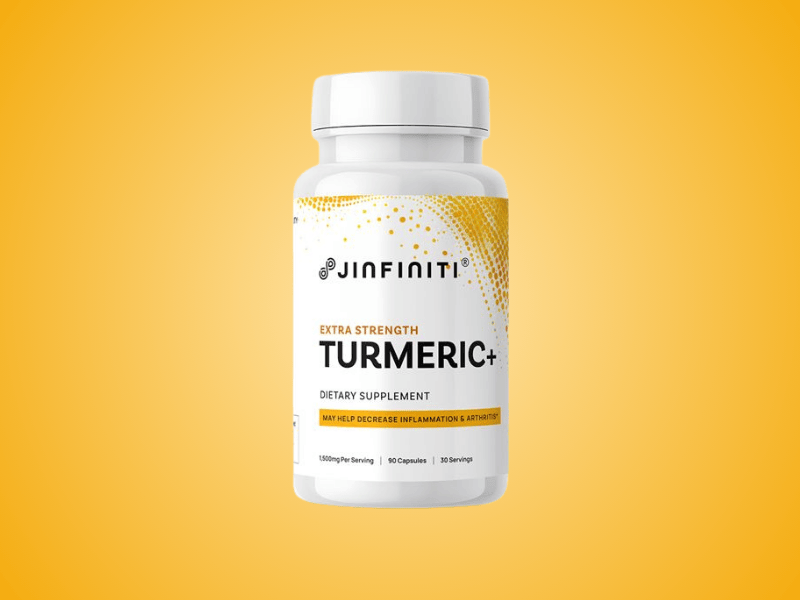
Jinfiniti Turmeric Supplement

What the Research Shows

Human studies provide the most reliable information about whether curcumin actually helps people with neuropathy.

Clinical Trial Results

The most compelling trial involved children receiving chemotherapy. Chemotherapy often damages nerves as a side effect.

This randomized, double-blind study gave half the patients curcumin and half a placebo3. The outcomes are shown in this table:

OutcomeCurcumin GroupPlacebo GroupDifference
Developed neuropathy39.4%70.0%30.6% reduction (P < 0.001)
Motor nerve abnormalities10.5%19.2%8.7% reduction (P = 0.012)
Treatment complianceOver 94%SimilarHigh safety profile

The P values (those numbers in parentheses) show these differences were statistically significant. They likely didn’t happen by chance.

Preclinical Efficacy Data

Animal research lets scientists test specific mechanisms and doses. Rat studies showed dose-dependent pain relief1.

At 60 mg/kg of body weight, curcumin reduced hypersensitivity to touch from day 5 to 7 after nerve injury. At 120 mg/kg, benefits appeared earlier (day 3 to 7).

Diabetic neuropathy models used doses between 50 and 200 mg/kg. These improved both heat sensitivity and mechanical pain thresholds4.

One important finding? Very low doses (12.5 to 25 mg/kg) actually increased pain sensitivity. This underscores why appropriate dosing matters.

The Bioavailability Challenge

Wooden spoons with turmeric powder surrounded by black peppercorns on a dark table

Getting curcumin into your bloodstream is trickier than you might think. Your body treats it like a foreign substance to remove quickly.

Absorption Issues

Research confirms that oral curcumin gets absorbed poorly5. Your liver and intestines break it down rapidly.

Even when you absorb it, your body converts it to other forms and flushes it out fast. This is called low bioavailability.

Eating curry once a week probably won’t provide therapeutic levels. Regular consumption of herbs and spices for inflammation supports general health, but targeted relief requires higher, consistent doses.

Enhancing Absorption

You can improve curcumin absorption with a few simple strategies.

  • Add black pepper. Piperine (the active compound in black pepper) dramatically increases curcumin bioavailability by slowing down your liver’s breakdown process.
  • Eat it with fat. Curcumin dissolves in fat, not water. Taking it with a meal containing olive oil, avocado, or nuts helps absorption.
  • Choose powdered over fresh. Powdered turmeric shows better bioavailability than fresh root for therapeutic compounds.
  • Consider enhanced formulations. Products like Jinfiniti’s Extra Strength Turmeric+ increase absorption compared to standard curcumin taken on an empty stomach.

The debate over curcumin versus turmeric root partly comes down to these absorption factors.

Comparing to Standard Treatments

You might wonder if curcumin works as well as prescription drugs. Research provides some perspective.

Efficacy Comparisons

Studies show curcumin performed better than vitamin E (α-tocopherol) for reducing symptoms of alcohol-induced neuropathy4.

It matched the antioxidant activity of apocynin, a compound researchers use as a standard in diabetic neuropathy studies.

When added to conventional treatments, curcumin reduced the time patients needed other medications by about 3 weeks6. This suggests it may let you use less of drugs that come with more side effects.

Combination Approaches

Low-dose curcumin combined with other natural compounds often works better than high doses alone. This team approach reduces the risk of side effects from any single compound.

Ginger and turmeric complement each other for inflammatory conditions. Some research looks at combining turmeric with quercetin, another anti-inflammatory plant compound.

Think of it like a team sport. Each player contributes, and together they achieve more than any individual could alone.

Curcumin Dosage for Neuropathic Pain

Turmeric capsules on a yellow background

Translating research doses to your kitchen or medicine cabinet requires some interpretation. Animal studies use different amounts than human trials.

Research-Based Doses

The pediatric trial that showed clear benefits used 3 mg/kg twice daily. For a 70 kg person (about 154 pounds), that equals roughly 420 mg per day total.

This dose proved both safe and effective. Over 94% of patients completed the full treatment course.

Supplement Considerations

If you’re considering curcumin supplementation:

  • Begin low and go slow. Start with smaller doses and increase gradually over weeks.
  • Take it with food. Choose meals that contain healthy fats for better absorption.
  • Add black pepper. Either consume black pepper with your meal or choose a supplement that includes piperine.
  • Be patient. Allow at least 4 to 6 weeks to assess whether it’s helping. Nerve healing takes time.
  • Track your symptoms. Keep simple notes on pain levels, function, and any side effects.

Quality varies widely between supplement brands. This protects both your health and your budget.

Safety Profile and Side Effects

Curcumin has an excellent safety profile in research studies. That doesn’t mean it’s risk-free for everyone.

General Safety Profile

Clinical trials report minimal adverse effects. In the 141-patient study, over 94% maintained treatment compliance with no serious adverse reactions in the curcumin group3.

Some people experience mild gastrointestinal symptoms. These typically resolve without stopping treatment.

Important Warnings

Certain people should avoid curcumin or use it cautiously:

  • Pregnant and breastfeeding women (due to emmenagogue effects)
  • People with gallstones or bile duct obstruction
  • Those taking anticoagulants (curcumin may increase bleeding risk)
  • Individuals on medications metabolized by CYP enzymes

One case report documented sensory neuropathy from vitamin B6 toxicity associated with long-term high-dose turmeric use (1,000 mg daily for 5 years)7. This serves as a reminder that more isn’t always better.

Talk with your healthcare provider before starting any new supplement, especially if you take medications or have health conditions.

Tracking Your Progress

If you try curcumin for neuropathy, measuring results helps you make informed decisions about continuing.

Subjective Measures

Keep a basic journal recording:

  • Pain intensity (rate 0 to 10 each day)
  • Activities you can or can’t do comfortably
  • Sleep quality (how often pain wakes you)
  • Mood and energy levels
  • Any side effects you notice

Look for patterns over several weeks rather than day to day. Nerve healing happens slowly.

Clinical Testing

Nerve conduction studies provide objective measurements. These tests measure how fast and effectively your nerves transmit electrical signals3.

Your doctor can order tests measuring:

  • Motor nerve conduction velocity (nerves controlling movement)
  • Sensory nerve conduction velocity (nerves sensing touch and pain)
  • Compound muscle action potential amplitudes (strength of nerve signals)
  • Overall neuropathy severity scores

These objective measures distinguish between feeling better and actual nerve healing. Not everyone needs repeated testing, but it can help track progress in cases where symptoms are unclear.

What Else Should You Know?

Scientists have discovered some unexpected benefits of curcumin for nerve health beyond basic pain relief.

Timing Matters

Studies suggest curcumin works best when started early in the neuropathy process8. It may prevent chronic neuropathic pain from developing if you begin treatment during early stages.

This preventive effect differs from most pain medications, which only work while you’re taking them.

Gender Independence

Unlike some medications that work differently in men and women, research shows no difference in curcumin effectiveness between sexes for neuropathy treatment3.

Nerve Regeneration

Beyond pain relief, curcumin appears to promote actual nerve fiber regeneration6. Improved nerve conduction velocities and better nerve architecture on microscopic examination suggest genuine healing, not just symptom masking.

Supporting Your Nerve Health

Curcumin works best as part of a broader health strategy. Single interventions rarely solve complex problems.

Lifestyle Factors

Your lifestyle choices directly affect nerve health:

  • Blood sugar control is necessary for anyone with diabetes. High blood sugar damages nerves progressively.
  • Regular physical activity supports nerve function. Movement increases blood flow to nerves and may stimulate repair processes.
  • Quality sleep gives your body time to repair. Nerve regeneration happens primarily during deep sleep stages.
  • Stress management reduces inflammatory signals. Chronic stress keeps your inflammation levels elevated.
  • Avoid alcohol and smoking. Both directly damage nerve cells and interfere with healing.
  • Testing your inflammatory biomarkers can help you and your doctor assess whether your anti-inflammatory strategies are working.

Complementary Approaches

Consider combining turmeric with other supportive approaches:

  • Boswellia provides additional anti-inflammatory effects through different mechanisms than curcumin
  • Alpha-lipoic acid has research support specifically for diabetic neuropathy. It’s an antioxidant that helps regenerate other antioxidants
  • B vitamins support nerve health. Just avoid excessive B6, which can cause neuropathy itself at very high doses
  • Physical therapy maintains function and prevents complications from reduced nerve sensation or muscle weakness
  • Mind-body techniques like meditation or gentle yoga may help manage the emotional impact of chronic pain

Some people find success with Jinfiniti’s Extra Strength Turmeric+, which combines turmeric with compounds designed for better absorption and inflammation support.

What We Still Don’t Know

Promising research doesn’t mean we have all the answers. Several important questions remain.

Most studies lasted only 3 to 8 weeks. We need longer trials to understand sustained effects and optimal maintenance approaches.

Genetic factors influence how your body metabolizes curcumin. They also affect your susceptibility to neuropathy. Future research might identify who responds best to curcumin treatment.

Different types of neuropathy may respond differently. More studies comparing diabetic neuropathy, chemotherapy-induced neuropathy, and other forms would help guide specific recommendations.

Researchers acknowledge that more clinical trials with improved curcumin formulations are needed before doctors can routinely recommend it alongside standard treatments4.

Quick Review

The research supports curcumin as a useful addition to neuropathy management. Clinical trials show it can reduce neuropathy development by up to 30 percentage points when started early. The compound works by reducing inflammation, protecting nerve cells, and potentially promoting regeneration.

Curcumin shows a strong safety profile in studies. Work with your healthcare provider to determine if it makes sense for your specific situation and how to incorporate it into a comprehensive treatment plan.

Join Our 50,000+ Health Community

Access research-backed health optimization strategies used by longevity experts. Weekly insights, exclusive discounts, member pricing.

Referenced Sources

  1. https://www.nature.com/articles/srep28956 ↩︎
  2. https://pmc.ncbi.nlm.nih.gov/articles/PMC10610406/ ↩︎
  3. https://pmc.ncbi.nlm.nih.gov/articles/PMC11853498/ ↩︎
  4. https://pmc.ncbi.nlm.nih.gov/articles/PMC8125634/ ↩︎
  5. https://pmc.ncbi.nlm.nih.gov/articles/PMC3918523/ ↩︎
  6. https://pmc.ncbi.nlm.nih.gov/articles/PMC7600446/ ↩︎
  7. https://www.thaijoneuro.com/files/2022/6e226944dbd545da975149501dfb3cae.pdf ↩︎
  8. https://www.sciencedirect.com/science/article/pii/S0011393X12000999 ↩︎
Yellow vitamin C capsules against a soft yellow background.

Vitamin C Dosage Guide: How Much and When to Take It

You’ve probably heard countless recommendations about how much vitamin C to take. Some experts suggest the bare minimum while others advocate for megadoses. This confusion leaves many people wondering what’s right for their unique situation.

The truth is that vitamin C requirements vary widely based on your age, lifestyle, and health status. Getting the dosage right matters because too little leaves you vulnerable to deficiency while excessive amounts can cause unwanted side effects.

Key Takeaways

  • Most healthy adults need 90 mg daily for men and 75 mg for women, though smokers require an additional 35 mg beyond these baseline amounts.
  • Your body absorbs 100% of vitamin C at doses up to 200 mg, but absorption efficiency drops at higher amounts.
  • Splitting your daily dose into two servings improves absorption compared to taking large amounts at once.
  • The upper safety limit is 2,000 mg daily, above which you may experience digestive discomfort and other side effects.

How Much Vitamin C Do You Need Daily?

The Recommended Dietary Allowance (RDA) provides baseline guidance for preventing deficiency1. Adult men should aim for 90 mg daily while women need 75 mg. These numbers represent the minimum intake to maintain health in the general population.

Certain groups require more than the standard recommended daily intake. Smokers face increased oxidative stress that depletes vitamin C faster than normal. This means they need 125 mg daily for men and 110 mg for women2.

Pregnancy and breastfeeding also increase your vitamin C needs. Pregnant women require 85 mg daily while breastfeeding women need 120 mg. Children’s requirements range from 15 mg for toddlers up to 75 mg for teenage boys.

Does Body Weight Affect Vitamin C Needs?

Research analyzing over 16,000 adults found that body weight plays a role in vitamin C requirements3. Heavier individuals weighing over 100 kg may need around 155 mg daily to reach adequate blood concentrations.

Males generally require 1.2 times more vitamin C than females to achieve the same serum levels. This difference relates to body composition and metabolic factors.

What is the Optimal Vitamin C Intake?

Orange oval-shaped vitamin C tablets spilling from white bottle container against a vibrant turquoise blue background.

Scientists debate whether current RDA values are sufficient for true health optimization. Dr. Mark Levine’s research at the National Institutes of Health suggests women should receive 90 mg daily rather than the current 75 mg recommendation4.

His team found this higher amount achieves 80% saturation of neutrophils (immune cells) with minimal urinary loss. This represents a more complete approach to meeting your body’s needs.

Population studies indicate the general population should consume approximately 110 mg daily to maintain adequate serum concentrations. This recommendation goes beyond just preventing scurvy and aims for true cellular health optimization.

How Well Does Your Body Absorb Vitamin C?

Your body doesn’t absorb Vitamin C equally at all dose levels. You achieve 100% absorption when ingesting amounts up to 200 mg at a time. Beyond this threshold, absorption efficiency is reduced.

Plasma concentrations plateau between 60 and 80 micromoles per liter5. This ceiling occurs at daily doses between 200 and 400 mg because your kidneys start excreting the excess.

The amount of Vitamin C your body retains depends on how you split your doses. Taking 200 mg twice daily results in nearly complete absorption compared to 400 mg taken once. This split dosing approach maximizes the benefit you get from Vitamin C supplements.

🍈 Try Our Natural, High-Absorption Vitamin C

Jinfiniti’s Natural Vitamin C + Zinc uses whole food vitamin C from amla extract rather than synthetic ascorbic acid. Our formula pairs bioavailable vitamin C with zinc chelate for immune support and superior nutrient uptake.

When Should You Take Vitamin C?

The time of day you take vitamin C matters less than you might think. Your body absorbs it equally well whether you take it morning, afternoon, or evening.

Taking vitamin C with or after meals is smart if you have a sensitive stomach. Food buffers the acidity and reduces the chance of digestive discomfort.

Best Timing Strategies for Maximum Benefit

Combining vitamin C with iron-rich plant foods boosts iron absorption. This makes meal timing valuable for vegetarians and vegans looking to maximize nutrient uptake from their diet.

Empty stomach dosing may offer slightly better absorption for some people. Try taking vitamin C 30 minutes before meals or two hours after eating if you don’t experience stomach upset.

The most important timing factor involves splitting large doses. Two servings of 200 mg each beats one serving of 400 mg for total absorption and utilization.

Can You Take Too Much Vitamin C?

Yellow and white vitamin C capsules scattered on a light marble surface with soft, diffused lighting creating gentle shadows.

The Tolerable Upper Intake Level sits at 2,000 mg daily for adults6. This represents the maximum amount unlikely to cause problems in most people.

Vitamin C ranks as one of the safest nutrients even at high doses. Your body simply excretes excess amounts through urine rather than storing them.

Common Side Effects of Excessive Intake

Exceeding 2,000 mg daily may trigger these digestive symptoms:

  • Diarrhea and loose stools
  • Nausea and stomach upset
  • Cramping and bloating
  • Increased kidney stone risk from oxalate buildup

Taking more than the recommended amount of Vitamin C doesn’t provide added protection against the common cold despite popular belief. Research shows only modest benefits for reducing cold duration in most people.

High-risk groups who should avoid megadoses:

  • People with hemochromatosis (iron overload disorder)
  • Those with G6PD deficiency (risk of hemolytic anemia)
  • Anyone with kidney disease or kidney stones
  • Individuals undergoing certain cancer treatments
  • Pregnant women taking over 400 mg daily (may cause rapid Vitamin C metabolism in newborns, leading to rebound deficiency)

Rebound scurvy warning: Extremely high doses taken long-term can create dependency. Sudden discontinuation may trigger deficiency symptoms even when your body has adequate stores.

Do Megadoses Really Work?

Linus Pauling’s promotion of megadose Vitamin C (equivalent to 12-24 oranges daily) for preventing colds and treating cancer created lasting myths7. Mayo Clinic studies repeatedly failed to confirm his claims, finding no difference in patient comfort or survival with 10-gram daily doses.

The confusion persists because high-dose intravenous Vitamin C (25-100 grams) does show promise in cancer treatment and critical care settings8. Your body cannot achieve these therapeutic blood levels through oral supplementation alone, no matter how much you take.

🧬 MORE PRECISION HEALTH INSIGHTS

Recognizing Vitamin C Deficiency Symptoms

Severe Vitamin C deficiency leads to scurvy, though this is rare in developed countries. Early warning signs include:

  • Fatigue and weakness that doesn’t improve with rest
  • Irritability and mood changes
  • Easy bruising and slow wound healing
  • Bleeding gums and loose teeth
  • Joint pain and muscle aches

Getting at least 10 mg of Vitamin C daily prevents scurvy. Vitamin C also supports wound healing, collagen production, and immune function throughout your body.

Which Foods Contain the Most Vitamin C?

Natural food sources provide vitamin C alongside other beneficial compounds. Fruits and vegetables consistently deliver the highest concentrations.

The best food sources of vitamin C include:

Food SourceVitamin C Content
Kakadu plums2,907 mg per 100g
Acerola cherries1,650 mg per ½ cup
Rose hips426 mg per 100g
Guava125 mg per fruit
Red bell peppers126 mg per 100g
Kiwi fruit134 mg per cup
Oranges70-90 mg per fruit

Getting enough vitamin C from your diet alone is possible with the right food choices. A single guava or cup of strawberries provides more than the daily requirement for most adults.

Should You Take Vitamin C Supplements?

Whole foods offer vitamin C along with fiber, antioxidants, and other phytonutrients. This combination may provide benefits beyond isolated vitamin C alone.

Liposomal vitamin C shows greater bioavailability than standard ascorbic acid9. The phospholipid coating protects the vitamin during digestion and enhances cellular uptake.

Buffered forms containing minerals like calcium or magnesium reduce stomach irritation. This makes them better tolerated for people taking higher doses.

For a natural option, Jinfiniti’s Natural Vitamin C + Zinc combines whole food vitamin C from amla extract with bioavailable zinc. This formulation supports immune function while providing antioxidant benefits.

Who Needs Extra Vitamin C?

Elderly people living in institutions often have lower dietary intake and chronic illnesses. These factors increase their vitamin C requirements beyond standard recommendations.

Individuals experiencing chronic stress or inflammatory conditions burn through vitamin C faster. Their bodies use more for antioxidant defense and immune function.

People with malabsorption disorders may not extract enough vitamin C from food. Supplementation becomes more important for maintaining adequate levels.

Those undergoing chemotherapy or other intensive treatments often need extra vitamin C. Their bodies face increased oxidative stress and metabolic demands.

Does Vitamin C Interact with Medications?

Some medications interact with high-dose vitamin C supplementation. Aluminum-containing antacids combined with vitamin C increase aluminum absorption to potentially toxic levels.

Warfarin users should monitor their dosing carefully10. Large amounts of vitamin C may reduce anticoagulant effectiveness.

Certain chemotherapy drugs may have reduced efficacy with antioxidant supplementation. The vitamin could protect cancer cells from treatment.

Vitamin C enhances iron absorption from supplements. This benefits people with iron deficiency but harms those with hemochromatosis.

Estrogen medications may reach higher blood levels when combined with vitamin C. Women on hormone therapy should discuss this with their healthcare provider.

The Bottom Line

The optimal amount of vitamin C per day depends on multiple factors including age, smoking status, body weight, and health conditions. Most healthy adults do well with 90 to 120 mg daily from food sources and targeted supplementation.

Splitting larger doses into two servings maximizes absorption while staying under 2,000 mg daily keeps you within safe limits. Focus on vitamin C-rich foods first, then add high-quality supplements to fill any gaps in your diet.

Join Our 50,000+ Health Community

Access research-backed health optimization strategies used by longevity experts. Weekly insights, exclusive discounts, member pricing.

Referenced Sources

  1. https://ods.od.nih.gov/factsheets/VitaminC-HealthProfessional/ ↩︎
  2. https://lpi.oregonstate.edu/mic/vitamins/vitamin-C ↩︎
  3. https://pmc.ncbi.nlm.nih.gov/articles/PMC10096887/ ↩︎
  4. https://www.pnas.org/doi/10.1073/pnas.171318198 ↩︎
  5. https://nutritionsource.hsph.harvard.edu/vitamin-c/ ↩︎
  6. https://www.mayoclinic.org/drugs-supplements-vitamin-c/art-20363932 ↩︎
  7. https://www.sciencehistory.org/stories/magazine/linus-paulings-vitamin-c-crusade/ ↩︎
  8. https://journals.sagepub.com/doi/10.1177/1534735415622010 ↩︎
  9. https://pmc.ncbi.nlm.nih.gov/articles/PMC11519160/ ↩︎
  10. https://www.drugs.com/drug-interactions/ascorbic-acid,vitamin-c.html ↩︎
Intersecting pink textured lines with rough edges form angular geometric patterns and triangular shapes against a gray background.

Klotho: Everything to Know About the Longevity Protein

Your body produces a remarkable protein that scientists have named after Clotho, the Greek goddess who spun the thread of life. This protein, called Klotho, may hold the key to healthier aging and longer life.

Research shows that people with higher Klotho levels live longer and maintain better cognitive function as they age. This guide explains what Klotho does, why it matters for your health, and practical ways you can support its production naturally.

Key Takeaways

  • Klotho is a protein that declines with age and people with higher levels live longer and experience less age-related disease.
  • Regular exercise (around 150 minutes weekly) is the most reliable way to naturally boost your Klotho levels.
  • Klotho protects your brain, improves memory, and reduces your risk of heart disease, kidney problems, and metabolic issues.
  • You can measure your Klotho levels at home through specialized blood tests like AgingSOS from Jinfiniti.

What is Klotho Protein?

Klotho exists in two main forms in your body. The first is a membrane-bound protein found primarily in your kidneys and brain. The second is a soluble form (s-Klotho) that circulates in your blood like a hormone1.

Scientists measure the circulating form when they want to assess your biological age and longevity potential. This makes Klotho one of the most valuable biomarkers for tracking healthy aging.

How Klotho Works

The protein serves two key roles. First, it acts as a co-receptor for fibroblast growth factor 23 (FGF23), helping regulate mineral balance in your body. Second, it functions as an independent hormone that affects multiple aging pathways2.

What makes Klotho unique is its ability to target several cellular processes at once. It influences everything from energy production to inflammation control.

How Klotho Extends Lifespan

Intersecting pink textured lines with rough edges form angular geometric patterns and triangular shapes against a gray background.

Animal research provides compelling evidence for Klotho’s life-extending effects. Studies show that mice with increased Klotho production live 15-30% longer than normal mice3.

The opposite holds true as well. Mice lacking adequate Klotho age rapidly and develop multiple age-related diseases before dying early.

Human Longevity Evidence

Large human studies reveal similar patterns. Research involving over 10,000 Americans found that people with low Klotho levels faced a 31% higher risk of death from all causes compared to those with higher levels4.

Studies of elderly Italians confirmed these findings. People with naturally higher Klotho levels consistently outlived those with lower levels.

The Aging Decline

Your Klotho levels naturally decrease as you get older. This decline begins around age 40 and continues throughout your life5.

Lower Klotho correlates with increased frailty, cognitive problems, and higher disease risk. Understanding this connection helps explain why some people age better than others.

🧬 Our At-Home Klotho Test

Jinfiniti’s Klotho Blood Test Kit provides accurate measurement of your circulating Klotho levels from the comfort of home. This simple blood test reveals your α-Klotho (alpha-Klotho) status and gives you a baseline to track improvements as you implement the lifestyle strategies outlined in this article.

Klotho’s Anti-Aging Mechanisms

Klotho works through multiple pathways to slow aging. This multi-pronged approach makes it one of the most powerful anti-aging factors scientists have discovered.

Cellular Protection

The protein activates your body’s natural antioxidant systems. It stimulates Nrf2 and FoxO pathways while blocking harmful reactive oxygen species6.

Klotho also improves mitochondrial function, the energy-producing structures in your cells that decline with age. Better mitochondrial health means more energy and less cellular damage.

Fighting Inflammation

Chronic low-grade inflammation drives many age-related diseases. Klotho inhibits pro-inflammatory pathways like NF-κB while promoting anti-inflammatory responses2.

This inflammation-fighting ability helps protect against conditions ranging from heart disease to arthritis.

Growth Factor Regulation

Klotho modulates several key aging pathways:

  • Insulin/IGF-1 signaling
  • TGF-β pathway
  • Wnt/β-catenin signaling

By influencing these systems, Klotho helps maintain cellular health and function throughout your body.

Brain Health and Cognitive Benefits

Recent studies with aged rhesus monkeys revealed exciting findings about Klotho and brain function. A single injection of Klotho improved working memory and spatial cognition for weeks2.

These monkeys share 93% of their DNA with humans. The results suggest similar benefits may be possible in humans.

How Klotho Protects Your Brain

Klotho enhances brain health through several mechanisms:

  • Increases synaptic plasticity in the hippocampus7
  • Boosts platelet factor 4 (PF4) that crosses into the brain
  • Reduces brain inflammation and oxidative stress
  • Protects against neurodegenerative diseases

Cognitive Enhancement

People with higher Klotho levels show better cognitive performance as they age. The protein appears to protect against conditions like Alzheimer’s disease and Parkinson’s.

Studies found that Klotho helps maintain the connections between brain cells. These connections are what allow you to think, remember, and learn new information.

Protection Against Disease

Higher Klotho levels are associated with reduced risk across multiple health conditions. This broad protective effect makes Klotho a valuable marker of overall health status.

Health AreaKlotho Benefits
CardiovascularReduced disease risk, better vessel function
KidneysImproved function, better mineral balance
MetabolismBetter glucose control, diabetes protection
CancerLower mortality risk

Heart Health

Research links Klotho to better cardiovascular function by promoting autophagy. The protein improves blood vessel health and protects against atherosclerosis8.

Klotho also enhances nitric oxide production. This helps your blood vessels relax and maintain healthy blood flow.

Kidney Function

Your kidneys produce most of your body’s Klotho. The protein plays a key role in maintaining kidney health and regulating phosphate metabolism4.

People with kidney disease often have low Klotho levels. Boosting these levels may help protect kidney function.

Metabolic Health

Studies show Klotho helps regulate blood sugar levels. It may protect against diabetes complications and improve insulin sensitivity9.

Research also suggests that adequate Klotho levels support healthy metabolism and weight management.

Natural Ways to Boost Klotho Levels

Woman in blue shirt and green shorts jogging through arid coastal landscape with low shrubs under clear blue sky.

You can support your body’s Klotho production through lifestyle choices. These natural approaches work best when combined for maximum benefit.

Exercise

Physical activity stands out as the most reliable way to increase Klotho. A comprehensive analysis found that chronic exercise training significantly raised circulating Klotho levels10.

The sweet spot appears to be around 150 minutes of moderate exercise weekly. This matches general exercise recommendations for longevity.

Both aerobic exercise and resistance training show benefits. You don’t need to train like an athlete to see improvements in your Klotho levels.

Nutritional Strategies

Certain foods and nutrients support Klotho production. Your diet choices can make a real difference over time.

Folate-Rich Foods

Higher folate intake correlates with increased Klotho levels. Each additional unit of dietary folate associates with 0.11 pg/mL higher Klotho11.

Good sources include:

  • Leafy green vegetables
  • Legumes and beans
  • Fortified grains
  • Citrus fruits

Vitamin D

While research results vary, adequate vitamin D status appears to support Klotho expression. Some studies show vitamin D supplementation increases Klotho in people with low levels12.

Get vitamin D from sun exposure, fatty fish, and quality supplements when needed.

🧬 Support Your Klotho Levels with Vitamin D3

Jinfiniti’s Vitamin D3+K2 with Coconut Oil delivers optimal doses of both vitamins in a highly absorbable formula. Vitamin D3 supports Klotho expression while K2 directs calcium to your bones where it belongs. The coconut oil base enhances absorption so you get maximum benefits from every dose.

Other Beneficial Foods

  • Nuts (positive associations with Klotho levels)
  • Leafy greens rich in antioxidants
  • Foods high in natural antioxidants

Consider supporting your cellular nutrition with whole food rather than relying solely on supplements.

Lifestyle Factors That Matter

Several lifestyle choices affect your Klotho levels beyond diet and exercise.

Stress Management

Chronic stress appears to suppress Klotho production13. Finding ways to manage stress may help maintain healthy levels.

Try meditation, yoga, time in nature, or other relaxation practices that work for you.

Sleep Quality

Getting enough quality sleep supports healthy Klotho production. Poor sleep patterns may interfere with the body’s ability to maintain adequate levels14.

Aim for 7-9 hours of sleep per night in a dark, cool room.

Limit Alcohol

Even moderate drinking reduces Klotho levels. Heavy alcohol consumption can decrease Klotho by up to 8%15.

If you drink, keep it minimal. Your Klotho levels will thank you.

Gut Health Connection

Emerging research suggests that your gut microbiome influences Klotho production. Probiotics and prebiotic foods may support Klotho through the gut-brain-kidney axis16.

Focus on fermented foods, fiber-rich vegetables, and probiotic supplements to support gut health.

Therapeutic Approaches

Scientists are developing several ways to increase Klotho levels therapeutically. These cutting-edge treatments may become available in the coming years.

Gene Therapy

The most promising approach involves gene therapy to boost Klotho production. Recent studies using AAV vectors showed that a single treatment extended mouse lifespan by nearly 20%17.

Clinical trials in humans are planned for 2025-2026. This represents one of the most exciting developments in longevity medicine.

Protein Supplementation

Direct Klotho protein administration has shown promise in animal research. The challenge lies in protein stability and effective delivery methods.

Researchers continue working on ways to deliver Klotho protein that maintains its biological activity.

Existing Medications

Some currently available medications may boost Klotho levels:

  • ACE inhibitors (blood pressure medications)
  • Certain statin drugs
  • Vitamin D receptor agonists

Talk to your doctor if you’re interested in medications that might support Klotho production.

Join Our 50,000+ Health Community

Access research-backed health optimization strategies used by longevity experts. Weekly insights, exclusive discounts, member pricing.

Testing and Measurement

You can measure your Klotho levels through blood testing. While not yet standard in all healthcare settings, specialized labs like Jinfiniti offer this service.

Understanding Your Results

Research has identified optimal ranges for Klotho levels. Higher levels within the healthy range generally indicate better longevity potential18.

Keep in mind that both very low and extremely high levels may be problematic. There appears to be an optimal range rather than a “more is always better” relationship.

Comprehensive Testing Options

Companies like Jinfiniti offer comprehensive longevity panels that include Klotho measurement alongside other important biomarkers.

Testing multiple biomarkers gives you a complete picture of your biological age and health status. This includes markers like NAD+ levels, which also decline with age and affect cellular function.

Individual Variation

Genetic variations in the Klotho gene affect your baseline levels. The KL-VS variant, for example, provides survival advantages up to age 9018.

Your genetics influence how your body produces and uses Klotho. Testing helps you understand your personal baseline.

The Bottom Line

Klotho stands out as one of the most exciting discoveries in longevity science. This protein affects multiple aging pathways, from brain health to cardiovascular function.

You can support your natural Klotho production starting today through:

  • Regular exercise (150 minutes weekly of moderate activity)
  • Folate-rich foods like leafy greens, legumes, and citrus fruits
  • Adequate vitamin D from sun exposure and quality supplements
  • Stress management through meditation, yoga, or relaxation practices
  • Quality sleep (7-9 hours nightly)
  • Limited alcohol consumption

Consider testing your Klotho levels as part of a comprehensive longevity assessment. Knowing your numbers helps you track progress and adjust your approach.

The research reveals you have more control over your aging process than you might think. Small consistent actions add up over time to support healthy Klotho levels and better aging outcomes.

References Sourced

  1. Schnicker NJ, Xu Z, Amir M, Gakhar L, Huang C-L. Conformational landscape of soluble α-klotho revealed by cryogenic electron microscopy. Cold Spring Harbor Laboratory; 2024. https://doi.org/10.1101/2024.03.02.583144. doi:10.1101/2024.03.02.583144
  2. Shen J, Bin W, Lin X, Lai Y, Lin X, Guan T, Liu H. Klotho Protein: A Multifaceted Guardian of Healthy Aging and Its Therapeutic Potential. Informa UK Limited; 2025. p. 7251–7270. https://doi.org/10.2147/ijn.s514516. doi:10.2147/ijn.s514516
  3. Wang Y, Sun Z. Current understanding of klotho. Elsevier BV; 2009. p. 43–51. https://doi.org/10.1016/j.arr.2008.10.002. doi:10.1016/j.arr.2008.10.002
  4. Kanbay M, Copur S, Ozbek L, Mutlu A, Cejka D, Ciceri P, Cozzolino M, Haarhaus ML. Klotho: a potential therapeutic target in aging and neurodegeneration beyond chronic kidney disease—a comprehensive review from the ERA CKD-MBD working group. Oxford University Press (OUP); 2023. https://doi.org/10.1093/ckj/sfad276. doi:10.1093/ckj/sfad276
  5. Arroyo E, Leber CA, Burney HN, Narayanan G, Moorthi R, Avin KG, Warden SJ, Moe SM, Lim K. Relationship between klotho and physical function in healthy aging. Springer Science and Business Media LLC; 2023. https://doi.org/10.1038/s41598-023-47791-5. doi:10.1038/s41598-023-47791-5
  6. Paquette J-S, Rhéaume C, Cordeau P, Moulin J-A, Audet-Walsh E, Blanchette V, Drouin-Chartier J-P, Toi A-K, Tremblay A. The Longevity Protein Klotho: A Promising Tool to Monitor Lifestyle Improvements. MDPI AG; 2023. p. 1157. https://doi.org/10.3390/metabo13111157. doi:10.3390/metabo13111157
  7. Park C, Hahn O, Gupta S, Moreno AJ, Marino F, Kedir B, Wang D, Villeda SA, Wyss-Coray T, Dubal DB. Platelet factors are induced by longevity factor klotho and enhance cognition in young and aging mice. Springer Science and Business Media LLC; 2023. p. 1067–1078. https://doi.org/10.1038/s43587-023-00468-0. doi:10.1038/s43587-023-00468-0
  8. Li L, Liu W, Mao Q, Zhou D, Ai K, Zheng W, Zhang J, Huang L, Xu S, Zhao X. Klotho Ameliorates Vascular Calcification via Promoting Autophagy. Gambini J, editor. Wiley; 2022. https://doi.org/10.1155/2022/7192507. doi:10.1155/2022/7192507
  9. Liu X, Li Y, Chen X, Yin H, Li F, Chen N, Cui J, Li W. Revisiting the mechanisms linking blood glucose to cognitive impairment: new evidence for the potential important role of klotho. Frontiers Media SA; 2024. https://doi.org/10.3389/fendo.2024.1323407. doi:10.3389/fendo.2024.1323407
  10. Corrêa H de L, Raab ATO, Araújo TM, Deus LA, Reis AL, Honorato FS, Rodrigues-Silva PL, Neves RVP, Brunetta HS, Mori MA da S, et al. A systematic review and meta-analysis demonstrating Klotho as an emerging exerkine. Springer Science and Business Media LLC; 2022. https://doi.org/10.1038/s41598-022-22123-1. doi:10.1038/s41598-022-22123-1
  11. Liu Y, Zhou C, Shen R, Wang A, Zhang T, Cao Z. Dietary folate intake and serum klotho levels in adults aged 40–79 years: a cross-sectional study from the national health and nutrition examination survey 2007–2016. Frontiers Media SA; 2024. https://doi.org/10.3389/fnut.2024.1420087. doi:10.3389/fnut.2024.1420087
  12. Jebreal Azimzadeh M, Shidfar F, Jazayeri S, Hosseini AF, Ranjbaran F. Effect of vitamin D supplementation on klotho protein, antioxidant status and nitric oxide in the elderly: A randomized, double-blinded, placebo-controlled clinical trial. Elsevier BV; 2020. p. 101089. https://doi.org/10.1016/j.eujim.2020.101089. doi:10.1016/j.eujim.2020.101089
  13. Prather AA, Epel ES, Arenander J, Broestl L, Garay BI, Wang D, Dubal DB. Longevity factor klotho and chronic psychological stress. Springer Science and Business Media LLC; 2015. p. e585–e585. https://doi.org/10.1038/tp.2015.81. doi:10.1038/tp.2015.81
  14. Mochón-Benguigui S, Carneiro-Barrera A, Castillo MJ, Amaro-Gahete FJ. Is Sleep Associated with the S-Klotho Anti-Aging Protein in Sedentary Middle-Aged Adults? The FIT-AGEING Study. MDPI AG; 2020. p. 738. https://doi.org/10.3390/antiox9080738. doi:10.3390/antiox9080738
  15. Fromm D, Zhu J, Kim W, Wei Y. ALCOHOL CONSUMPTION AND DECREASED SERUM Α-KLOTHO, AN ANTI-AGING HORMONE, LEVELS AMONG US ADULT PARTICIPANTS. Oxford University Press (OUP); 2023. p. 988–988. https://doi.org/10.1093/geroni/igad104.3175. doi:10.1093/geroni/igad104.3175
  16. Liu S, Wu M, Wang Y, Xiang L, Luo G, Lin Q, Xiao L. The Association between Dietary Fiber Intake and Serum Klotho Levels in Americans: A Cross-Sectional Study from the National Health and Nutrition Examination Survey. MDPI AG; 2023. p. 3147. https://doi.org/10.3390/nu15143147. doi:10.3390/nu15143147
  17. Roig-Soriano J, Edo Á, Verdés S, Martín-Alonso C, Sánchez-de-Diego C, Rodriguez-Estevez L, Serrano AL, Abraham CR, Bosch A, Ventura F, et al. Long-term effects of s-KL treatment in wild-type mice: Enhancing longevity, physical well-being, and neurological resilience. Elsevier BV; 2025. p. 1449–1465. https://doi.org/10.1016/j.ymthe.2025.02.030. doi:10.1016/j.ymthe.2025.02.030
  18. Cheikhi A, Barchowsky A, Sahu A, Shinde SN, Pius A, Clemens ZJ, Li H, Kennedy CA, Hoeck JD, Franti M, et al. Klotho: An Elephant in Aging Research. Oxford University Press (OUP); 2019. p. 1031–1042. https://doi.org/10.1093/gerona/glz061. doi:10.1093/gerona/glz061
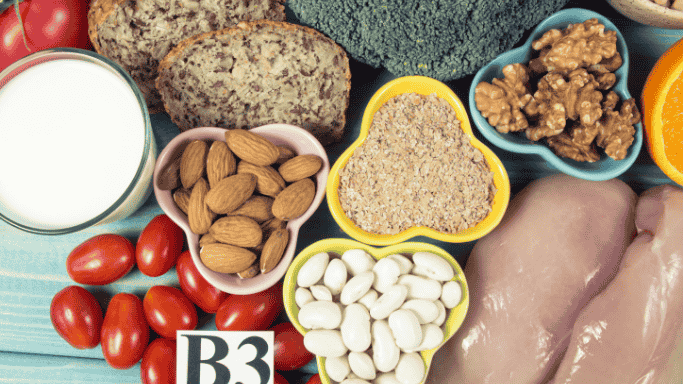
AN image of B3 food sources

Niacin Dosage Guide: Optimal Amounts, Timing and Safety

Niacin, also known as vitamin B3 or nicotinic acid, supports energy metabolism and cellular health. While this important vitamin offers valuable benefits, getting the dosage right is important for both safety and effectiveness.

Understanding proper niacin dosage becomes especially important when you consider its complex effects on the body. Too little won’t provide therapeutic benefits, while too much can cause serious adverse effects.

Key Takeaways

  • Adults need only 14-16 mg daily, while therapeutic doses range between 1,500-3,000 mg
  • Above 35 mg daily can cause flushing, liver damage, and blood sugar problems
  • Niacin may raise NAD+ beyond optimal ranges, requiring testing to avoid side effects
  • Studies show niacin may increase stroke risk despite improving cholesterol

Recommended Daily Amounts for Niacin (Vitamin B3)

The basic nutritional requirements for niacin vary depending on your age, sex, and life stage. These amounts ensure you meet your body’s basic needs for this important vitamin.

Adults need different amounts based on their circumstances:

  • Men: 16 mg per day
  • Women: 14 mg per day
  • Pregnant women: 18 mg per day
  • Breastfeeding women: 17 mg per day

Children have lower requirements that increase with age. Infants need only 2-4 mg daily, while teenagers require up to 12 mg per day.

Most people can easily meet these recommended dietary allowances through food sources. However, therapeutic uses require much higher doses1.

Therapeutic Niacin Dosages

An image of a blackboard with 'B3' written on it, surrounded by various foods that are sources of vitamin B3.

Doctors sometimes prescribe niacin to treat high cholesterol or other cardiovascular conditions. In these cases, the dosage requirements jump dramatically above basic nutritional needs.

The standard therapeutic range varies from 1,500 to 3,000 mg per day. This represents a 100-fold increase over basic nutritional requirements.

Starting Protocol for Taking Niacin Supplements

Healthcare providers typically begin with conservative dosing to minimize side effects. The standard approach involves2:

  • Starting dose: 250 mg at bedtime
  • Increase by 250 mg every 4-7 days
  • Target: 2,000 mg per day initially
  • Maximum: Up to 6,000 mg per day (rarely needed)

This gradual escalation helps your body adjust to higher doses of niacin while reducing the risk of uncomfortable flushing reactions.

Maintenance Niacin Dosage

Most patients achieve the best lipid benefits at maintenance doses between 1,000-2,000 mg daily. Research shows that 1 gram per day produces modest HDL cholesterol increases, while 2 grams per day delivers substantial LDL cholesterol reduction of approximately 25%3.

The key is finding the lowest effective dose that provides the desired cardiovascular benefits while minimizing adverse effects.

Optimal Niacin Dose Timing and Administration

An image of a woman on a bed taking supplement

When and how you take niacin impacts both its effectiveness and the severity of side effects you might experience.

Best Times to Take Niacin

Extended-release niacin works best when taken once daily at bedtime after a low-fat snack. This timing strategy helps minimize the notorious niacin flush while maintaining therapeutic effectiveness.

Immediate-release formulations require different timing, typically taken 2-3 times daily with meals.

Food Interactions and Dietary Considerations

Taking niacin with food dramatically reduces side effects, particularly flushing and stomach upset. A low-fat snack proves best because high-fat meals can interfere with absorption of extended-release formulations.

Foods and substances to avoid near dosing time:

  • Alcohol
  • Hot beverages
  • Spicy foods
  • Large, fatty meals

These items can intensify flushing reactions and make the experience more uncomfortable.

Understanding Niacin Formulations

Not all niacin supplements are created equal. The different formulations have distinct safety profiles and effectiveness levels.

Formulation TypeFlushing RateLiver RiskRecommended Use
Immediate-ReleaseNearly 100%LowestSafest option
Extended-Release50-70%ModerateMost prescribed
Sustained-ReleaseVariableHighestAvoid completely

Sustained-release formulations should be avoided entirely due to greatly increased liver toxicity risk. Studies show 52% of patients develop liver problems with sustained-release niacin compared to 0% with immediate-release forms4.

Safety Considerations and Niacin Adverse Effects

An image of a man facing his laptop with supplements

Understanding niacin’s safety profile helps you make informed decisions about supplementation and recognize when doses might be too high.

Tolerable Upper Intake Levels

For healthy adults, the Tolerable Upper Intake Level stands at 35 mg per day. This represents the maximum daily intake unlikely to cause adverse health effects from dietary sources.

Above this level, flushing reactions become increasingly common and uncomfortable.

Managing Niacin Flush

The common niacin flush typically occurs within 30 minutes of taking the supplement and lasts about 60 minutes. While harmless, this reaction causes many people to discontinue treatment.

Effective strategies to reduce flushing include:

  • Taking 325 mg aspirin 30 minutes before niacin
  • Starting with low doses and increasing slowly
  • Taking niacin with food or a light snack
  • Eating an apple before dosing (pectin may help reduce flushing)

Serious Adverse Effects from High Doses

High-dose niacin therapy (above 2-3 grams daily) can cause serious health problems that require medical monitoring.

Potential complications include:

  • Liver damage with potential liver failure
  • Blood sugar problems and glucose intolerance
  • Elevated uric acid levels leading to gout attacks
  • Increased bleeding risk due to reduced platelet function
  • Vision problems including macular edema

These risks underscore why therapeutic doses should only be used under medical supervision.

The Hidden Risk: Niacin May Raise NAD+ Levels Too High

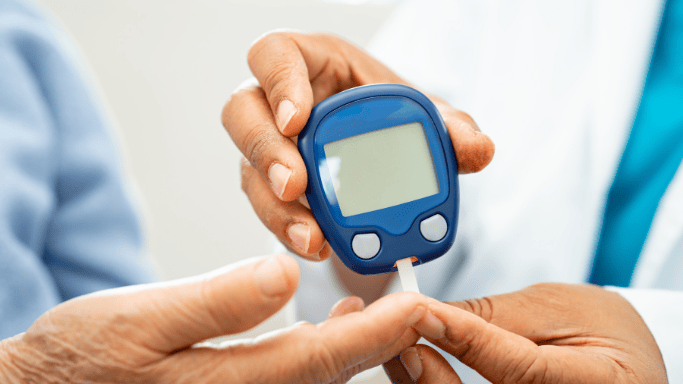
An image of blood testing conducted through finger pricking.

Here’s something most people don’t know about high-dose niacin supplementation. While niacin can boost NAD+ levels, it may actually raise them beyond the healthy range.

This creates a concerning situation where more isn’t necessarily better. Excessive NAD+ levels can disrupt cellular processes and cause unexpected health issues.

Why Testing Your NAD+ Matters

Unlike basic nutritional uses, taking niacin to boost NAD+ requires precise monitoring. Your body’s response to niacin varies dramatically based on genetics, metabolism, and other factors.

Some people achieve the best NAD+ levels with modest niacin doses, while others see levels spike dangerously high. Without testing, you’re essentially flying blind.

Our Intracellular NAD® Test provides the precise measurements needed to improve your approach safely and effectively.

Recent Research Findings Challenge Niacin’s Heart Benefits

An image of a doctor holding a heart and a stethoscope

New research has dramatically shifted our understanding of niacin’s role in cardiovascular health, revealing some concerning findings.

Cardiovascular Efficacy Questions

Large-scale trials including AIM-HIGH and HPS2-THRIVE showed that niacin therapy doesn’t reduce cardiovascular events despite improving cholesterol numbers. Even more concerning, the HPS2-THRIVE study found niacin increased stroke risk by 78%5 6.

The 4PY Discovery

Groundbreaking 2024 research from Cleveland Clinic uncovered why niacin often fails despite improving cholesterol profiles. When your body breaks down excess niacin, it produces a metabolite called 4PY that triggers vascular inflammation7.

Approximately 25% of Americans have excess niacin levels that double their cardiovascular disease risk. This discovery helps explain the disconnect between improved cholesterol numbers and unchanged heart disease outcomes.

Dietary vs Supplemental Niacin

Interestingly, dietary niacin intake shows protective cardiovascular effects in population studies. Higher dietary intake correlates with lower mortality risk, with the best intake appearing around 22-25 mg per day from food sources.

This suggests getting niacin from NAD+ foods rather than high-dose supplements may offer better long-term benefits.

Current Medical Recommendations

Most cardiovascular specialists no longer recommend niacin as first-line therapy for treating high cholesterol. Statins and other medications are preferred due to superior safety profiles and proven cardiovascular benefits.

For patients who do use therapeutic doses, careful monitoring becomes important:

  • Baseline and periodic liver function tests
  • Blood glucose monitoring, especially for diabetic patients
  • Platelet counts and bleeding assessments
  • Patient education about flushing and warning signs

Testing: The Key to Safe NAD+ Boosting

If you’re considering niacin for NAD+ benefits rather than cholesterol management, testing becomes absolutely important for safety and effectiveness.

Our precision approach involves:

Initial Assessment:

  • Personalized dosing recommendations based on your unique biology

Ongoing Monitoring:

  • Follow-up testing at 2-4 weeks to assess response
  • Dose adjustments based on results
  • Periodic monitoring to maintain the right levels safely

This data-driven approach helps you achieve the benefits of improved NAD+ levels while avoiding the pitfalls of excessive supplementation.

Bottom Line

Understanding proper niacin dosage requires balancing potential benefits against real risks. For basic nutritional needs, dietary sources typically provide adequate amounts safely.

For therapeutic uses, medical supervision becomes important due to the noteworthy risk profile at higher doses. Recent research questioning niacin’s cardiovascular benefits makes this supervision even more important.

If you’re interested in NAD+ supplements for longevity purposes, consider safer alternatives like our Vitality↑® NAD+ Booster, which provides effective NAD+ support without the risks associated with high-dose niacin.

Remember, when it comes to niacin and NAD+ boosting, precision testing isn’t just helpful—it’s important for both safety and effectiveness.

Join Our 50,000+ Health Community

Access research-backed health optimization strategies used by longevity experts. Weekly insights, exclusive discounts, member pricing.

Reference Sources:

  1. https://ods.od.nih.gov/factsheets/Niacin-HealthProfessional/ ↩︎
  2. https://www.ncbi.nlm.nih.gov/books/NBK541036/ ↩︎
  3. https://jamanetwork.com/journals/jamainternalmedicine/fullarticle/216937 ↩︎
  4. https://pubmed.ncbi.nlm.nih.gov/8309029/ ↩︎
  5. https://pmc.ncbi.nlm.nih.gov/articles/PMC4829575/ ↩︎
  6. https://www.ncbi.nlm.nih.gov/books/NBK559137/ ↩︎
  7. https://newsroom.clevelandclinic.org/2024/02/19/cleveland-clinic-led-study-discovers-link-between-high-levels-of-niacin-a-common-b-vitamin-and-heart-disease ↩︎
An image of a doctor having a medical experiment

Micronized Creatine vs Monohydrate: Science-Based Review

Choosing the right creatine supplement can feel overwhelming with so many options available. Two popular forms that often create confusion are regular creatine monohydrate and its micronized counterpart.

While both contain identical active ingredients, they differ in one key aspect: particle size. This difference affects how easily they mix with liquids and may impact digestive comfort, but does it change their effectiveness?

Let’s examine what science tells us about these two forms of creatine to help you make an informed decision for your fitness goals.

Key Takeaways

  • Both forms provide identical muscle-building and performance benefits
  • Micronized has 20x smaller particles for better mixing and solubility
  • Research shows no proven bioavailability differences between forms
  • Choice depends on mixing preferences and digestive tolerance, not superior results

What is Micronized Creatine?

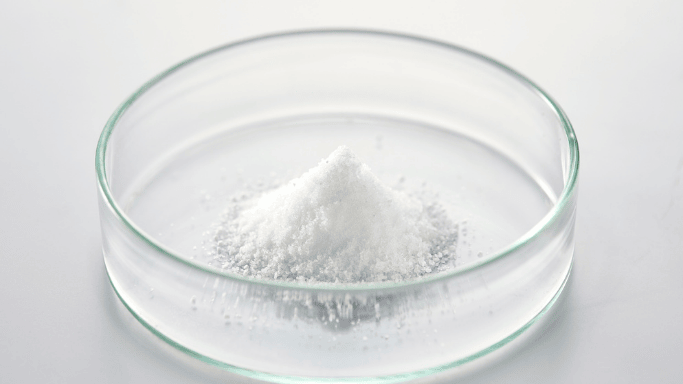
An image of creatine powder

Micronized creatine is simply regular creatine monohydrate that has been mechanically processed into smaller particles. The micronization process breaks down standard creatine particles into pieces that are typically 20 times smaller than regular creatine1.

This processing doesn’t alter the chemical structure or composition of the creatine molecule itself. Think of it like grinding coffee beans into a finer powder – the coffee remains the same, but the smaller particle size changes how it behaves when mixed with water.

Key characteristics of micronized creatine:

  • Same chemical formula as regular creatine monohydrate
  • Significantly smaller particle size
  • Enhanced mixing properties
  • Smoother texture when dissolved

Key Differences Between Micronized Creatine and Creatine Monohydrate

An image of two supplements and a canister on the side

The primary distinction lies in physical properties rather than chemical composition. Here’s how these two forms of creatine compare:

FactorRegular Creatine MonohydrateMicronized Creatine
Particle SizeStandard size20x smaller particles
SolubilityGood, may leave residueEnhanced dissolution
MixingRequires more stirringMixes more easily
TextureSlightly grittySmoother consistency
BioavailabilityWell-establishedNo proven advantage
CostLowerSlightly higher

Both forms provide identical muscle-building and performance benefits since they contain the same active compound. The differences are purely practical rather than functional.

Micronized Creatine vs Regular: Absorption and Solubility Differences

An image of two supplements

Enhanced solubility represents the main advantage of micronized creatine. The smaller particle size increases surface area, allowing the powder to dissolve more completely in liquids.

Regular creatine monohydrate often settles at the bottom of glasses and requires vigorous stirring to mix properly. Users frequently notice a gritty texture that some find unpleasant.

What Research Shows About Absorption:

Recent studies present mixed findings about absorption differences. One clinical trial found that a specific enhanced micronized formulation showed 38.97% higher bioavailability compared to regular micronized creatine2.

However, authoritative research indicates there’s no evidence that micronized versions are more bioavailable than standard creatine monohydrate. The International Society of Sports Nutrition states that different forms of creatine don’t demonstrate superior muscle creatine uptake3.

Bioavailability Limitations:

Studies using isotope-labeled creatine found that oral bioavailability was dose-dependent: 53% for low doses and only 16% for high doses. This suggests that solubility improvements may have a limited impact since absorption is constrained by transport mechanisms and creatine transporter saturation4.

For more details on how creatine works in your body, check out our guide on creatine and ATP.

Benefits of Creatine: Performance Comparison

An image of women exercising

Both forms provide identical performance benefits since they contain the same active compound. Research consistently shows no difference in:

  • Muscle creatine storage capacity
  • Strength and power improvements
  • Exercise performance enhancement
  • Muscle growth support

The effectiveness depends on the total amount of creatine reaching muscle tissue, not the particle size of the supplement. Whether you choose regular or micronized creatine monohydrate, you can expect the same results for athletic performance and muscle mass gains.

Energy Production Benefits:

Creatine functions by helping regenerate adenosine triphosphate (ATP), your body’s primary energy currency. This process offers several benefits:

  • Enhanced energy for high-intensity exercise
  • Improved power output during training
  • Faster recovery between workout sets

For athletes focused on strength and power activities like weightlifting, both forms equally support short-duration, high-intensity performance.

Learn more about different types of creatine to understand which might suit your specific needs.

Digestive Tolerance and Side Effects

An image of a man holding a model of an intestine depicting gut health

Micronized creatine may offer advantages for individuals with sensitive stomachs. The improved solubility can reduce gastrointestinal discomfort, bloating, and stomach upset that some people experience with regular creatine monohydrate.

This benefit becomes particularly important during loading phases when higher doses are consumed. Users may experience less water retention-related discomfort with the micronized form.

Safety Profile:

Both forms have identical safety profiles since they contain the same active ingredient. Analysis of 685 clinical trials found that creatine supplementation is generally well-tolerated with minimal side effects5.

Common concerns about creatine, such as kidney damage or excessive weight gain, have been thoroughly debunked by research. Read our article on creatine myths to separate fact from fiction.

Cost and Practical Considerations

Wooden blocks arranged like a ladder spelling the word 'COST' downward on a yellow background.

Regular creatine monohydrate typically costs less than micronized versions due to the additional processing required. However, the price difference is usually minimal, and both forms remain affordable compared to other popular supplements.

Availability and Forms:

  • Micronized creatine: Only available in powder form
  • Regular creatine monohydrate: Available in powder, capsule, and tablet options

For those seeking convenience and enhanced benefits, consider trying our Creatine + ATP formula, which combines high-quality creatine with additional ATP support for optimal energy production.

Creatine Monohydrate vs Micronized: Which Creatine Supplement to Choose?

An image of creatine powder and creatine supplements

The choice between micronized and regular creatine monohydrate comes down to personal preference and tolerance rather than effectiveness.

Choose Micronized Creatine If:

  • You prefer smoother-mixing supplements
  • You experience digestive issues with regular creatine
  • You dislike gritty textures in drinks
  • You’re willing to pay slightly more for convenience

Choose Regular Creatine Monohydrate If:

  • Budget is your primary concern
  • You prefer capsule or tablet forms
  • You have no issues with standard creatine
  • You want the most studied form of creatine

For beginners unsure about dosing protocols, our creatine starter guide provides information about loading phases and timing strategies.

Frequently Asked Questions

A graphic illustration of "FAQ" which mean frequently asked questions

Does micronized creatine work faster than regular creatine monohydrate?

No scientific evidence supports faster results with micronized creatine. Both forms take the same time to saturate muscle creatine stores, typically 3-4 weeks with daily supplementation.

Can I switch between micronized and standard creatine?

Yes, you can switch between forms without any issues since they contain identical active ingredients. Maintain your regular dosing schedule regardless of which form you choose.

Is micronized creatine better for women?

Neither form offers gender-specific advantages. Women can use either type safely and effectively. For specific guidance on female supplementation, read our article about creatine for women.

Does particle size affect creatine absorption in older adults?

Research doesn’t show age-related differences in absorption between the two forms. Older adults can benefit equally from either option. Learn more about creatine for older adults for age-specific considerations.

The scientific consensus supports creatine monohydrate as the gold standard regardless of particle size.

Both forms provide proven benefits for strength, power, endurance, and muscle growth when used consistently at appropriate doses.

Referenced Sources:

  1. https://www.cureus.com/articles/339073-enhanced-absorption-and-safety-of-muscleblaze-creamp-a-comparative-analysis-with-regular-micronized-creatine-monohydrate-in-healthy-male-adults ↩︎
  2. https://www.cureus.com/articles/339073-enhanced-absorption-and-safety-of-muscleblaze-creamp-a-comparative-analysis-with-regular-micronized-creatine-monohydrate-in-healthy-male-adults ↩︎
  3. https://pmc.ncbi.nlm.nih.gov/articles/PMC8912867/ ↩︎
  4. https://pmc.ncbi.nlm.nih.gov/articles/PMC5874844/ ↩︎
  5. https://www.tandfonline.com/doi/full/10.1080/15502783.2025.2533688 ↩︎
An image of a cannister beside a supplement

Kre-Alkalyn vs Creatine Monohydrate: Fact-Based Comparison

When choosing a creatine supplement, you’ll likely encounter two popular options: traditional creatine monohydrate and the newer Kre-Alkalyn. Both promise to boost your strength and muscle growth, but which one actually delivers?

The supplement industry loves creating “improved” versions of proven compounds. Kre-Alkalyn represents one such attempt to enhance creatine’s effectiveness. But do the marketing claims hold up under scientific scrutiny?

This comparison examines the research to help you make an informed decision based on facts, not hype.

Key Takeaways

  • Independent studies show no performance difference between Kre-Alkalyn and creatine monohydrate
  • Kre-Alkalyn costs 10-15 times more with no proven benefits over regular creatine
  • Claims about fewer side effects aren’t supported by clinical research
  • Creatine monohydrate remains the best choice for most people due to proven results and cost-effectiveness

What is Kre-Alkalyn?

An image of creatine powder

Kre-Alkalyn is a patented, pH-buffered form of creatine monohydrate. The manufacturers created this buffered creatine to address perceived problems with regular creatine.

The theory behind Kre-Alkalyn centers on pH stability. Regular creatine can degrade into creatinine (a waste product) in your stomach’s acidic environment. This alkaline-buffered version maintains a pH of around 12 to prevent this breakdown.

The company claims this buffer leads to:

  • Better bioavailability and absorption in muscle cells
  • Reduced side effects like bloat and cramp
  • No need for a loading phase
  • Smaller effective doses

Creatine Monohydrate: The Gold Standard

An image of creatine powder

Creatine monohydrate remains the most researched form of creatine available. It consists of one creatine molecule bound to one water molecule.

Creatine is one of the most studied supplements in sports nutrition. This type of creatine has demonstrated consistent benefits across hundreds of studies. Research shows it effectively increases muscle creatine stores and enhances performance during high-intensity exercise.

Your body naturally produces creatine from three amino acids: arginine, glycine, and methionine. Creatine works by replenishing ATP, your muscles’ primary energy source. When you perform explosive movements, creatine phosphate donates phosphate groups to regenerate adenosine triphosphate rapidly1.

The supplement works particularly well for:

  • Strength training
  • Sprinting and jumping
  • Any anaerobic, high-intensity activity lasting under 30 seconds

The Science: Kre-Alkalyn vs Creatine Monohydrate

Person in black workout leggings preparing a protein shake, holding a shaker bottle and scooping protein powder, with raw chicken breast, avocado, and a bowl of powder on a wooden table.

Independent research provides the clearest picture of how these supplements compare. The most comprehensive study came from Jagim et al., published in the Journal of the International Society of Sports Nutrition2.

This double-blind study compared creatine monohydrate to two different doses of Kre-Alkalyn over 28 days. Researchers measured muscle creatine content, strength gains, and body composition changes.

Strength and Power Output

Both groups showed marked improvements in strength. Yet researchers found no notable differences between creatine monohydrate and Kre-Alkalyn groups in:

  • One-repetition maximum bench press
  • One-repetition maximum leg press
  • Wingate anaerobic capacity tests

The widely used creatine monohydrate performed just as well as the more expensive alternative when comparing vs creatine options.

Muscle Creatine Saturation

The study measured actual muscle creatine levels using muscle biopsies. Both supplements increased muscle creatine content over time, but neither showed superiority over the other.

Interestingly, creatine monohydrate showed a trend toward higher muscle creatine increases compared to the lower-dose Kre-Alkalyn group.

MetricCreatine MonohydrateKre-Alkalyn
Strength gainsSubstantial increasesSubstantial increases
Power outputImprovedImproved
Muscle creatineIncreasedIncreased
Statistical differenceNone foundNone found

Side Effects: Does Buffered Creatine Kre-Alkalyn Reduce Bloat?

An image of a sideview bloated woman

Kre-Alkalyn’s main selling point involves claims of fewer side effects. Users often report less gastrointestinal distress and reduced bloating compared to monohydrate.

These anecdotal reports seem compelling. Many people share positive experiences about Kre-Alkalyn being “gentler on the stomach.”

Yet the clinical evidence tells a different story. The Jagim study specifically tested the “fewer side effects” claim and found no meaningful difference in reported side effects between groups.

The Dose-Dependent Reality

The key insight involves dosing rather than the supplement type. Research shows that GI distress correlates more with dose size than the specific form of creatine used.

A study found that gastrointestinal issues were more frequent with single 10-gram doses compared to 5-gram doses3.

Since Kre-Alkalyn recommends much smaller daily doses (1.5-3 grams), users naturally avoid the high doses that can cause stomach upset. The perceived benefit likely comes from lower dosing, not the pH buffer.

Dosing Protocols: Do Kre-Alkalyn and Monohydrate Require Different Approaches?

The supplements differ greatly in their recommended dosing approaches.

Traditional Creatine Monohydrate Protocol

Most research supports a specific loading pattern for creatine monohydrate that doesn’t require a cycle:

  • Loading phase: 20 grams daily for 5-7 days
  • Maintenance: 3-5 grams daily thereafter

Traditional creatine protocols require a loading phase to rapidly saturate muscle creatine stores. This loading protocol helps increase muscle growth and strength gains. Without loading, it can take 3-4 weeks to reach peak muscle creatine levels.

Kre-Alkalyn Protocol

Kre-Alkalyn manufacturers claim their product doesn’t require a loading phase. They recommend:

  • 1.5-3 grams daily from day one
  • No cycling needed
  • Smaller total doses

While this sounds convenient, recent research questions whether such small doses provide ideal benefits to increase muscle strength and lean muscle mass.

Cost Analysis: Value Comparison

Illustration of a hand drawing a balance scale on a chalkboard, with the word 'Benefit' on one side and 'Cost' on the other.

When performance shows no meaningful difference, cost becomes the deciding factor. The price gap between these supplements is substantial.

SupplementCost Per DoseMonthly CostPrice Difference
Creatine Monohydrate$0.05-$0.10$1.50-$3.00Baseline
Kre-Alkalyn$0.70-$1.20$21.00-$36.0010-15x more expensive

Kre-Alkalyn costs roughly 10-15 times more than creatine monohydrate per dose. This represents a massive premium for a product that shows no performance advantage in independent studies.

Which Form of Creatine Should You Choose?

An image of creatine powder and supplement

For most people, creatine monohydrate remains the best choice. The scientific evidence strongly supports this conclusion based on:

  • Extensive research backing its effectiveness
  • Proven safety profile
  • Excellent cost-effectiveness
  • Reliable muscle saturation when properly dosed

When Kre-Alkalyn Might Make Sense

A small subset of users might consider Kre-Alkalyn despite the cost premium:

  • People with persistent GI issues from monohydrate (even at low doses)
  • Those who prefer avoiding loading phases
  • Users where cost isn’t a primary concern

Still, these individuals might first try different types of creatine or adjust their dosing protocol with regular monohydrate.

Creatine and ATP: Maximizing Your Results

Regardless of which form you choose, understanding how creatine works helps you get better results. Creatine supports the phosphocreatine system that rapidly regenerates adenosine triphosphate (ATP) during intense exercise.

For enhanced results, consider Jinfiniti’s Creatine + ATP supplement. Our unique formula combines creatine monohydrate with direct ATP supplementation to support your muscles’ energy systems more thoroughly.

This approach targets both the phosphocreatine system and provides additional ATP directly to muscle cells. The combination may offer benefits beyond what either compound provides alone for those looking to increase muscle mass and power output.

Supporting Your Creatine Protocol

Proper supplementation involves more than just choosing the right form. Consider these factors for top results:

  • Consistent daily timing
  • Adequate hydration (creatine pulls water into muscles)
  • Post-workout timing for enhanced uptake
  • Combining with simple carbohydrates for better absorption

Many myths about creatine persist, so staying informed helps you avoid common mistakes.

The Bottom Line: Monohydrate Wins

The scientific evidence strongly favors creatine monohydrate over Kre-Alkalyn. Independent research shows no performance advantages for the more expensive buffered version.

The theoretical benefits of pH buffering don’t translate to measurable improvements in:

  • Muscle strength gains
  • Power output increases
  • Lean muscle development
  • Training endurance

Meanwhile, the cost difference makes this comparison even more clear-cut. Paying 10-15 times more for equivalent results doesn’t make financial sense for most users.

Special Considerations for Different Populations

An image of four persons from different age group

Certain groups might have specific considerations when choosing between these supplements.

Creatine for Women

Women using creatine often worry about water retention and bloating. Both forms can cause initial water weight gain as muscles store more creatine and associated water.

The lower doses typically used with Kre-Alkalyn might reduce this effect slightly, but the difference isn’t substantial enough to justify the cost premium for building lean muscle.

Older Adults and Creatine

Adults over 40 can benefit tremendously from creatine supplementation. Age-related muscle loss (sarcopenia) may respond well to creatine’s muscle-building and strength-preserving effects.

For older adults, the proven track record of creatine monohydrate makes it the safer, more economical choice to maintain muscle mass and strength.

Final Recommendation

Choose creatine monohydrate unless you have specific, documented issues with it. The research consistently shows it provides equal or superior results at a fraction of the cost.

If you experience genuine GI problems with monohydrate, try adjusting your dose or timing before switching to expensive alternatives. Many people find that taking smaller, more frequent doses eliminates stomach issues.

The supplement industry will continue creating new versions of proven compounds. But sometimes the original really is the best option available.

Referenced Sources:

  1. https://www.jinfiniti.com/creatine-and-atp/ ↩︎
  2. https://pmc.ncbi.nlm.nih.gov/articles/PMC3500725/ ↩︎
  3. https://www.researchgate.net/publication/5479908_Gastrointestinal_Distress_After_Creatine_Supplementation_in_Athletes_Are_Side_Effects_Dose_Dependent ↩︎
Clear jar of supplements beside capsules and powder on a pink background.

Creatine vs L-Carnitine: Which Supplement Fits Your Goals?

When you walk into any nutrition store, the supplement aisle can feel overwhelming. Two popular options that often catch attention are creatine and L-carnitine. Both promise to boost your performance, but they work in completely different ways.

Understanding which supplement aligns with your fitness goals can save you money and help you achieve better results. Let’s break down everything you need to know about these two powerhouse supplements.

Key Takeaways

  • Creatine powers short bursts of high-intensity activity, while L-carnitine supports fat burning during longer exercise
  • Creatine has superior safety with no major side effects, but L-carnitine may increase cardiovascular risk through TMAO production
  • Choose creatine for strength, power, and muscle growth – choose L-carnitine for endurance and fat loss goals
  • Creatine offers cognitive benefits beyond physical performance, making it more versatile for overall health

What are Creatine and L-Carnitine?

An image of creatine powder in a scoop with supplements in front

Both creatine and L-carnitine are naturally occurring compounds found in your body. But they serve entirely different purposes.

Creatine acts like a cellular battery charger. It helps regenerate ATP (your body’s energy currency) during intense, short bursts of activity. You’ll find creatine naturally in red meat and fish, though supplementation can boost your levels substantially.

L-carnitine works as a cellular transport system. It shuttles long-chain fatty acids into your mitochondria, where they get burned for energy. Your body produces some L-carnitine naturally, but levels can vary based on diet and genetics.

The key difference lies in their energy targets. Creatine focuses on immediate power output, while L-carnitine supports fat burning during longer activities.

Creatine vs Carnitine: How They Work

Clear jar filled with supplements against a pink backdrop

Understanding how these supplements function helps explain why they produce different results.

Creatine’s Power System

Creatine operates through the phosphocreatine energy system. When you perform high-intensity exercise, your skeletal muscle rapidly depletes ATP stores. Creatine steps in by donating phosphate groups to regenerate ATP almost instantly1.

This process happens during the first 10-15 seconds of intense activity. Think weightlifting, sprinting, or jumping. Creatine also stimulates muscle protein synthesis through the Akt/mTOR pathway, supporting muscle growth beyond just energy production2.

L-Carnitine’s Fat Transport Role

L-carnitine helps with a completely different process. This amino acid derivative transports long-chain fatty acids across the inner mitochondrial membrane for beta-oxidation. This mechanism becomes important during prolonged exercise when your body shifts toward fat as a primary fuel source3.

L-carnitine also helps regulate the acetyl-CoA/CoA ratio, which controls various metabolic pathways. This dual role makes it valuable for both energy production and cellular cleanup.

Benefits of Creatine for Muscle and Performance

Man exercising indoors

Research consistently shows creatine delivers impressive results across multiple areas of physical performance.

Physical Performance and Body Mass Gains

Studies demonstrate that creatine supplementation increases lean body mass by 0.9-2.2 kg over 4-6 weeks when combined with resistance training. The supplement excels for activities lasting 10 seconds to 2 minutes and increases body mass through improved muscle protein synthesis4.

Key performance benefits include:

  • Better power output during repeated high-intensity exercise
  • Improved recovery between training sessions
  • Increased muscle strength and mass
  • Better performance in explosive movements

Cognitive and Brain Health Benefits

One of creatine’s most underappreciated benefits involves brain function. Research shows creatine can improve memory and cognitive performance, particularly in older adults5.

Your brain uses about 20% of your daily energy despite being only 3% of your body weight. When NAD levels drop with age, your brain becomes especially vulnerable to energy deficits. Creatine as a nootropic provides cognitive support by maintaining cellular energy reserves.

For the best brain health benefits, our Creatine + ATP supplement combines 4g of creatine monohydrate with 400mg of disodium ATP, supporting both physical and mental performance.

Benefits of L-Carnitine and Supplement Considerations

L-carnitine offers different advantages, though the research shows mixed results for this dietary supplement.

Fat Oxidation and Endurance Benefits

L-carnitine shines during prolonged exercise, where fat oxidation becomes important. Studies show better fat burning during endurance activities and improved exercise tolerance in some populations6.

Benefits of l-carnitine supplementation include:

  • Better fat oxidation during prolonged exercise
  • Reduced exercise-induced muscle damage markers
  • Improved recovery from high-intensity training
  • Better exercise tolerance in specific populations

L-carnitine supplementation proves particularly valuable for vegetarians who consume less meat and fish, the primary dietary sources of this compound. Dairy products contain minimal amounts compared to red meat.

The TMAO Concern

But taking carnitine comes with an important caveat. Gut bacteria can convert L-carnitine into trimethylamine (TMA), which your liver then transforms into TMAO (trimethylamine N-oxide).

Elevated TMAO levels are linked to increased cardiovascular risk, including atherosclerosis and heart attacks. Studies show TMAO increases major cardiovascular event risk by 23-33%, particularly in people with existing heart conditions7.

Creatine and Carnitine: Safety and Side Effects

Blue pill organizer labeled noon, eve, and bed with several pills placed in front of it.

Safety profiles differ substantially between these two nutritional supplements.

Creatine’s Excellent Safety Record

Creatine has an outstanding safety profile when used at recommended doses of 3-5g daily. Long-term studies show no adverse effects on kidney function in healthy individuals8.

Common myths include water retention causing bloating (actually supports muscle growth) and hair loss concerns (no scientific evidence). Many creatine myths have been thoroughly debunked by research.

L-Carnitine Safety Considerations

L-carnitine is generally safe at doses up to 6000mg daily. But the TMAO production creates potential cardiovascular risks that require careful consideration, especially for long-term use.

Individual responses vary substantially based on gut microbiome composition. Some people produce more TMAO than others from the same L-carnitine dose.

Choosing Between Creatine and L-Carnitine Based on Your Goals

An image of a woman taking supplement

Your specific goals should guide your supplement choice when deciding between these options.

Choose Creatine For:Choose L-Carnitine For:
Strength and power sportsEndurance and fat oxidation
Muscle mass gainWeight management goals
High-intensity exerciseVegetarian diets
Cognitive function supportAge-related energy decline
Recovery between workoutsMetabolic stress recovery

Creatine Protocol

Getting started with creatine typically involves a loading phase of 20g daily for 5-7 days, followed by 3-5g daily maintenance. You can take creatine with meals or post-workout for better absorption.

This amino acid works particularly well for activities requiring short bursts of maximal effort, supporting both muscle performance and cognitive function.

L-Carnitine Protocol

The recommended protocol involves 2-3g daily, preferably with meals. Consider cycling on and off to minimize TMAO accumulation.

L-carnitine proves most beneficial for endurance athletes and those focused on fat loss during physical activity.

Creatine vs L-Carnitine: Dosage and Timing Considerations

Supplement powder with scoops, capsules, a measuring tape, and gym equipment on a dark surface.

Understanding proper dosage becomes critical for maximizing benefits while minimizing risks.

Creatine Supplementation Protocol

For muscle performance and athletic performance improvement, creatine monohydrate remains the gold standard. The typical dosage involves:

  • Loading phase: 20g daily for 5-7 days (split into 4 doses)
  • Maintenance: 3-5g daily or 0.1g per kg of body weight
  • Timing: Post-workout or with carbohydrates for better uptake

Creatine supplements work best when taken consistently. The compound accumulates in skeletal muscle over time, so missing occasional doses won’t impact results substantially.

L-Carnitine Supplementation Guidelines

L-carnitine supplementation requires different considerations due to absorption challenges and the TMAO concern:

  • Standard dosage: 2-3g daily with meals
  • Higher doses (up to 6g) may be used short-term under supervision
  • Take with dietary fat to improve bioavailability
  • Consider cycling periods to minimize cardiovascular risks

Can You Take Creatine and L-Carnitine Together?

Some research suggests combining creatine and carnitine may boost muscle protein synthesis beyond either supplement alone for improved exercise performance9.

But this combination requires careful consideration of:

  • Cumulative cardiovascular effects from TMAO production
  • Individual response variations based on gut microbiome
  • Monitoring of cardiovascular risk factors during physical activity

Choosing the best creatine form becomes important when combining supplements to avoid unnecessary additives.

Timing Considerations for Combined Use

Creatine absorption improves when taken with carbohydrates or after a workout. L-carnitine bioavailability increases with lipid-based formulations and when taken with meals containing fat.

For age-related considerations, creatine for older adults may require adjusted dosing and timing strategies to support energy metabolism.

Creatine vs L-Carnitine for Special Populations

A group of athletes

Different groups may benefit more from one supplement over the other.

Vegetarian Athletes

Vegetarians typically have lower creatine stores since meat and fish provide the primary dietary sources. They may see greater benefits from creatine supplementation compared to omnivores.

L-carnitine levels may also be lower in vegetarians, though the cardiovascular risks from supplementation remain the same regardless of dietary pattern.

Women and Hormonal Considerations

Women may have specific considerations regarding both supplements. Creatine appears safe and effective across menstrual cycles, while L-carnitine’s effects may vary with hormonal fluctuations.

Body composition changes from creatine often favor lean muscle gain rather than overall weight increase, which many women prefer for their fitness goals.

Final Recommendations

Choose creatine if your primary goals involve power, strength, muscle mass, or cognitive function. Its safety profile is excellent, effects are well-documented, and benefits extend beyond physical performance.

Choose L-carnitine if you focus on fat oxidation, endurance performance, or metabolic health, but carefully consider cardiovascular risk factors and monitor TMAO levels for long-term use.

The decision depends on your specific goals, health status, and risk tolerance. Both supplements can be valuable tools when used appropriately, but understanding their mechanisms and limitations helps you make the best choice for your fitness journey.

For many people seeking complete support, creatine’s broader benefits and superior safety profile make it the more practical choice among these nutritional supplements. Creatine also provides better value as a dietary supplement that supports multiple aspects of health and performance.

References:

  1. https://pmc.ncbi.nlm.nih.gov/articles/PMC2517207/ ↩︎
  2. https://www.sportsmedoa.com/journals/jsmt/jsmt-aid1068.php ↩︎
  3. https://pmc.ncbi.nlm.nih.gov/articles/PMC6982879/ ↩︎
  4. https://pmc.ncbi.nlm.nih.gov/articles/PMC3750511/ ↩︎
  5. https://pmc.ncbi.nlm.nih.gov/articles/PMC10721691/ ↩︎
  6. https://www.mdpi.com/2072-6643/13/12/4359/pdf ↩︎
  7. https://pmc.ncbi.nlm.nih.gov/articles/PMC5586261/ ↩︎
  8. https://pmc.ncbi.nlm.nih.gov/articles/PMC7871530/ ↩︎
  9. https://pmc.ncbi.nlm.nih.gov/articles/PMC8625796/ ↩︎
An image of matured couple eating healthy foods

Healthiest Diet for a Long Life: 8 Simple Choices for Longevity

What if the secret to a longer, healthier life wasn’t hidden in some exotic superfood or complicated fasting protocol? Recent groundbreaking research reveals that the path to longevity lies in surprisingly simple dietary choices that anyone can follow.

A landmark 30-year Harvard study tracking over 105,000 adults discovered something remarkable. Those who followed specific eating patterns had an 86% greater likelihood of reaching age 70 in good health and were 2.24 times more likely to maintain their vitality at age 75.

The winning approach? The Alternative Healthy Eating Index (AHEI), which outperformed even the famous Mediterranean diet in promoting healthy aging.

Key Takeaways

  • The Alternative Healthy Eating Index (AHEI) beats the Mediterranean diet for healthy aging
  • Plant-forward eating with minimal processing delivers the strongest longevity benefits
  • Blue Zones have been debunked due to poor record-keeping and age fraud
  • Simple, gradual changes work better than extreme dietary restrictions

The Science Behind Dietary Patterns for Longevity

Image of healthy meal prepped

The research foundation for healthy aging through diet has never been stronger. Unlike trendy approaches that come and go, these findings represent one of the most thorough investigations into diet and longevity to date.

Interestingly, the popular Blue Zones concept has been largely debunked by recent research. Dr. Saul Newman of Oxford University, who won an Ig Nobel Prize for his work, found that many Blue Zones regions suffered from poor record-keeping and pension fraud1.

As Newman noted, “42% of the centenarians in Costa Rica turned out to be lying about their age after the study was conducted.”

This makes the Harvard research even more valuable. It relied on rigorous data collection and verified health outcomes over three decades.

8 Evidence-Based Choices for a Healthy Diet to Live Longer

Image of healthy plant-based protein rich foods

The following dietary choices emerge from decades of research into what actually works for extending healthy lifespan. Each recommendation is backed by large-scale studies and real-world evidence.

1. Choose Plant Proteins Over Animal Sources

Plant-based proteins from legumes, nuts, seeds, and whole grains should anchor your meals. Research shows women who consume more plant protein in midlife were 46% more likely to age healthily, while those eating more animal protein were 6% less likely to maintain good health2.

A global study found that countries with higher plant-based protein consumption had longer adult life expectancy rates, with findings associated with lower rates of chronic disease across populations3.

Simple action: Replace one serving of animal protein daily with plant options like lentils, chickpeas, tofu, or quinoa.

2. Embrace Healthy Fats for Brain Health

Omega-3 fatty acids play an important role in healthy aging by reducing inflammation and supporting brain function. Research indicates an optimal intake threshold of approximately 1.1 grams per day, beyond which additional benefits plateau4.

These healthy fats improve mitochondrial function, which ties directly to cellular health supplements that support your body’s energy production systems.

Top sources include:

  • Fatty fish twice weekly
  • Ground flaxseeds or chia seeds
  • Walnuts as regular snacks
  • Extra virgin olive oil

3. Boost Fiber Intake for Gut Health and Longevity

Dietary fiber promotes healthy aging by supporting beneficial gut bacteria that produce protective short-chain fatty acids. Long-term high fiber intake from infancy is associated with improved gut microbiome composition in young adults5.

Most adults should target 25-35 grams of fiber daily from diverse plant sources. This whole-grain and vegetable-rich approach naturally supports the healthy eating patterns that research links to extended lifespan. Focus on getting fiber from each major food group to increase diversity.

Fiber-rich choices:

  • Vegetables and fruits with every meal
  • Whole grains instead of refined options
  • Daily servings of legumes
  • Mixed nuts and seeds

4. Avoid Ultra-Processed Foods

Ultra-processed foods accelerate biological aging beyond what poor nutrition alone would predict. Adults with higher ultra-processed food consumption showed 0.86 years of accelerated biological aging compared to those with lower intake6.

These foods promote inflammation and oxidative stress, contributing to the oxidative stress that damages cells and accelerates aging. Studies consistently show patterns associated with lower life expectancy in populations consuming more ultra-processed options.

Red flags to watch for:

  • More than 5 ingredients on labels
  • Unfamiliar chemical additives
  • Foods that don’t resemble their original form
  • Items with long shelf lives due to preservatives

5. Balance Protein Intake Based on Your Age

Protein needs change as we age, and getting this balance right affects how well we maintain muscle mass and overall health. For adults under 65, moderate protein intake (10-19% of calories) supports longevity goals.

Yet older adults benefit from higher protein intake (1.2-2.0g/kg body weight) to prevent muscle loss and frailty. This aligns with research on longevity supplements that support healthy aging at different life stages. Maintaining adequate protein intake also helps regulate body mass index as we age.

Age GroupProtein TargetFocus
Under 6510-19% of caloriesPlant-based sources
Over 651.2-2.0g/kg body weight25-30g per meal

6. Include Anti-Inflammatory Polyphenols Daily

Polyphenols are powerful antioxidants that combat cellular aging by reducing oxidative stress and preventing cellular senescence. These compounds are abundant in colorful fruits, vegetables, herbs, and spices.

Turmeric deserves special mention here. This golden spice contains curcumin, one of the most potent anti-inflammatory compounds found in nature. For maximum benefit, our Extra Strength Turmeric+ combines curcumin with black pepper extract, Boswellia, ginger and quercetin to increase absorption by up to 2000%.

Daily polyphenol sources:

  • Mixed berries
  • Dark leafy greens
  • Green tea
  • Extra virgin olive oil
  • Herbs like turmeric and oregano

7. Practice Moderate Caloric Awareness

Recent research confirms that genetic resilience matters more than extreme caloric restriction for longevity. The mice that lived longest on restricted diets were those that maintained their weight and immune function despite eating less7.

This suggests moderate caloric awareness (10-20% reduction) may be more beneficial than severe restriction for most people. This approach helps maintain healthy body mass index ranges without the metabolic stress of extreme dieting.

Focus on nutrient density rather than extreme calorie cutting. Listen to your body’s hunger and satiety signals while choosing foods that deliver maximum nutrition per calorie.

8. Consider Timing Your Eating Windows

While extreme time-restricted eating (under 8 hours) may increase cardiovascular disease risk, moderate approaches can provide metabolic benefits when combined with a healthy diet.

Research suggests 10-12 hour eating windows offer the best balance of benefits without negative health impacts. The key lies in consistency and ensuring adequate nutrition within your chosen timeframe.

If you try time-restricted eating:

  • Maintain 10-12 hour eating windows
  • Prioritize food quality over timing restrictions
  • Focus on getting all important nutrients
  • Monitor how you feel and adjust accordingly

The Mediterranean Diet Connection

Image of Mediterranean diet

Both the AHEI and Mediterranean approaches share similar foundations for promoting longevity. The Mediterranean diet remains one of the most studied dietary patterns for longevity, though the AHEI approach edges it out in recent research.

Both dietary patterns emphasize whole foods, healthy fats, and moderate portions while limiting processed foods and excessive red meat consumption. The Mediterranean approach offers a time-tested method that many find easier to follow long-term.

These dietary patterns work together with lifestyle factors that support healthy aging, including stress management and maintaining NAD levels by age for optimal cellular function.

Public Health Impact of Longevity Nutrition

Hands protecting a red heart with a paper-cutout silhouette of a family, symbolizing healthcare, family protection, or insurance.

The implications for public health are notable. If more people adopted these evidence-based dietary patterns, we could see important reductions in chronic disease rates and healthcare costs.

Research consistently shows that populations following these principles have a lower risk of heart disease, type 2 diabetes, and all-cause mortality. This creates a powerful case for promoting these dietary approaches at the community level.

The focus on whole foods and plant-forward eating also supports environmental health, creating benefits that extend beyond individual longevity.

Putting This Into Practice

An image of a woman holding a glass of fruit smoothie

Making lasting changes doesn’t require dramatic overhauls. Start with one change per week rather than overhauling your entire diet overnight. The research shows that dietary patterns matter more than individual nutrients, so aim for gradual, sustainable improvements.

Week-by-week approach:

  • Week 1: Add one plant protein meal daily
  • Week 2: Include healthy fats with each meal
  • Week 3: Boost fiber with whole grains and vegetables
  • Week 4: Eliminate one ultra-processed food

This gradual approach helps create lasting habits that support long-term health goals.

Beyond Diet: The Complete Longevity Picture

APRIL JF Blogs1 34

While diet forms the foundation of healthy aging, it works best as part of a complete approach. Regular physical activity, stress management, quality sleep, and maintaining social connections all contribute to longevity.

Supporting your body’s natural aging processes with anti-aging vitamins and minerals can complement these dietary choices for optimal results.

The evidence is clear: a plant-forward, minimally processed dietary pattern rich in fiber, healthy fats, and polyphenols provides the strongest foundation for healthy aging. These choices, backed by decades of rigorous research, offer a practical pathway to not just living longer, but living better.

By focusing on these eight simple choices, you’re not just adding years to your life – you’re adding life to your years. The research shows that it’s never too early or too late to start making these changes that can transform how you age.

Referenced Sources:

  1. https://www.aljazeera.com/news/2024/9/26/the-secret-of-blue-zones-where-people-reach-100-fake-data-says-academic ↩︎
  2. https://hsph.harvard.edu/news/plant-protein-women-healthy-aging/ ↩︎
  3. https://www.sciencedaily.com/releases/2025/04/250415144002.htm ↩︎
  4. https://www.asbmb.org/asbmb-today/science/080125/omega-3-fats-linked-healthy-aging-metabolism ↩︎
  5. https://www.medicalnewstoday.com/articles/short-term-increase-in-fiber-alters-gut-microbiome ↩︎
  6. https://www.medicalnewstoday.com/articles/ultra-processed-foods-may-accelerate-biological-aging-2 ↩︎
  7. https://www.jax.org/news-and-insights/2024/october/study-probes-how-eating-less-can-extend-lifespan ↩︎
A cross-sectional view of a red blood vessel shows arterial blockage with yellow plaque buildup and dark clots inside.

Niacin for Cholesterol: More Harm Than Good?

For decades, niacin (vitamin B3) held a prestigious position as one of the first treatments for high cholesterol. Doctors prescribed it confidently, knowing that niacin may help lower cholesterol levels while raising good HDL.

But new findings suggest this B vitamin might be doing more harm than good.

Key Takeaways

  • Major medical organizations no longer recommend niacin for cholesterol treatment due to safety concerns
  • Recent research shows niacin creates a harmful compound called 4PY that doubles heart attack and stroke risk
  • Niacin causes uncomfortable flushing and can lead to serious side effects including liver damage
  • Safer alternatives like statins, lifestyle changes, and natural approaches are more effective for heart health

The Rise and Fall of Niacin for Cholesterol

Niacin became popular for cholesterol management because it seemed to address multiple lipid problems at once.

Unlike other treatments that focused on just one aspect of cholesterol, niacin could:

  • Lower LDL (bad) cholesterol by 15-25%
  • Raise HDL (good) cholesterol by 20-35%
  • Reduce triglycerides by 20-50%
  • Decrease lipoprotein(a), another cardiovascular risk factor

This comprehensive lipid profile improvement made niacin appear ideal for managing hyperlipidemia. Clinical trials in the 1970s showed promise, leading to widespread adoption in cardiology practices1.

The Niacin Paradox Emerges

Something puzzling began emerging in later studies. Despite niacin’s impressive ability to improve cholesterol numbers, patients weren’t experiencing the expected reductions in heart attacks and strokes.

Large-scale trials like AIM-HIGH and HPS2-THRIVE found that adding niacin to statin therapy provided no additional cardiovascular benefits. Even worse, some studies suggested increased mortality rates among niacin users2.

This disconnect between cholesterol improvement and clinical outcomes became known as the “niacin paradox.” Scientists suspected niacin was causing some unknown adverse effect that counteracted its cholesterol benefits.

Recent studies have revealed hidden cardiovascular risks that explain why niacin failed to deliver the expected heart protection despite improving cholesterol numbers.

2024 Research: The 4PY Discovery

A cross-sectional view of a red blood vessel shows arterial blockage with yellow plaque buildup and dark clots inside.

Cleveland Clinic researchers finally solved the niacin mystery with a landmark study published in Nature Medicine3.

Dr. Stanley Hazen and his team discovered that when your body processes excess niacin, it creates a harmful compound called 4PY (N1-methyl-4-pyridone-3-carboxamide). This metabolite directly promotes vascular inflammation, which damages blood vessels and accelerates atherosclerosis.

Niacin, also known as nicotinic acid, was originally thought to reduce the risk of cardiovascular events through its cholesterol-lowering properties. However, the 4PY pathway reveals why this didn’t translate to clinical benefits.

The Inflammatory Pathway

The 4PY metabolite triggers inflammation by increasing VCAM-1, a protein that helps inflammatory cells stick to blood vessel walls. This process contributes to plaque formation and increases cardiovascular disease risk.

People with 4PY levels in the top 25% had double the risk of major cardiac events over three years compared to those with the lowest levels. The inflammation was so severe that researchers could see it with the naked eye in laboratory studies.

This harmful effect appears to be dose-dependent, meaning the amount of niacin consumed directly influences 4PY production and cardiovascular risk.

One in Four Americans Affected

Perhaps most alarming, the study found that 25% of Americans have elevated 4PY levels, suggesting widespread overconsumption of niacin4.

This occurs because niacin is added to many fortified foods like cereals, flour, and oats. Combined with supplement use, many people consume far more than the recommended 14-18 mg daily amount.

How Much Niacin Becomes Dangerous?

Colorful capsules and pills in pink, blue, and white spill from a clear glass container onto a white surface.

The safe upper limit for niacin from supplements is just 35 mg daily for adults.

Therapeutic doses used for cholesterol management typically range from 1,500-2,000 mg daily – roughly 100 times higher than recommended dietary amounts. These massive doses overwhelm your body’s ability to process niacin safely.

Sources of Excess Niacin

Common sources contributing to niacin overload include:

  • Fortified breakfast cereals
  • Enriched flour products
  • Over-the-counter niacin supplements
  • Foods like meat, fish, and nuts
  • Energy drinks and vitamin waters

The body treats excess niacin like water overflowing from a bucket. Once saturated, it must process the overflow, creating potentially harmful metabolites like 4PY.

Current Medical Guidelines

Major medical organizations have quietly moved away from recommending niacin for cholesterol management.

American Heart Association Position

The 2018 AHA/ACC cholesterol guidelines state that randomized controlled trials “do not support the use of triglyceride-lowering drugs [including niacin] as add-on drugs to statin therapy.5

Statin-First Approach

Current guidelines now recommend statins as the first-line treatment for managing blood cholesterol. If statins alone aren’t sufficient, doctors typically add:

  • Ezetimibe (Zetia)
  • PCSK9 inhibitors like alirocumab (Praluent) or evolocumab (Repatha)
  • Bempedoic acid (Nexletol) for statin-intolerant patients

Niacin is rarely prescribed anymore except in very specific circumstances where other treatments have failed.

Possible Side Effects of Niacin

Beyond the newly discovered 4PY pathway, niacin can cause numerous uncomfortable and potentially serious side effects.

The Niacin Flush

Most people experience intense skin flushing within 15-30 minutes of taking niacin. This reaction includes:

  • Red, warm face and neck
  • Tingling or burning sensation
  • Itching and skin irritation

While the niacin flush typically subsides within a week of regular use, it causes many people to stop treatment.

Serious Side Effects

Higher doses can cause more concerning reactions:

  • Liver damage and elevated liver enzymes
  • Stomach ulcers and gastrointestinal bleeding
  • Blood sugar changes that can worsen diabetes
  • Low blood pressure and heart rhythm abnormalities
  • Muscle damage similar to statin-related problems

Drug Interactions

Niacin can interact dangerously with diabetes medications, blood thinners, and blood pressure drugs. Never take high-dose niacin without medical supervision.

Better Alternatives for Cholesterol Management

Orange spherical fat cells and cholesterol particles float in various sizes against a soft blue background.

Modern medicine offers safer, more effective options for managing high cholesterol.

Lifestyle Interventions

Diet and exercise remain the foundation of cholesterol management:

  • Mediterranean-style eating patterns rich in fiber, healthy fats, and plant sterols
  • Regular aerobic exercise (aim for 150 minutes weekly)
  • Weight management and smoking cessation

Proven Medications

When lifestyle changes aren’t enough, evidence-based medications include:

  • Statins – First-line treatment that reduces LDL cholesterol by 30-50% and significantly lowers cardiovascular disease risk
  • Ezetimibe – Blocks cholesterol absorption and can reduce LDL by 15-25% when added to statins
  • PCSK9 inhibitors – Injectable medications that can lower LDL by 50-60% in high-risk patients

Natural Ways to Support Heart Health

Rather than risking niacin’s potential dangers, consider these science-backed natural approaches.

Diet and Exercise

The foundation of heart health remains proper nutrition and regular physical activity. These lifestyle interventions can significantly impact cholesterol levels without medication risks.

Heart-healthy eating patterns include:

  • Mediterranean-style diets rich in olive oil, nuts, and fish
  • Plenty of soluble fiber from oats, beans, and vegetables
  • Limited saturated fats and zero trans fats
  • Plant-based proteins and lean meats

Exercise recommendations for cardiovascular health:

  • At least 150 minutes of moderate aerobic activity weekly
  • Strength training exercises twice per week
  • Even brisk walking for 30 minutes daily can lower LDL cholesterol by 5-10%

Evidence-Based Natural Options

Several natural approaches show promise for cholesterol management:

  • Plant sterols and stanols – Can reduce LDL cholesterol by 6-12%
  • Soluble fiber from oats, beans, and psyllium
  • Omega-3 fatty acids from fatty fish or quality supplements
  • Green tea extract with EGCG antioxidants

Cellular Energy Support

NAD+ levels decline with age, potentially affecting cardiovascular health. Unlike high-dose niacin, NAD+ supplementation may support heart health without the inflammatory risks6.

However, niacin can elevate NAD+ levels too high, which may not provide additional benefits and could potentially be harmful. If you’re currently taking niacin, consider getting an intracellular NAD test to verify your levels are within the optimal range.

Anti-Inflammatory Support

Since inflammation plays a central role in cardiovascular disease, you may consider natural anti-inflammatory compounds:

Turmeric with enhanced bioavailability may help reduce systemic inflammation that contributes to heart disease. The combination of curcumin, boswellia, and ginger found in our Turmeric+ provides comprehensive anti-inflammatory support.

Quercetin and other flavonoids also show promise for supporting cardiovascular health through their antioxidant and anti-inflammatory properties.

Bottom Line: Should You Take Niacin for High Cholesterol?

The evidence is clear: niacin for cholesterol management carries significant risks that outweigh any potential benefits.

The discovery of the 4PY metabolite explains why niacin failed to deliver on its cholesterol-lowering promise. This harmful compound promotes the very inflammation and vascular damage that leads to heart attacks and strokes.

A Safer Path Forward

If you’re currently taking niacin for cholesterol, don’t stop abruptly. Work with your healthcare provider to transition to safer, more effective treatments.

Focus on proven strategies like lifestyle modifications, appropriate medication when needed, and targeted nutritional support that addresses the root causes of cardiovascular disease.

Rather than forcing your cholesterol numbers down with potentially harmful compounds, consider supporting your body’s natural cellular energy production and inflammatory response. Testing your NAD levels and addressing any deficiencies may provide cardiovascular benefits without the risks associated with high-dose niacin.

The goal isn’t just better cholesterol numbers – it’s genuine cardiovascular health and longevity. Modern medicine offers us that opportunity through safer, more effective approaches than the niacin protocols of the past.

  1. https://www.nejm.org/doi/full/10.1056/NEJMoa1107579 ↩︎

  2. https://www.sciencedaily.com/releases/2013/03/130311101827.htm ↩︎

  3. https://www.nature.com/articles/s41591-023-02793-8 ↩︎
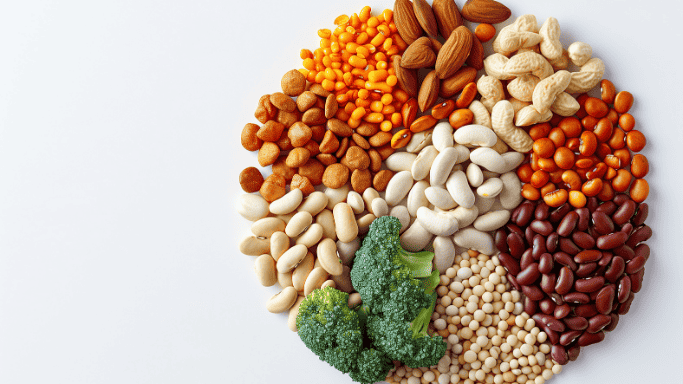
  4. https://www.nih.gov/news-events/nih-research-matters/how-excess-niacin-may-promote-cardiovascular-disease ↩︎
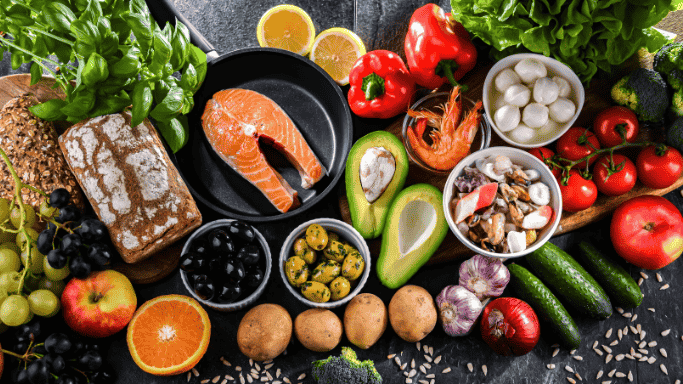
  5. https://www.ahajournals.org/doi/10.1161/cir.0000000000000625 ↩︎
  6. https://pmc.ncbi.nlm.nih.gov/articles/PMC5966770/ ↩︎
A close up image of a woman taking supplement

Creatine Nitrate vs Monohydrate: What Science Actually Says

Creatine monohydrate has dominated the supplement world for decades. It’s the gold standard that most people reach for when they want to boost their workout performance.

But you might have noticed creatine nitrate appearing on supplement labels lately. This newer form promises better absorption and claims to work just as well as the classic version.

Is it worth switching from the tried-and-true monohydrate? We dug into the research to find out which form actually delivers better results.

Key Takeaways

  • Creatine nitrate showed 38% better absorption and nearly 4x faster muscle creatine uptake in a small study
  • Nitrate form has fewer non-responders (20% vs 30%) but costs 2-3x more than monohydrate
  • Creatine monohydrate has decades of safety research, while nitrate has limited long-term data
  • Both forms improve exercise performance, but monohydrate remains the gold standard for most users

What Makes These Types of Creatine Different?

An open blue container of white powder, spilled onto a green surface with a yellow scoop resting in the powder.

The key difference between monohydrate and nitrate lies in what’s attached to the creatine molecule.

Creatine monohydrate binds creatine to a simple water molecule, creating the most basic and well-researched form available.

Creatine nitrate represents a modern creatine derivative which bonds creatine to nitrate molecules. The new formula provides enhanced water solubility which enables it to dissolve more effectively in stomach acid. The effects of creatine nitrate stem largely from this enhanced bioavailability.

The improved solubility should result in better absorption through the intestinal wall. People who have poor responses to standard creatine monohydrate supplements might experience improved results when using the nitrate form according to this evidence.

Creatine Monohydrate: The Gold Standard

A woman in workout attire scooping protein powder into a shaker bottle from a large black container, suggesting supplement preparation post-workout.

Creatine monohydrate remains the gold standard in sports nutrition for good reason. With over 685 clinical trials involving 12,839 participants, it’s the most extensively studied supplement for muscle performance1.

This well-researched form helps your muscles regenerate ATP (adenosine triphosphate) during high-intensity exercise. When you lift weights or sprint, your muscles quickly burn through their ATP stores. Creatine helps replenish these energy stores by donating phosphate groups to create phosphocreatine.

Creatine monohydrate may also support muscle growth through several mechanisms. It enhances protein synthesis by providing the energy needed for amino acids to build new muscle tissue. Many products use micronized creatine monohydrate for improved mixing and absorption.

The typical dosing protocol involves either:

  • Loading phase: 20 grams daily for 5-7 days, then 3-5 grams daily
  • No loading: 3-5 grams per day from the start

Research shows both approaches work equally well over time. The loading method just gets you to peak muscle creatine levels faster.

Creatine Nitrate vs Monohydrate: Absorption and Bioavailability

A hand is holding a gold spoon filled with white powdered supplement over a glass of water.

A controlled study with 10 healthy men revealed striking differences in how well each form gets absorbed. The results show creatine nitrate’s clear advantage in bioavailability2.

Absorption MetricCreatine MonohydrateCreatine Nitrate
Peak serum levels (60 min)118.6 ± 12.9 µmol/L163.8 ± 12.9 µmol/L
Area under curve466.3 ± 47.9 (µmol/L) × min622.7 ± 62.9 (µmol/L) × min
5-day muscle creatine increase2.1%8.0%

The nitrate group achieved nearly four times greater muscle creatine uptake after just five days. This suggests creatine nitrate may offer faster results for building your body’s creatine stores.

Even more interesting, creatine nitrate showed a lower non-responder rate. About 30% of people don’t respond to creatine monohydrate, but only 20% failed to respond to the nitrate form.

Both creatine monohydrate and creatine nitrate share similar absorption pathways. Yet the nitrate version’s enhanced solubility gives it a significant advantage in reaching muscle tissue.

Which Form of Creatine is Best for Performance?

A fit woman performing a lunge exercise indoors while holding small dumbbells, wearing athletic clothes and standing in front of a large window with greenery outside.

Both forms improve exercise performance, but the research on direct comparisons remains limited. One 28-day study found that 3 grams daily of creatine nitrate produced better bench press improvements compared to the same dose of creatine monohydrate3.

For power output and strength gains, both forms show similar benefits:

  • Increased peak power during short bursts
  • Better performance in repeated high-intensity efforts
  • Enhanced recovery between sets

The nitrate component theoretically provides additional benefits through nitric oxide enhancement. This may enhance exercise capacity by improving blood flow and nutrient delivery to working muscles.

For endurance activities, both forms show modest benefits. Still, creatine’s primary advantage remains in high-intensity, short-duration efforts. The better blood flow from creatine nitrate could theoretically help with sustained activities.

Creatine monohydrate has established cognitive benefits that extend beyond muscle performance. It can improve working memory and reduce mental fatigue, making it valuable for creatine as a nootropic.

Safety: Nitrate and Monohydrate Compared

White creatine powder spilled from a container onto a stone surface.

Both forms show acceptable safety profiles, but with different considerations based on research depth.

Creatine monohydrate safety studies show side effects occur in only 13.7% of studies, similar to placebo groups at 13.2%. The most common issues are minor digestive upset and temporary water retention4.

For those concerned about creatine myths like kidney damage, extensive research shows no causal relationship in healthy individuals.

Creatine nitrate has much less safety data, with only one 28-day safety study in 58 participants. This study found no significant adverse effects on liver or kidney function markers. People with low blood pressure should exercise caution due to nitrate’s potential vasodilatory effects5.

One notable issue: 80% of creatine nitrate users reported an unpleasant odor with the supplement. This palatability problem could affect long-term compliance.

Nitrate or Monohydrate: Dosage Requirements

Close-up of a supplement facts label on a bottle, showing serving size of 3 tablets and 30 servings per container

Understanding proper dosing helps you get the most from creatine supplementation. The approach differs slightly between forms.

Creatine Monohydrate Dosing:

  • Loading: 20 grams daily for 5-7 days
  • Maintenance: 3-5 grams daily
  • Alternative: 3-5 grams per day without loading

Creatine Nitrate Dosing:

  • Studies used 3-6 grams daily
  • May require shorter or no loading due to better absorption
  • Best protocols still being researched

Due to superior absorption, creatine nitrate may work effectively at lower doses. Still, more research is needed to establish the most effective dosing strategies.

If you’re new to creatine supplementation, our creatine starter guide covers everything you need to know about timing and loading phases.

Cost Considerations Between Forms

Two identical white jars with black lids are placed on opposite ends of a white seesaw balanced on a yellow sphere, with the left side tilted downward.

Cost becomes a significant factor when choosing between these forms. Creatine monohydrate costs substantially less due to simpler manufacturing and wider availability from multiple suppliers.

Creatine nitrate typically costs 2-3 times more than monohydrate because of:

  • More complex production processes
  • Limited suppliers with fewer generic options
  • Premium positioning in the market

For most people, the cost difference raises questions about value. While nitrate shows better absorption, whether this justifies the higher price depends on your specific needs and budget.

Many pre-workout supplements now include creatine nitrate due to its enhanced solubility and potential blood flow benefits.

Creatine Monohydrate Supplements: Maximizing Your Choice

A hand holding a plain white supplement bottle against a vibrant orange background.

When selecting any form of creatine, quality matters significantly. Look for products that combine creatine with complementary ingredients for enhanced effectiveness.

Our Creatine + ATP supplement provides 4g of creatine monohydrate plus 400mg of disodium ATP. This combination delivers immediate energy support while building long-term muscle creatine stores.

The ATP component bridges the gap during your first weeks of supplementation. While your muscles gradually increase their creatine phosphate levels, the added ATP provides instant energy for high-intensity training. This dual approach makes it particularly effective for those just starting creatine supplementation.

Bonus Read: Understanding the connection between creatine and ATP helps explain why this combination works so well for muscle performance and recovery.

Blood Flow and Nitric Oxide Benefits

3D medical illustration of red and white blood cells flowing through an artery, representing circulation, cardiovascular health, or blood function.

One unique advantage of creatine nitrate lies in its potential for improving blood flow through nitric oxide pathways. Each creatine molecule bound to nitrate may enhance circulation by promoting vasodilation in blood vessels.

This better blood flow could theoretically provide several benefits:

  • Enhanced nutrient delivery to working muscles
  • Improved oxygen transport during exercise
  • Faster removal of metabolic waste products

The nitrate may offer additional performance benefits beyond what creatine alone provides. Yet, studies specifically demonstrating these cardiovascular benefits with creatine nitrate supplementation remain limited compared to the extensive research on creatine monohydrate6.

Special Considerations for Different Groups

Smiling older women representing safe and beneficial creatine use for women and adults over 40, supporting muscle and cognitive health.

Certain populations may benefit more from one form over another. Women often have questions about creatine supplementation regarding weight gain and hormonal effects.

Adults over 40 may find specific benefits in creatine supplementation for older adults, including cognitive support and muscle preservation.

Both forms appear safe for these groups, though the extensive research base favors creatine monohydrate for long-term use. As dietary supplements, creatine products are suitable for most healthy individuals regardless of age or gender.

Making Your Choice: The Bottom Line

Text "RIGHT CHOICE" written in chalk on a blackboard, with a red heart shape replacing the letter "O" in "CHOICE," symbolizing a healthy or emotionally positive decision.

The decision between creatine nitrate vs monohydrate comes down to your priorities and response to supplementation.

Choose creatine monohydrate if you:

  • Want the most cost-effective option
  • Prefer extensively researched supplements available
  • Seek proven cognitive and muscle performance benefits
  • Are starting with creatine for the first time

Consider creatine nitrate if you:

  • Haven’t responded well to creatine monohydrate
  • Want potentially faster muscle creatine uptake
  • Don’t mind paying premium prices
  • Are willing to try a newer supplement with less research

For most people, creatine monohydrate remains the smart choice. Its combination of proven effectiveness, extensive safety data, and affordable pricing makes it the gold standard.

But if you’re among the 30% who don’t respond to traditional creatine monohydrate, the nitrate form offers a promising alternative. The superior absorption rates and lower non-responder rate make it worth considering despite the higher cost.

When choosing any types of creatine, remember that consistency matters more than the specific form. The best creatine supplement is the one you’ll take regularly as part of your overall fitness and nutrition strategy.

Both forms can boost skeletal muscle performance and support your training goals. The key is finding the right fit for your body, budget, and long-term health objectives.

Referenced Sources:

  1. https://pmc.ncbi.nlm.nih.gov/articles/PMC2206055/ ↩︎
  2. https://link.springer.com/10.1007/s00726-024-03401-w ↩︎
  3. https://onlinelibrary.wiley.com/doi/10.1002/fsn3.1237 ↩︎
  4. https://www.mdpi.com/2072-6643/9/12/1359/pdf ↩︎
  5. https://pmc.ncbi.nlm.nih.gov/articles/PMC11629957/ ↩︎
  6. https://www.frontiersin.org/articles/10.3389/fspor.2022.1033842/full ↩︎