
Secure • Private • Science-backed
A yellow mug sits beside fresh ginger root and a lemon half on wood.

5 Anti-Inflammatory Health Benefits of Ginger Root

Ginger root has been treasured for thousands of years as both a culinary spice and natural remedy. Modern science now confirms what traditional healers have long known.

This powerful plant offers remarkable anti-inflammatory properties that can transform your health. Research reveals that ginger contains potent compounds that target inflammation throughout your body.

Key Takeaways

  • Ginger reduces exercise-induced muscle pain by 25% when taken daily for 11 days
  • 63% of arthritis patients experienced pain relief with ginger extract in clinical trials
  • Daily ginger intake helps control autoimmune inflammation by modulating immune cells
  • Ginger protects heart and brain health through powerful anti-inflammatory pathways

Health Benefits of Ginger: 5 Anti-Inflammatory Powers

An image of ginger and ginger powder

The health benefits of ginger extend far beyond soothing stomach upset. Scientific studies reveal five primary ways this root reduces inflammation in your body.

Each benefit targets different inflammatory pathways. This makes ginger a versatile tool for managing various health conditions naturally.

Fresh Ginger vs Other Forms for Maximum Benefits

Fresh ginger contains the highest concentration of active compounds. These include gingerols, shogaols, and zingerones that drive anti-inflammatory effects.

Ginger FormActive CompoundsBest Uses
Fresh rootHighest gingerolsCooking, tea
Dried powderConcentrated shogaolsSupplements
ExtractStandardized potencyTherapeutic doses

Ginger contains over 400 different chemical compounds. The most studied are 6-gingerol, 8-gingerol, and 6-shogaol for their anti-inflammatory properties.

Benefit 1: Exercise Recovery and Muscle Pain Relief

A woman sitting on a yoga mat, holding pink dumbbells in both hands.

Athletes and fitness enthusiasts can benefit tremendously from ginger’s muscle-healing properties. A University of Georgia study found that ginger supplementation reduced exercise-induced pain by 25%.1

The research involved 74 volunteers who took 2 grams of ginger daily. Participants experienced notable pain reduction after inducing muscle injury through exercise.

How Ginger May Help Athletes Recover Faster

Ginger may help your muscles recover by inhibiting prostaglandin and leukotriene biosynthesis.2 This process reduces the inflammatory cascade that causes post-workout soreness.

The compound 6-gingerol targets the same pathways as anti-inflammatory drugs. This makes ginger valuable for people seeking natural pain relief.

Ginger can help reduce muscle inflammation without medication side effects. Learn more about supporting recovery with our guide on NAD+ for athletic performance.

Benefit 2: Joint Pain and Arthritis Management

A woman holding her inflamed knee, showing signs of pain or discomfort.

People with arthritis often struggle to find effective natural solutions. Ginger offers hope for both osteoarthritis and rheumatoid arthritis sufferers.

A controlled study involving 261 patients with knee osteoarthritis revealed impressive results.3 About 63% experienced pain reduction when taking ginger extract compared to 50% in the placebo group.

Benefits of Ginger for Rheumatoid Arthritis

Ginger compounds reduce inflammatory mediators effectively. These include prostaglandin E2, tumor necrosis factor-α, and interleukin-1β.

Research shows that aromatherapy massage with ginger oil provides superior results. It improved joint stiffness compared to other oils tested.4

Ginger works by inhibiting COX-1 and COX-2 enzymes. These are key players in inflammatory processes that cause joint pain.

For more natural approaches, explore our article on NAD+ and arthritis support.

Benefit 3: Autoimmune Disease Support

Research from 2023 reveals how ginger could help control autoimmune inflammation. The study, published in JCI Insight, examined ginger’s effects on neutrophil activity.5

Neutrophils are white blood cells that contribute to autoimmune inflammation when overactive. Daily ginger supplementation made these cells more resistant to harmful responses.

Helps Reduce Autoimmune Inflammation Naturally

Ginger consumption boosted cyclic AMP levels in neutrophils. This then inhibited excessive inflammatory responses throughout the body.

The study found that ginger helped control neutrophil extracellular trap formation. NETs contribute to inflammation in lupus, rheumatoid arthritis, and antiphospholipid syndrome.

This discovery provides scientific evidence for ginger’s biological mechanism. It shows how ginger could benefit people with autoimmune conditions.

Benefit 4: Nausea Relief and Digestive Health

A woman holding her stomach with her left hand and covering her mouth with her right hand, appearing to vomit.

Your digestive system can experience notable inflammation from stress, poor diet, and bacterial imbalances. Ginger offers targeted protection for gut health and nausea relief.

University of Toronto researchers identified furanodienone (FDN) in ginger.6 This compound activates the pregnane X receptor, which regulates gut inflammation.

How Ginger Supports Gut Health

Studies show that ginger extract decreases inflammatory markers in intestinal cells.7 These include interleukin-6, interleukin-8, and nuclear factor-κB.

Ginger also improved intestinal barrier function by:

  • Increasing transepithelial electrical resistance
  • Reducing intestinal permeability
  • Strengthening tight junctions between cells
  • Supporting beneficial gut bacteria growth

This dual action helps manage inflammatory bowel disease and leaky gut syndrome. For more cellular support, check out our guide to cellular nutrition.

Benefit 5: Blood Sugar and Heart Protection
An older woman checking her blood sugar with a glucometer.

Ginger’s anti-inflammatory effects extend to cardiovascular and metabolic systems. A 2025 review in Cureus found that ginger helps reduce blood pressure and cholesterol.8

The phenolic compounds in ginger work by inhibiting inflammatory pathways. They also provide antioxidant protection to blood vessels.

May Help Reduce Cardiovascular Risk Factors

Research shows ginger may help protect against neurodegenerative diseases. The compound 6-gingerol enhances cognitive function through nerve growth factor pathways.9

Blood sugar control improves with regular ginger consumption. Studies indicate ginger enhances insulin sensitivity and glucose metabolism.

Cardiovascular BenefitMechanismResearch Finding
Lower blood pressureVasodilation8-12 mmHg reduction
Reduced cholesterolEnzyme inhibition15-20% LDL decrease
Better blood sugarEnhanced insulin sensitivity10-15% glucose improvement

Learn more about supporting brain health with our brain health supplements guide.

Ginger Supplement Options and Dosing

An image of a ginger and supplements

You can access ginger’s benefits through several forms. Each option offers unique advantages depending on your needs and preferences.

A randomized controlled trial found that taking ginger with meals improves absorption. It also reduces potential stomach irritation from higher doses.

Health Benefits of Ginger Tea and Other Forms

Ginger tea offers gentle benefits with good absorption and hydration. The warm liquid helps extract beneficial compounds and makes them easier to absorb.

  • Fresh ginger root: 1-2 grams daily for cooking and tea
  • Ginger powder: 250-1000mg daily in capsules or smoothies
  • Ginger tea: 2-3 cups daily for gentle ongoing support
  • Standardized extract: Follow manufacturer dosing for therapeutic use

To maximize ginger tea benefits, simmer fresh slices for 10-15 minutes. This extraction method releases more active compounds than quick steeping.

You can enhance absorption by adding black pepper or coconut oil. These help your body utilize ginger’s fat-soluble compounds better.

Combining Ginger with Turmeric for Enhanced Benefits

An image of turmeric and turmeric powder in a bowl

While ginger provides impressive benefits alone, combining it with turmeric creates even more powerful healing. These two roots work synergistically through different anti-inflammatory pathways.

Our Extra Strength Turmeric+ contains both turmeric and ginger extracts. This formula provides multiple anti-inflammatory herbs in one convenient supplement.

The combination includes quercetin and boswellia extract alongside ginger. Black pepper extract enhances bioavailability of all active compounds by up to 2000%.

Learn how these powerful roots work together in our guide to the benefits of turmeric and ginger.

Turmeric curcumin supplement promo

Safety and How to Take Ginger Properly

An image of ginger tea, lemon, and a ginger

Ginger has an excellent safety profile for most people when used reasonably. However, some individuals should exercise caution with supplementation.

When you take ginger for the first time, start with small amounts. This helps you assess your body’s response before increasing doses.

People taking blood-thinning medications should consult their healthcare provider first. Ginger may enhance anticoagulant drug effects.

Those scheduled for surgery should stop ginger supplements two weeks beforehand. The blood-thinning effects could increase bleeding risk during procedures.

Ginger helps with nausea and vomiting from various causes safely. Pregnant women can use small amounts for morning sickness under medical guidance.

Common side effects include:

  • Mild heartburn (take with food)
  • Stomach upset (reduce dose)
  • Increased bleeding risk (stop before surgery)
  • Drug interactions (consult doctor)

Testing Your Inflammatory Status

A woman in a white dress holding her inflamed stomach, appearing to be in pain.

Understanding your inflammatory burden helps guide ginger use effectively. Chronic inflammation often develops silently before symptoms appear.

Consider testing key inflammatory markers to establish your baseline. Our AgingSOS Advanced Panel measures 22 biomarkers including inflammatory proteins.

This testing approach aligns with precision health principles. You can make informed decisions about ginger when you understand your individual status.

Find out more about inflammatory testing in our guide to inflammatory biomarkers.

Bottom Line on Ginger for Reducing Inflammation

An image of ginger and turmeric for inflammation

Scientific research consistently demonstrates ginger’s remarkable anti-inflammatory benefits across multiple body systems. From reducing exercise pain to supporting joint health, this root provides wide-ranging healing support.

The key compounds—gingerols, shogaols, and zingerones—work through multiple pathways. They reduce inflammatory mediators and protect against chronic inflammation effectively.

With excellent safety and minimal side effects, ginger represents valuable natural medicine. Whether you choose fresh ginger, tea, or supplements, this herb supports your journey toward better health.

For more natural inflammation-fighting approaches, explore our herbs and spices that fight inflammation guide.

Referenced Sources:

  1. https://news.uga.edu/uga-researchers-find-daily-ginger-consumption-eases-muscle-pain/ ↩︎
  2. https://pmc.ncbi.nlm.nih.gov/articles/PMC3665023/ ↩︎
  3. https://pubmed.ncbi.nlm.nih.gov/11710709/ ↩︎
  4. https://informaticsjournals.co.in/index.php/jnr/article/view/32206 ↩︎
  5. https://insight.jci.org/articles/view/172011 ↩︎
  6. https://www.utoronto.ca/news/compound-found-ginger-could-help-treat-inflammatory-bowel-disease-study ↩︎
  7. https://pubmed.ncbi.nlm.nih.gov/28369951/ ↩︎
  8. https://pmc.ncbi.nlm.nih.gov/articles/PMC12007927/ ↩︎
  9. https://pubmed.ncbi.nlm.nih.gov/25049196/ ↩︎
A healthy older woman in a gray top performs arm exercises with dumbbells at home.

What to Expect Before and After Taking NMN Supplements

You’re curious about NMN supplements and wondering what changes you might see. Smart thinking.

NMN has gained tons of attention as a promising anti-aging supplement. But what should you realistically expect before and after taking it?

This guide walks you through everything. From getting ready to start to tracking the real changes over time.

Key Takeaways

  • Consult your doctor before starting NMN, especially if you take medications or have health conditions.
  • Most people notice meaningful changes around 4-8 weeks.
  • Quality matters enormously – choose NMN supplements with 98%+ purity and third-party testing.
  • Individual results vary based on age, NAD+ status, and lifestyle factors.

What is Nicotinamide Mononucleotide?

Before diving into expectations, let’s cover the basics.

NMN is a molecule your body uses to make NAD+. Think of it as fuel for your cellular power plants.

NAD+ is vital for over 500 cellular activities1. Energy production, DNA repair, and activating longevity proteins called sirtuins.

Your NAD levels naturally drop as you age. By your 50s, you have about half the NAD+ you had in your 20s2.

This decline connects to many age-related health issues. That’s why NAD boosters like NMN have become popular.

When you understand what NAD+ does in your body, it’s easy to see why this molecule matters so much.

Before You Take NMN

Getting ready matters for the best results.

Health Assessment and Safety

Talk to your doctor first. This is especially important if you take medications or have health conditions.

NMN might not play nice with certain drugs:

  • Blood sugar medications (insulin, metformin)
  • Blood pressure medications
  • Blood thinners
  • Cancer treatments

Some people should be extra careful:

  • Those with kidney disease
  • People with cancer history
  • Anyone with known allergies

Clinical studies show NMN is generally safe3. But individual responses vary.

Choosing the Best NMN Supplement

Quality makes all the difference with NMN supplements.

Here’s what to look for:

  • At least 98% purity
  • Third-party testing certificates
  • GMP certified manufacturing
  • Clear ingredient lists

Skip supplements without proper testing. The market is flooded with low-quality options. Our guide on how to choose the best NMN supplement covers quality factors in detail.

“We’ve tested NMN products from different manufacturers, and the purity differences are frankly concerning,” says Dr. She. “Some products contained less than 70% real NMN. When you’re investing in your health, you want to know exactly what you’re taking.”

Looking for Research-Grade NMN?

Jinfiniti’s Vitality↑® NAD+ Booster contains over 99% pure NMN with cellular energy-boosting ingredients like creatine and D-ribose. Instead of hoping your supplement works, you get a formula created by scientists who test NAD levels on a daily basis.

NMN Dosage Guidelines

Clinical trials have tested various doses safely4. Here’s what research shows:

Dosage LevelAmountBest For
Beginner250mg dailyFirst-time users
Standard300-600mg dailyMost adults
Higher900-1200mg dailyAs studied in trials

Start low and work your way up. This gives your body time to adjust.

Most people take NMN first thing in the morning on an empty stomach. This timing works with your body’s natural rhythm. For detailed guidance, check our NMN dosage guide on optimal amounts and timing.

What to Expect When Starting NMN

Your journey begins with realistic expectations.

Timeline for NMN Results

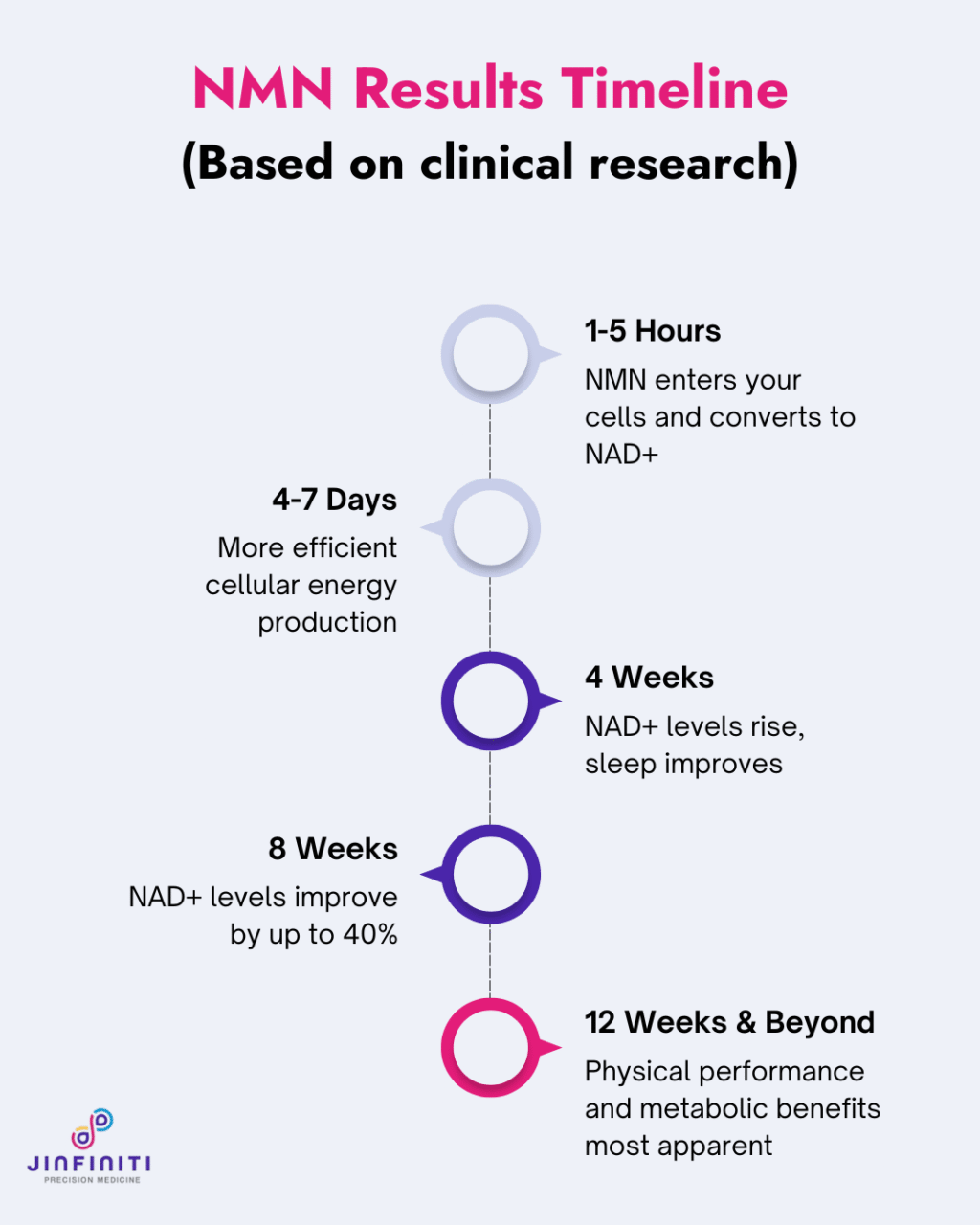
NMN work happens gradually, not instantly. Here’s what typically happens based on the latest research:

  • Hour 1: NMN gets to work converting to NAD+ in your cells
  • 4-7 Days: Your cells start producing energy more efficiently5
  • 4 Weeks: NAD+ levels start to rise in your system. You might notice better endurance and sleep quality6
  • 8 Weeks: NAD+ levels jump by about 40% compared to where you started7. Health scores improve across multiple measures8
  • 12 Weeks: Physical performance and metabolism continue improving with faster walking speed and better muscle function9

This timeline varies between individuals. Your age, current health, and lifestyle all play roles.

Don’t worry if your experience looks different. Everyone responds uniquely.

“In our clinical research, we’ve observed that people typically need 4-6 weeks of consistent supplementation before they notice meaningful changes,” notes Dr. Jin-Xiong She, founder of Jinfiniti. “The timeline really depends on your starting NAD levels and baseline health.”

Graphic showing timeline of expected results after taking NMN supplements based on clinical studies

Early Effects of NMN Supplements

Those first few weeks often bring subtle but noticeable changes.

Here’s what many people experience:

  • More energy when you wake up
  • Clearer thinking during the day
  • Feeling more motivated to do things
  • Bouncing back faster from workouts

Some people notice changes within days. Others need several weeks. Athletes and fitness enthusiasts may find our guide on NMN for athletic performance particularly helpful.

Don’t get discouraged if results take time. Your cells are doing important work behind the scenes.

NMN Before and After Results

Real results develop over months, not days.

Short-Term Benefits of NMN

During your first 1-3 months, research suggests several potential improvements.

Energy and Performance

  • Improved walking distance and endurance
  • Better overall energy throughout the day
  • Faster recovery from physical activities

Metabolic Changes

  • Better insulin sensitivity in some individuals10
  • Improved quality of life scores in studies
  • More stable energy levels without crashes

Many people report feeling more like their younger selves. The changes might be subtle, but they feel meaningful.

Learn more about the most promising benefits of NMN supplementation backed by research.

An older couple with walking poles exercises together on a modern bridge walkway.

Long-Term Health Benefits

Consistent use over 3+ months may bring more significant benefits.

Research shows potential improvements in:

  • Muscle strength, particularly grip strength
  • Walking speed and overall mobility
  • Cardiovascular health markers11

The key word is “potential.” Individual results vary significantly.

Your genetics, lifestyle, and starting health all influence outcomes. Some people see dramatic changes. Others notice subtle improvements.

“What I find interesting from our testing data is how much individual responses vary,” explains Dr. She. “Two people taking the same dose might have completely different NAD increases. That’s why we always recommend testing before and after supplementation.”

Anti-Aging Effects

NMN’s anti-aging potential comes from supporting cellular health.

The supplement may help with:

  • Maintaining cellular energy production
  • Supporting DNA repair processes
  • Activating longevity-related proteins

These cellular changes might translate to feeling more energetic and resilient over time.

Remember, NMN isn’t a fountain of youth. It’s one tool in a broader healthy aging approach.

For more context on supplement benefits, explore our guide on NAD+ supplement benefits and safety considerations.

A smiling woman with wet hair poses with arms raised outdoors looking into the horizon.

Tips for Maximizing NMN Benefits

Smart strategies can boost your results.

Take NMN in the morning for best results. Evening doses might interfere with sleep.

Daily use works better than sporadic supplementation. Your cells need steady NAD+ support.

Lifestyle Support

  • Eat a balanced diet rich in whole foods
  • Exercise regularly (both cardio and strength training)
  • Prioritize 7-9 hours of quality sleep
  • Manage stress through relaxation techniques

These habits work together with NMN. There are also many ways to increase NAD+ levels naturally through lifestyle changes. You can also include natural food sources of NMN in your diet.

Using NMN with Other Supplements

Some researchers like Harvard’s Dr. David Sinclair combine NMN with complementary supplements.

Popular Combinations:

  • NMN and resveratrol for better sirtuin activation
  • NAD+ precursors in rotation
  • Antioxidants for additional cellular support

Always research interactions before combining supplements. Start with one at a time. Understanding NAD vs NMN differences can help you choose the right approach.

NMN and Resveratrol Combination

This pairing has gained popularity in longevity circles.

Resveratrol may activate sirtuins more effectively when NAD+ levels are higher. The combination could provide synergistic benefits.

Some studies suggest taking them together improves both supplements’ effects. But more research is needed.

If you’re considering other NAD+ precursors, our NMN vs NR comparison explains the differences between these popular options.

NMN Supplement Benefits You Can Track

Monitoring your progress helps assess effectiveness.

Energy Levels and Performance

Track these markers:

  • Morning energy upon waking
  • Afternoon energy stability
  • Exercise performance and recovery
  • Mental clarity throughout the day

Keep a simple daily log. Rate each area on a 1-10 scale.

Recommended Testing Consider testing your actual NAD levels before and after supplementation. This provides objective data about NMN’s effects.

Jinfiniti offers the first-of-its-kind at-home intracellular NAD+ test to measure your baseline and track improvements.

NMN Skin Benefits

Some people report skin improvements with NMN use.

Potential changes include:

  • Better skin texture and appearance
  • Improved healing from minor cuts or irritation
  • More youthful-looking skin over time

These effects likely relate to improved cellular repair and energy production. Your skin cells need NAD+ for optimal function.

Document skin changes with photos if you’re tracking this benefit.

A smiling Asian woman with closed eyes touches her neck with yellow flowers by her face.

Potential Side Effects of Taking NMN Supplements

NMN is well-tolerated by most people. But some experience mild side effects.

Common Initial Side Effects:

  • Mild stomach discomfort
  • Temporary headaches
  • Increased alertness (if taken late)
  • Minor digestive adjustments

These usually resolve within a few days to weeks.

When to Contact Your Doctor:

  • Persistent digestive issues
  • Severe headaches
  • Allergic reactions
  • Significant changes in blood sugar or pressure

Studies show excellent safety profiles for NMN. But individual responses vary.

Stop use and consult your healthcare provider if you experience concerning symptoms.

NMN Powder vs Other Forms

Most people wonder about the best form of NMN supplementation.

NMN Powder Advantages:

  • Often more cost-effective per dose
  • Flexible dosing options
  • Fast absorption when taken sublingually
  • No unnecessary fillers or binders

Other Forms:

  • Capsules offer convenience
  • Lozenges provide sublingual delivery
  • Liquid forms may absorb quickly

Pure NMN powder gives you the most control over your dosing. You can start small and adjust based on your response.

Choose the form that fits your routine best. Consistency matters more than the specific format.

Making the Most of Your NMN Supplementation

Success with NMN supplementation requires the right approach.

Invest in properly tested, pure NMN supplements. Poor quality products won’t deliver expected results.

For those seeking a complete approach, consider products like Vitality↑® NAD+ Booster. This clinically validated formula combines NMN with complementary ingredients like creatine and D-ribose for better cellular energy support.

Real cellular changes take time. Most people need 6-12 weeks to see meaningful benefits.

Monitor energy levels, sleep quality, exercise performance, and overall well-being. This helps you assess whether NMN is working.

NMN could support healthy aging, but it’s not magic. Combine it with proven lifestyle strategies for best results.

Starting NMN: Your Next Steps

Ready to begin your NMN journey? Here’s what to do:

  1. Consult your healthcare provider
  2. Choose a high-quality supplement
  3. Start with a lower dose
  4. Track your baseline energy and performance
  5. Be patient with results

The research on NMN continues expanding. Current studies show promise for supporting cellular health and energy production.

Your experience with NMN will be unique. Some people see dramatic improvements. Others notice subtle but meaningful changes.

The key is approaching NMN supplementation thoughtfully. Choose quality products, start slowly, and track your response over time.

Remember that NAD+ deficiency symptoms can include fatigue, brain fog, and reduced physical performance. If you experience these issues, NMN might help restore optimal cellular function.

Whether you’re just starting to research NMN benefits and basics or ready to begin supplementation, understanding realistic expectations sets you up for success.

Take time to prepare properly. Choose quality supplements. Track your progress consistently. And remember that the best anti-aging approach combines smart supplementation with healthy lifestyle choices.

Referenced Sources

  1. https://pmc.ncbi.nlm.nih.gov/articles/PMC9735188/ ↩︎
  2. https://pmc.ncbi.nlm.nih.gov/articles/PMC7442590/ ↩︎
  3. https://pmc.ncbi.nlm.nih.gov/articles/PMC9400576/ ↩︎
  4. https://pubmed.ncbi.nlm.nih.gov/36482258/ ↩︎
  5. https://pmc.ncbi.nlm.nih.gov/articles/PMC8328278/ ↩︎
  6. https://www.frontiersin.org/journals/nutrition/articles/10.3389/fnut.2021.756243/full ↩︎
  7. https://pmc.ncbi.nlm.nih.gov/articles/PMC9261366/ ↩︎
  8. https://www.mdpi.com/1422-0067/25/5/2594 ↩︎
  9. https://pmc.ncbi.nlm.nih.gov/articles/PMC9158788/ ↩︎
  10. https://pmc.ncbi.nlm.nih.gov/articles/PMC11336149/ ↩︎
  11. https://www.mdpi.com/1422-0067/25/17/9526 ↩︎
A blonde woman in white clothing checks her smartwatch against a blue cloudy sky.

What to Know About Creatine and Cholesterol Levels

Most people associate creatine with gains in muscle mass and better sports performance. Yet, could this common supplement also be good for your heart? 

Fresh research uncovers surprising ties between creatine and how your body handles cholesterol. The outcomes aren’t what many anticipate, but the data indicates creatine might indeed deliver true heart and blood vessel benefits.

Let’s see what current findings say regarding creatine and your cholesterol numbers.

Key Takeaways

  • Creatine consistently lowers triglycerides by 16-23% but has minimal effects on total cholesterol
  • It’s safe for most people and provides cardiovascular benefits beyond lipid improvements
  • 3-5g daily works best for heart health without needing a loading phase
  • May help people who experience muscle problems from statin medications

What Is Creatine and How Does It Work?

Creatine is a naturally occurring compound your body makes from three amino acids. About 95% gets stored in your muscles, where it helps regenerate ATP during high-intensity activities.

Creatine is like your cellular energy backup system. When your muscles need quick bursts of power, the creatine-phosphocreatine system kicks in to maintain energy production.1

This energy system doesn’t just work in muscles. It acts as what researchers call a “dynamic biosensor” throughout your cells, connecting energy production sites with areas that need fuel most.

An image of creatine powder scoops

How Does Creatine Affect Cholesterol?

The effects of creatine on cholesterol aren’t quite what you might expect.

Several clinical studies show creatine’s most consistent benefit targets triglycerides, not cholesterol directly. Research involving older adults found four weeks of creatine monohydrate supplementation reduced fasting triglycerides by about 16%.2

A study by Earnest and colleagues examined 34 people with elevated cholesterol levels. They found major reductions in plasma triglycerides and VLDL cholesterol by 23% and 22% respectively.3

Key Research Findings

StudyParticipantsTriglyceride ChangeTotal Cholesterol Change
Clarke et al.Older adults-16%No significant change
Earnest et al.Elevated cholesterol-23%-6%
Gualano et al.With exerciseImproved+13% HDL

The studies show how creatine affects your lipid profile depends on which markers you measure. Total cholesterol and LDL often remain unchanged, while triglycerides consistently improve.

How Creatine May Improve Your Lipid Profile

Creatine affects your cardiovascular system beyond simple cholesterol numbers in several ways.

Enhanced Cellular Energy

Creatine boosts cellular energy production, which may improve overall metabolic efficiency. Better energy metabolism can support more effective lipid processing and fatty acid breakdown.4

Antioxidant Properties

Creatine demonstrates both direct and indirect antioxidant effects. It helps maintain mitochondrial function and reduces harmful reactive oxygen species formation.

This antioxidant action may protect lipoproteins from oxidation. That’s a key step in preventing atherosclerosis development.

Glucose Metabolism Benefits

Creatine supplementation has been linked to improved glucose metabolism. The same Clarke study that showed triglyceride improvements also found major reductions in fasting glucose levels.5

Since glucose and lipid metabolism are closely connected, this dual benefit suggests broader metabolic improvements.

An image of a heart model in a hand

Is Creatine Safe for Heart Health?

You might wonder about safety, especially given some widespread myths about creatine and it’s effects on the heart.

One common misconception is that creatine poses cardiovascular risks. The reality is quite different, and science consistently shows otherwise.

Extensive research spanning over 20 years shows creatine’s safety in healthy individuals.6 A comprehensive 2021 review of 1,322 articles found creatine may actually help lower blood lipid markers while providing antioxidant benefits.

Common Side Effects to Expect

  • Initial water retention (1-3 kg weight gain in first week)
  • Possible stomach upset with higher doses
  • Mild muscle cramps if inadequately hydrated

Is It Safe to Take Creatine Every Day?

You should consult a healthcare provider before starting creatine if you have:

  • Kidney disease
  • Diabetes
  • Take medications affecting kidney function

Pregnant and breastfeeding women should avoid creatine due to insufficient safety data.

Creatine Effects on Kidneys and Liver

Long-term studies show creatine supplementation doesn’t harm healthy kidneys or liver function. Research tracking people taking creatine for up to five years found no negative effects on kidney markers or liver enzymes.

The key is staying properly hydrated and following recommended dosages.

Creatine Dosage: How to Take Creatine Supplements

So how should you approach dosing when your goal is heart health rather than athletic performance?

Studies showing lipid benefits used 3-10g daily for extended periods. The International Society of Sports Nutrition recommends 3-5g daily for general health benefits.7

You don’t need a loading phase for cardiovascular benefits. Starting with 3-5g daily minimizes side effects while providing therapeutic benefits.

For a detailed breakdown of different approaches, check out our complete creatine starter guide that covers timing and dosing strategies.

Timing and Hydration

Take creatine at any time of day, but stay well-hydrated. Adequate water intake with creatine prevents most side effects and supports proper kidney function.

Which Form Works Best?

Creatine monohydrate remains the most studied and effective form of creatine. It’s also the most affordable option with the strongest research backing.

Bonus Read: Coffee lovers often ask about mixing creatine with caffeine. Our creatine and caffeine guide has the answers.

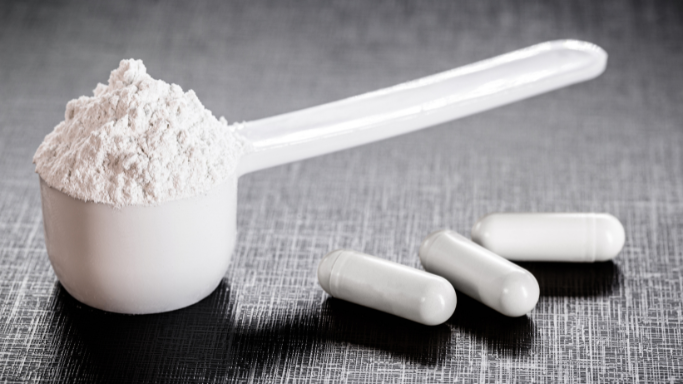
An image of a creatine powder and capsules

Jinfiniti’s Creatine + ATP

Jinfiniti’s Creatine ATP combines creatine monohydrate with ATP to support both cellular energy production and overall metabolic health. Our unique formulation provides 4g of creatine per serving, perfect for cardiovascular applications.

The addition of ATP enhances the energy-supporting benefits that make creatine effective for lipid metabolism improvements.

For total cellular energy support, Vitality↑® NAD Booster includes creatine alongside NAD+ precursors. This advanced formulation targets multiple pathways involved in cellular energy production and metabolic health.

Both options provide pharmaceutical-grade, third party-tested creatine monohydrate in forms designed for optimal absorption and effectiveness.

Adding Creatine Supplementation for Cholesterol Management

Some groups may benefit most from creatine’s cardiovascular effects.

Older Adults

Studies suggest older adults may be particularly responsive to creatine’s metabolic benefits. Age-related declines in muscle creatine content and mitochondrial function make supplementation potentially more beneficial in this population.

Our guide on creatine for older adults explores these age-specific benefits in detail.

People with Metabolic Syndrome

If you have elevated triglycerides, low HDL cholesterol, and insulin resistance, creatine’s dual benefits on glucose and lipid metabolism align well with therapeutic targets for metabolic syndrome.

Statin Users

New research suggests creatine may help prevent statin-induced muscle problems. Clinical evidence shows creatine supplementation can prevent statin-induced muscle symptoms in some patients.8

This could allow continued cholesterol-lowering treatment in people who otherwise couldn’t tolerate statins.

Beyond Lipids: Other Heart Health Benefits

What makes creatine so interesting is how it supports cardiovascular health through multiple pathways.

Recent research from Florida State University found that creatine promotes arterial dilation and improves microvasculature function.9 These effects matter for reducing cardiovascular disease risk independent of cholesterol levels.

Studies in heart failure patients also show creatine supplementation can improve exercise capacity and quality of life.10 

While these studies focused on functional outcomes rather than lipid effects, they support creatine’s broader cardiovascular benefits.

How Creatine Can Improve Athletic Performance and Endurance

While this article focuses on heart health, it’s worth restating that creatine’s benefits may also improve athletic performance. Better energy metabolism and reduced oxidative stress can enhance both power output and endurance capacity.

Athletes often see improvements in repeated high-intensity efforts, which translates to better training adaptations and overall fitness gains.

Bonus Read: Our guide on creatine as a nootropic covers the research on creatine for brain health and mental performance.

The Final Scoop

The relationship between creatine and cholesterol isn’t straightforward, but it’s promising.

While creatine may not dramatically lower total cholesterol or LDL, it consistently reduces triglycerides and supports overall cardiovascular health through multiple mechanisms.

The supplement’s excellent safety profile, combined with potential heart health benefits, makes it worth considering as part of a comprehensive approach to cardiovascular wellness.

Remember that creatine works best alongside other heart-healthy habits like regular exercise, proper nutrition, and stress management.

For more insights on supporting your cellular health naturally, explore our guides on how creatine works with ATP and creatine for climbers.

If you’re interested in testing your baseline metabolic health markers, consider Jinfiniti’s full biomarker testing to establish your starting point and track improvements over time.

Referenced Sources:

  1. https://pmc.ncbi.nlm.nih.gov/articles/PMC8070484/ ↩︎
  2. https://linkinghub.elsevier.com/retrieve/pii/S247529912313023X ↩︎
  3. https://pubmed.ncbi.nlm.nih.gov/8774269/ ↩︎
  4. https://pmc.ncbi.nlm.nih.gov/articles/PMC7910963/ ↩︎
  5. https://pmc.ncbi.nlm.nih.gov/articles/PMC9193312/ ↩︎
  6. https://pmc.ncbi.nlm.nih.gov/articles/PMC7871530/ ↩︎
  7. https://pmc.ncbi.nlm.nih.gov/articles/PMC7910963/ ↩︎
  8. https://pmc.ncbi.nlm.nih.gov/articles/PMC6770148/ ↩︎
  9. https://www.mdpi.com/2072-6643/17/1/58 ↩︎
  10. https://pmc.ncbi.nlm.nih.gov/articles/PMC8067763/ ↩︎

NAD and Diabetes: What Should You Know?

Millions live with diabetes every day, but new studies have uncovered a fascinating tie to a molecule called NAD. This could shake up the way we manage blood sugar and keep diabetic complications at bay.

Grasping this link might guide smarter health choices. Here’s what the science says about NAD and its role in diabetes.

Key Takeaways

  • NAD depletion plays a central role in diabetes complications like nerve damage and heart problems
  • Both type 1 and type 2 diabetes drain NAD stores but through different mechanisms
  • NAD precursors like NMN show promise for improving insulin sensitivity and glucose control
  • Testing your NAD levels can help guide personalized treatment decisions

What is NAD and Why Does it Matter for Diabetics?

Nicotinamide adenine dinucleotide, or NAD, is a coenzyme present in every cell of the body. It fuels energy creation, mends broken DNA, and keeps metabolism steady.

NAD comes in two forms your body juggles. There’s NAD+, the oxidized version, and NADH, its reduced twin. Together, they power cellular tasks. When their harmony breaks, things go wrong.

As a helper, NAD teams up with countless enzymes. These enzymes tackle everything—breaking down glucose, lipid metabolism, or mending damaged DNA. If NAD runs low, cells lose their way.

A healthcare worker with a stethoscope taking a bloog sugar test for an elderly woman.

How NAD Metabolism Changes in Diabetes

Diabetes creates a perfect storm that disrupts your body’s NAD balance. High blood glucose levels trigger a cascade of problems that drain your NAD stores1.

The Pseudohypoxia Problem

When glucose levels stay high, your cells produce too much NADH2. This creates what scientists call “pseudohypoxia” – a state where cells act like they’re starving for oxygen even when they’re not.

This imbalance affects how your body processes both sugar and fat. Your cellular machinery starts working less efficiently, making diabetes symptoms worse.

Increased NAD Consumption

Diabetes also increases oxidative stress throughout your body. This damage activates repair enzymes called PARPs3, which consume large amounts of NAD to fix DNA damage.

The result? Your cells run out of NAD just when they need it most. This creates a vicious cycle where cellular damage leads to more NAD depletion.

A blue digital blood glucose meter displaying 9.6 with a drop of blood nearby.

Type 1 vs Type 2: Different NAD Problems

The way diabetes affects NAD depends on which type you have. Both conditions drain NAD stores, but through different mechanisms.

Type 1 Diabetes and NAD Depletion

In type 1 diabetes, your immune system attacks insulin-producing cells. This creates massive oxidative stress that activates PARP enzymes.

These enzymes rapidly consume NAD to repair DNA damage. The result is energy failure in pancreatic cells and other tissues throughout your body.

Type 2 Diabetes: A Complex Web

Type 2 diabetes mellitus involves a more complex mechanism. High glucose levels activate protein kinase pathways that reduce NAD production.

This happens because key enzymes like NAMPT become less active. Your body literally loses its ability to make enough NAD to meet cellular demands.

The resulting NAD depletion contributes to insulin resistance and worsening blood sugar control.

A woman in a gray tank top wearing a continuous glucose monitor.

The Role of NAD in Diabetic Complications

Research shows that NAD depletion contributes to many serious diabetic complications. Understanding these connections could lead to better treatments.

Diabetic Neuropathy

Nerve damage is one of the most common diabetic complications. Studies show that NAD deficiency in nerve cells leads to mitochondrial dysfunction and eventual nerve death4.

When NAD levels drop, protective proteins called sirtuins become less active. This leaves nerve fibers vulnerable to damage from high glucose levels.

Research shows that NAD deficiency symptoms often include nerve problems, fatigue, and reduced cognitive function. Studies demonstrate that NAD precursors can reverse experimental diabetic neuropathy5.

Kidney Disease in Diabetics

Diabetic nephropathy involves complex changes in kidney NAD metabolism6. Research reveals decreased NAD levels in diabetic kidneys, leading to inflammation and tissue damage.

The kidney’s ability to make new NAD becomes impaired. This creates a cycle where kidney function declines as NAD levels drop.

Heart Complications

Diabetic cardiomyopathy is closely linked to NAD imbalance in heart muscle7. The NAD+/NADH ratio becomes disrupted, impairing energy production in cardiac cells.

This leads to progressive heart dysfunction and increased risk of heart failure. Restoring NAD balance could protect heart health in diabetic patients.

Heart problems in diabetes often involve mitochondrial dysfunction, which NAD helps address at the cellular level.

NAD Precursors: A New Hope for Diabetics?

Scientists have discovered that boosting NAD levels might help treat diabetes and its complications. Special molecules called NAD precursors can increase cellular NAD stores.

Nicotinamide Mononucleotide (NMN)

NMN is a direct precursor that your body converts into NAD. Research shows remarkable results in diabetic animal models.

Studies found that NMN completely normalized glucose tolerance in diabetic female mice8. It also improved insulin sensitivity in male diabetic mice and restored NAD levels in key tissues.

Human clinical trials are showing promise too. In postmenopausal women, 250mg daily of NMN improved muscle insulin sensitivity by about 25%9.

Nicotinamide Riboside (NR)

NR is another NAD precursor that has shown benefits in metabolic disorders10. Animal studies demonstrate improved glucose tolerance and reduced liver damage.

But human trials with NR have shown mixed results. Some studies report no meaningful improvement in insulin sensitivity in healthy individuals.

Testing Your NAD Levels: Why It Matters

Understanding your personal NAD status could be key to managing diabetes effectively. NAD levels vary significantly between individuals, and this variation affects treatment response.

Dr. Jin-Xiong She, who led groundbreaking diabetes research at the University of Florida’s Diabetes Center, has pioneered methods to measure cellular NAD levels. His research contributed to major studies like TEDDY (The Environmental Determinants of Diabetes in the Young), which screened over 424,000 newborns11.

Optimal NAD Ranges

Research has established specific NAD level ranges that indicate optimal cellular function:

NAD Level RangeStatusHealth Implications
40-100 μMOptimalNormal cellular function
30-40 μMSuboptimalMild energy deficiency
20-30 μMDeficientIncreased disease risk
0-20 μMSeverely deficientSignificant health problems

Levels above 100 μM may not provide additional benefits and could potentially be harmful.

The Intracellular NAD+ Test offers a way to measure your cellular NAD levels accurately. This information can help guide supplement decisions and monitor treatment progress.

For those interested in learning more about the testing process, our guide on how to test your NAD levels provides detailed information.

NAD Supplementation Strategies for Diabetics

If you’re considering NAD supplementation for diabetes, several factors should guide your decision. Individual response varies widely, so personalized approaches work best.

Choosing the right supplement requires understanding what to look for in NAD supplements and potential safety considerations.

A hand holds a small green and white capsule between thumb and finger.

Dosage Considerations

Research suggests effective NMN doses range from 250-500mg daily. For NR, studies have used 300-1000mg daily with varying results.

Starting with lower doses and gradually increasing allows you to assess your response. Some people notice improvements in energy and glucose control within weeks.

Timing and Combination Therapy

Taking NAD precursors on an empty stomach may improve absorption. Some people prefer splitting doses throughout the day.

Combining NAD precursors with other supportive nutrients might boost benefits. Antioxidants can reduce oxidative stress, while exercise naturally boosts NAD production.

The Vitality↑® NAD+ Booster combines NMN with complementary compounds like creatine and D-ribose. This formulation addresses multiple pathways that support cellular energy production.

Lifestyle Factors That Boost NAD Naturally

While supplements can help, lifestyle changes also influence your NAD levels. These approaches work synergistically with supplementation.

Caloric Restriction and Fasting

Limiting calories naturally increases NAD levels and activates protective sirtuin proteins. Intermittent fasting can boost NAD production while improving insulin sensitivity.

Even modest calorie reduction can make a difference. Focus on reducing refined carbohydrates and processed foods rather than drastically cutting calories.

Exercise and NAD Production

Regular physical activity improves your body’s ability to make NAD. Both aerobic exercise and resistance training stimulate NAD biosynthesis pathways.

Exercise also improves insulin sensitivity independent of NAD effects. Physical activity enhances energy metabolism and creates powerful benefits for diabetes management.

A group of people participate in an indoor cycling class on stationary bikes.

The Future of NAD-Based Diabetes Treatment

Research into NAD and diabetes is rapidly advancing. New therapeutic approaches are being developed that target specific aspects of NAD metabolism.

Personalized Medicine Approaches

Future treatments may be tailored based on individual NAD metabolism patterns. Genetic testing could identify people most likely to benefit from specific interventions.

Biomarker development is advancing rapidly. Soon, doctors might routinely test NAD levels alongside traditional diabetes markers like HbA1c.

Combination Therapies

The most promising approaches combine NAD precursors with other interventions. This might include traditional diabetes medications, antioxidants, and lifestyle modifications.

Research is exploring how to optimize these combinations for maximum benefit. The goal is creating complete treatment plans that address multiple pathways simultaneously.

Safety and Considerations for Patients with Diabetes

While NAD precursors appear generally safe, people with diabetes should take certain precautions. Individual responses vary, and some people may experience side effects.

Monitoring and Interactions

Start with professional guidance, especially if you take diabetes medications. NAD precursors might affect blood sugar control and could interact with certain drugs.

Regular monitoring becomes even more important when adding new supplements. Track your blood glucose patterns and watch for any changes.

Who Should Be Cautious

People with advanced diabetic complications should be particularly careful. High doses of NAD precursors may cause adverse effects in some populations.

Pregnant women and people with certain genetic conditions should avoid NAD supplementation until more research is available.

Taking Action: Your Next Steps

Understanding the connection between NAD and diabetes opens new possibilities for managing your health. The research clearly shows that NAD depletion plays a central role in diabetic complications.

Consider starting with NAD level testing to understand your current status. The NAD Optimization® Starter Package includes testing and supplementation to help you get started.

Remember that NAD optimization works best as part of a complete approach. Combine testing, targeted supplementation, and lifestyle changes for the best results.

The future of diabetes care may well include NAD metabolism as a primary therapeutic target. By understanding and addressing NAD deficiency, we might be able to prevent complications and improve quality of life for millions of people with diabetes.

Your journey to better health starts with understanding your body’s unique needs. NAD testing and optimization could be the missing piece in your diabetes management puzzle.

  1. https://pmc.ncbi.nlm.nih.gov/articles/PMC7610120/ ↩︎
  2. https://www.dovepress.com/sources-and-implications-of-nadhnad-redox-imbalance-in-diabetes-and-it-peer-reviewed-article-DMSO ↩︎
  3. https://pmc.ncbi.nlm.nih.gov/articles/PMC2228261/ ↩︎
  4. https://www.nature.com/articles/s44324-025-00067-0 ↩︎
  5. https://www.mdpi.com/1422-0067/25/2/1102 ↩︎
  6. https://pmc.ncbi.nlm.nih.gov/articles/PMC8333862/ ↩︎
  7. https://www.ahajournals.org/doi/10.1161/CIRCHEARTFAILURE.120.008170 ↩︎
  8. https://pmc.ncbi.nlm.nih.gov/articles/PMC3204926/ ↩︎
  9. https://www.science.org/doi/10.1126/science.abe9985 ↩︎
  10. https://pmc.ncbi.nlm.nih.gov/articles/PMC4882590/ ↩︎
  11. https://link.springer.com/article/10.1007/s00125-015-3514-y ↩︎
Dr. Jin-Xiong She headshot

Who is Dr. Jin-Xiong She? Background and Achievements

Dr. Jin-Xiong She ranks among genomic medicine’s most distinguished researchers. His scientific work has changed the way we think about diabetes, aging, and cellular health.

From his early research into autoimmune diseases to founding a precision medicine company, his career spans over three decades. He has published more than 400 scientific papers and secured over $100 million in research funding.

Today, he leads the charge in personalized longevity research through his company Jinfiniti Precision Medicine.

Early Life and Scientific Foundation

A strong family focus on schooling and scientific reasoning set Dr. She on his course in biomedical research. This setting nurtured an initial curiosity in biology and genetics, fostering the sort of incisive thought that would define his research efforts.

His academic pursuits led him across continents, exposing him to various outlooks that later informed his research techniques. He finished his undergraduate degree in China, subsequently earning advanced degrees in France.

He obtained his Master of Science from the National School of Agriculture in 1984. Three years later, in 1987, he was awarded his PhD in Molecular Genetics by the University of Montpellier.

This international foundation gave him a special advantage. He came to integrate Eastern philosophical tenets with the precision of Western scientific rigor.

Dr. Jin-Xiong She headshot

Academic Career at University of Florida

After completing his doctorate, Dr. She moved to the United States for postdoctoral training. He focused on immunogenetics at the University of Florida, studying the genetic basis of autoimmune disorders.

His rise through the academic ranks was remarkably fast. He advanced from Assistant Professor to Associate Professor, then to Full and Endowed Professor in record time.

This rapid progression reflected his immediate impact on the field. His research productivity and new ideas set him apart from his peers early in his career.

Leadership in Diabetes Research

Dr. She took on major leadership roles at the University of Florida. He served as Division Chief of Experimental Pathology and Director of Research at the university’s Diabetes Center.

These positions placed him at the center of diabetes research. He guided the scientific strategy of a leading center dedicated to understanding this complex disease.

Building Genomic Medicine at Augusta University

In 2002, Dr. She received a prestigious appointment as Georgia Research Alliance Eminent Scholar in Genomic Medicine at Augusta University. This position represented a major investment by the state of Georgia to build world-class research programs.

The appointment came with substantial resources and a clear mandate. He was tasked with establishing a center of excellence in genomic medicine from the ground up.

Founding the Center for Biotechnology and Genomic Medicine

As founding director, Dr. She established the Center for Biotechnology and Genomic Medicine (CBGM) at Augusta University. The center became one of the world’s first academic programs dedicated specifically to genomic medicine.

The CBGM’s mission was ambitious and forward-looking. It aimed to advance “predictive, preventive, personalized and participatory medicine” through interdisciplinary research.

This “4P” philosophy became the guiding principle of his work. It provides a direct connection between his academic research and his later business ventures.

Under his leadership, the center attracted four internationally renowned diabetes research programs. These included major studies like TEDDY (The Environmental Determinants of Diabetes in the Young) and PANDA (Prospective Assessment in Newborns of Diabetes Autoimmunity).

The TEDDY Study and Breakthrough Discoveries

Dr. She played a key role in conceiving and launching the landmark TEDDY study in 2003. This massive international project aimed to identify environmental triggers that cause Type 1 diabetes in genetically susceptible children.

The study’s scale was unprecedented. It screened over 424,000 newborns and enrolled nearly 9,000 high-risk children to follow for 15 years.

Landmark Findings About Diabetes

The TEDDY study produced major discoveries under Dr. She’s leadership. The research revealed that Type 1 diabetes is not a single disease but multiple distinct subtypes with different genetic triggers.

His team identified the first clear genetic evidence for diabetes “endotypes.” Children who develop insulin autoantibodies first have different genetic risk factors than those who develop glutamic acid decarboxylase autoantibodies first.

The research also uncovered important environmental factors. The study found that probiotic exposure during infancy decreased diabetes risk, while certain infant formulas increased it.

His work identified several new genetic regions that influence different stages of disease development. These discoveries moved the field beyond simple genetic models to understand diabetes as a complex, multi-stage process.

Jin-Xiong She and the Transition to Longevity

Dr. She’s transition from diabetes research to aging science was both logical and smart. The biological mechanisms underlying Type 1 diabetes—inflammation, metabolic dysfunction, and cellular damage—are central to the aging process itself.

His skills in developing high-throughput testing technologies transferred directly to wellness and healthspan improvement. The same biomarker discovery methods used in disease research could identify aging-related changes before symptoms appeared.

His research into cellular energy and repair mechanisms earned him recognition as the “King of NAD” in wellness circles.

Founder of Jinfiniti Precision Medicine

In 2018, Dr. She founded Jinfiniti Precision Medicine, where he serves as CEO and Chief Scientific Officer. The company represents the direct application of his “4P medicine” philosophy to consumer health.

Jinfiniti Precision Medicine operates on a scientist-led, data-driven approach. The company provides end-to-end solutions for healthy longevity by optimizing healthspan, performance, and lifespan.

Jinfiniti offers proprietary tests for key aging biomarkers including intracellular NAD+ levels, oxidative stress markers, and senescent cell burden. The company then provides targeted supplements like NAD boosters to address deficiencies found through testing.

This approach represents the personalized medicine principles he developed in academia. Jinfiniti targets diverse markets including clinicians, pharmaceutical companies, and the growing community of longevity enthusiasts and biohackers.

NAD Research and Cellular Health

Dr. She’s current work focuses heavily on NAD (Nicotinamide Adenine Dinucleotide) and its role in cellular function. NAD is a molecule involved in over 500 cellular activities and declines significantly with age.

His research has shown that NAD levels vary dramatically between individuals. The same supplement dose could be optimal for one person but ineffective or harmful for another.

This discovery led to developing the first commercially available intracellular NAD+ test. The test allows individuals to measure their baseline levels and monitor improvement through supplementation.

Scientific Impact and Recognition

Dr. She’s academic record places him among the top biomedical researchers globally. His 400+ peer-reviewed papers have been cited more than 20,000 times, with an H-index ranging from 71 to 79.

His ability to secure large research funding shows the scientific community’s confidence in his work. The $100+ million in competitive grants he has received primarily came from the National Institutes of Health.

His leadership roles included serving as President of the American Diabetes Association’s Council on Immunology, Transplantation, and Immunogenetics, and leading the Chinese Geneticists in America organization.

Beyond metrics, his impact has been life-changing. He shifted the diabetes field from simple genetic models to understanding complex, multi-stage disease processes.

Current Work and Future Directions

Today, Dr. She focuses on a mission close to his heart: helping people extend their healthspan through Jinfiniti’s TAO philosophy. TAO stands for Test, Act, and Optimize—a method that reflects both ancient wisdom and modern science.

His work addresses a critical health challenge facing society. Most people experience a 20-year gap between their healthspan and lifespan—living healthy until about age 60 but surviving until 80 with declining quality of life.

Jinfiniti’s approach aims to close this gap through data-driven interventions. Rather than simply adding years to life, Dr. She’s mission centers on adding life to years.

The company’s philosophy goes beyond typical wellness approaches. It combines rigorous testing with personalized interventions to help individuals maintain vitality, energy, and cognitive function as they age.

His scientific background brings credibility to longevity interventions in a field often lacking solid evidence. This evidence-based approach helps people make informed decisions about their health optimization journey.

A Legacy of Scientific Innovation

Dr. Jin-Xiong She’s career represents the modern scientist-entrepreneur model. He has successfully translated decades of basic research into practical tools for improving human health.

His work has progressed from understanding a devastating autoimmune disease to tackling the fundamental biology of aging itself. Both endeavors share a focus on unraveling biological complexity and converting insights into actionable strategies.

His legacy will be measured not only by his foundational discoveries in diabetes genetics but also by his pioneering efforts in personalized longevity medicine. Through Jinfiniti, he continues working to extend the healthy, vibrant years of human life.

A variety of colorful pills, capsules, and tablets floating against a neutral beige background.

Bryan Johnson Blueprint Supplement List Reviewed (2025)

Bryan Johnson has captured global attention with his extreme approach to reversing biological age. The tech entrepreneur spends over $2 million annually on his Blueprint project. His supplement routine includes more than 40 different compounds taken daily.

This detailed review examines bryan johnson’s complete 2025 supplement list. We’ll break down the science behind his choices. We’ll explore which components show real promise for longevity.

The Complete Bryan Johnson Blueprint Stack Overview

The Bryan Johnson supplement protocol is one of the most extensive anti-aging regimens ever documented. His full list includes NAD+ precursors, senolytics, hormones, and prescription medications.

Johnson categorizes his interventions into three tiers. The first tier includes supplements he believes are suitable “for everyone.” The second tier contains compounds he takes based on personal biomarker measurements. The third tier represents experimental therapies he’s testing.

Various orange and gray capsules with textured surfaces scattered on a beige background.

Complete Bryan Johnson Blueprint Supplement List 2025

Here’s bryan johnson’s full supplement routine with exact dosages and timing. This is his personal protocol, which differs from his commercial Blueprint products.

Morning Supplements (With First Meal)

SupplementDaily DoseNotes
NMN or Nicotinamide Riboside500mg (NMN) or 450mg (NR), 6x/weekNAD+ precursor
Calcium Alpha-Ketoglutarate1gMetabolic support
Ashwagandha600mgStress adaptation
Coenzyme Q10 (Ubiquinol)100mgCellular energy
Vitamin D32,000 IUBone/immune health
EPA/DHA/DPA800mgOmega-3 fatty acids
Vitamin C500mgAntioxidant support
BroccoMax (Sulforaphane)17.5mgDetoxification support
Ginger Root2.2gAnti-inflammatory
Garlic (regular)2.4gCardiovascular support
Fisetin200mgSenolytic compound
Lithium Orotate1mgNeuroprotection
Vitamin K2-MK45mgBone health
Vitamin K11.5mgBlood clotting
Vitamin K2-MK7600mcgArterial health
Zinc15mgImmune function
Iodine (Potassium Iodide)125mcgThyroid support
Lycopene10mgAntioxidant
Spermidine10mgAutophagy inducer
Proferrin (Heme Iron)10.5mgIron supplementation
Acarbose (Prescription)200mgBlood sugar control
Metformin (Prescription)500mgMetabolic health
Blueprint Essentials2 capsulesCommercial stack
Blueprint Soft Gel1 capsuleCommercial stack
Blueprint NAC + Ginger + Curcumin3 capsulesCommercial stack
Blueprint Red Yeast Rice + Garlic1 capsuleCommercial stack
ProButyrate600mgGut health
Plasmalogens (Glia & Neuro)1mL eachBrain health

Evening Supplements (With Dinner)

SupplementDaily DoseNotes
Calcium Alpha-Ketoglutarate1gSecond daily dose
Cocoa Flavanols500mgCardiovascular support
Vitamin E67mgAntioxidant
Garlic (Kyolic)1.2gAged garlic extract
Glucosamine Sulfate 2KCL1,500mgJoint health
L-Lysine1gAmino acid support
L-Tyrosine500mgNeurotransmitter support
Turmeric (Curcumin)1gAnti-inflammatory
Taurine1gCardiovascular support
Viviscal1 pillHair growth
NAC (N-Acetyl-L-Cysteine)1,800mgAntioxidant precursor
Genistein125mgPhytoestrogen
Metformin (Prescription)500mgSecond daily dose
Proferrin (Heme Iron)10.5mgSecond daily dose
EPA/DHA/DPA800mgSecond daily dose

Before Bed Supplements

SupplementDaily DoseNotes
Melatonin300mcgSleep support
Turmeric1gSecond daily dose
Taurine2gSecond daily dose

Weekly/Periodic Supplements

SupplementFrequencyNotes
B-Complex0.5 pill, 2x/weekVitamin support
Aspirin81mg, 3x/weekCardiovascular protection
Testosterone Patch (Prescription)4mg, 1x/weekHormone therapy
B12 Injection1x/weekVitamin B12
Levothyroxine (Prescription)112mcg dailyThyroid hormone
Armour Thyroid (Prescription)60mg dailyNatural thyroid

Daily Food Items

ItemAmountPurpose
Extra Virgin Olive Oil30mLHealthy fats
Pea Protein29gProtein supplementation
Dark Chocolate15gAntioxidant support

The blueprint Bryan Johnson follows includes both his commercial products and individual supplements. His Blueprint Essential Capsules and Longevity Mix are simplified versions of his personal protocol.

NAD+ and Cellular Energy: The Foundation of Bryan Johnson’s Approach

Johnson prioritizes NAD+ optimization as a cornerstone of his longevity protocol. He alternates between NMN and nicotinamide riboside six times per week. This approach targets declining cellular energy levels that occur with aging.

NAD+ levels decline significantly with age. This decline affects mitochondrial function and energy levels throughout the body. Bryan johnson’s supplement protocol aims to restore youthful NAD+ levels through targeted supplementation.

Johnson has used Jinfiniti’s own Intracellular NAD+ Test and achieved an optimal score of 54.6μM1. This result places him in the ideal range for cellular health and vitality. According to Dr. Jin-Xiong She’s clinical practice, optimal NAD levels fall between 40-100μM.

A molecular structure with connected spherical atoms and bonds rendered in 3D graphics.

The science supporting NAD+ precursors continues to evolve. Human clinical trials show both NMN and NR effectively raise NAD+ levels2. Studies demonstrate improved aerobic capacity and muscle function in participants3.

Bryan’s Key NAD+ Support Supplements:

  • NMN: 500mg (6x weekly)
  • Nicotinamide Riboside: 450mg (alternative to NMN)
  • CoQ10: 100mg daily
  • Creatine

Johnson’s emphasis on cellular energy extends beyond NAD+ precursors. His blueprint stack includes creatine, which supports ATP production and cognitive function. This multi-pathway approach targets energy production at different cellular levels.

For anyone interested in following bryan johnson’s supplement approach to NAD+ optimization, testing provides the foundation.

Jinfiniti’s Vitality NAD Booster offers a scientifically formulated approach to restoring NAD. Our product combines NAD+ precursors with creatine and supporting compounds. This mirrors the successful research protocols Johnson follows.

Vitality Mini CTA

Anti-Inflammatory and Antioxidant Powerhouses

The blueprint protocol places heavy emphasis on reducing oxidative stress and inflammation. Johnson consumes large amounts of curcumin, with 2 grams of turmeric daily split between doses. This anti-aging approach targets chronic inflammation linked to aging processes.

Curcumin shows impressive anti-inflammatory properties in clinical research4. Studies demonstrate reduced inflammatory markers and improved joint function. Bryan johnson’s dosage exceeds typical recommendations. High-dose turmeric supplementation requires careful consideration due to potential liver concerns.

Anti-Inflammatory Compounds in Johnson’s Stack:

  • Turmeric (Curcumin): 2g daily
  • Taurine: 3g daily (1g dinner, 2g bedtime)
  • Ginger Root: 2.2g daily
  • Fisetin: 200mg daily
Various supplement capsules and orange powder scattered on a green surface with a spoon.

Bryan Johnson’s extensive supplement protocol includes fisetin. As a senolytic, this flavonoid’s job is to eliminate senescent “zombie” cells. Animal studies show hopeful signs for increasing longevity5. Human investigations are steadily adding to the body of confirming data.

Taurine deserves special attention in bryan johnson’s supplement protocol. This amino acid supports cardiovascular health and may help reduce oxidative damage. Clinical studies suggest 1-2 grams daily can benefit heart health and blood pressure6.

Johnson includes antioxidant support through multiple pathways. His blueprint bryan johnson protocol features lycopene, cocoa flavanols, and various plant-based compounds. This multi-target approach addresses different sources of cellular damage and oxidative stress.

Jinfiniti’s Formulations

If you don’t want to juggle numerous individual supplements, Jinfiniti offers precisely formulated combinations instead. Our Extra Strength Turmeric+ turmeric curcumin supplement provides extensive anti-inflammatory backing within a single, handy capsule. You’ll find curcumin, boswellia, ginger, and substances that aid absorption, eliminating the need to keep track of various bottles.

Our senolytic supplement SenoAid streamlines the senolytic strategy Johnson adopts with only fisetin. This preparation supplies fisetin along with other supporting ingredients for optimal cellular revitalization.

Controversial Prescription Components

Bryan johnson’s supplement protocol extends beyond typical supplements. He includes prescription medications like metformin and acarbose. These diabetes drugs show potential longevity benefits in animal research7. This is the most experimental aspect of his health and longevity approach.

Metformin activates AMPK, a pathway associated with caloric restriction benefits. Acarbose helps control blood sugar spikes after meals. Both drugs extend lifespan in mice according to intervention studies8. Human longevity data remains incomplete for healthy individuals.

Blue and white capsules arranged in a circle with white tablets on a light blue background.

Johnson also uses thyroid hormones and testosterone replacement therapy. These interventions carry significant risks for healthy individuals. Medical supervision becomes necessary when considering hormonal modifications. This aspect of bryan johnson’s blueprint exceeds safe self-experimentation boundaries.

Prescription Elements (Not Recommended Without Medical Oversight):

  • Metformin: 1g daily
  • Acarbose: 200mg daily
  • Testosterone patch: 4mg weekly
  • Thyroid hormones: Multiple formulations

The inclusion of prescription drugs highlights the extreme nature of project blueprint. Most people should focus on proven supplements before considering pharmaceutical interventions. This longevity protocol pushes far beyond conventional supplement routines.

Biomarker Testing: The Data-Driven Approach

Johnson’s success stems partly from extensive biomarker monitoring. He tracks over 70 organ systems and adjusts his protocol based on results. This personalized approach sets his method apart from generic supplement recommendations. The blueprint project emphasizes precision over guesswork.

Biomarker testing allows for targeted interventions rather than shotgun supplementation. Johnson measures everything from inflammatory markers to hormone levels. This biological age assessment guides his supplement choices and dosing decisions.

His NAD+ testing with Jinfiniti exemplifies this approach. Rather than guessing optimal doses, he confirmed his cellular NAD+ status through direct measurement. This data-driven strategy helps optimize supplement timing and dosages for maximum vitality.

Biomarkers Johnson Monitors:

  • Intracellular NAD+ levels
  • Inflammatory markers (CRP, IL-6)
  • Hormone panels (testosterone, thyroid)
  • Cardiovascular markers
  • Metabolic indicators
A blue gloved hand holds a test tube with red liquid against an orange background.

The Blueprint project emphasizes that “one size fits none” in longevity interventions. Individual genetics, metabolism, and health status affect supplement responses significantly. Bryan johnson’s full testing approach reveals these individual differences.

For those interested in personalized optimization, NAD+ testing provides valuable baseline data. Understanding your current cellular energy status helps guide supplementation decisions. Jinfiniti’s Intracellular NAD+ Test offers the same technology Johnson uses to track his progress.

Blueprint Stack vs. Individual Supplementation

Johnson’s commercial Blueprint products simplify his complex protocol. The Essential Capsules and longevity mix contain multiple ingredients in convenient formulations. These products make the blueprint protocol more accessible to the general public.

The commercial blueprint stack differs significantly from Johnson’s personal regimen. His individual protocol includes many supplements not found in the retail products. The prescription medications and hormones remain completely separate from commercial offerings.

Blueprint Commercial Products:

  • Essential Capsules: 24 nutrients in 2 capsules
  • Longevity Mix: 13 active compounds in powder form
  • Individual supplements: NAC, garlic, curcumin combinations

The simplified products make the protocol more accessible. They represent a modified version of bryan johnson’s full approach. Consumers should understand this distinction when evaluating potential benefits from the blueprint stack.

Many of bryan johnson supplements align with established research. Ashwagandha for stress reduction, CoQ10 for heart health, and omega-3s for inflammation all have solid scientific support. These are the safer components of his full list.

Evidence-Based Alternatives: A Practical Approach

While Johnson’s protocol pushes boundaries, many supplements show questionable risk-benefit profiles. A more conservative approach might focus on proven interventions with established safety records. This strategy reduces risk while maintaining health and longevity benefits.

Core Longevity Supplements with Strong Evidence:

  • Omega-3 fatty acids: 1-2g daily
  • Vitamin D3: 1000-2000 IU daily
  • Magnesium: 200-400mg daily
  • Best NAD+ supplements: Based on testing results

Johnson’s approach of starting with biomarker testing makes sense. Understanding your baseline health status helps prioritize interventions. Longevity testing panels can identify specific areas needing attention without requiring 100 supplements.

Learning from the Blueprint Supplement Routine

Bryan johnson’s blueprint supplement stack contains over 100 compounds, prescription drugs, and experimental interventions. Most people don’t need this extreme approach. The real value lies in his testing philosophy.

Johnson tracks 70+ biomarkers to guide his decisions. This data-driven approach separates him from random supplementation. His success comes from measuring first, then acting on the results.

You can apply this same principle without the extreme supplement routine. Jinfiniti’s AgingSOS® Advanced Longevity Panel measures 22 key aging biomarkers. The test reveals your cellular health status, inflammation levels, and metabolic function.

Start where Johnson started: with data. Test your aging markers. Identify your specific needs. Then choose targeted interventions based on your results.

The blueprint project proves personalized medicine works. Make it work for you with smarter testing, not endless supplements.

  1. https://protocol.bryanjohnson.com/Monthly-Notes#april-23 ↩︎
  2. https://iadns.onlinelibrary.wiley.com/doi/10.1002/fft2.511 ↩︎
  3. https://pubmed.ncbi.nlm.nih.gov/34238308/ ↩︎
  4. https://pubmed.ncbi.nlm.nih.gov/24672232/ ↩︎
  5. https://pubmed.ncbi.nlm.nih.gov/30279143/ ↩︎
  6. https://pmc.ncbi.nlm.nih.gov/articles/PMC10574552/ ↩︎
  7. https://pmc.ncbi.nlm.nih.gov/articles/PMC9286917/ ↩︎
  8. https://pmc.ncbi.nlm.nih.gov/articles/PMC3736576/ ↩︎
Pink and blue capsules arranged in a repeating pattern on a teal background.

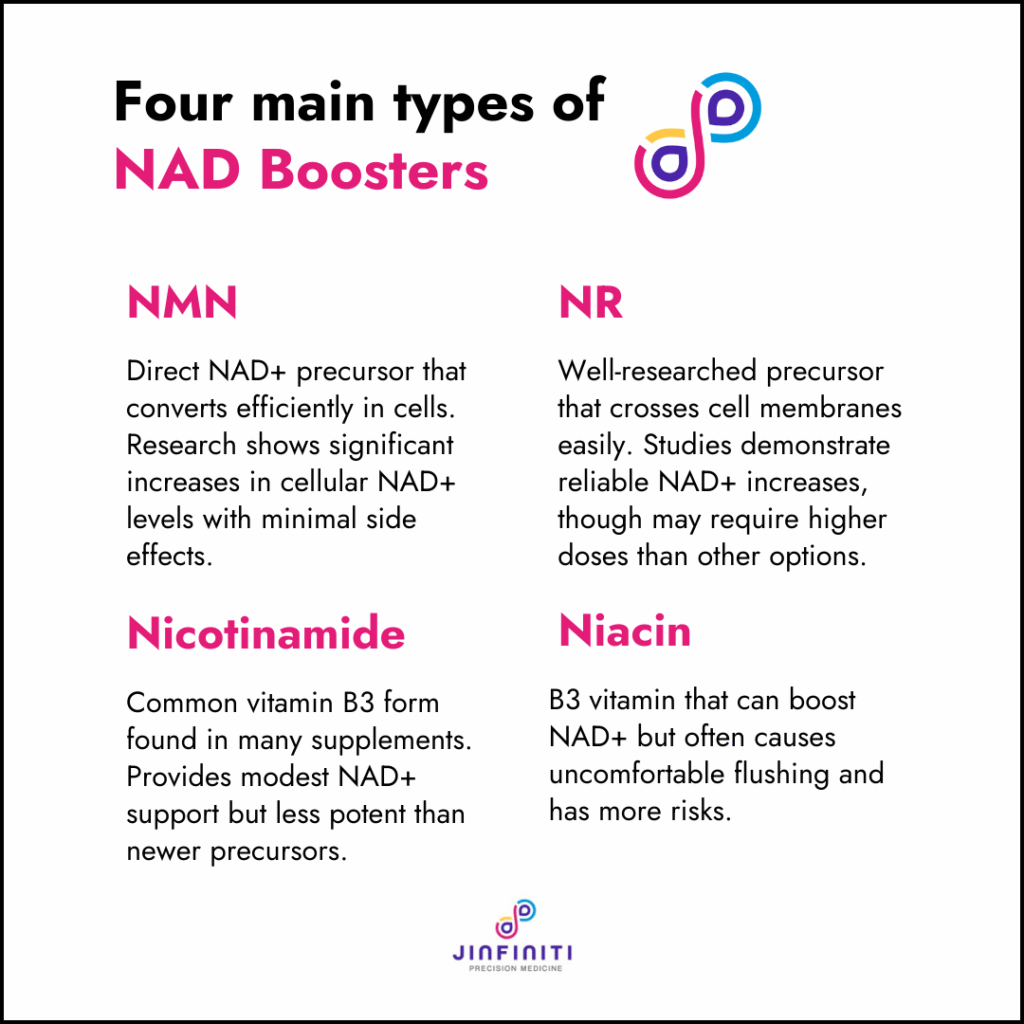
NAD Boosters: What Works and What Doesn’t

Millions of people hunt for the perfect anti-aging supplement. NAD boosters promise to turn back the clock on cellular aging.

But do these products actually work?

The answer isn’t black and white. Some NAD boosters can raise blood levels of this vital coenzyme. Whether those increases translate to real health benefits is another story.

Key Takeaways

  • NAD boosters are supplements that increase levels of nicotinamide adenine dinucleotide (NAD+) in the body
  • Individual responses to these compounds vary a lot, so baseline testing is crucial for personalized dosing and tracking real progress
  • Studies show NAD boosters can improve exercise performance, heart health markers, and may support DNA repair and fertility
  • Results tend to happen over 6-12 weeks with consistent use and some populations will see more results than others

Understanding NAD and Its Role in Your Body

Every cell needs nicotinamide adenine dinucleotide (NAD+) to survive. This coenzyme powers over 500 different cellular activities.

NAD+ fuels your mitochondria. It helps turn food into energy and supports DNA repair throughout your body.

Your NAD levels decline with age. Research shows levels can fall by about 50% between ages 40 and 601.

This decline might contribute to many signs of aging. Scientists think restoring youthful NAD levels could slow down aging and boost health.

“The challenge with NAD+ supplementation is that individual responses vary dramatically,” says Dr. Jin-Xiong She, founder of Jinfiniti Precision Medicine. “What works optimally for one person may be ineffective or even excessive for another, which is why we emphasize testing first.”

A white DNA double helix structure is rendered against a blue-green gradient background.

The Science Behind NAD Decline

Age-related NAD depletion hits multiple body systems. Lower levels hurt mitochondrial function and reduce your cells’ ability to fix damaged DNA2.

NAD also feeds sirtuins. These “longevity proteins” control cellular aging and metabolism.

Studies in mice show that falling NAD contributes to aging signs3:

  • Muscle weakness
  • Mental decline
  • Metabolic problems
  • Reduced energy production

Types of NAD Booster Supplements

The supplement market offers several precursor compounds that boost NAD levels. Each precursor works through different pathways in your body.

Graphic showing the four main types of NAD boosters

Nicotinamide Riboside (NR)

NR is the most studied NAD booster today. The FDA gave it Generally Recognized as Safe (GRAS) status.

Clinical trials show NR can increase blood NAD+ levels by 40-270%4. The increase depends on dose and individual factors.

Most studies use 300-1000mg daily. Higher doses don’t always work better.

NR shows good safety in healthy adults. Side effects are usually mild:

  • Occasional fatigue
  • Mild nausea
  • Temporary headaches

Nicotinamide Mononucleotide (NMN)

NMN became popular when famous researchers started taking it publicly. This molecule showed promise in early trials.

Some findings suggest NMN might better exercise endurance, improve sleep, and increase cellular energy5. Studies continue, looking into its promise for supporting healthy aging and metabolism.

NMN’s mechanism involves its direct conversion to NAD+ inside cells, making it an efficient precursor. Researchers such as Dr. David Sinclair and Dr. Jin-Xiong She judge it to be one of the most promising compounds for getting NAD+ to optimal levels.

Traditional Vitamin B3 Forms

Niacin and niacinamide are other popular approaches to NAD boosting. These vitamin B3 forms have long safety records.

But they can’t meaningfully raise NAD levels in healthy adults at safe dosages. Niacin also causes uncomfortable flushing at therapeutic doses.

Research shows niacin carries liver toxicity risks at high doses6. Most people can’t tolerate the amounts needed for NAD boosting.

Various colorful pills, capsules, and tablets scattered on a light blue surface.

Benefits of NAD Boosters That Really Work

Despite mixed results, certain benefits show consistent evidence. These effects are the most reliable outcomes you can expect.

Increased Blood NAD Levels

The most consistent finding is elevated blood NAD+ levels. Both NR and NMN reliably achieve this change.

Studies show effects typically plateau around 1000mg daily for NR7. Higher doses don’t produce bigger increases.

But higher blood levels don’t guarantee better tissue penetration. The link between blood NAD and cellular benefits remains unclear.

Cardiovascular and Exercise Performance Benefits

NAD boosters show promising results for heart health and physical performance. Benefits appear strongest in middle-aged adults.

A randomized study of 90 people with peripheral artery disease8 found impressive results:

MeasurementImprovement
6-minute walk distance17.6 meters vs placebo
High adherence groupOver 30 meters
Blood pressureReduced
Arterial stiffnessDecreased

Research also suggests NAD+ supplementation may help protect against vascular problems and metabolic issues9.

Limited Anti-Inflammatory Effects

NR supplementation can reduce certain inflammatory markers in older adults. Some studies show 50-70% reductions in inflammatory proteins like IL-610.

These anti-inflammatory effects might contribute to other health benefits. Chronic inflammation plays a role in many age-related diseases and can contribute to premature aging.

But these findings need testing in larger, more diverse groups before we can draw firm conclusions.

DNA Repair and Cellular Protection

NAD+ supports DNA repair mechanisms throughout your body. NAD+ feeds poly(ADP-ribose) polymerases (PARPs) and sirtuins.

These proteins are important for DNA damage response and cell survival.

This function becomes more important with age. DNA damage builds up and cellular repair capacity declines.

Research shows that NAD+ supplementation can partially restore DNA repair capacity in cells with damaged repair systems11.

In animal studies, NR supplementation dramatically improved genomic stability and extended lifespan.

Fertility and Reproductive Health Benefits

New research reveals promising uses for NAD+ boosters in reproductive health. Declining NAD+ levels contribute to age-related fertility decline.

Studies show NMN supplementation can rejuvenate egg quality and quantity in aged animals12. This led to improved fertility outcomes.

NAD+ and fertility research suggests potential benefits for both male and female reproductive health.

Key findings include:

  • Improved egg quality in aging
  • Better sperm function
  • Potential fertility preservation during cancer treatment
  • Enhanced reproductive lifespan

Immune System Enhancement

NAD+ plays an important role in immune function and regulation. NAD+ boosting shows anti-inflammatory effects and can help balance immune responses.

Studies show NR supplementation reduces inflammatory chemicals like IL-613. The immune benefits may extend to autoimmune conditions.

Research suggests NAD+ boosting may work best in people with higher inflammation14. This includes elderly individuals or those with chronic diseases.

Where NAD Boosters Need More Research

Many popular claims about NAD supplementation lack strong clinical support. Understanding these limits helps set realistic expectations.

Metabolic Health and Weight Management

Results for metabolic benefits show mixed outcomes across different studies. Some trials show metabolic improvements while others find minimal effects.

A detailed review of clinical trials15 found mixed results:

MeasurementResult
Total cholesterolReduced
TriglyceridesReduced
Insulin sensitivityVariable
Body compositionNo change

A 12-week trial in obese men taking 2000mg daily of NR showed no improvements in insulin sensitivity or body composition16.

The differences in results may relate to individual factors. Baseline NAD+ status, inflammation levels, and metabolic health all matter.

Cognitive Enhancement Claims

Human trials for cognitive benefits show mixed results. Completed human studies haven’t shown dramatic cognitive improvements.

Animal studies show NAD+ supplementation can reduce brain inflammation and support brain cell energy17. In Alzheimer’s models, NAD+ boosting improved stress response and reduced brain disruption18.

The gap between animal studies and human trials remains large for cognitive benefits. More human research is needed to see if these brain-protective effects translate to real cognitive improvements.

Mitochondrial Function Improvements

Results for mitochondrial function show mixed outcomes in human studies. Some research suggests improvements in mitochondrial health markers19.

But analyses of muscle biopsies from studies show minimal changes10.

The relationship between increased blood NAD levels and improved mitochondrial function in tissues remains unclear:

  • Some people experience better cellular energy
  • Others show little change
  • Blood biomarkers don’t always match tissue improvements
  • Individual responses vary widely

Safety Concerns You Should Know About

A young woman rests her head on her arms while sitting at a desk with stacked books.

Recent research has uncovered potential risks that challenge assumptions about NAD booster safety. The overall safety profile remains generally good in short-term studies.

Clinical Safety Profile

A study involving 489 participants showed NAD+ supplementation is generally well-tolerated20. Only mild side effects occur.

Common side effects include:

  • Muscle pain
  • Fatigue
  • Headaches

No serious adverse events have been reported in clinical trials. Research shows clinical safety at doses up to 900mg daily for most NAD+ precursors.

Quality Control Problems

Independent testing reveals some quality issues with commercial NAD supplements. One white paper apparently shows 87% of NR products fail to meet their label claims21.

Quality control problems include:

  • Much less active ingredient than advertised
  • Contamination with unwanted substances
  • Complete mislabeling of contents
  • No pre-market safety testing required

Unlike prescription medications, dietary supplements require no safety testing before sale. Quality control remains largely voluntary.

Drug Interactions and Side Effects of NAD

Certain NAD combinations pose interaction risks with common medications. Resveratrol, often paired with NR, blocks liver enzymes that break down drugs.

This can affect:

  • Blood thinners
  • Diabetes medications
  • Many other prescriptions

Research shows niacin carries the highest interaction risk22.

People with cancer history, autoimmune conditions, or inflammatory diseases should use extra caution. The immune system’s high energy demands during inflammation could be problematically increased.

How to Get NAD Benefits Safely

If you’re considering NAD supplementation, a thoughtful approach maximizes potential benefits while minimizing risks.

Testing Your Current NAD Status

Before starting any supplement, understanding your baseline NAD levels provides valuable guidance. Individually testing NAD levels can reveal whether you’re likely to benefit from supplementation.

“Too many people start supplementing blindly without knowing their baseline status,” explains Dr. Jin-Xiong She. “Testing allows us to personalize dosing and track real improvements instead of guessing.”

The Intracellular NAD+ Test measures your cellular NAD levels through a simple finger-prick blood collection. This clinical-grade testing helps determine the right dosage.

Testing also lets you monitor your response to supplementation. You can measure improvement and adjust doses based on actual results rather than guessing.

Testing BenefitsClinical Value
Baseline measurementIdentifies deficiency
Personalized dosingImproves effectiveness
Progress monitoringTracks improvement
Safety assessmentPrevents overdosing

Choosing Quality NAD Booster Products

Given the quality control crisis in the supplement industry, selecting third-party tested products becomes important. Look for supplements that provide certificates of analysis.

Vitality↑® NAD+ Booster combines multiple NAD precursors in a clinically validated formula. The powder format allows for precise dosing based on your individual needs.

The formulation includes:

  • NMN
  • Creatine monohydrate
  • D-ribose
  • Niacinamide

These ingredients work together across multiple metabolic pathways in ratios designed for maximum effectiveness.

Vitality Mini CTA

NAD IV Therapy Considerations

Some people explore NAD IV therapy as an alternative to oral supplements. This approach delivers NAD directly into your bloodstream.

NAD IV therapy claims to achieve higher blood levels more rapidly than oral supplements. Sessions typically last 2-4 hours and require medical supervision.

But IV therapy costs much more than oral supplements. Most insurance plans don’t cover these treatments.

Side effects of NAD IV can include chest tightness, nausea, and fatigue during infusion. The long-term safety profile remains unclear and most studies on NAD have been done with NMN or NR.

Natural Ways to Boost NAD Production

A woman with hair in a bun lifts blue dumbbells overhead from behind view.

Your lifestyle choices significantly impact NAD levels in the body. These approaches offer safer alternatives to supplementation.

Exercise and Physical Activity

Regular exercise naturally increases NAD production through multiple pathways. Research on NAD for athletic performance shows that both cardio and resistance training support cellular NAD levels.

Exercise activates enzymes that help boost NAD production. It also improves mitochondrial function independently of supplementation.

The food you eat also influences NAD production. Certain foods contain NAD precursors or compounds that support NAD creation.

Sleep and Stress Management

Quality sleep and stress reduction support healthy NAD levels naturally. Poor sleep and chronic stress deplete NAD through inflammatory pathways.

NAD and sleep quality show two-way relationships. Better NAD status may improve sleep while good sleep supports NAD production.

Meditation, yoga, and other stress-reduction techniques help preserve NAD levels. These approaches offer additional health benefits beyond NAD improvement.

Setting Realistic Expectations for NAD Boosters

NAD boosters can work, but the effects are more limited than marketing suggests. Understanding what to expect helps you make informed decisions.

Who May Benefit from NAD Supplementation

Certain groups show greater responses to NAD boosters:

  • Older adults with documented NAD deficiency
  • People with higher inflammation or metabolic problems
  • Those with specific health conditions

People with great health typically show minimal improvements. Individual genetic factors influence NAD metabolism. Some people naturally maintain higher levels and gain less from supplementation.

Realistic Timeline for Results

Most studies showing benefits use supplementation periods of 6-12 weeks. Don’t expect immediate dramatic changes from NAD boosters.

Energy improvements, if they occur, typically develop gradually over several weeks. Exercise performance gains follow a similar timeline.

“The science shows us that NAD+ optimization is a process, not a quick fix,” notes Dr. Jin-Xiong She. “Patients who understand this timeline and monitor their progress objectively tend to achieve the best long-term results.”

Monitor your response objectively rather than relying on feelings alone. Consider retesting NAD levels after 6-8 weeks of consistent supplementation.

A purple illuminated maze with a bright white ladder emerging from its center.

Making an Informed Decision About NAD Boosters

The evidence for NAD boosters reveals modest benefits, significant limitations, and emerging safety concerns.

When NAD Supplementation Makes Sense

Consider NAD boosters if you have documented deficiency through proper testing. Older adults with high inflammation or specific health conditions may see greater benefits.

Always talk with healthcare providers familiar with current research. This becomes particularly important if you have cancer history or take multiple medications.

Complementary Approaches to Consider

Lifestyle changes can amplify the benefits you get from NAD supplementation. Regular exercise, adequate sleep, stress management, and balanced nutrition work together with NAD boosters to support increased energy and healthy aging.

Other longevity supplements may complement your NAD optimization strategy. Consider a comprehensive approach that combines multiple evidence-based interventions for maximum benefit.

Bottom Line on NAD Boosters

NAD boosters are a emerging field in healthy aging. Some products can increase blood NAD levels but the translation of that to meaningful health benefits varies between people.

The evidence shows real benefits in specific areas like heart health, exercise performance and inflammation reduction. DNA repair and potential fertility benefits are added to the growing list of uses.

But more research is needed to understand optimal dosing, ideal candidates and long term safety. Individual responses are very different.

For most people looking for energy or longevity benefits a combined approach is best. Lifestyle changes like exercise, proper nutrition, adequate sleep and stress management provide proven benefits that complement any supplementation strategy.

If you choose to try NAD boosters start with proper testing to establish your baseline. Work with healthcare providers who understand the current research and can monitor your response.

Referenced Sources

  1. https://pmc.ncbi.nlm.nih.gov/articles/PMC7442590/ ↩︎
  2. https://pmc.ncbi.nlm.nih.gov/articles/PMC9512238/ ↩︎
  3. https://pmc.ncbi.nlm.nih.gov/articles/PMC5419884/ ↩︎
  4. https://www.nature.com/articles/s42255-019-0161-5 ↩︎
  5. https://pmc.ncbi.nlm.nih.gov/articles/PMC10721522/ ↩︎
  6. https://www.ncbi.nlm.nih.gov/books/NBK548176/ ↩︎
  7. https://www.mdpi.com/2076-3921/11/9/1637 ↩︎
  8. https://www.nature.com/articles/s41467-024-49092-5 ↩︎
  9. https://www.sciencedirect.com/science/article/pii/S2667089524000142 ↩︎
  10. https://journals.physiology.org/doi/pdf/10.1152/ajpendo.00242.2023 ↩︎
  11. https://www.tandfonline.com/doi/full/10.1080/15384101.2017.1285631 ↩︎
  12. https://pmc.ncbi.nlm.nih.gov/articles/PMC7063679/ ↩︎
  13. https://pmc.ncbi.nlm.nih.gov/articles/PMC9571518/ ↩︎
  14. https://pmc.ncbi.nlm.nih.gov/articles/PMC10346866/ ↩︎
  15. https://pubmed.ncbi.nlm.nih.gov/35303905/ ↩︎
  16. https://pmc.ncbi.nlm.nih.gov/articles/PMC10828186/ ↩︎
  17. https://pmc.ncbi.nlm.nih.gov/articles/PMC11877801/ ↩︎
  18. https://pmc.ncbi.nlm.nih.gov/articles/PMC11470026/ ↩︎
  19. https://pmc.ncbi.nlm.nih.gov/articles/PMC4076149/ ↩︎
  20. https://pubmed.ncbi.nlm.nih.gov/37971292/ ↩︎
  21. https://www.nutraingredients-usa.com/Article/2025/02/28/majority-of-nr-dietary-supplements-tested-by-chromadex-failing-to-meet-label-claims/ ↩︎
  22. https://www.sciencedirect.com/science/article/pii/S0006291X24001256 ↩︎
Supplements in small bowls on a green background

5 Antioxidant Supplements for Oxidative Stress Relief

Your cells face attack every single day. Every breath creates cellular waste products. These byproducts can damage your body from the inside out.

This damage is called oxidative stress. It drives aging and chronic disease. You might feel it as unexplained fatigue or brain fog. These could be early signs that oxidative stress is winning.

If you’re experiencing persistent chronic fatigue, addressing oxidative stress may be an important piece of the puzzle.

Most people accept these changes as normal aging. What if they’re not normal at all? What if you can prevent them?

You can fight back with the right antioxidant approach.

Key Takeaways

  • Oxidative stress speeds up aging. Free radicals damage your DNA and cell membranes faster than your body can repair them.
  • Multiple antioxidants work better together. The most effective approach combines several antioxidants that support each other.
  • Quality matters more than quantity. Look for supplements designed for maximum absorption.
  • Testing shows your specific needs. Understanding your current stress levels helps you target what matters most.

What Is Oxidative Stress?

Reactive oxygen species are unstable molecules missing an electron. Think of them as cellular bullies stealing from healthy cells.

Your body makes free radicals naturally during energy production. External factors create even more.

Pollution, UV rays, processed foods, and stress all increase free radical production.

When free radicals outnumber your natural defenses, damage builds up. This imbalance is oxidative stress.

Over time, this damage affects everything.

Your DNA takes hits that can cause mutations. Cell membranes become leaky. Proteins lose their shape and stop working.

The result? Faster aging and higher risk of cardiovascular disease, diabetes, and brain disorders.

Your body has natural defenses. Antioxidant enzymes work around the clock to limit damage.

But these systems decline with age. Today’s world creates more oxidative stress than ever before.

Diet alone often falls short. Even perfect nutrition may not provide enough antioxidants for today’s demands.

This is where a targeted dietary supplement approach becomes valuable. They give your body extra support to restore balance.

Top 5 Antioxidant Supplements

Different antioxidants work in unique ways. Each targets specific types of damage.

The best approach combines multiple antioxidants. This creates complete protection against free radical damage.

SupplementPrimary BenefitsKey Considerations
QuercetinAntioxidant protection, clears aging cells, supports cardiovascular healthPoor absorption alone – needs enhancers
CurcuminDual antioxidant/anti-inflammatory action, DNA protectionRequires piperine for bioavailability
Vitamin CMaster antioxidant, regenerates other antioxidants, collagen supportNatural forms with cofactors work better
CoQ10Energy production, mitochondrial protection, heart supportUbiquinol form absorbs better than ubiquinone
Vitamin ECell membrane protection, works with vitamin CMixed tocopherols provide broader benefits

1. Quercetin

Quercetin is a flavonoid found in onions, apples, and berries. It’s one of nature’s strongest antioxidants.

This compound donates electrons to free radicals. This antioxidant effect stops them from damaging your cells.

Quercetin does more than basic antioxidant activity. It also helps clear out damaged, aging cells.

These “zombie cells” build up with age. They pump out inflammatory signals throughout your body. Clearing them reduces chronic inflammation.

Research shows quercetin can lower oxidative stress markers.1 It also provides beneficial effects for immune function and cardiovascular health.2

Studies show quercetin crosses the blood-brain barrier. This makes it valuable for protecting brain cells too.3

The challenge with quercetin is absorption. Your body doesn’t absorb it well alone.

This is why complete formulations matter. Jinfiniti’s SenoAid combines quercetin with other compounds and absorption boosters.

SenoAid Mini

2. Curcumin

Curcumin gives turmeric its golden color. People have used it medicinally for thousands of years.

This compound provides dual action. It neutralizes free radicals directly while boosting your body’s own antioxidant enzymes. These unique antioxidant properties make it especially effective against inflammation.

Curcumin protects you in several ways:

  • It blocks inflammation-causing enzymes4
  • It lowers oxidative stress markers5
  • It protects DNA from damage6

These actions make curcumin powerful against aging and chronic disease. It’s especially effective against the low-grade inflammation that drives aging.

The main challenge is bioavailability. Your liver breaks down curcumin quickly.

Black pepper extract changes everything. Its active compound, piperine, can increase curcumin absorption by up to 2000%.

This is why quality matters in curcumin supplements. Formulations with piperine deliver much better results.

Extra Strength Turmeric+ from Jinfiniti combines curcumin with black pepper. It also includes boswellia, ginger, and quercetin for enhanced anti-inflammatory action.

3. Vitamin C

Oranges on a tree branch

Most people think vitamin C only boosts immunity. But it’s one of your body’s primary antioxidant defenders.

Vitamin C is water-soluble. It works throughout your body’s fluid systems to neutralize free radicals.

This vitamin also regenerates other antioxidants.7 It recycles vitamin E and helps maintain glutathione levels.

Vitamin C supports collagen production too. This protein needs vitamin C to form properly.

The source of vitamin C matters. Synthetic ascorbic acid provides basic vitamin activity. But it lacks supporting compounds found in whole foods.

Natural vitamin C from sources like amla extract comes with bioflavonoids. These enhance absorption and effectiveness. Different forms of vitamin C in supplements offer varying levels of bioavailability and benefits.

Vitamin C works best with complementary nutrients. One effective partner is zinc.

Together, they provide enhanced antioxidant protection and immune support. That’s why combinations like Natural Vitamin C + Zinc often work better than either nutrient alone.

4. CoQ10 (Coenzyme Q10)

CoQ10 plays a unique dual role in cells. It’s needed for energy production and serves as a powerful antioxidant.

This compound exists in every cell. It concentrates in your heart, brain, and liver – organs with high energy needs.

CoQ10 works inside your mitochondria to help make ATP, your cellular energy currency. It also protects mitochondrial membranes from damage.

Supporting overall mitochondrial health becomes increasingly important as we age and face more oxidative stress.

Research shows CoQ10 levels drop with age.8 By age 60, you may have 50% less CoQ10 than at age 20.

This decline reduces energy production and increases oxidative damage. Supplementation can help restore optimal levels.

Studies show CoQ10 benefits heart health. Supplements may improve exercise capacity and reduce oxidative stress in heart patients.9

CoQ10 also supports brain function. It may help protect against neurodegenerative diseases by reducing brain oxidative stress.

The ubiquinol form of CoQ10 absorbs better than ubiquinone. This is especially important for older adults.

5. Vitamin E

Olive tree

Vitamin E is your body’s primary fat-soluble antioxidant. It protects cell membranes from oxidative damage.

Cell membranes contain fats that are vulnerable to free radical attacks. Vitamin E embeds in these membranes and neutralizes threats.

This vitamin works with vitamin C. When vitamin E neutralizes a free radical, it becomes oxidized. Vitamin C then regenerates vitamin E back to its protective form.

There are eight forms of vitamin E. Alpha-tocopherol gets the most attention. But gamma-tocopherol may be just as important.

Mixed tocopherols provide broader protection than alpha-tocopherol alone.10 They work together to protect different parts of cells.

Natural vitamin E absorbs better than synthetic forms. It also stays in tissues longer.

Good food sources include nuts, seeds, and olive oil. But getting therapeutic amounts through diet alone can be challenging.

Lifestyle Support for Antioxidant Protection

An image of lifestyle support for antioxidant protection

Antioxidant supplements work best with healthy lifestyle habits. Your daily choices impact oxidative stress levels.

  • Eat colorful foods: Choose fruits and vegetables rich in natural antioxidants. Berries, leafy greens, and deeply colored vegetables offer the highest amounts.
  • Move regularly: Engage in moderate physical activity daily. Intense exercise can temporarily increase free radicals. Consistent moderate activity boosts your body’s antioxidant defenses.
  • Prioritize sleep: Aim for 7-9 hours of quality sleep nightly. Deep sleep is when your body repairs oxidative damage. Quality sleep supports natural cellular repair processes that help counteract daily oxidative stress.
  • Manage stress: Practice stress-reduction techniques like meditation. Chronic stress raises cortisol, which increases free radical production.
  • Consider thermal therapy: Use saunas or cold exposure to activate your body’s adaptive antioxidant responses.

Together, these habits create a powerful daily routine. They help your body stay resilient and protected from oxidative damage.

Your Personal Antioxidant Plan

An image of a woman taking supplement

The best antioxidant strategies combine multiple compounds. Single antioxidants work better when supported by others.

This is called the antioxidant network. Vitamins C and E, CoQ10, and other antioxidants work together for complete protection.

Quality matters in antioxidant supplements. Look for products that include absorption enhancers and supporting compounds.

Third-party testing ensures purity and potency. Avoid products without certificates of analysis.

Bioavailability can make or break supplement effectiveness. Enhanced formulations provide better results than basic versions.

Testing helps you understand your current oxidative stress levels. Biomarker panels measure specific indicators of oxidative damage.

This data lets you create a personalized antioxidant strategy. You can target your specific needs rather than guessing.

Our AgingSOS panels measure multiple markers of oxidative stress, inflammation, and cellular damage. This complete picture guides your supplementation choices.

Regular testing also lets you track progress. You can see whether your antioxidant strategy is working.

Your antioxidant needs may change over time. Age, health status, and lifestyle factors all influence requirements.

A personalized approach ensures you get the right antioxidants in the right amounts. This maximizes benefits while avoiding unnecessary supplementation.

AgingSOS Mini Promo

Bottom Line

Oxidative stress speeds up aging and increases disease risk. Your natural antioxidant defenses decline with age while oxidative stress increases.

Smart supplementation can restore balance and protect cells from damage. The five most effective antioxidant supplements work through different mechanisms.

Quercetin provides antioxidant and cellular cleanup benefits. Curcumin offers dual antioxidant and anti-inflammatory action. Vitamin C serves as a master antioxidant that regenerates other protective compounds.

CoQ10 supports both energy production and antioxidant protection. Vitamin E protects cell membranes from damage.

Lifestyle factors greatly impact oxidative stress levels. Supplements work best as part of a complete approach including proper diet, exercise, sleep, and stress management.

Testing helps you understand your current oxidative stress levels and track progress. This allows for personalized supplementation strategies.

The most effective approach combines multiple antioxidants that work together. Quality formulations with enhanced bioavailability provide superior results.

Your antioxidant strategy should align with your broader longevity goals. Reducing oxidative stress is one key component of healthy aging and disease prevention.

Referenced Sources:

  1. https://www.sciencedirect.com/science/article/pii/S0261561411000264 ↩︎
  2. https://www.frontiersin.org/journals/cardiovascular-medicine/articles/10.3389/fcvm.2023.1203713/full ↩︎
  3. https://pubmed.ncbi.nlm.nih.gov/21302433/ ↩︎
  4. https://pmc.ncbi.nlm.nih.gov/articles/PMC8572027/ ↩︎
  5. https://www.frontiersin.org/journals/pharmacology/articles/10.3389/fphar.2025.1517174/full ↩︎
  6. https://pubmed.ncbi.nlm.nih.gov/21332098/ ↩︎
  7. https://www.sciencedirect.com/science/article/pii/S0002916522044136 ↩︎
  8. https://pmc.ncbi.nlm.nih.gov/articles/PMC6627360/ ↩︎
  9. https://www.tandfonline.com/doi/full/10.1080/13813455.2025.2507746 ↩︎
  10. https://pubmed.ncbi.nlm.nih.gov/11846411/ ↩︎
A photo of Dr. Jin-Xiong She, genomic medicine expert, seated outdoors with his hands clasped

Is NAD+ Worth It? Here’s What a Genomic Medicine Expert Says

The wellness world seems obsessed with NAD these days. Social media influencers tout it as the fountain of youth. Biohackers swear by its energy-boosting effects. Even celebrities credit NAD treatments for their youthful appearance.

But are NAD-boosting supplements really worth all this attention? As someone who has spent decades in genomic medicine research, Dr. Jin-Xiong She wanted to separate fact from fiction. The answer is more nuanced than most people realize.

Key Takeaways

  • NAD supplementation has solid scientific support for multiple health benefits
  • Individual testing provides the foundation for safe, effective use
  • Realistic expectations lead to better outcomes than hype-driven approaches

What is NAD and Why Does It Matter as We Age?

A headshot of Dr. Jin-Xiong She, PhD

Nicotinamide adenine dinucleotide (NAD) is a coenzyme found in every cell of your body. Think of it as cellular fuel that powers over 500 different biochemical reactions.

“NAD is absolutely important to cellular function,” explains Dr. Jin-Xiong She, founder of Jinfiniti Precision Medicine and genomic medicine researcher with over 400 peer-reviewed papers. “Without adequate NAD levels, your cells can’t make energy properly, fix DNA damage, or keep up with all the repair work they need to do.”

The problem starts around middle age. Research shows NAD levels decline by up to 50% by age 501. This decline contributes to mitochondrial dysfunction, impaired DNA repair, and reduced cellular energy production.

The NADH Connection

NADH is the reduced form of NAD. While both molecules play important roles, they serve different cellular functions. NAD acts as an electron acceptor in metabolic reactions, while NADH carries electrons to the mitochondria for energy production.

Your body maintains a delicate balance between these two forms. When this balance shifts, cellular metabolism suffers.

The Science Behind NAD Supplements Actually Working

Pink DNA helix spirals sharply in foreground with clear base pair rungs, while blurred blue and purple helixes float dreamily in soft background mist.

The research supporting NAD supplementation is genuinely impressive. A systematic review of six major clinical studies involving over 400 participants found consistent increases in blood NAD concentrations ranging from 10% to 150%2.

These weren’t small, poorly designed trials. Most studies used dosages between 250-900 mg daily over 8-12 week periods with proper placebo controls.

“What’s most encouraging is the consistency across different study populations,” notes Dr. She. “We’re seeing reproducible results in healthy adults and also those with age-related health concerns.”

Clinical Trial Results

Study TypeParticipantsNAD IncreaseDurationSafety Profile
NMN Studies200+10-150%8-12 weeksExcellent
NR Studies200+25-140%4-52 weeksExcellent
Combined Analysis400+SignificantVariableMinimal side effects

How NAD Supplement Benefits Compare to the Hype

A photo of Dr. Jin-Xiong She playing tennis

The most compelling evidence comes from physical performance studies3. NMN supplementation significantly improved aerobic capacity in amateur runners, with measurable increases in VO2 max and oxygen utilization efficiency.

But here’s where we need to be realistic about expectations.

“People expect immediate, dramatic changes,” observes Dr. She. “The reality is that NAD supplementation works at the cellular level. Benefits accumulate gradually over weeks and months, not days.”

What Research Actually Shows

Physical Performance:

  • Improved exercise capacity and muscle oxygen utilization
  • Enhanced grip strength and walking speed in older adults
  • Better recovery times in trained athletes

Metabolic Health:

  • Improved insulin sensitivity and glucose tolerance4
  • Reduced cholesterol and triglyceride levels
  • Enhanced mitochondrial health and cellular repair

Cognitive Function:

  • Faster brain penetration5 (NMN crosses blood-brain barrier in 15 minutes)
  • Improved spatial memory in animal studies
  • Preliminary human studies suggest better mental clarity

Do NAD Supplements Work for Longevity?

Image of Dr. Jin-Xiong She being interviewed

The longevity question is where the science becomes both exciting and complicated. The most significant breakthrough came from a recent 2025 clinical trial treating Werner syndrome6, a rare genetic disorder causing premature aging.

Patients receiving 500mg daily nicotinamide riboside (NR) for 52 weeks showed remarkable improvements. NAD levels increased by 140%, skin ulcers healed, arterial stiffness decreased, and kidney function markers improved.

“This trial really excited me because it shows NAD actually reversing aging damage in real people,” says Dr. She. “We’ve all been working toward this for years, but these researchers were the first to get clear proof that fixing NAD deficiency can actually turn back the clock on aging.”

Benefits of NAD: What Research Shows

The mechanisms behind these benefits involve several interconnected pathways:

  • Sirtuin Activation: NAD serves as fuel for sirtuins, enzymes that regulate metabolism and longevity signaling7
  • DNA Repair Enhancement: Adequate NAD levels support PARP enzymes responsible for fixing DNA damage8
  • Mitochondrial Biogenesis: NAD helps create new, healthy mitochondria9
  • Cellular Senescence Regulation: NAD may help clear dysfunctional “zombie” cells10

Should You Take NAD? A Genomic Medicine Perspective

Dr. Jin-Xiong She holding an intracellular NAD test kit

This is where individual testing becomes essential. NAD metabolism varies significantly between people due to genetic differences, age, lifestyle, and health status.

“I’ve seen two people of the same age have dramatically different baseline NAD levels,” notes Dr. She. “Without testing, you’re really just guessing at the right approach.”

NAD Precursors vs Direct Supplementation

Most supplements contain NAD precursors rather than NAD itself:

Nicotinamide Mononucleotide (NMN):

  • Direct precursor to NAD
  • Excellent safety profile up to 1250mg daily11
  • Rapid absorption and conversion

Nicotinamide Riboside (NR):

  • Alternative precursor pathway
  • Shown to be safe up to 2000mg daily12
  • Longer clinical trial history

NAD injections are another option, though the research supporting oral supplementation is more extensive for long-term use.

Who Should Consider NAD Supplementation?

The research suggests these groups may benefit most:

  • Adults over 40 experiencing age-related energy decline
  • Athletes seeking improved performance and recovery
  • Individuals with metabolic health concerns
  • Those interested in science-based anti-aging approaches

However, Dr. She emphasizes caution: “Supplementation should always be based on the actual need, not assumptions. Testing provides the roadmap for safe optimization.”

How to Boost NAD Safely and Effectively

Current evidence suggests optimal NAD dosing varies by individual goals:

General Health Support:

  • NMN: 250-500mg daily
  • NR: 250-500mg daily

Athletic Performance:

  • NMN: 300-600mg daily
  • NR: 300-500mg daily

Metabolic Health:

  • NMN: 300-900mg daily
  • NR: 500-1000mg daily

But these are general guidelines. Individual optimization requires knowing your starting point.

The Testing-First Approach

Jinfiniti’s Intracellular NAD Test measures actual cellular NAD levels through a simple finger-prick blood test. This provides the baseline data needed for personalized supplementation.

“The Test, Act, Optimize philosophy isn’t just our company motto,” explains Dr. She. “It’s the most scientifically correct approach to any intervention. You need data to make informed decisions about your health.”

Safety Considerations

The safety profile for NAD precursors is favorable across all published human studies. Side effects are typically mild and limited to occasional gastrointestinal discomfort11.

However, certain populations should exercise extra caution:

  • Pregnant or breastfeeding women
  • Individuals with active cancer (theoretical concerns about tumor cell NAD usage)
  • Those taking multiple medications (potential interactions)

The Verdict: Cautious Optimism Based on Science

Dr. Jin-Xiong She holding a jar of Vitality NAD+ Booster

After reviewing hundreds of studies and working with thousands of patients, Dr. She’s perspective on NAD supplementation is cautiously optimistic.

The research foundation is solid. Clinical trials consistently demonstrate safety and efficacy13. The mechanisms make biological sense. The Werner syndrome breakthrough provides compelling proof-of-concept.

But NAD isn’t a magic pill. It’s one tool in a comprehensive approach to healthy aging that should include proper nutrition, exercise, stress management and sleep.

“NAD supplementation really works – the science is solid,” says Dr. She. “But like anything that actually works, you need to be smart about how you use it. One size definitely doesn’t fit all.”

The NAD hype has some substance but the real value is in the details. Testing your levels, choosing good supplements and having realistic expectations will help you use this tool safely and effectively.

If you want to try NAD optimization start with baseline NAD+ testing to know your individual needs. The science supports NAD but personal data makes all the difference in getting results.

Want to learn more about NAD and longevity? Check out our comprehensive guides on NAD+ fundamentals and how to test your NAD levels for additional insights.

Referenced Sources

  1. https://pmc.ncbi.nlm.nih.gov/articles/PMC4112140/ ↩︎
  2. https://nnpub.org/index.php/MHS/article/view/2075 ↩︎
  3. https://www.tandfonline.com/doi/full/10.1186/s12970-021-00442-4 ↩︎
  4. https://pmc.ncbi.nlm.nih.gov/articles/PMC10692436/ ↩︎
  5. https://pubmed.ncbi.nlm.nih.gov/31015147/ ↩︎
  6. https://www.sciencedaily.com/releases/2025/06/250609020625.htm ↩︎
  7. https://www.sciencedirect.com/science/article/pii/S0092867413007551 ↩︎
  8. https://www.molbiolcell.org/doi/10.1091/mbc.E18-10-0650 ↩︎
  9. https://www.science.org/doi/10.1126/science.aaf2693 ↩︎
  10. https://onlinelibrary.wiley.com/doi/10.1111/acel.13920 ↩︎
  11. https://www.mdpi.com/2076-3921/11/9/1637 ↩︎
  12. https://pmc.ncbi.nlm.nih.gov/articles/PMC9495723/ ↩︎
  13. https://www.liebertpub.com/doi/10.1089/ars.2023.0354 ↩︎
Woman with inflammation in doctor's office

Inflammatory Biomarkers: What Do They Reveal?

Your body speaks through inflammation, but subtle signals like persistent fatigue, brain fog, and unexplained aches are easily dismissed.

These seemingly minor symptoms could reveal something deeper—chronic inflammation building beneath the surface.

Inflammatory biomarkers act as health detectives, decoding your body’s silent messages before serious problems develop.

Understanding what these markers reveal empowers you to address root causes and protect your long-term health.

Key Takeaways

  • Inflammation speeds up cellular aging through a harmful cycle. Senescent cells release toxic signals (SASP) that damage nearby healthy cells and create more inflammation.
  • Your inflammatory markers can predict future health problems years before symptoms appear. Advanced biomarkers detect cellular damage when intervention is most effective.
  • Comprehensive testing enables targeted interventions instead of guesswork. You can address root causes rather than just managing symptoms.

What Are Inflammatory Biomarkers?

Inflammatory biomarkers are measurable substances in your blood. They appear when your body responds to stress, damage, or infection.

Think of them as health detectives. They give clues about what’s happening inside your body before symptoms appear.

Your immune system produces these markers during inflammation.1 Some reflect short-term issues like infections or injuries. Others point to systemic inflammation that builds slowly over time.

Unfortunately, testing a single biomarker tells you very little. It’s like reading one page of a book and trying to guess the whole story.

A full panel of markers gives you the bigger picture. It shows patterns and connections that a single result can’t explain. It helps identify the type and source of inflammation you’re experiencing.

This matters more as you get older. Inflammation changes with age and becomes harder to detect with just one test.

As cells age, many become senescent. These cells stop dividing but don’t disappear. Instead, they release harmful substances that cause ongoing inflammation and harm the surrounding tissue. This is known as inflammaging.2

By testing multiple biomarkers, you can spot these changes early. That gives you a chance to act before more serious problems develop. You can address root causes instead of just managing symptoms.

Traditional Markers of Inflammation

An older woman with hip inflammation

Inflammation shows up in different ways depending on what your body is facing.3 Traditional biomarkers are often the first signals doctors check in clinical practice to understand your immune response.

C-Reactive Protein (CRP)

CRP is the gold standard inflammatory marker. Your liver produces this protein whenever inflammation occurs anywhere in your body.4

Normal levels range from 0.8 to 3.0 mg/L in healthy adults. Levels above 3.0 suggest mild inflammation. Levels above 10.0 indicate significant inflammatory activity.

High CRP can signal infections, autoimmune diseases, cardiovascular disease, or tissue damage. The test shows that inflammation exists. But it does not reveal the specific cause.

CRP works best when combined with other markers.5 A single test provides limited information about your overall status.

Erythrocyte Sedimentation Rate (ESR)

ESR is the “old reliable” of inflammatory testing. This simple test measures how fast red blood cells settle in a tube.6

Inflammatory proteins make blood cells clump together. Clumped cells settle faster than normal cells. Higher values indicate more inflammation throughout your body.

ESR helps doctors screen for inflammatory conditions like inflammatory bowel disease and track treatment effectiveness over time.

Common Cytokines (IL-6, TNF-α)

Cytokines are chemical messengers that coordinate immune responses throughout your body.

IL-6 plays a dual role in inflammation. It can both promote and reduce inflammatory responses. TNF-α drives inflammatory responses forward and recruits immune cells to damage sites.7

Both cytokines become elevated during normal aging processes.8 They contribute to inflammaging and cellular senescence. Understanding these patterns helps assess biological aging beyond your chronological age.

Advanced Inflammatory Markers

Woman holding her wrist

Advanced markers provide deeper insights into infection and inflammation in the body.9 These indicators target precise molecular processes involved in immune responses and tissue damage, including markers of oxidative stress.

Here are some of the most promising:

  • Procalcitonin: Rises specifically during bacterial infections. It helps detect sepsis and guides the safe use of antibiotics.10
  • suPAR: Reflects immune system activity. Higher levels signal more severe illness and help track chronic conditions over time.
  • sTREM-1: Released during bacterial infections. It helps distinguish between infectious and non-infectious inflammation.
  • Prdx5: An enzyme that responds to oxidative stress. It serves as an early warning sign of tissue damage in acute injuries.
  • Plin1: Produced by fat cells and increases when inflammation is present. It may help assess damage to muscle and fat tissue.

Advanced biomarkers also reveal how your body ages at the cellular level. Aging cells, called senescent cells, release harmful substances called SASP factors.11 These cause inflammation and spread toxicity to neighboring cells.

SASP factors include specific cytokines, growth factors, and enzymes.12 Common examples include IL-1β, IL-8, and matrix metalloproteinases. Each factor contributes to tissue damage and inflammation.

Measuring SASP factors reveals your cellular aging burden. High levels indicate more senescent cells throughout your body. This information helps predict age-related disease risk.

Senescent cells accumulate naturally as you age.13 Stress, toxins, and infections speed up this process.

The cycle continues and spreads throughout your tissues. This explains why systemic inflammatory disease becomes more common with age.

Modern biomarker panels can assess both pro-inflammatory and anti-inflammatory responses simultaneously.14 This comprehensive approach provides a complete picture of your immune system’s activity.

What Inflammatory Profiles Reveal About Your Health

Woman holding her chest

Your inflammatory profile acts like a window into your body’s hidden health status. These patterns reveal crucial information that standard health checkups often miss.

Comprehensive inflammatory testing goes beyond detecting obvious disease.15 It uncovers subtle changes that occur long before the damage becomes noticeable.

Hidden Health Issues

Many health problems start deep in your cells long before any symptoms appear. This early stage is often called subhealth. The damage is not yet severe enough to be diagnosed as a disease.

Inflammatory biomarkers can detect these early warning signs.16 Elevated levels of cytokines and acute-phase proteins show that your cells are being damaged. Your immune system is already working harder to maintain balance.

One key factor in this hidden damage is cellular senescence. Over time, damaged cells stop dividing and become senescent. These cells trigger inflammation and disrupt the cellular function of nearby healthy cells.

Testing reveals this cellular aging process before it becomes widespread. Early detection allows you to intervene while your body can still recover effectively.

Aging Rate Assessment

Systemic inflammation can make your body age faster than your actual years. Chronic inflammatory signals damage cells and tissues throughout the body.17

This creates a cycle. Inflammation causes more senescent cells.18 These cells release more inflammatory signals. The process repeats and spreads.

Over time, this shortens your healthspan. That means fewer years living in good health without disease.

Testing your inflammatory profile shows how fast your body is aging on the inside. With early insight, you can take steps to slow the process and protect your long-term health.

Disease Risk Prediction

Chronic inflammation acts as a major risk factor for most age-related diseases.19 Cardiovascular disease, diabetes, cancer, and neurodegenerative conditions all involve inflammatory processes.

Your inflammatory patterns predict future disease risk years in advance. This early warning system creates powerful prevention opportunities.

Understanding your specific inflammatory profile enables personalized health strategies.20 You can target the exact pathways driving your inflammation. This precision approach maximizes your intervention effectiveness.

The Limitations of Single-Marker Testing

An image of a woman consulting a doctor

Inflammatory processes are complex and involve multiple pathways simultaneously.21 A single marker captures just one piece of this puzzle.

Low concentrations often lead to misclassification. Doctors might miss bacterial infections or dismiss early inflammatory changes. These errors delay appropriate treatment.

Consider chronic fatigue with normal CRP results. Other inflammatory pathways could remain highly active while standard tests appear normal. You continue suffering without answers.

Inflammation changes over time with varying patterns.22 Static measurements miss these dynamics.

Multiple markers show patterns invisible to individual tests. This approach identifies specific inflammation types and sources. You get targeted solutions instead of guesswork.

Taking Control with Comprehensive Testing

An image of measuring baseline inflammatory markers

Understanding your inflammatory profile lets you act before symptoms appear. Single markers miss the bigger picture.

At Jinfiniti, we use the TAO approach to guide your health journey:

  • Test – Measure baseline inflammatory markers inside your body
  • Act – Choose targeted supplements and lifestyle changes
  • Optimize – Track progress and fine-tune your plan

This systematic approach transforms guesswork into precision health management.

Beyond Traditional Testing

Our AgingSOS Senescence & Inflammation Panel measures 22 specialized biomarkers. These assess cellular senescence, oxidative stress, inflammation, and tissue damage.

You get access to innovative biomarkers unavailable anywhere else. They reveal cellular aging years before conventional tests show problems.

The panel identifies toxic substances released by aged cells. These drive inflammation and accelerate aging throughout your body.

Your Personal Health Roadmap

You discover which inflammatory pathways need attention. You understand your biological aging rate compared to your actual age.

This data guides personalized strategies. You target exact mechanisms driving inflammation instead of generic approaches.

Simple Testing Process

Collect a small blood sample at home using our finger-prick kit. Mail it to our CLIA-certified laboratory in Georgia.

Within weeks, you receive detailed results with personalized recommendations. Your results become your roadmap for optimization.

AgingSOS Mini Promo

Quick Review

Inflammatory biomarkers have evolved into sophisticated health detectives that reveal what single tests miss.

Comprehensive panels show the complete inflammatory picture, predicting disease risk years before symptoms appear and revealing your biological aging rate. 

Understanding these patterns empowers you to address root causes, slow cellular aging, and extend your healthspan.

Your inflammatory profile reveals your body’s hidden messages—use comprehensive testing as your roadmap to optimal health.

Referenced Sources:

  1. https://pmc.ncbi.nlm.nih.gov/articles/PMC4856796/ ↩︎
  2. https://pmc.ncbi.nlm.nih.gov/articles/PMC8001241/ ↩︎
  3. https://pmc.ncbi.nlm.nih.gov/articles/PMC11576606/ ↩︎
  4. https://pmc.ncbi.nlm.nih.gov/articles/PMC4155060/ ↩︎
  5. https://pmc.ncbi.nlm.nih.gov/articles/PMC11569793/ ↩︎
  6. https://www.ncbi.nlm.nih.gov/books/NBK333366/ ↩︎
  7. https://pmc.ncbi.nlm.nih.gov/articles/PMC6387098/ ↩︎
  8. https://www.nature.com/articles/s41598-025-86309-z ↩︎
  9. https://www.sciencedirect.com/science/article/pii/S0883944123001090 ↩︎
  10. https://pmc.ncbi.nlm.nih.gov/articles/PMC5543591/ ↩︎
  11. https://pmc.ncbi.nlm.nih.gov/articles/PMC9362342/ ↩︎
  12. https://pmc.ncbi.nlm.nih.gov/articles/PMC8001241/ ↩︎
  13. https://pmc.ncbi.nlm.nih.gov/articles/PMC5748990/ ↩︎
  14. https://pmc.ncbi.nlm.nih.gov/articles/PMC2206456/ ↩︎
  15. https://pmc.ncbi.nlm.nih.gov/articles/PMC10515765/ ↩︎
  16. https://www.mdpi.com/1422-0067/25/22/11989 ↩︎
  17. https://www.neurology.org/doi/10.1212/WNL.0000000000201489 ↩︎
  18. https://www.nature.com/articles/s41392-023-01502-8 ↩︎
  19. https://www.ncbi.nlm.nih.gov/books/NBK493173/ ↩︎
  20. https://www.nature.com/articles/s41598-025-86309-z ↩︎
  21. https://pmc.ncbi.nlm.nih.gov/articles/PMC5805548/ ↩︎
  22. https://link.springer.com/chapter/10.1007/978-3-319-06112-2_4 ↩︎

Account Access

Welcome back

Continue your health journey with a secure login.