
Secure • Private • Science-backed
A wooden scoop of turmeric powder on a marble counter.

Turmeric Toxicity: Is It Possible to Overdose on Turmeric?

Yes, you can overdose on turmeric or curcumin. While rare when using the spice in food, high-dose turmeric and curcumin supplements can cause serious side effects. Liver damage, digestive problems, and increased bleeding risk top the list.

Highlights

  • Cooking with turmeric is safe, but dietary supplements above 2,000 mg daily can cause liver damage and other serious effects.
  • The WHO recommends roughly 200 mg of curcumin per day for a 150-pound person.
  • Black pepper extract increases curcumin absorption by 2,000%, making overdose more likely with enhanced supplements.
  • Most safe turmeric supplementation studies use 500-2,000 mg daily for short periods (up to 8 weeks).

What is a Turmeric Overdose?

The World Health Organization defines safe daily intake as 0-3 mg of curcumin per kilogram of body weight. For a 150-pound person, that’s roughly 200 mg per day.

Research shows doses up to 8,000 mg of curcumin daily are generally tolerated for short periods[1]. That’s about 40 times the WHO recommendation.

But “tolerated” doesn’t mean “safe.” Recent cases tell a different story.

Real Cases of Turmeric Toxicity

A New Jersey woman nearly lost her liver to a high-dose dietary supplement of turmeric.

The 57-year-old started taking 2,250 mg daily after seeing an Instagram doctor tout health benefits for joint pain. Within weeks, she developed stomach pain, nausea, and dark urine. Her liver enzyme levels spiked to 60 times the normal limit.

Doctors said she was one step away from needing a transplant.

Dr. Dina Halegoua-De Marzio from Jefferson Health explains that cooking with turmeric poses no problem. But supplements at 2,000 mg-plus represent very high doses. When combined with black pepper (added to boost absorption), your liver can’t break down these amounts fast enough.

This isn’t an isolated case.

The National Institutes of Health’s LiverTox database now documents several dozen cases of liver injury from turmeric products. Most involve high-dose supplements but not culinary use. The pattern is clear and concerning.

Why High-Dose Turmeric Can Be Dangerous

Your liver processes curcumin (the active compound in turmeric responsible for its yellow color and therapeutic effects) through a series of chemical reactions. At normal doses, this system handles the workload just fine.

At extremely high doses, the system gets overwhelmed.

Think of it like a water filter. Pour a glass through and it works perfectly. Dump a bucket at once and it can’t keep up.

A 90-day study in rats found that overdose intake of curcumin triggered oxidative stress, inflammation, and metabolic disorders[2]. These changes induced liver injury. The researchers recommended intermittent dosing rather than continuous high-dose administration.

Your liver doesn’t have unlimited processing capacity. Push it too hard and it starts to fail.

Clinical-Grade Formula

Your daily safe dose of turmeric.
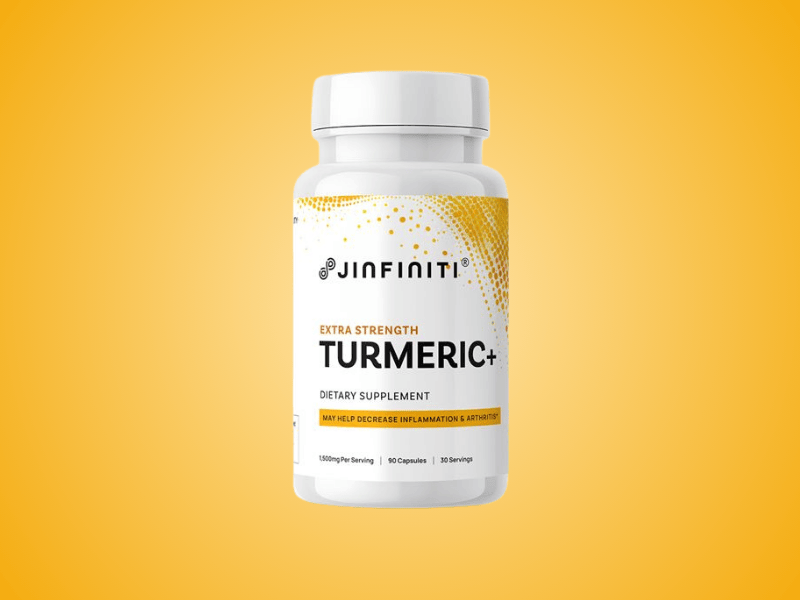
Jinfiniti Turmeric Supplement

What Are the Side Effects of Too Much Turmeric?

The side effects of turmeric at large doses may include stomach upset, acid reflux, diarrhea, constipation, and dizziness. These are your body’s early alert system telling you to back off.

More serious adverse effects include:

1. Liver Stress or Damage

A 55-year-old woman developed progressive jaundice and elevated liver enzymes after taking high-dose turmeric supplements[3]. Her liver function took two full months to normalize after stopping the supplement.

2. Increased Bleeding Risk

Turmeric acts as a blood thinner. This becomes problematic if you’re taking anticoagulant medications or need surgery soon.

The combination can lead to excessive bleeding that’s difficult to control.

3. Kidney Stone Formation

Turmeric is high in oxalates, compounds that can increase urinary oxalate secretion in susceptible people. Calcium oxalate stones make up nearly 80% of all kidney stones.

If you’ve had kidney stones before, high-dose turmeric raises your risk of recurrence.

4. Blood Sugar Drops

If you’re diabetic and taking medication, high-dose turmeric can lower blood sugar too much. The combination might drop your levels into dangerous territory.

5. Heart Rhythm Issues

One case report documented a person experiencing atrioventricular block (a serious heart rhythm disorder) after taking 1,500-2,250 mg of a curcumin-containing supplement[4]. Symptoms resolved within three days of stopping.

They started again when the person resumed the supplement.

How Much Turmeric Is Safe Daily?

For cooking? Use as much as tastes good.

Up to 3 grams (1½ teaspoons) of turmeric powder per day appears to be safefor most adults who consume turmeric in food amounts. You’ll have a hard time eating dangerous amounts of turmeric. It’s simply too dilute. 

The daily dose of turmeric supplements gets more complicated.

Most studies suggest that500-2,000 mg of curcumin per day is safe for short-term use(up to 8 weeks). Turmeric products delivering up to 8 grams of curcumin per day appear safe when used for up to 2 months.

The catch is that these high doses of turmeric are well-tolerated in the short term, but may cause some gastrointestinal side effects. Safety of long-term high-dose use is not yet well-established.

No one has conducted studies to prove that it’s safe for years.

🫚 MORE TURMERIC INSIGHTS

The Bioavailability Problem Makes Overdose More Likely

Curcumin has notoriously poor absorption. Your body doesn’t naturally take it up well. Most of what you swallow gets metabolized and eliminated before reaching your bloodstream.

So supplement makers add enhancers like piperine (black pepper extract).

Black pepper can increase curcumin absorption by 2,000%. That sounds great for getting benefits. But it also means you’re absorbing far more curcumin than your liver might handle safely at already-high doses.

Compounds like piperine added to enhance bioavailability may be contributing to turmeric’s toxicity. The combination creates a perfect storm: high doses plus dramatically increased absorption.

This is where testing becomes important. You can’t know if your supplementation is helping or hurting without measuring your body’s response.

Who Should Avoid High-Dose Turmeric?

Certain people face higher risks from turmeric supplements.

  1. Pregnant women. Culinary amounts are fine. High-dose supplements during pregnancy haven’t been adequately studied. Don’t gamble with unknowns while growing a baby.
  2. People taking blood thinners. Turmeric amplifies these effects, raising bleeding risk. The combination can be dangerous.
  3. Anyone with gallbladder issues. Turmeric stimulates gallbladder contractions. This can worsen symptoms if you have gallstones or bile duct obstruction.
  4. People with iron deficiency. High doses can interfere with iron absorption. This makes existing deficiency worse.
  5. Diabetics on medication. The combination might drop blood sugar too low. Monitor closely if you use both.
  6. Anyone taking multiple medications. Turmeric may affect how your body processes certain medications. This includes drugs for heart disease, blood pressure, diabetes, and liver conditions.

If any of these apply to you, talk with your doctor before starting turmeric supplements. The risks outweigh potential benefits for many people.

How to Use Turmeric Safely

Smart supplementation starts with a conservative approach.

  • Start low and go slow. Begin with 500 mg of curcumin daily (or ¼ teaspoon of turmeric powder in food). See how your body responds over 2-3 weeks before increasing.
  • Take it with meals. Food improves absorption and reduces stomach upset. Never take turmeric supplements on an empty stomach.
  • Pair strategically. If your supplement doesn’t already include piperine, you can combine turmeric with black pepper and healthy fats (olive oil, avocado, nuts). This improves absorption. But remember this also means you’re getting more curcumin into your system.
  • Split your dose. Taking turmeric twice daily (morning and evening) helps maintain steady levels. This approach may reduce side effects compared to one large dose.
  • Choose quality products. Look for third-party testing from USP, NSF International, or Informed Choice. Some cheap turmeric powders contain undisclosed fillers like cassava starch or wheat flour. These adulterants can cause problems for people with gluten sensitivity.
  • Listen to your body. Digestive discomfort, nausea, or unusual fatigue are signs to reduce your dose or stop temporarily. Don’t push through warning signals.

What Makes Jinfiniti’s Turmeric Different?

Our turmeric supplement Extra Strength Turmeric+ combines 1,000 mg of turmeric extract (95% curcuminoids) with synergistic compounds. You get Boswellia extract, ginger extract, quercetin, and black pepper extract working together.

The formulation emphasizes balance over mega-dosing. Each capsule contains 333mg of turmeric extract, making it easy to control dosage.

Each ingredient amplifies the others’ anti-inflammatory effects. This allows therapeutic benefits at moderate doses rather than requiring amounts that stress your liver.

The black pepper extract increases bioavailability, but the overall dose stays in the safe, well-studied range. You get effectiveness without excess.

Should You Test Your Response to Turmeric?

Here’s something most supplement users never consider. You’re taking turmeric for a reason—probably to reduce inflammation or support joint health.

But how do you know it’s working?

You might feel better. Or you might be experiencing a placebo effect while inflammation quietly continues.

Jinfiniti’s AgingSOS® longevity panels measure inflammatory markers like C-reactive protein (CRP) and senescence-associated proteins (damaged cells that drive chronic inflammation). These biomarkers tell you whether your anti-inflammatory approach is actually moving the needle.

You can establish a baseline, supplement for 2-3 months, then retest. Real data beats guesswork every time.

Bottom Line on Turmeric Side Effects

Turmeric overdose is rare but real. It happens almost exclusively with high-dose supplements (2,000 mg and above), not from cooking with the spice. Your liver can handle moderate amounts just fine.

But when you combine high doses with bioavailability enhancers, you can overwhelm your body’s processing capacity. The liver gets flooded with more curcumin than it can safely metabolize.

The sweet spot for most people sits between 500-1,500 mg of curcumin daily, taken with food. Stay in this range, choose quality products, and pay attention to your body’s signals.

If you have underlying health conditions or take medications, get medical guidance before supplementing. Some people develop serious complications even at commonly recommended doses.

Natural doesn’t always mean safe at any dose. Even beneficial compounds have limits your liver must respect. Talk to your healthcare provider to know if supplements are safe to take for you.

Referenced Sources

  1. Howells LM, Iwuji COO, Irving GRB, Barber S, Walter H, Sidat Z, et al. Curcumin Combined with FOLFOX Chemotherapy Is Safe and Tolerable in Patients with Metastatic Colorectal Cancer in a Randomized Phase IIa Trial. Elsevier BV; 2019. https://doi.org/10.1093/jn/nxz029
  2. Qiu P, Man S, Li J, Liu J, Zhang L, Yu P, et al. Overdose Intake of Curcumin Initiates the Unbalanced State of Bodies. American Chemical Society (ACS); 2016. https://doi.org/10.1021/acs.jafc.6b00053
  3. Ashika Ajitkumar AA, Mohan G, Ghose M, Yarrarapu S, Afiniwala S. Drug-induced liver injury secondary to turmeric use. SMC Media; 2023. https://doi.org/10.12890/2023_003845
  4. Lee SW, Nah SS, Byon JS, Ko HJ, Park SH, Lee SJ, et al. Transient complete atrioventricular block associated with curcumin intake. Elsevier BV; 2011. https://doi.org/10.1016/j.ijcard.2009.09.530

NAD Injections vs. Oral NAD Supplements: How Do They Compare?

When it comes to NAD injections vs oral supplements, the research is in. The clinical trials showing NMN and NR are safe and can boost intracellular NAD+ levels are quite robust.

Even if injectable NAD+ has superior bioavailability claims, leading researchers are skeptical, asking if it enters the cells or breaks down into other compounds.

Quick Takeaways

  • Oral NMN and NR supplements are backed by multiple randomized controlled trials showing they safely increase NAD levels inside cells
  • Leading longevity researchers question whether injectable NAD+ actually enters cells, as the molecule may be too large and breaks down before reaching cellular targets
  • Injectable NAD+ costs 3-10x more than oral supplements ($100-700 monthly vs. $30-80 monthly) with less scientific evidence
  • Testing your NAD levels before and after supplementation is the only way to know if your chosen method actually works for your body

Understanding NAD+ and Why It Matters

NAD+ (Nicotinamide Adenine Dinucleotide) serves as a coenzyme in every cell of your body. It powers hundreds of metabolic reactions, from energy production to DNA repair.

Your NAD levels decline dramatically with age. Research shows levels drop in a number of tissues as a function of aging and overnutrition[1].

This decline contributes to the symptoms many people associate with aging: fatigue, brain fog, and reduced physical recovery. You can see why NAD+ supplementation has become a focal point in longevity medicine.

A Critical Difference: NAD+ vs. NAD+ Precursors

Before comparing delivery methods, you need to understand what you’re actually taking.

This distinction matters more than most marketing materials let on.

What Researchers Say About NAD Injections vs Pills

Dr. Eric Verdin, President of the Buck Institute for Research on Aging, stated clearly: “My opinion is that NAD+ intravenously is not something that should be done… NAD+ is too big to enter cells and is mostly broken down into nicotinamide when injected. Oral precursors like NMN or NR are a better bet for most people.”

This isn’t a minor technical detail. If injected NAD+ can’t enter your cells, it doesn’t matter how high the bioavailability appears on paper.

This challenges a common assumption that injectable NAD+ is automatically more effective than oral forms simply because absorption rates look better.

Dr. Amanda Kahn, a board-certified internist, offers a different perspective. She notes that NAD+ injections “give you back a molecule that you had when you were younger, which is responsible for keeping the cells optimized, particularly the mitochondria.”

The disagreement among experts reveals the current state of the science: promising anecdotal reports but limited rigorous research.

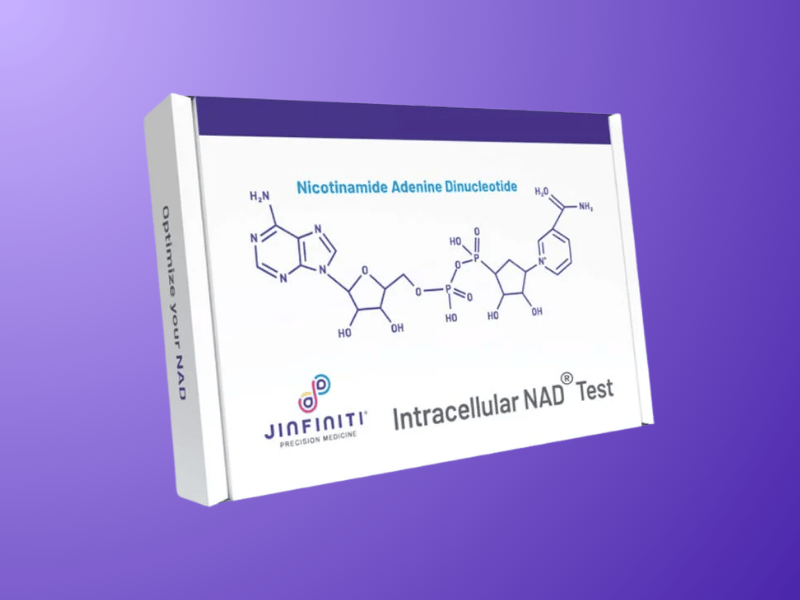
CLIA-Certified NAD Test Kit

Test your NAD+ levels from home.

Jinfiniti Intracellular NAD Test on purple background

Comparing Absorption and Bioavailability

Let’s look at what actually happens when you take NAD+ through different routes.

Delivery MethodAbsorption RateTime to EffectClinical Evidence Level
Oral NR/NMN10-20% average2-4 weeksHigh (multiple RCTs)
IM/SubQ Injection70-80% claimedDaysLow (case reports)
IV TherapyUp to 100% claimedImmediateLow (observational)

Clinical trials with oral NR have demonstrated 22-142% increases in blood NAD+ levels after 2-4 weeks of supplementation[2]. These studies followed rigorous protocols with placebo controls.

Injectable NAD+ shows higher absorption rates in theory. But here’s the catch: higher blood levels don’t automatically mean higher intracellular levels where NAD+ actually does its work.

It’s worth noting that no FDA-approved protocols exist for NAD+ injections. Current dosage regimens are based on clinical experience and expert consensus, not large-scale trials.

Full Comparison: Injections vs. IV vs. Oral NAD Supplements

Looking at all three NAD therapy delivery methods side by side reveals important practical differences.

FeatureOral Supplements (NMN/NR)Injections (IM/SubQ)NAD IV Therapy (Infusion)
AbsorptionLow-Moderate (2-60%)Very High (70-80%)Maximum (~100%)
Time to EffectWeeksHours-DaysMinutes-Hours
ConvenienceMost convenientSelf-administered, quickRequires clinic visit
CostLow ($30-80/month)Mid-High ($100-500/month)High ($250-700/session)
Use CaseLong-term maintenanceRegular support, faster resultsAcute needs, medical protocols
Expert ConsensusSufficient for most, safestHigh blood levels, cellular uptake unclearMost potent delivery, limited evidence

The myth that “more is always better” doesn’t hold up. Exceeding recommended doses can risk adverse effects, and higher doses don’t guarantee better long-term results. Your body has limits on how much NAD+ it can use at once.

The Evidence for Oral NAD+ Precursors

Multiple peer-reviewed studies support oral NMN and NR supplementation.

Research published in Nature Communications showed that oral NR safely increased NAD+ metabolites in humans[2]. Another study in NPJ Aging found NMN was well-tolerated up to 2,000 mg daily[3].

These aren’t small pilot studies. They’re randomized, double-blind, placebo-controlled trials with measurable outcomes.

The clinical benefits documented include:

  • Improved cardiovascular markers[4]
  • Better metabolic function[5]
  • Enhanced cellular energy production[6]
  • Support for healthy aging processes[7]

The Evidence Gap for NAD+ Injections

A woman preparing to receive a NAD injection.

Injectable NAD+ therapy has a different evidence profile. Most supporting data comes from case reports and observational studies, not controlled trials.

One systematic review noted that most evidence focuses on raising NAD+ levels, not long-term disease outcomes[8].

While injections may increase blood NAD+ measurements, proven reductions in disease rates or significant anti-aging effects in humans remain less robust.

The research that does exist for injectable NAD+ centers on addiction treatment. Studies suggest high-dose IV NAD+ may help with withdrawal symptoms[9], but these protocols differ significantly from wellness applications and should only be used under medical supervision.

No large-scale clinical trials have demonstrated that NAD+ injections increase intracellular NAD+ levels more than oral precursors.

Safety Profiles and Side Effects

Oral Supplements

Clinical trials show oral NMN and NR are remarkably safe[6]. Side effects are rare and mild, typically limited to:

  • Mild nausea (uncommon)
  • Flushing (rare)
  • Digestive discomfort (minimal)

Doses up to 2,000 mg daily have been tested without serious adverse events[3].

Injectable NAD+

Injections carry different risks:

  • Injection site reactions (pain, bruising)
  • Lightheadedness during or after administration
  • Nausea if administered too quickly
  • Rare allergic reactions
  • Risk of infection with improper technique

Standard operating procedures for NAD+ injections emphasize medical supervision precisely because of these concerns.

Cost Comparison

Money matters when you’re making a long-term health investment.

  • Oral NMN/NR Supplements: $30-80 per month for quality products
  • NAD+ Injections: $100-500 per month depending on frequency
  • IV Therapy: $250-700 per session

If you’re planning to supplement long-term (which makes sense for age-related NAD+ decline), oral supplements offer better value.

Testing: The Missing Piece Most People Ignore

Dr. Jin-Xiong She, founder of Jinfiniti Precision Medicine and a genomic scientist with over 400 peer-reviewed publications, emphasizes a point most people overlook.

“You cannot optimize what you don’t measure. NAD+ levels vary dramatically between individuals, and the same dose of any supplement could be optimal for one person, ineffective for another, or even excessive for a third. Testing is the only way to know if your intervention is working.”

This applies whether you choose injections or oral supplements.

Jinfiniti’s Intracellular NAD+ Test measures your actual cellular NAD+ levels, not just blood markers. According to Dr. She’s clinical research, optimal levels fall between 40-100 μM.

Without testing, you’re making expensive guesses about what your body needs.

When Injections Might Make Sense

To be fair, injectable NAD+ isn’t without its uses.

Some situations where injections may be considered:

  • Severe malabsorption issues preventing oral supplement absorption
  • Acute situations requiring rapid intervention (under medical supervision)
  • As part of addiction treatment protocols in clinical settings
  • When oral supplementation has been tried and tested without results

Even in these cases, medical supervision is recommended.

It’s a common misconception that only older adults benefit from NAD+ support. While age-related decline is well-documented, younger individuals under chronic stress, in recovery from illness, or with low baseline NAD+ levels may also see benefits. The magnitude of effect may differ, but NAD+ optimization isn’t exclusively for aging populations.

Natural Ways to Support NAD+ Production

Supplements aren’t your only option. Lifestyle factors significantly impact NAD+ levels.

  • Exercise stimulates NAD+ production through metabolic stress[10]. Both aerobic and resistance training show benefits.
  • Intermittent fasting activates cellular pathways that preserve NAD+. Research suggests fasting periods trigger NAD+ conservation mechanisms[11].
  • Sleep quality affects NAD+ metabolism. Poor sleep disrupts circadian rhythms that regulate NAD+ synthesis[12].

Foods high in NAD+ precursors include fish, turkey, mushrooms, and green vegetables. While diet alone won’t fully compensate for age-related decline, it provides foundational support.

The Bottom Line

The scientific consensus leans toward oral NAD+ precursors for most people.

NMN and NR have robust clinical evidence showing they safely increase NAD+ levels. They’re convenient, cost-effective, and well-studied.

Injectable NAD+ may deliver higher blood concentrations, but leading researchers question whether it effectively enters cells. The lack of controlled trials comparing intracellular NAD+ levels after injection versus oral supplementation leaves a significant evidence gap.

For addiction treatment under medical supervision, high-dose IV protocols may have a role. For general wellness and longevity, the data supports oral precursors.

Which Should You Choose?

Consider these factors:

Choose oral supplements if you:

  • Want the best-researched option
  • Prefer convenience and lower cost
  • Are focused on long-term wellness
  • Can commit to consistent daily use

Consider injections if you:

  • Have documented severe malabsorption
  • Are working with a qualified physician on acute issues
  • Have tried oral supplements with testing confirmation of no response
  • Accept higher costs for potentially faster results

How to Safely Start Taking NAD

Start with testing your baseline NAD levels to remove the guesswork from supplementation.

If you choose oral supplements, select high-quality NMN or NR from reputable manufacturers. Look for third-party testing and pharmaceutical-grade production.

Retest after 4-6 weeks to confirm your protocol is working. Adjust dosing based on results, not marketing promises.

If you’re considering injections, work with a licensed healthcare provider who can monitor your response and watch for adverse effects.

Remember that NAD+ optimization works best as part of a comprehensive approach including exercise, nutrition, sleep, and stress management.

The goal isn’t just to raise a number on a test. It’s to support your body’s cellular function so you can maintain energy, mental clarity, and physical vitality as you age.

Ready to measure your NAD+ levels and start optimizing? Jinfiniti’s NAD Optimization® Starter Package includes testing and our scientifically formulated Vitality NAD+ Booster to help you achieve optimal cellular health.

Referenced Sources

  1. Verdin E. NAD+ in aging, metabolism, and neurodegeneration. American Association for the Advancement of Science (AAAS); 2015. https://doi.org/10.1126/science.aac4854
  2. Martens CR, Denman BA, Mazzo MR, Armstrong ML, Reisdorph N, McQueen MB, et al. Chronic nicotinamide riboside supplementation is well-tolerated and elevates NAD+ in healthy middle-aged and older adults. Springer Science and Business Media LLC; 2018. https://doi.org/10.1038/s41467-018-03421-7
  3. Henderson JD, Quigley SNZ, Chachra SS, Conlon N, Ford D. The use of a systems approach to increase NAD+ in human participants. Springer Science and Business Media LLC; 2024. https://doi.org/10.1038/s41514-023-00134-0
  4. Vreones M, Mustapic M, Moaddel R, Pucha KA, Lovett J, Seals DR, et al. Oral nicotinamide riboside raises NAD+ and lowers biomarkers of neurodegenerative pathology in plasma extracellular vesicles enriched for neuronal origin. Wiley; 2022. https://doi.org/10.1111/acel.13754
  5. She J, Sheng R, Qin ZH. Pharmacology and Potential Implications of Nicotinamide Adenine Dinucleotide Precursors. Aging and Disease; 2021. https://doi.org/10.14336/ad.2021.0523
  6. Yi L, Maier AB, Tao R, Lin Z, Vaidya A, Pendse S, et al. The efficacy and safety of β-nicotinamide mononucleotide (NMN) supplementation in healthy middle-aged adults: a randomized, multicenter, double-blind, placebo-controlled, parallel-group, dose-dependent clinical trial. Springer Science and Business Media LLC; 2022. https://doi.org/10.1007/s11357-022-00705-1
  7. Conlon NJ. The Role of NAD+ in Regenerative Medicine. Ovid Technologies (Wolters Kluwer Health); 2021. https://doi.org/10.1097/prs.0000000000009673
  8. Freeberg KA, Udovich CC, Martens CR, Seals DR, Craighead DH. Dietary Supplementation With NAD+-Boosting Compounds in Humans: Current Knowledge and Future Directions. Oxford University Press (OUP); 2023. https://doi.org/10.1093/gerona/glad106
  9. Braidy N, Villalva MD, Eeden S van. Sobriety and Satiety: Is NAD+ the Answer?. MDPI AG; 2020. https://doi.org/10.3390/antiox9050425
  10. Walzik D, Joisten N, Schenk A, Trebing S, Schaaf K, Metcalfe AJ, et al. Acute exercise boosts NAD+ metabolism of human peripheral blood mononuclear cells. Elsevier BV; 2025. https://doi.org/10.1016/j.bbi.2024.11.004
  11. Poljsak B, Kovač V, Milisav I. Healthy Lifestyle Recommendations: Do the Beneficial Effects Originate from NAD+ Amount at the Cellular Level?. Wiley; 2020. https://doi.org/10.1155/2020/8819627
  12. Cuenoud B, Huang Z, Hartweg M, Widmaier M, Lim SongI, Wenz D, et al. Effect of circadian rhythm on NAD and other metabolites in human brain. Frontiers Media SA; 2023. https://doi.org/10.3389/fphys.2023.1285776
nad shots

NAD Injections Guide: Benefits, Risks and Costs

Nicotinamide adenine dinucleotide (NAD+) injections give cells extra fuel without the long wait of an IV drip. A shot into muscle or under the skin puts NAD+ building blocks straight into tissue before the gut has a chance to break them down first.

People choose NAD shots for many reasons. Some want more energy and better mental clarity. Others want support during addiction recovery or help with chronic fatigue.

However most research on NAD+ benefits comes from studies using oral NMN and NR supplements, not injections. Clinical trials that examine NAD+ injections in humans remain limited.

Quick Takeaways

  • NAD+ injections deliver the coenzyme directly into fat or muscle tissue.
  • Most evidence for NAD+ benefits comes from oral NMN and NR supplementation studies, which show improvements in energy levels, cognitive function, and metabolic health markers.
  • Common side effects include injection site soreness, headache, and nausea, but serious reactions are rare when administered properly under medical supervision.
  • Costs range from $25 to $205 per injection depending on location and provider, making them more affordable than IV therapy sessions that run $250 to $1,500.

What Are NAD Injections?

NAD+ injections deliver nicotinamide adenine dinucleotide directly into muscle or fat tissue. This coenzyme exists in every living cell and is a driving force for hundreds of metabolic reactions.

Your body uses NAD+ for:

  • Converting food into cellular energy (ATP)
  • Repairing damaged DNA
  • Activating sirtuins (proteins that regulate cellular health)
  • Controlling circadian rhythms and gene expression

Research shows NAD levels decline with age across the pancreas, skeletal muscle, liver, skin, and brain[1]. Studies link this decline to mitochondrial decline, reduced cognitive performance, and metabolic diseases[2].

How NAD+ Injections Work in Your Body

NAD+ molecules are too large to cross cell membranes intact. Here’s how NAD injections work:

  • Enzymes (CD38 and CD157) break down NAD+ into smaller molecules like nicotinamide
  • Cells absorb these smaller molecules
  • Your cells rebuild them into NAD+ through biosynthetic pathways
  • Some specialized tissues like heart muscle can absorb NAD+ directly

A pilot study found urine NAD+ levels jumped 538% during IV infusion, showing substantial amounts pass through unabsorbed[3].

Whether you use injections or oral supplements, NAD+ precursors convert to NAD+ through the same pathways.

CLIA-Certified NAD Test Kit

Test your NAD+ levels from home.

Jinfiniti Intracellular NAD Test on purple background

Types of NAD+ Injections: SubQ vs. IM

You can receive NAD injection through subcutaneous (SubQ) or intramuscular (IM) routes.

Subcutaneous Injection (SubQ)

  • Injection site: Fatty tissue under skin (abdomen, thigh, upper arm)
  • Needle: Short (25-27 gauge, half inch or less)
  • Absorption: Slow over several hours
  • Comfort: Less soreness, easier self-administration

Intramuscular Injection (IM)

  • Injection site: Muscle tissue (thigh, glute, shoulder)
  • Needle: Longer (one to one and a half inches), 90-degree angle
  • Absorption: Faster (effects within 1-2 hours)
  • Comfort: More potential soreness

Both routes bypass digestive metabolism and deliver NAD+ precursors into circulation. Clinical research comparing SubQ versus IM for NAD+ is limited.

What Are the Benefits of NAD+ Injections?

NAD injection needle

Though the benefits of NAD+ are extensively documented, it is important to consider that the majority of studies analyzing the benefits of NAD+ therapy are based on oral supplementation studies done with NMN and NR.

There is a lack of clinical trials investigating NAD+ injections in human subjects. The benefits outlined in the following sections are primarily from research on oral NAD+ precursors and studies involving animals.

1. Increased Energy and Cellular Function

Multiple preclinical studies show that NAD+ restoration improves mitochondrial health and ATP production. Research in mice found NAD+ treatment reversed age-related decline, boosted muscle function and endurance, and improved muscle stem cell quality[4].

A 12-week randomized trial of healthy middle-aged adults taking oral NR showed it increased blood NAD+ levels by 60% in a dose-dependent manner[5].

Another study confirmed that oral NR supplementation is well-tolerated and efficiently stimulates NAD+ metabolism in middle-aged and older adults[6].

A trial of 207 patients with chronic fatigue syndrome found that 200 mg CoQ10 plus 20 mg NADH daily reduced cognitive fatigue and improved quality of life[7].

Researchers suggest ME/CFS patients have compromised NAD+ levels, which may explain their cellular energy production failures.

2. Brain Health and Mental Clarity

NAD+ plays an important role in keeping neurons healthy.

Early evidence suggests NAD+ may support cognitive function in people with neurodegenerative conditions[8].

A study on oral NR supplementation (500 mg twice daily for 6 weeks) raised NAD+ levels in plasma and decreased Alzheimer’s biomarkers including Aβ42 and phosphorylated proteins[9].

Clinical research shows oral NAD+ precursors can cross the blood-brain barrier and increase neuronal NAD+ levels[10].

A 2025 trial in patients with Werner syndrome found that 1,000 mg daily oral NR improved arterial stiffness and showed trends toward better cognitive markers[11].

Dr. Sapna Patel at the University of Colorado cautions that more research is needed to confirm whether supplements deliver on anti-aging and disease prevention claims.

3. Support for Addiction Recovery

NAD+ therapy has been used in addiction treatment since 2001. A Louisiana clinic developed protocols using IV NAD+ for patients with acute withdrawal symptoms from chronic opioid and alcohol abuse.

A 2022 study of 50 patients receiving NAD+ infusions found reductions in craving scores, anxiety, and depression. The results showed strong statistical significance across all three measures[12].

Dr. Mark Collins, who works in addiction medicine, states: “I have now witnessed its use in many patients and am very impressed with the short-term results.” He adds that longer-term outcome studies are needed.

Patient testimonials suggest NAD+ helps reduce withdrawal symptoms and cravings. Experts stress it must combine with therapy and other treatments, not serve as a standalone solution.

4. DNA Repair and Cellular Health

Your cells need NAD+ for DNA repair through multiple pathways. The enzyme PARP1 handles about 90% of total repair activity and consumes large amounts of cellular NAD+ when fixing DNA damage.

Proteins called sirtuins (especially SIRT1, SIRT6, and SIRT7) require NAD+ to maintain genomic stability. Research in Nature shows that restoring NAD+ improves cellular antioxidant capacity and reduces oxidative stress markers[13].

This repair work happens constantly in your body. NAD+ gives your cells the fuel they need to fix damage before it accumulates. Studies suggest that maintaining NAD+ levels through supplementation may help preserve these protective mechanisms[14].

💉 MORE ON NAD THERAPY

What Are the Risks and Side Effects?

NAD+ injections are generally well-tolerated, but you should know the possible reactions before starting therapy.

Common Side Effects

Most side effects are mild and temporary. The injection site may feel sore, burn, or look red. Some people develop firm lumps where the NAD+ fluid hasn’t dispersed properly or a sterile abscess (a non-infectious fluid pocket).

Systemic reactions include:

  • Headache (pressure or throbbing)
  • Nausea or stomach upset
  • Facial flushing or warmth
  • Dizziness or lightheadedness
  • Tiredness

A systematic review examining NAD+ supplementation safety found the most common side effects were muscle pain, nervous system issues, fatigue, sleep problems, and headaches. Adverse events did not create serious health risks for participants[15].

Rare but serious reactions include heart palpitations, blood pressure changes, and allergic reactions ranging from rashes to anaphylaxis in extreme cases. Infection at the injection site happens rarely with proper sterile technique.

High doses can potentially disrupt metabolic balance. Some research suggests decreased insulin sensitivity, raising concerns for people with prediabetes or diabetes. Potential liver strain with excessive dosing remains under investigation.

Who Should Avoid NAD+ Injections?

Several groups should not receive NAD+ therapy or need medical clearance first.

Absolute contraindications:

  • Known allergy to NAD+ or its components
  • Severe liver or kidney disease
  • History of cancer (including skin cancer)
  • Pregnancy or breastfeeding

Relative contraindications (require doctor consultation):

  • Heart disease or bleeding disorders
  • Autoimmune conditions
  • Liver or kidney problems
  • Children and teens (insufficient safety data)

NAD+ supplements may interact with several medication classes. Diabetes medications might have altered effects due to insulin sensitivity changes. Blood pressure drugs could combine with NAD+ to lower pressure too much. Anticoagulants like warfarin may have affected metabolism. Cancer treatments might be less effective, and antidepressants could interact with NAD+ production pathways.

Always discuss your medications and health conditions with a doctor before starting NAD injection therapy.

How Much Do NAD+ Injections Cost?

Pricing varies widely based on where you get treatment and whether you choose online or in-person options.

Online vs. In-Person Pricing

The most affordable route is through online telehealth clinics. Monthly costs typically range from $105 to $350.

Provider TypeCost RangeDetails
Online Telehealth$105-$350/monthIncludes prescription and supplies shipped to you
Single IM/SubQ Injection (clinic)$25-$190One-time or pay-per-visit pricing
IV Therapy Session$250-$1,500Requires 1-4 hours at clinic
Loading Phase Packages$1,500-$6,000Typically 4-6 sessions over weeks

Location affects pricing. Major cities like Chicago charge $600 to $1,000 per IV session. Smaller towns offer more budget-friendly options at $300 to $500.

NAD injection costs less than IV therapy while offering a different delivery method than oral supplements. You can self-administer after proper training, saving both time and money compared to clinic visits.

NAD+ Injections vs. Other Delivery Methods

Different NAD+ delivery methods have distinct advantages and limitations. Keep in mind that clinical evidence varies significantly by delivery route.

How Do Injections Compare to IV Therapy?

IV therapy delivers higher doses (typically 500-1,000 mg) directly into your bloodstream with immediate availability. Sessions last 1 to 4 hours but provide rapid delivery for people needing fast intervention.

Injections offer several practical advantages:

  • Takes minutes instead of hours
  • Costs much less per treatment
  • You can do it yourself at home after training
  • Fewer side effects from lower peak blood concentrations
  • Regular smaller doses provide steadier NAD+ levels

The main benefit of IV therapy is the higher dose and immediate bloodstream access. Some people prefer that intensity for acute situations like severe fatigue or addiction recovery support.

Both IV and injection methods share a limitation: minimal published clinical research compared to oral supplementation studies.

How Do Injections Compare to Oral Supplements?

Oral NAD+ precursors like NR and NMN have been extensively studied in human clinical trials. Research shows that oral administration of these precursors effectively raises NAD+ levels in a dose-dependent manner[16].

Clinical trials demonstrate that oral NR supplementation significantly increases blood NAD+ within 2 weeks, with effects maintained throughout multi-week studies[6]. A randomized trial found that 1,000 mg of oral NR raised NAD+ levels by approximately 60% in healthy adults[17].

Dr. Charles Brenner discovered NR as a NAD+ precursor and led the first human trial showing safe oral availability[18]. His work at City of Hope focuses on NAD+ metabolism in metabolic diseases.

Oral supplements have the most extensive clinical evidence base. Injections may appeal to those seeking alternatives to pills or IV therapy, though research on injections remains limited.

What’s the Recommended Dosage?

Clinical protocols for injections vary based on what you’re trying to achieve, though these recommendations are adapted largely from IV therapy protocols and oral supplementation research rather than injection-specific studies.

Health GoalDosage RangeFrequencyDuration
General Wellness50-100 mg2-3x per weekOngoing
Loading Phase100-200 mgDaily7-10 days
Athletic Recovery200-500 mg2-3x per week2-4 weeks
Cognitive Support100-250 mg1-2x per week4-6 weeks

For subcutaneous injections, most protocols start conservatively. Begin with 0.1 mL (20 mg) to check your tolerance. Gradually increase to 0.25 mL up to three times weekly. The target dose is usually 0.5 mL (100 mg), typically 2-3 times weekly.

Never exceed 0.5 mL within any 24-hour period.

Some intensive protocols involve 500-1,000 mg daily for four consecutive days, followed by twice-weekly injections for one month. After that, you transition to a maintenance schedule.

Dose needs differ between people based on age, weight, metabolism, and baseline NAD+ levels. Working with a healthcare provider helps you find the right amount for your health goals.

See our NAD injection dosage chart for a more detailed breakdown.

The Bottom Line

NAD+ injections offer an alternative delivery method for boosting cellular NAD+ levels, though most clinical evidence comes from oral supplementation studies rather than injection research. Before starting any NAD+ therapy, test your baseline levels to understand where you stand.

Jinfiniti’s CLIA-Certified Intracellular NAD+ Test measures your cellular NAD+ and provides personalized dosage recommendations. This data-driven approach helps you avoid guessing and ensures your intervention matches your actual needs.

Work with a healthcare provider to interpret results and choose the right therapy for your health goals.

Referenced Sources

  1. Xie N, Zhang L, Gao W, Huang C, Huber PE, Zhou X, et al. NAD+ metabolism: pathophysiologic mechanisms and therapeutic potential. Springer Science and Business Media LLC; 2020. https://doi.org/10.1038/s41392-020-00311-7
  2. Mills KF, Yoshida S, Stein LR, Grozio A, Kubota S, Sasaki Y, et al. Long-Term Administration of Nicotinamide Mononucleotide Mitigates Age-Associated Physiological Decline in Mice. Elsevier BV; 2016. https://doi.org/10.1016/j.cmet.2016.09.013
  3. Grant R, Berg J, Mestayer R, Braidy N, Bennett J, Broom S, et al. A Pilot Study Investigating Changes in the Human Plasma and Urine NAD+ Metabolome During a 6 Hour Intravenous Infusion of NAD+. Frontiers Media SA; 2019. https://doi.org/10.3389/fnagi.2019.00257
  4. Zhang H, Ryu D, Wu Y, Gariani K, Wang X, Luan P, et al. NAD+ repletion improves mitochondrial and stem cell function and enhances life span in mice. American Association for the Advancement of Science (AAAS); 2016. https://doi.org/10.1126/science.aaf2693
  5. Dellinger RW, Santos SR, Morris M, Evans M, Alminana D, Guarente L, et al. Repeat dose NRPT (nicotinamide riboside and pterostilbene) increases NAD+ levels in humans safely and sustainably: a randomized, double-blind, placebo-controlled study. Springer Science and Business Media LLC; 2017. https://doi.org/10.1038/s41514-017-0016-9
  6. Tannous C, Booz GW, Altara R, Muhieddine DH, Mericskay M, Refaat MM, et al. Nicotinamide adenine dinucleotide: Biosynthesis, consumption and therapeutic role in cardiac diseases. Wiley; 2020. https://doi.org/10.1111/apha.13551
  7. Castro-Marrero J, Segundo MJ, Lacasa M, Martinez-Martinez A, Sentañes RS, Alegre-Martin J. Effect of Dietary Coenzyme Q10 Plus NADH Supplementation on Fatigue Perception and Health-Related Quality of Life in Individuals with Myalgic Encephalomyelitis/Chronic Fatigue Syndrome: A Prospective, Randomized, Double-Blind, Placebo-Controlled Trial. MDPI AG; 2021. https://doi.org/10.3390/nu13082658
  8. Zhao Y, Zhang J, Zheng Y, Zhang Y, Zhang XJ, Wang H, et al. NAD+ improves cognitive function and reduces neuroinflammation by ameliorating mitochondrial damage and decreasing ROS production in chronic cerebral hypoperfusion models through Sirt1/PGC-1α pathway. Springer Science and Business Media LLC; 2021. https://doi.org/10.1186/s12974-021-02250-8
  9. Vreones M, Mustapic M, Moaddel R, Pucha KA, Lovett J, Seals DR, et al. Oral nicotinamide riboside raises NAD+ and lowers biomarkers of neurodegenerative pathology in plasma extracellular vesicles enriched for neuronal origin. Wiley; 2022. https://doi.org/10.1111/acel.13754
  10. Palmer RD, Elnashar MM, Vaccarezza M. Precursor comparisons for the upregulation of nicotinamide adenine dinucleotide. Novel approaches for better aging. Wiley; 2021. https://doi.org/10.1002/agm2.12170
  11. Shoji M, Kato H, Koshizaka M, Kaneko H, Baba Y, Ishikawa T, et al. Nicotinamide Riboside Supplementation Benefits in Patients With Werner Syndrome: A Double‐Blind Randomized Crossover Placebo‐Controlled Trial. Wiley; 2025. https://doi.org/10.1111/acel.70093
  12. Badgaiyan RD, Blum K, Han D, Baron D, Kazmi S, Elman I, et al. Nicotinamide Adenine Dinucleotide (NAD+) and Enkephalinase Inhibition (IV1114589NAD) Infusions Significantly Attenuate Psychiatric Burden Sequalae in Substance Use Disorder (SUD) in Fifty Cases. Bentham Science Publishers Ltd.; 2022. https://doi.org/10.2174/2666082218666220527114427
  13. Ryu D, Zhang H, Ropelle ER, Sorrentino V, Mázala DAG, Mouchiroud L, et al. NAD+ repletion improves muscle function in muscular dystrophy and counters global PARylation. American Association for the Advancement of Science (AAAS); 2016. https://doi.org/10.1126/scitranslmed.aaf5504
  14. Kang BE, Choi J, Stein S, Ryu D. Implications of NAD+ boosters in translational medicine. Wiley; 2020. https://doi.org/10.1111/eci.13334
  15. Gindri I de M, Ferrari G, Pinto LPS, Bicca J, dos Santos IK, Dallacosta D, et al. Evaluation of safety and effectiveness of NAD in different clinical conditions: a systematic review. American Physiological Society; 2024. https://doi.org/10.1152/ajpendo.00242.2023
  16. Yang X, Lu A, Guan X, Ying T, Pan J, Tan M, et al. An Updated Review on the Mechanisms, Pre‐Clinical and Clinical Comparisons of Nicotinamide Mononucleotide (NMN) and Nicotinamide Riboside (NR). Wiley; 2024. https://doi.org/10.1002/fft2.511
  17. Martens CR, Denman BA, Mazzo MR, Armstrong ML, Reisdorph N, McQueen MB, et al. Chronic nicotinamide riboside supplementation is well-tolerated and elevates NAD+ in healthy middle-aged and older adults. Springer Science and Business Media LLC; 2018. https://doi.org/10.1038/s41467-018-03421-7
  18. Belenky P, Bogan KL, Brenner C. NAD+ metabolism in health and disease. Elsevier BV; 2007. https://doi.org/10.1016/j.tibs.2006.11.006
A middle-aged man with healthy cholesterol levels smiles at his partner.

Does Turmeric Lower Cholesterol Levels? What Science Says

High cholesterol affects nearly 94 million American adults. Many people seek natural options to support their cardiovascular health alongside conventional treatments.

Turmeric, a vibrant spice common in Asian dishes and used in traditional medicine for millennia, has become popular for its possible cholesterol-lowering effects.

Curcumin, the active compound in turmeric, has shown potential in clinical studies, but it’s important to be aware of certain limitations in the findings.

This article examines what science actually says about turmeric’s effects on cholesterol levels. You’ll learn about dosage, formulation differences, and how this ancient spice compares to prescription medications.

Key Takeaways

  • Studies suggest that turmeric and curcumin may slightly decrease LDL cholesterol and triglycerides by about 5-15%, with the most compelling results observed in individuals with metabolic syndrome or type 2 diabetes.
  • Curcumin functions by inhibiting cholesterol synthesis, decreasing intestinal uptake, boosting elimination, and stopping damaging LDL oxidation.
  • Improved absorption formulas containing black pepper extract or phospholipids are necessary because regular turmeric powder is not easily absorbed by the body.
  • Although showing potential, turmeric is not as potent as statins and should not substitute prescribed cholesterol medications without consulting a healthcare professional.

Does Turmeric Lower Cholesterol Levels?

Multiple systematic review and meta-analysis studies have examined curcumin’s impact on lipid profiles.

A 2023 umbrella review analyzing 72 randomized controlled trials found that curcumin supplementation reduced several cholesterol markers1.

The review reported total cholesterol decreased by 7.76 mg/dL and LDL cholesterol dropped by 4.89 mg/dL. Triglycerides lowered by 6.69 mg/dL while HDL cholesterol (the “good” kind) increased by 1.80 mg/dL.

A 2019 meta-analysis of randomized trials involving 1,142 participants showed turmeric reduced triglycerides by 19.1 mg/dL and total cholesterol by 11.4 mg/dL compared to placebo2.

Another review of seven studies with 649 patients demonstrated that the spice lowered both low-density lipoprotein and triglyceride levels3.

Study TypeCholesterol ChangeStudy Population
72-trial umbrella reviewLDL: -4.89 mg/dL, TG: -6.69 mg/dLMixed populations
14-trial meta-analysisTotal: -11.4 mg/dL, TG: -19.1 mg/dL1,142 participants
7-trial reviewLDL and TG reduced significantly649 patients

The picture isn’t entirely clear cut. Some studies report no statistically significant effects on cholesterol. A 2014 meta-analysis concluded that curcumin supplementation had “apparently no effect” on lipid levels4.

These inconsistencies stem from variations in study design. Dosages ranged from 45 mg to 6,000 mg daily, durations varied from 11 days to 24 weeks, and formulation types differed widely. One comprehensive review assessed the evidence quality as “low” to “very low” for most outcomes5.

How Turmeric May Help Lower Cholesterol

Curcumin influences cholesterol through several biological mechanisms. The compound works at different stages of cholesterol metabolism.

1. Blocks Cholesterol Production

Curcumin suppresses HMG-CoA reductase, the rate-limiting enzyme in cholesterol synthesis. This is the same target as statin drugs.

Animal studies show curcumin downregulates this enzyme along with other cholesterol synthesis genes6. By interfering with this production pathway, less cholesterol gets manufactured in the liver.

2. Reduces Intestinal Absorption

Research demonstrates that curcumin inhibits Niemann-Pick C1-Like 1 (NPC1L1). This protein handles cholesterol uptake in your intestines7.

By blocking NPC1L1, curcumin reduces the amount of dietary cholesterol your body absorbs from food. Less absorption means lower cholesterol entering your bloodstream.

3. Increases Cholesterol Excretion

Curcumin stimulates bile acid production, which helps eliminate cholesterol from your body8. Studies show it increases expression of cholesterol 7α-hydroxylase, the enzyme that converts cholesterol to bile acids.

The compound also upregulates LDL receptors in the liver. More receptors mean better removal of low-density lipoprotein from your blood.

In macrophages and foam cells (key players in atherosclerosis), curcumin influences specific pathways that promote cholesterol efflux9. This prevents cellular cholesterol accumulation.

4. Prevents LDL Oxidation

Curcumin’s antioxidant properties prevent LDL oxidation, a step in atherosclerotic plaque formation. A 1997 study showed that daily turmeric intake decreased HDL and LDL peroxidation levels significantly10.

Oxidized LDL is more dangerous than regular LDL. It damages artery walls and triggers inflammation. By preventing this oxidation, curcumin may offer cardiovascular protection beyond simple cholesterol lowering.

One study found curcumin reduced small dense LDL particles, the most harmful LDL subtype11. These particles penetrate artery walls more easily and are highly atherogenic.

Clinical-Grade Formula

20x better absorption turmeric for cardiovascular health.

Jinfiniti Turmeric Supplement

Should You Consider Turmeric for High Cholesterol?

Not everyone responds equally to turmeric supplementation. Research shows certain groups experience more pronounced effects on their lipid profile.

People with metabolic syndrome see particularly strong results. One meta-analysis found the spice could lower total cholesterol significantly in this population with an effect size of -0.93412.

Groups with strongest evidence:

  • Adults with metabolic syndrome
  • People with type 2 diabetes
  • Those at cardiovascular disease risk
  • Adults over 50 with existing heart concerns
  • Individuals experiencing chronic inflammation

Multiple studies in type 2 diabetes patients have shown improvements in cholesterol levels13. Reductions occurred in total cholesterol, LDL, and triglycerides, though HDL results remained mixed.

Research indicates that curcumin supplementation at 850 mg daily for over 10 weeks was most effective in adults over 50 years with coronary artery disease14. This dosage and duration showed a “large effect size” on LDL reduction.

One study in middle-aged women combining curcumin with exercise showed improvements in waist circumference, insulin resistance, and high-density lipoprotein levels15. The combination approach may amplify benefits.

Evidence is less compelling for healthy people with normal cholesterol. A study of low-dose curcumin in healthy middle-aged adults found “diverse effects” on wellness measures but didn’t demonstrate significant cholesterol changes16.

One clinical trial showed that 500 mg daily reduced cholesterol by 17% in healthy subjects after just seven days17. This was a short-term study requiring longer validation.

Dosage and Formulation Guidelines

The efficacy of turmeric depends heavily on how much you take and what form you choose. Clinical trials have tested a range of turmeric doses with varying results.

Interestingly, one study found that 500 mg daily was more effective than 6,000 mg daily for lowering cholesterol. Higher doses aren’t necessarily better with this spice.

Most research showing positive effects used 500-1,000 mg of curcumin daily. This range appears optimal for cholesterol management based on current evidence.

Most studies showing health benefits of turmeric lasted 8-12 weeks. Effects appear to accumulate over time, with some research suggesting efficacy increases with longer use.

Choosing the Right Form

Standard turmeric powder contains only 2-5% curcumin. This presents challenges for therapeutic dosing.

Concentrated curcumin extracts provide higher amounts of the active ingredient. These standardized supplements list the curcumin content on the label, making dosing more precise.

Some formulations use whole turmeric that recreates the natural matrix. These may offer advantages over isolated curcumin by including other bioactive compounds from the spice.

Bioavailability Enhancement

A major challenge with curcumin is its poor bioavailability. Your body absorbs very little when consumed in natural form.

Modern formulations address this through various technologies. The enhancement method makes a substantial difference in effectiveness.

Enhancement approaches and absorption improvements:

MethodBioavailability Increase
With piperine (black pepper)20-fold (2,000%)
Phospholipid complexes29-fold
Nanoparticle formulations22 to 45.9-fold
Liposomal curcumin7.76-fold
Proprietary blends5.5 to 7.3-fold

Black pepper extract containing piperine is the most common enhancement. It blocks curcumin metabolism in the liver and intestines, allowing more to reach your bloodstream.

Phospholipid complexes bind curcumin to fats, improving absorption since curcumin is fat-soluble. Nanoparticle and liposomal formulations create tiny particles that penetrate cell membranes more easily.

Research consistently shows enhanced formulations produce superior results for cholesterol management. When choosing a supplement, look for products that specify their bioavailability enhancement method.

Taking curcumin with fat-containing foods also boosts absorption. Consider timing your supplement with meals that include healthy oils or fats.

Turmeric vs. Statin Medications

Blister packs containing statin medications.

While turmeric shows cholesterol-lowering properties, its effects are modest compared to statin drugs. This comparison provides important context for your expectations.

Statins typically reduce LDL cholesterol by 30-50%. Curcumin produces reductions of approximately 5-15% in most studies. That’s a substantial difference in magnitude.

A 2022 American Heart Association-backed study compared six popular supplements to statin drugs. Rosuvastatin lowered LDL cholesterol by almost 38%, described as “vastly superior” to any supplement tested.

The British Heart Foundation states there is “no strong evidence to support the claims that turmeric supplements are good for your heart,” though they acknowledge some studies have shown positive results.

Turmeric offers potential advantages despite lower efficacy:

  • Multiple mechanisms: Affects absorption, synthesis, excretion, and oxidation (not just one pathway)
  • Anti-inflammatory effects: May provide cardiovascular protection beyond cholesterol reduction
  • Antioxidant properties: Prevents LDL oxidation and reduces oxidative stress
  • Favorable safety profile: Generally well-tolerated with few serious adverse events
  • Potential combination benefits: May boost statin effectiveness when used together

Researchers at UConn are investigating whether curcumin can help patients experiencing statin-associated muscle symptoms. Researcher Oh Sung Kwon hypothesizes that “combined curcumin and statin treatment will be more effective at lowering LDL-C than those taking only statins” while potentially reducing muscle-related side effects.

One animal study combining curcumin with reduced-dose rosuvastatin found “better renal protection” and “better antilipemic action” than either treatment alone18. The combination lowered triglycerides, VLDL, and LDL more effectively.

You should view turmeric as a complementary approach, not a replacement for prescribed medications. If your doctor recommends statins based on your cardiovascular risk factors, turmeric cannot substitute for that level of cholesterol reduction.

Safety and Drug Interactions

Curcumin is generally considered safe with most clinical trials reporting no serious adverse events. Understanding potential side effects and interactions helps you use it responsibly.

The safety profile appears favorable compared to many pharmaceutical options. Most people tolerate turmeric supplementation well at recommended doses.

Possible Side Effects

At high doses, some people may experience mild digestive symptoms. These effects are typically temporary and resolve when you reduce the dose.

Possible side effects include:

  • Nausea and digestive upset
  • Diarrhea or constipation
  • Stomach pain
  • Skin rash
  • Headaches

These reactions are uncommon at therapeutic doses of 500-1,000 mg daily. Higher doses increase the likelihood of side effects.

Some evidence suggests potential liver effects at very high doses19. One case series documented liver injury in individuals taking high-dose turmeric products, though causation wasn’t definitively established.

Turmeric may increase kidney stone risk in susceptible individuals due to oxalate content. If you have a history of kidney stones, consult your doctor before supplementation.

Important Drug Interactions

Turmeric can interact with several medications. These interactions may enhance or reduce drug effects, potentially causing problems.

Medications that may interact with turmeric:

  • Blood thinners (warfarin, aspirin, clopidogrel): Turmeric has anticoagulant properties and may increase bleeding risk
  • Diabetes medications: May enhance blood sugar-lowering effects, potentially causing hypoglycemia
  • Blood pressure medications (amlodipine, losartan): May intensify blood pressure reduction
  • Chemotherapy drugs: May interfere with certain cancer treatments
  • Tacrolimus: Curcumin may increase side effects

The anti-inflammatory and antioxidant effects of curcumin can influence how your body processes medications. This isn’t necessarily dangerous, but it requires monitoring.

Turmeric may reduce iron absorption when taken with iron supplements. Separate timing by a few hours if you take both.

Always consult a healthcare provider before adding turmeric supplements, especially if you take medications or have existing health conditions. This conversation helps prevent interactions and ensures safe use.

Practical Tips for Using Turmeric

If you’re considering turmeric for cholesterol management, several practical strategies can help you get the best results. Start with medical guidance.

Before starting supplementation:

  1. Discuss with your doctor, especially if taking medications
  2. Get a baseline lipid panel to measure starting cholesterol levels
  3. Choose high quality turmeric formulations with piperine, phospholipids, or nanoparticle technology
  4. Look for third-party testing (NSF, USP certification) to ensure quality and purity
  5. Start with 500-1,000 mg curcumin daily, taken with food containing fat

Give supplementation adequate time. Most studies showing cholesterol benefits lasted 8-12 weeks. Don’t expect overnight results.

Get follow-up lipid panels after 8-12 weeks to assess effectiveness. This data-driven approach lets you track whether turmeric is working for you. The approach aligns with precision medicine principles.

Red flags to avoid:

  • Supplements without clear curcumin content labeling
  • Products making unrealistic health claims
  • Very cheap formulations (may contain fillers or contaminants)
  • Supplements without bioavailability enhancement

Beyond supplements, incorporating turmeric or curcumin into your diet alongside other cholesterol-supporting foods may provide additional benefits. Add the spice to curries, soups, smoothies, or roasted vegetables.

Taking turmeric with black pepper (even just a pinch) dramatically increases absorption. Many recipes naturally combine these spices.

Combine turmeric with comprehensive lifestyle approaches. No supplement replaces the benefits of healthy eating, regular exercise, stress management, and adequate sleep for cardiovascular health.

Consider other natural approaches that support heart health. NAD+ supplementation supports cellular energy production, which plays a role in metabolic health. Anti-inflammatory herbs and spices work well alongside turmeric.

Don’t replace proven medical treatments. Use turmeric as a complement to, not substitute for, medical care recommended by your healthcare provider.

The Bottom Line

Research suggests turmeric and its active ingredient curcumin can modestly help lower cholesterol levels, particularly LDL and triglycerides.

The evidence is strongest for people with metabolic syndrome, type 2 diabetes, or existing cardiovascular disease risk factors using enhanced-absorption formulations at 500-1,000 mg daily for at least 8-12 weeks.

The effects are real but modest, typically producing 5-15% reductions compared to the 30-50% reductions seen with statin medications.

Turmeric’s value lies in its multi-targeted approach affecting cholesterol synthesis, absorption, excretion, and oxidation, combined with anti-inflammatory and antioxidant properties that may provide broader cardiovascular protection.

Curcumin supplements are an accessible, generally safe, low-cost option worth considering as part of a holistic strategy for managing cholesterol and reducing cardiovascular diseases risk when used under medical guidance.

References Sourced

  1. https://academic.oup.com/nutritionreviews/article/83/8/1520/8053000 ↩︎
  2. https://pmc.ncbi.nlm.nih.gov/articles/PMC5637251/ ↩︎
  3. https://pmc.ncbi.nlm.nih.gov/articles/PMC6743846/ ↩︎
  4. https://pmc.ncbi.nlm.nih.gov/articles/PMC4403064/ ↩︎
  5. https://pubmed.ncbi.nlm.nih.gov/37230418/ ↩︎
  6. https://pmc.ncbi.nlm.nih.gov/articles/PMC10863436/ ↩︎
  7. https://pmc.ncbi.nlm.nih.gov/articles/PMC2865464/ ↩︎
  8. https://pmc.ncbi.nlm.nih.gov/articles/PMC2895698/ ↩︎
  9. https://www.nature.com/articles/aps200865.pdf ↩︎
  10. https://pmc.ncbi.nlm.nih.gov/articles/PMC3455890/ ↩︎
  11. https://pmc.ncbi.nlm.nih.gov/articles/PMC4251480/ ↩︎
  12. https://nutritionj.biomedcentral.com/articles/10.1186/s12937-017-0293-y ↩︎
  13. https://pmc.ncbi.nlm.nih.gov/articles/PMC9232354/ ↩︎
  14. https://extendedstudies.ucsd.edu/getattachment/cbbb0cbf-1a09-4845-a787-af7b665e9a0b/rme_24_11_2_060-073.pdf?lang=en-US ↩︎
  15. https://pmc.ncbi.nlm.nih.gov/articles/PMC7118005/ ↩︎
  16. https://pmc.ncbi.nlm.nih.gov/articles/PMC3518252/ ↩︎
  17. https://escholarship.org/content/qt5cb0m7t4/qt5cb0m7t4_noSplash_a159bbf7bd214da9716d1c77312d6317.pdf ↩︎
  18. https://pmc.ncbi.nlm.nih.gov/articles/PMC12042680/ ↩︎
  19. https://jhrlmc.com/index.php/home/article/view/1159 ↩︎
Mature man with gray hair in purple tank top exercising on rowing machine in bright modern gym with fluorescent lighting.

Boosting Metabolism After 50: What Experts Say Works

The widespread belief that metabolism crashes after 50 turns out to be more myth than reality. While some changes do occur, current research shows that maintaining a healthy metabolism well into your later years is entirely achievable with the right approach.

Understanding what really happens to your metabolic rate as you age can change everything about how you approach health and weight management.

Key Takeaways

  • Metabolism remains stable between ages 20 and 60, only declining modestly after that point
  • Muscle loss drives most metabolic changes, not age itself
  • Strength training and adequate protein are your most powerful tools to boost metabolism
  • Supplementation may support cellular energy production

What Happens to Your Metabolism After 50?

What science tells us about metabolism and aging challenges decades of conventional wisdom.

A 2021 study published in Science1 analyzed data from over 6,600 people and changed our understanding of how metabolism changes across the lifespan. The researchers found that metabolism remains remarkably stable between ages 20 and 60.

“What we found is that from ages 20 to 60, metabolism plateaus,” explains Herman Pontzer, associate professor of evolutionary anthropology at Duke University and study co-author.

The research showed metabolism only begins to decline after age 60. Even then, it decreases by a modest 0.7% per year.

This challenges the assumption that middle-age weight gain can be blamed solely on a slowing metabolism.

The Real Reason for Slow Metabolism

The primary driver of metabolic changes isn’t age itself, but muscle loss (a condition called sarcopenia). Research shows that adults lose 3-8% of muscle mass per decade after age 30, with the rate speeding up after 502.

Dr. Thomas Perls of Boston University highlights the significance: “People older than 50 tend to have fewer type two muscle fibers, also called fast-twitch fibers. These fibers are needed for burning energy efficiently.”

Over time, muscles accumulate connective tissue and fat, slowing metabolism and reducing fat-burning capacity.

A study of 959 people found that individuals aged 70 had 20 pounds less muscle mass and an 11% slower resting metabolic rate compared to those aged 403. The metabolic impact is substantial.

Hormonal shifts also play a role. For women, declining estrogen levels during menopause lead to increased belly fat and reduced muscle mass maintenance. For men, gradual testosterone decline affects muscle mass and fat distribution.

Lifestyle factors compound these changes. Chronic stress elevates cortisol, which promotes fat storage. Poor sleep disrupts appetite regulation. Reduced physical activity in daily activities decreases overall energy expenditure.

6 Science-Backed Ways to Boost Your Metabolism

metabolism after 50 gym 1

These strategies address the root causes of metabolic decline and help your body burn more calories throughout the day.

1. Make Strength Training Your Priority

Research consistently shows that strength training is the most effective way to combat metabolic decline4. Building muscle through resistance exercises can help reignite metabolism, burn fat, and protect bones and joints.

Muscle tissue burns more calories even at rest compared to fat tissue. This means a higher metabolic rate around the clock.

Here’s what to do:

  • Aim for 2-3 strength training sessions per week
  • Focus on compound movements like squats, deadlifts, rows, and presses
  • Use progressive overload by gradually increasing resistance over time
  • Include both lifting weights and bodyweight exercises
  • Try resistance bands for convenient home workouts

2. Get Your Protein Right

Protein requirements increase with age due to anabolic resistance (the reduced ability to build muscle protein). Experts recommend 1.2-2.0 g/kg/day for older adults5, much higher than the standard RDA of 0.8 g/kg/day.

Protein also has a high thermic effect. Your body uses more energy to digest protein compared to fat or carbohydrate.

Key strategies include:

  • Distribute protein evenly throughout the day
  • Aim for 25-35g of high-quality protein per meal
  • Include leucine-rich sources like eggs, dairy, meat, and legumes
  • Consider protein supplementation if you struggle to eat enough through food alone

3. Move More Throughout Your Day

Aerobic exercise offers multiple metabolic benefits including improved heart health, better blood sugar control, and increased energy expenditure. The key is finding activities you enjoy and can maintain long term.

Your body composition improves when you combine cardio with strength training. You lose weight more effectively and maintain muscle mass better.

Effective approaches:

  • Get 150 minutes of moderate aerobic activity weekly
  • Include variety: walking, swimming, cycling, dancing
  • Add high-intensity interval training 1-2 times per week
  • Focus on consistency over intensity
  • Count your daily activities toward your movement goals

4. Sleep Better to Burn More Calories

Research shows that poor sleep quality is directly linked to disrupted appetite regulation and metabolic dysfunction6. Quality sleep supports hormone balance and helps maintain a healthy metabolism.

Sleep deprivation reduces the number of calories your body burns at rest. It also increases hunger hormones and decreases satiety signals.

Sleep optimization strategies:

  • Aim for 7-9 hours of quality sleep nightly
  • Maintain consistent sleep and wake times
  • Create a cool, dark sleeping environment
  • Limit caffeine and screens before bedtime
  • Consider supplements that support better sleep if needed

5. Manage Stress Levels

Chronic stress can speed up biological aging and disrupt metabolic function7. Research shows that when cortisol levels double, biological age can increase by about 50%.

High cortisol promotes fat storage, especially around your midsection. It also breaks down muscle tissue and increases appetite.

Stress management techniques:

  • Practice mindfulness or meditation
  • Engage in regular physical activity
  • Maintain social connections
  • Set boundaries around work and obligations
  • Seek professional counseling if stress feels overwhelming

6. Stay Hydrated

Proper hydration supports thermogenesis, the process by which your body heats water to body temperature. This burns calories throughout the day.

Drinking water before meals can also help you eat fewer calories by increasing feelings of fullness. Your body needs adequate water for all metabolic processes to function properly.

Supplements That Support Metabolic Health

Targeted supplementation can address nutritional gaps and support the cellular processes that power your metabolism.

NAD+ for Cellular Energy

NAD+ (nicotinamide adenine dinucleotide) is a coenzyme present in every cell that plays a critical role in energy metabolism. NAD+ levels decline with age, which directly impacts how efficiently your body burns fuel for energy.

NAD+ is needed for over 500 different cellular activities. It powers mitochondria (your cells’ energy factories) and helps convert food into usable energy.

Research shows that boosting NAD+ levels can improve metabolic function8. You can increase NAD+ through supplementation with precursors like NMN (nicotinamide mononucleotide) or NR (nicotinamide riboside).

Testing your NAD+ levels allows you to establish a baseline and track improvements. This personalized approach helps you determine the right dosage for your body needs.

CLIA-Certified NAD Test Kit

Test your NAD+ levels from home.

Jinfiniti Intracellular NAD Test on purple background

B Vitamins for Energy Metabolism

B vitamins play critical roles as cofactors in energy metabolism. A study published in the Journal of Nutritional Science found that B vitamin supplementation could effectively reduce body weight gain by improving energy metabolism-related enzyme activities9.

Key findings show:

  • Thiamine (B1), riboflavin (B2), and niacin increased metabolic enzyme activities
  • Pyridoxine (B6), cobalamin (B12), and folate improved metabolic enzyme function
  • Combined B vitamin supplementation reduced weight gain by improving fat and carbohydrate metabolism

A B-complex supplement containing all B vitamins works best. Deficiency in one can affect the others’ effectiveness.

Vitamin D

Vitamin D plays a significant role in regulating hormone function that impacts metabolism. Vitamin D deficiency can lead to fatigue and difficulty managing body weight, which is common in adults over 50.

Supplementation benefits include:

  • Supports energy levels and metabolic function
  • Helps regulate insulin sensitivity
  • Assists in maintaining healthy hormone balance
  • Supports muscle strength and function

Many people don’t get enough vitamin D from sun exposure alone, especially in winter months.

Magnesium

Magnesium is required for over 300 biochemical processes, including energy production. A study on chromium and magnesium co-supplementation found significant metabolic benefits10.

The research showed:

  • Improved glucose tolerance and insulin sensitivity
  • Reduced inflammatory markers
  • Better lipid profiles
  • Improved waist-to-hip ratios

Magnesium helps your body convert food into energy and supports healthy blood sugar metabolism.

Green Tea Extract

Green tea contains catechins and caffeine that may help boost metabolism and fat oxidation. A study of post-menopausal women found that 60-day green tea extract supplementation resulted in multiple benefits11.

Results included:

  • Increased fat oxidation (11.04% improvement)
  • Improved insulin sensitivity
  • Reduced waist circumference
  • Higher resting energy expenditure (83.21 calorie increase)

The combination of catechins and caffeine appears to work together to increase metabolism and help your body burns fat more efficiently.

Omega-3 Fatty Acids

Recent research shows omega-3 fatty acids can slow organ aging through promoting energy metabolism12. These healthy fats support metabolic health in multiple ways.

Study findings demonstrate:

  • Boosted fatty acid oxidation
  • Increased ATP production in aged organs
  • Improved insulin sensitivity
  • Better fat metabolism and reduced inflammation

Omega-3s from fish oil or algae-based sources provide EPA and DHA, the most bioavailable forms.

Why Muscle Mass Matters Most

Your muscle tissue is your body’s metabolic engine, burning calories around the clock.

Muscle is metabolically active tissue. It requires energy to maintain, which means it burns calories even at rest. Fat tissue, by contrast, is relatively inactive metabolically.

When you lose muscle mass, your resting metabolic rate drops. This means you burn fewer calories throughout the day, even when you’re not exercising.

The good news: muscle loss is not inevitable. Strength training and adequate protein can help you build muscle at any age.

Research on sarcopenia shows that muscle-building interventions can reverse age-related muscle loss13. You can increase your metabolic rate by adding muscle tissue to your frame.

The Hormonal Connection

Hormones regulate how your body uses energy, stores fat, and builds muscle. Changes in hormone levels after 50 significantly impact metabolism14.

For women, menopause brings declining estrogen. This hormone shift doesn’t directly slow metabolism but changes where your body stores fat. More fat accumulates around the midsection rather than the hips and thighs.

Men experience gradual testosterone decline starting around age 30. Lower testosterone makes it harder to build muscle and easier to gain body fat.

Both sexes may experience changes in thyroid function, which directly controls metabolic rate. Growth hormone levels also decline with age, affecting body composition.

Thyroid Function and Metabolism

Your thyroid gland acts as your body’s metabolic thermostat, controlling how fast or slow your metabolism runs.

Thyroid function naturally changes with age. Research shows that after age 50, thyroid hormone production may decrease in some people15.

Your thyroid produces hormones that tell cells how much energy to use. When thyroid hormone levels drop (hypothyroidism), your metabolism slows down. You may gain weight, feel tired, and struggle to stay warm.

TSH (thyroid-stimulating hormone) levels may naturally increase slightly with age. This doesn’t always mean your thyroid is failing. Some age-related changes in thyroid function fall within normal ranges.

Low T3 syndrome becomes more common after 50. This condition involves lower levels of active thyroid hormone, which can slow metabolism even when TSH appears normal.

When to Test Your Thyroid Function

Thyroid dysfunction affects about 13-15% of adults over 50. Regular testing helps catch problems early16.

Consider thyroid testing if you experience:

  • Unexplained weight gain despite diet and exercise
  • Persistent fatigue and low energy
  • Sensitivity to cold temperatures
  • Difficulty concentrating or brain fog
  • Dry skin and brittle nails
  • Changes in heart rate

A complete thyroid panel should include TSH, free T3, free T4, and thyroid antibodies. Many doctors only test TSH, which can miss some thyroid problems.

If your thyroid is underactive, treatment with thyroid hormone replacement can restore your metabolic rate to normal levels.

Bottom Line

The science is clear: your metabolism doesn’t crash after 50 the way most people think. The real culprits behind metabolic decline are muscle loss, hormonal changes, and lifestyle factors that often shift with age.

You have more control than you realize. Strength training builds muscle that burns calories around the clock. Adequate protein supports muscle growth. Quality sleep and stress management keep your hormones balanced.

Supplementation with NAD+ boosters, B vitamins, or other compounds may support cellular energy production. These science-backed strategies work together to help you maintain a healthy metabolism and vibrant energy throughout your later years.

Referenced Sources

  1. Pontzer H, Yamada Y, Sagayama H, Ainslie PN, Andersen LF, Anderson LJ, Arab L, Baddou I, Bedu-Addo K, Blaak EE, et al. Daily energy expenditure through the human life course. American Association for the Advancement of Science (AAAS); 2021. p. 808–812. https://doi.org/10.1126/science.abe5017. doi:10.1126/science.abe5017
  2. Pereira A, Silva AJ, Costa AM, Monteiro A, Bastos E, Marques MC. Muscle tissue changes with aging. Acta Médica Portuguesa. 2013;26 1:51–5.
  3. Tzankoff SP, Norris AH. Effect of muscle mass decrease on age-related BMR changes. American Physiological Society; 1977. p. 1001–1006. https://doi.org/10.1152/jappl.1977.43.6.1001. doi:10.1152/jappl.1977.43.6.1001
  4. Sundell J. Resistance Training Is an Effective Tool against Metabolic and Frailty Syndromes. Hindawi Limited; 2011. p. 1–7. https://doi.org/10.4061/2011/984683. doi:10.4061/2011/984683
  5. Baum J, Kim I-Y, Wolfe R. Protein Consumption and the Elderly: What Is the Optimal Level of Intake? MDPI AG; 2016. p. 359. https://doi.org/10.3390/nu8060359. doi:10.3390/nu8060359
  6. Valenti G, Bonomi AG, Westerterp KR. Quality Sleep Is Associated With Overnight Metabolic Rate in Healthy Older Adults. Oxford University Press (OUP); 2016. p. glw107. https://doi.org/10.1093/gerona/glw107. doi:10.1093/gerona/glw107
  7. Polsky LR, Rentscher KE, Carroll JE. Stress-induced biological aging: A review and guide for research priorities. Elsevier BV; 2022. p. 97–109. https://doi.org/10.1016/j.bbi.2022.05.016. doi:10.1016/j.bbi.2022.05.016
  8. Connell NJ, Houtkooper RH, Schrauwen P. NAD+ metabolism as a target for metabolic health: have we found the silver bullet? Springer Science and Business Media LLC; 2019. p. 888–899. https://doi.org/10.1007/s00125-019-4831-3. doi:10.1007/s00125-019-4831-3
  9. Zheng Y, Ma A, Zheng M, Wang Q, Liang H, Han X, Schouten EG. B Vitamins Can Reduce Body Weight Gain by Increasing Metabolism-related Enzyme Activities in Rats Fed on a High-Fat Diet. Springer Science and Business Media LLC; 2018. p. 174–183. https://doi.org/10.1007/s11596-018-1862-9. doi:10.1007/s11596-018-1862-9
  10. Zhao Y, Zhou M, Shang Y, Dou M, Gao S, Yang H, Zhang F. Effects of co-supplementation of chromium and magnesium on metabolic profiles, inflammation, and oxidative stress in impaired glucose tolerance. SAGE Publications; 2024. https://doi.org/10.1177/14791641241228156. doi:10.1177/14791641241228156
  11. Rondanelli M, Gasparri C, Perna S, Petrangolini G, Allegrini P, Fazia T, Bernardinelli L, Cavioni A, Mansueto F, Oberto L, et al. A 60-Day Green Tea Extract Supplementation Counteracts the Dysfunction of Adipose Tissue in Overweight Post-Menopausal and Class I Obese Women. MDPI AG; 2022. p. 5209. https://doi.org/10.3390/nu14245209. doi:10.3390/nu14245209
  12. Xiong Y, Li X, Liu J, Luo P, Zhang H, Zhou H, Ling X, Zhang M, Liang Y, Chen Q, et al. Omega-3 PUFAs slow organ aging through promoting energy metabolism. Elsevier BV; 2024. p. 107384. https://doi.org/10.1016/j.phrs.2024.107384. doi:10.1016/j.phrs.2024.107384
  13. Walston JD. Sarcopenia in older adults. Ovid Technologies (Wolters Kluwer Health); 2012. p. 623–627. https://doi.org/10.1097/bor.0b013e328358d59b. doi:10.1097/bor.0b013e328358d59b
  14. Pataky MW, Young WF, Nair KS. Hormonal and Metabolic Changes of Aging and the Influence of Lifestyle Modifications. Elsevier BV; 2021. p. 788–814. https://doi.org/10.1016/j.mayocp.2020.07.033. doi:10.1016/j.mayocp.2020.07.033
  15. Franceschi C, Ostan R, Mariotti S, Monti D, Vitale G. The Aging Thyroid: A Reappraisal Within the Geroscience Integrated Perspective. The Endocrine Society; 2019. https://doi.org/10.1210/er.2018-00170. doi:10.1210/er.2018-00170
  16. Gietka-Czernel M. The thyroid gland in postmenopausal women: physiology and diseases. Termedia Sp. z.o.o.; 2017. p. 33–37. https://doi.org/10.5114/pm.2017.68588. doi:10.5114/pm.2017.68588
Yellow and white turmeric capsules falling against a light blue background.

How to Take Turmeric: Dosage, Timing & Absorption Tips

Turmeric has become one of the most popular supplements for people seeking natural support for inflammation and overall wellness. But knowing how to take turmeric properly makes all the difference between seeing real benefits and wasting your money on a supplement that your body barely absorbs.

The bright yellow spice contains curcumin, a bioactive compound that has been studied in over 22,000 peer-reviewed research papers. Getting the dosage right, choosing the best form of turmeric, and using strategies to boost absorption can help you experience the potential benefits this ancient remedy offers.

Key Takeaways

  • Most adults benefit from 500 to 1,000 mg daily of standardized turmeric extract containing 95% curcuminoids for general wellness.
  • Taking turmeric with black pepper (containing piperine) can increase absorption by up to 2,000%.
  • The best time to consume turmeric is with a meal containing healthy fats to enhance bioavailability.
  • High doses of turmeric (above 2,000 mg per day) should only be used under medical supervision to avoid potential side effects.

Understanding Turmeric and Curcumin

Turmeric comes from the root of the Curcuma longa plant. While turmeric powder contains only 3 to 8% curcumin by weight, most research focuses on curcumin supplements that concentrate this active ingredient.

Curcumin works by blocking inflammatory pathways in your body. It inhibits COX-2 enzymes (similar to how NSAIDs work) and reduces inflammatory markers like TNF-α and IL-6. These anti-inflammatory effects may support joint health, brain health, metabolic function, and more.

The challenge with turmeric and curcumin is poor absorption. Your body breaks down and eliminates most standard curcumin quickly, meaning little reaches your bloodstream. This explains why taking the right dose and form matters so much.

How Much Turmeric Should You Take Per Day?

The recommended dosage of turmeric depends on your health goals and the form you choose. Most clinical trials use standardized extracts rather than turmeric powder to ensure consistent curcuminoid content.

General Dosage Guidelines

For general wellness and prevention, 500 to 1,000 mg of turmeric extract (standardized to 95% curcuminoids) works well for most people. This provides approximately 475 to 950 mg of curcumin daily.

Cooking with turmeric spice gives you far less curcumin. The average Indian diet includes 2 to 2.5 grams of turmeric daily, delivering only 60 to 100 mg of curcumin. While this amount may offer some health benefits, therapeutic doses require concentrated extracts.

The World Health Organization sets an acceptable daily intake at 0 to 3 mg per kilogram of body weight. For a 150-pound person, this equals roughly 0 to 200 mg of curcumin per day, though many studies safely use higher amounts.

Turmeric Dosage by Health Goal

Research shows different conditions respond to specific dose ranges. The table below outlines typical effective doses based on published studies.

Health GoalDaily DosageDuration
General wellness500-1,000 mg extractOngoing
Osteoarthritis and rheumatoid arthritis500-1,500 mg extract twice daily4-12 weeks
Cognitive function800-1,500 mg extract24+ weeks
Metabolic health500-1,500 mg extract8-12 weeks
Digestive support140-3,000 mg extract4-24 weeks

Studies on osteoarthritis patients found that doses around 500 mg taken twice daily reduced pain and stiffness as well as some pharmaceutical options. For metabolic conditions, doses between 500 and 1,500 mg per day showed improvements in cholesterol and blood sugar markers. Some research also suggests turmeric may help with neuropathy and nerve pain at similar dosage ranges.

High doses above 3,600 mg daily have been tested in cancer research but should only be used under medical supervision. Most people should stay below 2,000 mg per day unless a healthcare provider recommends otherwise.

Advanced Turmeric Formulation

Maximum absorption. Minimum hassle.

Yellow and white turmeric capsules falling against a light blue background.

What Form of Turmeric Works Best?

Different forms of turmeric offer varying levels of absorption and convenience. Your choice affects how much curcumin actually enters your bloodstream. Understanding whether curcumin or turmeric root works best for inflammation depends on your specific health goals and how you plan to use it.

Comparing Turmeric Options

  • Turmeric powder is the whole ground root. You can add turmeric to food, make turmeric tea, or mix it into smoothies. One teaspoon contains about 200 mg of curcumin, but absorption remains quite low without enhancement.
  • Turmeric extract capsules provide standardized amounts of curcuminoids (usually 95%). This supplement form makes it easier to track your dose of turmeric and ensures consistency. Most research uses these extracts.
  • Liquid and liposomal formulations wrap curcumin in fat molecules to improve absorption. Some products claim up to 50 times better bioavailability than standard powder.
  • Enhanced formulations combine curcumin with other compounds. BCM-95 pairs curcumin with turmeric essential oil for improved absorption. Meriva uses phospholipid complexes to boost bioavailability.

Enhanced Bioavailable Formulations

Several patented formulations address curcumin’s poor absorption. Products containing curcumin with turmeric essential oil, phospholipid complexes, or nanoemulsions can deliver significantly higher blood levels than basic turmeric powder.

Dr. Ajay Goel, Professor and Chairman at City of Hope Medical Center, notes: “In my mind, curcumin is probably the best-known natural anti-inflammatory. There is not any modern drug or spice for which we have that many studies. And I’ve yet to find a single human disease for which curcumin has not been studied because it works every time.”

If you choose a basic turmeric supplement, combining it with absorption enhancers becomes critical to see the effects of turmeric on your health.

How to Boost Turmeric Absorption

Getting curcumin into your bloodstream requires specific strategies. Without these steps, most of what you take gets eliminated before it can work.

The Black Pepper Connection

Black pepper contains piperine, a compound that dramatically improves curcumin absorption. Combining turmeric and black pepper can increase bioavailability by up to 2,000% when taking curcumin with just 20 mg of piperine.

Piperine works by slowing how quickly your liver metabolizes curcumin. This allows more to circulate in your bloodstream for longer periods. Many turmeric products now include black pepper extract for this reason.

You can also add freshly ground black pepper when you use turmeric in cooking. A pinch is enough to enhance absorption.

Fat and Timing Strategies

Curcumin dissolves in fat rather than water. Taking your turmeric supplement with a meal containing healthy fats boosts absorption significantly.

Good options include:

  • Olive oil or coconut oil
  • Avocado
  • Nuts and seeds
  • Full-fat yogurt
  • Fatty fish

The best time to take turmeric is with breakfast or dinner. Splitting your dose helps maintain steadier blood levels throughout the day. If you take 1,000 mg daily, try 500 mg with breakfast and 500 mg with dinner.

Some people prefer taking turmeric with quercetin or other flavonoid-rich foods to support their anti-inflammatory goals. Combining natural compounds may offer complementary benefits.

Who Should Be Careful with Turmeric Supplements?

While turmeric is generally safe, certain groups need to exercise caution or avoid high doses.

Safety Considerations

The following groups should be particularly careful with turmeric supplements:

  • Pregnant and breastfeeding women: Stick to dietary amounts in food, as the safety of high-dose supplements has not been established
  • People with gallstones or gallbladder disease: Curcumin can stimulate gallbladder contractions and potentially worsen symptoms
  • Those scheduled for surgery: Stop supplements at least two weeks beforehand due to effects on blood clotting
  • Anyone with liver conditions: Monitor liver enzymes if taking high doses, though moderate amounts appear safe for most people

Potential Drug Interactions

Turmeric may interact with several medications:

  • Blood thinners (warfarin, aspirin): Curcumin affects clotting and may increase bleeding risk
  • Diabetes medications: May lower blood sugar too much when combined with diabetes drugs
  • Chemotherapy drugs: Effects vary by drug type, so consult your oncologist before taking containing turmeric supplements

Practical Tips for Taking Turmeric Daily

Making turmeric part of your routine becomes easier with a few simple strategies.

Start with a lower dose (500 mg daily) for the first week or two. This lets you assess how your body responds. You can gradually increase to your target dose based on your health goals.

Look for products tested by third-party organizations like USP or NSF. These certifications verify that the supplement contains what the label claims and checks for contaminants.

Store your turmeric supplements in a cool, dry place away from direct sunlight. Heat and light can degrade curcuminoids over time.

If you experience digestive upset, take your supplement with food or try dividing your dose. Some people tolerate turmeric better when spread throughout the day.

Track your response over at least 8 to 12 weeks. The health benefits of turmeric often take time to become noticeable. Keep notes on changes in energy levels, joint comfort, or other markers relevant to your goals.

Some choose to pair turmeric with other longevity supplements that support cellular health, like NAD boosters. These compounds work through different pathways and may complement each other.

Bottom Line

Taking turmeric correctly means choosing a quality turmeric extract, using the right dose for your needs, and pairing it with black pepper or healthy fats. Most people do well with 500 to 1,000 mg daily of a standardized extract, taken with meals.

The effects of turmeric on inflammation, joint health, and metabolic function have strong support from research. But absorption remains key. Without proper formulation or enhancement strategies, you may not experience the potential benefits this golden spice offers.

Intersecting pink textured lines with rough edges form angular geometric patterns and triangular shapes against a gray background.

Klotho: Everything to Know About the Longevity Protein

Your body produces a remarkable protein that scientists have named after Clotho, the Greek goddess who spun the thread of life. This protein, called Klotho, may hold the key to healthier aging and longer life.

Research shows that people with higher Klotho levels live longer and maintain better cognitive function as they age. This guide explains what Klotho does, why it matters for your health, and practical ways you can support its production naturally.

Key Takeaways

  • Klotho is a protein that declines with age and people with higher levels live longer and experience less age-related disease.
  • Regular exercise (around 150 minutes weekly) is the most reliable way to naturally boost your Klotho levels.
  • Klotho protects your brain, improves memory, and reduces your risk of heart disease, kidney problems, and metabolic issues.
  • You can measure your Klotho levels at home through specialized blood tests like AgingSOS from Jinfiniti.

What is Klotho Protein?

Klotho exists in two main forms in your body. The first is a membrane-bound protein found primarily in your kidneys and brain. The second is a soluble form (s-Klotho) that circulates in your blood like a hormone1.

Scientists measure the circulating form when they want to assess your biological age and longevity potential. This makes Klotho one of the most valuable biomarkers for tracking healthy aging.

How Klotho Works

The protein serves two key roles. First, it acts as a co-receptor for fibroblast growth factor 23 (FGF23), helping regulate mineral balance in your body. Second, it functions as an independent hormone that affects multiple aging pathways2.

What makes Klotho unique is its ability to target several cellular processes at once. It influences everything from energy production to inflammation control.

How Klotho Extends Lifespan

Intersecting pink textured lines with rough edges form angular geometric patterns and triangular shapes against a gray background.

Animal research provides compelling evidence for Klotho’s life-extending effects. Studies show that mice with increased Klotho production live 15-30% longer than normal mice3.

The opposite holds true as well. Mice lacking adequate Klotho age rapidly and develop multiple age-related diseases before dying early.

Human Longevity Evidence

Large human studies reveal similar patterns. Research involving over 10,000 Americans found that people with low Klotho levels faced a 31% higher risk of death from all causes compared to those with higher levels4.

Studies of elderly Italians confirmed these findings. People with naturally higher Klotho levels consistently outlived those with lower levels.

The Aging Decline

Your Klotho levels naturally decrease as you get older. This decline begins around age 40 and continues throughout your life5.

Lower Klotho correlates with increased frailty, cognitive problems, and higher disease risk. Understanding this connection helps explain why some people age better than others.

🧬 Our At-Home Klotho Test

Jinfiniti’s Klotho Blood Test Kit provides accurate measurement of your circulating Klotho levels from the comfort of home. This simple blood test reveals your α-Klotho (alpha-Klotho) status and gives you a baseline to track improvements as you implement the lifestyle strategies outlined in this article.

Klotho’s Anti-Aging Mechanisms

Klotho works through multiple pathways to slow aging. This multi-pronged approach makes it one of the most powerful anti-aging factors scientists have discovered.

Cellular Protection

The protein activates your body’s natural antioxidant systems. It stimulates Nrf2 and FoxO pathways while blocking harmful reactive oxygen species6.

Klotho also improves mitochondrial function, the energy-producing structures in your cells that decline with age. Better mitochondrial health means more energy and less cellular damage.

Fighting Inflammation

Chronic low-grade inflammation drives many age-related diseases. Klotho inhibits pro-inflammatory pathways like NF-κB while promoting anti-inflammatory responses2.

This inflammation-fighting ability helps protect against conditions ranging from heart disease to arthritis.

Growth Factor Regulation

Klotho modulates several key aging pathways:

  • Insulin/IGF-1 signaling
  • TGF-β pathway
  • Wnt/β-catenin signaling

By influencing these systems, Klotho helps maintain cellular health and function throughout your body.

Brain Health and Cognitive Benefits

Recent studies with aged rhesus monkeys revealed exciting findings about Klotho and brain function. A single injection of Klotho improved working memory and spatial cognition for weeks2.

These monkeys share 93% of their DNA with humans. The results suggest similar benefits may be possible in humans.

How Klotho Protects Your Brain

Klotho enhances brain health through several mechanisms:

  • Increases synaptic plasticity in the hippocampus7
  • Boosts platelet factor 4 (PF4) that crosses into the brain
  • Reduces brain inflammation and oxidative stress
  • Protects against neurodegenerative diseases

Cognitive Enhancement

People with higher Klotho levels show better cognitive performance as they age. The protein appears to protect against conditions like Alzheimer’s disease and Parkinson’s.

Studies found that Klotho helps maintain the connections between brain cells. These connections are what allow you to think, remember, and learn new information.

Protection Against Disease

Higher Klotho levels are associated with reduced risk across multiple health conditions. This broad protective effect makes Klotho a valuable marker of overall health status.

Health AreaKlotho Benefits
CardiovascularReduced disease risk, better vessel function
KidneysImproved function, better mineral balance
MetabolismBetter glucose control, diabetes protection
CancerLower mortality risk

Heart Health

Research links Klotho to better cardiovascular function by promoting autophagy. The protein improves blood vessel health and protects against atherosclerosis8.

Klotho also enhances nitric oxide production. This helps your blood vessels relax and maintain healthy blood flow.

Kidney Function

Your kidneys produce most of your body’s Klotho. The protein plays a key role in maintaining kidney health and regulating phosphate metabolism4.

People with kidney disease often have low Klotho levels. Boosting these levels may help protect kidney function.

Metabolic Health

Studies show Klotho helps regulate blood sugar levels. It may protect against diabetes complications and improve insulin sensitivity9.

Research also suggests that adequate Klotho levels support healthy metabolism and weight management.

Natural Ways to Boost Klotho Levels

Woman in blue shirt and green shorts jogging through arid coastal landscape with low shrubs under clear blue sky.

You can support your body’s Klotho production through lifestyle choices. These natural approaches work best when combined for maximum benefit.

Exercise

Physical activity stands out as the most reliable way to increase Klotho. A comprehensive analysis found that chronic exercise training significantly raised circulating Klotho levels10.

The sweet spot appears to be around 150 minutes of moderate exercise weekly. This matches general exercise recommendations for longevity.

Both aerobic exercise and resistance training show benefits. You don’t need to train like an athlete to see improvements in your Klotho levels.

Nutritional Strategies

Certain foods and nutrients support Klotho production. Your diet choices can make a real difference over time.

Folate-Rich Foods

Higher folate intake correlates with increased Klotho levels. Each additional unit of dietary folate associates with 0.11 pg/mL higher Klotho11.

Good sources include:

  • Leafy green vegetables
  • Legumes and beans
  • Fortified grains
  • Citrus fruits

Vitamin D

While research results vary, adequate vitamin D status appears to support Klotho expression. Some studies show vitamin D supplementation increases Klotho in people with low levels12.

Get vitamin D from sun exposure, fatty fish, and quality supplements when needed.

🧬 Support Your Klotho Levels with Vitamin D3

Jinfiniti’s Vitamin D3+K2 with Coconut Oil delivers optimal doses of both vitamins in a highly absorbable formula. Vitamin D3 supports Klotho expression while K2 directs calcium to your bones where it belongs. The coconut oil base enhances absorption so you get maximum benefits from every dose.

Other Beneficial Foods

  • Nuts (positive associations with Klotho levels)
  • Leafy greens rich in antioxidants
  • Foods high in natural antioxidants

Consider supporting your cellular nutrition with whole food rather than relying solely on supplements.

Lifestyle Factors That Matter

Several lifestyle choices affect your Klotho levels beyond diet and exercise.

Stress Management

Chronic stress appears to suppress Klotho production13. Finding ways to manage stress may help maintain healthy levels.

Try meditation, yoga, time in nature, or other relaxation practices that work for you.

Sleep Quality

Getting enough quality sleep supports healthy Klotho production. Poor sleep patterns may interfere with the body’s ability to maintain adequate levels14.

Aim for 7-9 hours of sleep per night in a dark, cool room.

Limit Alcohol

Even moderate drinking reduces Klotho levels. Heavy alcohol consumption can decrease Klotho by up to 8%15.

If you drink, keep it minimal. Your Klotho levels will thank you.

Gut Health Connection

Emerging research suggests that your gut microbiome influences Klotho production. Probiotics and prebiotic foods may support Klotho through the gut-brain-kidney axis16.

Focus on fermented foods, fiber-rich vegetables, and probiotic supplements to support gut health.

Therapeutic Approaches

Scientists are developing several ways to increase Klotho levels therapeutically. These cutting-edge treatments may become available in the coming years.

Gene Therapy

The most promising approach involves gene therapy to boost Klotho production. Recent studies using AAV vectors showed that a single treatment extended mouse lifespan by nearly 20%17.

Clinical trials in humans are planned for 2025-2026. This represents one of the most exciting developments in longevity medicine.

Protein Supplementation

Direct Klotho protein administration has shown promise in animal research. The challenge lies in protein stability and effective delivery methods.

Researchers continue working on ways to deliver Klotho protein that maintains its biological activity.

Existing Medications

Some currently available medications may boost Klotho levels:

  • ACE inhibitors (blood pressure medications)
  • Certain statin drugs
  • Vitamin D receptor agonists

Talk to your doctor if you’re interested in medications that might support Klotho production.

Testing and Measurement

You can measure your Klotho levels through blood testing. While not yet standard in all healthcare settings, specialized labs like Jinfiniti offer this service.

Understanding Your Results

Research has identified optimal ranges for Klotho levels. Higher levels within the healthy range generally indicate better longevity potential18.

Keep in mind that both very low and extremely high levels may be problematic. There appears to be an optimal range rather than a “more is always better” relationship.

Comprehensive Testing Options

Companies like Jinfiniti offer comprehensive longevity panels that include Klotho measurement alongside other important biomarkers.

Testing multiple biomarkers gives you a complete picture of your biological age and health status. This includes markers like NAD+ levels, which also decline with age and affect cellular function.

Individual Variation

Genetic variations in the Klotho gene affect your baseline levels. The KL-VS variant, for example, provides survival advantages up to age 9018.

Your genetics influence how your body produces and uses Klotho. Testing helps you understand your personal baseline.

The Bottom Line

Klotho stands out as one of the most exciting discoveries in longevity science. This protein affects multiple aging pathways, from brain health to cardiovascular function.

You can support your natural Klotho production starting today through:

  • Regular exercise (150 minutes weekly of moderate activity)
  • Folate-rich foods like leafy greens, legumes, and citrus fruits
  • Adequate vitamin D from sun exposure and quality supplements
  • Stress management through meditation, yoga, or relaxation practices
  • Quality sleep (7-9 hours nightly)
  • Limited alcohol consumption

Consider testing your Klotho levels as part of a comprehensive longevity assessment. Knowing your numbers helps you track progress and adjust your approach.

The research reveals you have more control over your aging process than you might think. Small consistent actions add up over time to support healthy Klotho levels and better aging outcomes.

References Sourced

  1. Schnicker NJ, Xu Z, Amir M, Gakhar L, Huang C-L. Conformational landscape of soluble α-klotho revealed by cryogenic electron microscopy. Cold Spring Harbor Laboratory; 2024. https://doi.org/10.1101/2024.03.02.583144. doi:10.1101/2024.03.02.583144
  2. Shen J, Bin W, Lin X, Lai Y, Lin X, Guan T, Liu H. Klotho Protein: A Multifaceted Guardian of Healthy Aging and Its Therapeutic Potential. Informa UK Limited; 2025. p. 7251–7270. https://doi.org/10.2147/ijn.s514516. doi:10.2147/ijn.s514516
  3. Wang Y, Sun Z. Current understanding of klotho. Elsevier BV; 2009. p. 43–51. https://doi.org/10.1016/j.arr.2008.10.002. doi:10.1016/j.arr.2008.10.002
  4. Kanbay M, Copur S, Ozbek L, Mutlu A, Cejka D, Ciceri P, Cozzolino M, Haarhaus ML. Klotho: a potential therapeutic target in aging and neurodegeneration beyond chronic kidney disease—a comprehensive review from the ERA CKD-MBD working group. Oxford University Press (OUP); 2023. https://doi.org/10.1093/ckj/sfad276. doi:10.1093/ckj/sfad276
  5. Arroyo E, Leber CA, Burney HN, Narayanan G, Moorthi R, Avin KG, Warden SJ, Moe SM, Lim K. Relationship between klotho and physical function in healthy aging. Springer Science and Business Media LLC; 2023. https://doi.org/10.1038/s41598-023-47791-5. doi:10.1038/s41598-023-47791-5
  6. Paquette J-S, Rhéaume C, Cordeau P, Moulin J-A, Audet-Walsh E, Blanchette V, Drouin-Chartier J-P, Toi A-K, Tremblay A. The Longevity Protein Klotho: A Promising Tool to Monitor Lifestyle Improvements. MDPI AG; 2023. p. 1157. https://doi.org/10.3390/metabo13111157. doi:10.3390/metabo13111157
  7. Park C, Hahn O, Gupta S, Moreno AJ, Marino F, Kedir B, Wang D, Villeda SA, Wyss-Coray T, Dubal DB. Platelet factors are induced by longevity factor klotho and enhance cognition in young and aging mice. Springer Science and Business Media LLC; 2023. p. 1067–1078. https://doi.org/10.1038/s43587-023-00468-0. doi:10.1038/s43587-023-00468-0
  8. Li L, Liu W, Mao Q, Zhou D, Ai K, Zheng W, Zhang J, Huang L, Xu S, Zhao X. Klotho Ameliorates Vascular Calcification via Promoting Autophagy. Gambini J, editor. Wiley; 2022. https://doi.org/10.1155/2022/7192507. doi:10.1155/2022/7192507
  9. Liu X, Li Y, Chen X, Yin H, Li F, Chen N, Cui J, Li W. Revisiting the mechanisms linking blood glucose to cognitive impairment: new evidence for the potential important role of klotho. Frontiers Media SA; 2024. https://doi.org/10.3389/fendo.2024.1323407. doi:10.3389/fendo.2024.1323407
  10. Corrêa H de L, Raab ATO, Araújo TM, Deus LA, Reis AL, Honorato FS, Rodrigues-Silva PL, Neves RVP, Brunetta HS, Mori MA da S, et al. A systematic review and meta-analysis demonstrating Klotho as an emerging exerkine. Springer Science and Business Media LLC; 2022. https://doi.org/10.1038/s41598-022-22123-1. doi:10.1038/s41598-022-22123-1
  11. Liu Y, Zhou C, Shen R, Wang A, Zhang T, Cao Z. Dietary folate intake and serum klotho levels in adults aged 40–79 years: a cross-sectional study from the national health and nutrition examination survey 2007–2016. Frontiers Media SA; 2024. https://doi.org/10.3389/fnut.2024.1420087. doi:10.3389/fnut.2024.1420087
  12. Jebreal Azimzadeh M, Shidfar F, Jazayeri S, Hosseini AF, Ranjbaran F. Effect of vitamin D supplementation on klotho protein, antioxidant status and nitric oxide in the elderly: A randomized, double-blinded, placebo-controlled clinical trial. Elsevier BV; 2020. p. 101089. https://doi.org/10.1016/j.eujim.2020.101089. doi:10.1016/j.eujim.2020.101089
  13. Prather AA, Epel ES, Arenander J, Broestl L, Garay BI, Wang D, Dubal DB. Longevity factor klotho and chronic psychological stress. Springer Science and Business Media LLC; 2015. p. e585–e585. https://doi.org/10.1038/tp.2015.81. doi:10.1038/tp.2015.81
  14. Mochón-Benguigui S, Carneiro-Barrera A, Castillo MJ, Amaro-Gahete FJ. Is Sleep Associated with the S-Klotho Anti-Aging Protein in Sedentary Middle-Aged Adults? The FIT-AGEING Study. MDPI AG; 2020. p. 738. https://doi.org/10.3390/antiox9080738. doi:10.3390/antiox9080738
  15. Fromm D, Zhu J, Kim W, Wei Y. ALCOHOL CONSUMPTION AND DECREASED SERUM Α-KLOTHO, AN ANTI-AGING HORMONE, LEVELS AMONG US ADULT PARTICIPANTS. Oxford University Press (OUP); 2023. p. 988–988. https://doi.org/10.1093/geroni/igad104.3175. doi:10.1093/geroni/igad104.3175
  16. Liu S, Wu M, Wang Y, Xiang L, Luo G, Lin Q, Xiao L. The Association between Dietary Fiber Intake and Serum Klotho Levels in Americans: A Cross-Sectional Study from the National Health and Nutrition Examination Survey. MDPI AG; 2023. p. 3147. https://doi.org/10.3390/nu15143147. doi:10.3390/nu15143147
  17. Roig-Soriano J, Edo Á, Verdés S, Martín-Alonso C, Sánchez-de-Diego C, Rodriguez-Estevez L, Serrano AL, Abraham CR, Bosch A, Ventura F, et al. Long-term effects of s-KL treatment in wild-type mice: Enhancing longevity, physical well-being, and neurological resilience. Elsevier BV; 2025. p. 1449–1465. https://doi.org/10.1016/j.ymthe.2025.02.030. doi:10.1016/j.ymthe.2025.02.030
  18. Cheikhi A, Barchowsky A, Sahu A, Shinde SN, Pius A, Clemens ZJ, Li H, Kennedy CA, Hoeck JD, Franti M, et al. Klotho: An Elephant in Aging Research. Oxford University Press (OUP); 2019. p. 1031–1042. https://doi.org/10.1093/gerona/glz061. doi:10.1093/gerona/glz061
AN image of B3 food sources

Niacin Dosage Guide: Optimal Amounts, Timing and Safety

Niacin, also known as vitamin B3 or nicotinic acid, supports energy metabolism and cellular health. While this important vitamin offers valuable benefits, getting the dosage right is important for both safety and effectiveness.

Understanding proper niacin dosage becomes especially important when you consider its complex effects on the body. Too little won’t provide therapeutic benefits, while too much can cause serious adverse effects.

Key Takeaways

  • Adults need only 14-16 mg daily, while therapeutic doses range between 1,500-3,000 mg
  • Above 35 mg daily can cause flushing, liver damage, and blood sugar problems
  • Niacin may raise NAD+ beyond optimal ranges, requiring testing to avoid side effects
  • Studies show niacin may increase stroke risk despite improving cholesterol

Recommended Daily Amounts for Niacin (Vitamin B3)

The basic nutritional requirements for niacin vary depending on your age, sex, and life stage. These amounts ensure you meet your body’s basic needs for this important vitamin.

Adults need different amounts based on their circumstances:

  • Men: 16 mg per day
  • Women: 14 mg per day
  • Pregnant women: 18 mg per day
  • Breastfeeding women: 17 mg per day

Children have lower requirements that increase with age. Infants need only 2-4 mg daily, while teenagers require up to 12 mg per day.

Most people can easily meet these recommended dietary allowances through food sources. However, therapeutic uses require much higher doses1.

Therapeutic Niacin Dosages

An image of a blackboard with 'B3' written on it, surrounded by various foods that are sources of vitamin B3.

Doctors sometimes prescribe niacin to treat high cholesterol or other cardiovascular conditions. In these cases, the dosage requirements jump dramatically above basic nutritional needs.

The standard therapeutic range varies from 1,500 to 3,000 mg per day. This represents a 100-fold increase over basic nutritional requirements.

Starting Protocol for Taking Niacin Supplements

Healthcare providers typically begin with conservative dosing to minimize side effects. The standard approach involves2:

  • Starting dose: 250 mg at bedtime
  • Increase by 250 mg every 4-7 days
  • Target: 2,000 mg per day initially
  • Maximum: Up to 6,000 mg per day (rarely needed)

This gradual escalation helps your body adjust to higher doses of niacin while reducing the risk of uncomfortable flushing reactions.

Maintenance Niacin Dosage

Most patients achieve the best lipid benefits at maintenance doses between 1,000-2,000 mg daily. Research shows that 1 gram per day produces modest HDL cholesterol increases, while 2 grams per day delivers substantial LDL cholesterol reduction of approximately 25%3.

The key is finding the lowest effective dose that provides the desired cardiovascular benefits while minimizing adverse effects.

Optimal Niacin Dose Timing and Administration

An image of a woman on a bed taking supplement

When and how you take niacin impacts both its effectiveness and the severity of side effects you might experience.

Best Times to Take Niacin

Extended-release niacin works best when taken once daily at bedtime after a low-fat snack. This timing strategy helps minimize the notorious niacin flush while maintaining therapeutic effectiveness.

Immediate-release formulations require different timing, typically taken 2-3 times daily with meals.

Food Interactions and Dietary Considerations

Taking niacin with food dramatically reduces side effects, particularly flushing and stomach upset. A low-fat snack proves best because high-fat meals can interfere with absorption of extended-release formulations.

Foods and substances to avoid near dosing time:

  • Alcohol
  • Hot beverages
  • Spicy foods
  • Large, fatty meals

These items can intensify flushing reactions and make the experience more uncomfortable.

Understanding Niacin Formulations

Not all niacin supplements are created equal. The different formulations have distinct safety profiles and effectiveness levels.

Formulation TypeFlushing RateLiver RiskRecommended Use
Immediate-ReleaseNearly 100%LowestSafest option
Extended-Release50-70%ModerateMost prescribed
Sustained-ReleaseVariableHighestAvoid completely

Sustained-release formulations should be avoided entirely due to greatly increased liver toxicity risk. Studies show 52% of patients develop liver problems with sustained-release niacin compared to 0% with immediate-release forms4.

Safety Considerations and Niacin Adverse Effects

An image of a man facing his laptop with supplements

Understanding niacin’s safety profile helps you make informed decisions about supplementation and recognize when doses might be too high.

Tolerable Upper Intake Levels

For healthy adults, the Tolerable Upper Intake Level stands at 35 mg per day. This represents the maximum daily intake unlikely to cause adverse health effects from dietary sources.

Above this level, flushing reactions become increasingly common and uncomfortable.

Managing Niacin Flush

The common niacin flush typically occurs within 30 minutes of taking the supplement and lasts about 60 minutes. While harmless, this reaction causes many people to discontinue treatment.

Effective strategies to reduce flushing include:

  • Taking 325 mg aspirin 30 minutes before niacin
  • Starting with low doses and increasing slowly
  • Taking niacin with food or a light snack
  • Eating an apple before dosing (pectin may help reduce flushing)

Serious Adverse Effects from High Doses

High-dose niacin therapy (above 2-3 grams daily) can cause serious health problems that require medical monitoring.

Potential complications include:

  • Liver damage with potential liver failure
  • Blood sugar problems and glucose intolerance
  • Elevated uric acid levels leading to gout attacks
  • Increased bleeding risk due to reduced platelet function
  • Vision problems including macular edema

These risks underscore why therapeutic doses should only be used under medical supervision.

The Hidden Risk: Niacin May Raise NAD+ Levels Too High

An image of blood testing conducted through finger pricking.

Here’s something most people don’t know about high-dose niacin supplementation. While niacin can boost NAD+ levels, it may actually raise them beyond the healthy range.

This creates a concerning situation where more isn’t necessarily better. Excessive NAD+ levels can disrupt cellular processes and cause unexpected health issues.

Why Testing Your NAD+ Matters

Unlike basic nutritional uses, taking niacin to boost NAD+ requires precise monitoring. Your body’s response to niacin varies dramatically based on genetics, metabolism, and other factors.

Some people achieve the best NAD+ levels with modest niacin doses, while others see levels spike dangerously high. Without testing, you’re essentially flying blind.

Our Intracellular NAD® Test provides the precise measurements needed to improve your approach safely and effectively.

Recent Research Findings Challenge Niacin’s Heart Benefits

An image of a doctor holding a heart and a stethoscope

New research has dramatically shifted our understanding of niacin’s role in cardiovascular health, revealing some concerning findings.

Cardiovascular Efficacy Questions

Large-scale trials including AIM-HIGH and HPS2-THRIVE showed that niacin therapy doesn’t reduce cardiovascular events despite improving cholesterol numbers. Even more concerning, the HPS2-THRIVE study found niacin increased stroke risk by 78%5 6.

The 4PY Discovery

Groundbreaking 2024 research from Cleveland Clinic uncovered why niacin often fails despite improving cholesterol profiles. When your body breaks down excess niacin, it produces a metabolite called 4PY that triggers vascular inflammation7.

Approximately 25% of Americans have excess niacin levels that double their cardiovascular disease risk. This discovery helps explain the disconnect between improved cholesterol numbers and unchanged heart disease outcomes.

Dietary vs Supplemental Niacin

Interestingly, dietary niacin intake shows protective cardiovascular effects in population studies. Higher dietary intake correlates with lower mortality risk, with the best intake appearing around 22-25 mg per day from food sources.

This suggests getting niacin from NAD+ foods rather than high-dose supplements may offer better long-term benefits.

Current Medical Recommendations

Most cardiovascular specialists no longer recommend niacin as first-line therapy for treating high cholesterol. Statins and other medications are preferred due to superior safety profiles and proven cardiovascular benefits.

For patients who do use therapeutic doses, careful monitoring becomes important:

  • Baseline and periodic liver function tests
  • Blood glucose monitoring, especially for diabetic patients
  • Platelet counts and bleeding assessments
  • Patient education about flushing and warning signs

Testing: The Key to Safe NAD+ Boosting

If you’re considering niacin for NAD+ benefits rather than cholesterol management, testing becomes absolutely important for safety and effectiveness.

Our precision approach involves:

Initial Assessment:

  • Personalized dosing recommendations based on your unique biology

Ongoing Monitoring:

  • Follow-up testing at 2-4 weeks to assess response
  • Dose adjustments based on results
  • Periodic monitoring to maintain the right levels safely

This data-driven approach helps you achieve the benefits of improved NAD+ levels while avoiding the pitfalls of excessive supplementation.

Bottom Line

Understanding proper niacin dosage requires balancing potential benefits against real risks. For basic nutritional needs, dietary sources typically provide adequate amounts safely.

For therapeutic uses, medical supervision becomes important due to the noteworthy risk profile at higher doses. Recent research questioning niacin’s cardiovascular benefits makes this supervision even more important.

If you’re interested in NAD+ supplements for longevity purposes, consider safer alternatives like our Vitality↑® NAD+ Booster, which provides effective NAD+ support without the risks associated with high-dose niacin.

Remember, when it comes to niacin and NAD+ boosting, precision testing isn’t just helpful—it’s important for both safety and effectiveness.

Reference Sources:

  1. https://ods.od.nih.gov/factsheets/Niacin-HealthProfessional/ ↩︎
  2. https://www.ncbi.nlm.nih.gov/books/NBK541036/ ↩︎
  3. https://jamanetwork.com/journals/jamainternalmedicine/fullarticle/216937 ↩︎
  4. https://pubmed.ncbi.nlm.nih.gov/8309029/ ↩︎
  5. https://pmc.ncbi.nlm.nih.gov/articles/PMC4829575/ ↩︎
  6. https://www.ncbi.nlm.nih.gov/books/NBK559137/ ↩︎
  7. https://newsroom.clevelandclinic.org/2024/02/19/cleveland-clinic-led-study-discovers-link-between-high-levels-of-niacin-a-common-b-vitamin-and-heart-disease ↩︎
An image of a doctor having a medical experiment

Micronized Creatine vs Monohydrate: Science-Based Review

Choosing the right creatine supplement can feel overwhelming with so many options available. Two popular forms that often create confusion are regular creatine monohydrate and its micronized counterpart.

While both contain identical active ingredients, they differ in one key aspect: particle size. This difference affects how easily they mix with liquids and may impact digestive comfort, but does it change their effectiveness?

Let’s examine what science tells us about these two forms of creatine to help you make an informed decision for your fitness goals.

Key Takeaways

  • Both forms provide identical muscle-building and performance benefits
  • Micronized has 20x smaller particles for better mixing and solubility
  • Research shows no proven bioavailability differences between forms
  • Choice depends on mixing preferences and digestive tolerance, not superior results

What is Micronized Creatine?

An image of creatine powder

Micronized creatine is simply regular creatine monohydrate that has been mechanically processed into smaller particles. The micronization process breaks down standard creatine particles into pieces that are typically 20 times smaller than regular creatine1.

This processing doesn’t alter the chemical structure or composition of the creatine molecule itself. Think of it like grinding coffee beans into a finer powder – the coffee remains the same, but the smaller particle size changes how it behaves when mixed with water.

Key characteristics of micronized creatine:

  • Same chemical formula as regular creatine monohydrate
  • Significantly smaller particle size
  • Enhanced mixing properties
  • Smoother texture when dissolved

Key Differences Between Micronized Creatine and Creatine Monohydrate

An image of two supplements and a canister on the side

The primary distinction lies in physical properties rather than chemical composition. Here’s how these two forms of creatine compare:

FactorRegular Creatine MonohydrateMicronized Creatine
Particle SizeStandard size20x smaller particles
SolubilityGood, may leave residueEnhanced dissolution
MixingRequires more stirringMixes more easily
TextureSlightly grittySmoother consistency
BioavailabilityWell-establishedNo proven advantage
CostLowerSlightly higher

Both forms provide identical muscle-building and performance benefits since they contain the same active compound. The differences are purely practical rather than functional.

Micronized Creatine vs Regular: Absorption and Solubility Differences

An image of two supplements

Enhanced solubility represents the main advantage of micronized creatine. The smaller particle size increases surface area, allowing the powder to dissolve more completely in liquids.

Regular creatine monohydrate often settles at the bottom of glasses and requires vigorous stirring to mix properly. Users frequently notice a gritty texture that some find unpleasant.

What Research Shows About Absorption:

Recent studies present mixed findings about absorption differences. One clinical trial found that a specific enhanced micronized formulation showed 38.97% higher bioavailability compared to regular micronized creatine2.

However, authoritative research indicates there’s no evidence that micronized versions are more bioavailable than standard creatine monohydrate. The International Society of Sports Nutrition states that different forms of creatine don’t demonstrate superior muscle creatine uptake3.

Bioavailability Limitations:

Studies using isotope-labeled creatine found that oral bioavailability was dose-dependent: 53% for low doses and only 16% for high doses. This suggests that solubility improvements may have a limited impact since absorption is constrained by transport mechanisms and creatine transporter saturation4.

For more details on how creatine works in your body, check out our guide on creatine and ATP.

Benefits of Creatine: Performance Comparison

An image of women exercising

Both forms provide identical performance benefits since they contain the same active compound. Research consistently shows no difference in:

  • Muscle creatine storage capacity
  • Strength and power improvements
  • Exercise performance enhancement
  • Muscle growth support

The effectiveness depends on the total amount of creatine reaching muscle tissue, not the particle size of the supplement. Whether you choose regular or micronized creatine monohydrate, you can expect the same results for athletic performance and muscle mass gains.

Energy Production Benefits:

Creatine functions by helping regenerate adenosine triphosphate (ATP), your body’s primary energy currency. This process offers several benefits:

  • Enhanced energy for high-intensity exercise
  • Improved power output during training
  • Faster recovery between workout sets

For athletes focused on strength and power activities like weightlifting, both forms equally support short-duration, high-intensity performance.

Learn more about different types of creatine to understand which might suit your specific needs.

Digestive Tolerance and Side Effects

An image of a man holding a model of an intestine depicting gut health

Micronized creatine may offer advantages for individuals with sensitive stomachs. The improved solubility can reduce gastrointestinal discomfort, bloating, and stomach upset that some people experience with regular creatine monohydrate.

This benefit becomes particularly important during loading phases when higher doses are consumed. Users may experience less water retention-related discomfort with the micronized form.

Safety Profile:

Both forms have identical safety profiles since they contain the same active ingredient. Analysis of 685 clinical trials found that creatine supplementation is generally well-tolerated with minimal side effects5.

Common concerns about creatine, such as kidney damage or excessive weight gain, have been thoroughly debunked by research. Read our article on creatine myths to separate fact from fiction.

Cost and Practical Considerations

Wooden blocks arranged like a ladder spelling the word 'COST' downward on a yellow background.

Regular creatine monohydrate typically costs less than micronized versions due to the additional processing required. However, the price difference is usually minimal, and both forms remain affordable compared to other popular supplements.

Availability and Forms:

  • Micronized creatine: Only available in powder form
  • Regular creatine monohydrate: Available in powder, capsule, and tablet options

For those seeking convenience and enhanced benefits, consider trying our Creatine + ATP formula, which combines high-quality creatine with additional ATP support for optimal energy production.

Creatine Monohydrate vs Micronized: Which Creatine Supplement to Choose?

An image of creatine powder and creatine supplements

The choice between micronized and regular creatine monohydrate comes down to personal preference and tolerance rather than effectiveness.

Choose Micronized Creatine If:

  • You prefer smoother-mixing supplements
  • You experience digestive issues with regular creatine
  • You dislike gritty textures in drinks
  • You’re willing to pay slightly more for convenience

Choose Regular Creatine Monohydrate If:

  • Budget is your primary concern
  • You prefer capsule or tablet forms
  • You have no issues with standard creatine
  • You want the most studied form of creatine

For beginners unsure about dosing protocols, our creatine starter guide provides information about loading phases and timing strategies.

Frequently Asked Questions

A graphic illustration of "FAQ" which mean frequently asked questions

Does micronized creatine work faster than regular creatine monohydrate?

No scientific evidence supports faster results with micronized creatine. Both forms take the same time to saturate muscle creatine stores, typically 3-4 weeks with daily supplementation.

Can I switch between micronized and standard creatine?

Yes, you can switch between forms without any issues since they contain identical active ingredients. Maintain your regular dosing schedule regardless of which form you choose.

Is micronized creatine better for women?

Neither form offers gender-specific advantages. Women can use either type safely and effectively. For specific guidance on female supplementation, read our article about creatine for women.

Does particle size affect creatine absorption in older adults?

Research doesn’t show age-related differences in absorption between the two forms. Older adults can benefit equally from either option. Learn more about creatine for older adults for age-specific considerations.

The scientific consensus supports creatine monohydrate as the gold standard regardless of particle size.

Both forms provide proven benefits for strength, power, endurance, and muscle growth when used consistently at appropriate doses.

Referenced Sources:

  1. https://www.cureus.com/articles/339073-enhanced-absorption-and-safety-of-muscleblaze-creamp-a-comparative-analysis-with-regular-micronized-creatine-monohydrate-in-healthy-male-adults ↩︎
  2. https://www.cureus.com/articles/339073-enhanced-absorption-and-safety-of-muscleblaze-creamp-a-comparative-analysis-with-regular-micronized-creatine-monohydrate-in-healthy-male-adults ↩︎
  3. https://pmc.ncbi.nlm.nih.gov/articles/PMC8912867/ ↩︎
  4. https://pmc.ncbi.nlm.nih.gov/articles/PMC5874844/ ↩︎
  5. https://www.tandfonline.com/doi/full/10.1080/15502783.2025.2533688 ↩︎
An image of matured couple eating healthy foods

Healthiest Diet for a Long Life: 8 Simple Choices for Longevity

What if the secret to a longer, healthier life wasn’t hidden in some exotic superfood or complicated fasting protocol? Recent groundbreaking research reveals that the path to longevity lies in surprisingly simple dietary choices that anyone can follow.

A landmark 30-year Harvard study tracking over 105,000 adults discovered something remarkable. Those who followed specific eating patterns had an 86% greater likelihood of reaching age 70 in good health and were 2.24 times more likely to maintain their vitality at age 75.

The winning approach? The Alternative Healthy Eating Index (AHEI), which outperformed even the famous Mediterranean diet in promoting healthy aging.

Key Takeaways

  • The Alternative Healthy Eating Index (AHEI) beats the Mediterranean diet for healthy aging
  • Plant-forward eating with minimal processing delivers the strongest longevity benefits
  • Blue Zones have been debunked due to poor record-keeping and age fraud
  • Simple, gradual changes work better than extreme dietary restrictions

The Science Behind Dietary Patterns for Longevity

Image of healthy meal prepped

The research foundation for healthy aging through diet has never been stronger. Unlike trendy approaches that come and go, these findings represent one of the most thorough investigations into diet and longevity to date.

Interestingly, the popular Blue Zones concept has been largely debunked by recent research. Dr. Saul Newman of Oxford University, who won an Ig Nobel Prize for his work, found that many Blue Zones regions suffered from poor record-keeping and pension fraud1.

As Newman noted, “42% of the centenarians in Costa Rica turned out to be lying about their age after the study was conducted.”

This makes the Harvard research even more valuable. It relied on rigorous data collection and verified health outcomes over three decades.

8 Evidence-Based Choices for a Healthy Diet to Live Longer

Image of healthy plant-based protein rich foods

The following dietary choices emerge from decades of research into what actually works for extending healthy lifespan. Each recommendation is backed by large-scale studies and real-world evidence.

1. Choose Plant Proteins Over Animal Sources

Plant-based proteins from legumes, nuts, seeds, and whole grains should anchor your meals. Research shows women who consume more plant protein in midlife were 46% more likely to age healthily, while those eating more animal protein were 6% less likely to maintain good health2.

A global study found that countries with higher plant-based protein consumption had longer adult life expectancy rates, with findings associated with lower rates of chronic disease across populations3.

Simple action: Replace one serving of animal protein daily with plant options like lentils, chickpeas, tofu, or quinoa.

2. Embrace Healthy Fats for Brain Health

Omega-3 fatty acids play an important role in healthy aging by reducing inflammation and supporting brain function. Research indicates an optimal intake threshold of approximately 1.1 grams per day, beyond which additional benefits plateau4.

These healthy fats improve mitochondrial function, which ties directly to cellular health supplements that support your body’s energy production systems.

Top sources include:

  • Fatty fish twice weekly
  • Ground flaxseeds or chia seeds
  • Walnuts as regular snacks
  • Extra virgin olive oil

3. Boost Fiber Intake for Gut Health and Longevity

Dietary fiber promotes healthy aging by supporting beneficial gut bacteria that produce protective short-chain fatty acids. Long-term high fiber intake from infancy is associated with improved gut microbiome composition in young adults5.

Most adults should target 25-35 grams of fiber daily from diverse plant sources. This whole-grain and vegetable-rich approach naturally supports the healthy eating patterns that research links to extended lifespan. Focus on getting fiber from each major food group to increase diversity.

Fiber-rich choices:

  • Vegetables and fruits with every meal
  • Whole grains instead of refined options
  • Daily servings of legumes
  • Mixed nuts and seeds

4. Avoid Ultra-Processed Foods

Ultra-processed foods accelerate biological aging beyond what poor nutrition alone would predict. Adults with higher ultra-processed food consumption showed 0.86 years of accelerated biological aging compared to those with lower intake6.

These foods promote inflammation and oxidative stress, contributing to the oxidative stress that damages cells and accelerates aging. Studies consistently show patterns associated with lower life expectancy in populations consuming more ultra-processed options.

Red flags to watch for:

  • More than 5 ingredients on labels
  • Unfamiliar chemical additives
  • Foods that don’t resemble their original form
  • Items with long shelf lives due to preservatives

5. Balance Protein Intake Based on Your Age

Protein needs change as we age, and getting this balance right affects how well we maintain muscle mass and overall health. For adults under 65, moderate protein intake (10-19% of calories) supports longevity goals.

Yet older adults benefit from higher protein intake (1.2-2.0g/kg body weight) to prevent muscle loss and frailty. This aligns with research on longevity supplements that support healthy aging at different life stages. Maintaining adequate protein intake also helps regulate body mass index as we age.

Age GroupProtein TargetFocus
Under 6510-19% of caloriesPlant-based sources
Over 651.2-2.0g/kg body weight25-30g per meal

6. Include Anti-Inflammatory Polyphenols Daily

Polyphenols are powerful antioxidants that combat cellular aging by reducing oxidative stress and preventing cellular senescence. These compounds are abundant in colorful fruits, vegetables, herbs, and spices.

Turmeric deserves special mention here. This golden spice contains curcumin, one of the most potent anti-inflammatory compounds found in nature. For maximum benefit, our Extra Strength Turmeric+ combines curcumin with black pepper extract, Boswellia, ginger and quercetin to increase absorption by up to 2000%.

Daily polyphenol sources:

  • Mixed berries
  • Dark leafy greens
  • Green tea
  • Extra virgin olive oil
  • Herbs like turmeric and oregano

7. Practice Moderate Caloric Awareness

Recent research confirms that genetic resilience matters more than extreme caloric restriction for longevity. The mice that lived longest on restricted diets were those that maintained their weight and immune function despite eating less7.

This suggests moderate caloric awareness (10-20% reduction) may be more beneficial than severe restriction for most people. This approach helps maintain healthy body mass index ranges without the metabolic stress of extreme dieting.

Focus on nutrient density rather than extreme calorie cutting. Listen to your body’s hunger and satiety signals while choosing foods that deliver maximum nutrition per calorie.

8. Consider Timing Your Eating Windows

While extreme time-restricted eating (under 8 hours) may increase cardiovascular disease risk, moderate approaches can provide metabolic benefits when combined with a healthy diet.

Research suggests 10-12 hour eating windows offer the best balance of benefits without negative health impacts. The key lies in consistency and ensuring adequate nutrition within your chosen timeframe.

If you try time-restricted eating:

  • Maintain 10-12 hour eating windows
  • Prioritize food quality over timing restrictions
  • Focus on getting all important nutrients
  • Monitor how you feel and adjust accordingly

The Mediterranean Diet Connection

Image of Mediterranean diet

Both the AHEI and Mediterranean approaches share similar foundations for promoting longevity. The Mediterranean diet remains one of the most studied dietary patterns for longevity, though the AHEI approach edges it out in recent research.

Both dietary patterns emphasize whole foods, healthy fats, and moderate portions while limiting processed foods and excessive red meat consumption. The Mediterranean approach offers a time-tested method that many find easier to follow long-term.

These dietary patterns work together with lifestyle factors that support healthy aging, including stress management and maintaining NAD levels by age for optimal cellular function.

Public Health Impact of Longevity Nutrition

Hands protecting a red heart with a paper-cutout silhouette of a family, symbolizing healthcare, family protection, or insurance.

The implications for public health are notable. If more people adopted these evidence-based dietary patterns, we could see important reductions in chronic disease rates and healthcare costs.

Research consistently shows that populations following these principles have a lower risk of heart disease, type 2 diabetes, and all-cause mortality. This creates a powerful case for promoting these dietary approaches at the community level.

The focus on whole foods and plant-forward eating also supports environmental health, creating benefits that extend beyond individual longevity.

Putting This Into Practice

An image of a woman holding a glass of fruit smoothie

Making lasting changes doesn’t require dramatic overhauls. Start with one change per week rather than overhauling your entire diet overnight. The research shows that dietary patterns matter more than individual nutrients, so aim for gradual, sustainable improvements.

Week-by-week approach:

  • Week 1: Add one plant protein meal daily
  • Week 2: Include healthy fats with each meal
  • Week 3: Boost fiber with whole grains and vegetables
  • Week 4: Eliminate one ultra-processed food

This gradual approach helps create lasting habits that support long-term health goals.

Beyond Diet: The Complete Longevity Picture

APRIL JF Blogs1 34

While diet forms the foundation of healthy aging, it works best as part of a complete approach. Regular physical activity, stress management, quality sleep, and maintaining social connections all contribute to longevity.

Supporting your body’s natural aging processes with anti-aging vitamins and minerals can complement these dietary choices for optimal results.

The evidence is clear: a plant-forward, minimally processed dietary pattern rich in fiber, healthy fats, and polyphenols provides the strongest foundation for healthy aging. These choices, backed by decades of rigorous research, offer a practical pathway to not just living longer, but living better.

By focusing on these eight simple choices, you’re not just adding years to your life – you’re adding life to your years. The research shows that it’s never too early or too late to start making these changes that can transform how you age.

Referenced Sources:

  1. https://www.aljazeera.com/news/2024/9/26/the-secret-of-blue-zones-where-people-reach-100-fake-data-says-academic ↩︎
  2. https://hsph.harvard.edu/news/plant-protein-women-healthy-aging/ ↩︎
  3. https://www.sciencedaily.com/releases/2025/04/250415144002.htm ↩︎
  4. https://www.asbmb.org/asbmb-today/science/080125/omega-3-fats-linked-healthy-aging-metabolism ↩︎
  5. https://www.medicalnewstoday.com/articles/short-term-increase-in-fiber-alters-gut-microbiome ↩︎
  6. https://www.medicalnewstoday.com/articles/ultra-processed-foods-may-accelerate-biological-aging-2 ↩︎
  7. https://www.jax.org/news-and-insights/2024/october/study-probes-how-eating-less-can-extend-lifespan ↩︎

Account Access

Welcome back

Continue your health journey with a secure login.