
Secure • Private • Science-backed
A woman holding her elbow with a pained expression, indicating muscle discomfort.

Sore Muscles? Try These 10 Natural Remedies for Muscle Pain

Muscle pain strikes everyone at some point. Whether you pushed too hard at the gym, spent hours hunched over your computer, or woke up with that familiar stiffness, dealing with sore muscles is part of life.

The good news? You don’t always need to reach for over-the-counter pain relievers. Natural remedies can provide effective relief while supporting your body’s healing process.

Key Takeaways

  • Turmeric and cherry juice offer powerful anti-inflammatory benefits backed by research
  • Cold therapy works best for new injuries, while heat helps chronic muscle tension
  • Magnesium deficiency often contributes to muscle pain and cramping
  • Natural remedies take longer to work than medications but provide lasting relief with fewer side effects

Understanding the Causes of Muscle Aches

Woman holding her leg in pain after exercise, showing muscle ache

Before diving into solutions, let’s look at why muscles hurt in the first place.

Your muscles can ache from various triggers. Exercise creates tiny tears in muscle fibers, leading to delayed onset muscle soreness. Poor posture strains muscles over time. Stress causes tension that builds up in your shoulders and neck.

Viral infections can also cause widespread body aches and pains. Even dehydration or nutrient deficiencies can leave you feeling stiff and uncomfortable. When you experience muscle pain regularly, identifying the root cause helps you choose the most effective natural approach.

The key is understanding what’s triggering your discomfort so you can target the right remedy to feel better.

1. Turmeric: Powerful Anti-Inflammatory Pain Relief
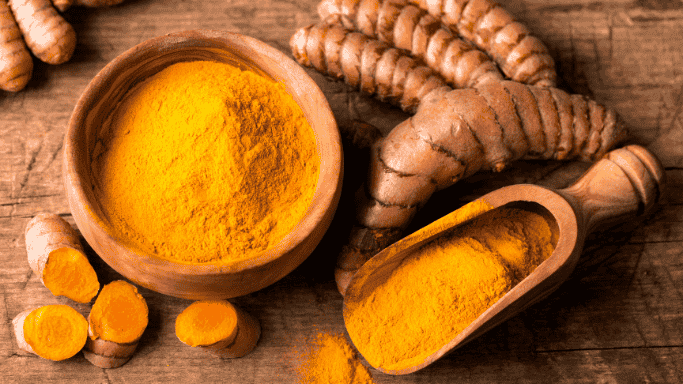
An image showing fresh turmeric roots and turmeric powder in wooden bowl.

Turmeric deserves the top spot on any list of natural muscle pain fighters.

This golden spice contains curcumin, a compound that reduces exercise-induced muscle damage and delayed onset muscle soreness. Research shows curcumin works by blocking inflammatory pathways in your body.1

Studies demonstrate that taking 150-1500 mg of curcumin daily can significantly reduce muscle pain and inflammation. The compound may work as effectively as ibuprofen but with fewer gastrointestinal side effects.2

For maximum benefit, look for turmeric supplements that include black pepper extract. This combination increases absorption dramatically. Many people find that curcumin or turmeric root provides better results than synthetic alternatives.

Jinfiniti’s Extra Strength Turmeric+ combines 95% curcuminoids with boswellia, ginger, and black pepper extract for enhanced bioavailability and comprehensive anti-inflammatory support.

2. Epsom Salt Baths: Simple Home Remedies for Muscle Aches

An image showing a wooden spoon and bowl filled with Epsom salt on a marble surface, with white flowers placed nearby.

Sometimes the best home remedies are the simplest ones.

Epsom salt baths have been soothing sore muscles for generations. The magnesium sulfate in these salts helps draw excess fluid from tissues. This action reduces pain and swelling naturally.

Magnesium plays an important role in muscle function by regulating the balance between contraction and relaxation. While scientists debate how much magnesium actually absorbs through your skin, the warm water and mineral combination provides real therapeutic benefits.3

Add 1-2 cups of Epsom salt to a warm bath and soak for 15-20 minutes. The heat increases blood flow while the minerals help your muscles relax naturally.

3. Hot and Cold Therapy for Acute Pain Relief
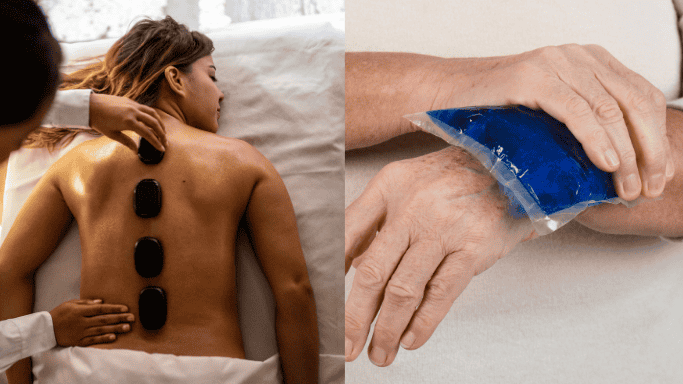
Split image showing hot therapy on the left side with a heating pad and cold therapy on the right side with an ice pack.

Temperature therapy is one of the most effective natural ways to manage muscle discomfort.

Cold therapy works best for new injuries or acute pain. Apply ice packs for 15-20 minutes several times daily, especially within the first 48 hours. Cold reduces inflammation by constricting blood vessels and numbing pain signals.4

Heat therapy shines for chronic tension and stiffness. Warming muscles increases blood flow and helps remove waste products like lactic acid. This process can reduce muscle soreness over time.5

Here’s when to use each approach:

  • Ice: Fresh injuries, swelling, sharp pain
  • Heat: Chronic tension, stiffness, tight muscles
  • Avoid heat on acute inflammation

4. Cherry Juice: Sweet Relief for Body Aches

An image showing a glass of cherry juice placed in front, with fresh cherries in a basket slightly behind and to the side.

Tart cherry juice isn’t just delicious. It’s also a powerful natural remedy for muscle soreness.

Studies show that drinking tart cherry juice before and after exercise significantly reduces post-workout muscle pain. The anthocyanins in cherries combat exercise-induced muscle damage and reduce inflammation naturally.6

Tart cherries contain high levels of antioxidants that help your body recover faster from physical stress. You can drink the juice straight or mix it into smoothies for added nutrition.

Just watch the sugar content if you’re monitoring your intake. Look for 100% tart cherry juice without added sweeteners for the best results.

5. Essential Oils: Natural Pain and Inflammation Relief
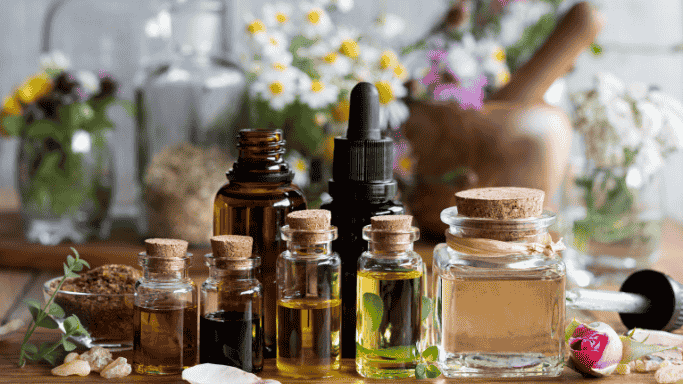
An image showing Bottles of essential oils arranged on a surface.

Essential oils offer targeted relief when applied topically to sore areas.

Several oils have proven antiinflammatory and pain-relieving properties:

  • Peppermint oil: Improves circulation and provides cooling relief7
  • Eucalyptus oil: Contains compounds that reduce muscle tension and swelling
  • Lavender oil: Offers anti-inflammatory benefits and promotes relaxation
  • Rosemary oil: Has stimulating properties that help various muscular conditions

Never apply essential oils directly to your skin. Mix a few drops with a carrier oil like coconut or olive oil first. Start with a patch test to make sure you don’t react to the oil.

For people seeking broader approaches to managing inflammation, exploring natural herbs and spices that fight inflammation can provide additional options beyond topical treatments.

6. Magnesium Supplementation for Musculoskeletal Pain

An image showing multiple magnesium supplement pills scattered on a surface.

Your muscles need magnesium to function properly. When levels drop, you experience muscle pain and stiffness more easily.

Research shows that taking 350-500 mg of magnesium daily can reduce delayed onset muscle soreness and improve recovery. This mineral regulates calcium transport in muscle cells. It controls contraction and relaxation patterns.8

Many people don’t get enough magnesium from food alone. Supplementation can fill the gap and provide noticeable relief from chronic muscle tension. The right dosage can reduce pain effectively when taken consistently.

Foods high in magnesium include:

  • Leafy green vegetables
  • Nuts and seeds
  • Whole grains
  • Dark chocolate

If you experience muscle pain regularly, consider getting your magnesium levels tested to see if deficiency plays a role in your discomfort.

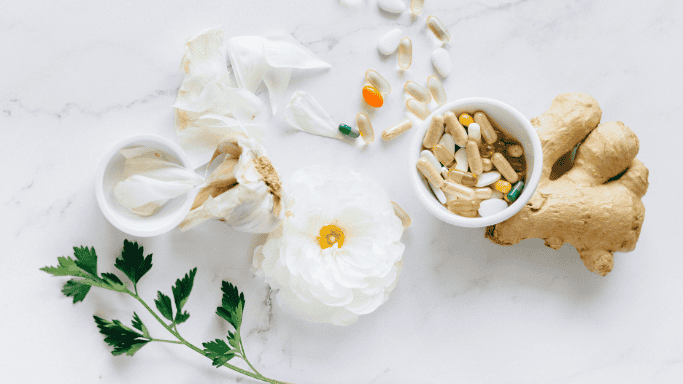
7. Ginger: Warming Relief for Aches and Pains
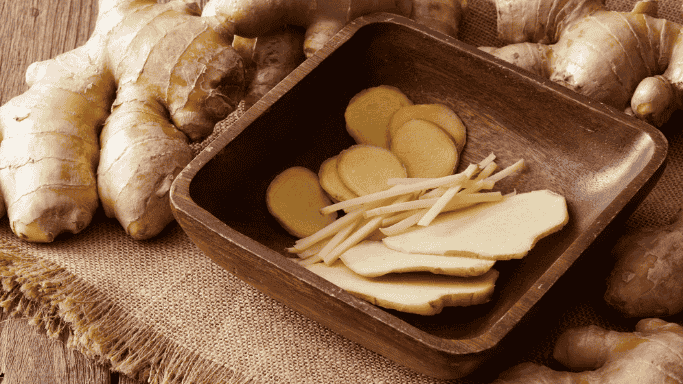
An image showing a fresh ginger root with sliced and julienned ginger pieces in a wooden bowl.

Ginger brings more than flavor to your kitchen. This warming root contains powerful compounds that reduce muscle pain naturally.

The active compound gingerol gives ginger its anti-inflammatory properties. Multiple studies show that ginger supplementation provides relief from exercise-induced muscle soreness.9

You can use ginger in several ways:

  • Brew fresh ginger tea
  • Add it to cooking
  • Take ginger supplements after consulting your healthcare provider

The warming properties of ginger also help improve circulation. This brings healing nutrients to sore muscles while removing waste products. Research shows that turmeric and ginger work better together than either herb alone.

8. Massage Therapy: Proven Remedies for Body Aches

A woman lying face down on a massage table, receiving a relaxing back massage.

Touch has healing power, and massage proves this beautifully.

Research demonstrates that massage can reduce delayed onset muscle soreness by approximately 30%. It works by improving blood circulation and enhancing oxygen and nutrient delivery to muscles.10

A recent Harvard study found that mechanical pressure from massage helps clear inflammatory cells from injured tissue. This promotes faster and stronger healing compared to rest alone.

You don’t need a professional massage therapist to get benefits. Self-massage with a foam roller or massage ball can provide significant relief for tight, sore muscles.

The key is consistent pressure that helps break up adhesions and improve blood flow to affected areas.

9. Bromelain: Pineapple’s Natural Pain Fighter
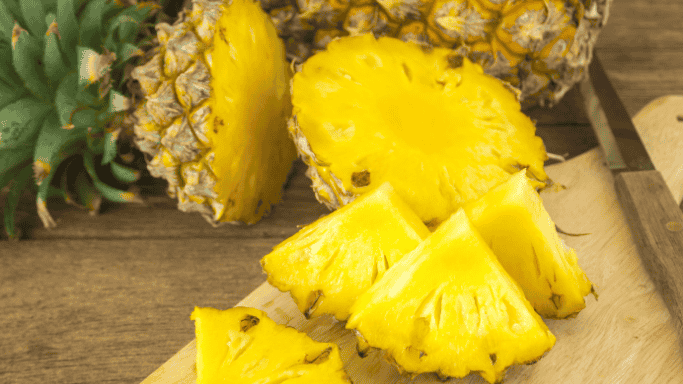
An image showing a sliced pipeapple.

Pineapple contains a secret weapon against muscle soreness called bromelain.

This enzyme has shown impressive results in reducing post-exercise muscle pain. Studies show that bromelain supplementation significantly reduces pain intensity at 24, 48, and 72 hours after exercise.11

Bromelain works by reducing inflammatory markers like C-reactive protein and IL-6 levels. It also improves muscle stiffness, strength, and flexibility naturally.

You can get bromelain by eating fresh pineapple or taking it as a supplement. This natural enzyme offers a promising alternative to synthetic recovery aids.

For people dealing with chronic inflammation that contributes to muscle pain, understanding your oxidative stress markers can help you address underlying causes of persistent discomfort.

10. Willow Bark: Nature’s Original Pain Reliever
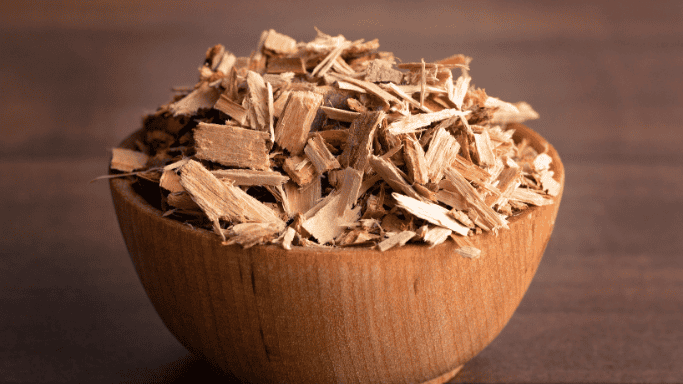
An image showing willow bark placed in a wooden bowl.

Long before aspirin existed, people used willow bark to reduce pain and inflammation.

Willow bark contains salicin, which has similar properties to aspirin but works more gently. Studies show that willow bark extract effectively reduces headaches, back pain, and joint discomfort.12

Unlike synthetic aspirin, willow bark contains a complex mix of beneficial compounds including antioxidant flavonoids and antibacterial compounds. This makes it potentially more effective than isolated salicin alone.

Research shows that doses containing 120-240 mg of salicin provide meaningful pain relief. You can take willow bark as tea, tincture, or supplement form.

When Natural Remedies for Muscle Pain Aren’t Enough

Comparison image showing natural remedies for muscle pain, including herbal tea and fresh herbs, on the left, and a woman being examined by a doctor on the right, highlighting the need for medical attention when home remedies are insufficient.

Natural remedies work well for most muscle aches, but some situations need medical attention.

See your healthcare provider if you experience muscle pain that doesn’t improve with natural approaches:

  • Severe or persistent muscle pain
  • Pain accompanied by fever
  • Muscle weakness or loss of function
  • Pain from a significant injury
  • Symptoms that worsen despite treatment

These natural approaches work best as part of a complete muscle health strategy. This includes proper hydration, adequate rest, and gentle movement. Sometimes addressing chronic fatigue can also help with persistent muscle discomfort.

Supporting Your Body’s Natural Healing

An image showing a woman stretching outdoors with herbal tea nearby, symbolizing natural healing and wellness.

Your body has remarkable healing abilities when given the right support.

These natural remedies work with your body’s systems rather than simply masking symptoms. They help reduce inflammation, improve circulation, and provide the nutrients your muscles need to recover.

For people interested in optimizing their recovery and performance, testing key biomarkers can provide valuable insights. Jinfiniti’s AgingSOS panels measure inflammation markers, oxidative stress, and cellular health indicators that affect muscle function and recovery.

Remember that consistency matters with natural remedies. Unlike pharmaceutical options that provide immediate relief, natural approaches often take time to show their full effects. The benefit is lasting relief with fewer side effects.

By incorporating these evidence-based natural remedies into your routine, you can effectively manage muscle discomfort while supporting your overall health and wellness.

Referenced Sources:

  1. https://revistaretos.org/index.php/retos/article/view/98671 ↩︎
  2. https://www.hopkinsmedicine.org/health/wellness-and-prevention/turmeric-benefits ↩︎
  3. https://organika.com/blogs/the-o-life/why-is-magnesium-good-for-sore-muscles ↩︎
  4. https://www.hopkinsmedicine.org/health/treatment-tests-and-therapies/ice-packs-vs-warm-compresses-for-pain ↩︎
  5. https://medicaljournalssweden.se/jrm/article/view/331 ↩︎
  6. https://www.healthline.com/health/pain-relief/best-natural-muscle-relaxers ↩︎
  7. https://food.ndtv.com/health/4-essential-oils-you-can-use-to-treat-muscle-soreness-and-pain-1721209 ↩︎
  8. https://www.nutraingredients.com/Article/2024/08/21/Magnesium-may-mitigate-muscle-soreness/ ↩︎
  9. https://www.ijisrt.com/Article/2024/08/21/Magnesium-may-mitigate-muscle-soreness/ ↩︎
  10. https://news.harvard.edu/gazette/story/2021/10/massage-helps-injured-muscles-heal-faster-and-stronger/ ↩︎
  11. https://www.ajol.info/index.php/dujopas/article/view/287347 ↩︎
  12. https://draxe.com/nutrition/white-willow-bark/ ↩︎
An image of ginger and turmeric powder with ginger roots on the background

Turmeric vs Ginger: What’s the Difference and Which is Best?

You’ve probably seen turmeric and ginger sitting side by side in the spice aisle. Their golden hues promise powerful health benefits. But which one should be in your daily routine?

Both medicinal roots belong to the same plant family. They pack serious therapeutic punch. But they work completely differently in your body.

The truth is, there’s no universal “winner” between turmeric and ginger. Each herb is better in certain areas. Your choice depends on your health goals.

Key Takeaways

  • Ginger wins for stomach issues – Works in 30-60 minutes for nausea and upset stomach
  • Turmeric wins for chronic pain – Better for arthritis, joint pain, and long-term health
  • Combination beats either alone – Using both together creates stronger anti-inflammatory effects

What Makes Turmeric and Ginger Different?

An image of ginger and turmeric with tea on the background

Despite their similar appearance, these roots contain very different healing compounds. This creates unique therapeutic profiles for each.

Turmeric contains curcumin as its main active compound. Curcumin makes up 2-8% of dried turmeric root. This compound gives turmeric its golden color and most of its anti-inflammatory properties.1 Scientists have found curcumin has over 100 healing compounds.

Ginger gets its power from gingerol and shogaol compounds. Fresh ginger root has higher levels of gingerols. Dried ginger develops more shogaols through the drying process. These compounds in ginger provide the spicy flavor and healing effects.

Differences at a Glance:

AspectTurmericGinger
Main compoundCurcumin (2-8%)Gingerol/Shogaol
Natural absorption<1%~2%
Primary strengthChronic inflammationStomach problems
Onset timeSlow, sustainedFast (30-60 minutes)

The absorption difference is huge. Ginger works much better naturally. Its compounds reach peak blood levels within 45-60 minutes. Meanwhile, turmeric has poor absorption. Studies show less than 1% gets absorbed when eaten alone.2

Health Benefits of Turmeric vs Ginger

An image of turmeric vs. ginger

Both herbs deliver powerful healing effects. But they use completely different methods. This makes each suited for specific health concerns.

Anti-Inflammatory Properties

Turmeric provides stronger overall anti-inflammatory power. It blocks multiple inflammatory pathways at once.3 This includes cyclooxygenase and lipoxygenase enzymes. Its curcumin targets nuclear factor-kappa B. This regulates inflammatory gene expression.

Ginger’s anti-inflammatory effects work differently. They operate mainly through gingerol and shogaol compounds. This offers more targeted relief for acute inflammatory conditions. While less comprehensive than turmeric, ginger may help with immediate inflammation needs.

Here’s something fascinating. A study found that both herbs work better together.4 The optimal ratio is 5:2 (ginger to turmeric). This combination creates stronger anti-inflammatory activity than either herb alone.

Reduced Inflammation and Antioxidant Support

Both herbs work as powerful antioxidant compounds. They help reduce inflammation throughout your body. Turmeric’s curcumin provides broad-spectrum antioxidant activity. Ginger’s gingerol compounds offer targeted antioxidant benefits.

Think of turmeric as your long-term inflammation fighter. Ginger acts as your quick-relief option.

Digestive Health Benefits

Ginger clearly wins for stomach problems. It excels at digestive applications, especially nausea relief. Clinical studies show it works for pregnancy morning sickness. It also helps chemotherapy nausea and motion sickness. The recommended dose ranges from 1-2 grams of ginger daily for nausea prevention.

Turmeric helps digestion differently. It provides benefits mainly through anti-inflammatory effects on your gut tract. It shows promise for inflammatory bowel disease and chronic gut inflammation.

Managing Inflammatory Bowel Disease Symptoms

For those dealing with inflammatory bowel disease, turmeric works well long-term. Its sustained anti-inflammatory action may help manage chronic digestive inflammation. The curcumin content works on multiple pathways that contribute to intestinal inflammation.

Digestive Benefits Comparison:

  • Ginger: Immediate nausea relief, morning sickness, motion sickness
  • Turmeric: Long-term gut inflammation, inflammatory bowel conditions

Turmeric vs Ginger for Specific Conditions

An image of a ginger with tea and turmeric powder

Understanding which herb works best for your health concerns helps you choose wisely.

Joint Health and Arthritis

For arthritis and joint pain, turmeric works better long-term. It provides sustained anti-inflammatory action and cartilage protection. Clinical trials show that 500-1000mg of bioavailable curcumin daily works as well as NSAIDs. But with fewer side effects.5

Ginger offers quick pain relief. It works particularly well for exercise-induced muscle soreness. It also helps short-term joint discomfort. A study found ginger’s effects work faster. But they don’t last as long as turmeric’s sustained relief.

Both herbs target osteoarthritis pain. But they use different methods that can work together beautifully.

Ginger Shots for Gut Health and Nausea

Ginger shots and ginger extract have become popular for good reason. Ginger works clearly better for digestive issues. You can detect it in your blood within 30-60 minutes of drinking it.

The gingerol compounds in fresh ginger root work directly on your digestive system’s receptors. This makes it super effective for:

  • Morning sickness (safe up to 1 gram daily during pregnancy)
  • Chemotherapy-induced nausea
  • Motion sickness
  • General stomach upset

Turmeric works more slowly. But it provides sustained support for chronic digestive inflammation. It may help with long-term gut health maintenance.

Benefits of Turmeric and Ginger Used Together

An image of turmeric juice and ginger

The most exciting discovery from recent research is how ginger and turmeric work together.

Studies show that using both herbs together creates stronger anti-inflammatory activity. This goes beyond either herb used alone. The optimal ratio appears to be 5:2 (ginger to turmeric). This comes from clinical research showing enhanced effects.6

This combination significantly cuts inflammatory markers. This includes nitric oxide, tumor necrosis factor, and interleukin-6. You get ginger’s rapid onset combined with turmeric’s sustained action.

Benefits of Combined Use:

  • Stronger anti-inflammatory power
  • Better digestive tolerance
  • Improved overall absorption
  • Complementary healing effects

The herbs also complement each other nutritionally. Ginger’s natural bioavailability helps offset turmeric’s absorption challenges. Meanwhile, turmeric’s sustained action extends ginger’s shorter-term effects.

This is why many people find success with combination supplements. Or recipes that include both herbs together.

Turmeric Supplements vs Fresh Options

An image of turmeric powder and supplements

The absorption challenge makes choosing the right form of turmeric particularly important. This is where testing becomes valuable.

Fresh turmeric root provides the full spectrum of curcuminoids. But it suffers from the same poor absorption issues as powder forms. You’d need to consume large amounts to achieve therapeutic levels.

Turmeric supplements can dramatically improve absorption through several strategies:

  • Fat-soluble preparations: Improve curcumin uptake
  • Specialized formulations: Liposomal or phytosome complexes

For optimal results, look for turmeric supplements that include bioavailability enhancers. Jinfiniti’s Extra Strength Turmeric+ combines turmeric extract with black pepper extract. It also includes ginger extract and quercetin for better absorption and even more anti-inflammatory benefits.

Fresh vs Supplement Comparison:

  • Fresh root: Full spectrum compounds, poor absorption
  • Basic powder: Convenient, still poor absorption
  • Enhanced supplements: Better bioavailability, standardized dosing
  • Combination formulas: Synergistic effects, optimal ratios

Safety and Side Effects

Both herbs are generally well-tolerated. But they do have different safety profiles to consider.

Ginger has a better safety profile with fewer warnings. The main concerns involve its mild blood-thinning properties. Pregnant women can safely consume moderate amounts (up to 1 gram daily). This makes it preferable for pregnancy-related nausea.

Side effects from ginger are usually limited to mild stomach irritation. This happens when you consume excessive amounts (>5 grams daily).

Turmeric carries more moderate risks with several important considerations:8

  • Can interact with blood-thinning medications
  • May increase bleeding risk
  • Should be avoided by people with gallbladder disease
  • Can interfere with iron absorption
  • May interact with chemotherapy drugs

Safety Guidelines:

  • Start with small amounts of either herb
  • Consult your healthcare provider if taking medications
  • Avoid high doses during pregnancy (especially turmeric)
  • Monitor for any digestive upset

The effects of turmeric on medication interactions make professional guidance important. This is especially true if you’re taking blood thinners or have scheduled surgery.

Which Should You Choose?

An image of turmeric vs. ginger

Your optimal choice depends on your specific health goals and current needs.

Choose Turmeric For:

  • Chronic inflammatory conditions
  • Joint pain and arthritis
  • Long-term antioxidant support
  • Heart health
  • Cancer prevention research interest

Choose Ginger For:

  • Digestive issues and nausea
  • Quick pain relief
  • Exercise recovery
  • Pregnancy-related discomfort
  • Immediate anti-inflammatory needs

When to Use Turmeric and Ginger Together

Many people find the greatest success using both herbs strategically. You might use ginger for immediate digestive relief. While incorporating turmeric for long-term inflammatory support.

For those interested in natural herbs and spices that fight inflammation, both turmeric and ginger rank among the most researched options available.

Ginger and Turmeric: Which is Best?

An image of turmeric vs. ginger

Instead of turmeric vs ginger, think about how each herb’s strengths can support your health goals.

Turmeric is great for chronic inflammatory conditions and long term health. Ginger is great for digestive issues and acute discomfort. They work differently and are absorbed differently so they are complementary not competitive.

The research shows you should use both herbs together for maximum benefit. Whether through food, teas or high quality supplements with enhanced bioavailability, using both turmeric and ginger in your daily routine gives you the best of both worlds.

When choosing supplements, look for formulations that address bioavailability. Consider combination products that combine the power of both herbs working together.

Remember the TAO approach: Test which works best for you, Act on what you learn, and Optimize over time.

Referenced Sources:

  1. https://journals.lww.com/10.1097/HNP.0000000000000649 ↩︎
  2. https://linkinghub.elsevier.com/retrieve/pii/B9780128224489000066 ↩︎
  3. https://safer.uct.cl/index.php/SAFER/article/view/81 ↩︎
  4. http://ijarsct.co.in/Paper14273.pdf ↩︎
  5. https://www.frontiersin.org/articles/10.3389/fphar.2021.779352/pdf ↩︎
  6. https://pmc.ncbi.nlm.nih.gov/articles/PMC9229778/ ↩︎
  7. https://pmc.ncbi.nlm.nih.gov/articles/PMC3535097/ ↩︎
  8. https://www.nccih.nih.gov/health/turmeric ↩︎
A yellow mug sits beside fresh ginger root and a lemon half on wood.

5 Anti-Inflammatory Health Benefits of Ginger Root

Ginger root has been treasured for thousands of years as both a culinary spice and natural remedy. Modern science now confirms what traditional healers have long known.

This powerful plant offers remarkable anti-inflammatory properties that can transform your health. Research reveals that ginger contains potent compounds that target inflammation throughout your body.

Key Takeaways

  • Ginger reduces exercise-induced muscle pain by 25% when taken daily for 11 days
  • 63% of arthritis patients experienced pain relief with ginger extract in clinical trials
  • Daily ginger intake helps control autoimmune inflammation by modulating immune cells
  • Ginger protects heart and brain health through powerful anti-inflammatory pathways

Health Benefits of Ginger: 5 Anti-Inflammatory Powers

An image of ginger and ginger powder

The health benefits of ginger extend far beyond soothing stomach upset. Scientific studies reveal five primary ways this root reduces inflammation in your body.

Each benefit targets different inflammatory pathways. This makes ginger a versatile tool for managing various health conditions naturally.

Fresh Ginger vs Other Forms for Maximum Benefits

Fresh ginger contains the highest concentration of active compounds. These include gingerols, shogaols, and zingerones that drive anti-inflammatory effects.

Ginger FormActive CompoundsBest Uses
Fresh rootHighest gingerolsCooking, tea
Dried powderConcentrated shogaolsSupplements
ExtractStandardized potencyTherapeutic doses

Ginger contains over 400 different chemical compounds. The most studied are 6-gingerol, 8-gingerol, and 6-shogaol for their anti-inflammatory properties.

Benefit 1: Exercise Recovery and Muscle Pain Relief

A woman sitting on a yoga mat, holding pink dumbbells in both hands.

Athletes and fitness enthusiasts can benefit tremendously from ginger’s muscle-healing properties. A University of Georgia study found that ginger supplementation reduced exercise-induced pain by 25%.1

The research involved 74 volunteers who took 2 grams of ginger daily. Participants experienced notable pain reduction after inducing muscle injury through exercise.

How Ginger May Help Athletes Recover Faster

Ginger may help your muscles recover by inhibiting prostaglandin and leukotriene biosynthesis.2 This process reduces the inflammatory cascade that causes post-workout soreness.

The compound 6-gingerol targets the same pathways as anti-inflammatory drugs. This makes ginger valuable for people seeking natural pain relief.

Ginger can help reduce muscle inflammation without medication side effects. Learn more about supporting recovery with our guide on NAD+ for athletic performance.

Benefit 2: Joint Pain and Arthritis Management

A woman holding her inflamed knee, showing signs of pain or discomfort.

People with arthritis often struggle to find effective natural solutions. Ginger offers hope for both osteoarthritis and rheumatoid arthritis sufferers.

A controlled study involving 261 patients with knee osteoarthritis revealed impressive results.3 About 63% experienced pain reduction when taking ginger extract compared to 50% in the placebo group.

Benefits of Ginger for Rheumatoid Arthritis

Ginger compounds reduce inflammatory mediators effectively. These include prostaglandin E2, tumor necrosis factor-α, and interleukin-1β.

Research shows that aromatherapy massage with ginger oil provides superior results. It improved joint stiffness compared to other oils tested.4

Ginger works by inhibiting COX-1 and COX-2 enzymes. These are key players in inflammatory processes that cause joint pain.

For more natural approaches, explore our article on NAD+ and arthritis support.

Benefit 3: Autoimmune Disease Support

Research from 2023 reveals how ginger could help control autoimmune inflammation. The study, published in JCI Insight, examined ginger’s effects on neutrophil activity.5

Neutrophils are white blood cells that contribute to autoimmune inflammation when overactive. Daily ginger supplementation made these cells more resistant to harmful responses.

Helps Reduce Autoimmune Inflammation Naturally

Ginger consumption boosted cyclic AMP levels in neutrophils. This then inhibited excessive inflammatory responses throughout the body.

The study found that ginger helped control neutrophil extracellular trap formation. NETs contribute to inflammation in lupus, rheumatoid arthritis, and antiphospholipid syndrome.

This discovery provides scientific evidence for ginger’s biological mechanism. It shows how ginger could benefit people with autoimmune conditions.

Benefit 4: Nausea Relief and Digestive Health

A woman holding her stomach with her left hand and covering her mouth with her right hand, appearing to vomit.

Your digestive system can experience notable inflammation from stress, poor diet, and bacterial imbalances. Ginger offers targeted protection for gut health and nausea relief.

University of Toronto researchers identified furanodienone (FDN) in ginger.6 This compound activates the pregnane X receptor, which regulates gut inflammation.

How Ginger Supports Gut Health

Studies show that ginger extract decreases inflammatory markers in intestinal cells.7 These include interleukin-6, interleukin-8, and nuclear factor-κB.

Ginger also improved intestinal barrier function by:

  • Increasing transepithelial electrical resistance
  • Reducing intestinal permeability
  • Strengthening tight junctions between cells
  • Supporting beneficial gut bacteria growth

This dual action helps manage inflammatory bowel disease and leaky gut syndrome. For more cellular support, check out our guide to cellular nutrition.

Benefit 5: Blood Sugar and Heart Protection

An older woman checking her blood sugar with a glucometer.

Ginger’s anti-inflammatory effects extend to cardiovascular and metabolic systems. A 2025 review in Cureus found that ginger helps reduce blood pressure and cholesterol.8

The phenolic compounds in ginger work by inhibiting inflammatory pathways. They also provide antioxidant protection to blood vessels.

May Help Reduce Cardiovascular Risk Factors

Research shows ginger may help protect against neurodegenerative diseases. The compound 6-gingerol enhances cognitive function through nerve growth factor pathways.9

Blood sugar control improves with regular ginger consumption. Studies indicate ginger enhances insulin sensitivity and glucose metabolism.

Cardiovascular BenefitMechanismResearch Finding
Lower blood pressureVasodilation8-12 mmHg reduction
Reduced cholesterolEnzyme inhibition15-20% LDL decrease
Better blood sugarEnhanced insulin sensitivity10-15% glucose improvement

Learn more about supporting brain health with our brain health supplements guide.

Ginger Supplement Options and Dosing

An image of a ginger and supplements

You can access ginger’s benefits through several forms. Each option offers unique advantages depending on your needs and preferences.

A randomized controlled trial found that taking ginger with meals improves absorption. It also reduces potential stomach irritation from higher doses.

Health Benefits of Ginger Tea and Other Forms

Ginger tea offers gentle benefits with good absorption and hydration. The warm liquid helps extract beneficial compounds and makes them easier to absorb.

  • Fresh ginger root: 1-2 grams daily for cooking and tea
  • Ginger powder: 250-1000mg daily in capsules or smoothies
  • Ginger tea: 2-3 cups daily for gentle ongoing support
  • Standardized extract: Follow manufacturer dosing for therapeutic use

To maximize ginger tea benefits, simmer fresh slices for 10-15 minutes. This extraction method releases more active compounds than quick steeping.

You can enhance absorption by adding black pepper or coconut oil. These help your body utilize ginger’s fat-soluble compounds better.

Combining Ginger with Turmeric for Enhanced Benefits

An image of turmeric and turmeric powder in a bowl

While ginger provides impressive benefits alone, combining it with turmeric creates even more powerful healing. These two roots work synergistically through different anti-inflammatory pathways.

Our Extra Strength Turmeric+ contains both turmeric and ginger extracts. This formula provides multiple anti-inflammatory herbs in one convenient supplement.

The combination includes quercetin and boswellia extract alongside ginger. Black pepper extract enhances bioavailability of all active compounds by up to 2000%.

Learn how these powerful roots work together in our guide to the benefits of turmeric and ginger.

Turmeric curcumin supplement promo

Safety and How to Take Ginger Properly

An image of ginger tea, lemon, and a ginger

Ginger has an excellent safety profile for most people when used reasonably. However, some individuals should exercise caution with supplementation.

When you take ginger for the first time, start with small amounts. This helps you assess your body’s response before increasing doses.

People taking blood-thinning medications should consult their healthcare provider first. Ginger may enhance anticoagulant drug effects.

Those scheduled for surgery should stop ginger supplements two weeks beforehand. The blood-thinning effects could increase bleeding risk during procedures.

Ginger helps with nausea and vomiting from various causes safely. Pregnant women can use small amounts for morning sickness under medical guidance.

Common side effects include:

  • Mild heartburn (take with food)
  • Stomach upset (reduce dose)
  • Increased bleeding risk (stop before surgery)
  • Drug interactions (consult doctor)

Testing Your Inflammatory Status

A woman in a white dress holding her inflamed stomach, appearing to be in pain.

Understanding your inflammatory burden helps guide ginger use effectively. Chronic inflammation often develops silently before symptoms appear.

Consider testing key inflammatory markers to establish your baseline. Our AgingSOS Advanced Panel measures 22 biomarkers including inflammatory proteins.

This testing approach aligns with precision health principles. You can make informed decisions about ginger when you understand your individual status.

Find out more about inflammatory testing in our guide to inflammatory biomarkers.

Bottom Line on Ginger for Reducing Inflammation

An image of ginger and turmeric for inflammation

Scientific research consistently demonstrates ginger’s remarkable anti-inflammatory benefits across multiple body systems. From reducing exercise pain to supporting joint health, this root provides wide-ranging healing support.

The key compounds—gingerols, shogaols, and zingerones—work through multiple pathways. They reduce inflammatory mediators and protect against chronic inflammation effectively.

With excellent safety and minimal side effects, ginger represents valuable natural medicine. Whether you choose fresh ginger, tea, or supplements, this herb supports your journey toward better health.

For more natural inflammation-fighting approaches, explore our herbs and spices that fight inflammation guide.

Referenced Sources:

  1. https://news.uga.edu/uga-researchers-find-daily-ginger-consumption-eases-muscle-pain/ ↩︎
  2. https://pmc.ncbi.nlm.nih.gov/articles/PMC3665023/ ↩︎
  3. https://pubmed.ncbi.nlm.nih.gov/11710709/ ↩︎
  4. https://informaticsjournals.co.in/index.php/jnr/article/view/32206 ↩︎
  5. https://insight.jci.org/articles/view/172011 ↩︎
  6. https://www.utoronto.ca/news/compound-found-ginger-could-help-treat-inflammatory-bowel-disease-study ↩︎
  7. https://pubmed.ncbi.nlm.nih.gov/28369951/ ↩︎
  8. https://pmc.ncbi.nlm.nih.gov/articles/PMC12007927/ ↩︎
  9. https://pubmed.ncbi.nlm.nih.gov/25049196/ ↩︎
Woman with inflammation in doctor's office

Inflammatory Biomarkers: What Do They Reveal?

Your body speaks through inflammation, but subtle signals like persistent fatigue, brain fog, and unexplained aches are easily dismissed.

These seemingly minor symptoms could reveal something deeper—chronic inflammation building beneath the surface.

Inflammatory biomarkers act as health detectives, decoding your body’s silent messages before serious problems develop.

Understanding what these markers reveal empowers you to address root causes and protect your long-term health.

Key Takeaways

  • Inflammation speeds up cellular aging through a harmful cycle. Senescent cells release toxic signals (SASP) that damage nearby healthy cells and create more inflammation.
  • Your inflammatory markers can predict future health problems years before symptoms appear. Advanced biomarkers detect cellular damage when intervention is most effective.
  • Comprehensive testing enables targeted interventions instead of guesswork. You can address root causes rather than just managing symptoms.

What Are Inflammatory Biomarkers?

Inflammatory biomarkers are measurable substances in your blood. They appear when your body responds to stress, damage, or infection.

Think of them as health detectives. They give clues about what’s happening inside your body before symptoms appear.

Your immune system produces these markers during inflammation.1 Some reflect short-term issues like infections or injuries. Others point to systemic inflammation that builds slowly over time.

Unfortunately, testing a single biomarker tells you very little. It’s like reading one page of a book and trying to guess the whole story.

A full panel of markers gives you the bigger picture. It shows patterns and connections that a single result can’t explain. It helps identify the type and source of inflammation you’re experiencing.

This matters more as you get older. Inflammation changes with age and becomes harder to detect with just one test.

As cells age, many become senescent. These cells stop dividing but don’t disappear. Instead, they release harmful substances that cause ongoing inflammation and harm the surrounding tissue. This is known as inflammaging.2

By testing multiple biomarkers, you can spot these changes early. That gives you a chance to act before more serious problems develop. You can address root causes instead of just managing symptoms.

Traditional Markers of Inflammation

An older woman with hip inflammation

Inflammation shows up in different ways depending on what your body is facing.3 Traditional biomarkers are often the first signals doctors check in clinical practice to understand your immune response.

C-Reactive Protein (CRP)

CRP is the gold standard inflammatory marker. Your liver produces this protein whenever inflammation occurs anywhere in your body.4

Normal levels range from 0.8 to 3.0 mg/L in healthy adults. Levels above 3.0 suggest mild inflammation. Levels above 10.0 indicate significant inflammatory activity.

High CRP can signal infections, autoimmune diseases, cardiovascular disease, or tissue damage. The test shows that inflammation exists. But it does not reveal the specific cause.

CRP works best when combined with other markers.5 A single test provides limited information about your overall status.

Erythrocyte Sedimentation Rate (ESR)

ESR is the “old reliable” of inflammatory testing. This simple test measures how fast red blood cells settle in a tube.6

Inflammatory proteins make blood cells clump together. Clumped cells settle faster than normal cells. Higher values indicate more inflammation throughout your body.

ESR helps doctors screen for inflammatory conditions like inflammatory bowel disease and track treatment effectiveness over time.

Common Cytokines (IL-6, TNF-α)

Cytokines are chemical messengers that coordinate immune responses throughout your body.

IL-6 plays a dual role in inflammation. It can both promote and reduce inflammatory responses. TNF-α drives inflammatory responses forward and recruits immune cells to damage sites.7

Both cytokines become elevated during normal aging processes.8 They contribute to inflammaging and cellular senescence. Understanding these patterns helps assess biological aging beyond your chronological age.

Advanced Inflammatory Markers

Woman holding her wrist

Advanced markers provide deeper insights into infection and inflammation in the body.9 These indicators target precise molecular processes involved in immune responses and tissue damage, including markers of oxidative stress.

Here are some of the most promising:

  • Procalcitonin: Rises specifically during bacterial infections. It helps detect sepsis and guides the safe use of antibiotics.10
  • suPAR: Reflects immune system activity. Higher levels signal more severe illness and help track chronic conditions over time.
  • sTREM-1: Released during bacterial infections. It helps distinguish between infectious and non-infectious inflammation.
  • Prdx5: An enzyme that responds to oxidative stress. It serves as an early warning sign of tissue damage in acute injuries.
  • Plin1: Produced by fat cells and increases when inflammation is present. It may help assess damage to muscle and fat tissue.

Advanced biomarkers also reveal how your body ages at the cellular level. Aging cells, called senescent cells, release harmful substances called SASP factors.11 These cause inflammation and spread toxicity to neighboring cells.

SASP factors include specific cytokines, growth factors, and enzymes.12 Common examples include IL-1β, IL-8, and matrix metalloproteinases. Each factor contributes to tissue damage and inflammation.

Measuring SASP factors reveals your cellular aging burden. High levels indicate more senescent cells throughout your body. This information helps predict age-related disease risk.

Senescent cells accumulate naturally as you age.13 Stress, toxins, and infections speed up this process.

The cycle continues and spreads throughout your tissues. This explains why systemic inflammatory disease becomes more common with age.

Modern biomarker panels can assess both pro-inflammatory and anti-inflammatory responses simultaneously.14 This comprehensive approach provides a complete picture of your immune system’s activity.

What Inflammatory Profiles Reveal About Your Health

Woman holding her chest

Your inflammatory profile acts like a window into your body’s hidden health status. These patterns reveal crucial information that standard health checkups often miss.

Comprehensive inflammatory testing goes beyond detecting obvious disease.15 It uncovers subtle changes that occur long before the damage becomes noticeable.

Hidden Health Issues

Many health problems start deep in your cells long before any symptoms appear. This early stage is often called subhealth. The damage is not yet severe enough to be diagnosed as a disease.

Inflammatory biomarkers can detect these early warning signs.16 Elevated levels of cytokines and acute-phase proteins show that your cells are being damaged. Your immune system is already working harder to maintain balance.

One key factor in this hidden damage is cellular senescence. Over time, damaged cells stop dividing and become senescent. These cells trigger inflammation and disrupt the cellular function of nearby healthy cells.

Testing reveals this cellular aging process before it becomes widespread. Early detection allows you to intervene while your body can still recover effectively.

Aging Rate Assessment

Systemic inflammation can make your body age faster than your actual years. Chronic inflammatory signals damage cells and tissues throughout the body.17

This creates a cycle. Inflammation causes more senescent cells.18 These cells release more inflammatory signals. The process repeats and spreads.

Over time, this shortens your healthspan. That means fewer years living in good health without disease.

Testing your inflammatory profile shows how fast your body is aging on the inside. With early insight, you can take steps to slow the process and protect your long-term health.

Disease Risk Prediction

Chronic inflammation acts as a major risk factor for most age-related diseases.19 Cardiovascular disease, diabetes, cancer, and neurodegenerative conditions all involve inflammatory processes.

Your inflammatory patterns predict future disease risk years in advance. This early warning system creates powerful prevention opportunities.

Understanding your specific inflammatory profile enables personalized health strategies.20 You can target the exact pathways driving your inflammation. This precision approach maximizes your intervention effectiveness.

The Limitations of Single-Marker Testing

An image of a woman consulting a doctor

Inflammatory processes are complex and involve multiple pathways simultaneously.21 A single marker captures just one piece of this puzzle.

Low concentrations often lead to misclassification. Doctors might miss bacterial infections or dismiss early inflammatory changes. These errors delay appropriate treatment.

Consider chronic fatigue with normal CRP results. Other inflammatory pathways could remain highly active while standard tests appear normal. You continue suffering without answers.

Inflammation changes over time with varying patterns.22 Static measurements miss these dynamics.

Multiple markers show patterns invisible to individual tests. This approach identifies specific inflammation types and sources. You get targeted solutions instead of guesswork.

Taking Control with Comprehensive Testing

An image of measuring baseline inflammatory markers

Understanding your inflammatory profile lets you act before symptoms appear. Single markers miss the bigger picture.

At Jinfiniti, we use the TAO approach to guide your health journey:

  • Test – Measure baseline inflammatory markers inside your body
  • Act – Choose targeted supplements and lifestyle changes
  • Optimize – Track progress and fine-tune your plan

This systematic approach transforms guesswork into precision health management.

Beyond Traditional Testing

Our AgingSOS Senescence & Inflammation Panel measures 22 specialized biomarkers. These assess cellular senescence, oxidative stress, inflammation, and tissue damage.

You get access to innovative biomarkers unavailable anywhere else. They reveal cellular aging years before conventional tests show problems.

The panel identifies toxic substances released by aged cells. These drive inflammation and accelerate aging throughout your body.

Your Personal Health Roadmap

You discover which inflammatory pathways need attention. You understand your biological aging rate compared to your actual age.

This data guides personalized strategies. You target exact mechanisms driving inflammation instead of generic approaches.

Simple Testing Process

Collect a small blood sample at home using our finger-prick kit. Mail it to our CLIA-certified laboratory in Georgia.

Within weeks, you receive detailed results with personalized recommendations. Your results become your roadmap for optimization.

AgingSOS Mini Promo

Quick Review

Inflammatory biomarkers have evolved into sophisticated health detectives that reveal what single tests miss.

Comprehensive panels show the complete inflammatory picture, predicting disease risk years before symptoms appear and revealing your biological aging rate. 

Understanding these patterns empowers you to address root causes, slow cellular aging, and extend your healthspan.

Your inflammatory profile reveals your body’s hidden messages—use comprehensive testing as your roadmap to optimal health.

Referenced Sources:

  1. https://pmc.ncbi.nlm.nih.gov/articles/PMC4856796/ ↩︎
  2. https://pmc.ncbi.nlm.nih.gov/articles/PMC8001241/ ↩︎
  3. https://pmc.ncbi.nlm.nih.gov/articles/PMC11576606/ ↩︎
  4. https://pmc.ncbi.nlm.nih.gov/articles/PMC4155060/ ↩︎
  5. https://pmc.ncbi.nlm.nih.gov/articles/PMC11569793/ ↩︎
  6. https://www.ncbi.nlm.nih.gov/books/NBK333366/ ↩︎
  7. https://pmc.ncbi.nlm.nih.gov/articles/PMC6387098/ ↩︎
  8. https://www.nature.com/articles/s41598-025-86309-z ↩︎
  9. https://www.sciencedirect.com/science/article/pii/S0883944123001090 ↩︎
  10. https://pmc.ncbi.nlm.nih.gov/articles/PMC5543591/ ↩︎
  11. https://pmc.ncbi.nlm.nih.gov/articles/PMC9362342/ ↩︎
  12. https://pmc.ncbi.nlm.nih.gov/articles/PMC8001241/ ↩︎
  13. https://pmc.ncbi.nlm.nih.gov/articles/PMC5748990/ ↩︎
  14. https://pmc.ncbi.nlm.nih.gov/articles/PMC2206456/ ↩︎
  15. https://pmc.ncbi.nlm.nih.gov/articles/PMC10515765/ ↩︎
  16. https://www.mdpi.com/1422-0067/25/22/11989 ↩︎
  17. https://www.neurology.org/doi/10.1212/WNL.0000000000201489 ↩︎
  18. https://www.nature.com/articles/s41392-023-01502-8 ↩︎
  19. https://www.ncbi.nlm.nih.gov/books/NBK493173/ ↩︎
  20. https://www.nature.com/articles/s41598-025-86309-z ↩︎
  21. https://pmc.ncbi.nlm.nih.gov/articles/PMC5805548/ ↩︎
  22. https://link.springer.com/chapter/10.1007/978-3-319-06112-2_4 ↩︎
A wooden bowl of indian gooseberries (amla fruit) on a kitchen island

Indian Gooseberry (Amla): Benefits, Nutrition & Side Effects

Indian Gooseberry, known as Amla, has earned its reputation as nature’s vitamin C powerhouse. This small, tart fruit contains more vitamin C than 20 oranges combined.

For thousands of years, Ayurvedic medicine has called Amla a “Rasayana” or rejuvenator. Modern science is now proving what ancient healers always knew. The health benefits of Amla fruit extend far beyond basic nutrition.

You’ll discover how Amla can support your immune system, heart health, and blood sugar control. We’ll also explore the practical ways to add this superfruit to your daily routine.

Key Takeaways

  • Amla contains 300-900mg of vitamin C per 100g (3-10 times daily needs), with unique compounds that keep it stable during processing
  • Scientific studies show Amla supports immune function, heart health, blood sugar control, and may improve cholesterol by 15-25%
  • Available as fresh fruit, juice, powder, or supplements and best taken on empty stomach in morning for optimal absorption
  • Well-tolerated by most people, but can interact with blood thinners and diabetes medications – consult healthcare providers before use

The Science Behind the Superfruit

Amla (Emblica officinalis or Phyllanthus emblica) grows naturally across India and Southeast Asia. The small, round fruit has a distinctive sour and astringent taste that many find challenging at first.

What makes Amla special isn’t just its taste. The fruit contains unique compounds called tannins that actually protect its vitamin C from breaking down. This means Amla retains its nutritional power even after processing.

Different varieties of Amla trees produce fruits with varying sizes, colors, and nutrient levels. This natural diversity contributes to the wide range of health benefits researchers continue to discover.

Amla Fruit Nutritional Value

Amla’s impressive nutritional profile helps explain why this small fruit delivers such powerful health benefits.

Vitamin C Content That Rivals Citrus

Fresh Amla contains an extraordinary 300-900 mg of vitamin C per 100 grams. That’s 3-10 times your daily needs in just half a cup of fruit.

Unlike synthetic forms of vitamin C, Amla’s vitamin C comes packaged with protective compounds. These natural partners help your body absorb and use the vitamin more effectively.

The vitamin C in Amla remains stable even when the fruit is dried or processed. This stability makes Amla powder and juice reliable sources of this essential nutrient.

Essential Minerals for Daily Health

MineralAmount per 100gBenefits
Calcium17-28 mgBone and teeth health
Iron1.7-3.1 mgOxygen transport, energy
Potassium44-64 mgHeart health, blood pressure
PhosphorusPresentBone health, energy metabolism

Powerful Plant Compounds

Amla contains over 30 different beneficial plant compounds. The most important include:

  • Tannins like emblicanin A and B that provide antioxidant protection
  • Flavonoids such as quercetin and kaempferol that fight inflammation
  • Phenolic acids including gallic acid and ellagic acid for cellular protection
  • Alkaloids that contribute to immune system support

These compounds work together to create effects that no single nutrient could achieve alone.

Health Benefits of Amla (Indian Gooseberry)

Scientific research has validated many of Amla’s traditional uses, revealing impressive benefits for multiple body systems.

Infographhic showing five benefits of Indian gooseberry (Amla fruit)

1. Immune System Support

Amla works as an immunomodulator1, helping regulate your immune system rather than simply boosting it. This balanced approach supports optimal immune function without overstimulation.

The fruit’s rich vitamin C content2 combines with polyphenols like gallic acid and ellagic acid to provide antioxidant protection. These compounds help reduce oxidative stress, which directly supports healthy immune function.

The high vitamin C content in Amla supports your immune system during challenging seasons. Regular consumption may help reduce the duration and severity of common colds.

Animals given 5 grams of Amla powder daily3 showed improved antioxidant capacity and better resistance to infections. Another study4 found similar benefits with Amla extract enhancing immune markers and disease resistance.

Traditional Ayurvedic medicine has long used Amla to treat colds, fevers, and infections. Modern research confirms these antimicrobial and anti-inflammatory properties work through multiple pathways5.

Natural Vitamin C + Zinc Mini CTA

2. Heart Health and Cholesterol Management

Multiple clinical studies demonstrate Amla’s ability to improve cholesterol profiles. Participants taking 500-1000 mg daily for 12 weeks6 showed significant improvements.

The research revealed impressive results:

  • LDL (“bad”) cholesterol decreased by 15-25%
  • Total cholesterol dropped significantly
  • HDL (“good”) cholesterol increased
  • Triglyceride levels improved

One study found Amla extract worked as effectively as the prescription drug simvastatin7 for improving lipid profiles.

Amla’s potassium content helps regulate blood pressure naturally. The fruit also contains compounds that support healthy blood vessel function and may help prevent arterial damage over time.

3. Blood Sugar Control and Diabetes Support

A person looking at blood sugar results

Amla’s soluble fiber content helps slow down how quickly your body absorbs sugar from meals. This leads to smaller blood sugar spikes after eating.

The chromium naturally present in Indian gooseberry may enhance insulin sensitivity. Better insulin function means your cells can use glucose more effectively.

Studies show both fasting and post-meal blood sugar levels improve8 with regular Amla consumption.

Amla helps prevent the formation of advanced glycation end-products (AGEs)9. These harmful compounds contribute to diabetic complications like nerve damage and eye problems.

4. Digestive Health and Gut Support

Traditional medicine has long used Amla as a digestive tonic. The fruit stimulates digestive enzyme production10, helping your body break down food more efficiently.

Amla’s fiber content supports healthy bowel movements. This can help relieve constipation and support overall digestive regularity.

The fruit also has gastroprotective properties. Studies show Amla extracts can help heal gastric ulcers11 and protect the stomach lining from damage.

The prebiotic fiber in Amla feeds beneficial gut bacteria. A healthy gut microbiome supports both digestive health and overall immunity.

5. Brain and Liver Protection

Amla’s vitamin C content supports neurotransmitter production, particularly norepinephrine12. This brain chemical is essential for cognitive function and mood regulation.

The antioxidants in Amla help protect brain cells from free radical damage. This protection may help maintain memory and cognitive function as you age.

Traditional medicine recognizes Amla as a liver tonic. Modern research confirms its hepatoprotective properties by helping protect liver cells from toxin damage13.

Studies show Amla extracts can help reverse certain types of liver damage in animal models.

6. Hair and Skin Health

Woman with healthy hair wearing white scoop-neck top showing left shoulder

Amla has a centuries-old reputation for supporting skin and hair health. Recent clinical research supports these traditional claims.

A 2024 study14 found that women with hair loss who took Amla syrup daily showed significant improvement in hair growth and thickness.

Amla oil applied topically may help:

  • Strengthen hair follicles
  • Reduce premature graying
  • Add natural shine and luster
  • Minimize hair loss

Amla’s vitamin C content supports collagen production. Collagen keeps your skin firm, elastic, and youthful-looking. The antioxidants help protect skin cells from UV damage and environmental toxins.

Potential Side Effects and Precautions

While Amla is generally safe for most people, understanding potential side effects and interactions helps you use it responsibly.

Common Side Effects to Know

Most people tolerate Amla well, but some may experience mild digestive upset. Starting with smaller amounts can help your body adjust.

Possible side effects include:

  • Mild stomach irritation
  • Loose stools (due to fiber content)
  • Skin dryness with very high doses
  • Rare allergic reactions

Important Drug Interactions

Amla can enhance the effects of blood-thinning medications like warfarin or aspirin. This increases bleeding risk, especially during surgery.

If you take diabetes medications, monitor your blood sugar closely when adding Amla. The fruit may enhance your medication’s effects.

People taking chemotherapy or radiation should consult their oncologist before using Amla supplements. High-dose antioxidants might interfere with certain cancer treatments.

Special Population Considerations

GroupRecommendation
Pregnant womenAvoid medicinal doses; food amounts likely safe
Breastfeeding mothersInsufficient safety data; consult healthcare provider
ChildrenFood amounts safe; supplement use requires guidance
Surgery patientsStop 2 weeks before scheduled procedures
Bleeding disordersUse with extreme caution or avoid

How to Add Amla to Your Daily Routine

A bowl of Indian gooseberries on a kitchen counter

Adding Amla to your wellness routine is easier than you might think, with multiple forms and timing options to fit your lifestyle.

Available Forms and Their Uses

  • Fresh Fruit: The most natural option, though the taste can be challenging. Try adding a pinch of salt or honey to make it more palatable.
  • Amla Juice: Mix 1-2 tablespoons with water daily. Morning consumption on an empty stomach is traditionally recommended.
  • Amla Powder: Versatile and convenient. Mix ¼ to ½ teaspoon with warm water, honey, or add to smoothies.
  • Capsules and Tablets: Standardized doses ranging from 500-1000 mg daily. Follow manufacturer recommendations.

Optimal Timing for Maximum Benefits

Morning consumption on an empty stomach allows for optimal nutrient absorption. This timing also supports natural detoxification processes.

Taking Amla before meals may help with digestion and blood sugar control. The fiber content helps slow sugar absorption from your meal.

Some people prefer splitting their daily dose between morning and evening for sustained benefits throughout the day.

Dosage Guidelines by Form

FormTypical Daily AmountBest Timing
Fresh fruit1-2 fruitsMorning or before meals
Juice15-20 ml (diluted)Empty stomach, morning
Powder¼-½ teaspoonMixed with water/honey
Capsules500-1000 mgAs directed on label

Choosing Quality Amla Supplements

Not all Amla supplements are created equal, so knowing what to look for ensures you get a product that delivers real benefits.

What to Look for on Labels

Look for products that verify their vitamin C content through analytical testing like HPLC (High-Performance Liquid Chromatography). This ensures you’re getting the stated amount of active nutrients.

Quality supplements will clearly state the amount of vitamin C per serving and may mention additional beneficial compounds from Amla, such as flavonoids and antioxidants.

Third-party testing certifications from organizations like NSF, USP, or ConsumerLab provide additional quality assurance.

Jinfiniti’s Natural Vitamin C + Zinc provides 1000mg of vitamin C sourced from Amla fruit extract, with HPLC verification ensuring accurate potency.

Avoiding Common Quality Issues

The supplement industry isn’t as strictly regulated as pharmaceuticals. This means product quality can vary significantly between manufacturers.

Choose reputable companies that follow Good Manufacturing Practices (GMP). These companies are more likely to produce consistent, pure products.

Avoid products with excessive fillers, artificial colors, or unnecessary additives. The ingredient list should be simple and focused.

Working with Healthcare Providers

Always inform your healthcare provider about any supplements you’re taking. This is especially important if you take prescription medications.

Your doctor can help determine if Amla is appropriate for your specific health situation. They can also monitor for potential interactions or side effects.

Consider working with a qualified nutritionist or integrative medicine practitioner for personalized guidance on supplement use.

Supplement Safety Note

The Promising Future of Amla

Researchers continue studying Amla’s potential anti-cancer properties15. While early results are promising, more human studies are needed to confirm these effects.

Scientists are also investigating Amla’s role in protecting against neurodegenerative diseases. The fruit’s antioxidant properties show particular promise for brain health.

Future research may help identify which Amla varieties provide the most potent health benefits for specific conditions.

Making Amla Part of Your Wellness Journey

Amla represents a bridge between ancient wisdom and modern science. Thousands of years of traditional use, combined with growing scientific evidence, support its role in promoting health and longevity.

The fruit’s unique combination of vitamin C, antioxidants, and bioactive compounds offers benefits that extend far beyond basic nutrition. From immune support to heart health, Amla provides a natural approach to wellness.

Remember that Amla works best as part of a comprehensive approach to health. Combine it with a balanced diet, regular exercise, adequate sleep, and stress management for optimal results.

Start slowly with small amounts to allow your body to adjust. Pay attention to how you feel and adjust your intake accordingly. With patience and consistency, you may discover why this ancient “wonder berry” has maintained its reputation for thousands of years.

Always consult with a qualified healthcare provider before starting any new supplement regimen, especially if you have existing health conditions or take medications.

Referenced Sources

  1. https://pmc.ncbi.nlm.nih.gov/articles/PMC3733846/ ↩︎
  2. https://www.mdpi.com/2223-7747/13/5/574 ↩︎
  3. https://www.mdpi.com/2079-7737/11/12/1753 ↩︎
  4. https://www.sciencedirect.com/science/article/pii/S2352513421003707 ↩︎
  5. https://pubmed.ncbi.nlm.nih.gov/27320046/ ↩︎
  6. https://bmccomplementmedtherapies.biomedcentral.com/articles/10.1186/s12906-019-2430-y ↩︎
  7. https://pmc.ncbi.nlm.nih.gov/articles/PMC3326920/ ↩︎
  8. https://www.mdpi.com/1661-3821/3/3/26 ↩︎
  9. https://www.mdpi.com/2076-3417/11/19/8819 ↩︎
  10. https://pmc.ncbi.nlm.nih.gov/articles/PMC9137578/ ↩︎
  11. https://pubmed.ncbi.nlm.nih.gov/12169398/ ↩︎
  12. https://pmc.ncbi.nlm.nih.gov/articles/PMC10934303/ ↩︎
  13. https://pubs.rsc.org/en/content/articlelanding/2013/fo/c3fo60237k ↩︎
  14. https://onlinelibrary.wiley.com/doi/10.1155/2017/4395638 ↩︎
  15. https://journals.lww.com/eurjcancerprev/abstract/2011/05000/amla__emblica_officinalis_gaertn_,_a_wonder_berry.11.aspx ↩︎
Slices of turmeric root and powder on a cutting board with green herbs

Boswellia vs. Turmeric: Differences, Benefits and Risks

Looking for inflammation support? Boswellia and turmeric are two popular options in the natural health space.

Boswellia contains powerful boswellic acids that help regulate your body’s inflammatory response. Turmeric’s active curcuminoids and turmerosaccharides target multiple pathways at once.

But which should you choose? This guide compares their effectiveness, safety profiles, and specific benefits for inflammation and joint support based on scientific evidence.

Key Takeaways

  • Boswellia supports joint structure and flexibility, while turmeric fights inflammation throughout the body.
  • Both supplements reduce inflammation through different pathways – Boswellia via 5-LOX and turmeric through NF-κB and COX-2.
  • Studies show combining Boswellia and turmeric provides better results than using either supplement alone.
  • Both supplements have good safety profiles with minimal side effects reported in clinical studies.
  • Always consult your doctor before starting any supplement.

What’s the Difference Between Boswellia and Turmeric?

An image of turmeric root and powder on a wood board

Boswellia comes from the resin of Boswellia serrata trees and is also known as Indian frankincense. Its power lies in compounds called boswellic acids.

Turmeric is the bright orange root of Curcuma longa plants. Its star compound is curcumin, known for fighting inflammation and acting as an antioxidant.

Both curcumin and Boswellia come from Ayurvedic traditions in India. But they work differently in your body.

Boswellia mainly supports joint structure and flexibility. Turmeric offers wider health benefits beyond joints, including heart and metabolic health.

Benefits of Turmeric

Turmeric has been used for centuries in Ayurvedic medicine to support wellness, with modern research confirming many of its traditional uses:

  • Anti-inflammatory: Contains curcumin, which helps fight chronic inflammation linked to various health conditions.1
  • Antioxidant Power: Rich in antioxidants that neutralize harmful free radicals and combat oxidative stress.2
  • Supports Brain Health: May enhance memory, protect against neurodegenerative diseases, and potentially improve mood.3
  • Promotes Heart Health: Its anti-inflammatory and antioxidant effects may help lower the risk of heart disease.4
  • Eases Arthritis Symptoms: Can help reduce joint pain and stiffness associated with osteoarthritis due to its anti-inflammatory properties.5
  • Potential Cancer-Fighting Effects: Early research suggests curcumin might help limit the growth and spread of some cancer cells.6
An image of turmeric and lemon tea

Benefits of Boswellia

Boswellia extracts may support health in various ways, from joint comfort to respiratory health:

  • Anti-inflammatory Effects: Contains boswellic acids that inhibit inflammatory pathways, potentially reducing overall inflammation.7
  • Arthritis Relief: Effectively reduces pain and stiffness while improving joint function in people with osteoarthritis.8
  • Asthma Support: May help ease asthma symptoms by reducing leukotrienes, which cause bronchial muscle contraction.9
  • Gut Health: Shows potential in improving symptoms and inducing remission in inflammatory bowel diseases like ulcerative colitis and Crohn’s disease.10
  • Potential Anti-Cancer Effects: Boswellic acids may inhibit cancer growth and prevent certain enzymes from negatively affecting DNA, according to preliminary studies.11
  • Immune System Support: Appears to modulate the immune system by influencing cytokine production and regulating white blood cell activity.12

Which Is Better for Joint Pain and Inflammation?

An image of joint inflammation

Both supplements offer significant benefits for joint health, but in slightly different ways.

Boswellia delivers powerful joint pain relief and shows an advantage in structural protection. MRI evidence confirms it can increase cartilage volume and joint space width.13 This suggests Boswellia may help slow down joint deterioration over time.

Turmeric works quickly against pain. Some studies show improvements within just one week. It’s been tested in more inflammatory conditions beyond osteoarthritis, including rheumatoid arthritis.14

Research shows curcumin extract matches the pain relief of some prescription medications. Clinical trials confirm it improves physical function with fewer side effects than NSAIDs.15

As we’ll see in our next section, combining turmeric and Boswellia may deliver better results than either supplement alone.

Bonus Read: If you want to learn about the nuances between turmeric and curcumin, check out our article comparing curcumin and turmeric for inflammation.

Should You Take Boswellia and Turmeric Together?

An image of an older woman taking supplements

Science says yes. These two natural compounds work through different inflammatory pathways for enhanced benefits.

Boswellia targets the 5-LOX pathway. This specific mechanism helps protect joint structure and function.16

Turmeric modulates NF-κB and COX-2 signals that control inflammatory responses related to joint integrity.17

Research also confirms the combination may work better than either supplement alone. 

One study showed a formula with both herbs decreased posture-related back pain by 56% in just one week. By day 15, participants experienced an impressive 98.5% reduction in pain.18

Another clinical trial published in SAGE Journals found the combination outperformed curcuminoids alone. Participants improved in both physical performance tests and joint comfort.19

The science is clear: Boswellia and turmeric together offer comprehensive support for healthy joints and mobility.

Try our Extra Strength Turmeric+ supplement to harness the combined power of these two mighty botanicals. We’ve formulated it with clinically effective doses of both curcumin and Boswellia serrata extract to support your body’s natural inflammatory balance.

4b87f3eaebfd32a67d64554e779eea390f82677e0dd17179103562ae87c47a03?ts=1746195560

Are Boswellia and Turmeric Safe?

An image of a woman reviewing supplements

Both Boswellia and turmeric show impressive safety records in scientific research.

Clinical trials consistently report Boswellia causes few if any side effects at standard doses. 

Turmeric stands out for its exceptional safety. Researchers have studied it extensively with minimal concerns.

  • A 90-day study examined a combination of turmeric, Boswellia, and sesame at 2,000 mg daily. Researchers found no adverse effects on vital signs, blood parameters, liver function or kidney markers.20
  • High-dose turmeric studies report remarkable tolerability. Only one participant experienced mild stomach discomfort that went away without treatment.21
  • Research with vulnerable populations confirms this safety profile. Cancer patients taking curcumin supplements experienced no significant adverse reactions.22

Always talk to your healthcare provider before starting any new supplement. This is especially important if you have health conditions or take medications.

How to Choose the Right Supplement

An image of supplements in an open hand

Consider these key factors when selecting between Boswellia, turmeric, or a combination.

Match the supplement to your goals:

  • Joint structure and long-term mobility? Consider Boswellia
  • Broader benefits and faster relief? Turmeric may work better
  • Want comprehensive support? Research shows combination formulas like Jinfiniti’s Turmeric+ provide enhanced efficacy

Quality markers to look for:

  • Species and plant part clearly identified (Boswellia serrata resin)
  • Standardized active compounds (95% curcuminoids, specified boswellic acid content)
  • Enhanced bioavailability formulations
  • Third-party testing verification
  • Transparent ingredient listing with amounts

Bonus Read: For more guidance on choosing a quality turmeric supplement, check out our detailed turmeric buying guide.

Takeaways: Boswellia vs. Turmeric

An image of turmeric powder surrounded by roots

Boswellia and turmeric are two of nature’s most powerful tools for joint and inflammatory support. Clinical studies validate their effectiveness through different mechanisms.

Science also reveals a synergistic effect between turmeric and Boswellia. Together, they address multiple inflammatory pathways simultaneously.

For optimal results, consider a high-quality supplement like Turmeric+. Our formulation is designed to harness the synergy of these natural ingredients. 

Want to explore more powerful natural combinations? Check out our article on the benefits of ginger and turmeric to discover another golden pair that works better together.

Referenced Sources:

  1. https://www.frontiersin.org/journals/pharmacology/articles/10.3389/fphar.2020.01021/full ↩︎
  2. https://www.mdpi.com/2076-3921/9/11/1092 ↩︎
  3. https://pmc.ncbi.nlm.nih.gov/articles/PMC11421876/ ↩︎
  4. https://pmc.ncbi.nlm.nih.gov/articles/PMC8833931/ ↩︎
  5. https://pmc.ncbi.nlm.nih.gov/articles/PMC9605491/ ↩︎
  6. https://pmc.ncbi.nlm.nih.gov/articles/PMC8464730/ ↩︎
  7. https://pmc.ncbi.nlm.nih.gov/articles/PMC3309643/ ↩︎
  8. https://pmc.ncbi.nlm.nih.gov/articles/PMC7368679/ ↩︎
  9. https://pubmed.ncbi.nlm.nih.gov/9810030/ ↩︎
  10. https://pmc.ncbi.nlm.nih.gov/articles/PMC4425476/ ↩︎
  11. https://pmc.ncbi.nlm.nih.gov/articles/PMC10434769/ ↩︎
  12. https://pubmed.ncbi.nlm.nih.gov/20696559/ ↩︎
  13. https://pubmed.ncbi.nlm.nih.gov/39700461/ ↩︎
  14. https://pmc.ncbi.nlm.nih.gov/articles/PMC10264675/ ↩︎
  15. https://onlinelibrary.wiley.com/doi/10.1002/ptr.7224 ↩︎
  16. https://pubmed.ncbi.nlm.nih.gov/1602379/ ↩︎
  17. https://journals.aai.org/jimmunol/article/163/6/3474/32577/Curcumin-Blocks-Cytokine-Mediated-NF-B-Activation ↩︎
  18. https://pubmed.ncbi.nlm.nih.gov/39973246/ ↩︎
  19. https://journals.sagepub.com/doi/10.1177/1759720X221124545 ↩︎
  20. https://pubmed.ncbi.nlm.nih.gov/39778015/ ↩︎
  21. https://pubmed.ncbi.nlm.nih.gov/36786714/ ↩︎
  22. https://pubmed.ncbi.nlm.nih.gov/39948699/ ↩︎
An image of boswellia and its extract.

Boswellia Benefits for Inflammation, Side Effects and Dosage

For years Ayurvedic practitioners have used Boswellia, also known as Indian frankincense, to calm aching joints and irritated tissue. Now science is backing up many of its traditional uses, especially for inflammation.

What’s exciting about Boswellia is its selectivity. Extracted from trees in the dry mountains of India, Boswellia resin has compounds that target specific inflammatory pathways at the cellular level.

As research links chronic inflammation to accelerated aging and other health issues, understanding Boswellia’s mechanisms becomes even more important.

In this guide we’ll dive into the science backed benefits of Boswellia, its mechanism of action, side effects, dosage and more.

Key Takeaways

  • Boswellia fights inflammation in a unique way – its boswellic acids block the 5-LO enzyme, which sets it apart from NSAIDs and means it’s typically gentler on your stomach.
  • When it comes to osteoarthritis, Boswellia dietary supplements reduce joint pain and stiffness, lowering inflammation markers in clinical studies.
  • Boswellia doesn’t just help with joints – research shows it’s promising for brain health (it helps reduce amyloid-beta buildup), gut health (by protecting the intestinal barrier), and immune system balance.
  • While Boswellia is generally safe, everyone responds differently to it. You can track your inflammation markers to find the right dose and see how well it’s working for you.

What is Boswellia?

An image of Boswellia.

Boswellia, known traditionally as Indian frankincense, is a resin extracted from the Boswellia serrata tree native to India.1 This tree thrives in dry mountainous regions and the resin has been used for centuries in traditional medicine especially in Ayurveda.

The key active compounds in Boswellia are boswellic acids.2 These are believed to be responsible for most of the resin’s effects, especially the anti-inflammatory ones. Researchers have identified several types of these acids and acetyl-11-keto-β-boswellic acid (AKBA) is the most potent.

Boswellic acids work mainly by inhibiting inflammatory enzymes like 5-lipoxygenase (5-LO).3 This enzyme is involved in producing leukotrienes which are molecules that promote inflammation.

By blocking 5-LO, boswellic acids may help reduce inflammation and related symptoms. This is different from common anti-inflammatory drugs like NSAIDs which may contribute to Boswellia’s fewer side effects on the stomach.

4 Health Benefits of Boswellia

An image of Boswellia and its extract.

Research suggests that Boswellia may offer a range of health benefits. This ancient resin is gaining popularity as a natural remedy that may help fight inflammation, support brain health, soothe the gut, and even potentially play a role in cancer prevention and immune function.

 Let’s explore the effects of Boswellia serrata each one by one.

May Help Combat Inflammation and Arthritis

Boswellia serrata and its extracts have been researched for anti-inflammatory and anti-arthritis properties. Boswellic acids in Boswellia have been shown to help manage osteoarthritis (OA) by reducing pain, stiffness and improving joint function.

A systematic review and meta-analysis looked at multiple clinical trials on Boswellia serrata and its effects on OA.4 The results consistently showed that Boswellia extract reduced pain and joint stiffness more than a placebo or other treatments.

Patients reported noticeable pain scores and the studies had low adverse events. Based on this evidence the review concluded that Boswellia is a good and safe option for OA symptoms.

Backing this up, a pilot study confirmed Boswellia serrata extract improved physical function and reduced inflammatory markers in patients with knee OA.5 This 120 day double-blind placebo-controlled trial was the longest of its kind and had 48 patients with osteoarthritis of the knee.

The standardized Boswellia extract contained specific bioactive compounds: 3-acetyl-11-keto-β-boswellic acid (AKBBA) and β-boswellic acid (BBA). These compounds worked synergistically to deliver significant improvements compared to placebo:

  • Reduced pain and stiffness
  • Improved physical function
  • Increased knee joint gap
  • Decreased osteophyte formation
  • Lower levels of high-sensitivity C-reactive protein

The study demonstrated both the safety and effectiveness of long-term Boswellia supplementation for managing osteoarthritis symptoms and addressing underlying inflammation.

Besides oral supplementation, research has shown that topical boswellic acids demonstrated comparable anti-inflammatory efficacy to systemic administration in multiple experimental models.6 These findings collectively suggest Boswellia’s usefulness as a natural compound for managing inflammatory conditions through multiple delivery methods.

Promising Neuroprotective Properties

Boswellic acids have also been looked into for neurodegenerative diseases like Alzheimer’s disease (AD).7 Research has been done mainly in lab and animal models to see how they would tackle the disease.

Studies show boswellic acids can reduce amyloid-beta buildup, protect neurons from its toxicity and regulate inflammation in brain immune cells. A study in Biomedicine & Pharmacotherapy further supports this, boswellic acids neuroprotective effects in Alzheimer’s models.

In Alzheimer’s mouse models they have even reduced amyloid plaque and improved cognitive function.

Could Support Gastrointestinal Health

Boswellia serrata has been shown to protect the intestinal epithelial barrier from oxidative and inflammatory damage and is beneficial for inflammatory bowel diseases (IBD). It keeps the integrity and function of the intestinal epithelium by preventing the disassembly of tight junction proteins and reducing oxidative stress.

A study in PLoS One found that Boswellia serrata extract protects the intestinal barrier function and may be useful for IBD.8

Researchers found that Boswellia serrata oleo-gum extract (BSE) and its derivative Acetyl-11-keto-β-boswellic acid (AKBA) protected gut cells from damage caused by inflammation.

The Boswellia extract helped maintain the integrity of the gut lining by preserving its tightness and reducing leakiness, as well as reducing inflammation and oxidative stress, indicating a potential mechanism for its protective effects.

Potential Anti-Cancer and Immune Modulation Effects

Frankincense, derived from Boswellia species, has shown potential in cancer therapy due to its ability to inhibit leukotriene synthesis, oxidative stress, and modulate immune responses.9 It has demonstrated efficacy in clinical trials for conditions like multiple sclerosis and asthma, although its full potential in cancer therapy requires further investigation.

Boswellic acids also modulate the immune system by affecting cytokine production and enhancing phagocytosis, which could contribute to their therapeutic effects in chronic inflammatory diseases.10

While more research is needed, these findings provide insights into the potential anti-cancer and immune-modulating mechanisms of Boswellia and its constituents. 

Is Boswellia Safe?

An image of Boswellia and its extract.

Boswellia has a good safety profile in many clinical trials, especially for osteoarthritis. Clinical trials show that extract of Boswellia has a similar safety profile to placebo, with no significant differences in safety outcomes when compared to placebo.11

This suggests it is generally well tolerated by most people without worrying about the side effects of NSAIDs. For example, in a knee osteoarthritis trial published in Arthritis Research & Therapy, people taking a specific Boswellia serrata extract (5-Loxin Advanced) had the same rate of mild side effects as those taking a placebo.

While Boswellia is safe for most people, individual results may vary, some people may experience mild side effects such as digestive discomfort or skin reactions.

Boswellia Side Effects

An image written with "side effect".

Boswellia has anti-inflammatory benefits as shown in multiple studies. But knowing its entire safety profile is key to using it optimally.

Most common side effects are mild and temporary:

  • Occasional nausea: Some may feel mild nausea after taking Boswellia.
  • Digestive adjustments: Users may notice changes in digestion, bloating or mild discomfort.
  • Temporary skin responses: Others may experience mild and temporary skin reactions, rashes or irritation.

Boswellia may also interact with medications like NSAIDs. So if you’re taking these medications, you should consult with your doctor or health professional before starting Boswellia supplementation.

Pregnancy adds extra precautions too. Scientific evidence suggests Boswellia may be a uterine stimulant.12 So medical guidance is recommended if you plan to take Boswellia while pregnant.

After all, supplementation begins with personalized guidance.

Your unique health profile – current medications, baseline biomarkers, wellness goals – is the blueprint for optimizing Boswellia use.

How to Take Boswellia

An image of a matured woman taking Boswellia.

Boswellia comes in many forms to fit your needs. Standardized extracts in capsules and tablets give you a consistent dose of boswellic acids, while powders let you mix with food and drink. Topicals like creams and gels allow for targeted treatment of inflammation for joint and muscle discomfort.

Boswellia may work better with other anti-inflammatory compounds. Scientific research shows turmeric is a great companion, as its curcuminoids work through different pathways to reduce inflammation.

That’s why our Extra Strength Turmeric supplement combines high-potency Boswellia extract with turmeric (95% curcuminoids), ginger root and quercetin. Piperine enhances bioavailability of these compounds so they’re absorbed and effective for joint support and inflammation management.

Turmeric+ curcumin supplement promotional image

Always follow product specific dosing guidelines whether taking orally or topically. Topicals should be tested on a small area of skin first to check for sensitivity, especially with combination products that have additional active ingredients.

Dosage Considerations

According to Phytotherapy Research, the recommended dose for osteoarthritis is 300-500 mg of Boswellia extract, 2-3 times a day.13 This dose has been shown to reduce pain and improve joint function in people with knee osteoarthritis.

The time it takes for Boswellia to work can also vary. Some studies have shown improvement in osteoarthritis symptoms in 7 days, others in 4 weeks.14

Always follow the label instructions or as directed by a healthcare provider as Boswellia supplements are not FDA regulated and quality and potency can vary between products.

Individual results may vary and it may take several weeks to experience full benefits. So always consult with a qualified health professional before starting any new supplement.

Does Boswellia Help Relieve Inflammation?

An image of a matured woman with inflammation.

Scientific evidence strongly supports Boswellia’s role in managing inflammation through multiple pathways, notably its ability to inhibit the 5-LO enzyme and reduce inflammatory markers like C-reactive protein.

But inflammation is a complex process that varies significantly between individuals. While Boswellia shows promise, the key to optimizing its benefits lies in understanding your personal inflammatory profile.

This is where comprehensive biomarker testing becomes invaluable.

By measuring key inflammatory cytokines like IL-1β, IL-6, IL-8, and TNF-α through cellular inflammation tests like Jinfiniti’s AgingSOS® Senescence Panel, you can establish your baseline inflammatory status and track how interventions like Boswellia supplementation affect your body’s inflammatory response.

This data-driven approach takes the guesswork out of supplementation, allowing you to fine-tune your anti-inflammatory strategy based on objective measurements rather than subjective symptoms alone.

Remember, inflammation exists on a spectrum, and what works for one person may not work for another. By combining targeted supplementation with regular biomarker monitoring, you can develop a precise, personalized approach to managing inflammation and supporting your long-term health.

FAQs

An image with lettering of FAQs.

Does Boswellia Affect Sleep?

A study showed that taking Boswellia, especially when paired with an omega-3 product, helped people fall asleep faster (that’s what we call sleep latency).15 While the results look promising, we’ll need more research to see if it works this well for different groups of people.

Does Boswellia Raise Blood Pressure?

Boswellia actually helps lower and control blood pressure, not raise it. This makes it a good option if you have high blood pressure or metabolic syndrome.16

Does Boswellia Help You Lose Weight?

Boswellia serrata can help with weight loss in a few key ways: it brings down markers linked to obesity,17 helps your metabolism work better, and changes the balance of bacteria in your gut. These benefits come mainly from its ability to fight inflammation and act as an antioxidant.

Can Boswellia Repair Joints?

Studies show that Boswellia helps joints work better. We can see this in the scores from standard tests like WOMAC and the Lequesne Functional Index. This means people with OA can move around more easily and have less trouble with daily activities.

Referenced Sources:

  1. https://www.sciencedirect.com/topics/agricultural-and-biological-sciences/boswellia-serrata ↩︎
  2. https://www.sciencedirect.com/topics/pharmacology-toxicology-and-pharmaceutical-science/boswellic-acid ↩︎
  3. https://pmc.ncbi.nlm.nih.gov/articles/PMC3309643/ ↩︎
  4. https://bmccomplementmedtherapies.biomedcentral.com/articles/10.1186/s12906-020-02985-6 ↩︎
  5. https://onlinelibrary.wiley.com/doi/pdfdirect/10.1002/ptr.6338 ↩︎
  6. https://pubmed.ncbi.nlm.nih.gov/18222672/ ↩︎
  7. https://www.sciencedirect.com/science/article/pii/S0753332221010349 ↩︎
  8. https://journals.plos.org/plosone/article/file?id=10.1371/journal.pone.0125375&type=printable ↩︎
  9. https://www.sciencedirect.com/science/article/abs/pii/S1044579X20300341?via%3Dihub ↩︎
  10. https://www.sciencedirect.com/science/article/abs/pii/S0944711310000620 ↩︎
  11. https://pmc.ncbi.nlm.nih.gov/articles/PMC6131088/ ↩︎
  12. https://pmc.ncbi.nlm.nih.gov/articles/PMC5686907/ ↩︎
  13. https://onlinelibrary.wiley.com/doi/full/10.1002/ptr.6338 ↩︎
  14. https://bmccomplementmedtherapies.biomedcentral.com/articles/10.1186/s12906-020-02985-6 ↩︎
  15. https://www.mdpi.com/2072-6643/15/17/3848 ↩︎
  16. https://ijbms.mums.ac.ir/article_16582.html ↩︎
  17. https://link.springer.com/article/10.1007/s10787-018-0519-4 ↩︎
An image of herbs and spices

24 Natural Herbs and Spices That Fight Inflammation

Your body’s natural defense system sometimes goes into overdrive, causing inflammation that can lead to problems like joint pain and heart issues. While doctors can prescribe medications to help, Mother Nature has already given us some amazing tools – herbs and spices that people have used for hundreds of years to feel better.

Scientists have recently backed up what our ancestors figured out long ago: some common herbs can actually help calm inflammation in our bodies. It turns out those old family remedies weren’t just myths after all!

If your joints are giving you trouble, or you just want to eat in a way that keeps inflammation in check, you’re in luck.

There are 24 natural anti-inflammatory herbs and spices that really shine when it comes to fighting inflammation. Think of them as your kitchen cabinet’s secret weapons for better health.


Key Takeaways:

  • Many common herbs and spices like turmeric, ginger, and cinnamon have been scientifically shown to reduce inflammation, making them a natural way to support joint health, digestion, and overall wellness.
  • Adding anti-inflammatory spices to your daily meals like sprinkling cinnamon on oatmeal or sipping ginger tea can be an easy and tasty way to help your body fight chronic inflammation.
  • Boosting absorption matters. Some herbs, like turmeric, work best when paired with other ingredients (like black pepper and healthy fats) to maximize their benefits, so knowing how to use them effectively makes a difference.

Turmeric (Curcuma Longa)

An image of turmeric.

The active compounds in turmeric (Curcuma longa) work directly on multiple inflammation pathways in the body. Numerous studies examining turmeric or curcumin have shown remarkable anti-inflammatory properties, with research demonstrating their ability to block inflammatory molecules and enzymes, including NF-kB, a protein complex linked to chronic inflammation.1

Everyday Uses: Beyond the classic golden milk, try blending turmeric into scrambled eggs, stirring into overnight oats, or creating a savory yogurt dip. For maximum absorption, always pair with black pepper and a source of healthy fat.

Insider Tip: While cooking with turmeric is beneficial, most clinical studies showing significant anti-inflammatory effects used concentrated supplements. Our Extra Strength Turmeric curcumin supplement delivers the research-backed dosage plus black pepper extract for maximum absorption.

Ginger (Zingiber Officinale)

An image of ginger.

Ginger’s powerful anti-inflammatory effects come from active compounds, including gingerols and shogaols.2 In a study published in the Medical Journal of the Islamic Republic of Iran, researchers found that these bioactive compounds can inhibit the production of pro-inflammatory cytokines and suppress the expression of inflammatory genes.3

Ginger can be particularly effective in reducing exercise-induced muscle pain and inflammation while helping to alleviate osteoarthritis symptoms.4

Everyday Uses: Add freshly grated ginger to stir-fries and smoothies or steep it in hot water for a soothing tea. Try pickling ginger for sushi dishes, blending it into salad dressings, or incorporating it into baked goods like cookies or cakes. For a quick anti-inflammatory boost, combine ginger with honey and lemon in warm water as a morning tonic.

Cinnamon (Cinnamomum Spp.)

An image of cinnamon

Cinnamon is packed with powerful antioxidants, including polyphenols that help combat inflammation and oxidative stress.5 It can lower inflammatory markers like C-reactive protein (CRP) and may help regulate blood sugar, making it beneficial for metabolic and cardiovascular health, according to a study published in the journal Nutrients.6 Additionally, its antimicrobial properties support gut and immune health.7

Everyday Uses: Sprinkle cinnamon on oatmeal, yogurt, coffee, or smoothies for a naturally sweet, anti-inflammatory boost. It also enhances the flavor of baked goods, stews, and even savory dishes like curries and roasted vegetables.

Boswellia (Boswellia Serrata)

An image of boswellia seedling.

Also known as Indian frankincense, Boswellia contains boswellic acids that inhibit 5-LOX, an enzyme linked to inflammation.8 It is particularly effective for reducing joint pain, stiffness, and swelling in conditions like osteoarthritis and rheumatoid arthritis. Boswellia is also being studied for its potential benefits in inflammatory bowel diseases and respiratory conditions.9

Everyday Uses: Boswellia is typically taken as a supplement or in extract form, but it can also be brewed into tea or used in traditional Ayurvedic remedies. Some topical creams and balms include Boswellia to support joint and muscle comfort.

Camellia Sinensis (Green & Black Tea)

An image of Camellia Sinensis (Green & Black Tea)

The leaves of Camellia sinensis, used to make green, black, white, and oolong tea, contain powerful antioxidants called catechins and theaflavins.10 These compounds help reduce inflammation, support heart health, and protect against oxidative stress.

In fact, a study published in Human Nutrition & Metabolism found that regular tea consumption may lower inflammatory markers, improve brain function, and even support metabolic health.11

Everyday Uses: Enjoy freshly brewed green or black tea, either hot or iced, for a daily dose of inflammation-fighting compounds. You can also add tea leaves to smoothies or use them as a base for herbal infusions.

Cloves (Syzygium Aromaticum)

An image of cloves.

Cloves are packed with eugenol, a potent anti-inflammatory compound that helps combat oxidative stress and reduce pain.12 This component can help lower inflammatory markers and support immune function, making cloves a valuable spice for overall wellness. Additionally, cloves have antimicrobial properties that can promote oral and digestive health, which in turn helps reduce inflammation.13 

Everyday Uses: Use ground cloves in spice blends, baked goods, and savory dishes, or steep whole cloves in tea for an aromatic twist. They also pair well with cinnamon and nutmeg in warm beverages like chai or mulled cider.

Saffron (Crocus Sativus)

An image of saffron

Saffron is rich in bioactive compounds like crocin and safranal, which can help lower inflammation and oxidative stress.14 Researchers found that saffron may help lower inflammatory markers, support mood health, and even enhance cognitive function.15 Its potent antioxidant properties make it a valuable addition to an anti-inflammatory diet.

Everyday Uses: Add a small pinch of saffron to rice dishes, soups, or stews for its signature color and subtle floral flavor. You can also steep it in warm milk or tea for a soothing and health-boosting drink.

Rosemary (Rosmarinus Officinalis)

An image of rosemary.

Rosemary is packed with rosmarinic acid and carnosic acid, two powerful antioxidants that help reduce inflammation and protect against oxidative stress.16 A study published in the Journal of Biomedical Science showed that rosemary may support brain health, improve circulation, and even help boost heart function by modulating inflammatory pathways.17

Everyday Uses: Use fresh or dried rosemary to season roasted meats, potatoes, and vegetables. It also makes a great addition to soups, stews, and homemade salad dressings. For a refreshing twist, steep rosemary in hot water for an herbal tea.

Black Pepper (Piper Nigrum)

An image of black pepper.

Black pepper contains piperine, a bioactive compound that can help reduce inflammation and enhance nutrient absorption.18 This spice can also help block inflammatory pathways and may even support brain health by protecting against neurodegeneration.19

Everyday Uses: Sprinkle freshly ground black pepper on savory dishes like eggs, soups, and roasted vegetables. It also pairs well with turmeric, boosting curcumin absorption for enhanced anti-inflammatory benefits.

Cayenne (Capsicum Annuum)

An image of cayenne.

Cayenne pepper is packed with capsaicin, the compound responsible for its heat and powerful anti-inflammatory effects.20 This compound can help reduce pain by blocking pain receptors and lowering levels of inflammatory markers, making it beneficial for conditions like arthritis and muscle soreness.21

Everyday Uses: Add cayenne to chili, soups, marinades, or even sprinkle a pinch into hot chocolate for a spicy twist. It also works well in homemade spice blends for an extra kick of flavor and health benefits.

Sage (Salvia Officinalis)

An image of sage

Sage is rich in polyphenols and flavonoids that help combat oxidative stress and inflammation.22 It can support brain health, improve memory, and help regulate inflammatory responses in the body.23 Its anti-inflammatory and antimicrobial properties have also made it a staple in traditional medicine for soothing sore throats and digestive discomfort.

Everyday Uses: Add fresh or dried sage to roasted vegetables, soups, and stuffing, or brew it into a soothing herbal tea. It pairs well with poultry dishes and can even be fried for a crispy, flavorful garnish.

Parsley (Petroselinum Crispum)

An image of parsley.

Parsley is more than just a garnish—it’s a powerhouse of anti-inflammatory compounds like flavonoids, vitamin C, and luteolin.24 These compounds help neutralize free radicals and reduce inflammation, supporting overall immune health and even cardiovascular function. A study published in ResearchGate also found that parsley is rich in chlorophyll, which helps detoxify the body and reduce inflammation at a cellular level.25

Everyday Uses: Add fresh parsley to salads, soups, and sauces for a burst of flavor and nutrients. It also blends well into green smoothies and makes a great base for homemade chimichurri or tabbouleh.

Thyme (Thymus Vulgaris)

An image of thyme.

Thyme is packed with thymol, a powerful compound known for its anti-inflammatory, antimicrobial, and antioxidant properties.26

A study published in the International Journal of Molecular Sciences showed that thyme can help reduce inflammatory markers, support respiratory health, and even aid digestion.27 Its active compounds, including thymol, carvacrol, and linalool, have been studied for their potential to combat infections and support immune function.

Everyday Uses: Sprinkle fresh or dried thyme over roasted meats, vegetables, or soups for a fragrant boost. It also works well in marinades, homemade salad dressings, and herbal teas.

Echinacea (Echinacea Purpurea)

An image of Echinacea

Echinacea is one of the best anti-inflammatory herbs, known for its immune-boosting properties and anti-inflammatory effects. Its bioactive compounds, including flavonoids and alkamides, help regulate inflammatory responses, making it beneficial for conditions like respiratory infections and chronic inflammation.28

Everyday Uses: Brew echinacea tea to support immunity, or take it in tincture or capsule form during cold and flu season. It can also be combined with honey and lemon for a soothing herbal remedy.

Borage (Borago Officinalis)

An image of borage.

Borage is rich in gamma-linolenic acid (GLA), an omega-6 fatty acid with strong anti-inflammatory properties.29 A study published in the European Journal of Pharmacology found that GLA helps reduce symptoms of inflammatory conditions like rheumatoid arthritis and eczema by modulating immune responses and lowering inflammatory cytokines.30

Everyday Uses: Borage leaves can be added to salads or soups, while its seeds are often used to produce borage oil, which is taken as a supplement.

Nettle (Urtica Dioica)

An image of nettle.

Nettle has been used for centuries as a natural remedy for joint pain and allergies due to its anti-inflammatory and antihistamine properties.31 Its extract can inhibit key enzymes involved in inflammation, making it particularly beneficial for arthritis and seasonal allergies.32

Everyday Uses: Brew nettle leaves into tea, add them to soups or stews, or take them as a supplement for allergy relief and joint support.

Cat’s Claw (Uncaria Tomentosa)

An image of cat's claw

Cat’s Claw is a powerful Amazonian herb known for its ability to regulate the immune system and reduce inflammation.33 Its unique alkaloids and flavonoids help lower inflammatory markers, making it useful for autoimmune conditions, digestive issues, and joint pain.34

Everyday Uses: Drink Cat’s Claw tea, take it as a tincture, or use it in capsule form for immune and joint health support.

Devil’s Claw (Harpagophytum Procumbens)

An image of devil's claw

Devil’s Claw is widely used for its pain-relieving and anti-inflammatory effects, particularly for osteoarthritis, back pain, and tendonitis.35 36 Its active compounds, harpagosides, work by inhibiting inflammatory pathways and reducing oxidative stress.

Everyday Uses: Devil’s Claw is commonly taken as a tea, tincture, or supplement to help manage chronic pain and inflammation. Many people incorporate it into their daily routine as a natural alternative to conventional pain relievers, while others take it as needed for flare-ups of joint or muscle pain.

Olive (Olea Europaea)

An image of olive

Olive leaves and olive oil are rich sources of polyphenols, particularly oleuropein, known for their potent anti-inflammatory and antioxidant properties.37 A study in Antioxidants found that these bioactive compounds support the body’s natural defense systems and block molecular pathways linked to oxidative stress—a key driver of chronic diseases like cardiovascular conditions, neurodegenerative disorders, and cancer.38

Everyday Uses: Extra virgin olive oil is one of the healthiest fats you can use for cooking and salad dressings, while olive leaf tea or extract can provide additional anti-inflammatory benefits.

Bilberry (Vaccinium Myrtillus)

An image of billberry

Bilberry is packed with anthocyanins, powerful antioxidants that help reduce inflammation and support eye, heart, and brain health.39 In a study published in Food and Agricultural Immunology, researchers found that bilberry can improve circulation and protect against oxidative damage linked to chronic diseases, such as diabetes, cancer, obesity, and cardiovascular diseases.40

Everyday Uses: Enjoy fresh bilberries, add them to smoothies or yogurt, or take them in supplement form for eye and vascular support.

Evening Primrose (Oenothera Biennis)

An image of primrose

Evening Primrose is rich in gamma-linolenic acid (GLA), an omega-6 fatty acid known for its anti-inflammatory effects.41

GLA helps with conditions involving systemic inflammation, such as rheumatoid arthritis, and hormonal imbalances, particularly in women with PMS and menopausal symptoms. It regulates the production of prostaglandins (hormone-like compounds that influence inflammation), reducing excess inflammation and promoting balance in the body.42

Everyday Uses: Evening Primrose oil is commonly taken as a supplement or applied topically for skin health. Some also use it to support hair growth and manage dry skin conditions like eczema. 

Holy Basil (Ocimum Sanctum)

An image of primrose

Holy Basil, also called Tulsi, is a powerful adaptogen that helps the body manage stress and inflammation.43 One study showed that Holy Basil can lower cortisol levels and support immune function, making it beneficial for chronic stress-related conditions. Eugenol, its active compound, contributes to reducing chronic inflammation and oxidative stress.44

Everyday Uses: Brew Holy Basil leaves into tea, add them to meals, or take them in supplement form for stress relief and immune support. Additionally, Tulsi essential oil can be applied topically (diluted) or used in aromatherapy for relaxation and wellness.

Lemon Balm (Melissa Officinalis)

An image of lemon balm

Lemon Balm is known for its calming and anti-inflammatory properties.45 It helps reduce stress-related inflammation, soothe digestive discomfort, and support cognitive function. Its anti-inflammatory effects may help manage herpes viruses, which can trigger flare-ups like cold sores and shingles when inflammation and stress weaken the immune system.46

Everyday Uses: Lemon Balm tea is a popular way to enjoy its benefits, or you can use its essential oil for aromatherapy.

Licorice Root (Glycyrrhiza Glabra)

An image of licorice root

Licorice Root is known for its potent anti-inflammatory properties, particularly in the gut and respiratory system.47 Studies have found that its bioactive compounds help reduce gut inflammation, making it beneficial for conditions like acid reflux and gastritis.

Licorice Root also supports respiratory health by easing inflammation in the airways and helps regulate cortisol levels, which can mitigate chronic inflammation in adrenal fatigue and stress.48

Everyday Uses: Enjoy Licorice Root as a tea, tincture, or supplement for digestive and stress-related issues. It is also found in natural toothpaste and mouthwashes to help fight bacteria and reduce inflammation in the gums.

Spearmint (Mentha Spicata)

An image of spearmint

Spearmint is one of the most powerful anti-inflammatory herbs. It is rich in antioxidant compounds like rosmarinic acid and limonene, which help calm inflammation and support your body’s natural defenses.49 Unlike other mint varieties, spearmint has a unique mix of antioxidants that work together to combat oxidative stress, a key driver of chronic inflammation.50

Everyday Uses: Fresh spearmint leaves add a refreshing twist to water while supporting your body’s inflammatory response. Toss them into salads, tabbouleh, or grain bowls for an extra boost of flavor and benefits. Try muddling it with cucumber for a simple, hydrating anti-inflammatory drink.

Test Your Cellular Inflammation with Jinfiniti

An image of test for cellular inflammation.

Chronic inflammation can lurk under the surface, affecting your energy, immunity, and overall well-being. Jinfiniti’s scientifically validated testing can help you understand your body’s inflammatory status at the cellular level. 

Our AgingSOS cellular inflammation panel measures key biomarkers like CRP, IL-6, and TNF-alpha to provide a detailed picture of your inflammatory health. Once you know your personal inflammation pattern, you can choose the right foods and natural supplements to help your body fight back. You’ll also be able to see if the changes you make are actually working.

But we don’t just stop at basic inflammation testing. We also check how your cells are aging and measure something called NAD+, which plays a big role in inflammation and aging. This gives you a clearer picture of your overall health, so you can make better choices about taking care of yourself.

Ready to find out what’s really going on in your body?

Our science-backed test is quick and easy to do at home. Don’t wait until you feel sick – take control of your health today.

Referenced Sources:

  1. https://www.sciencedirect.com/science/article/abs/pii/S1567576911004711 ↩︎
  2. https://pmc.ncbi.nlm.nih.gov/articles/PMC9654013/ ↩︎
  3. https://pmc.ncbi.nlm.nih.gov/articles/PMC4715415/ ↩︎
  4. https://www.sciencedirect.com/science/article/pii/S1526590009009158 ↩︎
  5. https://www.mdpi.com/1999-4907/12/5/648 ↩︎
  6. https://pmc.ncbi.nlm.nih.gov/articles/PMC9269353/ ↩︎
  7. https://www.sciencedirect.com/science/article/abs/pii/S1756464618304353 ↩︎
  8. https://www.sciencedirect.com/science/article/abs/pii/S2210803319300600 ↩︎
  9. https://pmc.ncbi.nlm.nih.gov/articles/PMC6747466/ ↩︎
  10. https://pmc.ncbi.nlm.nih.gov/articles/PMC6930595/ ↩︎
  11. https://www.sciencedirect.com/science/article/pii/S2666149722000123 ↩︎
  12. https://www.sciencedirect.com/science/article/pii/S2772502223000227 ↩︎
  13. https://pmc.ncbi.nlm.nih.gov/articles/PMC3769004/ ↩︎
  14. https://www.sciencedirect.com/science/article/pii/S2772502222000361 ↩︎
  15. https://www.tandfonline.com/doi/full/10.1080/15502783.2022.2083455#d1e2637 ↩︎
  16. https://www.sciencedirect.com/science/article/abs/pii/S0308814608001520 ↩︎
  17. https://jbiomedsci.biomedcentral.com/articles/10.1186/s12929-019-0499-8 ↩︎
  18. https://www.sciencedirect.com/science/article/pii/S2590098620300142 ↩︎
  19. https://www.mdpi.com/1422-0067/25/11/5762 ↩︎
  20. https://pmc.ncbi.nlm.nih.gov/articles/PMC6273101/ ↩︎
  21. https://www.stanfordchildrens.org/en/topic/default?id=cayenne-19-Cayenne ↩︎
  22. https://www.mdpi.com/23065710/9/3/76 ↩︎
  23. https://pmc.ncbi.nlm.nih.gov/articles/PMC5318325/ ↩︎
  24. https://pmc.ncbi.nlm.nih.gov/articles/PMC11672790/ ↩︎
  25. https://www.researchgate.net/figure/Chlorophyll-a-and-b-content-of-basil-dill-and-parsley-grown-in-deep-flow-technique_fig4_338056006 ↩︎
  26. https://pmc.ncbi.nlm.nih.gov/articles/PMC7571078/ ↩︎
  27. https://pmc.ncbi.nlm.nih.gov/articles/PMC10138399/ ↩︎
  28. https://www.sciencedirect.com/science/article/pii/S2667142524000411 ↩︎
  29. https://pmc.ncbi.nlm.nih.gov/articles/PMC3584109/ ↩︎
  30. https://www.sciencedirect.com/science/article/abs/pii/S0014299916302345?via%3Dihub ↩︎
  31. https://pmc.ncbi.nlm.nih.gov/articles/PMC9253158/ ↩︎
  32. https://pubmed.ncbi.nlm.nih.gov/19140159/ ↩︎
  33. https://www.nccih.nih.gov/health/cats-claw ↩︎
  34. https://pmc.ncbi.nlm.nih.gov/articles/PMC11176511/ ↩︎
  35. https://pmc.ncbi.nlm.nih.gov/articles/PMC9182060/ ↩︎
  36. https://academic.oup.com/rheumatology/article-abstract/41/11/1332/1788043?redirectedFrom=fulltext ↩︎
  37. https://pmc.ncbi.nlm.nih.gov/articles/PMC4227229/ ↩︎
  38. https://pmc.ncbi.nlm.nih.gov/articles/PMC8300823/ ↩︎
  39. https://www.ncbi.nlm.nih.gov/books/NBK92770/ ↩︎
  40. https://www.tandfonline.com/doi/full/10.1080/09540105.2021.1986471 ↩︎
  41. https://pubmed.ncbi.nlm.nih.gov/24435467/ ↩︎
  42. https://www.nccih.nih.gov/health/evening-primrose-oil ↩︎
  43. https://www.researchgate.net/publication/372556755_28_Holy_Basil_Ocimum_Sanctum-_A_Comprehensive_Review_of_Traditional_Uses_Phytochemical_Composition_Medicinal_Properties_and_Future_Directions ↩︎
  44. https://www.mdpi.com/2223-7747/13/24/3516 ↩︎
  45. https://pmc.ncbi.nlm.nih.gov/articles/PMC11510126/ ↩︎
  46. https://pmc.ncbi.nlm.nih.gov/articles/PMC9841880/ ↩︎
  47. https://pmc.ncbi.nlm.nih.gov/articles/PMC7012004/ ↩︎
  48. https://pmc.ncbi.nlm.nih.gov/articles/PMC7012004/ ↩︎
  49. https://www.sciencedirect.com/science/article/abs/pii/S0378874121004931 ↩︎
  50. https://pmc.ncbi.nlm.nih.gov/articles/PMC9572119/ ↩︎
An image of turmeric and curcumin capsules

Curcumin or Turmeric Root: Which Fights Inflammation Best?

Inflammation reveals itself through familiar sensations—joint stiffness, muscle soreness, localized warmth. Beneath these surface symptoms, molecular processes like NF-kB activation and COX-2 enzyme production drive cellular responses that influence long-term health outcomes.

Two natural substances frequently studied for their anti-inflammatory properties are turmeric and its primary active compound, curcumin. While derived from the same rhizome, the two are not identical in their effects or applications.

The choice between whole-plant preparation and isolated compounds depends on bioavailability requirements, symptom severity, and individual metabolic factors. The latest research indicates curcumin’s potency in acute inflammatory scenarios, while turmeric’s broader phytochemical profile may offer gentler support for chronic conditions .

This article explores how these golden compounds work differently to combat inflammation and which might be the better choice for your specific situation.


Key Takeaways:

  • Turmeric is the whole spice containing multiple beneficial compounds, while curcumin is just one active ingredient making up 2-8% of turmeric powder—along with other valuable compounds like essential oils and polysaccharides.
  • Both turmeric and curcumin have poor bioavailability on their own, but absorption can be dramatically improved by combining them with black pepper (containing piperine) or fats, or through modern delivery methods like nanoformulations.
  • Curcumin provides strong anti-inflammatory benefits by blocking specific cellular pathways, while whole turmeric offers a broad spectrum of anti-inflammatory effects through its diverse compound profile.
  • Research shows both substances are effective for managing various inflammatory conditions, with curcumin demonstrating comparable effectiveness to NSAIDs but with fewer side effects, and having a strong safety profile.

Aren’t Turmeric and Curcumin the Same Thing?

A bowl turmeric powder

Turmeric and curcumin appear side by side on supplement labels, in research papers, and across health blogs—but these seemingly identical twins have some differences that matter for your health. 

Turmeric is a spice derived from the rhizome (underground stem) of the Curcuma longa plant1, commonly used in cooking, especially in Asian cuisines. It’s that bright yellow spice you’ve probably seen from curry dishes. Inside turmeric is curcumin, the active ingredient responsible for its yellow color.2

Turmeric rhizome is composed of several bioactive compounds, including curcuminoids, essential oils, and polysaccharides. The curcuminoid family primarily comprises curcumin, demethoxycurcumin, and bisdemethoxycurcumin, with curcumin being the most abundant and studied.3

On average, curcumin represents about 2–8% of most turmeric powders.4 Imagine, that is like having a glass of juice that’s 92-98% water. In addition to curcumin, turmeric contains other beneficial compounds such as demethoxycurcumin and volatile oils like turmerone. 

These compounds work together to provide a broad spectrum of health benefits. While curcumin is often isolated in supplements for its potent effects, whole turmeric contains a range of other beneficial polyphenols that may contribute to its overall health impact.

It’s worth noting that a typical serving of turmeric powder (about 3 grams or a dessert spoon) contains approximately 30–90 mg of curcumin. This relatively low concentration in whole turmeric is one reason why supplements often contain concentrated curcumin extracts.

The Bioavailability Challenge

An image of turmeric capsules

Turmeric is packed with beneficial compounds, but there’s a significant hurdle: your body struggles to absorb them efficiently. Most of turmeric’s active components, particularly curcumin, pass through your system with minimal absorption, limiting their potential benefits.

This challenge arises because curcumin is poorly soluble in water5 and is rapidly metabolized and eliminated by the liver and intestines.6 These factors significantly reduce the amount of curcumin that enters your bloodstream in an active form.

For centuries, traditional preparation methods have provided simple but effective solutions to improve curcumin’s absorption. Recipes often pair turmeric with black pepper, which contains piperine—a compound that can enhance curcumin absorption by up to 2,000%.7 Other traditional methods include combining turmeric with fats (as in oil-based dishes or golden milk), which help dissolve curcumin and make it more bioavailable.

Modern science has built on these traditional practices by developing advanced strategies to overcome curcumin’s bioavailability issues. One promising approach involves nanoformulations8—delivering curcumin in ultra-small particles or encapsulated forms designed to improve its solubility and absorption. 

Research published in the journal Antioxidants suggests that the latest generation of curcumin nanoformulations can increase free curcumin bioavailability in plasma by more than 100-fold9, resulting in improved absorption.

Although incorporating turmeric into your diet is beneficial, accessing the full spectrum of curcumin’s therapeutic properties likely requires a more targeted approach.

Turmeric vs. Curcumin for Inflammation

Understanding the difference between turmeric and curcumin is essential when looking to fight inflammation, as both are widely praised for their anti-inflammatory properties. If you’re already taking turmeric and curcumin supplements or just exploring your options, knowing how each compound works can help you achieve better results.

How Curcumin and Turmeric Fight Inflammation

Curcumin blocks inflammation through multiple cellular pathways, particularly by inhibiting NF-κB, MAPK, and JAK/STAT signaling.10 This action reduces the production of key inflammatory molecules, including specific cytokines (IL-1β, IL-6, TNF-α) and enzymes (COX-2, iNOS), while helping regulate immune cell balance between pro-inflammatory and anti-inflammatory responses.

Turmeric root’s comprehensive anti-inflammatory effects come from its diverse bioactive compounds, including essential oils and turmerones alongside curcumin. These compounds work together to enhance the body’s antioxidant defenses, reduce oxidative stress, and modulate immune cell function, providing a multi-targeted approach to managing inflammation.11

Turmeric curcumin supplement promo

Anti-Inflammatory Benefits Compared

Curcumin supplementation offers potent anti-inflammatory benefits—validated by an umbrella meta-analysis of 5,870 participants showing significant drops in C-reactive protein (CRP), a key inflammation biomarker.12 The effects of curcumin were not strictly dose- or time-dependent, with benefits observed across a range of doses (300–1900 mg/day) and durations (4.5–10.5 weeks).

Whole turmeric root employs a more holistic strategy to address inflammation. Its natural blend of compounds—curcumin working alongside turmerones and polysaccharides—creates a balanced anti-inflammatory response. This mirrors traditional medicine’s long-standing preference for using the complete root.

This biological teamwork showed practical benefits in elite footballers consuming a 60 mL turmeric drink twice daily, with 16.4% greater muscle soreness reduction and significantly lower CRP levels compared to controls.13

While both turmeric and curcumin offer valuable anti-inflammatory effects, their mechanisms and applications differ significantly. Curcumin provides concentrated benefits for reducing specific inflammatory markers, while whole turmeric presents a broader spectrum of action through its diverse phytochemical composition.

Curcumin’s Effectiveness for Specific Conditions

An image of a woman with arthritis

Research demonstrates that concentrated curcumin exhibits particularly strong therapeutic potential for inflammatory and autoimmune conditions compared to turmeric alone.

Arthritis

Studies about the effect of curcumin14 on rheumatoid arthritis have been shown to reduce joint pain and improve mobility. In some cases, it has performed as effectively as traditional NSAIDs, but with fewer of the associated side effects.

Inflammatory Bowel Disease (IBD)

Curcumin can help manage symptoms and even induce remission in IBD patients15, offering a potential therapeutic option. Its anti-inflammatory and antioxidant properties help in reducing inflammation and oxidative stress in the gut.

Autoimmune Diseases

Curcumin has shown benefits in conditions like systemic lupus erythematosus, psoriasis, and sclerosis by reducing symptoms and slowing disease progression.16 It modulates immune responses and reduces inflammatory mediators, which are crucial in autoimmune conditions.

Comparative Effectiveness with Traditional NSAIDs

Research suggests curcumin is as effective as NSAIDs (nonsteroidal anti-inflammatory drugs), such as ibuprofen, for managing pain and inflammation. Unlike NSAIDs, however, curcumin comes with fewer risks of gastrointestinal issues or long-term complications.17

Potential for Long-Term Inflammatory Management

Curcumin has been shown to be safe in multiple human trials, even at high doses. Studies have reported no toxicity at doses up to 12 grams per day over a period of three months.18 Other trials using doses ranging from 1125 to 2500 mg per day also found curcumin to be safe, with no significant adverse effects reported.19

Further Health Benefits of Turmeric and Curcumin

An image of turmeric and curcumin

Research suggests that both turmeric and curcumin may share beneficial effects across several key health areas, though most clinical studies have focused on curcumin as the primary active compound.

Here are some of the promising benefits supported by scientific evidence:

  • Antioxidant Properties: Curcumin, in particular, is known for its ability to neutralize free radicals, which can help reduce cellular damage and slow down aging.20
  • Antifungal and Antibacterial Effects: Curcumin has demonstrated antibacterial effects against both Gram-positive and Gram-negative bacteria, including Staphylococcus aureus, Escherichia coli, and Pseudomonas aeruginosa.21 Curcumin also exhibits antifungal activity against various fungi, including those causing dermatophytosis and candidiasis.22
  • Brain Health: Curcumin may help enhance brain-derived neurotrophic factor (BDNF), which is a protein linked to improved cognitive function and a reduced risk of neurodegenerative disorders like Alzheimer’s.23 
  • Cardiovascular Health: Both turmeric and curcumin also support cardiovascular function by enhancing vascular endothelial function, boosting nitric oxide bioavailability, and reducing oxidative stress24, which supports overall heart health.
  • Metabolic Support: Curcumin is also reported to improve insulin sensitivity, regulate blood sugar levels, and combat obesity-related inflammation.25 
  • Potential Anti-Cancer Effects: Research suggests curcumin may slow cancer cell growth and inhibit cancer cell development26 through its anti-inflammatory and antioxidant activities.

Should You Choose Turmeric or Curcumin?

An image of curcumin compounds

For acute inflammatory conditions or specific therapeutic needs, concentrated curcumin supplements typically offer the most potent benefits, especially when enhanced with compounds like piperine. The higher concentration and focused action make curcumin ideal for managing targeted health concerns like arthritis or intense physical recovery.

Those seeking gentle, long-term inflammatory support may find better value in quality turmeric supplements or dietary incorporation. Whole turmeric’s diverse compound profile provides a broader spectrum of benefits that work together to support overall wellness and address chronic inflammation.

A Precision Approach to Managing Inflammation

An image of a woman with inflamation

Inflammation manifests differently in each person, influenced by genetics, lifestyle, and environmental factors. What works for general wellness support might need careful adjustment for specific therapeutic goals. This is where a precision-based approach becomes invaluable.

Modern biomarker testing can measure your unique inflammatory status through key indicators like C-reactive protein (CRP), pro-inflammatory cytokines, and other cellular markers. This data creates a clear baseline for understanding your body’s specific needs and helps track how well anti-inflammatory interventions are working.

For optimal results, consider these evidence-based steps:

  1. Measure your baseline inflammatory markers through a cellular inflammation test
  2. Choose a high-quality supplement that matches your specific needs
  3. Monitor your progress with regular biomarker assessment
  4. Adjust your approach based on measurable outcomes

When choosing a turmeric or curcumin supplement, look for products that maximize bioavailability through proven methods like piperine inclusion or advanced delivery systems.

Our premium turmeric curcumin supplement Extra Strength Turmeric+ combines high-potency turmeric extract (95% curcuminoids) with complementary compounds like Boswellia, ginger root, and quercetin, enhanced by black pepper extract for optimal absorption.

While turmeric and curcumin supplements have excellent safety profiles, certain situations require careful consideration. Those taking anticoagulant medications, managing bleeding disorders, or preparing for surgery should consult healthcare providers before use.

Through this measured, data-driven approach to inflammation management, you can move beyond generalized supplementation to achieve more targeted, personalized results.

Reference Sources:

  1. https://www.ncbi.nlm.nih.gov/books/NBK92752/ ↩︎
  2. https://pmc.ncbi.nlm.nih.gov/articles/PMC7522354/ ↩︎
  3. https://pmc.ncbi.nlm.nih.gov/articles/PMC9881416/ ↩︎
  4. https://pubmed.ncbi.nlm.nih.gov/23339049/ ↩︎
  5. https://pmc.ncbi.nlm.nih.gov/articles/PMC8703330/ ↩︎
  6. https://pubmed.ncbi.nlm.nih.gov/31500361/ ↩︎
  7. https://pmc.ncbi.nlm.nih.gov/articles/PMC3918523/ ↩︎
  8. https://pmc.ncbi.nlm.nih.gov/articles/PMC8540263/ ↩︎
  9. https://www.mdpi.com/2076-3921/13/3/331 ↩︎
  10. https://pmc.ncbi.nlm.nih.gov/articles/PMC8572027/ ↩︎
  11. https://pmc.ncbi.nlm.nih.gov/articles/PMC8187459/ ↩︎
  12. https://pmc.ncbi.nlm.nih.gov/articles/PMC9870680/ ↩︎
  13. https://pubmed.ncbi.nlm.nih.gov/37293669/ ↩︎
  14. https://pmc.ncbi.nlm.nih.gov/articles/PMC10264675/ ↩︎
  15. https://www.tandfonline.com/doi/full/10.1080/10408398.2020.1850417 ↩︎
  16. https://onlinelibrary.wiley.com/doi/10.1002/ptr.7224 ↩︎
  17. https://pubmed.ncbi.nlm.nih.gov/35935936/ ↩︎
  18. https://www.sciencedirect.com/science/article/abs/pii/S0006295207005758?via%3Dihub ↩︎
  19. https://pubmed.ncbi.nlm.nih.gov/35935936/ ↩︎
  20. https://pubmed.ncbi.nlm.nih.gov/20388102/ ↩︎
  21. https://www.semanticscholar.org/reader/277b6ab852d2dfa0fbe37191a8b6d938d5eb56c2 ↩︎
  22. https://scijournals.onlinelibrary.wiley.com/doi/10.1002/jsfa.11372 ↩︎
  23. https://pubmed.ncbi.nlm.nih.gov/37278037/ ↩︎
  24. https://pubmed.ncbi.nlm.nih.gov/28070018/ ↩︎
  25. https://www.frontiersin.org/journals/endocrinology/articles/10.3389/fendo.2021.669448/full ↩︎
  26. https://aacrjournals.org/cancerres/article/59/3/597/505802/Chemopreventive-Effect-of-Curcumin-a-Naturally ↩︎

What’s the Difference Between Biological and Chronological Age?

The number of candles on your birthday cake tells one story, but your body might be telling another.

While we conventionally measure age by the years we’ve lived, scientists now understand that our bodies can age at remarkably different rates from our chronological age. This disconnect between “calendar age” and “biological age” isn’t just an academic curiosity—it could be the key to understanding why some people experience vibrant health well into their later years while others face age-related challenges much earlier.

Consider two 50-year-olds: one might have the biological profile of a 40-year-old, while another’s cellular markers might suggest they’re closer to 60. This disparity holds profound implications for how we think about aging, health optimization, and the potential to influence our biological trajectory.

The question isn’t just how old you are—it’s how old your body thinks it is.

Key Takeaways:

  • Biological age reflects your body’s health at the cellular level while chronological age simply counts years lived.
  • Scientists measure biological age using blood tests, epigenetic clocks, and other markers to assess overall health status.
  • Diet, exercise, sleep, environment, stress, and social connections all significantly influence how quickly our cells age.
  • Research suggests biological age may be partially reversible through lifestyle changes focused on diet, exercise, and stress management.

Biological Age vs. Chronological Age: What’s the Difference?

Your chronological age is the number of years you’ve been alive, while your biological age reflects the physiological condition and health of your cells.

These two measures of aging tell different stories about our bodies. While they’re interconnected, understanding their distinct characteristics helps reveal why some people age differently than others.

What is Chronological Age?

Chronological age is simply the number of years you’ve been alive. It’s a straightforward measurement that starts at birth and increases predictably with each passing year, serving as a reliable administrative marker for everything from school enrollment to retirement planning.

What is Biological Age?

Biological age reflects your body’s actual physiological state—how well your cells, tissues, and organ systems are functioning compared to established age norms. It’s determined by measuring specific biomarkers that indicate how rapidly your body is aging at a molecular level.

This biological clock can tick faster or slower based on genetics, lifestyle choices, environmental exposures, and even psychological factors, making it a dynamic measure of your overall health status rather than a fixed number.

How is Biological Age Determined?

Scientists determine biological age through multiple cellular and molecular markers that reveal how quickly our bodies are aging. Each technique has benefits and limitations. 

Many researchers combine these approaches for a full picture of biological aging.

AgingSOS Starter Panel promo

Telomeres and Cellular Aging

Telomeres are repetitive sequences at the ends of chromosomes that shorten each time a cell divides. Over many cycles, this loss can limit a cell’s ability to divide, which affects tissue renewal and raises the risk of age-related illness1.

When they reach a critically low length, cells often stop dividing or self-destruct, leading to senescence and poorer organ function2. Some researchers view telomere length as an indicator of biological age, since it can reflect life stress and cellular turnover.

Factors such as inflammation and oxidative stress can accelerate telomere attrition and intensify cellular aging. Telomere-focused interventions are a topic of growing study, with hopes they may slow decline or reduce susceptibility to age-linked disorders3.

Epigenetic Changes and DNA Methylation

Epigenetics refers to chemical marks on DNA that shift how genes work without changing the DNA sequence.

One key mark is DNA methylation, which happens when certain enzymes add small molecules to specific DNA points. These marks can switch genes on or off and often build up over a lifetime4.

Scientists observe that the patterns of DNA methylation tend to follow a set course with age. By studying those patterns, researchers can estimate how “old” tissues appear biologically. This is called an epigenetic clock5.

These clocks rely on groups of CpG sites, which are stretches of DNA where cytosine and guanine sit next to each other6. At those sites, the amount of methylation can reflect the body’s aging pace. If someone’s epigenetic age is higher than expected, it may signal a faster rate of aging.

Metabolic Health Markers

Metabolic markers can reveal how well the body controls energy, manages stress, and maintains normal function7. Common markers include fasting glucose, cholesterol levels, and certain hormones that regulate growth and repair. 

Researchers have found that changes in these markers can predict whether a person’s biological age is higher or lower than the average for their birth year. For example, higher fasting glucose or cholesterol may point to a faster rate of aging, and balance in these markers can coincide with slower aging8.

Body composition plays a role. More lean muscle mass and less visceral fat often line up with a younger biological profile, linked to lower risk factors for heart disease and diabetes9

Breathing tests, grip strength, and measures of inflammation can be folded in too, giving a more detailed view of a person’s metabolic age. Experts sometimes combine these findings into an index that can gauge health status and signal early warning signs.

Inflammation Levels

Chronic, low-level inflammatory biomarkers, such as C-reactive protein, interleukin-6, and tumor necrosis factor-α, often rise with age, reflecting a state sometimes called inflammageing10.

These markers help researchers gauge how a person’s body deviates from expected health patterns. Elevated measures tend to indicate a faster pace of biological aging and a higher likelihood of adverse outcomes11.

Scientists sometimes combine multiple markers into a single score to capture overall inflammatory burden, and this combined approach can predict mortality more reliably than individual markers or certain epigenetic clocks12.

Phenotypic Markers

Some methods draw on routine tests, such as blood chemistry, heart rate, and blood pressure. These data points are combined into a single measure called phenotypic age, designed to mirror a person’s risk for age-related conditions and mortality13.

Frailty Scores

Clinicians sometimes use frailty indices to capture functional decline, using tests of muscle strength, mobility, and other assessments. This approach looks at how aging impacts day-to-day performance and resilience14.

6 Factors That Shape Biological Aging

The pace of biological aging isn’t set in stone. Multiple factors work together to influence how quickly or slowly our bodies age at the cellular level.

Infographic of lifestyle factors that influence biological aging

1. Diet

Dietary choices can shape how quickly the body ages. Diets high in sugar or processed foods can raise inflammation and oxidative stress, which can lead to accelerated biological aging.

Research on plant-forward patterns, such as Mediterranean-style eating, suggests that nutrient-dense foods may support slower epigenetic changes, helping cells function at a “younger” level15.

2. Exercise

In a trial on sedentary older adults, short bursts of high-intensity interval training improved biological age measures by around 3.6 years, suggesting that brief sessions of vigorous movement may reshape gene expression in favor of younger cell behavior16.

Other research shows that regular exercise helps preserve muscle mass and strength while supporting youthful patterns in muscle biomarkers, which can lower the odds of conditions tied to the aging process.

Studies using transcriptomic analyses also point to an ability of physical activity to reprogram muscle tissue toward more youthful states, reflecting healthier function and resilience across multiple cell pathways17.

3. Sleep

Research shows that missing out on adequate rest can hasten physical decline. One study found that even one night of disrupted sleep can trigger gene expression patterns linked to cellular aging18.

Other evidence suggests that partial sleep deprivation in older adults activates processes like DNA damage and inflammation, raising the chance of senescence and disease19.

In contrast, consistent nights of restful sleep seem to preserve healthier biological markers and may slow increases in age-related risk20. Signs include stable telomere length, stronger immune function, and better cardiometabolic health21.

4. Environment

Studies link exposure to pollutants—particulate matter in particular—to faster shifts in markers of aging22

Fine particles can trigger harmful inflammation and stress on cells. Noise and limited green space may add strain, while cleaner air and access to nature have shown a link to healthier brain and body measures23.

Researchers have found that early-life and long-term environmental exposures can have lingering effects on epigenetic aging24.

5. Stress

Chronic stress may raise stress hormones and spark inflammatory processes that speed up cellular decline. This can include shortening of telomeres and damaging gene expression patterns linked to aging25.

Emotional resilience and effective coping tools can offset these changes, and people who manage stress well sometimes show slower biological aging despite challenging life events26.

6. Social Connection

Isolation has been tied to higher levels of inflammation, worse clinical markers, and a higher chance of accelerated aging. Conversely, older adults with richer social ties often display healthier biological measures, such as better heart function and slower epigenetic drift27.

Studies suggest that supportive relationships may buffer the body’s stress response, which can help preserve cells and tissues longer28.

How to Measure Your Biological Age

Many people wonder how fast their bodies are aging beneath the surface. Modern research offers fresh ways to assess that rate, stepping beyond a birthday candle count. 

Here are the core biological age tests used to calculate your “true” age.

Blood Tests for Biomarkers

Many studies use standard blood tests to track physiological aging by measuring markers linked to metabolism, inflammation, cardiovascular function, and kidney health29.

Common parameters include measures such as cholesterol, albumin, HbA1c, certain globulins, and others that correlate with long-term health. Composite scores from these markers can indicate how an individual’s biology compares with peers of the same chronological age.

Jinfiniti offers three comprehensive AgingSOS® panels to match your needs: our Starter Panel with 16 essential biomarkers, our Advanced Longevity Panel with 22 biomarkers, and our cellular inflammation test that adds cellular senescence markers for the most complete picture of your aging status.

Epigenetic Clocks

Scientists measure DNA methylation at specific sites across the genome to calculate an “epigenetic age” that may differ from chronological age.

Examples include Horvath’s clock and GrimAge, both of which predict lifespan and disease risk. These clocks are trained on patterns of DNA methylation that shift as people grow older30.

A person whose epigenetic clock runs ahead of their chronological age might be aging faster at the cellular level, whereas a slower clock could point to more robust health.

Our AgeRate Epigenetic Age Test analyzes methylation patterns at over 10,000 sites to determine your biological age with high precision.

Telomere Length Tests

Telomeres are protective regions at the ends of chromosomes and get shorter each time a cell divides.

Shorter telomeres suggest cells have undergone more cycles of division and may signal advanced biological aging. Tests typically assess the average telomere length in white blood cells and compare it with population averages31.

Emerging Technologies

AI models can analyze diverse health indicators — such as blood biomarkers, lifestyle factors, and medical histories — to estimate biological age with strong accuracy32.

Machine learning algorithms can uncover patterns unrecognized by simpler models. They can also provide individualized explanations of the factors leading to a higher or lower biological age score. 

All these methods aim to estimate how your body is faring relative to your birthdate. They often work best when combined, providing a more thorough view of aging at the cellular, molecular, and whole-body levels.

Can You Turn Back the Clock on Biological Aging?

Some research suggests that it may be possible to slow or partly reverse biological age through certain lifestyle habits and medical interventions33.

Scientists have shown in mouse studies that resetting epigenetic instructions in cells can restore younger function, indicating that aging might be flexible rather than a one-way path34.

In small human trials, participants who modified their diet, supported healthy sleep patterns, exercised, and practiced relaxation methods reduced their measured biological age by a few years within just weeks or months35.

The science behind these approaches is still developing, but studies point toward the promise of lowering biological age by combining regular exercise, a balanced diet, quality rest, and stress management—factors that may keep cells healthier and more youthful over time36.

Embracing Your Biological Age for a Healthy Future

Understanding the gap between your chronological and biological age opens new possibilities for health optimization. More than just a number, biological age provides actionable insights into how lifestyle choices affect your cellular health.

The science of biological age measurement bridges the gap between lifespan and healthspan—helping ensure that additional years of life are matched by sustained vitality and well-being. Armed with precise measurements from comprehensive testing, you can make informed decisions about diet, exercise, stress management, and supplementation.

Take the first step toward extending both your healthspan and lifespan by measuring your biological age through our AgeRate epigenetic testing or AgingSOS® panels. Knowledge of your true biological age empowers you to make targeted interventions that support healthy aging at the cellular level.

Referenced Sources

  1. https://pmc.ncbi.nlm.nih.gov/articles/PMC7859450/ ↩︎
  2. https://pubmed.ncbi.nlm.nih.gov/18391173/ ↩︎
  3. https://www.frontiersin.org/journals/aging/articles/10.3389/fragi.2024.1339317/full ↩︎
  4. https://www.nature.com/articles/s41392-022-01211-8 ↩︎
  5. https://www.nature.com/articles/s41598-023-50495-5 ↩︎
  6. https://genomebiology.biomedcentral.com/articles/10.1186/s13059-019-1824-y ↩︎
  7. https://onlinelibrary.wiley.com/doi/10.1111/acel.13995 ↩︎
  8. https://pmc.ncbi.nlm.nih.gov/articles/PMC10562890/ ↩︎
  9. https://aging.jmir.org/2022/2/e35696/ ↩︎
  10. https://www.nature.com/articles/s41392-023-01502-8 ↩︎
  11. https://www.jci.org/articles/view/158448 ↩︎
  12. https://pmc.ncbi.nlm.nih.gov/articles/PMC10643484/ ↩︎
  13. https://pmc.ncbi.nlm.nih.gov/articles/PMC8602613/ ↩︎
  14. https://pmc.ncbi.nlm.nih.gov/articles/PMC8284182/ ↩︎
  15. https://pmc.ncbi.nlm.nih.gov/articles/PMC11161669/ ↩︎
  16. https://onlinelibrary.wiley.com/doi/10.1111/acel.13841 ↩︎
  17. https://www.aging-us.com/article/206064/text ↩︎
  18. https://aasm.org/partial-sleep-deprivation-linked-to-biological-aging-in-older-adults/ ↩︎
  19. https://pubmed.ncbi.nlm.nih.gov/34901521/ ↩︎
  20. https://onlinelibrary.wiley.com/doi/10.1111/acel.13610 ↩︎
  21. https://mcpress.mayoclinic.org/healthy-aging/how-quality-sleep-impacts-your-lifespan/ ↩︎
  22. https://www.jgerontology-geriatrics.com/article/download/303/280 ↩︎
  23. https://www.nature.com/articles/s41467-024-49283-0 ↩︎
  24. https://www.medrxiv.org/content/10.1101/2022.04.17.22273946v1.full.pdf ↩︎
  25. https://pubmed.ncbi.nlm.nih.gov/35661679/ ↩︎
  26. https://pubmed.ncbi.nlm.nih.gov/34839356/ ↩︎
  27. https://newsnetwork.mayoclinic.org/discussion/social-isolation-linked-to-biological-age-gap-higher-mortality-rate/ ↩︎
  28. https://pmc.ncbi.nlm.nih.gov/articles/PMC4725506/ ↩︎
  29. https://www.nature.com/articles/s42003-023-05456-z ↩︎
  30. https://pubmed.ncbi.nlm.nih.gov/36206857/ ↩︎
  31. https://pubmed.ncbi.nlm.nih.gov/33552142/ ↩︎
  32. https://www.thelancet.com/journals/lanhl/article/PIIS2666-7568(23)00189-7/fulltext ↩︎
  33. https://www.jinfiniti.com/understanding-the-science-of-reversing-biological-age-a-comprehensive-guide/ ↩︎
  34. https://www.cell.com/cell/fulltext/S0092-8674(22)01570-7 ↩︎
  35. https://www.aging-us.com/article/204602/text ↩︎
  36. https://www.nia.nih.gov/news/stress-induced-increases-biological-age-are-reversible ↩︎

Account Access

Welcome back

Continue your health journey with a secure login.