Author: Jinfiniti Science

An image of healthy man and woman with good cellular health

The 7 Best Supplements to Support Cellular Repair

Every second, our cells repair damage from free radicals and natural metabolism, directly influencing how we age and resist disease.

Supporting cellular nutrition is fundamental to slowing cellular aging and maintaining overall health throughout your lifespan.

Research supports certain vitamins and supplements that work through distinct pathways to promote repair processes and protect against damage.

This guide explores the science behind these cellular repair supplements and their potential health benefits.

Always consult your healthcare provider before adding new supplements, especially if you take medications or have health conditions.

What is Cellular Repair?

Cellular repair is your body’s way of fixing damage at the microscopic level, keeping cells healthy and functioning properly.

Every day, your cells endure stress from metabolism, toxins, and radiation. This causes thousands of tiny injuries, especially to DNA, which holds the instructions for everything your body does.1

Your body has built-in repair mechanisms to handle this. Cells use special processes to correct DNA damage, restore proteins, and maintain healthy mitochondria (your cells’ energy producers). 

When these repair systems work well, damaged cells are either fixed or removed. But if they fail, faulty cells can stick around, increasing the risk of diseases like cancer.2

Your body relies on specialized DNA repair pathways. These include base excision repair (fixing small DNA changes), mismatch repair (correcting errors during DNA replication), and recombinational repair (fixing broken DNA strands).3

Cellular repair extends beyond DNA. Your body also repairs proteins, cell membranes, and organelles to maintain optimal cellular function.

Add 20+ Healthy Years to Your Life

Access the same health optimization strategies used by longevity experts. Weekly insights, exclusive products, member pricing.

Why is Cellular Health Important?

Your health starts at the cellular level. With around 37 trillion cells working behind the scenes, their ability to function properly determines how well your organs, tissues, and entire body operate.4 

When cells take on too much damage and can’t repair themselves, they face three possible fates:5 

  • Becoming dormant (senescence)
  • Self-destructing (apoptosis)
  • Dividing uncontrollably (which can lead to tumors)

Over time, damaged cells accumulate, making it harder for your body to function optimally. This speeds up aging and increases the risk of chronic diseases.

One of the most important factors in cellular health is DNA repair. Research shows that many of the genes linked to longer lifespans are directly involved in fixing DNA damage.6

Supporting your body’s natural repair mechanisms with the right nutrients and lifestyle choices can promote healthy aging, improve recovery, strengthen immunity, and lower disease risk.

Supplement Safety Note

Top 7 Supplements for Healthy Cellular Function

An image of different kinds of supplements

Here are 7 supplements have been scientifically shown to support different aspects of cellular repair and regeneration.

1. Creatine

Creatine is a key supplement for boosting cellular energy, especially when your body is under stress.

It helps replenish ATP, the energy that powers your cells, supporting everything from muscle function to immune response. 

Beyond energy, creatine supports cell protection and repair, improving cellular metabolism and reducing the impact of injuries and disease.

Creatine also enhances immune cell functions, like cytokine production and phagocytosis, helping your body fight infections more effectively.7

For best results, creatine monohydrate is the go-to form. A daily dose of 3-5 grams is effective, but if you’re looking for maximum absorption, you can start with a loading phase of 20 grams split into four 5-gram doses per day.8

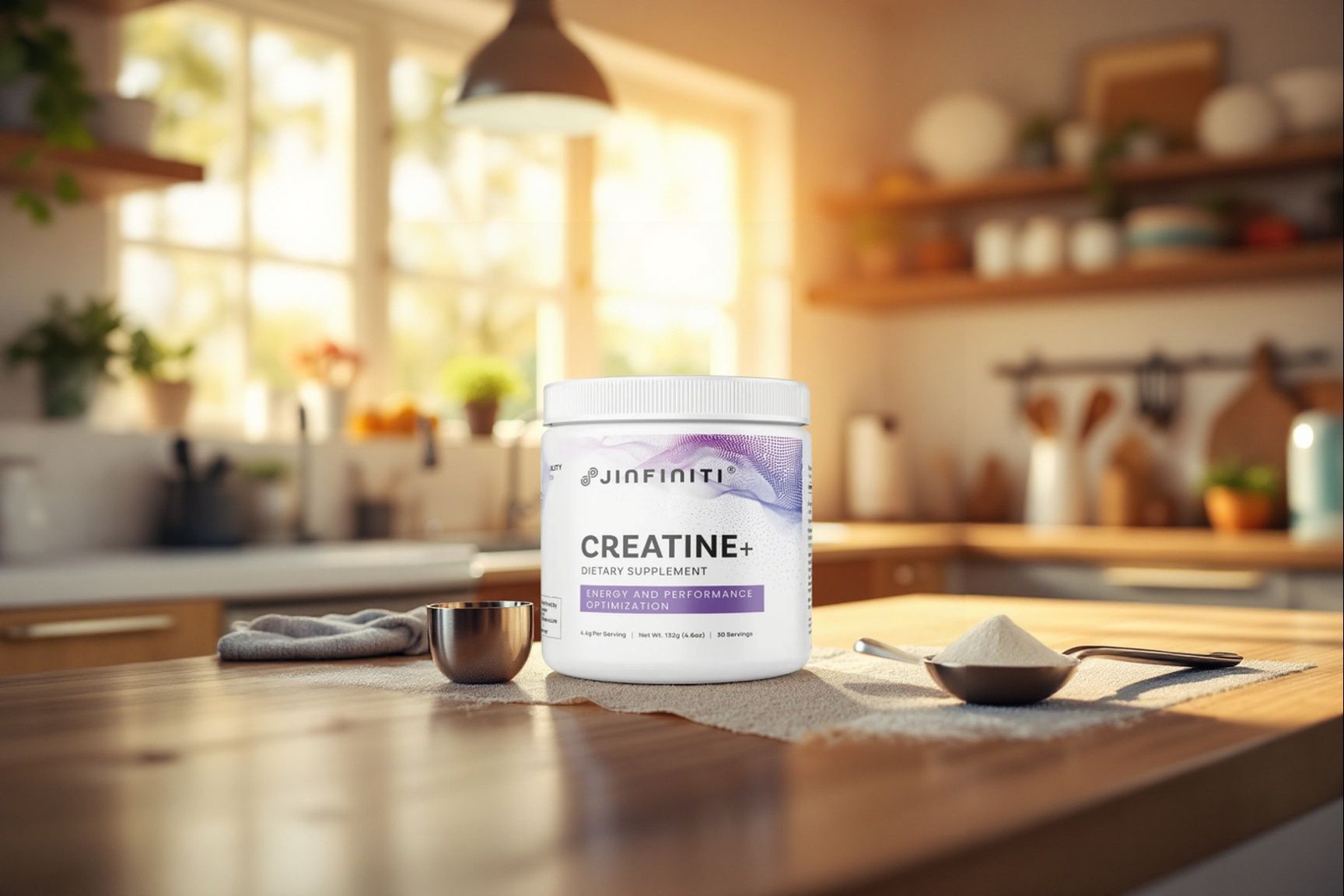
Creatine+ mini promo

2. B Vitamins

B vitamins serve as essential building blocks for cellular repair, with B12 playing a particularly vital role in maintaining DNA health.

These nutrients enable one-carbon metabolism, which protects genetic material and supports your body’s constant regeneration processes.

Research shows B12 consumption increases during repair activities, highlighting its importance in cellular recovery mechanisms.9

Through epigenetic regulation, B12 helps ensure genes are expressed correctly, preventing errors that could compromise cell function.10

B vitamins work collaboratively within your cells, making comprehensive B complexes more effective than isolated supplements.

3. Nicotinamide Mononucleotide (NMN)

NMN supports cellular repair by boosting NAD+, a crucial molecule that powers nearly all cellular functions. NAD+ levels start declining in early adulthood, falling to approximately 50% by middle age.11

This significant drop compromises your cells’ ability to repair damage and maintain energy production. Taking NMN provides the building blocks to help restore more youthful NAD+ levels.

Research published in Integrative Medicine identifies several benefits of NMN supplementation:12

  • Supporting insulin sensitivity
  • Enhancing mitochondrial function
  • Promoting vascular health
  • Maintaining muscle strength and endurance
  • Protecting heart and brain function
  • Potentially extending lifespan

Most adults see benefits with 250-500 mg daily before age 60, with higher NMN dosages often recommended for seniors.

Vitality Mini CTA

4. Curcumin

Curcumin may provide comprehensive cellular support by combating inflammation, neutralizing free radicals, and protecting genetic material.

It targets specific inflammatory pathways such as NF-κB and JAK/STAT that can interfere with normal cellular repair.13

This powerful compound shields DNA from damage while activating enzymes that repair genetic breaks and mutations.

A study published in Frontiers in Oncology demonstrates curcumin enhances multiple DNA repair mechanisms that maintain genetic integrity and slow aging processes.14

5. Magnesium

Magnesium functions as a cellular repair catalyst, protecting DNA structure and enabling repair enzymes to function properly.

Insufficient magnesium leads to increased DNA damage and compromised repair capacity.

Your cells require magnesium to create Mg-ATP, the activated form of cellular energy that powers all repair activities.15

This mineral drives autophagy, the natural process that removes cellular damage before it can accumulate.16

Scientists have discovered that higher magnesium levels correlate with longer telomeres, the protective caps on chromosomes that indicate cellular age.17

6. CoQ10

CoQ10, located in the mitochondria, helps produce ATP by transferring electrons in the electron transport chain.18

This process powers your cells, keeping them functioning optimally. 

But its benefits go beyond energy production. Research in Nutrients showed that it also helps protect cells from oxidative damage under conditions of cellular stress.19

CoQ10 doses typically range from 60 to 500 mg a day. Absorption also improves when taken with meals that contain fat.

7. Vitamin C

Vitamin C provides essential support for immune function and cellular protection systems.

It acts as a potent water-soluble antioxidant that intercepts and neutralizes harmful free radicals.

Beyond direct antioxidant action, vitamin C helps regenerate depleted antioxidants including glutathione and vitamin E.20

Unlike most antioxidants, vitamin C can strategically switch to pro-oxidant action when needed.21

This remarkable flexibility allows it to trigger specific repair pathways during oxidative stress or recovery periods.

How to Choose the Best Cellular Health Supplement

An image of different kinds of supplements

Navigating the world of supplements for cellular health can be tricky. To make sure you choose wisely, ask these important questions:

  • Is the Quality Confirmed? Look for evidence of third-party testing on the label or website. This independent check helps ensure the supplement meets quality standards for purity and ingredient amounts.
  • What Form is the Nutrient In? Pay attention to the specific form listed. Different forms have vastly different absorption rates, affecting how much of the nutrient your body can actually use. Research suggests forms like glycinate (for magnesium) and methylcobalamin (for B12) are often better absorbed.
  • How Might It Interact with Other Supplements? Consider what else you’re taking. Some supplements compete (like iron and calcium, which shouldn’t be taken together), while others assist each other (like vitamin C helping iron absorption). Knowing these interactions helps you optimize your supplement routine.

Everyday Habits for Healthy Cells

An image of adults building healthy habits for healthy cells

Your daily habits play a crucial role in supporting cellular health, working alongside any supplements you might take. Here’s what matters most:

Move Your Body

Regular exercise stimulates cellular repair mechanisms throughout your body.

High-intensity interval training (HIIT) is particularly effective, boosting production of proteins essential for mitochondria and ribosomes—key players in energy production and aging resistance.22 

Even moderate activities like walking or cycling improve blood flow, reduce inflammation, and enhance tissue regeneration in vital organs.

Prioritize Sleep

During quality sleep, your body activates critical repair processes:23

  • Produces proteins needed for tissue regeneration
  • Clears cellular waste products
  • Reduces oxidative stress

Poor sleep does the opposite—increasing cellular damage, especially in your digestive system.

Eat for Cellular Health

Your diet provides the raw materials for cellular nutrition:

  • Protein supplies essential building blocks for repair
  • Omega-3 fatty acids strengthen cell membranes and manage inflammation
  • Antioxidant-rich foods protect against cellular damage

By combining these three foundational habits, you create the optimal environment for your cells to thrive, repair, and regenerate effectively.

Final Thoughts

An image of a woman with healthy lifestyle

Research shows your cell health and wellness may benefit from quality supplements like creatine, B vitamins, NMN, curcumin, magnesium, CoQ10, and vitamin C. Be sure to select third-party tested, bioavailable options for maximum effectiveness.

Pair these supplements with exercise, quality sleep, and a nutrient-rich diet to enhance your body’s natural repair processes.

For personalized insights into your cellular health status, Jinfiniti’s advanced AgingSOS® longevity panel can identify your specific needs and help you track improvements as you optimize your supplement regimen. 

This data-driven approach ensures you’re addressing your unique cellular health requirements rather than guessing.

Referenced Sources:

  1. https://www.genome.gov/about-genomics/fact-sheets/Deoxyribonucleic-Acid-Fact-Sheet ↩︎
  2. https://www.cancerresearchuk.org/about-cancer/what-is-cancer/how-cancer-starts/cancer-cells ↩︎
  3. https://bio.libretexts.org/Bookshelves/Genetics/Working_with_Molecular_Genetics_(Hardison)/Unit_II:_Replication_Maintenance_and_Alteration_of_the_Genetic_Material/7:_Mutation_and_Repair_of_DNA/7.4:_Repair_Mechanisms ↩︎
  4. https://pmc.ncbi.nlm.nih.gov/articles/PMC6085824/ ↩︎
  5. https://pmc.ncbi.nlm.nih.gov/articles/PMC2262034/ ↩︎
  6. https://www.sciencedirect.com/science/article/pii/S2666675821000333 ↩︎
  7. https://pmc.ncbi.nlm.nih.gov/articles/PMC9533032/ ↩︎
  8. https://pmc.ncbi.nlm.nih.gov/articles/PMC5545206/ ↩︎
  9. https://www.nature.com/articles/s42255-023-00916-6 ↩︎
  10. https://pmc.ncbi.nlm.nih.gov/articles/PMC6995143/ ↩︎
  11. https://pubmed.ncbi.nlm.nih.gov/25730862/ ↩︎
  12. https://pmc.ncbi.nlm.nih.gov/articles/PMC7238909/ ↩︎
  13. https://pmc.ncbi.nlm.nih.gov/articles/PMC6784227/ ↩︎
  14. https://pmc.ncbi.nlm.nih.gov/articles/PMC7710985/ ↩︎
  15. https://www.mdpi.com/2072-6643/16/4/496 ↩︎
  16. https://pubmed.ncbi.nlm.nih.gov/36224316/ ↩︎
  17. https://www.sciencedirect.com/science/article/pii/S1279770723003482 ↩︎
  18. https://www.frontiersin.org/journals/physiology/articles/10.3389/fphys.2018.00044/full ↩︎
  19. https://pmc.ncbi.nlm.nih.gov/articles/PMC9412518/ ↩︎
  20. https://www.mdpi.com/2076-3921/12/3/632 ↩︎
  21. https://pmc.ncbi.nlm.nih.gov/articles/PMC7285147/ ↩︎
  22. https://pmc.ncbi.nlm.nih.gov/articles/PMC10164224/ ↩︎
  23. https://www.ncbi.nlm.nih.gov/books/NBK482512/ ↩︎

Woman holding a bowl of strawberries by the water

Fisetin: Benefits, Longevity Potential & Side Effects

Could a natural compound found in fruits like strawberries and apples help you live healthier and longer?

Fisetin is a flavonoid found in fruits and vegetables making waves in the wellness world for its potential health benefits.

Why is it interesting? Fisetin is a strong antioxidant and studies suggest it could help support healthy aging and cellular function.

But what does the research really show?

We’ll get into the evidence for fisetin’s benefits, list the natural food sources, discuss supplements and what you need to know before trying it.

Key Takeaways

  • Fisetin is a natural flavonoid found in fruits and vegetables (like strawberries and apples) with strong antioxidant and senolytic properties, helping clear out old, damaged cells.
  • Research suggests fisetin supports healthy aging by reducing inflammation, protecting against oxidative stress, and potentially benefiting brain, heart, and metabolic health.
  • Studies, notably in aged mice, link fisetin to increased longevity and improved healthspan, largely attributed to its senolytic (clearance of aged cells) activity.
  • While present in foods, fisetin supplements are often used to achieve potentially therapeutic doses due to low natural concentrations and bioavailability; taking it with fat enhances absorption.

What Is Fisetin?

Fisetin is a type of flavonoid which is part of a larger group of natural plant compounds called polyphenols. It’s what gives the yellow color to foods like strawberries, apples, persimmons and onions.

But fisetin offers more than just color, it’s a strong antioxidant that protects cells from damage known as oxidative stress.1

Research also shows fisetin has other benefits like helping control inflammation, promoting cellular homeostasis (keeping cells stable), and acting as a natural senolytic – meaning it might help clear out old, aged cells from tissues.

Key Benefits of Fisetin

Infographic showing 5 anti-aging benefits of Fisetin

Fisetin may offer a wide range of benefits that support healthy aging and overall wellness. Let’s break down the key research behind this powerful senolytic compound.

Senolytic Activity

During aging, the body accumulates senescent cells: damaged cells that stop dividing but stick around. These cells create issues by releasing inflammatory compounds that disrupt normal tissue function.

Fisetin acts as a senolytic, meaning it selectively targets these troublesome senescent cells for removal.2 Getting rid of these cells helps create a healthier internal environment, supporting cellular health and tissue regeneration.

As a result, fisetin may help slow down age-related decline, improve vitality, and potentially increase healthspan through better cell function and decreased inflammation.3

Antioxidant Protection

As a powerful antioxidant, fisetin fights off free radicals that cause oxidative stress and cell damage.4 It enhances the body’s natural defenses like glutathione and superoxide dismutase.

These properties help shield cells from environmental stressors, protect DNA, and maintain cellular health, making fisetin valuable in preventing oxidative damage.

Anti-inflammatory Effects

Fisetin tackles inflammation by interacting with important cellular pathways like NF-κB and MAPK.5 These pathways are responsible for producing molecules that trigger inflammation.

Fisetin helps lower the levels of these molecules, specifically pro-inflammatory cytokines. This action supports joint health, promotes a balanced immune system, and contributes to overall well-being.

Neuroprotective Properties

Fisetin also shows promise for brain health by fighting oxidative stress and neuroinflammation, two factors linked to cognitive decline.6 Research indicates it may shield neurons from damage, boost memory, and improve communication between brain cells.

These neuroprotective effects of fisetin make it a potential tool for maintaining mental clarity and cognitive performance with age.7

Metabolic and Cardiovascular Support

Fisetin may help manage blood sugar levels and reduce the risk of insulin resistance, which is a major factor in metabolic disorders.8

It has also been shown to protect the heart by fighting oxidative stress and improving blood vessel function.9 These benefits may contribute to better circulation, healthier metabolism, and improved cardiovascular health.

Fisetin’s Role in Longevity and Anti-Aging

An image of a woman consulting to a doctor about longevity and anti-aging

When it comes to healthy aging, fisetin stands out as one of nature’s most promising compounds. Research continues to reveal exciting possibilities for this plant-derived flavonoid’s impact on the aging process.

According to key findings from the Mayo Clinic:10

  • Aged mice (equivalent to 75-year-old humans) receiving fisetin lived approximately 10% longer than control groups
  • Benefits occurred even when fisetin was administered late in life

Building on our earlier discussion of fisetin’s senolytic properties, the Mayo Clinic research confirmed that by clearing these problematic senescent cells, fisetin helps restore tissue balance and reduce age-related decline across multiple organs.

A separate study demonstrated fisetin’s ability to reverse signs of premature aging in mice with shortened telomeres (protective DNA caps that diminish with age).11 Researchers identified it as a “potent senolytic drug capable of reversing premature aging signs” by:

  • Suppressing specific aging markers
  • Reducing collagen fiber buildup in tissues
  • Inhibiting cellular pathways that contribute to aging

Ready to add fisetin to your wellness routine? Jinfiniti’s SenoAid offers a targeted approach. It’s our premium senolytic supplement providing a scientifically backed blend, including fisetin, formulated to support cellular vitality and longevity.

SenoAid Mini CTA

Dietary Sources of Fisetin

An image of strawberries

Fisetin is found in various foods with strawberries containing the highest concentration. Here’s a comparison of the best sources:

FoodFisetin Content (μg/g)Amount in Typical Serving
Strawberries16016,000 μg (100g)
Apples26.94,035 μg (1 medium)
Persimmons10.61,590 μg (1 fruit)
Lotus root5.8580 μg (100g)
Onions4.8528 μg (1 medium)

While adding these foods to your diet is beneficial, food sources alone may be insufficient because:

  • Even strawberries would require large daily quantities to reach research-effective doses
  • Poor bioavailability limits absorption
  • Seasonal availability affects consistent intake
  • Dietary restrictions may limit consumption

Supplementation may provide a more reliable source for those seeking fisetin’s potential benefits, particularly its senolytic effects.

Fisetin Supplements: Dosage Guidelines

An image of supplements

Dosage: Most supplements provide 100-200 mg daily for inflammation. Some clinical trials use higher doses (~20 mg/kg body weight). Many enthusiasts follow an intermittent “hit and run” approach with periodic higher doses instead of daily use.

Fisetin is often combined with quercetin for complementary senolytic effects. Jinfiniti’s SenoAid offers a premium formulation with both compounds in optimized ratios.

Bioavailability Challenges: Fisetin’s poor bioavailability (water-insoluble and rapidly metabolized) may limit its effectiveness. Some approaches include combining with fenugreek galactomannans (claimed to increase bioavailability up to 25x), liposomal encapsulation, and nanoparticle delivery systems.

Because Fisetin has low bioavailability and metabolizes quickly in the body, you may need to take it more frequently to achieve its therapeutic effects.

How to Take Fisetin Effectively

An image of a woman taking supplement

Fisetin is a fat-soluble compound, meaning it dissolves in fats rather than water. This characteristic is key to absorbing it well.

Taking fisetin with a meal containing healthy fats significantly boosts how much your body can actually use. Foods like avocados, nuts, olive oil, or fatty fish consumed alongside your supplement help increase its bioavailability.

Taking fisetin with food generally, rather than on an empty stomach, also helps prevent digestive discomfort. For timing, consuming it with breakfast or lunch is a popular choice, allowing your body to process it during your active hours.

Potential Side Effects and Safety

A graphic image written with "side effects"

Fisetin is generally safe but can cause mild side effects. These are usually stomach issues like nausea or diarrhea, especially at higher doses. Taking fisetin with food can help minimize these and improve absorption.

Allergies to fisetin are rare but can happen, showing up as itching, swelling or rashes. Fisetin may also interact with certain medications by affecting liver enzymes and altering drug effectiveness.

Long term human studies are still being done. Consult with a healthcare provider before starting fisetin supplement especially if you’re pregnant, breastfeeding or have existing health conditions.

Final Thoughts on Fisetin

Fisetin is a naturally occurring flavonoid with remarkable potential for supporting healthy aging, cellular health, and overall wellness. 

Its senolytic properties, antioxidant effects, and ability to promote cellular renewal make it an exciting addition to longevity-focused routines.

While fisetin-rich foods like strawberries can provide small amounts, supplementation offers a more reliable way to achieve beneficial levels. 

As research continues to uncover fisetin’s full capabilities, it remains a promising tool for enhancing vitality and healthspan. Whether through diet or supplements like SenoAid, incorporating fisetin into your routine may be a step toward optimizing your wellness journey.

Referenced Sources:

  1. https://pmc.ncbi.nlm.nih.gov/articles/PMC9589363/ ↩︎
  2. https://www.frontiersin.org/journals/immunology/articles/10.3389/fimmu.2022.960601/full ↩︎
  3. https://pmc.ncbi.nlm.nih.gov/articles/PMC10722989/ ↩︎
  4. https://pmc.ncbi.nlm.nih.gov/articles/PMC3689181/ ↩︎
  5. https://www.mdpi.com/1422-0067/25/7/3724 ↩︎
  6. https://www.frontiersin.org/journals/pharmacology/articles/10.3389/fphar.2021.612078/full ↩︎
  7. https://pmc.ncbi.nlm.nih.gov/articles/PMC9589363/ ↩︎
  8. https://pubmed.ncbi.nlm.nih.gov/39610486/ ↩︎
  9. https://pubmed.ncbi.nlm.nih.gov/30312797/ ↩︎
  10. https://pmc.ncbi.nlm.nih.gov/articles/PMC6197652/ ↩︎
  11. https://peerj.com/articles/16463/ ↩︎
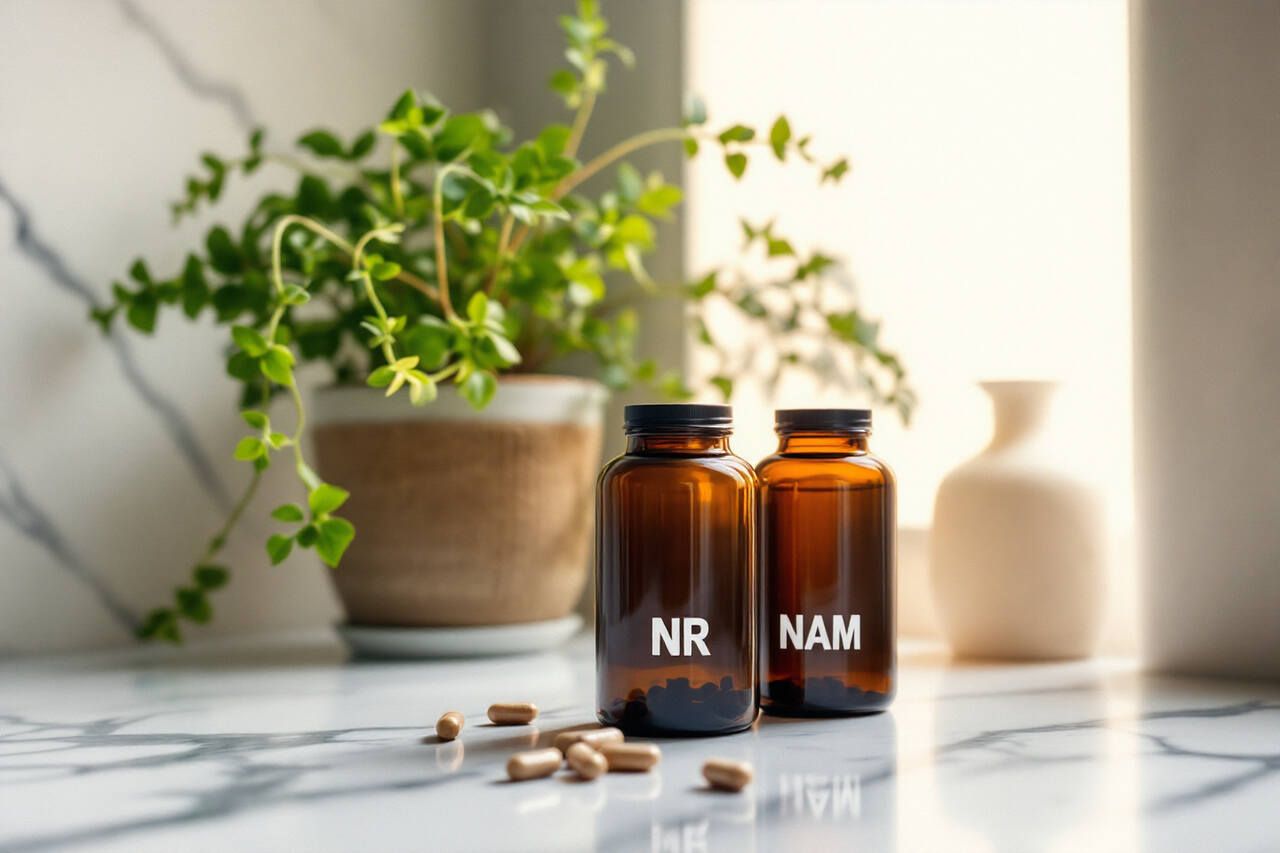
Two brown supplement bottles labeled 'NR' and 'NAM' sitting on a clean white marble countertop with soft natural light coming through a window.

Nicotinamide Riboside vs. Niacinamide: Which is Better?

When it comes to Vitamin B3 supplements, the options can get confusing. You’ve probably heard about niacin, but what about nicotinamide riboside (NR) and niacinamide (NAM)?

These less-familiar forms of Vitamin B3 have been gaining attention for their potential health benefits. Research suggests they might support cellular energy, improve skin health, and potentially promote longevity.

But which one is right for you? Let’s break down the similarities and differences between these two NAD+ precursors to help you make an informed choice.

Key Takeaways

  • Both NR and NAM are forms of Vitamin B3 that boost NAD+ levels, but they work through different metabolic pathways
  • Niacinamide (NAM) has stronger clinical evidence for skin health benefits, with decades of research backing its effectiveness
  • Nicotinamide Riboside (NR) shows promising potential for anti-aging and metabolic health, but human clinical evidence is still emerging
  • Your choice should depend on your goals: NAM for established skin benefits at lower cost, NR for potential metabolic and anti-aging benefits at premium pricing

What Are NR and NAM?

Nicotinamide riboside and niacinamide are both forms of Vitamin B3. Your body uses these to make NAD+ (nicotinamide adenine dinucleotide), a molecule vital for energy production.

  • Niacinamide (NAM) is the amide form of nicotinic acid found naturally in foods like meat, fish, beans, nuts, and grains. “Niacinamide” and “nicotinamide” refer to the same molecule. Beauty products usually use “niacinamide,” while research papers and supplements use “nicotinamide.”
  • Nicotinamide Riboside (NR) is a more advanced form of Vitamin B3. It combines a nicotinamide molecule with a ribose sugar. Small amounts exist in cow’s milk, yeast, and beer, but most people get it from supplements.

The key difference is simple: NR contains that extra ribose component, which makes it structurally closer to NAD+.

Infographic showing the differences between Nicotinamide Riboside and Niacinamide

Why NAD+ Matters

Before comparing supplements, we should understand why NAD+ is important enough to consider boosting it.

NAD+ is a coenzyme found in every cell of your body and serves several key functions:

  • Energy Production: NAD+ helps your cells convert food into energy through processes like glycolysis and mitochondrial oxidative phosphorylation.
  • DNA Repair: NAD+ supports enzymes that repair DNA damage, helping maintain genetic stability.
  • Signaling and Regulation: NAD+ is used by enzyme families called sirtuins that regulate metabolism, stress responses, and possibly influence aging.

Research shows our NAD+ levels tend to drop as we get older. This decrease may contribute to various age-related conditions.

The decline happens because our bodies either produce less NAD+ or use more of it due to factors such as DNA damage and inflammation.

Vitality NAD+ Booster promotional image

How They Work: Different Paths to the Same Goal

NR and NAM both help create NAD+, but they follow different metabolic pathways to accomplish their goal.

Niacinamide Pathway

NAM creates NAD+ through what scientists call the “salvage pathway.”

This is how it happens:

  1. An enzyme called Nicotinamide Phosphoribosyltransferase (NAMPT) converts NAM to Nicotinamide Mononucleotide (NMN).
  2. Enzymes called Nicotinamide Mononucleotide Adenylyltransferases (NMNATs) then convert NMN to NAD+.

NAMPT is the rate-limiting enzyme in this process. This means it can become a bottleneck that slows down NAD+ production. This problem may get worse as we age because NAMPT activity often decreases over time.

Nicotinamide Riboside Pathway

NR follows a different route:

  1. Enzymes called Nicotinamide Riboside Kinases (NRKs) add a phosphate group to NR, creating Nicotinamide Mononucleotide (NMN).
  2. Like in the NAM pathway, NMNAT enzymes then convert NMN to NAD+.

The main advantage of NR is that it skips the NAMPT step, potentially offering a more direct path to NAD+.

However, it is important to know that NR can also be broken down into NAM in the body, which would then go through the standard NAM pathway.

Brown Wooden Path Surrounded With Green Grass Near Mountain

Benefits of Nicotinamide Riboside vs Niacinamide

Now for the big question: Which one is better? The answer isn’t straightforward and depends largely on what health goals you’re trying to achieve.

Nicotinamide Riboside Benefits

Research on NR has largely focused on cellular energy, mitochondrial function, and potential anti-aging effects:

  • NAD+ Boosting: Human studies consistently show that oral NR supplementation effectively increases NAD+ levels in the blood, with increases ranging from 40-90% with regular dosing.1
  • Mitochondrial Function: Studies highlight NR’s capacity to enhance mitochondrial function and potentially promote mitochondrial biogenesis (creation of new mitochondria).2
  • Sirtuin Activation: NR is associated with activation of sirtuins, particularly SIRT1 and SIRT3, which are involved in regulating metabolism and longevity pathways.3
  • Promising Preclinical Evidence: Animal studies suggest benefits for metabolic health, neurodegenerative diseases, muscle disorders, and even potential lifespan extension in some models.4
  • Mixed Human Evidence: While NR reliably increases blood NAD+ levels in humans, clinical evidence for downstream health benefits has been inconsistent. Some studies show modest improvements in blood pressure or aortic stiffness in specific populations5, potential neuroprotective effects in Parkinson’s disease6, and possible benefits for conditions like non-alcoholic fatty liver disease (NAFLD) when combined with other compounds.7

Niacinamide Benefits

NAM has a longer history of research and established applications, particularly in dermatology:

  • Skin Health: NAM has well-documented benefits for skin, supported by numerous clinical studies using both topical and oral forms:
    • Acne: Topical NAM (4% creams/gels) has shown effectiveness comparable to topical antibiotics.8
    • Rosacea: Its anti-inflammatory effects help manage redness and inflammation.9
    • Skin Aging: Topical application (5% concentration) improves various signs of photoaging, including reducing fine lines, wrinkles, and hyperpigmentation.10
    • Skin Cancer Prevention: A landmark clinical trial (ONTRAC) demonstrated that oral NAM (500mg twice daily) significantly reduced the rate of new non-melanoma skin cancers in high-risk individuals.11
  • Other Potential Benefits:
    • Osteoarthritis: Higher doses (3g/day) may improve joint flexibility and reduce pain and swelling.12
    • Type 1 Diabetes: May help slow disease progression in newly diagnosed individuals by preserving pancreatic beta-cell function.13
    • Hyperphosphatemia: Can help lower high blood phosphate levels in kidney failure patients on dialysis.14

A critical distinction emerges when comparing the evidence. NAM has established human clinical data, including large randomized controlled trials, supporting its use for specific conditions.

In contrast, while NR shows promising results in preclinical models and reliably boosts NAD+ in humans, strong clinical evidence confirming specific health outcomes in humans is often lacking or inconsistent.

Add 20+ Healthy Years to Your Life

Access the same health optimization strategies used by longevity experts. Weekly insights, exclusive products, member pricing.

Bioavailability and Safety Profiles

Bioavailability

Both NR and NAM are effective at increasing NAD+ levels, but there are some differences in how efficiently they do so:

  • NR: Human studies show that NR supplementation (100-1000 mg daily) effectively raises blood NAD+ levels, with increases ranging from 40-90%. However, a significant portion of orally ingested NR may be converted to NAM in the digestive tract or circulation.
  • NAM: Readily absorbed, primarily in the small intestine, and is generally considered more bioavailable than niacin (NA) due to its more direct pathway to NAD+.

One interesting finding is that NR supplementation leads to substantial increases in a molecule called NAAD, even when NAD+ levels don’t show a significant rise. This suggests NR undergoes unique metabolic processing, the implications of which are still being investigated.

Fit Woman Drinking from Thermos

Safety and Side Effects

Both supplements are generally considered safe, but they have different characteristics at higher doses:

NR:

  • Generally well-tolerated up to 1000-2000 mg/day in studies
  • Typical side effects, when they occur, include nausea, bloating, fatigue, headache, diarrhea, and skin discomfort
  • May lower blood pressure, requiring caution for those on antihypertensive medications
  • Long-term safety data in humans is still relatively limited compared to NAM

NAM:

  • Excellent tolerability, particularly at nutritional and common therapeutic doses
  • A major advantage over nicotinic acid (niacin) is the lack of the uncomfortable “niacin flush”
  • At typical supplement doses (up to 900-1500 mg/day), side effects are usually mild and may include stomach discomfort, dizziness, headache, or rash
  • High doses (>3 g/day) may cause reversible liver issues, increased blood sugar, or worsen gallbladder disease or peptic ulcers

Dosage Recommendations from Human Studies

The effective dosage depends on what you’re trying to achieve:

NR:

  • For NAD+ boosting: 250-1000 mg per day
  • 250 mg/day has been shown to increase blood NAD+ by about 40%
  • 500 mg/day increased blood NAD+ by approximately 90%
  • 1000 mg/day increased NAD+ in white blood cells by about 60%
  • Higher doses (2000 mg/day) have been used in studies on obesity/insulin resistance and heart failure

NAM:

  • Basic nutritional needs (RDA): 14-16 mg per day for adults
  • Skin cancer prevention: 500 mg once or twice daily (total 500-1000 mg/day)
  • Osteoarthritis: 3 grams per day, typically divided into multiple doses
  • Acne (oral): 750 mg per day
  • Topical applications: Usually 4-5% concentration in creams or serums

Making Your Choice: Which is Better for You?

The “better” option really depends on your specific health goals:

Consider NR if:

  • You’re primarily interested in boosting overall NAD+ levels for potential metabolic, mitochondrial, or “anti-aging” benefits
  • You’re specifically interested in sirtuin activation (NAM can actually inhibit sirtuins at higher doses)
  • You’re willing to pay more for a supplement with promising preclinical evidence but less established human clinical outcomes
  • You’re comfortable with a newer supplement that has less long-term safety data

Consider NAM if:

  • You’re focused on skin health (acne, rosacea, photoaging, hyperpigmentation)
  • You’re at high risk for non-melanoma skin cancers and looking for preventive measures
  • You’re seeking a more budget-friendly option with a longer history of use
  • You prefer a supplement with more established clinical evidence for specific conditions
  • You’re concerned about long-term safety and want a more extensively studied option

Takeaway on Niacinamide vs Nicotinamide Riboside

Both nicotinamide riboside and niacinamide are valuable forms of Vitamin B3 that can boost NAD+ levels, albeit through different pathways.

They share the fundamental goal of supporting cellular NAD+ pools but have distinct profiles regarding established benefits, research evidence, and cost.

NAM boasts a longer history of use, established clinical benefits (particularly for skin health), and a well-understood safety profile at a more affordable price point.

NR offers a theoretically more direct pathway to NAD+ and promising preclinical evidence for metabolic and anti-aging benefits, but at a higher cost and with less definitive human outcome data.

For those looking to optimize their NAD+ levels, a comprehensive approach may be most effective. Jinfiniti’s Vitality ↑® NAD+ Booster offers a clinically validated formula combining NMN (another NAD+ precursor) with niacinamide, D-ribose, and creatine monohydrate.

This synergistic blend is designed to support NAD+ levels, boost energy production, and improve sleep quality and overall cellular function.

What sets this approach apart is the combination of multiple pathways to NAD+ enhancement, rather than relying on a single precursor.

The inclusion of niacinamide provides the established benefits discussed throughout this article, while the additional ingredients work together to maximize cellular energy production.

Remember that supplements should complement, not replace, a healthy lifestyle. Proper nutrition, regular exercise, quality sleep, and stress management remain the foundations of health and may themselves support healthy NAD+ levels.

As with any supplement, it’s always advisable to consult with a healthcare professional before starting either NR or NAM, especially if you have existing health conditions or are taking medications.

FAQs

Are nicotinamide and niacinamide the same thing?

Nicotinamide and niacinamide refer to the exact same molecule. The terms are often used interchangeably, with “niacinamide” being more common in cosmetics and skincare products, while “nicotinamide” is more frequently used in research and supplement nomenclature.

Why is nicotinamide riboside so much more expensive than niacinamide?

Nicotinamide riboside is more expensive primarily because it’s a newer, more complex compound that requires special manufacturing processes. The higher cost also reflects marketing around NR’s potential anti-aging benefits and the costs of ongoing research.

Can I take both nicotinamide riboside and niacinamide together?

While the document doesn’t specifically address taking both supplements together, there’s no indication that combining them would be harmful. However, since NR can be converted to NAM in the body anyway, taking both might be redundant. As with any supplement combination, it’s best to consult with a healthcare provider before starting such a regimen.

Does niacinamide cause flushing like niacin?

No, unlike niacin (nicotinic acid), niacinamide does not cause the uncomfortable “niacin flush” – a skin reaction characterized by redness, warmth, and itching. This is one of the major advantages of niacinamide over niacin. Nicotinamide riboside also doesn’t cause flushing.

Which form of Vitamin B3 is best for anti-aging purposes?

Based on current research, nicotinamide riboside has more theoretical potential for overall “anti-aging” benefits due to its efficient NAD+ boosting capabilities and association with sirtuin activation.

However, for specific skin anti-aging benefits (reducing wrinkles, hyperpigmentation, etc.), topical niacinamide (at 4-5% concentration) has stronger clinical evidence.

For internal anti-aging effects, NR shows promise in animal studies, but conclusive human evidence is still emerging.

  1. https://www.nature.com/articles/s41514-017-0016-9 ↩︎
  2. https://pubmed.ncbi.nlm.nih.gov/24071780/ ↩︎
  3. https://pmc.ncbi.nlm.nih.gov/articles/PMC10459282/ ↩︎
  4. https://pmc.ncbi.nlm.nih.gov/articles/PMC7352172/ ↩︎
  5. https://www.nature.com/articles/s41467-018-03421-7 ↩︎
  6. https://www.nature.com/articles/s41467-023-43514-6 ↩︎
  7. https://www.sciencedirect.com/science/article/pii/S0925443919302029 ↩︎
  8. https://pubmed.ncbi.nlm.nih.gov/28220628/ ↩︎
  9. https://pubmed.ncbi.nlm.nih.gov/25399625/ ↩︎
  10. https://pmc.ncbi.nlm.nih.gov/articles/PMC11857428/ ↩︎
  11. https://pmc.ncbi.nlm.nih.gov/articles/PMC10050186/ ↩︎
  12. https://pubmed.ncbi.nlm.nih.gov/8841834/ ↩︎
  13. https://pubmed.ncbi.nlm.nih.gov/10097894/ ↩︎
  14. https://www.sciencedirect.com/science/article/pii/S1051227624000360 ↩︎
Fresh strawberries and blueberries arranged in a perfect symmetrical pattern on a light background

Quercetin vs. Fisetin: Differences and Combined Benefits

When it comes to longevity and cellular health, two compounds found in fruits and vegetables have been making waves: quercetin and fisetin. Both offer potent antioxidant and anti-inflammatory action, yet possess unique strengths.

Quercetin is known for boosting immune function and cardiovascular health. Fisetin earns distinction for its superior senolytic ability, clearing aged cells linked to inflammation. 

Which should you choose, or is there advantage in combining them?

In this Jinfiniti article, we’ll break down the key differences between quercetin and fisetin, explore their individual benefits, and uncover how they may work even better together.

Key Takeaways

  • Quercetin and fisetin are powerful natural senolytics that work in different ways—quercetin shines with its anti-inflammatory effects, while fisetin excels at clearing out harmful senescent cells (the “zombie” cells that age us).
  • When taken together, quercetin and fisetin provide stronger anti-cancer effects and more protection against age-related decline than if taken separately.
  • The right approach for each differs—quercetin benefits from daily doses (500-1,000mg), while fisetin may be most effective with an intermittent “pulse” (500-1,000mg over 2-3 days a month).

What Are Quercetin and Fisetin?

Bowl of Strawberries and Berries next to Apples on Chopping Board

Quercetin and fisetin are flavonoid compounds that function as natural senolytics, compounds capable of selectively eliminating senescent cells from the body.

Although related as flavonoids, they function differently inside the body. Both act as powerful antioxidants, meaning they neutralize destructive free radicals. These free radicals can damage cells and accelerate the aging process.

Quercetin is much more common in our diet, found easily in foods like apples and onions. Fisetin is less common; it’s mainly found in strawberries, with smaller amounts also in apples and cucumbers.

Differences Between Quercetin and Fisetin

As related flavonoids, quercetin and fisetin share some similarities but differ in their structures and how they benefit the body. Quercetin works best as an antioxidant and inflammation fighter, while fisetin’s specialty is its senolytic effect—removing aging cells that can cause problems in the body.

See the table below for a detailed comparison:

PropertyQuercetinFisetin
Chemical StructureFlavonol with 5 hydroxyl groupsFlavonol with 4 hydroxyl groups
Natural SourcesAbundant in onions, apples, berries, tea, red wine, broccoli, citrus fruitsFound in strawberries, apples, persimmons, cucumbers, onions, grapes
BioavailabilityLower bioavailability (1-10%)Slightly higher bioavailability
Primary BenefitsStrong antioxidant, anti-inflammatory, antihistamine propertiesPotent senolytic (removes senescent cells), neuroprotective properties
Senolytic PotencyHas senolytic properties but appears less potent compared to fisetinStrong senolytic effect
Supplement UsageOften combined with vitamin C or bromelain to enhance absorptionOften taken in liposomal form to improve bioavailability
Common Dosage500-1000 mg daily100-500 mg daily
Side EffectsGenerally well-tolerated; possible headache, tingling, nausea at high dosesGenerally well-tolerated; fewer reported side effects

Quercetin’s Primary Health Benefits

Red apples on a tree branch

Quercetin’s antioxidant, anti-inflammatory, allergy-relieving, and immune-supporting properties have made it a popular supplement.

1. Antioxidant Defense and Anti-Inflammatory Action

Quercetin acts as a strong antioxidant, defending your cells against damage from unstable molecules called free radicals.1 This reduction in oxidative stress is crucial for important parts of your cells:

  • DNA: Your genetic blueprint
  • Proteins: The building blocks and workers within cells
  • Mitochondria: The cell’s power generators; damage here can speed up aging

Quercetin also has powerful anti-inflammatory effects. Research highlighted in journals like Biomolecules shows that it works deep within cells to:

  • Inhibit key inflammatory enzymes: Blocking the molecules that kickstart the inflammation process
  • Reduce pro-inflammatory cytokines: Lowering the levels of chemical messengers that signal and spread inflammation2

2. Natural Allergy Relief

Quercetin works as a natural antihistamine by:

  • Stabilizing mast cells that normally release histamine during allergies
  • Reducing common symptoms like itchy eyes and stuffy nose
  • Controlling inflammation without causing drowsiness

Research published in Allergy, Asthma & Clinical Immunology found that quercetin helps manage allergy symptoms by changing how the body responds to triggers, unlike conventional antihistamines that often make you sleepy.3

Add 20+ Healthy Years to Your Life

Access the same health optimization strategies used by longevity experts. Weekly insights, exclusive products, member pricing.

3. Heart Health

Research shows quercetin supports your heart through these mechanisms:

  • Blood vessel support: Improves how your blood vessels function and helps them relax, which supports normal blood pressure4
  • Cholesterol protection: Reduces oxidation of LDL cholesterol, addressing a major factor in artery blockage5
  • Improved circulation: Helps prevent excessive blood platelet sticking, promoting better blood flow without some of the drawbacks of conventional medications6

Fisetin’s Benefits for Longevity

Strawberry fruit on brown wooden surface

Fisetin supplements stand out due to targeted effects on key cellular processes associated with aging.

1. Senolytic Properties

Fisetin is a notable longevity supplement for its powerful senolytic action. This means it helps your body get rid of old, non-functioning cells often called “zombie cells.”

  • What are zombie cells? These are aged cells that have stopped dividing but haven’t died off
  • Why are they bad? They release inflammatory compounds that can harm healthy cells nearby
  • Fisetin’s Role: Research, including a study in eBioMedicine, found that fisetin is very effective at clearing out these troublesome senescent cells compared to many other natural compounds, helping address a key part of the aging process7

2. Support for Cognitive Health

Fisetin stands out because it readily passes through the blood-brain barrier, delivering neuroprotective benefits directly to brain tissue – something many supplements can’t do.8 A study in Neurochemistry International highlighted this effectiveness.

Key brain-supporting functions of fisetin include:

  • Direct neuroprotection: Acts inside the brain to safeguard neurons
  • Combats oxidative damage: Helps defend brain cells against harmful oxidative stress
  • Boosts mitochondrial health: Supports the energy production centers within brain cells
  • Maintains neuroplasticity: Helps preserve the brain’s ability to rewire itself and form new neural pathways
  • Disrupts harmful protein aggregation: Helps prevent the accumulation of tangled tau proteins – a hallmark of many neurodegenerative conditions.9

Together, these properties contribute to fisetin’s role in cognitive support and protecting against age-related mental decline.

3. Anti-Aging Effects

Fisetin is gaining attention for its potential role in promoting a longer healthspan – the period of life spent in good health. It appears to achieve this by impacting the biology of aging in several ways:

  • Promoting autophagy: Helping your cells perform essential “housekeeping” by recycling old or damaged components10
  • Balancing cell signals: Influencing the activity of pathways like mTOR (related to growth) and AMPK (related to energy sensing)
  • Calming inflammation: Working to decrease persistent, low-grade inflammation that contributes to the aging process

These effects on the core processes of aging make fisetin a top contender for anyone looking to age well.

Combined Benefits of Quercetin and Fisetin

While Quercetin and Fisetin are beneficial on their own, they might pack an even bigger punch when working as a team.

Here’s a quick look at their combined power:

  • Stronger Antioxidant Protection: Provides increased anti-inflammatory and antioxidant action, fighting the damaging oxidative stress linked to many chronic diseases.11
  • Cancer Research Synergy: Studies suggest a potentially greater effect when combined in slowing the growth and spread of specific cancer cells (like breast cancer). Animal research also shows promise for shrinking tumors.12
  • Nerve Pain Medication Support: May improve the effectiveness of certain drugs for neuropathic pain (like pregabalin), potentially allowing patients to use lower doses.13
  • Combined Antiviral Effects: The combination shows potential for working together to inhibit certain viruses (e.g., dengue virus) and decrease related inflammation.14

Think of them as a dynamic duo. Working in tandem, Quercetin and Fisetin show potential for amplified health benefits in several key areas.

SenoAid Senolytic Supplement Complex promotional image

Quercetin vs. Fisetin: Which Flavonoid is Better?

Rather than seeing quercetin and fisetin as rivals, think of them as flavonoids that work well together.

Quercetin stands out for its strong anti-inflammatory properties and is generally more easily absorbed by the body than similar compounds. It helps protect cells and is found in common foods like onions and apples.

Fisetin excels at targeting senescent cells (aging cells), which is especially important for brain health.

Instead of choosing one over the other, using both may be most effective. Together, they can address multiple aspects of aging.

Infographic showing the differences between Quercetin vs. Fisetin

Should You Take Fisetin and Quercetin Together?

Combining fisetin and quercetin is backed by research that shows they work better together than alone.

Studies indicate this pair more effectively fights major aging factors like senescent cells, inflammation, and oxidative stress. Together, they have a stronger impact on cell health.

Jinfiniti’s Senolytic Supplement Complex SenoAid™ is formulated based on this synergy. It includes carefully selected doses of both fisetin and quercetin. 

To optimize their potential, the formula also incorporates bromelain, green tea extract, and piperine, ingredients known to support the absorption and bioavailability of flavonoids.

This aligns with Jinfiniti’s focus on creating evidence-based supplements for measurable health outcomes.

Recommended Dosages

Woman taking quercetin supplements with a glass of water

The right dosages for fisetin and quercetin depend on your goals and individual health needs. 

Quercetin Dosage Guidelines

For general health, quercetin is usually safe in doses up to 1,000mg daily for up to 12 weeks.15 

How well your body absorbs quercetin depends on the form used, with the dihydrate form showing the best bioavailability, followed by glycosides, aglycone, and rutinoside forms.

Fisetin Dosage Guidelines

For fisetin, a typical daily dose for general wellness is 100–500mg, based on human studies.16

But for senolytic (anti-aging) benefits, intermittent “pulse” dosing is recommended—around 1,400mg (20mg per kg of body weight) taken 1–2 times a month.17 

This approach is thought to work better at clearing senescent cells without continuous dosing.

Combined Supplementation 

Jinfiniti’s SenoAid™ supplement combines the two flavonoids in just the right amounts to maximize their benefits. The formula makes it easy to get the right doses without any extra hassle. 

Understanding Side Effects and Safety Profiles

Both quercetin and fisetin are generally safe for most people, but there are a few precautions to keep in mind.

For quercetin, it’s considered safe for short-term use, with studies showing minimal side effects at doses up to 1 gram daily for 12 weeks.18

However, long-term safety at higher doses isn’t fully established. Some things to watch out for:

  • Pregnancy and breastfeeding: Prenatal exposure to quercetin may impact fetal iron metabolism, so it’s best to avoid quercetin during these times.19
  • Kidney conditions: If you have kidney disease, quercetin could make things worse, so avoid it.
  • Medication interactions: Quercetin may interact with antibiotics (like quinolones) and immunosuppressants, potentially altering their effects.

As for fisetin, while animal studies show promise, there are fewer human trials, so we don’t know as much about its long-term safety. 

A few things to note:

  • Bioavailability: Fisetin doesn’t absorb well on its own, but taking it with fats can help boost absorption.20
  • Special populations: Pregnant or breastfeeding women, and children, should be cautious due to limited research on these groups.

As with any supplement, it’s always smart to check with a healthcare provider, especially if you have health conditions or are on medication.

The Future of Senolytic Research

Research on quercetin and fisetin is advancing quickly with several promising directions.

AI tools like the Segment Anything Model now provide more accurate data on quercetin’s role in healing diabetic wounds.21

Current studies explore these compounds’ effects on DNA methylation, epigenetic age, and immune cell function.

Researchers are solving bioavailability problems through innovative delivery systems. These include quercetin-rosemary oil nanoemulsions for wound healing and photothermal nanodrugs for cancer treatment.22

Scientists are also studying how these flavonoids interact with other compounds to enhance their anti-aging and disease-fighting potential.

With all the progress in quercetin and fisetin research, it’s clear these compounds could help us age gracefully and improve our health, offering a hopeful outlook for the future.

Referenced Sources:

  1. https://pmc.ncbi.nlm.nih.gov/articles/PMC6470739/ ↩︎
  2. https://www.mdpi.com/2218-273X/15/1/151 ↩︎
  3. https://aacijournal.biomedcentral.com/articles/10.1186/s13223-020-00434-0 ↩︎
  4. https://pmc.ncbi.nlm.nih.gov/articles/PMC10384403/ ↩︎
  5. https://www.sciencedirect.com/science/article/abs/pii/S0955286323000487 ↩︎
  6. https://pmc.ncbi.nlm.nih.gov/articles/PMC3533481/ ↩︎
  7. https://pmc.ncbi.nlm.nih.gov/articles/PMC6197652/ ↩︎
  8. https://www.sciencedirect.com/science/article/pii/S0197018615300310 ↩︎
  9. https://www.frontiersin.org/journals/pharmacology/articles/10.3389/fphar.2022.1015835/full ↩︎
  10. https://www.mdpi.com/2076-3921/14/2/182 ↩︎
  11. https://www.mdpi.com/2218-273X/9/5/174 ↩︎
  12. https://onlinelibrary.wiley.com/doi/10.1002/cbin.11942 ↩︎
  13. https://academic.oup.com/jpp/article-abstract/76/7/824/7642381 ↩︎
  14. https://www.dovepress.com/antiviral-and-immunomodulatory-effects-of-polyphenols-on-macrophages-i-peer-reviewed-fulltext-article-IDR ↩︎
  15. https://pubmed.ncbi.nlm.nih.gov/29127724/ ↩︎
  16. https://www.sciencedirect.com/topics/pharmacology-toxicology-and-pharmaceutical-science/fisetin ↩︎
  17. https://pmc.ncbi.nlm.nih.gov/articles/PMC10928570/ ↩︎
  18. https://www.sciencedirect.com/science/article/abs/pii/S0944711322004275 ↩︎
  19. https://www.sciencedirect.com/science/article/abs/pii/S0300483X11004562 ↩︎
  20. https://pmc.ncbi.nlm.nih.gov/articles/PMC10532335/ ↩︎
  21. https://www.semanticscholar.org/paper/Accelerating-Diabetic-Wound-Healing-by-Modulating-Ali-Pebam/c3951b14fc171923db537fbc04f2e7a4c7a6fd35 ↩︎
  22. https://advanced.onlinelibrary.wiley.com/doi/10.1002/adfm.202402455 ↩︎
An image of a woman consulting a doctor for weight loss

A Guide to NMN and Weight Loss

Having trouble losing weight despite eating well and exercising? Your age-related metabolism changes might be the reason, not your habits.

As people get older, their nicotinamide adenine dinucleotide (NAD+) levels naturally decline. This reduces how efficiently cells convert food into energy. The slowdown in metabolism makes burning fat more challenging, even with careful eating and regular exercise.

NMN (nicotinamide mononucleotide) functions as a direct precursor to NAD+. It helps enhance the energy production in cells and supports healthy metabolism.

This guide examines the science behind NMN’s weight loss benefits, exploring how it can complement your weight management strategy when conventional approaches fall short.

Key Takeaways

  • NAD+ decline slows metabolism with age. By 50, NAD+ levels drop significantly, making it harder to burn fat and maintain a healthy weight.
  • NMN supports metabolism on multiple levels. It boosts mitochondrial function, enhances fat burning through SIRT1 activation, improves insulin sensitivity, and may help regulate appetite.
  • A well-rounded approach delivers the best results. Pairing NMN with a nutrient-dense diet, strength training, good sleep, and stress management maximizes its benefits for long-term metabolic health.

What Is NMN and Why Does It Matter?

An image of a woman consulting a doctor for weight loss

NMN (nicotinamide mononucleotide) is a molecule found naturally within human cells and in some foods. Its primary role is creating NAD+, the essential coenzyme that powers cellular energy production throughout the body.

Here’s the challenge: NAD+ levels naturally decline with age.1 By the time a person reaches 50, they typically have less than half the NAD+ they had in their youth.

This decline disrupts metabolism, leading to:

  • Slower energy production
  • Reduced fat burning efficiency
  • Unfavorable changes in body composition

NAD+ helps manage weight as people age by keeping cellular functions operating efficiently. It assists the body in processing nutrients, burning fat, and maintaining energy balance.

As a direct precursor to NAD+, NMN helps replenish declining NAD+ levels. Unlike other precursors, it skips unnecessary conversion steps, making it one of the most effective ways to boost NAD+ inside your cells.2

For an in-depth exploration, check out our complete guide to NMN.

Vitality NAD+ Booster promotional image

Can NMN Really Help You Lose Weight?

Research indicates NMN may support weight management. Harvard researchers found overweight participants taking 2,000 mg of NMN daily for one month lost an average of 4 pounds.3

The body converts NMN into NAD+, which then activates proteins called sirtuins. These proteins control metabolism and energy usage, potentially helping the body burn calories more effectively.

While NMN isn’t a quick fix for weight loss, it may influence key cellular processes that affect body composition by increasing NAD+ levels and restoring metabolic function.

Add 20+ Healthy Years to Your Life

Access the same health optimization strategies used by longevity experts. Weekly insights, exclusive products, member pricing.

How Does NMN Support Weight Loss?

NMN works on your cellular powerhouses called mitochondria. Higher NAD+ levels make these energy factories more efficient, which can increase calorie burning even when you are resting.4

SIRT1, a key metabolic protein, gets switched on by NMN.5 This protein basically tells your body “burn fat, don’t store it,” helping shrink both the dangerous fat around your organs and the stubborn fat under your skin.6

NMN also helps with insulin sensitivity. This means cells respond better to insulin, preventing extra glucose from being stored as fat and keeping blood sugar stable.7

Another benefit is that NMN can activate brown fat.8 Unlike white fat that stores energy, brown fat burns calories to create heat, increasing overall calorie burning and speeding up metabolism.

Even your brain’s hunger control center—the hypothalamus—needs NAD+ to function.9 By supporting healthy NAD+ levels, NMN helps normalize those hunger signals so you’re less likely to overeat.

An image of a weight loss journey

What Does the Research Say About NMN?

Research suggests that NMN may help with weight management by affecting metabolism, energy balance, and body composition.

What Have Animal Studies Shown? 

Animal studies consistently show NMN supports metabolism and weight management.

In a Scientific Reports study, mice given NMN had less fat and burned more energy.10 Even as they aged, these mice maintained healthier bodies with better insulin sensitivity and blood sugar control.

A study in IUBMB Life examined obese mice given NMN. These mice gained less weight and fat while showing improved glucose processing.11 NMN also increased fat-burning genes, helping mice use fat for energy more efficiently.

These studies suggest NMN may help fight the metabolic slowdown caused by aging and obesity by improving mitochondrial function.

What Did the Harvard Study Actually Find? 

A 2023 Harvard study revealed promising results when 21 overweight adults took 2,000 mg of NMN daily for 28 days.

The results were significant. Participants lost an average of 4.2 pounds without changing diet or exercise. They also showed improved insulin sensitivity and smaller waists, suggesting NMN supports multiple aspects of metabolic health.12

This study confirms previous animal research findings, though its small scale is notable. Future research with larger groups over longer periods will help confirm these effects and identify optimal dosages.

Benefits of NMN Supplementation Beyond Weight Loss

An image of a woman on a weight loss journey

The benefits of NMN supplementation go beyond just helping you lose weight. By boosting NAD+ levels, it supports many vital bodily processes for better overall health:

  • Heart Health: Lowers bad cholesterol, improves blood flow, reduces arterial stiffness, and fights inflammation that contributes to heart disease13
  • Inflammation Reduction: Activates SIRT1 to fight chronic inflammation, reducing harmful cytokines and improving insulin sensitivity14
  • Liver Support: Reduces fat buildup, helping prevent fatty liver disease and supporting better blood sugar control15
  • Healthy Aging: Enhances DNA repair, cellular stress resistance, and protein maintenance, helping prevent metabolic disorders as you age16

NMN Supplement Dosage for Weight Management

An image of a woman on a weight loss journey

Finding the right NMN dosage for weight management is still evolving, but here’s what we know:

  • Most supplements offer 250-1,000mg per serving, shown to be safe and effective for energy and body composition17
  • Higher doses generally mean stronger effects, but with diminishing returns beyond certain levels
  • Your ideal dose depends on age, metabolic health, and lifestyle—older adults may need more than active younger people
  • Start with 250-500mg daily and increase gradually while monitoring your response—some see results at 1,000mg, while others may benefit from up to 2,000mg

Fitting NMN into a Complete Weight Management Plan

NMN works best as part of a comprehensive approach to weight management. Here’s how to integrate it effectively:

  • Healthy Diet: Pair NMN with low-inflammatory eating patterns like the Mediterranean diet and consider intermittent fasting, which naturally boosts NAD+ levels
  • Exercise: Physical activity increases NAD+ while NMN improves mitochondrial function, enhancing endurance, recovery, and fat burning—prioritize strength training to maintain metabolism-boosting muscle
  • Quality Sleep: Aim for 7-8 hours nightly, as poor sleep disrupts metabolism and increases inflammation, both processes that NMN helps regulate
  • Stress Management: Practice meditation, deep breathing, or daily walks to lower cortisol, which depletes NAD+ and promotes fat storage

Always consult your healthcare provider before adding NMN to your routine, especially if you take medications or have health conditions.

Takeaway: Is NMN Right for Your Weight Loss Journey?

An image of a woman on a weight loss journey

NMN offers a scientific approach to weight management through its effects on cellular metabolism, addressing factors that diet and exercise alone might miss. While research shows promise, more comprehensive studies are needed to understand its effectiveness across different populations.

Before starting NMN, think about your overall health. If you have conditions like diabetes or heart disease, talk to your doctor first to make sure NMN is safe for you.

The quality of NMN supplements also matters. Choosing a high-purity option like Jinfiniti’s Pure NMN Powder can improve how well your body absorbs and uses it. Look for products with third-party testing and purity certifications.

Additionally, testing your NAD+ levels before and during supplementation shows whether NMN is working for you. 

The Intracellular NAD Test can identify deficiencies and help you optimize your levels. Since NAD+ production changes based on age, lifestyle, and health, tracking these levels helps you adjust your dosage for best results.

NMN is an investment in long-term health. It can benefit metabolism, energy, and aging, but consider if ongoing supplementation fits your health goals and budget.

If you want a science-based, long-term approach to support your weight goals, NMN could be worth trying as part of a complete, healthy lifestyle.

Referenced Sources:

  1. https://pmc.ncbi.nlm.nih.gov/articles/PMC7442590/ ↩︎
  2. https://pmc.ncbi.nlm.nih.gov/articles/PMC10240123/ ↩︎
  3. https://academic.oup.com/jcem/article/108/8/1968/7027634 ↩︎
  4. https://pmc.ncbi.nlm.nih.gov/articles/PMC3683958/ ↩︎
  5. https://www.sciencedirect.com/science/article/pii/S2090123221001491 ↩︎
  6. https://pmc.ncbi.nlm.nih.gov/articles/PMC3173813/ ↩︎
  7. https://pmc.ncbi.nlm.nih.gov/articles/PMC8550608/ ↩︎
  8. https://www.sciencedirect.com/science/article/pii/S0022316624010940 ↩︎
  9. https://pmc.ncbi.nlm.nih.gov/articles/PMC7175325/ ↩︎
  10. https://www.nature.com/articles/s41598-017-14866-z ↩︎
  11. https://iubmb.onlinelibrary.wiley.com/doi/10.1002/iub.2707 ↩︎
  12. https://academic.oup.com/jcem/article/108/8/1968/7027634 ↩︎
  13. https://www.sciencedirect.com/science/article/pii/S1756464623005856 ↩︎
  14. https://pmc.ncbi.nlm.nih.gov/articles/PMC3816131/ ↩︎
  15. https://www.sciencedirect.com/science/article/pii/S0753332224005663 ↩︎
  16. https://pmc.ncbi.nlm.nih.gov/articles/PMC10917541/ ↩︎
  17. https://pmc.ncbi.nlm.nih.gov/articles/PMC9735188/ ↩︎
An image of a matured man and woman eating top flavonoid foods

Top Flavonoid Foods and Supplements for Antioxidant Support

Those bright fruits and vegetables on your plate aren’t just pretty—they’re packed with health-boosting compounds called flavonoids.

These natural substances in fruits, vegetables, and supplements work as antioxidants that support your health when eaten as part of a balanced diet.

Whether you’re focusing on immune health or simply wanting more nutritious foods in your daily routine, flavonoids are important nutrients to know about.

This guide covers what flavonoids are, which common foods contain them, and how to select supplements if you’re looking for extra benefits.

Key Takeaways

  • Flavonoids are plant-based antioxidants that neutralize harmful free radicals and reduce oxidative stress.
  • Richest sources include berries, citrus, tea, dark chocolate, and leafy greens, with 5-9 daily servings recommended.
  • Supplements can provide additional benefits but should complement a diverse diet and be used with awareness of potential medication interactions.

What are Flavonoids?

An image of a supplement

Flavonoids are natural plant compounds that work as antioxidants in your body.1 They help neutralize harmful free radicals that can accumulate over time. When too many free radicals build up, it creates oxidative stress that may impact your health.

Your body naturally fights oxidative stress, but eating flavonoid-rich foods provides extra protection.2 Good sources include berries, citrus fruits, onions, and dark chocolate.

Flavonoid supplements are available for those wanting higher amounts, but check with your doctor first to ensure they’re appropriate for you.

Potential Health Benefits of Flavonoids

Flavonoids show promising health benefits, backed by both observational studies and controlled experiments:

  • Antioxidant Activity: Flavonoids, especially flavonols and flavan-3-ols, shield cells from harmful free radicals that contribute to aging and disease.
  • Anti-Inflammatory Effects: Bioflavonoids help regulate inflammatory responses, potentially easing conditions like arthritis and inflammatory bowel disease.3
  • Heart Protection: Research indicates flavanones and anthocyanidins help lower blood pressure and improve blood vessel health, potentially reducing heart disease risk.4
  • Cancer-Fighting Properties: Studies suggest anthocyanidins and isoflavones may inhibit cancer cell growth, though results vary and more human research is needed.5
  • Brain Health: Flavonols such as quercetin may improve brain function and protect against Alzheimer’s. People who consume more flavonoids show lower dementia rates, though direct cause and effect remains unproven.6

These benefits show the value of dietary flavonoids, though individual responses vary because each person’s genetics and gut bacteria affect how well these compounds are absorbed.

Best Food Sources of Flavonoids

An image of supplement food sources

The best way to obtain flavonoids is through a diverse diet rich in fruits, vegetables, and plant-based beverages.

Here’s a breakdown by type of flavonoid, using information from the USDA Database for the Flavonoid Content of Selected Foods and other studies.7

1. Flavonols: Nature’s Heart Protectors

Top Sources:

  • Onions (particularly rich in quercetin)
  • Kale and broccoli
  • Apples and grapes
  • Capers and dill
  • Dark chocolate and tea

Health Benefits: Known for their cardiovascular benefits and cancer-prevention properties, particularly in reducing prostate cancer risk.8

2. Flavanones: Citrus Champions

Top Sources:

  • Oranges, grapefruits, and tangerines
  • Lemons and limes
  • Rich in compounds like hesperetin and naringenin

Health Benefits: Associated with improved vascular health and powerful anti-inflammatory effects.

3. Flavan-3-ols: Tea’s Secret Weapon

Top Sources:

  • Green tea and black tea (providing about 83.5% of total flavonoids in the average U.S. diet)
  • Cocoa and dark chocolate
  • Apples, grapes, and various berries

Health Benefits: Strong evidence supports their cardiovascular benefits, including improved blood flow and reduced cholesterol levels.9

4. Anthocyanidins: The Colorful Defenders

Top Sources:

  • Berries (blueberries, blackberries, raspberries, strawberries)
  • Red grapes and pomegranate
  • Red cabbage and red onions
  • Purple potatoes

Did you know? Some varieties of blackberries and cherries contain over 300 mg of anthocyanidins per 100g!

Health Benefits: Associated with reduced risk of diabetes and age-related cognitive decline, thanks to their potent antioxidant properties.10

5. Flavones: The Lesser-Known Allies

Top Sources:

  • Parsley (rich in apigenin and luteolin)
  • Celery and hot peppers
  • Chamomile tea and lemon verbena

Health Benefits: Emerging research suggests potential anti-cancer and anti-inflammatory effects.

6. Isoflavones: Soy’s Superpower

Top Sources:

  • Soybeans and edamame
  • Tofu and tempeh
  • Soy milk and other soy products

Health Benefits: Linked to hormone balance, particularly beneficial for menopausal symptoms and possibly reducing breast cancer risk in postmenopausal women.11

The 10 Highest Food Sources of Flavonoids by Content

FoodFlavonoid TypeContent (mg/100g)
Dried ParsleyFlavones13,525.9
BlueberriesAnthocyanidins1100
ElderberriesAnthocyanidins769
European Black CurrantsAnthocyanidins272
Raw ParsleyFlavonols227.17
Green TeaFlavan-3-ols128
Red OnionFlavones111
Yellow Wax PeppersFlavonols51
Oolong TeaFlavan-3-ols50
Ancho PeppersFlavonols28

Adding Flavonoids to Your Daily Diet

An image of a plate filled with berries

Creating a “flavonoid-rich plate” is simpler than you might think:

  • Start your day with berries on breakfast cereal or yogurt
  • Enjoy citrus fruits as mid-day snacks
  • Add onions and leafy greens to salads and main dishes
  • Sip green tea throughout the day
  • Incorporate soy products into your weekly meal rotation

According to experts from the USDA and Harvard Health, consuming 5-9 servings of fruits and vegetables daily provides approximately 190-300 mg of flavonoids—the amount consistently associated with significant health benefits.12 13

Top 6 Best Flavonoid Supplements

An image of a supplement

Adding flavonoid supplements to your routine can be a great way to boost your antioxidant intake. Here are six popular options that offer a range of potential benefits:

1. Quercetin

Quercetin is widely studied for its antioxidant, anti-inflammatory, and immune-supporting properties. It is found in fruits and vegetables such as apples, onions, and berries. It has been shown to reduce inflammation, support exercise recovery, and improve blood pressure.

2. Green Tea Extract

Green tea extract contains catechins, such as epigallocatechin gallate (EGCG), which exhibit strong antioxidant properties and anti-inflammatory effects.14 These compounds support heart health, brain function, and energy levels.

3. Fisetin

Fisetin is a lesser-known flavonoid found in strawberries and apples. It has been studied for its role in promoting healthy aging, cognitive function, and reducing oxidative stress.15 

For a powerful blend, consider Jinfiniti’s SenoAid, which combines Quercetin, Fisetin, and Green Tea Extract in one supplement.

SenoAid Senolytic Supplement Complex promotional image

4. Grape Seed Extract (OPC)

Grape seed extract is rich in oligomeric proanthocyanidins (OPCs), which are powerful antioxidants. It supports cardiovascular health, improves circulation, and protects against oxidative stress.16

5. Curcumin

Curcumin, the active compound in turmeric, is known for its antioxidant and anti-inflammatory properties. It has been shown to support joint health, brain function, and overall wellness by reducing oxidative stress and inflammation. 

For a highly potent option, consider Jinfiniti’s Turmeric+ curcumin supplement, a powerful blend designed to maximize curcumin’s bioavailability.

6. Apigenin

Apigenin is a flavonoid found in parsley, chamomile, and celery. It may help promote muscle relaxation, supports heart health, and has neuroprotective effects due to its antioxidant and anti-inflammatory properties.17

Precautions and Considerations

An image of consultation to a doctor

Despite their benefits, flavonoids require careful consideration in certain situations.

Potential medication interactions:

  • May interact with blood thinners like warfarin18
  • Research in Author Manuscript shows quercetin might temporarily protect cancer cells from chemotherapy agents19
  • Could potentially interfere with cancer treatment effectiveness

People who should exercise caution:

  • Pregnant or breastfeeding women
  • Individuals with hormone sensitive conditions
  • People receiving medical treatments

A systematic literature review highlights a lack of research on flavonoid safety during pregnancy.20

Balancing supplements and diet:

  • Supplements should support rather than replace healthy eating
  • Whole foods provide flavonoids naturally plus additional nutrients
  • Berries, citrus fruits, and leafy greens are excellent natural sources

Combining a nutrient rich diet with appropriate supplements allows you to benefit from flavonoids while safeguarding your health.

Takeaway

Flavonoids offer numerous health benefits and are readily available in common foods such as berries, citrus fruits, and dark chocolate. Adding these to your meals provides your body with natural antioxidants and other valuable compounds.

Supplements like quercetin, green tea extract, or curcumin can provide extra support. Remember that supplements complement a healthy diet rather than replace it.

Consult with your healthcare provider before starting any supplement to determine what works best for your individual requirements.

The goal is balance. Eating diverse nutrient rich foods and selecting appropriate supplements allows you to harness the full potential of flavonoids in a sustainable manner.

Referenced Sources:

  1. https://pmc.ncbi.nlm.nih.gov/articles/PMC11351814/ ↩︎
  2. https://pmc.ncbi.nlm.nih.gov/articles/PMC7211351/ ↩︎
  3. https://pmc.ncbi.nlm.nih.gov/articles/PMC10347382/ ↩︎
  4. https://pmc.ncbi.nlm.nih.gov/articles/PMC6315948/ ↩︎
  5. https://pmc.ncbi.nlm.nih.gov/articles/PMC5429338/ ↩︎
  6. https://pmc.ncbi.nlm.nih.gov/articles/PMC11411383/ ↩︎
  7. https://www.ars.usda.gov/northeast-area/beltsville-md-bhnrc/beltsville-human-nutrition-research-center/methods-and-application-of-food-composition-laboratory/mafcl-site-pages/flavonoids/ ↩︎
  8. https://pmc.ncbi.nlm.nih.gov/articles/PMC4631581/ ↩︎
  9. https://pmc.ncbi.nlm.nih.gov/articles/PMC9776652/ ↩︎
  10. https://pmc.ncbi.nlm.nih.gov/articles/PMC11174612/ ↩︎
  11. https://pmc.ncbi.nlm.nih.gov/articles/PMC2377415/ ↩︎
  12. https://www.ars.usda.gov/ARSUserFiles/80400525/articles/aicr06_flav.pdf ↩︎
  13. https://www.health.harvard.edu/mind-and-mood/the-thinking-on-flavonoids ↩︎
  14. https://pmc.ncbi.nlm.nih.gov/articles/PMC7084675/ ↩︎
  15. https://www.sciencedirect.com/topics/pharmacology-toxicology-and-pharmaceutical-science/fisetin ↩︎
  16. https://www.mcgill.ca/oss/article/student-contributors-health-and-nutrition/grape-seed-extracts-and-vascular-health ↩︎
  17. https://pmc.ncbi.nlm.nih.gov/articles/PMC6472148/ ↩︎
  18. https://pubmed.ncbi.nlm.nih.gov/28135601/ ↩︎
  19. https://pmc.ncbi.nlm.nih.gov/articles/PMC3021775/ ↩︎
  20. https://pubmed.ncbi.nlm.nih.gov/26240050/ ↩︎
Woman with brain fog wearing a coral pink shirt and apron stands with eyes closed and hand on forehead, appearing tired or stressed

NMN for Brain Fog: Exploring its Role in Cognitive Function

Ever felt like your brain is moving in slow motion? That mental cloudiness where simple tasks seem difficult? This is brain fog – a common cognitive problem that affects many people.

Recently, scientists have been studying Nicotinamide Mononucleotide (NMN) as a supplement that might help clear this mental fog and improve brain function.

Let’s look at what science actually says about NMN and brain fog. Is this supplement truly the cognitive breakthrough some claim, or is there more to the story?

Key Takeaways

  • “Brain fog” refers to symptoms like trouble focusing or remembering, not a specific disease. These issues can interfere with your day-to-day activities.
  • NMN helps boost NAD+, a crucial molecule for producing energy within your cells. Since NAD+ levels drop with age, increasing them may support brain health.
  • Research in animals suggests NMN offers cognitive benefits. Studies in humans are still developing, but the basic science (the mechanism) showing how NMN could help is solid.
  • To best tackle brain fog, consider a well-rounded approach: NMN supplements combined with diet improvements, exercise, managing stress, and quality sleep.

Understanding Brain Fog: More Than Just a Fuzzy Feeling

A pink brain-shaped object that appears to be a candle, with a visible wick at the top, placed against a solid light blue background

While “brain fog” isn’t an official medical diagnosis, it describes a group of cognitive symptoms that can seriously impact your day-to-day life.

People with brain fog often experience:

  • Trouble concentrating or staying focused
  • Memory issues and forgetfulness
  • Slower thinking
  • Mental tiredness and lack of clarity
  • Feeling confused or disoriented
  • Difficulty finding the right words
  • Struggling to complete simple tasks

These problems can range from small annoyances to major disruptions affecting work, relationships, and overall happiness. A key challenge is that brain fog can come from many different sources and affect anyone, not just people with long-term health conditions.

Research shows brain fog is especially common in people with long COVID.1 Many women also experience it during menopause.2 It’s particularly prevalent in neurological conditions like narcolepsy and idiopathic hypersomnia, affecting more than 75% of patients with these disorders.3

What is NMN? The Cellular Energy Connection

NMN (Nicotinamide Mononucleotide) is a natural compound in the human body. It acts as a precursor – basically, a starting material – for making another molecule called NAD+ (Nicotinamide Adenine Dinucleotide).

So, what makes NAD+ so important? It’s a coenzyme, meaning it helps other enzymes do their jobs inside our cells – specifically, jobs related to energy and health.

NAD+ plays a part in over 500 processes that keep our cells working properly. Some key functions include:

  • Turning food into cellular fuel (energy metabolism, ATP production)
  • Repairing our genetic code (DNA repair mechanisms)
  • Sending signals within and between cells (cellular signaling)
  • Controlling sleep/wake cycles (regulation of circadian rhythms)
  • Keeping the immune system strong (immune function)
  • Supporting mental sharpness (cognitive processes)

Why does this matter for aging and brain health? Your natural supply of NAD+ goes down as you age. 

It’s estimated that by the time we reach middle-age, NAD+ levels could be 50% lower than in our youth.4 Scientists believe this drop is connected to aspects of aging, including reduced energy and declines in cognitive abilities.

The theory behind using NMN supplements follows directly from this. By providing more NMN, the body gets more raw material to produce NAD+. The hope is that increasing NAD+ levels could help slow down or even reverse some age-related issues, potentially boosting cognitive function along the way.

Vitality NAD+ Booster promotional image

NMN and Brain Function: The Science

Research suggests that NMN supports brain health through four key mechanisms:

  1. NAD+ Boost: NMN easily turns into NAD+ inside your body. This raises NAD+ levels in the brain, which is the essential first step for all its other brain benefits.
  2. Supporting Mitochondria: NMN helps the mitochondria, the ‘power plants’ inside brain cells, work better. Since your brain uses a huge amount of energy (around 20% of your body’s total!), efficient mitochondria lead to better brain cell performance and clearer thinking.
  3. Activating Sirtuins: By increasing NAD+, NMN activates sirtuin proteins. These proteins protect neurons from damage and support cognitive processes. Studies show NMN raises NAD+ and SIRT1 in the hippocampus (memory center) of mice, correlating with better learning.5
  4. Improving Brain Blood Flow: NMN can improve neurovascular coupling. This is the important link between brain activity and the blood flow needed to support it. Studies found that NMN treatment in older mice helped restore this brain-blood flow connection, which was linked to better memory and coordination.6

What Does the Research Say?

The research on NMN and cognitive function includes both animal and human studies, though animal studies currently show stronger results.

A woman with dark hair and pearl earrings sits at a chessboard, concentrating deeply with her hand on her forehead

Animal Studies Show Promise

Animal research has found several cognitive benefits from NMN:

  • Rats with Alzheimer’s-like symptoms showed improved cognitive function after 10 days of NMN treatment (500 mg/kg) when tested in water mazes.7
  • In rats with vascular cognitive problems, NMN prevented mental decline and protected brain tissue while reducing inflammation markers.8
  • The previously mentioned study in aged mice6 showed improved spatial working memory after just two weeks of NMN treatment.

Human Research is Limited

Human studies on NMN and brain function are just beginning:

  • A controlled trial with 20 healthy older men (65+) showed that taking NMN (250 mg daily) for 12 weeks successfully raised blood NAD+ levels.9 However, the study didn’t find significant improvements in cognitive function tests. Researchers believe the study may have been too small and brief to detect cognitive changes.

This highlights a key point: while the biological evidence and animal research look promising, we need more human studies to confirm NMN’s cognitive benefits in people.

How NMN Supplements May Help Combat Brain Fog

Based on the available evidence, NMN might reduce brain fog through these pathways:

1. Boosting Cellular Energy Production

NMN raises NAD+ levels, which improves mitochondrial function (your cells’ energy generators). This may boost mental energy and clear foggy thinking. Since your brain is an energy-hungry organ, this effect is particularly relevant.

2. Reducing Brain Inflammation

Neuroinflammation contributes to cognitive problems. NMN activates SIRT1, which helps fight inflammation and oxidative stress. Mouse studies show NMN can counter inflammatory responses in the brain, potentially improving clarity of thought.

3. Supporting DNA Repair and Cellular Maintenance

NAD+ activates PARPs, which repair damaged DNA.10 By supporting cellular health and repair processes in neurons, NMN may help maintain healthy brain function and prevent cognitive impairment.

4. Improving Cerebral Blood Flow

Your brain needs good circulation to deliver oxygen and nutrients. Studies in older mice showed that NMN improved cerebrovascular function11, which could help with brain fog by ensuring brain cells get enough resources.

Getting Started with NMN Supplementation

Multiple supplement capsules scattered on a white surface.

Thinking about trying NMN to clear brain fog? Here’s what you need to know:

How to Take NMN

NMN dosages vary based on your age and health:

  • Ages 18-30: 250 mg daily
  • Ages 31-50: 500 mg daily
  • Ages 50+: 1000 mg daily
  • Athletes: Higher doses (500-1000 mg depending on age)

Remember, these are general guidelines. Your needs may be different. Most experts suggest starting with a lower dose (250-500 mg daily) and slowly increasing if needed.

Safety and Side Effects

NMN is generally safe when taken as recommended. Research shows most people tolerate daily doses up to 1,000-1,200 mg.

You might experience mild side effects when beginning NMN or at higher doses:

  • Nausea
  • Fatigue
  • Headaches
  • Stomach discomfort

Keep in mind that we don’t have many long-term studies on NMN in humans yet. Check with your doctor before starting NMN, particularly if you have health conditions or take other medications.

Natural Sources of NMN

NMN can also be found in small amounts in various foods:

  • Broccoli
  • Cabbage
  • Edamame
  • Avocado
  • Tomatoes

However, the concentrations in these foods are generally too low to make much of a difference for NAD+ levels, which is why supplementation is often used for therapeutic reasons.

Cognitive Benefits of NMN for Specific Conditions

Brain fog presents differently depending on its cause. Here’s how NMN might help in various conditions:

Menopause and Brain Fog

  • When estrogen levels change during menopause, thinking clearly becomes harder
  • NMN helps cells produce more energy when hormonal shifts affect brain function
  • Specialized products like Jinfiniti’s Vitality NAD+ Booster combine NMN with creatine to support cognitive health during menopause

Long COVID and Brain Fog

  • Scientific reviews confirm many long COVID sufferers experience brain fog
  • NMN may help by reducing brain inflammation and boosting cell energy production

ADHD and Brain Fog

  • ADHD often involves problems with concentration, memory, and mental stamina
  • These issues may be linked to dopamine imbalances
  • NMN could help with mental fatigue by supporting how cells make energy

Age-Related Cognitive Decline

  • As we grow older, NAD+ levels fall, which can impair thinking abilities
  • NMN supplements work to replenish NAD+ and support brain cell health

Beyond Supplements: Fighting Brain Fog on Multiple Fronts

A woman in a coral t-shirt sitting at a desk with their head in their hands, appearing stressed or frustrated

NMN supplements can help with brain fog, but adding these lifestyle changes can have an even stronger impact:

Smart Diet Strategies

  • Time-Restricted Eating: Triggers ketone production, helps insulin work better, and reduces inflammation
  • Low-Carb Approach: Balances blood sugar levels by cutting out sugary and processed foods. Choose healthy fats, proteins, and non-starchy vegetables instead

Daily Habits for a Clearer Mind

  • Consistent Sleep: 7-8 hours on a regular schedule helps brain recovery
  • Moving Your Body: Exercise increases blood flow to the brain, boosting mental function
  • Managing Stress: Use meditation, yoga, or nature time to clear stress-related fog
  • Controlling Screen Time: Take breaks during the day and avoid screens before bed
  • Proper Hydration: Stay well-hydrated to prevent thinking difficulties

Can NMN Help Reduce Brain Fog? Promise and Limitations

NMN shows real promise for fighting brain fog and boosting brain function. It works by increasing NAD+ levels, improving cellular energy, reducing inflammation, and protecting brain cells – all good reasons to consider it for mental clarity issues.

Animal studies strongly support NMN’s brain benefits. While we need more human studies, we understand how NMN works in the body, which explains why it might help with brain fog.

Keep your expectations realistic though. Brain fog usually has multiple causes, so you might need to change your diet, adjust your lifestyle, or try other treatments alongside NMN depending on what’s causing your symptoms.

Research on NMN is still growing, and we’ll learn more about its benefits over time. For now, it offers a promising way to fight brain fog and improve thinking in our busy world.

Talk to your doctor before starting NMN, especially if you have health conditions or take medications. They can help determine if it’s safe for your situation.

Referenced Sources

  1. https://pubmed.ncbi.nlm.nih.gov/38447388/ ↩︎
  2. https://pubmed.ncbi.nlm.nih.gov/36178170/ ↩︎
  3. https://pubmed.ncbi.nlm.nih.gov/38217475/ ↩︎
  4. https://pmc.ncbi.nlm.nih.gov/articles/PMC7442590/ ↩︎
  5. https://www.sciencedirect.com/science/article/pii/S2213231723001465 ↩︎
  6. https://pubmed.ncbi.nlm.nih.gov/31015147/ ↩︎
  7. https://pubmed.ncbi.nlm.nih.gov/27130898/ ↩︎
  8. https://pubmed.ncbi.nlm.nih.gov/35769369/ ↩︎
  9. https://pmc.ncbi.nlm.nih.gov/articles/PMC9158788/ ↩︎
  10. https://pmc.ncbi.nlm.nih.gov/articles/PMC6740200/ ↩︎
  11. https://www.sciencedirect.com/science/article/pii/S221323171930240X ↩︎
An image of men and women at the gym

10 Creatine Myths Debunked by Science

Hesitant about trying creatine? You’re not alone. Despite extensive research, this supplement remains surrounded by myths.

Scientists have studied creatine since its 1832 discovery, with over 1,000 studies confirming its safety and effectiveness for most people. It consistently delivers on promises to enhance muscle strength and exercise performance, yet misconceptions persist.

Let’s examine the ten most common creatine myths against scientific evidence.

Key Takeaways

  • Over 1,000 studies have tested creatine, making it one of the most researched supplements with proven safety and benefits for most users.
  • Scientific evidence contradicts common fears: when used properly, creatine doesn’t cause hair loss, kidney problems, or muscle cramping.
  • Creatine helps more than just bodybuilders: it supports brain health, improves bone strength, and offers specific advantages to women, vegetarians, and older adults.
  • Simple daily use works best: taking 3-5g of creatine monohydrate each day is effective without needing complex loading phases or fancy formulations.

What Is Creatine and How Does It Work?

An image of a woman taking supplement

Creatine is a natural compound that fuels energy production. Stored in muscles as phosphocreatine, it serves as a cellular energy reserve.1

During intense activity, phosphocreatine converts ADP to ATP, your body’s primary energy currency.

Your body produces creatine and obtains it from meat, fish, and poultry. Yet dietary sources may not maximize phosphocreatine stores during intense exercise or aging, making supplementation valuable.

Research shows creatine supplements can increase muscle phosphocreatine by 10–40%.2 This boost speeds up energy recovery, improving strength, power, and performance.

Understanding creatine’s role in ATP generation explains its effectiveness for high-energy activities.

Myth 1: Creatine Causes Hair Loss

An image of a woman suffering from hair loss

If you’ve searched online for “creatine side effects,” you’ve probably seen hair loss mentioned.

Let’s clear this up: there’s no strong scientific evidence supporting this claim.

The myth stems from a small 2009 study of rugby players showing creatine increased dihydrotestosterone (DHT), a hormone associated with male pattern baldness.3

While high DHT can shrink follicles and shorten hair growth cycles, this connection is flawed. The study had only 20 participants, measured DHT levels not hair loss, and the increased DHT remained within normal clinical limits.

A comprehensive 2021 review found no significant effect of creatine on DHT levels or hair loss.4

Male pattern baldness is primarily genetic, with some men naturally more sensitive to DHT’s effects.

Myth 2: Creatine Is Only for Bodybuilders

An image of a woman body buiding

Creatine isn’t just for bodybuilders. Athletes, seniors, and people with specific dietary requirements can all benefit from this supplement.

Athletes use creatine to boost high-intensity performance by increasing phosphocreatine in muscles, which helps produce ATP energy faster during intense exercise. Military personnel value these same benefits during physically demanding missions.5

Research shows creatine may have benefits for brain health, including memory, attention, and processing speed, especially when you’re stressed or sleep-deprived.6

Vegetarians and vegans typically have lower natural creatine levels and can benefit from supplements to support both muscle and brain function. 7

Women can experience less fatigue during menstrual cycles and gain better muscle strength with creatine.8

Beyond muscles and brain, creatine supports bone health, reduces the risk of falls, and offers anti-inflammatory benefits.9

Creatine+ promotional image

Myth 3: Creatine Damages Your Kidneys

257

Many people confuse creatine with creatinine, a waste product your kidneys remove from your body.

Taking creatine supplements naturally increases creatinine levels in your blood as your body processes the creatine.10 This is a normal metabolic process, not a sign of kidney problems.

Longitudinal studies show creatine supplementation is safe for healthy individuals. A systematic review found no significant impact on kidney function in healthy people using creatine long-term.11

The International Society of Sports Nutrition agrees, stating that creatine monohydrate is safe when used as recommended and doesn’t harm kidney function in healthy people.12

Those with pre-existing kidney conditions should consult healthcare providers before supplementing. While creatine doesn’t cause kidney damage, people with kidney issues should monitor their health when using supplements.

Myth 4: Creatine Makes You Bloated

An image of a bloated woman

Creatine draws water into muscle cells, increasing hydration and volume. This intracellular water retention enhances muscle function, supports protein synthesis, and improves recovery.

The bloating myth likely stems from the loading phase (20-25 grams daily for 5-7 days) when some experience temporary water retention. This subsides once switching to a maintenance dose of 3-5 grams daily.13

Studies show creatine at recommended doses doesn’t cause significant abdominal changes or visible bloating. A double-blind study confirmed intramuscular water retention doesn’t create the puffiness associated with extracellular water retention.14

To prevent stomach discomfort, take smaller doses throughout the day, mix with food or warm drinks, and drink plenty of water.

What most people notice is temporary muscle fullness during the first week, which actually indicates the creatine is working to enhance performance.

Myth 5: Creatine Is Unsafe for Long-Term Use

An image of a woman taking supplement

According to the International Society of Sports Nutrition, creatine is safe for both short and long-term use. Healthy people can take up to 30 grams daily for five years without harmful effects.15

Research from the Journal of Sports Medicine and Physical Fitness followed athletes using creatine for 21 months and found no negative effects on kidney, liver, or other health markers.16

Creatine may actually help prevent injuries. Athletes who take it have fewer muscle cramps, heat illness, strains, and overall injuries than non-users.17 This protection comes from better recovery and less inflammation after hard workouts.

Multiple studies show creatine doesn’t harm liver, kidney, or heart function in healthy individuals. For brain health, creatine helps maintain energy levels and might protect against concussions and traumatic injuries.18

In older adults, long-term creatine use combined with strength training helps preserve muscle mass. 19 Research shows benefits for bone density and brain function, potentially improving quality of life and reducing age-related muscle loss and cognitive decline.

Creatine is safe for long-term use and may provide lasting performance and health benefits.

Myth 6: Creatine Is Like Taking Steroids

An image of steroid

Creatine is NOT a steroid. It’s a natural compound made of three amino acids that your body already produces daily.

Unlike synthetic testosterone (steroids), creatine works by increasing your muscle’s energy stores to help you train harder. It boosts phosphocreatine, which creates more ATP, your body’s energy currency during intense exercise.

Steroids work completely differently. They enter muscle cells, attach to androgen receptors, and directly increase protein synthesis.20

Creatine is legal in sports and not banned by major athletic organizations.21 Steroids are controlled substances and prohibited in competitions.

While creatine offers modest performance benefits, these improvements come by supporting your natural training, not artificially stimulating muscle growth like steroids do.

Creatine is simply a safe supplement that helps optimize your gym efforts, not a shortcut to instant results.

Myth 7: You Must Follow a Loading Protocol

An image of a hand holding supplement

Creatine loading isn’t essential. A loading protocol of 20 grams daily in four divided doses for 5-7 days works fast, but research shows a daily 3-5 gram maintenance dose reaches the same levels, just more slowly (3-4 weeks).22

Your best option depends on your specific goals. Loading brings quicker results for muscle size and strength but might cause digestive issues for some users. If you experience discomfort, use the slower maintenance approach.

Taking creatine with carbohydrates could improve how well your body absorbs it. Carbs trigger insulin release, which helps transport more creatine into your muscles.23

Choose a method you can maintain consistently. Full muscle saturation takes time either way, so pick a strategy that fits your goals and lifestyle.

Myth 8: Creatine Causes Dehydration and Cramping

An image of a woman suffering from cramps

This myth began in the early 2000s when the American College of Sports Medicine warned against creatine use in hot environments based on limited evidence.

Early reports seemed to support this idea, with about one-third of creatine users reporting cramping in surveys that failed to control for dosage or other supplements.

Controlled research showed the opposite effect. College football players training in hot, humid conditions actually had fewer cramps, heat illnesses, and injuries when using creatine compared to non-users. 24

Creatine appears to be protective. Scientific reviews have concluded there is no evidence that creatine causes dehydration or cramping. One study even found creatine reduced cramping by 60% in patients prone to muscle cramps.25

Creatine may improve performance in hot conditions by increasing total body water and helping regulate body temperature. Research suggests concerns about cramping and dehydration from creatine are unfounded.

Myth 9: Creatine Works Differently for Women

An image of women

Creatine benefits both men and women equally, plus offers some special advantages for women.

Research shows that phosphocreatine functions identically in both sexes.26 Everyone experiences increased phosphocreatine storage and better ATP regeneration, which helps strength, power, and recovery during intense activities.

Women gain additional benefits from creatine. Studies indicate it supports bone density, which is especially important for postmenopausal women who risk osteoporosis.27 It can also help recovery after childbirth by supporting muscle repair and reducing tiredness.28

New research suggests potential benefits for women with polycystic ovary syndrome (PCOS) by improving how the body uses energy.29

Women should not take less creatine because of outdated concerns. Creatine supplementation rarely causes significant weight gain and any changes usually come from increased muscle hydration, which is a good thing. 

A standard dose of 3-5 grams daily works well for most women, though adjustments based on lean body mass might be needed.

Creatine works just as effectively for women as for men, with benefits beyond exercise that support bone health and energy metabolism.

Myth 10: Creatine Must Be Timed Precisely Around Workouts

264

Don’t fuss over the “perfect” time to take creatine. Research clearly shows that taking it regularly each day is what matters most.

Studies comparing creatine taken before versus after workouts found minimal differences. Taking it after workouts might slightly improve how well it’s absorbed because muscles are more receptive and have better blood flow, but consistent daily use is far more important than timing.30

Once your muscles are fully saturated (usually after 3-4 weeks), when you take it becomes less important. Simply maintain levels with a daily 3-5 gram dose.

The key point? Consistency trumps timing. Whether you take it in the morning, before workouts, or after exercise, regular use provides the most benefits.

How to Start Creatine Supplementation

An image of a hand holding supplement

Decided to try creatine? Follow these tips for optimal benefits:

  • Quality matters. Select products with independent verification from organizations like NSF Certified for Sport or Informed Choice.
  • Choose creatine monohydrate. Scientific research strongly supports it as the best form of creatine. A 2022 review in Frontiers in Sports and Active Living confirms it has the most research, best safety record, and proven results.31 Other forms haven’t been shown to work better.
  • Be consistent. Taking 3-5 grams every day is more important than when you take it. Pick a convenient time and stick with it regularly.
  • Pair with carbs or protein. Research published in Nutrient shows this combination increases absorption through insulin transport mechanisms.32 Magnesium and B vitamins may also support your body’s energy systems.
  • Consider science-backed formulations. Jinfiniti’s Creatine Monohydrate ATP Powder combines pure creatine monohydrate with disodium ATP for additional energy support at the cellular level. It’s independently tested and crafted to boost muscle strength, endurance, and energy.

For complete information on loading strategies, proper dosing, and timing recommendations, check out our Creatine Starter Guide.

The Final Scoop on Creatine Mythbusting

An image of a supplement

The science on creatine is clear: it’s safe and effective when used correctly. With over 1,000 studies confirming its benefits, few supplements have such strong scientific backing.

Your body naturally produces creatine. Supplements simply boost what’s already there. Benefits go beyond muscle growth to include brain function, bone health, and protection against aging.

Success with creatine comes from consistency and quality, not complex timing or fancy formulations. A simple daily dose of pure creatine monohydrate works for most people.

Those with existing health conditions should talk to their doctor first. Research shows creatine is among the safest supplements available, one of the few where science actually supports the claims.

Don’t miss out because of outdated myths. The evidence is clear: creatine works, and it works safely.

Referenced Sources:

  1. https://pmc.ncbi.nlm.nih.gov/articles/PMC9533032/ ↩︎
  2. https://www.researchgate.net/publication/10798699_Effects_of_creatine_supplementation_on_performance_training_adaptations ↩︎
  3. https://journals.lww.com/cjsportsmed/abstract/2009/09000/three_weeks_of_creatine_monohydrate.9.aspx ↩︎
  4. https://pmc.ncbi.nlm.nih.gov/articles/PMC7871530/ ↩︎
  5. https://pubmed.ncbi.nlm.nih.gov/26124259/ ↩︎
  6. https://pmc.ncbi.nlm.nih.gov/articles/PMC8912287/ ↩︎

  7. https://pmc.ncbi.nlm.nih.gov/articles/PMC7246861/ ↩︎
  8. https://pubmed.ncbi.nlm.nih.gov/39796530/ ↩︎
  9. https://pubmed.ncbi.nlm.nih.gov/30978926/ ↩︎
  10. https://examine.com/faq/is-creatine-safe-for-your-kidneys-2/ ↩︎
  11. https://pubmed.ncbi.nlm.nih.gov/33841841/ ↩︎
  12. https://pmc.ncbi.nlm.nih.gov/articles/PMC2048496/ ↩︎
  13. https://pmc.ncbi.nlm.nih.gov/articles/PMC7871530/ ↩︎
  14. https://pmc.ncbi.nlm.nih.gov/articles/PMC155510/ ↩︎
  15. https://pmc.ncbi.nlm.nih.gov/articles/PMC5469049/ ↩︎
  16. https://pubmed.ncbi.nlm.nih.gov/12701816/ ↩︎
  17. https://pmc.ncbi.nlm.nih.gov/articles/PMC5469049/ ↩︎
  18. https://pmc.ncbi.nlm.nih.gov/articles/PMC8912287/ ↩︎
  19. https://pubmed.ncbi.nlm.nih.gov/21394604/ ↩︎
  20. https://pmc.ncbi.nlm.nih.gov/articles/PMC7871530/ ↩︎
  21. https://pmc.ncbi.nlm.nih.gov/articles/PMC5753968/ ↩︎
  22. https://pmc.ncbi.nlm.nih.gov/articles/PMC8401986/ ↩︎
  23. https://journals.physiology.org/doi/full/10.1152/ajpendo.1998.275.6.E974 ↩︎
  24. https://pmc.ncbi.nlm.nih.gov/articles/PMC233174/ ↩︎
  25. https://d-nb.info/1228524009/34 ↩︎
  26. https://pmc.ncbi.nlm.nih.gov/articles/PMC7998865/ ↩︎
  27. https://pmc.ncbi.nlm.nih.gov/articles/PMC7998865/ ↩︎
  28. https://pubmed.ncbi.nlm.nih.gov/39796530/ ↩︎
  29. https://pubmed.ncbi.nlm.nih.gov/26898548/ ↩︎
  30. https://pmc.ncbi.nlm.nih.gov/articles/PMC8401986/ ↩︎
  31. https://www.frontiersin.org/journals/sports-and-active-living/articles/10.3389/fspor.2022.1033842/full ↩︎
  32. https://pmc.ncbi.nlm.nih.gov/articles/PMC7910963/ ↩︎
A tub of Jinfiniti Creatine on a well-lit kitchen counter

Creatine Confusion: How to Choose the Best Form and Type

The supplement aisle is filled with countless creatine products—powders, pills, liquids, and formulas with scientific names.

This wide selection exists even though basic creatine monohydrate is one of the most researched supplements, with clear benefits for strength, muscle growth, and athletic performance.

Why so many options? Simple: marketing. The supplement industry thrives on creating “new and improved” formulations that promise better results but often deliver little beyond a higher price tag.

This guide cuts through the confusion to examine various creatine supplement forms, what research actually shows about how well they work, and how to pick the right one for your goals.

We’ll cover the real benefits of creatine while helping you avoid wasting money on unproven formulations.

Key Takeaways

  • Creatine monohydrate is backed by 1000+ studies and consistently outperforms newer, more expensive forms
  • You’ll pay 10-15 times more for alternative creatine types with no extra benefits
  • Creatine supplementation leads to notable increases in muscle mass, strength, and athletic performance
  • Quality matters: look for 99.5%+ purity and third-party certification when choosing a supplement

What Is Creatine and Why Does It Matter?

An image of supplements

Creatine is a natural compound your body makes from three amino acids: glycine, arginine, and methionine. Your organs produce about 1 gram daily, and you get more from foods like red meat and seafood. A small 4-ounce steak provides roughly 1 gram. 1

Your body stores about 120-140 grams of creatine, with 95% in your skeletal muscles. 2 Inside muscle cells, creatine becomes phosphocreatine and acts like a backup battery for quick energy bursts. 3

During short, intense exercise (1-10 seconds), your muscles use up ATP (your body’s energy currency). Creatine helps regenerate ATP which can help you push harder when doing intense workouts like weightlifting or sprinting.

Research in the Journal of Strength and Conditioning Research shows creatine supplements increase strength, power, and muscle mass without adding body fat. 4

Meta-analyses have also shown that creatine, regardless of dosing strategy, enhances lean tissue mass and strength compared to placebo. 5

Bottom line: If you want more power, better performance, and faster recovery, creatine is worth considering.

Types of Creatine at a Glance

An image of supplements

The supplement market is packed with different types of creatine, all claiming to be the best. Let’s break down the main ones and what makes them different:

The most researched and widely used form, creatine monohydrate consistently proves effective for strength, power, and muscle growth. 

Creatine HCl bonds creatine with hydrochloric acid, claiming enhanced solubility that requires smaller doses (750mg vs 5g of monohydrate) for supposedly equal benefits.

Creatine ATP powder combines creatine monohydrate and disodium ATP to potentially enhance athletic performance and muscle energy production.

Buffered creatine (like Kre-Alkalyn) has a higher pH level that supposedly improves stability and absorption by preventing breakdown in stomach acid.

Creatine ethyl ester (CEE) claims enhanced bioavailability through better cell membrane penetration, supposedly eliminating loading phase requirements and reducing water retention.

These premixed options claim convenience but have stability issues, as creatine degrades in liquid over time.

Creatine anhydrous offers slightly more creatine per gram than monohydrate by removing water molecules, but shows no proven performance advantages despite its higher concentration.

Micronized creatine features particles up to 20 times smaller than standard monohydrate, improving solubility and potentially reducing digestive discomfort.

Creatine is sometimes sold bound with chelates like magensium, nitrate, malic acid and citric acid.

Creatine Monohydrate: The Gold Standard

An image of supplements

With over 30 years of research, creatine monohydrate stands as the most trusted form for both results and safety. Scientists have tested it in more than 1,000 peer-reviewed studies, making it the benchmark all other forms are measured against.

Real Performance Results

Taking creatine monohydrate delivers improvements you can actually see and feel:

  • 5-15% increase in maximum strength (measured by 1RM tests) 6
  • 8% better power output during repeated sprints 7
  • 1-2 kg more lean muscle gained during 7-52 weeks of weight training 8

These benefits directly boost athletic performance, often giving you results that training alone can’t match in the same time period.

Unmatched Cost-Effectiveness

Beyond superior evidence, creatine monohydrate delivers exceptional value compared to other forms:

Creatine FormAverage Cost Per Daily DoseCost Per Month
Monohydrate$0.05-0.10$1.50-3.00
HCl$0.50-1.00$15.00-30.00
Kre-Alkalyn$0.70-1.20$21.00-36.00
Ethyl Ester$0.80-1.50$24.00-45.00

This 10-15x price gap stands out even more considering no other form has consistently outperformed monohydrate in controlled studies.

Creatine Hydrochloride and Alternative Forms

An image of supplements

New creatine forms constantly emerge in the supplement market, each supposedly better than monohydrate. While these variants have unique chemical compositions, research typically doesn’t support claims of improved performance benefits.

Creatine HCl: Solubility Claims vs. Clinical Reality

Creatine HCL combines creatine with hydrochloric acid to improve solubility and absorption. Some claim this form works with smaller doses (usually 750mg instead of the 5g needed for monohydrate) while providing the same benefits.

But what does the research say?

A study published in Heliyon showed that while creatine HCl does break down properly in the body, it doesn’t absorb better or work more effectively at lower doses compared to creatine monohydrate. 9

Another study found that creatine hydrochloride dissolves 38 times better in water than creatine monohydrate. Despite this advantage, your body doesn’t actually absorb or use it any better. 10

At the end of the day, once it hits your digestive system, HCl breaks down into the same creatine as monohydrate, making its solubility advantage mostly irrelevant.

Creatine ATP (Disodium ATP Complex)

Creatine ATP powder mixes standard creatine monohydrate with disodium adenosine triphosphate. This combination works through two different energy pathways to boost your performance. It increases phosphocreatine reserves while also providing ready-to-use ATP.

What to know about Creatine ATP:

  • Shows promise for building more strength and muscle thickness than regular creatine
  • Helps improve blood flow during exercise, which may enhance nutrient delivery
  • Standard dose is 3-5g creatine with 400mg disodium ATP each day
  • Research points to combined benefits, with one study showing better strength and muscle gains compared to placebo 11
Creatine+ promotional image

Buffered Creatine (Kre-Alkalyn): Stability Claims Examined

Buffered creatine, like Kre-Alkalyn, includes alkaline compounds to supposedly prevent stomach acid from breaking down. With a pH above 12, manufacturers claim it:

  • Converts less to creatinine (a waste by-product)
  • Works at lower doses due to higher potency
  • Stays more stable during digestion

But do these claims hold up?

A comparative study in the Journal of the International Society of Sports Nutrition found that no significant difference was found in muscle creatine content between Kre-Alkalyn and CrM. 12 In fact, creatine monohydrate showed a trend toward higher increases in muscle creatine compared to the lower-dose Kre-Alkalyn group.

Once ingested, buffered creatine doesn’t provide any measurable advantage over standard monohydrate in terms of effectiveness or safety.

Creatine Ethyl Ester: Cellular Uptake Evidence

Creatine ethyl ester (CEE) was designed to be more fat-soluble. Theoretically, this should make it easier to cross cell membranes without relying on creatine transport proteins.

Marketing claims include:

  • Superior muscle absorption due to enhanced membrane permeability
  • Lower effective dosage requirements
  • Reduced extracellular water retention

However, scientific research has disproven these claims.

Research shows creatine ethyl ester doesn’t increase muscle creatine levels as effectively as creatine monohydrate. CEE breaks down into creatinine more quickly, making it less effective than monohydrate for both muscle creatine retention and performance gains. 13

Liquid and Effervescent Forms: Stability Challenges

Pre-mixed liquid creatine and effervescent tablets may be convenient, but they come with key drawbacks:

  • Creatine Breakdown: In liquid form, creatine slowly degrades into creatinine, especially at room temperature—studies show 90% degradation after 45 days. 14
  • Low Concentration: Creatine’s limited solubility means these products require large liquid volumes for an effective dose.
  • Stability Issues: Manufacturers must add stabilizers (often undisclosed) to slow degradation, adding uncertainty to product consistency.

For effervescent products, the acidic ingredients that create the fizz can speed up creatine breakdown before you even take it. While these products improve solubility, they don’t solve the core issue—creatine’s instability in liquid form.

Creatine Chelates

Creatine nitrate attaches nitrate molecules to creatine, possibly boosting nitric oxide levels alongside creatine’s standard benefits. This might improve blood flow and muscle pumps, though research showing clear advantages over regular creatine monohydrate is still lacking.

Creatine magnesium chelate combines creatine with magnesium to potentially enhance absorption while supporting muscle function and hydration. Some users believe this form delivers better strength gains with less water retention, though scientific evidence for these claims remains limited.

Other chelate forms like creatine citrate and creatine malate are also lacking clinical evidence for superior efficacy.

Choosing the Best Creatine Supplement

An image of a woman choosing supplements

Quality creatine makes all the difference. Here’s what matters when selecting a supplement:

Quality Indicators

  • Purity: 99.5%+ pure to avoid fillers and contaminants
  • Verification: Look for NSF, Informed-Choice, or USP certification
  • Manufacturing: GMP-certified facilities ensure consistency
  • Transparency: Check for available lab reports and clear ingredient lists
  • Origin: Products from USA, Germany, or Japan typically meet higher standards

The Right Form for You

While creatine monohydrate is consistently the best option for nearly everyone, consider:

  • For sensitive digestion: Try micronized monohydrate first, buffered creatine as backup
  • For budget concerns: Standard monohydrate powder offers best value
  • For specific goals: All athletes benefit from monohydrate, varying only loading protocols

Creatine monohydrate remains the gold standard, delivering the optimal balance of effectiveness, safety, and value regardless of your specific needs.

Tips for Safely Using Creatine

An image of supplements

Creatine is a safe supplement with solid research behind it, but many people still struggle with how to use it properly.

Our creatine starter guide walks you through the basics of dosing, timing, and managing potential side effects so you can get the most benefit with minimal discomfort.

Managing Digestive Comfort

  • Divide doses throughout the day instead of taking all at once
  • Take with food to slow digestion and prevent gut discomfort
  • Mix thoroughly and let sit briefly for complete dissolution
  • Start with small doses (1-2g) and gradually increase
  • Consider micronized forms for better dissolution and gentler digestion

Safety Facts

Creatine doesn’t harm kidneys or liver in healthy individuals using recommended doses, nor does it negatively impact hormones. Those with kidney disease should always consult a doctor first.

Water and Weight

Creatine draws water into muscles (not under skin), causing a 2-4 pound initial weight gain that enhances performance. To avoid potential bloating, stay hydrated with 2-3 liters of water daily.

Dosing Guidelines

Loading Phase (Optional):

  • Under 150 lbs: 15-18g daily (divided doses)
  • 150-200 lbs: 20g daily (divided doses)
  • Over 200 lbs: 25g daily (divided doses)

Maintenance Phase:

  • Under 150 lbs: 3g daily
  • 150-200 lbs: 5g daily
  • Over 200 lbs: 5-7g daily

Adjust based on training intensity—higher for intense training, lower for light activity.

Improve Absorption: Take with fast-digesting carbs (30-80g) and a pinch of salt to enhance uptake and effectiveness.

Creatine for Different Populations

APRIL JF Blogs 28 1

Creatine benefits extend beyond young male athletes to various groups with unique considerations.

Weight-Class Athletes

Weight-class competitors can strategically use creatine while managing water retention:

  • Use gradual loading (3-5g daily) instead of standard loading protocols
  • Supplement during off-season training periods
  • Stop 2-3 weeks before weigh-ins
  • Implement appropriate water management strategies

Benefits persist 4-6 weeks after discontinuation, allowing performance advantages without competition weight impacts.

Vegetarians and Vegans

Plant-based diets typically result in 10-20% lower muscle creatine stores, making supplementation particularly valuable. Vegetarians and vegans often experience more significant improvements in:

  • Muscle creatine concentration
  • Performance metrics
  • Cognitive function

Older Adults

Creatine helps counter age-related declines in:

  • Muscle function: Enhances strength retention and lean mass when combined with resistance training

Medical Considerations

Consult a healthcare provider before using creatine if you have:

  • Kidney disorders or take kidney-affecting medications
  • History of kidney stones, diabetes, liver issues, or hypertension
  • Potential medication interactions (especially with pain relievers or stimulants)
  • Pregnancy, nursing, pediatric needs, or heart conditions

While generally safe for healthy individuals, those with specific medical conditions should seek professional guidance.

The Final Scoop: What’s the Best Type of Creatine?

An image of supplements

Decades of research make it clear—creatine monohydrate remains the best form of creatine. It consistently outperforms alternative forms through:

  • Unmatched research validation with 1,000+ peer-reviewed studies
  • Equal or superior performance outcomes in direct comparison studies
  • Complete muscle saturation despite claims of enhanced absorption by newer forms
  • Excellent safety profile with minimal side effects
  • Superior cost-effectiveness at 10-15 times less costly than “advanced” formulations

Creatine monohydrate remains the gold standard, but new products like Jinfiniti’s Creatine ATP offer athletes a promising alternative.

This innovative formulation combines creatine monohydrate with disodium ATP, potentially enhancing strength and muscle thickness beyond standard creatine while improving blood flow to working muscles.

While the supplement industry often creates solutions for non-existent problems, some formulations like Creatine ATP represent science-backed advancements worth considering alongside traditional monohydrate.

In the end, you can’t go wrong with monohydrate, but you may want to choose based on your specific goals, training intensity, and performance needs.

Referenced Sources:

  1. https://www.sciencedirect.com/topics/neuroscience/creatine ↩︎
  2. https://pmc.ncbi.nlm.nih.gov/articles/PMC3407788/ ↩︎
  3. https://www.mdpi.com/2072-6643/13/8/2844 ↩︎
  4. https://journals.lww.com/nsca-jscr/abstract/1999/08000/long_term_effects_of_creatine_monohydrate_on.1.aspx ↩︎
  5. https://www.mdpi.com/2072-6643/13/6/1912 ↩︎
  6. https://pmc.ncbi.nlm.nih.gov/articles/PMC8228369/ ↩︎
  7. https://www.researchgate.net/publication/7326620_The_effects_of_creatine_supplementation_on_performance_during_the_repeated_bouts_of_supramaximal_exercise ↩︎
  8. https://pmc.ncbi.nlm.nih.gov/articles/PMC5679696/ ↩︎
  9. https://pmc.ncbi.nlm.nih.gov/articles/PMC9761713/ ↩︎
  10. https://www.tandfonline.com/doi/full/10.3109/19390211.2010.491507 ↩︎
  11. https://jissn.biomedcentral.com/articles/10.1186/1550-2783-9-48 ↩︎
  12. https://jissn.biomedcentral.com/articles/10.1186/1550-2783-9-43 ↩︎
  13. https://jissn.biomedcentral.com/articles/10.1186/1550-2783-6-6 ↩︎
  14. https://www.researchgate.net/publication/10614870_Evaluation_of_the_stability_of_creatine_in_solution_prepared_from_effervescent_creatine_formulations ↩︎
Portrait of happy mature woman enjoying wonderful sunny day in nature

10 Ways to Increase Your NAD+ Levels

Aging isn’t only about getting older. It’s also about your cells running out of key resources.

One of these resources is NAD+ (nicotinamide adenine dinucleotide), a molecule that powers cellular energy production and DNA repair processes. As we age, our NAD+ levels can decrease by up to 50%, which accelerates age-related health issues.

But there’s good news. Science has found ways to increase NAD+ levels.

This complete guide gives you 10 simple, research-backed strategies to boost your NAD+ and and keep your body resilient as you age.

Why NAD+ Matters

  • Powers cellular energy production and DNA repair
  • Decreases by up to 50% with age, accelerating health issues
  • Supports mitochondria, gene activity, and cell communication
  • Low levels linked to cognitive decline, metabolic disorders, and muscle loss

10 Evidence-Based Ways to Boost NAD+ Levels

  1. Exercise Regularly
    • HIIT workouts (2-3x weekly)
    • Strength training (3x weekly)
    • Aerobic exercise (30-45 min, 4-5x weekly)
  2. Optimize Diet
    • Foods rich in B3: Milk, fish, turkey, mushrooms
    • Tryptophan sources: Eggs, nuts, chicken
    • Polyphenols: Red grapes, blueberries, dark chocolate
  3. Practice Fasting
    • 16:8 pattern (eat within 8-hour window)
    • 5:2 pattern (reduce calories 2 days/week)
    • Monthly prolonged fasting (48+ hours)
  4. NAD+ Precursor Supplements
    • NMN: 300-900mg daily
    • Nicotinamide Riboside: 250-1000mg daily
    • Niacin: Consult healthcare provider for dosage
  5. Manage Stress
    • Mindfulness meditation
    • Deep breathing exercises
    • Regular social connections
  6. Use Temperature Therapy
    • Sauna: 15-20 minutes at 170-190°F
    • Cold exposure: 1-3 minute cold showers
  7. Consider Ketogenic Diet
    • Short ketogenic periods (1-2 weeks quarterly)
    • Cyclical approach (5 keto days, 2 moderate carb days)
  8. Prioritize Sleep
    • Keep regular sleep schedule
    • Morning sunlight exposure
    • Reduce evening blue light
  9. Reduce Alcohol Consumption
    • Limit or avoid alcohol to preserve NAD+
  10. Practice Sun Safety
    • Use SPF 30+ zinc oxide sunscreen
    • Wear protective clothing
    • Avoid peak sun hours

Always consult with a healthcare professional before making significant lifestyle or supplement changes.

What is NAD+ and Why Does it Matter?

NAD+ serves as the critical energy currency for your cells. It’s a molecule that powers virtually all the metabolic processes throughout your body.

Your cells use NAD+ to:

  • Power mitochondria, your cellular energy generators
  • Repair DNA damage before mutations can form
  • Control gene activity through sirtuins, proteins associated with longer life
  • Direct stress responses that defend cells
  • Maintain communication between cells and organs

As we age, our bodies experience a steady drop in cellular and tissue NAD+ levels. This drop in NAD+ is directly connected to many diseases associated with aging, such as cognitive decline, cancer, metabolic disorders, muscle loss (sarcopenia), and overall frailty1.

What Causes NAD+ Levels to Drop?

NAD+ levels naturally decrease with age, but certain lifestyle habits significantly increase the demand for it, speeding up its depletion:

  • Aging: This is the primary driver. As years pass, our bodies naturally become less efficient at producing and recycling NAD+.
  • Alcohol: Your body needs NAD+ to process alcohol, leaving less available for normal repairs. Even a few drinks can temporarily reduce your NAD+ levels.
  • Overeating: When you consume excess calories, your body uses more NAD+ for metabolism.
  • Chronic stress: When you’re stressed for long periods, your body activates repair systems that use up NAD+ to fix DNA damage.
  • Poor sleep: Poor sleep disrupts your body’s natural daily cycles that regulate NAD+. 
  • UV exposure: Excessive sunlight exposure damages skin cells, triggering repair processes that consume lots of NAD+.
  • Inflammatory diets: Processed foods, refined sugars, and certain cooking oils can cause inflammation and cell damage, using up NAD+ during repairs.

Being aware of these factors can help you make changes to maintain your body’s natural NAD+ production.

10 Ways to Increase Your Body’s NAD+ Levels

Here are ten science-backed ways to increase NAD levels, combining natural approaches with effective dietary supplements.

NAD+ Boosting Methods

How to Boost NAD+ Levels

Exercise & Activity

  • HIIT workouts boost NAD+ production by up to 30%
  • Strength training preserves muscle mass where NAD+ is stored
  • Regular moderate activity maintains healthy baseline NAD+ levels

Implementation Tips

Start with 2-3 short HIIT sessions weekly (20-30 min), combined with 2-3 strength training sessions. Even 30 minutes of daily walking can significantly improve NAD+ metabolism.

Exercise increases NAD+ through multiple pathways. Physical activity increases expression of NAMPT, the rate-limiting enzyme in NAD+ production. Research in Cell Metabolism showed that endurance exercise specifically activates the SIRT1-PGC-1α pathway, enhancing mitochondrial function through increased NAD+/NADH ratio.

Nutritional Approaches

  • Intermittent fasting increases NAD+ by activating AMPK
  • B3-rich foods provide direct NAD+ precursors
  • Polyphenols from berries and grapes protect existing NAD+
  • Ketogenic diets improve the NAD+/NADH ratio

Implementation Tips

Try starting with a 16:8 fasting window (16 hours fasting, 8 hours eating). Incorporate foods like turkey, mushrooms, salmon, and green leafy vegetables. For polyphenols, add blueberries, red grapes, and green tea to your daily routine.

Fasting activates the cellular energy sensor AMPK, which increases NAD+ biosynthesis. A 2019 study in Cell Metabolism demonstrated that caloric restriction increases NAD+ levels in multiple tissues and enhances sirtuin activity, particularly SIRT3, which is associated with longevity benefits.

NAD+ Precursor Supplements

  • NMN (Nicotinamide Mononucleotide): 300-900mg daily
  • NR (Nicotinamide Riboside): 250-1000mg daily
  • Niacin (Vitamin B3): Effective but may cause flushing
  • Supporting supplements: Resveratrol, Quercetin, TMG

Implementation Tips

NMN and NR are most effective when taken in the morning on an empty stomach. Starting with lower doses and gradually increasing can help minimize potential side effects like mild digestive discomfort.

Clinical trials show both NMN and NR effectively raise blood NAD+ levels. A 2022 study in Science found that NMN supplementation improved muscle insulin sensitivity and increased NAD+ levels in skeletal muscle. Resveratrol acts as a SIRT1 activator, while quercetin inhibits CD38, an enzyme that consumes NAD+.

Temperature Therapies & Sleep

  • Sauna use activates heat shock proteins that increase NAD+
  • Cold exposure stimulates brown fat and NAMPT enzyme
  • Quality sleep preserves the circadian rhythm of NAD+ production
  • Sun protection prevents UV-induced NAD+ depletion

Implementation Tips

Start with 2-3 sauna sessions weekly (10-20 minutes) or try 30-second cold showers after warm ones. Prioritize consistent sleep/wake times, morning sunlight exposure, and reduce blue light 2 hours before bedtime.

Heat stress induces NAMPT expression through HSF1 activation. Research in Cell Reports demonstrated that regular sauna use increases NAD+ levels by approximately 20% through these pathways. Cold exposure activates brown adipose tissue, which has high mitochondrial density and NAD+ turnover. The circadian rhythm governs NAMPT expression, with disrupted sleep directly impacting NAD+ synthesis.

Important Note: Before making significant changes to your diet, exercise routine, or adding supplements, always consult with a healthcare professional. They can help you create a safe and effective plan tailored to your individual needs, supporting your cellular health and longevity journey.

1. Exercise Regularly

Group exercise session at the park

Exercise is one of the most powerful natural ways to boost NAD+ levels.

HIIT workouts are especially good at boosting NAD+ levels2. Regular moderate activities like walking, biking, or swimming also help maintain healthy NAD+ levels3.

Your muscles store large amounts of NAD+, so strength training is helpful. Studies show aerobic exercise is approximately 9% more effective at increasing NAMPT4, which is the key enzyme that produces NAD+.

For maximum NAD+ benefits, try:

  • Strength training: 3 times weekly
  • Aerobic exercise: 30-45 minutes, 4-5 times weekly
  • HIIT: 20-30 minutes, 2-3 times weekly
  • Regular movement throughout each day

Remember that consistency is more important than intensity. Regular moderate exercise gives better long term NAD+ support than occasional hard workouts.

2. Focus on Diet and Nutrition

Several foods can increase NAD+ metabolism by providing building blocks and supporting its production:

  • Vitamin B3 Sources: Foods rich in B3 (niacin, niacinamide, or nicotinamide riboside) directly support NAD+ production. These include milk, fish, turkey, mushrooms, green vegetables, and whole grains.
  • Tryptophan-Rich Foods: Tryptophan can be converted to NAD+ in the body. Good sources include milk, turkey, fish, eggs, and nuts.
  • Polyphenol Foods: Resveratrol found in red grapes, blueberries, and dark chocolate activates sirtuins and may increase mitochondrial NAD+5. Quercetin in apples, onions, and green tea helps block CD38, an enzyme that uses up NAD+.
  • Diet Recommendations: Limiting processed foods and refined sugars helps maintain NAD+ levels because high sugar intake increases NAD+ demand. The Mediterranean diet with its fruits, vegetables, healthy fats, and moderate protein appears especially good for NAD+ metabolism as we age.
Infographic showing 5 ways to increase NAD+ levels naturally

3. Practice Fasting and Calorie Restriction

When you eat might matter as much as what you eat for NAD+ levels. Time-restricted eating patterns create metabolic conditions that naturally elevate NAD+ levels.

Fasting activates AMPK, your cellular "starvation sensor," which increases NAD+ by:

  • Boosting the NAMPT enzyme that recycles NAD+6
  • Shifting metabolism from carbohydrate to fat burning7, improving the NAD+/NADH ratio

This change is important because excess NADH can prevent NAD+ enzymes like sirtuins from working properly8.

Several fasting methods can boost NAD+ effectively:

  • 16:8 Pattern: Eat all meals within an 8-hour window daily (usually skip breakfast, have a late lunch and early dinner)
  • 5:2 Pattern: Eat normally five days a week while cutting calories by 75% for two non-consecutive days
  • Prolonged Fasting: Do occasional 48+ hour fasts (typically once a month)

4. Supplement with NAD+ Precursors

Taking NAD+ precursor supplements offers a straightforward way to increase cellular NAD+ levels. This becomes more important as we age since our natural production decreases.

Vitality NAD+ Booster promotional image

Research strongly supports three main precursors:

  • Nicotinamide Mononucleotide (NMN): NMN converts to NAD+ in just one enzyme step. Clinical research found that taking a daily NMN dosage between 300-900mg increased blood NAD+ levels, with 600mg giving the best results9. Participants showed better physical performance and improved health without any safety concerns.
  • Nicotinamide Riboside (NR): NR is a smaller molecule than NMN and enters cells through specific carriers. Human studies have confirmed that NR safely increases NAD+ levels when taken at doses between 250 and 1000mg daily10.
  • Niacin (Nicotinic Acid): Niacin is vitamin B3 and the most affordable NAD+ precursor. Research published in Cell Metabolism in 2020 showed that niacin supplements increased blood NAD+ levels up to 8 times11, potentially helping conditions linked to low NAD+.

Always consult with your healthcare provider before starting any new supplement.

5. Manage Daily Stress

A serene lakeside scene with a woman sitting on lush green grass at the water's edge

Chronic stress increases body inflammation, which quickly depletes NAD+. During inflammatory responses, immune cells produce more CD38, an enzyme that breaks down NAD+12.

Stress hormones like cortisol also alter metabolic pathways, disrupting the balance between NAD+ production and consumption.

Stress management techniques help maintain NAD+ levels:

  • Mindfulness meditation reduces inflammation markers connected to NAD+ depletion
  • Deep breathing exercises activate the "rest-and-digest" nervous system, lowering stress hormone production
  • Social connections reduce biological stress markers that deplete NAD+
  • Time outdoors lowers stress hormones and inflammation markers

6. Use Saunas and Cold Therapy

Heat and cold exposure can raise NAD+ levels through specific processes in your cells.

When you take a sauna, the high temperature activates special heat shock proteins that repair cell damage. These proteins trigger enzymes that produce NAD+ directly13 and even protect your heart14.

Cold exposure works differently. It activates brown fat, a type of fat that burns energy instead of storing it. This process increases NAD+ by stimulating the NAMPT enzyme15.

For maximum benefits, try:

  • Traditional sauna sessions (170 to 190°F) for 15 to 20 minutes
  • Infrared sauna sessions (120 to 140°F) for 20 to 30 minutes
  • Hot baths (104 to 108°F) for 20 minutes if saunas are not available
  • Cold showers (50 to 60°F) for 1 to 3 minutes or ice baths (50 to 59°F) for 2 to 5 minutes

7. Try a Ketogenic Diet

Ketogenic diets can increase NAD+ levels through key metabolic changes. These low carb, high fat diets make your body burn fat instead of glucose, producing ketones for fuel.

This metabolic shift increases the NAD+/NADH ratio in your cells16. When you eat fewer carbs, your body makes less NADH during glycolysis. This leaves more NAD+ available for important cell functions like sirtuin activation and DNA repair.

If you want to try ketogenic approaches for NAD+ benefits without completely changing your diet, consider these options:

  • Short ketogenic periods (1-2 weeks every three months)
  • Cyclical ketogenic eating (5 keto days, 2 moderate carb days)
  • Ketone supplements with lower carb intake

Remember that long term strict ketogenic diets can be difficult for many people. Cyclical approaches might be more sustainable for improving NAD+ levels.

8. Optimize Your Sleep

A woman sleeping peacefully

NAD+ levels rise and fall with sleep patterns, showing a strong relationship between sleep habits and NAD+ function17.

Sleep allows your body to repair itself, a process that relies heavily on NAD+. Research shows that your circadian rhythm directly influences NAD+ levels18.

To preserve NAD+ levels and optimize natural rhythms:

  • Keep regular sleep hours to synchronize NAD+ production
  • Get sunlight in the morning to reset your body clock that affects NAD+ creation
  • Reduce blue light exposure at night to protect melatonin and NAD+ cycles
  • Schedule meals earlier since late night eating disrupts NAD+ metabolism

9. Reduce Alcohol Consumption

Alcohol severely lowers NAD+ levels in your body, particularly when blood alcohol levels are high or during excessive drinking episodes19. Your body needs NAD+ to process alcohol, which changes it into NADH and disrupts the balance between these important molecules.

When NAD+ levels fall, your cells struggle to produce energy, fix damaged DNA, regulate genes, and combat oxidative stress. This can cause liver problems and other alcohol related health complications.

Limiting or avoiding alcohol helps preserve your body's NAD+ supply, leading to better cellular function and improved health overall.

10. Practice Sun Safety

A woman applying sunscreen on her arm

UV radiation quickly reduces NAD+ levels in skin cells, with noticeable drops just one hour after exposure20. This creates a cellular competition as UV damage activates both NAD+ production and consumption processes at the same time.

Studies show that when protective substances are added after UV exposure, cells can quickly restore NAD+ levels within minutes21. This shows how the body can replenish this important molecule with proper support.

To maintain NAD+ levels:

  • Use quality sunscreen (zinc oxide with SPF 30 or higher is effective)
  • Wear sun protective clothing
  • Avoid direct sunlight during peak hours

These basic protective steps help preserve higher NAD+ levels, supporting cellular energy production, DNA repair, and overall health.

Your Blueprint for Boosting NAD+

While NAD+ has promising health benefits, optimizing your body's NAD+ levels isn't about finding a single magic bullet, it's about building a holistic strategy. 

While individual actions help, combining positive lifestyle changes often yields the best results. Think of it like this:

  • Fuel Wisely: Eat a diet rich in NAD+ precursors and consider supplementation.
  • Move Regularly: Engage in consistent exercise.
  • Consider Timing: Explore intermittent fasting or caloric restriction (if appropriate for you).
  • Manage Stress and Sleep: Prioritize effective stress reduction and adequate rest.
  • Limit Drainers: Reduce alcohol intake and avoid excessive sun exposure.

Even small, consistent efforts in these areas can work together, creating a powerful synergistic effect that enhances NAD+ production and use.

Remember, your ideal approach depends on factors like your age (as NAD+ naturally declines over time), current health, and specific goals. Always consult healthcare professionals before making significant diet, exercise, or supplement changes.

FAQs

Are There Any Side Effects to Increasing NAD+ Levels?

Most NAD+ boosting methods are safe when done correctly. However, potential side effects can include:

  • Mild digestive discomfort with supplements
  • Temporary fatigue during initial lifestyle changes
  • Potential interactions with existing medications

Always consult a healthcare professional, especially if you:

  • Have pre-existing health conditions
  • Are taking prescription medications
  • Have a history of metabolic disorders

Can Young People Benefit from NAD+ Optimization?

Younger individuals typically have higher natural NAD+ levels, so focus on preventative strategies like:

  • Consistent exercise
  • Balanced nutrition
  • Stress management
  • Adequate sleep

Is There a Way to Test My NAD+ Levels?

Unlike common health markers, NAD+ isn't measured in standard blood tests. Specialized intracellular NAD testing reveals actual cellular NAD+ concentrations, showing whether your supplements and lifestyle changes work. 

Jinfiniti's Intracellular NAD Test provides this data, helping optimize your strategy with confidence. Testing before and after starting supplements confirms you're getting results from your investment.

Can I Overdo NAD+ Boosting?

Like many biological processes, NAD+ follows a principle of balance:

Potential risks of excessive NAD+ boosting:

  • Metabolic imbalances
  • Potential interference with natural cellular processes
  • Unnecessary financial strain from over-supplementation

Recommended approach:

  • Start with lifestyle modifications
  • Introduce supplements gradually
  • Test your NAD+ levels periodically
  • Monitor your body's response
  • Work with a healthcare professional to find your optimal strategy

What Other Supplements Might Support NAD levels?

Beyond the main NAD+ boosters, these supplements may help support NAD+ levels in your body:

  • Resveratrol: Found in red grapes, resveratrol activates SIRT1, an enzyme powered by NAD+. Taking 100-500mg daily may help your body use NAD+ more efficiently.
  • Quercetin: This plant compound blocks CD38, which normally breaks down NAD+. Taking 500-1000mg daily might help preserve your NAD+ levels.
  • Apigenin: Present in parsley and chamomile tea, this blocks PARP1 (an enzyme that depletes NAD+). A typical dose is 50-100mg daily.
  • TMG: When taking NAD+ precursors, methylation pathways can become unbalanced. TMG (500-1000mg daily) helps maintain this balance.
  • Zinc: NAD+ production requires zinc. Since many adults have low zinc levels, adding 15-30mg daily can support NAD+ synthesis.

As always, consult a healthcare professional before starting any new supplements.

Does Gut Health Impact NAD+?

An interesting finding from 2024 research shows gut bacteria may play a role in how our bodies process NAD+22. Basically, when you take NAD+ supplements orally, they undergo major changes through the gut microbiome.

For those taking NAD+ boosting supplements, these findings suggest that focusing on improving gut health might help maximize benefits.

Referenced Sources

  1. https://www.nature.com/articles/s41580-020-00313-x ↩︎
  2. https://www.sciencedirect.com/science/article/pii/S0889159124006871 ↩︎
  3. https://www.sciencedirect.com/science/article/pii/S053155652300030X ↩︎
  4. https://www.frontiersin.org/journals/public-health/articles/10.3389/fpubh.2023.1287421/full ↩︎
  5. https://pmc.ncbi.nlm.nih.gov/articles/PMC3868777/ ↩︎
  6. https://pubmed.ncbi.nlm.nih.gov/20148352/ ↩︎
  7. https://pmc.ncbi.nlm.nih.gov/articles/PMC10899445/ ↩︎
  8. https://pmc.ncbi.nlm.nih.gov/articles/PMC7752291/ ↩︎
  9. https://pubmed.ncbi.nlm.nih.gov/36482258/ ↩︎
  10. https://pmc.ncbi.nlm.nih.gov/articles/PMC9495723/ ↩︎
  11. https://www.sciencedirect.com/science/article/pii/S155041312030190X ↩︎
  12. https://www.nature.com/articles/s42255-020-00305-3 ↩︎
  13. https://pubmed.ncbi.nlm.nih.gov/23349863/ ↩︎
  14. https://pubmed.ncbi.nlm.nih.gov/10969690/ ↩︎
  15. https://www.cell-stress.com/researcharticles/2024a-grazioso-cell-stress/ ↩︎
  16. https://pmc.ncbi.nlm.nih.gov/articles/PMC5694488/ ↩︎
  17. https://pmc.ncbi.nlm.nih.gov/articles/PMC10752388/ ↩︎
  18. https://pmc.ncbi.nlm.nih.gov/articles/PMC10665902/ ↩︎
  19. https://www.sciencedirect.com/science/article/abs/pii/S0014480016300107 ↩︎
  20. https://www.sciencedirect.com/science/article/abs/pii/S1011134421001172 ↩︎
  21. https://pubmed.ncbi.nlm.nih.gov/2123732/ ↩︎
  22. https://www.sciencedirect.com/science/article/pii/S0006291X24001256 ↩︎