Secure • Private • Science-backed
Supplements in small bowls on a green background

5 Antioxidant Supplements for Oxidative Stress Relief

Your cells face attack every single day. Every breath creates cellular waste products. These byproducts can damage your body from the inside out.

This damage is called oxidative stress. It drives aging and chronic disease. You might feel it as unexplained fatigue or brain fog. These could be early signs that oxidative stress is winning.

If you’re experiencing persistent chronic fatigue, addressing oxidative stress may be an important piece of the puzzle.

Most people accept these changes as normal aging. What if they’re not normal at all? What if you can prevent them?

You can fight back with the right antioxidant approach.

Key Takeaways

  • Oxidative stress speeds up aging. Free radicals damage your DNA and cell membranes faster than your body can repair them.
  • Multiple antioxidants work better together. The most effective approach combines several antioxidants that support each other.
  • Quality matters more than quantity. Look for supplements designed for maximum absorption.
  • Testing shows your specific needs. Understanding your current stress levels helps you target what matters most.

What Is Oxidative Stress?

Reactive oxygen species are unstable molecules missing an electron. Think of them as cellular bullies stealing from healthy cells.

Your body makes free radicals naturally during energy production. External factors create even more.

Pollution, UV rays, processed foods, and stress all increase free radical production.

When free radicals outnumber your natural defenses, damage builds up. This imbalance is oxidative stress.

Over time, this damage affects everything.

Your DNA takes hits that can cause mutations. Cell membranes become leaky. Proteins lose their shape and stop working.

The result? Faster aging and higher risk of cardiovascular disease, diabetes, and brain disorders.

Your body has natural defenses. Antioxidant enzymes work around the clock to limit damage.

But these systems decline with age. Today’s world creates more oxidative stress than ever before.

Diet alone often falls short. Even perfect nutrition may not provide enough antioxidants for today’s demands.

This is where a targeted dietary supplement approach becomes valuable. They give your body extra support to restore balance.

Top 5 Antioxidant Supplements

Different antioxidants work in unique ways. Each targets specific types of damage.

The best approach combines multiple antioxidants. This creates complete protection against free radical damage.

SupplementPrimary BenefitsKey Considerations
QuercetinAntioxidant protection, clears aging cells, supports cardiovascular healthPoor absorption alone – needs enhancers
CurcuminDual antioxidant/anti-inflammatory action, DNA protectionRequires piperine for bioavailability
Vitamin CMaster antioxidant, regenerates other antioxidants, collagen supportNatural forms with cofactors work better
CoQ10Energy production, mitochondrial protection, heart supportUbiquinol form absorbs better than ubiquinone
Vitamin ECell membrane protection, works with vitamin CMixed tocopherols provide broader benefits

1. Quercetin

Quercetin is a flavonoid found in onions, apples, and berries. It’s one of nature’s strongest antioxidants.

This compound donates electrons to free radicals. This antioxidant effect stops them from damaging your cells.

Quercetin does more than basic antioxidant activity. It also helps clear out damaged, aging cells.

These “zombie cells” build up with age. They pump out inflammatory signals throughout your body. Clearing them reduces chronic inflammation.

Research shows quercetin can lower oxidative stress markers.1 It also provides beneficial effects for immune function and cardiovascular health.2

Studies show quercetin crosses the blood-brain barrier. This makes it valuable for protecting brain cells too.3

The challenge with quercetin is absorption. Your body doesn’t absorb it well alone.

This is why complete formulations matter. Jinfiniti’s SenoAid combines quercetin with other compounds and absorption boosters.

SenoAid Mini

2. Curcumin

Curcumin gives turmeric its golden color. People have used it medicinally for thousands of years.

This compound provides dual action. It neutralizes free radicals directly while boosting your body’s own antioxidant enzymes. These unique antioxidant properties make it especially effective against inflammation.

Curcumin protects you in several ways:

  • It blocks inflammation-causing enzymes4
  • It lowers oxidative stress markers5
  • It protects DNA from damage6

These actions make curcumin powerful against aging and chronic disease. It’s especially effective against the low-grade inflammation that drives aging.

The main challenge is bioavailability. Your liver breaks down curcumin quickly.

Black pepper extract changes everything. Its active compound, piperine, can increase curcumin absorption by up to 2000%.

This is why quality matters in curcumin supplements. Formulations with piperine deliver much better results.

Extra Strength Turmeric+ from Jinfiniti combines curcumin with black pepper. It also includes boswellia, ginger, and quercetin for enhanced anti-inflammatory action.

3. Vitamin C

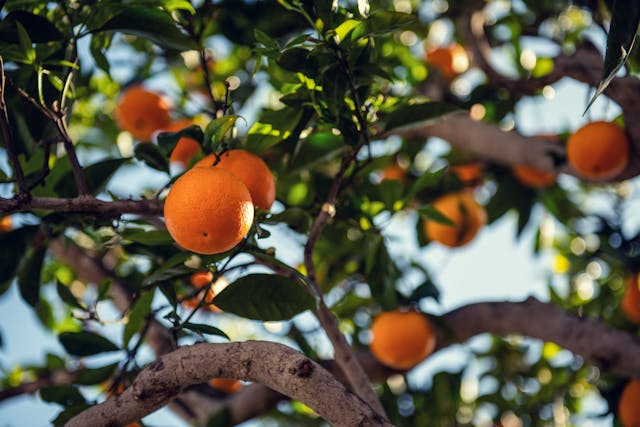
Oranges on a tree branch

Most people think vitamin C only boosts immunity. But it’s one of your body’s primary antioxidant defenders.

Vitamin C is water-soluble. It works throughout your body’s fluid systems to neutralize free radicals.

This vitamin also regenerates other antioxidants.7 It recycles vitamin E and helps maintain glutathione levels.

Vitamin C supports collagen production too. This protein needs vitamin C to form properly.

The source of vitamin C matters. Synthetic ascorbic acid provides basic vitamin activity. But it lacks supporting compounds found in whole foods.

Natural vitamin C from sources like amla extract comes with bioflavonoids. These enhance absorption and effectiveness. Different forms of vitamin C in supplements offer varying levels of bioavailability and benefits.

Vitamin C works best with complementary nutrients. One effective partner is zinc.

Together, they provide enhanced antioxidant protection and immune support. That’s why combinations like Natural Vitamin C + Zinc often work better than either nutrient alone.

4. CoQ10 (Coenzyme Q10)

CoQ10 plays a unique dual role in cells. It’s needed for energy production and serves as a powerful antioxidant.

This compound exists in every cell. It concentrates in your heart, brain, and liver – organs with high energy needs.

CoQ10 works inside your mitochondria to help make ATP, your cellular energy currency. It also protects mitochondrial membranes from damage.

Supporting overall mitochondrial health becomes increasingly important as we age and face more oxidative stress.

Research shows CoQ10 levels drop with age.8 By age 60, you may have 50% less CoQ10 than at age 20.

This decline reduces energy production and increases oxidative damage. Supplementation can help restore optimal levels.

Studies show CoQ10 benefits heart health. Supplements may improve exercise capacity and reduce oxidative stress in heart patients.9

CoQ10 also supports brain function. It may help protect against neurodegenerative diseases by reducing brain oxidative stress.

The ubiquinol form of CoQ10 absorbs better than ubiquinone. This is especially important for older adults.

5. Vitamin E

Olive tree

Vitamin E is your body’s primary fat-soluble antioxidant. It protects cell membranes from oxidative damage.

Cell membranes contain fats that are vulnerable to free radical attacks. Vitamin E embeds in these membranes and neutralizes threats.

This vitamin works with vitamin C. When vitamin E neutralizes a free radical, it becomes oxidized. Vitamin C then regenerates vitamin E back to its protective form.

There are eight forms of vitamin E. Alpha-tocopherol gets the most attention. But gamma-tocopherol may be just as important.

Mixed tocopherols provide broader protection than alpha-tocopherol alone.10 They work together to protect different parts of cells.

Natural vitamin E absorbs better than synthetic forms. It also stays in tissues longer.

Good food sources include nuts, seeds, and olive oil. But getting therapeutic amounts through diet alone can be challenging.

Lifestyle Support for Antioxidant Protection

An image of lifestyle support for antioxidant protection

Antioxidant supplements work best with healthy lifestyle habits. Your daily choices impact oxidative stress levels.

  • Eat colorful foods: Choose fruits and vegetables rich in natural antioxidants. Berries, leafy greens, and deeply colored vegetables offer the highest amounts.
  • Move regularly: Engage in moderate physical activity daily. Intense exercise can temporarily increase free radicals. Consistent moderate activity boosts your body’s antioxidant defenses.
  • Prioritize sleep: Aim for 7-9 hours of quality sleep nightly. Deep sleep is when your body repairs oxidative damage. Quality sleep supports natural cellular repair processes that help counteract daily oxidative stress.
  • Manage stress: Practice stress-reduction techniques like meditation. Chronic stress raises cortisol, which increases free radical production.
  • Consider thermal therapy: Use saunas or cold exposure to activate your body’s adaptive antioxidant responses.

Together, these habits create a powerful daily routine. They help your body stay resilient and protected from oxidative damage.

Your Personal Antioxidant Plan

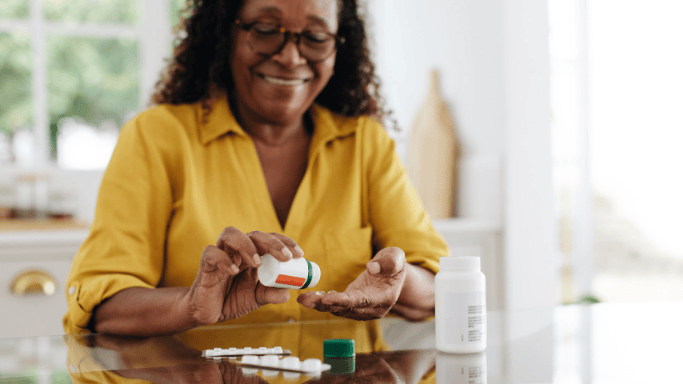
An image of a woman taking supplement

The best antioxidant strategies combine multiple compounds. Single antioxidants work better when supported by others.

This is called the antioxidant network. Vitamins C and E, CoQ10, and other antioxidants work together for complete protection.

Quality matters in antioxidant supplements. Look for products that include absorption enhancers and supporting compounds.

Third-party testing ensures purity and potency. Avoid products without certificates of analysis.

Bioavailability can make or break supplement effectiveness. Enhanced formulations provide better results than basic versions.

Testing helps you understand your current oxidative stress levels. Biomarker panels measure specific indicators of oxidative damage.

This data lets you create a personalized antioxidant strategy. You can target your specific needs rather than guessing.

Our AgingSOS panels measure multiple markers of oxidative stress, inflammation, and cellular damage. This complete picture guides your supplementation choices.

Regular testing also lets you track progress. You can see whether your antioxidant strategy is working.

Your antioxidant needs may change over time. Age, health status, and lifestyle factors all influence requirements.

A personalized approach ensures you get the right antioxidants in the right amounts. This maximizes benefits while avoiding unnecessary supplementation.

AgingSOS Mini Promo

Bottom Line

Oxidative stress speeds up aging and increases disease risk. Your natural antioxidant defenses decline with age while oxidative stress increases.

Smart supplementation can restore balance and protect cells from damage. The five most effective antioxidant supplements work through different mechanisms.

Quercetin provides antioxidant and cellular cleanup benefits. Curcumin offers dual antioxidant and anti-inflammatory action. Vitamin C serves as a master antioxidant that regenerates other protective compounds.

CoQ10 supports both energy production and antioxidant protection. Vitamin E protects cell membranes from damage.

Lifestyle factors greatly impact oxidative stress levels. Supplements work best as part of a complete approach including proper diet, exercise, sleep, and stress management.

Testing helps you understand your current oxidative stress levels and track progress. This allows for personalized supplementation strategies.

The most effective approach combines multiple antioxidants that work together. Quality formulations with enhanced bioavailability provide superior results.

Your antioxidant strategy should align with your broader longevity goals. Reducing oxidative stress is one key component of healthy aging and disease prevention.

Referenced Sources:

  1. https://www.sciencedirect.com/science/article/pii/S0261561411000264 ↩︎
  2. https://www.frontiersin.org/journals/cardiovascular-medicine/articles/10.3389/fcvm.2023.1203713/full ↩︎
  3. https://pubmed.ncbi.nlm.nih.gov/21302433/ ↩︎
  4. https://pmc.ncbi.nlm.nih.gov/articles/PMC8572027/ ↩︎
  5. https://www.frontiersin.org/journals/pharmacology/articles/10.3389/fphar.2025.1517174/full ↩︎
  6. https://pubmed.ncbi.nlm.nih.gov/21332098/ ↩︎
  7. https://www.sciencedirect.com/science/article/pii/S0002916522044136 ↩︎
  8. https://pmc.ncbi.nlm.nih.gov/articles/PMC6627360/ ↩︎
  9. https://www.tandfonline.com/doi/full/10.1080/13813455.2025.2507746 ↩︎
  10. https://pubmed.ncbi.nlm.nih.gov/11846411/ ↩︎
A wooden bowl of indian gooseberries (amla fruit) on a kitchen island

Indian Gooseberry (Amla): Benefits, Nutrition & Side Effects

Indian Gooseberry, known as Amla, has earned its reputation as nature’s vitamin C powerhouse. This small, tart fruit contains more vitamin C than 20 oranges combined.

For thousands of years, Ayurvedic medicine has called Amla a “Rasayana” or rejuvenator. Modern science is now proving what ancient healers always knew. The health benefits of Amla fruit extend far beyond basic nutrition.

You’ll discover how Amla can support your immune system, heart health, and blood sugar control. We’ll also explore the practical ways to add this superfruit to your daily routine.

Key Takeaways

  • Amla contains 300-900mg of vitamin C per 100g (3-10 times daily needs), with unique compounds that keep it stable during processing
  • Scientific studies show Amla supports immune function, heart health, blood sugar control, and may improve cholesterol by 15-25%
  • Available as fresh fruit, juice, powder, or supplements and best taken on empty stomach in morning for optimal absorption
  • Well-tolerated by most people, but can interact with blood thinners and diabetes medications – consult healthcare providers before use

The Science Behind the Superfruit

Amla (Emblica officinalis or Phyllanthus emblica) grows naturally across India and Southeast Asia. The small, round fruit has a distinctive sour and astringent taste that many find challenging at first.

What makes Amla special isn’t just its taste. The fruit contains unique compounds called tannins that actually protect its vitamin C from breaking down. This means Amla retains its nutritional power even after processing.

Different varieties of Amla trees produce fruits with varying sizes, colors, and nutrient levels. This natural diversity contributes to the wide range of health benefits researchers continue to discover.

Amla Fruit Nutritional Value

Amla’s impressive nutritional profile helps explain why this small fruit delivers such powerful health benefits.

Vitamin C Content That Rivals Citrus

Fresh Amla contains an extraordinary 300-900 mg of vitamin C per 100 grams. That’s 3-10 times your daily needs in just half a cup of fruit.

Unlike synthetic forms of vitamin C, Amla’s vitamin C comes packaged with protective compounds. These natural partners help your body absorb and use the vitamin more effectively.

The vitamin C in Amla remains stable even when the fruit is dried or processed. This stability makes Amla powder and juice reliable sources of this essential nutrient.

Essential Minerals for Daily Health

MineralAmount per 100gBenefits
Calcium17-28 mgBone and teeth health
Iron1.7-3.1 mgOxygen transport, energy
Potassium44-64 mgHeart health, blood pressure
PhosphorusPresentBone health, energy metabolism

Powerful Plant Compounds

Amla contains over 30 different beneficial plant compounds. The most important include:

  • Tannins like emblicanin A and B that provide antioxidant protection
  • Flavonoids such as quercetin and kaempferol that fight inflammation
  • Phenolic acids including gallic acid and ellagic acid for cellular protection
  • Alkaloids that contribute to immune system support

These compounds work together to create effects that no single nutrient could achieve alone.

Health Benefits of Amla (Indian Gooseberry)

Scientific research has validated many of Amla’s traditional uses, revealing impressive benefits for multiple body systems.

Infographhic showing five benefits of Indian gooseberry (Amla fruit)

1. Immune System Support

Amla works as an immunomodulator1, helping regulate your immune system rather than simply boosting it. This balanced approach supports optimal immune function without overstimulation.

The fruit’s rich vitamin C content2 combines with polyphenols like gallic acid and ellagic acid to provide antioxidant protection. These compounds help reduce oxidative stress, which directly supports healthy immune function.

The high vitamin C content in Amla supports your immune system during challenging seasons. Regular consumption may help reduce the duration and severity of common colds.

Animals given 5 grams of Amla powder daily3 showed improved antioxidant capacity and better resistance to infections. Another study4 found similar benefits with Amla extract enhancing immune markers and disease resistance.

Traditional Ayurvedic medicine has long used Amla to treat colds, fevers, and infections. Modern research confirms these antimicrobial and anti-inflammatory properties work through multiple pathways5.

Natural Vitamin C + Zinc Mini CTA

2. Heart Health and Cholesterol Management

Multiple clinical studies demonstrate Amla’s ability to improve cholesterol profiles. Participants taking 500-1000 mg daily for 12 weeks6 showed significant improvements.

The research revealed impressive results:

  • LDL (“bad”) cholesterol decreased by 15-25%
  • Total cholesterol dropped significantly
  • HDL (“good”) cholesterol increased
  • Triglyceride levels improved

One study found Amla extract worked as effectively as the prescription drug simvastatin7 for improving lipid profiles.

Amla’s potassium content helps regulate blood pressure naturally. The fruit also contains compounds that support healthy blood vessel function and may help prevent arterial damage over time.

3. Blood Sugar Control and Diabetes Support

A person looking at blood sugar results

Amla’s soluble fiber content helps slow down how quickly your body absorbs sugar from meals. This leads to smaller blood sugar spikes after eating.

The chromium naturally present in Indian gooseberry may enhance insulin sensitivity. Better insulin function means your cells can use glucose more effectively.

Studies show both fasting and post-meal blood sugar levels improve8 with regular Amla consumption.

Amla helps prevent the formation of advanced glycation end-products (AGEs)9. These harmful compounds contribute to diabetic complications like nerve damage and eye problems.

4. Digestive Health and Gut Support

Traditional medicine has long used Amla as a digestive tonic. The fruit stimulates digestive enzyme production10, helping your body break down food more efficiently.

Amla’s fiber content supports healthy bowel movements. This can help relieve constipation and support overall digestive regularity.

The fruit also has gastroprotective properties. Studies show Amla extracts can help heal gastric ulcers11 and protect the stomach lining from damage.

The prebiotic fiber in Amla feeds beneficial gut bacteria. A healthy gut microbiome supports both digestive health and overall immunity.

5. Brain and Liver Protection

Amla’s vitamin C content supports neurotransmitter production, particularly norepinephrine12. This brain chemical is essential for cognitive function and mood regulation.

The antioxidants in Amla help protect brain cells from free radical damage. This protection may help maintain memory and cognitive function as you age.

Traditional medicine recognizes Amla as a liver tonic. Modern research confirms its hepatoprotective properties by helping protect liver cells from toxin damage13.

Studies show Amla extracts can help reverse certain types of liver damage in animal models.

6. Hair and Skin Health

Woman with healthy hair wearing white scoop-neck top showing left shoulder

Amla has a centuries-old reputation for supporting skin and hair health. Recent clinical research supports these traditional claims.

A 2024 study14 found that women with hair loss who took Amla syrup daily showed significant improvement in hair growth and thickness.

Amla oil applied topically may help:

  • Strengthen hair follicles
  • Reduce premature graying
  • Add natural shine and luster
  • Minimize hair loss

Amla’s vitamin C content supports collagen production. Collagen keeps your skin firm, elastic, and youthful-looking. The antioxidants help protect skin cells from UV damage and environmental toxins.

Potential Side Effects and Precautions

While Amla is generally safe for most people, understanding potential side effects and interactions helps you use it responsibly.

Common Side Effects to Know

Most people tolerate Amla well, but some may experience mild digestive upset. Starting with smaller amounts can help your body adjust.

Possible side effects include:

  • Mild stomach irritation
  • Loose stools (due to fiber content)
  • Skin dryness with very high doses
  • Rare allergic reactions

Important Drug Interactions

Amla can enhance the effects of blood-thinning medications like warfarin or aspirin. This increases bleeding risk, especially during surgery.

If you take diabetes medications, monitor your blood sugar closely when adding Amla. The fruit may enhance your medication’s effects.

People taking chemotherapy or radiation should consult their oncologist before using Amla supplements. High-dose antioxidants might interfere with certain cancer treatments.

Special Population Considerations

GroupRecommendation
Pregnant womenAvoid medicinal doses; food amounts likely safe
Breastfeeding mothersInsufficient safety data; consult healthcare provider
ChildrenFood amounts safe; supplement use requires guidance
Surgery patientsStop 2 weeks before scheduled procedures
Bleeding disordersUse with extreme caution or avoid

How to Add Amla to Your Daily Routine

A bowl of Indian gooseberries on a kitchen counter

Adding Amla to your wellness routine is easier than you might think, with multiple forms and timing options to fit your lifestyle.

Available Forms and Their Uses

  • Fresh Fruit: The most natural option, though the taste can be challenging. Try adding a pinch of salt or honey to make it more palatable.
  • Amla Juice: Mix 1-2 tablespoons with water daily. Morning consumption on an empty stomach is traditionally recommended.
  • Amla Powder: Versatile and convenient. Mix ¼ to ½ teaspoon with warm water, honey, or add to smoothies.
  • Capsules and Tablets: Standardized doses ranging from 500-1000 mg daily. Follow manufacturer recommendations.

Optimal Timing for Maximum Benefits

Morning consumption on an empty stomach allows for optimal nutrient absorption. This timing also supports natural detoxification processes.

Taking Amla before meals may help with digestion and blood sugar control. The fiber content helps slow sugar absorption from your meal.

Some people prefer splitting their daily dose between morning and evening for sustained benefits throughout the day.

Dosage Guidelines by Form

FormTypical Daily AmountBest Timing
Fresh fruit1-2 fruitsMorning or before meals
Juice15-20 ml (diluted)Empty stomach, morning
Powder¼-½ teaspoonMixed with water/honey
Capsules500-1000 mgAs directed on label

Choosing Quality Amla Supplements

Not all Amla supplements are created equal, so knowing what to look for ensures you get a product that delivers real benefits.

What to Look for on Labels

Look for products that verify their vitamin C content through analytical testing like HPLC (High-Performance Liquid Chromatography). This ensures you’re getting the stated amount of active nutrients.

Quality supplements will clearly state the amount of vitamin C per serving and may mention additional beneficial compounds from Amla, such as flavonoids and antioxidants.

Third-party testing certifications from organizations like NSF, USP, or ConsumerLab provide additional quality assurance.

Jinfiniti’s Natural Vitamin C + Zinc provides 1000mg of vitamin C sourced from Amla fruit extract, with HPLC verification ensuring accurate potency.

Avoiding Common Quality Issues

The supplement industry isn’t as strictly regulated as pharmaceuticals. This means product quality can vary significantly between manufacturers.

Choose reputable companies that follow Good Manufacturing Practices (GMP). These companies are more likely to produce consistent, pure products.

Avoid products with excessive fillers, artificial colors, or unnecessary additives. The ingredient list should be simple and focused.

Working with Healthcare Providers

Always inform your healthcare provider about any supplements you’re taking. This is especially important if you take prescription medications.

Your doctor can help determine if Amla is appropriate for your specific health situation. They can also monitor for potential interactions or side effects.

Consider working with a qualified nutritionist or integrative medicine practitioner for personalized guidance on supplement use.

Supplement Safety Note

The Promising Future of Amla

Researchers continue studying Amla’s potential anti-cancer properties15. While early results are promising, more human studies are needed to confirm these effects.

Scientists are also investigating Amla’s role in protecting against neurodegenerative diseases. The fruit’s antioxidant properties show particular promise for brain health.

Future research may help identify which Amla varieties provide the most potent health benefits for specific conditions.

Making Amla Part of Your Wellness Journey

Amla represents a bridge between ancient wisdom and modern science. Thousands of years of traditional use, combined with growing scientific evidence, support its role in promoting health and longevity.

The fruit’s unique combination of vitamin C, antioxidants, and bioactive compounds offers benefits that extend far beyond basic nutrition. From immune support to heart health, Amla provides a natural approach to wellness.

Remember that Amla works best as part of a comprehensive approach to health. Combine it with a balanced diet, regular exercise, adequate sleep, and stress management for optimal results.

Start slowly with small amounts to allow your body to adjust. Pay attention to how you feel and adjust your intake accordingly. With patience and consistency, you may discover why this ancient “wonder berry” has maintained its reputation for thousands of years.

Always consult with a qualified healthcare provider before starting any new supplement regimen, especially if you have existing health conditions or take medications.

Referenced Sources

  1. https://pmc.ncbi.nlm.nih.gov/articles/PMC3733846/ ↩︎
  2. https://www.mdpi.com/2223-7747/13/5/574 ↩︎
  3. https://www.mdpi.com/2079-7737/11/12/1753 ↩︎
  4. https://www.sciencedirect.com/science/article/pii/S2352513421003707 ↩︎
  5. https://pubmed.ncbi.nlm.nih.gov/27320046/ ↩︎
  6. https://bmccomplementmedtherapies.biomedcentral.com/articles/10.1186/s12906-019-2430-y ↩︎
  7. https://pmc.ncbi.nlm.nih.gov/articles/PMC3326920/ ↩︎
  8. https://www.mdpi.com/1661-3821/3/3/26 ↩︎
  9. https://www.mdpi.com/2076-3417/11/19/8819 ↩︎
  10. https://pmc.ncbi.nlm.nih.gov/articles/PMC9137578/ ↩︎
  11. https://pubmed.ncbi.nlm.nih.gov/12169398/ ↩︎
  12. https://pmc.ncbi.nlm.nih.gov/articles/PMC10934303/ ↩︎
  13. https://pubs.rsc.org/en/content/articlelanding/2013/fo/c3fo60237k ↩︎
  14. https://onlinelibrary.wiley.com/doi/10.1155/2017/4395638 ↩︎
  15. https://journals.lww.com/eurjcancerprev/abstract/2011/05000/amla__emblica_officinalis_gaertn_,_a_wonder_berry.11.aspx ↩︎
A woman holds an orange up to her eye on a yellow background

Top 17 Forms of Vitamin C in Supplements (Reviewed)

Ever stood in the supplement aisle staring at all the different types of vitamin C, wondering which to choose? You’re not alone.

From basic ascorbic acid to exotic extracts, this guide breaks down what actually matters about each form. Absorption, gentleness on your stomach, and value for your money. All so you can make a choice that works for your body and budget.

Key Takeaways

  • Vitamin C is essential for collagen production, immune function, and skin health, but your body can’t produce it naturally.
  • Different supplement forms offer unique advantages: standard ascorbic acid is cost-effective, buffered forms are gentler on your stomach, and liposomal versions may improve absorption.
  • The best form depends on your individual needs: sensitivity, desired dosage, and specific health goals.
  • For most people, splitting smaller doses throughout the day works better than taking one large dose, as absorption decreases at higher amounts.
  • Jinfiniti’s Natural Vitamin C + Zinc offers Amla-derived vitamin C with bioavailable zinc for optimal immune support in a premium, whole-food formula.

What You Need to Know About Vitamin C

So, what exactly is this nutrient everyone talks about? Why is it so important for your daily health?

What is Vitamin C?

Vitamin C (L-ascorbic acid) is a water-soluble antioxidant vitamin your body can’t make on its own. Unlike most animals, humans need to get it from food or supplements daily.

Why Your Body Needs It

Your body uses Vitamin C for making collagen, supporting immune function, promoting skin health, acting as an antioxidant, and helping absorb iron from plant foods. Without enough, your body struggles to repair tissues and fight oxidative stress1.

Food vs. Supplements

While fruits and vegetables provide natural Vitamin C, supplements offer a reliable alternative when your diet falls short or your body needs extra support during illness or stress.

Bioavailability Matters

Your body absorbs about 70-90% of Vitamin C at moderate doses (30-180 mg). At higher doses (over 1000 mg), absorption drops below 50%2. Your body flushes out what it can’t use, so timing and dosage matter.

Recommended Amounts

The daily recommendation is 90 mg for men and 75 mg for women3. Most people can safely take up to 2,000 mg daily without serious side effects4.

Supplement Safety Note

Synthetic and Isolated Types of Vitamin C

White supplement powder on a light beige table with a scoop

These types of Vitamin C are either made in a lab or purified to a high degree. Let’s see how they stack up.

Jump to section:

  1. L-Ascorbic Acid
  2. Sodium Ascorbate
  3. Calcium Ascorbate & Ester-C®
  4. Magnesium Ascorbate
  5. Potassium Ascorbate
  6. Ascorbyl Palmitate
  7. Liposomal Vitamin C
  8. Ascorbic Acid with Bioflavonoids
  9. Time-Released Vitamin C
  10. Ethyl Ascorbic Acid

1. L-Ascorbic Acid: The Original Vitamin C

L-ascorbic acid is the classic, no-frills version of Vitamin C. As the pure, chemical form of the vitamin, it’s identical to what you find naturally in an orange or a pepper. It’s also the form that’s been studied the most extensively.

FeatureDetail
What It IsPure, acidic form of Vitamin C; benchmark for research.
ProsMost affordable; extensively researched and proven effective.
ConsCan cause stomach upset (acidity) in sensitive individuals, especially at high doses.
BioavailabilityStandard: 70-90% absorbed at moderate doses (30-180mg), decreasing as doses increase (>1g).

So, if your stomach isn’t easily bothered, L-ascorbic acid is a solid, budget-friendly choice. It’s a great way to meet your Vitamin C needs.

2. Sodium Ascorbate: A Gentler, Salty Cousin

If L-ascorbic acid feels a bit harsh on your system, sodium ascorbate might be a friendlier option. This form is a mineral salt of Vitamin C. It’s created by combining ascorbic acid with sodium. This “buffering” neutralizes its acidity.

FeatureDetail
What It IsA mineral salt (sodium + ascorbic acid) that is less acidic.
ProsGentler on the stomach than L-ascorbic acid; often used in IV Vitamin C therapy.
ConsAdds sodium to the diet (approx. 111mg sodium per 1000mg), a concern for some.
BioavailabilityGenerally considered similar to L-ascorbic acid.

Sodium ascorbate is a great choice if you’re looking for a stomach-friendly Vitamin C. This is true as long as the extra sodium isn’t a concern for your health.

3. Calcium Ascorbate & Ester-C®: Buffered with Benefits?

Calcium ascorbate is another popular “buffered” Vitamin C. It’s made by combining ascorbic acid with calcium, making it less acidic. You’ve probably seen Ester-C®. This brand mainly consists of calcium ascorbate. It also has small amounts of Vitamin C metabolites claimed to boost absorption and retention.

FeatureDetail
What It IsCalcium salt of ascorbic acid (less acidic). Ester-C® is a patented brand with added Vitamin C metabolites.
ProsGentle on the stomach. Ester-C® may enhance Vitamin C uptake in white blood cells.
ConsAdds calcium to diet (90-110mg per 1000mg); Ester-C® is more expensive.
BioavailabilityStandard calcium ascorbate: similar to L-ascorbic acid. Ester-C®: better white blood cell retention, debated for plasma.

Calcium ascorbate is a good pick if you need a stomach-friendly C. Ester-C® might give your immune cells an extra Vitamin C boost. Always factor in the calcium content with your diet and health status.

4. Magnesium Ascorbate: Gentle C with a Magnesium Boost

Magnesium ascorbate links ascorbic acid with magnesium. This makes the Vitamin C less acidic. It also gives you a dose of this essential mineral.

FeatureDetail
What It IsBuffered form combining ascorbic acid with magnesium.
ProsStomach-friendly; provides magnesium, crucial for many bodily functions.
ConsAdds magnesium, which can have a laxative effect at high doses.
BioavailabilityGenerally expected to be similar to L-ascorbic acid.

This is a suitable option if acidic Vitamin C bothers your stomach. It’s also good if you could benefit from extra magnesium. Just be mindful of the dose to avoid potential digestive upset from the magnesium.

5. Potassium Ascorbate: Buffered C with an Electrolyte Kicker

Potassium ascorbate is made by neutralizing ascorbic acid with potassium. This buffered form provides both Vitamin C and this important electrolyte.

FeatureDetail
What It IsBuffered mineral salt of ascorbic acid and potassium.
ProsGentle on the stomach; provides potassium.
ConsAdds potassium; can be risky for people with kidney disease or on certain medications.
BioavailabilityGenerally considered comparable to L-ascorbic acid.

This form can be suitable if you have a sensitive stomach and normal kidney function. However, consult your healthcare provider before using this form. This is especially true if you have any underlying health conditions or are on medication.

6. Ascorbyl Palmitate: The Fat-Friendly Vitamin C?

Ascorbyl palmitate is different. It’s an ester of L-ascorbic acid and palmitic acid. This makes Vitamin C fat-soluble.

FeatureDetail
What It IsFat-soluble ester of ascorbic acid and palmitic acid.
ProsUsed as an antioxidant food preservative; common in topical skincare for antioxidant benefits.
ConsMore expensive. Oral fat-soluble benefit for systemic Vitamin C is questionable as it’s likely hydrolyzed in the gut.
BioavailabilityWhen taken orally, the Vitamin C component is likely absorbed as L-ascorbic acid, with similar bioavailability to standard forms.

For oral supplementation, if your goal is to get a systemically active fat-soluble Vitamin C, ascorbyl palmitate might not live up to the hype. This is due to how it’s digested. Its real strengths lie in topical skincare applications and as a food preservative.

7. Liposomal Vitamin C: A High-Tech Delivery System

Liposomal Vitamin C encases the vitamin in liposomes. These are tiny fat bubbles. They are designed to improve absorption and protect the Vitamin C.

FeatureDetail
What It IsVitamin C encapsulated in microscopic lipid vesicles (liposomes).
ProsPotentially significantly enhanced bioavailability and absorption; may lead to higher, sustained blood levels; gentler on stomach.
ConsConsiderably more expensive; quality and effectiveness vary greatly between brands.
BioavailabilityStrong evidence suggests enhanced bioavailability compared to standard forms, but highly dependent on formulation quality.

Liposomal Vitamin C is potentially the most bioavailable oral form. This is especially true if you’re aiming for higher blood concentrations. Or if you need to take large doses with better stomach tolerance. But this comes at a premium cost, and choosing a reputable brand is crucial.

8. Ascorbic Acid with Bioflavonoids: A Natural Pairing?

This common combination pairs L-ascorbic acid with bioflavonoids. Bioflavonoids are plant compounds often found with Vitamin C in nature.

FeatureDetail
What It IsL-ascorbic acid combined with plant-derived bioflavonoids.
ProsBioflavonoids themselves possess antioxidant properties; often marketed as enhancing Vitamin C action.
ConsWeak evidence that added bioflavonoids significantly boost Vitamin C bioavailability in humans; generally more expensive.
BioavailabilityPrevailing scientific view is that added bioflavonoids do not significantly enhance Vitamin C bioavailability in humans.

While the bioflavonoids in these supplements offer their own antioxidant value, you probably shouldn’t expect them to supercharge your Vitamin C absorption. The choice may boil down to whether the potential independent benefits of the bioflavonoids themselves are worth the extra cost.

9. Time-Released Vitamin C: A Slow and Steady Approach?

Time-released, or sustained-release, Vitamin C supplements are designed to dissolve slowly. They release the vitamin gradually over several hours.

FeatureDetail
What It IsFormulated to release Vitamin C slowly into the digestive system over an extended period.
ProsMay offer convenience with fewer doses; could theoretically improve absorption of higher total daily doses by preventing transporter saturation.
ConsLimited evidence of superiority over splitting doses of regular Vitamin C; often more expensive.
BioavailabilityEvidence for superior bioavailability is limited and not consistently convincing when compared to strategies like splitting doses.

Time-released Vitamin C might offer some convenience. However, its ability to significantly boost absorption or maintain more beneficial sustained levels compared to optimally timed regular doses is questionable for many. This may not justify a hefty price premium.

10. Ethyl Ascorbic Acid: A Star for Your Skin, Not Your Stomach

Ethyl ascorbic acid is a highly stable Vitamin C derivative. It’s particularly valued for its ability to penetrate the skin effectively.

FeatureDetail
What It IsA stable, amphiphilic (both water- and fat-loving) derivative of Vitamin C, 3-O-Ethyl Ascorbic Acid.
ProsExcellent stability; effective for topical (skin) application, penetrates skin well and converts to active C.
ConsOverwhelmingly researched and marketed for topical/cosmetic use; little to no data for oral supplementation.
BioavailabilityNot established or discussed for oral use in research.

It’s an excellent and stable form of Vitamin C for your skincare routine. However, based on current information, it’s not recommended as an oral supplement.

Natural Forms of Vitamin C

Closeup of Alma fruit in a tree

Many people prefer to get their nutrients from sources they see as more “natural.” These supplements derive Vitamin C directly from plants. They often come with a spectrum of other plant compounds.

Jump to section:

  1. Camu Camu Extract
  2. Amla Extract (Indian Gooseberry)
  3. Acerola Cherry Extract
  4. Rose Hips Extract
  5. Baobab Fruit Extract
  6. Whole Food Vitamin C Complexes
  7. Fermented Vitamin C

1. Camu Camu Extract: The Amazonian Powerhouse

Straight from the Amazon rainforest comes the camu camu berry. This fruit is famed for its incredibly high Vitamin C content.

FeatureDetail
What It IsExtract from Myrciaria dubia berry, exceptionally rich in Vitamin C.
Key BioactivesL-ascorbic acid, anthocyanins, ellagic acid.
ProsExtremely high natural Vitamin C source; rich in synergistic antioxidants that may offer enhanced effects.
ConsVery tart flavor (powder is more practical); Vitamin C and other bioactive compounds can degrade during processing/storage.
BioavailabilityVitamin C is L-ascorbic acid; stability of compounds is key, encapsulation may help preserve benefits.

An excellent natural option if you’re looking for very high doses of Vitamin C. It also comes with other plant-based antioxidants. Product quality and processing are important for compound stability.

2. Amla Extract (Indian Gooseberry): An Ayurvedic Treasure

Amla, or Indian Gooseberry, holds a revered place in Ayurvedic medicine. It provides an exceptional source of Vitamin C alongside a wealth of beneficial compounds. Jinfiniti’s Natural Vitamin C + Zinc features premium Amla extract, delivering Vitamin C in a form valued for centuries.

FeatureDetail
What It IsExtract from Phyllanthus emblica fruit, used extensively in traditional medicine.
Key BioactivesL-ascorbic acid, tannins (e.g., emblicanins), polyphenols like gallic acid, ellagic acid.
ProsRich traditional history; broad spectrum of phytochemicals with antioxidant, anti-inflammatory, and immunomodulatory effects.
ConsQuality matters—processing methods can affect potency; premium extracts may cost more than basic synthetic options.
BioavailabilityProvides Vitamin C in its natural complex with supportive compounds; quality processing helps maintain the integrity of its beneficial components.

Amla offers an impressive array of beneficial compounds alongside its Vitamin C content. Modern extraction techniques help preserve these valuable components, making high-quality Amla extract like the one in Jinfiniti’s formula an excellent choice for those seeking natural, whole-food vitamin C supplementation.

Natural Vitamin C + Zinc Mini CTA

3. Acerola Cherry Extract: A Vitamin C Superstar

Acerola cherry is famous for one thing. It has an exceptionally high Vitamin C content. It potentially has 50-100 times more than oranges.

FeatureDetail
What It IsExtract from Malpighia emarginata fruit, one of the richest known natural sources of Vitamin C.
Key BioactivesL-ascorbic acid, bioflavonoids, polyphenols, carotenoids.
ProsExtremely high natural Vitamin C; provides Vitamin C in a whole-food complex, often reported as gentle on the stomach.
ConsHigh doses (>2g Vitamin C) can cause side effects like diarrhea; potential for kidney stones in susceptible individuals, latex allergy risk, drug interactions.
BioavailabilityVitamin C is L-ascorbic acid; claims of superior bioavailability due to co-factors often lack robust human proof compared to synthetic L-ascorbic acid.

An excellent whole-food choice for high doses of natural Vitamin C. Just be mindful of potential side effects and interactions, especially with very high intakes.

4. Rose Hips Extract: More Than Just a Pretty Flower’s Fruit?

Rose hips are the fruit of the rose plant. While fresh ones contain Vitamin C, processing for supplements often destroys most of it.

FeatureDetail
What It IsFruit of the rose plant; Vitamin C largely lost during processing unless fortified.
Key BioactivesGalactolipids (linked to anti-inflammatory effects), phenolic compounds.
ProsAnti-inflammatory properties from galactolipids, particularly studied for osteoarthritis pain relief.
ConsLow natural Vitamin C in processed forms (unless fortified); can cause side effects; numerous potential drug interactions.
BioavailabilityVitamin C bioavailability is standard if present/added; focus is often on galactolipid preservation and bioavailability.

Rose hip extract is more valuable for its potential anti-inflammatory compounds (galactolipids). It is not a reliable Vitamin C source, unless fortified. Consulting your healthcare professional before use is highly recommended due to many drug interactions.

5. Baobab Fruit Extract: The “Tree of Life’s” Gift

The baobab fruit pulp comes from the African baobab tree. It is a traditional food, rich in Vitamin C, fiber, and minerals.

FeatureDetail
What It IsDry pulp from Adansonia digitata fruit; a traditional food source.
Key BioactivesL-ascorbic acid (160-460mg+ per 100g), high dietary fiber, potassium, calcium, polyphenols.
ProsNutrient-dense whole food (Vitamin C, fiber, minerals, antioxidants); may support digestion, blood sugar, immune function.
ConsVitamin C content can degrade with processing/storage; high fiber may cause digestive issues for some individuals.
BioavailabilityVitamin C is L-ascorbic acid; presence of fiber might influence absorption; baobab may increase iron/zinc bioavailability.

Baobab fruit powder is a nutrient-packed whole food supplement. It offers a good shot of Vitamin C along with significant fiber and minerals. It’s a valuable addition for boosting overall nutrition.

6. Whole Food Vitamin C Complexes: A Blend of Nature’s Best?

These supplements are formulated from a blend of various Vitamin C-rich plant extracts. They aim to provide Vitamin C with its natural co-factors.

FeatureDetail
What It IsBlends of extracts from various Vitamin C-rich fruits, vegetables, and herbs.
Key BioactivesL-ascorbic acid, plus varied phytonutrients from source plants (e.g., bioflavonoids, enzymes).
ProsAppeals to those preferring “natural,” food-derived sources; provides other plant compounds which may have their own health benefits.
ConsActual Vitamin C content can vary widely; often significantly more expensive than L-ascorbic acid; co-factors may be in trace amounts.
BioavailabilityVitamin C provided is L-ascorbic acid, with bioavailability similar to synthetic forms; claims of superior Vitamin C absorption often unproven.

These can be a good option if you prioritize food-derived nutrients. Be willing to pay a bit more. It’s really important to read labels carefully for the actual Vitamin C dosage and transparency of sources.

7. Fermented Vitamin C: A New Twist on an Old Nutrient

“Fermented Vitamin C” usually refers to Vitamin C processed with probiotic cultures. The idea is this might enhance bioavailability or gentleness.

FeatureDetail
What It IsVitamin C (ascorbic acid or from whole foods) processed through fermentation with probiotic cultures.
Key BioactivesL-ascorbic acid, potential beneficial metabolites from fermentation, possibly probiotics/postbiotics.
ProsPotential for enhanced bioavailability; may be gentler on the stomach and more easily digestible; might create unique metabolites.
ConsNot a standardized term, quality/process varies; limited specific research on these “fermented Vitamin C supplements” as a distinct category; likely more expensive.
BioavailabilityTheoretically may be enhanced based on food fermentation science (e.g., breaking down food matrix); needs product-specific validation.

Fermented Vitamin C is a potentially promising approach. However, it lacks standardization and extensive specific research on these supplement forms. Look for products from reputable manufacturers who are transparent about their process. They should be able to back up claims.

Choosing the Best Form of Vitamin C Supplement

Choosing the “best” Vitamin C supplement isn’t about finding a single winner for everyone. It really comes down to you. Consider your health needs, how your body tolerates things, your budget, and your personal preferences.

Let’s think through a few common scenarios. This can help you narrow down your options:

  • Got a Sensitive Stomach? If regular L-ascorbic acid gives you heartburn or an upset tummy, buffered forms are your friends. Think mineral ascorbates like calcium ascorbate (including Ester-C®), magnesium ascorbate, or sodium ascorbate. Liposomal Vitamin C and potentially fermented Vitamin C might also be gentler.
  • Aiming for Max Absorption or Need High Doses? If your goal is to get the highest possible absorption and blood levels, especially with higher doses, liposomal Vitamin C is a strong contender. Also, remember that splitting any form of Vitamin C into smaller doses taken throughout the day can improve overall absorption.
  • Watching Your Minerals? If you’re considering a buffered form, pay close attention to the mineral it contains. Sodium ascorbate adds sodium. Calcium ascorbate adds calcium. Magnesium ascorbate adds magnesium. Potassium ascorbate adds potassium.
  • Prefer Whole Food or Natural Sources? If you lean towards supplements derived from food, options like Amla extract, Acerola cherry, Camu camu, Baobab fruit powder, or whole food Vitamin C complexes are out there. Just be sure to check the label for the actual Vitamin C content per serving.
  • On a Budget? For general supplementation, if you tolerate it well, plain L-ascorbic acid is usually the most economical and effective choice.

The “best” form really is very individual. It’s about balancing things like stomach comfort, dosage, health goals, budget, and any existing health conditions.

Reading Supplement Labels Like a Pro

To make a smart choice, you need to become a bit of a detective when reading supplement labels. Here’s what to look for:

  • Specific Form of Vitamin C:The label should clearly tell you what form is used.
  • Amount of Elemental Vitamin C:This is key! Look for the amount of actual Vitamin C per serving.
  • Other Ingredients: Scan the list for fillers, binders, artificial colors, sweeteners, or potential allergens. Note mineral amounts in buffered forms.
  • “Proprietary Blends”:Be a little wary of “proprietary blends,” especially in complex formulas. These list ingredients but not their exact amounts.
  • Serving Size:Don’t forget to check the serving size to accurately figure out how much Vitamin C you’re actually getting.
  • Certifications (Third-Party Testing):Certifications from independent organizations like USP, NSF International, or cGMP compliance can offer some peace of mind about quality.

Important Safety Considerations

While Vitamin C is generally safe, high-dose supplements can cause side effects and interact with medications.

Common Side Effects

  • Digestive issues at doses over 2 grams: diarrhea, nausea, stomach cramps
  • Less common: headaches, skin flushing
  • Most resolve by reducing your dose

High Dose Risks

  • The safe upper limit is 2,000 mg daily for adults
  • Potential increased risk of kidney stones, especially for those already prone to them
  • People with kidney stone history should avoid doses over 1,000 mg daily

Medication Interactions

  • May interact with: antacids (aluminum), certain chemotherapy drugs, estrogens, statins with niacin, warfarin
  • Can interfere with some lab tests

When to Chat with Your Doctor

It’s always a smart move to talk to a healthcare professional before starting any new dietary supplement. Vitamin C is no exception. This is especially important if you are pregnant or breastfeeding. Or if you have pre-existing medical conditions like kidney disease, hemochromatosis, or G6PD deficiency.

Also consult your doctor if you take regular medications, or plan to take doses above the upper limit. If you have surgery coming up, let your doctor know about all supplements.

Jinfiniti’s Science-Backed Vitamin C Formula

Jinfiniti Natural Vitamin C + Zinc Product Image

At Jinfiniti, we approach Vitamin C with scientific precision. Our Natural Vitamin C + Zinc features premium Amla extract, a superfruit treasured in Ayurvedic medicine and backed by modern research.

We’ve paired this potent Vitamin C source with bioavailable zinc for enhanced immune support. The result? A clean, whole-food formula that delivers nutrients the way nature intended.

This reflects our core philosophy: providing targeted nutrients that support cellular health at the foundation. No unnecessary fillers. Just smart, effective supplementation.

Quick Recap

The Vitamin C supplement aisle offers many choices, from basic L-ascorbic acid to gentler buffered forms and advanced liposomal options. Natural extracts provide Vitamin C within a whole-food context.

Your best fit depends on stomach sensitivity, absorption goals, and cost. Consider these factors, read labels carefully, and consult your healthcare professional to find your optimal Vitamin C.

Referenced Sources

  1. https://www.ncbi.nlm.nih.gov/books/NBK493187/ ↩︎
  2. https://ods.od.nih.gov/factsheets/VitaminC-HealthProfessional/ ↩︎
  3. https://www.ncoa.org/article/vitamin-c-and-older-adults-how-much-is-enough/ ↩︎
  4. https://www.mayoclinic.org/healthy-lifestyle/nutrition-and-healthy-eating/expert-answers/vitamin-c/faq-20058030 ↩︎
An image of healthy man and woman with good cellular health

The 7 Best Supplements to Support Cellular Repair

Every second, our cells repair damage from free radicals and natural metabolism, directly influencing how we age and resist disease.

Supporting cellular nutrition is fundamental to slowing cellular aging and maintaining overall health throughout your lifespan.

Research supports certain vitamins and supplements that work through distinct pathways to promote repair processes and protect against damage.

This guide explores the science behind these cellular repair supplements and their potential health benefits.

Always consult your healthcare provider before adding new supplements, especially if you take medications or have health conditions.

What is Cellular Repair?

Cellular repair is your body’s way of fixing damage at the microscopic level, keeping cells healthy and functioning properly.

Every day, your cells endure stress from metabolism, toxins, and radiation. This causes thousands of tiny injuries, especially to DNA, which holds the instructions for everything your body does.1

Your body has built-in repair mechanisms to handle this. Cells use special processes to correct DNA damage, restore proteins, and maintain healthy mitochondria (your cells’ energy producers). 

When these repair systems work well, damaged cells are either fixed or removed. But if they fail, faulty cells can stick around, increasing the risk of diseases like cancer.2

Your body relies on specialized DNA repair pathways. These include base excision repair (fixing small DNA changes), mismatch repair (correcting errors during DNA replication), and recombinational repair (fixing broken DNA strands).3

Cellular repair extends beyond DNA. Your body also repairs proteins, cell membranes, and organelles to maintain optimal cellular function.

Why is Cellular Health Important?

Your health starts at the cellular level. With around 37 trillion cells working behind the scenes, their ability to function properly determines how well your organs, tissues, and entire body operate.4 

When cells take on too much damage and can’t repair themselves, they face three possible fates:5 

  • Becoming dormant (senescence)
  • Self-destructing (apoptosis)
  • Dividing uncontrollably (which can lead to tumors)

Over time, damaged cells accumulate, making it harder for your body to function optimally. This speeds up aging and increases the risk of chronic diseases.

One of the most important factors in cellular health is DNA repair. Research shows that many of the genes linked to longer lifespans are directly involved in fixing DNA damage.6

Supporting your body’s natural repair mechanisms with the right nutrients and lifestyle choices can promote healthy aging, improve recovery, strengthen immunity, and lower disease risk.

Supplement Safety Note

Top 7 Supplements for Healthy Cellular Function

An image of different kinds of supplements

Here are 7 supplements have been scientifically shown to support different aspects of cellular repair and regeneration.

1. Creatine

Creatine is a key supplement for boosting cellular energy, especially when your body is under stress.

It helps replenish ATP, the energy that powers your cells, supporting everything from muscle function to immune response. 

Beyond energy, creatine supports cell protection and repair, improving cellular metabolism and reducing the impact of injuries and disease.

Creatine also enhances immune cell functions, like cytokine production and phagocytosis, helping your body fight infections more effectively.7

For best results, creatine monohydrate is the go-to form. A daily dose of 3-5 grams is effective, but if you’re looking for maximum absorption, you can start with a loading phase of 20 grams split into four 5-gram doses per day.8

Creatine+ mini promo

2. B Vitamins

B vitamins serve as essential building blocks for cellular repair, with B12 playing a particularly vital role in maintaining DNA health.

These nutrients enable one-carbon metabolism, which protects genetic material and supports your body’s constant regeneration processes.

Research shows B12 consumption increases during repair activities, highlighting its importance in cellular recovery mechanisms.9

Through epigenetic regulation, B12 helps ensure genes are expressed correctly, preventing errors that could compromise cell function.10

B vitamins work collaboratively within your cells, making comprehensive B complexes more effective than isolated supplements.

3. Nicotinamide Mononucleotide (NMN)

NMN supports cellular repair by boosting NAD+, a crucial molecule that powers nearly all cellular functions. NAD+ levels start declining in early adulthood, falling to approximately 50% by middle age.11

This significant drop compromises your cells’ ability to repair damage and maintain energy production. Taking NMN provides the building blocks to help restore more youthful NAD+ levels.

Research published in Integrative Medicine identifies several benefits of NMN supplementation:12

  • Supporting insulin sensitivity
  • Enhancing mitochondrial function
  • Promoting vascular health
  • Maintaining muscle strength and endurance
  • Protecting heart and brain function
  • Potentially extending lifespan

Most adults see benefits with 250-500 mg daily before age 60, with higher NMN dosages often recommended for seniors.

Vitality Mini CTA

4. Curcumin

Curcumin may provide comprehensive cellular support by combating inflammation, neutralizing free radicals, and protecting genetic material.

It targets specific inflammatory pathways such as NF-κB and JAK/STAT that can interfere with normal cellular repair.13

This powerful compound shields DNA from damage while activating enzymes that repair genetic breaks and mutations.

A study published in Frontiers in Oncology demonstrates curcumin enhances multiple DNA repair mechanisms that maintain genetic integrity and slow aging processes.14

5. Magnesium

Magnesium functions as a cellular repair catalyst, protecting DNA structure and enabling repair enzymes to function properly.

Insufficient magnesium leads to increased DNA damage and compromised repair capacity.

Your cells require magnesium to create Mg-ATP, the activated form of cellular energy that powers all repair activities.15

This mineral drives autophagy, the natural process that removes cellular damage before it can accumulate.16

Scientists have discovered that higher magnesium levels correlate with longer telomeres, the protective caps on chromosomes that indicate cellular age.17

6. CoQ10

CoQ10, located in the mitochondria, helps produce ATP by transferring electrons in the electron transport chain.18

This process powers your cells, keeping them functioning optimally. 

But its benefits go beyond energy production. Research in Nutrients showed that it also helps protect cells from oxidative damage under conditions of cellular stress.19

CoQ10 doses typically range from 60 to 500 mg a day. Absorption also improves when taken with meals that contain fat.

7. Vitamin C

Vitamin C provides essential support for immune function and cellular protection systems.

It acts as a potent water-soluble antioxidant that intercepts and neutralizes harmful free radicals.

Beyond direct antioxidant action, vitamin C helps regenerate depleted antioxidants including glutathione and vitamin E.20

Unlike most antioxidants, vitamin C can strategically switch to pro-oxidant action when needed.21

This remarkable flexibility allows it to trigger specific repair pathways during oxidative stress or recovery periods.

How to Choose the Best Cellular Health Supplement

An image of different kinds of supplements

Navigating the world of supplements for cellular health can be tricky. To make sure you choose wisely, ask these important questions:

  • Is the Quality Confirmed? Look for evidence of third-party testing on the label or website. This independent check helps ensure the supplement meets quality standards for purity and ingredient amounts.
  • What Form is the Nutrient In? Pay attention to the specific form listed. Different forms have vastly different absorption rates, affecting how much of the nutrient your body can actually use. Research suggests forms like glycinate (for magnesium) and methylcobalamin (for B12) are often better absorbed.
  • How Might It Interact with Other Supplements? Consider what else you’re taking. Some supplements compete (like iron and calcium, which shouldn’t be taken together), while others assist each other (like vitamin C helping iron absorption). Knowing these interactions helps you optimize your supplement routine.

Everyday Habits for Healthy Cells

An image of adults building healthy habits for healthy cells

Your daily habits play a crucial role in supporting cellular health, working alongside any supplements you might take. Here’s what matters most:

Move Your Body

Regular exercise stimulates cellular repair mechanisms throughout your body.

High-intensity interval training (HIIT) is particularly effective, boosting production of proteins essential for mitochondria and ribosomes—key players in energy production and aging resistance.22 

Even moderate activities like walking or cycling improve blood flow, reduce inflammation, and enhance tissue regeneration in vital organs.

Prioritize Sleep

During quality sleep, your body activates critical repair processes:23

  • Produces proteins needed for tissue regeneration
  • Clears cellular waste products
  • Reduces oxidative stress

Poor sleep does the opposite—increasing cellular damage, especially in your digestive system.

Eat for Cellular Health

Your diet provides the raw materials for cellular nutrition:

  • Protein supplies essential building blocks for repair
  • Omega-3 fatty acids strengthen cell membranes and manage inflammation
  • Antioxidant-rich foods protect against cellular damage

By combining these three foundational habits, you create the optimal environment for your cells to thrive, repair, and regenerate effectively.

Final Thoughts

An image of a woman with healthy lifestyle

Research shows your cell health and wellness may benefit from quality supplements like creatine, B vitamins, NMN, curcumin, magnesium, CoQ10, and vitamin C. Be sure to select third-party tested, bioavailable options for maximum effectiveness.

Pair these supplements with exercise, quality sleep, and a nutrient-rich diet to enhance your body’s natural repair processes.

For personalized insights into your cellular health status, Jinfiniti’s advanced AgingSOS® longevity panel can identify your specific needs and help you track improvements as you optimize your supplement regimen. 

This data-driven approach ensures you’re addressing your unique cellular health requirements rather than guessing.

Referenced Sources:

  1. https://www.genome.gov/about-genomics/fact-sheets/Deoxyribonucleic-Acid-Fact-Sheet ↩︎
  2. https://www.cancerresearchuk.org/about-cancer/what-is-cancer/how-cancer-starts/cancer-cells ↩︎
  3. https://bio.libretexts.org/Bookshelves/Genetics/Working_with_Molecular_Genetics_(Hardison)/Unit_II:_Replication_Maintenance_and_Alteration_of_the_Genetic_Material/7:_Mutation_and_Repair_of_DNA/7.4:_Repair_Mechanisms ↩︎
  4. https://pmc.ncbi.nlm.nih.gov/articles/PMC6085824/ ↩︎
  5. https://pmc.ncbi.nlm.nih.gov/articles/PMC2262034/ ↩︎
  6. https://www.sciencedirect.com/science/article/pii/S2666675821000333 ↩︎
  7. https://pmc.ncbi.nlm.nih.gov/articles/PMC9533032/ ↩︎
  8. https://pmc.ncbi.nlm.nih.gov/articles/PMC5545206/ ↩︎
  9. https://www.nature.com/articles/s42255-023-00916-6 ↩︎
  10. https://pmc.ncbi.nlm.nih.gov/articles/PMC6995143/ ↩︎
  11. https://pubmed.ncbi.nlm.nih.gov/25730862/ ↩︎
  12. https://pmc.ncbi.nlm.nih.gov/articles/PMC7238909/ ↩︎
  13. https://pmc.ncbi.nlm.nih.gov/articles/PMC6784227/ ↩︎
  14. https://pmc.ncbi.nlm.nih.gov/articles/PMC7710985/ ↩︎
  15. https://www.mdpi.com/2072-6643/16/4/496 ↩︎
  16. https://pubmed.ncbi.nlm.nih.gov/36224316/ ↩︎
  17. https://www.sciencedirect.com/science/article/pii/S1279770723003482 ↩︎
  18. https://www.frontiersin.org/journals/physiology/articles/10.3389/fphys.2018.00044/full ↩︎
  19. https://pmc.ncbi.nlm.nih.gov/articles/PMC9412518/ ↩︎
  20. https://www.mdpi.com/2076-3921/12/3/632 ↩︎
  21. https://pmc.ncbi.nlm.nih.gov/articles/PMC7285147/ ↩︎
  22. https://pmc.ncbi.nlm.nih.gov/articles/PMC10164224/ ↩︎
  23. https://www.ncbi.nlm.nih.gov/books/NBK482512/ ↩︎
A picture of two healthy matured women running

15 Best Longevity Supplements in 2025 (Ranked by Evidence)

We’re living in an exciting time for longevity research. Scientists have moved beyond basic theories about aging to understanding exactly how certain molecules can influence how our cells age.

Today’s advanced supplements aren’t just about filling nutritional gaps. They’re designed to work with your body’s own systems—supporting cellular health and natural regeneration at a deeper level.

But with so many products making bold claims, how do you know what actually works?

That’s why we’ve done the heavy lifting for you. We examined each supplement based on three important factors: the strength of its research backing, its proven safety record, and its measurable impact on health. 

What follows is a clear-eyed look at which supplements truly deliver on their anti-aging promises.

What are Longevity Supplements?

Image of a mature healthy woman jogging.

Longevity supplements are dietary products designed to optimize both lifespan and healthspan, focusing on maintaining vitality as we grow older. 

These supplements support the body’s natural defenses against age-related decline by providing specific nutrients that protect and nourish cells, tissues, and vital systems. They work by targeting key mechanisms of aging, such as reducing inflammation and combating oxidative stress.

As people grow older, certain nutrient gaps can emerge; longevity supplements help fill these gaps while strengthening the body’s resilience, ultimately promoting both physical and mental wellbeing throughout the aging process.

The best supplements are backed by peer-reviewed research, clinical trials, and most importantly, measurable biomarker changes that prove they’re doing what they claim. This is why testing is so critical. 

To help you navigate these choices, we’ve ranked 15 of the most popular longevity supplements based on scientific evidence.

Our Evidence-Based Ranking System

Image of a doctor conducting scientific research.

To separate real results from marketing hype, we’ve developed a rigorous, evidence-based ranking system. Each recommendation is carefully assessed based on:

  • Scientific Backing: The quality and depth of clinical trials and mechanistic studies.
  • Safety Profile: Comprehensive research ensuring long-term safety.
  • Effectiveness: Proven bioavailability to deliver real results.

Rating Criteria:

Overall Evidence Rating:

  • 5/5: Extensive human clinical trials with consistent results
  • 4/5: Multiple human trials with strong mechanistic understanding
  • 3/5: Limited human trials but strong preclinical evidence
  • 2/5: Primarily animal studies
  • 1/5: Limited scientific evidence

Safety Profile:

  • 5/5: Extensive long-term safety data with minimal concerns
  • 4/5: Good safety profile with some considerations
  • 3/5: Moderate safety profile with known interactions
  • 2/5: Limited safety data or significant interactions
  • 1/5: Safety concerns present

Bioavailability Score:

  • 5/5: Excellent absorption with proven delivery mechanisms
  • 4/5: Good absorption with established uptake
  • 3/5: Moderate absorption with some limitations
  • 2/5: Poor absorption requiring specific formulations
  • 1/5: Very poor absorption with significant limitations

The 15 Best Longevity Supplements Ranked

Woman scientist staring at model genome

Each longevity supplement is rated based on research quality and measurable cellular impact to help you make an informed decision.

Here is our full list of the best longevity supplements in 2025:

  1. Omega-3 Fatty Acids
  2. Magnesium
  3. Creatine
  4. Vitamin C
  5. NMN (Nicotinamide Mononucleotide)
  6. Nicotinamide Riboside (NR)
  7. Vitamin D
  8. Curcumin
  9. Fisetin
  10. Quercetin
  11. CoQ10
  12. Taurine
  13. Resveratrol
  14. Green Tea Extract (EGCG)
  15. GlyNAC (Glycine and N-Acetylcysteine)

1. Omega-3 Fatty Acids

Overall Evidence Rating: 5/5

Safety Profile: 4/5

Bioavailability Score: 4/5

Omega-3 fatty acids have been extensively studied for their potential impact on longevity and overall health. Research suggests that these fatty acids, particularly those derived from fish oils such as eicosapentaenoic acid (EPA) and docosahexaenoic acid (DHA), may contribute to a longer lifespan by influencing various health factors.

  • A 2021 study published in the American Journal of Clinical Nutrition found that higher blood levels of omega-3s were associated with a remarkable 4.7-year increase in life expectancy. This wasn’t just a minor statistical blip, as the study revealed that omega-3 levels in the blood were as potent a predictor of mortality risk as smoking.1
  • Omega-3s combat chronic inflammation, a major driver of age-related diseases. They also help maintain the integrity of cell membranes, particularly in the brain and retina.2
  • These fatty acids don’t just add years to life – they add life to years. Higher omega-3 levels correlate with improved cognitive function and a lower risk of dementia in older adults.3
  • The cardiovascular benefits of omega-3s are well-established. They reduce the risk of heart disease, stroke, and other cardiovascular events.4
  • But perhaps most intriguingly, omega-3s may influence the very markers of cellular aging. One meta analysis revealed an overall beneficial effect of omega-3 fatty acids on the length of telomeres – protective structures at the ends of chromosomes that naturally shrink as we age.5

Supplementation tips:

  • The research suggests aiming for an Omega-3 Index (a measure of omega-3s in red blood cells) above 8%.6
  • The best approach to obtaining omega-3s is through whole food sources.
  • Fatty fish are the ultimate source, with the American Heart Association recommending at least two 3-ounce servings per week.7
  • If choosing a supplement, aim for the highest quality available, as up to 50% of fish oil supplements exceed recommended oxidation limits.8

2. Magnesium

Overall Evidence Rating: 4/5

Safety Profile: 5/5

Bioavailability Score: 3/5

Known for its involvement in over 300 enzymatic reactions9, magnesium supports important processes like energy production, nerve function, and muscle contraction. Beyond these well-known roles, magnesium directly impacts cellular function and resilience.

  • A meta-analysis of 19 prospective cohort studies (1,168,756 participants) investigating total, dietary, and supplemental magnesium intake found that greater dietary magnesium was linked to reduced all-cause mortality.10
  • Another meta-analysis found that magnesium supplementation significantly lowers blood pressure in people with hypertension11, with effects comparable to or exceeding many standard treatments, making it a valuable tool for cardiovascular health.
  • A 2024 review in Nutrients shows magnesium to be a critical factor in mitigating age-related physiological decline by targeting multiple pathways involved in aging, from genomic instability to cellular senescence.12
  • Higher magnesium levels are linked to improved bone mineral density.13 In fact, maintaining adequate magnesium is as important as calcium in preventing age-related bone loss.
  • Magnesium supports metabolic health14 by boosting insulin sensitivity and regulating blood sugar levels. 
  • It can also improve sleep quality15 by reducing the time it takes to fall asleep and promoting more restorative rest.

Supplementation tips: 

  • While the RDA ranges from 310-420 mg daily for adults16, individual needs vary based on lifestyle factors and health status.
  • Though whole foods like nuts, seeds, and leafy greens provide bioavailable forms, supplementation is often necessary for achieving optimal levels. 
  • The most bioavailable forms of magnesium include glycinate, chloride, bicarbonate, malate, and citrate.

3. Creatine

Overall Evidence Rating: 4/5

Safety Profile: 5/5

Bioavailability Score: 5/5

Creatine is a naturally occurring compound found in small amounts in certain foods and synthesized in the body from amino acids.17 It supports energy production, particularly during high-intensity exercise, making it one of the most popular supplements among athletes and gym-goers. 

  • Over 500 peer-reviewed studies confirm creatine’s direct impact on strength and power output. Athletes consistently show 5-15% improvements in high-intensity performance18, making it the most reliable supplement for athletic capacity.
  • In studies with aging mice, creatine reduced markers of aging like lipofuscin accumulation and increased lifespan by approximately 9%19.
  • Creatine also helps reduce muscle damage markers20 after intense training, decreases inflammation, and significantly shortens recovery time.
  • Brain function improves measurably with creatine supplementation. Studies demonstrate 15% faster reaction times and improved memory21 in individuals supplementing with creatine, particularly those starting with lower baseline levels.
  • This nutrient also increases ATP availability in neurons22, potentially slowing the progression of various neurodegenerative conditions.
  • Metabolic benefits stand out clearly: creatine improves glucose uptake when combined with exercise23. It supports insulin sensitivity even in sedentary individuals.

Our Scientific Formulation: Our pharmaceutical-grade Creatine ATP powder delivers a precise 4-gram daily serving that research has shown optimal for both performance and longevity benefits. Each batch undergoes rigorous purity testing to ensure you receive the highest quality supplement for your health optimization journey.

4. Vitamin C

Overall Evidence Rating: 4/5

Safety Profile: 5/5

Bioavailability Score: 4/5

Vitamin C, also known as ascorbic acid, is a water-soluble vitamin that orchestrates numerous essential processes in your body.24 Research continues to uncover new ways this vitamin supports optimal health at the cellular level.

  • Observational data from 11,348 U.S. adults followed for a median of 10 years showed that men in the highest quartile of total vitamin C intake had notably lower all-cause mortality compared to those in the lowest quartile.25
  • The latest research in Nutrition Reviews revealed that Vitamin C systematically neutralizes harmful free radicals26, creating a powerful defense network throughout your body.
  • Vitamin C is also essential for immune function27. Data shows it boosts white blood cell production and improves their effectiveness, strengthening your body’s natural defenses.
  • Cardiovascular research reveals vitamin C’s direct impact on heart health. This nutrient helps maintain arterial flexibility and supports healthy blood pressure28 important for cardiovascular wellness.
  • Vitamin C plays a crucial part in skin health, too. It supports collagen production, promoting skin strength and regeneration29, and contributing to your body’s natural renewal process.
  • Additionally, vitamin C can triple iron uptake from plant sources30, making your nutrition more effective.

Supplementation tips:

  • For optimal health, adults should aim for 75-90mg of vitamin C daily31, with some evidence suggesting that higher amounts may provide additional benefits. 
  • The tolerable upper intake level is set at 2,000 mg per day to prevent potential side effects.
  • Consuming a range of vitamin C-rich foods ensures you meet these recommendations and support your overall health.

5. NMN (Nicotinamide Mononucleotide)

Overall Evidence Rating: 4/5

Safety Profile: 4/5

Bioavailability Score: 4/5

Nicotinamide mononucleotide (NMN) is a naturally occurring nucleotide that serves as a precursor to NAD+, an essential coenzyme involved in hundreds of cellular processes. As NAD+ levels decline with age, this depletion is tied to mitochondrial dysfunction, oxidative stress, and other hallmarks of aging. 

  • A 2022 randomized clinical trial found that daily NMN supplementation significantly increased blood NAD+ levels in middle-aged adults within 30 days. Participants also demonstrated improved physical performance in a six-minute walking test and maintained stable biological age markers compared to a placebo group, which showed signs of aging progression.32
  • Long-term NMN supplementation has been shown to delay frailty, improve gut health by enhancing intestinal barrier function, and extend lifespan in aging mice.33 These benefits were linked to increased expression of proteins like SIRT1 and reduced inflammation.
  • A 12-week study involving older adults revealed that NMN supplementation reduced arterial stiffness and improved muscle performance metrics like gait speed and grip strength34, suggesting its potential for combating age-related vascular and muscular decline.
  • In a study involving prediabetic women, NMN supplementation improved insulin sensitivity by 25% after just 10 weeks35. Participants also experienced improvements in muscle glucose uptake and overall glucose regulation.
  • Brain imaging studies show that NMN supplementation increases cerebral blood flow36 in regions related to memory and cognitive function.

Supplementation tips:

  • Typical NMN dosages range from 250 to 900 mg per day, depending on individual goals and health status.
  • Clinical trials have demonstrated that NMN supplements are safe and well-tolerated at doses up to 900 mg daily.
  • For optimal absorption, powder or capsule forms are often recommended.

Our Scientific Formulation: Vitality ↑® NAD+ Booster combines pharmaceutical-grade NMN with synergistic ingredients like D-ribose and creatine monohydrate in a clinically validated formula. For best results, pair it with our Intracellular NAD® Test to measure your baseline levels and track your progress. Experience the difference that scientifically optimized NAD+ levels can make in your energy, metabolism, and cellular health.

6. Nicotinamide Riboside (NR)

Overall Evidence Rating: 4/5

Safety Profile: 4/5

Bioavailability Score: 4/5

NR is a derivative of vitamin B3 and another well-studied NAD+ precursor that supports cellular energy production and repair.

  • A study in Nature Communications showed that NR supplementation increased NAD+ levels by 60% in humans37, with the elevated levels sustained throughout supplementation. 
  • Research in Nature found that NR supplementation reduced arterial stiffness and lowered blood pressure38 in adults, independent of lifestyle changes.
  • A 21-day study on older adults demonstrated that NR supplementation lowered markers of inflammation, suggesting its potential to mitigate age-related chronic diseases.39
  • Preclinical research suggests that NR may help protect against neurodegenerative diseases like Alzheimer’s by enhancing NAD+-dependent processes.40
  • NR influences metabolic health as well. Studies show it improves insulin sensitivity and body composition41, supporting metabolic efficiency in aging individuals.

Supplementation tips:

  • Typical doses range from 250–1,000 mg per day, with 1,000 mg/day being well-tolerated in clinical studies.
  • NR is available as a standalone supplement or combined with other NAD+ precursors.

7. Vitamin D

Overall Evidence Rating: 4/5

Safety Profile: 4/5

Bioavailability Score: 3/5

Often called the “sunshine vitamin,” vitamin D plays an important role in calcium absorption, bone health, and immune function. Recent research has unveiled its potential impact on longevity and healthy aging.

  • A meta-analysis of 52 trials with 75,454 participants found that vitamin D supplementation was associated with a significant 16% reduction in cancer mortality.42
  • A systematic review of 25 randomized controlled trials (11,321 participants) demonstrated that vitamin D supplementation reduced the risk of acute respiratory tract infections.43
  • A study at the Buck Institute for Research on Aging revealed that vitamin D activation of longevity genes led to a 33% increase in median lifespan44 in C. elegans. Vitamin D actively prevented protein misfolding associated with neurodegenerative diseases like Alzheimer’s and Parkinson’s.
  • Vitamin D also acts as a master regulator of immune function, modulating inflammatory responses throughout the body.45
  • A systematic review shows that Vitamin D supplementation improves muscle performance and reduces fall risk in older adults.46

Supplementation tips: 

  • Vitamin D3 (cholecalciferol) is the preferred form for supplementation.
  • The RDA for adults 19-70 years is 600 IU (15 mcg) daily, increasing to 800 IU (20 mcg) for those over 70.
  • Many experts recommend higher doses, particularly for older adults or those at risk of deficiency. The Endocrine Society suggests 1,500-2,000 IU daily for adults over 19 years.47
  • Combining vitamin D with vitamin K2 may enhance its benefits for bone and cardiovascular health.
  • Regular monitoring of blood levels is recommended, as individual needs can vary widely based on factors like sun exposure, skin pigmentation, and age.

8. Curcumin

Overall Evidence Rating: 4/5

Safety Profile: 4/5

Bioavailability Score: 2/5

Curcumin, the vibrant yellow compound in turmeric, has been studied as a potent anti-aging agent with wide-ranging benefits for longevity and health. This golden spice, long used in traditional medicine, is backed by compelling scientific evidence for its role in promoting healthy aging.

  • A randomized, double-blind study found that curcumin supplementation (400 mg/day for 4 weeks) significantly enhanced sustained attention, working memory, and mood in healthy older adults aged 60-85.48
  • A 2023 study demonstrated curcumin’s ability to extend the lifespan of aging postmitotic cells, with maximal effects observed at lower concentrations, suggesting a hormetic response.49
  • Clinical trials demonstrate that curcumin can reduce inflammatory markers in arthritis patients50, showing comparable effectiveness to several anti-inflammatory medications. 
  • Curcumin has been shown to boost antioxidant enzyme activity by up to 300%51, creating a robust defense against oxidative damage and helping to reduce markers of cellular aging and stress.
  • A 12-week randomized controlled trial showed curcumin supplementation (2000 mg/day) improved vascular endothelial function in middle-aged and older adults52, potentially reducing the risk of age-related cardiovascular diseases.
  • An 18-month study revealed that curcumin supplementation (180 mg/day) significantly improved visual memory and attention in adults aged 51-84.53

Supplementation tips:

  • Effective doses in studies range from 80-2000 mg daily, with benefits observed even at lower doses.
  • Curcumin is poorly absorbed on its own. Look for formulations that enhance bioavailability, such as those combined with piperine or using liposomal delivery systems.
  • While generally safe, consult a healthcare provider before starting supplementation, especially if you have pre-existing conditions or are on medication.

Our Scientific Formulation: Our Extra Strength turmeric curcumin supplement combines 95% curcuminoids, Boswellia, ginger root, and quercetin—enhanced with piperine for maximum bioavailability. This research-backed combination provides comprehensive support for healthy aging and inflammation management.

9. Fisetin

Overall Evidence Rating: 4/5

Safety Profile: 4/5

Bioavailability Score: 3/5

Fisetin is a naturally occurring flavonoid found in various fruits and vegetables, particularly strawberries, apples, and onions. Fisetin has increasing interest in longevity research for its ability to eliminate senescent cells, or aging cells that contribute to tissue dysfunction and chronic inflammation.

  • A 2018 study published in EBioMedicine identified fisetin as the most potent senolytic among 10 flavonoids tested. The research demonstrated that fisetin treatment reduced senescence markers in multiple tissues and extended median and maximum lifespan.54
  • A 2023 study in Aging Cell revealed that intermittent fisetin supplementation improved arterial function in old mice by decreasing vascular cell senescence.55 
  • Laboratory studies show that fisetin boosts cellular antioxidant levels, enhancing glutathione production and activating the Nrf2 pathway.56
  • Studies on mice with Huntington’s Disease showed that fisetin administration delayed the onset of motor defects and increased lifespan by 30%.57
  • In a 2024 pilot study on healthy adults over 50 years old, 4 out of 10 participants experienced a reduction in biological age after fisetin supplementation.58
  • Brain imaging studies indicate that fisetin raises brain-derived neurotrophic factor (BDNF) levels by up to 40%59, supporting neuronal growth and survival.
  • Fisetin also reduces inflammatory markers through the inhibition of the NF-κB pathway.60
  • Cardiovascular studies also show that fisetin improves arterial flexibility by up to 25% and reduces oxidative stress markers in blood vessels by 30%.61

Supplementation tips:

  • Studies have used doses equivalent to 200-500mg daily for one week per month.
  • Look for high-quality supplements that ensure bioavailability, as fisetin’s absorption can be limited.
  • When considering supplementation, consult with a healthcare professional.

Our Scientific Formulation: The SenoAid™ senolytic supplement complex combines optimal-dose fisetin with synergistic compounds like quercetin and bromelain, enhanced with piperine for maximum bioavailability.

10. Quercetin

Overall Evidence Rating: 3/5

Safety Profile: 4/5

Bioavailability Score: 2/5

Quercetin is a flavonoid found abundantly in fruits and vegetables, known for its powerful antioxidant and anti-inflammatory properties. Research shows it is a promising candidate for supporting longevity and mitigating age-related diseases.

  • A systematic review highlighted that quercetin supplementation significantly increases total antioxidant capacity and decreases markers of oxidative stress.62
  • A meta-analysis indicated that quercetin supplementation could lead to significant reductions in systolic and diastolic blood pressure, supporting its role in preventing cardiovascular diseases.63
  • In another systematic review, quercetin has been shown to lower inflammatory markers, contributing to reduced joint pain and faster recovery in athletes.64
  • Long-term quercetin use has been associated with increased telomere length in elderly patients, indicating a potential geroprotective effect.65

Supplementation tips:

  • The typical dosage for quercetin supplementation ranges from 500 mg to 1,000 mg daily.
  • While dietary sources such as onions, apples, and berries are beneficial, achieving therapeutic levels through diet alone can be challenging; thus, supplementation may be necessary.
  • Quercetin’s bioavailability can be enhanced when taken with vitamin C or other compounds that support its absorption.

11. CoQ10

Overall Evidence Rating: 3/5

Safety Profile: 4/5

Bioavailability Score: 3/5

CoQ10 (Coenzyme Q10) is a naturally occurring compound found in every cell of the human body. The body produces CoQ10 naturally, but levels tend to decrease with age. It’s particularly concentrated in organs with high energy demands like the heart, liver, kidneys, and muscles.

  • A meta-analysis of 14 randomized controlled trials (2,149 participants) found that CoQ10 supplementation significantly reduced markers of inflammation and oxidative stress66, key factors in the aging process.
  • A landmark study published in JACC: Heart Failure demonstrated that long-term CoQ10 supplementation reduced major adverse cardiovascular events by 43% and all-cause mortality by 42% in patients with chronic heart failure.67
  • A 2018 review in Frontiers in Physiology revealed that CoQ10 supplementation can improve mitochondrial function and alleviate symptoms of aging.68
  • A randomized controlled trial demonstrated that CoQ10 supplementation improved insulin sensitivity and glycemic control in patients with type 2 diabetes.69
  • A double-blind, placebo-controlled study found that CoQ10 supplementation improved exercise capacity and reduced fatigue in elderly individuals.70

Supplementation tips:

  • Typical dosages range from 100-200 mg daily.
  • CoQ10 is fat-soluble, so taking it with a meal containing healthy fats can enhance absorption.
  • The reduced form, ubiquinol, may be more bioavailable than ubiquinone, especially in older adults.

12. Taurine

Overall Evidence Rating: 3/5

Safety Profile: 4/5

Bioavailability Score: 4/5

Taurine is an amino sulfonic acid that occurs naturally in the body, particularly in the brain, heart, and muscles. Unlike many nutrients, taurine’s impact on health extends far beyond its basic physiological roles, with mounting evidence suggesting it could slow the aging process and protect against chronic diseases.

  • A groundbreaking study published in Science revealed that taurine supplementation can dramatically slow aging in mice, increasing their lifespan by up to 12%.71 This translates to a potential 7-8 year extension in human terms.
  • Taurine’s most profound impact appears to be its ability to combat chronic inflammation and oxidative stress72 – two primary drivers of age-related decline.
  • A review in the journal Atherosclerosis found that Taurine reduces cholesterol levels and inflammatory markers73, potentially lowering the risk of heart disease. 
  • Neurologically, taurine can help reduce brain inflammation and oxidative stress74, potentially lowering the risk of neurodegenerative conditions like Alzheimer’s.
  • Large-scale studies have shown it can improve glycemic control, with participants experiencing significant reductions in fasting blood glucose and insulin levels.75

Supplement tips:

  • Taurine is generally considered safe, with the European Food Safety Authority setting an upper limit of 6g per day.
  • Taurine can be taken with or without food, with some studies suggesting improved bioavailability on an empty stomach.

13. Resveratrol

Overall Evidence Rating: 3/5

Safety Profile: 4/5

Bioavailability Score: 2/5

Resveratrol is a natural compound found in several plants, most notably in the skin of red grapes, red wine, peanuts, and some berries. It belongs to a class of compounds called polyphenols and functions as an antioxidant.

  • Research shows that resveratrol can lower blood pressure and improve endothelial function76, which is essential for maintaining healthy blood vessels.
  • Resveratrol exhibits strong anti-inflammatory properties77, which can help mitigate chronic inflammation linked to various diseases. 
  • It may also have anti-cancer properties by inhibiting cancer cell growth and promoting apoptosis (programmed cell death).78
  • Resveratrol can also protect against neurodegenerative diseases79 such as Alzheimer’s by reducing neuroinflammation and oxidative stress in the brain. 
  • Resveratrol supplementation could help manage blood glucose levels in individuals with type 2 diabetes.80

Supplementation tips:

  • The optimal dosage of resveratrol is not yet established, but most studies use doses ranging from 150 mg to 1000 mg per day.
  • Resveratrol has low bioavailability when taken orally, so look for supplements that enhance absorption, such as those combined with piperine.
  • Time-release formulations may provide more consistent blood levels throughout the day.

14. Green Tea Extract (EGCG)

Overall Evidence Rating: 3/5

Safety Profile: 3/5

Bioavailability Score: 3/5

EGCG or epigallocatechin gallate is the most abundant and potent catechin found in green tea extract, accounting for about 50-80% of the total catechins in green tea. It’s a natural polyphenol compound that acts as a powerful antioxidant, helping to protect cells from damage caused by free radicals.

  • A study published in 2023 revealed that EGCG supplementation over 18 months increased median lifespan by approximately 25% in mice. This remarkable extension was accompanied by a 46.96% average lowered risk of death.81
  • EGCG has shown numerous cardiovascular health promoting activities and has therapeutic properties such as anti-atherosclerosis, anti-cardiac hypertrophy, anti-myocardial infarction, anti-diabetes, anti-inflammatory, and antioxidant.82
  • Green tea’s components, EGCG and its degradation products, promote neuronal differentiation and reduce stress, which may help suppress brain aging.83
  • EGCG consumption during aging strengthens systemic immunity, potentially alleviating age-associated issues in immunity and immunosenescence.84
  • There is also growing evidence that EGCG may inhibit cancer cell growth and induce apoptosis (programmed cell death)85 in various cancer types.

Supplementation tips:

  • For supplements: 200-400mg per day is generally considered safe for most healthy adults.
  • When consuming via green tea: 3-5 cups per day (providing roughly 200-500mg EGCG).
  • Avoid if you have liver problems or take medications affecting the liver.
  • Don’t exceed 800mg EGCG per day from all sources combined.

15. GlyNAC (Glycine and N-Acetylcysteine)

Overall Evidence Rating: 2/5

Safety Profile: 4/5

Bioavailability Score: 3/5

GlyNAC is a combination supplement containing glycine and N-acetylcysteine (NAC), two amino acids that play important roles in the body’s production of master antioxidant glutathione,. Research has shown that GlyNAC supplementation may help address age-related decline in glutathione levels and improve multiple hallmarks of aging.

  • GlyNAC supplementation in mice increases lifespan and improves age-associated defects, warranting further investigation.86
  • A randomized control trial found that older adults taking GlyNAC for 24 weeks experienced a marked increase in glutathione87, which is essential for combating oxidative stress and maintaining cellular health.
  • A 2021 study published in the Journal of Nutrition showed that GlyNAC supplementation corrected mitochondrial dysfunction in older participants, leading to improvements in energy production and overall cellular function.88
  • GlyNAC supplementation can improve brain health and cognitive decline in older adults and aged mice, potentially reversing cognitive decline and Alzheimer’s disease.89

Supplementation tips:

  • Taking glycine and NAC separately may not provide the same benefits as taking them together in the form of GlyNAC.
  • The optimal ratio of glycine to NAC is typically 1:1.
  • Most studies recommend starting with 600mg-1,200mg daily of GlyNAC.
  • Consult a healthcare provider before starting GlyNAC, especially if you have existing medical conditions or are taking medications.

How to Safely Choose an Anti-Aging Supplement

Picture of a woman holding anti-aging supplement.

Navigating the world of anti-aging supplements can feel like walking through a maze – there are so many options, each promising miraculous results. Choosing wisely is critical to protecting your health and seeing benefits.

First things first, do your homework. Look for supplements with ingredients backed by real scientific research. Think of it like choosing a personal trainer. You want someone (or in this case, something) with credentials and a track record of delivering results.

When you’re just starting out, go slow. Start with lower doses to see how your body responds. This approach helps you avoid potential side effects and gives you a chance to understand what works for your unique body.

Most importantly, be extra cautious if you’re taking other medications. Some supplements can interact in surprising ways with prescription drugs. A vitamin that seems harmless could potentially interfere with your heart medication or blood thinners. This is why consulting with a healthcare provider isn’t just a suggestion – it’s a necessity.

Your healthcare provider is your best support in this journey. They can provide personalized guidance based on your specific health history, current medications, and individual needs. They’ll help you navigate potential interactions and find the right supplement for you.

Lifestyle Factors for Better Aging

Picture of an old couple jogging.

While anti-aging supplements can be valuable tools in supporting your health, they’re most effective when integrated into a comprehensive wellness strategy. These targeted nutritional supports work best alongside a balanced diet, regular exercise, quality sleep, and mindful lifestyle choices. 

  • Regular Exercise: Both cardio and strength training improve muscle strength, endurance, and heart health while reducing the risk of chronic diseases.
  • Sleep Quality: Quality sleep is essential for the body’s repair processes, and cognitive function, and for reducing the risk of age-related diseases.
  • Stress Management: Techniques like meditation and deep breathing lower stress hormones, improve emotional well-being, and improve resilience.
  • Strong Social Connections: Maintaining close relationships and social networks is linked to longer life and better mental health.
  • Mental Challenges: Lifelong learning and intellectually stimulating activities help maintain cognitive function and reduce dementia risk.
  • Whole Food Diet: A nutrient-rich diet of whole foods supports overall health, reduces inflammation, and supports supplement effectiveness.

By approaching supplements as one piece of a holistic health puzzle, you can optimize their potential benefits and support your body’s natural aging process more effectively.

Your Personal Longevity Equation: Testing and Optimization

Image of a matured woman looking in the mirror.

Your biological age isn’t always the same as your chronological age. Modern science has revealed that genetic variations, lifestyle choices, and environmental exposures combine to create distinct patterns of cellular aging in each person. 

Understanding your personal biomarkers isn’t just helpful – it’s fundamental for optimization.

The AgingSOS® Advanced Panel provides deep insights through 22 critical cellular markers:

  • NAD+ metabolism: Essential for cellular energy production, DNA repair, and healthy aging mechanisms
  • Senescence markers: Identifying the accumulation of aging cells that affect tissue function
  • Inflammatory cytokines: Measuring cellular stress and immune system balance Discover our inflammation testing

These markers, combined with the AgeRate Epigenetic Age Test of DNA methylation patterns, create a comprehensive map of your biological age. This precise data reveals which areas of your cellular health need attention and allows for targeted interventions.

Rather than following generic health protocols, your test results enable the creation of a personalized optimization strategy. Each supplement, lifestyle modification, and intervention is chosen based on your unique biological data.

Transform your health journey from guesswork to science.

Reference Sources:

  1. https://www.sciencedaily.com/releases/2021/07/210722113004.htm ↩︎
  2. https://www.ncbi.nlm.nih.gov/books/NBK564314/ ↩︎
  3. https://www.mdpi.com/1422-0067/23/7/3472 ↩︎
  4. https://www.thelancet.com/journals/eclinm/article/PIIS2589-5370(21)00277-7/fulltext ↩︎
  5. https://www.degruyter.com/document/doi/10.1515/bmc-2021-0024/html ↩︎
  6. https://www.sciencedirect.com/science/article/abs/pii/S0091743504000878?via%3Dihub ↩︎
  7. https://www.heart.org/en/healthy-living/healthy-eating/eat-smart/fats/fish-and-omega-3-fatty-acids ↩︎
  8. https://pmc.ncbi.nlm.nih.gov/articles/PMC4681158/ ↩︎
  9. https://ods.od.nih.gov/factsheets/Magnesium-HealthProfessional/ ↩︎
  10. https://pubmed.ncbi.nlm.nih.gov/33684200/ ↩︎
  11. https://pubmed.ncbi.nlm.nih.gov/27402922/ ↩︎
  12. https://pmc.ncbi.nlm.nih.gov/articles/PMC10892939/ ↩︎
  13. https://pmc.ncbi.nlm.nih.gov/articles/PMC3775240/ ↩︎
  14. https://pmc.ncbi.nlm.nih.gov/articles/PMC7478262/ ↩︎
  15. https://www.sciencedirect.com/science/article/pii/S2590142724000193 ↩︎
  16. https://ods.od.nih.gov/factsheets/Magnesium-HealthProfessional/ ↩︎
  17. https://www.mountsinai.org/health-library/supplement/creatine ↩︎
  18. https://pmc.ncbi.nlm.nih.gov/articles/PMC8228369/ ↩︎
  19. https://pubmed.ncbi.nlm.nih.gov/21390530/ ↩︎
  20. https://pmc.ncbi.nlm.nih.gov/articles/PMC8228369/ ↩︎
  21. https://pmc.ncbi.nlm.nih.gov/articles/PMC6093191/ ↩︎
  22. https://pmc.ncbi.nlm.nih.gov/articles/PMC9533032/ ↩︎
  23. https://pmc.ncbi.nlm.nih.gov/articles/PMC7915263/ ↩︎
  24. https://www.ncbi.nlm.nih.gov/books/NBK499877/ ↩︎
  25. https://pubmed.ncbi.nlm.nih.gov/1591317/ ↩︎
  26. https://pmc.ncbi.nlm.nih.gov/articles/PMC3783921/ ↩︎
  27. https://pmc.ncbi.nlm.nih.gov/articles/PMC5707683/ ↩︎
  28. https://pmc.ncbi.nlm.nih.gov/articles/PMC5000725/ ↩︎
  29. https://lpi.oregonstate.edu/mic/health-disease/skin-health/vitamin-C ↩︎
  30. https://nutritionsource.hsph.harvard.edu/vitamin-c/ ↩︎
  31. https://www.mayoclinic.org/healthy-lifestyle/nutrition-and-healthy-eating/expert-answers/vitamin-c/faq-20058030 ↩︎
  32. https://pubmed.ncbi.nlm.nih.gov/36482258/ ↩︎
  33. https://pubs.rsc.org/en/content/articlehtml/2024/fo/d3fo05221d ↩︎
  34. https://www.nature.com/articles/s41598-023-29787-3 ↩︎
  35. https://www.science.org/doi/10.1126/science.abj1696 ↩︎
  36. https://www.sciencedirect.com/science/article/pii/S221323171930240X ↩︎
  37. https://www.nature.com/articles/s41467-018-03421-7 ↩︎
  38. https://www.nature.com/articles/s41467-018-03421-7 ↩︎
  39. https://pmc.ncbi.nlm.nih.gov/articles/PMC6702140/ ↩︎
  40. https://www.mdpi.com/1420-3049/28/16/6078 ↩︎
  41. https://pmc.ncbi.nlm.nih.gov/articles/PMC7398770/ ↩︎
  42. https://pmc.ncbi.nlm.nih.gov/articles/PMC10975458/ ↩︎
  43. https://pmc.ncbi.nlm.nih.gov/articles/PMC10002864/ ↩︎
  44. https://www.sciencedaily.com/releases/2016/10/161025125102.htm ↩︎
  45. https://www.frontiersin.org/journals/nutrition/articles/10.3389/fnut.2022.1005786/full ↩︎
  46. https://www.ncbi.nlm.nih.gov/books/NBK69624/ ↩︎
  47. https://www.endocrine.org/news-and-advocacy/news-room/2024/endocrine-society-recommends-healthy-adults-take-the-recommended-daily-allowance-of-vitamin-d ↩︎
  48. https://www.mdpi.com/2072-6643/16/16/2721 ↩︎
  49. https://www.biorxiv.org/content/10.1101/2023.09.06.556469v1.full ↩︎
  50. https://pmc.ncbi.nlm.nih.gov/articles/PMC10264675/ ↩︎
  51. https://pmc.ncbi.nlm.nih.gov/articles/PMC10525612/ ↩︎
  52. https://www.aging-us.com/article/101149/text ↩︎
  53. https://pubmed.ncbi.nlm.nih.gov/39203857/ ↩︎
  54. https://mayoclinic.elsevierpure.com/en/publications/fisetin-is-a-senotherapeutic-that-extends-health-and-lifespan ↩︎
  55. https://onlinelibrary.wiley.com/doi/10.1111/acel.14060 ↩︎
  56. https://pmc.ncbi.nlm.nih.gov/articles/PMC6413105/ ↩︎
  57. https://academic.oup.com/hmg/article/20/2/261/653439?login=false ↩︎
  58. https://pubmed.ncbi.nlm.nih.gov/39269340/ ↩︎
  59. https://pmc.ncbi.nlm.nih.gov/articles/PMC9589363/ ↩︎
  60. https://onlinelibrary.wiley.com/doi/full/10.1002/ame2.12476 ↩︎
  61. https://pmc.ncbi.nlm.nih.gov/articles/PMC10928570/ ↩︎
  62. https://pmc.ncbi.nlm.nih.gov/articles/PMC10384403/ ↩︎
  63. https://pmc.ncbi.nlm.nih.gov/articles/PMC10694509/ ↩︎
  64. https://pmc.ncbi.nlm.nih.gov/articles/PMC10824311/ ↩︎
  65. https://aging-longevity.org.ua/index.php/journal-description/article/view/49 ↩︎
  66. https://www.frontiersin.org/journals/physiology/articles/10.3389/fphys.2018.00044/full ↩︎
  67. https://www.jacc.org/doi/10.1016/j.jacc.2020.12.009 ↩︎
  68. https://pmc.ncbi.nlm.nih.gov/articles/PMC5807419/ ↩︎
  69. https://pmc.ncbi.nlm.nih.gov/articles/PMC6131403/ ↩︎
  70. https://pubmed.ncbi.nlm.nih.gov/18272335/ ↩︎
  71. https://www.science.org/doi/10.1126/science.abn9257 ↩︎
  72. https://pmc.ncbi.nlm.nih.gov/articles/PMC8240184/ ↩︎
  73. https://pmc.ncbi.nlm.nih.gov/articles/PMC2813349/ ↩︎
  74. https://pmc.ncbi.nlm.nih.gov/articles/PMC6172387/ ↩︎
  75. https://www.sciencedirect.com/science/article/pii/S266656622200034X ↩︎
  76. https://www.ahajournals.org/doi/10.1161/hypertensionaha.111.01009 ↩︎
  77. https://pmc.ncbi.nlm.nih.gov/articles/PMC7796143/ ↩︎
  78. https://pmc.ncbi.nlm.nih.gov/articles/PMC10740678/ ↩︎
  79. https://pmc.ncbi.nlm.nih.gov/articles/PMC3076208/ ↩︎
  80. https://pmc.ncbi.nlm.nih.gov/articles/PMC5610395/ ↩︎
  81. https://pubmed.ncbi.nlm.nih.gov/35618244/ ↩︎
  82. https://www.sciencedirect.com/science/article/abs/pii/S0378874117309893?via%3Dihub ↩︎
  83. https://www.semanticscholar.org/paper/Green-Tea-Suppresses-Brain-Aging-Unno-Nakamura/789899fefbd7b79cc804107a1086ff78caf30411 ↩︎
  84. https://link.springer.com/article/10.1007/s10522-017-9696-6 ↩︎
  85. https://pmc.ncbi.nlm.nih.gov/articles/PMC9181147/ ↩︎
  86. https://www.mdpi.com/2072-6643/14/5/1114 ↩︎
  87. https://pmc.ncbi.nlm.nih.gov/articles/PMC9261343/ ↩︎
  88. https://www.sciencedirect.com/science/article/pii/S0022316622004552 ↩︎
  89. https://www.semanticscholar.org/paper/Reversing-Cognitive-Decline-in-Aging%3A-Reversible-a-Sekhar-Taffet/174584acf296fb1c2cf1e1fde53240d9c04bf97e ↩︎

Account Access

Welcome back

Continue your health journey with a secure login.