

Secure • Private • Science-backed
Fitness couple against a lavender gradient background

Creatine Starter Guide: Loading, Timing & Beginner Tips

Creatine is of the most well-researched fitness supplements, backed by a mountain of evidence for both its effectiveness and safety.

But, with so many forms, dosing approaches, and timing strategies circulating in fitness communities, newcomers often feel lost.

This starter guide to creatine simplifies things, offering up-to-date, evidence-based recommendations for 2025 to help you get the most benefits with minimal side effects.

We’ll cover everything from loading phases to maintenance doses, giving you all the info you need to start using creatine with confidence.

What You Should Know

  • Creatine monohydrate is the most well-researched and cost-effective form, making it the ideal choice for beginners.
  • Both loading (20g/day for 5-7 days) and gradual approaches (3-5g daily) effectively saturate muscle stores—the loading protocol simply works faster.
  • Consistency matters more than timing—taking your daily dose regularly is more important than whether you take it before or after workouts.
  • Most healthy individuals experience minimal side effects beyond initial water retention, which contributes to the early weight gain many users notice.
  • For optimal absorption and comfort, consider taking creatine with a meal containing carbohydrates, which may enhance muscle uptake through insulin action.
  • There’s no need to cycle creatine for most users—continuous supplementation maintains benefits without diminishing returns or health concerns.
  • Most beginners notice initial performance improvements within 1-2 weeks, with full benefits appearing after 3-4 weeks of consistent use.
  • Adequate hydration supports creatine’s muscle-saturating effects and helps minimize potential discomfort—aim for at least 200-250ml of water with each dose.

Dr. She’s Creatine Formula

Pure creatine with ATP for total body performance.
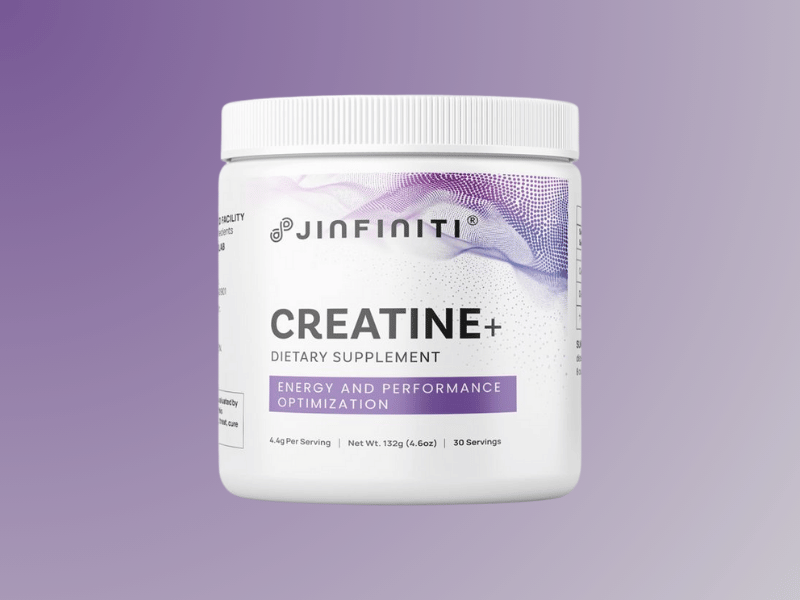
Creatine+ by Jinfiniti

What is Creatine?

Creatine is a natural compound that helps with energy metabolism, especially in muscles and the brain. The body makes it from amino acids and you can also get it from food, mainly animal products.

How Does Creatine Work?

Creatine works by helping your body make more ATP (adenosine triphosphate), which is what your muscles use for energy during short, intense workouts.

Here’s how it happens:

Your muscles store creatine as phosphocreatine (PCr), which works like an energy reserve. When you’re exercising hard and quickly using up ATP, phosphocreatine gives a phosphate group to ADP (adenosine diphosphate), quickly restoring ATP so you can keep going strong.

Creatine also pulls water into your muscle cells, creating conditions that can promote protein synthesis and muscle growth over time. This extra cellular hydration can make your muscles look fuller too.

When you take creatine supplements, you increase your phosphocreatine stores, which helps you:

  • Keep up higher energy levels during tough workouts
  • Do more reps or lift heavier weights
  • Bounce back quicker between sets
  • Feel less tired during intense training

That’s why creatine works so well for activities that need quick bursts of power, like weightlifting, sprinting, or HIIT workouts.

Is Creatine Safe?

Creatine supplementation has been well-studied for safety and found to be generally safe for most people when used correctly.

Studies show creatine is safe and well-tolerated both short and long-term, with no significant negative effects on blood and urine markers, liver, or kidney function in healthy people1.

A review by the International Society of Sports Nutrition found that long-term use (up to 30 g/day for 5 years) is safe in healthy individuals and patient populations across all age groups2.

While creatine is safe for most people, those with existing kidney conditions should be careful, as there’s limited evidence of possible kidney effects3.

Less research has been done on creatine safety in children and teens, so caution is recommended for these groups.

What are the Benefits of Creatine?

Creatine is well-known for improving high-intensity workouts, increasing maximum strength, power output, and sprint performance. It also helps muscles recover faster between tough workouts by reducing muscle damage4.

It supports energy production in both muscle and brain cells, which can help with conditions like muscular dystrophies and when your brain needs more energy5 (like when you’re tired or haven’t slept well).

Beyond muscle, research shows creatine might help manage neurodegenerative diseases, diabetes6, and other conditions such as statin myopathy and treatment-resistant depression7.

For older adults, taking creatine while exercising can improve muscle health, potentially boost bone density, and sharpen cognitive function8.

Vegetarians and vegans often see significant benefits from creatine supplements since their natural levels tend to be lower, leading to better muscle performance and brain function9.

Creatine+ promotional image

What Type of Creatine to Choose

Creatine monohydrate is the most recommended form of creatine due to its extensive research backing its efficacy, safety, and cost-effectiveness10.

Other creatine forms like magnesium-creatine chelate, creatine citrate, malate, ethyl ester, nitrate, and pyruvate have been tested but don’t reliably work better than creatine monohydrate.

These alternative forms are also typically more expensive and haven’t been studied as thoroughly for safety and efficacy11.

How Much Creatine Should a Beginner Take?

Beginners starting creatine supplementation typically follow one of two approaches: a loading phase for quick muscle saturation or a gradual intake.

Research shows both methods effectively increase muscle creatine stores. The loading approach saturates your muscles in just 5-7 days, while the gradual method takes 3-4 weeks.

Most experts suggest either starting with a loading phase dosage of 20 g/day for 5-6 days then dropping to a maintenance dose of 2-3 g/day12, or simply taking 3-5 g/day consistently without loading. Both methods effectively raise muscle creatine levels and help improve performance.

Infographic showing how to take creatine with two dosage approaches

What is the Creatine Loading Phase?

The creatine loading phase is a popular way to quickly boost muscle creatine stores.

It usually involves taking a high dose of creatine—about 20-25 grams daily—split into several doses over 5-7 days. After this, you switch to a lower daily dose for maintenance to keep creatine levels high.

Research shows creatine loading can improve power output during endurance events13 and help performance in strength and resistance training14.

Can Beginners Skip the Loading Phase and Still Benefit?

Taking 3-5 grams of creatine daily works just as well as a loading phase for beginners – it’ll just take 3-6 weeks to fully saturate your muscles instead of a few days.

This gradual approach helps you skip potential side effects like bloating or stomach discomfort that some people get with high-dose loading. After about a month, your muscle creatine levels will be the same either way.

The Optimal Time to Take Creatine

Some studies show that taking creatine after working out might boost muscle creatine storage and performance gains better than taking it before exercise15.

The jury’s still out on this though, since the evidence isn’t conclusive because of study limitations and not enough physiological data to back these claims.

Creatine works best when you take it regularly, with consistency mattering more than timing. There’s no evidence that taking it in the morning, afternoon, or night makes any real difference.

Should Creatine Be Taken with Food?

Creatine doesn’t have to be taken with food, but it can help your body absorb it better and prevent stomach issues. 

Some people feel nauseated or get cramps when they take creatine on an empty stomach. If that’s you, having it with meals can stop the discomfort without affecting how well it works. If you don’t have any digestive problems, you can take it whenever.

There is some evidence that insulin directly increases the rate of creatine transport and uptake in skeletal muscle, similar to its effects on amino acids and sugars16. So taking your daily dose with a meal that has carbs might improve uptake.

Do You Need to Cycle Creatine?

Creatine supplementation doesn’t need cycling for most people. You can take it daily at a maintenance dose for the long term. Research shows the benefits don’t fade over time, and there aren’t health risks when you take it properly.

You only need to consider cycling in specific situations like when cutting weight for competitions or if your doctor recommends it. For regular fitness and bodybuilding goals, just stick with daily maintenance.

Common Side Effects and How to Avoid Them

Creatine can make you gain weight mainly from water retention, which might impact your performance in activities where body mass is a factor.

Some users report stomach discomfort, diarrhea, or nausea, although these effects are generally anecdotal and not consistently observed in studies.

There are occasional reports of muscle cramps, but these are not consistently supported by scientific evidence either.

While some case reports suggest potential kidney and liver issues, well-controlled studies have not found significant adverse effects on kidney or liver function in healthy individuals.

If you’re worried about side effects with creatine:

  • Stick to the recommended doses and don’t do excessive loading phases unless your doctor suggests it
  • Drink plenty of water to offset the water retention and lower your risk of dehydration and muscle cramps
  • If you have existing kidney or liver issues, talk to your healthcare provider before starting creatine
  • Use high-quality creatine products to avoid contaminants that might cause problems

How Long Until Beginners Notice Results?

Most beginners see creatine’s first effects in about 1-2 weeks, with better results showing up after 3-4 weeks.

If you’re using a loading protocol, you’ll likely notice improvements a bit faster than those taking regular doses. The full performance benefits usually level off by the end of the first month.

Do You Need to Drink More Water on Creatine?

Creatine supplements increase total body water (TBW) by pulling water into muscle cells, which can bump up body mass. But they don’t actually change how water gets distributed between intracellular and extracellular spaces.

While creatine itself doesn’t cause dehydration17, it’s smart to drink plenty of fluids to support the extra water your muscles are storing. A good rule of thumb is about 200-250 ml of water for every 2.5 grams of creatine you take to help with absorption and retention.

Are Creatine Supplements Right for You?

Creatine supplementation is one of the most proven ways to boost physical performance, especially for activities that need quick power and strength.

If you’re trying to break through plateaus, recover faster between sets, or just get better results from your training, creatine probably belongs in your supplement routine.

The research is particularly strong for strength athletes, bodybuilders, team sport players, and anyone doing high-intensity exercise.

Vegetarians and vegans often see even bigger benefits because their natural creatine levels tend to be lower. For older adults, creatine offers two main benefits—it helps preserve muscle and supports brain function.

When choosing a creatine supplement, quality is important. Jinfiniti’s Creatine Monohydrate ATP Powder is pharmaceutical-grade pure (>99.9%) with no fillers or additives that might limit your results.

Our product fits perfectly with our T-A-O approach—Test, Act persistently, and Optimize—by giving you a measurable tool that works at the cellular level to boost ATP production and energy metabolism.

Unlike many supplements with questionable efficacy, creatine gives predictable, testable results. Many of our customers use our Creatine Monohydrate along with our Intracellular NAD® Test to see how these energy-boosting supplements work together to improve cellular function and performance.

Keep in mind that supplements work best as part of a complete health strategy. For personalized advice on whether creatine is right for your specific needs and goals, you might want to talk with a healthcare professional—especially if you have existing kidney issues or other health concerns.

FAQs About Creatine

Does creatine cause hair loss?

Current science doesn’t support the claim that creatine causes hair loss. It’s a well-tolerated supplement at recommended doses, and concerns about hair loss seem based on misconceptions rather than actual scientific findings.

Does Creatine increase muscle mass?

Creatine supplementation significantly increases lean body mass compared to placebo. Studies show gains in LBM ranging from 0.92 kg to 1.14 kg more than resistance training alone18.

Is 3 grams per day of creatine too little?

A daily 3-gram creatine intake is backed by science as effective for boosting exercise performance and is safe for healthy adults.

Can I take smaller amounts of creatine?

While 3-5g/day is the standard for rapid muscle saturation, doses as low as 1.5-2g/day can still build up creatine stores in muscles, just more slowly.

Recent studies show creatine also helps support brain function. There’s evidence it might benefit people with depression and dementia, and these effects could occur even at daily doses under 3g.

Does creatine affect sleep?

A study showed creatine supplements helped people sleep longer on days they did resistance training, though it didn’t really improve overall sleep quality based on the Pittsburgh Sleep Quality Index (PSQI)19.

Another study found that taking creatine, with or without caffeine, didn’t make any notable difference to how people rated their sleep quality or how ready they felt to perform20.

Will I lose muscle if I stop taking creatine?

Research shows that when you stop taking creatine, your muscle creatine levels typically return to normal. You’ll likely notice your muscles looking less full (because they’re retaining less water) and might see a small decrease in performance (since your muscles now have lower creatine stores).

How do you know if creatine is affecting the kidneys?

You can check creatine’s kidney effects through blood tests, urine analysis, and watching for symptoms. When you take creatine, your serum creatinine often goes up. This may resemble kidney dysfunction but often reflects normal muscle metabolism.

Tests like eGFR or cystatin C measurements give us better insights into how well your kidneys are filtering, without being thrown off by creatine’s effect on creatinine. Urine tests, such as the albumin-to-creatinine ratio or 24-hour collection, can catch early signs of kidney stress like protein leakage.

If you notice symptoms like nausea, fatigue, or changes in urination patterns, you should see a doctor. People with existing kidney problems or those taking high doses should get baseline testing and regular check-ups.

Most healthy users don’t have any issues, but if you’re concerned, temporarily stopping creatine can help show whether any abnormalities are related to the supplement.

Does creatine interact with caffeine?

A common myth suggests caffeine cancels out creatine’s benefits, but new research doesn’t support this21. Using both together doesn’t hurt performance, though some people might want to pay attention to when they take each supplement.

Does creatine cause facial bloating?

Anecdotal reports of facial bloating lack solid scientific evidence. Any temporary water retention usually happens inside muscle cells, not under the skin. Long-term studies don’t show any connection between creatine and increased fat mass.

Referenced Sources

  1. https://pubmed.ncbi.nlm.nih.gov/32597619/ ↩︎
  2. https://www.tandfonline.com/doi/full/10.1186/s12970-017-0173-z ↩︎
  3. https://pubmed.ncbi.nlm.nih.gov/21399917/ ↩︎
  4. https://pmc.ncbi.nlm.nih.gov/articles/PMC8228369/ ↩︎
  5. https://pmc.ncbi.nlm.nih.gov/articles/PMC7916590/ ↩︎
  6. https://pubmed.ncbi.nlm.nih.gov/33572228/ ↩︎
  7. https://onlinelibrary.wiley.com/doi/10.1002/med.21590 ↩︎
  8. https://journals.lww.com/jgpt/abstract/2020/04000/the_additive_effects_of_creatine_supplementation.7.aspx ↩︎
  9. https://www.mdpi.com/1660-4601/17/9/3041 ↩︎
  10. https://pmc.ncbi.nlm.nih.gov/articles/PMC8912867/ ↩︎
  11. https://journals.lww.com/nsca-jscr/fulltext/2022/09000/efficacy_of_alternative_forms_of_creatine.42.aspx ↩︎
  12. https://journals.physiology.org/doi/abs/10.1152/jappl.1996.81.1.232 ↩︎
  13. https://journals.lww.com/acsm-msse/fulltext/2018/01000/effects_of_creatine_and_carbohydrate_loading_on.18.aspx ↩︎
  14. https://pubmed.ncbi.nlm.nih.gov/35805647/ ↩︎
  15. https://pmc.ncbi.nlm.nih.gov/articles/PMC8401986/ ↩︎
  16. https://journals.physiology.org/doi/full/10.1152/ajpendo.1998.275.6.E974 ↩︎
  17. https://pubmed.ncbi.nlm.nih.gov/26615291/ ↩︎
  18. https://www.sciencedirect.com/science/article/abs/pii/S0899900701005408 ↩︎
  19. https://pmc.ncbi.nlm.nih.gov/articles/PMC11357324/ ↩︎
  20. https://faseb.onlinelibrary.wiley.com/doi/10.1096/fasebj.2022.36.S1.L8047 ↩︎
  21. https://pmc.ncbi.nlm.nih.gov/articles/PMC11703406/ ↩︎
Featured image of NMN and resveratrol supplements side by side

NMN and Resveratrol Benefits: Can You Take Them Together?

In the world of longevity science, few supplement combinations have generated as much interest as NMN  and resveratrol.

NMN stands for nicotinamide mononucleotide and is a direct precursor to NAD+, a molecule that we need for cellular energy production that steadily declines as we age. 

Resveratrol is a polyphenol compound found naturally in grapes, peanuts, and berries. It activates proteins called sirtuins that require NAD+ to function, creating an interesting scientific rationale for combining these supplements.

But does combining these compounds make sense for everyone?

Let’s dive into the science behind this intriguing pairing and explore what the research actually tells us about their benefits when taken together.

Key Insights

  • NMN and resveratrol create a synergistic effect – NMN boosts NAD+ levels while resveratrol activates the proteins that use NAD+, potentially enhancing their anti-aging benefits.
  • The combination may improve DNA repair, mitochondrial function, and metabolic health beyond what either supplement could achieve alone.
  • Recommended dosage is 250-1000mg NMN and 500-1000mg resveratrol taken in the morning with fatty foods, though NMN can be effective when taken by itself.

How Resveratrol and NMN Work

Resveratrol works by turning on SIRT11, which is a protein in the sirtuin family that requires NAD+ to function. Sirtuins are important because they regulate aging, metabolism and stress response.

Once SIRT1 is activated, it controls several key processes in cells. It manages how mitochondria are made through PGC-1α, how cells handle stress, how inflammation occurs, and how the cell processes glucose.

Resveratrol also kicks on the AMPK pathway. This helps cells burn fat, take in more glucose, and makes mitochondria work better.

NMN is a direct building block for NAD+. It gets into cells where enzymes called NMNATs convert it to NAD+ through the salvage pathway. This raises the amount of NAD+ in cells.

When NAD+ levels go up, it triggers several effects: sirtuins become more active, DNA repair improves, mitochondria work better, and cells can produce energy more effectively.

These two compounds work well together because they complement each other: resveratrol activates SIRT1, while NMN supplies the NAD+ that SIRT1 needs to function.

Potential Benefits of Combining NMN and Resveratrol

Infographic showing the benefits of taking NMN and resveratrol together

The science behind the health benefits of NMN and resveratrol is pretty fascinating, especially when we look at how they work together.

Enhanced NAD+ Levels and Sirtuin Activation

Research in mice shows that NMN and resveratrol could boost NAD+ levels better than NMN alone. When young mice (6 weeks old) were given both compounds, their NAD+ levels rose 60-70% higher in heart and muscle tissue compared to mice that were given NMN by itself2.

These mice also had better endurance, less inflammation, and their age-related health problems took longer to develop. What’s particularly interesting is that when researchers added ginsenosides to the NMN-resveratrol mix, NAD+ levels in lung tissue doubled – suggesting the pairing might benefit different organs in different ways.

Resveratrol and NMN may also work together synergistically for activating sirtuins:

  1. NMN increases the available NAD+ pool
  2. Resveratrol enhances SIRT1’s ability to use that NAD+
  3. Together, this could lead to greater sirtuin activation than either compound alone

May Support DNA Repair

The sirtuin protein family we went over just before, especially SIRT1, helps keep DNA structure stable and fixes DNA damage3. They do this by working with PARP1 and FOXO transcription factors.

When you pair NMN with resveratrol, it boosts NAD+ levels in cells. This helps both compounds work more efficiently at turning on these DNA repair systems, which might help prevent the DNA damage we see with aging.

The study mentioned in the previous section showed that giving both supplements together lowers signs of DNA damage and helps mouse models live longer, healthier lives. Human studies are however currently lacking in this area.

Potential Mitochondrial Benefits

These two compounds both work on mitochondria through NAD+/SIRT1 pathways, but they’ve got their own unique ways of helping too.

NMN boosts mitochondrial energy metabolism by activating SIRT34, a protein that’s crucial for mitochondrial function. Resveratrol does something different – it helps create new mitochondria by activating PGC-1α5, and it doesn’t need sirtuins to do this.

More Robust Antioxidant Protection

Resveratrol directly fights free radicals as an antioxidant. NMN works differently – it helps cells make NADPH6, which fuels the body’s own antioxidant defenses. Together, they may provide more oxidative stress protection through different but complementary mechanisms.

Regulation of Metabolic Health

Both resveratrol and NMN affect how the body handles glucose and responds to insulin, but they work in slightly different ways. Resveratrol activates AMPK7—a cellular energy sensor that acts like a metabolic master switch—while NMN helps with glucose metabolism by working through NAD+-dependent pathways.

Should You Take NMN and Resveratrol Together?

Taking NMN and resveratrol together isn’t a simple yes or no decision – it really depends on what potential health benefits you’re looking for and your current health status. Some research suggests these compounds might work better together, but everyone’s body reacts differently.

We also think it’s important to note that NMN supplementation absolutely does not require resveratrol being paired with it. While resveratrol may offer a certain synergy, NMN can provide several benefits that support healthy aging on its own.

If your focus is solely on replenishing declining NAD+, NMN will suffice. Resveratrol can add value for those targeting additional sirtuin activation or antioxidant and mitochondrial support.

Starting with NMN alone often makes sense as a first step. This establishes your baseline response and helps optimize your NAD+ levels. Once you’ve found your sweet spot with NMN, adding resveratrol might amplify these benefits through the complementary effects mentioned earlier in this article.

Most importantly, check your overall health and what supplements you’re already taking before you combine these. If you have any health conditions or take medications, you should always talk to your doctor first – these supplements can affect your metabolic pathways and might interact with your medications.

Vitality NAD+ Booster promotional image

How and When to Take NMN and Resveratrol

Clinical studies and research protocols, including Dr. David Sinclair’s regimen, suggest an NMN dosage of 250-1000mg paired with 500-1000mg of resveratrol, taken in the morning with fatty foods to enhance absorption and support natural circadian rhythms.

The right dose depends on your age, weight, and what you’re trying to achieve. If you’re in your 30s or 40s and weigh less than 50 kg, you’ll probably do fine with 250-300 mg of NMN per day. But if you’re over 50 or weigh more than 70 kg, you’ll likely need 500-1,000 mg since your body’s natural NAD+ levels drop with age.

For resveratrol, 500 mg a day works well as a general antioxidant. If you’re specifically looking to activate sirtuins and boost your metabolism, you’ll want to bump that up to 1,000 mg daily.

Your body absorbs resveratrol best when you take it with fats like avocado, olive oil, or nuts since it’s lipophilic (fat-loving). Adding BioPerine® from black pepper can boost how much resveratrol gets into your bloodstream by up to 10 times, which means it’ll work better and longer in your system.

NMN’s different – you can take it under your tongue or just with water. But there’s a chance it might work even better if you take it with resveratrol and fats since they share similar pathways in the body.

Your NAD+ levels and sirtuin activity naturally follow your body’s daily rhythm – they’re highest in the morning and drop as the day goes on. That’s why it makes sense to take NMN and resveratrol when you wake up – you’re working with your body’s natural metabolic schedule.

Risks of Combining NMN with Resveratrol

Studies show that NMN and Resveratrol are generally safe for most people when taken at the recommended doses.

A small number of users (less than 5%) might get an upset stomach, feeling nauseous or having diarrhea. This usually happens when people take too much at first or take it without food. Some people get headaches or feel tired in their first week – that’s just their body getting used to having more NAD+ around.

Resveratrol can affect estrogen pathways, so people with hormone-sensitive conditions should be careful. That said, if you’re taking less than 1,000 mg daily, there’s very little risk in this regard. If you’re on blood thinners or immunosuppressants, you’ll need to check with your doctor since Resveratrol can inhibit cytochrome P450 enzymes8, which are important for drug metabolism.

At low doses resveratrol works as an antioxidant, but at high doses it does the opposite and becomes pro-oxidant. That’s why it’s really important to stick to the doses that research has shown to be effective.

How to Choose a Good Quality Supplement

High-quality NMN and resveratrol supplements should meet stringent purity criteria—≥98% for NMN and ≥99% trans-resveratrol—to avoid contaminants like endotoxins or solvents. Third-party testing certifications validate ingredient potency and absence of heavy metals to provide assurance of supplement quality and safety.

Products made in GMP facilities are tested at multiple stages from raw material to finished product. This adds cost to production but ensures consistency of potency and eliminates common contaminants that can compromise safety and effectiveness.

When selecting NMN supplements, molecular stability is paramount. Our Vitality ↑® NAD+ Booster powder combines pharmaceutical-grade NMN with synergistic ingredients like D-ribose and creatine monohydrate, optimizing NAD+ enhancement through multiple pathways. For purists who prefer single-ingredient supplementation, our Pure NMN Powder offers >99.5% purity with verified stability testing.

Proper storage and handling matters. While buying in bulk can save you money, it requires dosing tools and storage considerations. Resveratrol being light and temperature sensitive should be stored in the dark and cool to maintain potency. Premium manufacturers like Jinfiniti use specialized packaging and stability testing to ensure potency throughout shelf life.

FAQs

Does exercise affect how well NMN and resveratrol work together?

Physical activity naturally increases NAD+ production and AMPK activation. Some studies show that if you take these supplements about 30-60 minutes before working out, you might get better results. That’s because exercise creates the perfect metabolic conditions for your body to absorb and use them effectively.

Can I take NMN and resveratrol with my morning coffee or tea?

While it’s fine to take them around the same time as your morning beverages, it’s best to wait 15-20 minutes between them. Coffee and tea contain compounds that could potentially compete for absorption with resveratrol. Taking your supplements with water and a small fatty meal, then enjoying your morning beverage shortly after, is ideal.

Do genetic factors influence how well I might respond to NMN and resveratrol?

Genetic variations in NAD+ metabolism genes (like NAMPT) and sirtuin genes can affect individual responses to these supplements. Some people naturally have higher or lower baseline NAD+ levels or sirtuin activity. This is one reason why personal response monitoring through biomarker testing can be valuable for optimizing your supplementation strategy.

Is the combination of NMN and resveratrol more important as we get older?

The potential benefits of combining these supplements might become more relevant with age. After 45, NAD+ levels typically decline by 50% or more from youthful levels and cellular stress increases. The synergistic effects of NMN and resveratrol on DNA repair and mitochondrial function could be particularly beneficial for older adults, though research is still ongoing.

How do seasonal changes affect the timing and dosing of NMN and resveratrol?

Interestingly, our body’s NAD+ metabolism shows seasonal variations, with levels naturally fluctuating based on day length and sun exposure. Some researchers suggest slightly higher doses might be beneficial during winter months when natural NAD+ production is lower. However, more research is needed to establish definitive seasonal dosing guidelines.

  1. https://www.sciencedirect.com/science/article/abs/pii/S1357272509001812 ↩︎
  2. https://pmc.ncbi.nlm.nih.gov/articles/PMC9289528/ ↩︎
  3. https://pmc.ncbi.nlm.nih.gov/articles/PMC6651129/ ↩︎
  4. https://www.sciencedirect.com/science/article/abs/pii/S0014488619302912 ↩︎
  5. https://pubmed.ncbi.nlm.nih.gov/17112576/ ↩︎
  6. https://www.sciencedirect.com/science/article/abs/pii/S0887233323001327 ↩︎
  7. https://pubmed.ncbi.nlm.nih.gov/28708087/ ↩︎
  8. https://www.sciencedirect.com/science/article/abs/pii/S037842741831988X ↩︎
A healthy centenarian woman on the beach

12 Diet and Lifestyle Secrets of Centenarians Who Live to 100

The secret to living to 100 isn’t just about good genes, it’s about daily choices that stand the test of time. Luckily, we can learn a lot from people who have actually reached the 100-year mark.

Centenarians around the world really work for longevity. Whether they live in the mountains of Sardinia or the villages of Okinawa, people who reach 100 tend to have similar diets, daily routines, and lifestyles.

These trends are supported by decades of scientific research. Even if every centenarian’s path is unique, some aspects of their lifestyle appear again and again. From the foods they enjoy to the way they connect with others, these centenarians show us that longevity isn’t just about survival. It’s about truly thriving. 

Let’s explore 12 evidence-based strategies that global studies have uncovered from these people who have achieved extraordinary longevity.


Key Takeaways: 

  • Longevity isn’t genetic destiny, it’s a lifestyle. Centenarians worldwide follow consistent daily habits that contribute to a long, thriving life.
  • Eating more plants, staying active, and managing stress all contribute to a longer, healthier life.
  • Proactive approach to health such as monitoring and early intervention can increase your odds of reaching 100 years old in good health.

Eat a Diverse, Plant-Based Diet

An image of a plant based foods

One of the most consistent findings among centenarian studies is their strong emphasis on a plant-based diet. Whether the leafy greens of Mediterranean kitchens or the unique wild vegetables found in Okinawan cuisine, these long-lived individuals worldwide share a love for nature’s bounty. 

For instance, research has shown that centenarians in Greece consume over 400 grams of vegetables daily—equivalent to more than seven servings, which often include wild greens like dandelion and purslane.1 These greens are not only rich in vitamins and minerals but also rich in alpha-linolenic acid, a heart-healthy fatty acid that supports overall well-being. 

A 2024 Chinese study further reinforces the power of dietary diversity. It suggests that Centenarians with high dietary diversity scores (between 5 to 9) exhibited 23% lower inflammation markers compared to their less diverse-eating peers.2

When you look at Blue Zones (regions known for their high concentration of centenarians), you’d see that their meals are predominantly plant-based. In these areas, populations eat 95% plant-based meals, and these meals include leafy greens, tubers, nuts, and legumes.3

So, what does that tell you? A diet that prioritizes a wide range of plant foods not only provides essential nutrients and antioxidants, but also helps reduce chronic disease risks. 

Embracing the “diets of centenarians” means adding variety to your plate, savoring seasonal produce, and perhaps even exploring wild edibles in your region. In doing so, you’re not just nourishing your body, you’re setting the stage for longevity.

Practice Caloric Restriction

An image of food low in calorie

Another intriguing habit shared by many centenarians is that they don’t just watch what they eat, they pay attention to when they eat. These long-lived individuals naturally practice a form of caloric restriction, not through strict dieting, but through mindful eating patterns.

They don’t overeat—instead, they consume just enough to meet their body’s needs while maintaining fasting periods of up to 17 hours between meals. In fact, one research published by Frontiers in Nutrition suggests that daily practice of moderate caloric intake, might allow both metabolism and the immune system to efficiently minimize the stress induced by the main meal of the day.4

This suggests that the timing of meals can be just as important as the quantity consumed. While the science is still evolving, consider experimenting with earlier dinners and incorporating a prolonged overnight fasting window into your daily routine.

It’s never a bad idea to consult with a healthcare professional to determine if it’s right for you. Start by shifting your dinner earlier by an hour or two and see how you feel.

The key is finding a sustainable approach that fits your lifestyle and supports your overall health. It might just be one small step toward unlocking the secrets to longevity.

Limit Salt and Sugar Intake

An image of salt and sugar

You might have heard the advice “everything in moderation”, and it holds especially true for salt and sugar. High salt intake has long been associated with increased risks of hypertension and cardiovascular disease, while excessive sugar consumption can lead to metabolic issues like diabetes and obesity. 

According to research published by GeroScience, many centenarians worldwide prefer a low-salt diet.5 A separate study among Centenarians in rural Chongqing, China, suggests that they avoid sweet, fatty, and high-cholesterol foods.

These studies suggest that diets low in processed foods, which tend to contain high levels of salt and sugar, are linked with better cardiovascular and metabolic outcomes.  Although the research is still evolving, it’s clear that minimizing these additives can help maintain stable blood pressure and healthy blood sugar levels.

By opting for fresh, whole foods and experimenting with natural flavor enhancers such as herbs and spices, you can create meals that are both delicious and heart-healthy. 

Think of this as one of the building blocks of the centenarian lifestyle—a pattern observed across different cultures that might just help tip the scales in favor of long-term wellness.

Stay Physically Active

An image of physically active matured women

If you want to live like a centenarian, you’ve got to get moving. Centenarians are highly active and rarely sedentary. Many of them incorporate physical activity seamlessly into their daily routines. 

They come from agricultural backgrounds or live in rural areas where physical activity is a natural part of life. They even work beyond the expected age of retirement.6 But instead of engaging in sporadic bursts of exercise, centenarians tend to maintain a steady level of physical activity throughout their lives. 

No wonder why regular physical activity is known to support cardiovascular health, improve muscle tone, and even contribute to better mental health.7 Research has linked lifelong, moderate physical activity with improvements in balance, cognitive function, and overall vitality. 

Studies have also shown that centenarians who remain active tend to have better mobility and lower rates of chronic diseases compared to those who are less active. What’s the common thread here? Consistency. 

It’s not necessarily about high-intensity workouts, but about integrating movement into your everyday life. Whether that means taking regular walks, engaging in light stretching, or simply choosing to stand up and move around more often. 

Even modest changes, like gardening or taking the stairs instead of the elevator, can add up over time. While these findings are encouraging, each person’s ideal level of activity is different. The key is to find forms of movement that you enjoy and can stick with over the long haul.

Avoid Smoking and Excessive Drinking

An image of alcohol and cigarette.

This one might seem obvious, but it’s worth reiterating. If you want to increase your odds of reaching the age of 100 years while being healthy, avoiding harmful habits is just as important as adopting healthy ones.

In fact, many centenarians either never smoked or quit early in life, and most limit their alcohol consumption. There’s a well-established link between smoking and numerous health issues, including respiratory and cardiovascular diseases. 

Likewise, too much alcohol consumption can impair cognitive function and put undue stress on vital organs. Research among Chinese nonagenarians and centenarians suggests that smoking and heavy alcohol consumption are linked to higher rates of cognitive impairment in men.8

Additionally, a study from Zhejiang Province, China, found that centenarians exhibited lower rates of smoking compared to non-centenarians. It suggests that avoiding tobacco may contribute to a longer, healthier life.9

By avoiding smoking and limiting alcohol intake, these individuals reduced their risk of chronic diseases and cognitive decline, which highlights a lifestyle choice that many of us can consider to better health and longevity.

Maintain Strong Social Connections

An image of strong social connections.

It turns out that longevity is not just about what you eat or how much you move. Who you surround yourself with might be just as important. 

For centenarians, maintaining robust family bonds and community involvement is a way of life. According to research published in the Journal of Health and Social Behavior, social networks or involvement in social relationships can improve mental health and overall life satisfaction.10 

While not participating in social activities was significantly associated with lower odds of becoming a centenarian.11 Social bonds, after all, offer a network of care and support that can buffer against the stresses of aging.

Modern life often pushes us toward isolation. Digital connections replace real conversations. Quick texts substitute for long talks. But your biology craves authentic human interaction.

Start small and stay consistent. Join that local club you’ve been considering. Schedule regular family dinners. Volunteer for community projects. Each social interaction builds your longevity foundation. Remember, relationships require the same dedication as any other health practice. Like exercise or nutrition, the benefits compound over time. 

Every meaningful connection you nurture today becomes part of your longevity strategy for tomorrow.

Develop Resilience and a Positive Attitude

An image of a resilient woman with positive attitude.

Have you ever noticed how some people seem to handle tough situations better than others? Life can be tricky, and how we react to challenging situations can affect how healthy and long we live.

What we can learn from centenarians is that they tend to be resilient individuals who process stress differently. These individuals share a certain mental toughness by not letting stress and negativity consume them.

Instead, they develop coping mechanisms, practice gratitude, and focus on the good in their lives. Personality traits such as low neuroticism, high extraversion, and trust help centenarians cope with stress.12

Of course, developing resilience isn’t about denying life’s challenges—it’s about finding ways to adapt and thrive despite them. So if you’re looking to boost your own well-being, consider exploring techniques that help build mental resilience. 

A little bit of optimism with practical stress management strategies might just be another secret ingredient in the recipe for a long, fulfilling life.

Get a Good Night’s Sleep

An image of a matured woman with a good sleep.

Sleep isn’t just downtime; it’s a crucial period for bodily repair, memory consolidation, and preparation for the day’s demands. Centenarians understand this implicitly. 

They know the impact of good sleep quality on both physical and mental health. But what does “good sleep” look like for someone living past 100?

Studies from the Archives of Gerontology and Geriatrics suggest that centenarians tend to go to sleep early, wake up early, and take afternoon naps.13 They also like to create a conducive sleep environment such as setting relaxing bedtime routines, and ensuring their bedrooms are dark, quiet, and free from distractions.

While studies in sleep science continue to evolve, the link between good sleep and longevity is one that many experts find compelling.14

Find Purpose in Life

An image of a man happily living his purpose in life.

Living to 100 demands a reason to wake up excited each morning. Centenarians have a strong sense of purpose or spiritual beliefs which motivates them to stay actively engaged with life.

Researchers agree that having a sense of meaning and direction in life is associated with living longer. What’s more, having higher purpose may help delay age-associated illnesses and functional decline.15

Finding your purpose doesn’t require grand gestures or world-changing accomplishments. It can be as simple as pursuing a beloved hobby, volunteering in your community, or mentoring others. 

For centenarians, they also place considerable importance on divine support in their lives. In one investigation, centenarians who felt a strong sense of purpose were noted to experience better health outcomes than those who did not. 16

While research is still uncovering the exact mechanisms behind this association, it’s clear that having something to live for can be incredibly powerful. This also aligns with the finding that religiosity was one of the major themes that emerged from a qualitative analysis about adaptation and coping in the lives of centenarians.17

Prevent Health Issues Early

An image of matured men and women exercising to prevent health issues.

Look at centenarian health records and you’ll notice that they take far fewer medications and develop chronic conditions much later in life compared to others.

Their secret lies in a proactive approach to health. By making mindful daily choices, they build natural resilience against disease. Embracing a balanced lifestyle which includes a nutritious diet, regular physical activity, and effective stress management, centenarians prevent many health issues from ever taking root.

In contrast, many older adults face the danger of polypharmacy, where the simultaneous use of multiple medications can lead to adverse drug interactions and a decline in overall well-being. 

This growing concern has led researchers from The National Institute on Aging to advocate for “deprescribing,” which is a process of reducing unnecessary medications in older populations.18 

Ultimately, the healthy lifestyles of centenarians demonstrate that prevention is key. Emphasizing prevention and taking care of your health early in life can help reduce your risk of developing chronic diseases and increase your chances of living a long and healthy life. This includes adopting a healthy lifestyle, even at an advanced age.

Embrace Low-Stress Living Environments

An image of low-stress living environment.

Studies have suggested that environments promoting physical activity and reduced reliance on cars, which are often found in less urbanized areas, may contribute to longer lifespans.

This trend is illustrated by Blue Zone regions, where natural surroundings and a strong sense of community contribute significantly to long, healthy lives. One key aspect of Blue Zone living is that these communities are often located in less urbanized areas, characterized by cleaner air, access to nature, and a slower pace of life.

Research has shown that centenarians who live within their communities and are often with the support of family caregiving tend to be less dependent and in better cognitive health than those in nursing homes.19 

The nurturing care provided by family members and a close-knit community not only supports their physical well-being but also enriches their mental and emotional health.

Additionally, studies suggest that people residing in highly walkable, mixed-age communities may be more likely to celebrate their 100th birthday.20 Such environments encourage regular physical activity, spontaneous social interactions, and a harmonious balance between work and leisure.

All these factors work together to create a supportive backdrop that can enhance overall well-being and contribute to a longer, more fulfilling life.

Test Your Longevity Biomarkers

An image of a scientist identifying specific biomarkers.

Scientists have identified specific biomarkers that reveal the true rate of aging in our bodies.

For instance, DNA methylation patterns in centenarians show distinct signatures linked to longevity.21 Tracking these epigenetic markers provides insights into how quickly you’re aging at a cellular level. 

Research also shows that healthy centenarians have lower levels of biomarkers linked to inflammation, fibrosis (tissue scarring), and catabolism (the breakdown of molecules).22 Keeping these markers in check is essential for healthy aging.

Moreover, circulating NAD⁺/NADH levels are positively associated with cognitive capacity in centenarians.23 This shows how important healthy cells are for a sharp mind.

The great news is that at-home testing makes monitoring these biomarkers easier than ever.  By tracking key indicators like DNA methylation patterns, cellular senescence markers, and intracellular NAD levels, you gain a precise window into your aging process. 

Our comprehensive AgingSOS® Advanced Longevity Panel measures 22 key longevity biomarkers, including intracellular NAD+ levels, giving you deep insights into your cellular health—from mitochondrial function to oxidative stress levels and beyond.

For those specifically focused on NAD optimization, we also offer our standalone Intracellular NAD® test for more frequent monitoring of this crucial molecule.

Staying proactive with your health not only lowers the risk of age-related diseases but also paves the way for a longer, healthier life. Embrace these advances and your future self will thank you.

Referenced Sources:

  1. https://pmc.ncbi.nlm.nih.gov/articles/PMC11493889/ ↩︎
  2. https://pmc.ncbi.nlm.nih.gov/articles/PMC11493889/ ↩︎
  3. https://www.ncbi.nlm.nih.gov/books/NBK298903/ ↩︎
  4. https://www.frontiersin.org/journals/nutrition/articles/10.3389/fnut.2022.863106/full ↩︎
  5. https://pmc.ncbi.nlm.nih.gov/articles/PMC11493889/ ↩︎
  6. https://link.springer.com/article/10.1007/s12062-022-09396-0 ↩︎
  7. https://pmc.ncbi.nlm.nih.gov/articles/PMC3618983/ ↩︎
  8. https://journals.lww.com/cogbehavneurol/abstract/2009/09000/association_of_cognitive_impairment_with_smoking,.7.aspx ↩︎
  9. https://www.frontiersin.org/journals/public-health/articles/10.3389/fpubh.2019.00344/full ↩︎
  10. https://pmc.ncbi.nlm.nih.gov/articles/PMC3150158/ ↩︎
  11. https://pmc.ncbi.nlm.nih.gov/articles/PMC11476547/ ↩︎
  12. https://pmc.ncbi.nlm.nih.gov/articles/PMC3259159/ ↩︎
  13. https://www.sciencedirect.com/science/article/abs/pii/0167494396869755?via%3Dihub ↩︎
  14. https://pmc.ncbi.nlm.nih.gov/articles/PMC5727046/ ↩︎
  15. https://www.sciencedaily.com/releases/2018/03/180320163749.htm ↩︎
  16. https://pmc.ncbi.nlm.nih.gov/articles/PMC3489187/ ↩︎
  17. https://www.frontiersin.org/journals/psychology/articles/10.3389/fpsyg.2021.726621/full ↩︎
  18. https://www.nia.nih.gov/news/dangers-polypharmacy-and-case-deprescribing-older-adults ↩︎
  19. https://www.tandfonline.com/doi/full/10.1080/08959420.2016.1165582 ↩︎
  20. https://www.sciencedaily.com/releases/2020/06/200617145256.htm ↩︎
  21. https://bmcmedgenomics.biomedcentral.com/articles/10.1186/s12920-018-0334-1 ↩︎
  22. https://www.maturitas.org/article/S0378-5122(17)31144-1/abstract ↩︎
  23. https://pmc.ncbi.nlm.nih.gov/articles/PMC8810979/ ↩︎

An arrangement of foods that boost libido: dates, nuts, and turmeric

9 Libido-Boosting Foods and Supplements for Men and Women

As Valentine’s Day approaches, many couples find themselves thinking about intimacy and connection. Yet the reality is that sexual wellness deserves attention year-round – it’s an essential component of overall health that influences everything from relationship satisfaction to mental wellbeing.

The connection between diet and desire isn’t just folk wisdom passed down through generations. Modern research continues to uncover the intricate ways that specific nutrients and bioactive compounds influence hormonal balance, blood flow, energy levels, and other physiological factors that impact libido. 

In this evidence-based exploration, we’ll examine nine foods and supplements that show particular promise for supporting healthy libido and helping with low sex drive in both men and women.

An Informed Approach to Natural Enhancement

The journey toward optimizing sexual wellness through natural means requires a thoughtful, informed approach. While the foods and supplements we’ll discuss have promising research behind them, the field of sexual health supplementation warrants special consideration.

Sexual health supplements, though promising, aren’t regulated like prescription medications – making quality and safety paramount. Before starting any supplement routine, consult a healthcare provider if you:

  • Take prescription medications
  • Have heart disease or hormone-sensitive conditions
  • Are pregnant, nursing, or trying to conceive
  • Have upcoming surgery
  • Experience unexplained changes in sexual function

Remember: persistent changes in libido can signal underlying health issues that deserve medical attention. Natural approaches should complement, not replace, proper medical care when needed.

Nine Foods and Supplements That May Support Libido

Whether you’re looking to boost libido or increase sex drive, these evidence-backed libido boosters offer promising paths forward. Let’s explore each one in detail, understanding both their traditional uses and the modern science that supports their effectiveness.

Seafood

A platter of oysters on a light pink background

Seafood has been identified as a significant food type that enhances sexual activity, particularly in men. In a study involving married Egyptian women, 78% of participants reported that seafood improved their husbands’ sexual performance1.

Ocean-dwelling species offer a remarkable concentration of nutrients that support sexual health.

Central to their benefits is zinc – a mineral that plays a vital role in hormone production and reproductive health for both men and women. Oysters lead the pack, containing more zinc per serving than any other food source.

Zinc is involved in maintaining hormonal balance, particularly testosterone levels, which are crucial for male sexual function. Zinc deficiency can lead to decreased testosterone levels, impacting libido and sexual performance2.

Zinc has also been shown to improve aspects sexual function in postmenopausal women such as desire, arousal, orgasm, satisfaction, and reduced pain during intercourse3

Seafood is also rich in other important minerals like selenium, which has been shown to improve sperm motility and concentration in subfertile men4.

Cold-water fish like salmon, mackerel, and sardines also provide omega-3 fatty acids that support healthy blood flow – a crucial factor in sexual response.

Nuts

The humble nut – a concentrated package of nutrients that ancient cultures have long associated with fertility and vitality – continues to impress modern researchers with its potential benefits for sexual health. 

At the heart of nuts’ libido-supporting properties is their rich array of healthy fats, particularly L-arginine. Pine nuts and pistachios stand out for their high concentrations of this amino acid, which plays a crucial role in nitric oxide production and healthy blood flow. 

One study on healthy males found that supplementing a Western-style diet with 60 grams of mixed nuts per day significantly improved self-reported orgasmic function and sexual desire5.

Another randomized controlled trial demonstrated that nut consumption improved semen quality, including total sperm count, vitality, motility, and morphology. These improvements were partly attributed to a reduction in sperm DNA fragmentation, suggesting a potential mechanism by which nuts could enhance male reproductive health6.

Dates

In Middle Eastern tradition, dates have long been celebrated for their potential to enhance romantic vitality. Modern research is beginning to validate this ancient wisdom, uncovering sophisticated mechanisms behind these sweet fruits’ effects on sexual health.

Dates are one of nature’s richest sources of boron – a trace mineral that plays a surprisingly important role in sex hormone metabolism.

Research suggests boron helps the body maintain optimal levels of both testosterone and estrogen, while also supporting the body’s use of vitamin D, another crucial player in hormone production7.

Date fruit extracts have demonstrated the ability to inhibit both arginase and PDE-5 enzymes – biological pathways directly involved in erectile function8.

The research showed significant enhancement of sexual behaviors in supplemented groups compared to controls, suggesting that compounds in dates may directly support libido and sexual function.

These discoveries help explain traditional observations about dates’ effects on sexual performance.

Turmeric (Curcumin)

A bowl turmeric root powder

At the heart of turmeric’s benefits lies curcumin, a bioactive compound that supports sexual wellness through multiple pathways – particularly through its effects on blood flow and hormonal balance.

Recent research has unveiled an intriguing mechanism: turmeric’s ability to increase serum adiponectin levels, which in turn helps modulate key reproductive hormones like estradiol and progesterone. In stress-based studies, this hormonal modulation translated into measurable improvements in sexual behavior and hormone profiles9.

Research in hypertensive models demonstrated turmeric’s protective effects on reproductive function through multiple pathways. The spice was found to combat oxidative stress while simultaneously boosting both nitric oxide and testosterone levels10.

While turmeric can be consumed in food, achieving therapeutic doses through diet alone can be challenging. A high-quality supplement that addresses bioavailability concerns may provide more reliable benefits for sexual health support.

For those seeking optimal absorption and effectiveness, Jinfiniti’s Extra Strength Turmeric Curcumin Supplement combines clinical-grade turmeric extract (95% curcuminoids) with synergistic ingredients including Boswellia, ginger root, quercetin, and piperine.

Maca Root

While traditional societies have valued this adaptogenic plant for centuries, modern research is uncovering fascinating mechanisms behind maca’s benefits – particularly for those facing specific sexual health challenges.

For women, maca’s effects are both significant and somewhat mysterious. A systematic review showed improvements in sexual dysfunction symptoms among postmenopausal women, particularly in areas of arousal and orgasm11.

These benefits occur without altering estrogen or androgen levels, suggesting maca works through novel pathways distinct from hormonal manipulation12.

Even more promising is maca’s potential for women experiencing sexual side effects from antidepressant medications. Research has revealed a dose-dependent relationship between maca supplementation and improved sexual function scores in women taking SSRIs13.

For men, maca’s benefits take a different but equally important path. Studies have documented improvements in both sperm count and motility with regular maca consumption14

Fenugreek Extract

While fenugreek might be familiar to some as a culinary spice, its role in sexual health extends far beyond the kitchen. This Mediterranean herb has emerged as one of the most researched natural libido enhancers, with compelling evidence supporting its benefits for both men and women.

The most substantial research comes from studies using Testofen, a standardized fenugreek extract. Clinical trials have demonstrated its ability to enhance male libido, with participants reporting significant improvements in sexual arousal and orgasm quality15. What makes these findings particularly interesting is their correlation with broader quality of life improvements – notably increased muscle strength and energy levels. 

For women, fenugreek’s effects are equally promising, though through potentially different pathways. Clinical research has documented meaningful increases in both sexual desire and arousal among female participants supplementing with fenugreek extract16.

The secret behind fenugreek’s effectiveness may lie in its rich content of saponins, particularly diosgenin. These compounds appear to support healthy hormone levels while also promoting improved blood flow to reproductive tissues.

Tongkat Ali

Tongkat Ali is traditionally used to treat sexual dysfunction and enhance libido, particularly in men.

Numerous clinical studies and trials have demonstrated the efficacy of Tongkat Ali in improving male sexual health, including conditions like erectile dysfunction and low libido17. These studies highlight its potential as a natural alternative to testosterone replacement therapy, offering benefits without significant side effects18.

Some studies have shown that Tongkat ali root extracts can improve libido, energy, restore hormonal balance, and enhance sports performance19

The plant’s active compound, eurycomanone, has been found to increase testosterone production and spermatogenesis20, which may contribute to its aphrodisiac properties.

An important caveat: quality matters enormously with Tongkat Ali. The marketplace is flooded with products of questionable purity, and some research suggests that up to 27% of commercial products may be adulterated21 or contain little to no active compounds. 

Ashwagandha

If stress is the enemy of libido, ashwagandha might be a formidable opponent. This adaptogenic herb, revered in Ayurvedic medicine for over 3,000 years, has some promising research behind it for sexual wellness, with clinical studies validating its benefits for both men and women.

Several randomized control trials have documented ashwagandha’s comprehensive effects on male sexual health, showing improvements across multiple parameters. 

Beyond its well-known stress-reducing properties, the herb demonstrates aphrodisiac qualities, enhancing sperm concentration and motility while supporting testosterone levels22. These improvements in reproductive health markers correlate directly with increased libido and sexual performance23.

Women’s sexual health responds equally well to ashwagandha, as demonstrated through clinical assessment tools. A pilot study using the Female Sexual Function Index (FSFI) and Female Sexual Distress Scale (FSDS) have revealed significant improvements across all major aspects of sexual function24.

Participants experienced enhanced desire, arousal, and lubrication, along with improved orgasm quality and overall satisfaction. The improvements showed statistical significance compared to placebo groups, confirming ashwagandha’s impact on female sexual wellness.

Ginseng

Few herbs have earned as much scientific attention in sexual wellness research as ginseng, particularly Korean red ginseng (KRG).

Ginseng’s effects stem from its unique compounds called ginsenosides. These natural molecules work through multiple pathways to enhance sexual function. 

In men, research has documented ginseng’s ability to support healthy erections through two key mechanisms: promoting nitric oxide release25 and supporting vasodilation in the corpus cavernosum26. This dual action not only supports blood flow but also enhances the overall sexual response.

For women, particularly those navigating menopause, Korean red ginseng shows equally promising benefits. Clinical studies using the Female Sexual Function Index (FSFI) have demonstrated significant improvements in sexual arousal and satisfaction among participants taking KRG27

Embracing a Natural Approach to Boosting Libido

The journey to enhanced sexual wellness isn’t about quick fixes – it’s about understanding and supporting your body’s natural processes. Each option we’ve explored, from mineral-rich seafood to adaptogenic herbs, offers unique benefits while working through different yet complementary mechanisms.

What stands out is the importance of a comprehensive approach to sexual health. Whether through the stress-reducing effects of ashwagandha, the hormone-supporting properties of maca, or the circulation-enhancing benefits of turmeric, each substance plays its own role.

The key lies in personalization and patience. While some may find immediate benefits from certain supplements, others might respond better to the steady support of daily nutrients from whole foods.

Sexual wellness reflects overall health, and these natural options support more than just libido. Start with one or two options that resonate most with your needs, and consider working with a healthcare provider to develop a plan that’s right for you.

Interested in exploring more ways to optimize your cellular health? Check out our article on 20 foods that naturally boost NAD+ levels to discover how diet can support your body’s energy production and vitality.

References

  1. https://journals.ekb.eg/article_197971.html ↩︎
  2. https://pmc.ncbi.nlm.nih.gov/articles/PMC6010824/ ↩︎
  3. https://www.tandfonline.com/doi/full/10.1080/0092623X.2021.1957732 ↩︎
  4. https://bjui-journals.onlinelibrary.wiley.com/doi/10.1046/j.1464-410x.1998.00683.x ↩︎
  5. https://www.mdpi.com/2072-6643/11/6/1372 ↩︎
  6. https://www.sciencedirect.com/science/article/pii/S0002916522030155?via%3Dihub ↩︎
  7. https://pmc.ncbi.nlm.nih.gov/articles/PMC4712861/ ↩︎
  8. https://onlinelibrary.wiley.com/doi/10.1111/jfbc.14255 ↩︎
  9. https://www.sciencedirect.com/science/article/abs/pii/S0024320521005610 ↩︎
  10. https://www.sciencedirect.com/science/article/pii/S2214750015300652 ↩︎
  11. https://www.ncbi.nlm.nih.gov/books/NBK85936/ ↩︎
  12. https://journals.lww.com/menopausejournal/abstract/2008/15060/beneficial_effects_of_lepidium_meyenii__maca__on.24.aspx ↩︎
  13. https://onlinelibrary.wiley.com/doi/10.1111/j.1755-5949.2008.00052.x ↩︎
  14. https://www.tandfonline.com/doi/full/10.1080/14786419.2019.1698572 ↩︎
  15. https://onlinelibrary.wiley.com/doi/10.1002/ptr.3360 ↩︎
  16. https://onlinelibrary.wiley.com/doi/10.1002/ptr.5355 ↩︎
  17. https://onlinelibrary.wiley.com/doi/10.1111/and.12214 ↩︎
  18. https://www.sciencedirect.com/science/article/abs/pii/S1875536417300109 ↩︎
  19. https://www.sciencedirect.com/science/article/abs/pii/B9780123964540000539 ↩︎
  20. https://www.sciencedirect.com/science/article/abs/pii/S0378874113004431 ↩︎
  21. https://pmc.ncbi.nlm.nih.gov/articles/PMC6130542/ ↩︎
  22. https://ijrmst.com/admin1/upload/13+Dr+Harish+Kumar+01221.pdf ↩︎
  23. https://onlinelibrary.wiley.com/doi/pdfdirect/10.1002/hsr2.741 ↩︎
  24. https://onlinelibrary.wiley.com/doi/10.1155/2015/284154 ↩︎
  25. https://nyaspubs.onlinelibrary.wiley.com/doi/abs/10.1111/j.1749-6632.2002.tb04081.x ↩︎
  26. https://www.semanticscholar.org/paper/Effects-of-Sanchi-ginseng-Extract-on-the-Sexual-in-Yamashita/9778acbbc41b4c9ea0c4594ed46504ecaf8f26e2 ↩︎
  27. https://www.sciencedirect.com/science/article/abs/pii/S0965229919302316 ↩︎
A healthy middle-aged man with good testosterone levels

Can NAD+ and NMN Increase Testosterone Levels?

Male aging follows a precise biological timeline. At age 30, testosterone production begins its measured decline—dropping 1% each year. This shift fundamentally alters key aspects of men’s health and vitality. Physical strength diminishes. Energy levels fluctuate. Mental clarity and sexual health show measurable changes.

Recent scientific advances have identified two powerful molecules in this equation: NAD+ and its precursor NMN. The science behind how these molecules impact testosterone tells an intriguing story—one where cellular energy and hormonal balance are intimately connected.

In this article, we explore whether NAD and NMN increase testosterone production and examine what current research reveals about these fascinating molecules.


Key Takeaways:

  • NAD+ levels drop dramatically with age – most people lose nearly half their youthful levels by age 50, affecting cellular energy and overall function.
  • Testosterone declines 1% yearly after 30, influenced by modifiable factors like body fat, exercise habits, sleep quality, and environmental toxins.
  • Research shows NAD+ works with sirtuin proteins in Leydig cells to support testosterone production, revealing a direct link between cellular energy and male hormonal health.
  • NMN acts as a direct precursor to NAD+, supporting cellular energy and metabolic health – though more human studies are needed to confirm its effects on testosterone.

What is NAD+?

Cellular structure representing NAD+

NAD+ (nicotinamide adenine dinucleotide), sometimes referred to as the “helper molecule,” is a crucial coenzyme found in every cell of your body. It plays a central role in cellular metabolism by facilitating electron transfer in hundreds of biological reactions. 

One of its most important functions is helping convert nutrients into ATP—the primary energy currency of cells—through a series of complex metabolic pathways.

As we age, NAD+ levels naturally decline in our tissues.1 Research indicates that by middle age, NAD+ levels can decrease significantly compared to younger years. This decline affects several cellular processes:

This decline affects your cells in measurable ways:

  • Reduced cellular energy production
  • Impaired DNA repair mechanisms
  • Decreased metabolic efficiency
  • Altered stress response capabilities
  • Changes in cellular signaling pathways

The good news is that maintaining healthy NAD+ levels appears to support cellular health and function. Current research suggests that optimizing NAD+ levels may help maintain cellular energy production, support DNA repair processes, and promote overall metabolic health.

What is NMN?

NMN (nicotinamide mononucleotide) is a naturally occurring molecule that serves as a precursor to NAD+. Inside cells, NMN is converted to NAD+ through a well-documented biochemical pathway called the NAD+ salvage pathway.2

NMN administration has been demonstrated to increase NAD+ levels in both animal models and humans. In a study involving healthy human subjects, oral NMN supplementation significantly increased NAD+ levels in the blood without adverse effects, suggesting its safety and efficacy as a strategy to boost NAD+.3

Why Are Testosterone Levels Declining?

An image of testosterone sample

Testosterone naturally wanes as we age, bringing unwelcome changes in body composition, energy levels, and muscle strength.

For many older men, this decline stems from secondary hypogonadism—where the body becomes less responsive to the hormonal signals that trigger testosterone production.4

Yet this natural process doesn’t explain the full picture of what we’re seeing today.

Body weight emerges as a critical player in this hormonal puzzle. Research shows a strong inverse relationship between BMI and testosterone levels, independent of other factors.5 Put simply, as weight goes up, testosterone tends to go down.

But here’s the catch: even men who maintain a healthy weight still experience some degree of decline, pointing to other influential factors at work.

The rise in metabolic disorders paints another piece of the picture. Conditions like type II diabetes and metabolic syndrome don’t just affect blood sugar—they’re closely tied to lower testosterone levels.6 These conditions create a cascade effect, potentially contributing to cardiovascular issues and increased mortality risk.

Perhaps most intriguing is the evidence of a population-wide decline in testosterone levels that can’t be explained by aging alone.7 This “secular decline” suggests environmental factors may be silently influencing hormone levels across entire populations. Genetic variations, particularly in estrogen receptor genes, can make some men more susceptible to these environmental influences.8

Modern dietary patterns play their part too. Research has revealed that low-fat diets, despite their popularity, may actually work against testosterone production. A comprehensive meta-analysis found significantly lower testosterone levels in men following low-fat diets compared to those consuming more dietary fat.9

The impact of sleep deserves special attention. Missing out on deep sleep doesn’t just leave you tired—it disrupts your body’s natural testosterone rhythm. The effect is immediate and measurable: just one night of poor sleep can reduce testosterone levels by up to 15%.10 

Key Takeaway: The story of declining testosterone is more complex than simple aging. While time inevitably leads to lower testosterone production, a perfect storm of modern lifestyle factors and biological mechanisms appears to be accelerating this decline.

NAD+ and Testosterone

Scientists are uncovering the intricate connection between NAD+ and testosterone—a relationship that fundamentally shapes male reproductive health.

A systematic review in the Journal of Men’s Health reveals how declining NAD+ influences both testosterone production and fertility11, positioning NAD+ as a critical factor in reproductive health throughout life.

The connection operates through multiple pathways. NAD+ works with specialized proteins called sirtuins, specifically Sirt1 and Sirt3, that regulate testosterone production in Leydig cells—the cellular factories responsible for male reproduction and sperm development.12 These sirtuins depend on NAD+ as a cosubstrate, meaning they can’t function properly when NAD+ levels are low.

Research published in Frontiers in Endocrinology also demonstrates that low NAD+ levels affect more than just testosterone. They’re associated with impaired sperm production and decreased spermatogenesis13, creating a cascade effect throughout the male reproductive system.

Animal studies provide additional insights. When researchers administered testosterone to rat models, they observed changes in both NAD+ and NADH levels, suggesting a two-way communication between these molecules.14

Importantly, NADH (NAD+’s reduced form) directly participates in testosterone synthesis15 from simpler molecules. Without adequate NADH, this production process becomes less efficient.

Key Takeaway: NAD+ appears to be a fundamental molecule in preserving testosterone production and reproductive function over time.

Can NMN Boost Testosterone?

An image of a healthy matured man

Current research has not confirmed NMN’s ability to increase testosterone levels in humans. However, promising research on NMN and testosterone has emerged in animal studies.

In a study involving Landrace boars, NMN supplementation significantly increased serum testosterone levels.16 This was accompanied by improvements in sperm quality, such as increased sperm volume, density, and motility, likely through the activation of the SIRT3 signaling pathway, which enhances antioxidation and reduces apoptosis in sperm cells.

Another study on male mice exposed to ionizing radiation found that NMN supplementation helped restore serum testosterone levels that were decreased due to radiation exposure.17 This suggests that NMN may have protective effects on testicular function and hormone levels under stress conditions.

NMN appears to exert its effects through the SIRT3 signaling pathway, which is involved in reducing oxidative stress and apoptosis in cells. In mice, NMN was found to modulate the glycolytic pathway, which is crucial for energy metabolism and may contribute to the restoration of testosterone levels and testicular function after damage.

Now, animal studies don’t always translate perfectly to humans—we’re more complex creatures after all.

But here’s what we do know: NMN helps maintain healthy NAD+ levels in your cells, and this creates an environment where your hormones, including testosterone, can function at their best.

Are NMN Supplements Good for Men’s Health?

An image of healthy matured men

The potential health benefits of NMN supplementation have been gaining attention, and it’s no surprise. NMN helps boost NAD+ levels, supporting men’s health through multiple pathways.

When it comes to metabolic health, NMN shows particular promise. Research has revealed its ability to fine-tune insulin sensitivity and glucose metabolism – essential factors for maintaining metabolic balance. One notable finding shows that NMN helps moderate post-meal insulin spikes18,a risk factor linked to coronary artery disease.

The effects of NMN on physical performance paint an interesting picture. Older men participating in clinical studies demonstrated measurable improvements in fundamental strength metrics – from better gait speed to increased grip strength.19

Even amateur runners showed enhanced oxygen utilization during exercise20, suggesting NMN’s role in supporting athletic performance extends across age groups.

While human studies are still emerging, animal studies have uncovered an intriguing connection between NMN and reproductive health. Scientists have observed NMN’s protective effects against testicular injury and its support of healthy sperm production21 – findings that open new avenues for understanding NMN’s full potential in men’s health.

In animal studies, NMN has been shown to ameliorate testicular injury and improve spermatogenic function, suggesting potential reproductive health benefits.22

Moreover, NMN supplementation is generally well-tolerated among healthy men. Researchers at the University of Tokyo reported that 250mg of daily NMN effectively increased blood NAD+ levels, with no significant adverse effects reported among healthy men.23

For those ready to explore NMN’s benefits, Jinfiniti offers two premium options. Our Vitality ↑® NAD+ Booster combines pure NMN with synergistic ingredients like niacinamide, D-ribose and creatine monohydrate, creating a full spectrum formula for NAD+ optimization. 

For purists, our Pure NMN Powder provides a straightforward approach to NAD+ supplementation, allowing for flexible dosing and easy integration into your daily routine.

Remember, as with any supplement regimen, consistency is key. The cellular processes that NMN supports work best when maintained over time, making regular supplementation an important part of your health optimization strategy.

Can NMN Help Treat Erectile Dysfunction?

An image of a matured man happy with his partner

While there’s no direct evidence that NMN treats erectile dysfunction, emerging research on cellular health and male reproductive function suggests intriguing possibilities.

Here’s what we know so far:

  • Potential benefits for male reproductive health – Studies show that NMN supplementation helped reverse diabetes-related fertility issues in mice24, improving sperm function and reproductive outcomes.
  • Supports healthy blood flow – NMN has been linked to the reversal of endothelial dysfunction25, a condition that impairs blood vessel function and is associated with ED. Since strong blood flow is critical for erections, this could be significant.
  • Boosts cellular energy – NMN can boost mitochondrial function26 and ATP production27, which may help improve overall vitality, endurance, and well-being.
  • Anecdotal reports suggest increased libido – Some men taking NMN have reported feeling more energetic and experiencing a noticeable boost in their sex drive.

While these findings are promising, more human studies are needed to confirm NMN’s direct impact on erectile dysfunction. If you’re struggling with ED, your best first step is to consult your healthcare provider about proven treatment options.

However, given NMN’s benefits for circulation, energy, and cellular health, it may be worth considering as part of a broader wellness strategy.

Test Your NAD+ Levels with Jinfiniti

Want to take the guesswork out of your health optimization journey?

Your cellular NAD+ levels hold a key piece of the puzzle, especially when it comes to hormonal health. Just as you wouldn’t drive cross-country without a map, optimizing your health without measuring NAD+ levels means navigating in the dark.

Our Intracellular NAD® Test provides laboratory-grade precision where it matters most—inside your cells. This isn’t just another blood test; it’s your cellular command center’s status report, offering insights that can shape your entire optimization strategy.

  • Think of your test results as your personal biochemical blueprint. Armed with this data, you can:
  • Fine-tune your supplement protocol based on real numbers, not assumptions
  • Time your interventions for maximum impact
  • Make informed lifestyle adjustments that support your cellular health

Track your progress with scientific precision

For men focused on maintaining optimal testosterone levels, understanding your NAD+ status isn’t just helpful—it’s essential. After all, cellular energy and hormonal health share deep biological connections that influence everything from muscle recovery to cognitive performance.

Ready to move beyond trial and error? Transform your health optimization journey with precise, actionable data.

Referenced Sources:

  1. https://pmc.ncbi.nlm.nih.gov/articles/PMC7442590/ ↩︎
  2. https://www.mdpi.com/1422-0067/24/13/11114 ↩︎
  3. https://www.frontiersin.org/journals/nutrition/articles/10.3389/fnut.2022.868640/full ↩︎
  4. https://www.metabolismjournal.com/article/S0026-0495(97)90057-3/abstract ↩︎
  5. https://journals.plos.org/plosone/article?id=10.1371/journal.pone.0076178 ↩︎
  6. https://www.nature.com/articles/ijir200860 ↩︎
  7. https://academic.oup.com/jcem/article-abstract/92/1/196/2598434?redirectedFrom=fulltext ↩︎
  8. https://academic.oup.com/ejendo/article-abstract/159/4/459/6675929?redirectedFrom=fulltext ↩︎
  9. https://www.sciencedirect.com/science/article/abs/pii/S0960076021000716?via%3Dihub ↩︎
  10. https://www.uchicagomedicine.org/forefront/news/sleep-loss-lowers-testosterone-in-healthy-young-men ↩︎
  11. https://oss.jomh.org/files/article/20240830-344/pdf/JOMH2024020801.pdf ↩︎
  12. https://www.mdpi.com/2075-1729/12/2/318 ↩︎
  13. https://pmc.ncbi.nlm.nih.gov/articles/PMC9120959/ ↩︎
  14. https://portlandpress.com/clinsci/article-abstract/129/1/39/71280/Testosterone-induces-leucocyte-migration-by-NADPH?redirectedFrom=fulltext ↩︎
  15. https://www.mdpi.com/2311-5637/9/12/998 ↩︎
  16. https://www.mdpi.com/2076-3921/13/5/507 ↩︎
  17. https://www.sciengine.com/ABBS/doi/10.3724/abbs.2024167 ↩︎
  18. https://www.jstage.jst.go.jp/article/endocrj/advpub/0/advpub_EJ23-0431/_pdf ↩︎
  19. https://www.researchsquare.com/article/rs-455083/v1 ↩︎
  20. https://www.tandfonline.com/doi/full/10.1186/s12970-021-00442-4 ↩︎
  21. https://www.semanticscholar.org/paper/Nicotinamide-mononucleotide-ameliorates-ionizing-in-Yang-Nong/65b5d3695583ceaa2511a71a80594d5bfcd1989f ↩︎
  22. https://www.semanticscholar.org/paper/Nicotinamide-mononucleotide-ameliorates-ionizing-in-Yang-Nong/65b5d3695583ceaa2511a71a80594d5bfcd1989f ↩︎
  23. https://translational-medicine.biomedcentral.com/articles/10.1186/s12967-024-05614-9 ↩︎
  24. https://pmc.ncbi.nlm.nih.gov/articles/PMC9828322/ ↩︎
  25. https://www.sciencedirect.com/science/article/pii/S000629522030246X ↩︎
  26. https://pmc.ncbi.nlm.nih.gov/articles/PMC9738479/ ↩︎
  27. https://translational-medicine.biomedcentral.com/articles/10.1186/s12967-024-05614-9 ↩︎

An image of turmeric and curcumin capsules

Curcumin or Turmeric Root: Which Fights Inflammation Best?

Inflammation reveals itself through familiar sensations—joint stiffness, muscle soreness, localized warmth. Beneath these surface symptoms, molecular processes like NF-kB activation and COX-2 enzyme production drive cellular responses that influence long-term health outcomes.

Two natural substances frequently studied for their anti-inflammatory properties are turmeric and its primary active compound, curcumin. While derived from the same rhizome, the two are not identical in their effects or applications.

The choice between whole-plant preparation and isolated compounds depends on bioavailability requirements, symptom severity, and individual metabolic factors. The latest research indicates curcumin’s potency in acute inflammatory scenarios, while turmeric’s broader phytochemical profile may offer gentler support for chronic conditions .

This article explores how these golden compounds work differently to combat inflammation and which might be the better choice for your specific situation.


Key Takeaways:

  • Turmeric is the whole spice containing multiple beneficial compounds, while curcumin is just one active ingredient making up 2-8% of turmeric powder—along with other valuable compounds like essential oils and polysaccharides.
  • Both turmeric and curcumin have poor bioavailability on their own, but absorption can be dramatically improved by combining them with black pepper (containing piperine) or fats, or through modern delivery methods like nanoformulations.
  • Curcumin provides strong anti-inflammatory benefits by blocking specific cellular pathways, while whole turmeric offers a broad spectrum of anti-inflammatory effects through its diverse compound profile.
  • Research shows both substances are effective for managing various inflammatory conditions, with curcumin demonstrating comparable effectiveness to NSAIDs but with fewer side effects, and having a strong safety profile.

Aren’t Turmeric and Curcumin the Same Thing?

A bowl turmeric powder

Turmeric and curcumin appear side by side on supplement labels, in research papers, and across health blogs—but these seemingly identical twins have some differences that matter for your health. 

Turmeric is a spice derived from the rhizome (underground stem) of the Curcuma longa plant1, commonly used in cooking, especially in Asian cuisines. It’s that bright yellow spice you’ve probably seen from curry dishes. Inside turmeric is curcumin, the active ingredient responsible for its yellow color.2

Turmeric rhizome is composed of several bioactive compounds, including curcuminoids, essential oils, and polysaccharides. The curcuminoid family primarily comprises curcumin, demethoxycurcumin, and bisdemethoxycurcumin, with curcumin being the most abundant and studied.3

On average, curcumin represents about 2–8% of most turmeric powders.4 Imagine, that is like having a glass of juice that’s 92-98% water. In addition to curcumin, turmeric contains other beneficial compounds such as demethoxycurcumin and volatile oils like turmerone. 

These compounds work together to provide a broad spectrum of health benefits. While curcumin is often isolated in supplements for its potent effects, whole turmeric contains a range of other beneficial polyphenols that may contribute to its overall health impact.

It’s worth noting that a typical serving of turmeric powder (about 3 grams or a dessert spoon) contains approximately 30–90 mg of curcumin. This relatively low concentration in whole turmeric is one reason why supplements often contain concentrated curcumin extracts.

The Bioavailability Challenge

An image of turmeric capsules

Turmeric is packed with beneficial compounds, but there’s a significant hurdle: your body struggles to absorb them efficiently. Most of turmeric’s active components, particularly curcumin, pass through your system with minimal absorption, limiting their potential benefits.

This challenge arises because curcumin is poorly soluble in water5 and is rapidly metabolized and eliminated by the liver and intestines.6 These factors significantly reduce the amount of curcumin that enters your bloodstream in an active form.

For centuries, traditional preparation methods have provided simple but effective solutions to improve curcumin’s absorption. Recipes often pair turmeric with black pepper, which contains piperine—a compound that can enhance curcumin absorption by up to 2,000%.7 Other traditional methods include combining turmeric with fats (as in oil-based dishes or golden milk), which help dissolve curcumin and make it more bioavailable.

Modern science has built on these traditional practices by developing advanced strategies to overcome curcumin’s bioavailability issues. One promising approach involves nanoformulations8—delivering curcumin in ultra-small particles or encapsulated forms designed to improve its solubility and absorption. 

Research published in the journal Antioxidants suggests that the latest generation of curcumin nanoformulations can increase free curcumin bioavailability in plasma by more than 100-fold9, resulting in improved absorption.

Although incorporating turmeric into your diet is beneficial, accessing the full spectrum of curcumin’s therapeutic properties likely requires a more targeted approach.

Turmeric vs. Curcumin for Inflammation

Understanding the difference between turmeric and curcumin is essential when looking to fight inflammation, as both are widely praised for their anti-inflammatory properties. If you’re already taking turmeric and curcumin supplements or just exploring your options, knowing how each compound works can help you achieve better results.

How Curcumin and Turmeric Fight Inflammation

Curcumin blocks inflammation through multiple cellular pathways, particularly by inhibiting NF-κB, MAPK, and JAK/STAT signaling.10 This action reduces the production of key inflammatory molecules, including specific cytokines (IL-1β, IL-6, TNF-α) and enzymes (COX-2, iNOS), while helping regulate immune cell balance between pro-inflammatory and anti-inflammatory responses.

Turmeric root’s comprehensive anti-inflammatory effects come from its diverse bioactive compounds, including essential oils and turmerones alongside curcumin. These compounds work together to enhance the body’s antioxidant defenses, reduce oxidative stress, and modulate immune cell function, providing a multi-targeted approach to managing inflammation.11

Turmeric curcumin supplement promo

Anti-Inflammatory Benefits Compared

Curcumin supplementation offers potent anti-inflammatory benefits—validated by an umbrella meta-analysis of 5,870 participants showing significant drops in C-reactive protein (CRP), a key inflammation biomarker.12 The effects of curcumin were not strictly dose- or time-dependent, with benefits observed across a range of doses (300–1900 mg/day) and durations (4.5–10.5 weeks).

Whole turmeric root employs a more holistic strategy to address inflammation. Its natural blend of compounds—curcumin working alongside turmerones and polysaccharides—creates a balanced anti-inflammatory response. This mirrors traditional medicine’s long-standing preference for using the complete root.

This biological teamwork showed practical benefits in elite footballers consuming a 60 mL turmeric drink twice daily, with 16.4% greater muscle soreness reduction and significantly lower CRP levels compared to controls.13

While both turmeric and curcumin offer valuable anti-inflammatory effects, their mechanisms and applications differ significantly. Curcumin provides concentrated benefits for reducing specific inflammatory markers, while whole turmeric presents a broader spectrum of action through its diverse phytochemical composition.

Curcumin’s Effectiveness for Specific Conditions

An image of a woman with arthritis

Research demonstrates that concentrated curcumin exhibits particularly strong therapeutic potential for inflammatory and autoimmune conditions compared to turmeric alone.

Arthritis

Studies about the effect of curcumin14 on rheumatoid arthritis have been shown to reduce joint pain and improve mobility. In some cases, it has performed as effectively as traditional NSAIDs, but with fewer of the associated side effects.

Inflammatory Bowel Disease (IBD)

Curcumin can help manage symptoms and even induce remission in IBD patients15, offering a potential therapeutic option. Its anti-inflammatory and antioxidant properties help in reducing inflammation and oxidative stress in the gut.

Autoimmune Diseases

Curcumin has shown benefits in conditions like systemic lupus erythematosus, psoriasis, and sclerosis by reducing symptoms and slowing disease progression.16 It modulates immune responses and reduces inflammatory mediators, which are crucial in autoimmune conditions.

Comparative Effectiveness with Traditional NSAIDs

Research suggests curcumin is as effective as NSAIDs (nonsteroidal anti-inflammatory drugs), such as ibuprofen, for managing pain and inflammation. Unlike NSAIDs, however, curcumin comes with fewer risks of gastrointestinal issues or long-term complications.17

Potential for Long-Term Inflammatory Management

Curcumin has been shown to be safe in multiple human trials, even at high doses. Studies have reported no toxicity at doses up to 12 grams per day over a period of three months.18 Other trials using doses ranging from 1125 to 2500 mg per day also found curcumin to be safe, with no significant adverse effects reported.19

Further Health Benefits of Turmeric and Curcumin

An image of turmeric and curcumin

Research suggests that both turmeric and curcumin may share beneficial effects across several key health areas, though most clinical studies have focused on curcumin as the primary active compound.

Here are some of the promising benefits supported by scientific evidence:

  • Antioxidant Properties: Curcumin, in particular, is known for its ability to neutralize free radicals, which can help reduce cellular damage and slow down aging.20
  • Antifungal and Antibacterial Effects: Curcumin has demonstrated antibacterial effects against both Gram-positive and Gram-negative bacteria, including Staphylococcus aureus, Escherichia coli, and Pseudomonas aeruginosa.21 Curcumin also exhibits antifungal activity against various fungi, including those causing dermatophytosis and candidiasis.22
  • Brain Health: Curcumin may help enhance brain-derived neurotrophic factor (BDNF), which is a protein linked to improved cognitive function and a reduced risk of neurodegenerative disorders like Alzheimer’s.23 
  • Cardiovascular Health: Both turmeric and curcumin also support cardiovascular function by enhancing vascular endothelial function, boosting nitric oxide bioavailability, and reducing oxidative stress24, which supports overall heart health.
  • Metabolic Support: Curcumin is also reported to improve insulin sensitivity, regulate blood sugar levels, and combat obesity-related inflammation.25 
  • Potential Anti-Cancer Effects: Research suggests curcumin may slow cancer cell growth and inhibit cancer cell development26 through its anti-inflammatory and antioxidant activities.

Should You Choose Turmeric or Curcumin?

An image of curcumin compounds

For acute inflammatory conditions or specific therapeutic needs, concentrated curcumin supplements typically offer the most potent benefits, especially when enhanced with compounds like piperine. The higher concentration and focused action make curcumin ideal for managing targeted health concerns like arthritis or intense physical recovery.

Those seeking gentle, long-term inflammatory support may find better value in quality turmeric supplements or dietary incorporation. Whole turmeric’s diverse compound profile provides a broader spectrum of benefits that work together to support overall wellness and address chronic inflammation.

A Precision Approach to Managing Inflammation

An image of a woman with inflamation

Inflammation manifests differently in each person, influenced by genetics, lifestyle, and environmental factors. What works for general wellness support might need careful adjustment for specific therapeutic goals. This is where a precision-based approach becomes invaluable.

Modern biomarker testing can measure your unique inflammatory status through key indicators like C-reactive protein (CRP), pro-inflammatory cytokines, and other cellular markers. This data creates a clear baseline for understanding your body’s specific needs and helps track how well anti-inflammatory interventions are working.

For optimal results, consider these evidence-based steps:

  1. Measure your baseline inflammatory markers through a cellular inflammation test
  2. Choose a high-quality supplement that matches your specific needs
  3. Monitor your progress with regular biomarker assessment
  4. Adjust your approach based on measurable outcomes

When choosing a turmeric or curcumin supplement, look for products that maximize bioavailability through proven methods like piperine inclusion or advanced delivery systems.

Our premium turmeric curcumin supplement Extra Strength Turmeric+ combines high-potency turmeric extract (95% curcuminoids) with complementary compounds like Boswellia, ginger root, and quercetin, enhanced by black pepper extract for optimal absorption.

While turmeric and curcumin supplements have excellent safety profiles, certain situations require careful consideration. Those taking anticoagulant medications, managing bleeding disorders, or preparing for surgery should consult healthcare providers before use.

Through this measured, data-driven approach to inflammation management, you can move beyond generalized supplementation to achieve more targeted, personalized results.

Reference Sources:

  1. https://www.ncbi.nlm.nih.gov/books/NBK92752/ ↩︎
  2. https://pmc.ncbi.nlm.nih.gov/articles/PMC7522354/ ↩︎
  3. https://pmc.ncbi.nlm.nih.gov/articles/PMC9881416/ ↩︎
  4. https://pubmed.ncbi.nlm.nih.gov/23339049/ ↩︎
  5. https://pmc.ncbi.nlm.nih.gov/articles/PMC8703330/ ↩︎
  6. https://pubmed.ncbi.nlm.nih.gov/31500361/ ↩︎
  7. https://pmc.ncbi.nlm.nih.gov/articles/PMC3918523/ ↩︎
  8. https://pmc.ncbi.nlm.nih.gov/articles/PMC8540263/ ↩︎
  9. https://www.mdpi.com/2076-3921/13/3/331 ↩︎
  10. https://pmc.ncbi.nlm.nih.gov/articles/PMC8572027/ ↩︎
  11. https://pmc.ncbi.nlm.nih.gov/articles/PMC8187459/ ↩︎
  12. https://pmc.ncbi.nlm.nih.gov/articles/PMC9870680/ ↩︎
  13. https://pubmed.ncbi.nlm.nih.gov/37293669/ ↩︎
  14. https://pmc.ncbi.nlm.nih.gov/articles/PMC10264675/ ↩︎
  15. https://www.tandfonline.com/doi/full/10.1080/10408398.2020.1850417 ↩︎
  16. https://onlinelibrary.wiley.com/doi/10.1002/ptr.7224 ↩︎
  17. https://pubmed.ncbi.nlm.nih.gov/35935936/ ↩︎
  18. https://www.sciencedirect.com/science/article/abs/pii/S0006295207005758?via%3Dihub ↩︎
  19. https://pubmed.ncbi.nlm.nih.gov/35935936/ ↩︎
  20. https://pubmed.ncbi.nlm.nih.gov/20388102/ ↩︎
  21. https://www.semanticscholar.org/reader/277b6ab852d2dfa0fbe37191a8b6d938d5eb56c2 ↩︎
  22. https://scijournals.onlinelibrary.wiley.com/doi/10.1002/jsfa.11372 ↩︎
  23. https://pubmed.ncbi.nlm.nih.gov/37278037/ ↩︎
  24. https://pubmed.ncbi.nlm.nih.gov/28070018/ ↩︎
  25. https://www.frontiersin.org/journals/endocrinology/articles/10.3389/fendo.2021.669448/full ↩︎
  26. https://aacrjournals.org/cancerres/article/59/3/597/505802/Chemopreventive-Effect-of-Curcumin-a-Naturally ↩︎

A picture of two healthy matured women running

15 Best Longevity Supplements in 2025 (Ranked by Evidence)

We’re living in an exciting time for longevity research. Scientists have moved beyond basic theories about aging to understanding exactly how certain molecules can influence how our cells age.

Today’s advanced supplements aren’t just about filling nutritional gaps. They’re designed to work with your body’s own systems—supporting cellular health and natural regeneration at a deeper level.

But with so many products making bold claims, how do you know what actually works?

That’s why we’ve done the heavy lifting for you. We examined each supplement based on three important factors: the strength of its research backing, its proven safety record, and its measurable impact on health. 

What follows is a clear-eyed look at which supplements truly deliver on their anti-aging promises.

What are Longevity Supplements?

Image of a mature healthy woman jogging.

Longevity supplements are dietary products designed to optimize both lifespan and healthspan, focusing on maintaining vitality as we grow older. 

These supplements support the body’s natural defenses against age-related decline by providing specific nutrients that protect and nourish cells, tissues, and vital systems. They work by targeting key mechanisms of aging, such as reducing inflammation and combating oxidative stress.

As people grow older, certain nutrient gaps can emerge; longevity supplements help fill these gaps while strengthening the body’s resilience, ultimately promoting both physical and mental wellbeing throughout the aging process.

The best supplements are backed by peer-reviewed research, clinical trials, and most importantly, measurable biomarker changes that prove they’re doing what they claim. This is why testing is so critical. 

To help you navigate these choices, we’ve ranked 15 of the most popular longevity supplements based on scientific evidence.

Our Evidence-Based Ranking System

Image of a doctor conducting scientific research.

To separate real results from marketing hype, we’ve developed a rigorous, evidence-based ranking system. Each recommendation is carefully assessed based on:

  • Scientific Backing: The quality and depth of clinical trials and mechanistic studies.
  • Safety Profile: Comprehensive research ensuring long-term safety.
  • Effectiveness: Proven bioavailability to deliver real results.

Rating Criteria:

Overall Evidence Rating:

  • 5/5: Extensive human clinical trials with consistent results
  • 4/5: Multiple human trials with strong mechanistic understanding
  • 3/5: Limited human trials but strong preclinical evidence
  • 2/5: Primarily animal studies
  • 1/5: Limited scientific evidence

Safety Profile:

  • 5/5: Extensive long-term safety data with minimal concerns
  • 4/5: Good safety profile with some considerations
  • 3/5: Moderate safety profile with known interactions
  • 2/5: Limited safety data or significant interactions
  • 1/5: Safety concerns present

Bioavailability Score:

  • 5/5: Excellent absorption with proven delivery mechanisms
  • 4/5: Good absorption with established uptake
  • 3/5: Moderate absorption with some limitations
  • 2/5: Poor absorption requiring specific formulations
  • 1/5: Very poor absorption with significant limitations

The 15 Best Longevity Supplements Ranked

Woman scientist staring at model genome

Each longevity supplement is rated based on research quality and measurable cellular impact to help you make an informed decision.

Here is our full list of the best longevity supplements in 2025:

  1. Omega-3 Fatty Acids
  2. Magnesium
  3. Creatine
  4. Vitamin C
  5. NMN (Nicotinamide Mononucleotide)
  6. Nicotinamide Riboside (NR)
  7. Vitamin D
  8. Curcumin
  9. Fisetin
  10. Quercetin
  11. CoQ10
  12. Taurine
  13. Resveratrol
  14. Green Tea Extract (EGCG)
  15. GlyNAC (Glycine and N-Acetylcysteine)

1. Omega-3 Fatty Acids

Overall Evidence Rating: 5/5

Safety Profile: 4/5

Bioavailability Score: 4/5

Omega-3 fatty acids have been extensively studied for their potential impact on longevity and overall health. Research suggests that these fatty acids, particularly those derived from fish oils such as eicosapentaenoic acid (EPA) and docosahexaenoic acid (DHA), may contribute to a longer lifespan by influencing various health factors.

  • A 2021 study published in the American Journal of Clinical Nutrition found that higher blood levels of omega-3s were associated with a remarkable 4.7-year increase in life expectancy. This wasn’t just a minor statistical blip, as the study revealed that omega-3 levels in the blood were as potent a predictor of mortality risk as smoking.1
  • Omega-3s combat chronic inflammation, a major driver of age-related diseases. They also help maintain the integrity of cell membranes, particularly in the brain and retina.2
  • These fatty acids don’t just add years to life – they add life to years. Higher omega-3 levels correlate with improved cognitive function and a lower risk of dementia in older adults.3
  • The cardiovascular benefits of omega-3s are well-established. They reduce the risk of heart disease, stroke, and other cardiovascular events.4
  • But perhaps most intriguingly, omega-3s may influence the very markers of cellular aging. One meta analysis revealed an overall beneficial effect of omega-3 fatty acids on the length of telomeres – protective structures at the ends of chromosomes that naturally shrink as we age.5

Supplementation tips:

  • The research suggests aiming for an Omega-3 Index (a measure of omega-3s in red blood cells) above 8%.6
  • The best approach to obtaining omega-3s is through whole food sources.
  • Fatty fish are the ultimate source, with the American Heart Association recommending at least two 3-ounce servings per week.7
  • If choosing a supplement, aim for the highest quality available, as up to 50% of fish oil supplements exceed recommended oxidation limits.8

2. Magnesium

Overall Evidence Rating: 4/5

Safety Profile: 5/5

Bioavailability Score: 3/5

Known for its involvement in over 300 enzymatic reactions9, magnesium supports important processes like energy production, nerve function, and muscle contraction. Beyond these well-known roles, magnesium directly impacts cellular function and resilience.

  • A meta-analysis of 19 prospective cohort studies (1,168,756 participants) investigating total, dietary, and supplemental magnesium intake found that greater dietary magnesium was linked to reduced all-cause mortality.10
  • Another meta-analysis found that magnesium supplementation significantly lowers blood pressure in people with hypertension11, with effects comparable to or exceeding many standard treatments, making it a valuable tool for cardiovascular health.
  • A 2024 review in Nutrients shows magnesium to be a critical factor in mitigating age-related physiological decline by targeting multiple pathways involved in aging, from genomic instability to cellular senescence.12
  • Higher magnesium levels are linked to improved bone mineral density.13 In fact, maintaining adequate magnesium is as important as calcium in preventing age-related bone loss.
  • Magnesium supports metabolic health14 by boosting insulin sensitivity and regulating blood sugar levels. 
  • It can also improve sleep quality15 by reducing the time it takes to fall asleep and promoting more restorative rest.

Supplementation tips: 

  • While the RDA ranges from 310-420 mg daily for adults16, individual needs vary based on lifestyle factors and health status.
  • Though whole foods like nuts, seeds, and leafy greens provide bioavailable forms, supplementation is often necessary for achieving optimal levels. 
  • The most bioavailable forms of magnesium include glycinate, chloride, bicarbonate, malate, and citrate.

3. Creatine

Overall Evidence Rating: 4/5

Safety Profile: 5/5

Bioavailability Score: 5/5

Creatine is a naturally occurring compound found in small amounts in certain foods and synthesized in the body from amino acids.17 It supports energy production, particularly during high-intensity exercise, making it one of the most popular supplements among athletes and gym-goers. 

  • Over 500 peer-reviewed studies confirm creatine’s direct impact on strength and power output. Athletes consistently show 5-15% improvements in high-intensity performance18, making it the most reliable supplement for athletic capacity.
  • In studies with aging mice, creatine reduced markers of aging like lipofuscin accumulation and increased lifespan by approximately 9%19.
  • Creatine also helps reduce muscle damage markers20 after intense training, decreases inflammation, and significantly shortens recovery time.
  • Brain function improves measurably with creatine supplementation. Studies demonstrate 15% faster reaction times and improved memory21 in individuals supplementing with creatine, particularly those starting with lower baseline levels.
  • This nutrient also increases ATP availability in neurons22, potentially slowing the progression of various neurodegenerative conditions.
  • Metabolic benefits stand out clearly: creatine improves glucose uptake when combined with exercise23. It supports insulin sensitivity even in sedentary individuals.

Our Scientific Formulation: Our pharmaceutical-grade Creatine ATP powder delivers a precise 4-gram daily serving that research has shown optimal for both performance and longevity benefits. Each batch undergoes rigorous purity testing to ensure you receive the highest quality supplement for your health optimization journey.

4. Vitamin C

Overall Evidence Rating: 4/5

Safety Profile: 5/5

Bioavailability Score: 4/5

Vitamin C, also known as ascorbic acid, is a water-soluble vitamin that orchestrates numerous essential processes in your body.24 Research continues to uncover new ways this vitamin supports optimal health at the cellular level.

  • Observational data from 11,348 U.S. adults followed for a median of 10 years showed that men in the highest quartile of total vitamin C intake had notably lower all-cause mortality compared to those in the lowest quartile.25
  • The latest research in Nutrition Reviews revealed that Vitamin C systematically neutralizes harmful free radicals26, creating a powerful defense network throughout your body.
  • Vitamin C is also essential for immune function27. Data shows it boosts white blood cell production and improves their effectiveness, strengthening your body’s natural defenses.
  • Cardiovascular research reveals vitamin C’s direct impact on heart health. This nutrient helps maintain arterial flexibility and supports healthy blood pressure28 important for cardiovascular wellness.
  • Vitamin C plays a crucial part in skin health, too. It supports collagen production, promoting skin strength and regeneration29, and contributing to your body’s natural renewal process.
  • Additionally, vitamin C can triple iron uptake from plant sources30, making your nutrition more effective.

Supplementation tips:

  • For optimal health, adults should aim for 75-90mg of vitamin C daily31, with some evidence suggesting that higher amounts may provide additional benefits. 
  • The tolerable upper intake level is set at 2,000 mg per day to prevent potential side effects.
  • Consuming a range of vitamin C-rich foods ensures you meet these recommendations and support your overall health.

5. NMN (Nicotinamide Mononucleotide)

Overall Evidence Rating: 4/5

Safety Profile: 4/5

Bioavailability Score: 4/5

Nicotinamide mononucleotide (NMN) is a naturally occurring nucleotide that serves as a precursor to NAD+, an essential coenzyme involved in hundreds of cellular processes. As NAD+ levels decline with age, this depletion is tied to mitochondrial dysfunction, oxidative stress, and other hallmarks of aging. 

  • A 2022 randomized clinical trial found that daily NMN supplementation significantly increased blood NAD+ levels in middle-aged adults within 30 days. Participants also demonstrated improved physical performance in a six-minute walking test and maintained stable biological age markers compared to a placebo group, which showed signs of aging progression.32
  • Long-term NMN supplementation has been shown to delay frailty, improve gut health by enhancing intestinal barrier function, and extend lifespan in aging mice.33 These benefits were linked to increased expression of proteins like SIRT1 and reduced inflammation.
  • A 12-week study involving older adults revealed that NMN supplementation reduced arterial stiffness and improved muscle performance metrics like gait speed and grip strength34, suggesting its potential for combating age-related vascular and muscular decline.
  • In a study involving prediabetic women, NMN supplementation improved insulin sensitivity by 25% after just 10 weeks35. Participants also experienced improvements in muscle glucose uptake and overall glucose regulation.
  • Brain imaging studies show that NMN supplementation increases cerebral blood flow36 in regions related to memory and cognitive function.

Supplementation tips:

  • Typical NMN dosages range from 250 to 900 mg per day, depending on individual goals and health status.
  • Clinical trials have demonstrated that NMN supplements are safe and well-tolerated at doses up to 900 mg daily.
  • For optimal absorption, powder or capsule forms are often recommended.

Our Scientific Formulation: Vitality ↑® NAD+ Booster combines pharmaceutical-grade NMN with synergistic ingredients like D-ribose and creatine monohydrate in a clinically validated formula. For best results, pair it with our Intracellular NAD® Test to measure your baseline levels and track your progress. Experience the difference that scientifically optimized NAD+ levels can make in your energy, metabolism, and cellular health.

6. Nicotinamide Riboside (NR)

Overall Evidence Rating: 4/5

Safety Profile: 4/5

Bioavailability Score: 4/5

NR is a derivative of vitamin B3 and another well-studied NAD+ precursor that supports cellular energy production and repair.

  • A study in Nature Communications showed that NR supplementation increased NAD+ levels by 60% in humans37, with the elevated levels sustained throughout supplementation. 
  • Research in Nature found that NR supplementation reduced arterial stiffness and lowered blood pressure38 in adults, independent of lifestyle changes.
  • A 21-day study on older adults demonstrated that NR supplementation lowered markers of inflammation, suggesting its potential to mitigate age-related chronic diseases.39
  • Preclinical research suggests that NR may help protect against neurodegenerative diseases like Alzheimer’s by enhancing NAD+-dependent processes.40
  • NR influences metabolic health as well. Studies show it improves insulin sensitivity and body composition41, supporting metabolic efficiency in aging individuals.

Supplementation tips:

  • Typical doses range from 250–1,000 mg per day, with 1,000 mg/day being well-tolerated in clinical studies.
  • NR is available as a standalone supplement or combined with other NAD+ precursors.

7. Vitamin D

Overall Evidence Rating: 4/5

Safety Profile: 4/5

Bioavailability Score: 3/5

Often called the “sunshine vitamin,” vitamin D plays an important role in calcium absorption, bone health, and immune function. Recent research has unveiled its potential impact on longevity and healthy aging.

  • A meta-analysis of 52 trials with 75,454 participants found that vitamin D supplementation was associated with a significant 16% reduction in cancer mortality.42
  • A systematic review of 25 randomized controlled trials (11,321 participants) demonstrated that vitamin D supplementation reduced the risk of acute respiratory tract infections.43
  • A study at the Buck Institute for Research on Aging revealed that vitamin D activation of longevity genes led to a 33% increase in median lifespan44 in C. elegans. Vitamin D actively prevented protein misfolding associated with neurodegenerative diseases like Alzheimer’s and Parkinson’s.
  • Vitamin D also acts as a master regulator of immune function, modulating inflammatory responses throughout the body.45
  • A systematic review shows that Vitamin D supplementation improves muscle performance and reduces fall risk in older adults.46

Supplementation tips: 

  • Vitamin D3 (cholecalciferol) is the preferred form for supplementation.
  • The RDA for adults 19-70 years is 600 IU (15 mcg) daily, increasing to 800 IU (20 mcg) for those over 70.
  • Many experts recommend higher doses, particularly for older adults or those at risk of deficiency. The Endocrine Society suggests 1,500-2,000 IU daily for adults over 19 years.47
  • Combining vitamin D with vitamin K2 may enhance its benefits for bone and cardiovascular health.
  • Regular monitoring of blood levels is recommended, as individual needs can vary widely based on factors like sun exposure, skin pigmentation, and age.

8. Curcumin

Overall Evidence Rating: 4/5

Safety Profile: 4/5

Bioavailability Score: 2/5

Curcumin, the vibrant yellow compound in turmeric, has been studied as a potent anti-aging agent with wide-ranging benefits for longevity and health. This golden spice, long used in traditional medicine, is backed by compelling scientific evidence for its role in promoting healthy aging.

  • A randomized, double-blind study found that curcumin supplementation (400 mg/day for 4 weeks) significantly enhanced sustained attention, working memory, and mood in healthy older adults aged 60-85.48
  • A 2023 study demonstrated curcumin’s ability to extend the lifespan of aging postmitotic cells, with maximal effects observed at lower concentrations, suggesting a hormetic response.49
  • Clinical trials demonstrate that curcumin can reduce inflammatory markers in arthritis patients50, showing comparable effectiveness to several anti-inflammatory medications. 
  • Curcumin has been shown to boost antioxidant enzyme activity by up to 300%51, creating a robust defense against oxidative damage and helping to reduce markers of cellular aging and stress.
  • A 12-week randomized controlled trial showed curcumin supplementation (2000 mg/day) improved vascular endothelial function in middle-aged and older adults52, potentially reducing the risk of age-related cardiovascular diseases.
  • An 18-month study revealed that curcumin supplementation (180 mg/day) significantly improved visual memory and attention in adults aged 51-84.53

Supplementation tips:

  • Effective doses in studies range from 80-2000 mg daily, with benefits observed even at lower doses.
  • Curcumin is poorly absorbed on its own. Look for formulations that enhance bioavailability, such as those combined with piperine or using liposomal delivery systems.
  • While generally safe, consult a healthcare provider before starting supplementation, especially if you have pre-existing conditions or are on medication.

Our Scientific Formulation: Our Extra Strength turmeric curcumin supplement combines 95% curcuminoids, Boswellia, ginger root, and quercetin—enhanced with piperine for maximum bioavailability. This research-backed combination provides comprehensive support for healthy aging and inflammation management.

9. Fisetin

Overall Evidence Rating: 4/5

Safety Profile: 4/5

Bioavailability Score: 3/5

Fisetin is a naturally occurring flavonoid found in various fruits and vegetables, particularly strawberries, apples, and onions. Fisetin has increasing interest in longevity research for its ability to eliminate senescent cells, or aging cells that contribute to tissue dysfunction and chronic inflammation.

  • A 2018 study published in EBioMedicine identified fisetin as the most potent senolytic among 10 flavonoids tested. The research demonstrated that fisetin treatment reduced senescence markers in multiple tissues and extended median and maximum lifespan.54
  • A 2023 study in Aging Cell revealed that intermittent fisetin supplementation improved arterial function in old mice by decreasing vascular cell senescence.55 
  • Laboratory studies show that fisetin boosts cellular antioxidant levels, enhancing glutathione production and activating the Nrf2 pathway.56
  • Studies on mice with Huntington’s Disease showed that fisetin administration delayed the onset of motor defects and increased lifespan by 30%.57
  • In a 2024 pilot study on healthy adults over 50 years old, 4 out of 10 participants experienced a reduction in biological age after fisetin supplementation.58
  • Brain imaging studies indicate that fisetin raises brain-derived neurotrophic factor (BDNF) levels by up to 40%59, supporting neuronal growth and survival.
  • Fisetin also reduces inflammatory markers through the inhibition of the NF-κB pathway.60
  • Cardiovascular studies also show that fisetin improves arterial flexibility by up to 25% and reduces oxidative stress markers in blood vessels by 30%.61

Supplementation tips:

  • Studies have used doses equivalent to 200-500mg daily for one week per month.
  • Look for high-quality supplements that ensure bioavailability, as fisetin’s absorption can be limited.
  • When considering supplementation, consult with a healthcare professional.

Our Scientific Formulation: The SenoAid™ senolytic supplement complex combines optimal-dose fisetin with synergistic compounds like quercetin and bromelain, enhanced with piperine for maximum bioavailability.

10. Quercetin

Overall Evidence Rating: 3/5

Safety Profile: 4/5

Bioavailability Score: 2/5

Quercetin is a flavonoid found abundantly in fruits and vegetables, known for its powerful antioxidant and anti-inflammatory properties. Research shows it is a promising candidate for supporting longevity and mitigating age-related diseases.

  • A systematic review highlighted that quercetin supplementation significantly increases total antioxidant capacity and decreases markers of oxidative stress.62
  • A meta-analysis indicated that quercetin supplementation could lead to significant reductions in systolic and diastolic blood pressure, supporting its role in preventing cardiovascular diseases.63
  • In another systematic review, quercetin has been shown to lower inflammatory markers, contributing to reduced joint pain and faster recovery in athletes.64
  • Long-term quercetin use has been associated with increased telomere length in elderly patients, indicating a potential geroprotective effect.65

Supplementation tips:

  • The typical dosage for quercetin supplementation ranges from 500 mg to 1,000 mg daily.
  • While dietary sources such as onions, apples, and berries are beneficial, achieving therapeutic levels through diet alone can be challenging; thus, supplementation may be necessary.
  • Quercetin’s bioavailability can be enhanced when taken with vitamin C or other compounds that support its absorption.

11. CoQ10

Overall Evidence Rating: 3/5

Safety Profile: 4/5

Bioavailability Score: 3/5

CoQ10 (Coenzyme Q10) is a naturally occurring compound found in every cell of the human body. The body produces CoQ10 naturally, but levels tend to decrease with age. It’s particularly concentrated in organs with high energy demands like the heart, liver, kidneys, and muscles.

  • A meta-analysis of 14 randomized controlled trials (2,149 participants) found that CoQ10 supplementation significantly reduced markers of inflammation and oxidative stress66, key factors in the aging process.
  • A landmark study published in JACC: Heart Failure demonstrated that long-term CoQ10 supplementation reduced major adverse cardiovascular events by 43% and all-cause mortality by 42% in patients with chronic heart failure.67
  • A 2018 review in Frontiers in Physiology revealed that CoQ10 supplementation can improve mitochondrial function and alleviate symptoms of aging.68
  • A randomized controlled trial demonstrated that CoQ10 supplementation improved insulin sensitivity and glycemic control in patients with type 2 diabetes.69
  • A double-blind, placebo-controlled study found that CoQ10 supplementation improved exercise capacity and reduced fatigue in elderly individuals.70

Supplementation tips:

  • Typical dosages range from 100-200 mg daily.
  • CoQ10 is fat-soluble, so taking it with a meal containing healthy fats can enhance absorption.
  • The reduced form, ubiquinol, may be more bioavailable than ubiquinone, especially in older adults.

12. Taurine

Overall Evidence Rating: 3/5

Safety Profile: 4/5

Bioavailability Score: 4/5

Taurine is an amino sulfonic acid that occurs naturally in the body, particularly in the brain, heart, and muscles. Unlike many nutrients, taurine’s impact on health extends far beyond its basic physiological roles, with mounting evidence suggesting it could slow the aging process and protect against chronic diseases.

  • A groundbreaking study published in Science revealed that taurine supplementation can dramatically slow aging in mice, increasing their lifespan by up to 12%.71 This translates to a potential 7-8 year extension in human terms.
  • Taurine’s most profound impact appears to be its ability to combat chronic inflammation and oxidative stress72 – two primary drivers of age-related decline.
  • A review in the journal Atherosclerosis found that Taurine reduces cholesterol levels and inflammatory markers73, potentially lowering the risk of heart disease. 
  • Neurologically, taurine can help reduce brain inflammation and oxidative stress74, potentially lowering the risk of neurodegenerative conditions like Alzheimer’s.
  • Large-scale studies have shown it can improve glycemic control, with participants experiencing significant reductions in fasting blood glucose and insulin levels.75

Supplement tips:

  • Taurine is generally considered safe, with the European Food Safety Authority setting an upper limit of 6g per day.
  • Taurine can be taken with or without food, with some studies suggesting improved bioavailability on an empty stomach.

13. Resveratrol

Overall Evidence Rating: 3/5

Safety Profile: 4/5

Bioavailability Score: 2/5

Resveratrol is a natural compound found in several plants, most notably in the skin of red grapes, red wine, peanuts, and some berries. It belongs to a class of compounds called polyphenols and functions as an antioxidant.

  • Research shows that resveratrol can lower blood pressure and improve endothelial function76, which is essential for maintaining healthy blood vessels.
  • Resveratrol exhibits strong anti-inflammatory properties77, which can help mitigate chronic inflammation linked to various diseases. 
  • It may also have anti-cancer properties by inhibiting cancer cell growth and promoting apoptosis (programmed cell death).78
  • Resveratrol can also protect against neurodegenerative diseases79 such as Alzheimer’s by reducing neuroinflammation and oxidative stress in the brain. 
  • Resveratrol supplementation could help manage blood glucose levels in individuals with type 2 diabetes.80

Supplementation tips:

  • The optimal dosage of resveratrol is not yet established, but most studies use doses ranging from 150 mg to 1000 mg per day.
  • Resveratrol has low bioavailability when taken orally, so look for supplements that enhance absorption, such as those combined with piperine.
  • Time-release formulations may provide more consistent blood levels throughout the day.

14. Green Tea Extract (EGCG)

Overall Evidence Rating: 3/5

Safety Profile: 3/5

Bioavailability Score: 3/5

EGCG or epigallocatechin gallate is the most abundant and potent catechin found in green tea extract, accounting for about 50-80% of the total catechins in green tea. It’s a natural polyphenol compound that acts as a powerful antioxidant, helping to protect cells from damage caused by free radicals.

  • A study published in 2023 revealed that EGCG supplementation over 18 months increased median lifespan by approximately 25% in mice. This remarkable extension was accompanied by a 46.96% average lowered risk of death.81
  • EGCG has shown numerous cardiovascular health promoting activities and has therapeutic properties such as anti-atherosclerosis, anti-cardiac hypertrophy, anti-myocardial infarction, anti-diabetes, anti-inflammatory, and antioxidant.82
  • Green tea’s components, EGCG and its degradation products, promote neuronal differentiation and reduce stress, which may help suppress brain aging.83
  • EGCG consumption during aging strengthens systemic immunity, potentially alleviating age-associated issues in immunity and immunosenescence.84
  • There is also growing evidence that EGCG may inhibit cancer cell growth and induce apoptosis (programmed cell death)85 in various cancer types.

Supplementation tips:

  • For supplements: 200-400mg per day is generally considered safe for most healthy adults.
  • When consuming via green tea: 3-5 cups per day (providing roughly 200-500mg EGCG).
  • Avoid if you have liver problems or take medications affecting the liver.
  • Don’t exceed 800mg EGCG per day from all sources combined.

15. GlyNAC (Glycine and N-Acetylcysteine)

Overall Evidence Rating: 2/5

Safety Profile: 4/5

Bioavailability Score: 3/5

GlyNAC is a combination supplement containing glycine and N-acetylcysteine (NAC), two amino acids that play important roles in the body’s production of master antioxidant glutathione,. Research has shown that GlyNAC supplementation may help address age-related decline in glutathione levels and improve multiple hallmarks of aging.

  • GlyNAC supplementation in mice increases lifespan and improves age-associated defects, warranting further investigation.86
  • A randomized control trial found that older adults taking GlyNAC for 24 weeks experienced a marked increase in glutathione87, which is essential for combating oxidative stress and maintaining cellular health.
  • A 2021 study published in the Journal of Nutrition showed that GlyNAC supplementation corrected mitochondrial dysfunction in older participants, leading to improvements in energy production and overall cellular function.88
  • GlyNAC supplementation can improve brain health and cognitive decline in older adults and aged mice, potentially reversing cognitive decline and Alzheimer’s disease.89

Supplementation tips:

  • Taking glycine and NAC separately may not provide the same benefits as taking them together in the form of GlyNAC.
  • The optimal ratio of glycine to NAC is typically 1:1.
  • Most studies recommend starting with 600mg-1,200mg daily of GlyNAC.
  • Consult a healthcare provider before starting GlyNAC, especially if you have existing medical conditions or are taking medications.

How to Safely Choose an Anti-Aging Supplement

Picture of a woman holding anti-aging supplement.

Navigating the world of anti-aging supplements can feel like walking through a maze – there are so many options, each promising miraculous results. Choosing wisely is critical to protecting your health and seeing benefits.

First things first, do your homework. Look for supplements with ingredients backed by real scientific research. Think of it like choosing a personal trainer. You want someone (or in this case, something) with credentials and a track record of delivering results.

When you’re just starting out, go slow. Start with lower doses to see how your body responds. This approach helps you avoid potential side effects and gives you a chance to understand what works for your unique body.

Most importantly, be extra cautious if you’re taking other medications. Some supplements can interact in surprising ways with prescription drugs. A vitamin that seems harmless could potentially interfere with your heart medication or blood thinners. This is why consulting with a healthcare provider isn’t just a suggestion – it’s a necessity.

Your healthcare provider is your best support in this journey. They can provide personalized guidance based on your specific health history, current medications, and individual needs. They’ll help you navigate potential interactions and find the right supplement for you.

Lifestyle Factors for Better Aging

Picture of an old couple jogging.

While anti-aging supplements can be valuable tools in supporting your health, they’re most effective when integrated into a comprehensive wellness strategy. These targeted nutritional supports work best alongside a balanced diet, regular exercise, quality sleep, and mindful lifestyle choices. 

  • Regular Exercise: Both cardio and strength training improve muscle strength, endurance, and heart health while reducing the risk of chronic diseases.
  • Sleep Quality: Quality sleep is essential for the body’s repair processes, and cognitive function, and for reducing the risk of age-related diseases.
  • Stress Management: Techniques like meditation and deep breathing lower stress hormones, improve emotional well-being, and improve resilience.
  • Strong Social Connections: Maintaining close relationships and social networks is linked to longer life and better mental health.
  • Mental Challenges: Lifelong learning and intellectually stimulating activities help maintain cognitive function and reduce dementia risk.
  • Whole Food Diet: A nutrient-rich diet of whole foods supports overall health, reduces inflammation, and supports supplement effectiveness.

By approaching supplements as one piece of a holistic health puzzle, you can optimize their potential benefits and support your body’s natural aging process more effectively.

Your Personal Longevity Equation: Testing and Optimization

Image of a matured woman looking in the mirror.

Your biological age isn’t always the same as your chronological age. Modern science has revealed that genetic variations, lifestyle choices, and environmental exposures combine to create distinct patterns of cellular aging in each person. 

Understanding your personal biomarkers isn’t just helpful – it’s fundamental for optimization.

The AgingSOS® Advanced Panel provides deep insights through 22 critical cellular markers:

  • NAD+ metabolism: Essential for cellular energy production, DNA repair, and healthy aging mechanisms
  • Senescence markers: Identifying the accumulation of aging cells that affect tissue function
  • Inflammatory cytokines: Measuring cellular stress and immune system balance Discover our inflammation testing

These markers, combined with the AgeRate Epigenetic Age Test of DNA methylation patterns, create a comprehensive map of your biological age. This precise data reveals which areas of your cellular health need attention and allows for targeted interventions.

Rather than following generic health protocols, your test results enable the creation of a personalized optimization strategy. Each supplement, lifestyle modification, and intervention is chosen based on your unique biological data.

Transform your health journey from guesswork to science.

Reference Sources:

  1. https://www.sciencedaily.com/releases/2021/07/210722113004.htm ↩︎
  2. https://www.ncbi.nlm.nih.gov/books/NBK564314/ ↩︎
  3. https://www.mdpi.com/1422-0067/23/7/3472 ↩︎
  4. https://www.thelancet.com/journals/eclinm/article/PIIS2589-5370(21)00277-7/fulltext ↩︎
  5. https://www.degruyter.com/document/doi/10.1515/bmc-2021-0024/html ↩︎
  6. https://www.sciencedirect.com/science/article/abs/pii/S0091743504000878?via%3Dihub ↩︎
  7. https://www.heart.org/en/healthy-living/healthy-eating/eat-smart/fats/fish-and-omega-3-fatty-acids ↩︎
  8. https://pmc.ncbi.nlm.nih.gov/articles/PMC4681158/ ↩︎
  9. https://ods.od.nih.gov/factsheets/Magnesium-HealthProfessional/ ↩︎
  10. https://pubmed.ncbi.nlm.nih.gov/33684200/ ↩︎
  11. https://pubmed.ncbi.nlm.nih.gov/27402922/ ↩︎
  12. https://pmc.ncbi.nlm.nih.gov/articles/PMC10892939/ ↩︎
  13. https://pmc.ncbi.nlm.nih.gov/articles/PMC3775240/ ↩︎
  14. https://pmc.ncbi.nlm.nih.gov/articles/PMC7478262/ ↩︎
  15. https://www.sciencedirect.com/science/article/pii/S2590142724000193 ↩︎
  16. https://ods.od.nih.gov/factsheets/Magnesium-HealthProfessional/ ↩︎
  17. https://www.mountsinai.org/health-library/supplement/creatine ↩︎
  18. https://pmc.ncbi.nlm.nih.gov/articles/PMC8228369/ ↩︎
  19. https://pubmed.ncbi.nlm.nih.gov/21390530/ ↩︎
  20. https://pmc.ncbi.nlm.nih.gov/articles/PMC8228369/ ↩︎
  21. https://pmc.ncbi.nlm.nih.gov/articles/PMC6093191/ ↩︎
  22. https://pmc.ncbi.nlm.nih.gov/articles/PMC9533032/ ↩︎
  23. https://pmc.ncbi.nlm.nih.gov/articles/PMC7915263/ ↩︎
  24. https://www.ncbi.nlm.nih.gov/books/NBK499877/ ↩︎
  25. https://pubmed.ncbi.nlm.nih.gov/1591317/ ↩︎
  26. https://pmc.ncbi.nlm.nih.gov/articles/PMC3783921/ ↩︎
  27. https://pmc.ncbi.nlm.nih.gov/articles/PMC5707683/ ↩︎
  28. https://pmc.ncbi.nlm.nih.gov/articles/PMC5000725/ ↩︎
  29. https://lpi.oregonstate.edu/mic/health-disease/skin-health/vitamin-C ↩︎
  30. https://nutritionsource.hsph.harvard.edu/vitamin-c/ ↩︎
  31. https://www.mayoclinic.org/healthy-lifestyle/nutrition-and-healthy-eating/expert-answers/vitamin-c/faq-20058030 ↩︎
  32. https://pubmed.ncbi.nlm.nih.gov/36482258/ ↩︎
  33. https://pubs.rsc.org/en/content/articlehtml/2024/fo/d3fo05221d ↩︎
  34. https://www.nature.com/articles/s41598-023-29787-3 ↩︎
  35. https://www.science.org/doi/10.1126/science.abj1696 ↩︎
  36. https://www.sciencedirect.com/science/article/pii/S221323171930240X ↩︎
  37. https://www.nature.com/articles/s41467-018-03421-7 ↩︎
  38. https://www.nature.com/articles/s41467-018-03421-7 ↩︎
  39. https://pmc.ncbi.nlm.nih.gov/articles/PMC6702140/ ↩︎
  40. https://www.mdpi.com/1420-3049/28/16/6078 ↩︎
  41. https://pmc.ncbi.nlm.nih.gov/articles/PMC7398770/ ↩︎
  42. https://pmc.ncbi.nlm.nih.gov/articles/PMC10975458/ ↩︎
  43. https://pmc.ncbi.nlm.nih.gov/articles/PMC10002864/ ↩︎
  44. https://www.sciencedaily.com/releases/2016/10/161025125102.htm ↩︎
  45. https://www.frontiersin.org/journals/nutrition/articles/10.3389/fnut.2022.1005786/full ↩︎
  46. https://www.ncbi.nlm.nih.gov/books/NBK69624/ ↩︎
  47. https://www.endocrine.org/news-and-advocacy/news-room/2024/endocrine-society-recommends-healthy-adults-take-the-recommended-daily-allowance-of-vitamin-d ↩︎
  48. https://www.mdpi.com/2072-6643/16/16/2721 ↩︎
  49. https://www.biorxiv.org/content/10.1101/2023.09.06.556469v1.full ↩︎
  50. https://pmc.ncbi.nlm.nih.gov/articles/PMC10264675/ ↩︎
  51. https://pmc.ncbi.nlm.nih.gov/articles/PMC10525612/ ↩︎
  52. https://www.aging-us.com/article/101149/text ↩︎
  53. https://pubmed.ncbi.nlm.nih.gov/39203857/ ↩︎
  54. https://mayoclinic.elsevierpure.com/en/publications/fisetin-is-a-senotherapeutic-that-extends-health-and-lifespan ↩︎
  55. https://onlinelibrary.wiley.com/doi/10.1111/acel.14060 ↩︎
  56. https://pmc.ncbi.nlm.nih.gov/articles/PMC6413105/ ↩︎
  57. https://academic.oup.com/hmg/article/20/2/261/653439?login=false ↩︎
  58. https://pubmed.ncbi.nlm.nih.gov/39269340/ ↩︎
  59. https://pmc.ncbi.nlm.nih.gov/articles/PMC9589363/ ↩︎
  60. https://onlinelibrary.wiley.com/doi/full/10.1002/ame2.12476 ↩︎
  61. https://pmc.ncbi.nlm.nih.gov/articles/PMC10928570/ ↩︎
  62. https://pmc.ncbi.nlm.nih.gov/articles/PMC10384403/ ↩︎
  63. https://pmc.ncbi.nlm.nih.gov/articles/PMC10694509/ ↩︎
  64. https://pmc.ncbi.nlm.nih.gov/articles/PMC10824311/ ↩︎
  65. https://aging-longevity.org.ua/index.php/journal-description/article/view/49 ↩︎
  66. https://www.frontiersin.org/journals/physiology/articles/10.3389/fphys.2018.00044/full ↩︎
  67. https://www.jacc.org/doi/10.1016/j.jacc.2020.12.009 ↩︎
  68. https://pmc.ncbi.nlm.nih.gov/articles/PMC5807419/ ↩︎
  69. https://pmc.ncbi.nlm.nih.gov/articles/PMC6131403/ ↩︎
  70. https://pubmed.ncbi.nlm.nih.gov/18272335/ ↩︎
  71. https://www.science.org/doi/10.1126/science.abn9257 ↩︎
  72. https://pmc.ncbi.nlm.nih.gov/articles/PMC8240184/ ↩︎
  73. https://pmc.ncbi.nlm.nih.gov/articles/PMC2813349/ ↩︎
  74. https://pmc.ncbi.nlm.nih.gov/articles/PMC6172387/ ↩︎
  75. https://www.sciencedirect.com/science/article/pii/S266656622200034X ↩︎
  76. https://www.ahajournals.org/doi/10.1161/hypertensionaha.111.01009 ↩︎
  77. https://pmc.ncbi.nlm.nih.gov/articles/PMC7796143/ ↩︎
  78. https://pmc.ncbi.nlm.nih.gov/articles/PMC10740678/ ↩︎
  79. https://pmc.ncbi.nlm.nih.gov/articles/PMC3076208/ ↩︎
  80. https://pmc.ncbi.nlm.nih.gov/articles/PMC5610395/ ↩︎
  81. https://pubmed.ncbi.nlm.nih.gov/35618244/ ↩︎
  82. https://www.sciencedirect.com/science/article/abs/pii/S0378874117309893?via%3Dihub ↩︎
  83. https://www.semanticscholar.org/paper/Green-Tea-Suppresses-Brain-Aging-Unno-Nakamura/789899fefbd7b79cc804107a1086ff78caf30411 ↩︎
  84. https://link.springer.com/article/10.1007/s10522-017-9696-6 ↩︎
  85. https://pmc.ncbi.nlm.nih.gov/articles/PMC9181147/ ↩︎
  86. https://www.mdpi.com/2072-6643/14/5/1114 ↩︎
  87. https://pmc.ncbi.nlm.nih.gov/articles/PMC9261343/ ↩︎
  88. https://www.sciencedirect.com/science/article/pii/S0022316622004552 ↩︎
  89. https://www.semanticscholar.org/paper/Reversing-Cognitive-Decline-in-Aging%3A-Reversible-a-Sekhar-Taffet/174584acf296fb1c2cf1e1fde53240d9c04bf97e ↩︎
An image of a happy matured woman aging gracefully

9 Natural Senolytic Supplements You Need to Know

There’s growing interest in using natural compounds to support healthy aging, and it’s no surprise. People are increasingly looking for ways to age gracefully without relying solely on synthetic drugs. 

As of 2025, age-related chronic diseases account for the majority of deaths worldwide1, with chronological age being the major risk factor. This underscores the critical need for interventions that can slow the aging process and reduce disease burden. Senolytics present a promising strategy to increase healthspan by targeting senescent cells that accumulate in disease-related tissues

Let’s dive into the top 9 natural senolytic supplements based on the latest research.

Key Takeaways:

  • Senolytic compounds like quercetin, fisetin, and curcumin help remove senescent cells that cause chronic inflammation and age-related diseases, supporting healthier aging at the cellular level.
  • Many natural senolytics, found in everyday foods and herbs like green tea and chamomile, can help reduce inflammation, improve tissue health, and even extend lifespan.
  • Using tools like the AgingSOS® Senescence & NAD Panel lets you measure key biomarkers like senescence burden and NAD+ levels, so you can fine-tune your senolytic supplementation for optimal results and better control over your health.

What Are Natural Senolytics?

Senolytics are compounds that target and clear out senescent cells, also called “zombie cells2” that build up as we age and send out inflammatory signals. By selectively eliminating these cells, senolytics may help reduce inflammation, improve tissue function, and promote healthier aging

Senolytics come in both natural and synthetic forms. According to a 2019 study published in EbioMedicine, pharmaceutical senolytics like Dasatinib have shown strong effects in lab studies but can come with side effects3. On the other hand, natural senolytics like Quercetin are plant-derived compounds found in everyday foods and herbs. 

The concept of senolytics emerged around 2015. According to Science Daily, researchers from the Mayo Clinic and Scripps Institute were the first to find compounds capable of selectively eliminating senescent cells4. Since then, studies in animals and early human trials have shown promising benefits, particularly for age-related inflammation and tissue repair. 

How Senolytics Combat Cellular Senescence

As we age, some of our cells enter a state called senescence, where they stop dividing but don’t die off like they should. These so-called zombie cells linger in tissues, releasing harmful molecules that trigger chronic inflammation and damage surrounding healthy cells5. This ongoing inflammation, known as inflammageing, contributes to many age-related diseases, including arthritis and heart disease6.

Senolytics target and eliminate these dysfunctional cells, allowing the body to function more efficiently. In fact, compounds like quercetin and fisetin can selectively induce apoptosis (programmed cell death) in senescent cells without harming normal ones7.

With their ability to clear out these nefarious cells, senolytics help reduce systemic inflammation, improve tissue regeneration, and support overall longevity. 

The 9 Best Natural-Source Senolytic Supplements

Research has identified several plant-derived compounds with senolytic activity that help clear senescent cells that accumulate over time, reduce overall inflammation, and support healthy aging.

Quercetin and Fisetin

Image of Quercetin

Quercetin and fisetin are two of the most well-researched natural senolytics known for their ability to help clear senescent cells and reduce inflammation. Found in fruits and vegetables like apples, onions (quercetin), and strawberries (fisetin), these flavonoids have been shown to promote cellular health and longevity8.

A study published in the International Journal of Molecular Sciences found that fisetin, in particular, may be one of the most potent natural senolytics. This senolytic selectively eliminates senescent cells without harming healthy ones.9 

Moreover, research suggests that quercetin and fisetin work even better together10, enhancing their senolytic effects.

This synergy is a key feature of our SenoAid™ senolytic supplement complex designed to maximize these benefits. This supplement is even fortified with bromelain enzymes and green tea extract, along with piperine for optimal absorption. 

SenoAid Senolytic Supplement Complex promotional image

Epigallocatechin Gallate (EGCG)

Image of green tea which contains EGCG

Epigallocatechin gallate (EGCG) is a major polyphenolic compound found in green tea that has been studied for its potential senolytic properties, which involve the selective elimination of senescent cells.

The senolytic properties of EGCG are highlighted by its ability to induce cell death in senescent cells. EGCG suppresses the accumulation of anti-apoptotic proteins and modulates key signaling pathways, facilitating the removal of these dysfunctional cells, which could be beneficial in developing anti-aging therapies11.

Green tea is the richest natural source of EGCG, making it a simple addition to any longevity-focused routine. However, taking too much can strain the liver in some people12, so it’s important to consume it in moderation. 

Piperlongumine

Image of long pepper which contains Piperlongumine

Piperlongumine is a bioactive compound found in the fruits and roots of long pepper. According to a study published in Scientific Reports, Piperlongumine selectively targets and eliminates senescent cells by increasing oxidative stress within them while sparing healthy cells.13 This makes it an effective natural senolytic in reducing age-related inflammation and improving tissue function.

Since Piperlongumine works by increasing oxidative stress to target senescent cells, taking too much could also affect healthy cells14 if not used properly. While more research is needed to know its long-term safety, early studies suggest it could be a helpful tool for supporting healthy aging.

Curcumin

Image of turmeric root containing curcumin

Curcumin is the active compound in turmeric. It has long been studied for its anti-inflammatory and senolytic effects. In a study published in Frontiers, researchers found that curcumin can clear senescent cells by targeting inflammation and oxidative stress.15 Curcumin helps improve tissue health and function, making it a powerful addition to any anti-aging regimen.

When choosing a curcumin supplement, prioritize high-quality, bioavailable formulations. Look specifically for products containing black pepper extract (piperine), which increases absorption by up to 2000%. Without this crucial ingredient, your body will struggle to properly utilize curcumin’s beneficial properties.

Our Extra Strength turmeric curcumin supplement is an excellent option if you want to tap into curcumin’s senolytic benefits. Its scientifically validated formula, combined with absorption-enhancing ingredients, is designed to reduce inflammation and support healthy aging.

Apigenin

Image of chamomile flowers containing apigenin

Apigenin is a natural flavonoid found in chamomile. It has long been known for its ability to fight inflammation, protect against cell damage, and stop the growth of abnormal cells.

The flavonoid works by blocking certain signals in the body that cause low-grade inflammation16, which causes many age-related diseases (ARDs), such as arthritis, renal dysfunction, and neurodegenerative diseases. 

The research indicates that normal dosages are well-established as safe and effective. While the long-term effects of high doses require further study, this should not deter use. Chamomile, whether consumed as a tea or supplement, is a compound that may significantly benefit cellular health.

Resveratrol

Image of grapes containing resveratrol

Resveratrol is a natural compound found in grapes, berries, red wine, peanuts, and cocoa. It helps activate sirtuins, proteins that manage cellular health by controlling aging, inflammation, and metabolism. Resveratrol also modulates cell cycles and multiple pathways involved in cell growth, apoptosis, and senescence.17

The Senescence-Associated Secretory Phenotype (SASP) is a hallmark of cellular senescence. Resveratrol has been shown to significantly decrease the expression of SASP-related factors18, which may help mitigate the inflammatory and tissue-damaging effects associated with senescent cells.

However, as with any supplement, moderation is important. At high concentrations, resveratrol can become toxic to cells19, potentially causing damage rather than providing benefits. 

Oleuropein and Hydroxytyrosol

Image of olive oil containing oleuropein

Oleuropein (OLE) and hydroxytyrosol (HT) are two powerful compounds found in olive oil. These natural antioxidants help to protect cells from oxidative stress and inflammation20, both of which contribute to aging and chronic diseases. 

Oleuropein has been found to support the elimination of senescent cells21 while hydroxytyrosol can help enhance mitochondrial function22, contributing to healthier, more resilient cells.

OLE and HT are easy for the body to absorb, but how well you process them can vary based on what else you’re eating and your overall health picture. While olive oil is an excellent daily staple, supplements may help you reach optimal levels.

Measuring Your Results: The AgingSOS® Senescence & NAD Panel

An older woman with healthy, radiant skin

The difference between hoping something works and knowing it works comes down to measurement. Modern biomarker testing reveals exactly what’s happening in your cells, transforming abstract health concepts into actionable data.

Your cells tell a detailed story about aging through specific signals. Senescent cells – which accumulate as we age – release inflammatory compounds that affect your entire body. Our cellular inflammation test AgingSOS®  tracks key biomarkers that matter for your longevity:

  • SA β-gal levels measure your total senescent cell burden, showing how many “zombie cells” have accumulated in your body and may be accelerating aging
  • Inflammatory cytokines (IL-1β, IL-6, IL-8, TNF-α) indicate how much cellular stress your body is experiencing systemically
  • Intracellular NAD+ measurements reveal your cells’ capacity for energy production and DNA repair

Each biomarker in the panel provides specific insights into your cellular health. Most importantly, tracking changes over time demonstrates whether your interventions are working. These aren’t just numbers – they’re insights that guide precise adjustments to your health optimization strategy:

  • High senescence markers might indicate the need for targeted senolytics
  • Elevated inflammatory cytokines could suggest focusing on anti-inflammatory interventions
  • Low NAD levels may mean adjusting your NAD+ precursor supplementation dosage

The AgingSOS® Senescence & NAD Panel delivers the quantitative data needed to optimize your aging process.

Ready to measure what matters? Transform cellular aging from an invisible process into clear, actionable numbers that guide your longevity journey.

FAQs

An older woman on a bike ride taking a pause at a fence to take in the countryside beauty

What exactly are senescent cells and why do they matter for aging?

Senescent cells are aged cells that have stopped dividing but remain metabolically active, secreting inflammatory compounds that can harm surrounding tissues. These “zombie cells” significantly impact the aging process and overall tissue function.

Can senolytics reverse aging?

While senolytics cannot “reverse” aging, research shows they can help optimize cellular health by removing damaged cells that contribute to aging processes.

What are the risks of senolytics?

Natural senolytics generally demonstrate strong safety profiles when used appropriately. However, timing and dosing matter. Because senolytics affect cellular processes, it’s important to follow evidence-based protocols and monitor your response. You should also consult with a healthcare professional before starting any new supplement regime.

What’s the most powerful senolytic?

Natural compounds like fisetin and quercetin demonstrate significant effectiveness in studies, particularly when combined strategically. The most effective approach typically involves using multiple compounds that work through complementary pathways.

What foods are senolytics?

Several foods contain natural senolytic compounds. These include apples and onions (quercetin), strawberries (fisetin), green tea (EGCG), and turmeric (curcumin). However, achieving therapeutic doses through food alone can be challenging, as the concentrations and bioavailability of these compounds vary significantly.

How do natural senolytics support healthy aging and longevity?

Natural senolytic compounds selectively target and remove senescent cells from tissues. This process helps maintain cellular health, reduces inflammation, and supports optimal organ function as we age.

Can combining different senolytic compounds increase their effectiveness?

A comprehensive senolytic complex like SenoAid™ combines multiple natural compounds such as quercetin, fisetin, green tea extract and other synergistic ingredients to optimize senescent cell clearance through different mechanisms.

How long does it take to see results from senolytic supplements?

Results can vary by individual, which is why measuring biomarkers of cellular senescence is essential. The AgingSOS® Senescence Panel can help track your progress and optimize your protocol.

Referenced Sources:

  1. https://www.nature.com/articles/s41598-024-55870-4 ↩︎
  2. https://newsnetwork.mayoclinic.org/discussion/health-and-zombie-cells-in-aging/ ↩︎
  3. https://www.sciencedirect.com/science/article/pii/S2352396419305912 ↩︎
  4. https://www.sciencedaily.com/releases/2017/03/170309093202.htm ↩︎
  5. https://www.nature.com/articles/d41586-024-01370-4 ↩︎
  6. https://academic.oup.com/cardiovascres/advance-article/doi/10.1093/cvr/cvae240/7895712 ↩︎
  7. https://pmc.ncbi.nlm.nih.gov/articles/PMC6197652/ ↩︎
  8. https://pubmed.ncbi.nlm.nih.gov/31077707/ ↩︎
  9. https://pmc.ncbi.nlm.nih.gov/articles/PMC9784569/ ↩︎
  10. https://www.aging-us.com/article/101202/text ↩︎
  11. https://link.springer.com/article/10.1007/s10522-018-9785-1 ↩︎
  12. https://pmc.ncbi.nlm.nih.gov/articles/PMC9745259/ ↩︎
  13. https://www.nature.com/articles/s41598-024-55870-4 ↩︎
  14. https://www.sciencedirect.com/science/article/pii/S0147651323004992 ↩︎
  15. https://www.frontiersin.org/journals/nutrition/articles/10.3389/fnut.2022.958563/full ↩︎
  16. https://link.springer.com/article/10.1007/s40290-022-00444-w ↩︎
  17. https://pubmed.ncbi.nlm.nih.gov/30955382/ ↩︎
  18. https://pmc.ncbi.nlm.nih.gov/articles/PMC10905444/ ↩︎
  19. https://pmc.ncbi.nlm.nih.gov/articles/PMC7139620/ ↩︎
  20. https://www.mdpi.com/1422-0067/23/24/16219 ↩︎
  21. https://pmc.ncbi.nlm.nih.gov/articles/PMC3002804/ ↩︎
  22. https://www.mdpi.com/2076-3921/11/5/893 ↩︎
does nad help with fertility

How NAD+ and NMN Supplements Impact Female Fertility

The clock on your fertility isn’t just ticking—it’s running on cellular batteries. While most women know about the biological clock, few understand the molecular power supply that keeps it running.

Inside each of your eggs lies an intricate network of mitochondria—more than in any other cell type in your body. These cellular powerhouses depend on nicotinamide adenine dinucleotide, a molecule known as NAD+ that orchestrates energy production and DNA repair. The reality of aging brings a steady decline in NAD+ levels, which may compromise egg quality and reproductive potential.

Recent scientific advances point to NMN supplementation as a way to replenish these diminishing NAD+ reserves. Unlike traditional fertility approaches that work indirectly, NMN targets the fundamental cellular processes within egg cells. This breakthrough in cellular science is opening new possibilities for women’s reproductive health—and challenging our assumptions about biological time.

Key Takeaways:

  • NAD+ levels naturally decline with age in women’s eggs, which significantly impacts fertility since egg cells contain more mitochondria than any other cell type and require substantial energy for proper development and division.
  • Scientific studies demonstrate that NMN supplementation can help restore NAD+ levels in aging ovaries, leading to improved egg quality, enhanced mitochondrial function, and better reproductive outcomes in research models. 
  • The timing of NAD+ intervention appears crucial, as research indicates that while NMN supplementation can improve various markers of ovarian health, it may be most effective when started before advanced age-related fertility decline occurs.
  • Regular monitoring of NAD+ levels through testing can help optimize supplementation strategies.

NAD+ Decline and Women’s Fertility

does nad help with fertility

Your eggs demand more energy than any other cells in your body. These remarkable cells house dense networks of mitochondria1—energy-producing structures that run on NAD+ to fuel the intricate process of reproduction.

A comprehensive review by Liang et al. (2023) synthesized our understanding of NAD+ metabolism’s impact on ovarian aging2. As time takes its toll and NAD+ levels decline, a cascade of challenges occur within egg cells:

  • Mitochondrial energy production falters, compromising cellular function
  • DNA repair mechanisms slow, leaving genetic material vulnerable
  • Oxidative stress defenses weaken
  • Cell division loses its precision

Perrone et al. (2023) identified the culprit: CD38, a protein abundant in ovarian immune cells, that actively depletes NAD+ reserves as we age3. This targeted drainage affects ovarian tissue specifically, potentially accelerating fertility decline. Your immune system inadvertently reduces the very molecule your eggs need to thrive.

Another study published in Nature Communications revealed the crucial role of NAD+ in egg cell division and quality4. The research team discovered that when NAD+ levels decrease in aging eggs, two specific problems occur:

  1. The spindle (the cellular structure that helps separate chromosomes during cell division) becomes abnormally long
  2. The egg loses its ability to complete a critical fast movement during division

Both issues affect the egg’s ability to divide properly – a process that must happen precisely for successful reproduction. During normal egg cell division, most cellular material needs to stay with the egg while only a small portion separates. When NAD+ levels are low, this precise division becomes compromised.

This high-impact research found that NAD+ levels naturally decrease in mouse eggs as they age. This decrease directly affects the egg cells’ mitochondria, reducing their function. Since eggs require significant energy to develop properly, this loss of energy production capability helps explain why egg quality tends to decline with age.

The study demonstrated that maintaining higher NAD+ levels helped preserve proper egg cell division and function. This suggests that finding ways to support NAD+ levels might help maintain egg quality as females age.

NMN Restores Oocyte Quality and Fertility

The success of reproduction hinges on egg cell health. These specialized cells require immense energy reserves to orchestrate fertilization, execute precise cell division, and support early embryo development. When cellular energy falls short, reproductive potential diminishes.

Scientific research published in Cell Reports revealed that NAD+ precursor NMN (nicotinamide mononucleotide) demonstrates remarkable potential in maintaining cellular energy production and supporting reproductive function5.

The researchers examined aging female mice, documenting telltale signs of reproductive decline in their egg cells. Mitochondrial efficiency had decreased significantly, resulting in reduced cellular energy production.

This energy deficit impaired proper egg development and embryo support. The aging eggs also showed increased chromosomal abnormalities—a direct threat to fertility.

NMN supplementation produced striking improvements across multiple markers of reproductive health. The treated eggs showed enhanced mitochondrial function and restored energy production.

Most significantly, egg quality and viability improved markedly, supporting superior embryo development despite advanced maternal age.

The benefits appear to flow through NAD+-dependent pathways, with particular emphasis on the SIRT2 enzyme’s role in egg quality enhancement. This research not only proves a fundamental truth that maintaining optimal NAD+ levels is a cornerstone of reproductive cellular health, but also represents a promising non-invasive treatment approach for age-related female infertility.

The findings suggest potential applications in both natural conception and IVF treatment, offering hope for improved fertility outcomes while reducing the financial and emotional burden often associated with fertility challenges.

NAD+ Supplementation Helps Treat Reproductive Diseases

does nad help with fertility

A 2024 review published in Biochemistry and Biophysics Reports reveals the wide-ranging benefits of NAD+ supplementation for female reproductive health6. The researchers found that ovarian NAD+ levels decline dramatically with age, showing a 50-70% reduction in 8-month-old mice.

The study demonstrates that supplementation with NAD+ precursors effectively addresses age-related decline in oocyte quality. By improving mitochondrial function and reducing oxidative stress, NAD+ supplementation helps maintain proper chromosome structure and spindle assembly during cell division.

For women with PCOS, the research highlights how NAD+ precursor supplementation helps regulate insulin sensitivity and reduce chronic inflammation. This occurs through the AMPK-SIRT1 pathway, which enhances oocyte and embryo quality through anti-inflammatory and antioxidant effects.

The researchers also uncovered NAD+’s critical role in pregnancy outcomes. Their analysis revealed that NAD+ deficiency during pregnancy can lead to birth defects and pregnancy loss, while maintaining adequate NAD+ levels through supplementation supports normal embryonic development.

Most notably, the study found that long-term NAD+ precursor supplementation shows better results than short-term interventions. This insight suggests the importance of sustained supplementation strategies for optimal reproductive health outcomes.

NMN Supplementation Maintains Ovarian Health During Aging

does nad help with fertility

A significant 2024 published in MedComm examined how NMN supplementation affects aging ovaries7. The researchers found that NMN supplementation in aging mice achieved several important results:

  • Restored NAD+ levels in aging ovarian tissue
  • Prevented ovarian atrophy (shrinkage)
  • Increased the quantity and quality of egg cells
  • Improved hormone production
  • Enhanced antioxidant activity
  • Reduced inflammation
  • Increased the number of viable ovarian follicles

The researchers used advanced microscopy to examine cellular changes, revealing that NMN treatment improved the health of key ovarian cells (granulosa cells) by enhancing their energy-producing structures (mitochondria).

While NMN treatment successfully improved several markers of ovarian health, it’s important to note that it did not restore fertility in very old mice, suggesting there may be a window of opportunity for intervention before age-related fertility decline becomes too advanced.

This research provides promising evidence that NMN supplementation could help maintain ovarian health during aging, potentially offering new approaches for fertility preservation in women. However, timing of intervention may be crucial for effectiveness.

A Strategic Approach to NAD+ Supplementation

does nad help with fertility

If you’re looking to optimize your NAD+ levels and improve fertility, scientific evidence points to NAD+ precursor supplementation as a targeted approach that enables your cells to maintain energy production, DNA repair, and reproductive function.

Data-driven supplementation starts with measuring your current NAD+ status through an Intracellular NAD® test—transforming abstract cellular science into precise, actionable information.

When it comes to the best NAD+ supplements. NMN stands out among NAD+ precursors for its molecular stability and cellular absorption. Research demonstrates its direct contribution to NAD+ production, making it a cornerstone of evidence-based supplementation protocols. 

For those seeking maximum potency, our Pure NMN powder delivers concentrated support with over 99.5% purity. This pharmaceutical-grade formula provides your cells with a direct pathway to improving NAD+ status.

The science of NAD+ optimization extends beyond single-compound approaches. Advanced NAD+ boosters incorporate synergistic compounds that amplify cellular energy production, delivering sustained benefits beyond NMN alone.

Vitality ↑® NAD+ Booster represents this next generation of NAD+ science. This clinically-validated formula combines precise amounts of NMN, D-ribose, niacinamide, and creatine monohydrate—each compound selected based on its documented role in cellular energetics.

Supporting fertility through NAD+ optimization requires precision and measurement. By combining targeted supplementation with regular NAD+ monitoring, you can maintain optimal cellular function for reproductive health.

This scientific approach puts the power of molecular medicine in your hands, allowing you to support your fertility with unprecedented precision.

Reference Sources:

  1. https://pmc.ncbi.nlm.nih.gov/articles/PMC8909547/ ↩︎
  2. https://immunityageing.biomedcentral.com/articles/10.1186/s12979-023-00398-w ↩︎
  3. https://www.sciencedaily.com/releases/2023/10/231018161914.htm ↩︎
  4. https://www.nature.com/articles/s41467-020-17088-6 ↩︎
  5. https://www.cell.com/cell-reports/fulltext/S2211-1247(20)30083-8 ↩︎
  6. https://www.sciencedirect.com/science/article/pii/S2405580824000797 ↩︎
  7. https://onlinelibrary.wiley.com/doi/10.1002/mco2.727 ↩︎

does nad help with sleep

Can NAD+ Supplementation Improve Your Sleep Quality?

Getting a good night’s sleep shouldn’t feel like chasing an impossible dream. Yet for many people, quality sleep remains frustratingly elusive, despite following all the standard advice about blue light, bedtime routines, and bedroom temperature.

The solution might lie not in your bedroom, but in your cells.

Among the many molecules involved in sleep regulation is NAD+ (Nicotinamide Adenine Dinucleotide), which plays an important role in your body’s circadian rhythms – the internal clock that helps regulate sleep and wake cycles. This molecule works alongside other important factors like hormones and neurotransmitters to influence sleep patterns.

Let’s explore what science tells us about the role of NAD+ in sleep quality and whether boosting NAD+ levels could help you get better rest.


Key Takeaways:

  • NAD+ plays a fundamental role in regulating your body’s circadian rhythms and sleep-wake cycles, with research showing its levels directly impact sleep quality and duration
  • Scientific studies have demonstrated that maintaining optimal NAD+ levels can improve sleep efficiency and may even reduce the amount of sleep needed to feel restored
  • Your body’s NAD+ levels naturally decline with age, but can be boosted through physical activity, diet, and targeted supplementation to support better sleep patterns

What is NAD+?

NAD+ is a coenzyme involved in hundreds of biological processes, including the regulation of circadian rhythms and mitochondrial function that directly influence sleep-wake cycles, making it a fundamental molecule for maintaining healthy sleep patterns and cellular repair during rest1. Researchers are actively exploring NAD+’s potential benefits across multiple areas where declining levels impact aging including sleep quality, athletic performance, and skin health.

Does NAD+ Improve Sleep Quality? A Look at the Evidence

A woman in a sleep mask

Wonder why some nights you sleep better than others? Beyond the usual suspects like late-night coffee or racing thoughts, your cellular NAD+ levels help regulate your sleep quality at the molecular level.

Here’s an overview of the latest research on how your body’s NAD+ status can shape your nightly rest.

Circadian Rhythm Regulation

Your body isn’t just randomly waking up and going to sleep. It runs on an exquisitely precise internal clock. This biological timekeeper is known as your circadian rhythm and tells your body when it’s time to be awake and when it’s time to start winding down. 

Research in Molecular Cell has shown that NAD+ controls circadian reprogramming and decreases in total NAD levels are associated with circadian and sleep–wake disruptions2. This drop directly impacts quality of sleep, often leaving you feeling unrested, even when following a normal sleep schedule.

Sleep-Wake Metabolism

Your brain doesn’t just power down when you sleep – it actually shifts into a different kind of energy mode. During deep sleep, your brain uses about half as much glucose as it does when you’re awake. This major metabolic shift involves NAD+, which helps convert nutrients into energy your cells can use. 

During your waking hours, your brain accumulates some natural wear and tear from all its activity. When you sleep, NAD+ helps coordinate the complex chemistry that cleans up this cellular stress. 

A recent study found that supplementation with NAD+ precursor nicotinamide riboside resulted in subjects requiring less sleep to get the same restorative benefits – about 17% less deep sleep, to be exact3. This would be equivalent to reducing human sleep from 8 to 6.6 hours.

Sleep Duration and Efficiency

Recent research suggests that NAD+ and its reduced form NADH play important roles in sleep regulation, particularly in people with chronic fatigue syndrome (ME/CFS). When ME/CFS patients were given a combination of NADH and CoQ10 daily, researchers observed several improvements in sleep-related measures4:

  • Sleep duration showed significant improvement at 4 weeks into treatment
  • Habitual sleep efficiency improved at 8 weeks
  • These improvements were observed within the treatment group, suggesting the supplements may help optimize sleep patterns

Apigenin and NAD+ Levels

Apigenin is a flavonoid found abundantly in parsley and chamomile and known for its ability to enhance sleep quality. Research has demonstrated that apigenin acts as an inhibitor of CD38, an enzyme that continuously breaks down NAD+ in the body5.

Through this protective mechanism of CD38 inhibition and NAD+ preservation, apigenin has been shown to improve multiple aspects of sleep, including reducing time to fall asleep and increasing the duration of deep, restorative sleep phases6.

Quality of Sleep in Parkinson’s Disease

Sleep disturbances are a hallmark of neurodegenerative diseases like Parkinson’s, where disrupted NAD+ metabolism plays a significant role. Research suggests that cellular energy deficits in these conditions correlate with declining NAD+ levels, which can further impact sleep quality. 

One study examining niacin supplementation reported modest but meaningful improvements in sleep patterns – including a 10% reduction in nighttime awakenings7. While not dramatic, maintaining stable sleep patterns in progressive neurological conditions represents an important outcome.

Reduced Daytime Sleepiness

Research has shown that NMN (nicotinamide mononucleotide) reduces afternoon drowsiness in older adults by converting directly into NAD+ in your cells, helping maintain healthy sleep-wake patterns without disrupting nighttime rest8.

This suggests that taking NMN strategically in the afternoon can help reset your daily rhythm—eliminating post-lunch fatigue while preparing your body for deeper, more restorative sleep at night.

How to Improve NAD+ Levels for Healthier Sleep

does nad help with sleep

NAD+ levels decline dramatically as you age, dropping by about 50% between your 20s and 80s. This reduction directly impacts your sleep cycles and cellular repair processes.

When NAD+ levels fall, you spend less time in deep sleep phases. These stages are where your body conducts essential maintenance: repairing cells, restoring energy, and regulating vital functions. Without sufficient deep sleep, fatigue and reduced resilience become daily challenges.

The great news? Scientific research confirms that optimizing your NAD+ levels can provide relief from common sleep issues. When your NAD+ levels are balanced, your body is better equipped to enter the deep, restorative sleep phases essential for repair, recovery, and overall rejuvenation.

Three primary strategies can help maintain and boost your NAD+ levels:

  • Physical Activity: Regular exercise naturally stimulates NAD+ production in your cells. Research shows that consistent physical activity helps maintain NAD+ at levels typically seen in younger adults, supporting both sleep quality and cellular energy production9.
  • Diet and Nutrition: Several foods naturally support NAD+ levels through precursor molecules. Wild-caught fish, mushrooms, and leafy greens provide building blocks for NAD+ synthesis. However, dietary sources alone rarely provide sufficient NAD+ precursors to counter age-related decline.
  • Targeted Supplementation: Direct supplementation with NAD+ precursors provides the most efficient way to boost cellular NAD+ levels. Modern supplement formulations can deliver precise dosages of compounds that your body converts directly into NAD+.

Vitality ↑® NAD+ Booster offers a comprehensive approach to NAD+ optimization. Our clinically-validated NAD powder formulation combines precursors NMN and niacinamide with synergistic ingredients D-ribose and creatine monohydrate. This precise combination supports both NAD+ production and cellular energy systems.

With consistent NAD+ supplementation at the right dosage, you can increase NAD levels and create a positive cycle where better sleep supports cellular repair, and optimized cellular function promotes higher quality rest.

Frequently Asked Questions

does nad help with sleep

Can NAD+ Help for Insomnia?

NAD+ directly influences your sleep-wake cycles at the molecular level, making it particularly relevant for sleep quality and insomnia. The coenzyme regulates your internal clock while powering the cellular processes that enable deep, restorative sleep.

Science shows that optimal NAD+ levels support sleep cycle regulation, cellular energy production during rest, nighttime repair processes, and stress response systems. These benefits become more important with age, as NAD+ levels naturally decline. Testing and maintaining proper NAD+ levels through targeted supplementation can help restore natural sleep patterns, especially for those experiencing age-related insomnia.

Does NAD Make You Sleepy?

NAD+ doesn’t induce drowsiness. Instead, it optimizes your body’s natural energy cycles. NAD+ actually does the opposite of making you sleepy – it can help improve sleep quality and reduce fatigue while potentially decreasing overall sleep time.

Should NAD+ Be Taken in the Morning or at Night?

Most people benefit from taking NAD+ supplements in the morning to support daytime energy production. Some research suggests afternoon supplementation can help reduce evening fatigue while supporting nighttime sleep quality. The key is consistency—regular supplementation maintains steady NAD+ levels for optimal results.

How Long Does it Take NAD+ to Start Working?

While individual responses vary, many people notice improvements in energy levels within the first few weeks of consistent NAD+ supplementation. The full spectrum of benefits, including improvements in poor sleep quality and cellular repair—typically develop over continued use as your body’s NAD+ levels stabilize at optimal ranges.

Reference Sources:

  1. https://pmc.ncbi.nlm.nih.gov/articles/PMC7963035/ ↩︎
  2. https://www.cell.com/molecular-cell/fulltext/S1097-2765(20)30236-7 ↩︎
  3. https://academic.oup.com/sleepadvances/article/4/1/zpad044/7484434 ↩︎
  4. https://www.mdpi.com/2072-6643/13/8/2658 ↩︎
  5. https://pubmed.ncbi.nlm.nih.gov/23172919/ ↩︎
  6. https://www.frontiersin.org/journals/nutrition/articles/10.3389/fnut.2024.1359176/full ↩︎
  7. https://pmc.ncbi.nlm.nih.gov/articles/PMC8245760/#B3 ↩︎
  8. https://www.mdpi.com/2072-6643/14/4/755 ↩︎
  9. https://www.sciencedirect.com/science/article/pii/S0889159124006871 ↩︎

Account Access

Welcome back

Continue your health journey with a secure login.