Author: Jinfiniti Science

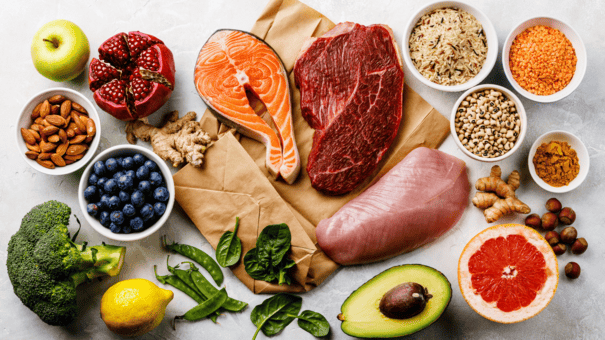
An image of foods that help

20 Foods That Boost NAD Levels

Most people obsess over macros and vitamins. But at the molecular level, something more fundamental is at work: NAD+ (Nicotinamide Adenine Dinucleotide), the coenzyme that powers your cells’ ability to generate energy, repair DNA, and maintain peak function.

Specific foods can influence your NAD+ levels, directly impacting your cellular performance, energy, and even how you age.

In this guide, we’ll explore the foods scientifically shown to support healthy NAD+ levels, giving you practical tools to optimize your cellular health through strategic nutrition.

Key Takeaways:

  • NAD+ naturally declines with age, dropping up to 50% by age 50, but specific foods rich in vitamin B3 compounds and tryptophan can support your body’s NAD+ production.
  • Three primary nutritional precursors influence NAD+ levels: B3 compounds (niacin and niacinamide), tryptophan, and direct precursors like NMN and NR.
  • Wild-caught fish, lean meats, seeds, and whole grains top the list of NAD+ supporting foods, offering essential precursors for cellular energy production.
  • While diet provides a foundation, factors like aging, chronic stress, and modern lifestyle challenges may create demands that exceed what food alone can provide.

Nutrients That Support NAD+ Production

An image of a

Your cellular health depends on more than just basic vitamins and minerals. Deep within your cells, specific nutrients act as molecular building blocks and catalysts for NAD+ production—the backbone of cellular energy and longevity.

Research has identified three primary nutrient precursors that influence your body’s NAD+ levels:

  • B3 Compounds: The most direct nutritional route to NAD+ production comes through vitamin B3 (niacin and niacinamide). A 2020 study in Cell Metabolism demonstrated that niacin increased blood NAD+ levels up to 8-fold1, offering potential therapeutic benefits for conditions linked to NAD+ deficiency.
  • Tryptophan: This essential amino acid provides an alternative route to NAD+ synthesis. Research published in the International Journal of Tryptophan Research mapped how tryptophan converts to NAD+ through the kynurenine pathway2, revealing an important backup system for maintaining cellular energy.
  • Direct Precursors: NMN (nicotinamide mononucleotide) and NR (nicotinamide riboside) represent the newest frontier in NAD+ optimization. These compounds bypass several metabolic steps for a more efficient path to NAD+ production, although they are only present in small amounts in food.

Understanding these nutrients is just the beginning. The real power lies in knowing which foods activate them most effectively. 

Top 20 NAD Boosting Foods

58 1

Your next meal could change your cellular health for the better. Foods high in NAD+ boosting precursors like the various forms of vitamin B3 provide a foundation for optimal cellular function. When combined with a healthy lifestyle, these scientifically validated foods supply the key building blocks your body needs to increase NAD levels naturally.

  • Wild-Caught Fish (Salmon, Tuna, Sardines, Anchovies) – These nutrient-dense fish not only support cellular metabolism as an excellent source of niacin but also offer additional health benefits like omega-3 fatty acids.
  • Meat (Chicken, Turkey, Beef, Pork) – These protein sources contain significant amounts of vitamin B3 and tryptophan, two essential precursors your body uses to produce NAD+.
  • Seeds (Sunflower, Chia, Pumpkin) – Rich in both niacin and tryptophan, these small powerhouses provide key building blocks for NAD+ synthesis while offering healthy fats and protein.
  • Dairy Milk – A natural source of nicotinamide riboside, a direct NAD+ precursor, along with vitamin B3 compounds that support cellular energy production.
  • Whole Grains – Beyond providing steady energy, whole grains contain significant amounts of niacin and other B vitamins that support NAD+ production pathways.
  • Crimini Mushrooms – These earthy fungi pack a surprising punch of niacin, offering nearly 25% of your daily value in just one cup.
  • Nutritional Yeast – A vegetarian favorite that’s loaded with B vitamins, including niacin, making it an excellent NAD+ supporter for plant-based diets.
  • Green Peas – These modest legumes contain both niacin and tryptophan, supporting NAD+ production through multiple pathways.
  • Asparagus – Rich in B vitamins and folate, asparagus supports methylation processes that influence NAD+ metabolism.
  • Avocados – These creamy fruits provide niacin along with healthy fats that support cellular membrane health and nutrient absorption.
  • Edamame (Green Soybeans) – Packed with both niacin and tryptophan, these young soybeans offer complete protein while supporting NAD+ synthesis.
  • Leafy Greens – Dark leafy vegetables contain folate and B vitamins that support the metabolic processes involved in NAD+ production.
  • Lentils – These protein-rich legumes contain significant amounts of niacin and tryptophan, supporting NAD+ production through multiple pathways.
  • Peanuts – High in both nicotinic acid and tryptophan, peanuts provide sustained energy while supporting NAD+ synthesis.
  • Brown Rice – This whole grain contains niacin and other B vitamins that support cellular energy production and NAD+ metabolism.
  • Eggs – A complete protein source containing tryptophan and other B vitamins that support NAD+ synthesis pathways.
  • Tomatoes – These versatile fruits contain modest amounts of niacin while providing antioxidants that support cellular health.
  • Cucumber – While lower in niacin, cucumbers provide hydration and minerals that support overall cellular function.
  • Nuts – Different varieties offer varying levels of niacin and tryptophan, with almonds and pistachios being particularly good sources.
  • Potatoes – These starchy vegetables contain meaningful amounts of niacin and other B vitamins that support NAD+ metabolism.

Is Food Enough for Optimal NAD+ Levels?

59 1

NAD+ levels usually start dropping in your 20s. After age 40, NAD+ levels begin declining sharply and, by age 50, they’ve typically fallen to half their youthful levels3. Diet alone often can’t offset this natural decrease.

Modern life creates additional challenges for maintaining NAD+ levels. Chronic stress4, insufficient sleep, alcohol consumption5, excessive sun exposure, and a sedentary lifestyle can all accelerate NAD+ depletion.

Not to mention, even pristine nutrition faces biological limitations:

  • Absorption Barriers: Your body’s ability to extract and convert NAD+ precursors from food becomes less efficient with age
  • Metabolic Demands: Modern stressors deplete NAD+ faster than traditional diets evolved to handle
  • Precursor Availability: Many foods contain NAD+ building blocks, but not in the concentrated amounts needed to overcome age-related decline

Supplementation may be worth considering when facing significant NAD+ depletion factors like advanced age, chronic stress, poor sleep, or intense athletic training. These situations create demands that exceed what diet alone can provide, making supplementation a valuable reinforcement for true cellular resilience.

How to Optimize NAD+ Beyond Diet

60 1

While nutrition provides essential building blocks, your cells often need additional support to maintain optimal NAD+ levels—especially in the face of aging and environmental stressors.

Direct NAD+ precursors like NMN and NR deliver concentrated, bioavailable forms of these vital molecules straight to your cells. Unlike dietary sources, these compounds bypass multiple conversion steps, providing a more efficient path to optimal NAD+ levels.

This matters because signs of NAD+ depletion, like fatigue, brain fog, or slower recovery, often signal a deeper cellular energy crisis that diet alone can’t resolve. Your cells need targeted support to maintain peak performance.

Therefore, while a nutrient-rich diet forms the cornerstone of health, strategic supplementation with NAD+ precursors6 provides the extra support your cells need to thrive in today’s demanding world.

Our flagship Vitality ↑® NAD+ Booster combines premium NMN with synergistic compounds like Creatine Monohydrate, D-Ribose, and Niacinamide. This patent-pending formula maximizes NAD+ production through multiple pathways, supporting optimal cellular function and energy production.

For those seeking a pure NMN option, our >99.5% Pure NMN Powder is a more affordable path to NAD+ optimization. This high-purity powder provides direct NAD+ precursor support without additional compounds.

Moreover, the path to optimal NAD+ levels starts with understanding your current status, where data, not assumptions, should drive your NAD+ optimization.

Our Intracellular NAD® Test shows exactly where you stand and what you need.

It allows you to:

  • Track your baseline levels and monitor changes over time
  • Identify the most effective dosage for your unique biology
  • Measure the impact of different lifestyle and supplementation strategies

NAD testing allows you to measure your actual cellular levels, helping you fine-tune your supplementation strategy for optimal results.

Reference Sources:

  1. https://www.sciencedirect.com/science/article/pii/S155041312030190X ↩︎
  2. https://journals.sagepub.com/doi/10.1177/1178646917713491 ↩︎
  3. https://pmc.ncbi.nlm.nih.gov/articles/PMC7442590/ ↩︎
  4. https://pmc.ncbi.nlm.nih.gov/articles/PMC9917998/ ↩︎
  5. https://www.mdpi.com/2227-9032/10/5/882 ↩︎
  6. https://www.sciencedirect.com/science/article/pii/S2468501121000055 ↩︎

An image of three matured woman

NMN vs NMNH Differences, Benefits & Risks

NAD+ precursors aren’t created equal. While NMN has established itself as a cornerstone of NAD+ supplementation, its reduced form NMNH has emerged as a potential challenger—promising faster absorption and higher NAD+ increases in preliminary research.

These two molecules take distinct biochemical paths to boost your NAD+ levels. Understanding their differences matters not just for scientific accuracy, but for making informed decisions about your health optimization strategy.

Key Takeaways:

  • NMN offers a well-researched path to NAD+ enhancement, supported by extensive human trials and a documented safety profile.
  • NMNH may provide faster NAD+ increases by bypassing certain enzymatic steps, though human studies are still pending.
  • Both compounds aim to restore declining NAD+ levels, but they differ in stability, absorption mechanisms, and current scientific validation.
  • Molecular structure sets them apart—NMNH carries an extra hydrogen molecule that alters its biological processing.

What’s the Difference Between NMN and NMNH?

An image of a matured woman taking supplement

NMN and NMNH take different paths to reach the same destination: higher NAD+ levels in your body. Let’s look at what sets these two compounds apart and why these differences matter for your health.

Molecular Structure

NMN (nicotinamide mononucleotide) is a direct precursor to NAD+. It consists of a nicotinamide moiety attached to ribose and a phosphate group, forming a nucleotide that the body can use to synthesize NAD+1. Meanwhile, NMNH (dihydronicotinamide mononucleotide) is the reduced form of NMN, carrying an extra hydrogen on the nicotinamide ring.2

This additional hydrogen changes certain properties, which can lead to more robust or faster NAD+ increases in some studies. However, contrary to earlier assumptions that NMNH might be “more stable” in the digestive tract, research indicates NMNH is actually less stable than NMN at neutral pH.3

Metabolic Pathways

NMN can become NAD+ through two major routes. First, the salvage pathway, where nicotinamide (NAM) is converted into NMN by NAMPT and then NMN is turned into NAD+ by NMNAT4. Second, the de novo pathway generating NAD+ from tryptophan or niacin produces NaMN and other intermediates rather than directly synthesizing NMN from scratch5. Most NMN used in cells arises from recycling NAM, making the salvage pathway the predominant and more energy-efficient route.

NMNH appears to follow a simpler, faster route. It bypasses enzymes such as NAMPT and NRK, continuing instead through NMNAT-related steps that can directly lead to NAD+ and NADH. This streamlined path may underlie reports of faster or higher NAD+ increases, as fewer conversion steps are required to boost intracellular NAD+ and NADH levels.6

Absorption and Bioavailability

One of the key factors in assessing the effectiveness of a supplement is its absorption and bioavailability. NMN has been shown to be absorbed through the gut7 and into the bloodstream, but its bioavailability can be influenced by various factors such as gut health, digestive enzymes, and the presence of other nutrients. While some research suggests that NMN may be degraded in the gut before absorption, recent studies have demonstrated that orally administered NMN can lead to increased NAD+ levels in various tissues, indicating successful absorption and utilization8.

Meanwhile, NMNH has demonstrated a higher potency in elevating NAD⁺ levels in vitro and in animal models, potentially through bypassing certain rate-limiting steps that NMN must undergo9. However, there are currently no published human clinical trials investigating NMNH. Since the enhanced effects observed in preclinical studies have not yet been confirmed in humans, it remains speculative whether NMNH will provide more rapid or extensive NAD+ boosts in real-world use. Until more human data become available, NMNH’s practical advantages over NMN should be interpreted with caution.

Research Status

While NMN has been well-researched over the past few years, NMNH is still in the early stages of study. We know NMN boosts NAD+ levels, supports mitochondrial function, and benefits overall health, but there’s not enough research on NMNH yet to fully grasp its potential.

NMN has been widely studied and has shown promising results in various areas of health, including anti-aging, metabolism, cardiovascular health, and cognitive function. Studies on animals and humans alike have demonstrated NMN’s ability to increase NAD+ levels and support mitochondrial health.10

Benefits of NMN and NMNH Compared

An image of a strong matured woman benefiting from NMN and NMNH

NMN and NAD+ have become household names in the world of cellular health and longevity. While these molecules have revolutionized how we approach energy production and aging at the cellular level, breakthrough research on NMNH is pushing the boundaries even further.

As we’ve seen, NMN and its reduced form, NMNH, are both NAD+ precursors with potential health benefits. However, early research points to NMNH being a more potent enhancer of NAD+ levels compared to NMN.

NMN Benefits

  • NAD+ Restoration: Clinical studies show NMN can increase NAD+ levels, which decline with age, by about 40% within 30 days11. NMN’s ability to boost NAD+ has been shown to offset age-related diseases and improve vascular function, cognitive performance, and oocyte quality in aged models.12
  • Gut Health: Long-term NMN treatment can modulate gut microbiota, increasing beneficial bacteria and reducing harmful ones, which may enhance intestinal barrier function13.
  • Heart Health: NMN supplementation has been shown to decrease oxidative stress in heart tissue, lower inflammation in the cardiovascular system, and protect against DNA damage in heart cells14.
  • Anti-Aging Effects: NMN supplementation has been linked to anti-aging effects15, including improved vascular function and reduced oxidative stress, through mechanisms involving sirtuin activation.

NMNH Benefits

  • Potentially Superior NAD+ Enhancement: NMNH may increase NAD+ levels16 more effectively and rapidly than NMN or NR, through a different metabolic pathway.
  • Metabolic Effects: NMNH suppresses glycolysis and the TCA cycle, and induces cell cycle arrest, which may have implications for cell growth regulation17.
  • Tissue Protection: NMNH has shown potential in reducing damage and accelerating repair in renal cells under stress conditions18.

While both NMN and NMNH are beneficial as NAD+ precursors, early NMNH research suggests it may be more efficient in raising NAD+ levels and has unique metabolic effects that may offer additional therapeutic benefits. NMN, however, has broader documented benefits in age-related health improvements and gut health. Further research is needed to fully understand the distinct and overlapping benefits of these compounds.

Potential Risks of NMNH and NMN

An image of a matured woman with flushing or warmth in the skin

NMN has been studied extensively in both animal and human trials, and so far, it has shown a strong safety profile19. Most users tolerate NMN well, even at higher doses20. Some people, however, report mild side effects that are generally rare and short-lived, such as:

  • Temporary flushing or warmth in the skin
  • Skin problems like itching and sweating
  • Mild to moderate headaches
  • Dizziness
  • Fatigue and lethargy
  • Sleep disturbances
  • Mild gastrointestinal issues

NMNH is a newer compound, and research into its safety is still in the early stages. While preliminary studies haven’t flagged adverse effects, the lack of data means the potential side effects remain uncertain. The structural differences between NMN and NMNH could lead to unique interactions in the body, but until more human trials are conducted, we don’t have enough information to draw firm conclusions.

NMN vs NMNH: Which is Right For You?

An image of a matured men and women exercising

NMN stands as the gold standard for NAD+ enhancement. Its extensive research background and established safety profile make it the clear choice for those seeking evidence-based supplementation.

NMNH represents the cutting edge—promising but unproven. While preliminary data suggest potential advantages in NAD+ biosynthesis, the limited research makes it better suited for those comfortable with scientific uncertainty.

Most healthcare professionals align with the data: NMN’s documented safety and efficacy outweigh NMNH’s theoretical benefits.

For optimal results, consider our clinically-validated NAD powder supplement Vitality NAD+ Booster—a patent-pending formula combining NMN with synergistic compounds that maximize cellular energy production.

If you prefer simplicity, Pure NMN offers >99.5% purity at a more accessible price point. Both options deliver measurable NAD+ increases, verified through our Intracellular NAD® Test.

Reference Sources:

  1. https://pmc.ncbi.nlm.nih.gov/articles/PMC10240123/ ↩︎
  2. https://pubmed.ncbi.nlm.nih.gov/33793246/ ↩︎
  3. https://www.biorxiv.org/content/10.1101/2020.11.03.366427v2.full ↩︎
  4. https://pmc.ncbi.nlm.nih.gov/articles/PMC11205942/ ↩︎
  5. https://www.nature.com/articles/s41392-020-00311-7 ↩︎
  6. https://faseb.onlinelibrary.wiley.com/doi/10.1096/fj.202001826R ↩︎
  7. https://www.mdpi.com/2218-1989/14/6/341 ↩︎
  8. https://pmc.ncbi.nlm.nih.gov/articles/PMC7238909/ ↩︎
  9. https://researchinformation.amsterdamumc.org/en/publications/reduced-nicotinamide-mononucleotide-is-a-new-and-potent-nad-precu ↩︎
  10. https://pmc.ncbi.nlm.nih.gov/articles/PMC6565489/ ↩︎
  11. https://pmc.ncbi.nlm.nih.gov/articles/PMC7238909/ ↩︎
  12. https://www.frontiersin.org/journals/cell-and-developmental-biology/articles/10.3389/fcell.2020.00246/full ↩︎
  13. https://www.frontiersin.org/journals/nutrition/articles/10.3389/fnut.2021.714604/full ↩︎
  14. https://pmc.ncbi.nlm.nih.gov/articles/PMC11394709/ ↩︎
  15. https://link.springer.com/article/10.1007/s11357-019-00095-x ↩︎
  16. https://pubs.acs.org/doi/10.1021/acs.jproteome.0c01037 ↩︎
  17. https://pubs.acs.org/doi/10.1021/acs.jproteome.0c01037 ↩︎
  18. https://faseb.onlinelibrary.wiley.com/doi/10.1096/fj.202001826R ↩︎
  19. https://www.nature.com/articles/s41514-022-00084-z ↩︎
  20. https://pubmed.ncbi.nlm.nih.gov/36482258/ ↩︎

Visual representation of omparison of two supplements: NAD and NAC

What’s the Difference Between NAD and NAC?

NAD and NAC are two of the most frequently confused supplements in the anti-aging and health optimization space. While their names might look similar on a bottle, these molecules serve fundamentally different roles in your cellular machinery.

The confusion stems from more than just their similar-looking acronyms. Both molecules support cellular health, both decline with age, and both have drawn widespread interest in the longevity research community. But their mechanisms of action, supplementation strategies, and optimal testing methods differ significantly.

This guide will break down exactly what sets NAD and NAC apart, explore their unique roles in cellular function, and explain why tracking your NAD levels through precise testing provides crucial insights that simply aren’t available for NAC. We’ll examine how each compound supports your body’s cellular processes and help you understand which one—or whether both—might be right for your health optimization goals.

Key Takeaways

  • NAD and NAC serve fundamentally different roles in your cells. NAD powers energy production in every cell, while NAC supports your body’s antioxidant defense systems.
  • Testing makes the difference in optimizing your NAD levels. While both molecules support cellular health, only NAD levels can be precisely measured through intracellular testing to guide supplementation.
  • Strategic supplementation may include both molecules. NAD precursors typically provide more direct benefits for energy and longevity, while NAC offers complementary antioxidant support for overall cellular protection.

What is NAD? The Cellular Energy Master

Nicotinamide adenine dinucleotide, or NAD for short, exists in every cell of your body, orchestrating hundreds of biological processes essential for life itself1. The molecule is a fundamental coenzyme that transforms the food you eat into cellular energy.

NAD exists in two main forms in your cells: NAD+ (the oxidized form) and NADH (the reduced form). This dynamic pair works together in a continuous cycle, with NAD+ accepting electrons to become NADH, and NADH donating electrons to convert back to NAD+. This electron transfer process lies at the heart of cellular energy production.

In the mitochondria, NADH transfers its electrons to the electron transport chain, converting back to NAD+ in the process. This electron handoff drives the production of ATP—your cells’ primary energy source. The constant cycling between NAD+ and NADH maintains the delicate balance needed for optimal cellular function2.

An image of NAD and NADH compounds

NAD+ to NADH conversion cycle

But NAD+ does more than just energy production. It serves as a critical cofactor for:

  • Sirtuins, the proteins that regulate cellular aging and DNA repair3
  • PARPs, which help maintain genome stability4
  • CD38, an enzyme involved in immune function and calcium signaling5

The not-so-great aspect is that intracellular NAD+ levels naturally decline with age. By the time you reach 60, you typically have less than half the NAD+ you had at age 20. This decline isn’t just a number—it correlates directly with many hallmarks of aging, from reduced energy to impaired cellular repair.

NAD level decline visualization infographic

Your cells can create NAD+ through several pathways, using precursors like:

However, not all precursors are equally effective. Measuring your actual intracellular levels through NAD testing remains the only reliable way to know if your supplementation strategy is working. Blood tests can’t tell you what’s happening inside your cells, where NAD+ actually performs its critical functions.

Join 50,000+ Health Optimizers

Access the same health optimization strategies used by longevity experts. Weekly insights, exclusive products, member pricing.

What is NAC? The Antioxidant Precursor

NAC (N-acetyl cysteine) is a unique amino acid derivative that serves as a direct precursor to glutathione—your body’s primary internal antioxidant defense system. Unlike NAD, which handles energy production, NAC’s primary role centers on cellular protection and detoxification6.

Inside your cells, NAC converts to cysteine, the rate-limiting building block for glutathione production. Without adequate cysteine, your cells can’t maintain optimal glutathione levels. This matters because glutathione:

  • Neutralizes harmful free radicals7
  • Supports your body’s detoxification processes8
  • Helps maintain cellular redox balance9
  • Protects against oxidative stress10

Beyond its role in glutathione production, NAC exhibits direct antioxidant properties. It can break down mucus proteins, which explains its long history of clinical use in respiratory conditions11. This dual action—both as a direct antioxidant and as a glutathione precursor—makes NAC particularly valuable for cellular defense.

Your body’s need for NAC increases during periods of:

  • Environmental toxin exposure
  • Intense physical exercise
  • Respiratory challenges
  • Metabolic stress
  • Inflammation

While NAC naturally occurs in high-protein foods, the supplemental form offers more direct benefits because it bypasses digestive breakdown. However, timing matters—NAC is best absorbed on an empty stomach, away from protein-rich meals that might compete for absorption.

Unlike NAD, which requires specialized testing to measure intracellular levels, glutathione status can be assessed through standard blood tests. However, these measurements don’t always reflect tissue levels, making symptoms and overall health markers important guides for supplementation.

NAD vs NAC Key Differences Explained

At first glance, NAD and NAC might seem similar since both support cellular health and both become more important as we age. But their molecular roles and impacts on your body couldn’t be more distinct.

Structural Differences

NAD exists as a complex coenzyme, switching between its oxidized and reduced forms during energy production. NAC, in contrast, is a modified amino acid, serving as a precursor molecule that your body converts into other compounds.

Primary Functions

NAD orchestrates energy production in your mitochondria, enabling the conversion of nutrients into ATP12. Every cell in your body depends on this process. Think of NAD as your cellular energy’s master conductor.

NAC takes a different path. It serves as raw material for glutathione production. While NAD powers your cellular engines, NAC helps maintain your cellular defense systems.

Location and Action

Inside your cells, NAD concentrates in specific areas:

  • Mitochondria for energy production
  • Nucleus for DNA repair
  • Cytoplasm for metabolic reactions

NAC, once absorbed, rapidly converts to cysteine and disperses throughout your tissues, with particular affinity for the liver—your body’s primary detoxification center.

Testing and Optimization

Measuring NAD requires specialized intracellular testing methods. Standard blood tests can’t accurately reflect your cellular NAD status. That’s why the Intracellular NAD® Test provides crucial insights for optimization.

Glutathione levels, influenced by NAC supplementation, can be measured through conventional blood tests. However, these measurements don’t always correlate perfectly with tissue levels or functional status.

Supplementation

NAD levels respond to precursor supplementation with compounds like NMN and NR. Your cells can use these building blocks to manufacture new NAD molecules—a process that becomes more critical as you age.

NAC supplementation works differently. Your body uses it both directly as an antioxidant and as raw material for glutathione production. This dual-action approach makes NAC particularly valuable during periods of increased oxidative stress.

AspectNADNAC
StructureComplex coenzyme that switches between oxidized and reduced formsModified amino acid that serves as a precursor molecule
Primary FunctionOrchestrates cellular energy production by converting nutrients into ATPServes as raw material for glutathione production and supports cellular defense systems
Cellular LocationConcentrates in mitochondria, nucleus, and cytoplasmConverts to cysteine and disperses throughout tissues, particularly in the liver
Testing MethodsRequires specialized intracellular testing; standard blood tests insufficientCan be measured through conventional blood tests (via glutathione levels)
SupplementationResponds to precursor supplements like NMN and NRUsed directly as antioxidant and as raw material for glutathione production

NAC vs NAD Supplements for Anti-Aging

Both NAC and NAD precursors have demonstrated promising benefits for age-related health and longevity. The choice between the two depends on individual health goals and specific healthy aging concerns. Some researchers are even exploring combinations of antioxidants and NAD precursors for synergistic effects13.

Given the complexity of aging, a multi-faceted approach that includes both antioxidant support (like NAC) and metabolic enhancement (via NAD precursors) might be most beneficial. However, the extensive longevity research behind NAD+14 and its fundamental role in cellular energy production makes NAD precursors the more compelling choice if you need to prioritize one over the other.

For those focused on optimizing their NAD+ levels, Vitality ↑® NAD+ Booster offers a comprehensive solution. This patent-pending NAD supplement powder formula combines NMN with synergistic ingredients like D-ribose, niacinamide, and creatine monohydrate to support optimal NAD+ levels, boost energy production, and enhance sleep quality. Pair it with our Intracellular NAD® Test to measure your results and optimize your dosage for maximum benefits.

Vitality NAD+ Booster promotional image

Can NAD and NAC Be Taken Together?

NAC and NAD complement each other in supporting cellular resilience. NAD supplements drive energy production in your mitochondria, while NAC strengthens your antioxidant defenses. This combination becomes particularly powerful as energy production naturally generates free radicals—NAC helps neutralize these byproducts while NAD maintains optimal energy flow.

Timing Matters

NAD precursors absorb best with food, while NAC shows optimal absorption on an empty stomach. Space them several hours apart—NAD with breakfast for sustained energy, NAC between meals or before bed.

When to Consider Both

The NAD/NAC combination proves most valuable during:

  • Intense physical or mental demands
  • Environmental stress exposure
  • Implementation of longevity protocols
  • Age-related cellular decline

Are NAD and NAC Safe to Use?

Both NAD and NAC have strong safety profiles backed by decades of clinical use. However, their distinct mechanisms mean different considerations for each.

NAD precursor supplements like NR show remarkable tolerance in research studies15. Most people report no side effects beyond occasional mild flushing—similar to what you might experience from vitamin B3.

NAC’s safety record spans over 50 years of clinical use16, first as a medical intervention and now as a supplement. Its most common side effect is a distinctive sulfur smell that has no impact on its benefits. Some people notice mild digestive effects when starting NAC, which typically resolve by taking it with food.

Key precaution: Always consult healthcare providers if you’re on medications, as NAC in particular can interact with certain drugs due to its effects on liver function.

Frequently Asked Questions

Does NAC Boost NAD+ Levels?

NAC does not directly support NAD+ levels, but it may indirectly contribute to maintaining or enhancing NAD+ levels through several mechanisms. One study demonstrates that NAC can inhibit NADPH oxidase activation in various tissues17. This effect may indirectly support NAD+ levels since NADPH oxidase produces reactive oxygen species (ROS) that can deplete NAD+.

Are NAC and NAD the Same?

As we have seen above, these are entirely different molecules. NAC is an amino acid derivative that supports antioxidant production, while NAD is a coenzyme essential for cellular energy production. Despite their similar-sounding names, they serve distinct biological functions.

What’s the Difference Between NAC and NMN?

NMN supplements are direct precursors to NAD+, helping your cells produce more of this vital coenzyme. NAC, on the other hand, has no direct relationship to NAD+ production—it supports glutathione synthesis and antioxidant defense.

Does Taking NAD+ or NAC Help With Sleep?

NAD+ levels influence your circadian rhythm and sleep-wake cycles18. Many users report improved sleep quality with NAD+ precursor supplementation. NAC’s effects on sleep are less direct, though some find its antioxidant properties support overall sleep quality by reducing oxidative stress.

How Long Does It Take to See Results?

Individual responses vary, but most people notice initial effects from NAD+ supplementation within 2-4 weeks, particularly in energy levels and mental clarity. Regular testing can track your progress objectively. NAC’s effects on oxidative stress markers typically become apparent within similar timeframes.

Referenced Sources

  1. https://www.sciencedirect.com/science/article/pii/S0006291X24001256 ↩︎
  2. https://pmc.ncbi.nlm.nih.gov/articles/PMC4442697/ ↩︎
  3. https://www.nature.com/articles/npjamd201617 ↩︎
  4. https://www.nature.com/articles/s41598-020-57506-9 ↩︎
  5. https://pmc.ncbi.nlm.nih.gov/articles/PMC2883294/ ↩︎
  6. https://pmc.ncbi.nlm.nih.gov/articles/PMC5241507/ ↩︎
  7. https://www.sciencedirect.com/science/article/abs/pii/S2210271X23002098 ↩︎
  8. https://ehp.niehs.nih.gov/doi/10.1289/ehp.834959 ↩︎
  9. https://pmc.ncbi.nlm.nih.gov/articles/PMC10669396/ ↩︎
  10. https://www.mdpi.com/2076-3921/8/4/82 ↩︎
  11. https://www.mdpi.com/2076-3921/12/9/1713 ↩︎
  12. https://pmc.ncbi.nlm.nih.gov/articles/PMC7973386/ ↩︎
  13. https://www.sciencedirect.com/science/article/abs/pii/S0891584923004732 ↩︎
  14. https://www.sciencedirect.com/science/article/abs/pii/S1568163718300060?via%3Dihub ↩︎
  15. https://www.nature.com/articles/s41467-018-03421-7 ↩︎
  16. https://pmc.ncbi.nlm.nih.gov/articles/PMC7892733/ ↩︎
  17. https://pmc.ncbi.nlm.nih.gov/articles/PMC3282981/ ↩︎
  18. https://www.frontiersin.org/journals/physiology/articles/10.3389/fphys.2023.1285776/full ↩︎
An image of three athlete who won medal

6 Benefits of NAD for Athletic Performance and Recovery

Your athletic potential lives and dies at the molecular level. While others focus on surface-level metrics, elite performers understand a deeper truth: cellular energy production determines who breaks records and who hits the wall.

Enter NAD+: the molecular backbone of athletic excellence.

This coenzyme drives the fundamental chemical reactions that transform nutrients into ATP, your body’s high-octane cellular fuel. NAD+ supercharges your mitochondria, the microscopic powerhouses that energize every sprint, lift, and endurance push.

The science is clear: when NAD+ levels drop, athletic performance follows. Your muscles can’t fire at full strength. Recovery slows to a crawl. That extra gear you used to have? It vanishes.

The athletes who dominate their sports aren’t just training harder—they’re optimizing their cellular machinery. They’re ensuring their NAD+ levels stay primed for peak performance.


In this article, we’ll discuss…

  • 6 benefits of NAD+ that can help you level up your athletic performance, recover faster, and make every workout count.
  • How NAD+ supports performance longevity and training consistency, so you can stay at the top of your game for years to come.
  • Simple ways to boost your NAD+ levels, giving you the edge for better energy, endurance, and recovery.

What is NAD?

An image of a man running

NAD+ (nicotinamide adenine dinucleotide) is an important player in your body’s energy and metabolism game, especially if you’re an athlete. NAD is the engine behind converting carbs, fats, and proteins into ATP,1 your body’s main energy fuel. Without enough NAD+, it’s harder to sustain energy during those long, intense training sessions.

It also helps repair cells and combat oxidative stress2—something your body deals with after tough workouts. The result is faster recovery, less muscle fatigue, and the ability to train harder and more often.

Benefits of NAD for Athletic Performance

AN image of an athletic performa

If you’re an athlete looking to boost your performance and recovery, supporting healthy NAD+ levels can make all the difference. It’s like giving your body the tools it needs to hit new personal bests, day after day.

Here are the six top benefits of NAD to help you boost your athletic performance. 

Energy Production and Endurance

During intense training and physical activity, your body’s energy needs multiply exponentially. NAD+ stands as the molecular gatekeeper between mediocre and exceptional performance.

In your mitochondria3, NAD+ drives the chemical cascade that transforms nutrients into ATP. More NAD+ means more power output, sustained longer.

But athletes face a biological paradox: The harder you train, the faster your NAD+ reserves deplete. Each explosive movement, each endurance milestone burns through your molecular energy currency.

The data reveals that athletes with optimal NAD+ levels have reduced fatigue4 and are able to push harder, last longer, and bounce back faster. Those with depleted reserves hit their limits sooner—watching their potential slip away.

Muscle Function and Fatigue Reduction

For peak performance, athletes need strong muscles and the stamina to fight fatigue. In studies involving muscular dystrophy models, NAD+ supplementation has been shown to improve muscle function, protect against muscle damage, and enhance running capacity5. NAD+ also helps mitigate muscle fatigue by supporting efficient energy production6.

Post-Workout Recovery and Muscle Repair

During the post-workout recovery phase, which typically spans seven days, skeletal muscle undergoes extensive remodeling through multiple NAD+-dependent pathways. The autophagolysosomal system relies on proper NAD+ function to degrade damaged components and provide building blocks for new tissue, while regenerative processes including satellite cell proliferation and immune cell activity work in concert to repair and strengthen muscle tissue7.

Research on Nmnat1, a nuclear NAD+ biosynthesizing enzyme, has revealed redundant pathways for maintaining NAD+ levels in skeletal muscle, highlighting the body’s robust mechanisms for preserving this essential molecule during recovery8.

Metabolic Efficiency

Athletes with efficient metabolism demonstrate better use of energy substrates during intense muscle activity9. They require high levels of NAD+ to fuel metabolic reactions and maintain optimal energy production during intense physical activity10.

NAD+ supports metabolic reactions that regulate the cell cycle and maintain energy balance11. This helps athletes sustain their high energy demands during training and competition.

Mental Focus and Cognitive Function

NAD+ is crucial for maintaining mental focus and cognitive function, especially for athletes who rely on sharp concentration and quick thinking during training and competition.

The coenzyme helps maintain healthy cognitive function by optimizing the adjustment of cerebral blood flow to neuronal activity12. This process, known as neurovascular coupling, is crucial for peak mental performance during athletic activities. NAD+ supplementation also shows protective effects on mitochondrial function and reduces oxidative stress in cerebrovascular cells. This improvement in cellular energy production can enhance mental clarity and focus during athletic performance.

Performance Longevity and Training Consistency

NAD+ levels decline with age, leading to lower energy production, reduced mitochondrial function, and slower recovery. Supplementing with NAD+ or boosting its levels can counteract these declines and help you to continue performing at your best.

With its support for ATP production in the mitochondria, NAD+ provides you with the energy needed to power through intense workouts and maintain training consistency.

NAD+ also activates sirtuins—proteins that regulate cellular stress and inflammation—improving recovery times and reducing the risk of injury. In short, NAD+ helps you extend your training sessions and excel in your sport, even as you get older.

How to Boost NAD Levels for Exercise Performance

Along with your regular workouts, focus on maintaining a nutrient-rich diet with foods high in vitamin B3 (niacin or niacinamide), like lean meats, fish, nuts, and green vegetables, to naturally support NAD+ production. Intermittent fasting is another strategy that can elevate NAD+ levels by activating metabolic pathways that enhance its production.

Supplementing with NAD+ precursors like nicotinamide riboside (NR) and nicotinamide mononucleotide (NMN) can further amplify your results. NR quickly boosts NAD+ levels, improving muscle function and endurance, while NMN supports mitochondrial health, reduces fatigue, and enhances overall performance.

Elite athletes are discovering the performance advantages of NAD+ booster supplements. American track star Celera Barnes, who has clocked an impressive 10.82 seconds in the 100-meter sprint, relies on Vitality ↑® NAD+ Booster as part of her training regimen. Our advanced formula combines a clinically validated blend of powerful NAD+ precursors NMN and nicotinamide, as well as Creatine Monohydrate and D-Ribose, ingredients that work synergistically to efficiently boost NAD+ levels.

Unlike other NAD+ products, Vitality ↑® doesn’t just raise NAD+ levels; it revitalizes cellular energy production and supports recovery processes, helping you perform at your peak, recover faster, and train with consistency.

Get Your NAD Levels Tested

An image of a man and a woman exercising.

Understanding where you stand with your NAD+ levels is crucial for optimizing energy production and enhancing recovery. This proactive step will empower you to make informed decisions about your nutrition and supplementation, ultimately supporting your performance goals and overall health.

Our Intracellular NAD test can help identify whether your NAD+ levels are optimal or lower than normal. It provides insights into your current state and determines if you need to make dietary adjustments, lifestyle changes, or supplement with NAD+ precursors to maximize your performance and recovery.

Take charge of your health and athletic performance by getting your NAD+ levels tested today.

Reference Sources:

  1. https://www.nature.com/scitable/topicpage/nutrient-utilization-in-humans-metabolism-pathways-14234029/ ↩︎
  2. https://pmc.ncbi.nlm.nih.gov/articles/PMC6837626/ ↩︎
  3. https://link.springer.com/protocol/10.1007/978-1-4939-1875-1_4 ↩︎
  4. https://www.aginganddisease.org/EN/10.14336/AD.2021.0824 ↩︎
  5. https://www.fshdsociety.org/2019/07/29/nad-supplementation-may-help-aging-muscle/ ↩︎
  6. https://properformancechiropractic.com/lifestyle/the-link-between-nad-and-exercise/ ↩︎
  7. https://pubmed.ncbi.nlm.nih.gov/39670455/ ↩︎
  8. https://pubmed.ncbi.nlm.nih.gov/37394423/ ↩︎
  9. https://www.semanticscholar.org/paper/f0e8407de93bded5e7436f4755dbc5cc603e57bb ↩︎
  10. https://www.ncbi.nlm.nih.gov/pmc/articles/PMC11171005/ ↩︎
  11. https://www.mdpi.com/2072-6694/16/11/2054 ↩︎
  12. https://www.semanticscholar.org/paper/2fbfea967ce5a3f8d814f51779c4091878bd3681 ↩︎

An image of a woman looking at the mirror applying skin care

The Regenerative Benefits of NAD+ for Aging Skin

What if the secret to younger, more radiant skin lies not in a bottle of cream but within your cells? 

NAD+ (Nicotinamide Adenine Dinucleotide) is emerging as a game-changer in the world of anti-aging, hailed by dermatologists and longevity experts alike. This powerful molecule works behind the scenes, fueling your body’s ability to repair DNA, produce energy, and combat the visible signs of aging. 

Yet, as we age, NAD+ levels naturally plummet, leaving skin dull, dehydrated, and prone to wrinkles. 

The good news? Cutting-edge research suggests that replenishing NAD+ may not just slow the clock but turn back its hands, rejuvenating your skin from within.

Intrigued? Let’s dive into the science and discover how NAD+ could redefine your skincare routine.


In this article, we’ll discuss…

  • The science behind NAD+ and its crucial role in slowing the aging process of your skin.
  • The top benefits of NAD+ for radiant skin, including its ability to support cellular repair, boost hydration, and enhance overall skin vitality.
  • The pros and cons of using topical NAD+ skincare products.

NAD+ and Skin Aging

An image of a matured woman depicting aging

Think of NAD+ as the fuel behind your skin’s natural glow and resilience. This vital coenzyme powers cellular repair and energy production, but with the decline of NAD+ levels with age, your skin begins to show signs of wear and tear.One of the first signs is a slowdown in collagen production. Collagen is the protein responsible for keeping your skin firm and elastic.1 When NAD+ levels decline, collagen synthesis weakens,2 leading to sagging skin, fine lines, and wrinkles—the hallmarks of aging.

But the effects go beyond structure. NAD+ is crucial for activating DNA repair mechanisms in your skin cells. Sun exposure and UV damage can accelerate aging and increase the risk of skin cancers, but with adequate NAD+, your cells can combat these effects. Unfortunately, when NAD+ levels are low, your skin’s ability to repair itself diminishes, leaving it more vulnerable to environmental damage.

NAD+ also powers your skin’s mitochondria3—the energy generators of cells. Mitochondria produce ATP, the energy necessary for regeneration and repair. Declining NAD+ levels mean less energy for skin cells to renew themselves, leading to a dull, tired complexion and slower recovery.

Key Takeaway: NAD+ helps maintain skin health by powering collagen production, DNA repair, and cellular energy, but its decline with age leads to visible signs of aging.

NAD+ Benefits for Skin Health

An image of a matured woman with a healthy skin

When it comes to maintaining radiant, youthful skin, NAD+ is nothing short of a powerhouse. This essential coenzyme fuels critical processes like cellular energy production and repair, making it integral to skin health. 

Here are the top health benefits of NAD+ for skin health and how it supports a vibrant complexion:

1. Boosts DNA Repair

NAD+ plays a pivotal role in activating enzymes, such as PARPs (poly(ADP-ribose) polymerases),4 which are essential for repairing DNA damage caused by harmful UV rays and environmental pollutants. This repair process helps maintain the structural integrity of skin cells, reducing the risks of photoaging, pigmentation issues, and even skin cancers. By restoring damaged DNA, NAD+ promotes smoother, healthier skin.

2. Enhances Cellular Energy Production

Your mitochondria, known as the powerhouses of cells, rely on NAD+ to generate ATP, the energy currency of cells. Adequate NAD+ levels ensure efficient energy production,5 allowing skin cells to regenerate more effectively and repair damage. This energy boost rejuvenates the skin, resulting in a glowing, refreshed appearance.

3. Activates Sirtuins for Cellular Longevity

Sirtuins are proteins that regulate stress responses, inflammation, and aging processes in cells. These proteins depend on NAD+ to function. By activating sirtuins, NAD+ minimizes inflammation, enhances skin elasticity,6 and delays cellular aging. The result? Skin that looks and feels younger, longer.

4. Strengthens the Skin Barrier

NAD+ supports the synthesis of vital proteins and lipids that fortify the skin’s natural barrier. This barrier plays a crucial role in locking in moisture and protecting against environmental aggressors like toxins and bacteria. By maintaining a robust skin barrier, NAD+ helps prevent dryness, irritation, and premature aging, ensuring a smoother, more resilient complexion.

5. Reduces Oxidative Stress

Environmental factors, including pollution and UV exposure, produce free radicals that damage skin cells. NAD+ aids in neutralizing these free radicals7 by supporting antioxidant pathways. This reduces oxidative stress, a key contributor to wrinkles, dullness, and other signs of aging.

These benefits make it clear: NAD+ is a cornerstone for maintaining a radiant, youthful complexion as you age. By supporting cellular repair, energy production, and overall skin health, NAD+ empowers your skin to look and feel its best, no matter your stage in life.

Does Topical NAD+ Work for Skincare?

An image of a matured woman applying skin care

The potential benefits of topical NAD+ in skincare have sparked interest, but research shows mixed results primarily due to its large molecular size. NAD+ is a relatively large molecule, making it difficult to penetrate the skin barrier effectively when applied topically.

The skin’s barrier is highly selective, meaning that only smaller molecules can typically pass through to deeper layers where they can exert their benefits. This limitation raises questions about whether topical formulations of pure NAD+ can truly deliver the anti-aging and skin health benefits often attributed to NAD+ supplementation.

On the other hand, NAD+ precursors, particularly niacinamide (also known as nicotinamide), have shown more promise in topical applications. Niacinamide is smaller in size and can penetrate the skin more easily,8 making it a more viable option for skincare formulations. 

Studies have demonstrated that niacinamide offers numerous benefits for the skin,9 including enhancing the skin’s barrier function by building keratin, reducing inflammation, and improving overall skin texture. These properties make niacinamide an effective ingredient for treating conditions like acne, redness, and hyperpigmentation. Additionally, as a precursor to NAD+, niacinamide helps promote cellular energy and repair, indirectly boosting NAD+ levels in skin cells.

Despite the potential of topical NAD+ and its precursors, clinical studies specifically assessing the effectiveness of topical NAD+ formulations remain limited. More research is needed to explore how to improve skin penetration and determine the best delivery systems to maximize the benefits of NAD+. Until then, niacinamide remains a more reliable option for those seeking the skin-enhancing benefits associated with NAD+.

Key Takeaway: While topical NAD+ struggles with skin absorption, its smaller precursor niacinamide offers proven skincare benefits through better penetration.

How to Boost NAD+ Levels for Healthier Skin

An image of a woman taking supplement

Maintaining optimal NAD+ levels is crucial for youthful, glowing skin as we age. As NAD+ naturally declines over time, it’s important to adopt strategies that boost NAD+ levels to support skin vitality and reduce visible signs of aging.

Here are effective ways to naturally boost NAD+ levels for healthier, radiant skin:

NAD+ Precursors:

Incorporating NAD+ precursors into your daily routine is one of the most effective ways to raise NAD+ levels. These precursors help stimulate NAD+ production within the body, directly benefiting skin health. Key NAD+ precursors include:

  • Niacin (Vitamin B3): Niacin is a direct precursor to NAD+ and helps in its synthesis. It is widely known for its ability to support skin repair and combat inflammation,10 making it an important nutrient for maintaining smooth, youthful skin.
  • Nicotinamide Riboside (NR):Research has shown that NR supplementation can significantly boost NAD+ levels in the body, which helps enhance mitochondrial function,11 improve skin cell turnover, and support overall skin health. NR has been linked to increased cellular energy, which helps skin cells regenerate faster, contributing to a healthier complexion.
  • Nicotinamide Mononucleotide (NMN): NMN, another powerful NAD+ precursor, works similarly to NR but has unique benefits. Studies indicate that NMN supplementation not only increases NAD+ levels but also enhances mitochondrial function and boosts skin cell metabolism.12 NMN has shown promise in improving the elasticity and resilience of the skin, helping it maintain a youthful appearance.

Our Vitality ↑® NAD+ Booster contains a blend of key NAD+ precursors, including nicotinamide and NMN to help raise NAD+ levels and efficiently support cellular health for skin cell renewal.

Lifestyle Modifications:

Certain lifestyle changes can also naturally boost NAD+ levels and promote skin health. These strategies not only help elevate NAD+ but also support overall well-being:

  • Regular Exercise:Physical activity is a proven way to enhance NAD+ levels. Exercise increases NAD+ in muscles and other tissues, promoting better metabolic health and vibrant skin. Studies have shown that regular exercise can improve skin elasticity, reduce wrinkles, and enhance the skin’s appearance.
  • Intermittent Fasting: This dietary approach has been linked to increased NAD+ production, likely due to its impact on mitochondrial health and reduced oxidative stress. Research suggests that intermittent fasting promotes the activation of longevity genes and boosts NAD+ levels,13 which can improve skin health and vitality.

Sun Protection:

Protecting your skin from harmful UV radiation is critical in maintaining NAD+ levels and preventing premature aging. UV exposure depletes NAD+ by increasing oxidative stress and causing DNA damage. To combat these effects, it is essential to apply broad-spectrum sunscreen daily, which helps preserve NAD+ levels and protects the skin from photoaging and DNA damage.

Stress Management:

Chronic stress can lower NAD+ levels14 by increasing inflammation and oxidative damage in the body. Engaging in stress-reducing practices such as yoga, meditation, and deep-breathing exercises can help mitigate these negative effects. These activities can not only support your overall health but also help maintain adequate NAD+ levels for healthy, radiant skin.

By adopting a combination of these strategies—incorporating NAD+ precursors like NMN, engaging in regular exercise, protecting your skin from UV rays, and managing stress—you can effectively naturally boost NAD+ levels and promote healthier skin. These steps support the body’s natural processes, helping skin cells regenerate and repair more effectively, ultimately contributing to a smoother, more youthful complexion.

Referenced Sources

  1. https://pmc.ncbi.nlm.nih.gov/articles/PMC6835901/ ↩︎
  2. https://pmc.ncbi.nlm.nih.gov/articles/PMC9512238/ ↩︎
  3. https://www.sciencedirect.com/science/article/abs/pii/S1568786414001165 ↩︎
  4. https://pmc.ncbi.nlm.nih.gov/articles/PMC6740200/ ↩︎
  5. https://pmc.ncbi.nlm.nih.gov/articles/PMC7973386/ ↩︎
  6. https://www.jinfiniti.com/what-are-sirtuins/ ↩︎
  7. https://pubmed.ncbi.nlm.nih.gov/24794404/ ↩︎
  8. https://www.mdpi.com/2076-3921/13/4/425 ↩︎
  9. https://pubmed.ncbi.nlm.nih.gov/17147561/ ↩︎
  10. https://pubmed.ncbi.nlm.nih.gov/17147561/ ↩︎
  11. https://pmc.ncbi.nlm.nih.gov/articles/PMC7352172/. ↩︎
  12. https://pmc.ncbi.nlm.nih.gov/articles/PMC10721522/ ↩︎
  13. https://pubmed.ncbi.nlm.nih.gov/20148352/ ↩︎
  14. https://pmc.ncbi.nlm.nih.gov/articles/PMC9917998/ ↩︎

Bottle of Niacin Beside a Jar of Niacinamide Cream

NAD vs Niacin vs Niacinamide: Vitamin B3 Differences Decoded

The vitamin B3 on your supplement label hides a deeper truth.

What appears as a single nutrient actually represents a family of compounds—each following its own path through your cellular machinery.

Understanding the difference between NAD, niacin, niacinamide, and nicotinamide isn’t just biochemistry—it’s the key to unlocking specific health benefits while avoiding unwanted effects.

Let’s decode what your supplement label doesn’t tell you about the forms of vitamin B3.

Vitamin B3: A Short History

In 1937, Conrad Elvehjem made an accidental discovery that would reshape our understanding of human health. While studying black tongue disease in dogs, he isolated a compound that not only cured the canine condition but also proved to be the key to solving pellagra—a devastating human disease that had claimed thousands of lives across the American South.

That compound was niacin, but it was just the beginning. What started as a single vitamin has evolved into a complex family of molecules. Modern longevity researchers have transformed B3 from a simple nutritional supplement into a cornerstone of aging research, with different forms of the vitamin showing distinct effects on cellular health, energy production, and DNA repair.

Add 20+ Healthy Years to Your Life

Access the same health optimization strategies used by longevity experts. Weekly insights, exclusive products, member pricing.

Is NAD More Than Just Another B3?

NAD or nicotinamide adenine dinucleotide stands apart from other B3 vitamins—it’s not a form of B3, but rather a critical coenzyme your cells use as currency in energy transactions. We can think of NAD as cellular currency: every metabolic purchase your cells make requires NAD+, from breaking down glucose1 to repairing damaged DNA2.

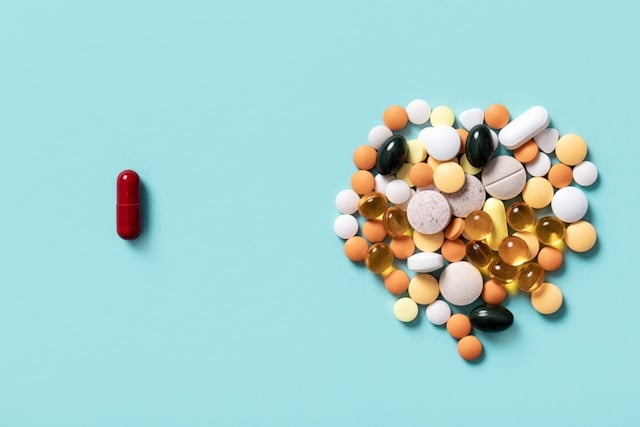
A single red capsule sits apart from a large pile of various colorful pills and supplements.

But here’s where it gets interesting: despite NAD+’s fundamental role, you can’t simply swallow it as a supplement. The molecule is too large and unstable to survive digestion3. Your body must build its NAD+ supply from smaller B3 building blocks—each with its own efficiency rating in the conversion process.

The connection between NAD+ and aging emerged when scientists discovered that our NAD+ levels plummet as we get older. This decline correlates with many hallmarks of aging: decreased energy production, impaired DNA repair, and reduced cellular resilience. Restoring NAD+ levels has become a central focus in longevity research.

Let’s break down the family of B3 compounds and their relationship to NAD+:

B3 FormConversion to NAD+Key BenefitsSources
Niacin (Nicotinic Acid)3-step process, moderate efficiencyCardiovascular health, cholesterol managementFood sources, immediate-release supplements
Niacinamide (Nicotinamide)2-step process, good efficiencySkin health, joint functionSupplements, fortified foods, skincare products
Nicotinamide Riboside (NR)2-step process, high efficiencyNAD+ boosting, cellular energySpecialized supplements

What is Niacin? The Original B3

Niacin—known chemically as nicotinic acid—remains the most thoroughly studied form of vitamin B3. Its simple molecular structure belies its power: a six-member ring with a carboxylic acid group that gives this compound its distinctive properties.

You’ll find niacin throughout the natural world. It’s abundant in meat, fish, and nuts, with mushrooms and avocados providing substantial plant-based sources. Unlike other B3 forms, it announces its presence in your body with an unmistakable sensation.

The infamous “niacin flush” stands as both blessing and curse. Within 30 minutes of taking higher doses, your skin turns red and warm—a temporary but often intense experience that feels like a sunburn. This flush isn’t dangerous—it’s actually a sign of niacin expanding your blood vessels, the same mechanism behind its cardiovascular benefits4.

Beyond circulation, niacin shows remarkable effects on blood lipids that other B3 forms can’t match. It’s the only B3 variant proven to both lower harmful LDL cholesterol and raise beneficial HDL cholesterol5. This unique property has kept niacin relevant in an era of more exotic B3 derivatives.

Niacinamide vs Nicotinamide

The supplement industry’s cleverest marketing trick lies in making two identical molecules seem different. Niacinamide and nicotinamide are perfect chemical twins—same structure, same effects, same molecule.

This dual naming stems from historical quirks in scientific nomenclature. While researchers prefer “nicotinamide,” the cosmetics industry adopted “niacinamide”—creating an illusion of distinction that persists in marketing materials and product labels.

The truth? Both names describe a modified form of B3 where the carboxylic acid group of niacin has been replaced with an amide group. This small change eliminates the flush reaction while opening new therapeutic doors. Your skin cells particularly love this form of B3—they readily absorb it and use it to repair UV damage, reduce inflammation, and regulate oil production6.

The benefits extend beyond skincare. Whether labeled niacinamide or nicotinamide, this form of B3 supports joint health, aids cellular repair, and helps maintain DNA integrity—all without the circulation-related effects of standard niacin.

Nicotinamide Riboside and Nicotinamide Mononucleotide

A common misconception clouds the NAD+ precursor landscape: while Nicotinamide Riboside (NR) belongs to the B3 family, Nicotinamide Mononucleotide (NMN) does not. NMN represents the next step in the NAD+ production pathway—a larger, more complex molecule that sits between B3 vitamins and NAD+ itself.

When comparing NMN and NR, both compounds share a singular purpose: boosting NAD+ levels. But they take different routes to this destination. NR enters cells directly through specialized transporters, while NMN must either convert to NR before absorption or use recently discovered transport mechanisms. This distinction has sparked intense debate in the research community about their relative effectiveness.

The scientific evidence paints a nuanced picture. Clinical trials show both molecules can increase NAD+ levels, with participants reporting improved energy, better sleep quality, and enhanced exercise performance. Studies on safety and side effects for both compounds are encouraging—NR has demonstrated a strong safety profile across multiple long-term trials7, while NMN has shown excellent tolerability in human studies8, with research continuing to expand our understanding of both molecules.

Recent research has uncovered tissue-specific preferences for these molecules9. Some organs appear to utilize NR more efficiently, while others show stronger responses to NMN. This finding suggests that the “best” NAD+ precursor might depend on your specific health goals and target tissues.

Choosing a B3 Supplement

Woman's perspective, hands holding a glass of water with a B3 supplement

Selecting the right B3 supplement demands a strategic approach based on your health objectives and biochemical needs. The form you choose defines not just the benefits you’ll receive, but also how your body will respond to the supplement.

Your supplementation strategy should align with specific health goals:

  • For cardiovascular health and lipid management: Standard niacin remains the gold standard, though the flush reaction requires careful dose titration. Start with 100mg and gradually increase to assess tolerance.
  • For skin health and inflammation: Choose products containing niacinamide (nicotinamide), particularly in concentrations between 2-10% for topical applications. Look for formulations free of potential irritants.
  • For cellular energy and longevity support: NAD+ precursors offer the most direct path. Modern research points to combination approaches that support multiple aspects of cellular energy production.

When evaluating NAD+ precursor supplements, look beyond basic formulations. The most effective products combine precursors with synergistic compounds that support cellular energy metabolism—a strategy backed by emerging research.

The Vitality ↑® NAD+ Booster exemplifies this advanced approach. Combining NAD precursors NMN and nicotinamide with cellular energy enhancers Creatine monohydrate and D-Ribose, our NAD precursor powder supports both NAD production and overall energy metabolism. This clinically-validated formulation addresses the complex nature of cellular energy production.

Vitality NAD+ Booster promotional image

Before starting any B3 supplementation:

  • Consult healthcare providers if you take medications, particularly diabetes drugs or statins
  • Choose morning supplementation for most forms, except when using niacin (which some prefer at night to sleep through the flush)
  • Store your supplements in cool, dry places—NAD precursors particularly benefit from proper storage
  • Look for third-party testing certification and clear ingredient labeling
  • Consider cost per effective dose rather than just price per bottle

The right B3 supplement can transform your cellular health—but only when chosen with purpose and used with understanding. Your investment in B3 supplementation should match your health goals, backed by science and quality manufacturing.

Referenced Sources

  1. https://www.mdpi.com/2073-4409/8/8/890 ↩︎
  2. https://www.tandfonline.com/doi/full/10.1080/15384101.2017.1285631 ↩︎
  3. https://www.mdpi.com/2076-3921/11/9/1637 ↩︎
  4. https://www.ahajournals.org/doi/10.1161/atvbaha.111.236315 ↩︎
  5. https://jamanetwork.com/journals/jamainternalmedicine/fullarticle/216937 ↩︎
  6. https://www.mdpi.com/2076-3921/13/4/425 ↩︎
  7. https://pmc.ncbi.nlm.nih.gov/articles/PMC7352172/ ↩︎
  8. https://pubmed.ncbi.nlm.nih.gov/36482258/ ↩︎
  9. https://www.biospace.com/preclinical-study-builds-on-growing-body-of-evidence-showcasing-exogenous-nicotinamide-mononucleotide-nmn-must-be-converted-to-nicotinamide-riboside-nr-making-nr-a-more-efficient-nicotinamide-adenine-dinucleotide-nad-precursor-to-nmn ↩︎
what are sirtuins

What Are Sirtuins and What Is Their Role in Aging?

Aging is inevitable, influenced by genetics, lifestyle, and the environment. At the cellular level, changes like DNA damage, reduced energy production, and rising inflammation drive aging. The good news is, science has uncovered some fascinating ways to understand and possibly slow down the process.

Among the most exciting discoveries involves sirtuins, a family of proteins that help how our bodies handle aging. They regulate metabolism, protect DNA, and manage oxidative stress to keep our cells functioning properly.

What makes sirtuins particularly intriguing is their connection to NAD+, a molecule that’s critical for their function. Unfortunately, NAD+ levels drop as we get older, limiting sirtuins’ ability to protect our cells from damage. 

However, research shows that boosting NAD+ levels through supplements, exercise, and other strategies can reactivate sirtuins to help combat age-related decline. This makes understanding sirtuins an important piece in the puzzle of aging and optimizing health.


In this article, we’ll discuss:

  • Why NAD+ is a cofactor for sirtuins and how boosting NAD+ levels can increase sirtuin activity and combat aging.
  • The fascinating role of sirtuins in regulating metabolism, DNA repair, and cellular stress, and how they contribute to longevity.
  • The science behind caloric restriction and how it activates sirtuins to improve lifespan and overall health.

What are Sirtuins?

An image of a cellular regulator of the body

Sirtuins are a family of seven evolutionarily conserved proteins (SIRT1-7) that act as cellular regulators, earning them the nickname “guardians of the genome” for their multifaceted roles in metabolism, gene expression, and cellular health. They depend on a molecule called nicotinamide adenine dinucleotide (NAD+) to do their job and carry out molecular functions.

Specifically, sirtuins belong to a family of NAD+-dependent enzymes called histone deacetylases,1 which modify both DNA-packaging proteins and many other cellular proteins. Through their deacetylation activity – removing acetyl groups – sirtuins function as molecular switches that control gene expression, metabolism, stress responses, and cellular aging by responding to the cell’s energy state.

The discovery of sirtuins is rooted in the study of aging. Scientists first identified a sirtuin protein in yeast, called Sir2,2 while investigating the genetic factors that influence lifespan. They found that under conditions of caloric restriction, Sir2 activity increased, leading to a 30%–40% increase in lifespan.3 This discovery sparked interest in sirtuins and their potential role in longevity.

Sirtuins act as important energy status sensors and regulators of metabolism. They respond to changes in cellular energy levels, particularly through their sensitivity to NAD+ levels, which fluctuate based on the nutritional state of the cell.

Sirtuins help control metabolic flexibility, or how your body switches between burning carbohydrates and fats:

  • Carbohydrate metabolism: When you’re not eating, sirtuins (specifically SIRT1) help regulate blood sugar in two phases. Initially, they reduce sugar production, but during longer fasting periods, they activate genes that help maintain stable blood sugar levels.4
  • Lipid metabolism: Sirtuins also help your body use stored fat for energy when food is scarce. They do this by turning on genes that break down fat while turning off ones that store it.

This flexibility is important for adapting to times of limited food intake or intense physical activity, such as during workouts.

One of sirtuins’ most important functions is maintaining genome stability through DNA repair mechanisms.5 When cells encounter DNA damage from environmental stressors like UV radiation, pollution, or normal metabolic processes, sirtuins help coordinate the repair response. SIRT1 and SIRT6, in particular, are instrumental in recruiting DNA repair proteins and modifying chromatin structure to facilitate repair processes.

Every day, your cells encounter DNA damage from things like pollution or even normal cellular processes. Sirtuins also help repair this damage, preserving the integrity of your genetic material.6 Without this function, cells accumulate errors, leading to aging and age-related diseases.

Beyond DNA repair, sirtuins contribute significantly to cellular stress resistance through multiple pathways.7 They activate antioxidant defense systems to combat oxidative stress, regulate mitochondrial function to maintain energy balance, and modulate inflammatory responses. 

When sirtuins are active, they help your body adapt to challenges, repair itself, and function more efficiently. But as we age, factors like declining NAD+ levels reduce their effectiveness. This decline leads to many age-related issues, including slower metabolism, reduced cellular repair, and increased inflammation.

Key Takeaway: Sirtuins are NAD+-dependent proteins that act as cellular regulators, managing metabolism, DNA repair, and aging processes by functioning as molecular switches that respond to cellular energy states and help maintain genomic stability.

The Sirtuin Family: Characteristics and Functions

The sirtuin family consists of seven unique proteins, SIRT1 through SIRT7. Each sirtuin has its own job to keep your body functioning optimally and protect it from the effects of aging and disease. Let’s see what makes each of these proteins so important. 

SirtuinLocationMajor FunctionsDisease Associations
SIRT1Nucleus, CytoplasmMetabolism regulation Stress response DNA repair Cell survival Circadian rhythm controlType 2 diabetes, cardiovascular disease, neurodegenerative disorders, cancer
SIRT2Cytoplasm, NucleusCell cycle regulation Microtubule dynamics Glucose metabolism Inflammation controlNeurodegenerative diseases, cancer, insulin resistance
SIRT3MitochondriaMitochondrial energy metabolism ROS regulation Fatty acid oxidation ATP productionAge-related hearing loss, metabolic syndrome, cancer, cardiac hypertrophy
SIRT4MitochondriaAmino acid metabolism Fatty acid oxidation Insulin secretion ATP homeostasisType 2 diabetes, cancer, metabolic disorders
SIRT5MitochondriaUrea cycle Cellular respiration Ketone body formation ROS managementCancer, metabolic disorders, cardiovascular disease
SIRT6NucleusDNA repair Telomere maintenance Glucose homeostasis Inflammation regulationAging, cancer, type 2 diabetes, cardiovascular disease
SIRT7NucleolusrRNA transcription Chromatin remodeling Stress response Lipid metabolismCancer, cardiovascular disease, aging

SIRT1 and SIRT3: The MVPs

An image of matured women doing exercise

Among the sirtuin family, SIRT1 and SIRT3 stand out as the real power players.8 They are key to many processes that keep your body running efficiently and aging gracefully.

SIRT1 takes the lead in regulating metabolism9 and the stress response. It helps the body adapt to changes in energy availability, like during fasting or exercise, by activating pathways that promote fat-burning and energy conservation. It also manages inflammation and protects cells from oxidative damage, a common contributor to aging and chronic diseases.

What’s particularly fascinating is how SIRT1 also modulates circadian rhythms10—those 24-hour biological cycles that govern so many of our physiological processes. This circadian connection has significant implications for metabolic homeostasis, helping explain why SIRT1 dysfunction is often linked to metabolic disorders like type 2 diabetes, which are more common as we age.

If SIRT1 governs metabolism, SIRT3 is the guardian of mitochondria, those remarkable cellular organelles that power virtually every biological process in our bodies. SIRT3 optimizes mitochondrial function by regulating energy production,11 controlling reactive oxygen species (ROS), and boosting antioxidant defenses. This intricate balancing act is critical because when ROS production exceeds our antioxidant capacity, the resulting oxidative stress can trigger a cascade of cellular damage that contributes to accelerated aging.

SIRT3 also supports fatty acid oxidation,12 a process where fats are broken down for energy. It also helps preserve heart health and hearing as we age. Its protective effects on mitochondria are especially critical for organs with high energy demands, like the brain and heart.13

As shown in our table above, SIRT1 and SIRT3 operate in different cellular compartments (SIRT1 in the nucleus and cytoplasm, and SIRT3 in the mitochondria), but they both protect your body from the effects of aging and disease. Both help guard against neurodegenerative diseases and reduce the risk of heart-related conditions.

Key Takeaway: SIRT1 and SIRT3 protect against aging by regulating metabolism and maintaining cellular energy production in different parts of the cell.

Sirtuins and NAD+

An image of a matured woman taking supplement

Our understanding of sirtuins and aging comes with a critical caveat – these cellular guardians are only as effective as their fuel supply.

Sirtuins require NAD+ as an essential co-substrate to perform their deacetylation functions, and the steep decline in NAD+ levels as we age – up to 50%14 – directly impairs sirtuin activity across all seven family members. This diminishing NAD+ availability helps explain why cellular repair, metabolic efficiency, and inflammation control tend to worsen over time.

Interestingly, you can support sirtuin function by replenishing NAD+ levels.15 NAD+ precursors, such as nicotinamide riboside (NR) and nicotinamide mononucleotide (NMN), are supplements that help restore NAD+ in the body. With their support for NAD+, these precursors effectively reactivate sirtuins, enabling them to continue protecting your cells and promoting overall health.

Sirtuins and the Aging Process

An image of an aging woman

The relationship between sirtuins and aging represents one of the most fascinating areas of longevity research. As we age, our bodies experience various forms of cellular decline, from decreased energy production to accumulating DNA damage. Sirtuins contribute in either preventing or repairing these age-related changes, earning their reputation as longevity proteins.

At the molecular level, sirtuins influence aging through several key mechanisms. They help maintain genomic stability by coordinating DNA repair processes and managing chromosomal structure, with SIRT6 specifically helping to maintain telomeres16 – the protective caps at our chromosomes that naturally shorten as we age. Additionally, sirtuins regulate inflammation through multiple pathways,17 helping combat “inflammaging,” the chronic, low-grade inflammation that contributes to various age-related diseases like Alzheimer’s and dementia.

Perhaps most importantly, sirtuins influence how our cells produce and use energy. They optimize mitochondrial function, helping these cellular powerhouses produce energy more efficiently while generating fewer harmful byproducts. This is particularly significant because mitochondrial dysfunction is a hallmark of aging, contributing to everything from muscle weakness to cognitive decline.

The decline in NAD+ levels particularly affects sirtuin function, creating a vicious cycle where reduced sirtuin activity accelerates various aspects of aging, which in turn further impairs sirtuin function. This understanding has led to growing interest in interventions that can maintain or boost sirtuin activity with age, from NAD+ supplementation and sirtuin activators to exercise, opening exciting possibilities for promoting healthier aging through targeted interventions.

Key Takeaway: Sirtuins are master regulators of the aging process, choreographing cellular health through multiple pathways that directly influence longevity – from DNA repair and inflammation control to energy metabolism optimization and mitochondrial function.

Sirtuins and Caloric Restriction

An image of an old man eating

Caloric restriction (CR) or reducing your calorie intake without depriving yourself of vital nutrients18 does more than just help with weight management. It activates sirtuins, making them central to the health benefits associated with eating less.

When you practice caloric restriction, your body switches into a survival mode that activates the AMPK pathway, a key energy regulator.19 This process increases NAD+ levels, which, in turn, boosts sirtuin activity. With more active sirtuins, your body becomes better equipped to repair cellular damage, manage stress, and maintain metabolic balance.

CR has been studied for over 60 years and is the only intervention proven to increase the maximum lifespan in mammals. A study published in the Sage Journals showed that even when CR is started later in life, it still can help extend lifespan.20

Research shows that caloric restriction helps extend lifespan and improve healthspan, and sirtuins help in making this happen. They mediate many of CR’s benefits, such as reducing inflammation, protecting against oxidative stress, and improving energy efficiency in cells.

How to Activate Sirtuins

An image of old women exercising

Sirtuin activation doesn’t require a complete lifestyle overhaul. Small, intentional changes can get these cellular protectors working optimally. Many of these changes also improve your overall health and energy levels.

Regular exercise is one of the simplest and most powerful ways to activate sirtuins. A study published in the International Journal of Molecular Sciences found that physical activity increases NAD+ levels and triggers pathways that improve sirtuin function, especially SIRT1 and SIRT3.21 Even brisk walking stimulates these proteins,22 promoting better metabolism, reduced oxidative stress, and improved cellular repair.

Certain natural compounds, like resveratrol, can directly activate sirtuins.23 Found in foods like red grapes, blueberries, and peanuts, resveratrol mimics the effects of caloric restriction by enhancing SIRT1 activity. While you’d need a lot of these foods to notice benefits, high-quality resveratrol supplements offer a more practical option.

Since sirtuins rely on NAD+ to function, boosting your NAD+ levels is also a surefire way to increase their activity. NAD+ precursors, like NMN and NR, provide the building blocks for your body to produce more NAD+. These supplements can help maintain optimal sirtuin function as you age.

For those seeking a comprehensive solution to optimize their NAD+ levels and support sirtuin activation, Vitality ↑® NAD+ Booster offers a clinically validated formulation that combines key NAD+ precursors with synergistic ingredients. This advanced supplement pairs NMN and nicotinamide with D-ribose and creatine monohydrate to enhance cellular NAD+ production and support optimal sirtuin function.

The unique combination has shown superior efficacy compared to individual NAD+ precursors alone, making it an evidence-based choice for individuals looking to support their cellular health and potentially reduce age-related decline through enhanced sirtuin activation.

The Road Ahead for Sirtuins

An image of an old man and woman preparing healthy foods

As our understanding of sirtuins expands, recent breakthroughs are transforming the field. Scientists have developed next-generation sirtuin activating compounds (STACs) that are up to 10 times more potent than resveratrol, with compounds like SRT1460 showing remarkable selectivity in targeting specific sirtuins.24 Meanwhile, research has unveiled sirtuins’ complex role in cancer biology25 and their potential as diagnostic biomarkers, with SIRT3 and SIRT7 showing particular promise in detecting systemic diseases.26

While supplements and targeted interventions show increasing promise, lifestyle factors like exercise, nutrition, and stress management remain fundamental to optimal sirtuin function. The broad influence of sirtuins – spanning DNA repair, metabolism, and cellular health – makes them crucial targets for promoting healthier aging.

The story of sirtuins reminds us that aging isn’t simply a passive process but one that can be understood and influenced. Through continued research and practical applications, we’re uncovering new ways to support these cellular guardians and potentially extend our healthspan for generations to come.

Referenced Sources:

  1. https://www.nature.com/articles/s41392-022-01257-8 ↩︎
  2. https://pmc.ncbi.nlm.nih.gov/articles/PMC4101544/ ↩︎
  3. https://journals.plos.org/plosbiology/article? ↩︎
  4. https://www.ijbs.com/v07p0575.htm ↩︎
  5. https://febs.onlinelibrary.wiley.com/doi/10.1111/febs.13053 ↩︎
  6. https://febs.onlinelibrary.wiley.com/doi/10.1111/febs.13053 ↩︎
  7. https://www.aging-us.com/article/100544/text ↩︎
  8. https://pmc.ncbi.nlm.nih.gov/articles/PMC3746174/ ↩︎
  9. https://pmc.ncbi.nlm.nih.gov/articles/PMC3527007/ ↩︎
  10. https://link.springer.com/article/10.1007/s00018-020-03713-6 ↩︎
  11. https://www.frontiersin.org/journals/cellular-neuroscience/articles/ ↩︎
  12. https://pmc.ncbi.nlm.nih.gov/articles/PMC2841477/ ↩︎
  13. https://atm.amegroups.org/article/view/20070/19964 ↩︎
  14. https://atm.amegroups.org/article/view/20070/19964 ↩︎
  15. https://www.liebertpub.com/doi/10.1089/ars.2017.7258 ↩︎
  16. https://www.nature.com/articles/s41598-018-23602-0 ↩︎
  17. https://www.sciencedirect.com/science/article/abs/pii/S1359610117301740 ↩︎
  18. https://www.nia.nih.gov/news/calorie-restriction-and-fasting-diets-what-do-we-know ↩︎
  19. https://www.frontiersin.org/journals/physiology/articles/ ↩︎
  20. https://www.frontiersin.org/journals/physiology/articles/ ↩︎
  21. https://www.mdpi.com/1422-0067/20/11/2717 ↩︎
  22. https://pmc.ncbi.nlm.nih.gov/articles/PMC10643563/ ↩︎
  23. https://www.sciencedirect.com/ ↩︎
  24. https://www.mdpi.com/1420-3049/29/5/1185 ↩︎
  25. https://www.frontiersin.org/journals/oncology/articles/ ↩︎
  26. https://erar.springeropen.com/articles/10.1186/s43166-024-00266-5 ↩︎
A middle-aged woman takes her morning NMN supplement with a glass of water

11 Promising Benefits of NMN Supplements

Nicotinamide mononucleotide or NMN for short is a precursor to nicotinamide adenine dinucleotide (or NAD+).

NAD+ is a special helper molecule that allows different parts of cells to communicate with each other, helping your body’s systems stay coordinated and functioning properly.

NMN supplements help restore NAD+ levels in your body through several pathways. Your body can make NMN from nicotinamide, convert it using special enzymes called kinases, and use it directly to produce NAD+. This multi-step approach helps improve cellular health.

Scientists studying aging have become very interested in NMN’s benefits. Research suggests that taking NMN supplements may support heart health, improve metabolism, support brain function, and help repair DNA damage that normally happens with age.

What You Should Know

  • NMN supplements increase NAD+ levels in the body, supporting cardiovascular health, cognitive function, and DNA repair mechanisms that typically decline with age
  • Research shows NMN benefits include improved metabolic health, increased muscle endurance, enhanced skin health, and potential anti-aging effects
  • Effects can begin within days (increased energy) but most significant benefits require 1-3 months of consistent supplementation
  • Dosage typically ranges from 250-750mg daily for general wellness, with higher doses (900-1200mg) studied for specific therapeutic purposes

Precision NMN Formula

NMN + creatine for cellular energy and healthy aging.

Smiling woman with glowing energy

Benefits of NMN

NMN supplement capsules falling out of bottle

A mounting body of research shows that supplementing with NMN orally can raise NAD+ levels in the human body which leads to wide ranging benefits.

Here are 11 of the most promising research-backed benefits of taking NMN, from stronger heart function to greater muscular endurance.

Cardiovascular Health

Research published in Aging Cell points to NMN’s potential for improving cardiovascular health and combating age-related vascular problems. When older mice received NMN supplements, their arterial function showed remarkable improvements – blood vessels dilated more effectively and arteries became less stiff.

The study found that NMN works by reducing oxidative stress while boosting protective molecules like elastin in the blood vessels. What’s more, it helped restore SIRT1 activity, an important enzyme for vascular health, while decreasing harmful oxidative byproducts in the arteries1.

NMN has also shown protective effects against the progression of atherosclerosis. A clinical study in the Journal of Functional Foods showed NMN supplementation effectively reduced the formation of atherosclerotic plaques in mice on a high-fat diet2

Fertility

Research published in Cell Press found that NMN supplementation improved egg quality and increased live birth rates in aging female mice by supporting mitochondrial function3. The study demonstrated that NMN helped counteract age-related decline in egg quality, particularly in older females. While these findings point to NMN’s potential role in maintaining female fertility during aging, research is still needed to confirm similar effects in humans.

Skin Health

A study published in Glycative Stress Research showed that oral NMN supplementation significantly improved multiple aspects of skin health over 8 weeks, including moisture, firmness, and roughness4. The study documented meaningful reductions in skin autofluorescence values, indicating lower levels of advanced glycation end products (AGEs) in participants’ skin. Subjects experienced visible improvements in their skin’s appearance, with measurable changes in age spots, wrinkles, and freckles.

Cognitive Health

Research in Redox Biology showed that NMN supplementation for two weeks restored neurovascular coupling responses in aged mice to youthful levels while improving their spatial memory and movement coordination5. The cognitive improvements stemmed from reduced oxidative stress and better blood vessel function in the brain, with the study pointing to NMN’s role in restoring NAD+ levels and mitochondrial function. 

Vitality NAD+ Booster promotional image

Digestive System Health

A recent study in the Journal of Translational Medicine revealed that NMN supplementation led to significant improvements in digestive health, with participants reporting less abdominal pain, bloating, and constipation6.

The research showed NMN increased beneficial gut bacteria populations, particularly Bifidobacterium and Faecalibacterium, while strengthening the intestinal barrier and lowering inflammation markers. These findings demonstrate NMN’s valuable role in promoting gut microbiome health and alleviating digestive discomfort.

Metabolic Health

A 2011 pilot study at Washington University School of Medicine explored NMN as both a biomarker and potential treatment for age-related metabolic disorders7. Mouse studies revealed that aging and high-fat diets impaired NAMPT-mediated NAD biosynthesis, leading to type 2 diabetes development.

NMN treatment improved insulin sensitivity and function while restoring genes linked to oxidative stress, inflammation, and circadian rhythm in diabetic mouse livers through SIRT1 activation.

DNA Repair

A review article by Rahman et al. published in Aging and Disease discusses how NMN supplementation reduces DNA damage and cellular aging in both mouse models and human cells8.

The compound works by raising NAD+ levels and activating PARP1, which helps repair damaged DNA strands. These findings point to NMN as a potential treatment for preventing and reversing age-related DNA deterioration.

Eye Function

A 2023 review examined NMN’s role in treating eye diseases, drawing from recent literature and original research. Studies in mice demonstrated that NMN helped regulate inflammation, oxidative stress, and metabolism in conditions like glaucoma, retinopathy, and macular degeneration9.

Findings point to NMN as a promising treatment for various eye disorders, but researchers note that more preclinical studies are needed to validate these results.

Energy Levels

Research shows NMN supplementation helps restore NAD+ levels10, which supports healthy energy metabolism and mitochondrial function. This increased NAD+ availability allows for better cellular energy production and improved metabolic efficiency11. NMN supplementation may also optimize sirtuin proteins’ ability to regulate energy at the cellular level through its effects on NAD+.

Anti-Aging

A review by Harshani et al. explores NMN’s potential as an anti-aging compound12. Animal studies suggest NMN supplements can improve conditions like diabetes, cardiovascular disease, and neurodegenerative disorders through their effects on mitochondrial function, oxidative stress levels, and DNA repair mechanisms.

These cellular improvements may help slow the aging process, though research is ongoing to confirm findings in humans.

Muscle Endurance

In a six-week randomized, double-blind, placebo-controlled trial, researchers found that NMN supplementation improved ventilatory threshold and aerobic capacity in amateur runners13.

The improvements were dose-dependent and centered on skeletal muscle efficiency rather than cardiac function, with NMN increasing oxygen utilization in muscle tissue. These findings point to NMR supplementation combined with training as a promising approach for improving athletic endurance.

How Long Do the Effects of NMN Take to Work?

The timeline for experiencing NMN’s benefits varies depending on the specific health aspects you’re targeting and your individual biology. Research and user experiences suggest different timeframes for various effects:

  • Immediate Energy Effects (Hours to Days): Some users report feeling increased energy and mental clarity within the first few days of supplementation, as NMN begins supporting cellular NAD+ production.
  • Short-Term Benefits (2-4 Weeks): Improvements in physical performance, exercise capacity, and energy metabolism typically become noticeable within the first month of consistent supplementation.
  • Mid-Term Changes (1-3 Months): Skin health improvements, better sleep quality, and cognitive function benefits often become apparent during this period, as demonstrated in several clinical studies.
  • Long-Term Benefits (3-6 Months+): More fundamental improvements in cardiovascular health, metabolic function, and age-related markers typically require several months of consistent supplementation to become noticeable.
  • Preventive Benefits (Ongoing): Some of NMN’s most important effects, such as DNA repair and longevity support, work continuously in the background and may not have immediately noticeable effects but contribute to long-term health maintenance.
Infographic showing a timeline of the benefits of NMN supplementation

NMN Supplement Dosage Ranges

Research has shown that NMN supplementation can be effective across various dosage ranges, with studies demonstrating benefits from as low as 250 mg up to 1200 mg daily. The right dosage depends on individual factors and specific health goals, though most research centers on a few key ranges.

  • Starter Dose (250-300 mg/day): Ideal for beginners and shown effective in clinical studies for raising NAD+ levels, particularly in healthy adults looking for general wellness support.
  • Standard Dose (500-750 mg/day): The most commonly studied range, demonstrating optimal results for physical performance and NAD+ concentration in blood, with strong safety data behind it.
  • Advanced Dose (900-1200 mg/day): Higher doses studied in specific research settings, showing good tolerability for up to 8 weeks, typically reserved for specific therapeutic purposes or older adults.
  • Maintenance Dose (250-500 mg/day): Often recommended for long-term daily supplementation after achieving desired results with higher doses.

Your optimal NMN dosage should consider factors like age (older adults may benefit from higher doses), body weight, overall health status, and specific wellness goals. Most experts recommend starting at a lower dose (250 mg) and gradually increasing if needed while monitoring your body’s response. For sustainable results, consistency in supplementation is often more important than taking maximum doses.

Jinfiniti’s Pure NMN powder supplement comes in a convenient powder form, making it easy to control and adjust your daily dosage.

NMN Benefits: Key Takeaways and Future Prospects

The research surrounding NMN supplementation continues to paint a compelling picture of its potential impact on human health and longevity. From supporting cardiovascular function and cognitive performance to improving cellular energy production and DNA repair mechanisms, NMN’s wide-ranging benefits stem from its fundamental ability to boost NAD+ levels throughout the body.

Looking ahead, the field of NMN research shows tremendous promise. Ongoing clinical trials are exploring new therapeutic applications, from age-related disease prevention to potential treatments for specific health conditions. As our understanding of NAD+ metabolism deepens, researchers continue to uncover new mechanisms through which NMN supplements might support healthy aging and cellular function.

While single-ingredient NMN supplements are common, research shows that NAD+ production relies on multiple cellular pathways. Our Vitality ↑® NAD+ Booster leverages this scientific understanding by combining proven NAD+ precursors NMN and nicotinamide with D-Ribose and Creatine to support cellular energy production. Our supplements are produced at a GMP-certified manufacturing facility, ensuring quality, safety and consistency.

Referenced Sources

  1. https://onlinelibrary.wiley.com/doi/10.1111/acel.12461 ↩︎
  2. https://www.sciencedirect.com/science/article/pii/S1756464623005856 ↩︎
  3. https://www.cell.com/cell-reports/fulltext/S2211-1247(20)30083-8?_returnURL=https%3A%2F%2Flinkinghub.elsevier.com%2Fretrieve%2Fpii%2FS2211124720300838%3Fshowall%3Dtrue ↩︎
  4. https://www.toukastress.jp/webj/article/2022/GS22-16.pdf ↩︎
  5. https://www.sciencedirect.com/science/article/pii/S221323171930240X?via%3Dihub ↩︎
  6. https://translational-medicine.biomedcentral.com/articles/10.1186/s12967-024-05614-9 ↩︎
  7. https://longerlife.org/wp-content/uploads/2022/11/LLF-Final-Report_IMAI.pdf ↩︎
  8. https://www.aginganddisease.org/EN/10.14336/AD.2023.0519-1 ↩︎
  9. https://link.springer.com/article/10.1007/s00417-023-06118-w ↩︎
  10. https://www.frontiersin.org/journals/cell-and-developmental-biology/articles/10.3389/fcell.2020.00246/full ↩︎
  11. https://www.semanticscholar.org/paper/Exploring-the-Therapeutic-Potential-of-Nicotinamide-Gugulski-Kozicz/5e0f19306c0bc5b3ae0264305359535edb8341b6 ↩︎
  12. https://www.sciencedirect.com/science/article/pii/S2090123221001491 ↩︎
  13. https://www.tandfonline.com/doi/full/10.1186/s12970-021-00442-4 ↩︎
Christmas-themed DNA strand gradient background

Longevity Gift Guide 2024: Must-Haves for Healthy Aging

In a season of giving, what better gift could there be than a blueprint for healthy aging?

Welcome to our 2024 Longevity Gift Guide, where we’ve wrapped up Jinfiniti’s most innovative offerings in one festive package. Whether you’re shopping for a seasoned biohacker or someone just beginning their wellness journey, we’ve curated the perfect selection of science-backed solutions to support healthy aging.

From our first-of-its-kind NAD test that unlocks insights into cellular health, to in-depth biomarker panels that paint a complete picture of wellbeing, to biological age tests that reveal your true physiological age – each product in our guide has been carefully selected to make a meaningful impact. Paired with our targeted supplements and thoughtfully crafted bundles, these gifts go beyond the ordinary, offering your loved ones the tools they need to take control of their healthspan.


AgingSOS® Biomarker Panels

Give your health-conscious loved ones the ultimate gift of knowledge with our AgingSOS® Biomarker Panels – sophisticated tests that reveal exactly what’s happening in their cells and give them a clear roadmap for living longer, healthier lives.

AgingSOS® Starter Panel

AgingSOS Starter

Give the gift of precision longevity with our AgingSOS® Starter Panel, your gateway to understanding aging at the cellular level. This comprehensive screening measures 16 essential biomarkers across six vital categories, from NAD levels to cellular senescence, providing a detailed map of your aging journey. Each test includes actionable recommendations and a free consultation, all while maintaining complete data privacy. This holiday season, wrap up the gift of knowledge – a personal roadmap to optimizing healthspan through science-backed insights.

AgingSOS® Advanced

agingsos advanced 1

For those serious about optimizing their longevity journey, the AgingSOS® Advanced Panel offers unparalleled insights through 22 comprehensive biomarkers. This premium gift delves deeper into critical aging factors, including mitochondrial function, DNA damage, and longevity hormones – many of which are exclusive to this panel. Perfect for identifying root causes and hidden health factors, each test includes actionable recommendations and a complimentary consultation.

AgingSOS® Senescence & NAD Panel

senesence nad 1

Unwrap the secrets of cellular aging with our Senescence & NAD Panel, the perfect gift for tracking anti-aging protocol effectiveness. This specialized test measures intracellular NAD and key senescence markers, including β-galactosidase and four inflammatory proteins. Whether evaluating senolytics or monitoring cellular health, this panel provides clear insights into your body’s aging process. Complete with private data protection and expert consultation, it’s the ideal gift for those optimizing their longevity strategies.

Biological Age Test

Want to know if your healthy lifestyle is actually slowing down aging? A biological age test goes beyond counting birthdays to show you how well your body is really aging at a deeper level.

AgeRate Epigenetic Age

agerate epigenetic age 1

Discover the truth about biological aging with our AgeRate Epigenetic Age test. Using DNA methylation analysis across 10,000+ sites, this advanced test reveals your true biological age – a far more meaningful marker than calendar years. Powered by AI and backed by extensive population data, it’s the gold standard for measuring how well you’re aging. Give the gift of epigenetic insight and empower your loved ones to validate their longevity efforts with precision science.

NAD Testing Kit

Tired of guessing whether your NAD supplements are actually working? Our test kit takes the mystery out of your supplement routine by measuring your actual levels inside your cells.

Intracellular NAD® Test

intracellular nad test 1

Transform your NAD optimization journey with our clinically-validated Intracellular NAD® Test, the definitive way to verify if your NAD supplements or treatments are truly working. Perfect for health optimizers, athletes, and anyone over 30 seeking to maintain peak cellular energy. This simple at-home test requires just a few drops of blood and delivers comprehensive results within days.

Longevity Supplements

Looking for the perfect stocking stuffer for your health-obsessed friends and family? Our research-backed longevity supplements pack powerful cellular benefits into gift-sized packages.

Vitality ↑® NAD+ Booster

vitality nad booster 1

Our breakthrough Vitality ↑® NAD+ Booster represents a new era in cellular optimization. This patent-pending formulation combines NAD precursors NMN and nicotinamide with Creatine monohydrate and D-Ribose to boost NAD levels more effectively than traditional supplements. From enhanced energy and mental clarity to improved sleep and reduced inflammation, it’s the perfect choice for anyone seeking comprehensive cellular rejuvenation. Give the gift of verified vitality with our scientifically validated formula.

Extra Strength Turmeric+

turmeric plus 1

Our premium Extra Strength Turmeric+ combines ancient wisdom with modern science, delivering 950mg of high-purity curcuminoids in each serving. This powerful formula synergizes turmeric extract with Boswellia, ginger root, quercetin, and piperine for maximum absorption and effectiveness. Thoughtfully designed to support natural inflammation response and joint health, while providing powerful antioxidant benefits. 

SenoAid™ – Senolytic Supplement Complex

seno aid 1

Meet SenoAid™, our advanced senolytic supplement complex designed to support your body’s natural cellular renewal processes. This precision-crafted formula combines quercetin dihydrate and fisetin with bromelain and green tea extract, working synergistically to address cellular senescence – a key factor in biological aging. Enhanced with piperine for optimal absorption.

Creatine+ATP

creatine atp 1

Our advanced Creatine+ATP formula harnesses the synergistic power of pure creatine monohydrate and disodium ATP to optimize cellular energy production. This dynamic duo not only enhances muscle strength and recovery but also supports cognitive function through improved neurotransmitter activity. Perfect for those seeking to boost their body’s energy currency while supporting muscle mass – a key factor in longevity. 

Pure NMN

pure nmn 1

Our high-purity NMN powder supplement, featuring >99.5% pure nicotinamide mononucleotide for efficient cellular NAD+ conversion. This streamlined formula offers a cost-effective path to NAD optimization, available in both 30g and 120g sizes. Supporting energy production, sleep quality, and reduced inflammation, it’s an excellent choice for those beginning their NAD+ journey. Simple, pure, and effective – cellular optimization made accessible.

Longevity Gift Bundles

Give friends and family everything they need to start and sustain their longevity journey with our money-saving bundles – carefully curated packages that pair our most popular supplements with the testing needed to verify and track results.

NAD Optimization® Starter

nad optimization starter 1

Begin your NAD journey with confidence using our proven optimization package. This strategic bundle includes two Intracellular NAD® tests to track your progress, one Vitality ↑® NAD+ Booster supplement, plus a bonus supplement and expert consultation. Perfect for establishing your baseline NAD levels, determining optimal dosage, and measuring real results after four weeks. Take the guesswork out of NAD optimization with a scientifically-validated approach to cellular health.

NAD Maintenance Package

nad maintenance 1

Sustain your optimal NAD levels with our comprehensive maintenance bundle. This value package includes six jars of our Vitality ↑® NAD+ Booster at a reduced price, plus a half-price Intracellular NAD® test to verify your continued success. Complete with free expert consultation, it’s the smart choice for those committed to long-term cellular optimization. Because maintaining peak NAD levels isn’t just about starting strong—it’s about staying strong.

NAD Optimization® Mini Starter

nad mini starter 1

Dip your toes into NAD optimization with our streamlined mini starter package. This entry-level bundle combines one Intracellular NAD® test and one Vitality ↑® NAD+ Booster at 50% off, giving you everything needed to begin your cellular health journey. Establish your baseline NAD levels and start experiencing benefits, with the flexibility to add additional testing or upgrade to our full starter package later. The perfect introduction to scientific NAD optimization.

Wrap Up Healthy Aging This Year

This holiday season, give the gifts that truly keep on giving – the tools and insights for a longer, healthier life. Whether you choose our groundbreaking NAD tests to optimize cellular energy, comprehensive AgingSOS® panels to map out a personalized longevity strategy, or our scientifically-validated supplements to support cellular health, you’re not just giving a present – you’re giving the promise of a more vibrant future.

menopause and nad

Does NAD+ Help With Menopause Symptoms?

Hot flashes, night sweats, mood swings, sleep disturbances, and memory loss—these are just a few of the challenging symptoms women experience during menopause. 

While they are often considered a natural part of the transition, these symptoms can severely impact your daily life, leaving you feeling drained, frustrated, and disconnected from your usual self. 

The good news is that you don’t have to just accept them. There are effective ways to manage—and even alleviate—these discomforts. 

One promising approach involves a critical coenzyme called NAD+ (nicotinamide adenine dinucleotide). Replenishing your body’s NAD+ and supporting cellular health may ease and even alleviate menopause symptoms, helping you feel more like yourself during this transition.


In this article, we discuss…

  • How menopause symptoms impact daily life and why they shouldn’t be accepted as inevitable

  • The connection between NAD+ depletion and ovarian aging through CD38 enzyme activity

  • How NAD+ supports key biological processes during menopause

  • Strategies for restoring NAD+ levels to manage menopause symptoms effectively

Common Symptoms of Menopause

AN image of a woman suffering from menopause

Menopause is a natural phase in a woman’s life that marks the end of her reproductive years,1 typically occurring in her late 40s to early 50s. During this time, estrogen levels fluctuate and eventually decline, leading to a range of physical and emotional changes, including:

  • Hot flashes and night sweats
  • Mood changes and irritability
  • Fatigue and low energy
  • Sleep disturbances
  • Cognitive issues (brain fog)
  • Vaginal dryness
  • Weight gain
  • Bone density loss
  • Lower libido
  • Loss of skin elasticity
  • Health problems due to hormonal changes

While these symptoms are often considered a normal part of aging, they can be overwhelming and disrupt your daily life. But you don’t have to simply endure them. By understanding what’s happening, you can take control and take proactive steps to help you live a healthy, balanced life—even during menopause.

NAD+ and Ovarian Aging

An image of an aging woman

Ovarian aging is the gradual decline in ovarian function2 that comes with age. As you enter your late 30s and 40s, changes in your hormones, such as reduced estrogen, can cause irregular periods and fewer high-quality eggs.

One of the reasons for this? A decrease in NAD+ levels as you age.

While NAD+ decreases across the body, the ovaries experience a more rapid decline3, affecting their function. This accelerated depletion of NAD+ is largely driven by an enzyme called CD38.

Research shows that CD38 activity increases in aging ovaries4, making them more vulnerable to a faster depletion of NAD+ compared to other tissues. This loss plays a major role in ovarian aging, leading to a decrease in ovarian follicles and a drop in estrogen production, which, in turn, causes common menopausal symptoms like hot flashes and mood swings.

But that’s not all. Low NAD+ levels in the ovaries are linked to a range of issues that affect reproductive health, including:

  • Reduced egg (oocyte) quality
  • Follicle depletion
  • Changes in gene expression related to aging, DNA repair, and inflammation

In fact, a recent study published in Ovarian Research found that low NAD+ levels can impair the energy metabolism of oocytes5, reducing their metabolic activity and impacting egg quality. This decline can have a major effect on fertility and reproductive health.

In addition to these metabolic changes, reduced NAD+ also alters gene expression in the ovaries, particularly genes involved in cellular aging and inflammation6. This creates a cycle that accelerates the aging process, leading to further declines in reproductive health.

Here’s the good news: you can turn things around.

By targeting CD38, you can potentially reverse some of the damage caused by NAD+ depletion in the ovaries. This has been shown in a study published in Nature, where researchers found that inhibiting or deleting CD38 significantly boosts NAD+ levels in the ovaries7, helping improve egg quality and even preserving fertility in aging mice.

This research suggests that by raising NAD+ levels and regulating CD38, you can significantly support ovarian health and even preserve fertility as you age. CD38 can be inhibited by flavonoids like apigenin and quercetin8, which is a main ingredient in our SenoAid senolytic supplement.

Key Takeaway: Research suggests that declining NAD+ levels in aging ovaries, driven by increased CD38 enzyme activity, significantly impact reproductive health and fertility, but targeting CD38 with specific compounds may help preserve ovarian function.

How NAD+ Can Relieve Menopause Symptoms

An image of an aging woman suffering from menopause

Maintaining optimal NAD+ levels during menopause is associated with several biological processes that influence common symptoms:

  • Cellular energy production: NAD+ serves as a critical coenzyme in mitochondrial function, directly impacting energy levels and fatigue resistance

  • Brain cell efficiency: Adequate NAD+ helps support neuronal health and cognitive function through enhanced mitochondrial activity and SIRT1 activation

  • Circadian rhythm regulation: NAD+ is essential for proper circadian rhythm function through the NAMPT-mediated salvage pathway, influencing sleep patterns

  • Cellular repair mechanisms: NAD+ enables DNA repair processes through PARP activation, supporting overall cellular health

  • Metabolic function: As a key metabolic regulator, NAD+ helps maintain efficient energy utilization and metabolic flexibility

While NAD+ levels naturally decrease during menopause, maintaining optimal cellular concentrations can support the body’s ability to manage this transition effectively.

NAD+ and Libido During Menopause

An image of an aging woman suffering from menopause

When you reach menopause, it’s not just the hot flashes and sleepless nights that can throw you off—it’s your libido, too. If you’ve been feeling a little less interested, you’re not alone.

But why does this happen?

The answer lies in NAD+. As we went over earlier, our NAD+ levels naturally decline with age, and this affects many processes in our bodies, from energy production to hormone regulation.

As menopause sets in, declining levels of estrogen and testosterone can naturally lower your sex drive even more. On top of that, reduced NAD+ levels can leave you feeling drained, irritable, and stressed9—none of which help your desire.

Fortunately, increasing NAD+ might be just what you need to reignite that spark. Here’s why:

  • Hormonal Balance: NAD+ supports the hormones that drive your libido10, including estrogen and testosterone. By boosting NAD+ levels, you help keep those hormones in check.

  • Neuroprotection: NAD+ protects your brain and reduces oxidative stress11, which can improve mood, lower stress, and promote arousal.

  • More Energy: NAD+ fuels your cells, boosting your overall energy12 and giving you more vitality for intimacy.

  • Better Mood: By fighting fatigue and mood swings13, NAD+ helps you feel emotionally balanced and ready to enjoy a deeper connection.

With optimal support for your NAD+ levels, you can reclaim not just your energy and vitality but your libido as well, bringing back the passion you thought menopause had taken away.

Restoring NAD+ Levels Before and After Menopause

An image of an aging woman suffering from menopause

NAD+ precursors are compounds that our cells can use to generate new NAD+ molecules. The most well-studied and effective precursors include:

Supplementing with these precursors has been shown in studies to raise NAD+ levels in tissues throughout the body. As we have already seen, restoration of NAD+ can help reignite the cellular engines that power our metabolism, repair damaged DNA, activate longevity genes, and enable our cells to function at more youthful levels.

For women seeking a comprehensive NAD+ restoration strategy, products that combine multiple precursors may offer additional benefits. Scientifically formulated supplements, like our Vitality ↑® NAD+ Booster, provide a synergistic blend of NMN, Nicotinamide, and other bioactive ingredients to optimize NAD+ production and support healthy aging processes through menopause and beyond.

Whether you are proactively planning for menopause or already navigating this transition, incorporating NAD+ precursors into your wellness routine can provide a foundational strategy for nourishing cellular vitality. By restoring and maintaining healthy NAD+ levels, you can equip your cells with the resources they need to thrive, empowering you to age with resilience and grace.

Vitality NAD+ Booster promotional image

Test Your NAD Levels Today

An image of a glowing matured woman taking supplement

While research clearly shows the connection between NAD+ and menopausal health, every woman’s journey is unique. The key to creating a personalized approach lies in knowing your precise cellular NAD+ levels.

Our Intracellular NAD® test provides precise measurements of your cellular NAD+ levels, complete with a detailed personal report and expert recommendations. You’ll understand exactly where your levels stand compared to optimal ranges, enabling you to make targeted decisions about your health. Plus, you’ll gain access to an exclusive webinar with our chief scientist, Dr. Jin-Xiong She, to deepen your understanding of NAD+ and its role in aging.

Don’t let declining NAD+ levels control your menopause experience. Get tested today and take the first step toward a more balanced, energetic you.

Referenced Sources:

  1. https://www.who.int/news-room/fact-sheets/detail/menopause ↩︎
  2. https://ovarianresearch.biomedcentral.com/articles/10.1186/s13048-023-01151-z ↩︎
  3. https://pmc.ncbi.nlm.nih.gov/articles/PMC10693113/ ↩︎
  4. https://www.nature.com/articles/s43587-023-00532-9 ↩︎
  5. https://pmc.ncbi.nlm.nih.gov/articles/PMC11141068/ ↩︎
  6. https://ovarianresearch.biomedcentral.com/articles/10.1186/s13048-024-01427-y ↩︎
  7. https://www.nature.com/articles/s43587-023-00532-9 ↩︎
  8. https://pmc.ncbi.nlm.nih.gov/articles/PMC3609577/ ↩︎
  9. https://www.ncbi.nlm.nih.gov/pmc/articles/PMC7809543/ ↩︎
  10. https://www.sciencedirect.com/science/article/pii/S2405580824000797 ↩︎
  11. https://www.sciencedirect.com/science/article/pii/S1550413119305029 ↩︎
  12. https://pmc.ncbi.nlm.nih.gov/articles/PMC4487780/ ↩︎
  13. https://pmc.ncbi.nlm.nih.gov/articles/PMC9116917/ ↩︎