Author: Jinfiniti Science

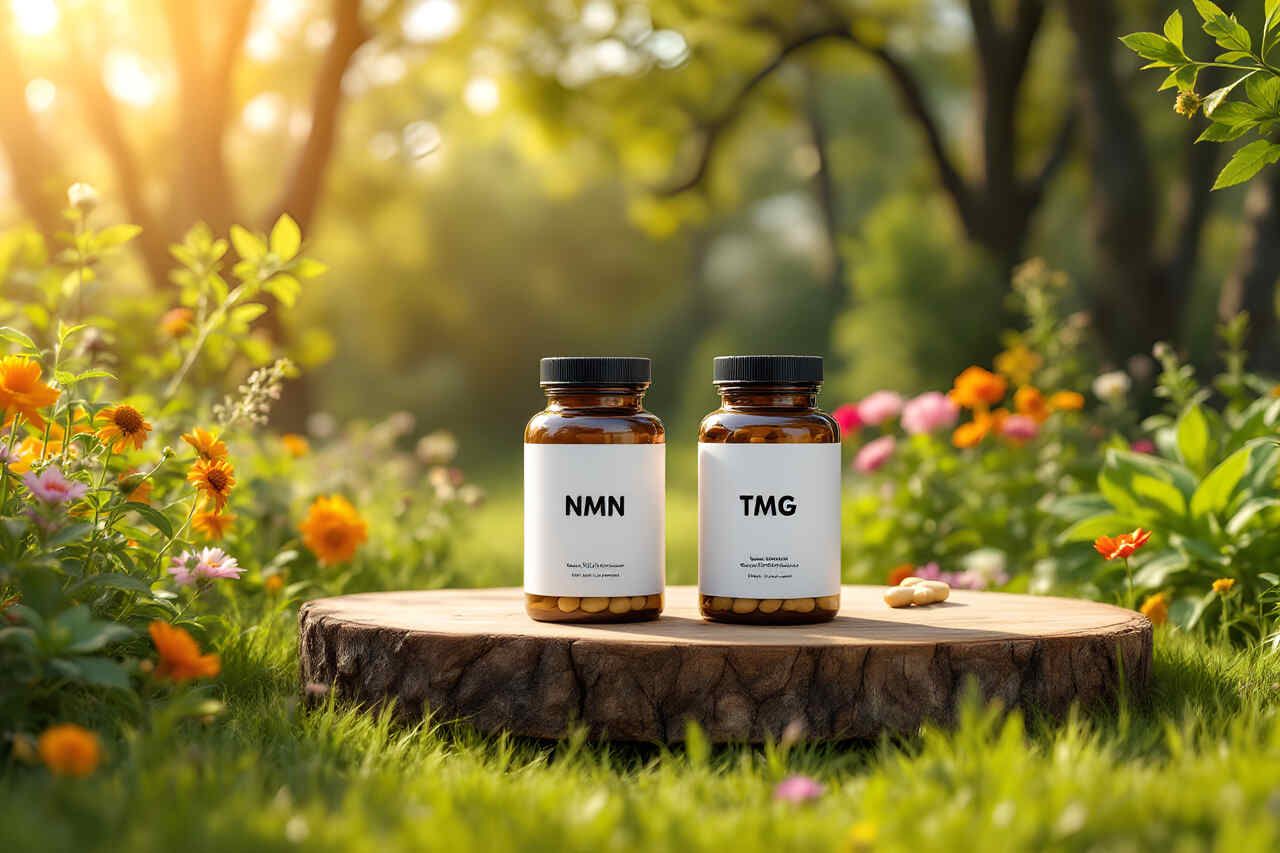
Two supplement pill bottles, one labeled NMN, one labeled TMG, photorealistic, high detail, set on a wooden table outdoors, lush green garden background

NMN with TMG: Benefits, Dosage and Risks

If you’ve been looking into nicotinamide mononucleotide (NMN) supplements, you’ve probably come across recommendations for taking it with trimethylglycine (TMG).

This idea comes from a theory that NMN might use up methyl groups—key biochemical components your body needs for many functions.

But do you really need to take both together? Does the research actually back this up?

In this article, we’ll break down the relationship between NMN and methylation, look at the potential pros and cons of combining these supplements, and give you practical advice on dosing.

Key Takeaways

  • NMN is a direct precursor to NAD+, supporting cellular energy, DNA repair, and overall health, while TMG is a methyl donor that helps methylation processes in the body.
  • NMN doesn’t directly use up methyl groups, but its metabolism might indirectly increase methylation demands. That’s why some experts suggest taking TMG alongside NMN supplements.
  • Most people taking standard NMN doses (250-500mg daily) probably don’t need extra TMG unless they have specific genetic variants, high homocysteine levels, or take high doses of NMN.
  • If you do combine these supplements, a 1:1 ratio (NMN:TMG) works well. It’s best to take both in the morning with food for better absorption.

NMN and TMG: What Are They?

A female hand in a lab coat holds white capsules against a neutral background.

NMN is a direct precursor to nicotinamide adenine dinucleotide (NAD+), a key coenzyme that drives hundreds of biological processes in your cells.

NAD+ helps with energy production, DNA repair, gene expression, and cellular communication—all functions that decline as we age when NAD+ levels naturally drop.

NMN works by entering cells and turning directly into NAD+ through an enzyme reaction that does not directly consume methyl groups. This efficient conversion makes NMN one of the most promising supplements for maintaining NAD+ levels and supporting cellular health as we get older.

TMG, also known as betaine, is a methyl-rich compound that helps support methylation—a key biochemical process that affects everything from gene expression to detoxification.

You can find TMG naturally in beets, spinach, and whole grains. Its main job is to help convert homocysteine back to methionine, which then produces S-adenosylmethionine (SAMe), the body’s universal methyl donor.

This recycling function makes TMG valuable for keeping methylation balanced, especially when your body’s metabolic demands go up or when you’re not getting enough methyl sources from your diet.

Add 20+ Healthy Years to Your Life

Access the same health optimization strategies used by longevity experts. Weekly insights, exclusive products, member pricing.

Why Some People Take NMN and TMG Together

The main reason for combining NMN with TMG is to keep methylation balanced during NAD+ metabolism.

While NMN doesn’t directly use up methyl groups when it turns into NAD+, the processes that follow might indirectly affect the body’s methylation capacity.

This is the basic process that some researchers and supplement users are concerned about:

  1. NMN turns into NAD+ without using methyl groups
  2. Enzymes like sirtuins and PARPs use up NAD+ during normal cell functions
  3. This releases nicotinamide (NAM) as a byproduct
  4. When there’s too much NAM to recycle back to NAD+, the body clears the excess through methylation
  5. This clearing process uses S-adenosylmethionine (SAMe), which can drain methyl reserves

The NNMT enzyme helps with this clearing by moving a methyl group from SAMe to NAM, creating methylnicotinamide that the body can excrete. Some speculate that taking high doses of NMN could speed up this cycle, potentially putting strain on methyl donor reserves over time.

Benefits of NMN and TMG Supplementation

An image of two matured woman enjoying the benefit of NMN and TMG Supplementation

While experts still debate whether these supplements need to be taken together, there are several good reasons to pair TMG and NMN. The benefits go beyond just fixing theoretical methylation issues – they might work together to support health and longevity.

Supporting Healthy Methylation

As we’ve explored, NMN doesn’t directly use up methyl groups when it turns into NAD+, but the way NAD+ breaks down later might indirectly increase the need for methylation.

People with MTHFR gene variants (which can reduce methylation capacity by 30-70%) might also react differently to NMN supplements and could benefit more from TMG co-supplementation.

TMG works as a safety net by:

  • Providing extra methyl groups to support this clearance process
  • Helping recycle homocysteine back to methionine, which then creates SAMe
  • Potentially preventing high homocysteine levels, a marker linked to poor methylation

Promoting Heart Health and Metabolism

Beyond methylation, both NMN and TMG offer heart and metabolic benefits that may complement each other when taken together.

NMN works by raising NAD+ levels, which are vital for metabolism, DNA repair, and stress responses. This NAD+ boost has been linked to improvements in obesity, diabetes, and heart failure.

NMN research shows it can improve cardiac function in aging hearts by fixing age-related heart problems and boosting mitochondrial health. 1 It also helps restore heart function in cardiomyopathy models by activating SIRT3, a mitochondrial protein deacetylase. 2

TMG helps convert homocysteine to methionine, which can lower plasma homocysteine by up to 20% in one study. 3 This matters because high homocysteine is a risk factor for heart disease.

In animal studies, TMG increases bile acid secretion and normalizes lipid metabolism, which may help turn cholesterol into bile acids and reduce atherosclerosis. 4

Enhancing Physical Performance

The combination of TMG and NMN might work together to boost physical performance and help you recover faster—areas that can benefit both athletes and older adults.

Research with older adults shows NMN supplements can help increase muscle strength and improve aerobic capacity. In a six-week clinical trial, people taking moderate to high doses of NMN showed better oxygen uptake and improved power compared to those taking a placebo5.

Researchers think NMN helps aerobic capacity by improving how muscles use oxygen during activity.

Athletes have also used TMG (often labeled betaine in sports supplements) to boost power output and increase their training volume.

Studies show it can help build lean muscle and reduce body fat when combined with resistance training. 6 Its role in supporting methylation might also speed up recovery by helping cells repair themselves after exercise.

Vitality NAD+ Booster promotional image

Improving Cognitive Function

The brain consumes about 20% of our energy while only making up 2% of our body weight. This high energy demand makes brain cells highly dependent on efficient NAD+ metabolism.

Studies in animals show NMN supplementation improves cognitive function in models of Alzheimer’s disease and age-related cognitive decline. 7 8 Human research is still limited, but early findings suggest NMN might support cognitive aspects like processing speed and executive function.

TMG (as betaine) shows potential to protect the brain through its antioxidant and anti-inflammatory effects, with promising research in Alzheimer’s models.

Studies show betaine prevents memory problems while lowering brain levels of malondialdehyde (MDA), an important marker of oxidative damage. 9 This suggests TMG might help shield brain cells from the oxidative stress that comes with aging and neurodegenerative conditions.

The Right TMG Dosage with NMN

An image depicting dosage in taking supplements

The evidence shows a 1:1 ratio of TMG to NMN works well for most people. This ratio appears to strike the right balance between NAD+ synthesis and methyl group replenishment, based on available information. Most people who take NMN use between 250-1000 mg per day, with matching TMG doses in the same range.

When to Take TMG and NMN

Timing considerations can impact how well NMN and TMG supplements work:

  • Morning with food: Take both NMN and TMG in the morning with breakfast. This works with your body’s natural rhythms and helps you absorb them better while supporting your energy levels all day.
  • With meals: Some NAD+ precursors might work better on an empty stomach, but taking NMN and TMG with food can help prevent stomach discomfort and might actually improve absorption, especially for TMG.
  • Daily routine: Taking these supplements at the same time each day helps maintain steady levels of both compounds in your system, which likely optimizes their effects on NAD+ levels and methylation balance.

Potential Risks and Side Effects

An image of a matured woman that might be suffering from a supplement side effect

While both NMN and TMG have good safety profiles when used appropriately, there are some potential downsides to consider when combining them.

The most common side effects are digestive issues:

  • NMN sometimes causes mild nausea or bloating, especially at higher doses
  • TMG can cause temporary stomach discomfort
  • Taking these with food often helps reduce these effects

Excessive methylation from high TMG doses can throw off your neurotransmitter balance, which might affect your mood and thinking. This risk is pretty small with standard doses (500-1000 mg of TMG daily) but could matter if you’re taking several methyl donors at once.

You should also be careful and consult with a healthcare provider if you have:

  • Liver problems (TMG plays a role in liver metabolism)
  • Existing methylation disorders
  • A history of cancer

Medication interactions are possible with antifolate drugs like methotrexate, certain antidepressants, and medications metabolized through methylation pathways.

As with any supplements, it’s best to start with lower doses and check with your doctor about possible interactions to get the most benefit with the least risk.

Should You Take TMG with NMN?

An image of a middle-aged woman taking supplement

The science suggests most people taking standard NMN doses (250-500mg daily) probably don’t need extra TMG.

You might want to add TMG if you:

  • Take high doses of NMN (750-1000mg+ daily) for a long time
  • Have genetic variations that affect methylation (like MTHFR variants)
  • Have high homocysteine levels in your blood tests
  • Feel unexplained fatigue or notice cognitive changes when taking NMN alone

If you don’t have these factors, NMN by itself is likely fine. Your body can usually maintain enough methylation capacity to handle standard NMN doses.

If you’re worried about methylation but want alternatives to TMG, you can:

  • Make sure you’re getting enough B-vitamins (especially folate, B6, and B12)
  • Eat foods that support methylation like leafy greens, legumes, and eggs
  • Take moderate doses of methylfolate or methylcobalamin
  • Regularly test your methylation markers to keep track of your status

Most people taking standard doses of NMN do well without TMG. The concerns about methyl depletion haven’t really been proven in typical supplementation at normal doses.

If you want a science-backed approach to boost NAD+, Jinfiniti’s Vitality ↑® NAD+ Booster Powder offers a balanced mix of NMN, D-ribose, niacinamide, and creatine monohydrate. These compounds work together to support cellular energy and NAD+ levels without needing extra methylation support.

If you’d rather take the guesswork out, you can pair Vitality ↑® with our Intracellular NAD® Test to measure your actual NAD levels and adjust your supplements based on real data instead of theoretical concerns.

Frequently Asked Questions

An image with a graphic illustration for questions

Do you need to take TMG with NMN?

No, most people don’t need TMG with standard NMN doses (250-500mg daily). TMG may be beneficial for those taking high NMN doses (750mg+), individuals with MTHFR gene variants, or those with elevated homocysteine levels. For the average person, NMN alone is typically sufficient.

How does TMG compare with other methyl donors?

TMG (trimethylglycine) is just one of several methyl donors. Compared to alternatives:

  • SAM-e: More potent and direct as a methyl donor but significantly more expensive and less stable than TMG
  • Folate: Works synergistically with B12 to support methylation through a different pathway than TMG
  • Betaine: TMG is actually betaine anhydrous, so they’re essentially the same compound with identical effects

Each has different absorption profiles and mechanisms, but TMG offers a good balance of effectiveness, stability, and value for methylation support.

Can you take NMN and TMG with resveratrol?

NMN, TMG and resveratrol can be taken together safely. The NMN and resveratrol combo is popular among longevity enthusiasts because resveratrol helps activate sirtuins while NMN supplies the NAD+ that sirtuins need to work. These supplements don’t have any known negative interactions, and they might actually work well together to give you better results.

Does Dr. David Sinclair take TMG?

Dr. David Sinclair mentions in podcasts that he takes TMG with his NMN supplements. He includes TMG in his routine to play it safe about NMN possibly affecting the body’s methylation processes. This shows his careful approach, though scientists still debate whether it’s actually needed.

Referenced Sources:

  1. https://onlinelibrary.wiley.com/doi/10.1111/acel.13213 ↩︎
  2. https://pubmed.ncbi.nlm.nih.gov/28724806/ ↩︎
  3. https://www.eurekaselect.com/article/5318 ↩︎
  4. https://pubmed.ncbi.nlm.nih.gov/3620644/ ↩︎
  5. https://pmc.ncbi.nlm.nih.gov/articles/PMC8265078/ ↩︎
  6. https://www.sciencedirect.com/science/article/abs/pii/B9780128139226000606 ↩︎
  7. https://www.sciencedirect.com/science/article/pii/S0753332224010837 ↩︎
  8. https://pubmed.ncbi.nlm.nih.gov/31015147/ ↩︎
  9. https://pmc.ncbi.nlm.nih.gov/articles/PMC10427792/ ↩︎
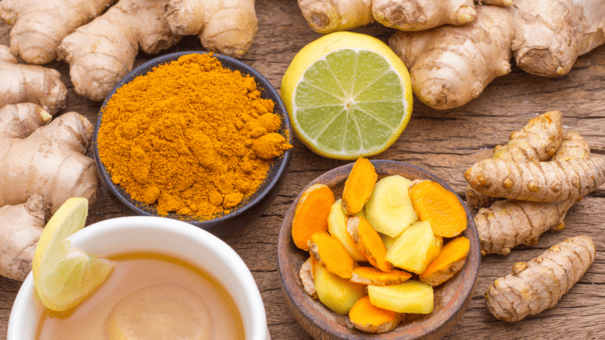
An image of Ginger and Turmeric.

Ginger and Turmeric: A Golden Pair That Works Better Together

Long before golden lattes were all over Instagram and wellness shots lined grocery store shelves, ginger and turmeric were kitchen staples and go-to remedies in Asian households.

These bright, earthy roots weren’t just for flavor, they were trusted for everything from soothing digestion to keeping the body feeling strong and balanced.

Today, research is catching up, confirming what traditional practitioners have known for centuries about the health benefits of turmeric and ginger, showing that this dynamic duo supports everything from a healthy inflammatory response to immune function.

Let’s dive in and see why these ancient roots have earned their “golden pair” status, and why they deserve a spot in your daily wellness routine.

Key Takeaways

  • Studies show that ginger and turmeric combined help maintain a healthy inflammatory response more effectively than either spice alone.
  • These golden spices support normal cholesterol levels and help protect cells from oxidative stress, which is key for long-term cardiovascular wellness.
  • One simple habit, big benefits. Whether you sip, sprinkle, or supplement, adding ginger and turmeric to your routine is an effortless way to support your overall well-being.

Synergy Between Ginger and Turmeric

An image of Ginger and Turmeric.

Have you ever heard of a duo so good together you can’t imagine one without the other? Like peanut butter and jelly, or Netflix and a cozy blanket?

That’s exactly how ginger and turmeric work inside your body. 

The magic lies in their complementary biochemistry. Ginger’s bioactive compounds—mainly gingerols and shogaols—don’t just work alongside turmeric’s curcuminoids; they create what scientists call a “potentiation effect.” In simple terms, they make each other stronger.

Research published in Phytotherapy Research examined a herbal formulation containing turmeric, ginger, and black pepper, revealing something fascinating: these ingredients together created effects that surpassed what you’d expect from just adding their individual benefits. 1

What’s particularly interesting is how this partnership works on a cellular level. 

When combined, ginger and turmeric powder boost antioxidant activity much more than either spice alone. 2 This enhanced antioxidant effect isn’t just additive, it’s multiplicative. The ginger compounds seem to protect curcumin from breaking down quickly, keeping it active in your system longer while also helping your body absorb it better.

This biochemical teamwork means you’re not just getting two separate benefits running side by side—you’re getting a comprehensive support system where each root amplifies the other’s strengths.

Each has unique active compounds that support the body’s natural processes. Ginger’s bioactive compounds like gingerols likely work synergistically with turmeric to enhance its effects.

Anti-Inflammatory Benefits of Turmeric and Ginger

An image of Ginger and Turmeric.

Think of your body’s inflammatory response as a built-in defense system. It’s there to protect you, but if it’s out of balance, you might start feeling not quite yourself. 

This is where ginger and turmeric really shine. They target different aspects of your body’s inflammatory pathways.

Turmeric’s major compound curcumin is well-known for fighting inflammation.

Curcumin helps control NF-κB, a key pathway that works like a master switch for inflammation-related proteins. 3 When this pathway is working as it should, your body can handle everyday stressors more smoothly without overreacting.

Ginger’s shogaols work differently by supporting MAPK signaling, another crucial pathway for keeping a balanced inflammatory response.

A study in Molecules found that a 5:2 ginger-turmeric ratio cuts TNF and IL-6 by 40-60% in immune cells. 4When combined in this ratio, they work even better together, helping your body naturally regulate key inflammation proteins.

But their benefits don’t stop there. Ginger and turmeric also boost your body’s built-in antioxidant defenses.

Both 6-shogaol (from ginger) and curcumin help activate Nrf2, a protein that stimulates the production of protective enzymes like HO-1. 5 6 These enzymes help shield your cells from oxidative stress, which is key for long-term wellness.

The bottom line: when you take turmeric and ginger, they can provide full-spectrum anti-inflammatory support for your body, working from multiple angles to help you feel your best.

turmeric1

Digestive Health Benefits of the Golden Pair

An image of a healthy digestive system.

These ancient roots have been trusted for centuries to support digestive comfort, and now science is showing just how powerful they really are.

Ginger has long been used to support digestive comfort like reducing nausea, bloating, and general stomach discomfort. 7 Turmeric is gaining attention for its role in gut health.

A study published in The Journal of Nutritional Biochemistry shows that ginger supports gut barrier function and promotes a balanced microbiome. 8

But the real magic happens when you take turmeric and ginger together. Combined, they create a protective effect against digestive inflammation and support the body’s natural digestive processes. 9 Their combined effects help promote digestive comfort while supporting normal gut function.

The Immunity-Bolstering Benefits

An image of a matured woman with healthy immune system

If you’re someone who likes to support your wellness throughout the year, you’ll be happy to know that ginger and turmeric are like a dynamic duo for your immune system. These golden roots don’t just add flavor to your food—they help maintain your body’s natural defenses in a simple, natural way.

Ginger is a time-tested remedy for maintaining healthy airways, thanks to its antimicrobial properties and benefits for the respiratory tract. 10 11 Turmeric complements ginger’s immune-supporting properties and contributes to healthy immune cell activity.

Research in Frontiers in Cell and Developmental Biology backs this up, showing that turmeric helps regulate immune cell function and cytokine balance. 12

Keeping cytokines balanced helps your body maintain appropriate responses. That’s why turmeric is so valuable—it doesn’t just stimulate immune activity (which isn’t always good), but helps your body maintain natural immune balance.

Studies looking at these spices together also show they improve immune responses, with increased antibody production and better cellular immune responses. 13

Natural Joint Health and Pain Relief

An image of matured men and women with healthy joints

As we age, our joints take on a lot. The good news is, ginger and turmeric offer natural support for keeping your joints and muscles functioning at their best.

Research shows ginger can ease muscle pain from eccentric exercise. 14 Whether it’s following a tough workout or a day spent on your feet, ginger helps maintain flexibility and supports your body’s natural comfort response.

Reviews and meta-analyses confirm that turmeric extracts help manage knee osteoarthritis symptoms. Turmeric reduces pain and improves physical function, with a safety profile like placebo and fewer side effects than NSAIDs. 15

Studies show that combining turmeric and ginger can cut pain levels in patients with chronic knee osteoarthritis just as effectively as NSAIDs like Naproxen. 16

Case studies and clinical trials also report improvements in pain and mobility for people taking turmeric and ginger, suggesting they can boost joint function and quality of life for arthritis patients. 17

The Spice Duo that Keeps Your Heart Strong

An image of a strong and healthy heart.

If you’ve been looking for simple, natural ways to keep your heart in good shape, ginger and turmeric may offer natural support for heart health in ways you wouldn’t expect.

A review in the Journal of Health and Rehabilitation Research shows ginger and turmeric help maintain normal cholesterol levels. They support balanced lipid profiles by maintaining healthy levels of total cholesterol, LDL (“bad” cholesterol), and triglycerides, while supporting HDL (“good” cholesterol). 18

Another systematic review that looked at these spices in people with type 2 diabetes showed ginger and turmeric helped improve lipid profiles. 19 The researchers found these spices can be a natural way to help maintain healthy cholesterol levels.

This balance is important because too much LDL and triglycerides can put extra strain on your cardiovascular system. 

Endocrine and Metabolism Support

An image saying to boost metabolism.

Your endocrine system is like your body’s communication network. It uses hormones to control important functions like growth, energy use, and even your mood. When this system is working well, you feel energetic, your weight stays stable, and you generally feel your best.

Research in The American Journal of Chinese Medicine shows that turmeric and ginger can help maintain healthy hormone levels and support normal hormone receptor interactions. 20 In other words, they can help your body’s messaging system work more efficiently.

When it comes to metabolism—how your body converts food into energy—these golden spices shine even brighter. They boost energy metabolism by affecting basal metabolic rate (BMR), total energy expenditure, and lipid oxidation.

Ginger is noted for its positive effects on weight control and obesity prevention, while curcumin inhibits the conversion of preadipocytes to mature adipocytes, having a positive impact on lipid metabolism and energy expenditure. 21

How to Add Ginger and Turmeric to Your Routine

An image of Ginger and Turmeric.

Adding ginger and turmeric to your daily routine is simple. You can easily include these powerful botanicals in your cooking or take them as supplements, giving you regular access to their anti-inflammatory and antioxidant benefits.

Through Diet: Culinary Applications

One of the easiest ways to enjoy ginger and turmeric is through your diet.

Here are some simple ideas:

  • Add freshly grated ginger and turmeric to soups, stews, and stir-fries
  • Blend them into smoothies with fruits like mango or pineapple
  • Sprinkle ground turmeric on roasted vegetables or scrambled eggs
  • Make a warming tea with fresh ginger slices, a pinch of turmeric, and lemon

Golden Milk: A Therapeutic Tradition

Golden milk (or “turmeric latte”) stands out as perhaps the most effective way to consume turmeric regularly. This ancient Ayurvedic preparation combines turmeric with fat and black pepper—elements that dramatically improve curcumin absorption.

Classic Golden Milk Recipe:

Ingredients:

  • 1 cup milk of choice (coconut, almond, or dairy)
  • 1 teaspoon ground turmeric
  • ½ teaspoon ground ginger
  • ¼ teaspoon freshly ground black pepper
  • 1 teaspoon coconut oil or ghee
  • Optional: cinnamon, cardamom, honey or maple syrup to taste

Instructions:

1.Combine all ingredients except sweetener in a small saucepan

2. Heat gently, whisking continuously for about 3-5 minutes until warm but not boiling

3. Remove from heat, add sweetener if desired

4. Strain if using fresh ginger, and enjoy warm

The black pepper in this recipe is crucial—piperine, its active compound, increases curcumin absorption by up to 2,000%, transforming turmeric from a pleasant spice into a therapeutic intervention.

Supplementation: Precision and Convenience

While food sources are beneficial, supplements give you concentrated, standardized doses of active compounds that you might not get enough of through diet alone. This matters especially when you’re targeting specific health goals or inflammatory conditions.

When choosing a turmeric supplement, two things really matter:

1. Curcuminoid content: Go for products standardized to 95% curcuminoids

2. Bioavailability enhancers: Either black pepper extract (piperine) or advanced delivery systems

Jinfiniti’s Extra Strength Turmeric curcumin supplement tackles both issues with a well-rounded approach to fighting inflammation. Each serving gives you research-backed amounts of:

  • Turmeric extract standardized to 95% curcuminoids
  • Ginger root that complements turmeric’s effects
  • Quercetin for extra antioxidant protection
  • Piperine from black pepper extract to boost absorption

This carefully balanced mix targets several inflammatory pathways at once, giving you more complete support than products with just one ingredient. If you’re dealing with chronic inflammation or want to support joint health, this precisely formulated approach might work better than just using turmeric in cooking.

Special Cautions and Potential Side Effects

An image with a label saying "side effects"

While turmeric and ginger are safe for most people, they do pack some powerful bioactive compounds that call for a few precautions.

Medication Interactions

  • Blood Thinners: Both spices have natural anticoagulant effects and can increase bleeding risk when taken with aspirin, warfarin, or clopidogrel
  • Diabetes Medications: They may boost insulin sensitivity, potentially making blood sugar medications work more strongly
  • Acid Reducers: Turmeric might work against medications that lower stomach acid

When to Be Careful

  • Before Surgery: Stop taking them at least two weeks before any procedures due to bleeding risk
  • Pregnancy and Breastfeeding: Using them in food is generally safe; medicinal doses should be discussed with a healthcare provider
  • Gallbladder Conditions: Turmeric stimulates bile production, which could be a problem if you have gallstones or bile duct issues
  • Digestive Sensitivities: They might cause mild stomach discomfort in larger amounts

Quality Matters

  • Source is important—look for products tested for contaminants
  • Third-party testing helps ensure purity and potency
  • Standardized extracts provide more consistent therapeutic effects

It’s best to check with your healthcare provider before starting any supplements, especially if you have health conditions or take medications. Everyone responds differently based on genetics, gut microbiome, and overall health.

Referenced Sources:

  1. https://onlinelibrary.wiley.com/doi/10.1002/ptr.6671 ↩︎
  2. https://www.tandfonline.com/doi/full/10.1080/10942912.2019.1666138 ↩︎
  3. https://pmc.ncbi.nlm.nih.gov/articles/PMC9160922/ ↩︎
  4. https://pmc.ncbi.nlm.nih.gov/articles/PMC9229778/ ↩︎
  5. https://pubs.acs.org/doi/10.1021/tx500211x ↩︎
  6. https://pubmed.ncbi.nlm.nih.gov/31622191/ ↩︎
  7. https://www.bjanaesthesia.org/article/S0007-0912(17)38837-2/pdf ↩︎
  8. https://www.sciencedirect.com/science/article/abs/pii/S0955286321003247 ↩︎
  9. https://www.mdpi.com/1420-3049/27/12/3877 ↩︎
  10. https://pubmed.ncbi.nlm.nih.gov/24047828/ ↩︎
  11. https://pmc.ncbi.nlm.nih.gov/articles/PMC3604064/ ↩︎
  12. https://www.frontiersin.org/journals/cell-and-developmental-biology/articles/10.3389/fcell.2020.00479/full ↩︎
  13. https://epubs.icar.org.in/ejournal/index.php/IJAnS/article/view/92046 ↩︎
  14. https://pubmed.ncbi.nlm.nih.gov/20418184/ ↩︎
  15. https://link.springer.com/article/10.1007/s11926-020-00975-8 ↩︎
  16. https://pubmed.ncbi.nlm.nih.gov/32180294/ ↩︎
  17. https://environmentaljournals.org/article/turmeric-black-pepper-and-lemon-hot-infusion-fornbsp-joint-and-musculoskeletal-pain-a-case-repo-qlkmo8ydhmrndvd ↩︎
  18. https://jhrlmc.com/index.php/home/article/view/699 ↩︎
  19. https://pmc.ncbi.nlm.nih.gov/articles/PMC8265438/ ↩︎
  20. https://www.worldscientific.com/doi/abs/10.1142/S0192415X11008762 ↩︎
  21. https://pubmed.ncbi.nlm.nih.gov/33789250/ ↩︎
Vibrant blue and pink DNA strand representing NAD World 3.0

What is NAD World 3.0?

The NAD World 3.0 is the newest version of a framework that explains how aging and longevity in mammals are regulated through NAD+ (nicotinamide adenine dinucleotide) metabolism.

Shin-Ichiro Imai and his team came up with this theory in 20251, building on their earlier ideas from 2009 and 2016 while adding important new elements. These include the small intestine as a key tissue, the Slc12a8 NMN transporter, and extracellular NAMPT (eNAMPT)-containing vesicles.

The core idea is that aging happens when multi-layered feedback loops break down – these loops involve NMN (nicotinamide mononucleotide) and eNAMPT working across four main tissues: the hypothalamus, skeletal muscle, adipose tissue, and small intestine.

This paradigm shift gives us much better insights into how declining NAD+ throughout the body drives aging and points to new targets for potential treatments.

Key Takeaways

  • NAD World 3.0 explains aging by looking at how NAD+ metabolism declines in four key tissues: the hypothalamus, skeletal muscle, adipose tissue, and small intestine.
  • The theory shows there are two NAD+ regulation systems: a fast pathway that uses Slc12a8 transporters and a slow pathway that uses eNAMPT-containing vesicles.
  • These findings point to several possible anti-aging approaches, including NMN supplements, targeted delivery systems, and gut microbiome interventions.

From NAD World 1.0 to 2.0: Laying the Foundation

The NAD World hypothesis (2009) put NAD+ at the center of mammalian aging by showing how it works through sirtuin-mediated deacetylation and circadian rhythm regulation2.

This idea highlighted two key players:

  • SIRT1, an NAD+-dependent deacetylase that controls DNA repair, metabolism, and stress resistance
  • NAMPT, the rate-limiting enzyme in the NAD+ salvage pathway that’s responsible for making NAD+ throughout the body.

By 2016, new findings led to an update called NAD World 2.03, which added three important tissues to the picture:

  • The hypothalamus as the control center for aging
  • Skeletal muscle as the mediator of metabolism
  • Adipose tissue as the modulator of NAD+.

This newer version highlighted how tissues talk to each other through adipose-derived eNAMPT vesicles and how the hypothalamus sends sympathetic signals to peripheral tissues.

But we still didn’t know enough about how NMN moves through the body and how different tissues maintain their NAD+ levels—gaps that the 3.0 version tries to fill.

Advancements Leading to NAD World 3.0

Three breakthroughs pushed us into NAD World 3.0:

  • Finding Slc12a8 as the main NMN transporter that lets cells directly take up NMN.
  • Understanding how eNAMPT-containing extracellular vesicles (EVs) work as long-range carriers for NAD+ biosynthesis.
  • Discovering the small intestine’s role as the fourth pillar in controlling systemic NAD+ through NMN absorption and circulation.

These discoveries showed us previously hidden layers of time and space control over NAD+ balance. We now need a model that includes both quick (minutes) NMN transport and slower (hours/days) eNAMPT-driven NAD+ synthesis.

Vitality NAD+ Booster promotional image

The Four Pillars of NAD World 3.0

Think of NAD World 3.0 as a communication network between four major “control centers” in your body:

1. The Hypothalamus: The Brain’s Command Center

Deep in the brain, the hypothalamus works like a control center, maintaining the vital systems that guide your body’s cells throughout life. It:

  • Sends signals to muscles and fat tissue
  • Controls essential conditions like temperature and hunger
  • Uses NAD+ as a key resource to keep biological processes running properly

When the hypothalamus doesn’t have enough NAD+, its function declines, causing your body’s cells to operate less efficiently and potentially speed up the aging process.

2. Skeletal Muscle: The Power Generator

Your muscles are your body’s biggest users of NAD+. They:

  • Burn energy to move your body
  • Release special molecules called myokines that affect other tissues
  • Work closely with the hypothalamus through a feedback system

As you age and NAD+ levels drop, muscle weakness and fatigue can result.

3. Fat Tissue: The Communication Hub

Your fat cells do more than just store energy. In NAD World 3.0, they:

  • Package NAMPT (the enzyme that makes NAD+) into tiny bubbles called vesicles
  • Send these vesicles through your bloodstream to other tissues
  • Help maintain NAD+ levels throughout your body

This explains why changes in body fat can affect how we age.

4. Small Intestine: The Supply Manager

The newest addition to the theory, your small intestine:

  • Absorbs NMN (the direct precursor of NAD+) from your diet
  • Contains high levels of the Slc12a8 transporter to capture NMN
  • May interact with gut bacteria that produce NAD+ precursors

This explains why diet may significantly impact how we age.

How the System Works Together

NAD World 3.0 describes two main ways these systems work together:

The Fast Lane: Quick NAD+ Adjustments

When your body needs quick energy or repair:

  1. The small intestine absorbs NMN from food
  2. The Slc12a8 transporter quickly moves NMN into cells
  3. Cells convert NMN to NAD+ within minutes
  4. This NAD+ powers immediate cellular needs

This is like having a fast-charging system for your cellular batteries.

The Slow Lane: Long-Term NAD+ Maintenance

For ongoing NAD+ support:

  1. The hypothalamus signals fat tissue
  2. Fat tissue releases NAMPT-containing vesicles
  3. These vesicles travel to tissues that need NAD+
  4. The tissues use NAMPT to make NAD+ over hours or days

This system keeps your NAD+ levels stable over time, like a backup generator.

What This Means for Anti-Aging Treatments

NAD World 3.0 suggests several promising approaches to slow aging:

  1. NMN Supplements: Taking pure NMN could boost NAD+ levels, especially if absorbed by the small intestine.
  2. NMNH: A modified form of NMN that might better reach the brain.
  3. Slc12a8 Enhancers: Drugs that increase this transporter could improve NMN absorption.
  4. Targeted Delivery Systems: Special particles that deliver NAD+ precursors to specific tissues.
  5. Gut Microbiome Approaches: Probiotics with bacteria (Fructobacillus) that produce NAD+ building blocks.

Simple Analogy

Think of your body like a smartphone:

  • NAD+ = Battery percentage
  • NMN = Quick charger
  • eNAMPT vesicles = Battery replacement service
  • Hypothalamus = Operating system
  • Aging = Battery degradation over years

Current anti-aging approaches are like using portable chargers (NMN supplements). Future tech might involve replacing the battery cells (eNAMPT vesicles) or upgrading the OS (hypothalamus repair).

The Big Picture

The NAD World 3.0 theory is a big step forward in how we understand aging. Instead of just looking at single cells or genes like older theories did, this framework shows how different body systems work together during the aging process.

This theory suggests aging isn’t simply about wearing out over time. It’s actually caused by the breakdown of a complex communication network between your brain, muscles, fat tissue, and intestines—all linked by NAD+.

As scientists test and refine this theory, we might find new ways to keep our NAD+ levels up as we get older. This could potentially slow down age-related decline and help us stay healthy longer.

The science is still evolving, but NAD World 3.0 gives us a fresh roadmap for understanding one of life’s biggest mysteries: why and how we age.

Referenced Sources

  1. https://www.nature.com/articles/s41514-025-00192-6 ↩︎
  2. https://pmc.ncbi.nlm.nih.gov/articles/PMC2734380/ ↩︎
  3. https://www.nature.com/articles/npjsba201618 ↩︎
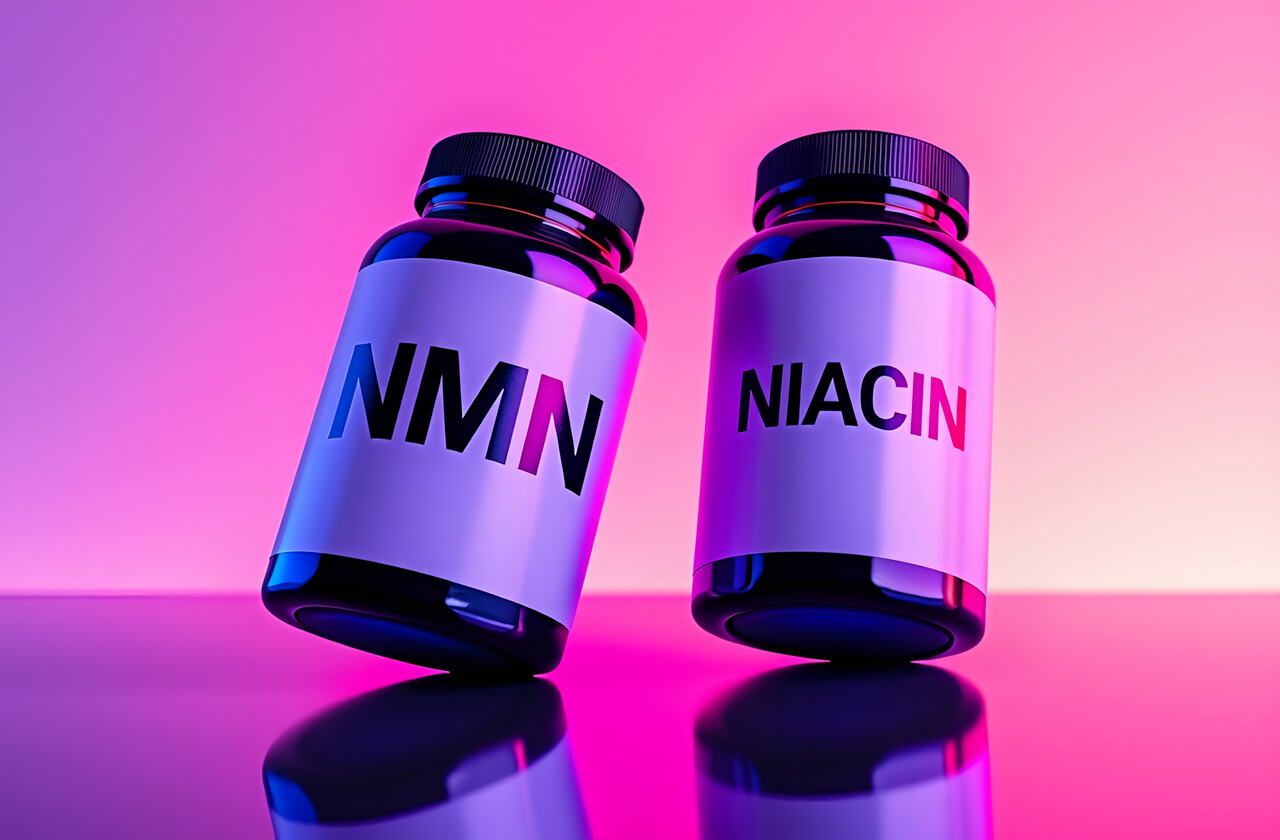
Two supplement bottles of NMN and Niacin side by side comparison in dramatic lighting

NMN vs. Niacin: Safety and Efficacy for Longevity

Inside your cells, there’s a fascinating molecule called NAD+ that plays a key role in how you age. This coenzyme isn’t just important – it’s essential for hundreds of processes that keep your cells healthy. 

The catch? Your NAD+ levels drop as you age, which speeds up aging and can trigger various health problems.

With aging and longevity supplements such hot topics, it’s not surprising that NAD+ boosters have taken off. Two of the most talked-about options are NMN and niacin.  While they both help your body make NAD+, they work through different pathways.

So what’s the real story with these two supplements? 

We need to look at their safety profiles, how well they boost NAD+ levels, and their effects on longevity. Which one works better? Can you take them long-term? And most importantly – which one might be right for you?

Key Takeaways

  • NMN offers a more direct path to NAD+ with fewer side effects than niacin, though it costs more
  • NMN supports cellular energy and brain health, while niacin may help manage cholesterol and skin conditions
  • Niacin commonly causes flushing and potential liver issues, while NMN shows minimal side effects in current research
  • Testing your NAD+ levels before taking NMN or niacin ensures you get the right dose and avoids potential negative effects of excessive intake

What’s the Difference Between Niacin and NMN?

NAD+ boosters have come a long way since their early days. One of the first was niacin, which is just another name for nicotinic acid. It’s a form of vitamin B3 that helps with basic body functions like metabolism and energy production, and it keeps your skin healthy too. Doctors have been using it for years, especially to help people manage their cholesterol.1

NMN (nicotinamide mononucleotide) is the new kid on the block. It’s getting a lot of attention because it can boost NAD+ levels in a more direct way. While it’s related to vitamin B3 chemically, it’s mainly sold as a supplement for longevity, energy, and keeping your cells healthy.

Here’s how niacin works in your body – it’s not exactly straightforward. Before it can turn into NAD+, it has to go through multiple steps.

It first changes into nicotinamide, and then that turns into NAD+. Each time it transforms, the process becomes less efficient and burns up some of your cell’s energy.

NMN takes a more direct route. Your body can absorb it easily and turn it straight into NAD+, skipping some of the steps that niacin has to go through.2 That’s why it’s faster and more effective at boosting NAD+ levels.

Looking at cost, niacin’s definitely the more budget-friendly choice. You can find it pretty much anywhere that sells supplements, and it’s in lots of everyday foods like nuts, dairy products, and leafy greens. That makes it an easy choice for most people.

NMN costs quite a bit more, mainly because it works more efficiently and it’s still relatively new to the market. The NMN supplement price tag reflects its position as a premium NAD+ precursor. Even though it’s more expensive, lots of people pick NMN because they’re specifically looking for those benefits to energy, longevity, and cellular health.

Infographic showing the differences between NMN and Niacin

Benefits of NMN vs. Niacin

Both NMN and niacin help boost NAD+ levels as we age, but they work differently in the body. Let’s look at how they stack up:

Benefits of NMN

Since NMN is a direct NAD+ precursor, it effectively raises NAD+ levels, which can result in:

  • Increased Cellular Energy – NMN kicks SIRT1 proteins into action, as shown in the Journal of Advanced Research.3 These proteins of the sirtuin family keep the mitochondria and nucleus talking to each other, which is critical for your cells to produce energy efficiently.
  • Improved Brain Health – A study in Brain Research shows that NMN helps keep neurons healthy and reduces oxidative stress in the brain.4 This matters because oxidative stress can lead to cognitive problems as we age.
  • Metabolic Health Boost – NMN has been shown to support healthy blood sugar levels and improve insulin sensitivity in a study published in the Journal of Translational Medicine.5
  • Cardiovascular Support – NMN also promotes healthy blood vessel function, improves circulation, and supports cardiovascular health as we age.6

Want to learn more? Check out our full article on what makes NMN supplements so promising.

Benefits of Niacin

Niacin’s been around for a while, and there’s good reason for that. Here are some research-backed benefits:

  • Cholesterol Management – In a study published in JAMA Internal Medicine,  niacin helped raise HDL (good cholesterol) and lower LDL (bad cholesterol) and triglycerides in patients with difficult-to-treat dyslipidemias, reducing the risk of heart disease and stroke.7
  • Skin and DNA Repair – A study published in the British Journal of Nutrition showed that niacin may help protect against cumulative DNA damage, lowering the risk of premature aging and skin conditions.8
  • Support for Brain Health – A study published in Neurotherapeutics shows that niacin fights neurodegeneration and supports brain function, possibly reducing the risk of neurodegenerative conditions.9
  • Improved Blood Flow – Scientists discovered that niacin helps keep the endothelium (that’s the thin layer lining your blood vessels) healthy, which means better blood flow throughout your body.10

Side Effects of Niacin vs. NMN

An image of a matured woman suffering from the side effects of NMN and Niacin.

The research we have so far shows that NMN is safe and well-tolerated, even when people take higher doses.11 Users don’t typically report any significant side effects or discomfort. However, since NMN is relatively new, data on long-term safety is still being researched.

Niacin, on the other hand, has been studied for decades, so we know a lot more about its safety profile. While it’s effective at increasing NAD+ and improving cholesterol levels, it can cause some serious side effects, particularly at high doses:

  • First, there’s the niacin flush – your face and upper body might feel warm and tingly, and turn red. It’s usually harmless but can be pretty uncomfortable
  • It can also upset your stomach, leading to nausea and vomiting. If you have peptic ulcers, niacin might make them worse. 12
  • High doses can be toxic to the liver, especially if you’re taking the sustained-release form. This means you’ll need regular monitoring if you’re using it long-term.13
  • There’s also a link to diabetes – studies show that people taking niacin have a 34% higher chance of developing diabetes compared to those who don’t.14

If you have liver problems, you’ll want to check with your doctor before taking niacin. It can raise your liver enzymes over time, so they’ll need to monitor your liver function.

People with diabetes or insulin resistance should be extra careful since niacin can affect blood sugar levels. If you have gout, keep in mind that niacin can increase uric acid levels, which might trigger a flare-up.15

If you have low blood pressure, niacin might lower it further, especially if you’re taking other medications. It’s definitely worth having a conversation with your healthcare provider before considering supplementation.

Last but not least – we’ve also had users report extremely high NAD+ levels when taking our intracellular NAD+ test while using niacin supplements. This isn’t ideal – it’s different from what we see with NMN, which raises NAD+ levels more gradually.

Why Does Niacin Cause Flushing but NMN Doesn’t?

An image of a flushing matured woman.

When someone takes niacin, it triggers a specific receptor called GPR109A on their skin cells. This kicks off a chain reaction where the cells release two types of prostaglandins – PGD2 and PGE2. These molecules make blood vessels widen, and that’s what causes the characteristic warm, red flush.16

There’s also a serotonin connection – niacin bumps up serotonin levels, which can make some people feel itchy along with the flush. Most people start feeling these effects about 15-30 minutes after taking niacin, and it can stick around for up to an hour.17

NMN works differently. It doesn’t set off that GPR109A receptor or cause any prostaglandin release.

Instead, it goes straight into making NAD+. That’s why people don’t get that flushing reaction with NMN – there’s no redness or tingling because it bypasses all those steps that cause the flush. You just get the NAD+ boost without the side effects.

Can You Take Niacin and NMN Together?

An image of a matured woman deciding which pills to take.

You can take both niacin and NMN—but do you need to? That depends on your goals.

Niacin is found in plenty of foods like meat, fish, nuts, and whole grains. Most people get enough from their diet, so unless you’re taking it for a specific reason (like cholesterol support), there’s no real need to supplement.

Some suggest the combination may have synergistic effects for longevity and metabolic health.

However, as we mentioned before, there is a risk that niacin could push NAD+ levels too high, and we don’t fully understand the long-term effects of increasing NAD+ beyond the healthy range.

If you decide to take both, start small – try low doses of niacin (50-250 mg) along with NMN to support your NAD+ levels without overwhelming your system.

Timing matters too. Many people take their niacin at night to avoid the flushing effect during the day, while they’ll take NMN in the morning.

NMN is more commonly combined with nicotinamide riboside (NR), another NAD+ precursor that converts into NAD+ through a different pathway than niacin.

How Do You Know if Your Supplement is Working?

An image of supplements.

Many people assume higher NAD+ is always better, but that’s not necessarily true. If your NAD+ levels are already optimal, adding high doses of niacin or NMN may not provide extra benefits and could even backfire.

If your levels get too high, you might experience fatigue, headaches, or other subtle changes. In contrast, if your NAD+ is too low, you may still struggle with low energy, brain fog, or sluggish recovery. 

This is why getting a baseline test before supplementing (or adjusting doses) is a smart move. The key is listening to your body and finding a level that works for you.

So how can you tell if your supplement is actually working?

The best way is to test your NAD+ levels. To make sure you’re not taking too much or too little, the Intracellular NAD+ Test offers a first-of-its-kind, reliable at-home solution to measure your NAD+ levels. This comprehensive test identifies deficiencies and provides actionable insights to optimize your NAD+ intake. 

Intracellular NAD Test promotional image

Making the Right Choice for Longevity

An image of matured man and woman enjoying longevity.

When choosing between NMN and niacin, consider both your health goals and budget. If you’re after a simple, flush-free way to boost NAD+, NMN works well. But if you’re focusing on heart health or cholesterol management, low-dose niacin might offer extra benefits. Cost-wise, niacin is typically cheaper, while NMN tends to be more expensive.

Quality matters when finding the right supplement. Not all NAD+ boosters are created equal, so look for pure, third-party tested products to ensure reliability.

Watch out for side effects too. Start with low doses and adjust gradually to find what suits your body best. Niacin in particular can come with serious risks, especially at higher doses.

For a complete approach to NAD+ enhacement, Vitality ↑® NAD+ Booster offers a science-backed option. This premium supplement combines four synergistic ingredients—Niacinamide, Creatine Monohydrate, D-Ribose, and NMN—to boost NAD+ levels more effectively than single-ingredient alternatives.

What sets Vitality ↑® NAD+ Booster apart?

  • Clinically formulated to efficiently restore and sustain optimal NAD+ levels. 
  • No unnecessary fillers—just premium, natural compounds for optimal cellular health.
  • Independently verified to ensure purity, potency, and effectiveness.
  • Backed by 5+ years of research and real-world use, delivering consistent, reliable results.

With Vitality ↑®, you’re not just taking another supplement—you’re giving your body the fuel it needs to thrive, stay energized, and support long-term health.

Frequently Asked Questions

An image of a cork board depicting questions.

How do NMN and niacin supplements interact with common medications?

Both NMN and niacin can interact with certain medications. Niacin can affect how well blood pressure medications, statins, and diabetes drugs work. NMN has fewer known drug interactions, but it’s still important to check with your doctor before starting either supplement, especially if you’re taking medications for chronic conditions.

Are there age-specific recommendations for NMN vs. niacin supplementation?

While everyone’s NAD+ levels drop with age, the best timing and dosage can vary. Research suggests NMN might work better for people over 40, when NAD+ levels typically start declining more quickly. Younger people might do fine with lower doses or just dietary sources of niacin unless they have specific health concerns.

How do lifestyle factors like exercise, diet, and sleep impact the effectiveness of NMN and niacin?

Lifestyle factors strongly affect how your body responds to NAD+ precursors. Regular exercise naturally boosts NAD+ levels, which might enhance the supplements’ effects. Intermittent fasting and caloric restriction have also been shown to increase NAD+ levels. Poor sleep, too much alcohol, and chronic stress can drain NAD+ reserves, potentially making the supplements less effective.

Can NMN or niacin supplementation benefit athletic performance and recovery?

Research is starting to show that NAD+ precursors might boost athletic performance and recovery by improving how mitochondria work and how energy is produced. Some athletes say they’ve noticed faster recovery times and better endurance when taking NMN specifically, though we need more clinical studies to confirm these effects across different types of physical activities.

What biomarkers beyond NAD+ levels should I monitor when taking these supplements?

Beyond NAD+ levels, it’s worth keeping an eye on inflammation markers (like CRP or IL-6), blood glucose and insulin levels, liver function tests (especially with niacin), and oxidative stress markers. For a complete picture of how these supplements are affecting your health, also track things like energy levels, sleep quality, and how well you’re thinking and focusing.

Referenced Sources:

  1. https://pubmed.ncbi.nlm.nih.gov/12873710/ ↩︎
  2. https://pubmed.ncbi.nlm.nih.gov/12873710/ ↩︎
  3. https://www.sciencedirect.com/science/article/pii/S2090123221001491 ↩︎
  4. https://www.sciencedirect.com/science/article/abs/pii/S0006899316303018?via%3Dihub ↩︎
  5. https://translational-medicine.biomedcentral.com/articles/10.1186/s12967-024-05614-9 ↩︎
  6. https://www.mdpi.com/1422-0067/25/17/9526 ↩︎
  7. https://jamanetwork.com/journals/jamainternalmedicine/fullarticle/216937 ↩︎
  8. https://www.cambridge.org/core/journals/british-journal-of-nutrition/article/high-dietary-niacin-intake-is-associated-with-decreased-chromosome-translocation-frequency-in-airline-pilots/D69D0AB9C39BFFC04B5BB55A67BFFDFC ↩︎
  9. https://www.sciencedirect.com/science/article/pii/S1878747923019104 ↩︎
  10. https://journals.lww.com/cocardiology/abstract/2011/01000/effects_of_niacin_on_atherosclerosis_and_vascular.13.aspx ↩︎
  11. https://pmc.ncbi.nlm.nih.gov/articles/PMC9735188/ ↩︎
  12. https://www.ajconline.org/article/S0002-9149(06)02236-3/abstract ↩︎
  13. https://www.amjmed.com/article/0002-9343(92)90018-7/abstract ↩︎
  14. https://www.nejm.org/doi/10.1056/NEJMoa1300955 ↩︎
  15. https://pmc.ncbi.nlm.nih.gov/articles/PMC3770072/ ↩︎
  16. https://www.sciencedirect.com/science/article/abs/pii/S0171298511001124 ↩︎
  17. https://journals.sagepub.com/doi/pdf/10.1177/2156587211399579 ↩︎
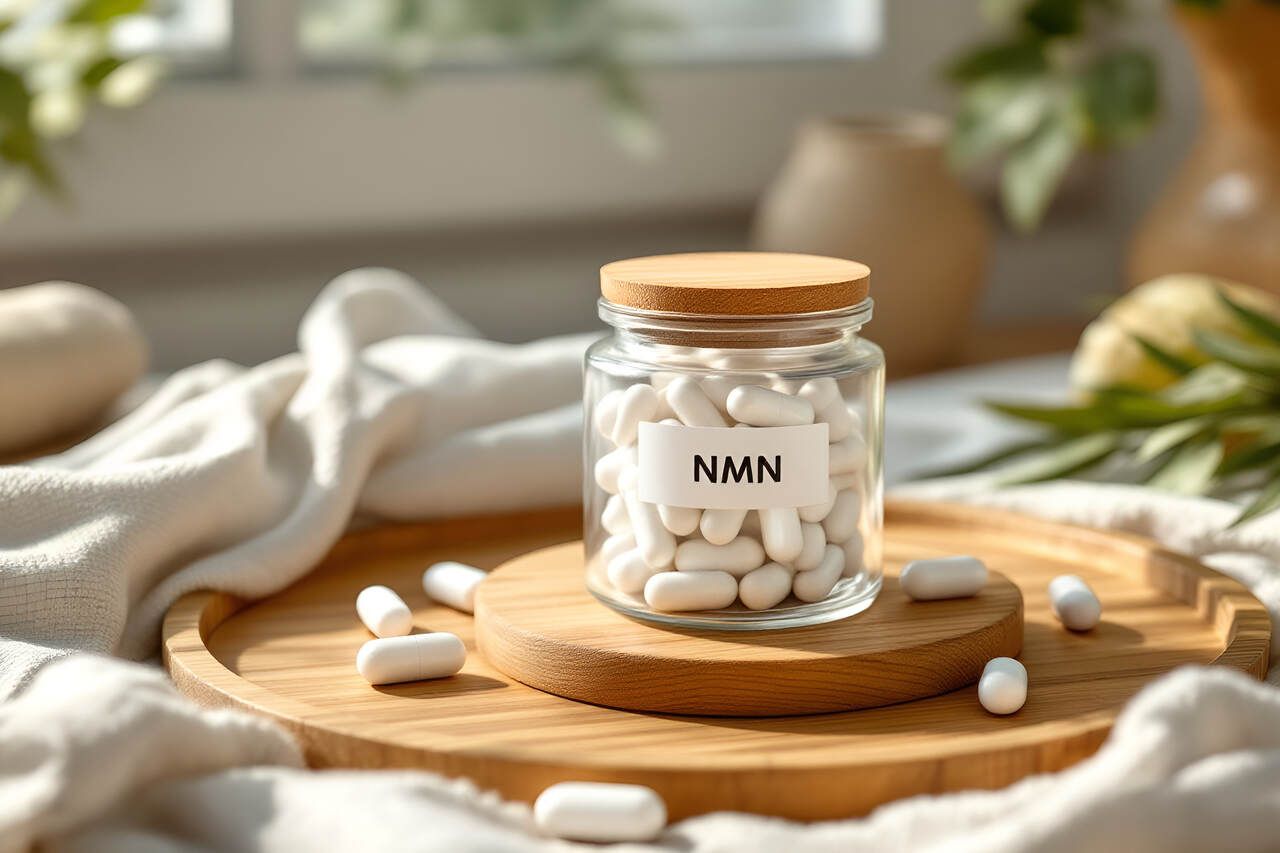
An image showing a jar labeled NMN full of supplement capsules on a bamboo table

How to Choose the Best NMN Supplement in 2025

Nicotinamide mononucleotide (NMN) has become one of the most promising compounds in longevity science. It’s a direct precursor to NAD+, a crucial molecule for energy production and hundreds of biological processes that keep our cells healthy.

More and more people are trying NMN supplements to support their healthspan, but there’s a problem. The market’s growing fast, and you’ll find huge differences in quality, purity, and how well these products actually work.

To make smart choices in this confusing market, you’ll need to understand what separates high-quality NMN from inferior options. This guide offers a science-backed framework for choosing an effective NMN supplement based on current research and manufacturing best practices.

Key Takeaways

  • Quality NMN supplements require proper certifications, >98% purity, and transparent manufacturing—low-priced options often contain diluted or counterfeit ingredients
  • Effective NMN dosing ranges between 250-1200mg daily based on current research, with lower starting doses recommended for beginners
  • NMN supplements support NAD+ levels which naturally decline by about 50% by age 50, potentially affecting energy production, DNA repair, and cellular health
  • Stability matters—choose NMN products in opaque, airtight containers with proper storage instructions to prevent potency loss from light, heat, and moisture exposure

Why Consider Taking an NMN Supplement?

Research shows NAD+ levels drop steadily as we age, falling by as much as 50% in some tissues by the time we reach late adulthood1.

This metabolic change isn’t the only reason we age, but it speeds up cellular damage by hindering energy production, DNA repair, and stress responses—all critical processes that keep our biological systems working properly.

NAD+ is critical for several essential cellular functions:

  • Powering our mitochondria (the cell’s energy factories)
  • Switching on sirtuins, the proteins that control our longevity genes
  • Fixing damaged DNA
  • Maintaining proper cell signaling

The main reason people take NMN supplements is to boost their declining NAD+ levels as they age. The latest research suggests NMN could be a smart addition to anyone’s health strategy who wants to keep their cells functioning optimally by maintaining NAD+.

Choosing a Quality NMN Supplement: 5 Decisive Factors

NMN supplements don’t all deliver the same benefits and their quality can vary dramatically. These five factors create an essential framework to help you identify truly effective NMN supplements that meet scientific standards and offer genuine cellular health benefits.

Infographic showing how to choose an NMN supplement

Manufacturing and Third-Party Certifications

When choosing an NMN supplement, go for products made in cGMP-certified facilities. These facilities follow strict FDA standards and make sure every batch is consistent and safe.

Look for brands that use third-party testing on top of their own quality checks. This outside verification confirms that what’s listed on the label is actually in the product. Some respected testing groups include NSF International, USP, and ISO-certified labs.

Pick supplements that show certification logos right on their packaging or website. These quality indicators show the maker has chosen to meet tough external standards.

Good manufacturers will happily share info about where they get ingredients, how they synthesize them, and their quality control steps. Some even provide specific test results for each batch through QR codes on the packaging.

Be ready to spend more on properly certified products, especially with NMN. The complex process to make it needs special expertise to create pharmaceutical-grade supplements without harmful byproducts that could work against the health benefits you’re after.

Add 20+ Healthy Years to Your Life

Access the same health optimization strategies used by longevity experts. Weekly insights, exclusive products, member pricing.

High Purity Standards

One of the key things to consider when choosing the right NMN supplements is purity. Look for products with at least 98% pure NMN. Good brands aren’t shy about their purity levels—the best ones will highlight when their purity exceeds 99%.

Look for manufacturers who use High-Performance Liquid Chromatography (HPLC) testing. This is the gold standard that accurately measures NMN concentration and spots impurities. Some advanced companies also use Nuclear Magnetic Resonance (NMR) spectroscopy as an extra verification step.

Try to find or ask for a detailed Certificate of Analysis (CoA) that shows:

  • The exact NMN percentage
  • A complete impurity profile
  • Heavy metal testing results
  • Microbial testing confirmation
  • Batch identification
  • Details about testing methods

Be careful with supplements that don’t provide this documentation, as they might contain contaminants like manufacturing solvents or cheaper alternatives such as niacin. Quality manufacturers will happily share this information if you ask or they’ll publish it directly on their websites.

Pick brands that do stability testing to make sure their NMN stays potent throughout its shelf life. This shows they’re extra committed to quality and helps ensure you’re getting effective NMN right up until the expiration date.

Effective Dosage Ranges

The best NMN products provide between 250mg to 1200mg per daily serving, the range most supported by current research. Different health goals may require different amounts of NMN, so look for brands that offer various dosage options.

Start with lower doses (250-500mg daily) if you’re new to NMN supplementation. Quality manufacturers will provide clear guidance on starter doses versus maintenance amounts, allowing you to gradually increase if needed.

Choose supplements that clearly state the exact NMN content per serving rather than proprietary blends with unspecified amounts. Some companies misleadingly list the total capsule weight rather than actual NMN content, so verify you’re getting the full dosage you expect.

Be skeptical of products recommending extremely high doses (over 1500mg daily) without scientific justification, as current research hasn’t established benefits beyond certain thresholds. Conversely, question supplements suggesting very low doses (under 100mg daily) as potentially ineffective.

Vitality NAD+ Booster promotional image

Formulations and Bioavailability

NMN comes in several different forms, each with different absorption qualities and convenience factors. Keep in mind that most scientific studies have used pure NMN powder, so that’s the gold standard when looking at evidence-based supplements.

Look for products that clearly say they use the same type of NMN that’s been tested in clinical research. Be careful with new delivery methods like liposomal formulations that claim better absorption without real research to back it up—they might work in theory, but there’s not much actual study on them specifically for NMN.

Pick between capsules and powder based on what works best for you. Capsules give you exact doses and are easy to take, while powder lets you adjust your dose and might save you money. Scientists have used both types in their studies.

You might also want to look at supplements that include other well-researched synergistic ingredients. Some products combine NMN with TMG to help with methyl group donation, or NMN with resveratrol to help activate sirtuins—these combinations have at least some scientific backing.

When comparing NMN and NR (nicotinamide riboside), newer research suggests NMN might have some advantages because of specific ways it’s transported into cells, though both ultimately raise NAD+ levels.

Stability and Shelf-Life Considerations

NMN is sensitive to environmental factors, so good storage and packaging are key to keeping it potent. Pick products in opaque, airtight containers that shield against light, oxygen, and moisture—these three things speed up NMN breakdown.

Look for supplements with clear storage instructions that tell you to keep them cool and dry. Good manufacturers will tell you specific temperature ranges for best stability, usually below 77°F (25°C), and may suggest refrigeration after opening.

Glass containers generally outperform plastic for long-term storage, while desiccant packets, oxygen absorbers, or nitrogen-flushed bottles indicate attention to preserving chemical integrity.

Make sure there are clear expiration dates based on actual stability testing, not just random timeframes. Trustworthy companies run ongoing stability tests to figure out exactly how long their NMN stays potent when stored properly.

How to Spot Fake NMN

Price serves as a reliable indicator of authenticity in the NMN market. Be immediately suspicious of products priced significantly below market average—producing pharmaceutical-grade NMN involves substantial costs, making prices under $0.50 per gram a clear warning sign of potential counterfeits or severely diluted products.

Apply the “taste test” to powder formulations when possible. Genuine NMN has a distinctly bitter taste resembling vitamin B3 (niacin). If it tastes sweet or pleasant, it’s likely not pure NMN or contains additives to hide what’s really in there.

Check for misrepresented research citations that don’t actually study the specific product. Reputable manufacturers accurately reference relevant studies without exaggerating connections to their formulations.

Verify seller legitimacy through their online presence and history. Established companies have professional websites with detailed company information, transparent contact methods, and a history of customer reviews across multiple platforms.

Consider requesting third-party test results to verify questionable products. Legitimate manufacturers willingly provide these documents, while counterfeiters typically offer excuses or heavily redacted reports that obscure crucial details.

Does NMN Have Possible Side Effects?

While NMN shows a good safety profile in current research, some users experience mild side effects. Look for companies that openly mention possible effects like temporary nausea, fatigue, headaches, or insomnia instead of claiming “no side effects.”

If you’re worried about reactions, start with lower doses. Good manufacturers often suggest gradually increasing dosage to reduce initial discomfort as your body adjusts to higher NAD+ levels.

Talk to your doctor before taking NMN if you’re pregnant, breastfeeding, have liver or kidney conditions, autoimmune disorders, or cancer. Trustworthy brands highlight these precautions rather than presenting their supplements as right for everyone.

Check for possible interactions with medications you’re taking, especially those affecting cellular metabolism or immune function. Medications like metformin, immunosuppressants, or those processed by certain liver enzymes need professional advice before combining with NMN.

Keep in mind that side effects sometimes point to product quality issues rather than normal responses. Unusual or severe reactions might indicate contaminants or degraded product, so pick supplements from established manufacturers with reliable quality control.

Can You Get NMN Naturally?

Food sources have very little NMN compared to supplements. While broccoli, avocado, tomatoes, and raw beef contain some NMN, it’s only in tiny amounts—nanograms to micrograms. That’s thousands of times less than supplements, which typically provide 250-1000 milligrams.

Instead of focusing just on NMN-containing foods, look at foods rich in other NAD+ precursors like niacin (vitamin B3) and tryptophan. Good choices include mushrooms, fish (especially tuna and salmon), chicken, beef, peanuts, and seeds. These all help your body make NAD+ through natural pathways.

Don’t forget that lifestyle affects NAD+ levels too. Research shows that regular exercise, intermittent fasting, sauna sessions, and getting enough sunlight can all boost your cellular NAD+ levels. These practices might work well alongside supplements.

It’s important to have realistic expectations about diet versus supplements. While eating NAD+-supporting foods is great for overall cellular health, it’s nearly impossible to get the same NAD+ increases through diet alone that you’d get from supplements.

Potential Benefits of NMN Supplementation

Recent studies suggest NMN supplements might offer several health benefits, though human clinical evidence is still developing. Look for brands that describe these potential benefits accurately without exaggerating current findings.

Some of the most promising benefits of NMN include:

  • Metabolic health improvements: Studies show NMN might boost insulin sensitivity2, glucose tolerance3, and mitochondrial function4
  • Cognitive function support: Animal studies reveal promising neuroprotective effects and potential brain benefits5, with human studies underway
  • DNA repair capacity: NMN helps NAD+-dependent enzymes that maintain genomic stability and cellular resilience6
  • Physical performance: Early human research points to possible improvements in muscle strength7, aerobic capacity8, and recovery measurements9
  • Cardiovascular function: Studies show potential benefits for blood vessel health10, blood pressure control11, and heart function12
  • Cellular energy production: As a direct NAD+ precursor, NMN might help restore youthful energy metabolism in cells13

Takeaway: The Best NMN Supplements in 2025

After evaluating the critical factors that determine NMN supplement quality, it’s clear that not all products deliver equivalent benefits.

Always choose supplements that meet rigorous standards for manufacturing, purity, dosage, formulation, and stability to maximize your investment in cellular health.

For those seeking pharmaceutical-grade NMN with verified quality, Jinfiniti’s Pure NMN Powder offers >99.5% purity with comprehensive third-party testing. Each batch undergoes rigorous analysis with certificates of analysis readily available upon request.

For enhanced efficacy, consider Jinfiniti’s Vitality ↑® NAD+ Booster Powder, which combines our pure NMN with synergistic ingredients D-ribose, niacinamide, and creatine monohydrate. This research-informed formulation has been clinically validated to support optimal NAD+ levels and cellular energy production.

Good NMN supplements typically cost between $1-3 per gram, reflecting their complex manufacturing process. While you’ll pay more for premium products, they give you confidence in their potency, purity, and effectiveness that cheaper options can’t match.

Keep in mind that choosing the right supplement is just one part of optimizing NAD+. For personalized results, you should consider testing your intracellular NAD+ levels to establish a baseline and monitor improvements.

Jinfiniti’s Intracellular NAD® Test reveals your actual NAD+ status to help fine-tune your supplement strategy using our T-A-O (Test, Act, Optimize) approach.

In the end, the best NMN supplement maintains strict quality standards, provides evidence-based dosages, and helps you see measurable improvements in your health and longevity goals.

Referenced Sources

  1. https://pmc.ncbi.nlm.nih.gov/articles/PMC7442590/ ↩︎
  2. https://www.nature.com/articles/s41392-021-00723-z ↩︎
  3. https://www.mdpi.com/1422-0067/22/24/13224 ↩︎
  4. https://pmc.ncbi.nlm.nih.gov/articles/PMC6171817/ ↩︎
  5. https://link.springer.com/article/10.1007/s11357-020-00165-5 ↩︎
  6. https://www.nature.com/articles/s41598-020-57506-9 ↩︎
  7. https://pmc.ncbi.nlm.nih.gov/articles/PMC9158788/ ↩︎
  8. https://pmc.ncbi.nlm.nih.gov/articles/PMC8265078/ ↩︎
  9. https://pmc.ncbi.nlm.nih.gov/articles/PMC11426247/ ↩︎
  10. https://pmc.ncbi.nlm.nih.gov/articles/PMC4854911/ ↩︎
  11. https://www.nature.com/articles/s41598-023-29787-3 ↩︎
  12. https://insight.jci.org/articles/view/93885 ↩︎
  13. https://pmc.ncbi.nlm.nih.gov/articles/PMC7238909/ ↩︎
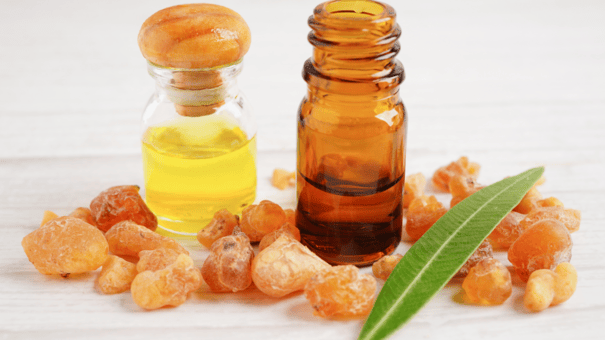
An image of boswellia and its extract.

Boswellia Benefits for Inflammation, Side Effects and Dosage

For years Ayurvedic practitioners have used Boswellia, also known as Indian frankincense, to calm aching joints and irritated tissue. Now science is backing up many of its traditional uses, especially for inflammation.

What’s exciting about Boswellia is its selectivity. Extracted from trees in the dry mountains of India, Boswellia resin has compounds that target specific inflammatory pathways at the cellular level.

As research links chronic inflammation to accelerated aging and other health issues, understanding Boswellia’s mechanisms becomes even more important.

In this guide we’ll dive into the science backed benefits of Boswellia, its mechanism of action, side effects, dosage and more.

Key Takeaways

  • Boswellia fights inflammation in a unique way – its boswellic acids block the 5-LO enzyme, which sets it apart from NSAIDs and means it’s typically gentler on your stomach.
  • When it comes to osteoarthritis, Boswellia dietary supplements reduce joint pain and stiffness, lowering inflammation markers in clinical studies.
  • Boswellia doesn’t just help with joints – research shows it’s promising for brain health (it helps reduce amyloid-beta buildup), gut health (by protecting the intestinal barrier), and immune system balance.
  • While Boswellia is generally safe, everyone responds differently to it. You can track your inflammation markers to find the right dose and see how well it’s working for you.

What is Boswellia?

An image of Boswellia.

Boswellia, known traditionally as Indian frankincense, is a resin extracted from the Boswellia serrata tree native to India.1 This tree thrives in dry mountainous regions and the resin has been used for centuries in traditional medicine especially in Ayurveda.

The key active compounds in Boswellia are boswellic acids.2 These are believed to be responsible for most of the resin’s effects, especially the anti-inflammatory ones. Researchers have identified several types of these acids and acetyl-11-keto-β-boswellic acid (AKBA) is the most potent.

Boswellic acids work mainly by inhibiting inflammatory enzymes like 5-lipoxygenase (5-LO).3 This enzyme is involved in producing leukotrienes which are molecules that promote inflammation.

By blocking 5-LO, boswellic acids may help reduce inflammation and related symptoms. This is different from common anti-inflammatory drugs like NSAIDs which may contribute to Boswellia’s fewer side effects on the stomach.

4 Health Benefits of Boswellia

An image of Boswellia and its extract.

Research suggests that Boswellia may offer a range of health benefits. This ancient resin is gaining popularity as a natural remedy that may help fight inflammation, support brain health, soothe the gut, and even potentially play a role in cancer prevention and immune function.

 Let’s explore the effects of Boswellia serrata each one by one.

May Help Combat Inflammation and Arthritis

Boswellia serrata and its extracts have been researched for anti-inflammatory and anti-arthritis properties. Boswellic acids in Boswellia have been shown to help manage osteoarthritis (OA) by reducing pain, stiffness and improving joint function.

A systematic review and meta-analysis looked at multiple clinical trials on Boswellia serrata and its effects on OA.4 The results consistently showed that Boswellia extract reduced pain and joint stiffness more than a placebo or other treatments.

Patients reported noticeable pain scores and the studies had low adverse events. Based on this evidence the review concluded that Boswellia is a good and safe option for OA symptoms.

Backing this up, a pilot study confirmed Boswellia serrata extract improved physical function and reduced inflammatory markers in patients with knee OA.5 This 120 day double-blind placebo-controlled trial was the longest of its kind and had 48 patients with osteoarthritis of the knee.

The standardized Boswellia extract contained specific bioactive compounds: 3-acetyl-11-keto-β-boswellic acid (AKBBA) and β-boswellic acid (BBA). These compounds worked synergistically to deliver significant improvements compared to placebo:

  • Reduced pain and stiffness
  • Improved physical function
  • Increased knee joint gap
  • Decreased osteophyte formation
  • Lower levels of high-sensitivity C-reactive protein

The study demonstrated both the safety and effectiveness of long-term Boswellia supplementation for managing osteoarthritis symptoms and addressing underlying inflammation.

Besides oral supplementation, research has shown that topical boswellic acids demonstrated comparable anti-inflammatory efficacy to systemic administration in multiple experimental models.6 These findings collectively suggest Boswellia’s usefulness as a natural compound for managing inflammatory conditions through multiple delivery methods.

Promising Neuroprotective Properties

Boswellic acids have also been looked into for neurodegenerative diseases like Alzheimer’s disease (AD).7 Research has been done mainly in lab and animal models to see how they would tackle the disease.

Studies show boswellic acids can reduce amyloid-beta buildup, protect neurons from its toxicity and regulate inflammation in brain immune cells. A study in Biomedicine & Pharmacotherapy further supports this, boswellic acids neuroprotective effects in Alzheimer’s models.

In Alzheimer’s mouse models they have even reduced amyloid plaque and improved cognitive function.

Could Support Gastrointestinal Health

Boswellia serrata has been shown to protect the intestinal epithelial barrier from oxidative and inflammatory damage and is beneficial for inflammatory bowel diseases (IBD). It keeps the integrity and function of the intestinal epithelium by preventing the disassembly of tight junction proteins and reducing oxidative stress.

A study in PLoS One found that Boswellia serrata extract protects the intestinal barrier function and may be useful for IBD.8

Researchers found that Boswellia serrata oleo-gum extract (BSE) and its derivative Acetyl-11-keto-β-boswellic acid (AKBA) protected gut cells from damage caused by inflammation.

The Boswellia extract helped maintain the integrity of the gut lining by preserving its tightness and reducing leakiness, as well as reducing inflammation and oxidative stress, indicating a potential mechanism for its protective effects.

Potential Anti-Cancer and Immune Modulation Effects

Frankincense, derived from Boswellia species, has shown potential in cancer therapy due to its ability to inhibit leukotriene synthesis, oxidative stress, and modulate immune responses.9 It has demonstrated efficacy in clinical trials for conditions like multiple sclerosis and asthma, although its full potential in cancer therapy requires further investigation.

Boswellic acids also modulate the immune system by affecting cytokine production and enhancing phagocytosis, which could contribute to their therapeutic effects in chronic inflammatory diseases.10

While more research is needed, these findings provide insights into the potential anti-cancer and immune-modulating mechanisms of Boswellia and its constituents. 

Is Boswellia Safe?

An image of Boswellia and its extract.

Boswellia has a good safety profile in many clinical trials, especially for osteoarthritis. Clinical trials show that extract of Boswellia has a similar safety profile to placebo, with no significant differences in safety outcomes when compared to placebo.11

This suggests it is generally well tolerated by most people without worrying about the side effects of NSAIDs. For example, in a knee osteoarthritis trial published in Arthritis Research & Therapy, people taking a specific Boswellia serrata extract (5-Loxin Advanced) had the same rate of mild side effects as those taking a placebo.

While Boswellia is safe for most people, individual results may vary, some people may experience mild side effects such as digestive discomfort or skin reactions.

Boswellia Side Effects

An image written with "side effect".

Boswellia has anti-inflammatory benefits as shown in multiple studies. But knowing its entire safety profile is key to using it optimally.

Most common side effects are mild and temporary:

  • Occasional nausea: Some may feel mild nausea after taking Boswellia.
  • Digestive adjustments: Users may notice changes in digestion, bloating or mild discomfort.
  • Temporary skin responses: Others may experience mild and temporary skin reactions, rashes or irritation.

Boswellia may also interact with medications like NSAIDs. So if you’re taking these medications, you should consult with your doctor or health professional before starting Boswellia supplementation.

Pregnancy adds extra precautions too. Scientific evidence suggests Boswellia may be a uterine stimulant.12 So medical guidance is recommended if you plan to take Boswellia while pregnant.

After all, supplementation begins with personalized guidance.

Your unique health profile – current medications, baseline biomarkers, wellness goals – is the blueprint for optimizing Boswellia use.

How to Take Boswellia

An image of a matured woman taking Boswellia.

Boswellia comes in many forms to fit your needs. Standardized extracts in capsules and tablets give you a consistent dose of boswellic acids, while powders let you mix with food and drink. Topicals like creams and gels allow for targeted treatment of inflammation for joint and muscle discomfort.

Boswellia may work better with other anti-inflammatory compounds. Scientific research shows turmeric is a great companion, as its curcuminoids work through different pathways to reduce inflammation.

That’s why our Extra Strength Turmeric supplement combines high-potency Boswellia extract with turmeric (95% curcuminoids), ginger root and quercetin. Piperine enhances bioavailability of these compounds so they’re absorbed and effective for joint support and inflammation management.

Turmeric+ curcumin supplement promotional image

Always follow product specific dosing guidelines whether taking orally or topically. Topicals should be tested on a small area of skin first to check for sensitivity, especially with combination products that have additional active ingredients.

Dosage Considerations

According to Phytotherapy Research, the recommended dose for osteoarthritis is 300-500 mg of Boswellia extract, 2-3 times a day.13 This dose has been shown to reduce pain and improve joint function in people with knee osteoarthritis.

The time it takes for Boswellia to work can also vary. Some studies have shown improvement in osteoarthritis symptoms in 7 days, others in 4 weeks.14

Always follow the label instructions or as directed by a healthcare provider as Boswellia supplements are not FDA regulated and quality and potency can vary between products.

Individual results may vary and it may take several weeks to experience full benefits. So always consult with a qualified health professional before starting any new supplement.

Does Boswellia Help Relieve Inflammation?

An image of a matured woman with inflammation.

Scientific evidence strongly supports Boswellia’s role in managing inflammation through multiple pathways, notably its ability to inhibit the 5-LO enzyme and reduce inflammatory markers like C-reactive protein.

But inflammation is a complex process that varies significantly between individuals. While Boswellia shows promise, the key to optimizing its benefits lies in understanding your personal inflammatory profile.

This is where comprehensive biomarker testing becomes invaluable.

By measuring key inflammatory cytokines like IL-1β, IL-6, IL-8, and TNF-α through cellular inflammation tests like Jinfiniti’s AgingSOS® Senescence Panel, you can establish your baseline inflammatory status and track how interventions like Boswellia supplementation affect your body’s inflammatory response.

This data-driven approach takes the guesswork out of supplementation, allowing you to fine-tune your anti-inflammatory strategy based on objective measurements rather than subjective symptoms alone.

Remember, inflammation exists on a spectrum, and what works for one person may not work for another. By combining targeted supplementation with regular biomarker monitoring, you can develop a precise, personalized approach to managing inflammation and supporting your long-term health.

FAQs

An image with lettering of FAQs.

Does Boswellia Affect Sleep?

A study showed that taking Boswellia, especially when paired with an omega-3 product, helped people fall asleep faster (that’s what we call sleep latency).15 While the results look promising, we’ll need more research to see if it works this well for different groups of people.

Does Boswellia Raise Blood Pressure?

Boswellia actually helps lower and control blood pressure, not raise it. This makes it a good option if you have high blood pressure or metabolic syndrome.16

Does Boswellia Help You Lose Weight?

Boswellia serrata can help with weight loss in a few key ways: it brings down markers linked to obesity,17 helps your metabolism work better, and changes the balance of bacteria in your gut. These benefits come mainly from its ability to fight inflammation and act as an antioxidant.

Can Boswellia Repair Joints?

Studies show that Boswellia helps joints work better. We can see this in the scores from standard tests like WOMAC and the Lequesne Functional Index. This means people with OA can move around more easily and have less trouble with daily activities.

Referenced Sources:

  1. https://www.sciencedirect.com/topics/agricultural-and-biological-sciences/boswellia-serrata ↩︎
  2. https://www.sciencedirect.com/topics/pharmacology-toxicology-and-pharmaceutical-science/boswellic-acid ↩︎
  3. https://pmc.ncbi.nlm.nih.gov/articles/PMC3309643/ ↩︎
  4. https://bmccomplementmedtherapies.biomedcentral.com/articles/10.1186/s12906-020-02985-6 ↩︎
  5. https://onlinelibrary.wiley.com/doi/pdfdirect/10.1002/ptr.6338 ↩︎
  6. https://pubmed.ncbi.nlm.nih.gov/18222672/ ↩︎
  7. https://www.sciencedirect.com/science/article/pii/S0753332221010349 ↩︎
  8. https://journals.plos.org/plosone/article/file?id=10.1371/journal.pone.0125375&type=printable ↩︎
  9. https://www.sciencedirect.com/science/article/abs/pii/S1044579X20300341?via%3Dihub ↩︎
  10. https://www.sciencedirect.com/science/article/abs/pii/S0944711310000620 ↩︎
  11. https://pmc.ncbi.nlm.nih.gov/articles/PMC6131088/ ↩︎
  12. https://pmc.ncbi.nlm.nih.gov/articles/PMC5686907/ ↩︎
  13. https://onlinelibrary.wiley.com/doi/full/10.1002/ptr.6338 ↩︎
  14. https://bmccomplementmedtherapies.biomedcentral.com/articles/10.1186/s12906-020-02985-6 ↩︎
  15. https://www.mdpi.com/2072-6643/15/17/3848 ↩︎
  16. https://ijbms.mums.ac.ir/article_16582.html ↩︎
  17. https://link.springer.com/article/10.1007/s10787-018-0519-4 ↩︎
Fitness couple against a lavender gradient background

Creatine Starter Guide: Loading, Timing & Beginner Tips

Creatine is of the most well-researched fitness supplements, backed by a mountain of evidence for both its effectiveness and safety.

But, with so many forms, dosing approaches, and timing strategies circulating in fitness communities, newcomers often feel lost.

This starter guide to creatine simplifies things, offering up-to-date, evidence-based recommendations for 2025 to help you get the most benefits with minimal side effects.

We’ll cover everything from loading phases to maintenance doses, giving you all the info you need to start using creatine with confidence.

What You Should Know

  • Creatine monohydrate is the most well-researched and cost-effective form, making it the ideal choice for beginners.
  • Both loading (20g/day for 5-7 days) and gradual approaches (3-5g daily) effectively saturate muscle stores—the loading protocol simply works faster.
  • Consistency matters more than timing—taking your daily dose regularly is more important than whether you take it before or after workouts.
  • Most healthy individuals experience minimal side effects beyond initial water retention, which contributes to the early weight gain many users notice.
  • For optimal absorption and comfort, consider taking creatine with a meal containing carbohydrates, which may enhance muscle uptake through insulin action.
  • There’s no need to cycle creatine for most users—continuous supplementation maintains benefits without diminishing returns or health concerns.
  • Most beginners notice initial performance improvements within 1-2 weeks, with full benefits appearing after 3-4 weeks of consistent use.
  • Adequate hydration supports creatine’s muscle-saturating effects and helps minimize potential discomfort—aim for at least 200-250ml of water with each dose.

Dr. She’s Creatine Formula

Pure creatine with ATP for total body performance.

Creatine+ by Jinfiniti

What is Creatine?

Creatine is a natural compound that helps with energy metabolism, especially in muscles and the brain. The body makes it from amino acids and you can also get it from food, mainly animal products.

How Does Creatine Work?

Creatine works by helping your body make more ATP (adenosine triphosphate), which is what your muscles use for energy during short, intense workouts.

Here’s how it happens:

Your muscles store creatine as phosphocreatine (PCr), which works like an energy reserve. When you’re exercising hard and quickly using up ATP, phosphocreatine gives a phosphate group to ADP (adenosine diphosphate), quickly restoring ATP so you can keep going strong.

Creatine also pulls water into your muscle cells, creating conditions that can promote protein synthesis and muscle growth over time. This extra cellular hydration can make your muscles look fuller too.

When you take creatine supplements, you increase your phosphocreatine stores, which helps you:

  • Keep up higher energy levels during tough workouts
  • Do more reps or lift heavier weights
  • Bounce back quicker between sets
  • Feel less tired during intense training

That’s why creatine works so well for activities that need quick bursts of power, like weightlifting, sprinting, or HIIT workouts.

Is Creatine Safe?

Creatine supplementation has been well-studied for safety and found to be generally safe for most people when used correctly.

Studies show creatine is safe and well-tolerated both short and long-term, with no significant negative effects on blood and urine markers, liver, or kidney function in healthy people1.

A review by the International Society of Sports Nutrition found that long-term use (up to 30 g/day for 5 years) is safe in healthy individuals and patient populations across all age groups2.

While creatine is safe for most people, those with existing kidney conditions should be careful, as there’s limited evidence of possible kidney effects3.

Less research has been done on creatine safety in children and teens, so caution is recommended for these groups.

Join 50,000+ Health Optimizers

Access the same health optimization strategies used by longevity experts. Weekly insights, exclusive products, member pricing.

What are the Benefits of Creatine?

Creatine is well-known for improving high-intensity workouts, increasing maximum strength, power output, and sprint performance. It also helps muscles recover faster between tough workouts by reducing muscle damage4.

It supports energy production in both muscle and brain cells, which can help with conditions like muscular dystrophies and when your brain needs more energy5 (like when you’re tired or haven’t slept well).

Beyond muscle, research shows creatine might help manage neurodegenerative diseases, diabetes6, and other conditions such as statin myopathy and treatment-resistant depression7.

For older adults, taking creatine while exercising can improve muscle health, potentially boost bone density, and sharpen cognitive function8.

Vegetarians and vegans often see significant benefits from creatine supplements since their natural levels tend to be lower, leading to better muscle performance and brain function9.

Creatine+ promotional image

What Type of Creatine to Choose

Creatine monohydrate is the most recommended form of creatine due to its extensive research backing its efficacy, safety, and cost-effectiveness10.

Other creatine forms like magnesium-creatine chelate, creatine citrate, malate, ethyl ester, nitrate, and pyruvate have been tested but don’t reliably work better than creatine monohydrate.

These alternative forms are also typically more expensive and haven’t been studied as thoroughly for safety and efficacy11.

How Much Creatine Should a Beginner Take?

Beginners starting creatine supplementation typically follow one of two approaches: a loading phase for quick muscle saturation or a gradual intake.

Research shows both methods effectively increase muscle creatine stores. The loading approach saturates your muscles in just 5-7 days, while the gradual method takes 3-4 weeks.

Most experts suggest either starting with a loading phase dosage of 20 g/day for 5-6 days then dropping to a maintenance dose of 2-3 g/day12, or simply taking 3-5 g/day consistently without loading. Both methods effectively raise muscle creatine levels and help improve performance.

Infographic showing how to take creatine with two dosage approaches

What is the Creatine Loading Phase?

The creatine loading phase is a popular way to quickly boost muscle creatine stores.

It usually involves taking a high dose of creatine—about 20-25 grams daily—split into several doses over 5-7 days. After this, you switch to a lower daily dose for maintenance to keep creatine levels high.

Research shows creatine loading can improve power output during endurance events13 and help performance in strength and resistance training14.

Can Beginners Skip the Loading Phase and Still Benefit?

Taking 3-5 grams of creatine daily works just as well as a loading phase for beginners – it’ll just take 3-6 weeks to fully saturate your muscles instead of a few days.

This gradual approach helps you skip potential side effects like bloating or stomach discomfort that some people get with high-dose loading. After about a month, your muscle creatine levels will be the same either way.

The Optimal Time to Take Creatine

Some studies show that taking creatine after working out might boost muscle creatine storage and performance gains better than taking it before exercise15.

The jury’s still out on this though, since the evidence isn’t conclusive because of study limitations and not enough physiological data to back these claims.

Creatine works best when you take it regularly, with consistency mattering more than timing. There’s no evidence that taking it in the morning, afternoon, or night makes any real difference.

Should Creatine Be Taken with Food?

Creatine doesn’t have to be taken with food, but it can help your body absorb it better and prevent stomach issues. 

Some people feel nauseated or get cramps when they take creatine on an empty stomach. If that’s you, having it with meals can stop the discomfort without affecting how well it works. If you don’t have any digestive problems, you can take it whenever.

There is some evidence that insulin directly increases the rate of creatine transport and uptake in skeletal muscle, similar to its effects on amino acids and sugars16. So taking your daily dose with a meal that has carbs might improve uptake.

Do You Need to Cycle Creatine?

Creatine supplementation doesn’t need cycling for most people. You can take it daily at a maintenance dose for the long term. Research shows the benefits don’t fade over time, and there aren’t health risks when you take it properly.

You only need to consider cycling in specific situations like when cutting weight for competitions or if your doctor recommends it. For regular fitness and bodybuilding goals, just stick with daily maintenance.

Common Side Effects and How to Avoid Them

Creatine can make you gain weight mainly from water retention, which might impact your performance in activities where body mass is a factor.

Some users report stomach discomfort, diarrhea, or nausea, although these effects are generally anecdotal and not consistently observed in studies.

There are occasional reports of muscle cramps, but these are not consistently supported by scientific evidence either.

While some case reports suggest potential kidney and liver issues, well-controlled studies have not found significant adverse effects on kidney or liver function in healthy individuals.

If you’re worried about side effects with creatine:

  • Stick to the recommended doses and don’t do excessive loading phases unless your doctor suggests it
  • Drink plenty of water to offset the water retention and lower your risk of dehydration and muscle cramps
  • If you have existing kidney or liver issues, talk to your healthcare provider before starting creatine
  • Use high-quality creatine products to avoid contaminants that might cause problems

How Long Until Beginners Notice Results?

Most beginners see creatine’s first effects in about 1-2 weeks, with better results showing up after 3-4 weeks.

If you’re using a loading protocol, you’ll likely notice improvements a bit faster than those taking regular doses. The full performance benefits usually level off by the end of the first month.

Do You Need to Drink More Water on Creatine?

Creatine supplements increase total body water (TBW) by pulling water into muscle cells, which can bump up body mass. But they don’t actually change how water gets distributed between intracellular and extracellular spaces.

While creatine itself doesn’t cause dehydration17, it’s smart to drink plenty of fluids to support the extra water your muscles are storing. A good rule of thumb is about 200-250 ml of water for every 2.5 grams of creatine you take to help with absorption and retention.

Are Creatine Supplements Right for You?

Creatine supplementation is one of the most proven ways to boost physical performance, especially for activities that need quick power and strength.

If you’re trying to break through plateaus, recover faster between sets, or just get better results from your training, creatine probably belongs in your supplement routine.

The research is particularly strong for strength athletes, bodybuilders, team sport players, and anyone doing high-intensity exercise.

Vegetarians and vegans often see even bigger benefits because their natural creatine levels tend to be lower. For older adults, creatine offers two main benefits—it helps preserve muscle and supports brain function.

When choosing a creatine supplement, quality is important. Jinfiniti’s Creatine Monohydrate ATP Powder is pharmaceutical-grade pure (>99.9%) with no fillers or additives that might limit your results.

Our product fits perfectly with our T-A-O approach—Test, Act persistently, and Optimize—by giving you a measurable tool that works at the cellular level to boost ATP production and energy metabolism.

Unlike many supplements with questionable efficacy, creatine gives predictable, testable results. Many of our customers use our Creatine Monohydrate along with our Intracellular NAD® Test to see how these energy-boosting supplements work together to improve cellular function and performance.

Keep in mind that supplements work best as part of a complete health strategy. For personalized advice on whether creatine is right for your specific needs and goals, you might want to talk with a healthcare professional—especially if you have existing kidney issues or other health concerns.

FAQs About Creatine

Does creatine cause hair loss?

Current science doesn’t support the claim that creatine causes hair loss. It’s a well-tolerated supplement at recommended doses, and concerns about hair loss seem based on misconceptions rather than actual scientific findings.

Does Creatine increase muscle mass?

Creatine supplementation significantly increases lean body mass compared to placebo. Studies show gains in LBM ranging from 0.92 kg to 1.14 kg more than resistance training alone18.

Is 3 grams per day of creatine too little?

A daily 3-gram creatine intake is backed by science as effective for boosting exercise performance and is safe for healthy adults.

Can I take smaller amounts of creatine?

While 3-5g/day is the standard for rapid muscle saturation, doses as low as 1.5-2g/day can still build up creatine stores in muscles, just more slowly.

Recent studies show creatine also helps support brain function. There’s evidence it might benefit people with depression and dementia, and these effects could occur even at daily doses under 3g.

Does creatine affect sleep?

A study showed creatine supplements helped people sleep longer on days they did resistance training, though it didn’t really improve overall sleep quality based on the Pittsburgh Sleep Quality Index (PSQI)19.

Another study found that taking creatine, with or without caffeine, didn’t make any notable difference to how people rated their sleep quality or how ready they felt to perform20.

Will I lose muscle if I stop taking creatine?

Research shows that when you stop taking creatine, your muscle creatine levels typically return to normal. You’ll likely notice your muscles looking less full (because they’re retaining less water) and might see a small decrease in performance (since your muscles now have lower creatine stores).

How do you know if creatine is affecting the kidneys?

You can check creatine’s kidney effects through blood tests, urine analysis, and watching for symptoms. When you take creatine, your serum creatinine often goes up. This may resemble kidney dysfunction but often reflects normal muscle metabolism.

Tests like eGFR or cystatin C measurements give us better insights into how well your kidneys are filtering, without being thrown off by creatine’s effect on creatinine. Urine tests, such as the albumin-to-creatinine ratio or 24-hour collection, can catch early signs of kidney stress like protein leakage.

If you notice symptoms like nausea, fatigue, or changes in urination patterns, you should see a doctor. People with existing kidney problems or those taking high doses should get baseline testing and regular check-ups.

Most healthy users don’t have any issues, but if you’re concerned, temporarily stopping creatine can help show whether any abnormalities are related to the supplement.

Does creatine interact with caffeine?

A common myth suggests caffeine cancels out creatine’s benefits, but new research doesn’t support this21. Using both together doesn’t hurt performance, though some people might want to pay attention to when they take each supplement.

Does creatine cause facial bloating?

Anecdotal reports of facial bloating lack solid scientific evidence. Any temporary water retention usually happens inside muscle cells, not under the skin. Long-term studies don’t show any connection between creatine and increased fat mass.

Referenced Sources

  1. https://pubmed.ncbi.nlm.nih.gov/32597619/ ↩︎
  2. https://www.tandfonline.com/doi/full/10.1186/s12970-017-0173-z ↩︎
  3. https://pubmed.ncbi.nlm.nih.gov/21399917/ ↩︎
  4. https://pmc.ncbi.nlm.nih.gov/articles/PMC8228369/ ↩︎
  5. https://pmc.ncbi.nlm.nih.gov/articles/PMC7916590/ ↩︎
  6. https://pubmed.ncbi.nlm.nih.gov/33572228/ ↩︎
  7. https://onlinelibrary.wiley.com/doi/10.1002/med.21590 ↩︎
  8. https://journals.lww.com/jgpt/abstract/2020/04000/the_additive_effects_of_creatine_supplementation.7.aspx ↩︎
  9. https://www.mdpi.com/1660-4601/17/9/3041 ↩︎
  10. https://pmc.ncbi.nlm.nih.gov/articles/PMC8912867/ ↩︎
  11. https://journals.lww.com/nsca-jscr/fulltext/2022/09000/efficacy_of_alternative_forms_of_creatine.42.aspx ↩︎
  12. https://journals.physiology.org/doi/abs/10.1152/jappl.1996.81.1.232 ↩︎
  13. https://journals.lww.com/acsm-msse/fulltext/2018/01000/effects_of_creatine_and_carbohydrate_loading_on.18.aspx ↩︎
  14. https://pubmed.ncbi.nlm.nih.gov/35805647/ ↩︎
  15. https://pmc.ncbi.nlm.nih.gov/articles/PMC8401986/ ↩︎
  16. https://journals.physiology.org/doi/full/10.1152/ajpendo.1998.275.6.E974 ↩︎
  17. https://pubmed.ncbi.nlm.nih.gov/26615291/ ↩︎
  18. https://www.sciencedirect.com/science/article/abs/pii/S0899900701005408 ↩︎
  19. https://pmc.ncbi.nlm.nih.gov/articles/PMC11357324/ ↩︎
  20. https://faseb.onlinelibrary.wiley.com/doi/10.1096/fasebj.2022.36.S1.L8047 ↩︎
  21. https://pmc.ncbi.nlm.nih.gov/articles/PMC11703406/ ↩︎
An image of herbs and spices

24 Natural Herbs and Spices That Fight Inflammation

Your body’s natural defense system sometimes goes into overdrive, causing inflammation that can lead to problems like joint pain and heart issues. While doctors can prescribe medications to help, Mother Nature has already given us some amazing tools – herbs and spices that people have used for hundreds of years to feel better.

Scientists have recently backed up what our ancestors figured out long ago: some common herbs can actually help calm inflammation in our bodies. It turns out those old family remedies weren’t just myths after all!

If your joints are giving you trouble, or you just want to eat in a way that keeps inflammation in check, you’re in luck.

There are 24 natural anti-inflammatory herbs and spices that really shine when it comes to fighting inflammation. Think of them as your kitchen cabinet’s secret weapons for better health.


Key Takeaways:

  • Many common herbs and spices like turmeric, ginger, and cinnamon have been scientifically shown to reduce inflammation, making them a natural way to support joint health, digestion, and overall wellness.
  • Adding anti-inflammatory spices to your daily meals like sprinkling cinnamon on oatmeal or sipping ginger tea can be an easy and tasty way to help your body fight chronic inflammation.
  • Boosting absorption matters. Some herbs, like turmeric, work best when paired with other ingredients (like black pepper and healthy fats) to maximize their benefits, so knowing how to use them effectively makes a difference.

Turmeric (Curcuma Longa)

An image of turmeric.

The active compounds in turmeric (Curcuma longa) work directly on multiple inflammation pathways in the body. Numerous studies examining turmeric or curcumin have shown remarkable anti-inflammatory properties, with research demonstrating their ability to block inflammatory molecules and enzymes, including NF-kB, a protein complex linked to chronic inflammation.1

Everyday Uses: Beyond the classic golden milk, try blending turmeric into scrambled eggs, stirring into overnight oats, or creating a savory yogurt dip. For maximum absorption, always pair with black pepper and a source of healthy fat.

Insider Tip: While cooking with turmeric is beneficial, most clinical studies showing significant anti-inflammatory effects used concentrated supplements. Our Extra Strength Turmeric curcumin supplement delivers the research-backed dosage plus black pepper extract for maximum absorption.

Ginger (Zingiber Officinale)

An image of ginger.

Ginger’s powerful anti-inflammatory effects come from active compounds, including gingerols and shogaols.2 In a study published in the Medical Journal of the Islamic Republic of Iran, researchers found that these bioactive compounds can inhibit the production of pro-inflammatory cytokines and suppress the expression of inflammatory genes.3

Ginger can be particularly effective in reducing exercise-induced muscle pain and inflammation while helping to alleviate osteoarthritis symptoms.4

Everyday Uses: Add freshly grated ginger to stir-fries and smoothies or steep it in hot water for a soothing tea. Try pickling ginger for sushi dishes, blending it into salad dressings, or incorporating it into baked goods like cookies or cakes. For a quick anti-inflammatory boost, combine ginger with honey and lemon in warm water as a morning tonic.

Cinnamon (Cinnamomum Spp.)

An image of cinnamon

Cinnamon is packed with powerful antioxidants, including polyphenols that help combat inflammation and oxidative stress.5 It can lower inflammatory markers like C-reactive protein (CRP) and may help regulate blood sugar, making it beneficial for metabolic and cardiovascular health, according to a study published in the journal Nutrients.6 Additionally, its antimicrobial properties support gut and immune health.7

Everyday Uses: Sprinkle cinnamon on oatmeal, yogurt, coffee, or smoothies for a naturally sweet, anti-inflammatory boost. It also enhances the flavor of baked goods, stews, and even savory dishes like curries and roasted vegetables.

Boswellia (Boswellia Serrata)

An image of boswellia seedling.

Also known as Indian frankincense, Boswellia contains boswellic acids that inhibit 5-LOX, an enzyme linked to inflammation.8 It is particularly effective for reducing joint pain, stiffness, and swelling in conditions like osteoarthritis and rheumatoid arthritis. Boswellia is also being studied for its potential benefits in inflammatory bowel diseases and respiratory conditions.9

Everyday Uses: Boswellia is typically taken as a supplement or in extract form, but it can also be brewed into tea or used in traditional Ayurvedic remedies. Some topical creams and balms include Boswellia to support joint and muscle comfort.

Camellia Sinensis (Green & Black Tea)

An image of Camellia Sinensis (Green & Black Tea)

The leaves of Camellia sinensis, used to make green, black, white, and oolong tea, contain powerful antioxidants called catechins and theaflavins.10 These compounds help reduce inflammation, support heart health, and protect against oxidative stress.

In fact, a study published in Human Nutrition & Metabolism found that regular tea consumption may lower inflammatory markers, improve brain function, and even support metabolic health.11

Everyday Uses: Enjoy freshly brewed green or black tea, either hot or iced, for a daily dose of inflammation-fighting compounds. You can also add tea leaves to smoothies or use them as a base for herbal infusions.

Cloves (Syzygium Aromaticum)

An image of cloves.

Cloves are packed with eugenol, a potent anti-inflammatory compound that helps combat oxidative stress and reduce pain.12 This component can help lower inflammatory markers and support immune function, making cloves a valuable spice for overall wellness. Additionally, cloves have antimicrobial properties that can promote oral and digestive health, which in turn helps reduce inflammation.13 

Everyday Uses: Use ground cloves in spice blends, baked goods, and savory dishes, or steep whole cloves in tea for an aromatic twist. They also pair well with cinnamon and nutmeg in warm beverages like chai or mulled cider.

Saffron (Crocus Sativus)

An image of saffron

Saffron is rich in bioactive compounds like crocin and safranal, which can help lower inflammation and oxidative stress.14 Researchers found that saffron may help lower inflammatory markers, support mood health, and even enhance cognitive function.15 Its potent antioxidant properties make it a valuable addition to an anti-inflammatory diet.

Everyday Uses: Add a small pinch of saffron to rice dishes, soups, or stews for its signature color and subtle floral flavor. You can also steep it in warm milk or tea for a soothing and health-boosting drink.

Rosemary (Rosmarinus Officinalis)

An image of rosemary.

Rosemary is packed with rosmarinic acid and carnosic acid, two powerful antioxidants that help reduce inflammation and protect against oxidative stress.16 A study published in the Journal of Biomedical Science showed that rosemary may support brain health, improve circulation, and even help boost heart function by modulating inflammatory pathways.17

Everyday Uses: Use fresh or dried rosemary to season roasted meats, potatoes, and vegetables. It also makes a great addition to soups, stews, and homemade salad dressings. For a refreshing twist, steep rosemary in hot water for an herbal tea.

Black Pepper (Piper Nigrum)

An image of black pepper.

Black pepper contains piperine, a bioactive compound that can help reduce inflammation and enhance nutrient absorption.18 This spice can also help block inflammatory pathways and may even support brain health by protecting against neurodegeneration.19

Everyday Uses: Sprinkle freshly ground black pepper on savory dishes like eggs, soups, and roasted vegetables. It also pairs well with turmeric, boosting curcumin absorption for enhanced anti-inflammatory benefits.

Cayenne (Capsicum Annuum)

An image of cayenne.

Cayenne pepper is packed with capsaicin, the compound responsible for its heat and powerful anti-inflammatory effects.20 This compound can help reduce pain by blocking pain receptors and lowering levels of inflammatory markers, making it beneficial for conditions like arthritis and muscle soreness.21

Everyday Uses: Add cayenne to chili, soups, marinades, or even sprinkle a pinch into hot chocolate for a spicy twist. It also works well in homemade spice blends for an extra kick of flavor and health benefits.

Sage (Salvia Officinalis)

An image of sage

Sage is rich in polyphenols and flavonoids that help combat oxidative stress and inflammation.22 It can support brain health, improve memory, and help regulate inflammatory responses in the body.23 Its anti-inflammatory and antimicrobial properties have also made it a staple in traditional medicine for soothing sore throats and digestive discomfort.

Everyday Uses: Add fresh or dried sage to roasted vegetables, soups, and stuffing, or brew it into a soothing herbal tea. It pairs well with poultry dishes and can even be fried for a crispy, flavorful garnish.

Parsley (Petroselinum Crispum)

An image of parsley.

Parsley is more than just a garnish—it’s a powerhouse of anti-inflammatory compounds like flavonoids, vitamin C, and luteolin.24 These compounds help neutralize free radicals and reduce inflammation, supporting overall immune health and even cardiovascular function. A study published in ResearchGate also found that parsley is rich in chlorophyll, which helps detoxify the body and reduce inflammation at a cellular level.25

Everyday Uses: Add fresh parsley to salads, soups, and sauces for a burst of flavor and nutrients. It also blends well into green smoothies and makes a great base for homemade chimichurri or tabbouleh.

Thyme (Thymus Vulgaris)

An image of thyme.

Thyme is packed with thymol, a powerful compound known for its anti-inflammatory, antimicrobial, and antioxidant properties.26

A study published in the International Journal of Molecular Sciences showed that thyme can help reduce inflammatory markers, support respiratory health, and even aid digestion.27 Its active compounds, including thymol, carvacrol, and linalool, have been studied for their potential to combat infections and support immune function.

Everyday Uses: Sprinkle fresh or dried thyme over roasted meats, vegetables, or soups for a fragrant boost. It also works well in marinades, homemade salad dressings, and herbal teas.

Echinacea (Echinacea Purpurea)

An image of Echinacea

Echinacea is one of the best anti-inflammatory herbs, known for its immune-boosting properties and anti-inflammatory effects. Its bioactive compounds, including flavonoids and alkamides, help regulate inflammatory responses, making it beneficial for conditions like respiratory infections and chronic inflammation.28

Everyday Uses: Brew echinacea tea to support immunity, or take it in tincture or capsule form during cold and flu season. It can also be combined with honey and lemon for a soothing herbal remedy.

Borage (Borago Officinalis)

An image of borage.

Borage is rich in gamma-linolenic acid (GLA), an omega-6 fatty acid with strong anti-inflammatory properties.29 A study published in the European Journal of Pharmacology found that GLA helps reduce symptoms of inflammatory conditions like rheumatoid arthritis and eczema by modulating immune responses and lowering inflammatory cytokines.30

Everyday Uses: Borage leaves can be added to salads or soups, while its seeds are often used to produce borage oil, which is taken as a supplement.

Nettle (Urtica Dioica)

An image of nettle.

Nettle has been used for centuries as a natural remedy for joint pain and allergies due to its anti-inflammatory and antihistamine properties.31 Its extract can inhibit key enzymes involved in inflammation, making it particularly beneficial for arthritis and seasonal allergies.32

Everyday Uses: Brew nettle leaves into tea, add them to soups or stews, or take them as a supplement for allergy relief and joint support.

Cat’s Claw (Uncaria Tomentosa)

An image of cat's claw

Cat’s Claw is a powerful Amazonian herb known for its ability to regulate the immune system and reduce inflammation.33 Its unique alkaloids and flavonoids help lower inflammatory markers, making it useful for autoimmune conditions, digestive issues, and joint pain.34

Everyday Uses: Drink Cat’s Claw tea, take it as a tincture, or use it in capsule form for immune and joint health support.

Devil’s Claw (Harpagophytum Procumbens)

An image of devil's claw

Devil’s Claw is widely used for its pain-relieving and anti-inflammatory effects, particularly for osteoarthritis, back pain, and tendonitis.35 36 Its active compounds, harpagosides, work by inhibiting inflammatory pathways and reducing oxidative stress.

Everyday Uses: Devil’s Claw is commonly taken as a tea, tincture, or supplement to help manage chronic pain and inflammation. Many people incorporate it into their daily routine as a natural alternative to conventional pain relievers, while others take it as needed for flare-ups of joint or muscle pain.

Olive (Olea Europaea)

An image of olive

Olive leaves and olive oil are rich sources of polyphenols, particularly oleuropein, known for their potent anti-inflammatory and antioxidant properties.37 A study in Antioxidants found that these bioactive compounds support the body’s natural defense systems and block molecular pathways linked to oxidative stress—a key driver of chronic diseases like cardiovascular conditions, neurodegenerative disorders, and cancer.38

Everyday Uses: Extra virgin olive oil is one of the healthiest fats you can use for cooking and salad dressings, while olive leaf tea or extract can provide additional anti-inflammatory benefits.

Bilberry (Vaccinium Myrtillus)

An image of billberry

Bilberry is packed with anthocyanins, powerful antioxidants that help reduce inflammation and support eye, heart, and brain health.39 In a study published in Food and Agricultural Immunology, researchers found that bilberry can improve circulation and protect against oxidative damage linked to chronic diseases, such as diabetes, cancer, obesity, and cardiovascular diseases.40

Everyday Uses: Enjoy fresh bilberries, add them to smoothies or yogurt, or take them in supplement form for eye and vascular support.

Evening Primrose (Oenothera Biennis)

An image of primrose

Evening Primrose is rich in gamma-linolenic acid (GLA), an omega-6 fatty acid known for its anti-inflammatory effects.41

GLA helps with conditions involving systemic inflammation, such as rheumatoid arthritis, and hormonal imbalances, particularly in women with PMS and menopausal symptoms. It regulates the production of prostaglandins (hormone-like compounds that influence inflammation), reducing excess inflammation and promoting balance in the body.42

Everyday Uses: Evening Primrose oil is commonly taken as a supplement or applied topically for skin health. Some also use it to support hair growth and manage dry skin conditions like eczema. 

Holy Basil (Ocimum Sanctum)

An image of primrose

Holy Basil, also called Tulsi, is a powerful adaptogen that helps the body manage stress and inflammation.43 One study showed that Holy Basil can lower cortisol levels and support immune function, making it beneficial for chronic stress-related conditions. Eugenol, its active compound, contributes to reducing chronic inflammation and oxidative stress.44

Everyday Uses: Brew Holy Basil leaves into tea, add them to meals, or take them in supplement form for stress relief and immune support. Additionally, Tulsi essential oil can be applied topically (diluted) or used in aromatherapy for relaxation and wellness.

Lemon Balm (Melissa Officinalis)

An image of lemon balm

Lemon Balm is known for its calming and anti-inflammatory properties.45 It helps reduce stress-related inflammation, soothe digestive discomfort, and support cognitive function. Its anti-inflammatory effects may help manage herpes viruses, which can trigger flare-ups like cold sores and shingles when inflammation and stress weaken the immune system.46

Everyday Uses: Lemon Balm tea is a popular way to enjoy its benefits, or you can use its essential oil for aromatherapy.

Licorice Root (Glycyrrhiza Glabra)

An image of licorice root

Licorice Root is known for its potent anti-inflammatory properties, particularly in the gut and respiratory system.47 Studies have found that its bioactive compounds help reduce gut inflammation, making it beneficial for conditions like acid reflux and gastritis.

Licorice Root also supports respiratory health by easing inflammation in the airways and helps regulate cortisol levels, which can mitigate chronic inflammation in adrenal fatigue and stress.48

Everyday Uses: Enjoy Licorice Root as a tea, tincture, or supplement for digestive and stress-related issues. It is also found in natural toothpaste and mouthwashes to help fight bacteria and reduce inflammation in the gums.

Spearmint (Mentha Spicata)

An image of spearmint

Spearmint is one of the most powerful anti-inflammatory herbs. It is rich in antioxidant compounds like rosmarinic acid and limonene, which help calm inflammation and support your body’s natural defenses.49 Unlike other mint varieties, spearmint has a unique mix of antioxidants that work together to combat oxidative stress, a key driver of chronic inflammation.50

Everyday Uses: Fresh spearmint leaves add a refreshing twist to water while supporting your body’s inflammatory response. Toss them into salads, tabbouleh, or grain bowls for an extra boost of flavor and benefits. Try muddling it with cucumber for a simple, hydrating anti-inflammatory drink.

Test Your Cellular Inflammation with Jinfiniti

An image of test for cellular inflammation.

Chronic inflammation can lurk under the surface, affecting your energy, immunity, and overall well-being. Jinfiniti’s scientifically validated testing can help you understand your body’s inflammatory status at the cellular level. 

Our AgingSOS cellular inflammation panel measures key biomarkers like CRP, IL-6, and TNF-alpha to provide a detailed picture of your inflammatory health. Once you know your personal inflammation pattern, you can choose the right foods and natural supplements to help your body fight back. You’ll also be able to see if the changes you make are actually working.

But we don’t just stop at basic inflammation testing. We also check how your cells are aging and measure something called NAD+, which plays a big role in inflammation and aging. This gives you a clearer picture of your overall health, so you can make better choices about taking care of yourself.

Ready to find out what’s really going on in your body?

Our science-backed test is quick and easy to do at home. Don’t wait until you feel sick – take control of your health today.

Referenced Sources:

  1. https://www.sciencedirect.com/science/article/abs/pii/S1567576911004711 ↩︎
  2. https://pmc.ncbi.nlm.nih.gov/articles/PMC9654013/ ↩︎
  3. https://pmc.ncbi.nlm.nih.gov/articles/PMC4715415/ ↩︎
  4. https://www.sciencedirect.com/science/article/pii/S1526590009009158 ↩︎
  5. https://www.mdpi.com/1999-4907/12/5/648 ↩︎
  6. https://pmc.ncbi.nlm.nih.gov/articles/PMC9269353/ ↩︎
  7. https://www.sciencedirect.com/science/article/abs/pii/S1756464618304353 ↩︎
  8. https://www.sciencedirect.com/science/article/abs/pii/S2210803319300600 ↩︎
  9. https://pmc.ncbi.nlm.nih.gov/articles/PMC6747466/ ↩︎
  10. https://pmc.ncbi.nlm.nih.gov/articles/PMC6930595/ ↩︎
  11. https://www.sciencedirect.com/science/article/pii/S2666149722000123 ↩︎
  12. https://www.sciencedirect.com/science/article/pii/S2772502223000227 ↩︎
  13. https://pmc.ncbi.nlm.nih.gov/articles/PMC3769004/ ↩︎
  14. https://www.sciencedirect.com/science/article/pii/S2772502222000361 ↩︎
  15. https://www.tandfonline.com/doi/full/10.1080/15502783.2022.2083455#d1e2637 ↩︎
  16. https://www.sciencedirect.com/science/article/abs/pii/S0308814608001520 ↩︎
  17. https://jbiomedsci.biomedcentral.com/articles/10.1186/s12929-019-0499-8 ↩︎
  18. https://www.sciencedirect.com/science/article/pii/S2590098620300142 ↩︎
  19. https://www.mdpi.com/1422-0067/25/11/5762 ↩︎
  20. https://pmc.ncbi.nlm.nih.gov/articles/PMC6273101/ ↩︎
  21. https://www.stanfordchildrens.org/en/topic/default?id=cayenne-19-Cayenne ↩︎
  22. https://www.mdpi.com/23065710/9/3/76 ↩︎
  23. https://pmc.ncbi.nlm.nih.gov/articles/PMC5318325/ ↩︎
  24. https://pmc.ncbi.nlm.nih.gov/articles/PMC11672790/ ↩︎
  25. https://www.researchgate.net/figure/Chlorophyll-a-and-b-content-of-basil-dill-and-parsley-grown-in-deep-flow-technique_fig4_338056006 ↩︎
  26. https://pmc.ncbi.nlm.nih.gov/articles/PMC7571078/ ↩︎
  27. https://pmc.ncbi.nlm.nih.gov/articles/PMC10138399/ ↩︎
  28. https://www.sciencedirect.com/science/article/pii/S2667142524000411 ↩︎
  29. https://pmc.ncbi.nlm.nih.gov/articles/PMC3584109/ ↩︎
  30. https://www.sciencedirect.com/science/article/abs/pii/S0014299916302345?via%3Dihub ↩︎
  31. https://pmc.ncbi.nlm.nih.gov/articles/PMC9253158/ ↩︎
  32. https://pubmed.ncbi.nlm.nih.gov/19140159/ ↩︎
  33. https://www.nccih.nih.gov/health/cats-claw ↩︎
  34. https://pmc.ncbi.nlm.nih.gov/articles/PMC11176511/ ↩︎
  35. https://pmc.ncbi.nlm.nih.gov/articles/PMC9182060/ ↩︎
  36. https://academic.oup.com/rheumatology/article-abstract/41/11/1332/1788043?redirectedFrom=fulltext ↩︎
  37. https://pmc.ncbi.nlm.nih.gov/articles/PMC4227229/ ↩︎
  38. https://pmc.ncbi.nlm.nih.gov/articles/PMC8300823/ ↩︎
  39. https://www.ncbi.nlm.nih.gov/books/NBK92770/ ↩︎
  40. https://www.tandfonline.com/doi/full/10.1080/09540105.2021.1986471 ↩︎
  41. https://pubmed.ncbi.nlm.nih.gov/24435467/ ↩︎
  42. https://www.nccih.nih.gov/health/evening-primrose-oil ↩︎
  43. https://www.researchgate.net/publication/372556755_28_Holy_Basil_Ocimum_Sanctum-_A_Comprehensive_Review_of_Traditional_Uses_Phytochemical_Composition_Medicinal_Properties_and_Future_Directions ↩︎
  44. https://www.mdpi.com/2223-7747/13/24/3516 ↩︎
  45. https://pmc.ncbi.nlm.nih.gov/articles/PMC11510126/ ↩︎
  46. https://pmc.ncbi.nlm.nih.gov/articles/PMC9841880/ ↩︎
  47. https://pmc.ncbi.nlm.nih.gov/articles/PMC7012004/ ↩︎
  48. https://pmc.ncbi.nlm.nih.gov/articles/PMC7012004/ ↩︎
  49. https://www.sciencedirect.com/science/article/abs/pii/S0378874121004931 ↩︎
  50. https://pmc.ncbi.nlm.nih.gov/articles/PMC9572119/ ↩︎
Featured image of NMN and resveratrol supplements side by side

NMN and Resveratrol Benefits: Can You Take Them Together?

In the world of longevity science, few supplement combinations have generated as much interest as NMN  and resveratrol.

NMN stands for nicotinamide mononucleotide and is a direct precursor to NAD+, a molecule that we need for cellular energy production that steadily declines as we age. 

Resveratrol is a polyphenol compound found naturally in grapes, peanuts, and berries. It activates proteins called sirtuins that require NAD+ to function, creating an interesting scientific rationale for combining these supplements.

But does combining these compounds make sense for everyone?

Let’s dive into the science behind this intriguing pairing and explore what the research actually tells us about their benefits when taken together.

Key Insights

  • NMN and resveratrol create a synergistic effect – NMN boosts NAD+ levels while resveratrol activates the proteins that use NAD+, potentially enhancing their anti-aging benefits.
  • The combination may improve DNA repair, mitochondrial function, and metabolic health beyond what either supplement could achieve alone.
  • Recommended dosage is 250-1000mg NMN and 500-1000mg resveratrol taken in the morning with fatty foods, though NMN can be effective when taken by itself.

How Resveratrol and NMN Work

Resveratrol works by turning on SIRT11, which is a protein in the sirtuin family that requires NAD+ to function. Sirtuins are important because they regulate aging, metabolism and stress response.

Once SIRT1 is activated, it controls several key processes in cells. It manages how mitochondria are made through PGC-1α, how cells handle stress, how inflammation occurs, and how the cell processes glucose.

Resveratrol also kicks on the AMPK pathway. This helps cells burn fat, take in more glucose, and makes mitochondria work better.

NMN is a direct building block for NAD+. It gets into cells where enzymes called NMNATs convert it to NAD+ through the salvage pathway. This raises the amount of NAD+ in cells.

When NAD+ levels go up, it triggers several effects: sirtuins become more active, DNA repair improves, mitochondria work better, and cells can produce energy more effectively.

These two compounds work well together because they complement each other: resveratrol activates SIRT1, while NMN supplies the NAD+ that SIRT1 needs to function.

Potential Benefits of Combining NMN and Resveratrol

Infographic showing the benefits of taking NMN and resveratrol together

The science behind the health benefits of NMN and resveratrol is pretty fascinating, especially when we look at how they work together.

Enhanced NAD+ Levels and Sirtuin Activation

Research in mice shows that NMN and resveratrol could boost NAD+ levels better than NMN alone. When young mice (6 weeks old) were given both compounds, their NAD+ levels rose 60-70% higher in heart and muscle tissue compared to mice that were given NMN by itself2.

These mice also had better endurance, less inflammation, and their age-related health problems took longer to develop. What’s particularly interesting is that when researchers added ginsenosides to the NMN-resveratrol mix, NAD+ levels in lung tissue doubled – suggesting the pairing might benefit different organs in different ways.

Resveratrol and NMN may also work together synergistically for activating sirtuins:

  1. NMN increases the available NAD+ pool
  2. Resveratrol enhances SIRT1’s ability to use that NAD+
  3. Together, this could lead to greater sirtuin activation than either compound alone

May Support DNA Repair

The sirtuin protein family we went over just before, especially SIRT1, helps keep DNA structure stable and fixes DNA damage3. They do this by working with PARP1 and FOXO transcription factors.

When you pair NMN with resveratrol, it boosts NAD+ levels in cells. This helps both compounds work more efficiently at turning on these DNA repair systems, which might help prevent the DNA damage we see with aging.

The study mentioned in the previous section showed that giving both supplements together lowers signs of DNA damage and helps mouse models live longer, healthier lives. Human studies are however currently lacking in this area.

Potential Mitochondrial Benefits

These two compounds both work on mitochondria through NAD+/SIRT1 pathways, but they’ve got their own unique ways of helping too.

NMN boosts mitochondrial energy metabolism by activating SIRT34, a protein that’s crucial for mitochondrial function. Resveratrol does something different – it helps create new mitochondria by activating PGC-1α5, and it doesn’t need sirtuins to do this.

More Robust Antioxidant Protection

Resveratrol directly fights free radicals as an antioxidant. NMN works differently – it helps cells make NADPH6, which fuels the body’s own antioxidant defenses. Together, they may provide more oxidative stress protection through different but complementary mechanisms.

Regulation of Metabolic Health

Both resveratrol and NMN affect how the body handles glucose and responds to insulin, but they work in slightly different ways. Resveratrol activates AMPK7—a cellular energy sensor that acts like a metabolic master switch—while NMN helps with glucose metabolism by working through NAD+-dependent pathways.

Should You Take NMN and Resveratrol Together?

Taking NMN and resveratrol together isn’t a simple yes or no decision – it really depends on what potential health benefits you’re looking for and your current health status. Some research suggests these compounds might work better together, but everyone’s body reacts differently.

We also think it’s important to note that NMN supplementation absolutely does not require resveratrol being paired with it. While resveratrol may offer a certain synergy, NMN can provide several benefits that support healthy aging on its own.

If your focus is solely on replenishing declining NAD+, NMN will suffice. Resveratrol can add value for those targeting additional sirtuin activation or antioxidant and mitochondrial support.

Starting with NMN alone often makes sense as a first step. This establishes your baseline response and helps optimize your NAD+ levels. Once you’ve found your sweet spot with NMN, adding resveratrol might amplify these benefits through the complementary effects mentioned earlier in this article.

Most importantly, check your overall health and what supplements you’re already taking before you combine these. If you have any health conditions or take medications, you should always talk to your doctor first – these supplements can affect your metabolic pathways and might interact with your medications.

Vitality NAD+ Booster promotional image

How and When to Take NMN and Resveratrol

Clinical studies and research protocols, including Dr. David Sinclair’s regimen, suggest an NMN dosage of 250-1000mg paired with 500-1000mg of resveratrol, taken in the morning with fatty foods to enhance absorption and support natural circadian rhythms.

The right dose depends on your age, weight, and what you’re trying to achieve. If you’re in your 30s or 40s and weigh less than 50 kg, you’ll probably do fine with 250-300 mg of NMN per day. But if you’re over 50 or weigh more than 70 kg, you’ll likely need 500-1,000 mg since your body’s natural NAD+ levels drop with age.

For resveratrol, 500 mg a day works well as a general antioxidant. If you’re specifically looking to activate sirtuins and boost your metabolism, you’ll want to bump that up to 1,000 mg daily.

Your body absorbs resveratrol best when you take it with fats like avocado, olive oil, or nuts since it’s lipophilic (fat-loving). Adding BioPerine® from black pepper can boost how much resveratrol gets into your bloodstream by up to 10 times, which means it’ll work better and longer in your system.

NMN’s different – you can take it under your tongue or just with water. But there’s a chance it might work even better if you take it with resveratrol and fats since they share similar pathways in the body.

Your NAD+ levels and sirtuin activity naturally follow your body’s daily rhythm – they’re highest in the morning and drop as the day goes on. That’s why it makes sense to take NMN and resveratrol when you wake up – you’re working with your body’s natural metabolic schedule.

Risks of Combining NMN with Resveratrol

Studies show that NMN and Resveratrol are generally safe for most people when taken at the recommended doses.

A small number of users (less than 5%) might get an upset stomach, feeling nauseous or having diarrhea. This usually happens when people take too much at first or take it without food. Some people get headaches or feel tired in their first week – that’s just their body getting used to having more NAD+ around.

Resveratrol can affect estrogen pathways, so people with hormone-sensitive conditions should be careful. That said, if you’re taking less than 1,000 mg daily, there’s very little risk in this regard. If you’re on blood thinners or immunosuppressants, you’ll need to check with your doctor since Resveratrol can inhibit cytochrome P450 enzymes8, which are important for drug metabolism.

At low doses resveratrol works as an antioxidant, but at high doses it does the opposite and becomes pro-oxidant. That’s why it’s really important to stick to the doses that research has shown to be effective.

How to Choose a Good Quality Supplement

High-quality NMN and resveratrol supplements should meet stringent purity criteria—≥98% for NMN and ≥99% trans-resveratrol—to avoid contaminants like endotoxins or solvents. Third-party testing certifications validate ingredient potency and absence of heavy metals to provide assurance of supplement quality and safety.

Products made in GMP facilities are tested at multiple stages from raw material to finished product. This adds cost to production but ensures consistency of potency and eliminates common contaminants that can compromise safety and effectiveness.

When selecting NMN supplements, molecular stability is paramount. Our Vitality ↑® NAD+ Booster powder combines pharmaceutical-grade NMN with synergistic ingredients like D-ribose and creatine monohydrate, optimizing NAD+ enhancement through multiple pathways. For purists who prefer single-ingredient supplementation, our Pure NMN Powder offers >99.5% purity with verified stability testing.

Proper storage and handling matters. While buying in bulk can save you money, it requires dosing tools and storage considerations. Resveratrol being light and temperature sensitive should be stored in the dark and cool to maintain potency. Premium manufacturers like Jinfiniti use specialized packaging and stability testing to ensure potency throughout shelf life.

FAQs

Does exercise affect how well NMN and resveratrol work together?

Physical activity naturally increases NAD+ production and AMPK activation. Some studies show that if you take these supplements about 30-60 minutes before working out, you might get better results. That’s because exercise creates the perfect metabolic conditions for your body to absorb and use them effectively.

Can I take NMN and resveratrol with my morning coffee or tea?

While it’s fine to take them around the same time as your morning beverages, it’s best to wait 15-20 minutes between them. Coffee and tea contain compounds that could potentially compete for absorption with resveratrol. Taking your supplements with water and a small fatty meal, then enjoying your morning beverage shortly after, is ideal.

Do genetic factors influence how well I might respond to NMN and resveratrol?

Genetic variations in NAD+ metabolism genes (like NAMPT) and sirtuin genes can affect individual responses to these supplements. Some people naturally have higher or lower baseline NAD+ levels or sirtuin activity. This is one reason why personal response monitoring through biomarker testing can be valuable for optimizing your supplementation strategy.

Is the combination of NMN and resveratrol more important as we get older?

The potential benefits of combining these supplements might become more relevant with age. After 45, NAD+ levels typically decline by 50% or more from youthful levels and cellular stress increases. The synergistic effects of NMN and resveratrol on DNA repair and mitochondrial function could be particularly beneficial for older adults, though research is still ongoing.

How do seasonal changes affect the timing and dosing of NMN and resveratrol?

Interestingly, our body’s NAD+ metabolism shows seasonal variations, with levels naturally fluctuating based on day length and sun exposure. Some researchers suggest slightly higher doses might be beneficial during winter months when natural NAD+ production is lower. However, more research is needed to establish definitive seasonal dosing guidelines.

  1. https://www.sciencedirect.com/science/article/abs/pii/S1357272509001812 ↩︎
  2. https://pmc.ncbi.nlm.nih.gov/articles/PMC9289528/ ↩︎
  3. https://pmc.ncbi.nlm.nih.gov/articles/PMC6651129/ ↩︎
  4. https://www.sciencedirect.com/science/article/abs/pii/S0014488619302912 ↩︎
  5. https://pubmed.ncbi.nlm.nih.gov/17112576/ ↩︎
  6. https://www.sciencedirect.com/science/article/abs/pii/S0887233323001327 ↩︎
  7. https://pubmed.ncbi.nlm.nih.gov/28708087/ ↩︎
  8. https://www.sciencedirect.com/science/article/abs/pii/S037842741831988X ↩︎
A healthy centenarian woman on the beach

12 Diet and Lifestyle Secrets of Centenarians Who Live to 100

The secret to living to 100 isn’t just about good genes, it’s about daily choices that stand the test of time. Luckily, we can learn a lot from people who have actually reached the 100-year mark.

Centenarians around the world really work for longevity. Whether they live in the mountains of Sardinia or the villages of Okinawa, people who reach 100 tend to have similar diets, daily routines, and lifestyles.

These trends are supported by decades of scientific research. Even if every centenarian’s path is unique, some aspects of their lifestyle appear again and again. From the foods they enjoy to the way they connect with others, these centenarians show us that longevity isn’t just about survival. It’s about truly thriving. 

Let’s explore 12 evidence-based strategies that global studies have uncovered from these people who have achieved extraordinary longevity.


Key Takeaways: 

  • Longevity isn’t genetic destiny, it’s a lifestyle. Centenarians worldwide follow consistent daily habits that contribute to a long, thriving life.
  • Eating more plants, staying active, and managing stress all contribute to a longer, healthier life.
  • Proactive approach to health such as monitoring and early intervention can increase your odds of reaching 100 years old in good health.

Eat a Diverse, Plant-Based Diet

An image of a plant based foods

One of the most consistent findings among centenarian studies is their strong emphasis on a plant-based diet. Whether the leafy greens of Mediterranean kitchens or the unique wild vegetables found in Okinawan cuisine, these long-lived individuals worldwide share a love for nature’s bounty. 

For instance, research has shown that centenarians in Greece consume over 400 grams of vegetables daily—equivalent to more than seven servings, which often include wild greens like dandelion and purslane.1 These greens are not only rich in vitamins and minerals but also rich in alpha-linolenic acid, a heart-healthy fatty acid that supports overall well-being. 

A 2024 Chinese study further reinforces the power of dietary diversity. It suggests that Centenarians with high dietary diversity scores (between 5 to 9) exhibited 23% lower inflammation markers compared to their less diverse-eating peers.2

When you look at Blue Zones (regions known for their high concentration of centenarians), you’d see that their meals are predominantly plant-based. In these areas, populations eat 95% plant-based meals, and these meals include leafy greens, tubers, nuts, and legumes.3

So, what does that tell you? A diet that prioritizes a wide range of plant foods not only provides essential nutrients and antioxidants, but also helps reduce chronic disease risks. 

Embracing the “diets of centenarians” means adding variety to your plate, savoring seasonal produce, and perhaps even exploring wild edibles in your region. In doing so, you’re not just nourishing your body, you’re setting the stage for longevity.

Practice Caloric Restriction

An image of food low in calorie

Another intriguing habit shared by many centenarians is that they don’t just watch what they eat, they pay attention to when they eat. These long-lived individuals naturally practice a form of caloric restriction, not through strict dieting, but through mindful eating patterns.

They don’t overeat—instead, they consume just enough to meet their body’s needs while maintaining fasting periods of up to 17 hours between meals. In fact, one research published by Frontiers in Nutrition suggests that daily practice of moderate caloric intake, might allow both metabolism and the immune system to efficiently minimize the stress induced by the main meal of the day.4

This suggests that the timing of meals can be just as important as the quantity consumed. While the science is still evolving, consider experimenting with earlier dinners and incorporating a prolonged overnight fasting window into your daily routine.

It’s never a bad idea to consult with a healthcare professional to determine if it’s right for you. Start by shifting your dinner earlier by an hour or two and see how you feel.

The key is finding a sustainable approach that fits your lifestyle and supports your overall health. It might just be one small step toward unlocking the secrets to longevity.

Limit Salt and Sugar Intake

An image of salt and sugar

You might have heard the advice “everything in moderation”, and it holds especially true for salt and sugar. High salt intake has long been associated with increased risks of hypertension and cardiovascular disease, while excessive sugar consumption can lead to metabolic issues like diabetes and obesity. 

According to research published by GeroScience, many centenarians worldwide prefer a low-salt diet.5 A separate study among Centenarians in rural Chongqing, China, suggests that they avoid sweet, fatty, and high-cholesterol foods.

These studies suggest that diets low in processed foods, which tend to contain high levels of salt and sugar, are linked with better cardiovascular and metabolic outcomes.  Although the research is still evolving, it’s clear that minimizing these additives can help maintain stable blood pressure and healthy blood sugar levels.

By opting for fresh, whole foods and experimenting with natural flavor enhancers such as herbs and spices, you can create meals that are both delicious and heart-healthy. 

Think of this as one of the building blocks of the centenarian lifestyle—a pattern observed across different cultures that might just help tip the scales in favor of long-term wellness.

Stay Physically Active

An image of physically active matured women

If you want to live like a centenarian, you’ve got to get moving. Centenarians are highly active and rarely sedentary. Many of them incorporate physical activity seamlessly into their daily routines. 

They come from agricultural backgrounds or live in rural areas where physical activity is a natural part of life. They even work beyond the expected age of retirement.6 But instead of engaging in sporadic bursts of exercise, centenarians tend to maintain a steady level of physical activity throughout their lives. 

No wonder why regular physical activity is known to support cardiovascular health, improve muscle tone, and even contribute to better mental health.7 Research has linked lifelong, moderate physical activity with improvements in balance, cognitive function, and overall vitality. 

Studies have also shown that centenarians who remain active tend to have better mobility and lower rates of chronic diseases compared to those who are less active. What’s the common thread here? Consistency. 

It’s not necessarily about high-intensity workouts, but about integrating movement into your everyday life. Whether that means taking regular walks, engaging in light stretching, or simply choosing to stand up and move around more often. 

Even modest changes, like gardening or taking the stairs instead of the elevator, can add up over time. While these findings are encouraging, each person’s ideal level of activity is different. The key is to find forms of movement that you enjoy and can stick with over the long haul.

Avoid Smoking and Excessive Drinking

An image of alcohol and cigarette.

This one might seem obvious, but it’s worth reiterating. If you want to increase your odds of reaching the age of 100 years while being healthy, avoiding harmful habits is just as important as adopting healthy ones.

In fact, many centenarians either never smoked or quit early in life, and most limit their alcohol consumption. There’s a well-established link between smoking and numerous health issues, including respiratory and cardiovascular diseases. 

Likewise, too much alcohol consumption can impair cognitive function and put undue stress on vital organs. Research among Chinese nonagenarians and centenarians suggests that smoking and heavy alcohol consumption are linked to higher rates of cognitive impairment in men.8

Additionally, a study from Zhejiang Province, China, found that centenarians exhibited lower rates of smoking compared to non-centenarians. It suggests that avoiding tobacco may contribute to a longer, healthier life.9

By avoiding smoking and limiting alcohol intake, these individuals reduced their risk of chronic diseases and cognitive decline, which highlights a lifestyle choice that many of us can consider to better health and longevity.

Maintain Strong Social Connections

An image of strong social connections.

It turns out that longevity is not just about what you eat or how much you move. Who you surround yourself with might be just as important. 

For centenarians, maintaining robust family bonds and community involvement is a way of life. According to research published in the Journal of Health and Social Behavior, social networks or involvement in social relationships can improve mental health and overall life satisfaction.10 

While not participating in social activities was significantly associated with lower odds of becoming a centenarian.11 Social bonds, after all, offer a network of care and support that can buffer against the stresses of aging.

Modern life often pushes us toward isolation. Digital connections replace real conversations. Quick texts substitute for long talks. But your biology craves authentic human interaction.

Start small and stay consistent. Join that local club you’ve been considering. Schedule regular family dinners. Volunteer for community projects. Each social interaction builds your longevity foundation. Remember, relationships require the same dedication as any other health practice. Like exercise or nutrition, the benefits compound over time. 

Every meaningful connection you nurture today becomes part of your longevity strategy for tomorrow.

Develop Resilience and a Positive Attitude

An image of a resilient woman with positive attitude.

Have you ever noticed how some people seem to handle tough situations better than others? Life can be tricky, and how we react to challenging situations can affect how healthy and long we live.

What we can learn from centenarians is that they tend to be resilient individuals who process stress differently. These individuals share a certain mental toughness by not letting stress and negativity consume them.

Instead, they develop coping mechanisms, practice gratitude, and focus on the good in their lives. Personality traits such as low neuroticism, high extraversion, and trust help centenarians cope with stress.12

Of course, developing resilience isn’t about denying life’s challenges—it’s about finding ways to adapt and thrive despite them. So if you’re looking to boost your own well-being, consider exploring techniques that help build mental resilience. 

A little bit of optimism with practical stress management strategies might just be another secret ingredient in the recipe for a long, fulfilling life.

Get a Good Night’s Sleep

An image of a matured woman with a good sleep.

Sleep isn’t just downtime; it’s a crucial period for bodily repair, memory consolidation, and preparation for the day’s demands. Centenarians understand this implicitly. 

They know the impact of good sleep quality on both physical and mental health. But what does “good sleep” look like for someone living past 100?

Studies from the Archives of Gerontology and Geriatrics suggest that centenarians tend to go to sleep early, wake up early, and take afternoon naps.13 They also like to create a conducive sleep environment such as setting relaxing bedtime routines, and ensuring their bedrooms are dark, quiet, and free from distractions.

While studies in sleep science continue to evolve, the link between good sleep and longevity is one that many experts find compelling.14

Find Purpose in Life

An image of a man happily living his purpose in life.

Living to 100 demands a reason to wake up excited each morning. Centenarians have a strong sense of purpose or spiritual beliefs which motivates them to stay actively engaged with life.

Researchers agree that having a sense of meaning and direction in life is associated with living longer. What’s more, having higher purpose may help delay age-associated illnesses and functional decline.15

Finding your purpose doesn’t require grand gestures or world-changing accomplishments. It can be as simple as pursuing a beloved hobby, volunteering in your community, or mentoring others. 

For centenarians, they also place considerable importance on divine support in their lives. In one investigation, centenarians who felt a strong sense of purpose were noted to experience better health outcomes than those who did not. 16

While research is still uncovering the exact mechanisms behind this association, it’s clear that having something to live for can be incredibly powerful. This also aligns with the finding that religiosity was one of the major themes that emerged from a qualitative analysis about adaptation and coping in the lives of centenarians.17

Prevent Health Issues Early

An image of matured men and women exercising to prevent health issues.

Look at centenarian health records and you’ll notice that they take far fewer medications and develop chronic conditions much later in life compared to others.

Their secret lies in a proactive approach to health. By making mindful daily choices, they build natural resilience against disease. Embracing a balanced lifestyle which includes a nutritious diet, regular physical activity, and effective stress management, centenarians prevent many health issues from ever taking root.

In contrast, many older adults face the danger of polypharmacy, where the simultaneous use of multiple medications can lead to adverse drug interactions and a decline in overall well-being. 

This growing concern has led researchers from The National Institute on Aging to advocate for “deprescribing,” which is a process of reducing unnecessary medications in older populations.18 

Ultimately, the healthy lifestyles of centenarians demonstrate that prevention is key. Emphasizing prevention and taking care of your health early in life can help reduce your risk of developing chronic diseases and increase your chances of living a long and healthy life. This includes adopting a healthy lifestyle, even at an advanced age.

Embrace Low-Stress Living Environments

An image of low-stress living environment.

Studies have suggested that environments promoting physical activity and reduced reliance on cars, which are often found in less urbanized areas, may contribute to longer lifespans.

This trend is illustrated by Blue Zone regions, where natural surroundings and a strong sense of community contribute significantly to long, healthy lives. One key aspect of Blue Zone living is that these communities are often located in less urbanized areas, characterized by cleaner air, access to nature, and a slower pace of life.

Research has shown that centenarians who live within their communities and are often with the support of family caregiving tend to be less dependent and in better cognitive health than those in nursing homes.19 

The nurturing care provided by family members and a close-knit community not only supports their physical well-being but also enriches their mental and emotional health.

Additionally, studies suggest that people residing in highly walkable, mixed-age communities may be more likely to celebrate their 100th birthday.20 Such environments encourage regular physical activity, spontaneous social interactions, and a harmonious balance between work and leisure.

All these factors work together to create a supportive backdrop that can enhance overall well-being and contribute to a longer, more fulfilling life.

Test Your Longevity Biomarkers

An image of a scientist identifying specific biomarkers.

Scientists have identified specific biomarkers that reveal the true rate of aging in our bodies.

For instance, DNA methylation patterns in centenarians show distinct signatures linked to longevity.21 Tracking these epigenetic markers provides insights into how quickly you’re aging at a cellular level. 

Research also shows that healthy centenarians have lower levels of biomarkers linked to inflammation, fibrosis (tissue scarring), and catabolism (the breakdown of molecules).22 Keeping these markers in check is essential for healthy aging.

Moreover, circulating NAD⁺/NADH levels are positively associated with cognitive capacity in centenarians.23 This shows how important healthy cells are for a sharp mind.

The great news is that at-home testing makes monitoring these biomarkers easier than ever.  By tracking key indicators like DNA methylation patterns, cellular senescence markers, and intracellular NAD levels, you gain a precise window into your aging process. 

Our comprehensive AgingSOS® Advanced Longevity Panel measures 22 key longevity biomarkers, including intracellular NAD+ levels, giving you deep insights into your cellular health—from mitochondrial function to oxidative stress levels and beyond.

For those specifically focused on NAD optimization, we also offer our standalone Intracellular NAD® test for more frequent monitoring of this crucial molecule.

Staying proactive with your health not only lowers the risk of age-related diseases but also paves the way for a longer, healthier life. Embrace these advances and your future self will thank you.

Referenced Sources:

  1. https://pmc.ncbi.nlm.nih.gov/articles/PMC11493889/ ↩︎
  2. https://pmc.ncbi.nlm.nih.gov/articles/PMC11493889/ ↩︎
  3. https://www.ncbi.nlm.nih.gov/books/NBK298903/ ↩︎
  4. https://www.frontiersin.org/journals/nutrition/articles/10.3389/fnut.2022.863106/full ↩︎
  5. https://pmc.ncbi.nlm.nih.gov/articles/PMC11493889/ ↩︎
  6. https://link.springer.com/article/10.1007/s12062-022-09396-0 ↩︎
  7. https://pmc.ncbi.nlm.nih.gov/articles/PMC3618983/ ↩︎
  8. https://journals.lww.com/cogbehavneurol/abstract/2009/09000/association_of_cognitive_impairment_with_smoking,.7.aspx ↩︎
  9. https://www.frontiersin.org/journals/public-health/articles/10.3389/fpubh.2019.00344/full ↩︎
  10. https://pmc.ncbi.nlm.nih.gov/articles/PMC3150158/ ↩︎
  11. https://pmc.ncbi.nlm.nih.gov/articles/PMC11476547/ ↩︎
  12. https://pmc.ncbi.nlm.nih.gov/articles/PMC3259159/ ↩︎
  13. https://www.sciencedirect.com/science/article/abs/pii/0167494396869755?via%3Dihub ↩︎
  14. https://pmc.ncbi.nlm.nih.gov/articles/PMC5727046/ ↩︎
  15. https://www.sciencedaily.com/releases/2018/03/180320163749.htm ↩︎
  16. https://pmc.ncbi.nlm.nih.gov/articles/PMC3489187/ ↩︎
  17. https://www.frontiersin.org/journals/psychology/articles/10.3389/fpsyg.2021.726621/full ↩︎
  18. https://www.nia.nih.gov/news/dangers-polypharmacy-and-case-deprescribing-older-adults ↩︎
  19. https://www.tandfonline.com/doi/full/10.1080/08959420.2016.1165582 ↩︎
  20. https://www.sciencedaily.com/releases/2020/06/200617145256.htm ↩︎
  21. https://bmcmedgenomics.biomedcentral.com/articles/10.1186/s12920-018-0334-1 ↩︎
  22. https://www.maturitas.org/article/S0378-5122(17)31144-1/abstract ↩︎
  23. https://pmc.ncbi.nlm.nih.gov/articles/PMC8810979/ ↩︎