Author: Jinfiniti Science

A lab technician woman looking at samples in a microscope

How to Test Your NAD Levels: A Complete Guide

Your cellular energy depends on a molecule called nicotinamide adenine dinucleotide (NAD+). This essential coenzyme powers over 500 different cellular activities in your body.

But here’s the problem. NAD+ levels decline as you age. Most people over 30 are deficient without supplementation.

Testing your NAD levels gives you real data. You can see exactly where you stand and take action to optimize your health.

Key Takeaways

  • At-home NAD testing uses simple finger-prick blood collection for accurate results
  • The same supplement dosage affects everyone differently – testing personalizes your approach
  • Testing eliminates guesswork and provides actionable data for optimization

Why Your NAD Levels Matter for Longevity

NAD+ serves as the fuel for your cellular powerhouses. It controls enzymes involved in metabolism, DNA repair, and cellular survival. Research shows that NAD+ plays a critical role in regulating biological pathways including inflammation and aging.1

When NAD+ levels drop, your cells struggle to produce energy. You might feel tired, foggy, or notice slower recovery times.

Studies demonstrate marked NAD+ differences across gender and age. Males typically have higher levels than females before age 50. These baseline differences make testing important for understanding your individual status.2

What Does a NAD Test Measure?

A NAD test measures the actual concentration of NAD+ in your cells or blood. Unlike guessing based on symptoms, testing gives you precise data about your cellular energy status.

Testing reveals your baseline levels before any intervention. It also tracks changes after supplementation or lifestyle modifications.

The molecule has specific properties that allow accurate measurement. NAD+ has a molecular weight of 663.4 and can be detected using mass spectrometry as ion species with specific markers.

Different people need different dosages for optimal results. The same amount that works perfectly for one person might be ineffective or even harmful for another. Testing eliminates the guesswork.

CLIA-Certified NAD Test Kit

Test your NAD+ levels from the comfort of home.
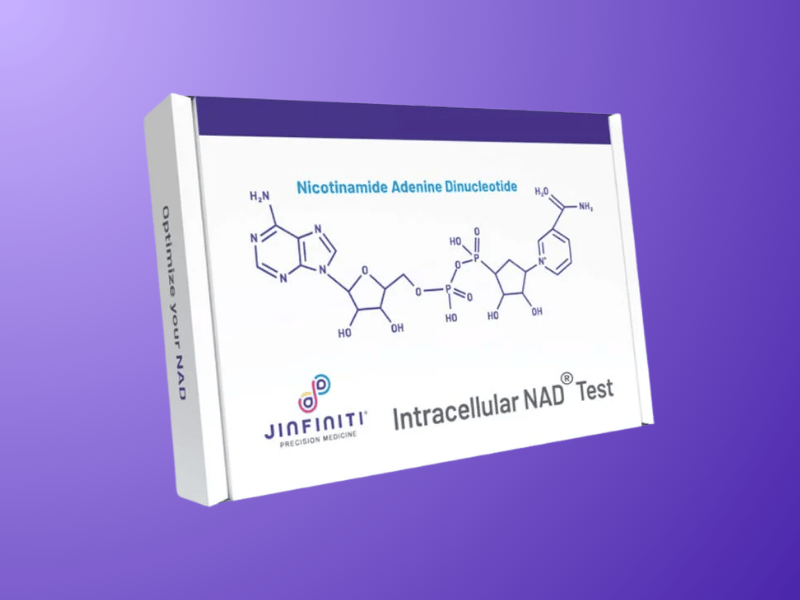
Jinfiniti Intracellular NAD Test on purple background

Types of NAD+ Testing Methods Available

Laboratory-Based Analysis

High-Performance Liquid Chromatography (HPLC) is the gold standard for NAD+ measurement. This method provides accurate, reliable, and reproducible results for analyzing NAD+ levels both in research and clinical settings.

Liquid Chromatography Tandem Mass Spectrometry (LC-MS/MS) offers even greater precision. This technique can detect NAD+ and related metabolites down to low picomolar levels with superior specificity.3

Innovative Biosensor Technology

Bioluminescent sensors enable rapid, point-of-care measurement. These sensors utilize genetically encoded proteins that change light color upon NAD+ binding.

The technology requires only 5 μL of sample. Results correlate excellently with traditional methods, typically within ±15% error.

At-Home NAD Test Kit Options

Modern test kits bring laboratory-quality analysis to your home. These kits use dried blood spot technology for convenient sample collection.

You simply prick your finger, place drops on special cards, and mail them to certified laboratories. The process is simple, hygienic, and requires minimal blood volume.

How to Test NAD Levels: Step-by-Step Process

Woman using a finger prick blood sample collection device

Pre-Test Preparation

Proper preparation ensures accurate results. Healthcare professionals recommend consulting with knowledgeable practitioners before testing to receive personalized guidance.

Some tests require fasting for specific periods. Follow all fasting instructions provided by your testing facility exactly as directed.

Tell your healthcare provider about all medications and supplements you’re taking. Certain substances can affect NAD+ levels or interfere with testing processes.

Sample Collection Methods

Most NAD+ tests use a blood sample for analysis. Modern collection methods prioritize convenience while maintaining sample integrity.

Fingerstick Collection:

  • Use the provided lancet to prick your fingertip
  • Collect drops of blood on the special collection card
  • Allow the sample to dry completely before packaging
  • Follow all included instructions carefully

Professional Draw:

  • Visit a laboratory or healthcare facility
  • Trained phlebotomists collect your sample
  • Samples are processed immediately for optimal stability
  • Results typically available within 7-10 business days

The dried blood spot method offers excellent stability. Studies show good linearity for calibration standards and reliable transport without specialized storage.

Collection MethodSample VolumeConvenienceAccuracy
Fingerstick5-10 μLHighExcellent
Venous Draw1-2 mLMediumExcellent
Dried Blood Spot2-3 dropsHighVery Good

Choosing the Right NAD Test Kit

Jinfiniti’s Intracellular NAD+ Test is the first-of-its-kind at-home NAD testing solution worldwide. Our breakthrough test measures your NAD levels directly inside cells where it actually works.

Unlike other tests that only measure blood levels, this intracellular approach gives you the most accurate picture of your cellular energy status. You get clinical-grade testing from the comfort of your home using a simple finger-prick blood collection.

The testing process is remarkably simple. Collect your sample at home, mail it to Jinfiniti’s high-complexity CLIA laboratory, and receive detailed results with personalized recommendations. No doctor visits or complicated procedures required.

What to Look for in Testing Services

When selecting a NAD+ test, prioritize accuracy and clinical validation. Look for laboratories that use advanced analytical methods like liquid chromatography coupled to tandem mass spectrometry.

Choose services that provide comprehensive reporting with clear reference ranges. The best testing companies offer personalized dosage recommendations based on your specific results.

Consider testing packages that include baseline and follow-up measurements. This approach allows you to track progress and optimize your supplementation strategy over time.

Understanding Your NAD Test Results

Doctor talking to patient while holding a tablet with results

Normal vs. Low NAD Levels

NAD+ levels vary significantly between individuals, age groups, and physiological conditions. Research reveals that human NAD+ baseline levels remain relatively stable over extended periods2, suggesting individual set points.

Dr. Jin-Xiong She’s clinical research provides clear benchmarks for interpreting your intracellular NAD test results. Based on extensive studies, optimal NAD levels fall between 40-100μM.

His research categorizes results as: severely deficient (0-20μM), deficient (20-30μM), suboptimal (30-40μM), and optimal (40-100μM).

Levels above 100μM may not provide additional benefits and could potentially be harmful. These ranges give you concrete targets rather than vague references to ‘normal’ levels.

Age-related decline is well-documented. Studies show NAD+ levels decrease significantly in specific brain regions with aging, highlighting the importance of monitoring and optimization.4

Low levels often correlate with:

  • Chronic fatigue and reduced energy production
  • Slower recovery from exercise or illness
  • Cognitive decline and brain fog
  • Increased susceptibility to age-related health conditions

How to Boost NAD Levels Naturally

Your lifestyle choices directly impact NAD+ production. Regular exercise, particularly aerobic activity, naturally supports healthy levels.

Dietary approaches can help too. Foods rich in NAD+ precursors include:

  • Fish (especially salmon and tuna)
  • Mushrooms (particularly crimini and portobello)
  • Green vegetables (broccoli, peas, asparagus)
  • Whole grains and nuts

Clinical trials demonstrate that oral nicotinamide mononucleotide (NMN) supplementation combined with aerobic exercise significantly increases whole-blood NAD+ levels.5

When to Use NAD Supplementation and NMN

Testing helps determine if you need supplementation and guides dosage optimization. Different individuals require different amounts for optimal results.

NMN serves as a direct precursor to NAD+. Research shows that NMN administration at therapeutic doses produces measurable increases in tissue NAD+ levels.6

Nicotinamide riboside and niacinamide offer another supplementation option. These forms of vitamin B3 support NAD+ synthesis through the salvage pathway.

The most effective approach combines multiple NAD precursors that work together synergistically. Jinfiniti’s Vitality↑® NAD+ Booster uses a patent-pending formulation that targets multiple metabolic pathways simultaneously for enhanced energy, recovery, and mental clarity.

Boost NAD Levels: Monitoring Your Progress

A hand holding a phone with a growth chart on the screen

Baseline and Follow-Up Testing

Establish your baseline before starting any intervention. This gives you a clear starting point for measuring progress.

Retest after 4-6 weeks of consistently taking NAD supplements. This timeframe allows enough time to see meaningful changes while preventing unnecessarily long delays in optimization.

Studies confirm that post-supplementation testing is essential for dose optimization. The same dosage that proves optimal for one person may be ineffective or potentially harmful for another.

Tracking Improvements

Monitor both objective test results and subjective improvements. Many people notice enhanced energy, better sleep quality, and improved mental clarity within weeks of optimization.

Keep a simple log of:

  • Energy levels throughout the day
  • Sleep quality and duration
  • Exercise performance and recovery
  • Mental clarity and focus
TimelineExpected ChangesWhat to Monitor
Week 1-2Initial adaptationEnergy patterns, sleep
Week 3-4Early improvementsExercise recovery, focus
Week 6-8Retest timingObjective NAD+ levels
Month 3+Long-term benefitsOverall vitality, health markers

Advanced Testing: Beyond Basic NAD Levels

Comprehensive Metabolic Panels

Some laboratories offer extended testing that measures NAD+ alongside related metabolites. These panels include NADH, NADP, and NADPH for complete cellular energy assessment.

The NAD/NADH ratio provides insights into your cellular redox status. This measurement helps understand how efficiently your cells are producing and using energy.

Specialized Research Applications

Optical redox imaging represents an advanced approach for assessing NAD(H) levels in living cells. This non-invasive method measures intrinsic fluorescence to calculate redox ratios.7

Bioluminescent assays capable of detecting extremely low concentrations have been developed for specialized research applications.8

Cost and Accessibility of NAD Testing

Professional vs. At-Home Options

Professional laboratory testing typically costs $200-400 per test. This includes comprehensive analysis and detailed reporting with reference ranges.

At-home test kits range from $150-300. These options provide convenience and privacy while maintaining analytical accuracy through certified laboratories.

Many testing companies offer package deals that include baseline and follow-up tests at reduced rates. These packages provide better value for ongoing monitoring.

Insurance and Healthcare Coverage

Most insurance plans don’t yet cover NAD+ testing as it’s considered preventive or wellness-focused rather than diagnostic. Check with your provider for specific coverage details.

Health Savings Accounts (HSAs) and Flexible Spending Accounts (FSAs) may cover testing costs. These pre-tax dollars can make testing more affordable.

Making the Most of Your Testing Investment

Smiling woman

Working with Healthcare Providers

Share your results with knowledgeable healthcare providers who understand NAD+ metabolism. They can help interpret results in context of your overall health status.

Functional medicine practitioners often have more experience with NAD+ testing and optimization strategies. They can provide personalized guidance based on your specific results.

Combining with Other Biomarkers

NAD+ testing works best as part of comprehensive health assessment. Consider combining with tests for:

This integrated approach provides a complete picture of your cellular health and aging status.

Rather than ordering multiple separate tests, Jinfiniti’s AgingSOS® Advanced Longevity Panel provides comprehensive aging assessment in one convenient package. This 28-biomarker panel evaluates everything from cellular senescence to DNA damage, giving you the complete picture of your biological age and health status.

Future of NAD+ Testing Technology

Point-of-care devices are becoming more sophisticated. Future biosensor technologies may enable real-time monitoring through wearable devices.9

Artificial intelligence integration could provide personalized recommendations based on your unique patterns and responses to interventions.

Testing costs continue to decrease as technology advances. More laboratories are offering NAD+ analysis, increasing competition and accessibility.

Home testing technology is becoming more reliable and user-friendly. Future developments may include smartphone-compatible devices for instant results.

Take Action: Start Testing Your NAD Levels Today

Testing your NAD+ levels gives you power over your cellular health. You get real data instead of guessing about your energy status.

Choose a reputable testing provider that offers accurate analysis and clear reporting. Establish your baseline, then track your progress as you implement optimization strategies.

Remember that NAD+ optimization represents just the starting point for better health, performance, and longevity. Regular monitoring helps ensure you’re maintaining optimal levels as you age.

Your cells depend on adequate NAD+ for energy production, DNA repair, and countless other vital functions. Testing puts you in control of this fundamental aspect of your health and vitality.

Referenced Sources

  1. https://pmc.ncbi.nlm.nih.gov/articles/PMC3935825/ ↩︎
  2. https://pmc.ncbi.nlm.nih.gov/articles/PMC10577551/ ↩︎
  3. https://pmc.ncbi.nlm.nih.gov/articles/PMC6409209/ ↩︎
  4. https://www.nature.com/articles/s41514-023-00098-1 ↩︎
  5. https://pmc.ncbi.nlm.nih.gov/articles/PMC8265078/ ↩︎
  6. https://academic.oup.com/biomedgerontology/article/78/12/2435/7126788 ↩︎
  7. https://www.rosj.org/index.php/ros/article/view/261 ↩︎
  8. https://aacrjournals.org/cancerres/article/72/8_Supplement/1135/577719/Abstract-1135-Bioluminescent-methods-to ↩︎
  9. https://www.nature.com/articles/s42255-019-0151-7 ↩︎

A middle-aged woman with short blonde hair

Cellular Senescence and Aging: Problems and Solutions

Cellular senescence is a key mechanism behind aging and age-related diseases.

When cells stop dividing and enter senescence, they don’t simply disappear. They remain active and release inflammatory compounds that damage surrounding tissue. Scientists call these “zombie cells.”

This process contributes to major health problems as you age. Here’s how cell senescence works and what you can do.

Key Takeaways

  • As we age, “zombie” cells pile up and stir trouble by causing inflammation and damaging nearby tissues, making aging and diseases worse.
  • New treatments like senolytics (which clear out these stubborn cells) and senomorphics (which calm their harmful signals) are opening new doors to healthier aging.
  • Simple lifestyle habits like regular exercise and mindful calorie intake help your body naturally manage senescent cells and stay healthier longer.

Understanding Cellular Senescence

An image of cell division

Cellular senescence happens when dividing cells stop growing.1 They become resistant to signals that would normally tell them to keep multiplying.

Leonard Hayflick first described this in the 1960s. He discovered that normal human cells can only divide about 50 times before they stop.

Scientists call this the Hayflick limit.2

What causes the Hayflick limit?

The answer lies in telomeres. These are protective caps on the ends of your chromosomes.

Think of telomeres like plastic tips on shoelaces. Those tips prevent shoelaces from fraying. Telomeres protect chromosome ends during cell division.

Each time a cell divides, telomeres get shorter. When they become critically short, the cell triggers a DNA damage response.3

This response halts division to protect genetic material.

Your body’s defense system

This shutdown protects you from damaged cells. But over time, senescent cells build up. This contributes to aging and tissue decline.

Two major pathways control senescence: p16/RB and p53/p21.4

  • The p16/RB pathway blocks proteins that drive cell division
  • The p53/p21 pathway responds to DNA damage and stress

These pathways act as safeguards against uncontrolled cell growth. Once activated, they lock cells into senescence permanently.

The Senescence-Associated Secretory Phenotype (SASP)

Senescent cells don’t just sit quietly. They remain very active.

These cells release inflammatory compounds into surrounding tissue. Scientists call this SASP (senescence-associated secretory phenotype).5

In small amounts, SASP factors help recruit immune cells and promote healing.6 But when senescent cells build up, chronic SASP creates persistent inflammation.

This damages healthy tissue and contributes to age-related diseases.7 Scientists call this ongoing inflammation “inflammaging.”8

Different Types of Cellular Senescence and Their Triggers

Cellular senescence is not a one-size-fits-all phenomenon.

Beyond replicative senescence, cells can enter this state in response to various other stressors:9

  • DNA damage (e.g., from ionizing radiation or chemotherapy)
  • Oxidative stress (accumulation of reactive oxygen species)
  • Oncogene activation (such as RAS or BRAF)10
  • Cell-cell fusion and even mechanical stress

While they often activate similar molecular pathways, the resulting SASP can vary. It depends on both the type of stress and the specific cell involved.

How Senescent Cells Drive Aging

An image of a woman applying skin cream on her wrinkles

Senescent cells build up as you age. They stop dividing but refuse to die.

These cells cause problems in three key ways:

  • Chronic inflammation: They release inflammatory molecules that create “inflammaging.”11 This damages tissues and weakens your immune system over time.
  • Toxic signaling: They send harmful signals that disrupt healthy cells and throw tissues out of balance.
  • Spreading senescence: They can turn nearby healthy cells senescent too.12 This “bystander effect” creates a chain reaction across tissues.

Even small numbers cause big problems in critical organs like your brain, heart, and pancreas.

Scientists now link senescent cells to memory problems, blood sugar issues, and heart disease. They drive aging by fueling inflammation and pushing your body toward dysfunction.

Detection and Diagnosis of Senescent Cell Burden

A woman receiving a skin treatment

Measuring senescent cells in your body isn’t straightforward. These cells show up differently depending on tissue type and aging stage.

Scientists use several markers to identify senescent cells:

  • SA-β-gal enzyme: This classic marker increases in senescent cells.13 But it’s not perfect since some healthy cells also produce it.
  • DNA damage markers: Proteins like γH2AX and 53BP1 gather around damaged DNA.14 15 Persistent damage signals senescence.
  • Cell cycle regulators: High levels of p16, p21, and p53 show when cells have permanently stopped dividing.
  • Nuclear changes: Loss of lamin B1 protein indicates cellular aging.16

No single marker tells the complete story. Scientists combine multiple markers for accurate detection.

Blood-based testing

Your blood can reveal senescence clues:

  • Reactive Oxygen Metabolites (ROMs) show oxidative stress
  • hs-CRP reflects low-grade inflammation
  • SASP proteins like IL-6 and IL-8 indicate toxic cellular secretions

Our AgingSOS® Senescence & Inflammation Panel measures these key markers. It helps you track senescence burden and evaluate intervention effectiveness.

If you want a deeper look, the AgingSOS® advanced panel takes it further. It provides an even more detailed view of senescence and inflammation, offering actionable insights for your health.

Clearance of Senescent Cells

Your body struggles to clear senescent cells as you age. Senolytics can help by targeting and removing these problematic cells.

Senolytic Compounds

Natural senolytics like quercetin and fisetin show promise in reducing senescent cell buildup. Some diabetes drugs like SGLT2 inhibitors also support senescent cell clearance.

SenoAid Mini

Lifestyle Approaches

Exercise helps clear damaged cells. One study found 12 weeks of structured activity lowered senescence markers in human T cells.17

Caloric restriction activates longevity pathways and reduces senescent cell numbers over time.

Senomorphics: A Different Approach

Instead of killing senescent cells, senomorphics reprogram them to behave better.18 They reduce harmful SASP secretions.

Rapamycin and metformin are examples. Both calm inflammatory pathways and limit toxic cellular secretions.

The Autophagy Connection

Autophagy is your body’s cellular cleanup process.19 It can help clear damage early but may also help senescent cells survive under stress.

This makes autophagy a double-edged sword in aging.

Not all senescent cells are harmful. Some help fight cancer or heal wounds. The therapeutic goal is targeting problematic ones while sparing helpful ones.

Senescence and Aging: Future Prospects

An image of a laboratory experiment

The science of aging is advancing rapidly. Researchers are exploring multiple promising directions.

Personalized treatment means tailoring therapies to individual genetics and specific senescent cell types. Not all senescent cells are the same.

Combination therapies show great potential. Senolytics clear damaged cells. Senomorphics manage new ones. Exercise and healthy diet may strengthen these effects.

Better tracking remains a challenge. Current markers aren’t reliable enough. Scientists are developing improved detection methods using imaging and new biomarkers.

Several clinical trials are testing senolytics in people with Alzheimer’s and other age-related diseases. These could lead to real treatments.

The ultimate goal isn’t just more years. It’s better ones. Future research might help people expand their healthspan—those years when they feel strong, sharp, and active.

Takeaway

An elderly woman's hands holding a note that says "Aging"

Cellular senescence research could transform how people age. Scientists are no longer just managing symptoms. They’re targeting root causes of aging itself.

Targeting senescent cells offers real hope for slowing aging and preventing age-related conditions. This could lead to longer, healthier years.

New treatments like senolytics and senomorphics show promise. But lifestyle remains the foundation. Regular exercise, mindful eating, and consistent healthy habits help the body fight back naturally.

These strategies could empower people to take charge of their aging journey. We’re entering a new era where aging becomes more manageable.

Stay Informed, Stay Healthy

Get the latest health insights, product updates, and exclusive offers delivered to your inbox.

Referenced Sources:

  1. https://www.frontiersin.org/journals/cell-and-developmental-biology/articles/10.3389/fcell.2021.645593/full ↩︎
  2. https://www.frontiersin.org/journals/physiology/articles/10.3389/fphys.2023.1297637/full ↩︎
  3. https://virologyj.biomedcentral.com/articles/10.1186/s12985-023-02203-y ↩︎
  4. https://www.jci.org/articles/view/158450 ↩︎
  5. https://pubmed.ncbi.nlm.nih.gov/35912854/ ↩︎
  6. https://www.sciencedirect.com/science/article/pii/S240584402401569X ↩︎
  7. https://academic.oup.com/ageing/article/52/7/afad127/7220591 ↩︎
  8. https://pmc.ncbi.nlm.nih.gov/articles/PMC6146930/ ↩︎
  9. https://www.frontiersin.org/journals/aging/articles/10.3389/fragi.2022.866718/full ↩︎
  10. https://www.ncbi.nlm.nih.gov/books/NBK12538/#:~:text=The+activation+of+oncogenes+involves,and+(3)+chromosome+rearrangements. ↩︎
  11. https://www.sciencedirect.com/science/article/abs/pii/S0074774220300507 ↩︎
  12. https://www.nature.com/articles/s41580-020-00314-w ↩︎
  13. https://pmc.ncbi.nlm.nih.gov/articles/PMC9599972/ ↩︎
  14. https://www.nature.com/articles/leu20106 ↩︎
  15. https://www.nature.com/articles/nrm3719 ↩︎
  16. https://pmc.ncbi.nlm.nih.gov/articles/PMC4694760/ ↩︎
  17. https://pmc.ncbi.nlm.nih.gov/articles/PMC8282238/ ↩︎
  18. https://pmc.ncbi.nlm.nih.gov/articles/PMC10177324/ ↩︎
  19. https://pmc.ncbi.nlm.nih.gov/articles/PMC3296814/ ↩︎
A wooden bowl of indian gooseberries (amla fruit) on a kitchen island

Indian Gooseberry (Amla): Benefits, Nutrition & Side Effects

Indian Gooseberry, known as Amla, has earned its reputation as nature’s vitamin C powerhouse. This small, tart fruit contains more vitamin C than 20 oranges combined.

For thousands of years, Ayurvedic medicine has called Amla a “Rasayana” or rejuvenator. Modern science is now proving what ancient healers always knew. The health benefits of Amla fruit extend far beyond basic nutrition.

You’ll discover how Amla can support your immune system, heart health, and blood sugar control. We’ll also explore the practical ways to add this superfruit to your daily routine.

Key Takeaways

  • Amla contains 300-900mg of vitamin C per 100g (3-10 times daily needs), with unique compounds that keep it stable during processing
  • Scientific studies show Amla supports immune function, heart health, blood sugar control, and may improve cholesterol by 15-25%
  • Available as fresh fruit, juice, powder, or supplements and best taken on empty stomach in morning for optimal absorption
  • Well-tolerated by most people, but can interact with blood thinners and diabetes medications – consult healthcare providers before use

The Science Behind the Superfruit

Amla (Emblica officinalis or Phyllanthus emblica) grows naturally across India and Southeast Asia. The small, round fruit has a distinctive sour and astringent taste that many find challenging at first.

What makes Amla special isn’t just its taste. The fruit contains unique compounds called tannins that actually protect its vitamin C from breaking down. This means Amla retains its nutritional power even after processing.

Different varieties of Amla trees produce fruits with varying sizes, colors, and nutrient levels. This natural diversity contributes to the wide range of health benefits researchers continue to discover.

Amla Fruit Nutritional Value

Amla’s impressive nutritional profile helps explain why this small fruit delivers such powerful health benefits.

Vitamin C Content That Rivals Citrus

Fresh Amla contains an extraordinary 300-900 mg of vitamin C per 100 grams. That’s 3-10 times your daily needs in just half a cup of fruit.

Unlike synthetic forms of vitamin C, Amla’s vitamin C comes packaged with protective compounds. These natural partners help your body absorb and use the vitamin more effectively.

The vitamin C in Amla remains stable even when the fruit is dried or processed. This stability makes Amla powder and juice reliable sources of this essential nutrient.

Essential Minerals for Daily Health

MineralAmount per 100gBenefits
Calcium17-28 mgBone and teeth health
Iron1.7-3.1 mgOxygen transport, energy
Potassium44-64 mgHeart health, blood pressure
PhosphorusPresentBone health, energy metabolism

Powerful Plant Compounds

Amla contains over 30 different beneficial plant compounds. The most important include:

  • Tannins like emblicanin A and B that provide antioxidant protection
  • Flavonoids such as quercetin and kaempferol that fight inflammation
  • Phenolic acids including gallic acid and ellagic acid for cellular protection
  • Alkaloids that contribute to immune system support

These compounds work together to create effects that no single nutrient could achieve alone.

Health Benefits of Amla (Indian Gooseberry)

Scientific research has validated many of Amla’s traditional uses, revealing impressive benefits for multiple body systems.

Infographhic showing five benefits of Indian gooseberry (Amla fruit)

1. Immune System Support

Amla works as an immunomodulator1, helping regulate your immune system rather than simply boosting it. This balanced approach supports optimal immune function without overstimulation.

The fruit’s rich vitamin C content2 combines with polyphenols like gallic acid and ellagic acid to provide antioxidant protection. These compounds help reduce oxidative stress, which directly supports healthy immune function.

The high vitamin C content in Amla supports your immune system during challenging seasons. Regular consumption may help reduce the duration and severity of common colds.

Animals given 5 grams of Amla powder daily3 showed improved antioxidant capacity and better resistance to infections. Another study4 found similar benefits with Amla extract enhancing immune markers and disease resistance.

Traditional Ayurvedic medicine has long used Amla to treat colds, fevers, and infections. Modern research confirms these antimicrobial and anti-inflammatory properties work through multiple pathways5.

Natural Vitamin C + Zinc Mini CTA

2. Heart Health and Cholesterol Management

Multiple clinical studies demonstrate Amla’s ability to improve cholesterol profiles. Participants taking 500-1000 mg daily for 12 weeks6 showed significant improvements.

The research revealed impressive results:

  • LDL (“bad”) cholesterol decreased by 15-25%
  • Total cholesterol dropped significantly
  • HDL (“good”) cholesterol increased
  • Triglyceride levels improved

One study found Amla extract worked as effectively as the prescription drug simvastatin7 for improving lipid profiles.

Amla’s potassium content helps regulate blood pressure naturally. The fruit also contains compounds that support healthy blood vessel function and may help prevent arterial damage over time.

3. Blood Sugar Control and Diabetes Support

A person looking at blood sugar results

Amla’s soluble fiber content helps slow down how quickly your body absorbs sugar from meals. This leads to smaller blood sugar spikes after eating.

The chromium naturally present in Indian gooseberry may enhance insulin sensitivity. Better insulin function means your cells can use glucose more effectively.

Studies show both fasting and post-meal blood sugar levels improve8 with regular Amla consumption.

Amla helps prevent the formation of advanced glycation end-products (AGEs)9. These harmful compounds contribute to diabetic complications like nerve damage and eye problems.

4. Digestive Health and Gut Support

Traditional medicine has long used Amla as a digestive tonic. The fruit stimulates digestive enzyme production10, helping your body break down food more efficiently.

Amla’s fiber content supports healthy bowel movements. This can help relieve constipation and support overall digestive regularity.

The fruit also has gastroprotective properties. Studies show Amla extracts can help heal gastric ulcers11 and protect the stomach lining from damage.

The prebiotic fiber in Amla feeds beneficial gut bacteria. A healthy gut microbiome supports both digestive health and overall immunity.

5. Brain and Liver Protection

Amla’s vitamin C content supports neurotransmitter production, particularly norepinephrine12. This brain chemical is essential for cognitive function and mood regulation.

The antioxidants in Amla help protect brain cells from free radical damage. This protection may help maintain memory and cognitive function as you age.

Traditional medicine recognizes Amla as a liver tonic. Modern research confirms its hepatoprotective properties by helping protect liver cells from toxin damage13.

Studies show Amla extracts can help reverse certain types of liver damage in animal models.

6. Hair and Skin Health

Woman with healthy hair wearing white scoop-neck top showing left shoulder

Amla has a centuries-old reputation for supporting skin and hair health. Recent clinical research supports these traditional claims.

A 2024 study14 found that women with hair loss who took Amla syrup daily showed significant improvement in hair growth and thickness.

Amla oil applied topically may help:

  • Strengthen hair follicles
  • Reduce premature graying
  • Add natural shine and luster
  • Minimize hair loss

Amla’s vitamin C content supports collagen production. Collagen keeps your skin firm, elastic, and youthful-looking. The antioxidants help protect skin cells from UV damage and environmental toxins.

Potential Side Effects and Precautions

While Amla is generally safe for most people, understanding potential side effects and interactions helps you use it responsibly.

Common Side Effects to Know

Most people tolerate Amla well, but some may experience mild digestive upset. Starting with smaller amounts can help your body adjust.

Possible side effects include:

  • Mild stomach irritation
  • Loose stools (due to fiber content)
  • Skin dryness with very high doses
  • Rare allergic reactions

Important Drug Interactions

Amla can enhance the effects of blood-thinning medications like warfarin or aspirin. This increases bleeding risk, especially during surgery.

If you take diabetes medications, monitor your blood sugar closely when adding Amla. The fruit may enhance your medication’s effects.

People taking chemotherapy or radiation should consult their oncologist before using Amla supplements. High-dose antioxidants might interfere with certain cancer treatments.

Special Population Considerations

GroupRecommendation
Pregnant womenAvoid medicinal doses; food amounts likely safe
Breastfeeding mothersInsufficient safety data; consult healthcare provider
ChildrenFood amounts safe; supplement use requires guidance
Surgery patientsStop 2 weeks before scheduled procedures
Bleeding disordersUse with extreme caution or avoid

How to Add Amla to Your Daily Routine

A bowl of Indian gooseberries on a kitchen counter

Adding Amla to your wellness routine is easier than you might think, with multiple forms and timing options to fit your lifestyle.

Available Forms and Their Uses

  • Fresh Fruit: The most natural option, though the taste can be challenging. Try adding a pinch of salt or honey to make it more palatable.
  • Amla Juice: Mix 1-2 tablespoons with water daily. Morning consumption on an empty stomach is traditionally recommended.
  • Amla Powder: Versatile and convenient. Mix ¼ to ½ teaspoon with warm water, honey, or add to smoothies.
  • Capsules and Tablets: Standardized doses ranging from 500-1000 mg daily. Follow manufacturer recommendations.

Optimal Timing for Maximum Benefits

Morning consumption on an empty stomach allows for optimal nutrient absorption. This timing also supports natural detoxification processes.

Taking Amla before meals may help with digestion and blood sugar control. The fiber content helps slow sugar absorption from your meal.

Some people prefer splitting their daily dose between morning and evening for sustained benefits throughout the day.

Dosage Guidelines by Form

FormTypical Daily AmountBest Timing
Fresh fruit1-2 fruitsMorning or before meals
Juice15-20 ml (diluted)Empty stomach, morning
Powder¼-½ teaspoonMixed with water/honey
Capsules500-1000 mgAs directed on label

Choosing Quality Amla Supplements

Not all Amla supplements are created equal, so knowing what to look for ensures you get a product that delivers real benefits.

What to Look for on Labels

Look for products that verify their vitamin C content through analytical testing like HPLC (High-Performance Liquid Chromatography). This ensures you’re getting the stated amount of active nutrients.

Quality supplements will clearly state the amount of vitamin C per serving and may mention additional beneficial compounds from Amla, such as flavonoids and antioxidants.

Third-party testing certifications from organizations like NSF, USP, or ConsumerLab provide additional quality assurance.

Jinfiniti’s Natural Vitamin C + Zinc provides 1000mg of vitamin C sourced from Amla fruit extract, with HPLC verification ensuring accurate potency.

Avoiding Common Quality Issues

The supplement industry isn’t as strictly regulated as pharmaceuticals. This means product quality can vary significantly between manufacturers.

Choose reputable companies that follow Good Manufacturing Practices (GMP). These companies are more likely to produce consistent, pure products.

Avoid products with excessive fillers, artificial colors, or unnecessary additives. The ingredient list should be simple and focused.

Working with Healthcare Providers

Always inform your healthcare provider about any supplements you’re taking. This is especially important if you take prescription medications.

Your doctor can help determine if Amla is appropriate for your specific health situation. They can also monitor for potential interactions or side effects.

Consider working with a qualified nutritionist or integrative medicine practitioner for personalized guidance on supplement use.

Supplement Safety Note

The Promising Future of Amla

Researchers continue studying Amla’s potential anti-cancer properties15. While early results are promising, more human studies are needed to confirm these effects.

Scientists are also investigating Amla’s role in protecting against neurodegenerative diseases. The fruit’s antioxidant properties show particular promise for brain health.

Future research may help identify which Amla varieties provide the most potent health benefits for specific conditions.

Making Amla Part of Your Wellness Journey

Amla represents a bridge between ancient wisdom and modern science. Thousands of years of traditional use, combined with growing scientific evidence, support its role in promoting health and longevity.

The fruit’s unique combination of vitamin C, antioxidants, and bioactive compounds offers benefits that extend far beyond basic nutrition. From immune support to heart health, Amla provides a natural approach to wellness.

Remember that Amla works best as part of a comprehensive approach to health. Combine it with a balanced diet, regular exercise, adequate sleep, and stress management for optimal results.

Start slowly with small amounts to allow your body to adjust. Pay attention to how you feel and adjust your intake accordingly. With patience and consistency, you may discover why this ancient “wonder berry” has maintained its reputation for thousands of years.

Always consult with a qualified healthcare provider before starting any new supplement regimen, especially if you have existing health conditions or take medications.

Referenced Sources

  1. https://pmc.ncbi.nlm.nih.gov/articles/PMC3733846/ ↩︎
  2. https://www.mdpi.com/2223-7747/13/5/574 ↩︎
  3. https://www.mdpi.com/2079-7737/11/12/1753 ↩︎
  4. https://www.sciencedirect.com/science/article/pii/S2352513421003707 ↩︎
  5. https://pubmed.ncbi.nlm.nih.gov/27320046/ ↩︎
  6. https://bmccomplementmedtherapies.biomedcentral.com/articles/10.1186/s12906-019-2430-y ↩︎
  7. https://pmc.ncbi.nlm.nih.gov/articles/PMC3326920/ ↩︎
  8. https://www.mdpi.com/1661-3821/3/3/26 ↩︎
  9. https://www.mdpi.com/2076-3417/11/19/8819 ↩︎
  10. https://pmc.ncbi.nlm.nih.gov/articles/PMC9137578/ ↩︎
  11. https://pubmed.ncbi.nlm.nih.gov/12169398/ ↩︎
  12. https://pmc.ncbi.nlm.nih.gov/articles/PMC10934303/ ↩︎
  13. https://pubs.rsc.org/en/content/articlelanding/2013/fo/c3fo60237k ↩︎
  14. https://onlinelibrary.wiley.com/doi/10.1155/2017/4395638 ↩︎
  15. https://journals.lww.com/eurjcancerprev/abstract/2011/05000/amla__emblica_officinalis_gaertn_,_a_wonder_berry.11.aspx ↩︎
An image of premature aging

Premature Aging: Causes, Common Signs and Prevention Tips

Ever stop and wonder why your body seems to be aging so fast? Fine lines in your 20s. Constant fatigue. Stiff joints that take forever to recover.

These aren’t always normal signs of getting older. They could be signs of premature aging.

This happens when your biological age starts to outpace your actual, chronological age. In other words, your cells start functioning like they belong to someone older. 

It’s different from genetic (or intrinsic) aging, and the good news? You can actually influence it.

In this article, we’ll look at what causes premature aging, what signs to watch for, and how to keep your body from aging too fast. Whether you already see changes or want to stay ahead, now’s the time to act.

Key Takeaways

  • Premature aging happens when your cells start acting older than your actual age, but many causes, like sun damage, stress, and poor habits, are things you can control.
  • Fatigue, low energy, and stiff joints aren’t just annoyances. They’re little red flags hinting that your body is aging faster than it should.
  • The best way to slow down premature aging is a mix of good skin care, healthy eating, regular exercise, and smart lifestyle choices like managing stress and getting quality sleep.

What Causes Premature Aging?

An image of an aging woman

Premature aging starts when body aging accelerates beyond what’s normal for your chronological age.1

One big reason is cellular senescence.2 Damaged cells stop dividing but don’t die. Instead, they release harmful chemicals that trigger inflammation and damage surrounding tissue.

DNA damage and telomere shortening also speed things up. Telomeres protect your chromosomes, but stress and bad habits make them wear out faster, limiting your cells’ ability to repair.

Other factors that may influence premature aging include:

  • Impaired proteostasis – This disrupts how your body clears out damaged proteins.3 When those proteins pile up, your cells stop functioning properly.
  • Sun exposure – UV rays are a major environmental cause of aging. They break down collagen and damage DNA, leading to wrinkles, dark spots, and sagging skin. They are also strongly associated with skin cancer.
  • Air pollution – Pollutants create free radicals and inflammation. Over time, this weakens your skin’s structure over time and speeds up visible aging.4
  • Smoking – Cigarette toxins shrink blood vessels and damage skin cells.5 They also break down collagen, all of which speeds up the aging process.
  • Lack of sleep – Sleep is when your body repairs itself. Not getting enough has been linked to fine lines, uneven tone, and slower skin recovery.6
  • High-sugar, processed diets and refined carbohydrates – These contribute to glycation, where sugars stiffen and weaken collagen and elastin.7 In contrast, antioxidant-rich foods help protect against this damage.
  • Chronic stress – Ongoing stress keeps your body in survival mode, raising inflammation and aging your cells faster.8 It also messes with your sleep and immune system.

Bottom line? Premature aging is the result of many small factors adding up over time, many of which you can do something about.

10 Common Signs of Premature Aging

An image of an aging woman

Wondering if your body’s aging faster than it should? Here are 10 common signs of aging that might mean your cells are feeling older than you are.

1. Early Fine Lines and Wrinkles

Fine lines and wrinkles pop up around the eyes and mouth, where repeated facial movements create expression lines that can turn permanent.9 When these lines appear earlier than expected, like in your 20s or 30s, they’re a clear sign of premature skin aging.

2. Skin Dryness and Itchiness

As we age prematurely, the skin produces less natural oil, which leads to dry skin and itchiness.10 This weaker skin barrier makes it easier for irritants and environmental damage to cause further problems.

3. Hyperpigmentation (Age Spots)

Age spots (also called sun spots) usually show up on sun-exposed areas like the face, hands, and forearms because UV damage makes pigment cells overproduce melanin. These flat brown patches are different from other skin issues—they’re caused by years of sun exposure and often appear earlier in fair-skinned people.

4. Loss of Skin Elasticity

As collagen and elastin production drops, your skin starts losing its bounce and firmness. This breakdown leads to sagging, especially around the jawline, neck, and cheeks, making your face look older than it should for your age.

5. Premature Gray Hair

Gray hair happens when the cells that produce pigment, called melanocyte stem cells, run low or stop working.11 Genetics play a big role, but stress, nutrition, and environmental factors can speed up graying well before the usual age.

6. Hair Thinning and Changes in Texture

Hair thinning happens when follicles shrink, producing finer, weaker strands that lack the volume and resilience of youthful hair. This usually starts at the crown or part line and is influenced by hormones, nutrition, and genetics, making hair look older sooner than expected.

7. Early Muscle Loss (Sarcopenia)

Sarcopenia means losing muscle mass and strength, and when it happens early, it can make everyday tasks like lifting or standing harder.12 This premature decline speeds up due to factors like inflammation, hormonal changes, and less physical activity, increasing the risk of falls and injury.

8. Cognitive Changes

One early sign of premature aging is subjective cognitive decline (SCD).13 You might forget names, lose your train of thought, or struggle with tasks that used to be second nature. Unlike the slow, gradual changes that come with typical aging, these shifts can happen earlier and feel more disruptive, often in your 30s or 40s. 

9. Decreased Energy Levels

Premature aging can hit your energy hard because your cells’ powerhouses, called mitochondria, start working less efficiently. This drop in cellular energy production makes everyday tasks feel tougher and leaves you feeling drained more often than expected for your age.

10. Joint Stiffness and Mobility Changes

As collagen in your joints and connective tissues breaks down prematurely, stiffness and reduced flexibility set in earlier than usual. It’s often made worse by chronic inflammation, which can lead to more discomfort and limit how freely you move compared to what’s typical for your age.

Can You Prevent Premature Aging?

An image of an aging woman

While you can’t stop aging altogether, you can slow down premature signs by addressing the root causes early.14 Here’s how: 

Skin Protection and Care

Protecting your skin is one of the most effective ways to prevent premature aging. Sun exposure is a major cause of early wrinkles and discoloration.

Even getting a tan causes DNA damage that accelerates skin aging. That’s why daily use of a broad-spectrum SPF 30 (or higher) is important even on cloudy days or when you’re indoors near windows.

Wear sunscreen consistently as your first line of defense against UV damage. It also helps to wear protective clothing, sunglasses, and wide-brimmed hats. Try to stay in the shade, especially between 10 AM and 4 PM, when the sun is strongest.

A consistent skincare routine also makes a big difference. Retinoids help prevent signs of aging by speeding up cell turnover and boosting collagen production. Antioxidants like vitamins C and E protect against skin damage caused by free radicals.

Consider consulting with a dermatologist for personalized advice on products and treatments that work best for your skin type. They can recommend prescription options or professional treatments if needed.

In addition, daily moisturizing helps keep your skin barrier strong and prevents dryness. Use a gentle cleanser that won’t strip away natural oils. These small steps add up and make a big difference over time.

Nutritional Approaches

A woman eating a salad

Eating a plant-focused diet packed with antioxidants like quercetin and fisetin is one of the best ways to fight premature aging. Leafy greens, berries, nuts, and colorful vegetables help reduce inflammation and protect cells from damage.

Also, key nutrients such as vitamins C, D, E, and B12, along with omega-3s and protein, can help keep cells healthy. Deficiencies in iron, copper, or calcium can speed up signs like graying hair or skin issues. 

Whole foods are your best bet for these nutrients. But even with careful eating, it’s tough to get everything your cells need for optimal repair. Cellular health supplements like NR or NMN can help bridge this gap, working alongside NAD-supporting foods like dairy, mushrooms, and fermented options.

Flavonoid-rich foods like apples, onions, berries, and green tea also help fight oxidative stress. When used strategically, supplements can fill in the gaps a balanced diet doesn’t cover. But they work best as part of a bigger plan that includes healthy food, movement, and sleep.

Physical Activity

Exercise is one of the most effective ways to slow premature aging. Staying active helps maintain muscle mass, protects bones, supports heart health, and reduces inflammation. It also improves how your body uses insulin and lowers the risk of age-related diseases.

For best results, combine resistance training with cardio. Aim for strength exercises like squats, push-ups, and dumbbell rows—at least three times a week. Flexibility and balance work, like stretching or yoga, also help you stay mobile and prevent falls.

Exercise doesn’t just work on the outside. It supports your cells, too. Regular physical activity helps preserve telomeres, lowers oxidative stress, and balances inflammation. These changes can help your body stay younger, even as you age.

Lifestyle Factors

A group of friends around a charcuterie board

You have more control over how you age than you think. Small, consistent lifestyle habits can protect your body and mind over time. Here’s what you can do:

1. Prioritize quality sleep.

Poor sleep accelerates aging inside and out.15 It affects collagen production, skin repair, hormone balance, and even brain function. Aim for 7–9 hours of quality sleep each night. Stick to a regular schedule, limit screens before bed, and create a cool, quiet sleep environment. 

2. Manage stress effectively.

Chronic stress speeds up aging by increasing inflammation and breaking down collagen. It can also lead to premature graying and skin issues. Calming practices like meditation, deep breathing, regular movement, and time outdoors can help. 

3. Avoid harmful substances.

Smoking and heavy drinking can fast-track the aging process. Smoking breaks down collagen, limits oxygen delivery, and leads to early wrinkles and dull skin.16

Too much alcohol dries out your skin, drains essential nutrients, and ramps up oxidative stress—all of which can make you look and feel older, sooner.

4. Stay social and mentally active.

Strong social ties and mental stimulation protect your brain as you age. Talking with others, learning new things, and solving problems keep your mind sharp. These not only support memory and focus but also help manage stress and boost your mood long term.

Emerging Interventions in Anti-Aging

An image of a woman trying interventions for anti-aging

New research is showing that a few simple interventions, when combined, can slow biological aging. A study in Nature Aging found that adults over 70 who took omega-3 supplements, vitamin D, and exercised regularly slowed their biological age by up to four months.17 

Another breakthrough area involves targeting cellular senescence. As we get older, some “zombie” cells stick around and speed up aging. New treatments called senolytics are being developed to clear out these pesky cells without harming the healthy ones. 

Mitochondrial health is also becoming a major focus in anti-aging research. Mitochondria—our cells’ energy engines—tend to slow down with age, especially in the skin and heart.

Mitochondrial support supplements like CoQ10, PQQ, and NAD+ precursors may help boost energy and skin health. These compounds target cellular powerhouses directly, making mitochondrial support a key strategy for staying vibrant as we age.

Finally, rare premature aging disorders are giving researchers insight into the aging process in all of us. For instance, acromegaly, caused by excess growth hormone, speeds up aging by damaging DNA and weakening stem cell repair.18

For a fuller picture of your health, our AgingSOS® Advanced Panel tracks key longevity markers like β-galactosidase, ROM, hs-CRP, and SASP proteins. It’s a helpful way to see how well your current strategies are working and make smarter adjustments.

AgingSOS Mini Promo

When to Seek Help

If aging signs like wrinkles, graying, or fatigue appear quickly or come with pain or odd symptoms, it’s always good to see a healthcare professional.19 Watch for major skin changes like discoloration, thickening, or unusual growths.

Moreover, if signs of premature aging show up alongside brain fog, muscle loss, or hormone imbalances, it might point to something deeper. These symptoms are often linked to chronic inflammation, cellular stress, or struggling mitochondria.

Takeaway

You don’t have to just live with premature aging. With the right habits and support, it can be slowed and sometimes even rolled back a bit.20 

What works best for healthy aging is a well-rounded approach that targets different pathways, like inflammation, mitochondrial decline, and cellular senescence. Tackling them together helps your body stay stronger and more resilient over time.

If you haven’t started yet, now’s a good time to take action. Small, consistent changes today can help you feel better, function better, and age on your own terms tomorrow.

Referenced Sources:

  1. https://www.frontiersin.org/research-topics/62402/unraveling-the-complexities-of-premature-aging-mechanisms-and-interventions ↩︎
  2. https://pmc.ncbi.nlm.nih.gov/articles/PMC10703490/ ↩︎
  3. https://www.sciencedirect.com/science/article/pii/S089158491831503X ↩︎
  4. https://www.sciencedirect.com/science/article/pii/S089158491831503X ↩︎
  5. https://pmc.ncbi.nlm.nih.gov/articles/PMC4958544/ ↩︎
  6. https://www.semanticscholar.org/paper/Sleep-Pattern-Factors-on-Premature-Skin-Aging-in-of-Aprilia-Harliansyah/c37acd58832fe0a0a8bb958a978660d278241754 ↩︎
  7. https://pmc.ncbi.nlm.nih.gov/articles/PMC5409724/ ↩︎
  8. https://www.ncbi.nlm.nih.gov/books/NBK541120/ ↩︎
  9. https://pubmed.ncbi.nlm.nih.gov/20184587/ ↩︎
  10. https://www.nia.nih.gov/health/skin-care/skin-care-and-aging ↩︎
  11. https://pmc.ncbi.nlm.nih.gov/articles/PMC11444426/ ↩︎
  12. https://pmc.ncbi.nlm.nih.gov/articles/PMC4066461/ ↩︎
  13. https://pmc.ncbi.nlm.nih.gov/articles/PMC7062546/ ↩︎
  14. https://www.aad.org/public/everyday-care/skin-care-secrets/anti-aging/reduce-premature-aging-skin ↩︎
  15. https://pubmed.ncbi.nlm.nih.gov/25266053/ ↩︎
  16. https://pmc.ncbi.nlm.nih.gov/articles/PMC7230126/ ↩︎
  17. https://www.nature.com/articles/s43587-024-00793-y ↩︎
  18. https://pmc.ncbi.nlm.nih.gov/articles/PMC7344990/ ↩︎
  19. https://pmc.ncbi.nlm.nih.gov/articles/PMC8438644/ ↩︎
  20. https://pmc.ncbi.nlm.nih.gov/articles/PMC4531065/ ↩︎
nad+ vs nadh

NAD+ vs. NADH: Key Differences and Which is Better

Your cells run on energy. Just like your phone needs a charged battery, your body needs molecular fuel to function properly.

Two molecules power this cellular energy system: NAD+ and NADH. Understanding these energy carriers could unlock better health, more energy, and successful aging.

But which one matters more for your health goals?

Key Takeaways

  • NAD+ and NADH are two forms of NAD that power cellular energy production
  • NAD+ controls 500+ cellular processes while NADH primarily transports energy to mitochondria
  • NAD+ declines dramatically with age while NADH levels remain more stable over time
  • Your body easily converts NAD+ to NADH but converting NADH back to NAD+ requires significant energy
  • Focus on NAD+ optimization for the biggest health returns since it addresses both energy and longevity pathways

What Are NAD+ and NADH?

NAD and NADH

NAD+ and NADH are two different forms of NAD, the same essential molecule. Think of them as twins with different jobs in your body.

NAD+ stands for nicotinamide adenine dinucleotide. It’s the “charged” version that accepts electrons from other molecules through oxidation reactions. NADH is the reduced form of NAD that carries those electrons to where they’re needed1.

Your body constantly converts between these two forms as it produces energy.

This conversion happens billions of times per day in every cell. Without it, you couldn’t survive.

The Differences Between NAD+ and NADH

FeatureNAD+NADH
ChargePositively chargedNeutral
Energy LevelLower energyHigher energy (stores electrons)
Primary RoleAccepts electronsDonates electrons
Cellular FunctionEnzyme cofactorEnergy production
Aging ImpactDeclines significantlyRemains more stable

Table showing the key differences between NAD+ and NADH.

The most important difference lies in their functions. NAD+ works like a cellular manager, controlling hundreds of processes. NADH acts more like a delivery truck, carrying energy to your mitochondria.

Your body needs both forms working together. But recent research suggests NAD+ plays the starring role in healthy aging.

How NAD+ and NADH Work in Your Body

Chemical structures of NAD+ (nicotinamide adenine dinucleotide, oxidized form) and NADH (nicotinamide adenine dinucleotide, reduced form)

Chemical structures of NAD+ and NADH

Your cells use these molecules in a carefully choreographed dance of cellular metabolism. Here’s how cellular energy production works:

Energy Production Process:

  • Food breaks down into glucose and fats during glycolysis and other pathways2
  • NAD+ captures electrons from this breakdown through cellular respiration3
  • NAD+ becomes reduced to NADH (now carrying energy)3
  • NADH delivers electrons to the electron transport chain in mitochondria3
  • Mitochondria use these electrons to make ATP, your body’s energy currency3
  • NADH converts back to NAD+ and the cycle repeats3

This process happens constantly in your muscles, brain, heart, and every other organ. When it slows down, you feel tired and foggy.

NAD+ also serves as fuel for important cellular repair systems. These include sirtuins and PARPs, which fix damaged DNA and proteins.

The NAD+/NADH Ratio

Your cells maintain a delicate balance between NAD+ and NADH, typically around 700:1 in healthy tissues. This ratio serves as a cellular health indicator that reflects your metabolic state. A high ratio signals optimal energy production, while a low ratio suggests metabolic dysfunction and cellular stress.

Why NAD Levels Decline with Age

Your NAD+ levels drop dramatically as you get older4, though the exact rate varies between individuals.

Several factors drive this decline:

Primary Causes:

  • Increased DNA damage requiring more NAD+ for repairs5
  • Higher inflammation consuming NAD+ faster6
  • Reduced production of NAD+ building blocks
  • Cellular stress depleting NAD+ reserves7

Your body also starts making more CD388, an enzyme that breaks down NAD+. This creates a double problem: less production and faster destruction.

The decline affects every organ system. Your brain, muscles, heart, and liver all struggle when NAD+ runs low.

Health Consequences of NAD+ Decline

A woman in a contemplative or melancholic mood

Low NAD+ levels contribute to many age-related problems. Research links NAD+ deficiency to several concerning changes:

Muscle and Physical Function:

  • Reduced muscle strength and endurance
  • Slower recovery from exercise
  • Increased fatigue during daily activities
  • Higher risk of sarcopenia (muscle loss)

Brain and Cognitive Health:

  • Decreased mental clarity and focus
  • Slower processing speed
  • Reduced stress resistance
  • Higher vulnerability to neurodegenerative diseases

Metabolic Health:

  • Impaired insulin sensitivity
  • Slower metabolism
  • Reduced fat burning
  • Poor blood sugar control

Your mitochondria become less efficient at producing energy. This affects every aspect of your health and vitality.

Add 20+ Healthy Years to Your Life

Access the same health optimization strategies used by longevity experts. Weekly insights, exclusive products, member pricing.

NAD+ vs NADH: Which Should You Focus On?

Both molecules are essential, but NAD+ emerges as the clear winner for supplementation and health optimization.

Here’s why NAD+ takes the lead:

NAD+ Advantages:

  • Controls over 500 different cellular processes9
  • Activates longevity genes (sirtuins)10
  • Supports DNA repair systems11
  • Declines more dramatically with aging
  • Shows better results in clinical studies

NADH Limitations:

  • Primarily focused on energy transport
  • Less impact on cellular repair systems
  • Harder for cells to absorb from supplements
  • Limited research on direct supplementation12

Your body can easily convert NAD+ to NADH when needed. But converting NADH back to NAD+ requires significant energy.

This makes NAD+ the smarter target for intervention.

Clinical Evidence: What Research Shows

Woman working in a laboratory or research setting

Multiple studies have tested NAD+ precursors in humans. The results show promise, though benefits vary between individuals.

NAD+ Precursor Studies:

  • Nicotinamide riboside (NR) increased NAD+ levels by 48-139%13
  • Nicotinamide mononucleotide (NMN) increased NAD+ levels by 60-75% with 250mg daily14
  • Some improvements in muscle function15 and sleep quality16
  • Mixed results for metabolic benefits in healthy adults
  • Better outcomes in people with existing health issues

NADH Supplementation Studies:

  • Limited human research available
  • Some benefits for chronic fatigue and cognitive function17
  • Generally smaller effect sizes than NAD+ precursors
  • Less consistent results across studies

The research suggests NAD+ boosting works best when your levels are already low. Healthy individuals see smaller benefits than those with metabolic dysfunction.

Measuring Your NAD+ Status

You can’t optimize what you don’t measure. Testing your NAD+ levels helps determine if supplementation makes sense for you.

Testing Options:

Testing before and after supplementation shows whether interventions work for your unique biology. This personalized approach leads to better outcomes.

Some people respond dramatically to NAD+ support. Others see minimal changes. Testing helps identify which group you’re in.

Intracellular NAD Test promotional image

Natural Ways to Support NAD+ Levels

Several lifestyle strategies can help support and maintain optimal NAD levels naturally.

Diet and Nutrition:

  • Eat foods rich in vitamin B3 (chicken, fish, mushrooms)
  • Include NAD+ precursors like trigonelline (found in coffee)
  • Consume antioxidant-rich foods to reduce NAD+ consumption
  • Practice intermittent fasting to stimulate NAD+ production

Lifestyle Factors:

Environmental Considerations:

  • Reduce exposure to toxins that damage DNA
  • Maintain healthy body weight
  • Stay hydrated for optimal cellular function

These strategies work best when combined rather than used individually.

NAD Supplements

When lifestyle changes aren’t enough, targeted NAD supplements can help restore NAD+ levels.

Popular NAD+ Precursors:

  • Nicotinamide riboside
  • Nicotinamide mononucleotide
  • Trigonelline (newly discovered precursor)
  • Combination formulas with supporting nutrients

Key Considerations:

  • Start with lower doses to assess tolerance
  • Monitor your response through testing
  • Choose high-quality, third-party tested products
  • Consider professional guidance for optimal results

Individual responses vary significantly. What works for others might not work for you.

Bottom Line on NAD and NADH

Two men having a joyful conversation outdoors

Based on current research, NAD+ emerges as the clear choice for most health optimization goals.

NAD+ offers broader benefits beyond simple energy production. It supports cellular repair, activates longevity pathways, and addresses the root causes of aging.

NADH remains important for energy metabolism. But your body efficiently converts NAD+ to NADH when needed.

When to Focus on NAD+:

  • General anti-aging and longevity goals
  • Improving energy and vitality
  • Supporting cognitive function
  • Enhancing exercise recovery
  • Addressing metabolic dysfunction

When NADH Might Help:

  • Acute energy deficits
  • Specific neurological conditions
  • Chronic fatigue situations
  • Short-term energy support

For most people, focusing on NAD+ provides the biggest health returns.

Your Next Steps: Test, Act, Optimize

The best approach to NAD+ optimization follows a proven strategy: test first, then act based on your unique results.

Start with baseline NAD+ testing to understand where you stand. Our Intracellular NAD+ Test provides the most accurate measurement of your cellular NAD+ levels using clinical-grade analysis. This isn’t guesswork – it’s precision health.

Why Testing Matters:

  • Reveals your current NAD+ status
  • Identifies if supplementation makes sense for you
  • Provides personalized dosage recommendations
  • Allows tracking of your progress over time

Once you know your levels, targeted action becomes possible. Our Vitality NAD+ Booster uses a clinically validated formula combining NMN and niacinamide with supporting nutrients like creatine and D-ribose for optimal cellular uptake.

For those serious about optimization, our NAD Optimization Starter Package combines everything you need. You get baseline testing, targeted supplementation, and follow-up testing to measure your improvement – the complete Test, Act, Optimize approach.

Your Success Factors:

  • Data-driven decisions based on actual testing
  • Personalized protocols tailored to your biology
  • Professional-grade formulations with proven ingredients
  • Ongoing monitoring to ensure continued progress

Remember that NAD+ optimization requires patience and consistency. Results build over weeks and months, not days. But when you follow a systematic approach backed by testing, the improvements in energy, mental clarity, and overall vitality can be remarkable.

Referenced Sources

  1. https://www.liebertpub.com/doi/10.1089/ars.2023.0375 ↩︎
  2. https://www.nature.com/scitable/topicpage/nutrient-utilization-in-humans-metabolism-pathways-14234029/ ↩︎
  3. https://onlinelibrary.wiley.com/doi/10.1186/s40169-016-0104-7 ↩︎

  4. https://www.sciencedirect.com/science/article/pii/S0006291X24001256 ↩︎
  5. https://www.nature.com/articles/s41392-020-00354-w ↩︎
  6. https://pmc.ncbi.nlm.nih.gov/articles/PMC10346866/ ↩︎
  7. https://pmc.ncbi.nlm.nih.gov/articles/PMC7963035/ ↩︎
  8. https://www.frontiersin.org/journals/immunology/articles/10.3389/fimmu.2019.01187/full ↩︎
  9. https://www.sciencedirect.com/science/article/pii/S1550413118301220 ↩︎
  10. https://pmc.ncbi.nlm.nih.gov/articles/PMC3753670/ ↩︎
  11. https://www.nature.com/articles/s41598-020-57506-9 ↩︎
  12. https://pubmed.ncbi.nlm.nih.gov/37971292/ ↩︎
  13. https://pmc.ncbi.nlm.nih.gov/articles/PMC7352172/ ↩︎
  14. https://pmc.ncbi.nlm.nih.gov/articles/PMC10692436/ ↩︎
  15. https://www.sciencedirect.com/science/article/pii/S1568163723002659 ↩︎
  16. https://pmc.ncbi.nlm.nih.gov/articles/PMC11336149/ ↩︎
  17. https://pmc.ncbi.nlm.nih.gov/articles/PMC8399248/ ↩︎
A man yawning on his balcony in the morning

Does Creatine Help Reduce Sleep Deprivation?

It’s 3 AM, and you’re staring at your computer screen. Your brain feels like molasses. Your reaction time resembles that of a sleepy sloth.

Whether you’re a night-shift worker, a student cramming for finals, or simply someone who’s had one too many late nights, sleep deprivation hits us all. But what if there was a simple supplement that could help your brain function better when you’re running on empty?

You probably know creatine for building muscle. But new studies reveal it may also rescue your brain when sleep becomes elusive.

Key Takeaways

  • Creatine can improve cognitive performance and processing speed during sleep deprivation
  • A single dose provides benefits lasting up to 9 hours
  • It works by rapidly replenishing brain energy stores when they’re depleted
  • Creatine helps maintain function but doesn’t replace the need for adequate sleep

The Brain Energy Crisis During Sleep Loss

A man falling asleep next to a cup of coffee

When you skip sleep, your brain doesn’t just feel tired. It literally runs out of fuel.

Your brain depends on a constant supply of energy molecules called adenosine triphosphate (ATP). Think about ATP as your brain’s battery power.

During sleep deprivation, your ATP energy stores become depleted, especially in your prefrontal cortex – the area responsible for decision-making, attention, and memory.

This energy shortage explains why you can’t think straight after an all-nighter. Your neurons are basically running on fumes.

What Exactly is Creatine?

Creatine is a naturally occurring compound found in your muscles and brain. Your body makes some on its own and you get more from foods like meat and fish.

Here’s the clever part: creatine acts like a rapid-response energy system. When your brain cells need quick bursts of power, creatine helps regenerate ATP almost instantly. It’s like having a backup generator that kicks in when the main power supply runs low.

While about 95% of your body’s creatine lives in your muscles, that remaining 5% in your brain plays a big role in maintaining cognitive function.

Creatine and Sleep Deprivation: The Science

Several studies have put creatine to the test against sleep deprivation. The results are surprisingly encouraging.

Study TypeSleep Deprivation DurationCreatine DoseKey Results
Single dose study (2024)21 hours0.35g/kg body weight24.5% faster processing, improved memory, effects lasted 9 hours
Weekly protocol (2006)24 hours20g/day for 7 daysBetter mood, cognitive performance, and reaction times
Athletic performanceSleep restriction50-100mg/kg single doseMaintained skill performance without caffeine side effects
Female athletes (2024)Training days5g daily for 6 weeksIncreased sleep duration on training days

A 2024 study1 gave participants a single high dose of creatine during 21 hours of sleep deprivation. The results were impressive: participants showed 24.5% faster processing times on mental tasks and significant improvements in short-term memory. These benefits peaked at four hours and lasted up to nine hours.

Another study from 20062 found that people taking creatine for a week before 24 hours of sleep deprivation maintained better mood, cognitive performance, and reaction times compared to those taking a placebo. The creatine group showed less decline in tasks that heavily tax the prefrontal cortex.

Even a single dose can make a difference. Research on sleep-deprived athletes found that creatine helped maintain skill performance at levels comparable to caffeine3 – but without the jitters or stress hormone spikes.

The Animal Evidence Gets Interesting

A cute sleeping mouse

Studies in rats reveal something intriguing. When researchers gave rats creatine for four weeks4, the animals actually slept less during their normal rest periods. They also showed reduced signs of sleep pressure after being kept awake.

This suggests creatine might not just help you perform better when sleep-deprived – it might actually reduce how much sleep your brain thinks it needs.

However, human studies show mixed results on this front, with some evidence suggesting creatine might even support longer, better sleep5 under certain conditions.

How Does It Work?

The mechanism is elegantly simple. Creatine increases your brain’s stores of phosphocreatine, which acts like a high-speed energy reserve. When your neurons need quick ATP, phosphocreatine can regenerate it almost instantly.

During sleep deprivation, this rapid energy replenishment helps maintain normal brain function when your usual energy systems are struggling.

Brain imaging studies show creatine actually prevents the typical drop in brain pH and energy metabolites2 that occur during extended wakefulness.

It’s like having premium fuel in your car’s tank when you’re running low on gas.

This cognitive enhancement effect has researchers exploring creatine as a nootropic for broader brain health applications beyond just sleep deprivation.

Dosing: What the Research Suggests

A scoop of creatine powder on a weight plate

Studies on creatine and sleep deprivation used different approaches with success:

For acute benefits, researchers found a single high dose (about 0.35 grams per kilogram of body weight) can provide cognitive benefits within hours. For an average adult, that’s roughly 25-30 grams.

For ongoing support, taking 5 grams daily appears effective when used consistently over time.

The timing matters too. Taking creatine earlier in the day or after workouts may help avoid any potential energy boost that could interfere with sleep when you actually want to rest.

If you’re new to creatine supplementation, our beginners guide to creatine covers everything from loading protocols to optimal timing strategies.

A Note on Quality and Enhancement

Not all creatine supplements are created equal. When choosing a creatine product, look for pharmaceutical-grade quality and third-party testing for purity. 

Some formulations combine creatine with complementary compounds that may enhance its effects. With so many options available, choosing the best form and type of creatine can feel overwhelming.

At Jinfiniti, our Creatine + ATP supplement pairs 4 grams of creatine monohydrate (the most well-studied form) with 400mg of disodium ATP, creating a science-backed approach to cellular energy support. This formula targets both the rapid energy system (creatine) and provides the underlying energy currency (ATP) your cells need most during demanding situations like sleep deprivation.

Creatine+ mini promo

Safety Considerations

Creatine has an excellent safety profile in healthy individuals. The most common side effects are minor – slight water retention or occasional digestive discomfort with very high doses.

However, if you have kidney issues or other health conditions, consult with your healthcare provider before starting any new supplement regimen.

Age can also influence how your body responds to supplements. For detailed guidance on creatine after 40, including safety considerations and dosing adjustments for older adults, specific protocols may be beneficial.

What Creatine Can and Can’t Do

Let’s be clear about expectations. Creatine isn’t a magic solution that eliminates your need for sleep. Think of it more as a cognitive performance enhancer that helps maintain function when you can’t get optimal rest.

The research shows creatine can:

  • Improve mental processing speed during sleep deprivation
  • Help maintain mood and cognitive performance
  • Support better reaction times when sleep-deprived
  • Potentially reduce some of the brain energy deficits caused by sleep loss

What it probably won’t do:

  • Replace the need for adequate sleep long-term
  • Eliminate all negative effects of severe sleep deprivation
  • Work equally well for everyone (individual responses vary)

Unfortunately, misinformation about creatine is common. Our guide to creatine myths debunked by science separates fact from fiction on the most persistent misconceptions.

Who Might Benefit Most?

Two employees working late

Based on the research, creatine may be helpful for people facing acute sleep challenges:

  • Night shift workers who need to stay sharp during natural sleep hours may find creatine helps maintain cognitive performance without the crash that comes with excessive caffeine.
  • Students pulling all-nighters could benefit from improved processing speed and memory during those crucial study sessions.
  • Athletes traveling across time zones often struggle with disrupted sleep patterns. Creatine might help maintain performance when jet lag hits.
  • Emergency responders and medical professionals who face unpredictable sleep schedules might find creatine supports better cognitive function during critical moments.

The Final Scoop

While nothing truly replaces good sleep, creatine supplementation offers a scientifically-backed way to support your brain when life doesn’t allow for perfect rest. The research consistently shows cognitive benefits during sleep deprivation, with effects that can last for hours.

For people facing occasional sleep challenges – whether from work demands, travel, or life circumstances – creatine appears to be a safe, effective tool for maintaining mental performance.

Just remember: creatine works best as part of an overall approach to health that prioritizes good sleep habits whenever possible. Think of it as your cognitive insurance policy for those times when eight hours of sleep simply isn’t in the cards.

Your sleep-deprived brain will thank you.

Referenced Sources

  1. https://www.nature.com/articles/s41598-024-54249-9 ↩︎
  2. https://pubmed.ncbi.nlm.nih.gov/16416332/ ↩︎
  3. https://link.springer.com/article/10.1186/1550-2783-8-2 ↩︎
  4. https://pmc.ncbi.nlm.nih.gov/articles/PMC5435551/ ↩︎
  5. https://www.mdpi.com/2072-6643/16/16/2772 ↩︎
An image of a doctor and an old woman discussing about mitochondrial decline

What is Mitochondrial Decline and Why Does it Matter?

If you’re feeling unusually tired lately, even after a full night’s sleep, your mitochondria could be behind it.

These tiny powerhouses inside your cells produce ATP, your body’s energy currency. Your body relies on ATP for everything you do each day.

As you age, mitochondrial function gradually declines. This leads to decreased energy production.

This guide explains mitochondrial decline, how these crucial cellular components change with age, and practical strategies you can start today to support your mitochondrial health.

Key Takeaways

  • Mitochondrial decline affects how your body makes and uses energy. When low, it impacts everything from brain clarity to muscle strength.
  • As you age, your mitochondria face more damage, less repair, and lower output, often leading to signs of early fatigue and slower recovery.
  • There are science-backed ways to improve mitochondrial health and stay energized as you grow older.

What Are Mitochondria and Why Do They Matter?

An image of mitochondria

Mitochondria are tiny organelles within your cells that generate ATP, your body’s energy currency.

These cellular “powerhouses” convert nutrients and oxygen into usable energy that powers everything from blinking to running marathons.

Mitochondria serve other crucial functions beyond energy production:

  • Regulating calcium balance for proper nerve and muscle function
  • Controlling programmed cell death (apoptosis) to remove damaged cells1
  • Housing their own DNA, which is especially vulnerable to damage as you age

Healthy mitochondria give you more energy and greater vitality.

Your physical endurance, mental clarity, and overall feeling of wellness depend heavily on optimal mitochondrial function.2

Supporting these microscopic powerhouses helps maintain your body’s energy efficiency, keeping you feeling vibrant and active.

How Mitochondrial Function Changes As We Age

An image of a woman suffering from mitochondrial decline

As you grow older, mitochondrial function naturally declines. Your cells produce less energy, and the energy they do make becomes less efficient.

The most noticeable change is reduced ATP production. This energy drop leads to lower stamina and slower recovery.

Mitochondrial density decreases, especially in energy-hungry tissues like skeletal muscle.

Fewer mitochondria means less available energy for movement, strength, and endurance.

This decline links directly to common age-related symptoms:3

  • Persistent fatigue
  • Muscle weakness
  • Reduced physical performance

These changes come with increased oxidative stress and decreased ability to repair damaged mitochondria.

Over time, this creates a cycle where energy production falls and your cells become more vulnerable to mitochondrial stress.4

Key Mechanisms Behind Mitochondrial Dysfunction

An image of a woman suffering from mitochondrial decline

Four main factors damage your cellular powerhouses as you age:

  • Mitochondrial DNA damage accumulates faster than your cells can repair it. This genetic damage directly impairs energy production.5
  • Oxidative stress creates a destructive cycle. Damaged mitochondria leak more free radicals, causing further damage to proteins, membranes, and DNA.
  • Mitochondrial shape and distribution become compromised.6 These structural problems prevent efficient energy delivery to where your cells need it most.
  • Mitochondrial quality control systems like mitophagy falter.7 Your cells struggle to remove damaged mitochondria, allowing dysfunctional units to accumulate.

These processes don’t happen in isolation. They interact and amplify each other, accelerating energy decline and cellular aging.

Health Impacts of Mitochondrial Decline

An image of a man suffering from mitochondrial decline

When your cellular powerhouses falter, your entire body feels the effects.

Your brain depends on high energy production. Declining mitochondrial function means less power for thinking, memory, and focus. Research links this energy shortage to age-related cognitive changes.8

Your metabolism suffers when mitochondria struggle.9 Cells become less responsive to insulin, affecting how your body processes glucose. This contributes to metabolic syndrome and type 2 diabetes risk.

Your heart is an energy-hungry organ. Weakened mitochondria can’t meet its demands, potentially affecting cardiac strength and vascular health.

Most visibly, your muscles lose mass and strength (sarcopenia) when mitochondria decline. This contributes to frailty and increases fall risk as you age.10

These impacts highlight why maintaining mitochondrial health is crucial for healthy aging.

Testing Your Mitochondrial Health

You can’t fix what you don’t measure.

Testing mitochondrial health starts with biomarkers that reflect cellular energy production. These include NAD+ levels, ATP production, oxidative stress markers, and mitochondrial DNA damage.

Consider testing if you experience:

  • Persistent low energy
  • Poor exercise recovery
  • Signs of premature aging

Establishing your baseline is key. It shows where you are now and helps track improvements over time. Without it, you’re guessing about what works.

Testing guides personalized support strategies. Instead of following generic advice, you can address your specific mitochondrial imbalances.

Jinfiniti’s AgingSOS Advanced Longevity Panel provides an in-depth view of aging-related biomarkers, including mitochondrial function indicators. This helps you make truly informed health decisions based on your unique biology.

AgingSOS Starter Panel promo

Practical Steps You Can Take Today

AN image of a woman eating healthier foods to avoid mitochondrial decline

Support your mitochondrial health with these simple strategies:

Food Choices

Focus on antioxidant-rich foods that protect mitochondria from oxidative stress:

  • Berries
  • Dark leafy greens
  • Colorful vegetables

Include foods that support energy metabolism:

  • Nuts and seeds (magnesium)
  • Whole grains (B vitamins)
  • Fatty fish (CoQ10)

Movement Matters

Even light exercise stimulates mitochondrial biogenesis – the creation of new mitochondria.

Try brisk walking or light resistance training a few times weekly to improve energy metabolism at the cellular level.

Targeted Supplements

Consider mitochondrial support supplements with ingredients studied for their role in energy production:

  • CoQ10
  • Alpha-lipoic acid

Always consult a healthcare professional before starting any supplement regimen.

Daily Habits

Small lifestyle changes have big impacts:

  • Prioritize quality sleep
  • Practice stress management
  • Limit exposure to environmental toxins
  • Eat small, regular meals for steady energy

These simple steps can help maintain your cellular powerhouses for better energy and healthier aging.

Quick Recap

An image of a woman exercising to avoid mitochondrial decline

Mitochondria are the vital powerhouses within your cells. They’re crucial for energy production and overall health.

As you age, mitochondrial function naturally declines. This leads to lower energy production, reduced resilience, and common signs of aging:

  • Persistent fatigue
  • Muscle weakness
  • Slower recovery

This decline happens through DNA mutations, oxidative stress, impaired quality control, and changes in mitochondrial structure.

The good news: mitochondrial health isn’t fixed. With the right approach, you can support your cellular energy systems and promote healthy aging from the inside out.

The strategies we’ve covered offer practical ways to maintain your mitochondrial function for better energy and vitality as you age.

Referenced Sources:

  1. https://pubmed.ncbi.nlm.nih.gov/29257072/ ↩︎
  2. https://pmc.ncbi.nlm.nih.gov/articles/PMC10167337/ ↩︎
  3. https://pmc.ncbi.nlm.nih.gov/articles/PMC4003832/ ↩︎
  4. https://pmc.ncbi.nlm.nih.gov/articles/PMC5748716/ ↩︎
  5. https://pmc.ncbi.nlm.nih.gov/articles/PMC4962287/ ↩︎
  6. https://pmc.ncbi.nlm.nih.gov/articles/PMC4962287/ ↩︎
  7. https://www.frontiersin.org/journals/physiology/articles/10.3389/fphys.2021.627837/full ↩︎
  8. https://pmc.ncbi.nlm.nih.gov/articles/PMC8389322/ ↩︎
  9. https://pmc.ncbi.nlm.nih.gov/articles/PMC5748716/ ↩︎
  10. https://pmc.ncbi.nlm.nih.gov/articles/PMC7754869/ ↩︎
Athletic greens powder on a white table

Reviewing Andrew Huberman’s Supplement Routine in 2025

Stanford University neuroscientist Dr. Andrew Huberman takes supplementation to another level. His protocol includes over 25 different compounds, each carefully timed and cycled based on the latest research.

But here’s the million-dollar question: Is this extensive routine worth following? Or is it overkill for the average person?

Let’s break down his complete supplement stack and see which ones deserve a spot in your cabinet.

Andrew Huberman’s Complete Supplement Routine

Here’s everything the Stanford professor takes with known dosages:

Foundation Supplements:

  • Vitamin D3 (5,000-10,000 IU)
  • Vitamin K2
  • AG1 (Athletic Greens)
  • Omega-3 fatty acids (2-3g EPA)

Testosterone Support:

  • Tongkat Ali (400 mg)
  • Fadogia Agrestis (600 mg)
  • Zinc (15 mg)
  • Boron (2-4 mg)

Sleep Stack:

  • Magnesium L-Threonate (140 mg)
  • L-Theanine (100-300 mg)
  • Apigenin (50 mg)
  • Inositol (900 mg) – occasional
  • GABA (100 mg) – occasional
  • Glycine (2g) – occasional

Cognitive Enhancement:

  • Alpha-GPC (300-600 mg)
  • Creatine Monohydrate (5g)
  • L-Tyrosine (500-1,000 mg)
  • Phenylethylamine (500 mg)

Longevity Support:

  • NMN (1-2g)
  • NR (500 mg)
  • L-Glutamine (1-10g)

Stress Management:

  • Ashwagandha (cycled)
  • Rhodiola Rosea
  • Grapeseed Extract (400-800 mg)

Others:

  • Ginger Root (during meals for digestion)
  • Digestive Enzymes (during meals for digestion)
  • Caffeine
  • N-Acetyl Cysteine (NAC) (taken to fight off colds)

Now let’s examine each category to see what’s worth your investment.

Foundation Supplements: The Non-Negotiables

Dr. Huberman’s supplement philosophy begins with establishing a robust nutritional foundation through what he terms “base supplements.”

These form the cornerstone of his daily routine and are designed to address fundamental physiological needs that diet alone may not adequately fulfill.

Vitamin D3: The Hormone Disguised as a Vitamin

vitamin d3 pills

Huberman takes 5,000-10,000 IU daily, viewing it as a steroid hormone rather than just a vitamin. It modulates over 1,000 gene expression pathways.

The Science Says: Rock-solid evidence for immune function, mood, and bone health. Most people are deficient1.

Vitamin K2: The Calcium Traffic Controller

He pairs K2 with D3 to prevent calcium from depositing in arteries.

The Science Says: Good evidence for cardiovascular protection when combined with D32.

AG1 (Athletic Greens): The Everything Supplement

Athletic greens powder on a white table

Huberman’s used this greens powder for over 12 years. It contains 75 vitamins, minerals, and adaptogens.

The Science Says: Convenient but expensive. Individual ingredients have evidence, but the blend lacks specific research.

Omega-3s: Brain Food

He targets 2-3 grams of EPA daily through fish oil since he doesn’t eat much fish.

The Science Says: Overwhelming evidence for brain health, inflammation reduction, and cardiovascular benefits4.

Testosterone Support: The Male Optimization Stack

Bodybuilder lifting dumbbells in a dimly lit gym

Huberman’s approach to hormonal health centers on supporting testosterone levels through a carefully selected combination of botanicals and minerals.

Tongkat Ali: The Natural T-Booster

At 400 mg daily, this forms the backbone of his testosterone strategy.

The Science Says: Studies show up to 37% testosterone increase in men5. Less research in women.

Fadogia Agrestis: The Experimental Edge

He cycles 600 mg for 8 weeks on, 2 weeks off due to potential toxicity concerns.

The Science Says: Animal studies only. No human safety data. Reports of testicular toxicity at high doses6.

Zinc and Boron: The Supporting Minerals

Basic minerals for increasing testosterone production at 15 mg zinc and 2-4 mg boron.

The Science Says: Good evidence, especially if deficient.

The Sleep Stack: Engineering Perfect Rest

Middle aged man sleeping in bed next to a sleep aid supplement

Huberman’s sleep supplement plan uses several natural compounds that work together to improve sleep quality.

Magnesium L-Threonate: The Brain-Penetrating Relaxer

His foundation at 140 mg before bed. This form crosses the blood-brain barrier effectively.

The Science Says: Strong evidence for sleep quality and cognitive function7.

L-Theanine: Nature’s Chill Pill

He takes 100-300 mg to increase GABA and alpha brain waves.

The Science Says: Good evidence for relaxation without drowsiness8.

Apigenin: Chamomile’s Active Compound

50 mg from this flavonoid provides mild sedation.

The Science Says: Limited human studies but promising mechanism9.

The Occasionals: Inositol, GABA, Glycine

He keeps these as backup options for particularly rough nights.

The Science Says: Mixed evidence. Individual responses vary greatly.

Cognitive Function: The Brain Boosters

Man reading a book sipping his morning coffee

Huberman uses specific supplements that help improve brain function, focus, memory, and learning.

Alpha-GPC: The Focus Enhancer

300-600 mg taken 3-5 times weekly for acetylcholine support.

The Science Says: Good evidence for focus and memory. May raise TMAO levels with daily use10.

Creatine: Not Just for Muscles

5 grams daily for brain energy and neuroprotection.

The Science Says: Excellent evidence for both physical and cognitive benefits11.

L-Tyrosine and Phenylethylamine: The Dopamine Boosters

Used sparingly for focus enhancement.

The Science Says: Works acutely but tolerance builds quickly.

Longevity Support: The Anti-Aging Arsenal

Older man looks out onto the water holding a book

NMN and NR: The NAD+ Precursors

He takes 1-2g NMN and 500 mg NR daily for cellular energy.

The Science Says: Research shows NAD+ levels decline with age, affecting cellular energy production. Precursors like NMN and NR can help restore these levels.

Our Verdict: Worth considering for energy and cellular health. However, NAD+ levels vary dramatically between individuals. Testing your baseline helps ensure you’re taking the right dose. Our Vitality NAD+ Booster combines multiple precursors with a precise formulation designed to optimize NAD+ levels when paired with CLIA-Certified NAD+ Test.

L-Glutamine: The Immune Support

1-10 grams for immune function and gut health.

The Science Says: Good evidence for gut healing12 and immune support during stress.

Stress Management: The Adaptogen Approach

Man looking happy sitting outside

Ashwagandha: The Cortisol Controller

He cycles this carefully, avoiding morning use to preserve natural cortisol rhythms.

The Science Says: Strong evidence for stress reduction13. Can blunt exercise adaptations.

Rhodiola: The Fatigue Fighter

Pre-workout for reducing perceived exertion.

The Science Says: Good evidence for fatigue reduction and mood14.

The Timing Makes the Magic

Huberman’s protocol isn’t just about what to take—it’s when to take it.

Morning supplements align with natural hormone patterns. Sleep supplements go down 30-60 minutes before bed. He avoids cortisol suppressors before exercise.

This attention to timing maximizes benefits while respecting circadian biology.

The Testing Philosophy

Like Rhonda Patrick, Huberman emphasizes blood work. He tests before starting any hormone-supporting supplement and again after 8 weeks.

For deeper insights, comprehensive panels like our AgingSOS® Advanced Panel can reveal cellular aging markers beyond standard blood work.

AgingSOS Mini Promo

Quality Over Quantity

Huberman partners with companies that provide third-party testing and pharmaceutical-grade purity. No shortcuts on quality.

This matters because supplement quality varies wildly. Stick to reputable brands that test their products.

The Bottom Line: Our Recommendations

If Huberman’s 25+ supplement stack seems overwhelming, here’s what actually matters:

Must-Haves:

  1. Omega-3s – The evidence is undeniable
  2. Vitamin D3 – Especially if you’re indoors often
  3. Magnesium – L-threonate for sleep, glycinate for general use
  4. Creatine – Cheap, safe, effective

Worth Considering:

  • L-Theanine – For sleep and daytime calm
  • Alpha-GPC – For cognitive demands (cycled)
  • Quality multivitamin – If diet needs support
  • Vitamin K2 – If taking high-dose D3
  • NAD+ precursors – For cellular energy and healthy aging

Approach With Caution:

  • Tongkat Ali – Only if testosterone is genuinely low
  • Ashwagandha – Strategic use only

Skip These:

  • Fadogia Agrestis – No human safety data
  • Multiple sleep aids – Start with magnesium and L-theanine
  • Daily nootropics – Save for special occasions

Making It Practical

Huberman’s routine works for him because he has the time, resources, and knowledge to manage complexity. You probably don’t need all of this.

Start with the basics. Add strategically based on your specific needs and goals. Test regularly to see what’s working.

Remember: more isn’t always better. The best supplement routine is one you can maintain consistently.

The Scientific Approach

Huberman’s protocol showcases the potential of strategic supplementation. But it also highlights the importance of personalization.

What works for a Stanford neuroscientist might not work for you. Start simple, test regularly, and adjust based on results.

That’s the real lesson from Huberman’s approach: treat your health like an experiment, with you as both scientist and subject.

Quality over quantity. Testing over guessing. Consistency over complexity.

Those principles will serve you better than any specific supplement stack.

Referenced Sources

  1. https://my.clevelandclinic.org/health/diseases/15050-vitamin-d-vitamin-d-deficiency ↩︎
  2. https://bmjopen.bmj.com/content/13/7/e073233 ↩︎
  3. https://www.consumerlab.com/reviews/greens-whole-foods-powders-supplements/greens/ ↩︎
  4. https://www.nccih.nih.gov/health/omega3-supplements-what-you-need-to-know ↩︎
  5. https://www.tandfonline.com/doi/full/10.1186/1550-2783-10-28 ↩︎
  6. https://www.sciencedirect.com/science/article/abs/pii/S0378874107005296 ↩︎
  7. https://pmc.ncbi.nlm.nih.gov/articles/PMC11381753/ ↩︎
  8. https://pubmed.ncbi.nlm.nih.gov/18296328/ ↩︎
  9. https://pmc.ncbi.nlm.nih.gov/articles/PMC10929570/ ↩︎
  10. https://pmc.ncbi.nlm.nih.gov/articles/PMC8708068/ ↩︎
  11. https://pmc.ncbi.nlm.nih.gov/articles/PMC5469049/ ↩︎
  12. https://www.sciencedirect.com/science/article/pii/S2213453021000112 ↩︎
  13. https://ods.od.nih.gov/factsheets/Ashwagandha-HealthProfessional/ ↩︎
  14. https://pmc.ncbi.nlm.nih.gov/articles/PMC9228580/ ↩︎
An image of a woman possibly suffering from oxidative stress

Oxidative Stress 101: Causes, Effects and Prevention Tips

Your body constantly works to maintain balance. One key factor in this is oxidative stress. This happens when unstable molecules, called free radicals, outnumber your body’s natural defenses.

When this balance is off, it can lead to cellular damage. This damage can silently impact your energy, how you feel, and even how quickly you age. Yet, many people don’t notice oxidative stress until its effects become clear.

The good news is that you have more control than you might think. This guide will explain what oxidative stress is and its underlying causes. You’ll also learn how it affects your cells and discover practical, science-backed ways to protect your long-term health.

Key Takeaways

  • Oxidative stress involves a subtle yet critical imbalance at the cellular level, influencing your overall health and vitality.
  • Both internal biological processes and external lifestyle factors can significantly impact this delicate cellular equilibrium.
  • The ongoing battle between damaging free radicals and your body’s protective defenses profoundly affects cellular function and the aging process.
  • You can actively adopt simple, practical strategies to bolster your body’s natural defenses, maintaining optimal cellular health and promoting longevity.

What Is Oxidative Stress?

An image of imbalance in the cells caused by oxidative stress

Oxidative stress happens when free radical activity overpowers your body’s antioxidant defenses. This creates an imbalance that can harm your cells and tissues.

Scientists now understand that oxidative stress is more complex than just an imbalance. It involves disrupted “redox signaling,” which affects how your cells communicate and adapt.1 This impacts their overall function and resilience.

Why does this matter? Chronic oxidative stress doesn’t just damage cells. It can also impact overall health, hinder cellular function, and even accelerate aging.

Maintaining a healthy redox balance is therefore important for supporting cellular vitality and promoting long-term health.

Key Players: Free Radicals and Antioxidants

Free radicals are unstable molecules with unpaired electrons. This makes them highly reactive in your body.

They form naturally during normal processes and serve important functions:

  • Help with cell signaling2
  • Support immune defense against microbes3
  • Participate in normal metabolic processes

Reactive oxygen species (ROS) are the main free radicals in your body. They come from:

  • Mitochondrial energy production
  • Environmental exposure to pollution
  • Radiation and toxins

While necessary in small amounts, excessive free radicals overwhelm your body’s protective systems.

Antioxidants neutralize free radicals by giving them electrons.4 This stops the chain reaction that could damage your cells.

Your antioxidant defense system includes:

  • Enzymes like superoxide dismutase and catalase
  • Vitamins C and E
  • Plant polyphenols from your diet

These work together to maintain balance and support cellular health, reducing oxidative stress.

Causes of Oxidative Stress

An environment causing oxidative stress

Oxidative stress can arise from a mix of internal and external factors that tip the balance between free radicals and antioxidants. While some oxidative activity is normal and even necessary, certain conditions can push the body beyond its natural defenses, resulting in cellular damage.

Internal Factors

Many free radicals are generated as natural byproducts of essential metabolic processes. The mitochondria, often called the cell’s “powerhouse,” produce energy by burning fuel with oxygen, which inevitably generates ROS in the process.5

Immune responses could also trigger oxidative stress.6 When the body fights off pathogens, immune cells release bursts of ROS to neutralize threats, which can temporarily increase oxidative stress.

Even regular exercise, while beneficial overall, causes a temporary spike in free radical production as muscles use more oxygen. However, with consistent moderate activity, the body adapts by boosting its own antioxidant defenses.7

These internal factors only suggest how oxidative stress is a normal part of life, but can become harmful if not kept in check. Taking steps to support your mitochondria can make a real difference in how your body manages oxidative stress. 

Environmental Factors

Beyond what happens inside your body, the world around us challenges your antioxidant defenses.

External factors can trigger excess free radical production, making it harder to maintain balance.

Common environmental sources of oxidative stress include:8

  • Air pollution and toxins from vehicle exhaust, industrial emissions, and pesticides trigger ROS production
  • UV and ionizing radiation from sun exposure and medical imaging directly damage DNA and generate free radicals
  • Heavy metals like lead, mercury, and cadmium promote free radical formation through redox reactions
  • Tobacco smoke contains both stable and unstable free radicals that damage DNA, lipids, and proteins9

Reducing your exposure to these environmental factors helps protect your cellular health and lowers oxidative stress.

Lifestyle Factors

Certain everyday habits are major contributors to the development of oxidative stress. 

  • Diets high in processed foods and refined sugars can increase inflammation and boost free radical production10
  • Sedentary behavior can also impair antioxidant defenses and increase oxidative stress11
  • Chronic psychological stress elevates stress hormones, which can reduce antioxidant capacity12
  • Excessive alcohol consumption is also linked to greater oxidative damage13
  • Poor sleep habits disrupt the body’s natural repair processes, making cells more vulnerable to oxidative injury.14

Addressing these lifestyle factors is important for those looking to minimize oxidative stress and support overall health.

Effects of Oxidative Stress on the Body

An image of a woman suffering from the effects of oxidative stress

Oxidative stress can quietly undermine your health by damaging cells and disrupting normal biological processes. When free radicals overwhelm antioxidant defenses, the resulting cellular damage can affect nearly every part of the body and contribute to a wide range of health conditions.

Cellular Damage

Excessive oxidative stress can lead to lipid peroxidation, which damages cell membranes and impairs their function.15 Proteins can become oxidized, losing their structure and activity, which disrupts cellular operations.16

DNA is also vulnerable; oxidative lesions can cause mutations and genetic instability, raising the risk for various diseases.

Disrupted cell signaling pathways further compromise how cells communicate and respond to their environment.

Health Conditions

According to a study in Oxidative Medicine and Cellular Longevity, oxidative stress may promote cardiovascular diseases, neurological and neurodegenerative disorders.

It also plays a role in metabolic disorders (including diabetes and insulin resistance), inflammation-related conditions, and cancer development by promoting chronic inflammation and genetic changes.17

Oxidative Stress and Aging

Over time, oxidative damage accumulates, contributing to cellular senescence and the aging process. The “oxidative stress theory of aging” suggests that this buildup of damage leads to functional decline and age-related conditions.18 Managing oxidative stress is key to supporting healthy aging and longevity.

How to Prevent Oxidative Stress

An image of two matured woman eating a healthy diet

Preventing oxidative stress is about making consistent, evidence-based choices that support your body’s natural defenses. By focusing on diet, exercise, lifestyle, and smart supplementation, you can help reduce oxidative stress and promote long-term cellular health.

Diet Approaches to Reduce Oxidative Stress

A Mediterranean-style diet, rich in fruits and vegetables, whole grains, legumes, nuts, and olive oil, has been shown to lower oxidative stress and inflammation, supporting healthy aging and cardiovascular health.

Plant-rich diets are especially effective, providing a spectrum of antioxidants, vitamins, and phytonutrients that work together to neutralize free radicals. 

Limiting pro-oxidant foods-such as processed foods, refined sugars, and trans fats-is equally important. Top antioxidant-rich foods to include regularly are berries, leafy greens, cruciferous vegetables, and nuts.

Bonus Read: Check out our guide on the best flavonoid foods and supplements for supporting antioxidant levels.

Exercise and Physical Activity

Regular, moderate exercise boosts your body’s antioxidant defenses.19 Over time, this activity lowers oxidative damage and strengthens your natural protection systems.

Finding the right balance is key. Too intense workouts without proper recovery can temporarily increase oxidative stress.

Aim for consistent, moderate activity most days of the week. Short walks after meals can help manage glucose spikes and reduce related oxidative stress.20

Quick Tip: Supporting your cellular energy production can enhance exercise benefits. Jinfiniti’s Creatine + ATP supplement provides dual support for physical performance and cellular energy systems.

Lifestyle Changes

Managing stress through mindfulness, meditation, or relaxation techniques can lower stress-induced free radical production.

Reducing exposure to environmental toxins, prioritizing quality sleep, maintaining a healthy weight, and aligning your daily habits with your natural circadian rhythm all help minimize oxidative stress.

Bonus Read: For more practical longevity habits, check out these 50 Easy Habits for a Longer Life.

Antioxidant Supplementation

While increasing antioxidant intake through supplementation is popular, the evidence for their effectiveness in preventing disease is mixed.21

Whole foods provide a complex mix of antioxidants and supporting compounds that work synergistically, something that isolated supplements can’t fully replicate.

Supplements may be beneficial for individuals with specific deficiencies or increased needs, such as during periods of high oxidative stress or aging.22 

Two of our highly recommended supplement options are Extra Strength Turmeric+ and SenoAid. Both contain compounds shown to support the body’s antioxidant response and healthy inflammation function.

Testing and Monitoring Oxidative Stress

An image of Testing and Monitoring Oxidative Stress

Understanding your oxidative stress levels requires objective measurement.

Biomarkers reveal the balance between free radical production and your antioxidant defenses.

Key oxidative stress markers include:

  • 8-OHdG (shows DNA damage)
  • Malondialdehyde (indicates lipid peroxidation)
  • Protein carbonyls (reflects protein damage)
  • Glutathione levels (measures antioxidant capacity)

Testing offers two major benefits. First, it establishes your baseline so you can track changes over time.

Second, it enables truly personalized interventions based on your specific needs.

If testing shows high DNA damage but normal antioxidant capacity, your approach would differ from someone with the opposite pattern.

Jinfiniti’s AgingSOS longevity test measures key oxidative stress indicators, including Reactive Oxygen Metabolites (ROM). This gives you a clear picture of your cellular health status.

Regular monitoring helps evaluate the effectiveness of your health strategies. You can adjust your diet, exercise, or supplements based on real results rather than assumptions.

This evidence-based approach puts you in control of your cellular health with measurable data.

AgingSOS Starter Panel promo

Quick Review

An image of a woman with healthy living

Oxidative stress plays a crucial role in your health and aging process. It affects everything from how your cells function to your risk of chronic diseases.

Understanding what causes oxidative stress and how to reduce it empowers you to support your long-term wellness.

Scientific research confirms that a comprehensive lifestyle approach works best. This includes:

  • Eating a nutrient-rich diet
  • Staying physically active
  • Managing stress effectively
  • Minimizing exposure to environmental toxins

These strategies help maintain oxidative balance and promote healthy aging.

Tracking your biomarkers gives you valuable insights into your cellular health. This data allows you to make informed lifestyle choices that enhance your resilience at the cellular level.

This proactive approach to extending healthspan aligns with Jinfiniti’s core mission: providing science-backed tools and insights to optimize your cellular health so you can live healthier for longer.

Referenced Sources:

  1. https://www.mdpi.com/2073-4409/14/7/511 ↩︎
  2. https://www.nature.com/articles/s41420-024-02278-8 ↩︎
  3. https://pmc.ncbi.nlm.nih.gov/articles/PMC3614697/ ↩︎
  4. https://www.health.harvard.edu/staying-healthy/understanding-antioxidants ↩︎
  5. https://www.mdpi.com/1467-3045/45/5/283 ↩︎
  6. https://www.frontiersin.org/journals/immunology/articles/10.3389/fimmu.2017.00459/full ↩︎
  7. https://www.frontiersin.org/journals/physiology/articles/10.3389/fphys.2016.00486/full ↩︎
  8. https://www.frontiersin.org/journals/physiology/articles/10.3389/fphys.2020.00694/full ↩︎
  9. https://pmc.ncbi.nlm.nih.gov/articles/PMC2672368/ ↩︎
  10. https://pmc.ncbi.nlm.nih.gov/articles/PMC2868080/#:~:text=Diet+and+Inflammation,inflammatory+dietary+contributions+(1). ↩︎
  11. https://pmc.ncbi.nlm.nih.gov/articles/PMC6025138/ ↩︎
  12. https://www.sciencedirect.com/science/article/abs/pii/S0306453013000425 ↩︎
  13. https://pmc.ncbi.nlm.nih.gov/articles/PMC9311529/#:~:text=Ethanol+metabolism+has+been+associated+with+increased+oxidative+stress+%5B14,inhibition+of+neurogenesis+%5B23%5D. ↩︎
  14. https://pmc.ncbi.nlm.nih.gov/articles/PMC8602722/#:~:text=Sleep+loss+and+mistimed+sleep,to+increased+sympathetic+activity278. ↩︎
  15. https://pmc.ncbi.nlm.nih.gov/articles/PMC5551541/ ↩︎
  16. https://pmc.ncbi.nlm.nih.gov/articles/PMC4307243/ ↩︎
  17. https://pmc.ncbi.nlm.nih.gov/articles/PMC2990475/ ↩︎
  18. https://pmc.ncbi.nlm.nih.gov/articles/PMC5927356/ ↩︎
  19. https://pmc.ncbi.nlm.nih.gov/articles/PMC4393546/ ↩︎
  20. https://pmc.ncbi.nlm.nih.gov/articles/PMC9561969/ ↩︎
  21. https://pmc.ncbi.nlm.nih.gov/articles/PMC9774512/ ↩︎
  22. https://pmc.ncbi.nlm.nih.gov/articles/PMC9774512/ ↩︎
A supplement bottle of omega 3 fish oil capsules

Reviewing Rhonda Patrick’s Supplement Routine in 2025

Dr. Rhonda Patrick of FoundMyFitness has become a trusted voice in the longevity space. With a Ph.D. in biomedical science and years of research under her belt, she’s built a supplement routine that’s both scientifically rigorous and refreshingly practical.

Unlike some biohackers who take 27+ supplements daily, Patrick takes a more measured approach. She focuses on evidence-based supplements that address common deficiencies and support cellular health.

Let’s dive into her complete routine and see which supplements are worth your money.

Dr. Rhonda Patrick’s Complete Supplement List

Here’s everything Dr. Rhonda Patrick takes in 2025 with known dosages:

Daily Core Supplements:

Evening Supplements:

  • MagnesiOm (magnesium blend with L-theanine)
  • Melatonin (10 mg)

Situational Supplements:

  • Glutamine (training days)
  • Protein powder (as needed)
  • Collagen powder
  • Liposomal vitamin C (illness exposure)
  • Zinc lozenges (illness exposure)
  • Probiotics (post-antibiotics)
  • Curcumin (occasional)
  • Iron (during menstruation)

Now let’s review each supplement to see if the science backs up her choices.

The Foundation: Multivitamin

Patrick calls her daily multivitamin “nutritional insurance.” She takes Pure Encapsulations ONE specifically for its bioavailable forms of nutrients.

The Science Says: Mixed evidence1. While multivitamins can fill nutritional gaps, most healthy adults eating a balanced diet don’t need them. However, certain populations (elderly, vegans, pregnant women) show clear benefits.

Our Verdict: Worth it if your diet isn’t perfect. Skip it if you eat a diverse, whole-foods diet.

Omega-3 Fatty Acids: Her Top Priority

Bottle of fish oil capsules

Patrick consumes over 2 grams of EPA and DHA from fish oil daily through Metagenics EPA DHA 2400. She’s passionate about maintaining an omega-3 index above 8%.

Here’s why: having a high omega-3 index (8% or higher) is associated with a five-year increase in life expectancy2 compared to having a low omega-3 index (4% or less).

The Science Says: Extremely strong evidence. Omega-3s reduce inflammation, support brain function, and lower cardiovascular disease risk. Most Americans are deficient.

Our Verdict: Absolutely worth it. This might be the most important supplement on her list.

Vitamin D3: The Sunshine Vitamin

She takes 6,000 IU daily to maintain blood levels between 40-60 ng/ml. Living in sunny San Diego, she still supplements year-round.

The Science Says: Strong evidence for immune function, bone health, and mood regulation3. Deficiency is widespread, especially in northern climates.

Our Verdict: Essential for most people. Get your levels tested to dial in your dose.

Vitamin K2: The Calcium Director

Patrick takes 100 mcg of K2 (MK-7 form) as “insurance” for proper calcium utilization. She pairs it with vitamin D3 for synergistic effects.

The Science Says: Good evidence for bone health and cardiovascular benefits4. K2 helps direct calcium to bones instead of arteries.

Our Verdict: Worth it if you take vitamin D3. The combo is more effective than either alone.

Magnesium: The Relaxation Mineral

Magnesium powder on wood table

She takes 120 mg of magnesium glycinate during the day, plus a magnesium blend (MagnesiOm) before bed.

The Science Says: Solid evidence for sleep quality, muscle function, and stress reduction5. Nearly half of Americans are deficient.

Our Verdict: Definitely worth it, especially for sleep and recovery.

Alpha Lipoic Acid: Mitochondrial Support

A recent addition at 600 mg daily for energy production and antioxidant properties.

The Science Says: Moderate evidence for blood sugar control and neuropathy. Some promising data on mitochondrial function. However, several cases of Insulin Autoimmune Syndrome (IAS) have been reported6.

Our Verdict: Consider it only after talking with your doctor if you have blood sugar concerns. Otherwise, optional.

PQQ: The Energy Enhancer

She takes 20 mg daily for mitochondrial health and cognitive function.

The Science Says: Limited human studies, but promising results for energy and inflammation reduction7.

Our Verdict: Expensive for modest benefits. Try it if budget allows.

Creatine: Not Just for Muscles

A tub of Jinfiniti Creatine on a well-lit kitchen counter

Patrick takes 5 grams daily for both physical and cognitive benefits.

The Science Says: Excellent evidence for strength, power, and emerging data on Creatine’s nootropic effects. One of the most studied supplements.

Our Verdict: Absolutely worth it. Cheap, safe, and effective. For enhanced benefits, consider combining creatine with ATP like in our Creatine + ATP formula, which supports both physical and mental performance.

Benfotiamine: Fighting AGEs

This fat-soluble B1 vitamin (200 mg) helps reduce Advanced Glycation End Products.

The Science Says: Good evidence for diabetic neuropathy8. Limited data for general population. May require supplementation with cofactors like magnesium and other B vitamins9.

Our Verdict: Skip unless you have blood sugar issues.

Sulforaphane: The Detox Activator

Broccoli sprouts in a container

She takes Avmacol Extra Strength to activate the NRF2 pathway for detoxification.

The Science Says: Strong evidence for detoxification pathways and potential cancer prevention10. Challenging to get therapeutic doses from food alone.

Our Verdict: Worth considering, especially if you don’t eat much broccoli or broccoli sprouts.

Cocoa Extract: Heart and Brain Food

Patrick takes Cocoavia supplements for cardiovascular and cognitive benefits.

The Science Says: Good evidence for blood flow, blood pressure, and cognitive function11.

Our Verdict: Nice to have. You could also just eat dark chocolate.

Melatonin: The Sleep Hormone

She takes a whopping 10 mg before bed – much higher than typical doses.

The Science Says: Strong evidence for sleep onset. High doses like hers are controversial but may have additional antioxidant benefits12.

Our Verdict: Start with 1-3 mg if you have sleep issues. Only go higher if needed.

The Situational Players

Collagen: She uses it for joint health. Evidence is mixed but promising for joint pain and skin health13. Worth trying if you have joint issues.

Probiotics: Only after antibiotics or alcohol. Smart approach – continuous use isn’t necessary for most people14.

Protein Powder: She prefers whey isolate from grass-fed sources. Essential if you struggle to meet protein needs.

Vitamin C & Zinc: Only during illness exposure. This targeted approach makes sense. Our Natural Vitamin C + Zinc combines the whole food form of vitamin C from amla extract with bioavailable zinc chelate for optimal immune support.

Iron: Dr. Patrick also mentions that she takes iron during menstruation in one of her videos.

What She Doesn’t Take (And Why)

Patrick avoids several trendy supplements:

  • Nicotinamide Riboside (NR): Waiting for more human research
  • Lithium: Concerns about quality control and dosing
  • Continuous probiotics: Prefers food sources like fermented foods

This selective approach shows her commitment to evidence over hype.

One notable absence from her routine is NAD+ supplementation, despite its popularity in longevity circles. This highlights an important point: NAD+ levels vary dramatically between individuals, and the same dose could be optimal, ineffective, or excessive for different people.

Without testing your baseline NAD+ levels, you’re essentially guessing at supplementation needs. For those interested in optimizing NAD+, combining our CLIA-Certified Intracellular NAD Test with clinically-validated supplementation like Vitality NAD+ Booster ensures you’re taking the right amount for your body.

Her Testing Philosophy

What sets Patrick apart is her emphasis on testing. She doesn’t just pop pills and hope for the best.

She regularly tests:

  • Omega-3 index (targeting 8%+)
  • Vitamin D levels (40-60 ng/ml)
  • General blood panels

This data-driven approach helps her adjust doses and avoid waste.

For those wanting to go deeper, comprehensive panels like our AgingSOS® Advanced Longevity Panel measure 22 biomarkers including vitamin D, cellular senescence, oxidative stress, and inflammation. This type of biomarker testing can reveal underlying cellular issues before conventional tests show problems.

AgingSOS Mini Promo

Quality Matters

Patrick sticks to trusted brands like Thorne, Pure Encapsulations, Life Extension, and Metagenics. She avoids supplements with artificial colors, fillers, and unnecessary additives.

Her quality standards remind us that not all supplements are created equal.

The Bottom Line: Our Recommendations

If you want to follow Patrick’s approach but keep it simple, here are the essentials:

Must-Haves:

  1. Omega-3s – The evidence is overwhelming
  2. Vitamin D3 – Especially in winter or if indoors often
  3. Magnesium – For sleep and overall well-being
  4. Creatine – Safe and effective muscle and brain health supplement

Worth Considering:

  • Multivitamin – If your diet needs work
  • Vitamin K2 – If taking D3
  • Sulforaphane – For detox support
  • Probiotics – After antibiotics only
  • Vitamin C & Zinc – For an immune system boost
  • Curcumin supplement – For anti-inflammatory benefits

Skip Unless Specific Needs:

  • Alpha Lipoic Acid
  • PQQ
  • Benfotiamine
  • High-dose melatonin

Making It Your Own

Patrick’s routine works for her because it’s personalized. She tests regularly and adjusts based on results.

You don’t need to copy her exactly. Start with the basics, get tested, and add supplements based on your specific needs and health goals.

Remember: supplements are meant to supplement a healthy diet, not replace it. Focus on whole foods first, then fill the gaps strategically.

Test, Act, Optimize

Patrick’s philosophy goes beyond just taking supplements. She embodies the TAO approach: Test your levels, Act with targeted supplementation, and Optimize based on results.

This scientific yet practical approach is why her routine stands out in a sea of influencer hype.

Whether you adopt her full routine or just the essentials, the key is being intentional. Don’t just follow trends – follow the evidence.

Your optimal supplement routine is the one tailored to your unique needs, backed by testing, and focused on quality over quantity.

Start simple. Test regularly. Adjust as needed.

That’s the Rhonda Patrick way – and it’s an approach worth following.

Referenced Sources

  1. https://jamanetwork.com/journals/jamanetworkopen/fullarticle/2820369 ↩︎
  2. https://pmc.ncbi.nlm.nih.gov/articles/PMC8488873/ ↩︎
  3. https://pmc.ncbi.nlm.nih.gov/articles/PMC3166406/ ↩︎
  4. https://www.openaccessjournals.com/articles/the-role-of-vitamin-k2-in-cardiovascular-health-18455.html ↩︎
  5. https://esmed.org/MRA/mra/article/view/5410 ↩︎
  6. https://pmc.ncbi.nlm.nih.gov/articles/PMC9824456/ ↩︎
  7. https://www.sciencedirect.com/science/article/abs/pii/S0014299920303654 ↩︎
  8. https://pmc.ncbi.nlm.nih.gov/articles/PMC3329837/ ↩︎
  9. https://www.ncbi.nlm.nih.gov/books/NBK482360/ ↩︎
  10. https://pmc.ncbi.nlm.nih.gov/articles/PMC10313060/ ↩︎
  11. https://ajcn.nutrition.org/article/S0002-9165(23)66275-6/fulltext ↩︎
  12. https://www.thieme-connect.de/products/ejournals/abstract/10.1055/s-0043-119881 ↩︎
  13. https://pmc.ncbi.nlm.nih.gov/articles/PMC10058045/ ↩︎
  14. https://www.health.harvard.edu/staying-healthy/should-you-take-probiotics ↩︎