Author: Jinfiniti Science

A beautiful spread of anti-aging foods on a blue picnic table: salmon, avocado, blueberries, dark chocolate.

The Best Anti-Aging Foods for Women Over 40

The best anti-aging foods for women over 40 target cellular mechanisms that drive aging, including NAD+ decline, cellular senescence, and mitochondrial dysfunction.

Your body changes dramatically after 40. Hormones shift, cellular energy drops, and your skin needs different support than it did in your twenties.

The good news? Science has identified specific foods that target the cellular mechanisms behind aging. These aren’t your typical “eat more berries” recommendations. We’re talking about foods with compounds that actually reverse cellular damage at the source.

Why is Food Important for the Aging Process?

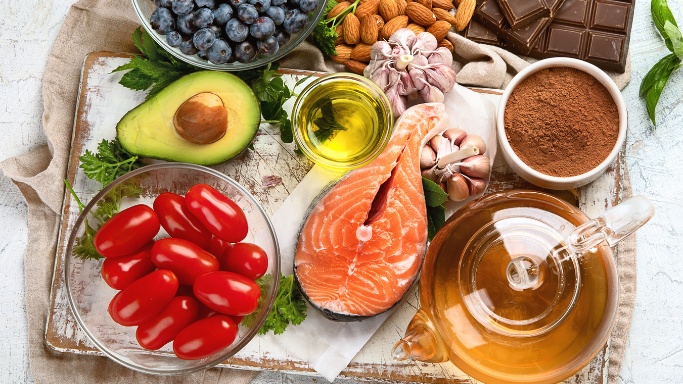
An image showing a variety of anti-aging foods, including fruits, dark chocolate, nuts, avocado, fish, and tea.

Women over 40 face unique aging challenges that require targeted nutrition strategies due to hormonal changes and cellular decline.

Estrogen levels start declining, which affects collagen production and skin elasticity. Your NAD+ levels drop by 50% between ages 40-60, leaving cells struggling to produce energy. Cellular cleanup processes slow down, allowing damaged cells to accumulate.

Standard antioxidants aren’t enough anymore. You need foods that:

  • Restore cellular energy production
  • Support hormonal balance
  • Activate your body’s natural cleanup systems
  • Protect against free radical damage and environmental stress

Let’s explore the science-backed foods that target these specific mechanisms in the aging process.

Top 10 Anti-Aging Foods to Live Longer

An image showing 'Top 10' spelled out using multicolored stones.

These 10 scientifically proven foods target the specific cellular mechanisms that drive aging in women after 40.

1. Wild-Caught Salmon and Astaxanthin-Rich Seafood

Wild salmon delivers astaxanthin, a powerful antioxidant carotenoid that provides 6,000 times more antioxidant power than vitamin C.1

This potent compound directly targets mitochondrial dysfunction and photoaging damage. Clinical trials show that just 6mg daily for 6-8 weeks reduces wrinkles and improves skin elasticity.2

Other astaxanthin-rich options include arctic shrimp, microalgae supplements, and rainbow trout.

The fat in salmon also provides omega-3 fatty acids that help reduce inflammation throughout your body.

2. Blueberries and Pterostilbene Power

Blueberries provide pterostilbene, resveratrol’s superior cousin with 4 times higher bioavailability.3

A 2025 study found that pterostilbene improved skin elasticity and firmness in just 28 days. Unlike regular resveratrol, pterostilbene penetrates cells more effectively.4

You’ll also find pterostilbene in red grapes, peanuts, and cranberries.

These foods help reduce the risk of cellular senescence, the process where cells stop functioning properly but don’t die.

3. Green Tea for Cellular Protection

Green tea polyphenols protect your skin from UV damage while supporting cellular repair mechanisms.

The EGCG in green tea activates pathways that help protect your skin from environmental damage. Regular consumption improves skin texture and reduces signs of aging.

For maximum benefits:

  • Drink 2-3 cups daily
  • Choose organic varieties
  • Steep for 3-5 minutes for optimal extraction

Green tea works even better when combined with other antioxidant supplements that target oxidative stress.

4. Broccoli and Cruciferous Vegetables

Broccoli sprouts deliver up to 100 times more sulforaphane than mature broccoli.5

These vegetables provide indole-3-carbinol (I3C) and diindolylmethane (DIM), which are potent estrogen metabolizers. Research shows that 150mg of I3C daily reduces oxidative stress and inflammation.6

For women over 40, cruciferous vegetables help:

  • Balance hormone metabolism
  • Reduce cellular inflammation
  • Support detoxification pathways
  • Protect against environmental toxins

Include Brussels sprouts, cauliflower, and kale for variety. A diet rich in these anti-inflammatory vegetables helps keep your skin healthy from within.

5. Avocado and Healthy Fats

Avocado provides monounsaturated fat that helps your body absorb fat-soluble vitamins and supports skin barrier function.

The healthy fats in avocado help reduce inflammation and support collagen production. These nutrients also improve the absorption of carotenoids from other foods.

Avocados contain:

  • Vitamin E for skin protection
  • Glutathione for cellular detox
  • Folate for DNA repair
  • Potassium for cellular function

Pair avocado with vitamin C-rich foods to increase anti-aging benefits.

6. Dark Chocolate

High-quality dark chocolate (70% cacao or higher) contains flavonoids that improve skin hydration and protect against UV damage.

Studies show that regular dark chocolate consumption can improve skin texture and reduce inflammation. The key is choosing varieties with minimal sugar and maximum cacao content.

Look for chocolate that provides:

  • Flavonoids for blood flow
  • Antioxidants for cellular protection
  • Magnesium for stress management
  • Iron for oxygen transport

Limit portions to 1-2 squares daily to avoid excess sugar.

7. Fermented Foods for Gut Health

Kimchi, kefir, and aged miso support the gut-skin axis through beneficial bacteria and metabolites.

Research shows that daily fermented food consumption increases microbiome diversity and reduces inflammatory markers. The postbiotic compounds produced during fermentation have direct anti-aging effects on skin cells.7

Top fermented choices include:

  • Kimchi for vitamin K2
  • Kefir for probiotics
  • Miso for isoflavones
  • Sauerkraut for vitamin C

A diverse microbiome supports healthy aging throughout your body.

8. Bone Broth and Collagen Support

Bone broth provides glycine, which comprises one-third of collagen’s amino acid content.

Studies show that 3g of glycine before bed improves sleep quality by 30%. Since poor sleep accelerates skin aging, glycine’s dual role in collagen synthesis and sleep optimization makes it particularly valuable.8

Bone broth also contains:

  • Type II collagen for joint and skin health
  • Glucosamine for tissue repair
  • Chondroitin for hydration
  • Minerals for cellular function

Make your own or choose high-quality commercial versions without additives.

9. NAD+ Boosting Foods

Turkey, tuna, and mushrooms naturally contain compounds that boost NAD+ levels in your cells.

As NAD+ declines by 50% between ages 40-60, restoring levels becomes critical. Studies show that NAD+ precursors can increase skin regeneration and protect against UV damage.9 10

While foods provide some NAD+ support, targeted supplementation often proves more effective. Jinfiniti’s Vitality↑® NAD+ Booster combines NAD+ precursors with supporting compounds for optimal cellular energy restoration.

Consider getting an Intracellular NAD+ Test to measure your current levels and track improvement.

10. Spermidine-Rich Foods for Cellular Cleanup

Aged cheese, wheat germ, and soybeans contain spermidine, which activates autophagy—your body’s cellular cleanup process.

Compelling research shows that spermidine treatment increases collagen and elastin expression in aged skin. It’s the only compound known to extend lifespan across multiple species, helping people live longer.11

Best spermidine sources include aged cheddar cheese, wheat germ, shiitake mushrooms, and tempeh.

Regular consumption supports your body’s natural ability to clear damaged cellular components.

Bottom Line: Certain Foods Fight Signs of Aging

An showing a woman eating a salmon salad with mixed greens, olives, and mushrooms.

This practical guide shows you exactly how to incorporate these anti-aging foods into your daily routine.

Food CategoryKey CompoundPrimary BenefitDaily Target
Wild SalmonAstaxanthinUV protection, wrinkle reduction3-4 oz serving
BlueberriesPterostilbeneCellular repair, skin elasticity1/2 cup
Broccoli SproutsSulforaphaneHormone balance, detox1 oz
Bone BrothGlycineCollagen support, sleep quality8 oz
Fermented FoodsProbioticsGut health, inflammation reduction1 serving

Remember that consistency matters more than perfection. Focus on including these anti-aging foods regularly rather than trying to eat them all at once.

The combination of targeted nutrition and quality supplements like Jinfiniti’s longevity-focused products helps you maintain energy, skin health, and vitality well beyond your 40s.

Your body has remarkable repair capabilities when given the right nutritional tools. These science-backed foods provide the building blocks your cells need to stay young from the inside out.

Referenced Sources:

  1. https://academic.oup.com/bbb/article/89/4/612/7933336 ↩︎
  2. https://pmc.ncbi.nlm.nih.gov/articles/PMC9655540/ ↩︎
  3. https://www.mdpi.com/2076-3921/10/10/1552 ↩︎
  4. https://www.sciencedirect.com/science/article/pii/S2950306X25000160 ↩︎
  5. https://pmc.ncbi.nlm.nih.gov/articles/PMC6106845/ ↩︎
  6. https://www.nature.com/articles/s41598-024-53636-6 ↩︎
  7. https://decodeage.com/blogs/gut-microbiome/fermented-foods-and-ageing-gut-health ↩︎
  8. https://www.bulknutrients.com.au/info/6-benefits-of-glycine:-sleep-strength-&-cellular-power ↩︎
  9. https://chemrxiv.org/engage/chemrxiv/article-details/688078a6728bf9025ec4197d ↩︎
  10. https://www.nmn.com/news/new-study-finds-nad-precursors-promote-wound-healing-by-leveraging-skin-regeneration ↩︎
  11. https://www.nature.com/articles/s42003-020-01619-4 ↩︎
A woman with a braided ponytail performs a barbell exercise in a well-equipped gym setting.

Creatine vs Beta-Alanine: Which is Best for Performance?

Sports nutrition often spotlights two supplements: creatine and beta-alanine. Athletes and fitness lovers regularly turn to these compounds hoping to boost their physical performance.

Creatine is best for explosive power and strength training, while beta-alanine is great for preventing fatigue during high-intensity exercise lasting 1-4 minutes.

In this article, we’ll walk you through a detailed comparison of creatine and beta-alanine. We’ll examine how each functions within your body and review what research tells us about their effects.

Key Takeaways

  • Creatine boosts short bursts of high-intensity power by increasing muscle energy stores
  • Beta-alanine helps delay muscle fatigue by buffering acid buildup during exercise
  • Creatine requires daily intake for best results
  • Beta-alanine shows effects after several weeks of steady use
  • Using both supplements together may enhance performance during high-intensity efforts
  • The best choice depends on your sport’s demands and how your body responds

How Beta-Alanine and Creatine Work

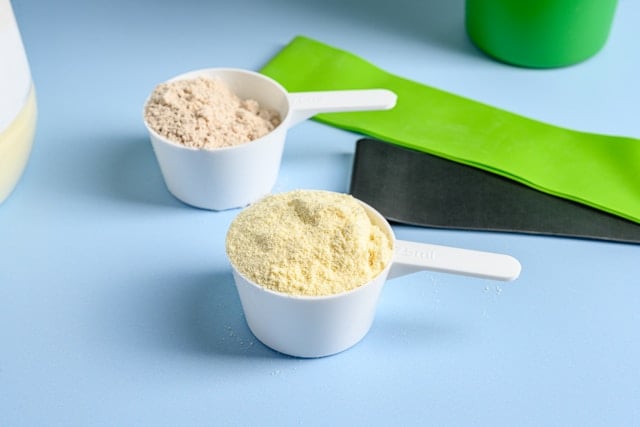
Two white scoops containing different colored protein powders sit on a blue surface near green items.

Creatine fuels explosive movements by rapidly regenerating ATP, while beta-alanine prevents acid buildup that causes muscle fatigue.

Creatine: Your Body’s Energy Reserve System

Creatine provides immediate energy for high-intensity muscle contractions through the phosphocreatine system.

Creatine is a compound your body naturally produces. Your liver, kidneys, and pancreas create it. Once made, it’s mostly stored in your skeletal muscles [1].

Inside muscle cells, creatine appears in 2 main forms: free creatine and phosphocreatine [1]. These compounds make up your muscle’s energy reserves.

The ATP-phosphocreatine system acts as a rapid energy reserve. This becomes most important when you push your muscles during short bursts of high-intensity activity [4].

Here’s how it works:

When you contract your muscles forcefully, ATP breaks down into ADP. This releases energy in the process.

Phosphocreatine steps in at this point. It donates a phosphate group to ADP through the enzyme creatine kinase. This quickly restores ATP levels [4].

This sequence gives your muscles immediate access to energy. You can sustain powerful, explosive movements when you need them most [5].

Beta-Alanine: The Acid Buffer

Beta-alanine increases muscle carnosine levels, which neutralizes acid buildup during intense exercise to delay fatigue.

Beta-alanine is classified as a non-essential amino acid. Your body can produce it naturally.

Once made, beta-alanine serves as a building block for carnosine. This dipeptide is found in high concentrations within skeletal muscle [6].

The amount of carnosine stored in muscle tissue directly depends on how much beta-alanine is available [6].

During intense exercise, your muscles break down glucose to generate energy. This process releases hydrogen ions, which lower the pH inside muscle cells. This triggers metabolic acidosis.

Carnosine acts as your muscle’s buffer system. It neutralizes those excess hydrogen ions and helps stabilize pH levels [6].

This buffering effect delays neuromuscular fatigue when you’re pushing through sustained high-intensity efforts. Beta-alanine’s role in supporting carnosine production makes a noticeable difference in how long muscles perform before tiring.

Join Our 50,000+ Health Insights Newsletter

Access the same health optimization strategies used by longevity experts. Weekly insights, exclusive products, member pricing.

Performance Benefits Comparison

Creatine increases strength and power for explosive movements, while beta-alanine extends endurance during high-intensity efforts lasting 1-4 minutes.

SupplementBenefitsBest ForExercise Duration
CreatineStrength, power, muscle growth, ATP regenerationWeightlifting, sprinting, powerlifting, bodybuildingShort bursts (seconds)
Beta-AlanineFatigue delay, acid buffering, endurance, sustained performanceHIIT, CrossFit, cycling sprints, repeated efforts1-4 minutes
Combined StackLean muscle gains, body composition, performance across intensitiesSports requiring explosive power AND fatigue resistanceFull range

Benefits of Creatine for Workouts

Creatine enhances performance in activities requiring repeated short bursts of high-intensity energy, particularly weightlifting and sprinting [7].

Creatine improves your capacity for ATP regeneration. This supports maximal power output during anaerobic exercise [5].

Studies show that supplementing with creatine increases [8][9][10][11]:

  • Strength during weightlifting
  • Power output in sprint performance
  • Muscle growth when combined with resistance training
  • Lean body mass development

The benefits extend to supporting muscle growth. This enhancement links to increased cellular hydration and satellite cell activity, which contribute to muscle building [12][13].

How Beta-Alanine Improves Performance

Beta-alanine increases muscle carnosine stores, improving your ability to buffer hydrogen ions during high-intensity exercise lasting 1-4 minutes [6].

When you supplement with beta-alanine, your muscles increase their carnosine stores. This boost in carnosine directly improves your ability to buffer hydrogen ions that build up during intense exercise [6].

You’re likely to see improved endurance in activities that push your lactic acid limits [6]. This effect becomes noticeable during:

  • Repeated sprints
  • High-intensity interval training
  • Longer bouts of resistance exercise

Creatine and Beta-Alanine Taken Together as a Stack

Combined creatine and beta-alanine supplementation provides complementary benefits for both explosive power and fatigue resistance during training.

When you combine beta-alanine and creatine, their unique effects work together. They enhance performance in ways that go beyond what either supplement offers alone.

Creatine helps your muscles quickly access ATP for explosive power. Beta-alanine improves your muscles’ ability to buffer acid buildup for sustained efforts.

Research shows that stacking these 2 supplements leads to [14]:

  • Greater gains in lean muscle
  • More noticeable changes in body composition
  • Better performance across different workout intensities [15]

🧬 MORE INSIGHTS ON CREATINE

Supplementatation Strategies

Creatine requires a 20g daily loading phase for 5-7 days followed by 3-5g daily maintenance, while beta-alanine needs 3.2-6.4g daily for several weeks.

Creatine Protocol

PhaseDosageDurationPurpose
Loading20g daily (split into 4-5 doses)5-7 daysBoost muscle stores by 20%
Maintenance3-5g dailyOngoingMaintain elevated levels

Creatine monohydrate stands out as the most researched and effective form of creatine [16].

Most athletes begin with a loading phase. Take 20 grams daily, split into 4-5 doses over 5-7 days [17][16]. This method quickly boosts creatine levels in muscle tissue by around 20% [17].

After this initial phase, a daily dose of 3-5 grams maintains those higher levels [17][16]. Some people notice water retention during loading since creatine draws water into muscle cells [18].

Sticking to a consistent daily routine matters more than timing each dose precisely.

Beta-Alanine Protocol

Beta alanine requires 3.2-6.4 grams daily split into smaller doses to minimize tingling side effects and maximize muscle carnosine levels.

Most beta-alanine supplementation routines recommend taking between 3.2 and 6.4 grams each day. People split this amount into several smaller doses to help reduce side effects [6].

To boost muscle carnosine levels, you need to stick with this routine for several weeks [6]. This initial loading period is necessary for full benefits.

One side effect that occurs is paresthesia – a tingling feeling on the skin [6]. While harmless, this sensation depends on how much you take at once.

Breaking up the doses or choosing sustained-release options makes it less noticeable [6].

Performance Impact Analysis

A woman performs sit-ups in an orange sports bra on a gym floor.

Creatine excels at building strength and power for explosive movements, while beta-alanine specializes in managing fatigue during sustained high-intensity exercise.

Strength and Power Differences

Creatine demonstrates a pronounced impact on increasing strength and muscle mass [11][10]. This happens particularly in the context of resistance training.

Its primary mechanism involves enhancing the phosphocreatine system [5]. This directly supports rapid ATP regeneration for immediate, powerful movements.

This makes it highly effective for anaerobic capacity [7]. It works best for short-duration, high-intensity efforts such as weightlifting or short sprints.

Beta-alanine doesn’t directly increase strength or muscle mass to the same extent. Instead, it indirectly supports these by delaying fatigue during anaerobic exercise [6]. This allows for more repetitions or sustained output.

Fatigue Management

Beta-alanine works by increasing the amount of carnosine in your muscles. Carnosine acts inside muscle cells as a buffer system.

It helps counter acid buildup that occurs during intense exercise lasting from about a minute up to several minutes [6]. By neutralizing hydrogen ions, carnosine holds off fatigue and lets you sustain high power output for longer periods.

This buffering process differs from how creatine provides energy. Both supplements improve performance by targeting separate bottlenecks in muscle metabolism.

Side Effects and Tolerability

Beta-alanine causes harmless skin tingling at higher doses, while creatine leads to temporary water retention during the loading phase.

Beta-Alanine Side Effects

Many people who use beta-alanine notice a tingling sensation known as paresthesia [6]. This harmless effect appears when someone takes higher single doses of 800 milligrams or more.

While it doesn’t pose health risks, some find the sensation uncomfortable. If you’re concerned about this, you can:

  • Reduce the dose size
  • Try sustained-release versions
  • Spread your intake over several smaller doses throughout the day [6]

Creatine Side Effects

When you start taking creatine, you may notice an increase in your total body water during the loading phase [18]. This happens because creatine draws water into your muscle cells.

Some people experience a slight bump in body mass. Most of this extra water sits inside your muscle cells, promoting muscle cell volumization rather than causing bloating [18].

Creatine remains safe for use. Keep this possible change in mind as you begin the loading phase.

Workout Applications

A woman in a teal tank top runs on a treadmill in a bright gym with large windows.

Neither supplement requires precise pre-workout timing, but both need consistent daily intake over time to build up in your system and show results.

Pre-Workout Timing

With creatine, you don’t need to take it right before you exercise. What’s important is sticking to a consistent daily routine so your muscles reach full saturation.

Beta-alanine presents a unique challenge. If you take a large dose all at once, you might experience tingling. To sidestep this, split your doses throughout the day or choose a sustained-release option.

Timing before your workout isn’t critical for either supplement.

Neither creatine nor beta-alanine delivers instant results from a single dose. Both need time to build up in your system before you notice their full effects.

Which Supplement Should You Choose?

Your choice between creatine and beta-alanine depends on your specific training goals, sport demands, and whether you prioritize explosive power or endurance performance.

For Power and Strength Goals

If your goal is short bursts of intense power and muscle growth, creatine monohydrate is a proven choice. It works well for:

  • Weightlifting
  • Sprint training
  • Powerlifting
  • Bodybuilding

For Endurance and Fatigue Resistance

For longer bouts of high-intensity effort and better endurance, beta-alanine helps by buffering muscle acidity. It works well for:

  • CrossFit training
  • High-intensity interval training
  • Cycling sprints
  • Rowing competitions

Combined Approach

Combining both supplements can offer complementary benefits across different fitness goals. This proves useful for sports requiring both explosive power and fatigue resistance.

The best choice depends on your specific athletic needs and how your body responds to each supplement.

The Final Scoop

Creatine and beta-alanine are distinct supplements with specific advantages for athletic performance enhancement.

Creatine primarily supports short-duration, high-intensity activities by boosting ATP regeneration and facilitating muscle growth.

Beta-alanine acts as a muscle buffer, delaying fatigue during sustained high-intensity exercise through its role in carnosine synthesis.

While both are clinically effective, their optimal application depends on the specific demands of your sport and individual responses.

For comprehensive performance benefits, particularly in sports requiring both explosive power and fatigue resistance, a combined supplementation approach may yield the best outcomes.

Referenced Sources

  1. H. E. Kan, M. van der Graaf, D. W. J. Klomp, M. H. M. Vlak, G. W. Padberg, and A. Heerschap, “Intake of 13C‐4 creatine enables simultaneous assessment of creatine and phosphocreatine pools in human skeletal muscle by 13C MR spectroscopy,” Magnetic Resonance in Medicine, vol. 56, no. 5. Wiley, pp. 953–957, Oct. 10, 2006. doi: 10.1002/mrm.21068. Available: https://doi.org/10.1002/mrm.21068
  2. “Effects of Five Weeks of Resistance Training and Relatively-Dosed Creatine Monohydrate Supplementation on Body Composition and Muscle Strength, and Whole-Body Creatine Metabolism in Resistance-Trained Males,” International Journal of Kinesiology and Sports Science, vol. 4, no. 2. Australian International Academic Centre, May 15, 2016. doi: 10.7575/aiac.ijkss.v.4n.2p.27. Available: https://doi.org/10.7575/aiac.ijkss.v.4n.2p.27
  3. L. J. C. V. LOON et al., “Creatine supplementation increases glycogen storage but not GLUT-4 expression in human skeletal muscle,” Clinical Science, vol. 106, no. 1. Portland Press Ltd., pp. 99–106, Jan. 01, 2004. doi: 10.1042/cs20030116. Available: https://doi.org/10.1042/cs20030116
  4. V. Saks, “The phosphocreatine–creatine kinase system helps to shape muscle cells and keep them healthy and alive,” The Journal of Physiology, vol. 586, no. 12. Wiley, pp. 2817–2818, Jun. 15, 2008. doi: 10.1113/jphysiol.2008.155358. Available: https://doi.org/10.1113/jphysiol.2008.155358
  5. R. de A. B. de Poli, L. H. Roncada, E. de S. Malta, G. G. Artioli, R. Bertuzzi, and A. M. Zagatto, “Creatine Supplementation Improves Phosphagen Energy Pathway During Supramaximal Effort, but Does Not Improve Anaerobic Capacity or Performance,” Frontiers in Physiology, vol. 10. Frontiers Media SA, Apr. 10, 2019. doi: 10.3389/fphys.2019.00352. Available: https://doi.org/10.3389/fphys.2019.00352
  6. K. Durkalec-Michalski, K. Kusy, M. Ciekot-Sołtysiak, and J. Zieliński, “The Effect of Beta-Alanine versus Alkaline Agent Supplementation Combined with Branched-Chain Amino Acids and Creatine Malate in Highly-Trained Sprinters and Endurance Athletes: A Randomized Double-Blind Crossover Study,” Nutrients, vol. 11, no. 9. MDPI AG, p. 1961, Aug. 21, 2019. doi: 10.3390/nu11091961. Available: https://doi.org/10.3390/nu11091961
  7. J. Butts, B. Jacobs, and M. Silvis, “Creatine Use in Sports,” Sports Health: A Multidisciplinary Approach, vol. 10, no. 1. SAGE Publications, pp. 31–34, Oct. 23, 2017. doi: 10.1177/1941738117737248. Available: https://doi.org/10.1177/1941738117737248
  8. C.-C. Wang, C.-C. Fang, Y.-H. Lee, M.-T. Yang, and K.-H. Chan, “Effects of 4-Week Creatine Supplementation Combined with Complex Training on Muscle Damage and Sport Performance,” Nutrients, vol. 10, no. 11. MDPI AG, p. 1640, Nov. 02, 2018. doi: 10.3390/nu10111640. Available: https://doi.org/10.3390/nu10111640
  9. C.-C. Wang, S.-C. Lin, S.-C. Hsu, M.-T. Yang, and K.-H. Chan, “Effects of Creatine Supplementation on Muscle Strength and Optimal Individual Post-Activation Potentiation Time of the Upper Body in Canoeists,” Nutrients, vol. 9, no. 11. MDPI AG, p. 1169, Oct. 27, 2017. doi: 10.3390/nu9111169. Available: https://doi.org/10.3390/nu9111169
  10. A. Brose, G. Parise, and M. A. Tarnopolsky, “Creatine Supplementation Enhances Isometric Strength and Body Composition Improvements Following Strength Exercise Training in Older Adults,” The Journals of Gerontology Series A: Biological Sciences and Medical Sciences, vol. 58, no. 1. Oxford University Press (OUP), pp. B11–B19, Jan. 01, 2003. doi: 10.1093/gerona/58.1.b11. Available: https://doi.org/10.1093/gerona/58.1.b11
  11. P. Chilibeck, M. Kaviani, D. Candow, and G. A. Zello, “Effect of creatine supplementation during resistance training on lean tissue mass and muscular strength in older adults: a meta-analysis,” Open Access Journal of Sports Medicine, vol. Volume 8. Informa UK Limited, pp. 213–226, Nov. 2017. doi: 10.2147/oajsm.s123529. Available: https://doi.org/10.2147/oajsm.s123529
  12. S. Olsen et al., “Creatine supplementation augments the increase in satellite cell and myonuclei number in human skeletal muscle induced by strength training,” The Journal of Physiology, vol. 573, no. 2. Wiley, pp. 525–534, May 31, 2006. doi: 10.1113/jphysiol.2006.107359. Available: https://doi.org/10.1113/jphysiol.2006.107359
  13. P. Hespel et al., “Oral creatine supplementation facilitates the rehabilitation of disuse atrophy and alters the expression of muscle myogenic factors in humans,” The Journal of Physiology, vol. 536, no. 2. Wiley, pp. 625–633, Oct. 2001. doi: 10.1111/j.1469-7793.2001.0625c.xd. Available: https://doi.org/10.1111/j.1469-7793.2001.0625c.xd
  14. J. Hoffman, N. Ratamess, J. Kang, G. Mangine, A. Faigenbaum, and J. Stout, “Effect of Creatine and ß-Alanine Supplementation on Performance and Endocrine Responses in Strength/Power Athletes,” International Journal of Sport Nutrition and Exercise Metabolism, vol. 16, no. 4. Human Kinetics, pp. 430–446, Aug. 2006. doi: 10.1123/ijsnem.16.4.430. Available: https://doi.org/10.1123/ijsnem.16.4.430
  15. J. Fernández-Landa, J. Calleja-González, P. León-Guereño, A. Caballero-García, A. Córdova, and J. Mielgo-Ayuso, “Effect of the Combination of Creatine Monohydrate Plus HMB Supplementation on Sports Performance, Body Composition, Markers of Muscle Damage and Hormone Status: A Systematic Review,” Nutrients, vol. 11, no. 10. MDPI AG, p. 2528, Oct. 20, 2019. doi: 10.3390/nu11102528. Available: https://doi.org/10.3390/nu11102528
  16. H. F. Dorrell, T. I. Gee, and G. Middleton, “An Update on Effects of Creatine Supplementation on Performance: A Review,” Sports Nutrition and Therapy, vol. 1, no. 1. OMICS Publishing Group, 2016. doi: 10.4172/2473-6449.1000107. Available: https://doi.org/10.4172/2473-6449.1000107
  17. E. Hultman, K. Soderlund, J. A. Timmons, G. Cederblad, and P. L. Greenhaff, “Muscle creatine loading in men,” Journal of Applied Physiology, vol. 81, no. 1. American Physiological Society, pp. 232–237, Jul. 01, 1996. doi: 10.1152/jappl.1996.81.1.232. Available: https://doi.org/10.1152/jappl.1996.81.1.232
  18. H. ACAR, E. TUTKUN, O. İMAMOĞLU, and T. ATAN, “The Influence of Creatine Use on Performance of Swimmers,” Turkish Journal of Sport and Exercise. Turkish Journal of Sport and Exercise, Dec. 31, 2018. doi: 10.15314/tsed.470827. Available: https://doi.org/10.15314/tsed.470827
A woman holding her elbow with a pained expression, indicating muscle discomfort.

Sore Muscles? Try These 10 Natural Remedies for Muscle Pain

Muscle pain strikes everyone at some point. Whether you pushed too hard at the gym, spent hours hunched over your computer, or woke up with that familiar stiffness, dealing with sore muscles is part of life.

The good news? You don’t always need to reach for over-the-counter pain relievers. Natural remedies can provide effective relief while supporting your body’s healing process.

Key Takeaways

  • Turmeric and cherry juice offer powerful anti-inflammatory benefits backed by research
  • Cold therapy works best for new injuries, while heat helps chronic muscle tension
  • Magnesium deficiency often contributes to muscle pain and cramping
  • Natural remedies take longer to work than medications but provide lasting relief with fewer side effects

Understanding the Causes of Muscle Aches

Woman holding her leg in pain after exercise, showing muscle ache

Before diving into solutions, let’s look at why muscles hurt in the first place.

Your muscles can ache from various triggers. Exercise creates tiny tears in muscle fibers, leading to delayed onset muscle soreness. Poor posture strains muscles over time. Stress causes tension that builds up in your shoulders and neck.

Viral infections can also cause widespread body aches and pains. Even dehydration or nutrient deficiencies can leave you feeling stiff and uncomfortable. When you experience muscle pain regularly, identifying the root cause helps you choose the most effective natural approach.

The key is understanding what’s triggering your discomfort so you can target the right remedy to feel better.

1. Turmeric: Powerful Anti-Inflammatory Pain Relief

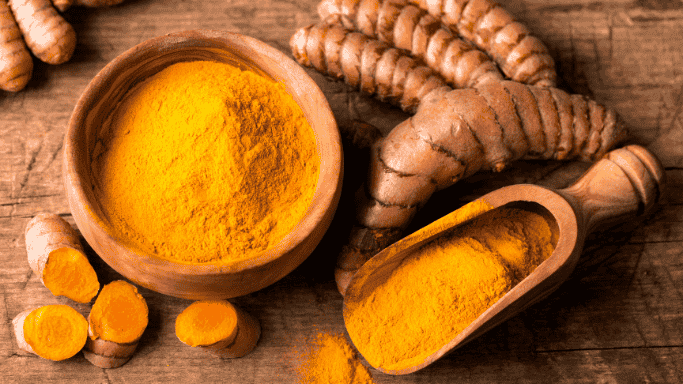
An image showing fresh turmeric roots and turmeric powder in wooden bowl.

Turmeric deserves the top spot on any list of natural muscle pain fighters.

This golden spice contains curcumin, a compound that reduces exercise-induced muscle damage and delayed onset muscle soreness. Research shows curcumin works by blocking inflammatory pathways in your body.1

Studies demonstrate that taking 150-1500 mg of curcumin daily can significantly reduce muscle pain and inflammation. The compound may work as effectively as ibuprofen but with fewer gastrointestinal side effects.2

For maximum benefit, look for turmeric supplements that include black pepper extract. This combination increases absorption dramatically. Many people find that curcumin or turmeric root provides better results than synthetic alternatives.

Jinfiniti’s Extra Strength Turmeric+ combines 95% curcuminoids with boswellia, ginger, and black pepper extract for enhanced bioavailability and comprehensive anti-inflammatory support.

2. Epsom Salt Baths: Simple Home Remedies for Muscle Aches

An image showing a wooden spoon and bowl filled with Epsom salt on a marble surface, with white flowers placed nearby.

Sometimes the best home remedies are the simplest ones.

Epsom salt baths have been soothing sore muscles for generations. The magnesium sulfate in these salts helps draw excess fluid from tissues. This action reduces pain and swelling naturally.

Magnesium plays an important role in muscle function by regulating the balance between contraction and relaxation. While scientists debate how much magnesium actually absorbs through your skin, the warm water and mineral combination provides real therapeutic benefits.3

Add 1-2 cups of Epsom salt to a warm bath and soak for 15-20 minutes. The heat increases blood flow while the minerals help your muscles relax naturally.

3. Hot and Cold Therapy for Acute Pain Relief

Split image showing hot therapy on the left side with a heating pad and cold therapy on the right side with an ice pack.

Temperature therapy is one of the most effective natural ways to manage muscle discomfort.

Cold therapy works best for new injuries or acute pain. Apply ice packs for 15-20 minutes several times daily, especially within the first 48 hours. Cold reduces inflammation by constricting blood vessels and numbing pain signals.4

Heat therapy shines for chronic tension and stiffness. Warming muscles increases blood flow and helps remove waste products like lactic acid. This process can reduce muscle soreness over time.5

Here’s when to use each approach:

  • Ice: Fresh injuries, swelling, sharp pain
  • Heat: Chronic tension, stiffness, tight muscles
  • Avoid heat on acute inflammation

4. Cherry Juice: Sweet Relief for Body Aches

An image showing a glass of cherry juice placed in front, with fresh cherries in a basket slightly behind and to the side.

Tart cherry juice isn’t just delicious. It’s also a powerful natural remedy for muscle soreness.

Studies show that drinking tart cherry juice before and after exercise significantly reduces post-workout muscle pain. The anthocyanins in cherries combat exercise-induced muscle damage and reduce inflammation naturally.6

Tart cherries contain high levels of antioxidants that help your body recover faster from physical stress. You can drink the juice straight or mix it into smoothies for added nutrition.

Just watch the sugar content if you’re monitoring your intake. Look for 100% tart cherry juice without added sweeteners for the best results.

5. Essential Oils: Natural Pain and Inflammation Relief

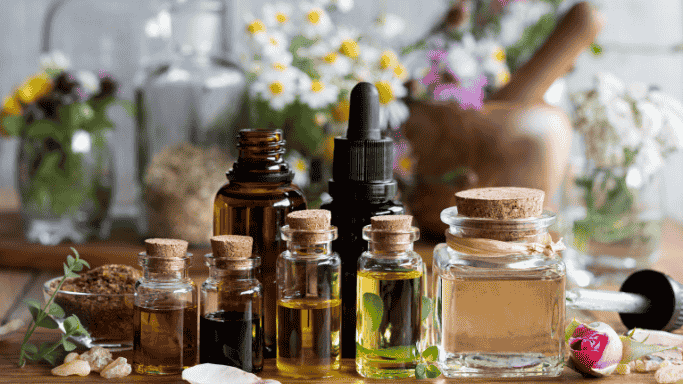
An image showing Bottles of essential oils arranged on a surface.

Essential oils offer targeted relief when applied topically to sore areas.

Several oils have proven antiinflammatory and pain-relieving properties:

  • Peppermint oil: Improves circulation and provides cooling relief7
  • Eucalyptus oil: Contains compounds that reduce muscle tension and swelling
  • Lavender oil: Offers anti-inflammatory benefits and promotes relaxation
  • Rosemary oil: Has stimulating properties that help various muscular conditions

Never apply essential oils directly to your skin. Mix a few drops with a carrier oil like coconut or olive oil first. Start with a patch test to make sure you don’t react to the oil.

For people seeking broader approaches to managing inflammation, exploring natural herbs and spices that fight inflammation can provide additional options beyond topical treatments.

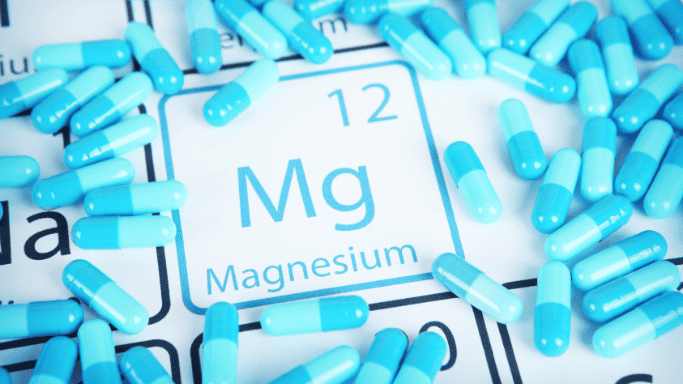
6. Magnesium Supplementation for Musculoskeletal Pain

An image showing multiple magnesium supplement pills scattered on a surface.

Your muscles need magnesium to function properly. When levels drop, you experience muscle pain and stiffness more easily.

Research shows that taking 350-500 mg of magnesium daily can reduce delayed onset muscle soreness and improve recovery. This mineral regulates calcium transport in muscle cells. It controls contraction and relaxation patterns.8

Many people don’t get enough magnesium from food alone. Supplementation can fill the gap and provide noticeable relief from chronic muscle tension. The right dosage can reduce pain effectively when taken consistently.

Foods high in magnesium include:

  • Leafy green vegetables
  • Nuts and seeds
  • Whole grains
  • Dark chocolate

If you experience muscle pain regularly, consider getting your magnesium levels tested to see if deficiency plays a role in your discomfort.

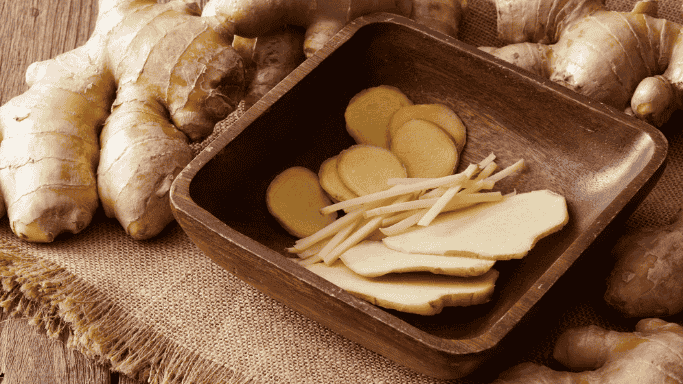
7. Ginger: Warming Relief for Aches and Pains

An image showing a fresh ginger root with sliced and julienned ginger pieces in a wooden bowl.

Ginger brings more than flavor to your kitchen. This warming root contains powerful compounds that reduce muscle pain naturally.

The active compound gingerol gives ginger its anti-inflammatory properties. Multiple studies show that ginger supplementation provides relief from exercise-induced muscle soreness.9

You can use ginger in several ways:

  • Brew fresh ginger tea
  • Add it to cooking
  • Take ginger supplements after consulting your healthcare provider

The warming properties of ginger also help improve circulation. This brings healing nutrients to sore muscles while removing waste products. Research shows that turmeric and ginger work better together than either herb alone.

8. Massage Therapy: Proven Remedies for Body Aches

A woman lying face down on a massage table, receiving a relaxing back massage.

Touch has healing power, and massage proves this beautifully.

Research demonstrates that massage can reduce delayed onset muscle soreness by approximately 30%. It works by improving blood circulation and enhancing oxygen and nutrient delivery to muscles.10

A recent Harvard study found that mechanical pressure from massage helps clear inflammatory cells from injured tissue. This promotes faster and stronger healing compared to rest alone.

You don’t need a professional massage therapist to get benefits. Self-massage with a foam roller or massage ball can provide significant relief for tight, sore muscles.

The key is consistent pressure that helps break up adhesions and improve blood flow to affected areas.

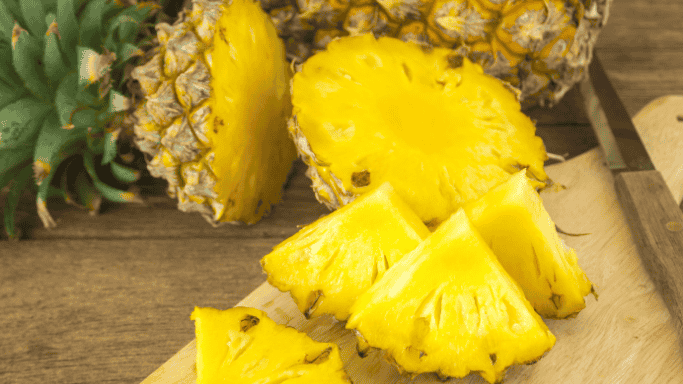
9. Bromelain: Pineapple’s Natural Pain Fighter

An image showing a sliced pipeapple.

Pineapple contains a secret weapon against muscle soreness called bromelain.

This enzyme has shown impressive results in reducing post-exercise muscle pain. Studies show that bromelain supplementation significantly reduces pain intensity at 24, 48, and 72 hours after exercise.11

Bromelain works by reducing inflammatory markers like C-reactive protein and IL-6 levels. It also improves muscle stiffness, strength, and flexibility naturally.

You can get bromelain by eating fresh pineapple or taking it as a supplement. This natural enzyme offers a promising alternative to synthetic recovery aids.

For people dealing with chronic inflammation that contributes to muscle pain, understanding your oxidative stress markers can help you address underlying causes of persistent discomfort.

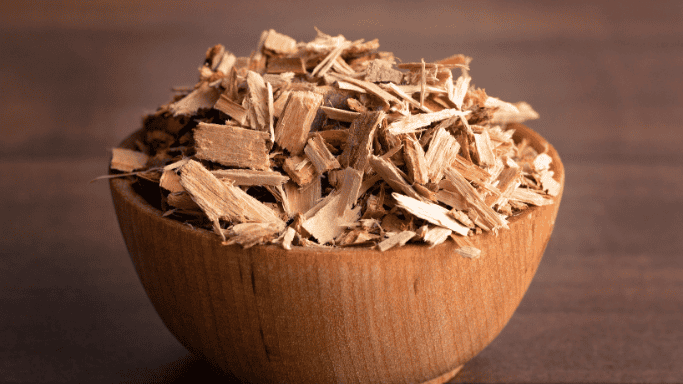
10. Willow Bark: Nature’s Original Pain Reliever

An image showing willow bark placed in a wooden bowl.

Long before aspirin existed, people used willow bark to reduce pain and inflammation.

Willow bark contains salicin, which has similar properties to aspirin but works more gently. Studies show that willow bark extract effectively reduces headaches, back pain, and joint discomfort.12

Unlike synthetic aspirin, willow bark contains a complex mix of beneficial compounds including antioxidant flavonoids and antibacterial compounds. This makes it potentially more effective than isolated salicin alone.

Research shows that doses containing 120-240 mg of salicin provide meaningful pain relief. You can take willow bark as tea, tincture, or supplement form.

When Natural Remedies for Muscle Pain Aren’t Enough

Comparison image showing natural remedies for muscle pain, including herbal tea and fresh herbs, on the left, and a woman being examined by a doctor on the right, highlighting the need for medical attention when home remedies are insufficient.

Natural remedies work well for most muscle aches, but some situations need medical attention.

See your healthcare provider if you experience muscle pain that doesn’t improve with natural approaches:

  • Severe or persistent muscle pain
  • Pain accompanied by fever
  • Muscle weakness or loss of function
  • Pain from a significant injury
  • Symptoms that worsen despite treatment

These natural approaches work best as part of a complete muscle health strategy. This includes proper hydration, adequate rest, and gentle movement. Sometimes addressing chronic fatigue can also help with persistent muscle discomfort.

Supporting Your Body’s Natural Healing

An image showing a woman stretching outdoors with herbal tea nearby, symbolizing natural healing and wellness.

Your body has remarkable healing abilities when given the right support.

These natural remedies work with your body’s systems rather than simply masking symptoms. They help reduce inflammation, improve circulation, and provide the nutrients your muscles need to recover.

For people interested in optimizing their recovery and performance, testing key biomarkers can provide valuable insights. Jinfiniti’s AgingSOS panels measure inflammation markers, oxidative stress, and cellular health indicators that affect muscle function and recovery.

Remember that consistency matters with natural remedies. Unlike pharmaceutical options that provide immediate relief, natural approaches often take time to show their full effects. The benefit is lasting relief with fewer side effects.

By incorporating these evidence-based natural remedies into your routine, you can effectively manage muscle discomfort while supporting your overall health and wellness.

Referenced Sources:

  1. https://revistaretos.org/index.php/retos/article/view/98671 ↩︎
  2. https://www.hopkinsmedicine.org/health/wellness-and-prevention/turmeric-benefits ↩︎
  3. https://organika.com/blogs/the-o-life/why-is-magnesium-good-for-sore-muscles ↩︎
  4. https://www.hopkinsmedicine.org/health/treatment-tests-and-therapies/ice-packs-vs-warm-compresses-for-pain ↩︎
  5. https://medicaljournalssweden.se/jrm/article/view/331 ↩︎
  6. https://www.healthline.com/health/pain-relief/best-natural-muscle-relaxers ↩︎
  7. https://food.ndtv.com/health/4-essential-oils-you-can-use-to-treat-muscle-soreness-and-pain-1721209 ↩︎
  8. https://www.nutraingredients.com/Article/2024/08/21/Magnesium-may-mitigate-muscle-soreness/ ↩︎
  9. https://www.ijisrt.com/Article/2024/08/21/Magnesium-may-mitigate-muscle-soreness/ ↩︎
  10. https://news.harvard.edu/gazette/story/2021/10/massage-helps-injured-muscles-heal-faster-and-stronger/ ↩︎
  11. https://www.ajol.info/index.php/dujopas/article/view/287347 ↩︎
  12. https://draxe.com/nutrition/white-willow-bark/ ↩︎
An image of a Woman enjoying a bowl of vegetables surrounded by fresh, leafy greens, boosting her glutathione levels naturally.

8 Ways to Boost Your Glutathione Levels Naturally

Your body produces an incredible molecule that acts like a shield against damage and disease. This powerhouse antioxidant works around the clock to protect your cells and keep you healthy.

But here’s the problem: your glutathione levels naturally decline as you age. Environmental toxins, stress, and poor diet can speed up this decline even more.

You can take simple steps to boost your body’s glutathione production naturally.

Key Takeaways

  • Glutathione levels drop with age, but natural strategies can restore them effectively
  • Sulfur-rich foods and whey protein provide the building blocks your body needs most
  • Vitamin C and regular exercise can boost levels by 30-64%
  • Combining multiple approaches works better than relying on single interventions

What is Glutathione?

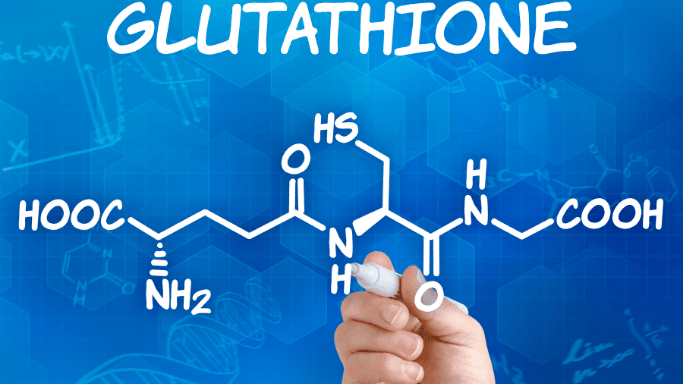
An image showing chemical structure of glutathione.

Glutathione is often called the “master antioxidant” for good reason. This small but mighty molecule consists of three amino acids. These are glutamine, glycine, and cysteine.

Your liver produces most of your glutathione. Every cell in your body depends on it for protection and proper function.

Think of glutathione as your cellular cleanup crew. It neutralizes harmful free radicals, removes toxins, and helps your immune system work properly.

Benefits of Glutathione

An illustration showing a magnifying glass focusing on a red keyboard key labeled “BENEFITS".

Understanding why glutathione matters can motivate you to take action. This master antioxidant provides several key benefits:

Free Radical Protection

Glutathione shields your cells from oxidative stress and free radical damage. This protection helps prevent premature aging and supports healthy cellular function.1

Detoxification Support

Your liver uses glutathione to neutralize and remove toxins from your body. Higher glutathione levels mean better detoxification capacity.2

Immune Function

A strong immune system depends on having enough glutathione levels. This antioxidant helps your white blood cells function properly and fight off infections.3

Energy Production

Your mitochondria need glutathione to produce energy efficiently. Low levels can leave you feeling tired and sluggish.4

8 Ways to Boost Glutathione Levels Naturally

Fresh broccoli florets are arranged on a wooden cutting board with black bowls and kitchen utensils nearby.

Ready to give your body’s antioxidant defenses a natural boost? These eight strategies can help increase levels of glutathione without relying solely on supplements.

1. Eat Sulfur-Rich Foods

Sulfur-containing foods provide one of the best natural ways to increase glutathione production. Cysteine, one of the three amino acids in glutathione, contains sulfur and often becomes the limiting factor in production.

Cruciferous vegetables top the list of glutathione-boosting foods. Research shows that eating sulfur-rich vegetables can greatly reduce oxidative stress by increasing glutathione levels.5

Best sulfur-rich choices:

  • Broccoli and Brussels sprouts
  • Cauliflower and kale
  • Watercress and mustard greens
  • Garlic and onions
  • Shallots and leeks

Studies demonstrate that allium vegetables like garlic and onions work particularly well. Their unique sulfur compounds can boost glutathione levels substantially.6

Try to include at least one serving of sulfur-rich vegetables with each meal. Raw or lightly cooked versions retain the most beneficial compounds.

2. Add Glutathione-Rich Foods to Your Diet

Some foods naturally contain glutathione or compounds that support its function. Including these in your daily meals provides direct glutathione support.

Asparagus stands out as one of the richest dietary sources. Research reveals that proper cooking methods like steaming or baking can actually increase glutathione levels in asparagus.7

Top glutathione-containing foods:

  • Fresh asparagus
  • Avocados
  • Spinach and leafy greens
  • Watermelon and grapefruit
  • Fresh citrus fruits

Avocados deserve special mention. They contain both glutathione and healthy fats that support overall antioxidant function throughout your body.

Keep these foods fresh and consume them regularly. Frozen options work well too, especially for smoothies and cooked dishes.

3. Get Enough Vitamin C

Vitamin C plays a critical role in maintaining and recycling glutathione in your cells. This water-soluble vitamin works hand-in-hand with glutathione to provide powerful antioxidant protection.

Clinical studies show that vitamin C can significantly increase glutathione levels in red blood cells and lymphocytes. The research demonstrates that vitamin C supplementation helps regenerate glutathione from its oxidized form back to its active state.8

Your body uses vitamin C to keep glutathione working effectively. When glutathione neutralizes free radicals, it becomes oxidized and temporarily inactive. Research confirms that vitamin C helps restore glutathione to its reduced, active form.9

Best vitamin C sources:

  • Citrus fruits like oranges and grapefruits
  • Bell peppers and broccoli
  • Strawberries and kiwi fruit
  • Brussels sprouts and cauliflower
  • Fresh herbs like parsley and cilantro

For consistent support, consider a high-quality vitamin C supplement.

Jinfiniti’s Natural Vitamin C + Zinc combines whole food vitamin C from amla extract with bioavailable zinc for enhanced antioxidant support. Studies show zinc can also play a role in supporting glutathione levels in the body.10

Aim for 200-500mg of vitamin C daily from food sources or supplements. This amount provides optimal support for glutathione recycling without excess.

4. Include High-Quality Whey Protein

Whey protein stands out as one of the most effective dietary ways to increase glutathione levels. This complete protein is exceptionally rich in cysteine and other glutathione precursors.

Multiple clinical studies confirm that whey protein supplementation can greatly boost glutathione in healthy people and those with various health conditions.11

The research is impressive. Whey protein can increase intracellular glutathione by up to 64% while providing protection against oxidative stress.12

Choose grass-fed whey protein when possible. These sources contain higher concentrations of beneficial compounds compared to conventional options.

Ways to use whey protein:

  • Post-workout smoothies
  • Morning protein shakes
  • Added to oatmeal or yogurt

Start with 20-25 grams daily. This amount provides perfect amino acid support for glutathione production without overwhelming your system.

5. Try N-Acetylcysteine (NAC) Supplements

NAC represents one of the most well-researched glutathione precursors available. As a derivative of cysteine, NAC readily converts to glutathione in your body.

Clinical trials demonstrate NAC’s effectiveness in increasing glutathione levels and providing antioxidant protection across various health conditions.13

NAC works by supplying your cells with the cysteine they need for glutathione synthesis. Since cysteine often becomes the rate-limiting amino acid, NAC supplementation can dramatically boost production.

NAC benefits include:

  • Direct glutathione precursor support
  • Improved antioxidant status
  • Better detoxification capacity
  • Better respiratory health

Most studies use doses between 600-1800mg daily. Start with a lower dose and work up gradually to assess your tolerance.

Curious how NAC compares to other longevity supplements? Check out our article on the differences between NAD and NAC.

6. Exercise Regularly

Regular physical activity provides one of the most powerful natural ways to boost glutathione production. Your muscles produce more glutathione in response to exercise-induced oxidative stress.

Research demonstrates that both aerobic exercise and resistance training can greatly increase glutathione levels. They also improve the ratio of active to oxidized glutathione.14

The key lies in finding the sweet spot. Moderate exercise boosts antioxidant defenses, while excessive training can temporarily deplete glutathione stores.

Best exercise approaches:

  • 30-45 minutes of moderate cardio 3-4 times weekly
  • Resistance training 2-3 times per week
  • Combined aerobic and strength training programs
  • Activities you enjoy and can maintain long-term

Studies show that well-trained individuals have higher baseline glutathione levels and better antioxidant defenses overall.15

Start slowly if you’re new to exercise. Your glutathione production will improve as your fitness level increases.

7. Drink Green Tea Daily

Green tea consumption can greatly boost your glutathione levels through multiple pathways. The polyphenols in green tea work together with glutathione to provide stronger antioxidant protection.

Clinical studies reveal that both green tea beverages and extracts can increase whole blood glutathione by approximately 30-40%. This happens within eight weeks of regular consumption.16

The magic happens through green tea’s unique compounds, particularly EGCG (epigallocatechin gallate). These antioxidants support glutathione recycling and help maintain higher levels in your cells.

Green tea tips:

  • Aim for 2-3 cups daily
  • Steep for 3-5 minutes for best extraction
  • Drink between meals for best absorption
  • Choose organic varieties when possible

Green tea also provides other health benefits, including improved brain health and cognitive function support.

Avoid adding milk to your green tea, as it can interfere with antioxidant absorption. Lemon actually strengthens the beneficial compounds.

8. Use Turmeric and Curcumin

Turmeric and its active compound curcumin are powerful glutathione boosters. Curcumin stimulates glutathione synthesis by activating key enzymes your body needs for production.

Research demonstrates that curcumin can increase glutathione levels while providing both antioxidant and anti-inflammatory benefits.17

Curcumin works by upregulating γ-glutamylcysteine ligase. This is the rate-limiting enzyme in glutathione synthesis. Your cells can produce more glutathione when curcumin is present.

How to use turmeric effectively:

  • Add fresh turmeric to smoothies and curries
  • Take standardized curcumin supplements
  • Combine with black pepper for better absorption
  • Use with healthy fats like coconut oil

For those dealing with inflammation, turmeric’s dual action of boosting glutathione while reducing inflammatory markers makes it particularly valuable.

Jinfiniti’s Extra Strength Turmeric+ combines curcumin with other anti-inflammatory compounds and includes black pepper extract for better bioavailability.

Signs of Low Glutathione

An image showing tired woman yawning while reading, wrapped in a blanket—illustrating fatigue, a common sign of low glutathione levels.

Recognizing glutathione deficiency can help you take action before problems become serious. Your body gives you clues when glutathione levels drop too low.

Common signs include:

  • Frequent infections or illness
  • Chronic fatigue and low energy
  • Poor exercise recovery
  • Difficulty detoxifying
  • Increased sensitivity to toxins

Low glutathione levels may also contribute to premature aging, poor sleep quality, and reduced mental clarity.

Many people don’t realize that declining energy and frequent illness can stem from poor antioxidant defenses. Supporting glutathione production naturally can address these issues at their root.

If you experience multiple symptoms, consider working with a healthcare provider to assess your antioxidant status and overall health.

Supplementing with Glutathione: What You Need to Know

An image of a woman receiving intravenous glutathione therapy.

While natural approaches work well, some people benefit from direct glutathione supplementation. Understanding your options helps you make informed decisions.

Traditional oral glutathione supplements have limited effectiveness because digestive enzymes break down glutathione before it reaches your cells. This is why precursors like NAC often work better than direct supplementation.

More effective options include:

  • Liposomal glutathione formulations
  • Sublingual (under-the-tongue) preparations
  • IV glutathione therapy
  • Glutathione precursor combinations

Liposomal delivery systems wrap glutathione in protective lipid layers. This greatly improves absorption and bioavailability compared to standard capsules.

Remember that supporting your body’s natural glutathione production provides sustained benefits. The eight strategies above work best when combined with lifestyle approaches. Supplements work well as additional support.

For comprehensive health optimization, consider testing key biomarkers that work alongside glutathione, such as NAD+ levels, which play crucial roles in cellular energy and repair processes.

Taking Action for Better Health

An image showing a woman standing outdoors with arms outstretched, symbolizing taking proactive steps toward better health and well-being.

Boosting glutathione levels naturally doesn’t require complicated protocols or expensive treatments. The eight strategies outlined above provide practical, evidence-based ways to strengthen your body’s master antioxidant.

Start with one or two approaches that appeal to you most. Adding sulfur-rich foods and incorporating regular exercise provide excellent foundations for glutathione support.

Remember that consistency matters more than perfection. Small changes compound over time to create big improvements in your antioxidant defenses.

Your cellular health depends on having enough glutathione. By taking proactive steps now, you’re investing in better energy, stronger immunity, and healthier aging for years to come.

Consider testing your current health status to establish baseline measurements and track your progress. Understanding where you stand helps you make targeted improvements that deliver real results.

Referenced Sources:

  1. https://link.springer.com/article/10.1007/BF02434082 ↩︎
  2. https://pmc.ncbi.nlm.nih.gov/articles/PMC5549431/ ↩︎
  3. https://pmc.ncbi.nlm.nih.gov/articles/PMC3048347/ ↩︎
  4. https://pmc.ncbi.nlm.nih.gov/articles/PMC2821140/ ↩︎
  5. https://pmc.ncbi.nlm.nih.gov/articles/PMC5524320/ ↩︎
  6. https://www.cambridge.org/core/product/identifier/S1752756200013764/type/journal_article ↩︎
  7. https://www.goodrx.com/well-being/diet-nutrition/foods-with-l-glutathione ↩︎
  8. https://pubmed.ncbi.nlm.nih.gov/12499341/ ↩︎
  9. https://pubmed.ncbi.nlm.nih.gov/8317379/ ↩︎
  10. https://www.sciencedirect.com/science/article/abs/pii/S0022316623238456 ↩︎
  11. https://pmc.ncbi.nlm.nih.gov/articles/PMC10215789/ ↩︎
  12. http://www.liebertpub.com/doi/10.1089/jmf.2000.3.1 ↩︎
  13. https://pmc.ncbi.nlm.nih.gov/articles/PMC4540061/ ↩︎
  14. https://www.nature.com/articles/s41598-019-51377-5 ↩︎
  15. https://pubmed.ncbi.nlm.nih.gov/17925621/ ↩︎
  16. https://pmc.ncbi.nlm.nih.gov/articles/PMC3603270/ ↩︎
  17. https://pubmed.ncbi.nlm.nih.gov/15650394/ ↩︎
A woman receiving a NAD+ injection drip by the pool at a wellness clinic

NAD+ Injection Dosage Chart, Protocol, and Safety

CLIA-Certified NAD Test Kit

Test your NAD+ levels from home.

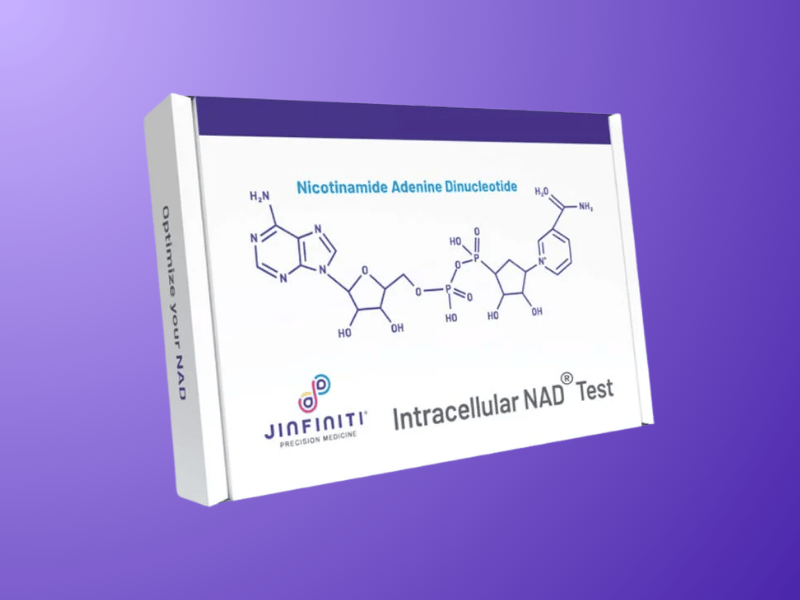
Jinfiniti Intracellular NAD Test on purple background

NAD+ injection dosage per day ranges from 50mg to 1,000mg depending on your overall health goals and current cellular energy status.

Clinical protocols start most people at 50-100mg injections administered 2-3 times per week for general wellness. Your specific needs depend on your health goals and current NAD levels. Doses above 200mg require medical supervision to prevent adverse effects and liver stress.

Daily NAD Injection Dosage Chart and Protocols

Daily NAD+ injection dosage varies from 50mg for wellness to 1,000mg for addiction recovery protocols under medical supervision.

Standard Dose Ranges by Health Goals

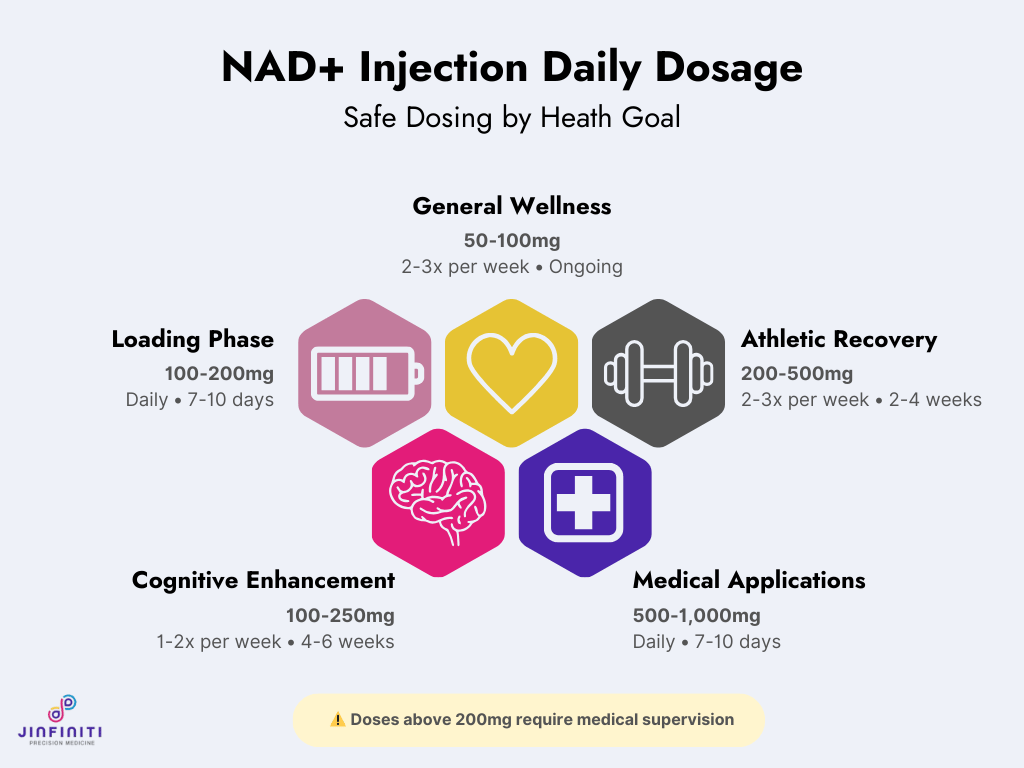
Clinical protocols establish specific dosages for 5 main therapeutic applications including general wellness, loading phases, and addiction recovery.

Health GoalDaily Dose RangeFrequencyDuration
General Wellness50-100mg2-3x per weekOngoing
Loading Phase100-200mgDaily7-10 days
Athletic Recovery200-500mg2-3x per week2-4 weeks
Cognitive Enhancement100-250mg1-2x per week4-6 weeks
Addiction Recovery*500-1,000mgDaily7-10 days

*Requires medical supervision

Your cellular energy needs change based on stress levels, exercise intensity, and age-related decline. NAD levels naturally decline with age, dropping approximately 50% every 20 years after age 401.

Conservative doses minimize potential side effects while your cellular function adapts to increased NAD availability.

Loading Phase vs Maintenance Protocol

The loading protocol saturates depleted cellular reserves with 100-200mg daily injections for 7-10 consecutive days.

Maintenance dosing maintains stable levels with 50-100mg injections administered 1-2 times per week for ongoing cellular health support.

Healthcare providers monitor your response during loading phases through blood work that tracks metabolic responses to higher NAD concentrations.

Infographic showing standard NAD+ injection dosage per day in a chart

IV Drip vs Injection: Understanding Your Options

IV drip and subcutaneous injections both deliver NAD directly into your bloodstream, bypassing digestive breakdown for immediate cellular uptake.

IV Therapy Administration Methods

NAD IV therapy delivers 250mg to 1,000mg per session through slow infusion over 2-4 hours in clinical settings.

Extended infusion time allows cellular NAD absorption without rapid administration side effects like nausea and flushing.

IV sessions cost $300-800 each and require 4-10 clinic sessions over several weeks according to standard protocols.

Subcutaneous Injections vs Other Routes

Subcutaneous injections (sometimes called NAD shots) offer more convenience and lower costs. You inject NAD into fatty tissue under your skin, typically in your abdomen or upper arm.

These injections take 30-60 seconds to administer. The injection site may experience mild redness or swelling that resolves within hours.

Many people prefer subcutaneous injections because you can:

  • Self-administer after proper training
  • Use smaller volumes (1-2ml vs 250-500ml for IV)
  • Avoid lengthy clinic appointments
  • Pay less per dose

Timing and Frequency for Optimal Results

Morning injections provide optimal results because NAD boosts cellular energy production without interfering with sleep cycles.

Best Times Per Week for Injections

Morning administration prevents sleep interference from NAD’s energizing effects on cellular metabolism.

Injection frequency follows these 3 patterns:

  • 2-3 times per week: Allows cellular recovery between doses
  • Every other day: Supports loading phases
  • Weekly: Maintains levels in sensitive individuals

Your qualified healthcare professional can help personalize the timing based on your energy patterns and health status.

Dosage and Frequency Considerations

Cellular NAD processing capacity limits optimal dosing, making higher doses counterproductive and potentially hepatotoxic.

Dosage and frequency follow these established patterns:

  • Higher doses: Require longer intervals between injections
  • Lower doses: Allow more frequent administration
  • Loading doses: Use daily administration for 7-10 days maximum

Dose schedules account for natural NAD recycling processes that maintain consistent cellular energy rather than dramatic fluctuations.

Potential Health Benefits and Cellular Impact

A woman receiving a NAD+ injection drip by the pool at a wellness clinic

NAD injections target cellular mechanisms that decline with age and stress through direct mitochondrial function support.

Cellular Energy Production

NAD serves as an essential cofactor in mitochondrial ATP production, converting nutrients into usable cellular energy.

Wellness clinics often claim these NAD injection effects:

  • Energy level increases within hours of administration
  • Mental clarity and cognitive function improvements
  • Healthy aging process support
  • Better exercise recovery and performance

The benefits of NAD appear with consistent dosing over weeks rather than single injections.

Mitochondrial Function and DNA Repair

NAD’s role in cellular health extends beyond energy production. NAD activates sirtuins, proteins that repair DNA damage and regulate cellular stress responses.

These processes support:

  • Reduced cellular inflammation
  • Better stress resilience
  • Improved metabolic flexibility
  • Enhanced cellular repair mechanisms

Age-related medical conditions often involve NAD depletion. Restoring adequate levels through injection can help reverse some cellular dysfunction, though individual results vary significantly.

Safety Guidelines and Healthcare Provider Oversight

NAD injection risks increase proportionally with dosage and poor administration technique.

Common Side Effects at Injection Site

Injection sites experience these 4 common reactions lasting 2-4 hours:

  • Redness and swelling lasting 2-4 hours
  • Mild pain or tenderness when touched
  • Small bruising in sensitive individuals
  • Temporary warmth or tingling sensation

Rotating injection sites prevents irritation buildup. Clean technique prevents infections that could cause serious complications.

Systemic side effects include nausea, flushing, and headaches. These typically occur with doses above 200mg and resolve within 1-2 hours.

Medical Supervision Requirements

Higher doses require monitoring to catch problems early. Your healthcare provider should track:

MonitoringFrequencyWhy Important
Liver function testsEvery 3-6 monthsDetects enzyme elevation
Blood pressureEach visitNAD can lower BP
Injection site assessmentEach administrationPrevents complications
Symptom trackingOngoingIdentifies adverse reactions

Never exceed 1,000mg daily without medical supervision. These doses can overwhelm your liver’s processing capacity and cause serious complications.

Understanding NAD IV therapy side effects helps you recognize when to seek medical attention vs normal treatment responses.

Safer Alternatives: Why Oral Supplementation Wins

While injections deliver NAD directly to your bloodstream, they come with significant drawbacks compared to high-quality oral supplements.

Our Vitality NAD powder supplement offers a safer, more convenient approach to raising your NAD levels. This powder supplement contains a clinically validated blend of NMN, creatine, D-ribose, and niacinamide that work together to boost cellular energy production.

Advantages over injections:

  • No injection site reactions or infection risk
  • Lower cost per dose over time
  • Easy daily use without clinic visits
  • Proven effective in numerous clinical studies2
  • Gradual NAD increase that’s gentler on your system
  • Can combine with our Intracellular NAD Test to track progress

The powder format allows you to adjust your dose gradually. Start with half a scoop daily and increase based on your energy response and NAD testing results.

When comparing NAD supplements vs IV therapy, oral supplementation provides sustained NAD support without the risks and inconvenience of repeated injections.

The Bottom Line

NAD injection dosage per day ranges from 50mg for wellness to 1,000mg for medical applications, with conservative starting doses under medical supervision providing optimal safety and efficacy. High-quality oral supplements like our Vitality NAD+ Booster offer safer, more practical long-term cellular energy support than repeated injections.

Referenced Sources

  1. https://pmc.ncbi.nlm.nih.gov/articles/PMC7442590/ ↩︎
  2. https://pmc.ncbi.nlm.nih.gov/articles/PMC7238909/ ↩︎
An image showing a sick woman lying in bed with lemon tea on bedside table for cold relief.

Can Vitamin C and Zinc Prevent or Shorten Your Cold?

You’ve probably heard it countless times: “Take some vitamin C and zinc when you feel a cold coming on.” But does this age-old advice actually work?

The relationship between these nutrients and the common cold has been studied for decades. The research tells a more nuanced story than most people realize.

Key Takeaways

  • Neither vitamin C nor zinc prevents colds in healthy adults
  • Zinc lozenges may shorten cold duration by 2-3 days if started within 24 hours
  • Vitamin C helps prevent colds in athletes under extreme physical stress
  • Both nutrients provide modest treatment benefits but aren’t miracle cures

What Mayo Clinic and Research Tell Us About Fighting Colds

The Mayo Clinic and major research institutions have spent years examining whether vitamin C and zinc can prevent or treat colds. A systematic review of the evidence reveals their findings might surprise youThe Mayo Clinic and major research institutions have spent years examining whether vitamin C and zinc can prevent or treat colds. A systematic review of the evidence reveals their findings might surprise you1.

The short answer? These nutrients won’t prevent colds in most people. But they may offer some help once you’re already sick.

Does Vitamin C Actually Fight Colds?

An image showing vitamin C-rich foods displayed on a table, including oranges, banana, kiwi, bell peppers, and leafy greens.

Cold Prevention

Here’s what the science shows: vitamin C doesn’t prevent colds in the general population. A massive Cochrane review looked at 29 trials with over 11,000 people. Regular vitamin C supplementation showed virtually no difference in cold prevention compared to placebo2.

Athletes and people under extreme physical stress saw their cold risk cut in half when taking vitamin C. This benefit applied to marathon runners, skiers, and soldiers in harsh conditions.

Cold Duration and Recovery

When taken regularly before getting sick, vitamin C can shorten cold duration by about 8% in adults and 14% in children. That translates to roughly 13 fewer hours of misery during a week-long cold.

Research suggests vitamin C may work by helping reduce illness duration. It’s not a guaranteed remedy for everyone, though.

Recent research shows vitamin C works better on severe cold symptoms than mild ones. It reduced severe symptom intensity by 15%, with the biggest impact on the worst symptoms3.

Starting Vitamin C After Symptoms Begin

Unfortunately, waiting until you feel sick to start taking vitamin C shows little benefit. Seven studies found no consistent effect when people began supplementation after cold symptoms started4.

Can You Take Zinc for Colds?

An image showing a variety of zinc-rich foods arranged on a table, including avocado, lobster, meet, pumpkin seeds, chickpeas, mushroom, and almonds.

Let’s take a look at the evidence for zinc.

Cold Prevention

Like vitamin C, zinc doesn’t prevent colds in healthy adults. The 2024 Cochrane review concluded there’s insufficient evidence to recommend zinc for cold prevention5.

How Zinc May Reduce Cold Duration

Here’s where zinc gets interesting. When taken as lozenges within 24 hours of symptom onset, zinc can reduce cold duration by approximately 2.25 days6.

Zinc acetate lozenges work best, reducing cold duration by 37% in adults when properly formulated. Research suggests zinc may inhibit viral replication in the nose and throat area. The key factors include:

  • High zinc content (at least 75mg elemental zinc daily)
  • Zinc acetate rather than zinc gluconate
  • Starting within 24 hours of first symptoms
  • Avoiding additives like citric acid that bind the zinc

Zinc Side Effects to Consider

Zinc lozenges commonly cause unpleasant side effects. These include bad taste, nausea, and mouth irritation. More concerning, intranasal zinc products have been linked to permanent loss of smell and should be avoided completely.7

NutrientPreventionTreatmentSide Effects
Vitamin CBenefit for athletesModest duration reductionGenerally safe
ZincNo effect2-3 day reductionBad taste, nausea

Taking Vitamin C and Zinc Together

An image showing vitamin C on the left side and zinc on the right side.

Limited research exists on combining these nutrients for cold treatment. Two small studies found that 1000mg of vitamin C plus 10mg of zinc daily reduced runny nose duration, with one showing 27% faster symptom relief.8

A larger study of 360 people examined a combination product containing echinacea, zinc, and vitamin C. Participants recovered 1.39 days faster with 17% lower symptom severity scores compared to placebo.

While promising, this evidence remains insufficient for firm recommendations about vitamin C and zinc combinations.

Natural Support for Your Immune System

Your immune system needs consistent support year-round, not just when you’re fighting off a virus. Oxidative stress from free radicals can weaken your body’s natural defenses, making you more susceptible to infections.

Jinfiniti’s Natural Vitamin C + Zinc provides whole food vitamin C from amla extract plus bioavailable zinc chelate. This combination supports antioxidant activity and immune function without the synthetic additives found in many supplements.

Unlike isolated nutrients, whole food sources provide cofactors that enhance absorption and utilization. The amla-derived vitamin C in our formula delivers powerful antioxidant support while the chelated zinc ensures better bioavailability.

Consider pairing immune support with cellular health supplements that address the root causes of weakened immunity. When your cells function well, your entire immune system performs better.

The Science on Flu vs Cold

The research focuses primarily on common colds rather than influenza. There’s currently no strong scientific evidence that vitamin C or zinc helps against the flu virus.

Vaccination remains your best protection against influenza. Natural antihistamines may help with seasonal allergy symptoms that people sometimes mistake for cold symptoms.

Dosage and Safety Guidelines

An image of a close-up of liquid medicine being carefully poured from a bottle into a measuring spoon.

Vitamin C:

  • Generally safe up to 2000mg daily
  • Higher doses may cause digestive upset
  • Best absorbed in divided doses throughout the day

Zinc:

  • Don’t exceed 40mg daily for long-term use
  • Take with food to reduce stomach irritation
  • Avoid nasal zinc products

Important Considerations:

People with chronic fatigue or compromised immune systems should consult healthcare providers before starting any supplement regimen. What works for healthy adults may not apply to those with underlying health conditions.

🧬 MORE INSIGHTS ON VITAMIN C

Bottom Line

The evidence shows vitamin C and zinc have modest benefits for cold management. They’re not miracle cures, though. Here’s what you can reasonably expect:

  • Prevention: Neither nutrient prevents colds in most people. Athletes under extreme stress may benefit from vitamin C.
  • Treatment: Zinc lozenges started within 24 hours may reduce cold duration by 2-3 days. Regular vitamin C supplementation provides minor duration reduction.
  • Combination: Limited evidence suggests potential benefits, but more research is needed.

The effects are modest and must be weighed against potential side effects and costs. For better immune support, focus on proven strategies like adequate sleep, regular exercise, stress management, and a nutrient-dense diet.

When you do supplement, choose high-quality products with bioavailable forms and avoid the hype around mega-doses. Your immune system works best when supported consistently, not just when you’re already sick.

Remember, if cold symptoms persist beyond 10 days or get noticeably worse, consult a healthcare provider. This helps rule out bacterial infections or other complications that may require medical treatment.

Referenced Sources:

  1. https://newsnetwork.mayoclinic.org/discussion/mayo-clinic-minute-can-vitamin-c-keep-the-common-cold-away/ ↩︎
  2. https://doi.wiley.com/10.1002/14651858.CD000980.pub3 ↩︎
  3. https://pubmed.ncbi.nlm.nih.gov/38082300/ ↩︎
  4. https://www.cochranelibrary.com/cdsr/doi/10.1002/14651858.CD000980.pub2/full ↩︎
  5. https://www.cochrane.org/about-us/news/inconclusive-evidence-suggests-zinc-may-slightly-shorten-common-cold ↩︎
  6. https://pmc.ncbi.nlm.nih.gov/articles/PMC7356429/ ↩︎
  7. https://www.nccih.nih.gov/health/tips/tips-natural-products-for-the-flu-and-colds-what-does-the-science-say ↩︎
  8. https://journals.sagepub.com/doi/10.1177/147323001204000104 ↩︎
Assorted blister packs of various pills in different colors and shapes, representing a variety of non-NSAID pain relief medications.

NSAID Alternatives: 11 Non-NSAID Pain Relievers to Consider

NSAID alternatives provide effective pain relief without the cardiovascular and gastrointestinal risks associated with traditional anti-inflammatory drugs. These 11 evidence-based options include natural compounds, pharmaceutical alternatives, and medical procedures.

Over 16 million Americans take NSAIDs regularly, yet 30% experience serious side effects including stomach ulcers, kidney damage, and increased heart disease risk. People with existing health conditions, those over 65, and individuals taking blood thinners face even greater dangers.

This guide examines 11 proven alternatives to NSAIDs that deliver pain relief through safer mechanisms. Natural options like curcumin and boswellia, pharmaceutical alternatives such as acetaminophen, and targeted medical interventions offer effective solutions without long-term health risks.

Key Takeaways

  • NSAIDs increase heart disease risk by 20-50% with long-term use and cause 16,500 deaths annually from stomach bleeding
  • Natural compounds like curcumin reduce arthritis pain by 58% compared to placebo, matching ibuprofen effectiveness
  • Acetaminophen provides pain relief without gastrointestinal or cardiovascular side effects when used under 4,000mg daily
  • Topical treatments deliver targeted relief with less than 5% systemic absorption compared to oral medications

Why People Seek Alternatives to NSAIDs

An image of a woman holding a medicine bottle, pouring pills into her hand.

Nonsteroidal anti-inflammatory drugs (NSAIDs) work well for many people, but they come with major drawbacks. Understanding these limitations helps explain why alternatives matter.

The Hidden Effects of NSAID Use

Regular NSAID use carries more risks than most people realize. These medications can cause serious health problems over time.

Stomach ulcers rank among the most common complications. NSAIDs irritate the stomach lining, leading to bleeding and pain.1

Kidney damage is another serious concern. People who take NSAIDs long-term face an increased risk of kidney problems and cardiovascular disease.

Side Effects of NSAIDs and Heart Failure Risk

Heart disease risk increases by 20-50% with regular NSAID use. These medications elevate blood pressure and strain the cardiovascular system through multiple pathways.2

Heart failure risk doubles in adults over 65 who use NSAIDs regularly. The combination of kidney strain and cardiovascular effects creates compounding dangers for older populations.

Bleeding complications occur in 1-4% of NSAID users annually. This risk becomes life-threatening for people taking blood thinners or those with bleeding disorders.

Who Should Avoid NSAIDs

5 specific groups of people face elevated risks with NSAID use and require alternative pain management strategies:

  • Adults with kidney disease or heart failure (22-208% increased mortality risk depending on specific NSAID)3
  • Individuals taking blood thinners (2x higher overall bleeding risk)4
  • People with stomach ulcer history (31% five-year recurrence rate)5
  • Pregnant women in the third trimester (9% increased preterm birth risk)6
  • Adults over 65 (2x higher acute kidney injury risk within 30 days)7

If you fall into any of these categories, NSAID alternatives become especially important for your health.

11 NSAID Alternatives: Quick Comparison

AlternativeTypePain Relief TimelineBest ForSafety Rating
AcetaminophenPharmaceutical30-60 minutesGeneral pain, feverHigh
Topical treatmentsPharmaceutical15-30 minutesLocalized painVery High
CurcuminNatural1-2 weeksArthritis, inflammationHigh
BoswelliaNatural7-28 daysJoint painHigh
White willow barkNatural2-4 hoursBack painModerate
BromelainNatural enzyme3-7 daysPost-surgery, injuriesHigh
GingerNatural1-3 daysMuscle sorenessHigh
QuercetinNatural2-4 weeksChronic painHigh
Nerve blocksMedical procedureImmediateTargeted painModerate
Physical therapyNon-pharmaceutical2-8 weeksChronic conditionsVery High
Mind-body therapyNon-pharmaceutical4-12 weeksChronic painVery High

Over-the-Counter Pharmaceutical Alternatives

An image showing various over-the-counter medications displayed on pharmacy shelves.

Several prescription and over-the-counter medications can give pain relief without the inflammatory action of NSAIDs.

1. Acetaminophen

Acetaminophen provides effective pain relief without the cardiovascular and gastrointestinal risks of NSAIDs. This medication works differently from NSAIDs by blocking pain signals in the brain rather than reducing inflammation.8

Acetaminophen reduces pain intensity by 13-22% compared to placebo in clinical trials. It eliminates stomach bleeding risk and does not increase cardiovascular events, making it safer for long-term use than NSAIDs.

Doctors recommend acetaminophen as first-line treatment for osteoarthritis, back pain, headaches, and muscle aches. Studies show 650mg doses provide pain relief equivalent to 400mg ibuprofen without gastrointestinal side effects.

The primary safety concern involves liver toxicity at doses exceeding 4,000mg daily. Staying below 3,000mg daily provides maximum safety margins for most adults.

2. Topical Pain Relievers

Topical treatments offer another excellent alternative to oral NSAIDs. These medications work directly at the pain site with minimal absorption into your bloodstream.

Lidocaine patches give numbing relief for nerve pain. The 5% patches work especially well for post-shingles pain and other nerve conditions.9

Topical NSAIDs like diclofenac gel can reduce inflammation locally. This approach gives you anti-inflammatory benefits while avoiding systemic side effects that come with oral NSAIDs.

Capsaicin cream offers another option by depleting pain-transmitting chemicals from nerve endings. It takes time to work but can deliver lasting relief for arthritis and nerve pain.

Natural Anti-Inflammatory NSAID Alternatives

An image showcasing natural anti-inflammatory ingredients such as turmeric, ginger, and cardamom.

Nature gives us several compounds that can match the pain-relieving power of conventional medications. These natural options often come with fewer side effects and additional health benefits.

3. Curcumin

Curcumin reduces arthritis pain by 45-58% in clinical trials, matching the effectiveness of prescription NSAIDs. This active compound from turmeric has impressive anti-inflammatory properties that block inflammatory pathways without cardiovascular risks.10

Clinical trials show that daily curcumin reduces osteoarthritis pain as effectively as ibuprofen. Participants experienced significant improvements within 4-6 weeks with fewer side effects than NSAID users.11

Curcumin blocks 5 major inflammatory pathways including COX-2 enzymes and nuclear factor-kappa B (NF-κB). This multi-target approach provides broader anti-inflammatory effects than single-pathway medications.

Raw turmeric contains only 2-6% curcumin, requiring concentrated supplements for therapeutic effects. Jinfiniti’s Extra Strength Turmeric+ addresses bioavailability with black pepper extract, which increases curcumin or turmeric absorption by 2,000%.

4. Boswellia

Boswellia serrata has shown remarkable pain-relieving properties in multiple clinical trials. This herb works through different inflammatory pathways than NSAIDs, making it a true alternative.

Clinical trials reveal that Boswellia cuts osteoarthritis pain within just 7 days. Participants saw 12.18% improvements in pain scores.12

The herb gives pain relief comparable to conventional treatments. Researchers suggest treating for at least 4 weeks for best results.13

A 2025 study found that 60mg of standardized Boswellia extract for 10 days cut muscle soreness after intense exercise. The effects lasted up to 72 hours post-exercise.14

Boswellia works by blocking inflammatory enzymes called 5-lipoxygenase. This mechanism differs from NSAIDs, making it valuable for people who can’t tolerate traditional anti-inflammatory medications.

For more detailed information about dosing and safety, read our guide on Boswellia benefits for inflammation.

5. White Willow Bark

White willow bark contains salicin, which your body converts to salicylic acid. This makes it similar to aspirin but with a gentler profile and fewer side effects.

Testing shows that willow bark reduces lower back pain more effectively than placebo. Higher doses prove more effective for chronic pain relief.15

The bark contains at least 13 active compounds including flavonoids and polyphenols. These work together to give anti-inflammatory effects beyond just salicin.16

Trials using combination formulas show 37% pain reduction compared to 16% with placebo. This suggests willow bark works best when combined with other natural compounds.17

A pilot study found that 798mg salicin daily for 5 days after exercise showed lower muscle soreness scores. While promising, more testing is needed to confirm these benefits.18

6. Bromelain

Bromelain offers a unique approach to pain relief through its enzyme activity. This protein-digesting enzyme from pineapples gives both anti-inflammatory and pain-relieving effects.

Clinical evidence shows that bromelain cuts post-operative inflammation and pain. Taking it before and after surgery gives the best results.19

The enzyme reduces inflammatory markers like C-reactive protein by 32% compared to placebo. This shows real measurable effects on inflammation throughout the body.

Trials using 90mg bromelain combined with other enzymes showed major pain improvements within 3 days. The combination approach appears more effective than bromelain alone.20

Bromelain works by reducing inflammatory cytokines and modulating immune responses. This makes it valuable for acute injuries and post-surgical healing.

For the best results, take bromelain on an empty stomach between meals. This allows the enzyme to work systemically rather than just helping with digestion.

7. Ginger

Ginger contains powerful compounds called gingerols and shogaols that give natural pain relief. These substances work by inhibiting prostaglandin synthesis, similar to how NSAIDs function.

Evidence shows that ginger reduces muscle pain after intense physical activity. The anti-inflammatory mechanisms help speed recovery from exercise.21

Trials show moderate to large reductions in muscle pain when people consume 2g daily for 11 days. This suggests consistent use gives better results than occasional dosing.

Ginger inhibits pro-inflammatory cytokines including TNF-α, IL-1β, and IL-8. These are the same inflammatory markers targeted by prescription medications.

The active compounds work by suppressing 5-lipoxygenase and prostaglandin synthetase. This gives natural anti-inflammatory effects similar to conventional medications.22

Ginger pairs well with turmeric for better benefits. Learn more about this powerful combination in our article about ginger and turmeric working better together.

8. Quercetin

Quercetin stands out as one of the most promising natural alternatives for chronic pain management. This flavonoid works through multiple mechanisms that target both inflammation and pain signals.

Lab studies show that quercetin gives pain relief superior to gabapentin and morphine in some nerve pain models. This suggests powerful potential for human applications.23

The compound suppresses glial cell activation in the spinal cord and nerve roots. This action helps reduce the amplification of pain signals that occurs in chronic conditions.

Quercetin reduces pro-inflammatory cytokines including TNF-α, IL-1β, and IL-6. It also modulates brain chemistry involved in chronic pain processing.

While clinical trials in humans are still needed, the extensive lab evidence and established safety profile make quercetin promising for pain management.

Here’s what makes quercetin even better. It works well when combined with bromelain. The enzyme boosts quercetin absorption while giving its own anti-inflammatory benefits. Read our detailed guide on quercetin with bromelain benefits to learn more.

Jinfiniti’s SenoAid™ senolytic supplement contains quercetin along with other natural compounds for inflammatory support. This formula targets cellular senescence while giving pain relief benefits.

Medical Interventions for Musculoskeletal Pain

An image showing a healthcare professional examining a patient's back and shoulder, assessing musculoskeletal pain during a physical evaluation.

When natural alternatives aren’t enough, several medical procedures can give targeted pain relief without the systemic effects of oral medications.

9. Nerve Blocks for Targeted Pain Relief

Nerve blocks offer a sophisticated approach to pain management. These procedures involve injecting medication near specific nerves to interrupt pain signals.

Common applications include epidural injections for spinal conditions and facet joint injections for arthritis-related back pain. Peripheral nerve blocks work well for localized pain conditions.

The benefits include immediate pain relief and diagnostic capability. These procedures can help identify the source of pain while giving treatment.

When combined with other therapies like physical therapy, nerve blocks can deliver relief for pain associated with various conditions. This makes them valuable tools in pain management.

Non-Pharmaceutical Approaches to Reduce Pain

An image showing a woman undergoing physical therapy

Sometimes the best pain relief comes from approaches that don’t involve any medications at all. These methods address pain at its source rather than just masking symptoms.

10. Physical Therapy

Physical therapy addresses pain through targeted movement and exercise. Evidence shows that movement-based therapies become more effective with practice.24

The benefits include improved strength, flexibility, and function. Unlike medications, physical therapy gives long-term improvements that last beyond treatment.

Key advantages include addressing root causes rather than just symptoms. This approach helps prevent future pain episodes.25

Physical therapy works well when combined with other treatments. The movement helps improve healing while other interventions manage acute symptoms.

11. Mind-Body Therapies for Chronic Pain

Mind-body interventions have shown effectiveness for chronic pain conditions. Multiple reviews support their use as evidence-based treatments.26

Meditation, hypnosis, and cognitive behavioral therapy show the strongest evidence base. These approaches help change how the brain processes pain signals.27

The benefits include reduced pain intensity and improved quality of life. Many people also experience better sleep and reduced anxiety related to chronic pain.

These techniques work best with consistent practice over time. Like physical therapy, the benefits increase with regular use rather than occasional application.

Combining Treatments to Reduce Inflammation and Provide Relief

A woman smiling, showing visible relief from pain.

Multimodal pain management strategies provide 30-50% better outcomes than single-intervention approaches. Combining complementary mechanisms targets pain through different pathways for superior relief.

Possible combinations include:

  • Curcumin with physical therapy for joint pain and stiffness
  • Topical analgesics combined with nerve blocks for localized pain
  • Natural compounds paired with mind-body techniques for complete care

This multimodal approach allows you to use lower doses of each intervention. It also gives backup options when one treatment becomes less effective.

Many people find that natural herbs and spices that fight inflammation work well together. The compounds often boost each other’s effects while giving complementary benefits.

Studies have shown that combining natural anti-inflammatory compounds can reduce pain more effectively than using any single treatment. This approach also helps minimize the risk of heart problems associated with long-term pharmaceutical use.

Finding Your Best Pain Management Strategy

A close-up of a medical clipboard with a form labeled “Pain Management,” surrounded by a stethoscope, syringe, pen, and blister packs of pills, representing approaches to managing pain.

Choosing the right alternative depends on your specific pain condition, health status, and personal preferences. Start with safer options like acetaminophen or topical treatments before moving to more complex interventions.

Natural anti-inflammatory compounds like curcumin and quercetin offer excellent safety profiles with multiple health benefits. They work well for chronic inflammatory conditions without kidney damage risk.

For acute pain, combinations of acetaminophen with natural compounds often deliver effective relief. Chronic pain may require more approaches including mind-body techniques.

Always work with healthcare professionals when developing your pain management strategy. They can help you avoid interactions and monitor for side effects while improving your results.

Consider starting with a single approach and adding others as needed. This allows you to identify which treatments work best for your specific situation.

Discover the Root Causes of Your Chronic Pain

Chronic pain often stems from hidden inflammatory processes and cellular dysfunction that standard blood tests miss. Jinfiniti’s AgingSOS® Biomarker Panel measures 22 key markers including inflammatory cytokines, oxidative stress, and cellular senescence—the underlying factors that drive persistent pain.

Bottom Line

These 11 NSAID alternatives deliver effective pain relief without the 20-50% increased cardiovascular risk and 16,500 annual deaths associated with traditional anti-inflammatory drugs.

Natural compounds like curcumin, boswellia, and quercetin provide 45-58% pain reduction in clinical trials with superior safety profiles. Pharmaceutical alternatives including acetaminophen and topical treatments offer targeted relief with minimal systemic effects.

Start with the safest options: acetaminophen for general pain, topical treatments for localized discomfort, and curcumin for inflammatory conditions. Add complementary therapies like physical therapy or mind-body techniques for comprehensive pain management.

Work with healthcare professionals to develop personalized strategies that address your specific pain conditions while protecting long-term health. These evidence-based alternatives provide effective relief without compromising cardiovascular or gastrointestinal safety.

Referenced Sources:

  1. https://www.mayoclinic.org/chronic-pain-medication-decisions/art-20360371 ↩︎
  2. https://www.bmj.com/content/357/bmj.j1909 ↩︎
  3. https://pubmed.ncbi.nlm.nih.gov/19171810/ ↩︎
  4. https://www.escardio.org/The-ESC/Press-Office/Press-releases/risk-of-internal-bleeding-doubles-when-people-on-anticoagulants-take-nsaid-paink ↩︎
  5. https://pmc.ncbi.nlm.nih.gov/articles/PMC8907029/ ↩︎
  6. https://pmc.ncbi.nlm.nih.gov/articles/PMC8451913/ ↩︎
  7. https://bjgp.org/content/66/645/172 ↩︎
  8. https://arthritis.ca/treatment/medication/medication-reference-guide/medications/acetaminophen ↩︎
  9. https://pubmed.ncbi.nlm.nih.gov/31900074/ ↩︎
  10. https://pmc.ncbi.nlm.nih.gov/articles/PMC10264675/ ↩︎
  11. https://journal.ppcr.org/index.php/ppcrjournal/article/view/103 ↩︎
  12. https://pmc.ncbi.nlm.nih.gov/articles/PMC7368679/ ↩︎
  13. https://pmc.ncbi.nlm.nih.gov/articles/PMC4175880/ ↩︎
  14. https://www.frontiersin.org/journals/sports-and-active-living/articles/10.3389/fspor.2025.1488821/full ↩︎
  15. https://www.webmd.com/vitamins/ai/ingredientmono-955/willow-bark ↩︎
  16. https://pmc.ncbi.nlm.nih.gov/articles/PMC10607963/ ↩︎
  17. http://nutritionj.biomedcentral.com/articles/10.1186/1475-2891-12-154 ↩︎
  18. http://ajkinesiol.org/journal/view.php?doi=10.15758/ajk.2021.23.4.40 ↩︎
  19. https://journals.sagepub.com/doi/10.1177/1759720X231186875 ↩︎
  20. https://ijoro.org/index.php/ijoro/article/view/2388 ↩︎
  21. https://pmc.ncbi.nlm.nih.gov/articles/PMC3665023/ ↩︎
  22. https://www.mdpi.com/2223-7747/11/17/2296 ↩︎
  23. https://pubmed.ncbi.nlm.nih.gov/35959909/ ↩︎
  24. https://healthcare.utah.edu/healthfeed/2025/01/pain-relief-through-physical-therapy ↩︎
  25. https://www.cascadeortho.net/blog-post-base/8-key-benefits-of-physical-therapy-for-pain-management ↩︎
  26. https://jamanetwork.com/journals/jamainternalmedicine/fullarticle/2753680 ↩︎
  27. https://pubmed.ncbi.nlm.nih.gov/31682676/ ↩︎

A white bottle sits surrounded by fresh lemons, ginger root, and yellow flowers on blue background.

Is Ginger Worth Adding to Your Weight Loss Plan?

Ginger’s been around for thousands of years as a natural remedy. Lately, research hints it could help with weight management, which makes a lot of folks wonder if this spicy root really moves the needle on the scale.

Studies show ginger supplementation can lead to small but measurable decreases in body weight. One study found 2 grams daily for 12 weeks reduced body weight and waist measurements1.

This spice works by boosting metabolism, curbing appetite, and helping your body burn fat a bit more efficiently. It’s not a magic fix, but ginger might be a solid addition to a healthy diet and exercise plan if you use it right.

Key Takeaways

  • Ginger can produce modest weight loss results when taken consistently as part of a healthy lifestyle.
  • The spice works by increasing metabolism, reducing appetite, and supporting fat burning processes.
  • Combining ginger with a healthy diet and exercise gives you the best chance for sustainable weight loss.

How Ginger Supports Weight Loss

A person prepares natural remedies with ginger, lemon, honey and herbal tea on a wooden cutting board.

Ginger contains active compounds that support weight management in a few ways. These compounds can boost your metabolism, ramp up heat production, and help control your appetite naturally.

Active Compounds: Gingerol and Shogaol

Gingerol is the main bioactive compound in fresh ginger root. It’s what gives ginger its signature spicy kick and delivers most of its weight loss perks.

When you cook or dry ginger, gingerol turns into shogaol, which is even more potent for weight management.

Studies suggest gingerols and shogaols affect energy metabolism in your body2. These compounds help break down stored body fat more efficiently.

The concentration of these actives depends on how you prep your ginger. Fresh ginger has more gingerol, while dried powder packs in more shogaol.

Both work together, targeting different pathways in your body to help reduce fat and boost metabolism. That’s a pretty neat tag team.

Effects on Metabolism and Thermogenesis

Ginger can increase your metabolic rate through thermogenesis. Basically, your body burns more calories—even when you’re just sitting around.

Research shows ginger consumption enhances the thermic effect of food in overweight men3. When you eat ginger, your body uses more energy to digest and process meals.

Animal studies have also shown ginger prevents obesity through regulation of energy metabolism2. It activates brown fat tissue, which burns calories to generate heat.

This thermogenic effect helps you burn a few extra calories throughout the day. You might even notice your body feeling a touch warmer after eating ginger.

The metabolic boost from ginger can help reduce belly fat over time, especially if you pair it with a healthy diet and regular exercise.

Appetite Suppression and Satiety

Ginger acts as a natural appetite suppressant by affecting hormones that control hunger. You might notice you feel full sooner and stay satisfied longer after meals.

Some studies indicate ginger extract can decrease food intake when used as a supplement4. That means you could end up eating fewer calories without really trying.

The spice increases feelings of satiety by slowing down how fast your stomach empties. Meals stick around longer, so you stay full for a while.

Ginger may also help keep blood sugar levels steady after eating. Stable blood sugar means fewer sudden hunger spikes and less temptation to reach for junk food.

If you take ginger before meals, you might find yourself naturally eating smaller portions. This kind of appetite control supports long-term weight management without harsh diets.

Join Our 50,000+ Longevity Community

Access the same health optimization strategies used by longevity experts. Weekly insights, exclusive products, member pricing.

Scientific Evidence and Limitations

Research shows ginger supplements provide minor benefits for weight loss5. Most studies find small reductions in body weight and BMI, but it’s good to know the limits of what we know so far.

Key Research Studies and Findings

Several studies have looked at ginger’s effects on weight management. For example, research on ginger extract found reductions in weight gain and slight improvements in metabolic markers over 10 weeks1.

One clinical trial using steamed ginger extract showed effects on weight and body fat loss6. The study used a double-blind, placebo-controlled design.

Studies combining ginger with green tea and capsaicin showed benefits for weight loss and metabolic profiles in overweight women7. This suggests ginger may work better when paired with other ingredients.

There’s also research indicating ginger can lower insulin levels and BMI8. These changes might play a part in its weight management effects.

Realistic Expectations When Using Ginger for Weight Loss

You should expect modest results from ginger supplementation. Comprehensive reviews of ginger studies show only minor benefits for weight loss5.

42 out of 109 randomized controlled trials mentioned study limitations, while 58 studies didn’t discuss any limitations at all5.

Research shows small changes in:

  • Body weight: Usually 1-3 pounds over several weeks
  • BMI: Minor reductions in most studies
  • Body fat: Limited evidence for significant fat loss

Ginger alone isn’t going to make the pounds melt off. The effects are pretty small and work best if you stick to solid diet and exercise habits too.

Benefits of Ginger for Weight Loss

A woman stretches with arms raised toward the sunset sky near palm trees by the ocean.

Ginger brings a handful of science-backed benefits to the table for weight loss. It helps with digestion, reduces inflammation, and can help keep blood sugar levels more stable.

Improving Digestion and Nutrient Absorption

Ginger gets your digestive system moving and helps your body absorb nutrients more efficiently. When you eat ginger, it increases gastric motility, so food moves through your stomach faster.

This improved digestion can help prevent bloating and reduce water retention. Better nutrient absorption means your body gets more out of the food you eat—always a plus.

Key digestive benefits include:

  • Faster stomach emptying
  • Less bloating and gas
  • Enhanced nutrient uptake
  • Improved gut bacteria balance

Research shows ginger can modulate gut microbiota, which plays a role in weight management9. A healthy gut helps regulate hunger and satiety hormones.

The active compounds in ginger, gingerols, stimulate digestive enzymes. These enzymes break down fats and proteins more efficiently, supporting your metabolism.

Anti-Inflammatory and Antioxidant Properties

Chronic inflammation can make weight loss feel like an uphill battle by messing with hormone function. Ginger contains powerful anti-inflammatory compounds that can help calm things down.

The antioxidants in ginger protect your cells from damage caused by free radicals. This cellular protection supports healthy metabolism and energy production.

Ginger’s anti-inflammatory benefits help with:

  • Reducing systemic inflammation
  • Supporting healthy hormone levels
  • Improving cellular energy production
  • Protecting against oxidative stress

Some studies show ginger supplementation can reduce waist-to-hip ratio10, a key marker of belly fat. Lower inflammation levels make it easier for your body to burn stored fat.

These anti-inflammatory properties also support better insulin function. When inflammation drops, your cells respond better to insulin signals.

Regulating Blood Sugar and Insulin Sensitivity

Stable blood sugar levels are crucial for weight loss. Ginger helps regulate blood glucose and improves how your cells respond to insulin.

Better insulin sensitivity means your body processes sugar more efficiently. That way, extra glucose doesn’t get stored as fat.

Blood sugar benefits include:

  • Lower fasting glucose
  • Improved insulin sensitivity
  • Reduced insulin resistance
  • Better glucose tolerance

Research shows ginger can help prevent risk factors for type 2 diabetes. When your blood sugar stays stable, cravings for high-calorie foods don’t hit as hard.

Improved insulin sensitivity also helps your body tap into stored fat for energy. That’s key if you’re trying to maintain a calorie deficit for weight loss.

The compounds in ginger work at the cellular level to help your muscles absorb glucose. This keeps blood sugar in a healthier range throughout the day.

Ginger Forms and Effective Ways to Use Them

Fresh ginger root pieces sit on a weathered wooden cutting board with natural grain patterns.

Different forms of ginger have their own unique perks for weight loss support. How you prepare it changes how your body absorbs the good stuff and when it’s best to take it.

Ginger Tea and Herbal Blends

Ginger tea is a gentle, easy way to work this root into your daily routine. Fresh ginger tea is the most potent—just steep thin slices in hot water for 10-15 minutes.

You can make ginger tea with about an inch of fresh root per cup of water. Dried ginger tea bags are convenient, but they don’t pack as much of the active compounds as fresh ginger does.

Popular ginger tea combos:

  • Ginger and green tea for metabolism
  • Ginger and cinnamon for blood sugar
  • Ginger and turmeric for anti-inflammation

Herbal blends often mix ginger with other weight-supporting herbs. These combos can boost the benefits and mellow out ginger’s natural heat.

Try drinking ginger tea about 30 minutes before meals. The warmth might help you feel full faster as you eat.

Ginger Powder and Supplements

Ginger powder is concentrated and easy to measure. Add 1-2 grams to smoothies, food, or warm water each day.

Ginger supplements provide a standardized dose of gingerols. Curcumin supplement capsules often include ginger root extract to help with absorption and add metabolic support.

Why people like ginger supplements:

  • Consistent dosing
  • No prep time
  • Sometimes combined with other good stuff
  • Long shelf life

Look for supplements that list the gingerol percentage (usually 4-10%). Higher concentrations might work better but can upset your stomach if you’re sensitive.

Take ginger supplements with food to help avoid digestive issues. Start small and work up to see how your body handles it.

Ready to Supercharge Your Ginger Benefits?

Jinfiniti’s Extra Strength Turmeric+ contains ginger extract with turmeric, boswellia, and quercetin in one research-backed formula. Instead of buying separate anti-inflammatory supplements, you get multiple compounds that work together to support your weight loss goals.

Ginger Juice and Extracts

Fresh ginger juice packs the highest concentration of active compounds. You can use a juicer, grater, or just press grated ginger through cheesecloth to get the juice out.

Ginger extract comes as a liquid or powder, loaded with concentrated gingerols. These products often have 20-50 times more active compounds than fresh ginger, which is honestly pretty impressive.

One teaspoon of fresh ginger juice mixed with water gives you a strong hit of those beneficial compounds. Start small—the flavor can be a lot to handle at first.

Ginger juice moves quickly through your system since your body absorbs it fast. That makes it a good option when you need quick relief from nausea or digestive issues that mess with your eating habits.

Store fresh ginger juice in the fridge for up to a week. If you want it to last longer, freeze it in ice cube trays for easy portions.

Lemon Ginger Water Recipe

This easy drink brings together ginger’s metabolic kick and lemon’s vitamin C plus natural detox perks. Some folks say the combo helps with weight management, though results can vary.

Basic Lemon Ginger Water:

  • 2 cups warm water
  • 1 inch fresh ginger, sliced thin
  • Juice of half a lemon
  • 1 teaspoon honey (optional)

Steep the ginger slices in warm water for about 10 minutes. Add lemon juice and honey after the water cools a bit, so you don’t lose the vitamin C.

Drink this first thing in the morning on an empty stomach. The warm liquid might help kickstart your metabolism and rehydrate you after a night’s sleep.

You can scale up the recipe if you want to make a bigger batch. For a cold version, steep ginger in room temperature water for a few hours instead.

Variations to try:

  • Add cucumber slices for extra hydration
  • Throw in mint leaves for a digestive boost
  • Try lime instead of lemon if you’re in the mood for something different

Combining Ginger with Diet and Exercise

Ginger really shines for weight loss when you pair it with good nutrition and regular exercise. Research suggests combining ginger with exercise works better than ginger by itself11.

Pairing Ginger with a Healthy Diet

A solid diet is the bedrock of weight loss. When you add ginger to nutritious meals, you set yourself up for better fat burning.

Key dietary combinations include:

  • Fresh ginger tea before meals to nudge up your metabolism
  • Grated ginger in lean proteins and veggies
  • Ginger powder in smoothies with fruit and greens

Try to focus your nutrition plan on whole foods, lean proteins, and lots of veggies. Ginger can help reduce inflammation, which sometimes gets in the way of weight management.

Some studies suggest ginger helps control blood sugar and lowers insulin resistance. That means your body may use stored fat for energy more easily.

Add fresh ginger to stir-fries, soups, or salad dressings if you like. It goes great with garlic, onions, and other ingredients that get your metabolism going.

Enhancing Weight Loss with Regular Exercise

Exercise gets a boost from ginger, too. In one study, water-based exercise plus ginger led to better results for obese women than just exercise alone11.

Benefits of combining ginger with exercise:

  • Lower inflammation markers
  • Improved insulin sensitivity
  • Better fat burning
  • Reduced cholesterol levels

Resistance training with ginger appears promising for lowering oxidative stress12. That could help you bounce back faster between workouts.

Try ginger supplements 30 minutes before you exercise. If you prefer, ginger tea or a bit of fresh root can give you a natural energy lift.

Ginger’s anti-inflammatory properties might help with muscle soreness after tough workouts. This makes it easier to stick with your routine.

Combining with Turmeric and Other Remedies

Turmeric works nicely with ginger for weight management. Both have compounds that kick inflammation and support metabolism.

Popular combinations include:

  • Ginger and turmeric plus black pepper
  • Golden milk made with both spices
  • Capsules that blend ginger and turmeric

Pairing green tea extract with ginger gives you a powerful fat-burning mix. Green tea’s caffeine gives you energy, while ginger helps with digestion.

Try a daily tonic with fresh ginger, turmeric, lemon juice, and warm water. Drink it first thing in the morning if you want to see how it feels.

Black pepper boosts absorption of both ginger and turmeric. Toss in a pinch whenever you use these spices.

Cinnamon and ginger together may help control blood sugar. This combo might even help with cravings for sweets during the day.

Potential Side Effects and Precautions

For most people, ginger is safe, but it can cause mild side effects and interact with some meds. Knowing these risks helps you use ginger safely for weight loss.

Common Side Effects and Safety

Some studies report nausea as a side effect—usually if you overdo it5.

Digestive Issues

  • Stomach upset
  • Heartburn
  • Gas and bloating
  • Diarrhea

These problems usually pop up when you go over 4 grams a day. It’s smart to start with less and see how you feel.

Other Mild Effects

You might feel drowsy or get a little skin irritation. Fresh ginger can also bother your mouth a bit if you’re sensitive.

Researchers say ginger doesn’t cause adverse effects when you use it properly. Taking ginger daily long-term doesn’t seem to cause problems in healthy adults13.

If you do get side effects, they’re usually mild and disappear when you cut back or stop.

Interactions and Contraindications

Ginger can change how your body handles some medications. It may raise bleeding risk if you’re on blood thinners.

Blood-Related Medications

Ginger might increase the effects of:

  • Warfarin
  • Aspirin
  • Other blood thinners

Definitely talk to your doctor before using ginger if you take these.

Diabetes Medications

Ginger can lower blood sugar, so if you’re on diabetes meds, keep an eye on your levels.

Surgery Precautions

Stop ginger supplements at least two weeks before surgery. There’s a risk of extra bleeding during and after the procedure.

Pregnancy and Medical Conditions

If you’re pregnant, stick to small food amounts. People with gallstones or heart issues should check with their doctor first.

Always let your healthcare provider know if you’re taking ginger supplements.

Frequently Asked Questions

Lots of folks wonder about the best ways to use ginger for weight loss or how it stacks up against other natural options. The research is mixed on ginger’s direct effects, but it might help with appetite and metabolism if you use it right.

Do ginger and lemon reduce belly fat?

Ginger and lemon together won’t directly melt belly fat. No food or drink can target fat loss in just one spot, despite what you might hear.

Ginger might help you feel full, so you eat a bit less. Lemon adds flavor and vitamin C, making water more appealing and helping you stay hydrated.

Some people say ginger lemon water helps them eat fewer calories. That calorie cut could lead to weight loss over time.

It works best with a healthy diet and exercise. Don’t expect miracles from ginger lemon water alone.

Does turmeric and ginger help you lose weight?

Both turmeric and ginger have compounds that could support metabolism. But research on their combined effects for weight loss is still pretty limited.

Turmeric’s curcumin may help lower inflammation. Ginger can help you feel fuller after eating.

Studies on ginger supplements show small benefits for weight loss. They’re not huge, and you’ll see more if you also tweak your diet and exercise.

Add these spices to your meals or brew them as tea if you want. They’re safe for most people, but they’re not magic bullets.

What are the potential effects of drinking ginger water on weight loss after one week?

After a week of ginger water, you might notice a smaller appetite. Some people feel more satisfied with less food.

You could feel less bloated, thanks to ginger’s digestive perks. That lighter feeling isn’t real fat loss, though.

Any weight change in a week is probably just water loss. Real fat loss takes longer and needs a calorie deficit.

Some folks say their digestion improves and cravings drop. If you keep it up, these effects might help with long-term weight management.

When is the optimal time to consume ginger to promote weight loss?

Drinking ginger tea or water about 30 minutes before meals might help you eat less. That’s when most people see appetite benefits.

You can also have ginger after meals for digestion. It may help with bloating or that too-full feeling.

Morning ginger can give your metabolism a nudge for the day. Evening ginger tea might settle your stomach after dinner.

Consistency is more important than timing. Daily ginger works better than just having it now and then.

Is ginger powder as good as fresh ginger?

Fresh ginger has more active compounds than dried powder. Drying zaps some of the good stuff.

It’s got a stronger flavor and might be better for digestion. Grate it into hot water or blend it into smoothies if you like the taste.

Powdered ginger is convenient and keeps longer. It still has benefits, just not as many as fresh.

Both forms are safe and can help with appetite. Just pick whichever you’ll actually use—consistency beats perfection here.

Which is better for weight loss, ginger or green tea?

Green tea seems to have more research backing its weight loss effects than ginger. It packs caffeine and antioxidants that can help boost metabolism.

Research shows ginger is not highly effective for weight loss in people with obesity. Still, it might help a bit as a supplement to reduce food intake.

Green tea can ramp up fat burning, especially if you’re exercising. Plus, it gives you steady energy without that harsh coffee crash.

Why not try both? Drinking green tea with fresh ginger could offer a nice combo of benefits from each.

Referenced Sources
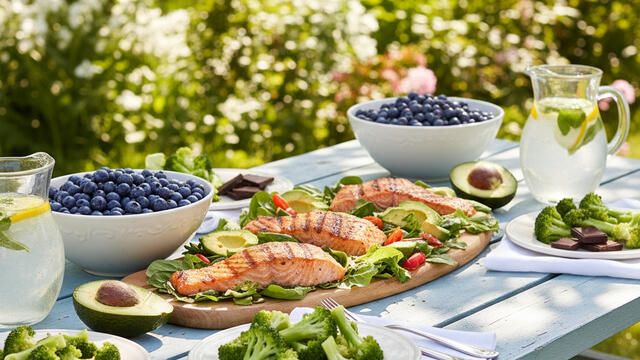
  1. https://onlinelibrary.wiley.com/doi/abs/10.1002/ptr.5986 ↩︎
  2. https://www.sciencedirect.com/science/article/pii/S0955286319300932 ↩︎
  3. https://www.sciencedirect.com/science/article/pii/S0026049512001187 ↩︎
  4. https://digitalcommons.pcom.edu/pa_systematic_reviews/63/ ↩︎
  5. https://www.mdpi.com/2072-6643/12/1/157 ↩︎
  6. https://link.springer.com/article/10.1007/s10068-019-00649-x ↩︎
  7. https://karger.com/anm/article-abstract/70/4/277/42612 ↩︎
  8. https://www.benthamdirect.com/content/journals/cnf/10.2174/1573401319666230725105537 ↩︎
  9. https://link.springer.com/article/10.1007/s00394-019-01938-1 ↩︎
  10. https://www.tandfonline.com/doi/abs/10.1080/10408398.2018.1427044 ↩︎
  11. https://pmc.ncbi.nlm.nih.gov/articles/PMC4736069/ ↩︎
  12. https://www.sciencedirect.com/science/article/pii/S1728869X14000045 ↩︎
  13. https://pmc.ncbi.nlm.nih.gov/articles/PMC3761505/ ↩︎
A healthcare professional consults with a patient about diet and health. A bowl of vitamin C-rich fruits sits prominently on the desk, symbolizing the role of nutrition in weight management.

Can Vitamin C Help You Lose Weight?

You might know vitamin C as the nutrient that fights off colds. But recent research suggests this water-soluble vitamin could play a bigger role in weight management than most people realize.

The connection between vitamin C and weight loss isn’t about miracle claims or quick fixes. Instead, science shows that having adequate vitamin C levels may help your body burn fat more effectively during exercise.

What does the research actually show about vitamin C and weight loss?

Key Takeaways

  • People with adequate vitamin C burn 30% more fat during exercise than those with low levels
  • Vitamin C helps make carnitine, the molecule that shuttles fat into cells for burning
  • Studies consistently show that higher vitamin C intake is linked to lower body weight and smaller waist size
  • Fat-burning benefits require 500mg daily, much higher than standard recommendations

The Science Behind Vitamin C and Weight Loss

A woman wearing a white top demonstrates significant weight loss by pulling out the waistband of loose-fitting jeans to show the gap between her waist and the pants.

Multiple studies now show that your vitamin C status directly affects how well your body burns fat during physical activity.

How Vitamin C Affects Fat Oxidation

Research from Arizona State University found something remarkable about vitamin C and fat burning. People with adequate vitamin C levels oxidize 30% more fat during moderate exercise compared to those with low vitamin C.1

This isn’t a small difference. In one controlled study, vitamin C repletion raised fat energy expenditure during exercise 4-fold compared to people with depleted levels.2

The study involved 20 participants walking on treadmills for 60 minutes. Those with marginal vitamin C status oxidized 25% less fat per kilogram of body weight compared to those with healthy levels.

The Role of Carnitine in Fat Burning

This is where things get interesting. Vitamin C plays a vital role in making carnitine, a molecule that transports fat into your cells’ powerhouses, where it gets burned for energy.

Without enough vitamin C, your body can’t produce enough carnitine. Studies in vitamin C-deficient animals showed 30-40% lower carnitine levels in muscle tissues compared to healthy controls.3

This creates a cycle where low vitamin C leads to less carnitine, which means less efficient fat burning during exercise.

Join Our 50,000+ Longevity Newsletter

Access the same health optimization strategies used by longevity experts. Weekly insights, exclusive products, member pricing.

What Research Shows About Vitamin C and Body Weight

Large population studies consistently show that people with higher vitamin C intake tend to weigh less.

Studies on Vitamin C Intake and BMI

A thorough 2023 analysis looked at multiple studies involving thousands of people. The results showed that higher dietary vitamin C intake was associated with lower BMI.4

The relationship becomes even stronger when researchers measured actual blood levels of vitamin C:

MeasurementBMI DifferenceWaist Circumference Difference
Higher vitamin C intake-0.5 kg/m² lowerNot measured
Higher blood vitamin C-1.4 kg/m² lower-4.5 cm smaller

Population studies from different countries support these findings:

  • The EPIC-Norfolk study of 19,068 adults found higher plasma vitamin C was linked to smaller waist-to-hip ratios
  • Canadian survey data from 1,615 adults showed obese individuals had lower vitamin C levels
  • Analysis of 22,671 Korean adults found that high vitamin C intake is connected to a smaller waist circumference

Clinical Evidence for Weight Management

Controlled studies specifically testing vitamin C for weight loss remain limited. But one notable study found that daily vitamin C supplementation (500 mg) for 12 weeks resulted in meaningful BMI reduction.5

Other research shows vitamin C may support weight management by reducing inflammation and improving exercise performance. People with adequate vitamin C report less fatigue during moderate exercise. This makes it easier to stay active and maintain consistent workout routines.6

How Much Vitamin C Do You Need for Weight Loss?

An image of assorted cut fruits placed on a kitchen weighing scale, symbolizing healthy eating, portion control, or balanced nutrition.

Getting enough vitamin C for fat burning requires more than the basic daily recommendations.

Best Vitamin C Levels for Fat Burning

Most studies showing improved fat oxidation used 500 mg daily of vitamin C. That’s much higher than the standard recommendation of 65-90 mg per day for adults.

Interestingly, people with higher body weight or obesity may need even more vitamin C. Research suggests you might need an additional 10 mg of vitamin C per day for every 10 kg of extra body weight to maintain healthy blood levels.7

This creates a challenging situation where excess weight increases vitamin C needs while low vitamin C makes fat burning harder.

Getting Enough Vitamin C for Weight Management

You can get vitamin C from food or supplements. Both approaches can help maintain adequate vitamin C levels for fat burning.

The upper safe limit for vitamin C is 2,000 mg per day, so the 500 mg used in fat oxidation studies falls well within safe ranges.

For people focused on healthy weight loss, ensuring adequate vitamin C becomes part of a broader nutrition strategy.

🧬 READ MORE PRECISION HEALTH INSIGHTS

  • Looking to support your digestive system? Vitamin C plays a surprising role in gut health and digestion that most people don’t know about.
  • Confused by all the vitamin C options? Not all forms are created equal. Discover which forms of vitamin C offer the best absorption and benefits.
  • Dealing with cellular damage from daily stress? Vitamin C works with other compounds to fight free radicals. See the top antioxidant supplements for oxidative stress that work together.

Vitamin C Supplements vs. Food Sources

Both vitamin C supplements and vitamin C-rich foods can support your weight management goals.

When Vitamin C Supplements Make Sense

Supplements become useful when you can’t consistently get enough vitamin C from food alone. This often happens with restrictive diets or limited access to fresh produce.

Research shows that vitamin C from supplements works just as well as ascorbic acid from food for supporting fat oxidation during exercise. Vitamin C can help boost your body’s fat-burning processes when combined with physical activity.

Our Natural Vitamin C + Zinc delivers 500mg of vitamin C from whole food amla extract. This natural source provides the same amount used in fat oxidation studies, plus bioavailable zinc to support your immune system during increased physical activity.

Unlike synthetic ascorbic acid, amla extract delivers vitamin C alongside natural cofactors that your body recognizes. The zinc helps your body absorb iron more efficiently, supporting energy levels during workouts focused on weight management.

Best Sources of Vitamin C for Weight Loss

Many vitamin C-rich foods are naturally low in calories and high in fiber, making them perfect for weight management. Getting vitamin C from fruits and vegetables provides additional nutrients that support overall health:

High Vitamin C Foods (mg per serving):

FoodServing SizeVitamin C Content
Red bell pepper1 cup chopped190 mg
Orange1 medium92 mg
Strawberries1 cup89 mg
Broccoli1 cup cooked81 mg
Brussels sprouts1 cup cooked75 mg

These foods also provide fiber, water, and other nutrients that support a balanced diet for sustainable weight management.

Can Vitamin C Help You Lose Weight Effectively?

An image featuring a variety of healthy foods placed alongside a dumbbell and a measuring tape, symbolizing a balanced approach to effective weight loss.

The research shows vitamin C can support weight loss, but it’s not a magic solution on its own.

Realistic Expectations for Healthy Weight Loss

Vitamin C appears to work by making your body more efficient at burning fat during moderate exercise. This means you’ll likely see the biggest benefits when you combine adequate vitamin C with regular physical activity.

The 30% improvement in fat during moderate exercise could translate to meaningful differences over time. But vitamin C won’t cause weight loss if you’re not in a calorie deficit through diet and exercise.
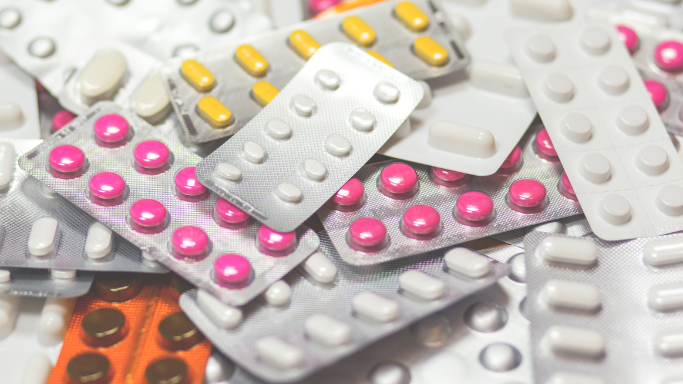
Think of vitamin C as helping your body work more efficiently rather than doing the work for you.

Combining Vitamin C with Exercise and Diet

The most promising research shows vitamin C benefits during moderate exercise. This includes activities like:

  • Brisk walking
  • Light jogging
  • Cycling at moderate intensity
  • Swimming at steady pace

Vitamin C may also help reduce exercise fatigue, making it easier to maintain consistent physical activity. Some studies suggest it helps the body absorb iron, supporting energy levels during workouts. People with chronic fatigue may find this particularly beneficial for maintaining consistent exercise routines.

For complete support, consider how vitamin C fits into your broader approach to cellular health and energy metabolism.

Bottom Line

Current research suggests that vitamin C plays a supportive role in weight management by improving fat oxidation during exercise. People with low vitamin C status appear to burn much less fat during physical activity.

While vitamin C isn’t a weight loss miracle, maintaining proper levels supports your body’s natural fat-burning processes. This becomes particularly important if you’re increasing exercise as part of your weight management plan.

The evidence points to 500 mg daily as the amount that supports the best fat burning. This exceeds standard dietary recommendations but falls well within safe ranges.

Whether you get this from supplements or vitamin C-rich foods, ensuring proper intake helps your body work more efficiently.

Remember that sustainable weight loss comes from consistent habits around nutrition, exercise, and overall lifestyle. Vitamin C can help improve these efforts, but it works best as part of a complete approach to healthy living.

If you’re considering vitamin C supplementation for weight management support, discuss your individual needs with a healthcare provider to determine the right approach for your situation.

Referenced Sources:

  1. https://pubmed.ncbi.nlm.nih.gov/15930480/ ↩︎
  2. https://pmc.ncbi.nlm.nih.gov/articles/PMC1564400/ ↩︎
  3. https://drkumardiscovery.com/posts/vitamin-c-carnitine-biosynthesis/ ↩︎
  4. https://pmc.ncbi.nlm.nih.gov/articles/PMC11276620/ ↩︎
  5. https://www.sciencedirect.com/science/article/pii/S2352939319300260 ↩︎
  6. https://www.sciencedirect.com/science/article/abs/pii/S0899900712000809 ↩︎
  7. https://pmc.ncbi.nlm.nih.gov/articles/PMC9003354/ ↩︎
An image of cellular activity inside the human body.

What’s the Difference Between NAD, NADP and NADPH?

Your cells depend on three similar-sounding molecules that perform completely different jobs. NAD, NADP, and NADPH might look nearly identical, but each plays a unique role in keeping you healthy and energized.

Understanding these cellular powerhouses can help you make better decisions about your health and longevity

Key Takeaways

  • One tiny difference, huge impact: NADP has just one extra phosphate group compared to NAD, but this completely changes their cellular jobs
  • NAD = energy production: NAD and NADH break down food to create cellular energy (ATP)
  • NADP = building and protection: NADP and NADPH construct new molecules and defend cells from damage
  • Both decline with age: Lower levels can affect your energy, metabolism, and cellular repair processes

Understanding These Key Nucleotide Coenzymes

NAD stands for nicotinamide adenine dinucleotide.

This coenzyme exists in two forms: NAD+ (oxidized) and NADH (reduced). Think of NAD as a rechargeable battery that powers your cellular energy production.

  • NADP means nicotinamide adenine dinucleotide phosphate. It’s nearly identical to NAD but carries an extra passenger. NADP also has two forms: NADP+ (oxidized) and NADPH (reduced).
  • NADPH is simply NADP+ after it picks up hydrogen and electrons. This reduced form becomes a cellular construction worker, building the molecules your body needs to stay healthy.

The Important Phosphate Group Difference

The only structural difference between NAD and NADP is one small phosphate group attached to NADP. This tiny addition completely changes what each molecule can do in your cells.

It’s like adding a special tool to a worker’s belt. That phosphate group directs NADP toward entirely different cellular tasks than NAD handles.

NAD and NADH: Your Cellular Energy Pathway

An image of a woman eating healthy foods

NAD and NADH form your cellular energy production team. When you eat food, your cells break it down through cellular respiration to create ATP.

Here’s how the process works:

  • NAD+ acts like a collection vehicle, gathering electrons and hydrogen from food molecules during glycolysis and the citric acid cycle
  • Dehydrogenase enzymes help oxidize substrates, transforming NAD+ into NADH
  • NADH carries captured protons and electrons to your mitochondria
  • Your mitochondria use NADH through oxidation reactions to produce ATP, your cell’s main energy currency

This pathway represents catabolic metabolism. Your cells break down larger molecules to release energy for immediate use.

MoleculePrimary RoleProcess Type
NAD+/NADHEnergy productionCatabolic (breakdown)
NADP⁺/NADPHBuilding & protectionAnabolic (construction)

NADP and NADPH: The Biosynthesis and Protection Team

An image of cellular activity inside the human body

NADP and NADPH handle completely different cellular jobs. They focus on building new molecules and protecting your cells from damage.

The biochemistry of NADH and NADPH working together helps your cells both generate and use energy effectively. NADPH serves as your cellular construction manager:

  • Building functions: Provides reducing power to synthesize fatty acids, cholesterol, and amino acids
  • DNA synthesis: Helps create nucleotide building blocks for genetic material
  • Photosynthesis: In plants, NADPH powers the Calvin cycle to convert carbon dioxide into sugar
  • Protection functions: Regenerates antioxidants like glutathione that defend against cellular damage1

These biotechnology-inspired anabolic processes require energy to build complex molecules from simpler substrate components.

Redox Reactions: How These Enzyme Partners Work

Both systems function through redox reactions, where electrons transfer between molecules. These reactions drive nearly every metabolic process in your body.

NAD+ accepts electrons during glycolysis and the citric acid cycle. The electron transport chain in your mitochondria then uses NADH to generate ATP through oxidative phosphorylation.

NADPH donates electrons during biosynthesis reactions. The pentose phosphate pathway generates most of your cellular NADPH supply.2

How NAD and NADP Work with Different Substrate Systems

Your cells maintain distinct ratios of these molecules for good reason. NADPH levels stay high relative to NADP⁺, while NAD+ levels exceed NADH concentrations.

This separation allows each system to work effectively:

  • Different priorities: NAD focuses on energy extraction, while NADP handles construction and protection
  • Different locations: Various enzymes and pathways use each system specifically
  • Different timing: Energy needs and building needs occur at different cellular moments

Research shows that disrupting these ratios can affect cellular metabolism. Studies also indicate that maintaining proper NAD+/NADH balance becomes more challenging with age.3 4

Testing Your NAD Levels for Better Metabolism

Understanding your personal NAD status can help you enhance your cellular energy production. NAD+ levels decline with age, potentially affecting your energy, sleep, and cognitive function.

Jinfiniti’s Intracellular NAD+ Test measures your cellular NAD levels directly. This finger-prick test provides personalized dosage recommendations for NAD+ supplementation.

The NAD Optimization Starter Package combines testing with targeted supplementation, letting you measure your baseline levels and track improvement over time.

Bottom Line

NAD, NADP, and NADPH work together but serve completely different cellular functions. NAD and NADH power your energy production through catabolic pathways like glycolysis and cellular respiration.

NADP and NADPH handle biosynthesis and cellular protection through anabolic processes. That single phosphate group makes all the difference in directing these molecules toward their specialized roles.

Both systems are key for better health, proper metabolism, and healthy aging. Testing your NAD levels can help you understand whether your cellular energy systems need support.

Referenced Sources:

  1. https://pubmed.ncbi.nlm.nih.gov/20196923/ ↩︎
  2. https://www.ncbi.nlm.nih.gov/pmc/articles/PMC8168431/ ↩︎
  3. https://www.ncbi.nlm.nih.gov/pmc/articles/PMC11233901/ ↩︎
  4. https://www.ncbi.nlm.nih.gov/pmc/articles/PMC7963035/ ↩︎