
Secure • Private • Science-backed
Closeup of doctor's hand holding a model heart and stethoscope

NAD+ and Heart Health: A Review

Cardiovascular disease is the leading cause of death globally: 17.9 million people each year[1]. With aging populations and a rising tide of heart disease, scientists are searching for novel ways to support cardiac health.

One molecule keeps cropping up in the data: NAD+. Short for nicotinamide adenine dinucleotide, this coenzyme does much more than help the cells in your body generate energy. NAD+ regulates DNA repair, inflammation, and oxidative stress—the breakdown of heart tissue over time.

The heart is always on duty. A healthy heart beats about 100,000 times per day, requiring more energy per gram than any other organ. When NAD+ is in short supply—which occurs naturally with aging—your heart can’t keep pace.

Highlights

  • NAD+ powers the mitochondria that generate ATP, the energy currency your heart cells need to contract and relax
  • Between ages 40 and 60, cardiac NAD+ levels can decline by up to 50%, impairing energy production and cellular repair
  • Clinical trials show NAD+ precursors like NR and NMN safely raise NAD+ levels and correlate with improved heart function markers
  • Testing your NAD+ levels removes the guesswork from supplementation and helps you track whether interventions actually work

How Does NAD+ Support Heart Function?

Your heart relies on NAD+ for numerous related processes. Consider NAD+ as backstage support that allows these systems to function—when everything operates smoothly, your heart is robust and resilient.

Energy Production and Metabolism

Your heart cells have the highest demand for ATP in your body of any tissue by a wide margin. If you’ve ever had the experience of your heart “pounding” when you’re exercising or stressed, this is what that’s all about.

NAD+ is at the center of this energy producing machine. NAD+ is the key electron shuttle in glycolysis, the citric acid cycle, and the electron transport chain (the three major processes in your cells that convert your food into usable energy). If there is not enough NAD+ available, these processes cannot run at full speed. The heart cells start getting less fuel, even though demand has not dropped.

Low NAD+ levels are documented in patients with heart failure[2]. This is coupled with lower NAD+/NADH ratios. The combination results in “metabolic rigidity”, where the failing heart loses its metabolic flexibility to burn fats and glucose.

Mitochondrial Health and Quality Control

Mitochondria make up about 30-40% of each heart muscle cell. These cellular “powerhouses” need constant maintenance to function properly, much like engines need oil changes and tune-ups.

NAD+ activates a protein called SIRT3 that maintains healthy mitochondrial function. SIRT3 deacetylates hundreds of mitochondrial proteins, including the proteins that make up your electron transport chain and antioxidant enzymes like manganese superoxide dismutase (one of the enzymes that helps your cells combat free radical damage).

If NAD+ levels get low, SIRT3 activity decreases[3]. Mitochondrial proteins become hyperacetylated (loaded with acetyl groups that disrupt their activity). Damaged mitochondria begin to build up since the process of mitophagy (the way your cells clean out and recycle damaged mitochondria) becomes impaired.

The end result is a buildup of dysfunctional mitochondria in your heart muscle cells that produce less energy and more reactive oxygen species (ROS).

Oxidative Stress Defense

Your heart generates tremendous amounts of ROS as a byproduct of energy production. Small amounts of ROS serve as signaling molecules—they’re actually useful. But too much causes serious damage to proteins, fats, and DNA.

NAD+ supports your cellular antioxidant systems in multiple ways. Through SIRT3, it activates enzymes like MnSOD and catalase that neutralize ROS in mitochondria. Research shows that preserving NAD+ levels increases glutathione—your body’s master antioxidant—and improves the ratio of reduced to oxidized glutathione[4].

When NAD+ depletes, this antioxidant defense weakens. Oxidative damage accelerates, creating a destructive cycle where ROS damages mitochondria, which then produce even more ROS. Breaking this cycle is one reason why restoring NAD+ levels shows such promising results in heart disease.

CLIA-Certified NAD Test Kit

Test your NAD+ levels from home.
Jinfiniti Intracellular NAD Test on purple background

What Happens When NAD+ Levels Drop?

Age is more than a number; it’s a factor that steadily lowers the NAD+ stores in your tissues, including your heart tissue. And this isn’t just a small change—it’s a fundamental difference that changes the ability of your heart to guard and repair itself.

Age-Related Decline in Heart Tissue

A number of different species all show the same trend: NAD+ levels fall as we age[5]. The rate of decline differs by tissue, but for cardiac tissue, the drop-off is consistent.

You can lose up to 50% of your cardiac NAD+ between age 40 and 60[6]. This isn’t a small blip; this is a massive swing that shifts the balance of every NAD+-dependent reaction in your heart.

This decline shows in healthy and disease states alike. Your heart doesn’t lose NAD+ just because it’s sick. It’s more likely to get sick because it’s losing NAD+. This is an important distinction when we consider prevention.

The Inflammation-CD38 Connection

Several processes contribute to age-associated NAD+ loss. One of the primary culprits is the enzyme CD38, an NAD+ destroyer.

CD38 expression and activity increase with age, leading to accelerated NAD+ breakdown[7]. CD38 knockout mice (mice genetically engineered to lack this enzyme) have been found to maintain higher levels of NAD+ and better metabolic health as they age[8].

Chronic low-grade inflammation, a hallmark of aging also known as “inflammaging,” exacerbates this issue. Inflammatory signals upregulate CD38 expression, further depleting NAD+ levels and perpetuating a vicious cycle of inflammation and metabolic decline.

Senescent cells, which are damaged cells that refuse to undergo apoptosis (programmed cell death) and instead secrete harmful compounds, play a role in this process. Senescent cells secrete inflammatory factors that induce CD38 expression in neighboring healthy cells, propagating NAD+ depletion throughout tissues like a virus.

Can NAD+ Help Specific Heart Conditions?

The evidence for a relationship between NAD+ and heart health is more than theoretical. As NAD+ levels are restored, it is possible to measure specific benefits in certain cardiovascular conditions. Here’s what we know so far.

Heart Failure

Millions of people are living with heart failure. If you or a loved one has been diagnosed with this condition, you know just how tiring even mild activity can become. The failing heart is characterized by a host of metabolic dysfunctions, and NAD+ depletion seems to be a common finding in these patients.

Animal studies have shown that NAD+ precursors can prevent or even reverse heart failure[9]. In models of pressure overload (in which the heart must pump against increased resistance, akin to uncontrolled high blood pressure), NR (nicotinamide riboside) supplementation has been shown to reduce cardiac hypertrophy (abnormal growth), fibrosis (scarring), and dysfunction.

In the first human trial in patients with heart failure, 30 people with stable heart failure were given 1,000 mg of NR twice daily for 12 weeks. NR was well-tolerated, safe, and it doubled whole blood NAD+ levels[10].

The first-in-human study was designed primarily to assess safety but did note associations with increased mitochondrial respiration in blood cells and decreases in inflammatory markers. There are now larger trials underway to test whether these biological effects result in improved symptoms and outcomes.

Dr. Jin-Xiong She notes: “NAD+ depletion is one of the most reliable pathological findings in failing hearts. NAD+ restoration would hit multiple pathological pathways at once. This is why NAD+ is so uniquely appealing for heart failure, where single-target therapies have had limited success.”

High Blood Pressure and Vascular Function

If you have high blood pressure, you are in the company of about 1 in 3 American adults. Hypertension harms your cardiovascular system in numerous ways, and NAD+ depletion is directly involved.

Immune cell NAD+ levels in hypertensive patients were 44% lower than in healthy controls, in a first-of-its-kind human study[11]. Lower NAD+ was associated with higher blood pressure and greater arterial stiffness (less NAD+ = higher blood pressure/stiffer arteries), and lower endothelial function (blood vessel dilation).

CD38 is the culprit once again. Pro-inflammatory immune cells migrate into blood vessel walls, where they release IL-1β (an inflammatory signaling molecule), which activates pathways that increase CD38 expression in endothelial cells (cells that line your blood vessels). NAD+ degradation is accelerated where it’s needed most.

Supplementing hypertensive patients and hypertensive mice with NMN lowered blood pressure and improved vascular function. The effect involved restoring endothelial NAD+ levels and increasing nitric oxide production (nitric oxide helps blood vessels relax). Nitric oxide is your blood vessels’ natural chill pill.

Diabetic Heart Complications

Diabetic cardiomyopathy is marked by severe NAD+ redox imbalance. Heart disease is a major killer and if you have diabetes, you want to make sure you are looking after your heart.

We can see a lower NAD+/NADH ratio in the diabetic heart which is indicative of severe metabolic stress[12]. This contributes to protein hyperacetylation (a clogging of proteins with acetyl groups), increased oxidative stress, altered modification of contractile proteins and reduced ATP production.

Experimental data has shown that forcing a lower NAD+/NADH ratio leads to a more rapid development of diabetic heart dysfunction. On the other hand, elevating NAD+ in the diabetic heart by overexpressing NAMPT (the enzyme that synthesizes NAD+ from nicotinamide) normalizes the redox ratio and ameliorates diabetic cardiomyopathy.

Blocking SARM1 (another NAD+ degrading enzyme) also prevents diabetic cardiomyopathy by maintaining cardiac NAD+ levels. You can therefore work from two angles when it comes to NAD+ restoration; upregulating synthesis or downregulating degradation. Therapies in the future will likely target both at the same time.

🧬 MORE READING

How to Restore NAD+ for Heart Health

If NAD+ depletion contributes to cardiovascular disease, can you reverse it? Research suggests yes, through supplementation with NAD+ precursors. Here’s what you need to know.

NR and NMN: What the Research Shows

Two NAD+ precursors have the most clinical support: nicotinamide riboside (NR) and nicotinamide mononucleotide (NMN). Both are forms of vitamin B3 that your body converts into NAD+. Here’s what the research shows for each.

Nicotinamide Riboside (NR)

NR gets converted to NMN inside cells, which then becomes NAD+. Human studies show reliable NAD+ increases[13]:

  • Single doses of 100-1000 mg increase blood NAD+ levels dose-dependently
  • 1000 mg doses produce approximately 2.7-fold increases in NAD+
  • Effects appear within hours and build with consistent use

Research-backed doses for heart health:

  • Heart failure trial: 1,000 mg twice daily for 12 weeks (safe and effective)
  • Blood pressure/arterial stiffness: 500 mg twice daily showed improvements in older adults[14]

Nicotinamide Mononucleotide (NMN)

NMN converts directly to NAD+ and shows rapid absorption. Studies with doses ranging from 250-900 mg daily safely increase NAD+ levels[15].

Cardiovascular benefits seen in research:

  • Reduced blood pressure in hypertensive patients
  • Improved vascular function and endothelial health
  • Enhanced nitric oxide production for better blood vessel flexibility

Safety Profile

Both precursors demonstrate excellent safety across multiple studies. Here’s what to expect:

Common (but mild) side effects:

  • Occasional gastrointestinal discomfort
  • Transient fatigue when starting
  • Neither causes the flushing associated with high-dose niacin (that uncomfortable hot, red feeling)

Which should you choose? The choice between NR and NMN often comes down to individual preference and availability. Both effectively raise NAD+ levels, though they may have slightly different kinetics and tissue distribution. Everyone’s different, so what works best for your friend might not be optimal for you.

Important: If you’re considering NAD+ supplementation, especially if you have existing heart conditions or take medications, consult with your healthcare provider first. NAD+ precursors can interact with certain medications and may not be appropriate for everyone.

Testing Your NAD+ Levels

Here’s the problem with general supplement recommendations: they’re general. What works for one person might be insufficient or excessive for another. Your genetics, lifestyle, diet, stress levels, and existing health conditions all influence your NAD+ status.

Testing removes this guesswork. When you measure your baseline NAD+ levels, you know where you actually stand. Not where you assume you stand based on age or symptoms, but where you objectively are.

The Intracellular NAD+ Test measures NAD+ inside your cells—where it actually does its work. The test uses a simple finger-prick blood sample you collect at home. No lab visits, no appointments.

After supplementing for 3-4 weeks, you retest. This shows whether your chosen precursor and dose are actually working for your unique physiology. If your levels haven’t improved adequately, you can adjust your approach. If they’re optimal (typically 40-100 μM), you know you’re on the right track.

This test-act-optimize cycle transforms supplementation from guesswork into precision. You’re not hoping your intervention works. You’re verifying it with data.

Frequently Asked Questions

Can NAD+ supplements replace heart medications?

No. NAD+ precursors should be viewed as complementary to, not replacements for, prescribed medications. Never stop or modify heart medications without consulting your doctor.

How long does it take to see results from NAD+ supplementation?

Most studies show NAD+ levels increase within 2-4 weeks of starting supplementation. However, the time to notice subjective improvements (like energy or exercise tolerance) varies by individual. Some people report changes within weeks, others take months.

Are there any heart conditions where NAD+ supplementation isn’t recommended?

Current evidence suggests NAD+ precursors are generally safe, but research is still limited. If you have active cancer, severe liver disease, or are pregnant/breastfeeding, discuss supplementation with your healthcare provider before starting.

Does diet affect NAD+ levels?

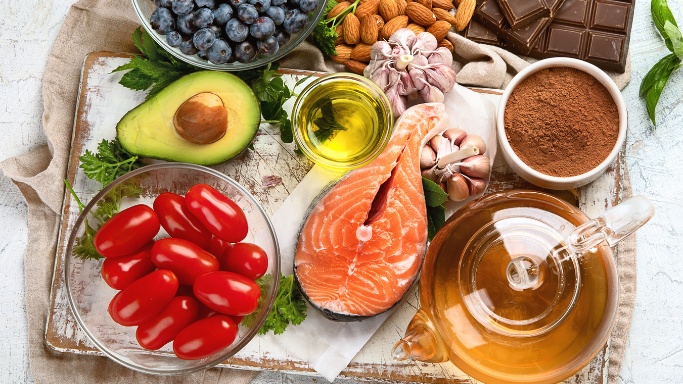
Yes. Foods rich in NAD+ precursors include milk, fish, poultry, mushrooms, and green vegetables. However, dietary sources alone typically don’t provide therapeutic amounts—that’s where supplementation comes in.

Can I take too much NAD+?

NAD+ levels above 100 μM may not provide additional benefits and could potentially be harmful. This is why testing is valuable—it prevents both under- and over-supplementation.

The Bottom Line

Your heart never stops demanding energy. And NAD+ supports the metabolic processes that keep your heart pumping, repair cellular damage, regulate inflammation, and protect against oxidative stress. Research on NAD+ and heart health includes studies at the cellular level, in animal models, and in human clinical trials.

Larger and longer human trials will help to refine optimal dosing and timing, but the data so far is promising for NAD+ restoration as an approach to cardiovascular health. Whether your goal is to manage a specific heart condition or to support your heart as you age, NAD+ is one piece of the puzzle that can help you have a heart-healthy life.

Your heart beats nonstop, from birth to death. Ensuring that your heart has the NAD+ it needs to do its job isn’t just a matter of adding years to your life—it’s also a matter of adding life to your years.

Referenced Sources

  1. Martin SS, Aday AW, Almarzooq ZI, Anderson CAM, Arora P, Avery CL, et al. 2024 Heart Disease and Stroke Statistics: A Report of US and Global Data From the American Heart Association. Ovid Technologies (Wolters Kluwer Health); 2024. https://doi.org/10.1161/cir.0000000000001209
  2. 2. Lee CF, Chavez JD, Garcia-Menendez L, Choi Y, Roe ND, Chiao YA, et al. Normalization of NAD             +             Redox Balance as a Therapy for Heart Failure. Ovid Technologies (Wolters Kluwer Health); 2016. https://doi.org/10.1161/circulationaha.116.022495
  3. 3. Kane AE, Sinclair DA. Sirtuins and NAD             +             in the Development and Treatment of Metabolic and Cardiovascular Diseases. Ovid Technologies (Wolters Kluwer Health); 2018. https://doi.org/10.1161/circresaha.118.312498
  4. Wang LF, Huang CC, Xiao YF, Guan XH, Wang XN, Cao Q, et al. CD38 Deficiency Protects Heart from High Fat Diet-Induced Oxidative Stress Via Activating Sirt3/FOXO3 Pathway. S. Karger AG; 2018. https://doi.org/10.1159/000492651
  5. Fang EF, Lautrup S, Hou Y, Demarest TG, Croteau DL, Mattson MP, et al. NAD + in Aging: Molecular Mechanisms and Translational Implications. Elsevier BV; 2017. https://doi.org/10.1016/j.molmed.2017.08.001
  6. Yuan Y, Liang B, Liu XL, Liu WJ, Huang BH, Yang SB, et al. Targeting NAD+: is it a common strategy to delay heart aging?. Springer Science and Business Media LLC; 2022. https://doi.org/10.1038/s41420-022-01031-3
  7. Schultz MB, Sinclair DA. Why NAD + Declines during Aging: It’s Destroyed. Elsevier BV; 2016. https://doi.org/10.1016/j.cmet.2016.05.022
  8. Escande C, Nin V, Price NL, Capellini V, Gomes AP, Barbosa MT, et al. Flavonoid Apigenin Is an Inhibitor of the NAD+ase CD38: Implications for Cellular NAD+ Metabolism, Protein Acetylation, and Treatment of Metabolic Syndrome. Diabetes 2013;62:1084-1093. American Diabetes Association; 2014. https://doi.org/10.2337/db14-er04
  9. Ma S, Feng J, Lin X, Liu J, Tang Y, Nie S, et al. Nicotinamide Riboside Alleviates Cardiac Dysfunction and Remodeling in Pressure Overload Cardiac Hypertrophy. Wiley; 2021. https://doi.org/10.1155/2021/5546867
  10. Wang DD, Airhart SE, Zhou B, Shireman LM, Jiang S, Melendez Rodriguez C, et al. Safety and Tolerability of Nicotinamide Riboside in Heart Failure With Reduced Ejection Fraction. Elsevier BV; 2022. https://doi.org/10.1016/j.jacbts.2022.06.012
  11. Qiu Y, Xu S, Chen X, Wu X, Zhou Z, Zhang J, et al. NAD+ exhaustion by CD38 upregulation contributes to blood pressure elevation and vascular damage in hypertension. Springer Science and Business Media LLC; 2023. https://doi.org/10.1038/s41392-023-01577-3
  12. Berthiaume JM, Kurdys JG, Muntean DM, Rosca MG. Mitochondrial NAD+/NADH Redox State and Diabetic Cardiomyopathy. Mary Ann Liebert Inc; 2019. https://doi.org/10.1089/ars.2017.7415
  13. Airhart SE, Shireman LM, Risler LJ, Anderson GD, Nagana Gowda GA, Raftery D, et al. An open-label, non-randomized study of the pharmacokinetics of the nutritional supplement nicotinamide riboside (NR) and its effects on blood NAD+ levels in healthy volunteers. Public Library of Science (PLoS); 2017. https://doi.org/10.1371/journal.pone.0186459
  14. Freeberg KA, Udovich CC, Martens CR, Seals DR, Craighead DH. Dietary Supplementation With NAD+-Boosting Compounds in Humans: Current Knowledge and Future Directions. Oxford University Press (OUP); 2023. https://doi.org/10.1093/gerona/glad106
  15. Yamaguchi S, Irie J, Mitsuishi M, Uchino Y, Nakaya H, Takemura R, et al. Safety and efficacy of long-term nicotinamide mononucleotide supplementation on metabolism, sleep, and nicotinamide adenine dinucleotide biosynthesis in healthy, middle-aged Japanese men. Japan Endocrine Society; 2024. https://doi.org/10.1507/endocrj.ej23-0431
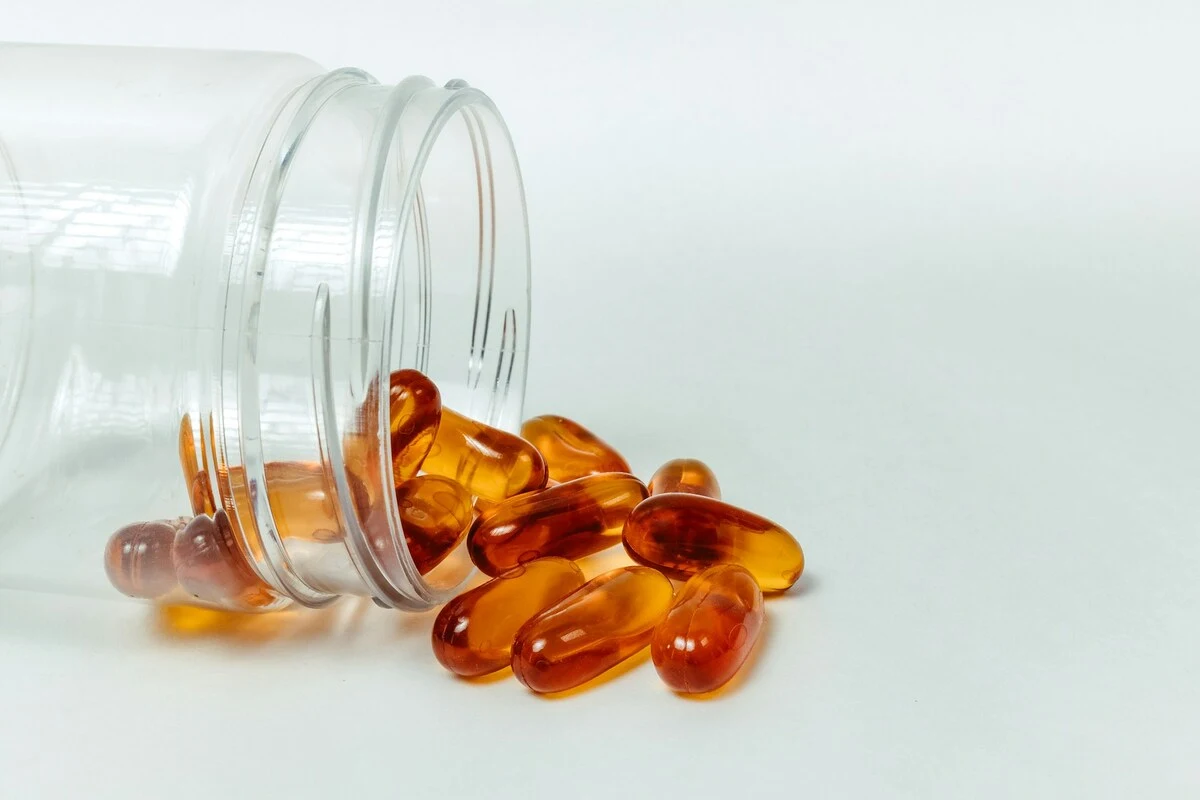
Liposomal NAD capsules on a white background.

Liposomal NAD: The Truth About Absorption

You’ve probably seen them. Those sleek bottles promising “revolutionary liposomal NAD+” with claims about absorption so good it sounds like science fiction. The price tag? Often double or triple what you’d pay for standard NAD supplements.

But here’s the uncomfortable question nobody in the supplement aisle wants to answer: Does wrapping NAD+ in tiny lipid bubbles actually work, or are you paying premium prices for premium marketing?

The science tells a story that most manufacturers would rather you didn’t hear.

Quick Takeaways

  • Direct NAD+ supplementation faces a fundamental problem: the molecule is too large and charged to cross cell membranes effectively
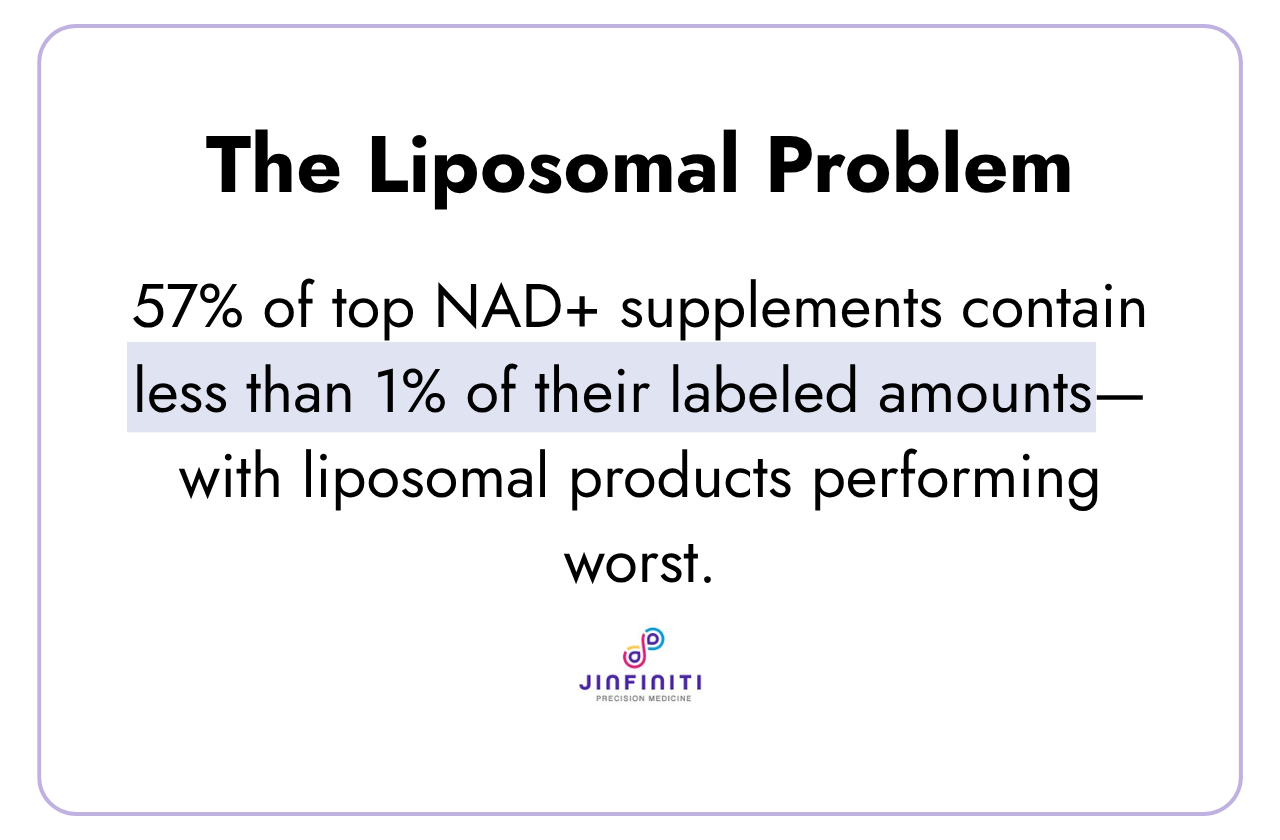
  • Independent testing found 57% of top NAD+ supplements contained less than 1% of their labeled amounts, with liposomal products performing particularly poorly
  • Manufacturing processes typically break down liposomal structures in powder and capsule forms, rendering the “liposomal” claim meaningless
  • NAD+ precursors like NMN and NR have substantial clinical evidence showing they actually raise cellular NAD+ levels

Why Can’t You Just Take NAD+ Directly?

NAD+ (nicotinamide adenine dinucleotide) is a coenzyme your body uses for cellular health and longevity. It fuels hundreds of different enzymes, provides the energy to keep you going, and supports the mechanisms responsible for DNA repair.

The catch? Your body won’t let it in through the front door.

NAD+ faces multiple biological barriers that prevent effective supplementation:

  • Size and charge: NAD+ molecules carry two negatively charged phosphate groups and clock in at more than twice the molecular weight of their smaller precursor cousins. This combination creates an insurmountable barrier at the cell membrane.
  • Membrane penetration: As one scientific review explains, NAD+ simply cannot passively pass through cellular membranes due to its size and charged nature[1].
  • Stability problems: NAD+ breaks down rapidly when exposed to moisture, light, or heat. An FDA briefing document notes that NAD+ is unlikely to remain stable in capsule form under normal storage conditions.
  • Digestive breakdown: Your digestive system’s acidic environment finishes off whatever managed to survive the bottle.

Dr. Eric Verdin, President of the Buck Institute for Research on Aging, puts it bluntly: “NAD+ is too big to enter cells and is mostly broken down into nicotinamide when injected. Oral precursors like NMN or NR are a better bet for most people.”

Think of it like trying to push a beach ball through a chain-link fence. The structure just doesn’t cooperate.

The Liposomal Technology Promise

What could go wrong with liposomal delivery systems? Liposomes encapsulate your active ingredient in microscopic phospholipid spheres. They’re little bubbles with a double lipid layer. Your cells’ membranes are made of the same stuff.

On paper, this all sounds great. Liposomes shield compounds from digestion and readily fuse with cells to release their cargo.

Studies on vitamin C back this up for some nutrients. In one 2024 clinical trial, liposomal vitamin C had a 27% greater peak concentration and 21% higher total exposure than regular vitamin C[2].

For other nutrients that have a tough time getting absorbed, liposomal technology can definitely provide an advantage. The real question is: Does it help with NAD+? 

And does it even matter if the root absorption issue is still there?

Informational image explaining the problem with liposomal NAD products.

The Problem With Liposomal NAD Products

This is where the slick marketing meets manufacturing reality. Liposomal NAD+ has two problems. 

Manufacturing breakdown 

First, liposomes are delicate structures. Tablet and capsule manufacturing uses harsh compression, heat, and drying. They break those fragile structures apart. 

Dry or powder-based liposomes are particularly vulnerable, according to industry analysts. These formulations break up during the manufacturing process, losing the very structural integrity that made liposomes useful in the first place.

The stability paradox 

Second, NAD+ is exceptionally unstable and breaks down very quickly in water. Liquid liposomal products need water to keep the liposomal structure stable, but that same water destroys the NAD+ inside.

You’re left with a lose-lose situation: liquid products maintain liposomal structure but destroy the active ingredient. Powder products preserve the ingredient but destroy the liposomes.

Even injectable NAD+ faces challenges. A recent pilot study found that NAD+ IVs didn’t elevate blood NAD+ until 24 hours after infusion, and then only by about 2% compared to baseline. The study also revealed elevated white blood cell counts in recipients, suggesting an inflammatory immune response as the body interprets extracellular NAD+ as a danger signal[3].

“The supplement industry has gotten very good at selling delivery systems that sound impressive on paper but fail in practice,” says Dr. Jin-Xiong She, founder of Jinfiniti Precision Medicine. “What matters isn’t the delivery vehicle. It’s whether the molecule can actually enter your cells and convert to NAD+ where it’s needed. No amount of fancy encapsulation solves the problem if you’re supplementing with the wrong form.”

What Independent Supplement Testing Found

The numbers are sobering. Independent verification reveals widespread quality control failures:

  • SuppCo testing: Tested 11 products labeled as “liposomal” NAD+. Eight softgels contained no detectable NAD+ whatsoever. The remaining three contained sunflower oil or lecithin—components used to make liposomes—but testing revealed no functional liposomal structures.
  • Amazon bestsellers: A broader analysis found that 57% of the top 21 NAD+ supplements sold on Amazon contained less than 1% of the NAD+ stated on their labels. Eleven products showed no detectable NAD+ at all.
  • High-dose claims: Among products in liposomal form claiming 1,500mg of active ingredient per serving, multiple returned “non-detectable” results.

You’re not getting what you’re paying for—and you’re definitely not getting what the label promises.

The Better Alternative: NAD+ Precursors

The scientific consensus points to a different approach: skip direct NAD+ supplementation and use precursors your cells can actually absorb.

Nicotinamide riboside (NR) and nicotinamide mononucleotide (NMN) are smaller molecules that enter cells through specific transporters, then convert to NAD+ inside where it’s needed.

Clinical evidence for NR:

  • One randomized study showed participants taking 100mg daily experienced a 22% increase in whole blood NAD+ after two weeks, while those taking 1,000mg saw levels rise by 142%[4]
  • Another study demonstrated that NR supplementation increased NAD+ levels in the human brain[5]—the first evidence that oral supplementation could cross the blood-brain barrier
  • NR has extensive human clinical trial data backing its safety and efficacy[6]

Clinical evidence for NMN:

  • An 8-week clinical trial in healthy middle-aged adults found 250mg daily was well-tolerated and effectively boosted NAD+ biosynthesis[7]
  • Research in postmenopausal women with prediabetes showed NAD+ levels increased approximately 50% in certain blood cells with the same 250mg daily dose[8]
  • NMN sits one enzymatic step closer to NAD+ in the biosynthetic pathway[9]

The difference? These precursors actually work.

What Dr. Jin-Xiong She Recommends

At Jinfiniti, the approach centers on measurement rather than guesswork.

“We see clients spending hundreds of dollars on products that promise the moon but deliver nothing measurable,” Dr. She explains. “That’s why we developed the Intracellular NAD® Test so people can actually see if their supplement is working or if they’re flushing money down the drain.”

This embodies Jinfiniti’s TAO philosophy: Test your baseline levels, Act with targeted supplementation, and Optimize by retesting to confirm improvement. It’s the difference between hoping a supplement works and knowing it does.

Our Vitality ↑® NAD+ Booster takes a multi-pathway approach, combining NMN with niacinamide, creatine monohydrate, and D-ribose in a clinically validated formulation. Rather than relying on a single precursor, this combination works through multiple metabolic pathways to raise NAD+ levels more effectively than standalone ingredients.

Clinical data backs this up: 85% of participants reached optimal NAD+ levels (40-100μM) within four weeks, with an average 100% increase in NAD+ levels.

CLIA-Certified NAD Test Kit

Test your NAD+ levels from home.

Jinfiniti Intracellular NAD Test on purple background

How to Choose Real NAD+ Support

When shopping for NAD+ supplementation, look for these evidence-based criteria:

  • Skip “liposomal NAD+” products unless the manufacturer provides third-party verification of both liposomal structure and active ingredient content. Most can’t.
  • Avoid liquid or water-based formulations: The molecules break down too rapidly in aqueous environments to remain effective by the time you consume them.
  • Choose NAD precursors: Look for NMN or NR instead of direct NAD+. These smaller molecules have clinical evidence showing they actually raise cellular NAD+ levels.
  • Demand third-party testing: With over half of tested products failing to contain their labeled amounts, independent verification by ConsumerLab, USP, or NSF International isn’t optional—it’s necessary.
  • Start with evidence-based doses: 250-500mg daily of NR or NMN. Studies show benefits at these levels, and higher doses don’t necessarily provide proportional improvements.
  • Test your levels: Measuring your NAD+ levels removes the guesswork and confirms whether your investment is actually working.

If you have underlying health conditions or take medications, consult with a healthcare professional before starting any new supplement.

Bottom Line

The marketing around liposomal NAD+ might sound good, but the reality is less appealing. Liposomes are destroyed during manufacturing. Liquid formulations are unable to hold their ingredients in solution. Testing by independent labs is revealing that most products do not contain what is stated on their label.

The solution to the challenges that liposomal NAD+ manufacturers are facing is not more hype, but instead a focus on clinically proven NAD+ precursors that the body can absorb and convert to NAD+ in the places you need it most.

You can combine this with testing that you can use to measure your results. This is the one thing that liposomal products simply cannot deliver: tangible evidence that your supplementation regimen is working as it should.

Referenced Sources

  1. Vinten KT, Trętowicz MM, Coskun E, van Weeghel M, Cantó C, Zapata-Pérez R, et al. NAD+ precursor supplementation in human ageing: clinical evidence and challenges. Springer Science and Business Media LLC; 2025. https://doi.org/10.1038/s42255-025-01387-7
  2. Purpura M, Jäger R, Godavarthi A, Bhaskarachar D, Tinsley GM. Liposomal delivery enhances absorption of vitamin C into plasma and leukocytes: a double-blind, placebo-controlled, randomized trial. Springer Science and Business Media LLC; 2024. https://doi.org/10.1007/s00394-024-03487-8
  3. Hawkins J, Idoine R, Kwon J, Shao A, Dunne E, Hawkins E, et al. Randomized, placebo-controlled, pilot clinical study evaluating acute Niagen®+ IV and NAD+ IV in healthy adults. Cold Spring Harbor Laboratory; 2024. https://doi.org/10.1101/2024.06.06.24308565
  4. Trammell SAJ, Schmidt MS, Weidemann BJ, Redpath P, Jaksch F, Dellinger RW, et al. Nicotinamide riboside is uniquely and orally bioavailable in mice and humans. Springer Science and Business Media LLC; 2016. https://doi.org/10.1038/ncomms12948
  5. Nanga RPR, Wiers CE, Elliott MA, Wilson NE, Liu F, Cao Q, et al. Acute nicotinamide riboside supplementation increases human cerebral NAD+ levels in vivo. Wiley; 2024. https://doi.org/10.1002/mrm.30227
  6. Freeberg KA, Udovich CC, Martens CR, Seals DR, Craighead DH. Dietary Supplementation With NAD+-Boosting Compounds in Humans: Current Knowledge and Future Directions. Oxford University Press (OUP); 2023. https://doi.org/10.1093/gerona/glad106
  7. Yamaguchi S, Irie J, Mitsuishi M, Uchino Y, Nakaya H, Takemura R, et al. Safety and efficacy of long-term nicotinamide mononucleotide supplementation on metabolism, sleep, and nicotinamide adenine dinucleotide biosynthesis in healthy, middle-aged Japanese men. Japan Endocrine Society; 2024. https://doi.org/10.1507/endocrj.ej23-0431
  8. Yoshino M, Yoshino J, Kayser BD, Patti GJ, Franczyk MP, Mills KF, et al. Nicotinamide mononucleotide increases muscle insulin sensitivity in prediabetic women. American Association for the Advancement of Science (AAAS); 2021. https://doi.org/10.1126/science.abe9985
  9. 9. Yoshino J, Baur JA, Imai S ichiro. NAD+ Intermediates: The Biology and Therapeutic Potential of NMN and NR. Elsevier BV; 2018. https://doi.org/10.1016/j.cmet.2017.11.002

NAD Injections vs. Oral NAD Supplements: How Do They Compare?

When it comes to NAD injections vs oral supplements, the research is in. The clinical trials showing NMN and NR are safe and can boost intracellular NAD+ levels are quite robust.

Even if injectable NAD+ has superior bioavailability claims, leading researchers are skeptical, asking if it enters the cells or breaks down into other compounds.

Quick Takeaways

  • Oral NMN and NR supplements are backed by multiple randomized controlled trials showing they safely increase NAD levels inside cells
  • Leading longevity researchers question whether injectable NAD+ actually enters cells, as the molecule may be too large and breaks down before reaching cellular targets
  • Injectable NAD+ costs 3-10x more than oral supplements ($100-700 monthly vs. $30-80 monthly) with less scientific evidence
  • Testing your NAD levels before and after supplementation is the only way to know if your chosen method actually works for your body

Understanding NAD+ and Why It Matters

NAD+ (Nicotinamide Adenine Dinucleotide) serves as a coenzyme in every cell of your body. It powers hundreds of metabolic reactions, from energy production to DNA repair.

Your NAD levels decline dramatically with age. Research shows levels drop in a number of tissues as a function of aging and overnutrition[1].

This decline contributes to the symptoms many people associate with aging: fatigue, brain fog, and reduced physical recovery. You can see why NAD+ supplementation has become a focal point in longevity medicine.

A Critical Difference: NAD+ vs. NAD+ Precursors

Before comparing delivery methods, you need to understand what you’re actually taking.

This distinction matters more than most marketing materials let on.

What Researchers Say About NAD Injections vs Pills

Dr. Eric Verdin, President of the Buck Institute for Research on Aging, stated clearly: “My opinion is that NAD+ intravenously is not something that should be done… NAD+ is too big to enter cells and is mostly broken down into nicotinamide when injected. Oral precursors like NMN or NR are a better bet for most people.”

This isn’t a minor technical detail. If injected NAD+ can’t enter your cells, it doesn’t matter how high the bioavailability appears on paper.

This challenges a common assumption that injectable NAD+ is automatically more effective than oral forms simply because absorption rates look better.

Dr. Amanda Kahn, a board-certified internist, offers a different perspective. She notes that NAD+ injections “give you back a molecule that you had when you were younger, which is responsible for keeping the cells optimized, particularly the mitochondria.”

The disagreement among experts reveals the current state of the science: promising anecdotal reports but limited rigorous research.

CLIA-Certified NAD Test Kit

Test your NAD+ levels from home.

Jinfiniti Intracellular NAD Test on purple background

Comparing Absorption and Bioavailability

Let’s look at what actually happens when you take NAD+ through different routes.

Delivery MethodAbsorption RateTime to EffectClinical Evidence Level
Oral NR/NMN10-20% average2-4 weeksHigh (multiple RCTs)
IM/SubQ Injection70-80% claimedDaysLow (case reports)
IV TherapyUp to 100% claimedImmediateLow (observational)

Clinical trials with oral NR have demonstrated 22-142% increases in blood NAD+ levels after 2-4 weeks of supplementation[2]. These studies followed rigorous protocols with placebo controls.

Injectable NAD+ shows higher absorption rates in theory. But here’s the catch: higher blood levels don’t automatically mean higher intracellular levels where NAD+ actually does its work.

It’s worth noting that no FDA-approved protocols exist for NAD+ injections. Current dosage regimens are based on clinical experience and expert consensus, not large-scale trials.

Full Comparison: Injections vs. IV vs. Oral NAD Supplements

Looking at all three NAD therapy delivery methods side by side reveals important practical differences.

FeatureOral Supplements (NMN/NR)Injections (IM/SubQ)NAD IV Therapy (Infusion)
AbsorptionLow-Moderate (2-60%)Very High (70-80%)Maximum (~100%)
Time to EffectWeeksHours-DaysMinutes-Hours
ConvenienceMost convenientSelf-administered, quickRequires clinic visit
CostLow ($30-80/month)Mid-High ($100-500/month)High ($250-700/session)
Use CaseLong-term maintenanceRegular support, faster resultsAcute needs, medical protocols
Expert ConsensusSufficient for most, safestHigh blood levels, cellular uptake unclearMost potent delivery, limited evidence

The myth that “more is always better” doesn’t hold up. Exceeding recommended doses can risk adverse effects, and higher doses don’t guarantee better long-term results. Your body has limits on how much NAD+ it can use at once.

The Evidence for Oral NAD+ Precursors

Multiple peer-reviewed studies support oral NMN and NR supplementation.

Research published in Nature Communications showed that oral NR safely increased NAD+ metabolites in humans[2]. Another study in NPJ Aging found NMN was well-tolerated up to 2,000 mg daily[3].

These aren’t small pilot studies. They’re randomized, double-blind, placebo-controlled trials with measurable outcomes.

The clinical benefits documented include:

  • Improved cardiovascular markers[4]
  • Better metabolic function[5]
  • Enhanced cellular energy production[6]
  • Support for healthy aging processes[7]

The Evidence Gap for NAD+ Injections

A woman preparing to receive a NAD injection.

Injectable NAD+ therapy has a different evidence profile. Most supporting data comes from case reports and observational studies, not controlled trials.

One systematic review noted that most evidence focuses on raising NAD+ levels, not long-term disease outcomes[8].

While injections may increase blood NAD+ measurements, proven reductions in disease rates or significant anti-aging effects in humans remain less robust.

The research that does exist for injectable NAD+ centers on addiction treatment. Studies suggest high-dose IV NAD+ may help with withdrawal symptoms[9], but these protocols differ significantly from wellness applications and should only be used under medical supervision.

No large-scale clinical trials have demonstrated that NAD+ injections increase intracellular NAD+ levels more than oral precursors.

Safety Profiles and Side Effects

Oral Supplements

Clinical trials show oral NMN and NR are remarkably safe[6]. Side effects are rare and mild, typically limited to:

  • Mild nausea (uncommon)
  • Flushing (rare)
  • Digestive discomfort (minimal)

Doses up to 2,000 mg daily have been tested without serious adverse events[3].

Injectable NAD+

Injections carry different risks:

  • Injection site reactions (pain, bruising)
  • Lightheadedness during or after administration
  • Nausea if administered too quickly
  • Rare allergic reactions
  • Risk of infection with improper technique

Standard operating procedures for NAD+ injections emphasize medical supervision precisely because of these concerns.

Cost Comparison

Money matters when you’re making a long-term health investment.

  • Oral NMN/NR Supplements: $30-80 per month for quality products
  • NAD+ Injections: $100-500 per month depending on frequency
  • IV Therapy: $250-700 per session

If you’re planning to supplement long-term (which makes sense for age-related NAD+ decline), oral supplements offer better value.

Testing: The Missing Piece Most People Ignore

Dr. Jin-Xiong She, founder of Jinfiniti Precision Medicine and a genomic scientist with over 400 peer-reviewed publications, emphasizes a point most people overlook.

“You cannot optimize what you don’t measure. NAD+ levels vary dramatically between individuals, and the same dose of any supplement could be optimal for one person, ineffective for another, or even excessive for a third. Testing is the only way to know if your intervention is working.”

This applies whether you choose injections or oral supplements.

Jinfiniti’s Intracellular NAD+ Test measures your actual cellular NAD+ levels, not just blood markers. According to Dr. She’s clinical research, optimal levels fall between 40-100 μM.

Without testing, you’re making expensive guesses about what your body needs.

When Injections Might Make Sense

To be fair, injectable NAD+ isn’t without its uses.

Some situations where injections may be considered:

  • Severe malabsorption issues preventing oral supplement absorption
  • Acute situations requiring rapid intervention (under medical supervision)
  • As part of addiction treatment protocols in clinical settings
  • When oral supplementation has been tried and tested without results

Even in these cases, medical supervision is recommended.

It’s a common misconception that only older adults benefit from NAD+ support. While age-related decline is well-documented, younger individuals under chronic stress, in recovery from illness, or with low baseline NAD+ levels may also see benefits. The magnitude of effect may differ, but NAD+ optimization isn’t exclusively for aging populations.

Natural Ways to Support NAD+ Production

Supplements aren’t your only option. Lifestyle factors significantly impact NAD+ levels.

  • Exercise stimulates NAD+ production through metabolic stress[10]. Both aerobic and resistance training show benefits.
  • Intermittent fasting activates cellular pathways that preserve NAD+. Research suggests fasting periods trigger NAD+ conservation mechanisms[11].
  • Sleep quality affects NAD+ metabolism. Poor sleep disrupts circadian rhythms that regulate NAD+ synthesis[12].

Foods high in NAD+ precursors include fish, turkey, mushrooms, and green vegetables. While diet alone won’t fully compensate for age-related decline, it provides foundational support.

The Bottom Line

The scientific consensus leans toward oral NAD+ precursors for most people.

NMN and NR have robust clinical evidence showing they safely increase NAD+ levels. They’re convenient, cost-effective, and well-studied.

Injectable NAD+ may deliver higher blood concentrations, but leading researchers question whether it effectively enters cells. The lack of controlled trials comparing intracellular NAD+ levels after injection versus oral supplementation leaves a significant evidence gap.

For addiction treatment under medical supervision, high-dose IV protocols may have a role. For general wellness and longevity, the data supports oral precursors.

Which Should You Choose?

Consider these factors:

Choose oral supplements if you:

  • Want the best-researched option
  • Prefer convenience and lower cost
  • Are focused on long-term wellness
  • Can commit to consistent daily use

Consider injections if you:

  • Have documented severe malabsorption
  • Are working with a qualified physician on acute issues
  • Have tried oral supplements with testing confirmation of no response
  • Accept higher costs for potentially faster results

How to Safely Start Taking NAD

Start with testing your baseline NAD levels to remove the guesswork from supplementation.

If you choose oral supplements, select high-quality NMN or NR from reputable manufacturers. Look for third-party testing and pharmaceutical-grade production.

Retest after 4-6 weeks to confirm your protocol is working. Adjust dosing based on results, not marketing promises.

If you’re considering injections, work with a licensed healthcare provider who can monitor your response and watch for adverse effects.

Remember that NAD+ optimization works best as part of a comprehensive approach including exercise, nutrition, sleep, and stress management.

The goal isn’t just to raise a number on a test. It’s to support your body’s cellular function so you can maintain energy, mental clarity, and physical vitality as you age.

Ready to measure your NAD+ levels and start optimizing? Jinfiniti’s NAD Optimization® Starter Package includes testing and our scientifically formulated Vitality NAD+ Booster to help you achieve optimal cellular health.

Referenced Sources

  1. Verdin E. NAD+ in aging, metabolism, and neurodegeneration. American Association for the Advancement of Science (AAAS); 2015. https://doi.org/10.1126/science.aac4854
  2. Martens CR, Denman BA, Mazzo MR, Armstrong ML, Reisdorph N, McQueen MB, et al. Chronic nicotinamide riboside supplementation is well-tolerated and elevates NAD+ in healthy middle-aged and older adults. Springer Science and Business Media LLC; 2018. https://doi.org/10.1038/s41467-018-03421-7
  3. Henderson JD, Quigley SNZ, Chachra SS, Conlon N, Ford D. The use of a systems approach to increase NAD+ in human participants. Springer Science and Business Media LLC; 2024. https://doi.org/10.1038/s41514-023-00134-0
  4. Vreones M, Mustapic M, Moaddel R, Pucha KA, Lovett J, Seals DR, et al. Oral nicotinamide riboside raises NAD+ and lowers biomarkers of neurodegenerative pathology in plasma extracellular vesicles enriched for neuronal origin. Wiley; 2022. https://doi.org/10.1111/acel.13754
  5. She J, Sheng R, Qin ZH. Pharmacology and Potential Implications of Nicotinamide Adenine Dinucleotide Precursors. Aging and Disease; 2021. https://doi.org/10.14336/ad.2021.0523
  6. Yi L, Maier AB, Tao R, Lin Z, Vaidya A, Pendse S, et al. The efficacy and safety of β-nicotinamide mononucleotide (NMN) supplementation in healthy middle-aged adults: a randomized, multicenter, double-blind, placebo-controlled, parallel-group, dose-dependent clinical trial. Springer Science and Business Media LLC; 2022. https://doi.org/10.1007/s11357-022-00705-1
  7. Conlon NJ. The Role of NAD+ in Regenerative Medicine. Ovid Technologies (Wolters Kluwer Health); 2021. https://doi.org/10.1097/prs.0000000000009673
  8. Freeberg KA, Udovich CC, Martens CR, Seals DR, Craighead DH. Dietary Supplementation With NAD+-Boosting Compounds in Humans: Current Knowledge and Future Directions. Oxford University Press (OUP); 2023. https://doi.org/10.1093/gerona/glad106
  9. Braidy N, Villalva MD, Eeden S van. Sobriety and Satiety: Is NAD+ the Answer?. MDPI AG; 2020. https://doi.org/10.3390/antiox9050425
  10. Walzik D, Joisten N, Schenk A, Trebing S, Schaaf K, Metcalfe AJ, et al. Acute exercise boosts NAD+ metabolism of human peripheral blood mononuclear cells. Elsevier BV; 2025. https://doi.org/10.1016/j.bbi.2024.11.004
  11. Poljsak B, Kovač V, Milisav I. Healthy Lifestyle Recommendations: Do the Beneficial Effects Originate from NAD+ Amount at the Cellular Level?. Wiley; 2020. https://doi.org/10.1155/2020/8819627
  12. Cuenoud B, Huang Z, Hartweg M, Widmaier M, Lim SongI, Wenz D, et al. Effect of circadian rhythm on NAD and other metabolites in human brain. Frontiers Media SA; 2023. https://doi.org/10.3389/fphys.2023.1285776
A pink piggy bank sits next to scattered gold coins and a supplement bottle on a white surface.

NMN Supplement Pricing: Why is NMN So Expensive?

If you’ve been shopping for NMN supplements, you’ve probably noticed the sticker shock. High-quality NMN products typically cost between $30-$100+ per bottle. The price of NMN often ranges from $0.001 to $0.004 per milligram.

But why is NMN so expensive compared to other supplements? The answer lies in a combination of complex manufacturing requirements, strict quality standards, and growing market demand for this longevity compound.

Key Takeaways

  • NMN requires complex manufacturing processes and specialized equipment that drive up production costs.
  • High-quality NMN demands 99%+ purity levels, requiring expensive testing and purification methods.
  • Raw materials for pharmaceutical-grade NMN can cost up to $2,650 per kilogram.
  • Growing market demand for anti-aging supplements keeps prices elevated despite limited supply.

Why NMN is So Expensive: The Real Factors Behind High Costs

Several interconnected factors drive the high cost of nicotinamide mononucleotide supplements. Understanding these elements helps explain why reputable manufacturers charge premium prices for quality products.

The expense stems from sophisticated production requirements, stringent purity standards, and specialized equipment needs. Each step in creating high-quality NMN adds significant costs that manufacturers pass on to consumers.

Market Growth Fuels Demand for NMN

The NMN market is experiencing explosive growth. Projections show expansion from $285 million in 2024 to $1,247 million by 2033, representing a 17.8% compound annual growth rate.

Another analysis estimates growth from $1.5 billion in 2024 to $6.0 billion by 20331. This surge in demand for NMN is driven by the aging global population and increasing interest in anti-aging vitamins.

The supply-demand imbalance keeps prices elevated as manufacturers struggle to meet growing consumer interest in cellular health optimization.

Complex Production Process Drives NMN Prices Higher

A smiling female technician in white lab coat and safety glasses holds a tablet in a bright laboratory setting.

The primary driver behind NMN’s expense lies in its sophisticated manufacturing requirements. Creating pure nicotinamide mononucleotide involves detailed, labor-intensive chemical processes requiring precise conditions.

Enzymatic synthesis, the preferred method for higher purity and bioavailability2, requires skilled biotechnologists and chemists. The process involves multiple stages including refinement and rigorous quality control measures.

Some production methods achieve yields of 8.10 g/L NMN after 3 hours of reaction, representing a 56.86-fold improvement over traditional methods3. However, these advanced manufacturing processes require significant investment in specialized equipment and expertise.

The complex production process means manufacturers cannot simply scale up like basic vitamin production. Each batch requires careful monitoring and testing throughout multiple stages.

High-Quality Raw Material Sourcing Adds Costs

The cost of sourcing raw materials represents a major expense in NMN production. Premium suppliers are required to ensure the purity of precursor compounds like nicotinamide or niacin.

Lower-quality ingredients result in ineffective NMN products that fail to deliver the potential benefits consumers expect. Bulk NMN powder prices vary dramatically from $65-2,650 per kilogram depending on purity and supplier.

Pharmaceutical-grade raw materials command the highest prices but are needed to produce supplements that meet stringent quality standards. Reputable manufacturers source only the purest starting materials to ensure their final NMN product delivers consistent results.

Raw Material QualityPrice Range per kgPurity Level
Standard Grade$65-20095-98%
Premium Grade$200-80098-99%
Pharmaceutical Grade$800-2,65099%+

Stringent Quality Control Requirements Increase Costs

High-quality NMN supplements require purity levels exceeding 98-99%. Achieving these standards necessitates expensive purification processes and extensive testing protocols.

Manufacturers must implement High-Performance Liquid Chromatography (HPLC) testing and Nuclear Magnetic Resonance (NMR) spectroscopy for verification. Third-party testing for contaminants including arsenic, cadmium, lead, mercury, and microbial contaminants adds significant costs.

Each batch undergoes independent testing to confirm over 99% purity and freedom from contaminants. This rigorous testing is needed to ensure purity but substantially increases production costs.

Quality control measures include:

  • Multiple purity verification tests per batch
  • Heavy metal contamination screening
  • Microbial testing for safety
  • Potency verification throughout shelf life
  • Third-party laboratory confirmation

When choosing the best NMN supplement, these quality standards separate premium products from cheaper alternatives that may contain impurities or lower concentrations.

Specialized Equipment and Facilities Drive Up Costs

NMN production requires specialized facilities designed for large-scale synthesis under strict conditions. Manufacturing must comply with Good Manufacturing Practices (GMP) and FDA regulations.

The enzymatic synthesis process demands advanced bioreactor systems and controlled environments that require significant capital investment. Facility maintenance costs and regulatory compliance expenses add to the overall production budget.

Companies must invest in:

  • Advanced bioreactor systems for synthesis
  • Climate-controlled storage facilities
  • Specialized purification equipment
  • Quality testing laboratories
  • GMP-compliant manufacturing spaces

These infrastructure requirements mean only well-funded manufacturers can produce high-quality NMN consistently. The substantial upfront investment gets reflected in the final product pricing.

Cellular Health Benefits Justify Premium Positioning

A man and woman in athletic wear jog together on a covered pedestrian bridge with modern architecture.

Many NMN manufacturers position their products as premium longevity supplements targeting health-conscious consumers. The association with cellular health research allows companies to maintain higher pricing strategies.

NMN functions as a precursor to NAD, a coenzyme involved in over 500 cellular activities. Research suggests NMN supplementation may support energy metabolism, DNA repair, and healthy aging processes.

The potential benefits of NMN supplementation include improved energy levels, better sleep quality, and enhanced cognitive function. These compelling health applications allow manufacturers to position NMN as a premium wellness investment.

Consumers interested in anti-aging and longevity are often willing to pay higher prices for scientifically-backed products. This market positioning helps maintain premium pricing despite the high cost of production.

Packaging and Stability Requirements Add Hidden Costs

NMN’s sensitivity to moisture, temperature, and light necessitates specialized packaging solutions. Products require opaque, air-resistant containers with desiccants and temperature-controlled storage conditions.

Whether sold as powder or capsule form, NMN demands advanced packaging technologies to maintain stability. The compound can degrade quickly without proper protection from environmental factors.

Stability testing throughout the product lifecycle adds significant costs. Manufacturers must verify that their NMN product maintains potency from production through the expiration date.

Advanced packaging requirements include:

  • Moisture-resistant containers
  • Light-blocking materials
  • Temperature-controlled storage
  • Oxygen-absorbing packets
  • Tamper-evident sealing

These packaging innovations protect product quality but increase manufacturing costs substantially compared to basic supplement bottles.

Regulatory Challenges Create Market Uncertainty

The regulatory environment adds complexity and costs to NMN production. The FDA’s controversial 2022 decision to exclude NMN from dietary supplement definitions created market uncertainty4.

Recent court rulings have provided some clarity, but manufacturers must navigate evolving regulations while ensuring compliance with safety standards. This requires additional investment in legal and regulatory affairs.

Regulatory challenges affect both domestic and international markets. Companies must invest in compliance efforts that add to overall business costs without directly improving the product.

The regulatory uncertainty makes some manufacturers hesitant to invest heavily in NMN production, potentially limiting supply and maintaining higher prices.

Research and Development Investment Drives Innovation

As a relatively new supplement, NMN requires substantial research and development investment. Companies must fund studies to demonstrate efficacy and safety profiles.

Scientific research costs contribute to overall pricing as manufacturers seek to validate their products through clinical testing. The ongoing need for trials and product development maintains high operational expenses.

Research investment areas include:

  • Clinical efficacy studies
  • Safety profile research
  • Bioavailability testing
  • Optimal dosage determination
  • Long-term effects analysis

When comparing NMN vs NAD supplementation approaches, the research costs for NMN specifically add to its premium positioning in the longevity supplement market.

Comparing NMN to Alternative NAD Precursors

Closeup of a hand holding two white supplement capsules.

Understanding why NMN is still expensive compared to alternatives like nicotinamide riboside (NR) or niacin helps put pricing in perspective. NMN requires more complex synthesis than simpler NAD precursors.

Comparing NMN to NR shows different manufacturing requirements. While both serve as NAD precursors, NMN’s larger molecular structure demands more sophisticated production methods.

Niacin, the simplest NAD precursor, costs significantly less to produce but may not offer the same bioavailability benefits as NMN. The higher price reflects the advanced chemistry needed to create this specific compound.

Some people combine NMN with other compounds like resveratrol for potential synergistic effects, but this adds to the overall supplementation cost.

How to Find Value in NMN Products

Despite the high cost, consumers can find value by focusing on quality indicators rather than just price. Look for products with third-party testing, clear labeling, and transparent manufacturing information.

Check out our NMN dosage guide to understand how much you actually need. Higher potency products may offer better value per serving despite appearing more expensive upfront.

Jinfiniti’s Pure NMN Powder exemplifies the quality standards that justify premium pricing. With 99.5% purity verified through third-party testing, it represents the pharmaceutical-grade manufacturing that drives costs higher.

Quality indicators to evaluate:

  • Third-party purity testing results
  • GMP manufacturing certification
  • Clear dosage recommendations
  • Transparent labeling practices
  • Proper packaging protection

NMN Supplement Prices Compared to Jinfiniti

Despite the high cost factors affecting NMN production, Jinfiniti maintains competitive pricing in the premium supplement market. Research shows that most competitors charge significantly more per gram of actual NMN content.

Jinfiniti’s Pure NMN Powder costs $1.93 per gram, while our Vitality NAD+ Booster averages $1.97 per gram. This positions Jinfiniti as a value leader among high-quality NMN suppliers.

BrandProductPrice per Gramvs Jinfiniti
JinfinitiPure NMN Powder$1.93Baseline
LifeforcePeak NMN$8.004.1x higher
ProHealthNMN Pro Complete$7.403.8x higher
Hello100Liposomal NMN$5.602.8x higher
GenuinePurityLiposomal NMN$5.332.7x higher
WonderfeelNMN Capsules 1000mg$4.002.0x higher
WonderfeelYoungr NMN$3.261.7x higher
PartiQlarPure NMN$2.671.4x higher

Many premium competitors justify higher prices through specialized formulations like liposomal encapsulation or complex multi-ingredient blends. However, these additions may not provide proportional value compared to high-purity NMN powder.

The data shows that consumers often pay premium prices for marketing positioning rather than superior quality. Jinfiniti’s pharmaceutical-grade manufacturing and 99.5% purity verification deliver exceptional value at competitive pricing.

The Future of NMN Pricing

While costs may decrease as production scales and technology improves, the premium nature of NMN supplementation will likely persist. The specialized applications and quality requirements maintain barriers to low-cost production.

Market growth continues driving demand faster than supply expansion. Until manufacturing capacity significantly increases, pricing pressure will likely keep NMN supplements in the premium category.

The combination of complex manufacturing, stringent quality requirements, expensive raw materials, and growing demand creates sustained upward pressure on NMN prices. For consumers seeking cellular health support, understanding these factors helps justify the investment in quality products that deliver reliable results.

  1. https://www.verifiedmarketreports.com/product/longevity-enzyme-nmn-market/ ↩︎
  2. https://bioresourcesbioprocessing.springeropen.com/articles/10.1186/s40643-022-00514-6 ↩︎
  3. https://analyticalsciencejournals.onlinelibrary.wiley.com/doi/10.1002/biot.202300748 ↩︎
  4. https://www.nmn.com/news/the-npa-files-a-lawsuit-against-the-fda-over-nmn-ban ↩︎
A young woman holds a small flower while covering her face, appearing to have an allergic reaction outdoors.

NAD: A New Cure for Seasonal Allergies?

Spring arrives with blooming flowers and chirping birds. But for millions of people, it also brings red, watery eyes, constant sneezing, and that all-too-familiar stuffy nose.

Could a molecule already inside your cells hold the key to better allergy seasons? New research suggests that NAD+ (nicotinamide adenine dinucleotide) might offer a fresh approach to managing seasonal allergies.

Let’s explore what science tells us about this cellular powerhouse and its potential to help you breathe easier when pollen counts soar.

Key Takeaways

  • NAD+ is a molecule inside your cells that helps control immune responses and the cells that trigger allergy symptoms.
  • Research shows NAD+ can prevent mast cells from dumping histamine when they encounter allergens like pollen.
  • Pollen attacks your airways through both oxidative stress and immune recognition, and NAD+ helps counter both pathways.
  • Testing your NAD+ levels and boosting them through supplementation might offer a new way to manage seasonal allergies.

Common Seasonal Allergy Symptoms

Your immune system treats harmless pollen like a dangerous invader. When pollen enters your body, immune cells called mast cells release histamine and other inflammatory compounds.

This creates the cascade of symptoms you know all too well:

  • Runny or stuffy nose
  • Sneezing fits
  • Itchy, watery eyes
  • Scratchy throat
  • Fatigue from poor sleep

How NAD+ Controls Your Immune Response to Allergens

A young woman holds a small flower while covering her face, appearing to have an allergic reaction outdoors.

NAD+ acts like a master switch in your immune cells. This molecule helps coordinate how different immune cells develop, activate, and communicate with each other.

When NAD+ levels drop—which happens naturally as you age and during inflammatory conditions—your immune cells can become unbalanced. Research shows that declining NAD+ levels lead to immune dysfunction and increased inflammatory responses1.

Your body contains trillions of immune cells, and they all depend on NAD+ to function properly. Think of it as the fuel that keeps your immune system running smoothly rather than going haywire.

NAD+ and Mast Cells

Scientists made an exciting discovery about mast cells and NAD+. These are the cells that dump histamine into your system when they encounter allergens.

Laboratory studies found that NAD+ boosting molecules can stop mast cells from releasing their inflammatory contents. This happened in both severe allergic reaction models and human-derived mast cells2.

The protective effect worked through multiple pathways:

  • Blocking the cellular signals that trigger degranulation
  • Preventing histamine release
  • Reducing inflammatory compound production

Another study confirmed that NAD+ precursors like NMN and nicotinamide riboside significantly suppressed allergic responses3. This suggests that boosting your NAD+ levels might help stabilize these reactive cells.

Pollen’s Hidden Attack on Your Airways

Pollen doesn’t just trigger your adaptive immune system. Research shows that pollen grains contain enzymes that create oxidative stress in your airways completely independent of your immune response4.

This creates a “double hit” scenario:

Attack PhaseWhat HappensResult
Signal 1Pollen enzymes create oxidative stressAirways become primed for inflammation
Signal 2Immune system recognizes pollen proteinsFull allergic response triggers

Studies show that blocking this oxidative signal with antioxidants significantly reduces allergic airway inflammation5. NAD+ supports your body’s natural antioxidant systems through pathways like sirtuins, potentially helping counter this hidden attack.

NAD+ and Immune Balance

A person in a red sleeve pulls a tissue from a white tissue box against green foliage background.

Your immune system relies on different types of T cells to maintain balance. Some promote inflammation while others keep it in check.

NAD+ plays important roles in regulating these cell populations. Research indicates it influences T cell calcium signaling, growth, and the messages they send to other immune cells6.

Regulatory T cells (Tregs) are particularly important for preventing overreactions to harmless substances like pollen. By supporting proper T cell function, adequate NAD+ levels may help maintain the immune balance needed to prevent excessive responses to environmental allergens.

The molecule also appears to influence IL-13, a key signaling compound in allergic responses. Emerging evidence suggests that increasing NAD+ levels might help reduce IL-13-mediated inflammation7.

Clinical Evidence: What Studies Show

While most research has been conducted in laboratory settings, some human clinical evidence is emerging.

A study in patients with COPD found that nicotinamide riboside supplementation significantly reduced inflammatory markers in the airways8. The treatment decreased IL-8 levels by over 50% and showed persistent benefits even weeks after stopping supplementation.

Other trials have demonstrated that NAD+ precursors can reduce various inflammatory markers including TNF-α, IL-1β, and IL-6 in different disease contexts9.

Key findings from current research:

  • Mast cell stabilization effects in laboratory models
  • Reduced airway inflammation in human respiratory studies
  • Decreased inflammatory markers across multiple conditions
  • Persistent benefits lasting weeks after treatment

How to Boost Your NAD+ for Allergy Season

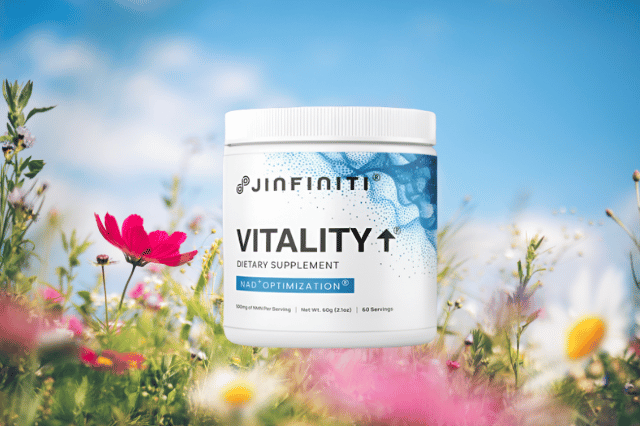
A white supplement container labeled "Vitality NAD+ Booster" sits among colorful wildflowers against a blue sky background.

Testing your NAD+ levels provides the foundation for any supplementation approach. Without knowing your baseline, you’re essentially guessing at the right strategy.

The Intracellular NAD+ Test measures your cellular NAD+ levels and provides personalized dosage recommendations. This takes the guesswork out of supplementation.

Based on research, optimal NAD+ levels range from 40-100 μM. Many people fall below this range, especially as they age or during periods of inflammation.

Supplementation Options

Several NAD+ boosters show promise for allergy support:

Vitality↑® NAD+ Booster combines multiple pathways to support cellular NAD+ production. This scientifically formulated powder contains NAD+ precursors, creatine, D-ribose, and niacinamide in precise ratios that work together across different metabolic pathways.

The comprehensive formula may help with:

  • Energy production in immune cells
  • Cellular repair processes
  • Antioxidant system support
  • Overall inflammatory balance

Pure NMN offers a direct precursor approach. NMN supplementation has shown promise in laboratory studies for mast cell stabilization and inflammatory control.

Complementary Approaches

Consider pairing NAD+ support with other natural antihistamines for a complete approach. SenoAid™, which contains quercetin and other natural compounds, may provide additional mast cell stabilizing effects.

The combination approach addresses multiple pathways involved in allergic responses rather than relying on a single intervention.

The Bottom Line

The science behind NAD+ and seasonal allergies is promising but still developing. Current research suggests this cellular molecule influences multiple aspects of allergic responses, from mast cell stability to immune balance.

Key takeaways from the evidence:

  • NAD+ helps regulate immune cell function and inflammatory responses
  • Laboratory studies show mast cell stabilizing effects
  • Human trials demonstrate reduced airway inflammation
  • Testing provides personalized guidance for supplementation

While we need more human clinical trials specifically examining NAD+ for seasonal allergies, the existing research offers hope for a new approach to managing spring misery.

The beauty of supporting NAD+ levels lies in addressing root cellular processes rather than just masking symptoms. By helping your immune system maintain proper balance, you might find yourself enjoying spring blooms instead of hiding from them.

Consider getting your NAD+ levels tested before allergy season peaks. With personalized data, you can make informed decisions about whether NAD+ support might help you breathe easier when pollen counts soar.

References

  1. https://pmc.ncbi.nlm.nih.gov/articles/PMC9292562/ ↩︎
  2. https://pmc.ncbi.nlm.nih.gov/articles/PMC9065190/ ↩︎
  3. https://www.thno.org/v12p3316.htm ↩︎
  4. https://pmc.ncbi.nlm.nih.gov/articles/PMC3079523/ ↩︎
  5. https://pmc.ncbi.nlm.nih.gov/articles/PMC3042252/ ↩︎
  6. https://pmc.ncbi.nlm.nih.gov/articles/PMC4772111/ ↩︎
  7. https://pmc.ncbi.nlm.nih.gov/articles/PMC10893221/ ↩︎
  8. https://www.nature.com/articles/s43587-024-00758-1 ↩︎
  9. https://pmc.ncbi.nlm.nih.gov/articles/PMC9194293/ ↩︎
A stylized pink anatomical heart with geometric facets sits on a soft pink background surface.

Is Niacin Good for Your Heart? New Studies Show Hidden Risks

For decades, doctors recommended niacin supplements to patients struggling with high cholesterol. This B vitamin seemed like a perfect solution for heart health.

Recent research tells a different story. Scientists now know that excess niacin may increase cardiovascular disease risk. It works through hidden inflammatory pathways.

Key Takeaways

  • 1 in 4 Americans has excess niacin levels that double their heart disease risk
  • Excess niacin creates toxic metabolites that trigger dangerous blood vessel inflammation
  • Food fortification and supplements often cause niacin overload without people realizing it
  • High-dose niacin therapy failed in trials because inflammatory effects canceled cholesterol benefits

The Surprising Discovery About Niacin and Heart Disease

A woman holding her chest with pale lips, appearing to be in discomfort, possibly indicating symptoms of heart disease.

A 2024 study published in Nature Medicine revealed shocking news about vitamin B3. About one in four Americans has excess niacin levels that double their risk of heart attack and stroke.1

This puts their risk of heart disease at levels similar to people with diabetes.

The problem isn’t niacin itself. The issue lies in what happens when your body processes too much of this vitamin.

When Good Vitamins Go Bad

Your body only needs small amounts of niacin to function properly. When you consume more than needed, your system breaks down the excess into compounds called 4PY and 2PY.

These metabolites are where the real danger begins.

People with the highest levels of these breakdown products had a 1.6 to 2 times higher risk of major cardiac events over three years. That’s compared to those with the lowest levels.

How Excess Niacin Triggers Cardiovascular Problems

A young woman in a white t-shirt checks her fitness tracker while sitting outdoors in nature.

The primary way that too much niacin harms your heart involves something called 4PY-mediated vascular inflammation.

Here’s what happens in your blood vessels when 4PY levels get too high:

  • 4PY triggers production of VCAM-1 on blood vessel walls
  • VCAM-1 helps white blood cells stick to your arteries
  • These immune cells then infiltrate arterial tissue
  • This process contributes to plaque formation
  • Chronic vascular inflammation damages blood vessels over time

Research shows that 4PY directly causes inflammatory cells to stick to blood vessel walls in laboratory studies.2

Your Genes Matter Too

Some people face a higher risk based on their genetics. Scientists found variants in the ACMSD gene that affect how your body processes niacin.

More than half the population carries these genetic variants. If you have them, you produce more of the harmful 4PY metabolites when consuming excess niacin.

The Cleveland Clinic Study Results

An image showing bar chart with pen, eyeglasses, and calculator on a desk, shown in blue tone.

Cleveland Clinic researchers led this important discovery about niacin and inflammation. Dr. Stanley Hazen and his team analyzed blood samples from over 3,000 people.3

They tracked participants for three years to see who developed heart problems.

The results were clear. People with the highest 4PY levels had double the risk of heart attack, stroke, or death compared to those with the lowest levels.

The Numbers Don’t Lie

The study found that 25% of Americans have excess niacin levels. These individuals face significantly higher cardiovascular disease risk without knowing it.

This research helps explain why niacin therapy often failed in clinical trials, despite improving cholesterol numbers.

Why High Cholesterol Treatments With Niacin Failed

A person fills out a health examination form with a pen, showing cholesterol test results and data.

For years, doctors prescribed high-dose niacin to lower LDL cholesterol and raise HDL levels. The results looked promising on paper.

But major clinical trials told a different story4:

  • The AIM-HIGH trial showed no cardiovascular benefit4
  • The HPS2-THRIVE study found niacin increased stroke risk by 78%4
  • Patients experienced more diabetes, infections, and stomach problems
  • Despite better cholesterol profiles, people didn’t live longer

These studies puzzled researchers for years. Now we understand why.

The Hidden Inflammation Problem

While niacin was lowering cholesterol, it was simultaneously creating inflammatory metabolites. The 4PY compounds were triggering vascular inflammation that counteracted any cholesterol benefits.

This explains the “niacin paradox” that confused doctors for decades.

Hidden Sources of Vitamin B3 Overload

Different forms of oats displayed in neat vertical sections.

Most Americans get excess niacin without realizing it. The problem comes from multiple sources working together.

Food Fortification Since the 1940s

The United States mandates niacin fortification in common foods like flour, cereals, rice, and oats. This policy successfully eliminated pellagra, a niacin deficiency disease.

But now this mandatory fortification may contribute to excess intake in many people.

Supplement Overuse

Many Americans take niacin-containing supplements, believing more vitamins equal better health. Over-the-counter niacin supplements often contain 100 to 1,000mg per dose.

Your daily requirement is only 14-16mg.

Dr. Hazen compares niacin intake to “multiple taps pouring water into a bucket.” Once your body’s needs are met, the excess “spills over” into harmful metabolites.

Inflammation and Cellular Health

A woman with curly hair in a white shirt holds her lower back while sitting at a home office desk.

Chronic inflammation damages your cardiovascular system at the cellular level. When 4PY triggers inflammatory pathways, it accelerates the aging process in your blood vessels.

This type of cellular damage affects your overall healthspan, not just your heart.

Supporting your body’s natural anti-inflammatory processes becomes even more important when facing hidden inflammatory triggers like excess niacin.

Testing Your Inflammatory Status

Understanding your body’s inflammatory burden can help guide better health decisions. Advanced biomarker testing can reveal hidden inflammation before it causes obvious symptoms.

Jinfiniti’s AgingSOS Advanced Panel measures 22 biomarkers, including inflammatory markers that affect cardiovascular health.

What This Means for Your Heart Health

ChatGPT said:

The image shows a doctor explaining heart health, emphasizing the importance of understanding your heart to make informed decisions for better care.

This research changes how we think about B vitamin supplementation. More isn’t always better, especially with widespread food fortification.

Practical Steps You Can Take

Avoid unnecessary niacin supplements unless your doctor specifically recommends them. Most people get adequate niacin from diet alone.

Focus on supporting your body’s natural cellular repair processes instead of adding more vitamins.

Consider testing your inflammatory status to understand your current cardiovascular risk profile.

The Role of NAD+ in Heart Health

Interestingly, while excess niacin may increase heart disease risk, your body still needs adequate levels to produce NAD+, a crucial cellular energy molecule. 

NAD+ levels decline with age, affecting cellular function throughout your body.

The key is balance. You want sufficient niacin for NAD+ production without the excess that creates harmful metabolites.

Supporting Cardiovascular Health Naturally

Instead of relying on high-dose niacin for cholesterol management, consider natural approaches that support heart health without inflammatory side effects.

Anti-inflammatory herbs and compounds like curcumin and quercetin can help reduce cardiovascular inflammation.

Quality omega-3 fatty acids support heart health through multiple pathways without the risks associated with excess niacin.

The Bottom Line on Niacin and Your Heart

This groundbreaking research reveals that even essential nutrients can cause problems in excess amounts.

While niacin remains important for basic cellular function, excess amounts may cause problems. Too much increases cardiovascular disease risk through previously unknown inflammatory pathways.

The discovery of 4PY as a cardiovascular risk factor opens exciting possibilities.

Doctors might soon use personalized medicine approaches based on this research. In the future, doctors might test your 4PY levels and genetic variants to determine your optimal niacin intake.

The message is clear: avoid unnecessary niacin supplements. Focus on supporting your body’s natural inflammatory balance instead.

When it comes to vitamins, more isn’t always better for your heart health.

Referenced Sources:

  1. https://www.nature.com/articles/s41591-023-02793-8 ↩︎
  2. https://www.nhlbi.nih.gov/news/2024/excess-levels-vitamin-b3-linked-increased-heart-disease-risk ↩︎
  3. https://newsroom.clevelandclinic.org/2024/02/19/cleveland-clinic-led-study-discovers-link-between-high-levels-of-niacin-a-common-b-vitamin-and-heart-disease ↩︎
  4. https://pmc.ncbi.nlm.nih.gov/articles/PMC4352676/ ↩︎
Colorful red, blue and white capsule pills are scattered randomly across a light blue background.

Niacin (B3): Side Effects, Reactions, Overdose Risks Explained

You probably know niacin as vitamin B3, a nutrient that helps convert food into energy. But what happens when you take too much?

Recent research reveals a troubling truth about high-dose niacin supplementation. While this B vitamin plays important roles in your body, excess amounts can trigger serious side effects and may actually harm your heart health.

Key Takeaways

  • High-dose niacin can cause liver damage at doses as low as 500 mg daily
  • Excess niacin creates a harmful compound (4PY) that increases heart disease risk
  • The common niacin flush is uncomfortable but harmless and fades within a week
  • Safe daily limits are just 35 mg from supplements, far below therapeutic doses

Common Side Effects of Niacin You Should Know

An image showing a woman with visible facial redness.

Most people who take niacin supplements experience some form of side effects, ranging from mild discomfort to more concerning reactions.

The Infamous Niacin Flush

When you take niacin supplements, your face might turn red and feel warm within 15 to 30 minutes. This reaction happens because niacin activates special cells in your skin that release compounds called prostaglandins.1

These compounds make your blood vessels widen, creating that characteristic “niacin flush“. You might experience:

  • Redness on your face, arms, and chest
  • Itching or tingling sensations
  • A warm, burning feeling
  • Mild discomfort that lasts about an hour

The good news is your body adapts to this reaction within a week of regular use. Starting with smaller doses and gradually increasing them can help minimize this uncomfortable side effect.

Digestive Problems

Your stomach might not appreciate high amounts of niacin either. Common digestive issues include nausea, vomiting, diarrhea, and heartburn.

These problems typically improve as your body adjusts to the supplement. Persistent stomach pain could signal more serious complications that need medical attention.

Serious Risks When You Take Too Much Niacin

An image showing a healthcare professional in blue scrubs holding a pill bottle and writing on a clipboard, with medicine bottles on the table.

While mild side effects are manageable, high-dose niacin can cause life-threatening complications that require immediate medical attention.

Liver Damage Warning

Here’s where things get concerning. Doses as low as 500 mg daily can damage your liver, especially with sustained-release formulations. The amount of niacin that causes toxicity varies between individuals, but prescription niacin therapy requires careful liver monitoring.2

Watch for these warning signs:

  • Yellowing of your skin or eyes
  • Dark urine or light-colored stools
  • Unusual fatigue or weakness
  • Stomach pain in your upper right area

Severe cases can lead to liver failure requiring transplantation. This risk makes medical supervision crucial for anyone considering high-dose niacin therapy.

Blood Sugar Disruption

If you have diabetes or prediabetes, niacin may worsen your condition. High doses may increase your blood glucose levels by 6 to 9 mg/dL and reduce insulin sensitivity.3

Some people even develop diabetes after taking large amounts of niacin. This effect makes careful monitoring vital for anyone with blood sugar concerns.

Muscle Problems with Statins

Combining niacin with statin medications creates a dangerous combination. This pairing may increase the risk of rhabdomyolysis, a potentially fatal condition where muscle tissue breaks down.4

Symptoms include unexplained muscle pain, weakness, dark urine, and fever. This combination requires immediate medical attention.

The Cholesterol Paradox: Why Niacin May Harm Heart Health

An image showing two hands forming a heart shape against a purple background, with the person wearing a bright pink long-sleeve shirt.

People often take niacin to lower cholesterol levels and improve their lipid profiles. Traditional thinking suggested this approach benefits cardiovascular health by raising HDL cholesterol and reducing LDL levels along with triglyceride concentrations.

New research paints a different picture entirely.

The 4PY Problem

A 2024 Cleveland Clinic study published in Nature made a startling discovery about excess niacin. When your body processes too much of this vitamin, it creates a harmful compound called 4PY.5

This metabolite directly triggers inflammation in your blood vessels. About 25% of people have high enough 4PY levels to double their risk of heart attacks and stroke.6

The compound works by increasing a protein called VCAM-1, which helps inflammatory cells stick to blood vessel walls. This process accelerates the development of cardiovascular disease and contributes to oxidative stress throughout your system.

Clinical Trial Results

Large studies like HPS2-THRIVE and AIM-HIGH found that adding niacin to statin therapy provided no cardiovascular benefits. Some participants actually experienced higher mortality rates and more heart attacks than expected.7

These findings explain why many cardiologists no longer recommend niacin for managing high cholesterol. The risks now appear to outweigh potential benefits for most people.

Dangerous Drug Interactions to Avoid

an image showing a person politely refusing an offer of alcohol, using a hand gesture to signal refusal.

Niacin can interfere with many prescription medications, creating potentially dangerous combinations that require careful medical oversight.

Blood Thinners

Taking niacin with anticoagulant medications may increase the risk of bleeding complications significantly.8

Diabetes Medications

Niacin can reduce the effectiveness of diabetes drugs by raising blood sugar levels.

Gout Treatments

This B vitamin can trigger gout attacks and interfere with medications designed to treat this condition.

Alcohol

Drinking alcohol while taking niacin increases both flushing reactions and liver damage risk.

Safe Dosage Guidelines and Niacin Overdose Signs

An image showing an older woman in a light purple shirt holding her head and face with a pained expression, possibly experiencing a headache or discomfort.

High levels of niacin can be dangerous. The recommended daily allowance for adults is only 14 to 16 mg. The upper safe limit from supplements is 35 mg daily.

Therapeutic doses prescribed by doctors range from 1,500 to 3,000 mg daily, but these require careful medical supervision and regular monitoring.

Overdose Warning Signs

Doses between 2,000 to 6,000 mg can cause severe toxicity. Watch for:9

  • Rapid heartbeat or palpitations
  • Severe dizziness with flushing
  • Persistent vomiting
  • Severe stomach pain
  • Vision problems
  • Gout attacks

Seek immediate medical attention if you experience these symptoms.

Better Alternatives for High Cholesterol Management

A stethoscope and red heart sit on medical papers at a doctor's desk with a blurred person behind.

High cholesterol requires professional medical evaluation and monitoring. Work with your healthcare provider to develop a comprehensive treatment plan.

Some people need prescription medications like statins to reach target cholesterol levels safely. Your doctor can determine the best approach based on your individual risk factors and health history.

Never stop prescribed cholesterol medications without medical supervision, even if you’re making lifestyle changes.

Lifestyle Changes That Work

Diet modifications offer the most powerful cholesterol-lowering effects. Focus on foods rich in soluble fiber like oats, beans, and apples.

Replace saturated fats with healthy options like olive oil, nuts, and fatty fish. These changes can reduce LDL cholesterol by 10-15% within weeks.

Regular exercise provides another major benefit. Just 30 minutes of moderate activity most days can raise HDL cholesterol and lower triglycerides.

Weight loss also improves your lipid profile significantly. Losing even 5-10 pounds can make a meaningful difference in your cholesterol numbers.

When to Consider NAD+ Support

NAD+ precursors work through different pathways than high-dose niacin. These compounds support cellular energy production without the inflammatory risks associated with niacin excess.

Testing your NAD levels can help you understand your cellular energy status without relying on potentially harmful vitamin B3 mega-doses.

The best longevity supplements focus on cellular health optimization rather than attempting to manipulate cholesterol through potentially harmful pathways. Cellular health supplements offer targeted support for your body’s energy systems.

Additional Support Options

Some people find success with:

  • Plant sterols and stanols (2 grams daily)
  • Omega-3 fatty acids from fish or supplements
  • Psyllium husk fiber supplements
  • Green tea extract

Special Considerations for Different Groups

An elderly hand holding various colorful pills and capsules.

Certain populations need extra caution when considering niacin supplementation due to increased sensitivity or higher risk of complications.

Pregnancy and Nursing

Pregnant women should avoid high-dose niacin unless specifically prescribed by their healthcare provider. While no birth defects have been directly linked to niacin, the safety profile during pregnancy remains unclear.

Older Adults

Seniors may experience more intense side effects and require lower doses or more frequent monitoring.

People with Existing Conditions

Those with liver disease, peptic ulcers, diabetes, or kidney problems should avoid niacin supplementation entirely or use it only under strict medical supervision.

The Bottom Line on Niacin Safety

While niacin plays important roles in converting food into energy and supporting cellular function, the risks of high-dose supplementation now appear to outweigh the benefits for most people.

The discovery that excess niacin may increase cardiovascular disease risk through the 4PY pathway has fundamentally changed how we view this supplement.

Current practices that fortify foods with niacin may even exceed optimal intake levels for heart health.

If you’re currently taking high-dose niacin or considering it for cholesterol management, discuss safer alternatives with your healthcare provider.

Referenced Sources:

  1. https://www.sciencedirect.com/science/article/abs/pii/S0003986124002856 ↩︎
  2. https://lpi.oregonstate.edu/mic/vitamins/niacin ↩︎
  3. https://jamanetwork.com/journals/jama/fullarticle/193064 ↩︎
  4. https://www.mayoclinic.org/drugs-supplements/simvastatin-and-niacin-oral-route/description/drg-20071610 ↩︎
  5. https://www.nature.com/articles/s41591-023-02793-8 ↩︎
  6. https://www.nih.gov/news-events/nih-research-matters/how-excess-niacin-may-promote-cardiovascular-disease ↩︎
  7. https://www.nejm.org/doi/full/10.1056/NEJMoa1300955 ↩︎
  8. https://www.drugs.com/drug-interactions/niacin.html ↩︎
  9. https://www.webmd.com/diet/supplement-guide-niacin ↩︎

Woman holding a frying pan with colorful text representing essential anti-aging nutrients like vitamins A, C, D, E, B6, B12, and minerals such as calcium, magnesium, and zinc for aging well.

10 Vitamins and Minerals with Anti-Aging Benefits

Your body needs specific nutrients to stay youthful and fight age-related decline. Research shows certain nutrients play key roles in supporting cellular health and slowing aging.

These ten vitamins and minerals have solid science backing their anti-aging properties. From protecting your DNA to supporting brain function, each offers unique benefits for healthy aging.

Best Anti-Aging Vitamins and Minerals

An image showing a variety of vitamin and mineral supplements.
NutrientAnti-Aging BenefitKey Research
Vitamin DTelomere protectionPrevents 3 years of biological aging
Vitamin CCollagen productionReduces photoaging in 12 weeks
ZincImmune function5mg increase linked to longer telomeres
MagnesiumCellular energyInvolved in 600+ cellular reactions
Vitamin EMembrane protectionWorks synergistically with vitamin C
SeleniumAntioxidant enzymes20mcg increase = longer telomeres
B VitaminsBrain health30% reduction in brain shrinkage
Vitamin K2Bone/brain protection36% lower death risk
PotassiumCellular function33% lower death risk with adequate intake
MolybdenumDetoxificationCorrelates with longevity regions

Vitamin C

An image showing a halved orange with droppers and a bottle of vitamin C serum.

Vitamin C builds collagen and protects skin from aging damage. Your body uses this vitamin to create the protein that keeps your skin firm and elastic.

Studies show impressive results for vitamin C supplementation. Research using topical vitamin C found a significant reduction in photoaging scores and improvement in wrinkles after 12 weeks of use.1

The aging process naturally breaks down collagen through enzymes called matrix metalloproteinases. Vitamin C helps block these enzymes while boosting new collagen production.

Key Benefits:

  • Reduces signs of aging like wrinkles and age spots
  • Protects against UV damage
  • Supports immune function
  • Maintains longer telomeres

Large population studies found that people with higher vitamin C intake had longer telomeres. These protective DNA caps shorten as you age, making telomere length a key marker of biological aging.2

Zinc

An image showing white pills spelling "Zn" on a pink background, with an open pill bottle nearby, representing zinc supplements.

Zinc supports immune function and activates longevity pathways throughout your body. This mineral plays a role in over 300 enzyme reactions that keep your cells working properly.

Research from the NHANES study of nearly 4,000 adults found remarkable results. Every 5mg increase in dietary zinc was linked to longer telomeres, with the strongest effects in women and older adults.3

Your immune system particularly benefits from zinc. The mineral supports natural killer cells and helps neutrophils fight off infections.

Key Benefits:

  • Supports DNA repair and protein synthesis
  • Maintains telomere length
  • Boosts immune function in older adults
  • Protects against cellular senescence

Zinc deficiency becomes more common with age due to poor absorption and dietary changes. Most people meet their needs through food, but some benefit from targeted supplementation.

Looking for Quality Immune Support?

Jinfiniti’s Natural Vitamin C + Zinc combines bioavailable zinc chelate with whole food vitamin C from amla extract. This pairing supports your immune system while providing the antioxidant protection both nutrients offer together. You get two aging-protective nutrients in their most absorbable forms.

Magnesium

An image showing a bottle of magnesium with several tablets placed beside it on a surface.

Magnesium powers cellular energy production and protects against age-related decline. This mineral serves as a helper in over 600 reactions that power your cells.

Recent analysis shows magnesium connects with all major hallmarks of aging. These include DNA damage, telomere shortening, and mitochondrial dysfunction.4

Your cells rely on magnesium for energy production. The mineral helps your cellular powerhouses create ATP, the fuel that powers everything from muscle contraction to brain function.

Key Benefits:

  • Supports cellular energy production
  • Helps maintain DNA stability
  • Reduces oxidative stress and inflammation
  • Supports healthy blood pressure and heart function

Many older adults don’t get enough magnesium from food alone. Medications like heartburn drugs reduce absorption, making deficiency more likely. Supporting your cellular health becomes increasingly important as magnesium levels decline with age.

Vitamin D

An image showing vitamin D supplements.

Vitamin D protects your cells from biological aging better than any other vitamin. The landmark VITAL study represents the first large-scale trial to show vitamin D’s protective effects on biological aging.

The VITAL Telomere sub-study followed over 1,000 participants for 4 years. Those taking 2,000 IU of vitamin D3 daily showed significantly slower telomere shortening compared to placebo.5

The results were striking. Vitamin D supplementation prevented the equivalent of nearly 3 years of biological aging.

Key Benefits:

  • Protects telomeres from shortening
  • Supports immune system function
  • Helps reduce chronic inflammation
  • Supports stem cell maintenance

Your skin makes vitamin D from sunlight, but production decreases with age. Most people over 50 need supplements to maintain optimal levels for healthy aging.

Vitamin E

An image showing Vitamin E supplements arranged creatively, spelling out 'VITAMIN E'.

Vitamin E protects your cell membranes from oxidative damage that accumulates over time. As a fat-soluble antioxidant, it works particularly well in protecting cellular structures made of lipids.

This vitamin works best when combined with other antioxidants. Research shows that vitamin C helps regenerate vitamin E, creating a synergistic protection system against free radicals.6

Studies in older adults found that combining 300mg vitamin E with 400mg vitamin C daily for one year reduced markers of oxidative stress. This combination approach provides more effective protection than taking either vitamin alone.

Key Benefits:

  • Protects cell membranes from lipid peroxidation
  • Works synergistically with vitamin C
  • Supports immune function in elderly people
  • Helps slow cellular senescence

Individual responses to vitamin E vary based on your current oxidative stress levels. People with higher baseline oxidative damage tend to see more benefits from supplementation.

Understanding your oxidative stress markers helps guide your supplementation strategy.

Selenium

A green capsule filled with small green spheres, each labeled "Se" for Selenium.

Selenium forms powerful antioxidant enzymes that protect your cells from damage. Your body incorporates this mineral into selenoproteins that defend against oxidative stress and support immune function.

Studies show that people with higher selenium intake have longer telomeres. Every 20 microgram increase in dietary selenium was associated with longer telomeres in adults over 45.7

Your skin particularly benefits from selenium’s protective effects. The mineral helps protect keratinocyte stem cells against senescence, helping maintain your skin’s ability to repair and regenerate.

Key Benefits:

  • Essential component of antioxidant enzymes
  • Protects against UV-induced skin damage
  • Supports immune system function
  • Preserves stem cell function

Clinical trials combining selenium with coenzyme Q10 showed improvements in anti-aging biomarkers after long-term supplementation. Brazil nuts provide one of the richest food sources of selenium.8

B Vitamins

An image showing B Vitamins supplements.

B vitamins maintain cognitive function and cardiovascular health as you age. B6, B12, and folate support DNA methylation processes that help regulate gene expression.

The VITACOG trial showed that B vitamin supplementation reduced brain shrinkage by 30% in older adults at risk for dementia. The effects were even stronger in people with elevated homocysteine levels.9

Your ability to absorb vitamin B12 decreases with age. About 40% of people aged 75-80 have diminished capacity to absorb food-bound B12, contributing to cognitive decline and fatigue.

Key Benefits:

  • Support DNA repair and methylation processes
  • Help reduce homocysteine levels
  • Essential for neurotransmitter production
  • Slow brain atrophy and cognitive decline

B vitamin deficiencies become increasingly common in older adults due to medication interactions and digestive changes. Brain health supplements that include B vitamins help support cognitive function during aging.

Vitamin K2

An image showing several white capsules floating against a blurred gray background. Each capsule is labeled "D3 + K2".

Vitamin K2 protects bone health and brain function through calcium regulation and longevity pathway activation. This form of vitamin K activates proteins involved in calcium regulation and supports longevity pathways.

Animal studies show impressive results for vitamin K2 supplementation. Rats given vitamin K2 showed improved memory, reduced anxiety, and better functional performance compared to control groups.10

The vitamin works by activating Matrix Gla Protein, which prevents calcium from depositing in arteries and soft tissues. This helps maintain cardiovascular health and reduces age-related disease risk.

Key Benefits:

  • Supports bone formation and strength
  • Prevents arterial calcification
  • Improves cognitive function and mood
  • Supports mitochondrial energy metabolism

Population studies suggest that higher vitamin K intake is associated with 36% lower risk of death from any cause in high-risk cardiovascular populations.

Potassium

A blue capsule pill labeled with the chemical element potassium containing smaller blue spheres inside, each also marked with the letter "K."

Potassium maintains cellular function and influences lifespan through multiple pathways. This mineral helps maintain the electrical balance that keeps your cells functioning properly.

The Rancho Bernardo Study followed over 1,300 older adults for 20 years. Those with the lowest potassium intake had a 33% increased risk of death compared to those with moderate intake levels.11

Research shows that potassium affects cellular cleanup mechanisms. Studies in yeast found that potassium restriction extends lifespan by 20% through enhanced cellular acidification and improved autophagy.

Key Benefits:

  • Maintains cellular membrane potential
  • Supports cardiovascular function
  • Enhances cellular cleanup processes
  • Protects against stroke risk

Most people don’t get enough potassium from their diet. Fruits, vegetables, and legumes provide the best food sources of this aging-protective mineral.

Molybdenum

A white pill bottle labeled "Mo Molybdenum" is tipped over with several pink tablets spilled out onto a white surface.

Molybdenum supports cellular detoxification and shows correlations with longevity in population studies. While research is limited, population studies suggest interesting connections between molybdenum and longevity.

Studies in Chinese longevity regions found correlations between soil and water molybdenum levels and the percentage of long-lived residents. These areas show elevated molybdenum in their natural environment.12

Your body uses molybdenum as a cofactor for enzymes involved in purine metabolism and cellular detoxification. The mineral supports antioxidant enzyme function and helps process sulfur-containing compounds.

Key Benefits:

  • Supports detoxification enzyme function
  • Essential for purine metabolism
  • Contributes to bone health
  • Supports antioxidant systems

More research is needed to understand molybdenum’s role in aging, but population data suggests this trace element deserves attention in longevity research.

Start with the Right Approach to Healthy Aging

An image showing person holding a pill organizer with jars of pills on a table.

These vitamins and minerals work best together rather than alone. Research consistently shows that combinations of antioxidants provide superior protection compared to single nutrients.

The key is getting adequate amounts without overdoing it. Moderate supplementation generally works better than megadoses, which sometimes backfire.

Start with the right approach:

  • Test your current nutrient levels first
  • Focus on food sources when possible
  • Target specific deficiencies with supplements
  • Track your response and adjust as needed

This follows the proven “test, act, optimize” approach that delivers real results.

Understanding your individual nutrient needs requires personalized testing rather than guesswork. Jinfiniti’s longevity testing panels help identify which nutrients you need most for optimal aging.

Ready to take a comprehensive approach?

Explore natural senolytic supplements that work alongside these nutrients. Products like Jinfiniti’s SenoAid combine multiple aging-protective compounds for better results.

Remember that nutrition is just one piece of the healthy aging puzzle.

Regular exercise, stress management, and quality sleep all work together with proper nutrition to help you age successfully.

Learning about practices that support mitochondrial health takes your anti-aging strategy even further.

Referenced Sources:

  1. https://jcadonline.com/topical-vitamin-c-and-the-skin-mechanisms-of-action-and-clinical-applications/ ↩︎
  2. https://www.frontiersin.org/journals/aging/articles/10.3389/fragi.2024.1339317/full ↩︎
  3. https://www.frontiersin.org/journals/nutrition/articles/10.3389/fnut.2022.993425/full ↩︎
  4. https://pmc.ncbi.nlm.nih.gov/articles/PMC10892939/ ↩︎
  5. https://news.harvard.edu/gazette/story/2025/05/vitamin-d-supplements-may-slow-biological-aging/ ↩︎
  6. https://pmc.ncbi.nlm.nih.gov/articles/PMC2685276/ ↩︎
  7. https://linkinghub.elsevier.com/retrieve/pii/S0002916522049656 ↩︎
  8. https://www.medicalnewstoday.com/articles/does-selenium-really-slow-aging ↩︎
  9. https://pmc.ncbi.nlm.nih.gov/articles/PMC4045270/ ↩︎
  10. https://pmc.ncbi.nlm.nih.gov/articles/PMC8944720/ ↩︎
  11. https://pmc.ncbi.nlm.nih.gov/articles/PMC8075047/ ↩︎
  12. https://lpi.oregonstate.edu/mic/minerals/molybdenum ↩︎
A beautiful spread of anti-aging foods on a blue picnic table: salmon, avocado, blueberries, dark chocolate.

The Best Anti-Aging Foods for Women Over 40

The best anti-aging foods for women over 40 target cellular mechanisms that drive aging, including NAD+ decline, cellular senescence, and mitochondrial dysfunction.

Your body changes dramatically after 40. Hormones shift, cellular energy drops, and your skin needs different support than it did in your twenties.

The good news? Science has identified specific foods that target the cellular mechanisms behind aging. These aren’t your typical “eat more berries” recommendations. We’re talking about foods with compounds that actually reverse cellular damage at the source.

Why is Food Important for the Aging Process?

An image showing a variety of anti-aging foods, including fruits, dark chocolate, nuts, avocado, fish, and tea.

Women over 40 face unique aging challenges that require targeted nutrition strategies due to hormonal changes and cellular decline.

Estrogen levels start declining, which affects collagen production and skin elasticity. Your NAD+ levels drop by 50% between ages 40-60, leaving cells struggling to produce energy. Cellular cleanup processes slow down, allowing damaged cells to accumulate.

Standard antioxidants aren’t enough anymore. You need foods that:

  • Restore cellular energy production
  • Support hormonal balance
  • Activate your body’s natural cleanup systems
  • Protect against free radical damage and environmental stress

Let’s explore the science-backed foods that target these specific mechanisms in the aging process.

Top 10 Anti-Aging Foods to Live Longer

An image showing 'Top 10' spelled out using multicolored stones.

These 10 scientifically proven foods target the specific cellular mechanisms that drive aging in women after 40.

1. Wild-Caught Salmon and Astaxanthin-Rich Seafood

Wild salmon delivers astaxanthin, a powerful antioxidant carotenoid that provides 6,000 times more antioxidant power than vitamin C.1

This potent compound directly targets mitochondrial dysfunction and photoaging damage. Clinical trials show that just 6mg daily for 6-8 weeks reduces wrinkles and improves skin elasticity.2

Other astaxanthin-rich options include arctic shrimp, microalgae supplements, and rainbow trout.

The fat in salmon also provides omega-3 fatty acids that help reduce inflammation throughout your body.

2. Blueberries and Pterostilbene Power

Blueberries provide pterostilbene, resveratrol’s superior cousin with 4 times higher bioavailability.3

A 2025 study found that pterostilbene improved skin elasticity and firmness in just 28 days. Unlike regular resveratrol, pterostilbene penetrates cells more effectively.4

You’ll also find pterostilbene in red grapes, peanuts, and cranberries.

These foods help reduce the risk of cellular senescence, the process where cells stop functioning properly but don’t die.

3. Green Tea for Cellular Protection

Green tea polyphenols protect your skin from UV damage while supporting cellular repair mechanisms.

The EGCG in green tea activates pathways that help protect your skin from environmental damage. Regular consumption improves skin texture and reduces signs of aging.

For maximum benefits:

  • Drink 2-3 cups daily
  • Choose organic varieties
  • Steep for 3-5 minutes for optimal extraction

Green tea works even better when combined with other antioxidant supplements that target oxidative stress.

4. Broccoli and Cruciferous Vegetables

Broccoli sprouts deliver up to 100 times more sulforaphane than mature broccoli.5

These vegetables provide indole-3-carbinol (I3C) and diindolylmethane (DIM), which are potent estrogen metabolizers. Research shows that 150mg of I3C daily reduces oxidative stress and inflammation.6

For women over 40, cruciferous vegetables help:

  • Balance hormone metabolism
  • Reduce cellular inflammation
  • Support detoxification pathways
  • Protect against environmental toxins

Include Brussels sprouts, cauliflower, and kale for variety. A diet rich in these anti-inflammatory vegetables helps keep your skin healthy from within.

5. Avocado and Healthy Fats

Avocado provides monounsaturated fat that helps your body absorb fat-soluble vitamins and supports skin barrier function.

The healthy fats in avocado help reduce inflammation and support collagen production. These nutrients also improve the absorption of carotenoids from other foods.

Avocados contain:

  • Vitamin E for skin protection
  • Glutathione for cellular detox
  • Folate for DNA repair
  • Potassium for cellular function

Pair avocado with vitamin C-rich foods to increase anti-aging benefits.

6. Dark Chocolate

High-quality dark chocolate (70% cacao or higher) contains flavonoids that improve skin hydration and protect against UV damage.

Studies show that regular dark chocolate consumption can improve skin texture and reduce inflammation. The key is choosing varieties with minimal sugar and maximum cacao content.

Look for chocolate that provides:

  • Flavonoids for blood flow
  • Antioxidants for cellular protection
  • Magnesium for stress management
  • Iron for oxygen transport

Limit portions to 1-2 squares daily to avoid excess sugar.

7. Fermented Foods for Gut Health

Kimchi, kefir, and aged miso support the gut-skin axis through beneficial bacteria and metabolites.

Research shows that daily fermented food consumption increases microbiome diversity and reduces inflammatory markers. The postbiotic compounds produced during fermentation have direct anti-aging effects on skin cells.7

Top fermented choices include:

  • Kimchi for vitamin K2
  • Kefir for probiotics
  • Miso for isoflavones
  • Sauerkraut for vitamin C

A diverse microbiome supports healthy aging throughout your body.

8. Bone Broth and Collagen Support

Bone broth provides glycine, which comprises one-third of collagen’s amino acid content.

Studies show that 3g of glycine before bed improves sleep quality by 30%. Since poor sleep accelerates skin aging, glycine’s dual role in collagen synthesis and sleep optimization makes it particularly valuable.8

Bone broth also contains:

  • Type II collagen for joint and skin health
  • Glucosamine for tissue repair
  • Chondroitin for hydration
  • Minerals for cellular function

Make your own or choose high-quality commercial versions without additives.

9. NAD+ Boosting Foods

Turkey, tuna, and mushrooms naturally contain compounds that boost NAD+ levels in your cells.

As NAD+ declines by 50% between ages 40-60, restoring levels becomes critical. Studies show that NAD+ precursors can increase skin regeneration and protect against UV damage.9 10

While foods provide some NAD+ support, targeted supplementation often proves more effective. Jinfiniti’s Vitality↑® NAD+ Booster combines NAD+ precursors with supporting compounds for optimal cellular energy restoration.

Consider getting an Intracellular NAD+ Test to measure your current levels and track improvement.

10. Spermidine-Rich Foods for Cellular Cleanup

Aged cheese, wheat germ, and soybeans contain spermidine, which activates autophagy—your body’s cellular cleanup process.

Compelling research shows that spermidine treatment increases collagen and elastin expression in aged skin. It’s the only compound known to extend lifespan across multiple species, helping people live longer.11

Best spermidine sources include aged cheddar cheese, wheat germ, shiitake mushrooms, and tempeh.

Regular consumption supports your body’s natural ability to clear damaged cellular components.

Bottom Line: Certain Foods Fight Signs of Aging

An showing a woman eating a salmon salad with mixed greens, olives, and mushrooms.

This practical guide shows you exactly how to incorporate these anti-aging foods into your daily routine.

Food CategoryKey CompoundPrimary BenefitDaily Target
Wild SalmonAstaxanthinUV protection, wrinkle reduction3-4 oz serving
BlueberriesPterostilbeneCellular repair, skin elasticity1/2 cup
Broccoli SproutsSulforaphaneHormone balance, detox1 oz
Bone BrothGlycineCollagen support, sleep quality8 oz
Fermented FoodsProbioticsGut health, inflammation reduction1 serving

Remember that consistency matters more than perfection. Focus on including these anti-aging foods regularly rather than trying to eat them all at once.

The combination of targeted nutrition and quality supplements like Jinfiniti’s longevity-focused products helps you maintain energy, skin health, and vitality well beyond your 40s.

Your body has remarkable repair capabilities when given the right nutritional tools. These science-backed foods provide the building blocks your cells need to stay young from the inside out.

Referenced Sources:

  1. https://academic.oup.com/bbb/article/89/4/612/7933336 ↩︎
  2. https://pmc.ncbi.nlm.nih.gov/articles/PMC9655540/ ↩︎
  3. https://www.mdpi.com/2076-3921/10/10/1552 ↩︎
  4. https://www.sciencedirect.com/science/article/pii/S2950306X25000160 ↩︎
  5. https://pmc.ncbi.nlm.nih.gov/articles/PMC6106845/ ↩︎
  6. https://www.nature.com/articles/s41598-024-53636-6 ↩︎
  7. https://decodeage.com/blogs/gut-microbiome/fermented-foods-and-ageing-gut-health ↩︎
  8. https://www.bulknutrients.com.au/info/6-benefits-of-glycine:-sleep-strength-&-cellular-power ↩︎
  9. https://chemrxiv.org/engage/chemrxiv/article-details/688078a6728bf9025ec4197d ↩︎
  10. https://www.nmn.com/news/new-study-finds-nad-precursors-promote-wound-healing-by-leveraging-skin-regeneration ↩︎
  11. https://www.nature.com/articles/s42003-020-01619-4 ↩︎
An image showing a sick woman lying in bed with lemon tea on bedside table for cold relief.

Can Vitamin C and Zinc Prevent or Shorten Your Cold?

You’ve probably heard it countless times: “Take some vitamin C and zinc when you feel a cold coming on.” But does this age-old advice actually work?

The relationship between these nutrients and the common cold has been studied for decades. The research tells a more nuanced story than most people realize.

Key Takeaways

  • Neither vitamin C nor zinc prevents colds in healthy adults
  • Zinc lozenges may shorten cold duration by 2-3 days if started within 24 hours
  • Vitamin C helps prevent colds in athletes under extreme physical stress
  • Both nutrients provide modest treatment benefits but aren’t miracle cures

What Mayo Clinic and Research Tell Us About Fighting Colds

The Mayo Clinic and major research institutions have spent years examining whether vitamin C and zinc can prevent or treat colds. A systematic review of the evidence reveals their findings might surprise youThe Mayo Clinic and major research institutions have spent years examining whether vitamin C and zinc can prevent or treat colds. A systematic review of the evidence reveals their findings might surprise you1.

The short answer? These nutrients won’t prevent colds in most people. But they may offer some help once you’re already sick.

Does Vitamin C Actually Fight Colds?

An image showing vitamin C-rich foods displayed on a table, including oranges, banana, kiwi, bell peppers, and leafy greens.

Cold Prevention

Here’s what the science shows: vitamin C doesn’t prevent colds in the general population. A massive Cochrane review looked at 29 trials with over 11,000 people. Regular vitamin C supplementation showed virtually no difference in cold prevention compared to placebo2.

Athletes and people under extreme physical stress saw their cold risk cut in half when taking vitamin C. This benefit applied to marathon runners, skiers, and soldiers in harsh conditions.

Cold Duration and Recovery

When taken regularly before getting sick, vitamin C can shorten cold duration by about 8% in adults and 14% in children. That translates to roughly 13 fewer hours of misery during a week-long cold.

Research suggests vitamin C may work by helping reduce illness duration. It’s not a guaranteed remedy for everyone, though.

Recent research shows vitamin C works better on severe cold symptoms than mild ones. It reduced severe symptom intensity by 15%, with the biggest impact on the worst symptoms3.

Starting Vitamin C After Symptoms Begin

Unfortunately, waiting until you feel sick to start taking vitamin C shows little benefit. Seven studies found no consistent effect when people began supplementation after cold symptoms started4.

Can You Take Zinc for Colds?

An image showing a variety of zinc-rich foods arranged on a table, including avocado, lobster, meet, pumpkin seeds, chickpeas, mushroom, and almonds.

Let’s take a look at the evidence for zinc.

Cold Prevention

Like vitamin C, zinc doesn’t prevent colds in healthy adults. The 2024 Cochrane review concluded there’s insufficient evidence to recommend zinc for cold prevention5.

How Zinc May Reduce Cold Duration

Here’s where zinc gets interesting. When taken as lozenges within 24 hours of symptom onset, zinc can reduce cold duration by approximately 2.25 days6.

Zinc acetate lozenges work best, reducing cold duration by 37% in adults when properly formulated. Research suggests zinc may inhibit viral replication in the nose and throat area. The key factors include:

  • High zinc content (at least 75mg elemental zinc daily)
  • Zinc acetate rather than zinc gluconate
  • Starting within 24 hours of first symptoms
  • Avoiding additives like citric acid that bind the zinc

Zinc Side Effects to Consider

Zinc lozenges commonly cause unpleasant side effects. These include bad taste, nausea, and mouth irritation. More concerning, intranasal zinc products have been linked to permanent loss of smell and should be avoided completely.7

NutrientPreventionTreatmentSide Effects
Vitamin CBenefit for athletesModest duration reductionGenerally safe
ZincNo effect2-3 day reductionBad taste, nausea

Taking Vitamin C and Zinc Together

An image showing vitamin C on the left side and zinc on the right side.

Limited research exists on combining these nutrients for cold treatment. Two small studies found that 1000mg of vitamin C plus 10mg of zinc daily reduced runny nose duration, with one showing 27% faster symptom relief.8

A larger study of 360 people examined a combination product containing echinacea, zinc, and vitamin C. Participants recovered 1.39 days faster with 17% lower symptom severity scores compared to placebo.

While promising, this evidence remains insufficient for firm recommendations about vitamin C and zinc combinations.

Natural Support for Your Immune System

Your immune system needs consistent support year-round, not just when you’re fighting off a virus. Oxidative stress from free radicals can weaken your body’s natural defenses, making you more susceptible to infections.

Jinfiniti’s Natural Vitamin C + Zinc provides whole food vitamin C from amla extract plus bioavailable zinc chelate. This combination supports antioxidant activity and immune function without the synthetic additives found in many supplements.

Unlike isolated nutrients, whole food sources provide cofactors that enhance absorption and utilization. The amla-derived vitamin C in our formula delivers powerful antioxidant support while the chelated zinc ensures better bioavailability.

Consider pairing immune support with cellular health supplements that address the root causes of weakened immunity. When your cells function well, your entire immune system performs better.

The Science on Flu vs Cold

The research focuses primarily on common colds rather than influenza. There’s currently no strong scientific evidence that vitamin C or zinc helps against the flu virus.

Vaccination remains your best protection against influenza. Natural antihistamines may help with seasonal allergy symptoms that people sometimes mistake for cold symptoms.

Dosage and Safety Guidelines

An image of a close-up of liquid medicine being carefully poured from a bottle into a measuring spoon.

Vitamin C:

  • Generally safe up to 2000mg daily
  • Higher doses may cause digestive upset
  • Best absorbed in divided doses throughout the day

Zinc:

  • Don’t exceed 40mg daily for long-term use
  • Take with food to reduce stomach irritation
  • Avoid nasal zinc products

Important Considerations:

People with chronic fatigue or compromised immune systems should consult healthcare providers before starting any supplement regimen. What works for healthy adults may not apply to those with underlying health conditions.

🧬 MORE INSIGHTS ON VITAMIN C

Bottom Line

The evidence shows vitamin C and zinc have modest benefits for cold management. They’re not miracle cures, though. Here’s what you can reasonably expect:

  • Prevention: Neither nutrient prevents colds in most people. Athletes under extreme stress may benefit from vitamin C.
  • Treatment: Zinc lozenges started within 24 hours may reduce cold duration by 2-3 days. Regular vitamin C supplementation provides minor duration reduction.
  • Combination: Limited evidence suggests potential benefits, but more research is needed.

The effects are modest and must be weighed against potential side effects and costs. For better immune support, focus on proven strategies like adequate sleep, regular exercise, stress management, and a nutrient-dense diet.

When you do supplement, choose high-quality products with bioavailable forms and avoid the hype around mega-doses. Your immune system works best when supported consistently, not just when you’re already sick.

Remember, if cold symptoms persist beyond 10 days or get noticeably worse, consult a healthcare provider. This helps rule out bacterial infections or other complications that may require medical treatment.

Referenced Sources:

  1. https://newsnetwork.mayoclinic.org/discussion/mayo-clinic-minute-can-vitamin-c-keep-the-common-cold-away/ ↩︎
  2. https://doi.wiley.com/10.1002/14651858.CD000980.pub3 ↩︎
  3. https://pubmed.ncbi.nlm.nih.gov/38082300/ ↩︎
  4. https://www.cochranelibrary.com/cdsr/doi/10.1002/14651858.CD000980.pub2/full ↩︎
  5. https://www.cochrane.org/about-us/news/inconclusive-evidence-suggests-zinc-may-slightly-shorten-common-cold ↩︎
  6. https://pmc.ncbi.nlm.nih.gov/articles/PMC7356429/ ↩︎
  7. https://www.nccih.nih.gov/health/tips/tips-natural-products-for-the-flu-and-colds-what-does-the-science-say ↩︎
  8. https://journals.sagepub.com/doi/10.1177/147323001204000104 ↩︎

Account Access

Welcome back

Continue your health journey with a secure login.