

Secure • Private • Science-backed
Aging woman with declining NAD levels

NAD Levels by Age Group: What’s Considered Normal?

Your body is a vast metropolis, with billions of cells working around the clock to keep you alive and thriving. At the heart of this cellular city lies NAD+ ( short for nicotinamide adenine dinucleotide) – the power currency that keeps your cellular economy from entering a recession. 

Just as a city needs electricity to function, every cell in your body needs NAD+ to convert food into energy, repair damaged DNA, and regulate your biological clock. This coenzyme helps your cells perform over 500 different biochemical reactions, making it one of the most important players in healthy aging and overall wellness.

Unfortunately, our bodies’ levels of NAD naturally decline as we age, dropping by up to 50% between our 20s and 80s. This decline is linked to many of the telltale signs of aging, from decreased energy levels to slower recovery after exercise. Understanding what’s “normal” for NAD+ levels at different ages can help us better grasp why we feel the way we do as time passes, and potentially, what we can do about it.

What You Should Know

  • NAD+ levels drop by 40-50% between your 20s and age 50, contributing to fatigue, slower recovery, and increased disease risk.
  • Optimal NAD+ levels fall between 40-100μM, with anything below 40μM considered suboptimal or deficient.
  • Men typically have higher baseline NAD+ levels than women, but experience steeper declines after age 60.
  • Lifestyle changes like exercise and diet may not fully counter age-related NAD+ decline, making targeted supplementation necessary for optimal levels.

NAD+ and Aging

Middle-aged couple holding hands by the lake

Your body’s NAD+ levels follow a predictable pattern throughout life – and unfortunately, it’s a downward trend. Research shows that NAD+ levels peak during our early 20s and then begin a steady decline, with most people experiencing a 40-50% drop by age 50. But why does this happen? The answer lies in a perfect storm of biological events.

As we age, certain enzymes, particularly PARPs and CD38, become increasingly active and hungry for NAD+1. PARPs ramp up their activity to repair age-related DNA damage, while CD38 levels rise as part of our body’s inflammatory response to aging. It’s like having more bills to pay but with the same paycheck – something has to give.

At the same time, our body’s ability to produce new NAD+ takes a hit. The molecular building blocks (or precursors) that we use to make NAD+ become less available, and the cellular machinery (biosynthetic enzymes) that assembles these pieces slows down2. It’s similar to a factory facing both parts shortages and aging equipment – production inevitably drops.

This decline in NAD+ levels has real consequences for how we age. When cells can’t maintain healthy NAD+ levels, their energy production falters, DNA repair slows down, and cellular stress responses become sluggish. These changes contribute to many hallmarks of aging, from decreased muscle strength and slower wound healing to increased susceptibility to age-related diseases like cardiovascular problems and neurodegenerative conditions.

The Timeline of NAD+ Decline

Visual gif chart of NAD+ levels decline by age group

Infancy & Childhood (0-12 years)

  • NAD+ levels are naturally high and stable
  • Peak production supports rapid growth and development

Adolescence & Young Adulthood (13-30 years)

  • Levels reach their lifetime peak in early 20s
  • Optimal cellular energy and repair functions
  • Gradual decline begins around age 25

Middle Age (31-60 years)

  • Sharp decline begins
  • Most dramatic drop occurs between 40-49 years3
  • Average person loses 40-50% of young adult levels by age 50

Senior Years (60+ years)

  • Levels can drop to 1-10% of youthful amounts
  • By age 80, typical levels are less than half those at age 40
  • Continued gradual decline without intervention

CLIA-Certified NAD Test Kit

Test your NAD+ levels from home.
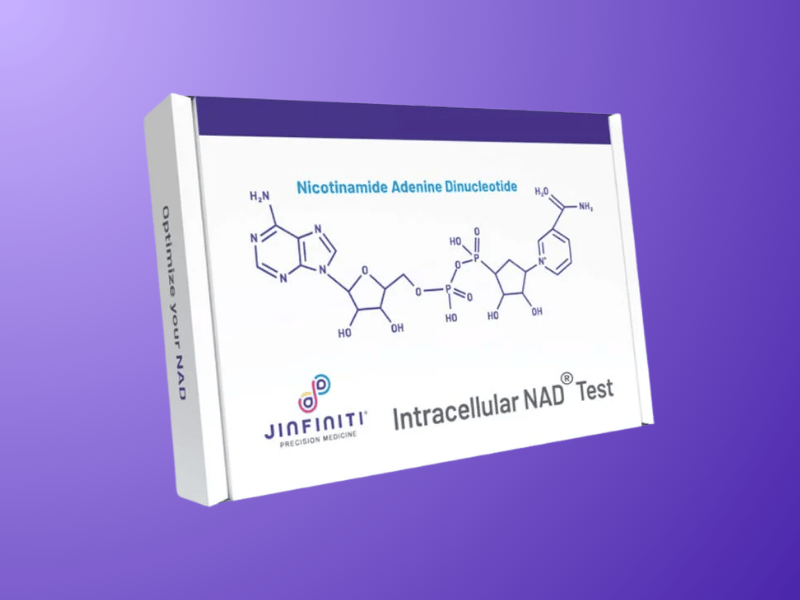
Jinfiniti Intracellular NAD Test on purple background

What are Normal NAD Levels by Age Group?

Inside our cells, NAD concentrations can range from as low as 10 μM to as high as 1000 μM4. To put this in perspective, imagine filling a drop of water with different amounts of NAD – some cells maintain just a trace amount, while others keep a abundant supply, depending on their specific energy needs. When measured in tissue samples, researchers have found total NAD concentrations between 0.3 and 0.4 μmol/g.

Based on Dr. Jin-Xiong She’s clinical research, we now have clear benchmarks for interpreting intracellular NAD levels:

  • Severely deficient: 0-20μM
  • Deficient: 20-30μM
  • Suboptimal: 30-40μM
  • Optimal: 40-100μM
  • Too high: Above 100μM (may not provide additional benefits and could potentially be harmful)

These optimal ranges of 40-100μM are the sweet spot where NAD-dependent enzymes, including sirtuins and PARPs, can function most effectively.

Tissue-Specific NAD+ Decline

Tissue-Specific NAD+ Decline

Rodent Studies
Human Studies
Skeletal Muscle
15-65% Decline
Consistent decrease with age in rodents, particularly in the gastrocnemius muscle.
Liver Tissue
10-50% Decline
Variable patterns with age. Most studies report decline in aged rodents with some exceptions.
Cardiac Tissue
0-65% Decline
Highly variable pattern. Study differences likely reflect species, strains, and methodological approaches.
Brain Regions
Variable by Region
Declines earlier than other tissues. Different brain regions show distinct patterns.
Skin Tissue
≥50% Decline
Substantial reductions with age. Strong negative correlations between NAD+ levels and age in both genders.
Brain & Cerebrospinal Fluid
10-25% Decline
Approximately 14% decrease in subjects older than 45 years compared to younger subjects.
Blood NAD+ Levels
Decline before age 50
More pronounced decline in men than women, especially in middle age (40-49 years).

Measuring Your NAD Levels

Clinical evidence suggests that suboptimal NAD levels may contribute to various health challenges – from chronic fatigue and sleep disturbances to cognitive decline and metabolic disorders.

Modern methods like Jinfiniti’s Intracellular NAD Test now allow for precise measurement of cellular NAD concentrations through convenient at-home collection, enabling individuals to assess their personal NAD status and work to optimize their levels and address NAD deficiency symptoms through targeted interventions.

The Gender Gap in Age-Specific NAD+ Levels

Studies have consistently shown that men tend to have higher baseline levels of whole blood NAD+ compared to women. In one large-scale study of over 1,500 participants, the average NAD+ level in men was 34.5 μmol/L, while women averaged 31.3 μmol/L5.

However, the way NAD+ levels change with age differs significantly between the sexes:

  • In men, NAD+ levels tend to decline gradually with age, with a more pronounced drop observed after age 60
  • Women, on the other hand, show a more complex pattern. Their NAD+ levels fluctuate across age groups without a clear downward trend

The distinct NAD+ profiles between men and women suggest that hormones play a role in regulating NAD+ metabolism. Researchers speculate that female sex hormones, particularly estrogen, may help maintain NAD+ levels throughout a woman’s life. This hypothesis is supported by observations in post-menopausal women, whose NAD+ patterns begin to resemble those of men.

The gender gap in NAD+ levels and their age-related changes may have far-reaching implications for how men and women age:

  1. Higher NAD+ levels in men might provide them with a metabolic advantage in youth, but the steeper decline with age could contribute to accelerated aging in some aspects.
  2. The more stable NAD+ levels in women could potentially offer some protection against certain age-related diseases, though more research is needed to confirm this.
  3. The effectiveness of NAD+ boosting supplements or therapies may differ between men and women, necessitating gender-specific approaches to anti-aging treatments6.

Strategies for Increasing NAD+ Levels as You Age

While many people seek to naturally increase NAD levels through lifestyle modifications like exercise, intermittent fasting, and consuming NAD-rich foods, research shows these methods alone can’t fully counter age-related NAD+ decline. It’s like trying to fill a leaking bucket – as we age, our cells’ increasing demand for NAD+ outpaces what we can restore through lifestyle changes alone.

A more comprehensive approach involves strategic supplementation with NAD boosters that target the root cause of age-related NAD+ decline. The key lies in providing your body with the right precursors in the right combinations to optimize NAD+ production at the cellular level.

Recent clinical research has revealed that a synergistic approach yields better results than single-compound solutions. This breakthrough understanding led to the development of Vitality ↑® NAD+ Booster, Jinfiniti’s scientifically formulated combination of NMN, Creatine monohydrate, D-Ribose, and Nicotinamide. Each component plays a crucial role:

  • NMN serves as a direct NAD+ precursor
  • Creatine monohydrate supports energy metabolism
  • D-Ribose enhances cellular energy production
  • Nicotinamide helps regulate NAD+ consumption

What sets this formulation apart is its extensive validation – from clinical studies to real-world testing in hundreds of clinics. The data speaks for itself: approximately 85% of users achieve optimized NAD+ levels, as confirmed through clinical testing. This high success rate demonstrates that while aging’s effects on NAD+ levels are inevitable, they’re not irreversible.

Think of maintaining healthy NAD+ levels as a long-term investment in your cellular health. While lifestyle factors provide the foundation, targeted supplementation with clinically validated NAD boosters offers the most reliable way to maintain optimal NAD+ levels as you age. The key is choosing a solution backed by both scientific research and real-world results.

Referenced Sources

  1. https://www.sciencedirect.com/science/article/pii/S004763742100141X ↩︎
  2. https://pmc.ncbi.nlm.nih.gov/articles/PMC5795269/ ↩︎
  3. https://pmc.ncbi.nlm.nih.gov/articles/PMC8979162/ ↩︎
  4. https://pmc.ncbi.nlm.nih.gov/articles/PMC6482912/ ↩︎
  5. https://www.frontiersin.org/journals/endocrinology/articles/10.3389/fendo.2022.829658/full ↩︎
  6. https://onlinelibrary.wiley.com/doi/10.1111/acel.13965 ↩︎
nad for weight loss

Can NAD Supplements Help You Lose Weight?

Losing weight can feel like an uphill battle, especially when you’re dealing with stubborn fat, a sluggish metabolism, and constant fatigue. If you’ve tried everything from restrictive diets to intense exercise regimens, yet still struggle to shed those extra pounds, the solution may lie in a vital compound called NAD+.

NAD+ (Nicotinamide Adenine Dinucleotide) is a coenzyme that plays a crucial role in cellular energy production, fueling a wide range of bodily functions, including metabolism. However, as we age, our natural NAD+ levels begin to decline, which can impact our ability to lose weight and maintain a healthy physique.

Fortunately, growing research suggests that supplementing with NAD+ precursors may hold the key to revitalizing your weight loss efforts. By boosting your NAD+ levels, you can potentially experience increased energy, enhanced fat-burning capabilities, and a faster, more efficient metabolism – all of which can contribute to successful and sustainable weight management.

So, can NAD supplements help you achieve your weight loss goals?


In this article, you’ll discover:

  • How NAD+ can help speed up your metabolism and burn fat more effectively.
  • The weight loss roadblocks NAD+ can help you break through for lasting results. 
  • How NAD+ supplements can make managing your weight and metabolism easier and more sustainable.

NAD+ and Metabolic Function

a man with a measuring tape measuring his waist

NAD+ is a crucial molecule that powers our cells’ energy production. As a coenzyme, it supports several metabolic processes, including glycolysis, the citric acid cycle, and oxidative phosphorylation1.

During glycolysis, NAD+ helps convert glucose (a type of sugar) into pyruvate, releasing energy in the process2. This pyruvate then enters the next stages of energy production, where NAD+ helps extract even more energy from it.

For glycolysis to keep functioning, NADH (the reduced form of NAD+) must convert back into NAD+. This recycling ensures the process continues without a buildup of substances, supporting consistent energy production for all cellular activities, including metabolism.

In the citric acid cycle, NAD+ helps break down nutrients to produce high-energy electron carriers3. As nutrients are processed, NAD+ collects these high-energy electrons, which act like power boosts for our cells.

These electrons are then sent to the electron transport chain during oxidative phosphorylation, where their energy is used to produce ATP, the main energy currency of our body. This process is crucial for boosting metabolism and burning fat to manage weight effectively.

However, as we age, our bodies naturally see a decline in NAD+ levels. A 2022 study published in the journal Experimental Gerontology found that these levels can decrease by more than 50% from young adulthood to older ages4.

This decrease is alarming because low NAD levels can signal an energy deficiency5, making it harder for cells to metabolize nutrients effectively. Maintaining the right balance of NAD+ is crucial for optimal metabolic function and supporting healthy weight management.

With less NAD+, our energy production slows down, making it harder to burn calories efficiently. This slowdown can lead to weight gain or difficulty losing weight, contributing to those frustrating plateaus many experience in their fitness journeys.

NAD+ is also involved in regulating sirtuins6, enzymes that help manage fat metabolism and insulin sensitivity. As NAD+ levels fall, sirtuin activity can decrease, further hampering the body’s ability to regulate weight.

Moreover, NAD+ helps regulate autophagy, the process by which the body cleans out damaged cells. As we age, autophagy slows down7, and since NAD+ is needed for this to happen, lower levels can lead to a buildup of damaged cells. This accumulation can mess with your metabolism and contribute to weight gain.

NAD+ and Fat Tissues

a man wearing large pants

NAD+ actively supports the functions of our fat tissues, specifically in white adipose tissue (WAT) and brown adipose tissue (BAT), which together enhance energy balance and optimize metabolic health.

WAT acts as an endocrine organ that secretes hormones like leptin, which regulate appetite and metabolism8. NAD+ influences the production and function of this hormone. For example, adequate NAD+ levels may improve leptin receptor sensitivity, which helps regulate appetite and reduce overeating.

Normal NAD+ levels are also necessary for the cells in WAT to respond well to insulin9, allowing glucose to be used for energy instead of being stored as fat. Low NAD+ levels can impair this process, contributing to insulin resistance and excess fat storage.

On the other hand, brown adipose tissue (BAT) contains a high concentration of mitochondria and burns energy to produce heat through thermogenesis10. This process is regulated by the protein UCP1 (uncoupling protein 1), which releases energy as heat instead of storing it.

NAD+ fuels BAT’s high metabolic rate and promotes the breakdown of stored fat for heat production. Activating BAT through NAD+ boosts thermogenesis, increasing overall energy expenditure11, which can help with body weight management. 

Another important role of NAD+ in fat tissues is its involvement in the “browning” of white fat. NAD+ helps trigger this transformation, where white fat cells convert into a more metabolically active form, similar to brown fat cells. As a result, these browned fat cells gain a higher mitochondrial density and can burn fat for energy.

A study published in Redox Biology shows that browning boosts fat’s metabolic activity12, turning WAT from a passive storage site into an active fat-burning depot. This process can potentially reduce fat accumulation, especially in areas prone to stubborn fat storage.

The Science Behind NAD+ and Weight Loss

a plate of pills and a measuring tape

NAD+ is vital for cellular energy production. It helps convert glucose and fatty acids into usable energy within the mitochondria13, the powerhouses of cells. This energy drives everything from muscle function to body temperature regulation, making efficient energy conversion essential for managing weight.

The body’s metabolic flexibility, or the ability switch between burning fats and carbohydrates for fuel, is improved by NAD+, which supports energy conversion and activates metabolic enzymes.

While NAD+ helps support metabolic processes and energy expenditure, optimal levels are linked to healthier body composition14. Higher NAD+ levels are associated with better preservation of lean muscle mass, while low levels can contribute to fat accumulation.

Through its effects on cellular health and metabolic rate, NAD+ can help maintain a favorable balance between muscle and fat in the body, leading to a leaner physique over time.

Indeed, research shows that NAD+ may support weight management and improved body composition15. Healthy NAD+ levels also boost mitochondrial function and fat metabolism, which may contribute to weight management and metabolic health in the long run.

NAD+ also affects adiponectin, a hormone produced by fat cells that regulates glucose levels and breaks down fatty acids. Optimal NAD+ levels support adiponectin production16, which in turn improves insulin sensitivity and reduces inflammation.

This can help the body manage blood sugar better and reduce fat storage, both key factors in healthy weight management. So, while NAD+ itself might not directly burn fat, its role in reducing inflammation and supporting metabolic processes indirectly supports weight control and helps prevent metabolic dysfunctions that often accompany obesity.

Clinical Research on NAD for Weight Loss

a man and woman in lab coats looking at a test tube

Emerging research shows how NAD+ promotes weight loss and fat metabolism. While NAD+ has long been known as crucial for energy production, new studies reveal its potential to enhance the body’s ability to burn fat.

A study published in Frontiers in Nutrition involving 5,144 participants found that taking NAD+ precursors can lower Body Mass Index (BMI) and increase adiponectin levels.17 Specifically, people who took NAD+ supplements experienced a small yet significant reduction in BMI. 

Another study published in the Journal of Nutritional Biochemistry looked at how nicotinamide (NAM) affects obesity in mice. The researchers found that NAM supplementation reduced fat mass and improved glucose tolerance18. It also increased mitochondrial proteins in fat tissue, suggesting that NAM boosts mitochondrial function, which is important for burning fat. 

Moreover, NAM raised NAD+ levels by over 30% and enhanced glutathione production, supporting better metabolic function and easier weight management. Overall, NAM seems to reprogram how fat cells work to fight obesity-related issues.

Another study also found that NAD+ precursors can help with weight loss by improving insulin sensitivity and enhancing metabolic function. By boosting NAD levels, these precursors may help regulate energy expenditure and fat metabolism, making it easier for the body to burn fat.19 

Overall, optimized NAD can help support better metabolic health and weight management and reduce obesity-related complications.

NAD+ Precursors and Their Weight Loss Effects

a woman in green shirts

Of all the known NAD boosters, two of the most well-known are nicotinamide riboside (NR) and nicotinamide mononucleotide (NMN).

A 2021 study found that NR supplementation was associated with reduced weight gain and preservation of muscle mass. NR also aided in weight reduction and increased lean mass relative to body fat. In rats on calorie restriction, NR reduced inflammation in the hypothalamus20, a brain region important for weight control.

These findings suggest that NR, especially when combined with calorie restriction, could aid in weight management by promoting fat loss without sacrificing muscle, as well as by reducing certain inflammatory markers.

NMN, another direct precursor of NAD+, also shows promising effects on body composition and metabolism. A study published in the IUBMB Life journal demonstrated that NMN helped reduce fat mass, preserved lean muscle, and improved glucose tolerance21.

The researchers also found that NMN lowers blood lipid levels and reduces liver fat, mitigating inflammation in fat tissue and addressing fatty liver issues often seen with obesity. NMN appears to support a shift toward a healthier body profile.

On top of that, NMN’s ability to reduce fat tissue inflammation, improve insulin sensitivity, and boost insulin secretion could make it a helpful tool for balancing blood sugar and supporting a leaner body—both important for managing weight and metabolic health.

While NR and NMN are among the most studied NAD+ precursors, two other forms of vitamin B3, niacin and nicotinamide, also contribute to NAD+ production and deliver their own unique benefits to help with weight management and overall metabolic function.

Niacin assists in the body’s fat and sugar processing, supporting cellular health, which is essential for weight control. At higher doses, niacin can also improve blood triglyceride levels, helping prevent fat accumulation and promoting a balanced body composition.

In fact, a study published in Cell Metabolism found that niacin effectively boosts NAD+ levels in adults. At doses up to 1,000 mg daily, blood NAD+ levels increased up to eightfold, and participants experienced a significant liver fat reduction of up to 50%.22

Nicotinamide, on the other hand, shows promise in metabolic function improvement through reducing fat mass and increasing lean muscle. In 2021, a study found that Nicotinamide improved weight management in mice23. When given to them, Nicotinamide increased how much energy they burned and changed their body fat composition. The mice ended up with more brown and beige fat, which is good for burning calories. 

In addition to well-known NAD+ precursors, D-ribose is another supplement worth trying. This naturally occurring sugar doesn’t directly increase NAD+ levels like the others, but it helps the body produce ATP, which in turn supports NAD+ production. This makes D-ribose another useful tool for boosting energy and metabolism.

At the end of the day, taking a holistic approach when using NAD precursors to improve metabolic function for weight loss is key to maximizing results. Jinfiniti’s Vitality ↑® NAD+ Booster exemplifies this by combining four synergistic ingredients: NMN, Creatine monohydrate, D-ribose, and nicotinamide. 

This unique formulation supports cellular metabolism and energy to help your body lose weight efficiently. This clinically validated formulation ensures you’re not just supplementing but revitalizing your entire well-being by increasing NAD at the cellular level.

Vitality NAD+ Booster promotional image

Does NAD IV Therapy Work for Weight Loss?

a woman measuring her waist with a measuring tape

NAD IV therapy has become a buzzword for those seeking weight loss, but it’s important to manage expectations. While NAD therapy boosts extracellular NAD levels, which can help with energy and metabolism, it shouldn’t be the sole strategy for shedding pounds.

When considering NAD supplements versus IV therapy, it’s important to understand their differences. NAD precursor supplements are easy to take regularly and support long-term cellular health, offering a gradual boost to NAD+ levels and metabolism over time. This makes them a good choice for steady, ongoing weight management.

In contrast, NAD IV treatment provides a higher, more immediate dose of NAD+, delivering quicker effects. While it can temporarily increase energy levels and metabolism, the impact on long-term fat loss or significant weight reduction may be limited without accompanying lifestyle changes.

Moreover, NAD IV therapy can be costly, and some people experience side effects like headaches, nausea, or dizziness. These effects are generally temporary but it’s important to be aware of them before undergoing treatment. 

So, if you’re considering NAD injections for weight loss, it’s important to remember that it should be part of a broader strategy that includes a balanced diet and regular exercise. Ultimately, the choice depends on your personal health goals and budget.

Potential Side Effects of NAD Supplementation

a woman holding a glass of water and a glass of water

Current evidence points to NAD+ supplements being generally safe and well-tolerated, with some important caveats: long-term effects of high doses aren’t fully understood yet, and the supplement market’s limited regulation poses inherent risks.

Variable product quality and potential impurities remain ongoing concerns, making it important to opt for manufacturers that demonstrate their commitment to quality through independent testing.

How to Increase NAD Levels for Weight Loss

a woman smiling and holding a sandwich

Increasing your NAD levels is a powerful way to support metabolism and make weight management easier, and there are a few simple steps to get started.

First up: diet. Choosing niacin-rich foods like vegetables, whole grains, and lean proteins can give your body the building blocks it needs to produce more NAD+. Even adding fermented foods, like kimchi and sauerkraut, can help out with a small NAD+ boost while benefiting gut health.

Next, staying active is key. Exercise—especially high-intensity and endurance workouts—naturally supports NAD production in your cells. Whether it’s a brisk walk, a run, or a strength session, regular movement keeps your energy high and your metabolism on point.

Making small lifestyle tweaks also goes a long way. Practicing intermittent fasting or occasional calorie restriction can jumpstart autophagy, clearing out old cells and ramping up NAD production. And managing stress through meditation or yoga can help prevent oxidative stress, allowing your NAD levels to stay stable.

For added support, consider NAD-boosting supplements that contain clinically proven precursors such as Vitality ↑® NAD+ Booster. These can help optimize your NAD+ levels, supporting your journey toward achieving your ideal weight and physique.

If you’re experiencing symptoms like fatigue, weight gain, or difficulty shedding pounds, it could be a sign of NAD deficiency. Taking an Intracellular NAD Test can help you assess your baseline levels, giving you a clearer picture before starting any interventions. 

With regular testing, you can fine-tune your supplementation and track whether your current dosage or supplement is effectively supporting your weight loss goals.

Referenced Sources:

  1. https://pmc.ncbi.nlm.nih.gov/articles/PMC7973386/ ↩︎
  2. https://www.jove.com/science-education/10739/energy-releasing-steps-of-glycolysis ↩︎
  3. https://www.ncbi.nlm.nih.gov/books/NBK553175/ ↩︎
  4. https://pmc.ncbi.nlm.nih.gov/articles/PMC7442590/ ↩︎
  5. https://clintransmed.springeropen.com/articles/10.1186/s40169-016-0104-7 ↩︎
  6. https://www.sciencedirect.com/science/article/pii/S2212877821000351?via%3Dihub ↩︎
  7. https://pmc.ncbi.nlm.nih.gov/articles/PMC3674854/ ↩︎
  8. https://pmc.ncbi.nlm.nih.gov/articles/PMC7503240/ ↩︎
  9. https://pmc.ncbi.nlm.nih.gov/articles/PMC3431206/ ↩︎
  10. https://pmc.ncbi.nlm.nih.gov/articles/PMC3972344/ ↩︎
  11. https://pmc.ncbi.nlm.nih.gov/articles/PMC7752291/ ↩︎
  12. https://www.sciencedirect.com/science/article/pii/S2213231717300812 ↩︎
  13. https://pmc.ncbi.nlm.nih.gov/articles/PMC4487780/ ↩︎
  14. https://pmc.ncbi.nlm.nih.gov/articles/PMC6509089/ ↩︎
  15. https://pmc.ncbi.nlm.nih.gov/articles/PMC10579603/ ↩︎
  16. https://www.sciencedirect.com/science/article/pii/S0955286323001663 ↩︎
  17. https://www.frontiersin.org/journals/nutrition/articles/10.3389/fnut.2023.1208734/full ↩︎
  18. https://www.sciencedirect.com/science/article/pii/S0955286322001279 ↩︎
  19. https://www.frontiersin.org/journals/endocrinology/articles/10.3389/fendo.2021.815565/full ↩︎
  20. https://pmc.ncbi.nlm.nih.gov/articles/PMC8475757/ ↩︎
  21. https://pubmed.ncbi.nlm.nih.gov/36785893/ ↩︎
  22. https://www.sciencedirect.com/science/article/pii/S155041312030190X ↩︎
  23. https://pubmed.ncbi.nlm.nih.gov/33870623/ ↩︎

NAD IV Therapy Cost: How Much Should You Expect to Pay?

Imagine unlocking boundless energy, razor-sharp focus, and a renewed sense of vitality—not through another fad diet or grueling workout, but by tapping into your body’s own cellular powerhouse.

This isn’t science fiction; it’s the promise of NAD IV therapy, a cutting-edge treatment that’s captivating health enthusiasts and Hollywood A-listers alike. 

But as with any breakthrough, the question on everyone’s mind is: Does the price tag match the potential? Read on to discover all you need to know about the costs of NAD therapy and determine whether this cellular rejuvenation is truly worth your investment.


In this article, we discuss: 

  • The science of NAD therapy and understand how it works to boost your energy and vitality.

  • What you should expect to pay for NAD IV treatment and discover if it’s the right choice for you.

  • How to enjoy celebrity-level energy and anti-aging benefits without the Hollywood price tag – all for just a fraction of the cost!


577txayk 1

NAD IV therapy has quickly become the latest wellness trend, touted for its ability to boost energy, sharpen the mind, and even slow down the aging process.

Hollywood stars like Jennifer Aniston and Justin Bieber use this treatment to optimize their health. Podcaster Joe Rogan is also a fan, adding to the therapy’s growing appeal. 

High-performing athletes are getting on board too, recognizing NAD+ IV therapy for its potential to enhance athletic performance and support recovery. In fact, former NFL quarterback Jay Cutler turned to NAD+ therapy after his 12-year career, where he suffered from 15 head injuries.

But before you jump on the bandwagon, it’s important to get a clear picture of the costs involved in ongoing NAD treatment and weigh them against the potential benefits.

What is NAD IV Therapy?

6ylptl5f 1

NAD IV therapy is a treatment designed to deliver a powerful coenzyme called nicotinamide adenine dinucleotide (NAD) directly into your bloodstream. 

NAD is crucial for cellular energy, aiding in metabolic processes like DNA repair, combating oxidative stress, and regulating circadian rhythms.1

A 2022 study published in the Frontiers in Endocrinology Journal reported that as you age, your NAD levels naturally decline.2 This decline can contribute to various health issues like fatigue and cognitive problems.

The purpose of NAD IV therapy is to replenish these diminishing NAD+ levels quickly and efficiently.

NAD boosts your cells’ energy by enhancing the production of adenosine triphosphate (ATP), the primary fuel that powers cellular function. It also activates a family of proteins called sirtuins, which help repair cellular damage, manage stress, and keep your metabolism in check.3

NAD IV therapy skips the digestive system, sending a concentrated dose of NAD straight into your bloodstream. This can lead to faster and more noticeable benefits. This is why many people report feeling more energized, mentally sharp, and physically resilient after undergoing NAD IV therapy.

How Much Does NAD IV Therapy Cost?

a603itnj 1

The cost of NAD IV therapy can vary widely, but on average, you can expect to pay anywhere from $500 to $2,000 per session. The exact price depends on several factors, including the clinic’s location and reputation. 

In major cities like New York, Los Angeles, and Chicago, a single NAD IV session might range from $600 to $1,000 or more. These cities have a higher cost of living, and clinics often charge a premium for their services to cover expenses and cater to a wealthier clientele.

In contrast, smaller towns or rural areas offer more affordable options, ranging from $300 to $500. Lower costs in these areas often stem from reduced overhead, lower demand, and the need to attract customers with less disposable income compared to big cities.

Moreover, a clinic known for delivering high-quality results or one favored by celebrities and influencers may charge a premium for their services. These clinics often invest in state-of-the-art equipment, highly trained staff, and luxurious amenities, all of which contribute to higher costs. 

The cost of NAD IV therapy is also influenced by the dosage and length of each session. Typically, higher doses of NAD+ require more time to administer, resulting in longer sessions and higher costs. 

Additional Fees

Beyond the base cost, there are often additional fees to consider. 

Many clinics charge for initial consultations, which can range from $100 to $200, depending on the provider. Follow-up consultations may also come with a fee, especially if your therapy is personalized and requires ongoing monitoring.

You may also face costs for add-ons like vitamin infusions or hydration boosters, which can enhance your therapy and address specific health needs. These extras can add another $50 to $200 per session.

If you’re traveling to a clinic far from home, you’ll need to factor in potential travel expenses. This might include transportation, accommodation, and meals, all of which can increase the overall cost of your treatment.

Cost of Multiple NAD Therapy Sessions

NAD IV therapy is often most effective when done over multiple sessions, especially for long-term benefits. As a result, the cumulative cost can add up quickly. 

Typically, it’s suggested to start NAD+ IV therapy with weekly sessions for the first four weeks, followed by bi-weekly treatments for the next month. After that, you can often switch to just once a month to maintain the benefits.

If you’re considering a series of treatments, some clinics offer packages or discounts for multiple sessions. However, even with discounts, you might be looking at a total cost of several thousand dollars, particularly if you undergo therapy over several weeks or months.

Is NAD IV Therapy Covered by Insurance?

NAD IV treatment plans are not typically not covered by health insurance in the United States. Most insurance providers consider this treatment elective or alternative, placing it outside the scope of standard medical coverage.

The reason for this lack of coverage is twofold: NAD IV drip therapy is not FDA-approved for treating specific medical conditions and it’s often categorized as a wellness or anti-aging treatment rather than a medical necessity.

While insurance coverage for NAD IV therapy is unlikely, it’s always worth checking with your specific insurance provider. In rare cases, coverage may be possible if the treatment is deemed medically necessary for a diagnosed condition. However, such instances are the exception rather than the rule.

NAD IV Therapy vs Oral NAD Supplement Cost

35el9zhg 1

If you’re aiming to boost your NAD+ levels, two popular choices are NAD IV therapy and oral NAD supplements.

NAD IV therapy is the pricier option, with monthly sessions adding up to around $6,000 a year.

In contrast, oral NAD supplements offer a practical choice, with a month’s supply ranging from $40 to $100. Over a year, you could spend as little as $480, making it a more sustainable way to support your NAD+ levels long-term.

But beyond the price, it’s far more important to consider how these methods work with your body. One key issue with NAD IV therapy is whether the NAD+ actually gets into your cells to boost your levels effectively. 

NAD molecules are too big to pass through cell membranes, so most of the NAD+ ends up staying outside the cells. This means NAD IV therapy might not be as effective at raising intracellular NAD+ levels and providing the health benefits you’re looking for.

On the other hand, oral NAD supplements supply your body with the raw materials it needs to make NAD+ on its own. It’s a more efficient approach that directly supports the cellular processes that keep you energized, healthy, and resilient.

Vitality NAD+ Booster promotional image

Is the Cost of NAD IV Therapy Worth It?

yfngitrv 1

NAD IV therapy can be effective, but there’s a lot to consider. 

Each session may take up to 4 hours, so you’ll need to set aside a big chunk of your time.  Plus, since multiple sessions are often required, the time and effort can really add up. The speed of the infusion matters, too, as faster infusions are linked to side effects like stomach pain. 

If you want to save on both cost and time, oral NAD supplements are a solid alternative. 

You can take them whenever and wherever you want—no appointments or long waits. 

They come in different forms like NAD powders and sublingual drops, so you can easily fit them into your daily routine.

However, not all NAD supplements are created equal. 

Just like with NAD IV therapy, some supplements only contain NAD+ itself, which doesn’t always get into your cells effectively due to its limited bioavailability.

For best results, choose supplements with NAD+ precursors. They’re easier for your body to absorb and convert into NAD+ inside your cells.

Referenced Sources

  1. https://www.ncbi.nlm.nih.gov/pmc/articles/PMC7963035/ ↩︎
  2. https://www.frontiersin.org/journals/endocrinology/articles/10.3389/fendo.2022.829658/full ↩︎
  3. https://www.ncbi.nlm.nih.gov/pmc/articles/PMC4112140/ ↩︎
fatigue from long covid

How NAD Helps Chronic Fatigue

Is NAD a potential answer for chronic fatigue? According to research, very likely.

Chronic fatigue is a complex and debilitating condition that affects millions of people worldwide. It is characterized by persistent and unexplained fatigue that is not relieved by rest. Individuals with chronic fatigue often experience a significant reduction in their ability to perform daily activities, impacting their overall quality of life. Managing chronic fatigue requires a multifaceted approach, including understanding the role of NAD in the body and its connection to this condition.

shutterstock 1211071168

What is Chronic Fatigue?

Chronic fatigue, also known as chronic fatigue syndrome (CFS), is a long-term illness that affects multiple body systems. It is more than just feeling tired; it is a severe and persistent fatigue that lasts for at least six months. This debilitating condition can greatly impact a person’s quality of life, making even simple daily tasks feel overwhelming.

Living with chronic fatigue can be incredibly challenging. The constant exhaustion can leave individuals feeling drained and unable to participate in activities they once enjoyed. Simple tasks like getting out of bed or taking a shower can become monumental feats. The physical and mental toll of chronic fatigue can lead to feelings of frustration, isolation, and depression.

One of the most frustrating aspects of chronic fatigue is the lack of understanding surrounding its cause. Despite extensive research, scientists have yet to pinpoint a specific cause for this condition. It is believed to be a complex interplay of genetic, environmental, and immunological factors. This complexity makes it difficult to develop effective treatments and interventions.

a1 2

Defining Chronic Fatigue Syndrome

Chronic fatigue syndrome is a complex disorder with no known cause. It is diagnosed based on the presence of specific symptoms and the exclusion of other medical conditions that could explain the fatigue. The exact mechanisms behind chronic fatigue syndrome are not fully understood, making it a challenging condition to manage.

Individuals with chronic fatigue syndrome often face skepticism and disbelief from others due to the lack of visible physical symptoms. This can further exacerbate the emotional toll of the condition, as they may struggle to find validation and support from those around them. Raising awareness1 and understanding about chronic fatigue syndrome is crucial to providing empathy and support to those living with this invisible illness.

Common Symptoms and Diagnosis

The symptoms of chronic fatigue syndrome can vary from person to person but typically include unexplained fatigue, post-exertional malaise, sleep disturbances, cognitive impairment, and autonomic dysfunction. These symptoms can be debilitating and significantly impact daily functioning. Unexplained fatigue is a hallmark symptom of chronic fatigue syndrome. It is not relieved by rest and can worsen with physical or mental activity. This persistent exhaustion can make it difficult to maintain employment, engage in social activities, and fulfill family responsibilities.

Post-exertional malaise is another common symptom experienced by individuals with chronic fatigue syndrome. It refers to a worsening of symptoms after physical or mental exertion. Even simple tasks like grocery shopping or attending a social gathering can lead to a severe increase in fatigue and other symptoms, often lasting for days or even weeks.

Diagnosing chronic fatigue syndrome involves ruling out other potential causes of fatigue through a thorough medical evaluation that includes blood tests, imaging studies, and assessment of symptoms. It is essential for healthcare professionals to carefully consider all possible explanations for fatigue and to provide a comprehensive evaluation to ensure an accurate diagnosis.

Living with chronic fatigue syndrome requires a multidisciplinary approach to management. Treatment options may include a combination of medication, lifestyle modifications2, and psychological support. Individuals with chronic fatigue syndrome need to work closely with their healthcare team to develop a personalized treatment plan that addresses their unique needs and symptoms.

While there is currently no cure for chronic fatigue syndrome, ongoing research, and advancements in medical understanding offer hope for improved management and quality of life for those living with this challenging condition.

The Science Behind NAD

a2 8

Nicotinamide adenine dinucleotide (NAD) is a coenzyme found in all living cells and is involved in various biological processes, including energy production and DNA repair. NAD exists in two forms: NAD+ and NADH. NAD+ is the oxidized form, while NADH is the reduced form. Maintaining adequate levels of NAD+ is crucial for optimal cellular function.

When it comes to understanding the science behind NAD, it is important to delve into the intricate details of its functions and how it impacts the body. NAD plays a vital role in energy metabolism, acting as a coenzyme in the process of converting food into energy. It participates in redox reactions, transferring electrons between molecules and enabling ATP synthesis, the primary energy currency of cells. This means that without NAD, our cells would struggle to produce the energy needed for various physiological processes.

Furthermore, NAD is not only involved in energy production but also serves as a substrate for enzymes involved in DNA repair and gene expression regulation. These enzymes rely on NAD to carry out their functions effectively. DNA repair is essential for maintaining the integrity of our genetic material, preventing mutations, and ensuring proper cell division. Gene expression regulation, on the other hand, controls which genes are turned on or off, influencing various cellular processes and ultimately impacting our overall health.

The Function of NAD in the Body

NAD’s multifaceted role in the body highlights its significance in maintaining optimal cellular function. By acting as a coenzyme, NAD facilitates the conversion of food into usable energy through glycolysis, the citric acid cycle, and oxidative phosphorylation. These energy-producing pathways rely on NAD+ as a cofactor for various enzymes, ensuring the efficient breakdown of glucose and other nutrients to generate ATP.

Moreover, NAD’s involvement in redox reactions allows it to transfer electrons between molecules, playing a crucial role in cellular respiration. This process involves the transfer of electrons from NADH to the electron transport chain, ultimately leading to the production of ATP. Without NAD, this electron transfer would be disrupted, hindering ATP synthesis and compromising cellular energy levels.

In addition to its role in energy metabolism, NAD also serves as a vital component in DNA repair mechanisms. DNA damage can occur due to various factors, such as exposure to harmful UV radiation or chemical mutagens. To maintain genomic stability, cells rely on enzymes that utilize NAD as a substrate to repair damaged DNA. These enzymes recognize and correct errors in the DNA sequence, preventing the accumulation of mutations that could lead to diseases like cancer.

How NAD Levels Affect Energy Production

The impact of NAD levels on energy production cannot be overstated. When NAD+ levels decline, the energy-producing pathways mentioned earlier can be disrupted. This disruption can lead to decreased ATP synthesis and an overall reduction in cellular energy levels. As a result, cells may struggle to perform their essential functions, leading to fatigue, decreased physical performance, and impaired overall health.

Furthermore, low NAD+ levels can also affect other cellular processes that rely on energy, such as protein synthesis and cell signaling. Protein synthesis is crucial for building and repairing tissues, while cell signaling allows cells to communicate and coordinate their activities. Without sufficient NAD+, these processes may be compromised, leading to a cascade of effects that can impact various aspects of our health and well-being.

In conclusion, understanding the science behind NAD is essential for comprehending its vital role in the body. From energy production to DNA repair and gene expression regulation, NAD plays a multifaceted role in maintaining optimal cellular function. By ensuring adequate NAD+ levels, you can support your cells’ energy needs and promote overall health and well-being.

NAD and Chronic Fatigue: The Connection

a3 3

“NADH helps your body make energy. Some people take it in supplement form to treat chronic fatigue syndrome.” (Adrienne Delwo, verywellhealth3, July 11, 2023) 

Emerging research suggests a link between NAD and chronic fatigue. One potential mechanism is the impact of NAD on mitochondrial function.

The Impact of NAD on Mitochondrial Function

Mitochondria are often referred to as the “powerhouses” of cells because they generate the majority of the cell’s energy in the form of ATP. NAD+ is essential for mitochondrial function, as it is a key regulator of mitochondrial biogenesis and dynamics. It is also involved in the electron transport chain, which is responsible for ATP production.

Furthermore, NAD+ plays a crucial role in maintaining the balance between energy production and cellular repair. It acts as a cofactor for various enzymes involved in DNA repair and maintenance, ensuring the integrity of the mitochondrial genome. This is particularly important because mitochondrial DNA is more susceptible to damage compared to nuclear DNA due to its proximity to reactive oxygen species generated during ATP synthesis.

In addition to its role in ATP production and DNA repair, NAD+ also influences other mitochondrial processes. It regulates the production of reactive oxygen species, which are natural byproducts of cellular respiration. By maintaining the delicate balance of reactive oxygen species, NAD+ helps prevent oxidative stress, a condition characterized by an imbalance between the production of reactive oxygen species and the body’s ability to neutralize them. Oxidative stress can damage cellular components, including proteins, lipids, and DNA, leading to mitochondrial dysfunction and fatigue.

NAD Deficiency and Chronic Fatigue

Studies have shown that individuals with chronic fatigue syndrome may have lower levels of NAD+. NAD deficiency can impair mitochondrial function, leading to reduced ATP synthesis and decreased cellular energy. This energy deficit may contribute to the severe fatigue experienced by individuals with chronic fatigue.

Moreover, NAD+ depletion can disrupt the delicate balance of reactive oxygen species, tipping the scales towards oxidative stress. The resulting damage to mitochondrial components further exacerbates the energy deficit and contributes to the persistent fatigue observed in chronic fatigue syndrome.

Interestingly, NAD+ supplementation has shown promising results in alleviating fatigue symptoms in some individuals with chronic fatigue syndrome. By replenishing NAD+ levels, mitochondrial function can be restored, leading to increased ATP production and improved cellular energy. Additionally, NAD+ supplementation may help rebalance the production of reactive oxygen species, reducing oxidative stress and protecting mitochondrial integrity.

Further research is needed to fully understand the complex relationship between NAD, mitochondrial function, and chronic fatigue. However, the emerging evidence suggests that targeting NAD metabolism and mitochondrial health may hold promise as a potential therapeutic approach for individuals suffering from chronic fatigue syndrome.

Boosting NAD Levels for Chronic Fatigue Management

Enhancing NAD levels may be a potential strategy for managing chronic fatigue. Both natural and medical approaches can help increase NAD+ levels in the body.

Natural Ways to Increase NAD Levels

Several lifestyle factors can influence NAD+ levels. Regular exercise, a well-balanced diet, and adequate sleep have been shown to support NAD+ production. Certain foods, such as dairy products, fish, and nuts, contain precursors to NAD+ synthesis, including niacin and tryptophan. Additionally, some dietary supplements, such as nicotinamide riboside, have been found to boost NAD+ levels.

Medical Treatments to Enhance NAD Production

In certain cases, medical interventions may be necessary to increase NAD+ levels. NAD+ precursors, can be taken as supplements to support NAD+ synthesis. However, consulting with a healthcare professional before starting any supplementation regimen is essential to ensure safety and efficacy.

Potential Risks and Considerations

While increasing NAD+ levels may hold promise for managing chronic fatigue, it is important to consider potential risks and side effects.

Side Effects of NAD Supplementation

NAD+ supplementation is generally well-tolerated, but some individuals may experience side effects such as flushing, dizziness, or gastrointestinal disturbances. It is crucial to speak with a healthcare professional before starting any new treatment to discuss the potential risks and benefits.

When to Consult a Healthcare Professional

If you are experiencing chronic fatigue or suspect you may have chronic fatigue syndrome, it is recommended to consult with a healthcare professional for an accurate diagnosis and appropriate management plan. They can help determine whether NAD+ augmentation may be a suitable option for you and provide guidance on lifestyle modifications and other treatment strategies.

Conclusion

In conclusion, understanding the role of NAD in managing chronic fatigue is a critical step in addressing this challenging condition. NAD plays a crucial role in energy production and mitochondrial function, both of which are closely linked to the symptoms experienced by individuals with chronic fatigue. By exploring natural ways to increase NAD levels and considering medical interventions, individuals with chronic fatigue may find relief and improved quality of life. Consulting with a healthcare professional is essential to develop a personalized management plan that considers individual needs and considerations. Begin increasing NAD levels in the body to boost energy and improve sleep quality. Accuri® Vitality ↑® NAD+ Booster is a groundbreaking NAD supplement.

Lastly, if you’re interested in going deeper on health-related content, here are a few of our recent posts that you may want to read:

  1. Why Muscle Is Your Biggest Alley in the Anti-Aging Strategy
  2. The 24 Hottest Biohacking Trends in 2024
  3. NAD Optimization: Real People, Real Results
  4. 9 Powerful Benefits of Optimizing Your NAD

Referenced Sources:

  1. https://www.cchwyo.org/news/2023/march/chronic-fatigue-syndrome-awareness-month/ ↩︎
  2. https://www.healthline.com/health/diet-hacks-to-reduce-chronic-fatigue#1 ↩︎
  3. https://www.verywellhealth.com/nadh-for-fibromyalgia-chronic-fatigue-syndrome-715795 ↩︎

brain health

Understanding Andrew Huberman’s Perspective on NAD+ Usage and Its Benefits

The Brain

There has been growing interest in the potential benefits of NAD+ precursor as a supplement for health and longevity. Andrew Huberman, a prominent neuroscientist and professor at Stanford University, has been at the forefront of researching NAD+ precursor and its effects on the body. This article will explore Huberman’s background, his role in neuroscience research, and his views on NAD+ precursor. It will also delve into the science behind NAD+ precursor, its potential benefits, and the criticisms and controversies surrounding its use.

Who is Andrew Huberman?

Andrew Huberman1 is a well-respected neuroscientist known for his groundbreaking research in the field of neuroscience. He completed his undergraduate studies at Columbia University and received his Ph.D. in Neurobiology from the University of California, Los Angeles. Currently, he is a professor in the Department of Neurobiology at Stanford University School of Medicine.

brain 6498039 640 1

Huberman’s Background and Expertise

With a strong foundation in neurobiology2, Huberman specializes in studying the visual system and how it interacts with the brain. His research focuses on understanding the mechanisms that regulate neural plasticity and vision restoration. Andrew Huberman’s journey in the field of neuroscience began during his undergraduate years at Columbia University. Fascinated by the complexities of the brain and its connection to human behavior, he delved into the world of neurobiology. His insatiable curiosity and passion for understanding the inner workings of the brain led him to pursue a Ph.D. in Neurobiology at the University of California, Los Angeles.

During his graduate studies, Huberman’s research focused on the visual system, a complex network of neurons responsible for processing visual information. He explored the intricate connections between the eyes and the brain, unraveling the mechanisms that enable us to perceive the world around us. His work shed light on the remarkable plasticity of the visual system and its potential for restoration after injury or disease.

Huberman’s Role in Neuroscience Research

Huberman is highly regarded in the field of neuroscience for his groundbreaking contributions. His research has paved the way for significant advancements in our understanding of the brain and its intricate workings. One of Huberman’s notable achievements is his extensive research on neural plasticity. Neural plasticity refers to the brain’s ability to reorganize and adapt in response to new experiences or changes in the environment. Through his studies, Huberman has uncovered the underlying mechanisms that drive neural plasticity, providing valuable insights into how the brain can recover and adapt after injury or disease.

Furthermore, Huberman’s research has focused on vision restoration, a field with immense potential for improving the lives of individuals with visual impairments. By investigating the neural circuits involved in vision, he has made significant strides in understanding how to restore vision in those who have lost it. His findings have opened up new possibilities for developing innovative therapies and treatments for various visual disorders.

Huberman’s groundbreaking research has been published in numerous prestigious scientific journals, garnering widespread recognition and acclaim. His studies have not only expanded our knowledge of the brain but also provided a foundation for future research in the field of neuroscience.

As a respected professor in the Department of Neurobiology at Stanford University School of Medicine, Huberman continues to inspire and mentor the next generation of neuroscientists. His dedication to advancing our understanding of the brain and his passion for scientific discovery makes him a leading figure in the field of neuroscience.

The Science Behind NAD+ Precursor

In this podcast, “Supplementation for Health and Performance3”, Huberman recommends supplements for mental health, physical health, relaxation, and sleep. 

Now, let’s delve into the science behind NAD+ and how it functions in the body.

NAD+ precursor, is a key precursor of nicotinamide adenine dinucleotide (NAD+), which is a coenzyme found in all living cells. NAD+ plays a crucial role in cellular metabolism, energy production, and DNA repair.

When taken as a supplement, NAD+ precursor is converted into NAD+ in the body. This conversion is essential as NAD+ provides crucial support to various cellular processes. Research suggests that NAD+ precursor supplementation may help increase NAD+ levels, which tend to decline with age. By replenishing NAD+ stores, NAD+ precursor has the potential to support cellular processes and overall well-being.

Understanding the Role of NAD+

To truly appreciate the significance of NAD+ precursor, it is important to understand the role of NAD+ in the body. NAD+ is involved in numerous cellular processes, including energy metabolism, DNA repair, and gene expression. One of the key functions of NAD+ is its role as a coenzyme in energy production. It is a vital component in the process of converting food into usable energy, allowing our cells to function optimally. Without sufficient NAD+, our cells would struggle to produce the energy needed for everyday activities.

In addition to energy metabolism, NAD+ also plays a critical role in DNA repair. Our DNA is constantly exposed to various damaging agents, such as radiation and toxins. NAD+ helps activate enzymes that repair damaged DNA, ensuring the integrity of our genetic material.

Furthermore, NAD+ is involved in regulating gene expression. It acts as a signaling molecule, influencing the activity of certain genes and proteins. This regulation of gene expression is essential for maintaining cellular homeostasis and adapting to changes in the environment.

The Link Between NAD+ precursor and NAD+ Levels

As we age, our NAD+ levels naturally decline. This decline is thought to contribute to the aging process and the development of age-related diseases. Therefore, finding ways to boost NAD+ levels has become a topic of great interest in the field of anti-aging research. One potential strategy is NAD+ precursor supplementation. By providing the body with NAD+ precursor, which is readily converted into NAD+, we can potentially increase NAD+ levels and support its various functions.

Studies have shown that NAD+ precursor supplementation can effectively raise NAD+ levels in different tissues and organs. This increase in NAD+ has been associated with numerous health benefits, including improved mitochondrial function, enhanced metabolism, and increased lifespan in animal studies.

Furthermore, NAD+ precursor has been found to activate certain enzymes involved in DNA repair, promoting cellular health and longevity. By supporting DNA repair mechanisms, NAD+ precursor may help prevent the accumulation of DNA damage, which can lead to cellular dysfunction and age-related diseases.

The Future of NAD+ Precursor Research

While the science behind NAD+ precursor is promising, it is important to note that research in this field is still ongoing. Many studies have been conducted in animal models, and more research is needed to understand the effects of NAD+ precursor supplementation in humans fully.

Scientists are actively investigating the potential benefits and risks of NAD+ precursor supplementation, as well as the optimal dosage and long-term effects. Clinical trials are underway to evaluate the safety and efficacy of NAD+ precursor in humans, which will provide valuable insights into its potential as an anti-aging intervention.

As the field of aging research continues to advance, NAD+ precursor remains a topic of great interest. Its ability to boost NAD+ levels and potentially promote cellular health and longevity makes it a promising avenue for further exploration.

In conclusion, NAD+ precursor holds great potential in supporting various cellular processes and overall well-being. By understanding the science behind NAD+ precursor and its role in the body, we can better appreciate its potential as an anti-aging intervention and eagerly await further research in this exciting field.

The brain

Andrew Huberman’s Views on NAD+

As a leading neuroscientist, Andrew Huberman has extensively researched the effects of NAD+ precursor on the body and brain. Let’s take a closer look at his research and personal views on NAD+ precursor.

Neuroscientist Andrew Huberman’s fascination with NAD+ precursor, or Nicotinamide Mononucleotide, has led him down a path of groundbreaking research and personal experimentation. NAD+ precursor, a naturally occurring compound found in the human body, has captured the attention of scientists and health enthusiasts alike due to its potential anti-aging properties.

Huberman’s Research on NAD+ Precursor

Huberman’s research on NAD+ precursor has focused on understanding its impact on brain function, especially in the context of aging. His studies have demonstrated that NAD+ precursor supplementation may have positive effects on neural plasticity and cognitive function.

In one of his notable studies, Huberman and his team delved into the intricate mechanisms of NAD+ precursor and its influence on energy metabolism in the brain. Through meticulous experimentation, they found that NAD+ precursor supplementation could enhance mitochondrial function and overall energy production in the brain. This discovery has significant implications for combating age-related cognitive decline and neurodegenerative diseases.

Furthermore, Huberman’s research has also shed light on the potential of NAD+ precursor to promote healthy aging. By studying the effects of NAD+ precursor on cellular senescence, he has uncovered promising evidence suggesting that NAD+ precursor supplementation could slow down the aging process at a cellular level.

Huberman’s Usage and Experience with NAD+

Aside from his research, Huberman has also personally experimented with NAD+ precursor supplementation. In interviews, he has mentioned that he takes NAD+ precursor as part of his health regimen and has reported improvements in his energy levels and cognitive function.

Huberman’s personal experience with NAD+ precursor has not only fueled his passion for studying its effects but has also provided him with valuable insights into its potential benefits. His firsthand accounts of increased energy levels and enhanced cognitive function serve as a testament to the potential of NAD+ precursor as a powerful tool in the pursuit of optimal brain health.

However, it is important to note that personal experiences may vary, and further research is needed to validate these claims. Huberman himself acknowledges the need for rigorous scientific investigation to fully understand the mechanisms and long-term effects of NAD+ precursor supplementation.

With each research endeavor and personal experience, Andrew Huberman continues to contribute to the growing body of knowledge surrounding NAD+ precursor. His dedication to unraveling the mysteries of this fascinating compound paves the way for a future where age-related cognitive decline may be mitigated, and brain health can be optimized.

The Potential Benefits of NAD+ Precursor

Now, let’s explore the potential benefits that NAD+ precursor may offer.

NAD+ Precursor and Aging

One of the most intriguing aspects of NAD+ precursor is its potential role in slowing down the aging process. Research suggests that NAD+ precursor supplementation may help combat age-related decline by supporting cellular function and DNA repair. Although more studies are needed to fully understand the anti-aging effects of NAD+ precursor, initial findings are promising and warrant further investigation.

NAD+ Precursor and Energy Levels

Energy levels naturally decline as we age, impacting our overall vitality and well-being. NAD+ precursor has been reported to enhance cellular energy production by boosting NAD+ levels, potentially improving energy levels and overall stamina. While current research supports the potential of NAD+ precursor to enhance energy metabolism, it is crucial to approach these findings with caution, as more research is needed to establish its efficacy.

NAD+ Precursor and Cognitive Function

Cognitive decline is a common concern as we age, and many individuals are interested in interventions that can support brain health. Preliminary research suggests that NAD+ precursor may have positive effects on cognitive function, including memory and attention. However, it is important to note that more studies are needed to establish the efficacy of NAD+ precursor in promoting cognitive function, particularly in humans.

Criticisms and Controversies Surrounding NAD+ Precursor

While NAD+ precursor shows promise as a potential supplement for health and longevity, certain criticisms and controversies surround its use.

The Debate on NAD+ Precursor’s Effectiveness

Some skeptics argue that the evidence supporting NAD+ precursor’s effectiveness is limited and inconsistent. They highlight the need for more robust clinical trials to validate the claims surrounding the supplement. It is essential to acknowledge that scientific consensus on NAD+ precursor’s effectiveness is still evolving, and more research is needed to draw definitive conclusions.

Safety Concerns and Side Effects of NAD+ Precursor

Like any supplement, NAD+ precursor comes with potential risks and side effects. While NAD+ precursor is generally considered safe when taken in recommended doses, long-term safety data is limited.

Individuals considering NAD+ precursor supplementation should consult with a healthcare professional to understand potential interactions with existing medications or underlying health conditions.

Conclusion

In conclusion, Andrew Huberman’s perspective on NAD+ precursor usage and its benefits provides valuable insights into the role of NAD+ precursor in supporting health and longevity. While more research is needed to fully understand NAD+ precursor’s potential benefits and drawbacks, Huberman’s research contributes to the growing body of knowledge in this field.
As with any supplement, it is important to approach NAD+ precursor supplementation with caution and consult with a healthcare professional. By staying informed and keeping up with the latest research, individuals can make well-informed decisions regarding their health and well-being. Elevate your NAD+ levels with Jinfiniti® Vitality ↑® NAD+ Booster to get better sleep and have more energy throughout the day.

Lastly, if you’re interested in going deeper on health-related content, here are a few of our recent posts that you may want to read:

  1. Unlocking the Secrets: Effective Strategies to Slow Aging
  2. The 24 Hottest Biohacking Trends in 2024
  3. 9 Powerful Benefits of Optimizing Your NAD
  4. Why Muscle Is Your Biggest Alley in the Anti-Aging Strategy

Referenced Sources:

  1. https://www.hubermanlab.com/ ↩︎
  2. https://mbb.harvard.edu/pages/undergraduate-tracks-neurobiology ↩︎
  3. https://www.hubermanlab.com/topics/supplementation-for-health-and-performance ↩︎

NAD Optimization: Real People, Real Results

Over the last 30 days we’ve received amazing messages, reviews, and conversations with customers over text, social media, email and comments added to our website from real customers. In their words,  and for a variety of health conditions, here’s what people are saying about how it feels to be NAD optimized.

a1 3

Covid

“Just minutes ago, I was standing at my kitchen counter and could barely hold my head up. After two scoops of Vitality ↑® NAD+ Booster, I was online looking at tile at Home Depot and about to bolt out the door. Wildest thing.”

-Kathyrn, best selling author, mom, and speaker who was two days into having Covid at the time.

Parkinson’s Disease

“I’m extremely happy with my latest nad test done January 18. Current levels are 58.9
Here is the progress starting with April 16, 2022: 24.9, 23.4, 34, 33.6, 42, 58.9
.

Your NAD+ precursor and testing works. Even with Parkinson’s my energy levels are good.”

-David, retired professor and noted health expert.

Running and Exercise

“I recently purchased the Vitality ↑® NAD+ Booster in October of 2023 and have used it since…I didn’t know that it could increase energy and improve performance, and being in the Military while on deployment has given me that extra boost to get me through my long days. 

…This product couldn’t have come at a better time since I was preparing for the Athens Marathon in Greece on November 12th, 2023. I finished 608th of 21,598, averaging a pace of 7:30 seconds for a distance of 26.2 miles. For proof, check out my Instagram @ _mas_oficial, which shows my race results! This was my first marathon, and being a 31-year-old male, I felt like I was in my early 20s. I feel more energized and focused throughout the day while in the field. Regarding gym exercise, I’ve been improving my bench, squat, and deadlift.” 

—Emmanuel C. 

a2 11

Chasing Kids

“I’m almost done with my first jar and I can’t believe how my energy levels have improved. I’m finding myself smiling more often and feeling overall much more relaxed. My boyfriend’s nieces and nephew roped me into playing a basketball game with them over Christmas and despite having done no cardio or regular workout sessions for a few years now, I had plenty of energy even after running back and forth across the gym for probably a solid half hour before the kids finally got bored. The energy improvement is very tangible. The mood improvement is subtle but still noteworthy”

—Emily P. 

Walking, Stamina, Drive

“I have used other NAD products but at 75 years old, I was still testing just low normal, and not feeling able to complete my normal day and workouts with vigor. After six weeks using Jinfiniti’s Accuri Vitality ↑® NAD+ Booster I am back living like I was 25 years ago… 5 -10 mile hikes, full days of meetings and studying… and having fun again!. My wife is also back to our expected normal activity levels…” thank you Dr. She from both of us! “

—Bruce Ross

a3 4

Anxiety & Mental Health

“I felt like my brain was broken. I was so tired. I battled high levels of anxiety, having panic attacks three times a week, I felt fatigued all the time and needed 400 mg of caffeine and 2 naps per day just to function. It felt like a single setback could slide me off the cliff.

Initially, I did a big round of NAD IV, which was $4000, but I was desperate. It gave me a lot of energy and mental lift, but it wasn’t sustainable. A few months later, I was feeling the same. And then I discovered Jinfiniti. My NAD levels were sorely deficient. 

Within several months of taking the Vitality ↑® NAD+ Booster, my energy is much higher, my mental health and anxiety is so much better, and I’ve even lost some of the unwanted stubborn weight that wouldn’t go away. And my NAD levels are now optimal at 55.4 thanks to Vitality ↑® NAD+ Booster.

My husband and I feel we have our lives back and I know Jinfinti’s been a huge part of that.”

—Sarah W., one of our monthly subscribers of Vitality ↑® NAD+ Booster.

a4 1

Mental Clarity, Postpartum, Recovery

“After Dante was born, I still regularly experienced higher than normal levels of fatigue (like my cells were tired). I didn’t wake up as energized as I used to and my recovery wasn’t as good after a workout. I had some lingering brain fog and lack of mental clarity. Metabolism seemed to be lower. 

After two weeks of taking Vitality ↑® NAD+ Booster, my brain fog has lifted, my metabolism is coming back and I’ve even felt some of that postpartum baby fat shedding faster. I feel better, happier, and more alert when I wake up. I am bouncing back faster and better from workouts. I am back to myself, which feels amazing.”

—Dr. Jennifer Fraboni (Doc Jen)

Severe Fatigue

“Over the last year, I started experiencing really debilitating fatigue in the afternoon. About six months ago, I did the NAD test and got shockingly low results coming in deficient. I’m perfectly healthy. I don’t have any diagnosed medical conditions. I exercise regularly, I eat well, and I’m not overweight. 

I was so appalled and determined to start taking the supplements regularly. 

Two weeks into taking the NAD supplement, the fatigue disappeared. I was absolutely astonished. I’m not going to stop taking the supplements to see if the fatigue comes back. I’d recommend the Vitality ↑® NAD+ Booster to anyone who needs extra energy.”

—Dr. James Goodwin, Director of Brain Health Network, London, UK.

a5 1

Movement

“I have been using the supplement for the last 2 months. During this time I have increased my movement and feel strong and energized over the whole day. I’m a full time working mum and love all kinds of exercise. The best thing is the even energy all day so I can train/exercise/move whenever.”

—Louise N.

Overall Vitality

When my friend gifted me Vitality ↑® NAD+ Booster I was skeptical however this skepticism has turned into gratitude for Jinfiniti. Vitality ↑® NAD+ Booster has exceeded my expectations as a comprehensive wellness supplement. The promised benefits of increased energy, enhanced performance, improved sleep quality, and reduced inflammation have been noticeable in my daily life. 

I’ve experienced a significant reduction in muscle and joint pains, and the positive impact on allergic and asthmatic symptoms is truly remarkable. The supplement’s influence on mental clarity and dementia symptoms adds an extra layer of appeal. The promise of improved health functions, including the liver, kidney, heart, and thyroid, provides a sense of overall well-being. Vitality ↑® NAD+ Booster lives up to its claims, making it a valuable addition to my wellness routine.”

—Shannon O.

Research news: NAD is showing significant promise in treatment neurodegenerative diseases, traumatic brain injury, diabetes, stroke and other health challenges from this research paper1

“The preservation of cognitive ability by increasing nicotinamide adenine dinucleotide(NAD+) levels through supplementation with NAD+precursors has been identified as a promising treatment strategy for a number of conditions; principally, age-related cognitive decline (includingAlzheimer’s disease and vascular dementia), but also diabetes, stroke, and traumatic brain injury.”


Reading these reviews warms our hearts and reignites our passion for what we’re doing here at Jinfiniti with our groundbreaking NAD tests, biomarker panels and Vitality ↑® NAD+ Booster (which we back with a 60-day Money Back Guarantee).

Do you have results to share? You can leave us a review by going to the product page here, scrolling down and clicking the “Write a review button.”

We’re always thrilled to hear how Jinfiniti has helped you optimize your life or any questions you may have.

Citations:

-Supplementation with NAD+ and Its Precursors to Prevent Cognitive Decline across Disease Contexts with NAD+ and it’s Precursors to Prevent Cognitive Decline across Disease Context2

-Importance of NAD Anabolism in Metabolic, Cardiovascular, and Neurodegenerative Disorders.3

Referenced Sources:

  1. https://pubmed.ncbi.nlm.nih.gov/36510042/ ↩︎
  2. https://pubmed.ncbi.nlm.nih.gov/35956406/ ↩︎
  3. https://pubmed.ncbi.nlm.nih.gov/36510042/ ↩︎

Slowing aging may be possible with recent discoveries with sirtuins.

4 Ways to Have a Fantastic, Energy-Rich 2024

Who wants to have a fantastic 2024 with energy to spare? Who wants to feel energized and empowered without reaching for a second cup of coffee during your afternoon lull—or maybe without reaching for a first? 

Picture11 1

If you’re anything like me, much of the quality of your year depends on your energy levels. If your energy levels are low, it’s hard to have a productive year, but if you feel amazing and your energy levels are soaring, it’s hard not to have an incredible year. 

So today I want to focus on some simple—but attainable—steps to having a great cellular-energy year. 

Here’s one of my favorite stories from a recent customer who submitted a review on our site: 

“Within two weeks of taking Accuri I noticed my energy levels increasing. Additionally, I have always been a walker, but this past summer I was often fatigued after 3 or 4 miles. After taking Accuri for a month or so, I’d walk 10-15 miles without fatigue.”

Dawn

Regarding testimonials, we’re giving away 1 free bottle of Vitality ↑® NAD+ Booster to our favorite review every week for the next several weeks!

But back to the steps for your best cellular-energy year yet. Let’s begin: 

1. Eat energy rich foods and avoid energy depleting foods.

Energy-rich foods are the powerhouse fuel that our bodies crave to keep us going throughout the day. These foods are packed with macronutrients like complex carbohydrates, healthy fats and clean proteins. So, whether you’re reaching for a handful of nuts, a bowl of roasted purple sweet potatoes, a piece of salmon or a delicious avocado, choose energy-rich foods that fuel your body with the power it needs to meet the demands of the day. 

And while eating all of these good foods, make sure you are avoiding foods that kill your energy, foods such as: processed foods, refined sugars, excessive caffeine, and alcohol. Eating any of these things regularly is a sure way to feel like a tired zombie in 2024. 

Picture12 1

2. Take energy enhancing supplements like Vitamin Bs and creatine.

Vitamin B and creatine are a dynamic duo when it comes to boosting your physical energy. The B-vitamins—especially B12 and B6, play a pivotal role in converting the food we eat into usable energy. They assist in the production of red blood cells, which transport oxygen to muscles, enhancing overall stamina. 

Creatine, for its part, is like a power-up button for your muscles. It helps generate ATP, the primary energy currency in cells, allowing for quick bursts of energy during intense physical activities. 

Together, these two work in synergy to optimize energy production at the cellular level.

3. Exercise 3-4 times per week. 

Picture13 1

Did you know that exercise is the only thing that causes our mitochondria to reproduce on its own? 

Exercising 3-4 times a week can be a game-changer when it comes to boosting your physical energy levels. Regular physical activity is like a shot of adrenaline for your entire system. Not only does it improve cardiovascular health, enhancing blood flow and oxygen delivery, but it also stimulates the release of endorphins—those feel-good hormones that act as natural energy boosters. 

Regular exercise promotes better sleep quality, allowing your body to recharge and rejuvenate, which becomes a positive cycle—the more you move, the more energy you have, and the better you sleep, and the more energy you have to move again! 

4. Take Vitality ↑® NAD+ Booster

NAD is the body’s most important powerhouse when it comes to influencing its energy levels. It is a key player in cellular respiration, the process that converts nutrients into energy. NAD is linked closely to mitochondrial health, the energy producing hubs within our cells. But as we age, of course, NAD levels tend to decline, which impacts overall energy metabolism, and thus—our overall physical energy. 

If you want peak energy in 2024, we recommend starting an NAD supplement. 

And as far as NAD supplements go, look no further than our Vitality Blend, the best NAD optimization product in the world. It optimizes—not just improves—intracellular NAD for 90% of people alone, which no other NAD supplement can come close to promising. 

While other brands increase NAD levels by 20-40% at best, we often see levels increase by 200-300% like we did with Doc Jen, a prominent doctor of physical therapy who loves the Vitality ↑® NAD+ Booster. We even back it with a 60-day Money Back and Efficacy Guarantee. And that’s because we back up the Vitality ↑® NAD+ Booster with real testing, where all of the proof lies! 

Picture14 1

Some bonus suggestions for the most energy-rich 2024 yet? 

  • Protect your energy like it’s your job.
  • Get outside. 
  • Pay attention to your cellular energy like your quality of life depends on it (here’s a hint: it does) 
  • Test your NAD levels. There’s nothing better and more accurate for knowing where your cellular energy is currently at and where it can go. 

Remember, an energy-rich year is a great year. 

Lastly, if you’re interested in going deeper on health-related content, here are a few of our recent posts that you may want to read:

  1. What Does Peak Performance Look Like? 
  2. Andrew Huberman is Wrong About NAD, NAD+ precursor & Longevity
  3. Why Optimized, Precision Medicine is the Future
  4. 9 Powerful Benefits of Optimizing Your NAD

What Does Peak Performance Aging Look Like? Is Cognitive Aging Really a Fact of Life?

Peak performance aging is a radical concept that throws a pie in the face of traditional aging. The traditional theory of aging is that there is little that we can do to stop the slide. 

We’ve all heard accepted-aging statements: “Well, there’s nothing you can do about it. I guess we’re just getting old.” “Can’t teach an old dog new tricks.” “Aches and pains are all part of getting old.” “Aging comes for us all.” 

One leading thinker, Steven Kotler, a noted expert in the field of peak performance begs to differ.

Aging is a fact of life, but old is all a mindset.”

A NY Times bestselling author, journalist and flow researcher, Kotler explains further about the myth of uncontrollable aging in his research and his recent book, Gnar Country: Growing Old, Staying Rad.

“Ageism is the most socially acceptable stereotype1 in the world,” he said. “But it has radical consequences.”  He further explains, aging is a mindset,”A proper mindset towards aging is also a growth mindset. If you have a fixed mindset around aging, everything about lifelong learning is going to be worthless.”

When psychologist Mihaly Cskiszentmihalyi coined the term Flow in the 70s to explain the peak performance zone he discovered people could tap into, he discovered a unique psychological state like any other and inadvertently helped catalyze the positive psychology movement. 

When it comes to aging, the latest research indicates that not only is regularly activating flow state a key factor in long-term life satisfaction, it is also neuro-protective against cognitive decline (see George Valliant’s research at Harvard-citations will be on our blog). 

You may be wondering what all this may have to do with Jinfiniti, and we’ll get to that in a second. 

But first, here are a few things that happen when your body is in Flow State: 

  1. All six positive neurochemical cocktails are released.
  2. Life satisfaction goes up. 
  3. Cognitive decline slows and even reverses. 

The long slow route theory of aging states that skills decline as you age, therefore cognitive decline is inevitable. But new research that supports peak performance aging flys in the face of that with practical guidance on how to achieve peak performance aging. 

To avoid cognitive decline, the research says that you need to:  

  1. Solve the crisis of identity by the time you’re 30.

  2. Have match/fit quality by the time you’re in your 40s.

  3. In your 50s, you need to combat two things:

    1. Risk aversion. If you are risk averse, you are fearful which releases norephedrine, which then blocks . You need challenging, creative social experiences and should remain open, curious and explorative. 

    2. Physical fragility. According to Kotler, you do this through “challenging social activities that involve deliberate dynamic play in novel outdoor environments.” To protect against cognitive decline, you need neurogenesis, the birth of new neurons. You have 700 new neurons being made daily, with the majority of them being made in the hippocampus. 

So why is this important? In the hippocampus, your brain remembers novel outdoor experience as that is what your brain has been trained to do for thousands of years. 

What does a positive, even a growth mindset around aging look like?

Six neurochemical cocktails released in flow:

1. DOPAMINE

Drives desire, excitement, enthusiasm, sexual desire, curiosity, to test your limits

2. NOREPINEPHRINE

Brain’s version of adrenaline. Produces a huge increase in energy and alertness. When you’re obsessed with an idea, can’t stop thinking about the person you just met, then it’s activated

3. OXYTOCIN

Produces love, trust, friendship. It’s pro social. Underpins everything from long term bliss to cooperative businesses and relationships.

4. SEROTONIN

Calming, peaceful. Gives a mood lift. Shows up post meal with the desire to take a nap. Important for satisfaction and contentment

5 & 6. ENDORPHINS & ANANDAMIDE

Heavy duty stress & pain relievers. Replaces the weight of the day with euphoric happiness.

Kotler identifies five categories of functional fitness that need to be trained2 and maintained: strength, stamina, agility, balance and flexibility.

“These are all use it or lose it skills, if we want to retain our physical abilities late in life3,” he said.

He noted a study about aging conducted by Yale professor Becca Levy4 that proved there was a significant correlation in how people thought about aging and viewed themselves when exposed to negative stereotypes.

“This could be people saying, ‘You’re too old for this s- -t,’ or you telling yourself ‘You’re too old for this s- -t,’” he explained. “By the time they were 60, we see a 30% greater memory decline in people who have been exposed to negative stereotypes around aging. Literally, we’re killing each other with these ideas.”

So here’s how peak performance aging ties into what we’re about at Jinfiniti:

If you are suffering in one of the vital biomarkers that can precipitate and accelerate aging, then it dramatically diminishes your potential longevity and healthspan.

Just this week, I met a 35-year-old with significant health issues whom we may be able to help pre-empt by testing and more precisely diagnosing while also optimizing NAD levels, so it can happen at almost any age.

NAD deficiency affects your energy, which in turn, affects your drive and motivation to engage in peak-performance, anti-aging related activities. The sooner you start ensuring your NAD is optimized, the sooner you throttle back aging, thereby extending your healthspan immediately. 

If you happen to be 50+ years old, your NAD levels are likely not optimal unless you’ve been taking our Vitality ↑® NAD+ Booster for quite some time. According to extensive research, the average healthy 50-year-old has already lost 50% of their NAD levels. 

Here at Jinfiniti, our flagship NAD supplement, the Accuri® Vitality ↑® NAD+ Booster, is a patent-pending formulation that has been extensively tested in clinical studies by  hundreds of clinics and by thousands of consumers. It allows optimization of NAD in approximately 90% of users, a figure incomparable to any other NAD supplementation on the market. 

No other molecule comes close to helping your cells function optimally as much as NAD. 

This means that pain, inflammation, fatigue, brain function (obstacles to Flow State & peak performance aging) all decrease while mental clarity, stamina, recovery, energy, and youthfulness (ingredients of Flow State) all increase when NAD is optimized.

Hence why NAD optimization plays an inextricable link in achieving peak performance aging at the molecular level.

Whether you’re a pro athlete or you’re working in the corporate world, building a business, or raising a family, taking care of your cellular vitality is paramount to how you feel, how you perform but also how and whether or not you age.

That’s why NAD is  arguably the foundational molecule for all of life. Plus, if you are over 40 years old your NAD levels are essentially guaranteed to be deficient. So get one of our NAD tests and a bottle of Vitality ↑® NAD+ Booster to tune up your NAD levels. Better, yet, our NAD starter kit is a terrific value as it’s 2 tests and 2 Vitality ↑® NAD+ Boosters, so within two months we can verify that your NAD levels are up to optimal levels.

Lastly, if you’re interested in going deeper on health-related content, here are a few of our recent posts that you may want to read:

  1. Andrew Huberman is Wrong About NAD, NAD+ precursor & Longevity
  2. What Does Peak Performance Look Like? 
  3. 9 Powerful Benefits of Optimizing Your NAD
  4. Why Optimized, Precision Medicine is the Future

Citations:

Referenced Sources:

  1. https://nypost.com/2023/02/20/im-63-but-have-a-biological-age-of-43-heres-how-i-do-it/ ↩︎
  2. https://nypost.com/2017/01/19/you-office-job-is-literally-aging-you/ ↩︎
  3. https://nypost.com/2022/03/02/aging-faster-in-adulthood-linked-to-health-conditions-in-adolescence/ ↩︎
  4. https://medicine.yale.edu/news-article/harmful-effects-of-ageism-on-older-persons-health-found-in-45-countries/ ↩︎

Andrew Huberman is Wrong About NAD+, NR, and Longevity

Recently, Stanford neuroscientist Dr. Andrew Huberman (who has one of the top health podcasts in the world) did a 16-minute Q&A segment on NAD and its precursors. 

Overall, I respect his commitment to scientific accuracy and his standard of excellence with his approach.

However, I consider him under-informed and not a subject matter expert in this particular arena.

Here’s where Huberman is wrong about NAD+, NR, and longevity.


In this article, you’ll discover…

  • Why you should not trust Andrew Huberman’s opinion about NAD supplements and why his expertise may not fully cover the complexities of NAD research, potentially leading to overestimated benefits.
  • Discover why NAD IV treatments might not be as effective as Andrew Huberman suggests and how they could be draining your wallet without delivering the promised health benefits.
  • The only NAD supplement proven to boost levels by 200-300%, far exceeding the modest 20-40% increase seen with other NAD products.

Let’s start with where we agree with Dr. Huberman:

  1. NAD provides a noticeable increase in energy: Dr. Huberman takes NAD+ precursor daily because of the very noticeable improvement in energy. In his words, “It gives me a lot of sustainable physical and mental energy throughout the day. I noticed a decrease in energy when I stopped taking NAD+ precursor. While I wasn’t totally depleted, my energy was noticeably lower. As a 48-year-old, having great energy is important to me.”

  2. We need more data and research. There are countless studies, tens of millions of dollars and many different types of clinical trials underway and completed. But because NAD shows enormous promise and potential, we can’t do enough research fast enough. Plus, it takes years for many trials and studies to be completed. 

However, there are a few important points where I disagree with Dr. Huberman. I believe he is seeing an incomplete picture with regards to NAD and its role in so many of our body’s systems. 

Here’s where we disagree: 

  1. Optimal Levels of NAD Increase Lifespan by Increasing Healthspan: While there haven’t been conclusive studies done on humans to demonstrate that NAD extends lifespan, you’d be hard-pressed to find any conclusive clinical trials and studies on any molecule or nutrient that slows aging.  Furthermore, the six root causes of aging that are central to long term health are all influenced, if not directly affected, by NAD. If your NAD levels are deficient, your metabolic function suffers significantly, which we know intensifies and accelerates your aging as well as your likelihood of disease. 
  1. Supplements are fundamental to optimal health: He claims that supplements are NOT fundamental to life/health, which is obviously wrong. Most of us are deficient in multiple nutrients for one reason or another and supplementation is an invaluable way to boost and support our health, improving our healthspan and thereby extending our lifespan.
  1. NAD+ precursor clearly elevates NAD levels (especially Vitality ↑® NAD+ Booster): Huberman says he does not know if NAD+ precursor can elevate NAD.  He is ignoring all the publications and consumer data that NAD+ precursor can elevate NAD and the functional/clinical benefits. His statement is contradictory to his own experience that it gives him more energy with cellular energy being a fundamental aspect of good health. We see thousands of test results every year that conclusively demonstrate that your intracellular levels can be substantially increased, especially with our Vitality ↑® NAD+ Booster, of which no other supplement comes close to increasing NAD levels as effectively.
  1. NAD IV. There’s much that we don’t know about the effectiveness of intravenous NAD, but one thing we do know is that it has no measurable impact on raising the NAD levels in your blood. Within hours of getting an IV, your system has flushed out the NAD from your bloodstream. Huberman seems to believe that your NAD levels increase with NAD IV, which is not the case at least intracellularly though they do seem to increase in your plasma. Here’s a feature that RaisingNAD.com1 did on me where we discussed the research that indicates no perceptible impact to intracellular NAD though your cellular plasma NAD levels do seem to increase.

See our YouTube video this week comparing NAD IV vs. Vitality ↑® NAD+ Booster.

Many people do notice an increase in energy and reduction in anxiety for a time period ranging from several days to several weeks after an IV, and we also agree that NAD IVs are a very expensive (and even painful) way to increase NAD

Dr. Huberman deserves a thumbs-up for his overall approach and standard of scientific rigor. As a fellow scientist, I have served as a Division Chief of Experimental Pathology and Director of Research and was the founding Director for Biotechnology and Genomic Medicine, as well as the director of two core research facilities in Genomics, Proteomics, and Mass Spectrometry.

As a genetics researcher for over 40+ years, I have reviewed thousands of intracellular NAD tests, authored over 400-peer reviewed papers with an H-index of 76 and over 20,000 citations, and secured over $100 million dollars in research grants.

Here at Jinfiniti, our flagship NAD supplement, the Accuri® Vitality ↑® NAD+ Booster, is a patent-pending formulation that has been extensively tested in clinical studies by hundreds of clinics and by thousands of consumers. It allows optimization of NAD in approximately 90% of users, a figure incomparable to any other NAD supplementation on the market. 

I strongly disagree with both Dr. Andrew Huberman’s assessment of NAD and its precursors. His understanding of NAD and its precursors is far less than what’s currently available. He hasn’t had the privilege of thousands of intracellular NAD tests. 

As someone who has a deep and integral knowledge of NAD and its precursors, I have a much more expansive data set and perspective when it comes to NAD and its role in our health. It is my primary area of focus. 

With regards to neuroscience, Huberman is the expert. But as far as genetics and NAD are concerned, that’s my field of expertise

Vitality ↑® NAD+ Booster optimizes—not just improves—intracellular NAD for 90% of people alone, which no other NAD supplement can come close to promising.

While other brands increase NAD levels by 20-40% at best, we often see levels increase by 200-300% as we did with Doc Jen, a prominent doctor of physical therapy who loves the Vitality ↑® NAD+ Booster. We back it with a 60-Day Money-Back and Efficacy Guarantee. That’s because we back up our Vitality ↑® NAD+ Booster with testing, where all of the proof lies! 

I highly recommend testing your NAD levels to see where your levels are at and how much they need to be optimized. Jinfiniti’s intracellular NAD test is the only one of its kind in the world, and if you don’t already know where your levels are, it’s the best place to begin your optimization journey. 

Here are a few of our recent blog posts that you may be interested in reading regarding some of the science behind NAD, NAD precursors, and optimization leading to longevity: 

Lastly, as much as we know about NAD and its role in our health, there’s substantially more to be discovered, so I consider us very much in the early days of figuring out how to extend our lifespan. From the research and the experiential evidence I see every week with countless customers, NAD plays a vital role in extending our health span, life quality, and cellular vitality.

Referenced Sources:

  1. https://nadresearch.org/dr-she-describes-his-research-into-testing-and-supplementing-intracellular-nad-levels/ ↩︎
healthy food

The Dirty Secret 88% of Americans Struggle With

88% of Americans are struggling with a problem that can lead to a plethora of diseases and low-life quality: Metabolic dysfunction. 

It may not sound as terrible as autoimmune diseases, diabetes or heart disease, but guess what? It’s where all of those diseases come from. 

If this interests you as much as it does us, here is the number one way to decrease your metabolic dysfunction, age you quicker and increase your likelihood of diseases: 

Eat processed foods. 

The most important thing to know about your food is not what’s in it. It’s what has been done to it to make it processed. And yes, even your organic box of cereal that’s made with all-natural ingredients can still qualify as processed poison. 

Did you know that the USDA and the FDA are fully aware of the dangers of processed foods, yet continue to allow grocery stores to sell them? All while knowing that this so-called food is slowly poisoning the consumers of the United States.  

Food writer Mark Bittmas says that since food is defined as a “substance that provides nutrition and promotes growth” and poison is a “substance that promotes illness,” then “much of what is produced by industrialized agriculture is, quite literally, not food but poison.” 

a1 30

Dr. Robert Lustig compiles reasons for why Big Food’s processed diet is making us sick, and why it’s designed that way on purpose so that more sick people will require the drugs Big Pharma is offering. 

Dr. Lustig explains that of the eight pathologies (Heart Disease, Cancer, Stroke, Chronic Lower Respiratory Disease, Alzheimer’s, Diabetes, Influenza and Pneumonia, and Kidney Disease) that are most commonly killing us, none of them are curable via drugs. 

Five of them respond to exercise, which is vital; however, as Dr. Lustig says, you can’t outrun a bad diet.

The only thing that responds to all eight pathologies is food. Real food nourishes us on a metabolic level. That’s because our bodies know what to do with real food. It breaks it down into assimilable vitamins and minerals, which convert into cellular food like NAD, thus, increasing metabolic function. 

Real foods give your body essential vitamins and minerals that help your body create vitally important cellular food such as nicotinamide adenine dinucleotide (NAD)—one of the building blocks of nearly every cellular process in the human body. 

“If you do not fix your food, you continue to court disease and untimely death. If we do not fix our food, we will continue to court societal and planetary oblivion.”—Dr. Robert Lustig

In America, we spend 97.5 percent of our healthcare budget on individual treatment and only 0.5 percent of our budget on preventative care. 

In reality, this bad cycle of only reactively treating symptoms while continuing to under-nourish our cells leads to a collective, societal breakdown of our cellular health and metabolic dysfunction.

Thankfully, the people we serve are proactive, not reactive with their health. Here at Jinfiniti, we offer groundbreaking NAD blood testing and supplementation; two of the most powerful things you can do right now for your metabolic health.

a2 23

Restock on your Vitality ↑® NAD+ Booster or test your NAD levels here with the world’s only intracellular NAD test. Remember, our Vitality ↑® NAD+ Booster subscription option is always the best deal and will keep you from running out just as your metabolic health is getting better. 

Lastly, if you’re interested in going deeper on health-related content, here are a few of our recent posts that you may want to read:

  1. Why Optimized, Precision Medicine is the Future
  2. Andrew Huberman is Wrong About NAD, NAD+ precursor & Longevity
  3. What Does Peak Performance Look Like? 
  4. 9 Powerful Benefits of Optimizing Your NAD

Account Access

Welcome back

Continue your health journey with a secure login.