Author: Jinfiniti Science

A woman compares her body age to her chronological age

What Does Body Age Mean and Can You Actually Lower It?

You’ve probably come across it somewhere: a gym scale that spits out a “metabolic age,” a wellness quiz that tells you your body is 43 when your actual age is 37, or an app that promises to calculate your “real age” from a few health inputs. Most people notice the number, feel vaguely curious or vaguely alarmed, and move on without really understanding what it represents.

Body age — also called biological age — is a genuinely useful concept. The problem is that most of the tools that introduce people to it are measuring something much simpler than what the science actually describes.

The real version is worth understanding, because it’s considerably more specific — and more useful — than what those quizzes deliver.

The Short Summary

  • Body age reflects how fast your cells are actually aging, not how long you’ve been alive.
  • Most consumer body age calculators compare your health metrics to population averages — they’re not measuring cellular aging directly.
  • The biomarkers most closely linked to true biological aging include DNA methylation patterns, telomere length, chronic inflammatory load, and intracellular NAD+ levels.
  • Body age can diverge from chronological age in both directions, and several of the markers driving that gap are directly measurable and addressable.

CLIA-Certified Blood Panel

48 biomarkers that reveal your cellular age from home.

Jinfiniti AgingSOS green gradient background

Body Age Is Not What Most Calculators Are Measuring

There’s a real concept hiding inside most body age tools. But what those tools actually calculate is a different, much blunter thing.

Chronological Age vs. Body Age

Chronological age is the number of years you’ve been alive. It’s also the number that shows up as a primary risk factor in most clinical guidelines for chronic disease. That correlation is real — the longer you’ve been alive, the more accumulated cellular damage you’re likely to carry.

But it’s an average, not a certainty. Two people born the same year can be in meaningfully different cellular condition. Same genetic background, similar lifestyle choices, and one of them is functioning five years ahead of their age on the inside. The other is behind. Chronological age can’t tell you which one you are.

Body age — also called biological or physiological age — reflects the actual condition of your cells and tissues. It accounts for accumulated cellular damage, DNA expression patterns, genetic factors, how well your metabolic systems are running, and a range of other things a birthday can’t capture. It’s closer to what’s actually happening in your body right now.

What Most Body Age Tools Actually Do

The majority of body age calculators — from gym scales to wellness apps to some online “biological age” tests — work by comparing your health metrics against population averages for your age group. If your blood pressure, cholesterol, BMI, or resting heart rate sit above the average for your demographic, your body age score comes back older. Below average, and it comes back younger.

This isn’t useless. Risk factor awareness matters. But comparing your numbers to a population average is not the same thing as measuring how fast your cells are actually aging. Two people with identical risk factor scores can have meaningfully different biological ages at the cellular level. That’s why researchers have spent decades developing more specific measurement tools.

If persistent fatigue or low energy has you questioning whether your standard labs are giving you the full picture, there are specific biomarkers that standard blood tests routinely miss.

What’s Actually Happening Inside Your Cells

Real biological aging shows up at the molecular level: chemical marks accumulating on DNA, protective caps wearing down at the ends of chromosomes, inflammatory signals building in tissue, cellular energy systems losing efficiency. These are the mechanisms behind the aging process, and they’re what precision measurement actually tracks.

DNA Methylation and the Epigenetic Clock

Every time your cells divide, small chemical compounds called methyl groups attach to specific sites on your DNA. This process — DNA methylation — doesn’t alter your genetic sequence. What it does is change how genes are expressed, turning some on and some off. Over time, those methylation patterns shift in ways that correlate strongly with aging.

Researchers have used this to build what are called epigenetic clocks: models that estimate biological age from methylation data collected at hundreds or thousands of genomic sites. The best-known include the Horvath clock, PhenoAge, and GrimAge.

A 2022 review in Ageing Research Reviews concluded that these clocks correlate with morbidity, mortality, and age-related disease risk, and that they respond measurably to lifestyle interventions.[1]

Epigenetic clocks are currently the most validated single-marker approach to estimating biological age.

Telomere Length and Cellular Wear

Telomeres are the protective sequences at the ends of chromosomes — think of the plastic tips on shoelaces. Each time a cell divides, those tips get slightly shorter. When they get too short, the cell either stops dividing or initiates a stress response.

Shorter telomeres track with higher rates of age-related disease and earlier mortality. A 2021 review in Frontiers in Genetics found that telomere length is most informative when used alongside other biomarkers rather than as a standalone measure — as a single data point, it gives only a rough estimate of aging rate.[2]

No single marker tells the whole story. Multi-marker approaches consistently outperform single tests in research on biological age, and this is a good example of why.

Inflammation and Cellular Senescence

As cells age, some stop dividing but don’t die. These senescent cells, sometimes called “zombie cells,” don’t just go quiet. They secrete a mix of inflammatory proteins called the senescence-associated secretory phenotype (SASP) that can push neighboring cells toward the same state. The result is a kind of chronic, low-grade systemic inflammation researchers call “inflammaging.”

A 2023 review in Signal Transduction and Targeted Therapy describes inflammaging as one of the core drivers of biological aging, with direct connections to neurodegeneration, cardiovascular disease, and metabolic decline. The accumulation of senescent cells and the inflammatory load they produce is one of the clearest signs that body age is pulling ahead of chronological age.[3]

NAD+ Decline and Cellular Energy

NAD+ (nicotinamide adenine dinucleotide) is a molecule your cells rely on to produce energy, repair DNA, and regulate hundreds of metabolic processes. It declines steadily with age, with measurable drops often starting in the 30s.

That decline matters because NAD+ is involved in several biological aging pathways simultaneously. Lower NAD+ means less capacity for mitochondrial energy production, slower DNA repair, and upregulated inflammatory signaling.

A systematic review covering 147 studies in Experimental Gerontology found that declining NAD+ levels track closely with age-related degenerative processes, and that restoring those levels produces measurable effects in both preclinical and early clinical research.[4]

What makes NAD+ worth particular attention here is that it’s directly measurable. Unlike some aging biomarkers that require tissue biopsy or complex genomic analysis, intracellular NAD+ can be assessed from a blood sample — a clear readout of where that specific pathway stands.

If you want context on how mitochondrial supplements factor into cellular energy production, that’s a useful place to start.

How Body Age Is Actually Measured

The gap between a gym scale readout and a clinical biological age assessment is significant. Here’s what more precise measurement actually involves.

Epigenetic Clock Testing

Dedicated epigenetic age tests analyze DNA methylation patterns from a blood or saliva sample, then run the data through an established clock algorithm to generate a biological age estimate. These tests are more expensive than standard bloodwork, and predictive accuracy varies by which model is used.

A 2025 review in Frontiers in Cardiovascular Medicine notes that advances in omics technologies and biomarker research are improving the precision of biological aging assessments, with integration of multiple data streams producing more accurate and useful results than any single marker alone.[5]

Blood Biomarker Panels

Comprehensive blood panels that include inflammatory cytokines, senescence markers, NAD+ levels, longevity proteins like Klotho, and metabolic indicators give a multi-system picture of where biological aging actually stands. The value comes from looking across pathways — not just one.

A panel that measures only one or two markers will miss most of what’s driving body age. The hallmarks of aging interact with each other. Mitochondrial dysfunction drives NAD+ depletion. Cellular senescence amplifies inflammatory load. Inflammaging suppresses NAD+ metabolism. A single data point doesn’t give you an accurate picture.

What Makes a Biomarker Worth Measuring

Researchers use fairly specific criteria to evaluate aging biomarkers: they should predict health outcomes better than chronological age alone, reflect the actual mechanisms of aging rather than secondary effects of disease, be measurable repeatedly without harm, and respond to interventions in a trackable way.

Biomarkers that meet these criteria — including epigenetic methylation patterns and intracellular NAD+ — are the ones that generate useful information.

Understanding how to test NAD+ levels is a reasonable first step for anyone starting to explore their own cellular picture.

What Affects Your Body Age — and How to Improve It

The factors that drive body age aren’t abstract — they operate directly on the cellular mechanisms described above. Here’s what the research actually supports, and how to improve your body age across each lever.

How to Improve Your Body Age

Exercise

  • Regular physical activity supports telomere maintenance and lowers systemic inflammatory markers.
  • Resistance training improves body composition, helps preserve muscle mass, and supports NAD+ metabolic efficiency.
  • Regular exercise at moderate intensity — around 150 minutes per week — shows measurable effects on epigenetic aging patterns in clinical studies.

Sleep quality

  • Chronic sleep disruption is one of the fastest accelerants of epigenetic aging in the literature.
  • Poor sleep elevates inflammatory cytokines, which compounds senescent cell accumulation over time.
  • Consistent, restorative sleep is one of the few lifestyle choices that moves multiple aging pathways at once.

Diet and metabolic health

  • A balanced diet low in processed foods and refined sugars and high in vitamins and minerals reduces body fat and lowers chronic inflammatory load directly.
  • Caloric restriction and intermittent fasting show effects on NAD+ metabolism and cellular autophagy — the process by which cells clear out damaged components.
  • Blood sugar dysregulation accelerates glycation damage independently of other risk factors, adding measurable years to biological age on its own.

Stress management

  • Prolonged psychological stress correlates with accelerated telomere shortening and elevated senescence markers.
  • Chronic cortisol elevation suppresses NAD+-dependent repair mechanisms over time.
  • Exercise, sleep, and mindfulness all show overlapping effects on inflammatory and epigenetic aging markers — managing stress and managing body age are the same project.

NAD+ support

  • NAD+ can be measured directly, which means it’s one area where you can verify whether an intervention is actually working rather than assuming it is.
  • Unlike most lifestyle interventions, targeted NAD+ precursor supplementation allows you to track a specific molecular readout before and after — not just how you feel.

Why Measuring Before Acting Matters

Most people try things and hope for improvement. That’s reasonable as far as it goes — but it doesn’t tell you which pathways are actually depleted in your particular biology.

Someone with measurably low NAD+ and normal inflammatory markers has a different cellular picture from someone with elevated senescence markers and adequate NAD+. The right approach for each is different. Without a baseline, you’re applying a generic strategy to a specific problem — and you won’t know whether it worked.

🧬 RELATED READING

Getting a Clearer Picture of Your Body Age

The question people are really asking when they encounter body age calculators is: is my body holding up the way it should be? The frustration isn’t with the question. It’s that most available tools aren’t built to actually answer it.

A longevity panel like AgingSOS that includes NAD+, senescence markers, inflammatory cytokines, Klotho, and metabolic indicators doesn’t just return a number. It shows which specific systems need attention, which are functioning within range, and where to start.

“Most people come to us after they’ve already tried the obvious answers,” says Dr. Jin-Xiong She, founder of Jinfiniti Precision Medicine. “What body age really means at the cellular level is whether your systems are being maintained, or are slowly losing ground. Testing gives you that answer. Without it, you’re managing your health without knowing which problem you’re actually solving.”

Body age as a concept only becomes useful when you can measure the things behind it. A quiz score doesn’t change anything. Knowing your NAD+ is suboptimal, your inflammatory markers are elevated, or your Klotho is low — that gives you somewhere to start.

Frequently Asked Questions

What Is the Difference Between Body Age and Biological Age?

The terms are used interchangeably in most contexts. Body age and biological age both refer to how your cells and tissues are functioning compared to chronological age norms. “Body age” tends to appear in consumer-facing tools (gym scales, apps), while “biological age” is more common in clinical and research settings. Same concept, different context.

Can Body Age Be Lower Than Your Chronological Age?

Yes, and it happens more than people expect. People with consistently healthy habits, well-maintained NAD+ levels, low chronic stress, and good sleep regularly show biological ages below their chronological age on panel testing. The relationship between how long you’ve lived and how fast you’ve aged is not fixed.

What Is a Normal Body Age?

There’s no single universal standard. Biological age assessments compare your markers to reference ranges built from population data. The specific number matters less than whether your key markers are trending in the right direction — and whether the interventions you’re making are actually moving them.

Can You Reverse Your Body Age?

The evidence supports slowing the rate of biological aging and, in some cases, improving specific markers meaningfully. “Reversing” is probably stronger language than most clinical research warrants. Epigenetic clocks have shown responsiveness to lifestyle and supplementation interventions in controlled studies.

What Is the Most Accurate Way to Measure Body Age?

Epigenetic clock testing is currently the most validated single approach. In practice, multi-marker blood panels that include NAD+, inflammatory cytokines, senescence markers, and longevity proteins like Klotho give a more complete and useful picture than any single test. The goal isn’t a single number — it’s understanding which systems are on track and which need attention.

  1. Duan R, Fu Q, Sun Y, Li Q. Epigenetic clock: A promising biomarker and practical tool in aging. Elsevier BV; 2022. https://doi.org/10.1016/j.arr.2022.101743
  2. Vaiserman A, Krasnienkov D. Telomere Length as a Marker of Biological Age: State-of-the-Art, Open Issues, and Future Perspectives. Frontiers Media SA; 2021. https://doi.org/10.3389/fgene.2020.630186
  3. Li X, Li C, Zhang W, Wang Y, Qian P, Huang H. Inflammation and aging: signaling pathways and intervention therapies. Springer Science and Business Media LLC; 2023. https://doi.org/10.1038/s41392-023-01502-8
  4. Braidy N, Liu Y. NAD+ therapy in age-related degenerative disorders: A benefit/risk analysis. Elsevier BV; 2020. https://doi.org/10.1016/j.exger.2020.110831
  5. Sanada F, Hayashi S, Morishita R. Targeting the hallmarks of aging: mechanisms and therapeutic opportunities. Frontiers Media SA; 2025. https://doi.org/10.3389/fcvm.2025.1631578
A man with chronic fatigue who is tired all the time

Tired All the Time? 7 Causes of Fatigue Blood Tests Miss

You did everything right. You booked the appointment. You sat through the blood draw. You waited a week. And then the result came back: everything looks normal.

That word — normal — should have been a relief. Instead, for a lot of people, it’s quietly devastating. Because you still feel unexplained fatigue all the time. You wake up tired, drag yourself through the day, and can’t figure out why. Your doctor has no new answers, and you’re starting to wonder if it’s all in your head.

It isn’t. And the most likely explanation isn’t that nothing is wrong — it’s that standard blood tests may have missed what’s actually making you feel tired all the time.

The Short Summary

  • Standard blood panels screen for disease, not for whether your cells are producing energy efficiently
  • Several common causes of persistent fatigue fall within “normal” reference ranges but below the threshold needed for you to feel well
  • Some causes — like sleep apnea, depression, and chronic stress — are entirely invisible to blood tests
  • NAD+ (nicotinamide adenine dinucleotide), a key molecule in cellular energy production, isn’t measured by any standard panel

CLIA-Certified Blood Panel

The panel that goes deeper than standard blood tests.

Discover AgingSOS®
Jinfiniti AgingSOS green gradient background

What Standard Blood Tests Actually Check

Before going further, it’s worth understanding what a routine fatigue workup is actually built to do — because that context changes how you read a “normal” result.

The standard panel most doctors order includes a Complete Blood Count (CBC), a Comprehensive Metabolic Panel (CMP), thyroid-stimulating hormone (TSH), ferritin, vitamin B12, vitamin D, and sometimes HbA1c (a three-month average of blood sugar levels). Together, these tests are good at catching overt disease: anemia, hypothyroidism, diabetes, kidney or liver dysfunction, and nutritional deficiencies that have progressed to clinical levels.

The Standard Fatigue Panel

TestWhat It Screens For
CBCAnemia, infection, blood disorders
CMPBlood sugar, kidney and liver function, electrolytes
TSHThyroid disease
FerritinIron-deficiency anemia
Vitamin B12B12 deficiency anemia
Vitamin DSevere deficiency
HbA1cDiabetes and prediabetes

This is a solid starting point. But it’s a disease-detection toolkit, not a cellular function assessment.

What “Normal” Actually Means

A “normal” result means your values fall within a statistical reference range — typically derived from the middle 95% of a large population. That range is deliberately wide. Someone at the bottom of the normal range for ferritin and someone at the top both receive the same “normal” result, but they may feel very different.

Normal doesn’t mean optimal. For many people, the gap between those two things is exactly where their fatigue lives.

7 Causes of Tiredness Standard Blood Tests Miss

Standard panels catch a real but limited slice of the reasons people feel chronically depleted. Here are the causes that consistently fall through.

The first four tend to show up in blood work — just not in a way that flags as a problem. The last three don’t reliably appear on standard blood tests at all.

1. Low Ferritin

Ferritin is a protein that stores iron in your body. Most labs flag ferritin as abnormal only when it drops below 12–15 ng/mL — but research shows that many people experience significant fatigue when ferritin falls below 30–50 ng/mL, even when their CBC looks fine and they don’t technically have anemia. The cells aren’t getting enough oxygen for efficient energy production. The test says normal; the person feels drained.[1]

If you haven’t been given your actual ferritin number — just told it’s “fine” — it’s worth asking.

2. Subclinical Thyroid Dysfunction

TSH, the standard thyroid test, measures a signal hormone from the pituitary gland. It’s a useful screen, but it doesn’t tell you how much active thyroid hormone your cells are actually receiving. Free T3 — the form of thyroid hormone that directly fuels cellular metabolism — can be low-normal while TSH looks completely unremarkable. This pattern, sometimes called subclinical or cellular hypothyroidism, is a recognized but frequently overlooked contributor to fatigue, brain fog, and cold intolerance.

A full thyroid panel that includes Free T3 and Free T4 gives a more complete picture than TSH alone.

3. Vitamin D and Magnesium Deficiency

Both are measured in serum — meaning the amount circulating in your bloodstream — which may not reflect what’s actually available inside your cells. Someone can test technically “normal” while their tissues are functionally deficient.

Vitamin D plays a role in mitochondrial function (the process your cells use to generate energy), and low levels are strongly associated with fatigue and muscle weakness.[2]

Magnesium is a required cofactor for more than 300 enzymatic reactions, many of them directly involved in energy metabolism. Serum magnesium in the lower third of the reference range often signals a functional deficit, even when it isn’t flagged.[3]

4. Early Insulin Resistance

HbA1c and fasting glucose are designed to detect diabetes and prediabetes — conditions that develop after years of blood sugar dysregulation. But early insulin resistance, where cells are becoming less responsive to insulin and struggling to use glucose for energy efficiently, can drive significant afternoon fatigue and brain fog years before those numbers shift. Fasting insulin is a more sensitive early marker, but it isn’t part of a standard fatigue panel.

If your energy reliably crashes after meals or in the mid-afternoon, this is worth raising with your clinician.

5. Sleep Apnea, Depression, and Chronic Stress

These three causes have something important in common: a standard blood test isn’t the right tool to find them. They’re not subclinical versions of things the test measures — they’re outside what the test is designed to see.

Sleep apnea affects an estimated 26% of adults between ages 30 and 70, and up to 80% of cases go undiagnosed. The mechanism is straightforward: breathing repeatedly pauses during sleep, preventing the deep restorative sleep your body needs.

Someone with sleep apnea can spend eight hours in bed and wake up as exhausted as when they went to sleep. It’s diagnosed through a sleep study, not blood work. Classic warning signs include waking unrefreshed, snoring, morning headaches, or a partner who has noticed pauses in your breathing.

Depression and anxiety cause genuine physical fatigue, not just low mood. The exhaustion is physiologically real, tied to impaired energy metabolism and disrupted sleep architecture, and it won’t appear on a CBC or CMP. If persistent tiredness comes alongside loss of motivation, a flat or anxious mood, or difficulty finding enjoyment in things you used to enjoy, it’s worth raising as a primary cause — not an afterthought.

Chronic stress operates similarly. Sustained high cortisol disrupts sleep quality and drains energy reserves over time. A 24-hour cortisol test (typically saliva or urine) can reveal patterns that a single-point blood draw misses, but this is rarely included in a standard workup.[4]

6. Chronic Fatigue Syndrome and Fibromyalgia

Both conditions are clinical diagnoses made after ruling other causes out — no standard blood test diagnoses either. In Chronic Fatigue Syndrome (also called ME/CFS, or myalgic encephalomyelitis), the hallmark is profound exhaustion that doesn’t improve with rest and worsens after physical or mental activity.

In fibromyalgia, widespread musculoskeletal pain and fatigue are the defining features. When a panel comes back completely normal and the fatigue is still there, these diagnoses deserve serious consideration.

The absence of blood test findings isn’t reassurance in these cases. It’s the limit of what the test can tell you.

7. Low NAD+

NAD+ (nicotinamide adenine dinucleotide) is a coenzyme found in every cell in your body. It’s the central molecule in the process that converts food into ATP — adenosine triphosphate, the form of energy your cells actually run on. Without adequate NAD+, that conversion becomes inefficient. Cells produce less energy. You feel it.

Research published in EMBO Molecular Medicine establishes that NAD+ depletion is directly implicated in a range of age-related conditions — and that NAD+ levels decline measurably with age, often beginning in the 30s.[5]

A separate study mapping real-world NAD+ levels across age and gender found that decline tracks closely with the energy and recovery symptoms people commonly report as they age.[6]

No standard blood panel includes intracellular NAD+ — the NAD+ inside your cells, where it actually does its work. That means even a complete workup can come back entirely normal while your cellular energy machinery is running well below capacity.

As Dr. Jin-Xiong She, founder of Jinfiniti Precision Medicine and researcher with over 400 peer-reviewed publications, puts it: “Standard blood tests were designed to find what’s wrong. What they can’t tell you is whether your cells are generating the energy they’re capable of. That’s a different question entirely — and for many patients with persistent fatigue, it’s the right one to ask.”

The common signs of NAD+ deficiency — fatigue that isn’t resolved by sleep, brain fog, slower recovery from exercise or stress, and disrupted sleep — look identical to “everything is normal” fatigue. Because to a standard panel, it is.

What to Check Next

The goal here isn’t to run every possible test at once. It’s to work through the most likely causes in a logical order, so you’re not flying blind and not spending money on tests that won’t move the needle.

There’s a meaningful difference between testing everything and testing the right things in the right sequence.

Step 1: Review the Standard Blood Panel

Not all routine panels include ferritin, Free T3, vitamin D, HbA1c, and fasting insulin. Ask for your actual numbers — not just “normal/abnormal” — and look at where they fall within the range. Ask specifically about Free T3 if thyroid function was tested.

Step 2: Consider What the Standard Panel Can’t Catch

CauseWhat to Do
Sleep apneaAsk about a home sleep study if you wake unrefreshed or snore
Depression / anxietyRaise it with your clinician as a possible primary cause
Chronic stressAsk about 24-hour cortisol testing if stress is sustained
CFS / fibromyalgiaDiscuss diagnostic criteria if fatigue has persisted over 6 months

Step 3: Expand Your Diagnostic Search

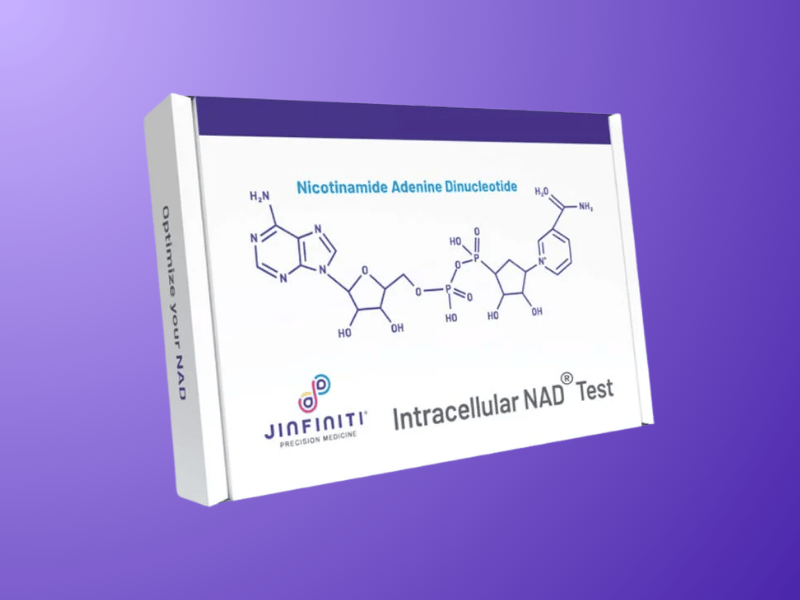
If conventional labs are clear and the causes above don’t fit your picture, the next logical step is measuring NAD+ — directly. Jinfiniti’s Intracellular NAD® Test is an at-home finger-prick test with CLIA-certified results in about one week. It measures the NAD+ inside your cells, not just in plasma — which is where function actually happens.

Based on clinical research, optimal intracellular NAD+ falls between 40–100 μM. Most adults who haven’t been supplementing test below that range. In a clinical trial of Jinfiniti’s Vitality↑® NAD+ Booster, 85% of participants reached optimal NAD+ levels within four weeks, with an average doubling of intracellular NAD+. If you’re still tired after 8 hours of sleep and every standard test has come back clean, this is where the answer is most likely waiting.

For a broader view of cellular health, the AgingSOS® Advanced Panel includes NAD+ alongside 27 additional biomarkers — inflammation markers, senescence indicators, cardiovascular risk factors, and more — that don’t appear in a standard workup but can meaningfully clarify what’s driving persistent fatigue.

🧬 RELATED READING

Frequently Asked Questions

Can blood tests be normal and still miss the cause of fatigue?

Yes, consistently. Standard blood panels are built to detect disease — conditions where something is clinically abnormal. Many causes of persistent fatigue, including suboptimal ferritin, early insulin resistance, sleep apnea, depression, and low NAD+ levels, either fall within normal reference ranges or require a different type of test entirely. A normal result means the most common diseases were ruled out, not that your cells are producing energy efficiently.

What blood tests should I ask for if I’m always tired?

Start by confirming your standard panel was complete — CBC, CMP, TSH with Free T3, ferritin (with the actual number), vitamin D, B12, and HbA1c. If those are normal, ask about fasting insulin for early insulin resistance, high-sensitivity CRP for chronic inflammation, and a 24-hour cortisol test if chronic stress is a factor. If all of that comes back clear, intracellular NAD+ testing is a logical next step. Talk with your clinician about what makes sense given your specific symptoms and history.

What is NAD+ and why isn’t it on standard blood panels?

NAD+ is a coenzyme that your cells use to convert food into usable energy (ATP). It declines with age and is central to how efficiently your mitochondria — your cells’ energy generators — function. It isn’t included on standard panels partly because the consumer testing infrastructure for it is relatively new, and partly because conventional medicine has historically focused on disease markers rather than functional cellular health markers. Intracellular NAD+ testing is now available as an at-home test through specialized labs.

How do I test my NAD+ levels?

Jinfiniti offers an at-home Intracellular NAD® Test that uses a simple finger-prick blood collection. The sample is processed in a CLIA-certified lab, with results typically available within one week. Results include a personalized dosing recommendation if supplementation is indicated.

How long does it take to improve energy levels after addressing NAD+ deficiency?

In clinical trials of Jinfiniti’s Vitality↑® NAD+ Booster, 85% of participants reached optimal NAD+ levels within four weeks. Many people report noticeable improvements in energy and sleep quality within that window. Individual results vary based on baseline levels, age, and other factors — which is why retesting at 4–6 weeks helps confirm the intervention is working and guides any dosage adjustments.

Should I be concerned if my fatigue has lasted several months?

Yes — persistent fatigue lasting six months or more, especially fatigue that doesn’t improve with rest or worsens after activity, warrants a thorough evaluation. This symptom pattern is associated with conditions like ME/CFS that require clinical assessment. Talk with your doctor about the full picture of your symptoms, not just the blood work.

  1. Martens K, DeLoughery TG. Sex, lies, and iron deficiency: a call to change ferritin reference ranges. American Society of Hematology; 2023. https://doi.org/10.1182/hematology.2023000494
  2. Di Molfetta IV, Bordoni L, Gabbianelli R, Sagratini G, Alessandroni L. Vitamin D and Its Role on the Fatigue Mitigation: A Narrative Review. MDPI AG; 2024. https://doi.org/10.3390/nu16020221
  3. Kothari M, Wanjari A, Shaikh SM, Tantia P, Waghmare BV, Parepalli A, et al. A Comprehensive Review on Understanding Magnesium Disorders: Pathophysiology, Clinical Manifestations, and Management Strategies. Springer Science and Business Media LLC; 2024. https://doi.org/10.7759/cureus.68385
  4. Hirotsu C, Tufik S, Andersen ML. Interactions between sleep, stress, and metabolism: From physiological to pathological conditions. Georg Thieme Verlag KG; 2015. https://doi.org/10.1016/j.slsci.2015.09.002
  5. Zapata-Pérez R, Wanders RJA, van Karnebeek CDM, Houtkooper RH. NAD+ homeostasis in human health and disease. Springer Science and Business Media LLC; 2021. https://doi.org/10.15252/emmm.202113943
  6. Wang P, Chen M, Hou Y, Luan J, Liu R, Chen L, et al. Fingerstick blood assay maps real-world NAD+ disparity across gender and age. Wiley; 2023. https://doi.org/10.1111/acel.13965
Dark circles under the eyes caused by vitamin deficiency

Can a Vitamin Deficiency Cause Dark Circles Under the Eyes?

You’ve tried sleeping more. You’ve tried the expensive eye creams. You’ve convinced yourself it’s just genetics, or aging, or the fact that you’ve been staring at screens since 2008. And still, the dark circles under the eyes are there every morning.

For a lot of people, that explanation is frustrating precisely because it’s incomplete. Sleep deprivation is the story we tell, but persistent dark circles — the kind that stick around even when you’re well-rested — can be a visible signal of something happening beneath the skin.

Specifically, certain vitamin and mineral deficiencies have been clinically linked to periorbital hyperpigmentation (the medical term for dark discoloration under the eyes), and the mechanisms are real, if still being studied.

The short answer to which deficiency is most to blame isn’t simple. But it’s worth knowing.

The Short Summary

  • Persistent dark circles that don’t improve with sleep may be pointing to a vitamin or mineral deficiency rather than a lifestyle issue.
  • Iron deficiency is the most clinically documented nutritional cause, present in roughly half of patients with periorbital hyperpigmentation in some studies.
  • Vitamins B12, K, C, and D are each associated with dark circles — but through different mechanisms, and with varying levels of research support.
  • The most reliable path forward is testing your nutrient levels rather than guessing which supplement to add.

CLIA-Certified Blood Panel

Uncover deficiencies with a complete blood test from home.

Discover AgingSOS®
Jinfiniti AgingSOS green gradient background

Why the Skin Under Your Eyes Is So Fragile

Before jumping to deficiencies, it helps to understand what makes this particular area of your face so sensitive to internal changes.

The skin beneath the eyes is among the thinnest on the entire body — significantly thinner than skin on the cheeks or forehead. It has very little subcutaneous fat to buffer what lies underneath, and the capillary network directly beneath it is dense.

When circulation is compromised, oxygenation is low, or collagen is depleted, the result is visible: dilated blood vessels, pooled blood, and increased pigmentation all show up more easily here than anywhere else on the face.

What Makes Periorbital Skin So Vulnerable

A 2019 clinical assessment published in Clinical, Cosmetic and Investigational Dermatology confirmed that under-eye dark circles correlate with measurably thinner skin, higher hemoglobin index (a marker of vascular prominence), and a higher melanin index — all pointing to both vascular and pigmentary contributors rather than just one single cause.[1]

That’s the important thing to know: dark circles are rarely due to one thing alone. Which means identifying the most correctable cause matters more than defaulting to the nearest eye cream.

Vitamin and Mineral Deficiencies Linked to Dark Circles Under the Eyes

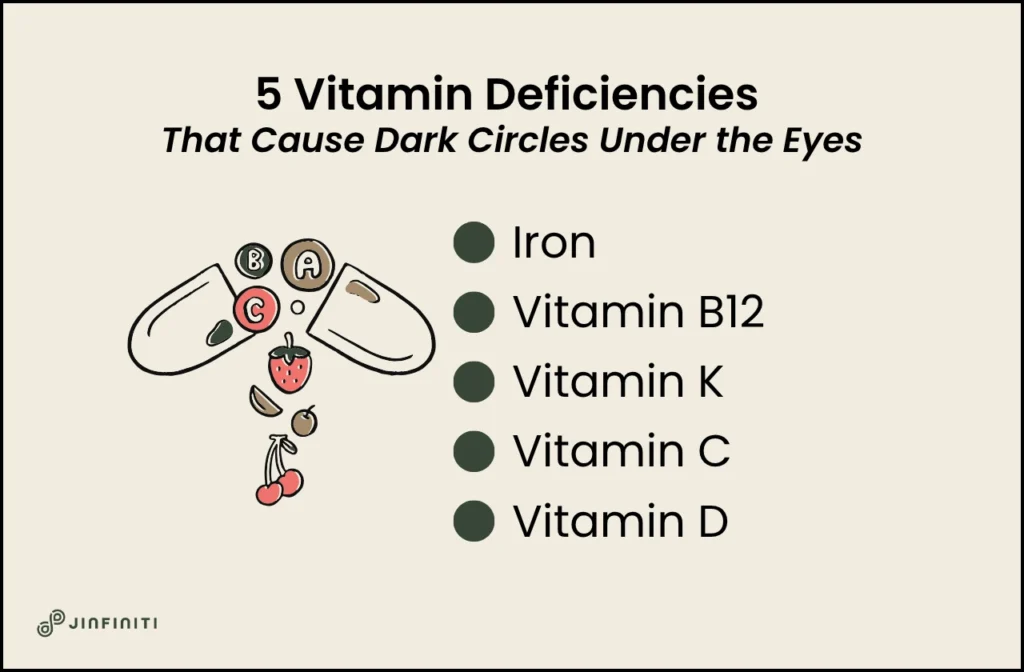
Infographic showing vitamin deficiencies that cause dark circles under the eyes

The research on nutritional causes of periorbital hyperpigmentation is still catching up to how common the condition actually is. Still, several deficiencies have meaningful clinical and mechanistic support.

1. Iron: The Strongest Clinical Link

Iron is essential for producing hemoglobin — the protein in red blood cells that carries oxygen to every tissue in your body, including the delicate skin around your eyes. When iron levels are low, tissues don’t receive adequate oxygen, small blood vessels dilate to compensate, and skin becomes paler overall. Under thin periorbital skin, that combination makes dark underlying vessels far more visible.

The clinical data here is more robust than for any other nutrient. A 2014 study of 200 patients with periorbital hyperpigmentation found that 50% had iron deficiency anemia — and many of those patients reported that their dark circles improved significantly once the anemia was treated. Iron deficiency is worth ruling out early, particularly in women during reproductive years, vegetarians and vegans, and anyone with heavy menstrual periods.[2]

One important nuance: iron deficiency anemia is distinct from simply having low-normal iron stores. Standard blood panels may not catch early functional iron depletion. A full iron panel — including ferritin — gives a more complete picture.

2. Vitamin B12: Pigmentation and Skin Cell Renewal

Vitamin B12 plays a central role in red blood cell production, nerve health, and the renewal of skin cells. When B12 is deficient, the skin can lose its normal turnover rate and develop increased pigmentation — including in the periorbital area.

A cross-sectional study of patients with periorbital pigmentation found a significant association between dark circles and low B12 levels, noting that B12 supplementation could serve as an adjunctive treatment in affected patients.[3]

The connection makes mechanistic sense: slowed cell turnover allows pigmented cells to accumulate, and decreased red blood cell production compounds the oxygenation problem.

B12 deficiency is particularly common in vegans, older adults (absorption decreases with age), and people taking metformin long-term. It’s also worth noting that niac — a form of vitamin B3 — has separately been studied for its effects on skin pigmentation and barrier function, though its relationship to periorbital hyperpigmentation specifically is still emerging.

3. Vitamin K: Blood Pooling Beneath the Eyes

Vitamin K is perhaps the most specifically targeted nutrient when it comes to dark circles. It plays a key role in blood clotting and vascular integrity — and when K levels are low, blood is more prone to pooling in the small capillaries beneath the eyes rather than clearing efficiently.

A study on topical application of phytonadione (vitamin K), retinol, and vitamins C and E found that the combination, applied twice daily, produced meaningful reductions in dark circle intensity — with vitamin K’s vascular effects considered a key mechanism.[4]

While this was a topical study rather than a supplementation trial, it supports the idea that vitamin K status has a direct bearing on periorbital blood dynamics.

Vitamin K comes in two main dietary forms: K1 (found in leafy greens) and K2 (found in fermented foods and animal products). K2 in its MK-7 form stays active in the body significantly longer than other forms — a relevant distinction when evaluating whether supplementation would be meaningful.

4. Vitamin C: Collagen and Capillary Strength

Vitamin C is required for collagen synthesis — the structural protein that gives skin its thickness and resilience. Under the eyes, adequate collagen is what prevents the vascular network from showing through. When vitamin C is deficient, periorbital skin thins and capillary walls weaken, making blood vessels more visible and more prone to minor leakage.

The direct evidence linking vitamin C deficiency to dark circles is still emerging rather than definitive. The mechanistic case is plausible and supported by vitamin C’s well-established role in skin biology — but direct clinical trials isolating vitamin C deficiency as a cause are limited.

5. Vitamin D: An Association Worth Monitoring

Low vitamin D has been noted more frequently in women over 40 with persistent dark circles, and some clinical observation suggests a possible connection. The mechanism isn’t fully established — vitamin D receptors are present in skin tissue and vitamin D plays a role in skin cell differentiation, but the direct periorbital link hasn’t been proven in controlled trials.

This is an area where the evidence is still insufficient for confident claims. What can be said: widespread vitamin D deficiency affects an estimated 50 to 70% of adults, and addressing it has enough supporting evidence across other health domains that testing is reasonable regardless of whether dark circles are your primary concern.[5]

Dark Circles Are Multifactorial and One Fix Rarely Works

A woman with dark circles under her eyes

Here’s where the picture gets more honest. Even in studies focused specifically on nutritional causes, periorbital hyperpigmentation is consistently described as multifactorial — meaning genetics, chronic sun exposure, allergies, vascular anatomy, hormonal changes, and nutritional gaps all interact.

One study found that family history was positive in over 60% of patients with the condition, meaning some degree of structural predisposition is common.[2]

This doesn’t mean nutrition doesn’t matter. It means that correcting a deficiency will help more for some people than others, and that addressing underlying inflammation alongside specific nutrient gaps gives a more complete picture than targeting any single variable.

If your dark circles appeared or worsened over time, rather than being a lifelong constant, that’s a better signal that an internal cause — including nutrient deficiency — is playing a role.

How to Know If a Deficiency Is Causing Dark Circles

The difference between guessing and knowing is a blood test.

Most standard panels include hemoglobin and basic B12 — but they often miss ferritin (the storage form of iron that depletes before anemia becomes clinically apparent), detailed vitamin D levels, or comprehensive micronutrient profiles.

If you suspect a deficiency is contributing to what you’re seeing, asking specifically for a full iron panel with ferritin, serum B12, 25-hydroxyvitamin D, and a comprehensive metabolic panel gives you a more useful starting point than standard routine labs.

For a broader picture of where your nutrient status actually stands, at-home testing panels have made comprehensive biomarker assessment significantly more accessible — without requiring a specialist referral for each individual marker.

“A visible symptom like dark circles is almost always downstream of something measurable,” says Dr. Jin-Xiong She, founder of Jinfiniti Precision Medicine. “The question we always ask is: what is actually driving this? You don’t fix the symptom without understanding the root cause — and you don’t find the root cause without measuring.”

The AgingSOS® Advanced Panel measures 28 biomarkers including full nutrient status, inflammatory markers, and cellular health indicators — giving a comprehensive baseline that goes beyond what standard blood work typically captures. For those who want to understand the full picture before making any supplementation decisions, it’s a more useful starting point than addressing one nutrient at a time.

What to Do Once You Know the Cause

Identifying the deficiency is step one. What comes next depends on what you find — and a conversation with your clinician before starting any supplementation is always the right first move.

DeficiencyDietary SourcesSupplementation Notes
IronRed meat, lentils, spinach, fortified cerealsSupplement only with confirmed deficiency; iron overload is also problematic
Vitamin B12Meat, fish, eggs, dairyParticularly important for vegans, older adults, metformin users
Vitamin KLeafy greens (K1), fermented foods, animal products (K2)K2 (MK-7 form) has superior bioavailability and longer activity
Vitamin CCitrus, bell peppers, strawberries, broccoliDietary priority first; topical forms also studied for periorbital use
Vitamin DSunlight, fatty fish, fortified foodsPair with K2 for proper calcium metabolism; absorption varies widely

Vitamins D3 and K2 are a particularly well-studied combination — D3 supports calcium absorption, while K2 directs that calcium appropriately to bones rather than soft tissues. Taking them together is mechanistically sound, and products pairing both in bioavailable forms address two common deficiencies with one approach.

If mineral gaps are part of the picture, absorption quality matters as much as dose. Chelated mineral forms — bound to amino acids for better uptake — are significantly more bioavailable than standard mineral salts, and dual-form magnesium (glycinate plus malate) addresses both sleep quality and cellular energy support simultaneously.

Frequently Asked Questions

Which vitamin deficiency is most commonly linked to dark circles?

Iron deficiency has the strongest clinical evidence, appearing in roughly half of patients with periorbital hyperpigmentation in published studies. Vitamin B12 deficiency has the next strongest association, particularly through its effect on skin pigmentation and red blood cell production. Vitamins K, C, and D each have plausible mechanistic links, though the direct clinical evidence is more limited.

Can taking supplements fix dark circles?

Supplements can help if a documented deficiency is the underlying cause. They’re unlikely to produce visible change if the root cause is structural (thin skin, genetics, anatomical shadowing) or primarily vascular without a nutritional driver. Testing before supplementing is the most reliable path to knowing whether it’s worth trying.

How long does it take for dark circles to improve once a deficiency is treated?

This varies by deficiency and severity. Iron deficiency anemia typically takes 6–8 weeks of treatment before hemoglobin levels normalize meaningfully — visible skin changes may follow. B12 replenishment timelines depend on the severity and form of supplementation. Realistic expectation: several months of consistent treatment before drawing conclusions.

Are dark circles always caused by a vitamin deficiency?

No. Dark circles are multifactorial, and nutritional deficiency is one of several possible causes. Genetics, aging, skin thinning, vascular anatomy, allergies, and chronic sun exposure all contribute in different proportions for different people. If your dark circles have been present since childhood or run in your family, a structural or genetic component is more likely. If they appeared or worsened over time, an internal cause — including nutrition — deserves investigation.

What blood tests should I ask for if I suspect a nutritional deficiency?

Ask your clinician for a complete blood count (CBC), a full iron panel including serum ferritin, serum B12, 25-hydroxyvitamin D, and a comprehensive metabolic panel. These go beyond what most routine labs include and give a more complete picture of nutrient status. If you want a broader baseline assessment, comprehensive biomarker panels can measure many of these simultaneously alongside inflammatory and metabolic markers.

  1. Mac-Mary S, Zornoza Solinis I, Predine O, Sainthillier JM, Sladen C, Bell M, et al. Identification Of Three Key Factors Contributing To The Aetiology Of Dark Circles By Clinical And Instrumental Assessments Of The Infraorbital Region. Informa UK Limited; 2019. https://doi.org/10.2147/ccid.s217956
  2. Sheth P, Shah H, Dave J. Periorbital hyperpigmentation: A study of its prevalence, common causative factors and its association with personal habits and other disorders. Medknow; 2014. https://doi.org/10.4103/0019-5154.127675
  3. Rana S, Mendiratta V, Jassi R, Chander R. Study of causative factors and clinical patterns of periorbital pigmentation. Medknow; 2019. https://doi.org/10.4103/idoj.idoj_158_18
  4. Mitsuishi T, Shimoda T, Mitsui Y, Kuriyama Y, Kawana S. The effects of topical application of phytonadione, retinol and vitamins C and E on infraorbital dark circles and wrinkles of the lower eyelids. Wiley; 2004. https://doi.org/10.1111/j.1473-2130.2004.00070.x
  5. Cui A, Zhang T, Xiao P, Fan Z, Wang H, Zhuang Y. Global and regional prevalence of vitamin D deficiency in population-based studies from 2000 to 2022: A pooled analysis of 7.9 million participants. Frontiers Media SA; 2023. https://doi.org/10.3389/fnut.2023.1070808
A woman prepares a heart-healthy meal for reducing ApoB levels.

How to Reduce ApoB Levels: Diet, Lifestyle & Supplements

Your ApoB came back elevated. Maybe your doctor flagged it. Maybe you ordered a panel yourself and the number surprised you — especially if your LDL looked unremarkable. Either way, you’re in the right place.

The question you probably have now is the one this article will answer: what actually reduces ApoB, and what order should you tackle it in? The solution is less of a checklist than it is dependent on why your ApoB is high. Two people can have the same ApoB number but have completely different causes — and what works best for one will do little for the other.

What You Should Know

  • ApoB counts every dangerous particle, including LDL, VLDL, and remnant cholesterol — one ApoB per particle, no exceptions.
  • You can have a “normal” LDL and still have high ApoB, meaning standard testing may underestimate your cardiovascular risk.
  • Diet, exercise, and targeted supplementation can meaningfully lower ApoB — but the most effective approach depends on what’s driving your levels.
  • Testing ApoB before and after intervention is the only way to know if what you’re doing is working.

Metabolic Support for Elevated ApoB

Berberine is clinically shown to lower ApoB, LDL, and triglycerides.

Shop Now
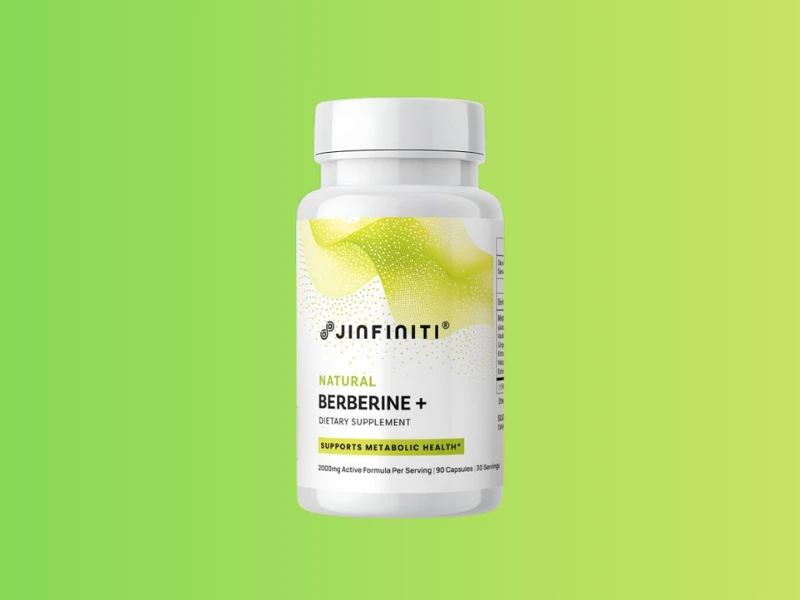
Natural Berberine+ product mockup

What Is ApoB and Why Does It Matter More Than LDL?

Every atherogenic lipoprotein particle — LDL, VLDL, IDL, and remnant cholesterol — carries exactly one molecule of apolipoprotein B on its surface. This means ApoB functions as a direct particle count: the higher your ApoB, the more particles are available to penetrate arterial walls and accelerate plaque buildup.

LDL-C, by contrast, estimates the total cholesterol mass inside LDL particles. That’s a different number, and in a meaningful subset of people, a misleading one. Someone with many small, dense LDL particles can have a normal LDL-C but a high ApoB — and carry substantially more cardiovascular disease risk than their standard results suggest.

A 2025 systematic review in the Journal of Clinical Lipidology, which compiled 15 discordance studies involving 593,354 participants, found that ApoB outperformed LDL-C as a predictor of atherosclerotic cardiovascular disease in every comparison — 9 out of 9 studies.[1]

A 2024 consensus statement published in Circulation reinforced this, noting that in patients where ApoB and LDL-C diverge, only ApoB reliably predicts adverse cardiovascular events.[2]

Despite this evidence, ApoB still isn’t part of standard routine bloodwork for most people. Which means a lot of risk goes undetected.

What’s a Healthy ApoB Level?

ApoB is measured in mg/dL. Based on clinical trial data and expert consensus:

  • Below 80 mg/dL — general population target, associated with lower cardiovascular risk
  • Below 70 mg/dL — recommended for high-risk individuals
  • Below 60 mg/dL — target for very high-risk patients, such as those with existing cardiovascular disease or familial hypercholesterolemia

The National Lipid Association’s Expert Consensus on ApoB supports these thresholds and recommends ApoB measurement not only at baseline but also in patients already on lipid-lowering therapy, where it can identify residual risk that LDL-C misses.[3]

If you haven’t had your ApoB tested, it’s included in Jinfiniti’s AgingSOS panels alongside a broader set of cardiovascular and metabolic biomarkers — which is a more useful context for interpreting the number anyway.

You can learn more about what ApoB testing measures and why it matters before deciding which panel makes sense for you.

What Causes High ApoB Levels?

Before reaching for interventions, it helps to understand what’s actually driving your number. Elevated ApoB has two distinct metabolic profiles, and they respond best to different approaches.

Triglyceride-Driven Elevation (VLDL-Heavy)

When insulin resistance is present, the liver overproduces VLDL particles — which are loaded with triglycerides and each carry one ApoB molecule. More VLDL means more ApoB, even before LDL is considered. This pattern typically shows up as elevated triglycerides alongside high ApoB.

The encouraging news: this type of elevation tends to respond strongly to lifestyle changes. Sugar restriction, reduced alcohol intake, regular exercise, and even modest weight loss can lower VLDL production — and bring ApoB down with it.

LDL Particle-Driven Elevation

Some people have normal or low triglycerides but still carry a high number of LDL particles, reflected in elevated ApoB. This pattern is more influenced by genetics, saturated fat intake, and the composition of dietary fat. It can persist even in people who eat reasonably well and exercise regularly.

Both drivers can coexist. Knowing which is dominant — or whether it’s both — is an argument for testing rather than guessing.

Diet Changes That Lower ApoB

Dietary interventions are the foundation of ApoB management. The most effective changes aren’t about eating less — they’re about shifting the composition of what you eat.

Reduce Saturated Fat and Refined Carbohydrates

Saturated fat raises LDL particle number. Refined carbohydrates and added sugars increase VLDL production by driving insulin resistance. Both push ApoB in the wrong direction.[4]

Research indicates that replacing just 5% of calories from saturated fat with polyunsaturated fat can reduce ApoB by approximately 10%. One underrated swap: replacing unfiltered coffee (French press, espresso) with filtered coffee. Unfiltered coffee contains cafestol and kahweol, compounds that measurably raise both LDL-C and ApoB.[5]

Add Soluble Fiber

Soluble fiber forms a gel in the digestive tract that binds to bile acids and dietary cholesterol, reducing their absorption and prompting the liver to pull more LDL particles from circulation. Oats, barley, beans, lentils, and psyllium husk are the most well-studied sources. Supplemental psyllium at doses of 10–25g/day has been shown to produce meaningful reductions in LDL-C, with likely downstream effects on ApoB.[6]

Increase Omega-3 Fatty Acids

High-dose EPA/DHA — typically 2–4 grams daily — reduces VLDL production in the liver, which is particularly useful in triglyceride-driven ApoB elevation. Fatty fish (salmon, mackerel, sardines) are the food sources with the strongest evidence. For people who don’t eat fish regularly, a quality fish oil supplement provides a consistent dose.[7]

Plant Sterols and Stanols

Plant sterols block cholesterol absorption in the small intestine. A 2014 research review found that up to 3 grams of plant sterols daily can reduce LDL cholesterol levels by roughly 12%. Fortified foods and supplements are the practical sources, since the amounts found in unfortified plant foods are too small to meaningfully affect levels.[8]

Lifestyle Changes With Measurable Impact

Here are some lifestyle changes that have the most impact on lowering your ApoB.

Aerobic Exercise and Resistance Training

Aerobic exercise improves insulin sensitivity, which lowers the VLDL overproduction that drives triglyceride-rich ApoB elevation. Resistance training improves body composition and metabolic function through a different pathway. Both contribute, and the research supports combining them rather than prioritizing one.

High-intensity interval training shows the strongest effect per session in small trials, but consistency over time matters more than intensity. Moderate aerobic activity for at least 12 weeks produces the most consistently replicated ApoB reductions in clinical data.[9]

Weight Loss, Particularly Visceral Fat

Visceral fat — the kind that accumulates around abdominal organs — is metabolically active in ways that subcutaneous fat isn’t. It promotes insulin resistance, increases VLDL production, and drives systemic inflammation that compounds cardiovascular risk. Losing visceral fat, even in modest amounts, has outsized effects on triglycerides and ApoB compared to the same amount of fat lost from elsewhere.[10]

Sleep and Stress

Sleep deprivation worsens insulin sensitivity and disrupts lipid metabolism. Chronic stress elevates cortisol, which over time contributes to insulin resistance and dyslipidemia. Neither of these is a primary lever for ApoB reduction, but both compound the effects of other risk factors — and addressing them makes dietary and exercise interventions work better.[11]

Supplements With Evidence for Lowering ApoB

Supplements don’t replace diet and lifestyle changes. When the foundation is solid, certain supplements can add meaningful reductions on top of it.

Berberine

Berberine activates AMPK — the body’s master metabolic switch — which suppresses the liver’s production of ApoB-containing lipoproteins. It functions through a mechanism similar to metformin, though without the prescription requirement.

A 2023 meta-analysis pooled 18 randomized controlled trials involving 1,788 participants and found that berberine produced significant reductions in ApoB (−0.25 g/L), LDL cholesterol, total cholesterol, and triglycerides. No serious adverse events were reported across the included studies.[12]

The mechanism matters here. Berberine lowers ApoB by reducing the number of particles the liver produces — which is the same upstream target as pharmaceutical lipid-lowering agents. That’s different from simply blocking cholesterol absorption.

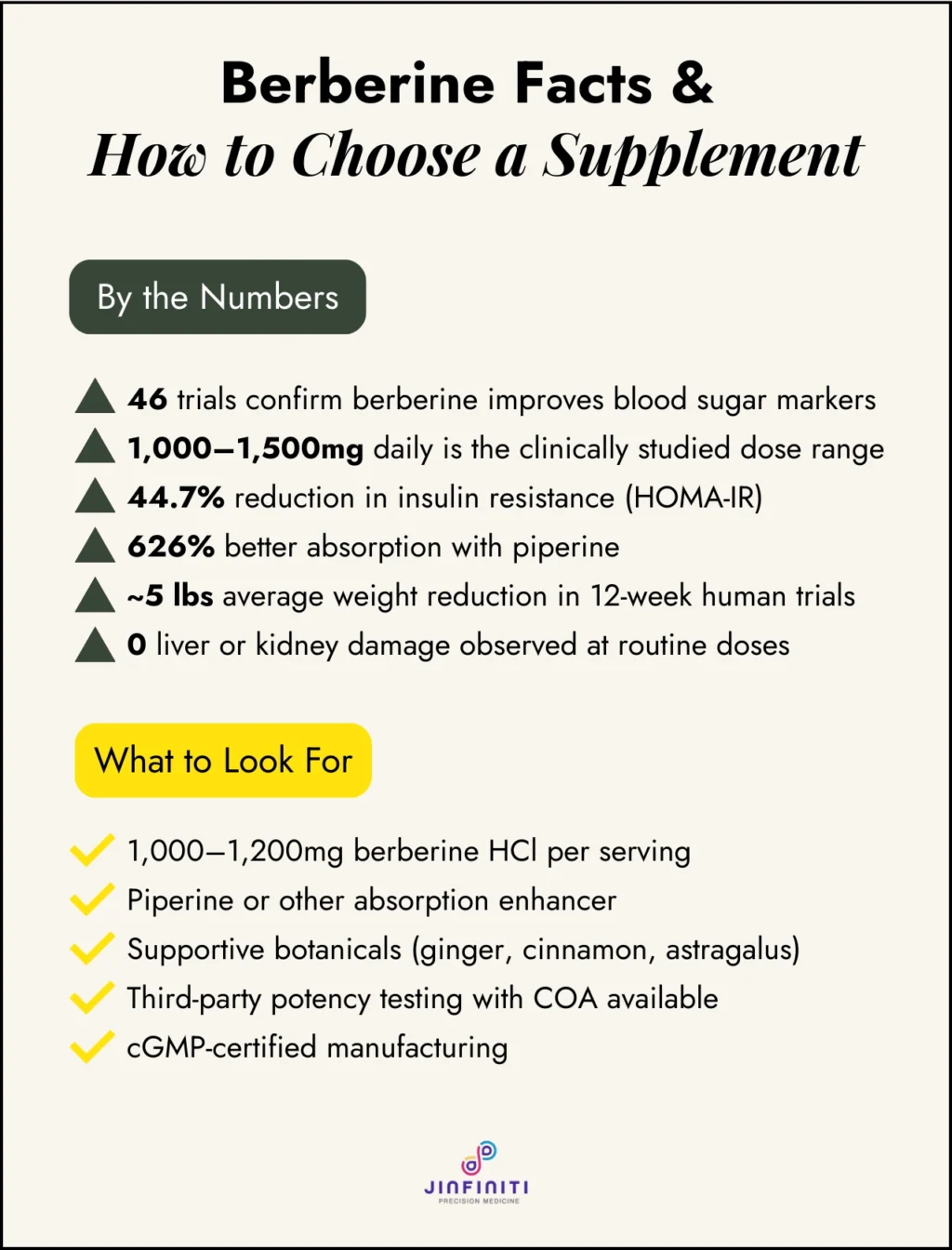
Jinfiniti’s Natural Berberine+ combines 1,200mg of high-potency berberine (95%) with a MetabolicAid blend — astragalus, panax notoginseng, ginger, cinnamon, and artichoke leaf — along with black pepper extract for significantly improved absorption. If you’re looking to include berberine as part of a cardiovascular support protocol, see our guide to choosing a berberine supplement for a breakdown of what to look for in a quality formula.

As Dr. Jin-Xiong She, founder of Jinfiniti and researcher behind the company’s supplement formulations, has noted: “Berberine’s ability to activate AMPK means it’s working at a metabolic level — not just masking numbers, but addressing the underlying processes that drive particle overproduction.”

Omega-3 Supplements

If dietary omega-3 intake is inconsistent, supplementing with EPA/DHA at 2–4 grams daily is a practical way to achieve the doses associated with VLDL and ApoB reduction. Quality and purity vary significantly between products — look for third-party testing and triglyceride form for better absorption.

Niacin and Plant Sterol Supplements

Niacin (vitamin B3) can reduce ApoB by 15–25% at therapeutic doses, but it requires medical supervision due to side effects and interactions. Plant sterol supplements offer a more accessible option with a more modest effect size. Red yeast rice deserves an honest note: it contains monacolin K, which functions like a natural statin, but the quality and monacolin content of commercially available products is inconsistently regulated. It may work — the regulatory complexity around it is worth understanding before using it.[13]

When to Consider Medication

Lifestyle changes and supplements can meaningfully lower ApoB, but for some people — particularly those with familial hypercholesterolemia, existing cardiovascular disease, or persistently high levels despite intervention — medication is often necessary and appropriate.

Statins reduce ApoB by 19–42% depending on dose and agent. Ezetimibe blocks intestinal cholesterol absorption and adds further reduction when combined with a statin. PCSK9 inhibitors, typically reserved for high-risk patients who don’t respond adequately to first-line treatment, can achieve 40–56% ApoB reductions.[14]

These aren’t signs of failure. ApoB has a meaningful genetic component, and for many people, medication is the most effective tool available. Your clinician is the right person to evaluate when that threshold has been reached.

🧬 RELATED READING

  • Turmeric’s anti-inflammatory effects may extend to lipid health. Here’s what the research says about turmeric and cholesterol.
  • Niacin is one of the most potent natural tools for improving lipid profiles but carries risks. Read the evidence on niacin for cholesterol before using it.
  • Creatine has an underappreciated relationship with cardiovascular markers. See what the data shows on creatine and cholesterol.

The Case for Measuring ApoB Before and After Intervening

All of the above — the dietary changes, the exercise, the supplements — works best when you can actually see whether it’s working. Without a baseline, you’re making decisions without data. Without follow-up testing, you have no way to know if your ApoB responded, plateaued, or needs a different approach.

ApoB is available through most commercial laboratories and is included in Jinfiniti’s AgingSOS® Advanced Panel, which also measures 27 additional biomarkers — including inflammatory markers, heart health indicators, and the longevity protein Klotho.

For those managing cardiovascular health risk as part of a broader longevity protocol, having ApoB in context with other markers gives you a much clearer picture of where to prioritize. The approach that’s most likely to produce durable results is the one that’s least common: measure first, intervene precisely, then measure again to see what moved.

Frequently Asked Questions

How long does it take to lower ApoB?

Meaningful dietary changes typically produce measurable ApoB reductions within 6–12 weeks. Berberine trials in the clinical literature have run for as short as 4 weeks with measurable effects. Medication produces faster reductions, often within 4–8 weeks. The timeline depends heavily on what’s driving elevation in the first place — people with triglyceride-driven ApoB often see faster dietary responses than those with LDL particle-driven elevation.

Can you lower ApoB levels without medication?

Yes, in many cases. Diet, exercise, and targeted supplementation can produce clinically meaningful ApoB reductions — particularly in people whose elevation is primarily driven by insulin resistance, high triglycerides, or dietary factors. For some individuals, especially those with genetic predisposition or very high baseline levels, medication is also needed to reach target ranges. It depends on where you’re starting and what your risk level is.

Is ApoB the same as LDL?

No. LDL-C measures the total cholesterol mass inside LDL particles. ApoB counts the number of all atherogenic particles, including LDL, VLDL, IDL, and remnant cholesterol. They often correlate, but not always — particularly in people with insulin resistance, high triglycerides, or low-HDL patterns. When they diverge, ApoB is the more accurate predictor of cardiovascular risk.

What foods raise ApoB the most?

Saturated fats (red meat, butter, full-fat dairy, tropical oils) raise LDL particle number and ApoB. Refined carbohydrates, added sugars, and alcohol raise VLDL production and contribute to ApoB through the triglyceride pathway. Unfiltered coffee — French press, espresso — contains compounds that measurably raise ApoB and is often overlooked. Trans fats, where still present in processed foods, are also significant contributors.

How often should I test my ApoB?

If you’re actively working to lower your ApoB through diet, lifestyle, or supplementation, retesting every 3–4 months gives you enough time to see a real response. Once levels are stable and within your target range, annual testing is generally sufficient. If you start a new intervention — a supplement, a medication, or a significant dietary change — retesting after 8–12 weeks helps confirm whether it’s working.

  • Sehayek D, Cole J, Björnson E, Wilkins JT, Mortensen MB, Dufresne L, et al. ApoB, LDL-C, and non-HDL-C as markers of cardiovascular risk. Elsevier BV; 2025. https://doi.org/10.1016/j.jacl.2025.05.024
  • De Oliveira-Gomes D, Joshi PH, Peterson ED, Rohatgi A, Khera A, Navar AM. Apolipoprotein B: Bridging the Gap Between Evidence and Clinical Practice. Ovid Technologies (Wolters Kluwer Health); 2024. https://doi.org/10.1161/circulationaha.124.068885
  • Soffer DE, Marston NA, Maki KC, Jacobson TA, Bittner VA, Peña JM, et al. Role of apolipoprotein B in the clinical management of cardiovascular risk in adults: An Expert Clinical Consensus from the National Lipid Association. Elsevier BV; 2024. https://doi.org/10.1016/j.jacl.2024.08.013
  • Kim S, Shin MJ, Krauss RM. Dietary Management of Atherogenic Dyslipidemia. Springer Science and Business Media LLC; 2025. https://doi.org/10.1007/s11883-025-01335-6
  • Siri-Tarino PW, Chiu S, Bergeron N, Krauss RM. Saturated Fats Versus Polyunsaturated Fats Versus Carbohydrates for Cardiovascular Disease Prevention and Treatment. Annual Reviews; 2015. https://doi.org/10.1146/annurev-nutr-071714-034449
  • Anderson JW, Allgood LD, Lawrence A, Altringer LA, Jerdack GR, Hengehold DA, et al. Cholesterol-lowering effects of psyllium intake adjunctive to diet therapy in men and women with hypercholesterolemia: meta-analysis of 8 controlled trials. Elsevier BV; 2000. https://doi.org/10.1093/ajcn/71.2.472
  • Oscarsson J, Hurt-Camejo E. Omega-3 fatty acids eicosapentaenoic acid and docosahexaenoic acid and their mechanisms of action on apolipoprotein B-containing lipoproteins in humans: a review. Springer Science and Business Media LLC; 2017. https://doi.org/10.1186/s12944-017-0541-3
  • Afshin A, Micha R, Khatibzadeh S, Mozaffarian D. Consumption of nuts and legumes and risk of incident ischemic heart disease, stroke, and diabetes: a systematic review and meta-analysis. Elsevier BV; 2014. https://doi.org/10.3945/ajcn.113.076901
  • Sellami M, Almuraikhy S, Anwardeen N, Nizamuddin PB, Othman H, Alathba N, et al. Effects of 8 weeks of moderate physical training on body composition, lipid profile, inflammatory markers, and physical activity in middle aged females. Frontiers Media SA; 2026. https://doi.org/10.3389/fendo.2025.1734772
  • Riches FM, Watts GF, Hua J, Stewart GR, Naoumova RP, Barrett PHR. Reduction in Visceral Adipose Tissue Is Associated with Improvement in Apolipoprotein B-100 Metabolism in Obese Men. The Endocrine Society; 1999. https://doi.org/10.1210/jcem.84.8.5925
  • Mesarwi O, Polak J, Jun J, Polotsky VY. Sleep Disorders and the Development of Insulin Resistance and Obesity. Elsevier BV; 2013. https://doi.org/10.1016/j.ecl.2013.05.001
  • Blais JE, Huang X, Zhao JV. Overall and Sex-Specific Effect of Berberine for the Treatment of Dyslipidemia in Adults: A Systematic Review and Meta-Analysis of Randomized Placebo-Controlled Trials. Springer Science and Business Media LLC; 2023. https://doi.org/10.1007/s40265-023-01841-4
  • Korneva VA, Kuznetsova TY, Julius U. Modern Approaches to Lower Lipoprotein(a) Concentrations and Consequences for Cardiovascular Diseases. MDPI AG; 2021. https://doi.org/10.3390/biomedicines9091271
  • Jacobson TA. Opening a New Lipid “Apo-thecary”: Incorporating Apolipoproteins as Potential Risk Factors and Treatment Targets to Reduce Cardiovascular Risk. Elsevier BV; 2011. https://doi.org/10.4065/mcp.2011.0128
A woman still feels tired after 8 hours of sleep

Why You’re Still Tired After 8 Hours of Sleep

You went to bed at a reasonable hour. You didn’t drink. You got a full eight hours. And you still woke up feeling like you hadn’t slept at all.

If that sounds familiar, you’re not doing something wrong. You’re running into something that a lot of health content glosses over: the difference between sleeping and actually recovering. Duration is only half of the equation. What happens inside your cells during those eight hours — whether your body can actually use that time to restore itself — is the half most people never hear about.

That gap between sleeping and recovering is where a lot of persistent morning fatigue lives. And for many people, especially those in their 30s, 40s, and 50s, it has less to do with habits than with cellular energy.

What You Should Know

  • Sleep duration and sleep quality are different problems — 8 hours in bed doesn’t guarantee 8 hours of restoration.
  • Sleep apnea affects roughly 30 million Americans and is one of the most common causes of non-restorative sleep.
  • Alcohol, caffeine, and circadian misalignment can fragment sleep significantly without reducing total hours.
  • NAD+ levels decline naturally and are directly linked to the biological clock that governs how restorative your sleep actually is.

CLIA-Certified NAD Test Kit

Waking up tired? Measure the cellular energy your bloodwork misses.

Get the NAD+ Test
Jinfiniti Intracellular NAD Test on purple background

Sleeping Eight Hours and Recovering Are Not the Same Thing

Most adults need somewhere between seven to nine hours of sleep, and that range comes from decades of research on what duration supports normal cognitive and physical function.

But getting enough sleep — hitting that number consistently — doesn’t guarantee you’ll feel rested. What the recommendation doesn’t capture is the quality of what’s happening while you’re there.

Sleep isn’t a single state. It’s a sequence of distinct stages — light sleep, deep slow-wave sleep, and REM — that your brain cycles through roughly every 90 minutes.

Each sleep stage serves a different function:

  • Deep sleep is where your body repairs tissue, consolidates memory, and clears metabolic waste from the brain.
  • REM is where emotional processing and certain types of learning happen. You need both, in sufficient quantity, to wake up feeling restored.

The catch is that these stages can be disrupted in ways you’d never notice. A brief arousal — lasting seconds — is enough to knock you out of deep sleep and restart the cycle. Do that dozens of times a night and you’ve technically slept eight hours while getting very little of the sleep your body actually needed. That’s a form of sleep deprivation even without a reduction in total hours.

Why Sleep Quality Isn’t Just About Sleep Habits

Sleep hygiene — consistent bedtimes, dark rooms, no screens before bed — matters, but it targets the conditions around sleep rather than the mechanisms inside it. You can do everything right environmentally and still have fragmented, unrestorative sleep if something is interrupting your cycles at a biological level. Restorative sleep isn’t just about when you go to bed — it’s about what your body can actually accomplish once you’re there.

Research from the American Academy of Sleep Medicine puts roughly one in three adults in the category of non-restorative sleep — meaning they wake feeling unrefreshed despite logging adequate hours. And a large study in the JAMA Network found that 27% of adults reported daytime sleepiness despite averaging 7.5 to 8.2 hours of sleep per night.

The problem, in most of those cases, is what’s happening during sleep — not how long it lasts. Magnesium plays a meaningful sleep supporting role here, particularly magnesium glycinate, which supports the transition into deeper sleep stages for some people. But magnesium is a piece of a larger picture.

Common Reasons You’re Still Tired After 8 Hours of Sleep

Exhausted woman holding her head

Once you understand that sleep quality and sleep duration are different problems, the next question is: what’s actually disrupting yours? Several possibilities are worth working through in order, because some are more common — and more correctable — than others.

1. Sleep Apnea

Estimated to affect nearly 30 million Americans, most of whom are undiagnosed. The airway collapses repeatedly during sleep, and the brain wakes the body just long enough to restore breathing — often without any conscious memory of it. Those micro-arousals produce fragmented sleep, dramatically reducing time in deep restorative stages and leaving people exhausted regardless of time in bed. Loud snoring, morning headaches, and waking with a dry mouth are common signals worth discussing with a clinician.

2. Circadian Misalignment

Your internal clock is programmed to a specific sleep window based on your chronotype. If you’re a natural night owl sleeping from 10 PM to 6 AM to meet a work schedule, your body may be spending the first several hours trying to enter sleep it isn’t biologically ready for yet. The sleep you do get is less efficient — not because you slept less, but because the timing was off.

3. Alcohol and Caffeine

Alcohol helps people fall asleep faster but significantly disrupts REM in the second half of the night. Caffeine has a half-life of around five to seven hours, meaning an afternoon coffee is still circulating through your system at midnight — blunting deep sleep even if you fall asleep without difficulty.

4. Chronic Stress and Elevated Cortisol

Mental hypervigilance at night is a real physiological state. Sustained stress keeps the nervous system in a lower-level alert mode that makes deep sleep harder to achieve and easier to interrupt. This is often the hardest category to address because it requires more than a behavioral change.

5. Underlying Medical Conditions

Iron deficiency, hypothyroidism, depression, and anemia can all impair sleep quality and produce daytime fatigue that looks like a sleep problem. Certain sleep disorders — including restless legs syndrome and hypersomnia — can also leave people exhausted despite logging adequate hours, and often go undiagnosed for years. If the basics aren’t explaining your fatigue, a standard panel with your clinician is a sensible next step.

If you’ve worked through this list and still feel tired after a full night in bed — or if you’ve already had these ruled out — there’s a less commonly explored explanation worth understanding.

When the Problem Runs Deeper Than Sleep Itself

Here’s a useful distinction: most of the causes above explain why sleep gets interrupted. But there’s a separate question — one that gets less attention — about whether your cells have the fuel to carry out recovery in the first place, even when sleep isn’t interrupted.

Sleep is metabolically active. During deep sleep, your brain clears metabolic waste, your cells repair DNA, and your mitochondria — the energy-producing structures in every cell — do some of their most important work. That work requires energy. And energy, at the cellular level, requires NAD+.

NAD+ and the Cellular Machinery Behind Sleep Recovery

NAD+ — nicotinamide adenine dinucleotide, a molecule your cells use to convert food into usable energy — doesn’t just power your waking hours. It’s directly woven into the biological mechanism that governs your circadian clock.

Research published in Science showed that intracellular NAD+ levels cycle with a 24-hour rhythm, driven by the circadian clock itself — specifically through CLOCK and BMAL1, two proteins that act as the master timekeepers of your biology. Those clock proteins regulate NAMPT, an enzyme that controls NAD+ production. And SIRT1 — an NAD+-dependent enzyme — feeds back into the clock, helping to maintain its precision.

Translation: NAD+ and your circadian clock are in a continuous feedback loop. Each depends on the other to function properly. When NAD+ levels are adequate, the clock runs with fidelity, sleep cycles are well-organized, and overnight repair happens efficiently. When NAD+ falls, that loop weakens — and with it, the restorative quality of sleep.

The problem is that NAD+ levels decline naturally with age, often beginning in the 30s and dropping by roughly 50% by the 60s. Poor sleep accelerates that decline. Chronic stress does too. The result, for many people in middle age, is a cycle: declining NAD+ disrupts sleep quality, and poor sleep further depletes NAD+.

The Circadian Clock–NAD+ Feedback Loop, Simply Explained

Your body’s master clock — housed in a region of the brain called the suprachiasmatic nucleus — keeps time using a cycle of proteins that switch each other on and off across a 24-hour period. SIRT1, which requires NAD+ to function, is one of the key regulators of that switching. A 2013 study published in Cell found that SIRT1 activity in the brain activates the transcription of BMAL1 and CLOCK — the two foundational proteins of the circadian loop — and that this activity declines with age as NAD+ falls.

In older animals, dampened BMAL1 activity was associated with disrupted activity patterns and a reduced ability to adapt to schedule changes. When NAD+ was restored through supplementation, those rhythms recovered toward younger patterns.

None of this means NAD+ is the only answer to morning fatigue. It’s one mechanism in a complex system. But it’s a mechanism that’s measurable — which matters.

How to Tell If Your Fatigue Is Sleep-Based

Sleep-based fatigue typically responds to improvements in sleep conditions. You fix the sleep apnea, cut the alcohol, get consistent about your sleep schedule — and the morning grogginess lifts over a few weeks.

Cellular fatigue is stickier. The hallmark of NAD+ deficiency is fatigue that persists despite consistently adequate sleep — exhaustion that isn’t explained by what you did the night before. Other signals in this category include:

  • Brain fog in the morning that doesn’t fully clear, even after coffee
  • Energy that improves slightly through the day but never fully rebounds
  • Slower recovery from exercise, stress, or illness than you’d expect
  • The sense that you used to bounce back faster — and no longer do

This pattern is consistent across patients who come in having already addressed the obvious factors. The sleep hygiene is fine. The bloodwork is normal. And they’re still dragging. That’s often a sign we need to look one level deeper.

What Standard Bloodwork Won’t Show You

A standard CBC, metabolic panel, or even a thyroid screen won’t tell you your intracellular NAD+ levels. That measurement requires a specific test — one that captures NAD+ inside the cells themselves, rather than in blood serum.

“Most people are surprised to learn that their cellular energy status is entirely invisible on a standard health panel,” says Dr. Jin-Xiong She, founder of Jinfiniti Precision Medicine. “NAD+ deficiency can be significant enough to explain persistent fatigue and sleep disruption while showing up on absolutely nothing that a standard doctor’s visit would catch.”

Jinfiniti’s Intracellular NAD® Test — the first consumer test of its kind — measures NAD+ inside cells using an at-home finger-prick collection, processed in a CLIA-certified lab with results in about a week. It’s the only way to know whether NAD+ deficiency is a factor in your fatigue, rather than assuming it either is or isn’t.

🧬 MORE SLEEP INSIGHTS

What Can Actually Help You Sleep Better?

Addressing morning fatigue effectively means working through causes in order, not adding interventions at random.

If you want to sleep better and haven’t been consistent about the basics, that’s the first place to look:

  • A fixed sleep and wake time, including weekends — your body’s clock responds to consistency
  • A cool, dark, quiet sleep environment
  • No alcohol within two to three hours of bed
  • Caffeine cutoff by early afternoon (1–2 PM is a reasonable default for most people)
  • Magnesium glycinate in the evening, which some people find meaningfully supports sleep depth

If you suspect sleep apnea — particularly if you snore, wake with headaches, or feel unrefreshed regardless of hours — talk to your clinician about a sleep study before doing much else. It’s one of the most common and most underdiagnosed causes of non-restorative sleep.

Beyond Sleep Hygiene: When Better Sleep Habits Aren’t Enough

Once the basics are solid and fatigue persists, measuring your intracellular NAD+ levels is the logical next step. If levels come back below the optimal range (40–100 μM), targeted supplementation is worth considering.

In a clinical trial of 26 adults aged 35–65, participants taking Jinfiniti’s Vitality↑® NAD+ Booster reached optimal NAD+ levels in 85% of cases within four weeks, with an average doubling of intracellular NAD+. Many reported improvements in energy and sleep quality within that window.

A few things to keep in mind:

  • Improvements in energy are often noticeable within two to four weeks; sleep quality tends to follow on a similar timeline
  • If NAD+ levels are low but energy doesn’t fully rebound after optimization, hormones, thyroid function, or sleep architecture are usually the next place to investigate
  • Talk with your clinician before starting any new supplement protocol, particularly if you’re managing chronic conditions or taking medications

For more on how to test your NAD+ levels and what the results actually mean, and on how NAD+ supplementation affects sleep quality specifically, both of those are worth reading alongside this one.

Eight hours of sleep should mean something. When it doesn’t, that’s not a personality problem or a discipline failure — it’s a signal worth investigating with some precision.

Better sleep starts with addressing the obvious: sleep apnea, circadian timing, alcohol. But for a meaningful percentage of people who’ve already handled the obvious, the root is cellular. It can be measured. And when it’s addressed in the right order, the results tend to be real.

Frequently Asked Questions

Why am I still tired after 8 hours of sleep?

Usually it’s a sleep quality issue — sleep apnea, circadian misalignment, alcohol, or chronic stress — rather than insufficient hours. If those have been addressed and fatigue persists, declining intracellular NAD+ levels are worth investigating.

Is it normal to wake up tired after a full night of sleep?

It’s common, but it shouldn’t be accepted as normal. It typically signals that something is disrupting sleep quality, or that cellular energy production is insufficient to support overnight repair.

Why am I so tired in the morning even when I sleep enough?

Morning-specific fatigue often points to disrupted deep sleep — the phase where most physical restoration happens — which can be fragmented by sleep apnea, alcohol, or circadian misalignment without you realizing it.

Can oversleeping make you more tired?

Yes — regularly sleeping over nine hours can disrupt circadian timing and leave you feeling groggier than a shorter, better-timed sleep. If long sleep still leaves you exhausted, the more likely explanation is a quality issue, not a quantity one.

Why do I dream too much and wake up tired?

High dream activity usually means more time in REM at the expense of deep slow-wave sleep, often driven by alcohol, stress, or sleep fragmentation. It’s worth raising alongside other fatigue symptoms when speaking to a clinician.

Could low NAD+ levels be why I wake up tired?

Possibly, particularly if you’re over 35 and other explanations have been ruled out. NAD+ is integral to the circadian clock machinery that governs sleep quality, and testing intracellular levels is the only way to know whether it’s a factor.

How do I know if my fatigue is cellular rather than sleep-related?

Sleep-based fatigue typically improves once you address the obvious disruptors. Cellular fatigue is stickier — it persists despite consistently adequate sleep and doesn’t respond to behavioral changes alone.

  • Nakahata, Y., Sahar, S., Astarita, G., Kaluzova, M., & Sassone-Corsi, P. (2009). Circadian control of the NAD+ salvage pathway by CLOCK-SIRT1. Science, 324(5927), 654–657. https://doi.org/10.1126/science.1170803
  • Levine, D. C., et al. (2020). NAD+ controls circadian reprogramming through PER2 nuclear translocation to counter aging. Cell, 180(4), 682–701. https://doi.org/10.1016/j.cell.2020.01.037
  • Satoh, A., et al. (2013). SIRT1 mediates central circadian control in the SCN by a mechanism that decays with aging. Cell, 153(7), 1448–1460. https://doi.org/10.1016/j.cell.2013.05.027
  • Dement, W. C., & Vaughan, C. (2025). Vitamin B3 ameliorates sleep duration and quality in clinical and pre-clinical studies. PMC Review. https://pmc.ncbi.nlm.nih.gov/articles/PMC12195990/
  • Roth, T. (2009). Slow wave sleep: Does it matter? Journal of Clinical Sleep Medicine, 5(2 Suppl), S4–S5.
  • Fernandez-Mendoza, J., et al. (2023). Prevalence of excessive daytime sleepiness in the general population: A systematic review and meta-analysis. JAMA Network Open, 6(3), e2254268. https://doi.org/10.1001/jamanetworkopen.2022.54268
Magnesium glycinate vs citrate featured image - a woman hugs her pillow in a sleep mask

Magnesium Glycinate vs. Citrate: Which Form Do You Actually Need?

What You Should Know

  • Magnesium glycinate (also called bisglycinate) is the gentler, more calming form — better suited for sleep, stress, and long-term daily use.
  • Magnesium citrate is well-absorbed and mildly laxative, making it more useful for digestive regularity than sustained daily supplementation.
  • Standard serum magnesium tests are poor indicators of true magnesium status — deficiency often develops at the intracellular level long before blood levels shift.
  • Choosing the right form matters, but so does knowing whether you actually need to supplement in the first place.

You’ve probably stood in front of a supplement shelf — or more likely, scrolled an endless product page — and wondered why magnesium comes in so many forms. Glycinate. Citrate. Malate. Oxide. Bisglycinate. They all claim to do roughly the same thing, and most of them don’t explain why the difference matters.

Here’s what does matter: the form of magnesium you take changes what it actually does in your body. And there’s a deeper issue that most comparisons skip entirely — a significant portion of people who are low in magnesium have no idea, because the standard blood test most clinicians rely on misses the majority of cases.

So before the magnesium glycinate vs. citrate question can be answered well, it helps to understand what you’re actually measuring — and what you might be missing.


Vital Minerals Complex

Dual-form magnesium for sleep and cellular recovery.

Shop Vital Minerals
Jinfiniti Vital Minerals Small CTA

Why Magnesium Form Matters More Than You’d Think

Magnesium is involved in more than 300 enzymatic reactions — energy production, neuromuscular function, bone integrity, blood sugar regulation, and more. It’s the second most abundant intracellular cation in the body. Yet magnesium deficiency is genuinely widespread, with estimates suggesting subclinical deficiency affects 10–30% of the general population — and significantly more among older adults, people with metabolic conditions, and those under chronic stress.[1][2]

The problem isn’t just that people aren’t getting enough. It’s that even when they try to supplement, they’re often choosing a form without understanding what it’s designed to do.

The Form Determines What It Actually Does

Every magnesium supplement is elemental magnesium bound to something else — an acid, an amino acid, a salt. That binding compound isn’t just a carrier. It affects absorption rate, how well the gut tolerates it, what tissues the magnesium reaches, and in some cases, what additional physiological effects come along for the ride.

Organic forms — those bound to carbon-containing compounds like citric acid or amino acids — generally absorb more efficiently than inorganic forms like magnesium oxide. Within the organic category, though, glycinate and citrate behave quite differently. One is calming and gut-friendly. The other is absorptive but laxative. Understanding that distinction is the whole game.

What Is Magnesium Glycinate?

Magnesium glycinate — sometimes labeled magnesium bisglycinate — is elemental magnesium bound to glycine, a naturally occurring amino acid. The chelated structure protects magnesium from stomach acid and competing ions in the digestive tract, allowing for steady, efficient uptake without the GI disruption common to other forms.

The Glycine Connection

Here’s what makes glycinate different from every other form: glycine isn’t just a delivery mechanism. It’s an active compound in its own right.

Glycine is an inhibitory neurotransmitter that interacts with NMDA receptors and supports GABA activity — the brain’s primary calming pathway. Research suggests glycine supplementation can improve sleep quality and reduce daytime fatigue, independent of the magnesium it’s carrying. When magnesium and glycine work together, the result is a compound with overlapping calming effects at the cellular and neurological level.[3]

This is why glycinate has become the default recommendation for people dealing with stress, disrupted sleep, or anxiety — not just because it’s gentle on the stomach, but because the glycine itself is doing meaningful work alongside the magnesium.

What the Research Shows for Sleep

A 2025 randomized, double-blind, placebo-controlled trial — one of the most rigorous on this topic to date — enrolled 155 adults aged 18–65 with self-reported poor sleep quality. Participants taking 250mg of elemental magnesium as bisglycinate daily showed significantly greater reductions in insomnia severity scores compared to placebo at Week 4. The effect size was modest (Cohen’s d = 0.2), and the researchers noted the need for longer trials and objective sleep measurements — which is the kind of honesty the field could use more of.[3]

Earlier evidence pointed in the same direction. A 2012 double-blind clinical trial in 46 elderly adults found magnesium supplementation improved sleep time, sleep efficiency, and early morning awakening compared to placebo, alongside measurable increases in melatonin and reductions in cortisol.[4] 

A 2021 meta-analysis of three RCTs found sleep onset latency improved by roughly 17 minutes on average with magnesium supplementation in older adults.[5]

The honest summary: the evidence for magnesium glycinate and sleep is promising and mechanistically plausible — but effect sizes are modest, and most trials are small. It works meaningfully for some people; others notice little difference.

If sleep doesn’t improve noticeably after a few weeks of consistent use, the issue likely lies elsewhere — cortisol patterns, circadian disruption, or other root causes worth investigating separately.

For a complete breakdown, see which forms work best in our guide to the best magnesium for better sleep.

Other Clinical Use Cases

Beyond sleep, magnesium glycinate’s profile makes it well-suited for several other goals:

  • Stress and nervous system support — Magnesium modulates cortisol response and supports GABA pathways; chronically low magnesium is associated with heightened stress reactivity.
  • Blood sugar regulation — Intracellular magnesium depletion is consistently associated with insulin resistance; glycinate’s steady replenishment may be particularly relevant here.[6]
  • Muscle relaxation and cramp prevention — Including nocturnal leg cramps, where consistent magnesium status matters more than rapid uptake.
  • Inflammation — Magnesium has well-documented anti-inflammatory properties, and glycinate’s tolerance for daily use makes it practical for long-term support.

Its gentleness on the stomach also means it’s a realistic candidate for consistent daily use — which matters, because magnesium benefits accumulate over time, not overnight.

What Is Magnesium Citrate?

Magnesium citrate is elemental magnesium bound to citric acid, a naturally occurring compound found in citrus fruits. It’s one of the most widely available and affordable forms on the market, and its absorption rate is genuinely solid — better than inorganic forms like magnesium oxide.

How Citrate Affects Absorption and the Gut

The citric acid binding improves bioavailability, but it also creates an osmotic effect: magnesium citrate pulls water into the intestines. That’s the source of its well-known laxative action, and it’s also why citrate is useful in some contexts and problematic in others.

For daily long-term supplementation, that GI effect tends to become a limiting factor. Loose stools, urgency, or general digestive unpredictability are common enough that most clinicians steer toward glycinate when sustained magnesium replenishment is the goal. For gut health support and occasional digestive irregularity, though, citrate’s osmotic properties are exactly what makes it useful.

When Citrate Has an Advantage

Magnesium citrate earns its place in a few specific situations:

  • Constipation and occasional digestive irregularity — The osmotic laxative effect is reliable, gentle, and non-habit-forming for short-term use.
  • Travel disruption — When routine changes throw off digestion, citrate is a practical short-term tool.
  • Bone health — A 2021 systematic review found magnesium supplementation, including citrate, supported bone density and reduced fracture risk in populations with low baseline levels.[5]
  • Post-workout rehydration — Magnesium is lost through sweat; citrate’s faster absorption makes it a reasonable option for acute replenishment after exercise.

It’s also worth noting that citrate is typically more affordable than glycinate and widely available in powder and liquid forms — which matters for people who prefer mixing supplements into drinks.

Magnesium Glycinate vs. Citrate — Side by Side

Both forms are organic, well-absorbed, and meaningfully better than inorganic options like magnesium oxide. The differences come down to what the binding compound does once you’ve swallowed it.

AspectMagnesium GlycinateMagnesium Citrate
Bound toGlycine (amino acid)Citric acid
AbsorptionHighHigh
GI effectGentle — low laxative riskMild laxative effect
Best forSleep, stress, daily replenishmentDigestive regularity, short-term use
TimingEvening preferredMorning preferred
Long-term daily useWell-suitedLess ideal
Elemental Mg content~10–14% by mass~16% by mass

One practical note: because glycinate contains less elemental magnesium per milligram of compound, supplement labels can be misleading. Always check the elemental magnesium content — not the total compound weight — when comparing doses.

The Testing Problem Nobody Talks About

Here’s something most practitioners miss: for a large share of people who are genuinely magnesium deficient, a routine blood panel won’t show it.

Why Your Blood Panel Probably Missed It

Less than 1% of total body magnesium is in the blood. The rest is stored in bones, muscles, and other tissues. When dietary intake drops or cellular demand increases, the body pulls magnesium from those reserves to keep serum levels stable — which means blood magnesium remains in the “normal” range until deficiency is already substantial.[7]

Research consistently makes this point. One clinical study found that among 246 geriatric outpatients with serum magnesium entirely within normal range, 57% had low intracellular magnesium levels when measured directly.[8]

Among patients with metabolic syndrome, intracellular depletion was found in 36% of those whose serum levels appeared normal. In people with type 2 diabetes, intracellular magnesium was significantly reduced even when serum measurements showed no deficit.[6]

As Dr. Jin-Xiong She, founder of Jinfiniti Precision Medicine, notes: “Serum magnesium is one of the most commonly ordered mineral panels in medicine — and one of the least useful for catching early deficiency. By the time serum levels drop, the intracellular deficit has often been developing for months or years. That’s the gap precision testing is designed to close.”

The implication for supplementation is direct: if you’re choosing a form of magnesium, or adjusting your dose, based on a serum test that came back normal, you may be managing a problem you don’t know you have — or supplementing at a dose that misses the actual deficit.

If you’re curious about your real magnesium status alongside other key longevity markers, the AgingSOS® Advanced Panel provides a comprehensive picture of where you actually stand. You can also explore at-home health testing options to understand what’s available.

Why Measuring the Right Thing Changes Your Decision

This isn’t an argument to avoid magnesium supplementation — it’s an argument for taking the measurement question seriously before deciding how much you need. Someone with a modest shortfall and a sensitive GI system may do well starting with a low-dose glycinate. Someone with documented intracellular depletion may need a more targeted approach, guided by testing and ideally in conversation with a clinician.

A dual-form supplement — one that combines magnesium glycinate with another well-absorbed organic form like magnesium malate — addresses this by offering broader metabolic coverage. Glycinate targets the nervous system and sleep; malate supports mitochondrial energy production. For people who want daily replenishment without guesswork, that combination tends to deliver more consistent results than either form alone.

Which Should You Take — Or Should You Take Both?

The honest answer is that there’s no universal right choice. The right form depends on what you’re trying to address, how your gut responds, and ideally, what your actual magnesium status shows.

Magnesium Glycinate and Citrate by Goal

GoalRecommended FormTiming
Sleep quality, relaxationGlycinateEvening, 30–60 min before bed
Digestive regularityCitrateMorning
Stress and nervous systemGlycinateEvening or split AM/PM
Long-term daily replenishmentGlycinate or dual formEvening preferred
Blood sugar and metabolic healthGlycinate; test firstDaily
Post-workout recoveryCitrate or malatePost-exercise

One consistent thread: when sleep and relaxation are the primary goals, glycinate is the better starting point. When digestive support is the primary goal, citrate has the edge — but it’s a short-term tool, not a long-term daily supplement for most people.

Can You Take Both?

Yes, and for some people the combination works well. Taking citrate in the morning and glycinate in the evening lets you access the digestive benefits of one and the calming effects of the other without stacking them at the same time.

The practical constraint is total daily dose. The NIH sets the tolerable upper intake level for supplemental magnesium at 350mg of elemental magnesium per day for adults — above that threshold, GI side effects become more likely regardless of form. If you’re combining forms, add up the elemental magnesium content across all supplements and stay within that range. As always, talk with your clinician before stacking, especially if you have kidney disease or take medications that affect magnesium excretion.

What to Look for in a Magnesium Supplement

A few practical criteria worth applying when evaluating a magnesium supplement:

Check elemental magnesium content, not compound weight. Labels often list the total weight of the compound (e.g., 500mg magnesium glycinate), but the elemental magnesium content — the actual usable mineral — may be significantly less. Look for that number specifically.

Prioritize chelated forms. Chelated magnesium — where the mineral is bound to an organic compound — absorbs more efficiently and tends to be gentler on the GI tract than inorganic forms. Glycinate and malate are both well-chelated options.

Look for third-party testing. The FDA doesn’t review supplements before they hit shelves, which means quality varies significantly between manufacturers. Products with USP, NSF, or ConsumerLab certification have been independently verified for purity and label accuracy.

Consider dual-form formulations. Combining glycinate (for nervous system and sleep support) with malate (for mitochondrial energy) covers more functional ground than either form alone — particularly useful for people looking to support mitochondrial function alongside sleep and stress management.

Frequently Asked Questions

Which is better for you — magnesium glycinate or magnesium citrate?

It depends on what you’re trying to address. Glycinate is the better daily supplement for most people — it’s gentler on the GI tract, supports sleep and stress, and is well-suited for long-term use. Citrate is more useful for occasional digestive irregularity. If you’re not dealing with constipation, glycinate is typically the stronger starting point.

What is the downside of magnesium glycinate?

The main practical downsides are cost and elemental magnesium content. Glycinate is more expensive than citrate or oxide, and because glycine accounts for a large portion of the compound’s weight, the actual elemental magnesium per capsule or gram is relatively low (~10–14%). That means you may need more capsules to reach a therapeutic dose compared to less expensive forms.

What’s the difference between magnesium glycinate and bisglycinate?

The terms are used interchangeably. Magnesium bisglycinate technically refers to magnesium bound to two glycine molecules, while glycinate may refer to one — but in practice, most products sold as “magnesium glycinate” are the bisglycinate form. Check the label or contact the manufacturer if the distinction matters for your dosing.

Which type of magnesium is best for weight loss?

No form of magnesium is a weight loss supplement. That said, magnesium plays a meaningful supporting role in metabolic health — particularly in insulin signaling and blood sugar regulation, where intracellular magnesium depletion is associated with insulin resistance. Correcting a genuine deficiency may support better metabolic function over time, but it’s a foundational piece, not a direct weight loss intervention.

Does magnesium glycinate lower cortisol?

There’s a plausible mechanism and some supporting research. Magnesium modulates HPA axis activity — the body’s primary stress response system — and low magnesium is associated with elevated cortisol and heightened stress reactivity. Glycinate specifically may add a secondary calming effect through glycine’s activity at GABA and NMDA receptors. The evidence is not conclusive enough to make strong claims, but for people with chronically elevated stress and poor sleep, correcting magnesium status is a reasonable early step.

Should I take magnesium glycinate in the morning or at night?

Most people do better taking it in the evening, 30–60 minutes before bed. The calming, muscle-relaxing effects of glycinate and the sleep-supporting properties of glycine both align well with nighttime use. Morning dosing isn’t harmful, but you’d be leaving the most well-supported benefit of the form on the table. If you’re splitting a larger dose, evening for the larger portion is the standard approach.

Referenced Sources

  1. Kothari M, Wanjari A, Shaikh SM, Tantia P, Waghmare BV, Parepalli A, et al. A Comprehensive Review on Understanding Magnesium Disorders: Pathophysiology, Clinical Manifestations, and Management Strategies. Springer Science and Business Media LLC; 2024. https://doi.org/10.7759/cureus.68385
  2. DiNicolantonio JJ, O’Keefe JH, Wilson W. Subclinical magnesium deficiency: a principal driver of cardiovascular disease and a public health crisis. BMJ; 2018. https://doi.org/10.1136/openhrt-2017-000668
  3. Schuster J, Cycelskij I, Lopresti A, Hahn A. Magnesium Bisglycinate Supplementation in Healthy Adults Reporting Poor Sleep: A Randomized, Placebo-Controlled Trial. Informa UK Limited; 2025. https://doi.org/10.2147/nss.s524348
  4. Abbasi B, Kimiagar M, Sadeghniiat K, Shirazi MM, Hedayati M, Rashidkhani B. The effect of magnesium supplementation on primary insomnia in elderly: A double-blind placebo-controlled clinical trial. Journal of Research in Medical Sciences. 2012;17:1161–1169.
  5. Mah J, Pitre T. Oral magnesium supplementation for insomnia in older adults: a Systematic Review & Meta-Analysis. Springer Science and Business Media LLC; 2021. https://doi.org/10.1186/s12906-021-03297-z
  6. Lima M de L, Cruz T, Rodrigues LE, Bomfim O, Melo J, Correia R, et al. Serum and intracellular magnesium deficiency in patients with metabolic syndrome—Evidences for its relation to insulin resistance. Elsevier BV; 2009. https://doi.org/10.1016/j.diabres.2008.11.019
  7. Ryzen E, Servis KL, DeRusso P, Kershaw A, Stephen T, Rude RK. Determination of intracellular free magnesium by nuclear magnetic resonance in human magnesium deficiency. Informa UK Limited; 1989. https://doi.org/10.1080/07315724.1989.10720330
  8. Ulger Z, Ariogul S, Cankurtaran M, Halil M, Yavuz BB, Orhan B, et al. Intra-erythrocyte magnesium levels and their clinical implications in geriatric outpatients. Elsevier BV; 2010. https://doi.org/10.1007/s12603-010-0121-y
Mitochondrial health supplements on display

The Best Supplements for Mitochondrial Health in 2026

What You Should Know

  • Mitochondria produce ATP, the energy molecule every cell in your body depends on — when they decline, so does your energy, recovery, and cognitive function.
  • The supplements with the strongest evidence for mitochondrial support include NAD+ precursors, CoQ10, Urolithin A, PQQ, alpha-lipoic acid, and acetyl-L-carnitine — each working through different mechanisms.
  • NAD+ is the single most important upstream driver of mitochondrial health, and it declines measurably with age.
  • Testing exists to measure where your mitochondria actually stand, so you’re not supplementing blindly.

You’ve probably been told your labs look fine. Normal thyroid, normal iron, nothing that jumps out. But you’re still tired — the kind of tired that sleep doesn’t fix — and your recovery from workouts, illness, or stress takes longer than it used to.

That’s not necessarily a sign that something is wrong with your bloodwork. It may be a sign that something is happening at a level standard panels don’t measure: inside your cells, in the tiny organelles responsible for producing nearly all of your body’s energy.

Mitochondrial decline is measurable, starts earlier than most people expect — often in your 30s and 40s — and is one of the most underappreciated drivers of fatigue, cognitive slowdown, and accelerated aging. The good news is that a growing body of research points to specific supplements, lifestyle habits, and tests that can genuinely support mitochondrial function.

This guide covers all of them, with honest evidence appraisals for each.


CLIA-Certified NAD Test Kit

Is NAD+ your mitochondrial bottleneck? Find out from home.

Get the NAD+ Test
Jinfiniti Intracellular NAD Test on purple background

Why Mitochondrial Decline Matters — And When It Starts

Mitochondria do much more than produce energy. They regulate inflammation, control when cells live or die, and manage the DNA repair processes that keep you healthy as you age. Their decline isn’t just about feeling tired — it contributes to insulin resistance, cardiovascular disease, cognitive decline, and accelerated cellular aging.

This happens through two compounding failures. First, mitochondria produce less ATP (adenosine triphosphate) as their electron transport chain becomes less efficient. Second, the cleanup systems that remove damaged mitochondria — mitophagy — slow down with age, leaving dysfunctional organelles in place where they generate more oxidative stress. High-energy organs feel this first: the brain, the heart, and skeletal muscle.

The Role of NAD+ as the Upstream Driver

NAD+ (nicotinamide adenine dinucleotide) sits at the center of mitochondrial function. It’s the critical electron carrier in the mitochondrial respiratory chain, and it activates the sirtuin proteins — SIRT1 and SIRT3 — that regulate mitochondrial biogenesis, stress response, and quality control. A 2025 review in npj Metabolic Health and Disease describes NAD+ as essential to virtually every aspect of mitochondrial homeostasis, from energy production to mitophagy to antioxidant defense.[1]

The problem: NAD+ levels decline with age — measurably and significantly. By middle age, many people have half the intracellular NAD+ they had in their 20s. That decline tracks closely with the symptoms most people write off as “just getting older.”

Signs Your Mitochondria May Need Support

Not all of these point definitively to mitochondrial dysfunction — but they’re worth paying attention to, especially when multiple appear together:

  • Persistent fatigue not explained by sleep, stress, or bloodwork
  • Slower recovery from exercise, illness, or stress
  • Brain fog, difficulty concentrating, or cognitive slowdown
  • Muscle weakness or loss of exercise tolerance
  • Increased sensitivity to cold or temperature changes
  • Multiple-system symptoms without a clear diagnosis

The Best Supplements for Mitochondrial Health

What follows isn’t a “take everything on this list” approach. It’s organized by mechanism — how each supplement actually supports mitochondria — with the strength of evidence called out honestly for each.

1. NAD+ Precursors (NMN and NR): Fuel for the Whole System

If there’s a single intervention that addresses mitochondrial health at the root level, NAD+ repletion is the closest candidate. NMN (nicotinamide mononucleotide) and NR (nicotinamide riboside) are both precursors that raise intracellular NAD+, which in turn activates sirtuins, improves electron transport chain function, and supports the mitophagy systems that clear out damaged mitochondria.

Research published in Cell Death & Disease demonstrated that NMN supplementation improved mitochondrial stress response in Alzheimer’s disease models, reducing protein aggregation and restoring mitochondrial quality control.[2]

A randomized controlled trial of NR supplementation found significant increases in NAD+ levels and improvements in long-COVID cognitive symptoms — notably, a condition characterized by mitochondrial dysfunction.[3]

Dosing: 250–500 mg NMN or NR daily; effectiveness varies by individual, which is why testing matters.

“NAD+ testing before and during supplementation changes everything,” says Dr. Jin-Xiong She, founder of Jinfiniti Precision Medicine. “Most people assume they’re absorbing what they’re taking. What the data actually shows is that a meaningful percentage aren’t reaching optimal levels — and without measuring, you have no way to know.”

Optimal intracellular NAD+ has been defined as 40–100 μM. Below 40 is suboptimal; below 20 is severely deficient. 85% of participants taking Vitality↑® NAD+ Booster reached optimal NAD+ levels within four weeks in a clinical setting — a result that single-ingredient precursors haven’t matched in head-to-head comparisons.

2. CoQ10: The Electron Transport Chain Essential

CoQ10 (coenzyme Q10) is concentrated in the tissues that demand the most energy — the heart, kidneys, and liver — and sits directly inside the mitochondrial electron transport chain, where it shuttles electrons between protein complexes to generate ATP. Without adequate CoQ10, that chain becomes inefficient and generates more oxidative stress as a byproduct.

Clinical trials summarized in a review on mitochondrial dysfunction and chronic disease confirm CoQ10’s role in supporting ATP production and protecting mitochondrial membranes from oxidative damage.[4]

There’s a particularly important caveat for anyone on statins: these medications can reduce CoQ10 levels by up to 40%, leaving mitochondrial function significantly impaired in people who are already managing cardiovascular risk.[5]

Two forms are available: ubiquinone (the oxidized form) and ubiquinol (the reduced, active form). Ubiquinol is better absorbed, particularly in adults over 50 whose conversion capacity has declined.

Dosing: 100–300 mg daily with a fat-containing meal. Ubiquinol preferred for older adults.

3. Urolithin A: The Mitophagy Activator

Damaged mitochondria that aren’t cleared accumulate inside cells and generate chronic oxidative stress. Urolithin A (UA) addresses this directly — it activates the PINK1 and Parkin proteins that tag worn-out mitochondria for recycling, improving the efficiency of the cellular cleanup system.

Research published in JAMA Network Open found that urolithin A supplementation improved muscle endurance in adults over 65 — a population with consistently poor mitophagy efficiency — even without exercise, improving fatigue resistance over four months. A separate study in iScience showed UA restored mitochondrial structure and function in aging and heart failure models.[6][7]

Worth being honest about: UA research in humans is still relatively early-stage compared to CoQ10 or creatine. The mechanistic data is compelling, but larger long-term human trials are still underway. It’s also worth noting that UA isn’t reliably produced from diet — it’s a byproduct of gut bacteria acting on ellagitannins from pomegranates and berries, and many people’s gut microbiome can’t produce it efficiently. Supplementation is the more predictable route. UA is included in Jinfiniti’s RejuvenAid alongside other cellular protection compounds.

Dosing: 500–1,000 mg daily.

4. PQQ: Triggering New Mitochondria

Most supplements on this list support the mitochondria you already have. PQQ (pyrroloquinoline quinone) is notable because it’s one of the few compounds with human evidence for actually stimulating the creation of new mitochondria — the process called mitochondrial biogenesis, regulated by the PGC-1α pathway.

PQQ activates NRF-1, NRF-2, and TFAM — the transcription factors that drive mitochondrial DNA replication and protein expression. Research in the Journal of the American College of Nutrition confirmed PQQ increases mitochondrial density through these mechanisms. It also reduces inflammation by inhibiting the NLRP3 inflammasome — the same pathway that contributes to both mitochondrial dysfunction and chronic inflammatory disease.[8]

Dosing: 10–20 mg daily. Often paired with CoQ10 for complementary effects.

5. Alpha-Lipoic Acid (ALA): Antioxidant for the Energy Chain

Alpha-lipoic acid functions as a cofactor for two key mitochondrial enzyme complexes — pyruvate dehydrogenase and alpha-ketoglutarate dehydrogenase — that are essential to the Krebs cycle. It also regenerates other antioxidants, including vitamin E and glutathione, which protect mitochondrial membranes from the oxidative byproducts of energy production.

What sets ALA apart from other antioxidants is that it crosses the blood-brain barrier, providing mitochondrial support in neurons — cells that are particularly energy-intensive and vulnerable to mitochondrial decline. A review in Antioxidants (Basel, Switzerland) confirmed ALA reduces free radical damage, improves mitochondrial function, and strengthens antioxidant defenses in multiple tissue types.[9]

Two forms exist: R-lipoic acid (the natural form) and the synthetic R/S mixture. R-ALA is approximately twice as bioavailable and is the better choice despite the higher cost.

Dosing: 300–600 mg daily. R-ALA preferred.

6. Acetyl-L-Carnitine (ALCAR): Fatty Acid Fuel Delivery

Mitochondria can’t burn long-chain fatty acids for fuel without carnitine — it’s the shuttle that transports them across the mitochondrial membrane. Acetyl-L-carnitine (ALCAR) is the acetylated form, which has better brain penetration and provides the additional benefit of acetyl groups for acetylcholine synthesis.

This matters most during states when fat is the primary fuel: fasting, low-carb eating, or endurance exercise. A randomized controlled trial on centenarians found significant reductions in physical and mental fatigue after L-carnitine supplementation — a result consistent with improving mitochondrial fuel delivery in tissues where carnitine status had likely declined.[10]

ALCAR is part of the RejuvenAid formula alongside L-ergothioneine and other cellular protection compounds.

Dosing: 1,500–3,000 mg daily; one dose approximately an hour before exercise if used for performance.

6. Senolytics: Clearing the Problem at the Source

Senescent cells — the “zombie” cells that have stopped dividing but refuse to die — accumulate dysfunctional mitochondria and secrete a chronic inflammatory signal that degrades the tissue around them. Clearing these cells addresses mitochondrial dysfunction from a different angle: not by boosting energy production, but by removing the burden of cells that are actively disrupting the cellular environment.[11]

Fisetinis the most potent natural senolytic identified to date. Quercetin has both senolytic and anti-inflammatory properties, and research consistently shows the two compounds work synergistically. Bromelain, included in Jinfiniti’s SenoAid, improves absorption.[12]

Dosing: Can be taken daily or via “pulse dosing” (2–3 consecutive days per week). Quercetin 1,000 mg + Fisetin 100–200 mg.

7. Magnesium, B Vitamins, and Vitamin D: The Foundation Layer

These don’t generate the same excitement as NMN or Urolithin A, but here’s the honest reality: if you’re deficient in any of them, nothing else on this list works as well as it should.

Magnesium is required for over 300 enzymatic reactions, including several steps in the Krebs cycle that produce ATP. It’s also rapidly depleted by oxidative stress — meaning the people who need it most are often the ones who have the least. Glycinate and malate are the most bioavailable forms. For sleep specifically, magnesium glycinate is particularly well-supported.[13]

B vitamins — particularly B1 (thiamine), B2 (riboflavin), and B3 (niacinamide) — have direct roles in the electron transport chain and ATP synthesis. Niacinamide specifically is a direct NAD+ precursor, contributing to the same pathway that NMN and NR support.[14]

Vitamin D receptors are found in mitochondrial membranes, and deficiency impairs ATP production and mitochondrial respiration. Roughly 70% of adults are deficient. Vitamin D3 is best combined with K2 (MK-7 form) to ensure calcium is directed into bones rather than arterial walls.[15]

Dosing: Magnesium 300–400 mg (glycinate or malate); Vitamin D3 2,000–5,000 IU with K2 100 mcg; B vitamins best from a quality B complex or as individual supplements.

8. L-Ergothioneine: The Mitochondria-Specific Antioxidant

This one doesn’t get much coverage outside specialized longevity circles, but the mechanism is worth understanding. L-ergothioneine is an amino acid with its own dedicated mitochondrial transporter — meaning the body has evolved a specific system for concentrating it in high-energy tissues. It’s naturally found in mushrooms, but not at levels achievable from diet alone.

Emerging research suggests L-ergothioneine protects mitochondrial DNA and membranes from oxidative damage specifically in high-demand tissues like the heart, brain, and liver. Larger human trials are still underway, so the evidence is early-stage — but the mechanistic specificity is compelling. It’s included in the RejuvenAid formula alongside Urolithin A and ALCAR.[16]

Lifestyle Habits That Genuinely Support Mitochondrial Health

Supplements work better alongside lifestyle — and for some people, these interventions move the needle more than anything they’re taking.

Exercise — Especially HIIT

Physical activity is the most evidence-backed intervention for mitochondrial biogenesis. High-intensity interval training (HIIT) in particular triggers PGC-1α activation — the same pathway PQQ targets — stimulating the creation of new mitochondria. Even moderate walking improves mitochondrial efficiency over time. You don’t need an extreme protocol; you need consistency and, periodically, intensity.[17]

Fasting and Time-Restricted Eating

Going without food for 12–16 hours activates AMPK — the cellular energy sensor — which in turn triggers both autophagy and mitophagy. This is one of the most direct ways to promote mitochondrial cleanup through lifestyle. Time-restricted eating (eating within an 8–10 hour window) achieves this without extended fasting.[18]

Sauna and Cold Exposure

Heat stress activates heat shock proteins that protect mitochondria from oxidative damage, and regular sauna use has been linked to improved mitochondrial biogenesis. Cold exposure activates brown adipose tissue, which is exceptionally mitochondria-dense, and may stimulate mitochondrial production in other tissues as well.[19][20]

Sleep

Most mitochondrial repair happens during sleep. Inadequate sleep increases oxidative stress, impairs the cellular cleanup systems, and accelerates mitochondrial dysfunction — and those effects compound over time. Seven to nine hours isn’t a lifestyle preference; it’s metabolic maintenance.[21]

Diet

A diet that limits ultra-processed foods and refined sugar reduces the oxidative burden your mitochondria have to manage. Omega-3 fatty acids maintain mitochondrial membrane integrity. Polyphenol-rich foods — berries, dark leafy greens, cruciferous vegetables — support the antioxidant systems that protect mitochondrial DNA.[22]

🧬 MORE MITOCHONDRIA READS

Should You Test for Mitochondrial Dysfunction?

Supplementing blindly is the norm — but it doesn’t have to be. Two tests are worth knowing about, and they serve different purposes.

If you’re focused on NAD+ optimization — which covers the largest group of people reading this — the Intracellular NAD® Test is the most practical place to start. It measures NAD+ inside your cells (not just in plasma), using a simple at-home finger-prick kit with CLIA-certified results. Optimal range is 40–100 μM. Below that, you have a measurable deficiency that precursor supplementation can address. Above it, you know your current approach is working. Without this number, you’re adjusting dosage by feel.

If you suspect true mitochondrial dysfunction — multiple unexplained symptoms affecting different organ systems, a family history of mitochondrial disease, or persistent decline that doesn’t respond to conventional approaches — a MitoSwab test is worth discussing with your clinician. It’s a non-invasive cheek swab that measures the activity of Complex I, Complex IV, and citrate synthase (overall mitochondrial content) in buccal cells, with an 84% correlation to the traditional gold standard of muscle biopsy. It’s designed as a diagnostic tool for dysfunction, not a longevity optimization metric — but for people with complex presentations, it provides data that can meaningfully change the conversation with a specialist.

Frequently Asked Questions

What are the signs of poor mitochondrial health?

Persistent fatigue unrelated to sleep or stress, slow recovery from exercise or illness, brain fog, muscle weakness, and temperature intolerance are common signals. When multiple symptoms affect different organ systems without a clear diagnosis, mitochondrial dysfunction is worth investigating. Talk with your clinician about whether testing is appropriate.

Which supplement is most important for mitochondrial function?

NAD+ precursors (NMN or NR) have the broadest and most mechanistically central effect — NAD+ is involved in virtually every aspect of mitochondrial function. CoQ10 is a close second and is often deficient in older adults and statin users. That said, the right priority depends on your individual baseline; testing NAD+ levels first gives you a more accurate starting point.

Can you improve mitochondrial function without supplements?

Yes, meaningfully. HIIT exercise, time-restricted eating, adequate sleep, and reducing dietary oxidative burden all support mitochondrial function through mechanisms independent of supplementation. The evidence for exercise in particular is as strong as anything in the supplement literature.

How long does it take for mitochondrial supplements to work?

NAD+ precursors produce measurable changes in intracellular NAD+ within two to four weeks in most people. CoQ10 benefits in cardiac tissue are typically studied over 12-week periods. Results vary by individual, baseline status, and whether lifestyle factors are being addressed simultaneously.

What’s the difference between primary mitochondrial disease and age-related mitochondrial decline?

Primary mitochondrial disease is a genetic condition — mutations in mitochondrial or nuclear DNA that directly impair mitochondrial function, often presenting from birth or early childhood. Age-related mitochondrial decline is a gradual process affecting most adults, driven by NAD+ depletion, oxidative damage accumulation, and slowing of mitophagy. The two are very different in severity, mechanism, and appropriate intervention. Most people reading this are dealing with the latter.

Is CoQ10 or NMN better for mitochondria?

They work through different mechanisms and aren’t really comparable. NMN supports the NAD+ system that regulates mitochondrial quality control and biogenesis. CoQ10 works directly in the electron transport chain to support ATP production. Both have strong evidence; both address different parts of the same system. If you can only pick one, test your NAD+ levels first — that will tell you whether the upstream NAD+ pathway is the priority.

Referenced Sources

  1. Yusri K, Jose S, Vermeulen KS, Tan TCM, Sorrentino V. The role of NAD+ metabolism and its modulation of mitochondria in aging and disease. Springer Science and Business Media LLC; 2025. https://doi.org/10.1038/s44324-025-00067-0
  2. Xiong X, Hou J, Zheng Y, Jiang T, Zhao X, Cai J, et al. NAD+-boosting agent nicotinamide mononucleotide potently improves mitochondria stress response in Alzheimer’s disease via ATF4-dependent mitochondrial UPR. Springer Science and Business Media LLC; 2024. https://doi.org/10.1038/s41419-024-07062-1
  3. Wu CY, Reynolds WC, Abril I, McManus AJ, Brenner C, González-Irizarry G, et al. Effects of nicotinamide riboside on NAD+ levels, cognition, and symptom recovery in long-COVID: a randomized controlled trial. Elsevier BV; 2025. https://doi.org/10.1016/j.eclinm.2025.103633
  4. Nicolson G. Mitochondrial Dysfunction and Chronic Disease: Treatment With Natural Supplements. Integrative Medicine. 2014;13(4):35–43.
  5. Deichmann R, Lavie C, Andrews S. Coenzyme q10 and statin-induced mitochondrial dysfunction. Ochsner Journal. 2010;10(1):16–21.
  6. Liu S, D’Amico D, Shankland E, Bhayana S, Garcia JM, Aebischer P, et al. Effect of Urolithin A Supplementation on Muscle Endurance and Mitochondrial Health in Older Adults. American Medical Association (AMA); 2022. https://doi.org/10.1001/jamanetworkopen.2021.44279
  7. Liu S, Faitg J, Tissot C, Konstantopoulos D, Laws R, Bourdier G, et al. Urolithin A provides cardioprotection and mitochondrial quality enhancement preclinically and improves human cardiovascular health biomarkers. Elsevier BV; 2025. https://doi.org/10.1016/j.isci.2025.111814
  8. Hwang PS, Machek SB, Cardaci TD, Wilburn DT, Kim CS, Suezaki ES, et al. Effects of Pyrroloquinoline Quinone (PQQ) Supplementation on Aerobic Exercise Performance and Indices of Mitochondrial Biogenesis in Untrained Men. Informa UK Limited; 2019. https://doi.org/10.1080/07315724.2019.1705203
  9. Superti F, Russo R. Alpha-Lipoic Acid: Biological Mechanisms and Health Benefits. MDPI AG; 2024. https://doi.org/10.3390/antiox13101228
  10. Malaguarnera M, Cammalleri L, Gargante MP, Vacante M, Colonna V, Motta M. l-Carnitine treatment reduces severity of physical and mental fatigue and increases cognitive functions in centenarians: a randomized and controlled clinical trial. Elsevier BV; 2007. https://doi.org/10.1093/ajcn/86.5.1738
  11. Chapman J, Fielder E, Passos JF. Mitochondrial dysfunction and cell senescence: deciphering a complex relationship. Wiley; 2019. https://doi.org/10.1002/1873-3468.13498
  12. Deepika, Maurya PK. Health Benefits of Quercetin in Age-Related Diseases. MDPI AG; 2022. https://doi.org/10.3390/molecules27082498
  13. Fatima G, Dzupina A, B Alhmadi H, Magomedova A, Siddiqui Z, Mehdi A, et al. Magnesium Matters: A Comprehensive Review of Its Vital Role in Health and Diseases. Springer Science and Business Media LLC; 2024. https://doi.org/10.7759/cureus.71392
  14. Depeint F, Bruce WR, Shangari N, Mehta R, O’Brien PJ. Mitochondrial function and toxicity: Role of the B vitamin family on mitochondrial energy metabolism. Elsevier BV; 2006. https://doi.org/10.1016/j.cbi.2006.04.014
  15. Ricca C, Aillon A, Bergandi L, Alotto D, Castagnoli C, Silvagno F. Vitamin D Receptor Is Necessary for Mitochondrial Function and Cell Health. MDPI AG; 2018. https://doi.org/10.3390/ijms19061672
  16. Gede AMMI, Gu Q, Phukhatmuen P, Xiong J, Zhang S, Yi M, et al. Advances and prospects of ergothioneine in the treatment of cognitive frailty. Informa UK Limited; 2025. https://doi.org/10.1080/07853890.2025.2555742
  17. Torma F, Gombos Z, Jokai M, Takeda M, Mimura T, Radak Z. High intensity interval training and molecular adaptive response of skeletal muscle. Elsevier BV; 2019. https://doi.org/10.1016/j.smhs.2019.08.003
  18. Wilhelmi de Toledo F, Grundler F, Sirtori CR, Ruscica M. Unravelling the health effects of fasting: a long road from obesity treatment to healthy life span increase and improved cognition. Informa UK Limited; 2020. https://doi.org/10.1080/07853890.2020.1770849
  19. Polla BS, Kantengwa S, François D, Salvioli S, Franceschi C, Marsac C, et al. Mitochondria are selective targets for the protective effects of heat shock against oxidative injury. Proceedings of the National Academy of Sciences; 1996. https://doi.org/10.1073/pnas.93.13.6458
  20. Huo C, Song Z, Yin J, Zhu Y, Miao X, Qian H, et al. Effect of Acute Cold Exposure on Energy Metabolism and Activity of Brown Adipose Tissue in Humans: A Systematic Review and Meta-Analysis. Frontiers Media SA; 2022. https://doi.org/10.3389/fphys.2022.917084
  21. Richardson RB, Mailloux RJ. Mitochondria Need Their Sleep: Redox, Bioenergetics, and Temperature Regulation of Circadian Rhythms and the Role of Cysteine-Mediated Redox Signaling, Uncoupling Proteins, and Substrate Cycles. MDPI AG; 2023. https://doi.org/10.3390/antiox12030674
  22. Do LH, Da Costa RT, Solesio ME. Effects of nutrients and diet on mitochondrial dysfunction: An opportunity for therapeutic approaches in human disease. Elsevier BV; 2025. https://doi.org/10.1016/j.biopha.2025.118493
Niacinamide benefits - featured image showing serum dropper

8 Niacinamide Benefits Beyond the Serum Bottle

Niacinamide has become the go-to ingredient for sensitive skin, and for good reason. Clinical trials show real improvements in skin conditions ranging from acne to hyperpigmentation to signs of aging. What most people don’t realize is that niacinamide benefits extend far beyond healthy skin maintenance — all the way down to how your cells produce energy and repair DNA.

What You Should Know

  • Niacinamide is one of the direct precursors to NAD+, which your cells use to create energy, repair DNA damage, and regulate metabolism.
  • When applied topically at a concentration of 4–5%, it has clinical efficacy at improving fine lines, dark spots, and acne.
  • It doesn’t cause flushing like niacin, which makes niacinamide one of the most well-tolerated forms of vitamin B3
  • Supplementation can increase blood levels of NAD+, but less efficiently than NMN or NR if your goal is long-term NAD+ optimization.

NMN + Niacinamide Formula

Four ingredients. One formula. Clinically validated.

Shop NAD+ Booster
Jinfiniti Vitality small CTA

What Is Niacinamide? A Type of Vitamin B3, Explained

Niacinamide — also called nicotinamide — is the amide form of vitamin B3. Your body creates it when it converts excess niacin or metabolizes tryptophan. It’s well tolerated by most people because, unlike niacin, it doesn’t cause flushing.

At the cellular level, it serves as a direct precursor to NAD+ (nicotinamide adenine dinucleotide), the coenzyme every cell depends on for energy production, DNA repair, and metabolic regulation.

Niacinamide Benefits for Skin

Niacinamide is one of the most studied ingredients in clinical dermatology, with evidence going back decades. Here are the four skin benefits with the strongest research behind them.

1. Stronger Skin Barrier

Your skin’s outermost layer holds together through a combination of proteins and lipids called ceramides. When this barrier weakens, moisture escapes and environmental irritants get in.

Research published in the Journal of Cosmetic Dermatologyconfirmed that topical niacinamide stimulates ceramide synthesis, reduces transepidermal water loss (TEWL), and increases moisture in the stratum corneum (the skin’s outer surface). It also accelerates keratinocyte differentiation, the process by which your skin continuously renews healthy cells.[1]

Skin that gets regular niacinamide holds onto moisture better and handles cold air, harsh cleansers, and pollution with less reactivity.

2. Less Hyperpigmentation

Dark spots and uneven skin tone are among the most common reasons people reach for niacinamide, and the clinical data supports this use at concentrations of 4–5%.

A 12-week double-blind, placebo-controlled trial published in Dermatologic Surgeryapplied 5% niacinamide to half the face in 50 women with signs of facial photoaging. Niacinamide produced measurable reductions in hyperpigmented spots, red blotchiness, and skin sallowness (yellowing) compared to the untreated side. It works by blocking the transfer of melanin from pigment-producing cells to the skin surface, cutting off the process that creates visible dark spots.[2]

A 2025 review published in Medicina confirmed these findings across multiple clinical settings, including melasma and post-inflammatory dark spots, at concentrations of 2–5%.[3]

3. Fewer Breakouts

Niacinamide does not kill acne-causing bacteria. It reduces the inflammation that makes breakouts angrier and slower to heal.

A 2017 review of 10 clinical studies found that 6 of 8 topical niacinamide studies showed a meaningful reduction in acne versus baseline, and both oral supplement studies did too. Niacinamide calms inflammation by suppressing the release of pro-inflammatory signaling molecules, which helps with inflammatory acne, rosacea, and contact dermatitis.[4]

Two open-label studies with 198 and 235 patients respectively found that oral niacinamide produced visible improvement in inflammatory acne, with results comparable to concurrent antibiotic treatment.

4. Reduced Fine Lines and Photoaging

The same Bissett trial found improvements in fine lines, wrinkles, and skin elasticity over the 12-week period, making it easy to compare the treated side of the face directly to the untreated side.

Research in Skin Pharmacology and Physiologyconfirmed that topical niacinamide also helps protect against the DNA damage that accumulates in skin from repeated UV exposure. These protective properties, combined with barrier strengthening and collagen support, explain why niacinamide turns up in so many anti-aging formulations.[5]

Niacinamide Benefits Beyond Skin

The four benefits above come primarily from topical use. Oral niacinamide products work differently, with effects that extend well beyond what you can see or feel at the surface.

5. NAD+ Precursor Activity

Every cell in your body depends on NAD+ (nicotinamide adenine dinucleotide) to produce energy, carry out metabolic reactions, and repair DNA damage. NAD+ levels drop steadily with age, and that decline tracks closely with the functional changes most people associate with getting older.

Niacinamide feeds into what researchers call the salvage pathway, the main route by which cells recycle and replenish their NAD+ supply. Once absorbed, it converts to NMN (nicotinamide mononucleotide) via the enzyme NAMPT, then to NAD+.

A 2021 clinical trial found that a single oral dose of 500mg niacinamide raised blood NAD+ levels measurably within 12 to 48 hours in healthy adults.[6]

As a standalone, niacinamide is less efficient than NMN or NR at raising NAD+. Both of those precursors are structurally closer to NAD+ and require fewer conversion steps. Niacinamide still contributes, and it works especially well when paired with other precursors and cofactors that support the same pathways.

6. DNA Repair Support

One of NAD+’s most important jobs is fueling the enzymes that repair damaged DNA. PARP-1, for example, responds to breaks in your DNA by calling in the cellular repair team. Every cycle of that repair process uses up NAD+, which means your cells’ ability to fix DNA damage is only as good as the NAD+ available to power it.

By contributing to NAD+ levels, niacinamide helps keep that repair capacity running. A landmark randomized controlled trial found that 500mg daily oral niacinamide significantly reduced the incidence of new non-melanoma skin cancers and actinic keratoses (precancerous skin lesions) in high-risk patients.[7]

A separate study by Drago et al. found that 88% of patients on 500mg daily niacinamide saw a reduction in actinic keratosis size, 42% experienced complete regression, and no new lesions developed during the study period. In the placebo group, 91% saw their lesions worsen.[8]

Research in this area is still early, and not every trial has shown the same results across populations. The consistent thread is that niacinamide’s contribution to NAD+ shows up in measurable reductions in UV-related skin damage over time.

7. Anti-Inflammatory Effects

The same anti-inflammatory action that makes niacinamide useful for acne and rosacea operates throughout the body when taken orally. It dials down activity in a key inflammatory signaling pathway, reducing the output of pro-inflammatory molecules across multiple tissues, not just the skin.

The 2025 review in Medicina compiled research showing niacinamide supplementation reduced brain inflammation in animal models of diabetes and Alzheimer’s disease.[3]

In separate human research, oral NR supplementation (another vitamin B3 form) reduced circulating inflammatory markers alongside improved muscle NAD+ levels in older men, pointing to the anti-inflammatory effects of B3 compounds as a class when they raise NAD+.[9]

At 250–500mg daily, niacinamide is well-tolerated. Doses up to 3g/day show a strong safety record, with occasional nausea or mild digestive effects that typically resolve when taken with food.

8. Joint Health Support

Most people taking niacinamide for joint health are doing it for osteoarthritis, and there is a small but notable clinical trial worth knowing.

A double-blind, placebo-controlled trial published in Inflammation Research (Jonas et al., 1996) randomized 72 osteoarthritis patients to niacinamide or placebo for 12 weeks. The niacinamide group showed a 29% improvement in global arthritis impact, compared to a 10% worsening in the placebo group. Joint mobility improved by 4.5 degrees over controls. The niacinamide group also reduced erythrocyte sedimentation rate (an inflammation marker) by 22% and cut their use of standard anti-inflammatory medications by 13%.[10]

The same mechanism at work in skin appears to be at work in joints, with niacinamide reducing inflammatory signaling at the cellular level wherever it lands.

Niacinamide vs. Other NAD+ Precursors

Niacinamide is one of several routes to raising NAD+, but it is not the most direct. It has a longer history, a lower cost, and stronger clinical evidence for skin health than most other NAD+ precursor forms.

NMN and NR raise NAD+ more efficiently because they sit closer to the end of the biosynthesis chain and require fewer steps to get there.

The most practical approach is using them together. Jinfiniti’s Vitality NAD+ Booster combines niacinamide with NMN, creatine monohydrate, and D-ribose, a four-ingredient formula working through multiple metabolic pathways at once. In a clinical setting, 85% of participants reached optimal NAD+ levels (40–100 μM) within four weeks, with an average doubling of baseline NAD+ levels.

“Niacinamide is one of the four ingredients in our Vitality formula for a reason,” says Dr. Jin-Xiong She, founder of Jinfiniti Precision Medicine. “It feeds the salvage pathway, which is how most of your cells replenish NAD+. But whether that actually translates to optimal intracellular levels — that’s something you can only confirm by testing.”

How to Use Niacinamide

For topical use, look for formulas with 4–5% niacinamide. That concentration has the best clinical backing for hyperpigmentation, barrier repair, and anti-aging. It pairs well with retinol, hyaluronic acid, and vitamin C, and is generally well-tolerated for daily morning and evening use.

For oral use, niacinamide is found naturally in meat, fish, eggs, legumes, and whole grains. Clinical studies have used doses from 250mg to 3g/day depending on the application. Because it skips the flushing reaction that comes with niacin, it is one of the easier B3 forms to take consistently.

If you are taking niacinamide supplements to raise NAD+ specifically, niacinamide alone is unlikely to get you to optimal intracellular levels (40–100 μM). The Intracellular NAD+ Test is the only way to know where you stand.

Frequently Asked Questions

Can you use niacinamide every day?

Yes. It is one of the few actives that tolerates daily use without irritating the skin barrier, which is why most clinical trials testing it for skin conditions like acne and hyperpigmentation used it twice daily for 8–12 weeks straight.

Is niacinamide a B vitamin?

Niacinamide is a form of vitamin B3, one of eight water-soluble B vitamins. Because it is water-soluble, excess amounts are excreted rather than stored, which contributes to its strong safety profile at typical doses.

Does niacinamide work for all skin types?

Clinical research has tested it across oily, acne-prone, dry, and aging skin, and it performs consistently across all of them. People with very sensitive skin should patch test first, but niacinamide is better tolerated than most actives with comparable benefits.

Does niacinamide help with fine lines and wrinkles?

Yes, with topical use at 4–5%. A 12-week clinical trial found measurable reductions in fine lines and wrinkles, improved elasticity, and reduced skin yellowing. It works more gradually than retinol but causes far less irritation.[2]

Can you add niacinamide to an existing skin care routine?

It layers cleanly with hyaluronic acid, vitamin C, retinol, SPF, and peptides. Apply it after lighter serums and before moisturizer. The older concern about combining it with vitamin C has not held up in more recent research.

Are there risks to taking niacinamide at high doses?

At 250–500mg/day, the safety record is strong. Doses up to 3g/day are generally well-tolerated, with occasional mild digestive effects. Above 3.5g/day, some studies have documented liver enzyme elevation and headache. If you are considering higher therapeutic doses, monitor liver health with a healthcare provider.[11]

Can niacinamide affect liver health?

At standard doses it poses no known risk to liver health. The concern arises above 3.5g/day, where elevated liver enzymes have been documented in some research. This is well above typical supplementation levels, and unlike niacin, niacinamide does not carry liver risk within its normal therapeutic range.

Does niacinamide affect blood sugar or help with diabetes?

Early research explored niacinamide for protecting insulin-producing cells in type 1 diabetes, with mixed results. For type 2 diabetes, animal studies have shown improved blood sugar markers, but human evidence at meaningful doses is still limited. It is not a substitute for any prescribed diabetes treatment.

Referenced Sources

  1. Gehring W. Nicotinic acid/niacinamide and the skin. Wiley; 2004. https://doi.org/10.1111/j.1473-2130.2004.00115.x
  2. Bissett DL, Oblong JE, Berge CA. Niacinamide. Ovid Technologies (Wolters Kluwer Health); 2005. https://doi.org/10.1111/j.1524-4725.2005.31732
  3. Camillo L, Zavattaro E, Savoia P. Nicotinamide: A Multifaceted Molecule in Skin Health and Beyond. MDPI AG; 2025. https://doi.org/10.3390/medicina61020254
  4. Walocko FM, Eber AE, Keri JE, AL-Harbi MA, Nouri K. The role of nicotinamide in acne treatment. Wiley; 2017. https://doi.org/10.1111/dth.12481
  5. Wohlrab J, Kreft D. Niacinamide – Mechanisms of Action and Its Topical Use in Dermatology. S. Karger AG; 2014. https://doi.org/10.1159/000359974
  6. Ito TK, Sato T, Takanashi Y, Tamannaa Z, Kitamoto T, Odagiri K, et al. A single oral supplementation of nicotinamide within the daily tolerable upper level increases blood NAD+ levels in healthy subjects. Elsevier BV; 2021. https://doi.org/10.1016/j.tma.2021.09.001
  7. Chen AC, Martin AJ, Choy B, Fernández-Peñas P, Dalziell RA, McKenzie CA, et al. A Phase 3 Randomized Trial of Nicotinamide for Skin-Cancer Chemoprevention. Massachusetts Medical Society; 2015. https://doi.org/10.1056/nejmoa1506197
  8. Drago F, Ciccarese G, Cogorno L, Calvi C, Marsano LA, Parodi A. Prevention of non-melanoma skin cancers with nicotinamide in transplant recipients: a case-control study. JLE; 2017. https://doi.org/10.1684/ejd.2017.3025
  9. Biţă A, Scorei IR, Ciocîlteu MV, Nicolaescu OE, Pîrvu AS, Bejenaru LE, et al. Nicotinamide Riboside, a Promising Vitamin B3 Derivative for Healthy Aging and Longevity: Current Research and Perspectives. MDPI AG; 2023. https://doi.org/10.3390/molecules28166078
  10. Jonas WB, Rapoza CP, Blair WF. The effect of niacinamide on osteoarthritis: A pilot study. Springer Science and Business Media LLC; 1996. https://doi.org/10.1007/bf02252945
  11. Knip M, Douek IF, Moore WPT, Gillmor HA, McLean AEM, Bingley PJ, et al. Safety of high-dose nicotinamide: a review. Springer Science and Business Media LLC; 2000. https://doi.org/10.1007/s001250051536
NAD dosage featured image - NAD supplements falling against blue background

NAD Dosage Per Day: Optimal Amounts, Timing, and Frequency

NAD+ (nicotinamide adenine dinucleotide) is a coenzyme your cells use to produce energy, repair DNA, and stay healthy as you age.

Most NAD dosage guides hand you a milligram number and call it a day. The problem is that number comes from population averages, and your cells don’t care about averages.

Two people the same age taking the same NAD+ supplement can land in completely different places. One reaches optimal cellular levels in four weeks. The other barely moves the needle.

This guide covers research-backed dose ranges for every form of NAD+ supplementation — plus the one step most people skip that makes the difference between guessing and actually knowing.

Always consult a healthcare provider before starting any new supplement regimen.

What You Should Know

  • NAD+ dosage ranges vary widely by form, from 250–900mg daily for oral supplements to 500–1,500mg per IV session
  • NAD+ declines between your 20s and your 50s, which means older adults typically need more to reach the same result
  • IV and injection therapies deliver NAD+ directly into the bloodstream but face real limitations when it comes to raising levels inside your cells
  • The only way to confirm a dose is working is to measure your actual intracellular NAD+ levels before and after supplementation

CLIA-Certified NAD Test Kit

Test your NAD+ levels from home. Find the right dosage for you.

Get the NAD+ Test
Jinfiniti Intracellular NAD Test on purple background

NAD Dosage Chart

This dosage chart covers research-based ranges for each form of NAD+ supplementation. These are starting points, not prescriptions — where you land in a given range should reflect your baseline levels, age, health goals, and how your body responds.

FormTypical Dose RangeFrequency
NMN (oral)250–900mgOnce or twice daily
NR (oral)250–500mgOnce or twice daily
Niacinamide/NAM (oral)250–900mgOnce or twice daily
NAD IV Therapy500–1,500mg per sessionWeekly to monthly
NAD Subcutaneous Injection50–200mg per injection2–3x per week

One number that matters more than any of these ranges: your intracellular NAD+ target. That’s covered below.

The Smarter Way to Dose NAD+

Choosing a dose without knowing your baseline is like adjusting a medication without a blood test. Your NAD+ levels are specific to you — your age, genetics, inflammation load, and lifestyle all shape where you start and how you respond to supplementation.

Jinfiniti’s Intracellular NAD® Test measures NAD+ inside your actual cells — the only measurement that tells you what’s happening where it counts. The at-home, finger-prick test is CLIA-certified, returns results in about a week, and includes personalized dosage recommendations based on where your levels actually land.

Test. Know. Dose right.

Shop Now

NAD Dosage Per Day: What Research Shows

Human trials show that NAD precursors can raise NAD+ levels across a fairly wide dose range. The doses in the table above are based on that research.

  • NMN (nicotinamide mononucleotide): A systematic review of randomized controlled trials found human NMN doses ranged from 150 to 1,200 mg per day, with no major adverse effects reported. Studies using 250 to 900 mg per day showed meaningful increases in blood NAD+ levels. A separate review in Translational Medicine also found that 250 to 900 mg consistently raised NAD+, with larger doses producing bigger increases.[1][2]
  • NR (nicotinamide riboside): In a randomized, double-blind, placebo-controlled trial in adults ages 55 to 79, 500 mg twice daily for six weeks raised NAD+ levels in peripheral blood mononuclear cells by about 60%. In a separate open-label trial, doses from 250 to 2,000 mg per day doubled whole blood NAD+ on average, with no clinically meaningful safety issues reported.[3][4]
  • Niacinamide (NAM): Clinical research shows niacinamide is generally well tolerated at doses up to 3 grams per day, even with longer-term use. A single 900 mg dose, which matches the adult tolerable upper limit, measurably increased blood NAD+ levels within hours in healthy adults.[5][6]

What these studies cannot tell you is whether your current NAD+ level is low, normal, or already optimal. That is where testing becomes useful.

NAD daily dosage chart

Why the Right Dose Is Different for Everyone

The ranges in the table above come from clinical studies on groups of people. Your optimal dose of NAD supplements depends on factors that no group average can account for.

Factors That Affect How Much You Need

Age is the most consistent predictor. NAD+ levels by age follow a predictable decline — by your 50s, you typically have about half the intracellular NAD+ you had at 20. Older adults generally need higher doses to move the needle.

Beyond age, a few other factors shape your individual requirements:

  • CD38 enzyme activity: CD38 is an enzyme that breaks down NAD+. It rises with age and inflammation, actively depleting NAD+ stores. Higher CD38 activity means you may need more supplementation just to maintain levels.[7]
  • Genetics: Variations in genes like NAMPT — which helps convert nicotinamide into NMN — affect how efficiently your body processes precursors. Some people convert more easily than others.[8]
  • Stress and exercise: Intense training, chronic stress, and certain health conditions all increase your body’s NAD+ demand, raising the effective dose you need to see results.[9]

Choosing the Right NAD+ Form

The form you take matters as much as the dose. Each type of NAD therapy has a different absorption mechanism, a different body of evidence behind it, and a different track record for actually raising intracellular NAD+ levels.

Oral Supplements: NMN, NR, and Niacinamide

Oral NAD+ precursors are the most studied and most practical route for healthy aging support and long-term use. NMN (nicotinamide mononucleotide) and NR (nicotinamide riboside) are the two most researched options — both are direct precursors that your body converts into NAD+ inside cells.

Niacinamide (also called nicotinamide or NAM) is the most basic building block. It requires more conversion steps, but it’s well-tolerated at higher doses and meaningfully raises NAD+ levels when dosed appropriately.

Single-ingredient supplements raise NAD+ to a point. But clinical data on NAD boosters consistently shows that multi-ingredient formulas — ones that support NAD+ production through multiple metabolic pathways simultaneously — outperform standalone precursors for reaching and maintaining optimal intracellular levels.

NAD IV Therapy

IV therapy delivers 500–1,500mg per session directly into the bloodstream, typically over two to four hours in a clinical setting. Sessions are spaced weekly to monthly depending on the protocol.

The important caveat: NAD+ is a large molecule, too large to cross cell membranes intact. When it’s delivered intravenously, circulating blood levels rise temporarily — but intracellular levels, the measure that actually reflects what your cells have access to, may not follow. As Dr. Eric Verdin, President of the Buck Institute for Research on Aging, has noted, “NAD+ is too big to enter cells and is mostly broken down into nicotinamide when injected.”

IV therapy is expensive ($300–800 per session), time-consuming, and lacks the controlled trial evidence that oral precursors have behind them. For a full breakdown of how the two approaches compare, see NAD injections vs. oral supplements.

Subcutaneous NAD+ Injections

The typical NAD+ injection dosage per day ranges from 50–200mg per dose, administered two to three times per week. Subcutaneous (under the skin) injections bypass digestion and deliver NAD+ directly into tissue near the bloodstream.

The intracellular limitation applies here too. Clinical data shows that even at daily high doses, subcutaneous injections lag behind a well-formulated oral multi-pathway supplement when it comes to reaching the 40–100μM intracellular target. Injections require medical supervision, carry more logistical complexity, and cost significantly more than oral options over time.

What “Optimal” NAD+ Levels Actually Means

Here’s the piece most dosage guides leave out entirely. A milligram dose is not your goal. An intracellular level is — and that level is the most direct measure of your cellular health.

Dr. Jin-Xiong She, founder of Jinfiniti Precision Medicine and a genomic researcher with over 400 peer-reviewed publications, established the following clinical framework based on intracellular NAD+ measurements across thousands of patients:

LevelIntracellular NAD+ Range
Too High>100μM
Optimal40–100μM
Suboptimal30–40μM
Deficient20–30μM
Severely Deficient0–20μM

“The goal isn’t a specific milligram dose — it’s reaching and sustaining the optimal intracellular range,” says Dr. She. “Two people can take the same supplement at the same dose and end up in very different places. Testing is the only way to know.”

Levels above 100μM appear to offer no additional benefit and may carry risk. Levels below 40μM mean your cells aren’t getting what they need — regardless of which supplement you’re taking or how consistently you take it.

How to Find Your Right Dose

The most reliable approach to NAD+ dosing is a simple two-step process.

Step 1: Test Your Baseline

Test before you start supplementing. This tells you exactly where your levels sit before any intervention. Learn more about what how to test your NAD+ levels involves and what to look for in a reliable test.

A standard blood panel won’t give you this information. Intracellular NAD+ testing specifically measures the NAD+ inside your cells — which is what governs energy production, DNA repair, and the cellular processes that drive your overall health.

Step 2: Start Supplementing and Retest at 3–4 Weeks

A standard starting point with the Vitality NAD+ Booster is two scoops or two lozenges daily (2,000mg of the multi-ingredient formula), split between morning and evening. Retest at three to four weeks.

If levels are still below 40μM, a modest dose increase is typically the next step. If levels land above 100μM, pulling back slightly makes sense. The goal is to find the lowest effective dose that keeps you in the 40–100μM range consistently.

For a detailed look at what to expect from that process, see NMN before and after results.

When to Take NAD+ for Best Results

Timing doesn’t override dose — but it does matter for consistency and comfort.

Morning vs. Evening

Splitting your dose between morning and evening works best for most people. A morning serving aligns with your body’s natural energy production cycle and supports daytime focus and stamina. The evening serving supports overnight cellular repair processes.

If you notice any mild energizing effect from NAD+ supplementation, keep the evening dose earlier in the day rather than close to bedtime. Most people tolerate the split schedule without issue.

Signs Your Dose Needs Adjusting

Subjective experience is useful, but it’s not a substitute for a retest. Persistent fatigue, brain fog, and poor mental clarity are among the most reliable signs that your levels haven’t reached the optimal range yet. That said, there are specific patterns worth paying attention to between testing windows.

  • Fatigue persists after four weeks: Levels may still be suboptimal. A dose increase and retest is the right next step.
  • Energy improves and then plateaus: Common signal that you’ve moved into the suboptimal range but haven’t reached optimal yet.
  • Sleep quality isn’t improving: Poor sleep is one of the most consistent signs of low intracellular NAD+. If this isn’t shifting, your dose may need adjusting.
  • No subjective change at all: Don’t increase dose based on feel alone. Test first — some people feel little change even as levels move meaningfully, while others notice improvements before their numbers confirm it.

The retesting window of three to four weeks gives your cells enough time to respond to a changed dose before you draw conclusions.

When Dose Isn’t the Whole Story

A single NAD+ precursor can help, but it may not be enough to get people into the optimal range.

In a functional medicine clinic comparison, 12 patients took a standalone precursor from another brand and tested intracellular NAD+ before and after using Jinfiniti’s CLIA-certified NAD Test. Their levels rose, but none reached the 40 μM optimal threshold.

The same 12 patients then switched to Vitality NAD+ Booster, and all of them reached optimal intracellular NAD+ levels.

The difference is the multi-pathway formula. Vitality pairs NMN and niacinamide, which feed NAD+ through different precursor routes, with creatine monohydrate and D-ribose, which help support cellular energy use.

That pattern also showed up in Jinfiniti’s clinical testing of 26 adults ages 35 to 65. After taking 2,000 mg daily for four weeks, 85% reached optimal intracellular NAD+ levels and NAD+ doubled on average. Vitality is also the only oral NAD+ supplement with clinical data showing stronger intracellular results than subcutaneous NAD+ injections at a much lower cost.

Frequently Asked Questions

What is the best time of day to take NAD supplements?

Morning is the most practical time for most people, since NAD+ supports cellular energy production and some users notice a mild energizing effect. Splitting the daily dose between morning and evening tends to work better than a single serving — the morning dose supports daytime function, while the evening dose supports overnight cellular repair.

How often should you take NAD+?

Daily dosing is the standard for oral NAD+ supplements. Levels need consistent replenishment to stay in the optimal range, and skipping days allows them to drift back down. For IV therapy, sessions are typically spaced weekly to monthly. Subcutaneous injections are usually administered two to three times per week.

What is the best way to take NAD?

Oral supplementation is the most practical and well-evidenced approach for long-term use. Powder and lozenges are the two main formats — powder is easy to adjust by the scoop, while lozenges use sublingual absorption to bypass digestion for faster delivery. IV and injection routes are available but come with higher cost, greater inconvenience, and real limitations around intracellular effectiveness.

How much NAD injection should I take?

The typical subcutaneous NAD+ injection dosage per day is 50–200mg, administered two to three times per week. Loading protocols may use 100–200mg daily for seven to ten days before stepping to a maintenance frequency. IV NAD+ therapy typically runs 500–1,500mg per session. All injection and IV protocols should be overseen by a healthcare provider.

Is NAD therapy safe? What are the side effects?

Oral NAD+ supplements have a strong safety profile across clinical research. The most commonly reported side effects are mild and temporary — occasional nausea, flushing, or light stomach discomfort, particularly when starting at higher doses. IV and injection therapies carry a higher risk of side effects including chest tightness, headache, and nausea, and should only be administered under medical supervision.

Referenced Sources

  1. Wen J, Syed B, Kim S, Shehabat M, Ansari U, Razick DI, et al. Improved Physical Performance Parameters in Patients Taking Nicotinamide Mononucleotide (NMN): A Systematic Review of Randomized Control Trials. Springer Science and Business Media LLC; 2024. https://doi.org/10.7759/cureus.65961
  2. Liao G, Xie Y, Peng H, Li T, Zou X, Yue F, et al. Advancements in NMN biotherapy and research updates in the field of digestive system diseases. Springer Science and Business Media LLC; 2024. https://doi.org/10.1186/s12967-024-05614-9
  3. Biţă A, Scorei IR, Ciocîlteu MV, Nicolaescu OE, Pîrvu AS, Bejenaru LE, et al. Nicotinamide Riboside, a Promising Vitamin B3 Derivative for Healthy Aging and Longevity: Current Research and Perspectives. MDPI AG; 2023. https://doi.org/10.3390/molecules28166078
  4. Airhart SE, Shireman LM, Risler LJ, Anderson GD, Nagana Gowda GA, Raftery D, et al. An open-label, non-randomized study of the pharmacokinetics of the nutritional supplement nicotinamide riboside (NR) and its effects on blood NAD+ levels in healthy volunteers. Public Library of Science (PLoS); 2017. https://doi.org/10.1371/journal.pone.0186459
  5. Hwang E, Song S. Possible Adverse Effects of High-Dose Nicotinamide: Mechanisms and Safety Assessment. MDPI AG; 2020. https://doi.org/10.3390/biom10050687
  6. Ito TK, Sato T, Takanashi Y, Tamannaa Z, Kitamoto T, Odagiri K, et al. A single oral supplementation of nicotinamide within the daily tolerable upper level increases blood NAD+ levels in healthy subjects. Elsevier BV; 2021. https://doi.org/10.1016/j.tma.2021.09.001
  7. Camacho-Pereira J, Tarragó MG, Chini CCS, Nin V, Escande C, Warner GM, et al. CD38 Dictates Age-Related NAD Decline and Mitochondrial Dysfunction through an SIRT3-Dependent Mechanism. Elsevier BV; 2016. https://doi.org/10.1016/j.cmet.2016.05.006
  8. Zhang W, Ren H, Chen W, Hu B, Feng C, Li P, et al. Nicotinamide phosphoribosyltransferase in NAD+ metabolism: physiological and pathophysiological implications. Springer Science and Business Media LLC; 2025. https://doi.org/10.1038/s41420-025-02672-w
  9. Conlon NJ. The Role of NAD+ in Regenerative Medicine. Ovid Technologies (Wolters Kluwer Health); 2021. https://doi.org/10.1097/prs.0000000000009673
Barberry fruit that berberine supplements are derived from

Best Berberine Supplement: The Complete Buyer’s Guide

There’s a widespread assumption that berberine is just berberine — that any capsule with 500mg on the label will do roughly the same job. It’s a reasonable assumption. It’s also why a lot of people take berberine for 90 days and walk away underwhelmed.

The berberine itself isn’t usually the problem. The dose, delivery form, and what’s formulated alongside it make the difference between a product that moves your metabolic markers and one that doesn’t.

This guide walks through the five criteria that matter most when evaluating a berberine supplement — and what the research actually says about each one.

What You Should Know

  • Berberine activates AMPK, an enzyme that regulates blood sugar, fat metabolism, and cellular energy — but only at the right dose and in the right form.
  • The clinically studied daily range is 1,000–1,500mg; most single-capsule products fall well below that.
  • Berberine has poor natural bioavailability, meaning your body absorbs only a fraction of what you swallow — the right absorption enhancers change this considerably.
  • Companion botanicals like ginger, cinnamon, and astragalus target metabolic pathways berberine alone can’t reach.

Metabolic Support

Natural Berberine+ with 626% better absorption.

Shop Now
Natural Berberine+ product mockup

What Is Berberine and How Does It Work?

Berberine is a bright yellow plant alkaloid found in barberry, goldenseal, and Oregon grape. It has been used in traditional Chinese medicine for centuries, but its clinical reputation today is built on controlled human trials — not historical use alone.

What makes it interesting to researchers isn’t just what it does. It’s how it does it.

How Berberine Activates Your Metabolic “Master Switch”

Berberine’s primary mechanism is AMPK (AMP-activated protein kinase) activation. AMPK is an enzyme your cells use to sense energy availability. When it’s turned on, your body shifts toward burning glucose and fat more efficiently, improving how cells respond to insulin and pulling down blood sugar levels in the process.

This AMPK mechanism is one reason berberine draws frequent comparison to metformin, the most widely prescribed blood sugar medication. Both work through overlapping cellular pathways — and the research outcomes reflect that.

What the Clinical Research Shows

The evidence behind berberine is unusually strong for a plant-derived compound. A randomized controlled trial published in Metabolism found berberine produced blood sugar reductions comparable to metformin in newly diagnosed type 2 diabetes patients over three months. Fasting blood glucose dropped from 10.6 to 6.9 mmol/L, and insulin resistance markers fell 44.7% in the berberine group.[1]

A separate trial in the Journal of Clinical Endocrinology and Metabolism — 116 patients, three months, 1g berberine daily — found clear reductions in fasting blood glucose, HbA1c (a measure of average blood sugar over 2–3 months), and LDL cholesterol versus placebo.[2]

A 2021 meta-analysis in Oxidative Medicine and Cellular Longevity, pooling data from 46 randomized controlled trials and 4,158 participants, confirmed that berberine improved HbA1c, fasting glucose, insulin resistance markers, and lipid profiles. Adverse effects were generally mild and mostly gastrointestinal.[3]

How to Choose the Best Berberine Supplement: 5 Things to Look For

Knowing berberine works is the straightforward part. The harder question is whether the specific product in front of you will work. These five criteria are what separate formulas that deliver from those that don’t.

1. Dose

Most clinical trials showing meaningful outcomes used 1,000–1,500mg of berberine daily, split across two to three doses. Many products contain only 500mg per capsule with no guidance on total daily intake, leaving you well below the range the research used.

Look for a product that gets you to 1,000–1,200mg total per day at minimum, ideally taken across meals. The dose range isn’t arbitrary — it’s where the trial outcomes are concentrated.

2. Form

Berberine hydrochloride (HCl) is the form used in the vast majority of published human trials. Newer delivery systems like berberine phytosome or dihydroberberine (DHB, the form your body naturally converts berberine into after absorption) may improve uptake, but they carry far less clinical data.

If a product uses a non-HCl form, look for human trial data specific to that delivery method rather than general claims about absorption.

3. Absorption Enhancers

Standard berberine HCl has poor bioavailability. A meaningful portion of what you swallow passes through without reaching your bloodstream — which means the dose printed on the label and the dose your cells actually receive are two different numbers.

Piperine, derived from black pepper, is the most studied absorption enhancer for berberine. In formulas pairing berberine with piperine, absorption can increase by over 600%. A product that gets more berberine into your system at a lower stated dose outperforms a higher-dose product with no absorption support at all.

4. Other Ingredients

Berberine targets AMPK. That’s one pathway. Most people’s metabolic challenges involve several others — liver function, inflammation, insulin signaling, cardiovascular risk. A formula with well-chosen botanicals addresses those simultaneously.

Ingredients worth looking for alongside berberine:

  • Astragalus root — supports cardiovascular function and may extend berberine’s effects on insulin sensitivity
  • Ginger root extract — anti-inflammatory, supports glucose regulation and digestive motility
  • Cinnamon bark extract — studied for blood sugar support through mechanisms distinct from berberine
  • Artichoke leaf extract — supports liver health and cholesterol metabolism

Single-ingredient berberine products leave all of this unaddressed. For a broader comparison of berberine against other plant-based metabolic compounds, natural alternatives to metformin covers the evidence side by side.

5. Third-Party Testing and Transparency

Supplement potency can vary widely between products, even those listing identical doses. Third-party tested berberine — with Certificates of Analysis from independent labs — gives you verification that what’s on the label matches what’s in the capsule.

cGMP-certified manufacturing and FDA-registered facilities are baseline markers of quality. If a brand can’t point you to testing documentation, that’s a gap worth factoring in.

Berberine supplement fact sheet and checklist

Who Should Consider a Berberine Supplement?

Berberine isn’t appropriate for everyone, and its benefits are most relevant in specific contexts. Here’s how to think about whether it fits your situation.

Signs Your Metabolic Health Could Benefit

You may be a good candidate for berberine supplementation if you’re dealing with any of the following:

  • Blood sugar that trends toward the high-normal range, or has previously been flagged as prediabetic
  • Elevated LDL cholesterol or triglycerides
  • Weight that concentrates around the midsection and hasn’t responded well to dietary changes
  • Low sustained energy tied to metabolic function
  • A family history of type 2 diabetes or metabolic syndrome

Who Should Use Berberine Carefully

Berberine can interact with medications that affect blood sugar, including metformin and insulin — taking them together without guidance could push glucose too low. Pregnant or breastfeeding individuals should avoid berberine entirely.

People with sensitive digestion may experience bloating or nausea at higher doses. Taking berberine with meals and starting at the lower end of the dose range helps most people tolerate it well. Check with a healthcare provider before starting berberine if you’re on any prescription medications.

How to Take Berberine for Best Results

The structure of your dosing schedule matters, and most product labels don’t explain this in enough detail.

Timing, Dosage, and What to Expect

Split your total daily dose and take each portion with meals. This aligns with your body’s post-meal blood sugar response, when berberine’s effects are most relevant. Most trial protocols used three doses per day with meals; twice daily with larger meals is a practical approach for most people.

Expect two to four weeks before noticing energy or digestive changes. Blood sugar and lipid improvements, if they occur, typically show up in lab work after 8–12 weeks of consistent use. Berberine also appears to influence gut bacteria composition over time. For a broader look at how metabolic supplements connect with digestive health, gut health supplements covers the intersection in more detail.

Berberine and Cellular Longevity

Most berberine articles frame this entirely as a weight loss or blood sugar story. That framing misses part of why berberine shows up consistently on evidence-reviewed longevity supplement lists.

AMPK activation connects to deeper cellular processes, including autophagy — the mechanism by which cells clear out damaged components and recycle them. This same pathway appears in caloric restriction research, metformin longevity studies, and the science behind NAD+ precursors.

For people already supporting cellular energy through NAD+ optimization, berberine addresses a complementary piece of the metabolic picture. Our review of biohacking supplements for longevity covers where berberine fits in that context, with evidence ratings for each compound.

Putting the 5 Criteria into Practice

Most berberine products meet one or two of these criteria. Few meet all five — and that’s the gap worth understanding before you buy.

Jinfiniti’s Natural Berberine+ delivers 1,200mg of high-potency berberine HCl per serving, paired with a six-ingredient MetabolicAid Blend — astragalus, American ginseng, ginger, cinnamon bark, and artichoke leaf — plus black pepper extract for 626% greater absorption. It’s produced in an FDA-registered, cGMP-certified facility with third-party potency testing.

Dr. Jin-Xiong She, founder of Jinfiniti Precision Medicine, puts the formulation thinking plainly: “Berberine is a powerful AMPK activator, but treating metabolic health as a single-pathway problem doesn’t get people where they want to be. When you add botanicals that address liver function, inflammation, and insulin sensitivity through different mechanisms, you’re building a formula that works with how metabolism actually operates — not just one piece of it.”

Frequently Asked Questions About Berberine

Is berberine really “nature’s Ozempic”?

The comparison gets tossed around a lot, and it’s worth being precise about what it does and doesn’t mean. Both berberine and GLP-1 drugs like semaglutide support blood sugar control and can contribute to weight reduction — but through completely different mechanisms. GLP-1 receptor agonists work by mimicking a gut hormone that slows digestion and reduces appetite. Berberine works by activating AMPK at the cellular level, improving how your cells process glucose and fat.

The outcomes are also meaningfully different in scale. Clinical trials on GLP-1 medications show 15–20% body weight reductions in some participants. Berberine research shows more modest effects — a 2012 human clinical trial published in Phytomedicine found an average weight loss of around 5 pounds over 12 weeks in obese subjects, alongside reductions in triglycerides and cholesterol. That’s a real metabolic benefit, but a different category of outcome than prescription GLP-1 therapy.[4]

Berberine is a well-researched plant compound with genuine effects on blood sugar and metabolic markers. Framing it as a pharmaceutical equivalent sets expectations it wasn’t designed to meet.

What are the main berberine benefits?

The strongest evidence sits in three areas. First, blood sugar regulation: across 46 randomized controlled trials, berberine meaningfully reduced fasting glucose, post-meal glucose, and HbA1c (a measure of average blood sugar over 2–3 months). Second, lipid improvement: the same body of research found reductions in LDL cholesterol and triglycerides alongside modest increases in HDL. Third, insulin resistance: berberine reduced HOMA-IR (a standard insulin resistance marker) and fasting insulin levels in trial participants.

Beyond those primary effects, berberine has shown favorable results on inflammatory markers including CRP and IL-6, and emerging research points to gut microbiome benefits — berberine appears to shift bacterial composition toward strains associated with metabolic health. Most of the human evidence is concentrated in people with existing metabolic challenges rather than healthy individuals with normal blood sugar.

What are the side effects of berberine?

The most commonly reported side effects are gastrointestinal — bloating, constipation, nausea, or stomach discomfort. In the Yin et al. clinical trial published in Metabolism, around 35% of participants experienced transient GI effects, with no liver or kidney damage observed. Starting at a lower dose and taking berberine with food significantly reduces the likelihood of digestive issues for most people.[1]

The more clinically meaningful concern is drug interaction. Berberine can potentiate the effect of blood sugar-lowering medications — including metformin and insulin — which could push glucose too low when combined without monitoring. It also interacts with certain antibiotics and immunosuppressants through effects on liver enzymes. Berberine is not appropriate during pregnancy or breastfeeding. Anyone on prescription medications should check with a healthcare provider before starting.

Does berberine help with weight loss?

Berberine produces modest weight-related changes rather than dramatic fat loss. Based on articles retrieved from PubMed, a 2020 meta-analysis in Complementary Therapies in Medicine — pooling 12 trials and 849 subjects — found no statistically significant reduction in overall body weight or BMI, but did find a meaningful reduction in waist-hip ratio, which reflects visceral fat specifically. The 2021 Guo et al. meta-analysis found a BMI reduction of approximately 1 kg/m² across trials, which is modest but consistent.[5]

Where berberine performs more reliably is in the metabolic conditions that make weight management harder: insulin resistance, blood sugar dysregulation, and elevated triglycerides. Improving those markers can support weight-related goals, but berberine works best as a metabolic support compound rather than a primary weight loss strategy on its own. Realistic expectations matter here.

Is berberine bad for your kidneys?

The available evidence points in the opposite direction. Based on articles retrieved from PubMed, a 2022 systematic review and meta-analysis in Pharmacological Research examining 25 studies found berberine improved markers of kidney function — including blood urea nitrogen (BUN), serum creatinine, and proteinuria — in models of diabetic nephropathy. The researchers attributed these effects to berberine’s anti-inflammatory and antioxidant properties reducing kidney stress from chronic high blood sugar.[6]

In human trials, the Guo et al. 2021 meta-analysis found that berberine at routine doses (0.6–1.5g daily) did not adversely affect BUN or serum creatinine compared to controls. The Hu et al. 2012 human trial also found no detrimental effects on kidney function following 12 weeks of supplementation. The kidney concern appears to stem from confusion with aristolochic acid — a different plant compound with documented nephrotoxicity. Standard berberine HCl supplements do not contain it. People with existing kidney disease should still consult a provider, as dose management matters in impaired kidney function.[4]

Referenced Sources

  1. Yin J, Xing H, Ye J. Efficacy of berberine in patients with type 2 diabetes mellitus. Elsevier BV; 2008. https://doi.org/10.1016/j.metabol.2008.01.013
  2. Zhang Y, Li X, Zou D, Liu W, Yang J, Zhu N, et al. Treatment of Type 2 Diabetes and Dyslipidemia with the Natural Plant Alkaloid Berberine. The Endocrine Society; 2008. https://doi.org/10.1210/jc.2007-2404
  3. Guo J, Chen H, Zhang X, Lou W, Zhang P, Qiu Y, et al. The Effect of Berberine on Metabolic Profiles in Type 2 Diabetic Patients: A Systematic Review and Meta-Analysis of Randomized Controlled Trials. Wiley; 2021. https://doi.org/10.1155/2021/2074610
  4. Hu Y, Ehli EA, Kittelsrud J, Ronan PJ, Munger K, Downey T, et al. Lipid-lowering effect of berberine in human subjects and rats. Elsevier BV; 2012. https://doi.org/10.1016/j.phymed.2012.05.009
  5. Amini MR, Sheikhhossein F, Naghshi S, Djafari F, Askari M, Shahinfar H, et al. Effects of berberine and barberry on anthropometric measures: A systematic review and meta-analysis of randomized controlled trials. Elsevier BV; 2020. https://doi.org/10.1016/j.ctim.2020.102337
  6. Hu S, Wang J, Liu E, Zhang X, Xiang J, Li W, et al. Protective effect of berberine in diabetic nephropathy: A systematic review and meta-analysis revealing the mechanism of action. Elsevier BV; 2022. https://doi.org/10.1016/j.phrs.2022.106481