
Secure • Private • Science-backed
A tired woman with long covid fatigue

NAD+ and Long COVID: What You Need to Know

Millions of people who’ve “recovered” from COVID-19 are still dealing with lingering symptoms. This condition, called Long COVID, can affect energy, focus, and overall quality of life.

For a long time, no one knew why the symptoms just wouldn’t go away. But recent studies are starting to reveal some answers.

One clue points to NAD+, a molecule that helps your cells make energy and stay healthy. COVID-19 seems to mess with NAD+ levels, which may trigger inflammation and fatigue.

When NAD+ drops, your body struggles to repair itself and fight off stress. That’s why researchers are exploring ways to boost NAD+ to relieve Long COVID symptoms.

Key Takeaways

  • COVID-19 can wipe out your NAD+ levels, which your cells need for energy, leaving you drained, foggy, and running on empty.
  • Checking your NAD+ levels helps you know exactly what your body needs instead of just trying random supplements.
  • Taking the right supplements like NMN or NR can give your energy a lift and calm inflammation. It takes time, but it’s a solid step toward feeling better.

What is Long COVID? (Quick Overview)
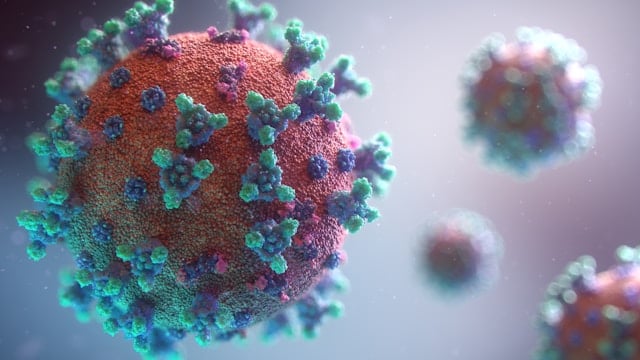
Visualization of a coronavirus

Long COVID is when symptoms stick around long after you’ve recovered from the initial COVID-19 infection.1 Doctors also call it Post-Acute Sequelae of SARS-CoV-2 infection, or PASC for short. This simply means “long-lasting effects of COVID.”

The most common complaints are fatigue, brain fog, shortness of breath, and trouble sleeping.2 Some people also experience:

  • Body aches
  • Headaches
  • Low exercise tolerance
  • Issues with the nervous system

NAD+ Basics: Your Cellular Energy Currency

NAD+ is a vital molecule found in every cell of your body. It acts as a helper that keeps your cells energized and functioning properly. 

Its main job is to carry electrons during energy production. One of the key steps it supports is glycolysis, which takes place in the cytosol (the fluid inside your cells).3

It also powers the TCA cycle (also called the Krebs cycle) and oxidative phosphorylation, both of which occur in the mitochondria.4 Simply put, NAD+ is central to turning food into usable energy.

But energy production is just part of the story. NAD+ also activates important enzymes like sirtuins, PARPs, and CD38.5 These enzymes help with DNA repair, gene regulation, and stress response.

One interesting fact is that NAD+ is compartmentalized inside cells. Different parts like the mitochondria, nucleus, and cytosol have their own NAD+ pools. 

Each part of the cell uses NAD⁺ a little differently. This setup allows the molecule to multitask and support several vital functions at once.

In the mitochondria (your cell’s energy center), NAD⁺ helps convert food into usable energy. In the nucleus, where your DNA is stored, it helps repair damage and regulates gene activity.

Unfortunately, your NAD+ levels naturally decline as you age or if you become ill. When this happens, your body struggles to make energy, fix damage, and respond to stress.

Because of this, low NAD+ has been linked to many chronic diseases. This may explain why some people feel wiped out long after a COVID infection.

How COVID-19 Disrupts Your NAD+

An image of covid-19 patient receiving a swab

When you get hit with COVID-19, your NAD+ levels can drop quickly. The virus hijacks your NAD+ system to help itself replicate.6 It activates enzymes like PARPs, especially PARP1, which use up NAD+ while trying to fight the infection.7

Other enzymes such as PARP9, PARP10, and PARP14 also ramp up. This drains even more NAD+ from your cells and adds extra stress on your supply.

Among these enzymes, CD38 is a major NAD+ consumer whose activity increases during inflammation.8 When inflammation rises, CD38 goes into overdrive, making the problem worse.

As NAD+ gets used up, your cells start running low on energy (ATP). This makes it harder for them to do basic jobs, like keeping you healthy.

COVID also disrupts your NAD+ recycling system.9 It overstimulates some pathways while shutting down others. As a result, your body can’t make NAD+ fast enough to keep up with the demand.

At the same time, helpful enzymes like SIRT1 get suppressed. This makes it harder for your body to control inflammation and recover from stress.

The more severe the infection, the more your NAD+ levels tend to crash. This creates a vicious cycle. Low energy and high inflammation feed off each other, making recovery feel like an uphill battle.

NAD+ Deficiency in Long COVID Patients

A woman in a face mask outdoors

Studies show that people with Long COVID often have low levels of NAD+.10 That drop could explain a lot of the lingering symptoms.

NAD+ is what your cells use to make energy. When you don’t have enough, your cells, especially in the brain, muscles, and blood vessels, can’t work like they should.

Here’s how low NAD+ connects to common Long COVID symptoms:

  • Fatigue – Without enough NAD+, your cells can’t make enough ATP (energy), so you feel exhausted all the time even after rest. This kind of fatigue is one of the most common and frustrating symptoms people report.
  • Brain fog – Your brain runs on energy, and it needs a lot to think clearly and stay sharp. When NAD+ is low, brain cells don’t get enough fuel, and they’re more likely to get inflamed. That mix can leave you foggy, forgetful, and mentally drained.
  • Exercise intolerance – Muscles rely on NAD+ to produce energy during activity. When it’s not there, your body can’t keep up. Even light exercise can leave you wiped out or make your symptoms worse afterward.

Low NAD+ doesn’t just drain energy. It weakens your blood vessels, too. 

The cells lining your blood vessels (endothelium) depend on NAD+ to stay healthy.11 Without it, circulation and oxygen delivery suffer, which only makes energy problems worse throughout the body.

Because NAD+ supports every cell in your body, this shortage helps explain why Long COVID symptoms can feel so widespread. It’s not “just in your head”—your cells really are struggling to keep up.

Therapeutic Potential of NAD+ Supplementation
An image of supplement capsules next to a lemon

Long COVID drains your NAD+ levels. That messes with your cells’ ability to make energy and repair themselves. So it makes sense that raising NAD+ levels could help fix the problem at its root.

Early research backs this up. NAD+ precursors like nicotinamide riboside (NR), nicotinamide mononucleotide (NMN), and nicotinamide (NAM) have shown promise in lab and animal studies. They help protect cells, support mitochondria, and reduce oxidative stress—some of the same issues seen in Long COVID.

These compounds give your body the raw materials it needs to make more NAD+. That helps your cells recover, produce more energy, and work better overall. You can take them as supplements or consider NAD IV therapy if you want faster effects.12

One small study published in Elsevier tested a combo of low-dose naltrexone (LDN) and NAD+ patches in people with Long COVID. About half the participants reported better energy and quality of life, with few side effects.13

It’s not a cure, and bigger studies are still needed. But it’s a promising lead, especially when few other options are available.

Restoring NAD+ won’t fix everything overnight. Still, it targets one of the root problems behind Long COVID symptoms, and that makes it worth exploring.

Testing and Treatment: A Solution-Oriented Approach
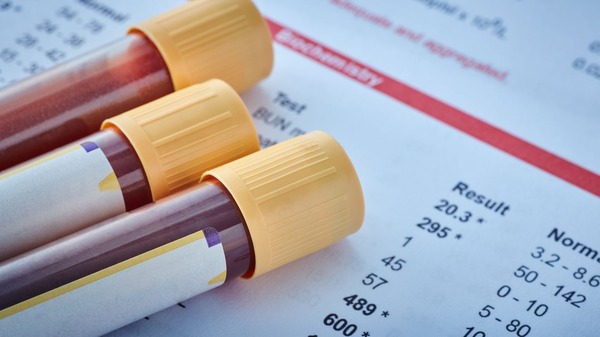
An image of blood test results and blood vials

When symptoms show up, guessing isn’t good enough. The right tests and targeted treatments can finally give you answers and a real path forward.

Why Test NAD+ Levels?

NAD+ naturally drops as you get older.14 But how much it drops depends on your lifestyle, health, and stress levels. 

Testing takes the guesswork out. It shows if what you’re doing is actually helping or if you’re just spinning your wheels.

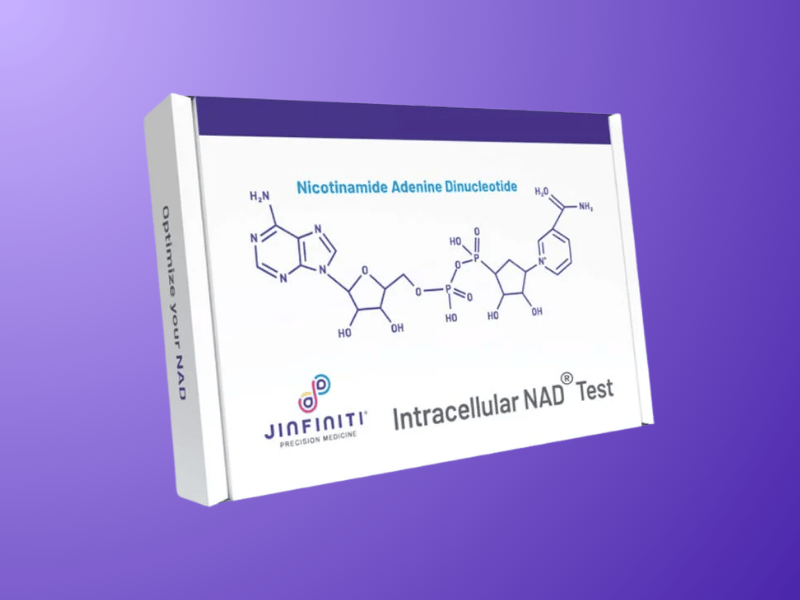
That’s where a simple at-home test can really help. Jinfiniti’s Intracellular NAD® Test measures how much NAD⁺ is actually inside your cells, so you can see what your body needs.

It’s also the first clinically certified test of its kind. That means the results are reliable and useful, not just vague numbers.

If you’re always tired, recovering from illness, or trying to stay sharp, this test gives you a solid baseline. You’ll know what your body actually needs, instead of guessing.

No more blindly taking NAD supplements and hoping for the best. The test helps you take a targeted approach, not a “more is better” one. That means no more wasted time, money, or effort on treatments that don’t move the needle.

Boosting NAD+ Levels

Once you know your NAD+ levels are low, the next step is to raise them back up. Supplements like NMN and NR help your body make more NAD+ naturally.15

But not everyone reacts the same to NAD+ supplements. That’s why testing first is key. Jinfiniti calls this approach “Test, Act, Optimize” (TAO):

  • Test: Check your NAD+ levels and related markers to understand your starting point.
  • Act: Take the right type and dose of supplements based on your test results and personal factors.
  • Optimize: Retest regularly to see how you’re responding and adjust your plan as needed.

It’s not an instant fix. Most people start feeling more energy, focus, and quicker recovery after about 6 to 8 weeks. Your body needs time to rebuild from the inside out.

The goal isn’t just higher NAD+ numbers. It’s about feeling more like yourself, or even better. With the right plan, you stop guessing and start seeing real results.

Supporting Your Recovery

An image of long covid patient recovering

NAD+ supplements work best when they’re part of a bigger recovery plan, not a stand-alone fix.16 That means looking at the full picture: your energy systems, immune health, and how your body’s responding day to day.

Simple lifestyle changes can boost your NAD+ levels naturally and help your cells recover faster. Here are some key strategies:

  • Balanced nutrition: Eating a variety of whole foods gives your cells the nutrients they need to produce NAD+ and stay healthy.
  • Regular, paced movement: Gentle exercise improves mitochondrial function without wearing you out. It helps your body rebuild energy efficiently.17
  • Stress management: Keeping stress in check lowers inflammation and supports your cells’ ability to recover and function well.18

And while restoring NAD+ can help, it’s not a silver bullet. Most people will need a combination of therapies, like mitochondrial support, inflammation control, and lifestyle changes, to really move the needle. But tackling NAD+ deficiency is a smart place to start.

Since no two cases of Long COVID look exactly the same, there’s no one-size-fits-all solution. That’s why a personalized approach based on your health history, age, and how your symptoms show up can lead to better outcomes.

As research evolves, we’ll likely see more ways to match the right NAD+ strategy to the right person. Until then, tuning in to how your body responds and working with a provider who can guide adjustments can make a huge difference.

Takeaway

An image of woman in a face mask outdoors

Still feeling drained long after COVID? That lingering fatigue, brain fog, and low stamina could be your body’s way of signaling low NAD+ levels, a vital molecule your cells need for energy and repair.

When NAD+ runs low, your body can’t make enough energy or bounce back from stress. It’s like trying to run on a dead battery.

That’s why testing your NAD+ levels is gaining traction. It gives you a clear picture of what’s happening inside your cells. If your levels are low, targeted supplements might help get you back on track.

This isn’t some overnight fix, but it’s a solid, science-backed step. For a lot of people, it’s been a game-changer.

If you’re tired of feeling stuck, it might be time to stop guessing. A quick at-home test can point you in the right direction, so you can start feeling more like yourself again.

And remember, it’s important to talk with a healthcare provider about your results and the best next steps. They can help tailor your plan so you’re not just guessing and start feeling more like yourself again.

Remember, recovery is a journey. Small, consistent steps based on your unique biology can help you regain energy and clarity, one day at a time.

Referenced Sources:

  1. https://www.nature.com/articles/s41591-024-03173-6 ↩︎
  2. https://www.sciencedirect.com/science/article/pii/S2589537021002996 ↩︎
  3. https://www.nature.com/articles/s41392-020-00311-7 ↩︎
  4. https://www.sciencedirect.com/topics/biochemistry-genetics-and-molecular-biology/krebs-cycle ↩︎
  5. https://pmc.ncbi.nlm.nih.gov/articles/PMC8261484/ ↩︎
  6. https://pmc.ncbi.nlm.nih.gov/articles/PMC10899445/ ↩︎
  7. https://www.sciencedirect.com/science/article/pii/S1471490622000254 ↩︎
  8. https://pmc.ncbi.nlm.nih.gov/articles/PMC8917930/ ↩︎
  9. https://pmc.ncbi.nlm.nih.gov/articles/PMC11768799/ ↩︎
  10. https://www.cell.com/trends/immunology/fulltext/S1471-4906(22)00025-4 ↩︎
  11. https://pmc.ncbi.nlm.nih.gov/articles/PMC9952603/ ↩︎
  12. https://pmc.ncbi.nlm.nih.gov/articles/PMC9234841/ ↩︎
  13. https://pmc.ncbi.nlm.nih.gov/articles/PMC10862402/ ↩︎
  14. https://www.ahajournals.org/doi/10.1161/CIRCULATIONAHA.121.056589 ↩︎
  15. https://www.sciencedirect.com/science/article/pii/S2090123221001491 ↩︎
  16. https://pmc.ncbi.nlm.nih.gov/articles/PMC10692436/ ↩︎
  17. https://www.frontiersin.org/journals/physiology/articles/10.3389/fphys.2021.660068/full ↩︎
  18. https://pmc.ncbi.nlm.nih.gov/articles/PMC5476783/ ↩︎
A lab technician woman looking at samples in a microscope

How to Test Your NAD Levels: A Complete Guide

Your cellular energy depends on a molecule called nicotinamide adenine dinucleotide (NAD+). This essential coenzyme powers over 500 different cellular activities in your body.

But here’s the problem. NAD+ levels decline as you age. Most people over 30 are deficient without supplementation.

Testing your NAD levels gives you real data. You can see exactly where you stand and take action to optimize your health.

Key Takeaways

  • At-home NAD testing uses simple finger-prick blood collection for accurate results
  • The same supplement dosage affects everyone differently – testing personalizes your approach
  • Testing eliminates guesswork and provides actionable data for optimization

Why Your NAD Levels Matter for Longevity

NAD+ serves as the fuel for your cellular powerhouses. It controls enzymes involved in metabolism, DNA repair, and cellular survival. Research shows that NAD+ plays a critical role in regulating biological pathways including inflammation and aging.1

When NAD+ levels drop, your cells struggle to produce energy. You might feel tired, foggy, or notice slower recovery times.

Studies demonstrate marked NAD+ differences across gender and age. Males typically have higher levels than females before age 50. These baseline differences make testing important for understanding your individual status.2

What Does a NAD Test Measure?

A NAD test measures the actual concentration of NAD+ in your cells or blood. Unlike guessing based on symptoms, testing gives you precise data about your cellular energy status.

Testing reveals your baseline levels before any intervention. It also tracks changes after supplementation or lifestyle modifications.

The molecule has specific properties that allow accurate measurement. NAD+ has a molecular weight of 663.4 and can be detected using mass spectrometry as ion species with specific markers.

Different people need different dosages for optimal results. The same amount that works perfectly for one person might be ineffective or even harmful for another. Testing eliminates the guesswork.

CLIA-Certified NAD Test Kit

Test your NAD+ levels from the comfort of home.

Jinfiniti Intracellular NAD Test on purple background

Types of NAD+ Testing Methods Available

Laboratory-Based Analysis

High-Performance Liquid Chromatography (HPLC) is the gold standard for NAD+ measurement. This method provides accurate, reliable, and reproducible results for analyzing NAD+ levels both in research and clinical settings.

Liquid Chromatography Tandem Mass Spectrometry (LC-MS/MS) offers even greater precision. This technique can detect NAD+ and related metabolites down to low picomolar levels with superior specificity.3

Innovative Biosensor Technology

Bioluminescent sensors enable rapid, point-of-care measurement. These sensors utilize genetically encoded proteins that change light color upon NAD+ binding.

The technology requires only 5 μL of sample. Results correlate excellently with traditional methods, typically within ±15% error.

At-Home NAD Test Kit Options

Modern test kits bring laboratory-quality analysis to your home. These kits use dried blood spot technology for convenient sample collection.

You simply prick your finger, place drops on special cards, and mail them to certified laboratories. The process is simple, hygienic, and requires minimal blood volume.

How to Test NAD Levels: Step-by-Step Process

Woman using a finger prick blood sample collection device

Pre-Test Preparation

Proper preparation ensures accurate results. Healthcare professionals recommend consulting with knowledgeable practitioners before testing to receive personalized guidance.

Some tests require fasting for specific periods. Follow all fasting instructions provided by your testing facility exactly as directed.

Tell your healthcare provider about all medications and supplements you’re taking. Certain substances can affect NAD+ levels or interfere with testing processes.

Sample Collection Methods

Most NAD+ tests use a blood sample for analysis. Modern collection methods prioritize convenience while maintaining sample integrity.

Fingerstick Collection:

  • Use the provided lancet to prick your fingertip
  • Collect drops of blood on the special collection card
  • Allow the sample to dry completely before packaging
  • Follow all included instructions carefully

Professional Draw:

  • Visit a laboratory or healthcare facility
  • Trained phlebotomists collect your sample
  • Samples are processed immediately for optimal stability
  • Results typically available within 7-10 business days

The dried blood spot method offers excellent stability. Studies show good linearity for calibration standards and reliable transport without specialized storage.

Collection MethodSample VolumeConvenienceAccuracy
Fingerstick5-10 μLHighExcellent
Venous Draw1-2 mLMediumExcellent
Dried Blood Spot2-3 dropsHighVery Good

Choosing the Right NAD Test Kit

Jinfiniti’s Intracellular NAD+ Test is the first-of-its-kind at-home NAD testing solution worldwide. Our breakthrough test measures your NAD levels directly inside cells where it actually works.

Unlike other tests that only measure blood levels, this intracellular approach gives you the most accurate picture of your cellular energy status. You get clinical-grade testing from the comfort of your home using a simple finger-prick blood collection.

The testing process is remarkably simple. Collect your sample at home, mail it to Jinfiniti’s high-complexity CLIA laboratory, and receive detailed results with personalized recommendations. No doctor visits or complicated procedures required.

What to Look for in Testing Services

When selecting a NAD+ test, prioritize accuracy and clinical validation. Look for laboratories that use advanced analytical methods like liquid chromatography coupled to tandem mass spectrometry.

Choose services that provide comprehensive reporting with clear reference ranges. The best testing companies offer personalized dosage recommendations based on your specific results.

Consider testing packages that include baseline and follow-up measurements. This approach allows you to track progress and optimize your supplementation strategy over time.

Understanding Your NAD Test Results

Doctor talking to patient while holding a tablet with results

Normal vs. Low NAD Levels

NAD+ levels vary significantly between individuals, age groups, and physiological conditions. Research reveals that human NAD+ baseline levels remain relatively stable over extended periods2, suggesting individual set points.

Dr. Jin-Xiong She’s clinical research provides clear benchmarks for interpreting your intracellular NAD test results. Based on extensive studies, optimal NAD levels fall between 40-100μM.

His research categorizes results as: severely deficient (0-20μM), deficient (20-30μM), suboptimal (30-40μM), and optimal (40-100μM).

Levels above 100μM may not provide additional benefits and could potentially be harmful. These ranges give you concrete targets rather than vague references to ‘normal’ levels.

Age-related decline is well-documented. Studies show NAD+ levels decrease significantly in specific brain regions with aging, highlighting the importance of monitoring and optimization.4

Low levels often correlate with:

  • Chronic fatigue and reduced energy production
  • Slower recovery from exercise or illness
  • Cognitive decline and brain fog
  • Increased susceptibility to age-related health conditions

How to Boost NAD Levels Naturally

Your lifestyle choices directly impact NAD+ production. Regular exercise, particularly aerobic activity, naturally supports healthy levels.

Dietary approaches can help too. Foods rich in NAD+ precursors include:

  • Fish (especially salmon and tuna)
  • Mushrooms (particularly crimini and portobello)
  • Green vegetables (broccoli, peas, asparagus)
  • Whole grains and nuts

Clinical trials demonstrate that oral nicotinamide mononucleotide (NMN) supplementation combined with aerobic exercise significantly increases whole-blood NAD+ levels.5

When to Use NAD Supplementation and NMN

Testing helps determine if you need supplementation and guides dosage optimization. Different individuals require different amounts for optimal results.

NMN serves as a direct precursor to NAD+. Research shows that NMN administration at therapeutic doses produces measurable increases in tissue NAD+ levels.6

Nicotinamide riboside and niacinamide offer another supplementation option. These forms of vitamin B3 support NAD+ synthesis through the salvage pathway.

The most effective approach combines multiple NAD precursors that work together synergistically. Jinfiniti’s Vitality↑® NAD+ Booster uses a patent-pending formulation that targets multiple metabolic pathways simultaneously for enhanced energy, recovery, and mental clarity.

Boost NAD Levels: Monitoring Your Progress

A hand holding a phone with a growth chart on the screen

Baseline and Follow-Up Testing

Establish your baseline before starting any intervention. This gives you a clear starting point for measuring progress.

Retest after 4-6 weeks of consistently taking NAD supplements. This timeframe allows enough time to see meaningful changes while preventing unnecessarily long delays in optimization.

Studies confirm that post-supplementation testing is essential for dose optimization. The same dosage that proves optimal for one person may be ineffective or potentially harmful for another.

Tracking Improvements

Monitor both objective test results and subjective improvements. Many people notice enhanced energy, better sleep quality, and improved mental clarity within weeks of optimization.

Keep a simple log of:

  • Energy levels throughout the day
  • Sleep quality and duration
  • Exercise performance and recovery
  • Mental clarity and focus
TimelineExpected ChangesWhat to Monitor
Week 1-2Initial adaptationEnergy patterns, sleep
Week 3-4Early improvementsExercise recovery, focus
Week 6-8Retest timingObjective NAD+ levels
Month 3+Long-term benefitsOverall vitality, health markers

Advanced Testing: Beyond Basic NAD Levels

Comprehensive Metabolic Panels

Some laboratories offer extended testing that measures NAD+ alongside related metabolites. These panels include NADH, NADP, and NADPH for complete cellular energy assessment.

The NAD/NADH ratio provides insights into your cellular redox status. This measurement helps understand how efficiently your cells are producing and using energy.

Specialized Research Applications

Optical redox imaging represents an advanced approach for assessing NAD(H) levels in living cells. This non-invasive method measures intrinsic fluorescence to calculate redox ratios.7

Bioluminescent assays capable of detecting extremely low concentrations have been developed for specialized research applications.8

Cost and Accessibility of NAD Testing

Professional vs. At-Home Options

Professional laboratory testing typically costs $200-400 per test. This includes comprehensive analysis and detailed reporting with reference ranges.

At-home test kits range from $150-300. These options provide convenience and privacy while maintaining analytical accuracy through certified laboratories.

Many testing companies offer package deals that include baseline and follow-up tests at reduced rates. These packages provide better value for ongoing monitoring.

Insurance and Healthcare Coverage

Most insurance plans don’t yet cover NAD+ testing as it’s considered preventive or wellness-focused rather than diagnostic. Check with your provider for specific coverage details.

Health Savings Accounts (HSAs) and Flexible Spending Accounts (FSAs) may cover testing costs. These pre-tax dollars can make testing more affordable.

Making the Most of Your Testing Investment

Smiling woman

Working with Healthcare Providers

Share your results with knowledgeable healthcare providers who understand NAD+ metabolism. They can help interpret results in context of your overall health status.

Functional medicine practitioners often have more experience with NAD+ testing and optimization strategies. They can provide personalized guidance based on your specific results.

Combining with Other Biomarkers

NAD+ testing works best as part of comprehensive health assessment. Consider combining with tests for:

This integrated approach provides a complete picture of your cellular health and aging status.

Rather than ordering multiple separate tests, Jinfiniti’s AgingSOS® Advanced Longevity Panel provides comprehensive aging assessment in one convenient package. This 28-biomarker panel evaluates everything from cellular senescence to DNA damage, giving you the complete picture of your biological age and health status.

Future of NAD+ Testing Technology

Point-of-care devices are becoming more sophisticated. Future biosensor technologies may enable real-time monitoring through wearable devices.9

Artificial intelligence integration could provide personalized recommendations based on your unique patterns and responses to interventions.

Testing costs continue to decrease as technology advances. More laboratories are offering NAD+ analysis, increasing competition and accessibility.

Home testing technology is becoming more reliable and user-friendly. Future developments may include smartphone-compatible devices for instant results.

Take Action: Start Testing Your NAD Levels Today

Testing your NAD+ levels gives you power over your cellular health. You get real data instead of guessing about your energy status.

Choose a reputable testing provider that offers accurate analysis and clear reporting. Establish your baseline, then track your progress as you implement optimization strategies.

Remember that NAD+ optimization represents just the starting point for better health, performance, and longevity. Regular monitoring helps ensure you’re maintaining optimal levels as you age.

Your cells depend on adequate NAD+ for energy production, DNA repair, and countless other vital functions. Testing puts you in control of this fundamental aspect of your health and vitality.

Referenced Sources

  1. https://pmc.ncbi.nlm.nih.gov/articles/PMC3935825/ ↩︎
  2. https://pmc.ncbi.nlm.nih.gov/articles/PMC10577551/ ↩︎
  3. https://pmc.ncbi.nlm.nih.gov/articles/PMC6409209/ ↩︎
  4. https://www.nature.com/articles/s41514-023-00098-1 ↩︎
  5. https://pmc.ncbi.nlm.nih.gov/articles/PMC8265078/ ↩︎
  6. https://academic.oup.com/biomedgerontology/article/78/12/2435/7126788 ↩︎
  7. https://www.rosj.org/index.php/ros/article/view/261 ↩︎
  8. https://aacrjournals.org/cancerres/article/72/8_Supplement/1135/577719/Abstract-1135-Bioluminescent-methods-to ↩︎
  9. https://www.nature.com/articles/s42255-019-0151-7 ↩︎
nad+ vs nadh

NAD+ vs. NADH: Key Differences and Which is Better

Your cells run on energy. Just like your phone needs a charged battery, your body needs molecular fuel to function properly.

Two molecules power this cellular energy system: NAD+ and NADH. Understanding these energy carriers could unlock better health, more energy, and successful aging.

But which one matters more for your health goals?

Key Takeaways

  • NAD+ and NADH are two forms of NAD that power cellular energy production
  • NAD+ controls 500+ cellular processes while NADH primarily transports energy to mitochondria
  • NAD+ declines dramatically with age while NADH levels remain more stable over time
  • Your body easily converts NAD+ to NADH but converting NADH back to NAD+ requires significant energy
  • Focus on NAD+ optimization for the biggest health returns since it addresses both energy and longevity pathways

What Are NAD+ and NADH?

NAD and NADH

NAD+ and NADH are two different forms of NAD, the same essential molecule. Think of them as twins with different jobs in your body.

NAD+ stands for nicotinamide adenine dinucleotide. It’s the “charged” version that accepts electrons from other molecules through oxidation reactions. NADH is the reduced form of NAD that carries those electrons to where they’re needed1.

Your body constantly converts between these two forms as it produces energy.

This conversion happens billions of times per day in every cell. Without it, you couldn’t survive.

The Differences Between NAD+ and NADH

FeatureNAD+NADH
ChargePositively chargedNeutral
Energy LevelLower energyHigher energy (stores electrons)
Primary RoleAccepts electronsDonates electrons
Cellular FunctionEnzyme cofactorEnergy production
Aging ImpactDeclines significantlyRemains more stable

Table showing the key differences between NAD+ and NADH.

The most important difference lies in their functions. NAD+ works like a cellular manager, controlling hundreds of processes. NADH acts more like a delivery truck, carrying energy to your mitochondria.

Your body needs both forms working together. But recent research suggests NAD+ plays the starring role in healthy aging.

How NAD+ and NADH Work in Your Body

Chemical structures of NAD+ (nicotinamide adenine dinucleotide, oxidized form) and NADH (nicotinamide adenine dinucleotide, reduced form)

Chemical structures of NAD+ and NADH

Your cells use these molecules in a carefully choreographed dance of cellular metabolism. Here’s how cellular energy production works:

Energy Production Process:

  • Food breaks down into glucose and fats during glycolysis and other pathways2
  • NAD+ captures electrons from this breakdown through cellular respiration3
  • NAD+ becomes reduced to NADH (now carrying energy)3
  • NADH delivers electrons to the electron transport chain in mitochondria3
  • Mitochondria use these electrons to make ATP, your body’s energy currency3
  • NADH converts back to NAD+ and the cycle repeats3

This process happens constantly in your muscles, brain, heart, and every other organ. When it slows down, you feel tired and foggy.

NAD+ also serves as fuel for important cellular repair systems. These include sirtuins and PARPs, which fix damaged DNA and proteins.

The NAD+/NADH Ratio

Your cells maintain a delicate balance between NAD+ and NADH, typically around 700:1 in healthy tissues. This ratio serves as a cellular health indicator that reflects your metabolic state. A high ratio signals optimal energy production, while a low ratio suggests metabolic dysfunction and cellular stress.

Why NAD Levels Decline with Age

Your NAD+ levels drop dramatically as you get older4, though the exact rate varies between individuals.

Several factors drive this decline:

Primary Causes:

  • Increased DNA damage requiring more NAD+ for repairs5
  • Higher inflammation consuming NAD+ faster6
  • Reduced production of NAD+ building blocks
  • Cellular stress depleting NAD+ reserves7

Your body also starts making more CD388, an enzyme that breaks down NAD+. This creates a double problem: less production and faster destruction.

The decline affects every organ system. Your brain, muscles, heart, and liver all struggle when NAD+ runs low.

Health Consequences of NAD+ Decline

A woman in a contemplative or melancholic mood

Low NAD+ levels contribute to many age-related problems. Research links NAD+ deficiency to several concerning changes:

Muscle and Physical Function:

  • Reduced muscle strength and endurance
  • Slower recovery from exercise
  • Increased fatigue during daily activities
  • Higher risk of sarcopenia (muscle loss)

Brain and Cognitive Health:

  • Decreased mental clarity and focus
  • Slower processing speed
  • Reduced stress resistance
  • Higher vulnerability to neurodegenerative diseases

Metabolic Health:

  • Impaired insulin sensitivity
  • Slower metabolism
  • Reduced fat burning
  • Poor blood sugar control

Your mitochondria become less efficient at producing energy. This affects every aspect of your health and vitality.

NAD+ vs NADH: Which Should You Focus On?

Both molecules are essential, but NAD+ emerges as the clear winner for supplementation and health optimization.

Here’s why NAD+ takes the lead:

NAD+ Advantages:

  • Controls over 500 different cellular processes9
  • Activates longevity genes (sirtuins)10
  • Supports DNA repair systems11
  • Declines more dramatically with aging
  • Shows better results in clinical studies

NADH Limitations:

  • Primarily focused on energy transport
  • Less impact on cellular repair systems
  • Harder for cells to absorb from supplements
  • Limited research on direct supplementation12

Your body can easily convert NAD+ to NADH when needed. But converting NADH back to NAD+ requires significant energy.

This makes NAD+ the smarter target for intervention.

Clinical Evidence: What Research Shows

Woman working in a laboratory or research setting

Multiple studies have tested NAD+ precursors in humans. The results show promise, though benefits vary between individuals.

NAD+ Precursor Studies:

  • Nicotinamide riboside (NR) increased NAD+ levels by 48-139%13
  • Nicotinamide mononucleotide (NMN) increased NAD+ levels by 60-75% with 250mg daily14
  • Some improvements in muscle function15 and sleep quality16
  • Mixed results for metabolic benefits in healthy adults
  • Better outcomes in people with existing health issues

NADH Supplementation Studies:

  • Limited human research available
  • Some benefits for chronic fatigue and cognitive function17
  • Generally smaller effect sizes than NAD+ precursors
  • Less consistent results across studies

The research suggests NAD+ boosting works best when your levels are already low. Healthy individuals see smaller benefits than those with metabolic dysfunction.

Measuring Your NAD+ Status

You can’t optimize what you don’t measure. Testing your NAD+ levels helps determine if supplementation makes sense for you.

Testing Options:

Testing before and after supplementation shows whether interventions work for your unique biology. This personalized approach leads to better outcomes.

Some people respond dramatically to NAD+ support. Others see minimal changes. Testing helps identify which group you’re in.

Intracellular NAD Test promotional image

Natural Ways to Support NAD+ Levels

Several lifestyle strategies can help support and maintain optimal NAD levels naturally.

Diet and Nutrition:

  • Eat foods rich in vitamin B3 (chicken, fish, mushrooms)
  • Include NAD+ precursors like trigonelline (found in coffee)
  • Consume antioxidant-rich foods to reduce NAD+ consumption
  • Practice intermittent fasting to stimulate NAD+ production

Lifestyle Factors:

Environmental Considerations:

  • Reduce exposure to toxins that damage DNA
  • Maintain healthy body weight
  • Stay hydrated for optimal cellular function

These strategies work best when combined rather than used individually.

NAD Supplements

When lifestyle changes aren’t enough, targeted NAD supplements can help restore NAD+ levels.

Popular NAD+ Precursors:

  • Nicotinamide riboside
  • Nicotinamide mononucleotide
  • Trigonelline (newly discovered precursor)
  • Combination formulas with supporting nutrients

Key Considerations:

  • Start with lower doses to assess tolerance
  • Monitor your response through testing
  • Choose high-quality, third-party tested products
  • Consider professional guidance for optimal results

Individual responses vary significantly. What works for others might not work for you.

Bottom Line on NAD and NADH

Two men having a joyful conversation outdoors

Based on current research, NAD+ emerges as the clear choice for most health optimization goals.

NAD+ offers broader benefits beyond simple energy production. It supports cellular repair, activates longevity pathways, and addresses the root causes of aging.

NADH remains important for energy metabolism. But your body efficiently converts NAD+ to NADH when needed.

When to Focus on NAD+:

  • General anti-aging and longevity goals
  • Improving energy and vitality
  • Supporting cognitive function
  • Enhancing exercise recovery
  • Addressing metabolic dysfunction

When NADH Might Help:

  • Acute energy deficits
  • Specific neurological conditions
  • Chronic fatigue situations
  • Short-term energy support

For most people, focusing on NAD+ provides the biggest health returns.

Your Next Steps: Test, Act, Optimize

The best approach to NAD+ optimization follows a proven strategy: test first, then act based on your unique results.

Start with baseline NAD+ testing to understand where you stand. Our Intracellular NAD+ Test provides the most accurate measurement of your cellular NAD+ levels using clinical-grade analysis. This isn’t guesswork – it’s precision health.

Why Testing Matters:

  • Reveals your current NAD+ status
  • Identifies if supplementation makes sense for you
  • Provides personalized dosage recommendations
  • Allows tracking of your progress over time

Once you know your levels, targeted action becomes possible. Our Vitality NAD+ Booster uses a clinically validated formula combining NMN and niacinamide with supporting nutrients like creatine and D-ribose for optimal cellular uptake.

For those serious about optimization, our NAD Optimization Starter Package combines everything you need. You get baseline testing, targeted supplementation, and follow-up testing to measure your improvement – the complete Test, Act, Optimize approach.

Your Success Factors:

  • Data-driven decisions based on actual testing
  • Personalized protocols tailored to your biology
  • Professional-grade formulations with proven ingredients
  • Ongoing monitoring to ensure continued progress

Remember that NAD+ optimization requires patience and consistency. Results build over weeks and months, not days. But when you follow a systematic approach backed by testing, the improvements in energy, mental clarity, and overall vitality can be remarkable.

Referenced Sources

  1. https://www.liebertpub.com/doi/10.1089/ars.2023.0375 ↩︎
  2. https://www.nature.com/scitable/topicpage/nutrient-utilization-in-humans-metabolism-pathways-14234029/ ↩︎
  3. https://onlinelibrary.wiley.com/doi/10.1186/s40169-016-0104-7 ↩︎
  4. https://www.sciencedirect.com/science/article/pii/S0006291X24001256 ↩︎
  5. https://www.nature.com/articles/s41392-020-00354-w ↩︎
  6. https://pmc.ncbi.nlm.nih.gov/articles/PMC10346866/ ↩︎
  7. https://pmc.ncbi.nlm.nih.gov/articles/PMC7963035/ ↩︎
  8. https://www.frontiersin.org/journals/immunology/articles/10.3389/fimmu.2019.01187/full ↩︎
  9. https://www.sciencedirect.com/science/article/pii/S1550413118301220 ↩︎
  10. https://pmc.ncbi.nlm.nih.gov/articles/PMC3753670/ ↩︎
  11. https://www.nature.com/articles/s41598-020-57506-9 ↩︎
  12. https://pubmed.ncbi.nlm.nih.gov/37971292/ ↩︎
  13. https://pmc.ncbi.nlm.nih.gov/articles/PMC7352172/ ↩︎
  14. https://pmc.ncbi.nlm.nih.gov/articles/PMC10692436/ ↩︎
  15. https://www.sciencedirect.com/science/article/pii/S1568163723002659 ↩︎
  16. https://pmc.ncbi.nlm.nih.gov/articles/PMC11336149/ ↩︎
  17. https://pmc.ncbi.nlm.nih.gov/articles/PMC8399248/ ↩︎
Closeup of holding a cancer patient's hand

NAD and Cancer: What We Know and What We Don’t

Cancer remains one of the most complex challenges in modern medicine. As scientists search for new treatments, one molecule keeps appearing in research: NAD+ (nicotinamide adenine dinucleotide).

This essential coenzyme plays crucial roles in energy production, DNA repair, and cell survival. But its relationship with cancer is complicated.

Some studies suggest NAD+ could help fight cancer. Others raise concerns about feeding tumor growth. So what should you know about NAD and cancer risk?

Key Takeaways

  • Scientists can target NAD+ metabolism to starve cancer cells while NAD+ supports your immune system’s natural cancer-fighting abilities.
  • Studies show NAD+ supplements don’t increase cancer risk in healthy people and may improve overall health and longevity.
  • Your immune cells need adequate NAD+ levels to effectively hunt down and destroy cancer cells.
  • If you have active cancer or genetic risk factors, consult your healthcare provider before taking NAD+ supplements.

How NAD+ Works in Your Body

NAD+ is like a cellular currency. Your cells use it for hundreds of different processes every day.

Think of it as fuel for cellular repair and energy production. Without enough NAD+, your cells struggle to function properly.

As you age, your NAD levels naturally decline. By age 50, you might have half the NAD+ you had at 20.

This decline affects everything from energy levels to DNA repair mechanisms. It’s one reason why cancer risk increases with age.

Lower NAD+ levels are also linked to increased inflammation and are often observed in chronic inflammatory conditions1. Chronic inflammation can promote tumor growth, increase treatment resistance, and suppress your immune system.

Your Immune System and NAD+

Your body’s ability to fight cancer depends heavily on immune cells called CD8+ T cells. These are your cellular warriors that hunt down and destroy cancer cells.

Recent research reveals that NAD+ is essential for these T cells to function properly2. Without adequate NAD+, your immune system can’t mount an effective anti-cancer response.

The kynurenine pathway, which produces NAD+, helps maintain T cell fitness in tumor environments. This suggests that supporting NAD+ levels might boost your natural cancer defenses.

Studies show that targeting NAD+ metabolism can improve T cell function and enhance their ability to kill cancer cells3. This creates an interesting paradox in cancer treatment.

Targeting NAD Metabolism in Cancer Treatment

Closeup of woman holding a cancer patient's hand

Cancer cells have a dirty secret. They’re energy hogs that consume massive amounts of NAD+ to fuel their rapid growth.

Scientists have found ways to exploit this weakness. By blocking NAD+ production in cancer cells, they can starve tumors of essential nutrients.

Research shows that targeting key enzymes like NAMPT (nicotinamide phosphoribosyltransferase) can effectively kill cancer cells4. When you cut off their NAD+ supply, tumors struggle to repair DNA damage and maintain energy production.

PARP inhibitors represent another promising approach. These drugs block an enzyme that uses NAD+ for DNA repair. Studies demonstrate that PARP inhibitors improve survival rates in certain cancers, especially those with BRCA mutations5.

However, these treatments work by depleting NAD+ in cancer cells. This raises important questions about NAD+ supplementation during cancer treatment.

NAD+ Supplements: Are They Safe?

Here’s where things get interesting. Despite concerns about feeding cancer cells, research on NAD+ supplements tells a different story.

Long-term studies in mice found that nicotinamide mononucleotide (NMN, a popular NAD+ precursor) didn’t increase cancer risk6. In fact, supplemented mice lived longer and healthier lives.

The mice showed improved metabolic health and reduced frailty. No increase in tumor formation was observed over their lifespans.

This suggests that normal NAD+ supplementation doesn’t necessarily fuel cancer growth. The difference might lie in how healthy cells versus cancer cells use NAD+.

Potential Concerns in Cancer Metabolism

female scientist looking through an inverted microscope at cancer cells that have been grown in culture media

Cancer cells are remarkably adaptable. They can sometimes find ways around treatments that target NAD+ metabolism.

Some cancers develop resistance by altering their metabolic pathways7. They essentially rewire themselves to survive NAD+ depletion.

For example, cancer cells might inactivate certain enzymes to protect themselves from NAD+ depletion strategies. This can make treatments less effective over time.

There’s also theoretical concern that boosting NAD+ levels could support cancer cell metabolism. Cancer cells have high energy demands and efficient DNA repair mechanisms.

However, cancer biology often defies simple explanations. Some tumors are “cold” – they hide from your immune system with few attacking T cells. Others are “hot” with active immune responses.

Interestingly, increased tumor cell growth can sometimes transform cold tumors into hot ones. This may actually improve your response to chemotherapy and lead to better survival outcomes8.

Current research hasn’t shown increased cancer risk from NAD+ supplementation in healthy individuals.

What the Research Shows

Let’s look at what different studies have found about NAD+ and cancer:

ApproachPotential BenefitConcern/Risk
NAD+ Metabolism TargetingInhibits tumor growth and survivalCancer cell adaptation, therapy resistance
Sirtuin ModulationMay improve health, delay agingImpact on tumor biology not fully understood
NAD+ Precursor SupplementationNo increased tumor burden in miceTheoretical risk of supporting tumor metabolism
PARP InhibitorsImproved survival in DNA repair-deficient cancersRisk of secondary malignancies
Genetic Factors (e.g., SDHx)N/AIncreased cancer risk via NAD+ pathway

The data shows a complex picture. NAD+ can both help and hinder cancer depending on the context.

Who Should Be Cautious?

Certain genetic factors can affect how NAD+ impacts cancer risk. Mutations in genes like SDHx can destabilize tumor suppressor proteins like p539.

These genetic changes alter NADH/NAD+ metabolism in ways that may increase cancer risk. If you have a family history of certain cancers, genetic testing might provide useful information.

PARP inhibitor treatments, while beneficial for some cancers, can increase the risk of secondary blood cancers2. This risk appears higher in certain genetic backgrounds.

People undergoing cancer treatment should discuss the potential benefits NAD+ supplementation with their oncologist. The timing and type of treatment matter.

What We Still Don’t Know

A woman with short hair contemplating outdoors

Research on NAD+ and cancer is still evolving. Many questions remain unanswered.

We don’t fully understand how different types of cancer respond to NAD+ modulation. Some might be more sensitive than others.

The optimal timing of NAD+ interventions remains unclear. Should you boost NAD+ before, during, or after cancer treatment?

Long-term effects of NAD+ supplementation in cancer survivors need more study. Most research has focused on short-term outcomes.

Individual genetic variations likely affect NAD+ metabolism and cancer risk. Personalized approaches may become important in the future.

The Bottom Line

NAD+ plays a crucial role in both cancer development and treatment. The relationship is nuanced and depends on many factors.

Current evidence suggests that NAD+ supplementation doesn’t increase cancer risk in healthy individuals. Animal studies support this finding.

However, people with active cancer or genetic predispositions should consult healthcare providers before taking NAD+ supplements. Treatment context matters enormously.

The most promising applications involve targeting NAD+ metabolism in cancer cells while supporting immune function. This dual approach may offer the best of both worlds.

As research continues, we’ll likely develop more sophisticated ways to use NAD+ in cancer prevention and treatment. The key is understanding when to boost it and when to block it.

For now, supporting healthy NAD+ levels through lifestyle factors like exercise, sleep, and proper nutrition remains a safe approach for most people. Supplementation can be considered based on individual circumstances and medical guidance.

The future of NAD+ and cancer research looks promising. But like many aspects of cancer biology, the answers are complex and highly individual.

Referenced Sources

  1. https://pmc.ncbi.nlm.nih.gov/articles/PMC10893221/ ↩︎
  2. https://www.cell.com/cell-reports/fulltext/S2211-1247(23)01530-9 ↩︎
  3. https://link.springer.com/article/10.1007/s00432-022-04124-9 ↩︎
  4. https://www.ncbi.nlm.nih.gov/pmc/articles/PMC11206297/ ↩︎
  5. https://pubmed.ncbi.nlm.nih.gov/35212587/ ↩︎
  6. https://pmc.ncbi.nlm.nih.gov/articles/PMC10738395/ ↩︎
  7. https://pubmed.ncbi.nlm.nih.gov/37190889/ ↩︎
  8. https://pmc.ncbi.nlm.nih.gov/articles/PMC10458686/ ↩︎
  9. https://pmc.ncbi.nlm.nih.gov/articles/PMC3276278/ ↩︎
A young woman examines her skin in a handheld mirror

Should Women Take NAD+ Supplements?

Nicotinamide adenine dinucleotide (NAD+) has become a buzzword in anti-aging and wellness circles.

The essential molecule plays a crucial role in hundreds of metabolic processes throughout your body. But what does it mean specifically for women’s health?

As we age, our NAD+ levels naturally decline. This decrease may contribute to various health challenges women face throughout their lives – from fertility issues to menopausal symptoms and beyond.

Let’s explore what science tells us about NAD+ for women, potential benefits, risks to consider, and who might benefit most from dietary supplements.

Key Takeaways

  • NAD+ levels naturally decline with age in women, affecting energy, hormones, and cellular health
  • Supplementation shows strongest evidence for fertility and menopause support, potentially improving egg quality and reducing hot flashes
  • Test your NAD+ levels first – dosing varies greatly between individuals, and what’s optimal for one person could be ineffective or toxic for another
  • Timing matters by life stage – perimenopause/menopause may be the most beneficial time to start, while pregnancy requires medical supervision

Why NAD+ Matters for Women’s Health

NAD+ is a coenzyme found in all living cells. Think of it as a tiny helper molecule that works behind the scenes to keep your body running smoothly – like the perfect foundation that balances your skin and creates a flawless canvas without anyone noticing it’s there.

This powerful molecule is involved in:

  • Cellular energy production
  • DNA repair
  • Metabolic regulation
  • Cellular resilience
  • Activation of sirtuins (proteins linked to longevity)

For women specifically, NAD+ influences processes affecting hormonal balance, energy metabolism, and cellular health1 – factors that all impact healthy aging.

Research shows NAD+ levels decline with age in various tissues, including female reproductive organs like the ovaries and uterus.

This decline may contribute to age-related health challenges that uniquely or disproportionately affect women.

Potential Benefits of NAD Supplements for Women

Three smiling women in a sunflower field

Remember how energetic you felt in your twenties? Or how quickly your skin bounced back from a late night? NAD+ plays a role in all of these processes.

Research has found that maintaining healthy NAD+ levels can potentially benefit women’s health in several areas.

1. Fertility and Reproductive Health

NAD+ shows clear benefits for women’s fertility and reproductive health.

Studies show that NAD+ levels in oocytes (eggs) decline with age. A study in Cell Reports found that restoring NAD+ using precursors like nicotinamide mononucleotide (NMN) can improve egg quality, increase ovulation rates, and boost fertility2.

In older female mice, NAD+ precursor supplements improved:

  • Time to first live birth
  • Percentage of mice having live births
  • Egg quality
  • Ovulation rate

These benefits occur because NAD+ supports energy production and mitochondrial function in reproductive cells.

Women with PCOS may also benefit from NAD+. Research found that PCOS patients have lower NAD+ levels in ovarian cells, causing oxidative stress and mitochondrial problems3.

In animal studies, the NAD+ precursor nicotinamide riboside (NR) produced several improvements:

2. Relief from Menopausal Symptoms

If you’re in the throes of perimenopause or menopause, you know it can feel like your body has staged a revolt.

Hot flashes strike during important meetings, sleep becomes elusive, and your once-sharp mind sometimes feels foggy.

Studies suggest that restoring levels of NAD may help with common menopausal symptoms including:

  • Hot flashes
  • Night sweats
  • Mood changes
  • Sleep disturbances
  • Brain fog and cognitive issues

The benefits appear related to how NAD+ helps cells produce energy and regulate metabolism when hormonal shifts cause significant physical changes.

3. Better Bone Health

Bone health is crucial for women, especially after menopause when estrogen decreases. Remember leaping off swings as a kid? That bodily resilience doesn’t completely disappear with age.

NAD+ may protect bone density and fight osteoporosis in older adults. Research indicates that increasing NAD levels can slow bone breakdown while promoting new bone cell formation4.

Bones stay healthy through a process called remodeling. As we age, bone-building cells decline, leading to too much bone removal without enough new growth. NAD+ helps maintain this balance, potentially offering protection against age-related bone loss.

4. Improved Skin Health

A young woman with radiant skin health

Seeing new lines or sagging skin in the mirror? That’s your skin’s NAD+ levels declining right before your eyes. This natural process causes fine lines, wrinkles, and elasticity loss5.

Boosting NAD+ through supplements or specialized skincare products can:

  • Support DNA repair
  • Help cells regenerate
  • Fight sun-related aging
  • Reduce uneven skin tone
  • Protect your skin barrier

Sirtuins, enzymes that depend on NAD+, play a central role in maintaining skin health and youthfulness. NAD+ helps these enzymes keep your skin’s structure strong and bouncy.

5. Mood Balance and Mental Wellbeing

Women’s mental health can benefit from optimal NAD+ levels. Ever had those days when your brain just won’t cooperate? Research suggests NAD+ plays a key role in:

  • Neurotransmitter function (regulating mood)
  • Cognitive function
  • Cellular energy for brain cells6

NAD+ supplements may help reduce anxiety and depression by promoting balanced neurotransmitters. The energy boost can also improve focus and mental clarity, helping you handle life’s demands more effectively.

6. Energy and Metabolism Boost

Remember powering through your day without needing coffee refills? NAD+ is essential for your mitochondria – your cellular energy generators – making it key for your energy and metabolism.

Research in the journal Science tested nicotinamide mononucleotide (NMN) on 25 postmenopausal women with prediabetes over 10 weeks7. They found improvements in:

  • Insulin sensitivity
  • Insulin signaling
  • Healthy muscle tissue changes

This suggests NAD+ precursors may help fight the metabolic decline that often accelerates after menopause.

NAD+ also helps regulate your circadian rhythm8 – your internal body clock. Healthy NAD+ levels can improve your sleep-wake patterns, leading to better sleep, balanced hormones, and improved vitality.

Imagine enjoying that deep, refreshing sleep you had when you were younger!


Vitality Mini CTA

Common Side Effects

The most commonly reported side effects of NAD+ precursors include:

  • Diarrhea
  • Nausea
  • Rashes
  • Hot flashes
  • Leg cramps

These side effects appear to be relatively rare and minor for most users. Still, it’s worth starting with lower doses to see how your body responds.

Dosage Recommendations

Current dosage recommendations based on available research include:

Supplement TypeDaily Dosage RangeTypical Study DoseNotes
NR (Nicotinamide Riboside)100-1000mg250-500mgMost studies use mid-range doses
NMN (Nicotinamide Mononucleotide)150-1200mg250-900mgNAD+ improvements seen in this range
NAM (Nicotinamide)100-500mg500mgNAD+ increases observed at higher end
Niacin (Nicotinic Acid)14-35mg (general), 100-1000mg (therapeutic)VariableTherapeutic doses require medical supervision due to potential side effects

Important Notes:

  • These are general recommendations, not gender-specific
  • Individual factors (health status, age, medical conditions) should guide dosing
  • Consult with a healthcare provider before starting any supplement regimen

Considerations for Different Life Stages

A pregnant woman in a pink dress holds her belly in a heart shape

Your body’s relationship with NAD+ changes throughout your life, just like your cooking preferences evolve from instant ramen to more sophisticated flavors. Understanding these shifts helps you make better choices about supplementation timing.

Reproductive Years

If you’re in your childbearing years, the fertility benefits we discussed earlier become especially relevant. NAD+ supports egg quality and cellular energy in reproductive tissues.

Women planning to delay childbearing might find this particularly valuable. However, always consult your healthcare provider before starting any supplement regimen while trying to conceive.

Pregnancy and Postpartum

Research remains limited here, though emerging studies show promise. 

One study found NAM may protect developing eggs from acetaminophen effects9. In animal models, NR prevented pregnancy-related high blood pressure and fetal growth issues10.

Given the limited human data, pregnant women should only consider NAD+ supplements under medical supervision.

Perimenopause and Menopause

This life stage may offer the most compelling case for the benefits of NAD+ supplementation. As we covered earlier, research shows significant benefits for hot flashes, sleep, energy, and metabolism during hormonal transitions.

The metabolic improvements seen in postmenopausal women with prediabetes make this timing particularly strategic for many women.

Practical Ways to Support NAD+ Levels

Beyond supplementation, several lifestyle factors can influence your NAD+ levels. Many of these approaches are beneficial for your overall health too.

Diet

Your grandmother’s advice to “eat your vegetables” turns out to be NAD+-boosting wisdom! Consume foods rich in NAD+ precursors, including:

  • Lean meats
  • Fish
  • Legumes
  • Nuts and seeds
  • Whole grains
  • Leafy greens

These foods support your body’s natural NAD+ production.

Exercise

Regular physical activity may support NAD+ production. Even moderate exercise several times a week can deliver some benefit. Find movement you enjoy – whether it’s dancing in your kitchen, swimming laps, or taking a brisk walk with a friend – and you’ll be supporting your NAD+ production naturally.

Stress Management

Chronic stress depletes NAD+. Practices like meditation, yoga, and adequate sleep help preserve your NAD+ stores. Taking even five minutes a day for deep breathing can make a difference.

Limiting Alcohol

Excessive alcohol consumption places demands on NAD+ resources as your body metabolizes alcohol. Moderating intake helps protect your NAD+ levels. Think of it this way: every glass of wine requires your body to use some of its precious NAD+ stores for processing.

Should Women Take NAD+ Supplements?

An accomplished woman holds her glasses on a modern sofa

There’s no one-size-fits-all answer about taking NAD+ supplements. Just like you wouldn’t purchase shoes without trying them on first, your supplement decisions should be tailored to your individual health goals.

Women who might benefit most include:

  • Those experiencing menopause symptoms
  • Women with metabolic concerns, particularly postmenopausal women with insulin resistance
  • Those interested in supporting reproductive health and fertility
  • Women concerned about age-related cognitive changes
  • Those looking for support with energy production and overall vitality

Jinfiniti’s Vitality↑® NAD+ Booster contains a science-backed blend shown to optimize NAD+ levels through several metabolic pathways. Our well-researched formulation of NMN, creatine monohydrate, niacinamide and D-ribose work together to support cellular energy needs that many women face during hormonal changes.

However, important cautions exist:

  • Women with cancer, cancer history, or strong family history of cancer should approach supplementation with caution
  • Women with autoimmune or inflammatory conditions should discuss potential risks with healthcare providers
  • Pregnant women should only consider NAD+ supplementation under medical supervision

Before taking any NAD+ supplement, measure your baseline NAD+ levels with our Intracellular NAD® Test. This helps personalize your dosing and track your progress—following our TAO approach (Test, Act, Optimize) to precision health.

Bottom Line

NAD+ supplements show promise for women’s health across several areas – fertility, mental clarity, bone health, and energy levels. Since NAD+ naturally decreases with age, supplements may help combat age-related health issues that women often face.

The evidence for reproductive and menopausal health benefits looks good, while research in other areas continues to grow. As scientists better understand how NAD+ affects women’s health, this coenzyme could become a key part of health optimization.

Referenced Sources

  1. https://www.nature.com/articles/s41392-020-00311-7 ↩︎
  2. https://pmc.ncbi.nlm.nih.gov/articles/PMC7063679/ ↩︎
  3. https://www.ncbi.nlm.nih.gov/pmc/articles/PMC11749135/ ↩︎
  4. https://www.nature.com/articles/s41514-021-00058-7 ↩︎
  5. https://pmc.ncbi.nlm.nih.gov/articles/PMC9512238/ ↩︎
  6. https://pmc.ncbi.nlm.nih.gov/articles/PMC6787556/ ↩︎
  7. https://pmc.ncbi.nlm.nih.gov/articles/PMC8376945/ ↩︎
  8. https://pmc.ncbi.nlm.nih.gov/articles/PMC8130408/ ↩︎
  9. https://www.sciencedirect.com/science/article/pii/S095528632300044X ↩︎
  10. https://www.life-science-alliance.org/content/7/12/e202302505 ↩︎
Healthcare practitioner offering choice between two supplements in his office

Best NAD Supplement in 2025: What to Know Before You Buy

Step into the world of longevity supplements and you’ll quickly encounter NAD+, a molecule touted for its role in energy production and cellular repair throughout your body.

Consequently, the market is now flooded with NAD supplements, each claiming to be the most effective. This makes choosing the right one a confusing task for even the most health-conscious consumer.

To help you make sense of it all, this expert guide breaks down the science of NAD boosters and provides clear advice on what experts recommend to help you select the best NAD supplement in 2025.

Key Takeaways

  • NMN and NR supplements effectively boost NAD+ levels, with numerous studies supporting their benefits
  • Standard oral supplements (capsules, tablets, powders) are the forms most used in clinical research
  • Measuring your baseline NAD+ levels before supplementing allows you to track effectiveness and make informed dosage decisions
  • A combination approach with multiple NAD precursors and supporting compounds may boost NAD+ levels more effectively than single-ingredient formulations

NAD+: The Coenzyme That Declines With Age

Your body relies on nicotinamide adenine dinucleotide, or NAD+, for cellular energy metabolism and hundreds of vital processes like DNA repair. The molecule helps power your mitochondria and activates sirtuins, proteins that help regulate how your cells age.

NAD+ levels start declining with age. By middle age, you might have lost 50-80% of what you had in youth. DNA damage, chronic inflammation and cellular aging all contribute to this phenomenon.

When NAD+ drops, your cellular engines sputter. Maintenance slows down. Your body’s ability to bounce back from stress diminishes. These changes contribute to many familiar signs of aging, from decreased energy to cognitive changes.

Supplementation with NAD+ precursors (the raw materials your body uses to make NAD+) offers a potential strategy to fight back against this natural decline.

Benefits of Boosting NAD

Young Asian woman using devices for fitness in park

The benefits of NAD supplements appear strongest in people with specific conditions or naturally low NAD levels. This is why we recommend testing your NAD+ status as a first step.

So what specific benefits can you expect when you restore your NAD+ levels? The evidence is compelling.

Studies show that increasing NAD may improve metabolic health. One study of prediabetic women found that taking just 250 mg of NMN daily for 10 weeks improved muscle insulin sensitivity.1

For active individuals, NAD+ supplementation can improve aerobic capacity, with research showing performance benefits that increase with dosage.2

Your heart stands to gain significant protection too. Clinical research demonstrates that raising NAD+ levels helps combat various heart conditions, from atherosclerosis to cardiomyopathy and heart failure.

Brain health benefits are equally compelling. NAD+ supplementation reduces neuroinflammation, protects neurons, and improves cognitive function by supporting mitochondrial health in brain cells.3

Boosting NAD+ can also reduce chronic oxidative stress and inflammation, both of which are linked to aging and degenerative diseases.4

Supplement Safety Note

Types of NAD Precursors

NAD+ itself is too large to enter cells efficiently when taken orally. Instead, supplements use precursor molecules that your body converts into NAD+.

Nicotinamide Mononucleotide (NMN)

What is it? NMN is a direct precursor that’s just one step away from becoming NAD+. It’s found naturally in very small amounts in foods like broccoli, avocado, and edamame.

What does research say? Research shows NMN supplements safely improve physical performance, muscle function, and metabolic health, particularly in middle-aged and older adults.5

Is it effective? Several human trials show that taking NMN significantly boosts blood NAD levels in healthy adults over 4-12 weeks compared to placebo.6

Any downsides? Supplements tend to be more expensive. Despite strong safety data, most comes from small, short-duration studies.

Nicotinamide Riboside (NR)

What is it? NR is a form of vitamin B3 that efficiently converts to NMN and then to NAD+. It bypasses a rate-limiting enzyme called NAMPT that can slow down NAD+ production.

What does research say? Clinical trials show thatNR supplementation is safe and may offer benefits for inflammation7, body composition, and possibly neuroprotection.8

Is it effective? Multiple human trials show that oral NR supplements significantly raise NAD concentrations in blood and tissues.9

Any downsides? NR may be slightly less potent than NMN as a precursor to NAD that is one step further.

Nicotinamide (NAM)

What is it? Also called niacinamide, NAM is the most common form of vitamin B3 in both diet and supplements. It’s found in foods like fish, poultry, eggs, grains, meat, milk, and green vegetables.

What does research say? Clinical studies show nicotinamide helps prevent skin cancer10, improves skin health, and  reduces risk of heart failure.11

Is it effective? Evidence suggests NAM can increase NAD levels, but its effectiveness may vary by tissue type and context.12

Any downsides? NAM is generally considered less effective than NMN and NR. It may also come with more side effects in some people.

Niacin (Nicotinic Acid, NA)

What is it? Niacin is the original form of vitamin B3 that can be converted to NAD+ through the “salvage pathway.” It’s the most affordable NAD+ precursor and has been used medically for decades to manage cholesterol.

What does research say? Research shows niacin has well-documented benefits for improving cholesterol profiles by increasing HDL (“good” cholesterol) and lowering LDL (“bad” cholesterol).13

Is it effective? High-dose niacin has been shown to increase NAD levels up to 8-fold, which raises questions about optimal dosing for balanced cellular health.14

Any downsides? Niacin often causes an uncomfortable “flush” effect (temporary skin redness, warmth, and itching) and some users experience stomach issues. 

Tryptophan

What is it? Tryptophan is an essential amino acid found in protein-rich foods that can be converted to NAD+ through a lengthy process known as the “de novo pathway.”

What does research say? Studies indicate it may support mood regulation, sleep quality, and neurotransmitter balance due to its role in serotonin production.

Is it effective? As an NAD+ precursor, tryptophan requires multiple conversion steps and is less efficient than direct precursors like NMN.

Any downsides? The conversion rate from tryptophan to NAD+ is relatively low, requiring larger amounts to achieve meaningful NAD+ increases.

Comparison of NAD Precursors

PrecursorWhat is it?EffectivenessDownsides
NMNDirect NAD+ precursor found in small amounts in vegetablesSignificantly boosts NAD+ levels in clinical trialsMost expensive option
NRB3 form that bypasses rate-limiting enzymeWell-proven to raise NAD+ in blood and tissuesSlightly less potent than NMN
NAMCommon B3 form in everyday foodsVariable effectiveness by tissue typeLess effective, possible side effects
NiacinOriginal B3 form, most affordableCan increase NAD+ up to 8-foldCauses “flush” effect, GI discomfort
TryptophanEssential amino acid in protein foodsInefficient, requires multiple conversion stepsVery low conversion rate to NAD+

Forms of NAD Supplements

The effectiveness of your NAD+ supplement might depend on how well it’s absorbed and taken up by your cells.

Standard Oral Capsules/Tablets/Powders

Research consistently shows oral supplements are most reliable, with clinical studies preferring them for their consistent dosing, proven NAD+ elevation, and easy integration into daily routines.

Sublingual Delivery

Tablets or drops placed under the tongue claim to bypass digestion, but minimal independent research confirms superior bioavailability compared to quality oral supplements.

Liposomal Formulations

These encase precursors in microscopic lipid bubbles that protect them from digestive enzymes and potentially enhance cellular uptake. Manufacturer data suggests better bioavailability, but independent research is limited.

Other Forms

  • Nasal sprays provide rapid delivery through the nasal mucosa
  • Transdermal patches deliver precursors through the skin
  • IV administration delivers NAD+ directly into the bloodstream (clinical settings only)

While advanced delivery systems offer potential advantages, standard oral formulations still have the most extensive clinical research supporting their effectiveness.

Delivery MethodEffectivenessResearch Support
Oral Capsules/Tablets/PowdersReliable cellular uptake with consistent dosingExtensive clinical research support
Sublingual DeliveryClaims improved absorption by bypassing digestionLimited independent verification
Liposomal FormulationsEnhanced protection from digestive enzymesMostly manufacturer data, limited independent studies
Nasal SpraysRapid delivery through nasal mucosaMinimal clinical research
Transdermal PatchesGradual delivery through skinFew published studies
IV AdministrationDirect bloodstream delivery (clinical settings only)Used in specific therapeutic contexts

Dosages: How Much Should You Take?

Finding the right NAD+ precursor dosage means balancing research with your personal needs.

For NR, studies typically use 300-1000 mg daily. Higher doses (1000+ mg) may keep NAD+ levels elevated longer and are sometimes used for specific health conditions.

Research has tested daily NMN doses between 250-1200 mg. Some evidence suggests the higher end of this range (600-1200 mg) may work better for things like aerobic capacity.

Start low (250-500 mg daily of either NR or NMN) to check how your body responds before trying higher amounts.

For specific health concerns, talk to a healthcare professional who can guide you based on your health and goals.

PrecursorTypical NAD-Boosting Dosage
NMN250-1000 mg/day
NR300-1000 mg/day
NAM (Niacinamide)100-500 mg/day
Niacin15-50 mg/day
Tryptophan1000+ mg from dietary sources

Side Effects and Safety

NAD+ precursors have shown good safety records in human studies at common doses.

NR has been tested at up to 2000 mg daily for several months, with a recent study using even 3000 mg daily for 4 weeks in Parkinson’s patients without serious side effects.

NMN appears safe at doses up to 1250 mg daily in studies lasting several weeks to months.

Unlike niacin, neither NR nor NMN typically cause flushing, making them more comfortable for most people.

Mild side effects sometimes reported include:

  • Stomach discomfort
  • Headaches
  • Fatigue

These occur about as often as in placebo groups.

Safety data beyond several months is still limited. If you take medications, especially for metabolism-related conditions, check with your doctor before starting dietary supplements.

Choosing the Best NAD Supplement

Healthcare practitioner offering choice between two supplements in his office

To pick the best NAD supplement for your needs, focus on these core considerations:

  • Match to Your Goals: Align your choice with your health goals. NMN and NR are popular for longevity, with NMN often noted for metabolic support and NR for neurological aspects. NAM can be considered for skin health, while niacin has known cholesterol benefits.
  • Prioritize Quality: Don’t compromise on quality. Look for products with third-party testing seals (e.g., USP, NSF), GMP (Good Manufacturing Practices) certification, and transparency from established brands. 
  • Sensible Starting Doses: For NR or NMN, consider starting with 250-500 mg daily. For NAM, 100-250mg is a common initial range, and for niacin, lower doses like 15-50 mg are safer.
  • Consider Testing: For a personalized approach, testing your NAD+ levels before and after supplementation can help verify effectiveness and optimize your regimen.
  • Remember the Bigger Picture: Supplements achieve the best results as part of an overall healthy lifestyle, including good nutrition, regular exercise, and quality sleep.

Focusing on these elements will help you confidently select a high-quality NAD+ supplement that aligns with your individual health objectives.

A Science-Based Approach to NAD Supplementation

At Jinfiniti Precision Medicine, we approach NAD+ optimization through our unique “Test, Act, Optimize” (TAO) philosophy.

Our approach begins with measuring your actual NAD+ levels using our proprietary Intracellular NAD® Test. This clinical-grade test provides a precise baseline of your current NAD+ status through a simple finger-prick blood collection.

With this data, we can recommend personalized supplementation using our flagship product:

  • Vitality↑® NAD Booster – Our patent-pending, clinically validated formulation combines precursors NMN and niacinamide with creatine monohydrate and D-ribose in precise ratios that work synergistically across multiple metabolic pathways

Vitality↑® stands apart from generic supplements by targeting comprehensive cellular health. Its unique formula supports energy production, recovery, sleep quality, mental clarity, and reduced inflammation – all from a single, science-backed supplement.

Our complete system comes together in our NAD Optimization® Starter Package, which includes before-and-after testing plus Vitality↑® supplementation. This embodies our philosophy of continuous monitoring and adjustment for optimal results.

“The one-size-fits-all approach to NAD supplementation simply doesn’t work,” explains Dr. Jin-Xiong She, Jinfiniti founder and Chief Scientist. “People vary dramatically in their baseline levels and response to supplements. Without testing, you’re just guessing. Our Vitality↑® works through three distinct pathways to make NAD, making it more effective than single-ingredient options like NMN or NR alone. This approach leads to NAD+ increases you can actually measure and feel.”

Vitality Mini CTA

A Few More Practical Tips

Getting the most from your NAD+ supplementation might benefit from a holistic approach:

What Time to Take NAD Supplements

  • NAD+ metabolism follows circadian rhythms
  • Morning supplementation may align better with natural cycles
  • Consistency is key for maintaining levels

Lifestyle Factors

  • Regular exercise increases NAMPT enzyme activity, supporting NAD production
  • Intermittent fasting activates pathways that help boost NAD+ levels naturally
  • Quality sleep supports optimal NAD+ metabolism

Complementary Supplements

Remember that individual responses can be different based on genetics, age, activity level and overall health status.

Recap: What to Know Before You Buy

Finding your ideal NAD+ supplement requires balancing scientific research with your personal factors. Both NMN and NR effectively raise NAD+ levels, each with advantages for different situations.

Quality is crucial. Select products with independent verification and clear manufacturing practices to ensure you receive what’s advertised.

Keep in mind that NAD+ supplements perform best as part of a complete health strategy. No pill can substitute for quality sleep, regular physical activity, stress reduction, and nutritious eating.

For a truly personalized strategy, Jinfiniti’s system offers a way to test, supplement, and track your NAD+ optimization journey based on your unique biological response.

When you select products based on quality, evidence, and your specific needs, NAD+ supplementation provides a promising way to support cellular function throughout aging.

Referenced Sources

  1. https://www.science.org/doi/10.1126/science.abe9985 ↩︎
  2. https://pmc.ncbi.nlm.nih.gov/articles/PMC8265078/ ↩︎
  3. https://www.ahajournals.org/doi/10.1161/CIRCULATIONAHA.121.056589 ↩︎
  4. https://www.sciencedirect.com/science/article/abs/pii/S0531556519307582 ↩︎
  5. https://www.eurekaselect.com/article/142482 ↩︎
  6. https://link.springer.com/article/10.1007/s11357-024-01204-1 ↩︎
  7. https://www.cell.com/cell-reports/fulltext/S2211-1247(19)30940-4 ↩︎
  8. https://www.cell.com/cell-metabolism/fulltext/S1550-4131(22)00045-6 ↩︎
  9. https://www.nature.com/articles/s41467-018-03421-7 ↩︎
  10. https://www.mdpi.com/1422-0067/20/23/5946 ↩︎
  11. https://www.science.org/doi/10.1126/scitranslmed.abd7064 ↩︎
  12. https://www.sciencedirect.com/science/article/abs/pii/S0891584923004732 ↩︎
  13. https://link.springer.com/article/10.1007/s11883-001-0014-y ↩︎
  14. https://www.cell.com/cell-metabolism/fulltext/S1550-4131(20)30190-X ↩︎

How NAD+ Can Influence Arthritis and Support Joint Health

Recent research has uncovered fascinating connections between a molecule called NAD+ and joint health.

For the millions who struggle with arthritis, this emerging area of study offers new insights into managing joint discomfort and supporting overall joint function.

Key Takeaways

  • Multiple studies show people with arthritis have lower NAD+ levels, which may contribute to joint inflammation and damage
  • NAD+ powers key proteins that regulate inflammation pathways and help maintain joint health
  • NAD+ precursors have shown benefits in reducing arthritis symptoms and supporting joint function in research models
  • Individual responses to NAD+ supplementation vary widely, making testing and personalized dosing essential
  • Understanding your current NAD+ status helps determine the right approach for you

What Is NAD+ and Why Does It Matter for Joint Health?

NAD+ (nicotinamide adenine dinucleotide) is a vital molecule found in every cell of your body. Think of it as a cellular fuel that helps your cells:

  • Create energy from the food you eat
  • Fight off harmful oxidative stress
  • Repair damaged DNA
  • Support your immune system
  • Keep cells young and healthy

These functions are especially important for your joints, which need constant maintenance and protection.

Research shows that many factors can lower your NAD+ levels1, including:

  • Poor diet choices
  • Infections
  • Chronic diseases
  • Aging

When NAD+ levels drop, inflammation often increases – which can be a problem for arthritis sufferers.

NAD+ Levels in Arthritis: What Science Tells Us

A senior checking their hand for arthritis symptoms

Several studies have documented alterations in NAD+ metabolism in patients with various forms of arthritis. Rheumatoid arthritis (RA) patients show significantly reduced plasma NAD+ levels compared to healthy individuals.

This NAD+ deficiency appears driven by multiple factors.

Research shows that genes involved in NAD+ consumption—including PARPs (poly-ADP-ribose polymerases), sirtuins (SIRTs), and CD38—are upregulated in rheumatoid arthritis.2 Meanwhile, genes responsible for NAD+ biosynthesis are downregulated.

A multi-omics profiling study of collagen-induced arthritis in mice identified early metabolic changes characterized by oxidative stress and a significant drop in NAD+ levels. 3

This suggests that NAD+ depletion may precede and potentially contribute to the inflammatory cascade in arthritis, rather than merely being a consequence of inflammation.

How NAD+ Influences Inflammation and Joint Function

NAD+ impacts joint health through three key pathways:

The Sirtuin Anti-Inflammation Pathway

NAD+ powers proteins called sirtuins, which act as inflammation regulators in your body.

One sirtuin in particular, called SIRT1, works like a volume control for inflammation. When NAD+ levels are healthy, SIRT1 can help:

  • Turn down excessive inflammation
  • Regulate an important inflammation controller called NF-κB
  • Restore balance to your immune response

Studies show that when NAD+ levels drop in arthritis, SIRT1 can’t do its job properly.4 This leads to unchecked inflammation and ongoing joint damage.

The CD38 Consumer Problem

CD38 is like a hungry enzyme that eats up NAD+ in your body. People with rheumatoid arthritis often have too much CD38 activity, which means:

  • Less NAD+ available for important cellular functions
  • More inflammation signals being produced
  • Faster progression of joint damage

Research in mice shows that when CD38 is removed or blocked, arthritis symptoms improve significantly.5 A new compound called NTX-748 that blocks CD38 has shown promising results in reducing joint inflammation.

The Cellular Compartment Issue

NAD+ needs to be in the right place, not just at the right levels in your body.

Scientists discovered that in rheumatoid arthritis, NAD+ can build up abnormally in certain parts of cells due to a deficiency in an enzyme called QPRT.6 This leads to the release of harmful proteins that damage joints.

This finding shows that balancing NAD+ throughout all cellular compartments may be just as important as increasing NAD+ levels.

NAD+ Precursors: Promising Results in Arthritis Models

A woman being checked by her doctor for joint pain

NAD+ precursors are compounds that the body can use to create NAD+. Several of these have shown promising effects in arthritis research:

Nicotinamide Riboside (NR) in Osteoarthritis

Nicotinamide riboside (NR), a potent NAD+ precursor, has shown promising effects in multiple animal models of osteoarthritis.

In a murine model of monoiodoacetate-induced knee osteoarthritis, NR treatment decreased blood and serum levels of oxidative stress biomarkers. It also reduced histological lesions in a manner comparable to hydrolyzed collagen, a commonly prescribed supplement.7

Another study investigating the mitochondrial unfolded protein response (UPRmt) in osteoarthritis found that enhancement of UPRmt with NR significantly improved mitochondrial function and reduced chondrocyte death. It also attenuated osteoarthritis pain and ameliorated disease progression.8

Dihydronicotinamide Riboside and Post-Traumatic Osteoarthritis

Research shows that dihydronicotinamide riboside (NRH), another orally bioavailable NAD+ precursor, significantly inhibited post-traumatic osteoarthritis development and associated pain in mice.9

Similarly, nicotinamide riboside supplementation has been found to modulate pro-fibrotic gene expression in a murine model of post-traumatic osteoarthritis, as has CD38 loss of function.

NAD+ Boosters in Rheumatoid Arthritis

In rheumatoid arthritis models, NAD+ boosters have shown potential as novel anti-inflammatory tools.

When peripheral blood mononuclear cells from active RA patients were treated ex vivo with NAD+ boosters—including nicotinamide (NAM) and NR—anti-inflammatory effects were observed.2

Interestingly, estrogen’s protective effects against rheumatoid arthritis may be partially mediated through alterations in nicotinamide metabolism.

A study investigating the impact of 17β-estradiol (E2) on the metabolome of synovial fibroblasts from RA patients found that nicotinate and nicotinamide metabolism was highly correlated with E2 treatment.10

Vitality Mini CTA

Clinical Evidence: What We Know So Far

Despite promising preclinical findings, clinical evidence for the efficacy of NAD+ precursors in treating arthritis or supporting joint health in humans remains limited.

A comprehensive review of 25 published research articles on human nicotinamide riboside supplementation found that oral NR supplementation has displayed few clinically relevant effects overall.11

However, the review noted that nicotinamide riboside may play a role in reducing inflammatory states and has shown some potential in the treatment of diverse severe diseases.

A twin study investigating long-term NR supplementation found that NR improved systemic NAD+ metabolism, muscle mitochondrial number, myoblast differentiation, and gut microbiota composition.12

While this study did not specifically evaluate joint health, the improvements in mitochondrial function and systemic inflammation markers could indirectly benefit joint tissues.

Practical Considerations for NAD+ Supplementation

Currently, there are no official guidelines for NAD+ supplementation. The recommendations we have for vitamin B3 (a basic NAD+ building block) only focus on preventing deficiency diseases – not optimizing cellular health.

Scientists believe that NAD+ precursors like NR could become recommended supplements in the future13, but we more research will be helpful to determine:

  • The most effective NAD+ dosages
  • Who would benefit most
  • The best timing and delivery methods
  • Longer-term safety

Why might your response to NAD+ supplements differ from someone else’s? Several factors affect how your body uses these supplements:

  • Your current NAD+ levels (which most people don’t know without testing)
  • Your age and overall metabolic health
  • Other health conditions you may have
  • Medications you’re taking that might interact with NAD+ metabolism

If you have arthritis and are considering NAD+ supplementation, it’s best to:

  • Work with a healthcare provider familiar with NAD+ science
  • Consider testing your NAD+ levels before and after supplementation
  • Monitor your symptoms and inflammation markers to see if the approach is working for you

The Jinfiniti Approach to NAD+ Optimization

At Jinfiniti Precision Medicine, we follow our TAO philosophy—Test, Act, Optimize—to support healthy NAD+ levels:

Test

Our Intracellular NAD® Test is the first step to understanding your personal NAD+ status:

  • Simple finger-prick blood collection you can do at home
  • Clinical-grade testing of your actual cellular NAD+ levels
  • Personalized dosage recommendations based on your results

This test solves a critical problem: the same NAD+ dose that helps one person could be ineffective or even harmful for another.

Act

Based on your test results, you can choose from our science-backed NAD+ support options:

  • Vitality↑® NAD Booster: Our premier supplement containing a precise blend of NAD+ precursors, creatine monohydrate, D-ribose, and niacinamide in a patent-pending formulation.
  • Pure NMN Powder: A high-purity (99.5% verified) Nicotinamide Mononucleotide supplement for those who prefer a single-ingredient approach.

Optimize

To complete the cycle and ensure your supplementation is effective:

  • NAD Optimization® Starter Package: This complete solution includes two NAD+ tests (before and after supplementation), our Vitality↑® NAD Booster, and a personalized consultation to help interpret your results.

The Future of NAD+ in Joint Health

The relationship between NAD+ metabolism and joint health is complex but increasingly well-understood. Dysregulation of NAD+ levels, often characterized by systemic depletion and altered expression of NAD+-synthesizing and -consuming enzymes, appears to be a feature of arthritis conditions.

NAD+ precursors and inhibitors of NAD+-consuming enzymes have shown promise in preclinical models of arthritis, suggesting potential therapeutic applications. However, clinical evidence in humans is still limited, indicating a need for further research to translate these findings into effective treatments.

By taking a personalized, data-driven approach to NAD+ optimization, individuals may be able to support their joint health and overall cellular function.

The Jinfiniti TAO methodology—Test, Act, Optimize—provides a framework for this personalized approach, allowing for targeted interventions based on individual biomarker results.

As research in this field continues to evolve, we remain committed to staying at the forefront of NAD+ science and bringing evidence-based solutions to those seeking to optimize their healthspan.

Referenced Citations:

  1. https://www.ncbi.nlm.nih.gov/pmc/articles/PMC11176364/ ↩︎
  2. https://ard.eular.org/article/S0003-4967(24)64585-1/abstract ↩︎
  3. https://pmc.ncbi.nlm.nih.gov/articles/PMC9276706/ ↩︎
  4. https://pubmed.ncbi.nlm.nih.gov/38638042/ ↩︎
  5. https://ard.eular.org/article/S0003-4967(24)64574-7/abstract ↩︎
  6. https://www.medrxiv.org/content/10.1101/2024.10.27.24316032v1 ↩︎
  7. https://pmc.ncbi.nlm.nih.gov/articles/PMC10650314/ ↩︎
  8. https://pmc.ncbi.nlm.nih.gov/articles/PMC9723171/ ↩︎
  9. https://www.oarsijournal.com/article/S1063-4584(22)00474-5/fulltext ↩︎
  10. https://pmc.ncbi.nlm.nih.gov/articles/PMC11052502/ ↩︎
  11. https://pmc.ncbi.nlm.nih.gov/articles/PMC10361580/ ↩︎
  12. https://pmc.ncbi.nlm.nih.gov/articles/PMC9839336/ ↩︎
  13. https://cdn.nutrition.org/article/S2475-2991(23)11845-2/pdf ↩︎
A man with chronic fatigue holds his face in exasperation

Chronic Fatigue Supplements: What Science Actually Says

Chronic fatigue syndrome, also called ME/CFS, impacts millions of lives around the world. People with this condition often find everyday activities incredibly difficult.

The lack of FDA-approved treatments leads many patients to try supplements. But is there good evidence that these supplements help?

This guide looks at the science behind supplements for chronic fatigue, giving you clear facts without exaggerated claims.

While supplements may help manage symptoms, they’re not a cure for ME/CFS. Always work with healthcare providers familiar with your condition for a comprehensive treatment plan.

Key Takeaways

  • CoQ10 combined with NADH shows the strongest evidence for reducing fatigue in ME/CFS patients
  • Mitochondrial support supplements (NAD+ precursors, L-carnitine) may address energy production issues at the cellular level
  • Research quality is generally low to moderate with small sample sizes and methodological limitations
  • Response to supplements varies widely between individuals, highlighting the need for personalized approaches

What is Chronic Fatigue Syndrome?

Myalgic Encephalomyelitis/Chronic Fatigue Syndrome (ME/CFS) has several key symptoms:

  • Unexplained, persistent fatigue that doesn’t improve with rest
  • Post-exertional malaise (worsening of symptoms after physical or mental effort)
  • Unrefreshing sleep
  • Cognitive impairment (often called “brain fog“)
  • Orthostatic intolerance (symptoms that worsen when standing up)

Despite affecting millions worldwide, the cause is unknown. Researchers have proposed several theories:

  • Immune dysfunction
  • Mitochondrial problems
  • Infectious triggers
  • Oxidative stress
  • Neuroendocrine imbalances

Why Many Turn to Supplements

Since there are no FDA approved treatments for ME/CFS, 35-68% of patients use nutritional supplements to try to reduce their symptoms.1

Current treatments mainly manage symptoms, with less than 5% of patients ever getting back to their pre-illness activity levels.2

This gap in treatment has led patients and researchers to look for alternatives that address the various physiological pathways involved in the condition.

Supplement Safety Note

Most Promising Supplements for Chronic Fatigue

A short-haired woman with fatigue holding her forehead

People with chronic fatigue syndrome may find relief through certain supplements. Here’s what research shows about the most promising options for improving energy levels.

1. CoQ10 and NADH: The Top Contenders

Coenzyme Q10 (CoQ10) and nicotinamide adenine dinucleotide hydride (NADH) stand out as some of the most promising supplements for patients with chronic fatigue syndrome.

Multiple studies show positive results when these supplements are used together. Researchers found that taking CoQ10 (200 mg daily) with NADH (20 mg daily) significantly reduced fatigue in ME/CFS patients over 2-3 months.3

In the study with 73 participants, this combination lowered maximum heart rate during exercise tests and reduced how tired patients felt at each check-up.4

Research reviews have consistently found that CoQ10 reduces fatigue, especially when paired with NADH, though many studies have been relatively small.5

Why they help: Both supplements are key players in how cells produce energy through mitochondrial processes, potentially improving the reduced energy production seen in ME/CFS patients.

2. NAD+ and Its Precursors

NAD+ is an essential coenzyme that exists in all living cells. It’s important for many biological functions, including how your body creates energy, repairs DNA damage, regulates genes, and sends calcium signals.

In the electron transport chain, NAD+ helps transform nutrients into ATP through oxidative phosphorylation, which is how cells generate energy.

Studies show that NAD+ decreases with aging and in various diseases. This reduction may cause lower energy levels and impaired cell function.6

Clinical Evidence:

  • A review of clinical research examined if NAD+ and NADH supplements help people with various conditions, including CFS. Looking at ten studies with 489 participants, researchers found that those with CFS experienced less intense fatigue, better sleep quality, and improved overall wellbeing.7
  • A study by Forsyth and colleagues found that CFS patients who took 10 mg of NADH daily for four weeks experienced significant relief from fatigue symptoms.8

NMN and NR (nicotinamide mononucleotide and nicotinamide riboside) are drawing interest as possible CFS treatments. Unlike direct NAD+ supplements, these precursor compounds are better absorbed and more effectively transported into cells, resulting in higher NAD+ levels.

By improving NAD+ metabolism, these compounds might help repair the kynurenine pathway, which scientists believe is involved in ME/CFS.9

Vitality Mini CTA

3. L-carnitine: Mixed But Promising Results

L-carnitine moves fatty acids into mitochondria for energy production. Research shows it might help with fatigue, but results vary.

In a key 2004 study by Vermeulen and colleagues, 90 chronic fatigue syndrome patients took either acetyl-L-carnitine (2 grams daily), propionyl-L-carnitine (2 grams daily), or both for 24 weeks.10

The acetyl form improved mental tiredness, while the propionyl form reduced overall fatigue.

Another study with older adults found that acetyl-L-carnitine lowered both physical and mental fatigue and boosted brain function and daily activities.11

Not all research agrees, though. Larger studies, particularly those on cancer-related fatigue, show inconsistent benefits, suggesting that more condition-specific studies are needed.

4. Creatine: Supporting Brain Energy

Research has identified low levels of creatine in brain areas relevant to CFS symptoms, including regions involved in cognition and energy regulation.12

In a recent study, CFS patients took creatine supplements for six weeks. Patients experienced reduction in fatigue, better reaction time on cognitive tests, and stronger grip strength.13

Another study looked at creatine for post-COVID-19 fatigue, which is similar to CFS. After six months, participants had more creatine in several brain regions and muscles, along with less fatigue and improvements in breathing, body pain, headaches, and concentration.14

Safety and Dosing: Creatine supplementation appears generally well-tolerated in CFS patients. Typical dosing protocols include a loading phase of approximately 16g daily, followed by a maintenance dose of 3-5g daily.

To better understand how creatine may support brain health, see our detailed article covering the nootropic properties of creatine.

Creatine+ mini promo

5. Oxaloacetate: Promising But Preliminary

Oxaloacetate is a newer supplement with promising early results.

A small study of 52 ME/CFS patients found that oxaloacetate reduced fatigue in 80% of participants. Some people reported up to 80% less fatigue.15

Higher doses (1000 mg three times daily) worked better than lower doses, suggesting the effect depends on the amount taken.

Oxaloacetate helps the Krebs cycle, which supports cellular energy production. While these results were described as “striking and surprising,” larger controlled studies are needed to confirm the findings.

6. Vitamins and Minerals: Mixed Evidence

Research on vitamins and minerals for ME/CFS shows mixed results:

  • Vitamin D may help with general fatigue, but there’s limited evidence specifically for ME/CFS patients. One study found that vitamin D supplements improved fatigue symptoms in people with stable chronic conditions.16
  • Vitamin C (500 mg daily) significantly reduced fatigue in obese adults during a small controlled trial, but studies focusing on ME/CFS patients are still needed.17
  • Zinc supplements (30 mg daily for 70 days) reduced fatigue in elderly people and increased their zinc blood levels.18 Another study is currently testing if zinc combined with melatonin helps ME/CFS symptoms.19
  • B vitamins, especially thiamine (B1), have shown promise in reducing chronic fatigue in patients with multiple sclerosis and inflammatory bowel disease. Sulbutiamine, a man-made form of thiamine, significantly decreased fatigue scores in multiple sclerosis patients.20
  • A research review found ME/CFS patients had lower vitamin E levels than healthy individuals, though this finding disappeared when analyzing only the most reliable studies.1 More research on vitamin E supplementation is needed.

7. Melatonin and Zinc: Ongoing Research

A new clinical trial is testing “MelatoZinc,” which combines melatonin (1 mg) and zinc (10 mg) as a potential treatment for ME/CFS.19

This carefully designed study will compare the supplement to a placebo in 106 patients who have ME/CFS according to official 2011 guidelines. Researchers will measure if the supplement reduces fatigue and is safe to use.

Scientists believe this combination might help because melatonin helps control sleep cycles, while zinc supports immune function and manages oxidative stress. Both of these processes may be involved in ME/CFS.

8. Panax Ginseng: Limited Evidence

Panax Ginseng has been used traditionally to combat fatigue, with research confirming these effects.21 The herb likely helps by enhancing how the body processes energy and through its antioxidant and anti-inflammatory qualities. Research specifically examining its effects on ME/CFS is still limited.

How Nutritional Supplements May Work

A photo of a woman with high energy playing in the autumn leaves, having overcome her chronic fatigue

Several plausible mechanisms may explain why certain dietary supplements show benefits in ME/CFS:

  • Boosting Mitochondrial Function: People with ME/CFS often have problems with their mitochondria making enough ATP. Many mitochondrial health supplements support energy production.
  • Reducing Oxidative Stress: Studies show oxidative stress contributes to ME/CFS. Antioxidant supplements including CoQ10 and vitamins C and E may lower oxidative damage and related symptoms.
  • Balancing Immune Function: Immune dysregulation is a proposed mechanism in ME/CFS. Certain supplements (zinc, vitamin D, some herbal preparations) may help normalize immune function and reduce inflammatory markers.

Safe Supplement Use for Chronic Fatigue Relief

When you have chronic fatigue, supplements can help but safety always comes first. Before adding any supplements to your chronic fatigue plan, consult with a healthcare provider who knows your medical history.

Consider these safety guidelines when adding supplements to manage chronic fatigue:

  • Start with one supplement and use it for 2-3 weeks before adding another. Fatigue symptoms can fluctuate so give each supplement time to see what it does.
  • Start with half the recommended dose on the label especially if you’re sensitive to medications or have multiple health conditions. You can increase to full dose if needed and tolerated.
  • Take supplements with the same meal every day to establish routine and help you track changes in your energy levels or symptoms.
  • Keep a symptom journal of your fatigue levels, other symptoms and when you take supplements. This will help you identify patterns and see which supplements are working for you.
  • Be patient. Some supplements that support energy production and reduce fatigue may take weeks to show benefits. Quick fixes are rare with chronic fatigue and sustainable improvements take time.

Because ME/CFS affects everyone differently, personalized treatment of chronic fatigue works best. When possible, supplements should target specific deficiencies.

Testing to Guide Supplementation

While general supplement recommendations are helpful, personalized testing is more targeted for ME/CFS patients. Functional testing helps identify specific deficiencies and imbalances that may be contributing to your symptoms.

Key benefits of testing before supplementation:

  • Establish a baseline to track progress over time
  • Avoid unnecessary supplements that may not address your specific needs
  • Optimize dosages based on your biochemistry

For people with chronic fatigue, comprehensive biomarker testing that looks at multiple systems can be valuable. Jinfiniti’s AgingSOS® Advanced Longevity Panel looks at all the interconnected systems that impact energy production and cellular health, including mitochondrial function, oxidative stress, inflammation and micronutrient status – all of which are involved in ME/CFS.

This type of testing gives you and your healthcare provider actionable information to develop a more precise supplementation strategy, potentially improving outcomes and reducing trial and error.

Remember to always interpret test results with a knowledgeable healthcare provider who understands ME/CFS.

When to Seek Help for Chronic Fatigue

Chronic fatigue requires medical attention when it significantly impacts your daily life.

Consult a healthcare provider if you experience:

  • Fatigue that persists for six months or longer despite adequate rest
  • Extreme exhaustion after physical or mental activities that previously caused no issues
  • Unrefreshing sleep or worsening fatigue despite increasing rest
  • New symptoms like joint pain, cognitive difficulties, or recurring sore throat
  • Depression, anxiety, or mood changes accompanying your fatigue
  • Fatigue that prevents you from fulfilling work, family, or social responsibilities

Early intervention can lead to more effective management strategies and help identify any underlying conditions that may be contributing to your symptoms.

For additional support and information, visit trusted resources such as the CDC ME/CFS Patient Toolkit, the Solve ME/CFS Initiative, or the Bateman Horne Center to better understand your symptoms and prepare for medical appointments.

Supportive Lifestyle Practices

Beyond supplements, these lifestyle approaches can help manage chronic fatigue:

  • Gentle, consistent movement: Light exercise like walking, swimming, or yoga can gradually improve energy levels when practiced regularly but without pushing to exhaustion
  • Energy pacing: Planning activities around your energy levels and taking rest breaks before becoming completely depleted
  • Sleep hygiene: Maintaining consistent sleep and wake times, creating a restful bedroom environment, and limiting screen time before bed
  • Stress management: Incorporating mindfulness, meditation, or breathing exercises to reduce the energy-draining effects of chronic stress
  • Nutrition focus: Emphasizing nutrient-dense whole foods that provide sustained energy while limiting processed foods, caffeine and alcohol that can worsen fatigue patterns

These foundational practices create a supportive framework that can enhance the effectiveness of any supplements you add to your routine.

Woman in pink tank top stretching arm outdoors at sunset

Limitations of Supplements for ME/CFS

Research on supplements for ME/CFS shows promise but faces significant limitations.

Studies typically involve small sample sizes (under 100 participants) with design issues including bias risks and short follow-up periods.

Standardization problems persist across studies, with inconsistent diagnostic criteria, symptom measurements and supplement protocols.

Publication bias favors positive results, while adverse effects and dropout rates often go unreported.

A 2017 systematic review concluded there is “insufficient evidence” for nutritional supplements and dietary interventions for ME/CFS, highlighting these methodological weaknesses.

Future Research Needs

  • Larger studies with more patients
  • Standard diagnosis and measurement methods
  • Longer follow-up periods
  • Research on which patients benefit from specific supplements
  • Investigation of combination supplement approaches

Takeaway

The research on supplements for ME/CFS shows mixed results.

Some supplements look promising, including CoQ10 with NADH, NAD+ precursors, L-carnitine, and creatine. However, research limitations make it hard to draw firm conclusions about most supplements.

The quality of evidence varies greatly, and no single supplement works for all ME/CFS patients.

If you have ME/CFS and want to try supplements, work with healthcare providers who understand your condition. Focusing on supplements that address your specific deficiencies or symptoms may lead to better results.

Scientists must continue conducting careful research to learn which supplements truly help ME/CFS patients and how they work. This research is essential for developing better treatments.

Remember that supplements might ease symptoms but cannot cure ME/CFS. Always work with knowledgeable healthcare providers to develop your full treatment plan.

Referenced Sources

  1. https://pmc.ncbi.nlm.nih.gov/articles/PMC5409455/ ↩︎
  2. https://pmc.ncbi.nlm.nih.gov/articles/PMC10816159/ ↩︎
  3. https://pmc.ncbi.nlm.nih.gov/articles/PMC4346380/ ↩︎
  4. https://pmc.ncbi.nlm.nih.gov/articles/PMC5010273/ ↩︎
  5. https://pmc.ncbi.nlm.nih.gov/articles/PMC11819863/ ↩︎
  6. https://pmc.ncbi.nlm.nih.gov/articles/PMC7442590/ ↩︎
  7. https://journals.physiology.org/doi/full/10.1152/ajpendo.00242.2023 ↩︎
  8. https://pubmed.ncbi.nlm.nih.gov/10071523/ ↩︎
  9. https://pmc.ncbi.nlm.nih.gov/articles/PMC9116917/ ↩︎
  10. https://pubmed.ncbi.nlm.nih.gov/15039515/ ↩︎
  11. https://pubmed.ncbi.nlm.nih.gov/15072869/ ↩︎
  12. https://www.hra.nhs.uk/planning-and-improving-research/application-summaries/research-summaries/creatine-and-brain-function-in-cfs/ ↩︎
  13. https://www.mdpi.com/2072-6643/16/19/3308 ↩︎
  14. https://onlinelibrary.wiley.com/doi/10.1002/fsn3.3597 ↩︎
  15. https://pubmed.ncbi.nlm.nih.gov/28059425/ ↩︎
  16. https://pubmed.ncbi.nlm.nih.gov/25210673/ ↩︎
  17. https://pubmed.ncbi.nlm.nih.gov/22677357/ ↩︎
  18. https://pubmed.ncbi.nlm.nih.gov/34027128/ ↩︎
  19. https://www.trialx.com/clinical-trials/listings/274122/melatonin-and-zinc-administration-on-cardinal-symptoms-in-myalgic-encephalomyelitischronic-fatigue-syndrome/ ↩︎
  20. https://pubmed.ncbi.nlm.nih.gov/28755683/ ↩︎
  21. https://pmc.ncbi.nlm.nih.gov/articles/PMC8151278/ ↩︎
Two brown supplement bottles labeled 'NR' and 'NAM' sitting on a clean white marble countertop with soft natural light coming through a window.

Nicotinamide Riboside vs. Niacinamide: Which is Better?

When it comes to Vitamin B3 supplements, the options can get confusing. You’ve probably heard about niacin, but what about nicotinamide riboside (NR) and niacinamide (NAM)?

These less-familiar forms of Vitamin B3 have been gaining attention for their potential health benefits. Research suggests they might support cellular energy, improve skin health, and potentially promote longevity.

But which one is right for you? Let’s break down the similarities and differences between these two NAD+ precursors to help you make an informed choice.

Key Takeaways

  • Both NR and NAM are forms of Vitamin B3 that boost NAD+ levels, but they work through different metabolic pathways
  • Niacinamide (NAM) has stronger clinical evidence for skin health benefits, with decades of research backing its effectiveness
  • Nicotinamide Riboside (NR) shows promising potential for anti-aging and metabolic health, but human clinical evidence is still emerging
  • Your choice should depend on your goals: NAM for established skin benefits at lower cost, NR for potential metabolic and anti-aging benefits at premium pricing

What Are NR and NAM?

Nicotinamide riboside and niacinamide are both forms of Vitamin B3. Your body uses these to make NAD+ (nicotinamide adenine dinucleotide), a molecule vital for energy production.

  • Niacinamide (NAM) is the amide form of nicotinic acid found naturally in foods like meat, fish, beans, nuts, and grains. “Niacinamide” and “nicotinamide” refer to the same molecule. Beauty products usually use “niacinamide,” while research papers and supplements use “nicotinamide.”
  • Nicotinamide Riboside (NR) is a more advanced form of Vitamin B3. It combines a nicotinamide molecule with a ribose sugar. Small amounts exist in cow’s milk, yeast, and beer, but most people get it from supplements.

The key difference is simple: NR contains that extra ribose component, which makes it structurally closer to NAD+.

Infographic showing the differences between Nicotinamide Riboside and Niacinamide

Why NAD+ Matters

Before comparing supplements, we should understand why NAD+ is important enough to consider boosting it.

NAD+ is a coenzyme found in every cell of your body and serves several key functions:

  • Energy Production: NAD+ helps your cells convert food into energy through processes like glycolysis and mitochondrial oxidative phosphorylation.
  • DNA Repair: NAD+ supports enzymes that repair DNA damage, helping maintain genetic stability.
  • Signaling and Regulation: NAD+ is used by enzyme families called sirtuins that regulate metabolism, stress responses, and possibly influence aging.

Research shows our NAD+ levels tend to drop as we get older. This decrease may contribute to various age-related conditions.

The decline happens because our bodies either produce less NAD+ or use more of it due to factors such as DNA damage and inflammation.

Vitality NAD+ Booster promotional image

How They Work: Different Paths to the Same Goal

NR and NAM both help create NAD+, but they follow different metabolic pathways to accomplish their goal.

Niacinamide Pathway

NAM creates NAD+ through what scientists call the “salvage pathway.”

This is how it happens:

  1. An enzyme called Nicotinamide Phosphoribosyltransferase (NAMPT) converts NAM to Nicotinamide Mononucleotide (NMN).
  2. Enzymes called Nicotinamide Mononucleotide Adenylyltransferases (NMNATs) then convert NMN to NAD+.

NAMPT is the rate-limiting enzyme in this process. This means it can become a bottleneck that slows down NAD+ production. This problem may get worse as we age because NAMPT activity often decreases over time.

Nicotinamide Riboside Pathway

NR follows a different route:

  1. Enzymes called Nicotinamide Riboside Kinases (NRKs) add a phosphate group to NR, creating Nicotinamide Mononucleotide (NMN).
  2. Like in the NAM pathway, NMNAT enzymes then convert NMN to NAD+.

The main advantage of NR is that it skips the NAMPT step, potentially offering a more direct path to NAD+.

However, it is important to know that NR can also be broken down into NAM in the body, which would then go through the standard NAM pathway.

Brown Wooden Path Surrounded With Green Grass Near Mountain

Benefits of Nicotinamide Riboside vs Niacinamide

Now for the big question: Which one is better? The answer isn’t straightforward and depends largely on what health goals you’re trying to achieve.

Nicotinamide Riboside Benefits

Research on NR has largely focused on cellular energy, mitochondrial function, and potential anti-aging effects:

  • NAD+ Boosting: Human studies consistently show that oral NR supplementation effectively increases NAD+ levels in the blood, with increases ranging from 40-90% with regular dosing.1
  • Mitochondrial Function: Studies highlight NR’s capacity to enhance mitochondrial function and potentially promote mitochondrial biogenesis (creation of new mitochondria).2
  • Sirtuin Activation: NR is associated with activation of sirtuins, particularly SIRT1 and SIRT3, which are involved in regulating metabolism and longevity pathways.3
  • Promising Preclinical Evidence: Animal studies suggest benefits for metabolic health, neurodegenerative diseases, muscle disorders, and even potential lifespan extension in some models.4
  • Mixed Human Evidence: While NR reliably increases blood NAD+ levels in humans, clinical evidence for downstream health benefits has been inconsistent. Some studies show modest improvements in blood pressure or aortic stiffness in specific populations5, potential neuroprotective effects in Parkinson’s disease6, and possible benefits for conditions like non-alcoholic fatty liver disease (NAFLD) when combined with other compounds.7

Niacinamide Benefits

NAM has a longer history of research and established applications, particularly in dermatology:

  • Skin Health: NAM has well-documented benefits for skin, supported by numerous clinical studies using both topical and oral forms:
    • Acne: Topical NAM (4% creams/gels) has shown effectiveness comparable to topical antibiotics.8
    • Rosacea: Its anti-inflammatory effects help manage redness and inflammation.9
    • Skin Aging: Topical application (5% concentration) improves various signs of photoaging, including reducing fine lines, wrinkles, and hyperpigmentation.10
    • Skin Cancer Prevention: A landmark clinical trial (ONTRAC) demonstrated that oral NAM (500mg twice daily) significantly reduced the rate of new non-melanoma skin cancers in high-risk individuals.11
  • Other Potential Benefits:
    • Osteoarthritis: Higher doses (3g/day) may improve joint flexibility and reduce pain and swelling.12
    • Type 1 Diabetes: May help slow disease progression in newly diagnosed individuals by preserving pancreatic beta-cell function.13
    • Hyperphosphatemia: Can help lower high blood phosphate levels in kidney failure patients on dialysis.14

A critical distinction emerges when comparing the evidence. NAM has established human clinical data, including large randomized controlled trials, supporting its use for specific conditions.

In contrast, while NR shows promising results in preclinical models and reliably boosts NAD+ in humans, strong clinical evidence confirming specific health outcomes in humans is often lacking or inconsistent.

Bioavailability and Safety Profiles

Bioavailability

Both NR and NAM are effective at increasing NAD+ levels, but there are some differences in how efficiently they do so:

  • NR: Human studies show that NR supplementation (100-1000 mg daily) effectively raises blood NAD+ levels, with increases ranging from 40-90%. However, a significant portion of orally ingested NR may be converted to NAM in the digestive tract or circulation.
  • NAM: Readily absorbed, primarily in the small intestine, and is generally considered more bioavailable than niacin (NA) due to its more direct pathway to NAD+.

One interesting finding is that NR supplementation leads to substantial increases in a molecule called NAAD, even when NAD+ levels don’t show a significant rise. This suggests NR undergoes unique metabolic processing, the implications of which are still being investigated.

Fit Woman Drinking from Thermos

Safety and Side Effects

Both supplements are generally considered safe, but they have different characteristics at higher doses:

NR:

  • Generally well-tolerated up to 1000-2000 mg/day in studies
  • Typical side effects, when they occur, include nausea, bloating, fatigue, headache, diarrhea, and skin discomfort
  • May lower blood pressure, requiring caution for those on antihypertensive medications
  • Long-term safety data in humans is still relatively limited compared to NAM

NAM:

  • Excellent tolerability, particularly at nutritional and common therapeutic doses
  • A major advantage over nicotinic acid (niacin) is the lack of the uncomfortable “niacin flush”
  • At typical supplement doses (up to 900-1500 mg/day), side effects are usually mild and may include stomach discomfort, dizziness, headache, or rash
  • High doses (>3 g/day) may cause reversible liver issues, increased blood sugar, or worsen gallbladder disease or peptic ulcers

Dosage Recommendations from Human Studies

The effective dosage depends on what you’re trying to achieve:

NR:

  • For NAD+ boosting: 250-1000 mg per day
  • 250 mg/day has been shown to increase blood NAD+ by about 40%
  • 500 mg/day increased blood NAD+ by approximately 90%
  • 1000 mg/day increased NAD+ in white blood cells by about 60%
  • Higher doses (2000 mg/day) have been used in studies on obesity/insulin resistance and heart failure

NAM:

  • Basic nutritional needs (RDA): 14-16 mg per day for adults
  • Skin cancer prevention: 500 mg once or twice daily (total 500-1000 mg/day)
  • Osteoarthritis: 3 grams per day, typically divided into multiple doses
  • Acne (oral): 750 mg per day
  • Topical applications: Usually 4-5% concentration in creams or serums

Making Your Choice: Which is Better for You?

The “better” option really depends on your specific health goals:

Consider NR if:

  • You’re primarily interested in boosting overall NAD+ levels for potential metabolic, mitochondrial, or “anti-aging” benefits
  • You’re specifically interested in sirtuin activation (NAM can actually inhibit sirtuins at higher doses)
  • You’re willing to pay more for a supplement with promising preclinical evidence but less established human clinical outcomes
  • You’re comfortable with a newer supplement that has less long-term safety data

Consider NAM if:

  • You’re focused on skin health (acne, rosacea, photoaging, hyperpigmentation)
  • You’re at high risk for non-melanoma skin cancers and looking for preventive measures
  • You’re seeking a more budget-friendly option with a longer history of use
  • You prefer a supplement with more established clinical evidence for specific conditions
  • You’re concerned about long-term safety and want a more extensively studied option

Takeaway on Niacinamide vs Nicotinamide Riboside

Both nicotinamide riboside and niacinamide are valuable forms of Vitamin B3 that can boost NAD+ levels, albeit through different pathways.

They share the fundamental goal of supporting cellular NAD+ pools but have distinct profiles regarding established benefits, research evidence, and cost.

NAM boasts a longer history of use, established clinical benefits (particularly for skin health), and a well-understood safety profile at a more affordable price point.

NR offers a theoretically more direct pathway to NAD+ and promising preclinical evidence for metabolic and anti-aging benefits, but at a higher cost and with less definitive human outcome data.

For those looking to optimize their NAD+ levels, a comprehensive approach may be most effective. Jinfiniti’s Vitality ↑® NAD+ Booster offers a clinically validated formula combining NMN (another NAD+ precursor) with niacinamide, D-ribose, and creatine monohydrate.

This synergistic blend is designed to support NAD+ levels, boost energy production, and improve sleep quality and overall cellular function.

What sets this approach apart is the combination of multiple pathways to NAD+ enhancement, rather than relying on a single precursor.

The inclusion of niacinamide provides the established benefits discussed throughout this article, while the additional ingredients work together to maximize cellular energy production.

Remember that supplements should complement, not replace, a healthy lifestyle. Proper nutrition, regular exercise, quality sleep, and stress management remain the foundations of health and may themselves support healthy NAD+ levels.

As with any supplement, it’s always advisable to consult with a healthcare professional before starting either NR or NAM, especially if you have existing health conditions or are taking medications.

FAQs

Are nicotinamide and niacinamide the same thing?

Nicotinamide and niacinamide refer to the exact same molecule. The terms are often used interchangeably, with “niacinamide” being more common in cosmetics and skincare products, while “nicotinamide” is more frequently used in research and supplement nomenclature.

Why is nicotinamide riboside so much more expensive than niacinamide?

Nicotinamide riboside is more expensive primarily because it’s a newer, more complex compound that requires special manufacturing processes. The higher cost also reflects marketing around NR’s potential anti-aging benefits and the costs of ongoing research.

Can I take both nicotinamide riboside and niacinamide together?

While the document doesn’t specifically address taking both supplements together, there’s no indication that combining them would be harmful. However, since NR can be converted to NAM in the body anyway, taking both might be redundant. As with any supplement combination, it’s best to consult with a healthcare provider before starting such a regimen.

Does niacinamide cause flushing like niacin?

No, unlike niacin (nicotinic acid), niacinamide does not cause the uncomfortable “niacin flush” – a skin reaction characterized by redness, warmth, and itching. This is one of the major advantages of niacinamide over niacin. Nicotinamide riboside also doesn’t cause flushing.

Which form of Vitamin B3 is best for anti-aging purposes?

Based on current research, nicotinamide riboside has more theoretical potential for overall “anti-aging” benefits due to its efficient NAD+ boosting capabilities and association with sirtuin activation.

However, for specific skin anti-aging benefits (reducing wrinkles, hyperpigmentation, etc.), topical niacinamide (at 4-5% concentration) has stronger clinical evidence.

For internal anti-aging effects, NR shows promise in animal studies, but conclusive human evidence is still emerging.

  1. https://www.nature.com/articles/s41514-017-0016-9 ↩︎
  2. https://pubmed.ncbi.nlm.nih.gov/24071780/ ↩︎
  3. https://pmc.ncbi.nlm.nih.gov/articles/PMC10459282/ ↩︎
  4. https://pmc.ncbi.nlm.nih.gov/articles/PMC7352172/ ↩︎
  5. https://www.nature.com/articles/s41467-018-03421-7 ↩︎
  6. https://www.nature.com/articles/s41467-023-43514-6 ↩︎
  7. https://www.sciencedirect.com/science/article/pii/S0925443919302029 ↩︎
  8. https://pubmed.ncbi.nlm.nih.gov/28220628/ ↩︎
  9. https://pubmed.ncbi.nlm.nih.gov/25399625/ ↩︎
  10. https://pmc.ncbi.nlm.nih.gov/articles/PMC11857428/ ↩︎
  11. https://pmc.ncbi.nlm.nih.gov/articles/PMC10050186/ ↩︎
  12. https://pubmed.ncbi.nlm.nih.gov/8841834/ ↩︎
  13. https://pubmed.ncbi.nlm.nih.gov/10097894/ ↩︎
  14. https://www.sciencedirect.com/science/article/pii/S1051227624000360 ↩︎
Portrait of happy mature woman enjoying wonderful sunny day in nature

10 Ways to Increase Your NAD+ Levels

Aging isn’t only about getting older. It’s also about your cells running out of key resources.

One of these resources is NAD+ (nicotinamide adenine dinucleotide), a molecule that powers cellular energy production and DNA repair processes. As we age, our NAD+ levels can decrease by up to 50%, which accelerates age-related health issues.

But there’s good news. Science has found ways to increase NAD+ levels.

This complete guide gives you 10 simple, research-backed strategies to boost your NAD+ and and keep your body resilient as you age.

Why NAD+ Matters

  • Powers cellular energy production and DNA repair
  • Decreases by up to 50% with age, accelerating health issues
  • Supports mitochondria, gene activity, and cell communication
  • Low levels linked to cognitive decline, metabolic disorders, and muscle loss

10 Evidence-Based Ways to Boost NAD+ Levels

  1. Exercise Regularly
    • HIIT workouts (2-3x weekly)
    • Strength training (3x weekly)
    • Aerobic exercise (30-45 min, 4-5x weekly)
  2. Optimize Diet
    • Foods rich in B3: Milk, fish, turkey, mushrooms
    • Tryptophan sources: Eggs, nuts, chicken
    • Polyphenols: Red grapes, blueberries, dark chocolate
  3. Practice Fasting
    • 16:8 pattern (eat within 8-hour window)
    • 5:2 pattern (reduce calories 2 days/week)
    • Monthly prolonged fasting (48+ hours)
  4. NAD+ Precursor Supplements
    • NMN: 300-900mg daily
    • Nicotinamide Riboside: 250-1000mg daily
    • Niacin: Consult healthcare provider for dosage
  5. Manage Stress
    • Mindfulness meditation
    • Deep breathing exercises
    • Regular social connections
  6. Use Temperature Therapy
    • Sauna: 15-20 minutes at 170-190°F
    • Cold exposure: 1-3 minute cold showers
  7. Consider Ketogenic Diet
    • Short ketogenic periods (1-2 weeks quarterly)
    • Cyclical approach (5 keto days, 2 moderate carb days)
  8. Prioritize Sleep
    • Keep regular sleep schedule
    • Morning sunlight exposure
    • Reduce evening blue light
  9. Reduce Alcohol Consumption
    • Limit or avoid alcohol to preserve NAD+
  10. Practice Sun Safety
    • Use SPF 30+ zinc oxide sunscreen
    • Wear protective clothing
    • Avoid peak sun hours

Always consult with a healthcare professional before making significant lifestyle or supplement changes.

What is NAD+ and Why Does it Matter?

NAD+ serves as the critical energy currency for your cells. It’s a molecule that powers virtually all the metabolic processes throughout your body.

Your cells use NAD+ to:

  • Power mitochondria, your cellular energy generators
  • Repair DNA damage before mutations can form
  • Control gene activity through sirtuins, proteins associated with longer life
  • Direct stress responses that defend cells
  • Maintain communication between cells and organs

As we age, our bodies experience a steady drop in cellular and tissue NAD+ levels. This drop in NAD+ is directly connected to many diseases associated with aging, such as cognitive decline, cancer, metabolic disorders, muscle loss (sarcopenia), and overall frailty1.

What Causes NAD+ Levels to Drop?

NAD+ levels naturally decrease with age, but certain lifestyle habits significantly increase the demand for it, speeding up its depletion:

  • Aging: This is the primary driver. As years pass, our bodies naturally become less efficient at producing and recycling NAD+.
  • Alcohol: Your body needs NAD+ to process alcohol, leaving less available for normal repairs. Even a few drinks can temporarily reduce your NAD+ levels.
  • Overeating: When you consume excess calories, your body uses more NAD+ for metabolism.
  • Chronic stress: When you’re stressed for long periods, your body activates repair systems that use up NAD+ to fix DNA damage.
  • Poor sleep: Poor sleep disrupts your body’s natural daily cycles that regulate NAD+. 
  • UV exposure: Excessive sunlight exposure damages skin cells, triggering repair processes that consume lots of NAD+.
  • Inflammatory diets: Processed foods, refined sugars, and certain cooking oils can cause inflammation and cell damage, using up NAD+ during repairs.

Being aware of these factors can help you make changes to maintain your body’s natural NAD+ production.

10 Ways to Increase Your Body’s NAD+ Levels

Here are ten science-backed ways to increase NAD levels, combining natural approaches with effective dietary supplements.

NAD+ Boosting Methods

How to Boost NAD+ Levels

Exercise & Activity

  • HIIT workouts boost NAD+ production by up to 30%
  • Strength training preserves muscle mass where NAD+ is stored
  • Regular moderate activity maintains healthy baseline NAD+ levels

Implementation Tips

Start with 2-3 short HIIT sessions weekly (20-30 min), combined with 2-3 strength training sessions. Even 30 minutes of daily walking can significantly improve NAD+ metabolism.

Exercise increases NAD+ through multiple pathways. Physical activity increases expression of NAMPT, the rate-limiting enzyme in NAD+ production. Research in Cell Metabolism showed that endurance exercise specifically activates the SIRT1-PGC-1α pathway, enhancing mitochondrial function through increased NAD+/NADH ratio.

Nutritional Approaches

  • Intermittent fasting increases NAD+ by activating AMPK
  • B3-rich foods provide direct NAD+ precursors
  • Polyphenols from berries and grapes protect existing NAD+
  • Ketogenic diets improve the NAD+/NADH ratio

Implementation Tips

Try starting with a 16:8 fasting window (16 hours fasting, 8 hours eating). Incorporate foods like turkey, mushrooms, salmon, and green leafy vegetables. For polyphenols, add blueberries, red grapes, and green tea to your daily routine.

Fasting activates the cellular energy sensor AMPK, which increases NAD+ biosynthesis. A 2019 study in Cell Metabolism demonstrated that caloric restriction increases NAD+ levels in multiple tissues and enhances sirtuin activity, particularly SIRT3, which is associated with longevity benefits.

NAD+ Precursor Supplements

  • NMN (Nicotinamide Mononucleotide): 300-900mg daily
  • NR (Nicotinamide Riboside): 250-1000mg daily
  • Niacin (Vitamin B3): Effective but may cause flushing
  • Supporting supplements: Resveratrol, Quercetin, TMG

Implementation Tips

NMN and NR are most effective when taken in the morning on an empty stomach. Starting with lower doses and gradually increasing can help minimize potential side effects like mild digestive discomfort.

Clinical trials show both NMN and NR effectively raise blood NAD+ levels. A 2022 study in Science found that NMN supplementation improved muscle insulin sensitivity and increased NAD+ levels in skeletal muscle. Resveratrol acts as a SIRT1 activator, while quercetin inhibits CD38, an enzyme that consumes NAD+.

Temperature Therapies & Sleep

  • Sauna use activates heat shock proteins that increase NAD+
  • Cold exposure stimulates brown fat and NAMPT enzyme
  • Quality sleep preserves the circadian rhythm of NAD+ production
  • Sun protection prevents UV-induced NAD+ depletion

Implementation Tips

Start with 2-3 sauna sessions weekly (10-20 minutes) or try 30-second cold showers after warm ones. Prioritize consistent sleep/wake times, morning sunlight exposure, and reduce blue light 2 hours before bedtime.

Heat stress induces NAMPT expression through HSF1 activation. Research in Cell Reports demonstrated that regular sauna use increases NAD+ levels by approximately 20% through these pathways. Cold exposure activates brown adipose tissue, which has high mitochondrial density and NAD+ turnover. The circadian rhythm governs NAMPT expression, with disrupted sleep directly impacting NAD+ synthesis.

Important Note: Before making significant changes to your diet, exercise routine, or adding supplements, always consult with a healthcare professional. They can help you create a safe and effective plan tailored to your individual needs, supporting your cellular health and longevity journey.

1. Exercise Regularly

Group exercise session at the park

Exercise is one of the most powerful natural ways to boost NAD+ levels.

HIIT workouts are especially good at boosting NAD+ levels2. Regular moderate activities like walking, biking, or swimming also help maintain healthy NAD+ levels3.

Your muscles store large amounts of NAD+, so strength training is helpful. Studies show aerobic exercise is approximately 9% more effective at increasing NAMPT4, which is the key enzyme that produces NAD+.

For maximum NAD+ benefits, try:

  • Strength training: 3 times weekly
  • Aerobic exercise: 30-45 minutes, 4-5 times weekly
  • HIIT: 20-30 minutes, 2-3 times weekly
  • Regular movement throughout each day

Remember that consistency is more important than intensity. Regular moderate exercise gives better long term NAD+ support than occasional hard workouts.

2. Focus on Diet and Nutrition

Several foods can increase NAD+ metabolism by providing building blocks and supporting its production:

  • Vitamin B3 Sources: Foods rich in B3 (niacin, niacinamide, or nicotinamide riboside) directly support NAD+ production. These include milk, fish, turkey, mushrooms, green vegetables, and whole grains.
  • Tryptophan-Rich Foods: Tryptophan can be converted to NAD+ in the body. Good sources include milk, turkey, fish, eggs, and nuts.
  • Polyphenol Foods: Resveratrol found in red grapes, blueberries, and dark chocolate activates sirtuins and may increase mitochondrial NAD+5. Quercetin in apples, onions, and green tea helps block CD38, an enzyme that uses up NAD+.
  • Diet Recommendations: Limiting processed foods and refined sugars helps maintain NAD+ levels because high sugar intake increases NAD+ demand. The Mediterranean diet with its fruits, vegetables, healthy fats, and moderate protein appears especially good for NAD+ metabolism as we age.
Infographic showing 5 ways to increase NAD+ levels naturally

3. Practice Fasting and Calorie Restriction

When you eat might matter as much as what you eat for NAD+ levels. Time-restricted eating patterns create metabolic conditions that naturally elevate NAD+ levels.

Fasting activates AMPK, your cellular "starvation sensor," which increases NAD+ by:

  • Boosting the NAMPT enzyme that recycles NAD+6
  • Shifting metabolism from carbohydrate to fat burning7, improving the NAD+/NADH ratio

This change is important because excess NADH can prevent NAD+ enzymes like sirtuins from working properly8.

Several fasting methods can boost NAD+ effectively:

  • 16:8 Pattern: Eat all meals within an 8-hour window daily (usually skip breakfast, have a late lunch and early dinner)
  • 5:2 Pattern: Eat normally five days a week while cutting calories by 75% for two non-consecutive days
  • Prolonged Fasting: Do occasional 48+ hour fasts (typically once a month)

4. Supplement with NAD+ Precursors

Taking NAD+ precursor supplements offers a straightforward way to increase cellular NAD+ levels. This becomes more important as we age since our natural production decreases.

Vitality NAD+ Booster promotional image

Research strongly supports three main precursors:

  • Nicotinamide Mononucleotide (NMN): NMN converts to NAD+ in just one enzyme step. Clinical research found that taking a daily NMN dosage between 300-900mg increased blood NAD+ levels, with 600mg giving the best results9. Participants showed better physical performance and improved health without any safety concerns.
  • Nicotinamide Riboside (NR): NR is a smaller molecule than NMN and enters cells through specific carriers. Human studies have confirmed that NR safely increases NAD+ levels when taken at doses between 250 and 1000mg daily10.
  • Niacin (Nicotinic Acid): Niacin is vitamin B3 and the most affordable NAD+ precursor. Research published in Cell Metabolism in 2020 showed that niacin supplements increased blood NAD+ levels up to 8 times11, potentially helping conditions linked to low NAD+.

Always consult with your healthcare provider before starting any new supplement.

5. Manage Daily Stress

A serene lakeside scene with a woman sitting on lush green grass at the water's edge

Chronic stress increases body inflammation, which quickly depletes NAD+. During inflammatory responses, immune cells produce more CD38, an enzyme that breaks down NAD+12.

Stress hormones like cortisol also alter metabolic pathways, disrupting the balance between NAD+ production and consumption.

Stress management techniques help maintain NAD+ levels:

  • Mindfulness meditation reduces inflammation markers connected to NAD+ depletion
  • Deep breathing exercises activate the "rest-and-digest" nervous system, lowering stress hormone production
  • Social connections reduce biological stress markers that deplete NAD+
  • Time outdoors lowers stress hormones and inflammation markers

6. Use Saunas and Cold Therapy

Heat and cold exposure can raise NAD+ levels through specific processes in your cells.

When you take a sauna, the high temperature activates special heat shock proteins that repair cell damage. These proteins trigger enzymes that produce NAD+ directly13 and even protect your heart14.

Cold exposure works differently. It activates brown fat, a type of fat that burns energy instead of storing it. This process increases NAD+ by stimulating the NAMPT enzyme15.

For maximum benefits, try:

  • Traditional sauna sessions (170 to 190°F) for 15 to 20 minutes
  • Infrared sauna sessions (120 to 140°F) for 20 to 30 minutes
  • Hot baths (104 to 108°F) for 20 minutes if saunas are not available
  • Cold showers (50 to 60°F) for 1 to 3 minutes or ice baths (50 to 59°F) for 2 to 5 minutes

7. Try a Ketogenic Diet

Ketogenic diets can increase NAD+ levels through key metabolic changes. These low carb, high fat diets make your body burn fat instead of glucose, producing ketones for fuel.

This metabolic shift increases the NAD+/NADH ratio in your cells16. When you eat fewer carbs, your body makes less NADH during glycolysis. This leaves more NAD+ available for important cell functions like sirtuin activation and DNA repair.

If you want to try ketogenic approaches for NAD+ benefits without completely changing your diet, consider these options:

  • Short ketogenic periods (1-2 weeks every three months)
  • Cyclical ketogenic eating (5 keto days, 2 moderate carb days)
  • Ketone supplements with lower carb intake

Remember that long term strict ketogenic diets can be difficult for many people. Cyclical approaches might be more sustainable for improving NAD+ levels.

8. Optimize Your Sleep

A woman sleeping peacefully

NAD+ levels rise and fall with sleep patterns, showing a strong relationship between sleep habits and NAD+ function17.

Sleep allows your body to repair itself, a process that relies heavily on NAD+. Research shows that your circadian rhythm directly influences NAD+ levels18.

To preserve NAD+ levels and optimize natural rhythms:

  • Keep regular sleep hours to synchronize NAD+ production
  • Get sunlight in the morning to reset your body clock that affects NAD+ creation
  • Reduce blue light exposure at night to protect melatonin and NAD+ cycles
  • Schedule meals earlier since late night eating disrupts NAD+ metabolism

9. Reduce Alcohol Consumption

Alcohol severely lowers NAD+ levels in your body, particularly when blood alcohol levels are high or during excessive drinking episodes19. Your body needs NAD+ to process alcohol, which changes it into NADH and disrupts the balance between these important molecules.

When NAD+ levels fall, your cells struggle to produce energy, fix damaged DNA, regulate genes, and combat oxidative stress. This can cause liver problems and other alcohol related health complications.

Limiting or avoiding alcohol helps preserve your body's NAD+ supply, leading to better cellular function and improved health overall.

10. Practice Sun Safety

A woman applying sunscreen on her arm

UV radiation quickly reduces NAD+ levels in skin cells, with noticeable drops just one hour after exposure20. This creates a cellular competition as UV damage activates both NAD+ production and consumption processes at the same time.

Studies show that when protective substances are added after UV exposure, cells can quickly restore NAD+ levels within minutes21. This shows how the body can replenish this important molecule with proper support.

To maintain NAD+ levels:

  • Use quality sunscreen (zinc oxide with SPF 30 or higher is effective)
  • Wear sun protective clothing
  • Avoid direct sunlight during peak hours

These basic protective steps help preserve higher NAD+ levels, supporting cellular energy production, DNA repair, and overall health.

Your Blueprint for Boosting NAD+

While NAD+ has promising health benefits, optimizing your body's NAD+ levels isn't about finding a single magic bullet, it's about building a holistic strategy. 

While individual actions help, combining positive lifestyle changes often yields the best results. Think of it like this:

  • Fuel Wisely: Eat a diet rich in NAD+ precursors and consider supplementation.
  • Move Regularly: Engage in consistent exercise.
  • Consider Timing: Explore intermittent fasting or caloric restriction (if appropriate for you).
  • Manage Stress and Sleep: Prioritize effective stress reduction and adequate rest.
  • Limit Drainers: Reduce alcohol intake and avoid excessive sun exposure.

Even small, consistent efforts in these areas can work together, creating a powerful synergistic effect that enhances NAD+ production and use.

Remember, your ideal approach depends on factors like your age (as NAD+ naturally declines over time), current health, and specific goals. Always consult healthcare professionals before making significant diet, exercise, or supplement changes.

FAQs

Are There Any Side Effects to Increasing NAD+ Levels?

Most NAD+ boosting methods are safe when done correctly. However, potential side effects can include:

  • Mild digestive discomfort with supplements
  • Temporary fatigue during initial lifestyle changes
  • Potential interactions with existing medications

Always consult a healthcare professional, especially if you:

  • Have pre-existing health conditions
  • Are taking prescription medications
  • Have a history of metabolic disorders

Can Young People Benefit from NAD+ Optimization?

Younger individuals typically have higher natural NAD+ levels, so focus on preventative strategies like:

  • Consistent exercise
  • Balanced nutrition
  • Stress management
  • Adequate sleep

Is There a Way to Test My NAD+ Levels?

Unlike common health markers, NAD+ isn't measured in standard blood tests. Specialized intracellular NAD testing reveals actual cellular NAD+ concentrations, showing whether your supplements and lifestyle changes work. 

Jinfiniti's Intracellular NAD Test provides this data, helping optimize your strategy with confidence. Testing before and after starting supplements confirms you're getting results from your investment.

Can I Overdo NAD+ Boosting?

Like many biological processes, NAD+ follows a principle of balance:

Potential risks of excessive NAD+ boosting:

  • Metabolic imbalances
  • Potential interference with natural cellular processes
  • Unnecessary financial strain from over-supplementation

Recommended approach:

  • Start with lifestyle modifications
  • Introduce supplements gradually
  • Test your NAD+ levels periodically
  • Monitor your body's response
  • Work with a healthcare professional to find your optimal strategy

What Other Supplements Might Support NAD levels?

Beyond the main NAD+ boosters, these supplements may help support NAD+ levels in your body:

  • Resveratrol: Found in red grapes, resveratrol activates SIRT1, an enzyme powered by NAD+. Taking 100-500mg daily may help your body use NAD+ more efficiently.
  • Quercetin: This plant compound blocks CD38, which normally breaks down NAD+. Taking 500-1000mg daily might help preserve your NAD+ levels.
  • Apigenin: Present in parsley and chamomile tea, this blocks PARP1 (an enzyme that depletes NAD+). A typical dose is 50-100mg daily.
  • TMG: When taking NAD+ precursors, methylation pathways can become unbalanced. TMG (500-1000mg daily) helps maintain this balance.
  • Zinc: NAD+ production requires zinc. Since many adults have low zinc levels, adding 15-30mg daily can support NAD+ synthesis.

As always, consult a healthcare professional before starting any new supplements.

Does Gut Health Impact NAD+?

An interesting finding from 2024 research shows gut bacteria may play a role in how our bodies process NAD+22. Basically, when you take NAD+ supplements orally, they undergo major changes through the gut microbiome.

For those taking NAD+ boosting supplements, these findings suggest that focusing on improving gut health might help maximize benefits.

Referenced Sources

  1. https://www.nature.com/articles/s41580-020-00313-x ↩︎
  2. https://www.sciencedirect.com/science/article/pii/S0889159124006871 ↩︎
  3. https://www.sciencedirect.com/science/article/pii/S053155652300030X ↩︎
  4. https://www.frontiersin.org/journals/public-health/articles/10.3389/fpubh.2023.1287421/full ↩︎
  5. https://pmc.ncbi.nlm.nih.gov/articles/PMC3868777/ ↩︎
  6. https://pubmed.ncbi.nlm.nih.gov/20148352/ ↩︎
  7. https://pmc.ncbi.nlm.nih.gov/articles/PMC10899445/ ↩︎
  8. https://pmc.ncbi.nlm.nih.gov/articles/PMC7752291/ ↩︎
  9. https://pubmed.ncbi.nlm.nih.gov/36482258/ ↩︎
  10. https://pmc.ncbi.nlm.nih.gov/articles/PMC9495723/ ↩︎
  11. https://www.sciencedirect.com/science/article/pii/S155041312030190X ↩︎
  12. https://www.nature.com/articles/s42255-020-00305-3 ↩︎
  13. https://pubmed.ncbi.nlm.nih.gov/23349863/ ↩︎
  14. https://pubmed.ncbi.nlm.nih.gov/10969690/ ↩︎
  15. https://www.cell-stress.com/researcharticles/2024a-grazioso-cell-stress/ ↩︎
  16. https://pmc.ncbi.nlm.nih.gov/articles/PMC5694488/ ↩︎
  17. https://pmc.ncbi.nlm.nih.gov/articles/PMC10752388/ ↩︎
  18. https://pmc.ncbi.nlm.nih.gov/articles/PMC10665902/ ↩︎
  19. https://www.sciencedirect.com/science/article/abs/pii/S0014480016300107 ↩︎
  20. https://www.sciencedirect.com/science/article/abs/pii/S1011134421001172 ↩︎
  21. https://pubmed.ncbi.nlm.nih.gov/2123732/ ↩︎
  22. https://www.sciencedirect.com/science/article/pii/S0006291X24001256 ↩︎

Account Access

Welcome back

Continue your health journey with a secure login.