
Secure • Private • Science-backed
Pink and white capsules spill from a dark circular container onto a matching pink surface.

Can Niacin Help You Lose Weight?

Niacin produces minimal weight loss of 1-2 pounds after months of supplementation but increases diabetes risk by 34% and causes liver toxicity.

Research shows niacin supplements cause tiny changes in body weight while creating substantial health risks. Taking niacin for weight loss harms your health in ways that make losing weight harder.

The science reveals why niacin fails as a weight loss solution.

Key Takeaways

  • Niacin supplements cause only 1-2 pounds of weight loss after months of use
  • Taking niacin increases your risk of developing diabetes by 34%
  • The vitamin can damage your liver and cause serious heart problems
  • Safer weight loss methods like proper diet and exercise work better without health risks

Benefits of Niacin and Overview

An image of an energetic matured woman

Niacin is vitamin B3, an essential nutrient that converts food into energy and powers over 500 cellular processes.

This water-soluble vitamin, also called nicotinic acid, plays a key role in energy production. Your body uses niacin to create NAD+ and NADP+, two compounds that drive fat breakdown and energy metabolism.

You can get niacin from foods like meat, fish, nuts, and enriched grains. The recommended daily amount is 16 mg for men and 14 mg for women.

The Science Behind Niacin and Metabolism

Niacin affects your metabolism in several ways. It can temporarily reduce the breakdown of fat cells, which lowers free fatty acids in your bloodstream. This might sound good for weight loss, but it’s actually more complicated than it seems.

The vitamin also influences hormone levels, particularly adiponectin. This hormone helps regulate blood sugar and fat burning. Some studies show niacin can increase adiponectin levels, which theoretically could support healthy metabolism.

However, niacin also impacts insulin sensitivity. This is where things get problematic for weight management.

Research on Niacin for Weight Loss

An image of health professionals conducting medical research

A 2023 systematic review analyzing 5,144 participants found niacin supplementation produces 0.19 kg/m² BMI reduction with no significant body weight change.1

Researchers analyzed 22 studies to determine if NAD+ precursors (including niacin) help people lose weight. The results show minimal real-world impact despite statistical significance.

The BMI Studies: What They Really Show

The research found that niacin supplementation led to a small reduction in BMI of 0.19 kg/m². To put this in perspective, if you’re 5’8″ tall, this translates to losing just 1-2 pounds.

That’s barely noticeable weight loss after weeks or months of supplementation.

The studies also revealed some important details:

  • Higher doses of niacin (2g or more daily) showed slightly better results
  • Longer treatment periods (over 12 weeks) were more effective
  • Pure nicotinic acid worked better than other forms like niacinamide

Despite the BMI changes, researchers found no significant effect on actual body weight in most participants.

Effects on Body Fat Distribution

Some studies showed more promising results for specific types of fat loss. Research in people with high triglyceride levels found that niacin treatment resulted in:2

  • 47.2% reduction in liver fat content
  • 6.3% reduction in visceral fat around organs
  • Mean body weight decrease of 1.46% (about 2.6 pounds for a 180-pound person)

Higher dietary niacin intake was also associated with greater liver fat reduction during lifestyle interventions.3

While these changes in fat distribution could be beneficial for health, they’re still quite modest compared to what you’d achieve through proper diet and exercise.

Study TypeWeight Loss ResultClinical Significance
Meta-analysis (5,144 people)1-2 pound BMI reductionMinimal
Liver fat studies47% liver fat reductionModerate
Visceral fat studies6.3% reductionModerate
Overall body weightNo significant changeNone

The Dark Side: Serious Risks and Side Effects
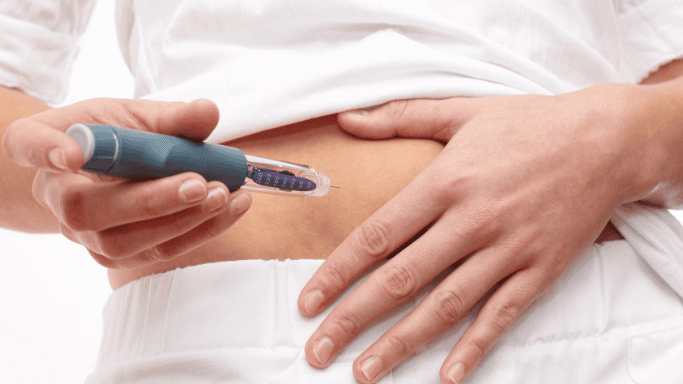
Close-up of a woman’s abdomen during an insulin test.

Niacin supplementation creates substantial health risks that make weight management harder long-term.

The documented dangers include diabetes development, liver damage, and cardiovascular complications that outweigh minimal weight loss benefits.

Diabetes Risk and Insulin Problems

Taking niacin supplements significantly increases your risk of developing type 2 diabetes. A comprehensive analysis found that niacin therapy increases diabetes risk by 34%.4

This means for every 43 people who take niacin for 5 years, one additional person will develop diabetes who wouldn’t have otherwise.

The vitamin can also:

  • Increase fasting insulin levels by up to 61.8%
  • Reduce insulin sensitivity significantly
  • Elevate blood glucose levels

When your body becomes less sensitive to insulin, it becomes much harder to lose weight and keep it off. This is the opposite of what you want when trying to manage your weight.

Liver Damage Concerns

Niacin carries substantial liver toxicity risks, especially with sustained-release formulations. The liver damage can be serious enough to require emergency medical treatment.

Key liver risks include:

  • Liver toxicity can occur at doses as low as 500-750mg daily5
  • Extended-release forms have higher risk due to sustained toxic metabolite production
  • Cases of acute liver failure requiring emergency liver transplantation have been reported
  • Up to 52% of people taking sustained-release niacin may develop elevated liver enzymes

Cardiovascular Risks

Despite niacin’s reputation for improving cholesterol, recent research reveals concerning cardiovascular risks. A 2024 study published in Nature Medicine found that excess niacin gets converted into a compound called 4PY, which:

  • Promotes inflammation in blood vessels and arterial damage
  • Doubles the risk of major cardiovascular events in people with high niacin levels6
  • May explain why niacin’s clinical benefits have been less than expected based on cholesterol improvements

Multiple large clinical trials have failed to show cardiovascular benefits when niacin is added to modern treatments.

The Niacin Flush and Other Side Effects

The most common side effect is the “niacin flush” – a warm, tingling sensation with skin redness that can be quite uncomfortable. Other common side effects include:

  • Gastrointestinal issues like nausea, vomiting, and diarrhea
  • Increased uric acid levels that can trigger gout attacks
  • Vision problems including blurred vision and macular edema
  • Skin irritation and warmth

These side effects can make it difficult to stick with supplementation, which undermines any potential weight loss benefits.

Why Niacin Isn’t Effective Long-Term
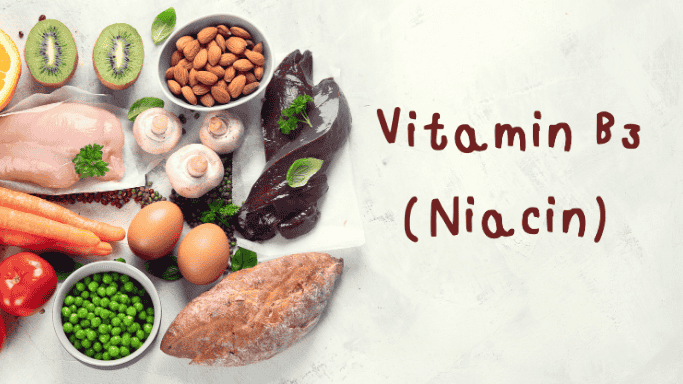
A group of foods with the label ‘Niacin B3’ displayed on the side.

The body develops tolerance to niacin within weeks, eliminating weight loss effects and creating rebound problems.

Sustained niacin exposure leads to complete adaptation, with fatty acid levels returning to pre-treatment levels despite continued supplementation.7

Tolerance Development

One of niacin’s major limitations is that your body adapts to it quickly. While niacin initially suppresses fat breakdown and reduces free fatty acid levels, sustained exposure leads to complete adaptation.8

Within weeks, your fatty acid levels return to pre-treatment levels despite continued supplementation. This tolerance effect undermines any long-term weight loss benefits.

The FFA Rebound Effect

When you stop taking niacin, something called the “FFA rebound” occurs. This means your free fatty acid levels can actually go higher than they were before you started taking niacin.

This rebound effect can promote insulin resistance and metabolic dysfunction, making it even harder to lose weight after you stop the supplement.

Better Alternatives for Weight Loss

An image of a matured woman exercising

Evidence-based weight management strategies provide greater benefits than niacin supplementation without health risks.

Safe alternatives include targeted supplements with better risk profiles and proven lifestyle interventions that address root causes of weight gain.

Evidence-Based Supplements

If you’re interested in supplements that may support weight management, consider options with better safety profiles and stronger evidence:

NAD+ Support: Rather than taking high-dose niacin, consider NAD+ supplements that can support cellular energy production without the same risks. These may help optimize your metabolism more safely.

Mitochondrial Support: Since healthy mitochondria are key for fat burning, focus on mitochondrial health supplements like CoQ10, PQQ, and alpha-lipoic acid.

Cellular Health: Supporting overall cellular nutrition with antioxidants and key nutrients may help your body function optimally during weight loss efforts.

Natural Approaches That Work

The most effective and sustainable approach to weight loss remains:

  • Creating a moderate calorie deficit through portion control
  • Eating nutrient-dense whole foods that naturally contain niacin
  • Regular physical exercise that includes both cardio and strength training
  • Getting adequate sleep and managing stress levels
  • Staying hydrated and maintaining consistent meal timing

These strategies address the root causes of weight gain while supporting your overall health.

Should You Take Niacin Supplements?

A close-up image of a hand holding supplements

Niacin supplementation for weight loss is not recommended due to minimal benefits (1-2 pounds) and significant health risks including diabetes, liver damage, and cardiovascular problems.

Balanced diets containing meat, fish, nuts, and enriched grains provide adequate niacin without supplementation risks.

When to Consult a Professional

Before considering any supplement for weight loss, it’s wise to consult with a healthcare expert who can assess your individual situation. They can help you identify the underlying factors affecting your weight and recommend safe, effective strategies.

If you have high cholesterol or other cardiovascular risk factors, your doctor may prescribe niacin for specific medical reasons. In these cases, the potential benefits may outweigh the risks, but this requires careful medical supervision.

The Bottom Line

Niacin supplementation fails as a weight loss strategy due to minimal efficacy and substantial health risks that worsen weight management outcomes.

The 1-2 pounds of potential weight loss comes with 34% increased diabetes risk, liver toxicity, and cardiovascular complications. Proven weight loss strategies like healthy eating, regular exercise, and cellular health optimization provide superior results without health risks.

Sustainable weight loss requires evidence-based approaches that support long-term health rather than supplements that create more problems than they solve.

Referenced Sources:

  1. https://www.frontiersin.org/journals/nutrition/articles/10.3389/fnut.2023.1208734/full ↩︎
  2. http://www.jlr.org/content/53/4/802.full.pdf ↩︎
  3. https://pmc.ncbi.nlm.nih.gov/articles/PMC6362104/ ↩︎
  4. https://heart.bmj.com/content/102/3/198 ↩︎
  5. https://lpi.oregonstate.edu/mic/vitamins/niacin ↩︎
  6. https://www.nih.gov/news-events/nih-research-matters/how-excess-niacin-may-promote-cardiovascular-disease ↩︎
  7. https://pmc.ncbi.nlm.nih.gov/articles/PMC5424002/ ↩︎
  8. https://pmc.ncbi.nlm.nih.gov/articles/PMC5424002/ ↩︎
White and yellow capsules are arranged in a perfect circle pattern on a soft blue background.

Sirtuin Supplements: Types, Benefits and Risks

Sirtuin supplements are compounds designed to activate specific cellular proteins that regulate aging and metabolism. NAD precursors like NMN show proven benefits in human trials, while direct activators like resveratrol fail due to poor bioavailability.

The supplement market promotes sirtuins as anti-aging solutions, but clinical evidence reveals significant differences between compound types. NAD precursors reliably increase cellular fuel for sirtuins, while direct activators struggle to reach therapeutic levels in human studies.

Key Takeaways

  • Sirtuins are proteins that use NAD to repair cells and fight aging
  • Two main supplement categories exist: direct activators (like resveratrol) and indirect activators (like NMN)
  • NAD precursor supplements work better than direct activators because they have superior bioavailability
  • Exercise, caloric restriction, and quality sleep naturally activate sirtuins

What are Sirtuins?

Sirtuins are NAD-dependent proteins (SIRT1 through SIRT7) that function as cellular guardians regulating DNA repair, metabolism, and inflammation. These longevity proteins require NAD as fuel and become less active with age, contributing to cellular dysfunction.

Your body contains 7 different sirtuins with specific cellular locations:

  • Nuclear sirtuins (SIRT1, SIRT6, SIRT7) protect DNA and regulate gene expression
  • Mitochondrial sirtuins (SIRT3, SIRT4, SIRT5) control energy production and metabolism
  • Cytoplasmic sirtuin (SIRT2) manages cell division and cellular processes

Research shows that sirtuins handle critical jobs like DNA repair, inflammation control, metabolic homeostasis, and protection against oxidative damage1. They’re like quality control managers for your cells.

These enzyme systems become less active as you age. This decline has been linked to many age-related diseases and metabolic disorders.

How Sirtuins and NAD Work Together

A 3D DNA double helix structure glows with orange light against a dark background with particles.

Sirtuins consume one NAD molecule for every enzymatic reaction they perform, making NAD the required fuel for sirtuin function. NAD levels decline by approximately 50% between ages 20 and 50, creating insufficient fuel for optimal sirtuin activity.

NAD functions as both fuel and metabolic sensor for sirtuins. When NAD levels are high, sirtuins activate to promote cellular repair and stress resistance.

The cellular relationship operates through this mechanism:

  • Healthy NAD levels = Active sirtuins = Better cellular health
  • Low NAD levels = Reduced sirtuin activity = Accelerated aging

Your NAD levels drop with age, explaining why many people experience increased energy when they restore NAD through supplementation.

Want to Know Your NAD Levels?

You can’t fix what you don’t measure. Since NAD levels vary between people, the same supplement dose might work perfectly for your friend but do nothing for you.

Jinfiniti’s Intracellular NAD® test measures your actual cellular NAD levels with a simple finger-prick blood test at home. You’ll discover whether your levels fall in the optimal range (40-100 μM) and get personalized dosage recommendations.

Can Supplements Activate Sirtuins?

Scientists have used two strategies to boost sirtuin function: direct allosteric activators that bind to sirtuin enzymes, and indirect NAD precursors that increase cellular fuel supply. NAD precursors show superior results in human trials compared to direct activators.

Direct Activators

Direct activators physically bind to sirtuin proteins and increase their enzymatic activity. Resveratrol represents the most studied direct activator, isolated from red wine and grape skin.

Animal studies reveal impressive benefits from direct activators, but human clinical trials produce inconsistent results due to bioavailability limitations2.

Indirect Activators

Indirect activators increase NAD supply, providing more fuel for natural sirtuin function. This approach works with your body’s regulatory systems rather than overriding them.

Methods to increase NAD levels include:

  • Nicotinamide riboside (NR)
  • Nicotinamide mononucleotide (NMN)
  • Regular exercise and caloric restriction

Clinical evidence favors the indirect approach because it supports physiological sirtuin regulation.

Sirtuin Supplementation for Longevity

A glowing red DNA double helix structure with visible base pairs floats against a dark background.

The longevity supplement market promotes sirtuins as fountain-of-youth molecules. But what does the actual research show?

The Promise

Laboratory studies reveal that activating sirtuins can:

  • Extend lifespan in yeast, worms, and mice
  • Improve stress resistance and DNA repair
  • Enhance metabolic health and energy production
  • Reduce inflammation and oxidative stress

The Reality

Human studies show mixed results. Clinical trials often fail to reproduce the dramatic benefits seen in lab animals3.

Several factors explain this gap:

  • Poor bioavailability of some compounds
  • Short study durations for age-related outcomes
  • Differences between healthy people and those with health problems

The supplements that boost NAD levels show more consistent human benefits than direct sirtuin activators.

Types of Sirtuin Supplements

There are four main sirtuin supplements available: resveratrol (20% bioavailability), pterostilbene (80% bioavailability), nicotinamide riboside, and nicotinamide mononucleotide. NAD precursors show superior human clinical outcomes compared to direct activators.

Resveratrol

Resveratrol is a polyphenol compound extracted from grape skin that was the first discovered sirtuin activator. Extensive human studies consistently show disappointing results despite resveratrol’s proven antioxidant properties, due to extremely poor bioavailability4.

Oral resveratrol achieves only 20% bioavailability because liver enzymes rapidly break down the compound before it reaches target tissues. This major pharmacological limitation prevents therapeutic blood concentrations in human subjects.

Pterostilbene

Pterostilbene is a resveratrol analog also found in blueberries with improved lipophilicity that achieves 80% bioavailability and 105-minute half-life compared to resveratrol’s 14-minute half-life.

The primary human safety trial revealed that pterostilbene markedly increases LDL cholesterol levels, creating safety concerns for cardiovascular health5. Limited human efficacy data exists for pterostilbene.

NAD Precursors

NMN and NR are the most scientifically validated approach to sirtuin support through NAD improvement.

Human clinical trials confirm that NR safely and reliably increases blood NAD+ levels. Some studies found benefits like reduced blood pressure and decreased inflammatory markers in older adults6.

Human studies with NMN show more consistent results7. A recent meta-analysis concluded that NMN has positive effects on muscle function and insulin resistance in middle-aged and elderly adults8.

Sirtuin Supplements Compared

CompoundBioavailabilityNAD BoostHuman StudiesSafety Profile
NRHighProvenMixed resultsExcellent
NMNHighProvenPromisingExcellent
ResveratrolVery lowUncertainDisappointingGood
PterostilbeneHighUncertainLimitedConcerning

SIRT1: The Most Studied Sirtuin

SIRT1 gets the most attention from researchers and supplement companies. This nuclear sirtuin regulates metabolism, inflammation, and stress responses.

SIRT1 activation provides several cellular benefits9:

  • Improves insulin sensitivity and glucose metabolism
  • Reduces inflammatory signaling pathways
  • Supports DNA repair mechanisms
  • Supports mitochondrial function

Most sirtuin supplements target SIRT1 specifically. However, the other 6 sirtuins also play important roles in cellular health.

A broader approach focuses on boosting NAD levels to support all sirtuins simultaneously. This strategy may provide wider benefits than targeting SIRT1 alone.

Do Sirtuin Supplements Slow the Aging Process?

Two elderly men playfully compete for a football in a park, with one in blue and one in gray athletic wear.

The aging process involves multiple cellular pathways, not just sirtuins. While sirtuin activation can help, it’s not a magic bullet for aging.

What Works

Lifestyle habits that support sirtuin activation remain the gold standard:

  • Caloric restriction or intermittent fasting
  • Regular physical exercise
  • Adequate sleep and stress management

These approaches naturally boost NAD levels and activate sirtuins without supplements.

Supplement Reality

For people who can’t or won’t make lifestyle changes, NAD precursors offer a reasonable alternative. Clinical studies show these supplements can:

  • Safely increase blood NAD levels
  • Improve some markers of metabolic health
  • Support physical performance in older adults

However, the benefits are usually modest compared to diet and exercise changes.

The Science Behind Sirtuin Activity

Sirtuins function as metabolic sensors. When your cellular energy runs low (high NAD+/NADH ratio), sirtuins activate to help your cells adapt to stress.

This explains why caloric restriction and exercise are so effective. These interventions naturally create the metabolic conditions that activate sirtuins.

Direct activator supplements try to bypass this natural regulation. They force sirtuins to work even when cellular conditions don’t call for activation. This approach often backfires or produces inconsistent results.

NAD precursor supplements work more gently. They provide the raw materials your cells need to make NAD when required. This allows your natural regulatory systems to control sirtuin activity appropriately.

Choosing the Right Approach

If you’re considering sirtuin supplementation, focus on NAD precursors rather than direct activators.

Our Recommendation: Vitality NAD+ Booster

Jinfiniti’s Vitality NAD+ Booster combines NMN with synergistic compounds:

  • NMN as the primary NAD precursor
  • Creatine for cellular energy support
  • D-ribose for energy metabolism
  • Niacinamide for additional NAD synthesis

This formulation addresses the root cause of declining sirtuin activity – insufficient NAD levels. By supporting your cellular fuel supply, you allow natural sirtuin function to occur.

Testing Your NAD Levels

Before starting any NAD supplement, consider testing your NAD levels to establish your baseline. Jinfiniti’s Intracellular NAD Test can help you:

  • Establish your baseline NAD status
  • Determine if supplementation is needed
  • Monitor your response to interventions

Safety and Side Effects

Sirtuin supplements generally show good safety profiles in human studies.

NAD Precursors (NR and NMN)

  • Well-tolerated at doses up to 1,000-2,000 mg daily
  • No serious adverse effects reported in clinical trials10
  • May cause mild digestive upset in some people

Direct Activators

  • Resveratrol is safe at typical doses (up to 1,000 mg daily)
  • Pterostilbene may increase LDL cholesterol levels
  • Long-term effects of high-dose direct activators remain unknown

The Bottom Line

NAD precursors like NMN show proven safety and biochemical efficacy in human trials, while direct sirtuin activators like resveratrol fail due to poor bioavailability. Lifestyle interventions including exercise and caloric restriction remain the most effective methods for sirtuin activation.

NAD precursors like NMN provide the best combination of safety, proven mechanism, and emerging clinical efficacy data. These compounds address the root cause of declining sirtuin function: insufficient cellular NAD levels.

Sirtuin supplements work most effectively when combined with healthy lifestyle practices. Regular exercise, proper nutrition, and adequate sleep provide the foundation for sirtuin activation and healthy aging processes.

Quick Review:

  • Sirtuins require NAD as fuel for enzymatic function
  • NAD levels decline 50% between ages 20 and 50
  • NAD precursors outperform direct sirtuin activators in human studies
  • Lifestyle interventions activate sirtuins most effectively
  • NAD testing allows personalized supplementation approaches

Combining NAD level testing with targeted supplementation offers the most scientific approach to cellular health improvement.

References

  1. Michan S, Sinclair D. Sirtuins in mammals: insights into their biological function. Portland Press Ltd.; 2007. p. 1–13. https://doi.org/10.1042/bj20070140. doi:10.1042/bj20070140
  2. Dai H, Sinclair DA, Ellis JL, Steegborn C. Sirtuin activators and inhibitors: Promises, achievements, and challenges. Elsevier BV; 2018. p. 140–154. https://doi.org/10.1016/j.pharmthera.2018.03.004. doi:10.1016/j.pharmthera.2018.03.004
  3. Brown K, Theofanous D, Britton RG, Aburido G, Pepper C, Sri Undru S, Howells L. Resveratrol for the Management of Human Health: How Far Have We Come? A Systematic Review of Resveratrol Clinical Trials to Highlight Gaps and Opportunities. MDPI AG; 2024. p. 747. https://doi.org/10.3390/ijms25020747. doi:10.3390/ijms25020747
  4. Cucuz V, Cvejic J, Gojkovic-Bukarica L. Clinical trials of resveratrol efficacy and safety. National Library of Serbia; 2022. p. 613–618. https://doi.org/10.2298/vsp201126006c. doi:10.2298/vsp201126006c
  5. Riche DM, McEwen CL, Riche KD, Sherman JJ, Wofford MR, Deschamp D, Griswold M. Analysis of Safety from a Human Clinical Trial with Pterostilbene. Hindawi Limited; 2013. p. 1–5. https://doi.org/10.1155/2013/463595. doi:10.1155/2013/463595
  6. Mehmel M, Jovanović N, Spitz U. Nicotinamide Riboside—The Current State of Research and Therapeutic Uses. MDPI AG; 2020. p. 1616. https://doi.org/10.3390/nu12061616. doi:10.3390/nu12061616
  7. Okabe K, Yaku K, Uchida Y, Fukamizu Y, Sato T, Sakurai T, Tobe K, Nakagawa T. Oral Administration of Nicotinamide Mononucleotide Is Safe and Efficiently Increases Blood Nicotinamide Adenine Dinucleotide Levels in Healthy Subjects. Frontiers Media SA; 2022. https://doi.org/10.3389/fnut.2022.868640. doi:10.3389/fnut.2022.868640
  8. Wang J, Wang L, Wang T, Zhang Y, Zhou A, Wang Z, Xiong Z. Effects of Nicotinamide Mononucleotide Supplementation on Muscle and Liver Functions Among the Middle-aged and Elderly: A Systematic Review and Meta-analysis of Randomized Controlled Trials. Bentham Science Publishers Ltd.; 2025. p. 2141–2152. https://doi.org/10.2174/0113892010306242240808094303. doi:10.2174/0113892010306242240808094303
  9. Nakagawa T, Guarente L. Sirtuins at a glance. The Company of Biologists; 2011. p. 833–838. https://doi.org/10.1242/jcs.081067. doi:10.1242/jcs.081067
  10. Song Q, Zhou X, Xu K, Liu S, Zhu X, Yang J. The Safety and Antiaging Effects of Nicotinamide Mononucleotide in Human Clinical Trials: an Update. Elsevier BV; 2023. p. 1416–1435. https://doi.org/10.1016/j.advnut.2023.08.008. doi:10.1016/j.advnut.2023.08.008
A young woman holds a small flower while covering her face, appearing to have an allergic reaction outdoors.

NAD: A New Cure for Seasonal Allergies?

Spring arrives with blooming flowers and chirping birds. But for millions of people, it also brings red, watery eyes, constant sneezing, and that all-too-familiar stuffy nose.

Could a molecule already inside your cells hold the key to better allergy seasons? New research suggests that NAD+ (nicotinamide adenine dinucleotide) might offer a fresh approach to managing seasonal allergies.

Let’s explore what science tells us about this cellular powerhouse and its potential to help you breathe easier when pollen counts soar.

Key Takeaways

  • NAD+ is a molecule inside your cells that helps control immune responses and the cells that trigger allergy symptoms.
  • Research shows NAD+ can prevent mast cells from dumping histamine when they encounter allergens like pollen.
  • Pollen attacks your airways through both oxidative stress and immune recognition, and NAD+ helps counter both pathways.
  • Testing your NAD+ levels and boosting them through supplementation might offer a new way to manage seasonal allergies.

Common Seasonal Allergy Symptoms

Your immune system treats harmless pollen like a dangerous invader. When pollen enters your body, immune cells called mast cells release histamine and other inflammatory compounds.

This creates the cascade of symptoms you know all too well:

  • Runny or stuffy nose
  • Sneezing fits
  • Itchy, watery eyes
  • Scratchy throat
  • Fatigue from poor sleep

How NAD+ Controls Your Immune Response to Allergens

A young woman holds a small flower while covering her face, appearing to have an allergic reaction outdoors.

NAD+ acts like a master switch in your immune cells. This molecule helps coordinate how different immune cells develop, activate, and communicate with each other.

When NAD+ levels drop—which happens naturally as you age and during inflammatory conditions—your immune cells can become unbalanced. Research shows that declining NAD+ levels lead to immune dysfunction and increased inflammatory responses1.

Your body contains trillions of immune cells, and they all depend on NAD+ to function properly. Think of it as the fuel that keeps your immune system running smoothly rather than going haywire.

NAD+ and Mast Cells

Scientists made an exciting discovery about mast cells and NAD+. These are the cells that dump histamine into your system when they encounter allergens.

Laboratory studies found that NAD+ boosting molecules can stop mast cells from releasing their inflammatory contents. This happened in both severe allergic reaction models and human-derived mast cells2.

The protective effect worked through multiple pathways:

  • Blocking the cellular signals that trigger degranulation
  • Preventing histamine release
  • Reducing inflammatory compound production

Another study confirmed that NAD+ precursors like NMN and nicotinamide riboside significantly suppressed allergic responses3. This suggests that boosting your NAD+ levels might help stabilize these reactive cells.

Pollen’s Hidden Attack on Your Airways

Pollen doesn’t just trigger your adaptive immune system. Research shows that pollen grains contain enzymes that create oxidative stress in your airways completely independent of your immune response4.

This creates a “double hit” scenario:

Attack PhaseWhat HappensResult
Signal 1Pollen enzymes create oxidative stressAirways become primed for inflammation
Signal 2Immune system recognizes pollen proteinsFull allergic response triggers

Studies show that blocking this oxidative signal with antioxidants significantly reduces allergic airway inflammation5. NAD+ supports your body’s natural antioxidant systems through pathways like sirtuins, potentially helping counter this hidden attack.

NAD+ and Immune Balance

A person in a red sleeve pulls a tissue from a white tissue box against green foliage background.

Your immune system relies on different types of T cells to maintain balance. Some promote inflammation while others keep it in check.

NAD+ plays important roles in regulating these cell populations. Research indicates it influences T cell calcium signaling, growth, and the messages they send to other immune cells6.

Regulatory T cells (Tregs) are particularly important for preventing overreactions to harmless substances like pollen. By supporting proper T cell function, adequate NAD+ levels may help maintain the immune balance needed to prevent excessive responses to environmental allergens.

The molecule also appears to influence IL-13, a key signaling compound in allergic responses. Emerging evidence suggests that increasing NAD+ levels might help reduce IL-13-mediated inflammation7.

Clinical Evidence: What Studies Show

While most research has been conducted in laboratory settings, some human clinical evidence is emerging.

A study in patients with COPD found that nicotinamide riboside supplementation significantly reduced inflammatory markers in the airways8. The treatment decreased IL-8 levels by over 50% and showed persistent benefits even weeks after stopping supplementation.

Other trials have demonstrated that NAD+ precursors can reduce various inflammatory markers including TNF-α, IL-1β, and IL-6 in different disease contexts9.

Key findings from current research:

  • Mast cell stabilization effects in laboratory models
  • Reduced airway inflammation in human respiratory studies
  • Decreased inflammatory markers across multiple conditions
  • Persistent benefits lasting weeks after treatment

How to Boost Your NAD+ for Allergy Season

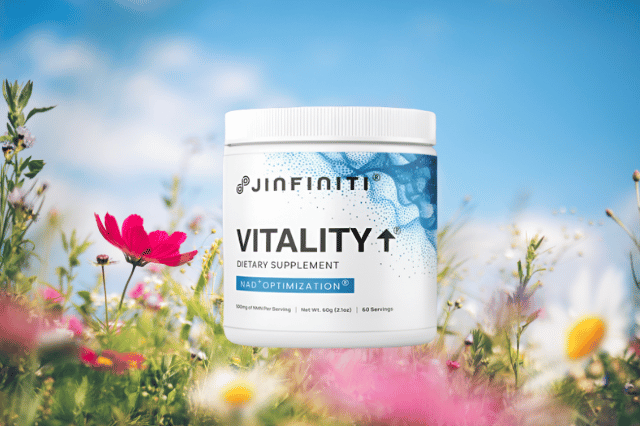
A white supplement container labeled "Vitality NAD+ Booster" sits among colorful wildflowers against a blue sky background.

Testing your NAD+ levels provides the foundation for any supplementation approach. Without knowing your baseline, you’re essentially guessing at the right strategy.

The Intracellular NAD+ Test measures your cellular NAD+ levels and provides personalized dosage recommendations. This takes the guesswork out of supplementation.

Based on research, optimal NAD+ levels range from 40-100 μM. Many people fall below this range, especially as they age or during periods of inflammation.

Supplementation Options

Several NAD+ boosters show promise for allergy support:

Vitality↑® NAD+ Booster combines multiple pathways to support cellular NAD+ production. This scientifically formulated powder contains NAD+ precursors, creatine, D-ribose, and niacinamide in precise ratios that work together across different metabolic pathways.

The comprehensive formula may help with:

  • Energy production in immune cells
  • Cellular repair processes
  • Antioxidant system support
  • Overall inflammatory balance

Pure NMN offers a direct precursor approach. NMN supplementation has shown promise in laboratory studies for mast cell stabilization and inflammatory control.

Complementary Approaches

Consider pairing NAD+ support with other natural antihistamines for a complete approach. SenoAid™, which contains quercetin and other natural compounds, may provide additional mast cell stabilizing effects.

The combination approach addresses multiple pathways involved in allergic responses rather than relying on a single intervention.

The Bottom Line

The science behind NAD+ and seasonal allergies is promising but still developing. Current research suggests this cellular molecule influences multiple aspects of allergic responses, from mast cell stability to immune balance.

Key takeaways from the evidence:

  • NAD+ helps regulate immune cell function and inflammatory responses
  • Laboratory studies show mast cell stabilizing effects
  • Human trials demonstrate reduced airway inflammation
  • Testing provides personalized guidance for supplementation

While we need more human clinical trials specifically examining NAD+ for seasonal allergies, the existing research offers hope for a new approach to managing spring misery.

The beauty of supporting NAD+ levels lies in addressing root cellular processes rather than just masking symptoms. By helping your immune system maintain proper balance, you might find yourself enjoying spring blooms instead of hiding from them.

Consider getting your NAD+ levels tested before allergy season peaks. With personalized data, you can make informed decisions about whether NAD+ support might help you breathe easier when pollen counts soar.

References

  1. https://pmc.ncbi.nlm.nih.gov/articles/PMC9292562/ ↩︎
  2. https://pmc.ncbi.nlm.nih.gov/articles/PMC9065190/ ↩︎
  3. https://www.thno.org/v12p3316.htm ↩︎

  4. https://pmc.ncbi.nlm.nih.gov/articles/PMC3079523/ ↩︎
  5. https://pmc.ncbi.nlm.nih.gov/articles/PMC3042252/ ↩︎
  6. https://pmc.ncbi.nlm.nih.gov/articles/PMC4772111/ ↩︎
  7. https://pmc.ncbi.nlm.nih.gov/articles/PMC10893221/ ↩︎
  8. https://www.nature.com/articles/s43587-024-00758-1 ↩︎
  9. https://pmc.ncbi.nlm.nih.gov/articles/PMC9194293/ ↩︎
Colorful red, blue and white capsule pills are scattered randomly across a light blue background.

Niacin (B3): Side Effects, Reactions, Overdose Risks Explained

You probably know niacin as vitamin B3, a nutrient that helps convert food into energy. But what happens when you take too much?

Recent research reveals a troubling truth about high-dose niacin supplementation. While this B vitamin plays important roles in your body, excess amounts can trigger serious side effects and may actually harm your heart health.

Key Takeaways

  • High-dose niacin can cause liver damage at doses as low as 500 mg daily
  • Excess niacin creates a harmful compound (4PY) that increases heart disease risk
  • The common niacin flush is uncomfortable but harmless and fades within a week
  • Safe daily limits are just 35 mg from supplements, far below therapeutic doses

Common Side Effects of Niacin You Should Know

An image showing a woman with visible facial redness.

Most people who take niacin supplements experience some form of side effects, ranging from mild discomfort to more concerning reactions.

The Infamous Niacin Flush

When you take niacin supplements, your face might turn red and feel warm within 15 to 30 minutes. This reaction happens because niacin activates special cells in your skin that release compounds called prostaglandins.1

These compounds make your blood vessels widen, creating that characteristic “niacin flush“. You might experience:

  • Redness on your face, arms, and chest
  • Itching or tingling sensations
  • A warm, burning feeling
  • Mild discomfort that lasts about an hour

The good news is your body adapts to this reaction within a week of regular use. Starting with smaller doses and gradually increasing them can help minimize this uncomfortable side effect.

Digestive Problems

Your stomach might not appreciate high amounts of niacin either. Common digestive issues include nausea, vomiting, diarrhea, and heartburn.

These problems typically improve as your body adjusts to the supplement. Persistent stomach pain could signal more serious complications that need medical attention.

Serious Risks When You Take Too Much Niacin

An image showing a healthcare professional in blue scrubs holding a pill bottle and writing on a clipboard, with medicine bottles on the table.

While mild side effects are manageable, high-dose niacin can cause life-threatening complications that require immediate medical attention.

Liver Damage Warning

Here’s where things get concerning. Doses as low as 500 mg daily can damage your liver, especially with sustained-release formulations. The amount of niacin that causes toxicity varies between individuals, but prescription niacin therapy requires careful liver monitoring.2

Watch for these warning signs:

  • Yellowing of your skin or eyes
  • Dark urine or light-colored stools
  • Unusual fatigue or weakness
  • Stomach pain in your upper right area

Severe cases can lead to liver failure requiring transplantation. This risk makes medical supervision crucial for anyone considering high-dose niacin therapy.

Blood Sugar Disruption

If you have diabetes or prediabetes, niacin may worsen your condition. High doses may increase your blood glucose levels by 6 to 9 mg/dL and reduce insulin sensitivity.3

Some people even develop diabetes after taking large amounts of niacin. This effect makes careful monitoring vital for anyone with blood sugar concerns.

Muscle Problems with Statins

Combining niacin with statin medications creates a dangerous combination. This pairing may increase the risk of rhabdomyolysis, a potentially fatal condition where muscle tissue breaks down.4

Symptoms include unexplained muscle pain, weakness, dark urine, and fever. This combination requires immediate medical attention.

The Cholesterol Paradox: Why Niacin May Harm Heart Health

An image showing two hands forming a heart shape against a purple background, with the person wearing a bright pink long-sleeve shirt.

People often take niacin to lower cholesterol levels and improve their lipid profiles. Traditional thinking suggested this approach benefits cardiovascular health by raising HDL cholesterol and reducing LDL levels along with triglyceride concentrations.

New research paints a different picture entirely.

The 4PY Problem

A 2024 Cleveland Clinic study published in Nature made a startling discovery about excess niacin. When your body processes too much of this vitamin, it creates a harmful compound called 4PY.5

This metabolite directly triggers inflammation in your blood vessels. About 25% of people have high enough 4PY levels to double their risk of heart attacks and stroke.6

The compound works by increasing a protein called VCAM-1, which helps inflammatory cells stick to blood vessel walls. This process accelerates the development of cardiovascular disease and contributes to oxidative stress throughout your system.

Clinical Trial Results

Large studies like HPS2-THRIVE and AIM-HIGH found that adding niacin to statin therapy provided no cardiovascular benefits. Some participants actually experienced higher mortality rates and more heart attacks than expected.7

These findings explain why many cardiologists no longer recommend niacin for managing high cholesterol. The risks now appear to outweigh potential benefits for most people.

Dangerous Drug Interactions to Avoid

an image showing a person politely refusing an offer of alcohol, using a hand gesture to signal refusal.

Niacin can interfere with many prescription medications, creating potentially dangerous combinations that require careful medical oversight.

Blood Thinners

Taking niacin with anticoagulant medications may increase the risk of bleeding complications significantly.8

Diabetes Medications

Niacin can reduce the effectiveness of diabetes drugs by raising blood sugar levels.

Gout Treatments

This B vitamin can trigger gout attacks and interfere with medications designed to treat this condition.

Alcohol

Drinking alcohol while taking niacin increases both flushing reactions and liver damage risk.

Safe Dosage Guidelines and Niacin Overdose Signs

An image showing an older woman in a light purple shirt holding her head and face with a pained expression, possibly experiencing a headache or discomfort.

High levels of niacin can be dangerous. The recommended daily allowance for adults is only 14 to 16 mg. The upper safe limit from supplements is 35 mg daily.

Therapeutic doses prescribed by doctors range from 1,500 to 3,000 mg daily, but these require careful medical supervision and regular monitoring.

Overdose Warning Signs

Doses between 2,000 to 6,000 mg can cause severe toxicity. Watch for:9

  • Rapid heartbeat or palpitations
  • Severe dizziness with flushing
  • Persistent vomiting
  • Severe stomach pain
  • Vision problems
  • Gout attacks

Seek immediate medical attention if you experience these symptoms.

Better Alternatives for High Cholesterol Management

A stethoscope and red heart sit on medical papers at a doctor's desk with a blurred person behind.

High cholesterol requires professional medical evaluation and monitoring. Work with your healthcare provider to develop a comprehensive treatment plan.

Some people need prescription medications like statins to reach target cholesterol levels safely. Your doctor can determine the best approach based on your individual risk factors and health history.

Never stop prescribed cholesterol medications without medical supervision, even if you’re making lifestyle changes.

Lifestyle Changes That Work

Diet modifications offer the most powerful cholesterol-lowering effects. Focus on foods rich in soluble fiber like oats, beans, and apples.

Replace saturated fats with healthy options like olive oil, nuts, and fatty fish. These changes can reduce LDL cholesterol by 10-15% within weeks.

Regular exercise provides another major benefit. Just 30 minutes of moderate activity most days can raise HDL cholesterol and lower triglycerides.

Weight loss also improves your lipid profile significantly. Losing even 5-10 pounds can make a meaningful difference in your cholesterol numbers.

When to Consider NAD+ Support

NAD+ precursors work through different pathways than high-dose niacin. These compounds support cellular energy production without the inflammatory risks associated with niacin excess.

Testing your NAD levels can help you understand your cellular energy status without relying on potentially harmful vitamin B3 mega-doses.

The best longevity supplements focus on cellular health optimization rather than attempting to manipulate cholesterol through potentially harmful pathways. Cellular health supplements offer targeted support for your body’s energy systems.

Additional Support Options

Some people find success with:

  • Plant sterols and stanols (2 grams daily)
  • Omega-3 fatty acids from fish or supplements
  • Psyllium husk fiber supplements
  • Green tea extract

Special Considerations for Different Groups

An elderly hand holding various colorful pills and capsules.

Certain populations need extra caution when considering niacin supplementation due to increased sensitivity or higher risk of complications.

Pregnancy and Nursing

Pregnant women should avoid high-dose niacin unless specifically prescribed by their healthcare provider. While no birth defects have been directly linked to niacin, the safety profile during pregnancy remains unclear.

Older Adults

Seniors may experience more intense side effects and require lower doses or more frequent monitoring.

People with Existing Conditions

Those with liver disease, peptic ulcers, diabetes, or kidney problems should avoid niacin supplementation entirely or use it only under strict medical supervision.

The Bottom Line on Niacin Safety

While niacin plays important roles in converting food into energy and supporting cellular function, the risks of high-dose supplementation now appear to outweigh the benefits for most people.

The discovery that excess niacin may increase cardiovascular disease risk through the 4PY pathway has fundamentally changed how we view this supplement.

Current practices that fortify foods with niacin may even exceed optimal intake levels for heart health.

If you’re currently taking high-dose niacin or considering it for cholesterol management, discuss safer alternatives with your healthcare provider.

Referenced Sources:

  1. https://www.sciencedirect.com/science/article/abs/pii/S0003986124002856 ↩︎
  2. https://lpi.oregonstate.edu/mic/vitamins/niacin ↩︎
  3. https://jamanetwork.com/journals/jama/fullarticle/193064 ↩︎
  4. https://www.mayoclinic.org/drugs-supplements/simvastatin-and-niacin-oral-route/description/drg-20071610 ↩︎
  5. https://www.nature.com/articles/s41591-023-02793-8 ↩︎
  6. https://www.nih.gov/news-events/nih-research-matters/how-excess-niacin-may-promote-cardiovascular-disease ↩︎
  7. https://www.nejm.org/doi/full/10.1056/NEJMoa1300955 ↩︎
  8. https://www.drugs.com/drug-interactions/niacin.html ↩︎
  9. https://www.webmd.com/diet/supplement-guide-niacin ↩︎

Woman holding a frying pan with colorful text representing essential anti-aging nutrients like vitamins A, C, D, E, B6, B12, and minerals such as calcium, magnesium, and zinc for aging well.

10 Vitamins and Minerals with Anti-Aging Benefits

Your body needs specific nutrients to stay youthful and fight age-related decline. Research shows certain nutrients play key roles in supporting cellular health and slowing aging.

These ten vitamins and minerals have solid science backing their anti-aging properties. From protecting your DNA to supporting brain function, each offers unique benefits for healthy aging.

Best Anti-Aging Vitamins and Minerals

An image showing a variety of vitamin and mineral supplements.
NutrientAnti-Aging BenefitKey Research
Vitamin DTelomere protectionPrevents 3 years of biological aging
Vitamin CCollagen productionReduces photoaging in 12 weeks
ZincImmune function5mg increase linked to longer telomeres
MagnesiumCellular energyInvolved in 600+ cellular reactions
Vitamin EMembrane protectionWorks synergistically with vitamin C
SeleniumAntioxidant enzymes20mcg increase = longer telomeres
B VitaminsBrain health30% reduction in brain shrinkage
Vitamin K2Bone/brain protection36% lower death risk
PotassiumCellular function33% lower death risk with adequate intake
MolybdenumDetoxificationCorrelates with longevity regions

Vitamin C

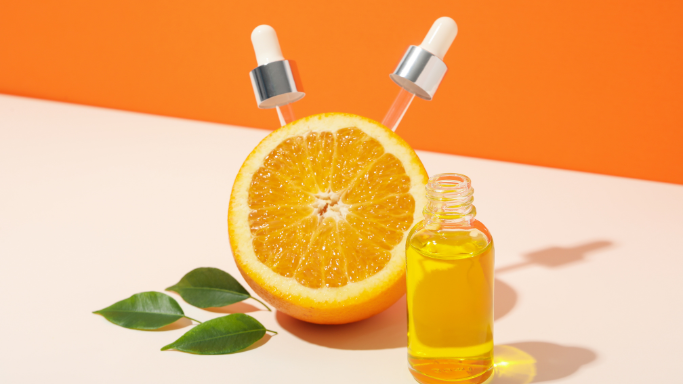
An image showing a halved orange with droppers and a bottle of vitamin C serum.

Vitamin C builds collagen and protects skin from aging damage. Your body uses this vitamin to create the protein that keeps your skin firm and elastic.

Studies show impressive results for vitamin C supplementation. Research using topical vitamin C found a significant reduction in photoaging scores and improvement in wrinkles after 12 weeks of use.1

The aging process naturally breaks down collagen through enzymes called matrix metalloproteinases. Vitamin C helps block these enzymes while boosting new collagen production.

Key Benefits:

  • Reduces signs of aging like wrinkles and age spots
  • Protects against UV damage
  • Supports immune function
  • Maintains longer telomeres

Large population studies found that people with higher vitamin C intake had longer telomeres. These protective DNA caps shorten as you age, making telomere length a key marker of biological aging.2

Zinc

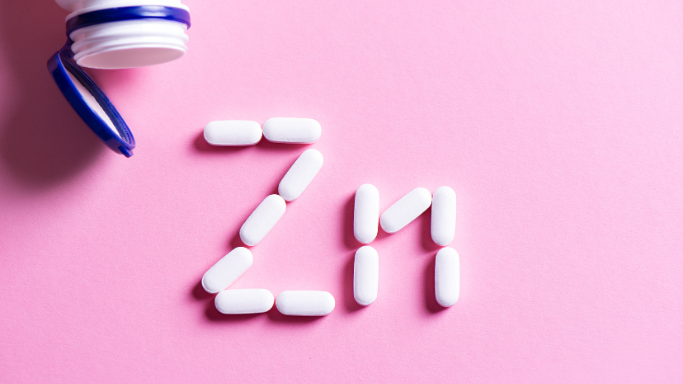
An image showing white pills spelling "Zn" on a pink background, with an open pill bottle nearby, representing zinc supplements.

Zinc supports immune function and activates longevity pathways throughout your body. This mineral plays a role in over 300 enzyme reactions that keep your cells working properly.

Research from the NHANES study of nearly 4,000 adults found remarkable results. Every 5mg increase in dietary zinc was linked to longer telomeres, with the strongest effects in women and older adults.3

Your immune system particularly benefits from zinc. The mineral supports natural killer cells and helps neutrophils fight off infections.

Key Benefits:

  • Supports DNA repair and protein synthesis
  • Maintains telomere length
  • Boosts immune function in older adults
  • Protects against cellular senescence

Zinc deficiency becomes more common with age due to poor absorption and dietary changes. Most people meet their needs through food, but some benefit from targeted supplementation.

Looking for Quality Immune Support?

Jinfiniti’s Natural Vitamin C + Zinc combines bioavailable zinc chelate with whole food vitamin C from amla extract. This pairing supports your immune system while providing the antioxidant protection both nutrients offer together. You get two aging-protective nutrients in their most absorbable forms.

Magnesium

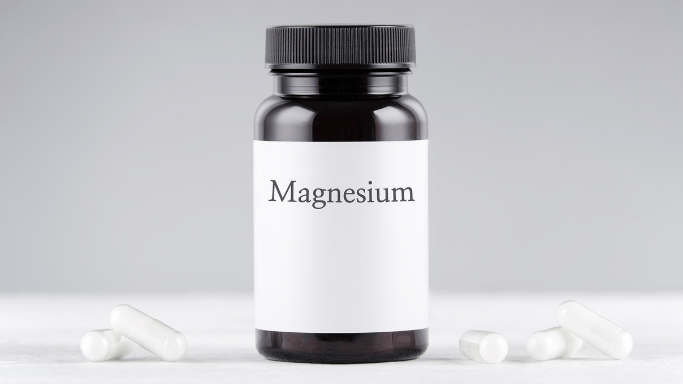
An image showing a bottle of magnesium with several tablets placed beside it on a surface.

Magnesium powers cellular energy production and protects against age-related decline. This mineral serves as a helper in over 600 reactions that power your cells.

Recent analysis shows magnesium connects with all major hallmarks of aging. These include DNA damage, telomere shortening, and mitochondrial dysfunction.4

Your cells rely on magnesium for energy production. The mineral helps your cellular powerhouses create ATP, the fuel that powers everything from muscle contraction to brain function.

Key Benefits:

  • Supports cellular energy production
  • Helps maintain DNA stability
  • Reduces oxidative stress and inflammation
  • Supports healthy blood pressure and heart function

Many older adults don’t get enough magnesium from food alone. Medications like heartburn drugs reduce absorption, making deficiency more likely. Supporting your cellular health becomes increasingly important as magnesium levels decline with age.

Vitamin D

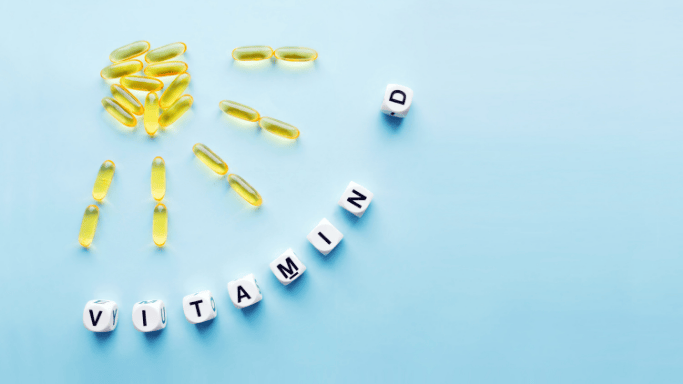
An image showing vitamin D supplements.

Vitamin D protects your cells from biological aging better than any other vitamin. The landmark VITAL study represents the first large-scale trial to show vitamin D’s protective effects on biological aging.

The VITAL Telomere sub-study followed over 1,000 participants for 4 years. Those taking 2,000 IU of vitamin D3 daily showed significantly slower telomere shortening compared to placebo.5

The results were striking. Vitamin D supplementation prevented the equivalent of nearly 3 years of biological aging.

Key Benefits:

  • Protects telomeres from shortening
  • Supports immune system function
  • Helps reduce chronic inflammation
  • Supports stem cell maintenance

Your skin makes vitamin D from sunlight, but production decreases with age. Most people over 50 need supplements to maintain optimal levels for healthy aging.

Vitamin E

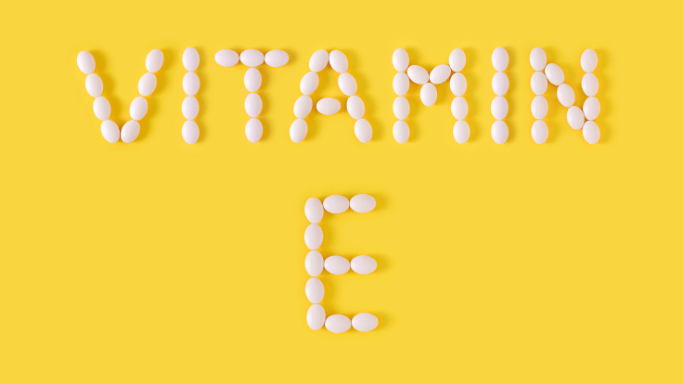
An image showing Vitamin E supplements arranged creatively, spelling out 'VITAMIN E'.

Vitamin E protects your cell membranes from oxidative damage that accumulates over time. As a fat-soluble antioxidant, it works particularly well in protecting cellular structures made of lipids.

This vitamin works best when combined with other antioxidants. Research shows that vitamin C helps regenerate vitamin E, creating a synergistic protection system against free radicals.6

Studies in older adults found that combining 300mg vitamin E with 400mg vitamin C daily for one year reduced markers of oxidative stress. This combination approach provides more effective protection than taking either vitamin alone.

Key Benefits:

  • Protects cell membranes from lipid peroxidation
  • Works synergistically with vitamin C
  • Supports immune function in elderly people
  • Helps slow cellular senescence

Individual responses to vitamin E vary based on your current oxidative stress levels. People with higher baseline oxidative damage tend to see more benefits from supplementation.

Understanding your oxidative stress markers helps guide your supplementation strategy.

Selenium

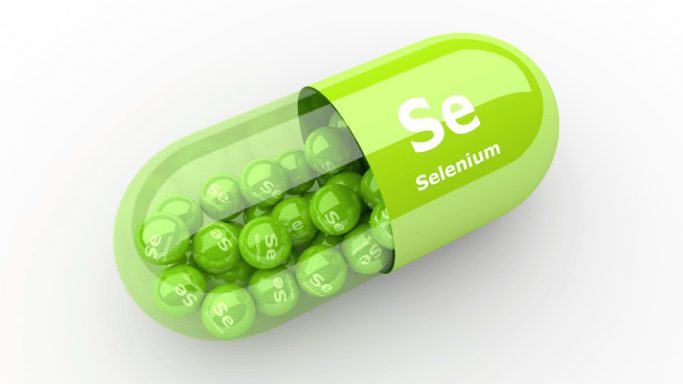
A green capsule filled with small green spheres, each labeled "Se" for Selenium.

Selenium forms powerful antioxidant enzymes that protect your cells from damage. Your body incorporates this mineral into selenoproteins that defend against oxidative stress and support immune function.

Studies show that people with higher selenium intake have longer telomeres. Every 20 microgram increase in dietary selenium was associated with longer telomeres in adults over 45.7

Your skin particularly benefits from selenium’s protective effects. The mineral helps protect keratinocyte stem cells against senescence, helping maintain your skin’s ability to repair and regenerate.

Key Benefits:

  • Essential component of antioxidant enzymes
  • Protects against UV-induced skin damage
  • Supports immune system function
  • Preserves stem cell function

Clinical trials combining selenium with coenzyme Q10 showed improvements in anti-aging biomarkers after long-term supplementation. Brazil nuts provide one of the richest food sources of selenium.8

B Vitamins

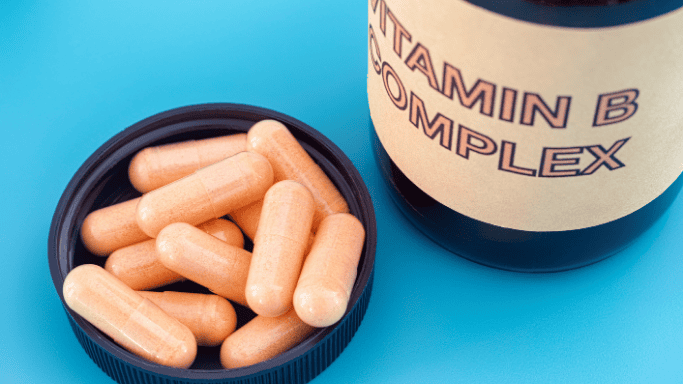
An image showing B Vitamins supplements.

B vitamins maintain cognitive function and cardiovascular health as you age. B6, B12, and folate support DNA methylation processes that help regulate gene expression.

The VITACOG trial showed that B vitamin supplementation reduced brain shrinkage by 30% in older adults at risk for dementia. The effects were even stronger in people with elevated homocysteine levels.9

Your ability to absorb vitamin B12 decreases with age. About 40% of people aged 75-80 have diminished capacity to absorb food-bound B12, contributing to cognitive decline and fatigue.

Key Benefits:

  • Support DNA repair and methylation processes
  • Help reduce homocysteine levels
  • Essential for neurotransmitter production
  • Slow brain atrophy and cognitive decline

B vitamin deficiencies become increasingly common in older adults due to medication interactions and digestive changes. Brain health supplements that include B vitamins help support cognitive function during aging.

Vitamin K2

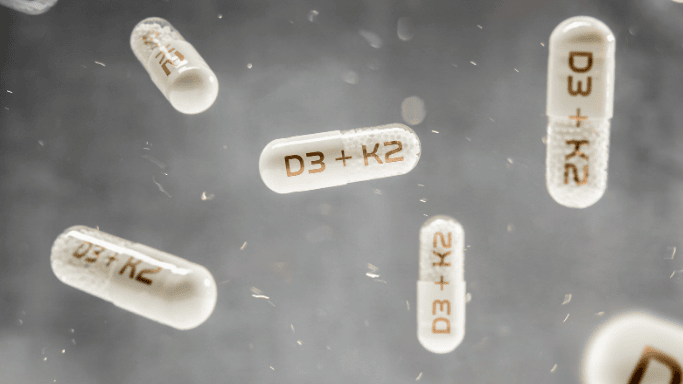
An image showing several white capsules floating against a blurred gray background. Each capsule is labeled "D3 + K2".

Vitamin K2 protects bone health and brain function through calcium regulation and longevity pathway activation. This form of vitamin K activates proteins involved in calcium regulation and supports longevity pathways.

Animal studies show impressive results for vitamin K2 supplementation. Rats given vitamin K2 showed improved memory, reduced anxiety, and better functional performance compared to control groups.10

The vitamin works by activating Matrix Gla Protein, which prevents calcium from depositing in arteries and soft tissues. This helps maintain cardiovascular health and reduces age-related disease risk.

Key Benefits:

  • Supports bone formation and strength
  • Prevents arterial calcification
  • Improves cognitive function and mood
  • Supports mitochondrial energy metabolism

Population studies suggest that higher vitamin K intake is associated with 36% lower risk of death from any cause in high-risk cardiovascular populations.

Potassium

A blue capsule pill labeled with the chemical element potassium containing smaller blue spheres inside, each also marked with the letter "K."

Potassium maintains cellular function and influences lifespan through multiple pathways. This mineral helps maintain the electrical balance that keeps your cells functioning properly.

The Rancho Bernardo Study followed over 1,300 older adults for 20 years. Those with the lowest potassium intake had a 33% increased risk of death compared to those with moderate intake levels.11

Research shows that potassium affects cellular cleanup mechanisms. Studies in yeast found that potassium restriction extends lifespan by 20% through enhanced cellular acidification and improved autophagy.

Key Benefits:

  • Maintains cellular membrane potential
  • Supports cardiovascular function
  • Enhances cellular cleanup processes
  • Protects against stroke risk

Most people don’t get enough potassium from their diet. Fruits, vegetables, and legumes provide the best food sources of this aging-protective mineral.

Molybdenum

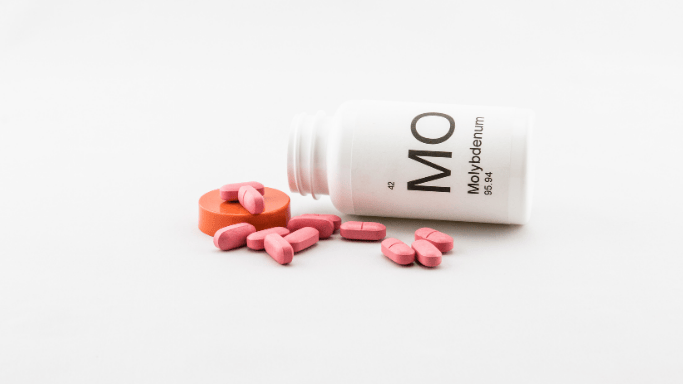
A white pill bottle labeled "Mo Molybdenum" is tipped over with several pink tablets spilled out onto a white surface.

Molybdenum supports cellular detoxification and shows correlations with longevity in population studies. While research is limited, population studies suggest interesting connections between molybdenum and longevity.

Studies in Chinese longevity regions found correlations between soil and water molybdenum levels and the percentage of long-lived residents. These areas show elevated molybdenum in their natural environment.12

Your body uses molybdenum as a cofactor for enzymes involved in purine metabolism and cellular detoxification. The mineral supports antioxidant enzyme function and helps process sulfur-containing compounds.

Key Benefits:

  • Supports detoxification enzyme function
  • Essential for purine metabolism
  • Contributes to bone health
  • Supports antioxidant systems

More research is needed to understand molybdenum’s role in aging, but population data suggests this trace element deserves attention in longevity research.

Start with the Right Approach to Healthy Aging

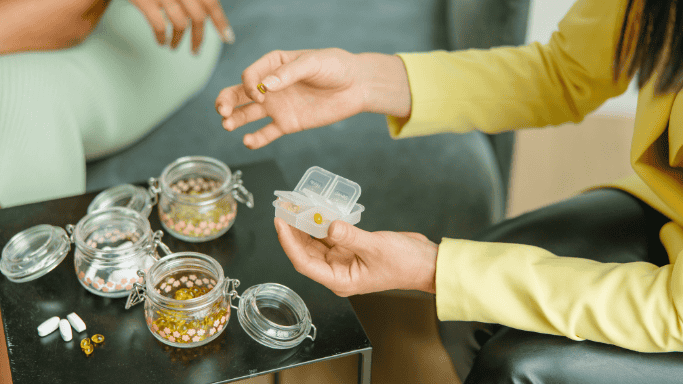
An image showing person holding a pill organizer with jars of pills on a table.

These vitamins and minerals work best together rather than alone. Research consistently shows that combinations of antioxidants provide superior protection compared to single nutrients.

The key is getting adequate amounts without overdoing it. Moderate supplementation generally works better than megadoses, which sometimes backfire.

Start with the right approach:

  • Test your current nutrient levels first
  • Focus on food sources when possible
  • Target specific deficiencies with supplements
  • Track your response and adjust as needed

This follows the proven “test, act, optimize” approach that delivers real results.

Understanding your individual nutrient needs requires personalized testing rather than guesswork. Jinfiniti’s longevity testing panels help identify which nutrients you need most for optimal aging.

Ready to take a comprehensive approach?

Explore natural senolytic supplements that work alongside these nutrients. Products like Jinfiniti’s SenoAid combine multiple aging-protective compounds for better results.

Remember that nutrition is just one piece of the healthy aging puzzle.

Regular exercise, stress management, and quality sleep all work together with proper nutrition to help you age successfully.

Learning about practices that support mitochondrial health takes your anti-aging strategy even further.

Referenced Sources:

  1. https://jcadonline.com/topical-vitamin-c-and-the-skin-mechanisms-of-action-and-clinical-applications/ ↩︎
  2. https://www.frontiersin.org/journals/aging/articles/10.3389/fragi.2024.1339317/full ↩︎
  3. https://www.frontiersin.org/journals/nutrition/articles/10.3389/fnut.2022.993425/full ↩︎
  4. https://pmc.ncbi.nlm.nih.gov/articles/PMC10892939/ ↩︎
  5. https://news.harvard.edu/gazette/story/2025/05/vitamin-d-supplements-may-slow-biological-aging/ ↩︎
  6. https://pmc.ncbi.nlm.nih.gov/articles/PMC2685276/ ↩︎
  7. https://linkinghub.elsevier.com/retrieve/pii/S0002916522049656 ↩︎
  8. https://www.medicalnewstoday.com/articles/does-selenium-really-slow-aging ↩︎
  9. https://pmc.ncbi.nlm.nih.gov/articles/PMC4045270/ ↩︎
  10. https://pmc.ncbi.nlm.nih.gov/articles/PMC8944720/ ↩︎
  11. https://pmc.ncbi.nlm.nih.gov/articles/PMC8075047/ ↩︎
  12. https://lpi.oregonstate.edu/mic/minerals/molybdenum ↩︎
A woman receiving a NAD+ injection drip by the pool at a wellness clinic

NAD+ Injection Dosage Chart, Protocol, and Safety

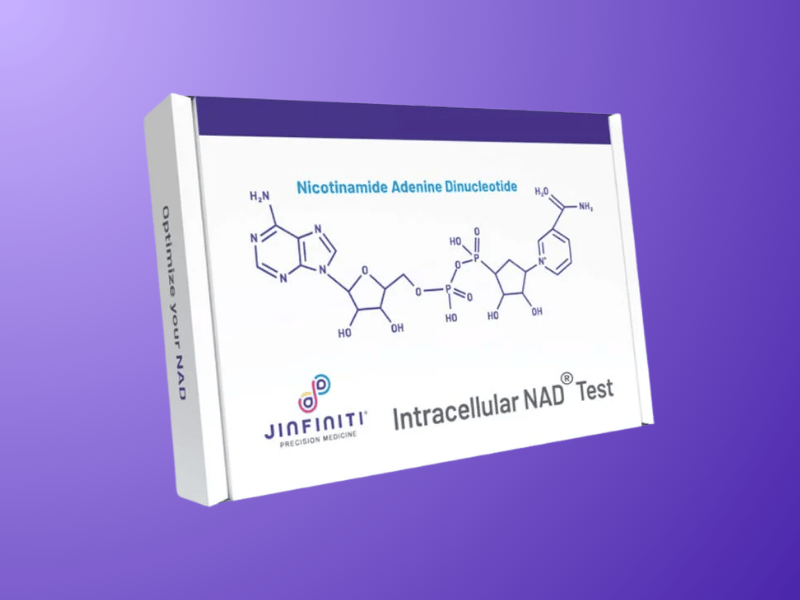
CLIA-Certified NAD Test Kit

Test your NAD+ levels from home.

Jinfiniti Intracellular NAD Test on purple background

NAD+ injection dosage per day ranges from 50mg to 1,000mg depending on your overall health goals and current cellular energy status.

Clinical protocols start most people at 50-100mg injections administered 2-3 times per week for general wellness. Your specific needs depend on your health goals and current NAD levels. Doses above 200mg require medical supervision to prevent adverse effects and liver stress.

Daily NAD Injection Dosage Chart and Protocols

Daily NAD+ injection dosage varies from 50mg for wellness to 1,000mg for addiction recovery protocols under medical supervision.

Standard Dose Ranges by Health Goals

Clinical protocols establish specific dosages for 5 main therapeutic applications including general wellness, loading phases, and addiction recovery.

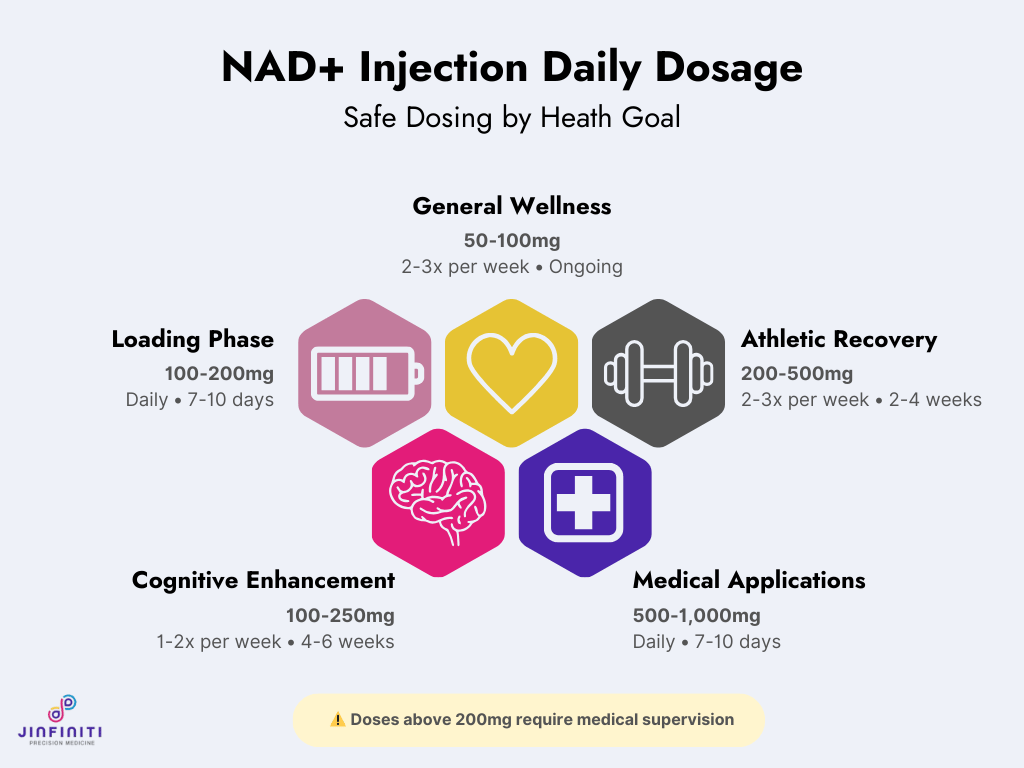
Health GoalDaily Dose RangeFrequencyDuration
General Wellness50-100mg2-3x per weekOngoing
Loading Phase100-200mgDaily7-10 days
Athletic Recovery200-500mg2-3x per week2-4 weeks
Cognitive Enhancement100-250mg1-2x per week4-6 weeks
Addiction Recovery*500-1,000mgDaily7-10 days

*Requires medical supervision

Your cellular energy needs change based on stress levels, exercise intensity, and age-related decline. NAD levels naturally decline with age, dropping approximately 50% every 20 years after age 401.

Conservative doses minimize potential side effects while your cellular function adapts to increased NAD availability.

Loading Phase vs Maintenance Protocol

The loading protocol saturates depleted cellular reserves with 100-200mg daily injections for 7-10 consecutive days.

Maintenance dosing maintains stable levels with 50-100mg injections administered 1-2 times per week for ongoing cellular health support.

Healthcare providers monitor your response during loading phases through blood work that tracks metabolic responses to higher NAD concentrations.

Infographic showing standard NAD+ injection dosage per day in a chart

IV Drip vs Injection: Understanding Your Options

IV drip and subcutaneous injections both deliver NAD directly into your bloodstream, bypassing digestive breakdown for immediate cellular uptake.

IV Therapy Administration Methods

NAD IV therapy delivers 250mg to 1,000mg per session through slow infusion over 2-4 hours in clinical settings.

Extended infusion time allows cellular NAD absorption without rapid administration side effects like nausea and flushing.

IV sessions cost $300-800 each and require 4-10 clinic sessions over several weeks according to standard protocols.

Subcutaneous Injections vs Other Routes

Subcutaneous injections (sometimes called NAD shots) offer more convenience and lower costs. You inject NAD into fatty tissue under your skin, typically in your abdomen or upper arm.

These injections take 30-60 seconds to administer. The injection site may experience mild redness or swelling that resolves within hours.

Many people prefer subcutaneous injections because you can:

  • Self-administer after proper training
  • Use smaller volumes (1-2ml vs 250-500ml for IV)
  • Avoid lengthy clinic appointments
  • Pay less per dose

Timing and Frequency for Optimal Results

Morning injections provide optimal results because NAD boosts cellular energy production without interfering with sleep cycles.

Best Times Per Week for Injections

Morning administration prevents sleep interference from NAD’s energizing effects on cellular metabolism.

Injection frequency follows these 3 patterns:

  • 2-3 times per week: Allows cellular recovery between doses
  • Every other day: Supports loading phases
  • Weekly: Maintains levels in sensitive individuals

Your qualified healthcare professional can help personalize the timing based on your energy patterns and health status.

Dosage and Frequency Considerations

Cellular NAD processing capacity limits optimal dosing, making higher doses counterproductive and potentially hepatotoxic.

Dosage and frequency follow these established patterns:

  • Higher doses: Require longer intervals between injections
  • Lower doses: Allow more frequent administration
  • Loading doses: Use daily administration for 7-10 days maximum

Dose schedules account for natural NAD recycling processes that maintain consistent cellular energy rather than dramatic fluctuations.

Potential Health Benefits and Cellular Impact

A woman receiving a NAD+ injection drip by the pool at a wellness clinic

NAD injections target cellular mechanisms that decline with age and stress through direct mitochondrial function support.

Cellular Energy Production

NAD serves as an essential cofactor in mitochondrial ATP production, converting nutrients into usable cellular energy.

Wellness clinics often claim these NAD injection effects:

  • Energy level increases within hours of administration
  • Mental clarity and cognitive function improvements
  • Healthy aging process support
  • Better exercise recovery and performance

The benefits of NAD appear with consistent dosing over weeks rather than single injections.

Mitochondrial Function and DNA Repair

NAD’s role in cellular health extends beyond energy production. NAD activates sirtuins, proteins that repair DNA damage and regulate cellular stress responses.

These processes support:

  • Reduced cellular inflammation
  • Better stress resilience
  • Improved metabolic flexibility
  • Enhanced cellular repair mechanisms

Age-related medical conditions often involve NAD depletion. Restoring adequate levels through injection can help reverse some cellular dysfunction, though individual results vary significantly.

Safety Guidelines and Healthcare Provider Oversight

NAD injection risks increase proportionally with dosage and poor administration technique.

Common Side Effects at Injection Site

Injection sites experience these 4 common reactions lasting 2-4 hours:

  • Redness and swelling lasting 2-4 hours
  • Mild pain or tenderness when touched
  • Small bruising in sensitive individuals
  • Temporary warmth or tingling sensation

Rotating injection sites prevents irritation buildup. Clean technique prevents infections that could cause serious complications.

Systemic side effects include nausea, flushing, and headaches. These typically occur with doses above 200mg and resolve within 1-2 hours.

Medical Supervision Requirements

Higher doses require monitoring to catch problems early. Your healthcare provider should track:

MonitoringFrequencyWhy Important
Liver function testsEvery 3-6 monthsDetects enzyme elevation
Blood pressureEach visitNAD can lower BP
Injection site assessmentEach administrationPrevents complications
Symptom trackingOngoingIdentifies adverse reactions

Never exceed 1,000mg daily without medical supervision. These doses can overwhelm your liver’s processing capacity and cause serious complications.

Understanding NAD IV therapy side effects helps you recognize when to seek medical attention vs normal treatment responses.

Safer Alternatives: Why Oral Supplementation Wins

While injections deliver NAD directly to your bloodstream, they come with significant drawbacks compared to high-quality oral supplements.

Our Vitality NAD powder supplement offers a safer, more convenient approach to raising your NAD levels. This powder supplement contains a clinically validated blend of NMN, creatine, D-ribose, and niacinamide that work together to boost cellular energy production.

Advantages over injections:

  • No injection site reactions or infection risk
  • Lower cost per dose over time
  • Easy daily use without clinic visits
  • Proven effective in numerous clinical studies2
  • Gradual NAD increase that’s gentler on your system
  • Can combine with our Intracellular NAD Test to track progress

The powder format allows you to adjust your dose gradually. Start with half a scoop daily and increase based on your energy response and NAD testing results.

When comparing NAD supplements vs IV therapy, oral supplementation provides sustained NAD support without the risks and inconvenience of repeated injections.

The Bottom Line

NAD injection dosage per day ranges from 50mg for wellness to 1,000mg for medical applications, with conservative starting doses under medical supervision providing optimal safety and efficacy. High-quality oral supplements like our Vitality NAD+ Booster offer safer, more practical long-term cellular energy support than repeated injections.

Referenced Sources

  1. https://pmc.ncbi.nlm.nih.gov/articles/PMC7442590/ ↩︎
  2. https://pmc.ncbi.nlm.nih.gov/articles/PMC7238909/ ↩︎
An image showing a sick woman lying in bed with lemon tea on bedside table for cold relief.

Can Vitamin C and Zinc Prevent or Shorten Your Cold?

You’ve probably heard it countless times: “Take some vitamin C and zinc when you feel a cold coming on.” But does this age-old advice actually work?

The relationship between these nutrients and the common cold has been studied for decades. The research tells a more nuanced story than most people realize.

Key Takeaways

  • Neither vitamin C nor zinc prevents colds in healthy adults
  • Zinc lozenges may shorten cold duration by 2-3 days if started within 24 hours
  • Vitamin C helps prevent colds in athletes under extreme physical stress
  • Both nutrients provide modest treatment benefits but aren’t miracle cures

What Mayo Clinic and Research Tell Us About Fighting Colds

The Mayo Clinic and major research institutions have spent years examining whether vitamin C and zinc can prevent or treat colds. A systematic review of the evidence reveals their findings might surprise youThe Mayo Clinic and major research institutions have spent years examining whether vitamin C and zinc can prevent or treat colds. A systematic review of the evidence reveals their findings might surprise you1.

The short answer? These nutrients won’t prevent colds in most people. But they may offer some help once you’re already sick.

Does Vitamin C Actually Fight Colds?

An image showing vitamin C-rich foods displayed on a table, including oranges, banana, kiwi, bell peppers, and leafy greens.

Cold Prevention

Here’s what the science shows: vitamin C doesn’t prevent colds in the general population. A massive Cochrane review looked at 29 trials with over 11,000 people. Regular vitamin C supplementation showed virtually no difference in cold prevention compared to placebo2.

Athletes and people under extreme physical stress saw their cold risk cut in half when taking vitamin C. This benefit applied to marathon runners, skiers, and soldiers in harsh conditions.

Cold Duration and Recovery

When taken regularly before getting sick, vitamin C can shorten cold duration by about 8% in adults and 14% in children. That translates to roughly 13 fewer hours of misery during a week-long cold.

Research suggests vitamin C may work by helping reduce illness duration. It’s not a guaranteed remedy for everyone, though.

Recent research shows vitamin C works better on severe cold symptoms than mild ones. It reduced severe symptom intensity by 15%, with the biggest impact on the worst symptoms3.

Starting Vitamin C After Symptoms Begin

Unfortunately, waiting until you feel sick to start taking vitamin C shows little benefit. Seven studies found no consistent effect when people began supplementation after cold symptoms started4.

Can You Take Zinc for Colds?

An image showing a variety of zinc-rich foods arranged on a table, including avocado, lobster, meet, pumpkin seeds, chickpeas, mushroom, and almonds.

Let’s take a look at the evidence for zinc.

Cold Prevention

Like vitamin C, zinc doesn’t prevent colds in healthy adults. The 2024 Cochrane review concluded there’s insufficient evidence to recommend zinc for cold prevention5.

How Zinc May Reduce Cold Duration

Here’s where zinc gets interesting. When taken as lozenges within 24 hours of symptom onset, zinc can reduce cold duration by approximately 2.25 days6.

Zinc acetate lozenges work best, reducing cold duration by 37% in adults when properly formulated. Research suggests zinc may inhibit viral replication in the nose and throat area. The key factors include:

  • High zinc content (at least 75mg elemental zinc daily)
  • Zinc acetate rather than zinc gluconate
  • Starting within 24 hours of first symptoms
  • Avoiding additives like citric acid that bind the zinc

Zinc Side Effects to Consider

Zinc lozenges commonly cause unpleasant side effects. These include bad taste, nausea, and mouth irritation. More concerning, intranasal zinc products have been linked to permanent loss of smell and should be avoided completely.7

NutrientPreventionTreatmentSide Effects
Vitamin CBenefit for athletesModest duration reductionGenerally safe
ZincNo effect2-3 day reductionBad taste, nausea

Taking Vitamin C and Zinc Together

An image showing vitamin C on the left side and zinc on the right side.

Limited research exists on combining these nutrients for cold treatment. Two small studies found that 1000mg of vitamin C plus 10mg of zinc daily reduced runny nose duration, with one showing 27% faster symptom relief.8

A larger study of 360 people examined a combination product containing echinacea, zinc, and vitamin C. Participants recovered 1.39 days faster with 17% lower symptom severity scores compared to placebo.

While promising, this evidence remains insufficient for firm recommendations about vitamin C and zinc combinations.

Natural Support for Your Immune System

Your immune system needs consistent support year-round, not just when you’re fighting off a virus. Oxidative stress from free radicals can weaken your body’s natural defenses, making you more susceptible to infections.

Jinfiniti’s Natural Vitamin C + Zinc provides whole food vitamin C from amla extract plus bioavailable zinc chelate. This combination supports antioxidant activity and immune function without the synthetic additives found in many supplements.

Unlike isolated nutrients, whole food sources provide cofactors that enhance absorption and utilization. The amla-derived vitamin C in our formula delivers powerful antioxidant support while the chelated zinc ensures better bioavailability.

Consider pairing immune support with cellular health supplements that address the root causes of weakened immunity. When your cells function well, your entire immune system performs better.

The Science on Flu vs Cold

The research focuses primarily on common colds rather than influenza. There’s currently no strong scientific evidence that vitamin C or zinc helps against the flu virus.

Vaccination remains your best protection against influenza. Natural antihistamines may help with seasonal allergy symptoms that people sometimes mistake for cold symptoms.

Dosage and Safety Guidelines

An image of a close-up of liquid medicine being carefully poured from a bottle into a measuring spoon.

Vitamin C:

  • Generally safe up to 2000mg daily
  • Higher doses may cause digestive upset
  • Best absorbed in divided doses throughout the day

Zinc:

  • Don’t exceed 40mg daily for long-term use
  • Take with food to reduce stomach irritation
  • Avoid nasal zinc products

Important Considerations:

People with chronic fatigue or compromised immune systems should consult healthcare providers before starting any supplement regimen. What works for healthy adults may not apply to those with underlying health conditions.

🧬 MORE INSIGHTS ON VITAMIN C

Bottom Line

The evidence shows vitamin C and zinc have modest benefits for cold management. They’re not miracle cures, though. Here’s what you can reasonably expect:

  • Prevention: Neither nutrient prevents colds in most people. Athletes under extreme stress may benefit from vitamin C.
  • Treatment: Zinc lozenges started within 24 hours may reduce cold duration by 2-3 days. Regular vitamin C supplementation provides minor duration reduction.
  • Combination: Limited evidence suggests potential benefits, but more research is needed.

The effects are modest and must be weighed against potential side effects and costs. For better immune support, focus on proven strategies like adequate sleep, regular exercise, stress management, and a nutrient-dense diet.

When you do supplement, choose high-quality products with bioavailable forms and avoid the hype around mega-doses. Your immune system works best when supported consistently, not just when you’re already sick.

Remember, if cold symptoms persist beyond 10 days or get noticeably worse, consult a healthcare provider. This helps rule out bacterial infections or other complications that may require medical treatment.

Referenced Sources:

  1. https://newsnetwork.mayoclinic.org/discussion/mayo-clinic-minute-can-vitamin-c-keep-the-common-cold-away/ ↩︎
  2. https://doi.wiley.com/10.1002/14651858.CD000980.pub3 ↩︎
  3. https://pubmed.ncbi.nlm.nih.gov/38082300/ ↩︎
  4. https://www.cochranelibrary.com/cdsr/doi/10.1002/14651858.CD000980.pub2/full ↩︎
  5. https://www.cochrane.org/about-us/news/inconclusive-evidence-suggests-zinc-may-slightly-shorten-common-cold ↩︎
  6. https://pmc.ncbi.nlm.nih.gov/articles/PMC7356429/ ↩︎
  7. https://www.nccih.nih.gov/health/tips/tips-natural-products-for-the-flu-and-colds-what-does-the-science-say ↩︎
  8. https://journals.sagepub.com/doi/10.1177/147323001204000104 ↩︎
An image of cellular activity inside the human body.

What’s the Difference Between NAD, NADP and NADPH?

Your cells depend on three similar-sounding molecules that perform completely different jobs. NAD, NADP, and NADPH might look nearly identical, but each plays a unique role in keeping you healthy and energized.

Understanding these cellular powerhouses can help you make better decisions about your health and longevity

Key Takeaways

  • One tiny difference, huge impact: NADP has just one extra phosphate group compared to NAD, but this completely changes their cellular jobs
  • NAD = energy production: NAD and NADH break down food to create cellular energy (ATP)
  • NADP = building and protection: NADP and NADPH construct new molecules and defend cells from damage
  • Both decline with age: Lower levels can affect your energy, metabolism, and cellular repair processes

Understanding These Key Nucleotide Coenzymes

NAD stands for nicotinamide adenine dinucleotide.

This coenzyme exists in two forms: NAD+ (oxidized) and NADH (reduced). Think of NAD as a rechargeable battery that powers your cellular energy production.

  • NADP means nicotinamide adenine dinucleotide phosphate. It’s nearly identical to NAD but carries an extra passenger. NADP also has two forms: NADP+ (oxidized) and NADPH (reduced).
  • NADPH is simply NADP+ after it picks up hydrogen and electrons. This reduced form becomes a cellular construction worker, building the molecules your body needs to stay healthy.

The Important Phosphate Group Difference

The only structural difference between NAD and NADP is one small phosphate group attached to NADP. This tiny addition completely changes what each molecule can do in your cells.

It’s like adding a special tool to a worker’s belt. That phosphate group directs NADP toward entirely different cellular tasks than NAD handles.

NAD and NADH: Your Cellular Energy Pathway

An image of a woman eating healthy foods

NAD and NADH form your cellular energy production team. When you eat food, your cells break it down through cellular respiration to create ATP.

Here’s how the process works:

  • NAD+ acts like a collection vehicle, gathering electrons and hydrogen from food molecules during glycolysis and the citric acid cycle
  • Dehydrogenase enzymes help oxidize substrates, transforming NAD+ into NADH
  • NADH carries captured protons and electrons to your mitochondria
  • Your mitochondria use NADH through oxidation reactions to produce ATP, your cell’s main energy currency

This pathway represents catabolic metabolism. Your cells break down larger molecules to release energy for immediate use.

MoleculePrimary RoleProcess Type
NAD+/NADHEnergy productionCatabolic (breakdown)
NADP⁺/NADPHBuilding & protectionAnabolic (construction)

NADP and NADPH: The Biosynthesis and Protection Team

An image of cellular activity inside the human body

NADP and NADPH handle completely different cellular jobs. They focus on building new molecules and protecting your cells from damage.

The biochemistry of NADH and NADPH working together helps your cells both generate and use energy effectively. NADPH serves as your cellular construction manager:

  • Building functions: Provides reducing power to synthesize fatty acids, cholesterol, and amino acids
  • DNA synthesis: Helps create nucleotide building blocks for genetic material
  • Photosynthesis: In plants, NADPH powers the Calvin cycle to convert carbon dioxide into sugar
  • Protection functions: Regenerates antioxidants like glutathione that defend against cellular damage1

These biotechnology-inspired anabolic processes require energy to build complex molecules from simpler substrate components.

Redox Reactions: How These Enzyme Partners Work

Both systems function through redox reactions, where electrons transfer between molecules. These reactions drive nearly every metabolic process in your body.

NAD+ accepts electrons during glycolysis and the citric acid cycle. The electron transport chain in your mitochondria then uses NADH to generate ATP through oxidative phosphorylation.

NADPH donates electrons during biosynthesis reactions. The pentose phosphate pathway generates most of your cellular NADPH supply.2

How NAD and NADP Work with Different Substrate Systems

Your cells maintain distinct ratios of these molecules for good reason. NADPH levels stay high relative to NADP⁺, while NAD+ levels exceed NADH concentrations.

This separation allows each system to work effectively:

  • Different priorities: NAD focuses on energy extraction, while NADP handles construction and protection
  • Different locations: Various enzymes and pathways use each system specifically
  • Different timing: Energy needs and building needs occur at different cellular moments

Research shows that disrupting these ratios can affect cellular metabolism. Studies also indicate that maintaining proper NAD+/NADH balance becomes more challenging with age.3 4

Testing Your NAD Levels for Better Metabolism

Understanding your personal NAD status can help you enhance your cellular energy production. NAD+ levels decline with age, potentially affecting your energy, sleep, and cognitive function.

Jinfiniti’s Intracellular NAD+ Test measures your cellular NAD levels directly. This finger-prick test provides personalized dosage recommendations for NAD+ supplementation.

The NAD Optimization Starter Package combines testing with targeted supplementation, letting you measure your baseline levels and track improvement over time.

Bottom Line

NAD, NADP, and NADPH work together but serve completely different cellular functions. NAD and NADH power your energy production through catabolic pathways like glycolysis and cellular respiration.

NADP and NADPH handle biosynthesis and cellular protection through anabolic processes. That single phosphate group makes all the difference in directing these molecules toward their specialized roles.

Both systems are key for better health, proper metabolism, and healthy aging. Testing your NAD levels can help you understand whether your cellular energy systems need support.

Referenced Sources:

  1. https://pubmed.ncbi.nlm.nih.gov/20196923/ ↩︎
  2. https://www.ncbi.nlm.nih.gov/pmc/articles/PMC8168431/ ↩︎
  3. https://www.ncbi.nlm.nih.gov/pmc/articles/PMC11233901/ ↩︎
  4. https://www.ncbi.nlm.nih.gov/pmc/articles/PMC7963035/ ↩︎
A bottle of supplement capsules on a black table

Should You Take NAD with Resveratrol?

The combination of NAD precursors and resveratrol has become one of the most talked-about supplement pairings in longevity circles. You’ve probably seen this duo marketed as the ultimate anti-aging stack.

But does the science actually support taking these two together? The answer is more complicated than most people realize.

Key Takeaways

  • The NAD and resveratrol combination theory sounds compelling but human clinical trials show no synergistic benefits
  • Mouse studies revealed concerning brain NAD reductions with the combination
  • NAD precursors alone reliably boost NAD levels with modest health benefits
  • Resveratrol has significant drug interactions and poor bioavailability issues

The Science Behind NAD and Resveratrol

The fascination with combining these molecules stems from their individual roles in cellular health and their theorized synergy.

What Makes NAD So Important for Cellular Health

Nicotinamide adenine dinucleotide (NAD) serves as a coenzyme in every cell of your body. This molecule plays a central role in energy production, helping convert the food you eat into useable cellular fuel.

NAD levels decline significantly with age, dropping by roughly 50% between ages 20 and 60.1 This decline affects everything from mitochondrial function to DNA repair processes.

The problem is that NAD gets consumed by several families of enzymes. Sirtuins use NAD as a cosubstrate for their deacetylase activity. PARPs burn through NAD when repairing DNA damage. CD38, an enzyme that increases with age, acts like a drain on your NAD pool.

This creates what researchers call an “NAD sink.” As we age, more NAD gets consumed while less gets produced.

Resveratrol’s Role in Healthy Aging

Resveratrol is a stilbenoid compound found naturally in grape skins, red wine, and other plants. It’s produced when plants face stress or pathogenic attack.

This molecule from red wine gained fame for its potential cardiovascular benefits. Lab studies show resveratrol can act as an antioxidant, reduce inflammation, and may influence longevity pathways.

The most cited mechanism involves sirtuin activation. Sirtuins are NAD-dependent enzymes that help regulate metabolism, DNA repair, and cellular stress responses.

Here’s where things get interesting. If resveratrol can activate sirtuins, and sirtuins need NAD to function, could combining them create a synergistic effect?

The “Fuel and Accelerator” Theory

This combination theory is often explained through a simple car analogy that’s become popular in longevity research circles.

How These Molecules Work Together

Think of NAD as the fuel and resveratrol as the accelerator pedal. Sirtuins are the engine that drives many anti-aging processes in your cells.

NAD precursors like NMN or nicotinamide riboside provide the “fuel” by increasing your cellular NAD levels. This gives sirtuins the substrate they need to function.

Resveratrol acts as the “accelerator” by potentially increasing the activity of sirtuins, particularly SIRT1. This means the enzymes work more efficiently when both molecules are present.

The logic seems sound. Having fuel without pressing the accelerator limits your speed. Pressing the accelerator without fuel gets you nowhere.

Sirtuin Activity and Metabolism

Sirtuins control many processes linked to healthy aging. SIRT1 helps regulate glucose metabolism and insulin sensitivity. SIRT3 supports mitochondrial function and energy production.

When sirtuins work properly, they can enhance DNA repair, reduce cellular inflammation, and promote efficient metabolism. These are exactly the benefits people seek from anti-aging supplements.

Research shows that combining NMN with resveratrol in mice significantly boosted NAD levels in heart and muscle tissue compared to NMN alone.2 The combination increased NAD by 1.6-fold in heart tissue and 1.7-fold in skeletal muscle.

But there’s a major caveat that few people discuss.

What Human Trials Really Show Us

The transition from promising mouse studies to human clinical trials reveals a significant gap in our understanding.

The Gap Between Mouse Studies and People

While the mouse data looks impressive, the same study that showed benefits in heart and muscle tissue revealed something troubling. In the brain, the combination actually decreased NAD levels compared to untreated animals.

This finding raises serious questions about using this combination for cognitive health or neuroprotection. Your brain is arguably the organ where you’d least want to reduce NAD levels.

The only direct human trial testing this combination studied older patients with peripheral artery disease.3 Participants received either nicotinamide riboside alone or combined with resveratrol.

The combination offered no additional benefit over NMN alone for improving walking performance. After adjusting for adherence issues, researchers concluded that resveratrol neither blocked nor enhanced the effects of the NAD precursor.

NMN and NR Supplementation Results

Looking at NAD precursors alone, the human data shows mixed results. Clinical trials consistently demonstrate that both NMN and nicotinamide mononucleotide can raise blood NAD levels safely.4

Some studies show benefits like improved insulin sensitivity in prediabetic women and enhanced muscle performance in older adults. Others find no significant effects on mitochondrial function or glucose metabolism.

A 2024 meta-analysis of NMN trials concluded that while the precursor effectively raises NAD levels, most clinical outcomes weren’t significantly improved.5 The researchers suggested the benefits might be exaggerated.

For resveratrol alone, the track record is even weaker. Despite thousands of preclinical studies, clinical reviews conclude there’s currently no solid evidence to recommend it in healthcare settings.6

Study TypeNAD PrecursorsResveratrolCombination
Animal StudiesStrong evidence for NAD boostingMixed lifespan resultsSynergistic tissue effects
Human TrialsReliable NAD increase, modest health benefitsWeak evidence for health benefitsNo superior effects vs. precursor alone
Safety ProfileGenerally well-toleratedSafe at lower dosesHigher risk of drug interactions

Dosage and Bioavailability Challenges

Even if you decide to try this combination, getting effective doses into your system presents real challenges.

Getting Resveratrol Into Your System

Standard resveratrol has terrible bioavailability. Less than 1% of what you swallow reaches your bloodstream unchanged. Your liver rapidly converts it into inactive metabolites.

Advanced formulations try to solve this problem. Micronized powders increase surface area.7 Liposomal encapsulation protects the molecule from breakdown.

Some products include piperine from black pepper, which can increase resveratrol blood levels by over 1,500% in animal studies. However, this dramatic boost hasn’t been confirmed in humans.

Clinical trials have used resveratrol doses ranging from 100-1,000 mg daily. Higher doses increase the risk of digestive upset.

Optimizing NAD Precursor Absorption

NAD precursors have better bioavailability than resveratrol, but formulation still matters. Studies suggest doses of 250-1,200 mg daily are safe and effective for raising NAD levels.8

If you want to boost NAD without the resveratrol headaches, Jinfiniti’s Vitality NAD+ Booster takes a different approach. You get reliable NAD precursors combined with creatine and D-ribose that your cells can actually use. No drug interactions to worry about. No bioavailability lottery. Just proven ingredients that work.

Vitality NAD+ Booster promotional image

Safety Considerations and Drug Interactions

The safety profile of this combination deserves serious attention, especially regarding drug interactions.

Who Should Avoid This Combination

Resveratrol can interfere with blood clotting and interact with many common medications. It inhibits several liver enzymes responsible for drug metabolism.

People taking blood thinners, including warfarin or even daily aspirin, face increased bleeding risk. The combination can also affect blood pressure medications and diabetes drugs.

Anyone with hormone-sensitive conditions should be cautious, as resveratrol may have mild estrogenic effects. Pregnant women and children should avoid these supplements entirely due to lack of safety data.

Potential Side Effects to Watch For

NAD precursors are generally well-tolerated. When side effects occur, they’re usually mild: nausea, fatigue, or headaches. High-dose resveratrol (over 1,000 mg daily) commonly causes digestive issues.

The combination creates a complex interaction profile. Multiple studies on resveratrol document significant drug interactions with:9

  • Anticoagulant medications
  • Blood pressure treatments
  • Diabetes medications
  • Drugs metabolized by liver CYP450 enzymes

Before starting this combination, consult with a healthcare provider who can review your complete medication list and health history.

Making the Right Choice for You

The evidence for combining NAD precursors with resveratrol falls short of the marketing promises. While the mechanistic rationale sounds compelling, human trials don’t support the synergistic benefits seen in mice.

For most people, focusing on proven NAD boosting strategies makes more sense. This includes choosing high-quality NAD precursors, maintaining good cellular nutrition, and supporting your body’s natural NAD production through lifestyle factors.

If you’re interested in targeting multiple longevity pathways, consider combinations with stronger evidence. Pairing NAD precursors with senolytic compounds like quercetin or fisetin may offer more logical synergy.

The most important step is knowing your baseline NAD levels. Jinfiniti’s Intracellular NAD Test measures your actual cellular NAD status, allowing you to make informed decisions about supplementation.

Remember that supplements work best as part of a comprehensive approach to healthy aging. Regular exercise, quality sleep, stress management, and a nutrient-dense dietary pattern remain the foundation of longevity.

Rather than chasing the latest supplement trend, focus on strategies with solid evidence behind them. Your future self will thank you for making decisions based on science, not hype.

Referenced Sources:

  1. https://pmc.ncbi.nlm.nih.gov/articles/PMC7963035/ ↩︎
  2. https://pmc.ncbi.nlm.nih.gov/articles/PMC9289528/ ↩︎
  3. https://www.nature.com/articles/s41467-024-49092-5 ↩︎
  4. https://pmc.ncbi.nlm.nih.gov/articles/PMC9036060/ ↩︎
  5. https://www.tandfonline.com/doi/full/10.1080/10408398.2024.2387324 ↩︎
  6. https://www.mdpi.com/1422-0067/25/2/747 ↩︎
  7. https://pmc.ncbi.nlm.nih.gov/articles/PMC8470508/ ↩︎
  8. https://pmc.ncbi.nlm.nih.gov/articles/PMC9036060/ ↩︎
  9. https://www.mdlinx.com/article/4-longevity-supplements-that-actually-do-more-harm-than-good/66NVziUTEPcXaGXgmEncwJ ↩︎
A woman in a white robe sits in a clinic chair receiving NAD IV therapy while scrolling on her phone.

NAD IV Therapy Benefits: Pros and Cons, Risks Explained

NAD IV therapy has become the latest wellness trend, promising everything from increased energy to anti-aging benefits.

But before you book that expensive treatment, you need to understand both the potential benefits and serious risks involved.

This guide examines what science actually says about NAD infusions, helping you make an informed decision about this controversial treatment.

Key Takeaways

  • NAD IV therapy lacks FDA approval and has limited scientific evidence supporting its claims
  • Common side effects include nausea, headaches, and muscle pain during lengthy infusions
  • Oral NAD precursors may be more effective and safer than direct IV administration
  • Testing your current NAD levels before treatment helps avoid unnecessary risks and costs

What is NAD IV Therapy?

NAD stands for nicotinamide adenine dinucleotide, an important coenzyme found in every cell of your body. This enzyme helps with cellular energy production, DNA repair, and metabolism.

As you age, your NAD levels naturally decline. This drop affects your cellular function and may contribute to age-related health issues.

NAD IV therapy involves receiving this coenzyme directly into the bloodstream through intravenous infusion. The treatment bypasses your digestive system, where oral NAD supplements would typically break down before reaching your cells.

Sessions typically last 2-6 hours and can cost hundreds to thousands of dollars per treatment. Practitioners claim IV delivery provides 100% bioavailability compared to oral supplements.

Benefits of NAD Therapy: What Supporters Claim

A woman in a white robe relaxes on a medical chair while receiving NAD IV therapy.

Wellness clinics make bold claims about NAD therapy benefits. Here’s what they promise:

Cellular Energy and Metabolism

Supporters say NAD infusions can boost your energy levels by improving mitochondrial function. Your mitochondria are the powerhouses of your cells, producing the energy you need for daily activities.

The therapy may enhance metabolism, helping with weight management and metabolic function. Some claim it improves physical performance and speeds up recovery after exercise.

Energy Claims Include:

  • Increased cellular energy production
  • Better ATP synthesis
  • Enhanced physical stamina
  • Faster workout recovery

Brain Function and Mental Clarity

NAD therapy supporters claim significant cognitive benefits. They say the treatment can improve mental clarity, focus, and memory.

Some practitioners suggest it offers neuroprotection against age-related brain decline. Others claim it helps with mood improvement, reducing depression and anxiety symptoms that can impact your overall quality of life.

Cognitive Claims Include:

  • Sharper mental focus
  • Better memory retention
  • Improved mood stability
  • Protection against brain aging

Anti-Aging and DNA Repair

Perhaps the most appealing claims center on anti-aging effects. Supporters say NAD can help slow down the aging process at the cellular level.

They claim the coenzyme activates genes that combat aging and helps repair damaged DNA. Some even suggest it can improve skin appearance by reducing fine lines and wrinkles.

Anti-Aging Claims Include:

  • DNA repair activation
  • Cellular regeneration
  • Improved skin quality
  • Extended healthspan

Types of NAD Treatment Options

You have several options if you’re considering NAD therapy:

Treatment TypeDurationCost RangeBioavailability Claim
IV Infusions2-6 hours$500-$1,500100%
Injections15-30 minutes$200-$50090-95%
Oral SupplementsDaily pills$30-$200/month10-30%
Nasal SpraysFew minutes$100-$30040-60%

IV infusions remain the most popular option at wellness centers. However, other delivery methods may offer similar benefits with fewer risks and lower costs.

NAD Therapy Side Effects and Risks

A close-up image of a medical syringe, filled and ready for use.

Despite marketing claims, NAD IV therapy carries significant risks that you should understand.

Common IV Infusions Side Effects

Most people experience some discomfort during NAD infusions. The slow vitamin therapy process often causes unpleasant symptoms.

During Treatment:

  • Nausea and vomiting
  • Headaches and dizziness
  • Muscle cramping and pain
  • Brain fog and fatigue
  • Tingling sensations throughout your body

At Injection Site:

  • Redness and swelling
  • Pain and tenderness
  • Risk of infection (rare but serious)

Serious Safety Concerns

The FDA has issued warnings about contamination risks with NAD injectables. Some compounders use food-grade rather than pharmaceutical-grade ingredients.

Severe adverse events have been reported, including:1

  • Uncontrollable chills and shaking
  • Severe vomiting requiring medical attention
  • Extreme fatigue lasting days
  • Endotoxin contamination from inappropriate ingredients

Drug Interactions

NAD IV treatments can interact dangerously with medications:

  • Diabetes drugs (blood sugar control issues)
  • Cancer treatments (may interfere with chemotherapy)
  • Blood thinners (altered clotting risk)
  • Antidepressants (mood medication interactions)

What the Science Actually Shows

Despite enthusiastic marketing, scientific evidence supporting NAD IV therapy remains surprisingly weak.

A 2020 systematic review found that only a small number of randomized clinical trials of NAD therapy have taken place.2 Most evidence comes from small case studies rather than rigorous research.

The results are described as “promising, yet still speculative” with more trials needed. Recent studies show that oral NAD precursors may actually be more effective than direct IV infusions.3

Dr. Michael Sagner of King’s College London has called direct NAD injection “completely idiotic from a biochemistry point of view” since NAD cannot easily cross cell membranes.4

NAD IV therapy is not FDA-approved for any medical condition. The treatment exists in a regulatory gray area, offered under “wellness” frameworks rather than medical approval.

NAD Infusion vs Other NAD Treatment Methods

A close-up view of an intravenous (IV) drip chamber with fluid flowing through the tube.

Before choosing expensive IV therapy, consider these alternatives:

Oral NAD Precursors

  • Lower risk of contamination
  • More convenient administration
  • Better studied in clinical trials
  • Significantly more affordable

Lifestyle Interventions

  • Regular exercise naturally supports NAD levels
  • Quality sleep supports cellular repair
  • Stress management reduces oxidative stress
  • Caloric restriction (the only proven longevity intervention)

Testing Your Levels First

Before spending thousands on IV therapy, shouldn’t you know if you actually need it?

The Intracellular NAD+ Test measures your baseline NAD status, giving you real data instead of guesswork.

This finger-prick test provides personalized dosage recommendations and lets you track your progress over time. It’s the smart way to approach NAD optimization using Jinfiniti’s proven “Test, Act, Optimize” methodology.

Intracellular NAD Test promotional image

Learn More About NAD: Making an Informed Decision

If you’re considering if NAD therapy is worth it, take time to understand your options fully. 

The science shows that NAD supplements vs IV therapy comparison isn’t as straightforward as clinics suggest.

Start with testing to understand your current NAD status. Many people assume they’re deficient without any actual data to support that assumption.

Consider safer oral alternatives first. The Vitality↑® NAD+ Booster provides a clinically validated formula with NAD precursors, creatine, and supporting compounds.

A Smarter Approach

Why guess when you can know for sure? The NAD Optimization® Starter Package combines testing with supplementation, following Jinfiniti’s proven “Test, Act, Optimize” methodology.

You’ll measure your baseline, supplement appropriately, then retest to confirm improvement. This data-driven approach eliminates guesswork and provides measurable results without the risks of IV therapy.

Questions to Ask Your Provider

If you’re still considering IV therapy, ask these questions:

  • What’s your training and experience with NAD infusions?
  • Where do you source your NAD, and is it pharmaceutical grade?
  • What’s your protocol for managing adverse reactions?
  • Can you provide peer-reviewed studies supporting your treatment claims?
  • What follow-up testing do you recommend?
  • How do you customize the treatment plan for individual patients?

The Bottom Line

An image of a hand holding a supplement

NAD plays real roles in cellular function, and levels do decline with age. But the evidence supporting IV therapy isn’t strong enough to justify the health claims and costs.

The therapy might improve as research progresses. Right now though, the risks and costs outweigh the unproven benefits for most people.

Quality oral supplements, combined with lifestyle changes and proper testing, offer a safer path to NAD optimization.

Anyone considering NAD IV therapy should consult qualified healthcare providers, understand you’re trying an experimental treatment, and carefully weigh potential risks against uncertain benefits.

Your health deserves evidence-based decisions, not expensive experiments.

Referenced Sources:

  1. https://www.fda.gov/drugs/human-drug-compounding/fda-reminds-compounders-use-ingredients-suitable-sterile-compounding ↩︎
  2. https://www.mdpi.com/1424-8247/13/9/247 ↩︎
  3. https://www.medrxiv.org/content/10.1101/2024.06.06.24308565v1.full-text ↩︎
  4. https://www.theguardian.com/society/2025/feb/23/its-not-ethical-and-its-not-medical-how-uk-rehab-clinics-are-cashing-in-on-nad ↩︎

Account Access

Welcome back

Continue your health journey with a secure login.