
Secure • Private • Science-backed
An image of a capsule with a blurry woman in the background

What’s the Difference Between NMN vs NAD?

You’ve probably heard about NAD and NMN in health circles. Both molecules get mentioned together often. This sometimes creates confusion about their relationship.

Both molecules work closely together in your cells. But they have different roles and characteristics.

Let’s break down what each molecule does. You’ll learn how NMN and NAD work and why it matters for your health.

Key Takeaways

  • NMN offers superior bioavailability compared to direct NAD supplementation for oral use.
  • NMN converts directly to NAD through the enzyme NMN adenylyltransferase in your cells.
  • Testing your baseline NAD levels helps personalize supplementation for optimal results.
  • Both molecules support cellular energy, DNA repair, and healthy aging processes.

How NMN and NAD Work at the Cellular Level

DNA helix strands in blue and white

These molecules play connected but distinct roles in cellular function.

What is NMN?

NMN stands for nicotinamide mononucleotide. It’s a precursor to NAD that your body uses to make the essential coenzyme.

You can find tiny amounts in foods like broccoli and avocados. The concentrations are too low to provide therapeutic benefits through diet alone.

NMN has three main parts: phosphate, ribose sugar, and nicotinamide1. This structure allows easy cell entry and conversion into NAD.

What is NAD?

NAD is short for nicotinamide adenine dinucleotide. It’s a coenzyme that powers over 500 cellular reactions.

Your mitochondria (cellular powerhouses) depend on NAD for energy production. It acts like a shuttle that carries electrons between reactions.

NAD exists in two forms. NAD+ accepts electrons. NADH donates them back to fuel cellular processes.

This electron transfer system powers your cells. It supports DNA repair, gene expression, and cellular signaling pathways.

The Differences Between NMN and NAD

The main distinctions affect how your body processes and uses them.

Size and Structure

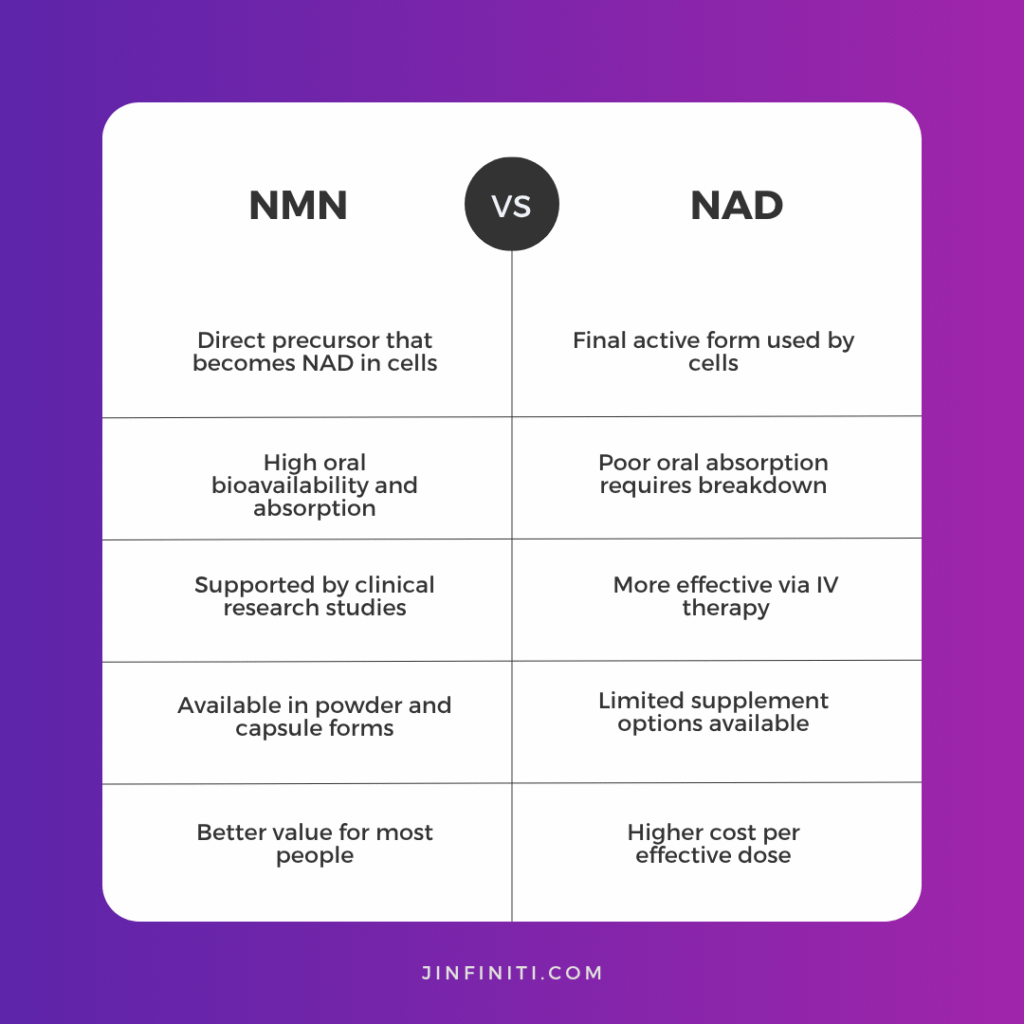
NMN is significantly smaller than NAD. It weighs about 334 grams per mole2. NAD weighs approximately 663 grams per mole.

This size difference matters. Smaller molecules typically cross cell membranes more easily.

NAD’s larger structure makes direct cell absorption harder.

How Your Body Absorbs Them

Your digestive system handles these molecules differently:

NMN Absorption:

  • Enters bloodstream within minutes3
  • Uses specific intestinal transporters
  • Reaches tissues in 10-30 minutes
  • Stays intact during transport

NAD Absorption:

  • Cannot cross cell membranes intact4
  • Gets broken down before absorption
  • Requires cellular reassembly
  • Less efficient for oral use
Infographic showing the differences between NMN and NAD

How NMN Converts Into NAD

NMN is converted to NAD through a direct cellular pathway.

The Conversion Process

Once NMN enters cells, the enzyme NMN adenylyltransferase converts it directly into NAD1. This happens through the “salvage pathway.”

Your cells prefer this efficient route. It requires fewer steps than other NAD precursors.

The process maintains steady NAD levels in your cellular environment.

Why Cellular NAD Levels Decline

Your NAD naturally decreases with age. By age 50, you typically have half the levels of NAD you had at 20.

Several factors contribute to this decline:

  • Increased cellular repair demands
  • Reduced precursor production
  • Higher enzyme activity that consumes NAD
  • Accumulated cellular damage

NAD deficiency symptoms become more common as levels drop.

Benefits of NAD and NMN Supplements

An older man looking at his watch on a jog outdoors

Both support similar outcomes because NMN becomes NAD in your cells.

Shared Health Benefits

Research shows that boosting NAD levels may support:

Energy and Metabolism:

Cellular Health and Longevity:

  • DNA repair processes
  • Better cellular signaling
  • Protection against oxidative stress
  • Support for overall cellular health and aging

Benefits of NMN Supplementation

Clinical studies show promising results. Participants taking 300-900mg daily for 60 days increased blood NAD levels5.

They also showed improved physical performance. Research indicates NMN may help insulin sensitivity in prediabetic individuals6.

Animal studies suggest NMN supports healthy aging. It improves energy metabolism and mitochondrial function.

Athletes taking NMN have also shown improved aerobic exercise capacity7 and recovery. NMN acts to support mitochondrial efficiency which is important for athletic performance.

People over 40 typically see the most benefits from NAD supplementation. Supporting cellular function becomes more important as natural production declines.

NMN vs NAD: Which Should You Choose?

Middle aged woman taking a supplement

Evidence suggests NMN offers advantages for oral supplementation compared to taking NAD directly.

Bioavailability Comparison

FactorNMNNAD
AbsorptionHighLimited
Cell transportDirectRequires breakdown
Conversion efficiencyExcellentVariable
Oral effectivenessStrongModerate

Cost and Practical Considerations

An NMN supplement typically costs less than direct NAD products. Manufacturing stable, bioavailable NAD requires more complex processes.

You’ll also find more NMN supplement options available. Quality varies between brands, so choosing products with third-party testing matters.

For optimal results, consider Jinfiniti’s Vitality NAD+ Booster. Our science-backed formulation combines NMN with energy-boosting compounds that work together to replenish NAD stores.

Should You Take NMN and NAD Together?

Women crossing a bridge in the forest

Taking both simultaneously usually isn’t necessary. NMN converts into NAD naturally.

Most people benefit more from quality supplements like NMN for health and well-being. Your cells will convert the NMN into the NAD they need for optimal health.

Some practitioners recommend NAD supplements for specific purposes. These are often administered through IV therapy rather than oral supplements.

Before starting any new supplement regimen, consult healthcare providers familiar with NAD metabolism.

Vitality Mini CTA

Choosing Quality NAD Supplements

Quality matters significantly when selecting products. Here’s what to look for:

Purity Standards:

  • Third-party contamination testing
  • Available certificates of analysis
  • Certified manufacturing facilities
  • Proper storage protocols

Formulation Quality:

  • Pharmaceutical-grade ingredients
  • Appropriate dosing per serving
  • Complementary absorption compounds
  • Stable, bioavailable forms

Testing Your Progress

The most accurate evaluation method is direct testing. Testing your NAD levels provides objective data about cellular function.

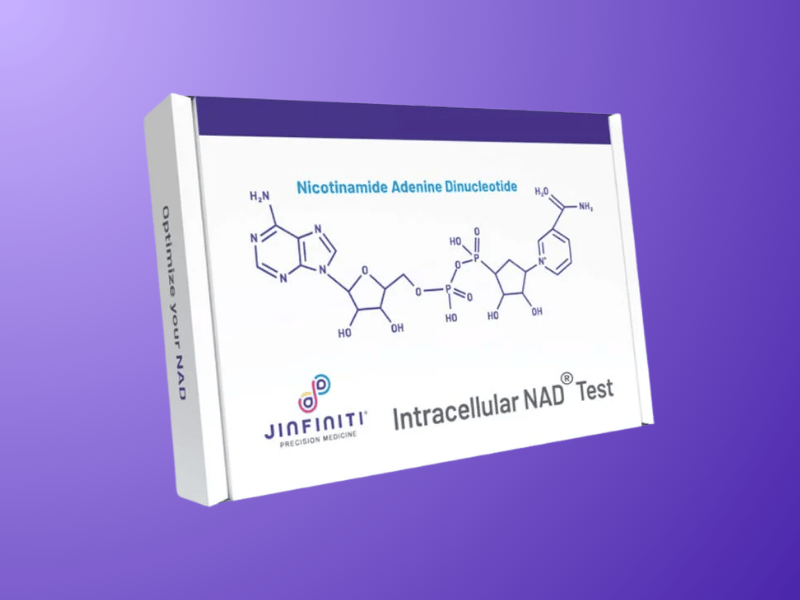
Our at-home Intracellular NAD Test measures actual cellular NAD concentrations. This is the world’s first test of its kind that can be conveniently taken wherever you are.

This follows Jinfiniti founder Dr. Jin-Xiong She’s “Test, Act, Optimize” methodology. Establish baseline levels. Implement targeted supplementation. Retest to confirm improvements.

Natural Ways to Boost NAD Levels

A woman doing dumbbell curls in her living room

Lifestyle strategies can also support raising NAD levels naturally alongside supplementation.

Dietary Approaches

Foods rich in NAD precursors help support baseline levels:

Lifestyle Factors

  • Exercise: Regular activity stimulates NAD-producing enzymes. It also supports mitochondrial health.
  • Sleep: Quality sleep allows cellular repair. It helps regenerate NAD stores effectively.
  • Stress Management: Chronic stress depletes NAD reserves. Managing stress supports healthy levels.
  • Intermittent Fasting: Research suggests fasting periods may naturally boost NAD levels through metabolic pathways.

Effects of NMN Supplementation: What to Expect

Image of an analog clock

NMN typically produces gradual improvements over several weeks.

Timeline of Benefits

Week 1-2:

  • Possible mild digestive adjustment
  • Subtle energy improvements
  • Better sleep quality for some

Week 3-4:

  • More noticeable energy increases
  • Improved exercise recovery
  • Enhanced mental clarity

Month 2-3:

  • Sustained energy improvements
  • Better metabolic function
  • Improved physical performance markers

Individual responses vary based on baseline NAD levels and overall health status.

Safety Profile: NAD vs NMN

An image of an older man consulting with his doctor

Both molecules appear safe for healthy adults at recommended doses.

Common Side Effects

Use of NMN supplementation may cause mild, temporary effects:

  • Slight digestive upset when starting
  • Occasional headaches during first week
  • Mild fatigue as cellular processes adjust

Research shows NMN may be safe at doses up to 900mg daily3 for extended periods.

Special Considerations

  • Cancer History: Consult oncologists before beginning supplementation.
  • Medication Interactions: NAD supplements may interact with blood sugar medications.
  • Pregnancy: Limited safety data exists. Avoiding supplementation is recommended.

Dosing Guidelines for Effective Results

Research supports specific dosing ranges for NMN supplementation.

Recommended Doses

GoalNMN Dose RangeTiming
General health250-500mg dailyMorning
Performance support500-750mg dailyPre-workout
Aging support500-900mg dailySplit doses

Start with lower doses. Gradually increase based on tolerance.

Clinical studies show benefits beginning around 250mg daily3. Higher doses may provide additional benefits for some people.

Timing Strategies

Take NMN supplements in the morning to align with natural rhythms. Your body’s NAD metabolism follows daily cycles.

Peak activity occurs during daylight hours. Some people benefit from splitting larger doses throughout the day.

Monitor your energy and sleep patterns. This helps find optimal timing for your needs.

Making Your Decision: A Summary

A contemplative young man looking out a window

For most people seeking cellular health support, NMN offers practical advantages.

NMN provides superior bioavailability and research support. Its ability to cross cell membranes efficiently makes it preferred for oral use.

Cost-effectiveness also favors NMN over direct NAD products. You get more value for your investment.

Direct NAD administration through IV therapy may benefit severe deficiency cases. Some medical conditions requiring rapid replenishment might warrant this approach.

Work with qualified healthcare providers for IV treatments.

Your Path to Better Cellular Health

NMN offers practical advantages for most people due to superior absorption. The research supporting NMN provides compelling evidence for maintaining cellular energy.

Whether you choose supplementation, lifestyle interventions, or both, supporting cellular energy systems can maintain vitality and optimal health as you age.

Work with knowledgeable healthcare providers who understand NAD metabolism. They can guide your strategy based on your individual health profile.

Testing your current NAD levels provides the best starting point. This data-driven approach ensures you’re addressing your actual needs rather than guessing.

Referenced Sources

  1. https://pmc.ncbi.nlm.nih.gov/articles/PMC7238909/ ↩︎
  2. https://pmc.ncbi.nlm.nih.gov/articles/PMC7198709/ ↩︎
  3. https://pmc.ncbi.nlm.nih.gov/articles/PMC5668137/ ↩︎
  4. https://pmc.ncbi.nlm.nih.gov/articles/PMC8612620/ ↩︎
  5. https://link.springer.com/article/10.1007/s11357-022-00705-1 ↩︎
  6. https://pmc.ncbi.nlm.nih.gov/articles/PMC10240123/ ↩︎
  7. https://www.tandfonline.com/doi/10.1186/s12970-021-00442-4 ↩︎
A lab technician woman looking at samples in a microscope

How to Test Your NAD Levels: A Complete Guide

Your cellular energy depends on a molecule called nicotinamide adenine dinucleotide (NAD+). This essential coenzyme powers over 500 different cellular activities in your body.

But here’s the problem. NAD+ levels decline as you age. Most people over 30 are deficient without supplementation.

Testing your NAD levels gives you real data. You can see exactly where you stand and take action to optimize your health.

Key Takeaways

  • At-home NAD testing uses simple finger-prick blood collection for accurate results
  • The same supplement dosage affects everyone differently – testing personalizes your approach
  • Testing eliminates guesswork and provides actionable data for optimization

Why Your NAD Levels Matter for Longevity

NAD+ serves as the fuel for your cellular powerhouses. It controls enzymes involved in metabolism, DNA repair, and cellular survival. Research shows that NAD+ plays a critical role in regulating biological pathways including inflammation and aging.1

When NAD+ levels drop, your cells struggle to produce energy. You might feel tired, foggy, or notice slower recovery times.

Studies demonstrate marked NAD+ differences across gender and age. Males typically have higher levels than females before age 50. These baseline differences make testing important for understanding your individual status.2

What Does a NAD Test Measure?

A NAD test measures the actual concentration of NAD+ in your cells or blood. Unlike guessing based on symptoms, testing gives you precise data about your cellular energy status.

Testing reveals your baseline levels before any intervention. It also tracks changes after supplementation or lifestyle modifications.

The molecule has specific properties that allow accurate measurement. NAD+ has a molecular weight of 663.4 and can be detected using mass spectrometry as ion species with specific markers.

Different people need different dosages for optimal results. The same amount that works perfectly for one person might be ineffective or even harmful for another. Testing eliminates the guesswork.

CLIA-Certified NAD Test Kit

Test your NAD+ levels from the comfort of home.

Jinfiniti Intracellular NAD Test on purple background

Types of NAD+ Testing Methods Available

Laboratory-Based Analysis

High-Performance Liquid Chromatography (HPLC) is the gold standard for NAD+ measurement. This method provides accurate, reliable, and reproducible results for analyzing NAD+ levels both in research and clinical settings.

Liquid Chromatography Tandem Mass Spectrometry (LC-MS/MS) offers even greater precision. This technique can detect NAD+ and related metabolites down to low picomolar levels with superior specificity.3

Innovative Biosensor Technology

Bioluminescent sensors enable rapid, point-of-care measurement. These sensors utilize genetically encoded proteins that change light color upon NAD+ binding.

The technology requires only 5 μL of sample. Results correlate excellently with traditional methods, typically within ±15% error.

At-Home NAD Test Kit Options

Modern test kits bring laboratory-quality analysis to your home. These kits use dried blood spot technology for convenient sample collection.

You simply prick your finger, place drops on special cards, and mail them to certified laboratories. The process is simple, hygienic, and requires minimal blood volume.

How to Test NAD Levels: Step-by-Step Process

Woman using a finger prick blood sample collection device

Pre-Test Preparation

Proper preparation ensures accurate results. Healthcare professionals recommend consulting with knowledgeable practitioners before testing to receive personalized guidance.

Some tests require fasting for specific periods. Follow all fasting instructions provided by your testing facility exactly as directed.

Tell your healthcare provider about all medications and supplements you’re taking. Certain substances can affect NAD+ levels or interfere with testing processes.

Sample Collection Methods

Most NAD+ tests use a blood sample for analysis. Modern collection methods prioritize convenience while maintaining sample integrity.

Fingerstick Collection:

  • Use the provided lancet to prick your fingertip
  • Collect drops of blood on the special collection card
  • Allow the sample to dry completely before packaging
  • Follow all included instructions carefully

Professional Draw:

  • Visit a laboratory or healthcare facility
  • Trained phlebotomists collect your sample
  • Samples are processed immediately for optimal stability
  • Results typically available within 7-10 business days

The dried blood spot method offers excellent stability. Studies show good linearity for calibration standards and reliable transport without specialized storage.

Collection MethodSample VolumeConvenienceAccuracy
Fingerstick5-10 μLHighExcellent
Venous Draw1-2 mLMediumExcellent
Dried Blood Spot2-3 dropsHighVery Good

Choosing the Right NAD Test Kit

Jinfiniti’s Intracellular NAD+ Test is the first-of-its-kind at-home NAD testing solution worldwide. Our breakthrough test measures your NAD levels directly inside cells where it actually works.

Unlike other tests that only measure blood levels, this intracellular approach gives you the most accurate picture of your cellular energy status. You get clinical-grade testing from the comfort of your home using a simple finger-prick blood collection.

The testing process is remarkably simple. Collect your sample at home, mail it to Jinfiniti’s high-complexity CLIA laboratory, and receive detailed results with personalized recommendations. No doctor visits or complicated procedures required.

What to Look for in Testing Services

When selecting a NAD+ test, prioritize accuracy and clinical validation. Look for laboratories that use advanced analytical methods like liquid chromatography coupled to tandem mass spectrometry.

Choose services that provide comprehensive reporting with clear reference ranges. The best testing companies offer personalized dosage recommendations based on your specific results.

Consider testing packages that include baseline and follow-up measurements. This approach allows you to track progress and optimize your supplementation strategy over time.

Understanding Your NAD Test Results

Doctor talking to patient while holding a tablet with results

Normal vs. Low NAD Levels

NAD+ levels vary significantly between individuals, age groups, and physiological conditions. Research reveals that human NAD+ baseline levels remain relatively stable over extended periods2, suggesting individual set points.

Dr. Jin-Xiong She’s clinical research provides clear benchmarks for interpreting your intracellular NAD test results. Based on extensive studies, optimal NAD levels fall between 40-100μM.

His research categorizes results as: severely deficient (0-20μM), deficient (20-30μM), suboptimal (30-40μM), and optimal (40-100μM).

Levels above 100μM may not provide additional benefits and could potentially be harmful. These ranges give you concrete targets rather than vague references to ‘normal’ levels.

Age-related decline is well-documented. Studies show NAD+ levels decrease significantly in specific brain regions with aging, highlighting the importance of monitoring and optimization.4

Low levels often correlate with:

  • Chronic fatigue and reduced energy production
  • Slower recovery from exercise or illness
  • Cognitive decline and brain fog
  • Increased susceptibility to age-related health conditions

How to Boost NAD Levels Naturally

Your lifestyle choices directly impact NAD+ production. Regular exercise, particularly aerobic activity, naturally supports healthy levels.

Dietary approaches can help too. Foods rich in NAD+ precursors include:

  • Fish (especially salmon and tuna)
  • Mushrooms (particularly crimini and portobello)
  • Green vegetables (broccoli, peas, asparagus)
  • Whole grains and nuts

Clinical trials demonstrate that oral nicotinamide mononucleotide (NMN) supplementation combined with aerobic exercise significantly increases whole-blood NAD+ levels.5

When to Use NAD Supplementation and NMN

Testing helps determine if you need supplementation and guides dosage optimization. Different individuals require different amounts for optimal results.

NMN serves as a direct precursor to NAD+. Research shows that NMN administration at therapeutic doses produces measurable increases in tissue NAD+ levels.6

Nicotinamide riboside and niacinamide offer another supplementation option. These forms of vitamin B3 support NAD+ synthesis through the salvage pathway.

The most effective approach combines multiple NAD precursors that work together synergistically. Jinfiniti’s Vitality↑® NAD+ Booster uses a patent-pending formulation that targets multiple metabolic pathways simultaneously for enhanced energy, recovery, and mental clarity.

Boost NAD Levels: Monitoring Your Progress

A hand holding a phone with a growth chart on the screen

Baseline and Follow-Up Testing

Establish your baseline before starting any intervention. This gives you a clear starting point for measuring progress.

Retest after 4-6 weeks of consistently taking NAD supplements. This timeframe allows enough time to see meaningful changes while preventing unnecessarily long delays in optimization.

Studies confirm that post-supplementation testing is essential for dose optimization. The same dosage that proves optimal for one person may be ineffective or potentially harmful for another.

Tracking Improvements

Monitor both objective test results and subjective improvements. Many people notice enhanced energy, better sleep quality, and improved mental clarity within weeks of optimization.

Keep a simple log of:

  • Energy levels throughout the day
  • Sleep quality and duration
  • Exercise performance and recovery
  • Mental clarity and focus
TimelineExpected ChangesWhat to Monitor
Week 1-2Initial adaptationEnergy patterns, sleep
Week 3-4Early improvementsExercise recovery, focus
Week 6-8Retest timingObjective NAD+ levels
Month 3+Long-term benefitsOverall vitality, health markers

Advanced Testing: Beyond Basic NAD Levels

Comprehensive Metabolic Panels

Some laboratories offer extended testing that measures NAD+ alongside related metabolites. These panels include NADH, NADP, and NADPH for complete cellular energy assessment.

The NAD/NADH ratio provides insights into your cellular redox status. This measurement helps understand how efficiently your cells are producing and using energy.

Specialized Research Applications

Optical redox imaging represents an advanced approach for assessing NAD(H) levels in living cells. This non-invasive method measures intrinsic fluorescence to calculate redox ratios.7

Bioluminescent assays capable of detecting extremely low concentrations have been developed for specialized research applications.8

Cost and Accessibility of NAD Testing

Professional vs. At-Home Options

Professional laboratory testing typically costs $200-400 per test. This includes comprehensive analysis and detailed reporting with reference ranges.

At-home test kits range from $150-300. These options provide convenience and privacy while maintaining analytical accuracy through certified laboratories.

Many testing companies offer package deals that include baseline and follow-up tests at reduced rates. These packages provide better value for ongoing monitoring.

Insurance and Healthcare Coverage

Most insurance plans don’t yet cover NAD+ testing as it’s considered preventive or wellness-focused rather than diagnostic. Check with your provider for specific coverage details.

Health Savings Accounts (HSAs) and Flexible Spending Accounts (FSAs) may cover testing costs. These pre-tax dollars can make testing more affordable.

Making the Most of Your Testing Investment

Smiling woman

Working with Healthcare Providers

Share your results with knowledgeable healthcare providers who understand NAD+ metabolism. They can help interpret results in context of your overall health status.

Functional medicine practitioners often have more experience with NAD+ testing and optimization strategies. They can provide personalized guidance based on your specific results.

Combining with Other Biomarkers

NAD+ testing works best as part of comprehensive health assessment. Consider combining with tests for:

This integrated approach provides a complete picture of your cellular health and aging status.

Rather than ordering multiple separate tests, Jinfiniti’s AgingSOS® Advanced Longevity Panel provides comprehensive aging assessment in one convenient package. This 28-biomarker panel evaluates everything from cellular senescence to DNA damage, giving you the complete picture of your biological age and health status.

Future of NAD+ Testing Technology

Point-of-care devices are becoming more sophisticated. Future biosensor technologies may enable real-time monitoring through wearable devices.9

Artificial intelligence integration could provide personalized recommendations based on your unique patterns and responses to interventions.

Testing costs continue to decrease as technology advances. More laboratories are offering NAD+ analysis, increasing competition and accessibility.

Home testing technology is becoming more reliable and user-friendly. Future developments may include smartphone-compatible devices for instant results.

Take Action: Start Testing Your NAD Levels Today

Testing your NAD+ levels gives you power over your cellular health. You get real data instead of guessing about your energy status.

Choose a reputable testing provider that offers accurate analysis and clear reporting. Establish your baseline, then track your progress as you implement optimization strategies.

Remember that NAD+ optimization represents just the starting point for better health, performance, and longevity. Regular monitoring helps ensure you’re maintaining optimal levels as you age.

Your cells depend on adequate NAD+ for energy production, DNA repair, and countless other vital functions. Testing puts you in control of this fundamental aspect of your health and vitality.

Referenced Sources

  1. https://pmc.ncbi.nlm.nih.gov/articles/PMC3935825/ ↩︎
  2. https://pmc.ncbi.nlm.nih.gov/articles/PMC10577551/ ↩︎
  3. https://pmc.ncbi.nlm.nih.gov/articles/PMC6409209/ ↩︎
  4. https://www.nature.com/articles/s41514-023-00098-1 ↩︎
  5. https://pmc.ncbi.nlm.nih.gov/articles/PMC8265078/ ↩︎
  6. https://academic.oup.com/biomedgerontology/article/78/12/2435/7126788 ↩︎
  7. https://www.rosj.org/index.php/ros/article/view/261 ↩︎
  8. https://aacrjournals.org/cancerres/article/72/8_Supplement/1135/577719/Abstract-1135-Bioluminescent-methods-to ↩︎
  9. https://www.nature.com/articles/s42255-019-0151-7 ↩︎
nad+ vs nadh

NAD+ vs. NADH: Key Differences and Which is Better

Your cells run on energy. Just like your phone needs a charged battery, your body needs molecular fuel to function properly.

Two molecules power this cellular energy system: NAD+ and NADH. Understanding these energy carriers could unlock better health, more energy, and successful aging.

But which one matters more for your health goals?

Key Takeaways

  • NAD+ and NADH are two forms of NAD that power cellular energy production
  • NAD+ controls 500+ cellular processes while NADH primarily transports energy to mitochondria
  • NAD+ declines dramatically with age while NADH levels remain more stable over time
  • Your body easily converts NAD+ to NADH but converting NADH back to NAD+ requires significant energy
  • Focus on NAD+ optimization for the biggest health returns since it addresses both energy and longevity pathways

What Are NAD+ and NADH?

NAD and NADH

NAD+ and NADH are two different forms of NAD, the same essential molecule. Think of them as twins with different jobs in your body.

NAD+ stands for nicotinamide adenine dinucleotide. It’s the “charged” version that accepts electrons from other molecules through oxidation reactions. NADH is the reduced form of NAD that carries those electrons to where they’re needed1.

Your body constantly converts between these two forms as it produces energy.

This conversion happens billions of times per day in every cell. Without it, you couldn’t survive.

The Differences Between NAD+ and NADH

FeatureNAD+NADH
ChargePositively chargedNeutral
Energy LevelLower energyHigher energy (stores electrons)
Primary RoleAccepts electronsDonates electrons
Cellular FunctionEnzyme cofactorEnergy production
Aging ImpactDeclines significantlyRemains more stable

Table showing the key differences between NAD+ and NADH.

The most important difference lies in their functions. NAD+ works like a cellular manager, controlling hundreds of processes. NADH acts more like a delivery truck, carrying energy to your mitochondria.

Your body needs both forms working together. But recent research suggests NAD+ plays the starring role in healthy aging.

How NAD+ and NADH Work in Your Body

Chemical structures of NAD+ (nicotinamide adenine dinucleotide, oxidized form) and NADH (nicotinamide adenine dinucleotide, reduced form)

Chemical structures of NAD+ and NADH

Your cells use these molecules in a carefully choreographed dance of cellular metabolism. Here’s how cellular energy production works:

Energy Production Process:

  • Food breaks down into glucose and fats during glycolysis and other pathways2
  • NAD+ captures electrons from this breakdown through cellular respiration3
  • NAD+ becomes reduced to NADH (now carrying energy)3
  • NADH delivers electrons to the electron transport chain in mitochondria3
  • Mitochondria use these electrons to make ATP, your body’s energy currency3
  • NADH converts back to NAD+ and the cycle repeats3

This process happens constantly in your muscles, brain, heart, and every other organ. When it slows down, you feel tired and foggy.

NAD+ also serves as fuel for important cellular repair systems. These include sirtuins and PARPs, which fix damaged DNA and proteins.

The NAD+/NADH Ratio

Your cells maintain a delicate balance between NAD+ and NADH, typically around 700:1 in healthy tissues. This ratio serves as a cellular health indicator that reflects your metabolic state. A high ratio signals optimal energy production, while a low ratio suggests metabolic dysfunction and cellular stress.

Why NAD Levels Decline with Age

Your NAD+ levels drop dramatically as you get older4, though the exact rate varies between individuals.

Several factors drive this decline:

Primary Causes:

  • Increased DNA damage requiring more NAD+ for repairs5
  • Higher inflammation consuming NAD+ faster6
  • Reduced production of NAD+ building blocks
  • Cellular stress depleting NAD+ reserves7

Your body also starts making more CD388, an enzyme that breaks down NAD+. This creates a double problem: less production and faster destruction.

The decline affects every organ system. Your brain, muscles, heart, and liver all struggle when NAD+ runs low.

Health Consequences of NAD+ Decline

A woman in a contemplative or melancholic mood

Low NAD+ levels contribute to many age-related problems. Research links NAD+ deficiency to several concerning changes:

Muscle and Physical Function:

  • Reduced muscle strength and endurance
  • Slower recovery from exercise
  • Increased fatigue during daily activities
  • Higher risk of sarcopenia (muscle loss)

Brain and Cognitive Health:

  • Decreased mental clarity and focus
  • Slower processing speed
  • Reduced stress resistance
  • Higher vulnerability to neurodegenerative diseases

Metabolic Health:

  • Impaired insulin sensitivity
  • Slower metabolism
  • Reduced fat burning
  • Poor blood sugar control

Your mitochondria become less efficient at producing energy. This affects every aspect of your health and vitality.

NAD+ vs NADH: Which Should You Focus On?

Both molecules are essential, but NAD+ emerges as the clear winner for supplementation and health optimization.

Here’s why NAD+ takes the lead:

NAD+ Advantages:

  • Controls over 500 different cellular processes9
  • Activates longevity genes (sirtuins)10
  • Supports DNA repair systems11
  • Declines more dramatically with aging
  • Shows better results in clinical studies

NADH Limitations:

  • Primarily focused on energy transport
  • Less impact on cellular repair systems
  • Harder for cells to absorb from supplements
  • Limited research on direct supplementation12

Your body can easily convert NAD+ to NADH when needed. But converting NADH back to NAD+ requires significant energy.

This makes NAD+ the smarter target for intervention.

Clinical Evidence: What Research Shows

Woman working in a laboratory or research setting

Multiple studies have tested NAD+ precursors in humans. The results show promise, though benefits vary between individuals.

NAD+ Precursor Studies:

  • Nicotinamide riboside (NR) increased NAD+ levels by 48-139%13
  • Nicotinamide mononucleotide (NMN) increased NAD+ levels by 60-75% with 250mg daily14
  • Some improvements in muscle function15 and sleep quality16
  • Mixed results for metabolic benefits in healthy adults
  • Better outcomes in people with existing health issues

NADH Supplementation Studies:

  • Limited human research available
  • Some benefits for chronic fatigue and cognitive function17
  • Generally smaller effect sizes than NAD+ precursors
  • Less consistent results across studies

The research suggests NAD+ boosting works best when your levels are already low. Healthy individuals see smaller benefits than those with metabolic dysfunction.

Measuring Your NAD+ Status

You can’t optimize what you don’t measure. Testing your NAD+ levels helps determine if supplementation makes sense for you.

Testing Options:

Testing before and after supplementation shows whether interventions work for your unique biology. This personalized approach leads to better outcomes.

Some people respond dramatically to NAD+ support. Others see minimal changes. Testing helps identify which group you’re in.

Intracellular NAD Test promotional image

Natural Ways to Support NAD+ Levels

Several lifestyle strategies can help support and maintain optimal NAD levels naturally.

Diet and Nutrition:

  • Eat foods rich in vitamin B3 (chicken, fish, mushrooms)
  • Include NAD+ precursors like trigonelline (found in coffee)
  • Consume antioxidant-rich foods to reduce NAD+ consumption
  • Practice intermittent fasting to stimulate NAD+ production

Lifestyle Factors:

Environmental Considerations:

  • Reduce exposure to toxins that damage DNA
  • Maintain healthy body weight
  • Stay hydrated for optimal cellular function

These strategies work best when combined rather than used individually.

NAD Supplements

When lifestyle changes aren’t enough, targeted NAD supplements can help restore NAD+ levels.

Popular NAD+ Precursors:

  • Nicotinamide riboside
  • Nicotinamide mononucleotide
  • Trigonelline (newly discovered precursor)
  • Combination formulas with supporting nutrients

Key Considerations:

  • Start with lower doses to assess tolerance
  • Monitor your response through testing
  • Choose high-quality, third-party tested products
  • Consider professional guidance for optimal results

Individual responses vary significantly. What works for others might not work for you.

Bottom Line on NAD and NADH

Two men having a joyful conversation outdoors

Based on current research, NAD+ emerges as the clear choice for most health optimization goals.

NAD+ offers broader benefits beyond simple energy production. It supports cellular repair, activates longevity pathways, and addresses the root causes of aging.

NADH remains important for energy metabolism. But your body efficiently converts NAD+ to NADH when needed.

When to Focus on NAD+:

  • General anti-aging and longevity goals
  • Improving energy and vitality
  • Supporting cognitive function
  • Enhancing exercise recovery
  • Addressing metabolic dysfunction

When NADH Might Help:

  • Acute energy deficits
  • Specific neurological conditions
  • Chronic fatigue situations
  • Short-term energy support

For most people, focusing on NAD+ provides the biggest health returns.

Your Next Steps: Test, Act, Optimize

The best approach to NAD+ optimization follows a proven strategy: test first, then act based on your unique results.

Start with baseline NAD+ testing to understand where you stand. Our Intracellular NAD+ Test provides the most accurate measurement of your cellular NAD+ levels using clinical-grade analysis. This isn’t guesswork – it’s precision health.

Why Testing Matters:

  • Reveals your current NAD+ status
  • Identifies if supplementation makes sense for you
  • Provides personalized dosage recommendations
  • Allows tracking of your progress over time

Once you know your levels, targeted action becomes possible. Our Vitality NAD+ Booster uses a clinically validated formula combining NMN and niacinamide with supporting nutrients like creatine and D-ribose for optimal cellular uptake.

For those serious about optimization, our NAD Optimization Starter Package combines everything you need. You get baseline testing, targeted supplementation, and follow-up testing to measure your improvement – the complete Test, Act, Optimize approach.

Your Success Factors:

  • Data-driven decisions based on actual testing
  • Personalized protocols tailored to your biology
  • Professional-grade formulations with proven ingredients
  • Ongoing monitoring to ensure continued progress

Remember that NAD+ optimization requires patience and consistency. Results build over weeks and months, not days. But when you follow a systematic approach backed by testing, the improvements in energy, mental clarity, and overall vitality can be remarkable.

Referenced Sources

  1. https://www.liebertpub.com/doi/10.1089/ars.2023.0375 ↩︎
  2. https://www.nature.com/scitable/topicpage/nutrient-utilization-in-humans-metabolism-pathways-14234029/ ↩︎
  3. https://onlinelibrary.wiley.com/doi/10.1186/s40169-016-0104-7 ↩︎
  4. https://www.sciencedirect.com/science/article/pii/S0006291X24001256 ↩︎
  5. https://www.nature.com/articles/s41392-020-00354-w ↩︎
  6. https://pmc.ncbi.nlm.nih.gov/articles/PMC10346866/ ↩︎
  7. https://pmc.ncbi.nlm.nih.gov/articles/PMC7963035/ ↩︎
  8. https://www.frontiersin.org/journals/immunology/articles/10.3389/fimmu.2019.01187/full ↩︎
  9. https://www.sciencedirect.com/science/article/pii/S1550413118301220 ↩︎
  10. https://pmc.ncbi.nlm.nih.gov/articles/PMC3753670/ ↩︎
  11. https://www.nature.com/articles/s41598-020-57506-9 ↩︎
  12. https://pubmed.ncbi.nlm.nih.gov/37971292/ ↩︎
  13. https://pmc.ncbi.nlm.nih.gov/articles/PMC7352172/ ↩︎
  14. https://pmc.ncbi.nlm.nih.gov/articles/PMC10692436/ ↩︎
  15. https://www.sciencedirect.com/science/article/pii/S1568163723002659 ↩︎
  16. https://pmc.ncbi.nlm.nih.gov/articles/PMC11336149/ ↩︎
  17. https://pmc.ncbi.nlm.nih.gov/articles/PMC8399248/ ↩︎
A young woman examines her skin in a handheld mirror

Should Women Take NAD+ Supplements?

Nicotinamide adenine dinucleotide (NAD+) has become a buzzword in anti-aging and wellness circles.

The essential molecule plays a crucial role in hundreds of metabolic processes throughout your body. But what does it mean specifically for women’s health?

As we age, our NAD+ levels naturally decline. This decrease may contribute to various health challenges women face throughout their lives – from fertility issues to menopausal symptoms and beyond.

Let’s explore what science tells us about NAD+ for women, potential benefits, risks to consider, and who might benefit most from dietary supplements.

Key Takeaways

  • NAD+ levels naturally decline with age in women, affecting energy, hormones, and cellular health
  • Supplementation shows strongest evidence for fertility and menopause support, potentially improving egg quality and reducing hot flashes
  • Test your NAD+ levels first – dosing varies greatly between individuals, and what’s optimal for one person could be ineffective or toxic for another
  • Timing matters by life stage – perimenopause/menopause may be the most beneficial time to start, while pregnancy requires medical supervision

Why NAD+ Matters for Women’s Health

NAD+ is a coenzyme found in all living cells. Think of it as a tiny helper molecule that works behind the scenes to keep your body running smoothly – like the perfect foundation that balances your skin and creates a flawless canvas without anyone noticing it’s there.

This powerful molecule is involved in:

  • Cellular energy production
  • DNA repair
  • Metabolic regulation
  • Cellular resilience
  • Activation of sirtuins (proteins linked to longevity)

For women specifically, NAD+ influences processes affecting hormonal balance, energy metabolism, and cellular health1 – factors that all impact healthy aging.

Research shows NAD+ levels decline with age in various tissues, including female reproductive organs like the ovaries and uterus.

This decline may contribute to age-related health challenges that uniquely or disproportionately affect women.

Potential Benefits of NAD Supplements for Women

Three smiling women in a sunflower field

Remember how energetic you felt in your twenties? Or how quickly your skin bounced back from a late night? NAD+ plays a role in all of these processes.

Research has found that maintaining healthy NAD+ levels can potentially benefit women’s health in several areas.

1. Fertility and Reproductive Health

NAD+ shows clear benefits for women’s fertility and reproductive health.

Studies show that NAD+ levels in oocytes (eggs) decline with age. A study in Cell Reports found that restoring NAD+ using precursors like nicotinamide mononucleotide (NMN) can improve egg quality, increase ovulation rates, and boost fertility2.

In older female mice, NAD+ precursor supplements improved:

  • Time to first live birth
  • Percentage of mice having live births
  • Egg quality
  • Ovulation rate

These benefits occur because NAD+ supports energy production and mitochondrial function in reproductive cells.

Women with PCOS may also benefit from NAD+. Research found that PCOS patients have lower NAD+ levels in ovarian cells, causing oxidative stress and mitochondrial problems3.

In animal studies, the NAD+ precursor nicotinamide riboside (NR) produced several improvements:

2. Relief from Menopausal Symptoms

If you’re in the throes of perimenopause or menopause, you know it can feel like your body has staged a revolt.

Hot flashes strike during important meetings, sleep becomes elusive, and your once-sharp mind sometimes feels foggy.

Studies suggest that restoring levels of NAD may help with common menopausal symptoms including:

  • Hot flashes
  • Night sweats
  • Mood changes
  • Sleep disturbances
  • Brain fog and cognitive issues

The benefits appear related to how NAD+ helps cells produce energy and regulate metabolism when hormonal shifts cause significant physical changes.

3. Better Bone Health

Bone health is crucial for women, especially after menopause when estrogen decreases. Remember leaping off swings as a kid? That bodily resilience doesn’t completely disappear with age.

NAD+ may protect bone density and fight osteoporosis in older adults. Research indicates that increasing NAD levels can slow bone breakdown while promoting new bone cell formation4.

Bones stay healthy through a process called remodeling. As we age, bone-building cells decline, leading to too much bone removal without enough new growth. NAD+ helps maintain this balance, potentially offering protection against age-related bone loss.

4. Improved Skin Health

A young woman with radiant skin health

Seeing new lines or sagging skin in the mirror? That’s your skin’s NAD+ levels declining right before your eyes. This natural process causes fine lines, wrinkles, and elasticity loss5.

Boosting NAD+ through supplements or specialized skincare products can:

  • Support DNA repair
  • Help cells regenerate
  • Fight sun-related aging
  • Reduce uneven skin tone
  • Protect your skin barrier

Sirtuins, enzymes that depend on NAD+, play a central role in maintaining skin health and youthfulness. NAD+ helps these enzymes keep your skin’s structure strong and bouncy.

5. Mood Balance and Mental Wellbeing

Women’s mental health can benefit from optimal NAD+ levels. Ever had those days when your brain just won’t cooperate? Research suggests NAD+ plays a key role in:

  • Neurotransmitter function (regulating mood)
  • Cognitive function
  • Cellular energy for brain cells6

NAD+ supplements may help reduce anxiety and depression by promoting balanced neurotransmitters. The energy boost can also improve focus and mental clarity, helping you handle life’s demands more effectively.

6. Energy and Metabolism Boost

Remember powering through your day without needing coffee refills? NAD+ is essential for your mitochondria – your cellular energy generators – making it key for your energy and metabolism.

Research in the journal Science tested nicotinamide mononucleotide (NMN) on 25 postmenopausal women with prediabetes over 10 weeks7. They found improvements in:

  • Insulin sensitivity
  • Insulin signaling
  • Healthy muscle tissue changes

This suggests NAD+ precursors may help fight the metabolic decline that often accelerates after menopause.

NAD+ also helps regulate your circadian rhythm8 – your internal body clock. Healthy NAD+ levels can improve your sleep-wake patterns, leading to better sleep, balanced hormones, and improved vitality.

Imagine enjoying that deep, refreshing sleep you had when you were younger!


Vitality Mini CTA

Common Side Effects

The most commonly reported side effects of NAD+ precursors include:

  • Diarrhea
  • Nausea
  • Rashes
  • Hot flashes
  • Leg cramps

These side effects appear to be relatively rare and minor for most users. Still, it’s worth starting with lower doses to see how your body responds.

Dosage Recommendations

Current dosage recommendations based on available research include:

Supplement TypeDaily Dosage RangeTypical Study DoseNotes
NR (Nicotinamide Riboside)100-1000mg250-500mgMost studies use mid-range doses
NMN (Nicotinamide Mononucleotide)150-1200mg250-900mgNAD+ improvements seen in this range
NAM (Nicotinamide)100-500mg500mgNAD+ increases observed at higher end
Niacin (Nicotinic Acid)14-35mg (general), 100-1000mg (therapeutic)VariableTherapeutic doses require medical supervision due to potential side effects

Important Notes:

  • These are general recommendations, not gender-specific
  • Individual factors (health status, age, medical conditions) should guide dosing
  • Consult with a healthcare provider before starting any supplement regimen

Considerations for Different Life Stages

A pregnant woman in a pink dress holds her belly in a heart shape

Your body’s relationship with NAD+ changes throughout your life, just like your cooking preferences evolve from instant ramen to more sophisticated flavors. Understanding these shifts helps you make better choices about supplementation timing.

Reproductive Years

If you’re in your childbearing years, the fertility benefits we discussed earlier become especially relevant. NAD+ supports egg quality and cellular energy in reproductive tissues.

Women planning to delay childbearing might find this particularly valuable. However, always consult your healthcare provider before starting any supplement regimen while trying to conceive.

Pregnancy and Postpartum

Research remains limited here, though emerging studies show promise. 

One study found NAM may protect developing eggs from acetaminophen effects9. In animal models, NR prevented pregnancy-related high blood pressure and fetal growth issues10.

Given the limited human data, pregnant women should only consider NAD+ supplements under medical supervision.

Perimenopause and Menopause

This life stage may offer the most compelling case for the benefits of NAD+ supplementation. As we covered earlier, research shows significant benefits for hot flashes, sleep, energy, and metabolism during hormonal transitions.

The metabolic improvements seen in postmenopausal women with prediabetes make this timing particularly strategic for many women.

Practical Ways to Support NAD+ Levels

Beyond supplementation, several lifestyle factors can influence your NAD+ levels. Many of these approaches are beneficial for your overall health too.

Diet

Your grandmother’s advice to “eat your vegetables” turns out to be NAD+-boosting wisdom! Consume foods rich in NAD+ precursors, including:

  • Lean meats
  • Fish
  • Legumes
  • Nuts and seeds
  • Whole grains
  • Leafy greens

These foods support your body’s natural NAD+ production.

Exercise

Regular physical activity may support NAD+ production. Even moderate exercise several times a week can deliver some benefit. Find movement you enjoy – whether it’s dancing in your kitchen, swimming laps, or taking a brisk walk with a friend – and you’ll be supporting your NAD+ production naturally.

Stress Management

Chronic stress depletes NAD+. Practices like meditation, yoga, and adequate sleep help preserve your NAD+ stores. Taking even five minutes a day for deep breathing can make a difference.

Limiting Alcohol

Excessive alcohol consumption places demands on NAD+ resources as your body metabolizes alcohol. Moderating intake helps protect your NAD+ levels. Think of it this way: every glass of wine requires your body to use some of its precious NAD+ stores for processing.

Should Women Take NAD+ Supplements?

An accomplished woman holds her glasses on a modern sofa

There’s no one-size-fits-all answer about taking NAD+ supplements. Just like you wouldn’t purchase shoes without trying them on first, your supplement decisions should be tailored to your individual health goals.

Women who might benefit most include:

  • Those experiencing menopause symptoms
  • Women with metabolic concerns, particularly postmenopausal women with insulin resistance
  • Those interested in supporting reproductive health and fertility
  • Women concerned about age-related cognitive changes
  • Those looking for support with energy production and overall vitality

Jinfiniti’s Vitality↑® NAD+ Booster contains a science-backed blend shown to optimize NAD+ levels through several metabolic pathways. Our well-researched formulation of NMN, creatine monohydrate, niacinamide and D-ribose work together to support cellular energy needs that many women face during hormonal changes.

However, important cautions exist:

  • Women with cancer, cancer history, or strong family history of cancer should approach supplementation with caution
  • Women with autoimmune or inflammatory conditions should discuss potential risks with healthcare providers
  • Pregnant women should only consider NAD+ supplementation under medical supervision

Before taking any NAD+ supplement, measure your baseline NAD+ levels with our Intracellular NAD® Test. This helps personalize your dosing and track your progress—following our TAO approach (Test, Act, Optimize) to precision health.

Bottom Line

NAD+ supplements show promise for women’s health across several areas – fertility, mental clarity, bone health, and energy levels. Since NAD+ naturally decreases with age, supplements may help combat age-related health issues that women often face.

The evidence for reproductive and menopausal health benefits looks good, while research in other areas continues to grow. As scientists better understand how NAD+ affects women’s health, this coenzyme could become a key part of health optimization.

Referenced Sources

  1. https://www.nature.com/articles/s41392-020-00311-7 ↩︎
  2. https://pmc.ncbi.nlm.nih.gov/articles/PMC7063679/ ↩︎
  3. https://www.ncbi.nlm.nih.gov/pmc/articles/PMC11749135/ ↩︎
  4. https://www.nature.com/articles/s41514-021-00058-7 ↩︎
  5. https://pmc.ncbi.nlm.nih.gov/articles/PMC9512238/ ↩︎
  6. https://pmc.ncbi.nlm.nih.gov/articles/PMC6787556/ ↩︎
  7. https://pmc.ncbi.nlm.nih.gov/articles/PMC8376945/ ↩︎
  8. https://pmc.ncbi.nlm.nih.gov/articles/PMC8130408/ ↩︎
  9. https://www.sciencedirect.com/science/article/pii/S095528632300044X ↩︎
  10. https://www.life-science-alliance.org/content/7/12/e202302505 ↩︎

How NAD+ Can Influence Arthritis and Support Joint Health

Recent research has uncovered fascinating connections between a molecule called NAD+ and joint health.

For the millions who struggle with arthritis, this emerging area of study offers new insights into managing joint discomfort and supporting overall joint function.

Key Takeaways

  • Multiple studies show people with arthritis have lower NAD+ levels, which may contribute to joint inflammation and damage
  • NAD+ powers key proteins that regulate inflammation pathways and help maintain joint health
  • NAD+ precursors have shown benefits in reducing arthritis symptoms and supporting joint function in research models
  • Individual responses to NAD+ supplementation vary widely, making testing and personalized dosing essential
  • Understanding your current NAD+ status helps determine the right approach for you

What Is NAD+ and Why Does It Matter for Joint Health?

NAD+ (nicotinamide adenine dinucleotide) is a vital molecule found in every cell of your body. Think of it as a cellular fuel that helps your cells:

  • Create energy from the food you eat
  • Fight off harmful oxidative stress
  • Repair damaged DNA
  • Support your immune system
  • Keep cells young and healthy

These functions are especially important for your joints, which need constant maintenance and protection.

Research shows that many factors can lower your NAD+ levels1, including:

  • Poor diet choices
  • Infections
  • Chronic diseases
  • Aging

When NAD+ levels drop, inflammation often increases – which can be a problem for arthritis sufferers.

NAD+ Levels in Arthritis: What Science Tells Us

A senior checking their hand for arthritis symptoms

Several studies have documented alterations in NAD+ metabolism in patients with various forms of arthritis. Rheumatoid arthritis (RA) patients show significantly reduced plasma NAD+ levels compared to healthy individuals.

This NAD+ deficiency appears driven by multiple factors.

Research shows that genes involved in NAD+ consumption—including PARPs (poly-ADP-ribose polymerases), sirtuins (SIRTs), and CD38—are upregulated in rheumatoid arthritis.2 Meanwhile, genes responsible for NAD+ biosynthesis are downregulated.

A multi-omics profiling study of collagen-induced arthritis in mice identified early metabolic changes characterized by oxidative stress and a significant drop in NAD+ levels. 3

This suggests that NAD+ depletion may precede and potentially contribute to the inflammatory cascade in arthritis, rather than merely being a consequence of inflammation.

How NAD+ Influences Inflammation and Joint Function

NAD+ impacts joint health through three key pathways:

The Sirtuin Anti-Inflammation Pathway

NAD+ powers proteins called sirtuins, which act as inflammation regulators in your body.

One sirtuin in particular, called SIRT1, works like a volume control for inflammation. When NAD+ levels are healthy, SIRT1 can help:

  • Turn down excessive inflammation
  • Regulate an important inflammation controller called NF-κB
  • Restore balance to your immune response

Studies show that when NAD+ levels drop in arthritis, SIRT1 can’t do its job properly.4 This leads to unchecked inflammation and ongoing joint damage.

The CD38 Consumer Problem

CD38 is like a hungry enzyme that eats up NAD+ in your body. People with rheumatoid arthritis often have too much CD38 activity, which means:

  • Less NAD+ available for important cellular functions
  • More inflammation signals being produced
  • Faster progression of joint damage

Research in mice shows that when CD38 is removed or blocked, arthritis symptoms improve significantly.5 A new compound called NTX-748 that blocks CD38 has shown promising results in reducing joint inflammation.

The Cellular Compartment Issue

NAD+ needs to be in the right place, not just at the right levels in your body.

Scientists discovered that in rheumatoid arthritis, NAD+ can build up abnormally in certain parts of cells due to a deficiency in an enzyme called QPRT.6 This leads to the release of harmful proteins that damage joints.

This finding shows that balancing NAD+ throughout all cellular compartments may be just as important as increasing NAD+ levels.

NAD+ Precursors: Promising Results in Arthritis Models

A woman being checked by her doctor for joint pain

NAD+ precursors are compounds that the body can use to create NAD+. Several of these have shown promising effects in arthritis research:

Nicotinamide Riboside (NR) in Osteoarthritis

Nicotinamide riboside (NR), a potent NAD+ precursor, has shown promising effects in multiple animal models of osteoarthritis.

In a murine model of monoiodoacetate-induced knee osteoarthritis, NR treatment decreased blood and serum levels of oxidative stress biomarkers. It also reduced histological lesions in a manner comparable to hydrolyzed collagen, a commonly prescribed supplement.7

Another study investigating the mitochondrial unfolded protein response (UPRmt) in osteoarthritis found that enhancement of UPRmt with NR significantly improved mitochondrial function and reduced chondrocyte death. It also attenuated osteoarthritis pain and ameliorated disease progression.8

Dihydronicotinamide Riboside and Post-Traumatic Osteoarthritis

Research shows that dihydronicotinamide riboside (NRH), another orally bioavailable NAD+ precursor, significantly inhibited post-traumatic osteoarthritis development and associated pain in mice.9

Similarly, nicotinamide riboside supplementation has been found to modulate pro-fibrotic gene expression in a murine model of post-traumatic osteoarthritis, as has CD38 loss of function.

NAD+ Boosters in Rheumatoid Arthritis

In rheumatoid arthritis models, NAD+ boosters have shown potential as novel anti-inflammatory tools.

When peripheral blood mononuclear cells from active RA patients were treated ex vivo with NAD+ boosters—including nicotinamide (NAM) and NR—anti-inflammatory effects were observed.2

Interestingly, estrogen’s protective effects against rheumatoid arthritis may be partially mediated through alterations in nicotinamide metabolism.

A study investigating the impact of 17β-estradiol (E2) on the metabolome of synovial fibroblasts from RA patients found that nicotinate and nicotinamide metabolism was highly correlated with E2 treatment.10

Vitality Mini CTA

Clinical Evidence: What We Know So Far

Despite promising preclinical findings, clinical evidence for the efficacy of NAD+ precursors in treating arthritis or supporting joint health in humans remains limited.

A comprehensive review of 25 published research articles on human nicotinamide riboside supplementation found that oral NR supplementation has displayed few clinically relevant effects overall.11

However, the review noted that nicotinamide riboside may play a role in reducing inflammatory states and has shown some potential in the treatment of diverse severe diseases.

A twin study investigating long-term NR supplementation found that NR improved systemic NAD+ metabolism, muscle mitochondrial number, myoblast differentiation, and gut microbiota composition.12

While this study did not specifically evaluate joint health, the improvements in mitochondrial function and systemic inflammation markers could indirectly benefit joint tissues.

Practical Considerations for NAD+ Supplementation

Currently, there are no official guidelines for NAD+ supplementation. The recommendations we have for vitamin B3 (a basic NAD+ building block) only focus on preventing deficiency diseases – not optimizing cellular health.

Scientists believe that NAD+ precursors like NR could become recommended supplements in the future13, but we more research will be helpful to determine:

  • The most effective NAD+ dosages
  • Who would benefit most
  • The best timing and delivery methods
  • Longer-term safety

Why might your response to NAD+ supplements differ from someone else’s? Several factors affect how your body uses these supplements:

  • Your current NAD+ levels (which most people don’t know without testing)
  • Your age and overall metabolic health
  • Other health conditions you may have
  • Medications you’re taking that might interact with NAD+ metabolism

If you have arthritis and are considering NAD+ supplementation, it’s best to:

  • Work with a healthcare provider familiar with NAD+ science
  • Consider testing your NAD+ levels before and after supplementation
  • Monitor your symptoms and inflammation markers to see if the approach is working for you

The Jinfiniti Approach to NAD+ Optimization

At Jinfiniti Precision Medicine, we follow our TAO philosophy—Test, Act, Optimize—to support healthy NAD+ levels:

Test

Our Intracellular NAD® Test is the first step to understanding your personal NAD+ status:

  • Simple finger-prick blood collection you can do at home
  • Clinical-grade testing of your actual cellular NAD+ levels
  • Personalized dosage recommendations based on your results

This test solves a critical problem: the same NAD+ dose that helps one person could be ineffective or even harmful for another.

Act

Based on your test results, you can choose from our science-backed NAD+ support options:

  • Vitality↑® NAD Booster: Our premier supplement containing a precise blend of NAD+ precursors, creatine monohydrate, D-ribose, and niacinamide in a patent-pending formulation.
  • Pure NMN Powder: A high-purity (99.5% verified) Nicotinamide Mononucleotide supplement for those who prefer a single-ingredient approach.

Optimize

To complete the cycle and ensure your supplementation is effective:

  • NAD Optimization® Starter Package: This complete solution includes two NAD+ tests (before and after supplementation), our Vitality↑® NAD Booster, and a personalized consultation to help interpret your results.

The Future of NAD+ in Joint Health

The relationship between NAD+ metabolism and joint health is complex but increasingly well-understood. Dysregulation of NAD+ levels, often characterized by systemic depletion and altered expression of NAD+-synthesizing and -consuming enzymes, appears to be a feature of arthritis conditions.

NAD+ precursors and inhibitors of NAD+-consuming enzymes have shown promise in preclinical models of arthritis, suggesting potential therapeutic applications. However, clinical evidence in humans is still limited, indicating a need for further research to translate these findings into effective treatments.

By taking a personalized, data-driven approach to NAD+ optimization, individuals may be able to support their joint health and overall cellular function.

The Jinfiniti TAO methodology—Test, Act, Optimize—provides a framework for this personalized approach, allowing for targeted interventions based on individual biomarker results.

As research in this field continues to evolve, we remain committed to staying at the forefront of NAD+ science and bringing evidence-based solutions to those seeking to optimize their healthspan.

Referenced Citations:

  1. https://www.ncbi.nlm.nih.gov/pmc/articles/PMC11176364/ ↩︎
  2. https://ard.eular.org/article/S0003-4967(24)64585-1/abstract ↩︎
  3. https://pmc.ncbi.nlm.nih.gov/articles/PMC9276706/ ↩︎
  4. https://pubmed.ncbi.nlm.nih.gov/38638042/ ↩︎
  5. https://ard.eular.org/article/S0003-4967(24)64574-7/abstract ↩︎
  6. https://www.medrxiv.org/content/10.1101/2024.10.27.24316032v1 ↩︎
  7. https://pmc.ncbi.nlm.nih.gov/articles/PMC10650314/ ↩︎
  8. https://pmc.ncbi.nlm.nih.gov/articles/PMC9723171/ ↩︎
  9. https://www.oarsijournal.com/article/S1063-4584(22)00474-5/fulltext ↩︎
  10. https://pmc.ncbi.nlm.nih.gov/articles/PMC11052502/ ↩︎
  11. https://pmc.ncbi.nlm.nih.gov/articles/PMC10361580/ ↩︎
  12. https://pmc.ncbi.nlm.nih.gov/articles/PMC9839336/ ↩︎
  13. https://cdn.nutrition.org/article/S2475-2991(23)11845-2/pdf ↩︎
Portrait of happy mature woman enjoying wonderful sunny day in nature

10 Ways to Increase Your NAD+ Levels

Aging isn’t only about getting older. It’s also about your cells running out of key resources.

One of these resources is NAD+ (nicotinamide adenine dinucleotide), a molecule that powers cellular energy production and DNA repair processes. As we age, our NAD+ levels can decrease by up to 50%, which accelerates age-related health issues.

But there’s good news. Science has found ways to increase NAD+ levels.

This complete guide gives you 10 simple, research-backed strategies to boost your NAD+ and and keep your body resilient as you age.

Why NAD+ Matters

  • Powers cellular energy production and DNA repair
  • Decreases by up to 50% with age, accelerating health issues
  • Supports mitochondria, gene activity, and cell communication
  • Low levels linked to cognitive decline, metabolic disorders, and muscle loss

10 Evidence-Based Ways to Boost NAD+ Levels

  1. Exercise Regularly
    • HIIT workouts (2-3x weekly)
    • Strength training (3x weekly)
    • Aerobic exercise (30-45 min, 4-5x weekly)
  2. Optimize Diet
    • Foods rich in B3: Milk, fish, turkey, mushrooms
    • Tryptophan sources: Eggs, nuts, chicken
    • Polyphenols: Red grapes, blueberries, dark chocolate
  3. Practice Fasting
    • 16:8 pattern (eat within 8-hour window)
    • 5:2 pattern (reduce calories 2 days/week)
    • Monthly prolonged fasting (48+ hours)
  4. NAD+ Precursor Supplements
    • NMN: 300-900mg daily
    • Nicotinamide Riboside: 250-1000mg daily
    • Niacin: Consult healthcare provider for dosage
  5. Manage Stress
    • Mindfulness meditation
    • Deep breathing exercises
    • Regular social connections
  6. Use Temperature Therapy
    • Sauna: 15-20 minutes at 170-190°F
    • Cold exposure: 1-3 minute cold showers
  7. Consider Ketogenic Diet
    • Short ketogenic periods (1-2 weeks quarterly)
    • Cyclical approach (5 keto days, 2 moderate carb days)
  8. Prioritize Sleep
    • Keep regular sleep schedule
    • Morning sunlight exposure
    • Reduce evening blue light
  9. Reduce Alcohol Consumption
    • Limit or avoid alcohol to preserve NAD+
  10. Practice Sun Safety
    • Use SPF 30+ zinc oxide sunscreen
    • Wear protective clothing
    • Avoid peak sun hours

Always consult with a healthcare professional before making significant lifestyle or supplement changes.

What is NAD+ and Why Does it Matter?

NAD+ serves as the critical energy currency for your cells. It’s a molecule that powers virtually all the metabolic processes throughout your body.

Your cells use NAD+ to:

  • Power mitochondria, your cellular energy generators
  • Repair DNA damage before mutations can form
  • Control gene activity through sirtuins, proteins associated with longer life
  • Direct stress responses that defend cells
  • Maintain communication between cells and organs

As we age, our bodies experience a steady drop in cellular and tissue NAD+ levels. This drop in NAD+ is directly connected to many diseases associated with aging, such as cognitive decline, cancer, metabolic disorders, muscle loss (sarcopenia), and overall frailty1.

What Causes NAD+ Levels to Drop?

NAD+ levels naturally decrease with age, but certain lifestyle habits significantly increase the demand for it, speeding up its depletion:

  • Aging: This is the primary driver. As years pass, our bodies naturally become less efficient at producing and recycling NAD+.
  • Alcohol: Your body needs NAD+ to process alcohol, leaving less available for normal repairs. Even a few drinks can temporarily reduce your NAD+ levels.
  • Overeating: When you consume excess calories, your body uses more NAD+ for metabolism.
  • Chronic stress: When you’re stressed for long periods, your body activates repair systems that use up NAD+ to fix DNA damage.
  • Poor sleep: Poor sleep disrupts your body’s natural daily cycles that regulate NAD+. 
  • UV exposure: Excessive sunlight exposure damages skin cells, triggering repair processes that consume lots of NAD+.
  • Inflammatory diets: Processed foods, refined sugars, and certain cooking oils can cause inflammation and cell damage, using up NAD+ during repairs.

Being aware of these factors can help you make changes to maintain your body’s natural NAD+ production.

10 Ways to Increase Your Body’s NAD+ Levels

Here are ten science-backed ways to increase NAD levels, combining natural approaches with effective dietary supplements.

NAD+ Boosting Methods

How to Boost NAD+ Levels

Exercise & Activity

  • HIIT workouts boost NAD+ production by up to 30%
  • Strength training preserves muscle mass where NAD+ is stored
  • Regular moderate activity maintains healthy baseline NAD+ levels

Implementation Tips

Start with 2-3 short HIIT sessions weekly (20-30 min), combined with 2-3 strength training sessions. Even 30 minutes of daily walking can significantly improve NAD+ metabolism.

Exercise increases NAD+ through multiple pathways. Physical activity increases expression of NAMPT, the rate-limiting enzyme in NAD+ production. Research in Cell Metabolism showed that endurance exercise specifically activates the SIRT1-PGC-1α pathway, enhancing mitochondrial function through increased NAD+/NADH ratio.

Nutritional Approaches

  • Intermittent fasting increases NAD+ by activating AMPK
  • B3-rich foods provide direct NAD+ precursors
  • Polyphenols from berries and grapes protect existing NAD+
  • Ketogenic diets improve the NAD+/NADH ratio

Implementation Tips

Try starting with a 16:8 fasting window (16 hours fasting, 8 hours eating). Incorporate foods like turkey, mushrooms, salmon, and green leafy vegetables. For polyphenols, add blueberries, red grapes, and green tea to your daily routine.

Fasting activates the cellular energy sensor AMPK, which increases NAD+ biosynthesis. A 2019 study in Cell Metabolism demonstrated that caloric restriction increases NAD+ levels in multiple tissues and enhances sirtuin activity, particularly SIRT3, which is associated with longevity benefits.

NAD+ Precursor Supplements

  • NMN (Nicotinamide Mononucleotide): 300-900mg daily
  • NR (Nicotinamide Riboside): 250-1000mg daily
  • Niacin (Vitamin B3): Effective but may cause flushing
  • Supporting supplements: Resveratrol, Quercetin, TMG

Implementation Tips

NMN and NR are most effective when taken in the morning on an empty stomach. Starting with lower doses and gradually increasing can help minimize potential side effects like mild digestive discomfort.

Clinical trials show both NMN and NR effectively raise blood NAD+ levels. A 2022 study in Science found that NMN supplementation improved muscle insulin sensitivity and increased NAD+ levels in skeletal muscle. Resveratrol acts as a SIRT1 activator, while quercetin inhibits CD38, an enzyme that consumes NAD+.

Temperature Therapies & Sleep

  • Sauna use activates heat shock proteins that increase NAD+
  • Cold exposure stimulates brown fat and NAMPT enzyme
  • Quality sleep preserves the circadian rhythm of NAD+ production
  • Sun protection prevents UV-induced NAD+ depletion

Implementation Tips

Start with 2-3 sauna sessions weekly (10-20 minutes) or try 30-second cold showers after warm ones. Prioritize consistent sleep/wake times, morning sunlight exposure, and reduce blue light 2 hours before bedtime.

Heat stress induces NAMPT expression through HSF1 activation. Research in Cell Reports demonstrated that regular sauna use increases NAD+ levels by approximately 20% through these pathways. Cold exposure activates brown adipose tissue, which has high mitochondrial density and NAD+ turnover. The circadian rhythm governs NAMPT expression, with disrupted sleep directly impacting NAD+ synthesis.

Important Note: Before making significant changes to your diet, exercise routine, or adding supplements, always consult with a healthcare professional. They can help you create a safe and effective plan tailored to your individual needs, supporting your cellular health and longevity journey.

1. Exercise Regularly

Group exercise session at the park

Exercise is one of the most powerful natural ways to boost NAD+ levels.

HIIT workouts are especially good at boosting NAD+ levels2. Regular moderate activities like walking, biking, or swimming also help maintain healthy NAD+ levels3.

Your muscles store large amounts of NAD+, so strength training is helpful. Studies show aerobic exercise is approximately 9% more effective at increasing NAMPT4, which is the key enzyme that produces NAD+.

For maximum NAD+ benefits, try:

  • Strength training: 3 times weekly
  • Aerobic exercise: 30-45 minutes, 4-5 times weekly
  • HIIT: 20-30 minutes, 2-3 times weekly
  • Regular movement throughout each day

Remember that consistency is more important than intensity. Regular moderate exercise gives better long term NAD+ support than occasional hard workouts.

2. Focus on Diet and Nutrition

Several foods can increase NAD+ metabolism by providing building blocks and supporting its production:

  • Vitamin B3 Sources: Foods rich in B3 (niacin, niacinamide, or nicotinamide riboside) directly support NAD+ production. These include milk, fish, turkey, mushrooms, green vegetables, and whole grains.
  • Tryptophan-Rich Foods: Tryptophan can be converted to NAD+ in the body. Good sources include milk, turkey, fish, eggs, and nuts.
  • Polyphenol Foods: Resveratrol found in red grapes, blueberries, and dark chocolate activates sirtuins and may increase mitochondrial NAD+5. Quercetin in apples, onions, and green tea helps block CD38, an enzyme that uses up NAD+.
  • Diet Recommendations: Limiting processed foods and refined sugars helps maintain NAD+ levels because high sugar intake increases NAD+ demand. The Mediterranean diet with its fruits, vegetables, healthy fats, and moderate protein appears especially good for NAD+ metabolism as we age.
Infographic showing 5 ways to increase NAD+ levels naturally

3. Practice Fasting and Calorie Restriction

When you eat might matter as much as what you eat for NAD+ levels. Time-restricted eating patterns create metabolic conditions that naturally elevate NAD+ levels.

Fasting activates AMPK, your cellular "starvation sensor," which increases NAD+ by:

  • Boosting the NAMPT enzyme that recycles NAD+6
  • Shifting metabolism from carbohydrate to fat burning7, improving the NAD+/NADH ratio

This change is important because excess NADH can prevent NAD+ enzymes like sirtuins from working properly8.

Several fasting methods can boost NAD+ effectively:

  • 16:8 Pattern: Eat all meals within an 8-hour window daily (usually skip breakfast, have a late lunch and early dinner)
  • 5:2 Pattern: Eat normally five days a week while cutting calories by 75% for two non-consecutive days
  • Prolonged Fasting: Do occasional 48+ hour fasts (typically once a month)

4. Supplement with NAD+ Precursors

Taking NAD+ precursor supplements offers a straightforward way to increase cellular NAD+ levels. This becomes more important as we age since our natural production decreases.

Vitality NAD+ Booster promotional image

Research strongly supports three main precursors:

  • Nicotinamide Mononucleotide (NMN): NMN converts to NAD+ in just one enzyme step. Clinical research found that taking a daily NMN dosage between 300-900mg increased blood NAD+ levels, with 600mg giving the best results9. Participants showed better physical performance and improved health without any safety concerns.
  • Nicotinamide Riboside (NR): NR is a smaller molecule than NMN and enters cells through specific carriers. Human studies have confirmed that NR safely increases NAD+ levels when taken at doses between 250 and 1000mg daily10.
  • Niacin (Nicotinic Acid): Niacin is vitamin B3 and the most affordable NAD+ precursor. Research published in Cell Metabolism in 2020 showed that niacin supplements increased blood NAD+ levels up to 8 times11, potentially helping conditions linked to low NAD+.

Always consult with your healthcare provider before starting any new supplement.

5. Manage Daily Stress

A serene lakeside scene with a woman sitting on lush green grass at the water's edge

Chronic stress increases body inflammation, which quickly depletes NAD+. During inflammatory responses, immune cells produce more CD38, an enzyme that breaks down NAD+12.

Stress hormones like cortisol also alter metabolic pathways, disrupting the balance between NAD+ production and consumption.

Stress management techniques help maintain NAD+ levels:

  • Mindfulness meditation reduces inflammation markers connected to NAD+ depletion
  • Deep breathing exercises activate the "rest-and-digest" nervous system, lowering stress hormone production
  • Social connections reduce biological stress markers that deplete NAD+
  • Time outdoors lowers stress hormones and inflammation markers

6. Use Saunas and Cold Therapy

Heat and cold exposure can raise NAD+ levels through specific processes in your cells.

When you take a sauna, the high temperature activates special heat shock proteins that repair cell damage. These proteins trigger enzymes that produce NAD+ directly13 and even protect your heart14.

Cold exposure works differently. It activates brown fat, a type of fat that burns energy instead of storing it. This process increases NAD+ by stimulating the NAMPT enzyme15.

For maximum benefits, try:

  • Traditional sauna sessions (170 to 190°F) for 15 to 20 minutes
  • Infrared sauna sessions (120 to 140°F) for 20 to 30 minutes
  • Hot baths (104 to 108°F) for 20 minutes if saunas are not available
  • Cold showers (50 to 60°F) for 1 to 3 minutes or ice baths (50 to 59°F) for 2 to 5 minutes

7. Try a Ketogenic Diet

Ketogenic diets can increase NAD+ levels through key metabolic changes. These low carb, high fat diets make your body burn fat instead of glucose, producing ketones for fuel.

This metabolic shift increases the NAD+/NADH ratio in your cells16. When you eat fewer carbs, your body makes less NADH during glycolysis. This leaves more NAD+ available for important cell functions like sirtuin activation and DNA repair.

If you want to try ketogenic approaches for NAD+ benefits without completely changing your diet, consider these options:

  • Short ketogenic periods (1-2 weeks every three months)
  • Cyclical ketogenic eating (5 keto days, 2 moderate carb days)
  • Ketone supplements with lower carb intake

Remember that long term strict ketogenic diets can be difficult for many people. Cyclical approaches might be more sustainable for improving NAD+ levels.

8. Optimize Your Sleep

A woman sleeping peacefully

NAD+ levels rise and fall with sleep patterns, showing a strong relationship between sleep habits and NAD+ function17.

Sleep allows your body to repair itself, a process that relies heavily on NAD+. Research shows that your circadian rhythm directly influences NAD+ levels18.

To preserve NAD+ levels and optimize natural rhythms:

  • Keep regular sleep hours to synchronize NAD+ production
  • Get sunlight in the morning to reset your body clock that affects NAD+ creation
  • Reduce blue light exposure at night to protect melatonin and NAD+ cycles
  • Schedule meals earlier since late night eating disrupts NAD+ metabolism

9. Reduce Alcohol Consumption

Alcohol severely lowers NAD+ levels in your body, particularly when blood alcohol levels are high or during excessive drinking episodes19. Your body needs NAD+ to process alcohol, which changes it into NADH and disrupts the balance between these important molecules.

When NAD+ levels fall, your cells struggle to produce energy, fix damaged DNA, regulate genes, and combat oxidative stress. This can cause liver problems and other alcohol related health complications.

Limiting or avoiding alcohol helps preserve your body's NAD+ supply, leading to better cellular function and improved health overall.

10. Practice Sun Safety

A woman applying sunscreen on her arm

UV radiation quickly reduces NAD+ levels in skin cells, with noticeable drops just one hour after exposure20. This creates a cellular competition as UV damage activates both NAD+ production and consumption processes at the same time.

Studies show that when protective substances are added after UV exposure, cells can quickly restore NAD+ levels within minutes21. This shows how the body can replenish this important molecule with proper support.

To maintain NAD+ levels:

  • Use quality sunscreen (zinc oxide with SPF 30 or higher is effective)
  • Wear sun protective clothing
  • Avoid direct sunlight during peak hours

These basic protective steps help preserve higher NAD+ levels, supporting cellular energy production, DNA repair, and overall health.

Your Blueprint for Boosting NAD+

While NAD+ has promising health benefits, optimizing your body's NAD+ levels isn't about finding a single magic bullet, it's about building a holistic strategy. 

While individual actions help, combining positive lifestyle changes often yields the best results. Think of it like this:

  • Fuel Wisely: Eat a diet rich in NAD+ precursors and consider supplementation.
  • Move Regularly: Engage in consistent exercise.
  • Consider Timing: Explore intermittent fasting or caloric restriction (if appropriate for you).
  • Manage Stress and Sleep: Prioritize effective stress reduction and adequate rest.
  • Limit Drainers: Reduce alcohol intake and avoid excessive sun exposure.

Even small, consistent efforts in these areas can work together, creating a powerful synergistic effect that enhances NAD+ production and use.

Remember, your ideal approach depends on factors like your age (as NAD+ naturally declines over time), current health, and specific goals. Always consult healthcare professionals before making significant diet, exercise, or supplement changes.

FAQs

Are There Any Side Effects to Increasing NAD+ Levels?

Most NAD+ boosting methods are safe when done correctly. However, potential side effects can include:

  • Mild digestive discomfort with supplements
  • Temporary fatigue during initial lifestyle changes
  • Potential interactions with existing medications

Always consult a healthcare professional, especially if you:

  • Have pre-existing health conditions
  • Are taking prescription medications
  • Have a history of metabolic disorders

Can Young People Benefit from NAD+ Optimization?

Younger individuals typically have higher natural NAD+ levels, so focus on preventative strategies like:

  • Consistent exercise
  • Balanced nutrition
  • Stress management
  • Adequate sleep

Is There a Way to Test My NAD+ Levels?

Unlike common health markers, NAD+ isn't measured in standard blood tests. Specialized intracellular NAD testing reveals actual cellular NAD+ concentrations, showing whether your supplements and lifestyle changes work. 

Jinfiniti's Intracellular NAD Test provides this data, helping optimize your strategy with confidence. Testing before and after starting supplements confirms you're getting results from your investment.

Can I Overdo NAD+ Boosting?

Like many biological processes, NAD+ follows a principle of balance:

Potential risks of excessive NAD+ boosting:

  • Metabolic imbalances
  • Potential interference with natural cellular processes
  • Unnecessary financial strain from over-supplementation

Recommended approach:

  • Start with lifestyle modifications
  • Introduce supplements gradually
  • Test your NAD+ levels periodically
  • Monitor your body's response
  • Work with a healthcare professional to find your optimal strategy

What Other Supplements Might Support NAD levels?

Beyond the main NAD+ boosters, these supplements may help support NAD+ levels in your body:

  • Resveratrol: Found in red grapes, resveratrol activates SIRT1, an enzyme powered by NAD+. Taking 100-500mg daily may help your body use NAD+ more efficiently.
  • Quercetin: This plant compound blocks CD38, which normally breaks down NAD+. Taking 500-1000mg daily might help preserve your NAD+ levels.
  • Apigenin: Present in parsley and chamomile tea, this blocks PARP1 (an enzyme that depletes NAD+). A typical dose is 50-100mg daily.
  • TMG: When taking NAD+ precursors, methylation pathways can become unbalanced. TMG (500-1000mg daily) helps maintain this balance.
  • Zinc: NAD+ production requires zinc. Since many adults have low zinc levels, adding 15-30mg daily can support NAD+ synthesis.

As always, consult a healthcare professional before starting any new supplements.

Does Gut Health Impact NAD+?

An interesting finding from 2024 research shows gut bacteria may play a role in how our bodies process NAD+22. Basically, when you take NAD+ supplements orally, they undergo major changes through the gut microbiome.

For those taking NAD+ boosting supplements, these findings suggest that focusing on improving gut health might help maximize benefits.

Referenced Sources

  1. https://www.nature.com/articles/s41580-020-00313-x ↩︎
  2. https://www.sciencedirect.com/science/article/pii/S0889159124006871 ↩︎
  3. https://www.sciencedirect.com/science/article/pii/S053155652300030X ↩︎
  4. https://www.frontiersin.org/journals/public-health/articles/10.3389/fpubh.2023.1287421/full ↩︎
  5. https://pmc.ncbi.nlm.nih.gov/articles/PMC3868777/ ↩︎
  6. https://pubmed.ncbi.nlm.nih.gov/20148352/ ↩︎
  7. https://pmc.ncbi.nlm.nih.gov/articles/PMC10899445/ ↩︎
  8. https://pmc.ncbi.nlm.nih.gov/articles/PMC7752291/ ↩︎
  9. https://pubmed.ncbi.nlm.nih.gov/36482258/ ↩︎
  10. https://pmc.ncbi.nlm.nih.gov/articles/PMC9495723/ ↩︎
  11. https://www.sciencedirect.com/science/article/pii/S155041312030190X ↩︎
  12. https://www.nature.com/articles/s42255-020-00305-3 ↩︎
  13. https://pubmed.ncbi.nlm.nih.gov/23349863/ ↩︎
  14. https://pubmed.ncbi.nlm.nih.gov/10969690/ ↩︎
  15. https://www.cell-stress.com/researcharticles/2024a-grazioso-cell-stress/ ↩︎
  16. https://pmc.ncbi.nlm.nih.gov/articles/PMC5694488/ ↩︎
  17. https://pmc.ncbi.nlm.nih.gov/articles/PMC10752388/ ↩︎
  18. https://pmc.ncbi.nlm.nih.gov/articles/PMC10665902/ ↩︎
  19. https://www.sciencedirect.com/science/article/abs/pii/S0014480016300107 ↩︎
  20. https://www.sciencedirect.com/science/article/abs/pii/S1011134421001172 ↩︎
  21. https://pubmed.ncbi.nlm.nih.gov/2123732/ ↩︎
  22. https://www.sciencedirect.com/science/article/pii/S0006291X24001256 ↩︎
An image of a healthy woman taking supplement

NMN Dosage Guide: How to Safely Take NMN

CLIA-Certified NAD Test Kit

Test your NAD+ levels from home.

Jinfiniti Intracellular NAD Test on purple background

Figuring out the right NMN dosage isn’t just about following what others do. It’s about finding what works best for your body.

Nicotinamide mononucleotide (NMN for short) has caught the attention of scientists because it might help boost health and slow aging by increasing NAD+ levels in your cells. 

Some people take as little as 250 mg daily, while some research studies use much higher doses of 1200 mg per day.

This raises three big questions: How much NMN should you take? When should you take it? And how can you tell if your dose is working?

This guide will walk you through what science says about NMN dosing and help you make smart choices for your health goals. Remember to always consult with a healthcare professional before starting any new supplement regimen.

What You Should Know

  • Recommended NMN dosages fall between 250-1000 mg daily
  • Start with a lower dose (250 mg) regardless of age, and gradually increase after 2 weeks based on your body’s response and personal factors (age, weight, metabolic health)
  • Take NMN in the morning to align with your body’s natural NAD+ cycle, with or without food
  • Testing your NAD+ levels before and during supplementation will help personalize your dosage
  • NMN shows minimal side effects at studied doses (up to 1200 mg), with occasional mild digestive discomfort or headaches that typically subside as your body adjusts

Recommended NMN Dosage Ranges

An image of a woman hand getting supplements

The normal range for NMN is between 250 mg and 1000 mg each day. Scientists have studied doses from 150 mg to 1200 mg daily with no major side effects reported. 1

For most people, it’s best to start small and slowly increase based on how your body responds.

If you’re new to NMN, begin with 250 mg daily, regardless of your age. This conservative starting point allows your body to adjust and helps identify any potential sensitivities. After an initial adjustment period of approximately 2 weeks, you can consider increasing your dosage if desired.

For those under 35 years of age, a starting dose of 250 mg daily is recommended, with the option to increase up to 500 mg after the initial adjustment period.

If you’re over 35, you may start with 250-500 mg daily and potentially increase up to 1000 mg depending on your individual response and health goals. This upper limit is the amount recommended by Harvard researcher Dr. David Sinclair.

Your optimal dosage will depend on several personal factors:

  • Your age (older individuals often do better with higher doses)
  • Your weight
  • Metabolic health status
  • Baseline NAD+ levels
  • Other supplements in your regimen

Studies on humans show benefits at 300-900 mg daily for increasing NAD+ levels. 2 These middle-range doses usually give the best balance of benefits and cost.

Importantly, taking NMN supplements without measuring your baseline NAD+ levels is like driving in the dark without headlights. Jinfiniti’s Intracellular NAD® Test measures your cellular NAD+ levels over time, giving you concrete evidence that your supplements are actually working and allowing you to better adjust your dosage.

Note that 1200 mg daily represents the maximum studied limit, which should not be exceeded regardless of weight or age.

Quick Reference NMN Dosage Table

Here are the general dosage ranges for safe and effective NMN supplementation:

Age GroupStarting DosePotential IncreaseNotes
Under 35 years250mg dailyUp to 500mg after 2 weeksIncrease based on how you feel
Over 35 years250-500mg dailyUp to 1000mgIncrease based on your response, recommended by Dr. David Sinclair
General range250mg – 1000mg dailySupported by most research
Maximum limit1200mg dailyDon’t exceed this amount regardless of weight or age

How to Take NMN for the Best Results

An image of a matured woman taking supplements

The timing of when you take NMN supplements can impact how well they work. Being consistent is most important, but fine-tuning your routine helps you get the most from this powerful NAD+ precursor.

Best Time to Take NMN

Morning is generally the best time to take NMN. Taking it first thing in the morning on an empty stomach works with your body’s natural NAD+ production cycle.

NAD+ levels naturally peak in the morning, and morning doses can give you steady energy and mental clarity throughout the day. This timing also works well if you’re doing intermittent fasting.

Some research shows taking NMN about six hours after waking (around lunchtime) might work better for younger people. 3

It’s usually not a good idea to take NMN in the evening. Since NMN helps with cellular energy production, taking it too close to bedtime might disrupt your sleep. That said, everyone’s different – some people actually sleep better with evening doses because NMN might help support circadian rhythms. 4

With or Without Food?

NMN is water-soluble, meaning it can be absorbed well whether taken with food or on an empty stomach.

Taking NMN on an empty stomach might help your body absorb more of it since there aren’t other nutrients competing for absorption. However, if you experience digestive discomfort, it’s best to take it with a meal.

If you’re taking NMN with other supplements, you might need to take them with food. For example, if you’re combining NMN with Resveratrol (a popular pairing), it’s better to take them with fatty foods like yogurt or eggs to help your body absorb the Resveratrol.

Best Form of NMN

Clinical studies have mainly tested oral forms of NMN—capsules and powders—and shown they’re absorbed well through the digestive system. These are still the most trusted and researched ways to take NMN.

Powder is the best form if you want to easily control your dosage. With NMN powder, you can precisely measure how much you’re taking and adjust as needed.

Newer options like liposomal formulations, oral sprays, and nasal sprays don’t have as much research backing them up yet.

When choosing an NMN supplement, consider factors like purity (aim for pharmaceutical-grade with 98-99% purity), third-party testing, and what other ingredients are included.

Jinfiniti’s Vitality ↑® NAD+ Booster Powder combines 99.5+% pure NMN with D-ribose, niacinamide, and creatine monohydrate to optimize NAD levels more effectively than NMN alone.

Managing Potential Side Effects of NMN

An image of a matured woman consulting to a doctor

Like any supplement, NMN can cause some side effects, though most people handle it well. Taking 250-500mg daily usually causes few or no problems, with only some people reporting minor stomach issues.

Studies of higher doses (over 1000mg) haven’t found major safety problems in the short term. Researchers have studied people taking 1250mg repeatedly and found no serious side effects. 5

Some users do experience headaches, dizziness, or a feeling of warmth in their face. These effects typically don’t last long and improve as your body adjusts or if you take a smaller amount.

Since we don’t have much research on very high doses yet, it’s smart to stick with amounts that have been tested and shown to be safe.

If you have ongoing nausea, stomach pain, or headaches, you might need to reduce your dose. While some discomfort when starting NMN is normal, symptoms that continue or get worse are a sign to make changes.

Lowering your dose often solves the problem. If symptoms persist even after taking less, stop the supplement and talk with your healthcare provider.

Why NMN Dosage Varies from Person to Person

An image of two women taking supplements

Age isn’t the only thing that determines how much NMN you should take. Here are other important factors:

Weight: Your body mass affects how supplements spread throughout your system. People with higher body weight typically need higher doses to reach similar cellular concentrations of NMN.

Health Conditions: Certain metabolic conditions can impact NAD+ metabolism. People with diabetes, cardiovascular issues, or inflammatory conditions might process NMN differently and may need personalized dosing strategies.

Genetic Factors: Your genetic makeup plays a key role in NAD+ metabolism. Variations in genes like NAMPT (which helps convert nicotinamide to NMN) can affect how efficiently your body uses NMN supplements.

Activity Level: People who are more physically active may benefit from higher dosages, as exercise temporarily depletes NAD+ stores during energy production.

Medication Interactions: Some medications may influence NAD+ pathways or compete with similar absorption mechanisms. Always check with a healthcare provider if you take prescription medications.

The best approach is to start low, watch how your body responds, and consider direct NAD+ testing to objectively measure your supplement’s effectiveness rather than just following general recommendations.

NMN Dosing 101: How Much NMN Should You Take?

The right NMN dose isn’t set in stone—it’s a dynamic process that changes with your body’s needs.

Start with a conservative dose (250-500mg daily for most adults) and pay attention to how you feel. Energy levels, sleep quality, and recovery time can all be helpful indicators.

Don’t be afraid to adjust your dose gradually. Keep a simple journal of your experience, noting any changes in how you feel.

Getting your NAD+ levels tested every few months can provide concrete data on how well your supplementation is working.

Remember that consistency matters more than high doses. Your body responds better to steady, appropriate amounts of NMN rather than occasional mega-doses.

If you’re not seeing the benefits you expected after 2-3 months, talk with a healthcare provider who understands NAD+ metabolism before making significant changes to your regimen.

Referenced Sources:

  1. https://pmc.ncbi.nlm.nih.gov/articles/PMC11365583/ ↩︎
  2. https://pmc.ncbi.nlm.nih.gov/articles/PMC9735188/ ↩︎
  3. https://uwaterloo.ca/institute-nanotechnology/news/time-day-boosts-effectiveness-anti-aging-supplements ↩︎
  4. https://translational-medicine.biomedcentral.com/articles/10.1186/s12967-024-05614-9 ↩︎
  5. https://www.nature.com/articles/s41598-022-18272-y ↩︎
A fit woman doing machine flys in the gym

Why NAD+ Matters for Bodybuilding and Muscle Growth

NAD+ has become a hot topic in health science research. This important molecule exists in every cell of your body and helps with energy production, cellular repair, and the aging process.

If you want to maintain muscle strength, whether you’re an athlete, bodybuilder or simply worry about mobility as you age, understanding NAD+ could make a big difference. 

Recent studies show that NAD+ plays key roles in muscle development, performance, and recovery. This knowledge helps explain why muscles get weaker as we age and offers clues about how to prevent this decline. 

Let’s explore how NAD+ affects muscle growth and what you can do to maintain your strength throughout life.

Key Takeaways

  • NAD+ carries electrons for cellular energy production and serves as fuel for enzymes that regulate muscle health
  • Satellite cells, which are stem cells that repair muscles, need enough NAD+ to work properly during the healing process
  • NAD+ levels drop as we age, contributing to muscle loss (sarcopenia) and decreased physical abilities
  • Regular exercise, especially combining cardio and strength training, naturally increases NAD+ by boosting NAMPT production
  • NAD+ precursors like NMN and NR have shown promising results in clinical studies for improving muscle insulin sensitivity, mitochondrial function, and overall muscle performance

Why NAD+ Is Important for Muscle Function

NAD+ (short for nicotinamide adenine dinucleotide) serves as your cells’ energy transport system.

Found in almost every cell in your body, this vital molecule is particularly important for healthy muscle function. NAD+ works behind the scenes to convert the nutrients you consume into energy your body can readily use for all its activities.

How NAD+ Works in Muscles

During exercise, your muscles need quick energy. NAD+ is key in this process, helping convert nutrients into ATP—the energy currency that powers muscle contractions, helps muscles recover, and supports growth.

NAD+ also serves as fuel for key enzymes1:

  • Sirtuins: These proteins regulate cell health and help muscles adapt to exercise
  • PARPs: These enzymes fix DNA damage when muscles experience stress

Your muscles maintain NAD+ levels through two main pathways: building it from scratch using tryptophan (an amino acid), or recycling existing materials through the salvage pathway2. An enzyme called NAMPT is key in this recycling process, converting nicotinamide into NMN, which your body then turns into NAD+.

When NAD+ levels drop, your mitochondria (the powerhouses of your cells) can’t function well3. This results in decreased energy production, weaker muscle performance, and limited recovery ability.

Maintaining healthy NAD+ levels isn’t just for improving athletic performance, it’s necessary for basic muscle function as you age.

A woman bodybuilder in the gym doing dumbbell bicep curls

NAD+ Decline and Muscle Aging

One of the most reliable changes in aging bodies is the gradual decrease in NAD+ levels, with skeletal muscles showing particularly dramatic effects. This NAD+ reduction sets off a chain reaction that leads to sarcopenia—the progressive loss of muscle mass and function that typically starts after age 30.

Researchers have found that NAD+ in muscles can fall by approximately 50% between young adulthood and old age4. This decline isn’t just a side effect of aging but appears to directly cause several muscle aging markers:

  • Fewer and less efficient mitochondria
  • Weaker muscle fibers with reduced strength
  • Impaired ability to rebuild muscle after injury or workouts
  • Decreased exercise capacity and longer recovery periods

The drop in NAD+ happens for several reasons: the NAMPT enzyme (which recycles NAD+) becomes less effective, while NAD+-consuming enzymes like CD38 become more active5. These changes impact many cellular functions, from energy production to the signaling networks essential for maintaining healthy muscle tissue.

NAD+ in Muscle Repair and Recovery

Muscle growth in bodybuilding relies heavily on the ability to repair and regenerate muscle fibers post-exercise.

NAD+ is a key player in these processes, helping muscles repair and rebuild after exercise or injury. This repair process relies on satellite cells, which are like stem cells specifically for skeletal muscles.

When muscles get damaged from intense workouts or injuries, satellite cells need to activate, multiply, and transform to fix the damaged tissue. NAD+ affects this process in important ways:

Starting the Repair Process

NAD+ works as a metabolic signal that helps satellite cells switch from resting to active. An enzyme called SIRT1 uses NAD+ to make changes to genes, essentially turning energy information into instructions for cell development6.

Providing Energy for Muscle Regeneration

Rebuilding muscle requires lots of energy. NAD+ ensures satellite cells have enough fuel to go through all the complex changes needed for effective repair.

Research has shown that:

  • When NAD+ levels drop, muscles can’t repair themselves well7
  • Restoring NAD+ levels helps protect muscles from damage8
  • Increasing NAD+ production leads to better recovery after injury9

The pathways that create NAD+, especially those involving nicotinamide riboside kinases (NRK1 and NRK2), are particularly important for determining what kind of muscle fibers develop during repair10. These pathways support both immediate recovery and long-term improvements in muscle strength.

Interestingly, NAD+ levels affect not just whether muscles can repair themselves, but also what type of muscle fibers form during recovery—influencing both strength and endurance of the rebuilt muscle.

An older man lifting a kettlebell in the gym

Practical Ways to Boost NAD+

As scientists learn more about NAD+ and muscle health, they’ve discovered several effective strategies to maintain or increase NAD+ levels, especially as we age.

These approaches target different parts of NAD+ metabolism, offering multiple ways to improve muscle function and recovery.

NAD+ Precursor Supplements

The most direct approach is taking supplements that your body uses to build NAD+:

Nicotinamide Mononucleotide (NMN):

This direct NAD+ precursor shows promising results in studies.

  • NMN supplements have been found to improve muscle insulin sensitivity, helping with insulin signaling and healthy muscle remodeling. In older mice,
  • NMN improves blood flow to muscles by enhancing blood vessel function and reducing arterial stiffness, which helps with exercise performance.
  • Human studies show improvements in walking speed and overall muscle function in older adults taking NMN.

Nicotinamide Riboside (NR):

  • Research shows NR effectively increases NAD+ levels in skeletal muscle, improving mitochondrial function and energy metabolism.
  • Clinical trials have shown that NR supplements can boost NAD+ levels in the muscle tissue of elderly people, potentially benefiting metabolic health and muscle function.
Vitality NAD+ Booster promotional image

Lifestyle Changes

Supplements work best when combined with lifestyle strategies that naturally support NAD+ production:

Exercise: Both weight training and cardio increase NAMPT expression and NAD+ production genes. Regular physical activity creates a positive cycle—improved NAD+ levels enhance exercise capacity, which further supports NAD+ production.

Strategic Nutrition: Some foods contain NAD+ precursors or support NAD+ metabolism, including milk, fish, mushrooms, green vegetables, and whole grains. Eating these foods alongside supplements may create enhanced benefits.

Caloric Restriction and Intermittent Fasting: These eating patterns have been shown to increase NAD+ levels by activating NAMPT and supporting cellular stress resistance mechanisms that preserve muscle health.

For people facing specific muscle issues—like age-related muscle loss or recovery from intense training—combining precursor supplements with lifestyle improvements offers the most complete strategy for maintaining optimal NAD+ levels and supporting long-term muscle health.

NAD+: Your Muscles’ Best Friend for Life

The NAD+ and muscle health connection represents one of the most promising areas in longevity science today. This essential molecule influences everything about how your muscles function—energy production, performance, repair processes, and maintaining strength with age.

Research clearly shows that keeping healthy NAD+ levels is essential for maintaining mobility, strength, and independence throughout your life.

The great news about NAD+ is that you can improve your levels through specific supplements. But before starting, it’s smart to know where you stand.

The Intracellular NAD® Test from Jinfiniti gives you this important information—letting you establish your starting point and track improvements.

For those looking to optimize their NAD+ levels, Vitality ↑® NAD+ Booster offers a scientifically formulated solution. that combines NMN with creatine monohydrate for complete muscle support. NMN helps your body produce more NAD+, while creatine directly boosts muscle energy storage (ATP), helps build muscle, and enhances physical performance. Together, they improve both your energy metabolism and muscle development.

Jinfiniti’s T-A-O method—Test, Act, and Optimize—provides a simple framework. By testing your NAD+ levels and adjusting supplementation based on your results, you’re making an investment in muscle health that will benefit you for decades.

Referenced Sources

  1. https://www.nature.com/articles/ncomms13103 ↩︎
  2. https://www.nature.com/articles/s41392-020-00311-7 ↩︎
  3. https://www.nature.com/articles/s41467-019-13694-1 ↩︎
  4. https://pmc.ncbi.nlm.nih.gov/articles/PMC7442590/ ↩︎
  5. https://www.sciencedirect.com/science/article/pii/S1550413116302443 ↩︎
  6. https://www.cell.com/cell-stem-cell/fulltext/S1934-5909(14)00562-1 ↩︎
  7. https://pmc.ncbi.nlm.nih.gov/articles/PMC4985182/ ↩︎
  8. https://pmc.ncbi.nlm.nih.gov/articles/PMC5840929/ ↩︎
  9. https://www.tandfonline.com/doi/full/10.1080/19768354.2022.2106303 ↩︎
  10. https://www.sciencedirect.com/science/article/pii/S2212877817303162 ↩︎
Fitness couple against a lavender gradient background

Creatine Starter Guide: Loading, Timing & Beginner Tips

Creatine is of the most well-researched fitness supplements, backed by a mountain of evidence for both its effectiveness and safety.

But, with so many forms, dosing approaches, and timing strategies circulating in fitness communities, newcomers often feel lost.

This starter guide to creatine simplifies things, offering up-to-date, evidence-based recommendations for 2025 to help you get the most benefits with minimal side effects.

We’ll cover everything from loading phases to maintenance doses, giving you all the info you need to start using creatine with confidence.

What You Should Know

  • Creatine monohydrate is the most well-researched and cost-effective form, making it the ideal choice for beginners.
  • Both loading (20g/day for 5-7 days) and gradual approaches (3-5g daily) effectively saturate muscle stores—the loading protocol simply works faster.
  • Consistency matters more than timing—taking your daily dose regularly is more important than whether you take it before or after workouts.
  • Most healthy individuals experience minimal side effects beyond initial water retention, which contributes to the early weight gain many users notice.
  • For optimal absorption and comfort, consider taking creatine with a meal containing carbohydrates, which may enhance muscle uptake through insulin action.
  • There’s no need to cycle creatine for most users—continuous supplementation maintains benefits without diminishing returns or health concerns.
  • Most beginners notice initial performance improvements within 1-2 weeks, with full benefits appearing after 3-4 weeks of consistent use.
  • Adequate hydration supports creatine’s muscle-saturating effects and helps minimize potential discomfort—aim for at least 200-250ml of water with each dose.

Dr. She’s Creatine Formula

Pure creatine with ATP for total body performance.

Creatine+ by Jinfiniti

What is Creatine?

Creatine is a natural compound that helps with energy metabolism, especially in muscles and the brain. The body makes it from amino acids and you can also get it from food, mainly animal products.

How Does Creatine Work?

Creatine works by helping your body make more ATP (adenosine triphosphate), which is what your muscles use for energy during short, intense workouts.

Here’s how it happens:

Your muscles store creatine as phosphocreatine (PCr), which works like an energy reserve. When you’re exercising hard and quickly using up ATP, phosphocreatine gives a phosphate group to ADP (adenosine diphosphate), quickly restoring ATP so you can keep going strong.

Creatine also pulls water into your muscle cells, creating conditions that can promote protein synthesis and muscle growth over time. This extra cellular hydration can make your muscles look fuller too.

When you take creatine supplements, you increase your phosphocreatine stores, which helps you:

  • Keep up higher energy levels during tough workouts
  • Do more reps or lift heavier weights
  • Bounce back quicker between sets
  • Feel less tired during intense training

That’s why creatine works so well for activities that need quick bursts of power, like weightlifting, sprinting, or HIIT workouts.

Is Creatine Safe?

Creatine supplementation has been well-studied for safety and found to be generally safe for most people when used correctly.

Studies show creatine is safe and well-tolerated both short and long-term, with no significant negative effects on blood and urine markers, liver, or kidney function in healthy people1.

A review by the International Society of Sports Nutrition found that long-term use (up to 30 g/day for 5 years) is safe in healthy individuals and patient populations across all age groups2.

While creatine is safe for most people, those with existing kidney conditions should be careful, as there’s limited evidence of possible kidney effects3.

Less research has been done on creatine safety in children and teens, so caution is recommended for these groups.

What are the Benefits of Creatine?

Creatine is well-known for improving high-intensity workouts, increasing maximum strength, power output, and sprint performance. It also helps muscles recover faster between tough workouts by reducing muscle damage4.

It supports energy production in both muscle and brain cells, which can help with conditions like muscular dystrophies and when your brain needs more energy5 (like when you’re tired or haven’t slept well).

Beyond muscle, research shows creatine might help manage neurodegenerative diseases, diabetes6, and other conditions such as statin myopathy and treatment-resistant depression7.

For older adults, taking creatine while exercising can improve muscle health, potentially boost bone density, and sharpen cognitive function8.

Vegetarians and vegans often see significant benefits from creatine supplements since their natural levels tend to be lower, leading to better muscle performance and brain function9.

Creatine+ promotional image

What Type of Creatine to Choose

Creatine monohydrate is the most recommended form of creatine due to its extensive research backing its efficacy, safety, and cost-effectiveness10.

Other creatine forms like magnesium-creatine chelate, creatine citrate, malate, ethyl ester, nitrate, and pyruvate have been tested but don’t reliably work better than creatine monohydrate.

These alternative forms are also typically more expensive and haven’t been studied as thoroughly for safety and efficacy11.

How Much Creatine Should a Beginner Take?

Beginners starting creatine supplementation typically follow one of two approaches: a loading phase for quick muscle saturation or a gradual intake.

Research shows both methods effectively increase muscle creatine stores. The loading approach saturates your muscles in just 5-7 days, while the gradual method takes 3-4 weeks.

Most experts suggest either starting with a loading phase dosage of 20 g/day for 5-6 days then dropping to a maintenance dose of 2-3 g/day12, or simply taking 3-5 g/day consistently without loading. Both methods effectively raise muscle creatine levels and help improve performance.

Infographic showing how to take creatine with two dosage approaches

What is the Creatine Loading Phase?

The creatine loading phase is a popular way to quickly boost muscle creatine stores.

It usually involves taking a high dose of creatine—about 20-25 grams daily—split into several doses over 5-7 days. After this, you switch to a lower daily dose for maintenance to keep creatine levels high.

Research shows creatine loading can improve power output during endurance events13 and help performance in strength and resistance training14.

Can Beginners Skip the Loading Phase and Still Benefit?

Taking 3-5 grams of creatine daily works just as well as a loading phase for beginners – it’ll just take 3-6 weeks to fully saturate your muscles instead of a few days.

This gradual approach helps you skip potential side effects like bloating or stomach discomfort that some people get with high-dose loading. After about a month, your muscle creatine levels will be the same either way.

The Optimal Time to Take Creatine

Some studies show that taking creatine after working out might boost muscle creatine storage and performance gains better than taking it before exercise15.

The jury’s still out on this though, since the evidence isn’t conclusive because of study limitations and not enough physiological data to back these claims.

Creatine works best when you take it regularly, with consistency mattering more than timing. There’s no evidence that taking it in the morning, afternoon, or night makes any real difference.

Should Creatine Be Taken with Food?

Creatine doesn’t have to be taken with food, but it can help your body absorb it better and prevent stomach issues. 

Some people feel nauseated or get cramps when they take creatine on an empty stomach. If that’s you, having it with meals can stop the discomfort without affecting how well it works. If you don’t have any digestive problems, you can take it whenever.

There is some evidence that insulin directly increases the rate of creatine transport and uptake in skeletal muscle, similar to its effects on amino acids and sugars16. So taking your daily dose with a meal that has carbs might improve uptake.

Do You Need to Cycle Creatine?

Creatine supplementation doesn’t need cycling for most people. You can take it daily at a maintenance dose for the long term. Research shows the benefits don’t fade over time, and there aren’t health risks when you take it properly.

You only need to consider cycling in specific situations like when cutting weight for competitions or if your doctor recommends it. For regular fitness and bodybuilding goals, just stick with daily maintenance.

Common Side Effects and How to Avoid Them

Creatine can make you gain weight mainly from water retention, which might impact your performance in activities where body mass is a factor.

Some users report stomach discomfort, diarrhea, or nausea, although these effects are generally anecdotal and not consistently observed in studies.

There are occasional reports of muscle cramps, but these are not consistently supported by scientific evidence either.

While some case reports suggest potential kidney and liver issues, well-controlled studies have not found significant adverse effects on kidney or liver function in healthy individuals.

If you’re worried about side effects with creatine:

  • Stick to the recommended doses and don’t do excessive loading phases unless your doctor suggests it
  • Drink plenty of water to offset the water retention and lower your risk of dehydration and muscle cramps
  • If you have existing kidney or liver issues, talk to your healthcare provider before starting creatine
  • Use high-quality creatine products to avoid contaminants that might cause problems

How Long Until Beginners Notice Results?

Most beginners see creatine’s first effects in about 1-2 weeks, with better results showing up after 3-4 weeks.

If you’re using a loading protocol, you’ll likely notice improvements a bit faster than those taking regular doses. The full performance benefits usually level off by the end of the first month.

Do You Need to Drink More Water on Creatine?

Creatine supplements increase total body water (TBW) by pulling water into muscle cells, which can bump up body mass. But they don’t actually change how water gets distributed between intracellular and extracellular spaces.

While creatine itself doesn’t cause dehydration17, it’s smart to drink plenty of fluids to support the extra water your muscles are storing. A good rule of thumb is about 200-250 ml of water for every 2.5 grams of creatine you take to help with absorption and retention.

Are Creatine Supplements Right for You?

Creatine supplementation is one of the most proven ways to boost physical performance, especially for activities that need quick power and strength.

If you’re trying to break through plateaus, recover faster between sets, or just get better results from your training, creatine probably belongs in your supplement routine.

The research is particularly strong for strength athletes, bodybuilders, team sport players, and anyone doing high-intensity exercise.

Vegetarians and vegans often see even bigger benefits because their natural creatine levels tend to be lower. For older adults, creatine offers two main benefits—it helps preserve muscle and supports brain function.

When choosing a creatine supplement, quality is important. Jinfiniti’s Creatine Monohydrate ATP Powder is pharmaceutical-grade pure (>99.9%) with no fillers or additives that might limit your results.

Our product fits perfectly with our T-A-O approach—Test, Act persistently, and Optimize—by giving you a measurable tool that works at the cellular level to boost ATP production and energy metabolism.

Unlike many supplements with questionable efficacy, creatine gives predictable, testable results. Many of our customers use our Creatine Monohydrate along with our Intracellular NAD® Test to see how these energy-boosting supplements work together to improve cellular function and performance.

Keep in mind that supplements work best as part of a complete health strategy. For personalized advice on whether creatine is right for your specific needs and goals, you might want to talk with a healthcare professional—especially if you have existing kidney issues or other health concerns.

FAQs About Creatine

Does creatine cause hair loss?

Current science doesn’t support the claim that creatine causes hair loss. It’s a well-tolerated supplement at recommended doses, and concerns about hair loss seem based on misconceptions rather than actual scientific findings.

Does Creatine increase muscle mass?

Creatine supplementation significantly increases lean body mass compared to placebo. Studies show gains in LBM ranging from 0.92 kg to 1.14 kg more than resistance training alone18.

Is 3 grams per day of creatine too little?

A daily 3-gram creatine intake is backed by science as effective for boosting exercise performance and is safe for healthy adults.

Can I take smaller amounts of creatine?

While 3-5g/day is the standard for rapid muscle saturation, doses as low as 1.5-2g/day can still build up creatine stores in muscles, just more slowly.

Recent studies show creatine also helps support brain function. There’s evidence it might benefit people with depression and dementia, and these effects could occur even at daily doses under 3g.

Does creatine affect sleep?

A study showed creatine supplements helped people sleep longer on days they did resistance training, though it didn’t really improve overall sleep quality based on the Pittsburgh Sleep Quality Index (PSQI)19.

Another study found that taking creatine, with or without caffeine, didn’t make any notable difference to how people rated their sleep quality or how ready they felt to perform20.

Will I lose muscle if I stop taking creatine?

Research shows that when you stop taking creatine, your muscle creatine levels typically return to normal. You’ll likely notice your muscles looking less full (because they’re retaining less water) and might see a small decrease in performance (since your muscles now have lower creatine stores).

How do you know if creatine is affecting the kidneys?

You can check creatine’s kidney effects through blood tests, urine analysis, and watching for symptoms. When you take creatine, your serum creatinine often goes up. This may resemble kidney dysfunction but often reflects normal muscle metabolism.

Tests like eGFR or cystatin C measurements give us better insights into how well your kidneys are filtering, without being thrown off by creatine’s effect on creatinine. Urine tests, such as the albumin-to-creatinine ratio or 24-hour collection, can catch early signs of kidney stress like protein leakage.

If you notice symptoms like nausea, fatigue, or changes in urination patterns, you should see a doctor. People with existing kidney problems or those taking high doses should get baseline testing and regular check-ups.

Most healthy users don’t have any issues, but if you’re concerned, temporarily stopping creatine can help show whether any abnormalities are related to the supplement.

Does creatine interact with caffeine?

A common myth suggests caffeine cancels out creatine’s benefits, but new research doesn’t support this21. Using both together doesn’t hurt performance, though some people might want to pay attention to when they take each supplement.

Does creatine cause facial bloating?

Anecdotal reports of facial bloating lack solid scientific evidence. Any temporary water retention usually happens inside muscle cells, not under the skin. Long-term studies don’t show any connection between creatine and increased fat mass.

Referenced Sources

  1. https://pubmed.ncbi.nlm.nih.gov/32597619/ ↩︎
  2. https://www.tandfonline.com/doi/full/10.1186/s12970-017-0173-z ↩︎
  3. https://pubmed.ncbi.nlm.nih.gov/21399917/ ↩︎
  4. https://pmc.ncbi.nlm.nih.gov/articles/PMC8228369/ ↩︎
  5. https://pmc.ncbi.nlm.nih.gov/articles/PMC7916590/ ↩︎
  6. https://pubmed.ncbi.nlm.nih.gov/33572228/ ↩︎
  7. https://onlinelibrary.wiley.com/doi/10.1002/med.21590 ↩︎
  8. https://journals.lww.com/jgpt/abstract/2020/04000/the_additive_effects_of_creatine_supplementation.7.aspx ↩︎
  9. https://www.mdpi.com/1660-4601/17/9/3041 ↩︎
  10. https://pmc.ncbi.nlm.nih.gov/articles/PMC8912867/ ↩︎
  11. https://journals.lww.com/nsca-jscr/fulltext/2022/09000/efficacy_of_alternative_forms_of_creatine.42.aspx ↩︎
  12. https://journals.physiology.org/doi/abs/10.1152/jappl.1996.81.1.232 ↩︎
  13. https://journals.lww.com/acsm-msse/fulltext/2018/01000/effects_of_creatine_and_carbohydrate_loading_on.18.aspx ↩︎
  14. https://pubmed.ncbi.nlm.nih.gov/35805647/ ↩︎
  15. https://pmc.ncbi.nlm.nih.gov/articles/PMC8401986/ ↩︎
  16. https://journals.physiology.org/doi/full/10.1152/ajpendo.1998.275.6.E974 ↩︎
  17. https://pubmed.ncbi.nlm.nih.gov/26615291/ ↩︎
  18. https://www.sciencedirect.com/science/article/abs/pii/S0899900701005408 ↩︎
  19. https://pmc.ncbi.nlm.nih.gov/articles/PMC11357324/ ↩︎
  20. https://faseb.onlinelibrary.wiley.com/doi/10.1096/fasebj.2022.36.S1.L8047 ↩︎
  21. https://pmc.ncbi.nlm.nih.gov/articles/PMC11703406/ ↩︎
A healthy middle-aged man with good testosterone levels

Can NAD+ and NMN Increase Testosterone Levels?

Male aging follows a precise biological timeline. At age 30, testosterone production begins its measured decline—dropping 1% each year. This shift fundamentally alters key aspects of men’s health and vitality. Physical strength diminishes. Energy levels fluctuate. Mental clarity and sexual health show measurable changes.

Recent scientific advances have identified two powerful molecules in this equation: NAD+ and its precursor NMN. The science behind how these molecules impact testosterone tells an intriguing story—one where cellular energy and hormonal balance are intimately connected.

In this article, we explore whether NAD and NMN increase testosterone production and examine what current research reveals about these fascinating molecules.


Key Takeaways:

  • NAD+ levels drop dramatically with age – most people lose nearly half their youthful levels by age 50, affecting cellular energy and overall function.
  • Testosterone declines 1% yearly after 30, influenced by modifiable factors like body fat, exercise habits, sleep quality, and environmental toxins.
  • Research shows NAD+ works with sirtuin proteins in Leydig cells to support testosterone production, revealing a direct link between cellular energy and male hormonal health.
  • NMN acts as a direct precursor to NAD+, supporting cellular energy and metabolic health – though more human studies are needed to confirm its effects on testosterone.

What is NAD+?

Cellular structure representing NAD+

NAD+ (nicotinamide adenine dinucleotide), sometimes referred to as the “helper molecule,” is a crucial coenzyme found in every cell of your body. It plays a central role in cellular metabolism by facilitating electron transfer in hundreds of biological reactions. 

One of its most important functions is helping convert nutrients into ATP—the primary energy currency of cells—through a series of complex metabolic pathways.

As we age, NAD+ levels naturally decline in our tissues.1 Research indicates that by middle age, NAD+ levels can decrease significantly compared to younger years. This decline affects several cellular processes:

This decline affects your cells in measurable ways:

  • Reduced cellular energy production
  • Impaired DNA repair mechanisms
  • Decreased metabolic efficiency
  • Altered stress response capabilities
  • Changes in cellular signaling pathways

The good news is that maintaining healthy NAD+ levels appears to support cellular health and function. Current research suggests that optimizing NAD+ levels may help maintain cellular energy production, support DNA repair processes, and promote overall metabolic health.

What is NMN?

NMN (nicotinamide mononucleotide) is a naturally occurring molecule that serves as a precursor to NAD+. Inside cells, NMN is converted to NAD+ through a well-documented biochemical pathway called the NAD+ salvage pathway.2

NMN administration has been demonstrated to increase NAD+ levels in both animal models and humans. In a study involving healthy human subjects, oral NMN supplementation significantly increased NAD+ levels in the blood without adverse effects, suggesting its safety and efficacy as a strategy to boost NAD+.3

Why Are Testosterone Levels Declining?

An image of testosterone sample

Testosterone naturally wanes as we age, bringing unwelcome changes in body composition, energy levels, and muscle strength.

For many older men, this decline stems from secondary hypogonadism—where the body becomes less responsive to the hormonal signals that trigger testosterone production.4

Yet this natural process doesn’t explain the full picture of what we’re seeing today.

Body weight emerges as a critical player in this hormonal puzzle. Research shows a strong inverse relationship between BMI and testosterone levels, independent of other factors.5 Put simply, as weight goes up, testosterone tends to go down.

But here’s the catch: even men who maintain a healthy weight still experience some degree of decline, pointing to other influential factors at work.

The rise in metabolic disorders paints another piece of the picture. Conditions like type II diabetes and metabolic syndrome don’t just affect blood sugar—they’re closely tied to lower testosterone levels.6 These conditions create a cascade effect, potentially contributing to cardiovascular issues and increased mortality risk.

Perhaps most intriguing is the evidence of a population-wide decline in testosterone levels that can’t be explained by aging alone.7 This “secular decline” suggests environmental factors may be silently influencing hormone levels across entire populations. Genetic variations, particularly in estrogen receptor genes, can make some men more susceptible to these environmental influences.8

Modern dietary patterns play their part too. Research has revealed that low-fat diets, despite their popularity, may actually work against testosterone production. A comprehensive meta-analysis found significantly lower testosterone levels in men following low-fat diets compared to those consuming more dietary fat.9

The impact of sleep deserves special attention. Missing out on deep sleep doesn’t just leave you tired—it disrupts your body’s natural testosterone rhythm. The effect is immediate and measurable: just one night of poor sleep can reduce testosterone levels by up to 15%.10 

Key Takeaway: The story of declining testosterone is more complex than simple aging. While time inevitably leads to lower testosterone production, a perfect storm of modern lifestyle factors and biological mechanisms appears to be accelerating this decline.

NAD+ and Testosterone

Scientists are uncovering the intricate connection between NAD+ and testosterone—a relationship that fundamentally shapes male reproductive health.

A systematic review in the Journal of Men’s Health reveals how declining NAD+ influences both testosterone production and fertility11, positioning NAD+ as a critical factor in reproductive health throughout life.

The connection operates through multiple pathways. NAD+ works with specialized proteins called sirtuins, specifically Sirt1 and Sirt3, that regulate testosterone production in Leydig cells—the cellular factories responsible for male reproduction and sperm development.12 These sirtuins depend on NAD+ as a cosubstrate, meaning they can’t function properly when NAD+ levels are low.

Research published in Frontiers in Endocrinology also demonstrates that low NAD+ levels affect more than just testosterone. They’re associated with impaired sperm production and decreased spermatogenesis13, creating a cascade effect throughout the male reproductive system.

Animal studies provide additional insights. When researchers administered testosterone to rat models, they observed changes in both NAD+ and NADH levels, suggesting a two-way communication between these molecules.14

Importantly, NADH (NAD+’s reduced form) directly participates in testosterone synthesis15 from simpler molecules. Without adequate NADH, this production process becomes less efficient.

Key Takeaway: NAD+ appears to be a fundamental molecule in preserving testosterone production and reproductive function over time.

Can NMN Boost Testosterone?

An image of a healthy matured man

Current research has not confirmed NMN’s ability to increase testosterone levels in humans. However, promising research on NMN and testosterone has emerged in animal studies.

In a study involving Landrace boars, NMN supplementation significantly increased serum testosterone levels.16 This was accompanied by improvements in sperm quality, such as increased sperm volume, density, and motility, likely through the activation of the SIRT3 signaling pathway, which enhances antioxidation and reduces apoptosis in sperm cells.

Another study on male mice exposed to ionizing radiation found that NMN supplementation helped restore serum testosterone levels that were decreased due to radiation exposure.17 This suggests that NMN may have protective effects on testicular function and hormone levels under stress conditions.

NMN appears to exert its effects through the SIRT3 signaling pathway, which is involved in reducing oxidative stress and apoptosis in cells. In mice, NMN was found to modulate the glycolytic pathway, which is crucial for energy metabolism and may contribute to the restoration of testosterone levels and testicular function after damage.

Now, animal studies don’t always translate perfectly to humans—we’re more complex creatures after all.

But here’s what we do know: NMN helps maintain healthy NAD+ levels in your cells, and this creates an environment where your hormones, including testosterone, can function at their best.

Are NMN Supplements Good for Men’s Health?

An image of healthy matured men

The potential health benefits of NMN supplementation have been gaining attention, and it’s no surprise. NMN helps boost NAD+ levels, supporting men’s health through multiple pathways.

When it comes to metabolic health, NMN shows particular promise. Research has revealed its ability to fine-tune insulin sensitivity and glucose metabolism – essential factors for maintaining metabolic balance. One notable finding shows that NMN helps moderate post-meal insulin spikes18,a risk factor linked to coronary artery disease.

The effects of NMN on physical performance paint an interesting picture. Older men participating in clinical studies demonstrated measurable improvements in fundamental strength metrics – from better gait speed to increased grip strength.19

Even amateur runners showed enhanced oxygen utilization during exercise20, suggesting NMN’s role in supporting athletic performance extends across age groups.

While human studies are still emerging, animal studies have uncovered an intriguing connection between NMN and reproductive health. Scientists have observed NMN’s protective effects against testicular injury and its support of healthy sperm production21 – findings that open new avenues for understanding NMN’s full potential in men’s health.

In animal studies, NMN has been shown to ameliorate testicular injury and improve spermatogenic function, suggesting potential reproductive health benefits.22

Moreover, NMN supplementation is generally well-tolerated among healthy men. Researchers at the University of Tokyo reported that 250mg of daily NMN effectively increased blood NAD+ levels, with no significant adverse effects reported among healthy men.23

For those ready to explore NMN’s benefits, Jinfiniti offers two premium options. Our Vitality ↑® NAD+ Booster combines pure NMN with synergistic ingredients like niacinamide, D-ribose and creatine monohydrate, creating a full spectrum formula for NAD+ optimization. 

For purists, our Pure NMN Powder provides a straightforward approach to NAD+ supplementation, allowing for flexible dosing and easy integration into your daily routine.

Remember, as with any supplement regimen, consistency is key. The cellular processes that NMN supports work best when maintained over time, making regular supplementation an important part of your health optimization strategy.

Can NMN Help Treat Erectile Dysfunction?

An image of a matured man happy with his partner

While there’s no direct evidence that NMN treats erectile dysfunction, emerging research on cellular health and male reproductive function suggests intriguing possibilities.

Here’s what we know so far:

  • Potential benefits for male reproductive health – Studies show that NMN supplementation helped reverse diabetes-related fertility issues in mice24, improving sperm function and reproductive outcomes.
  • Supports healthy blood flow – NMN has been linked to the reversal of endothelial dysfunction25, a condition that impairs blood vessel function and is associated with ED. Since strong blood flow is critical for erections, this could be significant.
  • Boosts cellular energy – NMN can boost mitochondrial function26 and ATP production27, which may help improve overall vitality, endurance, and well-being.
  • Anecdotal reports suggest increased libido – Some men taking NMN have reported feeling more energetic and experiencing a noticeable boost in their sex drive.

While these findings are promising, more human studies are needed to confirm NMN’s direct impact on erectile dysfunction. If you’re struggling with ED, your best first step is to consult your healthcare provider about proven treatment options.

However, given NMN’s benefits for circulation, energy, and cellular health, it may be worth considering as part of a broader wellness strategy.

Test Your NAD+ Levels with Jinfiniti

Want to take the guesswork out of your health optimization journey?

Your cellular NAD+ levels hold a key piece of the puzzle, especially when it comes to hormonal health. Just as you wouldn’t drive cross-country without a map, optimizing your health without measuring NAD+ levels means navigating in the dark.

Our Intracellular NAD® Test provides laboratory-grade precision where it matters most—inside your cells. This isn’t just another blood test; it’s your cellular command center’s status report, offering insights that can shape your entire optimization strategy.

  • Think of your test results as your personal biochemical blueprint. Armed with this data, you can:
  • Fine-tune your supplement protocol based on real numbers, not assumptions
  • Time your interventions for maximum impact
  • Make informed lifestyle adjustments that support your cellular health

Track your progress with scientific precision

For men focused on maintaining optimal testosterone levels, understanding your NAD+ status isn’t just helpful—it’s essential. After all, cellular energy and hormonal health share deep biological connections that influence everything from muscle recovery to cognitive performance.

Ready to move beyond trial and error? Transform your health optimization journey with precise, actionable data.

Referenced Sources:

  1. https://pmc.ncbi.nlm.nih.gov/articles/PMC7442590/ ↩︎
  2. https://www.mdpi.com/1422-0067/24/13/11114 ↩︎
  3. https://www.frontiersin.org/journals/nutrition/articles/10.3389/fnut.2022.868640/full ↩︎
  4. https://www.metabolismjournal.com/article/S0026-0495(97)90057-3/abstract ↩︎
  5. https://journals.plos.org/plosone/article?id=10.1371/journal.pone.0076178 ↩︎
  6. https://www.nature.com/articles/ijir200860 ↩︎
  7. https://academic.oup.com/jcem/article-abstract/92/1/196/2598434?redirectedFrom=fulltext ↩︎
  8. https://academic.oup.com/ejendo/article-abstract/159/4/459/6675929?redirectedFrom=fulltext ↩︎
  9. https://www.sciencedirect.com/science/article/abs/pii/S0960076021000716?via%3Dihub ↩︎
  10. https://www.uchicagomedicine.org/forefront/news/sleep-loss-lowers-testosterone-in-healthy-young-men ↩︎
  11. https://oss.jomh.org/files/article/20240830-344/pdf/JOMH2024020801.pdf ↩︎
  12. https://www.mdpi.com/2075-1729/12/2/318 ↩︎
  13. https://pmc.ncbi.nlm.nih.gov/articles/PMC9120959/ ↩︎
  14. https://portlandpress.com/clinsci/article-abstract/129/1/39/71280/Testosterone-induces-leucocyte-migration-by-NADPH?redirectedFrom=fulltext ↩︎
  15. https://www.mdpi.com/2311-5637/9/12/998 ↩︎
  16. https://www.mdpi.com/2076-3921/13/5/507 ↩︎
  17. https://www.sciengine.com/ABBS/doi/10.3724/abbs.2024167 ↩︎
  18. https://www.jstage.jst.go.jp/article/endocrj/advpub/0/advpub_EJ23-0431/_pdf ↩︎
  19. https://www.researchsquare.com/article/rs-455083/v1 ↩︎
  20. https://www.tandfonline.com/doi/full/10.1186/s12970-021-00442-4 ↩︎

  21. https://www.semanticscholar.org/paper/Nicotinamide-mononucleotide-ameliorates-ionizing-in-Yang-Nong/65b5d3695583ceaa2511a71a80594d5bfcd1989f ↩︎
  22. https://www.semanticscholar.org/paper/Nicotinamide-mononucleotide-ameliorates-ionizing-in-Yang-Nong/65b5d3695583ceaa2511a71a80594d5bfcd1989f ↩︎
  23. https://translational-medicine.biomedcentral.com/articles/10.1186/s12967-024-05614-9 ↩︎
  24. https://pmc.ncbi.nlm.nih.gov/articles/PMC9828322/ ↩︎
  25. https://www.sciencedirect.com/science/article/pii/S000629522030246X ↩︎
  26. https://pmc.ncbi.nlm.nih.gov/articles/PMC9738479/ ↩︎
  27. https://translational-medicine.biomedcentral.com/articles/10.1186/s12967-024-05614-9 ↩︎

Account Access

Welcome back

Continue your health journey with a secure login.