

Secure • Private • Science-backed
NAD+

My NAD+ Story: After Three Months, I Feel 30 Years Younger!
cell seen under microscope

Breakthrough formula restores health and vitality on the cellular level

You may not be aware of this, but a revolution in health sciences is happening, because of discoveries surrounding a compound called nicotinamide adenine dinucleotide, abbreviated as NAD+.

This molecule, as it turns out, is essential for virtually every function of human cells, and not only do we not get enough of it, but aging, stress, and poor lifestyle choices cause a depletion of NAD+ at the cellular level.

NAD+ depletion leads to a wide range of metabolic and age-related disorders, including chronic inflammation, insulin resistance, type II diabetes, cardiovascular disease, chronic fatigue, cancer, and on and on, seemingly ad infinitum.

The good news is that scientists, most notably Dr. Jin-Xiong She in Augusta, Georgia, have developed effective ways to boost intracellular levels of NAD+, thereby restoring youthful vigor and deterring a slew of adult-onset illnesses.

Now, if you’re thinking this pitch sounds too good to be true, I can hardly blame you. As a fourth grader reading about Ponce de Leon, I had to laugh at the gullible rube who was searching Florida for the Fountain of Youth.

And, as you might have read, I’m appalled by corrupt practices in modern medicine1. But when it comes to all-natural methods of improving my health, I’ll try just about anything once. So, three-plus months ago, I started taking Dr. She’s NAD+ supplement, Vitality ↑® NAD+ Booster, and am I ever happy I did!

Where did I go wrong?

A little personal background. When I was six, I suffered a nasty whiplash accident that left me with a misaligned spine and a sacrum that was ever-so-slightly out of the socket. My family’s quack doctor said to rest, and I’d been fine.

But I wasn’t fine, and he did nothing to help. As a result, I grew up with atrocious posture and sleeping problems that hampered my growth and left me chronically exhausted.

I was in fairly constant pain, which fluctuated between dull and excruciating, and I had to deal with ever-increasing metabolic health problems, which included a panoply of allergies, tinnitus, “sinus headaches,” a “nervous stomach,” hypoglycemia, and low-level asthma. I was rarely my best self, underperformed at school, lived under constant stress, and simply didn’t have the energy to pursue my life’s goals.

Now, I don’t want to paint a picture of abject misery. I’ve done a lot in my life and have known a great deal of joy and contentment.

And I feel like I’ve earned those moments. I fought for them, exploring every potential avenue to restore my health: chiropractic, Atkins’ diet, cytotoxic four-day rotation diet, nutrient supplementation, meditation, crystals, acupuncture, traditional Chinese herbs, complete abstention from sugar and alcohol, massage therapy, electrical muscle stimulation, and regular exercise.

I poured my meager earnings into expensive treatments that for a time allowed me to feel better before the exhaustion and the pain crept back in.

For the amount of exercise I put in, I should have had a chiseled physique, but I never made the progress others made, and pushing my boundaries resulted in exhaustion, inflammation, and more pain.

Chronic pain/fatigue has been my cross to bear. It’s a lighter cross than many others have endured, and for that I’m grateful.

But it nevertheless has limited my success personally and professionally.

I could recite a litany of times I ended a relationship or made a career change because I was just too tired to move forward.

When I was trying to break in as an actor, a common observation from the agents who interviewed me was, “You need to have more energy.”

As a singer, I never fully developed my voice, because the energy I lacked stunted the development of my vocal instrument.

As a writer, I’ve had a million stories bouncing around in my head that I just haven’t had the time—make that energy—to put down on paper.

So, at age 63, I perceive a huge chasm between my potential, based on an honest assessment of my talent and intelligence, and my accomplishments. Augh, so much spilt milk.

Saved from managed decline by NAD+!

The good news came about four or five months ago when my friend Greta asked if I wanted to do a little marketing writing for a product she was involved with.

At that time, I was feeling every bit of my age. I’d wake up every morning with a song in my heart, but it went something like this:

“Why does everything hurt, hurt, hurt?

Why does everything hurt, hurt, hurt?

Why does every little thing crackle and ping

When I take off my shirt?

It’s a day above dirt,

But why does everything hurt?”

Here’s a brief list of the symptoms I was struggling with:

  • Asthma
  • Allergies
  • Brain fog
  • Lethargy
  • Insomnia
  • Peripheral neuropathy
  • Swollen feet
  • Inflammation everywhere
  • Sciatica and piriformis syndrome
  • Shoulder impingement syndrome
  • Tinnitus
  • Neck pain
  • Restless leg syndrome and night cramps
  • Afternoon slump a la Rip Van Winkle

I dutifully exercised for an hour each day to keep these symptoms from worsening, but I was clearly managing my decline, not recovering.

So, then Greta introduced me to Dr. Jin-Xiong She, a molecular biologist who had founded Jinfiniti Precision Medicine.

Dr. She has been studying cellular functions relative to age-related diseases for decades.

His studies confirm that there is one essential nutrient that operates as a cofactor in virtually every cellular function, including the production of energy, a compound called NAD+.

People lose NAD+ with age, leading to a decline in our cells’ ability to perform, which opens the door to various maladies. Supplementing NAD+ can restore cellular performance to peak levels, so we build healthier tissues, bones, and organs.

JinxiongShe2 480x514 1

Dr. She also confirmed through his studies that NAD+ is a difficult nutrient to supplement. Because it’s such a large molecule, it does not penetrate the gut barrier, and even if given intravenously, NAD+ is too large to pass through the vacuoles in the cell membranes.

Thus, the way to boost NAD+ levels is to supplement the precursor molecules, the building blocks of NAD+, and let them enter the cells where the organelles in the cell will use them to create NAD+.

Dr. She claims to have developed the most efficacious NAD+ supplement on the market, and after three months of taking it, I have no reason to doubt him.

Dr. She is a very data-driven scientist, so the first thing he wanted to do with me was draw some blood and measure my levels of essential biomarkers.

Not surprisingly, my NAD+ level was that of a mid-70s man.

The way I figure it, constant stress depleted my levels, and even the strict diet and exercise regimen I’ve been on for decades was not enough to replenish this vital nutrient.

I was also deficient in creatine, which could explain the muscle soreness I experienced after exercising, and I had poor biomarkers for inflammation and antioxidant levels.

Armed with this information, I started taking Dr. She’s NAD+ supplement,  Vitality ↑® NAD+ Booster, along with creatine, anti-inflammatory supplements, and antioxidants.

What three months on  Vitality ↑® NAD+ Booster has done
NAD test photo 1 d3f3221b

I’m now on my third jar of  Vitality ↑® NAD+ Booster, and as I wrote at the beginning, I feel like I’m back in my mid-30s. Now, my mid-30s might translate to a fit individual’s early 50s, but I’ll take it, because here’s what I’m experiencing:

  • Vastly improved overall energy
  • Deeper sleep
  • Allergies are milder
  • Mental fog gone
  • Better mood
  • Tightness in my trapezius and neck during computer work/piano playing greatly diminished
  • Tenderness in the shoulder greatly diminished
  • Pain/swelling in my feet and lower legs greatly diminished
  • Sciatica and piriformis pain barely noticeable
  • Greater flexibility, greater ability to stretch muscles and hold deep stretches longer
  • Hardly any muscle soreness after exercise
  • Easier, quicker workouts
  • Singing is easier with better airflow, greater range, and more power

This is after only three months. Dr. She says he’s been taking  Vitality ↑® NAD+ Booster for two years and is still discovering new benefits.

Is NAD+ a real hope for humanity?

In my research, I’ve found that NAD+ optimization is proven or suspected to be beneficial for an incredible number of conditions related to faulty metabolism, genetic mutations, poor neural signaling, and aging, such as:

  • Addiction
  • Age-related macular degeneration
  • Allergies and asthma
  • Alzheimer’s and Parkinson’s diseases
  • Autism
  • Cancer
  • Cardiovascular disease
  • Chronic fatigue syndrome
  • Depression
  • Female infertility
  • Insomnia
  • Low libido
  • Obesity
  • PTSD
  • Type II diabetes and insulin resistance

Now here’s where I offer my disclaimer. Because of my own experience, the mounting hard scientific evidence, and enthusiastic anecdotal testimony, I am sold on  Vitality ↑® NAD+ Booster and am excited to share what I know with anyone who could benefit.

So, I asked Dr. She to make me an affiliate marketer for Jinfiniti Precision Medicine.

I think what Dr. She has accomplished is amazing, and the word has to get out to the public. Just thinking about all the unhealthy, suffering people in this country who could benefit and turn their lives around…it makes my head spin.

Get started on NAD+ today and start feeling younger!

vitality boost image240418 8706ff58

So, I invite you, dear reader, to explore Jinfiniti Precision Medicine and make it your source for NAD+ supplementation. If you decide to make a purchase, enter the offer code kevinrush20 for a 20 percent discount off your first purchase, and 10 percent off every subsequent purchase.

If you are suffering from any sort of systemic illness, you need to give your system the fuel it needs to fight back. And if you’re feeling the decline that comes with age, NAD+ can help you turn back the clock and get a youthful spring back in your step.

I’ll continue to keep you updated on this blog about my progress and any new NAD+ discoveries. Until then, good luck and good health!

Update: Get started with NAD+ for only $28!

Vitality ↑® NAD+ Booster has never been more cost-effective than now, because Dr. She is offering an introductory, one-month supply for only $28 dollars with a monthly subscription. That’s a savings of 76 percent, and you can cancel the subscription any time, if you’re not thrilled with the results. Just follow this linkStart for $28!

If you routinely struggle to get a good night’s sleep, you know how insomnia is undermining your health. Do yourself a tremendous favor and order  Vitality ↑® NAD+ Booster today. You’ll be very happy you did.


Kevin Rush is an award-winning playwright and screenwriter. He’s the author of three novels, including The Lance and the Veil, an adventure in the time of Christ (which Kirkus Reviews calls “a big, bold Biblical saga to fire the Christian imagination”) and The Wedding Routine, (hailed by Online Book Club as a 4/4 Star romantic comedy delivering “nothing but comic gold”). Learn more at www.kevinrush.us.

Referenced Sources:

  1. https://kevinrush.us/2022/08/27/twilight-of-a-quack-tony-fauci-at-sunset/ ↩︎

A Master Key to Health & Longevity: NAD Optimization Utilizing TAO Wisdom

What if you could age without facing common health issues like brittle bones, memory loss, fatigue, heart disease, diabetes, and other chronic conditions that often come with getting older?

Recent breakthrough research suggests this is possible, thanks to Nicotinamide Adenine Dinucleotide (NAD). This coenzyme, naturally found in our cells, is the key to maintaining a vibrant, healthy life as we age.

But what exactly is NAD, and how can it help you stay healthy as you get older? Read on to learn how NAD might transform the aging process and help you live a longer, healthier life.


In this article, we discuss:

  • How NAD can turn back the clock on age-related health issues, boosting both your lifespan and healthspan.

  • 7 powerful ways NAD can transform your health from the inside out.

  • 2 key strategies to tackle oxidative stress, DNA damage, blood sugar imbalances, chronic inflammation, metabolic dysfunction, and cellular senescence.

  • The T-A-O (Test, Act, Optimize) method, a proven approach to optimizing your health and longevity as you age.

In the pursuit of wellness and longevity, NAD has emerged as the most important area of interest among scientists and consumers. 

Nicotinamide Adenine Dinucleotide (NAD) is a coenzyme found in all living cells, playing a crucial role in over 500 cellular processes. The most important one is the production of cellular energy, ATP, that all cells need to function. NAD is also responsible for many chronic diseases like obesity, diabetes, cardiovascular diseases, and neurodegenerative disorders.

NAD supplementation has been widely recommended by doctors and used by millions of consumers. However, it is still not widely known that the full benefits of NAD are only realized when your NAD levels are optimized.

How can you optimize your NAD so that you achieve your full potential and live healthier and longer? There is only one approach that works. That is TAO: test, act and optimize.  

Read this blog and download our free eBook guide on NAD, you will appreciate more the science, the benefits and more importantly the how to get all the benefits of optimized NAD levels.

What Is NAD Optimization?

a1 5

NAD optimization involves strategies to increase and maintain optimal levels of NAD in the body. 

As we age, our cells experience a decline in NAD levels. 

This decline contributes to various aspects of aging, including cellular dysfunction, mitochondrial dysfunction, and DNA damage. 

Both research studies and extensive consumer data have shown that replenishing NAD levels can slow down or reverse many age-related health conditions, definitely extending health span, the period of life without major diseases or injuries, and likely extending lifespan via extended improved health.

Role of NAD in Cellular Function

a2 5

One of the most important roles of NAD is its involvement in cellular energy production. 

NAD is a key player in the process of cellular respiration1where it helps convert nutrients into ATP, the cell’s primary energy source. 

Additionally, NAD is involved in DNA repair, gene expression, and the regulation of over 500 different cellular processes partly through its interaction with sirtuins, a class of proteins involved in longevity and aging.

Boosting NAD levels can also improve mitochondrial function, increase energy production, and improve many health biomarkers such as liver function, kidney function, and insulin sensitivity, just to name a few. 

For example, a study published in the Journal of Springer Nature shows that mice administered with NAD precursors like NAD+ precursor can improve mitochondrial function, enhance muscle function, and increase lifespan2.

Human studies on NAD supplementation are increasing and have shown encouraging results.

A clinical trial from the Journal of Sciences Advances found that supplementation with NR increased NAD levels in healthy adults and improved markers of mitochondrial function3

Other studies from the Journal of Nutrients also show that supplementation could have benefits for age-related conditions such as cardiovascular disease, neurodegenerative diseases, and metabolic disorders.4

Data from tens of thousands of our customers clearly indicate that over 80% of people who have optimized NAD by our NAD supplement, the Vitality ↑® NAD+ Booster, have seen health benefits in various areas including but not limited to more energy, better sleep, better mental clarity, higher performance and recovery.

7 Top Benefits of Healthy NAD Levels

a3 2

Enhanced Energy Production:

Maintaining healthy NAD levels is essential for optimal cellular metabolism, as NAD is a key player in cellular respiration. This process converts nutrients into energy, leading to increased ATP production.

With higher NAD levels, cells can produce energy more efficiently, resulting in enhanced overall energy levels and reduced fatigue. Additionally, NAD supports mitochondrial health5, ensuring that these cellular powerhouses function effectively and produce less toxic substances, namely free radicals.

Improved Metabolic Health:

NAD plays a crucial role in regulating metabolism6, including glucose and lipid metabolism. Healthy NAD levels help maintain stable blood sugar and cholesterol levels, reducing the risk of metabolic disorders.

By supporting metabolic efficiency, NAD can aid in weight management and combat obesity, and reduce insulin resistance and risk for diabetes, making it a vital component of overall metabolic health.

Enhanced Cellular Repair:

NAD is essential for DNA repair and maintaining genomic stability7. It activates enzymes like PARPs, which repair damaged DNA, protecting cells from mutations and preserving their function.

Healthy NAD levels support these repair processes, extending the lifespan of cells and tissues and contributing to overall cellular longevity.

Cognitive Function:

Healthy NAD levels are crucial for brain health, as NAD is a neurotransmitter and supports the production of ATP in brain cells, ensuring they have the energy needed to function optimally.

NAD also plays a role in neuroprotection,8 helping to safeguard neurons from damage and potentially reducing the risk of neurodegenerative diseases, thereby enhancing cognitive function and memory.

Athletic Performance:

For athletes, maintaining healthy NAD levels can significantly improve physical performance.9 NAD enhances energy production and reduces muscle fatigue, leading to increased endurance.

It also helps in faster recovery by reducing muscle soreness and inflammation after intense exercise, allowing athletes to train harder and longer with quicker recovery times.

Aging Optimization:

NAD levels naturally decline with age, contributing to various age-related declines in function. By maintaining healthy NAD levels, it is possible to support cellular health and slow down the aging process.10

This includes improved skin health, where NAD helps maintain skin elasticity and reduce the appearance of wrinkles, promoting a more youthful appearance.

Immune System Support:

NAD is vital for a robust immune system11, as it is involved in the production and function of immune cells. Healthy NAD levels enhance the immune response, helping the body to fight off infections and diseases more effectively.

Additionally, NAD helps regulate inflammatory responses, reducing chronic inflammation that can contribute to various health issues, thereby supporting overall immune health. NAD can also reduce symptoms of allergies and asthma in many individuals.

With all these benefits, how can you optimize your NAD levels and live a healthy, fulfilling life?

How Jinfiniti Can Optimize Your NAD Levels

a4 3

At Jinfiniti, we aim to alleviate debilitating conditions such as oxidative stress, DNA damage, blood sugar imbalances, chronic inflammation, metabolic dysfunction, and cellular senescence through two key approaches:

1. Finding & Tackling the Root Causes

2. Adhering to the 8 Pillars of TAO for Optimal Health

Taoism (道) is an ancient Chinese philosophy that explains the workings of the universe, emphasizing the balance and harmony of Yin and Yang, two opposite but interconnected forces. 

To achieve health and longevity, one must maintain cellular harmony through a holistic approach.

The Jinfiniti Approach

a5 3

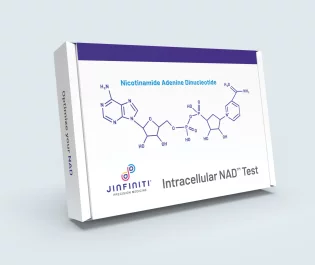
We use the Intracellular NAD test to provide precise data, avoiding guesswork and optimizing your NAD levels.

This test, the first and most reliable one on the market, helps determine NAD deficiency, assess supplement effectiveness, and find the optimal dosage for your needs.

It also provides actionable data to adjust the dosage of NAD supplements or other NAD products, optimizing your NAD levels and helping manage chronic diseases. 

Based on the test results, we prescribe customized approaches to manage symptoms and chronic diseases at the cellular level.

After 3 to 4 weeks of action, take a second test to assess your new levels. You’ll likely see significant changes, especially if you follow our protocol and use our products.

With the results of the Intracellular NAD test, you’ll know which actions yield progress. 

Repeat these actions consistently for optimal health and longevity.

Why should you optimize your NAD levels?

1. How is an optimal level of NAD defined?

Like any biomarker, defining the optimal range is a critical but difficult process. This range may change slightly as additional data becomes available. There are major differences between the normal ranges that medical organizations usually use and the optimal range that functional medicine or health optimization organizations prefer to use.

Normal ranges are values that we see in the vast majority of people who appear to be healthy, while optimal ranges are values within which you can perform the best and maximize your health span and lifespan.

For Intracellular NAD, Jinfiniti conducted extensive studies and proposed to define the lower end of the optimal range as the 75th percentile of NAD levels we see in teenagers, meaning that NAD levels are higher than the value in 75% of teenagers. This value is 40µM (micromolar).

2. Too low NAD level is bad for health

It turned out that young individuals with NAD levels less than 40µM often have certain health or subhealth issues such as autism, autoimmune diseases, and allergies.

We also found that individuals who can increase their NAD levels to above 40µM, especially above 50µM, usually experience significant health benefits including more energy, better sleep, improved mental focus, and reduced symptoms related to allergy, asthma, arthritis, diabetes, blood pressure, and others.

In an extreme case, a baby boy in a coma for six months was cured by our NAD product.

We shall emphasize that the dosage required by each person to optimize his or her NAD is different. If you do not take enough, you may not increase your NAD level at all and do not gain any health benefits.

Therefore, you must take a NAD test at least after supplementation to determine whether your action is producing the result you need and deserve. Otherwise, you may be just wasting your money and time.

3. Too high level of NAD is also bad.

Accumulating evidence suggests that one should not elevate their NAD level above 100µM, a threshold beyond which it may become harmful. Known harm includes an increase in vascular inflammation and cardiovascular disease. We see about 5% of the individuals overdosing on their NAD supplements in our large dataset.

To summarize, the optimal NAD range is 40-100µM. One shall not guess, test!

Two Steps to Optimize your NAD levels

If you want to optimize your NAD levels and combat age-related chronic diseases, here are two things you need to do:

Step 1: Order the Intracellular NAD test today.

Order the Intracellular NAD test today and use it as soon as it arrives. This test can help you determine if you are deficient in NAD, assess the effectiveness of your NAD supplement, and find the optimal dosage for your needs.

Additionally, the test provides actionable data to help you adjust the dosage of Vitality ↑® NAD+ Booster, optimizing your NAD levels and helping you manage chronic fatigue. 

Step 2: Take the Vitality ↑® NAD+ Booster

When it comes to boosting your NAD levels, there’s nothing quite like  Vitality ↑® NAD+ Booster

This patented supplement is meticulously formulated by two world-class scientists in cellular health to provide a potent blend of natural ingredients that work synergistically to enhance your vitality and combat chronic diseases proactively.

It is a clinically validated formulation consisting of multiple NAD precursors, NAD+ precursor, D-Ribose and Nicotinamide as well as Creatine monohydrate that stores your ATP when you do not need them. These ingredients have their own health benefits and in the golden ratio work synergistically to help:

  • Manage fatigue
  • Boost energy and improve performance
  • Improve sleep quality
  • Support inflammation, muscle, and joint pains
  • Support healthy allergic and asthmatic symptoms
  • Improve mental clarity and dementia symptoms
  • Support functions of many organs (liver, kidney, heart, thyroid, fertility)…

In other words,  Vitality ↑® NAD+ Booster supports healthy NAD levels to revitalize your cells, optimize your mitochondria, and improve your energy so you can do things you love!

To save even more, you can take advantage of the NAD Optimization® Bundles, where you can get…

  • 2 Intracellular NAD® tests
  • 1 Vitality ↑® NAD+ Booster supplement
  • one free supplement and…
  • a free consultation.

Start by using the first Intracellular NAD® test to reveal your current NAD levels. Then, take Vitality ↑® NAD+ Booster for a month.

After 3-4 weeks, use the second Intracellular NAD® test to identify your new, optimized levels after taking our NAD supplements. You’ll be pleasantly surprised by how much your levels have improved.

If you’re unsure about what to do or have questions about how to start or interpret your results, you can book your free consultation.

Grab the NAD Optimization® Bundles here — SAVE $178 today.

If you want to manage your chronic fatigue and boost your energy…

Order  Vitality ↑® NAD+ Booster and Intracellular NAD® Test, or Grab the NAD Optimization® Bundles here to save even more.

Subscribe and Save

For our returning customers, Jinfiniti offers multiple subscription options. Take advantage of our special offer reserved for readers of this blog to get your first bottle of our NAD supplement for $38 for the first month, a 65% saving, and automatically receive a monthly shipment for only $108.

Go to the Vitality ↑® NAD+ Booster page, add a monthly subscription to the cart, and then enter VB38 in the coupon field to receive this special offer. 

Our Money-Back Guarantee

It turned out that many young people with f our Vitality ↑® NAD+ Booster fails to increase your NAD levels, just send us a message within 60 days and we will gladly refund your supplement purchase. 

Please note that tests are non-refundable.

Referenced Sources:

  1. https://www.ncbi.nlm.nih.gov/pmc/articles/PMC7973386/ ↩︎
  2. https://www.ncbi.nlm.nih.gov/pmc/articles/PMC10240123/ ↩︎
  3. https://www.ncbi.nlm.nih.gov/pmc/articles/PMC9839336/ ↩︎
  4. https://www.ncbi.nlm.nih.gov/pmc/articles/PMC7352172/ ↩︎
  5. https://pubmed.ncbi.nlm.nih.gov/25308486/ ↩︎
  6. https://www.nature.com/articles/s41392-020-00311-7 ↩︎
  7. https://www.nature.com/articles/s41556-023-01280-z ↩︎
  8. https://www.ncbi.nlm.nih.gov/pmc/articles/PMC6787556/ ↩︎
  9. https://www.ncbi.nlm.nih.gov/pmc/articles/PMC9734213/ ↩︎
  10. https://www.ncbi.nlm.nih.gov/pmc/articles/PMC9917998/ ↩︎
  11. https://www.ncbi.nlm.nih.gov/pmc/articles/PMC9194018/ ↩︎

What Happened During Dave Asprey’s 10th Annual Biohacking Conference?

Four days might seem like plenty of time to cover a conference dedicated to health and longevity, but the recent Asprey event at the Sheraton Dallas proved otherwise. 

The event could have been divided into three separate areas: the exhibition hall, breakout rooms, and main stage speaking area, each deserving its four-day exploration.

Main Stage Highlights

An image of Biohacking Conference

The Main Stage hosted world-class authorities such as Dr. Joseph Mercola, Dr. Nathan Bryan, Dr. Daniel Amen, Dr. Patrick Porter, and Bryan Johnson. 

These experts delivered their insights to large, attentive audiences.

Meanwhile, the Breakout Rooms were buzzing with activity, offering multiple presentations simultaneously to smaller yet equally engaged groups.

Exhibit Hall Experience

Dave Asprey’s 10th Annual Biohacking Conference

I spent most of my time in the Exhibit Hall, interacting with attendees and observing their biohacking interests firsthand. Here are my key takeaways:

Youthful Attendance

A significant proportion of the biohacker attendees were surprisingly young. 

Unlike other anti-aging and longevity conferences that tend to attract middle-aged and older individuals, this event saw a larger turnout of younger biohackers. 

The Silver Seniors were present but in much smaller numbers.

Lack of NAD Awareness

Despite focusing on living longer and healthier lives, many attendees were unaware of NAD and its role as a foundational, effective biohack supplement. 

Over 70% of those I spoke with needed to learn about NAD.

If you are not familiar with NAD (Nicotinamide Adenine Dinucleotide), it is a vital coenzyme found in every cell of the body. 

It plays a crucial role in energy production, DNA repair, and regulating cellular processes. 

As we age, NAD levels decline, which can contribute to various age-related health issues. 

Boosting NAD levels can enhance energy metabolism, improve brain function, support healthy aging, and promote longevity. 

By maintaining optimal NAD levels, you can potentially reduce the risk of chronic diseases and improve overall well-being.

Importance of Biomarker Tests

I emphasized the availability of biomarker tests to the mainstream public. 

Biohacking requires measurable baseline data and ways to assess and compare results over time. 

Many attendees were unaware of such tests, especially the Intracellular NAD test and Aging SOS full panel offered by Jinfiniti, which measure 22 important factors related to aging.

Cost of Tests vs. Medical Bills

Some attendees balked at the price of biomarker tests. 

However, I pointed out that the cost of medical bills, expensive drugs, and diminished quality of life when one is ill far outweighs the expense of discovering or predicting potential health issues. 

Additionally, tests can determine if a current NAD supplement is effective or if one is wasting time and money.

Risks of Random Supplementation

Many biohackers were surprised to learn that indiscriminately taking a variety of supplements can harm their health. 

Functional medicine and anti-aging practices have noted increasing kidney and liver damage in individuals who purchase and use all the “latest” supplements without understanding how they interact or if they are necessary for their wellness. 

We saw that the number of supplements taken does not always correlate with optimal health.

Addressing Serious Health Issues

Perhaps most satisfying was helping attendees with serious health issues that their current medical professionals could not resolve. 

At least five visitors to our booth explained conditions that limited their daily functioning. In each case, we discovered sub-optimal intracellular NAD levels as a contributing factor. 

We look forward to following these new customers on their NAD optimization journey, which promises more energy, better mental focus, improved sleep, less inflammation, and other health benefits.

TAO: Harnessing Biomarker Testing Data for Biohacking Success

Dave Asprey’s 10th Annual Biohacking Conference

During my talk, I discussed the critical role of NAD in biohacking safely. 

When I asked the audience if they believed they could live up to 80 years old or even delay and avoid death, the majority raised their hands, showing a keen interest in longevity.

I introduced them to an ancient Chinese philosophy of Taoism, which I have adapted into the TAO steps for optimizing health. These steps are:

  • Test: Identify abnormalities or deficiencies in your body.
  • Act: Define and implement interventions to bring levels within optimal ranges.
  • Optimize: Continuously evaluate the efficacy of these interventions, adjusting actions and dosages for safety and maximum benefit.

By following TAO, you can:

  • Pinpoint specific health issues.
  • Set and achieve optimal health targets.
  • Regularly assess and refine your approach for better outcomes.

In other words, regular testing is key to optimizing NAD levels and your overall health. Repeat testing ensures that your interventions are effective and safe.

If you want to learn more about living a healthier and longer life, you can watch my talk for free below.

TAO: Harnessing Biomarker Data for Biohacking Success

Takeaway

Dave Asprey’s 10th Annual Biohacking Conference was an enlightening event that brought together experts and enthusiasts focused on health and longevity. 

The Exhibit Hall experience highlighted the importance of educating biohackers about foundational supplements like NAD and the necessity of biomarker tests for personalized health tracking. 

The conference underscored the need for informed supplement use and the potential for optimizing health through targeted interventions.

NAD and autism

How NAD Can Support Children on the Autism Spectrum: Strategies and Success Stories

Autism is a developmental disorder that affects communication and behavior. 

According to the Centers for Disease Control and Prevention (CDC), autism affects an estimated 1 in 36 children in the United States1, making it more common than previously thought.

The disorder can manifest in various ways, from mild social challenges to significant communication difficulties and repetitive behaviors.

What’s striking about autism is its indiscriminate nature. It knows no boundaries of wealth, fame, or social status. 

Families from all walks of life, including public figures like Elon Musk, Sylvester Stallone, Holly Robinson Peete, Amanda Seyfried, Dylan Dreyer, and Nicole Shanahan, can find themselves navigating the challenges of raising a child with autism.


In this article, we explore…

  • Groundbreaking strategies that can help improve the lives of children with autism.
  • How NAD support might be a game-changer in the treatment and support of autism spectrum disorder.
  • A transformative case study of Corbin, a 3-year-old whose behavior, engagement, and communication skills have dramatically improved after NAD treatment.

Autism Intervention

One of the key issues in the autism community is the need for early detection and intervention.

Research shows that early diagnosis and intervention can significantly improve outcomes for individuals with autism.

However, many families face barriers to timely diagnosis and intervention services, highlighting the importance of raising awareness and ensuring that all children have access to quality care.

Another challenge faced by families affected by autism is the stigma and misconceptions surrounding the disorder.

Many people still hold outdated beliefs about autism, leading to discrimination and social isolation for individuals with autism and their families.

As the exact causes of autism remain not fully understood, research indicates that a combination of genetic and environmental factors contribute to its development.

One emerging area of research focuses on the role of NAD (nicotinamide adenine dinucleotide) deficiency in autism phenotypes2.

Autism and NAD

adwcnnfj 1

NAD is a coenzyme found in all living cells and plays a crucial role in various cellular processes3, including energy production, DNA repair, and gene expression.

Our research here in Jinfiniti has shown that individuals with autism may have lower levels of NAD compared to neurotypical individuals. 

This deficiency could potentially impact mitochondrial function, oxidative stress levels, and neurotransmitter signaling, all of which are involved in the development of autism.

Furthermore, NAD deficiency may also affect other cellular processes, such as immune function and inflammation, which have been linked to autism. 

Jinfiniti’s Advocacy on Autism

83wja5ce 1

At Jinfiniti, our mission is to provide innovative treatment for children with autism using NAD.

In fact, we have exciting updates from our ongoing study, showing promising results.

For example, Corbin, a 3-year-old diagnosed with Autism Spectrum Disorder (ASD) following routine childhood vaccinations, has shown remarkable improvement after participating in testing protocols and using the Vitality formulation. 

Here are some of the notable improvements observed in Corbin:

  • Increased focus and engagement: Corbin has been able to sit attentively during therapy sessions and activities and with his teacher during meal times.
  • Improved fine motor skills: He has demonstrated the ability to put individual popsicle sticks inside a toothbrush holder, indicating progress in his fine motor abilities.
  • Enhanced communication skills: Despite being non-speaking, Corbin has shown progress in communication by interrupting his teacher to get her attention and indicating his wants and needs more clearly.
  • Increased independence: Corbin has started opening his lunch snack containers and lunch boxes, showing improved independence in daily tasks.
  • Improved responsiveness: He now responds with “yeah” when asked if he wants something, indicating better understanding and communication.
  • Better understanding of verbal commands: Corbin can now follow verbal commands like putting his shoes on, demonstrating improved listening skills.
  • Increased affection and social engagement: He has been more affectionate and cuddly, initiating play more often with his parents and seeking approval through eye contact.
  • Expanded vocabulary: Corbin has started saying new words and phrases like “Peek-a-boo,” “I wake up,” and “I pee-pee,” showing progress in his language development.
  • Improved behavior in public settings: He displayed patience and waiting behavior at the splash pad, a notable improvement from previous behaviors of attempting to run away.

Corbin’s improvements show that the Vitality formulation could be really helpful for kids with autism.

4 Ways Vitality ↑® NAD+ Booster Can Support Children With Autism

crvaqjji 1

Vitality ↑® NAD+ Booster is a clinically tested blend of NAD precursor, Creatine monohydrate, D-Ribose, and Nicotinamide that work together to boost NAD levels, rejuvenating cells and the body. 

This formulation is particularly beneficial for children with autism, helping improve their behavior and cognitive function in four key ways.

Supports Mitochondrial Function

Mitochondria are often called the “powerhouses” of cells because they produce most of the cell’s adenosine triphosphate (ATP), a molecule that stores and transports energy within cells.

NAD (nicotinamide adenine dinucleotide) is a coenzyme that plays a critical role in mitochondrial function4 by shuttling electrons in the electron transport chain, a process that generates ATP.

Research suggests a potential link between mitochondrial dysfunction and autism spectrum disorder (ASD).

Mitochondrial dysfunction can lead to reduced ATP production, affecting cellular processes crucial for brain development and function5. This dysfunction may contribute to the development or severity of ASD symptoms.

Boosting NAD levels could theoretically improve mitochondrial function by providing more of the coenzyme needed for efficient ATP production.

This could enhance cellular energy production and potentially support better brain function in individuals with ASD.

Manages Oxidative Stress

Oxidative stress occurs when there is an imbalance between free radicals and antioxidants in the body.

Free radicals are highly reactive molecules that can cause damage to cells and tissues if their levels are not controlled by antioxidants.

Research has shown that individuals with ASD may experience higher levels of oxidative stress6 compared to typically developing individuals.

A study published in the journal Clinical Biochemistry and Nutrition found that children with ASD had significantly higher levels of oxidative stress markers and lower levels of antioxidants compared to typically developing children7.

Another study published in the journal Redox Report suggested that oxidative stress may play a role in the development and progression of ASD.

By boosting NAD levels, it is believed that the body’s ability to manage oxidative stress may be enhanced.

This could potentially lead to improved overall health and cognitive function in individuals with ASD.

Supporting NAD levels through supplementation or other means may help mitigate the effects of oxidative stress and improve outcomes for individuals with autism.

Supports Neurotransmitter Signaling

Neurotransmitters are essential for communication between neurons in the brain. 

Imbalances in neurotransmitter signaling have been associated with neurological disorders, including autism.8

For example, a study published in the journal Frontiers in Psychiatry found alterations in the levels of certain neurotransmitters, such as serotonin and dopamine, in individuals with autism spectrum disorder (ASD)9.

By boosting NAD levels, the brain’s ability to maintain proper neurotransmitter balance may be enhanced.

This could lead to improved communication between neurons and potentially enhance cognitive function and overall brain health in individuals with autism.

A study published in the journal Molecular Psychiatry suggested that NADH (a form of NAD) supplementation could modulate dopamine levels in the brain10, which is important for regulating mood and behavior.

Another study published in the Journal of Neuroscience Research found that NADH supplementation improved cognitive function in a mouse model of Alzheimer’s disease11, which is characterized by neurotransmitter imbalances.

The potential of NAD to restore balance in neurotransmitter signaling is crucial for individuals with autism, as disruptions in this balance can lead to cognitive and behavioral issues.

By supporting NAD levels, it may be possible to help restore this balance and improve communication between neurons, which could have positive effects on cognitive function in individuals with autism.

Supports Healthy Immune Function and Inflammation

Dysregulation of the immune system and chronic inflammation have been linked to various health conditions, including autism.12

For example, a study published in the Journal of Neuroinflammation found that children with autism had altered levels of certain immune markers compared to typically developing children13

Another study published in the Journal of Neuroimmunology reported elevated levels of inflammatory markers in the brains of individuals with autism14.

By boosting NAD levels, it’s possible to modulate immune function and reduce inflammation. This could have several benefits for individuals with autism, including improved overall health and well-being.

One study published in the journal Nature Communications found that NAD supplementation reduced inflammation and oxidative stress in a mouse model of multiple sclerosis15, a condition characterized by immune dysregulation and inflammation.

That’s why we recommend Vitality ↑® NAD+ Booster for children with autism to support their overall health and well-being. 

Vitality ↑® NAD+ Booster is specially formulated with ingredients that work synergistically to promote energy levels, cognitive function, and overall vitality, which can be beneficial for children with autism who may have specific nutritional needs. 

It can help support healthy growth and development, as well as provide essential nutrients that may be lacking in their diet. 

By incorporating Vitality ↑® NAD+ Booster into their daily routine, children with autism can potentially experience improved energy levels, cognitive function, and overall health, helping them to thrive and reach their full potential.

Referenced Sources:

  1. https://www.cdc.gov/ncbddd/autism/data.html ↩︎
  2. https://www.ncbi.nlm.nih.gov/pmc/articles/PMC3729335/ ↩︎
  3. https://www.ncbi.nlm.nih.gov/pmc/articles/PMC7963035/ ↩︎
  4. https://www.ncbi.nlm.nih.gov/pmc/articles/PMC10526226 ↩︎
  5. https://www.ncbi.nlm.nih.gov/pmc/articles/PMC10526226/ ↩︎
  6. https://www.ncbi.nlm.nih.gov/pmc/articles/PMC7247582/ ↩︎
  7. https://www.ncbi.nlm.nih.gov/pmc/articles/PMC8921264/ ↩︎
  8. https://www.ncbi.nlm.nih.gov/pmc/articles/PMC7139720/ ↩︎
  9. https://www.frontiersin.org/journals/psychiatry/articles/10.3389/fpsyt.2021.787097/full ↩︎
  10. https://www.ncbi.nlm.nih.gov/pmc/articles/PMC6787556/ ↩︎
  11. https://www.ncbi.nlm.nih.gov/pmc/articles/PMC9370773/  ↩︎
  12. https://www.ncbi.nlm.nih.gov/pmc/articles/PMC8955336/ ↩︎
  13. https://www.ncbi.nlm.nih.gov/pmc/articles/PMC10626070/ ↩︎
  14. https://www.ncbi.nlm.nih.gov/pmc/articles/PMC5942347/ ↩︎
  15. https://www.nature.com/subjects/multiple-sclerosis/ncomms ↩︎

RFK Jr.’s VP Pick: Nicole Shanahan, A Voice for Autism

In a move that solidifies his commitment to addressing pressing health issues, Robert F. Kennedy Jr. has chosen Nicole Shanahan as his vice-presidential pick. 

What sets Shanahan apart is not just her professional prowess but also her journey as a mother of a child with autism. 

This choice highlights the growing prevalence of autism spectrum disorder (ASD) and the need for greater awareness and support for affected families.

Autism is a developmental disorder that affects communication and behavior. 

According to the Centers for Disease Control and Prevention (CDC), autism affects an estimated 1 in 36 children in the United States, making it more common than previously thought.

The disorder can manifest in various ways, from mild social challenges to significant communication difficulties and repetitive behaviors.

What’s striking about autism is its indiscriminate nature. 

It knows no boundaries of wealth, fame, or social status. 

Families from all walks of life can find themselves navigating the challenges of raising a child with autism. 

This reality is exemplified by Shananhan’s experience, showing that even those in the public eye are not immune to the disorder’s impact.

Shananhan’s journey as a mother has led her to become a vocal advocate for autism awareness and support. 

She has used her platform to raise awareness about the challenges faced by families affected by autism and to advocate for policies that improve access to resources and services for individuals with autism.

In her interview with People Magazine, Shanahan revealed that she had been in discussions with Elon Musk about leveraging technology developed by his Neuralink company. 

Neuralink is known for creating an implantable brain-computer interface. 

Shanahan expressed interest in exploring how this technology could potentially benefit her daughter, who has autism.

She also shared that a significant portion of her time, over 60%, is dedicated to researching autism and engaging with scientists in discussions about the topic.

“…in part because I am hopeful of helping my daughter overcome her autism, whatever that might look like, whether it be in five years not having a diagnosis anymore, or having all of the tools to navigate the challenges that her diagnosis has produced in her life.”

“This has led me into fields of science that have been utterly fascinating.

“I talk to two scientists a week, typically, whether they’re neurosurgeons or neurologists or mitochondrial experts. Then I spend an equal amount of time after meeting with them trying to digest my notes. 

I chat with a lot of other mothers of autistic children because I think mothers are some of the most well-educated and researched. 

They’re having to show up for their child every hour of every single day. They’re trying some of these autism interventions and they’re able to tell you with greater accuracy than any published medical paper what they’re seeing in their children.”

Autism Intervention

a1 1

One of the key issues in the autism community is the need for early detection and intervention.

Research shows that early diagnosis and intervention can significantly improve outcomes for individuals with autism.

However, many families face barriers to accessing timely diagnosis and intervention services, highlighting the importance of raising awareness and ensuring that all children have access to quality care.

Another challenge faced by families affected by autism is the stigma and misconceptions surrounding the disorder.

Many people still hold outdated beliefs about autism, leading to discrimination and social isolation for individuals with autism and their families.

Shananhan’s advocacy work aims to challenge these misconceptions and promote a more inclusive and understanding society.

In addition to raising awareness, Shanahan has also been a strong proponent of increased research funding for autism.

She has supported the University of California Davis Mind Institute through donations, aiding their research and care efforts for individuals with autism and other neurodevelopmental conditions.

As the exact causes of autism remain not fully understood, research indicates that a combination of genetic and environmental factors contribute to its development.

One emerging area of research focuses on the role of NAD (nicotinamide adenine dinucleotide) deficiency in autism phenotypes.

Autism and NAD

a2 1

NAD is a coenzyme found in all living cells and plays a crucial role in various cellular processes, including energy production, DNA repair, and gene expression.

Our research here in Jinfiniti has shown that individuals with autism may have lower levels of NAD compared to neurotypical individuals. 

This deficiency could potentially impact mitochondrial function, oxidative stress levels, and neurotransmitter signaling, all of which are involved in the development of autism.

Furthermore, NAD deficiency may also affect other cellular processes, such as immune function and inflammation, which have been linked to autism. 

Jinfiniti’s Advocacy on Autism

a3 3

At Jinfiniti, our mission is to provide innovative treatment for children with autism using NAD.

In fact, we have exciting updates from our ongoing study, showing promising results.

For example, Corbin, a 3-year-old diagnosed with Autism Spectrum Disorder (ASD) following routine childhood vaccinations, has shown remarkable improvement after participating in testing protocols and using the Vitality formulation

Here are some of the notable improvements observed in Corbin:

  • Increased focus and engagement: Corbin has been able to sit attentively during therapy sessions and activities, as well as with his teacher during meal times.
  • Improved fine motor skills: He has demonstrated the ability to put individual popsicle sticks inside a toothbrush holder, indicating progress in his fine motor abilities.
  • Enhanced communication skills: Despite being non-speaking, Corbin has shown progress in communication by interrupting his teacher to get her attention and indicating his wants and needs more clearly.
  • Increased independence: Corbin has started opening his lunch snack containers and lunch boxes, showing improved independence in daily tasks.
  • Improved responsiveness: He now responds with “yeah” when asked if he wants something, indicating better understanding and communication.
  • Better understanding of verbal commands: Corbin can now follow verbal commands like putting his shoes on, demonstrating improved listening skills.
  • Increased affection and social engagement: He has been more affectionate and cuddly, initiating play more often with his parents and seeking approval through eye contact.
  • Expanded vocabulary: Corbin has started saying new words and phrases like “Peek-a-boo,” “I wake up,” and “I pee-pee,” showing progress in his language development.
  • Improved behavior in public settings: He displayed patience and waiting behavior at the splash pad, a notable improvement from previous behaviors of attempting to run away.

Corbin’s improvements show that the Vitality formulation could be really helpful for kids with autism.

a4 4

4 Ways Vitality ↑® NAD+ Booster Can Support Children With Autism

Vitality ↑® NAD+ Booster is a clinically tested blend of NAD precursor, Creatine monohydrate, D-Ribose, and Nicotinamide that work together to boost NAD levels, rejuvenating cells and the body. 

This formulation is particularly beneficial for children with autism, helping improve their behavior and cognitive function in four key ways.

Supports Mitochondrial Function

Mitochondria are often called the “powerhouses” of cells because they produce most of the cell’s adenosine triphosphate (ATP), a molecule that stores and transports energy within cells.

NAD (nicotinamide adenine dinucleotide) is a coenzyme that plays a critical role in mitochondrial function by shuttling electrons in the electron transport chain, a process that generates ATP.

Research suggests a potential link between mitochondrial dysfunction and autism spectrum disorder (ASD).

Mitochondrial dysfunction can lead to reduced ATP production, affecting cellular processes crucial for brain development and function. This dysfunction may contribute to the development or severity of ASD symptoms.

Boosting NAD levels could theoretically improve mitochondrial function by providing more of the coenzyme needed for efficient ATP production.

This could enhance cellular energy production and potentially support better brain function in individuals with ASD.

Manages Oxidative Stress

Oxidative stress occurs when there is an imbalance between free radicals and antioxidants in the body.

Free radicals are highly reactive molecules that can cause damage to cells and tissues if their levels are not controlled by antioxidants.

Research has shown that individuals with ASD may experience higher levels of oxidative stress compared to typically developing individuals.

A study published in the journal Clinical Biochemistry and Nutrition found that children with ASD had significantly higher levels of oxidative stress markers and lower levels of antioxidants compared to typically developing children.

Another study published in the journal Redox Report suggested that oxidative stress may play a role in the development and progression of ASD.

By boosting NAD levels, it is believed that the body’s ability to manage oxidative stress may be enhanced.

This could potentially lead to improved overall health and cognitive function in individuals with ASD.

Supporting NAD levels through supplementation or other means may help mitigate the effects of oxidative stress and improve outcomes for individuals with autism.

Supports Neurotransmitter Signaling

Neurotransmitters are essential for communication between neurons in the brain. 

Imbalances in neurotransmitter signaling have been associated with neurological disorders, including autism.

For example, a study published in the journal Frontiers in Psychiatry found alterations in the levels of certain neurotransmitters, such as serotonin and dopamine, in individuals with autism spectrum disorder (ASD).

By boosting NAD levels, the brain’s ability to maintain proper neurotransmitter balance may be enhanced.

This could lead to improved communication between neurons and potentially enhance cognitive function and overall brain health in individuals with autism.

A study published in the journal Molecular Psychiatry suggested that NADH (a form of NAD) supplementation could modulate dopamine levels in the brain, which is important for regulating mood and behavior.

Another study published in the Journal of Neuroscience Research found that NADH supplementation improved cognitive function in a mouse model of Alzheimer’s disease, which is characterized by neurotransmitter imbalances.

The potential of NAD to restore balance in neurotransmitter signaling is crucial for individuals with autism, as disruptions in this balance can lead to cognitive and behavioral issues.

By supporting NAD levels, it may be possible to help restore this balance and improve communication between neurons, which could have positive effects on cognitive function in individuals with autism.

Supports Healthy Immune Function and Inflammation

Dysregulation of the immune system and chronic inflammation have been linked to various health conditions, including autism.

For example, a study published in the Journal of Neuroinflammation found that children with autism had altered levels of certain immune markers compared to typically developing children. 

Another study published in the Journal of Neuroimmunology reported elevated levels of inflammatory markers in the brains of individuals with autism.

By boosting NAD levels, it’s possible to modulate immune function and reduce inflammation. This could have several benefits for individuals with autism, including improved overall health and well-being.

One study published in the journal Nature Communications found that NAD supplementation reduced inflammation and oxidative stress in a mouse model of multiple sclerosis, a condition characterized by immune dysregulation and inflammation.

That’s why we recommend Vitality ↑® NAD+ Booster for children with autism to support their overall health and well-being. 

Vitality ↑® NAD+ Booster is specially formulated with ingredients that work synergistically to promote energy levels, cognitive function, and overall vitality, which can be beneficial for children with autism who may have specific nutritional needs. 

It can help support healthy growth and development, as well as provide essential nutrients that may be lacking in their diet. 

By incorporating Vitality ↑® NAD+ Booster into their daily routine, children with autism can potentially experience improved energy levels, cognitive function, and overall health, helping them to thrive and reach their full potential.

brain health

Understanding Andrew Huberman’s Perspective on NAD+ Usage and Its Benefits

The Brain

There has been growing interest in the potential benefits of NAD+ precursor as a supplement for health and longevity. Andrew Huberman, a prominent neuroscientist and professor at Stanford University, has been at the forefront of researching NAD+ precursor and its effects on the body. This article will explore Huberman’s background, his role in neuroscience research, and his views on NAD+ precursor. It will also delve into the science behind NAD+ precursor, its potential benefits, and the criticisms and controversies surrounding its use.

Who is Andrew Huberman?

Andrew Huberman1 is a well-respected neuroscientist known for his groundbreaking research in the field of neuroscience. He completed his undergraduate studies at Columbia University and received his Ph.D. in Neurobiology from the University of California, Los Angeles. Currently, he is a professor in the Department of Neurobiology at Stanford University School of Medicine.

brain 6498039 640 1

Huberman’s Background and Expertise

With a strong foundation in neurobiology2, Huberman specializes in studying the visual system and how it interacts with the brain. His research focuses on understanding the mechanisms that regulate neural plasticity and vision restoration. Andrew Huberman’s journey in the field of neuroscience began during his undergraduate years at Columbia University. Fascinated by the complexities of the brain and its connection to human behavior, he delved into the world of neurobiology. His insatiable curiosity and passion for understanding the inner workings of the brain led him to pursue a Ph.D. in Neurobiology at the University of California, Los Angeles.

During his graduate studies, Huberman’s research focused on the visual system, a complex network of neurons responsible for processing visual information. He explored the intricate connections between the eyes and the brain, unraveling the mechanisms that enable us to perceive the world around us. His work shed light on the remarkable plasticity of the visual system and its potential for restoration after injury or disease.

Huberman’s Role in Neuroscience Research

Huberman is highly regarded in the field of neuroscience for his groundbreaking contributions. His research has paved the way for significant advancements in our understanding of the brain and its intricate workings. One of Huberman’s notable achievements is his extensive research on neural plasticity. Neural plasticity refers to the brain’s ability to reorganize and adapt in response to new experiences or changes in the environment. Through his studies, Huberman has uncovered the underlying mechanisms that drive neural plasticity, providing valuable insights into how the brain can recover and adapt after injury or disease.

Furthermore, Huberman’s research has focused on vision restoration, a field with immense potential for improving the lives of individuals with visual impairments. By investigating the neural circuits involved in vision, he has made significant strides in understanding how to restore vision in those who have lost it. His findings have opened up new possibilities for developing innovative therapies and treatments for various visual disorders.

Huberman’s groundbreaking research has been published in numerous prestigious scientific journals, garnering widespread recognition and acclaim. His studies have not only expanded our knowledge of the brain but also provided a foundation for future research in the field of neuroscience.

As a respected professor in the Department of Neurobiology at Stanford University School of Medicine, Huberman continues to inspire and mentor the next generation of neuroscientists. His dedication to advancing our understanding of the brain and his passion for scientific discovery makes him a leading figure in the field of neuroscience.

The Science Behind NAD+ Precursor

In this podcast, “Supplementation for Health and Performance3”, Huberman recommends supplements for mental health, physical health, relaxation, and sleep. 

Now, let’s delve into the science behind NAD+ and how it functions in the body.

NAD+ precursor, is a key precursor of nicotinamide adenine dinucleotide (NAD+), which is a coenzyme found in all living cells. NAD+ plays a crucial role in cellular metabolism, energy production, and DNA repair.

When taken as a supplement, NAD+ precursor is converted into NAD+ in the body. This conversion is essential as NAD+ provides crucial support to various cellular processes. Research suggests that NAD+ precursor supplementation may help increase NAD+ levels, which tend to decline with age. By replenishing NAD+ stores, NAD+ precursor has the potential to support cellular processes and overall well-being.

Understanding the Role of NAD+

To truly appreciate the significance of NAD+ precursor, it is important to understand the role of NAD+ in the body. NAD+ is involved in numerous cellular processes, including energy metabolism, DNA repair, and gene expression. One of the key functions of NAD+ is its role as a coenzyme in energy production. It is a vital component in the process of converting food into usable energy, allowing our cells to function optimally. Without sufficient NAD+, our cells would struggle to produce the energy needed for everyday activities.

In addition to energy metabolism, NAD+ also plays a critical role in DNA repair. Our DNA is constantly exposed to various damaging agents, such as radiation and toxins. NAD+ helps activate enzymes that repair damaged DNA, ensuring the integrity of our genetic material.

Furthermore, NAD+ is involved in regulating gene expression. It acts as a signaling molecule, influencing the activity of certain genes and proteins. This regulation of gene expression is essential for maintaining cellular homeostasis and adapting to changes in the environment.

The Link Between NAD+ precursor and NAD+ Levels

As we age, our NAD+ levels naturally decline. This decline is thought to contribute to the aging process and the development of age-related diseases. Therefore, finding ways to boost NAD+ levels has become a topic of great interest in the field of anti-aging research. One potential strategy is NAD+ precursor supplementation. By providing the body with NAD+ precursor, which is readily converted into NAD+, we can potentially increase NAD+ levels and support its various functions.

Studies have shown that NAD+ precursor supplementation can effectively raise NAD+ levels in different tissues and organs. This increase in NAD+ has been associated with numerous health benefits, including improved mitochondrial function, enhanced metabolism, and increased lifespan in animal studies.

Furthermore, NAD+ precursor has been found to activate certain enzymes involved in DNA repair, promoting cellular health and longevity. By supporting DNA repair mechanisms, NAD+ precursor may help prevent the accumulation of DNA damage, which can lead to cellular dysfunction and age-related diseases.

The Future of NAD+ Precursor Research

While the science behind NAD+ precursor is promising, it is important to note that research in this field is still ongoing. Many studies have been conducted in animal models, and more research is needed to understand the effects of NAD+ precursor supplementation in humans fully.

Scientists are actively investigating the potential benefits and risks of NAD+ precursor supplementation, as well as the optimal dosage and long-term effects. Clinical trials are underway to evaluate the safety and efficacy of NAD+ precursor in humans, which will provide valuable insights into its potential as an anti-aging intervention.

As the field of aging research continues to advance, NAD+ precursor remains a topic of great interest. Its ability to boost NAD+ levels and potentially promote cellular health and longevity makes it a promising avenue for further exploration.

In conclusion, NAD+ precursor holds great potential in supporting various cellular processes and overall well-being. By understanding the science behind NAD+ precursor and its role in the body, we can better appreciate its potential as an anti-aging intervention and eagerly await further research in this exciting field.

The brain

Andrew Huberman’s Views on NAD+

As a leading neuroscientist, Andrew Huberman has extensively researched the effects of NAD+ precursor on the body and brain. Let’s take a closer look at his research and personal views on NAD+ precursor.

Neuroscientist Andrew Huberman’s fascination with NAD+ precursor, or Nicotinamide Mononucleotide, has led him down a path of groundbreaking research and personal experimentation. NAD+ precursor, a naturally occurring compound found in the human body, has captured the attention of scientists and health enthusiasts alike due to its potential anti-aging properties.

Huberman’s Research on NAD+ Precursor

Huberman’s research on NAD+ precursor has focused on understanding its impact on brain function, especially in the context of aging. His studies have demonstrated that NAD+ precursor supplementation may have positive effects on neural plasticity and cognitive function.

In one of his notable studies, Huberman and his team delved into the intricate mechanisms of NAD+ precursor and its influence on energy metabolism in the brain. Through meticulous experimentation, they found that NAD+ precursor supplementation could enhance mitochondrial function and overall energy production in the brain. This discovery has significant implications for combating age-related cognitive decline and neurodegenerative diseases.

Furthermore, Huberman’s research has also shed light on the potential of NAD+ precursor to promote healthy aging. By studying the effects of NAD+ precursor on cellular senescence, he has uncovered promising evidence suggesting that NAD+ precursor supplementation could slow down the aging process at a cellular level.

Huberman’s Usage and Experience with NAD+

Aside from his research, Huberman has also personally experimented with NAD+ precursor supplementation. In interviews, he has mentioned that he takes NAD+ precursor as part of his health regimen and has reported improvements in his energy levels and cognitive function.

Huberman’s personal experience with NAD+ precursor has not only fueled his passion for studying its effects but has also provided him with valuable insights into its potential benefits. His firsthand accounts of increased energy levels and enhanced cognitive function serve as a testament to the potential of NAD+ precursor as a powerful tool in the pursuit of optimal brain health.

However, it is important to note that personal experiences may vary, and further research is needed to validate these claims. Huberman himself acknowledges the need for rigorous scientific investigation to fully understand the mechanisms and long-term effects of NAD+ precursor supplementation.

With each research endeavor and personal experience, Andrew Huberman continues to contribute to the growing body of knowledge surrounding NAD+ precursor. His dedication to unraveling the mysteries of this fascinating compound paves the way for a future where age-related cognitive decline may be mitigated, and brain health can be optimized.

The Potential Benefits of NAD+ Precursor

Now, let’s explore the potential benefits that NAD+ precursor may offer.

NAD+ Precursor and Aging

One of the most intriguing aspects of NAD+ precursor is its potential role in slowing down the aging process. Research suggests that NAD+ precursor supplementation may help combat age-related decline by supporting cellular function and DNA repair. Although more studies are needed to fully understand the anti-aging effects of NAD+ precursor, initial findings are promising and warrant further investigation.

NAD+ Precursor and Energy Levels

Energy levels naturally decline as we age, impacting our overall vitality and well-being. NAD+ precursor has been reported to enhance cellular energy production by boosting NAD+ levels, potentially improving energy levels and overall stamina. While current research supports the potential of NAD+ precursor to enhance energy metabolism, it is crucial to approach these findings with caution, as more research is needed to establish its efficacy.

NAD+ Precursor and Cognitive Function

Cognitive decline is a common concern as we age, and many individuals are interested in interventions that can support brain health. Preliminary research suggests that NAD+ precursor may have positive effects on cognitive function, including memory and attention. However, it is important to note that more studies are needed to establish the efficacy of NAD+ precursor in promoting cognitive function, particularly in humans.

Criticisms and Controversies Surrounding NAD+ Precursor

While NAD+ precursor shows promise as a potential supplement for health and longevity, certain criticisms and controversies surround its use.

The Debate on NAD+ Precursor’s Effectiveness

Some skeptics argue that the evidence supporting NAD+ precursor’s effectiveness is limited and inconsistent. They highlight the need for more robust clinical trials to validate the claims surrounding the supplement. It is essential to acknowledge that scientific consensus on NAD+ precursor’s effectiveness is still evolving, and more research is needed to draw definitive conclusions.

Safety Concerns and Side Effects of NAD+ Precursor

Like any supplement, NAD+ precursor comes with potential risks and side effects. While NAD+ precursor is generally considered safe when taken in recommended doses, long-term safety data is limited.

Individuals considering NAD+ precursor supplementation should consult with a healthcare professional to understand potential interactions with existing medications or underlying health conditions.

Conclusion

In conclusion, Andrew Huberman’s perspective on NAD+ precursor usage and its benefits provides valuable insights into the role of NAD+ precursor in supporting health and longevity. While more research is needed to fully understand NAD+ precursor’s potential benefits and drawbacks, Huberman’s research contributes to the growing body of knowledge in this field.
As with any supplement, it is important to approach NAD+ precursor supplementation with caution and consult with a healthcare professional. By staying informed and keeping up with the latest research, individuals can make well-informed decisions regarding their health and well-being. Elevate your NAD+ levels with Jinfiniti® Vitality ↑® NAD+ Booster to get better sleep and have more energy throughout the day.

Lastly, if you’re interested in going deeper on health-related content, here are a few of our recent posts that you may want to read:

  1. Unlocking the Secrets: Effective Strategies to Slow Aging
  2. The 24 Hottest Biohacking Trends in 2024
  3. 9 Powerful Benefits of Optimizing Your NAD
  4. Why Muscle Is Your Biggest Alley in the Anti-Aging Strategy

Referenced Sources:

  1. https://www.hubermanlab.com/ ↩︎
  2. https://mbb.harvard.edu/pages/undergraduate-tracks-neurobiology ↩︎
  3. https://www.hubermanlab.com/topics/supplementation-for-health-and-performance ↩︎

Andrew Huberman is Wrong About NAD+, NR, and Longevity

Recently, Stanford neuroscientist Dr. Andrew Huberman (who has one of the top health podcasts in the world) did a 16-minute Q&A segment on NAD and its precursors. 

Overall, I respect his commitment to scientific accuracy and his standard of excellence with his approach.

However, I consider him under-informed and not a subject matter expert in this particular arena.

Here’s where Huberman is wrong about NAD+, NR, and longevity.


In this article, you’ll discover…

  • Why you should not trust Andrew Huberman’s opinion about NAD supplements and why his expertise may not fully cover the complexities of NAD research, potentially leading to overestimated benefits.
  • Discover why NAD IV treatments might not be as effective as Andrew Huberman suggests and how they could be draining your wallet without delivering the promised health benefits.
  • The only NAD supplement proven to boost levels by 200-300%, far exceeding the modest 20-40% increase seen with other NAD products.

Let’s start with where we agree with Dr. Huberman:

  1. NAD provides a noticeable increase in energy: Dr. Huberman takes NAD+ precursor daily because of the very noticeable improvement in energy. In his words, “It gives me a lot of sustainable physical and mental energy throughout the day. I noticed a decrease in energy when I stopped taking NAD+ precursor. While I wasn’t totally depleted, my energy was noticeably lower. As a 48-year-old, having great energy is important to me.”

  2. We need more data and research. There are countless studies, tens of millions of dollars and many different types of clinical trials underway and completed. But because NAD shows enormous promise and potential, we can’t do enough research fast enough. Plus, it takes years for many trials and studies to be completed. 

However, there are a few important points where I disagree with Dr. Huberman. I believe he is seeing an incomplete picture with regards to NAD and its role in so many of our body’s systems. 

Here’s where we disagree: 

  1. Optimal Levels of NAD Increase Lifespan by Increasing Healthspan: While there haven’t been conclusive studies done on humans to demonstrate that NAD extends lifespan, you’d be hard-pressed to find any conclusive clinical trials and studies on any molecule or nutrient that slows aging.  Furthermore, the six root causes of aging that are central to long term health are all influenced, if not directly affected, by NAD. If your NAD levels are deficient, your metabolic function suffers significantly, which we know intensifies and accelerates your aging as well as your likelihood of disease. 
  1. Supplements are fundamental to optimal health: He claims that supplements are NOT fundamental to life/health, which is obviously wrong. Most of us are deficient in multiple nutrients for one reason or another and supplementation is an invaluable way to boost and support our health, improving our healthspan and thereby extending our lifespan.
  1. NAD+ precursor clearly elevates NAD levels (especially Vitality ↑® NAD+ Booster): Huberman says he does not know if NAD+ precursor can elevate NAD.  He is ignoring all the publications and consumer data that NAD+ precursor can elevate NAD and the functional/clinical benefits. His statement is contradictory to his own experience that it gives him more energy with cellular energy being a fundamental aspect of good health. We see thousands of test results every year that conclusively demonstrate that your intracellular levels can be substantially increased, especially with our Vitality ↑® NAD+ Booster, of which no other supplement comes close to increasing NAD levels as effectively.
  1. NAD IV. There’s much that we don’t know about the effectiveness of intravenous NAD, but one thing we do know is that it has no measurable impact on raising the NAD levels in your blood. Within hours of getting an IV, your system has flushed out the NAD from your bloodstream. Huberman seems to believe that your NAD levels increase with NAD IV, which is not the case at least intracellularly though they do seem to increase in your plasma. Here’s a feature that RaisingNAD.com1 did on me where we discussed the research that indicates no perceptible impact to intracellular NAD though your cellular plasma NAD levels do seem to increase.

See our YouTube video this week comparing NAD IV vs. Vitality ↑® NAD+ Booster.

Many people do notice an increase in energy and reduction in anxiety for a time period ranging from several days to several weeks after an IV, and we also agree that NAD IVs are a very expensive (and even painful) way to increase NAD

Dr. Huberman deserves a thumbs-up for his overall approach and standard of scientific rigor. As a fellow scientist, I have served as a Division Chief of Experimental Pathology and Director of Research and was the founding Director for Biotechnology and Genomic Medicine, as well as the director of two core research facilities in Genomics, Proteomics, and Mass Spectrometry.

As a genetics researcher for over 40+ years, I have reviewed thousands of intracellular NAD tests, authored over 400-peer reviewed papers with an H-index of 76 and over 20,000 citations, and secured over $100 million dollars in research grants.

Here at Jinfiniti, our flagship NAD supplement, the Accuri® Vitality ↑® NAD+ Booster, is a patent-pending formulation that has been extensively tested in clinical studies by hundreds of clinics and by thousands of consumers. It allows optimization of NAD in approximately 90% of users, a figure incomparable to any other NAD supplementation on the market. 

I strongly disagree with both Dr. Andrew Huberman’s assessment of NAD and its precursors. His understanding of NAD and its precursors is far less than what’s currently available. He hasn’t had the privilege of thousands of intracellular NAD tests. 

As someone who has a deep and integral knowledge of NAD and its precursors, I have a much more expansive data set and perspective when it comes to NAD and its role in our health. It is my primary area of focus. 

With regards to neuroscience, Huberman is the expert. But as far as genetics and NAD are concerned, that’s my field of expertise

Vitality ↑® NAD+ Booster optimizes—not just improves—intracellular NAD for 90% of people alone, which no other NAD supplement can come close to promising.

While other brands increase NAD levels by 20-40% at best, we often see levels increase by 200-300% as we did with Doc Jen, a prominent doctor of physical therapy who loves the Vitality ↑® NAD+ Booster. We back it with a 60-Day Money-Back and Efficacy Guarantee. That’s because we back up our Vitality ↑® NAD+ Booster with testing, where all of the proof lies! 

I highly recommend testing your NAD levels to see where your levels are at and how much they need to be optimized. Jinfiniti’s intracellular NAD test is the only one of its kind in the world, and if you don’t already know where your levels are, it’s the best place to begin your optimization journey. 

Here are a few of our recent blog posts that you may be interested in reading regarding some of the science behind NAD, NAD precursors, and optimization leading to longevity: 

Lastly, as much as we know about NAD and its role in our health, there’s substantially more to be discovered, so I consider us very much in the early days of figuring out how to extend our lifespan. From the research and the experiential evidence I see every week with countless customers, NAD plays a vital role in extending our health span, life quality, and cellular vitality.

Referenced Sources:

  1. https://nadresearch.org/dr-she-describes-his-research-into-testing-and-supplementing-intracellular-nad-levels/ ↩︎

NAD and age-related diseases


What is NAD?

Nicotinamide adenine dinucleotide (NAD) is a necessary molecule for maintaining life and is found in every cell. NAD is involved in redox reactions and comes in two forms: NAD+ and NADH. Insufficient NAD is involved in five out of the nine hallmarks of aging and can increase the risks of age-related diseases such as cancer, stroke, heart disease, diabetes, and neurodegenerative diseases.

Energy metabolism

NAD is necessary for major energy pathways such as glycolysis, the Krebs cycle, and oxidative phosphorylation. All of these pathways produce the body’s energy currency: ATP. When NAD is not available, cells can’t produce enough ATP to sustain important biological processes which leads to suboptimal health.

Sirtuins: aging regulators

Sirtuins are enzymes that require NAD+ to function and are involved in five hallmarks of aging. When there are healthy amounts of sirtuins and NAD+ cofactors, they inhibit the hallmarks: epigenetic alterations, mitochondrial dysfunction, deregegulated nutrient sensing, genomic instability, and cellular senescence.

DNA repair

The PARP enzymes use NAD to repair DNA to prevent genomic instability, a hallmark of aging.

The sirtuin enzymes also help prevent genomic instability by helping FOXO transcription factors to bind to DNA and express antioxidant enzymes to protect cells from oxidative stress.

NAD deficiency accelerates the hallmarks of aging

When the body does not have enough NAD, all of the above roles are harmed. Without enough NAD, genomic instability, epigenetic alterations, deregulated nutrient sensing, and poor energy metabolism hurt wellness and promote aging. NAD declines with age because it is consumed by enzymes, mainly CD38.

Hallmarks of aging affected by NAD
Hallmark Description NAD’s role
Epigenetic alteration Each of you cells share the same DNA. Epigenetics is what decides which pieces of DNA to use to make proteins and is the reason we have different cell types. With age, our cells become confused and lose some of their ability to function properly within their cell types.
Loss of proteostasis Proteostasis is the ability of a cell to make stable, functioning proteins. As we age, some cells lose the ability to do this well. Instead, they make ineffective or harmful proteins.
Mitochondrial dysfunction Mitochondria generate energy in the form of the ATP molecule via the Krebs cycle and oxidative phosphorylation. These processes are called respiration and produce free radicals that can harm the cell in large numbers. As we age our mitochondria become dysfunctional by producing less ATP and more free radicals.
Senescence Senescent cells are those that stop dividing. This is a good mechanism for preventing cancer, but it can be harmful because it causes cells to release inflammatory molecules into the body and contribute to chronic inflammation.
Deregulated nutrient sensing Cells respond to the availability of nutrients in the diet through different pathways. When nutrient sensing is deregulated, cells don’t respond well to nutrients which can lead to conditions such as insulin insensitivity.

What are the risk factors for NAD deficiency?

NAD declines with age and contributes to disease

Obesity is also a risk factor for NAD depletion, possibly because it contributes to chronic inflammation, which causes DNA damage, requires NAD+-consuming PARP hyperactivation.

NAD deficiency is a common central pathological factor of a number of diseases and aging: cerebral ischemia, myocardial ischemia, diabetes, cancer, metabolic, neurodegenerative diseases, and other age-associated pathologies.

How can you optimize your NAD levels?

Supplementation

NAD precursor supplements have been shown to raise NAD levels in humans.

Diet and exercise

Obesity is associated with reduced expression of NAD and sirtuins, whereas weight loss increases NAD and sirtuin expression.

Exercise has been shown to increase activity of an NAD-synthesizing enzyme called NAMPT.

NAD pathways
Reprinted from “Srivastava S. Emerging therapeutic roles for NAD(+) metabolism in mitochondrial and age-related disorders. Clin Transl Med. 2016;5(1):25. doi:10.1186/s40169-016-0104-7”

Lastly, if you’re interested in going deeper on health-related content, here are a few of our recent posts that you may want to read:

  1. 9 Powerful Benefits of Optimizing Your NAD
  2. Andrew Huberman is Wrong About NAD & Longevity

Account Access

Welcome back

Continue your health journey with a secure login.