
Secure • Private • Science-backed
An image of cellular activity inside the human body.

What’s the Difference Between NAD, NADP and NADPH?

Your cells depend on three similar-sounding molecules that perform completely different jobs. NAD, NADP, and NADPH might look nearly identical, but each plays a unique role in keeping you healthy and energized.

Understanding these cellular powerhouses can help you make better decisions about your health and longevity

Key Takeaways

  • One tiny difference, huge impact: NADP has just one extra phosphate group compared to NAD, but this completely changes their cellular jobs
  • NAD = energy production: NAD and NADH break down food to create cellular energy (ATP)
  • NADP = building and protection: NADP and NADPH construct new molecules and defend cells from damage
  • Both decline with age: Lower levels can affect your energy, metabolism, and cellular repair processes

Understanding These Key Nucleotide Coenzymes

NAD stands for nicotinamide adenine dinucleotide.

This coenzyme exists in two forms: NAD+ (oxidized) and NADH (reduced). Think of NAD as a rechargeable battery that powers your cellular energy production.

  • NADP means nicotinamide adenine dinucleotide phosphate. It’s nearly identical to NAD but carries an extra passenger. NADP also has two forms: NADP+ (oxidized) and NADPH (reduced).
  • NADPH is simply NADP+ after it picks up hydrogen and electrons. This reduced form becomes a cellular construction worker, building the molecules your body needs to stay healthy.

The Important Phosphate Group Difference

The only structural difference between NAD and NADP is one small phosphate group attached to NADP. This tiny addition completely changes what each molecule can do in your cells.

It’s like adding a special tool to a worker’s belt. That phosphate group directs NADP toward entirely different cellular tasks than NAD handles.

NAD and NADH: Your Cellular Energy Pathway

An image of a woman eating healthy foods

NAD and NADH form your cellular energy production team. When you eat food, your cells break it down through cellular respiration to create ATP.

Here’s how the process works:

  • NAD+ acts like a collection vehicle, gathering electrons and hydrogen from food molecules during glycolysis and the citric acid cycle
  • Dehydrogenase enzymes help oxidize substrates, transforming NAD+ into NADH
  • NADH carries captured protons and electrons to your mitochondria
  • Your mitochondria use NADH through oxidation reactions to produce ATP, your cell’s main energy currency

This pathway represents catabolic metabolism. Your cells break down larger molecules to release energy for immediate use.

MoleculePrimary RoleProcess Type
NAD+/NADHEnergy productionCatabolic (breakdown)
NADP⁺/NADPHBuilding & protectionAnabolic (construction)

NADP and NADPH: The Biosynthesis and Protection Team
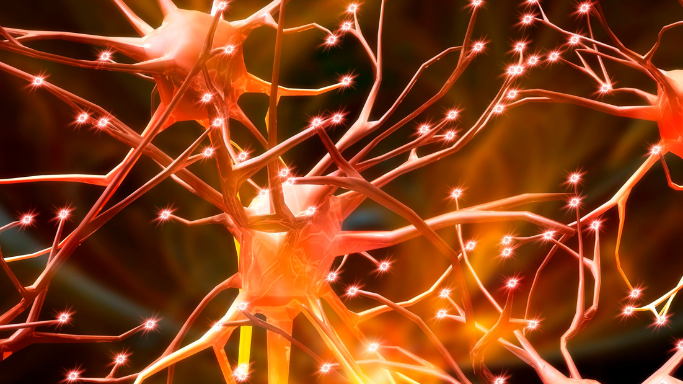
An image of cellular activity inside the human body

NADP and NADPH handle completely different cellular jobs. They focus on building new molecules and protecting your cells from damage.

The biochemistry of NADH and NADPH working together helps your cells both generate and use energy effectively. NADPH serves as your cellular construction manager:

  • Building functions: Provides reducing power to synthesize fatty acids, cholesterol, and amino acids
  • DNA synthesis: Helps create nucleotide building blocks for genetic material
  • Photosynthesis: In plants, NADPH powers the Calvin cycle to convert carbon dioxide into sugar
  • Protection functions: Regenerates antioxidants like glutathione that defend against cellular damage1

These biotechnology-inspired anabolic processes require energy to build complex molecules from simpler substrate components.

Redox Reactions: How These Enzyme Partners Work

Both systems function through redox reactions, where electrons transfer between molecules. These reactions drive nearly every metabolic process in your body.

NAD+ accepts electrons during glycolysis and the citric acid cycle. The electron transport chain in your mitochondria then uses NADH to generate ATP through oxidative phosphorylation.

NADPH donates electrons during biosynthesis reactions. The pentose phosphate pathway generates most of your cellular NADPH supply.2

How NAD and NADP Work with Different Substrate Systems

Your cells maintain distinct ratios of these molecules for good reason. NADPH levels stay high relative to NADP⁺, while NAD+ levels exceed NADH concentrations.

This separation allows each system to work effectively:

  • Different priorities: NAD focuses on energy extraction, while NADP handles construction and protection
  • Different locations: Various enzymes and pathways use each system specifically
  • Different timing: Energy needs and building needs occur at different cellular moments

Research shows that disrupting these ratios can affect cellular metabolism. Studies also indicate that maintaining proper NAD+/NADH balance becomes more challenging with age.3 4

Testing Your NAD Levels for Better Metabolism

Understanding your personal NAD status can help you enhance your cellular energy production. NAD+ levels decline with age, potentially affecting your energy, sleep, and cognitive function.

Jinfiniti’s Intracellular NAD+ Test measures your cellular NAD levels directly. This finger-prick test provides personalized dosage recommendations for NAD+ supplementation.

The NAD Optimization Starter Package combines testing with targeted supplementation, letting you measure your baseline levels and track improvement over time.

Bottom Line

NAD, NADP, and NADPH work together but serve completely different cellular functions. NAD and NADH power your energy production through catabolic pathways like glycolysis and cellular respiration.

NADP and NADPH handle biosynthesis and cellular protection through anabolic processes. That single phosphate group makes all the difference in directing these molecules toward their specialized roles.

Both systems are key for better health, proper metabolism, and healthy aging. Testing your NAD levels can help you understand whether your cellular energy systems need support.

Referenced Sources:

  1. https://pubmed.ncbi.nlm.nih.gov/20196923/ ↩︎
  2. https://www.ncbi.nlm.nih.gov/pmc/articles/PMC8168431/ ↩︎
  3. https://www.ncbi.nlm.nih.gov/pmc/articles/PMC11233901/ ↩︎
  4. https://www.ncbi.nlm.nih.gov/pmc/articles/PMC7963035/ ↩︎
A bottle of supplement capsules on a black table

Should You Take NAD with Resveratrol?

The combination of NAD precursors and resveratrol has become one of the most talked-about supplement pairings in longevity circles. You’ve probably seen this duo marketed as the ultimate anti-aging stack.

But does the science actually support taking these two together? The answer is more complicated than most people realize.

Key Takeaways

  • The NAD and resveratrol combination theory sounds compelling but human clinical trials show no synergistic benefits
  • Mouse studies revealed concerning brain NAD reductions with the combination
  • NAD precursors alone reliably boost NAD levels with modest health benefits
  • Resveratrol has significant drug interactions and poor bioavailability issues

The Science Behind NAD and Resveratrol

The fascination with combining these molecules stems from their individual roles in cellular health and their theorized synergy.

What Makes NAD So Important for Cellular Health

Nicotinamide adenine dinucleotide (NAD) serves as a coenzyme in every cell of your body. This molecule plays a central role in energy production, helping convert the food you eat into useable cellular fuel.

NAD levels decline significantly with age, dropping by roughly 50% between ages 20 and 60.1 This decline affects everything from mitochondrial function to DNA repair processes.

The problem is that NAD gets consumed by several families of enzymes. Sirtuins use NAD as a cosubstrate for their deacetylase activity. PARPs burn through NAD when repairing DNA damage. CD38, an enzyme that increases with age, acts like a drain on your NAD pool.

This creates what researchers call an “NAD sink.” As we age, more NAD gets consumed while less gets produced.

Resveratrol’s Role in Healthy Aging

Resveratrol is a stilbenoid compound found naturally in grape skins, red wine, and other plants. It’s produced when plants face stress or pathogenic attack.

This molecule from red wine gained fame for its potential cardiovascular benefits. Lab studies show resveratrol can act as an antioxidant, reduce inflammation, and may influence longevity pathways.

The most cited mechanism involves sirtuin activation. Sirtuins are NAD-dependent enzymes that help regulate metabolism, DNA repair, and cellular stress responses.

Here’s where things get interesting. If resveratrol can activate sirtuins, and sirtuins need NAD to function, could combining them create a synergistic effect?

The “Fuel and Accelerator” Theory

This combination theory is often explained through a simple car analogy that’s become popular in longevity research circles.

How These Molecules Work Together

Think of NAD as the fuel and resveratrol as the accelerator pedal. Sirtuins are the engine that drives many anti-aging processes in your cells.

NAD precursors like NMN or nicotinamide riboside provide the “fuel” by increasing your cellular NAD levels. This gives sirtuins the substrate they need to function.

Resveratrol acts as the “accelerator” by potentially increasing the activity of sirtuins, particularly SIRT1. This means the enzymes work more efficiently when both molecules are present.

The logic seems sound. Having fuel without pressing the accelerator limits your speed. Pressing the accelerator without fuel gets you nowhere.

Sirtuin Activity and Metabolism

Sirtuins control many processes linked to healthy aging. SIRT1 helps regulate glucose metabolism and insulin sensitivity. SIRT3 supports mitochondrial function and energy production.

When sirtuins work properly, they can enhance DNA repair, reduce cellular inflammation, and promote efficient metabolism. These are exactly the benefits people seek from anti-aging supplements.

Research shows that combining NMN with resveratrol in mice significantly boosted NAD levels in heart and muscle tissue compared to NMN alone.2 The combination increased NAD by 1.6-fold in heart tissue and 1.7-fold in skeletal muscle.

But there’s a major caveat that few people discuss.

What Human Trials Really Show Us

The transition from promising mouse studies to human clinical trials reveals a significant gap in our understanding.

The Gap Between Mouse Studies and People

While the mouse data looks impressive, the same study that showed benefits in heart and muscle tissue revealed something troubling. In the brain, the combination actually decreased NAD levels compared to untreated animals.

This finding raises serious questions about using this combination for cognitive health or neuroprotection. Your brain is arguably the organ where you’d least want to reduce NAD levels.

The only direct human trial testing this combination studied older patients with peripheral artery disease.3 Participants received either nicotinamide riboside alone or combined with resveratrol.

The combination offered no additional benefit over NMN alone for improving walking performance. After adjusting for adherence issues, researchers concluded that resveratrol neither blocked nor enhanced the effects of the NAD precursor.

NMN and NR Supplementation Results

Looking at NAD precursors alone, the human data shows mixed results. Clinical trials consistently demonstrate that both NMN and nicotinamide mononucleotide can raise blood NAD levels safely.4

Some studies show benefits like improved insulin sensitivity in prediabetic women and enhanced muscle performance in older adults. Others find no significant effects on mitochondrial function or glucose metabolism.

A 2024 meta-analysis of NMN trials concluded that while the precursor effectively raises NAD levels, most clinical outcomes weren’t significantly improved.5 The researchers suggested the benefits might be exaggerated.

For resveratrol alone, the track record is even weaker. Despite thousands of preclinical studies, clinical reviews conclude there’s currently no solid evidence to recommend it in healthcare settings.6

Study TypeNAD PrecursorsResveratrolCombination
Animal StudiesStrong evidence for NAD boostingMixed lifespan resultsSynergistic tissue effects
Human TrialsReliable NAD increase, modest health benefitsWeak evidence for health benefitsNo superior effects vs. precursor alone
Safety ProfileGenerally well-toleratedSafe at lower dosesHigher risk of drug interactions

Dosage and Bioavailability Challenges

Even if you decide to try this combination, getting effective doses into your system presents real challenges.

Getting Resveratrol Into Your System

Standard resveratrol has terrible bioavailability. Less than 1% of what you swallow reaches your bloodstream unchanged. Your liver rapidly converts it into inactive metabolites.

Advanced formulations try to solve this problem. Micronized powders increase surface area.7 Liposomal encapsulation protects the molecule from breakdown.

Some products include piperine from black pepper, which can increase resveratrol blood levels by over 1,500% in animal studies. However, this dramatic boost hasn’t been confirmed in humans.

Clinical trials have used resveratrol doses ranging from 100-1,000 mg daily. Higher doses increase the risk of digestive upset.

Optimizing NAD Precursor Absorption

NAD precursors have better bioavailability than resveratrol, but formulation still matters. Studies suggest doses of 250-1,200 mg daily are safe and effective for raising NAD levels.8

If you want to boost NAD without the resveratrol headaches, Jinfiniti’s Vitality NAD+ Booster takes a different approach. You get reliable NAD precursors combined with creatine and D-ribose that your cells can actually use. No drug interactions to worry about. No bioavailability lottery. Just proven ingredients that work.

Vitality NAD+ Booster promotional image

Safety Considerations and Drug Interactions

The safety profile of this combination deserves serious attention, especially regarding drug interactions.

Who Should Avoid This Combination

Resveratrol can interfere with blood clotting and interact with many common medications. It inhibits several liver enzymes responsible for drug metabolism.

People taking blood thinners, including warfarin or even daily aspirin, face increased bleeding risk. The combination can also affect blood pressure medications and diabetes drugs.

Anyone with hormone-sensitive conditions should be cautious, as resveratrol may have mild estrogenic effects. Pregnant women and children should avoid these supplements entirely due to lack of safety data.

Potential Side Effects to Watch For

NAD precursors are generally well-tolerated. When side effects occur, they’re usually mild: nausea, fatigue, or headaches. High-dose resveratrol (over 1,000 mg daily) commonly causes digestive issues.

The combination creates a complex interaction profile. Multiple studies on resveratrol document significant drug interactions with:9

  • Anticoagulant medications
  • Blood pressure treatments
  • Diabetes medications
  • Drugs metabolized by liver CYP450 enzymes

Before starting this combination, consult with a healthcare provider who can review your complete medication list and health history.

Making the Right Choice for You

The evidence for combining NAD precursors with resveratrol falls short of the marketing promises. While the mechanistic rationale sounds compelling, human trials don’t support the synergistic benefits seen in mice.

For most people, focusing on proven NAD boosting strategies makes more sense. This includes choosing high-quality NAD precursors, maintaining good cellular nutrition, and supporting your body’s natural NAD production through lifestyle factors.

If you’re interested in targeting multiple longevity pathways, consider combinations with stronger evidence. Pairing NAD precursors with senolytic compounds like quercetin or fisetin may offer more logical synergy.

The most important step is knowing your baseline NAD levels. Jinfiniti’s Intracellular NAD Test measures your actual cellular NAD status, allowing you to make informed decisions about supplementation.

Remember that supplements work best as part of a comprehensive approach to healthy aging. Regular exercise, quality sleep, stress management, and a nutrient-dense dietary pattern remain the foundation of longevity.

Rather than chasing the latest supplement trend, focus on strategies with solid evidence behind them. Your future self will thank you for making decisions based on science, not hype.

Referenced Sources:

  1. https://pmc.ncbi.nlm.nih.gov/articles/PMC7963035/ ↩︎
  2. https://pmc.ncbi.nlm.nih.gov/articles/PMC9289528/ ↩︎
  3. https://www.nature.com/articles/s41467-024-49092-5 ↩︎
  4. https://pmc.ncbi.nlm.nih.gov/articles/PMC9036060/ ↩︎
  5. https://www.tandfonline.com/doi/full/10.1080/10408398.2024.2387324 ↩︎
  6. https://www.mdpi.com/1422-0067/25/2/747 ↩︎
  7. https://pmc.ncbi.nlm.nih.gov/articles/PMC8470508/ ↩︎
  8. https://pmc.ncbi.nlm.nih.gov/articles/PMC9036060/ ↩︎
  9. https://www.mdlinx.com/article/4-longevity-supplements-that-actually-do-more-harm-than-good/66NVziUTEPcXaGXgmEncwJ ↩︎
A runner sprints on a blue athletic track during golden hour with trees and sky visible.

What is Cellular Energy? A Simple Guide to Your Body’s Power Source

Have you ever wondered where you get the energy to think, move, or even breathe? The answer lies deep within your body, inside trillions of tiny powerhouses. This is where cellular energy is created, and it’s the fuel that powers every single thing you do.

Understanding how your body creates and uses this energy is a big step toward improving your health. Let’s break down what cellular energy is and why it’s so important for your vitality.

Key Takeaways

  • ATP is your body’s energy currency – it powers every cell function from thinking to breathing
  • Mitochondria are cellular powerhouses – these tiny structures inside your cells make the energy you need
  • Energy production naturally declines with age – leading to fatigue and slower recovery
  • You can support cellular energy – through proper nutrition, exercise, sleep, and targeted supplements

The Basics of Cellular Energy

Think of your body as a bustling city. For the city to run, it needs a constant power supply. Cellular energy is that power. It’s created when your body breaks down the food you eat, a primary energy source, into smaller components that your cells use.

This process keeps every part of your body fueled and ready to work. From your brain processing thoughts to your heart pumping blood, it all runs on this amazing internal power source.

What is ATP?

The center of cellular energy is a special molecule called adenosine triphosphate, or ATP. This molecule is made of adenine, a ribose sugar, and three phosphate groups.

If cellular energy is the power for your city, then ATP is the energy currency that pays for everything. The potential energy stored in the bonds of these phosphate groups is immense.

When a cell needs to do a task, it breaks one phosphate group off an ATP molecule, releasing energy. This burst of free energy is how ATP is used to power reactions. The spent molecule, now ADP, is quickly recharged back into ATP. The energy stored in ATP is what provides immediate power energy for cells1.

The Role of Mitochondria

The production of this needed chemical energy happens inside specialized parts of your cells called mitochondria. Often called the “powerhouses of the cell,” these tiny structures are where the magic of energy production happens.

Your cells can have hundreds or even thousands of mitochondria, especially in areas that require energy constantly, like your brain, heart, and muscles2. The health of your mitochondria is directly linked to your body’s ability to generate energy well.

How Your Body Makes Energy

A female athlete runs around the curve of a red athletic track.

Your body is incredibly skilled at converting food into usable energy through a process called cellular respiration. It’s how one molecule of glucose from your lunch becomes the power for your afternoon workout. This complex pathway is the cornerstone of your energy metabolism.

This intricate system demonstrates the importance of energy homeostasis in maintaining your body’s balance.

The Three Stages of Cellular Respiration

Cellular respiration can be broken down into three main stages3. Each step is a necessary part of the energy-making assembly line.

  1. Glycolysis: This first step happens in the cell’s cytoplasm, outside the mitochondria. Here, a glucose molecule is split into two smaller pyruvate molecules, creating a small amount of ATP.
  2. The Citric Acid Cycle: Also known as the Krebs cycle, this stage takes place inside the mitochondria. It uses the pyruvate molecules to generate electron carriers, NADH and FADH2, which are needed for the next step.
  3. The Electron Transport Chain: This is the main event for energy production. It occurs on the inner mitochondrial membrane and is a form of cycle and oxidative phosphorylation. The transfer of electrons from NADH and FADH2 powers the pumping of hydrogen ions across the inner membrane. This process, which requires oxygen as the final electron acceptor, creates a gradient that the enzyme ATP synthase uses to produce a large amount of ATP.

Here is a simple breakdown of the major energy produced per glucose molecule:

StageLocationATP Produced (Approx.)
GlycolysisCytoplasm2 ATP
Citric Acid CycleMitochondria2 ATP
Electron Transport ChainMitochondria26-28 ATP

Why Cellular Energy is Central to Your Health

A man and woman in athletic wear run up concrete stairs outdoors together.

Having a steady energy supply is about more than just feeling awake. It affects every aspect of your well-being, from how clearly you think to how well you fight off sickness. A strong immune system, for example, requires plenty of energy in the form of ATP to protect you from pathogens.

When your energy production is running smoothly, you feel it. Your mind is sharp, your body feels strong, and you have the resilience to handle stress. This is because your cells have the power they need energy for repair, regeneration, and defense.

The Link Between Energy and Aging

As we get older, our mitochondrial function can decline. Studies show that this slowdown in energy production is a major factor in the aging process4. When cells can’t produce energy as well, it can lead to common signs of aging like fatigue, muscle weakness, and slower recovery.

This decline is partly due to a decrease in necessary compounds like Coenzyme Q10 and the coenzyme NAD+ (Nicotinamide Adenine Dinucleotide). These molecules are needed for the energy-making process, and lower levels of ATP can affect your overall healthspan.

Understanding mitochondrial decline can help you recognize the importance of supporting these cellular powerhouses. The 12 hallmarks of aging include mitochondrial dysfunction as a key factor in how we age.

When Energy Production Falters

Sometimes, the process of making cellular energy doesn’t work as well as it should. This can be due to genetics, lifestyle, or environmental factors.

Conditions like chronic fatigue and certain metabolic disorders are linked to problems with mitochondrial function. Research shows that impaired energy metabolism is also connected to cardiovascular and neurodegenerative diseases5. This demonstrates just how central cellular energy is to preventing illness and maintaining long-term health.

When cellular processes break down, it can lead to cellular degeneration, which affects your overall health and vitality.

How to Support Your Cellular Energy

A person in a yellow sweater prepares healthy breakfast with yogurt, berries and nuts.

The good news is that you can take steps to support your body’s natural ability to produce ATP. By making smart choices, you can help your mitochondria flourish and keep your energy levels high.

Nutrition for Your Cells

A diet rich in nutrients is the foundation for healthy energy metabolism. Your cells need the right building blocks to work their best.

  • Eat Whole Foods: Focus on a diet full of high-quality proteins, healthy fats, and complex carbohydrates.
  • Limit Processed Sugars: Foods high in refined sugar can interfere with mitochondrial function.
  • Stay Hydrated: Water is needed for every metabolic process in your body, including energy production.
  • Get Your Micronutrients: B vitamins, magnesium, and antioxidants are all needed for the energy-making pathway.

Having a good understanding of cellular nutrition can help you make better food choices for energy production.

Lifestyle Habits for Better Energy

How you live your life also has a big impact on your cellular health. Regular physical activity is one of the best ways to boost your mitochondria. Exercise can even encourage your body to create new mitochondria.

Managing stress and getting enough quality sleep are also major factors. Chronic stress can damage mitochondria, while sleep is when your body does much of its repair work. For more ideas, you can explore daily practices to support mitochondrial health.

Targeted Support with Supplements

A muscular man in a white shirt holds a supplement bottle with others on the table.

For those looking for an extra edge, targeted supplements can help support the body’s energy currency system. As we age, our natural production of energy-related molecules declines, and supplementation can help fill the gap.

Jinfiniti’s Creatine + ATP is designed to directly support your body’s energy cycle. It provides both creatine, which helps recycle ADP back into ATP, and a direct source of ATP. This combination supports both physical performance and cognitive function, making it a great choice for anyone looking to boost their daily energy. Learn more about creatine and ATP and their powerful connection.

Another powerful option is supporting your NAD+ levels. Jinfiniti’s Vitality↑® NAD+ Booster is formulated to increase this needed coenzyme, which is involved in over 500 cellular activities, including energy production.

Boosting your NAD+ helps support your body’s ability to create the ATP it needs to flourish. Not sure what your levels are? You can easily find out with an at-home NAD test or learn more about how to test your NAD levels.

For broader cellular support, consider exploring the best mitochondrial health supplements or chronic fatigue supplements if you’re dealing with persistent tiredness.

Final Thoughts

Cellular energy is the very foundation of your health. It’s the power that drives every breath, heartbeat, and thought. By understanding how your body creates this energy, you can take proactive steps to support your vitality for years to come.

Focusing on a healthy diet, an active lifestyle, and smart supplementation can help keep your cellular powerhouses running at their best. When you take care of your cells, you are truly taking care of your entire body.

If you’re curious about other ways to support your cells, you might want to learn about the best supplements to support cellular repair.

  1. https://www.ncbi.nlm.nih.gov/books/NBK553175/ ↩︎
  2. https://www.nih.gov/news-events/nih-research-matters/mitochondria-health ↩︎
  3. https://online.ucpress.edu/abt/article-abstract/71/3/164/17983/Teaching-Cellular-Respiration-amp-Alternate-Energy ↩︎
  4. https://www.oncotarget.com/article/7645/text/ ↩︎
  5. https://www.nature.com/articles/s41392-024-01839-8 ↩︎
A woman in a white robe sits in a clinic chair receiving NAD IV therapy while scrolling on her phone.

NAD IV Therapy Benefits: Pros and Cons, Risks Explained

NAD IV therapy has become the latest wellness trend, promising everything from increased energy to anti-aging benefits.

But before you book that expensive treatment, you need to understand both the potential benefits and serious risks involved.

This guide examines what science actually says about NAD infusions, helping you make an informed decision about this controversial treatment.

Key Takeaways

  • NAD IV therapy lacks FDA approval and has limited scientific evidence supporting its claims
  • Common side effects include nausea, headaches, and muscle pain during lengthy infusions
  • Oral NAD precursors may be more effective and safer than direct IV administration
  • Testing your current NAD levels before treatment helps avoid unnecessary risks and costs

What is NAD IV Therapy?

NAD stands for nicotinamide adenine dinucleotide, an important coenzyme found in every cell of your body. This enzyme helps with cellular energy production, DNA repair, and metabolism.

As you age, your NAD levels naturally decline. This drop affects your cellular function and may contribute to age-related health issues.

NAD IV therapy involves receiving this coenzyme directly into the bloodstream through intravenous infusion. The treatment bypasses your digestive system, where oral NAD supplements would typically break down before reaching your cells.

Sessions typically last 2-6 hours and can cost hundreds to thousands of dollars per treatment. Practitioners claim IV delivery provides 100% bioavailability compared to oral supplements.

Benefits of NAD Therapy: What Supporters Claim

A woman in a white robe relaxes on a medical chair while receiving NAD IV therapy.

Wellness clinics make bold claims about NAD therapy benefits. Here’s what they promise:

Cellular Energy and Metabolism

Supporters say NAD infusions can boost your energy levels by improving mitochondrial function. Your mitochondria are the powerhouses of your cells, producing the energy you need for daily activities.

The therapy may enhance metabolism, helping with weight management and metabolic function. Some claim it improves physical performance and speeds up recovery after exercise.

Energy Claims Include:

  • Increased cellular energy production
  • Better ATP synthesis
  • Enhanced physical stamina
  • Faster workout recovery

Brain Function and Mental Clarity

NAD therapy supporters claim significant cognitive benefits. They say the treatment can improve mental clarity, focus, and memory.

Some practitioners suggest it offers neuroprotection against age-related brain decline. Others claim it helps with mood improvement, reducing depression and anxiety symptoms that can impact your overall quality of life.

Cognitive Claims Include:

  • Sharper mental focus
  • Better memory retention
  • Improved mood stability
  • Protection against brain aging

Anti-Aging and DNA Repair

Perhaps the most appealing claims center on anti-aging effects. Supporters say NAD can help slow down the aging process at the cellular level.

They claim the coenzyme activates genes that combat aging and helps repair damaged DNA. Some even suggest it can improve skin appearance by reducing fine lines and wrinkles.

Anti-Aging Claims Include:

  • DNA repair activation
  • Cellular regeneration
  • Improved skin quality
  • Extended healthspan

Types of NAD Treatment Options

You have several options if you’re considering NAD therapy:

Treatment TypeDurationCost RangeBioavailability Claim
IV Infusions2-6 hours$500-$1,500100%
Injections15-30 minutes$200-$50090-95%
Oral SupplementsDaily pills$30-$200/month10-30%
Nasal SpraysFew minutes$100-$30040-60%

IV infusions remain the most popular option at wellness centers. However, other delivery methods may offer similar benefits with fewer risks and lower costs.

NAD Therapy Side Effects and Risks

A close-up image of a medical syringe, filled and ready for use.

Despite marketing claims, NAD IV therapy carries significant risks that you should understand.

Common IV Infusions Side Effects

Most people experience some discomfort during NAD infusions. The slow vitamin therapy process often causes unpleasant symptoms.

During Treatment:

  • Nausea and vomiting
  • Headaches and dizziness
  • Muscle cramping and pain
  • Brain fog and fatigue
  • Tingling sensations throughout your body

At Injection Site:

  • Redness and swelling
  • Pain and tenderness
  • Risk of infection (rare but serious)

Serious Safety Concerns

The FDA has issued warnings about contamination risks with NAD injectables. Some compounders use food-grade rather than pharmaceutical-grade ingredients.

Severe adverse events have been reported, including:1

  • Uncontrollable chills and shaking
  • Severe vomiting requiring medical attention
  • Extreme fatigue lasting days
  • Endotoxin contamination from inappropriate ingredients

Drug Interactions

NAD IV treatments can interact dangerously with medications:

  • Diabetes drugs (blood sugar control issues)
  • Cancer treatments (may interfere with chemotherapy)
  • Blood thinners (altered clotting risk)
  • Antidepressants (mood medication interactions)

What the Science Actually Shows

Despite enthusiastic marketing, scientific evidence supporting NAD IV therapy remains surprisingly weak.

A 2020 systematic review found that only a small number of randomized clinical trials of NAD therapy have taken place.2 Most evidence comes from small case studies rather than rigorous research.

The results are described as “promising, yet still speculative” with more trials needed. Recent studies show that oral NAD precursors may actually be more effective than direct IV infusions.3

Dr. Michael Sagner of King’s College London has called direct NAD injection “completely idiotic from a biochemistry point of view” since NAD cannot easily cross cell membranes.4

NAD IV therapy is not FDA-approved for any medical condition. The treatment exists in a regulatory gray area, offered under “wellness” frameworks rather than medical approval.

NAD Infusion vs Other NAD Treatment Methods

A close-up view of an intravenous (IV) drip chamber with fluid flowing through the tube.

Before choosing expensive IV therapy, consider these alternatives:

Oral NAD Precursors

  • Lower risk of contamination
  • More convenient administration
  • Better studied in clinical trials
  • Significantly more affordable

Lifestyle Interventions

  • Regular exercise naturally supports NAD levels
  • Quality sleep supports cellular repair
  • Stress management reduces oxidative stress
  • Caloric restriction (the only proven longevity intervention)

Testing Your Levels First

Before spending thousands on IV therapy, shouldn’t you know if you actually need it?

The Intracellular NAD+ Test measures your baseline NAD status, giving you real data instead of guesswork.

This finger-prick test provides personalized dosage recommendations and lets you track your progress over time. It’s the smart way to approach NAD optimization using Jinfiniti’s proven “Test, Act, Optimize” methodology.

Intracellular NAD Test promotional image

Learn More About NAD: Making an Informed Decision

If you’re considering if NAD therapy is worth it, take time to understand your options fully. 

The science shows that NAD supplements vs IV therapy comparison isn’t as straightforward as clinics suggest.

Start with testing to understand your current NAD status. Many people assume they’re deficient without any actual data to support that assumption.

Consider safer oral alternatives first. The Vitality↑® NAD+ Booster provides a clinically validated formula with NAD precursors, creatine, and supporting compounds.

A Smarter Approach

Why guess when you can know for sure? The NAD Optimization® Starter Package combines testing with supplementation, following Jinfiniti’s proven “Test, Act, Optimize” methodology.

You’ll measure your baseline, supplement appropriately, then retest to confirm improvement. This data-driven approach eliminates guesswork and provides measurable results without the risks of IV therapy.

Questions to Ask Your Provider

If you’re still considering IV therapy, ask these questions:

  • What’s your training and experience with NAD infusions?
  • Where do you source your NAD, and is it pharmaceutical grade?
  • What’s your protocol for managing adverse reactions?
  • Can you provide peer-reviewed studies supporting your treatment claims?
  • What follow-up testing do you recommend?
  • How do you customize the treatment plan for individual patients?

The Bottom Line

An image of a hand holding a supplement

NAD plays real roles in cellular function, and levels do decline with age. But the evidence supporting IV therapy isn’t strong enough to justify the health claims and costs.

The therapy might improve as research progresses. Right now though, the risks and costs outweigh the unproven benefits for most people.

Quality oral supplements, combined with lifestyle changes and proper testing, offer a safer path to NAD optimization.

Anyone considering NAD IV therapy should consult qualified healthcare providers, understand you’re trying an experimental treatment, and carefully weigh potential risks against uncertain benefits.

Your health deserves evidence-based decisions, not expensive experiments.

Referenced Sources:

  1. https://www.fda.gov/drugs/human-drug-compounding/fda-reminds-compounders-use-ingredients-suitable-sterile-compounding ↩︎
  2. https://www.mdpi.com/1424-8247/13/9/247 ↩︎
  3. https://www.medrxiv.org/content/10.1101/2024.06.06.24308565v1.full-text ↩︎
  4. https://www.theguardian.com/society/2025/feb/23/its-not-ethical-and-its-not-medical-how-uk-rehab-clinics-are-cashing-in-on-nad ↩︎
Dr. Jin-Xiong She headshot

Who is Dr. Jin-Xiong She? Background and Achievements

Dr. Jin-Xiong She ranks among genomic medicine’s most distinguished researchers. His scientific work has changed the way we think about diabetes, aging, and cellular health.

From his early research into autoimmune diseases to founding a precision medicine company, his career spans over three decades. He has published more than 400 scientific papers and secured over $100 million in research funding.

Today, he leads the charge in personalized longevity research through his company Jinfiniti Precision Medicine.

Early Life and Scientific Foundation

A strong family focus on schooling and scientific reasoning set Dr. She on his course in biomedical research. This setting nurtured an initial curiosity in biology and genetics, fostering the sort of incisive thought that would define his research efforts.

His academic pursuits led him across continents, exposing him to various outlooks that later informed his research techniques. He finished his undergraduate degree in China, subsequently earning advanced degrees in France.

He obtained his Master of Science from the National School of Agriculture in 1984. Three years later, in 1987, he was awarded his PhD in Molecular Genetics by the University of Montpellier.

This international foundation gave him a special advantage. He came to integrate Eastern philosophical tenets with the precision of Western scientific rigor.

Dr. Jin-Xiong She headshot

Academic Career at University of Florida

After completing his doctorate, Dr. She moved to the United States for postdoctoral training. He focused on immunogenetics at the University of Florida, studying the genetic basis of autoimmune disorders.

His rise through the academic ranks was remarkably fast. He advanced from Assistant Professor to Associate Professor, then to Full and Endowed Professor in record time.

This rapid progression reflected his immediate impact on the field. His research productivity and new ideas set him apart from his peers early in his career.

Leadership in Diabetes Research

Dr. She took on major leadership roles at the University of Florida. He served as Division Chief of Experimental Pathology and Director of Research at the university’s Diabetes Center.

These positions placed him at the center of diabetes research. He guided the scientific strategy of a leading center dedicated to understanding this complex disease.

Building Genomic Medicine at Augusta University

In 2002, Dr. She received a prestigious appointment as Georgia Research Alliance Eminent Scholar in Genomic Medicine at Augusta University. This position represented a major investment by the state of Georgia to build world-class research programs.

The appointment came with substantial resources and a clear mandate. He was tasked with establishing a center of excellence in genomic medicine from the ground up.

Founding the Center for Biotechnology and Genomic Medicine

As founding director, Dr. She established the Center for Biotechnology and Genomic Medicine (CBGM) at Augusta University. The center became one of the world’s first academic programs dedicated specifically to genomic medicine.

The CBGM’s mission was ambitious and forward-looking. It aimed to advance “predictive, preventive, personalized and participatory medicine” through interdisciplinary research.

This “4P” philosophy became the guiding principle of his work. It provides a direct connection between his academic research and his later business ventures.

Under his leadership, the center attracted four internationally renowned diabetes research programs. These included major studies like TEDDY (The Environmental Determinants of Diabetes in the Young) and PANDA (Prospective Assessment in Newborns of Diabetes Autoimmunity).

The TEDDY Study and Breakthrough Discoveries

Dr. She played a key role in conceiving and launching the landmark TEDDY study in 2003. This massive international project aimed to identify environmental triggers that cause Type 1 diabetes in genetically susceptible children.

The study’s scale was unprecedented. It screened over 424,000 newborns and enrolled nearly 9,000 high-risk children to follow for 15 years.

Landmark Findings About Diabetes

The TEDDY study produced major discoveries under Dr. She’s leadership. The research revealed that Type 1 diabetes is not a single disease but multiple distinct subtypes with different genetic triggers.

His team identified the first clear genetic evidence for diabetes “endotypes.” Children who develop insulin autoantibodies first have different genetic risk factors than those who develop glutamic acid decarboxylase autoantibodies first.

The research also uncovered important environmental factors. The study found that probiotic exposure during infancy decreased diabetes risk, while certain infant formulas increased it.

His work identified several new genetic regions that influence different stages of disease development. These discoveries moved the field beyond simple genetic models to understand diabetes as a complex, multi-stage process.

Jin-Xiong She and the Transition to Longevity

Dr. She’s transition from diabetes research to aging science was both logical and smart. The biological mechanisms underlying Type 1 diabetes—inflammation, metabolic dysfunction, and cellular damage—are central to the aging process itself.

His skills in developing high-throughput testing technologies transferred directly to wellness and healthspan improvement. The same biomarker discovery methods used in disease research could identify aging-related changes before symptoms appeared.

His research into cellular energy and repair mechanisms earned him recognition as the “King of NAD” in wellness circles.

Founder of Jinfiniti Precision Medicine

In 2018, Dr. She founded Jinfiniti Precision Medicine, where he serves as CEO and Chief Scientific Officer. The company represents the direct application of his “4P medicine” philosophy to consumer health.

Jinfiniti Precision Medicine operates on a scientist-led, data-driven approach. The company provides end-to-end solutions for healthy longevity by optimizing healthspan, performance, and lifespan.

Jinfiniti offers proprietary tests for key aging biomarkers including intracellular NAD+ levels, oxidative stress markers, and senescent cell burden. The company then provides targeted supplements like NAD boosters to address deficiencies found through testing.

This approach represents the personalized medicine principles he developed in academia. Jinfiniti targets diverse markets including clinicians, pharmaceutical companies, and the growing community of longevity enthusiasts and biohackers.

NAD Research and Cellular Health

Dr. She’s current work focuses heavily on NAD (Nicotinamide Adenine Dinucleotide) and its role in cellular function. NAD is a molecule involved in over 500 cellular activities and declines significantly with age.

His research has shown that NAD levels vary dramatically between individuals. The same supplement dose could be optimal for one person but ineffective or harmful for another.

This discovery led to developing the first commercially available intracellular NAD+ test. The test allows individuals to measure their baseline levels and monitor improvement through supplementation.

Scientific Impact and Recognition

Dr. She’s academic record places him among the top biomedical researchers globally. His 400+ peer-reviewed papers have been cited more than 20,000 times, with an H-index ranging from 71 to 79.

His ability to secure large research funding shows the scientific community’s confidence in his work. The $100+ million in competitive grants he has received primarily came from the National Institutes of Health.

His leadership roles included serving as President of the American Diabetes Association’s Council on Immunology, Transplantation, and Immunogenetics, and leading the Chinese Geneticists in America organization.

Beyond metrics, his impact has been life-changing. He shifted the diabetes field from simple genetic models to understanding complex, multi-stage disease processes.

Current Work and Future Directions

Today, Dr. She focuses on a mission close to his heart: helping people extend their healthspan through Jinfiniti’s TAO philosophy. TAO stands for Test, Act, and Optimize—a method that reflects both ancient wisdom and modern science.

His work addresses a critical health challenge facing society. Most people experience a 20-year gap between their healthspan and lifespan—living healthy until about age 60 but surviving until 80 with declining quality of life.

Jinfiniti’s approach aims to close this gap through data-driven interventions. Rather than simply adding years to life, Dr. She’s mission centers on adding life to years.

The company’s philosophy goes beyond typical wellness approaches. It combines rigorous testing with personalized interventions to help individuals maintain vitality, energy, and cognitive function as they age.

His scientific background brings credibility to longevity interventions in a field often lacking solid evidence. This evidence-based approach helps people make informed decisions about their health optimization journey.

A Legacy of Scientific Innovation

Dr. Jin-Xiong She’s career represents the modern scientist-entrepreneur model. He has successfully translated decades of basic research into practical tools for improving human health.

His work has progressed from understanding a devastating autoimmune disease to tackling the fundamental biology of aging itself. Both endeavors share a focus on unraveling biological complexity and converting insights into actionable strategies.

His legacy will be measured not only by his foundational discoveries in diabetes genetics but also by his pioneering efforts in personalized longevity medicine. Through Jinfiniti, he continues working to extend the healthy, vibrant years of human life.

A variety of colorful pills, capsules, and tablets floating against a neutral beige background.

Bryan Johnson Blueprint Supplement List Reviewed (2025)

Bryan Johnson has captured global attention with his extreme approach to reversing biological age. The tech entrepreneur spends over $2 million annually on his Blueprint project. His supplement routine includes more than 40 different compounds taken daily.

This detailed review examines bryan johnson’s complete 2025 supplement list. We’ll break down the science behind his choices. We’ll explore which components show real promise for longevity.

The Complete Bryan Johnson Blueprint Stack Overview

The Bryan Johnson supplement protocol is one of the most extensive anti-aging regimens ever documented. His full list includes NAD+ precursors, senolytics, hormones, and prescription medications.

Johnson categorizes his interventions into three tiers. The first tier includes supplements he believes are suitable “for everyone.” The second tier contains compounds he takes based on personal biomarker measurements. The third tier represents experimental therapies he’s testing.

Various orange and gray capsules with textured surfaces scattered on a beige background.

Complete Bryan Johnson Blueprint Supplement List 2025

Here’s bryan johnson’s full supplement routine with exact dosages and timing. This is his personal protocol, which differs from his commercial Blueprint products.

Morning Supplements (With First Meal)

SupplementDaily DoseNotes
NMN or Nicotinamide Riboside500mg (NMN) or 450mg (NR), 6x/weekNAD+ precursor
Calcium Alpha-Ketoglutarate1gMetabolic support
Ashwagandha600mgStress adaptation
Coenzyme Q10 (Ubiquinol)100mgCellular energy
Vitamin D32,000 IUBone/immune health
EPA/DHA/DPA800mgOmega-3 fatty acids
Vitamin C500mgAntioxidant support
BroccoMax (Sulforaphane)17.5mgDetoxification support
Ginger Root2.2gAnti-inflammatory
Garlic (regular)2.4gCardiovascular support
Fisetin200mgSenolytic compound
Lithium Orotate1mgNeuroprotection
Vitamin K2-MK45mgBone health
Vitamin K11.5mgBlood clotting
Vitamin K2-MK7600mcgArterial health
Zinc15mgImmune function
Iodine (Potassium Iodide)125mcgThyroid support
Lycopene10mgAntioxidant
Spermidine10mgAutophagy inducer
Proferrin (Heme Iron)10.5mgIron supplementation
Acarbose (Prescription)200mgBlood sugar control
Metformin (Prescription)500mgMetabolic health
Blueprint Essentials2 capsulesCommercial stack
Blueprint Soft Gel1 capsuleCommercial stack
Blueprint NAC + Ginger + Curcumin3 capsulesCommercial stack
Blueprint Red Yeast Rice + Garlic1 capsuleCommercial stack
ProButyrate600mgGut health
Plasmalogens (Glia & Neuro)1mL eachBrain health

Evening Supplements (With Dinner)

SupplementDaily DoseNotes
Calcium Alpha-Ketoglutarate1gSecond daily dose
Cocoa Flavanols500mgCardiovascular support
Vitamin E67mgAntioxidant
Garlic (Kyolic)1.2gAged garlic extract
Glucosamine Sulfate 2KCL1,500mgJoint health
L-Lysine1gAmino acid support
L-Tyrosine500mgNeurotransmitter support
Turmeric (Curcumin)1gAnti-inflammatory
Taurine1gCardiovascular support
Viviscal1 pillHair growth
NAC (N-Acetyl-L-Cysteine)1,800mgAntioxidant precursor
Genistein125mgPhytoestrogen
Metformin (Prescription)500mgSecond daily dose
Proferrin (Heme Iron)10.5mgSecond daily dose
EPA/DHA/DPA800mgSecond daily dose

Before Bed Supplements

SupplementDaily DoseNotes
Melatonin300mcgSleep support
Turmeric1gSecond daily dose
Taurine2gSecond daily dose

Weekly/Periodic Supplements

SupplementFrequencyNotes
B-Complex0.5 pill, 2x/weekVitamin support
Aspirin81mg, 3x/weekCardiovascular protection
Testosterone Patch (Prescription)4mg, 1x/weekHormone therapy
B12 Injection1x/weekVitamin B12
Levothyroxine (Prescription)112mcg dailyThyroid hormone
Armour Thyroid (Prescription)60mg dailyNatural thyroid

Daily Food Items

ItemAmountPurpose
Extra Virgin Olive Oil30mLHealthy fats
Pea Protein29gProtein supplementation
Dark Chocolate15gAntioxidant support

The blueprint Bryan Johnson follows includes both his commercial products and individual supplements. His Blueprint Essential Capsules and Longevity Mix are simplified versions of his personal protocol.

NAD+ and Cellular Energy: The Foundation of Bryan Johnson’s Approach

Johnson prioritizes NAD+ optimization as a cornerstone of his longevity protocol. He alternates between NMN and nicotinamide riboside six times per week. This approach targets declining cellular energy levels that occur with aging.

NAD+ levels decline significantly with age. This decline affects mitochondrial function and energy levels throughout the body. Bryan johnson’s supplement protocol aims to restore youthful NAD+ levels through targeted supplementation.

Johnson has used Jinfiniti’s own Intracellular NAD+ Test and achieved an optimal score of 54.6μM1. This result places him in the ideal range for cellular health and vitality. According to Dr. Jin-Xiong She’s clinical practice, optimal NAD levels fall between 40-100μM.

A molecular structure with connected spherical atoms and bonds rendered in 3D graphics.

The science supporting NAD+ precursors continues to evolve. Human clinical trials show both NMN and NR effectively raise NAD+ levels2. Studies demonstrate improved aerobic capacity and muscle function in participants3.

Bryan’s Key NAD+ Support Supplements:

  • NMN: 500mg (6x weekly)
  • Nicotinamide Riboside: 450mg (alternative to NMN)
  • CoQ10: 100mg daily
  • Creatine

Johnson’s emphasis on cellular energy extends beyond NAD+ precursors. His blueprint stack includes creatine, which supports ATP production and cognitive function. This multi-pathway approach targets energy production at different cellular levels.

For anyone interested in following bryan johnson’s supplement approach to NAD+ optimization, testing provides the foundation.

Jinfiniti’s Vitality NAD Booster offers a scientifically formulated approach to restoring NAD. Our product combines NAD+ precursors with creatine and supporting compounds. This mirrors the successful research protocols Johnson follows.

Vitality Mini CTA

Anti-Inflammatory and Antioxidant Powerhouses

The blueprint protocol places heavy emphasis on reducing oxidative stress and inflammation. Johnson consumes large amounts of curcumin, with 2 grams of turmeric daily split between doses. This anti-aging approach targets chronic inflammation linked to aging processes.

Curcumin shows impressive anti-inflammatory properties in clinical research4. Studies demonstrate reduced inflammatory markers and improved joint function. Bryan johnson’s dosage exceeds typical recommendations. High-dose turmeric supplementation requires careful consideration due to potential liver concerns.

Anti-Inflammatory Compounds in Johnson’s Stack:

  • Turmeric (Curcumin): 2g daily
  • Taurine: 3g daily (1g dinner, 2g bedtime)
  • Ginger Root: 2.2g daily
  • Fisetin: 200mg daily
Various supplement capsules and orange powder scattered on a green surface with a spoon.

Bryan Johnson’s extensive supplement protocol includes fisetin. As a senolytic, this flavonoid’s job is to eliminate senescent “zombie” cells. Animal studies show hopeful signs for increasing longevity5. Human investigations are steadily adding to the body of confirming data.

Taurine deserves special attention in bryan johnson’s supplement protocol. This amino acid supports cardiovascular health and may help reduce oxidative damage. Clinical studies suggest 1-2 grams daily can benefit heart health and blood pressure6.

Johnson includes antioxidant support through multiple pathways. His blueprint bryan johnson protocol features lycopene, cocoa flavanols, and various plant-based compounds. This multi-target approach addresses different sources of cellular damage and oxidative stress.

Jinfiniti’s Formulations

If you don’t want to juggle numerous individual supplements, Jinfiniti offers precisely formulated combinations instead. Our Extra Strength Turmeric+ turmeric curcumin supplement provides extensive anti-inflammatory backing within a single, handy capsule. You’ll find curcumin, boswellia, ginger, and substances that aid absorption, eliminating the need to keep track of various bottles.

Our senolytic supplement SenoAid streamlines the senolytic strategy Johnson adopts with only fisetin. This preparation supplies fisetin along with other supporting ingredients for optimal cellular revitalization.

Controversial Prescription Components

Bryan johnson’s supplement protocol extends beyond typical supplements. He includes prescription medications like metformin and acarbose. These diabetes drugs show potential longevity benefits in animal research7. This is the most experimental aspect of his health and longevity approach.

Metformin activates AMPK, a pathway associated with caloric restriction benefits. Acarbose helps control blood sugar spikes after meals. Both drugs extend lifespan in mice according to intervention studies8. Human longevity data remains incomplete for healthy individuals.

Blue and white capsules arranged in a circle with white tablets on a light blue background.

Johnson also uses thyroid hormones and testosterone replacement therapy. These interventions carry significant risks for healthy individuals. Medical supervision becomes necessary when considering hormonal modifications. This aspect of bryan johnson’s blueprint exceeds safe self-experimentation boundaries.

Prescription Elements (Not Recommended Without Medical Oversight):

  • Metformin: 1g daily
  • Acarbose: 200mg daily
  • Testosterone patch: 4mg weekly
  • Thyroid hormones: Multiple formulations

The inclusion of prescription drugs highlights the extreme nature of project blueprint. Most people should focus on proven supplements before considering pharmaceutical interventions. This longevity protocol pushes far beyond conventional supplement routines.

Biomarker Testing: The Data-Driven Approach

Johnson’s success stems partly from extensive biomarker monitoring. He tracks over 70 organ systems and adjusts his protocol based on results. This personalized approach sets his method apart from generic supplement recommendations. The blueprint project emphasizes precision over guesswork.

Biomarker testing allows for targeted interventions rather than shotgun supplementation. Johnson measures everything from inflammatory markers to hormone levels. This biological age assessment guides his supplement choices and dosing decisions.

His NAD+ testing with Jinfiniti exemplifies this approach. Rather than guessing optimal doses, he confirmed his cellular NAD+ status through direct measurement. This data-driven strategy helps optimize supplement timing and dosages for maximum vitality.

Biomarkers Johnson Monitors:

  • Intracellular NAD+ levels
  • Inflammatory markers (CRP, IL-6)
  • Hormone panels (testosterone, thyroid)
  • Cardiovascular markers
  • Metabolic indicators
A blue gloved hand holds a test tube with red liquid against an orange background.

The Blueprint project emphasizes that “one size fits none” in longevity interventions. Individual genetics, metabolism, and health status affect supplement responses significantly. Bryan johnson’s full testing approach reveals these individual differences.

For those interested in personalized optimization, NAD+ testing provides valuable baseline data. Understanding your current cellular energy status helps guide supplementation decisions. Jinfiniti’s Intracellular NAD+ Test offers the same technology Johnson uses to track his progress.

Blueprint Stack vs. Individual Supplementation

Johnson’s commercial Blueprint products simplify his complex protocol. The Essential Capsules and longevity mix contain multiple ingredients in convenient formulations. These products make the blueprint protocol more accessible to the general public.

The commercial blueprint stack differs significantly from Johnson’s personal regimen. His individual protocol includes many supplements not found in the retail products. The prescription medications and hormones remain completely separate from commercial offerings.

Blueprint Commercial Products:

  • Essential Capsules: 24 nutrients in 2 capsules
  • Longevity Mix: 13 active compounds in powder form
  • Individual supplements: NAC, garlic, curcumin combinations

The simplified products make the protocol more accessible. They represent a modified version of bryan johnson’s full approach. Consumers should understand this distinction when evaluating potential benefits from the blueprint stack.

Many of bryan johnson supplements align with established research. Ashwagandha for stress reduction, CoQ10 for heart health, and omega-3s for inflammation all have solid scientific support. These are the safer components of his full list.

Evidence-Based Alternatives: A Practical Approach

While Johnson’s protocol pushes boundaries, many supplements show questionable risk-benefit profiles. A more conservative approach might focus on proven interventions with established safety records. This strategy reduces risk while maintaining health and longevity benefits.

Core Longevity Supplements with Strong Evidence:

  • Omega-3 fatty acids: 1-2g daily
  • Vitamin D3: 1000-2000 IU daily
  • Magnesium: 200-400mg daily
  • Best NAD+ supplements: Based on testing results

Johnson’s approach of starting with biomarker testing makes sense. Understanding your baseline health status helps prioritize interventions. Longevity testing panels can identify specific areas needing attention without requiring 100 supplements.

Learning from the Blueprint Supplement Routine

Bryan johnson’s blueprint supplement stack contains over 100 compounds, prescription drugs, and experimental interventions. Most people don’t need this extreme approach. The real value lies in his testing philosophy.

Johnson tracks 70+ biomarkers to guide his decisions. This data-driven approach separates him from random supplementation. His success comes from measuring first, then acting on the results.

You can apply this same principle without the extreme supplement routine. Jinfiniti’s AgingSOS® Advanced Longevity Panel measures 22 key aging biomarkers. The test reveals your cellular health status, inflammation levels, and metabolic function.

Start where Johnson started: with data. Test your aging markers. Identify your specific needs. Then choose targeted interventions based on your results.

The blueprint project proves personalized medicine works. Make it work for you with smarter testing, not endless supplements.

  1. https://protocol.bryanjohnson.com/Monthly-Notes#april-23 ↩︎
  2. https://iadns.onlinelibrary.wiley.com/doi/10.1002/fft2.511 ↩︎
  3. https://pubmed.ncbi.nlm.nih.gov/34238308/ ↩︎
  4. https://pubmed.ncbi.nlm.nih.gov/24672232/ ↩︎
  5. https://pubmed.ncbi.nlm.nih.gov/30279143/ ↩︎
  6. https://pmc.ncbi.nlm.nih.gov/articles/PMC10574552/ ↩︎
  7. https://pmc.ncbi.nlm.nih.gov/articles/PMC9286917/ ↩︎
  8. https://pmc.ncbi.nlm.nih.gov/articles/PMC3736576/ ↩︎
An older woman in a yoga pose outside

What is Healthspan and Why Does it Matter?

Living longer doesn’t automatically mean living better. While medical advances have extended the total number of years we live, older adults now spend nearly a decade on average dealing with chronic illness and declining function.

This gap between how long we live (lifespan) and how long we stay healthy (healthspan) is why focusing solely on longevity misses the bigger picture.

Here’s what healthspan really means and how to maximize your healthy, active years.

Key Takeaways

  • While we’re living longer than ever before, there’s a surprising 9-year gap between how long we live and how many of those years we actually spend in good health.
  • Simple daily choices like what you eat, how you move, and who you connect with can dramatically influence whether you spend your later years thriving or just surviving.
  • Scientists are discovering breakthrough tools and strategies to measure and extend healthy years, but the most powerful interventions might already be within your reach.

What is Healthspan?

An image showing what is health span

Healthspan is the period of life you spend in good health, free from serious chronic conditions and major disabilities. 

It’s not just about how many years you live. It is about how well you live those years, focusing on your overall quality of life and ability to enjoy daily activities. 

Unlike traditional health metrics that focus on treating disease or simply tracking how long you live, healthspan emphasizes the quality of those years.

There’s a growing focus on healthspan in science. For instance, the medical database PubMed saw mentions of “healthspan” jump from just 14 before the year 2000 to over 900 by mid-2018.1 This shows a clear shift towards understanding how to improve the quality of our years.

Healthspan vs. Lifespan: Understanding the Difference

An image of a woman with a good healthspan

Lifespan is the total length of a person’s life, from birth until death. Healthspan, however, describes the part of that life spent in good health, free from major illness or disability.

Simply put, lifespan measures how long you live, whereas healthspan measures how many of those years are healthy and active.

Here’s why this distinction matters. You could live to 100 but spend your last 30 years managing diabetes, heart disease, and mobility issues. Your lifespan would be impressive, but your healthspan tells a different story.

Medical perspectives are shifting because of this gap. Healthcare professionals now recognize that simply extending life isn’t enough. The goal is adding life to years, not just years to life.

This change reflects a growing understanding that successful aging means maintaining vitality and independence, not just reaching advanced age.

The Growing Gap Between Healthspan and Lifespan

An image of a couple with a good health span

The numbers tell a concerning story. Globally, the healthspan-lifespan gap has grown from 8.5 years in 2000 to 9.6 years in 2019.2 This represents a 13% increase over just two decades.

We’re living longer than ever before, with life expectancy having doubled over the last two centuries around the world.3 However, our healthy years haven’t kept pace. Globally, the average health-adjusted life expectancy is 63.3 years, significantly less than the mean life expectancy of 72.5 years.4

This creates real challenges. At a personal level, it means spending more years managing chronic diseases and disabilities. You might live to 80 but struggle with health issues for your final decade.

For society, this gap strains healthcare systems and economies. More people need long-term care and medical management. The burden falls on families, communities, and healthcare resources.

The United States faces the largest healthspan-lifespan gap at 12.4 years, driven by high rates of chronic diseases.5 Women experience an even wider gap than men, averaging 2.4 additional years with health challenges.

Why Healthspan Matters More Than Lifespan

An image of an old woman with a good health span

The difference between living longer and living better becomes clear when you consider what truly matters in your later years.

Personal Benefits

A longer healthspan means more years of independence, allowing you to engage fully in life’s activities. This might mean playing with grandchildren, pursuing hobbies, or staying socially connected with friends and family.

The beauty of healthspan is that it’s personal. For some people, it means maintaining the ability to travel independently at 85. For others, it’s continuing to read books or play musical instruments. The key is maintaining your ability to function and enjoy daily activities, not just adding years to your life. 

This personalized approach to health goals makes healthspan both meaningful and achievable. Rather than focusing solely on reaching a certain age, you can work toward maintaining the specific functions that matter most to you.

Economic and Social Benefits

The economic implications are substantial. Poor health costs U.S. employers more than $530 billion annually in lost productivity. By extending healthspan, we can reduce healthcare costs and increase economic productivity.

A longer healthspan means people can contribute to society longer through work, volunteering, and caregiving. This reduces the burden on healthcare systems and families while strengthening communities.

Research shows that targeting aging itself offers potentially larger economic gains than treating individual diseases. A slowdown in aging that increases life expectancy by just one year is worth $38 trillion globally.

Factors That Influence Your Healthspan

An image of a woman with a good health span

Multiple factors work together to influence how many healthy years you’ll enjoy. While genetics plays a role, lifestyle choices have the most significant impact on your health trajectory.

Diet and Nutrition

Research shows that choosing low-carbohydrate diets or diets rich in vegetables, fruits, nuts, cereals, fish, and unsaturated fats can decrease cardiovascular disease and obesity risk.6 These foods contain antioxidants, potassium, and omega-3 fatty acids that protect your brain from aging and reduce the risk of telomere shortening.

Plant-based diets providing bioactive phytonutrients may help offset hallmarks of aging and reduce chronic disease risk.7 Key nutritional factors include polyphenols like resveratrol and quercetin, which can modulate cellular pathways critical for longevity.

Physical Activity

Regular physical activity bolsters cardiovascular health, strengthens muscles and bones, enhances mood, and boosts overall energy levels.

The four pillars of fitness for longevity include cardio exercise, strength training, balance and mobility work, and proper recovery. Cardio improves heart health and endurance. Strength training maintains muscle mass that naturally declines with age. Balance exercises reduce fall risk.

Even modest increases in activity yield significant benefits. Adults should aim for at least 150 minutes of movement per week, with studies suggesting even greater benefits at 300 minutes weekly.

Sleep and Recovery

Sleep functions as a restorative process, providing time for your brain and body to recover from daily activities. Poor sleep increases cortisol levels, contributing to inflammation and accelerated aging.

Recovery needs become more important as you age. Sleep disturbances can increase DNA damage and cellular senescence, key drivers of aging.8

Social Connection and Mental Health

Strong relationships support emotional resilience, lower stress, and are linked to longer, healthier lives. According to the study published in The Royal Society, people with robust social ties have a 50% higher survival rate compared to those with weaker connections.9 

Mental health also plays an equally important role. Depression, chronic stress, and anxiety contribute to inflammation and accelerated aging processes.10

Practical Steps to Extend Your Healthspan

An image of a woman with a good sleep

Taking control of your healthspan starts with evidence-based strategies you can implement today.

  • Move Your Body Daily: Aim for moderate physical activity daily, including strength training, cardiovascular exercise, and balance work. This includes cardio, strength training, and balance work. Even brief, regular sessions significantly benefit overall health.
  • Prioritize Quality Sleep: Maintain a consistent sleep schedule with 7-8 hours of restful sleep nightly to promote cellular repair and rejuvenation.
  • Eat Nutrient-Dense Foods: Focus on whole foods rich in antioxidants, healthy fats, and fiber. Include nuts, which can reduce premature death risk by 39% when consumed three times weekly.11
  • Stay Hydrated: Proper hydration supports organ function and helps regulate body temperature, contributing to slower biological aging.
  • Build Strong Social Connections: Maintain meaningful relationships, as strong social ties can increase survival rates by 50%.

These steps work together to compress the period of illness and extend your healthy years.

AgingSOS Mini Promo

The Science of Extending Healthy Years: Research Frontiers

Scientists are making exciting discoveries in healthspan research. One promising area focuses on geroprotectors, which are substances that slow aging and extend healthy years.12 Well-known natural geroprotectors include metformin, resveratrol, aspirin, and spermidine.

Researchers are using advanced technology to accelerate discovery. Scientists recently developed AgeXtend, an AI platform that screened over 1.1 billion compounds to identify new anti-aging candidates.13 This technology accurately identified known geroprotectors like metformin and taurine, even when excluded from training data.

Another breakthrough involves genetic rewiring. University of California researchers extended yeast cell lifespan by 82% by manipulating aging pathways.14 While this is early-stage research, it demonstrates potential for genetic approaches to healthspan extension.

Challenges remain significant. Translating findings from simple organisms to humans takes decades. Many promising interventions work in laboratory animals but may not benefit humans. Additionally, measuring healthspan consistently across studies proves difficult, as it encompasses multiple health dimensions rather than a single metric.

Despite these hurdles, the field is advancing rapidly with new tools and approaches.

Your Healthspan Journey Starts Now

An image showing a healthy couple

Healthspan is about more than just living longer, it’s about making the most of every year by staying healthy, active, and independent. By focusing on factors affecting it, like nutrition, movement, sleep, and social connection, you can help close the gap between how long you live and how well you live.

The science of healthy aging is advancing every year, offering new tools and insights to support your journey. While no one can predict the future, your daily choices play a powerful role in shaping it.

Start today by taking small, evidence-based steps to support your healthspan. Your proactive choices are your most powerful tool.

Referenced Sources:

  1. https://pmc.ncbi.nlm.nih.gov/articles/PMC6136295/ ↩︎
  2. https://pmc.ncbi.nlm.nih.gov/articles/PMC11635540/ ↩︎
  3. https://ourworldindata.org/life-expectancy-globally ↩︎
  4. https://jamanetwork.com/journals/jamanetworkopen/fullarticle/2827753 ↩︎
  5. https://pmc.ncbi.nlm.nih.gov/articles/PMC11635540/ ↩︎
  6. https://pmc.ncbi.nlm.nih.gov/articles/PMC8838212/ ↩︎
  7. https://www.frontiersin.org/journals/nutrition/articles/10.3389/fnut.2024.1409339/full ↩︎
  8. https://pmc.ncbi.nlm.nih.gov/articles/PMC8658028/ ↩︎
  9. https://royalsocietypublishing.org/doi/10.1098/ ↩︎
  10. https://pmc.ncbi.nlm.nih.gov/articles/PMC7400286/ ↩︎
  11. https://www.sciencedaily.com/releases/2013/07/130715202458.htm ↩︎
  12. https://pmc.ncbi.nlm.nih.gov/articles/PMC5440114/ ↩︎
  13. https://indiaai.gov.in/article/indian-scientists-develop-ai-based-agextend-platform-for-anti-ageing-research ↩︎
  14. https://www.medicalnewstoday.com/articles/longevity-scientists-use-genetic-wiring-to-increase-cells-lifespan#Lifespan-almost-doubled-after-genetic-rewiring ↩︎
A middle-aged woman with short blonde hair

Cellular Senescence and Aging: Problems and Solutions

Cellular senescence is a key mechanism behind aging and age-related diseases.

When cells stop dividing and enter senescence, they don’t simply disappear. They remain active and release inflammatory compounds that damage surrounding tissue. Scientists call these “zombie cells.”

This process contributes to major health problems as you age. Here’s how cell senescence works and what you can do.

Key Takeaways

  • As we age, “zombie” cells pile up and stir trouble by causing inflammation and damaging nearby tissues, making aging and diseases worse.
  • New treatments like senolytics (which clear out these stubborn cells) and senomorphics (which calm their harmful signals) are opening new doors to healthier aging.
  • Simple lifestyle habits like regular exercise and mindful calorie intake help your body naturally manage senescent cells and stay healthier longer.

Understanding Cellular Senescence

An image of cell division

Cellular senescence happens when dividing cells stop growing.1 They become resistant to signals that would normally tell them to keep multiplying.

Leonard Hayflick first described this in the 1960s. He discovered that normal human cells can only divide about 50 times before they stop.

Scientists call this the Hayflick limit.2

What causes the Hayflick limit?

The answer lies in telomeres. These are protective caps on the ends of your chromosomes.

Think of telomeres like plastic tips on shoelaces. Those tips prevent shoelaces from fraying. Telomeres protect chromosome ends during cell division.

Each time a cell divides, telomeres get shorter. When they become critically short, the cell triggers a DNA damage response.3

This response halts division to protect genetic material.

Your body’s defense system

This shutdown protects you from damaged cells. But over time, senescent cells build up. This contributes to aging and tissue decline.

Two major pathways control senescence: p16/RB and p53/p21.4

  • The p16/RB pathway blocks proteins that drive cell division
  • The p53/p21 pathway responds to DNA damage and stress

These pathways act as safeguards against uncontrolled cell growth. Once activated, they lock cells into senescence permanently.

The Senescence-Associated Secretory Phenotype (SASP)

Senescent cells don’t just sit quietly. They remain very active.

These cells release inflammatory compounds into surrounding tissue. Scientists call this SASP (senescence-associated secretory phenotype).5

In small amounts, SASP factors help recruit immune cells and promote healing.6 But when senescent cells build up, chronic SASP creates persistent inflammation.

This damages healthy tissue and contributes to age-related diseases.7 Scientists call this ongoing inflammation “inflammaging.”8

Different Types of Cellular Senescence and Their Triggers

Cellular senescence is not a one-size-fits-all phenomenon.

Beyond replicative senescence, cells can enter this state in response to various other stressors:9

  • DNA damage (e.g., from ionizing radiation or chemotherapy)
  • Oxidative stress (accumulation of reactive oxygen species)
  • Oncogene activation (such as RAS or BRAF)10
  • Cell-cell fusion and even mechanical stress

While they often activate similar molecular pathways, the resulting SASP can vary. It depends on both the type of stress and the specific cell involved.

How Senescent Cells Drive Aging

An image of a woman applying skin cream on her wrinkles

Senescent cells build up as you age. They stop dividing but refuse to die.

These cells cause problems in three key ways:

  • Chronic inflammation: They release inflammatory molecules that create “inflammaging.”11 This damages tissues and weakens your immune system over time.
  • Toxic signaling: They send harmful signals that disrupt healthy cells and throw tissues out of balance.
  • Spreading senescence: They can turn nearby healthy cells senescent too.12 This “bystander effect” creates a chain reaction across tissues.

Even small numbers cause big problems in critical organs like your brain, heart, and pancreas.

Scientists now link senescent cells to memory problems, blood sugar issues, and heart disease. They drive aging by fueling inflammation and pushing your body toward dysfunction.

Detection and Diagnosis of Senescent Cell Burden

A woman receiving a skin treatment

Measuring senescent cells in your body isn’t straightforward. These cells show up differently depending on tissue type and aging stage.

Scientists use several markers to identify senescent cells:

  • SA-β-gal enzyme: This classic marker increases in senescent cells.13 But it’s not perfect since some healthy cells also produce it.
  • DNA damage markers: Proteins like γH2AX and 53BP1 gather around damaged DNA.14 15 Persistent damage signals senescence.
  • Cell cycle regulators: High levels of p16, p21, and p53 show when cells have permanently stopped dividing.
  • Nuclear changes: Loss of lamin B1 protein indicates cellular aging.16

No single marker tells the complete story. Scientists combine multiple markers for accurate detection.

Blood-based testing

Your blood can reveal senescence clues:

  • Reactive Oxygen Metabolites (ROMs) show oxidative stress
  • hs-CRP reflects low-grade inflammation
  • SASP proteins like IL-6 and IL-8 indicate toxic cellular secretions

Our AgingSOS® Senescence & Inflammation Panel measures these key markers. It helps you track senescence burden and evaluate intervention effectiveness.

If you want a deeper look, the AgingSOS® advanced panel takes it further. It provides an even more detailed view of senescence and inflammation, offering actionable insights for your health.

Clearance of Senescent Cells

Your body struggles to clear senescent cells as you age. Senolytics can help by targeting and removing these problematic cells.

Senolytic Compounds

Natural senolytics like quercetin and fisetin show promise in reducing senescent cell buildup. Some diabetes drugs like SGLT2 inhibitors also support senescent cell clearance.

SenoAid Mini

Lifestyle Approaches

Exercise helps clear damaged cells. One study found 12 weeks of structured activity lowered senescence markers in human T cells.17

Caloric restriction activates longevity pathways and reduces senescent cell numbers over time.

Senomorphics: A Different Approach

Instead of killing senescent cells, senomorphics reprogram them to behave better.18 They reduce harmful SASP secretions.

Rapamycin and metformin are examples. Both calm inflammatory pathways and limit toxic cellular secretions.

The Autophagy Connection

Autophagy is your body’s cellular cleanup process.19 It can help clear damage early but may also help senescent cells survive under stress.

This makes autophagy a double-edged sword in aging.

Not all senescent cells are harmful. Some help fight cancer or heal wounds. The therapeutic goal is targeting problematic ones while sparing helpful ones.

Senescence and Aging: Future Prospects

An image of a laboratory experiment

The science of aging is advancing rapidly. Researchers are exploring multiple promising directions.

Personalized treatment means tailoring therapies to individual genetics and specific senescent cell types. Not all senescent cells are the same.

Combination therapies show great potential. Senolytics clear damaged cells. Senomorphics manage new ones. Exercise and healthy diet may strengthen these effects.

Better tracking remains a challenge. Current markers aren’t reliable enough. Scientists are developing improved detection methods using imaging and new biomarkers.

Several clinical trials are testing senolytics in people with Alzheimer’s and other age-related diseases. These could lead to real treatments.

The ultimate goal isn’t just more years. It’s better ones. Future research might help people expand their healthspan—those years when they feel strong, sharp, and active.

Takeaway

An elderly woman's hands holding a note that says "Aging"

Cellular senescence research could transform how people age. Scientists are no longer just managing symptoms. They’re targeting root causes of aging itself.

Targeting senescent cells offers real hope for slowing aging and preventing age-related conditions. This could lead to longer, healthier years.

New treatments like senolytics and senomorphics show promise. But lifestyle remains the foundation. Regular exercise, mindful eating, and consistent healthy habits help the body fight back naturally.

These strategies could empower people to take charge of their aging journey. We’re entering a new era where aging becomes more manageable.

Referenced Sources:

  1. https://www.frontiersin.org/journals/cell-and-developmental-biology/articles/10.3389/fcell.2021.645593/full ↩︎
  2. https://www.frontiersin.org/journals/physiology/articles/10.3389/fphys.2023.1297637/full ↩︎
  3. https://virologyj.biomedcentral.com/articles/10.1186/s12985-023-02203-y ↩︎
  4. https://www.jci.org/articles/view/158450 ↩︎
  5. https://pubmed.ncbi.nlm.nih.gov/35912854/ ↩︎
  6. https://www.sciencedirect.com/science/article/pii/S240584402401569X ↩︎
  7. https://academic.oup.com/ageing/article/52/7/afad127/7220591 ↩︎
  8. https://pmc.ncbi.nlm.nih.gov/articles/PMC6146930/ ↩︎
  9. https://www.frontiersin.org/journals/aging/articles/10.3389/fragi.2022.866718/full ↩︎
  10. https://www.ncbi.nlm.nih.gov/books/NBK12538/#:~:text=The+activation+of+oncogenes+involves,and+(3)+chromosome+rearrangements. ↩︎
  11. https://www.sciencedirect.com/science/article/abs/pii/S0074774220300507 ↩︎
  12. https://www.nature.com/articles/s41580-020-00314-w ↩︎
  13. https://pmc.ncbi.nlm.nih.gov/articles/PMC9599972/ ↩︎
  14. https://www.nature.com/articles/leu20106 ↩︎
  15. https://www.nature.com/articles/nrm3719 ↩︎
  16. https://pmc.ncbi.nlm.nih.gov/articles/PMC4694760/ ↩︎
  17. https://pmc.ncbi.nlm.nih.gov/articles/PMC8282238/ ↩︎
  18. https://pmc.ncbi.nlm.nih.gov/articles/PMC10177324/ ↩︎
  19. https://pmc.ncbi.nlm.nih.gov/articles/PMC3296814/ ↩︎
Athletic greens powder on a white table

Reviewing Andrew Huberman’s Supplement Routine in 2025

Stanford University neuroscientist Dr. Andrew Huberman takes supplementation to another level. His protocol includes over 25 different compounds, each carefully timed and cycled based on the latest research.

But here’s the million-dollar question: Is this extensive routine worth following? Or is it overkill for the average person?

Let’s break down his complete supplement stack and see which ones deserve a spot in your cabinet.

Andrew Huberman’s Complete Supplement Routine

Here’s everything the Stanford professor takes with known dosages:

Foundation Supplements:

  • Vitamin D3 (5,000-10,000 IU)
  • Vitamin K2
  • AG1 (Athletic Greens)
  • Omega-3 fatty acids (2-3g EPA)

Testosterone Support:

  • Tongkat Ali (400 mg)
  • Fadogia Agrestis (600 mg)
  • Zinc (15 mg)
  • Boron (2-4 mg)

Sleep Stack:

  • Magnesium L-Threonate (140 mg)
  • L-Theanine (100-300 mg)
  • Apigenin (50 mg)
  • Inositol (900 mg) – occasional
  • GABA (100 mg) – occasional
  • Glycine (2g) – occasional

Cognitive Enhancement:

  • Alpha-GPC (300-600 mg)
  • Creatine Monohydrate (5g)
  • L-Tyrosine (500-1,000 mg)
  • Phenylethylamine (500 mg)

Longevity Support:

  • NMN (1-2g)
  • NR (500 mg)
  • L-Glutamine (1-10g)

Stress Management:

  • Ashwagandha (cycled)
  • Rhodiola Rosea
  • Grapeseed Extract (400-800 mg)

Others:

  • Ginger Root (during meals for digestion)
  • Digestive Enzymes (during meals for digestion)
  • Caffeine
  • N-Acetyl Cysteine (NAC) (taken to fight off colds)

Now let’s examine each category to see what’s worth your investment.

Foundation Supplements: The Non-Negotiables

Dr. Huberman’s supplement philosophy begins with establishing a robust nutritional foundation through what he terms “base supplements.”

These form the cornerstone of his daily routine and are designed to address fundamental physiological needs that diet alone may not adequately fulfill.

Vitamin D3: The Hormone Disguised as a Vitamin

vitamin d3 pills

Huberman takes 5,000-10,000 IU daily, viewing it as a steroid hormone rather than just a vitamin. It modulates over 1,000 gene expression pathways.

The Science Says: Rock-solid evidence for immune function, mood, and bone health. Most people are deficient1.

Vitamin K2: The Calcium Traffic Controller

He pairs K2 with D3 to prevent calcium from depositing in arteries.

The Science Says: Good evidence for cardiovascular protection when combined with D32.

AG1 (Athletic Greens): The Everything Supplement

Athletic greens powder on a white table

Huberman’s used this greens powder for over 12 years. It contains 75 vitamins, minerals, and adaptogens.

The Science Says: Convenient but expensive. Individual ingredients have evidence, but the blend lacks specific research.

Omega-3s: Brain Food

He targets 2-3 grams of EPA daily through fish oil since he doesn’t eat much fish.

The Science Says: Overwhelming evidence for brain health, inflammation reduction, and cardiovascular benefits4.

Testosterone Support: The Male Optimization Stack

Bodybuilder lifting dumbbells in a dimly lit gym

Huberman’s approach to hormonal health centers on supporting testosterone levels through a carefully selected combination of botanicals and minerals.

Tongkat Ali: The Natural T-Booster

At 400 mg daily, this forms the backbone of his testosterone strategy.

The Science Says: Studies show up to 37% testosterone increase in men5. Less research in women.

Fadogia Agrestis: The Experimental Edge

He cycles 600 mg for 8 weeks on, 2 weeks off due to potential toxicity concerns.

The Science Says: Animal studies only. No human safety data. Reports of testicular toxicity at high doses6.

Zinc and Boron: The Supporting Minerals

Basic minerals for increasing testosterone production at 15 mg zinc and 2-4 mg boron.

The Science Says: Good evidence, especially if deficient.

The Sleep Stack: Engineering Perfect Rest

Middle aged man sleeping in bed next to a sleep aid supplement

Huberman’s sleep supplement plan uses several natural compounds that work together to improve sleep quality.

Magnesium L-Threonate: The Brain-Penetrating Relaxer

His foundation at 140 mg before bed. This form crosses the blood-brain barrier effectively.

The Science Says: Strong evidence for sleep quality and cognitive function7.

L-Theanine: Nature’s Chill Pill

He takes 100-300 mg to increase GABA and alpha brain waves.

The Science Says: Good evidence for relaxation without drowsiness8.

Apigenin: Chamomile’s Active Compound

50 mg from this flavonoid provides mild sedation.

The Science Says: Limited human studies but promising mechanism9.

The Occasionals: Inositol, GABA, Glycine

He keeps these as backup options for particularly rough nights.

The Science Says: Mixed evidence. Individual responses vary greatly.

Cognitive Function: The Brain Boosters

Man reading a book sipping his morning coffee

Huberman uses specific supplements that help improve brain function, focus, memory, and learning.

Alpha-GPC: The Focus Enhancer

300-600 mg taken 3-5 times weekly for acetylcholine support.

The Science Says: Good evidence for focus and memory. May raise TMAO levels with daily use10.

Creatine: Not Just for Muscles

5 grams daily for brain energy and neuroprotection.

The Science Says: Excellent evidence for both physical and cognitive benefits11.

L-Tyrosine and Phenylethylamine: The Dopamine Boosters

Used sparingly for focus enhancement.

The Science Says: Works acutely but tolerance builds quickly.

Longevity Support: The Anti-Aging Arsenal

Older man looks out onto the water holding a book

NMN and NR: The NAD+ Precursors

He takes 1-2g NMN and 500 mg NR daily for cellular energy.

The Science Says: Research shows NAD+ levels decline with age, affecting cellular energy production. Precursors like NMN and NR can help restore these levels.

Our Verdict: Worth considering for energy and cellular health. However, NAD+ levels vary dramatically between individuals. Testing your baseline helps ensure you’re taking the right dose. Our Vitality NAD+ Booster combines multiple precursors with a precise formulation designed to optimize NAD+ levels when paired with CLIA-Certified NAD+ Test.

L-Glutamine: The Immune Support

1-10 grams for immune function and gut health.

The Science Says: Good evidence for gut healing12 and immune support during stress.

Stress Management: The Adaptogen Approach

Man looking happy sitting outside

Ashwagandha: The Cortisol Controller

He cycles this carefully, avoiding morning use to preserve natural cortisol rhythms.

The Science Says: Strong evidence for stress reduction13. Can blunt exercise adaptations.

Rhodiola: The Fatigue Fighter

Pre-workout for reducing perceived exertion.

The Science Says: Good evidence for fatigue reduction and mood14.

The Timing Makes the Magic

Huberman’s protocol isn’t just about what to take—it’s when to take it.

Morning supplements align with natural hormone patterns. Sleep supplements go down 30-60 minutes before bed. He avoids cortisol suppressors before exercise.

This attention to timing maximizes benefits while respecting circadian biology.

The Testing Philosophy

Like Rhonda Patrick, Huberman emphasizes blood work. He tests before starting any hormone-supporting supplement and again after 8 weeks.

For deeper insights, comprehensive panels like our AgingSOS® Advanced Panel can reveal cellular aging markers beyond standard blood work.

AgingSOS Mini Promo

Quality Over Quantity

Huberman partners with companies that provide third-party testing and pharmaceutical-grade purity. No shortcuts on quality.

This matters because supplement quality varies wildly. Stick to reputable brands that test their products.

The Bottom Line: Our Recommendations

If Huberman’s 25+ supplement stack seems overwhelming, here’s what actually matters:

Must-Haves:

  1. Omega-3s – The evidence is undeniable
  2. Vitamin D3 – Especially if you’re indoors often
  3. Magnesium – L-threonate for sleep, glycinate for general use
  4. Creatine – Cheap, safe, effective

Worth Considering:

  • L-Theanine – For sleep and daytime calm
  • Alpha-GPC – For cognitive demands (cycled)
  • Quality multivitamin – If diet needs support
  • Vitamin K2 – If taking high-dose D3
  • NAD+ precursors – For cellular energy and healthy aging

Approach With Caution:

  • Tongkat Ali – Only if testosterone is genuinely low
  • Ashwagandha – Strategic use only

Skip These:

  • Fadogia Agrestis – No human safety data
  • Multiple sleep aids – Start with magnesium and L-theanine
  • Daily nootropics – Save for special occasions

Making It Practical

Huberman’s routine works for him because he has the time, resources, and knowledge to manage complexity. You probably don’t need all of this.

Start with the basics. Add strategically based on your specific needs and goals. Test regularly to see what’s working.

Remember: more isn’t always better. The best supplement routine is one you can maintain consistently.

The Scientific Approach

Huberman’s protocol showcases the potential of strategic supplementation. But it also highlights the importance of personalization.

What works for a Stanford neuroscientist might not work for you. Start simple, test regularly, and adjust based on results.

That’s the real lesson from Huberman’s approach: treat your health like an experiment, with you as both scientist and subject.

Quality over quantity. Testing over guessing. Consistency over complexity.

Those principles will serve you better than any specific supplement stack.

Referenced Sources

  1. https://my.clevelandclinic.org/health/diseases/15050-vitamin-d-vitamin-d-deficiency ↩︎
  2. https://bmjopen.bmj.com/content/13/7/e073233 ↩︎
  3. https://www.consumerlab.com/reviews/greens-whole-foods-powders-supplements/greens/ ↩︎
  4. https://www.nccih.nih.gov/health/omega3-supplements-what-you-need-to-know ↩︎
  5. https://www.tandfonline.com/doi/full/10.1186/1550-2783-10-28 ↩︎
  6. https://www.sciencedirect.com/science/article/abs/pii/S0378874107005296 ↩︎
  7. https://pmc.ncbi.nlm.nih.gov/articles/PMC11381753/ ↩︎
  8. https://pubmed.ncbi.nlm.nih.gov/18296328/ ↩︎
  9. https://pmc.ncbi.nlm.nih.gov/articles/PMC10929570/ ↩︎
  10. https://pmc.ncbi.nlm.nih.gov/articles/PMC8708068/ ↩︎
  11. https://pmc.ncbi.nlm.nih.gov/articles/PMC5469049/ ↩︎
  12. https://www.sciencedirect.com/science/article/pii/S2213453021000112 ↩︎
  13. https://ods.od.nih.gov/factsheets/Ashwagandha-HealthProfessional/ ↩︎
  14. https://pmc.ncbi.nlm.nih.gov/articles/PMC9228580/ ↩︎
A supplement bottle of omega 3 fish oil capsules

Reviewing Rhonda Patrick’s Supplement Routine in 2025

Dr. Rhonda Patrick of FoundMyFitness has become a trusted voice in the longevity space. With a Ph.D. in biomedical science and years of research under her belt, she’s built a supplement routine that’s both scientifically rigorous and refreshingly practical.

Unlike some biohackers who take 27+ supplements daily, Patrick takes a more measured approach. She focuses on evidence-based supplements that address common deficiencies and support cellular health.

Let’s dive into her complete routine and see which supplements are worth your money.

Dr. Rhonda Patrick’s Complete Supplement List

Here’s everything Dr. Rhonda Patrick takes in 2025 with known dosages:

Daily Core Supplements:

Evening Supplements:

  • MagnesiOm (magnesium blend with L-theanine)
  • Melatonin (10 mg)

Situational Supplements:

  • Glutamine (training days)
  • Protein powder (as needed)
  • Collagen powder
  • Liposomal vitamin C (illness exposure)
  • Zinc lozenges (illness exposure)
  • Probiotics (post-antibiotics)
  • Curcumin (occasional)
  • Iron (during menstruation)

Now let’s review each supplement to see if the science backs up her choices.

The Foundation: Multivitamin

Patrick calls her daily multivitamin “nutritional insurance.” She takes Pure Encapsulations ONE specifically for its bioavailable forms of nutrients.

The Science Says: Mixed evidence1. While multivitamins can fill nutritional gaps, most healthy adults eating a balanced diet don’t need them. However, certain populations (elderly, vegans, pregnant women) show clear benefits.

Our Verdict: Worth it if your diet isn’t perfect. Skip it if you eat a diverse, whole-foods diet.

Omega-3 Fatty Acids: Her Top Priority

Bottle of fish oil capsules

Patrick consumes over 2 grams of EPA and DHA from fish oil daily through Metagenics EPA DHA 2400. She’s passionate about maintaining an omega-3 index above 8%.

Here’s why: having a high omega-3 index (8% or higher) is associated with a five-year increase in life expectancy2 compared to having a low omega-3 index (4% or less).

The Science Says: Extremely strong evidence. Omega-3s reduce inflammation, support brain function, and lower cardiovascular disease risk. Most Americans are deficient.

Our Verdict: Absolutely worth it. This might be the most important supplement on her list.

Vitamin D3: The Sunshine Vitamin

She takes 6,000 IU daily to maintain blood levels between 40-60 ng/ml. Living in sunny San Diego, she still supplements year-round.

The Science Says: Strong evidence for immune function, bone health, and mood regulation3. Deficiency is widespread, especially in northern climates.

Our Verdict: Essential for most people. Get your levels tested to dial in your dose.

Vitamin K2: The Calcium Director

Patrick takes 100 mcg of K2 (MK-7 form) as “insurance” for proper calcium utilization. She pairs it with vitamin D3 for synergistic effects.

The Science Says: Good evidence for bone health and cardiovascular benefits4. K2 helps direct calcium to bones instead of arteries.

Our Verdict: Worth it if you take vitamin D3. The combo is more effective than either alone.

Magnesium: The Relaxation Mineral

Magnesium powder on wood table

She takes 120 mg of magnesium glycinate during the day, plus a magnesium blend (MagnesiOm) before bed.

The Science Says: Solid evidence for sleep quality, muscle function, and stress reduction5. Nearly half of Americans are deficient.

Our Verdict: Definitely worth it, especially for sleep and recovery.

Alpha Lipoic Acid: Mitochondrial Support

A recent addition at 600 mg daily for energy production and antioxidant properties.

The Science Says: Moderate evidence for blood sugar control and neuropathy. Some promising data on mitochondrial function. However, several cases of Insulin Autoimmune Syndrome (IAS) have been reported6.

Our Verdict: Consider it only after talking with your doctor if you have blood sugar concerns. Otherwise, optional.

PQQ: The Energy Enhancer

She takes 20 mg daily for mitochondrial health and cognitive function.

The Science Says: Limited human studies, but promising results for energy and inflammation reduction7.

Our Verdict: Expensive for modest benefits. Try it if budget allows.

Creatine: Not Just for Muscles

A tub of Jinfiniti Creatine on a well-lit kitchen counter

Patrick takes 5 grams daily for both physical and cognitive benefits.

The Science Says: Excellent evidence for strength, power, and emerging data on Creatine’s nootropic effects. One of the most studied supplements.

Our Verdict: Absolutely worth it. Cheap, safe, and effective. For enhanced benefits, consider combining creatine with ATP like in our Creatine + ATP formula, which supports both physical and mental performance.

Benfotiamine: Fighting AGEs

This fat-soluble B1 vitamin (200 mg) helps reduce Advanced Glycation End Products.

The Science Says: Good evidence for diabetic neuropathy8. Limited data for general population. May require supplementation with cofactors like magnesium and other B vitamins9.

Our Verdict: Skip unless you have blood sugar issues.

Sulforaphane: The Detox Activator

Broccoli sprouts in a container

She takes Avmacol Extra Strength to activate the NRF2 pathway for detoxification.

The Science Says: Strong evidence for detoxification pathways and potential cancer prevention10. Challenging to get therapeutic doses from food alone.

Our Verdict: Worth considering, especially if you don’t eat much broccoli or broccoli sprouts.

Cocoa Extract: Heart and Brain Food

Patrick takes Cocoavia supplements for cardiovascular and cognitive benefits.

The Science Says: Good evidence for blood flow, blood pressure, and cognitive function11.

Our Verdict: Nice to have. You could also just eat dark chocolate.

Melatonin: The Sleep Hormone

She takes a whopping 10 mg before bed – much higher than typical doses.

The Science Says: Strong evidence for sleep onset. High doses like hers are controversial but may have additional antioxidant benefits12.

Our Verdict: Start with 1-3 mg if you have sleep issues. Only go higher if needed.

The Situational Players

Collagen: She uses it for joint health. Evidence is mixed but promising for joint pain and skin health13. Worth trying if you have joint issues.

Probiotics: Only after antibiotics or alcohol. Smart approach – continuous use isn’t necessary for most people14.

Protein Powder: She prefers whey isolate from grass-fed sources. Essential if you struggle to meet protein needs.

Vitamin C & Zinc: Only during illness exposure. This targeted approach makes sense. Our Natural Vitamin C + Zinc combines the whole food form of vitamin C from amla extract with bioavailable zinc chelate for optimal immune support.

Iron: Dr. Patrick also mentions that she takes iron during menstruation in one of her videos.

What She Doesn’t Take (And Why)

Patrick avoids several trendy supplements:

  • Nicotinamide Riboside (NR): Waiting for more human research
  • Lithium: Concerns about quality control and dosing
  • Continuous probiotics: Prefers food sources like fermented foods

This selective approach shows her commitment to evidence over hype.

One notable absence from her routine is NAD+ supplementation, despite its popularity in longevity circles. This highlights an important point: NAD+ levels vary dramatically between individuals, and the same dose could be optimal, ineffective, or excessive for different people.

Without testing your baseline NAD+ levels, you’re essentially guessing at supplementation needs. For those interested in optimizing NAD+, combining our CLIA-Certified Intracellular NAD Test with clinically-validated supplementation like Vitality NAD+ Booster ensures you’re taking the right amount for your body.

Her Testing Philosophy

What sets Patrick apart is her emphasis on testing. She doesn’t just pop pills and hope for the best.

She regularly tests:

  • Omega-3 index (targeting 8%+)
  • Vitamin D levels (40-60 ng/ml)
  • General blood panels

This data-driven approach helps her adjust doses and avoid waste.

For those wanting to go deeper, comprehensive panels like our AgingSOS® Advanced Longevity Panel measure 22 biomarkers including vitamin D, cellular senescence, oxidative stress, and inflammation. This type of biomarker testing can reveal underlying cellular issues before conventional tests show problems.

AgingSOS Mini Promo

Quality Matters

Patrick sticks to trusted brands like Thorne, Pure Encapsulations, Life Extension, and Metagenics. She avoids supplements with artificial colors, fillers, and unnecessary additives.

Her quality standards remind us that not all supplements are created equal.

The Bottom Line: Our Recommendations

If you want to follow Patrick’s approach but keep it simple, here are the essentials:

Must-Haves:

  1. Omega-3s – The evidence is overwhelming
  2. Vitamin D3 – Especially in winter or if indoors often
  3. Magnesium – For sleep and overall well-being
  4. Creatine – Safe and effective muscle and brain health supplement

Worth Considering:

  • Multivitamin – If your diet needs work
  • Vitamin K2 – If taking D3
  • Sulforaphane – For detox support
  • Probiotics – After antibiotics only
  • Vitamin C & Zinc – For an immune system boost
  • Curcumin supplement – For anti-inflammatory benefits

Skip Unless Specific Needs:

  • Alpha Lipoic Acid
  • PQQ
  • Benfotiamine
  • High-dose melatonin

Making It Your Own

Patrick’s routine works for her because it’s personalized. She tests regularly and adjusts based on results.

You don’t need to copy her exactly. Start with the basics, get tested, and add supplements based on your specific needs and health goals.

Remember: supplements are meant to supplement a healthy diet, not replace it. Focus on whole foods first, then fill the gaps strategically.

Test, Act, Optimize

Patrick’s philosophy goes beyond just taking supplements. She embodies the TAO approach: Test your levels, Act with targeted supplementation, and Optimize based on results.

This scientific yet practical approach is why her routine stands out in a sea of influencer hype.

Whether you adopt her full routine or just the essentials, the key is being intentional. Don’t just follow trends – follow the evidence.

Your optimal supplement routine is the one tailored to your unique needs, backed by testing, and focused on quality over quantity.

Start simple. Test regularly. Adjust as needed.

That’s the Rhonda Patrick way – and it’s an approach worth following.

Referenced Sources

  1. https://jamanetwork.com/journals/jamanetworkopen/fullarticle/2820369 ↩︎
  2. https://pmc.ncbi.nlm.nih.gov/articles/PMC8488873/ ↩︎
  3. https://pmc.ncbi.nlm.nih.gov/articles/PMC3166406/ ↩︎
  4. https://www.openaccessjournals.com/articles/the-role-of-vitamin-k2-in-cardiovascular-health-18455.html ↩︎
  5. https://esmed.org/MRA/mra/article/view/5410 ↩︎
  6. https://pmc.ncbi.nlm.nih.gov/articles/PMC9824456/ ↩︎
  7. https://www.sciencedirect.com/science/article/abs/pii/S0014299920303654 ↩︎
  8. https://pmc.ncbi.nlm.nih.gov/articles/PMC3329837/ ↩︎
  9. https://www.ncbi.nlm.nih.gov/books/NBK482360/ ↩︎
  10. https://pmc.ncbi.nlm.nih.gov/articles/PMC10313060/ ↩︎
  11. https://ajcn.nutrition.org/article/S0002-9165(23)66275-6/fulltext ↩︎
  12. https://www.thieme-connect.de/products/ejournals/abstract/10.1055/s-0043-119881 ↩︎
  13. https://pmc.ncbi.nlm.nih.gov/articles/PMC10058045/ ↩︎
  14. https://www.health.harvard.edu/staying-healthy/should-you-take-probiotics ↩︎

Account Access

Welcome back

Continue your health journey with a secure login.