

Secure • Private • Science-backed
Creatine vs creatinine

What’s the Difference Between Creatine and Creatinine?

Have you ever looked up creatine supplements online and found yourself on a page about creatinine lab results? Yeah, us too. They sound almost identical, and since both exist in your body, the mix-up is common.

Creatine helps fuel your muscles (and supports brain function). Creatinine is the leftover waste your body makes after using creatine.

So when creatinine shows up elevated on bloodwork, it can look like a red flag for kidney issues, even if the real culprit is a supplement or a tough workout. Let’s sort out the difference.

What You Should Know

  • Creatine powers high-intensity muscle contractions and brain energy needs through ATP regeneration
  • Creatinine is the waste product created during the breakdown of creatine
  • Blood creatinine levels help doctors check kidney health but can rise naturally from exercise or supplementation
  • Taking creatine supplements may slightly increase creatinine without indicating kidney problems in healthy people

Key Differences Between Creatine and Creatinine

The easiest way to understand creatine vs creatinine is through their roles in your body.

Creatine is an energy source for your cells. Your body produces about 1 gram of it each day in your liver and kidneys from three amino acids (glycine, arginine, and methionine). You also get it from eating meat and fish, which contain about 1 gram per pound of meat or fish.

About 95% of your body’s creatine is in your muscles, where it is used to regenerate ATP (adenosine triphosphate). ATP is the molecule that provides energy for all of your cell functions. The other 5% is in your brain, heart, and other organs that require immediate energy bursts.

Creatinine is a metabolic waste product. Approximately 1.7-2.5% of your body’s total creatine content is spontaneously converted to creatinine every day. This is a non-enzymatic reaction which requires no biological signal, just chemistry doing its thing[1].

Creatinine is then transported by your blood until your kidneys filter it out into your urine. It has no biological purpose outside of its use as a convenient indicator of kidney function.

Creatinine is directly related to creatine. The more creatine there is in your body, the more creatinine there will be. This is not a defect in your body, this is how your body is supposed to work. An athlete, especially someone who supplements, will have higher levels of creatinine than a couch potato. This is normal and acceptable as long as the kidneys are functioning normally.

Dr. She’s Creatine Formula

Pure creatine with ATP for total body performance.
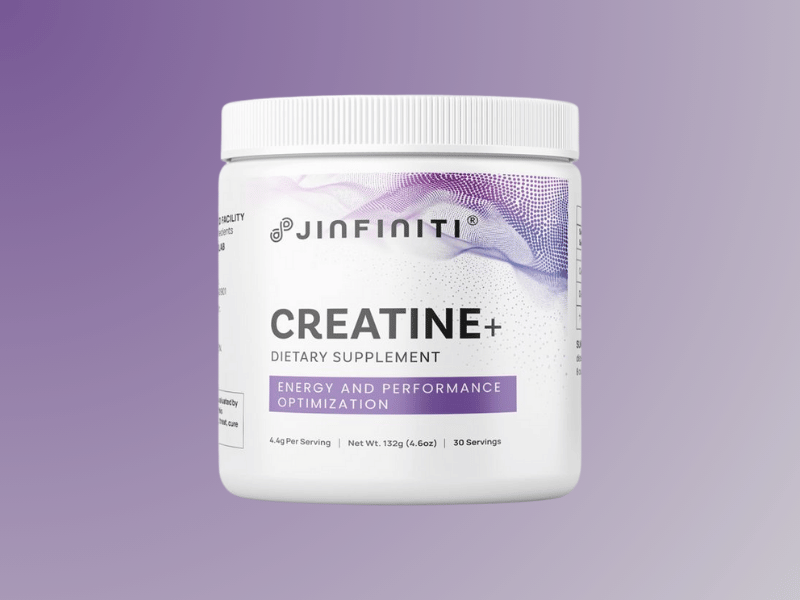
Creatine+ by Jinfiniti

What Does Creatine Do in Your Body?

Creatine’s reputation as a muscle supplement barely scratches the surface of what this molecule does for your cells.

Energy Production and ATP

Remember high school biology? ATP is the battery in our cells. ATP is used in virtually all cellular functions from muscle contraction to nerve impulses in the brain. Anytime we sprint, lift weights or even think, we are depleting ATP.

Creatine’s job is ATP regeneration. Your muscles store creatine as phosphocreatine, which donates its phosphate group back to spent ATP molecules, instantly recharging them. This system works about 10 times faster than burning glucose or fat for energy[2].

But phosphocreatine stores are limited. They only last 5-8 seconds during all-out effort. That’s why creatine matters most for explosive, high-intensity activities like sprinting, heavy lifting, or jumping.

Dr. Richard Kreider, who’s spent 30+ years studying creatine at Texas A&M University, puts it this way: “When the body is stressed, like in exercise or under metabolic conditions like some diseases, creatine phosphate is needed to maintain energy in the cell, and therefore has a lot of protective and health benefits.”

Performance Benefits Beyond the Gym

Creatine loading generally results in a 10-40% increase in skeletal muscle creatine[3]. A few real-life examples of this performance effect are:

  • Strength and power: On average, multiple studies have reported 5-15% greater improvements in strength training performance when supplementing with creatine compared to placebo[4].
  • Muscle mass: Creatine use contributes to increased lean tissue growth when combined with resistance exercise[5].
  • Recovery capacity: Your muscles refill their energy tanks faster between sets or training sessions, letting you maintain quality work even when fatigue sets in.

Most research points to 3-5 grams daily for maintenance, with an optional loading phase of 20-25 grams per day for 5-7 days to saturate stores faster. Creatine monohydrate is the gold standard — it has more than 1,000 supporting studies, unlike fancier forms of creatine that cost more but work no better.

Cognitive and Brain Health Effects

Your brain uses 20% of the body’s energy despite being only 2% of your weight. Creatine can increase the energy available to your brain.

One 2024 meta-analysis in Frontiers in Nutrition that included 16 randomized controlled trials showed creatine supplementation improved memory, attention span, and speed of information processing in adults[6]. These benefits are most pronounced during metabolic stress, including sleep deprivation, mental fatigue, or aging.

In a 2003 study, vegetarians who took 5 grams of creatine daily for six weeks performed better on intelligence tests and had better working memory compared to a placebo group. The authors concluded the effect was more marked in subjects having low creatine stores at baseline[7].

What Does Creatinine Tell You About Your Health?

Creatinine is a mostly inert molecule. It serves no biological function except as a marker, which is why it’s useful to clinicians measuring kidney function.

As a small molecule that doesn’t bind to proteins, creatinine gets freely filtered through your kidneys’ glomeruli. The kidneys don’t reabsorb it or break it down, so measuring how much creatinine sits in your blood tells doctors how well your kidneys are clearing waste.

The normal range for serum creatinine is 0.5-1.1 mg/dL for women and 0.6-1.2 mg/dL for men. There are a few factors that can change these ranges, including muscle mass, age, sex, and race.

If kidney function begins to decline, serum creatinine will rise. When filtration is inefficient, creatinine backs up and accumulates in your blood. Clinicians measure creatinine to calculate your estimated glomerular filtration rate (eGFR), the primary measure used to stage chronic kidney disease.

The issue with creatinine as a marker is that it’s a lagging indicator. You must lose about 50% of kidney function before creatinine begins to rise enough to notice.

Normal vs Elevated Creatinine Levels

Doctors stage kidney disease using eGFR calculated from your creatinine:

  • Stage 1: eGFR ≥90 mL/min/1.73m² with signs of kidney damage
  • Stage 2: eGFR 60-89 mL/min/1.73m²
  • Stage 3a: eGFR 45-59 mL/min/1.73m²
  • Stage 3b: eGFR 30-44 mL/min/1.73m²
  • Stage 4: eGFR 15-29 mL/min/1.73m²
  • Stage 5: eGFR <15 mL/min/1.73m² (kidney failure)

The big problem with using creatinine alone to assess kidney function is that the amount of creatinine your body produces is almost entirely dependent on how much muscle mass you have. Bodybuilders produce more creatinine than couch potatoes, for example, because they have more muscle (breaking down more creatine).

Creatinine production is also affected by what you eat or supplement (steak dinner, creatine supplements, etc.) on a temporary basis. 

For these reasons, many doctors now test cystatin C in addition to creatinine to estimate kidney function more accurately. Cystatin C is not affected by muscle mass or diet.

🧬 MORE CREATINE INSIGHTS

Does Creatine Increase Creatinine Levels?

Creatine supplementation increases serum creatinine, but this is not an indicator of kidney damage.

A 2023 systematic review and meta-analysis of 21 creatine supplementation trials found an average 0.07 µmol/L increase in serum creatinine (p < 0.01). This was a statistically significant effect, but also a clinically very small one. The same meta-analysis found no change in measured GFR, which supports the conclusion of preserved kidney function[8].

Why does creatine increase serum creatinine? When more creatine is stored in your muscles, it means that more creatine is converted into creatinine through normal metabolism. It’s an indicator of increased creatine turnover, not kidney damage.

A 2020 study directly tested this in humans using novel renal biomarkers. In this study, 19 healthy subjects were randomized to 3 or 5 g of creatine daily for 35 days. Creatinine increased as expected, but cystatin C, proteinuria, albuminuria, and markers of tubular injury did not change. In other words, the kidneys were perfectly healthy[9].

NHANES data of 2,955 U.S. adults found no association between dietary creatine intake (≥2.0 g/day) and kidney dysfunction[10].

Should You Worry About Higher Creatinine?

For healthy people taking creatine at recommended doses (3-5 grams daily), elevated creatinine is expected physiology, not pathology.

Dr. Morgan Grams emphasizes measuring both creatinine and cystatin C to have a better understanding of kidney function: “Our findings highlight the importance of measuring both creatinine and cystatin C to gain a true understanding of how well the kidneys are working, particularly among older and sicker adults.”

If your creatinine rises while supplementing with creatine:

  • Don’t panic: Your kidneys are likely fine, you’re just producing more creatinine.
  • Check cystatin C: This will tell you whether kidney function is actually declining.
  • Consider context: Did you exercise hard recently? Eat a protein-heavy meal? These temporarily raise creatinine too.
  • Review medications: Some drugs (like certain antibiotics) can affect creatinine levels.

If you have pre-existing kidney disease, consult your doctor before starting creatine. While research suggests creatine is safe for those with healthy kidneys, data is limited for those with compromised renal function[11].

How to Use Creatine Safely

Creatine monohydrate is the supplement form backed by more than 1,000 peer-reviewed studies. Other forms (hydrochloride, ethyl ester, buffered) cost more but don’t perform better.

Standard dosing follows two approaches:

With loading phase:

  • Days 1-7: 20-25 grams daily, split into 4-5 doses
  • Day 8 onward: 3-5 grams daily for maintenance
  • Saturates muscles in one week

Without loading phase:

  • 3-5 grams daily from day one
  • Saturates muscles in 3-4 weeks
  • Same endpoint, just slower

Both work. The loading phase gets you results faster but isn’t required.

You can also dose by body weight: 0.10-0.14 grams per kilogram daily. A 70-kilogram person would take 7-9.8 grams, which falls in the 3-5 gram standard range for most people.

Should I Take a Creatine Supplement?

Creatine is a good idea for anyone with muscles, but it may be especially effective for the following groups of people:

Vegetarians and vegans: Creatine only occurs naturally in animal products, so vegetarians and vegans get no creatine from their diet. Studies show vegetarians have 20-30% lower muscle creatine stores compared to omnivores[12].

Older adults: A 2021 meta-analysis showed that creatine supplementation, combined with resistance training, resulted in increased lean tissue mass and strength in older adults[13].

Athletes and active people: Anyone doing high-intensity, short-duration activities (weightlifting, sprinting, martial arts, basketball) will see performance gains.

People with cognitive stress: Sleep deprivation, mental fatigue, long study sessions or other periods where your brain is working hard seem to benefit the most from creatine supplementation.

Dr. Jin-Xiong She emphasizes that creatine isn’t just for athletes: “Creatine is very safe, and it’s important for everybody, not just athletes and bodybuilders.”

Frequently Asked Questions

These are the questions people ask most often when they discover the creatine-creatinine connection.

Does creatine damage your kidneys?

Lots of research shows that creatine at recommended doses (3-5 grams per day) does not negatively affect kidney function in healthy people. A 2025 review found no meaningful difference in side effect rates between creatine and placebo groups. Long-term studies lasting up to 21 months found no adverse effects on kidney or liver function[14].

The misunderstanding is related to increased creatinine levels in creatine users. As we mentioned above, higher creatinine simply means there is more creatine turnover. It’s not an indication of kidney damage. If you’re worried about this, ask your doctor to check cystatin C with creatinine to get a more accurate reading of your kidney function.

Can I take creatine if I have high creatinine levels?

It depends on why your creatinine is elevated. If you have diagnosed kidney disease, talk to your doctor before supplementing. If you have normal kidneys that just run high creatinine due to muscle mass or exercise, creatine supplementation is likely safe, but be sure to get clearance from a doctor first.

Your doctor should order additional tests (cystatin C, measured GFR, urinalysis) to see if your kidneys actually have problems or whether you’re just producing more creatinine.

Is creatine safe for long-term use?

Yes. Studies extending up to 21 months show no adverse effects from continuous creatine use. The International Society of Sports Nutrition states that creatine monohydrate is one of the most well-researched supplements with an excellent safety profile[15].

Common myths about creatine causing dehydration, cramping, or hair loss lack scientific support. Evidence actually suggests creatine may prevent cramping by improving cellular hydration and electrolyte balance.

Referenced Sources

  1. Kashani K, Rosner MH, Ostermann M. Creatinine: From physiology to clinical application. Elsevier BV; 2020. https://doi.org/10.1016/j.ejim.2019.10.025
  2. Guimarães-Ferreira L. Role of the phosphocreatine system on energetic homeostasis in skeletal and cardiac muscles. FapUNIFESP (SciELO); 2014. https://doi.org/10.1590/s1679-45082014rb2741
  3. Kreider RB, Stout JR. Creatine in Health and Disease. MDPI AG; 2021. https://doi.org/10.3390/nu13020447
  4. Wax B, Kerksick CM, Jagim AR, Mayo JJ, Lyons BC, Kreider RB. Creatine for Exercise and Sports Performance, with Recovery Considerations for Healthy Populations. MDPI AG; 2021. https://doi.org/10.3390/nu13061915
  5. Chilibeck P, Kaviani M, Candow D, Zello GA. Effect of creatine supplementation during resistance training on lean tissue mass and muscular strength in older adults: a meta-analysis. Informa UK Limited; 2017. https://doi.org/10.2147/oajsm.s123529
  6. Gordji-Nejad A, Matusch A, Kleedörfer S, Jayeshkumar Patel H, Drzezga A, Elmenhorst D, et al. Single dose creatine improves cognitive performance and induces changes in cerebral high energy phosphates during sleep deprivation. Springer Science and Business Media LLC; 2024. https://doi.org/10.1038/s41598-024-54249-9
  7. Rae C, Digney AL, McEwan SR, Bates TC. Oral creatine monohydrate supplementation improves brain performance: a double-blind, placebo-controlled, cross-over trial. The Royal Society; 2003. https://doi.org/10.1098/rspb.2003.2492
  8. Naeini EK, Eskandari M, Mortazavi M, Gholaminejad A, Karevan N. Effect of creatine supplementation on kidney function: a systematic review and meta-analysis. Springer Science and Business Media LLC; 2025. https://doi.org/10.1186/s12882-025-04558-6
  9. de Oliveira Vilar Neto J, da Silva CA, Meneses GC, Pinto DV, Brito LC, da Cruz Fonseca SG, et al. Novel renal biomarkers show that creatine supplementation is safe: a double-blind, placebo-controlled randomized clinical trial. Oxford University Press (OUP); 2020. https://doi.org/10.1093/toxres/tfaa028
  10. Ostojic SM. Dietary creatine and kidney function in adult population: NHANES 2017–2018. Wiley; 2021. https://doi.org/10.1002/fsn3.2200
  11. Taner B, Aysim O, Abdulkadir U. The effects of the recommended dose of creatine monohydrate on kidney function. Oxford University Press (OUP); 2010. https://doi.org/10.1093/ndtplus/sfq177
  12. Kaviani M, Shaw K, Chilibeck PD. Benefits of creatine supplementation for vegetarians compared to omnivorous athletes: a systematic review. MDPI AG; 2020. https://doi.org/10.3390/ijerph17093041
  13. Forbes SC, Candow DG, Ostojic SM, Roberts MD, Chilibeck PD. Meta-analysis examining the importance of creatine ingestion strategies on lean tissue mass and strength in older adults. MDPI AG; 2021. https://doi.org/10.3390/nu13061912
  14. Gil A, Gonzalez DE, Hines K, Bonilla DA, Kreider RB. Safety of creatine supplementation: analysis of the frequency of reported side effects in clinical trials. Informa UK Limited; 2025. https://doi.org/10.1080/15502783.2025.2533688
  15. Kreider RB, Kalman DS, Antonio J, Ziegenfuss TN, Wildman R, Collins R, et al. International Society of Sports Nutrition position stand: safety and efficacy of creatine supplementation in exercise, sport, and medicine. Informa UK Limited; 2017. https://doi.org/10.1186/s12970-017-0173-z
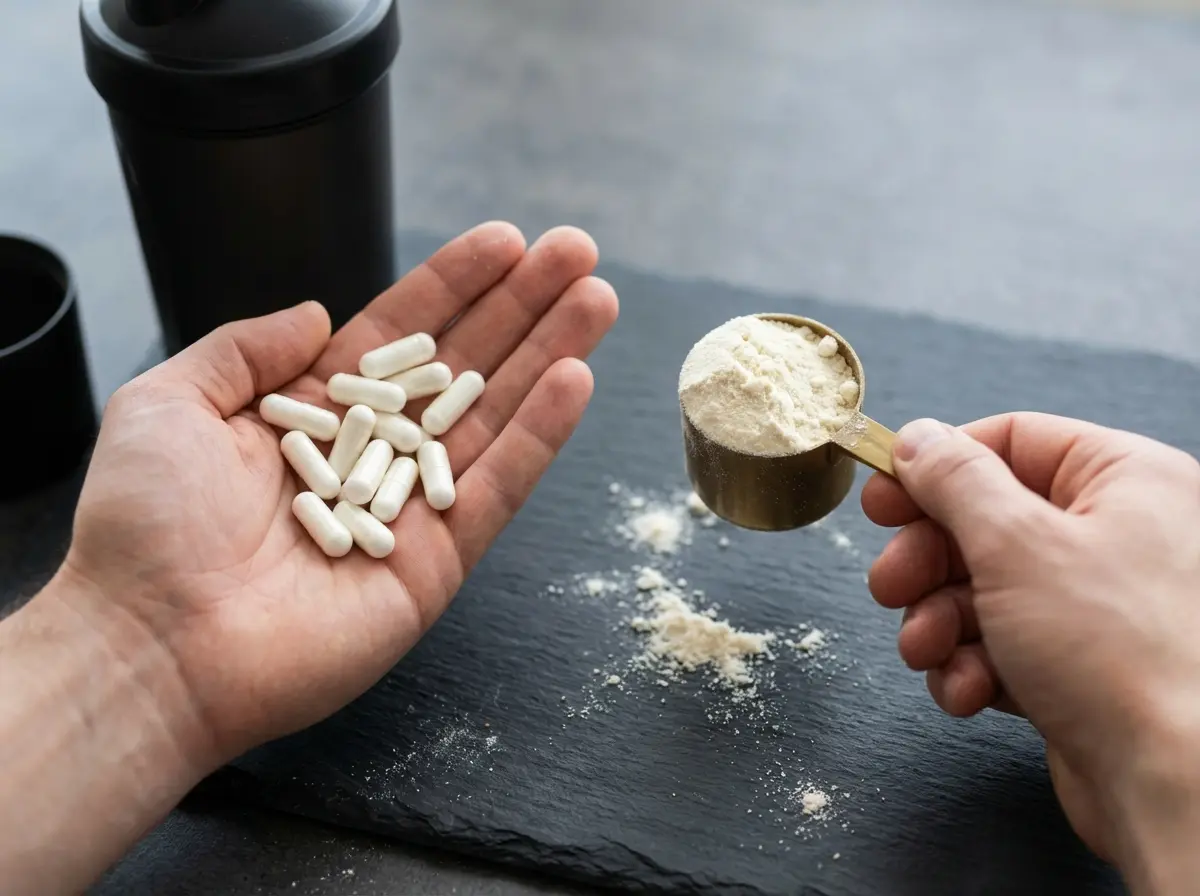
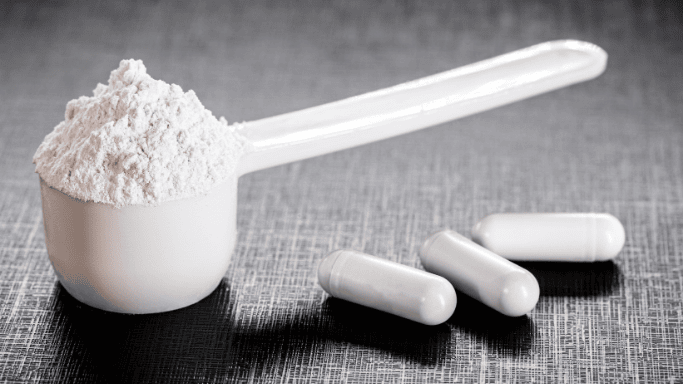
Creatine pills vs powder: a hand holds creatine capsules and a scoop of creatine

Creatine Pills vs Powder: Cost and Effectiveness Breakdown

When you shop for creatine, you’ll see it in both powder and pill form. Some people think pills might work better or absorb faster, but that isn’t true.

The main difference is how you take them. Both pills and powder give your muscles the same creatine monohydrate.

Studies show there’s no real difference in how much creatine your muscles get or how well it works. The real choice is about price, convenience, and whether you want to swallow several pills or mix up a drink each day.

What You Should Know

  • Creatine supplements in capsule and powder form deliver the same muscle mass and performance benefits when you match the dosage.
  • You’ll pay 50-70% more per serving for the pill form compared to powder.
  • Standard 5-gram dose requires swallowing 4-7 capsules daily vs. one scoop of powder.
  • The powder form contains zero additives while capsules need gelatin shells and flow agents.

Do Creatine Pills Work As Well As Powder?

Creatine pills work the same way as powder. Your muscles don’t care whether the creatine supplement arrived in a capsule or a shake.

When you take creatine regularly, both forms deliver the same benefits of creatine for muscle mass, strength, and performance.

Creatine monohydrate powder shows approximately 99% bioavailability. Capsules typically show similar numbers at 90-95% bioavailability, with the only delay coming from the time it takes for the gelatin or vegetable shell to dissolve.

The Absorption Rate Reality

“Differences in bioavailability are thought to be unlikely since absorption of [creatine monohydrate] is already close to 100%,” according to a pharmacokinetic study examining various creatine forms[1].

This makes sense when you understand how creatine supplementation works. It doesn’t need precise timing like pre-workout stimulants. Creatine builds up in your muscles over weeks of daily supplementation (a process called saturation), not from any single dose.

What About Bioavailability?

The slight absorption speed difference between pills and powder means nothing for your results. Creatine works through gradual muscle saturation, not acute timing.

If powder dissolves 15 minutes faster than a capsule, that’s irrelevant. Your creatine stores build over 3-4 weeks regardless of which form you take.

Dr. She’s Creatine Formula

Pure creatine with ATP for total body performance.

Creatine+ by Jinfiniti

How Much Does Creatine Cost in Pills vs Powder?

This is where the forms actually differ. Powder costs substantially less.

Market analysis shows generic micronized creatine powder retails for around $0.33 per serving, while popular branded capsules range from $0.66 to over $1.00 per serving for the same 5-gram dose.

FeatureCreatine PowderCreatine Capsules
Price Per Serving (5g)$0.30 – $0.45$0.70 – $1.20
Monthly Cost$10 – $15$25 – $40
ValueHigh (bulk commodity)Low (paying for manufacturing)
PurityOften 100% pureContains fillers/binders
Serving Size1 scoop (5g)4-7 pills (for 5g)
TasteChalky/neutralTasteless
Vegan-FriendlyUsually yesUsually no (gelatin)
Best ForDaily home use, budget-consciousTravel, gym bag, texture-sensitive

You’re paying double or triple for the convenience of not mixing a powder. That might be worth it if you travel constantly. For daily home use, you’re essentially paying a “laziness tax.”

The Hidden Downside of Creatine Capsules

Most people don’t realize how many pills they need to swallow. This catches users off guard after their first purchase.

How Many Pills Equal One Scoop?

A standard effective dose when you take creatine is 5 grams daily. Most capsules contain only 750mg to 1.25g of creatine.

Do the math: you need 4 to 7 pills daily to equal one teaspoon of the powder form.

That’s a lot of swallowing. If you have trouble with pills, or you’re already taking other supplements, this becomes a real inconvenience.

Micronized creatine powder measures approximately 1.4 teaspoons for 5 grams. One scoop, done. You can mix it into your morning coffee, protein shake, or just water.

What’s Actually Inside Your Capsules

Capsules require manufacturing aids to hold their shape and flow through production machinery.

Common additives in creatine capsules include:

  • Magnesium stearate: A “flow agent” that prevents ingredients from sticking to manufacturing equipment
  • Gelatin: The capsule shell itself, typically derived from bovine or porcine sources (making standard capsules non-vegan)
  • Silicon dioxide: An anti-caking agent that keeps the powder inside the pill dry

If you want zero additives, micronized powder wins every time.

Which Form Causes Less Stomach Issues?

This depends on your specific digestive sensitivity and personal preference.

The powder form can cause bloating or cramping if you don’t dissolve it completely or take it with too little water. Undissolved creatine can draw water into the intestines, causing digestive distress[2].

The pill form often feels easier on the stomach because it prevents gritty powder from sitting in your mouth or throat. The downside? Swallowing 5+ large pills can cause esophageal discomfort or a feeling of heaviness in your stomach.

Mix your powder thoroughly and drink it immediately. This solves most digestive issues without the pill burden.

Are Creatine Pills Vegan-Friendly?

Usually not. This surprises many users who assume pills are more “pure” than powder.

Standard gelatin capsules come from animal products (cow or pig sources). You can find vegetarian capsules, which are fairly common.

Pure creatine monohydrate powder is almost always vegan by default. It’s a simple crystalline compound with no animal derivatives.

If you follow a plant-based diet, the powder form makes your life easier. Vegans who supplement with creatine often see bigger gains in muscle mass than meat-eaters because they start with lower baseline stores.

🧬 MORE CREATINE INSIGHTS

When Capsules Make More Sense Than Powder

Despite the downsides, capsules have legitimate use cases.

Capsules excel for travel and convenience. You can throw a bottle in your gym bag without worrying about spills, measuring, or having clean water nearby. They’re tasteless and require zero preparation.

If you have severe texture issues with powder, capsules eliminate that completely. Some people gag on even perfectly dissolved creatine powder. For them, the extra cost is worth it.

Short trips and business travel make capsules sensible. Pack what you need in a small bottle. No mess, no mixing, no questions at airport security.

For daily home use, powder wins. But keep a bottle of capsules for travel.

What Experts Recommend for Most People

The supplement industry consensus strongly favors simple creatine monohydrate powder as the best form of creatine supplementation.

The International Society of Sports Nutrition states: “Creatine monohydrate continues to be the only source of creatine that has substantial evidence to support bioavailability, efficacy, and safety.”[3]

“After 30 years of research, creatine monohydrate remains the gold standard,” says Dr. Jin-Xiong She, founder of Jinfiniti Precision Medicine. “The form doesn’t change the science. Whether it’s powder, capsules, or gummies, you’re getting the same molecule. I tell people to choose based on budget, convenience or formulation.”

The research backs this up. Studies comparing different creatine forms consistently show that monohydrate performs as well or better than expensive alternatives[4]. Personal preference matters, but the benefits of creatine remain consistent regardless of format.

Save your money. Buy plain creatine monohydrate powder unless you have a specific reason to choose capsules.

Referenced Sources

  1. Jäger R, Harris RC, Purpura M, Francaux M. Comparison of new forms of creatine in raising plasma creatine levels. Informa UK Limited; 2007. https://doi.org/10.1186/1550-2783-4-17
  2. Ostojic SM, Ahmetovic Z. Gastrointestinal Distress After Creatine Supplementation in Athletes: Are Side Effects Dose Dependent? Informa UK Limited; 2008. https://doi.org/10.1080/15438620701693280
  3. Kreider RB, Jäger R, Purpura M. Bioavailability, Efficacy, Safety, and Regulatory Status of Creatine and Related Compounds: A Critical Review. MDPI AG; 2022. https://doi.org/10.3390/nu14051035
  4. Kreider RB, Kalman DS, Antonio J, Ziegenfuss TN, Wildman R, Collins R, et al. International Society of Sports Nutrition position stand: safety and efficacy of creatine supplementation in exercise, sport, and medicine. Informa UK Limited; 2017. https://doi.org/10.1186/s12970-017-0173-z
Two friends in the gym, one wearing a shirt that says Creatine and the other a shirt that says Taurine.

Taurine vs Creatine for Energy, Longevity and Performance

Scroll any fitness subreddit or hang around the locker room long enough and you’ll hear it: “Creatine, taurine… it’s all the same stuff.” They’re both in pre-workouts and energy drinks, so they must work the same way, right?

Not even close.

These two supplements work through completely different mechanisms in your body. Creatine functions as an energy battery, rapidly regenerating ATP (adenosine triphosphate) during high-intensity efforts. Taurine acts more like a cellular bodyguard, protecting cell membranes, regulating calcium, and reducing oxidative stress. One powers your cells. The other protects them.

This creatine and taurine guide will help you understand which supplement matches your goals and get the results you’re hoping for. Let’s break down what each one actually does.

What You Should Know

  • Creatine increases muscle strength by roughly 8% and excels at powering short, intense activities like lifting weights or sprinting.
  • Taurine supports cardiovascular health and endurance performance but has more modest effects on pure strength and power.
  • A 2023 study sparked excitement about taurine for longevity, but 2025 research challenged those findings and experts now urge caution.
  • Both supplements have excellent safety profiles at recommended doses: 3-5 grams daily for creatine, 1.5-3 grams for taurine.

What Creatine and Taurine Do in Your Body

If you took biology in high school, you might remember learning about ATP, the molecule that works like a rechargeable battery for your cells. Both creatine and taurine interact with cellular energy, but through radically different pathways.

How Creatine Works

Your muscles store creatine in two forms: regular creatine and phosphocreatine (PCr)[1]. When you lift something heavy or sprint up stairs, your muscles burn through ATP in seconds.

That’s where phosphocreatine saves the day. The enzyme creatine kinase quickly transfers a phosphate group from PCr to ADP (adenosine diphosphate), instantly regenerating ATP. This process lets your muscles sustain brief, explosive efforts before your slower oxidative systems take over[2].

Think of creatine like a surge protector that kicks in during power spikes. Your body needs those extra energy reserves whenever demand suddenly jumps.

Creatine does more than just recycle ATP. Research shows it works through multiple pathways:

  • Activates the mTOR pathway, promoting protein synthesis and muscle growth[3]
  • Reduces reactive oxygen species in mitochondria, protecting cells from oxidative damage[1]
  • Enhances glucose uptake through GLUT-4 translocation, potentially improving insulin sensitivity[4]

How Taurine Works

Taurine operates through a completely different playbook. This sulfur-containing amino acid manages osmotic pressure (the balance of fluids inside and outside cells), stabilizes cell membranes, and modulates intracellular calcium concentrations[5].

When neurons get overexcited, too much calcium floods in and causes damage. Taurine inhibits calcium influx through voltage-gated channels, protecting brain cells from this excitotoxicity[6].

Taurine also activates SIRT1, a protein associated with longevity, through a unique binding site different from other SIRT1 activators like resveratrol[7]. Research reveals that taurine increases expression of ND6, a mitochondrial complex-1 subunit, improving energy production at the cellular level[6].

The amino acid demonstrates anti-inflammatory effects by modulating cytokine production and reducing markers like TNF-α and IL-6[8]. It also conjugates with bile acids to help your digestive system break down and absorb dietary fats[9].

Taurine’s protective mechanisms include:

  • Stabilizing cell membranes under stress
  • Regulating calcium to prevent cellular damage
  • Supporting mitochondrial energy production
  • Reducing systemic inflammation
  • Protecting neurons from excitotoxicity

Dr. She’s Creatine Formula

Pure creatine with ATP for total body performance.

Creatine+ by Jinfiniti

Performance Benefits: Strength vs Endurance

Your training goals should heavily influence which supplement makes sense for you. Creatine and taurine shine in different athletic domains.

Creatine for Power and Muscle

Hundreds of studies confirm creatine’s effectiveness for strength and power. A meta-analysis found that creatine supplementation during resistance training increased relative muscle strength by approximately 8% more than training alone[10].

When collegiate athletes combined creatine with resistance training, researchers documented a 23% increase in available ATP and phosphocreatine for male participants after the loading phase[2].

Short-term supplementation (5-7 days at 20 grams daily) increases intramuscular total creatine content by 20-50%, with the phosphocreatine fraction rising 20-40%[2]. This translates to real performance gains in the weight room.

What you can expect from creatine:

  • Significant improvements in bench press, squat, and power clean exercises
  • Strength and power gains that occur even without concurrent training after just 10 days
  • Enhanced work capacity during repeated high-intensity intervals
  • Better performance in explosive movements like sprinting and jumping

Results for endurance performance are more mixed. Some research shows enhanced work capacity during repeated high-intensity intervals, but continuous aerobic exercise may not benefit as much, especially if the weight gain from increased muscle water becomes a disadvantage.

Taurine for Endurance and Recovery

Taurine shows different performance characteristics. A systematic review found that taurine supplementation at 1-3 grams taken 1-3 hours before activity improved aerobic performance (time to exhaustion) and anaerobic performance (strength and power) while reducing metabolic stress markers[11].

An 8-week study with triathletes showed taurine supplementation decreased malondialdehyde by 19.4%, suggesting reduced oxidative stress, though aerobic parameters remained unchanged[12].

Research on elite speed skaters using a double-blind design found taurine enhanced anaerobic power during Wingate tests[13].

A recent study examining repeated sprint performance found that taurine combined with creatine improved time to exhaustion by 11.8-12.9% in hot, humid conditions, though neither supplement alone significantly improved repeated sprint performance after exhaustion compared to placebo[14].

What taurine offers athletes:

  • Improved time to exhaustion in aerobic activities
  • Reduced metabolic stress markers like creatine kinase and lactate
  • Enhanced anaerobic power in some studies
  • Better performance in hot, humid conditions
  • Faster recovery from oxidative stress

The takeaway? If you’re pushing heavy weight or doing explosive movements, creatine wins. If you’re running long distances or need help managing exercise-induced stress, taurine offers more targeted support.

Brain Function and Cognitive Support

Two bottles of Creatine and Taurine on a bench in a busy gym.

Both supplements cross into brain territory, but they support cognitive function through different mechanisms.

Creatine’s Effects on Memory and Focus

Your brain burns massive amounts of energy. Like muscle, brain tissue stores creatine and uses the phosphocreatine system to maintain ATP levels during intense mental work.

A 2024 meta-analysis of randomized controlled trials found creatine monohydrate supplementation significantly improved memory and attention time in adults[15]. The memory improvements align with research showing creatine enhances performance in complex memory tasks.

A 2024 study found that a single dose of creatine boosts cognitive performance and processing speed, especially during sleep deprivation or mental stress[16].

Vegans and vegetarians typically have lower baseline creatine stores since meat is the primary dietary source. Studies show vegetarians respond better than meat-eaters in memory tasks following supplementation[17].

Taurine’s Neuroprotective Benefits

Taurine demonstrates cognitive-enhancing properties through different pathways. Research shows taurine improves cognitive function by reducing oxidative stress, modulating neurotransmitters, and activating the Akt-CREB-PGC1α pathway[18].

In a Parkinson’s disease mouse model, taurine alleviated cognitive impairments by reducing hippocampal microglial activation, suggesting it protects the brain[19].

Studies show taurine boosts BDNF, promotes neurogenesis, and enhances synaptic plasticity[20]. A meta-analysis found it improves cognitive function but calls for more robust human research[21].

Animal research shows particularly robust effects. Aging mice supplemented with taurine showed improved memory and learning, with mechanisms involving enhanced mitochondrial function and reduced cellular senescence (damaged cells that refuse to die)[22].

The Longevity Question: What Recent Research Reveals

This is where things get interesting and a bit controversial. One supplement generated massive hype about anti-aging, then faced scientific scrutiny that complicated the story.

The Taurine Aging Study Controversy

A 2023 Science study by Dr. Vijay Yadav’s group at Columbia University found that taurine levels drop sharply with age in mice, monkeys, and humans; 60-year-olds have about one-third the taurine of 5-year-olds[23].

In middle-aged mice (14 months, ~45 human years), daily taurine supplementation increased median lifespan by 10–12% and life expectancy at 28 months by ~18–25% — that’s about three to four extra mouse months, or roughly seven to eight human years. 

At the cellular level, it reduced senescence, protected against telomerase deficiency, limited mitochondrial dysfunction and DNA damage, and lowered chronic inflammation.

Dr. Yadav stated at the time: “For the last 25 years, scientists have been trying to find factors that not only let us live longer, but also increase healthspan, the time we remain healthy in our old age. This study suggests that taurine could be an elixir of life within us that helps us live longer and healthier lives.”

Then came the plot twist.

A 2025 longitudinal study of three human cohorts found that circulating taurine levels increased or stayed stable with age in healthy people, contradicting the 2023 report of age-related decline[24]. Individual differences in taurine were larger than any lifespan changes.

After these results, Dr. Yadav said he “would not recommend people to start taking taurine supplements to try to preserve health or slow aging” until human trials are finished. His team is running a randomized, placebo-controlled trial in middle-aged adults, scheduled to end in 2025.

Commenting on the conflict, Dr. Peter Abadir of Johns Hopkins said: “That doesn’t mean one is right and one is wrong,” highlighting the need for more studies.

Creatine for Healthy Aging

Creatine shows modest but solid benefits in older adults. When combined with resistance training in people over 50, supplementation reduces body fat more than training alone[1]

A systematic review found creatine increases lean mass and strength in aging adults, though effects depend on dosing[25].

Newer data suggests additional benefits for bone, cognition, and metabolic health, all important yardsticks of longevity. Safety remains excellent, even at up to 30 g daily for 5 years.

Heart Health and Metabolic Effects

A woman sprinter getting in position before sprinting.

If cardiovascular health is your priority, the research clearly favors one supplement over the other.

Taurine’s Cardiovascular Benefits

A 2024 review of 20 clinical trials (over 800 people) found that taurine supplements modestly improve heart health. On average, taurine lowered resting heart rate by about 3–4 beats per minute, reduced both top and bottom blood pressure, and improved how well the heart pumps blood in people with heart failure[26].

The higher the dose, the stronger the effect on heart rate and blood pressure. In people with metabolic issues, taurine also lowered blood pressure by a few points[27].

Taurine seems to help the heart by calming overactive stress systems in the body, relaxing blood vessels, and protecting heart cells from damage over time[28].

For metabolic health, an 8-week study in people with type 2 diabetes found that 3 grams of taurine per day improved antioxidant defenses and reduced several markers of inflammation[29].

A larger 2024 analysis also showed small but meaningful drops in fasting blood sugar and triglycerides, with better results at higher doses[27].

Creatine’s Metabolic Support

Creatine seems to help metabolism in a different but complementary way to taurine. 

Studies show that creatine can help the body handle blood sugar better and may lower HbA1c (a long-term marker of blood sugar control) in people with type 2 diabetes, likely by improving how cells use and move glucose[1].

There’s less research on creatine and heart health, but current studies suggest it does not harm the heart and may even protect it by improving energy production in heart muscle.

🧬 MORE CREATINE INSIGHTS

Safety Profile and Recommended Doses

Both supplements have excellent safety records, but you need to know the right amounts.

How Much Creatine Should You Take?

Creatine is one of the most studied and safest supplements ever tested. Hundreds of clinical trials, some lasting up to 14 years, show no increase in side effects compared with placebo and no harm to kidney function, even at relatively high or long-term doses[30]. Fears about kidney damage, dehydration, or cramping are not supported by the evidence; in fact, creatine may reduce cramping by helping the body hold more water.

For most people, simple dosing works best:

  • Standard dose: 3–5 grams per day, taken long term.
  • Optional loading: 20 grams per day (split into 4–5 doses) for 5–7 days, then 3–5 grams per day. This just gets you to “full” muscle levels faster.
  • Bodyweight-based (if you want to be precise): about 0.3 g/kg/day for loading, then 0.03 g/kg/day for maintenance.

Newer research suggests that higher daily doses (around 8–10 grams) may be useful if you’re specifically targeting benefits for the brain, bones, or inflammation, not just muscle.

You don’t need to train hard for creatine to matter: many of its brain, metabolic, and cellular benefits show up even in people who aren’t exercising intensely.

Taurine Dosing Guidelines

Taurine appears to be very safe in humans. The European Food Safety Authority considers up to 6 grams per day, and most studies use 500–3,000 mg per day, with trials up to 6 grams showing no major side effects.

In practice, typical doses look like this:

  • Heart / metabolic health: most trials use 1.5–3 grams per day, often split into two or three doses
  • Diabetes / metabolic studies:3 grams per day
  • Exercise performance:1–3 grams taken 1–3 hours before activity
  • Conservative routine dose:500 mg three times per day (1.5 grams total)

For anti-aging, the 2023 Science study in animals used a dose roughly equal to 6 grams per day in humans, but this is still speculative and not proven in people. Some experts suggest staying around 1.5 grams per day if you choose to supplement at all.

Dr. Vijay Yadav, who led the taurine aging study, specifically warns against high-dose self-experimentation. He notes that some people have taken doses as high as 14 grams per day, which he does not recommend. His group advises waiting for proper human clinical trials before using taurine as an anti-aging therapy.

Which Supplement Is Right for You?

Taurine and creatine represent different supplements with distinct mechanisms and applications. Your goals determine which makes sense.

FeatureCreatineTaurine
How It WorksRapid ATP regeneration via phosphocreatine systemCell membrane protection, calcium regulation, antioxidant activity
Best ForStrength, power, muscle building, cognitive performanceCardiovascular health, endurance, metabolic support
Performance TypeHigh-intensity, explosive activitiesSustained endurance, recovery from stress
Cognitive BenefitsMemory and attention (especially under stress)Neuroprotection, reduced inflammation
Cardiovascular EffectsMinimal direct effectsStrong blood pressure and heart rate reduction
Longevity ResearchSupports healthy aging in older adultsPromising animal data, human trials pending
Standard Daily Dose3-5g maintenance (after optional 20g loading)1.5-3g (up to 6g considered safe)
Safety ProfileExcellent (30+ years of data)Excellent (safe up to 6g daily)
Typical Response Time5-7 days with loading, 3-4 weeks without1-3 hours before activity for performance

Choose creatine if your main goals are building muscle, gaining strength and power, or supporting thinking during hard mental work. The evidence for these benefits is very strong, and long-term use looks safe.

Choose taurine if you care most about heart health, endurance and recovery, or issues like high blood pressure, blood sugar, or inflammation. In these areas, taurine appears to have the edge over creatine.

You can also take both. They work through different pathways and don’t clash. In at least one study, combining taurine and creatine improved repeated sprint performance more than either alone, suggesting they may be complementary.

In simple terms:

  • Muscle & strength: creatine is best supported
  • Heart health & blood pressure: taurine looks stronger
  • Brain/cognition: more data for creatine
  • Endurance: taurine seems more helpful
  • Metabolic health: both help, taurine has stronger blood sugar and blood pressure data
  • Anti-aging: creatine clearly helps older adults with muscle and function; taurine’s longevity effects in humans are still unproven

Human trials finishing in 2025 should clarify taurine’s true anti-aging impact. For now, both are evidence-based for specific goals, with creatine having the longer and broader human track record.

Whatever you choose, we at Jinfinitialways recommend following the principle of T-A-O. Test your key labs, Act with targeted dosing, and Optimize based on how your numbers and symptoms change.

Referenced Sources

  1. Kreider RB, Stout JR. Creatine in Health and Disease. MDPI AG; 2021. https://doi.org/10.3390/nu13020447
  2. Wax B, Kerksick CM, Jagim AR, Mayo JJ, Lyons BC, Kreider RB. Creatine for Exercise and Sports Performance, with Recovery Considerations for Healthy Populations. MDPI AG; 2021. https://doi.org/10.3390/nu13061915
  3. Farshidfar F, Pinder MA, Myrie SB. Creatine Supplementation and Skeletal Muscle Metabolism for Building Muscle Mass – Review of the Potential Mechanisms of Action. Bentham Science Publishers Ltd.; 2017. https://doi.org/10.2174/1389203718666170606105108
  4. Ribeiro F, Forbes SC, Candow DG, Perim P, Lira FS, Lancha AH, et al. Creatine supplementation and muscle-brain axis: a new possible mechanism? Frontiers Media SA; 2025. https://doi.org/10.3389/fnut.2025.1579204
  5. Chen WQ, Jin H, Nguyen M, Carr J, Lee YJ, Hsu CC, et al. Role of taurine in regulation of intracellular calcium level and neuroprotective function in cultured neurons. Wiley; 2001. https://doi.org/10.1002/jnr.10027
  6. Schaffer S, Kim HW. Effects and Mechanisms of Taurine as a Therapeutic Agent. The Korean Society of Applied Pharmacology; 2018. https://doi.org/10.4062/biomolther.2017.251
  7. Santulli G, Kansakar U, Varzideh F, Mone P, Jankauskas SS, Lombardi A. Functional Role of Taurine in Aging and Cardiovascular Health: An Updated Overview. MDPI AG; 2023. https://doi.org/10.3390/nu15194236
  8. Keshavarzi M, Razavi BM, Naraki K, Hosseinzadeh H. Protective effects of taurine against chemical and natural compound-induced toxicity: mechanistic insights and therapeutic potential. Springer Science and Business Media LLC; 2025. https://doi.org/10.1007/s00210-025-04513-0
  9. Qian W, Li M, Yu L, Tian F, Zhao J, Zhai Q. Effects of Taurine on Gut Microbiota Homeostasis: An Evaluation Based on Two Models of Gut Dysbiosis. MDPI AG; 2023. https://doi.org/10.3390/biomedicines11041048
  10. Rawson E, Volek J. Effects of creatine supplementation and resistance training on muscle strength and weightlifting performance. Journal of Strength and Conditioning Research. 2003;17(4):822–31.
  11. Kurtz JA, VanDusseldorp TA, Doyle JA, Otis JS. Taurine in sports and exercise. Informa UK Limited; 2021. https://doi.org/10.1186/s12970-021-00438-0
  12. De Carvalho FG, Galan BSM, Santos PC, Pritchett K, Pfrimer K, Ferriolli E, et al. Taurine: A Potential Ergogenic Aid for Preventing Muscle Damage and Protein Catabolism and Decreasing Oxidative Stress Produced by Endurance Exercise. Frontiers Media SA; 2017. https://doi.org/10.3389/fphys.2017.00710
  13. Yu P, Fan Y, Wang X, Wu H. Effect of Taurine Combined With Creatine on Repeated Sprinting Ability After Exhaustive Exercise Under Hot and Humid Conditions. SAGE Publications; 2025. https://doi.org/10.1177/19417381251320095
  14. Buzdağlı Y, Eyipınar C, Öget F, Şıktar E, Forbes S, Tekin A. Taurine supplementation enhances anaerobic power in elite speed skaters: A double-blind, randomized, placebo-controlled, crossover study. Termedia Sp. z.o.o.; 2023. https://doi.org/10.5114/biolsport.2023.119990
  15. Xu C, Bi S, Zhang W, Luo L. The effects of creatine supplementation on cognitive function in adults: a systematic review and meta-analysis. Frontiers Media SA; 2024. https://doi.org/10.3389/fnut.2024.1424972
  16. Gordji-Nejad A, Matusch A, Kleedörfer S, Jayeshkumar Patel H, Drzezga A, Elmenhorst D, et al. Single dose creatine improves cognitive performance and induces changes in cerebral high energy phosphates during sleep deprivation. Springer Science and Business Media LLC; 2024. https://doi.org/10.1038/s41598-024-54249-9
  17. Avgerinos KI, Spyrou N, Bougioukas KI, Kapogiannis D. Effects of creatine supplementation on cognitive function of healthy individuals: A systematic review of randomized controlled trials. Elsevier BV; 2018. https://doi.org/10.1016/j.exger.2018.04.013
  18. Jia N, Sun Q, Su Q, Dang S, Chen G. Taurine promotes cognitive function in prenatally stressed juvenile rats via activating the Akt-CREB-PGC1α pathway. Elsevier BV; 2016. https://doi.org/10.1016/j.redox.2016.10.004
  19. Chen C, Xia S, He J, Lu G, Xie Z, Han H. Roles of taurine in cognitive function of physiology, pathologies and toxication. Elsevier BV; 2019. https://doi.org/10.1016/j.lfs.2019.116584
  20. Roysommuti S, Wyss JM. Brain-Derived Neurotrophic Factor Potentiates Entorhinal-Dentate but not Hippocampus CA1 Pathway in Adult Male Rats: A Mechanism of Taurine-Modulated BDNF on Learning and Memory. Springer International Publishing; 2022. https://doi.org/10.1007/978-3-030-93337-1_35
  21. Cao Q, Nie Z, Liu Y, Xu J, Chen L, Han S. Effects of taurine supplementation on cognitive function: a systematic review and meta-analysis of randomised controlled trials. Informa UK Limited; 2025. https://doi.org/10.1080/09637486.2025.2499044
  22. Gawryluk A, Cybulska-Klosowicz A, Charzynska A, Zakrzewska R, Sobolewska A, Kossut M, et al. Mitigation of aging-related plasticity decline through taurine supplementation and environmental enrichment. Springer Science and Business Media LLC; 2024. https://doi.org/10.1038/s41598-024-70261-5
  23. Singh P, Gollapalli K, Mangiola S, Schranner D, Yusuf MA, Chamoli M, et al. Taurine deficiency as a driver of aging. American Association for the Advancement of Science (AAAS); 2023. https://doi.org/10.1126/science.abn9257
  24. Fernandez ME, Bernier M, Price NL, Camandola S, Aon MA, Vaughan K, et al. Is taurine an aging biomarker? American Association for the Advancement of Science (AAAS); 2025. https://doi.org/10.1126/science.adl2116
  25. Antonio J, Candow DG, Forbes SC, Gualano B, Jagim AR, Kreider RB, et al. Common questions and misconceptions about creatine supplementation: what does the scientific evidence really show? Informa UK Limited; 2021. https://doi.org/10.1186/s12970-021-00412-w
  26. Tzang CC, Lin WC, Lin LH, Lin TY, Chang KV, Wu WT, et al. Insights into the cardiovascular benefits of taurine: a systematic review and meta-analysis. Springer Science and Business Media LLC; 2024. https://doi.org/10.1186/s12937-024-00995-5
  27. Tzang CC, Chi LY, Lin LH, Lin TY, Chang KV, Wu WT, et al. Taurine reduces the risk for metabolic syndrome: a systematic review and meta-analysis of randomized controlled trials. Springer Science and Business Media LLC; 2024. https://doi.org/10.1038/s41387-024-00289-z
  28. Jangra A, Gola P, Singh J, Gond P, Ghosh S, Rachamalla M, et al. Emergence of taurine as a therapeutic agent for neurological disorders. Medknow; 2024. https://doi.org/10.4103/1673-5374.374139
  29. Moludi J, Qaisar SA, Kadhim MM, Ahmadi Y, Davari M. Protective and therapeutic effectiveness of taurine supplementation plus low calorie diet on metabolic parameters and endothelial markers in patients with diabetes mellitus: a randomized, clinical trial. Springer Science and Business Media LLC; 2022. https://doi.org/10.1186/s12986-022-00684-2
  30. Kreider RB, Gonzalez DE, Hines K, Gil A, Bonilla DA. Safety of creatine supplementation: analysis of the prevalence of reported side effects in clinical trials and adverse event reports. Informa UK Limited; 2025. https://doi.org/10.1080/15502783.2025.2488937
A white measuring scoop filled with creatine powder being poured into the shape of an hourglass symbolizing longevity.

How Creatine Became an Anti-Aging and Longevity Essential

A white measuring scoop filled with creatine powder being poured into the shape of an hourglass symbolizing longevity.

Creatine monohydrate has moved well beyond the bodybuilding aisle. A compound that scientists labelled a muscle-builder just a few years ago is now a healthy aging hero, with everyone from Rhonda Patrick to Andrew Huberman touting its benefits.

Studies on animals have shown creatine extended healthy lifespan by 9% which is over seven human years. But the benefits extend beyond simple longevity[1].

A 2025 study showed that synthesis and dietary intake of creatine progressively decline with age, which may interfere with the DNA-methylation patterns that predict biological aging and mortality risk[2].

Highlights

  • A 2025 study links declining creatine levels with age to DNA methylation changes that predict mortality risk.
  • When combined with resistance training, creatine helps older adults gain 3 pounds more lean muscle than exercise alone.
  • Brain creatine can increase 11% with supplementation, supporting memory and executive function.
  • At 3-5 grams daily, creatine monohydrate offers one of the most affordable, well-studied interventions for healthy aging.

Creatine and Biological Aging

The latest research directly links creatine to how we age at the cellular level.

DNA methylation patterns serve as biomarkers of biological aging. These “epigenetic clocks” like GrimAgeMort predict mortality risk more accurately than chronological age alone.

The 2025 research examining NHANES data showed that endogenous creatine production and dietary intake decrease with advancing age[2]. Older adults, specifically those aged 65 and above, seem most impacted.

In earlier research studies, it was discovered that the daily intake of 1 gram of creatine decreases deaths from all causes[3]. The longevity benefit appears real.

Creatine synthesis uses approximately 40% of the methyl groups from S-adenosylmethionine (SAM)[4]. SAM is a methyl donor which regulates gene expression through methylation of DNA. Over the years, the production of creatine lessens which could affect biological aging itself.

Dr. She’s Creatine Formula

Pure creatine with ATP for healthy aging support.

Creatine+ by Jinfiniti

Energy Metabolism and Mitochondrial Function

Your cells run on ATP. Creatine and ATP work hand-in-hand to rapidly buffer energy in muscle, heart, and brain.

As you age, mitochondrial function declines. Energy production drops. Oxidative stress increases.

The mitochondrial creatine-kinesis system takes ATP synthesis to work. As we get older, metabolic efficiency starts dipping.

With creatine supplementation, mitochondrial DNA is enhanced[5], as well as the genes involved in oxidative phosphorylation that improve your respiratory capacity.

Reducing Lipofuscin Accumulation

Lipofuscin accumulates when cellular cleanup systems fail. This “aging pigment” increases oxidative stress and cell death.

A 2008 study found creatine-fed mice showed significantly lower brain lipofuscin compared to controls[1]. This correlated with improved behavior and extended healthy lifespan.

The mice also showed upregulation of genes tied to neuronal growth and neuroprotection.

Combating Muscle Loss

Sarcopenia affects 30% of people over 60 and 50% over 80[6]. On average, humans lose 30% of muscle mass by age 80.

The consequences include increased fall risk, reduced metabolic rate, and insulin resistance. Loss of skeletal muscle strength declines faster than mass itself.

A 2017 meta-analysis found adults over 50 who combined a creatine supplement with strength training gained three pounds more lean muscle than those taking placebo[7]. They also showed greater improvements in muscle strength on chest press and leg press exercises.

PopulationLean Mass GainDuration
Males 50+ with training1.1-1.5 kg8-12 weeks
Females 50+ with training0.5-0.6 kg8-12 weeks
Without exerciseNo change8-12 weeks

Creatine and ATP work together to enhance capacity for higher-intensity exercise. It may also promote cell swelling that signals protein synthesis, helping to increase muscle mass over time.

“It’s not enough to just take creatine. You need to take creatine and exercise. You need to lift heavy.” — Dana Angelo White, Registered Dietitian

Read our article on the benefits of creatine without working outtofindoutifcreatineis still beneficial without exercise.

Brain Health and Cognitive Function

The brain consumes 20% of total body energy at rest. Creatine’s brain benefits include donating phosphate groups to regenerate ATP.

One 2025 pilot study in Alzheimer’s patients using 20 grams daily showed an 11% increase in brain creatine levels[8].

A 2024 meta-analysis revealed cognitive effects vary by population[9]:

  • Adults aged 18-60 showed significant improvements
  • Effects were not significant over age 60
  • People with diseases showed particular benefits
  • Women may benefit more, as they naturally store less creatine

Working memory and executive function improved most consistently. Both decline with age and Alzheimer’s.

Neuroprotection Research

Animal models show remarkable results. A 2004 study found 83% reduction in brain lesion volume after just two weeks[10].

Mechanisms include:

  • Reducing caspase-3 activation (cell death enzyme)
  • Preventing cytochrome c release from mitochondria
  • Preserving ATP during stress

In Huntington’s disease models, creatine slowed brain tissue loss and improved survival when given early[11].

Translating animal success to humans has proven challenging. Large trials in Parkinson’s disease showed no clinical benefit[12]. ALS trials were similarly disappointing.

Creatine for Women and Menopause

Women naturally produce 70-80% less creatine than men. They also consume less animal protein, meaning lower dietary creatine.

Hormonal changes during menopause affect both creatine production and utilization. This makes creatine particularly valuable during this transition.

“Creatine stands poised to assist with several common midlife health symptoms.” — Dr. Hannah Cabré, Pennington Biomedical Research Center

Post-menopausal women who combined creatine with strength training gained more lean muscle than placebo, though effects on muscle strength and mass were more modest than in men (0.5-0.6 kg vs 1.1-1.5 kg).

A two-year study showed positive impacts on bone properties and lean mass when combined with resistance exercise[13].

Dosage and Forms

For older adults, two approaches work:

ProtocolDosageDurationNotes
Loading20g/day (4x5g doses)5-7 daysThen 3-5g daily
Maintenance3-5g/dayOngoingTakes 4 weeks to saturate
Brain benefits10-20g/dayOngoingHigher doses may be needed

Creatine monohydrate remains the gold standard. It’s the most researched creatine supplement form with proven efficacy and safety.

Micronized creatine improves solubility but provides no performance advantage. Creatine HCl claims better absorption at lower doses, but far less research supports it. Other forms haven’t shown superiority in controlled studies.

Safety Profile

The FDA classified creatine as Generally Recognized as Safe (GRAS) in 2020.

  • Kidney concerns: Research shows no kidney damage in healthy individuals, even at 20 grams daily for 24 months[14]. Creatine increases blood creatinine (a metabolite), but this represents a benign increase, not dysfunction. Creatine should be avoided by those who are suffering from kidney disease or should only use it under supervision by medical professionals.
  • Common side effects: Minor GI issues (bloating, cramping, diarrhea) during loading phases. These typically resolve with continued use.
  • No evidence: Research finds no support for creatine myths about hair loss, dehydration, or muscle cramping.

Dietary Sources of Creatine

Creatine comes primarily from animal products:

FoodCreatineServing
Herring1.25g4 oz
Beef0.41-0.5g3-4 oz
Pork0.5-0.57g4 oz
Salmon0.5g4 oz
Tuna0.45g4 oz
Chicken0.3-0.45g4-6 oz

Plant-based foods contain essentially no creatine. This explains why vegans and vegetarians usually have lower muscle stores.

The body is capable of making 1-2 grams of it daily using glycine, arginine and methionine. Another 1-2 grams comes from diet in omnivores.

A 2025 study found endogenous synthesis (41.9 mg/kg/day) was 2.7 times higher than dietary intake (15.5 mg/kg/day)[15]. Creatine precursor availability declined with age, lowest in people 65 and older.

Expert Perspectives on Creatine for Longevity

Despite decades of research, expert opinions remain nuanced. The beneficial effect of creatine supplementation appears strongest when combined with resistance training in older adults.

Dr. Andreas Bender, who conducted the landmark mouse longevity study, concluded “creatine may be a promising food supplement to promote healthy human aging.”[1]

But translating animal success to humans has proven difficult. Reviewing clinical trials, Dr. Bender noted in 2016 that “the use of creatine supplementation has so far proved disappointing in clinical studies with a number of symptomatic neurodegenerative diseases.”[12]

The International Society of Sports Nutrition emphasizes that creatine’s benefits manifest most clearly in the context of training adaptations[16].

“At Jinfiniti, we recognize that supporting cellular energy becomes increasingly important as we age. While creatine shows promise for maintaining muscle mass and cognitive function, it works best as part of a comprehensive approach to healthy aging that includes proper nutrition, regular exercise, and monitoring key biomarkers like NAD+ levels.” — Dr. Jin-Xiong She, Founder of Jinfiniti Precision Medicine

Dr. Richard Kreider argues that “creatine supplementation is safe, beneficial throughout the lifespan, and should not be restricted.”[17]

Who Should Consider Creatine?

Based on current evidence:

  • Older adults engaged in resistance training
  • Post-menopausal women experiencing accelerated muscle and bone loss
  • People with physically demanding jobs
  • Those concerned about cognitive decline
  • Vegetarians and vegans with lower stores

Who Should Exercise Caution?

  • People with pre-existing kidney disease (avoid or use under supervision)
  • Those taking medications affecting kidney function
  • Older adults with very low kidney function may need monitoring

Maximizing Benefits

  1. Combine with resistance training 2-3 times per week
  2. Be consistent with daily supplementation
  3. Ensure adequate protein intake
  4. Stay hydrated
  5. Give it time (3-4 weeks for saturation, months for adaptations)

Do Anti-Aging Benefits Signal Market Growth?

The global market for creatine was $1.11 billion in 2024 and is projected to reach $4.21 billion by 2030. That’s 25% annual growth.

Creatine for cognition and healthy aging represented just 6.4% of the market in 2025, but this niche is expanding rapidly.

Bloomberg reported that creatine sales surged 75% from 2020. Women and older adults represent the fastest-growing demographic.

Bottom Line: A Supplement Comes of Age

Creatine’s journey from a bodybuilding supplement to longevity tool mirrors evolving science and transition to evidence-based healthy aging.

The 2025 study correlating dietary creatine to epigenetic markers of biological aging takes things deeper. Both synthesis and intake reduce with age, especially over the age of 65, leading to a widening gap between need and availability in seniors. 

Combating sarcopenia is where the evidence is strongest when it is combined with resistance exercise. Aging adults must consider this since muscle loss greatly impacts one’s lifestyle and can cause loss of independence.

Creatine is not a magic bullet. The advantages will be effective as long as you have an active lifestyle, eat well, and supplement regularly. For those who are ready to make lifestyle changes while taking creatine, it can be a well-tolerated, affordable, and science-backed tool for improving lifespan and healthspan.

With the aging of the global population, approaches that can impact multiple aspects of aging are increasingly relevant. Creatine has had a 190 year history as a laboratory curiosity through to a longevity essential. It may finally have its most important use yet.

Ready to take control of your cellular health? You can try our Creatine + ATP or test your NAD+ levels to see where your cellular energy stands.

Referenced Sources

  1. Bender A, Beckers J, Schneider I, Hölter SM, Haack T, Ruthsatz T, et al. Creatine improves health and survival of mice. Elsevier BV; 2008. https://doi.org/10.1016/j.neurobiolaging.2007.03.001
  2. Ostojic SM, Kavecan I. Linking dietary creatine to DNA methylation-based predictors of mortality in individuals aged 50 and above. S. Karger AG; 2025. https://doi.org/10.1159/000547260
  3. Ostojic SM. Dietary creatine intake and all-cause mortality among U.S. adults: a linked mortality analysis from the NHANES study. Canadian Science Publishing; 2025. https://doi.org/10.1139/apnm-2025-0001
  4. Broca-Brisson L, Disdier C, Harati R, Hamoudi R, Mabondzo A. Epigenetic alterations in creatine transporter deficiency: a new marker for dodecyl creatine ester therapeutic efficacy monitoring. Frontiers Media SA; 2024. https://doi.org/10.3389/fnins.2024.1362497
  5. Gowayed M, Mahmoud S, El‑Sayed Y, Abu‑Samra N, Kamel M. Enhanced mitochondrial biogenesis is associated with the ameliorative action of creatine supplementation in rat soleus and cardiac muscles. Spandidos Publications; 2019. https://doi.org/10.3892/etm.2019.8173
  6. Smith RN, Agharkar AS, Gonzales EB. A review of creatine supplementation in age-related diseases: more than a supplement for athletes. F1000 Research Ltd; 2014. https://doi.org/10.12688/f1000research.5218.1
  7. Chilibeck P, Kaviani M, Candow D, Zello GA. Effect of creatine supplementation during resistance training on lean tissue mass and muscular strength in older adults: a meta-analysis. Informa UK Limited; 2017. https://doi.org/10.2147/oajsm.s123529
  8. Smith AN, Choi I, Lee P, Sullivan DK, Burns JM, Swerdlow RH, et al. Creatine monohydrate pilot in Alzheimer’s: Feasibility, brain creatine, and cognition. Wiley; 2025. https://doi.org/10.1002/trc2.70101
  9. Xu C, Bi S, Zhang W, Luo L. The effects of creatine supplementation on cognitive function in adults: a systematic review and meta-analysis. Frontiers Media SA; 2024. https://doi.org/10.3389/fnut.2024.1424972
  10. Zhu S, Li M, Figueroa BE, Liu A, Stavrovskaya IG, Pasinelli P, et al. Prophylactic Creatine Administration Mediates Neuroprotection in Cerebral Ischemia in Mice. Society for Neuroscience; 2004. https://doi.org/10.1523/jneurosci.1278-04.2004
  11. Andreassen O, Dedeoglu A, Ferrante R, Jenkins B, Ferrante K, Thomas M, et al. Creatine increase survival and delays motor symptoms in a transgenic animal model of Huntington’s disease. Neurobiology of Disease 2001;8 3:479–91.
  12. Bender A, Klopstock T. Creatine for neuroprotection in neurodegenerative disease: end of story?. Springer Science and Business Media LLC; 2016. https://doi.org/10.1007/s00726-015-2165-0
  13. Smith-Ryan AE, DelBiondo GM, Brown AF, Kleiner SM, Tran NT, Ellery SJ. Creatine in women’s health: bridging the gap from menstruation through pregnancy to menopause. Informa UK Limited; 2025. https://doi.org/10.1080/15502783.2025.2502094
  14. Longobardi I, Gualano B, Seguro AC, Roschel H. Is It Time for a Requiem for Creatine Supplementation-Induced Kidney Failure? A Narrative Review. MDPI AG; 2023. https://doi.org/10.3390/nu15061466
  15. Nedeljkovic D, Ostojic SM. Dietary exposure to creatine-precursor amino acids in the general population. Springer Science and Business Media LLC; 2025. https://doi.org/10.1007/s00726-025-03460-7
  16. Kreider RB, Kalman DS, Antonio J, Ziegenfuss TN, Wildman R, Collins R, et al. International Society of Sports Nutrition position stand: safety and efficacy of creatine supplementation in exercise, sport, and medicine. Informa UK Limited; 2017. https://doi.org/10.1186/s12970-017-0173-z
  17. Kreider RB, Jagim AR, Antonio J, Kalman DS, Kerksick CM, Stout JR, et al. Creatine supplementation is safe, beneficial throughout the lifespan, and should not be restricted. Frontiers Media SA; 2025. https://doi.org/10.3389/fnut.2025.1578564
A man doing shoulder presses in the gym.

ATP Supplements: Benefits, Dosage and Side Effects

Your cells produce trillions of ATP molecules every day, yet this energy currency can run low when you push your body hard.

Athletes and fitness lovers now turn to ATP supplements to support their training, but the science behind these products raises important questions about how they work and who really benefits.

Quick Takeaways

  • ATP supplements at 400 mg daily have been shown to improve maximal strength in resistance-trained individuals by an average of 8 kg compared to placebo.
  • Oral ATP supplementation improves blood flow and oxygen delivery to working muscles during and after exercise through vasodilation mechanisms.
  • The bioavailability of oral ATP remains debated, with some studies showing ATP itself may not reach circulation but its metabolites might provide benefits.
  • Combining ATP with creatine creates a synergistic approach to supporting both immediate and sustained energy production in muscle cells.

What Is ATP?

Adenosine triphosphate (ATP) serves as your body’s primary energy currency at the cellular level. Every movement, thought, and biological process you experience depends on ATP breaking down to release energy.

Your body stores only small amounts of ATP at any given time. This limited supply gets constantly depleted and regenerated through mitochondrial energy production pathways.

How ATP Powers Your Cells

ATP consists of an adenosine molecule bonded to three phosphate groups. When your cells need energy, they break the bond between the second and third phosphate groups, releasing power for biological work.

This breakdown converts ATP into ADP (adenosine diphosphate) and a free phosphate molecule. Your mitochondria then work to reattach that phosphate group, regenerating ATP for continuous use.

During high-intensity exercise, your muscles can deplete ATP faster than your body can regenerate it. This energy deficit contributes to fatigue and reduced performance.

What Are ATP Supplements?

ATP supplementation involves taking adenosine-5′-triphosphate orally to support cellular energy levels during demanding physical activity. These supplements typically contain ATP as a disodium salt in powder or capsule form.

The sports nutrition industry has developed ATP supplements primarily for athletes engaged in resistance training and high-intensity exercise. Most research studies have examined doses around 400 mg taken daily or before training sessions[1].

Different Forms of ATP Supplements

ATP supplements come in several formats designed for different preferences and needs:

  • Powder forms allow flexible dosing and mix easily into pre-workout drinks
  • Capsules offer convenience and precise measurement for consistent dosing
  • Enteric-coated versions protect ATP from stomach acid degradation before reaching the intestines

Disodium ATP is the most studied form in clinical research. This trademarked ingredient appears in many commercial supplements targeting athletic performance.

Lab-Tested Creatine + ATP

Pure creatine with disodium ATP for superior gains.

Creatine+ by Jinfiniti

The Bioavailability Question

The ability of oral ATP to reach your bloodstream remains a contentious topic in sports science. A 2012 study published in the Journal of the International Society of Sports Nutrition found that single doses of oral ATP did not increase plasma ATP concentrations in healthy volunteers[2].

The researchers noted that ATP gets broken down in the digestive system before entering circulation. Yet the same study observed increased uric acid levels, suggesting ATP or its metabolites were absorbed and metabolized.

Other research has shown that chronic ATP supplementation can increase post-exercise ATP levels in blood[3]. This apparent contradiction may reflect differences between acute and chronic dosing protocols[3].

Benefits of ATP Supplements

Research on ATP supplementation shows measurable improvements in strength and blood flow, though results vary based on dosing protocols and training status. The three main benefits appear in strength gains, circulation, and fatigue resistance.

Strength and Power Improvements

A 2024 meta-analysis examining five randomized controlled trials found that oral ATP supplementation produced meaningful gains in maximal strength compared to placebo. The pooled data showed an average improvement of 8.13 kg in strength measures[1].

The same analysis found that 400 mg doses of ATP improved anaerobic exercise performance regardless of whether taken acutely or chronically. These improvements occurred without notable changes in maximum repetitions or anaerobic power output.

A 2017 study in the Journal of the American College of Nutrition demonstrated that two weeks of ATP supplementation prevented declines in muscle excitability during repeated sprint bouts. Peak power increased by 18.3% in later sprint repetitions for the ATP group[3].

StudyDurationDoseKey Finding
González-Marenco et al., 2024Varies400 mg+8.13 kg strength improvement
Purpura et al., 20172 weeks400 mg+18.3% peak power in later sprints
Rathmacher et al., 201215 days400 mgReduced torque fatigue

Blood Flow and Oxygen Delivery Improvements

One of the most consistent findings in ATP research involves its effects on blood flow. Studies show that oral ATP increases blood flow following exercise in both animal models and humans[4].

ATP works as a signaling molecule by binding to P2Y2 receptors on endothelial cells. This binding triggers vasodilation through nitric oxide and prostacyclin pathways, expanding blood vessels to improve circulation[5].

Improved blood flow delivers more oxygen and nutrients to working muscles while removing metabolic waste products faster. This better circulation may explain why ATP helps reduce fatigue during successive exercise sets.

The vasodilatory effects appear particularly strong during recovery periods. Research in rats showed elevated blood flow persisting 20 to 90 minutes after exercise with ATP supplementation[4].

Reduced Muscle Fatigue During Training

ATP supplementation helps you maintain higher force output as exercise sessions progress. A 2012 study found that 15 days of ATP supplementation improved low peak torque and reduced torque fatigue during repeated high-intensity exercise sets[6].

The fatigue-fighting effects become most apparent in later sets when energy depletion typically hampers performance. Athletes taking ATP maintained stronger contractions through exhaustive exercise compared to placebo groups.

This sustained performance may result from ATP’s dual role as both an energy substrate and a signaling molecule. The improved blood flow works together with better cellular energy availability to support continued muscle function.

How Much ATP Should You Take?

A man rests with a water bottle in the gym.

The ideal ATP dose is 400 mg daily based on the most extensive research in athletic populations. Research provides clear guidance based on studies examining strength and performance outcomes.

Recommended ATP Dose Guidelines

The most extensively studied and effective ATP dose is 400 mg daily. Multiple clinical trials have validated this amount for improving strength and reducing fatigue in resistance-trained individuals[1].

Some studies have examined acute doses of 400 mg taken 30 minutes before training sessions. Others investigated chronic supplementation protocols dividing the daily dose into two 200 mg servings.

Higher doses up to 5000 mg have been tested but showed no additional benefits and did not improve bioavailability[2]. Lower doses under 400 mg have produced less consistent results in research settings.

Start with 400 mg daily if you’re new to ATP supplementation. You can take this amount as a single dose or split it between morning and evening.

When Should You Take ATP?

Timing your ATP supplement depends on whether you’re using an acute or chronic protocol. For acute supplementation, take 400 mg approximately 30 minutes before your training session.

This pre-workout timing allows the supplement to be absorbed and begin affecting blood flow and muscle function during exercise. The peak effects on circulation occur during and immediately after physical activity.

For chronic supplementation, consistency matters more than precise timing. Taking 200 mg twice daily maintains steadier levels and has shown benefits in 12-week training studies[7].

Some athletes combine both approaches by taking a daily maintenance dose plus an extra serving before particularly demanding workouts. This strategy hasn’t been formally studied but follows the logic of research protocols.

Are There Side Effects of ATP Supplements?

ATP supplementation appears safe and well-tolerated based on available research. Clinical trials lasting up to 12 weeks found no statistically or clinically meaningful changes in blood chemistry or hematology markers[7].

Most studies report no adverse effects from 400 mg daily doses. Some individuals may experience mild digestive discomfort when first starting supplementation, though this is uncommon.

The lack of reported side effects may relate to ATP being a naturally occurring molecule in your body. Your cells already produce and use ATP constantly, so external supplementation simply adds to existing pools.

You should consult with a healthcare provider before starting ATP supplementation if you have cardiovascular conditions. While ATP’s vasodilatory effects are generally beneficial, those with blood pressure concerns should seek medical guidance.

🫙 MORE SUPPLEMENT GUIDES

Should You Consider ATP Supplementation?

Resistance-trained individuals performing high-intensity exercise show the clearest benefits from ATP supplementation. Research has focused primarily on people with strength training experience rather than untrained populations[1].

Athletes engaged in sports requiring repeated high-intensity efforts may gain advantages from ATP’s effects on power output and fatigue resistance. This includes sprinters, CrossFit athletes, and team sport players.

You might consider ATP supplementation if you:

  • Train with weights regularly and want to improve strength gains
  • Perform repeated high-intensity intervals or sprints
  • Experience notable fatigue in later training sets
  • Want to support recovery between workout sessions
  • Engage in sports requiring sustained power output

Those performing primarily endurance exercise at moderate intensities may see fewer benefits. The research has produced mixed results for sustained athletic performance compared to anaerobic activities.

Can You Combine Creatine with ATP?

Pairing ATP with creatine creates a complementary approach to supporting muscle energy systems. These two compounds work through different but related pathways to support performance.

Creatine increases phosphocreatine stores in your muscles, which rapidly regenerates ATP during the first few seconds of intense exercise. ATP supplementation may support sustained energy availability as exercises continue beyond this initial period.

Jinfiniti’s Creatine and ATP supplement combines 4 grams of pure creatine monohydrate with the well-studied 400 mg dose of disodium ATP per serving.

This formulation provides both immediate energy system support through creatine and sustained circulation benefits through ATP.

Creatine also offers brain health benefits beyond physical performance, supporting brain energy metabolism and mental clarity. When combined with ATP’s blood flow effects, you get comprehensive support for both body and mind.

Getting started with creatine supplementation becomes easier when combined with ATP in a single formula. The research shows consistent benefits for strength, power, and muscle growth from creatine, while ATP adds circulation and fatigue-fighting properties.

Bottom Line

ATP supplements are gaining popularity in sports nutrition with growing research support. The evidence shows 400 mg daily can improve strength gains and reduce fatigue in resistance-trained individuals, primarily through improved blood flow and energy signaling rather than direct ATP delivery to muscles.

The combination of creatine and ATP offers a science-backed approach to supporting your training adaptations. Whether you choose standalone ATP supplementation or a combined formula, consistent dosing matters more than perfect timing for seeing results.

Referenced Sources

  1. González-Marenco R, Estrada-Sánchez IA, Medina-Escobedo M, Chim-Aké R, Lugo R. The Effect of Oral Adenosine Triphosphate (ATP) Supplementation on Anaerobic Exercise in Healthy Resistance-Trained Individuals: A Systematic Review and Meta-Analysis. MDPI AG; 2024. https://doi.org/10.3390/sports12030082
  2. Arts IC, Coolen EJ, Bours MJ, Huyghebaert N, Stuart MAC, Bast A, et al. Adenosine 5′-triphosphate (ATP) supplements are not orally bioavailable: a randomized, placebo-controlled cross-over trial in healthy humans. Informa UK Limited; 2012. https://doi.org/10.1186/1550-2783-9-16
  3. Purpura M, Rathmacher JA, Sharp MH, Lowery RP, Shields KA, Partl JM, et al. Oral Adenosine-5′-triphosphate (ATP) Administration Increases Postexercise ATP Levels, Muscle Excitability, and Athletic Performance Following a Repeated Sprint Bout. Informa UK Limited; 2017. https://doi.org/10.1080/07315724.2016.1246989
  4. Jäger R, Roberts MD, Lowery RP, Joy JM, Cruthirds CL, Lockwood CM, et al. Oral adenosine-5’-triphosphate (ATP) administration increases blood flow following exercise in animals and humans. Informa UK Limited; 2014. https://doi.org/10.1186/1550-2783-11-28
  5. Nyberg M, Al-Khazraji BK, Mortensen SP, Jackson DN, Ellis CG, Hellsten Y. Effect of extraluminal ATP application on vascular tone and blood flow in skeletal muscle: implications for exercise hyperemia. American Physiological Society; 2013. https://doi.org/10.1152/ajpregu.00189.2013
  6. Rathmacher JA, Fuller JC, Baier SM, Abumrad NN, Angus HF, Sharp RL. Adenosine-5’-triphosphate (ATP) supplementation improves low peak muscle torque and torque fatigue during repeated high intensity exercise sets. Informa UK Limited; 2012. https://doi.org/10.1186/1550-2783-9-48
  7. Wilson JM, Joy JM, Lowery RP, Roberts MD, Lockwood CM, Manninen AH, et al. Effects of oral adenosine-5′-triphosphate supplementation on athletic performance, skeletal muscle hypertrophy and recovery in resistance-trained men. Springer Science and Business Media LLC; 2013. https://doi.org/10.1186/1743-7075-10-57
Vegan athlete doing high-intensity sprints.

Should Vegan Athletes Take Creatine Supplements?

If you’re a plant-based athlete who trains hard, you’ve probably had questions about creatine supplementation. Is it diet-friendly? Does it make sense to take? The short answer to both questions is “yes” – and the research is very clear.

Creatine is one of the most studied supplements in sports nutrition. The evidence is even more compelling for vegan athletes when you understand how the body makes and stores this compound.

Quick Summary

  • Vegans and vegetarians typically have 20-30% lower muscle creatine stores compared to meat eaters due to lack of dietary sources
  • Research shows that vegan athletes often respond better to creatine monohydrate supplementation than omnivores
  • A standard dose of 3-5 grams of creatine per day can help plant-based athletes match or exceed the muscle creatine levels of meat eaters
  • Creatine monohydrate is naturally vegan and offers benefits for both physical and mental performance

What is Creatine?

Creatine is a naturally occurring compound your body makes from three amino acids: glycine, arginine, and methionine. About 95% of your body’s creatine lives in skeletal muscle tissue, where it drives energy production.

Your liver, kidneys, and pancreas handle creatine synthesis on their own. But here’s the catch: your body can only produce about 1 gram per day.

The rest comes from food, primarily animal products like red meat and fish. This is where vegan athletes face a gap.

How Creatine Supports Athletic Performance

Inside your muscles, creatine converts to phosphocreatine. This stored form helps regenerate adenosine triphosphate (ATP), the molecule that powers muscle contractions.

When you lift weights or sprint, your muscles burn through ATP quickly. Phosphocreatine steps in to recharge ATP within seconds, letting you maintain power output during intense bursts of activity.

Higher creatine stores mean you can perform more reps, lift heavier weights, or sustain high-intensity efforts longer. Over time, this translates to greater training adaptations and improved athletic performance.

Do Vegan Athletes Have Lower Creatine Levels?

Vegan triathlete jogging on the side of the road

Research consistently shows that people following a vegan diet have lower muscle creatine concentrations than omnivores. One study published in the Journal of the International Society of Sports Nutrition found vegetarians and vegans had muscle creatine levels roughly 20-30% below those of meat eaters1.

This makes sense when you look at dietary intake. An omnivore consuming meat and fish might get 1-2 grams of creatine per day from food alone. Add that to the body’s natural production, and you’re looking at total creatine availability of 2-3 grams daily.

Plant-based eaters get zero dietary creatine. Your body still manufactures that 1 gram per day through creatine synthesis, but without food sources to supplement this amount, your creatine stores never reach the same levels as someone eating animal products.

The difference becomes more pronounced during periods of heavy training. When you push your muscles hard through resistance training or high-intensity exercise, creatine demands increase. Your baseline production may not keep pace.

Benefits of Creatine Supplementation for Vegans

Studies suggest that people with lower baseline creatine stores see greater improvements when they start supplementing. Vegans and vegetarians often experience more dramatic benefits than omnivores.

Performance Benefits for Plant-Based Athletes

A 2020 review compared creatine supplementation responses between vegetarians and meat eaters. The vegetarian groups showed larger increases in muscle creatine content and greater improvements in lean tissue mass2.

Performance can be seen across multiple domains:

  • Greater increases in strength during weight training programs
  • Improved power output during repeated sprint efforts
  • Better capacity to increase muscle mass when combined with resistance training
  • Faster recovery between high-intensity exercise bouts

When your creatine stores start lower, you have more room to improve. Taking 3-5 grams of creatine per day can bring your levels up to or even above those of non-vegetarian athletes.

The connection between creatine and ATP goes beyond just filling a dietary gap. You’re giving your body the raw materials to perform at your peak.

Cognitive Benefits Beyond the Gym

Your brain uses creatine too. It needs ATP for neurotransmitter production, maintaining cell membrane potentials, and supporting overall cognitive function. Lower dietary intake means your brain may be running below optimal levels.

Research published in Proceedings of the Royal Society B found that vegetarians taking creatine supplements showed improvements in working memory and cognitive processing speed3.

Creatine as a nootropic can help you stay sharper during training, work, and daily activities. This becomes particularly relevant during periods of sleep deprivation or mental stress.

Lab-Tested Creatine + ATP

Vegan-friendly creatine with ATP for superior muscle gains.

Creatine+ by Jinfiniti

How Should Vegan Athletes Take Creatine?

Getting started with creatine supplementation is straightforward. The approach for vegan athletes doesn’t differ much from standard protocols.

Recommended Dosage for Vegans

You have two main options for starting creatine monohydrate supplementation:

Loading Phase Approach

Take 20 grams per day split into 4 doses of 5 grams each for 5-7 days. This saturates your muscle creatine stores quickly. After loading, drop to a maintenance dose of 3-5 grams daily.

Steady Dose Approach

Skip the loading phase and take 3-5 grams of creatine per day from the start. Your stores will reach the same saturation point after about 3-4 weeks. This method causes fewer digestive issues for some people.

Both approaches work equally well long term. The loading phase just gets you to peak levels faster. Most vegan athletes do fine with the steady approach of 3-5 grams daily.

Some evidence suggests vegans and vegetarians might benefit from the higher end of this range (4-5 grams) since they’re starting from lower baseline levels.

ApproachDaily DoseDurationTime to Saturation
Loading Phase20g (4 x 5g)5-7 days1 week
Maintenance (after loading)3-5gOngoingImmediate
Steady Dose3-5gOngoing3-4 weeks

Best Vegan Creatine Supplements

Creatine monohydrate is naturally vegan. The manufacturing process synthesizes it from non-animal sources.

Monohydrate remains the most studied form with the strongest evidence base. Other types of creatine like creatine ethyl ester or buffered creatine don’t offer proven advantages.

Look for products that display third-party testing certifications. This confirms purity and accurate dosing. 

Some vegan athletes may benefit from formulas that combine creatine with disodium ATP. Research shows that 400mg of oral ATP daily alongside resistance training produces greater gains in muscle mass, strength, and power compared to training alone4.

ATP supplementation works by increasing blood flow to working muscles and reducing fatigue during repeated high-intensity efforts5. When combined with creatine, you address energy production from two angles: creatine helps regenerate ATP stores, while disodium ATP supports blood flow and reduces performance declines during tough training sessions.

For vegan athletes pushing hard in the gym or competing in sports requiring repeated sprint efforts, Jinfiniti’s creatine and ATP supplement is the only formulation available to consumers.

Vegans focused on sustained high-intensity efforts (800m running, CrossFit workouts, martial arts) may also want to consider beta-alanine supplementation at 4-6 grams daily to complement creatine’s benefits. 

🫙 MORE CREATINE

Are There Concerns About Creatine for Vegan Athletes?

Creatine monohydrate has an excellent safety profile backed by decades of research. The main concerns tend to be myths rather than legitimate issues.

  • Water Retention: You might notice a small increase in body weight during the first week of supplementation. This comes from increased water storage in muscle cells, not fat gain. For most athletes, this actually improves performance by keeping muscles well hydrated.
  • Kidney Health: Multiple studies have found no evidence that creatine is bad for kidney function in healthy people6. If you have pre-existing kidney problems, check with your doctor before starting any supplement.
  • Digestive Issues: Some people experience mild stomach upset, especially during a loading phase. Taking smaller doses with food usually prevents this. The steady dose approach of 3-5 grams daily rarely causes problems.
  • Interactions with Plant-Based Diets: Creatine works best with adequate protein intake. Make sure you’re getting enough protein from legumes, tofu, tempeh, seitan, and other plant sources to support muscle growth and recovery.

One consideration worth noting: if you’re following a keto diet, creatine still works effectively regardless of your carbohydrate intake.

Bottom Line

Vegan athletes should seriously consider creatine supplementation. The evidence clearly shows that plant-based eaters start with lower muscle creatine stores and tend to see greater improvements from supplementing compared to omnivores.

Taking 3-5 grams of vegan creatine daily gives you a safe, affordable way to level the playing field and potentially surpass the performance of athletes eating animal products. You’ll support both your physical training goals and cognitive function with one simple supplement that fits perfectly into a plant-based lifestyle.

Frequently Asked Questions

Is creatine vegan?

Creatine monohydrate supplements are vegan. The manufacturing process synthesizes creatine from non-animal chemical sources in laboratories.

What are natural sources of creatine in a vegan diet?

There are no natural plant-based sources of creatine. Your body must rely entirely on internal production when following a vegan diet.

How much creatine do vegans need per day?

Vegans need 3-5 grams of creatine per day to match the muscle creatine levels of meat eaters. Some research suggests aiming for the higher end of this range (4-5 grams) may work better for those starting with lower baseline stores.

Is creatine monohydrate the best form for vegans?

Creatine monohydrate is the best choice for vegan athletes. It has the most scientific backing with hundreds of studies confirming safety and effectiveness.

Do vegans and vegetarians need the same amount of creatine?

Vegans and vegetarians can use the same supplementation protocol of 3-5 grams daily. Both groups typically have lower muscle creatine stores than omnivores, though vegetarians who eat eggs and dairy may have slightly higher baseline levels.

Referenced Sources

  1. Souza-Junior, T. P., Willardson, J. M., Bloomer, R., Leite, R. D., Fleck, S. J., Oliveira, P. R., & Simão, R. (2011). Strength and hypertrophy responses to constant and decreasing rest intervals in trained men using creatine supplementation. In Journal of the International Society of Sports Nutrition (Vol. 8, Issue 1). Informa UK Limited. https://doi.org/10.1186/1550-2783-8-17
  2. Kaviani, M., Shaw, K., & Chilibeck, P. D. (2020). Benefits of Creatine Supplementation for Vegetarians Compared to Omnivorous Athletes: A Systematic Review. In International Journal of Environmental Research and Public Health (Vol. 17, Issue 9, p. 3041). MDPI AG. https://doi.org/10.3390/ijerph17093041
  3. Rae, C., Digney, A. L., McEwan, S. R., & Bates, T. C. (2003). Oral creatine monohydrate supplementation improves brain performance: a double–blind, placebo–controlled, cross–over trial. In Proceedings of the Royal Society of London. Series B: Biological Sciences (Vol. 270, Issue 1529, pp. 2147–2150). The Royal Society. https://doi.org/10.1098/rspb.2003.2492
  4. Wilson, J. M., Joy, J. M., Lowery, R. P., Roberts, M. D., Lockwood, C. M., Manninen, A. H., Fuller, J. C., De Souza, E. O., Baier, S. M., Wilson, S. M., & Rathmacher, J. A. (2013). Effects of oral adenosine-5′-triphosphate supplementation on athletic performance, skeletal muscle hypertrophy and recovery in resistance-trained men. In Nutrition & Metabolism (Vol. 10, Issue 1). Springer Science and Business Media LLC. https://doi.org/10.1186/1743-7075-10-57
  5. Rathmacher, J. A., Fuller, J. C., Baier, S. M., Abumrad, N. N., Angus, H. F., & Sharp, R. L. (2012). Adenosine-5’-triphosphate (ATP) supplementation improves low peak muscle torque and torque fatigue during repeated high intensity exercise sets. In Journal of the International Society of Sports Nutrition (Vol. 9, Issue 1). Informa UK Limited. https://doi.org/10.1186/1550-2783-9-48
  6. Kreider, R. B., Kalman, D. S., Antonio, J., Ziegenfuss, T. N., Wildman, R., Collins, R., Candow, D. G., Kleiner, S. M., Almada, A. L., & Lopez, H. L. (2017). International Society of Sports Nutrition position stand: safety and efficacy of creatine supplementation in exercise, sport, and medicine. In Journal of the International Society of Sports Nutrition (Vol. 14, Issue 1). Informa UK Limited. https://doi.org/10.1186/s12970-017-0173-z

Man in white tank top lifting a black dumbbell.

Does Creatine Increase Testosterone Levels?

Creatine’s effects on testosterone is one of the most talked about supplement topics. There are claims everywhere that creatine boosts testosterone levels or affects hormone levels in other ways.

The short answer is that creatine does not raise testosterone for most people. We know this from several decades of research on hundreds of participants in multiple studies.

Key Takeaways

  • Creatine supplementation does not meaningfully increase testosterone levels in 10 of 13 studies examining this relationship.
  • A single 2009 study found changes in dihydrotestosterone (DHT), but no subsequent research has replicated these findings.
  • Creatine works through energy metabolism and cell signaling, not hormonal manipulation.
  • Resistance training itself produces small testosterone increases, while creatine may be able to support better training performance.

The 2009 Study That Started the Debate

A single study from 2009 sparked ongoing speculation about creatine and testosterone.

What Did the Research Find?

Researchers examined 20 college-aged rugby players during a 21-day supplementation period. Participants took 25 grams daily of creatine monohydrate for 7 days, then 5 grams daily for 14 days1.

While serum testosterone levels stayed unchanged, DHT levels jumped 56% after the loading phase. The DHT-to-testosterone ratio also increased by 36% after loading and remained 22% elevated during maintenance.

Dihydrotestosterone is a more potent androgen formed when an enzyme converts testosterone to DHT in your body.

Why These Results Need Context

This study has several limitations that get overlooked in fitness discussions.

The sample size included only 16 participants who completed the protocol. DHT levels, while increased, remained within normal clinical ranges for healthy adult males throughout the study.

The creatine group started with DHT levels 23% lower than the placebo group before supplementation even began. This baseline difference raises questions about group comparability.

Most tellingly, no study since has successfully replicated these DHT findings. The research also measured hormones in blood, not in hair follicles where DHT would affect hair growth. No actual hair loss was measured or reported.

What Does Creatine and Testosterone Research Show?

Rugby players on a field.

The weight of scientific evidence tells a different story about creatine and testosterone.

The Numbers Don’t Support a Testosterone Boost

Thirteen studies involving 278 participants have investigated the effects of creatine on testosterone levels. Only 3 studies with 60 total participants reported small increases in testosterone. The remaining 10 studies with 218 participants showed no change in testosterone levels2.

A comprehensive 2021 review stated clearly: “The current body of evidence does not indicate that creatine supplementation increases total testosterone, free testosterone, DHT or causes hair loss.”

The most definitive research came in 2025 when researchers conducted a 12-week study of 38 resistance-trained males taking 5 grams per day of creatine. They found no differences in DHT levels, DHT-to-testosterone ratio, or hair health markers between creatine and placebo groups3.

Total testosterone increased in both groups, likely from resistance training alone. This study provided “strong evidence against the claim that creatine contributes to hair loss” and hormonal changes.

Research OverviewCreatine GroupPlacebo Group
Studies showing no testosterone change10 studies (218 participants)Baseline comparison
Studies showing testosterone increase3 studies (60 participants)Baseline comparison
2025 DHT study resultsNo significant DHT changesNo significant DHT changes
Testosterone change in 2025 studyIncreased (from training)Increased (from training)

Dr. Richard Kreider, one of the world’s foremost creatine researchers who has spent over 30 years studying the supplement, emphasizes that creatine’s benefits stem from its role in cellular energy metabolism. The International Society of Sports Nutrition also states that creatine is not an anabolic steroid, nor does it increase testosterone levels.

How Does Creatine Actually Work?

Taking creatine supplements produces measurable benefits through mechanisms unrelated to testosterone production.

Creatine increases phosphocreatine stores in muscles by 10-40%. This provides more immediate energy for high-intensity exercise by supporting adenosine triphosphate (ATP) production, the primary energy currency of your cells.

The supplement draws water into muscle cells, creating an anabolic signaling environment. This cell volumization may stimulate protein synthesis without changing hormonal levels.

There is evidence that creatine supplementation, when combined with resistance exercise, significantly increases the quantity of satellite cells in muscle fibers. Creatine in one study increased the quantity of satellite cells by 36% in week 4 of training, enabling muscle growth through cellular mechanisms4.

The supplement also has an influence on IGF-1 expression and mTOR pathway activation. These are key elements in muscle protein synthesis that do not depend on testosterone.

A 2024 review found that creatine supplementation combined with resistance training increased lean body mass by 1.14 kg and reduced body fat mass by 0.73 kg more than training alone5. This change in body composition is through energy metabolism, not endocrine manipulation.

Beyond muscle, creatine offers cognitive benefits like improved memory and processing speed. These effects stem from enhanced brain energy metabolism.

Lab-Tested Creatine + ATP

Pure creatine with added ATP for superior muscle gains.

Creatine+ by Jinfiniti

Can Creatine Affect DHT Levels?

The DHT question deserves separate attention given the 2009 study’s influence.

Current evidence suggests creatine does not meaningfully affect DHT in most people. Multiple systematic reviews have examined this relationship and found no consistent pattern of DHT elevation.

The 2025 hair loss study directly measured both DHT and hair follicle health markers over 12 weeks. Researchers found no statistically significant differences between groups taking creatine versus placebo3.

If you’re concerned about hair loss, the science shows this worry lacks support. The effect of creatine on hair remains one of the most persistent myths despite contrary evidence.

What Really Boosts Testosterone?

If you’re looking to increase testosterone naturally, different strategies show more promise than creatine supplementation.

Resistance Training’s Role

Resistance exercise produces acute hormonal responses that creatine does not. A single weightlifting session can increase testosterone by about 21% in young men, though these spikes return to baseline within 30 minutes6.

The magnitude of testosterone response depends on several training variables:

  • Larger muscle groups produce greater hormonal changes
  • Higher total work volume correlates with bigger testosterone increases
  • Training intensity and rest periods between sets affect the response
  • Consistent training over time may help maintain testosterone levels that would otherwise decline with age

Long-term resistance training shows more variable effects on baseline testosterone7. Some studies report small increases in resting levels with regular training, while effects appear more pronounced in younger men.

The relationship may work indirectly. Increased muscle mass from training can support healthier hormone profiles over time.

Lifestyle Factors That Matter

Several non-supplemental approaches affect testosterone production more reliably than taking creatine:

  • Getting 7-9 hours of quality sleep each night
  • Managing stress through relaxation techniques
  • Maintaining healthy body weight and composition
  • Eating sufficient dietary fat and micronutrients
  • Avoiding excessive alcohol consumption

For those with clinically low testosterone levels, testosterone replacement therapy (TRT) under medical supervision remains the most direct option. Testosterone production involves complex biological pathways that supplemental creatine doesn’t directly influence.

🫙 MORE CREATINE

Should You Take Creatine Supplements?

Creatine remains valuable for specific goals unrelated to hormonal effects.

You might benefit from creatine if you’re engaged in resistance training for muscle growth. Athletes seeking improved high-intensity exercise performance often see measurable gains. The supplement helps reduce fatigue during repeated bouts of intense activity.

Adults over 40 may find creatine useful for combating age-related muscle loss. The supplement’s ability to support training performance becomes particularly relevant as natural muscle mass declines.

Vegetarians and vegans have lower baseline creatine stores since the compound comes primarily from meat. Women can safely take creatine and often see benefits for both physical and cognitive performance.

The benefits of creatine extend beyond muscle. Research shows improvements in memory, processing speed, and mental performance during stress or sleep deprivation.

If you decide to start taking creatine, a typical protocol involves either 3-5 grams daily or a loading phase of 20-25 grams daily for 5-7 days followed by 3-5 grams daily. Both approaches saturate muscle stores, though loading works faster.

A massive 2025 safety analysis examined 685 studies involving over 26,000 participants. Side effects occurred at the same rate in creatine and placebo groups, with no significant differences in any of the 49 side effects evaluated8.

Bottom Line

Creatine does not boost testosterone levels based on the current body of research. Ten of 13 studies show no testosterone changes, and the single DHT study from 2009 has never been replicated.

The supplement works through well-understood mechanisms involving cellular energy, not hormonal manipulation. If you want to increase testosterone naturally, focus on resistance training, sleep quality, and stress management rather than expecting creatine to affect testosterone production.

Creatine remains one of the most effective supplements for strength, muscle mass, and cognitive function through its role as a key component of ATP production.

Referenced Sources

  1. van der Merwe, J., Brooks, N. E., & Myburgh, K. H. (2009). Three Weeks of Creatine Monohydrate Supplementation Affects Dihydrotestosterone to Testosterone Ratio in College-Aged Rugby Players. In Clinical Journal of Sport Medicine (Vol. 19, Issue 5, pp. 399–404). Ovid Technologies (Wolters Kluwer Health). https://doi.org/10.1097/jsm.0b013e3181b8b52f
  2. Antonio, J., Candow, D. G., Forbes, S. C., Gualano, B., Jagim, A. R., Kreider, R. B., Rawson, E. S., Smith-Ryan, A. E., VanDusseldorp, T. A., Willoughby, D. S., & Ziegenfuss, T. N. (2021). Common questions and misconceptions about creatine supplementation: what does the scientific evidence really show? In Journal of the International Society of Sports Nutrition (Vol. 18, Issue 1). Informa UK Limited. https://doi.org/10.1186/s12970-021-00412-w
  3. Lak, M., Forbes, S. C., Ashtary-Larky, D., Dadkhahfar, S., Robati, R. M., Nezakati, F., Khajevandi, M., Naseri, S., Gerafiani, A., Haghighat, N., Antonio, J., & Tinsley, G. M. (2025). Does creatine cause hair loss? A 12-week randomized controlled trial. In Journal of the International Society of Sports Nutrition (Vol. 22, Issue sup1). Informa UK Limited. https://doi.org/10.1080/15502783.2025.2495229
  4. Olsen, S., Aagaard, P., Kadi, F., Tufekovic, G., Verney, J., Olesen, J. L., Suetta, C., & Kjær, M. (2006). Creatine supplementation augments the increase in satellite cell and myonuclei number in human skeletal muscle induced by strength training. In The Journal of Physiology (Vol. 573, Issue 2, pp. 525–534). Wiley. https://doi.org/10.1113/jphysiol.2006.107359
  5. Desai, I., Wewege, M. A., Jones, M. D., Clifford, B. K., Pandit, A., Kaakoush, N. O., Simar, D., & Hagstrom, A. D. (2024). The Effect of Creatine Supplementation on Resistance Training–Based Changes to Body Composition: A Systematic Review and Meta-analysis. In Journal of Strength & Conditioning Research (Vol. 38, Issue 10, pp. 1813–1821). Ovid Technologies (Wolters Kluwer Health). https://doi.org/10.1519/jsc.0000000000004862
  6. Weiss, L. W., Cureton, K. J., & Thompson, F. N. (1983). Comparison of serum testosterone and androstenedione responses to weight lifting in men and women. In European Journal of Applied Physiology and Occupational Physiology (Vol. 50, Issue 3, pp. 413–419). Springer Science and Business Media LLC. https://doi.org/10.1007/bf00423247
  7. Riachy, R., McKinney, K., & Tuvdendorj, D. R. (2020). Various Factors May Modulate the Effect of Exercise on Testosterone Levels in Men. In Journal of Functional Morphology and Kinesiology (Vol. 5, Issue 4, p. 81). MDPI AG. https://doi.org/10.3390/jfmk5040081
  8. Kreider, R. B., Gonzalez, D. E., Hines, K., Gil, A., & Bonilla, D. A. (2025). Safety of creatine supplementation: analysis of the prevalence of reported side effects in clinical trials and adverse event reports. In Journal of the International Society of Sports Nutrition (Vol. 22, Issue sup1). Informa UK Limited. https://doi.org/10.1080/15502783.2025.2488937
A woman pours creatine gummies into her hand from a supplement jar.

Are Creatine Gummies as Effective as Powder?

Creatine gummies have exploded in popularity as a convenient alternative to traditional powder. But here’s the question affecting millions of users: do they actually work?

The answer is more complicated than supplement companies want you to believe. Both forms contain the same active ingredient, creatine monohydrate. But manufacturing challenges and stability issues create real differences in what you’re getting.

Key Takeaways

  • Creatine gummies and powder have similar bioavailability when the creatine molecule stays intact, but gummies face major stability problems during manufacturing.
  • Independent testing reveals that 40 to 50 percent of creatine gummy products contain far less creatine than claimed, with some having none at all.
  • Creatine powder costs about eight times less than gummies and has decades of research backing, making it the smarter choice for most people.
  • If you choose gummies, look for a gritty texture (not clear and smooth) and demand third party testing results from the manufacturer.

Creatine Gummies vs Powder: How Each Form Works

Creatine gummies and powder show similar bioavailability when the creatine molecule stays intact. Research confirms that creatine monohydrate absorbs nearly 100% when you take it properly, no matter the format1.

Your muscles don’t care where creatine comes from. They take up what’s available and convert it to phosphocreatine for energy production.

The absorption process follows the same path for both forms. Creatine must be absorbed through your intestinal wall, transported via the bloodstream, and then taken up by muscle tissue through creatine transporters.

Do Gummies and Powder Have the Same Bioavailability?

When the creatine molecule stays stable, yes. Studies on creatine pharmacokinetics show that the compound itself absorbs equally well from different forms of creatine2.

The problem isn’t how creatine works in your body. It’s whether the creatine survives the manufacturing process and remains stable before you consume it.

Research on creatine stability shows the compound is stable in powder form but breaks down when mixed with liquids or exposed to acidic environments3.

How Your Body Digests Gummies vs Powder

Creatine powder dissolves quickly in your stomach and small intestine for rapid absorption. It gets to work almost right away.

Gummies take a different path. The gel matrix must break down first before creatine becomes available.

Some manufacturers claim this pre-incorporation into a gummy matrix offers advantages. But this benefit becomes meaningless if the manufacturing process degrades the creatine before it reaches you.

Lab-Tested Creatine + ATP

Pure creatine with added ATP for superior muscle gains.

Creatine+ by Jinfiniti

The Manufacturing Problem with Creatine Gummies

Making creatine gummies creates three stability problems that powder avoids: heat exposure, acidic pH, and liquid mixing. These factors can destroy creatine before you even open the bottle.

Food scientist Crystal Webber explains the core issue: “There are three typical factors in the gummy process that tend to degrade creatine: acid, heat and liquid.”

How Heat and Acid Degrade Creatine

Pectin based gummies require heating to 180 to 200°F to activate the gelling process. At these temperatures, creatine begins converting to creatinine, its inactive metabolite.

Studies show that if the boiling process lasts 10 to 15 minutes, about half the creatine may degrade before the gummies even solidify4.

The situation gets worse when citric acid enters the equation. Nearly every creatine gummy contains citric acid for flavor and preservation, which maintains a low pH environment where creatine is notoriously unstable.

Research on creatine stability shows that in acidic solutions at room temperature, 60% degradation can occur within 28 days.

For gummies sitting on shelves for six months or more, the creatine content could fall from a claimed 5 grams to under 3 grams.

What Independent Testing Reveals

In 2024, NOW Foods conducted independent testing of 12 popular creatine gummy brands using high performance liquid chromatography. The results were alarming.

Five of the twelve products contained little to no creatine. All five failing products displayed large amounts of creatinine, the breakdown product that signals creatine degradation.

Katie Banaszewski, NOW’s Senior Director of Quality, noted: “Due to the nature of gummy manufacturing, there is a possibility that creatine in gummy formulations may have degraded to creatinine during manufacturing.”

The Amazon Gummy Problem

A separate independent test of six popular Amazon creatine gummies found that four contained almost no creatine or none at all. These weren’t obscure brands. These were bestselling products with thousands of positive reviews.

Even more concerning, NOW discovered that third party labs they use lacked validated testing methods for creatine gummies. This testing gap means many gummy manufacturers may not even know their products are failing to deliver the promised creatine content.

How to Spot Low-Quality Gummies

Food scientist Crystal Webber provides a simple visual test you can do at home: creatine gummies should have a gritty, chalky texture that lets you know the creatine molecule is intact.

This grainy texture comes from undissolved creatine crystals suspended in the gummy matrix. While it may seem less appealing, it’s actually a positive sign that the creatine hasn’t fully degraded into the smooth, useless creatinine molecule.

Creatine Gummies vs Powder: What Research Shows

Pink and orange creatine gummies against a teal background.

The scientific evidence strongly favors one form of creatine over the other. The research gap between powder and gummies is enormous and tells you everything you need to know.

The Evidence for Creatine Powder

Over 95% of published creatine research has used creatine monohydrate powder. This body of evidence shows that creatine supplementation increases muscle creatine content by 15 to 40%5.

Studies confirm the benefits of creatine for anaerobic exercise capacity and training volume, leading to greater gains in strength and lean body mass.

A 2022 systematic review analyzing creatine supplementation for muscle growth found consistent evidence. Participants gained an average of 0.86 kg more body mass and 0.82 kg more fat free mass compared to placebo groups6.

Recent meta-analyses confirm creatine’s efficacy for improving upper body strength, lower body strength, and muscle hypertrophy across multiple populations7. The most obvious benefits appear in younger males.

Richard B. Kreider, director of the Exercise & Sport Nutrition Laboratory at Texas A&M University and one of the world’s leading creatine researchers, states that “creatine monohydrate continues to be the only source of creatine that has enough evidence to support bioavailability, efficacy, and safety.8

Why Gummy Research Is Missing

In stark contrast, almost no peer reviewed research exists examining the efficacy of creatine gummies. The few available studies on creatine forms other than monohydrate powder generally conclude that alternatives lack the research needed to support claims.

The International Society of Sports Nutrition explicitly states: “At present, creatine monohydrate is the most studied and clinically effective form of creatine for use in nutritional supplements in terms of muscle uptake and ability to increase high intensity exercise capacity.”

NOW Foods, after conducting their gummy testing program, recommends sticking with traditional creatine monohydrate powder. They state it “remains the best option based on science. It’s the most studied, proven, and cost effective form of creatine available.”

🫙 MORE CREATINE COMPARISONS

Comparing Dosage: Gummies or Powder

Getting the right dose of creatine matters for results. The form you choose affects how easy it is to meet your daily needs.

How Much Creatine Do You Need Daily?

Research consistently supports a maintenance dose of 3 to 5 grams of creatine monohydrate per day to sustain elevated muscle creatine stores.

For those seeking faster saturation, a loading phase of 20 to 25 grams daily (divided into 4 to 5 servings) for 5 to 7 days can rapidly maximize muscle stores.

The loading phase is optional. You can achieve the same muscle creatine levels by taking 3 to 5 grams daily. It just takes three to four weeks instead of one week.

With powder, achieving these doses is straightforward. One scoop delivers 5 grams of pure creatine monohydrate.

Meeting Your Dose with Each Form

Most creatine gummies contain 1.5 to 3 grams of creatine per serving. You’ll need multiple gummies to reach the recommended daily dose.

A typical brand might require 3 to 4 gummies to deliver 5 grams of creatine. That’s assuming the label claims are accurate, which testing reveals they often aren’t.

For individuals weighing over 200 pounds who may benefit from 5 to 10 grams daily, this could mean consuming 6 to 8 gummies per day.

Each gummy brings not just creatine, but also sugar, sweeteners, and added calories that may not align with your dietary goals.

The table below compares typical dosing for each form:

FactorCreatine PowderCreatine Gummies
Amount of creatine per serving5 grams1.5 to 3 grams
Servings needed for 5g dose1 scoop3 to 4 gummies
Servings for loading phase (25g)5 scoops15 to 20 gummies
Added ingredientsMinimalSugar, acids, gelling agents

Creatine Gummies vs Powder: Cost Comparison

Price differences between these forms add up fast. Over a year, the cost gap becomes huge.

Creatine powder ranks among the most affordable supplements you can buy. It ranges from $0.20 to $0.80 per 5 gram serving. A year’s supply of quality creatine monohydrate powder costs about $73 to $292.

Creatine gummies command a big premium. Popular brands cost around $1.50 to $2.00 per serving in the United States. Over a year, this translates to $547 to $730 in supplementation costs.

That’s roughly eight times more expensive than powder. The price premium becomes a real problem when you consider the stability issues.

If you’re paying eight times more for a product that testing shows may contain little to no active ingredient, you’re buying expensive candy.

Sugar Content and Added Ingredients in Gummies

Creatine gummies contain many more ingredients beyond creatine monohydrate. These extras may conflict with your health goals.

Common additions include:

  • Sugars: 2 to 5 grams per serving of sucrose or glucose syrup, which provides calories and may cause blood sugar spikes
  • Sugar alcohols: Sorbitol or maltitol in “sugar free” versions, which can cause digestive distress including gas, bloating, and laxative effects
  • Gelatin or pectin: Animal derived or plant based gelling agents
  • Citric acid: For flavor and preservation, but problematic for creatine stability
  • Artificial flavors and colors: To make the product taste better and look appealing
  • Carnauba wax: For coating and preventing sticking

For individuals with diabetes or insulin resistance, the sugar content becomes a concern. The simple carbohydrates can cause rapid blood sugar spikes requiring careful management.

While some argue that consuming creatine with simple carbohydrates may boost muscle uptake through insulin response, you would need to consume over 100 grams of carbohydrates to see any meaningful benefit. That’s far more than a few gummies provide.

Proper hydration matters more than sugar intake when taking creatine, regardless of which form you choose.

Do Creatine Gummies Work? Common Questions

You probably have questions about which form delivers better results. Let’s address the most common concerns.

Which Creatine Supplement Builds Muscle Faster?

Neither form builds muscle faster when the creatine content is equivalent and stable. The effects of creatine supplementation on muscle growth come from the creatine molecule itself, not the delivery format.

The problem is that gummies often don’t contain their claimed creatine content. If a gummy has degraded to 50% of its label claim, you’re only getting half the dose you think you’re taking.

Powder gives you predictable, stable dosing every time. That consistency matters for building muscle creatine stores over time.

Can Vegetarians Use Either Form?

Yes, but vegetarians and vegans may see even more results from creatine supplementation. Since creatine occurs naturally in meat and fish, vegetarians have lower baseline creatine stores.

This makes them particularly responsive to supplementation. Research suggests these populations may experience more obvious benefits compared to meat eaters.

Pure creatine monohydrate powder is vegan friendly when it contains no animal derived ingredients. Check the label to confirm. Some gummies use gelatin, which comes from animal sources, making them unsuitable for vegetarians and vegans.

Women and older adults can also benefit from creatine supplementation, with emerging research showing positive effects on muscle maintenance and cognitive function.

Do You Need to Cycle Creatine?

No. Early recommendations suggested cycling creatine (taking it for 2 to 3 months, then stopping) due to safety concerns. Research has shown this is unnecessary.

Despite common myths, you can take creatine consistently without reduced effectiveness or safety issues. Since the benefits depend on maintaining elevated muscle stores, consistent creatine intake makes more sense.

Studies of up to five years show no adverse effects from continuous use at recommended doses.

Pros and Cons: Creatine Gummies and Powder

Let’s break down the advantages and disadvantages of each form to help you make an informed choice.

Creatine Powder Advantages:

  • ✅ Eight times more cost effective than gummies
  • ✅ Backed by decades of research and hundreds of studies
  • ✅ Stable in dry form with no degradation concerns
  • ✅ Easy to adjust your creatine intake based on body weight and goals
  • ✅ No added sugars, sweeteners, or unnecessary ingredients
  • ✅ Suitable for those following various diets when choosing pure monohydrate

Creatine Powder Disadvantages:

  • ❌ Some people dislike the texture when mixed with liquid
  • ❌ Requires mixing with water or another beverage
  • ❌ Less convenient for on the go use
  • ❌ May have slight grittiness if not fully dissolved

Creatine Gummy Advantages:

  • ✅ Convenient and portable for travel or busy schedules
  • ✅ Pleasant taste makes them easy to take consistently
  • ✅ No mixing required
  • ✅ May appeal to those who struggle with pills or powder

Creatine Gummy Disadvantages:

  • ❌ Eight times more expensive per serving
  • ❌ Minimal research on effectiveness
  • ❌ High risk of degradation during manufacturing (40 to 50% of products tested had little to no creatine)
  • ❌ Contains added sugars, acids, and other ingredients
  • ❌ Requires multiple gummies to reach optimal dose
  • ❌ Ongoing degradation during storage reduces potency over time
  • ❌ Difficult to verify actual creatine content without lab testing

The Bottom Line

Creatine gummies can theoretically match powder’s effectiveness. The creatine molecule functions identically once it reaches your muscles, and bioavailability is comparable when the compound remains stable.

But theory and practice tell different stories. Manufacturing challenges mean gummies frequently contain far less creatine than claimed. Testing shows 40 to 50 percent of products have degraded or absent active ingredients. Even when gummies start with adequate creatine levels, they continue degrading on the shelf.

The evidence overwhelmingly supports creatine monohydrate powder as the smart choice. It costs eight times less, has decades of research backing, offers guaranteed stability, and provides precise dosing. For 95% of users, powder is the best option.

If you decide on gummies despite these concerns, verify the gritty texture that indicates intact creatine. Demand recent third party testing results from the manufacturer. And prepare to pay a premium for convenience, assuming the product actually contains what it claims.

Referenced Sources

  1. https://pmc.ncbi.nlm.nih.gov/articles/PMC11966180/ ↩︎
  2. https://pmc.ncbi.nlm.nih.gov/articles/PMC8912867/ ↩︎
  3. https://www.sciencedirect.com/science/article/abs/pii/S0149763412000553 ↩︎
  4. https://www.tandfonline.com/doi/full/10.1186/1550-2783-8-S1-P25 ↩︎
  5. https://link.springer.com/article/10.1007/s00726-011-0874-6 ↩︎
  6. https://www.tandfonline.com/doi/full/10.1080/15502783.2024.2380058 ↩︎
  7. https://www.mdpi.com/2072-6643/16/21/3665 ↩︎
  8. https://www.mdpi.com/2072-6643/14/5/1035 ↩︎
An image of a doctor having a medical experiment

Micronized Creatine vs Monohydrate: Science-Based Review

Choosing the right creatine supplement can feel overwhelming with so many options available. Two popular forms that often create confusion are regular creatine monohydrate and its micronized counterpart.

While both contain identical active ingredients, they differ in one key aspect: particle size. This difference affects how easily they mix with liquids and may impact digestive comfort, but does it change their effectiveness?

Let’s examine what science tells us about these two forms of creatine to help you make an informed decision for your fitness goals.

Key Takeaways

  • Both forms provide identical muscle-building and performance benefits
  • Micronized has 20x smaller particles for better mixing and solubility
  • Research shows no proven bioavailability differences between forms
  • Choice depends on mixing preferences and digestive tolerance, not superior results

What is Micronized Creatine?

An image of creatine powder

Micronized creatine is simply regular creatine monohydrate that has been mechanically processed into smaller particles. The micronization process breaks down standard creatine particles into pieces that are typically 20 times smaller than regular creatine1.

This processing doesn’t alter the chemical structure or composition of the creatine molecule itself. Think of it like grinding coffee beans into a finer powder – the coffee remains the same, but the smaller particle size changes how it behaves when mixed with water.

Key characteristics of micronized creatine:

  • Same chemical formula as regular creatine monohydrate
  • Significantly smaller particle size
  • Enhanced mixing properties
  • Smoother texture when dissolved

Key Differences Between Micronized Creatine and Creatine Monohydrate

An image of two supplements and a canister on the side

The primary distinction lies in physical properties rather than chemical composition. Here’s how these two forms of creatine compare:

FactorRegular Creatine MonohydrateMicronized Creatine
Particle SizeStandard size20x smaller particles
SolubilityGood, may leave residueEnhanced dissolution
MixingRequires more stirringMixes more easily
TextureSlightly grittySmoother consistency
BioavailabilityWell-establishedNo proven advantage
CostLowerSlightly higher

Both forms provide identical muscle-building and performance benefits since they contain the same active compound. The differences are purely practical rather than functional.

Micronized Creatine vs Regular: Absorption and Solubility Differences

An image of two supplements

Enhanced solubility represents the main advantage of micronized creatine. The smaller particle size increases surface area, allowing the powder to dissolve more completely in liquids.

Regular creatine monohydrate often settles at the bottom of glasses and requires vigorous stirring to mix properly. Users frequently notice a gritty texture that some find unpleasant.

What Research Shows About Absorption:

Recent studies present mixed findings about absorption differences. One clinical trial found that a specific enhanced micronized formulation showed 38.97% higher bioavailability compared to regular micronized creatine2.

However, authoritative research indicates there’s no evidence that micronized versions are more bioavailable than standard creatine monohydrate. The International Society of Sports Nutrition states that different forms of creatine don’t demonstrate superior muscle creatine uptake3.

Bioavailability Limitations:

Studies using isotope-labeled creatine found that oral bioavailability was dose-dependent: 53% for low doses and only 16% for high doses. This suggests that solubility improvements may have a limited impact since absorption is constrained by transport mechanisms and creatine transporter saturation4.

For more details on how creatine works in your body, check out our guide on creatine and ATP.

Benefits of Creatine: Performance Comparison

An image of women exercising

Both forms provide identical performance benefits since they contain the same active compound. Research consistently shows no difference in:

  • Muscle creatine storage capacity
  • Strength and power improvements
  • Exercise performance enhancement
  • Muscle growth support

The effectiveness depends on the total amount of creatine reaching muscle tissue, not the particle size of the supplement. Whether you choose regular or micronized creatine monohydrate, you can expect the same results for athletic performance and muscle mass gains.

Energy Production Benefits:

Creatine functions by helping regenerate adenosine triphosphate (ATP), your body’s primary energy currency. This process offers several benefits:

  • Enhanced energy for high-intensity exercise
  • Improved power output during training
  • Faster recovery between workout sets

For athletes focused on strength and power activities like weightlifting, both forms equally support short-duration, high-intensity performance.

Learn more about different types of creatine to understand which might suit your specific needs.

Digestive Tolerance and Side Effects

An image of a man holding a model of an intestine depicting gut health

Micronized creatine may offer advantages for individuals with sensitive stomachs. The improved solubility can reduce gastrointestinal discomfort, bloating, and stomach upset that some people experience with regular creatine monohydrate.

This benefit becomes particularly important during loading phases when higher doses are consumed. Users may experience less water retention-related discomfort with the micronized form.

Safety Profile:

Both forms have identical safety profiles since they contain the same active ingredient. Analysis of 685 clinical trials found that creatine supplementation is generally well-tolerated with minimal side effects5.

Common concerns about creatine, such as kidney damage or excessive weight gain, have been thoroughly debunked by research. Read our article on creatine myths to separate fact from fiction.

Cost and Practical Considerations

Wooden blocks arranged like a ladder spelling the word 'COST' downward on a yellow background.

Regular creatine monohydrate typically costs less than micronized versions due to the additional processing required. However, the price difference is usually minimal, and both forms remain affordable compared to other popular supplements.

Availability and Forms:

  • Micronized creatine: Only available in powder form
  • Regular creatine monohydrate: Available in powder, capsule, and tablet options

For those seeking convenience and enhanced benefits, consider trying our Creatine + ATP formula, which combines high-quality creatine with additional ATP support for optimal energy production.

Creatine Monohydrate vs Micronized: Which Creatine Supplement to Choose?

An image of creatine powder and creatine supplements

The choice between micronized and regular creatine monohydrate comes down to personal preference and tolerance rather than effectiveness.

Choose Micronized Creatine If:

  • You prefer smoother-mixing supplements
  • You experience digestive issues with regular creatine
  • You dislike gritty textures in drinks
  • You’re willing to pay slightly more for convenience

Choose Regular Creatine Monohydrate If:

  • Budget is your primary concern
  • You prefer capsule or tablet forms
  • You have no issues with standard creatine
  • You want the most studied form of creatine

For beginners unsure about dosing protocols, our creatine starter guide provides information about loading phases and timing strategies.

Frequently Asked Questions

A graphic illustration of "FAQ" which mean frequently asked questions

Does micronized creatine work faster than regular creatine monohydrate?

No scientific evidence supports faster results with micronized creatine. Both forms take the same time to saturate muscle creatine stores, typically 3-4 weeks with daily supplementation.

Can I switch between micronized and standard creatine?

Yes, you can switch between forms without any issues since they contain identical active ingredients. Maintain your regular dosing schedule regardless of which form you choose.

Is micronized creatine better for women?

Neither form offers gender-specific advantages. Women can use either type safely and effectively. For specific guidance on female supplementation, read our article about creatine for women.

Does particle size affect creatine absorption in older adults?

Research doesn’t show age-related differences in absorption between the two forms. Older adults can benefit equally from either option. Learn more about creatine for older adults for age-specific considerations.

The scientific consensus supports creatine monohydrate as the gold standard regardless of particle size.

Both forms provide proven benefits for strength, power, endurance, and muscle growth when used consistently at appropriate doses.

Referenced Sources:

  1. https://www.cureus.com/articles/339073-enhanced-absorption-and-safety-of-muscleblaze-creamp-a-comparative-analysis-with-regular-micronized-creatine-monohydrate-in-healthy-male-adults ↩︎
  2. https://www.cureus.com/articles/339073-enhanced-absorption-and-safety-of-muscleblaze-creamp-a-comparative-analysis-with-regular-micronized-creatine-monohydrate-in-healthy-male-adults ↩︎
  3. https://pmc.ncbi.nlm.nih.gov/articles/PMC8912867/ ↩︎
  4. https://pmc.ncbi.nlm.nih.gov/articles/PMC5874844/ ↩︎
  5. https://www.tandfonline.com/doi/full/10.1080/15502783.2025.2533688 ↩︎
An image of a cannister beside a supplement

Kre-Alkalyn vs Creatine Monohydrate: Fact-Based Comparison

When choosing a creatine supplement, you’ll likely encounter two popular options: traditional creatine monohydrate and the newer Kre-Alkalyn. Both promise to boost your strength and muscle growth, but which one actually delivers?

The supplement industry loves creating “improved” versions of proven compounds. Kre-Alkalyn represents one such attempt to enhance creatine’s effectiveness. But do the marketing claims hold up under scientific scrutiny?

This comparison examines the research to help you make an informed decision based on facts, not hype.

Key Takeaways

  • Independent studies show no performance difference between Kre-Alkalyn and creatine monohydrate
  • Kre-Alkalyn costs 10-15 times more with no proven benefits over regular creatine
  • Claims about fewer side effects aren’t supported by clinical research
  • Creatine monohydrate remains the best choice for most people due to proven results and cost-effectiveness

What is Kre-Alkalyn?

An image of creatine powder

Kre-Alkalyn is a patented, pH-buffered form of creatine monohydrate. The manufacturers created this buffered creatine to address perceived problems with regular creatine.

The theory behind Kre-Alkalyn centers on pH stability. Regular creatine can degrade into creatinine (a waste product) in your stomach’s acidic environment. This alkaline-buffered version maintains a pH of around 12 to prevent this breakdown.

The company claims this buffer leads to:

  • Better bioavailability and absorption in muscle cells
  • Reduced side effects like bloat and cramp
  • No need for a loading phase
  • Smaller effective doses

Creatine Monohydrate: The Gold Standard

An image of creatine powder

Creatine monohydrate remains the most researched form of creatine available. It consists of one creatine molecule bound to one water molecule.

Creatine is one of the most studied supplements in sports nutrition. This type of creatine has demonstrated consistent benefits across hundreds of studies. Research shows it effectively increases muscle creatine stores and enhances performance during high-intensity exercise.

Your body naturally produces creatine from three amino acids: arginine, glycine, and methionine. Creatine works by replenishing ATP, your muscles’ primary energy source. When you perform explosive movements, creatine phosphate donates phosphate groups to regenerate adenosine triphosphate rapidly1.

The supplement works particularly well for:

  • Strength training
  • Sprinting and jumping
  • Any anaerobic, high-intensity activity lasting under 30 seconds

The Science: Kre-Alkalyn vs Creatine Monohydrate

Person in black workout leggings preparing a protein shake, holding a shaker bottle and scooping protein powder, with raw chicken breast, avocado, and a bowl of powder on a wooden table.

Independent research provides the clearest picture of how these supplements compare. The most comprehensive study came from Jagim et al., published in the Journal of the International Society of Sports Nutrition2.

This double-blind study compared creatine monohydrate to two different doses of Kre-Alkalyn over 28 days. Researchers measured muscle creatine content, strength gains, and body composition changes.

Strength and Power Output

Both groups showed marked improvements in strength. Yet researchers found no notable differences between creatine monohydrate and Kre-Alkalyn groups in:

  • One-repetition maximum bench press
  • One-repetition maximum leg press
  • Wingate anaerobic capacity tests

The widely used creatine monohydrate performed just as well as the more expensive alternative when comparing vs creatine options.

Muscle Creatine Saturation

The study measured actual muscle creatine levels using muscle biopsies. Both supplements increased muscle creatine content over time, but neither showed superiority over the other.

Interestingly, creatine monohydrate showed a trend toward higher muscle creatine increases compared to the lower-dose Kre-Alkalyn group.

MetricCreatine MonohydrateKre-Alkalyn
Strength gainsSubstantial increasesSubstantial increases
Power outputImprovedImproved
Muscle creatineIncreasedIncreased
Statistical differenceNone foundNone found

Side Effects: Does Buffered Creatine Kre-Alkalyn Reduce Bloat?

An image of a sideview bloated woman

Kre-Alkalyn’s main selling point involves claims of fewer side effects. Users often report less gastrointestinal distress and reduced bloating compared to monohydrate.

These anecdotal reports seem compelling. Many people share positive experiences about Kre-Alkalyn being “gentler on the stomach.”

Yet the clinical evidence tells a different story. The Jagim study specifically tested the “fewer side effects” claim and found no meaningful difference in reported side effects between groups.

The Dose-Dependent Reality

The key insight involves dosing rather than the supplement type. Research shows that GI distress correlates more with dose size than the specific form of creatine used.

A study found that gastrointestinal issues were more frequent with single 10-gram doses compared to 5-gram doses3.

Since Kre-Alkalyn recommends much smaller daily doses (1.5-3 grams), users naturally avoid the high doses that can cause stomach upset. The perceived benefit likely comes from lower dosing, not the pH buffer.

Dosing Protocols: Do Kre-Alkalyn and Monohydrate Require Different Approaches?

The supplements differ greatly in their recommended dosing approaches.

Traditional Creatine Monohydrate Protocol

Most research supports a specific loading pattern for creatine monohydrate that doesn’t require a cycle:

  • Loading phase: 20 grams daily for 5-7 days
  • Maintenance: 3-5 grams daily thereafter

Traditional creatine protocols require a loading phase to rapidly saturate muscle creatine stores. This loading protocol helps increase muscle growth and strength gains. Without loading, it can take 3-4 weeks to reach peak muscle creatine levels.

Kre-Alkalyn Protocol

Kre-Alkalyn manufacturers claim their product doesn’t require a loading phase. They recommend:

  • 1.5-3 grams daily from day one
  • No cycling needed
  • Smaller total doses

While this sounds convenient, recent research questions whether such small doses provide ideal benefits to increase muscle strength and lean muscle mass.

Cost Analysis: Value Comparison

Illustration of a hand drawing a balance scale on a chalkboard, with the word 'Benefit' on one side and 'Cost' on the other.

When performance shows no meaningful difference, cost becomes the deciding factor. The price gap between these supplements is substantial.

SupplementCost Per DoseMonthly CostPrice Difference
Creatine Monohydrate$0.05-$0.10$1.50-$3.00Baseline
Kre-Alkalyn$0.70-$1.20$21.00-$36.0010-15x more expensive

Kre-Alkalyn costs roughly 10-15 times more than creatine monohydrate per dose. This represents a massive premium for a product that shows no performance advantage in independent studies.

Which Form of Creatine Should You Choose?

An image of creatine powder and supplement

For most people, creatine monohydrate remains the best choice. The scientific evidence strongly supports this conclusion based on:

  • Extensive research backing its effectiveness
  • Proven safety profile
  • Excellent cost-effectiveness
  • Reliable muscle saturation when properly dosed

When Kre-Alkalyn Might Make Sense

A small subset of users might consider Kre-Alkalyn despite the cost premium:

  • People with persistent GI issues from monohydrate (even at low doses)
  • Those who prefer avoiding loading phases
  • Users where cost isn’t a primary concern

Still, these individuals might first try different types of creatine or adjust their dosing protocol with regular monohydrate.

Creatine and ATP: Maximizing Your Results

Regardless of which form you choose, understanding how creatine works helps you get better results. Creatine supports the phosphocreatine system that rapidly regenerates adenosine triphosphate (ATP) during intense exercise.

For enhanced results, consider Jinfiniti’s Creatine + ATP supplement. Our unique formula combines creatine monohydrate with direct ATP supplementation to support your muscles’ energy systems more thoroughly.

This approach targets both the phosphocreatine system and provides additional ATP directly to muscle cells. The combination may offer benefits beyond what either compound provides alone for those looking to increase muscle mass and power output.

Supporting Your Creatine Protocol

Proper supplementation involves more than just choosing the right form. Consider these factors for top results:

  • Consistent daily timing
  • Adequate hydration (creatine pulls water into muscles)
  • Post-workout timing for enhanced uptake
  • Combining with simple carbohydrates for better absorption

Many myths about creatine persist, so staying informed helps you avoid common mistakes.

The Bottom Line: Monohydrate Wins

The scientific evidence strongly favors creatine monohydrate over Kre-Alkalyn. Independent research shows no performance advantages for the more expensive buffered version.

The theoretical benefits of pH buffering don’t translate to measurable improvements in:

  • Muscle strength gains
  • Power output increases
  • Lean muscle development
  • Training endurance

Meanwhile, the cost difference makes this comparison even more clear-cut. Paying 10-15 times more for equivalent results doesn’t make financial sense for most users.

Special Considerations for Different Populations

An image of four persons from different age group

Certain groups might have specific considerations when choosing between these supplements.

Creatine for Women

Women using creatine often worry about water retention and bloating. Both forms can cause initial water weight gain as muscles store more creatine and associated water.

The lower doses typically used with Kre-Alkalyn might reduce this effect slightly, but the difference isn’t substantial enough to justify the cost premium for building lean muscle.

Older Adults and Creatine

Adults over 40 can benefit tremendously from creatine supplementation. Age-related muscle loss (sarcopenia) may respond well to creatine’s muscle-building and strength-preserving effects.

For older adults, the proven track record of creatine monohydrate makes it the safer, more economical choice to maintain muscle mass and strength.

Final Recommendation

Choose creatine monohydrate unless you have specific, documented issues with it. The research consistently shows it provides equal or superior results at a fraction of the cost.

If you experience genuine GI problems with monohydrate, try adjusting your dose or timing before switching to expensive alternatives. Many people find that taking smaller, more frequent doses eliminates stomach issues.

The supplement industry will continue creating new versions of proven compounds. But sometimes the original really is the best option available.

Referenced Sources:

  1. https://www.jinfiniti.com/creatine-and-atp/ ↩︎
  2. https://pmc.ncbi.nlm.nih.gov/articles/PMC3500725/ ↩︎
  3. https://www.researchgate.net/publication/5479908_Gastrointestinal_Distress_After_Creatine_Supplementation_in_Athletes_Are_Side_Effects_Dose_Dependent ↩︎

Account Access

Welcome back

Continue your health journey with a secure login.