
Secure • Private • Science-backed
Clear jar of supplements beside capsules and powder on a pink background.

Creatine vs L-Carnitine: Which Supplement Fits Your Goals?

When you walk into any nutrition store, the supplement aisle can feel overwhelming. Two popular options that often catch attention are creatine and L-carnitine. Both promise to boost your performance, but they work in completely different ways.

Understanding which supplement aligns with your fitness goals can save you money and help you achieve better results. Let’s break down everything you need to know about these two powerhouse supplements.

Key Takeaways

  • Creatine powers short bursts of high-intensity activity, while L-carnitine supports fat burning during longer exercise
  • Creatine has superior safety with no major side effects, but L-carnitine may increase cardiovascular risk through TMAO production
  • Choose creatine for strength, power, and muscle growth – choose L-carnitine for endurance and fat loss goals
  • Creatine offers cognitive benefits beyond physical performance, making it more versatile for overall health

What are Creatine and L-Carnitine?
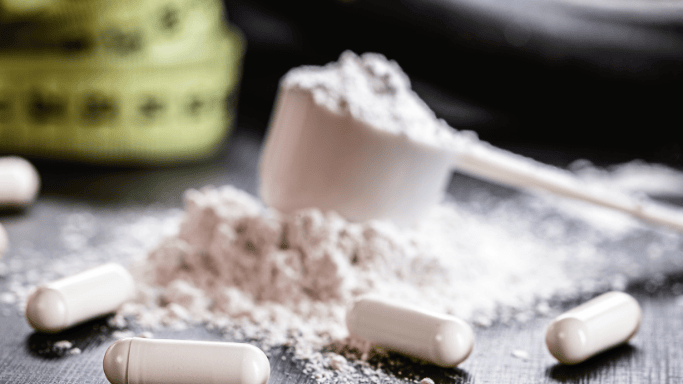
An image of creatine powder in a scoop with supplements in front

Both creatine and L-carnitine are naturally occurring compounds found in your body. But they serve entirely different purposes.

Creatine acts like a cellular battery charger. It helps regenerate ATP (your body’s energy currency) during intense, short bursts of activity. You’ll find creatine naturally in red meat and fish, though supplementation can boost your levels substantially.

L-carnitine works as a cellular transport system. It shuttles long-chain fatty acids into your mitochondria, where they get burned for energy. Your body produces some L-carnitine naturally, but levels can vary based on diet and genetics.

The key difference lies in their energy targets. Creatine focuses on immediate power output, while L-carnitine supports fat burning during longer activities.

Creatine vs Carnitine: How They Work
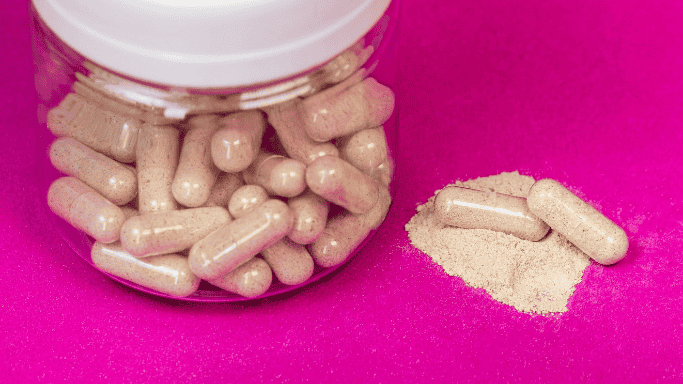
Clear jar filled with supplements against a pink backdrop

Understanding how these supplements function helps explain why they produce different results.

Creatine’s Power System

Creatine operates through the phosphocreatine energy system. When you perform high-intensity exercise, your skeletal muscle rapidly depletes ATP stores. Creatine steps in by donating phosphate groups to regenerate ATP almost instantly1.

This process happens during the first 10-15 seconds of intense activity. Think weightlifting, sprinting, or jumping. Creatine also stimulates muscle protein synthesis through the Akt/mTOR pathway, supporting muscle growth beyond just energy production2.

L-Carnitine’s Fat Transport Role

L-carnitine helps with a completely different process. This amino acid derivative transports long-chain fatty acids across the inner mitochondrial membrane for beta-oxidation. This mechanism becomes important during prolonged exercise when your body shifts toward fat as a primary fuel source3.

L-carnitine also helps regulate the acetyl-CoA/CoA ratio, which controls various metabolic pathways. This dual role makes it valuable for both energy production and cellular cleanup.

Benefits of Creatine for Muscle and Performance

Man exercising indoors

Research consistently shows creatine delivers impressive results across multiple areas of physical performance.

Physical Performance and Body Mass Gains

Studies demonstrate that creatine supplementation increases lean body mass by 0.9-2.2 kg over 4-6 weeks when combined with resistance training. The supplement excels for activities lasting 10 seconds to 2 minutes and increases body mass through improved muscle protein synthesis4.

Key performance benefits include:

  • Better power output during repeated high-intensity exercise
  • Improved recovery between training sessions
  • Increased muscle strength and mass
  • Better performance in explosive movements

Cognitive and Brain Health Benefits

One of creatine’s most underappreciated benefits involves brain function. Research shows creatine can improve memory and cognitive performance, particularly in older adults5.

Your brain uses about 20% of your daily energy despite being only 3% of your body weight. When NAD levels drop with age, your brain becomes especially vulnerable to energy deficits. Creatine as a nootropic provides cognitive support by maintaining cellular energy reserves.

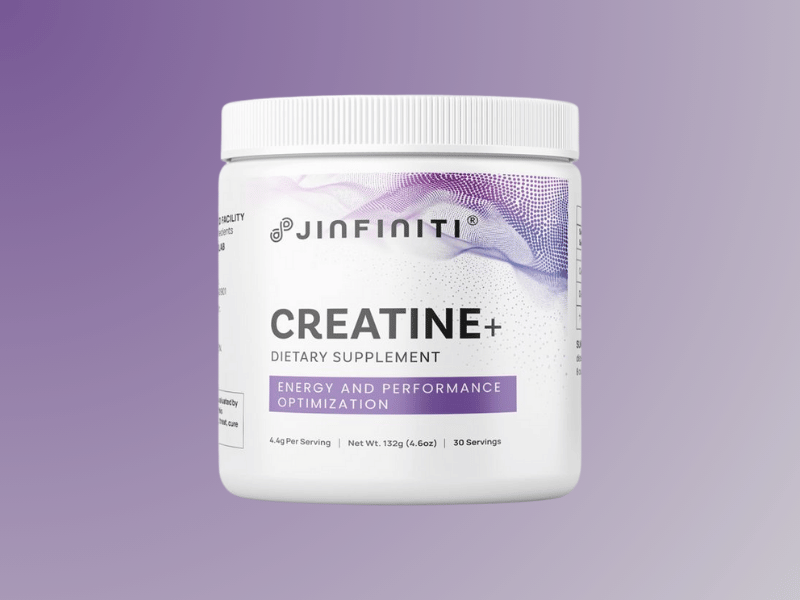
For the best brain health benefits, our Creatine + ATP supplement combines 4g of creatine monohydrate with 400mg of disodium ATP, supporting both physical and mental performance.

Benefits of L-Carnitine and Supplement Considerations

L-carnitine offers different advantages, though the research shows mixed results for this dietary supplement.

Fat Oxidation and Endurance Benefits

L-carnitine shines during prolonged exercise, where fat oxidation becomes important. Studies show better fat burning during endurance activities and improved exercise tolerance in some populations6.

Benefits of l-carnitine supplementation include:

  • Better fat oxidation during prolonged exercise
  • Reduced exercise-induced muscle damage markers
  • Improved recovery from high-intensity training
  • Better exercise tolerance in specific populations

L-carnitine supplementation proves particularly valuable for vegetarians who consume less meat and fish, the primary dietary sources of this compound. Dairy products contain minimal amounts compared to red meat.

The TMAO Concern

But taking carnitine comes with an important caveat. Gut bacteria can convert L-carnitine into trimethylamine (TMA), which your liver then transforms into TMAO (trimethylamine N-oxide).

Elevated TMAO levels are linked to increased cardiovascular risk, including atherosclerosis and heart attacks. Studies show TMAO increases major cardiovascular event risk by 23-33%, particularly in people with existing heart conditions7.

Creatine and Carnitine: Safety and Side Effects
Blue pill organizer labeled noon, eve, and bed with several pills placed in front of it.

Safety profiles differ substantially between these two nutritional supplements.

Creatine’s Excellent Safety Record

Creatine has an outstanding safety profile when used at recommended doses of 3-5g daily. Long-term studies show no adverse effects on kidney function in healthy individuals8.

Common myths include water retention causing bloating (actually supports muscle growth) and hair loss concerns (no scientific evidence). Many creatine myths have been thoroughly debunked by research.

L-Carnitine Safety Considerations

L-carnitine is generally safe at doses up to 6000mg daily. But the TMAO production creates potential cardiovascular risks that require careful consideration, especially for long-term use.

Individual responses vary substantially based on gut microbiome composition. Some people produce more TMAO than others from the same L-carnitine dose.

Choosing Between Creatine and L-Carnitine Based on Your Goals

An image of a woman taking supplement

Your specific goals should guide your supplement choice when deciding between these options.

Choose Creatine For:Choose L-Carnitine For:
Strength and power sportsEndurance and fat oxidation
Muscle mass gainWeight management goals
High-intensity exerciseVegetarian diets
Cognitive function supportAge-related energy decline
Recovery between workoutsMetabolic stress recovery

Creatine Protocol

Getting started with creatine typically involves a loading phase of 20g daily for 5-7 days, followed by 3-5g daily maintenance. You can take creatine with meals or post-workout for better absorption.

This amino acid works particularly well for activities requiring short bursts of maximal effort, supporting both muscle performance and cognitive function.

L-Carnitine Protocol

The recommended protocol involves 2-3g daily, preferably with meals. Consider cycling on and off to minimize TMAO accumulation.

L-carnitine proves most beneficial for endurance athletes and those focused on fat loss during physical activity.

Creatine vs L-Carnitine: Dosage and Timing Considerations
Supplement powder with scoops, capsules, a measuring tape, and gym equipment on a dark surface.

Understanding proper dosage becomes critical for maximizing benefits while minimizing risks.

Creatine Supplementation Protocol

For muscle performance and athletic performance improvement, creatine monohydrate remains the gold standard. The typical dosage involves:

  • Loading phase: 20g daily for 5-7 days (split into 4 doses)
  • Maintenance: 3-5g daily or 0.1g per kg of body weight
  • Timing: Post-workout or with carbohydrates for better uptake

Creatine supplements work best when taken consistently. The compound accumulates in skeletal muscle over time, so missing occasional doses won’t impact results substantially.

L-Carnitine Supplementation Guidelines

L-carnitine supplementation requires different considerations due to absorption challenges and the TMAO concern:

  • Standard dosage: 2-3g daily with meals
  • Higher doses (up to 6g) may be used short-term under supervision
  • Take with dietary fat to improve bioavailability
  • Consider cycling periods to minimize cardiovascular risks

Can You Take Creatine and L-Carnitine Together?

Some research suggests combining creatine and carnitine may boost muscle protein synthesis beyond either supplement alone for improved exercise performance9.

But this combination requires careful consideration of:

  • Cumulative cardiovascular effects from TMAO production
  • Individual response variations based on gut microbiome
  • Monitoring of cardiovascular risk factors during physical activity

Choosing the best creatine form becomes important when combining supplements to avoid unnecessary additives.

Timing Considerations for Combined Use

Creatine absorption improves when taken with carbohydrates or after a workout. L-carnitine bioavailability increases with lipid-based formulations and when taken with meals containing fat.

For age-related considerations, creatine for older adults may require adjusted dosing and timing strategies to support energy metabolism.

Creatine vs L-Carnitine for Special Populations

A group of athletes

Different groups may benefit more from one supplement over the other.

Vegetarian Athletes

Vegetarians typically have lower creatine stores since meat and fish provide the primary dietary sources. They may see greater benefits from creatine supplementation compared to omnivores.

L-carnitine levels may also be lower in vegetarians, though the cardiovascular risks from supplementation remain the same regardless of dietary pattern.

Women and Hormonal Considerations

Women may have specific considerations regarding both supplements. Creatine appears safe and effective across menstrual cycles, while L-carnitine’s effects may vary with hormonal fluctuations.

Body composition changes from creatine often favor lean muscle gain rather than overall weight increase, which many women prefer for their fitness goals.

Final Recommendations

Choose creatine if your primary goals involve power, strength, muscle mass, or cognitive function. Its safety profile is excellent, effects are well-documented, and benefits extend beyond physical performance.

Choose L-carnitine if you focus on fat oxidation, endurance performance, or metabolic health, but carefully consider cardiovascular risk factors and monitor TMAO levels for long-term use.

The decision depends on your specific goals, health status, and risk tolerance. Both supplements can be valuable tools when used appropriately, but understanding their mechanisms and limitations helps you make the best choice for your fitness journey.

For many people seeking complete support, creatine’s broader benefits and superior safety profile make it the more practical choice among these nutritional supplements. Creatine also provides better value as a dietary supplement that supports multiple aspects of health and performance.

References:

  1. https://pmc.ncbi.nlm.nih.gov/articles/PMC2517207/ ↩︎
  2. https://www.sportsmedoa.com/journals/jsmt/jsmt-aid1068.php ↩︎
  3. https://pmc.ncbi.nlm.nih.gov/articles/PMC6982879/ ↩︎
  4. https://pmc.ncbi.nlm.nih.gov/articles/PMC3750511/ ↩︎
  5. https://pmc.ncbi.nlm.nih.gov/articles/PMC10721691/ ↩︎
  6. https://www.mdpi.com/2072-6643/13/12/4359/pdf ↩︎
  7. https://pmc.ncbi.nlm.nih.gov/articles/PMC5586261/ ↩︎
  8. https://pmc.ncbi.nlm.nih.gov/articles/PMC7871530/ ↩︎
  9. https://pmc.ncbi.nlm.nih.gov/articles/PMC8625796/ ↩︎
A close up image of a woman taking supplement

Creatine Nitrate vs Monohydrate: What Science Actually Says

Creatine monohydrate has dominated the supplement world for decades. It’s the gold standard that most people reach for when they want to boost their workout performance.

But you might have noticed creatine nitrate appearing on supplement labels lately. This newer form promises better absorption and claims to work just as well as the classic version.

Is it worth switching from the tried-and-true monohydrate? We dug into the research to find out which form actually delivers better results.

Key Takeaways

  • Creatine nitrate showed 38% better absorption and nearly 4x faster muscle creatine uptake in a small study
  • Nitrate form has fewer non-responders (20% vs 30%) but costs 2-3x more than monohydrate
  • Creatine monohydrate has decades of safety research, while nitrate has limited long-term data
  • Both forms improve exercise performance, but monohydrate remains the gold standard for most users

What Makes These Types of Creatine Different?

An open blue container of white powder, spilled onto a green surface with a yellow scoop resting in the powder.

The key difference between monohydrate and nitrate lies in what’s attached to the creatine molecule.

Creatine monohydrate binds creatine to a simple water molecule, creating the most basic and well-researched form available.

Creatine nitrate represents a modern creatine derivative which bonds creatine to nitrate molecules. The new formula provides enhanced water solubility which enables it to dissolve more effectively in stomach acid. The effects of creatine nitrate stem largely from this enhanced bioavailability.

The improved solubility should result in better absorption through the intestinal wall. People who have poor responses to standard creatine monohydrate supplements might experience improved results when using the nitrate form according to this evidence.

Creatine Monohydrate: The Gold Standard

A woman in workout attire scooping protein powder into a shaker bottle from a large black container, suggesting supplement preparation post-workout.

Creatine monohydrate remains the gold standard in sports nutrition for good reason. With over 685 clinical trials involving 12,839 participants, it’s the most extensively studied supplement for muscle performance1.

This well-researched form helps your muscles regenerate ATP (adenosine triphosphate) during high-intensity exercise. When you lift weights or sprint, your muscles quickly burn through their ATP stores. Creatine helps replenish these energy stores by donating phosphate groups to create phosphocreatine.

Creatine monohydrate may also support muscle growth through several mechanisms. It enhances protein synthesis by providing the energy needed for amino acids to build new muscle tissue. Many products use micronized creatine monohydrate for improved mixing and absorption.

The typical dosing protocol involves either:

  • Loading phase: 20 grams daily for 5-7 days, then 3-5 grams daily
  • No loading: 3-5 grams per day from the start

Research shows both approaches work equally well over time. The loading method just gets you to peak muscle creatine levels faster.

Creatine Nitrate vs Monohydrate: Absorption and Bioavailability

A hand is holding a gold spoon filled with white powdered supplement over a glass of water.

A controlled study with 10 healthy men revealed striking differences in how well each form gets absorbed. The results show creatine nitrate’s clear advantage in bioavailability2.

Absorption MetricCreatine MonohydrateCreatine Nitrate
Peak serum levels (60 min)118.6 ± 12.9 µmol/L163.8 ± 12.9 µmol/L
Area under curve466.3 ± 47.9 (µmol/L) × min622.7 ± 62.9 (µmol/L) × min
5-day muscle creatine increase2.1%8.0%

The nitrate group achieved nearly four times greater muscle creatine uptake after just five days. This suggests creatine nitrate may offer faster results for building your body’s creatine stores.

Even more interesting, creatine nitrate showed a lower non-responder rate. About 30% of people don’t respond to creatine monohydrate, but only 20% failed to respond to the nitrate form.

Both creatine monohydrate and creatine nitrate share similar absorption pathways. Yet the nitrate version’s enhanced solubility gives it a significant advantage in reaching muscle tissue.

Which Form of Creatine is Best for Performance?

A fit woman performing a lunge exercise indoors while holding small dumbbells, wearing athletic clothes and standing in front of a large window with greenery outside.

Both forms improve exercise performance, but the research on direct comparisons remains limited. One 28-day study found that 3 grams daily of creatine nitrate produced better bench press improvements compared to the same dose of creatine monohydrate3.

For power output and strength gains, both forms show similar benefits:

  • Increased peak power during short bursts
  • Better performance in repeated high-intensity efforts
  • Enhanced recovery between sets

The nitrate component theoretically provides additional benefits through nitric oxide enhancement. This may enhance exercise capacity by improving blood flow and nutrient delivery to working muscles.

For endurance activities, both forms show modest benefits. Still, creatine’s primary advantage remains in high-intensity, short-duration efforts. The better blood flow from creatine nitrate could theoretically help with sustained activities.

Creatine monohydrate has established cognitive benefits that extend beyond muscle performance. It can improve working memory and reduce mental fatigue, making it valuable for creatine as a nootropic.

Safety: Nitrate and Monohydrate Compared

White creatine powder spilled from a container onto a stone surface.

Both forms show acceptable safety profiles, but with different considerations based on research depth.

Creatine monohydrate safety studies show side effects occur in only 13.7% of studies, similar to placebo groups at 13.2%. The most common issues are minor digestive upset and temporary water retention4.

For those concerned about creatine myths like kidney damage, extensive research shows no causal relationship in healthy individuals.

Creatine nitrate has much less safety data, with only one 28-day safety study in 58 participants. This study found no significant adverse effects on liver or kidney function markers. People with low blood pressure should exercise caution due to nitrate’s potential vasodilatory effects5.

One notable issue: 80% of creatine nitrate users reported an unpleasant odor with the supplement. This palatability problem could affect long-term compliance.

Nitrate or Monohydrate: Dosage Requirements

Close-up of a supplement facts label on a bottle, showing serving size of 3 tablets and 30 servings per container

Understanding proper dosing helps you get the most from creatine supplementation. The approach differs slightly between forms.

Creatine Monohydrate Dosing:

  • Loading: 20 grams daily for 5-7 days
  • Maintenance: 3-5 grams daily
  • Alternative: 3-5 grams per day without loading

Creatine Nitrate Dosing:

  • Studies used 3-6 grams daily
  • May require shorter or no loading due to better absorption
  • Best protocols still being researched

Due to superior absorption, creatine nitrate may work effectively at lower doses. Still, more research is needed to establish the most effective dosing strategies.

If you’re new to creatine supplementation, our creatine starter guide covers everything you need to know about timing and loading phases.

Cost Considerations Between Forms

Two identical white jars with black lids are placed on opposite ends of a white seesaw balanced on a yellow sphere, with the left side tilted downward.

Cost becomes a significant factor when choosing between these forms. Creatine monohydrate costs substantially less due to simpler manufacturing and wider availability from multiple suppliers.

Creatine nitrate typically costs 2-3 times more than monohydrate because of:

  • More complex production processes
  • Limited suppliers with fewer generic options
  • Premium positioning in the market

For most people, the cost difference raises questions about value. While nitrate shows better absorption, whether this justifies the higher price depends on your specific needs and budget.

Many pre-workout supplements now include creatine nitrate due to its enhanced solubility and potential blood flow benefits.

Creatine Monohydrate Supplements: Maximizing Your Choice

A hand holding a plain white supplement bottle against a vibrant orange background.

When selecting any form of creatine, quality matters significantly. Look for products that combine creatine with complementary ingredients for enhanced effectiveness.

Our Creatine + ATP supplement provides 4g of creatine monohydrate plus 400mg of disodium ATP. This combination delivers immediate energy support while building long-term muscle creatine stores.

The ATP component bridges the gap during your first weeks of supplementation. While your muscles gradually increase their creatine phosphate levels, the added ATP provides instant energy for high-intensity training. This dual approach makes it particularly effective for those just starting creatine supplementation.

Bonus Read: Understanding the connection between creatine and ATP helps explain why this combination works so well for muscle performance and recovery.

Blood Flow and Nitric Oxide Benefits

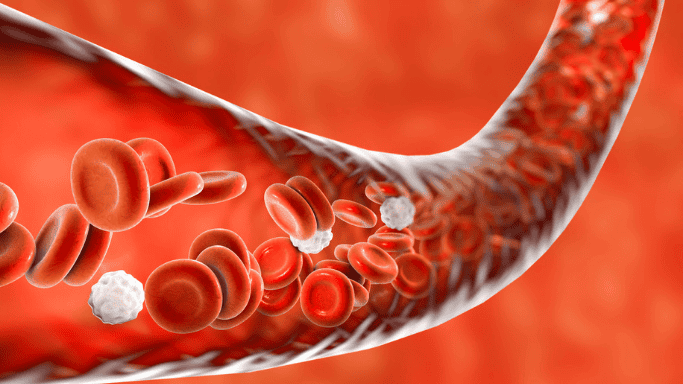
3D medical illustration of red and white blood cells flowing through an artery, representing circulation, cardiovascular health, or blood function.

One unique advantage of creatine nitrate lies in its potential for improving blood flow through nitric oxide pathways. Each creatine molecule bound to nitrate may enhance circulation by promoting vasodilation in blood vessels.

This better blood flow could theoretically provide several benefits:

  • Enhanced nutrient delivery to working muscles
  • Improved oxygen transport during exercise
  • Faster removal of metabolic waste products

The nitrate may offer additional performance benefits beyond what creatine alone provides. Yet, studies specifically demonstrating these cardiovascular benefits with creatine nitrate supplementation remain limited compared to the extensive research on creatine monohydrate6.

Special Considerations for Different Groups

Smiling older women representing safe and beneficial creatine use for women and adults over 40, supporting muscle and cognitive health.

Certain populations may benefit more from one form over another. Women often have questions about creatine supplementation regarding weight gain and hormonal effects.

Adults over 40 may find specific benefits in creatine supplementation for older adults, including cognitive support and muscle preservation.

Both forms appear safe for these groups, though the extensive research base favors creatine monohydrate for long-term use. As dietary supplements, creatine products are suitable for most healthy individuals regardless of age or gender.

Making Your Choice: The Bottom Line

Text "RIGHT CHOICE" written in chalk on a blackboard, with a red heart shape replacing the letter "O" in "CHOICE," symbolizing a healthy or emotionally positive decision.

The decision between creatine nitrate vs monohydrate comes down to your priorities and response to supplementation.

Choose creatine monohydrate if you:

  • Want the most cost-effective option
  • Prefer extensively researched supplements available
  • Seek proven cognitive and muscle performance benefits
  • Are starting with creatine for the first time

Consider creatine nitrate if you:

  • Haven’t responded well to creatine monohydrate
  • Want potentially faster muscle creatine uptake
  • Don’t mind paying premium prices
  • Are willing to try a newer supplement with less research

For most people, creatine monohydrate remains the smart choice. Its combination of proven effectiveness, extensive safety data, and affordable pricing makes it the gold standard.

But if you’re among the 30% who don’t respond to traditional creatine monohydrate, the nitrate form offers a promising alternative. The superior absorption rates and lower non-responder rate make it worth considering despite the higher cost.

When choosing any types of creatine, remember that consistency matters more than the specific form. The best creatine supplement is the one you’ll take regularly as part of your overall fitness and nutrition strategy.

Both forms can boost skeletal muscle performance and support your training goals. The key is finding the right fit for your body, budget, and long-term health objectives.

Referenced Sources:

  1. https://pmc.ncbi.nlm.nih.gov/articles/PMC2206055/ ↩︎
  2. https://link.springer.com/10.1007/s00726-024-03401-w ↩︎
  3. https://onlinelibrary.wiley.com/doi/10.1002/fsn3.1237 ↩︎
  4. https://www.mdpi.com/2072-6643/9/12/1359/pdf ↩︎
  5. https://pmc.ncbi.nlm.nih.gov/articles/PMC11629957/ ↩︎
  6. https://www.frontiersin.org/articles/10.3389/fspor.2022.1033842/full ↩︎
A woman with voluminous curly hair tilts her head back with eyes closed, appearing peaceful in bright natural lighting.Retry

10 Supplements Studies Show Reduce Cortisol Levels

Cortisol levels that stay high for weeks or months can negatively impact your body in multiple ways. This stress hormone triggers weight gain, disrupts sleep, and leaves you feeling anxious and exhausted.

Clinical research shows that specific supplements can help regulate cortisol levels naturally. We’ll examine the 10 best supplements to reduce cortisol with solid scientific backing from human trials.

Why High Cortisol Levels Matter for Your Health

Cortisol serves an important role in your body’s stress response. It helps you handle immediate threats by increasing blood sugar and sharpening focus.

But cortisol isn’t just a “stress hormone.” This vital hormone follows a natural daily rhythm, peaking in the morning to promote wakefulness and gradually declining at night.

Your body relies on cortisol to maintain blood glucose levels, regulate blood pressure, and provide anti-inflammatory effects. Problems arise when these levels stay chronically elevated.

High cortisol contributes to:

  • Weight gain around your midsection
  • Disrupted sleep patterns and insomnia
  • Weakened immune system function
  • Increased inflammation throughout your body
  • Memory problems and brain fog

How These Supplements Help Lower Cortisol

A stressed young woman with glasses chews on a pencil while working at a laptop.

Each of the 10 cortisol-lowering supplements below work by a slightly different mechanism to help lower elevated cortisol levels in your body.

Some supplements act directly on the hypothalamic-pituitary-adrenal axis. This is the part of your brain that regulates your body’s production and release of cortisol when it is under stress.

Other supplements help your body metabolize and clear cortisol from the body more quickly. A few supplements work by calming your nervous system down, which decreases the signals that are sent out in the first place to start cortisol production.

And, since the gut is so intimately connected with the brain, oxidative stress and inflammation can also work to keep cortisol levels elevated, so any supplement that helps decrease oxidative stress and inflammation also helps bring your body’s stress response system back into balance.

10 Evidence-Based Supplements That Lower Cortisol Levels

Based on clinical research, these 10 supplements may help reduce cortisol through different mechanisms and with varying levels of scientific support.

1. Ashwagandha

Ashwagandha is by far the most researched supplement for lowering cortisol. It’s an adaptogen that directly influences your stress response.

In several randomized controlled trials, ashwagandha decreased serum cortisol levels by up to 33% in people with stress. In a 2012 study, 64 adults were given 600 mg per day for 60 days, which significantly reduced cortisol levels compared to placebo.

The secret is standardized extracts such as KSM-66. This particular ashwagandha contains key compounds called withanolides. These active components help regulate stress-induced proteins and normalize cortisol production.

Clinical dosage: 225-600 mg daily of standardized extract

Study duration: 30-90 days for best results

2. Magnesium

A periodic table element card showing magnesium with its symbol "Mg", atomic number 12, and atomic weight 24.305.

Magnesium works differently than other supplements to lower cortisol. Instead of blocking production, it helps your body clear cortisol more efficiently.

Magnesium has been found to activate 11β-HSD2, an enzyme that converts active cortisol into inactive cortisone. In a 24-week clinical trial, taking 350 mg per day significantly reduced 24-hour urinary cortisol excretion.

Magnesium also promotes activity in your parasympathetic nervous system, the “rest and digest” mode that counters the stress response responsible for cortisol production.

Clinical dosage: 350 mg elemental magnesium daily

Best forms: Magnesium citrate or glycinate for better absorption

3. Omega-3 Fatty Acids

Omega-3s help manage cortisol in a variety of ways. For one, they have anti-inflammatory and anti-stress effects on your central nervous system.

Omega-3 supplementation has been shown in trials to decrease both baseline cortisol and cortisol responses to stressors. For instance, 7.2 g of fish oil per day was shown to blunt cortisol release during mental stress tasks.

Inflammation plays a role here as well. Omega-3s are often used in brain health formulas because stress in the brain (via inflammation) can trigger cortisol release. This can cause a feedback loop of stress -> inflammation -> more stress.

Clinical dosage: 300 mg to 7.2 g daily (EPA + DHA combined)

Context: Effective for both chronic elevation and acute stress response

4. Probiotics

White capsules are scattered around blue 3D letters spelling "Probiotics" with a bottle nearby.

Your gut microbiome talks directly to your stress response system. Probiotics lower cortisol by supporting the intestinal barrier and decreasing inflammatory signals.

A 2024 meta-analysis of 46 studies found that probiotic supplementation markedly decreased cortisol levels. The results varied widely between different strains and populations though.

Single-strain probiotics were more effective than multi-strain products. The effect was stronger in healthy adults than in patients with diagnosed conditions.

Key consideration: Strain-specific effects mean not all probiotics work equally well

5. L-Theanine

L-Theanine is an amino acid found in green tea that promotes relaxed alertness. It works by blocking glutamate receptors in your brain, reducing neuronal excitement.

Studies show L-theanine works well for reducing immediate reactions to stress. In one crossover study, 200 mg of theanine was found to significantly blunt cortisol levels after a mental stress challenge.

But L-theanine appears less effective for chronically elevated cortisol levels. It works best when taken before anticipated stressful situations. This amino acid naturally found in green tea promotes calm focus without drowsiness.

Clinical dosage: 200 mg as a single dose

Best timing: 30-60 minutes before stressful events

🧬 MORE INSIGHTS

6. Bacopa Monnieri

Bacopa monnieri combines nootropic and adaptogenic properties. This Ayurvedic herb helps reduce cortisol while supporting memory and cognitive function.

Clinical trials show bacopa can reduce cortisol in both acute and chronic stress situations. A 12-week study found that 300 mg daily substantially lowered serum cortisol while improving memory and reducing anxiety.

The active compounds called bacosides provide antioxidant and anti-inflammatory effects in the brain. This may explain why bacopa helps with both stress and cognitive performance at the same time.

Clinical dosage: 300-640 mg daily of standardized extract

Study duration: 8-12 weeks for optimal benefits

7. Vitamin C

Ripe orange citrus fruits hang abundantly from green leafy branches in a sunny orchard setting.

Your adrenal glands contain some of the highest concentrations of vitamin C in your body. This essential nutrient serves as a cofactor for cortisol synthesis and regulation.

Research shows vitamin C supplementation can help lower cortisol levels. One clinical trial found that 1,000 mg daily for two months reduced cortisol by 35% compared to just 10% in the control group.

Vitamin C also helps combat oxidative stress markers that can keep cortisol elevated. The antioxidant effects support overall adrenal gland health and proper stress hormone regulation.

Clinical dosage: 1,000 mg daily

Duration: At least 8 weeks for measurable effects

Interested in Vitamin C Support?

Jinfiniti’s Natural Vitamin C combines whole food vitamin C from amla extract with bioavailable zinc chelate in one targeted formula. Instead of synthetic vitamin C that causes issues for some, you get 100% natural vitamin C with enhanced bioavailability plus immune-supporting zinc.

8. Nicotinamide and D-Ribose Combo

The NAD+ enhancer, nicotinamide, paired with the monosaccharide D-ribose can help lower cortisol by increasing energy production in cells.

This nicotinamide/ribose stack was shown in a clinical study at the University of Washington to significantly lower salivary cortisol in healthy middle-aged adults. Participants in the study were given a supplement called RiaGev that contained 1280 mg D-ribose, 240 mg nicotinamide, and 480 mg palm oil twice per day.

The supplementation protocol lasted 8 days, during which time NAD+ levels were found to be elevated by 10.4% and NADP+ was elevated by 27.6%. NAD+ and NADP+ are major cellular energy currency, which also play a direct role in how your cells regulate stress responses.

The cortisol reduction likely stems from improved cellular energy status. When your cells have adequate energy resources, they don’t trigger the same stress signals that lead to cortisol release.

This combination also increased glutathione antioxidant levels by 11.6%, which helps combat the oxidative stress that can keep cortisol elevated. The benefits of NAD extend beyond just energy production to include stress regulation.

Clinical dosage: 1280 mg D-ribose + 240 mg nicotinamide twice daily

Study duration: 8 days for measurable effects

Want to Lower Cortisol AND Boost NAD+?

Jinfiniti’s Vitality↑® NAD+ Booster contains d-ribose with nicotinamide, creatine, and niacinamide in a clinically validated formulation. Rather than guessing with individual ingredients, you get a research-backed combination designed to work across multiple energy pathways.

9. Creatine

Creatine shows specific promise for reducing cortisol spikes triggered by high-intensity exercise. This supplement works by maintaining cellular energy stores during physical stress.

A study in competitive swimmers found that six days of creatine loading significantly suppressed post-exercise cortisol response. Swimmers taking 20 g daily had cortisol levels of 15.5 μg/dL after intense training compared to 18.33 μg/dL in the control group.

The mechanism relates to energy preservation. During intense exercise, your body normally breaks down muscle protein to fuel ongoing activity, triggering cortisol release. Creatine and ATP work together to maintain energy stores, reducing the need for this catabolic response.

This makes creatine particularly valuable for athletes and anyone doing high-intensity training. By preventing energy depletion, creatine helps maintain anabolic conditions even during demanding workouts.

Clinical dosage: 20 g daily for 6 days (loading protocol), then 3-5 g daily for maintenance

Best for: Exercise-induced cortisol spikes and athletic performance

Ready for Next-Level Creatine?

Jinfiniti’s Creatine ATP supplement provides 4g creatine monohydrate with 400mg disodium ATP in each serving. Beyond basic creatine, you get the cognitive and stress-response benefits of creatine plus direct ATP for immediate cellular energy support.

10. Phosphatidylserine

Phosphatidylserine (PS) shows promise for reducing exercise-induced cortisol, but research results depend heavily on the source material.

Early studies using PS derived from cow brain tissue showed impressive results. Athletes taking 800 mg daily experienced a 20% reduction in exercise-induced cortisol spikes.

But modern supplements use plant-based sources due to safety concerns. Studies with soy or cabbage-derived PS show little to no effect on cortisol levels.

The issue: Plant-based PS appears to lack the molecular structure needed for cortisol reduction

Clinical dosage: 400-800 mg daily (though effectiveness questionable with current sources)

Comparison Table: Supplements to Lower Cortisol

SupplementEvidence LevelDosage RangePrimary MechanismBest For
AshwagandhaStrong225-600 mg/dayHPA axis modulationChronic stress
MagnesiumStrong350 mg/dayCortisol clearanceBaseline regulation
Omega-3sStrong300 mg-7.2 g/dayAnti-inflammatoryAcute + chronic stress
ProbioticsPromisingStrain-dependentGut-brain axisInflammation-related stress
L-TheaninePromising200 mg/doseNeurotransmitter balanceSituational stress
Bacopa MonnieriPromising300-640 mg/dayAdaptogenic effectsCognitive stress
Vitamin CPromising1,000 mg/dayAdrenal supportGeneral stress support
Nicotinamide + D-RibosePromising1280mg + 240mg twice dailyNAD+ enhancementCellular energy stress
CreatinePromising20g loading/3-5g maintenanceEnergy preservationExercise-induced stress
PhosphatidylserineConflicting400-800 mg/dayHPA axis bluntingExercise stress (limited)

Natural Ways to Reduce Cortisol

Supplements work best when combined with lifestyle changes that address the root causes of elevated cortisol.

  • Sleep plays a major role in cortisol regulation. Getting 7-9 hours of quality sleep helps reset your stress hormone cycles. Going to bed and waking up at consistent times strengthens this natural rhythm.
  • Regular exercise reduces cortisol, but avoid overtraining. Moderate activities like walking, yoga, or swimming work better than intense daily workouts that can spike stress hormones.
  • Deep breathing exercises activate your parasympathetic nervous system. Try the 4-7-8 technique: inhale for 4 counts, hold for 7, exhale for 8. Practice this for 5 minutes daily.
  • Social connections buffer stress responses. Spending time with supportive friends and family members naturally lowers cortisol levels.
  • Time in nature also helps. Even 20 minutes outdoors can reduce stress hormones and improve your mood.

Consider meditation or mindfulness practices. Research shows these techniques can lower both acute stress responses and baseline cortisol levels over time.

Safety Considerations and Professional Guidance

Most cortisol-reducing supplements are well-tolerated, but some important safety notes apply.

Ashwagandha may interact with thyroid medications and can cause liver issues in rare cases. Avoid during pregnancy due to potential effects on fetal development.

High-dose omega-3 supplementation can increase bleeding risk if you take blood-thinning medications. Start with lower doses and monitor for any unusual bruising.

Magnesium can cause digestive upset at higher doses. Chelated forms like magnesium glycinate tend to be gentler on your stomach.

Important: Consult your healthcare provider before starting any new supplement regimen, especially if you take medications or have health conditions.

Supporting Your Body’s Natural Stress Response

Supplements are most effective when used as part of a holistic approach to stress management. Exercise, good sleep, and stress management techniques can help the body deal with cortisol better.

Try measuring your cortisol levels before and after to see if the supplement is working for you. Many people find the most relief when they use targeted supplements with lifestyle changes.

Cortisol is not all bad and has important functions in the body. We don’t want to completely suppress it, but rather reset the body’s patterns and prevent long-term elevation.

The above 10 supplements are the most evidence-based ways to manage cortisol naturally. Begin with those with the best evidence, such as ashwagandha and magnesium. Then, consider adding a few others that make sense for you and that you respond well to.

Man holding two supplement bottles

Glutamine vs Creatine: Science-Based Comparison

Choosing between supplements can feel overwhelming when you’re trying to reach your fitness goals. Two of the most popular options are creatine and glutamine, but they work in completely different ways.

While creatine focuses on boosting your power and strength during workouts, glutamine concentrates on helping your body recover afterward. Understanding the glutamine vs creatine debate can help you make the right choice for your specific needs.

Key Takeaways

  • Creatine boosts workout performance and delivers 10-20% improvements in high-intensity exercise and strength gains
  • Glutamine speeds up recovery, reduces muscle damage, supports immune function, and accelerates post-workout healing
  • Different timing, different benefits – creatine works during exercise while glutamine works after exercise
  • Safe to combine – stacking both supplements provides complete performance and recovery support

Glutamine vs Creatine: Understanding the Key Differences

An image of two supplements beside a cannister

Creatine and glutamine operate through completely different mechanisms in your body. These supplements target distinct aspects of athletic performance and recovery.

Creatine is a naturally occurring compound that acts as an energy buffer. It rapidly regenerates ATP during high-intensity exercise by donating phosphate groups from phosphocreatine stores. This makes it highly effective for explosive movements, strength training, and power sports where you need quick energy bursts.

Glutamine takes a different approach as a recovery catalyst. As the most abundant amino acid in your body, glutamine plays important roles in protein synthesis, immune cell function, and gut health maintenance. During periods of intense training, glutamine levels can become depleted, making supplementation beneficial for better recovery.

The main distinction lies in their timing effects:

  • Creatine improves what you can do during exercise
  • Glutamine optimizes what happens after your workout
  • Creatine allows you to train harder and lift heavier weights
  • Glutamine helps ensure effective recovery from increased training stress

Benefits of Creatine: The Performance Enhancer

Athletic woman flexing her bicep outdoors, representing the muscle-building and strength-enhancing benefits of creatine supplementation.

Creatine works by increasing intramuscular phosphocreatine stores, which serve as a rapid energy reserve for ATP regeneration. When muscles contract during high-intensity exercise, ATP is quickly depleted within seconds.

The phosphocreatine system provides the fastest method for ATP resynthesis, allowing sustained power output during repeated explosive efforts. This proves highly beneficial for activities like weightlifting, sprint intervals, and other high-intensity workouts1.

Research consistently shows that creatine supplementation produces 10-20% improvements in high-intensity exercise performance. These benefits extend beyond immediate power output to include increased training volume, better muscle mass gains, and improved recovery between sets Research consistently shows that creatine supplementation produces 10-20% improvements in high-intensity exercise performance. These benefits extend beyond immediate power output to include increased training volume, better muscle mass gains, and improved recovery between sets2.

Cognitive and Brain Health Benefits

Emerging research reveals creatine’s major impact on brain function. Your brain has high energy demands, and creatine supplementation can increase brain creatine and phosphocreatine levels by 5-15%3.

Studies show that creatine as a nootropic improves cognitive processing speed, working memory, and mental fatigue resistance. These neurological benefits stem from better cellular energy availability and neuroprotective effects.

Muscle Building and Strength Gains

A detailed meta-analysis found that creatine supplementation combined with resistance training promotes measurable increases in muscle hypertrophy. Effect sizes ranged from 0.11 to 0.42 depending on the measurement method4.

Creatine helps you:

  • Lift heavier weights during workouts
  • Complete more repetitions before fatigue
  • Recover faster between training sets
  • Build lean muscle mass more effectively
  • Support muscle strength gains over time

Benefits of Glutamine: Recovery and Immune Support

Joyful woman standing outdoors with open arms, symbolizing the recovery, gut health, and immune system benefits of glutamine.

L-glutamine supports recovery through multiple pathways, primarily by maintaining positive nitrogen balance and supporting protein synthesis. During intense exercise, glutamine stores can be depleted by up to 50%, potentially compromising immune function and recovery capacity5.

This conditionally essential amino acid becomes important during periods of intense training when your body’s demand for glutamine exceeds its natural production. Glutamine supports muscle recovery by serving as the primary energy source for rapidly dividing cells.

How L-Glutamine Supports Recovery

Research demonstrates several important benefits when you take glutamine regularly:

  • Reduced markers of muscle damage (creatine kinase, lactate dehydrogenase)
  • Decreased delayed-onset muscle soreness (DOMS)
  • Better glycogen resynthesis after workouts
  • Improved immune function during heavy training periods
  • Faster recovery between training sessions

Glutamine plays an important role in muscle recovery by helping prevent muscle breakdown and supporting protein synthesis. Its role in muscle recovery becomes critical after intense workouts when muscle stores need replenishment and athletes need to support muscle recovery effectively.

Immune and Gut Health Support

Glutamine serves as the primary energy source for immune cells, mainly during periods of physiological stress. Supplementation helps maintain immune function during heavy training periods when athletes typically become more susceptible to illness6.

Also, glutamine supports intestinal barrier function, which proves important for nutrient absorption and preventing gastrointestinal distress common in endurance athletes. This abundant amino acid also supports gut health by maintaining the intestinal lining.

Differences Between Glutamine and Creatine: Complete Comparison

Close-up of a hand scooping white powder from a supplement container with overlaid text 'Glutamine vs. Creatine', representing a complete side-by-side comparison.

Here’s how these supplements stack up across different aspects of performance and recovery:

AspectCreatineGlutamine
Primary FunctionEnergy production and muscle performanceRecovery, immune support, gut health
MechanismIncreases phosphocreatine stores, boosts ATP regenerationSupports protein synthesis, reduces muscle breakdown
Main BenefitsIncreased strength, power, muscle mass, cognitive functionBetter recovery, immune function, reduced muscle soreness
Best ForStrength athletes, power sports, high-intensity trainingEndurance athletes, cutting phases, immune support
Primary Effects10-20% improvement in high-intensity exercise performanceReduced muscle damage markers, faster recovery
Energy RoleProvides immediate ATP for high-intensity effortsServes as primary energy for immune and gut cells

Glutamine and Creatine Together: The Perfect Stack

An image of Jinfiniti creatine product

Combining glutamine and creatine provides complete support for both performance improvement and recovery optimization. Creatine boosts your ability to train harder, while glutamine ensures you recover more effectively from that increased training stress.

Research on combined supplementation shows promising results. A study with military police officers found both creatine and glutamine groups experienced major improvements in body composition and performance measures compared to placebo7.

Should You Take Glutamine and Creatine Supplements Together?

The combination proves highly beneficial for athletes engaged in high-volume training or competing in demanding sports requiring both power and endurance. Here’s why they work well together:

  • Creatine boosts your training capacity during workouts
  • Glutamine optimizes recovery between training sessions
  • No negative interactions exist between the supplements
  • Both have strong safety profiles with minimal side effects
  • The combination may offer additive benefits for muscle building

This approach allows you to support muscle growth while ensuring proper recovery, making it ideal for those pursuing serious fitness goals.

Choosing the Right Form of Creatine and Supplement Options

An image of Jinfiniti creatine product

For creatine, creatine monohydrate remains the gold standard with the most research support and proven efficacy. Other forms offer no real advantages over monohydrate and typically cost more.

The form of creatine you choose matters less than consistency in supplementation. Creatine monohydrate has decades of research backing its safety and effectiveness.

Understanding how different supplement formulations work can help you make better choices. Some products combine multiple ingredients to target various aspects of performance and recovery simultaneously.

Why Creatine + ATP Makes a Difference

Jinfiniti’s Creatine + ATP supplement takes this approach by combining 4g of creatine monohydrate with 400mg of disodium ATP. This formulation addresses both immediate energy needs and long-term energy storage:

  • Provides the proven benefits of creatine monohydrate for muscle saturation
  • Adds direct ATP support for immediate cellular energy
  • Offers potential cognitive benefits beyond traditional creatine supplements

The ATP component helps bridge the gap between creatine’s energy storage benefits and immediate energy needs during intense workouts. This dual approach means creatine can be taken with ATP support to maximize both storage and immediate energy availability.

Who Should Use What Based on Fitness Goals

Fit woman jogging outdoors in athletic gear.

Your specific fitness goals should guide your supplement choice between creatine and glutamine, though many people benefit from both.

For Strength and Power Athletes

Creatine should be your primary supplement choice if you focus on maximal strength, power output, and muscle building. The research base supporting creatine’s effectiveness in high-intensity, short-duration activities makes it important for powerlifters, sprint athletes, and team sport competitors8.

These athletes benefit most from creatine because their sports demand explosive power and strength, areas where creatine helps most effectively.

For Endurance Athletes

Glutamine becomes more valuable for endurance athletes who experience prolonged training stress and increased susceptibility to immune suppression. The anti-catabolic effects and immune support provided by glutamine prove highly beneficial during high-volume training phases.

Glutamine supports these athletes by helping maintain immune function during periods of intense training when the body’s natural defenses become compromised.

For Muscle Building Goals

Those focused on muscle growth should prioritize creatine for its direct effects on training performance and muscle hypertrophy. During cutting phases, glutamine becomes valuable for preserving muscle mass and maintaining immune function while in a caloric deficit.

The combination works synergistically to support muscle development while preventing muscle breakdown during challenging training periods.

For General Health and Aging

Both supplements offer benefits for older adults. Creatine supports cognitive function, bone health, and muscle mass preservation, while glutamine maintains immune function and gut health. The combination may provide synergistic benefits for healthy aging.

Understanding creatine for older adults can help guide supplementation decisions for this population.

Dosage and Timing Recommendations

Prescription form labeled 'Dose/Strength' with red and white capsules spilled over it, representing supplement dosage and timing recommendations.

Proper dosing varies based on your goals and training intensity.

Creatine Supplements Protocol

Loading Phase Approach:

  • 20-25g daily for 5-7 days, split into 4-5 doses
  • Follow with 3-5g daily maintenance dose
  • Achieves muscle saturation quickly

Steady-State Approach:

  • 3-5g daily from the start
  • Takes 3-4 weeks to reach full muscle saturation
  • More convenient for most people

Learn more about creatine loading and timing strategies to optimize your supplementation approach. The loading phase can help you reach peak muscle stores faster, though both approaches ultimately achieve similar results.

L-Glutamine Protocols

Standard Dosing:

  • 5-10g daily for general health and moderate training
  • Best taken post-workout when muscle glutamine stores are depleted

Intense Training Periods:

  • 15-30g daily, divided into multiple doses throughout the day
  • Research indicates doses up to 30g are well-tolerated

When you take glutamine matters for best absorption and effectiveness. Post-workout timing helps replenish depleted stores when your body needs recovery support most.

Best Stacking Timing

GoalCreatine DoseGlutamine DoseBest Timing
Strength & Power5g daily5g post-workoutCreatine anytime, Glutamine post-workout
Muscle Building5g daily10g dailyBoth post-workout with protein
Recovery & Endurance3g daily15-20g dailyGlutamine multiple times daily
Cutting/Fat Loss3g daily10-15g dailyMorning glutamine, creatine post-workout

Creatine can be taken at any time since it works by saturating muscle stores over time rather than providing immediate effects. Glutamine proves most beneficial post-workout when muscle glutamine stores are depleted and protein synthesis is elevated.

Making the Right Choice for Your Goals

Woman looking up and touching her chin, symbolizing decision-making about supplement choices based on personal health and fitness goals.

Both creatine and glutamine represent evidence-based supplements that can greatly improve athletic performance and recovery when used appropriately. While they serve different primary functions, their combination provides complete support for serious athletes.

Creatine excels at boosting immediate power and strength through better ATP regeneration, making it ideal for high-intensity training. Glutamine focuses on supporting recovery, immune function, and muscle preservation, proving valuable during intense training periods.

The key lies in understanding your specific fitness goals and implementing the appropriate dosing and timing strategies. Whether you choose one or both supplements, proper implementation will help you maximize their benefits for improved performance and recovery.

For those interested in optimizing cellular energy production beyond supplementation, consider exploring mitochondrial health supplements that work synergistically with both creatine and glutamine for complete performance improvement.

Referenced Sources:

  1. https://royalsocietypublishing.org/doi/10.1098/rsif.2020.0976 ↩︎
  2. https://pmc.ncbi.nlm.nih.gov/articles/PMC7910963/ ↩︎
  3. https://www.nature.com/articles/s41598-024-54249-9 ↩︎
  4. https://pmc.ncbi.nlm.nih.gov/articles/PMC10180745/ ↩︎
  5. https://pmc.ncbi.nlm.nih.gov/articles/PMC8234492/ ↩︎
  6. https://pmc.ncbi.nlm.nih.gov/articles/PMC6520936/ ↩︎
  7. https://pubmed.ncbi.nlm.nih.gov/12930166/ ↩︎
  8. https://pmc.ncbi.nlm.nih.gov/articles/PMC3407788/ ↩︎
Two creatine supplement bottles sit on a kitchen counter with warm golden sunlight streaming through the background.

Creatine HCl vs Monohydrate: The Science-Backed Comparison

Creatine hydrochloride and creatine monohydrate can both boost your workout performance. But they work differently in your body.

The main differences come down to how well they dissolve, how much you need to take, and which side effects you might experience.

Unraveling the science behind these differences will help you pick the best creatine for your fitness goals.

Key Takeaways

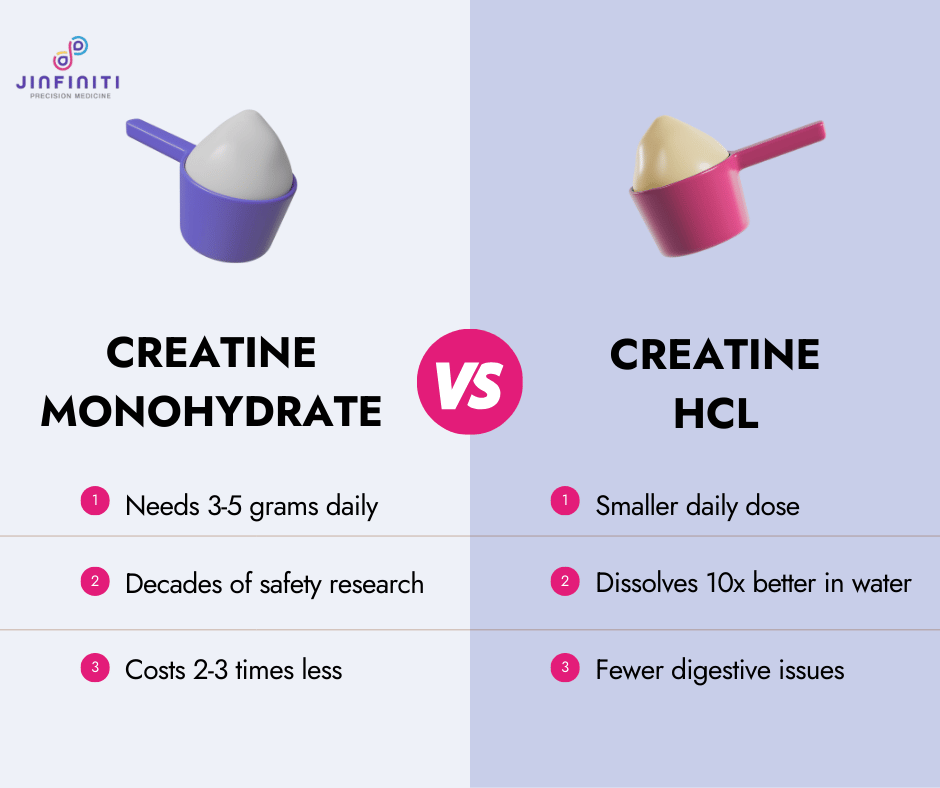
  • Creatine HCl dissolves 10 times better than monohydrate but costs 2-3 times more for similar performance benefits.
  • Monohydrate requires 3-5 grams daily while HCl only needs 1.5-3 grams due to better absorption.
  • HCl causes fewer digestive issues and less water retention compared to monohydrate.
  • Monohydrate has decades more research backing its safety and effectiveness for athletes.

What are Creatine HCl and Monohydrate?

These two supplements represent the most popular forms of creatine available today. Both increase your muscle creatine stores but use different chemical structures.

Creatine monohydrate has been studied for decades. It consists of a creatine molecule attached to one water molecule. Research shows it reliably increases muscle creatine levels by 15-40%1.

Creatine HCl combines creatine with hydrochloric acid. This creates a salt form that dissolves much better in water than the original monohydrate version.

The creatine molecule stays the same across both forms. Your muscles convert any form of creatine into phosphocreatine for energy production.

Both supplements work through the same biological pathway once they reach your muscle tissue.

Key Differences: Creatine Monohydrate vs HCl

Two creatine supplement bottles (monohydrate and HCL) sit on a kitchen counter with warm golden sunlight streaming through the background.

These two forms have different chemical properties that affect how your body processes them.

Solubility and Stability

Creatine HCl dissolves approximately 10 times better than monohydrate in water2. This means it mixes completely without leaving a gritty texture.

Studies indicate that HCl maintains better stability in acidic stomach conditions3. Monohydrate can break down slightly when exposed to very low pH levels.

Despite these solubility differences, research demonstrates that both forms achieve similar bioavailability once absorbed4. Your muscles receive comparable amounts of creatine from either supplement.

Manufacturing and Quality Control

Creatine monohydrate benefits from decades of production refinement. Quality standards are well-established across reputable manufacturers5.

HCl represents a newer form with less standardized manufacturing processes. Quality can vary more between different brands and suppliers.

Monohydrate also maintains potency longer during storage. Stability testing shows it stays effective for years when kept dry and cool6.

Infographic showing the key differences between creatine monohydrate and creatine HCL

Dosage: Creatine HCl vs Monohydrate

The amount you need differs between these two forms due to their absorption characteristics.

Creatine Monohydrate Dosing

Take 3-5 grams of creatine monohydrate daily for maintenance. You can use a loading phase of 15-20 grams per day for 5-7 days to saturate muscles faster.

Research confirms that loading helps you see benefits sooner but isn’t required7. Taking the daily dose for 3-4 weeks produces the same muscle creatine levels.

Creatine HCl Dosing

Creatine HCl works effectively at 1.5-3 grams daily due to its improved absorption properties. Studies suggest the better solubility means you need less total product8.

Loading phases aren’t typically used with HCl forms. The enhanced solubility allows consistent absorption without higher initial doses.

Timing Your Creatine Supplement

You can take creatine at any time of day with either form. Our creatine starter guide shows timing doesn’t greatly impact results.

Taking it with carbohydrates may improve muscle uptake slightly. This applies to both monohydrate and HCl forms.

Benefits of Creatine Monohydrate and Creatine HCl

A measuring scoop filled with gray protein powder sits on a scale surrounded by creatine supplement containers.

Both forms provide similar performance improvements once your muscle creatine stores reach saturation levels.

Exercise Performance Enhancement

Creatine increases energy production during high-intensity, short-duration activities. This includes weightlifting, sprinting, and explosive movements.

Multiple studies9 show improvements in:

  • Maximum power output
  • Strength gains during training
  • Performance during repeated high-intensity sets
  • Recovery time between exercise sessions

Research consistently demonstrates these benefits with monohydrate. Limited studies on HCl suggest similar performance effects.

Your Muscles Aren’t the Only Thing That Need Creatine

While everyone debates monohydrate vs HCL, they miss the bigger picture. Your brain uses 20% of your body’s energy, and creatine supports cognitive function just as much as physical performance.

Jinfiniti’s Creatine + ATP delivers 4g pharmaceutical-grade creatine monohydrate plus ATP for both mental and physical performance. For even more cellular energy support, our Vitality® NAD+ Booster includes creatine alongside NAD+ precursors and d-ribose. Because optimal performance starts at the cellular level.

Body Composition Changes

Scientific evidence shows creatine monohydrate increases lean body mass during resistance training10. This comes from both muscle growth and water retention within muscle cells.

Creatine HCl may produce similar muscle-building effects with potentially less water weight gain. One comparative study found HCl showed measurable body composition changes8.

Both forms may support brain function. Creatine as a nootropic has shown promising research for cognitive enhancement.

Side Effects: Which Form Causes Fewer Issues?

A woman with digestive side effects holds her belly while sitting on a beige couch.

Side effects differ between these forms, with HCl generally producing fewer digestive problems.

Digestive Tolerance

Creatine monohydrate can cause stomach upset in some people, especially during loading phases. The large doses and poor solubility contribute to these effects.

Research indicates creatine HCl produces fewer gastrointestinal side effects11. The better solubility and smaller doses reduce stomach discomfort and bloating.

If you experience digestive issues with monohydrate, switching to HCl often resolves these problems.

Water Retention Patterns

Both forms cause water retention but in different patterns. Monohydrate typically increases both intracellular and extracellular water levels.

Creatine HCl may cause less noticeable bloating and water retention. Users frequently report that water gain stays within muscle cells rather than causing subcutaneous puffiness.

This difference makes HCl appealing for people concerned about temporary weight gain or appearance changes.

Safety Profile

Comprehensive analysis of 685 clinical trials shows creatine monohydrate is safe for long-term use in healthy individuals11. No increased prevalence of side effects compared to placebo was found.

HCl has less long-term safety data due to being a newer form. Short-term studies suggest similar safety profiles.

The main side effect of creatine supplementation remains minor digestive issues. Neither form poses health risks when used as directed.

Comparison: Key Differences at a Glance

FactorCreatine MonohydrateCreatine HCl
Daily Dose3-5 grams1.5-3 grams
SolubilityStandard10x higher
Loading PhaseOptionalNot needed
Monthly Cost$8-15$20-40
Research SupportExtensiveLimited
Digestive IssuesMore commonLess common
Water RetentionMore noticeableLess noticeable
Storage StabilityExcellentGood

Choosing the Best Creatine for Your Needs

Your choice depends on personal factors, budget, and specific fitness goals.

Budget Considerations

Creatine monohydrate costs much less per serving than HCl forms. Cost analysis shows HCl can cost 2-3 times more for equivalent benefits5.

If budget matters for your supplement routine, monohydrate provides better value. The performance benefits remain comparable between forms.

Digestive Sensitivity

People with sensitive stomachs often prefer HCl due to reduced dosing requirements and better solubility. This minimizes digestive discomfort and bloating.

If you’ve experienced bloating and water retention with monohydrate, HCl offers a well-tolerated alternative.

Convenience Factors

HCl eliminates the need for loading phases, which some find more convenient. You can start with the maintenance dose immediately.

The superior mixing properties appeal to people who dislike gritty textures in their drinks.

Which Form of Creatine is Right for Your Goals?

A male runner in athletic gear sprints across a track with green fields and trees visible in the background.

Your specific training needs and preferences determine which creatine supplement works better.

For Competitive Athletes

Serious athletes benefit most from monohydrate due to its extensive research backing. Decades of studies provide confidence in both effectiveness and long-term safety.

The cost savings matter for year-round supplementation. Common creatine myths about side effects have been thoroughly debunked by research.

For Recreational Users

Casual fitness enthusiasts have more flexibility in their choice. If you prefer the convenience and fewer side effects of HCl, the extra cost may be worthwhile.

HCl suits people who train inconsistently since it doesn’t require loading phases to maintain effectiveness.

For Beginners

New users often start with monohydrate due to its proven track record and lower cost. You can always switch to HCl later if you experience side effects.

🧬 MORE INSIGHTS ON CREATINE

The Best Creatine Supplement: Final Recommendations

Creatine monohydrate remains the top choice for most people. The extensive research support, proven effectiveness, and cost advantages make it the gold standard.

Creatine HCl serves as an excellent alternative for people who experience digestive issues with monohydrate. The reduced side effects and convenient dosing justify the higher cost for these individuals.

Choose Monohydrate When:

  • You want the most researched form
  • Budget is a primary concern
  • You don’t experience digestive problems
  • You’re a competitive athlete seeking proven results

Choose HCl When:

  • You experience bloating with monohydrate
  • You have digestive sensitivity
  • You prefer convenient dosing without loading
  • Cost isn’t your main consideration

Both forms effectively increase muscle creatine stores and improve performance. Your personal tolerance and preferences matter more than small theoretical differences between supplements.

The effects of creatine remain consistent regardless of which form you use. Focus on taking it daily rather than worrying about minor differences between types.

Consider starting with monohydrate due to its proven track record. If you experience issues, HCl provides a well-tolerated alternative. Understanding creatine and ATP helps explain why both forms work effectively.

Remember that creatine works best as part of a complete training and nutrition program. No supplement replaces consistent effort in the gym and proper recovery practices.

  1. https://pmc.ncbi.nlm.nih.gov/articles/PMC3407788/ ↩︎
  2. https://pmc.ncbi.nlm.nih.gov/articles/PMC5874844/ ↩︎
  3. https://pmc.ncbi.nlm.nih.gov/articles/PMC4469200/ ↩︎
  4. https://pmc.ncbi.nlm.nih.gov/articles/PMC11629957/ ↩︎
  5. https://pmc.ncbi.nlm.nih.gov/articles/PMC9761713/ ↩︎
  6. https://pmc.ncbi.nlm.nih.gov/articles/PMC2750587/ ↩︎
  7. https://pmc.ncbi.nlm.nih.gov/articles/PMC3080578/ ↩︎
  8. http://www.scirp.org/journal/PaperDownload.aspx?paperID=62283 ↩︎
  9. https://pmc.ncbi.nlm.nih.gov/articles/PMC11723027/ ↩︎
  10. https://www.tandfonline.com/doi/pdf/10.1186/1550-2783-4-6 ↩︎
  11. https://pmc.ncbi.nlm.nih.gov/articles/PMC11983583/ ↩︎
A woman with a braided ponytail performs a barbell exercise in a well-equipped gym setting.

Creatine vs Beta-Alanine: Which is Best for Performance?

Sports nutrition often spotlights two supplements: creatine and beta-alanine. Athletes and fitness lovers regularly turn to these compounds hoping to boost their physical performance.

Creatine is best for explosive power and strength training, while beta-alanine is great for preventing fatigue during high-intensity exercise lasting 1-4 minutes.

In this article, we’ll walk you through a detailed comparison of creatine and beta-alanine. We’ll examine how each functions within your body and review what research tells us about their effects.

Key Takeaways

  • Creatine boosts short bursts of high-intensity power by increasing muscle energy stores
  • Beta-alanine helps delay muscle fatigue by buffering acid buildup during exercise
  • Creatine requires daily intake for best results
  • Beta-alanine shows effects after several weeks of steady use
  • Using both supplements together may enhance performance during high-intensity efforts
  • The best choice depends on your sport’s demands and how your body responds

How Beta-Alanine and Creatine Work

Two white scoops containing different colored protein powders sit on a blue surface near green items.

Creatine fuels explosive movements by rapidly regenerating ATP, while beta-alanine prevents acid buildup that causes muscle fatigue.

Creatine: Your Body’s Energy Reserve System

Creatine provides immediate energy for high-intensity muscle contractions through the phosphocreatine system.

Creatine is a compound your body naturally produces. Your liver, kidneys, and pancreas create it. Once made, it’s mostly stored in your skeletal muscles [1].

Inside muscle cells, creatine appears in 2 main forms: free creatine and phosphocreatine [1]. These compounds make up your muscle’s energy reserves.

The ATP-phosphocreatine system acts as a rapid energy reserve. This becomes most important when you push your muscles during short bursts of high-intensity activity [4].

Here’s how it works:

When you contract your muscles forcefully, ATP breaks down into ADP. This releases energy in the process.

Phosphocreatine steps in at this point. It donates a phosphate group to ADP through the enzyme creatine kinase. This quickly restores ATP levels [4].

This sequence gives your muscles immediate access to energy. You can sustain powerful, explosive movements when you need them most [5].

Beta-Alanine: The Acid Buffer

Beta-alanine increases muscle carnosine levels, which neutralizes acid buildup during intense exercise to delay fatigue.

Beta-alanine is classified as a non-essential amino acid. Your body can produce it naturally.

Once made, beta-alanine serves as a building block for carnosine. This dipeptide is found in high concentrations within skeletal muscle [6].

The amount of carnosine stored in muscle tissue directly depends on how much beta-alanine is available [6].

During intense exercise, your muscles break down glucose to generate energy. This process releases hydrogen ions, which lower the pH inside muscle cells. This triggers metabolic acidosis.

Carnosine acts as your muscle’s buffer system. It neutralizes those excess hydrogen ions and helps stabilize pH levels [6].

This buffering effect delays neuromuscular fatigue when you’re pushing through sustained high-intensity efforts. Beta-alanine’s role in supporting carnosine production makes a noticeable difference in how long muscles perform before tiring.

Performance Benefits Comparison

Creatine increases strength and power for explosive movements, while beta-alanine extends endurance during high-intensity efforts lasting 1-4 minutes.

SupplementBenefitsBest ForExercise Duration
CreatineStrength, power, muscle growth, ATP regenerationWeightlifting, sprinting, powerlifting, bodybuildingShort bursts (seconds)
Beta-AlanineFatigue delay, acid buffering, endurance, sustained performanceHIIT, CrossFit, cycling sprints, repeated efforts1-4 minutes
Combined StackLean muscle gains, body composition, performance across intensitiesSports requiring explosive power AND fatigue resistanceFull range

Benefits of Creatine for Workouts

Creatine enhances performance in activities requiring repeated short bursts of high-intensity energy, particularly weightlifting and sprinting [7].

Creatine improves your capacity for ATP regeneration. This supports maximal power output during anaerobic exercise [5].

Studies show that supplementing with creatine increases [8][9][10][11]:

  • Strength during weightlifting
  • Power output in sprint performance
  • Muscle growth when combined with resistance training
  • Lean body mass development

The benefits extend to supporting muscle growth. This enhancement links to increased cellular hydration and satellite cell activity, which contribute to muscle building [12][13].

How Beta-Alanine Improves Performance

Beta-alanine increases muscle carnosine stores, improving your ability to buffer hydrogen ions during high-intensity exercise lasting 1-4 minutes [6].

When you supplement with beta-alanine, your muscles increase their carnosine stores. This boost in carnosine directly improves your ability to buffer hydrogen ions that build up during intense exercise [6].

You’re likely to see improved endurance in activities that push your lactic acid limits [6]. This effect becomes noticeable during:

  • Repeated sprints
  • High-intensity interval training
  • Longer bouts of resistance exercise

Creatine and Beta-Alanine Taken Together as a Stack

Combined creatine and beta-alanine supplementation provides complementary benefits for both explosive power and fatigue resistance during training.

When you combine beta-alanine and creatine, their unique effects work together. They enhance performance in ways that go beyond what either supplement offers alone.

Creatine helps your muscles quickly access ATP for explosive power. Beta-alanine improves your muscles’ ability to buffer acid buildup for sustained efforts.

Research shows that stacking these 2 supplements leads to [14]:

  • Greater gains in lean muscle
  • More noticeable changes in body composition
  • Better performance across different workout intensities [15]

🧬 MORE INSIGHTS ON CREATINE

Supplementatation Strategies

Creatine requires a 20g daily loading phase for 5-7 days followed by 3-5g daily maintenance, while beta-alanine needs 3.2-6.4g daily for several weeks.

Creatine Protocol

PhaseDosageDurationPurpose
Loading20g daily (split into 4-5 doses)5-7 daysBoost muscle stores by 20%
Maintenance3-5g dailyOngoingMaintain elevated levels

Creatine monohydrate stands out as the most researched and effective form of creatine [16].

Most athletes begin with a loading phase. Take 20 grams daily, split into 4-5 doses over 5-7 days [17][16]. This method quickly boosts creatine levels in muscle tissue by around 20% [17].

After this initial phase, a daily dose of 3-5 grams maintains those higher levels [17][16]. Some people notice water retention during loading since creatine draws water into muscle cells [18].

Sticking to a consistent daily routine matters more than timing each dose precisely.

Beta-Alanine Protocol

Beta alanine requires 3.2-6.4 grams daily split into smaller doses to minimize tingling side effects and maximize muscle carnosine levels.

Most beta-alanine supplementation routines recommend taking between 3.2 and 6.4 grams each day. People split this amount into several smaller doses to help reduce side effects [6].

To boost muscle carnosine levels, you need to stick with this routine for several weeks [6]. This initial loading period is necessary for full benefits.

One side effect that occurs is paresthesia – a tingling feeling on the skin [6]. While harmless, this sensation depends on how much you take at once.

Breaking up the doses or choosing sustained-release options makes it less noticeable [6].

Performance Impact Analysis

A woman performs sit-ups in an orange sports bra on a gym floor.

Creatine excels at building strength and power for explosive movements, while beta-alanine specializes in managing fatigue during sustained high-intensity exercise.

Strength and Power Differences

Creatine demonstrates a pronounced impact on increasing strength and muscle mass [11][10]. This happens particularly in the context of resistance training.

Its primary mechanism involves enhancing the phosphocreatine system [5]. This directly supports rapid ATP regeneration for immediate, powerful movements.

This makes it highly effective for anaerobic capacity [7]. It works best for short-duration, high-intensity efforts such as weightlifting or short sprints.

Beta-alanine doesn’t directly increase strength or muscle mass to the same extent. Instead, it indirectly supports these by delaying fatigue during anaerobic exercise [6]. This allows for more repetitions or sustained output.

Fatigue Management

Beta-alanine works by increasing the amount of carnosine in your muscles. Carnosine acts inside muscle cells as a buffer system.

It helps counter acid buildup that occurs during intense exercise lasting from about a minute up to several minutes [6]. By neutralizing hydrogen ions, carnosine holds off fatigue and lets you sustain high power output for longer periods.

This buffering process differs from how creatine provides energy. Both supplements improve performance by targeting separate bottlenecks in muscle metabolism.

Side Effects and Tolerability

Beta-alanine causes harmless skin tingling at higher doses, while creatine leads to temporary water retention during the loading phase.

Beta-Alanine Side Effects

Many people who use beta-alanine notice a tingling sensation known as paresthesia [6]. This harmless effect appears when someone takes higher single doses of 800 milligrams or more.

While it doesn’t pose health risks, some find the sensation uncomfortable. If you’re concerned about this, you can:

  • Reduce the dose size
  • Try sustained-release versions
  • Spread your intake over several smaller doses throughout the day [6]

Creatine Side Effects

When you start taking creatine, you may notice an increase in your total body water during the loading phase [18]. This happens because creatine draws water into your muscle cells.

Some people experience a slight bump in body mass. Most of this extra water sits inside your muscle cells, promoting muscle cell volumization rather than causing bloating [18].

Creatine remains safe for use. Keep this possible change in mind as you begin the loading phase.

Workout Applications

A woman in a teal tank top runs on a treadmill in a bright gym with large windows.

Neither supplement requires precise pre-workout timing, but both need consistent daily intake over time to build up in your system and show results.

Pre-Workout Timing

With creatine, you don’t need to take it right before you exercise. What’s important is sticking to a consistent daily routine so your muscles reach full saturation.

Beta-alanine presents a unique challenge. If you take a large dose all at once, you might experience tingling. To sidestep this, split your doses throughout the day or choose a sustained-release option.

Timing before your workout isn’t critical for either supplement.

Neither creatine nor beta-alanine delivers instant results from a single dose. Both need time to build up in your system before you notice their full effects.

Which Supplement Should You Choose?

Your choice between creatine and beta-alanine depends on your specific training goals, sport demands, and whether you prioritize explosive power or endurance performance.

For Power and Strength Goals

If your goal is short bursts of intense power and muscle growth, creatine monohydrate is a proven choice. It works well for:

  • Weightlifting
  • Sprint training
  • Powerlifting
  • Bodybuilding

For Endurance and Fatigue Resistance

For longer bouts of high-intensity effort and better endurance, beta-alanine helps by buffering muscle acidity. It works well for:

  • CrossFit training
  • High-intensity interval training
  • Cycling sprints
  • Rowing competitions

Combined Approach

Combining both supplements can offer complementary benefits across different fitness goals. This proves useful for sports requiring both explosive power and fatigue resistance.

The best choice depends on your specific athletic needs and how your body responds to each supplement.

The Final Scoop

Creatine and beta-alanine are distinct supplements with specific advantages for athletic performance enhancement.

Creatine primarily supports short-duration, high-intensity activities by boosting ATP regeneration and facilitating muscle growth.

Beta-alanine acts as a muscle buffer, delaying fatigue during sustained high-intensity exercise through its role in carnosine synthesis.

While both are clinically effective, their optimal application depends on the specific demands of your sport and individual responses.

For comprehensive performance benefits, particularly in sports requiring both explosive power and fatigue resistance, a combined supplementation approach may yield the best outcomes.

Referenced Sources

  1. H. E. Kan, M. van der Graaf, D. W. J. Klomp, M. H. M. Vlak, G. W. Padberg, and A. Heerschap, “Intake of 13C‐4 creatine enables simultaneous assessment of creatine and phosphocreatine pools in human skeletal muscle by 13C MR spectroscopy,” Magnetic Resonance in Medicine, vol. 56, no. 5. Wiley, pp. 953–957, Oct. 10, 2006. doi: 10.1002/mrm.21068. Available: https://doi.org/10.1002/mrm.21068
  2. “Effects of Five Weeks of Resistance Training and Relatively-Dosed Creatine Monohydrate Supplementation on Body Composition and Muscle Strength, and Whole-Body Creatine Metabolism in Resistance-Trained Males,” International Journal of Kinesiology and Sports Science, vol. 4, no. 2. Australian International Academic Centre, May 15, 2016. doi: 10.7575/aiac.ijkss.v.4n.2p.27. Available: https://doi.org/10.7575/aiac.ijkss.v.4n.2p.27
  3. L. J. C. V. LOON et al., “Creatine supplementation increases glycogen storage but not GLUT-4 expression in human skeletal muscle,” Clinical Science, vol. 106, no. 1. Portland Press Ltd., pp. 99–106, Jan. 01, 2004. doi: 10.1042/cs20030116. Available: https://doi.org/10.1042/cs20030116
  4. V. Saks, “The phosphocreatine–creatine kinase system helps to shape muscle cells and keep them healthy and alive,” The Journal of Physiology, vol. 586, no. 12. Wiley, pp. 2817–2818, Jun. 15, 2008. doi: 10.1113/jphysiol.2008.155358. Available: https://doi.org/10.1113/jphysiol.2008.155358
  5. R. de A. B. de Poli, L. H. Roncada, E. de S. Malta, G. G. Artioli, R. Bertuzzi, and A. M. Zagatto, “Creatine Supplementation Improves Phosphagen Energy Pathway During Supramaximal Effort, but Does Not Improve Anaerobic Capacity or Performance,” Frontiers in Physiology, vol. 10. Frontiers Media SA, Apr. 10, 2019. doi: 10.3389/fphys.2019.00352. Available: https://doi.org/10.3389/fphys.2019.00352
  6. K. Durkalec-Michalski, K. Kusy, M. Ciekot-Sołtysiak, and J. Zieliński, “The Effect of Beta-Alanine versus Alkaline Agent Supplementation Combined with Branched-Chain Amino Acids and Creatine Malate in Highly-Trained Sprinters and Endurance Athletes: A Randomized Double-Blind Crossover Study,” Nutrients, vol. 11, no. 9. MDPI AG, p. 1961, Aug. 21, 2019. doi: 10.3390/nu11091961. Available: https://doi.org/10.3390/nu11091961
  7. J. Butts, B. Jacobs, and M. Silvis, “Creatine Use in Sports,” Sports Health: A Multidisciplinary Approach, vol. 10, no. 1. SAGE Publications, pp. 31–34, Oct. 23, 2017. doi: 10.1177/1941738117737248. Available: https://doi.org/10.1177/1941738117737248
  8. C.-C. Wang, C.-C. Fang, Y.-H. Lee, M.-T. Yang, and K.-H. Chan, “Effects of 4-Week Creatine Supplementation Combined with Complex Training on Muscle Damage and Sport Performance,” Nutrients, vol. 10, no. 11. MDPI AG, p. 1640, Nov. 02, 2018. doi: 10.3390/nu10111640. Available: https://doi.org/10.3390/nu10111640
  9. C.-C. Wang, S.-C. Lin, S.-C. Hsu, M.-T. Yang, and K.-H. Chan, “Effects of Creatine Supplementation on Muscle Strength and Optimal Individual Post-Activation Potentiation Time of the Upper Body in Canoeists,” Nutrients, vol. 9, no. 11. MDPI AG, p. 1169, Oct. 27, 2017. doi: 10.3390/nu9111169. Available: https://doi.org/10.3390/nu9111169
  10. A. Brose, G. Parise, and M. A. Tarnopolsky, “Creatine Supplementation Enhances Isometric Strength and Body Composition Improvements Following Strength Exercise Training in Older Adults,” The Journals of Gerontology Series A: Biological Sciences and Medical Sciences, vol. 58, no. 1. Oxford University Press (OUP), pp. B11–B19, Jan. 01, 2003. doi: 10.1093/gerona/58.1.b11. Available: https://doi.org/10.1093/gerona/58.1.b11
  11. P. Chilibeck, M. Kaviani, D. Candow, and G. A. Zello, “Effect of creatine supplementation during resistance training on lean tissue mass and muscular strength in older adults: a meta-analysis,” Open Access Journal of Sports Medicine, vol. Volume 8. Informa UK Limited, pp. 213–226, Nov. 2017. doi: 10.2147/oajsm.s123529. Available: https://doi.org/10.2147/oajsm.s123529
  12. S. Olsen et al., “Creatine supplementation augments the increase in satellite cell and myonuclei number in human skeletal muscle induced by strength training,” The Journal of Physiology, vol. 573, no. 2. Wiley, pp. 525–534, May 31, 2006. doi: 10.1113/jphysiol.2006.107359. Available: https://doi.org/10.1113/jphysiol.2006.107359
  13. P. Hespel et al., “Oral creatine supplementation facilitates the rehabilitation of disuse atrophy and alters the expression of muscle myogenic factors in humans,” The Journal of Physiology, vol. 536, no. 2. Wiley, pp. 625–633, Oct. 2001. doi: 10.1111/j.1469-7793.2001.0625c.xd. Available: https://doi.org/10.1111/j.1469-7793.2001.0625c.xd
  14. J. Hoffman, N. Ratamess, J. Kang, G. Mangine, A. Faigenbaum, and J. Stout, “Effect of Creatine and ß-Alanine Supplementation on Performance and Endocrine Responses in Strength/Power Athletes,” International Journal of Sport Nutrition and Exercise Metabolism, vol. 16, no. 4. Human Kinetics, pp. 430–446, Aug. 2006. doi: 10.1123/ijsnem.16.4.430. Available: https://doi.org/10.1123/ijsnem.16.4.430
  15. J. Fernández-Landa, J. Calleja-González, P. León-Guereño, A. Caballero-García, A. Córdova, and J. Mielgo-Ayuso, “Effect of the Combination of Creatine Monohydrate Plus HMB Supplementation on Sports Performance, Body Composition, Markers of Muscle Damage and Hormone Status: A Systematic Review,” Nutrients, vol. 11, no. 10. MDPI AG, p. 2528, Oct. 20, 2019. doi: 10.3390/nu11102528. Available: https://doi.org/10.3390/nu11102528
  16. H. F. Dorrell, T. I. Gee, and G. Middleton, “An Update on Effects of Creatine Supplementation on Performance: A Review,” Sports Nutrition and Therapy, vol. 1, no. 1. OMICS Publishing Group, 2016. doi: 10.4172/2473-6449.1000107. Available: https://doi.org/10.4172/2473-6449.1000107
  17. E. Hultman, K. Soderlund, J. A. Timmons, G. Cederblad, and P. L. Greenhaff, “Muscle creatine loading in men,” Journal of Applied Physiology, vol. 81, no. 1. American Physiological Society, pp. 232–237, Jul. 01, 1996. doi: 10.1152/jappl.1996.81.1.232. Available: https://doi.org/10.1152/jappl.1996.81.1.232
  18. H. ACAR, E. TUTKUN, O. İMAMOĞLU, and T. ATAN, “The Influence of Creatine Use on Performance of Swimmers,” Turkish Journal of Sport and Exercise. Turkish Journal of Sport and Exercise, Dec. 31, 2018. doi: 10.15314/tsed.470827. Available: https://doi.org/10.15314/tsed.470827
A couple embraces lovingly while sitting together on a couch in bright sunlight.

What to Know About Creatine and Sexual Health

You’ve probably heard conflicting stories about creatine and sexual health. Some people claim this popular supplement harms sexual function, while others say it has no effect at all.

Let’s cut through the confusion with science-backed facts. The real connection between creatine and sexual health is much simpler than you might think.

Key Takeaways

  • Research shows creatine does not cause erectile dysfunction or harm sexual function
  • Studies find no negative effects on libido, testosterone levels, or fertility
  • Creatine may actually support reproductive health through cellular energy metabolism
  • The supplement is safe for both men and women without sexual health concerns

Does Creatine Affect Sexual Function?

An image of a couple consulting a doctor

Research shows that creatine does not directly harm sexual function or performance. Multiple clinical studies have examined this relationship. They found no negative effects.

The confusion often comes from people mixing up creatine with anabolic steroids. While steroids can suppress testosterone and cause sexual problems, creatine works through completely different pathways.

Your body naturally produces creatine and you get it from foods like meat and fish. The supplement form simply helps increase your muscle stores of this compound.

How Creatine Works in the Body

A 3D image of a brain with hands and feet holding a barbell

Creatine serves as a rapid energy source for your muscles and brain. When you need quick bursts of power, creatine helps regenerate ATP (adenosine triphosphate), your body’s primary energy currency.

This process happens within seconds during high-intensity activities. Whether you’re lifting weights or thinking hard, creatine provides the energy your cells need to function optimally.

The supplement doesn’t directly interact with sexual hormones or reproductive organs. Instead, it focuses on cellular energy production throughout your body.

Understanding Cellular Energy Production

Better cellular energy can indirectly support many bodily functions. When your cells have adequate energy, they perform their jobs more efficiently.

This improved cellular function may contribute to better overall health. It includes cardiovascular wellness that supports healthy blood flow.

Can Creatine Cause Erectile Dysfunction?

An image of a man in long sleeves looking downwards

No scientific evidence supports claims that creatine can cause erectile dysfunction. Clinical trials examining creatine’s safety profile have found no link between the supplement and erectile problems.1

Studies monitoring athletes taking creatine for extended periods report no adverse effects on sexual function. In fact, research specifically designed to test sexual health parameters shows creatine is generally safe in this regard.

The myth linking creatine to erectile dysfunction likely stems from confusion with other substances. Some people mistakenly believe creatine works like anabolic steroids, which can indeed cause sexual problems.

Clinical Research on Erectile Function

A review of studies found no evidence that creatine negatively impacts erectile function.2

Scientists have looked at both short-term and long-term creatine use. Neither duration of supplementation showed any connection to erectile problems.

Effects of Creatine on Sexual Performance

An image of a man and a woman on bed

While creatine doesn’t directly boost sexual performance, it may offer some indirect benefits. Better physical fitness and energy levels can positively impact your overall confidence and stamina.

Creatine’s primary effects include improved muscle strength, power output, and exercise recovery. These benefits can translate to better overall physical health and athletic performance.

Some users report feeling more energetic and confident after starting creatine supplementation. This increased vitality might indirectly support a healthy sex life.

Connection to Cardiovascular Health

Creatine can improve exercise performance, which supports cardiovascular fitness. Since healthy blood flow is needed for proper erectile function, better cardiovascular health could theoretically benefit sexual performance.

Regular exercise supported by creatine use may help maintain the vascular health needed for sexual function. This represents an indirect rather than direct benefit.3

Benefits of Creatine for Overall Health

Creatine is one of the most researched supplements available. It has benefits extending beyond muscle building. Studies show it may support brain function, reduce mental fatigue, and improve cognitive performance.

Research suggests creatine may help reduce symptoms of depression and cognitive fatigue.4 Mental health impacts sexual desire and function. These mood benefits could indirectly support sexual well-being.

The supplement also supports muscle growth and better body composition. Better physical fitness and body image can boost self-confidence. This positively affects sexual satisfaction.

Bonus Read: Want to learn more about creatine’s cognitive benefits? Research shows this supplement can support brain health in multiple ways.

Creatine Benefits Summary

Creatine BenefitsPotential Sexual Health Impact
Improved energy levelsMay increase overall vitality
Better exercise performanceSupports cardiovascular health
Enhanced moodCould support healthy libido
Increased muscle massMay boost confidence

Should You Take Creatine for Sexual Health?

An image of a man and a woman in bed

While you shouldn’t take creatine specifically for sexual health benefits, it won’t harm your sexual function either. The supplement’s primary benefits relate to muscle performance and cognitive function.

If you’re interested in creatine for its proven benefits like increased strength and power, you can use creatine without worrying about negative sexual effects. Creatine is generally safe for both men and women.

For targeted sexual health support, focus on proven strategies like regular exercise, stress management, and maintaining a healthy lifestyle. Creatine can be part of an active lifestyle that supports overall wellness.

Choosing Quality Creatine Supplement Options

When selecting a creatine supplement, quality matters. Creatine monohydrate is the most studied and effective form of creatine available.

Looking for superior cellular energy support? Jinfiniti’s Creatine + ATP combines 4g of creatine monohydrate with 400mg of disodium ATP. This pharmaceutical-grade formula supports both physical and mental performance. Best of all, it won’t affect your sexual health.

Side Effects of Creatine to Consider

An image of a woman with an upset stomach

The side effects of creatine are minimal and well-documented. The most common effect is temporary water retention during the first few days of use.

Some people experience mild digestive upset if they take large doses on an empty stomach. Starting with smaller amounts and taking creatine with food can minimize this issue.

Studies examining creatine use for up to 5 years at doses up to 30 grams daily have found no significant adverse effects. Sexual dysfunction is not among the reported side effects.5

Safety for Different Groups

Women can safely use creatine without concerns about sexual or reproductive health. Research on creatine in women shows no adverse effects on hormonal or sexual function.

Older adults can also use creatine safely. The supplement may be particularly beneficial for maintaining muscle mass and cognitive function with aging.

The Relationship Between Creatine and Hormones

An image of a matured woman holding a water while stretching her other hand

Most research indicates that creatine does not significantly increase testosterone levels. A review of 13 studies found mixed results. Most showed no meaningful hormonal changes.

One widely-cited 2009 study reported increased DHT (dihydrotestosterone) levels.6 However, this finding hasn’t been consistently replicated in subsequent research.

A recent 2025 study specifically designed to test creatine’s effects on DHT found no significant differences between creatine and placebo groups.7 The current evidence suggests creatine is unlikely to meaningfully affect hormone levels.

Creatine and Testosterone Connection

Since creatine doesn’t significantly impact testosterone production, it won’t cause the hormonal disruption associated with sexual dysfunction. This differentiates it from anabolic steroids, which can suppress natural testosterone production.

Men with normal testosterone levels who use creatine can expect their hormone levels to remain stable. This hormonal stability supports normal sexual function.

What Research Says About Creatine and Sex Drive

An image of a man and woman in bed

Scientific studies have found no evidence that creatine negatively affects sex drive or sexual desire. The research shows that sexual function remains normal during creatine supplementation.

Some users report increased energy and improved mood while taking creatine. These positive effects could theoretically support a healthy libido. However, this represents an indirect rather than a direct benefit.

The link between creatine and reduced libido appears to be purely anecdotal. No controlled studies have documented this effect.

Energy and Sexual Wellness

Sexual health involves multiple factors. These include energy levels, mood, and overall physical health. While creatine may support some of these areas indirectly, it’s not a targeted sexual health supplement.

Want to support cellular energy at a deeper level? Jinfiniti’s Vitality↑® NAD+ Booster targets energy production in your mitochondria. This approach to cellular health may provide broader benefits for overall vitality and wellness.

Vitality NAD+ Booster promotional CTA - mini version

Creatine’s Role in Sexual Health

Interestingly, research suggests creatine may actually support reproductive health. Studies show that creatine plays important roles in sperm energy metabolism and female reproductive physiology.

Research on male fertility found that men taking creatine supplements had higher sperm concentration and total sperm count compared to non-users.8 This suggests creatine may support male fertility.

Female Reproductive Health

Creatine plays important roles in female reproductive physiology. This includes energy metabolism in the uterus and ovaries. The compound’s levels naturally fluctuate throughout the menstrual cycle.

Research indicates that creatine metabolism is important for successful fertilization and reproductive health in women.9 This evidence contradicts concerns about creatine harming female fertility.

How Creatine May Indirectly Help Sexual Function

An image of a woman in bed drinking a cup of tea

While creatine doesn’t directly improve sexual performance, several indirect pathways could provide benefits. Better physical fitness, supported by creatine use, can improve overall health and confidence.

Athletic performance improvements from creatine may translate to better cardiovascular health. Since blood flow is needed for sexual function, improved cardiovascular fitness could theoretically support sexual health.

The mood and cognitive benefits of creatine might also indirectly support sexual wellness. Better mental health and reduced fatigue can positively impact sexual desire and satisfaction.

Common Myths About Creatine Use

An image of a doctor explaining to her patient

Many myths persist about creatine and sexual health. Separating fact from fiction can help you make informed decisions about supplementation.

Myth: Creatine causes erectile dysfunction
Reality: No scientific evidence supports this claim

Myth: Creatine reduces libido
Reality: Studies show no negative effects on sex drive

Myth: Creatine harms fertility
Reality: Research suggests creatine may actually support reproductive health

Myth: Creatine works like steroids
Reality: Creatine is a natural substance with completely different mechanisms

Understanding the Facts

The disconnect between myths and reality often comes from misinformation online. Social media and forums can spread unverified claims about supplements.

Always look for peer-reviewed research when evaluating supplement safety. Scientific studies provide the most reliable information about potential benefits and risks.

The Final Scoop

The scientific evidence shows that creatine supplementation is safe and doesn’t negatively impact sexual health. In fact, emerging research suggests it may support reproductive health through its role in cellular energy.

If you’re considering creatine for its proven benefits like increased strength, power, and cognitive function, sexual health concerns shouldn’t stop you. The supplement has an excellent safety profile across multiple health parameters.

For those with specific health conditions, consulting with healthcare providers before starting any new supplement remains wise. However, sexual dysfunction is not a documented risk of creatine supplementation.

Quality matters when choosing supplements. Jinfiniti’s Creatine + ATP provides pharmaceutical-grade creatine monohydrate with added ATP for superior cellular energy support, backed by rigorous testing and quality standards.

Referenced Sources:

  1. https://pmc.ncbi.nlm.nih.gov/articles/PMC5469049/ ↩︎
  2. https://www.tandfonline.com/doi/full/10.1186/s12970-021-00412-w ↩︎
  3. https://www.sciencedirect.com/science/article/abs/pii/S2405457724002146 ↩︎
  4. https://pmc.ncbi.nlm.nih.gov/articles/PMC8348220/ ↩︎
  5. https://www.tandfonline.com/doi/full/10.1186/s12970-017-0173-z ↩︎
  6. https://journals.lww.com/cjsportsmed/abstract/2009/09000/three_weeks_of_creatine_monohydrate.9.aspx ↩︎
  7. https://pmc.ncbi.nlm.nih.gov/articles/PMC12020143/ ↩︎
  8. https://pmc.ncbi.nlm.nih.gov/articles/PMC8839819/ ↩︎
  9. https://pmc.ncbi.nlm.nih.gov/articles/PMC7998865/ ↩︎
An image of creatine and a barbell on the background

Pros and Cons of Taking Creatine Without Working Out

Dr. She’s Creatine Formula

Pure creatine with ATP for total body performance.

Creatine+ by Jinfiniti

Most people think creatine is just for gym rats and athletes. That’s not the whole story.

This naturally occurring compound found in your muscles and brain does way more than boost workout performance. You might be surprised by what happens when you take creatine without working out at all.

Key Takeaways

  • Even sedentary adults can maintain better muscle mass as they age with creatine supplementation
  • Creatine improves memory, processing speed, and mental stamina by increasing brain energy by up to 15%
  • Simple dosing of 3-5 grams daily with food works better than complicated loading phases and reduces side effects
  • Decades of research show minimal risks for healthy people at normal doses, making it one of the safest supplements available

What is Creatine and Why Does It Matter?

An image of a creatine

Creatine is a naturally occurring substance your body makes every day. Your liver and kidneys produce about 1 gram from amino acids you eat.

You also get creatine from meat and fish. But here’s the thing – most people only fill their creatine stores to about 70% capacity.

That’s where supplements come in.

When you take creatine, it travels through your bloodstream to high-energy tissues. About 95% ends up in your muscles. The rest goes to your brain and other organs.

Creatine plays a huge role in cellular energy. It gets converted to phosphocreatine, which acts like a backup generator for your cells.

Think of it this way. Your cells use ATP for energy. When ATP runs low, phosphocreatine steps in to recharge it instantly.

This system works whether you’re lifting weights or solving math problems.

Benefits of Creatine Without Exercise

Let’s bust a myth right away. You don’t need to hit the gym to benefit from creatine supplementation.

Your brain and body are constantly working. They can use the extra energy support.

Brain and Memory Benefits

A woman playing a game of chess at the park.

Your brain is an energy hog. It uses about 20% of your daily calories despite being only 2% of your body weight.

That makes it vulnerable when energy runs short.

Studies suggest that creatine boosts brain creatine levels by up to 15%.1 Research shows this translates to real cognitive improvements.2

Memory gets the biggest boost. Multiple studies find improvements in working memory and short-term recall.3

Processing speed also increases. You might notice faster thinking and better focus during mentally demanding tasks.

The effects of creatine show up most when your brain is stressed. Sleep deprivation, high-pressure situations, and intense mental work all benefit from supplementation.

Some groups see bigger improvements:

  • Vegetarians and vegans (lower baseline levels)
  • People over 50 (declining brain energy)
  • Anyone under high mental stress

Creatine’s role as a nootropic is gaining scientific recognition for good reason.

Muscle Preservation Benefits

An older man with gray hair and beard does sit-up exercises in a modern gym.

Here’s something interesting. Creatine may help preserve muscle mass even without exercise.

Studies in older adults show that creatine supplementation alone can increase lean body mass.4 We’re talking about people who didn’t change their activity levels at all.

How does this work?

Creatine helps reduce muscle protein breakdown. It also promotes protein synthesis through something called cell swelling.

When creatine enters muscle cells, it pulls water in with it. This swelling sends growth signals to the muscle.

Your muscle’s stem cells also respond to creatine. These satellite cells help repair and maintain muscle tissue.

The supplement might even support bone health. Creatine appears to boost the activity of bone-building cells called osteoblasts.5

For older adults, this could mean less age-related muscle and bone loss.

Other Potential Benefits

Research hints at broader health effects from creatine use.

Blood sugar control might improve. Creatine appears to help muscles take up glucose more efficiently.6

The supplement also shows anti-inflammatory properties.7 This could help combat the chronic inflammation that drives aging.

Some studies even suggest cardiovascular benefits.8 But more research is needed here.

What Happens If You Take Creatine Without Working Out

A person in a white towel steps onto a digital bathroom scale with bare feet.

Let’s talk about what you can realistically expect.

Weight Gain from Creatine

You’ll probably gain 2-6 pounds in your first week. Don’t panic – this isn’t fat.

Creatine pulls water into your muscle cells. This is actually a good sign that the supplement is working.

The water weight serves a purpose. Cell swelling from increased hydration triggers muscle-building signals.

This happens even without exercise. Your muscles become more hydrated and potentially more resistant to breakdown.

WeekWhat HappensWhy
1Gain 2-6 lbsWater moves into muscles
2-3Weight stabilizesStores reach capacity
OngoingMaintain hydrationSteady cellular benefits

The effects of taking creatine without exercise are subtle but measurable. You won’t suddenly get jacked. But your cells will function better.

How Your Body Processes Extra Creatine

Your creatine stores can only hold so much. Once they’re full, excess gets broken down and removed through urine.

This happens naturally and safely. Your kidneys handle the waste product (creatinine) just fine.

The whole process takes about 3-4 weeks to reach steady state with daily dosing.

Side Effects of Taking Creatine

Most people tolerate creatine well. But some issues can pop up.

Stomach problems are the main concern. About 10-15% of users experience bloating, cramps, or diarrhea.

These effects depend heavily on dose. Taking 10 grams at once increases diarrhea risk by 56%. Smaller doses rarely cause problems.

You can avoid most digestive issues by:

  • Starting with 3-5 grams daily
  • Taking it with food
  • Splitting larger doses throughout the day
  • Drinking plenty of water

Debunked Creatine Myths

Several scary stories about creatine don’t hold up to science.

Dehydration on creatine isn’t a serious risk. Creatine actually improves cellular hydration.9

Kidney damage doesn’t happen at normal doses. Numerous studies find no evidence of harm in healthy people.10

Creatine doesn’t cause acne. This myth probably comes from sweaty gym sessions, not the supplement itself.

These common creatine myths have been thoroughly debunked by research.

Is It Safe to Take Creatine Without Exercise?

The safety record for creatine is excellent. We’re talking about one of the most studied supplements ever.

Long-term studies lasting up to 5 years show no health problems in healthy adults.

The Kidney Question

Some people worry about kidney damage. This concern stems from elevated creatinine levels in blood tests.

Here’s what’s really happening. Creatine breaks down into creatinine naturally. More creatine in your system means more creatinine waste.

This elevation is harmless. It’s like having more exhaust from a bigger engine – totally normal.

Systematic reviews consistently find no kidney damage from creatine supplementation.11

One animal study did find problems in sedentary rats given massive doses. But exercised rats taking the same amount stayed healthy.

This suggests physical activity might provide some protection. For sedentary people, sticking to normal doses (3-5 grams) appears safest.

Who Should Be Careful

  • People with existing kidney or liver disease should get medical clearance first.
  • Anyone taking medications that affect these organs should also check with their doctor.
  • Pregnant and breastfeeding women should avoid creatine due to limited safety data.

How to Use Creatine When Not Working Out

An image of a cannister and a supplement held by a woman

Getting the most benefit requires the right approach.

Choosing a Safe Creatine Supplement

Creatine monohydrate is your best bet. It’s the most studied form and usually the cheapest.

Despite fancy marketing claims, newer forms don’t work better than basic monohydrate.

Look for products that are:

  • Third-party tested for purity
  • Free from unnecessary additives
  • Made by reputable companies

The amount of creatine you need stays simple:

  • General health: 3-5 grams daily
  • Cognitive support: 3-5 grams daily
  • Older adults: 5-10 grams daily (with medical guidance)

Jinfiniti’s Creatine + ATP combines pure creatine monohydrate with disodium ATP for total cellular energy support.

Smart Dosing Without Working Out

Forget loading phases if you’re not exercising. Taking 20+ grams daily just increases side effect risk without meaningful benefits.

Start with 3-5 grams daily and stick with it. You’ll reach full saturation in about a month.

Proper creatine timing matters less than consistency when you’re not training.

Take it with food to improve absorption and reduce stomach upset.

Creatine Benefits Even Without Regular Workouts

The supplement works on a cellular level. Every tissue that uses energy can benefit.

Your brain gets consistent fuel for better mental performance. Your muscles maintain better hydration and potentially less breakdown.

Even light daily activities become easier. Walking, climbing stairs, and carrying groceries all use the energy systems creatine supports.

Pairing creatine with other cellular health strategies can amplify results. Jinfiniti’s Vitality↑® NAD+ Booster works through different pathways alongside creatine to support energy production.

Should You Consider Creatine Even Without Exercise?

The research makes a compelling case for sedentary creatine use.

Cognitive benefits alone justify supplementation for many people. Better memory, faster thinking, and reduced mental fatigue have real-world value.

The risk-reward ratio strongly favors trying it. Side effects are minimal and usually avoidable with proper dosing.

Older adults have even more reason to consider creatine. The potential for preserving muscle mass and bone density could impact quality of life significantly.

Cost is reasonable too. Quality creatine monohydrate costs less than most daily vitamins.

The Final Scoop

You don’t need to be an athlete to benefit from creatine. This naturally occurring compound supports cellular energy in all tissues.

Your brain will likely respond first with improved memory and mental stamina. Your muscles might maintain better hydration and resist age-related breakdown.

The main downside is temporary water weight gain. Most other supposed risks have been debunked by research.

Start simple with 3-5 grams of creatine monohydrate daily. Take it with food and give it a month to work.

Monitor how you feel mentally and physically. Many people notice the cognitive benefits before anything else.

Remember that adding any physical activity amplifies creatine’s effects. Even daily walks provide metabolic benefits that complement supplementation.

For people over 40, combining creatine with comprehensive health testing helps optimize the approach.

Talk to your doctor before starting if you have health conditions or take medications. But for most healthy adults, creatine offers a safe way to support cellular energy and brain function.

Referenced Sources:

  1. https://bmcmedicine.biomedcentral.com/articles/10.1186/s12916-023-03146-5 ↩︎
  2. https://www.jneurosci.org/content/35/4/1773 ↩︎
  3. https://academic.oup.com/nutritionreviews/article/81/4/416/6671817 ↩︎
  4. https://pubmed.ncbi.nlm.nih.gov/11880821/ ↩︎
  5. https://www.gssiweb.org/sports-science-exchange/article/creatine-supplementation-new-insights-and-perspectives-on-bone-and-brain-health ↩︎
  6. https://www.mdpi.com/2072-6643/13/2/570 ↩︎
  7. https://pmc.ncbi.nlm.nih.gov/articles/PMC8839648/ ↩︎
  8. https://www.sciencedirect.com/science/article/abs/pii/S2405457724002146 ↩︎
  9. https://www.mdpi.com/2072-6643/17/1/95 ↩︎
  10. https://link.springer.com/article/10.1007/s00726-011-0878-2 ↩︎
  11. https://pubmed.ncbi.nlm.nih.gov/31375416/ ↩︎
A blonde woman in white clothing checks her smartwatch against a blue cloudy sky.

What to Know About Creatine and Cholesterol Levels

Most people associate creatine with gains in muscle mass and better sports performance. Yet, could this common supplement also be good for your heart? 

Fresh research uncovers surprising ties between creatine and how your body handles cholesterol. The outcomes aren’t what many anticipate, but the data indicates creatine might indeed deliver true heart and blood vessel benefits.

Let’s see what current findings say regarding creatine and your cholesterol numbers.

Key Takeaways

  • Creatine consistently lowers triglycerides by 16-23% but has minimal effects on total cholesterol
  • It’s safe for most people and provides cardiovascular benefits beyond lipid improvements
  • 3-5g daily works best for heart health without needing a loading phase
  • May help people who experience muscle problems from statin medications

What Is Creatine and How Does It Work?

Creatine is a naturally occurring compound your body makes from three amino acids. About 95% gets stored in your muscles, where it helps regenerate ATP during high-intensity activities.

Creatine is like your cellular energy backup system. When your muscles need quick bursts of power, the creatine-phosphocreatine system kicks in to maintain energy production.1

This energy system doesn’t just work in muscles. It acts as what researchers call a “dynamic biosensor” throughout your cells, connecting energy production sites with areas that need fuel most.

An image of creatine powder scoops

How Does Creatine Affect Cholesterol?

The effects of creatine on cholesterol aren’t quite what you might expect.

Several clinical studies show creatine’s most consistent benefit targets triglycerides, not cholesterol directly. Research involving older adults found four weeks of creatine monohydrate supplementation reduced fasting triglycerides by about 16%.2

A study by Earnest and colleagues examined 34 people with elevated cholesterol levels. They found major reductions in plasma triglycerides and VLDL cholesterol by 23% and 22% respectively.3

Key Research Findings

StudyParticipantsTriglyceride ChangeTotal Cholesterol Change
Clarke et al.Older adults-16%No significant change
Earnest et al.Elevated cholesterol-23%-6%
Gualano et al.With exerciseImproved+13% HDL

The studies show how creatine affects your lipid profile depends on which markers you measure. Total cholesterol and LDL often remain unchanged, while triglycerides consistently improve.

How Creatine May Improve Your Lipid Profile

Creatine affects your cardiovascular system beyond simple cholesterol numbers in several ways.

Enhanced Cellular Energy

Creatine boosts cellular energy production, which may improve overall metabolic efficiency. Better energy metabolism can support more effective lipid processing and fatty acid breakdown.4

Antioxidant Properties

Creatine demonstrates both direct and indirect antioxidant effects. It helps maintain mitochondrial function and reduces harmful reactive oxygen species formation.

This antioxidant action may protect lipoproteins from oxidation. That’s a key step in preventing atherosclerosis development.

Glucose Metabolism Benefits

Creatine supplementation has been linked to improved glucose metabolism. The same Clarke study that showed triglyceride improvements also found major reductions in fasting glucose levels.5

Since glucose and lipid metabolism are closely connected, this dual benefit suggests broader metabolic improvements.

An image of a heart model in a hand

Is Creatine Safe for Heart Health?

You might wonder about safety, especially given some widespread myths about creatine and it’s effects on the heart.

One common misconception is that creatine poses cardiovascular risks. The reality is quite different, and science consistently shows otherwise.

Extensive research spanning over 20 years shows creatine’s safety in healthy individuals.6 A comprehensive 2021 review of 1,322 articles found creatine may actually help lower blood lipid markers while providing antioxidant benefits.

Common Side Effects to Expect

  • Initial water retention (1-3 kg weight gain in first week)
  • Possible stomach upset with higher doses
  • Mild muscle cramps if inadequately hydrated

Is It Safe to Take Creatine Every Day?

You should consult a healthcare provider before starting creatine if you have:

  • Kidney disease
  • Diabetes
  • Take medications affecting kidney function

Pregnant and breastfeeding women should avoid creatine due to insufficient safety data.

Creatine Effects on Kidneys and Liver

Long-term studies show creatine supplementation doesn’t harm healthy kidneys or liver function. Research tracking people taking creatine for up to five years found no negative effects on kidney markers or liver enzymes.

The key is staying properly hydrated and following recommended dosages.

Creatine Dosage: How to Take Creatine Supplements

So how should you approach dosing when your goal is heart health rather than athletic performance?

Studies showing lipid benefits used 3-10g daily for extended periods. The International Society of Sports Nutrition recommends 3-5g daily for general health benefits.7

You don’t need a loading phase for cardiovascular benefits. Starting with 3-5g daily minimizes side effects while providing therapeutic benefits.

For a detailed breakdown of different approaches, check out our complete creatine starter guide that covers timing and dosing strategies.

Timing and Hydration

Take creatine at any time of day, but stay well-hydrated. Adequate water intake with creatine prevents most side effects and supports proper kidney function.

Which Form Works Best?

Creatine monohydrate remains the most studied and effective form of creatine. It’s also the most affordable option with the strongest research backing.

Bonus Read: Coffee lovers often ask about mixing creatine with caffeine. Our creatine and caffeine guide has the answers.

An image of a creatine powder and capsules

Jinfiniti’s Creatine + ATP

Jinfiniti’s Creatine ATP combines creatine monohydrate with ATP to support both cellular energy production and overall metabolic health. Our unique formulation provides 4g of creatine per serving, perfect for cardiovascular applications.

The addition of ATP enhances the energy-supporting benefits that make creatine effective for lipid metabolism improvements.

For total cellular energy support, Vitality↑® NAD Booster includes creatine alongside NAD+ precursors. This advanced formulation targets multiple pathways involved in cellular energy production and metabolic health.

Both options provide pharmaceutical-grade, third party-tested creatine monohydrate in forms designed for optimal absorption and effectiveness.

Adding Creatine Supplementation for Cholesterol Management

Some groups may benefit most from creatine’s cardiovascular effects.

Older Adults

Studies suggest older adults may be particularly responsive to creatine’s metabolic benefits. Age-related declines in muscle creatine content and mitochondrial function make supplementation potentially more beneficial in this population.

Our guide on creatine for older adults explores these age-specific benefits in detail.

People with Metabolic Syndrome

If you have elevated triglycerides, low HDL cholesterol, and insulin resistance, creatine’s dual benefits on glucose and lipid metabolism align well with therapeutic targets for metabolic syndrome.

Statin Users

New research suggests creatine may help prevent statin-induced muscle problems. Clinical evidence shows creatine supplementation can prevent statin-induced muscle symptoms in some patients.8

This could allow continued cholesterol-lowering treatment in people who otherwise couldn’t tolerate statins.

Beyond Lipids: Other Heart Health Benefits

What makes creatine so interesting is how it supports cardiovascular health through multiple pathways.

Recent research from Florida State University found that creatine promotes arterial dilation and improves microvasculature function.9 These effects matter for reducing cardiovascular disease risk independent of cholesterol levels.

Studies in heart failure patients also show creatine supplementation can improve exercise capacity and quality of life.10 

While these studies focused on functional outcomes rather than lipid effects, they support creatine’s broader cardiovascular benefits.

How Creatine Can Improve Athletic Performance and Endurance

While this article focuses on heart health, it’s worth restating that creatine’s benefits may also improve athletic performance. Better energy metabolism and reduced oxidative stress can enhance both power output and endurance capacity.

Athletes often see improvements in repeated high-intensity efforts, which translates to better training adaptations and overall fitness gains.

Bonus Read: Our guide on creatine as a nootropic covers the research on creatine for brain health and mental performance.

The Final Scoop

The relationship between creatine and cholesterol isn’t straightforward, but it’s promising.

While creatine may not dramatically lower total cholesterol or LDL, it consistently reduces triglycerides and supports overall cardiovascular health through multiple mechanisms.

The supplement’s excellent safety profile, combined with potential heart health benefits, makes it worth considering as part of a comprehensive approach to cardiovascular wellness.

Remember that creatine works best alongside other heart-healthy habits like regular exercise, proper nutrition, and stress management.

For more insights on supporting your cellular health naturally, explore our guides on how creatine works with ATP and creatine for climbers.

If you’re interested in testing your baseline metabolic health markers, consider Jinfiniti’s full biomarker testing to establish your starting point and track improvements over time.

Referenced Sources:

  1. https://pmc.ncbi.nlm.nih.gov/articles/PMC8070484/ ↩︎
  2. https://linkinghub.elsevier.com/retrieve/pii/S247529912313023X ↩︎
  3. https://pubmed.ncbi.nlm.nih.gov/8774269/ ↩︎
  4. https://pmc.ncbi.nlm.nih.gov/articles/PMC7910963/ ↩︎
  5. https://pmc.ncbi.nlm.nih.gov/articles/PMC9193312/ ↩︎
  6. https://pmc.ncbi.nlm.nih.gov/articles/PMC7871530/ ↩︎
  7. https://pmc.ncbi.nlm.nih.gov/articles/PMC7910963/ ↩︎
  8. https://pmc.ncbi.nlm.nih.gov/articles/PMC6770148/ ↩︎
  9. https://www.mdpi.com/2072-6643/17/1/58 ↩︎
  10. https://pmc.ncbi.nlm.nih.gov/articles/PMC8067763/ ↩︎
Young sportive woman in black clothes doing abs in the gym

Should You Use Creatine While Dieting or Cutting?

Many people wonder if they should continue taking their creatine supplement when trying to lose weight. The short answer is yes, but there are important considerations to keep in mind.

Creatine monohydrate remains one of the most researched supplements for muscle building and performance. When you’re cutting or dieting, this supplement becomes even more valuable for preserving muscle mass and maintaining workout intensity.

Key Takeaways

  • Creatine helps preserve muscle mass and strength during calorie restriction.
  • Water weight gain is temporary, beneficial, and occurs inside muscle cells.
  • 3-5g daily provides optimal results without dramatic scale fluctuations.
  • Focus on measurements and photos rather than scale weight when tracking progress.

What Happens When You Use Creatine While Cutting

Cutting involves creating a calorie deficit to reduce body fat while keeping as much muscle as possible. This process naturally challenges your energy levels and training performance.

Your body requires adequate energy to maintain muscle tissue during weight loss. Without proper support, you may lose both fat and muscle mass together.

Studies indicate that creatine supplementation helps preserve muscle creatine stores during energy restriction.1 This preservation supports better performance and muscle retention compared to placebo groups.

Young sportive woman in black clothes doing abs in the gym

How Creatine Works During Fat Loss

Creatine increases phosphocreatine stores in your muscles. These stores help rapidly regenerate ATP, which provides energy for muscle contractions during high-intensity exercise.

This mechanism offers several key advantages when you’re in a calorie deficit:

  • Energy substrate availability: Maintains power output when calories are restricted
  • Performance preservation: Keeps workout intensity high despite lower energy intake
  • Recovery support: Reduces muscle damage and inflammation between training sessions

The energy production benefits become particularly important when your dietary calories are limited. Your muscles can still perform at higher intensities with adequate creatine stores.

Benefits of Creatine for Weight Loss

Here are some of the potential benefits of creatine when it comes to weight loss.

Strength Preservation

Maintaining strength during a caloric deficit can be tough for most people. Creatine supplementation helps preserve power output and training intensity throughout your cutting phase.

Higher training intensity directly supports muscle mass retention. When you can lift heavier weights for more reps, you send stronger signals to maintain muscle tissue.

Enhanced Muscle Fullness

Reduced carbohydrate intake often makes muscles appear flat due to lower glycogen stores. Creatine helps maintain muscle volume and fullness by increasing intracellular water content.2

This water retention occurs inside muscle cells, not under the skin. The result is better muscle definition rather than a bloated appearance.

Improved Recovery

Faster recovery between workouts allows you to maintain higher training volumes. This increased volume can enhance both fat loss and muscle retention during your cutting phase.

For more insights on optimizing your cellular energy during weight loss, read our guide on NAD for Weight Loss.

BenefitHow It Helps During Cutting
Strength preservationMaintains workout intensity
Muscle fullnessImproves muscle definition
Better recoveryAllows higher training volume
Energy productionSupports performance on fewer calories

Does Creatine Cause Water Weight Gain?

The water weight concern represents the biggest hesitation people have about using creatine while cutting. Understanding what type of weight gain occurs helps address this worry.

Closeup of woman's feet weighing herself on a scale

Intramuscular vs. Subcutaneous Water

Creatine draws water into muscle cells, not under the skin. This intramuscular water retention actually enhances muscle appearance and definition.

Subcutaneous water retention creates a soft, bloated look. Intramuscular water retention creates fuller, more defined muscles.

Timeline and Amount

Water retention from creatine typically occurs within the first week and stabilizes afterward. Evidence suggests creatine can increase total body water by approximately 2-4%.3

Most people experience a 2–4-pound weight increase during the first week. This represents increased muscle water content, not fat gain.

Scale Weight vs. Body Composition

Many individuals report weight stagnation when starting creatine during a cut. The scale may not move for several weeks while body composition continues improving.

Focus on measurements, progress photos, and how clothes fit rather than relying solely on scale weight. These methods better reflect your actual fat loss progress.

How to Take Creatine Supplements When Dieting

The right dosing strategy can minimize water weight concerns while maximizing performance benefits.

Maintenance Dosing Approach

Rather than using a traditional creatine loading phase, many cutting athletes prefer starting with 3-5g daily. This approach reduces rapid water weight gain while still saturating muscle stores over 3-4 weeks.

A maintenance dose provides the same long-term benefits without the initial weight fluctuation that can discourage dieters.

A smiling blonde woman in athletic wear stands in a bright kitchen with vegetables.

Creatine Loading Considerations

If you choose to load with 20-25g daily for 5-7 days, expect an initial weight increase of 2-4 pounds. This weight gain is temporary and represents beneficial muscle water content.

The loading phase saturates muscle creatine stores faster but isn’t necessary for effectiveness. Choose based on your comfort level with initial weight changes.

Timing Flexibility

Creatine timing remains flexible during cutting. You can take it pre-workout, post-workout, or at any consistent time daily.

Some evidence suggests post-workout consumption with carbohydrates may enhance uptake. However, this isn’t critical for overall effectiveness.4

For optimal results, consider combining creatine with other performance-supporting compounds. Jinfiniti’s Creatine + ATP provides 4g of creatine monohydrate plus 400mg of disodium ATP for enhanced energy production.

Who Can Benefit from Creatine While Cutting?

Certain groups see more dramatic results from creatine supplementation during weight loss phases.

Athletes and Active Individuals

People engaged in resistance training or high-intensity activities see the most dramatic benefits. Creatine helps maintain performance when energy intake is restricted.

Your muscles naturally produce creatine, and you also get small amounts from meat and fish in your diet. However, these sources don’t provide enough to maximize muscle stores during intense training.

An image of a woman on a bike

People Seeking Additional Fat Loss Support

Emerging research suggests creatine may provide direct fat loss benefits. Some studies indicate it might increase thermogenesis in fat cells and reduce triglyceride storage.5 6

While more research is needed, these potential metabolic advantages add to creatine’s value during cutting phases.

High-Volume Trainers

Higher training volumes during cutting can enhance both fat loss and muscle retention. Creatine supports this by improving energy production and recovery capacity.

Maintaining workout intensity becomes easier when your muscles have adequate energy substrates available.

For comprehensive cellular health support during your cutting phase, explore our cellular health supplements guide.

Understanding Creatine and Weight Loss Effects

Not everyone responds to creatine the same way, and several factors influence its effectiveness.

Individual Response Variation

Approximately 20-30% of people may be “non-responders” to creatine supplementation. These individuals typically have naturally high muscle creatine stores.7

If you don’t notice benefits after 4-6 weeks of consistent use, you may fall into this category. Most people, however, experience clear improvements in performance and muscle fullness.

Muscle Mass Preservation

Resistance training combined with adequate protein intake helps preserve muscle during weight loss. Creatine enhances this process by supporting training intensity and muscle protein synthesis.

Better workout performance leads to stronger muscle-building signals. This helps maintain lean body mass while losing fat mass.

Competition Preparation

Competition preparation can continue with creatine supplementation. The intramuscular water often enhances muscle fullness and vascularity for physique athletes.

Many competitors worry about looking “smooth” but find that creatine actually improves their stage appearance.

An image of creatine, snack, milk and dumbbell

Effects of Creatine on Body Composition

Creatine’s impact on body composition extends beyond simple water retention effects.

Long-term Composition Changes

Consistent creatine use during cutting phases typically results in better muscle retention and improved body composition outcomes.

The preserved muscle mass helps maintain metabolic rate, making it easier to sustain weight loss long-term.

How Creatine May Help You Burn Fat

While creatine doesn’t directly burn fat, it supports the conditions that make fat loss more effective. Higher training intensity, better recovery, and preserved muscle mass all contribute to successful cutting.

The ability to maintain strength and muscle mass during a calorie deficit sets you up for better long-term results.

Water Retention Patterns

The water retention from creatine occurs primarily in muscle tissue. This creates a more muscular, defined appearance rather than causing bloating.

Understanding this difference helps you stay consistent with supplementation even when the scale doesn’t move immediately.

An image of a woman drinking water and holding a supplement

Practical Tips for Using Creatine When Trying to Lose Weight

Smart supplementation strategies help you get the most from creatine while cutting.

Choosing the Right Form

Creatine monohydrate remains the gold standard due to extensive research and proven effectiveness. Other forms may cause less water retention but don’t offer superior results.

Stick with the most researched form unless you have specific reasons to try alternatives. Learn more about the different types of creatine in our comprehensive guide.

The Importance of Hydration

Adequate water intake becomes essential when using creatine, especially during cutting when fluid intake may be monitored closely. Proper hydration supports creatine uptake and prevents side effects.

Aim for at least 3-4 liters of water daily when supplementing with creatine.

Being Consistent

Daily supplementation maintains elevated muscle creatine stores. Missing doses can lead to gradual depletion and reduced benefits.

Set a consistent time each day to take your supplement, whether with meals or around workouts.

Consider supporting your cutting goals with comprehensive cellular energy optimization. Jinfiniti’s Vitality↑® NAD+ Booster contains creatine monohydrate along with NAD+ precursors to support cellular energy production during caloric restriction.

Vitality Mini CTA

Addressing Common Concerns

True bloating from creatine is rare and typically occurs only with excessive doses. The water retention should enhance rather than detract from muscle definition.

Most people who experience negative effects are taking too much or not drinking enough water. Start with 3-5g daily and maintain adequate hydration.

Check out our article debunking creatine myths for more information about common misconceptions.

Monitoring Your Progress

Track your progress through multiple methods when using creatine during cutting:

  • Body measurements (waist, arms, chest)
  • Progress photos in consistent lighting
  • How clothes fit and feel
  • Strength and performance metrics
  • Energy levels throughout the day

The scale alone doesn’t tell the complete story when you’re gaining muscle water while losing body fat.

For women specifically concerned about creatine use, our creatine for women FAQ addresses common questions about weight gain, hormones, and safety.

The Final Scoop

You can absolutely use creatine while cutting or dieting. The initial water weight gain represents beneficial muscle hydration, not fat storage.

Focus on the bigger picture: better workouts, preserved muscle mass, and improved recovery. These benefits support your long-term body composition goals far more than temporary scale fluctuations hurt them.

Start with 3-5g of creatine monohydrate daily, drink plenty of water, and track progress through multiple methods. Your muscles will thank you, and your cutting results will likely improve compared to going without this valuable supplement.

Remember that successful weight loss requires patience and consistency. Creatine serves as a powerful tool to help you maintain the training intensity and muscle mass that make cutting both more effective and sustainable long-term.

Referenced Sources:

  1. https://pubmed.ncbi.nlm.nih.gov/11194113/ ↩︎
  2. https://pmc.ncbi.nlm.nih.gov/articles/PMC155510/ ↩︎
  3. https://pmc.ncbi.nlm.nih.gov/articles/PMC155510/ ↩︎
  4. https://pmc.ncbi.nlm.nih.gov/articles/PMC5424457/ ↩︎
  5. https://pmc.ncbi.nlm.nih.gov/articles/PMC8308802/ ↩︎
  6. https://www.sciencedirect.com/science/article/abs/pii/S0300908423000408 ↩︎
  7. https://pmc.ncbi.nlm.nih.gov/articles/PMC7996722/ ↩︎

Account Access

Welcome back

Continue your health journey with a secure login.