
Secure • Private • Science-backed
Closeup of doctor's hand holding a model heart and stethoscope

NAD+ and Heart Health: A Review

Cardiovascular disease is the leading cause of death globally: 17.9 million people each year[1]. With aging populations and a rising tide of heart disease, scientists are searching for novel ways to support cardiac health.

One molecule keeps cropping up in the data: NAD+. Short for nicotinamide adenine dinucleotide, this coenzyme does much more than help the cells in your body generate energy. NAD+ regulates DNA repair, inflammation, and oxidative stress—the breakdown of heart tissue over time.

The heart is always on duty. A healthy heart beats about 100,000 times per day, requiring more energy per gram than any other organ. When NAD+ is in short supply—which occurs naturally with aging—your heart can’t keep pace.

Highlights

  • NAD+ powers the mitochondria that generate ATP, the energy currency your heart cells need to contract and relax
  • Between ages 40 and 60, cardiac NAD+ levels can decline by up to 50%, impairing energy production and cellular repair
  • Clinical trials show NAD+ precursors like NR and NMN safely raise NAD+ levels and correlate with improved heart function markers
  • Testing your NAD+ levels removes the guesswork from supplementation and helps you track whether interventions actually work

How Does NAD+ Support Heart Function?

Your heart relies on NAD+ for numerous related processes. Consider NAD+ as backstage support that allows these systems to function—when everything operates smoothly, your heart is robust and resilient.

Energy Production and Metabolism

Your heart cells have the highest demand for ATP in your body of any tissue by a wide margin. If you’ve ever had the experience of your heart “pounding” when you’re exercising or stressed, this is what that’s all about.

NAD+ is at the center of this energy producing machine. NAD+ is the key electron shuttle in glycolysis, the citric acid cycle, and the electron transport chain (the three major processes in your cells that convert your food into usable energy). If there is not enough NAD+ available, these processes cannot run at full speed. The heart cells start getting less fuel, even though demand has not dropped.

Low NAD+ levels are documented in patients with heart failure[2]. This is coupled with lower NAD+/NADH ratios. The combination results in “metabolic rigidity”, where the failing heart loses its metabolic flexibility to burn fats and glucose.

Mitochondrial Health and Quality Control

Mitochondria make up about 30-40% of each heart muscle cell. These cellular “powerhouses” need constant maintenance to function properly, much like engines need oil changes and tune-ups.

NAD+ activates a protein called SIRT3 that maintains healthy mitochondrial function. SIRT3 deacetylates hundreds of mitochondrial proteins, including the proteins that make up your electron transport chain and antioxidant enzymes like manganese superoxide dismutase (one of the enzymes that helps your cells combat free radical damage).

If NAD+ levels get low, SIRT3 activity decreases[3]. Mitochondrial proteins become hyperacetylated (loaded with acetyl groups that disrupt their activity). Damaged mitochondria begin to build up since the process of mitophagy (the way your cells clean out and recycle damaged mitochondria) becomes impaired.

The end result is a buildup of dysfunctional mitochondria in your heart muscle cells that produce less energy and more reactive oxygen species (ROS).

Oxidative Stress Defense

Your heart generates tremendous amounts of ROS as a byproduct of energy production. Small amounts of ROS serve as signaling molecules—they’re actually useful. But too much causes serious damage to proteins, fats, and DNA.

NAD+ supports your cellular antioxidant systems in multiple ways. Through SIRT3, it activates enzymes like MnSOD and catalase that neutralize ROS in mitochondria. Research shows that preserving NAD+ levels increases glutathione—your body’s master antioxidant—and improves the ratio of reduced to oxidized glutathione[4].

When NAD+ depletes, this antioxidant defense weakens. Oxidative damage accelerates, creating a destructive cycle where ROS damages mitochondria, which then produce even more ROS. Breaking this cycle is one reason why restoring NAD+ levels shows such promising results in heart disease.

CLIA-Certified NAD Test Kit

Test your NAD+ levels from home.
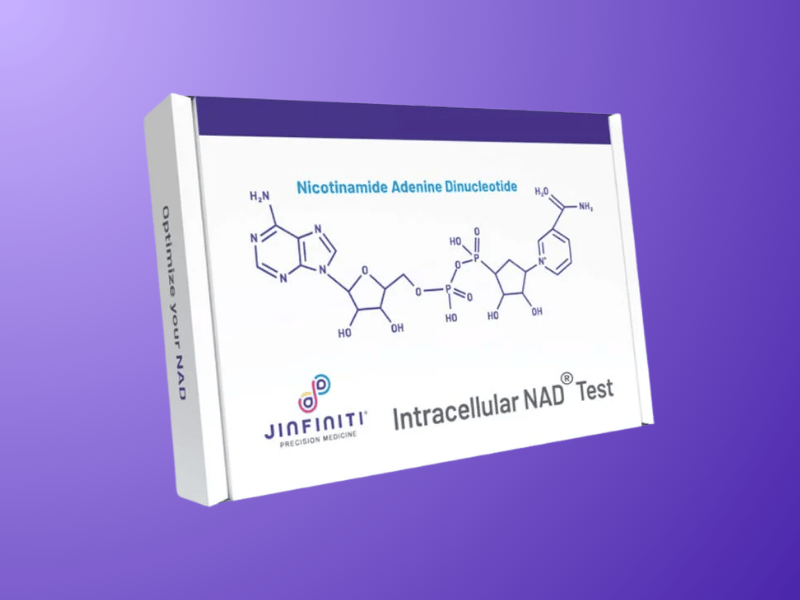
Jinfiniti Intracellular NAD Test on purple background

What Happens When NAD+ Levels Drop?

Age is more than a number; it’s a factor that steadily lowers the NAD+ stores in your tissues, including your heart tissue. And this isn’t just a small change—it’s a fundamental difference that changes the ability of your heart to guard and repair itself.

Age-Related Decline in Heart Tissue

A number of different species all show the same trend: NAD+ levels fall as we age[5]. The rate of decline differs by tissue, but for cardiac tissue, the drop-off is consistent.

You can lose up to 50% of your cardiac NAD+ between age 40 and 60[6]. This isn’t a small blip; this is a massive swing that shifts the balance of every NAD+-dependent reaction in your heart.

This decline shows in healthy and disease states alike. Your heart doesn’t lose NAD+ just because it’s sick. It’s more likely to get sick because it’s losing NAD+. This is an important distinction when we consider prevention.

The Inflammation-CD38 Connection

Several processes contribute to age-associated NAD+ loss. One of the primary culprits is the enzyme CD38, an NAD+ destroyer.

CD38 expression and activity increase with age, leading to accelerated NAD+ breakdown[7]. CD38 knockout mice (mice genetically engineered to lack this enzyme) have been found to maintain higher levels of NAD+ and better metabolic health as they age[8].

Chronic low-grade inflammation, a hallmark of aging also known as “inflammaging,” exacerbates this issue. Inflammatory signals upregulate CD38 expression, further depleting NAD+ levels and perpetuating a vicious cycle of inflammation and metabolic decline.

Senescent cells, which are damaged cells that refuse to undergo apoptosis (programmed cell death) and instead secrete harmful compounds, play a role in this process. Senescent cells secrete inflammatory factors that induce CD38 expression in neighboring healthy cells, propagating NAD+ depletion throughout tissues like a virus.

Can NAD+ Help Specific Heart Conditions?

The evidence for a relationship between NAD+ and heart health is more than theoretical. As NAD+ levels are restored, it is possible to measure specific benefits in certain cardiovascular conditions. Here’s what we know so far.

Heart Failure

Millions of people are living with heart failure. If you or a loved one has been diagnosed with this condition, you know just how tiring even mild activity can become. The failing heart is characterized by a host of metabolic dysfunctions, and NAD+ depletion seems to be a common finding in these patients.

Animal studies have shown that NAD+ precursors can prevent or even reverse heart failure[9]. In models of pressure overload (in which the heart must pump against increased resistance, akin to uncontrolled high blood pressure), NR (nicotinamide riboside) supplementation has been shown to reduce cardiac hypertrophy (abnormal growth), fibrosis (scarring), and dysfunction.

In the first human trial in patients with heart failure, 30 people with stable heart failure were given 1,000 mg of NR twice daily for 12 weeks. NR was well-tolerated, safe, and it doubled whole blood NAD+ levels[10].

The first-in-human study was designed primarily to assess safety but did note associations with increased mitochondrial respiration in blood cells and decreases in inflammatory markers. There are now larger trials underway to test whether these biological effects result in improved symptoms and outcomes.

Dr. Jin-Xiong She notes: “NAD+ depletion is one of the most reliable pathological findings in failing hearts. NAD+ restoration would hit multiple pathological pathways at once. This is why NAD+ is so uniquely appealing for heart failure, where single-target therapies have had limited success.”

High Blood Pressure and Vascular Function

If you have high blood pressure, you are in the company of about 1 in 3 American adults. Hypertension harms your cardiovascular system in numerous ways, and NAD+ depletion is directly involved.

Immune cell NAD+ levels in hypertensive patients were 44% lower than in healthy controls, in a first-of-its-kind human study[11]. Lower NAD+ was associated with higher blood pressure and greater arterial stiffness (less NAD+ = higher blood pressure/stiffer arteries), and lower endothelial function (blood vessel dilation).

CD38 is the culprit once again. Pro-inflammatory immune cells migrate into blood vessel walls, where they release IL-1β (an inflammatory signaling molecule), which activates pathways that increase CD38 expression in endothelial cells (cells that line your blood vessels). NAD+ degradation is accelerated where it’s needed most.

Supplementing hypertensive patients and hypertensive mice with NMN lowered blood pressure and improved vascular function. The effect involved restoring endothelial NAD+ levels and increasing nitric oxide production (nitric oxide helps blood vessels relax). Nitric oxide is your blood vessels’ natural chill pill.

Diabetic Heart Complications

Diabetic cardiomyopathy is marked by severe NAD+ redox imbalance. Heart disease is a major killer and if you have diabetes, you want to make sure you are looking after your heart.

We can see a lower NAD+/NADH ratio in the diabetic heart which is indicative of severe metabolic stress[12]. This contributes to protein hyperacetylation (a clogging of proteins with acetyl groups), increased oxidative stress, altered modification of contractile proteins and reduced ATP production.

Experimental data has shown that forcing a lower NAD+/NADH ratio leads to a more rapid development of diabetic heart dysfunction. On the other hand, elevating NAD+ in the diabetic heart by overexpressing NAMPT (the enzyme that synthesizes NAD+ from nicotinamide) normalizes the redox ratio and ameliorates diabetic cardiomyopathy.

Blocking SARM1 (another NAD+ degrading enzyme) also prevents diabetic cardiomyopathy by maintaining cardiac NAD+ levels. You can therefore work from two angles when it comes to NAD+ restoration; upregulating synthesis or downregulating degradation. Therapies in the future will likely target both at the same time.

🧬 MORE READING

How to Restore NAD+ for Heart Health

If NAD+ depletion contributes to cardiovascular disease, can you reverse it? Research suggests yes, through supplementation with NAD+ precursors. Here’s what you need to know.

NR and NMN: What the Research Shows

Two NAD+ precursors have the most clinical support: nicotinamide riboside (NR) and nicotinamide mononucleotide (NMN). Both are forms of vitamin B3 that your body converts into NAD+. Here’s what the research shows for each.

Nicotinamide Riboside (NR)

NR gets converted to NMN inside cells, which then becomes NAD+. Human studies show reliable NAD+ increases[13]:

  • Single doses of 100-1000 mg increase blood NAD+ levels dose-dependently
  • 1000 mg doses produce approximately 2.7-fold increases in NAD+
  • Effects appear within hours and build with consistent use

Research-backed doses for heart health:

  • Heart failure trial: 1,000 mg twice daily for 12 weeks (safe and effective)
  • Blood pressure/arterial stiffness: 500 mg twice daily showed improvements in older adults[14]

Nicotinamide Mononucleotide (NMN)

NMN converts directly to NAD+ and shows rapid absorption. Studies with doses ranging from 250-900 mg daily safely increase NAD+ levels[15].

Cardiovascular benefits seen in research:

  • Reduced blood pressure in hypertensive patients
  • Improved vascular function and endothelial health
  • Enhanced nitric oxide production for better blood vessel flexibility

Safety Profile

Both precursors demonstrate excellent safety across multiple studies. Here’s what to expect:

Common (but mild) side effects:

  • Occasional gastrointestinal discomfort
  • Transient fatigue when starting
  • Neither causes the flushing associated with high-dose niacin (that uncomfortable hot, red feeling)

Which should you choose? The choice between NR and NMN often comes down to individual preference and availability. Both effectively raise NAD+ levels, though they may have slightly different kinetics and tissue distribution. Everyone’s different, so what works best for your friend might not be optimal for you.

Important: If you’re considering NAD+ supplementation, especially if you have existing heart conditions or take medications, consult with your healthcare provider first. NAD+ precursors can interact with certain medications and may not be appropriate for everyone.

Testing Your NAD+ Levels

Here’s the problem with general supplement recommendations: they’re general. What works for one person might be insufficient or excessive for another. Your genetics, lifestyle, diet, stress levels, and existing health conditions all influence your NAD+ status.

Testing removes this guesswork. When you measure your baseline NAD+ levels, you know where you actually stand. Not where you assume you stand based on age or symptoms, but where you objectively are.

The Intracellular NAD+ Test measures NAD+ inside your cells—where it actually does its work. The test uses a simple finger-prick blood sample you collect at home. No lab visits, no appointments.

After supplementing for 3-4 weeks, you retest. This shows whether your chosen precursor and dose are actually working for your unique physiology. If your levels haven’t improved adequately, you can adjust your approach. If they’re optimal (typically 40-100 μM), you know you’re on the right track.

This test-act-optimize cycle transforms supplementation from guesswork into precision. You’re not hoping your intervention works. You’re verifying it with data.

Frequently Asked Questions

Can NAD+ supplements replace heart medications?

No. NAD+ precursors should be viewed as complementary to, not replacements for, prescribed medications. Never stop or modify heart medications without consulting your doctor.

How long does it take to see results from NAD+ supplementation?

Most studies show NAD+ levels increase within 2-4 weeks of starting supplementation. However, the time to notice subjective improvements (like energy or exercise tolerance) varies by individual. Some people report changes within weeks, others take months.

Are there any heart conditions where NAD+ supplementation isn’t recommended?

Current evidence suggests NAD+ precursors are generally safe, but research is still limited. If you have active cancer, severe liver disease, or are pregnant/breastfeeding, discuss supplementation with your healthcare provider before starting.

Does diet affect NAD+ levels?

Yes. Foods rich in NAD+ precursors include milk, fish, poultry, mushrooms, and green vegetables. However, dietary sources alone typically don’t provide therapeutic amounts—that’s where supplementation comes in.

Can I take too much NAD+?

NAD+ levels above 100 μM may not provide additional benefits and could potentially be harmful. This is why testing is valuable—it prevents both under- and over-supplementation.

The Bottom Line

Your heart never stops demanding energy. And NAD+ supports the metabolic processes that keep your heart pumping, repair cellular damage, regulate inflammation, and protect against oxidative stress. Research on NAD+ and heart health includes studies at the cellular level, in animal models, and in human clinical trials.

Larger and longer human trials will help to refine optimal dosing and timing, but the data so far is promising for NAD+ restoration as an approach to cardiovascular health. Whether your goal is to manage a specific heart condition or to support your heart as you age, NAD+ is one piece of the puzzle that can help you have a heart-healthy life.

Your heart beats nonstop, from birth to death. Ensuring that your heart has the NAD+ it needs to do its job isn’t just a matter of adding years to your life—it’s also a matter of adding life to your years.

Referenced Sources

  1. Martin SS, Aday AW, Almarzooq ZI, Anderson CAM, Arora P, Avery CL, et al. 2024 Heart Disease and Stroke Statistics: A Report of US and Global Data From the American Heart Association. Ovid Technologies (Wolters Kluwer Health); 2024. https://doi.org/10.1161/cir.0000000000001209
  2. 2. Lee CF, Chavez JD, Garcia-Menendez L, Choi Y, Roe ND, Chiao YA, et al. Normalization of NAD             +             Redox Balance as a Therapy for Heart Failure. Ovid Technologies (Wolters Kluwer Health); 2016. https://doi.org/10.1161/circulationaha.116.022495
  3. 3. Kane AE, Sinclair DA. Sirtuins and NAD             +             in the Development and Treatment of Metabolic and Cardiovascular Diseases. Ovid Technologies (Wolters Kluwer Health); 2018. https://doi.org/10.1161/circresaha.118.312498
  4. Wang LF, Huang CC, Xiao YF, Guan XH, Wang XN, Cao Q, et al. CD38 Deficiency Protects Heart from High Fat Diet-Induced Oxidative Stress Via Activating Sirt3/FOXO3 Pathway. S. Karger AG; 2018. https://doi.org/10.1159/000492651
  5. Fang EF, Lautrup S, Hou Y, Demarest TG, Croteau DL, Mattson MP, et al. NAD + in Aging: Molecular Mechanisms and Translational Implications. Elsevier BV; 2017. https://doi.org/10.1016/j.molmed.2017.08.001
  6. Yuan Y, Liang B, Liu XL, Liu WJ, Huang BH, Yang SB, et al. Targeting NAD+: is it a common strategy to delay heart aging?. Springer Science and Business Media LLC; 2022. https://doi.org/10.1038/s41420-022-01031-3
  7. Schultz MB, Sinclair DA. Why NAD + Declines during Aging: It’s Destroyed. Elsevier BV; 2016. https://doi.org/10.1016/j.cmet.2016.05.022
  8. Escande C, Nin V, Price NL, Capellini V, Gomes AP, Barbosa MT, et al. Flavonoid Apigenin Is an Inhibitor of the NAD+ase CD38: Implications for Cellular NAD+ Metabolism, Protein Acetylation, and Treatment of Metabolic Syndrome. Diabetes 2013;62:1084-1093. American Diabetes Association; 2014. https://doi.org/10.2337/db14-er04
  9. Ma S, Feng J, Lin X, Liu J, Tang Y, Nie S, et al. Nicotinamide Riboside Alleviates Cardiac Dysfunction and Remodeling in Pressure Overload Cardiac Hypertrophy. Wiley; 2021. https://doi.org/10.1155/2021/5546867
  10. Wang DD, Airhart SE, Zhou B, Shireman LM, Jiang S, Melendez Rodriguez C, et al. Safety and Tolerability of Nicotinamide Riboside in Heart Failure With Reduced Ejection Fraction. Elsevier BV; 2022. https://doi.org/10.1016/j.jacbts.2022.06.012
  11. Qiu Y, Xu S, Chen X, Wu X, Zhou Z, Zhang J, et al. NAD+ exhaustion by CD38 upregulation contributes to blood pressure elevation and vascular damage in hypertension. Springer Science and Business Media LLC; 2023. https://doi.org/10.1038/s41392-023-01577-3
  12. Berthiaume JM, Kurdys JG, Muntean DM, Rosca MG. Mitochondrial NAD+/NADH Redox State and Diabetic Cardiomyopathy. Mary Ann Liebert Inc; 2019. https://doi.org/10.1089/ars.2017.7415
  13. Airhart SE, Shireman LM, Risler LJ, Anderson GD, Nagana Gowda GA, Raftery D, et al. An open-label, non-randomized study of the pharmacokinetics of the nutritional supplement nicotinamide riboside (NR) and its effects on blood NAD+ levels in healthy volunteers. Public Library of Science (PLoS); 2017. https://doi.org/10.1371/journal.pone.0186459
  14. Freeberg KA, Udovich CC, Martens CR, Seals DR, Craighead DH. Dietary Supplementation With NAD+-Boosting Compounds in Humans: Current Knowledge and Future Directions. Oxford University Press (OUP); 2023. https://doi.org/10.1093/gerona/glad106
  15. Yamaguchi S, Irie J, Mitsuishi M, Uchino Y, Nakaya H, Takemura R, et al. Safety and efficacy of long-term nicotinamide mononucleotide supplementation on metabolism, sleep, and nicotinamide adenine dinucleotide biosynthesis in healthy, middle-aged Japanese men. Japan Endocrine Society; 2024. https://doi.org/10.1507/endocrj.ej23-0431
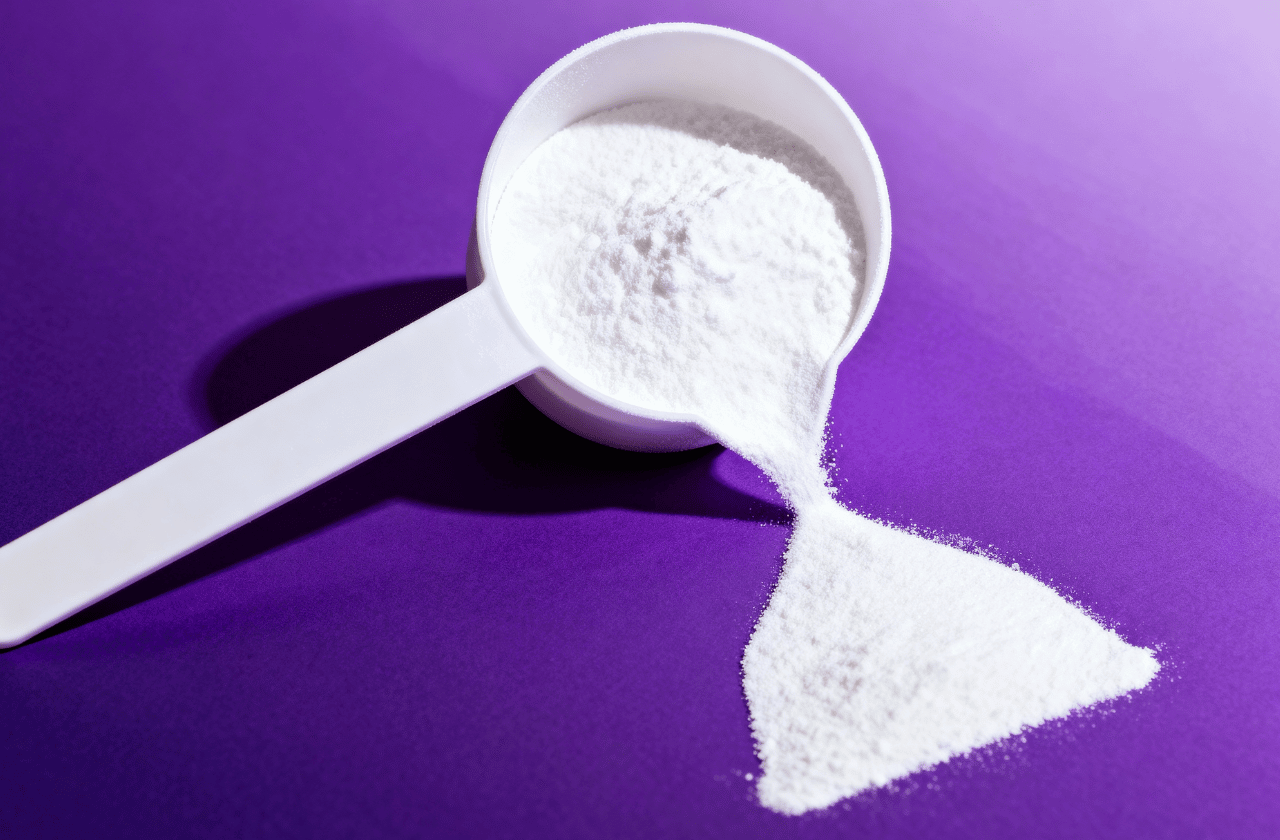
A white measuring scoop filled with creatine powder being poured into the shape of an hourglass symbolizing longevity.

How Creatine Became an Anti-Aging and Longevity Essential

A white measuring scoop filled with creatine powder being poured into the shape of an hourglass symbolizing longevity.

Creatine monohydrate has moved well beyond the bodybuilding aisle. A compound that scientists labelled a muscle-builder just a few years ago is now a healthy aging hero, with everyone from Rhonda Patrick to Andrew Huberman touting its benefits.

Studies on animals have shown creatine extended healthy lifespan by 9% which is over seven human years. But the benefits extend beyond simple longevity[1].

A 2025 study showed that synthesis and dietary intake of creatine progressively decline with age, which may interfere with the DNA-methylation patterns that predict biological aging and mortality risk[2].

Highlights

  • A 2025 study links declining creatine levels with age to DNA methylation changes that predict mortality risk.
  • When combined with resistance training, creatine helps older adults gain 3 pounds more lean muscle than exercise alone.
  • Brain creatine can increase 11% with supplementation, supporting memory and executive function.
  • At 3-5 grams daily, creatine monohydrate offers one of the most affordable, well-studied interventions for healthy aging.

Creatine and Biological Aging

The latest research directly links creatine to how we age at the cellular level.

DNA methylation patterns serve as biomarkers of biological aging. These “epigenetic clocks” like GrimAgeMort predict mortality risk more accurately than chronological age alone.

The 2025 research examining NHANES data showed that endogenous creatine production and dietary intake decrease with advancing age[2]. Older adults, specifically those aged 65 and above, seem most impacted.

In earlier research studies, it was discovered that the daily intake of 1 gram of creatine decreases deaths from all causes[3]. The longevity benefit appears real.

Creatine synthesis uses approximately 40% of the methyl groups from S-adenosylmethionine (SAM)[4]. SAM is a methyl donor which regulates gene expression through methylation of DNA. Over the years, the production of creatine lessens which could affect biological aging itself.

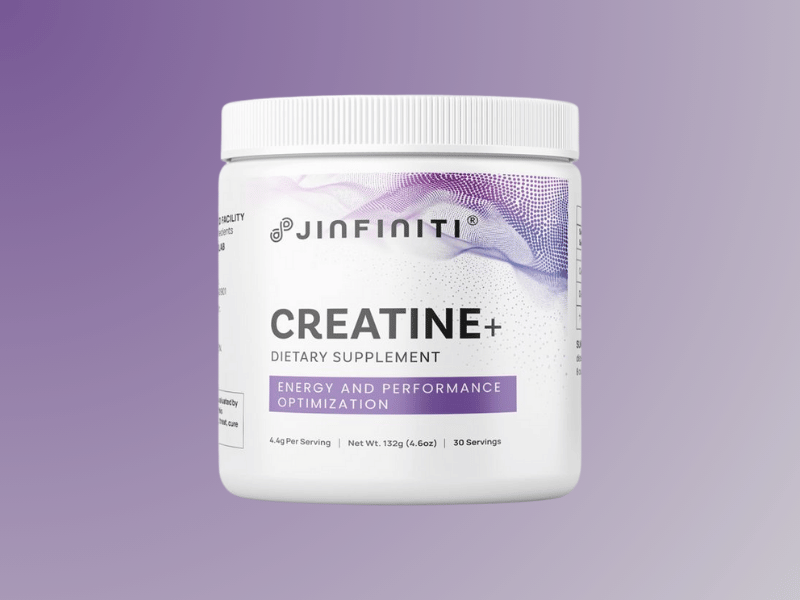
Dr. She’s Creatine Formula

Pure creatine with ATP for healthy aging support.

Creatine+ by Jinfiniti

Energy Metabolism and Mitochondrial Function

Your cells run on ATP. Creatine and ATP work hand-in-hand to rapidly buffer energy in muscle, heart, and brain.

As you age, mitochondrial function declines. Energy production drops. Oxidative stress increases.

The mitochondrial creatine-kinesis system takes ATP synthesis to work. As we get older, metabolic efficiency starts dipping.

With creatine supplementation, mitochondrial DNA is enhanced[5], as well as the genes involved in oxidative phosphorylation that improve your respiratory capacity.

Reducing Lipofuscin Accumulation

Lipofuscin accumulates when cellular cleanup systems fail. This “aging pigment” increases oxidative stress and cell death.

A 2008 study found creatine-fed mice showed significantly lower brain lipofuscin compared to controls[1]. This correlated with improved behavior and extended healthy lifespan.

The mice also showed upregulation of genes tied to neuronal growth and neuroprotection.

Combating Muscle Loss

Sarcopenia affects 30% of people over 60 and 50% over 80[6]. On average, humans lose 30% of muscle mass by age 80.

The consequences include increased fall risk, reduced metabolic rate, and insulin resistance. Loss of skeletal muscle strength declines faster than mass itself.

A 2017 meta-analysis found adults over 50 who combined a creatine supplement with strength training gained three pounds more lean muscle than those taking placebo[7]. They also showed greater improvements in muscle strength on chest press and leg press exercises.

PopulationLean Mass GainDuration
Males 50+ with training1.1-1.5 kg8-12 weeks
Females 50+ with training0.5-0.6 kg8-12 weeks
Without exerciseNo change8-12 weeks

Creatine and ATP work together to enhance capacity for higher-intensity exercise. It may also promote cell swelling that signals protein synthesis, helping to increase muscle mass over time.

“It’s not enough to just take creatine. You need to take creatine and exercise. You need to lift heavy.” — Dana Angelo White, Registered Dietitian

Read our article on the benefits of creatine without working outtofindoutifcreatineis still beneficial without exercise.

Brain Health and Cognitive Function

The brain consumes 20% of total body energy at rest. Creatine’s brain benefits include donating phosphate groups to regenerate ATP.

One 2025 pilot study in Alzheimer’s patients using 20 grams daily showed an 11% increase in brain creatine levels[8].

A 2024 meta-analysis revealed cognitive effects vary by population[9]:

  • Adults aged 18-60 showed significant improvements
  • Effects were not significant over age 60
  • People with diseases showed particular benefits
  • Women may benefit more, as they naturally store less creatine

Working memory and executive function improved most consistently. Both decline with age and Alzheimer’s.

Neuroprotection Research

Animal models show remarkable results. A 2004 study found 83% reduction in brain lesion volume after just two weeks[10].

Mechanisms include:

  • Reducing caspase-3 activation (cell death enzyme)
  • Preventing cytochrome c release from mitochondria
  • Preserving ATP during stress

In Huntington’s disease models, creatine slowed brain tissue loss and improved survival when given early[11].

Translating animal success to humans has proven challenging. Large trials in Parkinson’s disease showed no clinical benefit[12]. ALS trials were similarly disappointing.

Creatine for Women and Menopause

Women naturally produce 70-80% less creatine than men. They also consume less animal protein, meaning lower dietary creatine.

Hormonal changes during menopause affect both creatine production and utilization. This makes creatine particularly valuable during this transition.

“Creatine stands poised to assist with several common midlife health symptoms.” — Dr. Hannah Cabré, Pennington Biomedical Research Center

Post-menopausal women who combined creatine with strength training gained more lean muscle than placebo, though effects on muscle strength and mass were more modest than in men (0.5-0.6 kg vs 1.1-1.5 kg).

A two-year study showed positive impacts on bone properties and lean mass when combined with resistance exercise[13].

Dosage and Forms

For older adults, two approaches work:

ProtocolDosageDurationNotes
Loading20g/day (4x5g doses)5-7 daysThen 3-5g daily
Maintenance3-5g/dayOngoingTakes 4 weeks to saturate
Brain benefits10-20g/dayOngoingHigher doses may be needed

Creatine monohydrate remains the gold standard. It’s the most researched creatine supplement form with proven efficacy and safety.

Micronized creatine improves solubility but provides no performance advantage. Creatine HCl claims better absorption at lower doses, but far less research supports it. Other forms haven’t shown superiority in controlled studies.

Safety Profile

The FDA classified creatine as Generally Recognized as Safe (GRAS) in 2020.

  • Kidney concerns: Research shows no kidney damage in healthy individuals, even at 20 grams daily for 24 months[14]. Creatine increases blood creatinine (a metabolite), but this represents a benign increase, not dysfunction. Creatine should be avoided by those who are suffering from kidney disease or should only use it under supervision by medical professionals.
  • Common side effects: Minor GI issues (bloating, cramping, diarrhea) during loading phases. These typically resolve with continued use.
  • No evidence: Research finds no support for creatine myths about hair loss, dehydration, or muscle cramping.

Dietary Sources of Creatine

Creatine comes primarily from animal products:

FoodCreatineServing
Herring1.25g4 oz
Beef0.41-0.5g3-4 oz
Pork0.5-0.57g4 oz
Salmon0.5g4 oz
Tuna0.45g4 oz
Chicken0.3-0.45g4-6 oz

Plant-based foods contain essentially no creatine. This explains why vegans and vegetarians usually have lower muscle stores.

The body is capable of making 1-2 grams of it daily using glycine, arginine and methionine. Another 1-2 grams comes from diet in omnivores.

A 2025 study found endogenous synthesis (41.9 mg/kg/day) was 2.7 times higher than dietary intake (15.5 mg/kg/day)[15]. Creatine precursor availability declined with age, lowest in people 65 and older.

Expert Perspectives on Creatine for Longevity

Despite decades of research, expert opinions remain nuanced. The beneficial effect of creatine supplementation appears strongest when combined with resistance training in older adults.

Dr. Andreas Bender, who conducted the landmark mouse longevity study, concluded “creatine may be a promising food supplement to promote healthy human aging.”[1]

But translating animal success to humans has proven difficult. Reviewing clinical trials, Dr. Bender noted in 2016 that “the use of creatine supplementation has so far proved disappointing in clinical studies with a number of symptomatic neurodegenerative diseases.”[12]

The International Society of Sports Nutrition emphasizes that creatine’s benefits manifest most clearly in the context of training adaptations[16].

“At Jinfiniti, we recognize that supporting cellular energy becomes increasingly important as we age. While creatine shows promise for maintaining muscle mass and cognitive function, it works best as part of a comprehensive approach to healthy aging that includes proper nutrition, regular exercise, and monitoring key biomarkers like NAD+ levels.” — Dr. Jin-Xiong She, Founder of Jinfiniti Precision Medicine

Dr. Richard Kreider argues that “creatine supplementation is safe, beneficial throughout the lifespan, and should not be restricted.”[17]

Who Should Consider Creatine?

Based on current evidence:

  • Older adults engaged in resistance training
  • Post-menopausal women experiencing accelerated muscle and bone loss
  • People with physically demanding jobs
  • Those concerned about cognitive decline
  • Vegetarians and vegans with lower stores

Who Should Exercise Caution?

  • People with pre-existing kidney disease (avoid or use under supervision)
  • Those taking medications affecting kidney function
  • Older adults with very low kidney function may need monitoring

Maximizing Benefits

  1. Combine with resistance training 2-3 times per week
  2. Be consistent with daily supplementation
  3. Ensure adequate protein intake
  4. Stay hydrated
  5. Give it time (3-4 weeks for saturation, months for adaptations)

Do Anti-Aging Benefits Signal Market Growth?

The global market for creatine was $1.11 billion in 2024 and is projected to reach $4.21 billion by 2030. That’s 25% annual growth.

Creatine for cognition and healthy aging represented just 6.4% of the market in 2025, but this niche is expanding rapidly.

Bloomberg reported that creatine sales surged 75% from 2020. Women and older adults represent the fastest-growing demographic.

Bottom Line: A Supplement Comes of Age

Creatine’s journey from a bodybuilding supplement to longevity tool mirrors evolving science and transition to evidence-based healthy aging.

The 2025 study correlating dietary creatine to epigenetic markers of biological aging takes things deeper. Both synthesis and intake reduce with age, especially over the age of 65, leading to a widening gap between need and availability in seniors. 

Combating sarcopenia is where the evidence is strongest when it is combined with resistance exercise. Aging adults must consider this since muscle loss greatly impacts one’s lifestyle and can cause loss of independence.

Creatine is not a magic bullet. The advantages will be effective as long as you have an active lifestyle, eat well, and supplement regularly. For those who are ready to make lifestyle changes while taking creatine, it can be a well-tolerated, affordable, and science-backed tool for improving lifespan and healthspan.

With the aging of the global population, approaches that can impact multiple aspects of aging are increasingly relevant. Creatine has had a 190 year history as a laboratory curiosity through to a longevity essential. It may finally have its most important use yet.

Ready to take control of your cellular health? You can try our Creatine + ATP or test your NAD+ levels to see where your cellular energy stands.

Referenced Sources

  1. Bender A, Beckers J, Schneider I, Hölter SM, Haack T, Ruthsatz T, et al. Creatine improves health and survival of mice. Elsevier BV; 2008. https://doi.org/10.1016/j.neurobiolaging.2007.03.001
  2. Ostojic SM, Kavecan I. Linking dietary creatine to DNA methylation-based predictors of mortality in individuals aged 50 and above. S. Karger AG; 2025. https://doi.org/10.1159/000547260
  3. Ostojic SM. Dietary creatine intake and all-cause mortality among U.S. adults: a linked mortality analysis from the NHANES study. Canadian Science Publishing; 2025. https://doi.org/10.1139/apnm-2025-0001
  4. Broca-Brisson L, Disdier C, Harati R, Hamoudi R, Mabondzo A. Epigenetic alterations in creatine transporter deficiency: a new marker for dodecyl creatine ester therapeutic efficacy monitoring. Frontiers Media SA; 2024. https://doi.org/10.3389/fnins.2024.1362497
  5. Gowayed M, Mahmoud S, El‑Sayed Y, Abu‑Samra N, Kamel M. Enhanced mitochondrial biogenesis is associated with the ameliorative action of creatine supplementation in rat soleus and cardiac muscles. Spandidos Publications; 2019. https://doi.org/10.3892/etm.2019.8173
  6. Smith RN, Agharkar AS, Gonzales EB. A review of creatine supplementation in age-related diseases: more than a supplement for athletes. F1000 Research Ltd; 2014. https://doi.org/10.12688/f1000research.5218.1
  7. Chilibeck P, Kaviani M, Candow D, Zello GA. Effect of creatine supplementation during resistance training on lean tissue mass and muscular strength in older adults: a meta-analysis. Informa UK Limited; 2017. https://doi.org/10.2147/oajsm.s123529
  8. Smith AN, Choi I, Lee P, Sullivan DK, Burns JM, Swerdlow RH, et al. Creatine monohydrate pilot in Alzheimer’s: Feasibility, brain creatine, and cognition. Wiley; 2025. https://doi.org/10.1002/trc2.70101
  9. Xu C, Bi S, Zhang W, Luo L. The effects of creatine supplementation on cognitive function in adults: a systematic review and meta-analysis. Frontiers Media SA; 2024. https://doi.org/10.3389/fnut.2024.1424972
  10. Zhu S, Li M, Figueroa BE, Liu A, Stavrovskaya IG, Pasinelli P, et al. Prophylactic Creatine Administration Mediates Neuroprotection in Cerebral Ischemia in Mice. Society for Neuroscience; 2004. https://doi.org/10.1523/jneurosci.1278-04.2004
  11. Andreassen O, Dedeoglu A, Ferrante R, Jenkins B, Ferrante K, Thomas M, et al. Creatine increase survival and delays motor symptoms in a transgenic animal model of Huntington’s disease. Neurobiology of Disease 2001;8 3:479–91.
  12. Bender A, Klopstock T. Creatine for neuroprotection in neurodegenerative disease: end of story?. Springer Science and Business Media LLC; 2016. https://doi.org/10.1007/s00726-015-2165-0
  13. Smith-Ryan AE, DelBiondo GM, Brown AF, Kleiner SM, Tran NT, Ellery SJ. Creatine in women’s health: bridging the gap from menstruation through pregnancy to menopause. Informa UK Limited; 2025. https://doi.org/10.1080/15502783.2025.2502094
  14. Longobardi I, Gualano B, Seguro AC, Roschel H. Is It Time for a Requiem for Creatine Supplementation-Induced Kidney Failure? A Narrative Review. MDPI AG; 2023. https://doi.org/10.3390/nu15061466
  15. Nedeljkovic D, Ostojic SM. Dietary exposure to creatine-precursor amino acids in the general population. Springer Science and Business Media LLC; 2025. https://doi.org/10.1007/s00726-025-03460-7
  16. Kreider RB, Kalman DS, Antonio J, Ziegenfuss TN, Wildman R, Collins R, et al. International Society of Sports Nutrition position stand: safety and efficacy of creatine supplementation in exercise, sport, and medicine. Informa UK Limited; 2017. https://doi.org/10.1186/s12970-017-0173-z
  17. Kreider RB, Jagim AR, Antonio J, Kalman DS, Kerksick CM, Stout JR, et al. Creatine supplementation is safe, beneficial throughout the lifespan, and should not be restricted. Frontiers Media SA; 2025. https://doi.org/10.3389/fnut.2025.1578564
nad shots

NAD Injections Guide: Benefits, Risks and Costs

Nicotinamide adenine dinucleotide (NAD+) injections give cells extra fuel without the long wait of an IV drip. A shot into muscle or under the skin puts NAD+ building blocks straight into tissue before the gut has a chance to break them down first.

People choose NAD shots for many reasons. Some want more energy and better mental clarity. Others want support during addiction recovery or help with chronic fatigue.

However most research on NAD+ benefits comes from studies using oral NMN and NR supplements, not injections. Clinical trials that examine NAD+ injections in humans remain limited.

Quick Takeaways

  • NAD+ injections deliver the coenzyme directly into fat or muscle tissue.
  • Most evidence for NAD+ benefits comes from oral NMN and NR supplementation studies, which show improvements in energy levels, cognitive function, and metabolic health markers.
  • Common side effects include injection site soreness, headache, and nausea, but serious reactions are rare when administered properly under medical supervision.
  • Costs range from $25 to $205 per injection depending on location and provider, making them more affordable than IV therapy sessions that run $250 to $1,500.

What Are NAD Injections?

NAD+ injections deliver nicotinamide adenine dinucleotide directly into muscle or fat tissue. This coenzyme exists in every living cell and is a driving force for hundreds of metabolic reactions.

Your body uses NAD+ for:

  • Converting food into cellular energy (ATP)
  • Repairing damaged DNA
  • Activating sirtuins (proteins that regulate cellular health)
  • Controlling circadian rhythms and gene expression

Research shows NAD levels decline with age across the pancreas, skeletal muscle, liver, skin, and brain[1]. Studies link this decline to mitochondrial decline, reduced cognitive performance, and metabolic diseases[2].

How NAD+ Injections Work in Your Body

NAD+ molecules are too large to cross cell membranes intact. Here’s how NAD injections work:

  • Enzymes (CD38 and CD157) break down NAD+ into smaller molecules like nicotinamide
  • Cells absorb these smaller molecules
  • Your cells rebuild them into NAD+ through biosynthetic pathways
  • Some specialized tissues like heart muscle can absorb NAD+ directly

A pilot study found urine NAD+ levels jumped 538% during IV infusion, showing substantial amounts pass through unabsorbed[3].

Whether you use injections or oral supplements, NAD+ precursors convert to NAD+ through the same pathways.

CLIA-Certified NAD Test Kit

Test your NAD+ levels from home.

Jinfiniti Intracellular NAD Test on purple background

Types of NAD+ Injections: SubQ vs. IM

You can receive NAD injection through subcutaneous (SubQ) or intramuscular (IM) routes.

Subcutaneous Injection (SubQ)

  • Injection site: Fatty tissue under skin (abdomen, thigh, upper arm)
  • Needle: Short (25-27 gauge, half inch or less)
  • Absorption: Slow over several hours
  • Comfort: Less soreness, easier self-administration

Intramuscular Injection (IM)

  • Injection site: Muscle tissue (thigh, glute, shoulder)
  • Needle: Longer (one to one and a half inches), 90-degree angle
  • Absorption: Faster (effects within 1-2 hours)
  • Comfort: More potential soreness

Both routes bypass digestive metabolism and deliver NAD+ precursors into circulation. Clinical research comparing SubQ versus IM for NAD+ is limited.

What Are the Benefits of NAD+ Injections?

NAD injection needle

Though the benefits of NAD+ are extensively documented, it is important to consider that the majority of studies analyzing the benefits of NAD+ therapy are based on oral supplementation studies done with NMN and NR.

There is a lack of clinical trials investigating NAD+ injections in human subjects. The benefits outlined in the following sections are primarily from research on oral NAD+ precursors and studies involving animals.

1. Increased Energy and Cellular Function

Multiple preclinical studies show that NAD+ restoration improves mitochondrial health and ATP production. Research in mice found NAD+ treatment reversed age-related decline, boosted muscle function and endurance, and improved muscle stem cell quality[4].

A 12-week randomized trial of healthy middle-aged adults taking oral NR showed it increased blood NAD+ levels by 60% in a dose-dependent manner[5].

Another study confirmed that oral NR supplementation is well-tolerated and efficiently stimulates NAD+ metabolism in middle-aged and older adults[6].

A trial of 207 patients with chronic fatigue syndrome found that 200 mg CoQ10 plus 20 mg NADH daily reduced cognitive fatigue and improved quality of life[7].

Researchers suggest ME/CFS patients have compromised NAD+ levels, which may explain their cellular energy production failures.

2. Brain Health and Mental Clarity

NAD+ plays an important role in keeping neurons healthy.

Early evidence suggests NAD+ may support cognitive function in people with neurodegenerative conditions[8].

A study on oral NR supplementation (500 mg twice daily for 6 weeks) raised NAD+ levels in plasma and decreased Alzheimer’s biomarkers including Aβ42 and phosphorylated proteins[9].

Clinical research shows oral NAD+ precursors can cross the blood-brain barrier and increase neuronal NAD+ levels[10].

A 2025 trial in patients with Werner syndrome found that 1,000 mg daily oral NR improved arterial stiffness and showed trends toward better cognitive markers[11].

Dr. Sapna Patel at the University of Colorado cautions that more research is needed to confirm whether supplements deliver on anti-aging and disease prevention claims.

3. Support for Addiction Recovery

NAD+ therapy has been used in addiction treatment since 2001. A Louisiana clinic developed protocols using IV NAD+ for patients with acute withdrawal symptoms from chronic opioid and alcohol abuse.

A 2022 study of 50 patients receiving NAD+ infusions found reductions in craving scores, anxiety, and depression. The results showed strong statistical significance across all three measures[12].

Dr. Mark Collins, who works in addiction medicine, states: “I have now witnessed its use in many patients and am very impressed with the short-term results.” He adds that longer-term outcome studies are needed.

Patient testimonials suggest NAD+ helps reduce withdrawal symptoms and cravings. Experts stress it must combine with therapy and other treatments, not serve as a standalone solution.

4. DNA Repair and Cellular Health

Your cells need NAD+ for DNA repair through multiple pathways. The enzyme PARP1 handles about 90% of total repair activity and consumes large amounts of cellular NAD+ when fixing DNA damage.

Proteins called sirtuins (especially SIRT1, SIRT6, and SIRT7) require NAD+ to maintain genomic stability. Research in Nature shows that restoring NAD+ improves cellular antioxidant capacity and reduces oxidative stress markers[13].

This repair work happens constantly in your body. NAD+ gives your cells the fuel they need to fix damage before it accumulates. Studies suggest that maintaining NAD+ levels through supplementation may help preserve these protective mechanisms[14].

💉 MORE ON NAD THERAPY

What Are the Risks and Side Effects?

NAD+ injections are generally well-tolerated, but you should know the possible reactions before starting therapy.

Common Side Effects

Most side effects are mild and temporary. The injection site may feel sore, burn, or look red. Some people develop firm lumps where the NAD+ fluid hasn’t dispersed properly or a sterile abscess (a non-infectious fluid pocket).

Systemic reactions include:

  • Headache (pressure or throbbing)
  • Nausea or stomach upset
  • Facial flushing or warmth
  • Dizziness or lightheadedness
  • Tiredness

A systematic review examining NAD+ supplementation safety found the most common side effects were muscle pain, nervous system issues, fatigue, sleep problems, and headaches. Adverse events did not create serious health risks for participants[15].

Rare but serious reactions include heart palpitations, blood pressure changes, and allergic reactions ranging from rashes to anaphylaxis in extreme cases. Infection at the injection site happens rarely with proper sterile technique.

High doses can potentially disrupt metabolic balance. Some research suggests decreased insulin sensitivity, raising concerns for people with prediabetes or diabetes. Potential liver strain with excessive dosing remains under investigation.

Who Should Avoid NAD+ Injections?

Several groups should not receive NAD+ therapy or need medical clearance first.

Absolute contraindications:

  • Known allergy to NAD+ or its components
  • Severe liver or kidney disease
  • History of cancer (including skin cancer)
  • Pregnancy or breastfeeding

Relative contraindications (require doctor consultation):

  • Heart disease or bleeding disorders
  • Autoimmune conditions
  • Liver or kidney problems
  • Children and teens (insufficient safety data)

NAD+ supplements may interact with several medication classes. Diabetes medications might have altered effects due to insulin sensitivity changes. Blood pressure drugs could combine with NAD+ to lower pressure too much. Anticoagulants like warfarin may have affected metabolism. Cancer treatments might be less effective, and antidepressants could interact with NAD+ production pathways.

Always discuss your medications and health conditions with a doctor before starting NAD injection therapy.

How Much Do NAD+ Injections Cost?

Pricing varies widely based on where you get treatment and whether you choose online or in-person options.

Online vs. In-Person Pricing

The most affordable route is through online telehealth clinics. Monthly costs typically range from $105 to $350.

Provider TypeCost RangeDetails
Online Telehealth$105-$350/monthIncludes prescription and supplies shipped to you
Single IM/SubQ Injection (clinic)$25-$190One-time or pay-per-visit pricing
IV Therapy Session$250-$1,500Requires 1-4 hours at clinic
Loading Phase Packages$1,500-$6,000Typically 4-6 sessions over weeks

Location affects pricing. Major cities like Chicago charge $600 to $1,000 per IV session. Smaller towns offer more budget-friendly options at $300 to $500.

NAD injection costs less than IV therapy while offering a different delivery method than oral supplements. You can self-administer after proper training, saving both time and money compared to clinic visits.

NAD+ Injections vs. Other Delivery Methods

Different NAD+ delivery methods have distinct advantages and limitations. Keep in mind that clinical evidence varies significantly by delivery route.

How Do Injections Compare to IV Therapy?

IV therapy delivers higher doses (typically 500-1,000 mg) directly into your bloodstream with immediate availability. Sessions last 1 to 4 hours but provide rapid delivery for people needing fast intervention.

Injections offer several practical advantages:

  • Takes minutes instead of hours
  • Costs much less per treatment
  • You can do it yourself at home after training
  • Fewer side effects from lower peak blood concentrations
  • Regular smaller doses provide steadier NAD+ levels

The main benefit of IV therapy is the higher dose and immediate bloodstream access. Some people prefer that intensity for acute situations like severe fatigue or addiction recovery support.

Both IV and injection methods share a limitation: minimal published clinical research compared to oral supplementation studies.

How Do Injections Compare to Oral Supplements?

Oral NAD+ precursors like NR and NMN have been extensively studied in human clinical trials. Research shows that oral administration of these precursors effectively raises NAD+ levels in a dose-dependent manner[16].

Clinical trials demonstrate that oral NR supplementation significantly increases blood NAD+ within 2 weeks, with effects maintained throughout multi-week studies[6]. A randomized trial found that 1,000 mg of oral NR raised NAD+ levels by approximately 60% in healthy adults[17].

Dr. Charles Brenner discovered NR as a NAD+ precursor and led the first human trial showing safe oral availability[18]. His work at City of Hope focuses on NAD+ metabolism in metabolic diseases.

Oral supplements have the most extensive clinical evidence base. Injections may appeal to those seeking alternatives to pills or IV therapy, though research on injections remains limited.

What’s the Recommended Dosage?

Clinical protocols for injections vary based on what you’re trying to achieve, though these recommendations are adapted largely from IV therapy protocols and oral supplementation research rather than injection-specific studies.

Health GoalDosage RangeFrequencyDuration
General Wellness50-100 mg2-3x per weekOngoing
Loading Phase100-200 mgDaily7-10 days
Athletic Recovery200-500 mg2-3x per week2-4 weeks
Cognitive Support100-250 mg1-2x per week4-6 weeks

For subcutaneous injections, most protocols start conservatively. Begin with 0.1 mL (20 mg) to check your tolerance. Gradually increase to 0.25 mL up to three times weekly. The target dose is usually 0.5 mL (100 mg), typically 2-3 times weekly.

Never exceed 0.5 mL within any 24-hour period.

Some intensive protocols involve 500-1,000 mg daily for four consecutive days, followed by twice-weekly injections for one month. After that, you transition to a maintenance schedule.

Dose needs differ between people based on age, weight, metabolism, and baseline NAD+ levels. Working with a healthcare provider helps you find the right amount for your health goals.

See our NAD injection dosage chart for a more detailed breakdown.

The Bottom Line

NAD+ injections offer an alternative delivery method for boosting cellular NAD+ levels, though most clinical evidence comes from oral supplementation studies rather than injection research. Before starting any NAD+ therapy, test your baseline levels to understand where you stand.

Jinfiniti’s CLIA-Certified Intracellular NAD+ Test measures your cellular NAD+ and provides personalized dosage recommendations. This data-driven approach helps you avoid guessing and ensures your intervention matches your actual needs.

Work with a healthcare provider to interpret results and choose the right therapy for your health goals.

Referenced Sources

  1. Xie N, Zhang L, Gao W, Huang C, Huber PE, Zhou X, et al. NAD+ metabolism: pathophysiologic mechanisms and therapeutic potential. Springer Science and Business Media LLC; 2020. https://doi.org/10.1038/s41392-020-00311-7
  2. Mills KF, Yoshida S, Stein LR, Grozio A, Kubota S, Sasaki Y, et al. Long-Term Administration of Nicotinamide Mononucleotide Mitigates Age-Associated Physiological Decline in Mice. Elsevier BV; 2016. https://doi.org/10.1016/j.cmet.2016.09.013
  3. Grant R, Berg J, Mestayer R, Braidy N, Bennett J, Broom S, et al. A Pilot Study Investigating Changes in the Human Plasma and Urine NAD+ Metabolome During a 6 Hour Intravenous Infusion of NAD+. Frontiers Media SA; 2019. https://doi.org/10.3389/fnagi.2019.00257
  4. Zhang H, Ryu D, Wu Y, Gariani K, Wang X, Luan P, et al. NAD+ repletion improves mitochondrial and stem cell function and enhances life span in mice. American Association for the Advancement of Science (AAAS); 2016. https://doi.org/10.1126/science.aaf2693
  5. Dellinger RW, Santos SR, Morris M, Evans M, Alminana D, Guarente L, et al. Repeat dose NRPT (nicotinamide riboside and pterostilbene) increases NAD+ levels in humans safely and sustainably: a randomized, double-blind, placebo-controlled study. Springer Science and Business Media LLC; 2017. https://doi.org/10.1038/s41514-017-0016-9
  6. Tannous C, Booz GW, Altara R, Muhieddine DH, Mericskay M, Refaat MM, et al. Nicotinamide adenine dinucleotide: Biosynthesis, consumption and therapeutic role in cardiac diseases. Wiley; 2020. https://doi.org/10.1111/apha.13551
  7. Castro-Marrero J, Segundo MJ, Lacasa M, Martinez-Martinez A, Sentañes RS, Alegre-Martin J. Effect of Dietary Coenzyme Q10 Plus NADH Supplementation on Fatigue Perception and Health-Related Quality of Life in Individuals with Myalgic Encephalomyelitis/Chronic Fatigue Syndrome: A Prospective, Randomized, Double-Blind, Placebo-Controlled Trial. MDPI AG; 2021. https://doi.org/10.3390/nu13082658
  8. Zhao Y, Zhang J, Zheng Y, Zhang Y, Zhang XJ, Wang H, et al. NAD+ improves cognitive function and reduces neuroinflammation by ameliorating mitochondrial damage and decreasing ROS production in chronic cerebral hypoperfusion models through Sirt1/PGC-1α pathway. Springer Science and Business Media LLC; 2021. https://doi.org/10.1186/s12974-021-02250-8
  9. Vreones M, Mustapic M, Moaddel R, Pucha KA, Lovett J, Seals DR, et al. Oral nicotinamide riboside raises NAD+ and lowers biomarkers of neurodegenerative pathology in plasma extracellular vesicles enriched for neuronal origin. Wiley; 2022. https://doi.org/10.1111/acel.13754
  10. Palmer RD, Elnashar MM, Vaccarezza M. Precursor comparisons for the upregulation of nicotinamide adenine dinucleotide. Novel approaches for better aging. Wiley; 2021. https://doi.org/10.1002/agm2.12170
  11. Shoji M, Kato H, Koshizaka M, Kaneko H, Baba Y, Ishikawa T, et al. Nicotinamide Riboside Supplementation Benefits in Patients With Werner Syndrome: A Double‐Blind Randomized Crossover Placebo‐Controlled Trial. Wiley; 2025. https://doi.org/10.1111/acel.70093
  12. Badgaiyan RD, Blum K, Han D, Baron D, Kazmi S, Elman I, et al. Nicotinamide Adenine Dinucleotide (NAD+) and Enkephalinase Inhibition (IV1114589NAD) Infusions Significantly Attenuate Psychiatric Burden Sequalae in Substance Use Disorder (SUD) in Fifty Cases. Bentham Science Publishers Ltd.; 2022. https://doi.org/10.2174/2666082218666220527114427
  13. Ryu D, Zhang H, Ropelle ER, Sorrentino V, Mázala DAG, Mouchiroud L, et al. NAD+ repletion improves muscle function in muscular dystrophy and counters global PARylation. American Association for the Advancement of Science (AAAS); 2016. https://doi.org/10.1126/scitranslmed.aaf5504
  14. Kang BE, Choi J, Stein S, Ryu D. Implications of NAD+ boosters in translational medicine. Wiley; 2020. https://doi.org/10.1111/eci.13334
  15. Gindri I de M, Ferrari G, Pinto LPS, Bicca J, dos Santos IK, Dallacosta D, et al. Evaluation of safety and effectiveness of NAD in different clinical conditions: a systematic review. American Physiological Society; 2024. https://doi.org/10.1152/ajpendo.00242.2023
  16. Yang X, Lu A, Guan X, Ying T, Pan J, Tan M, et al. An Updated Review on the Mechanisms, Pre‐Clinical and Clinical Comparisons of Nicotinamide Mononucleotide (NMN) and Nicotinamide Riboside (NR). Wiley; 2024. https://doi.org/10.1002/fft2.511
  17. Martens CR, Denman BA, Mazzo MR, Armstrong ML, Reisdorph N, McQueen MB, et al. Chronic nicotinamide riboside supplementation is well-tolerated and elevates NAD+ in healthy middle-aged and older adults. Springer Science and Business Media LLC; 2018. https://doi.org/10.1038/s41467-018-03421-7
  18. Belenky P, Bogan KL, Brenner C. NAD+ metabolism in health and disease. Elsevier BV; 2007. https://doi.org/10.1016/j.tibs.2006.11.006
Vegan athlete doing high-intensity sprints.

Should Vegan Athletes Take Creatine Supplements?

If you’re a plant-based athlete who trains hard, you’ve probably had questions about creatine supplementation. Is it diet-friendly? Does it make sense to take? The short answer to both questions is “yes” – and the research is very clear.

Creatine is one of the most studied supplements in sports nutrition. The evidence is even more compelling for vegan athletes when you understand how the body makes and stores this compound.

Quick Summary

  • Vegans and vegetarians typically have 20-30% lower muscle creatine stores compared to meat eaters due to lack of dietary sources
  • Research shows that vegan athletes often respond better to creatine monohydrate supplementation than omnivores
  • A standard dose of 3-5 grams of creatine per day can help plant-based athletes match or exceed the muscle creatine levels of meat eaters
  • Creatine monohydrate is naturally vegan and offers benefits for both physical and mental performance

What is Creatine?

Creatine is a naturally occurring compound your body makes from three amino acids: glycine, arginine, and methionine. About 95% of your body’s creatine lives in skeletal muscle tissue, where it drives energy production.

Your liver, kidneys, and pancreas handle creatine synthesis on their own. But here’s the catch: your body can only produce about 1 gram per day.

The rest comes from food, primarily animal products like red meat and fish. This is where vegan athletes face a gap.

How Creatine Supports Athletic Performance

Inside your muscles, creatine converts to phosphocreatine. This stored form helps regenerate adenosine triphosphate (ATP), the molecule that powers muscle contractions.

When you lift weights or sprint, your muscles burn through ATP quickly. Phosphocreatine steps in to recharge ATP within seconds, letting you maintain power output during intense bursts of activity.

Higher creatine stores mean you can perform more reps, lift heavier weights, or sustain high-intensity efforts longer. Over time, this translates to greater training adaptations and improved athletic performance.

Do Vegan Athletes Have Lower Creatine Levels?

Vegan triathlete jogging on the side of the road

Research consistently shows that people following a vegan diet have lower muscle creatine concentrations than omnivores. One study published in the Journal of the International Society of Sports Nutrition found vegetarians and vegans had muscle creatine levels roughly 20-30% below those of meat eaters1.

This makes sense when you look at dietary intake. An omnivore consuming meat and fish might get 1-2 grams of creatine per day from food alone. Add that to the body’s natural production, and you’re looking at total creatine availability of 2-3 grams daily.

Plant-based eaters get zero dietary creatine. Your body still manufactures that 1 gram per day through creatine synthesis, but without food sources to supplement this amount, your creatine stores never reach the same levels as someone eating animal products.

The difference becomes more pronounced during periods of heavy training. When you push your muscles hard through resistance training or high-intensity exercise, creatine demands increase. Your baseline production may not keep pace.

Benefits of Creatine Supplementation for Vegans

Studies suggest that people with lower baseline creatine stores see greater improvements when they start supplementing. Vegans and vegetarians often experience more dramatic benefits than omnivores.

Performance Benefits for Plant-Based Athletes

A 2020 review compared creatine supplementation responses between vegetarians and meat eaters. The vegetarian groups showed larger increases in muscle creatine content and greater improvements in lean tissue mass2.

Performance can be seen across multiple domains:

  • Greater increases in strength during weight training programs
  • Improved power output during repeated sprint efforts
  • Better capacity to increase muscle mass when combined with resistance training
  • Faster recovery between high-intensity exercise bouts

When your creatine stores start lower, you have more room to improve. Taking 3-5 grams of creatine per day can bring your levels up to or even above those of non-vegetarian athletes.

The connection between creatine and ATP goes beyond just filling a dietary gap. You’re giving your body the raw materials to perform at your peak.

Cognitive Benefits Beyond the Gym

Your brain uses creatine too. It needs ATP for neurotransmitter production, maintaining cell membrane potentials, and supporting overall cognitive function. Lower dietary intake means your brain may be running below optimal levels.

Research published in Proceedings of the Royal Society B found that vegetarians taking creatine supplements showed improvements in working memory and cognitive processing speed3.

Creatine as a nootropic can help you stay sharper during training, work, and daily activities. This becomes particularly relevant during periods of sleep deprivation or mental stress.

Lab-Tested Creatine + ATP

Vegan-friendly creatine with ATP for superior muscle gains.

Creatine+ by Jinfiniti

How Should Vegan Athletes Take Creatine?

Getting started with creatine supplementation is straightforward. The approach for vegan athletes doesn’t differ much from standard protocols.

Recommended Dosage for Vegans

You have two main options for starting creatine monohydrate supplementation:

Loading Phase Approach

Take 20 grams per day split into 4 doses of 5 grams each for 5-7 days. This saturates your muscle creatine stores quickly. After loading, drop to a maintenance dose of 3-5 grams daily.

Steady Dose Approach

Skip the loading phase and take 3-5 grams of creatine per day from the start. Your stores will reach the same saturation point after about 3-4 weeks. This method causes fewer digestive issues for some people.

Both approaches work equally well long term. The loading phase just gets you to peak levels faster. Most vegan athletes do fine with the steady approach of 3-5 grams daily.

Some evidence suggests vegans and vegetarians might benefit from the higher end of this range (4-5 grams) since they’re starting from lower baseline levels.

ApproachDaily DoseDurationTime to Saturation
Loading Phase20g (4 x 5g)5-7 days1 week
Maintenance (after loading)3-5gOngoingImmediate
Steady Dose3-5gOngoing3-4 weeks

Best Vegan Creatine Supplements

Creatine monohydrate is naturally vegan. The manufacturing process synthesizes it from non-animal sources.

Monohydrate remains the most studied form with the strongest evidence base. Other types of creatine like creatine ethyl ester or buffered creatine don’t offer proven advantages.

Look for products that display third-party testing certifications. This confirms purity and accurate dosing. 

Some vegan athletes may benefit from formulas that combine creatine with disodium ATP. Research shows that 400mg of oral ATP daily alongside resistance training produces greater gains in muscle mass, strength, and power compared to training alone4.

ATP supplementation works by increasing blood flow to working muscles and reducing fatigue during repeated high-intensity efforts5. When combined with creatine, you address energy production from two angles: creatine helps regenerate ATP stores, while disodium ATP supports blood flow and reduces performance declines during tough training sessions.

For vegan athletes pushing hard in the gym or competing in sports requiring repeated sprint efforts, Jinfiniti’s creatine and ATP supplement is the only formulation available to consumers.

Vegans focused on sustained high-intensity efforts (800m running, CrossFit workouts, martial arts) may also want to consider beta-alanine supplementation at 4-6 grams daily to complement creatine’s benefits. 

🫙 MORE CREATINE

Are There Concerns About Creatine for Vegan Athletes?

Creatine monohydrate has an excellent safety profile backed by decades of research. The main concerns tend to be myths rather than legitimate issues.

  • Water Retention: You might notice a small increase in body weight during the first week of supplementation. This comes from increased water storage in muscle cells, not fat gain. For most athletes, this actually improves performance by keeping muscles well hydrated.
  • Kidney Health: Multiple studies have found no evidence that creatine is bad for kidney function in healthy people6. If you have pre-existing kidney problems, check with your doctor before starting any supplement.
  • Digestive Issues: Some people experience mild stomach upset, especially during a loading phase. Taking smaller doses with food usually prevents this. The steady dose approach of 3-5 grams daily rarely causes problems.
  • Interactions with Plant-Based Diets: Creatine works best with adequate protein intake. Make sure you’re getting enough protein from legumes, tofu, tempeh, seitan, and other plant sources to support muscle growth and recovery.

One consideration worth noting: if you’re following a keto diet, creatine still works effectively regardless of your carbohydrate intake.

Bottom Line

Vegan athletes should seriously consider creatine supplementation. The evidence clearly shows that plant-based eaters start with lower muscle creatine stores and tend to see greater improvements from supplementing compared to omnivores.

Taking 3-5 grams of vegan creatine daily gives you a safe, affordable way to level the playing field and potentially surpass the performance of athletes eating animal products. You’ll support both your physical training goals and cognitive function with one simple supplement that fits perfectly into a plant-based lifestyle.

Frequently Asked Questions

Is creatine vegan?

Creatine monohydrate supplements are vegan. The manufacturing process synthesizes creatine from non-animal chemical sources in laboratories.

What are natural sources of creatine in a vegan diet?

There are no natural plant-based sources of creatine. Your body must rely entirely on internal production when following a vegan diet.

How much creatine do vegans need per day?

Vegans need 3-5 grams of creatine per day to match the muscle creatine levels of meat eaters. Some research suggests aiming for the higher end of this range (4-5 grams) may work better for those starting with lower baseline stores.

Is creatine monohydrate the best form for vegans?

Creatine monohydrate is the best choice for vegan athletes. It has the most scientific backing with hundreds of studies confirming safety and effectiveness.

Do vegans and vegetarians need the same amount of creatine?

Vegans and vegetarians can use the same supplementation protocol of 3-5 grams daily. Both groups typically have lower muscle creatine stores than omnivores, though vegetarians who eat eggs and dairy may have slightly higher baseline levels.

Referenced Sources

  1. Souza-Junior, T. P., Willardson, J. M., Bloomer, R., Leite, R. D., Fleck, S. J., Oliveira, P. R., & Simão, R. (2011). Strength and hypertrophy responses to constant and decreasing rest intervals in trained men using creatine supplementation. In Journal of the International Society of Sports Nutrition (Vol. 8, Issue 1). Informa UK Limited. https://doi.org/10.1186/1550-2783-8-17
  2. Kaviani, M., Shaw, K., & Chilibeck, P. D. (2020). Benefits of Creatine Supplementation for Vegetarians Compared to Omnivorous Athletes: A Systematic Review. In International Journal of Environmental Research and Public Health (Vol. 17, Issue 9, p. 3041). MDPI AG. https://doi.org/10.3390/ijerph17093041
  3. Rae, C., Digney, A. L., McEwan, S. R., & Bates, T. C. (2003). Oral creatine monohydrate supplementation improves brain performance: a double–blind, placebo–controlled, cross–over trial. In Proceedings of the Royal Society of London. Series B: Biological Sciences (Vol. 270, Issue 1529, pp. 2147–2150). The Royal Society. https://doi.org/10.1098/rspb.2003.2492
  4. Wilson, J. M., Joy, J. M., Lowery, R. P., Roberts, M. D., Lockwood, C. M., Manninen, A. H., Fuller, J. C., De Souza, E. O., Baier, S. M., Wilson, S. M., & Rathmacher, J. A. (2013). Effects of oral adenosine-5′-triphosphate supplementation on athletic performance, skeletal muscle hypertrophy and recovery in resistance-trained men. In Nutrition & Metabolism (Vol. 10, Issue 1). Springer Science and Business Media LLC. https://doi.org/10.1186/1743-7075-10-57
  5. Rathmacher, J. A., Fuller, J. C., Baier, S. M., Abumrad, N. N., Angus, H. F., & Sharp, R. L. (2012). Adenosine-5’-triphosphate (ATP) supplementation improves low peak muscle torque and torque fatigue during repeated high intensity exercise sets. In Journal of the International Society of Sports Nutrition (Vol. 9, Issue 1). Informa UK Limited. https://doi.org/10.1186/1550-2783-9-48
  6. Kreider, R. B., Kalman, D. S., Antonio, J., Ziegenfuss, T. N., Wildman, R., Collins, R., Candow, D. G., Kleiner, S. M., Almada, A. L., & Lopez, H. L. (2017). International Society of Sports Nutrition position stand: safety and efficacy of creatine supplementation in exercise, sport, and medicine. In Journal of the International Society of Sports Nutrition (Vol. 14, Issue 1). Informa UK Limited. https://doi.org/10.1186/s12970-017-0173-z
A middle-aged man with healthy cholesterol levels smiles at his partner.

Does Turmeric Lower Cholesterol Levels? What Science Says

High cholesterol affects nearly 94 million American adults. Many people seek natural options to support their cardiovascular health alongside conventional treatments.

Turmeric, a vibrant spice common in Asian dishes and used in traditional medicine for millennia, has become popular for its possible cholesterol-lowering effects.

Curcumin, the active compound in turmeric, has shown potential in clinical studies, but it’s important to be aware of certain limitations in the findings.

This article examines what science actually says about turmeric’s effects on cholesterol levels. You’ll learn about dosage, formulation differences, and how this ancient spice compares to prescription medications.

Key Takeaways

  • Studies suggest that turmeric and curcumin may slightly decrease LDL cholesterol and triglycerides by about 5-15%, with the most compelling results observed in individuals with metabolic syndrome or type 2 diabetes.
  • Curcumin functions by inhibiting cholesterol synthesis, decreasing intestinal uptake, boosting elimination, and stopping damaging LDL oxidation.
  • Improved absorption formulas containing black pepper extract or phospholipids are necessary because regular turmeric powder is not easily absorbed by the body.
  • Although showing potential, turmeric is not as potent as statins and should not substitute prescribed cholesterol medications without consulting a healthcare professional.

Does Turmeric Lower Cholesterol Levels?

Multiple systematic review and meta-analysis studies have examined curcumin’s impact on lipid profiles.

A 2023 umbrella review analyzing 72 randomized controlled trials found that curcumin supplementation reduced several cholesterol markers1.

The review reported total cholesterol decreased by 7.76 mg/dL and LDL cholesterol dropped by 4.89 mg/dL. Triglycerides lowered by 6.69 mg/dL while HDL cholesterol (the “good” kind) increased by 1.80 mg/dL.

A 2019 meta-analysis of randomized trials involving 1,142 participants showed turmeric reduced triglycerides by 19.1 mg/dL and total cholesterol by 11.4 mg/dL compared to placebo2.

Another review of seven studies with 649 patients demonstrated that the spice lowered both low-density lipoprotein and triglyceride levels3.

Study TypeCholesterol ChangeStudy Population
72-trial umbrella reviewLDL: -4.89 mg/dL, TG: -6.69 mg/dLMixed populations
14-trial meta-analysisTotal: -11.4 mg/dL, TG: -19.1 mg/dL1,142 participants
7-trial reviewLDL and TG reduced significantly649 patients

The picture isn’t entirely clear cut. Some studies report no statistically significant effects on cholesterol. A 2014 meta-analysis concluded that curcumin supplementation had “apparently no effect” on lipid levels4.

These inconsistencies stem from variations in study design. Dosages ranged from 45 mg to 6,000 mg daily, durations varied from 11 days to 24 weeks, and formulation types differed widely. One comprehensive review assessed the evidence quality as “low” to “very low” for most outcomes5.

How Turmeric May Help Lower Cholesterol

Curcumin influences cholesterol through several biological mechanisms. The compound works at different stages of cholesterol metabolism.

1. Blocks Cholesterol Production

Curcumin suppresses HMG-CoA reductase, the rate-limiting enzyme in cholesterol synthesis. This is the same target as statin drugs.

Animal studies show curcumin downregulates this enzyme along with other cholesterol synthesis genes6. By interfering with this production pathway, less cholesterol gets manufactured in the liver.

2. Reduces Intestinal Absorption

Research demonstrates that curcumin inhibits Niemann-Pick C1-Like 1 (NPC1L1). This protein handles cholesterol uptake in your intestines7.

By blocking NPC1L1, curcumin reduces the amount of dietary cholesterol your body absorbs from food. Less absorption means lower cholesterol entering your bloodstream.

3. Increases Cholesterol Excretion

Curcumin stimulates bile acid production, which helps eliminate cholesterol from your body8. Studies show it increases expression of cholesterol 7α-hydroxylase, the enzyme that converts cholesterol to bile acids.

The compound also upregulates LDL receptors in the liver. More receptors mean better removal of low-density lipoprotein from your blood.

In macrophages and foam cells (key players in atherosclerosis), curcumin influences specific pathways that promote cholesterol efflux9. This prevents cellular cholesterol accumulation.

4. Prevents LDL Oxidation

Curcumin’s antioxidant properties prevent LDL oxidation, a step in atherosclerotic plaque formation. A 1997 study showed that daily turmeric intake decreased HDL and LDL peroxidation levels significantly10.

Oxidized LDL is more dangerous than regular LDL. It damages artery walls and triggers inflammation. By preventing this oxidation, curcumin may offer cardiovascular protection beyond simple cholesterol lowering.

One study found curcumin reduced small dense LDL particles, the most harmful LDL subtype11. These particles penetrate artery walls more easily and are highly atherogenic.

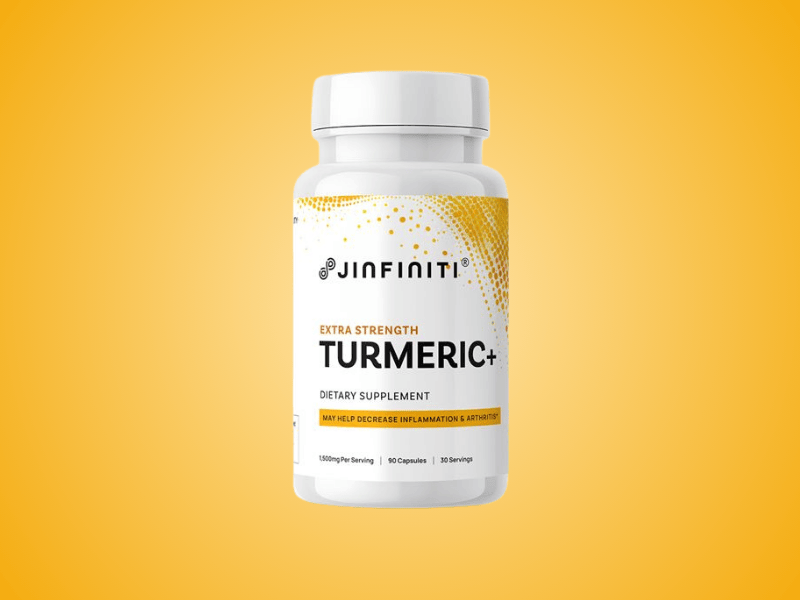
Clinical-Grade Formula

20x better absorption turmeric for cardiovascular health.

Jinfiniti Turmeric Supplement

Should You Consider Turmeric for High Cholesterol?

Not everyone responds equally to turmeric supplementation. Research shows certain groups experience more pronounced effects on their lipid profile.

People with metabolic syndrome see particularly strong results. One meta-analysis found the spice could lower total cholesterol significantly in this population with an effect size of -0.93412.

Groups with strongest evidence:

  • Adults with metabolic syndrome
  • People with type 2 diabetes
  • Those at cardiovascular disease risk
  • Adults over 50 with existing heart concerns
  • Individuals experiencing chronic inflammation

Multiple studies in type 2 diabetes patients have shown improvements in cholesterol levels13. Reductions occurred in total cholesterol, LDL, and triglycerides, though HDL results remained mixed.

Research indicates that curcumin supplementation at 850 mg daily for over 10 weeks was most effective in adults over 50 years with coronary artery disease14. This dosage and duration showed a “large effect size” on LDL reduction.

One study in middle-aged women combining curcumin with exercise showed improvements in waist circumference, insulin resistance, and high-density lipoprotein levels15. The combination approach may amplify benefits.

Evidence is less compelling for healthy people with normal cholesterol. A study of low-dose curcumin in healthy middle-aged adults found “diverse effects” on wellness measures but didn’t demonstrate significant cholesterol changes16.

One clinical trial showed that 500 mg daily reduced cholesterol by 17% in healthy subjects after just seven days17. This was a short-term study requiring longer validation.

Dosage and Formulation Guidelines

The efficacy of turmeric depends heavily on how much you take and what form you choose. Clinical trials have tested a range of turmeric doses with varying results.

Interestingly, one study found that 500 mg daily was more effective than 6,000 mg daily for lowering cholesterol. Higher doses aren’t necessarily better with this spice.

Most research showing positive effects used 500-1,000 mg of curcumin daily. This range appears optimal for cholesterol management based on current evidence.

Most studies showing health benefits of turmeric lasted 8-12 weeks. Effects appear to accumulate over time, with some research suggesting efficacy increases with longer use.

Choosing the Right Form

Standard turmeric powder contains only 2-5% curcumin. This presents challenges for therapeutic dosing.

Concentrated curcumin extracts provide higher amounts of the active ingredient. These standardized supplements list the curcumin content on the label, making dosing more precise.

Some formulations use whole turmeric that recreates the natural matrix. These may offer advantages over isolated curcumin by including other bioactive compounds from the spice.

Bioavailability Enhancement

A major challenge with curcumin is its poor bioavailability. Your body absorbs very little when consumed in natural form.

Modern formulations address this through various technologies. The enhancement method makes a substantial difference in effectiveness.

Enhancement approaches and absorption improvements:

MethodBioavailability Increase
With piperine (black pepper)20-fold (2,000%)
Phospholipid complexes29-fold
Nanoparticle formulations22 to 45.9-fold
Liposomal curcumin7.76-fold
Proprietary blends5.5 to 7.3-fold

Black pepper extract containing piperine is the most common enhancement. It blocks curcumin metabolism in the liver and intestines, allowing more to reach your bloodstream.

Phospholipid complexes bind curcumin to fats, improving absorption since curcumin is fat-soluble. Nanoparticle and liposomal formulations create tiny particles that penetrate cell membranes more easily.

Research consistently shows enhanced formulations produce superior results for cholesterol management. When choosing a supplement, look for products that specify their bioavailability enhancement method.

Taking curcumin with fat-containing foods also boosts absorption. Consider timing your supplement with meals that include healthy oils or fats.

Turmeric vs. Statin Medications

Blister packs containing statin medications.

While turmeric shows cholesterol-lowering properties, its effects are modest compared to statin drugs. This comparison provides important context for your expectations.

Statins typically reduce LDL cholesterol by 30-50%. Curcumin produces reductions of approximately 5-15% in most studies. That’s a substantial difference in magnitude.

A 2022 American Heart Association-backed study compared six popular supplements to statin drugs. Rosuvastatin lowered LDL cholesterol by almost 38%, described as “vastly superior” to any supplement tested.

The British Heart Foundation states there is “no strong evidence to support the claims that turmeric supplements are good for your heart,” though they acknowledge some studies have shown positive results.

Turmeric offers potential advantages despite lower efficacy:

  • Multiple mechanisms: Affects absorption, synthesis, excretion, and oxidation (not just one pathway)
  • Anti-inflammatory effects: May provide cardiovascular protection beyond cholesterol reduction
  • Antioxidant properties: Prevents LDL oxidation and reduces oxidative stress
  • Favorable safety profile: Generally well-tolerated with few serious adverse events
  • Potential combination benefits: May boost statin effectiveness when used together

Researchers at UConn are investigating whether curcumin can help patients experiencing statin-associated muscle symptoms. Researcher Oh Sung Kwon hypothesizes that “combined curcumin and statin treatment will be more effective at lowering LDL-C than those taking only statins” while potentially reducing muscle-related side effects.

One animal study combining curcumin with reduced-dose rosuvastatin found “better renal protection” and “better antilipemic action” than either treatment alone18. The combination lowered triglycerides, VLDL, and LDL more effectively.

You should view turmeric as a complementary approach, not a replacement for prescribed medications. If your doctor recommends statins based on your cardiovascular risk factors, turmeric cannot substitute for that level of cholesterol reduction.

Safety and Drug Interactions

Curcumin is generally considered safe with most clinical trials reporting no serious adverse events. Understanding potential side effects and interactions helps you use it responsibly.

The safety profile appears favorable compared to many pharmaceutical options. Most people tolerate turmeric supplementation well at recommended doses.

Possible Side Effects

At high doses, some people may experience mild digestive symptoms. These effects are typically temporary and resolve when you reduce the dose.

Possible side effects include:

  • Nausea and digestive upset
  • Diarrhea or constipation
  • Stomach pain
  • Skin rash
  • Headaches

These reactions are uncommon at therapeutic doses of 500-1,000 mg daily. Higher doses increase the likelihood of side effects.

Some evidence suggests potential liver effects at very high doses19. One case series documented liver injury in individuals taking high-dose turmeric products, though causation wasn’t definitively established.

Turmeric may increase kidney stone risk in susceptible individuals due to oxalate content. If you have a history of kidney stones, consult your doctor before supplementation.

Important Drug Interactions

Turmeric can interact with several medications. These interactions may enhance or reduce drug effects, potentially causing problems.

Medications that may interact with turmeric:

  • Blood thinners (warfarin, aspirin, clopidogrel): Turmeric has anticoagulant properties and may increase bleeding risk
  • Diabetes medications: May enhance blood sugar-lowering effects, potentially causing hypoglycemia
  • Blood pressure medications (amlodipine, losartan): May intensify blood pressure reduction
  • Chemotherapy drugs: May interfere with certain cancer treatments
  • Tacrolimus: Curcumin may increase side effects

The anti-inflammatory and antioxidant effects of curcumin can influence how your body processes medications. This isn’t necessarily dangerous, but it requires monitoring.

Turmeric may reduce iron absorption when taken with iron supplements. Separate timing by a few hours if you take both.

Always consult a healthcare provider before adding turmeric supplements, especially if you take medications or have existing health conditions. This conversation helps prevent interactions and ensures safe use.

Practical Tips for Using Turmeric

If you’re considering turmeric for cholesterol management, several practical strategies can help you get the best results. Start with medical guidance.

Before starting supplementation:

  1. Discuss with your doctor, especially if taking medications
  2. Get a baseline lipid panel to measure starting cholesterol levels
  3. Choose high quality turmeric formulations with piperine, phospholipids, or nanoparticle technology
  4. Look for third-party testing (NSF, USP certification) to ensure quality and purity
  5. Start with 500-1,000 mg curcumin daily, taken with food containing fat

Give supplementation adequate time. Most studies showing cholesterol benefits lasted 8-12 weeks. Don’t expect overnight results.

Get follow-up lipid panels after 8-12 weeks to assess effectiveness. This data-driven approach lets you track whether turmeric is working for you. The approach aligns with precision medicine principles.

Red flags to avoid:

  • Supplements without clear curcumin content labeling
  • Products making unrealistic health claims
  • Very cheap formulations (may contain fillers or contaminants)
  • Supplements without bioavailability enhancement

Beyond supplements, incorporating turmeric or curcumin into your diet alongside other cholesterol-supporting foods may provide additional benefits. Add the spice to curries, soups, smoothies, or roasted vegetables.

Taking turmeric with black pepper (even just a pinch) dramatically increases absorption. Many recipes naturally combine these spices.

Combine turmeric with comprehensive lifestyle approaches. No supplement replaces the benefits of healthy eating, regular exercise, stress management, and adequate sleep for cardiovascular health.

Consider other natural approaches that support heart health. NAD+ supplementation supports cellular energy production, which plays a role in metabolic health. Anti-inflammatory herbs and spices work well alongside turmeric.

Don’t replace proven medical treatments. Use turmeric as a complement to, not substitute for, medical care recommended by your healthcare provider.

The Bottom Line

Research suggests turmeric and its active ingredient curcumin can modestly help lower cholesterol levels, particularly LDL and triglycerides.

The evidence is strongest for people with metabolic syndrome, type 2 diabetes, or existing cardiovascular disease risk factors using enhanced-absorption formulations at 500-1,000 mg daily for at least 8-12 weeks.

The effects are real but modest, typically producing 5-15% reductions compared to the 30-50% reductions seen with statin medications.

Turmeric’s value lies in its multi-targeted approach affecting cholesterol synthesis, absorption, excretion, and oxidation, combined with anti-inflammatory and antioxidant properties that may provide broader cardiovascular protection.

Curcumin supplements are an accessible, generally safe, low-cost option worth considering as part of a holistic strategy for managing cholesterol and reducing cardiovascular diseases risk when used under medical guidance.

References Sourced

  1. https://academic.oup.com/nutritionreviews/article/83/8/1520/8053000 ↩︎
  2. https://pmc.ncbi.nlm.nih.gov/articles/PMC5637251/ ↩︎
  3. https://pmc.ncbi.nlm.nih.gov/articles/PMC6743846/ ↩︎
  4. https://pmc.ncbi.nlm.nih.gov/articles/PMC4403064/ ↩︎
  5. https://pubmed.ncbi.nlm.nih.gov/37230418/ ↩︎
  6. https://pmc.ncbi.nlm.nih.gov/articles/PMC10863436/ ↩︎
  7. https://pmc.ncbi.nlm.nih.gov/articles/PMC2865464/ ↩︎
  8. https://pmc.ncbi.nlm.nih.gov/articles/PMC2895698/ ↩︎
  9. https://www.nature.com/articles/aps200865.pdf ↩︎
  10. https://pmc.ncbi.nlm.nih.gov/articles/PMC3455890/ ↩︎
  11. https://pmc.ncbi.nlm.nih.gov/articles/PMC4251480/ ↩︎
  12. https://nutritionj.biomedcentral.com/articles/10.1186/s12937-017-0293-y ↩︎
  13. https://pmc.ncbi.nlm.nih.gov/articles/PMC9232354/ ↩︎
  14. https://extendedstudies.ucsd.edu/getattachment/cbbb0cbf-1a09-4845-a787-af7b665e9a0b/rme_24_11_2_060-073.pdf?lang=en-US ↩︎
  15. https://pmc.ncbi.nlm.nih.gov/articles/PMC7118005/ ↩︎
  16. https://pmc.ncbi.nlm.nih.gov/articles/PMC3518252/ ↩︎
  17. https://escholarship.org/content/qt5cb0m7t4/qt5cb0m7t4_noSplash_a159bbf7bd214da9716d1c77312d6317.pdf ↩︎
  18. https://pmc.ncbi.nlm.nih.gov/articles/PMC12042680/ ↩︎
  19. https://jhrlmc.com/index.php/home/article/view/1159 ↩︎
Young woman with voluminous natural curly hair in bright yellow off-shoulder top poses outdoors against blurred urban backdrop.

6 Turmeric Benefits for Women: From Fertility to Menopause

Turmeric, the golden spice that colors curry dishes and lattes, offers more than flavor. This ancient root contains curcumin, a compound that may support women’s health through every stage of life. From easing monthly cramps to managing menopausal hot flashes, research shows turmeric may help address hormone-related concerns naturally.

Women face unique health challenges tied to hormonal changes. Periods bring pain and mood swings. Menopause triggers uncomfortable symptoms that can last years.

The active compound curcumin targets inflammation and oxidative stress, two factors that worsen many women’s health issues. While turmeric won’t replace medical treatment, it may complement your health routine when used correctly.

Key Takeaways

  • Curcumin in turmeric may help manage PCOS by improving insulin sensitivity and reducing testosterone levels
  • Studies show 500-1,000 mg daily can reduce menstrual pain and PMS symptoms within weeks
  • Postmenopausal women taking curcumin saw improvements in hot flashes and cardiovascular health markers

Why is Turmeric Beneficial for Women’s Health?

Turmeric contains several bioactive compounds called curcuminoids. Curcumin makes up just 3-8% of turmeric powder but delivers most of the health benefits.

This compound works through multiple pathways in your body. It regulates inflammatory signaling molecules like NF-κB and COX-2, which drive period pain and chronic inflammation.

Curcumin’s anti-inflammatory effects compare to non-steroidal anti-inflammatory drugs (NSAIDs) without the same stomach side effects. A 2021 review found that curcumin regulates NF-κB, MAPK, and JAK/STAT signaling pathways1.

The compound also acts as an antioxidant. It scavenges free radicals directly while boosting your body’s own antioxidant enzymes. This dual action protects cells from oxidative stress, which damages eggs, worsens PCOS, and accelerates aging.

Research shows curcumin may influence hormone levels. It can modulate estrogen activity, support progesterone production, and help balance androgens in conditions like PCOS.

1. Supporting Fertility and Reproductive Health

Women are born with about 7 million immature eggs. Protecting these eggs from damage matters for fertility throughout your reproductive years.

Before ovulation, eggs undergo development that produces reactive oxygen species (ROS). Too much ROS can damage eggs through oxidative stress, potentially preventing ovulation.

Protecting Egg Quality

Turmeric’s antioxidant properties may shield eggs from oxidative damage. Oocytes can normally protect themselves if ROS levels stay balanced, but overproduction puts them at risk.

In traditional medicine, turmeric is used to increase blood flow to the pelvic area. Better circulation means more nutrients reach your reproductive organs.

New research suggests curcumin may affect telomeres2, the protective caps on DNA that shorten with age. Dr. Laurie Terzo, a functional medicine practitioner, states that curcumin “not only can stop telomeres from shortening, but can also protect and lengthen your telomeres, which is basically turning back your biological clock.”

Important Pregnancy Caution

Culinary amounts of turmeric in food remain safe during pregnancy. Medicinal doses require caution.

Research in mice suggests high-dose curcumin may affect embryo implantation and fetal weight3. Taking large amounts during pregnancy may alter estrogen levels, potentially causing uterine contractions or bleeding.

A 2021 case series found two patients using curcumin supplements had reduced endometrial thickness, disrupting their embryo transfer process4.

Stick to food amounts if you’re pregnant or trying to conceive. Save therapeutic doses for after pregnancy, or discuss with your healthcare provider.

Natural Hormone Support

Enhanced-absorption turmeric formula for women.

Jinfiniti Turmeric Supplement

2. Managing PCOS Naturally

PCOS affects 6-26% of reproductive-aged women, making it one of the most common endocrine disorders. The condition brings irregular periods, elevated male hormones, insulin resistance, and ovarian dysfunction.

Inflammation and oxidative stress drive PCOS symptoms. This makes turmeric’s anti-inflammatory and antioxidant properties particularly relevant.

Improving Insulin Sensitivity

Insulin resistance affects 50-70% of women with PCOS. It raises androgen production, worsening acne, weight gain, and facial hair.

A 2023 clinical trial found that 12 weeks of curcumin supplementation (1,000 mg daily) reduced fasting blood sugar, fasting insulin, insulin resistance, and testosterone levels compared to placebo5.

Studies using 500-1,500 mg daily show similar benefits. The compound works by modulating glucose metabolism pathways and reducing inflammatory cytokines that interfere with insulin signaling.

Animal studies confirm these findings. Turmeric extract in PCOS mice significantly reduced elevated blood glucose levels6.

Balancing Hormones

Curcumin influences sex hormone levels beyond insulin. The 2023 trial showed reductions in total testosterone and improvements in Sex Hormone Binding Globulin (SHBG).

Treatment normalized luteinizing hormone (LH) levels, which typically run high in PCOS. It also restored progesterone and estrogen levels, confirming its phytoestrogen activity.

Animal studies suggest curcumin may improve ovarian structure. Treated rats showed thickened granulosa cells, healthier oocytes, and increased corpus luteum diameter. One study found results comparable to clomiphene citrate, the first-line PCOS therapy6.

Women with PCOS also saw lipid profile improvements. Turmeric treatment significantly reduced total cholesterol and triglycerides, showing more effectiveness than metformin for normalizing triglycerides.

Understanding your body’s inflammatory status can help track progress.

🧬 Learn more about inflammatory biomarkers and how they reveal health changes.

3. Easing Endometriosis Symptoms

Endometriosis affects roughly 10% of reproductive-aged women. The condition causes endometrial-like tissue to grow outside the uterus, triggering chronic pain and infertility.

Elevated inflammatory cytokines, oxidative stress, and excessive tissue growth characterize endometriosis. Curcumin targets each of these mechanisms.

A 2025 trial investigated adding 80 mg nanomicelle curcumin to dienogest, a standard endometriosis treatment7. Results showed significant improvements in pain, sexual function, and quality of life after just 8 weeks.

Researchers observed improvements in dysmenorrhea (period pain), dyspareunia (painful intercourse), chronic pelvic pain, and low back pain. The study demonstrated, for the first time, that curcumin add-on therapy has high effectiveness and safety.

Not all studies show dramatic effects. A 2024 study of 68 women taking 500 mg twice daily found no significant difference in pain or quality of life compared to placebo8.

The mechanisms make sense on paper. Curcumin inhibits endometrial cell growth by reducing estradiol production. It also shows anti-proliferative, anti-angiogenic, and pro-apoptotic effects.

A 2018 review noted that curcumin inhibits the growth of endometrial cells by regulating estrogens and decreasing oxidative stress and inflammatory cytokines9.

More research is needed to clarify which formulations and doses work best for endometriosis pain relief.

🫚 TURMERIC INSIGHTS

4. Relieving PMS and Menstrual Pain

PMS affects 70-90% of women. Symptoms range from bloating and breast tenderness to mood swings and anxiety. Dysmenorrhea (period pain) stems from excessive prostaglandin production.

Curcumin’s COX-2 inhibition directly targets this mechanism. Multiple trials have tested turmeric for menstrual symptoms with encouraging results.

Reducing Monthly Discomfort

A 2025 triple-blind trial of 62 medical students found that 500 mg curcumin daily for 10 days per cycle over two cycles produced significant PMS symptom reduction10. No participants reported adverse effects.

The study also found significant pain score reductions at the second and third menstrual cycles compared to placebo.

A 2022 study measuring oxidative stress found curcumin treatment significantly increased free-radical scavenging activity compared to placebo11. This suggests the antioxidant mechanisms contribute to relief.

Results aren’t universally positive. One 2021 study found curcumin had comparable effects to placebo for PMS symptoms, leading researchers to call for larger samples using higher doses for longer periods.

A systematic review concluded that curcumin supplementation at 500-1,000 mg can help reduce primary dysmenorrhea complaints by inhibiting the COX reaction, reducing inflammation and uterine contractions12.

Some women find relief when combining turmeric with other anti-inflammatory approaches. Our turmeric curcumin supplement includes complementary compounds like quercetin and boswellia for broader anti-inflammatory support.

Supporting Vitamin D Levels

A 2022 study found an unexpected benefit. Curcumin supplementation (500 mg plus 5 mg piperine daily) significantly increased serum vitamin D levels in young women with PMS and dysmenorrhea13.

Median levels rose from 12.8 ng/ml to 16.2 ng/ml. Since vitamin D deficiency links to menstrual problems, this may represent an indirect mechanism of benefit.

The connection between inflammation and hormones runs deep. Reducing inflammatory stress through curcumin may help balance the delicate interplay between your immune system and reproductive hormones.

5. Managing Menopause Symptoms

As women transition through perimenopause into menopause, declining estrogen triggers multiple changes. Hot flashes, cardiovascular risk, and bone loss all increase.

Inflammation also rises during this transition. Turmeric may offer relief for several menopausal symptoms.

Hot Flashes and Night Sweats

Hot flashes affect up to 80% of menopausal women. These vasomotor symptoms significantly impact quality of life and sleep.

A 2020 trial compared oral curcumin (500 mg twice daily) versus vitamin E versus placebo for 8 weeks in 93 postmenopausal women14. Results showed both curcumin and vitamin E significantly reduced hot flashes.

The curcumin group experienced a mean reduction of 10.7 hot flashes compared to placebo. The first significant effect appeared after four weeks, faster than vitamin E’s eight-week timeline.

A 2022 follow-up study confirmed these findings, reporting improvements in hot flash frequency and severity with curcumin treatment.

Neither study found significant effects on sexual function or overall menopausal symptoms beyond hot flashes. Still, reducing hot flashes alone can dramatically improve daily comfort.

Women experiencing menopause often notice declining energy alongside hormonal changes. Supporting cellular energy production becomes important during this transition.

🧬 Learn how NAD levels decline with age and what that means for menopausal health.

Protecting Heart Health

Cardiovascular disease risk escalates during menopause. Declining estrogen affects vascular endothelial function, arterial stiffness, and vascular remodeling.

A 2024 systematic review concluded that curcumin has beneficial effects on vascular function during menopause by addressing endothelial function, arterial compliance, and hemodynamic parameters15.

Curcumin supplementation improved flow-mediated dilation (FMD), a gold-standard measure of endothelial function. One study found 8 weeks of curcumin (150 mg daily) produced FMD improvements comparable to regular aerobic exercise16.

Blood pressure benefits appeared across multiple studies. Curcumin reduced brachial and carotid systolic blood pressure. When combined with exercise, it successfully reduced aortic, carotid, and brachial blood pressure.

The mechanisms involve increasing nitric oxide bioavailability and reducing vascular oxidative stress. Nitric oxide helps blood vessels dilate and acts as an anti-atherosclerotic agent.

These cardiovascular benefits matter. Heart disease becomes the leading cause of death for women after menopause, making prevention strategies important.

Supporting Bone Strength

Postmenopausal osteoporosis affects millions as declining estrogen accelerates bone loss. Estrogen deficiency increases osteoclast activity (bone breakdown) while suppressing osteoblasts (bone formation).

Curcumin shows promise through multiple mechanisms. It inhibits osteoclast formation and may improve bone mineral density by reducing nitric oxide and free radicals, inhibiting inflammatory cytokines, and blocking NF-κB.

Clinical evidence shows mixed results. A 12-month study found nanomicelle curcumin combined with alendronate (a standard osteoporosis drug) significantly increased bone mineral density at multiple sites compared to the drug alone17.

Another 2024 study found that 80 mg nanomicelle curcumin daily for 6 months did not significantly improve bone density when used alone18.

Animal studies show more consistent benefits. Research in ovariectomized rats showed curcumin treatment increased femur, tibia, and total bone mineral density while decreasing bone loss markers.

The evidence suggests curcumin may work best for bone health when combined with standard treatments rather than used alone.

🧬 Cellular health forms the foundation for healthy aging. Discover more about supplements that support cellular repair during menopause and beyond.

6. Balancing Hormones Naturally

Hormonal imbalance can occur at any life stage. Excess estrogen relative to progesterone contributes to heavy periods, endometriosis, fibroids, and severe PMS.

Turmeric supports hormone balance through liver detoxification and direct hormone modulation.

Liver Support

Your liver breaks down and eliminates excess estrogen through a two-phase detoxification process. When this system works poorly, hormones accumulate.

Curcumin supports phase 2 liver detoxification, helping remove unneeded hormones and toxins. It may even regenerate liver cells.

“Turmeric’s liver-supporting properties mean that it can play a functional role in moderating hormone imbalance through this mechanism,” explains Wild Nutrition.

This becomes relevant for estrogen dominance conditions. Supporting healthy liver function helps your body process and eliminate excess hormones naturally.

Beyond hormones, your liver processes countless substances daily. Maintaining liver function becomes increasingly important as environmental toxin exposure rises and we age.

Estrogen Modulation

Turmeric’s relationship with estrogen is complex and context-dependent. Some sources classify it as a phytoestrogen with estrogen-like effects. Research shows it can modulate estrogen activity in both directions.

Curcumin may suppress overactive estrogen pathways in conditions like PCOS, estrogen dominance, and perimenopause. It doesn’t directly boost estrogen levels like soy or flax. Instead, it supports balanced estrogen activity.

In low-estrogen states, curcumin may support hormone production indirectly by helping adrenal and thyroid function, which affects estrogen production.

This bidirectional modulation makes curcumin potentially helpful across different hormonal states. It dampens excessive estrogen while supporting optimal levels where needed.

The thyroid also influences hormone balance throughout your body. Thyroid dysfunction can worsen menstrual irregularities and menopausal symptoms, making whole-body hormonal support important.

How to Use Turmeric Safely and Effectively

Clinical studies show wide dosage ranges depending on the condition and formulation used. Here are some research-backed tips for how to take turmeric.

Recommended Dosages

Research on women’s health outcomes has used varying amounts:

ConditionTypical DoseDuration
PCOS500-1,500 mg daily8-12 weeks
Hot flashes500 mg twice daily8 weeks
PMS and dysmenorrhea500 mg daily2-3 cycles
Endometriosis80-1,000 mg daily8 weeks
Bone health80 mg nanomicelle6-12 months

The World Health Organization recommends 0-3 mg per kilogram of body weight as acceptable daily intake. For a 154-pound woman, this translates to 0-210 mg daily, much lower than therapeutic doses.

Cleveland Clinic recommends 500-1,000 mg daily for general use, noting it’s safe to take up to 8 grams per day. Discuss therapeutic doses with your healthcare provider.

Average Indian diets provide 2-2.5 grams of turmeric daily (about 60-100 mg curcumin) through curry and other dishes. This food-based amount supports general health but provides lower concentrations than supplements.

Enhancing Absorption

Some strategies overcome curcumin’s poor bioavailability:

Add Black Pepper: Just 1/20 teaspoon of black pepper with turmeric can increase absorption by inhibiting liver metabolism. Most commercial supplements include 5 mg piperine with 500 mg curcumin.

Take With Healthy Fats: Since curcumin dissolves in fat, consuming it with oils, avocado, nuts, or seeds significantly improves absorption.

Dietary Sources: You can also incorporate turmeric through:

  • Curry dishes and curry powder
  • Golden milk or turmeric lattes
  • Turmeric tea made with fresh or powdered root
  • Direct addition to rice, beans, soups, and vegetables

A 2023 observational study of 4,551 adults found regular curry consumption was associated with reduced mortality risk and increased life expectancy19. Moderate consumption showed a 30-46% reduction in mortality risk.

🧬 Learn more about why quercetin with bromelain works through similar absorption-enhancing principles.

Safety Considerations

Turmeric is “generally recognized as safe” (GRAS) by the FDA as a food ingredient. Clinical trials using up to 12 grams daily show curcumin is well tolerated, though side effects can occur.

Common Side Effects: In rare cases, turmeric may cause:

  • Nausea or upset stomach
  • Diarrhea
  • Dizziness
  • Skin reactions after topical contact

Important Contraindications:

Turmeric acts as a natural anticoagulant. It can increase bleeding risk when combined with blood thinners including warfarin, heparin, aspirin, clopidogrel (Plavix), ibuprofen, and naproxen. Stop curcumin supplements at least 2 weeks before planned surgery.

Since curcumin lowers blood sugar, combining it with diabetes medications can cause dangerously low blood sugar. This leads to shakiness, anxiety, blurred vision, and cognitive problems.

Turmeric increases stomach acid production. Taking it with acid-reducing medications like omeprazole or famotidine may cause nausea, bloating, stomach pain, and esophageal damage.

Who Should Avoid Supplements:

  • People with bleeding disorders
  • Those with gallbladder problems (may worsen gallstones)
  • Pregnant women (medicinal quantities)
  • People with iron deficiency anemia (turmeric can impede iron absorption)

For women with hormone-receptor-positive breast cancer, the relationship between turmeric and estrogen requires careful consideration. While some research suggests curcumin may help reduce breast cancer risk, large amounts may interfere with estrogen-related medications. Consult your oncologist before using supplements.

Understanding your body’s inflammatory status helps you track whether interventions are working. Many chronic health issues in women stem from chronic inflammation that builds over time.

Bottom Line

Turmeric offers women science-backed support across multiple life stages. The compound curcumin targets inflammation and oxidative stress, two underlying factors in many hormone-related conditions. Research shows it may help manage PCOS, reduce menstrual pain, ease menopausal hot flashes, and protect cardiovascular health after menopause.

Results vary by individual, formulation, and dosage. Enhanced bioavailability forms with black pepper or liposomal delivery work better than plain turmeric powder. While promising, turmeric supplements work best alongside proper nutrition, stress management, and medical care.

Discuss therapeutic doses with your healthcare provider, especially if you take medications or have health conditions. The golden spice won’t cure hormonal issues, but it may offer meaningful support when used correctly.

Referenced Sources

  1. https://pmc.ncbi.nlm.nih.gov/articles/PMC8572027/ ↩︎
  2. https://link.springer.com/article/10.1007/s11357-024-01092-5 ↩︎
  3. https://www.mdpi.com/1422-0067/11/8/2839 ↩︎
  4. https://pmc.ncbi.nlm.nih.gov/articles/PMC8754353/ ↩︎
  5. https://bmcendocrdisord.biomedcentral.com/articles/10.1186/s12902-023-01295-5 ↩︎
  6. https://pmc.ncbi.nlm.nih.gov/articles/PMC8717583/ ↩︎
  7. https://www.sciencedirect.com/science/article/abs/pii/S0944711325003551 ↩︎
  8. https://pubmed.ncbi.nlm.nih.gov/37818734/ ↩︎
  9. https://www.sciencedirect.com/science/article/abs/pii/S0753332217346838 ↩︎
  10. https://pmc.ncbi.nlm.nih.gov/articles/PMC12269146/ ↩︎
  11. https://cmj.ac.kr/DOIx.php?id=10.4068/cmj.2024.60.2.113 ↩︎
  12. https://pmc.ncbi.nlm.nih.gov/articles/PMC10973707/ ↩︎
  13. https://bmccomplementalternmed.biomedcentral.com/articles/10.1186/s12906-022-03515-2 ↩︎
  14. https://pubmed.ncbi.nlm.nih.gov/31987231/ ↩︎
  15. https://pmc.ncbi.nlm.nih.gov/articles/PMC11504472/ ↩︎
  16. https://www.sciencedirect.com/science/article/abs/pii/S0271531712001844 ↩︎
  17. https://www.frontiersin.org/journals/pharmacology/articles/10.3389/fphar.2024.1446536/full ↩︎
  18. https://www.sciencedirect.com/science/article/pii/S2212958824000284 ↩︎
  19. https://pmc.ncbi.nlm.nih.gov/articles/PMC10828228/ ↩︎
Mature man with gray hair in purple tank top exercising on rowing machine in bright modern gym with fluorescent lighting.

Boosting Metabolism After 50: What Experts Say Works

The widespread belief that metabolism crashes after 50 turns out to be more myth than reality. While some changes do occur, current research shows that maintaining a healthy metabolism well into your later years is entirely achievable with the right approach.

Understanding what really happens to your metabolic rate as you age can change everything about how you approach health and weight management.

Key Takeaways

  • Metabolism remains stable between ages 20 and 60, only declining modestly after that point
  • Muscle loss drives most metabolic changes, not age itself
  • Strength training and adequate protein are your most powerful tools to boost metabolism
  • Supplementation may support cellular energy production

What Happens to Your Metabolism After 50?

What science tells us about metabolism and aging challenges decades of conventional wisdom.

A 2021 study published in Science1 analyzed data from over 6,600 people and changed our understanding of how metabolism changes across the lifespan. The researchers found that metabolism remains remarkably stable between ages 20 and 60.

“What we found is that from ages 20 to 60, metabolism plateaus,” explains Herman Pontzer, associate professor of evolutionary anthropology at Duke University and study co-author.

The research showed metabolism only begins to decline after age 60. Even then, it decreases by a modest 0.7% per year.

This challenges the assumption that middle-age weight gain can be blamed solely on a slowing metabolism.

The Real Reason for Slow Metabolism

The primary driver of metabolic changes isn’t age itself, but muscle loss (a condition called sarcopenia). Research shows that adults lose 3-8% of muscle mass per decade after age 30, with the rate speeding up after 502.

Dr. Thomas Perls of Boston University highlights the significance: “People older than 50 tend to have fewer type two muscle fibers, also called fast-twitch fibers. These fibers are needed for burning energy efficiently.”

Over time, muscles accumulate connective tissue and fat, slowing metabolism and reducing fat-burning capacity.

A study of 959 people found that individuals aged 70 had 20 pounds less muscle mass and an 11% slower resting metabolic rate compared to those aged 403. The metabolic impact is substantial.

Hormonal shifts also play a role. For women, declining estrogen levels during menopause lead to increased belly fat and reduced muscle mass maintenance. For men, gradual testosterone decline affects muscle mass and fat distribution.

Lifestyle factors compound these changes. Chronic stress elevates cortisol, which promotes fat storage. Poor sleep disrupts appetite regulation. Reduced physical activity in daily activities decreases overall energy expenditure.

6 Science-Backed Ways to Boost Your Metabolism

metabolism after 50 gym 1

These strategies address the root causes of metabolic decline and help your body burn more calories throughout the day.

1. Make Strength Training Your Priority

Research consistently shows that strength training is the most effective way to combat metabolic decline4. Building muscle through resistance exercises can help reignite metabolism, burn fat, and protect bones and joints.

Muscle tissue burns more calories even at rest compared to fat tissue. This means a higher metabolic rate around the clock.

Here’s what to do:

  • Aim for 2-3 strength training sessions per week
  • Focus on compound movements like squats, deadlifts, rows, and presses
  • Use progressive overload by gradually increasing resistance over time
  • Include both lifting weights and bodyweight exercises
  • Try resistance bands for convenient home workouts

2. Get Your Protein Right

Protein requirements increase with age due to anabolic resistance (the reduced ability to build muscle protein). Experts recommend 1.2-2.0 g/kg/day for older adults5, much higher than the standard RDA of 0.8 g/kg/day.

Protein also has a high thermic effect. Your body uses more energy to digest protein compared to fat or carbohydrate.

Key strategies include:

  • Distribute protein evenly throughout the day
  • Aim for 25-35g of high-quality protein per meal
  • Include leucine-rich sources like eggs, dairy, meat, and legumes
  • Consider protein supplementation if you struggle to eat enough through food alone

3. Move More Throughout Your Day

Aerobic exercise offers multiple metabolic benefits including improved heart health, better blood sugar control, and increased energy expenditure. The key is finding activities you enjoy and can maintain long term.

Your body composition improves when you combine cardio with strength training. You lose weight more effectively and maintain muscle mass better.

Effective approaches:

  • Get 150 minutes of moderate aerobic activity weekly
  • Include variety: walking, swimming, cycling, dancing
  • Add high-intensity interval training 1-2 times per week
  • Focus on consistency over intensity
  • Count your daily activities toward your movement goals

4. Sleep Better to Burn More Calories

Research shows that poor sleep quality is directly linked to disrupted appetite regulation and metabolic dysfunction6. Quality sleep supports hormone balance and helps maintain a healthy metabolism.

Sleep deprivation reduces the number of calories your body burns at rest. It also increases hunger hormones and decreases satiety signals.

Sleep optimization strategies:

  • Aim for 7-9 hours of quality sleep nightly
  • Maintain consistent sleep and wake times
  • Create a cool, dark sleeping environment
  • Limit caffeine and screens before bedtime
  • Consider supplements that support better sleep if needed

5. Manage Stress Levels

Chronic stress can speed up biological aging and disrupt metabolic function7. Research shows that when cortisol levels double, biological age can increase by about 50%.

High cortisol promotes fat storage, especially around your midsection. It also breaks down muscle tissue and increases appetite.

Stress management techniques:

  • Practice mindfulness or meditation
  • Engage in regular physical activity
  • Maintain social connections
  • Set boundaries around work and obligations
  • Seek professional counseling if stress feels overwhelming

6. Stay Hydrated

Proper hydration supports thermogenesis, the process by which your body heats water to body temperature. This burns calories throughout the day.

Drinking water before meals can also help you eat fewer calories by increasing feelings of fullness. Your body needs adequate water for all metabolic processes to function properly.

Supplements That Support Metabolic Health

Targeted supplementation can address nutritional gaps and support the cellular processes that power your metabolism.

NAD+ for Cellular Energy

NAD+ (nicotinamide adenine dinucleotide) is a coenzyme present in every cell that plays a critical role in energy metabolism. NAD+ levels decline with age, which directly impacts how efficiently your body burns fuel for energy.

NAD+ is needed for over 500 different cellular activities. It powers mitochondria (your cells’ energy factories) and helps convert food into usable energy.

Research shows that boosting NAD+ levels can improve metabolic function8. You can increase NAD+ through supplementation with precursors like NMN (nicotinamide mononucleotide) or NR (nicotinamide riboside).

Testing your NAD+ levels allows you to establish a baseline and track improvements. This personalized approach helps you determine the right dosage for your body needs.

CLIA-Certified NAD Test Kit

Test your NAD+ levels from home.

Jinfiniti Intracellular NAD Test on purple background

B Vitamins for Energy Metabolism

B vitamins play critical roles as cofactors in energy metabolism. A study published in the Journal of Nutritional Science found that B vitamin supplementation could effectively reduce body weight gain by improving energy metabolism-related enzyme activities9.

Key findings show:

  • Thiamine (B1), riboflavin (B2), and niacin increased metabolic enzyme activities
  • Pyridoxine (B6), cobalamin (B12), and folate improved metabolic enzyme function
  • Combined B vitamin supplementation reduced weight gain by improving fat and carbohydrate metabolism

A B-complex supplement containing all B vitamins works best. Deficiency in one can affect the others’ effectiveness.

Vitamin D

Vitamin D plays a significant role in regulating hormone function that impacts metabolism. Vitamin D deficiency can lead to fatigue and difficulty managing body weight, which is common in adults over 50.

Supplementation benefits include:

  • Supports energy levels and metabolic function
  • Helps regulate insulin sensitivity
  • Assists in maintaining healthy hormone balance
  • Supports muscle strength and function

Many people don’t get enough vitamin D from sun exposure alone, especially in winter months.

Magnesium

Magnesium is required for over 300 biochemical processes, including energy production. A study on chromium and magnesium co-supplementation found significant metabolic benefits10.

The research showed:

  • Improved glucose tolerance and insulin sensitivity
  • Reduced inflammatory markers
  • Better lipid profiles
  • Improved waist-to-hip ratios

Magnesium helps your body convert food into energy and supports healthy blood sugar metabolism.

Green Tea Extract

Green tea contains catechins and caffeine that may help boost metabolism and fat oxidation. A study of post-menopausal women found that 60-day green tea extract supplementation resulted in multiple benefits11.

Results included:

  • Increased fat oxidation (11.04% improvement)
  • Improved insulin sensitivity
  • Reduced waist circumference
  • Higher resting energy expenditure (83.21 calorie increase)

The combination of catechins and caffeine appears to work together to increase metabolism and help your body burns fat more efficiently.

Omega-3 Fatty Acids

Recent research shows omega-3 fatty acids can slow organ aging through promoting energy metabolism12. These healthy fats support metabolic health in multiple ways.

Study findings demonstrate:

  • Boosted fatty acid oxidation
  • Increased ATP production in aged organs
  • Improved insulin sensitivity
  • Better fat metabolism and reduced inflammation

Omega-3s from fish oil or algae-based sources provide EPA and DHA, the most bioavailable forms.

Why Muscle Mass Matters Most

Your muscle tissue is your body’s metabolic engine, burning calories around the clock.

Muscle is metabolically active tissue. It requires energy to maintain, which means it burns calories even at rest. Fat tissue, by contrast, is relatively inactive metabolically.

When you lose muscle mass, your resting metabolic rate drops. This means you burn fewer calories throughout the day, even when you’re not exercising.

The good news: muscle loss is not inevitable. Strength training and adequate protein can help you build muscle at any age.

Research on sarcopenia shows that muscle-building interventions can reverse age-related muscle loss13. You can increase your metabolic rate by adding muscle tissue to your frame.

The Hormonal Connection

Hormones regulate how your body uses energy, stores fat, and builds muscle. Changes in hormone levels after 50 significantly impact metabolism14.

For women, menopause brings declining estrogen. This hormone shift doesn’t directly slow metabolism but changes where your body stores fat. More fat accumulates around the midsection rather than the hips and thighs.

Men experience gradual testosterone decline starting around age 30. Lower testosterone makes it harder to build muscle and easier to gain body fat.

Both sexes may experience changes in thyroid function, which directly controls metabolic rate. Growth hormone levels also decline with age, affecting body composition.

Thyroid Function and Metabolism

Your thyroid gland acts as your body’s metabolic thermostat, controlling how fast or slow your metabolism runs.

Thyroid function naturally changes with age. Research shows that after age 50, thyroid hormone production may decrease in some people15.

Your thyroid produces hormones that tell cells how much energy to use. When thyroid hormone levels drop (hypothyroidism), your metabolism slows down. You may gain weight, feel tired, and struggle to stay warm.

TSH (thyroid-stimulating hormone) levels may naturally increase slightly with age. This doesn’t always mean your thyroid is failing. Some age-related changes in thyroid function fall within normal ranges.

Low T3 syndrome becomes more common after 50. This condition involves lower levels of active thyroid hormone, which can slow metabolism even when TSH appears normal.

When to Test Your Thyroid Function

Thyroid dysfunction affects about 13-15% of adults over 50. Regular testing helps catch problems early16.

Consider thyroid testing if you experience:

  • Unexplained weight gain despite diet and exercise
  • Persistent fatigue and low energy
  • Sensitivity to cold temperatures
  • Difficulty concentrating or brain fog
  • Dry skin and brittle nails
  • Changes in heart rate

A complete thyroid panel should include TSH, free T3, free T4, and thyroid antibodies. Many doctors only test TSH, which can miss some thyroid problems.

If your thyroid is underactive, treatment with thyroid hormone replacement can restore your metabolic rate to normal levels.

Bottom Line

The science is clear: your metabolism doesn’t crash after 50 the way most people think. The real culprits behind metabolic decline are muscle loss, hormonal changes, and lifestyle factors that often shift with age.

You have more control than you realize. Strength training builds muscle that burns calories around the clock. Adequate protein supports muscle growth. Quality sleep and stress management keep your hormones balanced.

Supplementation with NAD+ boosters, B vitamins, or other compounds may support cellular energy production. These science-backed strategies work together to help you maintain a healthy metabolism and vibrant energy throughout your later years.

Referenced Sources

  1. Pontzer H, Yamada Y, Sagayama H, Ainslie PN, Andersen LF, Anderson LJ, Arab L, Baddou I, Bedu-Addo K, Blaak EE, et al. Daily energy expenditure through the human life course. American Association for the Advancement of Science (AAAS); 2021. p. 808–812. https://doi.org/10.1126/science.abe5017. doi:10.1126/science.abe5017
  2. Pereira A, Silva AJ, Costa AM, Monteiro A, Bastos E, Marques MC. Muscle tissue changes with aging. Acta Médica Portuguesa. 2013;26 1:51–5.
  3. Tzankoff SP, Norris AH. Effect of muscle mass decrease on age-related BMR changes. American Physiological Society; 1977. p. 1001–1006. https://doi.org/10.1152/jappl.1977.43.6.1001. doi:10.1152/jappl.1977.43.6.1001
  4. Sundell J. Resistance Training Is an Effective Tool against Metabolic and Frailty Syndromes. Hindawi Limited; 2011. p. 1–7. https://doi.org/10.4061/2011/984683. doi:10.4061/2011/984683
  5. Baum J, Kim I-Y, Wolfe R. Protein Consumption and the Elderly: What Is the Optimal Level of Intake? MDPI AG; 2016. p. 359. https://doi.org/10.3390/nu8060359. doi:10.3390/nu8060359
  6. Valenti G, Bonomi AG, Westerterp KR. Quality Sleep Is Associated With Overnight Metabolic Rate in Healthy Older Adults. Oxford University Press (OUP); 2016. p. glw107. https://doi.org/10.1093/gerona/glw107. doi:10.1093/gerona/glw107
  7. Polsky LR, Rentscher KE, Carroll JE. Stress-induced biological aging: A review and guide for research priorities. Elsevier BV; 2022. p. 97–109. https://doi.org/10.1016/j.bbi.2022.05.016. doi:10.1016/j.bbi.2022.05.016
  8. Connell NJ, Houtkooper RH, Schrauwen P. NAD+ metabolism as a target for metabolic health: have we found the silver bullet? Springer Science and Business Media LLC; 2019. p. 888–899. https://doi.org/10.1007/s00125-019-4831-3. doi:10.1007/s00125-019-4831-3
  9. Zheng Y, Ma A, Zheng M, Wang Q, Liang H, Han X, Schouten EG. B Vitamins Can Reduce Body Weight Gain by Increasing Metabolism-related Enzyme Activities in Rats Fed on a High-Fat Diet. Springer Science and Business Media LLC; 2018. p. 174–183. https://doi.org/10.1007/s11596-018-1862-9. doi:10.1007/s11596-018-1862-9
  10. Zhao Y, Zhou M, Shang Y, Dou M, Gao S, Yang H, Zhang F. Effects of co-supplementation of chromium and magnesium on metabolic profiles, inflammation, and oxidative stress in impaired glucose tolerance. SAGE Publications; 2024. https://doi.org/10.1177/14791641241228156. doi:10.1177/14791641241228156
  11. Rondanelli M, Gasparri C, Perna S, Petrangolini G, Allegrini P, Fazia T, Bernardinelli L, Cavioni A, Mansueto F, Oberto L, et al. A 60-Day Green Tea Extract Supplementation Counteracts the Dysfunction of Adipose Tissue in Overweight Post-Menopausal and Class I Obese Women. MDPI AG; 2022. p. 5209. https://doi.org/10.3390/nu14245209. doi:10.3390/nu14245209
  12. Xiong Y, Li X, Liu J, Luo P, Zhang H, Zhou H, Ling X, Zhang M, Liang Y, Chen Q, et al. Omega-3 PUFAs slow organ aging through promoting energy metabolism. Elsevier BV; 2024. p. 107384. https://doi.org/10.1016/j.phrs.2024.107384. doi:10.1016/j.phrs.2024.107384
  13. Walston JD. Sarcopenia in older adults. Ovid Technologies (Wolters Kluwer Health); 2012. p. 623–627. https://doi.org/10.1097/bor.0b013e328358d59b. doi:10.1097/bor.0b013e328358d59b
  14. Pataky MW, Young WF, Nair KS. Hormonal and Metabolic Changes of Aging and the Influence of Lifestyle Modifications. Elsevier BV; 2021. p. 788–814. https://doi.org/10.1016/j.mayocp.2020.07.033. doi:10.1016/j.mayocp.2020.07.033
  15. Franceschi C, Ostan R, Mariotti S, Monti D, Vitale G. The Aging Thyroid: A Reappraisal Within the Geroscience Integrated Perspective. The Endocrine Society; 2019. https://doi.org/10.1210/er.2018-00170. doi:10.1210/er.2018-00170
  16. Gietka-Czernel M. The thyroid gland in postmenopausal women: physiology and diseases. Termedia Sp. z.o.o.; 2017. p. 33–37. https://doi.org/10.5114/pm.2017.68588. doi:10.5114/pm.2017.68588
Yellow and white turmeric capsules falling against a light blue background.

How to Take Turmeric: Dosage, Timing & Absorption Tips

Turmeric has become one of the most popular supplements for people seeking natural support for inflammation and overall wellness. But knowing how to take turmeric properly makes all the difference between seeing real benefits and wasting your money on a supplement that your body barely absorbs.

The bright yellow spice contains curcumin, a bioactive compound that has been studied in over 22,000 peer-reviewed research papers. Getting the dosage right, choosing the best form of turmeric, and using strategies to boost absorption can help you experience the potential benefits this ancient remedy offers.

Key Takeaways

  • Most adults benefit from 500 to 1,000 mg daily of standardized turmeric extract containing 95% curcuminoids for general wellness.
  • Taking turmeric with black pepper (containing piperine) can increase absorption by up to 2,000%.
  • The best time to consume turmeric is with a meal containing healthy fats to enhance bioavailability.
  • High doses of turmeric (above 2,000 mg per day) should only be used under medical supervision to avoid potential side effects.

Understanding Turmeric and Curcumin

Turmeric comes from the root of the Curcuma longa plant. While turmeric powder contains only 3 to 8% curcumin by weight, most research focuses on curcumin supplements that concentrate this active ingredient.

Curcumin works by blocking inflammatory pathways in your body. It inhibits COX-2 enzymes (similar to how NSAIDs work) and reduces inflammatory markers like TNF-α and IL-6. These anti-inflammatory effects may support joint health, brain health, metabolic function, and more.

The challenge with turmeric and curcumin is poor absorption. Your body breaks down and eliminates most standard curcumin quickly, meaning little reaches your bloodstream. This explains why taking the right dose and form matters so much.

How Much Turmeric Should You Take Per Day?

The recommended dosage of turmeric depends on your health goals and the form you choose. Most clinical trials use standardized extracts rather than turmeric powder to ensure consistent curcuminoid content.

General Dosage Guidelines

For general wellness and prevention, 500 to 1,000 mg of turmeric extract (standardized to 95% curcuminoids) works well for most people. This provides approximately 475 to 950 mg of curcumin daily.

Cooking with turmeric spice gives you far less curcumin. The average Indian diet includes 2 to 2.5 grams of turmeric daily, delivering only 60 to 100 mg of curcumin. While this amount may offer some health benefits, therapeutic doses require concentrated extracts.

The World Health Organization sets an acceptable daily intake at 0 to 3 mg per kilogram of body weight. For a 150-pound person, this equals roughly 0 to 200 mg of curcumin per day, though many studies safely use higher amounts.

Turmeric Dosage by Health Goal

Research shows different conditions respond to specific dose ranges. The table below outlines typical effective doses based on published studies.

Health GoalDaily DosageDuration
General wellness500-1,000 mg extractOngoing
Osteoarthritis and rheumatoid arthritis500-1,500 mg extract twice daily4-12 weeks
Cognitive function800-1,500 mg extract24+ weeks
Metabolic health500-1,500 mg extract8-12 weeks
Digestive support140-3,000 mg extract4-24 weeks

Studies on osteoarthritis patients found that doses around 500 mg taken twice daily reduced pain and stiffness as well as some pharmaceutical options. For metabolic conditions, doses between 500 and 1,500 mg per day showed improvements in cholesterol and blood sugar markers. Some research also suggests turmeric may help with neuropathy and nerve pain at similar dosage ranges.

High doses above 3,600 mg daily have been tested in cancer research but should only be used under medical supervision. Most people should stay below 2,000 mg per day unless a healthcare provider recommends otherwise.

Advanced Turmeric Formulation

Maximum absorption. Minimum hassle.

Yellow and white turmeric capsules falling against a light blue background.

What Form of Turmeric Works Best?

Different forms of turmeric offer varying levels of absorption and convenience. Your choice affects how much curcumin actually enters your bloodstream. Understanding whether curcumin or turmeric root works best for inflammation depends on your specific health goals and how you plan to use it.

Comparing Turmeric Options

  • Turmeric powder is the whole ground root. You can add turmeric to food, make turmeric tea, or mix it into smoothies. One teaspoon contains about 200 mg of curcumin, but absorption remains quite low without enhancement.
  • Turmeric extract capsules provide standardized amounts of curcuminoids (usually 95%). This supplement form makes it easier to track your dose of turmeric and ensures consistency. Most research uses these extracts.
  • Liquid and liposomal formulations wrap curcumin in fat molecules to improve absorption. Some products claim up to 50 times better bioavailability than standard powder.
  • Enhanced formulations combine curcumin with other compounds. BCM-95 pairs curcumin with turmeric essential oil for improved absorption. Meriva uses phospholipid complexes to boost bioavailability.

Enhanced Bioavailable Formulations

Several patented formulations address curcumin’s poor absorption. Products containing curcumin with turmeric essential oil, phospholipid complexes, or nanoemulsions can deliver significantly higher blood levels than basic turmeric powder.

Dr. Ajay Goel, Professor and Chairman at City of Hope Medical Center, notes: “In my mind, curcumin is probably the best-known natural anti-inflammatory. There is not any modern drug or spice for which we have that many studies. And I’ve yet to find a single human disease for which curcumin has not been studied because it works every time.”

If you choose a basic turmeric supplement, combining it with absorption enhancers becomes critical to see the effects of turmeric on your health.

How to Boost Turmeric Absorption

Getting curcumin into your bloodstream requires specific strategies. Without these steps, most of what you take gets eliminated before it can work.

The Black Pepper Connection

Black pepper contains piperine, a compound that dramatically improves curcumin absorption. Combining turmeric and black pepper can increase bioavailability by up to 2,000% when taking curcumin with just 20 mg of piperine.

Piperine works by slowing how quickly your liver metabolizes curcumin. This allows more to circulate in your bloodstream for longer periods. Many turmeric products now include black pepper extract for this reason.

You can also add freshly ground black pepper when you use turmeric in cooking. A pinch is enough to enhance absorption.

Fat and Timing Strategies

Curcumin dissolves in fat rather than water. Taking your turmeric supplement with a meal containing healthy fats boosts absorption significantly.

Good options include:

  • Olive oil or coconut oil
  • Avocado
  • Nuts and seeds
  • Full-fat yogurt
  • Fatty fish

The best time to take turmeric is with breakfast or dinner. Splitting your dose helps maintain steadier blood levels throughout the day. If you take 1,000 mg daily, try 500 mg with breakfast and 500 mg with dinner.

Some people prefer taking turmeric with quercetin or other flavonoid-rich foods to support their anti-inflammatory goals. Combining natural compounds may offer complementary benefits.

Who Should Be Careful with Turmeric Supplements?

While turmeric is generally safe, certain groups need to exercise caution or avoid high doses.

Safety Considerations

The following groups should be particularly careful with turmeric supplements:

  • Pregnant and breastfeeding women: Stick to dietary amounts in food, as the safety of high-dose supplements has not been established
  • People with gallstones or gallbladder disease: Curcumin can stimulate gallbladder contractions and potentially worsen symptoms
  • Those scheduled for surgery: Stop supplements at least two weeks beforehand due to effects on blood clotting
  • Anyone with liver conditions: Monitor liver enzymes if taking high doses, though moderate amounts appear safe for most people

Potential Drug Interactions

Turmeric may interact with several medications:

  • Blood thinners (warfarin, aspirin): Curcumin affects clotting and may increase bleeding risk
  • Diabetes medications: May lower blood sugar too much when combined with diabetes drugs
  • Chemotherapy drugs: Effects vary by drug type, so consult your oncologist before taking containing turmeric supplements

Practical Tips for Taking Turmeric Daily

Making turmeric part of your routine becomes easier with a few simple strategies.

Start with a lower dose (500 mg daily) for the first week or two. This lets you assess how your body responds. You can gradually increase to your target dose based on your health goals.

Look for products tested by third-party organizations like USP or NSF. These certifications verify that the supplement contains what the label claims and checks for contaminants.

Store your turmeric supplements in a cool, dry place away from direct sunlight. Heat and light can degrade curcuminoids over time.

If you experience digestive upset, take your supplement with food or try dividing your dose. Some people tolerate turmeric better when spread throughout the day.

Track your response over at least 8 to 12 weeks. The health benefits of turmeric often take time to become noticeable. Keep notes on changes in energy levels, joint comfort, or other markers relevant to your goals.

Some choose to pair turmeric with other longevity supplements that support cellular health, like NAD boosters. These compounds work through different pathways and may complement each other.

Bottom Line

Taking turmeric correctly means choosing a quality turmeric extract, using the right dose for your needs, and pairing it with black pepper or healthy fats. Most people do well with 500 to 1,000 mg daily of a standardized extract, taken with meals.

The effects of turmeric on inflammation, joint health, and metabolic function have strong support from research. But absorption remains key. Without proper formulation or enhancement strategies, you may not experience the potential benefits this golden spice offers.

Woman with glasses in white shirt sits at cafe table sipping orange juice.

7 Health Benefits of Vitamin C for Women

Vitamin C does far more than fight off colds. For women, this water-soluble vitamin supports hormonal balance, protects heart health, and addresses unique physiological needs across different life stages.

While most people know vitamin C as an immune booster, research reveals that women may need this antioxidant for reasons that go beyond basic wellness. From reproductive health to bone density, the benefits of vitamin C extend into nearly every system in the female body.

Key Takeaways

  • Women may need 90 mg of vitamin C daily, not the currently recommended 75 mg, based on new research from Vanderbilt University and the National Institutes of Health.
  • Vitamin C supplementation at 750 mg daily increases progesterone levels by 77%, supporting fertility and hormonal balance.
  • Taking vitamin C with iron-rich foods or supplements can double your iron absorption, helping prevent anemia that affects women disproportionately.
  • Higher vitamin C intake reduces heart disease risk by 28% in women who consume at least 400 mg daily from supplements.

1. Supports Hormonal Balance and Fertility

Vitamin C plays a direct role in female hormone production. Women face unique hormonal challenges throughout their lives, and this vitamin helps regulate several reproductive processes.

Research shows that women who supplement with 750 mg of vitamin C daily see progesterone levels jump by 77% compared to women not taking the vitamin1. Progesterone matters for women experiencing luteal phase defects, where the second half of the menstrual cycle produces insufficient progesterone.

This hormonal support can make the difference for women trying to conceive. Low progesterone levels often lead to difficulty getting pregnant or maintaining early pregnancy.

The ovaries face constant oxidative stress from free radicals. Vitamin C concentrates in follicular fluid, the substance surrounding developing eggs.

Studies on fertility find that higher vitamin C concentrations in this fluid correlate with better egg and embryo quality2. This becomes increasingly important as women age and egg quality naturally declines.

For women undergoing fertility treatments, adequate vitamin C intake may improve outcomes. The vitamin protects eggs from oxidative damage that can impair their development.

2. Reduces Heart Disease Risk

Heart disease kills more women than any other condition. Vitamin C offers measurable protection for cardiovascular health in women.

A 16-year study following 85,118 female nurses found something striking. Women using vitamin C supplements showed a 28% lower risk of nonfatal heart attack and fatal coronary heart disease compared to non-users3.

The protective effect peaked at 400 mg daily. Beyond this amount, benefits plateaued because the body can only absorb so much vitamin C at once.

This antioxidant protects blood vessels from damage, reduces inflammation in arterial walls, and helps maintain healthy cholesterol levels. Women concerned about cardiovascular health should pay attention to their vitamin C supplementation.

3. Boosts Iron Absorption and Prevents Anemia

Women lose iron through menstruation each month. This makes iron deficiency anemia far more common in women than men.

Monthly blood loss isn’t the only factor. Pregnancy depletes iron stores, and many women eat less red meat than men, reducing dietary iron intake.

Symptoms of iron deficiency include fatigue, weakness, pale skin, and difficulty concentrating. These symptoms can significantly impact daily life and work performance.

Ascorbic acid converts iron from plant sources into a form your body can absorb more easily. Taking vitamin C with iron-rich meals or supplements can double iron absorption rates4.

Research confirms that combining vitamin C with iron supplementation works better than iron alone for raising hemoglobin levels in anemic women5. This simple pairing makes a real difference for women struggling with low iron.

If you take iron supplements, pair them with a glass of orange juice or a vitamin C supplement for maximum absorption.

Bioavailable Vitamin C

Natural, whole-food vitamin C from Amla fruit.

Jinfiniti Natural Vitamin C + Zinc on green background

4. Supports Bone Health During and After Menopause

Bone loss accelerates when estrogen levels drop during menopause. Vitamin C offers protection that many women don’t know about.

Studies on postmenopausal women show that adequate plasma vitamin C levels (at least 50 μmol/L) link to higher hip bone mineral density6. This effect appears strongest in women not using hormone replacement therapy.

One clinical trial found that adding just 250 mg of vitamin C daily to standard osteoporosis treatment significantly improved bone density outcomes. The vitamin doesn’t replace other bone health strategies, but it supports them.

Vitamin C plays a direct role in collagen formation. Since collagen forms the structural framework of bones, getting enough vitamin C matters for maintaining bone strength as you age.

Research involving 259 healthy women found that higher vitamin C levels correlated with better hormonal markers during menopause, including elevated progesterone and lower follicle-stimulating hormone7.

5. Promotes Healthy Skin and Slows Aging

The visible signs of aging often appear first in skin. Vitamin C helps maintain skin health through multiple mechanisms.

Vitamin C acts as a cofactor for enzymes that build and stabilize collagen structure. Without enough vitamin C, your body simply cannot produce collagen properly.

Clinical studies show that daily vitamin C use for at least three months improves fine and coarse wrinkles, skin texture, and overall appearance8. The changes aren’t dramatic overnight, but they accumulate over time.

Beyond collagen, vitamin C plays a role in protecting skin from sun damage. While it doesn’t replace sunscreen, the vitamin helps neutralize free radicals generated by UV exposure.

Women concerned about skin aging should know that both oral vitamin C supplementation and topical application can benefit skin health. The two approaches work through different mechanisms and can complement each other.

Dr. Ailsa Welch from the University of East Anglia notes that “vitamin C is almost never measured in the skin” and calls for more research to understand optimal intake levels for various health outcomes. This points to how much we still have to learn about vitamin C’s full impact on women’s health.

6. Strengthens Immune Defense

Women show higher plasma vitamin C concentrations than men, suggesting their bodies may have greater vitamin C needs for immune function.

The vitamin accumulates in immune cells at concentrations up to 100 times higher than plasma levels9. This concentration pattern tells us something about how important vitamin C is for immune system operation.

Vitamin C supports several immune functions:

  • White blood cell production and function
  • Antibody formation
  • Protection of immune cells from oxidative damage
  • Skin barrier integrity

For women experiencing chronic stress, vitamin C provides protection against the immune suppression that stress can cause. The vitamin supports adrenal glands during demanding periods.

While vitamin C supplementation won’t prevent every cold, adequate levels help your immune system respond effectively when you do encounter pathogens.

7. Protects Against Oxidative Stress

Free radicals damage cells throughout your body. This oxidative stress contributes to aging and disease development.

Vitamin C serves as one of your body’s primary antioxidants. The vitamin donates electrons to neutralize free radicals before they can damage cellular structures.

Women face particular oxidative stress during certain life stages. Pregnancy, intense exercise, chronic stress, and environmental pollution all increase free radical production.

Research on women shows that vitamin C reduces biomarkers of oxidative stress and inflammation10. This protective effect matters for long-term health outcomes.

Dr. Maret Traber from Oregon State University’s Linus Pauling Institute points out that “the protection we get from proper diet or supplements often comes from combinations of nutrients working together.” Vitamin C works alongside other antioxidants like vitamin E for comprehensive protection.

How Much Vitamin C Do Women Need?

Woman with curly dark hair in gray sweater drinking from yellow glass while standing by window in bright indoor setting.

Getting the right amount of vitamin C matters. Too little leaves you deficient, while excessive amounts offer no extra benefit.

Daily Requirements and New Research

Current recommendations set the RDA at 75 mg daily for women. New research suggests this amount falls short.

A landmark study from Vanderbilt University and the National Institutes of Health involving 15 young women found that 90 mg daily should be the target, matching men’s requirements11.

The research revealed that meaningful increases in vitamin C levels only occurred above 100 mg daily. Plasma and cellular saturation happened between 200 and 400 mg daily. Higher doses simply got excreted in urine.

Life StageRecommended Daily Intake
Adult women90 mg (new research) / 75 mg (current RDA)
Pregnant women85 mg
Breastfeeding women120 mg
Women who smokeAdd 35 mg to base recommendation

Special Circumstances

Some women need higher amounts of vitamin C:

  • Smokers require an additional 35 mg daily due to increased oxidative stress from tobacco
  • Women under chronic stress may benefit from higher intakes to support adrenal function
  • Athletes and physically active women have elevated needs from exercise-related oxidative stress
  • Women with inflammatory conditions may need therapeutic doses

Whether vitamin C supplementation makes sense for you depends on your diet, health status, and life circumstances.

🍊 MORE VITAMIN C INSIGHTS

Best Sources of Vitamin C

You can get vitamin C from food, supplements, or both. Each approach has advantages.

Top Food Sources

Fruits and vegetables provide vitamin C alongside other beneficial nutrients. The top sources of vitamin C include:

  • Guava (376 mg per cup)
  • Yellow bell peppers (342 mg per large pepper)
  • Strawberries (89 mg per cup)
  • Kiwi fruit (high bioavailability)
  • Cruciferous vegetables like kale, broccoli, and Brussels sprouts
  • Citrus fruits including oranges, lemons, and grapefruit

Food sources offer the advantage of providing complementary nutrients that work with vitamin C. The vitamin doesn’t work in isolation.

When to Consider Supplements

Studies showing cardiovascular protection and hormonal benefits typically used supplement doses of 500 to 1000 mg daily. You cannot easily get these amounts from diet alone.

If you want therapeutic effects beyond basic nutrition, a vitamin C supplement makes sense. Many women find that taking vitamin C supplements helps them reach optimal levels without eating enormous amounts of fruits and vegetables.

Natural vitamin C supplements derived from whole food sources like amla (Indian gooseberry) may offer better absorption than synthetic ascorbic acid. Some people also tolerate food-based forms better.

You can take too much vitamin C, though serious problems are rare. High doses of vitamin C (above 2000 mg daily) can cause digestive upset in some women. If you experience stomach discomfort, reduce your dose.

For women with recurrent urinary tract infections, buffered forms of vitamin C minimize potential bladder irritation.

Bottom Line

Vitamin C does far more for women’s health than most people realize. The vitamin supports hormonal balance, protects your heart, strengthens bones, and helps maintain healthy skin as you age.

Most women should aim for at least 90 mg daily from food sources, with higher amounts potentially beneficial for specific health goals like cardiovascular protection or fertility support. If you’re not getting enough vitamin C from your diet, supplementation offers a safe way to reach optimal levels. The evidence clearly shows that adequate vitamin C intake throughout life supports better health outcomes for women at every stage.

Referenced Sources

  1. https://www.fertstert.org/article/S0015-0282(03)00657-5/pdf ↩︎
  2. https://ijwhr.net/text.php?id=173 ↩︎
  3. https://www.jacc.org/doi/10.1016/S0735-1097(03)00575-8 ↩︎
  4. https://sjm-fk.ejournal.unsri.ac.id/index.php/UnsriMedJ/article/view/125 ↩︎
  5. https://pubmed.ncbi.nlm.nih.gov/36231177/ ↩︎
  6. https://pubmed.ncbi.nlm.nih.gov/34510185/ ↩︎
  7. https://pubmed.ncbi.nlm.nih.gov/26581679/ ↩︎
  8. https://pmc.ncbi.nlm.nih.gov/articles/PMC5579659/ ↩︎
  9. https://pmc.ncbi.nlm.nih.gov/articles/PMC5707683/ ↩︎
  10. https://www.mdpi.com/2072-6643/16/21/3775 ↩︎
  11. https://news.vumc.org/reporter-archive/study-young-women-need-more-vitamin-c/ ↩︎
Woman in yellow sweater holding her temples with both hands, eyes closed, experiencing neuropathy and nerve pain.

How Turmeric May Help with Neuropathy and Nerve Pain

If you’re dealing with nerve pain, you’ve probably seen turmeric mentioned as a natural option. This golden spice has been used for thousands of years in traditional medicine, and modern science is now revealing why it might help with neuropathy.

The active compound in turmeric, called curcumin, targets the biological processes that drive nerve pain at its source. Clinical trials show real benefits but early intervention matters most. How you take it makes a big difference.

Key Takeaways

  • Clinical trials show curcumin reduced neuropathy risk by 30.6 percentage points in 141 patients.
  • The active compound in turmeric calms neuroinflammation, fights oxidative damage, and supports nerve cell energy production.
  • Bioavailability matters: turmeric with black pepper and healthy fats absorbs better than most isolated supplements.
  • Safe doses in human trials were 3 mg/kg twice daily, with over 94% of patients completing treatment without serious side effects.

Understanding Turmeric and Curcumin

Turmeric comes from the root of the Curcuma longa plant. The bright yellow color comes from curcumin, which is also the therapeutic compound researchers study.

But there’s a catch. Curcumin makes up only 3% of turmeric root by weight. This explains why sprinkling curry powder on your dinner probably won’t provide therapeutic doses.

Your body also processes curcumin quickly. Most of it gets broken down before reaching your bloodstream. This is where choosing a high quality turmeric supplement becomes important.

How Curcumin Alleviates Nerve Pain

A woman with nerve pain holds her head and neck

Curcumin doesn’t just mask pain like over-the-counter medications. It addresses what’s happening inside your nerve cells.

Reducing Inflammation in Nerves

Your nerves hurt partly because they’re inflamed. Think of inflammation as your immune system overreacting to damage.

Research shows curcumin blocks two specific inflammatory pathways1. It stops the NALP1 inflammasome from forming and prevents the JAK2-STAT3 cascade from activating in your nerve support cells (called astrocytes).

What does this mean? Curcumin turns down your body’s inflammatory response at two control points instead of one.

Dr. Shailendra Kapoor, MD, explains the mechanism: “Curcumin has a mitigating effect on diabetic neuropathic pain. This is clearly evident since it inhibits TNF-α, thereby ameliorating thermal hyperalgesia when co-administered with insulin.” He further notes that curcumin has “a dose dependent attenuating effect on the release of nitric oxide, which further decreases the strength of the nociceptive stimuli.”

People with chronic oxidative stress often experience worse nerve symptoms. Curcumin helps break that cycle by targeting these inflammatory pathways.

Protecting Nerve Cells

Your nerve cells need energy to function properly. That energy comes from tiny structures called mitochondria (the power plants of your cells).

Studies reveal that curcumin improves how these mitochondria work in your spinal cord and brain regions that process pain2. When mitochondria malfunction, they leak harmful molecules called reactive oxygen species.

This creates a vicious cycle:

  • Damaged mitochondria produce harmful molecules
  • These molecules damage more cell structures
  • Nerve signals become distorted
  • Pain increases

Curcumin helps protect your mitochondria and reduces those harmful molecules.

Improving Nerve Conduction

Pain isn’t the only problem with neuropathy. Your nerves may stop transmitting signals properly.

Clinical testing shows that curcumin can improve nerve conduction velocity (how fast signals travel through your nerves)3. This means potential recovery of function, not just less pain.

Nerve conduction studies measure both motor nerves (which control movement) and sensory nerves (which sense touch, temperature, and pain). Curcumin improved both types.

Advanced Turmeric Formulation

Get relief from joint pain.

Jinfiniti Turmeric Supplement

What the Research Shows

Human studies provide the most reliable information about whether curcumin actually helps people with neuropathy.

Clinical Trial Results

The most compelling trial involved children receiving chemotherapy. Chemotherapy often damages nerves as a side effect.

This randomized, double-blind study gave half the patients curcumin and half a placebo3. The outcomes are shown in this table:

OutcomeCurcumin GroupPlacebo GroupDifference
Developed neuropathy39.4%70.0%30.6% reduction (P < 0.001)
Motor nerve abnormalities10.5%19.2%8.7% reduction (P = 0.012)
Treatment complianceOver 94%SimilarHigh safety profile

The P values (those numbers in parentheses) show these differences were statistically significant. They likely didn’t happen by chance.

Preclinical Efficacy Data

Animal research lets scientists test specific mechanisms and doses. Rat studies showed dose-dependent pain relief1.

At 60 mg/kg of body weight, curcumin reduced hypersensitivity to touch from day 5 to 7 after nerve injury. At 120 mg/kg, benefits appeared earlier (day 3 to 7).

Diabetic neuropathy models used doses between 50 and 200 mg/kg. These improved both heat sensitivity and mechanical pain thresholds4.

One important finding? Very low doses (12.5 to 25 mg/kg) actually increased pain sensitivity. This underscores why appropriate dosing matters.

The Bioavailability Challenge

Wooden spoons with turmeric powder surrounded by black peppercorns on a dark table

Getting curcumin into your bloodstream is trickier than you might think. Your body treats it like a foreign substance to remove quickly.

Absorption Issues

Research confirms that oral curcumin gets absorbed poorly5. Your liver and intestines break it down rapidly.

Even when you absorb it, your body converts it to other forms and flushes it out fast. This is called low bioavailability.

Eating curry once a week probably won’t provide therapeutic levels. Regular consumption of herbs and spices for inflammation supports general health, but targeted relief requires higher, consistent doses.

Enhancing Absorption

You can improve curcumin absorption with a few simple strategies.

  • Add black pepper. Piperine (the active compound in black pepper) dramatically increases curcumin bioavailability by slowing down your liver’s breakdown process.
  • Eat it with fat. Curcumin dissolves in fat, not water. Taking it with a meal containing olive oil, avocado, or nuts helps absorption.
  • Choose powdered over fresh. Powdered turmeric shows better bioavailability than fresh root for therapeutic compounds.
  • Consider enhanced formulations. Products like Jinfiniti’s Extra Strength Turmeric+ increase absorption compared to standard curcumin taken on an empty stomach.

The debate over curcumin versus turmeric root partly comes down to these absorption factors.

Comparing to Standard Treatments

You might wonder if curcumin works as well as prescription drugs. Research provides some perspective.

Efficacy Comparisons

Studies show curcumin performed better than vitamin E (α-tocopherol) for reducing symptoms of alcohol-induced neuropathy4.

It matched the antioxidant activity of apocynin, a compound researchers use as a standard in diabetic neuropathy studies.

When added to conventional treatments, curcumin reduced the time patients needed other medications by about 3 weeks6. This suggests it may let you use less of drugs that come with more side effects.

Combination Approaches

Low-dose curcumin combined with other natural compounds often works better than high doses alone. This team approach reduces the risk of side effects from any single compound.

Ginger and turmeric complement each other for inflammatory conditions. Some research looks at combining turmeric with quercetin, another anti-inflammatory plant compound.

Think of it like a team sport. Each player contributes, and together they achieve more than any individual could alone.

Curcumin Dosage for Neuropathic Pain

Turmeric capsules on a yellow background

Translating research doses to your kitchen or medicine cabinet requires some interpretation. Animal studies use different amounts than human trials.

Research-Based Doses

The pediatric trial that showed clear benefits used 3 mg/kg twice daily. For a 70 kg person (about 154 pounds), that equals roughly 420 mg per day total.

This dose proved both safe and effective. Over 94% of patients completed the full treatment course.

Supplement Considerations

If you’re considering curcumin supplementation:

  • Begin low and go slow. Start with smaller doses and increase gradually over weeks.
  • Take it with food. Choose meals that contain healthy fats for better absorption.
  • Add black pepper. Either consume black pepper with your meal or choose a supplement that includes piperine.
  • Be patient. Allow at least 4 to 6 weeks to assess whether it’s helping. Nerve healing takes time.
  • Track your symptoms. Keep simple notes on pain levels, function, and any side effects.

Quality varies widely between supplement brands. This protects both your health and your budget.

Safety Profile and Side Effects

Curcumin has an excellent safety profile in research studies. That doesn’t mean it’s risk-free for everyone.

General Safety Profile

Clinical trials report minimal adverse effects. In the 141-patient study, over 94% maintained treatment compliance with no serious adverse reactions in the curcumin group3.

Some people experience mild gastrointestinal symptoms. These typically resolve without stopping treatment.

Important Warnings

Certain people should avoid curcumin or use it cautiously:

  • Pregnant and breastfeeding women (due to emmenagogue effects)
  • People with gallstones or bile duct obstruction
  • Those taking anticoagulants (curcumin may increase bleeding risk)
  • Individuals on medications metabolized by CYP enzymes

One case report documented sensory neuropathy from vitamin B6 toxicity associated with long-term high-dose turmeric use (1,000 mg daily for 5 years)7. This serves as a reminder that more isn’t always better.

Talk with your healthcare provider before starting any new supplement, especially if you take medications or have health conditions.

Tracking Your Progress

If you try curcumin for neuropathy, measuring results helps you make informed decisions about continuing.

Subjective Measures

Keep a basic journal recording:

  • Pain intensity (rate 0 to 10 each day)
  • Activities you can or can’t do comfortably
  • Sleep quality (how often pain wakes you)
  • Mood and energy levels
  • Any side effects you notice

Look for patterns over several weeks rather than day to day. Nerve healing happens slowly.

Clinical Testing

Nerve conduction studies provide objective measurements. These tests measure how fast and effectively your nerves transmit electrical signals3.

Your doctor can order tests measuring:

  • Motor nerve conduction velocity (nerves controlling movement)
  • Sensory nerve conduction velocity (nerves sensing touch and pain)
  • Compound muscle action potential amplitudes (strength of nerve signals)
  • Overall neuropathy severity scores

These objective measures distinguish between feeling better and actual nerve healing. Not everyone needs repeated testing, but it can help track progress in cases where symptoms are unclear.

What Else Should You Know?

Scientists have discovered some unexpected benefits of curcumin for nerve health beyond basic pain relief.

Timing Matters

Studies suggest curcumin works best when started early in the neuropathy process8. It may prevent chronic neuropathic pain from developing if you begin treatment during early stages.

This preventive effect differs from most pain medications, which only work while you’re taking them.

Gender Independence

Unlike some medications that work differently in men and women, research shows no difference in curcumin effectiveness between sexes for neuropathy treatment3.

Nerve Regeneration

Beyond pain relief, curcumin appears to promote actual nerve fiber regeneration6. Improved nerve conduction velocities and better nerve architecture on microscopic examination suggest genuine healing, not just symptom masking.

Supporting Your Nerve Health

Curcumin works best as part of a broader health strategy. Single interventions rarely solve complex problems.

Lifestyle Factors

Your lifestyle choices directly affect nerve health:

  • Blood sugar control is necessary for anyone with diabetes. High blood sugar damages nerves progressively.
  • Regular physical activity supports nerve function. Movement increases blood flow to nerves and may stimulate repair processes.
  • Quality sleep gives your body time to repair. Nerve regeneration happens primarily during deep sleep stages.
  • Stress management reduces inflammatory signals. Chronic stress keeps your inflammation levels elevated.
  • Avoid alcohol and smoking. Both directly damage nerve cells and interfere with healing.
  • Testing your inflammatory biomarkers can help you and your doctor assess whether your anti-inflammatory strategies are working.

Complementary Approaches

Consider combining turmeric with other supportive approaches:

  • Boswellia provides additional anti-inflammatory effects through different mechanisms than curcumin
  • Alpha-lipoic acid has research support specifically for diabetic neuropathy. It’s an antioxidant that helps regenerate other antioxidants
  • B vitamins support nerve health. Just avoid excessive B6, which can cause neuropathy itself at very high doses
  • Physical therapy maintains function and prevents complications from reduced nerve sensation or muscle weakness
  • Mind-body techniques like meditation or gentle yoga may help manage the emotional impact of chronic pain

Some people find success with Jinfiniti’s Extra Strength Turmeric+, which combines turmeric with compounds designed for better absorption and inflammation support.

What We Still Don’t Know

Promising research doesn’t mean we have all the answers. Several important questions remain.

Most studies lasted only 3 to 8 weeks. We need longer trials to understand sustained effects and optimal maintenance approaches.

Genetic factors influence how your body metabolizes curcumin. They also affect your susceptibility to neuropathy. Future research might identify who responds best to curcumin treatment.

Different types of neuropathy may respond differently. More studies comparing diabetic neuropathy, chemotherapy-induced neuropathy, and other forms would help guide specific recommendations.

Researchers acknowledge that more clinical trials with improved curcumin formulations are needed before doctors can routinely recommend it alongside standard treatments4.

Quick Review

The research supports curcumin as a useful addition to neuropathy management. Clinical trials show it can reduce neuropathy development by up to 30 percentage points when started early. The compound works by reducing inflammation, protecting nerve cells, and potentially promoting regeneration.

Curcumin shows a strong safety profile in studies. Work with your healthcare provider to determine if it makes sense for your specific situation and how to incorporate it into a comprehensive treatment plan.

Referenced Sources

  1. https://www.nature.com/articles/srep28956 ↩︎
  2. https://pmc.ncbi.nlm.nih.gov/articles/PMC10610406/ ↩︎
  3. https://pmc.ncbi.nlm.nih.gov/articles/PMC11853498/ ↩︎
  4. https://pmc.ncbi.nlm.nih.gov/articles/PMC8125634/ ↩︎
  5. https://pmc.ncbi.nlm.nih.gov/articles/PMC3918523/ ↩︎
  6. https://pmc.ncbi.nlm.nih.gov/articles/PMC7600446/ ↩︎
  7. https://www.thaijoneuro.com/files/2022/6e226944dbd545da975149501dfb3cae.pdf ↩︎
  8. https://www.sciencedirect.com/science/article/pii/S0011393X12000999 ↩︎

Account Access

Welcome back

Continue your health journey with a secure login.