
Secure • Private • Science-backed
A fit woman doing machine flys in the gym

Why NAD+ Matters for Bodybuilding and Muscle Growth

NAD+ has become a hot topic in health science research. This important molecule exists in every cell of your body and helps with energy production, cellular repair, and the aging process.

If you want to maintain muscle strength, whether you’re an athlete, bodybuilder or simply worry about mobility as you age, understanding NAD+ could make a big difference. 

Recent studies show that NAD+ plays key roles in muscle development, performance, and recovery. This knowledge helps explain why muscles get weaker as we age and offers clues about how to prevent this decline. 

Let’s explore how NAD+ affects muscle growth and what you can do to maintain your strength throughout life.

Key Takeaways

  • NAD+ carries electrons for cellular energy production and serves as fuel for enzymes that regulate muscle health
  • Satellite cells, which are stem cells that repair muscles, need enough NAD+ to work properly during the healing process
  • NAD+ levels drop as we age, contributing to muscle loss (sarcopenia) and decreased physical abilities
  • Regular exercise, especially combining cardio and strength training, naturally increases NAD+ by boosting NAMPT production
  • NAD+ precursors like NMN and NR have shown promising results in clinical studies for improving muscle insulin sensitivity, mitochondrial function, and overall muscle performance

Why NAD+ Is Important for Muscle Function

NAD+ (short for nicotinamide adenine dinucleotide) serves as your cells’ energy transport system.

Found in almost every cell in your body, this vital molecule is particularly important for healthy muscle function. NAD+ works behind the scenes to convert the nutrients you consume into energy your body can readily use for all its activities.

How NAD+ Works in Muscles

During exercise, your muscles need quick energy. NAD+ is key in this process, helping convert nutrients into ATP—the energy currency that powers muscle contractions, helps muscles recover, and supports growth.

NAD+ also serves as fuel for key enzymes1:

  • Sirtuins: These proteins regulate cell health and help muscles adapt to exercise
  • PARPs: These enzymes fix DNA damage when muscles experience stress

Your muscles maintain NAD+ levels through two main pathways: building it from scratch using tryptophan (an amino acid), or recycling existing materials through the salvage pathway2. An enzyme called NAMPT is key in this recycling process, converting nicotinamide into NMN, which your body then turns into NAD+.

When NAD+ levels drop, your mitochondria (the powerhouses of your cells) can’t function well3. This results in decreased energy production, weaker muscle performance, and limited recovery ability.

Maintaining healthy NAD+ levels isn’t just for improving athletic performance, it’s necessary for basic muscle function as you age.

A woman bodybuilder in the gym doing dumbbell bicep curls

NAD+ Decline and Muscle Aging

One of the most reliable changes in aging bodies is the gradual decrease in NAD+ levels, with skeletal muscles showing particularly dramatic effects. This NAD+ reduction sets off a chain reaction that leads to sarcopenia—the progressive loss of muscle mass and function that typically starts after age 30.

Researchers have found that NAD+ in muscles can fall by approximately 50% between young adulthood and old age4. This decline isn’t just a side effect of aging but appears to directly cause several muscle aging markers:

  • Fewer and less efficient mitochondria
  • Weaker muscle fibers with reduced strength
  • Impaired ability to rebuild muscle after injury or workouts
  • Decreased exercise capacity and longer recovery periods

The drop in NAD+ happens for several reasons: the NAMPT enzyme (which recycles NAD+) becomes less effective, while NAD+-consuming enzymes like CD38 become more active5. These changes impact many cellular functions, from energy production to the signaling networks essential for maintaining healthy muscle tissue.

NAD+ in Muscle Repair and Recovery

Muscle growth in bodybuilding relies heavily on the ability to repair and regenerate muscle fibers post-exercise.

NAD+ is a key player in these processes, helping muscles repair and rebuild after exercise or injury. This repair process relies on satellite cells, which are like stem cells specifically for skeletal muscles.

When muscles get damaged from intense workouts or injuries, satellite cells need to activate, multiply, and transform to fix the damaged tissue. NAD+ affects this process in important ways:

Starting the Repair Process

NAD+ works as a metabolic signal that helps satellite cells switch from resting to active. An enzyme called SIRT1 uses NAD+ to make changes to genes, essentially turning energy information into instructions for cell development6.

Providing Energy for Muscle Regeneration

Rebuilding muscle requires lots of energy. NAD+ ensures satellite cells have enough fuel to go through all the complex changes needed for effective repair.

Research has shown that:

  • When NAD+ levels drop, muscles can’t repair themselves well7
  • Restoring NAD+ levels helps protect muscles from damage8
  • Increasing NAD+ production leads to better recovery after injury9

The pathways that create NAD+, especially those involving nicotinamide riboside kinases (NRK1 and NRK2), are particularly important for determining what kind of muscle fibers develop during repair10. These pathways support both immediate recovery and long-term improvements in muscle strength.

Interestingly, NAD+ levels affect not just whether muscles can repair themselves, but also what type of muscle fibers form during recovery—influencing both strength and endurance of the rebuilt muscle.

An older man lifting a kettlebell in the gym

Practical Ways to Boost NAD+

As scientists learn more about NAD+ and muscle health, they’ve discovered several effective strategies to maintain or increase NAD+ levels, especially as we age.

These approaches target different parts of NAD+ metabolism, offering multiple ways to improve muscle function and recovery.

NAD+ Precursor Supplements

The most direct approach is taking supplements that your body uses to build NAD+:

Nicotinamide Mononucleotide (NMN):

This direct NAD+ precursor shows promising results in studies.

  • NMN supplements have been found to improve muscle insulin sensitivity, helping with insulin signaling and healthy muscle remodeling. In older mice,
  • NMN improves blood flow to muscles by enhancing blood vessel function and reducing arterial stiffness, which helps with exercise performance.
  • Human studies show improvements in walking speed and overall muscle function in older adults taking NMN.

Nicotinamide Riboside (NR):

  • Research shows NR effectively increases NAD+ levels in skeletal muscle, improving mitochondrial function and energy metabolism.
  • Clinical trials have shown that NR supplements can boost NAD+ levels in the muscle tissue of elderly people, potentially benefiting metabolic health and muscle function.
Vitality NAD+ Booster promotional image

Lifestyle Changes

Supplements work best when combined with lifestyle strategies that naturally support NAD+ production:

Exercise: Both weight training and cardio increase NAMPT expression and NAD+ production genes. Regular physical activity creates a positive cycle—improved NAD+ levels enhance exercise capacity, which further supports NAD+ production.

Strategic Nutrition: Some foods contain NAD+ precursors or support NAD+ metabolism, including milk, fish, mushrooms, green vegetables, and whole grains. Eating these foods alongside supplements may create enhanced benefits.

Caloric Restriction and Intermittent Fasting: These eating patterns have been shown to increase NAD+ levels by activating NAMPT and supporting cellular stress resistance mechanisms that preserve muscle health.

For people facing specific muscle issues—like age-related muscle loss or recovery from intense training—combining precursor supplements with lifestyle improvements offers the most complete strategy for maintaining optimal NAD+ levels and supporting long-term muscle health.

NAD+: Your Muscles’ Best Friend for Life

The NAD+ and muscle health connection represents one of the most promising areas in longevity science today. This essential molecule influences everything about how your muscles function—energy production, performance, repair processes, and maintaining strength with age.

Research clearly shows that keeping healthy NAD+ levels is essential for maintaining mobility, strength, and independence throughout your life.

The great news about NAD+ is that you can improve your levels through specific supplements. But before starting, it’s smart to know where you stand.

The Intracellular NAD® Test from Jinfiniti gives you this important information—letting you establish your starting point and track improvements.

For those looking to optimize their NAD+ levels, Vitality ↑® NAD+ Booster offers a scientifically formulated solution. that combines NMN with creatine monohydrate for complete muscle support. NMN helps your body produce more NAD+, while creatine directly boosts muscle energy storage (ATP), helps build muscle, and enhances physical performance. Together, they improve both your energy metabolism and muscle development.

Jinfiniti’s T-A-O method—Test, Act, and Optimize—provides a simple framework. By testing your NAD+ levels and adjusting supplementation based on your results, you’re making an investment in muscle health that will benefit you for decades.

Referenced Sources

  1. https://www.nature.com/articles/ncomms13103 ↩︎
  2. https://www.nature.com/articles/s41392-020-00311-7 ↩︎
  3. https://www.nature.com/articles/s41467-019-13694-1 ↩︎
  4. https://pmc.ncbi.nlm.nih.gov/articles/PMC7442590/ ↩︎
  5. https://www.sciencedirect.com/science/article/pii/S1550413116302443 ↩︎
  6. https://www.cell.com/cell-stem-cell/fulltext/S1934-5909(14)00562-1 ↩︎
  7. https://pmc.ncbi.nlm.nih.gov/articles/PMC4985182/ ↩︎
  8. https://pmc.ncbi.nlm.nih.gov/articles/PMC5840929/ ↩︎
  9. https://www.tandfonline.com/doi/full/10.1080/19768354.2022.2106303 ↩︎
  10. https://www.sciencedirect.com/science/article/pii/S2212877817303162 ↩︎
An image of boswellia and its extract.

Boswellia Benefits for Inflammation, Side Effects and Dosage

For years Ayurvedic practitioners have used Boswellia, also known as Indian frankincense, to calm aching joints and irritated tissue. Now science is backing up many of its traditional uses, especially for inflammation.

What’s exciting about Boswellia is its selectivity. Extracted from trees in the dry mountains of India, Boswellia resin has compounds that target specific inflammatory pathways at the cellular level.

As research links chronic inflammation to accelerated aging and other health issues, understanding Boswellia’s mechanisms becomes even more important.

In this guide we’ll dive into the science backed benefits of Boswellia, its mechanism of action, side effects, dosage and more.

Key Takeaways

  • Boswellia fights inflammation in a unique way – its boswellic acids block the 5-LO enzyme, which sets it apart from NSAIDs and means it’s typically gentler on your stomach.
  • When it comes to osteoarthritis, Boswellia dietary supplements reduce joint pain and stiffness, lowering inflammation markers in clinical studies.
  • Boswellia doesn’t just help with joints – research shows it’s promising for brain health (it helps reduce amyloid-beta buildup), gut health (by protecting the intestinal barrier), and immune system balance.
  • While Boswellia is generally safe, everyone responds differently to it. You can track your inflammation markers to find the right dose and see how well it’s working for you.

What is Boswellia?

An image of Boswellia.

Boswellia, known traditionally as Indian frankincense, is a resin extracted from the Boswellia serrata tree native to India.1 This tree thrives in dry mountainous regions and the resin has been used for centuries in traditional medicine especially in Ayurveda.

The key active compounds in Boswellia are boswellic acids.2 These are believed to be responsible for most of the resin’s effects, especially the anti-inflammatory ones. Researchers have identified several types of these acids and acetyl-11-keto-β-boswellic acid (AKBA) is the most potent.

Boswellic acids work mainly by inhibiting inflammatory enzymes like 5-lipoxygenase (5-LO).3 This enzyme is involved in producing leukotrienes which are molecules that promote inflammation.

By blocking 5-LO, boswellic acids may help reduce inflammation and related symptoms. This is different from common anti-inflammatory drugs like NSAIDs which may contribute to Boswellia’s fewer side effects on the stomach.

4 Health Benefits of Boswellia

An image of Boswellia and its extract.

Research suggests that Boswellia may offer a range of health benefits. This ancient resin is gaining popularity as a natural remedy that may help fight inflammation, support brain health, soothe the gut, and even potentially play a role in cancer prevention and immune function.

 Let’s explore the effects of Boswellia serrata each one by one.

May Help Combat Inflammation and Arthritis

Boswellia serrata and its extracts have been researched for anti-inflammatory and anti-arthritis properties. Boswellic acids in Boswellia have been shown to help manage osteoarthritis (OA) by reducing pain, stiffness and improving joint function.

A systematic review and meta-analysis looked at multiple clinical trials on Boswellia serrata and its effects on OA.4 The results consistently showed that Boswellia extract reduced pain and joint stiffness more than a placebo or other treatments.

Patients reported noticeable pain scores and the studies had low adverse events. Based on this evidence the review concluded that Boswellia is a good and safe option for OA symptoms.

Backing this up, a pilot study confirmed Boswellia serrata extract improved physical function and reduced inflammatory markers in patients with knee OA.5 This 120 day double-blind placebo-controlled trial was the longest of its kind and had 48 patients with osteoarthritis of the knee.

The standardized Boswellia extract contained specific bioactive compounds: 3-acetyl-11-keto-β-boswellic acid (AKBBA) and β-boswellic acid (BBA). These compounds worked synergistically to deliver significant improvements compared to placebo:

  • Reduced pain and stiffness
  • Improved physical function
  • Increased knee joint gap
  • Decreased osteophyte formation
  • Lower levels of high-sensitivity C-reactive protein

The study demonstrated both the safety and effectiveness of long-term Boswellia supplementation for managing osteoarthritis symptoms and addressing underlying inflammation.

Besides oral supplementation, research has shown that topical boswellic acids demonstrated comparable anti-inflammatory efficacy to systemic administration in multiple experimental models.6 These findings collectively suggest Boswellia’s usefulness as a natural compound for managing inflammatory conditions through multiple delivery methods.

Promising Neuroprotective Properties

Boswellic acids have also been looked into for neurodegenerative diseases like Alzheimer’s disease (AD).7 Research has been done mainly in lab and animal models to see how they would tackle the disease.

Studies show boswellic acids can reduce amyloid-beta buildup, protect neurons from its toxicity and regulate inflammation in brain immune cells. A study in Biomedicine & Pharmacotherapy further supports this, boswellic acids neuroprotective effects in Alzheimer’s models.

In Alzheimer’s mouse models they have even reduced amyloid plaque and improved cognitive function.

Could Support Gastrointestinal Health

Boswellia serrata has been shown to protect the intestinal epithelial barrier from oxidative and inflammatory damage and is beneficial for inflammatory bowel diseases (IBD). It keeps the integrity and function of the intestinal epithelium by preventing the disassembly of tight junction proteins and reducing oxidative stress.

A study in PLoS One found that Boswellia serrata extract protects the intestinal barrier function and may be useful for IBD.8

Researchers found that Boswellia serrata oleo-gum extract (BSE) and its derivative Acetyl-11-keto-β-boswellic acid (AKBA) protected gut cells from damage caused by inflammation.

The Boswellia extract helped maintain the integrity of the gut lining by preserving its tightness and reducing leakiness, as well as reducing inflammation and oxidative stress, indicating a potential mechanism for its protective effects.

Potential Anti-Cancer and Immune Modulation Effects

Frankincense, derived from Boswellia species, has shown potential in cancer therapy due to its ability to inhibit leukotriene synthesis, oxidative stress, and modulate immune responses.9 It has demonstrated efficacy in clinical trials for conditions like multiple sclerosis and asthma, although its full potential in cancer therapy requires further investigation.

Boswellic acids also modulate the immune system by affecting cytokine production and enhancing phagocytosis, which could contribute to their therapeutic effects in chronic inflammatory diseases.10

While more research is needed, these findings provide insights into the potential anti-cancer and immune-modulating mechanisms of Boswellia and its constituents. 

Is Boswellia Safe?

An image of Boswellia and its extract.

Boswellia has a good safety profile in many clinical trials, especially for osteoarthritis. Clinical trials show that extract of Boswellia has a similar safety profile to placebo, with no significant differences in safety outcomes when compared to placebo.11

This suggests it is generally well tolerated by most people without worrying about the side effects of NSAIDs. For example, in a knee osteoarthritis trial published in Arthritis Research & Therapy, people taking a specific Boswellia serrata extract (5-Loxin Advanced) had the same rate of mild side effects as those taking a placebo.

While Boswellia is safe for most people, individual results may vary, some people may experience mild side effects such as digestive discomfort or skin reactions.

Boswellia Side Effects

An image written with "side effect".

Boswellia has anti-inflammatory benefits as shown in multiple studies. But knowing its entire safety profile is key to using it optimally.

Most common side effects are mild and temporary:

  • Occasional nausea: Some may feel mild nausea after taking Boswellia.
  • Digestive adjustments: Users may notice changes in digestion, bloating or mild discomfort.
  • Temporary skin responses: Others may experience mild and temporary skin reactions, rashes or irritation.

Boswellia may also interact with medications like NSAIDs. So if you’re taking these medications, you should consult with your doctor or health professional before starting Boswellia supplementation.

Pregnancy adds extra precautions too. Scientific evidence suggests Boswellia may be a uterine stimulant.12 So medical guidance is recommended if you plan to take Boswellia while pregnant.

After all, supplementation begins with personalized guidance.

Your unique health profile – current medications, baseline biomarkers, wellness goals – is the blueprint for optimizing Boswellia use.

How to Take Boswellia

An image of a matured woman taking Boswellia.

Boswellia comes in many forms to fit your needs. Standardized extracts in capsules and tablets give you a consistent dose of boswellic acids, while powders let you mix with food and drink. Topicals like creams and gels allow for targeted treatment of inflammation for joint and muscle discomfort.

Boswellia may work better with other anti-inflammatory compounds. Scientific research shows turmeric is a great companion, as its curcuminoids work through different pathways to reduce inflammation.

That’s why our Extra Strength Turmeric supplement combines high-potency Boswellia extract with turmeric (95% curcuminoids), ginger root and quercetin. Piperine enhances bioavailability of these compounds so they’re absorbed and effective for joint support and inflammation management.

Turmeric+ curcumin supplement promotional image

Always follow product specific dosing guidelines whether taking orally or topically. Topicals should be tested on a small area of skin first to check for sensitivity, especially with combination products that have additional active ingredients.

Dosage Considerations

According to Phytotherapy Research, the recommended dose for osteoarthritis is 300-500 mg of Boswellia extract, 2-3 times a day.13 This dose has been shown to reduce pain and improve joint function in people with knee osteoarthritis.

The time it takes for Boswellia to work can also vary. Some studies have shown improvement in osteoarthritis symptoms in 7 days, others in 4 weeks.14

Always follow the label instructions or as directed by a healthcare provider as Boswellia supplements are not FDA regulated and quality and potency can vary between products.

Individual results may vary and it may take several weeks to experience full benefits. So always consult with a qualified health professional before starting any new supplement.

Does Boswellia Help Relieve Inflammation?

An image of a matured woman with inflammation.

Scientific evidence strongly supports Boswellia’s role in managing inflammation through multiple pathways, notably its ability to inhibit the 5-LO enzyme and reduce inflammatory markers like C-reactive protein.

But inflammation is a complex process that varies significantly between individuals. While Boswellia shows promise, the key to optimizing its benefits lies in understanding your personal inflammatory profile.

This is where comprehensive biomarker testing becomes invaluable.

By measuring key inflammatory cytokines like IL-1β, IL-6, IL-8, and TNF-α through cellular inflammation tests like Jinfiniti’s AgingSOS® Senescence Panel, you can establish your baseline inflammatory status and track how interventions like Boswellia supplementation affect your body’s inflammatory response.

This data-driven approach takes the guesswork out of supplementation, allowing you to fine-tune your anti-inflammatory strategy based on objective measurements rather than subjective symptoms alone.

Remember, inflammation exists on a spectrum, and what works for one person may not work for another. By combining targeted supplementation with regular biomarker monitoring, you can develop a precise, personalized approach to managing inflammation and supporting your long-term health.

FAQs

An image with lettering of FAQs.

Does Boswellia Affect Sleep?

A study showed that taking Boswellia, especially when paired with an omega-3 product, helped people fall asleep faster (that’s what we call sleep latency).15 While the results look promising, we’ll need more research to see if it works this well for different groups of people.

Does Boswellia Raise Blood Pressure?

Boswellia actually helps lower and control blood pressure, not raise it. This makes it a good option if you have high blood pressure or metabolic syndrome.16

Does Boswellia Help You Lose Weight?

Boswellia serrata can help with weight loss in a few key ways: it brings down markers linked to obesity,17 helps your metabolism work better, and changes the balance of bacteria in your gut. These benefits come mainly from its ability to fight inflammation and act as an antioxidant.

Can Boswellia Repair Joints?

Studies show that Boswellia helps joints work better. We can see this in the scores from standard tests like WOMAC and the Lequesne Functional Index. This means people with OA can move around more easily and have less trouble with daily activities.

Referenced Sources:

  1. https://www.sciencedirect.com/topics/agricultural-and-biological-sciences/boswellia-serrata ↩︎
  2. https://www.sciencedirect.com/topics/pharmacology-toxicology-and-pharmaceutical-science/boswellic-acid ↩︎
  3. https://pmc.ncbi.nlm.nih.gov/articles/PMC3309643/ ↩︎
  4. https://bmccomplementmedtherapies.biomedcentral.com/articles/10.1186/s12906-020-02985-6 ↩︎
  5. https://onlinelibrary.wiley.com/doi/pdfdirect/10.1002/ptr.6338 ↩︎
  6. https://pubmed.ncbi.nlm.nih.gov/18222672/ ↩︎
  7. https://www.sciencedirect.com/science/article/pii/S0753332221010349 ↩︎
  8. https://journals.plos.org/plosone/article/file?id=10.1371/journal.pone.0125375&type=printable ↩︎
  9. https://www.sciencedirect.com/science/article/abs/pii/S1044579X20300341?via%3Dihub ↩︎
  10. https://www.sciencedirect.com/science/article/abs/pii/S0944711310000620 ↩︎
  11. https://pmc.ncbi.nlm.nih.gov/articles/PMC6131088/ ↩︎
  12. https://pmc.ncbi.nlm.nih.gov/articles/PMC5686907/ ↩︎
  13. https://onlinelibrary.wiley.com/doi/full/10.1002/ptr.6338 ↩︎
  14. https://bmccomplementmedtherapies.biomedcentral.com/articles/10.1186/s12906-020-02985-6 ↩︎
  15. https://www.mdpi.com/2072-6643/15/17/3848 ↩︎
  16. https://ijbms.mums.ac.ir/article_16582.html ↩︎
  17. https://link.springer.com/article/10.1007/s10787-018-0519-4 ↩︎
Fitness couple against a lavender gradient background

Creatine Starter Guide: Loading, Timing & Beginner Tips

Creatine is of the most well-researched fitness supplements, backed by a mountain of evidence for both its effectiveness and safety.

But, with so many forms, dosing approaches, and timing strategies circulating in fitness communities, newcomers often feel lost.

This starter guide to creatine simplifies things, offering up-to-date, evidence-based recommendations for 2025 to help you get the most benefits with minimal side effects.

We’ll cover everything from loading phases to maintenance doses, giving you all the info you need to start using creatine with confidence.

What You Should Know

  • Creatine monohydrate is the most well-researched and cost-effective form, making it the ideal choice for beginners.
  • Both loading (20g/day for 5-7 days) and gradual approaches (3-5g daily) effectively saturate muscle stores—the loading protocol simply works faster.
  • Consistency matters more than timing—taking your daily dose regularly is more important than whether you take it before or after workouts.
  • Most healthy individuals experience minimal side effects beyond initial water retention, which contributes to the early weight gain many users notice.
  • For optimal absorption and comfort, consider taking creatine with a meal containing carbohydrates, which may enhance muscle uptake through insulin action.
  • There’s no need to cycle creatine for most users—continuous supplementation maintains benefits without diminishing returns or health concerns.
  • Most beginners notice initial performance improvements within 1-2 weeks, with full benefits appearing after 3-4 weeks of consistent use.
  • Adequate hydration supports creatine’s muscle-saturating effects and helps minimize potential discomfort—aim for at least 200-250ml of water with each dose.

Dr. She’s Creatine Formula

Pure creatine with ATP for total body performance.

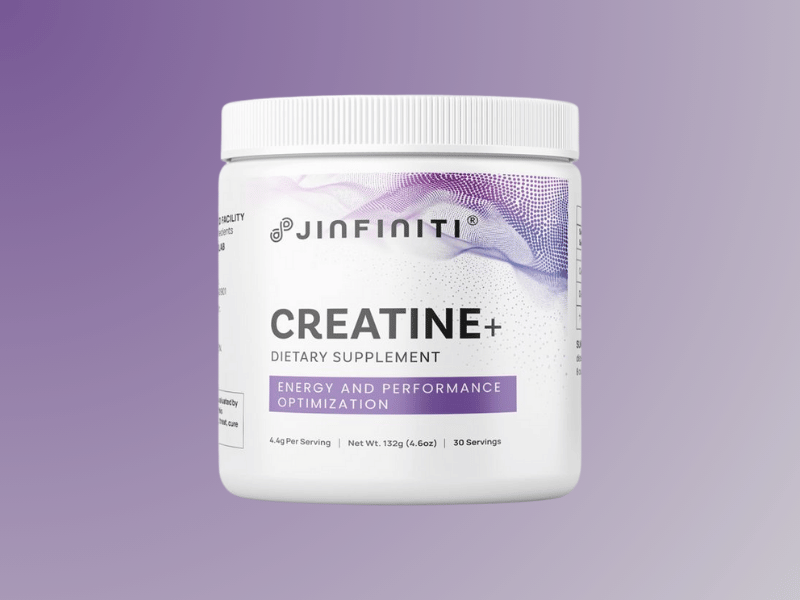
Creatine+ by Jinfiniti

What is Creatine?

Creatine is a natural compound that helps with energy metabolism, especially in muscles and the brain. The body makes it from amino acids and you can also get it from food, mainly animal products.

How Does Creatine Work?

Creatine works by helping your body make more ATP (adenosine triphosphate), which is what your muscles use for energy during short, intense workouts.

Here’s how it happens:

Your muscles store creatine as phosphocreatine (PCr), which works like an energy reserve. When you’re exercising hard and quickly using up ATP, phosphocreatine gives a phosphate group to ADP (adenosine diphosphate), quickly restoring ATP so you can keep going strong.

Creatine also pulls water into your muscle cells, creating conditions that can promote protein synthesis and muscle growth over time. This extra cellular hydration can make your muscles look fuller too.

When you take creatine supplements, you increase your phosphocreatine stores, which helps you:

  • Keep up higher energy levels during tough workouts
  • Do more reps or lift heavier weights
  • Bounce back quicker between sets
  • Feel less tired during intense training

That’s why creatine works so well for activities that need quick bursts of power, like weightlifting, sprinting, or HIIT workouts.

Is Creatine Safe?

Creatine supplementation has been well-studied for safety and found to be generally safe for most people when used correctly.

Studies show creatine is safe and well-tolerated both short and long-term, with no significant negative effects on blood and urine markers, liver, or kidney function in healthy people1.

A review by the International Society of Sports Nutrition found that long-term use (up to 30 g/day for 5 years) is safe in healthy individuals and patient populations across all age groups2.

While creatine is safe for most people, those with existing kidney conditions should be careful, as there’s limited evidence of possible kidney effects3.

Less research has been done on creatine safety in children and teens, so caution is recommended for these groups.

What are the Benefits of Creatine?

Creatine is well-known for improving high-intensity workouts, increasing maximum strength, power output, and sprint performance. It also helps muscles recover faster between tough workouts by reducing muscle damage4.

It supports energy production in both muscle and brain cells, which can help with conditions like muscular dystrophies and when your brain needs more energy5 (like when you’re tired or haven’t slept well).

Beyond muscle, research shows creatine might help manage neurodegenerative diseases, diabetes6, and other conditions such as statin myopathy and treatment-resistant depression7.

For older adults, taking creatine while exercising can improve muscle health, potentially boost bone density, and sharpen cognitive function8.

Vegetarians and vegans often see significant benefits from creatine supplements since their natural levels tend to be lower, leading to better muscle performance and brain function9.

Creatine+ promotional image

What Type of Creatine to Choose

Creatine monohydrate is the most recommended form of creatine due to its extensive research backing its efficacy, safety, and cost-effectiveness10.

Other creatine forms like magnesium-creatine chelate, creatine citrate, malate, ethyl ester, nitrate, and pyruvate have been tested but don’t reliably work better than creatine monohydrate.

These alternative forms are also typically more expensive and haven’t been studied as thoroughly for safety and efficacy11.

How Much Creatine Should a Beginner Take?

Beginners starting creatine supplementation typically follow one of two approaches: a loading phase for quick muscle saturation or a gradual intake.

Research shows both methods effectively increase muscle creatine stores. The loading approach saturates your muscles in just 5-7 days, while the gradual method takes 3-4 weeks.

Most experts suggest either starting with a loading phase dosage of 20 g/day for 5-6 days then dropping to a maintenance dose of 2-3 g/day12, or simply taking 3-5 g/day consistently without loading. Both methods effectively raise muscle creatine levels and help improve performance.

Infographic showing how to take creatine with two dosage approaches

What is the Creatine Loading Phase?

The creatine loading phase is a popular way to quickly boost muscle creatine stores.

It usually involves taking a high dose of creatine—about 20-25 grams daily—split into several doses over 5-7 days. After this, you switch to a lower daily dose for maintenance to keep creatine levels high.

Research shows creatine loading can improve power output during endurance events13 and help performance in strength and resistance training14.

Can Beginners Skip the Loading Phase and Still Benefit?

Taking 3-5 grams of creatine daily works just as well as a loading phase for beginners – it’ll just take 3-6 weeks to fully saturate your muscles instead of a few days.

This gradual approach helps you skip potential side effects like bloating or stomach discomfort that some people get with high-dose loading. After about a month, your muscle creatine levels will be the same either way.

The Optimal Time to Take Creatine

Some studies show that taking creatine after working out might boost muscle creatine storage and performance gains better than taking it before exercise15.

The jury’s still out on this though, since the evidence isn’t conclusive because of study limitations and not enough physiological data to back these claims.

Creatine works best when you take it regularly, with consistency mattering more than timing. There’s no evidence that taking it in the morning, afternoon, or night makes any real difference.

Should Creatine Be Taken with Food?

Creatine doesn’t have to be taken with food, but it can help your body absorb it better and prevent stomach issues. 

Some people feel nauseated or get cramps when they take creatine on an empty stomach. If that’s you, having it with meals can stop the discomfort without affecting how well it works. If you don’t have any digestive problems, you can take it whenever.

There is some evidence that insulin directly increases the rate of creatine transport and uptake in skeletal muscle, similar to its effects on amino acids and sugars16. So taking your daily dose with a meal that has carbs might improve uptake.

Do You Need to Cycle Creatine?

Creatine supplementation doesn’t need cycling for most people. You can take it daily at a maintenance dose for the long term. Research shows the benefits don’t fade over time, and there aren’t health risks when you take it properly.

You only need to consider cycling in specific situations like when cutting weight for competitions or if your doctor recommends it. For regular fitness and bodybuilding goals, just stick with daily maintenance.

Common Side Effects and How to Avoid Them

Creatine can make you gain weight mainly from water retention, which might impact your performance in activities where body mass is a factor.

Some users report stomach discomfort, diarrhea, or nausea, although these effects are generally anecdotal and not consistently observed in studies.

There are occasional reports of muscle cramps, but these are not consistently supported by scientific evidence either.

While some case reports suggest potential kidney and liver issues, well-controlled studies have not found significant adverse effects on kidney or liver function in healthy individuals.

If you’re worried about side effects with creatine:

  • Stick to the recommended doses and don’t do excessive loading phases unless your doctor suggests it
  • Drink plenty of water to offset the water retention and lower your risk of dehydration and muscle cramps
  • If you have existing kidney or liver issues, talk to your healthcare provider before starting creatine
  • Use high-quality creatine products to avoid contaminants that might cause problems

How Long Until Beginners Notice Results?

Most beginners see creatine’s first effects in about 1-2 weeks, with better results showing up after 3-4 weeks.

If you’re using a loading protocol, you’ll likely notice improvements a bit faster than those taking regular doses. The full performance benefits usually level off by the end of the first month.

Do You Need to Drink More Water on Creatine?

Creatine supplements increase total body water (TBW) by pulling water into muscle cells, which can bump up body mass. But they don’t actually change how water gets distributed between intracellular and extracellular spaces.

While creatine itself doesn’t cause dehydration17, it’s smart to drink plenty of fluids to support the extra water your muscles are storing. A good rule of thumb is about 200-250 ml of water for every 2.5 grams of creatine you take to help with absorption and retention.

Are Creatine Supplements Right for You?

Creatine supplementation is one of the most proven ways to boost physical performance, especially for activities that need quick power and strength.

If you’re trying to break through plateaus, recover faster between sets, or just get better results from your training, creatine probably belongs in your supplement routine.

The research is particularly strong for strength athletes, bodybuilders, team sport players, and anyone doing high-intensity exercise.

Vegetarians and vegans often see even bigger benefits because their natural creatine levels tend to be lower. For older adults, creatine offers two main benefits—it helps preserve muscle and supports brain function.

When choosing a creatine supplement, quality is important. Jinfiniti’s Creatine Monohydrate ATP Powder is pharmaceutical-grade pure (>99.9%) with no fillers or additives that might limit your results.

Our product fits perfectly with our T-A-O approach—Test, Act persistently, and Optimize—by giving you a measurable tool that works at the cellular level to boost ATP production and energy metabolism.

Unlike many supplements with questionable efficacy, creatine gives predictable, testable results. Many of our customers use our Creatine Monohydrate along with our Intracellular NAD® Test to see how these energy-boosting supplements work together to improve cellular function and performance.

Keep in mind that supplements work best as part of a complete health strategy. For personalized advice on whether creatine is right for your specific needs and goals, you might want to talk with a healthcare professional—especially if you have existing kidney issues or other health concerns.

FAQs About Creatine

Does creatine cause hair loss?

Current science doesn’t support the claim that creatine causes hair loss. It’s a well-tolerated supplement at recommended doses, and concerns about hair loss seem based on misconceptions rather than actual scientific findings.

Does Creatine increase muscle mass?

Creatine supplementation significantly increases lean body mass compared to placebo. Studies show gains in LBM ranging from 0.92 kg to 1.14 kg more than resistance training alone18.

Is 3 grams per day of creatine too little?

A daily 3-gram creatine intake is backed by science as effective for boosting exercise performance and is safe for healthy adults.

Can I take smaller amounts of creatine?

While 3-5g/day is the standard for rapid muscle saturation, doses as low as 1.5-2g/day can still build up creatine stores in muscles, just more slowly.

Recent studies show creatine also helps support brain function. There’s evidence it might benefit people with depression and dementia, and these effects could occur even at daily doses under 3g.

Does creatine affect sleep?

A study showed creatine supplements helped people sleep longer on days they did resistance training, though it didn’t really improve overall sleep quality based on the Pittsburgh Sleep Quality Index (PSQI)19.

Another study found that taking creatine, with or without caffeine, didn’t make any notable difference to how people rated their sleep quality or how ready they felt to perform20.

Will I lose muscle if I stop taking creatine?

Research shows that when you stop taking creatine, your muscle creatine levels typically return to normal. You’ll likely notice your muscles looking less full (because they’re retaining less water) and might see a small decrease in performance (since your muscles now have lower creatine stores).

How do you know if creatine is affecting the kidneys?

You can check creatine’s kidney effects through blood tests, urine analysis, and watching for symptoms. When you take creatine, your serum creatinine often goes up. This may resemble kidney dysfunction but often reflects normal muscle metabolism.

Tests like eGFR or cystatin C measurements give us better insights into how well your kidneys are filtering, without being thrown off by creatine’s effect on creatinine. Urine tests, such as the albumin-to-creatinine ratio or 24-hour collection, can catch early signs of kidney stress like protein leakage.

If you notice symptoms like nausea, fatigue, or changes in urination patterns, you should see a doctor. People with existing kidney problems or those taking high doses should get baseline testing and regular check-ups.

Most healthy users don’t have any issues, but if you’re concerned, temporarily stopping creatine can help show whether any abnormalities are related to the supplement.

Does creatine interact with caffeine?

A common myth suggests caffeine cancels out creatine’s benefits, but new research doesn’t support this21. Using both together doesn’t hurt performance, though some people might want to pay attention to when they take each supplement.

Does creatine cause facial bloating?

Anecdotal reports of facial bloating lack solid scientific evidence. Any temporary water retention usually happens inside muscle cells, not under the skin. Long-term studies don’t show any connection between creatine and increased fat mass.

Referenced Sources

  1. https://pubmed.ncbi.nlm.nih.gov/32597619/ ↩︎
  2. https://www.tandfonline.com/doi/full/10.1186/s12970-017-0173-z ↩︎
  3. https://pubmed.ncbi.nlm.nih.gov/21399917/ ↩︎
  4. https://pmc.ncbi.nlm.nih.gov/articles/PMC8228369/ ↩︎
  5. https://pmc.ncbi.nlm.nih.gov/articles/PMC7916590/ ↩︎
  6. https://pubmed.ncbi.nlm.nih.gov/33572228/ ↩︎
  7. https://onlinelibrary.wiley.com/doi/10.1002/med.21590 ↩︎
  8. https://journals.lww.com/jgpt/abstract/2020/04000/the_additive_effects_of_creatine_supplementation.7.aspx ↩︎
  9. https://www.mdpi.com/1660-4601/17/9/3041 ↩︎
  10. https://pmc.ncbi.nlm.nih.gov/articles/PMC8912867/ ↩︎
  11. https://journals.lww.com/nsca-jscr/fulltext/2022/09000/efficacy_of_alternative_forms_of_creatine.42.aspx ↩︎
  12. https://journals.physiology.org/doi/abs/10.1152/jappl.1996.81.1.232 ↩︎
  13. https://journals.lww.com/acsm-msse/fulltext/2018/01000/effects_of_creatine_and_carbohydrate_loading_on.18.aspx ↩︎
  14. https://pubmed.ncbi.nlm.nih.gov/35805647/ ↩︎
  15. https://pmc.ncbi.nlm.nih.gov/articles/PMC8401986/ ↩︎
  16. https://journals.physiology.org/doi/full/10.1152/ajpendo.1998.275.6.E974 ↩︎
  17. https://pubmed.ncbi.nlm.nih.gov/26615291/ ↩︎
  18. https://www.sciencedirect.com/science/article/abs/pii/S0899900701005408 ↩︎
  19. https://pmc.ncbi.nlm.nih.gov/articles/PMC11357324/ ↩︎
  20. https://faseb.onlinelibrary.wiley.com/doi/10.1096/fasebj.2022.36.S1.L8047 ↩︎
  21. https://pmc.ncbi.nlm.nih.gov/articles/PMC11703406/ ↩︎
An arrangement of foods that boost libido: dates, nuts, and turmeric

9 Libido-Boosting Foods and Supplements for Men and Women

As Valentine’s Day approaches, many couples find themselves thinking about intimacy and connection. Yet the reality is that sexual wellness deserves attention year-round – it’s an essential component of overall health that influences everything from relationship satisfaction to mental wellbeing.

The connection between diet and desire isn’t just folk wisdom passed down through generations. Modern research continues to uncover the intricate ways that specific nutrients and bioactive compounds influence hormonal balance, blood flow, energy levels, and other physiological factors that impact libido. 

In this evidence-based exploration, we’ll examine nine foods and supplements that show particular promise for supporting healthy libido and helping with low sex drive in both men and women.

An Informed Approach to Natural Enhancement

The journey toward optimizing sexual wellness through natural means requires a thoughtful, informed approach. While the foods and supplements we’ll discuss have promising research behind them, the field of sexual health supplementation warrants special consideration.

Sexual health supplements, though promising, aren’t regulated like prescription medications – making quality and safety paramount. Before starting any supplement routine, consult a healthcare provider if you:

  • Take prescription medications
  • Have heart disease or hormone-sensitive conditions
  • Are pregnant, nursing, or trying to conceive
  • Have upcoming surgery
  • Experience unexplained changes in sexual function

Remember: persistent changes in libido can signal underlying health issues that deserve medical attention. Natural approaches should complement, not replace, proper medical care when needed.

Nine Foods and Supplements That May Support Libido

Whether you’re looking to boost libido or increase sex drive, these evidence-backed libido boosters offer promising paths forward. Let’s explore each one in detail, understanding both their traditional uses and the modern science that supports their effectiveness.

Seafood

A platter of oysters on a light pink background

Seafood has been identified as a significant food type that enhances sexual activity, particularly in men. In a study involving married Egyptian women, 78% of participants reported that seafood improved their husbands’ sexual performance1.

Ocean-dwelling species offer a remarkable concentration of nutrients that support sexual health.

Central to their benefits is zinc – a mineral that plays a vital role in hormone production and reproductive health for both men and women. Oysters lead the pack, containing more zinc per serving than any other food source.

Zinc is involved in maintaining hormonal balance, particularly testosterone levels, which are crucial for male sexual function. Zinc deficiency can lead to decreased testosterone levels, impacting libido and sexual performance2.

Zinc has also been shown to improve aspects sexual function in postmenopausal women such as desire, arousal, orgasm, satisfaction, and reduced pain during intercourse3

Seafood is also rich in other important minerals like selenium, which has been shown to improve sperm motility and concentration in subfertile men4.

Cold-water fish like salmon, mackerel, and sardines also provide omega-3 fatty acids that support healthy blood flow – a crucial factor in sexual response.

Nuts

The humble nut – a concentrated package of nutrients that ancient cultures have long associated with fertility and vitality – continues to impress modern researchers with its potential benefits for sexual health. 

At the heart of nuts’ libido-supporting properties is their rich array of healthy fats, particularly L-arginine. Pine nuts and pistachios stand out for their high concentrations of this amino acid, which plays a crucial role in nitric oxide production and healthy blood flow. 

One study on healthy males found that supplementing a Western-style diet with 60 grams of mixed nuts per day significantly improved self-reported orgasmic function and sexual desire5.

Another randomized controlled trial demonstrated that nut consumption improved semen quality, including total sperm count, vitality, motility, and morphology. These improvements were partly attributed to a reduction in sperm DNA fragmentation, suggesting a potential mechanism by which nuts could enhance male reproductive health6.

Dates

In Middle Eastern tradition, dates have long been celebrated for their potential to enhance romantic vitality. Modern research is beginning to validate this ancient wisdom, uncovering sophisticated mechanisms behind these sweet fruits’ effects on sexual health.

Dates are one of nature’s richest sources of boron – a trace mineral that plays a surprisingly important role in sex hormone metabolism.

Research suggests boron helps the body maintain optimal levels of both testosterone and estrogen, while also supporting the body’s use of vitamin D, another crucial player in hormone production7.

Date fruit extracts have demonstrated the ability to inhibit both arginase and PDE-5 enzymes – biological pathways directly involved in erectile function8.

The research showed significant enhancement of sexual behaviors in supplemented groups compared to controls, suggesting that compounds in dates may directly support libido and sexual function.

These discoveries help explain traditional observations about dates’ effects on sexual performance.

Turmeric (Curcumin)

A bowl turmeric root powder

At the heart of turmeric’s benefits lies curcumin, a bioactive compound that supports sexual wellness through multiple pathways – particularly through its effects on blood flow and hormonal balance.

Recent research has unveiled an intriguing mechanism: turmeric’s ability to increase serum adiponectin levels, which in turn helps modulate key reproductive hormones like estradiol and progesterone. In stress-based studies, this hormonal modulation translated into measurable improvements in sexual behavior and hormone profiles9.

Research in hypertensive models demonstrated turmeric’s protective effects on reproductive function through multiple pathways. The spice was found to combat oxidative stress while simultaneously boosting both nitric oxide and testosterone levels10.

While turmeric can be consumed in food, achieving therapeutic doses through diet alone can be challenging. A high-quality supplement that addresses bioavailability concerns may provide more reliable benefits for sexual health support.

For those seeking optimal absorption and effectiveness, Jinfiniti’s Extra Strength Turmeric Curcumin Supplement combines clinical-grade turmeric extract (95% curcuminoids) with synergistic ingredients including Boswellia, ginger root, quercetin, and piperine.

Maca Root

While traditional societies have valued this adaptogenic plant for centuries, modern research is uncovering fascinating mechanisms behind maca’s benefits – particularly for those facing specific sexual health challenges.

For women, maca’s effects are both significant and somewhat mysterious. A systematic review showed improvements in sexual dysfunction symptoms among postmenopausal women, particularly in areas of arousal and orgasm11.

These benefits occur without altering estrogen or androgen levels, suggesting maca works through novel pathways distinct from hormonal manipulation12.

Even more promising is maca’s potential for women experiencing sexual side effects from antidepressant medications. Research has revealed a dose-dependent relationship between maca supplementation and improved sexual function scores in women taking SSRIs13.

For men, maca’s benefits take a different but equally important path. Studies have documented improvements in both sperm count and motility with regular maca consumption14

Fenugreek Extract

While fenugreek might be familiar to some as a culinary spice, its role in sexual health extends far beyond the kitchen. This Mediterranean herb has emerged as one of the most researched natural libido enhancers, with compelling evidence supporting its benefits for both men and women.

The most substantial research comes from studies using Testofen, a standardized fenugreek extract. Clinical trials have demonstrated its ability to enhance male libido, with participants reporting significant improvements in sexual arousal and orgasm quality15. What makes these findings particularly interesting is their correlation with broader quality of life improvements – notably increased muscle strength and energy levels. 

For women, fenugreek’s effects are equally promising, though through potentially different pathways. Clinical research has documented meaningful increases in both sexual desire and arousal among female participants supplementing with fenugreek extract16.

The secret behind fenugreek’s effectiveness may lie in its rich content of saponins, particularly diosgenin. These compounds appear to support healthy hormone levels while also promoting improved blood flow to reproductive tissues.

Tongkat Ali

Tongkat Ali is traditionally used to treat sexual dysfunction and enhance libido, particularly in men.

Numerous clinical studies and trials have demonstrated the efficacy of Tongkat Ali in improving male sexual health, including conditions like erectile dysfunction and low libido17. These studies highlight its potential as a natural alternative to testosterone replacement therapy, offering benefits without significant side effects18.

Some studies have shown that Tongkat ali root extracts can improve libido, energy, restore hormonal balance, and enhance sports performance19

The plant’s active compound, eurycomanone, has been found to increase testosterone production and spermatogenesis20, which may contribute to its aphrodisiac properties.

An important caveat: quality matters enormously with Tongkat Ali. The marketplace is flooded with products of questionable purity, and some research suggests that up to 27% of commercial products may be adulterated21 or contain little to no active compounds. 

Ashwagandha

If stress is the enemy of libido, ashwagandha might be a formidable opponent. This adaptogenic herb, revered in Ayurvedic medicine for over 3,000 years, has some promising research behind it for sexual wellness, with clinical studies validating its benefits for both men and women.

Several randomized control trials have documented ashwagandha’s comprehensive effects on male sexual health, showing improvements across multiple parameters. 

Beyond its well-known stress-reducing properties, the herb demonstrates aphrodisiac qualities, enhancing sperm concentration and motility while supporting testosterone levels22. These improvements in reproductive health markers correlate directly with increased libido and sexual performance23.

Women’s sexual health responds equally well to ashwagandha, as demonstrated through clinical assessment tools. A pilot study using the Female Sexual Function Index (FSFI) and Female Sexual Distress Scale (FSDS) have revealed significant improvements across all major aspects of sexual function24.

Participants experienced enhanced desire, arousal, and lubrication, along with improved orgasm quality and overall satisfaction. The improvements showed statistical significance compared to placebo groups, confirming ashwagandha’s impact on female sexual wellness.

Ginseng

Few herbs have earned as much scientific attention in sexual wellness research as ginseng, particularly Korean red ginseng (KRG).

Ginseng’s effects stem from its unique compounds called ginsenosides. These natural molecules work through multiple pathways to enhance sexual function. 

In men, research has documented ginseng’s ability to support healthy erections through two key mechanisms: promoting nitric oxide release25 and supporting vasodilation in the corpus cavernosum26. This dual action not only supports blood flow but also enhances the overall sexual response.

For women, particularly those navigating menopause, Korean red ginseng shows equally promising benefits. Clinical studies using the Female Sexual Function Index (FSFI) have demonstrated significant improvements in sexual arousal and satisfaction among participants taking KRG27

Embracing a Natural Approach to Boosting Libido

The journey to enhanced sexual wellness isn’t about quick fixes – it’s about understanding and supporting your body’s natural processes. Each option we’ve explored, from mineral-rich seafood to adaptogenic herbs, offers unique benefits while working through different yet complementary mechanisms.

What stands out is the importance of a comprehensive approach to sexual health. Whether through the stress-reducing effects of ashwagandha, the hormone-supporting properties of maca, or the circulation-enhancing benefits of turmeric, each substance plays its own role.

The key lies in personalization and patience. While some may find immediate benefits from certain supplements, others might respond better to the steady support of daily nutrients from whole foods.

Sexual wellness reflects overall health, and these natural options support more than just libido. Start with one or two options that resonate most with your needs, and consider working with a healthcare provider to develop a plan that’s right for you.

Interested in exploring more ways to optimize your cellular health? Check out our article on 20 foods that naturally boost NAD+ levels to discover how diet can support your body’s energy production and vitality.

References

  1. https://journals.ekb.eg/article_197971.html ↩︎
  2. https://pmc.ncbi.nlm.nih.gov/articles/PMC6010824/ ↩︎
  3. https://www.tandfonline.com/doi/full/10.1080/0092623X.2021.1957732 ↩︎
  4. https://bjui-journals.onlinelibrary.wiley.com/doi/10.1046/j.1464-410x.1998.00683.x ↩︎
  5. https://www.mdpi.com/2072-6643/11/6/1372 ↩︎
  6. https://www.sciencedirect.com/science/article/pii/S0002916522030155?via%3Dihub ↩︎
  7. https://pmc.ncbi.nlm.nih.gov/articles/PMC4712861/ ↩︎
  8. https://onlinelibrary.wiley.com/doi/10.1111/jfbc.14255 ↩︎
  9. https://www.sciencedirect.com/science/article/abs/pii/S0024320521005610 ↩︎
  10. https://www.sciencedirect.com/science/article/pii/S2214750015300652 ↩︎
  11. https://www.ncbi.nlm.nih.gov/books/NBK85936/ ↩︎
  12. https://journals.lww.com/menopausejournal/abstract/2008/15060/beneficial_effects_of_lepidium_meyenii__maca__on.24.aspx ↩︎
  13. https://onlinelibrary.wiley.com/doi/10.1111/j.1755-5949.2008.00052.x ↩︎
  14. https://www.tandfonline.com/doi/full/10.1080/14786419.2019.1698572 ↩︎
  15. https://onlinelibrary.wiley.com/doi/10.1002/ptr.3360 ↩︎
  16. https://onlinelibrary.wiley.com/doi/10.1002/ptr.5355 ↩︎
  17. https://onlinelibrary.wiley.com/doi/10.1111/and.12214 ↩︎
  18. https://www.sciencedirect.com/science/article/abs/pii/S1875536417300109 ↩︎
  19. https://www.sciencedirect.com/science/article/abs/pii/B9780123964540000539 ↩︎
  20. https://www.sciencedirect.com/science/article/abs/pii/S0378874113004431 ↩︎
  21. https://pmc.ncbi.nlm.nih.gov/articles/PMC6130542/ ↩︎
  22. https://ijrmst.com/admin1/upload/13+Dr+Harish+Kumar+01221.pdf ↩︎
  23. https://onlinelibrary.wiley.com/doi/pdfdirect/10.1002/hsr2.741 ↩︎
  24. https://onlinelibrary.wiley.com/doi/10.1155/2015/284154 ↩︎
  25. https://nyaspubs.onlinelibrary.wiley.com/doi/abs/10.1111/j.1749-6632.2002.tb04081.x ↩︎
  26. https://www.semanticscholar.org/paper/Effects-of-Sanchi-ginseng-Extract-on-the-Sexual-in-Yamashita/9778acbbc41b4c9ea0c4594ed46504ecaf8f26e2 ↩︎
  27. https://www.sciencedirect.com/science/article/abs/pii/S0965229919302316 ↩︎
An image of a woman exercising.

7 Anti-Aging Exercises for Longevity (and One Workout to Avoid)

The secret to a longer life lies in two fundamental practices: nourishing our bodies with healthy food and staying physically active. 

What makes regular exercise particularly fascinating is its profound impact at the molecular level — every workout rewrites your epigenetic code, influencing which genes become active and which remain dormant. These molecular changes determine your biological age or the age of how your body feels and functions. 

That’s why a well-rounded approach is key. Different types of exercise activate different pathways in the body.1 Some boost mitochondrial function, others strengthen bones, and some protect brain health.2 To slow the biological aging process, you need a strategy—not just sweat. The right mix can help you stay strong, sharp, and energized for decades.

But not all workouts work in your favor. Surprisingly, one popular exercise speeds up aging. Let’s break down 7 of the best longevity exercises—and the one routine that could work against you.


Key Takeaways:

  • Exercise works deep in your cells to combat aging by rewriting genetic code and improving cellular function – making it one of the most powerful tools for living longer and healthier.
  • The ideal longevity routine combines different types of movement: resistance training for muscle, Zone 2 cardio for metabolism, balance work for stability, and walking for brain and heart health.
  • While exercise benefits longevity, ultra-endurance activities like marathons may accelerate aging by shortening telomeres and stressing the heart. Balance and proper recovery are key.
  • The effectiveness of an exercise program should be measured not just by how you feel after working out, but by tracking biomarkers like inflammation levels (CRP, IL-6) and monitoring recovery capacity, energy levels, and cellular health over time.

Can Exercise Help Reverse Aging?

An image of a matured woman exercising

Exercise is one of the most powerful ways to slow, and even reverse, aspects of aging. Unlike anti-wrinkle creams or pills and powders that target surface-level aging, movement works deep in your cells, influencing how your body functions at every level.

A study published in Rejuvenation Research showed that exercise has multi-system anti-aging effects.3 It improves cardiovascular health, boosts brain function, enhances mitochondrial efficiency, and protects against DNA damage. It also activates longevity-related pathways like AMPK and sirtuins, helping to repair and renew tissues.

But to truly age well, it’s important to understand the difference between longevity and life expectancy.4 Life expectancy is how long you can live, but longevity is about how well you function as you age. The goal isn’t just adding more years to your life—it’s about making those years count.

The right exercise routine can help you do just that. Here are the top seven exercises to keep you strong, mobile, and thriving as you age.

Exercise #1: Resistance Training

118 1

Muscle mass predicts longevity better than BMI or other traditional health markers. After age 30, we lose 3-8% of our muscle mass per decade through sarcopenia—a process that accelerates cellular aging and increases mortality risk.5

Strategic resistance training reverses this decline at the molecular level. Compound movements like squats, deadlifts, and push-ups work multiple muscle groups at once, improving coordination and metabolism. 

Unlike isolation exercises (like bicep curls) that target just one muscle at a time, compound movements stimulate greater muscle growth and boost metabolism by demanding more energy, helping to maintain lean mass and prevent sarcopenia (age-related muscle loss). 

Plus, because these exercises mimic real-life movements like lifting, pushing, and bending, they improve functional strength, making everyday activities easier and reducing the risk of injury.

For optimal results, aim for at least 2 resistance training sessions per week, using moderate to heavy loads that challenge your muscles.6 Progressive overload, gradually increasing weight or reps helps stimulate NAD+ metabolism and mitochondrial health, both of which are essential for cellular energy and repair.

Example Longevity-Focused Resistance Workout:

  • 2-3 sessions per week
  • Full-body workout focusing on compound movements:
  1. Goblet squats (or barbell squats): 3 sets of 8-12 reps
  2. Dumbbell rows: 3 sets of 10-15 reps each side
  3. Push-ups (or bench press): 3 sets of 8-12 reps
  4. Romanian deadlift: 3 sets of 6-10 reps
  5. Plank: 3 sets of 30 seconds

Use moderate weights (6-8 out of 10 effort level) and focus on proper form. Rest 90 seconds between sets. Progress by increasing weight or reps when exercises feel comfortable.

Exercise #2: Aerobic Exercise

An image of women

Aerobic exercise isn’t just good for your heart. It’s also one of the most effective ways to extend your lifespan. In fact, a study published in the International Journal of General Medicine found that regular cardio reduces the risk of heart disease like heart attacks and strokes, leading to increased lifespan and better quality of life.7 

One key reason? Aerobic activity helps reduce cellular senescence, a process where old, dysfunctional cells accumulate and contribute to aging.8 It also improves mitochondrial efficiency, ensuring your cells produce energy more effectively as you age.9

For the best anti-aging effects, aim for at least 150 minutes of moderate-intensity or 75 minutes of vigorous aerobic exercise per week. Activities like brisk walking, cycling, swimming, and rowing offer sustainable, low-impact options that are easy on the joints while delivering massive health benefits.

Here’s a table showing optimal heart rate ranges for aerobic exercise by age:

Age RangeTarget Heart Rate Zone (50-85% of Maximum)Maximum Heart Rate
20-30 years98-166 beats per minute195-200 bpm
31-40 years93-157 beats per minute185-190 bpm
41-50 years88-149 beats per minute175-180 bpm
51-60 years83-140 beats per minute165-170 bpm
61-70 years78-132 beats per minute155-160 bpm
70+ years73-123 beats per minute145-150 bpm

Note: These ranges are general guidelines based on the common formula of “220 minus age” for maximum heart rate. Individual targets may vary based on fitness level, medications, and overall health status. It’s always recommended to consult with a healthcare provider to determine your personal optimal exercise heart rate range.

Longevity is about consistency, not extremes. Find an aerobic activity you enjoy and make it a lifelong habit—your heart (and future self) will thank you.

Exercise #3: Zone 2 Cardio

An image of a matured man doing cardio exercise.

Zone 2 training has gained prominence through the work of longevity researcher Peter Attia. This moderate-intensity exercise allows you to train for longer periods without excessive fatigue. It relies primarily on fat for energy, though some carbohydrates are also used as intensity increases.10

Unlike high-intensity workouts that focus on short bursts of effort, Zone 2 keeps you at a steady, sustainable pace—challenging enough to improve endurance but easy enough to maintain for long periods.

To find your Zone 2: Aim for 60-70% of your max heart rate (220 minus your age). Another simple test is the “talk test”—you should be able to hold a conversation in full sentences without gasping for air.

While it may not feel as intense as sprints or heavy lifting, Zone 2 training is a game-changer for longevity because it optimizes how your body produces and utilizes energy. It improves mitochondrial function, allowing your cells to generate energy more efficiently. 

At the same time, it enhances fat oxidation, making your metabolism more adaptable and reducing the risk of insulin resistance. This type of training also strengthens your heart and lowers inflammation, both key factors in preventing chronic disease. 

For longevity, aim for 3-5 sessions per week, lasting 45-90 minutes per session. The key is consistency over time.

Examples of Zone 2 Activities:

  • Brisk walking on a slight incline
  • Light jogging
  • Cycling at a steady pace
  • Rowing at moderate intensity
  • Hiking on flat or rolling terrain

Exercise #4: Balance and Flexibility Training

An image of a man exercising for balance and flexibility.

As we age, our risk of falls and the complications that come with them increases dramatically. In fact, falls are the second leading cause of accidental injury-related deaths worldwide, with older adults being the most affected.11 Even minor balance issues can increase the risk of fractures, hospitalizations, and long-term mobility loss.

Balance training strengthens the vestibular system, which controls spatial awareness and stability.12 It also enhances neuroplasticity, helping your brain adapt and maintain coordination over time.13 Meanwhile, flexibility work keeps your joints mobile, reducing stiffness and inflammation that contribute to pain and injury.

Improving balance doesn’t require intense workouts. Simple daily practices like single-leg stands while brushing your teeth, heel-to-toe walking, or controlled stretching can make a significant difference. Yoga, Tai Chi, and dynamic stretching routines also help improve posture, coordination, and joint health.

For longevity, aim for:

  • Balance exercises (e.g., standing on one foot, Bosu ball training) 3-5 times per week
  • Flexibility training (e.g., yoga, dynamic stretching) at least 2-3 times per week

Even a few minutes a day of balance and flexibility exercises can have profound effects on longevity, mobility, and quality of life. The key is consistency, small efforts today can mean greater independence in the decades ahead.

Exercise #5: HIIT

An image of a woman, exercising HIIT

High-Intensity Interval Training (HIIT) is one of the most efficient ways to boost cardiovascular health, build muscle, and improve metabolic function—all in a short amount of time.14 It involves short bursts of intense effort followed by recovery periods.15

A typical session might include 30 seconds of all-out work (like sprinting or fast cycling), followed by 30-60 seconds of rest, repeated for 15-30 minutes. This approach keeps your heart rate elevated, maximizes calorie burn, and improves endurance without the wear and tear of long, steady-state cardio. 

A study published in Medicina showed that HIIT can enhance mitochondrial function, and even slow cellular aging by promoting better energy production at a cellular level.16 The researchers also noted that engaging in HIIT led to improvements in glycemic control, as evidenced by reduced blood glucose levels and enhanced insulin sensitivity. 

While HIIT is highly effective, it should be tailored to your fitness level to avoid excessive strain, especially as you age. Low-impact variations, such as cycling, swimming, or bodyweight exercises, reduce joint stress while still delivering benefits.

For longevity, 2-3 HIIT sessions per week (lasting 15-30 minutes) are enough to get the benefits without overloading your system. Make sure to space out HIIT sessions and pair them with lower-intensity workouts, like Zone 2 cardio or strength training, to maintain balance.

HIIT is proof that short, intense workouts can yield big longevity benefits. Just be sure to balance effort with recovery. Older adults need more time to repair muscle tissue and regulate stress hormones like cortisol. 

Exercise #6: Walking

An image of a woman walking.

Walking is one of the simplest yet most powerful ways to improve longevity. Higher daily step counts are linked to lower mortality rates, with benefits seen even at 7,000-8,000 steps per day.17 18But beyond just adding years to your life, walking supports nearly every system in your body.

A study published in Brain Sciences revealed that regular walking boosts cognitive function and promotes neurogenesis, the growth of new brain cells.19 It also improves blood flow to the brain, reduces the risk of dementia, and enhances memory and learning ability.

Walking is also great for the heart. It stimulates circulation, helping to maintain healthy blood pressure and support heart health. It also activates the lymphatic system, which supports your body’s detoxification and immune function.

Gentle movement like walking also lowers cortisol levels, reducing stress and systemic inflammation. It also supports better sleep, which is crucial for recovery and overall well-being.

Walking isn’t just about physical health. It’s also a great way to stay socially connected. Whether through walking groups, casual strolls with friends, or even phone calls while walking, it encourages community and emotional well-being.

The best part? Walking is easy to integrate into daily life. Take the stairs, walk during phone calls, or set aside time for a morning or evening stroll. Aim for at least 30 minutes a day or break it up into smaller chunks. Every step adds up to a healthier, longer life.

Exercise #7: Facial Exercises

An image of a matured woman doing facial exercise.

While most anti-aging exercises focus on the body, your face also has muscles that weaken over time. While gravity and tissue descent were once thought to be the main culprits, a study published in the International Open Access Journal of the American Society of Plastic Surgeons shows that muscle atrophy also contributes to aging skin.20

As we age, facial muscles shrink and lose strength, causing a hollowed, less firm appearance. This means that aging isn’t just skin deep. It’s a complex process involving multiple layers of the face, from bone structure to muscle loss and shifting fat pads.

Facial exercises, also called face yoga, aim to combat facial muscle atrophy, improve circulation, and promote collagen production—helping maintain a youthful appearance. When you engage in repetitive muscle movements, you stimulate blood flow to the skin, delivering oxygen and nutrients that support cellular repair. 

A study published in Aesthetic Surgery Journal showed that this increased circulation can enhance collagen production, the protein responsible for keeping skin firm and elastic. Over time, stronger facial muscles may provide better structural support, reducing sagging and softening fine lines. 21

While early studies are promising, more rigorous research is needed to confirm long-term anti-aging effects. A study published in JAMA Dermatology found that participants who performed regular facial exercises for 20 weeks looked about three years younger based on dermatologist assessments.22 However, the study had limitations, including a small sample size and a lack of a control group.

In another study published by Bentham Science, it was also found that exercises targeting the cheeks, mouth, eyes, and chin may help maintain a youthful appearance.23 Yet, it is still necessary to carry out controlled and randomized studies to determine whether facial muscle exercises provide measurable benefits for facial aging.

Which Exercise Might Accelerate Aging?

An image of women exercising.

More isn’t always better—especially when it comes to endurance training. 

Ultra-endurance exercise, like running marathons or extreme cycling, has been linked to cellular aging. A study published in the International Journal of Sport Studies for Health found that excessive training can shorten telomeres, the protective caps on our DNA that naturally shrink as we age.24 Over time, this could speed up biological aging.

Endurance capacity declines after age 60 and is influenced by factors such as sex, training history, and the type of activity performed. While staying active is crucial for healthy aging, long-term participation in ultra-endurance activities can increase the risk of heart disease, sudden death, and accelerated cellular aging.

Another concern is heart health. In a study published by Missouri Medicine, researchers found that some ultra-endurance athletes develop heart scarring, potentially increasing the risk of arrhythmias and other cardiac issues.25 On top of that, chronic high-intensity exercise can spike oxidative stress and cortisol levels, leading to inflammation and slower recovery.

Endurance training is great for overall health, but overdoing it can have the opposite effect. The key is balance—pushing your body enough to gain strength and stamina without overwhelming its ability to recover. 

Overtraining can lead to persistent fatigue, trouble sleeping, increased injury risk, and even a drop in performance. These are your body’s warning signs that it needs more rest. 

Everyone’s tolerance for exercise varies based on genetics, training history, and lifestyle factors. Some people thrive on higher volumes, while others need more recovery time. 

The best approach is to listen to your body, adjust intensity as needed, and prioritize recovery methods like proper nutrition, sleep, and rest days. Exercise should enhance longevity, not wear you down.

How Do You Know If Your Exercise Program Is Working?

An image of a woman exercising.

Feeling good after a workout is great, but the real test is what’s happening at the cellular level. Exercise impacts key health markers like inflammation, mitochondrial function, and even the length of your telomeres.

Tracking inflammatory markers like CRP (C-reactive protein) and IL-6 can give you a clearer picture of whether your routine is supporting longevity or causing unnecessary stress on your body. Tools like the cellular inflammation test and the AgingSOS longevity panel can measure these changes, helping you see how your exercise habits are influencing your health over time.

Rather than relying on how you feel after a workout, focus on measurable improvements—better recovery, stable energy levels, and positive shifts in your biomarker data. A well-designed routine should make you stronger at the cellular level, not just leave you sweating.

Referenced Sources:

  1. https://www.ncbi.nlm.nih.gov/books/NBK482280/ ↩︎
  2. https://pmc.ncbi.nlm.nih.gov/articles/PMC6075983/ ↩︎
  3. https://pmc.ncbi.nlm.nih.gov/articles/PMC4340807/ ↩︎
  4. https://pmc.ncbi.nlm.nih.gov/articles/PMC4340807/ ↩︎
  5. https://pmc.ncbi.nlm.nih.gov/articles/PMC3276215/ ↩︎
  6. https://pubmed.ncbi.nlm.nih.gov/27102172/ ↩︎
  7. https://pmc.ncbi.nlm.nih.gov/articles/PMC3396114/ ↩︎
  8. https://pmc.ncbi.nlm.nih.gov/articles/PMC9680689/ ↩︎
  9. https://pmc.ncbi.nlm.nih.gov/articles/PMC4478283/ ↩︎
  10. https://www.nationalgeographic.com/science/article/zone-2-cardio-metabolic-flexibility ↩︎
  11. https://pmc.ncbi.nlm.nih.gov/articles/PMC8646839/ ↩︎
  12. https://pmc.ncbi.nlm.nih.gov/articles/PMC5554492/ ↩︎
  13. https://pubmed.ncbi.nlm.nih.gov/29959048/ ↩︎
  14. https://pmc.ncbi.nlm.nih.gov/articles/PMC8294064/ ↩︎
  15. https://nutritionsource.hsph.harvard.edu/high-intensity-interval-training/ ↩︎
  16. https://pmc.ncbi.nlm.nih.gov/articles/PMC10384171/ ↩︎
  17. https://www.nih.gov/news-events/news-releases/higher-daily-step-count-linked-lower-all-cause-mortality ↩︎
  18. https://www.sciencedaily.com/releases/2023/10/231026131551.htm ↩︎
  19. https://www.mdpi.com/2076-3425/15/1/52 ↩︎
  20. https://pmc.ncbi.nlm.nih.gov/articles/PMC4174174/ ↩︎
  21. https://pmc.ncbi.nlm.nih.gov/articles/PMC5888959/ ↩︎
  22. https://jamanetwork.com/journals/jamadermatology/fullarticle/2666801 ↩︎
  23. https://www.eurekaselect.com/article/136723 ↩︎
  24. https://www.researchgate.net/publication/380077067_Is_It_Possible_to_Age_Healthy_Performing_Ultra-endurance_Exercises ↩︎
  25. https://pmc.ncbi.nlm.nih.gov/articles/PMC6179786/ ↩︎

What’s the Difference Between Biological and Chronological Age?

The number of candles on your birthday cake tells one story, but your body might be telling another.

While we conventionally measure age by the years we’ve lived, scientists now understand that our bodies can age at remarkably different rates from our chronological age. This disconnect between “calendar age” and “biological age” isn’t just an academic curiosity—it could be the key to understanding why some people experience vibrant health well into their later years while others face age-related challenges much earlier.

Consider two 50-year-olds: one might have the biological profile of a 40-year-old, while another’s cellular markers might suggest they’re closer to 60. This disparity holds profound implications for how we think about aging, health optimization, and the potential to influence our biological trajectory.

The question isn’t just how old you are—it’s how old your body thinks it is.

Key Takeaways:

  • Biological age reflects your body’s health at the cellular level while chronological age simply counts years lived.
  • Scientists measure biological age using blood tests, epigenetic clocks, and other markers to assess overall health status.
  • Diet, exercise, sleep, environment, stress, and social connections all significantly influence how quickly our cells age.
  • Research suggests biological age may be partially reversible through lifestyle changes focused on diet, exercise, and stress management.

Biological Age vs. Chronological Age: What’s the Difference?

Your chronological age is the number of years you’ve been alive, while your biological age reflects the physiological condition and health of your cells.

These two measures of aging tell different stories about our bodies. While they’re interconnected, understanding their distinct characteristics helps reveal why some people age differently than others.

What is Chronological Age?

Chronological age is simply the number of years you’ve been alive. It’s a straightforward measurement that starts at birth and increases predictably with each passing year, serving as a reliable administrative marker for everything from school enrollment to retirement planning.

What is Biological Age?

Biological age reflects your body’s actual physiological state—how well your cells, tissues, and organ systems are functioning compared to established age norms. It’s determined by measuring specific biomarkers that indicate how rapidly your body is aging at a molecular level.

This biological clock can tick faster or slower based on genetics, lifestyle choices, environmental exposures, and even psychological factors, making it a dynamic measure of your overall health status rather than a fixed number.

How is Biological Age Determined?

Scientists determine biological age through multiple cellular and molecular markers that reveal how quickly our bodies are aging. Each technique has benefits and limitations. 

Many researchers combine these approaches for a full picture of biological aging.

AgingSOS Starter Panel promo

Telomeres and Cellular Aging

Telomeres are repetitive sequences at the ends of chromosomes that shorten each time a cell divides. Over many cycles, this loss can limit a cell’s ability to divide, which affects tissue renewal and raises the risk of age-related illness1.

When they reach a critically low length, cells often stop dividing or self-destruct, leading to senescence and poorer organ function2. Some researchers view telomere length as an indicator of biological age, since it can reflect life stress and cellular turnover.

Factors such as inflammation and oxidative stress can accelerate telomere attrition and intensify cellular aging. Telomere-focused interventions are a topic of growing study, with hopes they may slow decline or reduce susceptibility to age-linked disorders3.

Epigenetic Changes and DNA Methylation

Epigenetics refers to chemical marks on DNA that shift how genes work without changing the DNA sequence.

One key mark is DNA methylation, which happens when certain enzymes add small molecules to specific DNA points. These marks can switch genes on or off and often build up over a lifetime4.

Scientists observe that the patterns of DNA methylation tend to follow a set course with age. By studying those patterns, researchers can estimate how “old” tissues appear biologically. This is called an epigenetic clock5.

These clocks rely on groups of CpG sites, which are stretches of DNA where cytosine and guanine sit next to each other6. At those sites, the amount of methylation can reflect the body’s aging pace. If someone’s epigenetic age is higher than expected, it may signal a faster rate of aging.

Metabolic Health Markers

Metabolic markers can reveal how well the body controls energy, manages stress, and maintains normal function7. Common markers include fasting glucose, cholesterol levels, and certain hormones that regulate growth and repair. 

Researchers have found that changes in these markers can predict whether a person’s biological age is higher or lower than the average for their birth year. For example, higher fasting glucose or cholesterol may point to a faster rate of aging, and balance in these markers can coincide with slower aging8.

Body composition plays a role. More lean muscle mass and less visceral fat often line up with a younger biological profile, linked to lower risk factors for heart disease and diabetes9

Breathing tests, grip strength, and measures of inflammation can be folded in too, giving a more detailed view of a person’s metabolic age. Experts sometimes combine these findings into an index that can gauge health status and signal early warning signs.

Inflammation Levels

Chronic, low-level inflammatory biomarkers, such as C-reactive protein, interleukin-6, and tumor necrosis factor-α, often rise with age, reflecting a state sometimes called inflammageing10.

These markers help researchers gauge how a person’s body deviates from expected health patterns. Elevated measures tend to indicate a faster pace of biological aging and a higher likelihood of adverse outcomes11.

Scientists sometimes combine multiple markers into a single score to capture overall inflammatory burden, and this combined approach can predict mortality more reliably than individual markers or certain epigenetic clocks12.

Phenotypic Markers

Some methods draw on routine tests, such as blood chemistry, heart rate, and blood pressure. These data points are combined into a single measure called phenotypic age, designed to mirror a person’s risk for age-related conditions and mortality13.

Frailty Scores

Clinicians sometimes use frailty indices to capture functional decline, using tests of muscle strength, mobility, and other assessments. This approach looks at how aging impacts day-to-day performance and resilience14.

6 Factors That Shape Biological Aging

The pace of biological aging isn’t set in stone. Multiple factors work together to influence how quickly or slowly our bodies age at the cellular level.

Infographic of lifestyle factors that influence biological aging

1. Diet

Dietary choices can shape how quickly the body ages. Diets high in sugar or processed foods can raise inflammation and oxidative stress, which can lead to accelerated biological aging.

Research on plant-forward patterns, such as Mediterranean-style eating, suggests that nutrient-dense foods may support slower epigenetic changes, helping cells function at a “younger” level15.

2. Exercise

In a trial on sedentary older adults, short bursts of high-intensity interval training improved biological age measures by around 3.6 years, suggesting that brief sessions of vigorous movement may reshape gene expression in favor of younger cell behavior16.

Other research shows that regular exercise helps preserve muscle mass and strength while supporting youthful patterns in muscle biomarkers, which can lower the odds of conditions tied to the aging process.

Studies using transcriptomic analyses also point to an ability of physical activity to reprogram muscle tissue toward more youthful states, reflecting healthier function and resilience across multiple cell pathways17.

3. Sleep

Research shows that missing out on adequate rest can hasten physical decline. One study found that even one night of disrupted sleep can trigger gene expression patterns linked to cellular aging18.

Other evidence suggests that partial sleep deprivation in older adults activates processes like DNA damage and inflammation, raising the chance of senescence and disease19.

In contrast, consistent nights of restful sleep seem to preserve healthier biological markers and may slow increases in age-related risk20. Signs include stable telomere length, stronger immune function, and better cardiometabolic health21.

4. Environment

Studies link exposure to pollutants—particulate matter in particular—to faster shifts in markers of aging22

Fine particles can trigger harmful inflammation and stress on cells. Noise and limited green space may add strain, while cleaner air and access to nature have shown a link to healthier brain and body measures23.

Researchers have found that early-life and long-term environmental exposures can have lingering effects on epigenetic aging24.

5. Stress

Chronic stress may raise stress hormones and spark inflammatory processes that speed up cellular decline. This can include shortening of telomeres and damaging gene expression patterns linked to aging25.

Emotional resilience and effective coping tools can offset these changes, and people who manage stress well sometimes show slower biological aging despite challenging life events26.

6. Social Connection

Isolation has been tied to higher levels of inflammation, worse clinical markers, and a higher chance of accelerated aging. Conversely, older adults with richer social ties often display healthier biological measures, such as better heart function and slower epigenetic drift27.

Studies suggest that supportive relationships may buffer the body’s stress response, which can help preserve cells and tissues longer28.

How to Measure Your Biological Age

Many people wonder how fast their bodies are aging beneath the surface. Modern research offers fresh ways to assess that rate, stepping beyond a birthday candle count. 

Here are the core biological age tests used to calculate your “true” age.

Blood Tests for Biomarkers

Many studies use standard blood tests to track physiological aging by measuring markers linked to metabolism, inflammation, cardiovascular function, and kidney health29.

Common parameters include measures such as cholesterol, albumin, HbA1c, certain globulins, and others that correlate with long-term health. Composite scores from these markers can indicate how an individual’s biology compares with peers of the same chronological age.

Jinfiniti offers three comprehensive AgingSOS® panels to match your needs: our Starter Panel with 16 essential biomarkers, our Advanced Longevity Panel with 22 biomarkers, and our cellular inflammation test that adds cellular senescence markers for the most complete picture of your aging status.

Epigenetic Clocks

Scientists measure DNA methylation at specific sites across the genome to calculate an “epigenetic age” that may differ from chronological age.

Examples include Horvath’s clock and GrimAge, both of which predict lifespan and disease risk. These clocks are trained on patterns of DNA methylation that shift as people grow older30.

A person whose epigenetic clock runs ahead of their chronological age might be aging faster at the cellular level, whereas a slower clock could point to more robust health.

Our AgeRate Epigenetic Age Test analyzes methylation patterns at over 10,000 sites to determine your biological age with high precision.

Telomere Length Tests

Telomeres are protective regions at the ends of chromosomes and get shorter each time a cell divides.

Shorter telomeres suggest cells have undergone more cycles of division and may signal advanced biological aging. Tests typically assess the average telomere length in white blood cells and compare it with population averages31.

Emerging Technologies

AI models can analyze diverse health indicators — such as blood biomarkers, lifestyle factors, and medical histories — to estimate biological age with strong accuracy32.

Machine learning algorithms can uncover patterns unrecognized by simpler models. They can also provide individualized explanations of the factors leading to a higher or lower biological age score. 

All these methods aim to estimate how your body is faring relative to your birthdate. They often work best when combined, providing a more thorough view of aging at the cellular, molecular, and whole-body levels.

Can You Turn Back the Clock on Biological Aging?

Some research suggests that it may be possible to slow or partly reverse biological age through certain lifestyle habits and medical interventions33.

Scientists have shown in mouse studies that resetting epigenetic instructions in cells can restore younger function, indicating that aging might be flexible rather than a one-way path34.

In small human trials, participants who modified their diet, supported healthy sleep patterns, exercised, and practiced relaxation methods reduced their measured biological age by a few years within just weeks or months35.

The science behind these approaches is still developing, but studies point toward the promise of lowering biological age by combining regular exercise, a balanced diet, quality rest, and stress management—factors that may keep cells healthier and more youthful over time36.

Embracing Your Biological Age for a Healthy Future

Understanding the gap between your chronological and biological age opens new possibilities for health optimization. More than just a number, biological age provides actionable insights into how lifestyle choices affect your cellular health.

The science of biological age measurement bridges the gap between lifespan and healthspan—helping ensure that additional years of life are matched by sustained vitality and well-being. Armed with precise measurements from comprehensive testing, you can make informed decisions about diet, exercise, stress management, and supplementation.

Take the first step toward extending both your healthspan and lifespan by measuring your biological age through our AgeRate epigenetic testing or AgingSOS® panels. Knowledge of your true biological age empowers you to make targeted interventions that support healthy aging at the cellular level.

Referenced Sources

  1. https://pmc.ncbi.nlm.nih.gov/articles/PMC7859450/ ↩︎
  2. https://pubmed.ncbi.nlm.nih.gov/18391173/ ↩︎
  3. https://www.frontiersin.org/journals/aging/articles/10.3389/fragi.2024.1339317/full ↩︎
  4. https://www.nature.com/articles/s41392-022-01211-8 ↩︎
  5. https://www.nature.com/articles/s41598-023-50495-5 ↩︎
  6. https://genomebiology.biomedcentral.com/articles/10.1186/s13059-019-1824-y ↩︎
  7. https://onlinelibrary.wiley.com/doi/10.1111/acel.13995 ↩︎
  8. https://pmc.ncbi.nlm.nih.gov/articles/PMC10562890/ ↩︎
  9. https://aging.jmir.org/2022/2/e35696/ ↩︎
  10. https://www.nature.com/articles/s41392-023-01502-8 ↩︎
  11. https://www.jci.org/articles/view/158448 ↩︎
  12. https://pmc.ncbi.nlm.nih.gov/articles/PMC10643484/ ↩︎
  13. https://pmc.ncbi.nlm.nih.gov/articles/PMC8602613/ ↩︎
  14. https://pmc.ncbi.nlm.nih.gov/articles/PMC8284182/ ↩︎
  15. https://pmc.ncbi.nlm.nih.gov/articles/PMC11161669/ ↩︎
  16. https://onlinelibrary.wiley.com/doi/10.1111/acel.13841 ↩︎
  17. https://www.aging-us.com/article/206064/text ↩︎
  18. https://aasm.org/partial-sleep-deprivation-linked-to-biological-aging-in-older-adults/ ↩︎
  19. https://pubmed.ncbi.nlm.nih.gov/34901521/ ↩︎
  20. https://onlinelibrary.wiley.com/doi/10.1111/acel.13610 ↩︎
  21. https://mcpress.mayoclinic.org/healthy-aging/how-quality-sleep-impacts-your-lifespan/ ↩︎
  22. https://www.jgerontology-geriatrics.com/article/download/303/280 ↩︎
  23. https://www.nature.com/articles/s41467-024-49283-0 ↩︎
  24. https://www.medrxiv.org/content/10.1101/2022.04.17.22273946v1.full.pdf ↩︎
  25. https://pubmed.ncbi.nlm.nih.gov/35661679/ ↩︎
  26. https://pubmed.ncbi.nlm.nih.gov/34839356/ ↩︎
  27. https://newsnetwork.mayoclinic.org/discussion/social-isolation-linked-to-biological-age-gap-higher-mortality-rate/ ↩︎
  28. https://pmc.ncbi.nlm.nih.gov/articles/PMC4725506/ ↩︎
  29. https://www.nature.com/articles/s42003-023-05456-z ↩︎
  30. https://pubmed.ncbi.nlm.nih.gov/36206857/ ↩︎
  31. https://pubmed.ncbi.nlm.nih.gov/33552142/ ↩︎
  32. https://www.thelancet.com/journals/lanhl/article/PIIS2666-7568(23)00189-7/fulltext ↩︎
  33. https://www.jinfiniti.com/understanding-the-science-of-reversing-biological-age-a-comprehensive-guide/ ↩︎
  34. https://www.cell.com/cell/fulltext/S0092-8674(22)01570-7 ↩︎
  35. https://www.aging-us.com/article/204602/text ↩︎
  36. https://www.nia.nih.gov/news/stress-induced-increases-biological-age-are-reversible ↩︎
does nad help with fertility

How NAD+ and NMN Supplements Impact Female Fertility

The clock on your fertility isn’t just ticking—it’s running on cellular batteries. While most women know about the biological clock, few understand the molecular power supply that keeps it running.

Inside each of your eggs lies an intricate network of mitochondria—more than in any other cell type in your body. These cellular powerhouses depend on nicotinamide adenine dinucleotide, a molecule known as NAD+ that orchestrates energy production and DNA repair. The reality of aging brings a steady decline in NAD+ levels, which may compromise egg quality and reproductive potential.

Recent scientific advances point to NMN supplementation as a way to replenish these diminishing NAD+ reserves. Unlike traditional fertility approaches that work indirectly, NMN targets the fundamental cellular processes within egg cells. This breakthrough in cellular science is opening new possibilities for women’s reproductive health—and challenging our assumptions about biological time.

Key Takeaways:

  • NAD+ levels naturally decline with age in women’s eggs, which significantly impacts fertility since egg cells contain more mitochondria than any other cell type and require substantial energy for proper development and division.
  • Scientific studies demonstrate that NMN supplementation can help restore NAD+ levels in aging ovaries, leading to improved egg quality, enhanced mitochondrial function, and better reproductive outcomes in research models. 
  • The timing of NAD+ intervention appears crucial, as research indicates that while NMN supplementation can improve various markers of ovarian health, it may be most effective when started before advanced age-related fertility decline occurs.
  • Regular monitoring of NAD+ levels through testing can help optimize supplementation strategies.

NAD+ Decline and Women’s Fertility

does nad help with fertility

Your eggs demand more energy than any other cells in your body. These remarkable cells house dense networks of mitochondria1—energy-producing structures that run on NAD+ to fuel the intricate process of reproduction.

A comprehensive review by Liang et al. (2023) synthesized our understanding of NAD+ metabolism’s impact on ovarian aging2. As time takes its toll and NAD+ levels decline, a cascade of challenges occur within egg cells:

  • Mitochondrial energy production falters, compromising cellular function
  • DNA repair mechanisms slow, leaving genetic material vulnerable
  • Oxidative stress defenses weaken
  • Cell division loses its precision

Perrone et al. (2023) identified the culprit: CD38, a protein abundant in ovarian immune cells, that actively depletes NAD+ reserves as we age3. This targeted drainage affects ovarian tissue specifically, potentially accelerating fertility decline. Your immune system inadvertently reduces the very molecule your eggs need to thrive.

Another study published in Nature Communications revealed the crucial role of NAD+ in egg cell division and quality4. The research team discovered that when NAD+ levels decrease in aging eggs, two specific problems occur:

  1. The spindle (the cellular structure that helps separate chromosomes during cell division) becomes abnormally long
  2. The egg loses its ability to complete a critical fast movement during division

Both issues affect the egg’s ability to divide properly – a process that must happen precisely for successful reproduction. During normal egg cell division, most cellular material needs to stay with the egg while only a small portion separates. When NAD+ levels are low, this precise division becomes compromised.

This high-impact research found that NAD+ levels naturally decrease in mouse eggs as they age. This decrease directly affects the egg cells’ mitochondria, reducing their function. Since eggs require significant energy to develop properly, this loss of energy production capability helps explain why egg quality tends to decline with age.

The study demonstrated that maintaining higher NAD+ levels helped preserve proper egg cell division and function. This suggests that finding ways to support NAD+ levels might help maintain egg quality as females age.

NMN Restores Oocyte Quality and Fertility

The success of reproduction hinges on egg cell health. These specialized cells require immense energy reserves to orchestrate fertilization, execute precise cell division, and support early embryo development. When cellular energy falls short, reproductive potential diminishes.

Scientific research published in Cell Reports revealed that NAD+ precursor NMN (nicotinamide mononucleotide) demonstrates remarkable potential in maintaining cellular energy production and supporting reproductive function5.

The researchers examined aging female mice, documenting telltale signs of reproductive decline in their egg cells. Mitochondrial efficiency had decreased significantly, resulting in reduced cellular energy production.

This energy deficit impaired proper egg development and embryo support. The aging eggs also showed increased chromosomal abnormalities—a direct threat to fertility.

NMN supplementation produced striking improvements across multiple markers of reproductive health. The treated eggs showed enhanced mitochondrial function and restored energy production.

Most significantly, egg quality and viability improved markedly, supporting superior embryo development despite advanced maternal age.

The benefits appear to flow through NAD+-dependent pathways, with particular emphasis on the SIRT2 enzyme’s role in egg quality enhancement. This research not only proves a fundamental truth that maintaining optimal NAD+ levels is a cornerstone of reproductive cellular health, but also represents a promising non-invasive treatment approach for age-related female infertility.

The findings suggest potential applications in both natural conception and IVF treatment, offering hope for improved fertility outcomes while reducing the financial and emotional burden often associated with fertility challenges.

NAD+ Supplementation Helps Treat Reproductive Diseases

does nad help with fertility

A 2024 review published in Biochemistry and Biophysics Reports reveals the wide-ranging benefits of NAD+ supplementation for female reproductive health6. The researchers found that ovarian NAD+ levels decline dramatically with age, showing a 50-70% reduction in 8-month-old mice.

The study demonstrates that supplementation with NAD+ precursors effectively addresses age-related decline in oocyte quality. By improving mitochondrial function and reducing oxidative stress, NAD+ supplementation helps maintain proper chromosome structure and spindle assembly during cell division.

For women with PCOS, the research highlights how NAD+ precursor supplementation helps regulate insulin sensitivity and reduce chronic inflammation. This occurs through the AMPK-SIRT1 pathway, which enhances oocyte and embryo quality through anti-inflammatory and antioxidant effects.

The researchers also uncovered NAD+’s critical role in pregnancy outcomes. Their analysis revealed that NAD+ deficiency during pregnancy can lead to birth defects and pregnancy loss, while maintaining adequate NAD+ levels through supplementation supports normal embryonic development.

Most notably, the study found that long-term NAD+ precursor supplementation shows better results than short-term interventions. This insight suggests the importance of sustained supplementation strategies for optimal reproductive health outcomes.

NMN Supplementation Maintains Ovarian Health During Aging

does nad help with fertility

A significant 2024 published in MedComm examined how NMN supplementation affects aging ovaries7. The researchers found that NMN supplementation in aging mice achieved several important results:

  • Restored NAD+ levels in aging ovarian tissue
  • Prevented ovarian atrophy (shrinkage)
  • Increased the quantity and quality of egg cells
  • Improved hormone production
  • Enhanced antioxidant activity
  • Reduced inflammation
  • Increased the number of viable ovarian follicles

The researchers used advanced microscopy to examine cellular changes, revealing that NMN treatment improved the health of key ovarian cells (granulosa cells) by enhancing their energy-producing structures (mitochondria).

While NMN treatment successfully improved several markers of ovarian health, it’s important to note that it did not restore fertility in very old mice, suggesting there may be a window of opportunity for intervention before age-related fertility decline becomes too advanced.

This research provides promising evidence that NMN supplementation could help maintain ovarian health during aging, potentially offering new approaches for fertility preservation in women. However, timing of intervention may be crucial for effectiveness.

A Strategic Approach to NAD+ Supplementation

does nad help with fertility

If you’re looking to optimize your NAD+ levels and improve fertility, scientific evidence points to NAD+ precursor supplementation as a targeted approach that enables your cells to maintain energy production, DNA repair, and reproductive function.

Data-driven supplementation starts with measuring your current NAD+ status through an Intracellular NAD® test—transforming abstract cellular science into precise, actionable information.

When it comes to the best NAD+ supplements. NMN stands out among NAD+ precursors for its molecular stability and cellular absorption. Research demonstrates its direct contribution to NAD+ production, making it a cornerstone of evidence-based supplementation protocols. 

For those seeking maximum potency, our Pure NMN powder delivers concentrated support with over 99.5% purity. This pharmaceutical-grade formula provides your cells with a direct pathway to improving NAD+ status.

The science of NAD+ optimization extends beyond single-compound approaches. Advanced NAD+ boosters incorporate synergistic compounds that amplify cellular energy production, delivering sustained benefits beyond NMN alone.

Vitality ↑® NAD+ Booster represents this next generation of NAD+ science. This clinically-validated formula combines precise amounts of NMN, D-ribose, niacinamide, and creatine monohydrate—each compound selected based on its documented role in cellular energetics.

Supporting fertility through NAD+ optimization requires precision and measurement. By combining targeted supplementation with regular NAD+ monitoring, you can maintain optimal cellular function for reproductive health.

This scientific approach puts the power of molecular medicine in your hands, allowing you to support your fertility with unprecedented precision.

Reference Sources:

  1. https://pmc.ncbi.nlm.nih.gov/articles/PMC8909547/ ↩︎
  2. https://immunityageing.biomedcentral.com/articles/10.1186/s12979-023-00398-w ↩︎
  3. https://www.sciencedaily.com/releases/2023/10/231018161914.htm ↩︎
  4. https://www.nature.com/articles/s41467-020-17088-6 ↩︎
  5. https://www.cell.com/cell-reports/fulltext/S2211-1247(20)30083-8 ↩︎
  6. https://www.sciencedirect.com/science/article/pii/S2405580824000797 ↩︎
  7. https://onlinelibrary.wiley.com/doi/10.1002/mco2.727 ↩︎

An image of three matured woman

NMN vs NMNH Differences, Benefits & Risks

NAD+ precursors aren’t created equal. While NMN has established itself as a cornerstone of NAD+ supplementation, its reduced form NMNH has emerged as a potential challenger—promising faster absorption and higher NAD+ increases in preliminary research.

These two molecules take distinct biochemical paths to boost your NAD+ levels. Understanding their differences matters not just for scientific accuracy, but for making informed decisions about your health optimization strategy.

Key Takeaways:

  • NMN offers a well-researched path to NAD+ enhancement, supported by extensive human trials and a documented safety profile.
  • NMNH may provide faster NAD+ increases by bypassing certain enzymatic steps, though human studies are still pending.
  • Both compounds aim to restore declining NAD+ levels, but they differ in stability, absorption mechanisms, and current scientific validation.
  • Molecular structure sets them apart—NMNH carries an extra hydrogen molecule that alters its biological processing.

What’s the Difference Between NMN and NMNH?

An image of a matured woman taking supplement

NMN and NMNH take different paths to reach the same destination: higher NAD+ levels in your body. Let’s look at what sets these two compounds apart and why these differences matter for your health.

Molecular Structure

NMN (nicotinamide mononucleotide) is a direct precursor to NAD+. It consists of a nicotinamide moiety attached to ribose and a phosphate group, forming a nucleotide that the body can use to synthesize NAD+1. Meanwhile, NMNH (dihydronicotinamide mononucleotide) is the reduced form of NMN, carrying an extra hydrogen on the nicotinamide ring.2

This additional hydrogen changes certain properties, which can lead to more robust or faster NAD+ increases in some studies. However, contrary to earlier assumptions that NMNH might be “more stable” in the digestive tract, research indicates NMNH is actually less stable than NMN at neutral pH.3

Metabolic Pathways

NMN can become NAD+ through two major routes. First, the salvage pathway, where nicotinamide (NAM) is converted into NMN by NAMPT and then NMN is turned into NAD+ by NMNAT4. Second, the de novo pathway generating NAD+ from tryptophan or niacin produces NaMN and other intermediates rather than directly synthesizing NMN from scratch5. Most NMN used in cells arises from recycling NAM, making the salvage pathway the predominant and more energy-efficient route.

NMNH appears to follow a simpler, faster route. It bypasses enzymes such as NAMPT and NRK, continuing instead through NMNAT-related steps that can directly lead to NAD+ and NADH. This streamlined path may underlie reports of faster or higher NAD+ increases, as fewer conversion steps are required to boost intracellular NAD+ and NADH levels.6

Absorption and Bioavailability

One of the key factors in assessing the effectiveness of a supplement is its absorption and bioavailability. NMN has been shown to be absorbed through the gut7 and into the bloodstream, but its bioavailability can be influenced by various factors such as gut health, digestive enzymes, and the presence of other nutrients. While some research suggests that NMN may be degraded in the gut before absorption, recent studies have demonstrated that orally administered NMN can lead to increased NAD+ levels in various tissues, indicating successful absorption and utilization8.

Meanwhile, NMNH has demonstrated a higher potency in elevating NAD⁺ levels in vitro and in animal models, potentially through bypassing certain rate-limiting steps that NMN must undergo9. However, there are currently no published human clinical trials investigating NMNH. Since the enhanced effects observed in preclinical studies have not yet been confirmed in humans, it remains speculative whether NMNH will provide more rapid or extensive NAD+ boosts in real-world use. Until more human data become available, NMNH’s practical advantages over NMN should be interpreted with caution.

Research Status

While NMN has been well-researched over the past few years, NMNH is still in the early stages of study. We know NMN boosts NAD+ levels, supports mitochondrial function, and benefits overall health, but there’s not enough research on NMNH yet to fully grasp its potential.

NMN has been widely studied and has shown promising results in various areas of health, including anti-aging, metabolism, cardiovascular health, and cognitive function. Studies on animals and humans alike have demonstrated NMN’s ability to increase NAD+ levels and support mitochondrial health.10

Benefits of NMN and NMNH Compared

An image of a strong matured woman benefiting from NMN and NMNH

NMN and NAD+ have become household names in the world of cellular health and longevity. While these molecules have revolutionized how we approach energy production and aging at the cellular level, breakthrough research on NMNH is pushing the boundaries even further.

As we’ve seen, NMN and its reduced form, NMNH, are both NAD+ precursors with potential health benefits. However, early research points to NMNH being a more potent enhancer of NAD+ levels compared to NMN.

NMN Benefits

  • NAD+ Restoration: Clinical studies show NMN can increase NAD+ levels, which decline with age, by about 40% within 30 days11. NMN’s ability to boost NAD+ has been shown to offset age-related diseases and improve vascular function, cognitive performance, and oocyte quality in aged models.12
  • Gut Health: Long-term NMN treatment can modulate gut microbiota, increasing beneficial bacteria and reducing harmful ones, which may enhance intestinal barrier function13.
  • Heart Health: NMN supplementation has been shown to decrease oxidative stress in heart tissue, lower inflammation in the cardiovascular system, and protect against DNA damage in heart cells14.
  • Anti-Aging Effects: NMN supplementation has been linked to anti-aging effects15, including improved vascular function and reduced oxidative stress, through mechanisms involving sirtuin activation.

NMNH Benefits

  • Potentially Superior NAD+ Enhancement: NMNH may increase NAD+ levels16 more effectively and rapidly than NMN or NR, through a different metabolic pathway.
  • Metabolic Effects: NMNH suppresses glycolysis and the TCA cycle, and induces cell cycle arrest, which may have implications for cell growth regulation17.
  • Tissue Protection: NMNH has shown potential in reducing damage and accelerating repair in renal cells under stress conditions18.

While both NMN and NMNH are beneficial as NAD+ precursors, early NMNH research suggests it may be more efficient in raising NAD+ levels and has unique metabolic effects that may offer additional therapeutic benefits. NMN, however, has broader documented benefits in age-related health improvements and gut health. Further research is needed to fully understand the distinct and overlapping benefits of these compounds.

Potential Risks of NMNH and NMN

An image of a matured woman with flushing or warmth in the skin

NMN has been studied extensively in both animal and human trials, and so far, it has shown a strong safety profile19. Most users tolerate NMN well, even at higher doses20. Some people, however, report mild side effects that are generally rare and short-lived, such as:

  • Temporary flushing or warmth in the skin
  • Skin problems like itching and sweating
  • Mild to moderate headaches
  • Dizziness
  • Fatigue and lethargy
  • Sleep disturbances
  • Mild gastrointestinal issues

NMNH is a newer compound, and research into its safety is still in the early stages. While preliminary studies haven’t flagged adverse effects, the lack of data means the potential side effects remain uncertain. The structural differences between NMN and NMNH could lead to unique interactions in the body, but until more human trials are conducted, we don’t have enough information to draw firm conclusions.

NMN vs NMNH: Which is Right For You?

An image of a matured men and women exercising

NMN stands as the gold standard for NAD+ enhancement. Its extensive research background and established safety profile make it the clear choice for those seeking evidence-based supplementation.

NMNH represents the cutting edge—promising but unproven. While preliminary data suggest potential advantages in NAD+ biosynthesis, the limited research makes it better suited for those comfortable with scientific uncertainty.

Most healthcare professionals align with the data: NMN’s documented safety and efficacy outweigh NMNH’s theoretical benefits.

For optimal results, consider our clinically-validated NAD powder supplement Vitality NAD+ Booster—a patent-pending formula combining NMN with synergistic compounds that maximize cellular energy production.

If you prefer simplicity, Pure NMN offers >99.5% purity at a more accessible price point. Both options deliver measurable NAD+ increases, verified through our Intracellular NAD® Test.

Reference Sources:

  1. https://pmc.ncbi.nlm.nih.gov/articles/PMC10240123/ ↩︎
  2. https://pubmed.ncbi.nlm.nih.gov/33793246/ ↩︎
  3. https://www.biorxiv.org/content/10.1101/2020.11.03.366427v2.full ↩︎
  4. https://pmc.ncbi.nlm.nih.gov/articles/PMC11205942/ ↩︎
  5. https://www.nature.com/articles/s41392-020-00311-7 ↩︎
  6. https://faseb.onlinelibrary.wiley.com/doi/10.1096/fj.202001826R ↩︎
  7. https://www.mdpi.com/2218-1989/14/6/341 ↩︎
  8. https://pmc.ncbi.nlm.nih.gov/articles/PMC7238909/ ↩︎
  9. https://researchinformation.amsterdamumc.org/en/publications/reduced-nicotinamide-mononucleotide-is-a-new-and-potent-nad-precu ↩︎
  10. https://pmc.ncbi.nlm.nih.gov/articles/PMC6565489/ ↩︎
  11. https://pmc.ncbi.nlm.nih.gov/articles/PMC7238909/ ↩︎
  12. https://www.frontiersin.org/journals/cell-and-developmental-biology/articles/10.3389/fcell.2020.00246/full ↩︎
  13. https://www.frontiersin.org/journals/nutrition/articles/10.3389/fnut.2021.714604/full ↩︎
  14. https://pmc.ncbi.nlm.nih.gov/articles/PMC11394709/ ↩︎
  15. https://link.springer.com/article/10.1007/s11357-019-00095-x ↩︎
  16. https://pubs.acs.org/doi/10.1021/acs.jproteome.0c01037 ↩︎
  17. https://pubs.acs.org/doi/10.1021/acs.jproteome.0c01037 ↩︎
  18. https://faseb.onlinelibrary.wiley.com/doi/10.1096/fj.202001826R ↩︎
  19. https://www.nature.com/articles/s41514-022-00084-z ↩︎
  20. https://pubmed.ncbi.nlm.nih.gov/36482258/ ↩︎

An image of a woman looking at the mirror applying skin care

The Regenerative Benefits of NAD+ for Aging Skin

What if the secret to younger, more radiant skin lies not in a bottle of cream but within your cells? 

NAD+ (Nicotinamide Adenine Dinucleotide) is emerging as a game-changer in the world of anti-aging, hailed by dermatologists and longevity experts alike. This powerful molecule works behind the scenes, fueling your body’s ability to repair DNA, produce energy, and combat the visible signs of aging. 

Yet, as we age, NAD+ levels naturally plummet, leaving skin dull, dehydrated, and prone to wrinkles. 

The good news? Cutting-edge research suggests that replenishing NAD+ may not just slow the clock but turn back its hands, rejuvenating your skin from within.

Intrigued? Let’s dive into the science and discover how NAD+ could redefine your skincare routine.


In this article, we’ll discuss…

  • The science behind NAD+ and its crucial role in slowing the aging process of your skin.
  • The top benefits of NAD+ for radiant skin, including its ability to support cellular repair, boost hydration, and enhance overall skin vitality.
  • The pros and cons of using topical NAD+ skincare products.

NAD+ and Skin Aging

An image of a matured woman depicting aging

Think of NAD+ as the fuel behind your skin’s natural glow and resilience. This vital coenzyme powers cellular repair and energy production, but with the decline of NAD+ levels with age, your skin begins to show signs of wear and tear.One of the first signs is a slowdown in collagen production. Collagen is the protein responsible for keeping your skin firm and elastic.1 When NAD+ levels decline, collagen synthesis weakens,2 leading to sagging skin, fine lines, and wrinkles—the hallmarks of aging.

But the effects go beyond structure. NAD+ is crucial for activating DNA repair mechanisms in your skin cells. Sun exposure and UV damage can accelerate aging and increase the risk of skin cancers, but with adequate NAD+, your cells can combat these effects. Unfortunately, when NAD+ levels are low, your skin’s ability to repair itself diminishes, leaving it more vulnerable to environmental damage.

NAD+ also powers your skin’s mitochondria3—the energy generators of cells. Mitochondria produce ATP, the energy necessary for regeneration and repair. Declining NAD+ levels mean less energy for skin cells to renew themselves, leading to a dull, tired complexion and slower recovery.

Key Takeaway: NAD+ helps maintain skin health by powering collagen production, DNA repair, and cellular energy, but its decline with age leads to visible signs of aging.

NAD+ Benefits for Skin Health

An image of a matured woman with a healthy skin

When it comes to maintaining radiant, youthful skin, NAD+ is nothing short of a powerhouse. This essential coenzyme fuels critical processes like cellular energy production and repair, making it integral to skin health. 

Here are the top health benefits of NAD+ for skin health and how it supports a vibrant complexion:

1. Boosts DNA Repair

NAD+ plays a pivotal role in activating enzymes, such as PARPs (poly(ADP-ribose) polymerases),4 which are essential for repairing DNA damage caused by harmful UV rays and environmental pollutants. This repair process helps maintain the structural integrity of skin cells, reducing the risks of photoaging, pigmentation issues, and even skin cancers. By restoring damaged DNA, NAD+ promotes smoother, healthier skin.

2. Enhances Cellular Energy Production

Your mitochondria, known as the powerhouses of cells, rely on NAD+ to generate ATP, the energy currency of cells. Adequate NAD+ levels ensure efficient energy production,5 allowing skin cells to regenerate more effectively and repair damage. This energy boost rejuvenates the skin, resulting in a glowing, refreshed appearance.

3. Activates Sirtuins for Cellular Longevity

Sirtuins are proteins that regulate stress responses, inflammation, and aging processes in cells. These proteins depend on NAD+ to function. By activating sirtuins, NAD+ minimizes inflammation, enhances skin elasticity,6 and delays cellular aging. The result? Skin that looks and feels younger, longer.

4. Strengthens the Skin Barrier

NAD+ supports the synthesis of vital proteins and lipids that fortify the skin’s natural barrier. This barrier plays a crucial role in locking in moisture and protecting against environmental aggressors like toxins and bacteria. By maintaining a robust skin barrier, NAD+ helps prevent dryness, irritation, and premature aging, ensuring a smoother, more resilient complexion.

5. Reduces Oxidative Stress

Environmental factors, including pollution and UV exposure, produce free radicals that damage skin cells. NAD+ aids in neutralizing these free radicals7 by supporting antioxidant pathways. This reduces oxidative stress, a key contributor to wrinkles, dullness, and other signs of aging.

These benefits make it clear: NAD+ is a cornerstone for maintaining a radiant, youthful complexion as you age. By supporting cellular repair, energy production, and overall skin health, NAD+ empowers your skin to look and feel its best, no matter your stage in life.

Does Topical NAD+ Work for Skincare?

An image of a matured woman applying skin care

The potential benefits of topical NAD+ in skincare have sparked interest, but research shows mixed results primarily due to its large molecular size. NAD+ is a relatively large molecule, making it difficult to penetrate the skin barrier effectively when applied topically.

The skin’s barrier is highly selective, meaning that only smaller molecules can typically pass through to deeper layers where they can exert their benefits. This limitation raises questions about whether topical formulations of pure NAD+ can truly deliver the anti-aging and skin health benefits often attributed to NAD+ supplementation.

On the other hand, NAD+ precursors, particularly niacinamide (also known as nicotinamide), have shown more promise in topical applications. Niacinamide is smaller in size and can penetrate the skin more easily,8 making it a more viable option for skincare formulations. 

Studies have demonstrated that niacinamide offers numerous benefits for the skin,9 including enhancing the skin’s barrier function by building keratin, reducing inflammation, and improving overall skin texture. These properties make niacinamide an effective ingredient for treating conditions like acne, redness, and hyperpigmentation. Additionally, as a precursor to NAD+, niacinamide helps promote cellular energy and repair, indirectly boosting NAD+ levels in skin cells.

Despite the potential of topical NAD+ and its precursors, clinical studies specifically assessing the effectiveness of topical NAD+ formulations remain limited. More research is needed to explore how to improve skin penetration and determine the best delivery systems to maximize the benefits of NAD+. Until then, niacinamide remains a more reliable option for those seeking the skin-enhancing benefits associated with NAD+.

Key Takeaway: While topical NAD+ struggles with skin absorption, its smaller precursor niacinamide offers proven skincare benefits through better penetration.

How to Boost NAD+ Levels for Healthier Skin

An image of a woman taking supplement

Maintaining optimal NAD+ levels is crucial for youthful, glowing skin as we age. As NAD+ naturally declines over time, it’s important to adopt strategies that boost NAD+ levels to support skin vitality and reduce visible signs of aging.

Here are effective ways to naturally boost NAD+ levels for healthier, radiant skin:

NAD+ Precursors:

Incorporating NAD+ precursors into your daily routine is one of the most effective ways to raise NAD+ levels. These precursors help stimulate NAD+ production within the body, directly benefiting skin health. Key NAD+ precursors include:

  • Niacin (Vitamin B3): Niacin is a direct precursor to NAD+ and helps in its synthesis. It is widely known for its ability to support skin repair and combat inflammation,10 making it an important nutrient for maintaining smooth, youthful skin.
  • Nicotinamide Riboside (NR):Research has shown that NR supplementation can significantly boost NAD+ levels in the body, which helps enhance mitochondrial function,11 improve skin cell turnover, and support overall skin health. NR has been linked to increased cellular energy, which helps skin cells regenerate faster, contributing to a healthier complexion.
  • Nicotinamide Mononucleotide (NMN): NMN, another powerful NAD+ precursor, works similarly to NR but has unique benefits. Studies indicate that NMN supplementation not only increases NAD+ levels but also enhances mitochondrial function and boosts skin cell metabolism.12 NMN has shown promise in improving the elasticity and resilience of the skin, helping it maintain a youthful appearance.

Our Vitality ↑® NAD+ Booster contains a blend of key NAD+ precursors, including nicotinamide and NMN to help raise NAD+ levels and efficiently support cellular health for skin cell renewal.

Lifestyle Modifications:

Certain lifestyle changes can also naturally boost NAD+ levels and promote skin health. These strategies not only help elevate NAD+ but also support overall well-being:

  • Regular Exercise:Physical activity is a proven way to enhance NAD+ levels. Exercise increases NAD+ in muscles and other tissues, promoting better metabolic health and vibrant skin. Studies have shown that regular exercise can improve skin elasticity, reduce wrinkles, and enhance the skin’s appearance.
  • Intermittent Fasting: This dietary approach has been linked to increased NAD+ production, likely due to its impact on mitochondrial health and reduced oxidative stress. Research suggests that intermittent fasting promotes the activation of longevity genes and boosts NAD+ levels,13 which can improve skin health and vitality.

Sun Protection:

Protecting your skin from harmful UV radiation is critical in maintaining NAD+ levels and preventing premature aging. UV exposure depletes NAD+ by increasing oxidative stress and causing DNA damage. To combat these effects, it is essential to apply broad-spectrum sunscreen daily, which helps preserve NAD+ levels and protects the skin from photoaging and DNA damage.

Stress Management:

Chronic stress can lower NAD+ levels14 by increasing inflammation and oxidative damage in the body. Engaging in stress-reducing practices such as yoga, meditation, and deep-breathing exercises can help mitigate these negative effects. These activities can not only support your overall health but also help maintain adequate NAD+ levels for healthy, radiant skin.

By adopting a combination of these strategies—incorporating NAD+ precursors like NMN, engaging in regular exercise, protecting your skin from UV rays, and managing stress—you can effectively naturally boost NAD+ levels and promote healthier skin. These steps support the body’s natural processes, helping skin cells regenerate and repair more effectively, ultimately contributing to a smoother, more youthful complexion.

Referenced Sources

  1. https://pmc.ncbi.nlm.nih.gov/articles/PMC6835901/ ↩︎
  2. https://pmc.ncbi.nlm.nih.gov/articles/PMC9512238/ ↩︎
  3. https://www.sciencedirect.com/science/article/abs/pii/S1568786414001165 ↩︎
  4. https://pmc.ncbi.nlm.nih.gov/articles/PMC6740200/ ↩︎
  5. https://pmc.ncbi.nlm.nih.gov/articles/PMC7973386/ ↩︎
  6. https://www.jinfiniti.com/what-are-sirtuins/ ↩︎
  7. https://pubmed.ncbi.nlm.nih.gov/24794404/ ↩︎
  8. https://www.mdpi.com/2076-3921/13/4/425 ↩︎
  9. https://pubmed.ncbi.nlm.nih.gov/17147561/ ↩︎
  10. https://pubmed.ncbi.nlm.nih.gov/17147561/ ↩︎
  11. https://pmc.ncbi.nlm.nih.gov/articles/PMC7352172/. ↩︎
  12. https://pmc.ncbi.nlm.nih.gov/articles/PMC10721522/ ↩︎
  13. https://pubmed.ncbi.nlm.nih.gov/20148352/ ↩︎
  14. https://pmc.ncbi.nlm.nih.gov/articles/PMC9917998/ ↩︎

what are sirtuins

What Are Sirtuins and What Is Their Role in Aging?

Aging is inevitable, influenced by genetics, lifestyle, and the environment. At the cellular level, changes like DNA damage, reduced energy production, and rising inflammation drive aging. The good news is, science has uncovered some fascinating ways to understand and possibly slow down the process.

Among the most exciting discoveries involves sirtuins, a family of proteins that help how our bodies handle aging. They regulate metabolism, protect DNA, and manage oxidative stress to keep our cells functioning properly.

What makes sirtuins particularly intriguing is their connection to NAD+, a molecule that’s critical for their function. Unfortunately, NAD+ levels drop as we get older, limiting sirtuins’ ability to protect our cells from damage. 

However, research shows that boosting NAD+ levels through supplements, exercise, and other strategies can reactivate sirtuins to help combat age-related decline. This makes understanding sirtuins an important piece in the puzzle of aging and optimizing health.


In this article, we’ll discuss:

  • Why NAD+ is a cofactor for sirtuins and how boosting NAD+ levels can increase sirtuin activity and combat aging.
  • The fascinating role of sirtuins in regulating metabolism, DNA repair, and cellular stress, and how they contribute to longevity.
  • The science behind caloric restriction and how it activates sirtuins to improve lifespan and overall health.

What are Sirtuins?

An image of a cellular regulator of the body

Sirtuins are a family of seven evolutionarily conserved proteins (SIRT1-7) that act as cellular regulators, earning them the nickname “guardians of the genome” for their multifaceted roles in metabolism, gene expression, and cellular health. They depend on a molecule called nicotinamide adenine dinucleotide (NAD+) to do their job and carry out molecular functions.

Specifically, sirtuins belong to a family of NAD+-dependent enzymes called histone deacetylases,1 which modify both DNA-packaging proteins and many other cellular proteins. Through their deacetylation activity – removing acetyl groups – sirtuins function as molecular switches that control gene expression, metabolism, stress responses, and cellular aging by responding to the cell’s energy state.

The discovery of sirtuins is rooted in the study of aging. Scientists first identified a sirtuin protein in yeast, called Sir2,2 while investigating the genetic factors that influence lifespan. They found that under conditions of caloric restriction, Sir2 activity increased, leading to a 30%–40% increase in lifespan.3 This discovery sparked interest in sirtuins and their potential role in longevity.

Sirtuins act as important energy status sensors and regulators of metabolism. They respond to changes in cellular energy levels, particularly through their sensitivity to NAD+ levels, which fluctuate based on the nutritional state of the cell.

Sirtuins help control metabolic flexibility, or how your body switches between burning carbohydrates and fats:

  • Carbohydrate metabolism: When you’re not eating, sirtuins (specifically SIRT1) help regulate blood sugar in two phases. Initially, they reduce sugar production, but during longer fasting periods, they activate genes that help maintain stable blood sugar levels.4
  • Lipid metabolism: Sirtuins also help your body use stored fat for energy when food is scarce. They do this by turning on genes that break down fat while turning off ones that store it.

This flexibility is important for adapting to times of limited food intake or intense physical activity, such as during workouts.

One of sirtuins’ most important functions is maintaining genome stability through DNA repair mechanisms.5 When cells encounter DNA damage from environmental stressors like UV radiation, pollution, or normal metabolic processes, sirtuins help coordinate the repair response. SIRT1 and SIRT6, in particular, are instrumental in recruiting DNA repair proteins and modifying chromatin structure to facilitate repair processes.

Every day, your cells encounter DNA damage from things like pollution or even normal cellular processes. Sirtuins also help repair this damage, preserving the integrity of your genetic material.6 Without this function, cells accumulate errors, leading to aging and age-related diseases.

Beyond DNA repair, sirtuins contribute significantly to cellular stress resistance through multiple pathways.7 They activate antioxidant defense systems to combat oxidative stress, regulate mitochondrial function to maintain energy balance, and modulate inflammatory responses. 

When sirtuins are active, they help your body adapt to challenges, repair itself, and function more efficiently. But as we age, factors like declining NAD+ levels reduce their effectiveness. This decline leads to many age-related issues, including slower metabolism, reduced cellular repair, and increased inflammation.

Key Takeaway: Sirtuins are NAD+-dependent proteins that act as cellular regulators, managing metabolism, DNA repair, and aging processes by functioning as molecular switches that respond to cellular energy states and help maintain genomic stability.

The Sirtuin Family: Characteristics and Functions

The sirtuin family consists of seven unique proteins, SIRT1 through SIRT7. Each sirtuin has its own job to keep your body functioning optimally and protect it from the effects of aging and disease. Let’s see what makes each of these proteins so important. 

SirtuinLocationMajor FunctionsDisease Associations
SIRT1Nucleus, CytoplasmMetabolism regulation Stress response DNA repair Cell survival Circadian rhythm controlType 2 diabetes, cardiovascular disease, neurodegenerative disorders, cancer
SIRT2Cytoplasm, NucleusCell cycle regulation Microtubule dynamics Glucose metabolism Inflammation controlNeurodegenerative diseases, cancer, insulin resistance
SIRT3MitochondriaMitochondrial energy metabolism ROS regulation Fatty acid oxidation ATP productionAge-related hearing loss, metabolic syndrome, cancer, cardiac hypertrophy
SIRT4MitochondriaAmino acid metabolism Fatty acid oxidation Insulin secretion ATP homeostasisType 2 diabetes, cancer, metabolic disorders
SIRT5MitochondriaUrea cycle Cellular respiration Ketone body formation ROS managementCancer, metabolic disorders, cardiovascular disease
SIRT6NucleusDNA repair Telomere maintenance Glucose homeostasis Inflammation regulationAging, cancer, type 2 diabetes, cardiovascular disease
SIRT7NucleolusrRNA transcription Chromatin remodeling Stress response Lipid metabolismCancer, cardiovascular disease, aging

SIRT1 and SIRT3: The MVPs

An image of matured women doing exercise

Among the sirtuin family, SIRT1 and SIRT3 stand out as the real power players.8 They are key to many processes that keep your body running efficiently and aging gracefully.

SIRT1 takes the lead in regulating metabolism9 and the stress response. It helps the body adapt to changes in energy availability, like during fasting or exercise, by activating pathways that promote fat-burning and energy conservation. It also manages inflammation and protects cells from oxidative damage, a common contributor to aging and chronic diseases.

What’s particularly fascinating is how SIRT1 also modulates circadian rhythms10—those 24-hour biological cycles that govern so many of our physiological processes. This circadian connection has significant implications for metabolic homeostasis, helping explain why SIRT1 dysfunction is often linked to metabolic disorders like type 2 diabetes, which are more common as we age.

If SIRT1 governs metabolism, SIRT3 is the guardian of mitochondria, those remarkable cellular organelles that power virtually every biological process in our bodies. SIRT3 optimizes mitochondrial function by regulating energy production,11 controlling reactive oxygen species (ROS), and boosting antioxidant defenses. This intricate balancing act is critical because when ROS production exceeds our antioxidant capacity, the resulting oxidative stress can trigger a cascade of cellular damage that contributes to accelerated aging.

SIRT3 also supports fatty acid oxidation,12 a process where fats are broken down for energy. It also helps preserve heart health and hearing as we age. Its protective effects on mitochondria are especially critical for organs with high energy demands, like the brain and heart.13

As shown in our table above, SIRT1 and SIRT3 operate in different cellular compartments (SIRT1 in the nucleus and cytoplasm, and SIRT3 in the mitochondria), but they both protect your body from the effects of aging and disease. Both help guard against neurodegenerative diseases and reduce the risk of heart-related conditions.

Key Takeaway: SIRT1 and SIRT3 protect against aging by regulating metabolism and maintaining cellular energy production in different parts of the cell.

Sirtuins and NAD+

An image of a matured woman taking supplement

Our understanding of sirtuins and aging comes with a critical caveat – these cellular guardians are only as effective as their fuel supply.

Sirtuins require NAD+ as an essential co-substrate to perform their deacetylation functions, and the steep decline in NAD+ levels as we age – up to 50%14 – directly impairs sirtuin activity across all seven family members. This diminishing NAD+ availability helps explain why cellular repair, metabolic efficiency, and inflammation control tend to worsen over time.

Interestingly, you can support sirtuin function by replenishing NAD+ levels.15 NAD+ precursors, such as nicotinamide riboside (NR) and nicotinamide mononucleotide (NMN), are supplements that help restore NAD+ in the body. With their support for NAD+, these precursors effectively reactivate sirtuins, enabling them to continue protecting your cells and promoting overall health.

Sirtuins and the Aging Process

An image of an aging woman

The relationship between sirtuins and aging represents one of the most fascinating areas of longevity research. As we age, our bodies experience various forms of cellular decline, from decreased energy production to accumulating DNA damage. Sirtuins contribute in either preventing or repairing these age-related changes, earning their reputation as longevity proteins.

At the molecular level, sirtuins influence aging through several key mechanisms. They help maintain genomic stability by coordinating DNA repair processes and managing chromosomal structure, with SIRT6 specifically helping to maintain telomeres16 – the protective caps at our chromosomes that naturally shorten as we age. Additionally, sirtuins regulate inflammation through multiple pathways,17 helping combat “inflammaging,” the chronic, low-grade inflammation that contributes to various age-related diseases like Alzheimer’s and dementia.

Perhaps most importantly, sirtuins influence how our cells produce and use energy. They optimize mitochondrial function, helping these cellular powerhouses produce energy more efficiently while generating fewer harmful byproducts. This is particularly significant because mitochondrial dysfunction is a hallmark of aging, contributing to everything from muscle weakness to cognitive decline.

The decline in NAD+ levels particularly affects sirtuin function, creating a vicious cycle where reduced sirtuin activity accelerates various aspects of aging, which in turn further impairs sirtuin function. This understanding has led to growing interest in interventions that can maintain or boost sirtuin activity with age, from NAD+ supplementation and sirtuin activators to exercise, opening exciting possibilities for promoting healthier aging through targeted interventions.

Key Takeaway: Sirtuins are master regulators of the aging process, choreographing cellular health through multiple pathways that directly influence longevity – from DNA repair and inflammation control to energy metabolism optimization and mitochondrial function.

Sirtuins and Caloric Restriction

An image of an old man eating

Caloric restriction (CR) or reducing your calorie intake without depriving yourself of vital nutrients18 does more than just help with weight management. It activates sirtuins, making them central to the health benefits associated with eating less.

When you practice caloric restriction, your body switches into a survival mode that activates the AMPK pathway, a key energy regulator.19 This process increases NAD+ levels, which, in turn, boosts sirtuin activity. With more active sirtuins, your body becomes better equipped to repair cellular damage, manage stress, and maintain metabolic balance.

CR has been studied for over 60 years and is the only intervention proven to increase the maximum lifespan in mammals. A study published in the Sage Journals showed that even when CR is started later in life, it still can help extend lifespan.20

Research shows that caloric restriction helps extend lifespan and improve healthspan, and sirtuins help in making this happen. They mediate many of CR’s benefits, such as reducing inflammation, protecting against oxidative stress, and improving energy efficiency in cells.

How to Activate Sirtuins

An image of old women exercising

Sirtuin activation doesn’t require a complete lifestyle overhaul. Small, intentional changes can get these cellular protectors working optimally. Many of these changes also improve your overall health and energy levels.

Regular exercise is one of the simplest and most powerful ways to activate sirtuins. A study published in the International Journal of Molecular Sciences found that physical activity increases NAD+ levels and triggers pathways that improve sirtuin function, especially SIRT1 and SIRT3.21 Even brisk walking stimulates these proteins,22 promoting better metabolism, reduced oxidative stress, and improved cellular repair.

Certain natural compounds, like resveratrol, can directly activate sirtuins.23 Found in foods like red grapes, blueberries, and peanuts, resveratrol mimics the effects of caloric restriction by enhancing SIRT1 activity. While you’d need a lot of these foods to notice benefits, high-quality resveratrol supplements offer a more practical option.

Since sirtuins rely on NAD+ to function, boosting your NAD+ levels is also a surefire way to increase their activity. NAD+ precursors, like NMN and NR, provide the building blocks for your body to produce more NAD+. These supplements can help maintain optimal sirtuin function as you age.

For those seeking a comprehensive solution to optimize their NAD+ levels and support sirtuin activation, Vitality ↑® NAD+ Booster offers a clinically validated formulation that combines key NAD+ precursors with synergistic ingredients. This advanced supplement pairs NMN and nicotinamide with D-ribose and creatine monohydrate to enhance cellular NAD+ production and support optimal sirtuin function.

The unique combination has shown superior efficacy compared to individual NAD+ precursors alone, making it an evidence-based choice for individuals looking to support their cellular health and potentially reduce age-related decline through enhanced sirtuin activation.

The Road Ahead for Sirtuins

An image of an old man and woman preparing healthy foods

As our understanding of sirtuins expands, recent breakthroughs are transforming the field. Scientists have developed next-generation sirtuin activating compounds (STACs) that are up to 10 times more potent than resveratrol, with compounds like SRT1460 showing remarkable selectivity in targeting specific sirtuins.24 Meanwhile, research has unveiled sirtuins’ complex role in cancer biology25 and their potential as diagnostic biomarkers, with SIRT3 and SIRT7 showing particular promise in detecting systemic diseases.26

While supplements and targeted interventions show increasing promise, lifestyle factors like exercise, nutrition, and stress management remain fundamental to optimal sirtuin function. The broad influence of sirtuins – spanning DNA repair, metabolism, and cellular health – makes them crucial targets for promoting healthier aging.

The story of sirtuins reminds us that aging isn’t simply a passive process but one that can be understood and influenced. Through continued research and practical applications, we’re uncovering new ways to support these cellular guardians and potentially extend our healthspan for generations to come.

Referenced Sources:

  1. https://www.nature.com/articles/s41392-022-01257-8 ↩︎
  2. https://pmc.ncbi.nlm.nih.gov/articles/PMC4101544/ ↩︎
  3. https://journals.plos.org/plosbiology/article? ↩︎
  4. https://www.ijbs.com/v07p0575.htm ↩︎
  5. https://febs.onlinelibrary.wiley.com/doi/10.1111/febs.13053 ↩︎
  6. https://febs.onlinelibrary.wiley.com/doi/10.1111/febs.13053 ↩︎
  7. https://www.aging-us.com/article/100544/text ↩︎
  8. https://pmc.ncbi.nlm.nih.gov/articles/PMC3746174/ ↩︎
  9. https://pmc.ncbi.nlm.nih.gov/articles/PMC3527007/ ↩︎
  10. https://link.springer.com/article/10.1007/s00018-020-03713-6 ↩︎
  11. https://www.frontiersin.org/journals/cellular-neuroscience/articles/ ↩︎
  12. https://pmc.ncbi.nlm.nih.gov/articles/PMC2841477/ ↩︎
  13. https://atm.amegroups.org/article/view/20070/19964 ↩︎
  14. https://atm.amegroups.org/article/view/20070/19964 ↩︎
  15. https://www.liebertpub.com/doi/10.1089/ars.2017.7258 ↩︎
  16. https://www.nature.com/articles/s41598-018-23602-0 ↩︎
  17. https://www.sciencedirect.com/science/article/abs/pii/S1359610117301740 ↩︎
  18. https://www.nia.nih.gov/news/calorie-restriction-and-fasting-diets-what-do-we-know ↩︎
  19. https://www.frontiersin.org/journals/physiology/articles/ ↩︎
  20. https://www.frontiersin.org/journals/physiology/articles/ ↩︎
  21. https://www.mdpi.com/1422-0067/20/11/2717 ↩︎
  22. https://pmc.ncbi.nlm.nih.gov/articles/PMC10643563/ ↩︎
  23. https://www.sciencedirect.com/ ↩︎
  24. https://www.mdpi.com/1420-3049/29/5/1185 ↩︎
  25. https://www.frontiersin.org/journals/oncology/articles/ ↩︎
  26. https://erar.springeropen.com/articles/10.1186/s43166-024-00266-5 ↩︎

Account Access

Welcome back

Continue your health journey with a secure login.