Author: Jinfiniti Science

What is NAD IV Therapy and Should You Consider It?

In upscale wellness clinics and medical spas across America’s affluent neighborhoods, a new kind of intravenous treatment has gained prominence among those seeking the latest in regenerative medicine. NAD IV therapy – or intravenous NAD therapy – represents a growing trend in the world of alternative wellness treatments, where patients receive the vital cellular compound Nicotinamide Adenine Dinucleotide (or NAD) through direct intravenous administration.

NAD is a coenzyme found naturally in every cell of the human body, playing a key role in cellular function and energy production. Often called a “helper molecule,” it assists in hundreds of metabolic processes, particularly in converting food into cellular energy and maintaining healthy DNA.


In this article, we’ll cover:

  • What NAD IV therapy is and how it works to deliver NAD+ directly into the bloodstream

  • The potential benefits of NAD IV therapy, from addiction recovery and cognitive enhancement to anti-aging and cellular health optimization

  • The safety considerations, side effects, and costs associated with NAD IV infusions

  • How NAD IV therapy compares to oral NAD supplements in terms of efficacy, convenience, and scientific support

What is NAD IV Therapy?

NAD IV therapy, sometimes referred to as NAD infusion or IV drip, typically takes place in medical clinics or specialized wellness centers, where patients recline in comfortable chairs for sessions lasting anywhere from two to four hours. A healthcare provider inserts an IV line into the patient’s arm, connecting them to a drip containing a solution of NAD+ (the oxidized form of NAD) mixed with saline.

The lengthy duration of the treatment isn’t due to the volume of fluid – rather, it’s intentionally slowed to minimize the side effects that can occur with rapid administration. Some clinics offer private rooms equipped with entertainment systems and other amenities to help pass the time.

What began as a niche treatment in high-end coastal clinics has expanded into a nationwide phenomenon. Prices typically range from several hundred to over a thousand dollars per session, with many practitioners recommending initial protocols of 4-10 treatments followed by periodic maintenance sessions.

Medical spas, integrative medicine clinics, and even traditional medical practices have begun offering NAD IV therapy. NAD treatment has found particular popularity in wealthy enclaves from Beverly Hills to the Hamptons, where it joins a growing menu of wellness interventions aimed at an affluent clientele.

The therapy exists in a regulatory gray area – while the administration of IV treatments requires medical supervision, the NAD compounds themselves are typically obtained through compounding pharmacies. Practitioners range from medical doctors to naturopathic physicians, depending on state regulations regarding IV therapy administration.

Unlike traditional medical treatments, NAD IV therapy often operates in the cash-pay market, outside the usual insurance frameworks. This has contributed to its reputation as a luxury wellness service rather than a conventional medical treatment.

In clinics across the country, practitioners present this therapy as part of a broader approach to cellular health and regeneration, positioning it alongside other emerging treatments in the rapidly expanding field of longevity medicine.

Takeaway: NAD IV therapy is a lengthy (2-4 hour) intravenous treatment administered in medical clinics and wellness centers, where NAD+ mixed with saline is slowly dripped into patients to minimize side effects.

Does NAD IV Really Work to Increase NAD+ Levels?

When discussing treatments to increase NAD+, it’s important to understand the distinction between intracellular (iNAD+) and extracellular (eNAD+) forms, since they have dramatically different concentrations and roles.

Intracellularly, NAD+ is abundant, typically ranging from micromolar to millimolar concentrations1. In contrast, extracellular NAD+ levels are remarkably low, measuring approximately 500 times less concentrated than intracellular levels2.

When NAD is administered intravenously, it primarily affects extracellular NAD+ levels. Research demonstrates that IV NAD+ infusion has minimal direct impact on intracellular NAD+ concentrations. In fact, studies show that during a continuous NAD+ infusion, plasma levels only significantly increased at the 6-hour mark, with a 398% rise relative to baseline3.

The body does not directly incorporate IV NAD+ into cellular NAD+ pools. Instead, metabolites like nicotinamide (NAM), nicotinamide riboside (NR), and nicotinamide mononucleotide (NMN) can potentially enter cells and be used to regenerate NAD+4.

Recent research indicates that IV NAD+ may not significantly elevate whole blood NAD+ levels within 24 hours, suggesting limited cellular penetration and utilization5. This underscores the complexity of directly increasing cellular NAD+ through IV administration.

Moreover, our own research at Jinfiniti has found that NAD IV therapy does not significantly increase NAD levels inside the cells for several reasons.

  • First, the amount of infused NAD+ and the frequency of infusions do not provide sufficient NAD+.
  • Second, NAD+ is rapidly degraded in the bloodstream within hours.
  • Third, the NAD+ molecule is too large to penetrate the cells.

Take a look at the graph below. 

The use of 750 mg of intravenous NAD+ infusion over 5 sessions did not increase intracellular NAD levels (indicated by the blue bars in the chart). 

Meanwhile, oral NAD supplementation for four weeks optimized NAD levels in 7 of 8 test subjects and significantly boosted NAD in others (indicated by the green bars in the chart).ur weeks optimized NAD levels in 7 of 8 test subjects and significantly boosted NAD in others (green bars).

image 1

This suggests that NAD+ infusions may not be an ideal option for those looking to increase energy, improve performance, or extend longevity.

Takeaway: IV NAD+ therapy primarily affects extracellular NAD+ levels but has minimal direct impact on intracellular NAD+ concentrations.

Potential Benefits of NAD Therapy

7 JF 8.26

While the jury is still out in the scientific community on the full scope of NAD IV therapy’s effectiveness, proponents of this treatment cite a range of potential benefits that have attracted a dedicated following among wellness enthusiasts and those seeking alternative approaches to health optimization. These benefits are mostly attributable to an increase in NAD+ levels, which, as mentioned above, is more nuanced than some may think.

Addiction Recovery

Clinical studies on NAD+ IV therapy for addiction remain limited, but one review indicates potential as an anti-addiction intervention by addressing multiple neurobiological aspects of addiction. Previous clinical reports have documented benefits of IV NAD+ infusion in alcohol and opioid withdrawal, with researchers observing significant improvements in reducing cravings and alleviating withdrawal symptoms6.

Energy and Metabolism

Practitioners report that many patients seek out NAD therapy primarily for its effects on energy levels. The treatment’s supporters point to NAD’s fundamental role in cellular energy production7, likening it to recharging a battery at the cellular level. Some clinics report that patients experience increased energy levels lasting days or even weeks following treatment.

Cognitive Function

In Silicon Valley boardrooms and Wall Street offices, executives have turned to NAD therapy in pursuit of supercharged mental clarity. Advocates suggest that the treatment may support brain function by helping maintain healthy neurons and potentially reducing inflammation8. Some patients report experiencing improved focus and mental acuity, though these effects remain largely anecdotal.

Athletic Recovery

Professional athletes and fitness enthusiasts have embraced NAD therapy as part of their recovery protocols. The treatment’s proposed ability to support cellular repair and energy production has made it popular among those seeking to optimize their physical performance and reduce recovery time between intense training sessions.

Age-Related Concerns

Perhaps the most intriguing area of interest lies in NAD’s role in aging. Research has shown that NAD levels naturally decline with age9, leading some scientists to investigate whether restoring these levels might influence the aging process. The potential anti-aging effects of NAD IV have certainly captured the attention of the longevity medicine community and warrant further exploration.

Cellular Health

Proponents believe that NAD IV therapy may help support overall cellular health by improving mitochondrial function – the energy-producing centers within cells. This could potentially have wide-ranging effects on various aspects of health, from metabolism to tissue repair.

Metabolic Function

Clinics report that some patients seek NAD therapy for its potential to support healthy metabolism. The treatment’s role in cellular energy production has led to speculation about its effects on metabolic health, though research in this area continues to evolve.

How Safe is NAD IV Treatment?

imageofamiddle agedwomantouchingherskin

While many practitioners consider the treatment generally safe when administered properly, patients should be aware of various side effects and safety considerations before pursuing IV infusion.

During IV NAD therapy sessions, patients frequently report a range of temporary symptoms that typically subside once the infusion is complete or shortly thereafter:

  • Chest tightness or discomfort
  • Moderate to severe headache
  • Shortness of breath
  • Nausea and stomach discomfort
  • Flushing of the face
  • Racing heart or palpitations
  • Anxiety or jitteriness
  • Mild dizziness
  • Temporary changes in vision

The speed of NAD administration plays a significant role in the intensity of side effects. Experienced practitioners typically begin with lower doses and slower infusion rates, gradually increasing them based on patient tolerance. This approach, while extending treatment duration, helps minimize adverse reactions.

NAD IV therapy has been observed to elevate high-sensitivity C-reactive protein (hs-CRP) levels, with approximately 70% of recipients showing a 3- to 10-fold increase in this inflammation marker. Given these effects, monitoring hs-CRP and implementing inflammation control measures is recommended for patient safety.

Medical professionals stress that NAD IV therapy should only be administered in appropriate clinical settings with proper medical supervision. The treatment requires careful screening of patients for underlying health conditions that might contraindicate its use.

Certain populations may face higher risks when receiving NAD therapy. People with kidney or liver conditions, heart problems, or those taking specific medications should exercise particular caution. Pregnant or nursing women are typically advised to avoid the treatment due to limited safety data.

The medical community notes that while short-term side effects are well-documented, the long-term safety profile of regular NAD IV therapy remains under investigation. Some healthcare providers express concern about the lack of extensive longitudinal studies examining the effects of repeated treatments.

The rapidly growing NAD therapy industry has raised concerns about quality control and standardization. The source and purity of NAD compounds can vary between facilities, potentially affecting both safety and efficacy. Patients are advised to thoroughly research facilities and verify the credentials of practitioners administering the treatment.

Takeaway: NAD IV therapy can cause temporary side effects like headaches and nausea, with severity depending on infusion speed and individual tolerance. While generally considered safe under proper medical supervision, certain populations face higher risks, and long-term effects remain under study.

How Much Does NAD IV Therapy Cost?

NAD IV therapy costs can vary widely based on dosage, location, clinic expertise, and additional treatments. On average, the cost ranges from $200 to $1,000 per session. For longer-term treatment plans, costs can accumulate significantly. Many providers recommend multiple sessions over several days or weeks for optimal results, which can drive up the total expense. For example, a series of treatments over 2-3 days could cost $1,500 to $3,000 or more.

Some clinics offer package deals or membership options for regular treatments, which may provide some cost savings for ongoing therapy. It’s also important to note that NAD IV therapy is generally not covered by insurance, as it’s considered an elective treatment.

Is NAD IV FDA-Approved?

NAD IV therapy is not FDA-approved for the treatment of any specific condition. This does not mean the treatment is illegal or unsafe when administered properly. NAD therapy falls under the category of dietary supplements, which are not required to undergo FDA review for safety or effectiveness before being marketed. The FDA has acknowledged NAD therapy’s potential efficacy for treating certain conditions like benzodiazepine dependence, opiate withdrawal, and chronic fatigue, though it has not formally approved it.

NAD Infusions vs Oral NAD Supplements

6 JF 8.26 1

NAD supplementation offers two primary approaches: oral NAD supplements and IV therapy, each with distinct advantages for individuals seeking to boost cellular energy and combat aging. Oral supplements provide a convenient, cost-effective method for gradually increasing NAD+ levels, with studies showing potential increases up to 142% after two weeks of consistent use10. These supplements are typically more affordable, ranging from $20 to $150 per bottle, and can be easily integrated into daily routines.

In contrast, intravenous therapy delivers a rapid, direct NAD+ boost directly into the bloodstream, making it potentially more suitable for acute health conditions or intensive recovery needs. However, this method comes with significant drawbacks, including the higher costs and potential side effects outlined above. 

It’s worth noting that the majority of peer-reviewed studies have focused on oral NAD+ supplements rather than intravenous delivery. This research disparity stems from several practical factors. Oral supplement studies offer advantages in scientific settings: they’re easier to control, more cost-effective to conduct, and more practical for the large-scale, long-term trials needed to establish clinical efficacy. Major research institutions have primarily concentrated their investigations on oral NAD+ precursors such as NMN and NR.

Many of the benefits attributed to IV NAD+ therapy are extrapolated from studies on oral supplements, which often have different bioavailability and physiological effects. This disconnect has led some researchers to call for more rigorous investigation of the IV delivery method, particularly given its growing popularity and higher cost compared to oral alternatives.

Takeaway: Oral supplements are backed by more extensive research and clinical trials, while IV therapy’s effects are less thoroughly studied despite its growing popularity.

Should You Get NAD IV Therapy?

When considering IV therapy, it’s important to carefully weigh the potential NAD+ benefits against the risks, costs, and limitations. While many individuals report positive experiences with this treatment, the scientific evidence supporting its efficacy remains limited compared to well-studied oral NAD supplements.

The allure of a rapid NAD boost via IV infusion is understandable, particularly for those facing acute health challenges or seeking accelerated recovery. However, the higher costs, potential side effects, and lack of long-term safety data should give pause to anyone considering this approach.

In contrast, oral NAD supplements offer a more accessible, affordable, and scientifically validated option for gradually increasing NAD levels over time. With a growing body of research supporting their safety and efficacy, these supplements may represent a more prudent choice for the majority of individuals seeking the benefits of NAD therapy.

Ultimately, the decision to pursue NAD IV therapy should be made in close consultation with a trusted healthcare provider who can assess your individual needs and risk factors. They can help you evaluate whether the potential benefits outweigh the risks in your specific case, and guide you toward the most appropriate options for supporting your health and well-being.

For those interested in a clinically proven, convenient, and cost-effective alternative to IV therapy, Jinfiniti’s Vitality ↑® NAD+ Booster stands out as a compelling option. This patent-pending oral supplement combines four powerful ingredients – NMN, creatine monohydrate, D-ribose, and nicotinamide – to optimize NAD levels through multiple pathways.

Vitality’s unique formulation includes both a one-step NAD precursor and supports the salvage pathway that recycles nicotinamide, while creatine monohydrate serves as an ATP energy reservoir and potential neurotransmitter. All ingredients are third-party tested for the highest purity, ensuring a safe and effective way to revitalize cellular function without the risks and costs associated with IV therapy.

Referenced Sources:

  1. https://www.frontiersin.org/journals/immunology/articles/10.3389/fimmu.2021.704779/full ↩︎
  2. https://www.frontiersin.org/journals/medicine/articles/10.3389/fmed.2023.1278641/full ↩︎
  3. https://pmc.ncbi.nlm.nih.gov/articles/PMC6751327/ ↩︎
  4. https://pmc.ncbi.nlm.nih.gov/articles/PMC8038981/ ↩︎
  5. https://www.medrxiv.org/content/10.1101/2024.06.06.24308565v1.full ↩︎
  6. https://pmc.ncbi.nlm.nih.gov/articles/PMC7278809/ ↩︎
  7. https://www.sciencedirect.com/science/article/pii/S1550413115002661 ↩︎
  8. https://pmc.ncbi.nlm.nih.gov/articles/PMC6787556/ ↩︎
  9. https://pmc.ncbi.nlm.nih.gov/articles/PMC8747183/ ↩︎
  10. https://pubmed.ncbi.nlm.nih.gov/31278280/ ↩︎

How NAD Gave My Dog Six More Months Of Health, Happiness, And Life

a1 4 1

Those of us who choose to lead a healthy lifestyle are keenly aware that diet, exercise, supplementation, quality sleep, and stress management are key components on our path. 

Those of us who are pet owners also want our pets to enjoy the same good health and long life that we envision for ourselves.

I’d like to share my Romeo the Red toy poodle’s senior year NAD supplementation story

… so that others’ dogs may benefit from what I learned as I faced health challenges for Romeo.

There’s a saying that I read months after Romeo passed and it touched me deeply: “A dog might only be there for part of your life, but to them, you are their entire life ” 

Wow! That one floored me. 

For us, a dog might be one aspect of a busy life filled with work, family, and countless other commitments. But to our dogs, we are everything—their world revolves around us, and their loyalty, love, and devotion are unwavering. 

Nowhere is this more evident than every time we return home to an excited, loving greeting from our loyal companion, who has waited patiently for our return. 

The jumping, the tail wags, the unbridled excitement that we are “back” is a constant reminder that we are loved and missed, even for short periods of time.

Dogs teach us the true meaning of unconditional love.

They don’t care about our flaws or mistakes; to them, we are perfect. This kind of love is rare, and it’s why the bond we share with our dogs is so special.

They remind us to live in the moment, to appreciate the simple joys of life, and to always greet the people we love with enthusiasm and warmth. In return for their boundless love, we owe them our time, attention, and care—because while they may be just a part of our lives, we are their whole world.

Perhaps the most important role in our dog’s life is that of steward of their health. 

We decide what they are going to eat, where they will go, and upon which bed or floor they will sleep. It is on us to make sure their lives are safe, comfy, and secure. 

Their very lifespan, for the most part, is in our hands. Ensuring that our pet lives as many years as possible before the Rainbow Bridge crossing becomes a challenge that we take seriously once conditions dictate that we recognize that we will live on but our furbaby will not.

a2 4

My red toy poodle Romeo finally began, at about age 12, to show his first symptom of aging. 

I say “began” because up until that point, people often mistook him for a puppy.

However, this day when he went outdoors for his midday walk, he took a few steps and then just stopped. He began to flinch and jerk backward, reacting to “something.” 

I pulled gently on his leash, but he just stood there, his head jerking side to side rapidly, as though he was in pain.

He continued to back away, not proceeding forward, clearly in distress. I assumed he was having some sort of seizure. I’d had a Yorkie named Missy who lived to 17 ½.

In Missy’s last years, she became epileptic and seizures were a common occurrence. This was new for Romeo and scary for both of us.

I picked him up off the pavement and jumped into my car, racing him to the doggie ER nearby. 

Those of you who have endured a dog healthcare emergency of any sort know well the anguish, fear, and stress that send your heartbeat racing and cortisol levels soaring. 

This event happened during Covid and lockdown measures and my stress was further exacerbated by having to hand my poor, shaking little fluffball off to an attendant for transport to the vet’s exam room.

After what seemed like an eternity, Romeo and I were reunited in the vet’s waiting room. 

Once outside and in the car, I received the promised telephone follow-up call from the vet. (Again, this was during Covid and personal contact was limited, if allowed at all.) 

I was informed that Romeo’s ailment was not epilepsy and that he had not suffered a seizure. The vet diagnosed the condition as one in his eyes. 

His irises were atrophied and the flinching and jerking away movements were from sunlight straining his eyes.

He had become extremely light-sensitive. From that point on, nearly any amount of sunlight would cause him extreme discomfort.

Like many of the symptoms of aging in humans, this new condition had shown up in my dog seemingly overnight. (I remember my vision devolving significantly the night of my 4oth birthday.

I went to bed with 20/20 vision and woke up with presbyopia. At least that’s how it seemed.)

That eye diagnosis marked the beginning of Romeo’s new dog walk program.

I had to walk him in the early morning or late in the day. If I popped out midday to run an errand, I made sure to shield his eyes while driving in the car during daylight. I had suddenly become the official Steward of Senior Dog Health, a mantel I happily assumed.

As with all slippery slopes, Romeo’s aging started slowly but gained speed with time. I began to search in earnest for doggie longevity products and ways to keep him agile and aware. 

I was so proud when, even at age 14, people still mistook him for a puppy. I loved the look of shock on their faces when I told them his age. 

Still, rainy days were anathema to his joints. Running up and down stairs one day would result in some hobbling and stiffness the next. I tried little grip booties to keep his legs from sliding out from under him on slippery floors. Getting up and down out of his dog bed became a chore.

It was a few months into his 14th year that his arthritis took a heavier toll. 

He was achy and listless many mornings when we prepared for his first walk of the day. Clearly, he was experiencing serious joint pain that affected his mobility. 

That last year saw Romeo having bladder control issues. Perfectly housebroken for years, he began to have accidents if he wasn’t walked every two hours. 

My work and personal life were adjusted to ensure that I, or occasionally someone else, could walk him constantly. Yes, I set my alarm and got up in the middle of the night to walk him as well.

Non-dog people told me things ranging from…

“He’s just a dog, time to let him go” to “You have a life to live, it’s too much.” 

But I soldiered on, as did Romeo. 

He was a proud boy and having accidents embarrassed him. 

His GI tract became problematic and there were bouts of diarrhea that were not fun for either of us. Eventually, his energy level declined to the point that he was sleeping most of the day and worn out or too stiff for the most brief walks. 

Halfway into that last year, after an emergency vet visit for extreme diarrhea and total loss of appetite (a confusing combination, to say the least)…

My lovely vet lady pulled me aside and suggested that it might be time to make “the decision.” 

I began to cry and she wanted to console me. “Well,” she said, “It might not be today. But it reasonably could be.” 

I looked her deeply in the eye and asked her, “How do you know? “

I don’t want to play God.” She answered, 

“He’s not eating. He’s in pain. His organs are beginning to fail. “

I had told her what our schedule had become, the every two-hour walks night and day, the constant cleaning up of “problems” and more.

With all that in mind, she said, “The truth is, at some point one of you is going to give up.

I looked her squarely in the eye, tears streaming down my face, and said, “But today is not that day.”

We went home, little Romeo and I. That night, I had an idea. 

I had been taking Vitality ↑® NAD+ Booster for about a year and a half. I knew the benefits I was enjoying. I’d seen it work wonders for friends and family who had issues ranging from allergies to lack of energy to brain fog to inflammation.

I called Dr. Jin-Xiong She and somewhat brusquely asked him, “Why can’t I give my senior dog Romeo Vitality ↑® NAD+ Booster?”

He paused only briefly before answering, “You can!”

That night I sprinkled the NAD precursor powder cocktail Vitality ↑® NAD+ Booster on Romeo’s food.

This is the dog who had turned his nose up at anything I had bought or prepared for him for at least a month. 

I purchased high-end gourmet dog foods that cost a fortune.

I put him on a subscription for fresh dog food delivered to the door. I cooked for him more than I did for myself. He would take a sniff, turn away, and slowly walk back to his bed to fall asleep again. 

He was skin and bones.

1photo 1

However, that night, after I placed his bowl back on the floor and walked away, something amazing happened.

Romeo did the same sniffing he had been doing for weeks. He poked with his nose and smelled the powder-covered dog food.

He gave a perfunctory lick to the top of the food in the bowl. And then he ate. He ate and he ate.

He finished the bowl.

I’d love to say that he jumped up on his hind feet and did a little doggy jig, but he did not. 

He did, however, get back into his bed and fall asleep.

The next morning Romeo once again ate the food with the Vitality ↑® NAD+ Booster added.

When we went for our walk, he had the hint of a spring in his step.

Over the next weeks, he continued to eat and enjoy the food/NAD combo, twice a day, a half doggy dose. 

The thing that made me most happy was when, upon returning from a walk, he did what he had not done for months: he raced down the hallway from the elevator in our building to the front door of our condo. 

That little run had been one of the cutest things ever for years and it always brought a smile to my face. It was like he was running the Derby and in the last stretch determined to beat the rest of the racers. 

He would land in front of our door and turn to me sit back on his haunches and look at me as though to say, “What’s taking you so long, slowpoke?”

I have videos of Romeo making that run again in his last year after months of a slow drag back home.

My little red boy crossed the Rainbow Bridge six months after his vet had suggested it might be time

Vitality ↑® NAD+ Booster gave him six months of reasonable health, happiness, and life. 

I had known that his journey to that Bridge was not far off on the horizon, but it was still a surprise the morning it came.

My friend Sabrina had a cute little girl (Jazzy) like my Romeo, and she had had to let Jazzi cross the bridge a few weeks before Romeo did.

Yet another friend of mine, a bestie from grade school, had arrived home after work a few months before to find that her rescue dog had passed in her absence.

These had both prepared me to some degree, but the last day with a pet is always loaded with shock and sadness.

What comforted me was knowing that the last six months Romeo lived were made possible and were more comfortable thanks to Jinfiniti Precision Medicine’s Vitality ↑® NAD+ Booster. 

My next dog will be given his Vitality ↑® NAD+ Booster daily from the moment I bring him/her home.

NAD plus

Is NAD a Healthy Weight-Loss Alternative to Ozempic?

smiling fit woman wearing too big jeans

NAD+ overcomes insulin resistance without disastrous side effects.

Social media is burning up with images of celebrities who’ve dropped significant tonnage, but are mute about their methods.

This is an odd phenomenon, given the characteristic eagerness of this class to publicly pledge their allegiance to the newest fad, no matter how bizarre that craze might seem to the average person on the street. Yet, at each exhibition of luminary lipid loss, the same word is uttered in hushed whispers: Ozempic.

And we have to wonder, why the muted tones? If Ozempic is a miracle weight-loss drug, shouldn’t we be shouting about it from the rooftops? Turns out there are ample reasons to be wary, and even more reasons to choose a particular safe and effective alternative: the natural coenzyme NAD.

Step 1: Design a catchy ad campaign  

Want to charge $1,200 a month for an injection whose benefits are decidedly short-term, and which puts patients at risk for numerous painful, debilitating side-effects, as well as a dispiriting rebound of the conditions they sought to alleviate in the first place? Then you must, must, must pick a catchy, long-forgotten pop song from the 1970s, whose original lyrics were all about the wondrous state of being in love.

Now you’ve got “Oh-oh-oh-Ozempic!” subliminally telling viewers of ubiquitous pharma commercials that “It’s magic.” Fossils of my era will remember the Scottish band Pilot cautioning listeners, “Never believe it’s not so!” But should we believe the advertising hype around Ozempic? Many sources, including those in the health and fitness sphere outside of Big Pharma, are telling us “No.”  

What is Ozempic and why should I be skeptical?

According to the website Health.com1, Ozempic a semaglutide, a “synthetic version of a human hormone called glucagon-like peptide one, or GLP-1.” Humans secrete GLP-1 when food reaches our gut.

It tells our brain that we’re full and tells our pancreas to get off the schneid and produce some insulin, the hormone that signals our cells to open wide and receive blood glucose.

When all works well, GLP-1 ensures that we don’t gorge ourselves and that the vacuoles of our cells widen, taking in glucose to convert to energy. This latter process also lowers our blood glucose levels, sparing us the consequences of diabetically high blood sugar.

People with type II diabetes either don’t produce enough insulin or suffer from extreme insulin resistance, so that while their insulin’s a knockin’, their vacuoles are sayin’ “Don’t come in.” (This is a problem with cell-signaling, one of the many cellular functions that depend heavily on the co-enzyme nicotinamide adenine dinucleotide, or NAD.)

Ozempic is designed to increase insulin production for type II diabetics who have had trouble getting their blood sugar under control with other methods. Ozempic is delivered via twice-monthly injections, at a cost of about $1,200 per month. 

Health.com tells us, “After injection, semaglutide increases insulin production and lowers blood sugar. This causes the stomach to empty more slowly, reduces appetite, and makes people feel full.” So, it should come as no surprise that Ozempic has delivered another sought-after benefit: weight loss.

Is the bonus benefit just a dangerous illusion?

The Ozempic bonus has led overweight people, especially celebrities who can afford the high price tag, to request the drug for weight loss, a use for which the FDA has not approved it.

Yet, doctors seem willing to prescribe Ozempic for off-label use, a practice that is often controversial if not illegal. In fairness to these doctors, we should note that another semaglutide prescription, Wegovy, has FDA approval as a weight-loss drug. But should either of these synthetic hormone drugs be used for this purpose?

This lady in a lab coat says no. And we must listen because she is appropriately dressed. (Also note that she’s an MD, not an actress.)

Thank you, Dr. Annette Bosworth.

A litany of side-effects, some of which are deadly

If you’ve seen an O-O-O-Ozempic commercial, you’ve heard the recitation of side effects, which range from unpleasant to deadly. The mild variety includes:

  • Fatigue
  • Dizziness or vertigo
  • Discomfort and/or skin discoloration around the injection site
  • Increased heart rate
  • Changes in perception of taste
  • Digestive problems, such as belly pain, constipation, diarrhea, flatulence, burping, nausea, and vomiting

Ozempic patients have also started reporting hair loss2.

 The more serious side effects include:

  • Kidney problems, such as kidney failure
  • Low blood sugar
  • Pancreatitis
  • Gallbladder disease, such as cholecystitis or gallstones
  • Thyroid cancer
  • Allergic reactions

All of these are potentially fatal.

After reading these lists, the reasonable reader might wonder, “At what point do the risks outweigh the possible benefits?” For people who cannot control their diabetes, the disease is eventually fatal.

Other messy consequences include blindness and amputation of extremities. So, a roll of the dice with Ozempic might be in order.

Alternatives to a potentially deadly roll of the dice?

However, most people with type II diabetes can control their sugar through dietary and lifestyle modification. These changes are generally not easy, which is why many so people are open to taking a magic shot, courtesy of our consistently trustworthy friends at Big Pharma.

This mindset, which seems to be the basis for Ozempic’s marketing strategy, has really rankled celebrity trainer Jillian Michaels, who has voiced her concerns about Ozempic to Megyn Kelly (video below) and Bill Maher.

As Ms. Michaels explain, Ozempic treatment is necessarily short. And for many patients, the benefits sunset early, as their weight loss plateaus and the pounds rebound. Unfortunately, the side-effects seem to linger3 well beyond patients’ use of the drug.

Another reason for concern is the psychological effect Ozempic seems to have on type II diabetics, who should maintain a strict exercise regimen. According to a report from MSN, Ozempic seems to discourage overweight people from working out4.

Is NAD+ optimization a better way to manage insulin resistance?

Dr. Jin-Xiong She is a prominent microbiologist who has spent a significant portion of his career studying the relationship between cellular functions and age-related/metabolic diseases, including type II diabetes.

The precursor to type II diabetes is the condition we call insulin resistance, where the cells do not respond to the insulin’s signal.

This forces the pancreas to produce more insulin, eventually exhausting itself. When the body no longer produces its own insulin, a patient must take insulin orally or via injection. For people in a prediabetic state, insulin resistance causes stubborn weight gain, along with ancillary health problems.

Dr. She has studied the role of NAD in cellular functions, and in this short video, he explains four key benefits of NAD as they pertain to normal insulin sensitivity.

Unfortunately, people lose NAD due to age, stress, and lifestyle choices, such as a poor diet, smoking, alcohol consumption, and a sedentary lifestyle.

This can turn insulin sensitivity into insulin resistance. The good news is that replenishing lost NAD can return the system to healthy homeostasis. Replacing lost NAD is tricky, but Dr. She has developed a highly effective supplement he calls  Vitality ↑® NAD+ Booster.

NAD optimization: a safe, natural path to better health

One of the great benefits of  Vitality ↑® NAD+ Booster is the increased energy one feels after just a few days of using the product. This can empower an overweight person with insulin resistance or type II diabetes to hit the gym and get the natural health benefits of exercise.

Many people have been able to reverse type II diabetes and return to good health through dietary and lifestyle modifications. Supplementing to achieve NAD optimization makes the process easier, so more patients should be able to improve their health for the long term.

Importantly, NAD is a natural compound, not a synthetic, so there’s no list of horrendous side effects. I’ve written in this column5 about the numerous health benefits I’ve experienced with  Vitality ↑® NAD+ Booster. It’s precisely because of those health benefits that I asked Dr. She to make me an affiliate marketer for his company Jinfiniti Precision Medicine.

If you are struggling with insulin resistance or type II diabetes, I urge you to try this amazing product. Ask your doctor which is more likely to help you: the all-natural compound that’s an essential cofactor for virtually every cellular function, or the synthetic hormone with the catchy jingle, a monthly cost equal to your mortgage, and a list of side effects the length of the King James Bible.

O-O-O-I think I know what they’ll say.

Great news: Get started with NAD for only $28!

vitality boost image240418 8706ff58 1

Vitality ↑® NAD+ Booster has never been more cost-effective than now, because Dr. She is offering an introductory, one-month supply for only $28 dollars with a monthly subscription. That’s a savings of 76 percent, and you can cancel the subscription any time, if you’re not thrilled with the results. Just follow this linkStart for $28!

Disclaimer: The column may contain affiliate links, which help support the website. When you clink on an affiliate link and make a purchase, the website receives a small commission at no additional charge to you. Thank you for your support.


Kevin Rush is an award-winning playwright and screenwriter. He’s the author of three novels, including The Lance and the Veil, an adventure in the time of Christ (which Kirkus Reviews calls “a big, bold Biblical saga to fire the Christian imagination”) and The Wedding Routine, (hailed by Online Book Club as a 4/4 Star romantic comedy delivering “nothing but comic gold”). Learn more at www.kevinrush.us.

Referenced Sources:

  1. https://www.health.com/side-effects-ozempic-7372444 ↩︎
  2. https://www.yahoo.com/lifestyle/ozempic-sneaky-cause-hair-loss-132758957.html ↩︎
  3. https://bestlifeonline.com/ozempic-side-effect-vertigo-news/ ↩︎
  4. https://www.msn.com/en-us/health/other/drugs-like-ozempic-having-impact-on-gyms-due-to-side-effects/ar-BB1jQWdd ↩︎
  5. https://kevinrush.us/2024/02/19/my-nad-story-after-three-months-i-feel-30-years-younger/ ↩︎

NAD+

My NAD+ Story: After Three Months, I Feel 30 Years Younger!

cell seen under microscope

Breakthrough formula restores health and vitality on the cellular level

You may not be aware of this, but a revolution in health sciences is happening, because of discoveries surrounding a compound called nicotinamide adenine dinucleotide, abbreviated as NAD+.

This molecule, as it turns out, is essential for virtually every function of human cells, and not only do we not get enough of it, but aging, stress, and poor lifestyle choices cause a depletion of NAD+ at the cellular level.

NAD+ depletion leads to a wide range of metabolic and age-related disorders, including chronic inflammation, insulin resistance, type II diabetes, cardiovascular disease, chronic fatigue, cancer, and on and on, seemingly ad infinitum.

The good news is that scientists, most notably Dr. Jin-Xiong She in Augusta, Georgia, have developed effective ways to boost intracellular levels of NAD+, thereby restoring youthful vigor and deterring a slew of adult-onset illnesses.

Now, if you’re thinking this pitch sounds too good to be true, I can hardly blame you. As a fourth grader reading about Ponce de Leon, I had to laugh at the gullible rube who was searching Florida for the Fountain of Youth.

And, as you might have read, I’m appalled by corrupt practices in modern medicine1. But when it comes to all-natural methods of improving my health, I’ll try just about anything once. So, three-plus months ago, I started taking Dr. She’s NAD+ supplement, Vitality ↑® NAD+ Booster, and am I ever happy I did!

Where did I go wrong?

A little personal background. When I was six, I suffered a nasty whiplash accident that left me with a misaligned spine and a sacrum that was ever-so-slightly out of the socket. My family’s quack doctor said to rest, and I’d been fine.

But I wasn’t fine, and he did nothing to help. As a result, I grew up with atrocious posture and sleeping problems that hampered my growth and left me chronically exhausted.

I was in fairly constant pain, which fluctuated between dull and excruciating, and I had to deal with ever-increasing metabolic health problems, which included a panoply of allergies, tinnitus, “sinus headaches,” a “nervous stomach,” hypoglycemia, and low-level asthma. I was rarely my best self, underperformed at school, lived under constant stress, and simply didn’t have the energy to pursue my life’s goals.

Now, I don’t want to paint a picture of abject misery. I’ve done a lot in my life and have known a great deal of joy and contentment.

And I feel like I’ve earned those moments. I fought for them, exploring every potential avenue to restore my health: chiropractic, Atkins’ diet, cytotoxic four-day rotation diet, nutrient supplementation, meditation, crystals, acupuncture, traditional Chinese herbs, complete abstention from sugar and alcohol, massage therapy, electrical muscle stimulation, and regular exercise.

I poured my meager earnings into expensive treatments that for a time allowed me to feel better before the exhaustion and the pain crept back in.

For the amount of exercise I put in, I should have had a chiseled physique, but I never made the progress others made, and pushing my boundaries resulted in exhaustion, inflammation, and more pain.

Chronic pain/fatigue has been my cross to bear. It’s a lighter cross than many others have endured, and for that I’m grateful.

But it nevertheless has limited my success personally and professionally.

I could recite a litany of times I ended a relationship or made a career change because I was just too tired to move forward.

When I was trying to break in as an actor, a common observation from the agents who interviewed me was, “You need to have more energy.”

As a singer, I never fully developed my voice, because the energy I lacked stunted the development of my vocal instrument.

As a writer, I’ve had a million stories bouncing around in my head that I just haven’t had the time—make that energy—to put down on paper.

So, at age 63, I perceive a huge chasm between my potential, based on an honest assessment of my talent and intelligence, and my accomplishments. Augh, so much spilt milk.

Saved from managed decline by NAD+!

The good news came about four or five months ago when my friend Greta asked if I wanted to do a little marketing writing for a product she was involved with.

At that time, I was feeling every bit of my age. I’d wake up every morning with a song in my heart, but it went something like this:

“Why does everything hurt, hurt, hurt?

Why does everything hurt, hurt, hurt?

Why does every little thing crackle and ping

When I take off my shirt?

It’s a day above dirt,

But why does everything hurt?”

Here’s a brief list of the symptoms I was struggling with:

  • Asthma
  • Allergies
  • Brain fog
  • Lethargy
  • Insomnia
  • Peripheral neuropathy
  • Swollen feet
  • Inflammation everywhere
  • Sciatica and piriformis syndrome
  • Shoulder impingement syndrome
  • Tinnitus
  • Neck pain
  • Restless leg syndrome and night cramps
  • Afternoon slump a la Rip Van Winkle

I dutifully exercised for an hour each day to keep these symptoms from worsening, but I was clearly managing my decline, not recovering.

So, then Greta introduced me to Dr. Jin-Xiong She, a molecular biologist who had founded Jinfiniti Precision Medicine.

Dr. She has been studying cellular functions relative to age-related diseases for decades.

His studies confirm that there is one essential nutrient that operates as a cofactor in virtually every cellular function, including the production of energy, a compound called NAD+.

People lose NAD+ with age, leading to a decline in our cells’ ability to perform, which opens the door to various maladies. Supplementing NAD+ can restore cellular performance to peak levels, so we build healthier tissues, bones, and organs.

JinxiongShe2 480x514 1

Dr. She also confirmed through his studies that NAD+ is a difficult nutrient to supplement. Because it’s such a large molecule, it does not penetrate the gut barrier, and even if given intravenously, NAD+ is too large to pass through the vacuoles in the cell membranes.

Thus, the way to boost NAD+ levels is to supplement the precursor molecules, the building blocks of NAD+, and let them enter the cells where the organelles in the cell will use them to create NAD+.

Dr. She claims to have developed the most efficacious NAD+ supplement on the market, and after three months of taking it, I have no reason to doubt him.

Dr. She is a very data-driven scientist, so the first thing he wanted to do with me was draw some blood and measure my levels of essential biomarkers.

Not surprisingly, my NAD+ level was that of a mid-70s man.

The way I figure it, constant stress depleted my levels, and even the strict diet and exercise regimen I’ve been on for decades was not enough to replenish this vital nutrient.

I was also deficient in creatine, which could explain the muscle soreness I experienced after exercising, and I had poor biomarkers for inflammation and antioxidant levels.

Armed with this information, I started taking Dr. She’s NAD+ supplement,  Vitality ↑® NAD+ Booster, along with creatine, anti-inflammatory supplements, and antioxidants.

What three months on  Vitality ↑® NAD+ Booster has done

NAD test photo 1 d3f3221b

I’m now on my third jar of  Vitality ↑® NAD+ Booster, and as I wrote at the beginning, I feel like I’m back in my mid-30s. Now, my mid-30s might translate to a fit individual’s early 50s, but I’ll take it, because here’s what I’m experiencing:

  • Vastly improved overall energy
  • Deeper sleep
  • Allergies are milder
  • Mental fog gone
  • Better mood
  • Tightness in my trapezius and neck during computer work/piano playing greatly diminished
  • Tenderness in the shoulder greatly diminished
  • Pain/swelling in my feet and lower legs greatly diminished
  • Sciatica and piriformis pain barely noticeable
  • Greater flexibility, greater ability to stretch muscles and hold deep stretches longer
  • Hardly any muscle soreness after exercise
  • Easier, quicker workouts
  • Singing is easier with better airflow, greater range, and more power

This is after only three months. Dr. She says he’s been taking  Vitality ↑® NAD+ Booster for two years and is still discovering new benefits.

Is NAD+ a real hope for humanity?

In my research, I’ve found that NAD+ optimization is proven or suspected to be beneficial for an incredible number of conditions related to faulty metabolism, genetic mutations, poor neural signaling, and aging, such as:

  • Addiction
  • Age-related macular degeneration
  • Allergies and asthma
  • Alzheimer’s and Parkinson’s diseases
  • Autism
  • Cancer
  • Cardiovascular disease
  • Chronic fatigue syndrome
  • Depression
  • Female infertility
  • Insomnia
  • Low libido
  • Obesity
  • PTSD
  • Type II diabetes and insulin resistance

Now here’s where I offer my disclaimer. Because of my own experience, the mounting hard scientific evidence, and enthusiastic anecdotal testimony, I am sold on  Vitality ↑® NAD+ Booster and am excited to share what I know with anyone who could benefit.

So, I asked Dr. She to make me an affiliate marketer for Jinfiniti Precision Medicine.

I think what Dr. She has accomplished is amazing, and the word has to get out to the public. Just thinking about all the unhealthy, suffering people in this country who could benefit and turn their lives around…it makes my head spin.

Get started on NAD+ today and start feeling younger!

vitality boost image240418 8706ff58

So, I invite you, dear reader, to explore Jinfiniti Precision Medicine and make it your source for NAD+ supplementation. If you decide to make a purchase, enter the offer code kevinrush20 for a 20 percent discount off your first purchase, and 10 percent off every subsequent purchase.

If you are suffering from any sort of systemic illness, you need to give your system the fuel it needs to fight back. And if you’re feeling the decline that comes with age, NAD+ can help you turn back the clock and get a youthful spring back in your step.

I’ll continue to keep you updated on this blog about my progress and any new NAD+ discoveries. Until then, good luck and good health!

Update: Get started with NAD+ for only $28!

Vitality ↑® NAD+ Booster has never been more cost-effective than now, because Dr. She is offering an introductory, one-month supply for only $28 dollars with a monthly subscription. That’s a savings of 76 percent, and you can cancel the subscription any time, if you’re not thrilled with the results. Just follow this linkStart for $28!

If you routinely struggle to get a good night’s sleep, you know how insomnia is undermining your health. Do yourself a tremendous favor and order  Vitality ↑® NAD+ Booster today. You’ll be very happy you did.


Kevin Rush is an award-winning playwright and screenwriter. He’s the author of three novels, including The Lance and the Veil, an adventure in the time of Christ (which Kirkus Reviews calls “a big, bold Biblical saga to fire the Christian imagination”) and The Wedding Routine, (hailed by Online Book Club as a 4/4 Star romantic comedy delivering “nothing but comic gold”). Learn more at www.kevinrush.us.

Referenced Sources:

  1. https://kevinrush.us/2022/08/27/twilight-of-a-quack-tony-fauci-at-sunset/ ↩︎

A Master Key to Health & Longevity: NAD Optimization Utilizing TAO Wisdom

What if you could age without facing common health issues like brittle bones, memory loss, fatigue, heart disease, diabetes, and other chronic conditions that often come with getting older?

Recent breakthrough research suggests this is possible, thanks to Nicotinamide Adenine Dinucleotide (NAD). This coenzyme, naturally found in our cells, is the key to maintaining a vibrant, healthy life as we age.

But what exactly is NAD, and how can it help you stay healthy as you get older? Read on to learn how NAD might transform the aging process and help you live a longer, healthier life.


In this article, we discuss:

  • How NAD can turn back the clock on age-related health issues, boosting both your lifespan and healthspan.

  • 7 powerful ways NAD can transform your health from the inside out.

  • 2 key strategies to tackle oxidative stress, DNA damage, blood sugar imbalances, chronic inflammation, metabolic dysfunction, and cellular senescence.

  • The T-A-O (Test, Act, Optimize) method, a proven approach to optimizing your health and longevity as you age.

In the pursuit of wellness and longevity, NAD has emerged as the most important area of interest among scientists and consumers. 

Nicotinamide Adenine Dinucleotide (NAD) is a coenzyme found in all living cells, playing a crucial role in over 500 cellular processes. The most important one is the production of cellular energy, ATP, that all cells need to function. NAD is also responsible for many chronic diseases like obesity, diabetes, cardiovascular diseases, and neurodegenerative disorders.

NAD supplementation has been widely recommended by doctors and used by millions of consumers. However, it is still not widely known that the full benefits of NAD are only realized when your NAD levels are optimized.

How can you optimize your NAD so that you achieve your full potential and live healthier and longer? There is only one approach that works. That is TAO: test, act and optimize.  

Read this blog and download our free eBook guide on NAD, you will appreciate more the science, the benefits and more importantly the how to get all the benefits of optimized NAD levels.

What Is NAD Optimization?

a1 5

NAD optimization involves strategies to increase and maintain optimal levels of NAD in the body. 

As we age, our cells experience a decline in NAD levels. 

This decline contributes to various aspects of aging, including cellular dysfunction, mitochondrial dysfunction, and DNA damage. 

Both research studies and extensive consumer data have shown that replenishing NAD levels can slow down or reverse many age-related health conditions, definitely extending health span, the period of life without major diseases or injuries, and likely extending lifespan via extended improved health.

Role of NAD in Cellular Function

a2 5

One of the most important roles of NAD is its involvement in cellular energy production. 

NAD is a key player in the process of cellular respiration1where it helps convert nutrients into ATP, the cell’s primary energy source. 

Additionally, NAD is involved in DNA repair, gene expression, and the regulation of over 500 different cellular processes partly through its interaction with sirtuins, a class of proteins involved in longevity and aging.

Boosting NAD levels can also improve mitochondrial function, increase energy production, and improve many health biomarkers such as liver function, kidney function, and insulin sensitivity, just to name a few. 

For example, a study published in the Journal of Springer Nature shows that mice administered with NAD precursors like NAD+ precursor can improve mitochondrial function, enhance muscle function, and increase lifespan2.

Human studies on NAD supplementation are increasing and have shown encouraging results.

A clinical trial from the Journal of Sciences Advances found that supplementation with NR increased NAD levels in healthy adults and improved markers of mitochondrial function3

Other studies from the Journal of Nutrients also show that supplementation could have benefits for age-related conditions such as cardiovascular disease, neurodegenerative diseases, and metabolic disorders.4

Data from tens of thousands of our customers clearly indicate that over 80% of people who have optimized NAD by our NAD supplement, the Vitality ↑® NAD+ Booster, have seen health benefits in various areas including but not limited to more energy, better sleep, better mental clarity, higher performance and recovery.

7 Top Benefits of Healthy NAD Levels

a3 2

Enhanced Energy Production:

Maintaining healthy NAD levels is essential for optimal cellular metabolism, as NAD is a key player in cellular respiration. This process converts nutrients into energy, leading to increased ATP production.

With higher NAD levels, cells can produce energy more efficiently, resulting in enhanced overall energy levels and reduced fatigue. Additionally, NAD supports mitochondrial health5, ensuring that these cellular powerhouses function effectively and produce less toxic substances, namely free radicals.

Improved Metabolic Health:

NAD plays a crucial role in regulating metabolism6, including glucose and lipid metabolism. Healthy NAD levels help maintain stable blood sugar and cholesterol levels, reducing the risk of metabolic disorders.

By supporting metabolic efficiency, NAD can aid in weight management and combat obesity, and reduce insulin resistance and risk for diabetes, making it a vital component of overall metabolic health.

Enhanced Cellular Repair:

NAD is essential for DNA repair and maintaining genomic stability7. It activates enzymes like PARPs, which repair damaged DNA, protecting cells from mutations and preserving their function.

Healthy NAD levels support these repair processes, extending the lifespan of cells and tissues and contributing to overall cellular longevity.

Cognitive Function:

Healthy NAD levels are crucial for brain health, as NAD is a neurotransmitter and supports the production of ATP in brain cells, ensuring they have the energy needed to function optimally.

NAD also plays a role in neuroprotection,8 helping to safeguard neurons from damage and potentially reducing the risk of neurodegenerative diseases, thereby enhancing cognitive function and memory.

Athletic Performance:

For athletes, maintaining healthy NAD levels can significantly improve physical performance.9 NAD enhances energy production and reduces muscle fatigue, leading to increased endurance.

It also helps in faster recovery by reducing muscle soreness and inflammation after intense exercise, allowing athletes to train harder and longer with quicker recovery times.

Aging Optimization:

NAD levels naturally decline with age, contributing to various age-related declines in function. By maintaining healthy NAD levels, it is possible to support cellular health and slow down the aging process.10

This includes improved skin health, where NAD helps maintain skin elasticity and reduce the appearance of wrinkles, promoting a more youthful appearance.

Immune System Support:

NAD is vital for a robust immune system11, as it is involved in the production and function of immune cells. Healthy NAD levels enhance the immune response, helping the body to fight off infections and diseases more effectively.

Additionally, NAD helps regulate inflammatory responses, reducing chronic inflammation that can contribute to various health issues, thereby supporting overall immune health. NAD can also reduce symptoms of allergies and asthma in many individuals.

With all these benefits, how can you optimize your NAD levels and live a healthy, fulfilling life?

How Jinfiniti Can Optimize Your NAD Levels

a4 3

At Jinfiniti, we aim to alleviate debilitating conditions such as oxidative stress, DNA damage, blood sugar imbalances, chronic inflammation, metabolic dysfunction, and cellular senescence through two key approaches:

1. Finding & Tackling the Root Causes

2. Adhering to the 8 Pillars of TAO for Optimal Health

Taoism (道) is an ancient Chinese philosophy that explains the workings of the universe, emphasizing the balance and harmony of Yin and Yang, two opposite but interconnected forces. 

To achieve health and longevity, one must maintain cellular harmony through a holistic approach.

The Jinfiniti Approach

a5 3

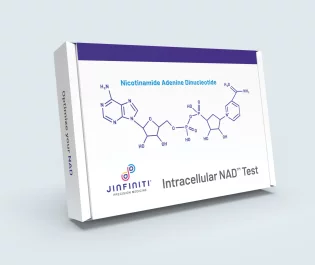
We use the Intracellular NAD test to provide precise data, avoiding guesswork and optimizing your NAD levels.

This test, the first and most reliable one on the market, helps determine NAD deficiency, assess supplement effectiveness, and find the optimal dosage for your needs.

It also provides actionable data to adjust the dosage of NAD supplements or other NAD products, optimizing your NAD levels and helping manage chronic diseases. 

Based on the test results, we prescribe customized approaches to manage symptoms and chronic diseases at the cellular level.

After 3 to 4 weeks of action, take a second test to assess your new levels. You’ll likely see significant changes, especially if you follow our protocol and use our products.

With the results of the Intracellular NAD test, you’ll know which actions yield progress. 

Repeat these actions consistently for optimal health and longevity.

Why should you optimize your NAD levels?

1. How is an optimal level of NAD defined?

Like any biomarker, defining the optimal range is a critical but difficult process. This range may change slightly as additional data becomes available. There are major differences between the normal ranges that medical organizations usually use and the optimal range that functional medicine or health optimization organizations prefer to use.

Normal ranges are values that we see in the vast majority of people who appear to be healthy, while optimal ranges are values within which you can perform the best and maximize your health span and lifespan.

For Intracellular NAD, Jinfiniti conducted extensive studies and proposed to define the lower end of the optimal range as the 75th percentile of NAD levels we see in teenagers, meaning that NAD levels are higher than the value in 75% of teenagers. This value is 40µM (micromolar).

2. Too low NAD level is bad for health

It turned out that young individuals with NAD levels less than 40µM often have certain health or subhealth issues such as autism, autoimmune diseases, and allergies.

We also found that individuals who can increase their NAD levels to above 40µM, especially above 50µM, usually experience significant health benefits including more energy, better sleep, improved mental focus, and reduced symptoms related to allergy, asthma, arthritis, diabetes, blood pressure, and others.

In an extreme case, a baby boy in a coma for six months was cured by our NAD product.

We shall emphasize that the dosage required by each person to optimize his or her NAD is different. If you do not take enough, you may not increase your NAD level at all and do not gain any health benefits.

Therefore, you must take a NAD test at least after supplementation to determine whether your action is producing the result you need and deserve. Otherwise, you may be just wasting your money and time.

3. Too high level of NAD is also bad.

Accumulating evidence suggests that one should not elevate their NAD level above 100µM, a threshold beyond which it may become harmful. Known harm includes an increase in vascular inflammation and cardiovascular disease. We see about 5% of the individuals overdosing on their NAD supplements in our large dataset.

To summarize, the optimal NAD range is 40-100µM. One shall not guess, test!

Two Steps to Optimize your NAD levels

If you want to optimize your NAD levels and combat age-related chronic diseases, here are two things you need to do:

Step 1: Order the Intracellular NAD test today.

Order the Intracellular NAD test today and use it as soon as it arrives. This test can help you determine if you are deficient in NAD, assess the effectiveness of your NAD supplement, and find the optimal dosage for your needs.

Additionally, the test provides actionable data to help you adjust the dosage of Vitality ↑® NAD+ Booster, optimizing your NAD levels and helping you manage chronic fatigue. 

Step 2: Take the Vitality ↑® NAD+ Booster

When it comes to boosting your NAD levels, there’s nothing quite like  Vitality ↑® NAD+ Booster

This patented supplement is meticulously formulated by two world-class scientists in cellular health to provide a potent blend of natural ingredients that work synergistically to enhance your vitality and combat chronic diseases proactively.

It is a clinically validated formulation consisting of multiple NAD precursors, NAD+ precursor, D-Ribose and Nicotinamide as well as Creatine monohydrate that stores your ATP when you do not need them. These ingredients have their own health benefits and in the golden ratio work synergistically to help:

  • Manage fatigue
  • Boost energy and improve performance
  • Improve sleep quality
  • Support inflammation, muscle, and joint pains
  • Support healthy allergic and asthmatic symptoms
  • Improve mental clarity and dementia symptoms
  • Support functions of many organs (liver, kidney, heart, thyroid, fertility)…

In other words,  Vitality ↑® NAD+ Booster supports healthy NAD levels to revitalize your cells, optimize your mitochondria, and improve your energy so you can do things you love!

To save even more, you can take advantage of the NAD Optimization® Bundles, where you can get…

  • 2 Intracellular NAD® tests
  • 1 Vitality ↑® NAD+ Booster supplement
  • one free supplement and…
  • a free consultation.

Start by using the first Intracellular NAD® test to reveal your current NAD levels. Then, take Vitality ↑® NAD+ Booster for a month.

After 3-4 weeks, use the second Intracellular NAD® test to identify your new, optimized levels after taking our NAD supplements. You’ll be pleasantly surprised by how much your levels have improved.

If you’re unsure about what to do or have questions about how to start or interpret your results, you can book your free consultation.

Grab the NAD Optimization® Bundles here — SAVE $178 today.

If you want to manage your chronic fatigue and boost your energy…

Order  Vitality ↑® NAD+ Booster and Intracellular NAD® Test, or Grab the NAD Optimization® Bundles here to save even more.

Subscribe and Save

For our returning customers, Jinfiniti offers multiple subscription options. Take advantage of our special offer reserved for readers of this blog to get your first bottle of our NAD supplement for $38 for the first month, a 65% saving, and automatically receive a monthly shipment for only $108.

Go to the Vitality ↑® NAD+ Booster page, add a monthly subscription to the cart, and then enter VB38 in the coupon field to receive this special offer. 

Our Money-Back Guarantee

It turned out that many young people with f our Vitality ↑® NAD+ Booster fails to increase your NAD levels, just send us a message within 60 days and we will gladly refund your supplement purchase. 

Please note that tests are non-refundable.

Referenced Sources:

  1. https://www.ncbi.nlm.nih.gov/pmc/articles/PMC7973386/ ↩︎
  2. https://www.ncbi.nlm.nih.gov/pmc/articles/PMC10240123/ ↩︎
  3. https://www.ncbi.nlm.nih.gov/pmc/articles/PMC9839336/ ↩︎
  4. https://www.ncbi.nlm.nih.gov/pmc/articles/PMC7352172/ ↩︎
  5. https://pubmed.ncbi.nlm.nih.gov/25308486/ ↩︎
  6. https://www.nature.com/articles/s41392-020-00311-7 ↩︎
  7. https://www.nature.com/articles/s41556-023-01280-z ↩︎
  8. https://www.ncbi.nlm.nih.gov/pmc/articles/PMC6787556/ ↩︎
  9. https://www.ncbi.nlm.nih.gov/pmc/articles/PMC9734213/ ↩︎
  10. https://www.ncbi.nlm.nih.gov/pmc/articles/PMC9917998/ ↩︎
  11. https://www.ncbi.nlm.nih.gov/pmc/articles/PMC9194018/ ↩︎

What Happened During Dave Asprey’s 10th Annual Biohacking Conference?

Four days might seem like plenty of time to cover a conference dedicated to health and longevity, but the recent Asprey event at the Sheraton Dallas proved otherwise. 

The event could have been divided into three separate areas: the exhibition hall, breakout rooms, and main stage speaking area, each deserving its four-day exploration.

Main Stage Highlights

An image of Biohacking Conference

The Main Stage hosted world-class authorities such as Dr. Joseph Mercola, Dr. Nathan Bryan, Dr. Daniel Amen, Dr. Patrick Porter, and Bryan Johnson. 

These experts delivered their insights to large, attentive audiences.

Meanwhile, the Breakout Rooms were buzzing with activity, offering multiple presentations simultaneously to smaller yet equally engaged groups.

Exhibit Hall Experience

Dave Asprey’s 10th Annual Biohacking Conference

I spent most of my time in the Exhibit Hall, interacting with attendees and observing their biohacking interests firsthand. Here are my key takeaways:

Youthful Attendance

A significant proportion of the biohacker attendees were surprisingly young. 

Unlike other anti-aging and longevity conferences that tend to attract middle-aged and older individuals, this event saw a larger turnout of younger biohackers. 

The Silver Seniors were present but in much smaller numbers.

Lack of NAD Awareness

Despite focusing on living longer and healthier lives, many attendees were unaware of NAD and its role as a foundational, effective biohack supplement. 

Over 70% of those I spoke with needed to learn about NAD.

If you are not familiar with NAD (Nicotinamide Adenine Dinucleotide), it is a vital coenzyme found in every cell of the body. 

It plays a crucial role in energy production, DNA repair, and regulating cellular processes. 

As we age, NAD levels decline, which can contribute to various age-related health issues. 

Boosting NAD levels can enhance energy metabolism, improve brain function, support healthy aging, and promote longevity. 

By maintaining optimal NAD levels, you can potentially reduce the risk of chronic diseases and improve overall well-being.

Importance of Biomarker Tests

I emphasized the availability of biomarker tests to the mainstream public. 

Biohacking requires measurable baseline data and ways to assess and compare results over time. 

Many attendees were unaware of such tests, especially the Intracellular NAD test and Aging SOS full panel offered by Jinfiniti, which measure 22 important factors related to aging.

Cost of Tests vs. Medical Bills

Some attendees balked at the price of biomarker tests. 

However, I pointed out that the cost of medical bills, expensive drugs, and diminished quality of life when one is ill far outweighs the expense of discovering or predicting potential health issues. 

Additionally, tests can determine if a current NAD supplement is effective or if one is wasting time and money.

Risks of Random Supplementation

Many biohackers were surprised to learn that indiscriminately taking a variety of supplements can harm their health. 

Functional medicine and anti-aging practices have noted increasing kidney and liver damage in individuals who purchase and use all the “latest” supplements without understanding how they interact or if they are necessary for their wellness. 

We saw that the number of supplements taken does not always correlate with optimal health.

Addressing Serious Health Issues

Perhaps most satisfying was helping attendees with serious health issues that their current medical professionals could not resolve. 

At least five visitors to our booth explained conditions that limited their daily functioning. In each case, we discovered sub-optimal intracellular NAD levels as a contributing factor. 

We look forward to following these new customers on their NAD optimization journey, which promises more energy, better mental focus, improved sleep, less inflammation, and other health benefits.

TAO: Harnessing Biomarker Testing Data for Biohacking Success

Dave Asprey’s 10th Annual Biohacking Conference

During my talk, I discussed the critical role of NAD in biohacking safely. 

When I asked the audience if they believed they could live up to 80 years old or even delay and avoid death, the majority raised their hands, showing a keen interest in longevity.

I introduced them to an ancient Chinese philosophy of Taoism, which I have adapted into the TAO steps for optimizing health. These steps are:

  • Test: Identify abnormalities or deficiencies in your body.
  • Act: Define and implement interventions to bring levels within optimal ranges.
  • Optimize: Continuously evaluate the efficacy of these interventions, adjusting actions and dosages for safety and maximum benefit.

By following TAO, you can:

  • Pinpoint specific health issues.
  • Set and achieve optimal health targets.
  • Regularly assess and refine your approach for better outcomes.

In other words, regular testing is key to optimizing NAD levels and your overall health. Repeat testing ensures that your interventions are effective and safe.

If you want to learn more about living a healthier and longer life, you can watch my talk for free below.

TAO: Harnessing Biomarker Data for Biohacking Success

Takeaway

Dave Asprey’s 10th Annual Biohacking Conference was an enlightening event that brought together experts and enthusiasts focused on health and longevity. 

The Exhibit Hall experience highlighted the importance of educating biohackers about foundational supplements like NAD and the necessity of biomarker tests for personalized health tracking. 

The conference underscored the need for informed supplement use and the potential for optimizing health through targeted interventions.

NAD and autism

How NAD Can Support Children on the Autism Spectrum: Strategies and Success Stories

Autism is a developmental disorder that affects communication and behavior. 

According to the Centers for Disease Control and Prevention (CDC), autism affects an estimated 1 in 36 children in the United States1, making it more common than previously thought.

The disorder can manifest in various ways, from mild social challenges to significant communication difficulties and repetitive behaviors.

What’s striking about autism is its indiscriminate nature. It knows no boundaries of wealth, fame, or social status. 

Families from all walks of life, including public figures like Elon Musk, Sylvester Stallone, Holly Robinson Peete, Amanda Seyfried, Dylan Dreyer, and Nicole Shanahan, can find themselves navigating the challenges of raising a child with autism.


In this article, we explore…

  • Groundbreaking strategies that can help improve the lives of children with autism.
  • How NAD support might be a game-changer in the treatment and support of autism spectrum disorder.
  • A transformative case study of Corbin, a 3-year-old whose behavior, engagement, and communication skills have dramatically improved after NAD treatment.

Autism Intervention

One of the key issues in the autism community is the need for early detection and intervention.

Research shows that early diagnosis and intervention can significantly improve outcomes for individuals with autism.

However, many families face barriers to timely diagnosis and intervention services, highlighting the importance of raising awareness and ensuring that all children have access to quality care.

Another challenge faced by families affected by autism is the stigma and misconceptions surrounding the disorder.

Many people still hold outdated beliefs about autism, leading to discrimination and social isolation for individuals with autism and their families.

As the exact causes of autism remain not fully understood, research indicates that a combination of genetic and environmental factors contribute to its development.

One emerging area of research focuses on the role of NAD (nicotinamide adenine dinucleotide) deficiency in autism phenotypes2.

Autism and NAD

adwcnnfj 1

NAD is a coenzyme found in all living cells and plays a crucial role in various cellular processes3, including energy production, DNA repair, and gene expression.

Our research here in Jinfiniti has shown that individuals with autism may have lower levels of NAD compared to neurotypical individuals. 

This deficiency could potentially impact mitochondrial function, oxidative stress levels, and neurotransmitter signaling, all of which are involved in the development of autism.

Furthermore, NAD deficiency may also affect other cellular processes, such as immune function and inflammation, which have been linked to autism. 

Jinfiniti’s Advocacy on Autism

83wja5ce 1

At Jinfiniti, our mission is to provide innovative treatment for children with autism using NAD.

In fact, we have exciting updates from our ongoing study, showing promising results.

For example, Corbin, a 3-year-old diagnosed with Autism Spectrum Disorder (ASD) following routine childhood vaccinations, has shown remarkable improvement after participating in testing protocols and using the Vitality formulation. 

Here are some of the notable improvements observed in Corbin:

  • Increased focus and engagement: Corbin has been able to sit attentively during therapy sessions and activities and with his teacher during meal times.
  • Improved fine motor skills: He has demonstrated the ability to put individual popsicle sticks inside a toothbrush holder, indicating progress in his fine motor abilities.
  • Enhanced communication skills: Despite being non-speaking, Corbin has shown progress in communication by interrupting his teacher to get her attention and indicating his wants and needs more clearly.
  • Increased independence: Corbin has started opening his lunch snack containers and lunch boxes, showing improved independence in daily tasks.
  • Improved responsiveness: He now responds with “yeah” when asked if he wants something, indicating better understanding and communication.
  • Better understanding of verbal commands: Corbin can now follow verbal commands like putting his shoes on, demonstrating improved listening skills.
  • Increased affection and social engagement: He has been more affectionate and cuddly, initiating play more often with his parents and seeking approval through eye contact.
  • Expanded vocabulary: Corbin has started saying new words and phrases like “Peek-a-boo,” “I wake up,” and “I pee-pee,” showing progress in his language development.
  • Improved behavior in public settings: He displayed patience and waiting behavior at the splash pad, a notable improvement from previous behaviors of attempting to run away.

Corbin’s improvements show that the Vitality formulation could be really helpful for kids with autism.

4 Ways Vitality ↑® NAD+ Booster Can Support Children With Autism

crvaqjji 1

Vitality ↑® NAD+ Booster is a clinically tested blend of NAD precursor, Creatine monohydrate, D-Ribose, and Nicotinamide that work together to boost NAD levels, rejuvenating cells and the body. 

This formulation is particularly beneficial for children with autism, helping improve their behavior and cognitive function in four key ways.

Supports Mitochondrial Function

Mitochondria are often called the “powerhouses” of cells because they produce most of the cell’s adenosine triphosphate (ATP), a molecule that stores and transports energy within cells.

NAD (nicotinamide adenine dinucleotide) is a coenzyme that plays a critical role in mitochondrial function4 by shuttling electrons in the electron transport chain, a process that generates ATP.

Research suggests a potential link between mitochondrial dysfunction and autism spectrum disorder (ASD).

Mitochondrial dysfunction can lead to reduced ATP production, affecting cellular processes crucial for brain development and function5. This dysfunction may contribute to the development or severity of ASD symptoms.

Boosting NAD levels could theoretically improve mitochondrial function by providing more of the coenzyme needed for efficient ATP production.

This could enhance cellular energy production and potentially support better brain function in individuals with ASD.

Manages Oxidative Stress

Oxidative stress occurs when there is an imbalance between free radicals and antioxidants in the body.

Free radicals are highly reactive molecules that can cause damage to cells and tissues if their levels are not controlled by antioxidants.

Research has shown that individuals with ASD may experience higher levels of oxidative stress6 compared to typically developing individuals.

A study published in the journal Clinical Biochemistry and Nutrition found that children with ASD had significantly higher levels of oxidative stress markers and lower levels of antioxidants compared to typically developing children7.

Another study published in the journal Redox Report suggested that oxidative stress may play a role in the development and progression of ASD.

By boosting NAD levels, it is believed that the body’s ability to manage oxidative stress may be enhanced.

This could potentially lead to improved overall health and cognitive function in individuals with ASD.

Supporting NAD levels through supplementation or other means may help mitigate the effects of oxidative stress and improve outcomes for individuals with autism.

Supports Neurotransmitter Signaling

Neurotransmitters are essential for communication between neurons in the brain. 

Imbalances in neurotransmitter signaling have been associated with neurological disorders, including autism.8

For example, a study published in the journal Frontiers in Psychiatry found alterations in the levels of certain neurotransmitters, such as serotonin and dopamine, in individuals with autism spectrum disorder (ASD)9.

By boosting NAD levels, the brain’s ability to maintain proper neurotransmitter balance may be enhanced.

This could lead to improved communication between neurons and potentially enhance cognitive function and overall brain health in individuals with autism.

A study published in the journal Molecular Psychiatry suggested that NADH (a form of NAD) supplementation could modulate dopamine levels in the brain10, which is important for regulating mood and behavior.

Another study published in the Journal of Neuroscience Research found that NADH supplementation improved cognitive function in a mouse model of Alzheimer’s disease11, which is characterized by neurotransmitter imbalances.

The potential of NAD to restore balance in neurotransmitter signaling is crucial for individuals with autism, as disruptions in this balance can lead to cognitive and behavioral issues.

By supporting NAD levels, it may be possible to help restore this balance and improve communication between neurons, which could have positive effects on cognitive function in individuals with autism.

Supports Healthy Immune Function and Inflammation

Dysregulation of the immune system and chronic inflammation have been linked to various health conditions, including autism.12

For example, a study published in the Journal of Neuroinflammation found that children with autism had altered levels of certain immune markers compared to typically developing children13

Another study published in the Journal of Neuroimmunology reported elevated levels of inflammatory markers in the brains of individuals with autism14.

By boosting NAD levels, it’s possible to modulate immune function and reduce inflammation. This could have several benefits for individuals with autism, including improved overall health and well-being.

One study published in the journal Nature Communications found that NAD supplementation reduced inflammation and oxidative stress in a mouse model of multiple sclerosis15, a condition characterized by immune dysregulation and inflammation.

That’s why we recommend Vitality ↑® NAD+ Booster for children with autism to support their overall health and well-being. 

Vitality ↑® NAD+ Booster is specially formulated with ingredients that work synergistically to promote energy levels, cognitive function, and overall vitality, which can be beneficial for children with autism who may have specific nutritional needs. 

It can help support healthy growth and development, as well as provide essential nutrients that may be lacking in their diet. 

By incorporating Vitality ↑® NAD+ Booster into their daily routine, children with autism can potentially experience improved energy levels, cognitive function, and overall health, helping them to thrive and reach their full potential.

Referenced Sources:

  1. https://www.cdc.gov/ncbddd/autism/data.html ↩︎
  2. https://www.ncbi.nlm.nih.gov/pmc/articles/PMC3729335/ ↩︎
  3. https://www.ncbi.nlm.nih.gov/pmc/articles/PMC7963035/ ↩︎
  4. https://www.ncbi.nlm.nih.gov/pmc/articles/PMC10526226 ↩︎
  5. https://www.ncbi.nlm.nih.gov/pmc/articles/PMC10526226/ ↩︎
  6. https://www.ncbi.nlm.nih.gov/pmc/articles/PMC7247582/ ↩︎
  7. https://www.ncbi.nlm.nih.gov/pmc/articles/PMC8921264/ ↩︎
  8. https://www.ncbi.nlm.nih.gov/pmc/articles/PMC7139720/ ↩︎
  9. https://www.frontiersin.org/journals/psychiatry/articles/10.3389/fpsyt.2021.787097/full ↩︎
  10. https://www.ncbi.nlm.nih.gov/pmc/articles/PMC6787556/ ↩︎
  11. https://www.ncbi.nlm.nih.gov/pmc/articles/PMC9370773/  ↩︎
  12. https://www.ncbi.nlm.nih.gov/pmc/articles/PMC8955336/ ↩︎
  13. https://www.ncbi.nlm.nih.gov/pmc/articles/PMC10626070/ ↩︎
  14. https://www.ncbi.nlm.nih.gov/pmc/articles/PMC5942347/ ↩︎
  15. https://www.nature.com/subjects/multiple-sclerosis/ncomms ↩︎

RFK Jr.’s VP Pick: Nicole Shanahan, A Voice for Autism

In a move that solidifies his commitment to addressing pressing health issues, Robert F. Kennedy Jr. has chosen Nicole Shanahan as his vice-presidential pick. 

What sets Shanahan apart is not just her professional prowess but also her journey as a mother of a child with autism. 

This choice highlights the growing prevalence of autism spectrum disorder (ASD) and the need for greater awareness and support for affected families.

Autism is a developmental disorder that affects communication and behavior. 

According to the Centers for Disease Control and Prevention (CDC), autism affects an estimated 1 in 36 children in the United States, making it more common than previously thought.

The disorder can manifest in various ways, from mild social challenges to significant communication difficulties and repetitive behaviors.

What’s striking about autism is its indiscriminate nature. 

It knows no boundaries of wealth, fame, or social status. 

Families from all walks of life can find themselves navigating the challenges of raising a child with autism. 

This reality is exemplified by Shananhan’s experience, showing that even those in the public eye are not immune to the disorder’s impact.

Shananhan’s journey as a mother has led her to become a vocal advocate for autism awareness and support. 

She has used her platform to raise awareness about the challenges faced by families affected by autism and to advocate for policies that improve access to resources and services for individuals with autism.

In her interview with People Magazine, Shanahan revealed that she had been in discussions with Elon Musk about leveraging technology developed by his Neuralink company. 

Neuralink is known for creating an implantable brain-computer interface. 

Shanahan expressed interest in exploring how this technology could potentially benefit her daughter, who has autism.

She also shared that a significant portion of her time, over 60%, is dedicated to researching autism and engaging with scientists in discussions about the topic.

“…in part because I am hopeful of helping my daughter overcome her autism, whatever that might look like, whether it be in five years not having a diagnosis anymore, or having all of the tools to navigate the challenges that her diagnosis has produced in her life.”

“This has led me into fields of science that have been utterly fascinating.

“I talk to two scientists a week, typically, whether they’re neurosurgeons or neurologists or mitochondrial experts. Then I spend an equal amount of time after meeting with them trying to digest my notes. 

I chat with a lot of other mothers of autistic children because I think mothers are some of the most well-educated and researched. 

They’re having to show up for their child every hour of every single day. They’re trying some of these autism interventions and they’re able to tell you with greater accuracy than any published medical paper what they’re seeing in their children.”

Autism Intervention

a1 1

One of the key issues in the autism community is the need for early detection and intervention.

Research shows that early diagnosis and intervention can significantly improve outcomes for individuals with autism.

However, many families face barriers to accessing timely diagnosis and intervention services, highlighting the importance of raising awareness and ensuring that all children have access to quality care.

Another challenge faced by families affected by autism is the stigma and misconceptions surrounding the disorder.

Many people still hold outdated beliefs about autism, leading to discrimination and social isolation for individuals with autism and their families.

Shananhan’s advocacy work aims to challenge these misconceptions and promote a more inclusive and understanding society.

In addition to raising awareness, Shanahan has also been a strong proponent of increased research funding for autism.

She has supported the University of California Davis Mind Institute through donations, aiding their research and care efforts for individuals with autism and other neurodevelopmental conditions.

As the exact causes of autism remain not fully understood, research indicates that a combination of genetic and environmental factors contribute to its development.

One emerging area of research focuses on the role of NAD (nicotinamide adenine dinucleotide) deficiency in autism phenotypes.

Autism and NAD

a2 1

NAD is a coenzyme found in all living cells and plays a crucial role in various cellular processes, including energy production, DNA repair, and gene expression.

Our research here in Jinfiniti has shown that individuals with autism may have lower levels of NAD compared to neurotypical individuals. 

This deficiency could potentially impact mitochondrial function, oxidative stress levels, and neurotransmitter signaling, all of which are involved in the development of autism.

Furthermore, NAD deficiency may also affect other cellular processes, such as immune function and inflammation, which have been linked to autism. 

Jinfiniti’s Advocacy on Autism

a3 3

At Jinfiniti, our mission is to provide innovative treatment for children with autism using NAD.

In fact, we have exciting updates from our ongoing study, showing promising results.

For example, Corbin, a 3-year-old diagnosed with Autism Spectrum Disorder (ASD) following routine childhood vaccinations, has shown remarkable improvement after participating in testing protocols and using the Vitality formulation

Here are some of the notable improvements observed in Corbin:

  • Increased focus and engagement: Corbin has been able to sit attentively during therapy sessions and activities, as well as with his teacher during meal times.
  • Improved fine motor skills: He has demonstrated the ability to put individual popsicle sticks inside a toothbrush holder, indicating progress in his fine motor abilities.
  • Enhanced communication skills: Despite being non-speaking, Corbin has shown progress in communication by interrupting his teacher to get her attention and indicating his wants and needs more clearly.
  • Increased independence: Corbin has started opening his lunch snack containers and lunch boxes, showing improved independence in daily tasks.
  • Improved responsiveness: He now responds with “yeah” when asked if he wants something, indicating better understanding and communication.
  • Better understanding of verbal commands: Corbin can now follow verbal commands like putting his shoes on, demonstrating improved listening skills.
  • Increased affection and social engagement: He has been more affectionate and cuddly, initiating play more often with his parents and seeking approval through eye contact.
  • Expanded vocabulary: Corbin has started saying new words and phrases like “Peek-a-boo,” “I wake up,” and “I pee-pee,” showing progress in his language development.
  • Improved behavior in public settings: He displayed patience and waiting behavior at the splash pad, a notable improvement from previous behaviors of attempting to run away.

Corbin’s improvements show that the Vitality formulation could be really helpful for kids with autism.

a4 4

4 Ways Vitality ↑® NAD+ Booster Can Support Children With Autism

Vitality ↑® NAD+ Booster is a clinically tested blend of NAD precursor, Creatine monohydrate, D-Ribose, and Nicotinamide that work together to boost NAD levels, rejuvenating cells and the body. 

This formulation is particularly beneficial for children with autism, helping improve their behavior and cognitive function in four key ways.

Supports Mitochondrial Function

Mitochondria are often called the “powerhouses” of cells because they produce most of the cell’s adenosine triphosphate (ATP), a molecule that stores and transports energy within cells.

NAD (nicotinamide adenine dinucleotide) is a coenzyme that plays a critical role in mitochondrial function by shuttling electrons in the electron transport chain, a process that generates ATP.

Research suggests a potential link between mitochondrial dysfunction and autism spectrum disorder (ASD).

Mitochondrial dysfunction can lead to reduced ATP production, affecting cellular processes crucial for brain development and function. This dysfunction may contribute to the development or severity of ASD symptoms.

Boosting NAD levels could theoretically improve mitochondrial function by providing more of the coenzyme needed for efficient ATP production.

This could enhance cellular energy production and potentially support better brain function in individuals with ASD.

Manages Oxidative Stress

Oxidative stress occurs when there is an imbalance between free radicals and antioxidants in the body.

Free radicals are highly reactive molecules that can cause damage to cells and tissues if their levels are not controlled by antioxidants.

Research has shown that individuals with ASD may experience higher levels of oxidative stress compared to typically developing individuals.

A study published in the journal Clinical Biochemistry and Nutrition found that children with ASD had significantly higher levels of oxidative stress markers and lower levels of antioxidants compared to typically developing children.

Another study published in the journal Redox Report suggested that oxidative stress may play a role in the development and progression of ASD.

By boosting NAD levels, it is believed that the body’s ability to manage oxidative stress may be enhanced.

This could potentially lead to improved overall health and cognitive function in individuals with ASD.

Supporting NAD levels through supplementation or other means may help mitigate the effects of oxidative stress and improve outcomes for individuals with autism.

Supports Neurotransmitter Signaling

Neurotransmitters are essential for communication between neurons in the brain. 

Imbalances in neurotransmitter signaling have been associated with neurological disorders, including autism.

For example, a study published in the journal Frontiers in Psychiatry found alterations in the levels of certain neurotransmitters, such as serotonin and dopamine, in individuals with autism spectrum disorder (ASD).

By boosting NAD levels, the brain’s ability to maintain proper neurotransmitter balance may be enhanced.

This could lead to improved communication between neurons and potentially enhance cognitive function and overall brain health in individuals with autism.

A study published in the journal Molecular Psychiatry suggested that NADH (a form of NAD) supplementation could modulate dopamine levels in the brain, which is important for regulating mood and behavior.

Another study published in the Journal of Neuroscience Research found that NADH supplementation improved cognitive function in a mouse model of Alzheimer’s disease, which is characterized by neurotransmitter imbalances.

The potential of NAD to restore balance in neurotransmitter signaling is crucial for individuals with autism, as disruptions in this balance can lead to cognitive and behavioral issues.

By supporting NAD levels, it may be possible to help restore this balance and improve communication between neurons, which could have positive effects on cognitive function in individuals with autism.

Supports Healthy Immune Function and Inflammation

Dysregulation of the immune system and chronic inflammation have been linked to various health conditions, including autism.

For example, a study published in the Journal of Neuroinflammation found that children with autism had altered levels of certain immune markers compared to typically developing children. 

Another study published in the Journal of Neuroimmunology reported elevated levels of inflammatory markers in the brains of individuals with autism.

By boosting NAD levels, it’s possible to modulate immune function and reduce inflammation. This could have several benefits for individuals with autism, including improved overall health and well-being.

One study published in the journal Nature Communications found that NAD supplementation reduced inflammation and oxidative stress in a mouse model of multiple sclerosis, a condition characterized by immune dysregulation and inflammation.

That’s why we recommend Vitality ↑® NAD+ Booster for children with autism to support their overall health and well-being. 

Vitality ↑® NAD+ Booster is specially formulated with ingredients that work synergistically to promote energy levels, cognitive function, and overall vitality, which can be beneficial for children with autism who may have specific nutritional needs. 

It can help support healthy growth and development, as well as provide essential nutrients that may be lacking in their diet. 

By incorporating Vitality ↑® NAD+ Booster into their daily routine, children with autism can potentially experience improved energy levels, cognitive function, and overall health, helping them to thrive and reach their full potential.

Biohacking supplements in a glass of water by dumbbells

13 Biohacking Supplements Used by Elite Performers

The global biohacking market has exploded to USD 20.94 billion—and it’s accelerating at a staggering 18.6% annual growth rate through 20301. This isn’t just about having an edge anymore. It’s about survival in an era where human potential keeps expanding.

The supplement choices of elite performers matter because they’re the ones pushing the boundaries of human optimization. They experiment, iterate, and perfect protocols that eventually reshape our understanding of peak performance.

This isn’t another theoretical guide to supplements. We’ve analyzed the actual protocols of elite athletes, longevity researchers and professional biohackers to bring you the supplements that deliver measurable results.

The Rise of Elite Biohackers

Biohacking has evolved from a fringe movement into a sophisticated fusion of biology and technology—where elite performers deliberately optimize their bodies and minds through scientific experimentation. Silicon Valley’s titans aren’t just observers—they’re active participants and powerful catalysts.

The numbers tell a compelling story: Larry Ellison has invested over $330 million in aging research, while Larry Page launched Calico to push the boundaries of human lifespan. Peter Thiel has poured millions into life-extension therapies. These investments represent more than financial decisions – they signal clear declarations of intent.

The movement has transcended its Silicon Valley origins. Elite athletes now embrace advanced biohacking techniques, including whole-body cryotherapy and red-light therapy, revolutionizing their approach to performance and recovery. What began as experimental practice has evolved into a mainstream optimization toolkit that is reshaping our understanding of human potential.

13 Biohacking Supplements Used by Top Performers

An image of supplements

We’ve identified the best biohacking supplements through a rigorous lens: decades of research backing and real-world validation from elite performers pushing the boundaries of human potential.

NAD+ Precursors

Quick Facts

  • Who Uses It: David Sinclair, Ben Greenfield, Bryan Johnson, Joe Rogan, Dr. Jin-Xiong She
  • Primary Benefits: Cellular energy production, DNA repair, longevity promotion
  • Best Time: Morning, on empty stomach
  • Common Pitfalls: Poor absorption from food, methylation issues, timing inconsistency

NAD+ (Nicotinamide Adenine Dinucleotide) is a fundamental coenzyme that powers cellular energy production and DNA repair. The molecule acts as your cells’ master switch for energy and renewal, but levels decline dramatically with age. NAD+ precursors like NMN (Nicotinamide Mononucleotide) and NR (Nicotinamide Riboside) are compounds that your body converts into NAD+ to effectively restore youthful levels of this critical molecule.

Research Highlights

  • NAD+ precursors like NR and NMN have shown promising results in raising NAD+ levels during aging2
  • Supplementation with NAD+ precursors has been found to improve physical exercise performance in older adults3
  • NAD+ precursors significantly extended lifespan and improved neurological symptoms in mouse models, suggesting applications for both mitochondrial disorders and age-related decline4
  • NMN supplementation has been shown to rescue mitochondrial and energy metabolism functions in aging mice5

Dosing Strategy

  • Start with 250mg daily of NMN or NR
  • Gradually increase to 500-1000mg based on response
  • Take first thing in morning on empty stomach
  • Consider cycling: 5 days on, 2 days off
  • Advanced users may split into two daily doses
  • Test NAD levels, monitor energy levels and sleep quality to optimize

Best paired with resveratrol and quercetin for improved NAD+ activation and cellular uptake.

Recommended Product: Our Vitality ↑® NAD+ Booster is a clinically-validated formulation that combines NAD precursors NMN and nicotinamide with Creatine monohydrate and D-Ribose to boost NAD+ levels more effectively than traditional supplements.

Creatine

Quick Facts

  • Who Uses It: Dr. Andrew Huberman, LeBron James, Rich Froning Jr., Arnold Schwarzenegger
  • Primary Benefits: Muscle power output, cognitive function, cellular energy reserves
  • Best Time: Post-workout or morning with protein
  • Common Pitfalls: Inconsistent dosing, poor quality sourcing, inadequate water intake

Creatine isn’t just another sports supplement, it’s the most extensively studied performance enhancer in history. This naturally occurring compound serves as your cellular energy reserve, rapidly replenishing ATP—your body’s energy currency. Think of it as a biological battery backup that kicks in during intense physical and mental demands.

Research Highlights

  • Meta-analyses show consistent 5-15% improvements in maximum power output6
  • A meta-analysis found that creatine supplementation may improve short-term memory and intelligence/reasoning7
  • Oral supplementation combined with resistance training increases maximal weight lifted in young men8
  • Studies show accelerated muscle recovery and reduced post-exercise inflammation9
  • New evidence suggests potential neuroprotective properties and brain health benefits10

Dosing Strategy

  • Loading Phase (Optional): 20g daily split into 4 doses for 5-7 days
  • Maintenance: 5g daily, consistent timing
  • Use micronized creatine monohydrate for optimal absorption
  • Take with protein and carbohydrates for enhanced uptake
  • Mix with warm water for better dissolution
  • Monitor hydration—increase water intake by 500ml per 5g creatine

Best combined with beta-alanine for power output and taurine for improved cellular hydration.

Recommended Product: Our advanced Creatine+ATP formula harnesses the synergistic power of pure creatine monohydrate and disodium ATP to optimize cellular energy production.

Curcumin

Quick Facts

  • Who Uses It: Tim Ferriss, Dave Asprey, Dr. Rhonda Patrick, Dr. Mark Hyman
  • Primary Benefits: Inflammation control, cognitive protection, joint health
  • Best Time: With meals containing healthy fats
  • Common Pitfalls: Poor absorption without black pepper, low-quality formulations, incorrect timing

Curcumin represents the active powerhouse within turmeric, nature’s most potent anti-inflammatory compound. It acts as a master regulator of inflammation pathways, but its true magic lies in its ability to cross the blood-brain barrier and protect neural tissue. Traditional formulations barely scratch the surface of its potential—modern delivery systems have significantly improved its bioavailability.

Research Highlights

  • Studies demonstrate reduction in exercise-induced inflammation comparable to NSAIDs11
  • Research indicates 28% improvement in memory tests in older adults12
  • Curcumin supplementation increases serum BDNF in adult men and women13
  • Recent data shows potential for optimizing mitochondrial function and cellular energy production14

Dosing Strategy

  • Standard dose: 500-1000mg of bioavailable curcumin daily
  • Must include black pepper extract (piperine) or use advanced delivery systems
  • Split into 2-3 doses with fatty meals
  • Optimal absorption with phospholipid-bound formulations
  • Consider cycling: 6 weeks on, 2 weeks off
  • Monitor inflammatory markers through regular blood work

Best paired with omega-3 fatty acids and quercetin for enhanced anti-inflammatory effects and cellular protection.

Recommended Product: Our premium turmeric curcumin supplement is formulated with a potent blend of 95% curcuminoids from turmeric extract, complemented by Boswellia, ginger root, quercetin, and piperine.

Magnesium

Quick Facts

  • Who Uses It: Matthew Walker PhD, Dr. Andrew Huberman, Rhonda Patrick
  • Primary Benefits: Sleep quality, muscle recovery, stress resilience, cognitive performance
  • Best Time: Evening for sleep, post-workout for recovery
  • Common Pitfalls: Wrong form for intended benefit, taking with calcium, poor timing

Magnesium isn’t just another mineral—it’s a fundamental conductor of over 300 enzymatic reactions in your body. Modern living depletes it. High-performers burn through it. Yet most supplementation fails because form matters more than quantity. Each magnesium compound targets different biological systems, from neural pathways to muscle function.

Research Highlights

  • Magnesium threonate significantly improved deep sleep score and REM sleep score compared to placebo15
  • Magnesium (300 mg daily) significantly reduced stress in severely stressed subjects with low magnesium levels16
  • Suppressed oxidative stress and prevented DNA damage in rats exposed to chronic stress17
  • Anti-inflammatory effects on the vascular endothelium, pointing to protection against atherosclerosis and cardiovascular diseases18

Dosing Strategy

  • Magnesium Threonate: 2000mg (144mg elemental) for cognitive benefits
  • Magnesium Glycinate: 400-600mg for sleep and recovery
  • Magnesium Malate: 400mg for energy and exercise performance
  • Take threonate in morning, glycinate at night
  • Avoid taking with high-calcium foods
  • Start low, increase gradually to assess tolerance
  • Consider topical magnesium chloride for muscle recovery

Best combined with vitamin B6 for absorption and taurine for improved cellular uptake.

Quercetin/Fisetin

Quick Facts

  • Who Uses It: Dr. David Sinclair, Ben Greenfield, Dave Asprey, Bryan Johnson
  • Primary Benefits: Cellular cleanup (senolytic), longevity promotion, inflammation control
  • Best Time: Morning, with healthy fats
  • Common Pitfalls: Poor absorption without fat, incorrect timing with other supplements, suboptimal forms

Quercetin and Fisetin belong to a powerful class of compounds called flavonoids, which can be thought of as nature’s cellular cleanup crew. These senolytic supplements target and eliminate aged, dysfunctional cells that accelerate aging. But their power extends beyond longevity—they’re metabolic optimizers that enhance mitochondrial function and cellular resilience.

Research Highlights

  • Quercetin has been shown to act as a strong antioxidant and anti-inflammatory agent19
  • Fisetin reduced senescence in a subset of cells in murine and human adipose tissue20
  • Fisetin and Quercetin help kill cancer cells by inducing a process called apoptosis21
  • Recent studies suggest enhanced NAD+ production when combined with NMN22

Dosing Strategy

  • Quercetin: 500-1000mg daily
  • Fisetin: 500mg, taken as a “pulse dose”
  • Pulse Protocol: Take fisetin for 2 consecutive days every month
  • Always take with fat-containing meal
  • Consider liposomal forms for improved absorption
  • Stack with senolytic companion supplements for enhanced effects
  • Optional: Cycle quercetin 5 days on, 2 days off

Best combined with senolytic activators like piperlongumine and NAD+ precursors for longevity benefits.

Recommended Product: SenoAid™ combines quercetin and fisetin flavonoids with bromelain enzymes, green tea extract, and piperine to target senescent cells and support cellular renewal.

CoQ10 (Coenzyme Q10)

Quick Facts

  • Who Uses It: Dr. Mark Hyman, Dave Asprey, Tony Robbins, Dr. William Davis
  • Primary Benefits: Cellular energy production, heart health, mitochondrial protection
  • Best Time: Morning or lunch with fatty meal
  • Common Pitfalls: Poor absorption without fats, inferior forms, wrong timing

CoQ10 stands as your cells’ primary energy catalyst. Think of it as the spark plug in your cellular engine. As a critical component in the electron transport chain, it transforms nutrients into ATP. But CoQ10 isn’t just about energy—it’s one of nature’s most powerful antioxidants, protecting your cellular machinery from oxidative damage.

Research Highlights

  • Moderate effectiveness in treating hypertension by decreasing total peripheral resistance and potentially lowering vascular superoxide levels23
  • Supplemental CoQ10 may help maintain physical activity levels and potentially extend the human life cycle24
  • CoQ10 demonstrates antioxidant properties and alleviates symptoms of conditions associated with mitochondrial dysfunction25
  • Shows promise in counteracting the reprotoxic effects of endocrine-disrupting chemicals like BPA26

Dosing Strategy

  • Standard dose: 100-200mg daily
  • Athletes and high performers: 300-400mg daily
  • Use ubiquinol form for superior absorption (especially over age 40)
  • Take with fatty meals for optimal absorption
  • Split larger doses into two daily servings
  • Consider higher doses (400-600mg) for athletic performance
  • Monitor energy levels to optimize timing

Best paired with PQQ (Pyrroloquinoline quinone) for enhanced mitochondrial biogenesis and function.

Omega-3s

Quick Facts

  • Who Uses It: Michael Phelps, Dr. Rhonda Patrick, Rich Roll, Kelly Slater, Kevin Hart
  • Primary Benefits: Brain function, inflammation control, cardiovascular health
  • Best Time: With meals, split into two doses
  • Common Pitfalls: Rancid oils, low EPA/DHA ratio, improper storage

Omega-3s are fundamental building blocks of cellular membranes and neural tissue. EPA and DHA, the two important forms, serve as the body’s primary anti-inflammatory signaling molecules. They literally reshape your cellular architecture, optimizing everything from neuron firing to muscle recovery.

Research Highlights

  • Omega-3 fatty acids have been linked to healthy aging throughout life27
  • Higher intake and status of EPA and DHA are associated with a lower risk of incident type-2 diabetes and cardiovascular disease mortality28
  • EPA and DHA may positively affect various aspects of cardiovascular function, including inflammation reduction, peripheral artery disease prevention, and anticoagulation29

Dosing Strategy

  • Total daily dose: 2-4g EPA/DHA combined
  • Aim for 2:1 EPA:DHA ratio for performance
  • Take 1-2g with morning meal
  • Take 1-2g with evening meal
  • Store in cool, dark place
  • Check for rancidity monthly
  • Consider krill oil for enhanced absorption
  • Test omega-3 index every 4-6 months

Best combined with vitamin D3 and K2 for enhanced absorption and cellular uptake.

Berberine

Quick Facts

  • Who Uses It: Ben Greenfield, Dr. Dominic D’Agostino, Dave Asprey, David Sinclair
  • Primary Benefits: Blood glucose control, mitochondrial efficiency, longevity pathways
  • Best Time: Before meals
  • Common Pitfalls: Taking with certain medications, timing with other supplements, digestive discomfort

Berberine is nature’s answer to metformin, a glucose-disposal agent that doubles as a longevity compound. It activates AMPK, your body’s metabolic master switch, triggering a cascade of beneficial adaptations. Beyond blood sugar control, it rewires your cellular metabolism for enhanced energy efficiency and reduced aging markers.

Research Highlights

  • Berberine has demonstrated significant anti-diabetic effects30
  • Berberine can effectively reduce body weight and improve lipid metabolism31
  • Berberine may have neuroprotective effects, benefiting individuals with neurodegenerative diseases32
  • Clinical trials have shown that berberine can lower cholesterol levels33

Dosing Strategy

  • Standard dose: 500mg three times daily
  • Take 15-30 minutes before meals
  • Start with single 500mg dose to assess tolerance
  • Build up gradually over two weeks
  • Consider cycling: 8 weeks on, 2 weeks off
  • Monitor blood glucose and lipids regularly
  • Avoid taking with other AMPK activators

Best paired with alpha-lipoic acid for enhanced glucose control and chromium for improved insulin sensitivity.

Alpha-GPC

Quick Facts

  • Who Uses It: Joe Rogan, Jesse Itzler, Dr. Andrew Huberman, Paul Stamets, Tim Kennedy
  • Primary Benefits: Cognitive performance, power output, neural protection
  • Best Time: Morning and/or pre-workout
  • Common Pitfalls: Building tolerance too quickly, incorrect dosing timing, poor quality sourcing

Alpha-GPC represents the most potent form of choline supplementation, a direct precursor to acetylcholine, your brain’s power switch for focus and muscle activation. Unlike other choline sources, Alpha-GPC crosses the blood-brain barrier with remarkable efficiency. It’s not just about brain power—it amplifies the mind-muscle connection, making it a dual-threat for both cognitive and physical performance.

Research Highlights

  • Short-term intake improves memory and cognitive function in healthy college-age students34
  • Alpha-GPC may boost anaerobic power output after exhaustive exercise in healthy adults35
  • Enhances cognitive performance, particularly in mental rotation and n-back tests36
  • Alpha-GPC can be used to increase motivation in healthy individuals37

Dosing Strategy

  • Standard dose: 300-600mg daily
  • Performance dose: 300mg 30-60 minutes pre-workout
  • Cognitive dose: 150-300mg morning and afternoon
  • Cycle usage: 5 days on, 2 days off
  • Start low (150mg) to assess response
  • Don’t exceed 1200mg daily
  • Consider timing away from fatty meals

Best combined with Lion’s Mane and Bacopa Monnieri for enhanced cognitive benefits and neuroprotection.

Lion’s Mane

Quick Facts

  • Who Uses It: Paul Stamets, Tim Ferriss, Laird Hamilton, Joe Rogan, Jordan Harbinger
  • Primary Benefits: Neural regeneration, cognitive enhancement, stress resilience
  • Best Time: Morning on empty stomach
  • Common Pitfalls: Low-quality extracts, inconsistent extraction ratios, insufficient dosing

Lion’s Mane isn’t just another mushroom, it’s a neural regenerator that triggers the production of Nerve Growth Factor (NGF) and Brain-Derived Neurotrophic Factor (BDNF). These compounds act as fertilizer for your brain, stimulating the growth of new neural connections and protecting existing ones. While most nootropics focus on short-term performance, Lion’s Mane works on structural brain optimization.

Research Highlights

  • Associated with improved mood stabilization and anxiety reduction in human studies38
  • Research suggests that Lion’s Mane may have positive effects on sleep enhancement in humans39
  • Clinical studies have demonstrated efficacy in neuroprotection and cognitive improvement in human subjects40
  • Studies indicate that Lion’s Mane may contribute to heart health and blood sugar regulation in humans41

Dosing Strategy

  • Standard dose: 1000-2000mg daily
  • Use dual-extracted products (both water and alcohol extraction)
  • Look for minimum 30% beta-glucan content
  • Take on empty stomach for optimal absorption
  • Consider cycling: 4 weeks on, 1 week off
  • Higher doses (3000mg+) for intensive cognitive demands
  • Monitor effects through cognitive testing

Best combined with Niacin (B3) for enhanced neurotrophin production and absorption.

Resveratrol

Quick Facts

  • Who Uses It: David Sinclair, Peter Thiel, Ray Kurzweil, Dr. Rhonda Patrick, Jeff Bezos
  • Primary Benefits: Longevity pathways, cellular protection, mitochondrial efficiency
  • Best Time: Morning with fat, away from exercise
  • Common Pitfalls: Poor absorption, incorrect timing, unstable formulations

Resveratrol functions as a cellular stress mimetic, triggering your body’s survival pathways without actual hardship. It activates the SIRT1 “longevity gene” from the family of sirtuins, essentially fooling your cells into a state of hormetic adaptation. While found naturally in red wine, supplemental forms deliver concentrated doses that activate these pathways more potently.

Research Highlights

  • Clinical trials demonstrate resveratrol reduces inflammatory markers and improves aspects of dysregulated metabolism42
  • Data shows resveratrol improves lipid profiles, blood pressure, insulin resistance, and systemic inflammation43
  • Research demonstrates resveratrol’s ability to modulate multiple cell signaling molecules44
  • Studies indicate resveratrol has antioxidant, anti-inflammatory, and immunomodulatory effects45

Dosing Strategy

  • Standard dose: 500-1000mg daily
  • Take with healthy fats for optimal absorption
  • Morning dosing preferred
  • Store in cool, dark place
  • Use micronized or liposomal forms
  • Avoid taking close to exercise
  • Consider cycling: 5 days on, 2 days off

Best paired with NMN or NR for enhanced sirtuin activation and longevity benefits.

Vitamin K2 MK-4

Quick Facts

  • Who Uses It: Dr. Steven Gundry, Ben Greenfield, Dr. Chris Masterjohn, Dr. Kate Rheaume-Bleue, Dave Asprey
  • Primary Benefits: Calcium regulation, cardiovascular health, bone density
  • Best Time: With fat-containing meals
  • Common Pitfalls: Wrong form (K1 vs K2), inadequate fat intake, missing cofactors

K2 MK-4 isn’t just another vitamin, it’s the body’s calcium traffic director. While most focus on calcium intake, K2 ensures it lands in bones and teeth instead of arteries and soft tissues. This shorter-chain form of K2 executes a crucial biological program: activating proteins that govern calcium placement throughout your body’s architecture.

Research Highlights

  • Clinical trials demonstrate MK-4 enhances cell viability and protects valvular interstitial cells from calcification46
  • MK-4 has the potential to induce differentiation in leukemia cells or apoptosis of various types of cancer cells47
  • Clinical trials reveal enhanced testosterone production48
  • Data indicates significant improvements in dental health49
  • Recent studies show potential cognitive protective effects50

Dosing Strategy

  • Standard dose: 1500-2000 mcg daily
  • Take with meals containing healthy fats
  • Split into 2-3 doses throughout day
  • Must combine with Vitamin D3 (2000-5000 IU)
  • Consider higher doses (up to 4000 mcg) for specific conditions
  • Test vitamin D levels every 3-6 months
  • Monitor calcium levels annually

Best paired with vitamin D3 and magnesium for optimal calcium metabolism and bone health.

Taurine

Quick Facts

  • Who Uses It: Dr. Dominic D’Agostino, Andrew Huberman, David Sinclair, Mat Fraser, Christian Thibaudeau
  • Primary Benefits: Cellular hydration, neurotransmitter balance, mitochondrial support
  • Best Time: Pre/post-workout or morning
  • Common Pitfalls: Underdosing, poor timing, missing synergistic compounds

Taurine stands as one of your body’s most abundant free amino acids—yet it’s vastly underrated in the optimization world. It acts as an osmolyte, regulating cellular hydration and electrical signaling across membranes. Think of it as your cells’ internal pressure regulator and electrical conductor, optimizing everything from neural firing to muscle contraction.

Research Highlights

  • Studies show taurine supplementation increases health span and potentially life span51
  • Clinical trials demonstrate taurine’s protective effects against cardiovascular diseases52
  • Trials reveal enhanced muscle force production53
  • Clinical findings demonstrate taurine’s ability to improve lipid profiles and glucose metabolism54

Dosing Strategy

  • Standard dose: 2-3g daily
  • Performance dose: 1g pre-workout, 2g post-workout
  • Maximum daily dose: 6g
  • Take on empty stomach for optimal absorption
  • Consider pre-sleep dosing for enhanced recovery
  • Combine with electrolytes during training
  • Can split into multiple doses throughout day

Best paired with magnesium and B6 for enhanced absorption and neural benefits.

Optimizing Your Biohacking Supplement Protocol

Supplementation without measurement is like navigating without a map. Elite performers don’t guess—they test, adjust, and optimize based on precise biological data.

The AgingSOS® Advanced Longevity Blood Panel measures 22 critical biomarkers that most standard tests miss, from mitochondrial function to cellular senescence. This comprehensive panel doesn’t just identify current issues, it reveals hidden risk factors and validates your optimization efforts.

Your biohacking journey deserves precision. Transform your supplement protocol from experimental to evidence-based with the Advanced Panel.

Referenced Sources:

  1. https://www.grandviewresearch.com/industry-analysis/biohacking-market ↩︎
  2. https://www.semanticscholar.org/paper/fd936e33361cdbd8d8f28aa37b1b64291699eef6 ↩︎
  3. https://www.semanticscholar.org/paper/e970ffd222dc8262402908cdcf7a745bf47e4296 ↩︎
  4. https://www.ncbi.nlm.nih.gov/pmc/articles/PMC9767139/ ↩︎
  5. https://www.ncbi.nlm.nih.gov/pmc/articles/PMC11442848/ ↩︎
  6. https://pmc.ncbi.nlm.nih.gov/articles/PMC8228369/ ↩︎
  7. https://pmc.ncbi.nlm.nih.gov/articles/PMC6093191/ ↩︎
  8. https://pubmed.ncbi.nlm.nih.gov/12485548/ ↩︎
  9. https://pubmed.ncbi.nlm.nih.gov/35218552/ ↩︎
  10. https://pmc.ncbi.nlm.nih.gov/articles/PMC8912287/ ↩︎
  11. https://pmc.ncbi.nlm.nih.gov/articles/PMC9596560/ ↩︎
  12. https://www.sciencedaily.com/releases/2018/01/180123101908.htm ↩︎
  13. https://pubmed.ncbi.nlm.nih.gov/31279955/ ↩︎
  14. https://pmc.ncbi.nlm.nih.gov/articles/PMC11394456/ ↩︎
  15. https://pmc.ncbi.nlm.nih.gov/articles/PMC11381753/ ↩︎
  16. https://pubmed.ncbi.nlm.nih.gov/33210604/ ↩︎
  17. https://pubmed.ncbi.nlm.nih.gov/37605600/ ↩︎
  18. https://www.semanticscholar.org/paper/5a73dde84c0c13eded109bf0c73eb85bfdcbd94a ↩︎
  19. https://www.semanticscholar.org/paper/31d64bae86edba9bacbd8d31e8d76b1b22eda4d5 ↩︎
  20. https://pmc.ncbi.nlm.nih.gov/articles/PMC6197652/ ↩︎
  21. https://pmc.ncbi.nlm.nih.gov/articles/PMC6572624/ ↩︎
  22. https://pmc.ncbi.nlm.nih.gov/articles/PMC9861325/ ↩︎
  23. https://pubmed.ncbi.nlm.nih.gov/10608264/ ↩︎
  24. https://pubmed.ncbi.nlm.nih.gov/36852817/ ↩︎
  25. https://www.ncbi.nlm.nih.gov/pmc/articles/PMC7913973/ ↩︎
  26. https://pubmed.ncbi.nlm.nih.gov/33954359/ ↩︎
  27. https://www.semanticscholar.org/paper/e648080092e1612f8d19aeb5ea9e878134e27fcf ↩︎
  28. https://pubmed.ncbi.nlm.nih.gov/38126230/ ↩︎
  29. https://pubmed.ncbi.nlm.nih.gov/22332096/ ↩︎
  30. https://pubmed.ncbi.nlm.nih.gov/25607236/ ↩︎
  31. https://www.semanticscholar.org/paper/18f209969b03295c0e83ceee9330c37e9911246d ↩︎
  32. https://pubmed.ncbi.nlm.nih.gov/36748808/ ↩︎
  33. https://pubmed.ncbi.nlm.nih.gov/15926873/ ↩︎
  34. https://www.semanticscholar.org/paper/7359eae2bde45e83d3968f9b23e3e7aa787215b1 ↩︎
  35. https://encompass.eku.edu/cgi/viewcontent.cgi?article=1626&context=etd ↩︎
  36. https://www.ncbi.nlm.nih.gov/pmc/articles/PMC10296442/ ↩︎
  37. https://pmc.ncbi.nlm.nih.gov/articles/PMC8235064/ ↩︎
  38. https://www.semanticscholar.org/paper/5083b9621d8a7fe4b28ed0c6cac5fef50616f7ac ↩︎
  39. https://onlinelibrary.wiley.com/doi/10.1155/2019/7861297 ↩︎
  40. https://pmc.ncbi.nlm.nih.gov/articles/PMC10650066/ ↩︎
  41. https://www.semanticscholar.org/paper/f7f74a5fa4ba086cbe1a024cddd7205c485bf192 ↩︎
  42. https://www.ncbi.nlm.nih.gov/pmc/articles/PMC10815776/ ↩︎
  43. https://pubmed.ncbi.nlm.nih.gov/35694805/ ↩︎
  44. https://pubmed.ncbi.nlm.nih.gov/30741437/ ↩︎
  45. https://www.ncbi.nlm.nih.gov/pmc/articles/PMC7143620/ ↩︎
  46. https://www.semanticscholar.org/paper/da92e4a3735b096273c80fec5210ce8043acac14 ↩︎
  47. https://www.ncbi.nlm.nih.gov/pmc/articles/PMC9611527/ ↩︎
  48. https://pmc.ncbi.nlm.nih.gov/articles/PMC3180407/ ↩︎
  49. https://pmc.ncbi.nlm.nih.gov/articles/PMC10670967/ ↩︎
  50. https://pmc.ncbi.nlm.nih.gov/articles/PMC9019903/ ↩︎
  51. https://pubmed.ncbi.nlm.nih.gov/37289866/ ↩︎
  52. https://www.ncbi.nlm.nih.gov/pmc/articles/PMC9284575/ ↩︎
  53. https://journals.physiology.org/doi/full/10.1152/japplphysiol.00040.2009?checkFormatAccess=true ↩︎
  54. https://pubmed.ncbi.nlm.nih.gov/21519760/ ↩︎

What is Cellular Nutrition and Why Is It Important?

Your body is a bustling city of 37 trillion tiny citizens – your cells. Each one of these microscopic building blocks needs precise nutrition to keep your body running at its peak. Yet most of us think about nutrition only in terms of what we put on our plates, without considering whether those nutrients actually reach our cells.

Just like a city needs its supply chains working perfectly to thrive, your body requires optimal cellular nutrition to maintain energy, fight aging, and prevent disease. Recent research suggests that many modern health issues, from chronic fatigue to accelerated aging, may stem from nutrition problems at the cellular level – even in people who eat seemingly healthy diets.


In this article, you will learn:

  • How cellular nutrition differs from regular nutrition – going beyond what you eat to understand how nutrients are actually used by your 37 trillion cells

  • The critical processes involved in cellular nutrition, from digestion to mitochondrial energy production, and why they matter for your health

  • Common factors that can compromise cellular health, including modern diet challenges, digestive issues, stress, and environmental toxins

  • Essential nutrients and supplements that support optimal cellular function, including specific vitamins, minerals, antioxidants, and compounds like Curcumin and NAD+ precursors

Making a conscious decision to fill your plate with real, whole foods while avoiding excess sugar and processed foods will impact your body all the way down to the cellular level.

What is Cellular Nutrition?

Cellular nutrition refers to the precise delivery and utilization of nutrients at the microscopic level where your cells can actually use them. Think of it as getting nutrients not just into your digestive system, but directly to the tiny “factories” in your body where they power essential functions.

Your cells acquire nutrients through a sophisticated process that goes far beyond simply eating healthy foods:

  1. Digestion breaks down food into absorbable components
  2. The intestinal wall selectively allows nutrients to enter the bloodstream
  3. Specialized transport proteins carry nutrients through cell membranes
  4. Cell organelles process these nutrients into usable forms
  5. Mitochondria convert nutrients into cellular energy (ATP)

Each nutrient plays specific roles in keeping your cells healthy and functioning optimally:

  • Proteins provide the building blocks for cell repair and enzyme production
  • Fats maintain cell membrane integrity and support hormone production
  • Carbohydrates fuel immediate energy needs
  • Vitamins and minerals act as cofactors for thousands of cellular reactions
  • Antioxidants protect cellular components from damage

When cells receive optimal nutrition, they efficiently produce energy, repair damage, remove waste, and carry out their specialized functions – whether they’re muscle cells contracting, brain cells transmitting signals, or immune cells fighting infections.

Add 20+ Healthy Years to Your Life

Access the same health optimization strategies used by longevity experts. Weekly insights, exclusive products, member pricing.

Difference Between Cellular Nutrition and Regular Nutrition

Regular nutrition focuses on what you eat, while cellular nutrition zeroes in on what your cells actually receive and use. This distinction makes all the difference in your health outcomes.

Regular Nutrition:

  • Emphasizes calories and macro ratios
  • Measures food intake and portion sizes
  • Focuses on dietary choices and meal planning
  • Success measured by weight and basic blood markers
  • Takes a “what goes in” approach

Cellular Nutrition:

  • Prioritizes nutrient bioavailability and absorption
  • Tracks cellular energy production and efficiency
  • Considers factors like nutrient transport and utilization
  • Success measured by cellular health markers and functional outcomes
  • Takes a “what gets used” approach

Think of it this way: Regular nutrition is like loading cargo onto a ship, while cellular nutrition ensures the cargo reaches its intended destination and gets properly used. You might eat the perfect diet, but if those nutrients aren’t reaching your cells effectively, you won’t experience optimal health benefits.

This explains why two people following identical diets might experience vastly different results – their cellular nutrition capacity could differ significantly based on factors like digestive health, stress levels, sleep quality, and metabolic efficiency.

Key Takeaway: While regular nutrition focuses on what you consume, cellular nutrition tracks how effectively your body actually absorbs and utilizes those nutrients at the cellular level, which can explain why identical diets may produce different results in different people.

Why is Optimal Cellular Nutrition Important?

Getting nutrition right at the cellular level unlocks a cascade of health benefits that affect every aspect of your well-being. When your cells receive optimal nutrition, you’re not just surviving – you’re thriving at the most fundamental level.

Research has revealed that cellular nutrition plays a central role in how we age. Here’s how:

  • DNA Protection: Properly nourished cells maintain stronger DNA repair mechanisms, protecting your genetic code from damage that accelerates aging1.

  • Mitochondrial Health: Well-fed mitochondria (your cells’ power plants) produce clean energy with fewer damaging free radicals, slowing the aging process2.

  • Cellular Clean-up: Optimal nutrition supports autophagy – your cells’ natural cleaning process that removes damaged components and toxins3.

  • Telomere Maintenance: Good cellular nutrition helps preserve telomeres – the protective caps on your chromosomes that naturally shorten with age4.

Think of cellular nutrition as your internal fountain of youth. When your cells receive exactly what they need, they maintain youthful function longer, potentially adding both years to your life and life to your years.

Factors Compromising Health at the Cellular Level

Your cellular health faces daily challenges from both obvious and hidden sources. Understanding these threats helps you protect your cells and maintain optimal function.

Modern diets often work against cellular health, even when they seem healthy on the surface. Processed foods, refined sugars, and industrial seed oils create cellular stress through inflammation and oxidation5. Even seemingly nutritious foods can work against you if they contain pesticides6, heavy metals7, or other toxins that damage cellular function.

What matters isn’t just what you eat, but how your food is grown, processed, and prepared. For example, vegetables grown in depleted soil may look perfect but lack essential minerals your cells need8. Overcooking can destroy delicate nutrients9, while improper food combinations might block nutrient absorption.

Getting nutrients into your bloodstream is more complex than most people realize. Your digestive system might be compromised without you knowing it, preventing proper nutrient absorption.

Common issues include:

  • Low stomach acid levels prevent proper protein breakdown10.
  • Imbalanced gut bacteria interfere with nutrient extraction11.
  • Inflammatory conditions reduce nutrient absorption through intestinal walls.
  • Even timing matters – taking certain supplements or eating certain foods together can block absorption of key nutrients12.

Your lifestyle choices dramatically impact how well your cells can use available nutrients:

  • Chronic stress depletes vitamin C, B vitamins, and minerals faster than most people can replenish them13.
  • Poor sleep disrupts cellular repair processes and alters how cells use nutrients14.
  • Without adequate recovery time, exercise can create oxidative stress that overwhelms cellular defenses15.

The relationship works both ways – when cells are properly nourished, they become more resilient to stress, support better sleep quality, and respond more effectively to exercise. This creates either a virtuous or vicious cycle, depending on your choices.

Temperature exposure, environmental toxins, and electromagnetic fields add another layer of complexity to cellular health. Your cells must constantly adapt to these modern challenges while trying to maintain optimal function.

Understanding these factors helps you make informed choices about protecting your cellular health. Small adjustments in diet, lifestyle, and environmental exposure can make a significant difference in how well your cells function.

Key Takeaway: Your cellular health is constantly influenced by a complex web of factors including diet quality, food sourcing, nutrient absorption, lifestyle choices, and environmental exposures – all of which must be optimized together for your cells to function at their best.

Essential Nutrients for Cellular Health

Understanding the nutrients your cells need helps you make informed choices about diet and supplementation. Each category of nutrients plays unique and interconnected roles in cellular function.

These compounds often work synergistically – their combined effect is greater than the sum of their individual benefits. For example, vitamin C regenerates vitamin E after it neutralizes free radicals, making both more effective at protecting your cells.

fresh fruits 2305192 640 1

Macronutrients

Proteins

  • Provide essential amino acids for cell repair and enzyme production
  • Support cell membrane structure and transport proteins
  • Enable proper immune system function and antibody production

Healthy Fats

  • Form the structural basis of cell membranes
  • Enable fat-soluble vitamin absorption
  • Provide dense energy storage for cells
  • Support brain cell function and nerve signal transmission

Quality Carbs

  • Supply immediate cellular energy needs
  • Spare protein from being used for energy
  • Support cellular glycogen storage
  • Feed beneficial gut bacteria that influence cellular health

Micronutrients

Essential Minerals

  • Zinc powers immune cell function and protein synthesis
  • Magnesium activates over 300 cellular enzymes
  • Selenium supports cellular antioxidant systems
  • Iron enables cellular energy production and oxygen transport

Vitamins

  • Vitamin D regulates hundreds of genes affecting cellular health
  • B-complex vitamins enable energy production and DNA repair
  • Vitamin C supports collagen formation and cellular antioxidant defense
  • Vitamin E protects cell membranes from oxidative damage

Antioxidants and Phytonutrients

  • Polyphenols from berries and dark chocolate
  • Carotenoids from orange and red vegetables
  • Sulforaphane from cruciferous vegetables
  • Anthocyanins from purple and blue foods
  • Resveratrol from grapes and wine

The Best Supplements for Cellular Health

While a nutrient-rich diet forms the foundation of cellular health, specific supplements can provide targeted support for optimal cellular function. Here’s a deep dive into the most effective supplements for cellular health.

Curcumin

Curcumin, the active compound in high quality turmeric supplements, exhibits powerful antioxidant and anti-inflammatory properties that protect cells from oxidative stress and damage. It supports cellular health by modulating various signaling pathways involved in inflammation, oxidative stress, and cell survival16.

To experience these powerful cellular health benefits, try our Extra Strength Turmeric+ curcumin supplement. Our premium formula delivers an optimal 950mg of high-purity curcuminoids enhanced with Boswellia, ginger root, quercetin, and piperine for maximum absorption and effectiveness. This synergistic blend is specifically designed to amplify curcumin’s natural protective properties while ensuring superior bioavailability – with piperine increasing absorption by up to 2000%.

  • Reduces chronic low-grade inflammation17
  • Helps inhibit cellular senescence, the process of cellular aging18
  • Preserves mitochondrial function and dynamics19
  • Induces autophagy, the cellular recycling process that removes damaged components20

CoQ10

CoQ10 acts as a powerful antioxidant in cells, protecting them from oxidative damage and supporting mitochondrial function. As an essential component of the electron transport chain, it enables the production of cellular energy in the form of ATP21.

  • Supports mitochondrial function
  • Boosts cellular energy production
  • Protects cells from oxidative stress
  • Particularly benefits heart and brain cells

Alpha Lipoic Acid

Alpha Lipoic Acid is a potent antioxidant that can neutralize free radicals and reduce oxidative stress in cells. It also supports mitochondrial function and energy production, while helping to regenerate other antioxidants like vitamins C and E22.

  • Potent antioxidant that can neutralize free radicals and reduce oxidative stress in cells
  • Both water- and fat-soluble, allowing it to work throughout the body and in all parts of cells
  • Binds to and helps remove toxic heavy metals from cells23
  • May help protect nerve cells from damage and support healthy nerve function
  • Modulates various signaling pathways in cells, including insulin signaling and NF-κB pathways24

Glutathione

Glutathione is often called the “master antioxidant” and plays a vital role in protecting cells from oxidative damage and supporting detoxification processes. It helps maintain cellular health by regulating cell proliferation and apoptosis, and supporting mitochondrial function25.

  • Removes cellular toxins and heavy metals
  • Protects against oxidative damage
  • Supports immune cell function
  • Maintains cellular repair processes

B Vitamins

B vitamins act as essential coenzymes in numerous cellular metabolic processes, supporting energy production, DNA synthesis, and nervous system function. They maintain cellular health by supporting mitochondrial function and protecting against oxidative stress26.

  • B1 (Thiamine) is essential for cellular energy production and neurological function
  • B6 is involved in over 140 enzymatic reactions related to protein metabolism
  • B9 (Folate) is critical for DNA synthesis and repair, as well as amino acid metabolism
  • B12 is particularly important for cellular metabolism of carbohydrates, proteins, and lipids

Magnesium

Magnesium is involved in over 300 enzymatic reactions in the body, supporting cellular energy production, protein synthesis, and DNA repair. It helps maintain cellular health by regulating ion channels, supporting mitochondrial function, and protecting against oxidative stress27.

  • Supports energy production
  • Enables proper muscle cell function
  • Helps maintain cellular electrical balance
  • Supports DNA repair processes

NAD+ Precursors

NAD+ precursors increase NAD+ levels at the cellular level, playing an essential role in energy metabolism, DNA repair, and the function of sirtuins—proteins that govern cellular health and longevity. Through their ability to improve NAD+ status, these precursors optimize mitochondrial performance and strengthen cells’ resilience to metabolic stress.

Experience these cellular health benefits with Vitality ↑® NAD+ Booster, our clinically proven formula that combines NMN, creatine monohydrate, D-ribose, and nicotinamide. This patent-pending formulation uniquely targets multiple NAD+ production pathways while supporting ATP energy levels and neurological function.

Vitality NAD+ Booster promotional image

Your Blueprint for Optimal Cellular Health

The journey to optimal health begins at the cellular level. With a good understanding and optimal support for your body’s fundamental units, you can unlock unprecedented levels of vitality, resilience, and well-being. Cellular nutrition is an investment in your body’s long-term health – one that pays dividends in energy, mental clarity, and healthy aging.

Start by addressing the basics: clean, nutrient-dense foods, quality sleep, stress management, and regular movement. Then, strategically add targeted supplements based on your individual needs. Remember that cellular health isn’t about quick fixes – it’s about creating an environment where your 37 trillion cells can thrive.

Your cells are constantly regenerating and repairing themselves. Every choice you make either supports or hinders this process. By making cellular nutrition a priority, you’re not just improving your health today – you’re building a foundation for vibrant health that can last a lifetime.

Take action today:

  • Know your cellular health baseline with our comprehensive AgingSOS® inflammation panel, an at-home test kit which measures key markers of cellular aging including intracellular NAD levels and senescence indicators like β-galactosidase and vital inflammatory proteins
  • Evaluate your current diet and lifestyle through the lens of cellular health
  • Identify and eliminate factors that may be sabotaging your cellular nutrition
  • Gradually incorporate supportive supplements
  • Monitor how you feel as your cellular health improves

Remember: your cells are always listening to the signals you send through your daily choices. Make those signals count. Our AgingSOS® panel gives you the insights you need to make informed decisions about your cellular nutrition strategy, helping you target interventions where they matter most.

Referenced Sources:

  1. https://pmc.ncbi.nlm.nih.gov/articles/PMC7692274/ ↩︎
  2. https://pmc.ncbi.nlm.nih.gov/articles/PMC4417658/ ↩︎
  3. https://pmc.ncbi.nlm.nih.gov/articles/PMC3996457/ ↩︎
  4. https://academic.oup.com/biomedgerontology/article-abstract/73/1/39/3828300 ↩︎
  5. https://onlinelibrary.wiley.com/doi/10.1002/9780813807263.ch12 ↩︎
  6. https://pubmed.ncbi.nlm.nih.gov/35770924/ ↩︎
  7. https://pmc.ncbi.nlm.nih.gov/articles/PMC11155795/ ↩︎
  8. https://www.semanticscholar.org/paper/Impact-of-Long-Term-Continuous-Cropping-on-Soil-Kartini-Saifulloh/d96941aeca35ce21852c0b957ff51d270843d927 ↩︎
  9. https://pmc.ncbi.nlm.nih.gov/articles/PMC6049644/ ↩︎
  10. https://pmc.ncbi.nlm.nih.gov/articles/PMC7238915/ ↩︎
  11. https://pmc.ncbi.nlm.nih.gov/articles/PMC5847071/ ↩︎
  12. https://fppn.biomedcentral.com/articles/10.1186/s43014-020-0020-5 ↩︎
  13. https://pmc.ncbi.nlm.nih.gov/articles/PMC7442351/ ↩︎
  14. https://pmc.ncbi.nlm.nih.gov/articles/PMC4548518/ ↩︎
  15. https://pmc.ncbi.nlm.nih.gov/articles/PMC5908316/ ↩︎
  16. https://www.hopkinsmedicine.org/health/wellness-and-prevention/turmeric-benefits ↩︎
  17. https://pmc.ncbi.nlm.nih.gov/articles/PMC5664031/ ↩︎
  18. https://www.sciencedirect.com/science/article/pii/S0753332220313123 ↩︎
  19. https://pmc.ncbi.nlm.nih.gov/articles/PMC3274693/ ↩︎
  20. https://pmc.ncbi.nlm.nih.gov/articles/PMC10005252/ ↩︎
  21. https://pmc.ncbi.nlm.nih.gov/articles/PMC3178961/ ↩︎
  22. https://www.ncbi.nlm.nih.gov/books/NBK564301/ ↩︎
  23. https://pmc.ncbi.nlm.nih.gov/articles/PMC6723188/ ↩︎
  24. https://pmc.ncbi.nlm.nih.gov/articles/PMC6723188/ ↩︎
  25. https://pmc.ncbi.nlm.nih.gov/articles/PMC10135322/ ↩︎
  26. https://pmc.ncbi.nlm.nih.gov/articles/PMC9662251/ ↩︎
  27. https://pmc.ncbi.nlm.nih.gov/articles/PMC4379450/ ↩︎