
Secure • Private • Science-backed
Woman with Parkinson's disease outside taking a walk

Creatine for Parkinson’s Disease: What Do Studies Show?

If you or someone you love has Parkinson’s disease, you’ve probably heard about creatine supplements. This popular supplement has been studied more than almost any other nutritional intervention for Parkinson’s.

The story of creatine research starts with promising laboratory findings and early clinical trials. But it includes disappointing results from large studies alongside exciting breakthroughs in combination therapies.

Let’s explore what decades of research really tell us about using creatine for this neurodegenerative condition.

Key Takeaways

  • Large-scale studies showed no significant benefit for Parkinson disease progression, but combination therapies show promise
  • Creatine offers meaningful benefits for muscle function, mood improvements, and functional independence
  • The supplement has an excellent safety profile with generally mild, manageable side effects
  • Future research focusing on combination approaches and precision medicine may unlock creatine’s full potential

How Creatine Supports Brain Cell Energy

Your brain demands enormous amounts of energy to function properly. Creatine and ATP work together through the phosphocreatine system to meet these energy needs rapidly.

Think of creatine as a backup power system for your neurons. When brain cells face stress or increased energy demands, creatine helps regenerate ATP almost instantly.

This energy support becomes particularly important in Parkinson’s disease. The condition damages mitochondria—your cells’ power plants—making energy production less efficient over time.

Multiple Protective Mechanisms

MechanismHow It WorksPotential Benefit
ATP/Energy BufferRapid ATP replenishmentMaintains cellular energy during stress
Mitochondrial SupportEnhanced respirationImproved cell function
Antioxidant ActivityReduces oxidative damageProtects from cell death
Neuroprotection PathwaysActivates protective signalsPrevents neurodegeneration

Research has identified several ways the effect of creatine might protect brain cells beyond just energy support:

  • Energy buffering maintains ATP levels during high-demand periods. This helps neurons cope with the metabolic stress that characterizes Parkinson’s disease.
  • Antioxidant effects reduce harmful reactive oxygen species. Studies show creatine can protect mitochondrial DNA and RNA against oxidative damage.
  • Mitochondrial stabilization helps maintain the integrity of cellular powerhouses. This addresses one of the core problems in Parkinson’s disease progression.
  • Anti-cell death signals prevent programmed cell death pathways. Animal studies demonstrate protection against Parkinson’s-related toxins.

Early Promise Meets Mixed Results

Flat lay image featuring the word "Parkinson" with a white awareness ribbon, pills, a pill organizer, and a stethoscope, symbolizing Parkinson’s disease awareness and healthcare.

The story of creatine research in Parkinson’s disease follows a familiar pattern in medical research. Early studies showed promise, but larger trials yielded more complex results.

Initial Encouraging Findings

A 2006 Phase II “futility trial” enrolled 200 participants with early, untreated Parkinson’s disease. Researchers tested whether 10 grams of creatine daily could slow disease progression.1

The results exceeded expectations. Participants showed slower progression on standard rating scales compared to placebo. These findings met the threshold to advance to larger Phase III testing.

An 18-month follow-up confirmed the apparent benefit was maintained over time. This built momentum for what many hoped would be a breakthrough treatment.

The Large-Scale Reality Check

The NET-PD Long-term Study 1 (LS-1) enrolled 1,741 participants across 45 sites.2 This massive, randomized Phase III trial was designed to definitively test whether creatine could modify disease progression.

After following participants for a median of four years, the results were disappointing. The study found no significant difference between creatine and placebo groups in slowing clinical decline.

The trial was terminated early for futility. Creatine failed to demonstrate the hypothesized disease-modifying effects on motor symptoms or overall progression.

Where Creatine Shows Real Promise for Parkinson’s

An image of a matured woman playing chess

While creatine may not dramatically slow Parkinson’s disease progression, recent research reveals several areas where it offers genuine benefits.

Combination Therapy Breakthroughs

The most exciting developments involve combining creatine with other compounds. A clinical trial examining creatine plus coenzyme Q10 in Parkinson’s patients with mild cognitive impairment showed significant improvements.3

After 12 and 18 months of treatment, the combination group demonstrated:

  • Improved cognitive scores
  • Reduced plasma phospholipid levels
  • Enhanced neuroprotective function

This suggests that targeting multiple pathways simultaneously may be more effective than single-agent therapy.

Triple Combination Research

Recent studies explored combining creatine with tauroursodeoxycholic acid (TUDCA) and coenzyme Q10.4 Using human dopaminergic neurons derived from stem cells, researchers found additive protective effects.

The triple combination showed benefits across multiple endpoints. This approach potentially addresses the majority of known pathways leading to neurodegeneration in Parkinson’s disease.

Physical Function and Exercise Benefits

Creatine’s benefits as a nootropic extend to muscle enhancement. Studies show meaningful benefits for physical function in Parkinson’s patients.5

Research combining resistance training with creatine supplementation resulted in:

  • Increased chest press and biceps curl strength
  • Improved chair rise performance
  • Enhanced overall muscular fitness

These physical improvements can significantly impact quality of life for people with Parkinson’s disease.

Mood and Non-Motor Symptoms

Emerging evidence suggests creatine may help with depression and other mood disturbances common in Parkinson’s disease. The compound’s effects on cellular energy metabolism and neurotransmitter function contribute to these benefits.

One meta-analysis found that Parkinson’s patients using creatine showed higher functional independence scores.6 This suggests meaningful benefits for daily living activities.

Safety Profile Remains Excellent

An image of a matured woman consulting a doctor

Extensive research confirms creatine’s safety profile. Analysis of 685 clinical trials involving over 12,000 participants found no increased side effects compared to placebo.7

The most commonly reported side effects are mild gastrointestinal issues:

  • Nausea
  • Diarrhea
  • Stomach discomfort

These effects are typically dose-dependent and manageable through proper dosing and hydration.

Long-Term Safety Data

Studies extending up to eight years demonstrate safety even with prolonged use. The large LS-1 trial reported that serious adverse events were not attributed to creatine supplementation.

For Parkinson’s patients specifically, creatine appears well-tolerated alongside standard medications. No evidence supports concerns about kidney damage or other serious health issues when used appropriately.

Practical Applications and Dosing

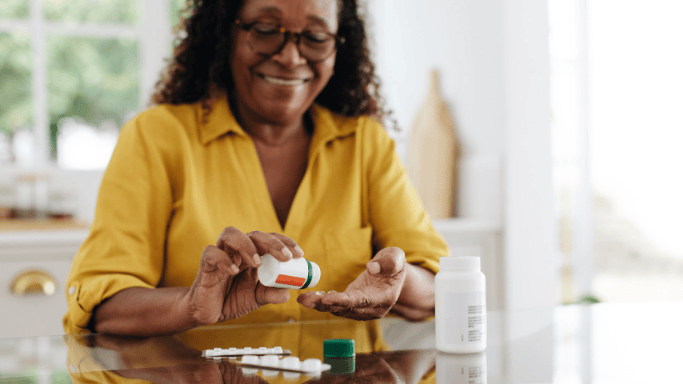
An image of a matured woman taking supplement

Most clinical studies have used creatine monohydrate at doses ranging from 5-10 grams daily. The key is finding the right approach for each individual.

Optimization Strategies

To maximize benefits and minimize side effects:

  • Start with lower doses and gradually increase as tolerated. This helps identify your optimal amount.
  • Take divided doses throughout the day rather than a single large dose. This improves absorption and reduces digestive issues.
  • Ensure adequate hydration while supplementing. Proper fluid intake helps prevent cramping and supports optimal function.
  • Combine with carbohydrates to enhance cellular uptake. This can improve the effectiveness of supplementation.

The Bigger Picture for Brain Health

While creatine alone may not dramatically change Parkinson’s disease progression, it fits into a broader approach to brain health supplements.

Cellular Energy and NAD+

The connection between cellular energy and neurological health extends beyond creatine alone. NAD+ levels also decline with age and may contribute to neurodegenerative processes.

Jinfiniti’s Vitality↑® NAD+ Booster combines the benefits discussed in this article. This comprehensive formula contains creatine monohydrate alongside NAD+ precursors, D-ribose, and niacinamide.

This combination addresses cellular energy from multiple angles. The creatine provides immediate energy support while NAD+ precursors help restore the cellular machinery needed for long-term energy production.

For a truly personalized approach, consider testing your NAD+ levels first. This allows for targeted interventions based on your individual biochemistry rather than generic supplementation.

Vitality Mini CTA

Supporting Mitochondrial Health

Mitochondrial decline represents a key factor in Parkinson’s disease progression. Supporting these cellular powerhouses through multiple approaches may provide cumulative benefits.

Creatine may work synergistically with other mitochondrial health supplements to support overall cellular function.

Current Medical Perspective

An image of health professionals in a meeting

Healthcare providers should understand both the limitations and potential benefits of creatine in Parkinson’s disease. While it’s not a disease-modifying therapy, it may offer supportive benefits.

The excellent safety profile means patients can try creatine with minimal risk. The key is setting appropriate expectations about outcomes.

Clinical Decision Making

Any decision to use creatine should be made in consultation with healthcare providers. Consider it as part of a comprehensive approach rather than a standalone treatment.

Focus on evidence-based treatments for Parkinson’s disease first. Then explore how creatine might complement established therapies.

Looking Forward

The future of creatine research in Parkinson’s disease likely lies in combination approaches and precision medicine. Recent combination therapy studies show more promise than single-agent trials.

Understanding which patients might benefit most from creatine supplementation represents an important research direction. Not everyone responds the same way to interventions.

Key Research Takeaways

Current evidence suggests creatine offers:

  • Meaningful benefits for muscle function and exercise capacity
  • Potential mood improvements
  • Enhanced cellular energy support
  • Excellent safety profile for long-term use

The disappointing results from large disease-modification trials don’t negate these ancillary benefits. They simply clarify where creatine’s value lies.

Future research focusing on optimal dosing, timing, and patient selection could reveal better ways to harness creatine’s potential. The foundation exists for more targeted applications.

Creatine may not be the breakthrough therapy once hoped for, but it remains a valuable tool in comprehensive Parkinson’s care. The key is understanding its appropriate role and setting realistic expectations about benefits.

Referenced Sources:

  1. https://pubmed.ncbi.nlm.nih.gov/21448659/ ↩︎
  2. https://pmc.ncbi.nlm.nih.gov/articles/PMC6091572/ ↩︎
  3. https://karger.com/ene/article-abstract/73/3-4/205/125880/The-Effect-of-Creatine-and-Coenzyme-Q10 ↩︎
  4. https://www.frontiersin.org/journals/neuroscience/articles/10.3389/fnins.2024.1492028/full ↩︎
  5. https://pubmed.ncbi.nlm.nih.gov/17312085/ ↩︎
  6. https://pmc.ncbi.nlm.nih.gov/articles/PMC5457735/ ↩︎
  7. https://www.tandfonline.com/doi/full/10.1080/15502783.2025.2488937 ↩︎
Supplements in small bowls on a green background

5 Antioxidant Supplements for Oxidative Stress Relief

Your cells face attack every single day. Every breath creates cellular waste products. These byproducts can damage your body from the inside out.

This damage is called oxidative stress. It drives aging and chronic disease. You might feel it as unexplained fatigue or brain fog. These could be early signs that oxidative stress is winning.

If you’re experiencing persistent chronic fatigue, addressing oxidative stress may be an important piece of the puzzle.

Most people accept these changes as normal aging. What if they’re not normal at all? What if you can prevent them?

You can fight back with the right antioxidant approach.

Key Takeaways

  • Oxidative stress speeds up aging. Free radicals damage your DNA and cell membranes faster than your body can repair them.
  • Multiple antioxidants work better together. The most effective approach combines several antioxidants that support each other.
  • Quality matters more than quantity. Look for supplements designed for maximum absorption.
  • Testing shows your specific needs. Understanding your current stress levels helps you target what matters most.

What Is Oxidative Stress?

Reactive oxygen species are unstable molecules missing an electron. Think of them as cellular bullies stealing from healthy cells.

Your body makes free radicals naturally during energy production. External factors create even more.

Pollution, UV rays, processed foods, and stress all increase free radical production.

When free radicals outnumber your natural defenses, damage builds up. This imbalance is oxidative stress.

Over time, this damage affects everything.

Your DNA takes hits that can cause mutations. Cell membranes become leaky. Proteins lose their shape and stop working.

The result? Faster aging and higher risk of cardiovascular disease, diabetes, and brain disorders.

Your body has natural defenses. Antioxidant enzymes work around the clock to limit damage.

But these systems decline with age. Today’s world creates more oxidative stress than ever before.

Diet alone often falls short. Even perfect nutrition may not provide enough antioxidants for today’s demands.

This is where a targeted dietary supplement approach becomes valuable. They give your body extra support to restore balance.

Top 5 Antioxidant Supplements

Different antioxidants work in unique ways. Each targets specific types of damage.

The best approach combines multiple antioxidants. This creates complete protection against free radical damage.

SupplementPrimary BenefitsKey Considerations
QuercetinAntioxidant protection, clears aging cells, supports cardiovascular healthPoor absorption alone – needs enhancers
CurcuminDual antioxidant/anti-inflammatory action, DNA protectionRequires piperine for bioavailability
Vitamin CMaster antioxidant, regenerates other antioxidants, collagen supportNatural forms with cofactors work better
CoQ10Energy production, mitochondrial protection, heart supportUbiquinol form absorbs better than ubiquinone
Vitamin ECell membrane protection, works with vitamin CMixed tocopherols provide broader benefits

1. Quercetin

Quercetin is a flavonoid found in onions, apples, and berries. It’s one of nature’s strongest antioxidants.

This compound donates electrons to free radicals. This antioxidant effect stops them from damaging your cells.

Quercetin does more than basic antioxidant activity. It also helps clear out damaged, aging cells.

These “zombie cells” build up with age. They pump out inflammatory signals throughout your body. Clearing them reduces chronic inflammation.

Research shows quercetin can lower oxidative stress markers.1 It also provides beneficial effects for immune function and cardiovascular health.2

Studies show quercetin crosses the blood-brain barrier. This makes it valuable for protecting brain cells too.3

The challenge with quercetin is absorption. Your body doesn’t absorb it well alone.

This is why complete formulations matter. Jinfiniti’s SenoAid combines quercetin with other compounds and absorption boosters.

SenoAid Mini

2. Curcumin

Curcumin gives turmeric its golden color. People have used it medicinally for thousands of years.

This compound provides dual action. It neutralizes free radicals directly while boosting your body’s own antioxidant enzymes. These unique antioxidant properties make it especially effective against inflammation.

Curcumin protects you in several ways:

  • It blocks inflammation-causing enzymes4
  • It lowers oxidative stress markers5
  • It protects DNA from damage6

These actions make curcumin powerful against aging and chronic disease. It’s especially effective against the low-grade inflammation that drives aging.

The main challenge is bioavailability. Your liver breaks down curcumin quickly.

Black pepper extract changes everything. Its active compound, piperine, can increase curcumin absorption by up to 2000%.

This is why quality matters in curcumin supplements. Formulations with piperine deliver much better results.

Extra Strength Turmeric+ from Jinfiniti combines curcumin with black pepper. It also includes boswellia, ginger, and quercetin for enhanced anti-inflammatory action.

3. Vitamin C

Oranges on a tree branch

Most people think vitamin C only boosts immunity. But it’s one of your body’s primary antioxidant defenders.

Vitamin C is water-soluble. It works throughout your body’s fluid systems to neutralize free radicals.

This vitamin also regenerates other antioxidants.7 It recycles vitamin E and helps maintain glutathione levels.

Vitamin C supports collagen production too. This protein needs vitamin C to form properly.

The source of vitamin C matters. Synthetic ascorbic acid provides basic vitamin activity. But it lacks supporting compounds found in whole foods.

Natural vitamin C from sources like amla extract comes with bioflavonoids. These enhance absorption and effectiveness. Different forms of vitamin C in supplements offer varying levels of bioavailability and benefits.

Vitamin C works best with complementary nutrients. One effective partner is zinc.

Together, they provide enhanced antioxidant protection and immune support. That’s why combinations like Natural Vitamin C + Zinc often work better than either nutrient alone.

4. CoQ10 (Coenzyme Q10)

CoQ10 plays a unique dual role in cells. It’s needed for energy production and serves as a powerful antioxidant.

This compound exists in every cell. It concentrates in your heart, brain, and liver – organs with high energy needs.

CoQ10 works inside your mitochondria to help make ATP, your cellular energy currency. It also protects mitochondrial membranes from damage.

Supporting overall mitochondrial health becomes increasingly important as we age and face more oxidative stress.

Research shows CoQ10 levels drop with age.8 By age 60, you may have 50% less CoQ10 than at age 20.

This decline reduces energy production and increases oxidative damage. Supplementation can help restore optimal levels.

Studies show CoQ10 benefits heart health. Supplements may improve exercise capacity and reduce oxidative stress in heart patients.9

CoQ10 also supports brain function. It may help protect against neurodegenerative diseases by reducing brain oxidative stress.

The ubiquinol form of CoQ10 absorbs better than ubiquinone. This is especially important for older adults.

5. Vitamin E

Olive tree

Vitamin E is your body’s primary fat-soluble antioxidant. It protects cell membranes from oxidative damage.

Cell membranes contain fats that are vulnerable to free radical attacks. Vitamin E embeds in these membranes and neutralizes threats.

This vitamin works with vitamin C. When vitamin E neutralizes a free radical, it becomes oxidized. Vitamin C then regenerates vitamin E back to its protective form.

There are eight forms of vitamin E. Alpha-tocopherol gets the most attention. But gamma-tocopherol may be just as important.

Mixed tocopherols provide broader protection than alpha-tocopherol alone.10 They work together to protect different parts of cells.

Natural vitamin E absorbs better than synthetic forms. It also stays in tissues longer.

Good food sources include nuts, seeds, and olive oil. But getting therapeutic amounts through diet alone can be challenging.

Lifestyle Support for Antioxidant Protection

An image of lifestyle support for antioxidant protection

Antioxidant supplements work best with healthy lifestyle habits. Your daily choices impact oxidative stress levels.

  • Eat colorful foods: Choose fruits and vegetables rich in natural antioxidants. Berries, leafy greens, and deeply colored vegetables offer the highest amounts.
  • Move regularly: Engage in moderate physical activity daily. Intense exercise can temporarily increase free radicals. Consistent moderate activity boosts your body’s antioxidant defenses.
  • Prioritize sleep: Aim for 7-9 hours of quality sleep nightly. Deep sleep is when your body repairs oxidative damage. Quality sleep supports natural cellular repair processes that help counteract daily oxidative stress.
  • Manage stress: Practice stress-reduction techniques like meditation. Chronic stress raises cortisol, which increases free radical production.
  • Consider thermal therapy: Use saunas or cold exposure to activate your body’s adaptive antioxidant responses.

Together, these habits create a powerful daily routine. They help your body stay resilient and protected from oxidative damage.

Your Personal Antioxidant Plan

An image of a woman taking supplement

The best antioxidant strategies combine multiple compounds. Single antioxidants work better when supported by others.

This is called the antioxidant network. Vitamins C and E, CoQ10, and other antioxidants work together for complete protection.

Quality matters in antioxidant supplements. Look for products that include absorption enhancers and supporting compounds.

Third-party testing ensures purity and potency. Avoid products without certificates of analysis.

Bioavailability can make or break supplement effectiveness. Enhanced formulations provide better results than basic versions.

Testing helps you understand your current oxidative stress levels. Biomarker panels measure specific indicators of oxidative damage.

This data lets you create a personalized antioxidant strategy. You can target your specific needs rather than guessing.

Our AgingSOS panels measure multiple markers of oxidative stress, inflammation, and cellular damage. This complete picture guides your supplementation choices.

Regular testing also lets you track progress. You can see whether your antioxidant strategy is working.

Your antioxidant needs may change over time. Age, health status, and lifestyle factors all influence requirements.

A personalized approach ensures you get the right antioxidants in the right amounts. This maximizes benefits while avoiding unnecessary supplementation.

AgingSOS Mini Promo

Bottom Line

Oxidative stress speeds up aging and increases disease risk. Your natural antioxidant defenses decline with age while oxidative stress increases.

Smart supplementation can restore balance and protect cells from damage. The five most effective antioxidant supplements work through different mechanisms.

Quercetin provides antioxidant and cellular cleanup benefits. Curcumin offers dual antioxidant and anti-inflammatory action. Vitamin C serves as a master antioxidant that regenerates other protective compounds.

CoQ10 supports both energy production and antioxidant protection. Vitamin E protects cell membranes from damage.

Lifestyle factors greatly impact oxidative stress levels. Supplements work best as part of a complete approach including proper diet, exercise, sleep, and stress management.

Testing helps you understand your current oxidative stress levels and track progress. This allows for personalized supplementation strategies.

The most effective approach combines multiple antioxidants that work together. Quality formulations with enhanced bioavailability provide superior results.

Your antioxidant strategy should align with your broader longevity goals. Reducing oxidative stress is one key component of healthy aging and disease prevention.

Referenced Sources:

  1. https://www.sciencedirect.com/science/article/pii/S0261561411000264 ↩︎
  2. https://www.frontiersin.org/journals/cardiovascular-medicine/articles/10.3389/fcvm.2023.1203713/full ↩︎
  3. https://pubmed.ncbi.nlm.nih.gov/21302433/ ↩︎
  4. https://pmc.ncbi.nlm.nih.gov/articles/PMC8572027/ ↩︎
  5. https://www.frontiersin.org/journals/pharmacology/articles/10.3389/fphar.2025.1517174/full ↩︎
  6. https://pubmed.ncbi.nlm.nih.gov/21332098/ ↩︎
  7. https://www.sciencedirect.com/science/article/pii/S0002916522044136 ↩︎
  8. https://pmc.ncbi.nlm.nih.gov/articles/PMC6627360/ ↩︎
  9. https://www.tandfonline.com/doi/full/10.1080/13813455.2025.2507746 ↩︎
  10. https://pubmed.ncbi.nlm.nih.gov/11846411/ ↩︎
An older woman in a yoga pose outside

What is Healthspan and Why Does it Matter?

Living longer doesn’t automatically mean living better. While medical advances have extended the total number of years we live, older adults now spend nearly a decade on average dealing with chronic illness and declining function.

This gap between how long we live (lifespan) and how long we stay healthy (healthspan) is why focusing solely on longevity misses the bigger picture.

Here’s what healthspan really means and how to maximize your healthy, active years.

Key Takeaways

  • While we’re living longer than ever before, there’s a surprising 9-year gap between how long we live and how many of those years we actually spend in good health.
  • Simple daily choices like what you eat, how you move, and who you connect with can dramatically influence whether you spend your later years thriving or just surviving.
  • Scientists are discovering breakthrough tools and strategies to measure and extend healthy years, but the most powerful interventions might already be within your reach.

What is Healthspan?

An image showing what is health span

Healthspan is the period of life you spend in good health, free from serious chronic conditions and major disabilities. 

It’s not just about how many years you live. It is about how well you live those years, focusing on your overall quality of life and ability to enjoy daily activities. 

Unlike traditional health metrics that focus on treating disease or simply tracking how long you live, healthspan emphasizes the quality of those years.

There’s a growing focus on healthspan in science. For instance, the medical database PubMed saw mentions of “healthspan” jump from just 14 before the year 2000 to over 900 by mid-2018.1 This shows a clear shift towards understanding how to improve the quality of our years.

Healthspan vs. Lifespan: Understanding the Difference

An image of a woman with a good healthspan

Lifespan is the total length of a person’s life, from birth until death. Healthspan, however, describes the part of that life spent in good health, free from major illness or disability.

Simply put, lifespan measures how long you live, whereas healthspan measures how many of those years are healthy and active.

Here’s why this distinction matters. You could live to 100 but spend your last 30 years managing diabetes, heart disease, and mobility issues. Your lifespan would be impressive, but your healthspan tells a different story.

Medical perspectives are shifting because of this gap. Healthcare professionals now recognize that simply extending life isn’t enough. The goal is adding life to years, not just years to life.

This change reflects a growing understanding that successful aging means maintaining vitality and independence, not just reaching advanced age.

The Growing Gap Between Healthspan and Lifespan

An image of a couple with a good health span

The numbers tell a concerning story. Globally, the healthspan-lifespan gap has grown from 8.5 years in 2000 to 9.6 years in 2019.2 This represents a 13% increase over just two decades.

We’re living longer than ever before, with life expectancy having doubled over the last two centuries around the world.3 However, our healthy years haven’t kept pace. Globally, the average health-adjusted life expectancy is 63.3 years, significantly less than the mean life expectancy of 72.5 years.4

This creates real challenges. At a personal level, it means spending more years managing chronic diseases and disabilities. You might live to 80 but struggle with health issues for your final decade.

For society, this gap strains healthcare systems and economies. More people need long-term care and medical management. The burden falls on families, communities, and healthcare resources.

The United States faces the largest healthspan-lifespan gap at 12.4 years, driven by high rates of chronic diseases.5 Women experience an even wider gap than men, averaging 2.4 additional years with health challenges.

Why Healthspan Matters More Than Lifespan

An image of an old woman with a good health span

The difference between living longer and living better becomes clear when you consider what truly matters in your later years.

Personal Benefits

A longer healthspan means more years of independence, allowing you to engage fully in life’s activities. This might mean playing with grandchildren, pursuing hobbies, or staying socially connected with friends and family.

The beauty of healthspan is that it’s personal. For some people, it means maintaining the ability to travel independently at 85. For others, it’s continuing to read books or play musical instruments. The key is maintaining your ability to function and enjoy daily activities, not just adding years to your life. 

This personalized approach to health goals makes healthspan both meaningful and achievable. Rather than focusing solely on reaching a certain age, you can work toward maintaining the specific functions that matter most to you.

Economic and Social Benefits

The economic implications are substantial. Poor health costs U.S. employers more than $530 billion annually in lost productivity. By extending healthspan, we can reduce healthcare costs and increase economic productivity.

A longer healthspan means people can contribute to society longer through work, volunteering, and caregiving. This reduces the burden on healthcare systems and families while strengthening communities.

Research shows that targeting aging itself offers potentially larger economic gains than treating individual diseases. A slowdown in aging that increases life expectancy by just one year is worth $38 trillion globally.

Factors That Influence Your Healthspan

An image of a woman with a good health span

Multiple factors work together to influence how many healthy years you’ll enjoy. While genetics plays a role, lifestyle choices have the most significant impact on your health trajectory.

Diet and Nutrition

Research shows that choosing low-carbohydrate diets or diets rich in vegetables, fruits, nuts, cereals, fish, and unsaturated fats can decrease cardiovascular disease and obesity risk.6 These foods contain antioxidants, potassium, and omega-3 fatty acids that protect your brain from aging and reduce the risk of telomere shortening.

Plant-based diets providing bioactive phytonutrients may help offset hallmarks of aging and reduce chronic disease risk.7 Key nutritional factors include polyphenols like resveratrol and quercetin, which can modulate cellular pathways critical for longevity.

Physical Activity

Regular physical activity bolsters cardiovascular health, strengthens muscles and bones, enhances mood, and boosts overall energy levels.

The four pillars of fitness for longevity include cardio exercise, strength training, balance and mobility work, and proper recovery. Cardio improves heart health and endurance. Strength training maintains muscle mass that naturally declines with age. Balance exercises reduce fall risk.

Even modest increases in activity yield significant benefits. Adults should aim for at least 150 minutes of movement per week, with studies suggesting even greater benefits at 300 minutes weekly.

Sleep and Recovery

Sleep functions as a restorative process, providing time for your brain and body to recover from daily activities. Poor sleep increases cortisol levels, contributing to inflammation and accelerated aging.

Recovery needs become more important as you age. Sleep disturbances can increase DNA damage and cellular senescence, key drivers of aging.8

Social Connection and Mental Health

Strong relationships support emotional resilience, lower stress, and are linked to longer, healthier lives. According to the study published in The Royal Society, people with robust social ties have a 50% higher survival rate compared to those with weaker connections.9 

Mental health also plays an equally important role. Depression, chronic stress, and anxiety contribute to inflammation and accelerated aging processes.10

Practical Steps to Extend Your Healthspan

An image of a woman with a good sleep

Taking control of your healthspan starts with evidence-based strategies you can implement today.

  • Move Your Body Daily: Aim for moderate physical activity daily, including strength training, cardiovascular exercise, and balance work. This includes cardio, strength training, and balance work. Even brief, regular sessions significantly benefit overall health.
  • Prioritize Quality Sleep: Maintain a consistent sleep schedule with 7-8 hours of restful sleep nightly to promote cellular repair and rejuvenation.
  • Eat Nutrient-Dense Foods: Focus on whole foods rich in antioxidants, healthy fats, and fiber. Include nuts, which can reduce premature death risk by 39% when consumed three times weekly.11
  • Stay Hydrated: Proper hydration supports organ function and helps regulate body temperature, contributing to slower biological aging.
  • Build Strong Social Connections: Maintain meaningful relationships, as strong social ties can increase survival rates by 50%.

These steps work together to compress the period of illness and extend your healthy years.

AgingSOS Mini Promo

The Science of Extending Healthy Years: Research Frontiers

Scientists are making exciting discoveries in healthspan research. One promising area focuses on geroprotectors, which are substances that slow aging and extend healthy years.12 Well-known natural geroprotectors include metformin, resveratrol, aspirin, and spermidine.

Researchers are using advanced technology to accelerate discovery. Scientists recently developed AgeXtend, an AI platform that screened over 1.1 billion compounds to identify new anti-aging candidates.13 This technology accurately identified known geroprotectors like metformin and taurine, even when excluded from training data.

Another breakthrough involves genetic rewiring. University of California researchers extended yeast cell lifespan by 82% by manipulating aging pathways.14 While this is early-stage research, it demonstrates potential for genetic approaches to healthspan extension.

Challenges remain significant. Translating findings from simple organisms to humans takes decades. Many promising interventions work in laboratory animals but may not benefit humans. Additionally, measuring healthspan consistently across studies proves difficult, as it encompasses multiple health dimensions rather than a single metric.

Despite these hurdles, the field is advancing rapidly with new tools and approaches.

Your Healthspan Journey Starts Now

An image showing a healthy couple

Healthspan is about more than just living longer, it’s about making the most of every year by staying healthy, active, and independent. By focusing on factors affecting it, like nutrition, movement, sleep, and social connection, you can help close the gap between how long you live and how well you live.

The science of healthy aging is advancing every year, offering new tools and insights to support your journey. While no one can predict the future, your daily choices play a powerful role in shaping it.

Start today by taking small, evidence-based steps to support your healthspan. Your proactive choices are your most powerful tool.

Referenced Sources:

  1. https://pmc.ncbi.nlm.nih.gov/articles/PMC6136295/ ↩︎
  2. https://pmc.ncbi.nlm.nih.gov/articles/PMC11635540/ ↩︎
  3. https://ourworldindata.org/life-expectancy-globally ↩︎
  4. https://jamanetwork.com/journals/jamanetworkopen/fullarticle/2827753 ↩︎
  5. https://pmc.ncbi.nlm.nih.gov/articles/PMC11635540/ ↩︎
  6. https://pmc.ncbi.nlm.nih.gov/articles/PMC8838212/ ↩︎
  7. https://www.frontiersin.org/journals/nutrition/articles/10.3389/fnut.2024.1409339/full ↩︎
  8. https://pmc.ncbi.nlm.nih.gov/articles/PMC8658028/ ↩︎
  9. https://royalsocietypublishing.org/doi/10.1098/ ↩︎
  10. https://pmc.ncbi.nlm.nih.gov/articles/PMC7400286/ ↩︎
  11. https://www.sciencedaily.com/releases/2013/07/130715202458.htm ↩︎
  12. https://pmc.ncbi.nlm.nih.gov/articles/PMC5440114/ ↩︎
  13. https://indiaai.gov.in/article/indian-scientists-develop-ai-based-agextend-platform-for-anti-ageing-research ↩︎
  14. https://www.medicalnewstoday.com/articles/longevity-scientists-use-genetic-wiring-to-increase-cells-lifespan#Lifespan-almost-doubled-after-genetic-rewiring ↩︎
Endurance cyclist dripping sweat against a smoky background

Does Creatine Help Boost Cardio Endurance?

You’ve probably heard about creatine for building muscle and boosting strength training performance. But what about cardio?

Many endurance athletes wonder if creatine can give them an edge in their cardiovascular workouts. The answer isn’t straightforward.

Research shows mixed results when it comes to creatine and endurance performance. Some studies show benefits, while others show little to no improvement for traditional cardio activities.

Let’s explore what science tells us about creatine supplementation and cardiovascular exercise.

Key Takeaways

  • Creatine shows mixed results for traditional steady-state cardio
  • More beneficial for interval training and high-intensity cardiovascular work
  • May improve recovery between training sessions
  • Safe for heart health with no adverse cardiovascular effects

What is Creatine and How Does It Work?

Creatine is a natural compound found in your muscles. It plays a crucial role in energy production during exercise.

Your body uses creatine to regenerate adenosine triphosphate (ATP). ATP is the primary energy currency your cells use for all activities.

The Role of Creatine in Energy Production

When you exercise intensely, your muscles burn through ATP quickly. Creatine help comes from the phosphocreatine system.

This system rapidly regenerates ATP during high-intensity efforts. Studies show that creatine supplementation consistently increases intracellular creatine stores1.

More creatine stores mean better ability to resynthesize ATP when you need it most. This process works best during short bursts of intense activity.

Here’s how creatine functions in your muscles:

SystemDurationPrimary Fuel
Phosphocreatine0-10 secondsCreatine phosphate
Glycolytic10 seconds-2 minutesGlucose/glycogen
Oxidative2+ minutesOxygen + various fuels

Interestingly, research indicates that endurance athletes have significantly higher mitochondrial creatine kinase activity than non-athletes2. This suggests creatine may play a bigger role in endurance than previously thought.

Effects of Creatine on Cardiovascular Performance

Woman doing HIIT on assault bike

The relationship between creatine and cardio performance is complex. Results vary depending on the type of cardiovascular exercise you’re doing.

Mixed Results for Traditional Endurance Exercise

Traditional steady-state cardio shows inconsistent benefits from creatine. Comprehensive reviews indicate that creatine works best for short-duration, high-intensity activities1.

The effects diminish as exercise duration increases. One study on endurance cycling found no significant effects on oxidative capacity or time-trial performance3.

Similarly, research on treadmill running showed no measurable effect on respiratory gas exchange during steady-state exercise4.

However, some studies paint a different picture. Research with 60 male athletes found that four weeks of creatine monohydrate supplementation significantly decreased heart rates during submaximal exercise5.

This contradicts some common misconceptions about creatine’s universal benefits across all exercise types. For more clarity on what creatine can and can’t do, check out our guide on creatine myths debunked by science.

Benefits for High-Intensity Interval Training

Creatine shows more promise for intermittent cardio activities. This makes sense given how the phosphocreatine system works.

Research on high-intensity interval training found significant improvements in ventilatory threshold6. The creatine group improved by 16% compared to 10% for placebo.

Both groups improved maximal oxygen consumption. But only the creatine group significantly enhanced submaximal exercise performance.

Key benefits for interval training include:

  • Enhanced recovery between high-intensity bouts
  • Improved power output during intense intervals
  • Better maintenance of performance across multiple sets
  • Reduced fatigue accumulation

Studies with firefighters demonstrated that creatine supplementation improved occupational performance tasks involving intermittent high-intensity activities7.

How Creatine Supplements Impact Different Exercise Types

Runner tying his shoes before a run

The type of cardiovascular exercise you do matters when considering creatine supplementation. Different activities rely on different energy systems.

Creatine and Running Performance

Running research shows limited benefits for continuous endurance running. One study on supramaximal running found that creatine improved phosphagen energy pathway contribution8.

However, it didn’t significantly affect anaerobic capacity or time to exhaustion. This suggests creatine may help with the initial burst but not sustained running performance.

For runners who incorporate speed work and intervals, creatine may offer more benefits. The supplement could help maintain power during track workouts or hill repeats.

Cycling and Rowing Results

Cycling studies show mixed results for endurance exercise performance. Some research demonstrates no benefit for time-trial performance3.

Other studies suggest benefits for repeated sprint performance and recovery between high-intensity cycling bouts.

Elite rowers appear to respond well to creatine. Research with competitive rowers showed improvements in both lactate threshold and anaerobic performance9.

The lactate threshold increased significantly from 314.3 W to 335.6 W after creatine treatment. The placebo group showed no significant change.

When to Take Creatine for Endurance Benefits

739675a807b4256c479a5c134b52d53673d549a879e966e0f83d1a91be265af2?ts=1749907456

Timing matters less for endurance benefits compared to strength training applications. Most successful studies used standard loading protocols.

How Much Creatine Should I Take?

Most research uses typical creatine dosing protocols. The standard approach involves two phases:

Loading Phase: 20 grams of creatine daily for 5 days

Maintenance Phase: 2-5 grams daily thereafter

You can skip the loading phase and take 3-5 grams daily from the start. This approach takes longer to saturate your muscles but avoids potential digestive issues.

ProtocolDoseDurationTime to Saturation
Loading20g/day5 days5-7 days
No Loading3-5g/dayOngoing3-4 weeks

For endurance athletes, consistency matters more than timing. Take creatine at the same time each day to maintain elevated muscle stores.

Some athletes prefer taking creatine post-workout when combined with carbohydrates. This may enhance uptake, though the evidence is mixed for endurance benefits.

Side Effects of Creatine and Safety

Understanding potential side effects helps you make informed decisions about supplementation. The good news is that creatine has an excellent safety profile.

Is Creatine Monohydrate Safe to Take?

Creatine monohydrate is safe to take for most healthy individuals. Research consistently shows that creatine supplementation appears safe from a cardiovascular perspective10.

Studies with resistance-trained women found that creatine improved muscular performance without any significant effects on cardiovascular variables.

Research examining cardiovascular responses to exhaustive cycling found no effects of creatine on heart rate or oxygen uptake responses11.

Common side effects are mild and temporary:

  • Initial weight gain from water retention
  • Mild digestive upset during loading phase
  • Occasional muscle cramping if under-hydrated

The weight gain isn’t fat gain. It’s water being pulled into your muscles along with creatine. This effect typically levels off after the first week.

Stay well-hydrated when using creatine. The supplement draws water into muscle cells, so adequate fluid intake is important.

Women often have specific questions about creatine use. For detailed answers about weight gain, hormonal effects, and safety considerations, read our creatine FAQs for women.

Benefits of Creatine Beyond Strength and Power

Woman stretching on the beach in yoga outfit

While creatine is famous for strength and power benefits, it offers other advantages that may help endurance athletes.

Recovery and Muscle Protection

Creatine may enhance recovery between exercise bouts. This indirect benefit can improve your ability to maintain training volume and intensity.

Studies indicate that creatine can mitigate muscle damage and promote faster recovery of force-production potential1.

Research shows that creatine supplementation significantly reduced muscle inosine monophosphate accumulation during intense endurance exercise12. This suggests improved muscle energy balance during aerobic activities.

Additional benefits for take creatine supplements include:

  • Reduced markers of muscle damage
  • Improved recovery following intense exercise
  • Better maintenance of muscle mass during high-volume training
  • Enhanced cellular hydration

Animal studies suggest that creatine combined with exercise training enhances myocardial energy reserves and cardiac function13.

Some endurance athletes find that creatine helps them recover faster between training sessions. This allows for more consistent high-quality workouts.

Better recovery often means improved sleep quality and reduced fatigue. Learn more about how creatine may help reduce sleep deprivation effects on performance.

Should Endurance Athletes Take Creatine Supplements?

Woman at the top of mountain after a trail run

The decision to take creatine depends on your specific training and competition demands. Pure endurance running may see limited benefits.

Athletes who combine endurance training with strength training, weight training, or interval work may benefit more. The supplement can help maintain power during the intense portions of training.

Consider creatine if your sport involves:

  • Repeated sprints or surges
  • Mix of endurance and power demands
  • High training volumes requiring better recovery
  • Combination of cardiovascular and strength training

Research suggests that creatine supplementation improved time to exhaustion in heat conditions, particularly in individuals who were “responders” to creatine14.

Not everyone responds the same way to creatine. Some people are “responders” while others see minimal benefits. You won’t know which group you’re in until you try it.

If you decide to try creatine, consider pairing it with other performance-supporting supplements. Our Creatine + ATP supplement combines creatine monohydrate with disodium ATP for enhanced cellular energy support.

For a comprehensive approach to optimizing your cellular energy, consider our Vitality↑® NAD+ Booster. This formula includes creatine alongside NAD+ precursors to support multiple energy pathways.

You might also benefit from understanding how creatine works with ATP or learning about different types of creatine supplements.

Creatine+ mini promo

The Final Scoop on Creatine for Cardio

Creatine offers mixed benefits for cardiovascular exercise performance. The supplement works best for activities involving repeated high-intensity efforts rather than sustained moderate-intensity exercise.

If your cardio includes interval training, hill repeats, or sports requiring both endurance and power, creatine may help. Pure steady-state endurance activities show less consistent benefits.

The creatine may improve your recovery between training sessions. Better recovery can lead to improved performance over time, even if individual workout benefits are modest.

Creatine supplementation appears safe for cardiovascular exercise. Studies show no adverse effects on heart function or blood pressure in healthy populations.

Consider trying creatine for 4-6 weeks to see if you’re a responder. Start with 3-5 grams daily and monitor your performance and recovery.

Remember that no supplement replaces consistent training, proper nutrition, and adequate recovery. Creatine works best as part of a comprehensive approach to endurance performance optimization.

Referenced Sources

  1. https://www.mdpi.com/2072-6643/13/6/1915 ↩︎
  2. https://www.physiology.org/doi/10.1152/jappl.1986.61.2.482 ↩︎
  3. http://cs.portlandpress.com/cs/104/cs1040153.htm ↩︎
  4. https://portlandpress.com/clinsci/article/87/6/707/76300/Effect-of-Oral-Creatine-Supplementation-on ↩︎
  5. https://www.omicsonline.org/open-access/supplementary-effect-of-creatine-on-cardiovascular-adaptation-and-endurance-performance-in-athletes-2473-6449-1000106.php?aid=70775 ↩︎
  6. https://www.tandfonline.com/doi/full/10.1186/1550-2783-6-18 ↩︎
  7. https://www.mdpi.com/2072-6643/15/24/5134 ↩︎
  8. https://www.frontiersin.org/article/10.3389/fphys.2019.00352/full ↩︎
  9. https://journals.humankinetics.com/view/journals/ijsnem/13/2/article-p173.xml ↩︎
  10. https://www.mdpi.com/2813-0413/1/3/13 ↩︎
  11. https://onlinelibrary.wiley.com/doi/10.4161/oxim.2.4.9415 ↩︎
  12. http://journals.lww.com/00005768-200512000-00006 ↩︎
  13. https://www.sciendo.com/article/10.2478/sjecr-2019-0066 ↩︎
  14. https://journals.humankinetics.com/view/journals/ijsnem/14/4/article-p443.xml ↩︎
An image of supplements for long covid

Which Supplements Have Been Studied for Long COVID?

If you’ve experienced a SARS-CoV-2 infection, you might be one of the millions facing symptoms that linger long after, a condition known as Long COVID, or Post-COVID Condition.

This can mean months of dealing with debilitating fatigue, “brain fog” that clouds thinking, shortness of breath, and ongoing inflammation, all of which can affect your quality of life.

In the search for ways to help, researchers are turning their attention to nutritional supplements. They want to look at how supplements could help reduce inflammation, protect cells from damage, and fill gaps in nutrition that might cause ongoing symptoms.

While the science is still evolving, and evidence is often preliminary, some studies offer early insights into which supplements might hold promise, though results can be mixed. In this guide, you will discover the key supplements under investigation for Long COVID and what current research indicates about their potential.

Key Takeaways

  • Long COVID affects millions, and some supplements are emerging as possible ways to manage persistent symptoms. 
  • Researchers are exploring supplements targeting inflammation, oxidative stress, and mitochondrial function. Find out which ones show the most promise.
  • Not all supplements studied for Long COVID have strong evidence behind them.
  • Personalizing your approach could be crucial to managing Long COVID symptoms effectively.

Long COVID and Nutritional Interventions

An image of a woman with long covid and her nutritional intervention

Long COVID, also called Post-Acute Sequelae of SARS-CoV-2 infection (PASC), affects approximately 6% of people following COVID-19 condition.1 This condition presents with over 200 documented symptoms that can persist for months beyond the acute infection phase.2

Scientists are exploring nutritional supplements as a possible way to manage Long COVID. This is because studies show that Long COVID may be linked to long-term inflammation, stress on cells, and problems with how the body’s cells produce energy.

Supplements offer potential benefits through their ability to support the body’s natural processes, including modulating inflammatory responses, providing antioxidant support against cellular stress, and addressing nutritional deficiencies that may contribute to persistent COVID-19 symptoms.

However, research in this area is still limited. Most of the research is still in the early stages. The results so far are mixed. Different study methods also make it hard to compare findings. Additionally, 92% of Long COVID treatment research has been conducted in high-income countries.3 Since most didn’t include people from different backgrounds, the results may not reflect what works for all groups of people.

Long COVID Symptoms

An image of a woman with symptoms of long covid

Long COVID can affect nearly every system in the body. The most reported symptoms include fatigue, shortness of breath, brain fog, sleep disturbances, chest pain, and joint or muscle aches. Some people also experience anxiety, depression, or changes in taste and smell.

These symptoms may appear weeks after recovery and can persist for months, sometimes in waves. The wide range of effects makes Long COVID difficult to define and even harder to manage.

10 Supplements Studied for Long COVID

An image of supplements

Researchers are investigating a range of supplements to support overall health and address common challenges seen in Long COVID. Here’s what current science says about the most studied options:

1. Vitamin D

Vitamin D is one of the most studied nutrients in relation to both acute and Long COVID. Regular supplementation has been associated with improved quality of life and reduced fatigue. Several studies have noted that maintaining optimal vitamin D levels may support immune regulation and help the body respond to ongoing challenges after COVID infection.

In a randomized controlled trial, participants receiving vitamin D3 and K2 reported fewer symptoms and improvements in markers related to inflammation and gut health compared to those receiving standard care.4 While not all studies agree, and no supplement is proven to treat Long COVID, vitamin D’s role in immune health makes it a central focus for ongoing research.

2. Vitamin C

Vitamin C is widely known for its antioxidant effects, which can help counteract oxidative stress, a condition that may play a central role in Long COVID symptoms. Some clinical trials and meta-analyses have shown modest benefits for all-cause mortality, although the results are mixed and vary by population and dosage.5

It is often used in multi-component formulations designed to support immune health. For example, an oral supplement combining vitamin C with polyphenols showed improvements in fatigue and inflammation. The inclusion of vitamin C in such blends is largely due to its accessibility, favorable safety profile, and antioxidant potential.

If you’re looking for a reliable source, check out our Vitamin C and Zinc supplement, designed to help support immune balance and oxidative defense.

3. Melatonin

Known for antioxidant, anti-inflammatory, and immune-support properties, melatonin helps manage cognitive issues (“brain fog”) and pain, also improving sleep regulation in Long COVID.6

Melatonin may help regulate circadian rhythms, reduce oxidative damage, and modulate immune cell responses—factors believed to contribute to the persistence of symptoms in Long COVID. Early research suggests that melatonin’s potential as a neuroprotective agent could support brain health in conditions resembling ME/CFS, which overlap with Long COVID presentations.7

Although early studies are promising, they tend to be small, and more clinical trials are needed to confirm the long-term safety and effectiveness of melatonin supplementation in this population.

4. N-Acetylcysteine (NAC)

NAC acts as a precursor to glutathione, a key antioxidant in the body. Research indicates that NAC supplementation may help normalize blood clotting factors in some individuals.8 

Meta-analyses show NAC is associated with lower inflammation markers and improved oxygenation in COVID-19 patients, and ongoing trials are investigating its role in Long COVID specifically.9 NAC’s ability to help maintain antioxidant defenses and respiratory health is why it remains under active investigation.

NAC’s support of respiratory function and oxidative balance makes it a compound of interest. 

5. NAD+ Boosters (NR & NMN)

Long COVID is linked to disruptions in cellular energy production. NAD+ boosters like nicotinamide riboside (NR) and nicotinamide mononucleotide (NMN) are being studied for their ability to support energy metabolism and potentially ease fatigue. 

Early clinical trials suggest these supplements can safely increase NAD+ levels in humans, with some evidence pointing to improved metabolic function and reduced fatigue.10 11 As research continues, NAD+ boosters remain a focus for those seeking to optimize cellular energy and resilience.

6. Combination Natural Supplements

Several studies have examined blends of natural ingredients such as echinacea, rosehip, propolis, and royal jelly for their potential to support immune health and reduce fatigue.12

Clinical trials have found that these combinations may help modulate inflammation and improve quality of life in people with Long COVID. For example, one randomized trial found that a botanical blend led to reductions in inflammatory markers and improved fatigue scores.13 

7. Hydrogen-Rich Water

This is an innovative approach that has shown promise in small clinical trials. Drinking hydrogen-rich water for two weeks was associated with significant reductions in fatigue and improved exercise tolerance in people with Long COVID.14 

Its antioxidant and anti-inflammatory properties may help support cellular health and reduce the impact of oxidative stress.15 While study sizes remain small, hydrogen-rich water is generally considered safe and is being further explored for its potential benefits.

8. Essential Minerals (Zinc, Selenium, Magnesium)

Zinc, selenium, and magnesium are vital minerals for immune function and cellular processes. Studies have shown that patients with COVID-19 often have lower levels of these minerals, and supplementation may help support recovery, especially when included in combination formulas.16 

Zinc, for example, is important for immune cell function, while magnesium and selenium play roles in antioxidant defense. However, excessive intake of these minerals may have adverse effects, so it’s important to use them as directed and consult with a healthcare provider.

9. Creatine

People with Long COVID have been found to have lower creatine levels in the brain and muscles.17 A clinical trial published by Food Science & Nutrition showed fatigue reduction after 3 months of supplementation in patients with post‐COVID‐19 fatigue syndrome.18 

Creatine helps support cellular energy production and may be useful for those experiencing post-exertional malaise.

10. Quercetin

Quercetin, a plant flavonoid, has been studied in several clinical trials for COVID-19 and early Long COVID symptoms.19 Doses between 500–1500 mg daily have been associated with faster recovery, reduced inflammation, and improved viral clearance. 

Its anti-inflammatory and antioxidant properties are of particular interest for ongoing inflammation in Long COVID. These supplements are being actively researched, but most evidence is early, and not all findings are consistent. 

Always consult a healthcare professional before starting any new supplement, especially if you have underlying health conditions or are taking other medications.

Research Limitations and What They Mean

An image of medical experimentation

While interest in nutritional supplements for Long COVID is growing, several important research limitations shape what we know and what we don’t. Most studies have been conducted in high-income countries, with over 90% of research coming from these regions. 

This geographic bias means findings may not apply to people in lower-income settings, where health profiles, access to care, and even nutritional status can differ widely. Furthermore, participant diversity is limited. 

Many studies didn’t include enough children, pregnant women, older adults, and ethnic minorities. This makes it hard to know if results are relevant for everyone experiencing Long COVID.

Another major challenge is inconsistent study protocols. Researchers use different definitions for Long COVID, varied symptom checklists, and a wide range of supplement dosages and treatment durations.

These differences make it difficult to compare results or combine data across studies. Many trials also have small sample sizes and rely on observational designs, which are more prone to bias and less able to establish clear cause-and-effect relationships.

Some reviews don’t explain their methods well or meet quality standards, which makes the findings harder to interpret. That’s why we need more large, well-designed studies that include different kinds of people and use the same ways to measure results. Only then can we know if any supplements really help those with Long COVID.

Takeaways for Long COVID Patients

An image of long covid patients with the front liners

If you’re navigating recovery from Long COVID, it’s understandable to look for tools that may support your body along the way. While no supplement is approved to treat, cure, or prevent Long COVID, several nutrients and compounds are under active investigation for their potential role in symptom support.

Among the most studied are vitamin D, melatonin, N-acetylcysteine (NAC), creatine, and NAD+ precursors like NR and NMN. Early research suggests these supplements may help support energy metabolism, sleep regulation, immune balance, or general wellness in those experiencing lingering symptoms.

However, current evidence is preliminary, and supplements aren’t replacements for medical care. Always consult a healthcare provider before starting new supplements. 

Your provider can help determine what’s safe and effective based on your unique health needs and symptoms. It’s important to have realistic expectations—supplements might offer symptom relief, but are not cures.

Consider NAD+ testing to identify if cellular energy support could benefit your recovery, making supplementation more targeted and effective. Personalized approaches, guided by reliable testing, are key to managing Long COVID effectively.

Referenced Sources:

  1. https://www.who.int/news-room/fact-sheets/detail/post-covid-19-condition-(long-covid) ↩︎
  2. https://www.ncbi.nlm.nih.gov/books/NBK605678/ ↩︎
  3. https://wellcomeopenresearch.org/articles/9-358 ↩︎
  4. https://pubmed.ncbi.nlm.nih.gov/39861434/ ↩︎
  5. https://pmc.ncbi.nlm.nih.gov/articles/PMC10146309/ ↩︎
  6. https://pmc.ncbi.nlm.nih.gov/articles/PMC9687267/ ↩︎
  7. https://pubmed.ncbi.nlm.nih.gov/36358996/ ↩︎
  8. https://pubmed.ncbi.nlm.nih.gov/38126172/ ↩︎
  9. https://pmc.ncbi.nlm.nih.gov/articles/PMC10390689/ ↩︎
  10. https://pmc.ncbi.nlm.nih.gov/articles/PMC10692436/ ↩︎
  11. https://pmc.ncbi.nlm.nih.gov/articles/PMC10692436/ ↩︎
  12. https://pmc.ncbi.nlm.nih.gov/articles/PMC11053797/ ↩︎
  13. https://www.frontiersin.org/journals/nutrition/articles/10.3389/fnut.2021.658630/full ↩︎
  14. https://pmc.ncbi.nlm.nih.gov/articles/PMC11123997/ ↩︎
  15. https://pmc.ncbi.nlm.nih.gov/articles/PMC11123997/ ↩︎
  16. https://pmc.ncbi.nlm.nih.gov/articles/PMC10215594/ ↩︎
  17. https://pmc.ncbi.nlm.nih.gov/articles/PMC10394531/ ↩︎
  18. https://pmc.ncbi.nlm.nih.gov/articles/PMC10630839/ ↩︎
  19. https://www.sciencedirect.com/science/article/pii/S2405844024061115 ↩︎
A tired woman with long covid fatigue

NAD+ and Long COVID: What You Need to Know

Millions of people who’ve “recovered” from COVID-19 are still dealing with lingering symptoms. This condition, called Long COVID, can affect energy, focus, and overall quality of life.

For a long time, no one knew why the symptoms just wouldn’t go away. But recent studies are starting to reveal some answers.

One clue points to NAD+, a molecule that helps your cells make energy and stay healthy. COVID-19 seems to mess with NAD+ levels, which may trigger inflammation and fatigue.

When NAD+ drops, your body struggles to repair itself and fight off stress. That’s why researchers are exploring ways to boost NAD+ to relieve Long COVID symptoms.

Key Takeaways

  • COVID-19 can wipe out your NAD+ levels, which your cells need for energy, leaving you drained, foggy, and running on empty.
  • Checking your NAD+ levels helps you know exactly what your body needs instead of just trying random supplements.
  • Taking the right supplements like NMN or NR can give your energy a lift and calm inflammation. It takes time, but it’s a solid step toward feeling better.

What is Long COVID? (Quick Overview)

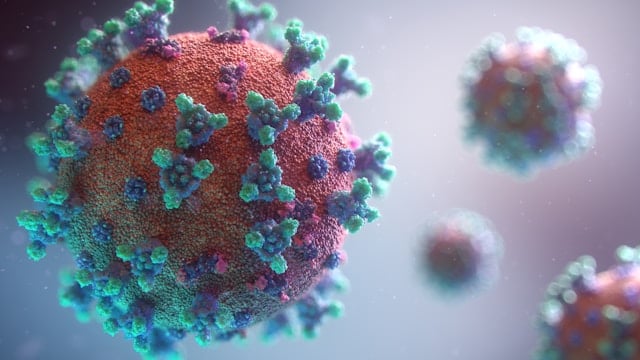
Visualization of a coronavirus

Long COVID is when symptoms stick around long after you’ve recovered from the initial COVID-19 infection.1 Doctors also call it Post-Acute Sequelae of SARS-CoV-2 infection, or PASC for short. This simply means “long-lasting effects of COVID.”

The most common complaints are fatigue, brain fog, shortness of breath, and trouble sleeping.2 Some people also experience:

  • Body aches
  • Headaches
  • Low exercise tolerance
  • Issues with the nervous system

NAD+ Basics: Your Cellular Energy Currency

NAD+ is a vital molecule found in every cell of your body. It acts as a helper that keeps your cells energized and functioning properly. 

Its main job is to carry electrons during energy production. One of the key steps it supports is glycolysis, which takes place in the cytosol (the fluid inside your cells).3

It also powers the TCA cycle (also called the Krebs cycle) and oxidative phosphorylation, both of which occur in the mitochondria.4 Simply put, NAD+ is central to turning food into usable energy.

But energy production is just part of the story. NAD+ also activates important enzymes like sirtuins, PARPs, and CD38.5 These enzymes help with DNA repair, gene regulation, and stress response.

One interesting fact is that NAD+ is compartmentalized inside cells. Different parts like the mitochondria, nucleus, and cytosol have their own NAD+ pools. 

Each part of the cell uses NAD⁺ a little differently. This setup allows the molecule to multitask and support several vital functions at once.

In the mitochondria (your cell’s energy center), NAD⁺ helps convert food into usable energy. In the nucleus, where your DNA is stored, it helps repair damage and regulates gene activity.

Unfortunately, your NAD+ levels naturally decline as you age or if you become ill. When this happens, your body struggles to make energy, fix damage, and respond to stress.

Because of this, low NAD+ has been linked to many chronic diseases. This may explain why some people feel wiped out long after a COVID infection.

How COVID-19 Disrupts Your NAD+

An image of covid-19 patient receiving a swab

When you get hit with COVID-19, your NAD+ levels can drop quickly. The virus hijacks your NAD+ system to help itself replicate.6 It activates enzymes like PARPs, especially PARP1, which use up NAD+ while trying to fight the infection.7

Other enzymes such as PARP9, PARP10, and PARP14 also ramp up. This drains even more NAD+ from your cells and adds extra stress on your supply.

Among these enzymes, CD38 is a major NAD+ consumer whose activity increases during inflammation.8 When inflammation rises, CD38 goes into overdrive, making the problem worse.

As NAD+ gets used up, your cells start running low on energy (ATP). This makes it harder for them to do basic jobs, like keeping you healthy.

COVID also disrupts your NAD+ recycling system.9 It overstimulates some pathways while shutting down others. As a result, your body can’t make NAD+ fast enough to keep up with the demand.

At the same time, helpful enzymes like SIRT1 get suppressed. This makes it harder for your body to control inflammation and recover from stress.

The more severe the infection, the more your NAD+ levels tend to crash. This creates a vicious cycle. Low energy and high inflammation feed off each other, making recovery feel like an uphill battle.

NAD+ Deficiency in Long COVID Patients

A woman in a face mask outdoors

Studies show that people with Long COVID often have low levels of NAD+.10 That drop could explain a lot of the lingering symptoms.

NAD+ is what your cells use to make energy. When you don’t have enough, your cells, especially in the brain, muscles, and blood vessels, can’t work like they should.

Here’s how low NAD+ connects to common Long COVID symptoms:

  • Fatigue – Without enough NAD+, your cells can’t make enough ATP (energy), so you feel exhausted all the time even after rest. This kind of fatigue is one of the most common and frustrating symptoms people report.
  • Brain fog – Your brain runs on energy, and it needs a lot to think clearly and stay sharp. When NAD+ is low, brain cells don’t get enough fuel, and they’re more likely to get inflamed. That mix can leave you foggy, forgetful, and mentally drained.
  • Exercise intolerance – Muscles rely on NAD+ to produce energy during activity. When it’s not there, your body can’t keep up. Even light exercise can leave you wiped out or make your symptoms worse afterward.

Low NAD+ doesn’t just drain energy. It weakens your blood vessels, too. 

The cells lining your blood vessels (endothelium) depend on NAD+ to stay healthy.11 Without it, circulation and oxygen delivery suffer, which only makes energy problems worse throughout the body.

Because NAD+ supports every cell in your body, this shortage helps explain why Long COVID symptoms can feel so widespread. It’s not “just in your head”—your cells really are struggling to keep up.

Therapeutic Potential of NAD+ Supplementation

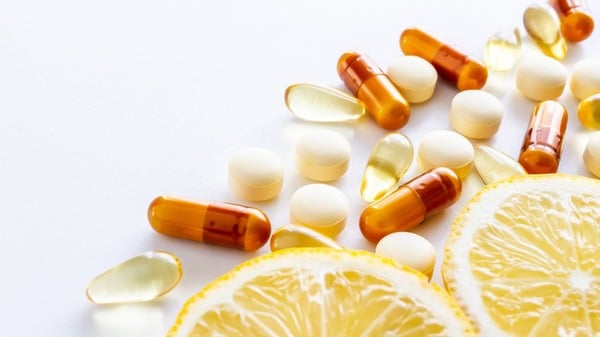
An image of supplement capsules next to a lemon

Long COVID drains your NAD+ levels. That messes with your cells’ ability to make energy and repair themselves. So it makes sense that raising NAD+ levels could help fix the problem at its root.

Early research backs this up. NAD+ precursors like nicotinamide riboside (NR), nicotinamide mononucleotide (NMN), and nicotinamide (NAM) have shown promise in lab and animal studies. They help protect cells, support mitochondria, and reduce oxidative stress—some of the same issues seen in Long COVID.

These compounds give your body the raw materials it needs to make more NAD+. That helps your cells recover, produce more energy, and work better overall. You can take them as supplements or consider NAD IV therapy if you want faster effects.12

One small study published in Elsevier tested a combo of low-dose naltrexone (LDN) and NAD+ patches in people with Long COVID. About half the participants reported better energy and quality of life, with few side effects.13

It’s not a cure, and bigger studies are still needed. But it’s a promising lead, especially when few other options are available.

Restoring NAD+ won’t fix everything overnight. Still, it targets one of the root problems behind Long COVID symptoms, and that makes it worth exploring.

Testing and Treatment: A Solution-Oriented Approach

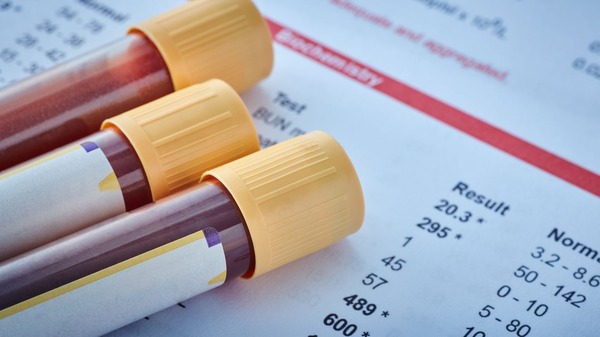
An image of blood test results and blood vials

When symptoms show up, guessing isn’t good enough. The right tests and targeted treatments can finally give you answers and a real path forward.

Why Test NAD+ Levels?

NAD+ naturally drops as you get older.14 But how much it drops depends on your lifestyle, health, and stress levels. 

Testing takes the guesswork out. It shows if what you’re doing is actually helping or if you’re just spinning your wheels.

That’s where a simple at-home test can really help. Jinfiniti’s Intracellular NAD® Test measures how much NAD⁺ is actually inside your cells, so you can see what your body needs.

It’s also the first clinically certified test of its kind. That means the results are reliable and useful, not just vague numbers.

If you’re always tired, recovering from illness, or trying to stay sharp, this test gives you a solid baseline. You’ll know what your body actually needs, instead of guessing.

No more blindly taking NAD supplements and hoping for the best. The test helps you take a targeted approach, not a “more is better” one. That means no more wasted time, money, or effort on treatments that don’t move the needle.

Boosting NAD+ Levels

Once you know your NAD+ levels are low, the next step is to raise them back up. Supplements like NMN and NR help your body make more NAD+ naturally.15

But not everyone reacts the same to NAD+ supplements. That’s why testing first is key. Jinfiniti calls this approach “Test, Act, Optimize” (TAO):

  • Test: Check your NAD+ levels and related markers to understand your starting point.
  • Act: Take the right type and dose of supplements based on your test results and personal factors.
  • Optimize: Retest regularly to see how you’re responding and adjust your plan as needed.

It’s not an instant fix. Most people start feeling more energy, focus, and quicker recovery after about 6 to 8 weeks. Your body needs time to rebuild from the inside out.

The goal isn’t just higher NAD+ numbers. It’s about feeling more like yourself, or even better. With the right plan, you stop guessing and start seeing real results.

Supporting Your Recovery

An image of long covid patient recovering

NAD+ supplements work best when they’re part of a bigger recovery plan, not a stand-alone fix.16 That means looking at the full picture: your energy systems, immune health, and how your body’s responding day to day.

Simple lifestyle changes can boost your NAD+ levels naturally and help your cells recover faster. Here are some key strategies:

  • Balanced nutrition: Eating a variety of whole foods gives your cells the nutrients they need to produce NAD+ and stay healthy.
  • Regular, paced movement: Gentle exercise improves mitochondrial function without wearing you out. It helps your body rebuild energy efficiently.17
  • Stress management: Keeping stress in check lowers inflammation and supports your cells’ ability to recover and function well.18

And while restoring NAD+ can help, it’s not a silver bullet. Most people will need a combination of therapies, like mitochondrial support, inflammation control, and lifestyle changes, to really move the needle. But tackling NAD+ deficiency is a smart place to start.

Since no two cases of Long COVID look exactly the same, there’s no one-size-fits-all solution. That’s why a personalized approach based on your health history, age, and how your symptoms show up can lead to better outcomes.

As research evolves, we’ll likely see more ways to match the right NAD+ strategy to the right person. Until then, tuning in to how your body responds and working with a provider who can guide adjustments can make a huge difference.

Takeaway

An image of woman in a face mask outdoors

Still feeling drained long after COVID? That lingering fatigue, brain fog, and low stamina could be your body’s way of signaling low NAD+ levels, a vital molecule your cells need for energy and repair.

When NAD+ runs low, your body can’t make enough energy or bounce back from stress. It’s like trying to run on a dead battery.

That’s why testing your NAD+ levels is gaining traction. It gives you a clear picture of what’s happening inside your cells. If your levels are low, targeted supplements might help get you back on track.

This isn’t some overnight fix, but it’s a solid, science-backed step. For a lot of people, it’s been a game-changer.

If you’re tired of feeling stuck, it might be time to stop guessing. A quick at-home test can point you in the right direction, so you can start feeling more like yourself again.

And remember, it’s important to talk with a healthcare provider about your results and the best next steps. They can help tailor your plan so you’re not just guessing and start feeling more like yourself again.

Remember, recovery is a journey. Small, consistent steps based on your unique biology can help you regain energy and clarity, one day at a time.

Referenced Sources:

  1. https://www.nature.com/articles/s41591-024-03173-6 ↩︎
  2. https://www.sciencedirect.com/science/article/pii/S2589537021002996 ↩︎
  3. https://www.nature.com/articles/s41392-020-00311-7 ↩︎
  4. https://www.sciencedirect.com/topics/biochemistry-genetics-and-molecular-biology/krebs-cycle ↩︎
  5. https://pmc.ncbi.nlm.nih.gov/articles/PMC8261484/ ↩︎
  6. https://pmc.ncbi.nlm.nih.gov/articles/PMC10899445/ ↩︎
  7. https://www.sciencedirect.com/science/article/pii/S1471490622000254 ↩︎
  8. https://pmc.ncbi.nlm.nih.gov/articles/PMC8917930/ ↩︎
  9. https://pmc.ncbi.nlm.nih.gov/articles/PMC11768799/ ↩︎
  10. https://www.cell.com/trends/immunology/fulltext/S1471-4906(22)00025-4 ↩︎
  11. https://pmc.ncbi.nlm.nih.gov/articles/PMC9952603/ ↩︎
  12. https://pmc.ncbi.nlm.nih.gov/articles/PMC9234841/ ↩︎
  13. https://pmc.ncbi.nlm.nih.gov/articles/PMC10862402/ ↩︎
  14. https://www.ahajournals.org/doi/10.1161/CIRCULATIONAHA.121.056589 ↩︎
  15. https://www.sciencedirect.com/science/article/pii/S2090123221001491 ↩︎
  16. https://pmc.ncbi.nlm.nih.gov/articles/PMC10692436/ ↩︎
  17. https://www.frontiersin.org/journals/physiology/articles/10.3389/fphys.2021.660068/full ↩︎
  18. https://pmc.ncbi.nlm.nih.gov/articles/PMC5476783/ ↩︎
A wooden bowl of indian gooseberries (amla fruit) on a kitchen island

Indian Gooseberry (Amla): Benefits, Nutrition & Side Effects

Indian Gooseberry, known as Amla, has earned its reputation as nature’s vitamin C powerhouse. This small, tart fruit contains more vitamin C than 20 oranges combined.

For thousands of years, Ayurvedic medicine has called Amla a “Rasayana” or rejuvenator. Modern science is now proving what ancient healers always knew. The health benefits of Amla fruit extend far beyond basic nutrition.

You’ll discover how Amla can support your immune system, heart health, and blood sugar control. We’ll also explore the practical ways to add this superfruit to your daily routine.

Key Takeaways

  • Amla contains 300-900mg of vitamin C per 100g (3-10 times daily needs), with unique compounds that keep it stable during processing
  • Scientific studies show Amla supports immune function, heart health, blood sugar control, and may improve cholesterol by 15-25%
  • Available as fresh fruit, juice, powder, or supplements and best taken on empty stomach in morning for optimal absorption
  • Well-tolerated by most people, but can interact with blood thinners and diabetes medications – consult healthcare providers before use

The Science Behind the Superfruit

Amla (Emblica officinalis or Phyllanthus emblica) grows naturally across India and Southeast Asia. The small, round fruit has a distinctive sour and astringent taste that many find challenging at first.

What makes Amla special isn’t just its taste. The fruit contains unique compounds called tannins that actually protect its vitamin C from breaking down. This means Amla retains its nutritional power even after processing.

Different varieties of Amla trees produce fruits with varying sizes, colors, and nutrient levels. This natural diversity contributes to the wide range of health benefits researchers continue to discover.

Amla Fruit Nutritional Value

Amla’s impressive nutritional profile helps explain why this small fruit delivers such powerful health benefits.

Vitamin C Content That Rivals Citrus

Fresh Amla contains an extraordinary 300-900 mg of vitamin C per 100 grams. That’s 3-10 times your daily needs in just half a cup of fruit.

Unlike synthetic forms of vitamin C, Amla’s vitamin C comes packaged with protective compounds. These natural partners help your body absorb and use the vitamin more effectively.

The vitamin C in Amla remains stable even when the fruit is dried or processed. This stability makes Amla powder and juice reliable sources of this essential nutrient.

Essential Minerals for Daily Health

MineralAmount per 100gBenefits
Calcium17-28 mgBone and teeth health
Iron1.7-3.1 mgOxygen transport, energy
Potassium44-64 mgHeart health, blood pressure
PhosphorusPresentBone health, energy metabolism

Powerful Plant Compounds

Amla contains over 30 different beneficial plant compounds. The most important include:

  • Tannins like emblicanin A and B that provide antioxidant protection
  • Flavonoids such as quercetin and kaempferol that fight inflammation
  • Phenolic acids including gallic acid and ellagic acid for cellular protection
  • Alkaloids that contribute to immune system support

These compounds work together to create effects that no single nutrient could achieve alone.

Health Benefits of Amla (Indian Gooseberry)

Scientific research has validated many of Amla’s traditional uses, revealing impressive benefits for multiple body systems.

Infographhic showing five benefits of Indian gooseberry (Amla fruit)

1. Immune System Support

Amla works as an immunomodulator1, helping regulate your immune system rather than simply boosting it. This balanced approach supports optimal immune function without overstimulation.

The fruit’s rich vitamin C content2 combines with polyphenols like gallic acid and ellagic acid to provide antioxidant protection. These compounds help reduce oxidative stress, which directly supports healthy immune function.

The high vitamin C content in Amla supports your immune system during challenging seasons. Regular consumption may help reduce the duration and severity of common colds.

Animals given 5 grams of Amla powder daily3 showed improved antioxidant capacity and better resistance to infections. Another study4 found similar benefits with Amla extract enhancing immune markers and disease resistance.

Traditional Ayurvedic medicine has long used Amla to treat colds, fevers, and infections. Modern research confirms these antimicrobial and anti-inflammatory properties work through multiple pathways5.

Natural Vitamin C + Zinc Mini CTA

2. Heart Health and Cholesterol Management

Multiple clinical studies demonstrate Amla’s ability to improve cholesterol profiles. Participants taking 500-1000 mg daily for 12 weeks6 showed significant improvements.

The research revealed impressive results:

  • LDL (“bad”) cholesterol decreased by 15-25%
  • Total cholesterol dropped significantly
  • HDL (“good”) cholesterol increased
  • Triglyceride levels improved

One study found Amla extract worked as effectively as the prescription drug simvastatin7 for improving lipid profiles.

Amla’s potassium content helps regulate blood pressure naturally. The fruit also contains compounds that support healthy blood vessel function and may help prevent arterial damage over time.

3. Blood Sugar Control and Diabetes Support

A person looking at blood sugar results

Amla’s soluble fiber content helps slow down how quickly your body absorbs sugar from meals. This leads to smaller blood sugar spikes after eating.

The chromium naturally present in Indian gooseberry may enhance insulin sensitivity. Better insulin function means your cells can use glucose more effectively.

Studies show both fasting and post-meal blood sugar levels improve8 with regular Amla consumption.

Amla helps prevent the formation of advanced glycation end-products (AGEs)9. These harmful compounds contribute to diabetic complications like nerve damage and eye problems.

4. Digestive Health and Gut Support

Traditional medicine has long used Amla as a digestive tonic. The fruit stimulates digestive enzyme production10, helping your body break down food more efficiently.

Amla’s fiber content supports healthy bowel movements. This can help relieve constipation and support overall digestive regularity.

The fruit also has gastroprotective properties. Studies show Amla extracts can help heal gastric ulcers11 and protect the stomach lining from damage.

The prebiotic fiber in Amla feeds beneficial gut bacteria. A healthy gut microbiome supports both digestive health and overall immunity.

5. Brain and Liver Protection

Amla’s vitamin C content supports neurotransmitter production, particularly norepinephrine12. This brain chemical is essential for cognitive function and mood regulation.

The antioxidants in Amla help protect brain cells from free radical damage. This protection may help maintain memory and cognitive function as you age.

Traditional medicine recognizes Amla as a liver tonic. Modern research confirms its hepatoprotective properties by helping protect liver cells from toxin damage13.

Studies show Amla extracts can help reverse certain types of liver damage in animal models.

6. Hair and Skin Health

Woman with healthy hair wearing white scoop-neck top showing left shoulder

Amla has a centuries-old reputation for supporting skin and hair health. Recent clinical research supports these traditional claims.

A 2024 study14 found that women with hair loss who took Amla syrup daily showed significant improvement in hair growth and thickness.

Amla oil applied topically may help:

  • Strengthen hair follicles
  • Reduce premature graying
  • Add natural shine and luster
  • Minimize hair loss

Amla’s vitamin C content supports collagen production. Collagen keeps your skin firm, elastic, and youthful-looking. The antioxidants help protect skin cells from UV damage and environmental toxins.

Potential Side Effects and Precautions

While Amla is generally safe for most people, understanding potential side effects and interactions helps you use it responsibly.

Common Side Effects to Know

Most people tolerate Amla well, but some may experience mild digestive upset. Starting with smaller amounts can help your body adjust.

Possible side effects include:

  • Mild stomach irritation
  • Loose stools (due to fiber content)
  • Skin dryness with very high doses
  • Rare allergic reactions

Important Drug Interactions

Amla can enhance the effects of blood-thinning medications like warfarin or aspirin. This increases bleeding risk, especially during surgery.

If you take diabetes medications, monitor your blood sugar closely when adding Amla. The fruit may enhance your medication’s effects.

People taking chemotherapy or radiation should consult their oncologist before using Amla supplements. High-dose antioxidants might interfere with certain cancer treatments.

Special Population Considerations

GroupRecommendation
Pregnant womenAvoid medicinal doses; food amounts likely safe
Breastfeeding mothersInsufficient safety data; consult healthcare provider
ChildrenFood amounts safe; supplement use requires guidance
Surgery patientsStop 2 weeks before scheduled procedures
Bleeding disordersUse with extreme caution or avoid

How to Add Amla to Your Daily Routine

A bowl of Indian gooseberries on a kitchen counter

Adding Amla to your wellness routine is easier than you might think, with multiple forms and timing options to fit your lifestyle.

Available Forms and Their Uses

  • Fresh Fruit: The most natural option, though the taste can be challenging. Try adding a pinch of salt or honey to make it more palatable.
  • Amla Juice: Mix 1-2 tablespoons with water daily. Morning consumption on an empty stomach is traditionally recommended.
  • Amla Powder: Versatile and convenient. Mix ¼ to ½ teaspoon with warm water, honey, or add to smoothies.
  • Capsules and Tablets: Standardized doses ranging from 500-1000 mg daily. Follow manufacturer recommendations.

Optimal Timing for Maximum Benefits

Morning consumption on an empty stomach allows for optimal nutrient absorption. This timing also supports natural detoxification processes.

Taking Amla before meals may help with digestion and blood sugar control. The fiber content helps slow sugar absorption from your meal.

Some people prefer splitting their daily dose between morning and evening for sustained benefits throughout the day.

Dosage Guidelines by Form

FormTypical Daily AmountBest Timing
Fresh fruit1-2 fruitsMorning or before meals
Juice15-20 ml (diluted)Empty stomach, morning
Powder¼-½ teaspoonMixed with water/honey
Capsules500-1000 mgAs directed on label

Choosing Quality Amla Supplements

Not all Amla supplements are created equal, so knowing what to look for ensures you get a product that delivers real benefits.

What to Look for on Labels

Look for products that verify their vitamin C content through analytical testing like HPLC (High-Performance Liquid Chromatography). This ensures you’re getting the stated amount of active nutrients.

Quality supplements will clearly state the amount of vitamin C per serving and may mention additional beneficial compounds from Amla, such as flavonoids and antioxidants.

Third-party testing certifications from organizations like NSF, USP, or ConsumerLab provide additional quality assurance.

Jinfiniti’s Natural Vitamin C + Zinc provides 1000mg of vitamin C sourced from Amla fruit extract, with HPLC verification ensuring accurate potency.

Avoiding Common Quality Issues

The supplement industry isn’t as strictly regulated as pharmaceuticals. This means product quality can vary significantly between manufacturers.

Choose reputable companies that follow Good Manufacturing Practices (GMP). These companies are more likely to produce consistent, pure products.

Avoid products with excessive fillers, artificial colors, or unnecessary additives. The ingredient list should be simple and focused.

Working with Healthcare Providers

Always inform your healthcare provider about any supplements you’re taking. This is especially important if you take prescription medications.

Your doctor can help determine if Amla is appropriate for your specific health situation. They can also monitor for potential interactions or side effects.

Consider working with a qualified nutritionist or integrative medicine practitioner for personalized guidance on supplement use.

Supplement Safety Note

The Promising Future of Amla

Researchers continue studying Amla’s potential anti-cancer properties15. While early results are promising, more human studies are needed to confirm these effects.

Scientists are also investigating Amla’s role in protecting against neurodegenerative diseases. The fruit’s antioxidant properties show particular promise for brain health.

Future research may help identify which Amla varieties provide the most potent health benefits for specific conditions.

Making Amla Part of Your Wellness Journey

Amla represents a bridge between ancient wisdom and modern science. Thousands of years of traditional use, combined with growing scientific evidence, support its role in promoting health and longevity.

The fruit’s unique combination of vitamin C, antioxidants, and bioactive compounds offers benefits that extend far beyond basic nutrition. From immune support to heart health, Amla provides a natural approach to wellness.

Remember that Amla works best as part of a comprehensive approach to health. Combine it with a balanced diet, regular exercise, adequate sleep, and stress management for optimal results.

Start slowly with small amounts to allow your body to adjust. Pay attention to how you feel and adjust your intake accordingly. With patience and consistency, you may discover why this ancient “wonder berry” has maintained its reputation for thousands of years.

Always consult with a qualified healthcare provider before starting any new supplement regimen, especially if you have existing health conditions or take medications.

Referenced Sources

  1. https://pmc.ncbi.nlm.nih.gov/articles/PMC3733846/ ↩︎
  2. https://www.mdpi.com/2223-7747/13/5/574 ↩︎
  3. https://www.mdpi.com/2079-7737/11/12/1753 ↩︎
  4. https://www.sciencedirect.com/science/article/pii/S2352513421003707 ↩︎
  5. https://pubmed.ncbi.nlm.nih.gov/27320046/ ↩︎
  6. https://bmccomplementmedtherapies.biomedcentral.com/articles/10.1186/s12906-019-2430-y ↩︎
  7. https://pmc.ncbi.nlm.nih.gov/articles/PMC3326920/ ↩︎
  8. https://www.mdpi.com/1661-3821/3/3/26 ↩︎
  9. https://www.mdpi.com/2076-3417/11/19/8819 ↩︎
  10. https://pmc.ncbi.nlm.nih.gov/articles/PMC9137578/ ↩︎
  11. https://pubmed.ncbi.nlm.nih.gov/12169398/ ↩︎
  12. https://pmc.ncbi.nlm.nih.gov/articles/PMC10934303/ ↩︎
  13. https://pubs.rsc.org/en/content/articlelanding/2013/fo/c3fo60237k ↩︎
  14. https://onlinelibrary.wiley.com/doi/10.1155/2017/4395638 ↩︎
  15. https://journals.lww.com/eurjcancerprev/abstract/2011/05000/amla__emblica_officinalis_gaertn_,_a_wonder_berry.11.aspx ↩︎
An image of a doctor and an old woman discussing about mitochondrial decline

What is Mitochondrial Decline and Why Does it Matter?

If you’re feeling unusually tired lately, even after a full night’s sleep, your mitochondria could be behind it.

These tiny powerhouses inside your cells produce ATP, your body’s energy currency. Your body relies on ATP for everything you do each day.

As you age, mitochondrial function gradually declines. This leads to decreased energy production.

This guide explains mitochondrial decline, how these crucial cellular components change with age, and practical strategies you can start today to support your mitochondrial health.

Key Takeaways

  • Mitochondrial decline affects how your body makes and uses energy. When low, it impacts everything from brain clarity to muscle strength.
  • As you age, your mitochondria face more damage, less repair, and lower output, often leading to signs of early fatigue and slower recovery.
  • There are science-backed ways to improve mitochondrial health and stay energized as you grow older.

What Are Mitochondria and Why Do They Matter?

An image of mitochondria

Mitochondria are tiny organelles within your cells that generate ATP, your body’s energy currency.

These cellular “powerhouses” convert nutrients and oxygen into usable energy that powers everything from blinking to running marathons.

Mitochondria serve other crucial functions beyond energy production:

  • Regulating calcium balance for proper nerve and muscle function
  • Controlling programmed cell death (apoptosis) to remove damaged cells1
  • Housing their own DNA, which is especially vulnerable to damage as you age

Healthy mitochondria give you more energy and greater vitality.

Your physical endurance, mental clarity, and overall feeling of wellness depend heavily on optimal mitochondrial function.2

Supporting these microscopic powerhouses helps maintain your body’s energy efficiency, keeping you feeling vibrant and active.

How Mitochondrial Function Changes As We Age

An image of a woman suffering from mitochondrial decline

As you grow older, mitochondrial function naturally declines. Your cells produce less energy, and the energy they do make becomes less efficient.

The most noticeable change is reduced ATP production. This energy drop leads to lower stamina and slower recovery.

Mitochondrial density decreases, especially in energy-hungry tissues like skeletal muscle.

Fewer mitochondria means less available energy for movement, strength, and endurance.

This decline links directly to common age-related symptoms:3

  • Persistent fatigue
  • Muscle weakness
  • Reduced physical performance

These changes come with increased oxidative stress and decreased ability to repair damaged mitochondria.

Over time, this creates a cycle where energy production falls and your cells become more vulnerable to mitochondrial stress.4

Key Mechanisms Behind Mitochondrial Dysfunction

An image of a woman suffering from mitochondrial decline

Four main factors damage your cellular powerhouses as you age:

  • Mitochondrial DNA damage accumulates faster than your cells can repair it. This genetic damage directly impairs energy production.5
  • Oxidative stress creates a destructive cycle. Damaged mitochondria leak more free radicals, causing further damage to proteins, membranes, and DNA.
  • Mitochondrial shape and distribution become compromised.6 These structural problems prevent efficient energy delivery to where your cells need it most.
  • Mitochondrial quality control systems like mitophagy falter.7 Your cells struggle to remove damaged mitochondria, allowing dysfunctional units to accumulate.

These processes don’t happen in isolation. They interact and amplify each other, accelerating energy decline and cellular aging.

Health Impacts of Mitochondrial Decline

An image of a man suffering from mitochondrial decline

When your cellular powerhouses falter, your entire body feels the effects.

Your brain depends on high energy production. Declining mitochondrial function means less power for thinking, memory, and focus. Research links this energy shortage to age-related cognitive changes.8

Your metabolism suffers when mitochondria struggle.9 Cells become less responsive to insulin, affecting how your body processes glucose. This contributes to metabolic syndrome and type 2 diabetes risk.

Your heart is an energy-hungry organ. Weakened mitochondria can’t meet its demands, potentially affecting cardiac strength and vascular health.

Most visibly, your muscles lose mass and strength (sarcopenia) when mitochondria decline. This contributes to frailty and increases fall risk as you age.10

These impacts highlight why maintaining mitochondrial health is crucial for healthy aging.

Testing Your Mitochondrial Health

You can’t fix what you don’t measure.

Testing mitochondrial health starts with biomarkers that reflect cellular energy production. These include NAD+ levels, ATP production, oxidative stress markers, and mitochondrial DNA damage.

Consider testing if you experience:

  • Persistent low energy
  • Poor exercise recovery
  • Signs of premature aging

Establishing your baseline is key. It shows where you are now and helps track improvements over time. Without it, you’re guessing about what works.

Testing guides personalized support strategies. Instead of following generic advice, you can address your specific mitochondrial imbalances.

Jinfiniti’s AgingSOS Advanced Longevity Panel provides an in-depth view of aging-related biomarkers, including mitochondrial function indicators. This helps you make truly informed health decisions based on your unique biology.

AgingSOS Starter Panel promo

Practical Steps You Can Take Today

AN image of a woman eating healthier foods to avoid mitochondrial decline

Support your mitochondrial health with these simple strategies:

Food Choices

Focus on antioxidant-rich foods that protect mitochondria from oxidative stress:

  • Berries
  • Dark leafy greens
  • Colorful vegetables

Include foods that support energy metabolism:

  • Nuts and seeds (magnesium)
  • Whole grains (B vitamins)
  • Fatty fish (CoQ10)

Movement Matters

Even light exercise stimulates mitochondrial biogenesis – the creation of new mitochondria.

Try brisk walking or light resistance training a few times weekly to improve energy metabolism at the cellular level.

Targeted Supplements

Consider mitochondrial support supplements with ingredients studied for their role in energy production:

  • CoQ10
  • Alpha-lipoic acid

Always consult a healthcare professional before starting any supplement regimen.

Daily Habits

Small lifestyle changes have big impacts:

  • Prioritize quality sleep
  • Practice stress management
  • Limit exposure to environmental toxins
  • Eat small, regular meals for steady energy

These simple steps can help maintain your cellular powerhouses for better energy and healthier aging.

Quick Recap

An image of a woman exercising to avoid mitochondrial decline

Mitochondria are the vital powerhouses within your cells. They’re crucial for energy production and overall health.

As you age, mitochondrial function naturally declines. This leads to lower energy production, reduced resilience, and common signs of aging:

  • Persistent fatigue
  • Muscle weakness
  • Slower recovery

This decline happens through DNA mutations, oxidative stress, impaired quality control, and changes in mitochondrial structure.

The good news: mitochondrial health isn’t fixed. With the right approach, you can support your cellular energy systems and promote healthy aging from the inside out.

The strategies we’ve covered offer practical ways to maintain your mitochondrial function for better energy and vitality as you age.

Referenced Sources:

  1. https://pubmed.ncbi.nlm.nih.gov/29257072/ ↩︎
  2. https://pmc.ncbi.nlm.nih.gov/articles/PMC10167337/ ↩︎
  3. https://pmc.ncbi.nlm.nih.gov/articles/PMC4003832/ ↩︎
  4. https://pmc.ncbi.nlm.nih.gov/articles/PMC5748716/ ↩︎
  5. https://pmc.ncbi.nlm.nih.gov/articles/PMC4962287/ ↩︎
  6. https://pmc.ncbi.nlm.nih.gov/articles/PMC4962287/ ↩︎
  7. https://www.frontiersin.org/journals/physiology/articles/10.3389/fphys.2021.627837/full ↩︎
  8. https://pmc.ncbi.nlm.nih.gov/articles/PMC8389322/ ↩︎
  9. https://pmc.ncbi.nlm.nih.gov/articles/PMC5748716/ ↩︎
  10. https://pmc.ncbi.nlm.nih.gov/articles/PMC7754869/ ↩︎
An image of a woman with one half of her face youthful and the other half aged.

Making Sense of Oxidative Stress Markers: A Guide

Oxidative stress occurs when your body has an imbalance of free radicals and antioxidants. In this state, free radicals outnumber antioxidants and can damage cells, proteins, and even your DNA.

This damage accumulates over time and contributes to aging and several common health conditions.

Why is this important?

Managing oxidative stress isn’t just about preventing damage. It’s also about supporting your body’s natural systems for better energy, recovery, and longevity.

In this guide, you’ll learn the causes of oxidative stress, key markers that indicate your body’s oxidative state, and the links between oxidative stress and various health issues.

We’ll also explore practical strategies to support your body’s antioxidant defenses.

Key Takeaways

  • Oxidative stress occurs when free radicals overwhelm your antioxidant defenses, potentially damaging DNA, proteins, and cell membranes.
  • Key biomarkers like 8-OHdG, ROM, and TAC provide valuable insights into your cellular health before visible symptoms appear.
  • This cellular imbalance contributes to aging and many chronic conditions, making it important to monitor even when you feel healthy.

What Is Oxidative Stress? Breaking Down the Science

An image of an apple with one half fresh and the other is getting rotten.

Think of oxidative stress like rust forming on metal or an apple turning brown after being sliced. Both are visible signs of oxygen reacting with molecules, causing gradual damage. 

In your body, oxidative stress happens when unstable molecules called free radicals outnumber protective antioxidants. Free radicals are missing an electron, making them highly reactive.1 

To stabilize, they “steal” electrons from healthy cells, which can damage cell membranes, proteins, and even DNA.2

Antioxidants such as vitamin C, vitamin E, and glutathione help by donating electrons to free radicals, neutralizing them without becoming unstable themselves.3

This balancing act between free radicals and antioxidants is ongoing in your cells and is vital for maintaining cellular health.

When antioxidants can’t keep up, oxidative stress builds, which may contribute to cellular wear, aging and impact overall wellness. 

Sources of Oxidative Stress

An image of a smoking woman.

Oxidative stress arises from both internal and external sources. 

  • Internally, your body generates free radicals naturally through normal metabolism, especially in the mitochondria (powerhouses of the cells), as they produce energy (ATP).4 The immune system also produces free radicals as part of its defense against infections, a process that, if prolonged, can contribute to cellular stress.5 
  • Externally, oxidative stress can increase due to exposure to air pollution, radiation (such as UV rays), cigarette smoke, and certain medications or chemicals.

Lifestyle factors play a major role: diets high in processed foods, lack of sleep, and chronic stress can all significantly elevate oxidative stress levels.

Modern life tends to heighten these stressors, as we encounter more environmental pollutants, processed foods, and sedentary habits than previous generations. 

How Oxidative Stress Damages Your Cells

  1. DNA damage: Free radicals can attack DNA, causing mutations that may lead to cancer or accelerate aging
  2. Lipid peroxidation: Damages cell membranes, affecting their permeability and function
  3. Protein oxidation: Alters protein structure and function, affecting enzymes and structural proteins
  4. Mitochondrial damage: Disrupts energy production and can trigger cell death

3 Key Oxidative Stress Markers

An image of key oxidative stress markers

When measuring oxidative stress, scientists use specific biomarkers. Think of these as cellular ‘warning lights.’

These markers reveal both the extent of damage at the molecular level and how well your body defends itself against this damage.

8-OHdG: Oxidative DNA Damage

8-hydroxydeoxyguanosine (8-OHdG) is a well-studied biomarker of oxidative DNA damage.6

When free radicals attack DNA, they often target guanine bases. This process creates 8-OHdG.

This marker is important for two reasons:

  • It indicates damage
  • It may interfere with normal DNA replication7

8-OHdG is a stable product of oxidative DNA damage. It can cross cell membranes and exit in urine.

This makes it a useful, non-invasive biomarker of oxidative stress throughout the body.8

ROM (Reactive Oxygen Metabolites)

While free radicals are too unstable for direct measurement, Reactive Oxygen Metabolites (ROM) can be measured instead. ROM mainly consists of hydroperoxides (ROOH).9

These are more stable forms of reactive oxygen metabolites. The d-ROMs test is a common method for measuring ROM in blood samples.10

Here’s how it works:

  • Under acidic conditions, iron is released from blood proteins
  • This iron helps convert hydroperoxides to alkoxyl and peroxyl radicals
  • These radicals react with a chromogenic substance
  • This reaction produces a colored compound that can be measured

ROM levels are expressed in Carratelli Units (U.CARR). In healthy individuals, values below 300 U.CARR are generally considered normal.

TAC (Total Antioxidant Capacity)

Total Antioxidant Capacity (TAC) measures the combined action of all antioxidants. It reflects your body’s overall ability to fight oxidative stress.

It doesn’t just measure one antioxidant at a time. Lower TAC levels suggest depleted antioxidant defenses.11 Higher levels may indicate a temporary adaptive response to stress.

Together, 8-OHdG, ROM, and TAC provide a comprehensive view of oxidative stress:

  • DNA damage
  • General oxidative load
  • Antioxidant defense

Using these markers together gives a fuller picture of your oxidative status. This information can help inform personalized wellness strategies.

Health Conditions Linked to Oxidative Stress

An image of a woman probably suffering from a health condition

Oxidative stress plays a significant role in many health conditions. It can contribute to and result from disease processes.

Cardiovascular Disease

  • Heart health is especially susceptible to oxidative damage.
  • Research in Frontiers in Pharmacology suggests oxidative stress contributes to atherosclerosis.12
  • It does this through the formation of oxidized LDL plaque.

Neurodegenerative Disorders

  • Conditions like Alzheimer’s, Parkinson’s, and Huntington’s share oxidative stress as a common factor.
  • Post-mortem brain tissue from patients consistently shows oxidative damage to proteins, lipids, and DNA.
  • Oxidation of proteins like α-synuclein and TDP-43 appears necessary for their initial aggregation in these conditions.13

Cancer

  • Oxidative stress contributes to cancer development through DNA damage and mutation.14
  • Cancer cells often produce more reactive oxygen species (ROS).
  • Oxidative stress can promote cancer progression and metastasis.

Practical Steps to Reduce Oxidative Stress

An image of a woman eating healthy

Reducing oxidative stress can start with your daily choices.

A diet rich in antioxidants helps support your body’s natural defenses. Consider incorporating foods like berries, leafy greens, nuts, and colorful vegetables.

Lifestyle changes can also make a difference. Regular moderate exercise may boost your body’s antioxidant capacity. Getting quality sleep and managing stress effectively may lower oxidative load by reducing cortisol and inflammation.

Environmental pollutants can also increase oxidative stress. Therefore, it’s helpful to limit contact with air pollution, cigarette smoke, and certain chemicals.15

Targeted supplementation may also be beneficial. Nutrients like vitamin C, vitamin E, selenium, and coenzyme Q10 might support antioxidant capacity. However, it’s advisable to consult a healthcare provider before starting any new supplement regimen.

The Testing Advantage: Knowledge Is Power

Measuring oxidative stress markers offers powerful insight into your body’s internal balance.

Tests that assess 8-OHdG, ROM, and TAC can reveal early signs of cellular stress, antioxidant depletion, or imbalances that might otherwise go unnoticed.

With Jinfiniti’s AgingSOS™ Advanced Longevity Panel, you can access a comprehensive view of your oxidative stress biomarkers from the comfort of home. This test is designed to support a proactive, data-driven approach to wellness. 

With a Test, Act, Optimize approach, you’re not just collecting data; you’re also turning that data into action. Your results can guide smart dietary changes, lifestyle upgrades, or targeted supplement strategies tailored to your unique biochemistry.

Whether you’re looking to maintain energy, support healthy aging, or simply stay ahead of potential issues, tracking your oxidative stress markers is a smart first step.

AgingSOS Mini Promo

Takeaway

Oxidative stress is a powerful force that affects your body daily at the cellular level. This occurs with an imbalance between free radicals (unstable molecules that damage cells) and antioxidants (the body’s natural defense).

Over time, this can lead to:

  • DNA damage
  • Protein dysfunction
  • Lipid peroxidation

These are all linked to aging and chronic conditions. 

The good news is you can take action. You can monitor key markers of oxidative stress to gain insights into your body’s internal environment. You can also support your oxidative balance through:

  • Nutrient-dense foods
  • Better sleep
  • Stress reduction
  • Healthy lifestyle choices

Testing can help you make informed decisions for your wellness. Tracking your oxidative status is a smart move for longevity and feeling your best.

Modern testing tools like Jinfiniti’s AgingSOS panels can help you create a targeted health plan. Consider starting with personalized testing and wellness strategies.

Frequently Asked Questions

An image of a graphic design written with "FAQs"

What is the role of oxidative stress in chronic disease?

The role of oxidative stress extends beyond normal aging. It’s a key factor in developing conditions like heart disease and neurodegenerative disorders. Even low-level chronic oxidative stress can gradually damage tissues and cellular functions over time.

What does protein carbonyl indicate about my health?

Protein carbonyl is a reliable marker of protein damage caused by oxidative stress. Elevated levels suggest your proteins are being modified by free radicals, which can affect enzyme function and cellular processes throughout your body.

How do antioxidant enzymes protect against cellular damage?

Antioxidant enzymes like superoxide dismutase and glutathione peroxidase form your body’s first line of defense. These specialized proteins neutralize free radicals before they can damage cells and are crucial for maintaining oxidative balance.

Can oxidative modification of proteins be reversed?

Oxidative modification of proteins often leads to permanent structural changes. While your body can remove and replace damaged proteins, preventing this damage through antioxidant support is generally more effective than trying to reverse it.

How does measuring markers of lipid peroxidation help assess health?

Markers of lipid peroxidation reveal damage to cell membranes and fatty tissues. These specific indicators help healthcare providers evaluate how oxidative stress affects your structural cellular components, which impacts organ function and overall health.

Why is Western blot used in oxidative stress research?

Western blot techniques help scientists identify specific proteins affected by oxidative stress. This laboratory method provides detailed molecular information about how free radicals modify proteins, supporting advanced research on aging and disease.

How does diabetes mellitus relate to oxidative damage?

Diabetes mellitus both contributes to and results from oxidative stress. High blood glucose levels increase free radical production, while oxidative damage can worsen insulin resistance, creating a challenging cycle that affects overall health.

Are advanced oxidation protein products linked to aging?

Advanced oxidation protein products accumulate with age and chronic disease. These modified proteins serve as excellent biomarkers for long-term oxidative damage and are associated with accelerated aging and age-related conditions.

How do polyunsaturated fatty acids interact with oxidative stress?

Polyunsaturated fatty acids have a dual relationship with oxidation. While some (like omega-3s) have anti-inflammatory benefits, they’re also vulnerable to oxidative damage. Balancing intake with adequate antioxidant support is essential.

Referenced Sources:

  1. https://www.frontiersin.org/journals/chemistry/articles/10.3389/fchem.2023.1158198/full ↩︎
  2. https://www.sciencedirect.com/topics/agricultural-and-biological-sciences/antioxidant ↩︎
  3. https://www.frontiersin.org/journals/chemistry/articles/10.3389/fchem.2023.1158198/full ↩︎
  4. https://pmc.ncbi.nlm.nih.gov/articles/PMC4310837/ ↩︎
  5. https://www.frontiersin.org/journals/physiology/articles/10.3389/fphys.2018.01487/full ↩︎
  6. https://pmc.ncbi.nlm.nih.gov/articles/PMC8236100/ ↩︎
  7. https://pdfs.semanticscholar.org/54bf/2170c343bb9bc87d4d50584bef733f9d91a4.pdf ↩︎
  8. https://jlpm.amegroups.org/article/view/4605/html ↩︎
  9. https://pubmed.ncbi.nlm.nih.gov/21677660/ ↩︎
  10. https://www.sciencedirect.com/science/article/abs/pii/S0167527322003205 ↩︎
  11. https://pmc.ncbi.nlm.nih.gov/articles/PMC11351343/ ↩︎
  12. https://www.frontiersin.org/journals/pharmacology/articles/10.3389/fphar.2023.1161657/full ↩︎
  13. https://pmc.ncbi.nlm.nih.gov/articles/PMC9854433/ ↩︎
  14. https://www.sciencedirect.com/science/article/abs/pii/S1383574214000696 ↩︎
  15. https://pmc.ncbi.nlm.nih.gov/articles/PMC3236599/ ↩︎

Closeup of holding a cancer patient's hand

NAD and Cancer: What We Know and What We Don’t

Cancer remains one of the most complex challenges in modern medicine. As scientists search for new treatments, one molecule keeps appearing in research: NAD+ (nicotinamide adenine dinucleotide).

This essential coenzyme plays crucial roles in energy production, DNA repair, and cell survival. But its relationship with cancer is complicated.

Some studies suggest NAD+ could help fight cancer. Others raise concerns about feeding tumor growth. So what should you know about NAD and cancer risk?

Key Takeaways

  • Scientists can target NAD+ metabolism to starve cancer cells while NAD+ supports your immune system’s natural cancer-fighting abilities.
  • Studies show NAD+ supplements don’t increase cancer risk in healthy people and may improve overall health and longevity.
  • Your immune cells need adequate NAD+ levels to effectively hunt down and destroy cancer cells.
  • If you have active cancer or genetic risk factors, consult your healthcare provider before taking NAD+ supplements.

How NAD+ Works in Your Body

NAD+ is like a cellular currency. Your cells use it for hundreds of different processes every day.

Think of it as fuel for cellular repair and energy production. Without enough NAD+, your cells struggle to function properly.

As you age, your NAD levels naturally decline. By age 50, you might have half the NAD+ you had at 20.

This decline affects everything from energy levels to DNA repair mechanisms. It’s one reason why cancer risk increases with age.

Lower NAD+ levels are also linked to increased inflammation and are often observed in chronic inflammatory conditions1. Chronic inflammation can promote tumor growth, increase treatment resistance, and suppress your immune system.

Your Immune System and NAD+

Your body’s ability to fight cancer depends heavily on immune cells called CD8+ T cells. These are your cellular warriors that hunt down and destroy cancer cells.

Recent research reveals that NAD+ is essential for these T cells to function properly2. Without adequate NAD+, your immune system can’t mount an effective anti-cancer response.

The kynurenine pathway, which produces NAD+, helps maintain T cell fitness in tumor environments. This suggests that supporting NAD+ levels might boost your natural cancer defenses.

Studies show that targeting NAD+ metabolism can improve T cell function and enhance their ability to kill cancer cells3. This creates an interesting paradox in cancer treatment.

Targeting NAD Metabolism in Cancer Treatment

Closeup of woman holding a cancer patient's hand

Cancer cells have a dirty secret. They’re energy hogs that consume massive amounts of NAD+ to fuel their rapid growth.

Scientists have found ways to exploit this weakness. By blocking NAD+ production in cancer cells, they can starve tumors of essential nutrients.

Research shows that targeting key enzymes like NAMPT (nicotinamide phosphoribosyltransferase) can effectively kill cancer cells4. When you cut off their NAD+ supply, tumors struggle to repair DNA damage and maintain energy production.

PARP inhibitors represent another promising approach. These drugs block an enzyme that uses NAD+ for DNA repair. Studies demonstrate that PARP inhibitors improve survival rates in certain cancers, especially those with BRCA mutations5.

However, these treatments work by depleting NAD+ in cancer cells. This raises important questions about NAD+ supplementation during cancer treatment.

NAD+ Supplements: Are They Safe?

Here’s where things get interesting. Despite concerns about feeding cancer cells, research on NAD+ supplements tells a different story.

Long-term studies in mice found that nicotinamide mononucleotide (NMN, a popular NAD+ precursor) didn’t increase cancer risk6. In fact, supplemented mice lived longer and healthier lives.

The mice showed improved metabolic health and reduced frailty. No increase in tumor formation was observed over their lifespans.

This suggests that normal NAD+ supplementation doesn’t necessarily fuel cancer growth. The difference might lie in how healthy cells versus cancer cells use NAD+.

Potential Concerns in Cancer Metabolism

female scientist looking through an inverted microscope at cancer cells that have been grown in culture media

Cancer cells are remarkably adaptable. They can sometimes find ways around treatments that target NAD+ metabolism.

Some cancers develop resistance by altering their metabolic pathways7. They essentially rewire themselves to survive NAD+ depletion.

For example, cancer cells might inactivate certain enzymes to protect themselves from NAD+ depletion strategies. This can make treatments less effective over time.

There’s also theoretical concern that boosting NAD+ levels could support cancer cell metabolism. Cancer cells have high energy demands and efficient DNA repair mechanisms.

However, cancer biology often defies simple explanations. Some tumors are “cold” – they hide from your immune system with few attacking T cells. Others are “hot” with active immune responses.

Interestingly, increased tumor cell growth can sometimes transform cold tumors into hot ones. This may actually improve your response to chemotherapy and lead to better survival outcomes8.

Current research hasn’t shown increased cancer risk from NAD+ supplementation in healthy individuals.

What the Research Shows

Let’s look at what different studies have found about NAD+ and cancer:

ApproachPotential BenefitConcern/Risk
NAD+ Metabolism TargetingInhibits tumor growth and survivalCancer cell adaptation, therapy resistance
Sirtuin ModulationMay improve health, delay agingImpact on tumor biology not fully understood
NAD+ Precursor SupplementationNo increased tumor burden in miceTheoretical risk of supporting tumor metabolism
PARP InhibitorsImproved survival in DNA repair-deficient cancersRisk of secondary malignancies
Genetic Factors (e.g., SDHx)N/AIncreased cancer risk via NAD+ pathway

The data shows a complex picture. NAD+ can both help and hinder cancer depending on the context.

Who Should Be Cautious?

Certain genetic factors can affect how NAD+ impacts cancer risk. Mutations in genes like SDHx can destabilize tumor suppressor proteins like p539.

These genetic changes alter NADH/NAD+ metabolism in ways that may increase cancer risk. If you have a family history of certain cancers, genetic testing might provide useful information.

PARP inhibitor treatments, while beneficial for some cancers, can increase the risk of secondary blood cancers2. This risk appears higher in certain genetic backgrounds.

People undergoing cancer treatment should discuss the potential benefits NAD+ supplementation with their oncologist. The timing and type of treatment matter.

What We Still Don’t Know

A woman with short hair contemplating outdoors

Research on NAD+ and cancer is still evolving. Many questions remain unanswered.

We don’t fully understand how different types of cancer respond to NAD+ modulation. Some might be more sensitive than others.

The optimal timing of NAD+ interventions remains unclear. Should you boost NAD+ before, during, or after cancer treatment?

Long-term effects of NAD+ supplementation in cancer survivors need more study. Most research has focused on short-term outcomes.

Individual genetic variations likely affect NAD+ metabolism and cancer risk. Personalized approaches may become important in the future.

The Bottom Line

NAD+ plays a crucial role in both cancer development and treatment. The relationship is nuanced and depends on many factors.

Current evidence suggests that NAD+ supplementation doesn’t increase cancer risk in healthy individuals. Animal studies support this finding.

However, people with active cancer or genetic predispositions should consult healthcare providers before taking NAD+ supplements. Treatment context matters enormously.

The most promising applications involve targeting NAD+ metabolism in cancer cells while supporting immune function. This dual approach may offer the best of both worlds.

As research continues, we’ll likely develop more sophisticated ways to use NAD+ in cancer prevention and treatment. The key is understanding when to boost it and when to block it.

For now, supporting healthy NAD+ levels through lifestyle factors like exercise, sleep, and proper nutrition remains a safe approach for most people. Supplementation can be considered based on individual circumstances and medical guidance.

The future of NAD+ and cancer research looks promising. But like many aspects of cancer biology, the answers are complex and highly individual.

Referenced Sources

  1. https://pmc.ncbi.nlm.nih.gov/articles/PMC10893221/ ↩︎
  2. https://www.cell.com/cell-reports/fulltext/S2211-1247(23)01530-9 ↩︎
  3. https://link.springer.com/article/10.1007/s00432-022-04124-9 ↩︎
  4. https://www.ncbi.nlm.nih.gov/pmc/articles/PMC11206297/ ↩︎
  5. https://pubmed.ncbi.nlm.nih.gov/35212587/ ↩︎
  6. https://pmc.ncbi.nlm.nih.gov/articles/PMC10738395/ ↩︎
  7. https://pubmed.ncbi.nlm.nih.gov/37190889/ ↩︎
  8. https://pmc.ncbi.nlm.nih.gov/articles/PMC10458686/ ↩︎
  9. https://pmc.ncbi.nlm.nih.gov/articles/PMC3276278/ ↩︎

Account Access

Welcome back

Continue your health journey with a secure login.