
Secure • Private • Science-backed
An image of a woman consulting a doctor for weight loss

A Guide to NMN and Weight Loss

Having trouble losing weight despite eating well and exercising? Your age-related metabolism changes might be the reason, not your habits.

As people get older, their nicotinamide adenine dinucleotide (NAD+) levels naturally decline. This reduces how efficiently cells convert food into energy. The slowdown in metabolism makes burning fat more challenging, even with careful eating and regular exercise.

NMN (nicotinamide mononucleotide) functions as a direct precursor to NAD+. It helps enhance the energy production in cells and supports healthy metabolism.

This guide examines the science behind NMN’s weight loss benefits, exploring how it can complement your weight management strategy when conventional approaches fall short.

Key Takeaways

  • NAD+ decline slows metabolism with age. By 50, NAD+ levels drop significantly, making it harder to burn fat and maintain a healthy weight.
  • NMN supports metabolism on multiple levels. It boosts mitochondrial function, enhances fat burning through SIRT1 activation, improves insulin sensitivity, and may help regulate appetite.
  • A well-rounded approach delivers the best results. Pairing NMN with a nutrient-dense diet, strength training, good sleep, and stress management maximizes its benefits for long-term metabolic health.

What Is NMN and Why Does It Matter?

An image of a woman consulting a doctor for weight loss

NMN (nicotinamide mononucleotide) is a molecule found naturally within human cells and in some foods. Its primary role is creating NAD+, the essential coenzyme that powers cellular energy production throughout the body.

Here’s the challenge: NAD+ levels naturally decline with age.1 By the time a person reaches 50, they typically have less than half the NAD+ they had in their youth.

This decline disrupts metabolism, leading to:

  • Slower energy production
  • Reduced fat burning efficiency
  • Unfavorable changes in body composition

NAD+ helps manage weight as people age by keeping cellular functions operating efficiently. It assists the body in processing nutrients, burning fat, and maintaining energy balance.

As a direct precursor to NAD+, NMN helps replenish declining NAD+ levels. Unlike other precursors, it skips unnecessary conversion steps, making it one of the most effective ways to boost NAD+ inside your cells.2

For an in-depth exploration, check out our complete guide to NMN.

Vitality NAD+ Booster promotional image

Can NMN Really Help You Lose Weight?

Research indicates NMN may support weight management. Harvard researchers found overweight participants taking 2,000 mg of NMN daily for one month lost an average of 4 pounds.3

The body converts NMN into NAD+, which then activates proteins called sirtuins. These proteins control metabolism and energy usage, potentially helping the body burn calories more effectively.

While NMN isn’t a quick fix for weight loss, it may influence key cellular processes that affect body composition by increasing NAD+ levels and restoring metabolic function.

How Does NMN Support Weight Loss?

NMN works on your cellular powerhouses called mitochondria. Higher NAD+ levels make these energy factories more efficient, which can increase calorie burning even when you are resting.4

SIRT1, a key metabolic protein, gets switched on by NMN.5 This protein basically tells your body “burn fat, don’t store it,” helping shrink both the dangerous fat around your organs and the stubborn fat under your skin.6

NMN also helps with insulin sensitivity. This means cells respond better to insulin, preventing extra glucose from being stored as fat and keeping blood sugar stable.7

Another benefit is that NMN can activate brown fat.8 Unlike white fat that stores energy, brown fat burns calories to create heat, increasing overall calorie burning and speeding up metabolism.

Even your brain’s hunger control center—the hypothalamus—needs NAD+ to function.9 By supporting healthy NAD+ levels, NMN helps normalize those hunger signals so you’re less likely to overeat.

An image of a weight loss journey

What Does the Research Say About NMN?

Research suggests that NMN may help with weight management by affecting metabolism, energy balance, and body composition.

What Have Animal Studies Shown? 

Animal studies consistently show NMN supports metabolism and weight management.

In a Scientific Reports study, mice given NMN had less fat and burned more energy.10 Even as they aged, these mice maintained healthier bodies with better insulin sensitivity and blood sugar control.

A study in IUBMB Life examined obese mice given NMN. These mice gained less weight and fat while showing improved glucose processing.11 NMN also increased fat-burning genes, helping mice use fat for energy more efficiently.

These studies suggest NMN may help fight the metabolic slowdown caused by aging and obesity by improving mitochondrial function.

What Did the Harvard Study Actually Find? 

A 2023 Harvard study revealed promising results when 21 overweight adults took 2,000 mg of NMN daily for 28 days.

The results were significant. Participants lost an average of 4.2 pounds without changing diet or exercise. They also showed improved insulin sensitivity and smaller waists, suggesting NMN supports multiple aspects of metabolic health.12

This study confirms previous animal research findings, though its small scale is notable. Future research with larger groups over longer periods will help confirm these effects and identify optimal dosages.

Benefits of NMN Supplementation Beyond Weight Loss

An image of a woman on a weight loss journey

The benefits of NMN supplementation go beyond just helping you lose weight. By boosting NAD+ levels, it supports many vital bodily processes for better overall health:

  • Heart Health: Lowers bad cholesterol, improves blood flow, reduces arterial stiffness, and fights inflammation that contributes to heart disease13
  • Inflammation Reduction: Activates SIRT1 to fight chronic inflammation, reducing harmful cytokines and improving insulin sensitivity14
  • Liver Support: Reduces fat buildup, helping prevent fatty liver disease and supporting better blood sugar control15
  • Healthy Aging: Enhances DNA repair, cellular stress resistance, and protein maintenance, helping prevent metabolic disorders as you age16

NMN Supplement Dosage for Weight Management

An image of a woman on a weight loss journey

Finding the right NMN dosage for weight management is still evolving, but here’s what we know:

  • Most supplements offer 250-1,000mg per serving, shown to be safe and effective for energy and body composition17
  • Higher doses generally mean stronger effects, but with diminishing returns beyond certain levels
  • Your ideal dose depends on age, metabolic health, and lifestyle—older adults may need more than active younger people
  • Start with 250-500mg daily and increase gradually while monitoring your response—some see results at 1,000mg, while others may benefit from up to 2,000mg

Fitting NMN into a Complete Weight Management Plan

NMN works best as part of a comprehensive approach to weight management. Here’s how to integrate it effectively:

  • Healthy Diet: Pair NMN with low-inflammatory eating patterns like the Mediterranean diet and consider intermittent fasting, which naturally boosts NAD+ levels
  • Exercise: Physical activity increases NAD+ while NMN improves mitochondrial function, enhancing endurance, recovery, and fat burning—prioritize strength training to maintain metabolism-boosting muscle
  • Quality Sleep: Aim for 7-8 hours nightly, as poor sleep disrupts metabolism and increases inflammation, both processes that NMN helps regulate
  • Stress Management: Practice meditation, deep breathing, or daily walks to lower cortisol, which depletes NAD+ and promotes fat storage

Always consult your healthcare provider before adding NMN to your routine, especially if you take medications or have health conditions.

Takeaway: Is NMN Right for Your Weight Loss Journey?

An image of a woman on a weight loss journey

NMN offers a scientific approach to weight management through its effects on cellular metabolism, addressing factors that diet and exercise alone might miss. While research shows promise, more comprehensive studies are needed to understand its effectiveness across different populations.

Before starting NMN, think about your overall health. If you have conditions like diabetes or heart disease, talk to your doctor first to make sure NMN is safe for you.

The quality of NMN supplements also matters. Choosing a high-purity option like Jinfiniti’s Pure NMN Powder can improve how well your body absorbs and uses it. Look for products with third-party testing and purity certifications.

Additionally, testing your NAD+ levels before and during supplementation shows whether NMN is working for you. 

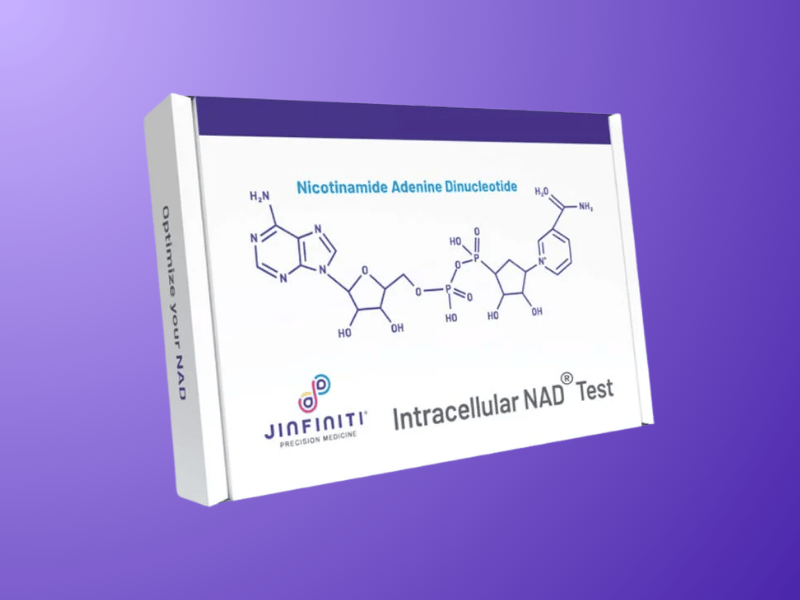
The Intracellular NAD Test can identify deficiencies and help you optimize your levels. Since NAD+ production changes based on age, lifestyle, and health, tracking these levels helps you adjust your dosage for best results.

NMN is an investment in long-term health. It can benefit metabolism, energy, and aging, but consider if ongoing supplementation fits your health goals and budget.

If you want a science-based, long-term approach to support your weight goals, NMN could be worth trying as part of a complete, healthy lifestyle.

Referenced Sources:

  1. https://pmc.ncbi.nlm.nih.gov/articles/PMC7442590/ ↩︎
  2. https://pmc.ncbi.nlm.nih.gov/articles/PMC10240123/ ↩︎
  3. https://academic.oup.com/jcem/article/108/8/1968/7027634 ↩︎
  4. https://pmc.ncbi.nlm.nih.gov/articles/PMC3683958/ ↩︎
  5. https://www.sciencedirect.com/science/article/pii/S2090123221001491 ↩︎
  6. https://pmc.ncbi.nlm.nih.gov/articles/PMC3173813/ ↩︎
  7. https://pmc.ncbi.nlm.nih.gov/articles/PMC8550608/ ↩︎
  8. https://www.sciencedirect.com/science/article/pii/S0022316624010940 ↩︎
  9. https://pmc.ncbi.nlm.nih.gov/articles/PMC7175325/ ↩︎
  10. https://www.nature.com/articles/s41598-017-14866-z ↩︎
  11. https://iubmb.onlinelibrary.wiley.com/doi/10.1002/iub.2707 ↩︎
  12. https://academic.oup.com/jcem/article/108/8/1968/7027634 ↩︎
  13. https://www.sciencedirect.com/science/article/pii/S1756464623005856 ↩︎
  14. https://pmc.ncbi.nlm.nih.gov/articles/PMC3816131/ ↩︎
  15. https://www.sciencedirect.com/science/article/pii/S0753332224005663 ↩︎
  16. https://pmc.ncbi.nlm.nih.gov/articles/PMC10917541/ ↩︎
  17. https://pmc.ncbi.nlm.nih.gov/articles/PMC9735188/ ↩︎
Woman with brain fog wearing a coral pink shirt and apron stands with eyes closed and hand on forehead, appearing tired or stressed

NMN for Brain Fog: Exploring its Role in Cognitive Function

Ever felt like your brain is moving in slow motion? That mental cloudiness where simple tasks seem difficult? This is brain fog – a common cognitive problem that affects many people.

Recently, scientists have been studying Nicotinamide Mononucleotide (NMN) as a supplement that might help clear this mental fog and improve brain function.

Let’s look at what science actually says about NMN and brain fog. Is this supplement truly the cognitive breakthrough some claim, or is there more to the story?

Key Takeaways

  • “Brain fog” refers to symptoms like trouble focusing or remembering, not a specific disease. These issues can interfere with your day-to-day activities.
  • NMN helps boost NAD+, a crucial molecule for producing energy within your cells. Since NAD+ levels drop with age, increasing them may support brain health.
  • Research in animals suggests NMN offers cognitive benefits. Studies in humans are still developing, but the basic science (the mechanism) showing how NMN could help is solid.
  • To best tackle brain fog, consider a well-rounded approach: NMN supplements combined with diet improvements, exercise, managing stress, and quality sleep.

Understanding Brain Fog: More Than Just a Fuzzy Feeling

A pink brain-shaped object that appears to be a candle, with a visible wick at the top, placed against a solid light blue background

While “brain fog” isn’t an official medical diagnosis, it describes a group of cognitive symptoms that can seriously impact your day-to-day life.

People with brain fog often experience:

  • Trouble concentrating or staying focused
  • Memory issues and forgetfulness
  • Slower thinking
  • Mental tiredness and lack of clarity
  • Feeling confused or disoriented
  • Difficulty finding the right words
  • Struggling to complete simple tasks

These problems can range from small annoyances to major disruptions affecting work, relationships, and overall happiness. A key challenge is that brain fog can come from many different sources and affect anyone, not just people with long-term health conditions.

Research shows brain fog is especially common in people with long COVID.1 Many women also experience it during menopause.2 It’s particularly prevalent in neurological conditions like narcolepsy and idiopathic hypersomnia, affecting more than 75% of patients with these disorders.3

What is NMN? The Cellular Energy Connection

NMN (Nicotinamide Mononucleotide) is a natural compound in the human body. It acts as a precursor – basically, a starting material – for making another molecule called NAD+ (Nicotinamide Adenine Dinucleotide).

So, what makes NAD+ so important? It’s a coenzyme, meaning it helps other enzymes do their jobs inside our cells – specifically, jobs related to energy and health.

NAD+ plays a part in over 500 processes that keep our cells working properly. Some key functions include:

  • Turning food into cellular fuel (energy metabolism, ATP production)
  • Repairing our genetic code (DNA repair mechanisms)
  • Sending signals within and between cells (cellular signaling)
  • Controlling sleep/wake cycles (regulation of circadian rhythms)
  • Keeping the immune system strong (immune function)
  • Supporting mental sharpness (cognitive processes)

Why does this matter for aging and brain health? Your natural supply of NAD+ goes down as you age. 

It’s estimated that by the time we reach middle-age, NAD+ levels could be 50% lower than in our youth.4 Scientists believe this drop is connected to aspects of aging, including reduced energy and declines in cognitive abilities.

The theory behind using NMN supplements follows directly from this. By providing more NMN, the body gets more raw material to produce NAD+. The hope is that increasing NAD+ levels could help slow down or even reverse some age-related issues, potentially boosting cognitive function along the way.

Vitality NAD+ Booster promotional image

NMN and Brain Function: The Science

Research suggests that NMN supports brain health through four key mechanisms:

  1. NAD+ Boost: NMN easily turns into NAD+ inside your body. This raises NAD+ levels in the brain, which is the essential first step for all its other brain benefits.
  2. Supporting Mitochondria: NMN helps the mitochondria, the ‘power plants’ inside brain cells, work better. Since your brain uses a huge amount of energy (around 20% of your body’s total!), efficient mitochondria lead to better brain cell performance and clearer thinking.
  3. Activating Sirtuins: By increasing NAD+, NMN activates sirtuin proteins. These proteins protect neurons from damage and support cognitive processes. Studies show NMN raises NAD+ and SIRT1 in the hippocampus (memory center) of mice, correlating with better learning.5
  4. Improving Brain Blood Flow: NMN can improve neurovascular coupling. This is the important link between brain activity and the blood flow needed to support it. Studies found that NMN treatment in older mice helped restore this brain-blood flow connection, which was linked to better memory and coordination.6

What Does the Research Say?

The research on NMN and cognitive function includes both animal and human studies, though animal studies currently show stronger results.

A woman with dark hair and pearl earrings sits at a chessboard, concentrating deeply with her hand on her forehead

Animal Studies Show Promise

Animal research has found several cognitive benefits from NMN:

  • Rats with Alzheimer’s-like symptoms showed improved cognitive function after 10 days of NMN treatment (500 mg/kg) when tested in water mazes.7
  • In rats with vascular cognitive problems, NMN prevented mental decline and protected brain tissue while reducing inflammation markers.8
  • The previously mentioned study in aged mice6 showed improved spatial working memory after just two weeks of NMN treatment.

Human Research is Limited

Human studies on NMN and brain function are just beginning:

  • A controlled trial with 20 healthy older men (65+) showed that taking NMN (250 mg daily) for 12 weeks successfully raised blood NAD+ levels.9 However, the study didn’t find significant improvements in cognitive function tests. Researchers believe the study may have been too small and brief to detect cognitive changes.

This highlights a key point: while the biological evidence and animal research look promising, we need more human studies to confirm NMN’s cognitive benefits in people.

How NMN Supplements May Help Combat Brain Fog

Based on the available evidence, NMN might reduce brain fog through these pathways:

1. Boosting Cellular Energy Production

NMN raises NAD+ levels, which improves mitochondrial function (your cells’ energy generators). This may boost mental energy and clear foggy thinking. Since your brain is an energy-hungry organ, this effect is particularly relevant.

2. Reducing Brain Inflammation

Neuroinflammation contributes to cognitive problems. NMN activates SIRT1, which helps fight inflammation and oxidative stress. Mouse studies show NMN can counter inflammatory responses in the brain, potentially improving clarity of thought.

3. Supporting DNA Repair and Cellular Maintenance

NAD+ activates PARPs, which repair damaged DNA.10 By supporting cellular health and repair processes in neurons, NMN may help maintain healthy brain function and prevent cognitive impairment.

4. Improving Cerebral Blood Flow

Your brain needs good circulation to deliver oxygen and nutrients. Studies in older mice showed that NMN improved cerebrovascular function11, which could help with brain fog by ensuring brain cells get enough resources.

Getting Started with NMN Supplementation

Multiple supplement capsules scattered on a white surface.

Thinking about trying NMN to clear brain fog? Here’s what you need to know:

How to Take NMN

NMN dosages vary based on your age and health:

  • Ages 18-30: 250 mg daily
  • Ages 31-50: 500 mg daily
  • Ages 50+: 1000 mg daily
  • Athletes: Higher doses (500-1000 mg depending on age)

Remember, these are general guidelines. Your needs may be different. Most experts suggest starting with a lower dose (250-500 mg daily) and slowly increasing if needed.

Safety and Side Effects

NMN is generally safe when taken as recommended. Research shows most people tolerate daily doses up to 1,000-1,200 mg.

You might experience mild side effects when beginning NMN or at higher doses:

  • Nausea
  • Fatigue
  • Headaches
  • Stomach discomfort

Keep in mind that we don’t have many long-term studies on NMN in humans yet. Check with your doctor before starting NMN, particularly if you have health conditions or take other medications.

Natural Sources of NMN

NMN can also be found in small amounts in various foods:

  • Broccoli
  • Cabbage
  • Edamame
  • Avocado
  • Tomatoes

However, the concentrations in these foods are generally too low to make much of a difference for NAD+ levels, which is why supplementation is often used for therapeutic reasons.

Cognitive Benefits of NMN for Specific Conditions

Brain fog presents differently depending on its cause. Here’s how NMN might help in various conditions:

Menopause and Brain Fog

  • When estrogen levels change during menopause, thinking clearly becomes harder
  • NMN helps cells produce more energy when hormonal shifts affect brain function
  • Specialized products like Jinfiniti’s Vitality NAD+ Booster combine NMN with creatine to support cognitive health during menopause

Long COVID and Brain Fog

  • Scientific reviews confirm many long COVID sufferers experience brain fog
  • NMN may help by reducing brain inflammation and boosting cell energy production

ADHD and Brain Fog

  • ADHD often involves problems with concentration, memory, and mental stamina
  • These issues may be linked to dopamine imbalances
  • NMN could help with mental fatigue by supporting how cells make energy

Age-Related Cognitive Decline

  • As we grow older, NAD+ levels fall, which can impair thinking abilities
  • NMN supplements work to replenish NAD+ and support brain cell health

Beyond Supplements: Fighting Brain Fog on Multiple Fronts

A woman in a coral t-shirt sitting at a desk with their head in their hands, appearing stressed or frustrated

NMN supplements can help with brain fog, but adding these lifestyle changes can have an even stronger impact:

Smart Diet Strategies

  • Time-Restricted Eating: Triggers ketone production, helps insulin work better, and reduces inflammation
  • Low-Carb Approach: Balances blood sugar levels by cutting out sugary and processed foods. Choose healthy fats, proteins, and non-starchy vegetables instead

Daily Habits for a Clearer Mind

  • Consistent Sleep: 7-8 hours on a regular schedule helps brain recovery
  • Moving Your Body: Exercise increases blood flow to the brain, boosting mental function
  • Managing Stress: Use meditation, yoga, or nature time to clear stress-related fog
  • Controlling Screen Time: Take breaks during the day and avoid screens before bed
  • Proper Hydration: Stay well-hydrated to prevent thinking difficulties

Can NMN Help Reduce Brain Fog? Promise and Limitations

NMN shows real promise for fighting brain fog and boosting brain function. It works by increasing NAD+ levels, improving cellular energy, reducing inflammation, and protecting brain cells – all good reasons to consider it for mental clarity issues.

Animal studies strongly support NMN’s brain benefits. While we need more human studies, we understand how NMN works in the body, which explains why it might help with brain fog.

Keep your expectations realistic though. Brain fog usually has multiple causes, so you might need to change your diet, adjust your lifestyle, or try other treatments alongside NMN depending on what’s causing your symptoms.

Research on NMN is still growing, and we’ll learn more about its benefits over time. For now, it offers a promising way to fight brain fog and improve thinking in our busy world.

Talk to your doctor before starting NMN, especially if you have health conditions or take medications. They can help determine if it’s safe for your situation.

Referenced Sources

  1. https://pubmed.ncbi.nlm.nih.gov/38447388/ ↩︎
  2. https://pubmed.ncbi.nlm.nih.gov/36178170/ ↩︎
  3. https://pubmed.ncbi.nlm.nih.gov/38217475/ ↩︎
  4. https://pmc.ncbi.nlm.nih.gov/articles/PMC7442590/ ↩︎
  5. https://www.sciencedirect.com/science/article/pii/S2213231723001465 ↩︎
  6. https://pubmed.ncbi.nlm.nih.gov/31015147/ ↩︎
  7. https://pubmed.ncbi.nlm.nih.gov/27130898/ ↩︎
  8. https://pubmed.ncbi.nlm.nih.gov/35769369/ ↩︎
  9. https://pmc.ncbi.nlm.nih.gov/articles/PMC9158788/ ↩︎
  10. https://pmc.ncbi.nlm.nih.gov/articles/PMC6740200/ ↩︎
  11. https://www.sciencedirect.com/science/article/pii/S221323171930240X ↩︎
A woman athlete doing stretches on a boardwalk

NMN for Athletic Performance: What Does Science Say?

Nicotinamide mononucleotide (NMN) has become popular in the world of performance supplements, catching the attention of athletes who want to boost their exercise endurance, recovery, and overall performance. But what does scientific research actually say about NMN’s effectiveness beyond all the marketing claims?

This article gives you a straightforward look at what we know about NMN for athletic performance, how it works in the body, and whether it might be worth adding to your training routine. We’ll examine the science and share what research reveals about this interesting molecule.

Key Takeaways

  • NMN is a building block for NAD+, an essential coenzyme that fuels energy production in cells and decreases as we age, which may affect athletic performance.
  • Studies indicate NMN could improve endurance capacity, performance during moderate exercise, and recovery between workouts.
  • Research shows the best results at doses between 600-1200 mg daily, with 600 mg being ideal for most athletes.
  • While early findings look promising, scientists are still studying NMN’s effects on athletic performance, and it’s not as well-researched as proven supplements like creatine.

NMN’s Role in Energy Production

NMN is a naturally occurring molecule that your body converts into NAD+, an essential coenzyme found in every cell. NAD+ fuels key cellular processes including energy production, DNA repair, gene expression, and stress responses.

You can find small amounts of NMN in foods like milk, cucumbers, and edamame, but these quantities are too small to significantly boost your body’s NAD+ levels. This is why many people, especially athletes, turn to supplements.

NAD+ is particularly valuable for athletes because it powers mitochondria—the energy generators in your cells. As a key component in the electron transport chain, NAD+ helps create ATP, the energy currency your muscles need during exercise.

By supporting mitochondrial function, NAD+ helps your muscles have enough energy for peak performance.

What Studies Show About NMN and Athletic Performance

Several clinical trials have investigated NMN’s effects on various aspects of physical performance, with some promising results.

Image showing woman athlete preparing for a sprint

Aerobic Capacity in Amateur Runners

A six-week study with 48 amateur runners showed NMN supplements significantly improved aerobic capacity. 

The study tested three doses (300, 600, and 1200 mg/day) against a placebo and found that oxygen uptake (VO₂), percentages of maximum oxygen uptake (VO₂max), and power at ventilatory thresholds improved in the medium and high dose groups1

Interestingly, NMN didn’t affect maximum oxygen uptake (VO₂max), O₂-pulse, VO₂ related to work rate, or peak power.

This suggests NMN mainly helps with submaximal exercise performance (moderate intensity) rather than peak output – an important point for endurance athletes.

Enhanced Walking Performance

Another clinical trial tested NMN supplements up to 900 mg per day and found that people taking NMN could walk significantly farther during six-minute walking tests than those taking placebo2.

This study also showed that NMN supplements increased blood NAD+ levels based on dosage, with 600 mg per day working best.

Systematic Review Findings

A systematic review of 10 randomized controlled trials with 437 participants (average age 58) found that NMN supplements (150-1200 mg daily) improved physical performance3.

While grip strength showed minor improvements (from 29.9 kg to 30.5 kg), most studies found these changes weren’t statistically significant.

Vitality NAD+ Booster promotional CTA - mini version

How NMN Supplements Might Enhance Athletic Performance

Several mechanisms explain how NMN may enhance athletic performance, and understanding these can help us grasp why it might be beneficial for certain types of athletes and training styles.

A male athlete getting ready for a run

Mitochondrial Biogenesis and Function

Taking NMN helps create new mitochondria through a process called mitochondrial biogenesis. It works by activating SIRT1, which then boosts PGC-1α, the main controller of mitochondrial production. 

This leads to more mitochondria in cells, which is crucial for endurance exercises that need aerobic energy. Research published in the journal Nature supports this mechanism of action4.

Oxygen Utilization and Endurance

The improvement in aerobic capacity observed in clinical trials appears to come mainly from better oxygen use in skeletal muscles. 

NMN helps create new blood vessels (angiogenesis), which increases blood flow and delivers more nutrients to muscles during exercise5. This provides muscles with enough oxygen to work efficiently and maintain endurance during long workouts.

Efficient Energy Management

NMN supplements activate enzymes that help with lipolysis6, which lets athletes burn fat more efficiently during exercise. This helps save glycogen stores, which are crucial for long-lasting endurance.

This metabolic flexibility especially benefits endurance athletes who need to manage their energy well during extended training or competitions.

Recovery and Anti-inflammatory Effects

NMN supplements may speed up recovery after exercise by helping muscle repair, lowering inflammation, and fighting oxidative damage. Research in mice showed that giving NMN reduced pro-inflammatory cytokines7, suggesting it has anti-inflammatory benefits that could help athletes recover faster between workouts. 

Exercise vs. NMN: Complementary Effects?

Image of athletic woman stretching with a blue sky background

Research comparing exercise and NMN supplementation shows important interactions athletes should know about.

Both exercise and NMN increase NAD+ levels, but in different tissues. Exercise mainly boosts NAD+ in muscles, while NMN supplementation increases it in both muscles and liver.

Exercise intensity affects NAD+ differently: moderate aerobic exercise increases the NAD+/NADH ratio, while high-intensity workouts may decrease it because of increased glycolysis.

A mouse study found that exercise and NMN supplementation both improved glucose tolerance in subjects on high-fat diets. Exercise had stronger effects on muscle mitochondrial function, while NMN worked better in the liver8.

Researchers noted: “Given that NMN treatment resulted in greater changes in markers of mitochondrial function in liver than muscle, NAD precursor-based therapies may be more effective for treatment of obesity-associated liver diseases.”

Combining exercise with NMN supplementation creates synergistic effects on aerobic capacity and endurance, suggesting benefits for athletes who use both training and NMN in their routines.

Dosage, Safety, and Comparisons

If you’re considering NMN supplementation for athletic performance, here are some practical aspects to consider.

Effective Dosage

Scientists have studied NMN dosages ranging from 150 mg to 1200 mg per day, finding that medium to higher doses may work better:

  • Health benefits begin at daily doses of 250 mg NMN
  • A 600 mg daily dose shows the best results for physical performance and increasing blood NAD+9
  • Researchers have used doses up to 1200 mg daily with no major safety concerns

Safety Profile

NMN has demonstrated a favorable safety profile in human clinical trials:

  • Research has shown doses up to 1200 mg daily are safe to consume
  • Clinical trials confirmed NMN is safe and well-tolerated with oral dosing up to 900 mg daily
  • No serious adverse effects have been observed in controlled studies
  • Blood NAD+ concentrations increase in a dose-dependent manner with NMN supplementation

NMN vs. Other Performance Supplements

NMN differs from other athletic supplements like creatine in several key ways:

  • Creatine has stronger scientific evidence showing it builds strength and muscle, making it better for pure athletic performance
  • NMN is more oriented toward general health, longevity, and anti-aging effects
  • While early NMN studies look promising, creatine has decades of human clinical research to back it up

Athletes should think about their specific performance goals when deciding which supplement to use or potentially using them for different purposes.

For those interested in the benefits of creatine supplementation, check out our starter guide to creatine.

Creatine+ promotional CTA - mini version

Is NMN Worth Considering for Athletic Performance?

Science currently suggests NMN supplements may improve specific athletic performance areas – especially aerobic capacity, endurance, and recovery.

This improvement comes from increasing NAD+ levels and supporting mitochondrial function. The most reliable benefits show up in regular exercise performance rather than peak performance measures.

Doses of 600-1200 mg daily appear most effective, with safety confirmed across multiple clinical trials. Combining exercise with NMN might produce better results than either alone, suggesting benefits for athletes using both approaches.

The research is still developing, with some limitations and mixed results pointing to the need for better long-term human studies.

Athletes thinking about taking NMN should consider the current evidence against their specific goals, understanding that while promising, NMN’s effects aren’t yet as well-documented as established supplements like creatine.

FAQs: NMN for Athletes

What is the recommended dosage of NMN for athletes?

According to clinical studies, 600 mg daily appears most effective. Researchers examined doses from 150-1200 mg, with medium to higher amounts (600-1200 mg) yielding the best athletic performance results. Lower doses (around 250 mg) still offer health benefits but might not be ideal for boosting performance.

Is NMN better than creatine for athletic performance?

Creatine has more solid research backing its ability to increase strength and muscle mass, making it potentially better for athletic performance, particularly in strength sports. NMN appears to focus more on endurance, recovery, and health/longevity benefits. Depending on their goals and training focus, many athletes might find value in taking both supplements.

How long does it take to see athletic benefits from NMN supplementation?

Studies showing benefits from NMN supplementation typically last 4-12 weeks. The six-week study on amateur runners showed clear improvements in aerobic capacity during this period. However, people may respond differently, and some mitochondrial function improvements may take longer to fully develop.

Does NMN supplementation work better for certain types of athletes?

Research indicates NMN may particularly help endurance athletes by boosting aerobic capacity, oxygen use, and metabolic efficiency. The benefits appear stronger for submaximal exercise performance rather than peak output, suggesting NMN works better for longer activities than short, explosive efforts.

Can NMN help with recovery between training sessions?

Evidence indicates NMN supplements may enhance recovery after exercise by supporting muscle repair, decreasing inflammation, and reducing oxidative damage. In animal studies, NMN reduced pro-inflammatory cytokines, which could help athletes recover more quickly between intense workouts. More human research specifically examining recovery metrics is needed to confirm these effects.

Referenced Sources

  1. https://pubmed.ncbi.nlm.nih.gov/34238308/ ↩︎
  2. https://pubmed.ncbi.nlm.nih.gov/36482258/ ↩︎
  3. https://pmc.ncbi.nlm.nih.gov/articles/PMC11365583/ ↩︎
  4. https://www.nature.com/articles/s41598-021-87759-x ↩︎
  5. https://hms.harvard.edu/news/rewinding-clock ↩︎
  6. https://pmc.ncbi.nlm.nih.gov/articles/PMC10151261/ ↩︎
  7. https://www.sciencedirect.com/science/article/pii/S0891584924000546 ↩︎
  8. https://www.frontiersin.org/journals/pharmacology/articles/10.3389/fphar.2016.00258/full ↩︎
  9. https://pubmed.ncbi.nlm.nih.gov/36482258/ ↩︎
A row of various supplement capsules on a marble countertop

Reviewing Dr. David Sinclair’s Supplement Regimen in 2025

Dr. David Sinclair, Ph.D., is a professor of genetics at Harvard Medical School and one of the world’s foremost researchers on aging and longevity.

His work focuses on understanding why we age and finding ways to slow or reverse aging. Sinclair believes that aging isn’t just inevitable decline but a treatable condition—a biological process we might control through specific interventions.

The supplement routine described below is Dr. Sinclair’s personal protocol based on his understanding of current scientific research and compiled from his public comments in various interviews and podcast appearances.

Important Disclaimer: As a researcher with access to advanced testing and medical oversight, Dr. Sinclair’s choices reflect a higher risk tolerance than might be suitable for most people. This article examines his regimen but is not medical advice. Always talk to your doctor before starting any supplements.

David Sinclair’s Complete Supplement List in 2025

  • Nicotinamide Mononucleotide (NMN): 1 gram daily
  • Resveratrol: 1 gram daily with yogurt
  • Spermidine: 1-2 mg daily
  • Fisetin: 500 mg daily
  • Vitamin D3: 4,000-5,000 IU daily
  • Vitamin K2: 180-360 mcg daily
  • Trimethylglycine (TMG/Betaine): 500-1,000 mg daily
  • Omega-3 Fish Oil: Dosage not specified
  • L-Taurine: 2 grams daily
  • CoQ10: Dosage not specified in recent sources
  • Metformin: 800-1,000 mg in the evening
  • Low-Dose Aspirin: 83 mg daily
  • Rapamycin: Dosage not publicly disclosed

The sections that follow will explore each supplement in detail, covering how they work, the evidence behind them, and practical considerations for anyone interested in longevity.

David Sinclair’s Core Anti-Aging Supplements

a1 1

Four key supplements form the base of David Sinclair’s anti-aging routine, each targeting specific cellular aging processes.

These core compounds work together on different but related pathways – they boost NAD+ production, activate sirtuins, enhance autophagy (the body’s cellular recycling system), and help clear out harmful senescent cells.

Nicotinamide Mononucleotide (NMN)

  • What It Is: NAD+ precursor that converts directly to NAD+ in cells. NAD+ is a critical coenzyme that declines with age and is involved in hundreds of metabolic reactions. NMN is one of several compounds that can replenish NAD+ levels, potentially counteracting this age-related decline.
  • Sinclair’s Dosage: 1 gram daily, taken in the morning with yogurt to enhance absorption. Sinclair specifically mentions that the fat content in yogurt helps with bioavailability.
  • Claimed Benefits: Supports cellular energy production through enhanced mitochondrial function. May improve DNA repair mechanisms, particularly important as these decline with age. Potentially enhances metabolic flexibility and glucose regulation. Sinclair also suggests it contributes to overall cellular resilience.
  • Scientific Evidence: Multiple studies show promising results for metabolism1, physical performance2, and various aging markers3. Human clinical trials are limited but growing – several small studies show safety and modest metabolic improvements. The large, long-term human studies needed to validate lifespan or healthspan effects are still in progress or planning stages.
  • Considerations: High cost (often $100+ monthly at Sinclair’s dosage). Bioavailability may be a challenge. Alternative NAD+ precursors like nicotinamide riboside (NR) have more human clinical data.

Is It Worth Including?: Yes, for those serious about longevity optimization. The promising research on cellular energy and metabolic health makes quality NMN supplements a worthwhile investment, especially for adults over 40 experiencing natural NAD+ decline.

Resveratrol

  • What It Is: A natural compound found in red wine, grapes, and berries. Acts as a sirtuin activator, especially SIRT1 proteins that help maintain cellular health and longevity.
  • Sinclair’s Dosage: 1 gram daily with yogurt or fat to improve absorption. Taken alongside NMN for potential synergistic effects.
  • Claimed Benefits: Activates SIRT1 to boost cellular health and stress resistance. Resveratrol works with NMN to enhance mitochondrial function through increased NAD+. May improve heart health and reduce inflammation.
  • Scientific Evidence: Results are mixed. Early studies in simple organisms showed promise, but mouse lifespan studies failed to confirm these benefits. Human studies show inconsistent results with only modest improvements.
  • Considerations: Poor absorption is a major drawback, as most resveratrol breaks down quickly in the body. Supplement quality varies widely. Benefits may follow a U-shaped curve, making correct dosing important.

Is It Worth Including?: Possibly, but keep expectations realistic. While it hasn’t delivered dramatic longevity benefits, there’s some evidence for heart and metabolic improvements. Consider special formulations that improve absorption.

Spermidine

  • What It Is: A natural compound found in foods like wheat germ, soybeans, aged cheese, and mushrooms. First discovered in semen (hence the name), but exists throughout the body and plants. Spermidine helps with cellular growth, maintenance, and controls autophagy.
  • Sinclair’s Dosage: 1-2 mg daily as a supplement, though he recommends getting it from food when possible. This low dose reflects the small amounts naturally found in food.
  • Claimed Benefits: Mainly promotes autophagy—the cellular “self-cleaning” process that removes damaged components. This process is key for cellular renewal and healthy aging. Also said to support DNA stability, reduce inflammation, and improve heart health.
  • Scientific Evidence: Strong results in animals showing extended lifespan in yeast, flies, worms, and mice. Early human research shows promising links between spermidine intake and lower mortality, better brain function, and improved heart health, though large clinical trials are limited.
  • Considerations: Food sources may offer additional benefits beyond supplements due to complementary compounds. Best therapeutic dose remains unclear. Safety profile looks good, but long-term supplement data is limited. Relatively affordable compared to other longevity supplements.

Is It Worth Including?: No, despite promising mechanisms and animal results, the human evidence isn’t strong enough to justify regular supplementation. Better to focus on spermidine-rich foods within a varied diet.

Fisetin

  • What It Is: A natural senolytic compound found in fruits and vegetables like strawberries, apples, and cucumbers. Fisetin targets and removes “zombie” cells (senescent cells) that build up as we age and cause inflammation and tissue problems.
  • Sinclair’s Dosage: 500 mg daily, taken regularly rather than in cycles. This is much higher than what you’d get from food alone, as it’s used for therapeutic purposes.
  • Claimed Benefits: Mainly removes zombie cells that cause chronic inflammation. May improve aging tissues by clearing out these harmful cells. Also works as an antioxidant and might protect brain health.
  • Scientific Evidence: Mouse studies show promising results for healthspan and reduced aging markers. It effectively cleared zombie cells in animal testing. Human studies are still limited but growing, with research exploring effects on various age-related conditions.
  • Considerations: Sinclair switched from quercetin to fisetin because evidence shows it works better at removing zombie cells. Questions remain about whether daily use or occasional “cleansing” doses work better. The body doesn’t absorb it well, but taking it with fatty foods may help.

Is It Worth Including?: Yes, especially for people over 40 concerned about age-related inflammation. Among senolytic supplements, fisetin has a good safety record and growing scientific support. Removing zombie cells is a compelling way to address a key aging process.

Additional Supplements in Sinclair’s Routine

Beyond his core anti-aging compounds, Sinclair incorporates several additional supplements that support general health and may complement his longevity-focused interventions.

Vitamin D3 & K2

  • What It Is: Two fat-soluble vitamins that work together in the body. Vitamin D3 is made when your skin is exposed to sunlight, while K2 comes mainly from fermented foods and animal products. They team up to help your body use calcium properly.
  • Sinclair’s Dosage: 4,000-5,000 IU of Vitamin D3 daily and 180-360 mcg of Vitamin K2 daily. Sinclair prefers the MK-7 form of K2 because it stays in your body longer and is better absorbed than other forms.
  • Claimed Benefits: Strengthens bones by directing calcium to the right places. Boosts immune system and reduces inflammation. Protects heart health by preventing calcium buildup in arteries. May also improve muscle strength, mood, and overall lifespan.
  • Scientific Evidence: Strong support for health benefits, though specific longevity effects are less proven. Vitamin D deficiency is common and linked to many health problems. K2’s role in preventing unwanted calcification is well-supported by research, though fewer large clinical trials exist.
  • Considerations: Blood tests can help determine your ideal vitamin D dose. Different forms are available (D2 vs D3, MK-4 vs MK-7). You may need to adjust dosage based on seasons and sun exposure. Take with meals for better absorption. If you take blood thinners, talk to your doctor before taking K2.

Is It Worth Including?: Yes, for most people. This pair is one of the most science-backed supplements with benefits that go beyond anti-aging. They’re generally safe and affordable, making them a smart addition to most supplement routines.

Trimethylglycine (TMG/Betaine)

  • What It Is: A natural compound found in beets, quinoa, and spinach. Acts as a methyl donor supporting various body processes. Also known as betaine, it provides methyl groups needed for DNA and protein function.
  • Sinclair’s Dosage: 500-1,000 mg daily, usually taken with NMN to prevent methyl group depletion. This matches dosages shown to provide metabolic benefits in studies.
  • Claimed Benefits: Mainly helps control homocysteine levels, a risk factor for heart disease. Supports liver function and detoxification. May boost cellular energy and protect against certain stressors. Could prevent methyl depletion when taking NAD+ precursors.
  • Scientific Evidence: Limited specific longevity data, but well-studied for metabolic health. Studies show benefits for liver function, heart health markers, and exercise performance. Research suggests combining NMN with TMG may enhance NAD+ precursor benefits.
  • Considerations: May work well with NMN supplementation for those following Sinclair’s protocol. Generally safe but might cause digestive issues in some people. Those with certain genetic variations affecting methylation might benefit more.

Is It Worth Including?: Possibly, especially if taking NMN or other NAD+ precursors. The methylation support makes sense biologically, though direct evidence for longevity benefits is lacking. Affordable and safe, making it reasonable for comprehensive protocols.

Omega-3 Fish Oil

  • What It Is: Essential fatty acids—mainly EPA and DHA—that come from marine sources like fatty fish. These polyunsaturated fats are key building blocks in cell membranes and help create molecules that control inflammation and other bodily processes.
  • Sinclair’s Dosage: Not specifically stated in Sinclair’s published regimen, though he does include it. Most people take 1-3 grams of combined EPA/DHA daily, with higher doses sometimes used for specific health conditions.
  • Claimed Benefits: Supports heart health by improving blood fat levels and blood vessel function. Helps brain health and possibly cognitive performance, especially as we age. Provides broad anti-inflammatory effects that may slow multiple aging processes. May improve how well cell membranes function.
  • Scientific Evidence: Decades of research exist, though recent large studies show mixed results. There’s strong data on how it works and observational studies support benefits, but some clinical trials show modest or no effects for preventing problems. More consistent benefits are seen in people who already have health issues.
  • Considerations: Quality varies greatly between products, with concerns about oxidation and contamination. Third-party testing for heavy metals is important. Some fishing practices raise sustainability concerns. Plant-based options (algae oils) provide DHA but usually less EPA.

Is It Worth Including?: Yes, but ideally through whole foods. Eating fatty fish 2-3 times weekly provides omega-3s plus other helpful nutrients. If you can’t eat enough fish, a high-quality supplement may help, especially if you have inflammation or heart risk factors.

L-Taurine

  • What It Is: A conditionally essential sulfur-containing amino acid found mostly in animal tissues, especially the brain, heart, and muscles. Unlike typical amino acids, taurine doesn’t build proteins but performs many important functions, including fluid balance, calcium signaling, and protecting cells from damage.
  • Sinclair’s Dosage: 2 grams daily, taken all at once. This is a newer addition to Sinclair’s routine, added after recent research suggested potential longevity benefits beyond its usual roles in heart and brain health.
  • Claimed Benefits: Protects cells from various stressors. Supports mitochondria (cell powerhouses) and energy production. Helps maintain proper cell hydration and mineral balance. May improve exercise performance and recovery. Could protect against age-related drops in taurine levels.
  • Scientific Evidence: Recent longevity research shows promising results, with studies showing increased lifespan in animals. Well-established benefits for heart health and metabolism. Clinical data supports its roles in blood sugar control, blood pressure management, and exercise capacity.
  • Considerations: A newer addition to his longevity stack based on recent research. Generally very safe with few side effects even at higher doses. Relatively inexpensive compared to many longevity supplements. Natural levels decrease with age, making supplements potentially more useful for older adults.

Is It Worth Including?: Yes, especially given its excellent safety record, reasonable cost, and growing evidence for multiple health benefits. The combination of proven clinical uses and emerging longevity research makes taurine a sensible addition to a comprehensive regimen, especially for those over 40.

CoQ10

  • What It Is: An antioxidant naturally made in our bodies that helps cells produce energy. CoQ10 (Coenzyme Q10) works as an electron carrier in mitochondria (our cells’ power plants) and protects against oxidative damage, especially in high-energy organs like the heart and brain.
  • Sinclair’s Dosage: Not specifically listed in Sinclair’s recent published regimens, though he has mentioned it in broader discussions. Most supplements contain 100-300 mg for daily use, with higher amounts sometimes used for specific health conditions.
  • Claimed Benefits: Supports cellular energy production and mitochondrial function. Protects cell membranes from free radical damage. May support heart health and muscle function. Could help offset the natural drop in CoQ10 levels that happens as we age.
  • Scientific Evidence: Research shows mixed results. Strong evidence supports its role in energy production and as an antioxidant. Some promising studies for heart failure, muscle pain from statins, and exercise performance, but less consistent results for prevention or anti-aging effects.
  • Considerations: Comes in two forms – ubiquinone and ubiquinol, with ubiquinol possibly being better absorbed, especially by older adults. Being fat-soluble, it’s absorbed poorly unless taken with fatty foods. May be particularly important for people taking statin medications.

Is It Worth Including?: Possibly, particularly for people over 50 or those on statins, which lower natural CoQ10 levels. Makes most sense for those with heart concerns or low energy. While not as cutting-edge as newer supplements, its strong safety record makes it worth considering.

Prescription Medications in Sinclair’s Protocol

Sinclair’s complete regimen includes medications that typically require medical supervision. While these compounds show promise in longevity research, they have important health risks.

We strongly advise caution and medical guidance before trying these interventions, even those available without prescription.

Metformin

  • What It Is: A prescription medication first developed for type 2 diabetes that researchers are now studying for potential anti-aging benefits. This biguanide drug works mainly by decreasing liver glucose production, enhancing insulin sensitivity, and altering gut bacteria.
  • Sinclair’s Dosage: 800-1000 mg taken at night. Sinclair occasionally stops taking it around heavy exercise periods due to concerns that it might interfere with workout adaptations.
  • Claimed Benefits: Mimics some effects of calorie restriction by triggering AMPK, a cell energy monitor. May reduce inflammation, help insulin work better, and alter metabolic pathways involved in aging. Could offer protection against age-related diseases beyond just diabetes.
  • Scientific Evidence: Strong data supports its safety and effectiveness for diabetes. Longevity evidence is growing but mainly consists of observational studies showing links to lower mortality and fewer age-related diseases. The TAME trial is currently studying metformin specifically for aging.
  • Considerations: Requires a doctor’s prescription and ongoing medical oversight. Can deplete vitamin B12, requiring monitoring and possible supplements. Often causes stomach issues at first. May dampen some exercise benefits, though this remains debated.

Is It Worth Including?: No, except for those with diagnosed prediabetes, diabetes, or those in research studies. While showing potential, evidence for healthy aging benefits in people without diabetes remains early, and you need a prescription to obtain it. Better to focus on proven lifestyle approaches.

Low-Dose Aspirin

  • What It Is: A common anti-inflammatory medicine that prevents blood clotting and reduces inflammation throughout the body. Low-dose means smaller amounts (81-100 mg) compared to regular strength aspirin used for pain relief.
  • Sinclair’s Dosage: 83 mg taken daily without interruption. This matches typical heart-protective doses, though Sinclair has indicated he might adjust this practice as research continues to develop.
  • Claimed Benefits: Mainly heart protection by preventing blood clots that cause heart attacks and certain strokes. May also help prevent some cancers, particularly colorectal cancer, and reduce ongoing inflammation that could contribute to aging.
  • Scientific Evidence: Research understanding has changed significantly recently. Once broadly recommended for prevention, today’s guidelines only suggest it for specific higher-risk people. It remains valuable for those who already have heart disease.
  • Considerations: Has important bleeding risks, including stomach and intestinal bleeding and hemorrhagic stroke, with dangers increasing with age. The risk-benefit balance has shifted as other preventive approaches have improved. Doctors no longer routinely recommend it for most healthy adults.

Is It Worth Including?: No, unless your physician specifically recommends it based on your personal health factors. Recent major studies show that for most people without existing heart disease, bleeding risks are greater than potential benefits. Decisions about aspirin therapy should be made with your doctor’s guidance.

Rapamycin

  • What It Is: A powerful mTOR inhibitor first found in Easter Island soil bacteria, later used as an immunosuppressant medication. It blocks the mechanistic Target of Rapamycin (mTOR) pathway, which controls cell growth, metabolism, and aging in many species.
  • Sinclair’s Dosage: Not fully revealed, though Sinclair has mentioned using intermittent dosing. Most longevity researchers test periodic doses (weekly or monthly) rather than daily use.
  • Claimed Benefits: Works like caloric restriction by reducing mTOR signaling. Has extended lifespan in organisms from yeast to mice, showing some of the strongest effects of any treatment. May improve cellular cleanup, reduce inflammation, and enhance certain immune functions despite its immunosuppressive effects.
  • Scientific Evidence: Strong animal data shows significant lifespan extension and health improvements. Human aging research is limited but growing, with small trials showing good safety and improved biomarkers. Extensive clinical experience exists in transplant medicine, though at higher doses.
  • Considerations: Acts as a serious immunosuppressant at standard clinical doses, requiring doctor supervision. Experts debate the best dosing schedule for longevity benefits versus side effects. Possible issues include blood sugar changes, mouth sores, and higher infection risk. Requires prescription and monitoring.

Is It Worth Including?: No, except in clinical trials or under medical supervision. Despite strong animal results, human longevity evidence is still early, and the risks require careful oversight. It’s a promising future option but not currently suitable for self-administered longevity programs.

Scientific Basis for the Supplements David Sinclair Takes

a2 3

Sinclair chooses supplements that target specific biological pathways involved in aging, though the scientific support varies:

NAD+ Precursors and Sirtuin Activation

NMN is the most thoroughly studied component of Sinclair’s regimen in human trials. This NAD+ precursor helps counteract the natural decline of cellular NAD+ as we age.

Studies show NMN has many promising benefits, ranging from metabolic health improvements to aerobic capacity. Sinclair combines NMN with resveratrol based on the theory that resveratrol activates sirtuins (especially SIRT1), which need NAD+ to function.

However, resveratrol’s effectiveness remains debated, with research reproducibility issues and unsuccessful mouse lifespan studies.

Why David Sinclair Prefers NMN Over NR

Dr. David Sinclair favors NMN over NR because unpublished research showed NMN boosted exercise ability in mice by 50% (they ran much farther), while NR had no effect at the same dose. He also prefers NMN because it converts to NAD+ in just one step using a specific transporter, which might make it more efficient than NR.

Vitality NAD+ Booster promotional image

Senolytic Approach

Sinclair uses fisetin as part of the growing interest in senolytic compounds that remove senescent “zombie” cells.

These damaged cells build up with age and release inflammatory substances that harm nearby tissues. Animal research suggests clearing these cells may delay age-related conditions, though human evidence is still early.

Metabolic Regulators

Sinclair includes metformin for its ability to mimic some effects of caloric restriction by influencing metabolism and reducing inflammation.

While well-studied for diabetes, human longevity data on metformin is limited. The ongoing TAME trial4 may provide clearer evidence about its effects on healthspan in people without diabetes.

Supporting Nutrients

Vitamins D3 and K2, omega-3 fatty acids, and other supplements in Sinclair’s regimen have established roles in maintaining overall health, though their specific contributions to longevity are less clear.

These compounds mainly ensure various biological systems function optimally rather than directly targeting aging processes.

Dr. Sinclair’s Other Daily Habits for Longevity

a3 2

Beyond supplements, Dr. Sinclair follows these key lifestyle practices as the foundation of his longevity approach:

  1. Intermittent Fasting: Sinclair eats all his meals within an 8-10 hour window each day. This eating pattern activates cellular cleanup processes like autophagy and mimics the benefits of eating fewer calories.
  2. Exercise Routine: He combines strength training to maintain muscle, cardio workouts, and short bursts of intense exercise (HIIT) to improve mitochondrial function. He sometimes skips his metformin dose around workouts to avoid blocking exercise benefits.
  3. Sleep Optimization: Sinclair aims for 7-8 hours of quality sleep each night and keeps consistent bedtimes. He aligns his sleep schedule with his body’s natural rhythms, avoids blue light before bed, and keeps his bedroom cool and dark.
  4. Stress Management: He practices meditation and mindfulness to reduce the aging effects of ongoing stress.

Many researchers agree these basic lifestyle habits provide major longevity benefits, with supplements only adding minor improvements to this strong foundation.

How to Approach Sinclair’s Protocol Responsibly

Sinclair’s regimen should be viewed as a personal case study rather than a universal prescription for longevity.

For those interested in a similar approach, consider these guidelines:

Begin with the components having strongest scientific support: vitamins D3 and K2, omega-3 fatty acids, and possibly NMN for those over 40. These have established safety profiles and reasonable evidence for health benefits.

Work closely with healthcare providers who can monitor potential interactions and side effects, especially before considering prescription medications like metformin or rapamycin, which carry significant risks when used off-label.

Use objective testing to track effects through relevant biomarkers like inflammatory markers, glucose metabolism, and lipid profiles. This data-driven approach aligns with Jinfiniti’s T-A-O (Test, Act, Optimize) philosophy.

Conduct a cost-benefit analysis when prioritizing interventions. A comprehensive NMN and resveratrol regimen can cost hundreds monthly, while lifestyle improvements offer substantial benefits at minimal expense.

Personalize based on your health status. Your genetic background, existing conditions, and health goals should guide which interventions make sense for you, as aging biology varies significantly between individuals.

Referenced Sources

  1. https://translational-medicine.biomedcentral.com/articles/10.1186/s12967-024-05614-9 ↩︎
  2. https://pubmed.ncbi.nlm.nih.gov/34238308/ ↩︎
  3. https://pmc.ncbi.nlm.nih.gov/articles/PMC7238909/ ↩︎
  4. https://www.afar.org/tame-trial ↩︎
An image of broccoli and edamame, two foods high in NMN, on a kitchen counter

11 Natural Food Sources of NMN (Highest to Lowest)

Your body’s cells need energy to work properly, and they get this energy with the help of a molecule called NAD+. As you get older, your body makes less NAD+. 

Nicotinamide mononucleotide (NMN) is a natural substance that can help increase your NAD+ levels. While you can take NMN as supplements, it’s also found in many common foods.

We’ve ranked the top 11 natural food sources that contain NMN by concentration, showing you, how much each food contains. This guide will help you include these cell-healthy foods in your daily diet alongside or instead of supplements.

Key Takeaways

  • NMN is a natural compound that helps boost NAD+ levels in your body, which decline with age and are essential for cellular energy and function
  • Common foods like edamame, avocados, and broccoli contain small amounts of NMN that can support cellular health as part of your daily diet
  • While food sources provide natural NMN, only supplements offer concentrations that match amounts shown beneficial in scientific research
  • Incorporating NMN-rich foods alongside proper cooking methods helps preserve their nutrient content and can complement other other healthy habits that support NAD+ levels

What is NMN and Why Does it Matter?

NMN is a molecule that’s essential for cellular health. It’s the main building block your body uses to make nicotinamide adenine dinucleotide (NAD+ for short), an important coenzyme that keeps all your cells working properly. 1

Inside your cells, NAD+ does several important jobs:

  • Creates energy in cell powerhouses called mitochondria
  • Helps fix damaged DNA
  • Protects cells from harm
  • Helps control your sleep patterns
  • Activates proteins that help cells live longer

Here’s the problem: as you get older, your NAD+ levels fall dramatically. By middle age, you might have half the NAD+ you had as a young adult. 2 This decline is linked to many signs of aging, like mitochondrial dysfunction and chronic inflammation. 3

Research published in scientific journals shows that NMN supplements can boost NAD+ levels, which may help reverse some aging effects. 4 Studies have shown improvements in metabolism, physical performance, and insulin sensitivity.

Scientists are still studying NMN in humans, but the evidence so far suggests it could help us stay healthier as we age.

Is NMN the Same as Vitamin B3?

NMN and Vitamin B3 are related but different compounds. Vitamin B3 (also called niacin or nicotinamide) must go through several steps in the body to become NMN before it can turn into NAD+.

NMN is just one step away from becoming NAD+. This makes NMN more efficient, especially as we get older when our bodies have a harder time converting earlier compounds.

Many foods that increase NAD+ also contain Vitamin B3, including fish, mushrooms, and avocados.

Food Sources of NMN Ranked by Content

An image of a woman eating avocado

Natural NMN exists in specific foods at measurable concentrations.

The following table presents 11 foods, ranked from highest to lowest amount of NMN per 100g serving. Edamame (young soybeans) tops this list, containing the highest naturally occurring NMN concentration among commonly consumed foods.

FoodNMN Content (mg/100g)Nutritional Benefits
Edamame0.47–1.88Complete plant protein, fiber, folate, vitamin K, and manganese; supports heart health and hormone balance
Avocado0.36–1.60Monounsaturated fats, potassium, vitamin E, B vitamins, and fiber; promotes heart health and nutrient absorption
Broccoli0.25–1.12Vitamin C, vitamin K, folate, fiber, and sulforaphane; supports detoxification and has anti-inflammatory properties
Cabbage0.01–0.90Vitamin C, vitamin K, folate, and prebiotic fiber; promotes gut health and provides anti-inflammatory benefits
Tomatoes0.26–0.90Lycopene, potassium, vitamin C, vitamin K, and antioxidants; supports cardiovascular health and skin protection
Cucumber0.10–0.65High water content, vitamin K, potassium, and silica; aids hydration, digestion, and skin health
Nuts~0.50Protein, healthy fats, vitamin E, magnesium, and fiber; supports brain function and helps regulate cholesterol
Lean Beef0.06–0.42Complete protein, iron, zinc, B12, and selenium; supports energy production and immune function
Shrimp~0.22High-quality protein, selenium, iodine, vitamin B12, and astaxanthin; promotes thyroid function and brain health
Milk~0.10Calcium, protein, vitamin D, potassium, and phosphorus; supports bone health and muscle recovery
Mushrooms≤0.01Beta-glucans, vitamin D, selenium, B vitamins, and antioxidants; enhances immune function and provides anti-inflammatory effects

Health Benefits Associated with NMN

An image of healthy foods in a bowl

NMN has caught scientists’ attention as a powerful molecule that helps with healthy aging. Here are some of the most promising benefits of NMN identified in research studies:

  • As a precursor to NAD+, NMN supports many cellular processes that improve overall health
  • This compound fights aging by boosting NAD+ levels that naturally drop as we get older
  • Blood vessel function and circulation improve with NMN supplementation, supporting cardiovascular health 5
  • Metabolic health gets a boost through NMN’s ability to enhance insulin sensitivity and glucose regulation 6
  • Brain function and cognition benefit from the neuroprotective properties of NMN 7
  • Cellular energy production increases as NMN supports mitochondrial function and health 8
  • Immune system function and gut health may benefit from NMN’s role in cellular repair mechanisms 9
  • Muscle performance and physical endurance can improve as NMN supports energy production in muscle tissue 10

How to Incorporate NMN-Rich Foods into Your Diet

An image of healthy foods in a heart-shaped bowl

Adding NMN-rich foods to your meals is simple. We’ll show you how to prepare these foods to get the most nutrients from them. These tasty, healthy options help support your body’s NAD+ system, which is key for staying energetic and healthy.

Cooking Methods that Preserve NMN Content

Heat, oxidation, and prolonged storage reduce NMN levels in foods. Strategic preparation preserves these valuable compounds, including: 

Minimal Processing: Opt for whole, raw forms when possible since NMN can degrade with excessive processing.

Gentle Cooking: Use methods that preserve nutrients such as:

  • Steaming (especially for broccoli and cabbage)
  • Quick blanching (very brief cooking in boiling water)
  • Light sautéing

Avoid Over-Cooking: Prolonged boiling or high-heat roasting can reduce NMN content.

For Broccoli Specifically: The stems contain most of the NMN, so use them too. If you don’t enjoy raw broccoli, steam or boil for just 2 minutes to keep nutrients intact.

Raw When Possible: Many NMN-rich foods like cucumber, tomatoes, and avocado can be enjoyed raw, which preserves their nutrient content.

Sample Daily Menu Incorporating NMN Foods

Breakfast:

  • Avocado toast on whole grain bread with poached egg
  • Fresh cucumber slices with a sprinkle of sea salt
  • Green tea 

Lunch:

  • Mixed green salad with broccoli florets, tomato wedges, and grilled salmon
  • Edamame side dish seasoned with light sea salt
  • Sliced cucumber with hummus

Dinner:

  • Stir-fried broccoli and shiitake mushrooms with garlic
  • Baked salmon with fresh tomato salsa
  • Side of steamed edamame pods

Snacks:

  • Avocado with lemon juice and light seasoning
  • Sliced cucumbers with hummus or guacamole
  • Fresh tomato wedges with olive oil and herbs
  • Raw broccoli florets with yogurt dip
  • Edamame sprinkled with sea salt

This approach is simple: include several NMN-rich foods in your daily meals to naturally boost your intake. Plus, these natural sources of NMN contain other nutrients that work well together.

Can You Get Enough NMN from Food Alone?

While eating foods with NMN is healthy, they simply don’t contain enough to match the amounts that show benefits in research.

Natural food sources only have trace amounts of NMN—much less than the 250-1200 mg daily doses that scientists have found helpful in studies.

Your body also quickly uses up NMN after you eat it, making it hard to maintain high levels through food alone.

Aging creates another challenge. As you get older, your body becomes less efficient at converting nutrients into NAD+.

Although a nutrient-rich diet is essential for overall health, supplements provide the most direct way to reach the NMN levels needed for NAD+ support.

NMN Supplements: Bridging the Dietary Gap

Our diets simply don’t provide enough NAD+ building blocks, which becomes a bigger problem as we age. Since our bodies produce up to 50% less NAD+ by middle age, supplements can provide the extra support we need.

For a straightforward approach to increasing NAD+, Pure NMN Powder offers a highly pure option (over 99.5%) that your body can easily use. This powder becomes NAD+ in just one step and contains no extra ingredients.

If you want more complete cellular support, try Vitality ↑® NAD+ Booster. This specially formulated supplement combines NMN with D-ribose, niacinamide, and creatine monohydrate to boost both NAD+ levels and ATP (cellular energy).

Vitality NAD+ Booster promotional image

Beyond Diet: Other Ways to Support NAD+ Levels

An image of matured men and women exercising

While supplementation provides the most direct path to increasing NAD+ levels, it’s most effective when combined with other lifestyle practices that support NAD+:

  • Regular exercise stimulates NAD+ production through metabolic demand
  • Intermittent fasting has been shown to increase NAD+ by activating sirtuins
  • Quality sleep supports proper NAD+ cycling and utilization
  • Stress management prevents excessive NAD+ depletion
  • Limiting alcohol consumption preserves NAD+ stores that would otherwise be used for alcohol metabolism
  • Reducing UV exposure prevents NAD+ depletion from DNA repair processes

This integrated approach—combining dietary sources, targeted supplementation, and supportive lifestyle factors—creates the most robust foundation for maintaining optimal NAD+ levels throughout life.

Remember, the goal isn’t simply to increase a biomarker but to support the cellular mechanisms that sustain vitality and function as we age.

Referenced Sources:

  1. https://pmc.ncbi.nlm.nih.gov/articles/PMC11205942/ ↩︎
  2. https://pmc.ncbi.nlm.nih.gov/articles/PMC7442590/ ↩︎
  3. https://pmc.ncbi.nlm.nih.gov/articles/PMC7963035/ ↩︎
  4. https://pmc.ncbi.nlm.nih.gov/articles/PMC7238909/ ↩︎
  5. https://pmc.ncbi.nlm.nih.gov/articles/PMC4854911/ ↩︎
  6. https://pmc.ncbi.nlm.nih.gov/articles/PMC8550608/ ↩︎
  7. https://www.medsci.org/v20p0307.htm ↩︎
  8. https://pmc.ncbi.nlm.nih.gov/articles/PMC6565489/ ↩︎
  9. https://translational-medicine.biomedcentral.com/articles/10.1186/s12967-024-05614-9 ↩︎
  10. https://pmc.ncbi.nlm.nih.gov/articles/PMC8265078/ ↩︎
An image of a healthy woman taking supplement

NMN Dosage Guide: How to Safely Take NMN

CLIA-Certified NAD Test Kit

Test your NAD+ levels from home.

Jinfiniti Intracellular NAD Test on purple background

Figuring out the right NMN dosage isn’t just about following what others do. It’s about finding what works best for your body.

Nicotinamide mononucleotide (NMN for short) has caught the attention of scientists because it might help boost health and slow aging by increasing NAD+ levels in your cells. 

Some people take as little as 250 mg daily, while some research studies use much higher doses of 1200 mg per day.

This raises three big questions: How much NMN should you take? When should you take it? And how can you tell if your dose is working?

This guide will walk you through what science says about NMN dosing and help you make smart choices for your health goals. Remember to always consult with a healthcare professional before starting any new supplement regimen.

What You Should Know

  • Recommended NMN dosages fall between 250-1000 mg daily
  • Start with a lower dose (250 mg) regardless of age, and gradually increase after 2 weeks based on your body’s response and personal factors (age, weight, metabolic health)
  • Take NMN in the morning to align with your body’s natural NAD+ cycle, with or without food
  • Testing your NAD+ levels before and during supplementation will help personalize your dosage
  • NMN shows minimal side effects at studied doses (up to 1200 mg), with occasional mild digestive discomfort or headaches that typically subside as your body adjusts

Recommended NMN Dosage Ranges

An image of a woman hand getting supplements

The normal range for NMN is between 250 mg and 1000 mg each day. Scientists have studied doses from 150 mg to 1200 mg daily with no major side effects reported. 1

For most people, it’s best to start small and slowly increase based on how your body responds.

If you’re new to NMN, begin with 250 mg daily, regardless of your age. This conservative starting point allows your body to adjust and helps identify any potential sensitivities. After an initial adjustment period of approximately 2 weeks, you can consider increasing your dosage if desired.

For those under 35 years of age, a starting dose of 250 mg daily is recommended, with the option to increase up to 500 mg after the initial adjustment period.

If you’re over 35, you may start with 250-500 mg daily and potentially increase up to 1000 mg depending on your individual response and health goals. This upper limit is the amount recommended by Harvard researcher Dr. David Sinclair.

Your optimal dosage will depend on several personal factors:

  • Your age (older individuals often do better with higher doses)
  • Your weight
  • Metabolic health status
  • Baseline NAD+ levels
  • Other supplements in your regimen

Studies on humans show benefits at 300-900 mg daily for increasing NAD+ levels. 2 These middle-range doses usually give the best balance of benefits and cost.

Importantly, taking NMN supplements without measuring your baseline NAD+ levels is like driving in the dark without headlights. Jinfiniti’s Intracellular NAD® Test measures your cellular NAD+ levels over time, giving you concrete evidence that your supplements are actually working and allowing you to better adjust your dosage.

Note that 1200 mg daily represents the maximum studied limit, which should not be exceeded regardless of weight or age.

Quick Reference NMN Dosage Table

Here are the general dosage ranges for safe and effective NMN supplementation:

Age GroupStarting DosePotential IncreaseNotes
Under 35 years250mg dailyUp to 500mg after 2 weeksIncrease based on how you feel
Over 35 years250-500mg dailyUp to 1000mgIncrease based on your response, recommended by Dr. David Sinclair
General range250mg – 1000mg dailySupported by most research
Maximum limit1200mg dailyDon’t exceed this amount regardless of weight or age

How to Take NMN for the Best Results

An image of a matured woman taking supplements

The timing of when you take NMN supplements can impact how well they work. Being consistent is most important, but fine-tuning your routine helps you get the most from this powerful NAD+ precursor.

Best Time to Take NMN

Morning is generally the best time to take NMN. Taking it first thing in the morning on an empty stomach works with your body’s natural NAD+ production cycle.

NAD+ levels naturally peak in the morning, and morning doses can give you steady energy and mental clarity throughout the day. This timing also works well if you’re doing intermittent fasting.

Some research shows taking NMN about six hours after waking (around lunchtime) might work better for younger people. 3

It’s usually not a good idea to take NMN in the evening. Since NMN helps with cellular energy production, taking it too close to bedtime might disrupt your sleep. That said, everyone’s different – some people actually sleep better with evening doses because NMN might help support circadian rhythms. 4

With or Without Food?

NMN is water-soluble, meaning it can be absorbed well whether taken with food or on an empty stomach.

Taking NMN on an empty stomach might help your body absorb more of it since there aren’t other nutrients competing for absorption. However, if you experience digestive discomfort, it’s best to take it with a meal.

If you’re taking NMN with other supplements, you might need to take them with food. For example, if you’re combining NMN with Resveratrol (a popular pairing), it’s better to take them with fatty foods like yogurt or eggs to help your body absorb the Resveratrol.

Best Form of NMN

Clinical studies have mainly tested oral forms of NMN—capsules and powders—and shown they’re absorbed well through the digestive system. These are still the most trusted and researched ways to take NMN.

Powder is the best form if you want to easily control your dosage. With NMN powder, you can precisely measure how much you’re taking and adjust as needed.

Newer options like liposomal formulations, oral sprays, and nasal sprays don’t have as much research backing them up yet.

When choosing an NMN supplement, consider factors like purity (aim for pharmaceutical-grade with 98-99% purity), third-party testing, and what other ingredients are included.

Jinfiniti’s Vitality ↑® NAD+ Booster Powder combines 99.5+% pure NMN with D-ribose, niacinamide, and creatine monohydrate to optimize NAD levels more effectively than NMN alone.

Managing Potential Side Effects of NMN

An image of a matured woman consulting to a doctor

Like any supplement, NMN can cause some side effects, though most people handle it well. Taking 250-500mg daily usually causes few or no problems, with only some people reporting minor stomach issues.

Studies of higher doses (over 1000mg) haven’t found major safety problems in the short term. Researchers have studied people taking 1250mg repeatedly and found no serious side effects. 5

Some users do experience headaches, dizziness, or a feeling of warmth in their face. These effects typically don’t last long and improve as your body adjusts or if you take a smaller amount.

Since we don’t have much research on very high doses yet, it’s smart to stick with amounts that have been tested and shown to be safe.

If you have ongoing nausea, stomach pain, or headaches, you might need to reduce your dose. While some discomfort when starting NMN is normal, symptoms that continue or get worse are a sign to make changes.

Lowering your dose often solves the problem. If symptoms persist even after taking less, stop the supplement and talk with your healthcare provider.

Why NMN Dosage Varies from Person to Person

An image of two women taking supplements

Age isn’t the only thing that determines how much NMN you should take. Here are other important factors:

Weight: Your body mass affects how supplements spread throughout your system. People with higher body weight typically need higher doses to reach similar cellular concentrations of NMN.

Health Conditions: Certain metabolic conditions can impact NAD+ metabolism. People with diabetes, cardiovascular issues, or inflammatory conditions might process NMN differently and may need personalized dosing strategies.

Genetic Factors: Your genetic makeup plays a key role in NAD+ metabolism. Variations in genes like NAMPT (which helps convert nicotinamide to NMN) can affect how efficiently your body uses NMN supplements.

Activity Level: People who are more physically active may benefit from higher dosages, as exercise temporarily depletes NAD+ stores during energy production.

Medication Interactions: Some medications may influence NAD+ pathways or compete with similar absorption mechanisms. Always check with a healthcare provider if you take prescription medications.

The best approach is to start low, watch how your body responds, and consider direct NAD+ testing to objectively measure your supplement’s effectiveness rather than just following general recommendations.

NMN Dosing 101: How Much NMN Should You Take?

The right NMN dose isn’t set in stone—it’s a dynamic process that changes with your body’s needs.

Start with a conservative dose (250-500mg daily for most adults) and pay attention to how you feel. Energy levels, sleep quality, and recovery time can all be helpful indicators.

Don’t be afraid to adjust your dose gradually. Keep a simple journal of your experience, noting any changes in how you feel.

Getting your NAD+ levels tested every few months can provide concrete data on how well your supplementation is working.

Remember that consistency matters more than high doses. Your body responds better to steady, appropriate amounts of NMN rather than occasional mega-doses.

If you’re not seeing the benefits you expected after 2-3 months, talk with a healthcare provider who understands NAD+ metabolism before making significant changes to your regimen.

Referenced Sources:

  1. https://pmc.ncbi.nlm.nih.gov/articles/PMC11365583/ ↩︎
  2. https://pmc.ncbi.nlm.nih.gov/articles/PMC9735188/ ↩︎
  3. https://uwaterloo.ca/institute-nanotechnology/news/time-day-boosts-effectiveness-anti-aging-supplements ↩︎
  4. https://translational-medicine.biomedcentral.com/articles/10.1186/s12967-024-05614-9 ↩︎
  5. https://www.nature.com/articles/s41598-022-18272-y ↩︎
Featured image with the letters NMN in white over a purple gradient background with DNA strands.

NMN: Everything You Need to Know in 2025

As we get older, our bodies make less of something called NAD+, an important molecule that helps our cells stay healthy and make energy. NMN (short for nicotinamide mononucleotide) is a supplement that many people take to boost their NAD+ levels.

NMN has become popular in health and longevity research in 2025. Recent human studies show it might help with physical performance and metabolism. Some research even suggests it could slow down aging.

But what is NMN exactly? How does it work in your body? And is it something you should consider taking?

This guide covers everything from the science behind NMN to how much you might want to take, helping you decide if this supplement is right for you.

Key Takeaways

  • NMN is a natural molecule that helps restore NAD+, an important coenzyme your body needs for energy and healthy cells. Your body makes less NAD+ as you get older.
  • Recent studies on humans (2020-2025) suggest taking NMN supplements may help improve physical fitness, metabolism, heart health, and might slow down aging at the cellular level.
  • Current research shows NMN is generally safe with few side effects, though pregnant women and those with medical conditions should consult their doctor before use.

What is NMN?

NMN is a molecule that naturally exists in all living cells and directly helps make nicotinamide adenine dinucleotide (NAD+), one of the body’s most essential coenzymes for energy production and cellular health.

Structurally, NMN is part of the nucleotide family—the same group of molecules that make up DNA and RNA (your genetic material).

Each NMN molecule has three main parts: a nicotinamide base, a ribose sugar, and a phosphate group.

In your cells, NMN quickly turns into NAD+, which powers several important cellular processes like:

  • Energy production in mitochondria
  • DNA repair mechanisms
  • Gene expression regulation
  • Cellular signaling pathways

As we get older, our natural NAD+ levels drop, which might contribute to various age-related conditions and metabolic problems.

Studies show that taking NMN supplements may help restore NAD+ levels, supporting cellular health and possibly slowing down some aspects of aging.

How NMN Works to Create NAD+

Your body makes NAD+ mainly through the “salvage pathway.” This is like a recycling system that turns nicotinamide (NAM) into NMN, which then becomes NAD+.

NMN creates a shortcut in NAD+ production by entering cells through a special doorway called the Slc12a8 transporter. This doorway is very active in your small intestine, which helps NMN get absorbed quickly into your bloodstream.

Once NMN gets inside your cells, it joins with ATP (your body’s energy molecule) to form NAD+. This joining happens because of an enzyme called NMNAT.

This process skips some of the slower steps in making NAD+, allowing it to increase your cellular NAD+ levels more efficiently than other precursors like nicotinamide riboside (NR).

The recent NAD World 3.0 hypothesis from 2025 has confirmed that mammal cells (including human cells) can directly absorb NMN through the Slc12a8 transporter1, making it an effective way to boost NAD+ levels in your body.

Infographic showing what NMN is and its benefits

NMN’s Benefits: Recent Human Studies (2020-2025)

While animal research initially sparked interest in NMN, human clinical trials have really taken off in the last five years, giving us more relevant insights into how NMN works in the human body.

The main benefits of NMN supplements come from its ability to support healthy NAD+ levels, which naturally decline with age. Here are some of the latest findings on NMN from human clinical trials:

Physical Performance Benefits

  • Amateur runners performed better in aerobic exercises2
  • Older adults showed better muscle movement, walking speed, and grip strength3
  • Middle-aged adults taking NMN could walk longer distances4

Metabolic Health and Insulin Sensitivity

  • Women after menopause with prediabetes had 25% better insulin sensitivity in their muscles5
  • NMN may help metabolize glucose and improve insulin response6
  • NAD+ levels maintain energy balance and stress response, both vital for metabolic health7

Anti-Aging and Longevity

  • Men between 45-60 years showed telomeres (protective caps on DNA) nearly twice as long after 90 days of treatment, suggesting NMN might slow aging at the cellular level8
  • NMN raises cellular NAD+ levels in older adults, which is linked to higher energy levels and anti-aging effects9
  • NMN supplements helped improve arterial stiffness in healthy middle-aged adults10

Other Notable Improvements

  • Older men had improved hearing in their right ear11
  • People reported feeling better overall based on quality of life surveys (SF-36)12
  • Several markers of health improved in blood tests12

Overall, NMN shows real promise for improving metabolic health and preventing age-related physical decline. However, we still need more studies to fully understand how NMN works and optimize its use in clinical settings.

Vitality NAD+ Booster promotional image

Is It Safe to Take NMN Supplements?

Current research shows that NMN supplements appear to be safe for most people when used for short periods. However, long-term safety data remains limited.

Several studies with human participants have found that NMN causes no harmful side effects in the short term:

  • One study showed amateur runners could take up to 1,200 mg daily for 6 weeks with no health problems14
  • Another rigorously controlled study found that taking 900 mg daily for 8 weeks was safe with no concerning side effects15
  • The same study showed that even higher doses of 2,000 mg daily were taken for up to 2 weeks without problems
  • A Japanese study of healthy men taking 100, 250, or 500 mg of NMN found no concerning symptoms or changes in important health markers like heart rate, blood pressure, or body temperature16

In 2018, an FDA panel classified NMN as GRAS (Generally Recognized As Safe), which means it can legally be used as a food additive.

Some scientists worry that NMN might reduce important compounds called methyl groups in your body. Because of this concern, experts like Dr. David Sinclair take another supplement called TMG (trimethylglycine) alongside NMN as a precaution. However, research hasn’t yet proven whether this is necessary.

Supplement Safety Note

Potential Side Effects of NMN

When taking NMN supplements, some people report minor side effects.

The most common ones include:

  • Stomach problems like nausea or discomfort
  • Headaches and feeling dizzy
  • Feeling tired

Less commonly, some people notice skin reactions or have trouble sleeping.

Natural Sources of NMN

NMN is found naturally in some foods, but only in small amounts. The best plant sources include edamame (soybeans), broccoli, cabbage, cucumber, and avocado.

You can also find small amounts in some animal foods like beef and raw salmon. However, these food sources don’t provide enough NMN to make a real difference in your body.

For example, edamame, which has one of the highest NMN levels, contains only about 1.88 mg per 100 grams. Compare this to scientific studies, which typically use between 250 mg and 1,250 mg of NMN daily.

To get the same amount of NMN used in research, you would need to eat impossible amounts of these foods. Plus, cooking or processing these foods can break down the NMN they contain, making even less available to your body.

Side view of a young woman jogging on a beach wearing pink active wear.

NMN Dosage Guidelines: How Much Should You Take?

Based on current research and expert recommendations, NMN supplementation dosages follow three primary tiers:

  • For beginners and healthy middle-aged adults, starting with 250 mg daily provides basic support with noticeable improvements in mood, focus, and energy levels.
  • Most adults take between 500-750 mg daily, with 500 mg working well for people between 30-60 years old. If you’re over 65, you might benefit from taking up to 750 mg each day.
  • Some older adults and athletes might need more NMN, around 1000-1200 mg daily. This higher dose can provide maximum benefits, but doctors recommend taking no more than 1200 mg per day or more than 600 mg at once.

Studies show NMN is safe at doses up to 900 mg daily. Taking your dose at different times throughout the day might work better than all at once.

To choose the best NMN supplement, look for products that:

  • Are at least 98% pure
  • Have been tested by independent labs
  • Contain no unnecessary fillers

Always talk to your doctor before starting any new supplement, especially if you take medications or have health conditions.

Who Should Not Take NMN?

NMN may help with healthy aging, but it’s not right for everyone.

Check with your doctor before taking NMN if you:

  • Are pregnant or breastfeeding, as we don’t know enough about how safe it is during these times
  • Are getting cancer treatment, because NMN might affect how cancer cells behave
  • Have an autoimmune disease, since NMN could change how your immune system works
  • Take medications that affect your body’s NAD+ levels
  • Have had serious allergic reactions to supplements before
  • Are under 18 years old
  • Have serious liver or kidney problems

Your doctor can help you decide if NMN supplements are safe for you.

NMN vs NR (Nicotinamide Riboside)

NMN and NR are both supplements that help your body make NAD+. The main difference is that NMN is one step closer to becoming NAD+ in your body. When you take NR, your body must first convert it to NMN, and then to NAD+.

Some studies suggest this might make NMN work better, but both supplements have been shown to increase NAD+ levels. How well each supplement works for you may depend on your age, metabolism, and overall health.

Is NMN Right for You?

Research on NMN is still growing. This supplement shows promise in supporting healthy aging by boosting NAD+ levels in the body. While it won’t make you young again, studies suggest NMN may help improve physical energy, metabolism, and cellular health.

Like all supplements, results will vary from person to person. Be sure to talk with your doctor before starting NMN, especially if you have existing health conditions. With the right dose and realistic goals, NMN might be a useful part of your health strategy as you grow older.

FAQs

Does NMN reverse aging?

Research shows NMN may help slow down some age-related changes, but it’s not a fountain of youth. It’s better to view NMN as a tool that supports your body’s natural health as you age.

Is NMN just vitamin B3?

No, NMN is not simply vitamin B3. While it contains parts of vitamin B3 (nicotinamide), NMN is a more complex molecule that also includes a sugar (ribose) and a phosphate group. This special structure makes NMN a direct building block for NAD+, which means it works differently in your body than regular vitamin B3 supplements.

Can I take NMN and resveratrol together?

Yes, many people take NMN and resveratrol together. They work together in a helpful way: NMN increases NAD+ levels, while resveratrol activates proteins called sirtuins that need NAD+ to function properly. Researcher David Sinclair has made this combination popular by including both in his daily supplement routine.

Does NMN need to be sublingual?

Most research showing NMN benefits has used regular oral supplements (capsules or powder that you swallow), not sublingual forms (dissolved under the tongue). While some people prefer sublingual NMN, there’s no strong evidence that it’s necessary for NMN to work effectively.

Should NMN be stored in the refrigerator?

NMN generally stays stable at room temperature when properly packaged. However, keeping it in the refrigerator may help it stay potent longer, especially powder forms. Check your product’s label for specific storage recommendations, as different brands may have different requirements.

Can I take NMN with caffeine?

There are no known problems with taking NMN and caffeine together. Some users say the combination gives them better energy and focus, though this is based on personal experience rather than scientific studies. If you’re sensitive to caffeine, you might want to take NMN at a different time to better understand how each affects you.

How long does it take to feel NMN’s effects?

This varies from person to person. Some people notice more energy and mental clarity within days, while others might take weeks to see benefits.

What happens if I stop taking NMN?

You won’t experience withdrawal if you stop taking NMN. Your body will continue making NAD+ naturally, though levels may gradually return to what they were before. Any improvements you noticed while taking NMN may slowly decrease over time without continued use.

Is NMN toxic to the liver?

Research studies haven’t shown any liver damage from taking recommended doses of NMN. Safety studies that check liver function have shown that NMN is generally well-tolerated in doses up to 1250 mg daily. However, if you have existing liver problems, you should talk to your doctor before starting any new supplement.

Does NMN increase testosterone?

Research shows NAD+ may work with sirtuin proteins to support testosterone production. NMN helps create NAD+ in the body, which could support this process, though human studies are needed to confirm its effects on testosterone. For an in-depth overview, see our full article on NMN and testosterone.

Referenced Sources

  1. https://www.nature.com/articles/s41514-025-00192-6 ↩︎
  2. https://pubmed.ncbi.nlm.nih.gov/34238308/ ↩︎
  3. https://pmc.ncbi.nlm.nih.gov/articles/PMC9158788/ ↩︎
  4. https://pmc.ncbi.nlm.nih.gov/articles/PMC9735188/ ↩︎
  5. https://pmc.ncbi.nlm.nih.gov/articles/PMC8550608/ ↩︎
  6. https://www.nature.com/articles/s41392-021-00723-z ↩︎
  7. https://apcz.umk.pl/QS/article/view/53437 ↩︎
  8. https://www.frontiersin.org/journals/nutrition/articles/10.3389/fnut.2021.756243/full ↩︎
  9. https://pmc.ncbi.nlm.nih.gov/articles/PMC9261366/ ↩︎
  10. https://www.nature.com/articles/s41598-023-29787-3 ↩︎
  11. https://www.nature.com/articles/s41514-022-00084-z ↩︎
  12. https://www.frontiersin.org/journals/pharmacology/articles/10.3389/fphar.2024.1436597/full ↩︎
  13. https://www.frontiersin.org/journals/pharmacology/articles/10.3389/fphar.2024.1436597/full ↩︎
  14. https://www.tandfonline.com/doi/full/10.1186/s12970-021-00442-4 ↩︎
  15. https://pubmed.ncbi.nlm.nih.gov/36482258/ ↩︎
  16. https://pubmed.ncbi.nlm.nih.gov/38191197/ ↩︎
Two supplement pill bottles, one labeled NMN, one labeled TMG, photorealistic, high detail, set on a wooden table outdoors, lush green garden background

NMN with TMG: Benefits, Dosage and Risks

If you’ve been looking into nicotinamide mononucleotide (NMN) supplements, you’ve probably come across recommendations for taking it with trimethylglycine (TMG).

This idea comes from a theory that NMN might use up methyl groups—key biochemical components your body needs for many functions.

But do you really need to take both together? Does the research actually back this up?

In this article, we’ll break down the relationship between NMN and methylation, look at the potential pros and cons of combining these supplements, and give you practical advice on dosing.

Key Takeaways

  • NMN is a direct precursor to NAD+, supporting cellular energy, DNA repair, and overall health, while TMG is a methyl donor that helps methylation processes in the body.
  • NMN doesn’t directly use up methyl groups, but its metabolism might indirectly increase methylation demands. That’s why some experts suggest taking TMG alongside NMN supplements.
  • Most people taking standard NMN doses (250-500mg daily) probably don’t need extra TMG unless they have specific genetic variants, high homocysteine levels, or take high doses of NMN.
  • If you do combine these supplements, a 1:1 ratio (NMN:TMG) works well. It’s best to take both in the morning with food for better absorption.

NMN and TMG: What Are They?

A female hand in a lab coat holds white capsules against a neutral background.

NMN is a direct precursor to nicotinamide adenine dinucleotide (NAD+), a key coenzyme that drives hundreds of biological processes in your cells.

NAD+ helps with energy production, DNA repair, gene expression, and cellular communication—all functions that decline as we age when NAD+ levels naturally drop.

NMN works by entering cells and turning directly into NAD+ through an enzyme reaction that does not directly consume methyl groups. This efficient conversion makes NMN one of the most promising supplements for maintaining NAD+ levels and supporting cellular health as we get older.

TMG, also known as betaine, is a methyl-rich compound that helps support methylation—a key biochemical process that affects everything from gene expression to detoxification.

You can find TMG naturally in beets, spinach, and whole grains. Its main job is to help convert homocysteine back to methionine, which then produces S-adenosylmethionine (SAMe), the body’s universal methyl donor.

This recycling function makes TMG valuable for keeping methylation balanced, especially when your body’s metabolic demands go up or when you’re not getting enough methyl sources from your diet.

Why Some People Take NMN and TMG Together

The main reason for combining NMN with TMG is to keep methylation balanced during NAD+ metabolism.

While NMN doesn’t directly use up methyl groups when it turns into NAD+, the processes that follow might indirectly affect the body’s methylation capacity.

This is the basic process that some researchers and supplement users are concerned about:

  1. NMN turns into NAD+ without using methyl groups
  2. Enzymes like sirtuins and PARPs use up NAD+ during normal cell functions
  3. This releases nicotinamide (NAM) as a byproduct
  4. When there’s too much NAM to recycle back to NAD+, the body clears the excess through methylation
  5. This clearing process uses S-adenosylmethionine (SAMe), which can drain methyl reserves

The NNMT enzyme helps with this clearing by moving a methyl group from SAMe to NAM, creating methylnicotinamide that the body can excrete. Some speculate that taking high doses of NMN could speed up this cycle, potentially putting strain on methyl donor reserves over time.

Benefits of NMN and TMG Supplementation

An image of two matured woman enjoying the benefit of NMN and TMG Supplementation

While experts still debate whether these supplements need to be taken together, there are several good reasons to pair TMG and NMN. The benefits go beyond just fixing theoretical methylation issues – they might work together to support health and longevity.

Supporting Healthy Methylation

As we’ve explored, NMN doesn’t directly use up methyl groups when it turns into NAD+, but the way NAD+ breaks down later might indirectly increase the need for methylation.

People with MTHFR gene variants (which can reduce methylation capacity by 30-70%) might also react differently to NMN supplements and could benefit more from TMG co-supplementation.

TMG works as a safety net by:

  • Providing extra methyl groups to support this clearance process
  • Helping recycle homocysteine back to methionine, which then creates SAMe
  • Potentially preventing high homocysteine levels, a marker linked to poor methylation

Promoting Heart Health and Metabolism

Beyond methylation, both NMN and TMG offer heart and metabolic benefits that may complement each other when taken together.

NMN works by raising NAD+ levels, which are vital for metabolism, DNA repair, and stress responses. This NAD+ boost has been linked to improvements in obesity, diabetes, and heart failure.

NMN research shows it can improve cardiac function in aging hearts by fixing age-related heart problems and boosting mitochondrial health. 1 It also helps restore heart function in cardiomyopathy models by activating SIRT3, a mitochondrial protein deacetylase. 2

TMG helps convert homocysteine to methionine, which can lower plasma homocysteine by up to 20% in one study. 3 This matters because high homocysteine is a risk factor for heart disease.

In animal studies, TMG increases bile acid secretion and normalizes lipid metabolism, which may help turn cholesterol into bile acids and reduce atherosclerosis. 4

Enhancing Physical Performance

The combination of TMG and NMN might work together to boost physical performance and help you recover faster—areas that can benefit both athletes and older adults.

Research with older adults shows NMN supplements can help increase muscle strength and improve aerobic capacity. In a six-week clinical trial, people taking moderate to high doses of NMN showed better oxygen uptake and improved power compared to those taking a placebo5.

Researchers think NMN helps aerobic capacity by improving how muscles use oxygen during activity.

Athletes have also used TMG (often labeled betaine in sports supplements) to boost power output and increase their training volume.

Studies show it can help build lean muscle and reduce body fat when combined with resistance training. 6 Its role in supporting methylation might also speed up recovery by helping cells repair themselves after exercise.

Vitality NAD+ Booster promotional image

Improving Cognitive Function

The brain consumes about 20% of our energy while only making up 2% of our body weight. This high energy demand makes brain cells highly dependent on efficient NAD+ metabolism.

Studies in animals show NMN supplementation improves cognitive function in models of Alzheimer’s disease and age-related cognitive decline. 7 8 Human research is still limited, but early findings suggest NMN might support cognitive aspects like processing speed and executive function.

TMG (as betaine) shows potential to protect the brain through its antioxidant and anti-inflammatory effects, with promising research in Alzheimer’s models.

Studies show betaine prevents memory problems while lowering brain levels of malondialdehyde (MDA), an important marker of oxidative damage. 9 This suggests TMG might help shield brain cells from the oxidative stress that comes with aging and neurodegenerative conditions.

The Right TMG Dosage with NMN

An image depicting dosage in taking supplements

The evidence shows a 1:1 ratio of TMG to NMN works well for most people. This ratio appears to strike the right balance between NAD+ synthesis and methyl group replenishment, based on available information. Most people who take NMN use between 250-1000 mg per day, with matching TMG doses in the same range.

When to Take TMG and NMN

Timing considerations can impact how well NMN and TMG supplements work:

  • Morning with food: Take both NMN and TMG in the morning with breakfast. This works with your body’s natural rhythms and helps you absorb them better while supporting your energy levels all day.
  • With meals: Some NAD+ precursors might work better on an empty stomach, but taking NMN and TMG with food can help prevent stomach discomfort and might actually improve absorption, especially for TMG.
  • Daily routine: Taking these supplements at the same time each day helps maintain steady levels of both compounds in your system, which likely optimizes their effects on NAD+ levels and methylation balance.

Potential Risks and Side Effects

An image of a matured woman that might be suffering from a supplement side effect

While both NMN and TMG have good safety profiles when used appropriately, there are some potential downsides to consider when combining them.

The most common side effects are digestive issues:

  • NMN sometimes causes mild nausea or bloating, especially at higher doses
  • TMG can cause temporary stomach discomfort
  • Taking these with food often helps reduce these effects

Excessive methylation from high TMG doses can throw off your neurotransmitter balance, which might affect your mood and thinking. This risk is pretty small with standard doses (500-1000 mg of TMG daily) but could matter if you’re taking several methyl donors at once.

You should also be careful and consult with a healthcare provider if you have:

  • Liver problems (TMG plays a role in liver metabolism)
  • Existing methylation disorders
  • A history of cancer

Medication interactions are possible with antifolate drugs like methotrexate, certain antidepressants, and medications metabolized through methylation pathways.

As with any supplements, it’s best to start with lower doses and check with your doctor about possible interactions to get the most benefit with the least risk.

Should You Take TMG with NMN?

An image of a middle-aged woman taking supplement

The science suggests most people taking standard NMN doses (250-500mg daily) probably don’t need extra TMG.

You might want to add TMG if you:

  • Take high doses of NMN (750-1000mg+ daily) for a long time
  • Have genetic variations that affect methylation (like MTHFR variants)
  • Have high homocysteine levels in your blood tests
  • Feel unexplained fatigue or notice cognitive changes when taking NMN alone

If you don’t have these factors, NMN by itself is likely fine. Your body can usually maintain enough methylation capacity to handle standard NMN doses.

If you’re worried about methylation but want alternatives to TMG, you can:

  • Make sure you’re getting enough B-vitamins (especially folate, B6, and B12)
  • Eat foods that support methylation like leafy greens, legumes, and eggs
  • Take moderate doses of methylfolate or methylcobalamin
  • Regularly test your methylation markers to keep track of your status

Most people taking standard doses of NMN do well without TMG. The concerns about methyl depletion haven’t really been proven in typical supplementation at normal doses.

If you want a science-backed approach to boost NAD+, Jinfiniti’s Vitality ↑® NAD+ Booster Powder offers a balanced mix of NMN, D-ribose, niacinamide, and creatine monohydrate. These compounds work together to support cellular energy and NAD+ levels without needing extra methylation support.

If you’d rather take the guesswork out, you can pair Vitality ↑® with our Intracellular NAD® Test to measure your actual NAD levels and adjust your supplements based on real data instead of theoretical concerns.

Frequently Asked Questions

An image with a graphic illustration for questions

Do you need to take TMG with NMN?

No, most people don’t need TMG with standard NMN doses (250-500mg daily). TMG may be beneficial for those taking high NMN doses (750mg+), individuals with MTHFR gene variants, or those with elevated homocysteine levels. For the average person, NMN alone is typically sufficient.

How does TMG compare with other methyl donors?

TMG (trimethylglycine) is just one of several methyl donors. Compared to alternatives:

  • SAM-e: More potent and direct as a methyl donor but significantly more expensive and less stable than TMG
  • Folate: Works synergistically with B12 to support methylation through a different pathway than TMG
  • Betaine: TMG is actually betaine anhydrous, so they’re essentially the same compound with identical effects

Each has different absorption profiles and mechanisms, but TMG offers a good balance of effectiveness, stability, and value for methylation support.

Can you take NMN and TMG with resveratrol?

NMN, TMG and resveratrol can be taken together safely. The NMN and resveratrol combo is popular among longevity enthusiasts because resveratrol helps activate sirtuins while NMN supplies the NAD+ that sirtuins need to work. These supplements don’t have any known negative interactions, and they might actually work well together to give you better results.

Does Dr. David Sinclair take TMG?

Dr. David Sinclair mentions in podcasts that he takes TMG with his NMN supplements. He includes TMG in his routine to play it safe about NMN possibly affecting the body’s methylation processes. This shows his careful approach, though scientists still debate whether it’s actually needed.

Referenced Sources:

  1. https://onlinelibrary.wiley.com/doi/10.1111/acel.13213 ↩︎
  2. https://pubmed.ncbi.nlm.nih.gov/28724806/ ↩︎
  3. https://www.eurekaselect.com/article/5318 ↩︎
  4. https://pubmed.ncbi.nlm.nih.gov/3620644/ ↩︎
  5. https://pmc.ncbi.nlm.nih.gov/articles/PMC8265078/ ↩︎
  6. https://www.sciencedirect.com/science/article/abs/pii/B9780128139226000606 ↩︎
  7. https://www.sciencedirect.com/science/article/pii/S0753332224010837 ↩︎
  8. https://pubmed.ncbi.nlm.nih.gov/31015147/ ↩︎
  9. https://pmc.ncbi.nlm.nih.gov/articles/PMC10427792/ ↩︎
Vibrant blue and pink DNA strand representing NAD World 3.0

What is NAD World 3.0?

The NAD World 3.0 is the newest version of a framework that explains how aging and longevity in mammals are regulated through NAD+ (nicotinamide adenine dinucleotide) metabolism.

Shin-Ichiro Imai and his team came up with this theory in 20251, building on their earlier ideas from 2009 and 2016 while adding important new elements. These include the small intestine as a key tissue, the Slc12a8 NMN transporter, and extracellular NAMPT (eNAMPT)-containing vesicles.

The core idea is that aging happens when multi-layered feedback loops break down – these loops involve NMN (nicotinamide mononucleotide) and eNAMPT working across four main tissues: the hypothalamus, skeletal muscle, adipose tissue, and small intestine.

This paradigm shift gives us much better insights into how declining NAD+ throughout the body drives aging and points to new targets for potential treatments.

Key Takeaways

  • NAD World 3.0 explains aging by looking at how NAD+ metabolism declines in four key tissues: the hypothalamus, skeletal muscle, adipose tissue, and small intestine.
  • The theory shows there are two NAD+ regulation systems: a fast pathway that uses Slc12a8 transporters and a slow pathway that uses eNAMPT-containing vesicles.
  • These findings point to several possible anti-aging approaches, including NMN supplements, targeted delivery systems, and gut microbiome interventions.

From NAD World 1.0 to 2.0: Laying the Foundation

The NAD World hypothesis (2009) put NAD+ at the center of mammalian aging by showing how it works through sirtuin-mediated deacetylation and circadian rhythm regulation2.

This idea highlighted two key players:

  • SIRT1, an NAD+-dependent deacetylase that controls DNA repair, metabolism, and stress resistance
  • NAMPT, the rate-limiting enzyme in the NAD+ salvage pathway that’s responsible for making NAD+ throughout the body.

By 2016, new findings led to an update called NAD World 2.03, which added three important tissues to the picture:

  • The hypothalamus as the control center for aging
  • Skeletal muscle as the mediator of metabolism
  • Adipose tissue as the modulator of NAD+.

This newer version highlighted how tissues talk to each other through adipose-derived eNAMPT vesicles and how the hypothalamus sends sympathetic signals to peripheral tissues.

But we still didn’t know enough about how NMN moves through the body and how different tissues maintain their NAD+ levels—gaps that the 3.0 version tries to fill.

Advancements Leading to NAD World 3.0

Three breakthroughs pushed us into NAD World 3.0:

  • Finding Slc12a8 as the main NMN transporter that lets cells directly take up NMN.
  • Understanding how eNAMPT-containing extracellular vesicles (EVs) work as long-range carriers for NAD+ biosynthesis.
  • Discovering the small intestine’s role as the fourth pillar in controlling systemic NAD+ through NMN absorption and circulation.

These discoveries showed us previously hidden layers of time and space control over NAD+ balance. We now need a model that includes both quick (minutes) NMN transport and slower (hours/days) eNAMPT-driven NAD+ synthesis.

Vitality NAD+ Booster promotional image

The Four Pillars of NAD World 3.0

Think of NAD World 3.0 as a communication network between four major “control centers” in your body:

1. The Hypothalamus: The Brain’s Command Center

Deep in the brain, the hypothalamus works like a control center, maintaining the vital systems that guide your body’s cells throughout life. It:

  • Sends signals to muscles and fat tissue
  • Controls essential conditions like temperature and hunger
  • Uses NAD+ as a key resource to keep biological processes running properly

When the hypothalamus doesn’t have enough NAD+, its function declines, causing your body’s cells to operate less efficiently and potentially speed up the aging process.

2. Skeletal Muscle: The Power Generator

Your muscles are your body’s biggest users of NAD+. They:

  • Burn energy to move your body
  • Release special molecules called myokines that affect other tissues
  • Work closely with the hypothalamus through a feedback system

As you age and NAD+ levels drop, muscle weakness and fatigue can result.

3. Fat Tissue: The Communication Hub

Your fat cells do more than just store energy. In NAD World 3.0, they:

  • Package NAMPT (the enzyme that makes NAD+) into tiny bubbles called vesicles
  • Send these vesicles through your bloodstream to other tissues
  • Help maintain NAD+ levels throughout your body

This explains why changes in body fat can affect how we age.

4. Small Intestine: The Supply Manager

The newest addition to the theory, your small intestine:

  • Absorbs NMN (the direct precursor of NAD+) from your diet
  • Contains high levels of the Slc12a8 transporter to capture NMN
  • May interact with gut bacteria that produce NAD+ precursors

This explains why diet may significantly impact how we age.

How the System Works Together

NAD World 3.0 describes two main ways these systems work together:

The Fast Lane: Quick NAD+ Adjustments

When your body needs quick energy or repair:

  1. The small intestine absorbs NMN from food
  2. The Slc12a8 transporter quickly moves NMN into cells
  3. Cells convert NMN to NAD+ within minutes
  4. This NAD+ powers immediate cellular needs

This is like having a fast-charging system for your cellular batteries.

The Slow Lane: Long-Term NAD+ Maintenance

For ongoing NAD+ support:

  1. The hypothalamus signals fat tissue
  2. Fat tissue releases NAMPT-containing vesicles
  3. These vesicles travel to tissues that need NAD+
  4. The tissues use NAMPT to make NAD+ over hours or days

This system keeps your NAD+ levels stable over time, like a backup generator.

What This Means for Anti-Aging Treatments

NAD World 3.0 suggests several promising approaches to slow aging:

  1. NMN Supplements: Taking pure NMN could boost NAD+ levels, especially if absorbed by the small intestine.
  2. NMNH: A modified form of NMN that might better reach the brain.
  3. Slc12a8 Enhancers: Drugs that increase this transporter could improve NMN absorption.
  4. Targeted Delivery Systems: Special particles that deliver NAD+ precursors to specific tissues.
  5. Gut Microbiome Approaches: Probiotics with bacteria (Fructobacillus) that produce NAD+ building blocks.

Simple Analogy

Think of your body like a smartphone:

  • NAD+ = Battery percentage
  • NMN = Quick charger
  • eNAMPT vesicles = Battery replacement service
  • Hypothalamus = Operating system
  • Aging = Battery degradation over years

Current anti-aging approaches are like using portable chargers (NMN supplements). Future tech might involve replacing the battery cells (eNAMPT vesicles) or upgrading the OS (hypothalamus repair).

The Big Picture

The NAD World 3.0 theory is a big step forward in how we understand aging. Instead of just looking at single cells or genes like older theories did, this framework shows how different body systems work together during the aging process.

This theory suggests aging isn’t simply about wearing out over time. It’s actually caused by the breakdown of a complex communication network between your brain, muscles, fat tissue, and intestines—all linked by NAD+.

As scientists test and refine this theory, we might find new ways to keep our NAD+ levels up as we get older. This could potentially slow down age-related decline and help us stay healthy longer.

The science is still evolving, but NAD World 3.0 gives us a fresh roadmap for understanding one of life’s biggest mysteries: why and how we age.

Referenced Sources

  1. https://www.nature.com/articles/s41514-025-00192-6 ↩︎
  2. https://pmc.ncbi.nlm.nih.gov/articles/PMC2734380/ ↩︎
  3. https://www.nature.com/articles/npjsba201618 ↩︎
Two supplement bottles of NMN and Niacin side by side comparison in dramatic lighting

NMN vs. Niacin: Safety and Efficacy for Longevity

Inside your cells, there’s a fascinating molecule called NAD+ that plays a key role in how you age. This coenzyme isn’t just important – it’s essential for hundreds of processes that keep your cells healthy. 

The catch? Your NAD+ levels drop as you age, which speeds up aging and can trigger various health problems.

With aging and longevity supplements such hot topics, it’s not surprising that NAD+ boosters have taken off. Two of the most talked-about options are NMN and niacin.  While they both help your body make NAD+, they work through different pathways.

So what’s the real story with these two supplements? 

We need to look at their safety profiles, how well they boost NAD+ levels, and their effects on longevity. Which one works better? Can you take them long-term? And most importantly – which one might be right for you?

Key Takeaways

  • NMN offers a more direct path to NAD+ with fewer side effects than niacin, though it costs more
  • NMN supports cellular energy and brain health, while niacin may help manage cholesterol and skin conditions
  • Niacin commonly causes flushing and potential liver issues, while NMN shows minimal side effects in current research
  • Testing your NAD+ levels before taking NMN or niacin ensures you get the right dose and avoids potential negative effects of excessive intake

What’s the Difference Between Niacin and NMN?

NAD+ boosters have come a long way since their early days. One of the first was niacin, which is just another name for nicotinic acid. It’s a form of vitamin B3 that helps with basic body functions like metabolism and energy production, and it keeps your skin healthy too. Doctors have been using it for years, especially to help people manage their cholesterol.1

NMN (nicotinamide mononucleotide) is the new kid on the block. It’s getting a lot of attention because it can boost NAD+ levels in a more direct way. While it’s related to vitamin B3 chemically, it’s mainly sold as a supplement for longevity, energy, and keeping your cells healthy.

Here’s how niacin works in your body – it’s not exactly straightforward. Before it can turn into NAD+, it has to go through multiple steps.

It first changes into nicotinamide, and then that turns into NAD+. Each time it transforms, the process becomes less efficient and burns up some of your cell’s energy.

NMN takes a more direct route. Your body can absorb it easily and turn it straight into NAD+, skipping some of the steps that niacin has to go through.2 That’s why it’s faster and more effective at boosting NAD+ levels.

Looking at cost, niacin’s definitely the more budget-friendly choice. You can find it pretty much anywhere that sells supplements, and it’s in lots of everyday foods like nuts, dairy products, and leafy greens. That makes it an easy choice for most people.

NMN costs quite a bit more, mainly because it works more efficiently and it’s still relatively new to the market. The NMN supplement price tag reflects its position as a premium NAD+ precursor. Even though it’s more expensive, lots of people pick NMN because they’re specifically looking for those benefits to energy, longevity, and cellular health.

Infographic showing the differences between NMN and Niacin

Benefits of NMN vs. Niacin

Both NMN and niacin help boost NAD+ levels as we age, but they work differently in the body. Let’s look at how they stack up:

Benefits of NMN

Since NMN is a direct NAD+ precursor, it effectively raises NAD+ levels, which can result in:

  • Increased Cellular Energy – NMN kicks SIRT1 proteins into action, as shown in the Journal of Advanced Research.3 These proteins of the sirtuin family keep the mitochondria and nucleus talking to each other, which is critical for your cells to produce energy efficiently.
  • Improved Brain Health – A study in Brain Research shows that NMN helps keep neurons healthy and reduces oxidative stress in the brain.4 This matters because oxidative stress can lead to cognitive problems as we age.
  • Metabolic Health Boost – NMN has been shown to support healthy blood sugar levels and improve insulin sensitivity in a study published in the Journal of Translational Medicine.5
  • Cardiovascular Support – NMN also promotes healthy blood vessel function, improves circulation, and supports cardiovascular health as we age.6

Want to learn more? Check out our full article on what makes NMN supplements so promising.

Benefits of Niacin

Niacin’s been around for a while, and there’s good reason for that. Here are some research-backed benefits:

  • Cholesterol Management – In a study published in JAMA Internal Medicine,  niacin helped raise HDL (good cholesterol) and lower LDL (bad cholesterol) and triglycerides in patients with difficult-to-treat dyslipidemias, reducing the risk of heart disease and stroke.7
  • Skin and DNA Repair – A study published in the British Journal of Nutrition showed that niacin may help protect against cumulative DNA damage, lowering the risk of premature aging and skin conditions.8
  • Support for Brain Health – A study published in Neurotherapeutics shows that niacin fights neurodegeneration and supports brain function, possibly reducing the risk of neurodegenerative conditions.9
  • Improved Blood Flow – Scientists discovered that niacin helps keep the endothelium (that’s the thin layer lining your blood vessels) healthy, which means better blood flow throughout your body.10

Side Effects of Niacin vs. NMN

An image of a matured woman suffering from the side effects of NMN and Niacin.

The research we have so far shows that NMN is safe and well-tolerated, even when people take higher doses.11 Users don’t typically report any significant side effects or discomfort. However, since NMN is relatively new, data on long-term safety is still being researched.

Niacin, on the other hand, has been studied for decades, so we know a lot more about its safety profile. While it’s effective at increasing NAD+ and improving cholesterol levels, it can cause some serious side effects, particularly at high doses:

  • First, there’s the niacin flush – your face and upper body might feel warm and tingly, and turn red. It’s usually harmless but can be pretty uncomfortable
  • It can also upset your stomach, leading to nausea and vomiting. If you have peptic ulcers, niacin might make them worse. 12
  • High doses can be toxic to the liver, especially if you’re taking the sustained-release form. This means you’ll need regular monitoring if you’re using it long-term.13
  • There’s also a link to diabetes – studies show that people taking niacin have a 34% higher chance of developing diabetes compared to those who don’t.14

If you have liver problems, you’ll want to check with your doctor before taking niacin. It can raise your liver enzymes over time, so they’ll need to monitor your liver function.

People with diabetes or insulin resistance should be extra careful since niacin can affect blood sugar levels. If you have gout, keep in mind that niacin can increase uric acid levels, which might trigger a flare-up.15

If you have low blood pressure, niacin might lower it further, especially if you’re taking other medications. It’s definitely worth having a conversation with your healthcare provider before considering supplementation.

Last but not least – we’ve also had users report extremely high NAD+ levels when taking our intracellular NAD+ test while using niacin supplements. This isn’t ideal – it’s different from what we see with NMN, which raises NAD+ levels more gradually.

Why Does Niacin Cause Flushing but NMN Doesn’t?

An image of a flushing matured woman.

When someone takes niacin, it triggers a specific receptor called GPR109A on their skin cells. This kicks off a chain reaction where the cells release two types of prostaglandins – PGD2 and PGE2. These molecules make blood vessels widen, and that’s what causes the characteristic warm, red flush.16

There’s also a serotonin connection – niacin bumps up serotonin levels, which can make some people feel itchy along with the flush. Most people start feeling these effects about 15-30 minutes after taking niacin, and it can stick around for up to an hour.17

NMN works differently. It doesn’t set off that GPR109A receptor or cause any prostaglandin release.

Instead, it goes straight into making NAD+. That’s why people don’t get that flushing reaction with NMN – there’s no redness or tingling because it bypasses all those steps that cause the flush. You just get the NAD+ boost without the side effects.

Can You Take Niacin and NMN Together?

An image of a matured woman deciding which pills to take.

You can take both niacin and NMN—but do you need to? That depends on your goals.

Niacin is found in plenty of foods like meat, fish, nuts, and whole grains. Most people get enough from their diet, so unless you’re taking it for a specific reason (like cholesterol support), there’s no real need to supplement.

Some suggest the combination may have synergistic effects for longevity and metabolic health.

However, as we mentioned before, there is a risk that niacin could push NAD+ levels too high, and we don’t fully understand the long-term effects of increasing NAD+ beyond the healthy range.

If you decide to take both, start small – try low doses of niacin (50-250 mg) along with NMN to support your NAD+ levels without overwhelming your system.

Timing matters too. Many people take their niacin at night to avoid the flushing effect during the day, while they’ll take NMN in the morning.

NMN is more commonly combined with nicotinamide riboside (NR), another NAD+ precursor that converts into NAD+ through a different pathway than niacin.

How Do You Know if Your Supplement is Working?

An image of supplements.

Many people assume higher NAD+ is always better, but that’s not necessarily true. If your NAD+ levels are already optimal, adding high doses of niacin or NMN may not provide extra benefits and could even backfire.

If your levels get too high, you might experience fatigue, headaches, or other subtle changes. In contrast, if your NAD+ is too low, you may still struggle with low energy, brain fog, or sluggish recovery. 

This is why getting a baseline test before supplementing (or adjusting doses) is a smart move. The key is listening to your body and finding a level that works for you.

So how can you tell if your supplement is actually working?

The best way is to test your NAD+ levels. To make sure you’re not taking too much or too little, the Intracellular NAD+ Test offers a first-of-its-kind, reliable at-home solution to measure your NAD+ levels. This comprehensive test identifies deficiencies and provides actionable insights to optimize your NAD+ intake. 

Intracellular NAD Test promotional image

Making the Right Choice for Longevity

An image of matured man and woman enjoying longevity.

When choosing between NMN and niacin, consider both your health goals and budget. If you’re after a simple, flush-free way to boost NAD+, NMN works well. But if you’re focusing on heart health or cholesterol management, low-dose niacin might offer extra benefits. Cost-wise, niacin is typically cheaper, while NMN tends to be more expensive.

Quality matters when finding the right supplement. Not all NAD+ boosters are created equal, so look for pure, third-party tested products to ensure reliability.

Watch out for side effects too. Start with low doses and adjust gradually to find what suits your body best. Niacin in particular can come with serious risks, especially at higher doses.

For a complete approach to NAD+ enhacement, Vitality ↑® NAD+ Booster offers a science-backed option. This premium supplement combines four synergistic ingredients—Niacinamide, Creatine Monohydrate, D-Ribose, and NMN—to boost NAD+ levels more effectively than single-ingredient alternatives.

What sets Vitality ↑® NAD+ Booster apart?

  • Clinically formulated to efficiently restore and sustain optimal NAD+ levels. 
  • No unnecessary fillers—just premium, natural compounds for optimal cellular health.
  • Independently verified to ensure purity, potency, and effectiveness.
  • Backed by 5+ years of research and real-world use, delivering consistent, reliable results.

With Vitality ↑®, you’re not just taking another supplement—you’re giving your body the fuel it needs to thrive, stay energized, and support long-term health.

Frequently Asked Questions

An image of a cork board depicting questions.

How do NMN and niacin supplements interact with common medications?

Both NMN and niacin can interact with certain medications. Niacin can affect how well blood pressure medications, statins, and diabetes drugs work. NMN has fewer known drug interactions, but it’s still important to check with your doctor before starting either supplement, especially if you’re taking medications for chronic conditions.

Are there age-specific recommendations for NMN vs. niacin supplementation?

While everyone’s NAD+ levels drop with age, the best timing and dosage can vary. Research suggests NMN might work better for people over 40, when NAD+ levels typically start declining more quickly. Younger people might do fine with lower doses or just dietary sources of niacin unless they have specific health concerns.

How do lifestyle factors like exercise, diet, and sleep impact the effectiveness of NMN and niacin?

Lifestyle factors strongly affect how your body responds to NAD+ precursors. Regular exercise naturally boosts NAD+ levels, which might enhance the supplements’ effects. Intermittent fasting and caloric restriction have also been shown to increase NAD+ levels. Poor sleep, too much alcohol, and chronic stress can drain NAD+ reserves, potentially making the supplements less effective.

Can NMN or niacin supplementation benefit athletic performance and recovery?

Research is starting to show that NAD+ precursors might boost athletic performance and recovery by improving how mitochondria work and how energy is produced. Some athletes say they’ve noticed faster recovery times and better endurance when taking NMN specifically, though we need more clinical studies to confirm these effects across different types of physical activities.

What biomarkers beyond NAD+ levels should I monitor when taking these supplements?

Beyond NAD+ levels, it’s worth keeping an eye on inflammation markers (like CRP or IL-6), blood glucose and insulin levels, liver function tests (especially with niacin), and oxidative stress markers. For a complete picture of how these supplements are affecting your health, also track things like energy levels, sleep quality, and how well you’re thinking and focusing.

Referenced Sources:

  1. https://pubmed.ncbi.nlm.nih.gov/12873710/ ↩︎
  2. https://pubmed.ncbi.nlm.nih.gov/12873710/ ↩︎
  3. https://www.sciencedirect.com/science/article/pii/S2090123221001491 ↩︎
  4. https://www.sciencedirect.com/science/article/abs/pii/S0006899316303018?via%3Dihub ↩︎
  5. https://translational-medicine.biomedcentral.com/articles/10.1186/s12967-024-05614-9 ↩︎
  6. https://www.mdpi.com/1422-0067/25/17/9526 ↩︎
  7. https://jamanetwork.com/journals/jamainternalmedicine/fullarticle/216937 ↩︎
  8. https://www.cambridge.org/core/journals/british-journal-of-nutrition/article/high-dietary-niacin-intake-is-associated-with-decreased-chromosome-translocation-frequency-in-airline-pilots/D69D0AB9C39BFFC04B5BB55A67BFFDFC ↩︎
  9. https://www.sciencedirect.com/science/article/pii/S1878747923019104 ↩︎
  10. https://journals.lww.com/cocardiology/abstract/2011/01000/effects_of_niacin_on_atherosclerosis_and_vascular.13.aspx ↩︎
  11. https://pmc.ncbi.nlm.nih.gov/articles/PMC9735188/ ↩︎
  12. https://www.ajconline.org/article/S0002-9149(06)02236-3/abstract ↩︎
  13. https://www.amjmed.com/article/0002-9343(92)90018-7/abstract ↩︎
  14. https://www.nejm.org/doi/10.1056/NEJMoa1300955 ↩︎
  15. https://pmc.ncbi.nlm.nih.gov/articles/PMC3770072/ ↩︎
  16. https://www.sciencedirect.com/science/article/abs/pii/S0171298511001124 ↩︎
  17. https://journals.sagepub.com/doi/pdf/10.1177/2156587211399579 ↩︎

Account Access

Welcome back

Continue your health journey with a secure login.