The 5 Best Vitamins and Supplements for Winter Immune Support
Winter is more than just a change in weather and fewer hours of daylight. It’s a perfect storm of circumstances that put stress on your immune system, including less sunshine, time spent indoors in close quarters, seasonal viruses and less activity. Add in the winter blues that many people experience, a general feeling of tiredness and malaise, and winter can feel like an uphill battle for your immune health.
That’s where a few key supplements can help. A strategic approach to winter vitamins can fill in gaps in your immune defenses. The dietary supplements we cover below are all backed by clinical evidence of effectiveness to help your immune system when it needs it most.
Highlights
- Winter brings a Vitamin D deficiency in 40% of people which directly impairs immune cell function and increases susceptibility to cold and flu infections
- Zinc lozenges (80-92 mg/day) halve the length of a cold if taken when first symptoms appear
- The mixture of vitamin C with quercetin has stronger antiviral effects than either on its own
- Vitamins and minerals such as magnesium and selenium support basic immune functions, but require fine-tuning of dose to prevent immune suppression
Five Science-Backed Supplements to Strengthen Winter Immunity
Crowding indoors, limited sun exposure, seasonal stress. There’s a reason colds and flus go around during winter. Studies suggest immune function changes with the seasons, with some inflammatory markers peaking in the winter months[1].
You can’t control the weather or the calendar. You can support your immune system with science-backed supplements.
The 5 supplements below aren’t just trendy. They’re backed by clinical studies that show a meaningful effect on immune function when you need it.
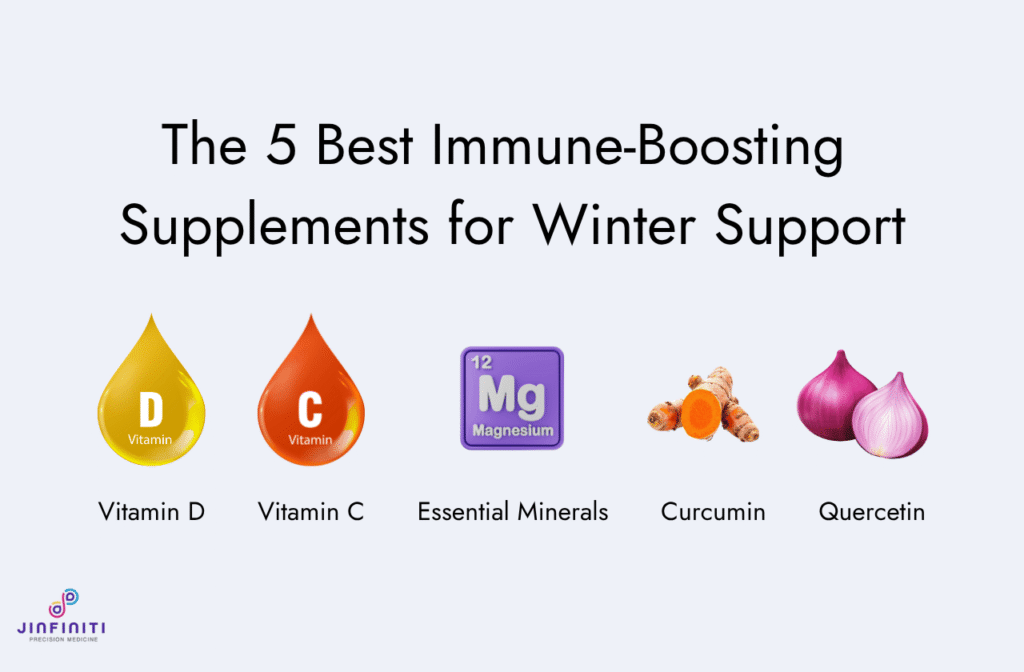
1. Vitamin D
Your skin produces vitamin D when exposed to sunlight. During winter months at latitudes above 30°N, the sun’s angle makes this nearly impossible.
The numbers tell the story. About 40% of Canadians fall below adequate vitamin D levels during winter, compared to 25% in summer. In northern Poland, researchers found 84.4% of adults were deficient in winter months[2].
How vitamin D protects your immune system
Virtually all immune cells have vitamin D receptors. This tells you something important—your immune system depends on this nutrient.
The active form of vitamin D influences both innate and adaptive immune responses through multiple mechanisms[3]:
- Creates antimicrobial peptides that inhibit viral replication
- Prevents the cytokine storm that makes infections severe
- Supports immune cell training and maturation
- Regulates inflammatory responses to prevent tissue damage
Dr. John White’s research at McGill University revealed that vitamin D deficiency causes the thymus (the organ training your immune cells) to age faster. This creates a “leaky” immune system less effective at protecting you.
What the research shows
A 2017 study in The BMJ analyzed data from over 11,000 participants. The conclusion? Vitamin D supplementation protects against acute respiratory infections[4].
The protective effects were strongest in people with severe deficiency (below 10 mg/dL), whose infection risk was cut in half. Daily or weekly supplementation worked better than large occasional doses.
A 2022 analysis found vitamin D reduced influenza infections by 22%[5]. Not all studies agree on the magnitude of benefit, but the pattern is clear—adequate vitamin D matters for immune defense.
How much you need
Current recommendations suggest maintaining serum levels above 50 ng/mL for optimal immune function. This is higher than the 30 ng/mL typically recommended for bone health.
Taking a vitamin D supplement during winter months is one of the most practical steps for overall health:
- NHS recommendation: 400 IU (10 mcg) daily for autumn and winter
- Expert recommendations: 1,500-2,000 IU daily for most adults
- Therapeutic doses for deficiency: 5,000 IU daily (requires 3-5 months to reach optimal levels)
- Tolerable upper limit: 4,000 IU daily for long-term use
The tolerable upper limit is 4,000 IU daily for long-term use. Toxicity is rare but can occur above 150 ng/mL blood levels.
2. Vitamin C
A vitamin C supplement taken regularly does not prevent colds in most people[6]. The persistent belief stems from 1970s advocacy that wasn’t supported by later research.
That doesn’t mean vitamin C is useless for fighting the common cold.
Vitamin C is water-soluble and builds up in immune cells at concentrations 50-100 times higher than in the blood plasma[7]. During infections, these levels drop rapidly—your immune system is using it up.
Vitamin C supports multiple immune functions:
- Boosts production and function of neutrophils, lymphocytes, and phagocytes (first-line defenders)
- Supports T-cells and B-cells needed for adaptive immunity
- Acts as a powerful antioxidant protecting immune cells from oxidative damage
- Reduces cold duration by approximately 2 days when taken after symptom onset
- Lowers risk of severe cold symptoms in some studies
When taken after cold onset, vitamin C can reduce symptoms. One analysis found it reduced symptoms by approximately 2 days with an 87% lower risk of severe symptoms[8].
The exception? Studies of athletes under extreme physical stress showed vitamin C reduced cold incidence by up to 50%[7]. If you’re training hard or under significant physical stress, the benefits increase.
How much to take
The recommended daily dosage of vitamin C is 90 mg for men and 75 mg for women. Most people can get adequate amounts from fruits and vegetables.
Supplementation of 1-2 grams daily is generally safe. Vitamin C is water-soluble, so excess amounts are excreted rather than stored.
Pairing vitamin C with quercetin
There is some evidence that pairing vitamin C with quercetin could have an increased antiviral effect. One function of vitamin C is to prevent quercetin from breaking down so it can do its job[9].
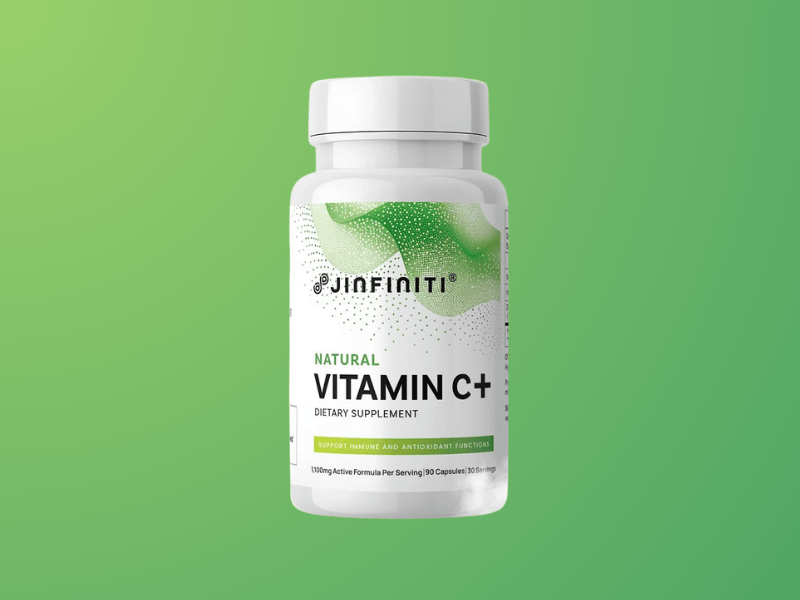
Bioavailable Vitamin C
Natural, whole-food vitamin C from Amla fruit.
3. Essential Minerals: Zinc, Magnesium, and Selenium
Three essential minerals deserve your attention for winter immune support. Each plays distinct but complementary roles.
Zinc: The immune gatekeeper
Your body cannot produce or store large amounts of zinc, making consistent intake necessary.
Dr. Daren Knoell’s research at Ohio State showed zinc acts as a feedback regulator, preventing immune overreaction. Zinc enters immune cells during infection and slows the inflammatory response, preventing collateral damage.
Research shows zinc supports multiple immune functions:
- Boosts natural killer cell activity
- Increases neutrophil function and mobility
- Activates T-cell proliferation
- Supports antibody production by B-cells
- Regulates cytokine production to prevent inflammatory damage
For treating colds, zinc shows promise. A 2024 Cochrane review found zinc lozenges may reduce cold duration by about 2 days[10]. The effect appears specific to zinc acetate lozenges at 80-92 mg/day.
The RDA is 11 mg/day for men and 8 mg/day for women. For cold treatment, studies used 75-100 mg/day divided into multiple lozenges. The upper limit for long-term use is 40 mg/day.
Zinc supplements in lozenge form work best for treating colds because the zinc needs direct contact with throat tissues where viruses replicate.
Both deficiency and excess impair immunity. Zinc intake of 100 mg/d suppresses immune responses[11].
Magnesium: The overlooked regulator
Magnesium rarely gets attention in immune discussions, but it shouldn’t be ignored.
A 2022 study in Cell found T-cells need sufficient magnesium to operate efficiently. Adequate magnesium maintains the active conformation of proteins that help T-cells recognize and attack threats[12].
Magnesium deficiency creates several immune problems:
- Triggers inflammation by increasing neutrophils and inflammatory gene expression
- Elevates pro-inflammatory cytokines (TNF-α, IL-1β, IL-10)
- Impairs T-cell activation and function
- Disrupts gut microbiome balance, which affects immune health
A 2024 study found supplementation (15 mmol/day) substantially lowered inflammatory capacity of T-cells in people with type 2 diabetes[13].
Adults need 310-420 mg daily. Food sources include:
- Nuts (especially almonds: 80 mg per 30g serving)
- Seeds (pumpkin seeds, sunflower seeds)
- Dark leafy greens (spinach, Swiss chard)
- Beans and legumes (black beans, lentils)
- Whole grains (brown rice, quinoa)
- Avocados and bananas
Selenium: Small amounts, big impact
Selenium is a component of at least 25 selenoproteins, including antioxidant enzymes that protect immune cells from oxidative damage[14].
Research shows adequate selenium supports immune cell activation and differentiation. Evidence for supplementation is mixed, though some studies show benefits for people with low baseline levels.
The RDA is 55 μg/day for adults. The upper limit is 400 μg/day. Most people consuming varied diets get adequate amounts without supplementation—Brazil nuts alone are extremely high in selenium (1-2 nuts meet daily needs).
4. Curcumin
Curcumin, extracted from turmeric, possesses remarkable anti-inflammatory and immune-modulating properties.
It inhibits key inflammatory pathways including NF-κB, MAPK, and JAK/STAT[15]. In various studies, curcumin showed multiple beneficial effects:
- Decreased pro-inflammatory cytokines (IL-1β, IL-6, TNF-α)
- Increased anti-inflammatory cytokines (IL-10, IL-4)
- Reduced inflammatory enzyme expression (COX-2, iNOS)
- Shifted immune cell polarization toward anti-inflammatory phenotypes
- Protected against oxidative stress in immune cells
Over 300 clinical trials have explored curcumin’s effects on respiratory diseases, inflammatory conditions, and immune function.
The bioavailability problem
The challenge with curcumin is absorption. Very little reaches your bloodstream unchanged when taken orally.
Black pepper extract (piperine) is the solution. Studies show it increases curcumin absorption by up to 2000%[16]. Look for supplements combining these ingredients.
Dosing and safety
Clinical studies typically use 500-2,000 mg daily. Most turmeric and curcumin supplements contain 1,000-1,500 mg daily with piperine.
Curcumin is generally well-tolerated. High doses may cause digestive upset. People taking blood thinners should consult healthcare providers first.
5. Quercetin
Quercetin is a phytonutrient in onions, apples, berries, and tea. Though it’s not as well-known as vitamin C, researchers have discovered this flavonoid has direct antiviral activity against respiratory viruses.
How quercetin fights respiratory viruses
Lab studies have found that quercetin works against the viruses that cause most winter illnesses. Research shows it inhibits replication of rhinovirus, influenza, respiratory syncytial virus, and adenovirus in cell cultures[17].
The mechanisms are fascinating. Quercetin attacks viruses at multiple stages:
- Blocks viral entry into cells by interfering with membrane fusion
- Disrupts viral replication once inside cells
- Prevents assembly and release of new viral particles
- Reduces inflammatory response that causes respiratory symptoms
- Increases production of antiviral interferons
Animal studies back this up. Mice given quercetin before influenza infection showed reduced viral load, less lung inflammation, and lower mortality rates compared to untreated mice[18].
What human studies show
The human research picture is mixed but intriguing. A large community trial with over 1,000 participants found no overall benefit from quercetin (500 or 1,000 mg/day) for preventing upper respiratory infections. The surprise came in subgroup analysis—subjects over 40 who rated themselves physically fit experienced significantly fewer sick days and less severe symptoms[19].
Studies in athletes tell a different story. Cyclists taking 1,000 mg/day quercetin for three weeks showed markedly lower infection rates (1 of 20 subjects infected versus 9 of 20 in the placebo group) during the two weeks following intense training[20].
Why the inconsistent results? Quercetin appears most beneficial for people under physical stress or at higher baseline risk. It may work better for preventing infections during vulnerable periods than for general prevention.
The vitamin C connection
Quercetin alone has poor stability and bioavailability. Research suggests vitamin C prevents quercetin degradation, maintaining its antiviral activity[9]. The two compounds work synergistically—vitamin C stabilizes quercetin while quercetin enhances vitamin C’s immune effects.
A 2021 systematic review of animal studies found that quercetin-type flavonoids significantly reduced mortality rates and viral loads in infected animals[21].
Practical use
Studies examining quercetin for respiratory health typically use 500-1,000 mg daily. The compound is generally safe, though very high doses may cause headaches or digestive discomfort in some people.
Food sources include:
- Red onions (highest quercetin content among onions)
- Apples (especially with skin)
- Berries (blueberries, cranberries, blackberries)
- Grapes (especially dark varieties)
- Broccoli and kale
- Green tea and black tea
- Capers (extremely high concentration)
Cooking doesn’t significantly reduce quercetin content.
Look for supplements that combine quercetin with bromelain (from pineapple) or vitamin C to improve absorption. Some formulations use quercetin bound to other compounds for better bioavailability.
Other Supplements Worth Considering
The five supplements covered above have the strongest research backing for winter immune support. Several others show promise but need more study or work best for specific situations:
- Elderberry: May shorten illness duration by 2-4 days when taken at symptom onset by preventing viral attachment to cells[22]
- Omega-3 fatty acids: Help resolve inflammation after infection (aim for 1-2 grams daily of combined EPA and DHA)
- Vitamin E: Improves T-cell function in older adults at 200 IU daily[23], though most people get enough from nuts and seeds
- B vitamins: Support immune cell production but only help if you’re deficient (B6, B9, and B12 are most relevant)
These supplements may fill specific gaps in your nutrition. They don’t replace the core five covered earlier, which target the most common winter immune challenges.
A Note on Supplement Quality
Not all supplements are created equal. Quality varies dramatically between brands, and poor-quality products waste your money while potentially harming your health.
- Look for third-party testing from USP, NSF International, or ConsumerLab to verify contents and purity
- Choose forms with better bioavailability (magnesium glycinate over oxide, vitamin D3 over D2, curcumin with piperine)
- Avoid products with excessive fillers, artificial colors, or proprietary blends that hide ingredient amounts
- Seek cGMP-certified manufacturing for strict quality control during production
- Be wary of prices far below competitors—corners get cut somewhere
Price reflects quality to some extent. You don’t need the most expensive option, but extremely cheap supplements raise red flags.
Your Winter Immune Strategy
These 5 supplements are a good blend of different approaches for immune support. Vitamin D helps with the winter deficit. Minerals are important cofactors for immune cells. Vitamin C helps the immune system and might shorten a cold. Curcumin and quercetin provide anti-inflammatory effects.
Test your nutrient levels before jumping into supplements. Especially for vitamin D, where people need such different doses, blood testing is the only way to be sure of your status.
Jinfiniti Precision Medicine founder Dr. Jin-Xiong She is a genomic scientist with over 400 peer-reviewed publications who shares the same sentiment: “Winter immune support is not about popping every supplement in the store. It’s about identifying your specific deficiencies with testing and then addressing those gaps with targeted, evidence-based interventions. The same dose of a supplement that’s just right for one person could be too little or too much for someone else.”
Of course, supplements are just one part of the equation. The cornerstones of health are still sleep, exercise, stress reduction, and a whole-foods-based diet.
Referenced Sources
- Calton EK, Keane KN, Raizel R, Rowlands J, Soares MJ, Newsholme P. Winter to summer change in vitamin D status reduces systemic inflammation and bioenergetic activity of human peripheral blood mononuclear cells. Elsevier BV; 2017. https://doi.org/10.1016/j.redox.2017.04.009
- Kmieć P, Żmijewski M, Waszak P, Sworczak K, Lizakowska-Kmieć M. Niedobór witaminy D w przeważająco miejskiej populacji dorosłych z Województwa Pomorskiego w miesiącach zimowych. VM Media SP. zo.o VM Group SK; 2014. https://doi.org/10.5603/ep.2014.0015
- Ao T, Kikuta J, Ishii M. The Effects of Vitamin D on Immune System and Inflammatory Diseases. MDPI AG; 2021. https://doi.org/10.3390/biom11111624
- Martineau AR, Jolliffe DA, Hooper RL, Greenberg L, Aloia JF, Bergman P, et al. Vitamin D supplementation to prevent acute respiratory tract infections: systematic review and meta-analysis of individual participant data. BMJ; 2017. https://doi.org/10.1136/bmj.i6583
- Zhu Z, Zhu X, Gu L, Zhan Y, Chen L, Li X. Association Between Vitamin D and Influenza: Meta-Analysis and Systematic Review of Randomized Controlled Trials. Frontiers Media SA; 2022. https://doi.org/10.3389/fnut.2021.799709
- Ran L, Zhao W, Wang H, Zhao Y, Bu H. Vitamin C as a Supplementary Therapy in Relieving Symptoms of the Common Cold: A Meta‐Analysis of 10 Randomized Controlled Trials. Wiley; 2020. https://doi.org/10.1155/2020/8573742
- Carr A, Maggini S. Vitamin C and Immune Function. MDPI AG; 2017. https://doi.org/10.3390/nu9111211
- Ran L, Zhao W, Wang J, Wang H, Zhao Y, Tseng Y, et al. Extra Dose of Vitamin C Based on a Daily Supplementation Shortens the Common Cold: A Meta-Analysis of 9 Randomized Controlled Trials. Wiley; 2018. https://doi.org/10.1155/2018/1837634
- Colunga Biancatelli RML, Berrill M, Catravas JD, Marik PE. Quercetin and Vitamin C: An Experimental, Synergistic Therapy for the Prevention and Treatment of SARS-CoV-2 Related Disease (COVID-19). Frontiers Media SA; 2020. https://doi.org/10.3389/fimmu.2020.01451
- Nault D, Machingo TA, Shipper AG, Antiporta DA, Hamel C, Nourouzpour S, et al. Zinc for prevention and treatment of the common cold. Wiley; 2024. https://doi.org/10.1002/14651858.cd014914.pub2
- Ibs KH, Rink L. Zinc-Altered Immune function. Elsevier BV; 2003. https://doi.org/10.1093/jn/133.5.1452s
- Lötscher J, Martí i Líndez AA, Kirchhammer N, Cribioli E, Giordano Attianese GMP, Trefny MP, et al. Magnesium sensing via LFA-1 regulates CD8+ T cell effector function. Elsevier BV; 2022. https://doi.org/10.1016/j.cell.2021.12.039
- Drenthen LCA, Ajie M, de Baaij JHF, Tack CJ, de Galan BE, Stienstra R. Magnesium Supplementation Modulates T-cell Function in People with Type 2 Diabetes and Low Serum Magnesium Levels. The Endocrine Society; 2024. https://doi.org/10.1210/clinem/dgae097
- Huang Z, Rose AH, Hoffmann PR. The Role of Selenium in Inflammation and Immunity: From Molecular Mechanisms to Therapeutic Opportunities. Mary Ann Liebert Inc; 2012. https://doi.org/10.1089/ars.2011.4145
- Peng Y, Ao M, Dong B, Jiang Y, Yu L, Chen Z, et al. Anti-Inflammatory Effects of Curcumin in the Inflammatory Diseases: Status, Limitations and Countermeasures. Informa UK Limited; 2021. https://doi.org/10.2147/dddt.s327378
- Gupta SC, Patchva S, Aggarwal BB. Therapeutic Roles of Curcumin: Lessons Learned from Clinical Trials. Springer Science and Business Media LLC; 2012. https://doi.org/10.1208/s12248-012-9432-8
- Ganesan S, Faris AN, Comstock AT, Wang Q, Nanua S, Hershenson MB, et al. Quercetin inhibits rhinovirus replication in vitro and in vivo. Elsevier BV; 2012. https://doi.org/10.1016/j.antiviral.2012.03.005
- Davis JM, Murphy EA, McClellan JL, Carmichael MD, Gangemi JD. Quercetin reduces susceptibility to influenza infection following stressful exercise. American Physiological Society; 2008. https://doi.org/10.1152/ajpregu.90319.2008
- Heinz SA, Henson DA, Austin MD, Jin F, Nieman DC. Quercetin supplementation and upper respiratory tract infection: A randomized community clinical trial. Elsevier BV; 2010. https://doi.org/10.1016/j.phrs.2010.05.001
- Li Y, Yao J, Han C, Yang J, Chaudhry M, Wang S, et al. Quercetin, Inflammation and Immunity. MDPI AG; 2016. https://doi.org/10.3390/nu8030167
- Brito JCM, Lima WG, Cordeiro LPB, da Cruz Nizer WS. Effectiveness of supplementation with quercetin‐type flavonols for treatment of viral lower respiratory tract infections: Systematic review and meta‐analysis of preclinical studies. Wiley; 2021. https://doi.org/10.1002/ptr.7122
- Tiralongo E, Wee S, Lea R. Elderberry Supplementation Reduces Cold Duration and Symptoms in Air-Travellers: A Randomized, Double-Blind Placebo-Controlled Clinical Trial. MDPI AG; 2016. https://doi.org/10.3390/nu8040182
- Meydani SN, Lewis ED, Wu D. Perspective: Should Vitamin E Recommendations for Older Adults Be Increased?. Elsevier BV; 2018. https://doi.org/10.1093/advances/nmy035
Read More