The Best Supplements for Mitochondrial Health in 2026
Written on . Posted in Supplements, Energy and Fatigue, Magnesium, Mitochondrial Dysfunction, NAD, NAD+, NAD+ Precursors, NMN.
What You Should Know
- Mitochondria produce ATP, the energy molecule every cell in your body depends on — when they decline, so does your energy, recovery, and cognitive function.
- The supplements with the strongest evidence for mitochondrial support include NAD+ precursors, CoQ10, Urolithin A, PQQ, alpha-lipoic acid, and acetyl-L-carnitine — each working through different mechanisms.
- NAD+ is the single most important upstream driver of mitochondrial health, and it declines measurably with age.
- Testing exists to measure where your mitochondria actually stand, so you’re not supplementing blindly.
You’ve probably been told your labs look fine. Normal thyroid, normal iron, nothing that jumps out. But you’re still tired — the kind of tired that sleep doesn’t fix — and your recovery from workouts, illness, or stress takes longer than it used to.
That’s not necessarily a sign that something is wrong with your bloodwork. It may be a sign that something is happening at a level standard panels don’t measure: inside your cells, in the tiny organelles responsible for producing nearly all of your body’s energy.
Mitochondrial decline is measurable, starts earlier than most people expect — often in your 30s and 40s — and is one of the most underappreciated drivers of fatigue, cognitive slowdown, and accelerated aging. The good news is that a growing body of research points to specific supplements, lifestyle habits, and tests that can genuinely support mitochondrial function.
This guide covers all of them, with honest evidence appraisals for each.
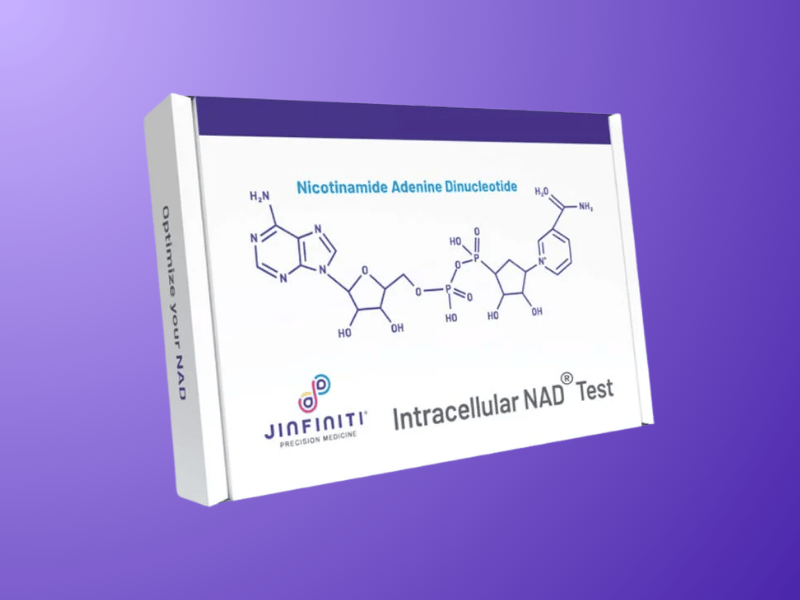
CLIA-Certified NAD Test Kit
Is NAD+ your mitochondrial bottleneck? Find out from home.
Why Mitochondrial Decline Matters — And When It Starts
Mitochondria do much more than produce energy. They regulate inflammation, control when cells live or die, and manage the DNA repair processes that keep you healthy as you age. Their decline isn’t just about feeling tired — it contributes to insulin resistance, cardiovascular disease, cognitive decline, and accelerated cellular aging.
This happens through two compounding failures. First, mitochondria produce less ATP (adenosine triphosphate) as their electron transport chain becomes less efficient. Second, the cleanup systems that remove damaged mitochondria — mitophagy — slow down with age, leaving dysfunctional organelles in place where they generate more oxidative stress. High-energy organs feel this first: the brain, the heart, and skeletal muscle.
The Role of NAD+ as the Upstream Driver
NAD+ (nicotinamide adenine dinucleotide) sits at the center of mitochondrial function. It’s the critical electron carrier in the mitochondrial respiratory chain, and it activates the sirtuin proteins — SIRT1 and SIRT3 — that regulate mitochondrial biogenesis, stress response, and quality control. A 2025 review in npj Metabolic Health and Disease describes NAD+ as essential to virtually every aspect of mitochondrial homeostasis, from energy production to mitophagy to antioxidant defense.[1]
The problem: NAD+ levels decline with age — measurably and significantly. By middle age, many people have half the intracellular NAD+ they had in their 20s. That decline tracks closely with the symptoms most people write off as “just getting older.”
Signs Your Mitochondria May Need Support
Not all of these point definitively to mitochondrial dysfunction — but they’re worth paying attention to, especially when multiple appear together:
- Persistent fatigue not explained by sleep, stress, or bloodwork
- Slower recovery from exercise, illness, or stress
- Brain fog, difficulty concentrating, or cognitive slowdown
- Muscle weakness or loss of exercise tolerance
- Increased sensitivity to cold or temperature changes
- Multiple-system symptoms without a clear diagnosis
The Best Supplements for Mitochondrial Health
What follows isn’t a “take everything on this list” approach. It’s organized by mechanism — how each supplement actually supports mitochondria — with the strength of evidence called out honestly for each.
1. NAD+ Precursors (NMN and NR): Fuel for the Whole System
If there’s a single intervention that addresses mitochondrial health at the root level, NAD+ repletion is the closest candidate. NMN (nicotinamide mononucleotide) and NR (nicotinamide riboside) are both precursors that raise intracellular NAD+, which in turn activates sirtuins, improves electron transport chain function, and supports the mitophagy systems that clear out damaged mitochondria.
Research published in Cell Death & Disease demonstrated that NMN supplementation improved mitochondrial stress response in Alzheimer’s disease models, reducing protein aggregation and restoring mitochondrial quality control.[2]
A randomized controlled trial of NR supplementation found significant increases in NAD+ levels and improvements in long-COVID cognitive symptoms — notably, a condition characterized by mitochondrial dysfunction.[3]
Dosing: 250–500 mg NMN or NR daily; effectiveness varies by individual, which is why testing matters.
“NAD+ testing before and during supplementation changes everything,” says Dr. Jin-Xiong She, founder of Jinfiniti Precision Medicine. “Most people assume they’re absorbing what they’re taking. What the data actually shows is that a meaningful percentage aren’t reaching optimal levels — and without measuring, you have no way to know.”
Optimal intracellular NAD+ has been defined as 40–100 μM. Below 40 is suboptimal; below 20 is severely deficient. 85% of participants taking Vitality↑® NAD+ Booster reached optimal NAD+ levels within four weeks in a clinical setting — a result that single-ingredient precursors haven’t matched in head-to-head comparisons.
2. CoQ10: The Electron Transport Chain Essential
CoQ10 (coenzyme Q10) is concentrated in the tissues that demand the most energy — the heart, kidneys, and liver — and sits directly inside the mitochondrial electron transport chain, where it shuttles electrons between protein complexes to generate ATP. Without adequate CoQ10, that chain becomes inefficient and generates more oxidative stress as a byproduct.
Clinical trials summarized in a review on mitochondrial dysfunction and chronic disease confirm CoQ10’s role in supporting ATP production and protecting mitochondrial membranes from oxidative damage.[4]
There’s a particularly important caveat for anyone on statins: these medications can reduce CoQ10 levels by up to 40%, leaving mitochondrial function significantly impaired in people who are already managing cardiovascular risk.[5]
Two forms are available: ubiquinone (the oxidized form) and ubiquinol (the reduced, active form). Ubiquinol is better absorbed, particularly in adults over 50 whose conversion capacity has declined.
Dosing: 100–300 mg daily with a fat-containing meal. Ubiquinol preferred for older adults.
3. Urolithin A: The Mitophagy Activator
Damaged mitochondria that aren’t cleared accumulate inside cells and generate chronic oxidative stress. Urolithin A (UA) addresses this directly — it activates the PINK1 and Parkin proteins that tag worn-out mitochondria for recycling, improving the efficiency of the cellular cleanup system.
Research published in JAMA Network Open found that urolithin A supplementation improved muscle endurance in adults over 65 — a population with consistently poor mitophagy efficiency — even without exercise, improving fatigue resistance over four months. A separate study in iScience showed UA restored mitochondrial structure and function in aging and heart failure models.[6][7]
Worth being honest about: UA research in humans is still relatively early-stage compared to CoQ10 or creatine. The mechanistic data is compelling, but larger long-term human trials are still underway. It’s also worth noting that UA isn’t reliably produced from diet — it’s a byproduct of gut bacteria acting on ellagitannins from pomegranates and berries, and many people’s gut microbiome can’t produce it efficiently. Supplementation is the more predictable route. UA is included in Jinfiniti’s RejuvenAid alongside other cellular protection compounds.
Dosing: 500–1,000 mg daily.
4. PQQ: Triggering New Mitochondria
Most supplements on this list support the mitochondria you already have. PQQ (pyrroloquinoline quinone) is notable because it’s one of the few compounds with human evidence for actually stimulating the creation of new mitochondria — the process called mitochondrial biogenesis, regulated by the PGC-1α pathway.
PQQ activates NRF-1, NRF-2, and TFAM — the transcription factors that drive mitochondrial DNA replication and protein expression. Research in the Journal of the American College of Nutrition confirmed PQQ increases mitochondrial density through these mechanisms. It also reduces inflammation by inhibiting the NLRP3 inflammasome — the same pathway that contributes to both mitochondrial dysfunction and chronic inflammatory disease.[8]
Dosing: 10–20 mg daily. Often paired with CoQ10 for complementary effects.
5. Alpha-Lipoic Acid (ALA): Antioxidant for the Energy Chain
Alpha-lipoic acid functions as a cofactor for two key mitochondrial enzyme complexes — pyruvate dehydrogenase and alpha-ketoglutarate dehydrogenase — that are essential to the Krebs cycle. It also regenerates other antioxidants, including vitamin E and glutathione, which protect mitochondrial membranes from the oxidative byproducts of energy production.
What sets ALA apart from other antioxidants is that it crosses the blood-brain barrier, providing mitochondrial support in neurons — cells that are particularly energy-intensive and vulnerable to mitochondrial decline. A review in Antioxidants (Basel, Switzerland) confirmed ALA reduces free radical damage, improves mitochondrial function, and strengthens antioxidant defenses in multiple tissue types.[9]
Two forms exist: R-lipoic acid (the natural form) and the synthetic R/S mixture. R-ALA is approximately twice as bioavailable and is the better choice despite the higher cost.
Dosing: 300–600 mg daily. R-ALA preferred.
6. Acetyl-L-Carnitine (ALCAR): Fatty Acid Fuel Delivery
Mitochondria can’t burn long-chain fatty acids for fuel without carnitine — it’s the shuttle that transports them across the mitochondrial membrane. Acetyl-L-carnitine (ALCAR) is the acetylated form, which has better brain penetration and provides the additional benefit of acetyl groups for acetylcholine synthesis.
This matters most during states when fat is the primary fuel: fasting, low-carb eating, or endurance exercise. A randomized controlled trial on centenarians found significant reductions in physical and mental fatigue after L-carnitine supplementation — a result consistent with improving mitochondrial fuel delivery in tissues where carnitine status had likely declined.[10]
ALCAR is part of the RejuvenAid formula alongside L-ergothioneine and other cellular protection compounds.
Dosing: 1,500–3,000 mg daily; one dose approximately an hour before exercise if used for performance.
6. Senolytics: Clearing the Problem at the Source
Senescent cells — the “zombie” cells that have stopped dividing but refuse to die — accumulate dysfunctional mitochondria and secrete a chronic inflammatory signal that degrades the tissue around them. Clearing these cells addresses mitochondrial dysfunction from a different angle: not by boosting energy production, but by removing the burden of cells that are actively disrupting the cellular environment.[11]
Fisetinis the most potent natural senolytic identified to date. Quercetin has both senolytic and anti-inflammatory properties, and research consistently shows the two compounds work synergistically. Bromelain, included in Jinfiniti’s SenoAid, improves absorption.[12]
Dosing: Can be taken daily or via “pulse dosing” (2–3 consecutive days per week). Quercetin 1,000 mg + Fisetin 100–200 mg.
7. Magnesium, B Vitamins, and Vitamin D: The Foundation Layer
These don’t generate the same excitement as NMN or Urolithin A, but here’s the honest reality: if you’re deficient in any of them, nothing else on this list works as well as it should.
Magnesium is required for over 300 enzymatic reactions, including several steps in the Krebs cycle that produce ATP. It’s also rapidly depleted by oxidative stress — meaning the people who need it most are often the ones who have the least. Glycinate and malate are the most bioavailable forms. For sleep specifically, magnesium glycinate is particularly well-supported.[13]
B vitamins — particularly B1 (thiamine), B2 (riboflavin), and B3 (niacinamide) — have direct roles in the electron transport chain and ATP synthesis. Niacinamide specifically is a direct NAD+ precursor, contributing to the same pathway that NMN and NR support.[14]
Vitamin D receptors are found in mitochondrial membranes, and deficiency impairs ATP production and mitochondrial respiration. Roughly 70% of adults are deficient. Vitamin D3 is best combined with K2 (MK-7 form) to ensure calcium is directed into bones rather than arterial walls.[15]
Dosing: Magnesium 300–400 mg (glycinate or malate); Vitamin D3 2,000–5,000 IU with K2 100 mcg; B vitamins best from a quality B complex or as individual supplements.
8. L-Ergothioneine: The Mitochondria-Specific Antioxidant
This one doesn’t get much coverage outside specialized longevity circles, but the mechanism is worth understanding. L-ergothioneine is an amino acid with its own dedicated mitochondrial transporter — meaning the body has evolved a specific system for concentrating it in high-energy tissues. It’s naturally found in mushrooms, but not at levels achievable from diet alone.
Emerging research suggests L-ergothioneine protects mitochondrial DNA and membranes from oxidative damage specifically in high-demand tissues like the heart, brain, and liver. Larger human trials are still underway, so the evidence is early-stage — but the mechanistic specificity is compelling. It’s included in the RejuvenAid formula alongside Urolithin A and ALCAR.[16]
Lifestyle Habits That Genuinely Support Mitochondrial Health
Supplements work better alongside lifestyle — and for some people, these interventions move the needle more than anything they’re taking.
Exercise — Especially HIIT
Physical activity is the most evidence-backed intervention for mitochondrial biogenesis. High-intensity interval training (HIIT) in particular triggers PGC-1α activation — the same pathway PQQ targets — stimulating the creation of new mitochondria. Even moderate walking improves mitochondrial efficiency over time. You don’t need an extreme protocol; you need consistency and, periodically, intensity.[17]
Fasting and Time-Restricted Eating
Going without food for 12–16 hours activates AMPK — the cellular energy sensor — which in turn triggers both autophagy and mitophagy. This is one of the most direct ways to promote mitochondrial cleanup through lifestyle. Time-restricted eating (eating within an 8–10 hour window) achieves this without extended fasting.[18]
Sauna and Cold Exposure
Heat stress activates heat shock proteins that protect mitochondria from oxidative damage, and regular sauna use has been linked to improved mitochondrial biogenesis. Cold exposure activates brown adipose tissue, which is exceptionally mitochondria-dense, and may stimulate mitochondrial production in other tissues as well.[19][20]
Sleep
Most mitochondrial repair happens during sleep. Inadequate sleep increases oxidative stress, impairs the cellular cleanup systems, and accelerates mitochondrial dysfunction — and those effects compound over time. Seven to nine hours isn’t a lifestyle preference; it’s metabolic maintenance.[21]
Diet
A diet that limits ultra-processed foods and refined sugar reduces the oxidative burden your mitochondria have to manage. Omega-3 fatty acids maintain mitochondrial membrane integrity. Polyphenol-rich foods — berries, dark leafy greens, cruciferous vegetables — support the antioxidant systems that protect mitochondrial DNA.[22]
🧬 MORE MITOCHONDRIA READS
- Energy loss, slower recovery, brain fog — these aren’t random. Learn what’s actually happening at the cellular level with mitochondrial decline and why it matters.
- Supplements are only part of the picture. These are the daily habits with the strongest evidence for keeping mitochondria healthy over time.
- NMN is the most direct way to raise NAD+ — but not all products deliver. Here’s how the top NMN supplements of 2026 compare on quality, dose, and clinical backing.
Should You Test for Mitochondrial Dysfunction?
Supplementing blindly is the norm — but it doesn’t have to be. Two tests are worth knowing about, and they serve different purposes.
If you’re focused on NAD+ optimization — which covers the largest group of people reading this — the Intracellular NAD® Test is the most practical place to start. It measures NAD+ inside your cells (not just in plasma), using a simple at-home finger-prick kit with CLIA-certified results. Optimal range is 40–100 μM. Below that, you have a measurable deficiency that precursor supplementation can address. Above it, you know your current approach is working. Without this number, you’re adjusting dosage by feel.
If you suspect true mitochondrial dysfunction — multiple unexplained symptoms affecting different organ systems, a family history of mitochondrial disease, or persistent decline that doesn’t respond to conventional approaches — a MitoSwab test is worth discussing with your clinician. It’s a non-invasive cheek swab that measures the activity of Complex I, Complex IV, and citrate synthase (overall mitochondrial content) in buccal cells, with an 84% correlation to the traditional gold standard of muscle biopsy. It’s designed as a diagnostic tool for dysfunction, not a longevity optimization metric — but for people with complex presentations, it provides data that can meaningfully change the conversation with a specialist.
Frequently Asked Questions
What are the signs of poor mitochondrial health?
Persistent fatigue unrelated to sleep or stress, slow recovery from exercise or illness, brain fog, muscle weakness, and temperature intolerance are common signals. When multiple symptoms affect different organ systems without a clear diagnosis, mitochondrial dysfunction is worth investigating. Talk with your clinician about whether testing is appropriate.
Which supplement is most important for mitochondrial function?
NAD+ precursors (NMN or NR) have the broadest and most mechanistically central effect — NAD+ is involved in virtually every aspect of mitochondrial function. CoQ10 is a close second and is often deficient in older adults and statin users. That said, the right priority depends on your individual baseline; testing NAD+ levels first gives you a more accurate starting point.
Can you improve mitochondrial function without supplements?
Yes, meaningfully. HIIT exercise, time-restricted eating, adequate sleep, and reducing dietary oxidative burden all support mitochondrial function through mechanisms independent of supplementation. The evidence for exercise in particular is as strong as anything in the supplement literature.
How long does it take for mitochondrial supplements to work?
NAD+ precursors produce measurable changes in intracellular NAD+ within two to four weeks in most people. CoQ10 benefits in cardiac tissue are typically studied over 12-week periods. Results vary by individual, baseline status, and whether lifestyle factors are being addressed simultaneously.
What’s the difference between primary mitochondrial disease and age-related mitochondrial decline?
Primary mitochondrial disease is a genetic condition — mutations in mitochondrial or nuclear DNA that directly impair mitochondrial function, often presenting from birth or early childhood. Age-related mitochondrial decline is a gradual process affecting most adults, driven by NAD+ depletion, oxidative damage accumulation, and slowing of mitophagy. The two are very different in severity, mechanism, and appropriate intervention. Most people reading this are dealing with the latter.
Is CoQ10 or NMN better for mitochondria?
They work through different mechanisms and aren’t really comparable. NMN supports the NAD+ system that regulates mitochondrial quality control and biogenesis. CoQ10 works directly in the electron transport chain to support ATP production. Both have strong evidence; both address different parts of the same system. If you can only pick one, test your NAD+ levels first — that will tell you whether the upstream NAD+ pathway is the priority.
Referenced Sources
- Yusri K, Jose S, Vermeulen KS, Tan TCM, Sorrentino V. The role of NAD+ metabolism and its modulation of mitochondria in aging and disease. Springer Science and Business Media LLC; 2025. https://doi.org/10.1038/s44324-025-00067-0
- Xiong X, Hou J, Zheng Y, Jiang T, Zhao X, Cai J, et al. NAD+-boosting agent nicotinamide mononucleotide potently improves mitochondria stress response in Alzheimer’s disease via ATF4-dependent mitochondrial UPR. Springer Science and Business Media LLC; 2024. https://doi.org/10.1038/s41419-024-07062-1
- Wu CY, Reynolds WC, Abril I, McManus AJ, Brenner C, González-Irizarry G, et al. Effects of nicotinamide riboside on NAD+ levels, cognition, and symptom recovery in long-COVID: a randomized controlled trial. Elsevier BV; 2025. https://doi.org/10.1016/j.eclinm.2025.103633
- Nicolson G. Mitochondrial Dysfunction and Chronic Disease: Treatment With Natural Supplements. Integrative Medicine. 2014;13(4):35–43.
- Deichmann R, Lavie C, Andrews S. Coenzyme q10 and statin-induced mitochondrial dysfunction. Ochsner Journal. 2010;10(1):16–21.
- Liu S, D’Amico D, Shankland E, Bhayana S, Garcia JM, Aebischer P, et al. Effect of Urolithin A Supplementation on Muscle Endurance and Mitochondrial Health in Older Adults. American Medical Association (AMA); 2022. https://doi.org/10.1001/jamanetworkopen.2021.44279
- Liu S, Faitg J, Tissot C, Konstantopoulos D, Laws R, Bourdier G, et al. Urolithin A provides cardioprotection and mitochondrial quality enhancement preclinically and improves human cardiovascular health biomarkers. Elsevier BV; 2025. https://doi.org/10.1016/j.isci.2025.111814
- Hwang PS, Machek SB, Cardaci TD, Wilburn DT, Kim CS, Suezaki ES, et al. Effects of Pyrroloquinoline Quinone (PQQ) Supplementation on Aerobic Exercise Performance and Indices of Mitochondrial Biogenesis in Untrained Men. Informa UK Limited; 2019. https://doi.org/10.1080/07315724.2019.1705203
- Superti F, Russo R. Alpha-Lipoic Acid: Biological Mechanisms and Health Benefits. MDPI AG; 2024. https://doi.org/10.3390/antiox13101228
- Malaguarnera M, Cammalleri L, Gargante MP, Vacante M, Colonna V, Motta M. l-Carnitine treatment reduces severity of physical and mental fatigue and increases cognitive functions in centenarians: a randomized and controlled clinical trial. Elsevier BV; 2007. https://doi.org/10.1093/ajcn/86.5.1738
- Chapman J, Fielder E, Passos JF. Mitochondrial dysfunction and cell senescence: deciphering a complex relationship. Wiley; 2019. https://doi.org/10.1002/1873-3468.13498
- Deepika, Maurya PK. Health Benefits of Quercetin in Age-Related Diseases. MDPI AG; 2022. https://doi.org/10.3390/molecules27082498
- Fatima G, Dzupina A, B Alhmadi H, Magomedova A, Siddiqui Z, Mehdi A, et al. Magnesium Matters: A Comprehensive Review of Its Vital Role in Health and Diseases. Springer Science and Business Media LLC; 2024. https://doi.org/10.7759/cureus.71392
- Depeint F, Bruce WR, Shangari N, Mehta R, O’Brien PJ. Mitochondrial function and toxicity: Role of the B vitamin family on mitochondrial energy metabolism. Elsevier BV; 2006. https://doi.org/10.1016/j.cbi.2006.04.014
- Ricca C, Aillon A, Bergandi L, Alotto D, Castagnoli C, Silvagno F. Vitamin D Receptor Is Necessary for Mitochondrial Function and Cell Health. MDPI AG; 2018. https://doi.org/10.3390/ijms19061672
- Gede AMMI, Gu Q, Phukhatmuen P, Xiong J, Zhang S, Yi M, et al. Advances and prospects of ergothioneine in the treatment of cognitive frailty. Informa UK Limited; 2025. https://doi.org/10.1080/07853890.2025.2555742
- Torma F, Gombos Z, Jokai M, Takeda M, Mimura T, Radak Z. High intensity interval training and molecular adaptive response of skeletal muscle. Elsevier BV; 2019. https://doi.org/10.1016/j.smhs.2019.08.003
- Wilhelmi de Toledo F, Grundler F, Sirtori CR, Ruscica M. Unravelling the health effects of fasting: a long road from obesity treatment to healthy life span increase and improved cognition. Informa UK Limited; 2020. https://doi.org/10.1080/07853890.2020.1770849
- Polla BS, Kantengwa S, François D, Salvioli S, Franceschi C, Marsac C, et al. Mitochondria are selective targets for the protective effects of heat shock against oxidative injury. Proceedings of the National Academy of Sciences; 1996. https://doi.org/10.1073/pnas.93.13.6458
- Huo C, Song Z, Yin J, Zhu Y, Miao X, Qian H, et al. Effect of Acute Cold Exposure on Energy Metabolism and Activity of Brown Adipose Tissue in Humans: A Systematic Review and Meta-Analysis. Frontiers Media SA; 2022. https://doi.org/10.3389/fphys.2022.917084
- Richardson RB, Mailloux RJ. Mitochondria Need Their Sleep: Redox, Bioenergetics, and Temperature Regulation of Circadian Rhythms and the Role of Cysteine-Mediated Redox Signaling, Uncoupling Proteins, and Substrate Cycles. MDPI AG; 2023. https://doi.org/10.3390/antiox12030674
- Do LH, Da Costa RT, Solesio ME. Effects of nutrients and diet on mitochondrial dysfunction: An opportunity for therapeutic approaches in human disease. Elsevier BV; 2025. https://doi.org/10.1016/j.biopha.2025.118493
Read More