




You’ve probably seen the warnings online: creatine causes acne, triggers breakouts, or wrecks your skin. The claims spread fast through fitness forums and social media, leaving many people second-guessing one of the most studied supplements on the market.
Here’s what the science actually shows: no direct link between creatine and acne exists in the research. Not a single study has documented that taking creatine supplements causes breakouts.
If you’re experiencing skin issues while you use creatine, the real culprits are likely whey protein (which does have strong evidence for triggering acne breakouts), increased sweating from harder workouts, or changes to your overall diet.
What You Should Know
- Creatine clears from your bloodstream within 24 hours but remains stored in muscles for 4 to 8 weeks after you stop
- Your muscle stores decline gradually, not immediately, so performance benefits persist for weeks
- Individual factors like muscle mass and training intensity affect how long creatine stays active in your system
- You don’t need to cycle off creatine for safety reasons since continuous use is well-tolerated
Does Creatine Cause Breakouts or Pimples?
The short answer is no. Decades of research on creatine supplementation have found no connection to acne development.
Creatine is a naturally occurring compound your body produces in the liver, kidneys, and pancreas. It’s stored in your muscles and brain, where it helps regenerate ATP (adenosine triphosphate), your cells’ primary energy source. When you supplement with creatine, you’re simply adding more of what your body already makes and uses daily.
This matters because people often confuse creatine with anabolic steroids. Steroids are synthetic hormones that can absolutely cause acne by increasing oil production and clogging pores. Creatine works through completely different mechanisms related to energy metabolism, not hormonal manipulation.
More than 30 years of safety research backs this up. There’s no evidence that creatine use causes acne across hundreds of studies involving thousands of participants.
The timing creates confusion. People start taking creatine when they ramp up their workout routines, change their diets, and add other supplements to their regimen. When acne breakouts appear, creatine gets blamed by association rather than evidence.
The DHT Study Everyone Talks About
One study keeps appearing in these discussions. In 2009, researchers at Stellenbosch University studied 20 college rugby players who took creatine for three weeks.[1]
The team found that DHT (dihydrotestosterone, a hormone that can increase oil production) rose by 56% during the loading phase and remained 40% above baseline during maintenance.
That sounds concerning until you look closer. The study had just 20 participants and lasted only three weeks. The researchers measured hormone levels in blood, not actual acne breakouts or skin changes. Nobody in the study developed acne or reported skin problems.
Most telling: no other study has replicated these findings. Twelve subsequent studies examining the effects of creatine on testosterone found no hormonal changes.
A 2025 randomized controlled trial specifically measured DHT levels, testosterone, and actual hair follicle health over 12 weeks. The results showed no differences between creatine and placebo groups.[2]
The scientific consensus is clear. Creatine supplementation does not increase DHT or testosterone in ways that would trigger skin problems.
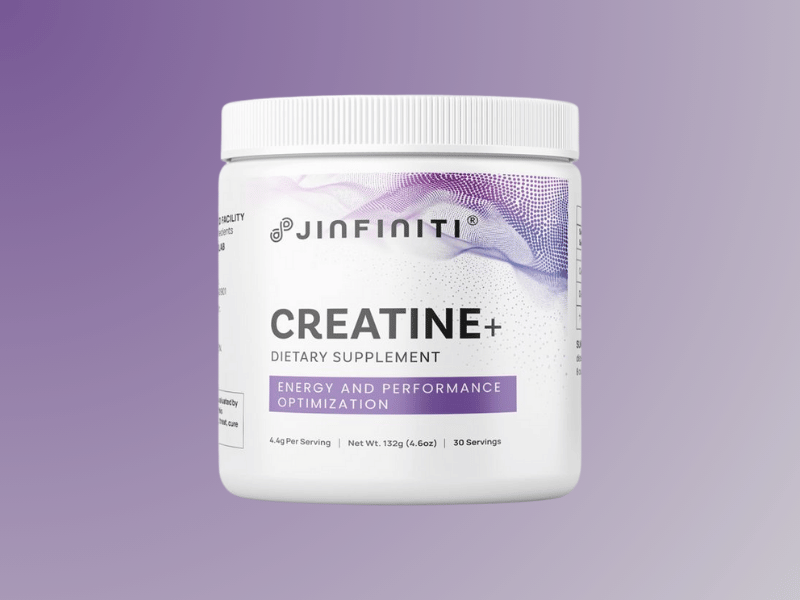
Dr. She’s Creatine Formula
Pure creatine with ATP for total body performance.
Can Creatine Cause Acne on Your Face or Body?
Based on current research, creatine doesn’t cause facial or body acne through any known biological mechanism.
Acne forms when four things happen together: excess sebum (oil) production, dead skin cells building up, pores getting clogged, and bacteria multiplying in those clogged pores. Hormones like testosterone and DHT can increase oil production, which is why the DHT study got so much attention.
But here’s the thing: even if creatine did affect DHT levels (which research shows it doesn’t consistently), those changes would need to be large enough and sustained enough to alter your skin’s oil production significantly.
The 2009 study showed temporary hormone fluctuations within normal clinical ranges, not the dramatic shifts seen with actual acne-causing substances like anabolic steroids.
Creatine helps your muscles store energy by increasing phosphocreatine availability. Your skin doesn’t even rank among the top tissues for creatine storage. The compound concentrates in muscles and brain tissue, where energy demands run highest.
Some research suggests topical creatine might actually benefit your skin. We’ll get to that in a moment.
What About Eczema and Other Skin Conditions?
Zero evidence connects creatine to eczema flare-ups or other inflammatory skin conditions. Eczema stems from immune system dysfunction and skin barrier problems, not the energy metabolism pathways that creatine affects.
If you notice skin changes after starting creatine, look at what else changed. Many creatine products contain additives, artificial sweeteners, or fillers that could trigger sensitivities. Some people mix creatine with drinks containing ingredients they’re actually reacting to.
Consider getting tested for specific allergens if you’re experiencing persistent skin issues. The problem likely isn’t the creatine molecule itself.
What Actually Causes Breakouts in Gym-Goers?
If creatine isn’t causing acne, what is? The answer usually involves factors that have nothing to do with your supplement choice.
Whey Protein Is the Real Problem
Unlike creatine, whey protein has solid scientific evidence linking it to acne development. Multiple studies document this connection clearly.
Research published in Health Promotion Perspectives followed six male patients who developed trunk acne after starting whey protein supplements.[3]
A case-control study in Jordan examined 201 male teenagers and young adults, finding strong associations between whey consumption and acne risk.[4]
A study in João Pessoa tracked 30 gym-goers for two months. Every single participant developed or worsened acne while using protein-calorie supplements containing whey.[5]
The mechanism is well understood. Whey protein increases levels of IGF-1 (insulin-like growth factor 1), a hormone that stimulates sebum production and accelerates skin cell growth. This combination clogs pores and creates perfect conditions for acne-causing bacteria.[6]
Most people mix creatine with whey protein shakes. When breakouts appear, they blame the creatine instead of the whey. If you’re using both supplements and experiencing skin problems, the whey is almost certainly the culprit.
Plant-based proteins don’t trigger the same IGF-1 response. Switching from whey to pea, rice, or hemp protein often clears up skin issues completely.
Sweat, Bacteria, and Poor Hygiene
Creatine helps you train harder and longer. That means more sweating. When sweat sits on your skin mixed with oil and bacteria, you’re setting up ideal conditions for breakouts.
The problem isn’t the sweat itself. It’s what happens when you don’t shower promptly after your workout. Bacteria multiply in the warm, moist environment. Dead skin cells accumulate. Pores get clogged.
Common mistakes that trigger gym acne:
- Waiting hours to shower after working out
- Touching your face with unwashed hands during sets
- Using gym equipment without wiping it down first
- Wearing the same workout clothes multiple times between washes
- Sleeping in your gym clothes (yes, people do this)
Your creatine supplement doesn’t cause any of these problems. Your hygiene habits do.
Creatine helps you push harder during workouts, which can improve energy and performance. That increased training intensity means more sweating, but the sweat itself isn’t the issue.
Dietary Changes That Come with Supplementation
When people start taking creatine seriously, their entire eating pattern often shifts. They consume more dairy, eat more protein bars loaded with sugar, drink more milk-based shakes, and generally increase their intake of processed foods.
These dietary changes affect your skin more than creatine ever could. Dairy consumption is linked to acne through multiple pathways. High-glycemic foods spike insulin levels, which triggers a cascade of hormonal changes that increase oil production. Even the timing of meals can affect skin health through circadian rhythm disruptions.
Track what you’re eating, not just what supplements you’re taking. The answer to your skin problems probably sits on your plate, not in your supplement stack.
🧬 MORE CREATINE INSIGHTS
- Having trouble falling asleep? Find out whether creatine keeps you awake and when to take it.
- Discover the real reasons behind headaches from creatine supplementation and simple fixes.
- Quality matters for clean results. Find out how to choose the best creatine supplements for your goals.
Creatine’s Surprising Benefits for Skin Health
While people worry about creatine causing acne, research shows it might actually help your skin when applied topically.
A study published in the Journal of Cosmetic Dermatology followed 43 men who applied a creatine-containing face cream for six weeks. The results showed reduced sagging in the jowl area, fewer crow’s feet wrinkles, and less pronounced under-eye wrinkles compared to baseline measurements.[7]
Research shows topical creatine can:
- Rapidly penetrate the dermis and boost collagen
- Reduce wrinkle depth and improve overall skin texture
- Boost production of glycosaminoglycans (molecules that keep skin hydrated)
- Support ceramide synthesis (lipids that protect your skin barrier)
- Provide photoprotection against UV damage
The mechanism makes sense. Your skin cells need energy to function properly, repair damage, and synthesize proteins like collagen. Creatine provides that cellular energy by supporting ATP production. As you age, your skin’s natural creatine levels decline, which may contribute to visible aging signs.
Dr. Jin-Xiong She, founder of Jinfiniti Precision Medicine, notes: “Cellular energy is the foundation of healthy tissue function throughout the body. When we optimize energy metabolism at the cellular level through compounds like creatine and NAD+ precursors, we often see beneficial effects that extend far beyond the muscles. Skin health is no exception.”
Here’s the irony: people avoid creatine supplements because they fear acne, when topical creatine formulations are being studied for anti-aging skincare benefits.
How to Prevent Acne While Taking Creatine
If you want clear skin while you use creatine supplements, focus on the factors that actually matter.
Post-workout hygiene is non-negotiable:
- Shower within 30 minutes after finishing your workout
- Use a gentle, non-comedogenic cleanser on your face and body
- Pay extra attention to areas where you sweat heavily (back, chest, shoulders)
- Change out of sweaty clothes immediately after training
- Wash gym clothes after every single use
Evaluate your protein source:
- Switch from whey to plant-based proteins if you’re experiencing breakouts
- Read labels carefully. Many “creatine” products contain whey or dairy additives
- Consider using pure creatine monohydrate without added ingredients
- Track your dairy intake separately from supplement use
Optimize your training environment:
- Wipe down equipment before and after use
- Avoid touching your face during workouts
- Use a clean towel for wiping sweat
- Consider bringing face wipes to the gym for quick cleaning between exercises
Support skin health through nutrition:
- Stay well-hydrated (at least 8-10 glasses of water daily)
- Reduce high-glycemic foods that spike insulin
- Get enough sleep (poor sleep affects skin healing and oil production)
- Consider getting your NAD+ levels tested to optimize cellular energy metabolism
- Eat foods rich in omega-3 fatty acids for skin barrier support
These dietary choices help prevent acne breakouts whether you’re taking creatine for performance or other health benefits.
Choose quality supplements:
- Buy creatine from reputable manufacturers with third-party testing
- Avoid products with long ingredient lists full of additives
- Pure creatine monohydrate remains the gold standard for safety and effectiveness
- Consider products that combine creatine with ATP for enhanced cellular energy
Track changes systematically:
- Take photos of your skin before starting any new supplement
- Keep a food and supplement journal
- If problems develop, remove one variable at a time (don’t stop everything at once)
- Give each change at least 2-3 weeks before evaluating results
When to Be Concerned About Skin Changes
Most skin changes aren’t related to creatine directly. If you experience any of these symptoms, they may point to additives or contaminants in low-quality products rather than creatine itself:
- Sudden severe acne appearing within days of starting a new supplement
- Hives, rashes, or other allergic reactions
- Skin changes combined with digestive issues or other symptoms
Check your product labels for artificial sweeteners, dyes, or flavoring agents that can trigger sensitivities. If you’re experiencing persistent problems, stop all supplements for two weeks and reintroduce them one at a time.
A dermatologist can help determine whether you’re dealing with acne, folliculitis, contact dermatitis, or another condition that requires specific treatment.
The Final Scoop
Three decades of research involving thousands of participants show no link between creatine and acne. If you’re experiencing breakouts while you take creatine supplements, the real causes are whey protein, poor post-workout hygiene, or dietary changes that came with your new fitness routine.
Creatine remains one of the safest and most studied supplements available. Don’t let unfounded myths prevent you from using an effective performance enhancer. Focus on what actually matters: showering after workouts, choosing quality supplements without unnecessary additives, and paying attention to your overall diet and cellular health.
Referenced Sources
- van der Merwe J, Brooks NE, Myburgh KH. Three Weeks of Creatine Monohydrate Supplementation Affects Dihydrotestosterone to Testosterone Ratio in College-Aged Rugby Players. Ovid Technologies (Wolters Kluwer Health); 2009. https://doi.org/10.1097/jsm.0b013e3181b8b52f
- Lak M, Forbes SC, Ashtary-Larky D, Dadkhahfar S, Robati RM, Nezakati F, et al. Does creatine cause hair loss? A 12-week randomized controlled trial. Informa UK Limited; 2025. https://doi.org/10.1080/15502783.2025.2495229
- Cengiz FP, Cevirgen Cemil B, Emiroglu N, Gulsel Bahali A, Onsun N. Acne located on the trunk, whey protein supplementation: Is there any association? Maad Rayan Publishing Company; 2017. https://doi.org/10.15171/hpp.2017.19
- Muhaidat J, Qablan A, Gharaibeh F, Albataineh GH, Abdo N, Alshiyab D, et al. The Effect of Whey Protein Supplements on Acne Vulgaris among Male Adolescents and Young Adults: A Case-Control Study from North of Jordan. Wiley; 2024. https://doi.org/10.1155/2024/2158229
- Pontes T de C, Fernandes Filho GMC, Trindade A de SP, Sobral Filho JF. Incidence of acne vulgaris in young adult users of protein-calorie supplements in the city of João Pessoa – PB. FapUNIFESP (SciELO); 2013. https://doi.org/10.1590/abd1806-4841.20132024
- Kim H, Moon SY, Sohn MY, Lee WJ. Insulin-Like Growth Factor-1 Increases the Expression of Inflammatory Biomarkers and Sebum Production in Cultured Sebocytes. Korean Dermatological Association and The Korean Society for Investigative Dermatology; 2017. https://doi.org/10.5021/ad.2017.29.1.20
- Peirano RI, Achterberg V, Düsing HJ, Akhiani M, Koop U, Jaspers S, et al. Dermal penetration of creatine from a face-care formulation containing creatine, guarana and glycerol is linked to effective antiwrinkle and antisagging efficacy in male subjects. Wiley; 2011. https://doi.org/10.1111/j.1473-2165.2011.00579.x
