Taurine vs Creatine for Energy, Longevity and Performance
Written on . Posted in Supplements, Creatine.
Scroll any fitness subreddit or hang around the locker room long enough and you’ll hear it: “Creatine, taurine… it’s all the same stuff.” They’re both in pre-workouts and energy drinks, so they must work the same way, right?
Not even close.
These two supplements work through completely different mechanisms in your body. Creatine functions as an energy battery, rapidly regenerating ATP (adenosine triphosphate) during high-intensity efforts. Taurine acts more like a cellular bodyguard, protecting cell membranes, regulating calcium, and reducing oxidative stress. One powers your cells. The other protects them.
This creatine and taurine guide will help you understand which supplement matches your goals and get the results you’re hoping for. Let’s break down what each one actually does.
What You Should Know
- Creatine increases muscle strength by roughly 8% and excels at powering short, intense activities like lifting weights or sprinting.
- Taurine supports cardiovascular health and endurance performance but has more modest effects on pure strength and power.
- A 2023 study sparked excitement about taurine for longevity, but 2025 research challenged those findings and experts now urge caution.
- Both supplements have excellent safety profiles at recommended doses: 3-5 grams daily for creatine, 1.5-3 grams for taurine.
What Creatine and Taurine Do in Your Body
If you took biology in high school, you might remember learning about ATP, the molecule that works like a rechargeable battery for your cells. Both creatine and taurine interact with cellular energy, but through radically different pathways.
How Creatine Works
Your muscles store creatine in two forms: regular creatine and phosphocreatine (PCr)[1]. When you lift something heavy or sprint up stairs, your muscles burn through ATP in seconds.
That’s where phosphocreatine saves the day. The enzyme creatine kinase quickly transfers a phosphate group from PCr to ADP (adenosine diphosphate), instantly regenerating ATP. This process lets your muscles sustain brief, explosive efforts before your slower oxidative systems take over[2].
Think of creatine like a surge protector that kicks in during power spikes. Your body needs those extra energy reserves whenever demand suddenly jumps.
Creatine does more than just recycle ATP. Research shows it works through multiple pathways:
- Activates the mTOR pathway, promoting protein synthesis and muscle growth[3]
- Reduces reactive oxygen species in mitochondria, protecting cells from oxidative damage[1]
- Enhances glucose uptake through GLUT-4 translocation, potentially improving insulin sensitivity[4]
How Taurine Works
Taurine operates through a completely different playbook. This sulfur-containing amino acid manages osmotic pressure (the balance of fluids inside and outside cells), stabilizes cell membranes, and modulates intracellular calcium concentrations[5].
When neurons get overexcited, too much calcium floods in and causes damage. Taurine inhibits calcium influx through voltage-gated channels, protecting brain cells from this excitotoxicity[6].
Taurine also activates SIRT1, a protein associated with longevity, through a unique binding site different from other SIRT1 activators like resveratrol[7]. Research reveals that taurine increases expression of ND6, a mitochondrial complex-1 subunit, improving energy production at the cellular level[6].
The amino acid demonstrates anti-inflammatory effects by modulating cytokine production and reducing markers like TNF-α and IL-6[8]. It also conjugates with bile acids to help your digestive system break down and absorb dietary fats[9].
Taurine’s protective mechanisms include:
- Stabilizing cell membranes under stress
- Regulating calcium to prevent cellular damage
- Supporting mitochondrial energy production
- Reducing systemic inflammation
- Protecting neurons from excitotoxicity
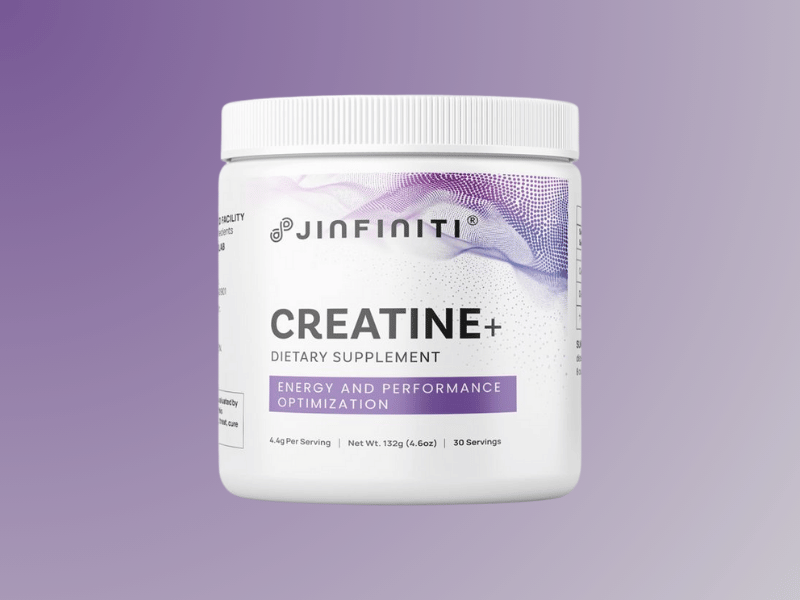
Dr. She’s Creatine Formula
Pure creatine with ATP for total body performance.
Performance Benefits: Strength vs Endurance
Your training goals should heavily influence which supplement makes sense for you. Creatine and taurine shine in different athletic domains.
Creatine for Power and Muscle
Hundreds of studies confirm creatine’s effectiveness for strength and power. A meta-analysis found that creatine supplementation during resistance training increased relative muscle strength by approximately 8% more than training alone[10].
When collegiate athletes combined creatine with resistance training, researchers documented a 23% increase in available ATP and phosphocreatine for male participants after the loading phase[2].
Short-term supplementation (5-7 days at 20 grams daily) increases intramuscular total creatine content by 20-50%, with the phosphocreatine fraction rising 20-40%[2]. This translates to real performance gains in the weight room.
What you can expect from creatine:
- Significant improvements in bench press, squat, and power clean exercises
- Strength and power gains that occur even without concurrent training after just 10 days
- Enhanced work capacity during repeated high-intensity intervals
- Better performance in explosive movements like sprinting and jumping
Results for endurance performance are more mixed. Some research shows enhanced work capacity during repeated high-intensity intervals, but continuous aerobic exercise may not benefit as much, especially if the weight gain from increased muscle water becomes a disadvantage.
Taurine for Endurance and Recovery
Taurine shows different performance characteristics. A systematic review found that taurine supplementation at 1-3 grams taken 1-3 hours before activity improved aerobic performance (time to exhaustion) and anaerobic performance (strength and power) while reducing metabolic stress markers[11].
An 8-week study with triathletes showed taurine supplementation decreased malondialdehyde by 19.4%, suggesting reduced oxidative stress, though aerobic parameters remained unchanged[12].
Research on elite speed skaters using a double-blind design found taurine enhanced anaerobic power during Wingate tests[13].
A recent study examining repeated sprint performance found that taurine combined with creatine improved time to exhaustion by 11.8-12.9% in hot, humid conditions, though neither supplement alone significantly improved repeated sprint performance after exhaustion compared to placebo[14].
What taurine offers athletes:
- Improved time to exhaustion in aerobic activities
- Reduced metabolic stress markers like creatine kinase and lactate
- Enhanced anaerobic power in some studies
- Better performance in hot, humid conditions
- Faster recovery from oxidative stress
The takeaway? If you’re pushing heavy weight or doing explosive movements, creatine wins. If you’re running long distances or need help managing exercise-induced stress, taurine offers more targeted support.
Brain Function and Cognitive Support
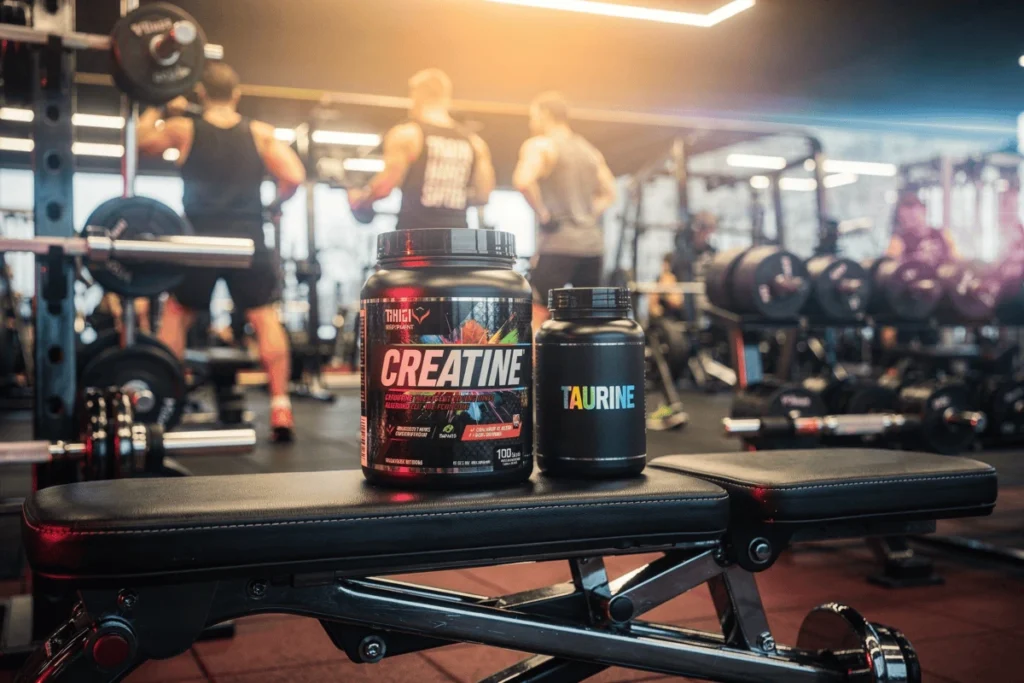
Both supplements cross into brain territory, but they support cognitive function through different mechanisms.
Creatine’s Effects on Memory and Focus
Your brain burns massive amounts of energy. Like muscle, brain tissue stores creatine and uses the phosphocreatine system to maintain ATP levels during intense mental work.
A 2024 meta-analysis of randomized controlled trials found creatine monohydrate supplementation significantly improved memory and attention time in adults[15]. The memory improvements align with research showing creatine enhances performance in complex memory tasks.
A 2024 study found that a single dose of creatine boosts cognitive performance and processing speed, especially during sleep deprivation or mental stress[16].
Vegans and vegetarians typically have lower baseline creatine stores since meat is the primary dietary source. Studies show vegetarians respond better than meat-eaters in memory tasks following supplementation[17].
Taurine’s Neuroprotective Benefits
Taurine demonstrates cognitive-enhancing properties through different pathways. Research shows taurine improves cognitive function by reducing oxidative stress, modulating neurotransmitters, and activating the Akt-CREB-PGC1α pathway[18].
In a Parkinson’s disease mouse model, taurine alleviated cognitive impairments by reducing hippocampal microglial activation, suggesting it protects the brain[19].
Studies show taurine boosts BDNF, promotes neurogenesis, and enhances synaptic plasticity[20]. A meta-analysis found it improves cognitive function but calls for more robust human research[21].
Animal research shows particularly robust effects. Aging mice supplemented with taurine showed improved memory and learning, with mechanisms involving enhanced mitochondrial function and reduced cellular senescence (damaged cells that refuse to die)[22].
The Longevity Question: What Recent Research Reveals
This is where things get interesting and a bit controversial. One supplement generated massive hype about anti-aging, then faced scientific scrutiny that complicated the story.
The Taurine Aging Study Controversy
A 2023 Science study by Dr. Vijay Yadav’s group at Columbia University found that taurine levels drop sharply with age in mice, monkeys, and humans; 60-year-olds have about one-third the taurine of 5-year-olds[23].
In middle-aged mice (14 months, ~45 human years), daily taurine supplementation increased median lifespan by 10–12% and life expectancy at 28 months by ~18–25% — that’s about three to four extra mouse months, or roughly seven to eight human years.
At the cellular level, it reduced senescence, protected against telomerase deficiency, limited mitochondrial dysfunction and DNA damage, and lowered chronic inflammation.
Dr. Yadav stated at the time: “For the last 25 years, scientists have been trying to find factors that not only let us live longer, but also increase healthspan, the time we remain healthy in our old age. This study suggests that taurine could be an elixir of life within us that helps us live longer and healthier lives.”
Then came the plot twist.
A 2025 longitudinal study of three human cohorts found that circulating taurine levels increased or stayed stable with age in healthy people, contradicting the 2023 report of age-related decline[24]. Individual differences in taurine were larger than any lifespan changes.
After these results, Dr. Yadav said he “would not recommend people to start taking taurine supplements to try to preserve health or slow aging” until human trials are finished. His team is running a randomized, placebo-controlled trial in middle-aged adults, scheduled to end in 2025.
Commenting on the conflict, Dr. Peter Abadir of Johns Hopkins said: “That doesn’t mean one is right and one is wrong,” highlighting the need for more studies.
Creatine for Healthy Aging
Creatine shows modest but solid benefits in older adults. When combined with resistance training in people over 50, supplementation reduces body fat more than training alone[1].
A systematic review found creatine increases lean mass and strength in aging adults, though effects depend on dosing[25].
Newer data suggests additional benefits for bone, cognition, and metabolic health, all important yardsticks of longevity. Safety remains excellent, even at up to 30 g daily for 5 years.
Heart Health and Metabolic Effects

If cardiovascular health is your priority, the research clearly favors one supplement over the other.
Taurine’s Cardiovascular Benefits
A 2024 review of 20 clinical trials (over 800 people) found that taurine supplements modestly improve heart health. On average, taurine lowered resting heart rate by about 3–4 beats per minute, reduced both top and bottom blood pressure, and improved how well the heart pumps blood in people with heart failure[26].
The higher the dose, the stronger the effect on heart rate and blood pressure. In people with metabolic issues, taurine also lowered blood pressure by a few points[27].
Taurine seems to help the heart by calming overactive stress systems in the body, relaxing blood vessels, and protecting heart cells from damage over time[28].
For metabolic health, an 8-week study in people with type 2 diabetes found that 3 grams of taurine per day improved antioxidant defenses and reduced several markers of inflammation[29].
A larger 2024 analysis also showed small but meaningful drops in fasting blood sugar and triglycerides, with better results at higher doses[27].
Creatine’s Metabolic Support
Creatine seems to help metabolism in a different but complementary way to taurine.
Studies show that creatine can help the body handle blood sugar better and may lower HbA1c (a long-term marker of blood sugar control) in people with type 2 diabetes, likely by improving how cells use and move glucose[1].
There’s less research on creatine and heart health, but current studies suggest it does not harm the heart and may even protect it by improving energy production in heart muscle.
🧬 MORE CREATINE INSIGHTS
- Wondering about hormonal effects? Many men ask whether creatine increases testosterone levels naturally during training.
- Choosing the right form matters. Compare creatine gummies versus traditional powder for absorption and convenience.
- Morning coffee drinker? Find out how creatine and caffeine work together for performance.
Safety Profile and Recommended Doses
Both supplements have excellent safety records, but you need to know the right amounts.
How Much Creatine Should You Take?
Creatine is one of the most studied and safest supplements ever tested. Hundreds of clinical trials, some lasting up to 14 years, show no increase in side effects compared with placebo and no harm to kidney function, even at relatively high or long-term doses[30]. Fears about kidney damage, dehydration, or cramping are not supported by the evidence; in fact, creatine may reduce cramping by helping the body hold more water.
For most people, simple dosing works best:
- Standard dose: 3–5 grams per day, taken long term.
- Optional loading: 20 grams per day (split into 4–5 doses) for 5–7 days, then 3–5 grams per day. This just gets you to “full” muscle levels faster.
- Bodyweight-based (if you want to be precise): about 0.3 g/kg/day for loading, then 0.03 g/kg/day for maintenance.
Newer research suggests that higher daily doses (around 8–10 grams) may be useful if you’re specifically targeting benefits for the brain, bones, or inflammation, not just muscle.
You don’t need to train hard for creatine to matter: many of its brain, metabolic, and cellular benefits show up even in people who aren’t exercising intensely.
Taurine Dosing Guidelines
Taurine appears to be very safe in humans. The European Food Safety Authority considers up to 6 grams per day, and most studies use 500–3,000 mg per day, with trials up to 6 grams showing no major side effects.
In practice, typical doses look like this:
- Heart / metabolic health: most trials use 1.5–3 grams per day, often split into two or three doses
- Diabetes / metabolic studies:3 grams per day
- Exercise performance:1–3 grams taken 1–3 hours before activity
- Conservative routine dose:500 mg three times per day (1.5 grams total)
For anti-aging, the 2023 Science study in animals used a dose roughly equal to 6 grams per day in humans, but this is still speculative and not proven in people. Some experts suggest staying around 1.5 grams per day if you choose to supplement at all.
Dr. Vijay Yadav, who led the taurine aging study, specifically warns against high-dose self-experimentation. He notes that some people have taken doses as high as 14 grams per day, which he does not recommend. His group advises waiting for proper human clinical trials before using taurine as an anti-aging therapy.
Which Supplement Is Right for You?
Taurine and creatine represent different supplements with distinct mechanisms and applications. Your goals determine which makes sense.
| Feature | Creatine | Taurine |
|---|---|---|
| How It Works | Rapid ATP regeneration via phosphocreatine system | Cell membrane protection, calcium regulation, antioxidant activity |
| Best For | Strength, power, muscle building, cognitive performance | Cardiovascular health, endurance, metabolic support |
| Performance Type | High-intensity, explosive activities | Sustained endurance, recovery from stress |
| Cognitive Benefits | Memory and attention (especially under stress) | Neuroprotection, reduced inflammation |
| Cardiovascular Effects | Minimal direct effects | Strong blood pressure and heart rate reduction |
| Longevity Research | Supports healthy aging in older adults | Promising animal data, human trials pending |
| Standard Daily Dose | 3-5g maintenance (after optional 20g loading) | 1.5-3g (up to 6g considered safe) |
| Safety Profile | Excellent (30+ years of data) | Excellent (safe up to 6g daily) |
| Typical Response Time | 5-7 days with loading, 3-4 weeks without | 1-3 hours before activity for performance |
Choose creatine if your main goals are building muscle, gaining strength and power, or supporting thinking during hard mental work. The evidence for these benefits is very strong, and long-term use looks safe.
Choose taurine if you care most about heart health, endurance and recovery, or issues like high blood pressure, blood sugar, or inflammation. In these areas, taurine appears to have the edge over creatine.
You can also take both. They work through different pathways and don’t clash. In at least one study, combining taurine and creatine improved repeated sprint performance more than either alone, suggesting they may be complementary.
In simple terms:
- Muscle & strength: creatine is best supported
- Heart health & blood pressure: taurine looks stronger
- Brain/cognition: more data for creatine
- Endurance: taurine seems more helpful
- Metabolic health: both help, taurine has stronger blood sugar and blood pressure data
- Anti-aging: creatine clearly helps older adults with muscle and function; taurine’s longevity effects in humans are still unproven
Human trials finishing in 2025 should clarify taurine’s true anti-aging impact. For now, both are evidence-based for specific goals, with creatine having the longer and broader human track record.
Whatever you choose, we at Jinfinitialways recommend following the principle of T-A-O. Test your key labs, Act with targeted dosing, and Optimize based on how your numbers and symptoms change.
Referenced Sources
- Kreider RB, Stout JR. Creatine in Health and Disease. MDPI AG; 2021. https://doi.org/10.3390/nu13020447
- Wax B, Kerksick CM, Jagim AR, Mayo JJ, Lyons BC, Kreider RB. Creatine for Exercise and Sports Performance, with Recovery Considerations for Healthy Populations. MDPI AG; 2021. https://doi.org/10.3390/nu13061915
- Farshidfar F, Pinder MA, Myrie SB. Creatine Supplementation and Skeletal Muscle Metabolism for Building Muscle Mass – Review of the Potential Mechanisms of Action. Bentham Science Publishers Ltd.; 2017. https://doi.org/10.2174/1389203718666170606105108
- Ribeiro F, Forbes SC, Candow DG, Perim P, Lira FS, Lancha AH, et al. Creatine supplementation and muscle-brain axis: a new possible mechanism? Frontiers Media SA; 2025. https://doi.org/10.3389/fnut.2025.1579204
- Chen WQ, Jin H, Nguyen M, Carr J, Lee YJ, Hsu CC, et al. Role of taurine in regulation of intracellular calcium level and neuroprotective function in cultured neurons. Wiley; 2001. https://doi.org/10.1002/jnr.10027
- Schaffer S, Kim HW. Effects and Mechanisms of Taurine as a Therapeutic Agent. The Korean Society of Applied Pharmacology; 2018. https://doi.org/10.4062/biomolther.2017.251
- Santulli G, Kansakar U, Varzideh F, Mone P, Jankauskas SS, Lombardi A. Functional Role of Taurine in Aging and Cardiovascular Health: An Updated Overview. MDPI AG; 2023. https://doi.org/10.3390/nu15194236
- Keshavarzi M, Razavi BM, Naraki K, Hosseinzadeh H. Protective effects of taurine against chemical and natural compound-induced toxicity: mechanistic insights and therapeutic potential. Springer Science and Business Media LLC; 2025. https://doi.org/10.1007/s00210-025-04513-0
- Qian W, Li M, Yu L, Tian F, Zhao J, Zhai Q. Effects of Taurine on Gut Microbiota Homeostasis: An Evaluation Based on Two Models of Gut Dysbiosis. MDPI AG; 2023. https://doi.org/10.3390/biomedicines11041048
- Rawson E, Volek J. Effects of creatine supplementation and resistance training on muscle strength and weightlifting performance. Journal of Strength and Conditioning Research. 2003;17(4):822–31.
- Kurtz JA, VanDusseldorp TA, Doyle JA, Otis JS. Taurine in sports and exercise. Informa UK Limited; 2021. https://doi.org/10.1186/s12970-021-00438-0
- De Carvalho FG, Galan BSM, Santos PC, Pritchett K, Pfrimer K, Ferriolli E, et al. Taurine: A Potential Ergogenic Aid for Preventing Muscle Damage and Protein Catabolism and Decreasing Oxidative Stress Produced by Endurance Exercise. Frontiers Media SA; 2017. https://doi.org/10.3389/fphys.2017.00710
- Yu P, Fan Y, Wang X, Wu H. Effect of Taurine Combined With Creatine on Repeated Sprinting Ability After Exhaustive Exercise Under Hot and Humid Conditions. SAGE Publications; 2025. https://doi.org/10.1177/19417381251320095
- Buzdağlı Y, Eyipınar C, Öget F, Şıktar E, Forbes S, Tekin A. Taurine supplementation enhances anaerobic power in elite speed skaters: A double-blind, randomized, placebo-controlled, crossover study. Termedia Sp. z.o.o.; 2023. https://doi.org/10.5114/biolsport.2023.119990
- Xu C, Bi S, Zhang W, Luo L. The effects of creatine supplementation on cognitive function in adults: a systematic review and meta-analysis. Frontiers Media SA; 2024. https://doi.org/10.3389/fnut.2024.1424972
- Gordji-Nejad A, Matusch A, Kleedörfer S, Jayeshkumar Patel H, Drzezga A, Elmenhorst D, et al. Single dose creatine improves cognitive performance and induces changes in cerebral high energy phosphates during sleep deprivation. Springer Science and Business Media LLC; 2024. https://doi.org/10.1038/s41598-024-54249-9
- Avgerinos KI, Spyrou N, Bougioukas KI, Kapogiannis D. Effects of creatine supplementation on cognitive function of healthy individuals: A systematic review of randomized controlled trials. Elsevier BV; 2018. https://doi.org/10.1016/j.exger.2018.04.013
- Jia N, Sun Q, Su Q, Dang S, Chen G. Taurine promotes cognitive function in prenatally stressed juvenile rats via activating the Akt-CREB-PGC1α pathway. Elsevier BV; 2016. https://doi.org/10.1016/j.redox.2016.10.004
- Chen C, Xia S, He J, Lu G, Xie Z, Han H. Roles of taurine in cognitive function of physiology, pathologies and toxication. Elsevier BV; 2019. https://doi.org/10.1016/j.lfs.2019.116584
- Roysommuti S, Wyss JM. Brain-Derived Neurotrophic Factor Potentiates Entorhinal-Dentate but not Hippocampus CA1 Pathway in Adult Male Rats: A Mechanism of Taurine-Modulated BDNF on Learning and Memory. Springer International Publishing; 2022. https://doi.org/10.1007/978-3-030-93337-1_35
- Cao Q, Nie Z, Liu Y, Xu J, Chen L, Han S. Effects of taurine supplementation on cognitive function: a systematic review and meta-analysis of randomised controlled trials. Informa UK Limited; 2025. https://doi.org/10.1080/09637486.2025.2499044
- Gawryluk A, Cybulska-Klosowicz A, Charzynska A, Zakrzewska R, Sobolewska A, Kossut M, et al. Mitigation of aging-related plasticity decline through taurine supplementation and environmental enrichment. Springer Science and Business Media LLC; 2024. https://doi.org/10.1038/s41598-024-70261-5
- Singh P, Gollapalli K, Mangiola S, Schranner D, Yusuf MA, Chamoli M, et al. Taurine deficiency as a driver of aging. American Association for the Advancement of Science (AAAS); 2023. https://doi.org/10.1126/science.abn9257
- Fernandez ME, Bernier M, Price NL, Camandola S, Aon MA, Vaughan K, et al. Is taurine an aging biomarker? American Association for the Advancement of Science (AAAS); 2025. https://doi.org/10.1126/science.adl2116
- Antonio J, Candow DG, Forbes SC, Gualano B, Jagim AR, Kreider RB, et al. Common questions and misconceptions about creatine supplementation: what does the scientific evidence really show? Informa UK Limited; 2021. https://doi.org/10.1186/s12970-021-00412-w
- Tzang CC, Lin WC, Lin LH, Lin TY, Chang KV, Wu WT, et al. Insights into the cardiovascular benefits of taurine: a systematic review and meta-analysis. Springer Science and Business Media LLC; 2024. https://doi.org/10.1186/s12937-024-00995-5
- Tzang CC, Chi LY, Lin LH, Lin TY, Chang KV, Wu WT, et al. Taurine reduces the risk for metabolic syndrome: a systematic review and meta-analysis of randomized controlled trials. Springer Science and Business Media LLC; 2024. https://doi.org/10.1038/s41387-024-00289-z
- Jangra A, Gola P, Singh J, Gond P, Ghosh S, Rachamalla M, et al. Emergence of taurine as a therapeutic agent for neurological disorders. Medknow; 2024. https://doi.org/10.4103/1673-5374.374139
- Moludi J, Qaisar SA, Kadhim MM, Ahmadi Y, Davari M. Protective and therapeutic effectiveness of taurine supplementation plus low calorie diet on metabolic parameters and endothelial markers in patients with diabetes mellitus: a randomized, clinical trial. Springer Science and Business Media LLC; 2022. https://doi.org/10.1186/s12986-022-00684-2
- Kreider RB, Gonzalez DE, Hines K, Gil A, Bonilla DA. Safety of creatine supplementation: analysis of the prevalence of reported side effects in clinical trials and adverse event reports. Informa UK Limited; 2025. https://doi.org/10.1080/15502783.2025.2488937
Read More