Sublingual NMN vs Capsules: Which is Best for Absorption?
If you’ve been researching NMN supplements, you’ve probably encountered claims that sublingual powder absorbs better than capsules. Some brands insist you hold NMN under your tongue for maximum benefit.
The reality? Both methods get NMN into your system. The question isn’t whether one works—it’s which fits your lifestyle while delivering results you can measure.
What You Should Know
- Oral NMN (capsules or powder) reaches your bloodstream within 2.5 to 10 minutes
- No published human studies directly compare sublingual versus oral absorption rates
- Every major clinical trial proving NMN benefits used oral administration, not sublingual
- Your small intestine has dedicated transporters designed specifically for NMN uptake
How Your Body Actually Absorbs NMN
When you take nicotinamide mononucleotide (an NAD+ precursor), your body uses a specialized transport protein called Slc12a8. This sodium-dependent transporter sits in your small intestine, particularly concentrated in the jejunum and ileum—the core of your digestive system’s nutrient absorption zone.
Researchers at Washington University School of Medicine discovered this transporter changes everything we thought about NMN absorption. The Slc12a8 protein specifically recognizes NMN molecules and shuttles them directly into cells—no conversion needed[1].
Here’s what makes this finding significant: scientists previously assumed NMN had to convert to another compound (nicotinamide riboside) before entering cells. That conversion still happens to some degree, but the majority of NMN enters through this dedicated transporter when you take it orally[1].
NAD+ plays a critical role in cellular energy production—it’s the molecule that helps convert food into ATP (your cells’ energy currency). Without sufficient NAD+, energy production stalls.
The small intestine is where Slc12a8 lives in highest concentrations. When you swallow NMN—whether in capsules, powder mixed with water, or held under your tongue before swallowing—it eventually reaches these transporters.
Oral NMN Works Faster Than You Think
Research using isotope-labeled NMN reveals surprisingly quick absorption. Studies show NMN enters blood circulation between 2.5 and 10 minutes after oral intake, with plasma levels peaking around 5-10 minutes[2].
Within 15-30 minutes, NMN reaches your liver and begins converting to NAD+[3].
A 2022 clinical trial involving 80 middle-aged adults tested oral NMN at three doses: 300mg, 600mg, and 900mg daily. After 30 days, blood NAD+ levels increased significantly at all doses, with the highest elevation at 600-900mg[4]. The study found no safety concerns and reported improved physical performance.
Another trial by Dr. Jun Yoshino at Washington University gave 250mg of oral NMN daily to prediabetic women for 10 weeks. Muscle insulin sensitivity improved measurably. A separate study found 250mg daily boosted blood NAD+ by roughly 40% within a month[5].
These results came from standard oral administration—participants swallowed capsules or mixed powder with water.
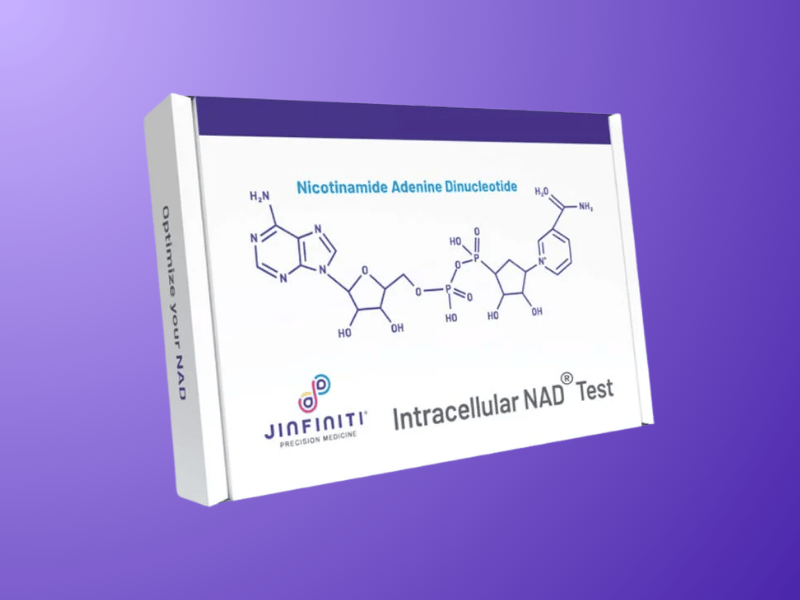
CLIA-Certified NAD Test Kit
Test your NAD+ levels from home.
The Sublingual NMN Absorption Question
Marketing materials often claim sublingual NMN offers higher bioavailability than capsules—specifically 2-3 times better absorption. You’ll see numbers like 80% bioavailability for sublingual versus 20-30% for oral.
Here’s the problem: no peer-reviewed human clinical trial directly comparing these methods exists in scientific databases.
Sublingual delivery does work for certain compounds. The tissue under your tongue has rich blood vessel networks and thin epithelium (surface layers). Substances absorbed here enter your bloodstream directly, bypassing digestion and initial liver processing—theoretically offering faster absorption.
For sublingual absorption to provide real advantages, though, the compound needs to penetrate oral mucosa efficiently before you swallow. NMN is water-soluble with specific molecular properties that may not optimize sublingual uptake. Substances that absorb best under the tongue typically have higher fat solubility.
Dr. Andrew Huberman of Stanford reports taking NMN sublingually at doses of 1-2 grams daily, noting sustained energy. He acknowledges these observations are personal and not clinical proof. Interestingly, Huberman also takes 500mg of nicotinamide riboside without specifying sublingual use, suggesting both routes work.
Dr. David Sinclair, the Harvard longevity researcher who popularized NMN supplementation, takes his NMN orally mixed with yogurt each morning. If sublingual delivery offered clear superiority, one of NMN’s most prominent advocates would likely use it.
What Clinical Trials Actually Show
Every major NMN study published in peer-reviewed journals used oral capsules or powder mixed with water—not sublingual formulations.
These trials consistently demonstrated NAD+ elevation and measurable health improvements:
- An 80-participant multicenter trial found oral doses of 300-900mg daily increased blood NAD+ significantly, with best results at 600-900mg[4]
- A Japanese study showed 250mg oral NMN daily improved walking speed and sleep quality in older adults[6]
- Washington University researchers demonstrated 250mg oral NMN enhanced muscle insulin sensitivity[5]
- Multiple safety studies confirm oral NMN up to 1,250mg daily is well-tolerated with no serious side effects[7]
The dosing guidelines we have—the amounts known to produce benefits—come from oral administration studies. When brands recommend sublingual doses, they’re extrapolating from oral research.
“The discovery of Slc12a8 as a specific NMN transporter in the small intestine demonstrates that oral delivery targets the exact location where your body is designed to absorb this molecule,” notes Dr. Jin-Xiong She, founder of Jinfiniti Precision Medicine. “What matters most isn’t whether you hold it under your tongue—it’s consistent daily intake and measuring your response through NAD+ testing.”
The First-Pass Metabolism Myth
A common argument for sublingual delivery: it bypasses “first-pass metabolism” in your liver, theoretically improving bioavailability.
This principle applies to many drugs. But NMN behaves differently than traditional pharmaceuticals.
Recent isotope-labeling studies reveal complex NMN metabolism. Only a small portion absorbs intact after oral intake. Your gut microbiota (intestinal bacteria) converts most of it to nicotinamide and nicotinic acid through a process called deamidation. These metabolites then contribute to NAD+ through alternative pathways[8].
This bacterial processing happens before systemic absorption—meaning sublingual administration wouldn’t completely avoid it. Even NMN that reaches your bloodstream intact undergoes further metabolism in various tissues.
The key insight: your body uses multiple pathways to create NAD+ from NMN. The route matters less than the end result.
Powder vs Lozenge vs Capsule: Practical Differences
Jinfiniti offers NMN in multiple formats because different people prefer different methods.
- Sublingual lozenges (like Jinfiniti’s Vitality NAD+ Booster Lozenge) dissolve under your tongue over 30-60 seconds. They may provide slightly faster initial absorption and some people report quicker energy onset. The sublingual route definitely bypasses stomach acid entirely.
- Oral powder (like Jinfiniti’s Vitality NAD+ Booster Powder or Pure NMN Powder) mixes with water or yogurt. You can drink it immediately or hold it under your tongue first. This format offers dosing flexibility and typically costs less per milligram.
- Capsules deliver precise, consistent doses without measuring. You swallow them immediately. Clinical trials establishing NMN safety and effectiveness predominantly used this format.
The absorption speed difference between these methods comes down to minutes—both reach your bloodstream quickly. For long-term NAD+ levels and health benefits, sustained daily intake matters more than whether absorption takes 3 minutes or 10 minutes.
The Gut Microbiome Factor
Your intestinal bacteria interact with oral NMN in unexpected ways. Studies using traceable NMN molecules show gut microbiota deamidates roughly 25-75% of orally taken NMN before it absorbs[9].
Researchers tested this by giving antibiotics to deplete gut bacteria. Animals with reduced microbiomes showed increased intact NMN absorption and higher NAD+ levels, suggesting bacteria compete for NMN.
This finding led to development of enteric-coated capsules designed to protect NMN from stomach acid and microbial degradation until reaching the small intestine. These formulations claim up to 7-fold increased bioavailability.
Sublingual administration completely bypasses gut bacteria. That sounds advantageous—except research also shows bacterial conversion of NMN contributes to NAD+ through alternative synthesis pathways. Blocking this process doesn’t necessarily improve overall outcomes.
Your body is adaptable. It uses whatever NMN-derived compounds reach your system, regardless of route.
Liposomal NMN: Worth the Premium Price?
Liposomal formulations wrap NMN in tiny fat bubbles (lipid vesicles) designed to protect the molecule and improve cellular uptake. Manufacturers position liposomal NMN as a premium option with superior absorption.
One small study in healthy men found liposomal NMN increased blood NAD+ levels by 84% after four weeks—significantly outperforming standard NMN. The liposomal group maintained elevated NAD+ even four weeks after stopping supplementation[10].
That sounds impressive. But here’s the context: liposomal delivery systems were designed for fat-soluble compounds that struggle with absorption. NMN is water-soluble and already has dedicated intestinal transporters (Slc12a8) that handle absorption efficiently.
Every clinical trial demonstrating NMN’s health benefits—improved insulin sensitivity, better physical performance, reduced biological aging—used regular powder or capsules, not liposomal forms. The long-term safety data comes from standard formulations.
Liposomal NMN costs substantially more per milligram. If you’re deciding between liposomal NMN and regular NMN plus NAD+ testing, the testing provides more value—you’ll know definitively whether your supplement works rather than hoping a premium delivery system makes a difference.
🧬 MORE ON NMN DELIVERY
- Wondering about powder versus pill form? Our detailed NMN dosage guide covers optimal amounts and timing for different formats.
- Want to compare all NAD+ precursors? Check which NAD+ supplement might work best based on your specific health goals.
- Curious about combining NMN with other compounds? Learn why taking NMN with resveratrol amplifies cellular benefits through complementary pathways.
What Matters More Than Delivery Method
The debate over capsules versus sublingual misses a bigger point: NMN works through consistent supplementation over time, not acute dosing.
NAD+ levels don’t spike from a single dose and stay elevated. You need daily intake to maintain higher levels. Clinical trials showing health benefits ran for weeks or months—not days.
Whether NMN absorbs in 3 minutes (sublingual) or 10 minutes (oral) becomes irrelevant when you’re supplementing daily for months. The cumulative effect drives results.
Testing your intracellular NAD+ levels before and during supplementation reveals what actually works for your body. Some people respond robustly to 250mg daily. Others need 600-900mg to reach optimal ranges (40-100μM).
Jinfiniti’s approach centers on measurement rather than assumption. You test, supplement, then retest to confirm your NAD+ levels improved.
Dosing Based on Clinical Evidence
Human trials provide practical dosing guidance:
- Starting dose: 250mg daily has shown benefits across multiple studies with excellent safety records
- Moderate dose: 300-600mg daily appears optimal for NAD+ elevation and metabolic improvements based on dose-response research
- Higher dose: 900-1,000mg daily represents the upper studied range with no safety concerns, though benefits may plateau beyond 600mg
- Timing: Most studies gave NMN in the morning, often before meals, aligning with your body’s natural NAD+ rhythms
These amounts apply to oral administration—the method used in the research. If you prefer sublingual powder or lozenges, starting in this range makes sense while you test your individual response.
The Cost-Effectiveness Angle
Specialized NMN formulations command premium prices. Liposomal versions, enteric-coated capsules, and some sublingual products cost significantly more per milligram than standard powder or capsules.
These formats may offer advantages. Enteric coating protects NMN from stomach acid. Liposomal encapsulation theoretically improves cellular uptake.
But here’s what we know with certainty: regular powder and capsules work. Clinical trials proving NMN benefits for longevity, healthy aging, and metabolic health used standard formulations.
Spending extra for unproven bioavailability gains makes less sense than investing in NAD+ testing to verify your chosen method actually works for you.
Jinfiniti’s Vitality NAD+ Booster combines NMN with creatine monohydrate, D-ribose, and niacinamide—a multi-pathway formula that clinical trials show increases NAD+ more effectively than NMN alone. Available as both powder and lozenge, it gives you format choice without sacrificing the synergistic formulation.
How to Choose Your NMN Format
Consider these factors when selecting between sublingual and oral:
🧬 Choose sublingual lozenges if:
- You want potentially faster initial absorption
- You prefer not swallowing capsules
- You don’t mind holding something under your tongue briefly
- You like having a defined serving in lozenge form
🧬 Choose oral powder if:
- You want dosing flexibility
- You prefer mixing with beverages or food
- You want the most cost-effective option per milligram
- You like measuring your own servings
🧬 Choose capsules if:
- You want the easiest, most convenient method
- You prefer precise, consistent dosing without measuring
- You’re following dosing protocols from clinical trials
- You value the format used in published research
Honestly? Any of these methods can work. The best format is the one you’ll take consistently every day.
Testing Beats Guessing
Arguments about absorption rates and bioavailability percentages become academic when you can measure actual results.
Jinfiniti’s Intracellular NAD+ Test provides CLIA-certified measurement of your NAD+ levels using a simple at-home finger prick. Results come back in about a week.
Test before starting supplementation. Take your chosen NMN format for 4-6 weeks. Test again.
If your levels moved from deficient (under 40μM) into optimal range (40-100μM), your approach works—regardless of delivery method. If levels didn’t improve enough, adjust your dose or try a different formulation.
This test-and-verify approach removes guesswork. You know definitively whether your NMN supplementation produces measurable cellular changes.
Dr. She developed Jinfiniti’s testing to address precisely this issue: too many people spend money on supplements without confirming they’re having the intended effect.
The Bottom Line on NMN Delivery
Sublingual NMN may offer marginal advantages in absorption speed. Oral capsules have the strongest clinical backing from published research. Powder provides flexibility and value.
All three methods successfully deliver NMN into your system and can increase NAD+ levels when used consistently.
The most important factors aren’t about delivery route:
- Take NMN daily, not sporadically
- Use adequate doses (250-600mg for most people)
- Choose pharmaceutical-grade purity
- Verify results through NAD+ testing
- Pair with complementary compounds like creatine and D-ribose
Jinfiniti’s Vitality NAD+ Booster addresses that last point by combining NMN with synergistic ingredients in both powder and lozenge formats. Clinical trials show this multi-pathway formula helps 85% of users reach optimal NAD+ levels within 4 weeks—significantly better than NMN alone.
Whether you swallow, dissolve under your tongue, or mix with morning coffee matters far less than consistent intake and measurement. The right format is whichever one you’ll actually use every single day for months.
Referenced Sources
- 1. Grozio A, Mills KF, Yoshino J, Bruzzone S, Sociali G, Tokizane K, et al. Slc12a8 is a nicotinamide mononucleotide transporter. Springer Science and Business Media LLC; 2019. https://doi.org/10.1038/s42255-018-0009-4
- 2. Shade CW. The Science Behind NMN-A Stable, Reliable NAD+Activator and Anti-Aging Molecule. Integrative Medicine 2020;19 1:12–14.
- 3. Mills KF, Yoshida S, Stein LR, Grozio A, Kubota S, Sasaki Y, et al. Long-Term Administration of Nicotinamide Mononucleotide Mitigates Age-Associated Physiological Decline in Mice. Elsevier BV; 2016. https://doi.org/10.1016/j.cmet.2016.09.013
- 4. Yi L, Maier AB, Tao R, Lin Z, Vaidya A, Pendse S, et al. The efficacy and safety of β-nicotinamide mononucleotide (NMN) supplementation in healthy middle-aged adults: a randomized, multicenter, double-blind, placebo-controlled, parallel-group, dose-dependent clinical trial. Springer Science and Business Media LLC; 2022. https://doi.org/10.1007/s11357-022-00705-1
- 5. Yoshino M, Yoshino J, Kayser BD, Patti GJ, Franczyk MP, Mills KF, et al. Nicotinamide mononucleotide increases muscle insulin sensitivity in prediabetic women. American Association for the Advancement of Science (AAAS); 2021. https://doi.org/10.1126/science.abe9985
- 6. Morifuji M, Higashi S, Ebihara S, Nagata M. Ingestion of β-nicotinamide mononucleotide increased blood NAD levels, maintained walking speed, and improved sleep quality in older adults in a double-blind randomized, placebo-controlled study. Springer Science and Business Media LLC; 2024. https://doi.org/10.1007/s11357-024-01204-1
- 7. Igarashi M, Nakagawa-Nagahama Y, Miura M, Kashiwabara K, Yaku K, Sawada M, et al. Chronic nicotinamide mononucleotide supplementation elevates blood nicotinamide adenine dinucleotide levels and alters muscle function in healthy older men. Springer Science and Business Media LLC; 2022. https://doi.org/10.1038/s41514-022-00084-z
- 8. Yaku K, Palikhe S, Iqbal T, Hayat F, Watanabe Y, Fujisaka S, et al. Nicotinamide riboside and nicotinamide mononucleotide facilitate NAD + synthesis via enterohepatic circulation. American Association for the Advancement of Science (AAAS); 2025. https://doi.org/10.1126/sciadv.adr1538
- 9. Kim LJ, Chalmers TJ, Madawala R, Smith GC, Li C, Das A, et al. Nicotinamide mononucleotide (NMN) deamidation by host-microbiome interactions. Cold Spring Harbor Laboratory; 2020. https://doi.org/10.1101/2020.09.10.289561
- 10. Kawakami S, Maeda Y, Fukuzawa Y. Intervention Study Comparing Blood NAD+ Concentrations with Liposomal and Non-Liposomal Nicotinamide Mononucleotide. Annals of Clinical and Medical Case Reports; 2025. https://doi.org/10.47829/acmcr.2025.141102
Read More